Nagaratna/ Cobra Jewel, Rubies and Emeralds in Brhat Samhita

3 stones in 1

Written by London swaminathan

Research Paper No 1643; Date:- 11th February 2015

Varahamihira devoted sixty six verses for gem stones in his Sanskrit encyclopaedia Brhat Samhita. He was more interested in pearls than any other gem stones in the Nava Ratna. He dealt with pearls in 36 verses but dismissed Emerald in a single verse.

He says that gem stones are beneficial. About emeralds, he says,

Suka vamsa pathra kadali sirisa kusuma prabham gunopetham

Sura pithru karyam marakatham athiva subadham nrunaam vihitham

“An emerald of the hue of parrots’ wings, bamboo leaves, banana trunk (greyish yellow) or Sirisa flower (Albizza lebbeck in whitish yellow colour) and of good qualities is highly beneficial to people when they wear it at ceremonies in honour of Gods and Manes.

Group-emerald

Emerald Stones from Colombia, South America

Snigda prabhaanulepi swachcho archismaan guru susamsthana:

Antha prabo athirago maniratna gunaa: samasthaanaam

The general qualities of all excellent gems are smoothness, illumination with rays, purity, sparkle heaviness, fine shape, brilliance within and bright redness.

This verse proves that gems have spiritual powers that can be utilized both for remedial and progressive purposes.

He says that rubies are born of sulphur (Saugandika), Kuruvinda (corundum) and crystal.

Padmaraga, Manikya,Kuruvinda are all red colour stones.

Ruby_Jewel

Ruby Stone

Nagaratna (Snake Jewel)!!

Varahamihira gives interesting information about Nagaratna (Cobra Jewel). The lore about Cobra jewel is found in 2000 year old Sangam Tamil literature and in Sanskrit literature. Shakespeare also heard about it and used his in his drama ‘As you Like it’:

Please read my research paper, “How did Shakespeare know about the Indian Cobra Jewel-Nagaratna?”– Posted on 1 October 2011.

http://swamiindology.blogspot.co.uk/2011/10/how-did-shakespeare-know-about-indian.html

Varahamihira says, “It is said that on the head of the serpents there is a gem with the hue of a bee or peacock’s neck, and shining like the flame of a lamp. Such a gem is to be known as of inestimable value”.

Bramara siki kanta varnor Deepasikasaprabho Bhujanganaam

Bhavati mani khila murdhani yo anargheya: sa vignjeya:

“A king who wears such a serpent gem will never have troubles arising from poison and diseases. Indra will always be pouring good rains in his realms, and as a result of the intrinsic power of the gem he will annihilate his enemies”.

opal

Opal Stones

Price List of Rubies 1500 years ago:-

Ruby weighing a Pala (i.e. 4 karsas) = 26,000 silver pieces or Karsapanas

Ruby weighing half Pala (i.e. 2 karsas = 12,000

Ruby weighing 8 Masas or Rattis= 3000

Four masa weight= 1000

It is very interesting to compare the price of diamonds and pearls (Please see my earlier two papers on Diamonds and Pearls. I Have also given the Tables for Weights)

Earlier Research Articles on Gem Stones in Literature:

Eight Types of Pearls, posted on 9 Feb.2015

http://swamiindology.blogspot.co.uk/2015/02/eight-types-of-pearls-varahamihiras.html

Gemmology in Brhat Samhita, posted 8 Feb.2015

http://swamiindology.blogspot.co.uk/2015/02/gemmology-in-brhat-samhita.html

Krishna’s Diamond in USA ?

agate

Agate

amethist4

Amethyst

corundumpink

Corundum (Kuruvinda in Sanskrit, Kuruntha in Tamil)

Gem Stones in Kalidasa and Tamil Literature

13th February 2012

http://swamiindology.blogspot.co.uk/2012/02/gem-stones-in-kalidasa-tamil-literature.html

Pearls in the Vedas and Tamil Literature- posted by me on 17 May 2014

http://swamiindology.blogspot.co.uk/2014/05/pearls-in-vedas-and-tamil-literature.html

Lord Krishna’s Diamond in USA? –  posted on 23 April 2012

https://tamilandvedas.com/2012/04/23/krishnas-diamond-in-usa/

contact swami_48@yahoo.com

Eight Types of Pearls: Varahamihira’s 1500 year Old Price List!

nose_ring_wikipedia

Nose ring (Wikipedia picture)

Research paper written by London swaminathan

Research Paper No. 1636; Dated 9th February 2015

In the past two days I have listed the 106 topics dealt with by Varahamihira in his encyclopaedic Brhat Samhita in Sanskrit and his treatise on Diamonds. Today I will give you some interesting information on pearls and compare it with Kalidasa and Sangam Tamil literature.

Tamils are very proud to say that both the words for Pearl came from their language: Muthu (mukta in Sanskrit) and Paral (Pearl in English). Though the Sanskrit word Pravala (coral) also sounds similar, ancient Hindus might have had similar sounding words for the Sea Gems. Strangely the animal products Pearl and Coral are among the famous Nine Gems of Hindu literature (Nava Ratna). Both pearls and corals come from sea creatures.

mthangi sevai

South Indian Temples, particularly Meenakshi Temple of Madurai, Sriranagam Vishnu Temple and Tirupati Balaji temple have got valuable pearl jewellery. Goddess Meenakshi  and Goddesses in several other temples have got full dress made up of thousands of pearls! It is called Muthu Angi.

The ancient Hindus believed that oysters in the sea open their mouth on the Swati Star (asterism) day and the rain drops that enter the oysters become pearls. Kalidasa, Bhartruhari and many poets have sung about it. I have written a research paper on it three years ago (see below for link)

Gem Stones in Kalidasa and Tamil Literature

13th February 2012

http://swamiindology.blogspot.co.uk/2012/02/gem-stones-in-kalidasa-tamil-literature.html

Pearls in the Vedas and Tamil Literature- posted by me on 17 May 2014

http://swamiindology.blogspot.co.uk/2014/05/pearls-in-vedas-and-tamil-literature.html

Varahamihira in Chapter 81 of Brhat Samhita gives the following details on pearls:

68-March-Pearl

Eight types of pearls are there:

Pearls come from Elephants, Serpents, Oysters, Conch Shells, Clouds, Bamboos, Whales and Hogs.

Oyster pearls and Conch shell pearls are known to biologists and the scientists. Other types of pearls are not known to gemmologist. But there are references to Cobra Jewel (Nagaratna), elephant pearl, bamboo pearl in Tamil and Sanskrit literature. Even Shakespeare mentioned Nagaratna in his play, but he wrote that it came from toads!! Read my earlier post on Nagaratna and Shakespeare.

Pearls come from eight sources:

Simhalaka (Sri Lanka), Paraloka (Travancore coast), Surashtra (Gujarat), Tampraparani River (in South Tamil Nadu), Parasava (Iran), a Nothern country, Pandya vataka and the Himalayas.

Kautilya’s Artha Shastra (Third Century BCE) mentioned Pandya Kavata pearl. Fahien (399-414 CE) mentioned Simhala/Sri Lankan pearls.

Paraloka is a confusing term. There is one river called Parali in Kerala and there is an island Parali in the Lakshadweep. But the interesting thing is that itself sounds pearl in Tamil (Paral in Tamil is pearl in English and this town name is Paral+i).

 muthangisrivaishnavism-site

Muthangi Seva, Srirangam

Deities and Pearls


Varahamihira listed the deities who preside over different types of diamonds in the previous chapter. Here in this chapter he gives the details of deities associated with the pearls:

Atasi flower coloured dark pearl – Vishnu

Ataasi flower is identified with Linum usitatissimum (Fiber plant Flax)

Moon like pearl – Indra

Bluish yellow pearl – Varuna

Pomegranate seed (red) –  Vayu

Dark pearl –Yama

Fire like or lotus coloured – Agni/ Fire god

pearl-large

One of the largest pearls auctioned.

Vrahamihira described the shape and colour of pearls obtained from the eight sources. Now let us look at the price list that is 1500 year old!

Pearls weighing Four Masakas= 53,000 Karsapana in silver

3 and half masaka= 3200 Karsapana in silver

3 masaka= 2000 Karsapana in silver

2 and half masaka = 1300 Karsapana in silver

2 masaka= 800 Karsapana in silver

1 and half masaka = 353 Karsapana in silver

Five Gunjas (Rattis or Krsnalas or Gundumani in Tamil) make one Masa. Tenth part of Pala is called a Dharana.

13 pearls weighing one Dharana= 325 karsapana silver

16 pearls= 200 karsapana

20 pearls= 170

25 pearls=130

30 pearls= 70

500 pearls weighing One Dharana= 4 silver pieces.

muthu angi

Muthu Angi

There is a link between the price and the size. Whether we can calculate the prices or not in today’s currency is immaterial. We have to look at the way the gem trade was run 1500 years ago. Varahamihira lived 800 years after Kautilya of Arthashastra. At least we have information about the value of pearls for thousands of years!

Tables

Five Gunjas = One Masa

16 Masas = 1 Suvarna

4 suvarnas= 1 Pala

Half Pla = 1 Dharna

Elephant Pearls:

Pearls are also obtained from the head and tusks of Bhadra class of elephants, says Varahamihira. But Varahamihira makes it clear that he repeats what the ancients believed about the elephant pearls. (This means they are not found even in Varahamihira days who lived around 510 CE)

He speaks about the pearls found in Boar tusk, Whales etc. Then he gives details about the pearls that are found in the seventh layer of winds. But the heaven dwellers will catch them before it falls on to earth!

Then he categorises Nagaratna as pearls. If the kings wear Nagaratna pearls enemies will be destroyed and his reputation will increase.

pearl-oyster

Pearl in Oyster

Benefits of wearing Pearls:

Those who wear pearls are bestowed with sons, wealth, and popularity; they destroy diseases and grief. Kings get the desired objects.

Varahamihira gives a long list of jewellery made up of pearls. He is justified in giving such a description, because we have proof in our 2500 year old sculptures and temple jewellery.

A pearl necklace consisting of 1008 strings and four cubit long it is called Inducchanda. It is worn by Gods

504 strings, 2 cubit long = Vijay chanda

108 strings, 2 cubit= Haara

81 strings= Devachanda

64 string= ardha hara

54 strings= Rasmikalapa

32 Strings= gucha

20=Ardha Gcha, 16= Manavaka, 12- Ardhamanavaka, 8= Mandra, 5=Haraphalaka.

Necklace containing 27 pearls= Naksatramala

Same with gold & gems=Manisopana

Catukara= with central piece as gem

Ekavat= any length

Varahamihira deals with pearls in 36 verses. He has not devoted so many verses to any other gems. If Hindus have decorated their gods with such great jewellery no wonder Mahmud of Gazni and Malikkaffur plundered all the temples on their way!!

For Goddess Meenakshi’s wonderful jewellery, please read my research article “ The Wonder that is Madurai Meenakshi Temple” posted here on 14th October 2011.

http://swamiindology.blogspot.co.uk/2011/10/wonder-that-is-madurai-meenakshi-temple.html

Gemmology in Brhat Samhita

Good-Type-of-Diamond-Investment

Research paper written by London swaminathan

Research paper No 1634; dated 8th February 2015

Varahamihira’s Sanskrit book Brhat Samhita is encyclopaedic. He covered very interesting topics in 106 chapters. He deals with Examination of Gem Stones in chapter 80 and then with Pearls in 81, Rubies in 82 and Emeralds in Chapter 83.

Yesterday I wrote an article, “Amazing Encyclopaedia Brhat Samhita”, in which I have given all the topics under 106 chapters.

I will give some interesting information about gems in his own words:-

He mentioned 22 gems and described the qualities and varieties of diamonds.

He enumerates the units of weights of gems and their values.

8 white mustard seeds= one rice grain

Price of 20 tandula (rice grain) diamond = 200,000 karshapanas!

This is the price of diamond 1500 years ago!

In chapter 81 he described the qualities of pearls. He says the best pearls are available from eight places. Kautilya who wrote his Arthasastra 2300 years ago praised the Pandya Kavatam, a pearl recovered from the Gulf of Mannar in Tamil Nadu. Varahamihira gives the gods who preside over the gems. He speaks of 18 types of pearl necklaces. Those who look at the Bharhut and Amaravati sculptures would have noticed the beautiful necklaces on them. Indian sculptures are with lot of jewellery. Around the same time we see Greek statues without jewellery. Indian women were fond of jewellery from Vedic times.

a_pair_of_diamonds

Picture of diamonds

In English, we use the phrases “He is a Gem” or “He is a gem of a person”. This is India’s contribution to the world. Emperor Vikramaditya of First century BCE had Nine Gems (nine great scholars) in his court. One of them was the greatest of the Indian poets Kalidasa.  Amarakosa is very clear about this expression. Every excellent representative of a class is designated as a gem of……………

First, Varahamihira discuss the origin of gems. He says it is the bones of demon Bala or bones of Dadichi according to some. The third reason he gives is that the gems are caused by the wonderful qualities of earth. Last one is scientific.

He gives a list of 22 gems:Diamond, sapphire, emerald, agate, ruby, blood stone, beryl, amethyst, vimalaka, royal gem/quartz, crystal, moon gem, saugandika, opal, conch, azure stone, topaz, brahma gem, jyotirasa, sayaka, pearl and coral.

The Sanskrit verses run like this:

Vajreindranila marakatha ka karkethara padmaraka rudirakyaa:

Vaidurya pulaka visalaka  rajamanis fatika sasikantha:

Saugandika gomedaka shanka maha nila pushparagaakyaa:

Brhmanis jyotirasa sasyaka muktapravalani

In chapter 82 he gives the price of rubies. He quotes the Purvacharyas for the prices. This shows that there were books by his predecessors on this subject.

Since Varahamihira himself knows that only four gems are important in the list of 22, he deals with them separately.

diamonds-loose-certified-1

He gives the list of places were diamonds are mined in his days: Vena River, Kosala, Surashtra, Saurpara, Matanga, Himalaya, Valla, Kalinga and Paundra

Diamonds and their Adidevatas (deities) are as follows:–

Hexagonal diamond = Indra

Dark with shape of a snake’s mouth = Yama

Bluish yellow = Vishnu

Karnikara flower colour = Varuna

Bluish red/triangular = Agni, Fire God

Asoka flower colour = Vayu

He adds that red and yellow diamonds are good for the rulers and warriors; white diamonds for Brahmins; Sirisa flower coloured (whitish yellow) for Vaisyas and colour of swords for Shudras.

He talks about the beliefs about diamonds. If it is with black marks or scratches it would bring bad luck or disaster for those who wear it.

diamonds-1

Diamonds are not a Girl’s Best friend!

“Some authorities are of opinion that women wishing to beget sons should never wear diamonds; but (in our opinion) diamonds that are triangular, trigonal and like a coriander seed, or the buttocks, are productive of good results to damsels desiring male offspring.

His last verse in the chapter on diamonds is

“ A diamond with inauspicious characteristics causes the ruin of the wearer’s kith and kin, wealth and life; whereas a good one destroys the enemies and danger from thunderbolt and poison. It especially confers a lot of enjoyments on kings”.

I will give more information about rubies, pearls and emeralds in another article.

swami_48@yahoo.com

-Diamonds-Buried-

Amazing Encyclopaedia Brhat Samhita!

Brhat1

Research article written by London swaminathan

Research article No 1631; Dated 7th February 2015


Varahamihira (505 –587 CE) was a great astronomer, mathematician, scientist, poet, astrologer and a compiler. Samhita means compilation. He rightly named his book Big Compilation or Great compilation. He wrote it in Sanskrit. He deals with all the subjects under the sun in 106 chapters. Anyone that sees the contents of the book would understand the necessity of learning Sanskrit. A man who lived 1500 years before our time cared to gather whatever he can from different authors and sources and put them in a book for the future generations. We have lost thousands of books in course of time. But we are not that unlucky. We have still thousands of books in the libraries and Brhat Samhita is one of them. They are untapped sources. Someone has to study them with a modern science background. We can find new things.

In one of my articles I mentioned that Varahamihira and the Sangam Tamil poets who lived 500 years before Varahamihira refer to the link between the rain and planet Venus. No scientist has found the connection yet. There are many more in Varahamihira’s encyclopaedic work.

Though he wrote the book around 570 CE, he mentioned the name of his predecessors. This shows that India had great scientists before 500 CE. Some of the names he mentioned are Kapila, Kanabhuj, Ausanasa, Visnugupta, Purvasastra, Garga, Vrddha Garga, Parasara, Asita, Devala, Siddhanta, Surya Siddhanta (these two may be books) , Kasyapa, Vajra, MayaAtri, Bhaguri, Baladeva, manu, Sarasvata, savitra, Sakra, Sukra, Vagisa, Vasistha, Kapisthala, Garutmat, Rsaba, Bharatwaja, Visvakarman, Nagnajit, Narada, King Dravyavardhana, Saptarsimatra and Munis and Yatrakaras. So many subjects were dealt with by these people 2000 years ago and Varahamihira refers to all their works. He was very humble to say that he just compiled them.

domestic

He was a great Vedic scholar and poet. When he writes about rainfall and crops suddenly he bursts into beautiful Sanskrit poetry (I will deal with this topic separately). He quotes Vedic Mantras with the beginning line. He is an example for modern book writers and authors.

He wrote another astrological treatise known as Brhat Jataka. That is for the believers of astrology. But here in this book he writes on the following subjects:

Chapter 1 to 10: on Planets and their course

Chapters 11 to 20: Comets, Canopus (Agastya nakshatra), Sapta Rsi Mandala (Ursa Major constellation), Conjunction of Moon and other planets

Chapter 21 to 28: Clouds, Rainfall, Wind Circle, Moon’s conjunction with Rohini and Svati.

29: Flowers, 30, 31 Dawn and Twilight, 32 Earth quake, 33 Meteors

35 to 39: Halos, Rainbows, Aerial cities, Mock suns, Haze and Hurricane

Agriculture:

40 Crops, 41 Classification of Substances, 42 Price Fluctuation

42 to 47 Bird Omens (Wagtail) etc

48 to 50 Royal Ablutions, Crowns, Swords

51.52 Science of Limbs, Pimples,

53 Architecture, 54: Exploration of Water Springs, 55: Treatment of Trees

Country Diary : Crows fly through branches of a tree

Animals:

56 and 58 Temples and Idols, 57 Preparation of Adamantine Glue

59 Entering Forest 60 Installation of Images

61 to 68 : Features of Cows, Dogs, Cocks, Tortoises, Goats, Horses, Elephants

68,69,70 Signs of men and maidens

71:Omens 72, 73 Signs of Chowries and Umbrellas

74 Praise of Women, 75 Winning Affection

Erotic Recipes!

76 Erotic Recipes 77 Preparation of Perfumes

78 Union of man and woman

79 Signs of Couches and Seats

 gems

Gemmology

80 Examinations of Gems

81, 82, 83 Pearls, Rubies and Emeralds

84,85,86,87,88, 89 Lamps, Tooth sticks, Bird Omens, Beast omens, Dogs

90 to 96 Omens : jackal cries, Crow cries etc

97 Time of Fruition

98, 99: Asterisms and Lunar Days

Marriage matches and Birth Charts

100 Qualities of Karanas

101 to 106: Birth Horoscopes, Zodiac, Marriage planetary combinations, Transits of planets, worship of planetary deities and conclusion

body

We must learn Sanskrit and study the originals, because there are various interpretations on words. Apart from that one can enjoy poetry.

An amazing range of subjects dealt with 1500 years ago! They existed 1000 years before his time!! He just compiled them!!

In the next few articles I will give some interesting titbits from various chapters.

Jesus Mystery! Did he learn in Hindu Gurukula?

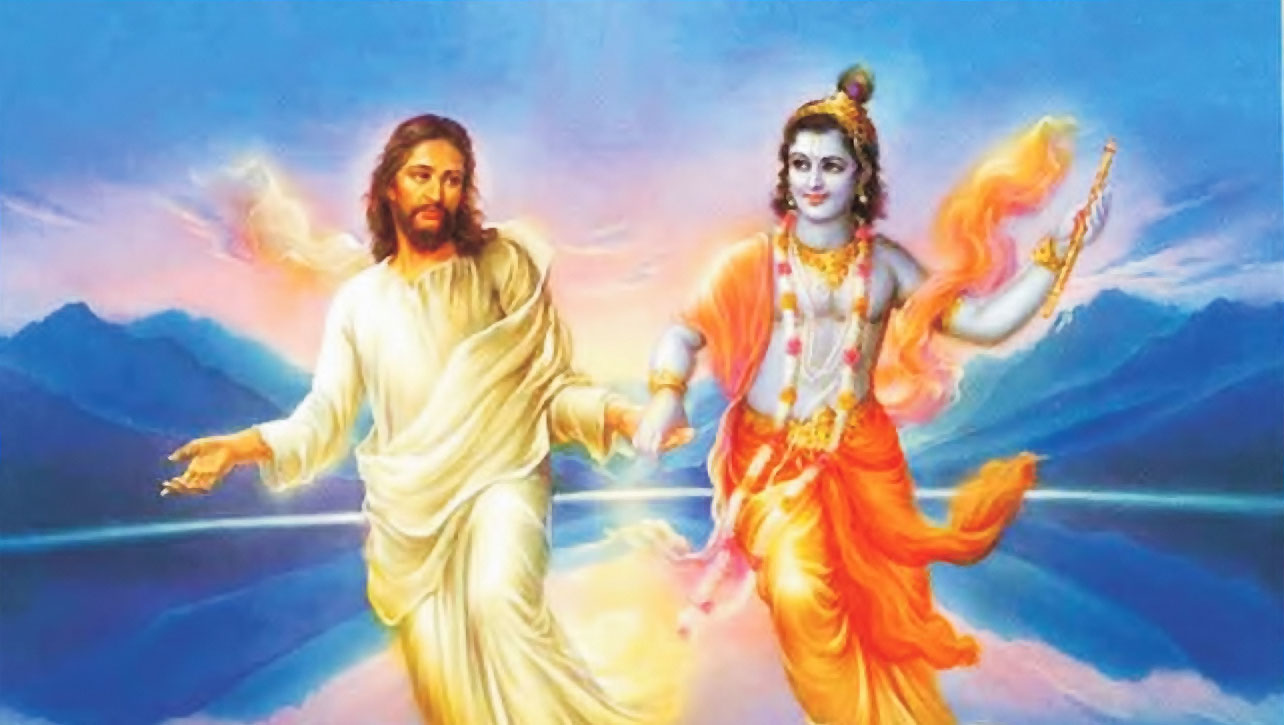
Jesus-Christ-and-Krishna1

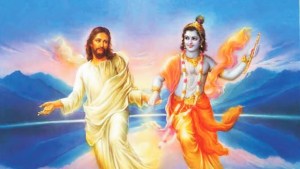
Christ and Krishna

Research paper written by London swaminathan

Research article Number 1625; Date 5h February 2015

The greatness of Hinduism is that they believe that messengers of God can appear in any part of the world. Another great thing about Hinduism is that they don’t call anyone Kafir or pagan, but all are called Divine Children (Amrutasya Putraha or Divyatma Swarupalala).  The third great thing about Hinduism is that whatever said in other religions are already found in the vast ocean like Hindu scriptures. Nothing in the world came to them as a surprise or a new thing! So they din’t clash with any one or covert any one.

Bible is silent about the teenage years of Jesus Christ. The New Testament says Jesus went at the age of 12 and came back at the age of 30. Scholars from various fields have discussed this topic for nearly 200 years and have come out with various theories. Teenage years are very important in any human being’s life. Since youths have tremendous energy and turbulent mind, they will go astray very easily if their energy is not properly channelized.

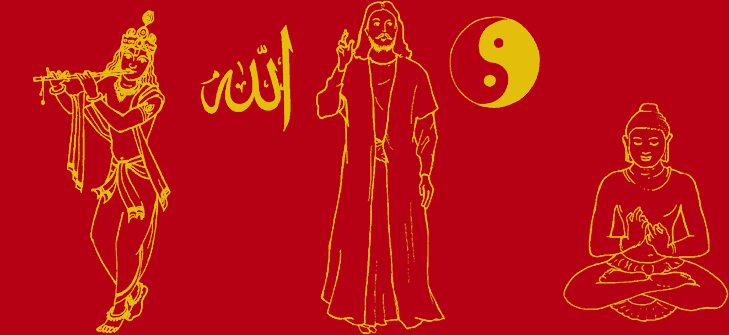
buddha and chirst

Krishna, Christ and the Buddha

Ancient India had a beautiful system to tackle this problem. Children at the age of seven were sent to Teachers (Guru) houses and asked to serve them. While serving at the teachers’ houses they were taught the lessons. When they have mastered the subject by the age of twenty or so they were sent home. Immediately they were married and so there was less opportunities for following bad things. Moreover the military style discipline imparted at Guru’s place made them to fall in a groove. Habits die hard. They followed the good habits they learnt at Guru’s Ashram or Gurukula. Sanskrit scriptures say that certain teachers had hundreds of students and so they were called Kulapatis.

Jesus Christ was a born Yogi and Jnani

Jesus’ life and his teachings point out that he had education at a Hindu Gurukula in the Himalayas. Even before Jesus was born, India had big universities with thousands of students in Takshasheela (Taxila), Nalanda and Kancheepuram. So it was not impossible.

Why should Jesus come to India to learn such things?

Jesus was born in a Jewish sect known as Essenes. Roman writer Pliny the Elder ( 70 CE) gave the details of Essenes’ life. They were ascetics, they took bath every day (like Hindus), they believed in mysticism and they did not marry (Brahmacharys). Readers can find more about Essenes in encyclopaedias. They were like Hindu Yogis. The word Essenes came from Sanskrit word Isa (God). In short they were god men. In India every town has a great soul who we respect as god men.

Though many people have put forward various points to justify that Jesus visited India in his teenage years, they have not given many of the following things:
 

christ and krishna

Adwaita in the Bible: Jesus’ probably learnt Adwaita-Non Dualism from Hindu saints in the Himalayas. Swami Vivekananda spoke about three stages in the preaching of the Christ. When he went to the masses, who could not conceive anything other than a personal God, he said, Pray to your Father in Heaven and he acted like a Messenger of God. To others who could grasp a higher idea, he said, I am the vine, ye are the branches, but to his disciples, to whom he revealed himself fully, he proclaimed the highest truth, I and my father are one. This is what considered as Maha Vakyas in our Upanishads : Aham Brahmasi, Tat twam asi etc.(I am God, You are That).

When he said,’ The Kingdom of Heaven is within you’ and ‘Blessed are the pure in heart for they shall see God’, Jesus meant only the non-dualist principle, which was made popular by the greatest philosopher Adi Sankara.

Jesus Christ= Thera Buddha

Swami Vivekananda also narrated a strange dream about Jesus Christ to his disciples. Read it in his own words:

“I had a curious dream on my return voyage to England. While our ship was passing through the Mediterranean sea, in my sleep, an old and venerable looking person, Rishi-like in appearance, stood before me and said: I am one of the ancient order of Theraputtas which had its origin in the teaching of the Indian Rishis.
 The truths and ideals preached by us have been given out by Christians as taught by Jesus: but for the matter of that there was no such personality by the name of Jesus ever born. Various evidences testifying to this fact will be brought to light by excavating here. By excavating which place can those proofs and relics you speak of be found? I asked. The hoary-headed one pointing to a locality of Turkey, said, see here.
 Immediately after, I woke up, and at once rushed to the upper deck and asked the captain, ‘what neighbourhood is the ship in just now?’. ’Look yonder’, the captain replied, ’there is Turkey and the island of Crete’.”
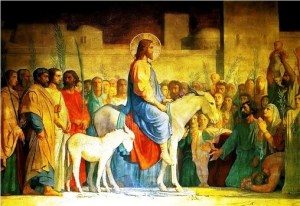
jesus bhaktas namskar and namste

Hindu Style: Bhaktas prostrate: Namaskar and Namaste (See at the bottom right)

Bhagavad Gita & The Bible: There are many resemblances between the Gita and the New Testament. As an instance of a resemblance between the two scriptures a quotation or two may be given. Krishna says (9-27) ‘whatever thou do; whatever thou eat; whatever thou sacrifice; whatever thou give away; whatever mortification you may perform; do all as if to me.’ With this compare (I.Cor.x.31)’whether therefore ye eat or drink, Whatever ye do, do all to the glory of God.’ Krishna says again ‘Be not sorrowful; from all thy sins I will deliver thee’. While in Mathew ix.2. We read, Be of good cheer; thy sins be forgiven thee.’

Let me add just one further quotation, in which the resemblance is striking: In describing Heaven Krishna says of it that it is a place ‘in which neither sun nor moon need shine, for all the lustre it possess is mine.’

The Heaven described in Revelation xxi.23 is a city which had no need of the sun, neither of the moon to shine in it, for the glory of god did lighten it.’ Quoting all these in his book Indian Philosophy, the learned author J.F.Kennedy says that the writers of the New Testament borrowed all these from Bhagavad Gita.

King Herod= King Kamsa

Mr.J.F.Kennedy adds one more analogy in the above said book that Kamsa who killed all the children is Indian Herod.( Herod was a Roman king who ordered the slaughter of all the children to make sure that Jesus’ is dead.)


Catholic Church and the Buddhist Monastery: All the customs, from the uniform to the convent is copied from the Buddhists who were sent to the West from the days of Asoka. This was noticed and reported by a lot of Western scholars.

‘The Original Jesus’ written by E R Gruber and G Kersten gives hundreds of examples with proof. Asoka sent preachers to different countries and Jesus also arranged for his disciples travel even before his death. The convent, the system of preachers, the uniform for the priests- all copied from the Buddhists and the Buddhists adopted all these from the Hindus. To give one example, Hindu saints wore saffron cloth and the Buddhists wore yellow cloth. Hindu saints went to different parts of the world including South East Asia where there are many statues of Agastya even today.
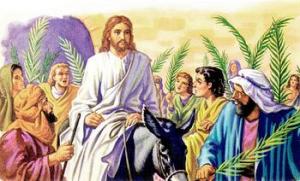
most of the pictures Yogic white

Old Jesus pictures are in Hindu Yogi’s white dress!

Jesus and Fish Symbol

Scholars struggled very hard to justify why Jesus was identified with Fish symbol. At last they found out a circuitous route to explain it. They took him all the way to Greece and named him fish in Greek language! No one can see any logic in this strange link! In Greek “Ichtys” means fish and it was the acronym for” Iseous Christos Theou Hyos Soter” (Jesus Christ, Son of God, Saviour). This is a scholarly invention or concoction. It is like giving the meaning for the word ‘WIFE’ as “Worries Invited Fore Ever”! A senseless joke. The fact of the matter is that in the Bhagavad Gita, Hindus’ holy book, Lord Krishna says, “Jasaanaam makaras ca asmi”. The meaning is “Of the fishes I am Makara”. Makara is translated as shark or alligator or even big fish. Here the Sanskrit word for fish is Jasa. In course of time this sound was used for Isa (God), Yasa/s(fame) and names such as Jason etc.

In short, the Sanskrit word for fish and the name of Jesus sounded similar. But scholars struggled very hard to give umpteen interpretations for Jesus’ link with fish.

Vidura Niti= Jesus Niti

Like Sermon on the Mount and the Buddhist Dhammapada, the Hindu scriptures also teach men to return good for evil. This is what said to have uttered by Vidura, the wise man of Mahabharata in the Vidura Neethi.

Thiruvalluvar, the great Tamil saint in his Thirukkural says:

When a man has experienced pain caused by harm done to him, how can he cause pain to others? (Couplet 318)

‘The best way to punish those who harm you is to make them feel ashamed by doing them well and thinking no more of it’ (couplet 314).

Na tath parasya sandhadyath pratikuulam yadatmana: 7-17
“Do not do unto others as you wish others not to do unto you – Vidura Niti

padapuja

Padapuja : Hindu style! Washing the feet!

Mahabharata Santiparva 167-9 also repeats the same message in a positive way:

Tasmaad dharma praaadheenena bhavitavyam yataatmanaa
Tathaa cha sarvabhuutesu vartitavyam yathaatmani

Hence, by self control and by making right conduct (dharma) your main focus, treat others as you treat yourself.

Jesus Christ also said the same in the Bible,

Therefore all things whatsoever ye would that men should do unto you, do ye even so unto them (Matt.7,12)

Blind Leading the Blind: Many of the parables told by Jesus are similar to the parables in the Upanishads. Even the Upanishad and Vedic phrases such as Honey and Milk, Blind leading the Blind are found in Jesus teachings (Mathew 15:13-14, Luke 6:39-40)

Namaste by Jesus Devotees

Several of Catholic Christian customs such as Baptism, Using Bells, Incense, early paintings  showing Namaste (Joining both hands to show respect), Jesus in simple dress like Hindu yogis, Idol worship in the form of Virgin Mary, Cross  etc. show the influence of Hinduism and Buddhism.

When the people noticed that he was teaching at the age of 30, they were wondering, “is not this the carpenter’s son?” (see Mathew). The word used in Greek bible is Tekton (Sanskrit word Taksha, Tamil Thachan). There are hundreds of Sanskrit words in the Bible. Please see my early articles: Sanskrit in the Bible part 1 and Part 2

Oral Tradition in Kashmir


The oral tradition in Kashmir says that the Biblical king Solomon visited Kashmir. Jesus Christ was said to have spent his last days in Kashmir after resurrection The present Bible was redacted in 3rd century AD in Constantinople and lot of different versions were burnt at that time. Like Hindu Puranas they had various versions of the Bible. To avoid confusion they were burnt by the king Constantine. There is a bible called Sinai Bible in the British Library in London which differs widely from the modern Bible. There are 14,800 differences according to the author of “The Bible Fraud”, Tony Bushby.

There is a grave in Kashmir, which is considered Jesus’ grave. The epitaph on the grave says, “The messenger of peace rests here”. Several scholars have pointed out the similarity between the parables of the Upanishads and Christ.

jesus blessing, Hindu gesture

Hindu blessing : jesus does it with right hand like Hindu Yogis!

Forty Day (Mandalam) Fast: Jesus fasted for 40 days in the desert at the beginning of his ministry.

Even today 40 day fasting period leading up to Easter was followed by orthodox Christians. This 40 day period is called a Mandalam in Hindu scriptures. Even today millions of Hindus visiting Sabarimalai in Kerala and Murugan temples in Tamilnadu (Skantha Shasti) follow this custom.

Washing the feet: When Dharma alias Yudhistra performed the Rajasuya Yagna he allocated the tasks to different people. Krishna chose the work of washing the feet of the worthy Brahmins. One but cannot recall to mind an identical incident in the Life of Jesus, who when he ate the Passover meal with his 12 disciples went round washing their feet. This custom of washing the feet existed in Ancient India even today when great men like Sankaracharyas visit any one, it is done.


Unlucky No.13: The Christians think that number 13 unlucky. This is because that Judas, who betrayed Jesus was the thirteenth person at the Last Supper. But this belief about No13 has a different origin. The ‘Brahmanas’, the books that came immediately after Vedic Samahitas, call No13 a dirty number because the thirteenth month is called a dirty (mala) month. When the Vedic society used a lunar calendar unlike our modern solar calendar there was always a few days left as balance at the end of each year. When it accumulated in to a full month they treated as something dirty and avoided all good activities during that period. Amazing coincidence is that the South American Mayan civilization had also the same belief.

Christ-Yogic aura, buddha

Jesus has aura around his head like Hindu Yogis and Buddha!

Krishna Miracles: There are very many similarities between the miracles done by Jesus Christ, Krishna and Moses. The river Jamuna separated to give way to Krishna and Red Sea separated to give way to Moses and his followers. Jesus fed 5000 people with bread from the basket which contained only a few breads. In the same way Draupati fed a lot of people with Akshayapathram by the grace of Lord Krishna.

(Many of the above things are already reported in my posts at various articles. Now I have put them together:swami)

Contact swami_48@yahoo.com

(Pictures are used from various sites;thanks)

Sinhalese Wonder! A Riddle in Indo-Aryan Languages!

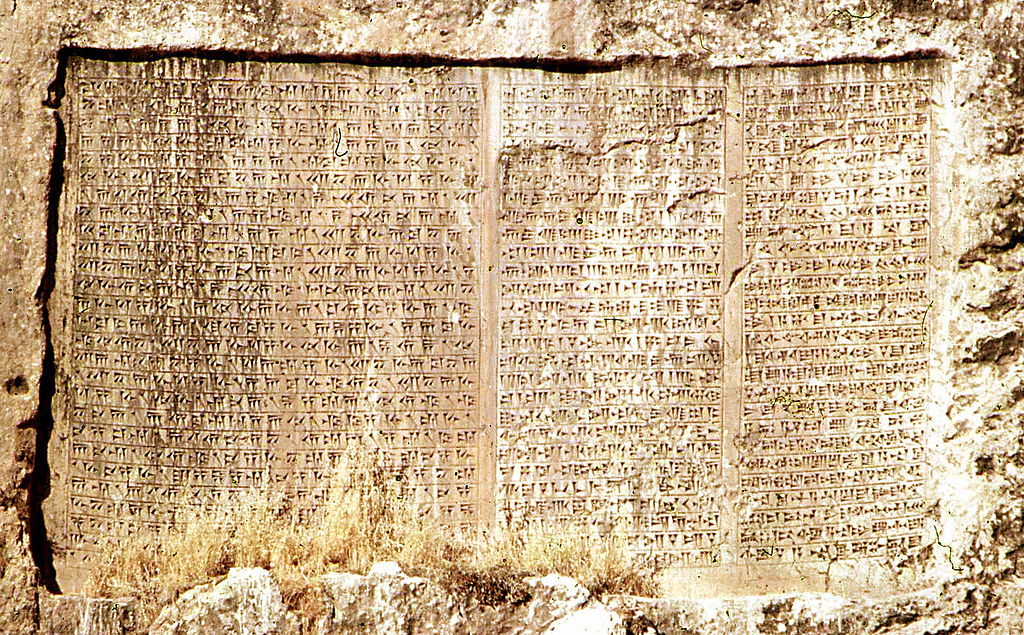
king batiya abhya 19 bce

King Batiya Abhaya inscription, 19 BCE

Compiled by London swaminathan

Article Number 1622; Dated 4th February 2015

Sinhalese language spoken in Sri Lanka is a puzzle for linguists. Vedic Scholar Shrikant G Talageri use this riddle to prove that Indians went out to different parts of the world and spread their language and not vice versa. The original settlers of Sri Lanka came from North West India- the present day Afghanistan, via Gujarat.

Read this interesting write up in Talagheri’s words ( From “THE RIG VEDA – A Historical Analysis” by Shrikant Talageri, Aditya Prakashan, New Delhi)

“The Sinhalese language of Sri Lanka is generally accepted as a regular, if long separated and isolated member of the “Indo Aryan” branch of Indo-European languages; and no linguist studying Sinhalese appears, so far, to have suggested any other status for the language.

“Wilhelm Geiger, in his preface to study of Sinhalese, points out that the phonology of the language is full of intricacies…. We sometimes meet with a long vowel when we expect a short one and vice versa, and further: ‘in morphology there are formations, chiefly in the verbal inflexion, which seem to be peculiar to Sinhalese and to have no parallels in other Indo Aryan dialects…. And I must frankly avow that I am unable to solve all the riddles arising out of the grammar of the Sinhalese language.’

 sri lanka

“The Sinhalese word watura, “water” is not only closely cognate to the Germanic words (which include English water) and Hittite watar, but it represents a form which is impossible to explain on the basis of Sanskrit or Indo Aryan etymologies. Geiger himself, elsewhere, rejects an attempt by an earlier scholar, Wickramasinghe, to derive the word from Sanskrit vartaruka as ‘improbable’; and although he accepts the suggestion of another scholar, B Gunasekara, that the original meaning is ‘spread, extension, flood (M.vithar).. Pk.vitthaara, Sk.vistara, he notes that ‘vocalism a.u. in vatura is irregular cf. vitura.

2M W S de Silva, in his detailed study of Sinhalese, points out that Indo Aryan (or Indic) research began with an effort devoted primarily to classifying the Indian languages and tracing their phonological antecedents historically back to Vedic and Classical Sanskrit… Early Sinhalese studies have followed the same tradition. However Sinhalese presents a  linguistic make up which for various reasons, distinguishes itself from the related languages in North India… there are features in Sinhalese which are not known in any other Indo Aryan language, but these features, which make the  story of Sinhalese all the more exciting, had not received much attention in the earlier studies.

6-Sinhala-ConsonantsS

Oluva, Bella, Kakula, Kalava

He also points out: Another area of uncertainty is the source of the small but high frequency segment of the Sinhalese vocabulary, especially words for parts of the body and the like: eg.Oluva ‘head’, bella ‘neck’, kakula ‘leg’ and ‘kalava’ thigh etc. which are neither Sanskritic nor Tamil in origin. The native grammarians of the past have recognised that three are three categories of words— a) loan words, b) historically derived words and c) indigenous words… No serious enquiry has been made into these so called indigenous words.

ancient inscription

“In his preface, e Silva notes that ‘there is a growing awareness of the significance of Sinhalese as a test case for the prevailing linguistic theories; more than one linguist has commented on the oddities that Sinhalese is unlikely any language I have seen. Further he quotes Geiger: it is extremely difficult, and perhaps impossible, to assign it a definite place among the modern Indo Aryan dialects.”

But, it did not strike to de Silva, any more than Geiger, the reason for all this confusion is among linguists could be their failure to recognise the possibility that Sinhalese is not an Indo Aryan language (in the sense in which the term is used) at all, but a descendant of another branch of  Indo European languages.

De Silva quotes Geiger as well as Paranavitana, and agrees with their view that the band of immigrants who gave their name Sinhala to the composite people, their language and the island, seems to have come from North western India… their original habitat was on the upper reaches of the Indus river … in what is now the borderland between Pakistan and Afghanistan, and quotes Paranavitana’s summary of the evidence, and his conclusion: “All this evidence goes to establish that the original Sinhalese migrated to Gujarat from the lands of the Upper Indus, and were settled in Lata for some time before they colonised Ceylon”.

A thorough examination, with an open mind, of the vocabulary and grammar of Sinhalese, will establish that Sinhalese represents a remnant of an archaic branch of Indo European languages.

pgss_sinhala_image1

The evidence of Bangaani and Sinhalese (the one word watura itself) constitutes a strong case for an Indian homeland since it clashes sharply with any theory of Indo Aryan migrations into India.”


I have shown in bold some sentences to emphasize my point that theold linguistic theories are false and Indians only went out and spread their language and culture and not vice versa: swami

inscription

Contact swami_48@yahoo.com

தண்ணீர் கொண்டு வா — நியாயம்!

supermoon-may5-2012-x

சம்ஸ்கிருதச் செல்வம் – இரண்டாம் பாகம்

  1. தண்ணீர் கொண்டு வா — நியாயம்!


Post No 1619; Dated 3rd Febraury 2015

by ச.நாகராஜன்


நியாயங்களின் வரிசைத் தொடரில் மேலும் சில நியாயங்களைப் பார்ப்போம்:.

चन्द्रचन्द्रिकान्यायः

candracandrika nyayah

சந்திர சந்திரிகா நியாயம்

சந்திரனும் அதன் ஒளியும் பற்றிய நியாயம் இது. நிலவின் குளிர்ந்த ஒளியையும் நிலவையும் பிரிக்கவே முடியாது என்பதைச் சொல்லும் இந்த நியாயம் பிரிக்க முடியாதபடி இணைந்து பிணைந்து இருக்கும் இரு பொருள்களைக் குறிக்கப் பயன்படுத்தப்படுகிறது.


water1

जलानयनन्यायः

jalanayana nyayah

ஜலாநயன நியாயம்


நீரைக் கொண்டு வருதல் பற்றிய நியாயம் இது.


குடிக்கத் தண்ணீர் கொண்டு வா என்று ஒருவரிடம் சொன்னால் அதைக் கொண்டுவரும் போது அதை எடுத்து வருவதற்கான குவளையும் கொண்டு வா என்பதும் அதில் அடங்கும் அல்லவா! பிரிக்க முடியாத ஒன்றுடன் ஒன்று தொடர்பு கொண்ட இரு விஷயங்களைக் குறிப்பிட இந்த நியாயம் பயன்படுத்தப் படுகிறது.

pen painti1

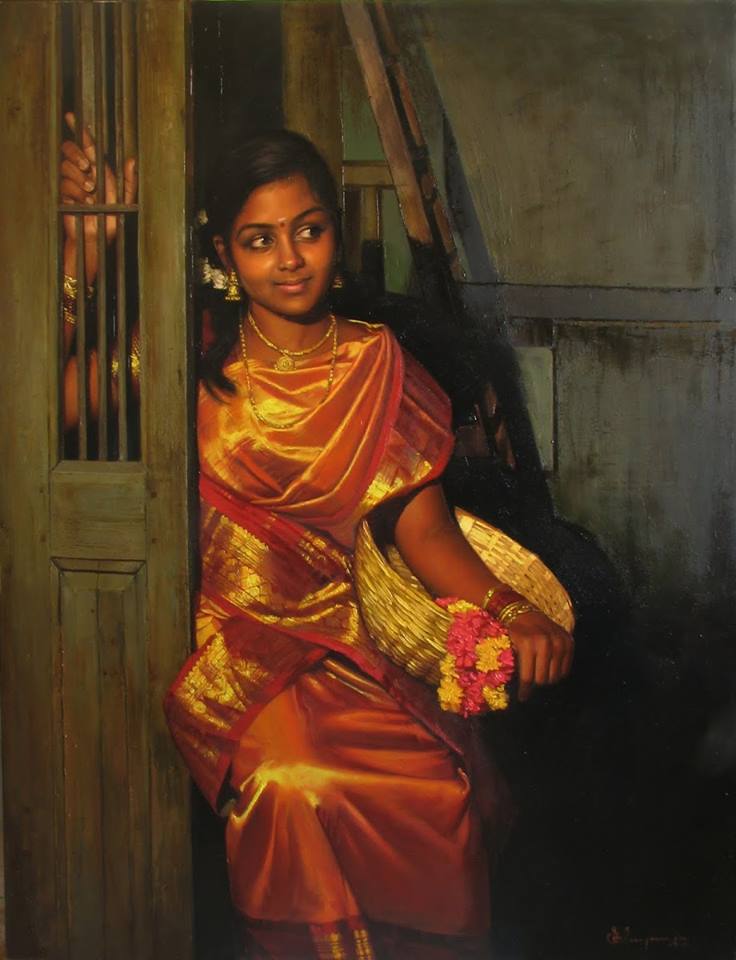
Painting by S. Ilayaraja from Face Book

चित्रांगनान्यायः

citrangana nyayah

சித்ராங்கனா நியாயம்

ஓவியம் ஒன்றில் சித்தரிக்கப்படும் அணங்கு பற்றிய நியாயம் இது. எவ்வளவு தான் த்த்ரூபமாக ஒரு அழகியின் படத்தை வரைந்தாலும் கூட அந்த அழகி நேரில் இருப்பது போல ஆகுமா? ஆகாது. எவ்வளவு அரிய முயற்சி எடுத்து ஓவியத்தை வரைந்தாலும் கூட நிஜத்திற்கு அது நிகராகாது. அதே போல ஒருவன் எவ்வளவு தான் சித்தரித்தாலும் பேசினாலும் ஒரு விஷயத்தின் நிஜ ரூபம் காண்பிக்கப்படும் போது அதற்கு நிகராக எதுவும் ஆகாது என்பதைச் சுட்டிக் காட்ட இந்த நியாயம் பயன்படுத்தப்படுகிறது.

tortoise

कूर्माङ्गन्यायः

kurmanga nyayah.

கூர்மாங்க நியாயம்

கூர்மம் – ஆமை அங்கம் – உறுப்பு

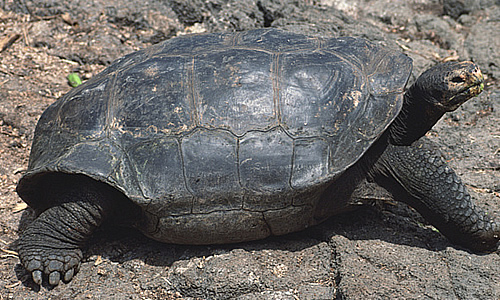
ஆமையின் உறுப்புகள் பற்றிய நியாயம் இது. ஆமை தனது கழுத்து மற்றும் கால்களை தேவைப்படும்போது  மட்டுமே வெளியில் நீட்டும். தேவை இல்லாவிட்டாலோ அல்லது ஒரு ஆபத்து வந்தாலோ அது தன் கழுத்தையும் கால்களையும் இழுத்து தன் ஓட்டிற்குள் அடக்கிக்கொண்டு விடும். அதே போல விஷயம் தெரிந்த ஒருவன் தன் சக்தியை தேவைப்படும் போது மட்டுமே வெளியில் காட்டுவான். சரியான வாய்ப்பு வரும் போது தன் திறனைக் காட்டிப் பயன் பெறுவான். தேவையற்ற காலங்களில் அனாவசியமாக தன் திறமைகளைக் காட்டி சக்தியை விரயம் ஆக்க மாட்டான்; தம்ப்பட்டம் அடிக்க மாட்டான்.


Sugar cane-23

इक्षुविकारन्यायः

iksuvikara nyayah

இக்ஷுவிகார நியாயம்


கரும்பை எப்படியெல்லாம் மாற்றுகிறோம் என்பதைக் குறிக்கும் நியாயம் இது. கரும்பை வெட்டி எடுத்து அதை முதலில் நசுக்கி அதன் சாறு எடுக்கப்படுகிறது. அந்தச் சாறு சூடாக்கப்பட்டுப் பின்னர்  மெதுவாக திட நிலைக்கு கொண்டு  வரப்படுகிறது. பின்னர் அது சுத்திகரிக்கப்பட்டு அழகிய வெல்லக் கட்டிகளாக ஆக்கப்படுகிறது. படிப்படியாக ஒரு விஷயம் பக்குவப்படுத்தப்பட்டு இறுதியில் விரும்புகின்ற ஒரு வடிவமாக ஆவதைச் சுட்டிக்காட்ட இந்த நியாயம் பயன்படுத்தப்படும்.

contact swami_48@yahoo.com
********

Emegir, Emesal of Sumer: Sanskrit, Prakrit of India!

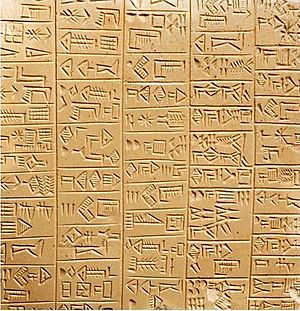
Sumerian_26th_c_Adab

Research Article by London swaminathan

Research Paper No 1616; Dated 1st February 2015

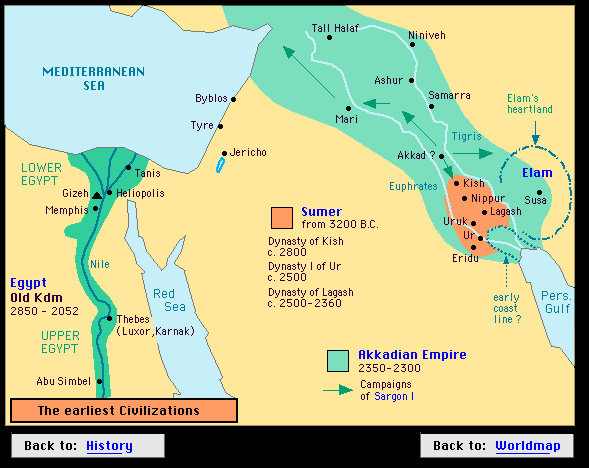
Sumerian language is the vernacular tongue of southern Babylonia until the end of third millennium BCE. The language died around 1650 BCE. We have clay tablets with cuneiform script from 3400 BCE. There were two varieties of Sumerian:  Emegir and Emesal.

Emegir is called men’s language and Emesal is called women’s language! It is very interesting to compare it with Sanskrit and Prakrit languages used in India. Like Sanskrit and Prakrit are two varieties of the same language Sumerians had two varieties.

Some examples:

EMEGIR

En= Lord; Mr

Nin= Madam; Mrs, Miss

Dug=good

EMESAL

Umun = Lord

Gashna= Queen, Madam

Zeb=good

sumer

There are 60,000 lines on clay tablets in Emegir dialect and another 60,000 lines may be in Emesal according to scholars in the field. Not all the materials are literature. Mostly we have bills, receipts and commercial transactions in Sumer. In India we have very few commercial materials in inscriptions or literature.

Emesal was used for certain religious literature, like Prakrit was used for Jain literature and Pali for Buddhist literature

Emesal was used by women like, Prakrit was used by women in Sanskrit dramas. In Sanskrit dramas women, comedians and village folk spoke Prakrit. Whereas the kings and government officials spoke Sanskrit. Sanskrit is like Emegir.

Indian languages are diglossic; spoken and written varieties are available. Even today in the Tamil and Hindi feature films, we have the heroes speaking posh, chaste language and the comedians and villagers using colloquial language, similar to Sanskrit and Prakrit or Emegir and Emesal.

In all the ancient languages like Sanskrit, Greek, Latin and Tamil we have literature in the form of poetry. Prose came very late, may be 500 to 700 years later In Tamil. It took at least 500 years after the Sangam age.

But in Sanskrit, the foreign “scholars” put prose immediately after the Rig Veda, i.e. within a few hundred years. It can’t correct. We need to compare the development of poetry and prose in all the ancient languages. In India Prakrit (poetry) literature came at least 1500 years after Sanskrit literature. Sanskrit prose must have come very late. It will push back the date of the Rig Veda. Scholars now accept a date around 1700 BCE for the Rig Veda. More research will prove that B G Tilak and Herman Jacobi are right in assigning a date around 4000 BCE to the Rig Veda. It is very interesting to know that both arrived at the date independently on the basis of Vedic astronomy. So they can’t be wrong.

Another factor is that only Vedic people produced huge volume of quality literature even before Homer and Moses were born. This also proves that they must have composed or “heard” (Sruti) Vedas long before the dawn of civilization in other parts of the world.

music sumerian

Primitive men would not have spoken in poetic language. they would have used only prose to communicate. But it was poetry which can be easily memorised and passed on to posterity. Other things would have been forgotten. So Prakrit or spoken Tamil would have existed before Sanskrit or chaste Tamil. It is applicable to every language in the world. If we keep this point in mind and compare the development of other languages then we can arrive at a reasonable date for the Vedas and other Indian literature.

Another interesting point to compare is the availability of inscriptions and epigraphs in India. From Asokan times, we have lengthy Prakrit inscriptions. But in Tamil we have very short inscriptions in the same Brahmi script for a very long time. Why?

In Tamil, colloquial language is used in the early stage (inscriptions) and the literary style is used very late. That too very few lines around Asokan times! Why? But Rudradaman (130 CE) suddenly burst into pure Sanskrit in his Junagarh inscription. He made Sanskrit court language wrote poems in Sanskrit.
Conclusion: There was one dialect for men and royal personalities and another dialect for women and villagers in India and Sumer.

Poetry came first and prose came very late in most of the ancient languages. Foreign scholars dating of the Rig Veda and the Sanskrit prose materials is wrong.

If we compare the development of prose and poetry in ancient languages, it will lead us to proper assessment of literature and correct assignment of dates to them.

contact swami_48@yahoo.com

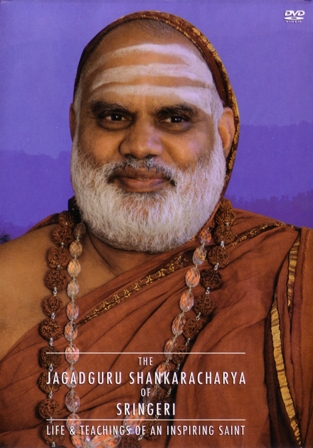
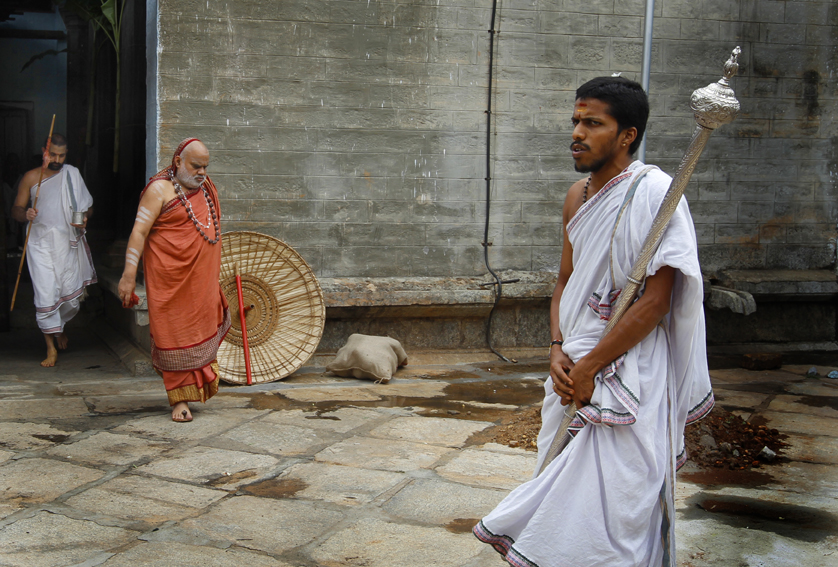
A Day in Sringeri Jagadguru’s Life.

the-jagadguru-shankaracharya-of-sringeri

Received  via email from D Narayanan, Bangalore

Posted by london swaminathan

Post No 1614; Dated 31 january 2015


A Day in Sringeri Jagadguru’s Life.


He does not sleep or rest during day.

Relaxation is a word that does not exist for him.

He is constantly reading whenever he has time.


3:45 am– Arises

4:30 am– First Bath,Anushtana, worship and meditation,puja to the padukas of his guru and paramaguru,Parayana of Adi shankara Bramha sutra bhashya

7 am– visits Samadhi temples of his gurus, goshala and feeds the cows.

8 am– Conducts classes for the students-Vedanta or tarka

9:30 am-Guides religious observences in peetham-Darshan to visiting heads of other mutts.

10:30 am– Darshan to devotees

sringeri 10a

12:00– 2 nd Bath-midday prayers and meditation

2:00 pm– Bhiksha(Lunch)

3:00 pm-Teaches a class for scholars and guides research activities.Brainstorming intellectual sessions on various subjects.

5:30 pm– Darshan to devotees.

6:30 pm– Discusses math affairs with administrator

7:30 pm– 3rd Bath-Evening worship and meditation.

8:15 pm– Sri chandramouleeshwara puja

10:00 pm– retires to his chamber and continues his personal study.

Food: A Glass of Milk in the morning and Night and one meal a day.

gurupuja

No fruits, snacks or other food.

On Ekadasi, observes silence and does not even partake water.

contact swami_48@yahoo.com

பெண் குழந்தை பெற்ற மனைவி கொலை! “பெண்களைக் காக்க”!

beti image

கட்டுரை எழுதியவர் லண்டன் சுவாமினாதன்

கட்டுரை எண்- 1609; தேதி 29 ஜனவரி 2015


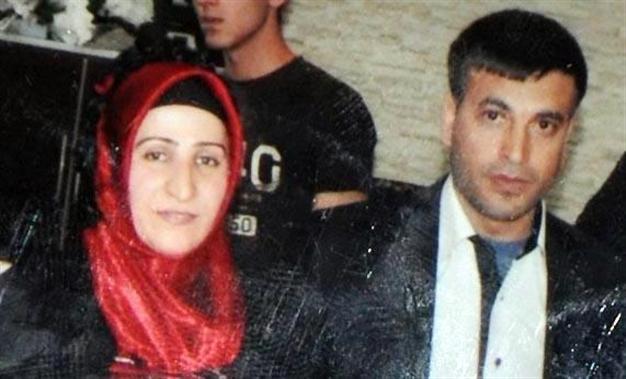
துருக்கி நாட்டில் இருந்து ஒரு துயரச் செய்தி! இரண்டாவது முறையும் பெண் குழந்தை பெற்ற மனைவியை மின்சார அதிர்ச்சி கொடுத்துக் கொன்ற கணவனுக்கு ஆயுள் சிறைத் தண்டனை.

இந்தியப் பிரதமர் நரேந்திர மோடி சென்ற வாரம் ஹரியானா மாநில பானிபட் நகரில் பெண் குழந்தைகளைப் பாது காக்கும் — “பேட்டி பசாவோ” — இயக்கத்தைத் துவக்கி வைத்தார். அந்தச் செய்தியும் துருக்கி செய்தியும் சில யோசனைகளை முன் வைக்கத் தூண்டுகிறது.

துருக்கியில் டியாபகீர் என்னும் ஊரில் வசிப்பவர் வெய்சி துரன். வயது 29..இவர் முபாரக் என்னும் 33 வயதுப் பெண்ணுடன் வாழ்க்கை நடத்தி வந்தார். முதல் குழந்தை பெண் குழந்தை. சென்ற ஆண்டில் பிறந்த இரண்டாவதும் பெண் குழந்தை. கணவருக்கு மஹா கோபம். இந்தியாவைப் போல துருக்கியிலும் பெண் ‘கரு’ — க்களைக் கலைக்கும் வழக்கம் பரவலாகக் காணப்படுகிறது


துருக்கி நாட்டுக் கோர்ட்டில் வழக்கு விசாரணை நடந்தது. கோபத்தில் மனைவியைக் கொன்றதாக வெய்சிக் சொன்னாலும் அது  நம்பும்படியாக இல்லை. ஏனெனில் அவர் திட்டமிட்டு கடைக்குச் சென்று பிளக், கேபிள் முதலியன வாங்கி, மனைவி தூங்கும்போது அவர் காலில் பொருத்தி சுவிட்சை இயக்கியதை வாதிகள் நிரூபித்தனர்.


electrocution

வழக்கை விசாரித்த நீதிபதிகள், “ஐயா! நீவீர் கோபத்தில் கொல்லவில்லை; திட்டமிட்டுக் கொன்றுவிட்டீர். இப்போது இரண்டு குழந்தைகளுக்குத் தாய் இல்லை. உமக்கு ஆயுள் தண்டனை வழங்குகிறோம். இப்போது அக்குழந்தைகளுக்குத் தந்தையும் இல்லை. உமது கல் மனமே காரணம்” என்று சொல்லி தீர்ப்பு வழங்கினர்.


துருக்கியில் 2002 முதல் 2009 ஆம் ஆண்டுக்குள் பெண்  (கரு)கொலைகள் 1400 சதவிகிதம் அதிகரித்ததாகவும் சென்ற ஆண்டு மட்டும் 253 பெண்கள் கொலை செய்யப்பட்டதாகவும் ‘’பியானெட்’’ என்ற தகவல் அமைப்பு செய்தி

வெளியிட்டது.


மோடி அரசு என்ன செய்யலாம்?


சென்ற வாரம் ஹரியானா மாநில பானிபட்டில் ,இந்தியப் பிரதமர் நரேந்திர மோடி பேசுகையில் பெண் கருக்களைக் கலைப்பது மன நோயின் அறிகுறி என்று கடுமையாகத் தாக்கிப் பேசி பெண்குழந்தைகளைப் பாதுகாக்கும் திட்டத்தைத் துவக்கிவைத்தார்.

தமிழ்நாடு உள்பட பல்வேறு மா நிலங்களும் பெண் கருக்களைக் கலைப்பதைத் தடுக்க பல ஊக்குவிப்புத் திட்டங்களை அறிவித்தன. ஆயினும் நிலைமை கட்டுக்கடங்காது சென்று விட்டது. பல இடங்களில் ஆயிரம் ஆண்களுக்கு 775 பெண்கள்தான் என்ற பயங்கர நிலை  ஏற்பட்டுள்ளது. இதனால் வரக்கூடிய ஆபத்துக்கள் என்ன?

beti 3

1.பெண்கள்– ஆண்கள் விகிதாசாரம் குறைவாக இருந்தால் ஒழுக்கச் சிதைவு ஏற்படும். பெண்கள், பழைய கணவன்மார்களை விட்டு புதிய ஆண்களைத் தேடும் அபாய நிலை தோன்றும். விவாக ரத்துக்கள் அதிகரிக்கும்.

2.”அற்பனுக்கு வாழ்வு வந்தால் அர்த்த ராத்திரியில் குடை பிடிப்பான்” — என்று தமிழில் ஒரு பழமொழி உண்டு. பெண்கள், வேலைக்குப் போகத்துவங்கி,  லட்சம் லட்சமாகச் சம்பாதிக்கத் துவங்கியவுடன் அவர்கள் தலை  விரித்தாடத் துவங்க்கிவிட்டனர். பொருந்தாத நிபந்தனைகளை விதித்து திருமணத்தை ஒத்திப் போடுகின்றனர். அப்பா அம்மாக்களுக்கு  ஏக சந்தோஷம்! பெண்களின் சம்பாத்தியத்தில் கூத்தடிக்கின்றனர். உலகச் சுற்றுலா போகின்றனர்.

3.இதற்குப் பெண்களைக் குறைகூறுவதில் நியாயமே இல்லை. முன்னர் ஆண்களைப் பெற்ற பெற்றோர்களும் மாப்பிள்ளைகளும் எப்படி தலை விரித்தாடினர்களோ அப்படி இப்போது பெண்கள் ஆடுகின்றனர். ஆண்- பெண் ரேஷியோ– விகிதாசாரம்– ஏறத்தாழ சமமாக இருந்தால் இப்படிக் கொடுமைகள் நடக்காது.

4.அந்தக் காலத்தில் போர்கள் நடந்தால் ஆண்கள் தொகை குறையும். சமூகத்தில் குல தர்மம் அழியும். பகவத் கீதையில், —- சண்டை போட மாட்டேன் என்று அடம் பிடித்த அர்ஜுனன் —- இதை ஒரு வாதமாக முன் வைக்கிறான். போரினால் குல தர்மம் அழியுமே (1- 39 முதல் 43 வரையான ஸ்லோகங்கள்) என்கிறான். ஆனால் போரின் முடிவை அறிந்த கள்ளக் கிருஷ்ணன், பரவாயில்லையப்பா! சண்டை போடு என்று எதிர் வாதம்வைக்கிறான். இலங்கையிலும் உள் நாட்டுப் போரினால் ஏற்பட்ட அவல நிலையைக் கண்டோம்.

  1. இப்போது பெண்கள் தொகை குறைந்தாலும் இப்படி குல தர்மம் மாறும்.

“பெண்கள் சுதந்திரம் பெறுவது நல்லது — கணவன் வீட்டு வர தட்சிணைக் கொடுமைகள் அழியும்” — என்பதெல்லாம் உண்மைதான். ஆனால் புதிய பிரச்சினைகள் உருவாகும். மேலை நாடுகளில் கணவன்- மனைவி “ம்யூசிகல் சேர்” — விளையாட்டினால் குழந்தைகள்  வளர்ச்சி பாதிக்கப் படுகிறது என்பதை எல்லோரும் அறிந்துள்ளனர். குற்றவாளிக் கூண்டில் நிற்கும் குழந்தைகள் எல்லாம் இப்படிப்  “பல” அம்மா– அப்பா உடையவர்களே.


beti2

என்ன செய்யலாம்?


பிரச்சினை என்று ஒன்று வந்தால்தான் தீர்வு என்பதும் தோன்றும். ஆக மோடி அரசு என்ன செய்யலாம்?


1.வெளி நாடுகளில் எல்லாக் குழந்தைகளுக்கும்  ஒரு குறிப்பிட்ட வயது வரை நிதி உதவி (சைல்ட் பெனிபிட்) தரப் படுகிறது. அது போல பெண் குழந்தை பெற்றால் அக் குழந்தையின் பெயரில் ஒரு குறிப்பிட்ட வயது வரை நிதி உதவி தரலாம்.

2.இரண்டாவது பெண் குழந்தைக்கு இரு மடங்கு நிதி உதவி தரலாம். மூன்றாவது பெண் குழந்தைக்கு — முதல் குழந்தை போல சாதாரண உதவி தரலாம்.

3.மூன்று குழந்தைகளுக்கு மேல் பெற்றால் எல்லா உதவிகளையும் ரத்து செய்ய வேண்டும் ஏன் எனில்  ஜனத்தொகை பெருக்கத்தினாலோ அல்லது ஒரு குறிப்பிட்ட இனத்தினர் வேண்டும் என்றே தங்கள் தொகையைப் பெருக்குவதாலோ புதிய பிரச்சினைகள் ஏற்படும்


4.பெண் குழந்தைகளுக்கு கல்வி நிறுவனங்கள், வேலை வாய்ப்புகளில் பெரிய அளவு இட ஒதுக்கீடு செய்யலாம்.


  1. இந்த திட்டம் 25 ஆண்டுகள் வரையோ அல்லது ஆண்–பெண் விகிதாசாரம் சம நிலை அடையும் வரையோ மட்டுமே நீடிக்க வேண்டும். அல்லது அம்பேத்கர் சொன்னதையும் மீறி இன்று  பின் தங்கிய வகுப்பினருக்கு எப்போதும் சலுகை

என்று அரசியல்வாதிகள் வோட்டு பெற வைத்திருப்பது போல ஆகி விடும்.


எப்படிப்  பின் தங்கிய வகுப்பினர் தன் சுய மரியாதை, மானம் எல்லாவற்றையும் இழந்து நாஙகள் என்றும் பின் தங்கியோர்– நாங்கள் என்றும் பிச்சைக்காரர்கள் என்று பறை சாற்றிக் கொள்கின்றனரோ அததகைய இழி நிலை பெண்கள் விஷயத்திலும் வந்து விடும்.

6.எந்த ஒரு சமூகப் பிரச்சினையையும் அரசாங்கம் மட்டுமே தீர்க்க முடியாது. மக்களின் மன நிலை மாற வேண்டும். பெண் குழந்தை பெற்றுக் கொள்ளும் மன நிலை இயல்பாக வர வேண்டும் . இதற்கு நல்ல பரப்புரை- விழிப்புணர்ச்சி அவசியம்.

7.ரிக் வேதத்திலும் சங்கத் தமிழ் இலக்கியங்களிலும் உள்ள புகழ் பெற்ற பெண் கவிஞர்கள் குறித்து பாட புத்தகங்களில் பாடங்கள் இருக்க வேண்டும். ஜான்ஸி ராணி, சித்தூர் ராணி சென்னம்மா போன்ற வீராங்கனைகள் பற்றி போதிக்க வேண்டும். அவ்வையார், கார்கி, மைத்ரேயி, லீலாவதி போன்ற  மஹா மேதைகள் பற்றிக் கற்பிக்க வேண்டும். காஷ்மீர் மஹாராணி தித்தா, மதுரை ராணி மங்கம்மாள் போன்ற நாடாண்ட நாயகிகள் பற்றியும் சொல்லித் தந்தால் மன நிலையில் மாற்றம் வரலாம். பெண்கள் பற்றி பாரதியார் எழுதிய பாடல்களே பெரும் நம்பிக்கையை ஏற்படுத்தும். (பெண்கள் ஊதியத்தில் வாழும் அப்பா- அம்மாக்களை சமூகம் எள்ளி நகையாட வேண்டும்).

8.எல்லாவற்றுக்கும் மேலாக கருக்கலைப்பை — மனு முதலான ஸ்மிருதிகள் — ப்ரூனுஹத்தி — கொலை என்று கண்டிப்பதை மடாதிபதிகள் மூலம் கற்பிக்க வேண்டும். பல ஆண்டுகளுக்கு முன் குடும்பக் கட்டுபாட்டுக்குப் பொறுப்பான நடுவண் அரசு அமைச்சர் காஞ்சி மஹா ஸ்வாமிகளைச் சந்தித்தபோது அவர் குடும்பக் கட்டுப்பாட்டை ஆதரிக்க மறுத்து விட்டார்.  விளக்கம் கேட்ட போது இது  “புதிய பிரச்சினைகளை உருவாக்கும்” என்றார். ஆனால் இயற்கையான புலன் கட்டுப்பாட்டை அவர் ஆதரித்தார்.

இதற்கும் பெண்கள் தொகை குறைந்ததற்கும் என்ன தொடர்பு என்று உங்களில் சிலர் வியக்கலாம். எடுத்துக் காட்டாக ஒருவர் குடும்பத்தில் ஒன்று அல்லது இரண்டு ஆண் குழந்தைகள் பிறந்தவுடன், அவர்கள் முழுக்க முழுக்க குடும்பக் கட்டுப்பாட்டு சாதனங்களைப் பயன்படுத்தினால் பெண்கள் என்பதே இராதே!! இது தவிர இத்தகைய சாதநங்கள் ஒழுக்கக் குறைவுக்கும் உதவும் என்பதை விளக்கத் தேவை இல்லை. அது இக்கட்டுரைக்கு அப்பாற்பட்ட விசயம்.

(இருந்தாலும் இதை விளக்க, ஒரு சுவையான, சோகமான கதை சொல்லுகிறேன். என் லண்டன் நண்பர் ஒருவர், என்னை ஒவ்வொரு முறை சந்திக்கும் போதும், “ஸார்! அடுத்த முறை நீங்கள் சென்னைக்குச் செல்லும்போது —XXX கடற்கரைச் சாலையில் நிறைய விடுதிகள் கட்டிப்போட்டுள்ளோம். நீங்கள் அவசியம் குடும்பத்தோடு தங்க வேண்டும் என்பார். அண்மையில் அவரரைச் சந்தித்தபோது, என்னப்பா! பிஸினஸ் எப்படிப் போகிறது; ஸாரி, நீங்களும் ஒவ்வொரு முறையும் சொல்லுவீர்கள். அடுத்தமுறை நான் இந்தியாவுக்குப் போகையில் கட்டாயம் ………….. என்று சொல்லி முடிப்பதற்குள் அவர் ஒரு வெடி குண்டு போட்டார். அதை ஏன் கேட்கிறீர்கள்!   இப்போதெல்லாம் வார இறுதி நாட்களிலும் விடுமுறை நாட்களிலும் ஐ.டி. துறையில் வேலை பார்க்கும் ஆண்கள் பெண்கள் அங்கே வந்து கும்மாளம் அடிக்கின்றனர். “கான்பெரன்ஸ்”, கூட்டம் என்ற பெயரில் மிக  மோஸமான செயல்கள் நடக்கின்றன. காலையில் அந்த இடங்களைச் சுத்தம் செய்வோர் டன் கணக்கில் ஆண் உறைகளை எடுக்கின்றனர் என்றார். எனக்குப் பெரும் அதிர்ச்சி! ஏமாற்றம். இனி மேல் அங்கு தங்க முடியாதே என்று!


“அடடா! அப்படியா! உடனே அதிகாரிகளிடம் சொல்லி நடவடிக்கை எடுக்கலாமே” என்றேன் அப்பாவி போல! போட்டாரே போட்டார்.இன்னும் ஒரு வெடி குண்டை! அந்தப் பகுதி XXX அதிகாரி என் மச்சான் தானே என்று.


“நான் நினைத்தேன் , முதலுக்கே  மோசமாக இருக்கிறதே” என்று.)


contact swami_48@yahoo.com