Golden sayings in Ayurveda Books

india medical

Article No.1986

Compiled by London swaminathan

Date 10th July 2015

Time uploaded in London: 20-54

Charaka and Susruta were great Ayurvedic experts. Their books serve as the foundations of Ayurveda, the popular  Indian Medical System. Both of them wrote in Sanskrit and they lived at least 2300 years ago; but they have only written what is passed to them by their predecessors. Because of constant updating of Indian literature we take the latest date. Yet they stand unique in the world of medicine.

Both of them cover a lot of things in the field of medicine. It is amazing to see that even the burns are classified like we classify today as first degree, second degree and third degree burns. They talk about psychic treatments. Studying was stopped on New moon and Full moon days due to the bad effect of moon. They discuss pre-operative and post-operative care like modern day hospitals.

Let us look at some of the golden verses:

21  Pirmoji širdies operacija

1.Sastra  karma =Surgical Operation

Purva karma = Pre operative; Pradhaana = Operation; Pascaat = Post  operative

Trividhyam karma – Puurva karma, Pradhaanakarma, Paschaatkarmaeti tadvayaadhim pratyupadekshyaamah

–Susruta Sutara 5-3

2.Agnidagdham – Fiery Burns

Plustam = scorched; Durdagdham =Blistered; Samyakdagdham = Superficially burnt; Atidagdham = Deeply burnt

Plushtam durdagdham – Samyakdagdham   Atidagdham cheti chaturvidham Agnidagdham  -Susruta Sutra  12-16

fire

3.Bad Effect of Moon- Cessation from Study= Anadhyayana Dina

Astami – eigth day of the fortnight; Amaavaasyaa –New Moon day; Caturdasai- Fourteenth day of the lunar fortnight; Purnima ardhadina – Half day on full moon day

No Veda Class or any study on the above days.

Ashtamii cha hyamaavaasyaa varjaniiyaa chaturdasii

Puurnimaardhadhinam yaavannishidhdham sarvakarmasu

–Vasisthadanurvedasamhita 30-11

Moon-Postage-Stamps-37609

4.Symptoms of Mild Poisoning =Alpavisa Chihnaani

Lohita (rajju)- reddish streak; Nila(rajju) – Bluish streak; Piita (rajju) – yellow streak; Sita (rajju) – whitish streak

Raajya salohitaa yatra niilaah piitaah sitaastatahaa

Vnjeyam raditam tattu njeyamalpavisham cha tat

–Susruta (kalp) 4-17

5.Branches of Ayurveda

Hetu; Laksana; Ausadha

Hetulingaushadhanjanam svastahsturaparayanam

Trisutram sasvatam punyam babudhe yam pitamahah

-charaka sutra 1-24

6.Esana= desire

Desire are of three types: Prana=life, Dhana= wealth; Paraloka = heavens

Trisa esanaah paryastavyaa bhavanti

Tadyathaa praanaisanaa dhanaisanaan paralokaisaneti

-charaka sutra 11-3

7.Ausadham – Therapy

Daiva vyapaasrayam = spiritual therapy

Yukti vyapaasrayam= therapy based on reasoning (physical properties)

Satvaavajaya = Psychic therapy

Trividhamausshadhamiti – daivavyapaasrayam

Yuktivyapaasrayam satvaavajayascha

-charaka sutra 11-54

8.Types of pysique/deha

Sthula = obese; Krsa= lean; Madhya= medium

Dehah sthula krso Madhya iti praagupadhishtah

9.Drugs according to Ayurveda

Dosprasamanam = alleviation of diseases

Dhatupraduusanam = vitiation of kapha, pitta and vaayu

Svasthavrttam = maintenance of positive health

Kinchitdhoshaprasamanam Kinchitdhoshapraduusanam

Svastavruttau matham kinchit trividham dravyamuchyate

Charka sutra 1-67

herb 2Medicinal-Plants-of-India---Amla-Emblica-officinalis

10.Source of Drugs

Jangama = From animals; Audbhida = From vegetables; Parthiva = From the earth

Tat punastrividham proktam jangamaudbhidapaarthivam

-Charaka Sutra 1-68

11.Balam = Strength

Sahajam = constitutional; Kaalajam = temporal;Yuktikrtam =acquired

Trividham baklamiti – sahajam kaalajam yuktikrtancha

Charaka sutra 11-36

12.Types of Diseases= Roga

Nija = Endogenos

Aagantu = Exogenous

Maanasa = Psychic

Trayo rogaa iti – nijaagantumaanasaah –Charaka sutra 11-45

13.Roga Ayatanaani = Causes for disease

Atiyoga = excessive utilisation; Ayoga = non utilisation; Mithyaayoga = wrong utilisation (of artha, karma, Kaala)

Arthaanaam karmanah kaalasya cha atiyoga – ayoga – mithyaayogaah

—Charaka sutra 11-37

microscope

14.Rogamaarga – Path of Disease

Saakhaa – Peripheral system; marmaasthisandhi – vital orgas, bones and joints; Kostha – Central system

Trayo rogamargaa iti – sakhaamamaarsthisandhayah koshtascha –Charaka sutra 11-48

15.Sariiradosasangraha = Pathogenic factors in the body

Vaayu =air/wind; Pitta = Fire/Bile; Kapha = water/Phlegm

Vaayuh pitam kapaschoktah saariirodosasangraha: —Charaka sutra 1-57

Contact:–  swami_48@yahoo.com

A.M.>Water, Noon> Butter Milk, P.M.> Milk: Tips for Good Health!

0-2neermor

Article No.1971

Date: 3 July 2015

Written by London swaminathan

Uploaded from London at 17-19

1.Bhojanaante pibhet takram vaasaraante pibhet payah

Nisaante sa pibhetvaari tribhih rogo na jaatyate

Drink butter milk (diluted curd/yogurt) after a meal, drink milk at night and drink water as soon as you get up.Those who follow these three tips will never become sick!

2.Triphalaa: Haritaki, Amalaka, BiBhitaka

Haritakyaamalakabibhitakaaniiti tripalaa—Susruta Samhita 38-56

Those who use the powder made up of the dried Haritaki, Amalaka, BiBhitaka

In the food will be strong and will develop resistance against stomach diseases.

3.Trikatuka: Dried Ginger, Black Pepper, Pippali/long pepper

Pippaliimariichasrungaveraani iti trikatukam – Susruta Samhita 38-58

This can be made as decoction and drunk for good health. Both the Tripalaa and Trikatuka will increase the digestive powers.

Dairy products

Dairy products

4.Trimadhu – Nectars

Ghrtam gutam maakshikam sa vgnjeyam madhuratrayam

That is Ghee (grtam), Jaggery (Gutam) and Honey (Maakshikam) are considered three nectars. Most of the medicines are taken along with it.

If we keep these things handy at home and use it periodically it will be very good.

Ayurveda and Siddha (Tamil) medicines believe prevention is better than cure.

காலையில் நீர், பகலில் மோர், இரவில் பால்!

0-2neermor

Article No.1970

Date: 3 July 2015

Written by London swaminathan

Uploaded from London at காலை 9-20

1.போஜனாந்தே பிபேத் தக்ரம் வாசராந்தரே பிபேத் பய:

நிசாந்தே ச பிபேத் வாரி த்ரிபி: ரோகோ ந ஜாயதே

சாப்பிட்ட பின்னர் மோர் குடிக்க வேண்டும், இரவில் பால் குடிக்க வேண்டும், காலையில் எழுந்தவுடன் தண்ணீர் குடிக்க வேண்டும். இந்த மூன்றும் செய்தால் நோயே அணுகாது.

2.பிப்பலீ மரீச ஸ்ருங்கவேராணி இதி த்ரிகடுகம்—சுஸ்ருத சம்ஹிதா-38-58

சுக்கு, மிளகு, திப்பிலி ஆகிய மூன்றையும் உணவில் சேர்ப்போருக்கு நோய்கள் வாரா.

Dairy products

Dairy products

3.ஹரிதக்யாமலகபிபீதகானிதி த்ரிபலா — சுஸ்ருத சம்ஹிதா- 38-56

ஹரிதகி (கடுக்காய்) ஆமலக (நெல்லிக்காய்), பிபீடகா (தான்றிக்காய்) ஆகிய மூன்றையும் காயவைத்து சூரணமாக சாப்பிடுவோரை நோய் அண்டா.

4.த்ரிமது

க்ருதம் குடம் மாக்ஷிகம் ச விக்ஞேயம் மதுரத்ரயம்

க்ருதம் (நெய்) குடம் (வெல்லம்) மாக்ஷிகம் (தேன்) ஆகிய மூன்றும் மதுரம் (இனியவை) எனப்படும். இவை மூன்றும் மருந்துடன் கலந்து சாப்பிட உதவும்.

த்ரிபலா

படங்களுக்கு நன்றி.

Honey Therapy and Hot Water Therapy in Vedic Period!

Honey Photo/Big Stock photo   ((stock photo purhcased from BigStockPhoto www.bigstockphoto.com))

Compiled by London swaminathan

Article No.1910; Dated 4 June 2015.

Uploaded at London time: 20-03

Vedic literature has lot of references to herbal therapy. There are a few references to hot water therapy and honey therapy. Honey is considered a magico-medicinal power substance. Before they were bound around the neck of a patient, amulets were put in sour milk and honey for three days (Kausika Sutra 26-15)

To a patient suffering from dropsy (An old term for the swelling of soft tissues due to the accumulation of excess water). The physician gave a drink of half water and half butter milk mixed with honey. The drink was consecrated with the Atharva Veda (6-96)

boiler

Hot Water Therapy

Sometimes hot water was used for curing certain dieases. It was used in the case of fever (Kausika Sutra 26-25). When somebody was bitten by a snake, the wound was washed with hot water, along with the recital of the Atharva Veda (5-13-5) and (Kausika Sutra 29-9). In the case of the swelling of the neck, sprinkling of hot water consecrated with the Atharva Veda (7-74) was required according to (Kausika Sutra 32-10).

For the sake of an easy delivery, an offering was to be performed with the Atharaveda (1-11-1) then the remnants of the offering were poured into hot water, which was sprinkled on the pregnant woman (Kausika Sutra 33-1)

My comments: Even today honey and hot water are used in medical treatments, but not in the way mentioned above

Source: A Cultural Index to Vedic Literature, Edited by N N Bhattacharya.

255 Indian Trees, Herbs and Shrubs mentioned in Brhat Samhita- Part-2

alstonia-scholaris-saptaparna

(Sapta parna, Ezilai Palai in Tamil)

Compiled by London swaminathan

Post No.1670; Dated 23 February 2015.

In the first part posted on 21st February I gave the names of 130 trees. Here is the second part:

131.Patra =Laurus cassia, Cinnamomum zeylanicum (Lavanga sake in Kan.. Lavangam in Tamil) லவங்கம்

132.Padma= Nelumbo nucifera (Tamarai in Tamil)தாமரை

133.Padmaka = Prunus cerasoides

134.Pnasa = Artocarpus heterophyllus (Jack fruit; Palaa in Tamil)பலா

135.Parusaka = Grewia asiatica (பலிச in Tamil; Phalsa, Farsa in Urdu, Sindhi)

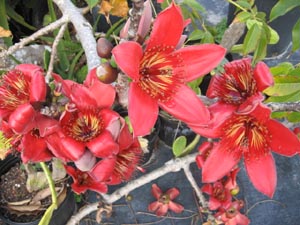
136.Palasa = Butea monosperma ( Flame of the forest; Muttuga in Kan;Kimsuka in Sanskrit, பரசு in Tamil)

137.Paathaa = Cissampalos pareira or Cyclea burmanni (Paadaavali valli)

139.Paanduuka = a corn; Sterculia urens?

flame-of-the-forest-palasa

Flame of the Forest = Mul Murukku in Tamil

  1. Paarijata = Erythrina indica (முள் முருக்கை in Tamil)Indian coral tree; Tiger’s claw

141.Picumanda = See Nimba

142.Pindara =Trewia nudiflora (ஆட்டரசு in Tamil, Eruponaku in Tel)

143.Pippali = Piper longum ( மிளகு in Tamil; Hippali balli in Kan.

144.Pilu = Salvadora oleoides (Varagogu in Tel.)

145.Punnaga = Calophyllum inophyllum (surahonne in Kan)

146.Pughiphala = Areca Catechu (பாக்கு மரம் in Tamil, Adike in Kan.)

147.Purnakosa = ?

148.Priyaka = Anthocephalus indicus

149.Plaksa = Ficus arnottiana (Kada Asvatta in kan)

150.Bakula = Mimusops elengi (Renge in Kan)

ஆடாதோடை

151.Badari= Zizyphus jujube (இலந்தை in tamil; Bugari in Kan)

152.Bandhujiva = Pentapetes phenicca ( நாகலிங்க பூ in Tamil, Naga Champake in Kan.)

153.Bimba = Coccinia indica (Tonde in kan)

154.Bilva = Aegle marmelos ( வில்வம்  in Tamil)

155.Bijapura = Citrus medica (Madala in Kan)

156.Brhati = Solanum xanthocarpum (kirigulla in Kan.)

157.Brahmi = Centella asiatica  ( வல்லாரை  in Tamil)

158.Bhadra = Acorus calamus (Bajegida in Kan., வசம்பு in Tamil)

159.Bhallataka = Semecarpus anacardium (Marking Nut Tree; Gerkayi in Kan.)

160.Bhandira = Indian Fig Tree

161.Bharngi = Clerodendrum indicum  (Ceru Tekku in mala. Gantu barengi in Kan)

162.Bhurja = Betula alnoides

163.Manjistha = Rubia cordifolia = Tamravali in Tel.Istamaduka in Kan)

164.Manivaka=?

165.Madana = Randia dumetorum (Karekayi gida in Kan)

166.Madayantika = Arabian jasmine

167.Madhuka = Cynometra ramiflora = Bassia latifolia (ippemara in Kan)

168.Marica = Piper nigrum (Olle manasina ballai in Kan)

169.Matr Vrksha = Pongamia glabra (Honge in Ka)

170.Maalaa=  Trigonella corniculata = (Pirang in Urdu)

vitex negundo (keuschabam)

Vitex negundo

171.Masa = Phaseolus radiates (uddu in Kan)

172.Masaparni = Teramnus labialis (kattulandu in Mal)

  1. Mudga = Phaseolus mungo (பாசிப் பயறு in Tamil, Moong Dhal, Pacce hesaru in Kan)

174.Musta = Cyperus rotundus = Bhadramusti or tunge hullu in Kan)

175.Mrdvika = Vitis vinifera (Drakshai in Tamil திராட்சை and Kan)

176.Maurvi = Senseieria roxbhurghiana (Maruga in Kan)

177.Yava= Hordeum vulgare (Jave godi in Kan)

178.Rasa=Bola = Commiphora myrrha (சாம்பிராணி மரம்)

179.Rajakosataka = Luffa cylindrical (Sorekayi in Kan; Surai Kay சுரை in Tamil)

180.Renuka = Piper aurantiacum (shambaluka buk in Hindi)

Garcinia morella, Tapincha

Tapincha = Clerodendrum

181.Rohitaka = Aphanamixis polystrachya (Cemmaram in Mal.Rohada in Marat)

182.Lakuca = Artocarpus lakoocha (Vatehuli in Kan)

183.Laksmana= Mandragora officinarum (Kattai jati in Mal.)

184Lavanga = Syzigiumaromaticum

185.Lavali = Cicca asida (Ara nelli அர நெல்லி in Tamil)

186.Lodhra = Symplocos paniculta

187.Vaca= orris root ,Acorus calamus (Vasambu வசம்பு in Tamil)

188.Vanjula = see Vetasa

189.Vata = Ficus benglanesis (ஆலமரம் in Tamil; Nyagrodha in Sanskrit)

190.Vana = Kyllinga mono cephala (Nirbhisi in Hindi; Mustu in Marat)

191.Varuna = Crataeva murwala (Holenekki in Kan)

192.Vanira = See vetasa

193.Vaaraahi = Tacca aspera (Dukarkanda in Marat)

194.Vaarida = Cyperus grass

195.Valaka = Aporosa lindieyana (விட்டில்  in Tam. And Malaya)

196.Vasika = Adatoda vasika (Adathodakam in Mal, Adusoge in Kan ஆடாதோடை)

197.Vasiphala = Gendarussa vulgaris (Vatamkolli in Mal; கருநொச்சி in Tamil)

198.Vikankata = Gymnosporia spinosa= காட்டஞ்சி in Tamil)

199.Vidanga = Embeliaribes = Vayu vilangaa in Kan, Tamil and Te.

200.Vidarika = Solanum verbasifolim (Kallate in Kan)

cordia dichotama

Cordia dichotama

201.Vibhitaka = Terminalia balerica (Santi mara in Kan)தான்றிக்காய்  Tamil

202.Visvesvari = Hibiscus mutabilis (சூர்யகாந்தி Surya Kanti in Tamil and Kan)

203.Visa = Aconitum ferox (Bish in Hindi, Vashanavi in Mala;

204.Virana = See Usira

205.Vetasa = Calamus rotang (பிரம்பு in Tamil;Betta in Kan)

206.Vyagranakha = Euphorbia antiquorum (வச்சிரம் in Tamil, Cadurakali in MalayalamGymnosporia spinosa

207.Vyagrapada = Gymnosporia spinosa (see Vikankata)

208.Vyamaka = costus specious (குரவம் in Tamil; Chengalvagoshu in Tel)

209.Sana = Crotalaria juncea = (Sanabu in Kan.,

210.Satapushpa = Pimpinella anisum (Bade sophu in Kan.

Shami

211.Satavari = Asparagus gonogladus (Halavumakkala thayi babbi

212.Sai= Proposis spicigera (Saami , வன்னி மரம் in Tamil)

213:Sara = Typha elephantine (Jambu hallu in Kan.)

214:Sallaki – Boswelia serrata (Guggula mara in Kan)

215.Sala = Shorea robusta (குங்கிலியம் in Tamil, aasinamara in Kan)

216.Saka = Tectona grandis

217.Sali = Oryza sativa (nellu in Tamil and Kan)

218.Salmali =Bombax malabaricum (Elava in Kan. இலவம்)

bombaxmalabaric

Bombax malabaricum , Silk Cotton Tree, Salmali, Ilavam in Tamil

219.Sirisa = Albizzia lebbeck (Bage mara in Kan, வாகை in Tamil)

220.Siva = Cinnamomum tamala ( malabathrum, tamala patra; Tejput in Hindi; தாலிசபத்திரி

221.Sisumari= ?

222.Simsapa = Dalbergia sisoo – Indian Rosewood; Sheesham wood (irungudi in Kan.)

223.Srngavera = Zingiber officinale ( Sunthi in Kan. இஞ்சி)

224.Sonaka = Groxylum indicum (Anemungu in Kan. Velutta Patiri maram in Mal, சொரிகொன்றை cori-konnai, பாலையுடைச்சி )

225.Sriparni = Gmelia arborea; Kasmari; Beech wood, White teak; Kuli mara in Kan)

226.Syama = Echinochloa frumentacea (samul in Marat. Chamalu in Tel)

227.Srivasa = Turpentine (obtained from tree resins; from Pinus trees)

228.Slesmataka = Cordia dichotama (Cinna nakkeru in Te. Gunda in Hindi; Bhokar in Marat.)

Gmelina-arborea

Gmelina arborea

229.Sastika = A kind of rice growing in 60 days

230.Saptaparna = Alstonia scholaris (Hale mar in Kan. ஏகாளி மரம், ஏழிலைக் கள்ளி மற்றும் ஏழிலம்பாலை)

231.Samanga = Rubia cordifolia (Manjistha in Kan, Manditti in Tamil)

  1. Sarja = Shorea robusta சால மரம்

233.Sarsapa = Brassica integrifolia = (sasive in Kan)

234.Sahadevi = Veronica cinerea (karehindi in Kan., Puvankuruntala in Mal)

235.Sala = Hibiscus salateus  or Sida acutea (Malatanni in Mal; நீர் பருத்தி

236.Sariva = Ichnocarpus frutescens (Pal valli in Mal.

237.Sinduvara = Vitex negundo

238.Sindhuka = Sariva = Ichnocarpus frutescens

239.Suvarnataru = Cassia fistula (Konde mara in Kan)

240.Suvarna Pushpa = Campaka சண்பகம்

Phalsa, Grewia asiatica

Phalsa, Grewia asiatica

241.Susara (Sardru?) = Terminalia tomentosa = Tempavu in Mal. Tamil:கருப்பு மருது

242.Sukaraka = Gironniera reticulate?

243.Sukarapadi = Azima tetracantha?

244.Suryavalli = Indigofera enneaphylla? Or Hibiscus mutabilis

245.Somaraji = Centratherum anthelminticum (Kadu Jirege in Kan. காட்டு ஜீரகம் in Tamil)

246.Somalata = Sarcostemma brevestigma

247.Saugandhika = White water Lily அல்லி

248.Saubhanjana = Moringa oleifera = Drumstick Murungai in Taml; (Nugge mara in Kan.)

  1. Spandana =?

250.Syandana = Rathadru = Tinisa

251.Svarnapuspa = Jasminum humile (செம்மல்லிகை)

252.Haridratara = Coscinium fenestratum = Dodda maradara sina in Kan.; maramanjal in Mal.)

253.Haridra = Cucrcuma longa (Arasina in Kan)

254.Hastikarna = Alocasia macrorhiza (Marasanige or Mundigida in Kan)

255.Haritaki = Terminalia chebula ஹரிதகி / கடுக்காய்

The translator has put question marks against some plants. He could not identify them correctly. Further research is required in this area.

swami_48@yahoo.com
Jangida Mystery in Atharva Veda!

society_in_the_atharvaveda_idd105

Research paper written by London Swaminathan

Research article No.1528; Dated  29th  December 2014.

Jangida is mentioned in Atharva Veda as panacea, cure-all, elixir, remedy and a magic bullet for many diseases. But no one knows for sure what it meant. Some scholars identify this with Terminalia Arjuna tree. Termanalia Arjuna is known as  Arjuna tree in North India and Marutha maram in Tamil Nadu. Telugu name- Thella maddi, Malayalam name – Neer Maruthu

Already some research papers on the effect of Arjun tree on cardio vascular diseases (Heart diseases) have been published, but the result is inconclusive. Marutha maram (arjun tree) is the Sthala Vrksa of some temples in Tamil Nadu (Tiruvidaimaruthur/Madhyarjuna; Tiruppudaimaruthur/Budarjuna) and  (Sri sailam/Mallikarjuna) Andhra Pradesh . There are few others who identify the Jandgida with other plants. But no definite evidence is produced. The reason being the name disappeared after the Atharva Veda period.

atharva__veda__samhita_

Vedic Index of Names and Subjects by AA Macdonell and A B Keith says,

“Jangida is the name of a healing plant mentioned in the hymns of the Atharva Veda (ii,4; xix 34,35). It was used as an amulet against the diseases, or symptoms of disease, Takman, Balasa, Asarika, Visarika, Prestyamamaya, fevers and rheumatic pains Viskandha and Samskandha, Jambha and so on (AV xix-34,10, ii-4,1-5)

It is also regarded as a specific against all diseases and as the best of healing powers (AV xix-34,9,7).

It is said to be produced from the juices of (rasa) ploughing (krsi), but this only mean that it grew in cultivated land, not that it was itself cultivated.

What plant the name designates is quite uncertain, for it disappears in the later literature. Caland takes it in the Kausika Sutra to be Terminalia arjuneya”

The above matter is taken from Vedic Index

atharva-veda-8

My comments:

Foreign scholars were quick to identify the Soma plant with narcotic drug and narcotic plants without any evidence, but here they struggle! This shows their attitude. They are from a culture of drug users and so they can see only narcotic drug in it. I have already written in my articles how the ancient Pandya Tamil inscriptions describe Somayajis as Manosudhdha (mind purifying juice). Vedic literature criticises even the use of alcohol. They clearly differentiate Sura Bana and Soma bana. So, one must not depend entirely on the foreign translations of the Vedas. The difference of opinion on each word, name and the phrase even among themselves is enough to estimate their translations!

The Atharva Veda by Devi Chand gives some new information on Jangida plant:

“Sayana interprets Jangida as a tree found near Benaras (Varanasi). This explanation is illogical, as it savours of history, but the Vedas are free from history. The word means God, who devours all sins. Griffith explains the word to mean a plant frequently mentioned in the Atharva Veda as a charm against demon and a specific for various diseases. This interpretation too is irrational. Griffith writes Vishkandha is probably rheumatism, and the name of the fiend to whose malignity the diseases was attributed. This does not appeal to reason. The word means God, who is the averter of obstacles”

The Atharva Veda by Devi Chand, page 30.

Terminalia_arjuna-1

Terminalia arjuna

But later in the book the translation of Anuvalka 5, Hymn XXXIV, says Jangida is a herb!

“O Jangida herb, thou art the consumer of all destructive forces in the form of germs, the secret weapons like mines etc, employed by the enemies. O Jangida, Thou art the protector. Let jangida guard all our men and cattle.

Let this potent herb destroy the women of ill repute, the large group of gamblers and hundreds of secret means of destruction like mine and dynamites employed by the enemy to harm us. Let it set all these at naught by its powerful energy and radiation.”

“The leaned physicians grow thee well by transplanting thee thrice in the well prepared soil. The learned Vedic scholars of yore, well versed in biological science knew thee.”

Flowers_with_Sykes's_warbler_I_IMG_1880

Devi Chand adds in the foot note: “ The superfine properties of Janghida are also worth research. They are meant to be some potent in removing so many fatal diseases. This sukta  (5-35)may also be aptly applied to Jangida, the Arjun tree which is called Indra and Sahasra Chakshu in books of Ayurveda. It is not a charm or an amulet that is meant be jangida.

Devi chand translated it differently from the western scholars.

All these show that the Vedas were very ancient. One can easily translate Gilgamesh and such stuff, but not the Vedas!

terminalia arjuna

Terminalia pictures are taken from Wikipedia;thanks.

contact swami_48@yahoo.com  

Miracles of Asvins in the Vedas

ashwini_kumars_tales_f

Written by London Swaminathan
Post No. 1159;Dated 8th July 2014.

Miracles are part of mythology. But in Hinduism we come across miracles even in the Vedas. Western scholars take the Vedic statements as true historical records and use them to support their fanciful Aryan-Dravidian Race Theory. The Vedic twins Asvini Devas are attributed with lot of miracles. The “scholars” expounded (in fact bluffed) lot of theories. If one puts them together and read them, they will be utterly confused. But orthodox Hindus believed them with all the traditional faith in the Vedas.

Asvins are called Dasras (enlightened giving) and Nasatyas (kind & helpful); also known as horsemen, Asvinau, Aswinikumaras.

They are the sons of Vivaswan and Saranyu. They are the doctors of the gods (Svar Vaidhyau).
They healed the blind and the lame. They are invoked in various Hindu ceremonies. They ride in three wheeled chariots drawn by horses or birds.

They are the harbingers of dawn – Ushas. Their other appellations are ‘ocean born’(Abdhijau), ‘wreathed with lotuses’(Pushkara srajau), sons of the submarine fire (Badaveyau) and Gadagadau.
Western scholars compared Asvins with the Dioscuri of Greece. But not many similarities exist between them.
In the Nirukta, they are interpreted as heaven and earth, day and night, two kings, performers of holy acts. They represent light or luminous objects.

asvins book

The number of hymns (57 specific hymns and mentioned 376 times in the Rig Veda) addressed to them testifies to the enthusiastic worship they received.
In the Mahabharata they are the parents of Nakula and Sahadeva. Like Asvins, they are also twins.
The Vedic poets use beautiful similes in their hymns. They praise Asvin twins
Like two hymn singing Brahmanas
Like two charioted heroes
Like two beautiful damsels beautifying themselves
Like a wise married couple
Like two Chakravaka birds/ swans
Like two lips that speak sweetly with the mouth
Like two breasts that give nurture to life

sukanya

Miracle 1
The twins Asvins restored youth to old Chyavana. He had a beautiful young wife named Sukanya. When Asvins wanted to marry her, she hesitated. Asvins told her that they would make her husband young and then she can choose one among them i.e. two Asvins and Chyavana. When all the three came before her, she rightly chose her husband Chyavana.

Miracle 2
Bhujyu episode is mentioned at least in eight hymns in the Rig Veda. Bhujyu was the son of king Tugra. When enemies from an island gave him trouble, Tugra sent Bhujyu by boats to attack them. His boat was broke in the mid sea. Then Asvins saved him, according to Sayana (RV1.117-14). Bhujyu’s ship had 100 oars. This serves as an evidence for naval forces during the Vedic period.

Miracle 3
In Khela’s battle a leg was severed like a wild bird’s pinion. Immediately Asvins gave Vispala an artificial iron leg. This shows that artificial limbs were fixed in those days (1-116-15).
Poetess Gosha has a hymn on Asvins. (RV 10-40).This serves as an evidence for literate women in Vedic society. Gritsamada’s hymn (RV 2-39) to Asvins is a beautiful poem:–

dioscouri
Dioscouri of Greece and Rome

Come near like two press stones, with a common aim
Like two zealous men moving to a tree of treasure
Like two hymn singing Brahmanas to the assembly
Like two people’s envoys called at many places.

Like two charioted heroes going in the morning
Like two leaders, come together to your choice,
Like two beautiful damsels beautifying themselves
Like a wise married couple among the people.

Like two horns come earliest to us hither
Like two hoofs, travelling with rapid motion
Like two Chakravaka birds/ swans at the day’s dawning
Come towards us, mighty, like charioted heroes.

Like two boats take us across; like two poles
Like axles, like spokes, like fellies carry us.
Like two dogs ward off all harm to our bodies
Like two crutches protect us against falling.

Like two raging winds, two confluent rivers.
Like two quick seeing eyes, come towards us
The two hands most useful to the body
Like two feet take us towards our welfare – RV 2-39

This shows Rig Vedic people are highly literate and cultured. We also hear about the ship attacks, maritime warfare etc. Medical science has advanced to transplanting an iron leg. Women poets (poetess) sang hymns and were part of the Vedic society.

Contact swami_48@yahoo.com

Herbs and Diseases in the Vedas

Young-doctor

Compiled by London Swaminathan
Post No. 1142; Dated 1st July 2014.

N.B. If you want to reproduce this article, please email me for permission. You must get written permission from me for each and every article separately. swami_48@yahoo.com

Please read my earlier post “107 Miracle Herbs in the Hindu Vedas” – posted on 16th September 2013.

Rig Veda is the oldest religious scripture in the world. It is not only a religious book but also an encyclopaedia of Hindu culture. We get a picture of India that existed several thousand years ago. Since it is mainly religious, we can’t expect everything under the sun in this book. But from the diseases and medicines mentioned in it, we get a glimpse of the health problems and solutions in ancient India. Of the four Vedas, Atharvaveda (AV) gives us more information in the field of health problems.

doctor2

Vedas mention about 75 plants. But not all of them are herbs. They mentioned herbs as ‘Oshadi’ in general.
The medical science has advanced to a high degree in the Vedic period and we hear about Asvins fixing an iron leg (artificial leg) to a lady who lost her legs. They are the Doctors of the Gods and the friends of the sick and the unfortunate. Later literature confirmed several transplant operations in Susruta’s books and Tamil literature, where a Pandya king was given an artificial Golden Hand. Several eye transplants are described in the religious Hindu and Buddhist literature.

Lord Shiva himself is called the medicine and the doctor (Beshajam & Bhishak) in the Vedas.
Vedas mentioned mainly the heart and lung diseases. Other two diseases mentioned are leprosy and jaundice. But the Vedas are not medical books, so what we get is an incomplete picture.

Herbs4

Heart Diseases in the Vedas
Hrdayaamaya – Heart problem—is mentioned in the Atharvaveda in connection with Yaksma and with Balaasa. Balaasa is consumption (pulmonary tuberclosis) in the later medical books. Source: Vedic index, page 507
Hrdu is another word with unknown meaning. It is found in Atharvaveda 1-25-2.3. Weber thinks it is cramps ( I think it is angina).
Hariman – Jaundice is found in both RV 1-50-2 and AV 1-22-1, 9-8-9, 19-44-2. It means yellowness.

I add the following information from “Common Life in the Rgveda and Atharvaveda” by Chhanda Chakraborty, 1997

Female diseases of the uterus is are referred to in RV 10-162-1
Obstruction to pregnancy and death of the foetus are also mentioned 10-162-3
The word Visuuci in RV 10-74-2 as an adjective to ‘amiva’ (sickness) seems to denote infectious diseases.
Deformities like blindness and lameness have occasionally mentioned. There are also references which say that their vision was restored.

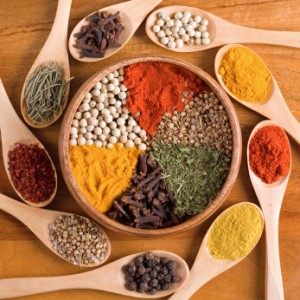
SPICES_1468208f
RV refers to a poison named Vandana (7-50-2) grown in the joints of the trees. In the same passage, a poison is said to cause inflammation of the knees and heels (may be arthritis).
Oshadi, which means a medicinal herb, is mentioned in the following places in the Rig Veda:–
1-166-5; 3-34-10; 4-33-7; 5-41-8; 6-21-9; 7-4-5; 8-27-2, 10-145-1
At some places (10-145-1), it is stated to possess wonderful power e.g. bringing people under control.

Naturopathy
Sunshine (1-5011), water (7-50-4) and fire (7-50-2) are occasionally stated to cure some diseases, especially caused by poison.

Ajaka (RV 7-50-1) – the disease is stated to be caused by poison.
Harimana (1-50-11) – Sayana describes it as causing the body to be haridvarna. In this context ‘harit’ perhaps means pale yellow. It may mean jaundice. Sunshine is stated to cure the disease.
Hrdroga (1-5011) – heart disease, but nature of the sickness is not explained.
Sriipada (7-50-4) Details are NOT available in Sayana’s commentary or in the text.
Yaksma 1-122-9 probably consumption (TB); Chest disease.
Arthritis? 7-50-2 – inflammation of the knee and heels
Tenth Mandala of RV 10-85-31, 10-97-12, 10-137-4, 10-163.1 gives details of health problems
Atharvaveda has a long list of ailments. Nearly 40 complaints are listed by the author with references. I just give the names of the diseases below:

doctor3

Ajnaataarus (wounds and sours), aksata-vrana (tumour), aksi roga (eye disease), alaji (optical isease), apacit (Scrofula), Apasmaara (Mania, epilepsy), Arista (epilepsy), aasarika (severe pain on different limbs), Aasraava (according to Sayana mutraatisara=diabetes; atisara=diarrhoea, nadivranaadi=ulcer;raktasraava=hemorrhage)
Asthibhanga (fracture); Balaasa (precise meaning is not found in the Vedas. But Ayurveda use this to mention kapha, salesman(phlegm)
Gandamaalaa (Scrofula); Graahi (fit caused by a demoness); Hrdyota (Heart Disease); Jalodara (dropsy); Jaayaanya (boil or wound); Kamilaka (see pandu roga)
Kaasa (cough); Ksetriga (congenital disease); Lohita (flow of blood); Mutramocana (release of obstructed urine); Pakshahata (paralysis)
Pandu (jaundice); Prstaamaya (pain in ribs); Raajayakshma (venereal disease)
Siroroga (head ache); Slesmapaatana (Expectoration); Suula (Rheumatism)
Svetakushta (leucoderma); Samskndha, viskandha (Sayana says emaciation of the body and loss of movement. Some others expalain it as rheumatism)
Takman (fever); Trsnaa(excessive thirst); Vidratha (abcess); Visara, Visarika (severe pain in Limbs); Vrana (wound).

This list may not be useful to everyone. But it gives us some idea about the health problems faced by the ancient society and their purpose to list them in the Vedas. When they talk about the diseases caused by ‘demons’ etc, they mean only bacteria and other germs. Like they explained the eclipse as snakes devouring sun and moon ( by Rahu, Ketu) to a layman, they explained that some diseases were caused by demons. Hindu astrologers knew very well the movements of the planets and calculated the exact time of eclipses, but yet described it for a layman with snake story. Even now doctors do not explain everything to a layman; they simply give the medicine and cure it. This was the approach of the ancient communities.
For those who need the complete references regarding plants and diseases, please refer to the Vedic Index by Keith and MacDonnell and Rgveda and Atharvaveda by Chhanda Chakraborty.

அருந்ததியிடம் தோற்ற விஸ்வாமித்ரர்

vasi viswa

Written by London Swaminathan (As told by Sri M N Kalyana Sundaram, London)
Post No. 1092 ; 8th June 2014

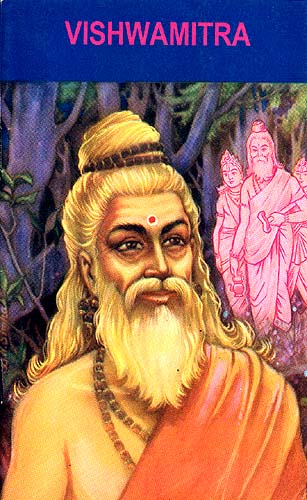
விஸ்வாமித்ரர் புகழ் பற்ற ராஜரிஷி. ராஜ வம்சத்தைச் சேர்ந்தவர். ஆனால் தவத்தினால் பிரம்ம ரிஷி (பிராமண குல)யாக உயர்ந்தவர். அதுவும் “வஷிஷ்டர் வாயால் பிரம்ம ரிஷி” பட்டம் பெற்றவர். ஆனால் இப்படிப் பட்டம் பெறுவதற்கு முன் அவருக்கும் வசிஷ்டருக்கும் எப்போதும் மோதல்தான். காம சுகம், அஹங்காரம், கோபம் ஆகிய மூன்று எதிரிகளால் மூன்று முறை தோல்வி அடைந்து இறுதியில் மீண்டும் தவம் இயற்றி பிரம்ம ரிஷி பட்டம் பெற்றார்.

.
வசிட்ட மகரிஷியிடம் இருந்து காமதேனு பசுவைப் பறிக்க முயன்ற காலம் முதல் நடந்த பல மோதல்களில் கீழ்கண்ட மோதலும் ஒன்று. இது ஒரு சுவையான கதை.

ஒருமுறை வீட்டூக்குச் சாப்பிட வருமாறு விஸ்வாமித்ரரை வசிஷ்டர் அழைத்தார். அது ஒரு திதி (திவசம்/ சிரார்த்தம்) அன்று ஏற்பாடு செய்யப்பட்ட சாப்பாடு. அதற்கென்ன வந்தால் போச்சு! ஆனால் 1008 வகை கறி செய்து படைக்க வேண்டும் என்றார். உலகில் 1008 வகையான காய்கறிகள் உண்டா? அப்படியே இருந்தாலும் இத்தனை கறிகாய்களைச் சமைத்து யாராவது உணவு படைக்க முடியுமா? அப்படியே சமைத்துப் போட்டாலும் அதைச் சாப்பிட யாரால் முடியும்?

விசுவாமித்ரர் தன்னை வேண்டுமென்றே சிக்கலில் மாட்டிவைக்கவோ அல்லது அவமானப்படுத்தவோ இப்படிச் செய்கிறார் என்பது வசிஷ்டருக்குத் தெரியும். இருந்த போதிலும் விட்டுக் கொடுக்காமல் , “ ஓ, 1008 வகை கறியமுது வேண்டுமா? அதற்கென்ன அருந்ததியிடம் சொல்லி விடுகிறேன் என்றார்.

vishwamitra_idh110

வசிஷ்டரின் மனைவியான அருந்ததி கற்பின் சின்னம். ஒவ்வொரு இந்துவும் திருமணமான முதலிரவில் அருந்ததி நட்சத்திரத்தைப் பார்க்கவேண்டும். வசிட்டரும் அருந்ததியும் இணபிரியாமல் இருப்பதுபோல நீங்கள் இருவரும் இணைபிரியாமல் வாழுங்கள் என்று பிராமண புரோகிதர்களும் வாழ்த்துவர். அருந்ததி கீழ்ஜாதிப் பெண்ணாக இருந்தபோதிலும் அவள் கற்பினால் உயர்ந்தவள் என்பதால் எல்லோருக்கும் அவளே தெய்வம்.

சங்கத் தமிழ் நூல்களில் ஐந்தாறு இடங்களில் அவள் வாழ்த்தப் படுகிறாள். தமிழ்ப் புலவர்கள் ஈராயிரம் ஆண்டுகளாக அவள் புகழ் பாடுகின்றனர்.

விருந்துச் சாப்பாடு நாளும் வந்தது. விசுவாமித்திரர் இலையில் அமர்ந்தார். பாகற்காய் கறி, பலாப்பழம், பிரண்டைத் துவையல்—- ஒரு வாழை இலையில் எவ்வளவு கறிகள் படைக்கமுடியுமோ அவ்வளவுதான்—- இலையில் இருந்தன. 1008 கறிகள் இல்லை. விசுவாமித்திரர் கோபத்துடன் வசிஷ்டரை வினவினார். அவரோ நான் தான் அருந்ததியிடம் சொல்லிவிட்டேனே. அவளையே கேட்டுக்கொள்ளுங்கள் என்றார் வசிஷ்டர்.

இவர்கள் பேச்சைக் கேட்டுக்கொண்டிருந்த உலகம் போற்றும் உத்தமி அருந்ததி தானே முன்வந்து ஒரு பாட்டைக் கூறினாள். இதுதானே திவச கால விதி, உங்களுக்குத் தெரிந்திருக்குமே என்றாள். வசிட்டர் வாயடைத்துப் போனார். பேசாமல் சாப்பிட்டுவிட்டு வாழ்த்திவிட்டுப் போனார். அருந்ததி கூறிய அந்தப் பாட்டு என்ன?

காரவல்லி சதம் சைவ வஜ்ரவல்லி சதத்ரயம்
பனசம் ஷட்சதம் சைவ ஸ்ரார்த்தகாலே விதீயதே

कारवल्लि शांत चैव वज्र वल्लि शतत्रयं
पनसं षट् शतंचैव श्रार्धकाले विधीयते
viswa

ஒரு திதியன்று சமைக்கப்படும் சமையலில் பாகற்காய் கறி 100 கறிகளுக்குச் சமம், பிரண்டைத் துவையல் அல்லது கறி 300 கறிகளுக்குச் சமம், பலாப்பழம் 600 கறிகளுக்குச் சமம் என்று பாடல் கூறுகிறது. ஆயிரம் கறிகள் ஆயீற்று. மீதி,— இலையில் எண்ணிப் பாருங்கள், எட்டு கறிகள் வைத்திருக்கிறேன். ஆக மொத்தம் 1008! என்றாள்

சட்டப் படி தொட்டுப் பேசு என்று சொல்லிய அருந்ததியின் பேச்சை மீற எவரால் முடியும்?
கற்புக்கரசி — சொல்லுக்கும் அரசி!

ஆண்களை மிஞ்சும் அறிவு — பெண்களுக்கு உண்டு!

அருகம்புல் ரகசியங்கள்

எழுதியவர்- லண்டன் சுவாமிநாதன்

ஆல்போல் தழைத்து அருகு (அறுகு) போல வேரூன்ற வேண்டும் என்று தமிழர்கள் வாழ்த்துவதை அறிவோம். ஆலமரம் மிகப்பெரிய மரமாக வளர்ந்து விழுதுகள் மூலமாக காலம் காலமாக வாழ்வதை நாம் அறிவோம் (காண்க எனது முந்தைய கட்டுரை: இந்திய அதிசியம்- ஆலமரம் )


வரலாறு, தொல்பொருட் துறை அறிஞர் டாக்டர் இரா.நாகசாமி ஒரு அரிய தகவலைத் தருகிறார்: அருகம் புல், புல் வகைகளில் அரசு போன்றது. ஆகையால் ராஜாக்கள் பட்டாபிஷேக தினத்தன்று அருகம் புல்லை வைத்து ஒரு மந்திரம் சொல்லுவார்கள். ‘’அருகே, புல்களில் நீ எப்படி சிறந்து விளங்குகிறாயோ அதே போன்று மன்னர்களில் நானும் சிறந்தோன் ஆகுக’ எணன்று முடி சூடும்போது மன்னன் கூறவேண்டும் என்று வடமொழி நூல்கள் கூறுகின்றன’ (பக்கம்26, யாவரும் கேளிர், டாக்டர் இரா நாகசாமி)


அருகம் புல் ரகசியங்களை இந்துக்கள் ஆதியிலேயே அறிந்திருந்தனர். நெல்லும் புல்லும் ஒரே வகைத் தாவரம் தான். ‘கிராமினே’ என்ற குடும்பத்தைச் சேர்ந்த 11,000 வகைத் தாவரங்களில் தர்ப்பைப் புல்லுக்கும் அருகம் புல்லுக்கும் மட்டுமே தனி இடம் கொடுத்தனர். பிள்ளையாருக்கு ஏற்றது அருகம் புல். நவக் கிரக ஹோமங்களில் கேது கிரகத்துக்கு சாந்தி செய்யும்போது அருகம் புல்லை ஹோமத் தீயில் இடுவர். கேது கிரகத்துக்குப் பிள்ளையார் அதி தேவதை.

மார்கழி மாதத்தில் வீட்டு வாசலில் அருகம்புல்லையும் சாணியில் நட்டுவைப்பர். அருகம் புல் இருந்தால் சாணியில் புழுப்பூச்சிகள் வராது. அருகம் புல்லுக்கு வடமொழியில் தூர்வா என்று பெயர். இப் பெயர் கணபதி மந்திரங்களிலும் உபநிஷத்திலும் வருகிறது. பிள்ளையாரை தூர்வாப் ப்ரியாய நம: என்று சொல்லி வழிபடுவர்.

2000 ஆண்டுப் பழமையான சங்கத் தமிழ் இலக்கியத்திலோ தொல்காப்பியத்திலோ ‘சிவன்’ என்ற சொல்லே கிடையாது. அதே போல பிள்ளையார் பற்றிய குறிப்பும் கிடையாது. ஆனால் கபிலர் என்ற பிராமணப் புலவரின் பெயர் ரிஷி முனிவர்களுக்கும் உண்டு. பிள்ளையாருக்கும் உண்டு. பகவத் கீதையில் கண்ணபிரான் (9-26) ‘எனக்கு பத்ரம் புஷ்பம், பலம் தோயம்= இலை, பூ, பழம், தண்ணீர்’ எதைக் கொடுத்தாலும் நான் அதை ஏற்றுக்கொள்வேன் என்று கூறுகிறார். இதையே கபிலரும் (புறம் 106)

‘’புல் இலை எருக்கம் ஆயினும், உடையவை

கடவுள் பேணேம் என்னா’’ என்று கூறுகிறார்.


புல், இலை, எருக்கு ஆகிய எதைப் போட்டு பூசித்தாலும் கடவுள் வேண்டாம் என்று சொல்லாது என்று கபிலர் கூறியதை எனது ‘’புறநானூற்றில் பகவத் கீதை’’ என்ற கட்டுரையில் ஏற்கனவே கொடுத்துவிட்டேன். இங்கு பிள்ளையாரின் ஒரு பெயரான ‘’கபிலர்’’ என்ற பெயரைக் கொண்ட புலவர், புல், இலை, எருக்கம் என்று கூறுவதைப் பார்த்தால் இது மூன்றும் பிடித்த ஒரே கடவுள் பிள்ளையார்தான்!

புல் என்பது அருகம் புல்லையும், பத்திரம் என்பது விநாயகருக்குப் பிடித்த 21 வகை இலைகளையும், எருக்கம் என்பது எருக்கம் பூவையும் குறிக்கலாம்.

மாணிக்கவாசகர் புல்லாகிப் பூண்டாகி என்று பாடுவதிலும் பொருள் உளது. இன்னொரு உண்மை என்னவென்றால் இறந்தவன் மறுபிறப்பு எடுப்பது எப்படி என்று கூறும் உபநிஷத்துகள் நமது ஆன்மா மழை மூலம் புல்லை அடைந்து, பசுவின் வயிற்றை அடைந்து பாலாக மாறி தாயின் வயிற்றில் கரு மூலமாகப் புகும் என்றும் சொல்லப்பட்டிருப்பதும் கவனிக்கப் படவேண்டியது.


பாம்பு- கீரி சண்டை மர்மம்

பாம்பும் கீரியும் பரம எதிரிகள். இரண்டும் ஒன்றை ஒன்று பார்த்தால் தாக்கிக் கொல்லாமல் விடா. பாம்பு கடிக்கும் போது விஷத்தைப் போக்குவதற்காக ஒவ்வோரு முறையும் கீரி, அருகம் புல் மீது படுத்துப் புரண்டு சக்தி பெறும் என்பதும் கவனிக்கத்தக்கது.

அருகம் புல் பெயரிலேயே சக்தி கொடுக்கும் சூரியன் பெயரும் (அருகன்) இருக்கிறது. அருகன்=சூரியன்=ஆர்கோஸ் (கிரேக்கம்)= பர்கோ தேவஸ்ய( காயத்ரி மந்திரம்) எல்லாம் ஒன்றுக்கு ஒன்று தொடர்புடைய சொற்கள்.

இலங்கை மக்களும் நாட்டார் சமூகத்தினரும் அருகின் பெருமையை நன்கு அறிவர். இலங்கையில் குழந்தைகளுக்கு ‘’பால் அரிசி’’ வைப்பார்கள். பள்ளிக்குப் போகும் முன் குழந்தைகளுக்கு பாலில் அருகம் புல்லைத் தோய்த்து வாயில் விடுவர்.

கல்யாண காலங்களில் மணமக்களை வாழ்த்தி அருகரிசி போடுதலும் உண்டு.

மருத்துவ குணங்கள்

மிருகங்களில் பலம் வாய்ந்ததும், வேகம் மிக்கதும், பலன் தருவதும் சாக பட்சிணிகள் தான்; அதாவது சைவ உணவு சாப்பிடுபவையே; .யானை, குதிரை, காண்டாமிருகம், பசு ஆகிய அனைத்தும் சைவ உணவு, குறிப்பாக அருகம் புல் முதலியனவற்றை சாப்பிடுபவை. குதிரை, முயல், காட்டுப் பன்றி ஆகியன அருகம் புல்லை விரும்பிச் சாப்பிடும். இவை அனைத்தும் அபார வேகம் மிக்கவை. அத்தனைக்கும் அருகம் புல் ‘பெட்ரோல்’ மாதிரி.

நோய் வந்தால் பூனை, நாய், கோழி ஆகியன கூட அருகம்புல்லைக் கடித்துத் துப்புவதைக் காணலாம்.


அருகம் புல் பற்றிய புராணக் கதையும் கூட அதன் குணத்தைக் காட்டும். அனலாசுரன் என்பவன் நல்லோர் அனைவர்க்கும் துன்பம் செய்தான். எல்லோரும் பிள்ளையாரை வேண்டவே அவர் அனலாசுரனை விழுங்கிவிட்டார். பெயருக்கு ஏற்றவாறே அவன் அவர்க்கு வயிற்றில் அனலை உண்டாக்கி எரிச்சல் தரவே, பிள்ளையாரும் அருகம் புல்லைச் சாப்பீட்டே குணம் அடைந்தார்.

அருகம் புல் சாற்றை காலையில் அருந்துவது நல்லது. இது மலச் சிக்கல், உடலில் உள்ள விஷம் ஆகியவற்றை நீக்கும்.தோல் நோய்கள், மார்பு, நுரை ஈரல் தொடர்பான நோய்கள், ஜனன உறுப்புகள் சம்பந்தமான நோய்களைக் குணப்படுத்தும்.


ஜெர்மனி போன்ற நாடுகளில் புல் சாற்றைக் கலந்தும் ரொட்டி செய்கிறார்கள். மக்கள் அதை விரும்பி வாங்குகிறார்கள். நாமும் அருகம் புல் தோசை, சப்பாத்தி, ரொட்டி ஆகியவற்றை செய்யலாம். புல் வகைகளை உணவாக உட்கொள்ளுதல் பற்றி தனி புத்தகமே ஆங்கிலத்தில் இருக்கிறது. ஒரு வேளை ஆங்கிலப் புத்தகத்தில் ஆங்கிலேயர் சொன்னால் தான் நம்மவர்களுக்குப் புரியும் போல இருக்கிறது.

பிரதமர் இந்திராகாந்தி வெளிநாட்டுக்குச் சென்றபோது அவருக்கு பரிசாக அளித்த கம்பளம் இந்தியாவில் செய்யப்பட்டது (மேட் இன் இண்டியா) என்று எழுதப்பட்டதை அவரே ஒரு கூட்டத்தில் குறிப்பிட்டார்.அது போல அருகம்புல்லும் ‘பாரீன்’ சரக்காக வரும் நாள் வெகு தொலைவில் இல்லை.


அபிதான சிந்தாமணி தரும் தகவல் (பக்கம் 109)

அறுகு: ஒரு விதமான பூண்டு. இதைக் கஷாயம் செய்து மிகவும் விருப்பமான உருசியுள்ள, குளிர்ச்சியுண்டாக்குகிற குடிநீராக உபயோகப் படுத்துகின்றனர். இது உப்பறுகு, கூந்தலறுகு, சிற்றறுகு, புல்லறுகு, பேரறுகு, பானையறுகு, வெள்ளறுகு என பேதப்பட்டு குணங்களும் மாறுபடும். இது தேவர்கள் பொறுட்டு அநலாசுரனை விநாயகர் விழுங்கிய காலத்து வெப்பம் தணிவுற முனிவர் பூசித்தலாலும், விரோசனையால் விநாயக மூர்த்தி பசியாக வந்த காலத்திற் பசி தணிய நிவேதிக்க இட்டமையாலும், ஆசிரியை எனும் ரிஷி பத்தினியால் தேவேந்திரனிடம் துலை ஏறப்பெற்றுத் துலையில் தேவேந்திரன் செல்வத்தினும் உயர்ந்தமையாலும், தருப்பையில் ஒன்றாதலாலும் ஏற்றமுடைத்தாம் (விநாயக புராணம்) துலை= தராசு


நான் எழுதிய வேறு மருத்துவக் கட்டுரைகள்

1.டாக்டர் முருகனும் பேஷன்ட் அருணகிரிநாதரும் 2.இளநீர் மகிமையும் தென்னையின் பெருமையும் 3.தக்காளி ரசத்தின் மகிமை 4.Why Do Hindus Practise Homeopathy? 5.Copper Kills Bacteria 6.Amazing Medical Knowledge of Tamils 7.நெல்லிக்காய் மகிமை: அவ்வையாரும் ஆல்பிரூனியும்,அருணகிரிநாதரும் 8.OM boosts Brain Power 9.Prayers Good for Hearts, says scientists 10.யானைக் காப்பி 11.ஒருவேளை உண்பான் யோகி 12.Tomatoes Prevent Cancer 13.Head towards North is Wrong 14.Miracles by the Blind and Oldest Organ Donation 15.The Tortoise Mystery: Can we live for 300 years? 16.Scientific Proof for Shamudrika Lakshnam 17.Bhishma: First man to practise Acupuncture 18.வடக்கே தலை வைக்காதே 19.How did a Pandya King get a Golden Hand? + 570 articles on other subjects.

Contact: swami_48@yahoo.com; pictures are not mine.