சிவனுக்கும் தமிழர்களுக்கும் மரங்கள்- சுவீகார புத்ரர்கள்!

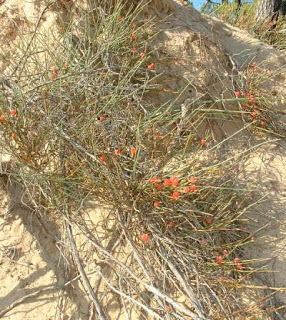
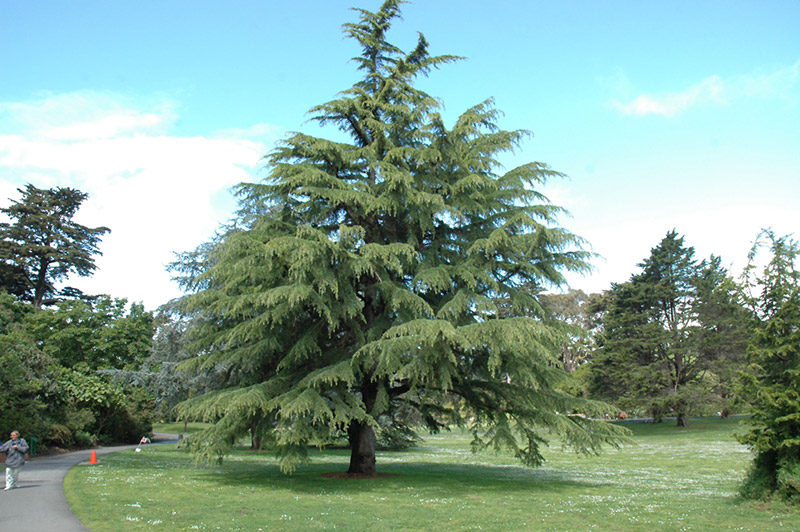
Deodar means Tree of Gods


Picture of Deodar; Deodar means Tree of the Gods.

குழந்தை இல்லாதோர் மற்றவர்களின் குழந்தைகளை தத்து எடுத்தலையும் சுவீகாரம் எடுப்பதையும் நாம் அறிவோம். சிவ பெருமானும், தமிழர்களும் மரங்களை தத்து எடுத்து புத்திரர்களாக வளர்த்ததைப் பலர் அறியார். வாடிய பயிரைக் கண்டபோதெல்லாம் வாடினேன் என்று கூறிய வள்ளாலார் பெருமான் நமது முன்னோர்களின் கருத்தைத்தான் மீண்டும் சொல்லி இருக்கிறார்.


2000 ஆண்டுகளுக்கு முன் வாழ்ந்த உலகப் புகழ் பெற்ற வடமொழிக் கவிஞன் காளிதாசன் ஒரு புதிய செய்தியைக் கூறுகிறார். சிவ பெருமான் ஒரு தேவதாரு மரத்தை மகனாக வளர்த்தார் என்று. இதே போல நற்றிணைக் கவிஞன் ஒருவன் ஒரு தமிழ்ப் பெண், அவளுடைய மகளாக வளர்த்த ஒரு புன்னை மரம் பற்றிய சுவையான செய்தியைக் கூறுகிறார். மேலே படியுங்கள்:


((இலக்கியத் திருடர்களுக்கு அன்பான வேண்டு கோள்: எனது கட்டுரைகளைத் தாராளமாகப் பயன்படுத்துங்கள். ஆனால் லண்டன் சுவாமிநாதன் எழுதியது என்றோ , அல்லது பிளாக் பெயரையோ தயவு செய்து போட்டு தமிழுக்குத் தொண்டு செய்யுங்கள். தமிழ் எழுத்தாளர்களுக்கு துரோகம் செய்யாதீர்கள்)).


ரகுவம்ச காவியத்தில் காளிதாசன் கூறுகிறான்:’’அதோ அந்த தேவ தரு மரத்தைப் பார். அதை சிவ பெருமான் மகன் போல வளர்த்தார். பார்வதி தேவி தனது இரண்டு ஸ்தனங்களால் முருகப் பெருமானுக்கு எப்படி பால் ஊட்டினாரோ அதே போல இந்த மரத்துக்கும் தங்கக் குடங்களால் தண்ணீர் வார்த்தார். ஒரு நாள், ஒரு காட்டு யானை அதன் தலையை இதன் பட்டையில் உரசவே அது உதிர்ந்தது. தேவிக்கு மிக வருத்தம். முருகப் பெருமானை அசுரர்கள தாக்கி காயப் படுத்தியது போல அவர் வருத்தப் பட்டார்’’.–(ரகு.2–36/39)


இதே கருத்தை மேக தூதத்திலும் (பாட்டு 74) கூறுவார்: ‘’ஏ மேகமே! அங்கே ஒரு மந்தார மரத்தைப் பார்ப்பாய். என் மகன் போல வளர்த்த மரம். இப்போது அதுப் பூத்துக் குலுங்கிக் கொண்டிருக்கும். என் காதலி அதனை எளிதாகப் பறிக்கும் அளவுக்கு அது வளைந்து தொங்கும். (இந்தக் கருத்து நற்றிணைப் பாடல் 170-இல் எதிரொலிப்பதைக் கீழே கொடுத்திருக்கிறேன்).


காளிதாசனின் உலகப் புகழ்பெற்ற நாடகம் சாகுந்தலத்தில் முழுக்க முழுக்க தாவர, பிராணிகள் அன்புச் செய்திகளைக் கண்கிறோம். மல்லிகைக் கொடிகளை சகுந்தலை, தனது சகோதரி என்று அழைக்கிறார். ஒரு மல்லிகைக் கொடிக்கு ‘வனஜோத்ஸ்னி’ என்று பெயரும் சூட்டுகிறார். மான்களையும் சகோதரி என்றே அழைக்கிறார்.  சாகுந்தலம் நாலாவது காட்சி முழுதும் இந்த வசனங்கள் வருகின்றன. ஓரிடத்தில் தோழி சொல்கிறார்: ‘’அதோ பார். மாதவி பூப் பந்தல். உனது தந்தை கண்வ மகரிஷி உன்னை வளர்த்தது போல அன்பாக ஊற்றி வளர்த்தாரே, நினைவு இருக்கிறதா?’’


குமார சம்பவம் (2-55) என்னும் காவியத்தில் விஷ மரத்தையும் கூட யாரும் அடியோடு வெட்ட மாட்டானே எனற வசனமும், சாகுந்தலத்தில் (4-1) மல்லிகைக் கொடியில் எந்த மகா பாவியாவது வெந்நீரை ஊற்றுவானா? என்ற வசனமும் வருகிறது. இவை அத்தனையும் தமிழிலும் இருக்கின்றன.
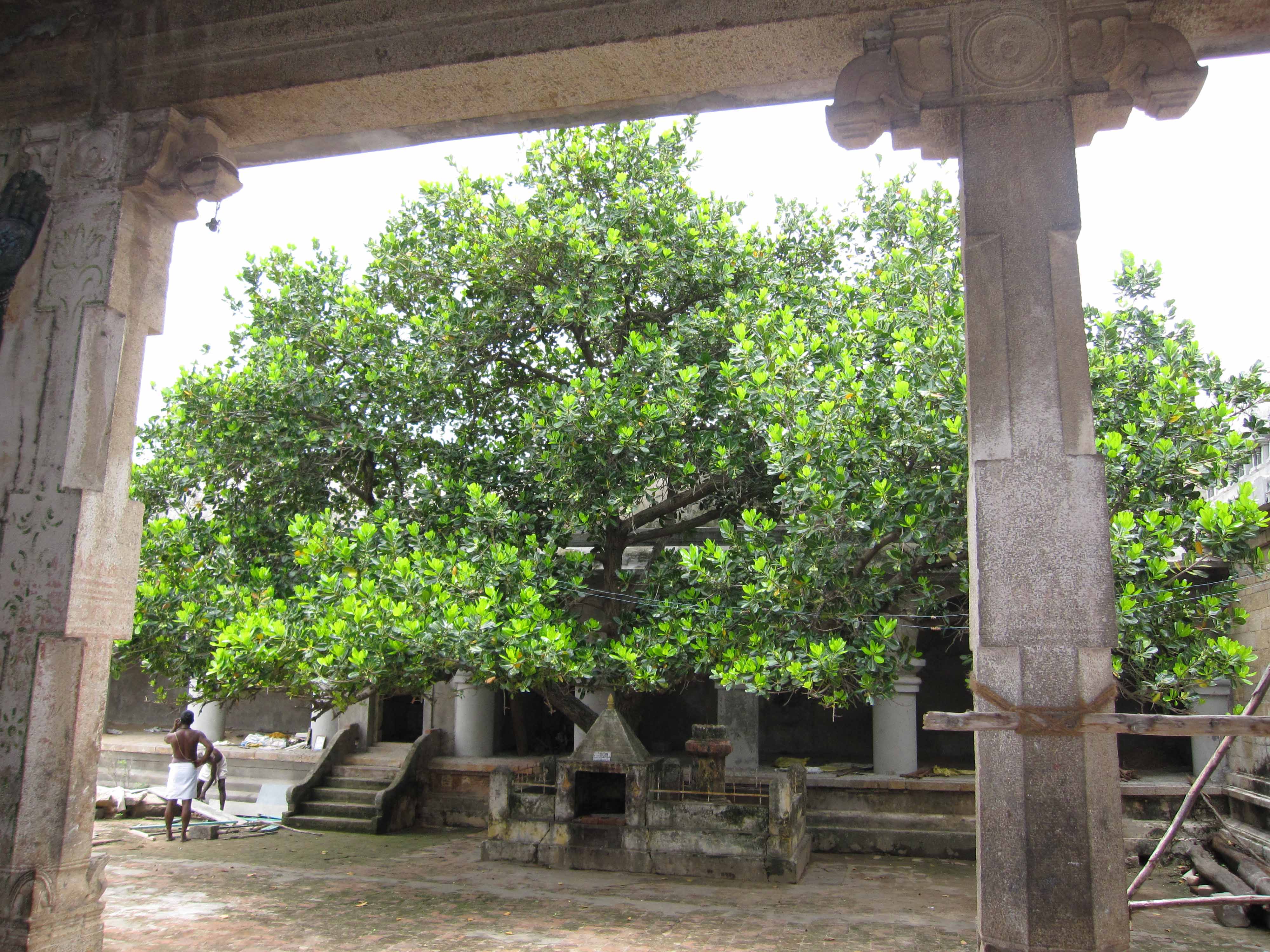
punnai-tree

Picture of Punnai Tree

தமிழ் மரம் ஒரு தங்கை

நற்றிணையில் (172) ஒரு அற்புதமான பாடல். எழுதியவர் பெயர் பாடற்குறிப்பில் இல்லை:

‘’யாம் தோழிமாரோடு விளையாடும்போது வெண்மையான மணலில் புதைத்து மறந்து கைவிட்ட புன்னை மர விதை முளைத்து வெளிவந்தது. அதற்குத் தேன் கலந்த இனிய பாலை ஊற்றி வளர்த்தோம். அது வளர்ந்து மரமாகியது. அப்போது அன்னை, ‘’நும்மிலும் சிறந்தது புன்னை; அது நும் தங்கையாகும்’’ என்று புன்னையது சிறப்பைக் கூறினாள். ஆகையால் புன்னையின் கீழ் உள்ள நிழலில் நும்மொடு அளவளாவலை யாம் நாணுகிறோம்’’.


சகுந்தலை சொன்னதை அப்படியே இந்தப் பாடலில் காண்கிறோம். நான் ஏற்கனவே எழுதிய ஏழு கட்டுரைகளில் காளிதாசன், சங்க இலக்கிய காலத்துக்கு முன் , கி.மு. முதல் நூற்றாண்டில் வாழ்ந்தவன் என்று சொன்னதற்கு இது மேலும் ஒரு சான்று.


நற்றிணை 230 ஆம் பாடலில், நான் வாடிய பயிருக்கு தண்ணீர் ஊற்றியது போல மகிழ்கிறேன் என்று பாடுகிறான் ஒரு கவி. இன்னொரு பாடலில் மருந்து மரத்தைக் கூட யாரும் முழுதும் வெட்ட மாட்டார்களே என்று வசனம் பேசுகிறான் ஒரு தமிழ்ப் புலவன் (நற்றிணை 226-கணி பூங்குன்றனார்).

தாவரங்கள், பிராணிகள் பால் அன்பு மழை பொழிந்த கடை எழு வள்ளல்கள் பாரியும் பேகனும் உலகிற்கே உதாரணமாகத் திகழ்கிறார்கள். முல்லைக்குத் தேர் ஈந்தான் பாரி. கொழு கொம்பு இல்லாமல் காற்றில் பட படத்தவுடன் அவன் மனமும் படபடுத்தது, பரிதவித்தது. பேகன்,  மழை மேகம் கண்டு ஆடிய மயிலைக் குளிரில் நடுங்குகிறது என்று எண்ணி தனது விலை மிகு சால்வையைப் போர்த்தினான் அன்றோ. இவர்கள் எல்லாம் சகுந்தலையின் சகோதரர்கள் என்றால் மிகையாகா.


ராமன், சீதை, கண்ணகி, சகுந்தலை பிரிவைப் பொறுக்க முடியாமல் பிராணிகளும் தாவரங்களும் என்ன என்ன செய்தன என்பது பற்றீ நூற்றூக் கணக்கான உதாரணங்கள் உள. எழுத இடம் போதா.

ரிஷி முனிவர்களைச் சந்திக்க காட்டிற்குள் நுழைந்த அரசர்கள் தொலை தூரத்தில் சேனை சைன்யங்களை நிறுத்திவிட்டு வருவார்கள். இதற்குக் காரணம் கூறும் காளிதாசன், செடி கொடி மரங்களை சேதமுறாமல் தடுக்கவே என்பான் (ரகு 11-52). புறச் சூழல் பாதுகாப்பிலும் மரங்கள் பாதுகாப்பிலும் எத்தனை கவனம்!! இன்று பத்திரிகைகளில் பெரிதாக வரும் விஷயங்களை 2000 ஆண்டுகளுக்கு முன் போகிற போக்கில் கவிதையில் தந்த வடமொழி, தென் மொழிக் கவிஞர்கள், ஒரே நாடு ஒரே சிந்தனை என்ற கொள்கைக்கு வலுச் சேர்ப்பர்.


இந்து மதத்தில் மர வழிபாடு முக்கிய இடம் பெறுகிறது விஷ்ணு சஹஸ்ரநாமத்தில் ஒரே (பைகஸ்) குடும்பத்தைச் சேர்ந்த ஆல மரம், அரச மரம், அத்தி மரம் ஆகிய மூன்றும் விஷ்ணுவின் அம்சமாகக் கருதப்படுகிறது. சிந்து சமவெளி முதல் பிராமணர்களின் அன்றாட யாகம் சமிதாதானம் ஆகியன முதல் முக்கியத்துவம் பெறும் அரச மரத்தில் பிரம்மா விஷ்ணு சிவன் ஆகிய மூவரும் இருப்பதாக வட மொழி ஸ்லோகம் கூறுகிறது.
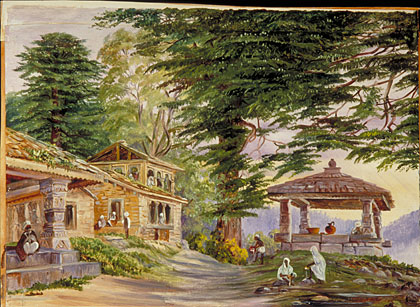
cedus deodara in Kumaon, Himalayas painting at London Kew Gardens


Picture of Himalayan Deodars; painting from Kew Gardens, London

மரங்கள் வாழ்க! ’’காடு வளர்ப்போம், நல்ல கலை வளர்ப்போம்’’:-பாரதி

Please read my earlier posts on Kalidasa:

1.Gem stones in Kalidasa and Tamil Sangam Literature

2.Holy River Ganges in Kalidasa and Sangam Tamil Literature

3.Gajalakshmi in Kalidasa and Sangam Tamil Literature

4.Sea in Kalidasa and Sangam Tamil Literature

5. Bird Migration in Kalidasa and Tamil literature

6.Hindu Vahanas in Kalidasa and tamil literature

7.Amazing Statistics on Kalidasa

8.Kalidasa’s age: Tamil works confirm 1st Century BC

9.சங்கத்தமிழ் இலக்கியத்தில் காளிதாசன் உவமைகள்

10. காளிதாசனின் னூதன் உத்திகள்: தமிழிலும் உண்டு

Contact swami_48@yahoo.com; pictures are used from other websites;thanks.

Confusion about Vedic Soma Plant

Confusion about Vedic Soma Plant

Soma  was the famous plant used by the Vedic priests to make juice for the fire sacrifice. The whole of Ninth Mandala of Rig Veda (RV) is devoted to its praise. We have more references in other Mandalas too. The seers described Soma as the King of Herbs. They attributed divinity to it.


Lord Krishna in Bhagavad Gita praised Soma Juice. Two thousands year old Sangam Tamil Literature praised Soma Juice. Ninth century Tamil Copper plates praised Soma Juice. But foreign scholars sowed the seeds of doubts in the Indian minds. They dubbed it as hallucinative or psychotropic drug. They were very happy to dub the Vedic seers as drug addicts and drunkards. Indian Ph.D walas felt happier when they found some stuff to grind in their Mill of Falsehood. They wanted to get their Ph.D.s by hook or crook. Now, who should we believe?


Have we to believe Shankara and Sayana who purified them by drinking Go Mutra (cow’s urine) on the day of their baptism? Or Have we to believe pork and beef eaters who drank wine on the day of their baptism and use whisky and brandy after their meals every day as a routine? Have we to believe a set of seers who do not know what a drug is, what alcohol is or we have to follow whose generations were floating and swimming in alcoholic drinks and piping tobacco and opium polluting the earth?

Picture of Sarcostemma

Tamils praise for Somarasam

Ninth Century Copper Plates of Pandya King Paranthaka Veera Narayanan praised Kataka Somyaji of Somasikurichi village as one who drank Soma juice and purified himself. The impression that the Tamil and Sanskrit literature left in the minds of Hindus is Soma juice is a purifier; purifier of the mind.

‘’Somapana manosudhdha Kataka Somayaji’’

The other name of Soma is Pavamana meaning of which is that which flows, that which purifies.

Avvaiyar, the grand old lady of Tamil literature, praised a Choza king on the day of successful completion of Rajasuya Yagna by the great Choza king Rajasuyam vetta Peru Narkilli (Reference: Pura Nanuru verse 367). Not only she praised the Cholza king, but also was extremely happy to see the three great Tamil kingdoms united under one banner. She saw the great Pandya and Chera kings along with the Choza king and greeted them to live longer like this. Tamils were a fighting race. They killed one another just to show heroism. But the poetess did not like war mongering kings. Rajasuyam is called Rajasuyam because the king/Raja presses the King of the Plants- Soma and drinks it. So Tamils used Soma rasam (Juice) 2000 years ago.


Krishna’s View on Soma plant

Krishna gave qualified support for Soma drinking. It won’t take you to your final goal of Mukti, but gives the joy of Indra Loka, says Krishna.

In Bhagavad Gita (9-20), he says,

‘Trividya mam somapah putapap……….’

Meaning : the knowers of the three Vedas who drink the Soma juice are cleansed of sin, worshipping Me with sacrifices, pray for the way to heaven they reach the holy world of Indra and enjoy the heavenly pleasures of the gods.

Sri Suktam also (verse 23) also glorified Soma Juice. ‘Let Indra drink Soma juice. Let the Devas who enjoyed drinking Soma juice give me enough wealth to do more Soma Yagas. It links Soma juice with Garuda, the eagle.

Soma is mythically reported to be brought by an eagle to the Vedic people, and even to their gods, from its place of origin:

Eagle/ Garuda reference: RV- I-80:2; 93-6; RV. III 43-7; IV 18-13, 26-4/7, 27-3/4; V-45-9; VI-20-6; VIIII-82-9; 100-8; IX 68-6, 77-2, 86-24, 87-6;X-11-4; 99-8;144-4/5.

The guardians of Soma tried to attack eagle and it escaped, according to Rig Veda(RV). Gandharvas also linked with the Soma plant in many verses. Mandalas of Kasyapa, Angirases and Bhrgus have more verses on Soma than others.

The Rig Veda and Avesta (Yasna Ceremony) agree on many points regarding Soma (Haoma plant).

Foreign scholars kept quiet about this Eagle-Soma link. They couldn’t explain it because it went against their views. Why should an eagle bring a plant? Eagle may even be a tribe’s name or their totem symbol.

Foreign scholars couldn’t explain another point as well. If it is an intoxicating drink why should they waste it by pouring it in to fire instead of fully consuming it? They did not explain why in the whole world only priests were drinking it? The herb sellers must have also used it and danced if it is an intoxicating drink.

Identification Confusion

Mr.Lassen identified it with Sarcostemma viminale or brevistigma, Mr Roth with Sarcostemma acidum, Mr George Watt with Afgan grape, Mr.Rice with sugarcane, Mr.Max Muller with a species of hop. Mr.Hillebrandt said that it was unidentifiable.

What we know from the Vedic literature is the colour of the shoots was brown, it grew on Mujavant mountain. it was purchased from the Gandharvas or hill tribes. They soaked it in water and pressed it for juice and filtered it. The Vedic seers mixed it with milk and drank it. Since it was difficult to get, they used alternate plants. If it was really an intoxicating one, they would have found many alternates. None of the ones we knew of intoxicating.

Prof.N.A.Quazilbash and Dr C.G.Kashikar Identified  Soma with Ephedra. If it is really Ephedra, lots of other plants with the chemical  Ephedrine are available even today and they would have used them as alternates. This plant is known as Uma in certain parts of the world and that is the basis for this identification!

R. Gordon Wasson identified Soma with a mushroom known as Amanita muscaria (Fly Agaric) used in Siberian Shamanism.

Whenever foreign scholars got stuck up and could not give reasonable explanation they simply hid behind something else. If they couldn’t find anything to support their theories they simply dubbed them as outside the Vedic tribes. Vedic deity Tvastr was linked with the far away areas of soma plant. Hillebrandt escaped by saying Tvastr came from outside the Vedic Tribes.

 Sura and Soma

Hieratic Soma is eulogised by Bramana literature

Alcoholic Sura is always denounced.

Satapata Brahmana remarks,” Soma is truth, prosperity and light; sura is untruth, misery or vice and darkness ( S.B. 5-1-2-1-10)

“satyam sri jyotih somah, anrtam, papma tamah sura”.

A Brahmana is enjoined not to drink Sura (wine) because it is unpropitious for him (S.B.12-8-1-5)

By drinking wine one becomes violent in temper (SB 12-7-3-20)

Tatriya Brahmana compares Soma with men and Sura with women.

Latest interpretation on Indus seals identifies the Stand in front of animals in the seals as soma juice filter.

Books for further reading: Identification of Soma by Dr.C.G Kashikar,Pune, 1990; The Rig Veda- A Historical Analysis—Shrikant G.Talageri, New Delhi, 2000; Life in Brahmana Period.

Pictures are taken from Wikipedia and other sites.Thanks.
Contact swami_48@yahoo.com


Can Humans communicate with Animals?

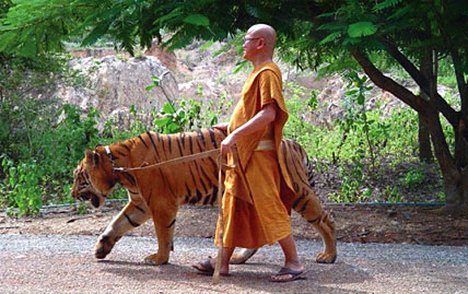
Picture of Monk walking with a tiger in Thailand.

 Can Humans communicate with Animals?

Men who spoke to animals: Asvapati, Seraman Perumal Nayanar,Vikramaditya, Sufi saints; Men who tamed animals : Daniel, Pulipani, Appar, Swami Vivekanada, Tamil Siddhas, Ramana Maharishi, St Francis of Assisi, Romulus and Remus  (Founders of Rome).

Modern scientific research has shown that animals do communicate with one another in their own way. Even plants communicate with other plants and warn them of impending dangers. They release certain chemicals to warn others. Animals use various sounds to warn or to express love. But they don’t use human languages. Whales, elephants, rhinos, hippos, giraffes and okapis use infra sound (low frequency sounds) for communication. They can use it for long distance communication. Humans can’t hear those sounds. Even domestic dogs and cats understand what we tell them. They obey our commands. Circus animals also obey commands. But this is definitely different from human communication. They may react to sounds, sometimes, out of fear of punishment (in circuses) or hunger.

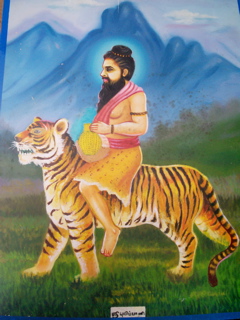
Tamil Siddha Pulipani on tiger

Very often we come across some birds like myna and parrots imitating words of human beings. Once again they are not using languages like we use. Sanskrit and Tamil literature speak about the parrots that recite Vedas. Ancient Sanskrit and Tamil literature paint a different picture on animal communication. They say humans spoke to animals or understood their language. We have such stories in the books such as Mahabharata, Vikramaditya and Betal/Vedala, Panchatantra, Periyapuranam and the Bible. Later day Christian saints like St.Francis of Assisi were credited with this knowledge. Tamil Siddhas tamed animals and rode on them.

Ramayana gives a story about Asvapati who knows animal language. Asvapati was the father of Kaikeyi. Asvapati banished his wife to forest because she insisted that Asvapati should reveal what two birds spoke about. Asvapati said to her that he should not reveal what he overheard. He told her that his head would blow into hundreds of pieces if he reveals to her the bird’s talk. This happened while they were strolling the palace gardens. After Asvapati listened to two swans, he laughed loudly. Kaikeyi’s mother (queen) insisted that he should reveal what he heard, but he refused and banished her to forest.

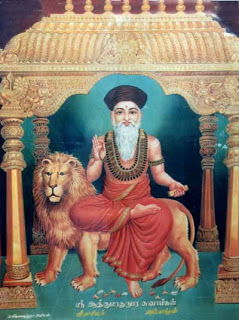
Tamil Saint Kumarakurupara on Lion

Periapuranam

Periapuranam gives the life history of 63 Tamil Saivite saints. One of the 63 poets is Seraman Perumal Nayanar also known as Kazarirrarivar. He also knew animal language like Asvapati.

Periyapuranam verse 3760 says: “He was enabled to reign as king at the same time follow the path of loving worship. He was given the power of understanding the communication of all living creatures”

We must notice one thing here: Scriptures don’t attribute this rare talent to everyone. Only few of the ancient people had this knowledge. Christian saint St Francis of Assisi was an embodiment of love. Even fishes kissed his fingers. King Solomon also understood animal language.

Najmuddin Kubra was a Sufi Muslim saint who founded the Greater Brother order. His pictures show that he was always surrounded by birds. Sufi saints were said to have spoken to birds and animals. Ancient Hindu saints spoke to animals in the natural language. Probably Asvapati, Kazarrarivar and Vikramaditya used thought power to communicate with them. Stories of Vikramaditya have several incidents of listening to birds’ talk.


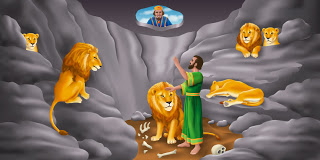
Daniel in the Lion’s Den

Hebrew Bible has a story of Daniel in the Lion’s den. King Darius ordered that Daniel should be thrown in to a lion’s den for disobeying his orders. Daniel prayed to different god violating king’s order. When he was thrown into the lion’s den, they did not attack him. The king came to know about this miracle and ordered that Daniel’s enemies should be thrown in to the den. Hindu scriptures have hundreds of stories similar to Daniel in Lion’s den. Appar alias Tirunavukkarasu was not attacked by the mad elephant set upon him. Swami Vivekananda tamed a bull that was rushing towards him in a narrow street. Kalidasa’s Raghu Vamsam and Kamba Ramayanam say that deer and tiger drank water from the same source. The idea is that if the king ruled according to law, even animals won’t attack one another unnecessarily (out of natural enmity). Ramana Maharishi lived in a cave where there was a tiger. Pulippani Siddhar rode on a tiger.

64 Arts

Another interesting fact is that women should learn 64 arts and one of them is to train parrots to speak. ‘Saarikaa Pralaapanam’ is the 45th art in the list of 64. Knowledge of how to train parrots to speak and answer questions of human beings comes under this topic.

(I have already posted several articles of music taming the animals, Tamil Birdman, Parrots reciting Vedas, Crows communicating for sharing the food, Animal Einsteins etc. Please go through my blogs)

Contact:  swami_48@yahoo.com

St Francis de Assisi

Birds for finding Direction: Sumerian to Tamil Nadu via Indus Valley

Birds for finding Direction: Sumerian to Tamil Nadu via Indus Valley

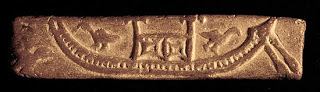
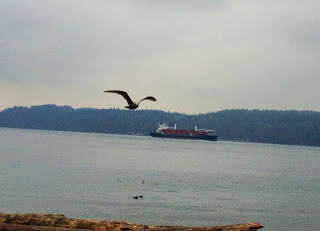
Birds were used by ancient mariners to find the land while they were in the mid seas. After the use of compasses, this was not practised. Very Interesting references are found in Sumerian culture, Indus valley, Biblical story, Viking expeditions and Tamil literature. Ramakrishna Paramahamsa and several other saints also used this bird as a simile in their religious discourses. We have an Indus Valley tablet containing a boat with two birds on either side. Tamil Vaishnavite saints used this simile in their poems. Let us look at Sumerian culture first.


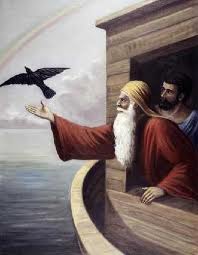
Utnapishtim was the survivor of a great deluge sent by the gods to destroy the human race. Akkadian epic of Gilgamesh says that God Enlil was angry with humanity and decided to destroy them in a flood. Utnapishtim told Gilgamesh to build a boat. When the waters receded he sent a dove, a swallow and a raven to find land.


We have a similar story in the Bible. In the Flood story Noah sent a raven and then two doves to find the land.

Genesis 8:7-9 (Old Testament)

7:And he sent forth a raven, which went forth to and fro, until the waters were dried up from off the earth.

8:Also he sent forth a dove from him, to see if the waters were abated from off the face of the ground;


Indus Valley Tablet

A three sided tablet was found in 1931 in the Indus valley excavations. This shows a flat bottomed boat with a central hut and two birds on the deck. The birds were used as aids in the navigation. When they were released, they would not come back if they find land.

Vikings were powerful mariners. They also kept birds to find new lands. Since birds have powerful eye sight they can see lands from a distance of hundred miles. If they see any land they will fly in that direction and the sailors would sail their ships towards the land. Vikings were even credited with discovering America, probably with the help of ravens.


Tamil Literature

Hindus look at this direction finding birds from a different angle. Kulasekara Alvar of ninth century sang a poem on Vishnu. He says that he also comes back to the lotus feet of the lord like a bird that couldn’t find the land. A strange coincidence is that he and other Tamil saints mention only crow as the bird for finding the direction. It is similar to the raven of Sumerian and Biblical stories.

Swami Sri Vedanta Desikan who lived around 1300 AD also sang a poem on Vishnu in Kanchipuram. He also used the same simile like Kulasekara. He compared himself to a crow of flying aimlessly in different directions and returning to the same place without finding a place to rest.

Ramkrishna Parmahamsa compared the disciples who move away from their Gurus and come back at last to the same Guru:

“A bird perching upon the masthead of a ship in mid ocean, gets tired of its position and flies away to discover a new place of rest; but failing to find any other place, it returns at last to the old roost, weary and exhausted. In the same manner an ordinary aspirant is disgusted with the monotony of of the task and discipline imposed upon him by his well wishing and thoroughly experienced Guru. He loses all his hopes as well as confidence in the Guru and so goes out in to the world with the belief that he can attain God with his self effort alone; but after much fruitless exertion he is sure to return to his old master for his blessing and grace at last”.

The bird on the masthead of the ship has been in the minds of Indians for thousands of years. This continuity made me believe that it was an Indian custom which was borrowed by the Sumerians and the Biblical Noah.


References for Tamil Readers:

‘’வெங்கண்திண் களிறு அடர்த்தாய்! வித்துவகோட்டம்மானே

எங்குப் போய் உய்கேன்? உன் இணையடியே அடையல் அல்லால்

எங்கும் போய்க் கரை காணாது எறிகடல்வாய் மீண்டு ஏயும்

வங்கத்தின் கூம்பு ஏறும் மாப் பறவை போன்றேனே’’

(பெருமாள் திருமொழி, குலசேகர ஆழ்வார்)


‘’பத்தி முதலாமவற்றில் பதியெனக்குக் கூடாமல்

எத்திசையும் உழன்றோடி இளைத்துவிழும் காகம் போல்

முத்திதரு நகரேழில் முக்கியமாம் கச்சிதன்னில்

அத்திகிரி அருளார்க்கு அடைக்கலம் நான் புகுந்தேனே’’

(அடைக்கலப் பத்து, சுவாமி ஸ்ரீ தேசிகன்)


இதேபோல பல தமிழ்ப் பழமொழிகளிலும் இக் கருத்து உளது.

contact: swami_48@yahoo.com


ராமன் சொன்ன புறாக் கதை

ராமாயண வழிகாட்டி

அத்தியாயம் – 10 by ச.நாகராஜன்


சரணடைந்தோரைக் காக்கும் விரதம் கொண்ட அதிசய புருஷன் ராமன்!


ராமாயணத்தில் உயிர்நாடியாக விளங்கும் ஒரு ஸ்லோகம் யுத்தகாண்டத்தில் 18ஆம் ஸர்க்கத்தில் 33வது ஸ்லோகமாக அமைகிறது:


ஸக்ருதேவ ப்ரபன்னாய தவாஸ்மீதி ச யாசதே I

அபயம் சர்வபூதேப்யோ ததாம்யேதத் வ்ரதம் மம II


ப்ரபன்னாய – கஷ்டமடைந்து

தவ அஸ்மி –“உனது பொருள் நான்”

இதி – என்று

யாசதே – வேண்டுகிறவனுக்கு

சர்வபூதேப்ய: ச – எல்லா பிராணிகளிடத்திருந்தும்

அபயம் – அபயத்தை

ததாமி –கொடுக்கிறேன்.

ஏதத் – இது

மம – எனது

வ்ரதம் – சங்கல்பம்


ராமர் கூறும் இந்த அற்புதமான உறுதி மொழி அனைவருக்கும் சந்திர சூரியன் உள்ளவரை பொருந்தக் கூடிய ஒன்று.

விபீஷணன் சரணாகதி அடையும் போது அவனைக் கொல்வதே உசிதம் என சுக்ரீவன் கருத்துத் தெரிவிக்கிறான். ஆனால் ராமரோ அதை மறுக்கிறார்.


ஸ்ரூயதே ஹி கபோதேன சத்ரு:சரணமாகத:

அர்சிதஸ்ச யதாந்யாயே ஸ்வைஸ்ச மாம்ஸை நிமந்த்ரித:


சத்ரு – எதிரி

சரணம் ஆகத: – சரணமடைந்தவனாகி

கபோதேன ஹி – ஒரு புறாவினாலேயே

யதாந்யாயே – சாஸ்திரவிதிப்படி

அர்ச்சித: ச- அர்ச்சிக்கப்பட்டவனாய்

சை:-தனது

மாம்ஸை ச- மாமிசங்களைக் கொண்டே

நிமந்த்ரித: – விருந்துண்ண வரிக்கப்பட்டான் என்று

ஸ்ரூயதே – வழங்கப்படுகிறது


அருமையான பழைய கதை ஒன்றை ராமர் இங்கு சுக்ரீவனிடம் நினைவு படுத்துகிறார். அவரே, “இப்படி ஒரு சம்பவம் வழங்கப்படுகிறது” என்றால் அது எவ்வளவு பழமை பொருந்தியதாகவும் அனைவருக்கும் ஊக்கம் கொடுப்பதாகவும் இருக்க வேண்டும்!


ஒரு வேடன் வனமொன்றில் விலங்குகளையும் பறவைகளையும் வேட்டையாடிக் கொன்று வாழ்ந்து வந்தான். ஒரு நாள் மழையுடன் கூடிய கடும் புயல் அடித்தது. அப்போது மழையால் மதி மயங்கிக் கிடந்த பெண் புறா ஒன்றைக் கையில் எடுத்துக் கூண்டில் அடைத்துக் கொண்டு குளிர்காயவும் பசி தீரவும் வழி தெரியாதவனாகி அருகில் இருந்த ஒரு மரத்தடியை அடைந்தான். அங்கு தன் பெண் துணையைக் காணாமல் வாடும் ஆண் புறாவைக் கண்டான். கூண்டில் இருந்த பெண்புறா தன் ஆண் துணையான ஆண் புறாவை நோக்கி,” இதோ பார், நான் சத்துரு வசப்பட்டேன். என்னைப் பற்றி வருந்தாதே. சத்துருவாக இருந்தாலும் குளிர் காயவும் உணவை வேண்டியும் நமது மரத்தடிக்கு இவன் அதிதியாக வந்திருக்கிறான். இவனை உபசரித்து நலம் அடைவாய்” என்று கூறியது. அதைக் கேட்ட ஆண் புறா விறகுச் சுள்ளிகளைச் சேகரித்து தீ மூட்டி  வேடனைக் குளிர் காய வைத்து உணவின் பொருட்டுத் தன் உடலையும் தீக்கு இரையாக்கியது.


இப்படிப்பட்ட அருமையான   தியாக சரிதத்தை எடுத்துக் கூறிய பின்னர் ராமர் கூறும் பொருள் பொதிந்த ஸ்லோகம் தான் “ஸக்ருதேவ ப்ரபன்னாய தவாஸ்மீதி ச யாசதே”I

அபயம் சர்வபூதேப்யோ ததாம்யேதத் வ்ரதம் மம II


என்னும் சரணாகதி அடைந்தோருக்கு அபயம் அளிப்பேன் என்னும் தன் விரதத்தைக் கூறும் ஸ்லோகம்.


இதே சரணாகதி தத்துவத்தைத் தான் கம்பன் தனது ராமாயணத்தின் முதல் செய்யுளாக அமைத்தான் என்பது நினைந்து நினைந்து இன்புறுதற்குரிய ஒன்றாகும்.

உலகம் யாவையும் தாம் உளவாக்கலும்

நிலை பெறுத்தலும் நீக்கலும் நீங்கலா

அலகிலா விளையாட்டுடையார் அவர்

தலைவர் அன்னவர்க்கே சரண் நாங்களே


என்ற சரணாகதி தத்துவத்தை விளக்கும் செய்யுளே ராமாயணத்தின் முதல் செய்யுளாக அமைக்கப்பட்டுள்ளது!


உலகம் அனைத்தையும் படைத்துக் காத்து அதை நீக்கும் இடையறா விளையாட்டைக் கொண்ட அந்தத் தலைவனுக்கே நாங்கள் சரண் என்று கூறிப் பெரிய தத்துவத்தை நான்கே அடிகளில் தெளிவுபட விளக்கி விட்டான்  மஹாகவி  கம்பன்.


இதுவே தைத்திரீய உபநிடதத்தில் பிருகு மஹரிஷி தன் தந்தையும் குருவுமான வருணரிடம் சென்று “தலைவனை”ப் பற்றித் தெரிவிக்க வேண்டிய போது அவர் கூறிய கருத்தாக அமைகிறது. அதைக் கம்பன் இந்தச் செய்யுளில் அமைத்திருப்பதை ஒப்பு நோக்கி மகிழலாம்.

கீதையில் கண்ணன்,


“ஸர்வ தர்மான் பரித்யஜ்ய மாம் ஏகம் சரணம் வ்ரஜ

அஹம் த்வாம் சர்வ பாபேப்யோ மோக்ஷயிஷ்யாமி மாசுச”:


என்று கூறும் சரணாகதித் தத்துவ ஸ்லோகமும் இங்கு நினைவு கூரத் தக்கது. (கீதை 18ஆம் அத்தியாயம் 66வது ஸ்லோகம்)

“அனைத்துத் தர்மங்களையும் துறந்து விட்டு என் ஒருவனையே சரணாக அடை. நான் உன்னை அனைத்துப் பாவங்களிலிலிருந்தும் விடுவிப்பேன். வருந்தாதே” என்ற கண்ணனின் வாக்கு முந்தைய அவதாரமான ராம அவதாரத்தில் அவன் செய்த பிரதிக்ஞை தான் என்பது தெளிவாக இங்கு விளங்குகிறது.


ராமாயணத்தின் முக்கிய தத்துவத்தை விளக்கும் இந்த ஸ்லோகத்தை சுந்தர காண்டம் பாராயணத்தை அன்றாடம் செய்வோர் தினமும் கடைசியில் கூறி பாராயணத்தை முடிப்பது தொன்று தொட்டு இருந்து வரும் சம்பிரதாயமாக இருந்து வருகிறது.


ராமாயணம் காட்டும் ஒரே வழி சரணாகதி தான் என்பதை அறிவோம்; உய்வோம்!

**********************

Donkeys in Tamil and Sanskrit Literature

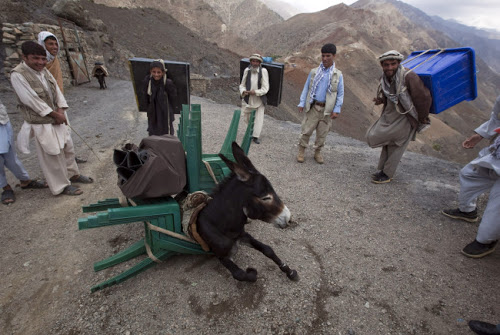
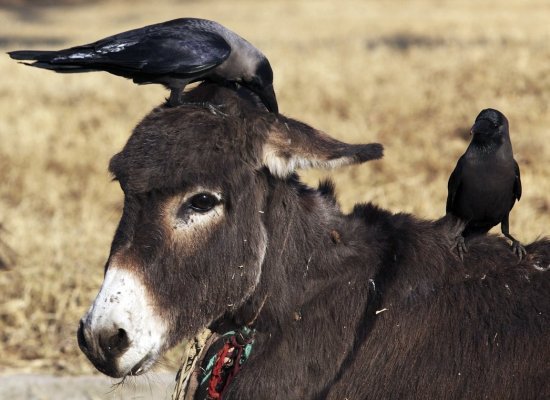
Picture: No sympathy for the collapsed donkey, laughing at it in Afghanistan.

Donkeys in Tamil and Sanskrit Literature

Donkey is the animal that got most negative publicity in classical Indian literature. Some animals like cow and elephant are elevated to the position of sacred animal. Lion is the unquestionable king of the forest. Bull, Tiger and Lion are used in addressing Vedic and Epical characters. Rama is called the Tiger among men in Venkateswara Subrabatham. Kings called themselves lions (sing or Kesari which became Caesar in Europe). But poor vegetarian donkey is considered a dirty animal. George Orwell is right when he said ‘’All animals are equal, but some are more equal than others’’ in his novel Animal Farm.

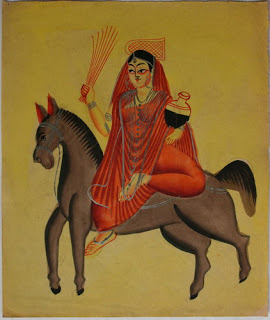
The strange thing about donkeys is that they were vehicles of Vedic gods Indra and Agni in Atharva Veda. But later became the vehicle of Jyeshta (Muthevi) and Shitala Devi (Goddesses of poverty and disease). They were relegated to back stage. Greek gods Dionysus and Hephaestus used donkey as their vehicles. Jesus rode into Jerusalem victoriously on a donkey according to Gospel of Mathew.

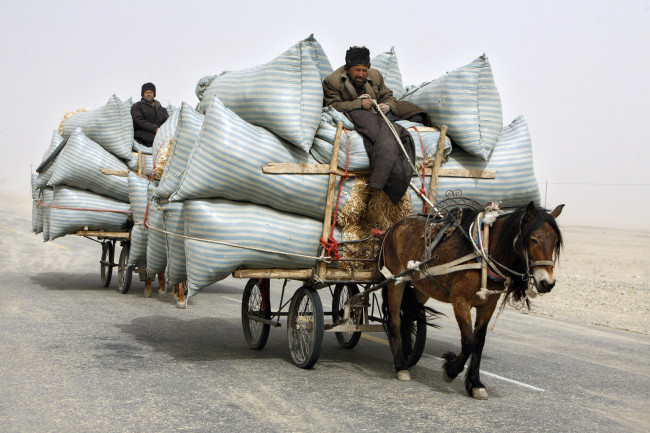
Picture of overloaded donkey cart in Gaza Strip, Plaestine.

Donkey plough of Tamil and Orissa Kings

2000 year old Sangam Tamil literature and Kharavela’s Hathikumbha inscription have some strange coincidence. When the kings conquer some new countries, they destroy the towns and plough the land with donkeys. This strange custom existed throughout India. Sangam Tamil books Purananuru (verse 15, 392), Pathitru pathu (25) say that the Pandya king Muthukudumi Peuvazuthi , a local chieftain Pokuttezini and Cheran Selkezu Kuttuvan defeated their enemies and ploughed their lands with donkey ploughs. Avvaiayar, Palai Gauthamanar and Nettimaiyar sang in praise of those kings. According to Kalinga (Orissa) King Kharavela’s inscription, he did the same in Pataliputra and Rajagiri. He broke the 100 year old Tamil Federation and did use a donkey plough in a Tamil port. Pandya king sent him gems, elephants and horses as tribute.

Kharavela (2nd century BC) was one of the just kings of India who commanded respect from every one. He was a Jain and ruled a large part of India. Through his inscriptions we know a lot about ancient India.

kalighat_shitala

Picture of Shitala Devi

Donkey procession for Criminals

Now and then we read news items in Indian news papers about criminals taken in procession around the town on donkeys with red and black spots painted on their faces. This is also an ancient punishment followed by Indians for thousands of years. We read about it in Sanskrit literature. Nowadays it is followed in North Indian villages.

Even the Tamil proverbs are against donkeys. Parents use the names of donkeys and dogs to scold their children. From ancient times these animals are used to carry heavy luggage such as salt and pepper and Sangam books Akananuru (verse 89) and Perumpanatrupadai ( line 80) confirm this. But in other parts of the world even Jesus used it because it was considered a humble animal compared to  arrogant horse.


Donkey Curses

Another interesting area is the curses in the epigraphs and inscriptions. Those who violate the instructions or damage the gifted articles are cursed to go to hell that is meant for copulating with donkeys. Unnatural sexy sculptures and diagrams accompany such inscriptions.

Donkey demons are painted in Mycenaean culture. The frescoes of demons with donkey heads belong to 1500 BC.

Picture of Jesus riding a donkey into Jerusalem.

Donkeys in Vedic period

I have already written about it in one of my posts on Vahanas (Mounts of Gods). I am reproducing it here:

Hephaistos is an Olympian God in Greece. He rides a donkey. Donkey is Vahana for Hindu Gods and Goddesses as well:

Donkey Vahana for Indra: A.V. 9-6-4

Donkey vahana for Agni: Aitareya Brahmana 4-9-1

Donkey Vahana for other Gods: AV 8-8-22

Jyeshta or Muthevi or Seetala Devi have donkey has her Vahana.

In western countries, people have started charities for abandoned donkeys. They look after them well.

Contact: swami_48@yahoo.com

DonkeyRavens

கழுதைக்குத் தெரியுமா கற்பூர வாசனை?

Picture of Jesus riding into Jerusalem on a donkey


கழுதைக்குத் தெரியுமா கற்பூர வாசனை?

‘’எல்லா மிருகங்களும் சமம்; ஆனால் சில மிருகங்கள் மற்ற மிருகங்களை விட கூடுதல் சமம்’’ (‘’All animals are equal, but some animals are more equal than others—George Orwell’s Animal Farm) என்று ஆங்கிலத்தில் ஒரு சொற்றொடர் உண்டு. எல்லா மிருகங்களும் சமம்தான். ஆனால் சிங்கத்துக்கு ஏன் ராஜா பதவி? கழுதைக்கு ஏன் இந்த இழி நிலை? பழமொழிகளிலும் சரி, கல்வெட்டுகளிலும் சரி, சங்க இலக்கியத்திலும் சரி—கழுதை என்றால் கொஞ்சம் இளக்காரம் தான். ஆனால் வெளிநாடுகளில் கழுதைக்கு கொஞ்சம் மதிப்பு அதிகம். இவ்வளவுக்கும் இது ஒரு ‘வெஜிடேரியன்’.


உலகப் பேரழகி கிளியோபாட்ரா, தனது அழகைப் பராமரிக்க கழுதைப் பாலில் குடித்ததாகப் படிக்கிறோம். ஏசு கிறிஸ்து ஜெரூசேலம் நகருக்குள் கழுதை மீது வெற்றிகரமாக ஊர்வலமாக வரும் படத்தைப் பார்த்துள்ளோம். மத்தேயு சுவிசேஷத்தில் படித்டுள்ளோம். ஆனால் இந்தியாவில் இதற்கு நேர்மாறான நிலை.

கழுதைக்குத் தெரியுமா கற்பூர வாசனை?

கழுதை கெட்டால் குட்டிச் சுவரு

இப்படிப் பல பழமொழிகள். எல்லாம் ‘கழுதை எதிர்ப்புப் பழமொழிகள்’தான். இது இன்று நேற்று துவங்கியது அல்ல. 2000 ஆண்டுகளுக்கும் மேலாக இப்படி ‘கழுதை எதிர்ப்பு உணர்வு’ இருப்பதை சம்ஸ்கிருத, தமிழ் காவியங்களும், கல்வெட்டுகளும் காட்டுகின்றன. சில சுவையான எடுத்துக் காட்டுகளை மட்டும் பார்ப்போம்.


சங்க இலக்கியத்தில் கழுதை

பாண்டியன் பல்யாகசாலை முதுகுடுமிப் பெருவழுதியை புலவர் நெட்டிமையார் பாடிய பாடலில் கழுதையைப் பூட்டி ஏர் உழுதல் பற்றிப் பாடுகிறார். இதையே காரவேலன் ( 193 BC to 170 BC) கல்வெட்டும் கூறுகிறது.

கடுந்தேர் குழித்த ஞெள்ளல் ஆங்கண்

வெள் வாய்க் கழுதைப் புல் இனம் பூட்டி

பாழ் செய்தனை, அவர் நனதலை நல் எயில்;

(புறம் பாடல் 15, நெட்டிமையார்)

முது குடுமிப் பெருவழுதி தன் பகைவர் நாடுகளை வென்று, தேரோடிய தெருக்கள் வழியாக ஏர்பூட்டிய கழுதைகளை நடத்திச் சென்று உழுதான் என்று புலவர் பாடுகிறார்.

அதியமான் நெடுமான் அஞ்சியின் மகன் பொகுட்டெழினியின் புகழ் பாடிய அவ்வையாரும் இதையே கூறுகிறார்:

அணங்குடை மரபின் இருங்களந்தோறும்,

வெள் வாய்க் கழுதைப் புல் இனம் பூட்டி

வெள்ளை வரகும் கொள்ளும் வித்தும்

வைகல் உழவ!  (புறம் 392, அவ்வையார் )


இதன் பொருள்: திறை கொடாத மன்னரின் மதில்களை வஞ்சனையின்றிப் பொருது அழித்துப், போர்க்களத்திலே கடும் போர் இயற்றிக், கழுதை பூட்டி உழுது, கவடியும் வேலும் விதைக்கும் இடையறாத போர் வெற்றி நிறைந்த வேந்தனே!

இதிலிருந்து ஒரு மன்னனை அவமானப்படுத்த, அவன் ஊரைப் பாழ்படுத்துவதோடு, அங்கே கழுதைகளை அனுப்பி ஏர்பூட்டி உழுதல் வழக்கம் என்றும் அதிலும்  வெள்ளை வரகு, கொள்ளு பயிரிடுதல் வழக்கம் என்றும் தெரிகிறது. இது நாடு முழுதும் இருந்த பாரதீய பண்பாட்டின் ஒரு அம்சம்.

எல்லோரும் வெறுக்கும் மூதேவியின் வாஹனம் கழுதை!

Shitala Devi on donkey

ஹத்திகும்பா கல்வெட்டு

கலிங்க நாட்டு மன்னன் காரவேலன் சமண மததைப் பின்பற்றிய ஒரு மாமன்னன். அவனுடைய ஹத்திகும்பா கல்வெட்டு அரிய தகவல்களை அளிக்கிறது. 2200 ஆண்டுகளுக்கு முன் மூன்று தமிழரசர்களும் வடக்கத்திய படைஎடுப்பைத் தடுக்க வைத்திருந்த கூட்டணியை முறிஅடித்ததாகப் பெருமை பேசுகிறான். அப்போதைய தமிழ்நாட்டின் அரசியல் நிலையை இவன் கல்வெட்டு எடுத்துக் காட்டுகிறது. காரவேலன் சத்தியம் தவறாத நீதிக்கும் நேர்மைக்கும் பெயர்போன ஒரு தலைவன். சுநீதிமான் என்று நூல்கள் போற்றிய மன்னன்.. ஆன்றோராலும் சான்றோராலும் போற்றப்பட்ட பெருந்தகை. அவனுடைய ஹத்திகும்பா கல்வெட்டும் பாடலிபுத்ரம், ராஜகிரி, தமிழர்களின் துறைமுக நகரம் ஆகியவற்றை கழுதையில் ஏர்பூட்டி உழுததைக் கூறுகிறது. பாண்டிய நாடு வரை அவன் ஆட்சி பரவியதையும் கல்வெட்டு குறிப்பிடுகிறது. குதிரைகள், யானைகள், ரத்தினக் கற்களை பாண்டிய மன்னன் அனுப்பினான்.


கரும் புள்ளி செம்புள்ளியுடன் ஊர்வலம்

பழைய காலத்தில் குற்றவாளிகளையும், பெண்களுக்கு எதிராக தவறிழைத்தோரையும் கழுதை மீது உட்கார வைத்து, அவன் முகத்தில் கருப்பு, வெள்ளை வர்ணங்களால் புள்ளிகளை வைத்து நகர் வழியாகக் கூட்டிச் செல்வர். இப்போதும் வட இந்தியாவில் இது நடக்கிறது. கழுதைகளை பாரம் சுமக்கப் பயன்படுத்தியதும் நீண்ட காலமாக வழக்கத்தில் உள்ளது. அக நானூறு (89) இது பற்றிப் பாடுகிறது பதிற்றுப்பத்து, பெரும்பாணாற்றுபடையிலும் கழுதையின் ‘’புகழ்’’ உள்ளது. மிளகு பொதி சுமக்கும் கழுதை பற்றியும் கழுதை பூட்டிய ஏர் (ப.பத்து 25) உழுதல் பற்றியும் பாடுகின்றனர்.

Napolean was exiled to Elba; a cartoon makes fun of his exile.


கல்வெட்டுச் சாபங்களில் கழுதை

பல கல்வெட்டுகளில் கழுதைச் சாபமும் காணப்படுகிறது. கல்வெட்டுகளில் சொன்ன விஷயங்களை மீறினாலோ, பின்பற்றாவிடிலோ அவர்கள் கழுதைகளைப் புணர்ந்த பாபத்தை அடைவார்கள் என்றும் கல்வெட்டுகளில் எழுதப்பட்டுள்ளன.


வேத காலத்தில் கழுதை

வேத காலத்தில் கழுதைக்கு மதிப்பு இருந்ததாகத் தோன்றுகிறது. அதர்வ வேதமும் (9-6-4), ஐதரேய பிராமணமும் (4-9-1) முறையே இந்திரனும் அக்னியும் கழுதை வாகனத்தில் சென்றதகக் கூறும். கிரேக்க நாட்டில் ஒலிம்பிய தெய்வமன ஹெபைஸ்டோஸ், டயோனிசிஸ் இந்திய கிராம தேவதையான சீதளா தேவி ஆகியோருக்கும் கழுதையே வாகனம்.


இனிமேலாவது பெற்றோர்கள் தங்கள் பிள்ளைகளைக் கூப்பிடும்போது ‘’அடச் சீ, கழுதை, இங்கே வா, புத்தகத்தை எடுத்துப் படி ’’ என்று சொல்லாமல் இருப்பார்களாக!!

swami_48@yahoo.com

Tree Miracle and Statue Miracle of a Saivaite Saint

Tree Miracle and Statue Miracle of a Saivaite Saint

Thirugnana Sambandhar was a child prodigy. He started composing poems when he was three years old. We know many other child prodigies from different parts of the world who composed poems. But there is a big difference between Sambandhar and those poets. He composed devotional poems in different metres and genres. Though he did compose them 1300 years ago still they are used by millions of Tamil Hindus. His words had miraculous powers. Whatever he wanted to achieve, he achieved them through his verses. His poems led to a big moral and religious reformation. Above all, though we lost several thousands of his verses, we have more than 4000 of them today.

Hundreds of miracles happened during Sambandhar’s life. He travelled to nook and corner of Tamil Nadu and sang about the temples. We come to know a great deal of Tamil history through his poems. Periapuranam of Sekkizar commented on everything he did and added further details. This hagiology of Tamil saints in Tamil poetry form was composed by Sekkizar in 12th century, approximately 500 years after Sambandhar.

Sambandhar’s big achievement came in Madurai ,the capital of seventh century Pandya kings. He reconverted Pandya king Nedumaran to Hinduism and defeated the Jains in several contests. Jains are a peace loving community and they believe in absolute non violence. The 24th Jain saint (Thirthankara) Mahavir was the contemporary of the Buddha. He and his followers commanded great respect. But the Jains who occupied Madurai involved them in politics and violence. When Sambandhar visited Madurai at the request of Pandya Queen and the Chief Minister, the Jains set fire to the building where the boy wonder Sambandhar was staying. This increased the tension between the Saivaites and the Jains.

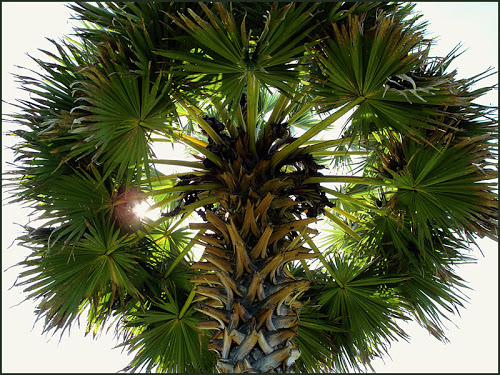
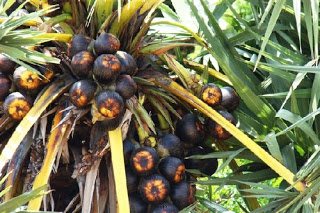
Palmyra Tree Miracle

When Sambandhar visited Tiruvothur he saw a devotee crying. The devotee raised some Palmyra trees so that he can use the income for his community service in the Shiva temple. By rare coincidence all the trees were male trees and did not yield fruits. Atheists were mocking at him and teased him asking when his god would yield him fruits. When Sambandhar asked him the reason for his sad face, he told him about the male only Palmyra trees. Later Sambandhar visited the Shiva temple and looked at the Palmyra trees and he sang ten verses in praise of the Lord and said the male trees will yield (Kurumpai Aan Panai Eenum in Tamil). Next minute all the trees bloomed and bore plenty of Palmyra fruits! Dr R Nagasamy, renowned historian and archaeologist, has quoted the Sanskrit lines from the Upamanyu Bhakta Vilasam giving the same meaning: Tala: pumamsa: sruthvai they bhavanthu paritha: palai:

Temple Statue Miracle

Sambandhar visited Tirukkovilur. It is the custom of the Hindus to worship the temple tower as soon as they see it for the first time. When Sambandhar saw a temple building from a distance, he immediately paid due respects to the temple. The devotees who were following the Boy Wonder were embarrassed because it was not a Hindu temple. With very great hesitation a few of them went to him and informed him it was a Jain temple. But yet Sambandhar went in to the building and to the surprise of everyone, it was a Siva statue in the sanctum sanctorum. He converted the statue by his miraculous powers. Periapuranam was translated in to several languages including Sanskrit. Srinivasa Kavi of 16th century translated it verbatim. Dr R. Nagasamy has found out several missing pieces of Periapuranam, through his meticulous research. This episode of statue miracle is found in the Sanskrit version of Periapuranam, Upamanyu Bhakta Vilasam, according to Dr R Nagasamy. He believes that the Periapuranam Tamil verses regarding this miracle might have been lost.

Contact: swami_48@yahoo.com

Hindu Eagle Mystery deepens

Picture shows Tiruk Kazuku Kundram eagles taking temple offering.


Hindu eagle mystery is deepening with more information coming from different sources.

1.Why do Hindus worship eagle (suparna=garuda) from Rig Vedic Days till today?

2.Why do Hindus including the greatest Tamil king Karikal Choza built their Yaga Kundas (Fire altars) in eagle shape?

3.How is that two eagles come to Tirukazuku kundram just to eat rice pudding everyday for over 1300 year period?

4.Why do Hindus call Emeralds as Garuda Ratna (eagle gem), which Sindbad story writer copied it from the Hindus?

5.Why a Saivaite saint sang 1300 years ago about an eagle bringing flowers to Shiva every day?

6.Why do Tamil children shout ‘Drop me  a flower please’ when they see Garudas (falcon/eagle) in the sky? Why do Hindus recite a Sanskrit hymn when they see Garuda?

7.Why does Vishnu use Garuda as his Vahana (Mount of God)?

8.Why did Rama cremate an eagle Jatayu in Ramayana? Was it eagle totem people or real eagle? Why Tamils associate this with Vaitheeswarankoil (eagle town)?

9. Why did Eagle people and Snake people (Garudas and Nagas) fight all over the world? We have the story here in Puranas, but symbols are in Egypt and Maya civilization?

10. How come eagle brought Soma plant for the Yagas (Fire ceremonies of Hindus)?

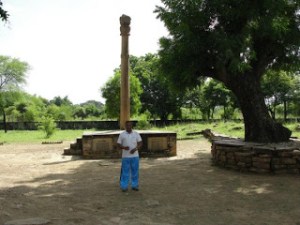
Picture Shows Greek Ambassador Heliodorous’ Pillar at Vidhisha 150 BC

11. Why did a Greek build an eagle pillar with inscription calling himself as a great devotee of Vishnu?

12.Tamil Encyclopedia Abithana Chintamani ( year 1899) attributes sixteen acts to Garudas. Many of them actually belong to people with eagle totem. They were against people with snake totem (Nagas). It is the ancient history of India. One must go deeper in to it to reveal the secrets.

13. Why do women fast on Garuda Panchami day every year?

14. Why is Garuda Purana is associated with the departed souls? It is read in the 13 day mourning period.

15. Indus People painted eagle in (funeral ??)  potteries, Why? Has it anything to do with Hindus reading Garuda Purana after the funeral?

16. Why is it that Amrita (ambrosia) is linked with Garuda/suparna?

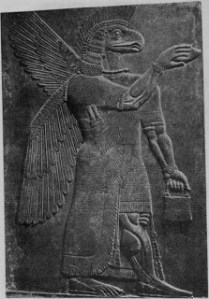
17. In the Assyrian bas-relief in Khorsabad (885 BC) Eagle headed  winged genie is carrying a vessel of lustral water and a pine cone sprinkler. It is one of the benevolent genies that protected men from diseases and evil forces. Is it Garuda with Amrita? (see the images)

18. Why does Jaiminiya Brahmana (Vedic literature) say that eagle separates water from milk like Krauncha (swan) bird?

19. Why does Romulus saw an eagle on the Aventine Hill and considered it as a good omen like Hindus and keep it in front of his army? Orthodox Hindus wait for Garuda Darsanam every day.

Picture shows white necked Brahminy Kite (Garuda)

20.Why do newspapers report sighting of Garuda as a good omen during Kumbhabishekam or any religious event?

21. Why does Krishna say that he is garuda/eagle among birds in Bhagavad Gita (10-30)(vainatheyascha pakshinam)? Western cultures also consider eagle as ‘King of Brids’.

If I write answers to all these questions it would become a big book. I am going to answer a few of these questions in this article.

I have already written about Vahanas, eagle shaped fire altars of Karikal Choza, Eagle Vs  Naga clans enmity, Double headed Eagle, Garuda Sthamaba of Greek Ambassador etc. Please see the titles of the articles given at the bottom.

Eagle, falcon, kite, hawk, osprey and vulture are known as symbol of might and valour. Rig Veda, the oldest religious scripture in the world mentions Suparna and Syena. Later literature gives the story of Garuda (Haliastur Indus=Brahminy Kite), which is the Vahana and flag of Lord Vishnu.

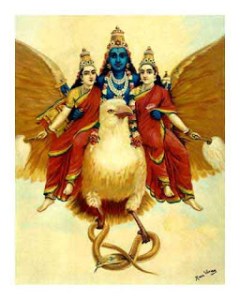
Lord Vishnu and Lakshmi on Garuda Vahana

Oldest Eagle Miracle

Perhaps the oldest and strangest eagle miracle in the world is Tirukkazuku kundram eagle miracle. Two eagles have been visiting this hillock for at least 1300 years just to eat temple rice pudding. We have records from Thevaram and Tiruppukaz . Saivaite saint Sambandhar of seventh century has sung bout Vedagireeswarar temple in Tirukkazuku kundram. The name of the town means eagle hill. Arunagirainathar of 15th century mentions very clearly that the eagles visit and worship god at Vedagiri. So we have records for at least 1300 years. Normally birds of prey like eagles gather in flocks and hunt for food. They are carnivorous and so prefer animals dead or alive. But in Tiruk kazuku kundram only two eagles come to the hill and wait outside for the temple prasad (offering) which is nothing but rice offering. Is it not strange for two birds of prey come just to eat rice that too every day at the appointed time? I heard that nowadays the eagle visit has become irregular. But my family members themselves have seen this wonder.

There is a story behind this eagle visit. Sambu Budhan and Ma Budhan were great devotees of Shiva and Shakti respectively. Now and then they had heated argument on this issue. They wanted to find out who was the greater of the two and went straight to Shiva for an answer. Shiva told them it was like two sides of a coin. No one is bigger than the other. Out they came and started arguing again on the same issue. Shiva cursed them to become eagles. When they begged him to take back the curse, Shiva told them to come to Tiruk kazuku kundram until the end of Kali yuga.

Hindus believe two different persons come as eagles in every yuga. The story has an underlying truth. That is, it has been going on for Yugas (epochs).

Tirukkazuku kundram is not far from Chennai in Tamil Nadu. It is easily accessible by bus from Chengalpattu.

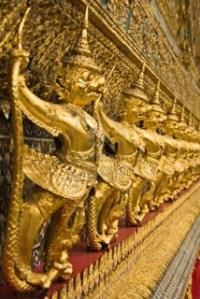
Picture: Garuda in Bagkok, Thailand

Garuda brings flower

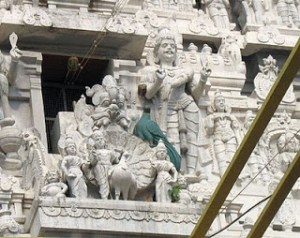
As children we used to shout “O Garuda, Drop me a flower”, whenever a Garuda flies just above our head in the sky. At the same time elderly people used to recite a Sanskrit sloka (hymn). Till a few days ago I did not know the meaning. When I read Thevaram hymn in Tamil, there was a reference about Garuda bringing flower to Shiva every day. Probably like Tiruk kaluku kundram there was another eagle mystery happening every day 1300 years ago. Sambandhar sang about another shrine in Vaitheeswarankoil near Mayuram in Tamil Nadu

He says that the eagle brought flower every day from Kaveri Poompattinam, which was a famous harbour 2000 years ago. Some of the Cholza kings ruled from this port city which was mentioned by Greek and Roman writers as Kaberis. Eagles brought flowers from this city to Vaitheeswaran koil every day! It is a small town with a very famous Shiva temple. The very name of the town is named after the bird PULLIRUKKUVELUR ( Pul=eagle, Irukku=Rig Veda, Vel= Lord Skanda, Ur= Sun; all the four worshipped here). Once again we get some new information which no Ramayana gives us. The two great two eagle men Jatayu and Sampathi (Jatayu fought with Ravana while he abducted Sita Devi to Sri Lanka) worshipped Shiva here according to Gnana Sambandhar.

When Jatayu died after giving the vital information about abduction to Rama, he cremated the bird. Birds are not cremated when they die. Even today tourist guides show you the Jatayu’s ash. So my guess is that Jatayu and Sampati were men with eagle symbol (totem). Whatever they may be, they brought flowers every day to Shiva thousands of years before our time. So this is what made Tamil children shout at eagles or Garudas, ‘Please drop me a flower’ (கருடா, கருடா பூப் போடு in Tamil).

Tamil references are given at the end.

Eagle with holy water, Norrthern Iraq 850 BC

Eagle and Ambrosia, eagle and Soma plant

Hindu epics and mythologies give us some information about Garuda getting Amrita from the heaven. Kadru and Vinata were daughters of Daksha Parajapati and wives of Kashyapa. Because of infighting, Vinata was enslaved by Kadru, mother of snakes (Naga clan). When Garuda came to know about his mum’s pathetic condition he tried to release her from this bondage. But Amrita was demanded for her release. Garuda went to heaven and stole Amrita (elixir of life). When Indra saw this, it ended in a big fight. Indra was worsted but allowed Garuda to take part of the Amrita. Once again this confirms my guess they were men with eagle tattoos or symbols and not birds.

Garuda was a sworn enemy of snakes (people of Naga Clan). Though we see here part of ancient history, we must remember both the clans were cousins. Garuda was considered an incarnation of Fire God Agni. Rig Veda praises him for bringing Soma plant. Probably people of Garuda clan were involved in this business.

Picture of Tiruk kazuku kundram: The eagles are said to sharpen their beaks here.


Emerald= Garuda Ratna= Eagle Gem

One of the Nine Gems, emerald is known as Garuda Ratna (Eagle Gem). The reason for this name is eagles brought this gem from the valleys and deep ravines. People who could not go deep down the ravines and valleys where emerald stones were in plenty threw lumps of meat. When the eagles brought those meat balls stuck with emerald, people shot the birds with arrows and got the emeralds. This story was copied in the Stories of Arabian Nights and later literature. The link between Garuda  and Amrita- Gem stones- Soma plant throw lot of light on ancient history of India. Deeper research will explode the myth of Soma being an addictive drug producing hallucination. A Pandya copper plate inscription describes Soma plant as purifier of mind (Mano Sudhdha Soam yajee) . I will write a separate post about it.


Tamil References:

1).கழுகுதொழு வேத கிரிசிகரி வீறு

கதிருலவு வாசல்                     நிறைவானோர்

கடலொலிய தான மறைதமிழ்க ளோது

கதலிவன மேவு                      பெருமாளே

(திருக்கழுக்குன்றம் திருப்புகழ்)

2).யோசனை போய்ப் பூக்கொணர்ந்தங் கொருநாளு மொழியாமே

பூசனை செய்தினி திருந்தான் புள்ளிருக்கு வேளீரே (தேவாரம்)

3).தள்ளாய சம்பாதி சடாயு என்பார்தாம் இருவர்

புள்ளானார்க் கரையனிடம் புள்ளிருக்கு வேளூரே (சம்பந்தர் தேவாரம்)

Swami_48@yahoo.com (London Swaminathan)

Picture: Tiruk Kazuku kundram hill with 540 steps

Please read my earlier posts:

1.Vishnu Seal in Indus Valley Civilization 2.Double Headed Eagle: Sumerian- Indian Connection 3.Karikal Choza and Eagle Shaped Fire Altar 4. Bird Migration in Kalidasa and Tamil Lterature 5. Friends of Birds 6.Are Mayas, Hindu Nagas? 7. Four Birds in One Sloka 8. Cn Birds Predict Your Future? 9.Hindu Vahanas Around The World 10. Who Rides What Vahana? 11. Hindu Vahanas in Greece and Italy 12. Intersting Facts About Vahanas 13. Deer Chariot: Rig Veda to Santa Claus 14. Mystrous Fisg Gods 14. Why do Animals worship Gods? 15.Can Parrots recites Vedas16. Gods and Birds

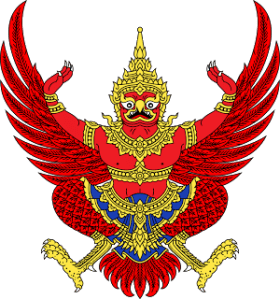
Picture : Garuda emblem in Thailand. Pictures are taken from various websites. Thanks.
 

Multi lingual Parrot mimics Arabic, Urdu and English Words

rocket2

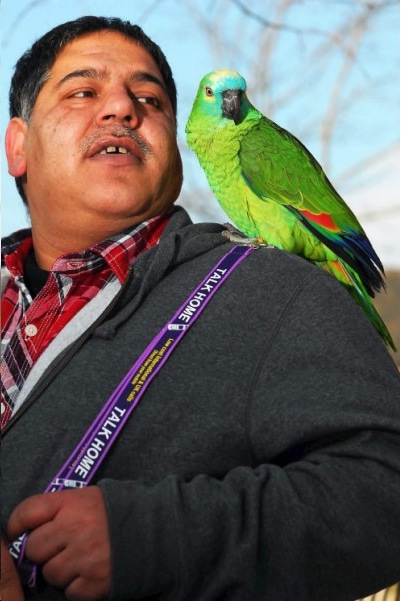
Picture of Rocket who can “speak” three languages.

Multi lingual Parrot mimics Arabic, Urdu and English Words

பல மொழி பேசும் கிளி (கீழே தமிழிலும் தரப் பட்டுள்ளது)


Rocket, a blue fronted parrot can squawk in Arabic, Urdu and English. He lives in Oldham in England.

The bird often surprises passersby with the traditional Arabic greeting ‘asalamu alaikkum’—meaning peace be upon you. Rocket belongs to Mahmood family. It mimics English words. It says Hello to everyone. The owner of the parrot says, “ he sometimes says things that even we don’t understand”. It copies cats and chickens. During summer months, Eshaan Mahmood takes it for a walk. It sits on his shoulder and talks. Children love to chat with it. Rocket has wide publicity in London news papers.
I have already written about parrots reciting Vedas and birds predicting your future. Now after reading this item in today’s newspapers, I am reminded of three other points.
Picture of Arunagirinathar

  1. Sekkizar who wrote Periyapuranam giving the life history of Tamil Saivaite saints composed a poem about parrots. He says that the parrots recited Tamil hymns Thevaram and Myna birds listen to them in Tiruvarur.
  2. Arunagirinathar, a Tamil poet who wrote Thiruppugaz in 15th century is believed to have transformed in to a parrot and sung Kandhar Anubhudi
  3. Suka Brahmam sang the glory of Krishna in Bhagavatha Puranam in Sanskrit. He is believed to have recited it in the form of a parrot.

கீழ்கண்ட கட்டுரைகளையும் படிக்கவும்: Read my earlier posts:

1.Can Parrots Recite Vedas? 2.Birds and Gods 3.Can Birds Predict your Future?

Picture: Parrot statue in Tiruvannamalai Parrot Tower

பல மொழி பேசும் கிளி (கீழே தமிழிலும் தரப் பட்டுள்ளது)

இங்கிலாந்தில் ஓல்தாம் என்னும் இடத்தில் ராக்கெட் என்னும் பெயர் உடைய கிளி வசித்து வருகிறது. இதை இஷான் முகமது என்பவர் வளர்க்கிறார். அந்தக் கிளி அராபிய, உருது ஆங்கிலம் ஆகிய மொழிகளில் பல சொற்களை சொல்லும் கிளிகள் வேதம் சொல்லுவது பற்றி எழுதியுள்ளேன். ஜோதிடம் சொல்லுவது பற்றியும் எழுதியுள்ளேன். முதலில் ஆங்கிலத்தில் ஹலோ மற்றும் சொன்ன கிளி இப்போது உருது, அராபிய சொற்களையும் சொல்லுகிறது. சில நேரங்களில் புரியாத பாசையிலும் பேசுகிறது.


அராபிய மொழியில் ‘அசலாமு அலைக்கும்’ (சாந்தி நிலவட்டும்) என்று அழைக்கும். கோடை காலத்தில் இதை தோள் பட்டையில் உட்கார வைத்துக்கொண்டு இஷான் முகமது உலா சுற்றப் போவார். அவரைச் சுற்றி சிறியோரும் பெரியோரும் கிளியைப் பார்ப்பதற்குக் கூடிவிடுவார்கள்.

இதை லண்டன் பத்திரிக்கைகளில் இன்று படித்தவுடம் மூன்று விஷயங்கள் நினைவுக்கு வந்தன. 1.) திருவாரூர் கிளிகள் தேவாரம் சொல்லியதாகவும் அதை நாகணவாய்ப் பறவைகள் கேட்டதாகவும் சேக்கிழார் பெருமான் பெரிய புராணத்தில் எழுத்கிறார்.2.) அருணகிரிநாதர் 15ஆம் நூற்றாண்டில் வாழ்ந்தவர். அவர் கிளி வடிவில் உரு மாறி கந்தர் அநுபூதி பாடியதாக ஒரு ஐதீகம் 3.)சம்ஸ்கிருதத்தில் பாகவதம் பாடிய சுக பிரம்மம் கிளி வடிவில் அதைப் பாடியதாகவும் மற்றொரு நம்பிக்கை உள்ளது.


இதோ பெரிய புராணப் பாடல்:

உள்ளம் ஆர் உருகாதவர் ஊர்விடை

வள்ளலார் திருவாரூர் மருங்கெல்லாம்

தெள்ளும் ஓசைத் திருப்பதிகங்கள் பைங்

கிள்ளை பாடுவ கேட்பன பூவைகள் (பெரியபுராணம்)

*****