Hindu Wonders in a Muslim Country!


  1. Many of us know that Indonesia is the largest Muslim country in the world, but many of us do not know the fourth largest Hindu population is in Indonesia! This is the country which has highest number of Hindus outside Indian subcontinent (next to Nepal and Bangladesh). It is a country with 17,000 islands and 300 volcanoes.
  2. Bhagavad Gita statue in Bangkok

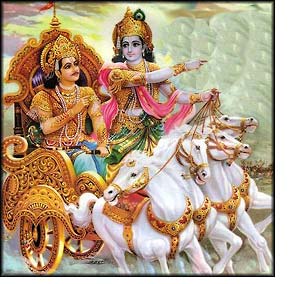
Knowing the popularity of Mahabharata and Bhagavad Gita, a statue of Krishnopadesam was erected in Jakarta, capital of Indonesia. Arjuna and Krishna are riding a chariot. When Suharto, President then, opened the statue he exhorted the people to follow Bagavad Gita’s main teaching: Work without expecting any benefits (selfless Service).

3. Sukarno=su+Karna

Indonesia’s great leader Sukarno was named after the famous Mahabharata character Karnan. Sukarno’s father was very much attracted by the characterisation of Karnan. But Karna supported the wrong side in the great war. So his father named his son as Su (good) Karna. Sukarno’s daughter was also given a Sanskrit name Meghavati Sukarno Puthri. She is the president of the country now.

4.Ramayana, Mahabharata dance drama and puppet show:

Throughout the year Ramayana and Mahabharata dance and puppet shows are staged. They are called Wayang Kulit and  Wayang Wong. We can’t see such a running show even in India, the land of Ramayana! Hanuman was in their military emblem/mascot!
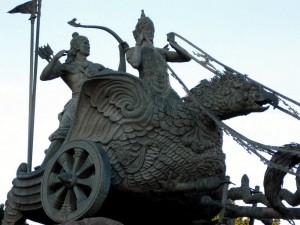
Picture: Arjuna and Krishna in Jakarta

5.Lord Ganesh on Currency Note:

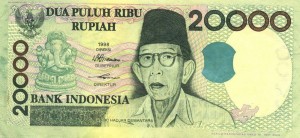
Lord Ganesh picture is inscribed on 20,000 rupee currency in Indonesia. Ganesh was worshipped in India even before Ganesh came to South India. Tamils have Ganesh statue from 6th century AD. But Indonesia has Ganesh statues from 1st century AD, discovered in in Panaitan islands. Lord Ganesh travelled faster by sea than on land in his Mushika (mouse) vahana! There is lot of scope for further research in this field. Ganesh was depicted as Bhuta Ganathipathi with skulls! Java is also known as Ganapathya Land, country where Ganesh is worshipped. A very big  Kapala / Skull Ganapathy is in Leiden Museum (Holland).

6. Ramayana, Mahabharata stamps:

Indonesia has issued many stamps on Ramayana and Mahabharata . All the characters are known to Indonesians, whether they are Muslims or Hindus. But the picture is changing very fast because of modern culture and extremists’ propaganda.

7. Ramayana Translation even before Kamban:

Ramayana was translated in to Kawi language of Java even before Kamban ‘s  most famous Tamil translation known as Kamba Ramayanam (1200 AD). Kakawin Ramayana in old Javanese language was translated in to 1200 verses in 870 Ad during the era of Medang Kingdom. There are more than 200 research works on Kakawin Ramayana.  Even awards in the name of RAMA, are given.

8. Bali Islands:

Bali Island has the biggest Hindu population in Indonesia. There are over 4,600 Hindu temples. But the Balinese follow some strange and ancient customs not known in India!

Saraswathy Puja/ Vijaya Dasami is a national holiday here. Temples with 11 tier towers are of Shiva, 9 tiers –Brahma and 7 tiers- Vishnu. Badara Guru, a form of Shiva, was typical Indonesian Hindu God.

9. Garuda Airlines and Kubera Bank:

The official airline of the country is named after Vishnu’s Vahana Garuda (eagle) and the National bank is named after the Hindu god of wealth Kubera. Serayu river in Java is named after Sarayu River of Ayodhya. Kings of Java bore the Sanskrit titles Bhupati,Arya and Adyaksha

10. Bhasa Indonesia:

Brahmi script is the basis for all the S E Asian languages.

Sanskrit words are found everywhere. Sumeru, Brahmo, Kaliya mardhan, Tharmasagara etc.

The language of Indonesia is Bahasa=Bhasha=language in Sanskrit. Thousands of Tamil and Sanskrit names are found in Indonesia, many of them in their corrupted forms because of distance in time and space. Kawi is the language of poetry in Indonesia. Kavi means poet in Sanskrit.

11. Pallankuzi (Mancala, Congklak):

The whole world agrees that the board games including Chess originated in India (British Musem in London has a display board). But the Pallangkuzi= a wooden board with 14 or 12 pits played with seeds or cowries is found in Africa and Indonesia. It is called Mancala in Africa. This shows that Tamils took their board games wherever they went. It is known as Congklakin Indonesia. Indonesian Hindus took their rice cultivation, Sanskrit language and Pallangkuzi to Madagascar and other places (Please read my article Madagascar-India Link via Indonesia).

12.Agastya statues:

Agastya whose name we find in Rig Veda, is associated with Tamil language  from the very beginning. He was the one who established land route to South India by crossing the Vindhyas and he was the first one to travel across the ocean for migration.(Please read my article “Is Bramastra a Nuclear Weapon?” for more details about Agastya drinking the ocean).

So Agastya statues are dug out in several places in South East Asia. Some are in Indonesian museums. A two meter tall Agastya idol was also discovered. Singasari and Yeh-Pulu were two places which gave us lot of Hindu statues and Idols.

13.Mulavarman Inscription in Jungle:

Please read my blog “Sanskrit Inscriptions in Strange Places”.

Picture: Agastya Statue


14.Indian Business Community:

A ninth century inscription in Central Jawa listed all the communities that frequented the island: Kalinga, Arya, Sinhalese, Pandiyas, Keralites, Dravidians, Chams, Khmers.


15. Borobudur

Borobudhur Buddhist temple is considered one of the 100 Wonders of the World. It is in Sri Chakra form. It is spread over ten kilometres. Hindu King Vishnu (775 AD) began the work on this temple. But it was stopped after his death in 785 AD. Another king of Sailendra Dynasty made it as a Buddhist temple in 11th century. Scenes from Dasavatara, Ramayana, Mahabharata were sculpted here. It is said that there are one million sculptures in the monument. All the Hindu Gods are found in it. Lot of materials are available on the websites about this wonder. The dimensions of the structure, its gigantic conception and its lavish decoration make it one of the most renowned monuments of the world.

16.Kalidasa, Manimegalai ,Ramayana references:

Indonesian islands, particularly Java and Sumatra, are known to Indians from time immemorial. Ramayana, Kalidasa’s works and Tamil epic Manimegalai refer to these islands as Yava Dwipa = Island of Barley and Suvarna Dweepa= Island of gold. They were famous for their spices and the Dutch named these islands as East Indies.

17. Mathura, Kaliyamardhana:

We see lot of names of Lord Krishna such as Mathura, Kalya Mardhan (Kalimanthan).  Borneo Island was named after Varuna. Baruna= Borneo=Varunasya Island. Omkara (Aum) is used in coronation ceremonies. Pranava (Aum) is in Javanese language.

18.Jakarta Museum wonders:

Statues of Ganesh, Agastya, Vishnu, Shiva and other Sanskrit inscriptions are kept in Jakarta Museum. A lot of sculptures were taken by foreigners and seen around the world in museums and private collections. Victoria and Albert Museum in London has an Agastya statue.


19.Volcano temple miracle

10300 feet high Mount Agung or Gunung Agung is a mountain in Bali  . There is an active volcano. The famous goddess Pura Besakih (Vaisaki Devi) temple is situated at 3000 feet on the slopes of a volcano. The volcano erupted in 1964 sending huge debris into the sky. Though lava overflowed for a few weeks, it missed the temple by a few yards. Balinese believed this was a miracle of the goddess. They call this mountain Meru. On top of the mountain there is a Shiva temple. Though there were massive volcanic explosions in 1980, the temple is still intact. Every hundred years Eka Dasa Rudra Makha Yagna is performed here. A crater with 10 mile diameter was formed in 1926 eruption.


20.Meaning of Indonesia:

The country’s name is Indus Land (country of Hindus)

21.1500 year Hindu empire:

Hindus established their cultural empire in Java 2000 years ago. Then they wielded some political power during the periods of Sailendra and Majapahit empires. They had their own kings. Mulawarman of fourth century AD was one of the famous kings. His Sanskrit inscriptions were found in the thick tropical forests of Borneo Island. Since they were written in Pallava grantha, their South Indian link is established beyond doubt. King Airalanga of 11th century was another famous king who translated lot of Sanskrit works.

22.Prambanan-largest Hindu temple

Borobudur was the largest Buddhist temple and Prambanan Shiva temple was the largest Hindu temple in Indonesia. Prambanan temple has a 140 feet tower and three corridors. Fa Hien (337-422 AD), the Chinese traveller of fourth century AD mentioned that there were many Shiva temples in Java.  A traveller of first century AD referred to Prambanan temple. The temple was rebuilt in 850 AD. But whether it is Hindu or Buddhist, the sculptures of all the Hindu gods Brahma, Vishnu, Shiva, Goddess Chandi and Ganesh are seen everywhere.


23.Cock fight:

Cock fight is an ancient sport which is mentioned in Sangam Tamil literature and Sanskrit dramas. Hindus of Bali islands use cock fighting in a strange way. They do it as religious practise to spill the evil out of people.

24. Bheema and Ghatotkachan statues

BJP leader LK Advani was invited to attend World Sindhi Conference in Indonesia. When he was driven in car in Denspar, capital of Bali he saw big statues of Ghatotkacha and his father Bheema (one of the five Pandava brothers). Shri LK Advani has written about his visit in his blogs.


26. Bali Yatra: People from East Coast of India went to Java and Sumatra islands for business two thousand years ago. Even today Bali Yatra is done symbolically from Paradeep  port of Odisha to Bali islands in Indonesia. Paradeep may be Para Dweepa=port for Islands beyond and Bali= named after the king Bali who was sent to Patala =islands below India , by Vishnu in his Vamana Avatar. If it is true this must have happened before 1500 BC. Vaman avatar is mentioned even in Rig Veda. Pallava Dynasty’s trade with the Indonesian islands is referred to in a Malay language History book.

27. Karaikal Ammaiyar:

The earliest Tamil saint Karaikal Mother (Ammaiyar) was known and worshipped throughout S E Asia. Statues and Idols of Karaikal Ammaiyar were discovered in Indonesia as well.

28. Music and Musical instruments: Indonesian musical instruments and the tunes/ ragas are very close to Indian classical music. A lot of scope for research awaits music scholars.

29. Balaputra Deva of Indonesia erected a monastery in Nalanda. It shows that the Mahayana Buddhists travelled to Nalanda University in Bihar 1600 years ago.


30.Recorded history takes us to 73 AD, when a Prince of Gujarat landed on Java Island. Tara daughter of Dharmapala, a king of Bengal introduced Mahayana Buddhism into the island around fifth century according to Dr Stutterheim, the Dutch archaeologist.

31.  The great Indian astronomer Aryabhatta (476 AD) calculated noon at Yavakoti (in Java) when it was midnight at the land of Romans. So these islands were known to all Indians by fifth century AD.


32. A legendary Indian called Aji Saka taught the Javanese their system of writing and chronology, and gave them their first social and political organisation.


புறநானூற்றில் பகவத் கீதை- பகுதி 2

Please read the First Part and then read it for better understanding.

வினையே ஆடவர்க்கு உயிரே

கீதையில் கண்ணன் கூறுகிறான் (3-5, 3-8):எவனும் ஒரு வினாடி கூட  கருமம் செய்யாமல் இருக்க முடியாது. நீ விதிக்கப்பட்ட கடமையைச் செய். கருமம் செய்யாமையினும் கருமம் செய்தல் சிறந்தது அன்றோ. கருமம் செய்வதற்கே உனக்கு அதிகாரம். அதன் பற்றில் அல்ல(2-47)

பாலை பாடிய பெருங் கடுங்கோ (குறு.135) கூறுகிறார்: தொழில் தான் ஆண் மக்களுக்கு உயிர். இல்லத்தில் வாழும் பெண்களுக்கு கணவனே உயிர்.

வினையே ஆடவர்க்கு உயிரே வாணுதல்

மனையுறை மகளிர்க்கு ஆடவர் உயிரே

அகம் 33: வினை நன்றாதல் வெறுப்பக் காட்டி

மேலும் சில: குறள் 615


செல்வத்தின் பயனே ஈதல்

கீதையில் கண்ணன் கூறுகிறான் (3-13): எவர்கள் தமக்கெனவே சமைக்கிறார்களோ அவர்கள் பாவிகள். அவர்கள் பாவத்தையே உண்கிறார்கள்.

(புறம் 189 நக்கீரனார்):

உண்பது நாழி:உடுப்பவை இரண்டே;

பிறவும் எல்லாம் ஓரொக்கும்மே;

அதனால் செல்வத்துப் பயனே ஈதல்

புறம் 182( இளம்பெருவழுதி)

இந்திரர் அமிழ்தம் இயைவது ஆயினும், இனிது

எனத் தமியர் உண்டலும் இலரே

இதுவுமது: குறு. 143, குறள்-322, 85, 335, 333

கொடுப்போர் ஏத்தி கொடார்ப் பழிப்போர் (தொல்காப்பியம்)


சர்வ பூத ஹிதே ரதா: (எல்லா உயிர்க்கும் இன்பம்)

கீதையில் கண்ணன் கூறுகிறான்(12-4): எல்லா உயிர்க்கும் இன்புற்றிருக்க நினைக்கும் அன்பர்கள் என்னையே வந்தடைவார்கள்.

இதுவுமது:  கீதை 11-55,9-29,5-25,6-40

சாஸ்வத்ஸ்ய சுகஸ்ய (கீதை 14-27): யாண்டும் இடும்பை இல (குறள்)

தொல்காப்பியரும் “எல்லா உயிர்க்கும் இன்பம்” என்று கூறுகிறார்.

ஐங்குறுநூற்றில் ஓரம் போகியார் :(இவர் வேத, உபநிஷத மந்திரங்களை அப்படியே மொழி பெயர்த்துள்ளார். இந்தக் கருத்து கீதையில் பல இடங்களில் வருகிறது)

நெற்பல பொலிக பொன்பெரிது சிறக்க

விளைக வயலே வருக இரவலர்

பால் பல ஊறுக பகடு பல சிறக்க

பகைவர் புல் ஆர்க பார்ப்பார் ஓதுக

பசியில்லாகுக பிணிகேண் நீங்குக

வேந்து பகை தணிக யாண்டு பல நந்துக

அறநனி சிறக்க அல்லது கெடுக

அரசு முறை செய்க களவில்லாகுக

நன்று பெரிது சிறக்க தீதில்லாகுக

மாரி வாய்க்க வள நனி சிறக்க


(பிராமணர்கள் எங்கே பூஜை செய்தாலும் முடிவில்– ஸ்வஸ்தி ப்ரஜாப்ய பரிபாலயந்தாம்– என்ற மந்திரத்தையும், –காலே வர்ஷது பர்ஜன்ய: –என்ற மந்திரத்தையும்– ஸர்வேஷாம் சாந்திர் பவது/ மங்களம் பவது –என்ற மந்திரத்தையும் சொல்லி வாழ்த்துவார்கள். இதை –வாழ்க அந்தணர் வானவர் ஆனினம்– என்ற பாடலாக ஞான சம்பந்தரும் மொழி பெயர்த்துள்ளார். சைவர்கள் இதையே –வான்முகில் வளாது பெய்க—என்ற பாடலில் கூறுவார்கள். ஆனால் ஒரம் போகியார் பல மந்திரங்களைத் தொகுத்து அழகாக சுருங்கச் சொல்லி விளங்கவைத்து விட்டார்.


உள்ளுவதெல்லாம் உயர்வுள்ளல் (குறள் 596)

கீதையில் கண்ணன் கூறுகிறான் (கீதை 6-5):உன்னை நீயே உயர்த்திக் கொள்ளவேண்டும்; உன்னை நீயே தாழ்த்திக் கொள்ளக் கூடாது, உனக்கு நீயே நண்பன், நீயே பகைவன்.

(கீதை 11-33) எழுந்திரு ! புகழடை!! உத்திஷ்ட ! யசோ லப !!

புறம் 214 (கோப்பெருஞ் சோழன்): யானை வேட்டைக்குப் போகிறவன் வெல்வான். குறும்பூழ் வேட்டைக்குப் போவோன் அது இல்லாமலும் திரும்புவான். உயர்ந்த குறிக்கோளுடன் கூடிய உயர்ந்தோனாக விளங்குக. இமயம் போல் புகழ் அடைக.

யானை வேட்டுவன் யானையும் பெறுமே

குறும்பூழ் வேட்டுவன் வறுங்கையும் வருமே

அதனால், உயர்ந்த வேட்டத்து உயர்ந்திசினோர்க்கு

………….

இமயத்துக் கோடுயந்தென்ன தம்மிசை நட்டு

புறம் 190 (நல்லுருத்திரன்): எலி, திருடிச் சேமித்துத் தின்னும். புலி இடப் பக்கம் விழுந்த பன்றியை விட்டு வலப்பக்கத்து விழுந்த யானையையே சாப்பிடும். அப்படிப்பட்ட உயர்ந்த நோக்கம் கொண்டோருடன் சேர்வாயாக.


கடல் நிரம்பாத அதிசயம் (கீதை 2-70)

கீதையில் கண்ணன் கூறுகிறான்: எங்கும் நிரம்பியதும் நிலை குலையாததுமான கடலில் நதிகள் போய் சங்கமிப்பது போல ஆசைகள் எல்லாம் எவனை அடைகின்றனவோ அவன் அமைதியை அடைவான். ஆசையைத் தொடர்பவனுக்கு அமைதி இல்லை.

பரணர் கூறுகிறார்: கடல்களில் எவ்வளவோ நதிகள் கலந்தாலும் அது நிரம்பி வழிவதில்லை. கடலிலிருந்து எவ்வளவு மேகங்கள் நீரை உறிஞ்சினாலும் அது வற்றுவதில்லை.

மழைகொளக் குறையாது புனல் புக நிறையாது

விலங்கு வளி கடவும் துளங்கிருங் கமஞ்சூள் –(பதிற்றுப் பத்து 45)


உவமை

பிறர்க்கு உவமம் தான் அல்லது

தனக்கு உவமம் பிறர் இல் (உலோச்சனார், 377)

உரவோர் எண்ணினும் மடவோர் எண்ணினும்

பிறர்க்கு நீ வாயின் அல்லது

நினக்குப் பிறர் உவமம் ஆகா (ப. பத்து, அரிசில் கிழார்)

கீதையில் கண்ணன் கூறுகிறான் (கீதை 6-32:) எவன் எங்கும் சுகமாயினும் துக்கமாயினும் தன்னை உபமானமாகக் கொண்டு சமமாகப் பார்க்கிறானோ அந்த யோகிதான் சிறந்தவன் என்பது என் முடிவு

உவமை, உவமேயம் ஆகியன சம்ஸ்கிருத சொற்கள். ஆயினும் சங்கப் புலவர்களோ தொல்காப்பியரோ அவைகளை அப்படியே பயன் படுத்த அஞ்சியதில்லை!

இதுவுமது: புறம் 377,மது 516,பதி73-7, தொல்காப்பியம்-உவமவியல்


சம தர்சனம்-ஓடும் பொன்னும் ஒக்க நோக்குவர்

கீதையில் கண்ணன் கூறுகிறான் (5-18) : பசு, பார்ப்பனன், யானை, நாய், நாயை உண்ணும் புலையன் ஆகிய எல்லாவற்றிலும் ஆத்ம ஞானிகள் சம தர்சனம் உடையவர்கள். இன்ப துன்பத்தில் சமமாக இருப்பவனும் ஓடு,கல்,தங்கம் ஆகியவற்றைச் சமமாகப் பார்ப்பவனும் உயர்ந்தவன்.(14-24). புலன்களை வென்று மண், கல், தங்கத்தை சமமாகப் பார்ப்பவன் யோகி.(6-8)

கனியன் பூங்குன்றன் (புறம் 192) பக்குடுக்கை நன்கணியார் (194)

யாதும் ஊரே; யாவரும் கேளிர்;

தீதும் நன்றும் பிறர் தர வாரா;

நோதலும் தணிதலும் அவற்றோரன்ன;

சாதலும் புதுவது அன்றே; வாழ்தல்

இனிது என மகிழ்ந்தன்றும் இலமே; முனிவின்,

இன்னாது என்றலும் இலமே:

பொருள்: எல்லா ஊர்களும் எம் ஊரே, எல்லாரும் எம் உறவினரே. தீமையும் நன்மையும் யாரும் தருவதில்லை. நம்மால்தான் வருகிறது. இறப்பது புதிய செய்தி அல்ல.வாழ்வதால் மகிழ்ச்சியோ அல்லது அதை வெறுப்பதோ இல்லை பெரியாற்று வெள்ளத்தில் மிதவை அடித்துச் செலவது போல எல்லா உயிர்களும் முறையாகக் கரை சேரும் என்பது துறவியர் கண்ட உண்மை.ஆகையால் பெரியோரை மதிக்கவும் சிறியோரை இகழவும் தேவை இல்லை. அவரவர் ஒழுக்கத்தையே கருத்திற் கொள்வோம் ( ஒன்றாகக் காண்பதே காட்சி என்பதை அழகாகச் சொல்லிவிட்டார்)


நன்கணியார் (194) கூறுகிறார்: என்ன உலகம் இது? ஒரு வீட்டில் சாவுக் கொட்டு. மற்றொரு வீட்டில் திருமண மேளம். ஒரு வீட்டில் மகளிர் அழுகை. இன்னொரு வீட்டில் மகளிர் பூச்சூடல். இவ்வாறு இன்பமும் துன்பமும் சேர படைத்துவிட்டானே கருணையே இல்லாத பிரம்மா! இதை உணர்ந்து அல்லாதவற்றை ஒதுக்கி இனியவற்றை மட்டும் கண்டு மகிழுங்கள் (“ இன்னாது அம்ம இவ் உலகம்; இனிய காண்க, இதன் இயல்புணர்ந்தோரே”)

(190 முதல் 198 வரை எல்லாம் தத்துவப் பாடல்கள்)

போரின் கொடுமைகள்

போரின் கொடுமைகள் பற்றி புறம் 62ல் கழாத்தலையார் பாடுகிறார். இதையே கீதையின் முதல் அத்தியாயத்தில் அர்ஜுனனும் கூறுகிறான்.


ஆணின் ஆறு பண்புகள்

நற்றிணை 160: நீதி, நட்பு, இழிசெயலைக் கண்டு நாணுதல்,பிறர்க்கு பயன்படல், (பரோபகாரம்), நற்குணங்கள், பிறை தன்னை அறிந்து ஒழுகும் பாங்கு ஆகிய 6 பண்புகளை நான் கடைப் பிடிக்கிறேன்.

அகம் 173 பாடலில் முள்ளியூர் பூதியாரும் அறநெறியில் ஒழுகவேண்டும், பிறர் துன்பத்தைத் துடைக்க வேண்டும் என்று கூறுகிறார். கீதையின் 12ம் அத்தியாயத்தில் கண்ணன் பல நற்பண்புகளை விவரிக்கிறார். கீதை முழுதுமே நூற்றுக் கணக்கான இடங்களில் இத்தகைய கருத்துக்கள் வருகின்றன.


இம்மை, மறுமை—அற நிலை வணிகன்

கீதையில் கண்ணன் கூறுகிறான் (2-42/43): வேதத்தின் பெயரால் சொற்சிலம்பம் ஆடுவோர் அழகான வார்த்தைகளால் சுவர்க்கத்தை மனதிற் கொண்டு காரியம் செய்வார்கள்.

மேலும் சில: கீதை 2-49; 17-20,21,22

ஆய் பற்றி முடமோசியார் (புறம் 134)

இம்மைச் செய்தது மறுமைக்கு ஆம் எனும்

அறநிலை வணிகன் ஆய் அல்லன்

கீதையிலும் தமிழ் இலக்கியத்திலும் நூற்றுக் கணக்கான இடங்களில் வருவதால் இனியும் கூறத்தேவை இல்லை

சிலப்பதிகாரத்தில் இளங்கோ கூறிய கீதைக் கருத்துக்கள்:

”தெய்வம் தெளிமின் தெளிந்தோர்ப் பேணுமின்
பொய்யுரை அஞ்சுமின் புறஞ்சொல் போற்றுமின்
ஊனூண் துறமின் உயிர்க்கொலை நீங்குமின்
தானம் செய்ம்மின் தவம்பல தாங்குமின்.
செய்ந்நன்றி கொல்லன்மின் தீநட் பிகழ்மின்
பொய்க்கரி போகன்மின் பொருண்மொழி நீங்கன்மின்
அறவோர் அவைக்களம் அகலாது அணுகுமின்
பிறவோர் அவைக்களம் பிழைத்துப் பெயர்மின்
பிறர்மனை அஞ்சுமின் பிழையுயிர் ஓம்புமின்
அறமனை காமின் அல்லவை கடிமின்
கள்ளும் களவும் காமமும் பொய்யும்
வெள்ளைக் கோட்டியும் விரகினில் ஒழிமின்
இளமையும் செல்வமும் யாக்கையும் நிலையா
உளநாள் வரையாது ஒல்லுவ தொழியாது.

இன்னும் பல தலைப்புகளில் ஒற்றுமை உள்ளது. அவைகளை எல்லாம் GREAT MEN THINK ALIKE என்று விட்டுவிடலாம். ஆனால் ஒன்று மட்டும் உண்மை. இந்திய சிந்தனையில் ஆரிய திராவிட என்ற பிரிவினவாதத்துக்கு இடமே இல்லை. இமயம் முதல் குமரி வரை அற்புதமான ஒரே சிந்தனை!! அதிசயமான ஒரே அணுகுமுறை. படிக்கப் படிக்கத் தெவிட்டாது!!

Also available One Minute Bhagavad Gita, Krishna’s Restaurant vegetarian food

**************************

புறநானூற்றில் பகவத் கீதை- Part1

சங்கத் தமிழ் இலக்கிய நூல்களில் பகவத் கீதையின் கருத்துக்கள் மிகவும் பரவலாகக் காணப்படுகிறது. மேலும் இவைகளை சம்ஸ்கிருதம் கற்று,  பகவத் கீதையை நன்கு படித்து, மனதில் ஏற்றி வாய்ப்பு கிடக்கும் போதெல்லாம் பாடியுள்ளனர் என்றே சொல்லவேண்டியுள்ளது.

கீதையின் கருத்துக்கள் திருக்குறளில் எண்ணற்ற இடங்களில் வருவதை கணக்கற்ற தமிழ் அறிஞர்கள் எழுதிவிட்டார்கள். ஆனால் சங்கத் தமிழ் நூல்களை அவர்கள் மேற்கோள் காட்டவில்லை.


பத்ரம், புஷ்பம், பலம் ,தோயம்………

கீதையில் கண்ணன் கூறுகிறான்: எவன் எனக்கு பக்தியுடன் பச்சிலையோ பூவோ, பழமோ, நீரோ கொடுக்கிறானோ அதை நான் சாப்பிடுகிறேன்(9-26)

கபிலர் (புறம் 106); நல்லவும் தீயவும் அல்ல குவி இணர்ப்

புல் இலை எருக்கம் ஆயினும்,உடையவை

கடவுள் பேணேம் என்னா; ஆங்கு,

மடவர் மெல்லியர் செல்லினும்

கடவன் பாரி கை வண்மையே

அதாவது நல்லதாயினும் தீயதாயினும் அல்லாத, குவிந்த பூங்கொத்தும் புல்லிய இலையும் உடைய எருக்கம் பூவாயினும், ஒருவன் உள்ளன்புடன் சூட்டினால் அதனைத் தெய்வங்கள் விரும்பி ஏற்குமேயன்றி, யாம் அவற்றை விரும்பேம் என்று கூறா…………..

இது கீதையின் தூய மொழிபெயர்ப்பு!! இதில் மேலும் இரண்டு விஷயங்களும் உள்ளன. கபிலர் என்பது பிள்ளையாரின் மற்றொரு பெயர். பிள்ளையாருக்குப் பிடித்தது எருக்கம் பூ. சங்க காலத்தில் விநாயகர் வழிபாடு பெரிய அளவுக்கு நடைபெறவில்லை. ஆயினும் கபிலர் விநாயகரை நினைத்தே பாடினாரோ?

மற்றொரு விஷயம் “நல்லவும் தீயவும்”– இதை வட மொழியில் “த்வந்த்வம்”(இரட்டைகள்) என்று சொல்லுவர். கீதை முழுவதும் இது போல நூற்றுக் கணக்காண “இரட்டைகளை”க் காணலாம். நல்லவர்களைக் காக்கவும் தீயவர்களை அழிக்கவும் யுகம் தோறும் அவதரிப்பேன், மற்றும் சுக,துக்க, சீத உஷ்ண—இப்படி கீதை முழுவதும் இரட்டைகள் வரும். கபிலரின் பாடல் கீதையின் மொழிபெயர்ப்பு என்பதற்கு இந்த த்வந்த்வங்களும் சான்று. இதோ மேலும் ஒரு எடுத்துக் காட்டு:

அகம் 327: இன்பமும் இடும்பையும், புணர்வும் பிரிவும்

நன் பகல் அமையமும் இரவும் போல (பாகை சாத்தன் பூதனார்)


அறம், பொருள், இன்பம்

வள்ளுவரும், தொல்காப்பியரும் (சூத்திரம் 1038), புறநானூற்றுப் புலவர்களும் வடமொழியைக் கரைத்துக் குடித்தவர்கள்!! வேத, இதிஹாச, புராணங்களில் வரக்கூடிய “தானம் தவம்” என்ற சொற்களை அப்படியே கொஞ்சமும் கூசாமல் வடமொழியிலேயே பாடல்களில் பயன்படுத்துகின்றனர். இதே போல தர்ம, அர்த்த, காம, மோக்ஷ என்பதையும் வரிசை மாறாமல் அப்படியே பயன்படுத்துகின்றனர். இதில் வள்ளுவர் எல்லோரையும் மிஞ்சிவிட்டார்.முப்பால் என்பதே அறம்,பொருள் இன்பம் (தர்மார்த்தகாம).

கண்ணன் கீதையில் தர்ம (அறம்),அர்த்த (பொருள்), காம (இன்பம்) கூறிய இடங்கள்:18-34.

புறநானூற்றில் 28,31அகநானூற்றில்155,திருக்குறளில் 501,754,760.


“அதனால் அறனும்,பொருளும் இன்பமும் மூன்றும்

ஆற்றும் பெரும நின் செல்வம்;

ஆற்றாமை நிற் போற்றாமையே” (புறம் 28, முதுகண்ணன் சாத்தனார்)

“சிறப்புடை மரபின் பொருளும் இன்பமும்

அறத்து வழிப்படூஉம் தோற்றம் போல” (புறம் 31, கோவுர் கிழார்)

மேலும் சில :தொல்காப்பியம் 1038,,கலி.141,திருவள்ளுவ மாலையில் 5 இடங்கள்.


உ.வே.சாமிநாத அய்யர் புறநானூறு பாடல் முறை வைப்பு அறம்,பொருள்,இன்பம் என்ற தலைப்பில் பகுகப்பட்டுள்ளதாக்க் கருதுகிறார். ஒரு நூல் பிரதியில் அறநிலை என்ற குறிப்பு இருந்ததை வைத்து இன் நூல் அற நிலை, பொருள் நிலை,இன்ப நிலை என முப்பெரும் பகுத்யுடையதாக ஊகிக்கலாம் என உ.வே சாமிநதைய்யர் குறித்துள்ளார். (பாகம் 4, புறநானூறு, எஸ்.ராஜம் வெளியீடு)


தானம், தவம்

கண்ணன் கீதையில் 9-27, 10-5,11-48,11-53,16-1,17-7,17-24,17-27,18-3,18-5

புறநானூற்றில் 358 (வால்மீகியார்),362 (சிறு வெண்டேரையார்)-சுவர்க்கம் செல்ல தானம்

திருக்குறளில் தானம், தவம்;19, 295


கீதோபதேசம்

வல்லார் ஆயினும் வல்லுநர் ஆயினும்

புகழ்தல் உற்றோர்க்கு மாயொன் அன்ன

உரைசால் சிறப்பின் புகழ்சார் மாற! (புறம் 57, காவிரிப் பூம்பட்ட்ணத்து காரிக்கண்ணனார்)

இந்த வரிகள் பகவத் கீதை உபதேசம் செய்ததைக் குறிப்பதாகப் பல பெரியோர்கள் உரை எழுதியுள்ளனர். இதன் பொருள்: வல்லவர் ஆனாலும் அல்லாதவர் ஆனாலும் நின்னைப் புகழ்ந்து போற்றீயவர்க்கு மாயோனைப் போல துணை நின்று அருளிக் காக்கும் புகழ் அமைந்தவனே மாறனே….


பரித்ராணாய சாதூனாம்…….

கீதையில் கண்ணன் கூறுகிறான்(4-8): நல்லோரைக் காப்பதற்கும் தீயோரை அழித்தற்கும் யூகம் தோறும் அவதரிப்பேன்

கொடியோர்த் தெறுதலும், செவ்வியோர்க்கு அளித்தலும்

(புறம் 29, முதுகண்ணன் சாத்தனார்), குறள் 264, 550


நாடகமே உலகம்

கீதையில் கண்ணன் கூறுகிறான் (18-61):இயந்திரத்தில் ஏற்றிவைக்கப்பட்ட பொம்மைகள் போல எல்லாப் பிராணிகளையும் கடவுள் ஆட்டிவைக்கிறான்.

இதையே முதுகண்ணன் சாத்தனாரும் கூறுகிறார்: விழாவிலே ஆடும் கூத்தரைப் போல வகை வகையாக ஆடிக் கழிவதுதான் இவ்வுலக வாழ்வு. நாடகமே உலகம் என்பதை ஷேக்ஸ்பியரும் மாக்பெத் நாடகத்தில் கூறுகிறார்.

கோடியர் நீர்மை போல முறை முறை

ஆடுநர் கழியும் இவ்வுலகத்து, கூடிய

நகைப்புறன் ஆக நின் சுற்றம்! (புறம் 29, முதுகண்ணன் சாத்தனார்)

கீதை 18-61,குறள் 332,விவேக சூடாமணி 292


க்லைப்யம் மஸ்மகம (பேடித்தனத்தை கைவிடு)

கீதையில் கண்ணன் கூறுகிறான்(2-3): எதிரிகளை எரிப்பவனே,அர்ஜுனா! பேடித்தனத்தைக் கை விடு. உன்னிடத்தில் இது சிறிதும் பொருந்தாது.

இதற்கு முந்திய ஸ்லோகத்தில் வானவர் நாட்டிற்கான வழியை அடைக்கும் பழிக்கிடமான மனக் குழப்பம் உனக்கு எப்படி வந்தது? என்று கேட்கிறான் கண்ணன்.

அறவை ஆயின், நினது எனத் திறத்தல்

மறவை ஆயின் போரொடு திறத்தல்

அறவையும் மறவையும் அல்லையாகத்

திறவாது அடைத்த திண்ணிலைக் கதவின்

நீள்மதில் ஒருசிறை ஒடுங்குதல்

நாணுத்தக வுடைத்திது காணுங் காலே (புறம் 44, கோவுர் கிழார்)


கோவூர் கிழாரும் கண்ணன் கூறியதையே கூறுகிறார்: அறத்தை உடையவனாக இருந்தால் இது உன் கோட்டைதான் என்று திறந்து விடு. வீரம் உடையவனாக இருந்தால் போர் செய்வதற்காக கதவைத் திறந்து வெளியே வா. இரண்டும் செய்யாது மதிற்கதவுகளை அடைத்து உள்ளே உட்கார்ந்து இருப்பது வெட்கக் கேடு.


விஸ்வரூபதரிசனம்

கீதை 17-19 சந்திரனும் சூரியனும் கண்கள், ஆதியந்தம் இல்லாதவன்

புறம் 365 (மார்க்கண்டேயனார்):

மயங்கு இருங் கவிய விசும்பு முகன் ஆக

இயங்கிய இரு சுடர் கண் என, பெயரிய

வளி இடை வழங்கா வழக்கு அரு நீத்தம்”

பொருள்:வானமே முகம், சூரியன் சந்திரன் இரு கண்கள், காற்று எங்கும் நிலவும் பூமி என்னும் பெண்……………..


நல்லவர் எவ்வழி

கீதையில் கண்ணன் கூறுகிறான்(3-21): பெரியோர்கள் எதை எதை பின்பற்றுகிறார்களோ அதையே ஏனைய மக்களும் பின்பற்றுகின்றனர்.

புறம்: 186(மோசிகீரனார்), 187(அவ்வையார்)

மன்னன் உயிர்த்தே மலர்தல உலகம் (186)

எவ்வழி நல்லவர் ஆடவர்,

அவ்வழி நல்லை: வாழிய நிலனே (187)

ஆடவர் (மக்கள் )நல்லவராக இருந்தால் நிலனும் நல்ல பலன் தரும்.

நாலவரை எல்லொரும் பின்பற்றி உழைக்க நிலன் பலன் தரும் தானே.

மேலும் சில: குறள் 544, தம்ம பதம் 98, மனு 7-44

பழமொழிகள்: யத்ர கிருஷ்ண, தத்ர ஜய:,  ராமன் இருக்கும் இடம் அயோத்தி,  யதா ராஜா ததா ப்ரஜ:, As is the king so is the subject.

போரில் இறந்தால் சொர்க்கம்

கீதையில் கண்ணன் கூறுகிறான்(2-37): கொல்லப் பட்டாலோ சுவர்க்கத்தை அடைவாய். வெற்றி பெற்றாலோ பூமியை ஆள்வாய். போருக்கு துணிந்து எழுந்திரு. மேலும் சில-கீதை 2-2, 2-32

புறம் 62-ல் கழாத்தலையார் இதே கருதைக் கூறுகிறார்:


வாடாப் பூவின்,இமையா நாட்டத்து,

நாற்ற உணவினோரும் ஆற்ற

அரும் பெறல் உலகம் நிறைய

விருந்து பெற்றனரால்;பொலிக நும் புகழே

மேலும் சில: புறம் 27,93,287,341,362,பதிற்.52


******************

Where is Rama Setu (Rama’s bridge)?

Image

Prambanan, Indonesia

Lord Rama built a bridge to Sri Lanka across the sea to confront Ravana, the king of Lanka. Ravana abducted Rama’s wife Sita and imprisoned her. Rama employed the army of monkeys and built the stone bridge to Lanka and ultimately killed Ravana and brought his wife back to Ayodhya in modern Uttar Pradesh of North India. Rama’s bridge is known as Rama Setu. Most of the Hindus believe it is located near Rameswaram-Dhanushkoti.

Ramayana, the older of the two Hindu epics, covers a large geographical area. When we compare it to any other epic in any other part of the world, they can’t come anywhere near Ramayana. Rama’s step mother Kaikeyi was from Afghanistan and his wife Sita from Bihar –Nepal border area. So we are talking about an area covering the entire sub continent, historically speaking the largest country in the world at that time.

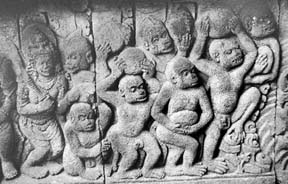
No wonder that we see sculptures depicting monkeys building the bridge in Prambanan (Central Java, Indonesia) even today. No wonder we see Ayodhya as a city name and Rama as a king’s name in Thailand. No wonder Ramayana is depicted in Cambodian Hindu temples. No wonder that the Buddhists stole all Hindu stories (Sibi ,Dasaratha Jataka Tales etc.) and said Buddha appeared as those personalities in  his previous births .

Ramayana and Mahabharata were so popular we see the remnants today in the whole of Asia, the largest land mass on earth. Tamils were so fascinated by these two epics. Two thousand year old Sangam Tamil poets refer to it in several places. The strangest thing about these references is that we did not find them in Valmiki’s Ramayana or Vyasa’s Mahabharata which were written in Sanskrit.

Tamil poets refer to two places as Setu (bridge). One is mentioned as Adi Setu (the original or the first bridge). When someone calls one Setu as “Adi” that itself acknowledges there is another Setu. When we call Tenkasi near Tirunelveli as “South Kasi” we acknowledge the fact that the main Kasi (Benares or Varanasi) is in North India.

The rule for using an anecdote in similes is that it must be popular and understood by everyone, says the oldest Tamil book Tolkappiyam.

Ramayana and Mahabharata were so popular in Tamil Nadu two thousand years ago; the Tamil poets did not hesitate to use it wherever possible. Even the Tamil Jains and Buddhists used them in their Tamil works:

In a Post Sangam Tamil epic called Silappadikaram a Jain saint says that Rama went to forest with his wife just to obey his father’s order. Then he lost his wife and suffered a lot which is well known, adds the saint (Silappadikaram 14-46).

Another Buddhist epic in Tamil called Manimekalai refers to the monkeys building a bridge in the sea. The same epic refers Kanyakumari as Adi Setu (Manimekalai 17-9 and 5-37). The name Adi Setu for Kanyakumari is confirmed by the local Sthala Puranam. The proof is not only in literature but also in the Sankalpam that the priests say in the beginning of any Puja.

While performing a sacred ritual Hindus always say in which place on earth and on which date in the mighty Yuga cycle they do it. Nowhere in the world can we see such an amazing geographical and historical knowledge. In Kanyakumari,  the priests’ Sankalpam ( a vow or intention to do a ritual or Puja) mentions the place as ADI SETU. Local Sthala Purana says that Sri Ram came here to get the blessings of Devi Bagavathy.

Now, how do we reconcile this contradiction? First let us look at the facts:

Image

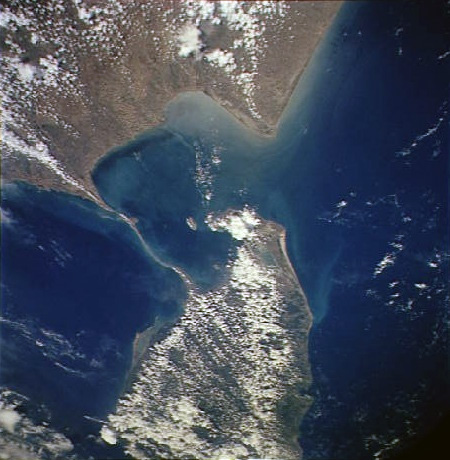
NASA picture of Rama Setu

Rama built the bridge from East coast of peninsular India (Tamil Nadu) to Sri Lanka is sung by later poets called Alwars and Nayanmars. But the confusion is about the place. Rama did consult the local engineers under the leadership of Nala is also in Ramayana. Any engineer with sound local knowledge would recommend the shallowest point in the sea. So naturally Nala would have recommended a place near Rameswaram. Even NASA space image has confirmed that a natural bridge like formation is seen from the space. So Rama would have used this natural formation of rocks and filled in the gaps with the help of the monkey brigade. This story travelled far away up to Indonesia where we see sculptures depicting monkeys building the bridge. This was sculpted 1300 years ago.

Why then Kanyakumari was called ADI SETU, the original bridge?  This may be due to another bridge connecting Sri Lanka existed in the ancient days. Two Tamil Academies situated in the South near the sea were devoured during two Tsunamis. This was confirmed by Tamil literature. Then they moved south and established the third Tamil Academy called Tamil Sangam in Madurai. People knew that the Indian land mass extended far beyond the modern Kanyakumari. Even today the rocks can be seen near the shore line.

Another possibility is that Rama himself might have first constructed one bridge there and later abandoned it knowing the difficulty. One may wonder why then there was no mention about it in Valmiki Ramayana, the main source for all the legends of Rama. Here comes the strangest fact. Tamils knew many more things than Valmiki. After all local Tamils were by the side of Rama when he invaded Sri Lanka. Valmiki was sitting in the forests of Uttar Pradesh. This is confirmed by a few more references.

A Tamil poet brings a lot of jewellery donated to him by a generous king. But his wife and other women folk in the household were so poor they did not even know what to wear where. Which was nose ornament, which was ear ornament, which one was for hand and feet, they couldn’t figure out. They wore them at wrong places. The poet compared it to the monkeys who were trying to wear Sita’s jewellery which she threw on the floor from the airplane in which she was abducted by Ravana (Ref. Puram 378 by Unpothi Pasunkutaiyar).

Tamils were the one who said even squirrels took part in the building of the bridge (Tondar Adippodi Alvar-Tirumalai 17) Please read my article Two Animals that Inspired Indians for more details.

Tamils were the one who mentioned a magic done by Rama. When he was consulting the engineers about construction of a bridge under the shade of a huge banyan tree the birds in the tree were making big noise. When Rama ordered them to keep quiet all fell silent. Two thousand year old Sangam literature uses this simile to compare the noise in a town of Tamil Nadu (Akam 70 by Kaduvan Mallanar).

Even Krishna’s bathing in river Yamuna and hiding the girl’s clothes is mentioned first in Tamil literature and then only in Sanskrit literature. The Bull Fighting practised by Krishna and his Yadava clan is also mentioned in detail in Tamil literature (Please read my article Bull Fighting from Indus Valley to Spain via Tamilnadu).

Ahalya’s story came as a small reference story in Ramayana. Indra who came in the guise of a cat and molested her was painted at Tirupparankundram temple near Madurai, reports Paripatal ( 19-50), another Sangam  period Tamil work.

One must remember all the Rama and Krishna stories were referred to as passing remarks in Tamil literature- as similes. That means all Tamils knew Ramayana and Mahabharata during Sangam period.

REFERENCES in TAMIL:

தாதை ஏவலின் மாதுடன் போகிக்

காதலி நீங்கிக் கடுந்துயர் உழந்தோன்

வேத முதல்வன் பயந்தோன் என்பது

நீ அறிந்திலையோ நெடுமொழி அன்றோ

( சிலப்பதிகாரம் 14:46-49, கவுந்தி அடிகள் கூற்று )

நெடியோன் மயங்கி நிலமிசைத் தோன்றி

அடல் அரு முந்நீர் அடைந்த ஞான்று

குரங்கு கொணர்ந்து எறிந்த நெடுமலை எல்லாம்

அணங்கு உடை அளக்கர் வயிறு புக்காங்கு

( மணிமேகலை 17: 9-12 )

குரங்கு செய் கடல் குமரியம் பெருந்துறை

( மணிமேகலை 5:37, புத்த மத காப்பியம் )

குமரித் தல புராணம் இக்கதையை உறுதி செய்வதாக தமிழ் அறிஞர் மு ராகவ ஐய்யங்காரும் எழுதியுள்ளார் (ஆராய்ச்சித் தொகுதி பக்கம் 30-31)

குரங்குகளுடன் அணில்களும் இம் முயற்சியில் ஈடுபட்டதை தொண்டரடிப்பொடி ஆள்வார் ( திருமாலை 17 ) குறிப்பிட்டுள்ளார்

குரங்குகள் மலைய நூக்கக்

குளித்துத்தாம் புரண்டிட்டு ஓடி

தரங்க நீர் அடைக்கல் உற்ற

சலம் இலா அணிலம் போலேன்

(இது பற்றி நான் எழுதிய ஆங்கிலக் கட்டுரையைக் காண்க)

குமரியில் பெண் தெய்வம் உறைகிறது என்றும் அங்Kஉ நீராட யாத்ரீகர்கள் வருவர் என்றும் கி. பி .முதல் நூற்றாண்டில் உருவான பெரிப்ளூஸ் என்னும் நிலநூலும் கூறும். சிலப்பதிகாரம், மணிமேகலை, ஆள்வார்கள் நாயன்மார்கள் பாடல்களும் இக்கருத்தைப் பல இடங்களில் கூறும்.

2000 ஆண்டுகளுக்கு முன் மதுரைக்கு அருகில் திருப்பறங்குன்றத்தில் அகலிகை கதையையும் அதில் இந்திரன் பூனை உருவத்தில் இருப்பதையும் ஓவியமாக வரைந்திருந்தனர். இதை சங்க இலக்கியமான பரிபாடல் கூறும்:

இந்திரன், பூசை: இவள் அகலிகை;இவன்

சென்ற கவுதமன்; சினம் உறக் கல்லுரு

ஒன்றிய படி இது ( பரிபாடல் 19: 50-52 ) (பூசை=பூனை)

(பழந்தமிழகத்தில் ராமாயண கிளைக் கதை ஓவியங்கள் கூட அந்த அளவுக்குப் பரவி இருந்தன).

கடுன் தெறல் இராமனுடன் புணர் சீதையை

வலித்தகை அரக்கன் வவிய ஞான்றை

நிலம் சேர் மதர் அணி கண்ட குரங்கின்

செமுகப் பெருங்கிளை இழைப் பொலிந்தா அங்கு

அறா அ அருநகை இனிது பெற்றிகுமே

( புறம் 378 ஊண்பொதி பசுங்குடையார் )

வென்வேற் கவுரியர் தொல்முது கோடி

முழங்கு இரும் பௌவம் இரங்கும் முந்துறை,

வெல் போர் இராமன் அருமறைக்கு அவித்த

பல்வீழ் ஆலம் போல,

ஒலி அவிந்தன்று இவ் அழுங்கல் ஊரே

( அகம். 70, கடுவன் மள்ளனார் )


Where is Rama Setu (Rama’s bridge)?

Image

Prambanan, Indonesia

Lord Rama built a bridge to Sri Lanka across the sea to confront Ravana, the king of Lanka. Ravana abducted Rama’s wife Sita and imprisoned her. Rama employed the army of monkeys and built the stone bridge to Lanka and ultimately killed Ravana and brought his wife back to Ayodhya in modern Uttar Pradesh of North India. Rama’s bridge is known as Rama Setu. Most of the Hindus believe it is located near Rameswaram-Dhanushkoti.

Ramayana, the older of the two Hindu epics, covers a large geographical area. When we compare it to any other epic in any other part of the world, they can’t come anywhere near Ramayana. Rama’s step mother Kaikeyi was from Afghanistan and his wife Sita from Bihar –Nepal border area. So we are talking about an area covering the entire sub continent, historically speaking the largest country in the world at that time.

No wonder that we see sculptures depicting monkeys building the bridge in Prambanan (Central Java, Indonesia) even today. No wonder we see Ayodhya as a city name and Rama as a king’s name in Thailand. No wonder Ramayana is depicted in Cambodian Hindu temples. No wonder that the Buddhists stole all Hindu stories (Sibi ,Dasaratha Jataka Tales etc.) and said Buddha appeared as those personalities in  his previous births .

Ramayana and Mahabharata were so popular we see the remnants today in the whole of Asia, the largest land mass on earth. Tamils were so fascinated by these two epics. Two thousand year old Sangam Tamil poets refer to it in several places. The strangest thing about these references is that we did not find them in Valmiki’s Ramayana or Vyasa’s Mahabharata which were written in Sanskrit.

Tamil poets refer to two places as Setu (bridge). One is mentioned as Adi Setu (the original or the first bridge). When someone calls one Setu as “Adi” that itself acknowledges there is another Setu. When we call Tenkasi near Tirunelveli as “South Kasi” we acknowledge the fact that the main Kasi (Benares or Varanasi) is in North India.

The rule for using an anecdote in similes is that it must be popular and understood by everyone, says the oldest Tamil book Tolkappiyam.

Ramayana and Mahabharata were so popular in Tamil Nadu two thousand years ago; the Tamil poets did not hesitate to use it wherever possible. Even the Tamil Jains and Buddhists used them in their Tamil works:

In a Post Sangam Tamil epic called Silappadikaram a Jain saint says that Rama went to forest with his wife just to obey his father’s order. Then he lost his wife and suffered a lot which is well known, adds the saint (Silappadikaram 14-46).

Another Buddhist epic in Tamil called Manimekalai refers to the monkeys building a bridge in the sea. The same epic refers Kanyakumari as Adi Setu (Manimekalai 17-9 and 5-37). The name Adi Setu for Kanyakumari is confirmed by the local Sthala Puranam. The proof is not only in literature but also in the Sankalpam that the priests say in the beginning of any Puja.

While performing a sacred ritual Hindus always say in which place on earth and on which date in the mighty Yuga cycle they do it. Nowhere in the world can we see such an amazing geographical and historical knowledge. In Kanyakumari,  the priests’ Sankalpam ( a vow or intention to do a ritual or Puja) mentions the place as ADI SETU. Local Sthala Purana says that Sri Ram came here to get the blessings of Devi Bagavathy.

Now, how do we reconcile this contradiction? First let us look at the facts:

Image

NASA picture of Rama Setu

Rama built the bridge from East coast of peninsular India (Tamil Nadu) to Sri Lanka is sung by later poets called Alwars and Nayanmars. But the confusion is about the place. Rama did consult the local engineers under the leadership of Nala is also in Ramayana. Any engineer with sound local knowledge would recommend the shallowest point in the sea. So naturally Nala would have recommended a place near Rameswaram. Even NASA space image has confirmed that a natural bridge like formation is seen from the space. So Rama would have used this natural formation of rocks and filled in the gaps with the help of the monkey brigade. This story travelled far away up to Indonesia where we see sculptures depicting monkeys building the bridge. This was sculpted 1300 years ago.

Why then Kanyakumari was called ADI SETU, the original bridge?  This may be due to another bridge connecting Sri Lanka existed in the ancient days. Two Tamil Academies situated in the South near the sea were devoured during two Tsunamis. This was confirmed by Tamil literature. Then they moved south and established the third Tamil Academy called Tamil Sangam in Madurai. People knew that the Indian land mass extended far beyond the modern Kanyakumari. Even today the rocks can be seen near the shore line.

Another possibility is that Rama himself might have first constructed one bridge there and later abandoned it knowing the difficulty. One may wonder why then there was no mention about it in Valmiki Ramayana, the main source for all the legends of Rama. Here comes the strangest fact. Tamils knew many more things than Valmiki. After all local Tamils were by the side of Rama when he invaded Sri Lanka. Valmiki was sitting in the forests of Uttar Pradesh. This is confirmed by a few more references.

A Tamil poet brings a lot of jewellery donated to him by a generous king. But his wife and other women folk in the household were so poor they did not even know what to wear where. Which was nose ornament, which was ear ornament, which one was for hand and feet, they couldn’t figure out. They wore them at wrong places. The poet compared it to the monkeys who were trying to wear Sita’s jewellery which she threw on the floor from the airplane in which she was abducted by Ravana (Ref. Puram 378 by Unpothi Pasunkutaiyar).

Tamils were the one who said even squirrels took part in the building of the bridge (Tondar Adippodi Alvar-Tirumalai 17) Please read my article Two Animals that Inspired Indians for more details.

Tamils were the one who mentioned a magic done by Rama. When he was consulting the engineers about construction of a bridge under the shade of a huge banyan tree the birds in the tree were making big noise. When Rama ordered them to keep quiet all fell silent. Two thousand year old Sangam literature uses this simile to compare the noise in a town of Tamil Nadu (Akam 70 by Kaduvan Mallanar).

Even Krishna’s bathing in river Yamuna and hiding the girl’s clothes is mentioned first in Tamil literature and then only in Sanskrit literature. The Bull Fighting practised by Krishna and his Yadava clan is also mentioned in detail in Tamil literature (Please read my article Bull Fighting from Indus Valley to Spain via Tamilnadu).

Ahalya’s story came as a small reference story in Ramayana. Indra who came in the guise of a cat and molested her was painted at Tirupparankundram temple near Madurai, reports Paripatal ( 19-50), another Sangam  period Tamil work.

One must remember all the Rama and Krishna stories were referred to as passing remarks in Tamil literature- as similes. That means all Tamils knew Ramayana and Mahabharata during Sangam period.

REFERENCES in TAMIL:

தாதை ஏவலின் மாதுடன் போகிக்

காதலி நீங்கிக் கடுந்துயர் உழந்தோன்

வேத முதல்வன் பயந்தோன் என்பது

நீ அறிந்திலையோ நெடுமொழி அன்றோ

( சிலப்பதிகாரம் 14:46-49, கவுந்தி அடிகள் கூற்று )


நெடியோன் மயங்கி நிலமிசைத் தோன்றி

அடல் அரு முந்நீர் அடைந்த ஞான்று

குரங்கு கொணர்ந்து எறிந்த நெடுமலை எல்லாம்

அணங்கு உடை அளக்கர் வயிறு புக்காங்கு

( மணிமேகலை 17: 9-12 )

குரங்கு செய் கடல் குமரியம் பெருந்துறை

( மணிமேகலை 5:37, புத்த மத காப்பியம் )

குமரித் தல புராணம் இக்கதையை உறுதி செய்வதாக தமிழ் அறிஞர் மு ராகவ ஐய்யங்காரும் எழுதியுள்ளார் (ஆராய்ச்சித் தொகுதி பக்கம் 30-31)

குரங்குகளுடன் அணில்களும் இம் முயற்சியில் ஈடுபட்டதை தொண்டரடிப்பொடி ஆள்வார் ( திருமாலை 17 ) குறிப்பிட்டுள்ளார்

குரங்குகள் மலைய நூக்கக்

குளித்துத்தாம் புரண்டிட்டு ஓடி

தரங்க நீர் அடைக்கல் உற்ற

சலம் இலா அணிலம் போலேன்

(இது பற்றி நான் எழுதிய ஆங்கிலக் கட்டுரையைக் காண்க)

குமரியில் பெண் தெய்வம் உறைகிறது என்றும் அங்Kஉ நீராட யாத்ரீகர்கள் வருவர் என்றும் கி. பி .முதல் நூற்றாண்டில் உருவான பெரிப்ளூஸ் என்னும் நிலநூலும் கூறும். சிலப்பதிகாரம், மணிமேகலை, ஆள்வார்கள் நாயன்மார்கள் பாடல்களும் இக்கருத்தைப் பல இடங்களில் கூறும்.

2000 ஆண்டுகளுக்கு முன் மதுரைக்கு அருகில் திருப்பறங்குன்றத்தில் அகலிகை கதையையும் அதில் இந்திரன் பூனை உருவத்தில் இருப்பதையும் ஓவியமாக வரைந்திருந்தனர். இதை சங்க இலக்கியமான பரிபாடல் கூறும்:

இந்திரன், பூசை: இவள் அகலிகை;இவன்

சென்ற கவுதமன்; சினம் உறக் கல்லுரு

ஒன்றிய படி இது ( பரிபாடல் 19: 50-52 ) (பூசை=பூனை)

(பழந்தமிழகத்தில் ராமாயண கிளைக் கதை ஓவியங்கள் கூட அந்த அளவுக்குப் பரவி இருந்தன).

கடுன் தெறல் இராமனுடன் புணர் சீதையை

வலித்தகை அரக்கன் வவிய ஞான்றை

நிலம் சேர் மதர் அணி கண்ட குரங்கின்

செமுகப் பெருங்கிளை இழைப் பொலிந்தா அங்கு

அறா அ அருநகை இனிது பெற்றிகுமே

( புறம் 378 ஊண்பொதி பசுங்குடையார் )

வென்வேற் கவுரியர் தொல்முது கோடி

முழங்கு இரும் பௌவம் இரங்கும் முந்துறை,

வெல் போர் இராமன் அருமறைக்கு அவித்த

பல்வீழ் ஆலம் போல,

ஒலி அவிந்தன்று இவ் அழுங்கல் ஊரே

( அகம். 70, கடுவன் மள்ளனார் )


One Minute Bhagavad Gita


Bhagavad Gita is part of Mahabharata, the Hindu epic. Gita has 700 verses in 18 chapters in Sanskrit. All the essential spiritual truths expounded by the Vedas are in the Gita. This great poem is the crown jewel of all Indian literature. If one wants to get the essence of the Gita or Hinduism here it is:


DUTY FIRST

You have only the right to do and not to think of its fruits. Let not the longing for fruits be the motive force of your action. But don’t entertain inaction (chapter 2- verse 47).


NATURE OF SOUL

He has neither birth nor death. Nor does he cease to be, having been in existence before; unborn, eternal, permanent and primeval; he is never killed when the body is killed (2-20)


REBIRTH

Just as a man gives up old garments and puts on new ones , so the embodied self abandons  decrepit bodies and assumes new ones (2-22).


PEACE

Whoever has abandoned desires, and moves about without attachments and the sense of “ I ” and “Mine”- he attains to peace (3-71)


ATTAIN GLORY

Arise; Attain Glory (11-33)


UNMANLINESS

Yield not to unmanliness, Arjuna, for it does not become thee. Cast off this petty faintheartedness and stand up, O Scorcher of enemies (2-3)


IN THE FOOT PRINTS

Whatever action a great man performs common man follows (3-21)


AUM

I am the AUM in all the Vedas (7-8)


SELFISHNESS IS SIN

Those who cook for their own sake ,they truly eat sin (3-13)


PATH WAY TO HELL

Three path ways to hell: Lust, Anger and Greed (16-21)


SCHOLARS

Enlightened men are those who see the same (atman) in a Brahmana, in a cow, in an elephant and even in a dog or in an eater of dog meat (out caste) 5-18


FRIEND AND FOE

One should uplift one’s lower self. One should not lower one self. For the self is verily both the friend and foe of the self


FOUR KINDS

Four kinds of pious people worship me: The distressed, the seeker of knowledge, the seeker of wealth and the wise. Of them the wise is dear to me (7-16 & 17)


REINCARNATION

Whenever there is decline of righteousness and rise of unrighteousness, then I send forth (reincarnate) Myself (4-7)


PROTECTION OF THE GOOD

For the protection of the good, for the destruction of the wicked and for the establishment of righteousness, I am born from age to age (4-8)


DOUBTING THOMAS

An ignorant man without any positive faith, who knows only to doubt, goes to ruin. To such a doubting soul there is neither this world nor the world beyond.


NO SUFFERING FOR THE GOOD

No devotee of mine will ever perish (9-31)

He does not meet with downfall either here in this world nor in the hereafter. Know for certain, that one who treads the path of virtue, never treads the path of woe (6-40)


HOW TO DO PUJA

Whoever makes an offering to me with devotion, be it of leaf, flower, fruit or water- that devout offering by a pure hearted man, I accept with joy. (9-26)


ONE’S OWN DUTY

Better is one’s own duty (swa dharma) though though devoid of merit, than the duty of another

Well performed (18-47).


DELIVERY FROM ALL SINS

Abandoning all duties, come to me as the only refuge. Grieve not; I will deliver you from all sins

(18-66)


YOGI

He who has no ill will to any being,  who is friendly and compassionate, free from egoism and

Self sense, even minded in pain and pleasure and patient (12-13).


YOGI=TORTOISE

He who draws away the senses from the objects of sense on every side as a tortoise draws in his limbs in to the shell, his intelligence is firmly set in wisdom (2-58)


MAN BECOMES GOD
Freed from passion, fear and anger, ever absorbed in my thought, and ever dependent on me- many have attained to my state, being purified in the fire of knowledge and austerity (4-10).


WELFARE OF ALL
By restraining all the senses, being even-minded in all conditions, rejoicing in the welfare of all creatures(Sarva Bhuta Hiterata:), they come to me indeed (12-4)


1000 SUNS=VISVA RUPA DARSANAM=THE COSMIC FORM

If the light of a thousand suns were to blaze forth all at one in the sky, that might resemble the exalted Being (11-12)


ON CASTE

The four fold order was created by me according to the divisions of quality and work. Though I am its creator know me to be incapable of action or change (4-13)


ON FOOD

The foods which promote life, vitality, strength, health, joy and cheerfulness, which are sweet, soft, nourishing and agreeable are dear to the good (17-8)


ON WOMEN

Among women I am Kirti (glory), Sri (prosperity), Vak (speech) Smriti (memory) , Medha (intelligence), Dhriti (firmness) and Ksama (patience)-(10-34)

Women, Vaisyas (trading and agricultural classes) as well as Sudras (labouring classes) and those  of vile birth ,whoever they may be,  taking refuge in me, they also attain the supreme goal (9-32)


ALL FAITHS LEAD TO ME

Whatever form any devotee with faith wishes to worship, I stabilize the faith of that devotee in that very form (7-21)

*************


ஸ்ரீ கிருஷ்ணனுடன் 60 வினாடி பேட்டி

( கேள்விகள்: சுவாமிநாதனின் கற்பனை; பதில்கள்-பகவத் கீதையிலிருந்து )

கிருஷ்ணா உனக்கு ஒரு சவால். ஒரே நிமிடத்தில் பகவத் கீதையின் சாரத்தைப் போதிக்க வேண்டும். கீதையின் சாரம் என்ன?

கர்மன் ஏவ அதிகாரஸ்தே மா பலேஷூ கதாசன (2-47): கருமத்திலேயே உனக்கு அதிகாரம், ஒருபோதும் பலனில் இல்லை

புரிகிறது, கண்ணா, பலனில் பற்று வைத்து எதையும் எதிர்பார்த்துச் செய்யாதே என்கிறாய். யோகம் என்றால் என்ன?

ஸமத்வம் யோகம் உச்யதே (2-48): சம நிலைமையே யோகம்.வெற்றி தோல்விகளில் சமமாக இருந்து கொண்டு பணிகளைச் செய்.

கண்ணா, ஆத்மா எப்படிப்பட்டது?

ந ஜாயதே ம்ரியதே வா கதா சிந் நாயம் பூத்வா பவிதா வா ந பூய:

(2-20) ஆத்மா ஒருபோதும் பிறப்பதும் இல்லை, இறப்பதும் இல்லை. இல்லாமல் இருந்து மறுபடியும் உண்டாவதும் இல்லை. என்றும் உள்ளது, அழியாதது.

புரிகிறது. கிட்டத்தட்ட நான் இயற்பியலில் படித்ததுதான் Energy can neither be creataed nor destroyed. சுவாமி விவேகானந்தர் கீதையின் முக்கிய செய்தி என்று எதோ சொல்கிறாரே, அது என்ன?

க்லைப்யம் மாஸ்ம கம: ந ஏதத் த்வயீ உபபத்யதே(2-3) : பேடித்தனத்தை அடையாதே.இது உன்னிடத்தில் சிறிதும் பொருந்தாது

நல்ல புத்திமதி. நீ எவ்வப்போது அவதாரம் எடுக்கிறாய்?

யதா யதா ஹி தர்மஸ்ய க்லானிர் பவதி (4-7): எவ்வப்போது தர்மத்துக்குக் குறைவும், அதர்மத்துக்கு எழுச்சியும் உண்டாகிறதோ அப்போது நான் வருவேன்.

தேவை தானப்பா, வந்து என்ன செய்வாய்?

பரித்ராணாய சாதூணாம், விநாசாய துஷ்க்ருதாம் (4-8) : சாதுக்களைக் காத்தற்கும், துஷ்டர்களை அழிப்பதற்கும் யுகம் தோறும் அவதரிப்பேன்.

கண்ணா, ரொம்ப கஷ்டம்பா, சொல்லிட்டேன். ஒன்றா, இரண்டா. நீ நிறைய பேரை அழிக்க வேண்டியிருக்கும்பா. மனிதன் கடவுள் ஆக முடியுமா? எங்கள் வள்ளுவர் சொல்றாரு, வையத்துள் வாழ்வாங்கு வாழ்பவன் வான் உறையும் தெய்வத்துள் வைக்கப்படும் என்று.

ஆசை, பயம் கோபம் இல்லாதவர்கள், என்னைச் சரண் அடைந்தவர்கள் என் தன்மையை அடைந்திருக்கிறார்கள்(4-10).

உண்மைதனப்பா, காஞ்சி மகா சுவாமிகள், ரமணர், ராமகிருஷ்ணர், ஆழ்வார்கள், நாயன்மார்கள் போல பலரைப் பற்றி படித்திருக்கேன். “வழக்கெனப்படுவது உயர்ந்தோர் மேற்றே” என்று தொல்காப்பியர் சொன்னதும் உன்னைப் பார்த்துதானோ?

யத் யத் ஆசரதி ஸ்ரேஷ்ட: தத் ததேவ இதர ஜன: (3-21): பெரியவன் ஒருவன் எதைச் செய்கிறானோ அதையே ஜனங்களும் பின்பற்றுவர்.

யார் அறிவாளி?
ஆசையும் அதற்குக் காரணமான சங்கல்பமும் இல்லாமல் வினைகளை ஞானத்தீயில் யார் ஒருவன் பொசுக்குகிறானோ அவனே பண்டிதன்(4-19)

யார் யோகி?

கருமம் செய்யும் நிலையில் கரமத்தை காணாதவனே யோகி.(4-18)

சந்தேகப் பேர்வழிகளுக்கு உன் அறிவுரை?

சம்யாத்மா விநஸ்யதி(4-40) : ஞானம் இல்லாதவன் சிரத்தை இல்லாதவன் சந்தேகம் உடையவன் அழிகிறான் அவர்களுக்கு இவ்வுலகும் இல்லை, அவ்வுலகும் இல்லை.

ஞானிகள் யார்?

பண்டிதா: சம தர்சின (5-18): பிராமணன்,பசு, யானை, நாய், புலையன் எல்லோரையும் சமமாகப் பார்ப்பவனே ஞானி

நல்லது செய்பவர்களுக்கு நீ என்ன உத்தரவாதம் தருவாய்?

ந ஹி கல்யாண க்ருத் கஸ்சித் துர்கதிம் தாத கச்சதி (6-40) : நல்லதைச் செய்பவன் எவனும் நிச்சயமாக தீய நிலையை அடையவே மாட்டான்.

ந மே பக்த ப்ரணச்யதி (9-31): என் பக்தன் அழியவே மாட்டான்.

இது போதுமப்பா, 100 சதவிகித கியாரன்டி. உன்னை எப்படி பூஜிப்பது?

பத்ரம் புஷ்பம் பலம் தோயம் (9-26): எவன் எனக்கு பக்தியுடன் பச்சிலையோ, பூவோ, பழமோ, தீர்த்தமோ தூய்மையுடன் கொடுக்கிறானோ அதை நான் புசிக்கிறேன்.

யாருக்கு அமைதி இல்லை?

ஸ சாந்தி மாப்னோதி ந காம காமி (2-70) : ஆsaiயுள்ளவனுக்கு அமைதி இல்லை.

திருடன் யார்?

வேள்வி செய்தால் தேவர்கள் உங்களுக்கு இன்பம் தரும் பொருட்களைத் தருவார்கள். அவர்கள் கொடுத்ததை அவர்களுக்குக் கொடுக்காமல் உண்பவன் திருடனேயன்றோ?(10-12) தமக்காகவே சமைப்பவர்கள் பாவத்தையே உண்கிறார்கள் (12-4).

கிருஷ்ணா, இது கொஞ்சம் கொஞ்சம் கடு மொழி, சுடு மொழி அப்பா. எல்லோருக்கும் நீ விடுக்கும் அறைகூவல்?

உத்திஷ்ட, யசோ லபஸ்வ (11-33): எழுந்திரு, புகழ் அடை.

யார் வாழ்க்கையில் முன்னேறுவார்கள்?

உத்தரேத் ஆத்மநாத்மானம்: தன்னைத்தானே உயர்த்திக் கொள்ள வேண்டும்.தன்னைத்தானே தாழ்த்திக் கொள்ளக் கூடாது.தனக்குத் தானே நண்பன், தனக்குத் தானே பகைவன்(6-5).

எல்லோரும் இன்புற்றிருக்க வேண்டும் என்று எங்கள் தாயுமானவர் கூறுகிறார். நீயும் எதோ சொன்னாயாமே?

சர்வ பூத ஹிதே ரதா(12-4, 11-55): தே மாம் ஏவ ப்ராப்னுவந்தி: எல்லா உயிர்களும் இன்புற்றிருக்க நினைப்பவர்கள் என்னையே வந்து அடைகிறார்கள்.

சாக்ரடீஸ் உன்னையே நீ அறிவாய் என்று சொன்னது உன்னைப் பார்த்துதானா?

ஆத்மவான் பவ: (2-45) : உன்னையே நீ அறிவாய்

சரியப்பா, எவ்வளவோ தப்புச் செய்துவிட்டோம். எங்களுக்கு பாவ மன்னிப்பு தருவாயா?

சர்வ தர்மான் பரித்யஜ்ய மாமேகம் சரணம் வ்ரஜ (18-66): எல்லா தருமங்களையும் விட்டுவிட்டு என்னையே சரண் அடை. நான் உன்னை எல்லா பாபங்களிலும் இருந்தும் விடுவிக்கிறேன்.

அப்பா, கண்ணா. இது ஒன்றே போதும் அப்பா. உன்னையே சரண் அடைந்தேன். என்னையும் உலகிலுள்ள அனைவரையும் காப்பற்றப்பா.

Was Jayadratha killed by a Solar Eclipse?

By S Swaminathan

Solar Eclipse

The earliest reference to a solar eclipse occurs in the Rig Veda. Atri Maharishi speaks of the wonders of the solar eclipse (RV5-40-5). Like today’s newspaper reports, he also tells us how confused animals and birds become when the sun suddenly disappears. He must have watched a total solar eclipse. This eclipse happened in 3,928 BC according to some scholars. Later the Brahmanas give more details about the same eclipse. Panchavimsa Brahmana speaks of four different stages of an eclipse. It describes beautifully the changing colours during the eclipse. The Vedic hymns also imply that Atri maharishi knew the secret of eclipses.

In the Mahabharata there are 8 references to solar eclipses and Dr S Balakrishna of NASA did a thorough study of them with advanced computer software. When he went through the eclipse pairs i.e two eclipses happening in a 13 day interval, which the Mahabharata refers to, he matched one eclipse that happened in 2,559 BC.

References to lunar eclipses and solar eclipses are plentiful in our literature. Tamil Sangam book Purananuru also described a solar eclipse. The commentator explained how the demons tried to outsmart the devas in the episode of churning of the Ocean of Milk to get Amrita. The word used for Vishnu in this verse (Anjana Vannan) is used for Krishna as well in Tamil. So we can interpret this is a reference to the fourteenth day war in the Mahabharata.

What happened on the 13th day? Jayadratha, the king of Sindhu Desa (Indus Valley King) killed Abimanyu, son of Arjuna on the 13th day of the war. Arjuna was furious and vowed to kill Jayadratha before the sunset next day. The whole Kaurava army gave Jayadratha full protection. When the sun appeared to set, Jayadratha poked his head out to show that he was victorious. Suddenly the sun reappeared in the sky and Arjuna shot Jayadratha down. The story goes that Krishna hid the sun with his Sudarsana chakra. Actually Krishna tricked Jayadratha with the knowledge of the solar eclipse happening on that day. Arjuna’s brothers Nakulan and Sahadevan were experts in such calculations.

People were told for a long time that the war started on a new moon (Amavasya) day. Latest research by scholars with computer software shows that it started on a full moon day. Ancient people preferred full moon day for any big festivals or events. Almost all famous Hindu festivals fall on full moon day. It helps people to move around safely and easily in the evening. Mahabharata war, a Dharma Yudhdha, was fought according to strict rules. They stopped all fighting at sunset. Later both sides of the war visited their relatives on either side and helped to dress wounds like the modern day Red Cross. Dr B N Narhari Achar, Department of Physics, Memphis University, USA also supported the theory of war starting on a full moon day.

Now if we look at the Purananuru verse 174 sung by Marokkaththu Nappasalaiyaar and the commentary, it matches well with the 14th day of war where Anjana Vannan alias Krishna played a major role with his Sudarsana Chakra – the solar eclipse. Ancients Tamils had full knowledge of the epics. In fact they have given three or four episodes in their 2000 year old books which were not even found in the Valmiki Ramayana or Vyasa Mahabharata.

Follow me on Twitter: @Swami_48

Tamil Article: Solar Eclipse in Tamil and Sanskrit Literature

Please see below for my latest article on Solar eclipses in Tamil and Sanskrit Literature in Tamil

புறநானூற்றில் சூரியகிரஹணம்

Atom Bomb to Zoo of the Bhagavad Gita: Part 2

By S Swaminathan

This is Part 2 of a two part series on the A to Z of the Bhagavad Gita.


N for Nirvana 

Nirvana is an interesting term used both by the Buddhists and the Hindus with different interpretations. Gita uses this term several times (chapters 2-72,5-24,25,26 and 6-15). In Gita it means complete union with God. Brahma nirvana means the mystic state of extinction of self in the union with God. Literal translation of nirvana is blow out ,extinguish.

Osho on Gita 

Osho’s(Acharya Rajneesh) interpretation of the Gita stands out for many qualities. He creates a multifaceted analysis of Gita, drawing from all sources—philosophy, scriptures, biographies and his own experience. The shlokas of the Gita are often abstract, mysterious and sometimes downright contradictory. In such cases the listener will definitely appreciate Osho’s deep and precise insight in explaining why Krishna said it this way. He has the skill of explaining apparently impossible slokas in layman’s terms, using simple analogies.

P for Paramahamsa Yogananda 

Elucidating on the Gita’s primary metaphor of inner battle, Sri Yogananda writes, “From the moment of conception to the surrender of the last breath, man has to fight in each incarnation innumerable battles: biological, hereditary, bacteriological, physiological, climatic, social, ethical, political, sociological, psychological, metaphysical- so many varieties of inner and outer conflicts. Competing for victory in every encounter are the forces of good and evil. The whole intent of Gita is to align man’s efforts on the side of dharma or righteousness. The ultimate aim is self realisation.

Q for Queen of Greece 

What should be leader doing in regard to customs, usages, etc.? Even after he finds them to be not of any benefit for himself, should he follow them? Asked Queen of Greece, who was a devotee of Ramana Maharishi and Kanchi Sri Chandrasekarendra Saraswathy (1884-1994).

Kanchi Sankaracharya’s answer on 4/12/1966: Those who are the leaders of a group, society, or state should not neglect the established religious customs and usages. In the words of Bhagavad-Gita: “The wise one should not unsettle the minds of those who are ignorant, and are attached to action. On the contrary, he should encourage them to perform what they should perform, by himself doing the appropriate actions well and with diligence.”

R for Ramakrishna Paramahamsa 

The essential message of the Gita can be obtained by repeating the word several times, “‘Gita, Gita, Gita’, you begin, but then find yourself saying ‘ta-Gi, ta-Gi, ta-Gi’. The message is Thyaga/sacrifice –Thyagi means one who has renounced everything for God”, says Sri Ramakrishna Paramahamsa

Question : The Gita seems to emphasise karma yoga, for Arjuna is persuaded to fight. Sri Krishna himself set the example by an active life of great exploits.
Ramana Maharshi : The Gita starts by saying that you are not the body and that you are not therefore the karta [the doer].

S for Sivananda 

Study of the Gita must be made compulsory in all schools and colleges of India; nay of the whole world. It must become a text book for students of schools and colleges-Swami Sivananda wrote it on 4thJuly ,1942

T for Thoreau 

“In the morning I bathe my intellect in the stupendous and cosmogonal philosophy of the Bhagavad Gita, in comparison with which our modern world and it’s literature seems puny and trivial “- Henry David Thoreau (1817-1862) American poet and philosopher

U for Upanishads 

The Gita is a boquet composed of beautiful flowers of spiritual truths collected from the Upanishads- Swami Vivekananda

V for Vivekananda 

According to Swami Vivekananda the most important shloka in the Gita is the 3rd in the 2ndChapter. He says, “If one reads this one shloka –klaibyam mas ma gama: …… one gets all the merits of reading the entire Gita: for in this one shloka lies embedded the whole message of the Gita. The meaning of the verse is “Yield not to impotence, O Arjuna, son of Pritha. It does not befit thee. Cast of this mean weakness of the heart. Stand up, O scorcher of the foes.”

W for Water 

Hindus offer to God anything from hair to gold in different temples. Lord Krishna says he is happy with even an offering of little water. Chapter 9 verse 26: “If one offers me with love and devotion a leaf, a flower, fruit or WATER, I will accept it.” Lord Krishna has a scale where devotion gets more value than the actual value of the goods!

X for X number of commentaries 

Gita has 700 commentaries when Sita pati das (Joshua J Wulf) wrote a commentary several years ago. Now we have x number of commentaries on it. Even the Tamil atheists have written a commentary interpreting the shlokas with negative connotation.

Y for Yama & Yoga 

Adi Shankara in Bhaja Govindam (hymn 20) says: To one who has studied the Bhagavad Gita even a little, who has sipped at least a drop of Ganges water, who has worshipped at least once Lord Murari

Gita deals with three Yogas:karama/action,Bhakti/devotion,Jnana/wisdom

Zoo and Gita: 

Lord Krishna uses a lot of animal names in his dialogue with Arjuna. If we have to set up a Bhagavad Gita zoo to teach Krishna’s philosophy , we need the following animals:

Elephant, eagle, horse, shark, snake, cow, lion (Chapter 10) and dog, cow and elephant (5-18)

Send comments and feedback to: swami_48@yahoo.com.


Please visit my blogs: swamiindology.blogspot.com and tamilandvedas.wordpress.com