Black Hole in Manu!! Wonderful and Strange Facts in Manu Smrti – Part -2 (Post No.3045)

black-hole-art

Research Article Written by london swaminathan

Date: 8th    August 2016

Post No. 3045

Time uploaded in London :– 16-27

( Thanks for the Pictures)


DON’T REBLOG IT AT LEAST FOR A WEEK!  DON’T USE THE PICTURES; THEY ARE COPYRIGHTED BY SOMEONE.


(for old articles go to tamilandvedas.com OR swamiindology.blogspot.com)


First part of this article was published on 6th August here.


Manu facts:

2685 verses in Manu Smrti;

nine commentaries are on it;

oldest law book in the world;

more comprehensive than even later law books;

in Sanskrit language.

Age of Manu: Rig Vedic or Pre Vedic (several Manu’s including current Manu Vaivasvata are mentioned in ancient Vedic literature!)


For first 7 paragraphs please go to Part-1

black-holes

8.First Reference to Black Hole:

What is a Black Hole?

Black holes are found in space, whose gravity is so great that nothing can escape from it, not even light. Thought to form when massive stars shrink at the end of their lives, a black hole sucks in more matter, including other stars, from the space around it.  Matter that falls into a black hole is squeezed to infinite density at the centre of the hole. Black holes can be detected because gas falling towards becomes so hot that it emits X rays.

–from encyclopaedia


My comments:–

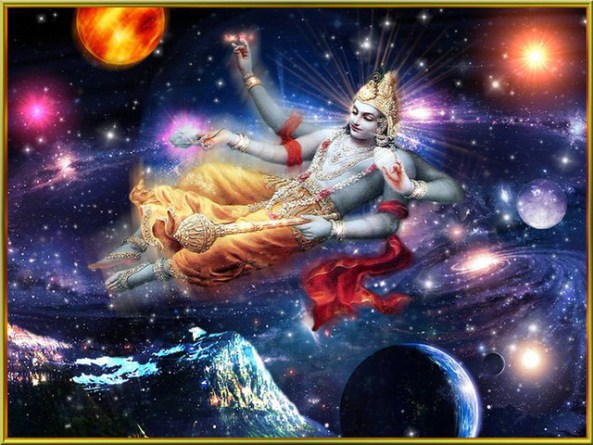
Finding black holes in Hindu literature is a tricky one. But in the Bhagavd Gita, Viswarupa Darshan Chapter hints at it.


Lord Krishna says

“I am the Time”.

“As the many rushing torrents of rivers race towards the ocean, so do these heroes of the world of men rush into thy flaming mouths.”

Bhagavad Gita 11-28


As moths swiftly rush into a blazing fire to perish there, so do these men rush into thy mouths with great speed to their own destruction.

Bhagavad Gita 11-29

Devouring all the worlds on every side with thy flaming mouths, thou lickest them up. Thy fiery rays fill this whole universe and scorch it with their fierce radiance, O Vishnu!

Bhagavad Gita 11-30


Black holes are mysterious; more and more research reveal much more new and wonderful information. Still science has to go a long way to understand it fully or unravel the mysteries.


krishna

Bhagavad Gita speaks about the bright side of the Black hole. But Manu Smrti describes Black hole as BLACK:_

“Listen! Once upon a time this universe was made up of DARKNESS, without anything that could be discerned, without any distinguishing marks, impossible to know through reasoning, or understanding; it seemed to entirely asleep”.

“Then the Lord who is Self-existent , himself unmanifest caused this universe to manifest; putting his energy into the great elements and everything else , he became visible and dispelled the darkness”.

Manu smrti 1- 5 and 6


If we delete the words God and Lord in the above couplets, these will be considered a statement from a scientist or a page form a science book.

Hinduism comes very closer to cosmologists’ statements than any other religion in the world.

Western astronomers will agree with the Hindus at one stage and accept the cyclical theory of time. They will also agree with us that Inter-galactic travel is possible; Narada, Arjuna, Matali and many others did this according to our scriptures. They will also accept that there is a place called heaven where garlands never wither, where people float without their feet on the ground, where sex is prohibited, where they never blink, where they are always happy so on and so forth.

galactic_black_hole

–Subham–


Wonderful and Strange Facts in Manu Smrti (Post No.3041)

manusmriti

Written by london swaminathan

Date: 6th    August 2016

Post No. 3041

Time uploaded in London :–17-15

( Thanks for the Pictures)


DON’T REBLOG IT AT LEAST FOR A WEEK!  DON’T USE THE PICTURES; THEY ARE COPYRIGHTED BY SOMEONE.


(for old articles go to tamilandvedas.com OR swamiindology.blogspot.com)


Manu Smrti or Manava Dharma Sastra has 2685 slokas or couplets.

Manu Smrti (MS) is the oldest law book in the world according to the internal evidence (Please see below about Soma Herb and Saraswati River).

There is no book in the world that deals with so many topics as MS.

It is older than the Hammurabi code according to the evidence in it and other scriptures like Bhagavad Gita.

It has got many strange references about women, Saraswati River, Age of man and sale of Soma etc. In this first part I will refer to some slokas with my comments.


1.Woman’s Mouth is always Pure:-

A woman’s mouth is always unpolluted, as is a bird that knocks down a fruit; a calf is unpolluted while the milk is flowing and the dog is unpolluted when it catches a wild animal (3-150)


2.Man lived for 400 years!

In the Krta Yuga (First of the Four Yugas), people are free from sickness, achieved all their goals, and have a life span of 400 years; but in the ages that began with the age of Treta yuga, their life span grows smaller foot by foot ( in other places he mentions 100 year life span during the modern era).


3.Origin of life in Water:-

He (God) thought deeply, for he wished to emit various sorts of creatures from his own body; first he emitted the waters, and then he emitted his semen in them; that became a golden egg, as bright as the sun with his thousand rays; Brahma himself, the grand father of all people, was born in that egg. “The waters are born of man”, so it is said, indeed the waters are the children of the primordial man (1-8 to 10).


4.Sumuka mystery

Manu gives a list of kings in which Sumuka is one; there is no mention of Sumuka in our scriptures, but it is in Sumerian king list (Please read my article:Sanskrit words in Sumerian Culture: Sumukan Mystery, posted on 12 May 2014)

manu2

5.Strangest treatment!

Foreigners criticised every Hindu scripture as corrupted and interpolated; they even criticised the purest and oldest scripture Rig Veda as interpolated with Khila (appendix added later) portions. But they maintain dead silence about Manu Smrti. They never talk about any interpolations, because they want to use all the interpolations as originals and bash them as hard as possible. It is the strangest fact.

My comments:

Manu Smrti has many interpolations (I will call them ‘udating’) which were added during the Brahmin rule of Sunga Vamsa around Second century BCE. Harsh slokas about Shudras were added during this period. What is the proof for interpolations? The proof comes in the form of contradictions in the book. It advocates marrying any woman if she is good, getting education from the lowest class, praising women sky-high which is not seen in any book until today. But in some other places we have contradictory statements.

In several places Manu is used in third person:- Manu said….. This shows it was compiled by someone at a later date.


6.Manu’s Age 1500 or 5000 BCE!

Lord Krishna mentioned Manu in fourth chapter of Bhagavad Gita. He says he was the predecessor of Ikshvaku (Sugarcane King); please read my articles about Manu and Sugarcane:-

Mystery of Manu: Rig Veda Mystery No.8, posted on 19 January 2015

The Sugarcane Mystery: Indus Valley and Ikshvaku Dynasty, posted on 19 November 2011


The internal evidence in Manu Smrti is amazing:-

The Saraswati River is mentioned by him in at least three places:-8-105, 2-17, 11-78

He says a person who killed a Brahmin may eat food fit for the oblation and walk the length of the Sarasvati river; earlier he mentioned a walk for 1000 miles reciting the Vedas to get rid of the sin.

My comments:

This means Manu lived in the period when Sarasvati river was running for 1000s of miles. Even the Mahabharata and Brahmana literature mentioned the dried Sarasvati river. That means Manu lived before the Mahabharata period. DR Mankad dated him around 5700 BCE.


7.Sale of Soma!

Soma plant was very rare even during late Vedic age. They were talking about alternates to Soma. Manu mentioned about Soma sale and forbidden sale etc. That means he lived in the early Vedic age.

All the dates given by western scholars are ridiculous. It is like giving a date of latest amendment to Indian constitution as the original date of the constitution. All Hindu Puranas, Smrtis and Scriptures were subjected to constant updating.

Soma plant and Soma sacrifices were mentioned in several places:-

3-87, 211, 257

4-26, 52

9-129, 11-7 to 12, 255

Sale of Soma – 3-158, 180, 10-80


To be continued………..


—Subham–


வேதம் விளக்கும் சந்தோஷம்! (Post No.3030)

av3

Article Written S NAGARAJAN

Date: 3rd  August 2016

Post No. 3030

Time uploaded in London :– 8-22 AM

( Thanks for the Pictures)


DON’T REBLOG IT AT LEAST FOR A WEEK! DON’T USE THE PICTURES; THEY ARE COPYRIGHTED BY SOMEONE.

(for old articles go to tamilandvedas.com OR swamiindology.blogspot.com)


வேத நெறி

வேதம் விளக்கும் சந்தோஷம்! (Post No.3030)

ச.நாகராஜன்

rigveda_front

வாழ்க்கையில் மனிதனாகப் பிறந்த ஒவ்வொருவரும் சந்தோஷமாக இருக்க வேண்டும் என்பது வேதத்தின் அன்புக் கட்டளை!


மனதால் சந்தோஷம்

வாக்கால் சந்தோஷம்

சரீரத்தால் சந்தோஷம்


இந்த மூன்று வகை சந்தோஷங்களையும் அடைந்து விடு என்று அறைகூவுகிறது வேதம்.

இப்படி ‘சந்தோஷ அறைகூவலை’ உலகில் வேறு எந்த ஒரு நூலுமே ஆதி காலத்திலேயே விடுத்ததில்லை என்பது நிதர்சனமான உண்மை.

உண்மையான சந்தோஷத்தை அடையும் விதத்தையும் அது விளக்குகிறது.

சந்தோஷம் என்ற பதத்தை அப்படியே வேதம் கூறவில்லை.

ஆனால்


தோஷமானா:  (யஜுர் வேதம்)

துஷயந்தி      (ரிக் வேதம்)

தோஷதமா:    (ரிக் வேதம்)

என்று இப்படி பல விதங்களில் கூறுகிறது.

தர்மார்த்த காம எனப்படும் அறம் பொருள் இன்பம் என்ற மூன்று வித  புருஷார்த்தங்களால் நியாயமான வழியில் பொருளைத் தேடு என்கிறது அது.


அதிக பணம் வந்தாலும் சரி, குறைவாகப் பணம் வந்தாலும் சரி,  அதிக மகிழ்ச்சியையோ அல்லது  அதிக துக்கத்தையோ அடையாதே என்று அது கூறுகிறது.

உழுது பிழை; உழைத்துப் பிழை என்பது யஜுர் வேதம் கூறும் அறிவுரை!


பதஞ்சலி முனிவரும் வேத வழியில் நின்று வாழும் சந்தோஷத்தின் பலன் உத்தமமான சுகத்தை அடைவதே என்கிறார்,


சந்தோஷத்தை மூன்று வகையாக விள்க்குகிறது வேதங்கள்.

மானஸிக சந்தோஷம் – மனத்தால் ஏற்படும் சந்தோஷம்

வாஸிக சந்தோஷம் – வாக்கினால் ஏற்படும் சந்தோஷம்

சாரீரிக சந்தோஷம் – உடலால் ஏற்படும் சந்தோஷம்

ஆக இப்படி சந்தோஷத்தை ஒவ்வொருவரும் மூன்று வகையாக அடைய முடியும்!


the vedas


மனத்தால் ஏற்படும் சந்தோஷம்

‘சூதாடி வரும் பணத்தைக் கண்டு மகிழ்ச்சி அடையாதே. அது பாவம்’ என்று நண்பனுக்குக் கூறும் அறிவுரையாக வேதம் கூறுகிறது.


தியாகம் செய்வதன் மூலமாக சுகம் பெறலாம் என்ற ரகசியத்தை அது விளக்குகிறது.

(தேன த்யக்தேன புஞ்ஜீயா மா க்ருத: கஸ்யஸ்வித்தனம்!)

சோம்பேறியாக இருக்காதே; அதிர்ஷ்டத்தினால் உன்னிடம் இருக்கும் பணத்தால் ஆனந்தப்படாதே, உழைப்பினால் வருவதே செல்வம் என்றும் அது விளக்குகிறது.


வேத சம்ஹிதைகள் போலி சந்தோஷத்தையும் உண்மையான சந்தோஷத்தையும் இப்படி இனம் பிரித்து நன்கு காட்டுகின்றன!

உண்மையாக பணம் சம்பாதிக்கும் போது மனதில் உண்மை சந்தோஷம் ஏற்படுகிறது; அது நிலைக்கிறது.


வாக்கால் ஏற்படும் சந்தோஷம்


அடுக்குமொழி வசனங்க்ளை அள்ளி வீசுவதை வேதம் ஆதரிக்கவில்லை.


அனுத்வேககரம் வாக்யம் சத்யம் பிரியம் ஹிதம் (கீதை)

அடுத்தவருக்கு ஆத்திரம் ஊட்டாத வார்த்தைகள்

உண்மையான வார்த்தைகள்;


அடுத்தவருக்கு பிரியமான வார்த்தைகள் (உண்மையாக இருந்தாலும் அடுத்தவரைப் புண்படுத்தினால் அதைப் பேசாதே) அடுத்தவருக்கு ஹிதமான வார்த்தைகள்

இவற்றையே பேச வேண்டும்.


வாசம் வததி சாந்திவாம் – அதர்வண வேதம்

வாசம் வதத் பத்ரயா  – அதர்வண வேதம்


ம்ங்களம் பொருந்திய மதுரமான வாணி, சாந்திமயமான வார்த்தைகள் இவ்ற்றையே அதர்வண வேதம் வலியுறுத்துகிறது.


 rig

சரீரத்தால் ஏற்படு சந்தோஷம்


காம குரோதங்களால் ஏற்படும் திருட்டு, ஹிம்சை, விபசாரம் இவற்றை விட்டு விடுக.

அடுத்தவருக்கு சேவை செய்க

நல்ல கர்மங்களை அனுஷ்டானத்திற்குக் கொண்டு வருக (நடைமுறைப்படுத்துக) என்கிறது வேதம்.


சந்தோஷம் பரமாஸ்வாய சுகார்த்தீம் ச்மயதோ பவேத்

ச்ந்தோஷமூலம் ஹி சுகம் துக்கமூலம் விபர்யய: (மனு 4 -12)

வெறுப்பு, ஆசை, பொறாமை ஆகியவற்றை விடுத்து சந்தோஷத்துடன் உற்சாகமாக வாழ்க்கையை நிர்வகித்தலே சுகத்திற்கான அடிப்படை மூலம்; மாறாக இவற்றை விட்டு விட்டு வாழ முற்படுவதே துக்கத்தின் மூலம் என்கிறார் மனு.


இன்னும் இராமாயணம் மஹாபாரதம் ஆகிய இதிஹாஸங்கள் வேத வழியை விரிவாகக் கூறி சந்தோஷம் பெறும் வழியைக் சுட்டிக் காட்டுகின்றன.


ஹிந்து மதம் காட்டும் வாழ்க்கை நெறியே அலாதியானது. அநாதி காலம் தொட்டு இருந்து வருவதும் கூட!

**********


What is Agni Cayana? 10,800 Bricks in Five Layers!! (Post No.3029)

yaha kunda

Research Article written by london swaminathan

Date: 2nd  August 2016

Post No. 3029

Time uploaded in London :–  10-17 AM

( Thanks for the Pictures)


DON’T REBLOG IT AT LEAST FOR A WEEK!  DON’T USE THE PICTURES; THEY ARE COPYRIGHTED BY SOMEONE.


(for old articles go to tamilandvedas.com OR swamiindology.blogspot.com)


Vedic Hindus were great mathematicians. Even in the construction of Yaga kundas (Fire Altars for sacrifice) they used geometry. They wanted mathematical precision even in Fire sacrifices. Probably this is the reason Egyptians borrowed Hindu knowledge for constructing the Pyramids or actually imported Hindus for the construction (Please read my article ‘Did Indians build Egyptian Pyramids?’)


“Agni Cayana is a rite of piling the fire altar, included in Soma sacrifices, in five layers with bricks, on the uttaravedi for setting up the Ahavaniya; it is represented in the Satapata Brahmana as a human imitation of the cosmic world of the Prajapati.

tortoise

The heads of five animals are built up into the altar, and the trunks are thrown into water. Bricks of the altar are prepared with this water. Anthill clay is mixed with the earth of a pit. The first brick is prepared by the sacrificer’s wife. The sacrifice prepares a fire pan and three bricks. There after other bricks are made and burnt.


After the diksha the building of the altar begins. The altar may be of several shapes e.g. suparna (eagle), syena (hawk), drone (trough). The bricks have different shapes: traiangular, oblong, square etc. the bricks are given different names. They are laid accompanied with mantras, and in a definite pattern, for which a knowledge of geometry is required.


Of the five layers, the first, third and fifth layers are of the same pattern, while the second and the fourth follow a different pattern. The ground on which the altar is erected is measured with a rope and ploughed.


At the lowest level a golden figure of a man is placed. The total number of bricks for all the five layers is 10,800; each layer is covered with thick mud.


A living tortoise is placed on a layer. Various other materials, e.g. mortar, pestle, pan, winnowing basket are placed in different positions.


The time taken for piling varies from 8th months to 12 months or five consecutive days.


The main authority on the rite is Satapata Brahmana which devotes five out of 14 kandas – more than one third of the book”.

–source: A Dictionary of Vedic Rituals


Tamil Mystery solved!

My comments: There is a verse in Sangam Tamil literature (Akananuru verse 361) where a simile about a tortoise is not explained by any one Tamil commentator correctly. After reading the above passage of placing a live tortoise on a layer, we know what the simile is about. Akananuru is a book which deals with family life and sex and so a simile about fire sacrifice and a tortoise going out of the fire altar to a cool pond has been a puzzle! Now it is solved!

Hermann's tortoise shutterstock_78129739

The reason for the poet to use such a simile in a lover’s song is the lover is compared to the tortoise and the arid area he was travelling was compared with the fire altar. The cool pond is his wife/lady love.


From this simile we come to know another thing, i.e. the tortoise is allowed to go free. It was not sacrificed in the fire. Otherwise the poet would not have used it in this context. It elucidates another thing as well. 2000 years ago all these fire sacrifices were a common place in the Tamil speaking world. Otherwise the poet wound not have used it in a lover’s song.


There is more significance to this Agnicayana rite. The Indus valley civilization used more bricks than any other civilization that too in a geometrical pattern. The Indus city streets and drainages were constructed in an orderly pattern. This shows the people who constructed mathematical fire altars and the buildings in the Indus cities were the same people. Already we have another proof in the Indus bull seals. The cow is praised sky high in the Vedas and the Bulls are shown more in the Indus seals, but the cow is completely absent. It has been a great mystery. Probably cow is considered holy and so the cow was not used in any images in the Indus- Saraswati valley civilization. This is another proof to show that the Vedic Hindus were the one who lived in the Indus-Saraswati valley.

buildings

10,800 has a great significance from the Vedic days until today. 1008 (Sahasranama) for every Hindu god is used in the temples. 108 (Ashtottara sata) names is used in houses for pujas. Added together it gives number 9 that has got lot of magical properties (please see my earlier article on this subject).

A lot of Vedic rituals are not explained or understood properly today. Unfortunately, we have very few scholars now to explain them correctly. Most of us read or have access only to the rubbish commentaries written by foreigners. I will try to unravel the Vedic secrets as far as possible.


–Subham–

Hare Krishna Rath Yatra, 17th July 2016: Best Pictures of Chariot Festival (Post No.3012)


Compiled by London Swaminathan

Date:27 July 2016

Post No. 3012

Time uploaded in London :–  21-37

( Pictures are taken by London swaminathan)


DON’T REBLOG IT AT LEAST FOR A WEEK!  DON’T USE THE PICTURES; THEY ARE COPYRIGHTED BY SOMEONE.


(for old articles go to tamilandvedas.com OR swamiindology.blogspot.com)


Annual Ratha Yatra (Chariot Festival of Iskcon) was held on 17th July 2016 in Central London. Like previous years, thousands of people gathered in Central London. Three Chariots started from Hyde Park and finished in Trafalgar Square. Through out the route thousands and thousands had the darshan of the three chariots. Tourists were amazed to see such a thing in central London. They took lot of pictures and selfies with the chariots, devotees and onlookers.


Hare Krishna devotes prostrated before the Rathas on the roads. Food was distributed to thousands of people at the finishing place. Throughout the route Bhagavad Gita and other books were distributed for a token donation. Devotees from other European cities also took part in it. Senior White and Black devotees were sitting on the Ratha at the foot of Jagannatha, Balabhadra and Subhadra.

Dancing and singing added colour to the Rath Yatra. Several Bhajan groups were singing the name of Lord Krishna and Lord Rama. Even white women came in sarees. It was a colourful show. Children also joined their parents by walk and riding on their shoulders. I saw a few pregnant devotees and women with children in Prams.


Though twenty other Tamil Temples also conduct Chariot Festivals every summer, they use the local routes around their temples. Hare Krishna people are the only devotees allowed in Central London. Their discipline is well known. Very few police were visible. Crowd control and traffic control were done efficiently by the volunteers. It was an enjoyable day for the devotees and the tourists.


Though I have posted lot of pictures on face book, I have selected some good pictures and post here.

IMG_3529

IMG_3537


IMG_3541


IMG_3547

IMG_3516


IMG_3554


IMG_3567


IMG_3581


IMG_3585IMG_3592.JPGIMG_3597IMG_3610


IMG_3618


IMG_3622


IMG_3625IMG_3643IMG_3647IMG_3666


IMG_3671IMG_3681


IMG_3686


IMG_3711


IMG_3725


IMG_3735


IMG_3740


Namaskar to all devotees.

–Subham–

BRAHMINS ZINDABAD! (Post No.2999)

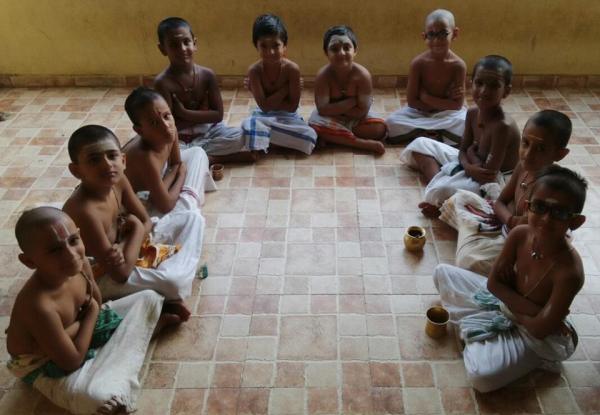
little vedic pundits

Compiled by London swaminathan

Date:23 July 2016

Post No. 2999

Time uploaded in London :– 16-27

( Thanks for the Pictures)


DON’T REBLOG IT AT LEAST FOR A WEEK!  DON’T USE THE PICTURES; THEY ARE COPYRIGHTED BY SOMEONE.


(for old articles go to tamilandvedas.com OR swamiindology.blogspot.com)


I have compiled what Buddha, Tamil poet Tiruvalluvar, Greatest Hindu Philosopher Adi Sankara, World’s first Law Book writer Manu (not Hammurabi) and Modern Hindu Saint Swami Vivekananda said about Brahmins. They all defended Brahmins – only the Brahmins who studied the Vedas and followed Vedic duties.
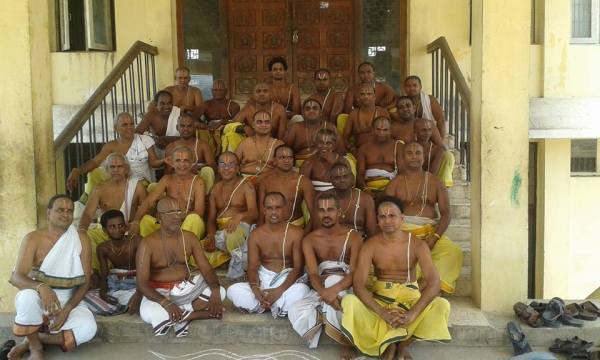
 brahmins vaishnavite

Buddha Says:–


“And a saint, a Brahmin, is pure from past sins; even if he had killed his father and mother, had murdered two noble kings, and had ravaged a whole kingdom and its people”

–Buddha in Dhammapada, Sloka 294


Because he has put away evil, he is called a Brahmin; because he lives in peace, he is called a ‘samana’; be cause he leaves all sins behind, he is called a ‘Pabbajita’, a pilgrim.

–Buddha in Dhammapada, Sloka 388


Ons should never hurt a Brahmin; and a Brahmin should never return evil for evil

–Buddha in Dhammapada, Sloka 389
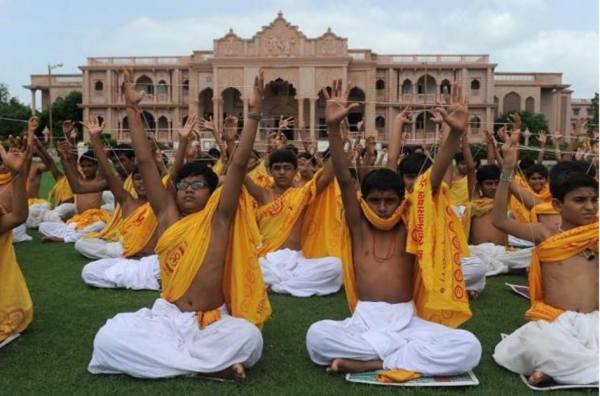
 

brahmin boys with kavi towel

Adi Sankara says:–


Jantuunaam narajanma durlabatah pimstvam tato viprathaa

Tasmaadvaidika dharmamaargaparataa vidvatvamasmaatparam

–Vivekachudaamani of Adi Sankara, Sloka 2


“For all beings a human birth is difficult to obtain, more so is a male body;rarer than that is Brahminhood; rarer still is the attachment to the path of Vedic religion;higher than this is the erudition in the scriptures.


Tamil Poet Tiruvalluvar

The Brahmins are ascetics, because they are kind to all creatures (Tirukkural 30) Manakkudavar commentary.


Cows yield less, Brahmins forget the Vedas, if the king does not guard justice

(Tirukkural 560)
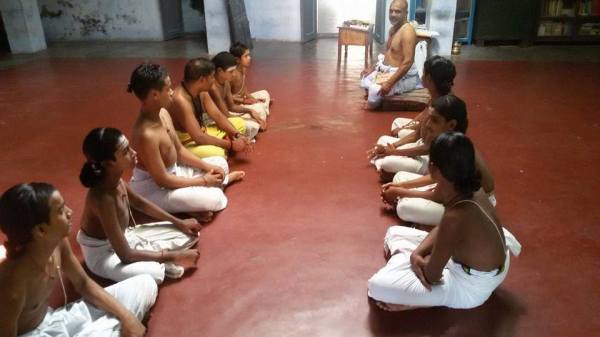
vedic brahmins

Manu Says:–


Buutaanaam praaninah sreshtaah praaninaam buddhi jiivinah

Budhimatsu naraah sreshtaanareshu braahmanaah smrutaah


The best of living beings are those that those who have the breath of life;

And the best of those that have the breath of life are those that live by their intelligence;

The best of those that have intelligence are men;

And Brahmins are traditionally regarded as the best of men.


Manu 1-96

Braahmaneshu sa vidvaamso vidvaatsukruta buddhayah

Krutabuddhishu kartaarah kartrushu brahmavedinah


Among the Brahmins learned men are the best;

Among learned men, those who understand their duties;

Among those who understand their obligations, those who fulfil them;

And among those who fulfil them, those who know the veda (are the best)

–Manu 1-97


The very birth of a Brahmin is the eternal physical form of religion; for he is born for the sake of religion and is fit to become one with the ultimate reality.

Manu 1-98


Utpattireva viprasya murtidharmasya saasvatii

Sa hi dharmaartamutpanno bramabhuyaaya kalpate

Xxx


For when a Brahmin is born he is born at the top of the earth, as the lord of all living beings, to guard the treasure of religion.

Manu 1-99


A Brahmin who studies the Vedas and has fulfilled his vow is NOT constantly smeared with the faults of the effects of past actions born of mind and heart, speech and body.

Manu 1-104


He purifies the rows for seven generations in the past and seven generations in future; he alone deserves the entire earth.

Manu 1-105
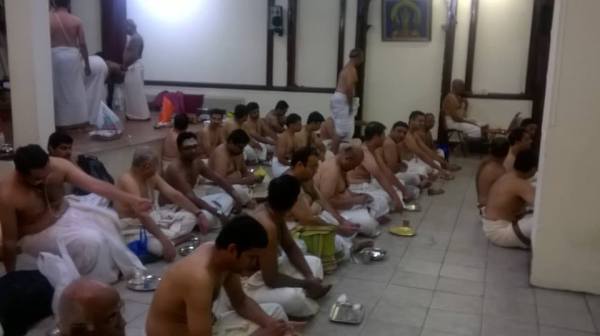
 

london murugan upajkarma

Swami Vivekananda says:–
“The ideal man of our ancestors was the Brahmin. In all our books stands out prominently this ideal of the Brahmin. In Europe, there is my Lord the Cardinal, who is struggling hard and spending thousands of pounds to prove the nobility of his ancestors, and he will not be satisfied until he has traced  his ancestry to some dreadful tyrant who lived on a hill and watched the people passing by, and whenever he had the opportunity,  sprang out on them and robbed them. That was the business of these nobility-bestowing ancestors, and my Lord Cardinal is not satisfied until he can trace his ancestry to one of these. In India, on the other hand, the greatest princes seek to trace their descent to some ancient sage who dressed in a bit of loin-cloth, lived in a forest, eating roots and studying the Vedas. It is there that the Indian prince goes to trace his ancestry. You are of the high caste when you can trace your ancestry to a Rishi, and not otherwise.


Our ideal of high birth, therefore, is different from of others. Our ideal is the Brahmin of spiritual culture and renunciation. By the Brahmin ideal what do I mean? I mean the ideal Brahminess in which worldliness is altogether absent and true wisdom is abundantly present. That is the ideal of the Hindu race.


Have you not heard how it is declared that the Brahmin, is not amenable to law, that he has no law that he is not governed by kings, and that his body cannot be hurt? That is perfectly true. Do not understand it in the light thrown upon it by interested and ignorant fools, but understand it in the light of the true and original Vedantic conception.
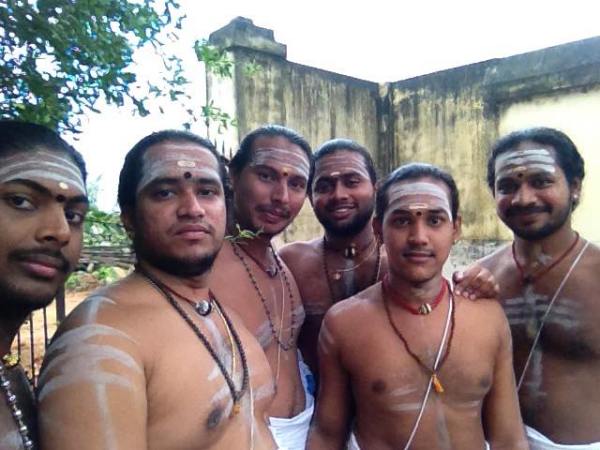
 

brahmins, fb 1

In Satya Yuga only one caste was there!


If the Brahmin is he who has killed all selfishness and who lives and works to acquire and propagate wisdom and the power of love– If a country is altogether inhabited by such Brahmins, by men and women who are spiritual and moral and good, is it strange to think of that country as being above and beyond all law? What police, what military are necessary to govern them? Why should govern them at all? Why should they live under a government? They are good and noble, and they are the men God; these are our ideal Brahmin and we read that in the Satya Yuga there was only one caste, and that was the Brahmin. We read in the Maha bhaarata that the whole world was in the beginning peopled with Brahmins, and that as they began to degenerate, they became divided into different castes, and when the cycle turns round, they will all go back to that Brahminical origin. This cycle is turning round now and I draw your attention to this fact. Therefore our solution of the caste question is not degrading those who are already high up, in not running amuck through food and drink, is not jumping out of our own limits in order to have more enjoyment, but it comes by every one of us, fulfilling the dictates of our Vedantic religion, by our attaining spirituality, and by our becoming the ideal Brahmin”.


“He only the Brahmin who has no secular employment. Secular employment is not for the Brahmin, but for the other castes. To the Brahmins I appeal, that they must work hard to raise the Indian people by teaching them what they know, by giving whatever out the culture that they have accumulated for centuries. It is clearly the duty of the Brahmins of India to remember what real Brahminhood is.


As Manu says, all these privileges and honours are given to the Brahmin because with him is the treasury of virtue. He must open that treasury and distribute its valuables to the world. It is true that he was the earliest preacher to the Indian races, he was the first to renounce everything in order to attain to  the higher realisation of life before others could reach to the idea. It was not his fault that he that he marched ahead of the other castes. Why did not the other castes so understand and do as he did? Why did they sit down and be lazy, and let the Brahmins win the race?


“But it is one thing to gain an advantage, and another thing to preserve it for evil use. Whenever power is used for evil it becomes diabolical; it must be used for good only. So this accumulated culture of ages of which the Brahmin has been the trustee, he must now give to the people at large, and it was because he did not give it to the people that the Mahammedan invasion was possible. It was because he did not open this treasury to the people from the beginning that for a thousand years we have been trodden under the heels of everyone who chose to come to India. It was through that we have become become degraded and the first task must be to break open the cells that hide the wonderful  treasures which our common ancestors accumulated; bring them out, and give them to everybody, and the Brahmin must be the first to do it”.
—SELECTIONS FROM THE COMPLETE WORKS OF SWAMI VIVEKANANDA


 

Hindu Fakir: Muslim Article (Post No. 2977)

fakir 2

Compiled by London swaminathan

Date:16 July 2016

Post No. 2977

Time uploaded in London :– 15-00

( Thanks for the Pictures)


DON’T REBLOG IT AT LEAST FOR A WEEK!  DON’T USE THE PICTURES; THEY ARE COPYRIGHTED BY SOMEONE.


(for old articles go to tamilandvedas.com OR swamiindology.blogspot.com)


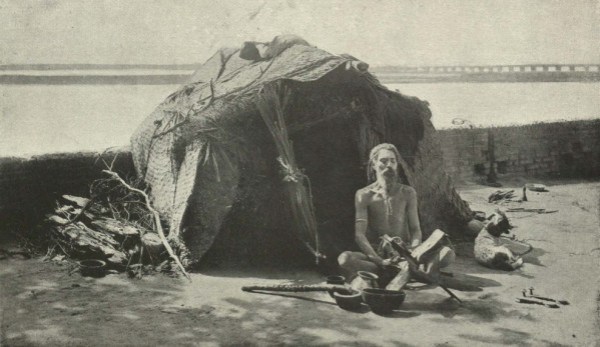
Following piece is an interesting excerpt from a 100-year-old book written by a Muslim scholar: –


Source : Life and Labour of the People of India by Abdullah Yusuf Ali, Barrister at Law, London, 1907

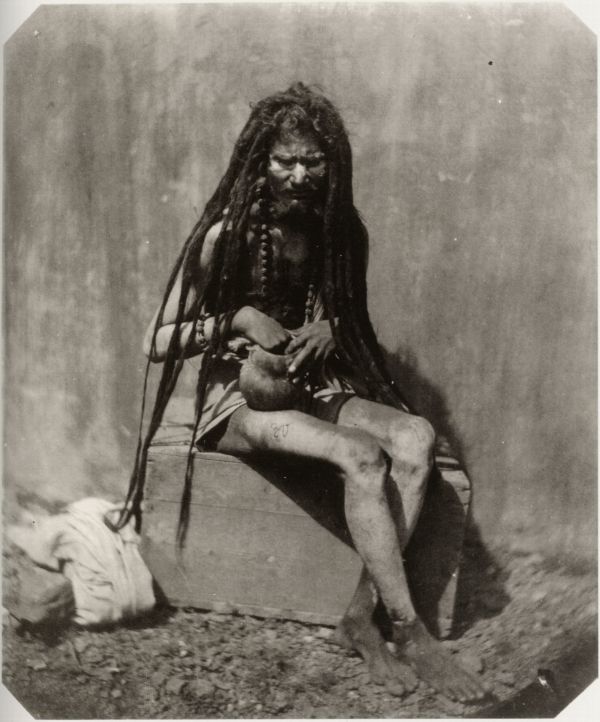
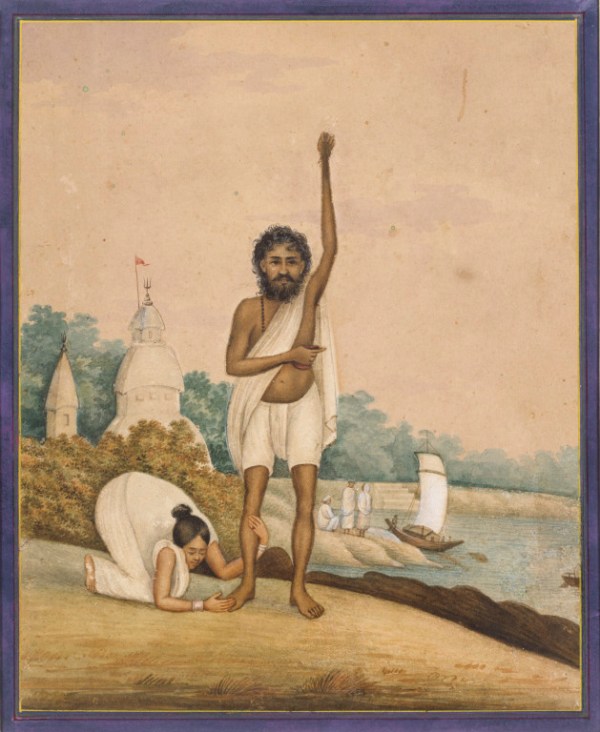
“No account of village life would be complete without a description of the Fakir (ascetic). He lives in a little hut or cave (if there is a cave) away from the village, so as to be free, and far from the madding crowd’s ignoble strife. What he does there nobody knows. He is a mysterious being, who appears only with a loin cloth round his waist, apparently quite indifferent to the praise or blame of the world. He rarely enters into conversation about the ordinary affairs of mankind, and the gift he receives in charity are those which his disciples and admirers beg for the honour of presenting to him, rather than doles extracted by beggar from an unwillingly charity public. The people look upon him with superstitious veneration, not because they know there is anything in his life, but because in person and habit he represents the ascetic ideal which renounces the world and lives an inner life of self-mortification.


He carries a rosary of beads, and he often goes along the streets shouting “Ram, Ram”, if he is a follower of that particular incarnation of God as worshipped by the Hindus. He has no religious ideals in the sense of striving for the elevation of other men’s lives; but he possessed with the idea which finds a mere illusion in the whole world and in all humanity, and the only reality in the name of Ram. This simple monomania revered by the people in proportion as they cannot translate it into their own lives. Though apparently indifferent to all that passes around him, the Fakir is a great observer of men and manners, and is often able to reconcile disputes and extricate people from difficult situations on account of his apparently isolated position.

A_Hindu_-Fakir-_on_the_Banks_of_the_Jhelum

Sometimes he takes a vow of religious silence for seven years and keeps it. Sometimes he undertakes to walk to all the sacred shrines of India, which may incclue a journey for Badrinath, near the glacier valleys of of the Himalays, to the sea washed shores of Western Dwaraka, or the torrid heat of Rameswaram in the extreme South. He would thus cover a distance of thousands of miles on foot, with nothing but his rosary with him, not even the traditional staff of the weary wanderer.


His life is a mystery to to outsiders. His survival in the twentieth century is to superficial observers of Indian life a greater mystery still. The fact that he represents a strain of that morbid love of self-mortification and self-abasement which when healthy and turned into a useful sphere, gives us the greatest saints and heroes of history.


If there is anyone class in India more than another to which the famous lines of Mathew Arnold are particularly appropriate, it is to that rare individual, the true fakir (as distinguished from the false fakirs who figure in jugglery tales and the annals of crime):-

“In the East bowed low before the blast,

In silent deep disdain;

She let the Legions thunder past,

Then plunged in thought again.”

fakir3

–Subham–

Don’t go to the Temples empty handed! (Post No. 2950)

கோவிலுக்குச் செல்

Article Written by London swaminathan

Date: 7 July 2016

Post No. 2950

Time uploaded in London :– 13-41

( Thanks for the Pictures)

DON’T REBLOG IT AT LEAST FOR A WEEK!  DON’T USE THE PICTURES; THEY ARE COPYRIGHTED BY SOMEONE.


(for old articles go to tamilandvedas.com OR swamiindology.blogspot.com)


pegnant


There is a beautiful Sanskrit couplet which summarises the ancient Hindu customs and wisdom. Hindus shouldn’t go to the following places without taking something to give:-

Agnihtram grham kshetram garbiniim vrddha balakau

Rikta hastena noppeyaat raajaanam daivatam gurum

Don’t go to or visit empty handed (rikta hastena) a place where Agnihotri, a pregnant woman, elderly people, children, king, God and Guru/teacher live.


One who does Agnihotram every day is an Agnihotri. Agnihotram is a rite of offering cow’s milk into the fire, performed daily in the early morning and in the evening. In the olden days Brahmins maintained three types of fires at home: Gaarhapatya, Aahavaniiya and Dakshinaagniya. So those who visit the house of an agnihotri will take some materials required for the daily ritual. Or as a mark of respect flowers and fruits.

Agnihotram fire ritual became popular after the notorious Bhopal Gas disaster (Union Carbide company in Madhya Pradesh, India) which killed over 3000 people. One agnihotiri’s house was the least affected place in the entire area.


Pregnant women’s cravings are understood and recognised in all the cultures around the world. Hindu women in the neighbourhood cook special dishes liked by the pregnant women and give it to them.


Children always look for toys and toffees. So it is important to take something for the children. When the children are happy, parents also feel happy and shower all the favours on you.


Temples, Gurus or ascetics and elderly people are respected and honoured in Hinduism. So one takes fruits or flowers or the materials required for Puja when they visit such places or people.


Kings or the rulers were considered gods in the olden days because they upheld the rule of law. It was important to take something to them. Sudhama (Kuchela), the poorest of the poor, who had 27 children, took pounded rice in rags and gave it to Krishna. Before he went back home his hut was turned into a palace by the cowherd king Krishna.

children

Hindus always buy flowers, fruits, coconuts and incense sticks before entering the temple. The reason is nothing should be brought home from the temples, because it is god’s property. And yet when the priests give flowers, fruits or Vibhuti/holy ash or Kunkum (vermillion colour powder prepared with turmeric) to the devotees they cant refuse it. To reciprocate their gesture one gives them some money or put some money in the temple Money Box (Hundi) or offer the materials required for the Puja.


–subham–


The Story of a Demoness and a Tamil Poet (Post No 2941)

nakkirar 1

Written by London swaminathan


Date: 4 July 2016

Post No. 2941

Time uploaded in London :– 6-07 AM

( Thanks for the Pictures)


DON’T REBLOG IT AT LEAST FOR A WEEK!  DON’T USE THE PICTURES; THEY ARE COPYRIGHTED BY SOMEONE.


(for old articles go to tamilandvedas.com OR swamiindology.blogspot.com)


thiruvilayadal_torment

Nakkeerar was a famous Tamil poet who lived two thousand years ago. He wrote several Tamil poems. His name was a household name because of his clash with Lord Siva. Dharumi, A poor Brahmin poet prayed to Lord Siva in Madurai temple to win a box of 1000 gold coins from the Pandya king who announced the prize. The king said that it would be given to the best poem with an answer to his query. Lord Siva decided to help him. The poor Brahmin poet Dharumi met Lord Siva who came in the guise of an old poet. He gave him a beautiful poem and asked him to present it to the king on the day of the poetry competition.


Nakkeerar was the royal poet at that time. When the poem was recited in the royal assembly the king was very happy and was about to give the gold coins. But Nakkeerar said that the poem had lot of mistakes. When he was asked to explain, Dharumi fumbled for answers. Nakkeerar sent him home and asked him to improve the poem. That evening he met lord Siva again in the guise of an old poet. He was furious when he heard that Nakkeerar found fault with his poem. Next day, Lord Siva himself disguised as a poet went to the royal assembly and challenged the royal poet Nakkeerar. Even when the old poet revealed his true identity as Lord Siva, Nakkeerar was so adamant and said, “I don’t care even if you open your Third Eye. A flaw is a flaw”. When Siva actually opened his Third Eye Nakkeerar couldn’t with stand the heat and apologised to him. But yet he was suffering from the burns caused by the fire emitted by the third eye. Siva advised him to do a penance to recover from it.

thiruvilayadal006

Nakkeerar’s problem did not stop there. Now he faced a new trouble. While he was doing the prayers on the banks of a river a leaf from a banyan tree fell in front of him. Half of the leaf was covered in water and the other half was on the banks. The portion inside the water became fish and the other half became a bird. He was wondering what it was. Because of this strange phenomenon he lost concentration in his prayer towards Siva.


A demoness who lived on the tree used to play this trick to see whether someone is focused in what one was doing. If someone loses concentration, then the demoness would catch that person and imprison in a cave. Nakkeerar also became a victim and was caught by the demoness and thrown into the cave prison. 999 prisoners were already there inside the prison and Nakkeerar was the thousandth person. Those 999 prisoners were very unhappy to see Nakkeerar because the demoness told them that all of them would be eaten on the day the 1000th person was caught. They all cried and told Nakkeerar the reason for their sadness. All of them did the same mistake of losing concentration and get distracted during Prayer to Shiva.


Nakkeerar pacified them and told that he would pray to Lord Skanda, son of Siva, and he would help them. The demoness name was Karkimuki. When she went to a tank nearby for a bath, Nakkeerar sang a long poem in praise of Lord Skanda. The long poem known as “Tiru Muruka Aatruppadai” is part of 2000 year old Sangam Tamil literature. Nakkeerar threw a leaf on the demoness when it returned to the cave. The leaf became a spear (Vel) and was about to attack the demoness but by the grace of Lord Skanda the demoness also got released from a curse which turned her into a demoness. Now that all the prisoner poets were released, Nakkeerar felt very happy and the Poem became a popular one.

This story was known to every Tamil 500 years ago and Arunagirinathar sang about this demoness Karkimuki in his Tiruppugaz verses. Otherwise we wouldn’t know this story at all.

tiruvilayadal

Long Live Arunagiri and Nakkeerar!!


-Subham-


WARNING: Nine People Are Watching You! (Post No. 2939)

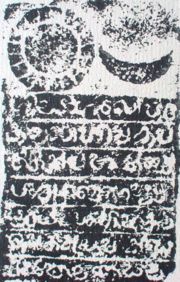
180px-Sun_26_Moon17563048.4605119_std

Sinhalese inscription with Sun and Moon


Written by London swaminathan


Date: 3 July 2016

Post No. 2939

Time uploaded in London :– 7-31 AM

( Thanks for the Pictures)


DON’T REBLOG IT AT LEAST FOR A WEEK!  DON’T USE THE PICTURES; THEY ARE COPYRIGHTED BY SOMEONE.


(for old articles go to tamilandvedas.com OR swamiindology.blogspot.com)


persian 500 bce

Persian Inscription, 500BCE


Big brothers are watching you! That is what Hindus said thousands of years ago. We know that CCTV cameras are everywhere; we know about the google map, spying satellites, infra-red cameras, infra-red binoculars as well. These can photograph even the backyard of your house or what is happening in the dark! But there are ways to evade all these spying devices.

Hindus say that there are NINE people who are watching you for ever and you can’t escape from them. They are called Nine Karma Sakshis (Nine Witnesses to your actions)


Suryah somo yamah kaalo mahaabhutaani pancha sa

Ete subha asubhasyeha karmano nava saakshinah


The nine are: Five elements, sun, moon, Yama, the god of death and the Time.


We know the five elements are water, fire, earth, air/wind and space/ether

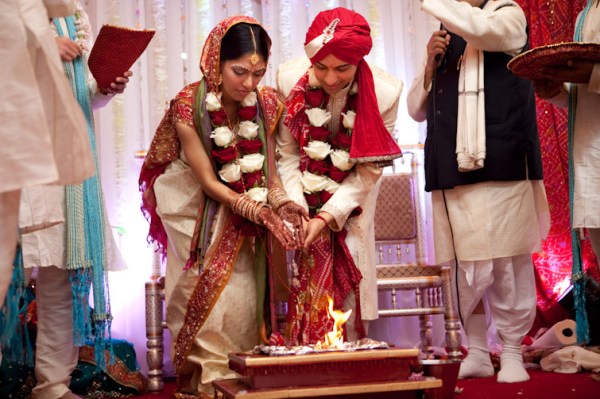
Hindus are the only people who knew he full power of these five elements. Hindu scriptures have the eariest reference to the five elements. They used water to give boons to someone or to curse someone. They used water to donate anything. It is found in ancient Sanskrit and Tamil literature. Tamil literature says that the water used for donating lands and money by the kings ran like a river. Tamil epic Silappadikaram says that the wedding of Kovalan and Kannaki was done in front of fire. Hindus sealed their pacts in front of fire and gave their daughters in marriage in front of fire. The daughter was given to a man by water which is irrevocable (in those days!). all these are considered witnesses.

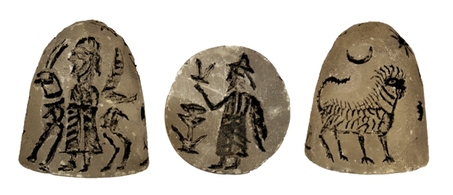
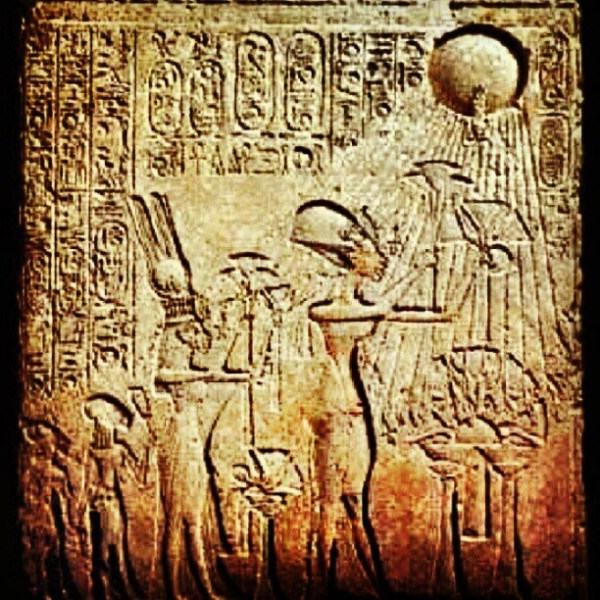
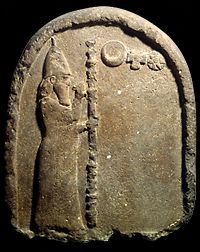
The ancient inscriptions show sun and moon in pictures or in words. Space is everywhere.


egyptian

Egyptian


We think that anything done in a locked room or alone is secret. It is not. The nine witnesses mentioned by the Hindu sloka are everywhere, all the time. Sun and moon mean day and night—all the 24 hours.


Yama and Time are also important witnesses. We haven’t found any instrument that will put the clock backward. Everything is counted. Yama , the god of death is a very interesting scientific truth. Even if a mosquito sits on the surface of water it sends ripples which we may not see, but the mosquito sees it. Even when an ant is running, a line is drawn on the earth which we may not see, but the ant knows it. Likewise, every thought or action we do create impressions, pictures. Hindus call it Chitra Gupta (means Picture Hidden= secret picture), who is the accountant of Yama. Chitra Gupta is actually a Super Computer. All our thoughts and actions are calculated by this Chitra Gupta and the sum total decides our fate after our death.


Hindu marriages are done when the sun or moon shines. In south India they do it only in the day light/ when sun shines. In north India Hindus do it when the moon shines. Most of the inscriptions say ‘as long as sun and moon shine’. They are the witnesses for anything happening on earth.


Keeping these nine witnesses we must always think good and do good.

nabonidus-praying-to-the-sun-moon-and-venus

Nabonidus praying to Sun, Moon and Venus.

hindu wedding

Hindu Wedding with Fire as witness.

-subham-