18 புராணங்களையும் நினைவில் கொள்ள ஒரு ஸ்லோகம்

bhajan sippla

Written By S.Nagarajan
Post No.1145; Dated 3rd July 2014.

This is from the book Purana Thulikal (Honey Drops from the Puranas)- Part 2 written by my brother S Nagarajan. Part 1 and Part 2 are already published by nilacharal in e book formats for sale:- swami.

18 புராணங்களின் பெயர்களையும் எளிதில் நினைவில் வைத்துக் கொள்ள ஒரு ஸ்லோகம் உள்ளது.

மத்வயம் பத்வயம் சைவ ப்ரத்ரயம் வசதுஷ்டயம் I
அனாபலிங்ககூஸ்கானி புராணானி ப்ருதக் ப்ருதக் II

இந்த ஸ்லோகத்தின் பொருள் :- இரண்டு ‘ம’, இரண்டு ‘ப’, மூன்று ‘ப்ர’, நான்கு ‘வ’ மற்றும் ‘அ’,’நா’.’ப’, ‘லிங்’, ‘க’, ‘கூ’,’ஸ்கா’ ஆகியவையே புராணங்களாகும்.

இரண்டு ‘ம’ என்பது மகாரத்தில் ஆரம்பிக்கும் மத்ஸ்ய மற்றும் மார்க்கண்டேய புராணத்தைக் குறிக்கும்.
இரண்டு ‘ப’ என்பது பகாரத்தில் ஆரம்பிக்கும் பவிஷ்ய மற்றும் பாகவத புராணத்தைக் குறிக்கும்.
மூன்று ‘ப்ர’ என்பது ப்ர-வில் ஆரம்பிக்கும் ப்ரஹ்ம, ப்ரஹ்மாண்ட மற்றும் ப்ரம்மவைவர்த புராணத்தைக் குறிக்கும்.
நான்கு ‘வ’ என்பது வகாரத்தில் ஆரம்பிக்கும் வராஹ, விஷ்ணு, வாயு, மற்றும் வாமன புராணத்தைக் குறிக்கும்.
‘அ’ என்பது அக்னி புராணத்தைக் குறிக்கும்.
நா’ என்பது நாரதீய புராணத்தைக் குறிக்கும்.
‘ப’ என்பது பத்ம புராணத்தைக் குறிக்கும்.
‘லிங்’ என்பது லிங்க புராணத்தைக் குறிக்கும்.
‘க’ என்பது கருட புராணத்தைக் குறிக்கும்.
‘கூ என்பது கூர்ம புராணத்தைக் குறிக்கும்.
‘ஸ்கா’ என்பது ஸ்கந்த புராணத்தைக் குறிக்கும்.

ஆக இப்படி 18 புராணங்களையும் நினைவில் கொள்ள ஒரு சிறிய ஸ்லோகத்தை நினைவில் வைத்திருந்தால் போதும்.
காலம் காலமாக வழங்கப்பட்டு வரும் ஸ்லோகம் இது.

தேவி பாகவதத்தில் முதல் ஸ்கந்தத்தில் மூன்றாம் அத்தியாயத்தில் எளிதில் நினைவில் வைத்துக் கொள்ளும் இந்தக் குறிப்பு இடம் பெறுகிறது.

***********

pbaaea095_sage_ved_vyasa

இரண்டாம் பகுதி
புராணத் துளிகள்

பல லட்சம் ஸ்லோகங்கள் அடங்கிய 18 புராணங்களையும் , உப புராணங்களையும் சம்ஸ்கிருத மொழியில் படிப்பதற்கு ஒரு ஆயுள் போதாது. அதை முறையாக விளக்குவதற்கு போதிய பண்டிதர்கள் இல்லை. வாய்ப்புகள் குறைந்து விட்ட இந்த நாட்களில் முக்கிய சில பகுதிகளையாவது தெரிந்து கொள்ள வேண்டும் என்ற ஆர்வம் பலருக்கும் உண்டு. அவர்களின் நோக்கத்தை நிறைவேற்றும் வகையில் முதல் பாகம் நிலா பப்ளிஷர்ஸ் மூலம் வெளியானது. இதோ இரண்டாம் பாகம்!

பிரம்மாவின் வம்சம்

மரீசி,நாரதர்,அத்திரி,புலஸ்தியர்,புலகர்,கிருது,தக்‌ஷன், வசிஷ்டர் ஆகிய அனைவரும் பிரம்மாவின் பிரசித்தரான புத்திரர் ஆவர்.இவருள் மரீசி காஸ்யபரைப் பெற்றார்.தக்ஷனுடைய பதிந்மூன்று பெண்கள் அவருக்கு மனைவியர் ஆவர்.அப்பெண்கள் வழியாக தேவாசுரர் உண்டாயினர்.ஏனைய மானுடர்,மிருகங்கள், சரபங்கள் முதலில பலவகை சாதி பேதங்களாயுள்ள உயிர்கள் எல்லாம் உண்டாயின.பிரம்மனுடைய சரீரத்தில் வலப்பாதியில் “ஸ்வாயம்பு மநுவும்” இடப்பாதியில் “சதரூபி” என்கிற பெண்ணும் உண்டாயினர். சதரூபி என்பவளுக்குப் பிரியவிரதன், உத்தானபாதன் என்கிற இரண்டு பிள்ளைகளும், அதிக சுந்தரிகளாக உள்ள மூன்று பெண்களும் பிறந்தார்கள்.இவ்வண்ணம் பிரம்ம வம்சம் விருத்தியானது.
-ஜனமேஜய மஹாராஜனிடம் வியாஸர் கூறியது
தேவி பாகவதம் மூன்றாம் ஸ்கந்தம் அத்தியாயம் 13

chaitanyam

சுகம் எது, துக்கம் எது? சத்ரு எவர், நண்பர் எவர்?

சுக முனிவர் மிதிலை நகருக்கு வந்த போது துவாரபாலகன் ஒருவன் அவரிடம் சுகம் எது, துக்கம் எது, சத்ரு எவர், நண்பர் எவர், சுபத்தை வேண்டுபவனால் செய்யத் தக்கது என்ன, இவற்றை நன்றாகச் சொல்ல வேண்டும் என்று கேட்க சுகர் இப்படி பதில் கூறுகிறார்:-

எல்லா உலகத்திலும் இரண்டு விதமிருக்கிறது. அதிலிருக்கும் பிரஜைகளும் ராகி, விராகி என்று இரண்டு விதமாக இருக்கின்றனர்.
அவர்களுதைய சித்தமும் இரண்டு விதம்.

இவைகளுள் விராகி என்பவர் அறிந்தவர், அறியாதவர்,அறிந்தும் அறியாதவர் என மூன்று விதமாய் இருப்பர்.

ராகி என்பவர் மூர்க்கர், சதுரர் என இரண்டு விதமாயிருப்பர்.
அந்தச் சதுர்ப்பாடு சாஸ்திர விசாரத்தால் வருவதாகிய சாமர்த்தியம், புத்தி சூக்ஷ்மத்தால் வருவதாகிய சாமர்த்தியம் என இரு வகைப்படும்.

அந்த புத்தியானது யுக்தம், அயுக்தம் என இரு வகைப்படும்.

இதைக் கேட்ட துவாரபாலகன், தான் அர்த்த ஞானமுடையவன் இல்லை என்று கூறி சுகர் கூறிய சொற்களுக்குப் பொருளை விளக்குமாறு வேண்டுகிறான். உடனே சுகர் விளக்கத்தை அளிக்கிறார் இப்படி:-

“எவனுக்கு சம்சாரத்தில் விருப்பம் இருக்கிறதோ அவன் ராகி எனப்படுவான். அவனே எல்லாவற்றிலும் மோகம் அடைகின்ற மூர்க்கன். அவனுக்குச் சுக துக்கங்கள் அநேக விதமாய் இருக்கின்றன. என்னவென்றால், தனம், புத்திரன்,செல்வம், மனைவி,மானம், விஜயம் முதலியவற்றையும் காரிய சாதனத்தையும் பெறுவதனால் சுகமும், அதைப் பெறாததால் துக்கமும், நிமிஷம் தோறும் மாறி மாறி வந்து கொண்டே இருக்கின்றன. அவனது செய்கை எல்லாம் சுகத்தை அடைய வேண்டுமென்கிற விருப்பத்தை உடைத்தாய் இருக்கிறது.

அச் செய்கைகளுக்கு மாறான செய்கைகளைச் செய்து தடைப்படுத்துகிறவன் சத்ருவாகின்றான். அச்செய்கைக்குச் சாதகனாய் இருக்கிறவன் நண்பனாகிறான்.

விராகி, விஷய சுகங்களொன்றிலும் ஆசை வைக்காமல் ஏகாந்தத்தில் வேதாந்த விசாரம் செய்து ஆத்ம சுகத்தை அநுபவித்துக் கொண்டிருப்பான். அவனே மோகம் அடையாத பண்டிதன். அவனுக்கு சம்சார வாழ்க்கையின் சுகம் எல்லாம் துக்ககரமாகவே இருக்கும்.

ஆயினும் அப்படி ஆத்ம சுகத்தை நாடுகின்றவனுக்குக் காம குரோத லோப மத மாச்சரியம் முதலிய கொடிய சத்துருக்கள் பலருண்டு. இப்படிப்பட்ட சத்துருக்களால் பீடிக்கப்பட்டிருப்பவனுக்கு பந்து, சந்தோஷம் என்பவன் ஒருவனே! அவனைத் தவிர வேறொருவரும் மூன்று உலகிலும் இல்லை.”

இப்படி சுகர் கூறியதைக் கேட்ட துவாரபாலகன் அவர் ஞானி என்று எண்ணி அவரை நகருக்குள் செல்ல அனுமதி அளிக்கிறான்.

தேவி பாகவதம் முதல் ஸ்கந்தம் அத்தியாயம்

To be continued………………….

பிரம்மசர்யம் பற்றி சங்க இலக்கியத்தில் வியப்பான தகவல் !!

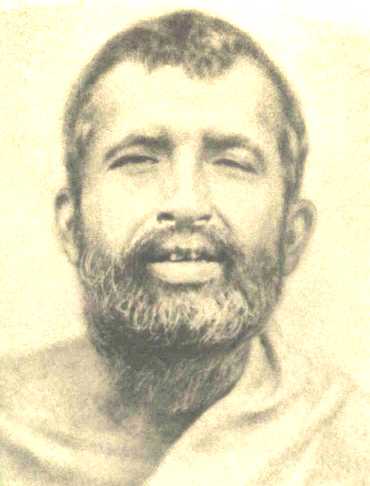
ramana's pose
Sri Ramana Mharishi

ஆய்வுக் கட்டுரையாளர்: லண்டன் சுவாமிநாதன்
கட்டுரை எண்:—1135; தேதி:— 28th June 2014.

N.B. If you want to reproduce this article, please email me for permission. You must get written permission from me for each and every article separately. swami_48@yahoo.com

சங்க இலக்கியத்தில் பத்துப்பாட்டு, எட்டுத் தொகை என்று 18 நூல்கள் உள்ளன. இவைகளை மேல் கணக்கு நூல்கள் என்பர். திருக்குறள், நாலடியார், பழமொழி முதலிய 18 நூல்களைக் கீழ்க்கணக்கு நூல்கள் என்பர். இவை அனைத்தையும் படிப்பவர்களுக்கு பல அதிசயச் செய்திகள் கிடைக்கும். பாரதீய கலாசாரம் ஒன்றே, பல அல்ல என்ற உண்மையும் விளங்கும். பத்துப்பாட்டில் முதலில் வைக்கப்பட்டுள்ள திருமுருகாற்றுப் படையில் நக்கீரர் ஒரு அதிசயத் தகவலை அளிக்கிறார்:–

இருமூன் றெய்திய வியல்பினின் வழாஅ
திருவர்ச் சுட்டிய பல்வேறு தொல்குடி
யறுநான் கிரட்டி யிளமை நல்லியாள்
டாறினிற் கழிப்பிய வறனவில் கொள்கை (முருகு 177-180)

பொருள்: ஓதல், ஓதுவித்தல், வேட்டல், வேட்பித்தல் ஈதல், ஏற்றல் என்னும் (பிராமணர்களின் ஆறு தொழில்கள்) ஆறாகிய நன்மை பொருந்திய இலக்கணத்தில் வழுவாமல், தாயும் தந்தையுமாகிய இருவர் குலத்தையும் உலகத்தார் நன்றென்று மதித்த பலவாய் வேறுபட்ட பழைய குடியிற் பிறந்த (இருபிறப்பாளர்) இருபத்துநான்கின் இரட்டியாகிய (6x4x2=48) நாற்பத்தெட்டு ஆண்டு நல்லிளமையை வேதம் போக்கிய நெறியிலே போக்கிய இருபிறப்பாளர் (பிராமணர்) – என்று டாக்டர் உ.வே.சாமிநாதையர் வெளியிட்ட உரை கூறும்.

அந்தக் காலத்தில் தமிழ் நாட்டில் 48 ஆண்டுக்கு சொல், செயல், சிந்தனை ஆகியவற்றில் பெண்கள் பற்றிய பாலியல் உணர்வு இன்றி திரிகரண சுத்தியுடன் — (மனோ, வாக், காயம்= சிந்தனை, சொல், செயல்) —- பலர் பிரம்மச்சாரியாக வாழ்ந்தது தெரிகிறது.

Sri_Ramakrishna
Sri Ramakrishna Paramahamsar

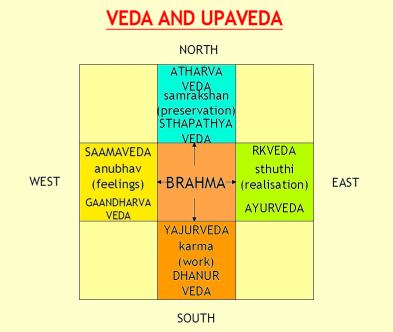
இதற்கு விளக்கம் நான்கு வேதங்களில் ஒன்றான சாமவேதத்தில் கிடைக்கிறது:–
பிரம்மசாரிகள் கடவுளின் நண்பர்கள் என்னும் சாமவேதம்
24 ஆண்டு பிரம்மசர்யம் அனுஷ்டிப்போர் ‘வசு’ என்றும்
36 ஆண்டு பிரம்மசர்யம் அனுஷ்டிப்போர் ‘ருத்ரர்’ என்றும்
48 ஆண்டு பிரம்மசர்யம் அனுஷ்டிப்போர் ‘ஆதித்யர்’ என்றும் – கூறும்.

மேலும் பிரம்மசாரிகளை ‘ஊர்த்வரேதஸ்’ ((சக்தியை மேல்நோக்கி செலுத்துவோர்) என்றும் புகழும்.

சுவாமி விவேகாநந்தர்

பிரம்மசாரிகள் அடையும் அபூர்வ சக்திகள் பற்றி சுவாமி விவேகாநந்தர் பல அரிய செய்திகளைக் கூறுகிறார். அபார நினைவாற்றல், பிறர் மனதில் ஓடும் எண்ணங்களைக் கண்டுபிடித்தல் முதலிய சக்திகள் கிடைக்கும். அவரது வாழ்வில் நடந்த சில அற்புதச் செயல்களே இதற்கு ஆதாரம். நூல் நிலயத்துக்குச் சென்று இவர் புத்தகம் புத்தகமாகக் கேட்டுப் பெற்றது நூலகருக்கே எரிச்சல் ஊட்டியது. ‘’ஐயா, நீங்கள் புத்தகத்தைப் பார்க்க வாங்குகிறீர்களா அல்லது படிக்க வாங்குகிறீர்களா என்று கேட்டும் விட்டார். உடனே எந்தப் பக்கத்தில் உள்ள எந்த விஷயத்தையும் கேளுங்கள் என்று சுவாமிஜி சொன்னார். நூலகர் கேட்ட கேள்விகளுக்கு பக்கம் மாறாமல் விடையும் பகன்றார். இதனால்தான் அந்தக் காலத்தில் மாணவர்கள் குருவின் வீட்டிற்குச் சென்று வேறு எதிலும் சிந்தனையைச் செலுத்தாமல் குறைந்தது 12 ஆண்டு பிரம்மச்சர்யம் அனுஷ்டித்து பின்னர் கிருஹஸ்தன் (குடும்ப வாழ்வு) ஆக வேண்டும் என்று விதிக்கப்பட்டது.

பிரம்மசாரி, கிருஹஸ்தன், வானப்ப்ரஸ்தன், சந்யாசி என்ற நால்வகை வாழ்க்கை அமைப்பும் விதிக்கப்பட்டது.

ஒருமுறை வெளிநாட்டுக்காரர் ஒருவர் நீங்கள் என் மனதில் உள்ளவற்றைச் சொல்ல முடியுமா? என்று சுவாமி விவேகாநந்தரைக் கேட்டார். ‘நான் என்ன? இதோ என் சிஷ்யன் கூடச் சொல்லுவான்’– என்று பக்கத்தில் அமர்ந்திருந்த சீடனைக் காட்டினார். அவன் பயந்து நடுநடுங்கிப் போனான். ஏனெனில் அவனுக்கு அந்தச் சக்தி கிடையாது. சீடனை நோக்கி சுவாமி விவேகாநந்தர், ‘எங்கே இவர் மனதில் உள்ளதைச் சொல்’ என்ற வுடன் அவன் கட கட வென்று சொன்னான். இது எல்லாம் பிரம்மசர் யத்தினால் செய்ய முடியும்— மேதா நாடியின் – அபூர்வ சக்தி இது என்றார்.

இளமைக் காலத்தில் ஒருவர் 12 ஆண்டு பிரம்மசர்யம் பின்பற்றினால் அபூர்வசக்திகள் கிடைக்கும்— (பிற தீய பழக்கங்களும் கூடாது என்பது சொல்லாமலே விளங்கும்)— காமினி, காஞ்சனா ( பெண், பொன் ஆசை) பற்றில்லாதோருக்கு ‘மேதா நாடி’ என்று உடம்பில் தோன்றும் என்றும் இது தோன்றினால் கடவுள் பற்றிய பேருண்மைகள் புலப்படும் என்றும் சுவாமிஜியின் குருவான ஸ்ரீ ராமகிருஷ்ண பரமஹம்சரும் கூறுகிறார். அவர் மேலும் பல கதைகள் மூலம் பிரம்மசர்யத்தின் பெருமையை விளக்குகிறார். ( காண்க:– ஸ்ரீ ராமகிருஷ்ண உபதேச மஞ்சரி, கிடைக்குமிடம், சென்னை மயிலாப்பூர் ஸ்ரீ ராமகிருஷ்ண மடம்).

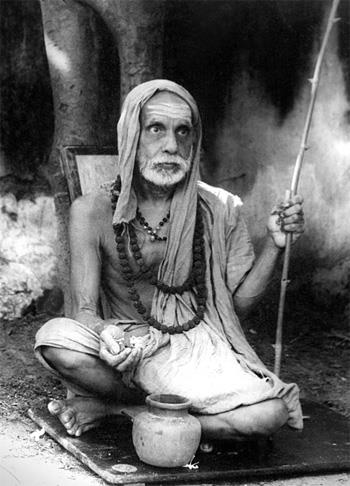
kanchi japam
Sri Kanchi Paramacharya Swamikal

பகவத் கீதையில் பிரம்மசர்யம்

கிருஷ்ண பரமாத்மா பகவத் கீதையில் (6—14) பிரம்மசர்யமத்தின் பெருமையைப் பேசும் இடத்து டாக்டர் ராதாகிருஷ்ணன் –(முன்னாள் ஜனாதிபதி, தத்துவப் பேராசிரியர்) —அழகிய உரை எழுதி இருக்கிறார். பிரஸ்ன உபநிஷதத்தில் பிப்பலாடன் என்பவர், மேலும் ஓராண்டு பிரம்மசர்யம் அனுஷ்டிப்போருக்கு அரிய பெரிய ஞானத்தை அளிப்பதாக உறுதி கூறுகிறார். சாந்தோய உபநிஷதத்தில் 101 ஆண்டுக் காலம் பிரம்மசர்யம் அனுஷ்டித்த இந்திரனுக்கு பிரம்ம தேவன், ஞானத்தை அளித்தார் என்பதையும் சுட்டிக்காட்டுகிறார். அதுமட்டுமல்ல தேவர்கள் பிரம்மசர்யம் அனுஷ்டித்து மரணத்தை வென்றனர் என்ற அதர்வ வேத வரிகளையும் எடுத்தாளுகிறார்.

தமிழில் சித்தர் பாடல்கள் திருமூலரரின் திருமந்திரத்திலும் பல விஷயங்கள் உள்ளன. ஆக வேத காலம் முதம் சங்க காலம் வரையும் அதற்குப் பின்னரும் பாரதம் முழுதும் பிரம்மசர்யத்தின் பெருமை கொடிகட்டிப் பறந்தது.

valluvar_big

Sri Tiruvalluvar

இந்திரன் குறித்து பரிமேலழகர் செய்த தவறு!
By London Swaminathan; Post No. 748 dated 17th December 2013.

திருவள்ளுவர் யார்? என்ற தலைப்பில் நான் முன்னரே எழுதிய கட்டுரையில் இந்திரனை அதர்வவேதம், புத்தர், வள்ளுவன் ஆகியோர் புகழ்ந்தது ஏன் என்றும் காட்டினேன். இதுவரை படிக்காதோருக்கு இதோ அந்தக் கட்டுரையில் ஒரு பகுதி:_-

தமிழ் வேதமான திருக்குறளுக்கு உரை எழுதிய பதின்மரில் பரிமேலழகர் எழுதிய உரையே மேலானது என்பது அறிஞர் உலகம் ஒருமனதாக ஏற்றுக்கொண்ட முடிவு. ஆயினும் ‘’யானைக்கும் கூட அடி சறுக்கும்’’ — என்பது போல அவரும் சில தவறுகளைச் செய்திருக்கிறார். இன்று ஒரு குறளை மட்டும் காண்போம்:

ஐந்தவித்தான் ஆற்றல் அகல்விசும்புளார் கோமான்
இந்திரனே சாலுங் கரி (குறள் 25)

‘ஐம்புல ஆசைகளை அறவே ஒழித்த ஒருவனுடைய ஆற்றலுக்கு தேவர் கோமான் இந்திரனே சான்று பகர்வான்’ என்பது இதன் பொருள்.

இந்தப் பொருளை எழுதி அதற்குப் பின் ஒரு ஆச்சர்யக் குறியையோ கேள்விக்குறியையோ போட்டுவிட்டால் அர்த்தம் அனர்த்தம் ஆகிவிடும். பரிமேலழகர் இது இந்திரனைக் ‘கிண்டல்’ செய்து எழுதிய இகழ்ச்சிக் குறிப்பு என்று கொண்டுவிட்டார். அவன் அகல்யை இடத்தில் நடந்துகொண்ட ஒரு சம்பவத்தை வைத்துப் பலரும் இந்திரனை தவறாக எடை போட்டுவிட்டனர்.

இந்துமத நூல்களிலும் புத்தமத வேதப் புத்தகமான தம்மபதத்திலும் இந்திரனை உயர்வாகவே கூறியுள்ளனர். பதின்மர் உரையில் மணக்குடவர் எழுதிய உரையில் இதை இகழ்ச்சிக் குறிப்பாகக் கொள்ளாமல், பாராட்டும்படியாகவே எழுதியுள்ளார். இதை டாக்டர் எஸ்.எம்.டயஸ் அவர்கள் எழுதியுள்ள ஆங்கில மொழிபெயர்ப்பில் குறிப்பிட்டு மணக்குடவர் உரையே திருவள்ளுவரின் மொத்த அணுகுமுறைக்கு இசைவாக இருக்கிறது என்றும் எழுதியிருக்கிறார்.

எனது கருத்து:

“இந்திரன் அவனுடைய பிரம்மசர்யத்தால் தேவர்களுக்கு தேஜஸை (ஒளியை) உண்டாக்கினான்”- என்று அதர்வ வேதம் கூறுகிறது ( அதர்வணம் 11-5-19).

“இந்திரன் மிகவும் கவனமாக/விழிப்பாக இருந்ததால் தேவர்களுக்கு எல்லாம் இறைவன் ஆனான்” – என்று புத்தர் தம்மபதத்தில் (2—10) கூறுகிறார்.

பூமியில் யாராவது தவம் செய்தாலோ, நூறு அஸ்வமேத யாகம் செய்தாலோ, தனது பதவிக்கு ஆபத்து வந்துவிடும் என்று இந்திரன் நடுங்கத் துவங்கி மண், பெண், பொன் ஆசைகளால் துறவிகளைக் கவிழ்த்து விடுவான். ஆகையால் மணக்குடவரும் மற்றவர்களின் தவ வலிமை இந்திரனை நடுங்கச் செய்வதே “ இந்திரனே சான்று பகர்வான்” என்பதன் பொருள் என்கிறார். பரிமேலழகர் சொல்லுவது போல இந்திரனை வள்ளுவர் ‘’பகடி’’ செய்யவில்லை.

மணக்குடவர் உரை: ஐந்து= நுகர்ச்சியாகிய ஐந்து. இந்திரன் சான்று என்றது இவ்வுலகின் கண் மிகத் தவம் செய்வார் உளரானால், அவன் தன் பதம் இழக்கின்றானாக நடுங்குமாதலான், இது தேவரினும் வலியன் என்றவாறு.

பரிமேலழகர் உரை: ஐந்தும் என்னும் முற்றும்மையும் ஆற்றர்க்கு என்னும் நான்கனுருபும் செய்யுள் விகாரத்தால் தொக்கன. தான் ஐந்து அவியாது சாபம் எய்தி நின்று அவித்தானது ஆற்றல் உணர்த்தினானாகலின் ‘இந்திரனே சாலுங் கரி’ என்றார்.

பிரம்மசர்யத்தின் பெருமைதனை மாணவர்ளுக்குச் சொல்லிக் கொடுத்தால் நாடு நலம் பெறும்!

–சுபம் —

கொள்ளுவன எது? தள்ளுவன எது? சங்கரர் பதில்

22. Shankaracharya VEDVYASA

Compiled by London Swaminathan.
Post No. 1133; Date: 27 June 2014

பிரஸ்னோத்தர ரத்ன மாலிகா என்றழைக்கப்படும் ஆதி சங்கரரின் துதி பற்றி பல கட்டுரைகள் எழுதினேன். அதில் இதுவரை வெளியாகாத சில விஷயங்கள் இதோ:-

ஆதிசங்கரர் எழுதிய ஒவ்வொரு துதியும் அற்புதமானது. அவைகளில் மிகவும் வியப்பான விஷயங்களைச் சொல்லும் ஒரு ஸ்தோத்திரம் பிரஸ்ன உத்தர (பிரஸ்னோத்தர= வினா விடை) ரத்ன மாலிகா.

இது ஒரு கேள்வி பதில் துதி. மஹா பாரதத்தில் உள்ள யக்ஷப் ப்ரஸ்னம் போல கேள்வி—பதில் பாணியில் அமைந்தது. மொத்தம் 67 ஸ்லோகங்கள் உள்ளன. ஒவ்வொரு பாடலிலும் 3, 4 கேள்விகளும் பதில்களும் இருக்கும். சுமார் 200 கேள்விகளை அவரே எழுப்பி அழகான பதில்களைக் கூறுகிறார்.

இதைப் படித்தால் என்ன கிடைக்கும் என்று முதல் பாட்டிலேயே கூறிவிடுகிறார். வாழ்க்கையில் நாம் எதிர் பார்க்கும் , மற்றும் எதிர்பாராத பலன்கள் கிடைக்கும், அதாவது தெரிந்த தெரியாத பலன்கள் கிடைக்கும்.

1. & 2. கொள்ளுவன எது? தள்ளுவன எது? என்பது கேள்வி.
ஒவ்வொரு பாட்டிலும் பல கேள்விகளும் அதற்கு ரத்தினச் சுருக்கமான பதில்களும் இருக்கும். இரண்டாவது பாட்டில் எதை எடுத்துக் கொள்ளவேண்டும்? என்று கேட்டதற்கு—- குரு வசனம், —-அதாவது குருவின் கட்டளை என்கிறார் சங்கரர்.

நாம் முதலில் வகுப்புக்குள் நுழைந்தவுடனேயே சொல்ல வெண்டிய ஸ்லோகம் “குருர் பிரம்மா, குருர் விஷ்ணோ”…………….. என்ற ஸ்லோகம் தான். எல்லோரும் அறிந்த ஸ்லோகம். குருவையே த்ரிமூர்த்திகளாக வணங்கும் ஸ்லோகம் அது. குரு என்பவர் ‘பிறவிப் பிணிக்கு மருந்து கொடுக்கும் டாக்டர்’ — என்று இன்னும் ஒரு ஸ்லோகமும் ( குரவே சர்வலோகானாம் பிஷஜே பவரோகினாம்) உண்டு. ஆகையால் அவர் சொல்லுக்கு அவ்வளவு மதிப்பு.

எதை விட வேண்டும்? என்பது அடுத்த கேள்வி.. தகாத—செய்யக் கூடாத செயல்களை விட வேண்டும். பாவம் உண்டாக்காத செயல்களைச் செய்தால் இந்த ஜன்மத்திலேயே சுகங்களை அனுபவிப்பர்.

தடை செய்யப்பட்ட செயல்கள் என்ன என்பதை பஞ்ச மா பாதகங்கள் விளக்கும்:- கொலை, கொள்ளை, கற்பழிப்பு, பொய் சொல்லுதல், ஏமாற்றுதல். சிறைச் சாலைக்குச் சென்றாலோ, பத்திரிகைகளில் வரும் குற்றச் செய்திகளை ஆராய்ந்தாலோ மேற்கூறிய ஐந்து வகைகளில் எல்லா குற்றவாளிகளையும் அடக்கிவிடலாம்.

(மூன்றாவது ஸ்லோக விளக்கம் 27-02-14 வெளியானது)

abhinava vidyatheerthar
Sri Abhinava Vidya Thirtha Swami, Sri Sringeri Shankaracharaya (1917–1989)

4.அறிஞர்கள் உடனே செய்யவேண்டிய செயல் என்ன?
பிறப்பு இறப்பு என்னும் சுழலில் இருந்து விடுபடுவதே முதல் கடமை.
வள்ளுவனும் இதையே சொல்கிறான்.:

கற்றதனால் ஆய பயன் என்? (குறள் 2)
கடவுளைத் தொழுவதே கல்வியின் பயன் என்பான்.

ராமகிருஷ்ண பரமஹம்சர் இதை புரியும்படியான உவமையுடன் சொல்வார்: ஒரு ஊருக்குப் போகும் யாத்ரீகன் முதலில் ஒரு நல்ல விடுதியைப் பார்த்து அறைகளை ஏற்பாடு செய்துவிட்ட பின்னர்தான் ஊர் சுற்றிப் பார்க்கப் போவான். இதே போல இந்த உலகில் வந்த நாம் முதலில் இறைவனை உணர்ந்துவிட்டுப் பின்னர் சுகங்களை அனுபவிக்கலாம் என்பார்.

5. விடுதலை என்ற மரத்துக்கு விதை எது?
சரியான அறிவு (ஞானம்), அதைச் செயலில் காட்டும் பயிற்சி என்பது சங்கரரின் பதில்.
அந்தக் காலத்தில் பெரியோர்களை மெத்தப் படித்தவர், வேத வித்து, கல்வியில் கரை கண்டவர் என்றெல்லாம் அறிமுகப் படுத்திவைப்பர். அதாவது ஒருவரைப் படித்தவர் என்று சொன்னால், அதை வாழ்க்கையில் பின்பற்றும் ஒழுக்க சீலர் என்று பொருள். இந்தக் கால பள்ளிக்கூடம் முதல் பல்கலைக் கழக ஆசிரியர்கள் வரை யாரிடமும் ஒழுக்கத்தை எதிர்பார்க்க முடியவில்லை. சொல் ஒன்றும் செயல் ஒன்றுமாக இருக்கிறது.

ஊருக்குதாண்டி உபதேசம் ,உனக்கில்லை என்ற பழமொழிக் கதையை நாம் அறிவோம். இப்பேற்பட்டவர்கள் யாரையும் முன்னேற்ற முடியாது.

லூயி பிஷர் என்பவர் காந்தி பற்றி எழுதிய கட்டுரையில், இவர் ஏன் பெரியவர் என்றால்

He preached what he practised and practised what he preached. Had he lived two thousand years ago in India, they would have built him a temple for him by this time.

பொருள்:– “அவர் (காந்தி) எதை உபதேசித்தாரோ அதை வாழ்க்கையில் பின்பற்றினார். அவர் எதை வாழ்க்கையில் பின்பற்றினாரோ அதைத்தான் மற்றவர்களுக்கும் உபதேசித்தார். அவர் மட்டும் 2000 ஆண்டுகளுக்கு முன்னர் இந்தியாவில் வாழ்ந்திருந்தால் இந்நேரம் இந்தியர்கள் அவருக்கு கோவிலே எழ்ப்பி இருப்பார்கள்” — என்று எழுதினார். ஆகையால் ஞானம், அதில் பயிற்சி இரண்டும் அவசியம்.

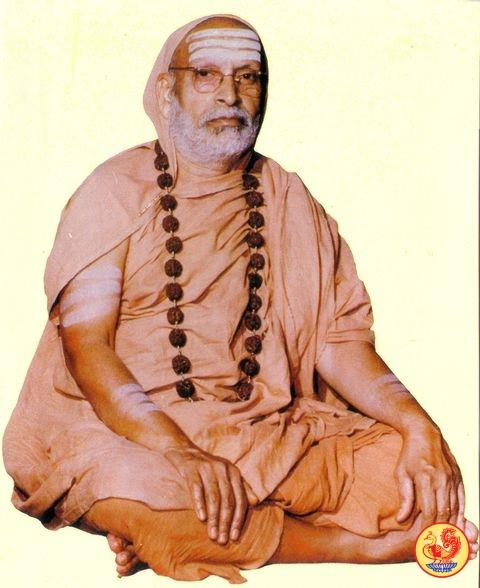
periyava rudraksha
Sri Chandra Sekarendra Sarasvati, Kanchi Sri Sankaracharya (1894–1994)

உண்மைதான்! மனிதனும் தெய்வமாகலாம் என்பது இந்து மதத்தில் மட்டுமே உள்ள கொள்கை. தமிழ் ஹிந்து வள்ளுவன் இதை மிக அழகாகச் சொல்கிறான்:

வையத்துள் வாழ்வாங்கு வாழ்பவன் வான் உறையும்
தெய்வத்துள் வைக்கப்படும் (குறள் 50)

–சுபம்–

30 Quotations from The Vedas

vedas

30 Quotations from The Vedas
Good Thoughts Calendar 2014 (July)
Post No. 1132; Date: 26 June 2014

Prepared by London swaminathan (copyright)
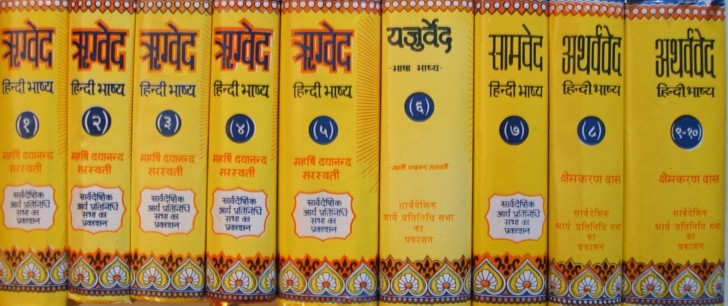
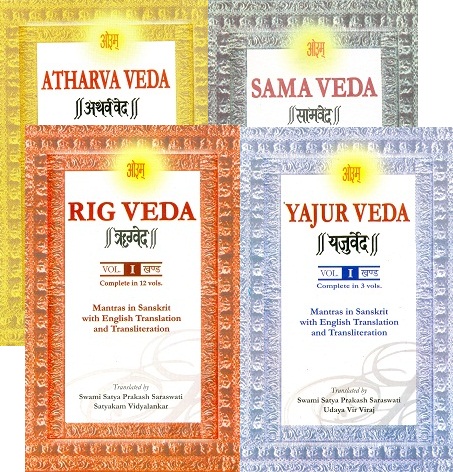
30 important Quotes from the Four Vedas are given in this month’s calendar; Source for quotes: Hymns from the Vedas by Abinash Chandra Bose.

Important Dates:July 4 Friday Aani Uththaram Festival, 17 Thursday Dhakshinayana Punyakala, 12 Saturday Vyasa Puja, 26 Saturday Aadi Amavasya, 29 Tuesday Ramzan, 30 Wednesday Aadi Puram.
Auspicious Days: 7, 9, 11, 14, 16. Full Moon day 12h July; New Moon (Amavasya) 26th July; Ekadasi 8 & 22 July.
((RV=Rig Veda; YV= Yajur Veda; AV= Atharva Veda; SV = Sama Veda))

July 1 Tuesday
Agni, make me have good conduct (su-carita)
Bar me against bad conduct (dus-carita) Y.V.Vs 4-28
July 2 Wednesday
We will follow the path of goodness (svasti) like the sun and the moon. RV 5-51-15
July 3 Thursday
May we be good hearted (sumanasah) all our days RV 6-52-5

July 4 Friday
May we unite in our minds, unite in our purposes,
And not fight against the heavenly spirit within us. AV 7-52
July 5 Saturday
May my mind resolve on what is good YV.Vs.34-1

veda1
July 6 Sunday
Step beyond what is human,
Take up the Divine Word
And establish their leadership
Along with all the friends you have AV 7-105

July 7 Monday
By self dedication (Vrata) one obtains consecration (Diksha)
By consecration one obtains grace (Dakshina)
By grace one obtains reverence (Sraddha),
By reverence is Truth (satya) obtained YV.Vs 19-30

July 8 Tuesday
Leave here those who are opposed to goodness (siva)
And let us cross over to powers that are beneficent RV 10-53-8

July 9 Wednesday
Agni, lead us to wealth by the good path (supatha) RV 1-189-1

July 10 Thursday
Agni! Burn up malignity that strives against us RV 3-18-1

July 11 Friday
Go forward, meet the foe, conquer,
Thy thunderbolt can’t be resisted
Indra! Manliness is thy strength. RV 1-80-3

July 12 Saturday
To those who trespass against us we offer an unpleasant welcome AV 12-1-30

July 13 Sunday
Hurl on him your bolt of thunder who treats us ill, the robber and the oppressor RV.4-41-4

July 14 Monday
Give to men the strength of men, O Hero! RV 10-148-4

July 15 Tuesday
Awe inspiring are the Rishis (seers); to them be our homage,
To their eye and the truth (satya) of their spirit AV 2-35.4
Not by our human nature do e know Him (the deity) RV 1- 105 -15

vedas hindi

July 16 Wednesday
Since, Agni, we through tapas are
Kindling the fie of the spirit, may we dear to the veda AV 7-61-1)

July 17 Thursday
Gone are the mortals who in former ages
Beheld the flushing of the early morning;
We living men now look upon her shining;
Those will be born who shall hereafter see her RV 1-113-11

July 18 Friday
I, as conqueror, have won my husband –Saci Paulomi Rig Veda 10-145-2; 10-159-1

July 19 Saturday
When, Lord of our prayer, the first of Speech and the foremost
The sages uttered, giving the unnamed a name,
Which was their best and their most stainless, then they
With love revealed the Divine secret in their souls RV 10-71-1

vedas2

July 20 Sunday
Mountain Lord, we speak to you with blissful words
So that all that is moving and living,
May, free from disease, have happiness of heart (YV Va 16-4)

July 21 Monday
You who by the Dharma (law) has spread about
Flowering and seed bearing plants and streams of water
You who generate the matchless lightning in the sky RV 2-13-7

July 22 Tuesday
Firm seated are the foundations of Rita (eternal order)
In its lovely form are many splendid beauties – RV 4-23-9

July 23 Wednesday
Through Brahmacharya (celibacy) that Indra brought heavenly lustre to the Devas AV 11-5-19

July 24 Thursday
It is by Tapas of Brahmacharya (Penance of Celibacy), that the king protects the state, the teacher seeks his pupil, and a maiden finds a youthful husband AV 11-5-17/18

vedas 4

July 25 Friday
Indra! In each and every fight, give manly strength to our bodies and ever conquering valour SV 231

July 26 Saturday
Quit you like heroes and cross over, comrades!
Leave those who are evil minded AV 12-2-26

July 27 Sunday
Strong one ! Make me strong,
May all beings look on me with the eye of friend,
May I look on all beings with the eye of friend
May we look on one another with the eye of friend. Y.V.Vs.36-18

July 28 Monday
I am song, you are verse
I am heaven, you are earth
We two together shall live here becoming parents of children AV 14-2-71

July 29 Tuesday
May I be immortal through my children RV 5-4-10

July 30 Wednesday
Let noble thought come to us from every side RV 1-89-1

July 31 Thursday
Whatever I dig from you, Earth
May that have quick growth again.
O Purifier, may we not injure your vitals or your heart AV 12-1-35

Chastest Woman Arundhati in Literature!

Arundhati_(1994)

Painting of Arundhati from Wikipedia

Research Article Written by London swaminathan
Post No.1130; Dated 25 June 2014.

N.B. If you want to reproduce this article, please email me for permission. You must get written permission from me for each and every article separately. swami_48@yahoo.com

Dravidian Tamil politicians and foreign “scholars” have been fooling the academic world for long with their Racist Aryan Dravidian Theory. But those who read the 27,000 lines in 2389 Sangam Tamil poems composed by 461 poets, 2000 years ago, will be wonderstruck when they know that the same culture, beliefs, customs, history were shared by the people of India from the Northernmost Himalayas to the Southernmost Kanyakumari. There are hundreds and hundreds of examples in the Sangam corpus.

Though Tamils have a beautiful story around the chaste woman Kannaki, they never used her name anywhere in the 27000 + lines. Only Arundhati, wife of the great Rishi (sage) Vasistha was used throughout Tamil literature- both Sangam and Post Sangam periods. In Sanskrit scriptures Arundhati’s name is synonymous with chastity. It is found in all the works. But not many people know that she was praised by many Tamil poets of the Sangam Age.

arnhati2

Who is Arundhati?
Arundhati is the wife of sage Vasistha, one of the seven celebrated sages. They are known as Sapta Rishis. She was distinguished for her chastity. She was the daughter of Kardama Rishi.

Chaste women are compared to Arundhati. The Bodhayana Grhyasutra rules that a married couple should see the star Arundhati and the pole star on the first day of their marriage.

Legend has it each of the primeval sages had his own wife. Of these the wives of six sages excluding that of Vasistha fell in love with Agni and gave their breast milk to Subramanya . These six became KRITHIKA NAKSHATRAS (PLEIADES );

But Arundhati stood firm in her chastity and attained an honourable place as an auspicious star fit to be seen by chaste and pure women so that they might ever lead holy lives (Mahabharata Vanaparva ,chapter 226-230)

There is another story about Arundhati in the scriptures. She was born as a low caste woman as Akshamala (Manu Smriti 9-23) and elevated to wife of a great sage. Great Tamil poet introduces Vasistha as the husband of Arundhati. Such was her elevated status in Tamil! Kamban says the “husband of Arundhati “ (Vasistha) left for Mithila to take part in the wedding of Rama with Sita in a pearl Palanquin surrounded by 2000 Brahmins.

star arndhati

Tamil Weddings
Main part of Tamil wedding is “Standing on the grinder stone and looking at the Arundhati Star” (Ammi mithiththal and Arundhati Kaattal in Tamil). Every couple must look at the Arundhati Star before entering the bed room for their First Night. Nowadays they do it symbolically even in the day time!!

For those who do not know the ancient Hindu astronomy some tips:
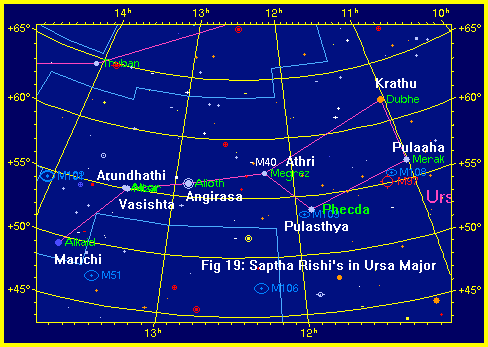
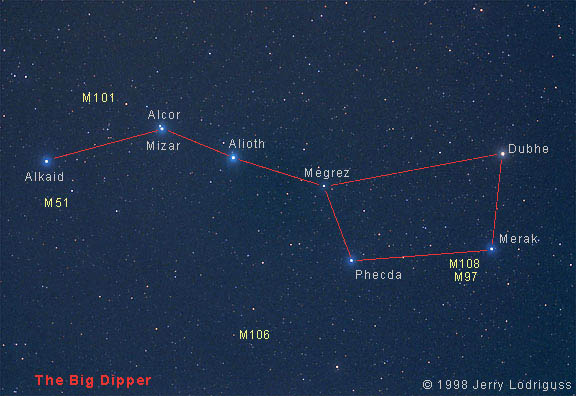
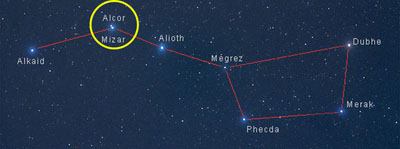
Ancient Hindus including illiterates were well versed with all the essential herbs, hymns and 27+ stars in the sky. In addition to the 27 stars in the region of 12 zodiacal signs, they were familiar with all the planets and the stars like Druva (Pole Star), Sapta Rishi Mandala ( Ursa Major or Great Bear or Big Dipper or Wagon constellation), Abhijit (Vega) stars in the north and Agastya (Canopus) and Tri Sanku (Southern Cross) stars in the south.

If you at sky in the northern direction, you will see seven stars like a flying kite.
Of the seven stars, the last but one (in the tail of the kite) is Vashista Nakshatra. It is a double star system – one revolving the other! The ingenious Hindus named them Vashista and Arundhati. Alcor is the name given for Arundhati and Mizar is the name given to Vasishta in the astronomy books. Alcor is used to test the visual acuity.
alcor_mizar

Ancient Tamils worshipped the Seven Stars representing Seven Rishis: Atri, Brhu, Kutsa, Vashista, Gautama, Kashyapa and Angirasa.
Ref.Natrinai – 231-2 (worshipful Seven Stars)

They believed worshipping chaste woman will wash away their sins:
Paripatal: 20-68 (sinthikkat thirum piniyaat sererka)

Following are the references to Arundhati
Pathitrupathu : 31-27/28; 89—17/19
Ainkuru nuru 442-4
Purananauru: 122
Perumpanatrupatai:- Lines 302/303
Kalitokai:- 2-21
In all these places either a queen or a heroine is praised as chaste as Arundhati or Arundhati herself is praised.
Post Sangam Works: —Thirikadukam 1-1
Tamil epic Silappadikaram 1-27; 1-63 (Here heroine Kannaki is praised as a chaste woman like Arundhati.)

When poets use one as a simile that must be superior to the person or thing compared and that must be known to everyone. The Tamil examples show that Arundhati was a household name in Tamil Nadu. All these references explode the myth of Aryans invading or infiltrating into India. There was only one culture 3000 years ago and that was Hindu culture. The beauty is there is an uninterrupted respect for Arundhati until today!
LEO_1.TIF

Arundhati-Nyaya
Sanskrit Language has got several techniques for teaching different subjects. When they teach philosophy they, use Arundhati Nyaya.

To show to a person the star Arundhati in the sky, one points out at first to a big star in the north and says that that big star is Arundhati. The person is first led to a big star that is clearly seen. Then after rejecting that star the real star is shown. The person is guided step by step towards the goal. Even so, a spiritual aspirant is led gradually to the Supreme Truth which is formless and impersonal.

XXXXXXX—XXXXXXXXX—XXXXXXXXX

War against Casteism from Ramayana Days!

chokamela
Choka mela of Maharashtra.

Written by London swaminathan
Post No.1126; Dated 23rd June 2014.

N.B. If you want to reproduce this article, please email me for permission. Previously I gave blank cheque to some people. They have been uploading all the 1100 posts from my blogs which is not allowed from today. You must get written permission from me for each and every article separately. swami_48@yahoo.com

Many of us think that the reformers of 19th and 20th century only fought against the divisive caste system and before that everyone was very caste conscious and strictly followed the rules laid in the Smritis (Hindu Law Books. It is a false notion created by the English educated writers of the 18th century who did not study the religious literature in Tamil, Sanskrit and Marathi. From the days of Lord Rama and Lord Krishna, people gave respect to any one sincere and truthful. Educated were respected irrespective of their castes. There are innumerable anecdotes in the Hindu epics Ramayana and Mahabharata. I would like to narrate a few and compare them with the saints of Tamil literature.

Lord Rama embraced Kugan, who was a tribal leader and chieftain of the hunters (Ayodhya Kanda). He also embraced Jatayu, leader of the vultures (actually vulture tribe). He ate the fruits, half eaten by the tribal woman Sabari (Both in Aranya Kanda). He took into his fold Sugreeva (Kishkindha Kanda), a leader of the monkey clan/tribe and Vibhisana (Yuddha kanda), leader of the Rakshasa tribe. He treated all of them as his own brothers, according to Kamban who adapted Valmiki Ramayana in Tamil.
Nalvar copy
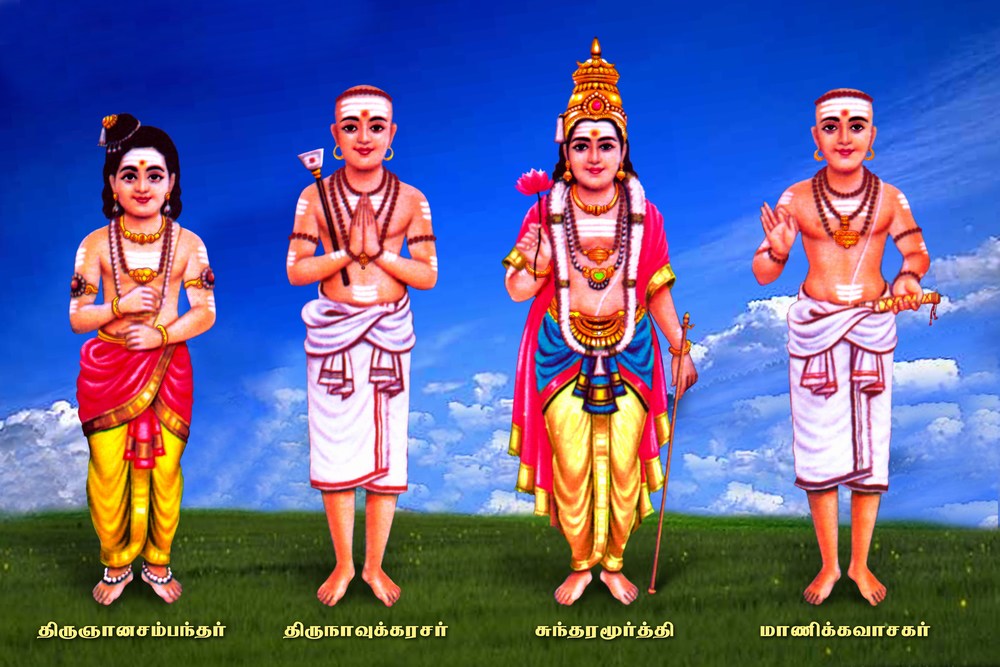
Four Saivite Saints of Tamil Nadu

Kamban puts it beautifully in one of his verses in Yuddha Kandam:-
“We became five brothers with Guha, six when we met Sugreeva, and Vibhisana! Now with you, we are seven brothers”.

Some of the verses in Tamil Kamba Ramayana are not found in Valmiki Ramayana; but he might have taken some verses from the other two Ramayanas : Vashista and Bodhayana Ramayanas. Kamban himself referred to the great three Ramyanas available at his time (12th Century CE).

Above all these, Rama sent Sita to Agni Pareeksha (Fire Walking Test) and to the forest because of a gossip among the washer men (dhobiwalas). He did not reject it because it came from a low caste person.

In the Mahabharata, we have the example of Dharma vyadha, a meat vendor, answering many questions put forward by sage Kausika. Even the Shambu incident in the Uttara Kanda of Valmiki Ramayana looks like an interpolation. Shambu , a Shudra, was killed by Rama just for doing penance! Several parts of Uttara Kanda go against the spirit of Ramayana. Nowhere else in the Ramayana, caste played any significant role.

Maharashtriyan_Saint_-_1__24877_zoom
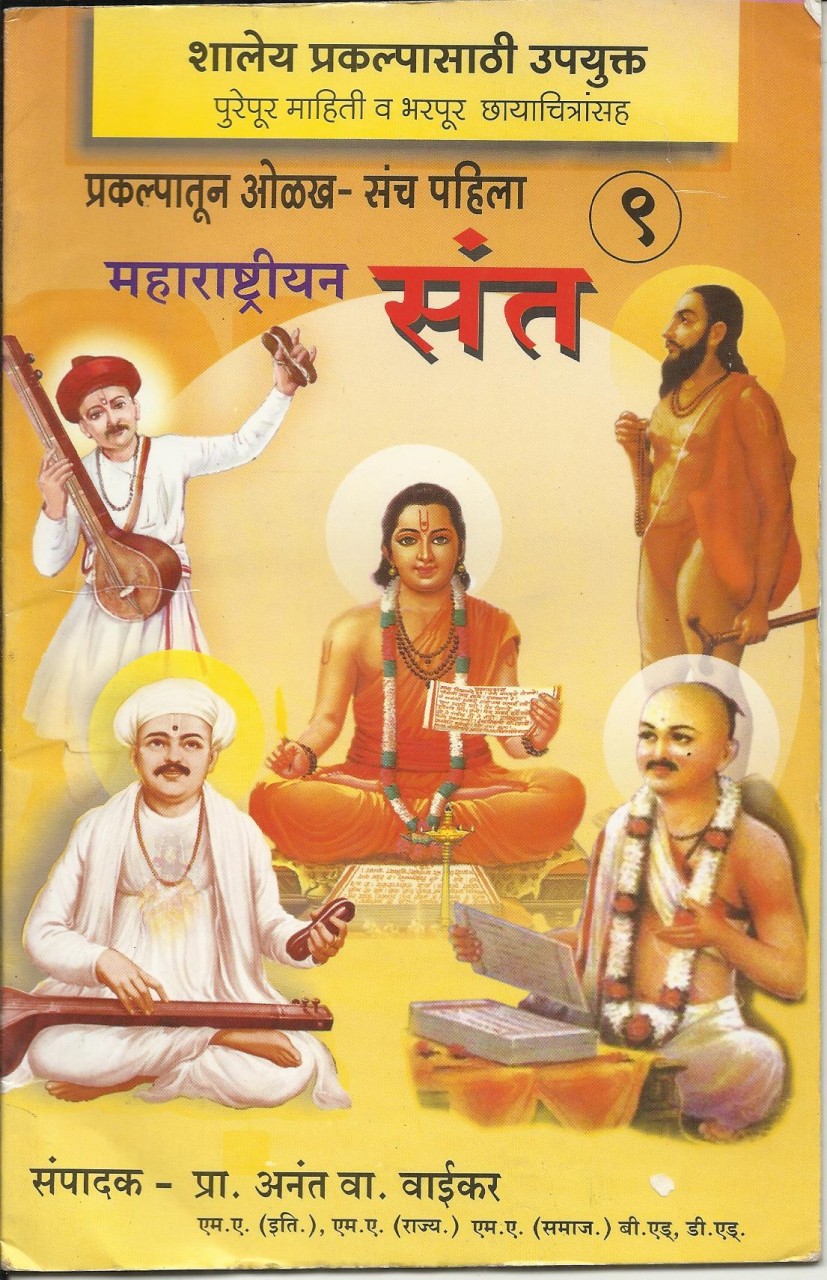
Saints of Maharashtra

Tamil Reformers
2000 year old Sangam Tamil literature has several examples where caste was immaterial in the field of education and social life. Purananauru verse 183 by Pandya king Neduncheziyan says that the educated only will be respected even if he belongs to the lowest of the four castes. Manu also said that a high caste person can go and learn from a person of low caste, where it is necessary.

Kabilan, a Brahmin poet who contributed the highest number of poems in the Sangam literature, was praised by many famous poets. He was a good friend of Pari, a chieftain who attained fame through his philanthropy. Pari was killed by the conspiracy of three powerful kings Chera, Choza, Pandya. Then Kabila took charge of Pari’s two Kshatria daughters Sangavai and Anagavai and went to every chieftain for refuge or marriage. Lot of chieftains refused to accept the girls for the fear of enmity with the three powerful Tamil kingdoms. At last a chieftain in Thirukoilur area was bold enough to accept the girls. Kabilar felt very happy of fulfilling his life time mission and then self immolated himself. An inscription and a memorial were installed at that place. He was the first Tamil known to History who did community service, without bothering about caste.

gorakhumbar
Gorakhumbar, a saint from Maharashtra

Then the Saivite and Vaishnavite saints of the sixth and seventh centuries followed Kabilar who did not care about the caste rules. Though there were some protests from the orthodox sections, all melted away like wax in the fire. Saivite saint Sambandhar walked hand in hand with Neelakanda Yazpanar of lower caste. Appar sang that even a Pulaya (lowest) would be respected if he is a devotee of Lord Shiva. Vaishnavie saints from the lowest castes had the same respect of their counterparts from higher class. We saw similar scenes in Maharashtra with all the saints of low castes, not only respected but also worshiped.

Apputhi adikal, a Brahmin devotee of non Brahmin saint Appar also known as Tirunavukkarasu, named everything in his vicinity after Appar. He named his sons, the Free Water Distribution Pandal (watershed), the weights in the household — everything after Appar. When Appar visited him in disguise and teased him about naming everything after a person who he never met, he became very angry. Then Appar revealed his true identity and Appudi Adikal fell at his feet.

Now we know that it is not the reformers of 19th century who created this awareness and they were not the pioneers. They simply continued what Vyasa and Valmiki advocated in the two epics. The Bhakti movement in Tamil Nadu and Maharashtra had innumerable saints from the lowest castes who are worshipped until today. They were the pioneers of reformation.

Five Fire Penance of Goddess Uma

five fire

Written by London Swaminathan
Post No. 1124; Dated :– 22nd June 2014.

N.B. If you want to reproduce this article, please email me for permission. Previously I gave blank cheque to some people. They have been uploading all the 1100 posts from my blogs which is not allowed from now onwards. You must get written permission from me for each and every article separately. swami_48@yahoo.com

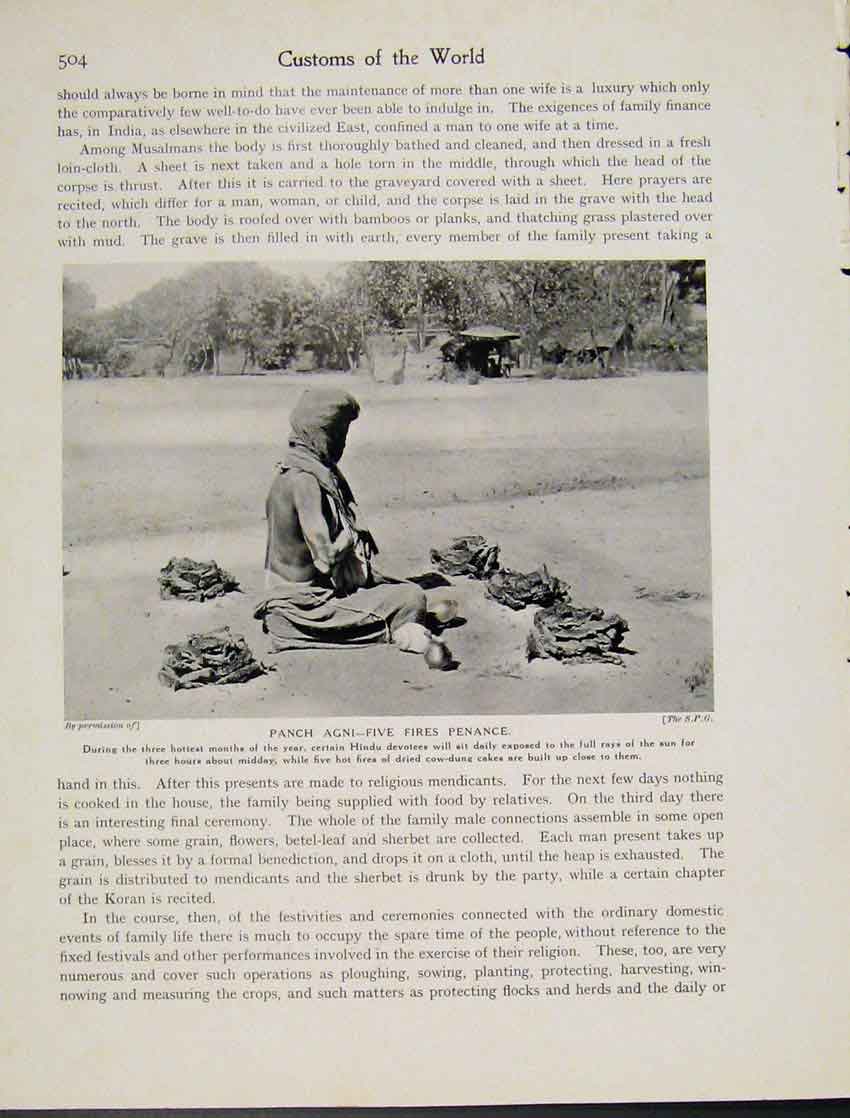
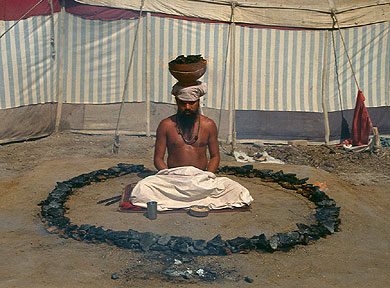
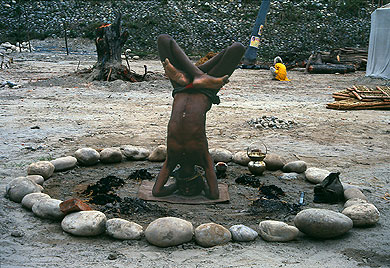
Kalidasa , the greatest of the Indian poets, describes about some strange ancient customs: Five Fire Penance (Panchagni) and Sword in the Bed/Asi dhara Vrata. Kumarila Bhatta, a contemporary of Adi Shankara, burnt himself to death in slow burning paddy husk. Hindu Yogis and saints had a very firm conviction and will power to undergo such an ordeal to achieve higher things in life. None of these hurt them because of their yogic practices.

I already wrote about the great penance undertaken by Bhageeratha and Arjuna standing on one leg to bring down River Ganga to earth and to attain Pasupata Astra from Lord Shiva.
panchagni1

People who want to achieve something great in life lighted fire on four directions and stood amidst the four fires on one leg. Sun, which is the fifth fire, was scorching them from above. Their mind is so focussed into God that they would not feel the burning. It is also a symbolic penance which means they are out of the five bad qualities: Kama (lust), Krodha (anger) Lobha (greed), Matha (Ego) and Mathcharya (attachment).

Kalidasa in ‘Kumarasambhava’ describes Uma’s penance in beautiful verses:
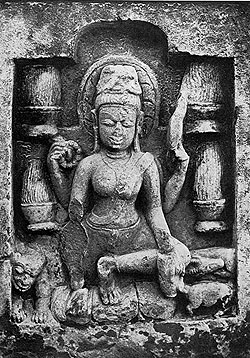
“In summer, she of sweet smiles and a delicate waist, sitting in the midst of four blazing fires, gazed at the sun with her sight not directed to anything else; having got the better of his lustre that dazzles the eye”. (5-20)

“Her face greatly scorched by the rays of the sun in that manner, bore the beauty of a day lotus; but gradually, only round the long corners of her eyes, dark colour made its appearance”. (5-21)

five fire 3
“The sternest severity of austerities lies in subsisting on leaves, fallen free from the trees on their own accord; but that also she spurned; hence that gentle talker was named ‘Aparna’ (leafless) by those conversant with history (5-28)

((I agree with scholars who date Kalidasa to first or second century BCE. I have proved it right on the basis of the use of his 200+similes (out of 1000+ similes) by the Sangam Tamil poets. They are not found in Prakrit Gatha Sapta Sati or any other Sanskrit books)).

5 fire
InMadhya Pradesh Temple.

Asi Dhara Vrata (Sharp Sword Edge Vow)
It is like standing on the sharp edge of a sword. The meaning is it is difficult to maintain that balance or it would hurt if slipped. A bachelor can lie in the same bed with a beautiful girl but yet never swerve from the vow of chastity. It is said that a sword will be placed in between them in the bed according to the commentator (Raghuvamsa 13-67).

When Rama returned to Ayodhya after 14 year stay in the forest, he saw Bharata walking towards him. He praised Bharata as practising Asidhara Vratam, without enjoying the Rajyalakshmi (Kingdom or Earth is praised as Lakshmi, Goddess of Wealth in Hindu scriptures).

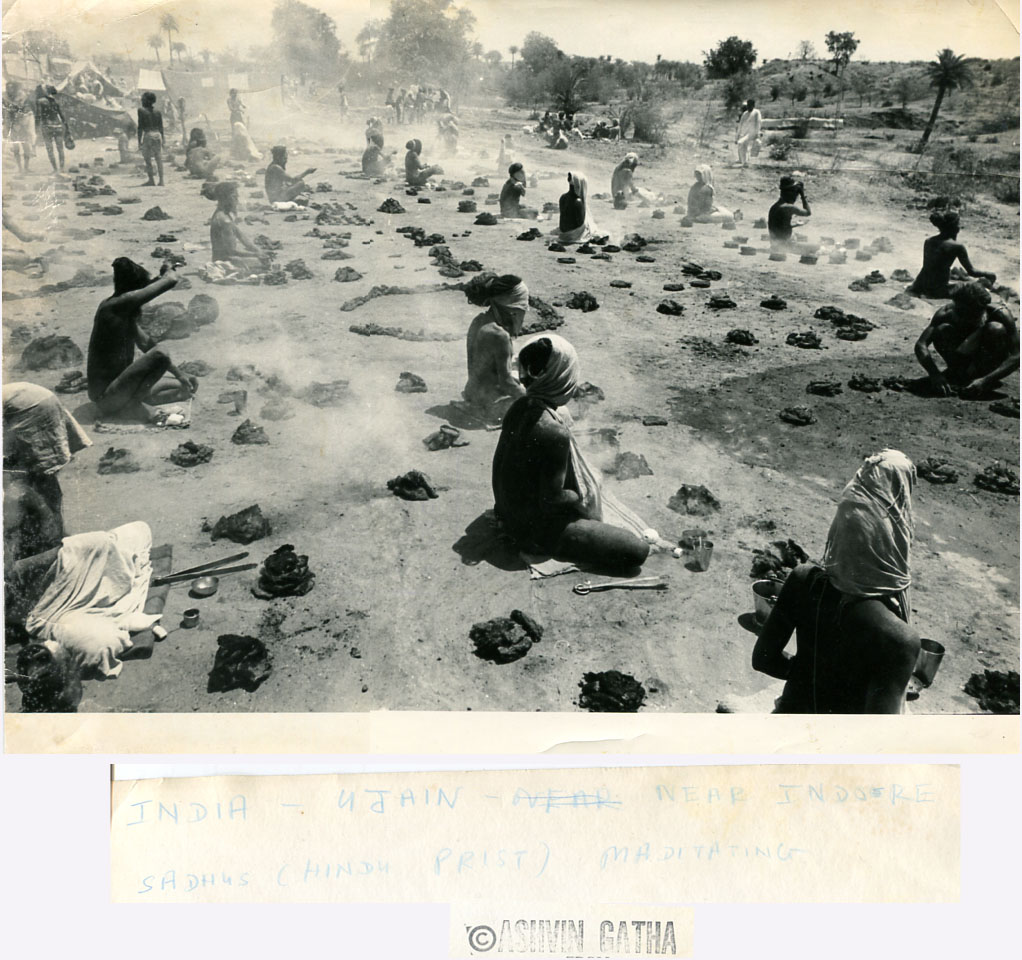
ujjain1960s5fire
Five Fire Penance in Ujjain.

Tamil Kings Fast unto Death
Tamil Kings Kopperum Choza and Neduncheralatha of Sangam age also followed similar type of vow. They sat facing North on the banks of a river and fast unto death. They were also holding a sword in their hands, probably meaning the same, i.e. sharp edged vow. Verses in Purananuru 65 (by Kazath thalaiyar) and Akananuru 55 (by Mamulanar) are about the Chera King Neduncheralathan who died facing North. When such a great person sacrificed his life, scholars and general public joined them and made it a “mass suicide”. We see it when Lord Rama drowned himself in the Sarayu River and in the Tamil Kings’ deaths. Lot of Tamil poets and scholars joined them in the fast unto death ceremony. In Tamil it is called “Vaal Vatakkiruthal”, meaning Facing North with a Sword.

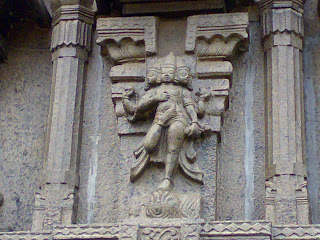
Brahma,panchaishti
Brahma in Panchaishti village.

KumarilaBhatta’s Sacrifice
Kumarila Bhatta was a great scholar with whom Adi Shankara wanted to debate Advaita philosophy. He directed him to his disciple Mandana Mishra because, Kumarila was dying in burning paddy husk. When people wanted to get rid of sins they must undergo due punishment to ‘spend’ their sins. So they fast unto death facing the Holy direction North or walk towards North till their bodies fall on earth (like the Pandabva brothers) or drown themselves in a holy river (like king Aja and Rama). Kumarila Bhatta chose the method of self immolation. He placed himself in a pile of paddy husk and lighted it on four directions. It would slowly burn him to ashes. It would not hurt anyone who practises Yoga. Yogis would not feel any body pain.
XXXXXXX—–XXXXXXXXXX—XXXXXXXX
Pictures are taken from Divyadarsanam and other websites;thanks.

God Feeds Toad in the Stone & Ant in the Box

Ramdas Shivaji

Written by London Swaminathan
Post No. 1118; Dated 19th June 2014.

There is a popular story about a conversation between Shiva and his wife Parvati. Shiva’s wife was annoyed at his idleness. Like every mother likes all her children to be fed well, she also asked Lord Shiva to go around the world and feed all the hungry creatures. Though she was the embodiment of love and kindness, she did not realise that Shiva was Omnipresent, Omniscient and Omnipotent.

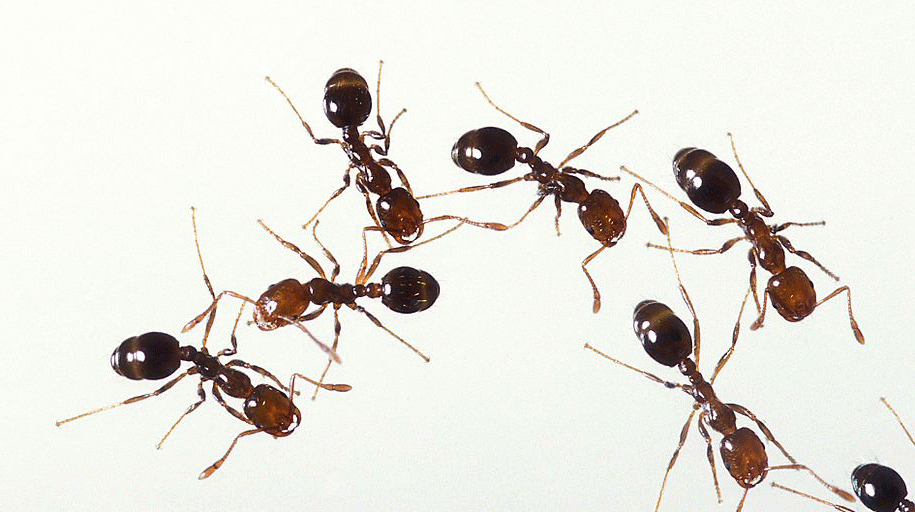
Fire_ants

Lord Shiva simply smiled at her and told her that what he was he doing. Parvati was very suspicious about what Shiva said to her. Suddenly an idea crossed her mind. He went to the backyard and caught a few ants and put them in the box. That evening she raised the issue with her husband once again. She asked Shiva whether he provided food for every living being in the world. Siva said to her that was what he was doing all the day. Now Parvati smiled at him and took the box saying, “Oh, My Lord, you forgot a few poor little creatures. Look here I have caught some ants in the morning. You did not even come near this box. I carried it with me all through the day”. Shiva asked her to open the box. When she opened the box she was greatly surprised to see the ants were eating rice. She felt very much about her ignorance and realised the greatness of Lord Shiva.

Toad in the Rock
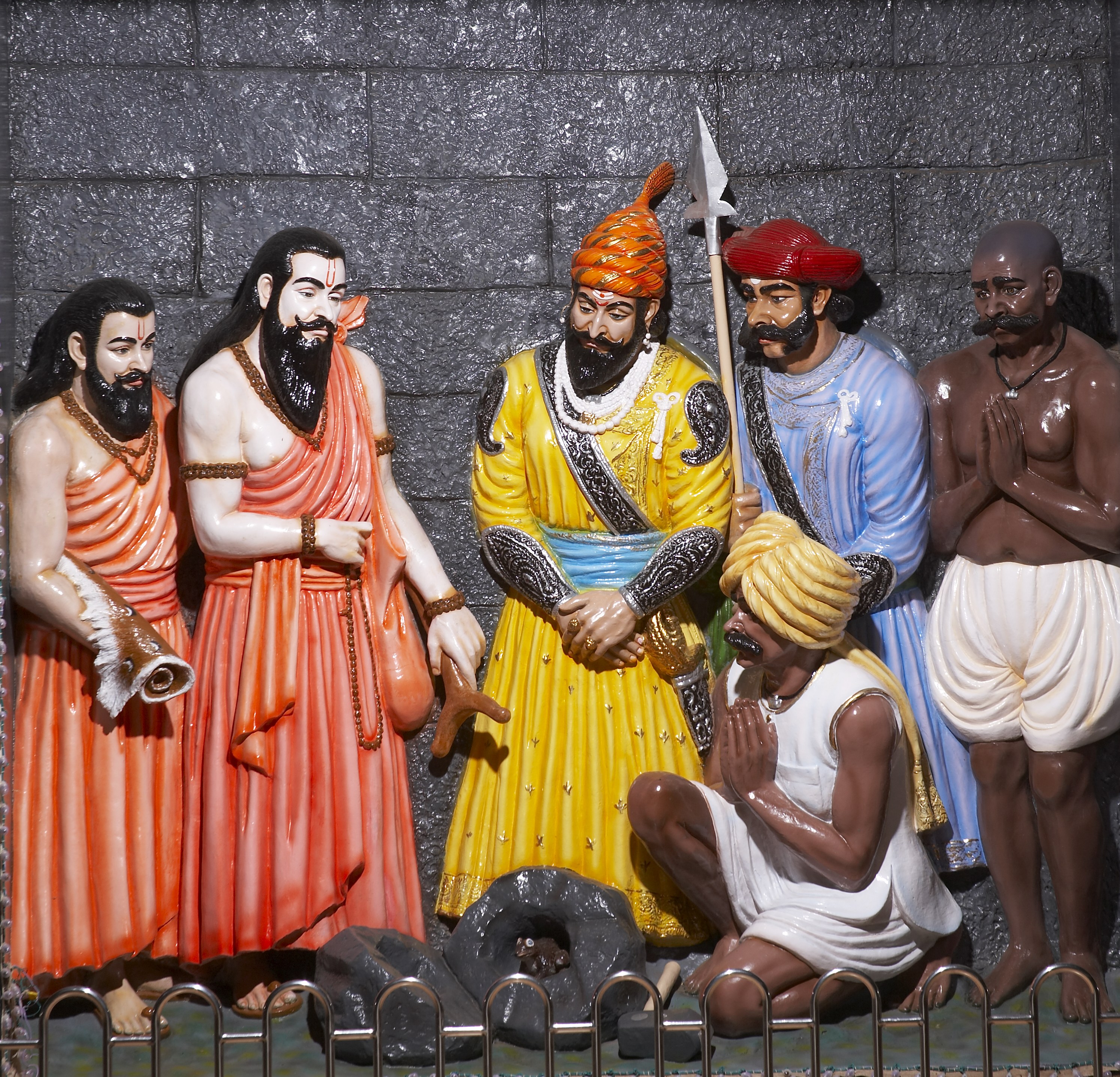
Shivaji was very proud of his victories. He thought he was the one protecting everyone in his kingdom. Though he was arrogant about his achievements he was always obedient to his Guru Samartha Ramdas. So Ramdas wanted to teach him a lesson.
Once he was building a fort for which he engaged thousands of workers. He was inspecting them and felt a certain amount of pride. Guru Ramadasa was by his side. Immediately he asked Sivaji to bring some workers to break one huge rock. Shivaji was wondering what the Guru was about.

shivajipg21

(One of the nature’s wonders is that toads inside the rocks. Whenever some stones are rocks are cut, people see toads living inside them).

As commanded by his Guru, he brought some workers and asked them to break the rock. Inside the rock they saw water in the holes and frogs (toads) living happily. Pointing out to the frogs Guru asked, “Shivaji are you feeding and looking after these frogs as well? Hearing this Shivaji’s pride was humbled and at once he fell at the feet of his Guru and sought pardon for his conceit.

tad in rock

Baba’s Story on Humility

baba sun

Compiled by London Swaminathan
Post No.1111; Dated 16th June 2104.

Sri Sathya Sai Baba, in one of his lectures, stressed the importance of humility. He said that one of the methods to cultivate humility is not only to bow before god but also prostrate before holy saints and obtain their blessings. Baba narrated a story from the life of Emperor Asoka.

“Once Asoka went round the capital city with his minister. When he saw a Buddhist monk, he placed his head at the feet of the monk and bowed. But his minister did not like this. Asoka knew what was going on in the mind of his minister. He asked him to fetch the heads of a goat, a tiger and a man’s. When they were brought he asked the minister to sell them in a market. While the heads of animals had buyers, no one came to purchase that of the human being. There was none even to take it free.

The king then said, “This head is valued only when there is life in the body. Hence, when there is an opportunity, place your head at the feet of the noble men and secure their good wishes.”

Tamil King who had Siva’s Feet on His Head
Seran Senguttuvan was a powerful Tamil king who ruled Tamil Nadu about 2000 years ago. He decided to go to holy Himalayas to bring a stone for making a statue for the chaste woman Kannaki. On the eve of his expedition to North India, he went to the Siva temple and bore the feet (sandals) of Lord Siva on the head as a mark of respect to Him (See Kalkot Katai, Silappadikaram).

Kings of those days were so humble that they did not hesitate even to take bricks on their head to build temples.

Another powerful Pandya king Muthu Kudumi Peruvazuthi was praised by one of the Sangam poets that his head would bow on two occasions only:
1.When the king goes round the temple of Lord Siva and
2.When Brahmins raise their hands to bless him.
(See Karikizar’s poem on Mudukudumi, Purananuru verse 6)
baba ratha

Varaguna Pandyan was another great Pandya king who saw God in everything and I have narrated eight incidents that happened in his life time (Please see “The King who saw God in Everything”- posted April 26, 2013).
Another Saivite saint fell at the feet of a Dhobi (washer man) because his body was smeared with white sand. The saint saw holy ash ‘Vibhuti’ in everything that looked white!

Ramakrishna Paramahamsa’s Story
A man went to a saint and said with a great show of humility, “Sir, I am a very low person. Tell me, O Master, how I am to be saved”. The saint reading the heart of the man, told him, “Well, go and bring that which is meaner than you”. The man went out and looked all around, but found nothing whatsoever meaner than himself. At last he saw his own excrement and said, “Well here is something worse than myself”. He stretched forth his hand to take it up and carry it to the saint when suddenly he heard a voice say from within the ordure, “Touch me not, O Sinner, I was a sweet and delicious cake, fit to be offered to the Gods, and in appearance so pleasing to all the spectators. But my ill-fortune brought me to you. And by your evil contact I have been reduced to such a detestable condition that men runaway from me with handkerchiefs covering their noses. Once only did I come in contact with you and this has been my fate. What deeper degradation may I not be thrown into if you touch me again”. The man was thus taught humility and became the humblest of the humble. As a result he attained the highest perfection.
(See page 311, Sayings of Sri Ramakrishna , Sri Ramakrishna Math, Chennai)

aseervatham

“Humility is good for all, it is an ornament for the rich in particular”, says Tamil poet Tiruvalluvar in Tirukkural (125).

“Before destruction a man’s heart is haughty,
And before honour is humility”, says the Bible (Proverbs 18-12).

XXXX***XXXX***XXXX

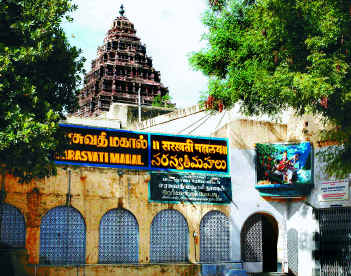
சரஸ்வதி மஹால் வெளியிட்ட பிருகதீஸ்வர மாஹாத்மியம்

saraswathimahal1

சரஸ்வதி மஹால் வெளியிட்ட பிருகதீஸ்வர மாஹாத்மியம்

By ச.நாகராஜன்; Post No 1106; dated 14th June 2014.

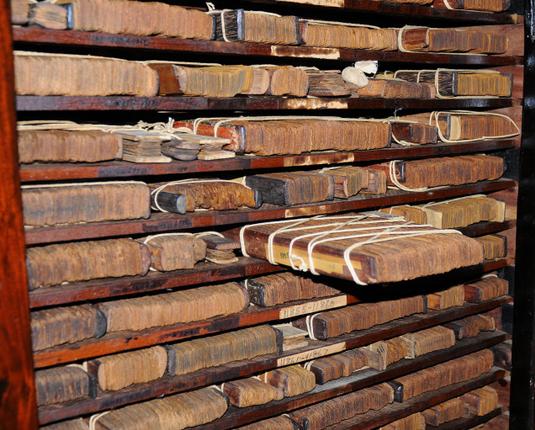
அற்புதமான தமிழ் ஏடுகளையும் அரிய புத்தகங்களின் கை பிரதிகளையும் நூல்களையும் சேர்த்து வைத்துள்ள சரஸ்வதி மஹால் நமது பாரம்பரியத்தைப் பாதுகாக்கும் அறிவுக் கோவில். சரஸ்வதி மஹால் பல அரிய நூல்களை வெளியிட்டு வருகிறது. ஆனால் சரஸ்வதி மஹாலின் தமிழ்ப் பணிக்கு உரிய மதிப்பும் மரியாதையும் என்றுமே இருந்ததில்லை. இது தமிழ் மக்களின் துரதிர்ஷ்டம்!

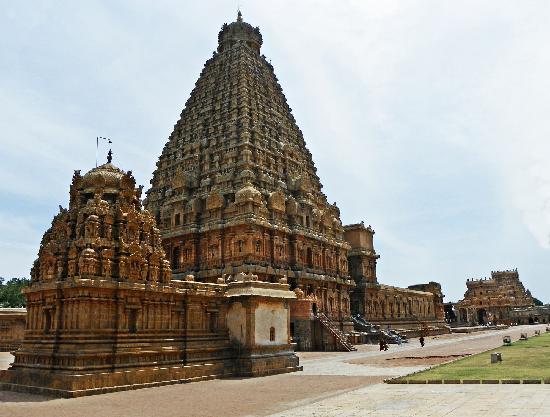
சரஸ்வதி மஹால் வெளியிட்டுள்ள அரிய நூலான பிருகதீஸ்வர மாஹாத்மியம் நம்மை வியக்க வைக்கும் ஒரு நூல்.
சோழ மன்னர்களில் 16 பேர்களின் வரலாற்றை விவரிக்கும் இந்த நூலை, பல தமிழறிஞர்களும் மேற்கோள் காட்டுவது வழக்கம்!

இந்த நூல் நானுறு வருடங்களுக்கு முன்னர் சம்ஸ்கிருதத்தில் எழுதப் பட்டுள்ளது. 30 அத்தியாயங்கள் கொண்டது. 49 பக்கங்கள் கொண்ட கைப்பிரதியை ஆராய்ந்து மூலத்தையும் தமிழாக்கத்தையும் (டி.ஆர்.தாமோதரன், எஸ்.ராஜலெக்ஷிமி, என்.சீனிவாசன் ஆகியோர் தமிழாக்கத்தைச் செய்துள்ளனர்) 1985ஆம் ஆண்டு சரஸ்வதி மஹால் வெளியிட்டுள்ளது.

இதில் உள்ள சில அரிய விஷயங்களை மட்டும் சுருக்கமாகச் சில வரிகளில் காண்போம்.

1)கர்வட என்ற கிராமத்தில் குலோத்துங்கன் என்ற விவசாயி வாழ்ந்து வந்தான்.சிறந்த சிவ பக்தனான அவனை சிவ பெருமான் சோதிக்க வந்தார். அவனும் அவன் துணைவியும் தக்க முறையில் சிவனடியாரை வரவேற்று உபசரித்தனர். இதனால் மனம் மகிழ்ந்த சிவபெருமான் அவனை சோழ வம்சத்தின் அரசனாக்கினார். மது, மயன், விஸ்வகர்மா, தாதா விதாதா ஆகிய தேவ சிற்பிகள் மூலம் காவிரிக் கரையில் சோழ தேசம் அமைக்கப்பட்டது. ஐயாரப்பர் ஆலயத்தையும் திருப்பழனம் ஆலயத்தையும் குலோத்துங்கன் கட்டுவித்தான்.

2) தஞ்சாசுரனை சிவபெருமான் சூலத்தால் வீழ்த்தும் போது அவன் உயிர் பிரியும் தருணம் “என் பெயரால் இந்த நகரம் விளங்க வேண்டும்” என்று வேண்டிக் கொள்ள அந்த நகருக்கு தஞ்சாவூர் என்று பெயர் வழங்கலாயிற்று.

3) தேவ சோழனின் மகன் சசிசேகர சோழன் மயிலாடுதுறை வைத்தீஸ்வரன் கோவில், திருவாலங்காடு உள்ளிட்ட 60 ஆலயங்களை எடுப்பித்தான். ஒரு சமயம் காவிரியில் பெரு வெள்ளம் வர நாடே அழியும் சூழ்நிலை ஏற்பட்டது. 48 நாட்கள் உண்ணா நோன்பு இருந்து இறைவனை வேண்ட, ‘இறைவன் காவிரியின் குறுக்கே அணை கட்டுக’ என்று அருள் பாலித்தான். அதன் படியே மன்னனும் அணை கட்டினான்.

sarasvatimahal2

4) சசிசேகர சோழனின் மகன் சிவலிங்க சோழன் திருவாரூரை ஆண்டு வந்த போது பசுங்கன்று ஒன்று தேர்ச்சக்கரத்தில் வந்து சிக்கிக் கொண்டு இறந்தது. தாய்ப் பசு அரண்மனை வாயிலை அடைந்து கதறியது. இதைக் கண்ட மன்னன் தன் மைந்தன் மீது தேர்ச்

சக்கரத்தை ஏற்றி நீதி பரிபாலித்தான். இறைவன் அருளால் இருவரும் மீண்டு எழுந்தனர்.சிவலிங்க சோழன் 119 ஆலயங்களுக்குத் திருப்பணி செய்தான்.

5)சிவலிங்க சோழன் மகன் வீர சோழன் காவிரிக்குக் கிளை ஆறை ஒன்றை வெட்டி உருவாக்க அது வீர சோழன் ஆறு என்ற பெயரைப் பெற்றது.

6)வீர சோழனுடைய மகன் கரிகாலன். இவன் ஹரதத்த சிவாச்சாரியாரைத் தன் குருவாகப் பெற்றான். கஞ்சனூரில் உள்ள அக்னீஸ்வரர் ஆலயத்தை எழுப்பினான். துர்கேஸ்வரம் மங்களேசம் ஆம்ரவனம் ஆகிய இடங்களிலும் ஆலயங்களை அமைத்தான். ஆனால் விதி வசமாக கருங்குஷ்டம் இவனைப் பிடித்தது.

ஹரதத்தர் ஒரு மண்டல காலம் ஆலயத்திலேயே வாசம் செய்து நூற்றெட்டு மறைவல்லோரை அழைத்து ‘ஏகாதசருத்ர’ ஜபம் செய்தார். சிவபெருமான் ஹரதத்தரின் கனவில் தோன்றி ‘தஞ்சாபுரீஸ்வரர் ஆலயத்திற்கு தென் மேற்கில் உள்ல சிவகங்கா பொய்கையில் மன்னரை நீராடச் சொல். சக்தி கூபம் கிணற்றுக்கு அருகில் உள்ள கந்தனின் ஆலயத்தில் கார்த்திகை மாதம் கார்த்திகை நட்சத்திரம் அன்று தரிசனம் செய்யச் சொல். அதற்கு முன் துந்தில விக்னேசர் (தொந்தி விநாயகர்) ஆலயத்தை நிர்மாணம் செய்யச் சொல்” என்று இப்படி வரிசையாகக் கட்டளைகளை இட மன்னனும் அனைத்தையும் செய்து கருங்குஷ்டம் நீங்கப் பெற்றான்.
thanjavur-big-temple

7)கரிகாலனின் மகன் பீம சோழன் கேரள ராஜகுமாரி வித்யுல்லதா (மின்னற்கொடி)வை மணந்தான்.திருவண்ணாமலையில் கோபுரங்களை அமைத்தான்.77 ஆண்டுகள் இவன் உயிர் வாழ்ந்தான்.

மிக நீண்ட வரலாற்றைக் கூறும் மாஹாத்மியத்தின் இதர பகுதிகளையும் இதைப் பற்றி ஆங்கிலேய அறிஞர்களின் கருத்தையும் பிரபல சரித்திர ஆய்வாளர் கே.ஏ.நீலகண்ட சாஸ்திரியின் கருத்தையும் அடுத்ததாகப் பார்ப்போம்!

8)பீம சோழனின் மகன் ராஜேந்திர சோழன். சேர பாண்டியரை வென்று சிறப்பாக அரசாட்சி நடத்தினான்.திருமுல்லைவாயில், திருப்பூந்துருத்தி, திருவெண்ணியூர், திருநெல்லிக்கா, சிற்றேமம் ருஷிகானனம் ஆகிய ஊர்களில் சிவாலயங்களை எடுத்தான். இதைப் போன்று 80 ஆலயங்களைக் கட்டி முடித்தான்.

9) இவனது மகன் வீரமார்த்தாண்டன்.இவன் காலத்தில் வேத பாடசாலைகளும், சாஸ்திர பாடசாலைகளும் தோன்றின. அக்னிஹோத்திர வேள்விச் சாலையிலிருந்து கிளம்பும் புகை மண்டலம் சுவர்க்கத்திற்குச் செல்லும் ‘’படி’’ போலத் தோன்றியது. இவன் சுமார் 60 ஆலயங்களைக் கட்டினான்.

10) இவனது மகன் புகழ்ச் சோழன். இவன் முருக பக்தன். தனக்கு ஒரு மகன் இல்லையே என்று வருந்த முருகப்பெருமான் கனவில் தோன்றி குக பர்வதத்தை புனருத்தாரணம் செய்யச் சொல்ல அவன் அப்படியே
செய்தான். முருகனின் அருளால் ஜய சோழனை பெற்றெடுத்தான்.

thanjavur temple
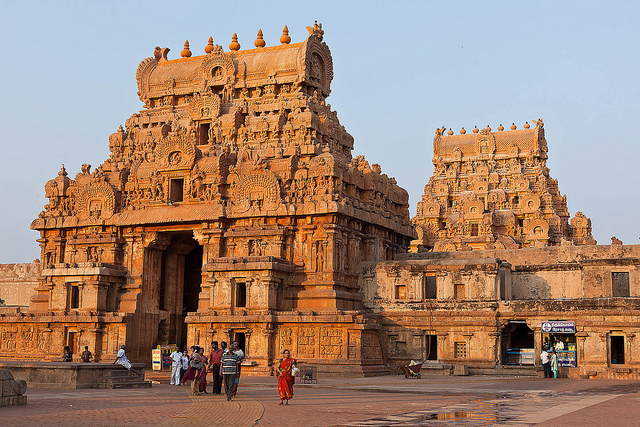
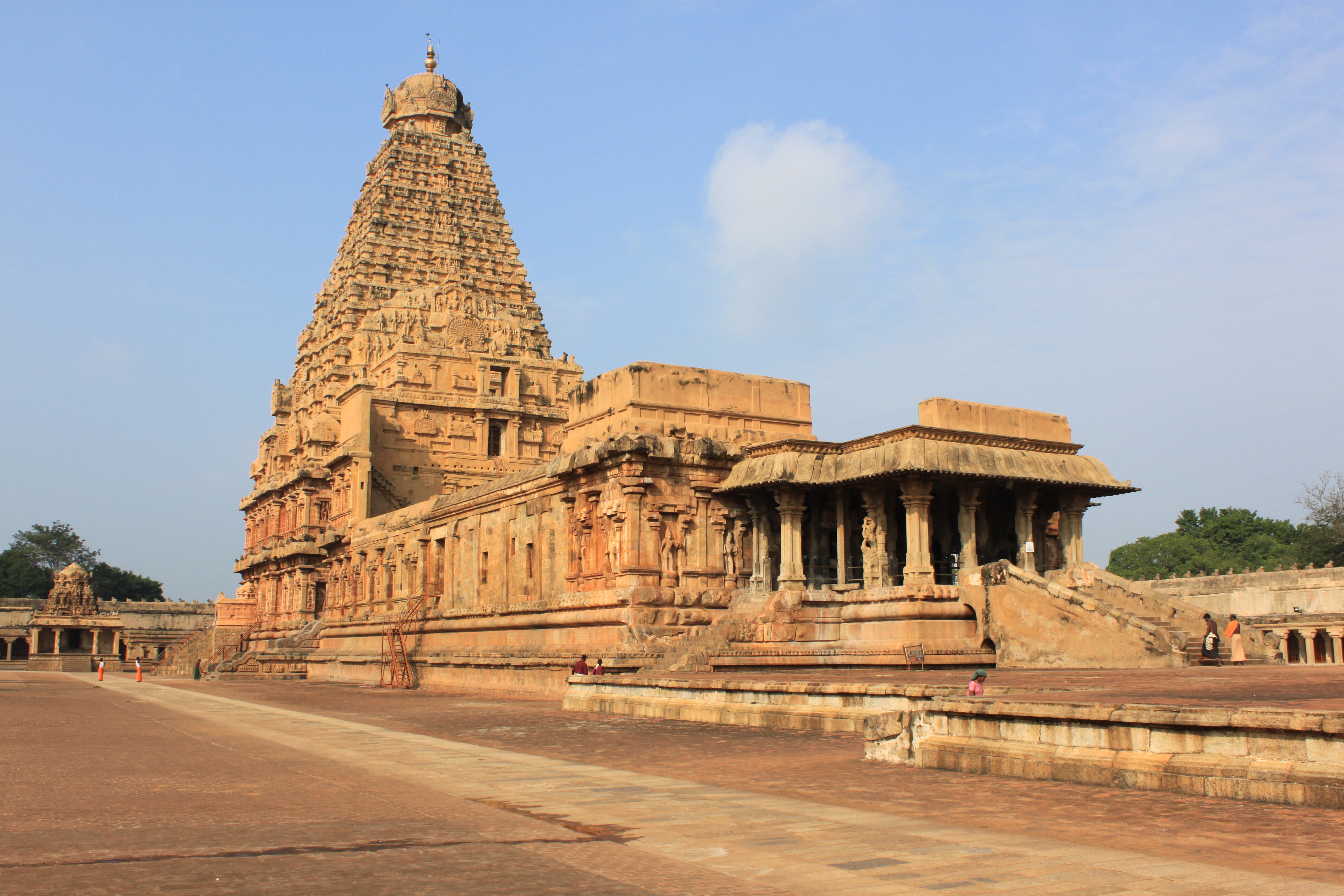
11)ஜயசோழன் ஜயசோழபுரத்தில் பெருவுடையார் கோவிலைப் போல முக்கால் பங்கு இருக்குமாறு ஒரு ஆலயத்தைக் கட்டினான்.இவன் மகன் கனக சோழன். இவன் காலத்தில் திருவலஞ்சுழியில் காவிரி நீர் பாதாளத்தில் ஓடி மறைந்தது. இதனால் மக்கள் வருந்தினர். அதற்குரிய பரிகாரங்களைச் செய்து ஏரண்ட முனிவரால் காவிரியை மீட்டான். ஏரண்ட முனிவர் காவிரையை மீட்க தன் உயிரை அர்ப்பணிக்க அவர் வழிபட்ட கொட்டையூர் ஆலயத்திற்குத் திருப்பணி செய்தான்.

12) கனக சோழனின் மகன் சுந்தர சோழன். மறையோன் ஒருவனைக் கொன்றதால் ஏற்பட்ட பிரம்மஹத்தி தோஷம் நீங்க இடை மருதூர் சென்று வழிபட்டுத் தன் தோஷத்தைப் போக்கிக் கொண்டான். இவன் மகன் கால கால சோழன். இவன் திருப்பனந்தாளில் குனிந்திருந்த லிங்கத்தை நிமிர்த்தினான். இவன் மகன் கல்யாண சோழன். இவன் சிதம்பரத்தில் உள்ள கோபுரத்தையும் ஆயிரங்கால் மண்டபத்தையும் கட்டினான்.இவன் மகன் பத்ர சோழன். இவனும் தன் முன்னோர்களைப் போல பல ஆலயங்களைக் கட்டினான்.

13) நூலின் கடைசி ‘பாரா’ சிவ பெருமான் பார்வதி தேவி கேட்ட கேள்விக்குப் பதில் அளிப்பதைத் தெரிவிக்கிறது. இதன் படி பார்வதி தேவி ஸ்தலங்களைப் பற்றிக் கேட்க சிவபிரான், காவிரிக்கும் சேதுவிற்கும் இடையே சிவ க்ஷேத்ரம் – 23000, விஷ்ணு க்ஷேத்ரம் – 1000 முருகன் க்ஷேத்ரம் – 6000 விநாயகர் க்ஷேத்ரம் – 5000 காளி க்ஷேத்ரம் – 1000 நடராஜர் க்ஷேத்ரம் – 100 துர்க்கை க்ஷேத்ரம் – 3000, சாஸ்தா க்ஷேத்ரம் – 11000 இருப்பதாக அருளுகிறார்!.
enterance-gopuram-new1

பல நீண்ட சுவையான கதைகளை உள்ளடக்கிய இந்த மாஹாத்மியம் பிரபல வரலாற்று ஆய்வாளர் கே.ஏ.நீலகண்ட சாஸ்திரி அவர்களால் ஆராயப்பட்டுள்ளது. 1930ஆம் ஆண்டு சோளா லெஜண்ட்ஸ் (Cola Legends) என்று ‘ஜர்னல் ஆஃப் ஓரியண்டல் ரிஸர்ச்’ இதழில் அவர் இது பற்றி ஒரு கட்டுரையையும் எழுதியுள்ளார்.

இந்த நூல் வரலாற்று நூல் என்பதை விட்டு விட்டு க்ஷேத்திரங்களை விவரிக்கும் நூலாகவும் அங்கு பாவங்களுக்கான பரிகாரங்கள் மற்றும் பிராயச்சித்தங்களைத் தெரிவிக்கும் நூலாகவும் உள்ளது. அந்த அளவில் இது மதிப்பு வாய்ந்தது. குலோத்துங்கன் வீரன், கரிகாலன் ,ராஜேந்திரன், சுந்தர சோழன் ஆகியோரைத் தவிர ஏனைய மன்னர்களைப் பற்றி நமக்கு ஒன்றும் தெரியாது. கரிகாலனுக்கு கருங்குஷ்டம் இருந்தது என்பதை இந்த ஒரு நூலில் மட்டுமே காண முடிகிறது. மனு நீதிச் சோழன் வரலாற்றை அப்படியே சிவலிங்க சோழன் வரலாற்றில் காண முடிகிறது. இருந்தாலும் காவிரித் தலங்களின் மகிமை பற்றியும் அதன் புராதன பழமையையும் பற்றி இந்த நூல் மூலம் அறிய முடிகிறது. இந்த நூலை மேற்கோளாகப் பல ஆராய்ச்சியாளர்களும் அறிஞர்களும் காட்டுவது வழக்கம்.

மக்கென்ஸி என்பவரிடம் இருந்த இந்த நூலின் ஒரு கைப்பிரதி அதிர்ஷ்டவசமாக டெய்லர் என்னும் அறிஞரால் மீட்டெடுக்கப்பட்ட
தால்தான் இந்த நூல் பற்றி அறிய முடிந்தது. இந்த நூலின் இதர பிரதிகள் இங்கிலாந்து சென்றிருக்கக் கூடும். அவைகள் கிடைக்க வில்லை. தஞ்சையை ஆண்ட சரபோஜி மஹாராஜா இதைத் தமிழில் மொழிபெயர்க்கச் செய்தார். இதன் மூலமாகத் தான் சம்ஸ்கிருதத்தில் இருந்த க்ஷேத்திரங்களின் தமிழ்ப் பெயர்களை அறிய முடிந்தது.

த்ருதிஸ்தலம் என்பது திருப்பண்டுருத்தி என்றும் கடேசம் என்பது திருக்கடையூர் என்றும், த்ரிகோடிகா என்பது திருக்கோடிக்காவல் என்பதும் வால்மீகநகரா என்பது திருவாரூர் என்பதும் இந்தத் தமிழ் மொழிபெயர்ப்பாலேயே அறிய முடிந்தது.

Thanjavur_Brihadeeswar

மொத்தத்தில் சுவையான ஒரு சோழ புராணத்தைப் படித்த மகிழ்ச்சியை இந்த நூல் ஏற்படுத்துகிறது. இன்னும் பல்லாயிரக்கணக்கான சுவடிகளில் தமிழ் மொழி பற்றியும் தமிழ் இலக்கியம், பண்பாடு, கோவில்கள் மன்னர்கள் பற்றியும் பல நூல்கள் உள்ளன. அவை அனைத்தும் வெளி வரும் நாள் எந்த நாளோ! அந்த நாளும் வந்திடாதோ .. வெகு விரைவில்!

******************* !