Don’t Live on Wife’s Money or Woman’s Income! (Post No. 2966)

kalai2

Written by London swaminathan

Date:12 July 2016

Post No. 2966

Time uploaded in London :– 16-18

( Thanks for the Pictures)


DON’T REBLOG IT AT LEAST FOR A WEEK!  DON’T USE THE PICTURES; THEY ARE COPYRIGHTED BY SOMEONE.


(for old articles go to tamilandvedas.com OR swamiindology.blogspot.com)


There is a beautiful couplet in Sanskrit about the property inherited from or the money earned from a woman or father.


Uttamam sva aarjitam, madhyamam pitur  aarjitam

Adhamam sevakaavittam, strii vittam adhamaadhamam


Money earned by oneself is the best;

Money/property inherited from father is O.K.;

Money earned by working under someone is bad;

Living on money earned by a woman is the worst.


The couplet says “woman’s money” (Strii Vittam) and so it MAY mean property of your wife or money from your mother or money earned by your daughter/ wife/mother. You should never live on that money because you will lose respect and lose control over the family. In the worst cases you may even be insulted or ignored.

When women started earning a five digit salary, they lost control over themselves. They do not know what to do with such a big sum at their disposal. The money came with a new set of problems. They became arrogant and uncontrollable.

1.They became very “independent” and went out at odd times with odd people and behaved awkwardly.

2.When parents saw a big income coming through their daughters they postponed the girl’s marriage or the girl postponed it thinking that the income would get a bridegroom easily. Parents enjoyed their lives in daughter’s money. They knew once she is married, they will have to live frugally.

  1. In some families it was alright for the elders, but the children suffered. They lost parental care and affection. Childminders and baby sitters became their real parents and as a result parents lost respect. When they grew old they gave the same treatment to their parents. Parents needed “parent minders” and “parent sitters” in the old age home. A new job was created in the name of “Carers”.

kalai10

Manu’s Advice!


Manu advised brothers and brothers in law to buy all clothes and jewellery to women and keep them always happy. In another couplet, he said deities reside where women are kept happy. In the third couplet he said the families will be destroyed completely where women are unhappy.

If women are treated with such respect in a community, then there is no need for women to work or they can at least avoid hard work and full time job.

About Guru/ Spiritual Teacher

No country in the world gave so much respect to the parents and Teachers, like the Hindus.


Long Live Guru!

There is a couplet in Sanskrit which says what would happen to one, when one shows respect or disrespect to his or her Guru:–


Guruun abyarchya vardhante aayushaa yasasaa sa sriiyaa

Praanino yah avamanyante bhavanti iha sa raakshasaah


Those who show respect to the Gurus will enjoy long life, fame and wealth (vardhante= long life, fame and wealth grow, increase); those who show disrespect to their teachers become demons (in character and behaviour).

vyasa-2

Xxx

Respect Five Things

You should respect the following five:

Money

Relationship

Age

Good work

Education (Learning)

The beauty is one is more respected than the other (from top); that means Education or learning commands more respect than all the other four. Even kings saluted the learned. The learned went to various countries without a visa or a permit in the ancient world. Usually the saints are considered learned. So they commanded respect from everyone. Kings and elderly people fell at their feet.

Here is the couplet that gives this message:

Vittam banduh vayah karma; vidyaa bhavati Panchamii

Etaani maanyasthaanaani gariiyo yatyat uttaram


These Sanskrit couplets show the ancient wisdom of the Hindus; what they considered most important or least respected in a society. No where in the world, in no other language in the world we can see such great sayings at the remotest time on all topics. Greek, Hebrew, Chinese, Latin and Tamil have good literature but later than the Sanskrit literature. Tamil is the youngest of the six languages. Tamil literature came after the Latin literature around first century CE. Though we have voluminous literary materials in Sumerian and Egyptian, those are not superior to the classical literature.

FullSizeRender (1)

–Subham–


DIFFERENCE BETWEEN A GURU AND A TEACHER (Post No.2908)

school tree

Compiled by London swaminathan


Date: 19  June 2016


Post No. 2908


Time uploaded in London :– 12-06


( Pictures are taken by London swaminathan)


DON’T REBLOG IT AT LEAST FOR A WEEK!  DON’T USE THE PICTURES; THEY ARE COPYRIGHTED BY SOMEONE.


(for old articles go to tamilandvedas.com OR swamiindology.blogspot.com


Who is an Acharya/ teacher? Who is a Guru? Who is an Upadhyaya?

mdu school

Manu Smrti says:

The twice born man who initiates the pupil and teaches him the Veda together with the ritual texts and the secret texts is called his teacher (2-140)

Upaniiyatu yah sishyam vedamadyaapayet dvijah

Sakalpam sarahasyam ca tam aachaaryam pracakshate (Manu 2-140)

xxx

But a man who teaches one portion of the Veda or even, again, the subsidiary texts of the Vedas, and does it to make a living, is called the instructor.( 2-141)

Ekadesam tu vedasya vedaangaanyapi vaa punah

Yo adyaapayati vrutyartam upaadyaayah sa uchyate

Xxx


Nishekaadiini karmaani yah karoti yataa vidhi

Sambaavayati caannena sa vipro gurur ucyate

Guru is the one who helps the person by giving him the food, helps to perform rituals according to the rules.

Xxx

Teacher with 10,000 Students!

Muniinaam dasasaahasram yoannadaanaati poshanaat

Adyaapayati viparashirrasau kulapatih smrutah

Kulapati is the one who feeds and teaches 10000 students. Nowadays Kulapati is used for the vice chancellor of a university.

Xxx

school village.jpg

teacher_studentr

Definition of a teacher

A teacher is one who has control over his senses, who is above the ‘dwantvas’ (good and bad, agony and ecstasy etc), honest, truthful, pure and sharp witted.

He must know the scriptures and he must follow the rules laid in the scriptures. He must be proficient in Gayatri mantra. He must come from a family of spotless character.


An Acharya is a person who knows the scriptures and its meaning; he makes others to follow the scriptural rules and he himself practises them. He preaches what he practises; and practises what he preaches.

–subham–


கண்களுக்கு சூரியன், மனதுக்கு சந்திரன், நாக்குக்கு வருணன் கடவுள் (Post No. 2905)

body parts

Compiled by London swaminathan


Date: 18  June 2016


Post No. 2905


Time uploaded in London :– 13-26


( Pictures are taken by London swaminathan)


DON’T REBLOG IT AT LEAST FOR A WEEK!  DON’T USE THE PICTURES; THEY ARE COPYRIGHTED BY SOMEONE.


(for old articles go to tamilandvedas.com OR swamiindology.blogspot.com


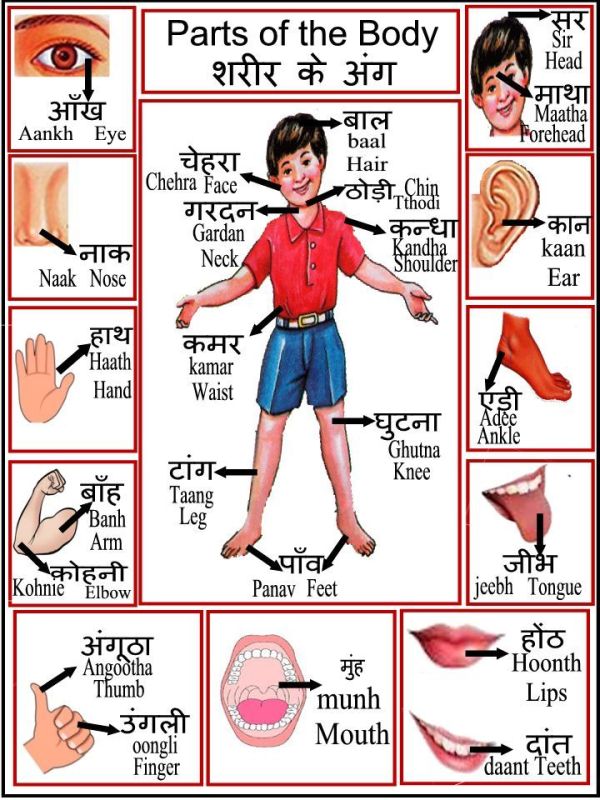
எந்த உடல் உறுப்புக்கு யார் தேவதை என்று சம்ஸ்கிருதத்தில் ஒரு சொல் வழக்கு உள்ளது.


காது – திசை

தோள் (த்வக்) – காற்று

கண் – சூரியன்

நாக்கு –வருணன்

க்ராணம்(முகர்தல்/மூக்கு) – அஸ்வினி

வாக்கு – அக்னி (வன்னி)

கை (ஹஸ்த) – இந்திரன்

கால்( பாத)  – உபேந்திரன்

பாயு: (குதம்) – மித்ரன்

ஜனன உறுப்பு – பிரஜாபதி

மனது – சந்திரன்


இந்திரிய அதிஷ்டான தேவதைகள்:-

ஸ்ரோத்ரஸ்ய திக், த்வசோ வாத:, நேத்ரஸ்ய அர்க:, ரசனாயா வருண:, க்ராணஸ்ய அச்வினௌ, வாகிந்த்ரியஸ்ய வன்னி:


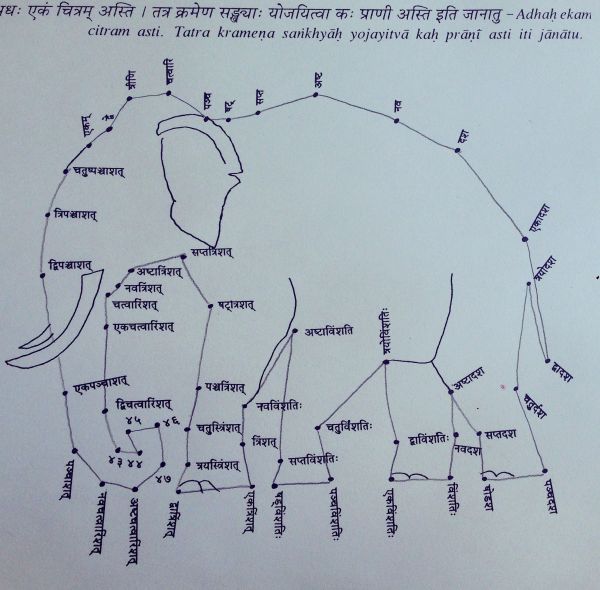
elephant

Xxx


உறவினர்கள் (ஆத்ம பந்துக்கள்) யார், யார்?


ஆத்மமாது: ஸ்வசு: புத்ரா ஆத்மபிது: ஸ்வசு: சுதா:

ஆத்ம மாதுல புத்ராஸ் ச விக்ஞேயா ஹி ஆத்மபாந்தவா:

–சப்தகல்பத்ருமம்

சொந்த தாயார், தந்தை, மாமன், அத்தை, சித்தி (சின்னம்மா), பெரியம்மா, அம்மான் பிள்ளைகள் ஆகியோர் நெருங்கிய உறவினர்கள் ஆவர்.


பகவத் கீதையிலும் உறவினர்கள் பட்டியல் இருக்கிறது:-


ஆசார்யா: பிதர: புத்ராஸ் ததைவ ச பிதாமஹா:

மாதுலா: ச்வசுரா: பௌத்ரா: ஸ்யாலா: (1-34)

(ஆசார்யா: – ஆசிரியர்கள்), பிதர: – தகப்பன்மார்கள், புத்ரா: – பிள்ளைகள், பிதாமஹா: – பாட்டன்மார்கள், பௌத்ரா: – பேரன்மார்கள், மாதுலா: – அம்மான்மார்கள், ஸ்வசுரா: – மாமனார்கள், ஸ்யாலா: – மைத்துனர்கள், ஸம்பந்தின: – சமபந்திமார்கள்


(இவ்வளவு உறவினர்களையும் கொல்ல விரும்பவில்லை; அதனால் போர் வேண்டாம் என்கிறான் அர்ஜுனன்)

என் குடும்பம்

Xxx

ஆத்ம யாஜீ யார்?

சர்வ பூதேசு ச ஆத்மானம் சர்வபூதானி ச ஆத்மனி

சமம் பஸ்யன் ஆத்ம யாஜி ஸ்வராஜ்யம் அதிகச்சதி (மனு 12-91)


எல்லா உயிர்களிடத்திலும் தன்னையும், தன்னிடத்தில் எல்லா உயிர்களையும் சமமாகப் பார்ப்பவனே தன்னை அறிந்தவன். அவன் முக்தி பெறுகிறான்

ஆத்மயாஜி= தன்னையே தியாகம் செய்பவன், வேள்வி செய்பவன்


கீதையிலும்

இதே போன்ற ஸ்லோகங்கள் பகவத் கீதையிலும் இருப்பது ஒப்பிடற்பாலது:-

சர்வபூதஸ்தமாத்மானம் சர்வபூதானி ச ஆத்மனி

ஈக்ஷதே யோக யுக்தாத்மா சர்வத்ர சமத்ர்சன:

ப.கீதை 6-29

பொருள்:–

யோகத்தில் ஈடுபட்டவன், எங்கும் சம நோக்குடன், எல்லா உயிர்களிடத்திலும் ஆத்மாவையும், ஆத்மாவில் எல்லா உயிர்களும் உறைவதாகவும் காண்கிறான்

இதே கருத்து அடுத்த இரண்டு ஸ்லோகன்களிலும் வலியுறுத்தப்படுகிறது.

–சுபம்–


How to win Friends? How to succeed in Life? (Post No.2903)

Blog_Post_Books_5

Compiled by London swaminathan


Date: 17  June 2016


Post No. 2903


Time uploaded in London :– 14-51


( Pictures are taken by London swaminathan)


DON’T REBLOG IT AT LEAST FOR A WEEK!  DON’T USE THE PICTURES; THEY ARE COPYRIGHTED BY SOMEONE.


(for old articles go to tamilandvedas.com OR swamiindology.blogspot.com


how to  win

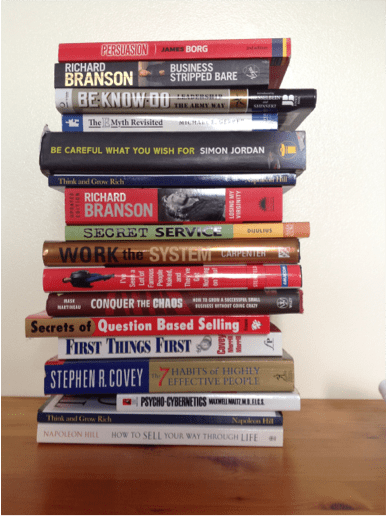
Dale Carnegie’s book How to Win Friends and Influence People was sold like hot cake and then lot of Self-Improvement books with the stereotyped titles such as How to become rich? How to become handsome? How to Succeed in Life? Flooded markets. Now in every book shop there is a section or shelf for Self-Improvement books. There is no doubt that they spread positive thoughts and motivate people. But for a Hindu there is nothing new in the book. Most of the Hindu Hymns spread optimism and positive vibrations. There are hundreds of Sanskrit couplets which have similar messages. One of them deals with how to move with different sections of the society.


There are over 25,000 Sanskrit ‘subhasitas’ (Golden Sayings in verses) in Subhaasita ratna Bhaandaagaara, Subhaasita ratna kosa, Subhaasitaavali, Paththathi, Bhartruhari’s Satakas etc. Here is a  Self-Improvement Verse from Bhartruhari’s Nitisataka:-


Daakshinyam svajane, dayaa parajane, saatyam sadaa durjane,

Priitih saadhujane, nayo nrupajane, vidvadsajjane saarjavam

Sauryam satujane, kshamaa gurujane, Naarijane dhuurtata  (kantaajane dhrustataa)

Ye chaivam purushaaH kalaasu kusalaastesveva lokastitih

grow rich

Daakshinyam svajane – show courtesy to your own people

Dayaa parajane – be compassionate with others

Saatyam sadaa durjane- always be careful with bad people

Priitih saadhujane- be kind to good people

Nayo nrupajane – be tactful with the rulers/government

Vidvadsajjane saarjavam –be honest with the learned

Sauryam satrujane- show heroism to your enemies

Kshamaa gurujane- be patient with your teachers

Naarijane Dhurtataa/Kantaajane dhrustataa – look after well your wife’s people (shrewdness towards women)

Ye chaivam purushaah –those men who are adept in the above arts

Kalaasu kusalaastesveva lokastitih – hold his sway over the world


who-dares-wins

दाक्षिण्यं स्वजने दया परजने शाठ्यं सदा दुर्जने
प्रीतिः साधुजने नयो नृपजने विद्वज्जने चार्जवम् ।
शौर्यं शत्रुजने क्षमा गुरुजने नारिजने धूर्तता
ये चैवं पुरुषाः कलासु कुशलास्तेष्वेव लोकस्थितिः ॥

–subham–

For a Bull Five Yards, For a Horse 10 Yards, For a bad person …………………. (Post No. 2882)

beauty bull

Article written by London swaminathan


Date: 9 June 2016


Post No. 2882


Time uploaded in London :– 16-36


( Thanks for the Pictures)


DON’T REBLOG IT AT LEAST FOR A WEEK!  DON’T USE THE PICTURES; THEY ARE COPYRIGHTED BY SOMEONE.


(for old articles go to tamilandvedas.com OR swamiindology.blogspot.com


There are two verses in Sanskrit and Tamil, almost identical that deals with bad people. The way the poets emphasize their point is very impressive.


An anonymous verse in the Tamil ‘Neethi Venba’ says:

If you see a bull stay at least five yards away from it (you will be safe); if it is a horse stay ten yards away from it. If you see an elephant (mad elephant), stay away by 1000 yards. If it is a bad person stay away from his sight.


A Sanskrit poet differs slightly, who says:-

If you see a vehicle, stand at a distance of five yards; 10 yards for a horse, 1000 yards for an elephant; and for a bad person, go as far as possible.

Saktam pancahasteshu dasahasteshu vaajinam

Gajam hasta sahasrena dushtam durena varjayet


Another verse beautifully compres a poisonous snake with a bad person:-

Hindus believe that a cobra has a ruby like red stone in its hood with which it looks for food in the night time (scientific explanation is that snakes use infrared rays to find its prey).

Durjanah parihartavyo vidyaalankrutopi san

Maninaa bushita sarpah kimasau na bayankarah

3 snakes

Even if a bad person is a leaned one, keep away from him; maintain a distance; even the cobra that has a crest jewel is considered a terrible creature!

–subham–


உலகின் அதிசய நூல் யோகவாசிஷ்டம் ! (Post No.2874)

yoga vasista


Article written by S.NAGARAJAN


Date: 7 June 2016


Post No. 2874


Time uploaded in London :–  5-19 AM


( Thanks for the Pictures)


DON’T REBLOG IT AT LEAST FOR A WEEK!  DON’T USE THE PICTURES; THEY ARE COPYRIGHTED BY SOMEONE.


(for old articles go to tamilandvedas.com OR swamiindology.blogspot.com)


Contact swami_48@yahoo.com


உலகின் அதிசய நூல் யோகவாசிஷ்டம் !


ச.நாகராஜன்

 14_Yoga-Vasistha_1

உலகில் மிக அதிசயமான நூல் எது என்று யாரேனும் ஒருவர் கேட்டால் தயங்காமல் விடையைக் கூறி விடலாம் – அப்படிப்பட்ட மிக அதிசயமான நூல் யோகவாசிஷ்டம் என்று!


உலகில் மனித மனதில் சிக்கலான பல கேள்விகள் எழுந்து கொண்டே இருக்கின்றன. அறிஞர்களாலும் கூட சரியாகப் பதில் சொல்ல முடியாத கேள்விகள்!


தகுதியான மனிதன் என்று சொல்லக் கூடியவன் யார்?


மனித முயற்சியின் பலன் என்ன?


கடவுள் ஒருவரை சொர்க்கத்திற்கோ அல்லது நரகத்திற்கோ அனுப்பி விட முடியுமா?


விதி என்று ஒன்று உண்டா?


விதி என்ற வார்த்தைக்கு அர்த்தம் என்ன?


மனித வாழ்க்கையைக் கடக்க உள்ள வழிகள் எவை?


நல்லவர்களின் சகவாசம் நமக்கு எவற்றைத் தரும்?


காலம் என்பது என்ன?


கற்பனை என்பது என்ன?


உலகம் என்பது என்ன?

எண்ணம் என்ன செய்யும்?

மனிதனின் மரணம் எத்தனை வகைப்படும்?

முக்தி என்பது உண்டா? இருப்பின். அது எத்தனை வகைப்படும்?

இந்த உலகில் வாழ்ந்து கொண்டே முக்தி அடைய முடியுமா?

விழிப்புணர்வு, கனவு இந்த இரண்டுக்கும் உள்ள வித்தியாசம் என்ன?

விசார மார்க்கம் என்றால் என்ன?

அதனால் அடையும் பயன்கள் என்ன?

கேள்விகள் முடிவற்றவை.

பல அறிவாளிகளும் தங்கள் மனதிற்கேற்றபடி பதிலைத் தந்திருக்கின்றனர்.

ஒன்றை இன்னொன்று மறுக்கும்; ஏளனம் செய்யும்.

இவற்றில் எது உண்மை?


இப்படிப்பட்ட சிக்கலான கேள்விகளுக்கு அருமையாக பதிலைச் சொல்கிறது யோக வாசிஷ்டம்.

“அறியாமையைப் போக்க இதைப் போன்ற இன்னொரு சாஸ்திரம் இல்லை !” என்று இந்த சாஸ்திரத்தின் முதல் பகுதியிலேயே சொல்லப்படுகிறது.

அது உண்மை தான் என்பதை நூலைத் தொடர்ந்து படித்தால் அறியலாம்.


எளிமையான சம்ஸ்கிருத பதங்கள். அனைத்தும் அருமையானவை.

32000 ஸ்லோகங்கள்!


வாழ்நாளில் ஒரு முறையேனும் சில பகுதிகளேனும் படிக்க வேண்டிய நூல். ஒரே ஒரு ஸ்லோகத்தை ஊன்றிப் படித்தால் கூட படித்த அளவுக்கு அது அறியாமையைப் போக்கும்.

அரிய உதாரணங்கள். நல்ல  கதைகள். புத்திக்கு வேலை தரும் சுவையான சம்பவங்கள். சொற்கோவைகள்.


இப்படி இதன் புகழைச் சொல்லிக் கொண்டே போகலாம்.

எந்த நாட்டவருக்கும் பொதுவான நூல் இது.

வசிஷ்டர் ராமருக்குக் கூறும் அரிய உபதேசக் கோவை இது. இதை இயற்றியவர் வால்மீகி.


இதைப் படித்துப் பார்த்தால் படிப்பதற்கே ஒரு பாக்கியம் செய்திருக்க வேண்டும் என்பது புரியும்.

அதிர்ஷ்டசாலிகள் அழைக்கப்படுகிறார்கள் இதைப் படிக்க!

படிக்க ஆரம்பித்தால் படித்தவர்கள் மேலே கூறியவற்றை விட இன்னும் அதிகமாகப் புகழ்வார்கள்!


நூல் பற்றிய மேலும் சில விவரங்கள் அடுத்த கட்டுரையில்!

***********


Kama deva – Hindu God of Love in Tamil and Sanskrit Literature! (Post No.2860)

rthi2

Picture of Rathi, Silpi drawing

Research Article written by London swaminathan


Date: 1 June 2016


Post No. 2860


Time uploaded in London :–  18-07


( Thanks for the Pictures)


DON’T REBLOG IT AT LEAST FOR A WEEK!  DON’T USE THE PICTURES; THEY ARE COPYRIGHTED BY SOMEONE.


(for old articles go to tamilandvedas.com OR swamiindology.blogspot.com)


Contact swami_48@yahoo.com


“In the beginning there was Desire (Kama)

Which was the primal seed and germ of the mind.

The Sages searching in their hearts with wisdom

found in non-existence the kin of existence”.

Creation Hymn, Rig Veda (10-129) by Rishi Prajapati Paramesthin


rathi 1

Manmatha, Silpi drawing

India was the largest country in the world 2500 years ago, with approximately an area of five million square kilometres. Though the Puranas named 56 countries inside Bharata, that is India, it was only namesake political divisions. Amazing thing about such a vast area is that from one end to the other end extending to 4000 miles there was only one culture. The oldest Tamil book Tolkappiam mentioned the Vedic Gods Indra, Varuna and Durga as gods worshipped by the Tamils. It also mentioned the four Vedas and the Hindu values of life Dharma, Artha ,Kama, Moksha. All the main deities of Hindu pantheon are mentioned in Sangam Tamil literature hundreds of times. Manmata, also known as Kamadeva, the Cupid of Hinduism is also mentioned in several places.


Since they knew all the mythological stories about Kamadeva, we may assume it was a house hold name. 2000 year old Akananuru mentioned him in one place and Paripatal and Kalitokai referred to him in several places. His flag, his festival and his beautiful wife Rathi were part of Tamil’s day today life. When we compare this with the Manmata in Kalidasa’s works, we may even say that they were very familiar with Kalidasa’s works. I have written elsewhere in this blog that the 200 similes of Kalidasa (out of 1000 plus) found in Sangam Tamil literature, show that Kalidasa lived well before the Sangam Age, probably in the first or second century BCE.

The God of Love, Kama, equivalent to Eros and Cupid, is found in the oldest Sanskrit literature. Rig Veda mentioned Desire (10-129) as the seed of creation.

1.Cupid in Sangam Tamil Books

Akananuru verse 181 by Paranar tells us about the three eyed Shiva, source of Four Vedas and then the Makara festoons in the ancient Port City of Pukar on the east coast of Tamil Nadu. The commentators explain that it was the beginning of Festival of Kama. We see such festival in the sixth century BCE king Udayana’s Kingdom. So it has been celebrated for thousands of years from North to South.

Kalitokai and Paripatal tell us that

he was the son of Vishnu (Kali 140-8),

his wife was Rati (Pari. 19-48),

his arrows made up of Five Flowers (Pari. 10-97, 22-26)

his Fish Flag (Kali. 26-3, 84-24) and

his brother Saman (Kali.26-4)


There are more references repeating the same points.


Kaman Festival is celebrated at the time of Holi in the Spring season. Even today street corner dance dramas are held in Tamil Nadu during the festival.


Sanskrit word KAMA is used in Tamil literature and his other Sanskrit name Mara is also found in Sangam literature (Pari 8-119). Kama gave the English word amorous.


2.Kamadeva in Sanskrit Literature

The earliest reference is found in Rig Veda (10-129). But it was not the God Kama. It is simple desire. Actually the abstract idea of Desire has given birth to a Concrete Kama (Cupid). One of his names is Ananga meaning ‘bodyless’. When he interfered Shiva’s penance he was burnt down to ashes. When his wife begged Siva to revive him, Lord Shiva told him that he would appear only to her in body form. So he was called Ananga. This is symbolic. The lustful desire was destroyed but the real love existed in between husband and wife. Other names such as Atmabhu (self existent), Mano ja, Manasija:, Anayaja: meaning mind born or unborn also show it is only an abstract idea. Stories were created only for the laymen. Arrows made of five flowers are all symbolic.


rathi3

3.Fact File of Manmatha

His wife’s name- Rati

His brother’s name – Saman

His Flag – Fish

His Vahana (mount) – Parrot

Five Flowers in his arrow- Asoka, Lotus, Mango flower, Nilotpala and Jasmine

He is Mind born from Vishnu or Brahma

He was burnt to ashes by Shiva but revived

His reincarnation – Krishna’s son Pradyumna

He is Lord of the Apsarasses (heavenly nymphs)


4.Ninteen Names of Manmatha

Amarakosa,the first thesaurus in the world, gives 19 names of Kamadeva:–

Madana, Manmata (Churner of Mind),Maran, Pradyumna:,Meenaketana: (Fish Flag holder), Darpaka, Smara:, Ananga: (bodiless), Kandarpa:, Kama, Sambarari ( enemy of Eunuchs), Manasija: (mind born), Kusumesa: ( Flower arrowed), Ananyaja: (born of no other), Pushpadhanva (Flower arrow),Ratipati (wife of Rati), Makaradwaja: (Fish flagged), Atmabhu: (Self Existent), Panchasara: (Five arrowed).


Other names found in Sanskrit literature: Ishma, Kanjana, Kinkira, Rama, Ramana, Bhavaja,Manoja, Karshnii, Mayasuta, Srinandana, Abhirupa, Dipaka, Gadayintu, Gridhu, Gritsa, Kamana, Kharu, Kantu, Kalakeli, Mayi, Madhudipa, Muhira, Murmura, Ragavinta,Rupastra, Ratanaricha, Samantaka, Sansaraguru, Sringarayoni, Titha, Vama.

rati or who

5.Kamadeva in Kalidasa

All the works of Kalidasa have Kama deva in several places. Following are some of the references for comparing with Tamil literature:–

Sakuntala: — sak,Kumarasmbhava: -ks,Raguvamsa: -rv, Megaduta:-mg, Vikramorvasiya: -vu,Malavikagnimitra: -ma

Flower Arrows:–ks 7-92,3-10, 4-40,45, 6-44, 7-67; vu 2-6,11; ma 4-12; sak- act 3-3; mg-104; rv 9-39, 11-45.

Manmata, Madana- sak-3, 1-41,

Fish flag :– sak 3-5, rv 9-39, vu 2-2


6.Early References in the Vedas

Rig Veda first mentioned Desire (Kama) in 10-129; Dr Muir says that Greeks also connected Desire with creation. This Kama or Desire, not of sexual enjoyment, but of good in general, is celebrated in a curious hymn of the Atharva Veda which exalts Kama into a Supreme God and creator.


“Kama was born first. Him neither gods nor fathers, nor men have equalled. Thou art superior to these and forever great” (Atharva Veda).

In another part of the same Veda Kama appears to be first desire, then the power which gratifies the desire. Kama is also in the same Veda often identified with Agni, and when  “distinguished from each other, Kama may be looked upon as a superior form of the other deity.


7.Five Views on Kama’s Birth

1.He is the son of Dharma(God of Justice) and Sraddha (the goddess of faith)—Taittriya Brahmana

2.He is Atmabu (self existent)

3.He is the son of Lakshmi – Harivamsa

4.He was water born (Ira-Ja)

5.He is Unborn (Aja), Ananyaja ( born of no other)


Son of Krishna and Rukmini was so handsome and identified with Kamadeva; considered a reincarnation of Manmata/Kama.

rathi.meenakshi13

–Subham–


புத்தகம் எழுதுவது எப்படி? கம்பனும் காளிதாசனும் காட்டும் வழி (Post No.2859)

கம்ப1

Article written by London swaminathan


Date: 1 June 2016


Post No. 2859


Time uploaded in London :–  8-03 AM


( Thanks for the Pictures)


DON’T REBLOG IT AT LEAST FOR A WEEK!  DON’T USE THE PICTURES; THEY ARE COPYRIGHTED BY SOMEONE.


(for old articles go to tamilandvedas.com OR swamiindology.blogspot.com)


Contact swami_48@yahoo.com


kalidasa_20405

Poet Kalidasa

அடக்கத்தின் சின்னம் கம்பன்; பணிவின் சின்னம் காளிதாசன். கம்ப ராமாயணத்தின் புகழும், காளிதாசன் எழுதிய ரகு வம்சம் என்ற காவியத்தின் புகழும் இன்று இந்தியா முழுதும் பரவிவிட்டது. ஆயினும் அவர்கள் முதல் பாடலை எழுதி பெரும் காவியத்தைத் துவக்கியபோது இது மக்களின் ஆதரவைப் பெறுமா, காலத்தின் தாக்குதலைக் கடந்து நிலைத்து நிற்குமா என்றெல்லாம் பயமும் ஐயமும் இருந்திருக்கும். அவர்களிருவரும் பெரும் புலமை படைத்திருந்தும் மிகவும் அடக்கத்துடன் காவியத்தைத் துவக்குகின்றனர். அவர்கள் சொன்னதை ஒப்பிட்டுப் பார்ப்போம்.


க்வ சூர்யப்ரபவோ வம்ச: க்வ ச அல்பவிஷயா மதி:

திதீர்ஷு துஸ்த்ரம்  மோஹாத் உட்டுபேன  அஸ்மி சாகரம்


சூரியனிடமிருந்து இந்த வம்சம் தோன்றியது. அதைக் கூற, சின்ன அறிவுடைய நான் எங்கே? கடக்கமுடியாத கடலை சிறிய படகைக் கொண்டு கடக்க விரும்புபவன் போல நான் ஆசைப்படுகிறேனே!

காளிதாசனின் ரகுவம்சம் 1-2

xxx

மந்த கவியஸ ப்ரார்த்தீ கமிஷ்யாமி உபஹாஸ்யதாம்

ப்ராம்சுலப்யே பலே லோபாத் உத்பாஹுரிவ வாமன:


எனக்கோ குறைந்த அறிவு; ஆசையோ பெரிய கவிஞனாக வேண்டும் என்பது. ஒரு குள்ளன், மரத்தின் உச்சியில் இருக்கும் பழத்தைப் பறிக்க கையைக் கையைக் நீட்டினால் எல்லோரும் நகைக்க மாட்டார்களா? (அதுதான் என்னுடைய நிலை)

ரகுவம்சம் 1-3

xxx

அதவா க்ருத வாக் த்வாரே வம்சே அஸ்மின் பூர்வசூரிபி:

மணௌ வஜ்ரசமுத்கீர்ணே சூத்ரஸ்யேவாஸ்தி மே கதி:

நான் காவியம் இயற்றும் திறமை இல்லாதவந்தான். ஆனால் முன்னோர் சென்ற வழியில் சென்று புகழடைவேன். எப்படியென்றால் வைரத்தால் துளையிடப்பட்ட ரத்தினக் கல்லில் ஒரு நூலைக் கோர்ப்பது எளிதுதானே. அதே போல முன்னோர்கள் (வால்மீகி) இயற்றிய காவியம் என்னும் துவாரத்தில் நுழைந்து செல்வேன்

ரகுவம்சம் 1-4


காளிதாசன் பணிவின் காரணமாக தன்னை குட்டையனாகவும், சின்னப் படகைக் கொண்டு பெரிய கடற் பரப்பைக் கடந்து செல்ல முயலும் முட்டாள்போலவும் , கேலி செய்யப்படக்கூடியவனாகவும் உருவகிக்கிறான்.

cat

கம்பன் ஒரு பூனை!

கம்பனோ இதற்கும் ஒரு படி கீழே போய்விடுகிறான். தன்னைப் பைத்தியக் காரன் என்றும், பாற்கடலை நக்கிக் குடிக்கும் பூனை என்றும் உருவகிக்கிறான்.

ஓசை பெற்று உயர் பாற்கடல் உற்று ஒரு

பூசை முற்றவும் நக்குபு புக்கென

ஆசைபற்றி அறையலுற்றேன் மற்று இக்

காசு இல் கொற்றத்து இராமன் கதை அரோ

–பாலகாண்டம்

பொருள்:- ஒரு பூனை (பூசை), ஆர்ப்பரிக்கும் பாற்கடலை அடைந்து, அதிலுள்ள பால் முழுதையும் நக்கிக் குடித்துவிட ஆசைப்பட்டதைப் போல, குற்றமற்ற வெற்றியை உடைய ராமனது கதையை நான் சொல்ல ஆசை கொண்டேன்.

முத்தமிழ்த் துறையின் முறைபோகிய

உத்தமக் கவிஞர்களுக்கு ஒன்று உணர்த்துவென்

பித்தர் சொன்னவும் பேதையர் சொன்னவும்

பத்தர் சொன்னவும் பன்னப் பெறுபவோ

பொருள்:- ஐயா! முத்தமிழ் புலவர்களே! கற்றறிந்த புலவர் பெருமக்களே! உங்களுக்கு ஒன்று சொல்கிறேன். பைத்தியக்காரர்கள் சொன்னதையும், அறிவில்லாத முட்டாள்கள் சொன்னதையும், பக்தர்கள் சொன்னதையும் ஆராயலாமா? அல்லவே.

valmiki

தெய்வ மஹா கவி வால்மீகி

வையம் என்னை இகழவும் மாசு எனக்கு

எய்தவும் இது இயம்புவது யாது எனின்

பொய் இல் கேள்விப் புலமையினோர் புகல்

தெய்வ மாக்கவி மாட்சி தெரிவிக்கவே

பொருள்:– உலகம் என்னை கேலி செய்யும்; அதனால் எனக்கு பழி வரட்டுமே. நான் இந்தக் கம்பராமாயனத்தை இயற்றக் காரணம் என்ன தெரியுமா? தெய்வத் தன்மைமிக்க கவிதைகளின் பெருமையைத் தெரிவிக்கவே.

(இதில் தெய்வ மாக் கவி என்பது அவர் இயற்றிய கவிதைகளை மட்டும் குறிப்பதல்ல. வால்மீகியே தெய்வ மாக்கவிஞன். பாணினியை பகவான் பாணினி என்று பகர்வான் பதஞ்சலி; வள்ளுவனை தெய்வப் புலவன் என்றனர் புலவர் பெருமக்கள்; இலியட், ஆடிஸி காவியங்களை இயற்றிய ஹோமரை கிரேக்கப் புலவர்கள் தெய்வ ஹோமர் என்று போற்றினர்)

ஆக பணிவுடன், வணக்கத்துடன் எழுதப்பட்ட காளிதாசனின் ரகுவம்சமும், அவருக்கு ஆயிரம் ஆண்டுகளுக்குப் பின்வந்த கம்பன் இயற்றிய ராமகாதையும் அவர்களை உலக மஹா கவிகள் உயரத்துக்கு உயர்த்தியதில் வியப்பொன்றும் இல்லை.

raguvamsam_b

–சுபம்–


எனது மூன்றாவது மனைவி!(Post No.2858)

are-three-wives-better1

Article written by S.NAGARAJAN


Date: 1 June 2016


Post No. 2858


Time uploaded in London :–  6-17 AM


( Thanks for the Pictures)


DON’T REBLOG IT AT LEAST FOR A WEEK!  DON’T USE THE PICTURES; THEY ARE COPYRIGHTED BY SOMEONE.


(for old articles go to tamilandvedas.com OR swamiindology.blogspot.com)


Contact swami_48@yahoo.com


சம்ஸ்கிருதச் செல்வம்


எனது மூன்றாவது மனைவி!

ச.நாகராஜன்


எனக்கு மூன்று மனைவிகள். மற்ற இரண்டு மனைவிகளும் என்னை விட்டாலும் விடுவார்கள், மூன்றாவது மனைவி என்னை ஒருபோதும் விட்டுப் பிரியவே மாட்டாள்!

கவிஞரின் இந்தச் சொற்களைக் கேட்டதும் மனம் திடுக்கிடுகிறதல்லவா?


ஒரு மனைவியை வைத்துக் கொண்டே சம்சார சாகரத்தில் படும் பாடு போதாதா, மூன்று மனைவிகளா. அடடா..

மனம் பரிதாபப்பட அந்த மூன்று மனைவிகள் யார் என்ற கேள்வியும் உடன் எழுகிறது.


கவிஞர் உடனே பதிலைச் சொல்கிறார். அதைக்  கேட்டு நமக்குச் சிரிப்பு தான் வருகிறது.

ஏனெனில் நம் ஒவ்வொருவருக்குமே இந்த மூன்று மனைவிகள் உண்டு.


அதிலும் இந்த மூன்றாவது மனைவி என்றுமே பிரியாதவள்.

99.9 சதவிகிதம் பேர்களை விட்டு அவள் பிரியவே மாட்டாள் என்பது உண்மை!

சரி விஷயத்திற்கு வருவோம்!


“பசி

தாகம்

ஆசை

ஆகிய இவர்களே எனது மூன்று மனைவிகள்!

நான் உயிரோடு இருக்கும் வரை இவர்கள்  யாரிடமும் போக மாட்டார்கள்.


இந்த மூன்று பேரில் வேறு யார் என்னை விட்டுப் போனாலும் எனது மூன்றாவது மனைவி என்னை விட்டு ஒருபொழுதும் நீங்கவே மாட்டாள்!”


பாரவியின் அற்புதக் கவிதை இது. கிராதார்ஜுனீயம் என்ற காவியத்தில் வருவது இது!


முதலில் எஸ்.பி. நாயரின் ஆங்கில மொழியாக்கத்தைப் படித்து விட்டுப் பின்னர் சம்ஸ்கிருத கவிதையைப் பார்ப்போம்.


Hunger, thirst and desire are my three wives who never go to anybody else, as long as I live; among them desire is the most faithful one that never quits me ( S.B.Nair)


ஷுத்தூடாஷா: குடும்பின்யோ மயி ஜீவதி நான்யகா: I

தாஸாமாஷா மஹாசாத்வி கதாசினி மாம் ந முஞ்சதி  II


சார்தூலவிக்ரீதிதா சந்தத்தில் அமைந்துள்ள இதை விரும்பாவதர்களே இருக்க முடியாது.


கவிதையைப் படித்தவர்கள் அனைவரும் பாரவியின் கட்சியில் சேர்ந்து விடுவார்களோ!


–Subham–


தினகர, ருசிகர, சஸிகர, கடகர, ரதகர, மதுகர: –சம்ஸ்கிருத மொழி அழகு (Post No.2856)

papanasam sivan 1

Compiled by london swaminathan


Date: 31 May 2016


Post No. 2856


Time uploaded in London :– 8-25 AM


(Thanks for the Pictures)


DON’T REBLOG IT AT LEAST FOR A WEEK!  DON’T USE THE PICTURES; THEY ARE COPYRIGHTED BY SOMEONE.


(for old articles go to tamilandvedas.com OR swamiindology.blogspot.com)


Contact : swami_48@yahoo.com


சம்ஸ்கிருதம் என்பது செம்மை செய்யப்பட்ட மொழி; சம்ஸ்கிருதம் என்றாலே நன்கு செய்யப்பட்டது எனப் பொருள்; 2700 ஆண்டுகளுக்கு முன்னரே பாணினியால் இலக்கணம் பெற்ற மொழி. அவருக்கு முன்னால் இருந்த இலக்கண கர்த்தாக்களின் நீண்ட பட்டியலும் உள்ளது. அப்படியானால் எவ்வளவு பழமை என்று தெரிந்து கொள்ளலாம்.அதற்கும் முன்பாக இருந்த பழைய மொழி வேத கால சம்ஸ்கிருதம்.

இன்று சங்க காலத் தமிழ் மொழியை நாம் புரிந்துகொள்ள உரைகாரர்களின் உரை தேவைப்படுகிறது. 2000 ஆண்டுகளில் நம் தமிழ் மொழி மாற்றம் அடைந்தது போல, பாணினி காலத்துக்குள் வேதகால சம்ஸ்கிருதம் புத்துருப் பெற்றுவிட்டது.


சம்ஸ்கிருதம் பழைய மொழி மட்டுமல்ல. அழகான மொழியும் கூட. சொல்லாக்க முறையைத் தெரிந்துகொண்டு விட்டால் புதிய சொற்களை நாமே உருவாக்கலாம். வேர்ச் சொல்லின் பொருளும் வினைச் சொற்களின் வடிவமும் தெரிந்துவிட்டால், அகராதி தேவையே இல்லை. பொருளை நாமே கண்டுபிடித்து விடலாம்.

p sivan 2

தமிழ் இசை மன்னன் பாபநாசம் சிவன் அவர்கள் வடமொழிச் சொற்கடல் என்ற ஒரு நூலில் சம்ஸ்கிருதச் சொற்களை புதிய முறையில் அழகு படத் தொகுத்துள்ளார். அந்த மொழியின் அழகை விளக்க சில சொற்களை மட்டும் காண்போம்:–

கரம் என்றால் கை; கையால் செய்யப்படுவது காரியம். கர என்ற விகுதியைக் கொண்டு முடியும் சொற்களின் அழகைப் பாருங்கள்:–

சுககர:= இன்புறச் செய்பவன்

ருசிகர:= இனிமை அளிப்பது

சுசிகர:= சுத்தம் செய்பவன்

கஜகர:= துதிக்கை, விக்னேச்வரன்

கடகர:= குயவன் (கடம்/பானை செய்பவன்)

ஹிதகர: = நன்மைசெய்பவன்

ரதிகர: = பிரியத்தை அளிப்பவன்

ரதகர: = தேர் செய்பவன் (ரதகாரன்)

மதுகர: = தேனீ (மதுவைச் செய்வது)

தினகர:= சூரியன் (பத்திரிக்கையின் பெயர்)

அனுகர: = உதவி செய்பவன்

லிபிகர:= கணக்குப் பிள்ளை

சுபகர:= க்ஷேமம் தருபவன் (ஜோதிடத்தில் சுபகாரன் யார் என்று சொல்லுவர்)

ஹிமகர: = சந்திரன் (குளிர்ச்சி தருபவன்)

பரிகர:= பரிவாரம், கட்டில், கூட்டம்

அவகர: = குப்பை

சவிகர: = சோபை/அழகு தருவது

சசிகர:= சந்திர கிரணம்

அஸிகர: = வாள் பிடித்தவன்

ரவிகர: = சூரிய கிரணம் (ரவி= சூரியன்)

வசிகர= ஆகர்ஷண சக்தி (வசீகரம்)

நிசிகர:= நிலவு

அசுகர: = செயற்கரிய செயல்

பசுகர:= செல்வம் தருவது

பஹுகர:= பல கை உடையான்; நகர சுத்தி செய்பவன்

அஜகர: = பெரிய பாம்பு


ஜலதர, ஹலதர, சசிதர, விஷதர

இதே போல ‘தர’ என்பது தரிப்பவன், தாங்குபவன் எனப்பொருள்படும்:-

நகதர:= கண்ணன்; ம்ருகதர:= சந்திரன் ( மானைத் தாங்குபவன்); ஜலதர: = மேகம் (நீரைத் தாங்குபவன்); ஹலதர:= பலராமன் (கலப்பையைத் தாங்குபவன்); சசதர: = சந்திரன் (முயல் தாங்கி); சசிதர: = சிவன் (பிறை அணிந்தவன்); விஷதர: = பாம்பு (விஷம் தாங்கி); மஹிதர: = மலை.


இப்படி அடுக்கிக் கொண்டே போகலாம்.


மடாதிபதி, ஜனாதிபதி போன்ற சொற்களை நாம் தமிழிலும் பயன்படுத்துகிறோம். அதிபர், அதிப என்பதெல்லாம் தலைவன் என்ற பொருளில் வரும்; இதோ சில எடுத்துக் காட்டுகள்:-

அகாதிப:, நகாதிப:= இமயமலை; ககாதிப: = கருடன்; ம்ருகாதிப: = சிங்கம்; மடாதிப: = மடாதிபதி; கணாதிப: = கணபதி (கணங்களின் தலைவன்); மதாதிப: = மதத்தின் தலவன்; ஜனாதிப: = அரசன்; தினாதிப: = சூரியன்; தனாதிப:= குபேரன் (தனத்திற்கு அதிபதி);தராதிப:, நராதிப: = ராஜா (நரர்களுக்குத் தலைவன்); சுராதிப:= சுரர்களுக்கு/ தேவர்களுக்குத் தலைவன் இந்திரன்); தசாதிப:=ஒன்பது கிரகங்கள்; திசாதிப; = திக்குகளின் தலைவன்; நிசாதிப: = நிசி/ ரவின் தலைவன்/சந்திரன்.

ஆதாரம்:- வடமொழிச் சொற்கடல், தொகுத்தவர்- பிரும்ம ஸ்ரீ பாபநாசம் சிவன், வெளியீடு—டாக்டர் ருக்மிணி ரமணி, 30, கிருபா சங்கரி தெரு, சென்னை- 600 033, விலை ரூ 150; வருடம்- 2000 (முதல் பதிப்பு 1954)

(வடமொழி பயில விரும்புவோர் வாங்க வேண்டிய நூல்)


எனது முந்தைய ஆராய்ச்சிக் கட்டுரைகள்

சம்ஸ்கிருதத்தைக் கண்டு உலகமே வியப்பது ஏன்? (ஜூலை 4, 2015)

பாணினி மாஜிக்!! Panini Magic!! ( 7-4-2015)

பாரதியை வியக்கச் செய்த சிவபக்தன் – உலக மஹா அறிஞன் பாணினி! (19-2-2015)

கடவுள் தந்த இரண்டு மொழிகள் (13 நவம்பர் 2014)

தமிழும் சம்ஸ்கிருதமும் ஒரு தாய் வயிற்றுப் பிள்ளைகள்! (20-12-2014)


p sivan 3

–சுபம்—