Pictures are taken from various sources for spreading knowledge.
this is a non- commercial blog. Thanks for your great pictures.
tamilandvedas.com, swamiindology.blogspot.com
xxxx
முதல் தடவையாக 6-3-2026 அன்று ஸ்ரீவாஞ்சியத்துக்குச் சென்று வாஞ்சிநாதனை தரிசித்தேன். ஸ்ரீவாஞ்சியம் (Srivanchiyam) தமிழ்நாட்டின் திருவாரூர் மாவட்டத்தில், நன்னிலத்திற்கு அருகில் அமைந்துள்ள ஒரு புகழ்பெற்ற சிவஸ்தலமாகும். இங்கு, எமதர்மராஜனுக்கு தனி சன்னதி உள்ளது அவன் சிவபெருமானை வணங்கிய தலம்.
சம்பந்தர், அப்பர், சுந்தரர் ஆகிய மூவரும் தேவாரம் படியிருப்பதால் குறைந்தது 1400 ஆண்டுகளுக்கு முன்னரே புகழ்பெற்றது தெளிவாகிறது . அப்பர் , சம்பந்தர் மஹேந்திர பல்லவன் (600 CE) காலத்தில் வாழ்ந்தவர்கள்.
இறைவன் திருக்கயிலையிலிருந்து இத்தலத்திற்கு வந்ததால், அம்பிகைக்கு “வாழ வந்த நாயகி” என்ற பெயர். பராசர முனிவர் ,அத்திரி முனிவர், உரோமச முனிவர் நீராடியது பற்றிய கதைகள் தல புராணத்தில் உள்ளன. பூமகள், திருமகள் இருவர்க்கும் ஏற்பட்ட பிணக்கால் திருமகள் திருமாலை விட்டுப் பிரிந்தாள் என்றும், திருமால் திருவாஞ்சியத்தை அடைந்து இவ்விறைவனை வழிபட்டு, திருமகளை வாஞ்சித்துப் பெற்றதால் திருவாஞ்சியம் எனப் பெயர் பெற்றது என்றும் தலபுராணம் கூறுகிறது.
மகுடவர்த்தனன் என்னும் மன்னன் பகைவர்களால் உண்டாகும் அச்சம் நீங்கப்பெற்றான். மகாதனு என்ற மன்னன் அரக்க உருவம் நீங்கி மகிழ்ச்சி அடைந்தான். இவ்வாறு தல புராணம் பல கதைகளைச் சொல்கிறது.
எமன் பற்றி தலபுராணம் கூறும் தகவல்
யமன் எல்லா உயிர்களையும் கவரும் தன் பாவம் தீர இத்தலத்து இறைவரை வழிபட்டுப் பாவம் நீங்கப்பெற்று, இவ்விறைவனுக்கு வாகனமாகும் பேற்றையும் பெற்றான். யமனுக்கு மூலஸ்தானம் தனியே உள்ளது. யமனுக்கு இறைவன் காட்சி கொடுத்த திருவிழா மாசி மாதம் பரணியில் நிகழ்கின்றது.
திருவாஞ்சியம் – சம்பந்தர் தேவாரம்
வன்னி கொன்றை மதமத்தம் எருக்கொடு கூவிளம்
பொன் இயன்ற சடையில் பொலிவித்த புராணனார்
தென்ன வென்று வரிவண்டு இசைசெய் திருவாஞ்சியம்
என்னையாளுடையான் இடமாக உகந்ததே.
***
அப்பர் தேவாரப்பாடல்
படையும் பூதமும் பாம்பும் புல்வாய் அதள்-
உடையும் தாங்கிய உத்தமனார்க்கு இடம்,
புடை நிலாவிய பூம்பொழில், வாஞ்சியம்
அடைய வல்லவர்க்கு அல்லல் ஒன்று இல்லையே.
அருக்கன் அங்கி யமனொடு தேவர்கள்
திருத்தும் சேவடியான் திகழும் நகர்
ஒருத்தி பாகம் உகந்தவன், வாஞ்சியம்
அருத்தியால் அடைவார்க்கு இல்லை, அல்லலே.
***
சுந்தரர் தேவாரப்பாடல்
பொருவனார்; புரிநூலர்; புணர் முலை உமையவளோடு
மருவனார்; மருவார் பால் வருவதும் இல்லை, நம் அடிகள்;
திருவனார் பணிந்து ஏத்தும் திகழ் திரு வாஞ்சியத்து உறையும்
ஒருவனார்; அடியாரை ஊழ்வினை நலிய ஒட்டாரே
***
நான் சென்றபோது கூட்டம் இல்லை. திருப்புகலூரில் தரிசனத்தை முடித்துக்கொண்டு இங்கு வந்தேன். பல புகைப்படங்களையும் எடுத்தேன்; இணைப்பில் காண்க .
காசிக்கு நிகராக ஆறு திருத்தலங்கள் சொல்லப்படுகின்றன. அவற்றுள் இத்தலமும் ஒன்று. ஸ்ரீவாஞ்சியம் காவிரியின் தென் கரையில் உள்ளது. இது காவேரிக்கரையில் உள்ள 6 ஸ்தலங்களைக் காசிக்கு சமமாகச் சொல்வார்கள். அவற்றில் இதுவும் ஒன்று. உண்மையில் இதை ‘காசிக்கு வீசம் (1/16)அதிகம்’ என்றே சொல்வார்கள். [ பிற தலங்கள் :1.திருவையாறு 2. வேதாரண்யம் 3. மயிலாடுதுறை 4. திருவிடைமருதூர் 5. திருவெண்காடு ] கிரகண சமயங்களில் மற்ற அனைத்து கோயில்களும் நடையடைக்கப்படுவது வழக்கம். ஆனால் வாஞ்சியம் திருக்கோயிலில் விதிவிலக்காக கிரகண சமயத்தில் திறந்து இறைவனாருக்கு சிறப்பு அபிஷேகமும் வழிபாடும் நடத்தப்படுகின்றது.
ஒவ்வொரு ஆண்டும் கார்த்திகை மாதத்தில் ஞாயிற்றுக்கிழமைகளில் அதிகாலை நேரத்தில் ஈசனும், தேவியும் பிரகார வலம் வந்து குப்தகங்கை தீர்த்தக் கிழக்குக் கரையில் பக்தர்களுக்கு ஆசி வழங்கியருள்கின்றனர். திருவாஞ்சியம் கோயில் 3.5 ஏக்கர் பரப்பளவில் அமைந்துள்ளது. இங்குள்ள அருள்மிகு வாஞ்சிநாதசுவாமி இயமனையும் ஊர்தியாகக் கொண்ட பெருமையுடையவர்.
குப்தகங்கை எனும் இவ்வாலயத் திருக்குளம் சுமார் 440 அடி நீளமுள்ளது. இந்தத் தீர்த்தமும் தொன்மைச் சிறப்புடையது.
· தேரோட்டம்: மாசி மாத பிரம்மோற்சவத்தின் முக்கிய நிகழ்வாக, வாஞ்சிநாத சுவாமி மற்றும் மங்களாம்பிகை தேரில் எழுந்தருளி பக்தர்களுக்கு காட்சியளிப்பார்கள்.
****
இது அருணகிரி நாதர் தரிசித்த 49வது தலம்.
திருப்புகழில் திருவாஞ்சியம்
உபசாந்த சித்த குருகுல
பவபாண்ட வர்க்கு வரதன்மை
யுருவோன்ப்ர சித்த நெடியவன் ரிஷிகேசன்
உலகீன்ற பச்சை யுமையணன்
வடவேங்க டத்தி லுறைபவ
னுயர்சார்ங்க சக்ர கரதலன் மருகோனே
த்ரிபுராந்த கற்கு வரசுத
ரதிகாந்தன் மைத்து னமுருக
திறல்பூண்ட சுப்ர மணியஷண் முகவேலா
திரைபாய்ந்த பத்ம தடவய
லியில்வேந்த முத்தி யருள்தரு
திருவாஞ்சி யத்தி லமரர்கள் பெருமாளே.
இபமாந்தர் சக்ர பதிசெறி
படையாண்டு சக்ர வரிசைக
ளிடவாழ்ந்து திக்கு விசயம ணரசாகி
இறுமாந்து வட்ட வணைமிசை
விரிசார்ந்து வெற்றி மலர்தொடை
யெழிலார்ந்த பட்டி வகைபரி மளலேபந்
தபனாங்க ரத்ந வணிகல
னிவைசேர்ந்த விச்சு வடிவது
தமர்சூழ்ந்து மிக்க வுயிர்நழு வியபோது
தழல்தாங்கொ ளுத்தி யிடவொரு
பிடிசாம்பல் பட்ட தறிகிலர்
தனவாஞ்சை மிக்கு னடிதொழ நினையாரே
–SUBHAM—
TAGS- ஸ்ரீவாஞ்சியம் (Srivanchiyam) , சிவன் கோவில், தேவார தலம்,
வாஞ்சிநாதர், மங்களாம்பிகை, லண்டன் சுவாமிநாதன் படங்கள்
Pictures are taken from various sources for spreading knowledge.
this is a non- commercial blog. Thanks for your great pictures.
tamilandvedas.com, swamiindology.blogspot.com
Words beginning with letter KA continues…………………………….
English version posted yesterday; Tamil version is posted here today.
***
கனிஷ்கர் ( 127–150 CE)
குஷான மன்னர்களில் சிறப்பு வாய்ந்தவர் ; மாத்திரை ஆசியாவின் சில பகுதிகளையும் மதுரா வரையுள்ள பெரும்பகுதியை ஆண்டவர் . தலைநகர் புருஷபுரம் ; இதன் தற்போதைய பெயர் பெஷாவர் (பாகிஸ்தான் நகரம் ).சீன எல்லைப் புறத்தில் வாழ்ந்து வந்த “யூச்சி” என்னும் நாடோடி இனத்தவர் ஆக்ஸஸ் நதி தீரத்தை அடைந்து பின்னர் பாக்டிரியாவில் குடியமர்ந்தனர். யூச்சி இனத்தில் ‘கியூசுவான்ங் ‘ என்ற இனமே குஷான ர் என்று அழைக்கப்பெறுகின்றனர். இவ்வம்சத்தில் குஜீலா காட்பீஸஸ், வீமா காட்பீஸஸ், கனிஷ்கர் போன்ற சிறந்த அரசர்கள் ஆட்சி செய்துள்ளனர்.
வீமா காட்பீஸஸ் காசுகளில் முன்புறம் சிவன், திரிசூலம், கோடரி போன்ற சின்னங்கள் இடம்பெறுகின்றன. பின்புறம் அரசரின் பெயர் கிரேக்க மற்றும் கரோஷ்டி எழுத்துக்களில் பொறிக்கப்பெற்றுள்ளது.
கனிஷ்கரது காசுகளின் முன்புறம் கனிஷ்கர் இந்திய பாணியில் உடை அணிந்து, தன் இடக்கையில் ஈட்டியை ஏந்தி நிற்கிறார் . பிற்காலத்தில் வெளியிட்ட காசுகளில்
சூரியன், சந்திரன், வாயு, நெருப்பு போன்ற தெய்வங்களின் பெயர்களை ஈரானிய மொழியில் பொறித்துள்ளார். ஓஷோ என்ற பெயரில் சிவனின் உருவத்தைப் பொறித்தார். சிவனோடு புத்தரின் உருவத்தையும் புத்த அபொறித்தார். பெரும்பாலும் இவர்கள் தங்கத்தாலான காசுகளை வெளியிட்டுள்ளனர்.
King Kanishka
***
கண்வர் /மகரிஷி
காளிதாசனின் உலகப்புகழ்பெற்ற சாகுந்தல நாடகத்தில் வரும் கண்வ மகரிஷியைத் தவிர யஜுர் வேதத்திலும் கண்வர் பெயர் வருகிறது .
கண்வ மகரிஷி பேருரை
உலகப் புகழ் பெற்ற கவிஞன் காளிதாசன் எழுதிய நாடகங்களில் உலகமே போற்றி வியந்த நாடக நூல் சாகுந்தலம். அதில் சகுந்தலை என்னும் அழகி உலகம் அறியாத அப்பாவிப் பெண். பறவைகள் (சகுன) வளர்த்ததால் அவளுக்கு சகுந்தலை என்று பெயர். இதோ அவள் கணவன் வீட்டுக்குப் (அரசனின் அரண்மனை) போவதற்கு முன், வளர்ப்புத் தந்தை கண்வர் சொன்னது:
“என் அன்பு மகளே. உன் கணவன் வீட்டுக்குச் செல்லப் போகிறாய். அங்கே:-
உன்னை விட வயதில் மூத்த பெரியோருடன் கவனமாகப் பழகி, அவர்களுக்குச் சேவை செய். அரசனின் சக மனைவிகள் இடத்தில் நட்போடு வாழ். கணவன் உனக்கு ஏதேனும் கஷ்டம் கொடுத்தாலும் கோபத்தில் எதையும் சொல்லிவிடாதே. நீ யார் யாருக்குச் சேவை செய்கிறாயோ அவர்களுக்கு எல்லா மரியாதைகளும் கொடு. செல்வத்திலும் சுக போகங்களிலும் வாழப் போகும் நீ அகந்தையும் தலைக்கனமும் ஏறாமல் பார்த்துக்கொள். அப்படி வாழ்ந்தால்தான் பெண்கள் இல்லத்தரசி என்ற பெயர் எடுப்பர். இதற்கு மாறாக நடப்பவர்கள் குலத்தைக் கெடுக்கவந்த கோடாரி என்று பெயர் எடுப்பர்.” (சாகுந்தலம், காட்சி 4)
இதையெல்லாம் சொல்லி முடித்த பின், வயதில் மூத்த ஞானத்தில் முதிர்ந்த மகரிஷி கண்வர், தன் மனைவி இருக்கும் திசையைப் பார்த்து, “அன்பே நீ என்ன நினைக்கிறாய்?” என்று கேட்கிறார். அவள் உடனே, “ஒரு மணப் பெண்ணுக்கு இது அருமையான புத்திமதி. அன்பு மகளே, எப்போதும் இதை நினைவில் வைத்துக்கொள்” என்கிறார்.
காளிதாசன் உலக மகா கவிஞன் மட்டுமல்ல. பெரிய சைகாலஜிஸ்ட்= உளவியல் நிபுணன். ஒரு பெண்ணின் வாயால் இது எல்லாம் சரி என்று சொன்னால்தான் மற்றொரு பெண் நம்புவாள். இல்லை என்றால் இந்த ஆண்களுக்கு என்ன தெரியப் போகிறது என்று நினைத்து விடுவார்கள். அது மட்டுமல்ல. பெண்கள் என்றாலேயே அம்மாவின் கருத்தே முதலில் நிற்கும். அவளுக்கு அதிகாரம் அதிகம். அந்த முறையிலும் மனைவி கருத்தைக் கேட்கிறார் மகரிஷி கண்வர்..
அவர் மேதாதிதி ரிஷியின் மகன் சுக்ல யஜுர்வேதத்தில் கண்வ சம்ஹிதையில் நாற்பது அத்தியாயங்களும் 2,086 மந்திரங்களும் உள்ளன ; இருவரும் வேறு ரிஷிகள் என்றே யூகிக்க வேண்டியுள்ளது.
***
கார்த்திகேயன்
முருகனின் பெயர்களில் ஒன்று. சரவணப் பொய்கையில் தோன்றிய குழந்தையை ஆறு கிருத்திகா பெண்கள் வளர்த்ததால் இந்த நாமம். தாரகாசுரனை வதம் செய்ய எடுத்த அவதாரம் . சிவனுடைய நெற்றிக் கண்ணிலிருந்து ஆறு பொறிகள் தோன்றி முருகன் அவதரித்ததாக நமது புராணங்கள் விளக்குகின்றன. ஆறு தலைகளும் பன்னிரு கைகளும் கொண்டு மயில் வாகனத்தில் பவனி வரும் தோற்றம் இது.
கார்த்திகை மாதர் அறுவர் முருகனை வளர்த்ததாகப் புராணம் கூறுகிறது. அம்பா, தாளா, நிதாக்னி, அப்ரயந்தி, மேகயந்தி, வர்ஷயந்தி என்பவை ஆறு நட்சத்திரங்கள். இந்த ஆறு பேருமே முருகனை சரவணப் பொய்கையில் குழந்தை உருவில் இருந்தபோது எடுத்து பாலூட்டி சீராட்டி வளர்த்தனர். இவர்கள் கார்த்திகை நக்ஷத்திரங்களாக வானில் ஜொலிப்பதை இப்போதும் காணலாம். மேலும் கார்த்திகை பெளர்ணமியன்று வீடெங்கும், வீதியெங்கும் விளக்கேற்றி இவர்களையும் முருகனையும் நாம் இன்றும் நினைவு கூறுகிறோம்.
***
கார்த்தவீர்யன்
புகழ்பெற்ற புராண கால மன்னன் ; யாரேனும் தவறு செய்ய நினைத்தாலே அவர் முன் இவன் தோன்றுவான் என்பதால் ஆயிரம் கை படைத்தவன் என்று பெயர்; இவன் பெயரும் அர்ஜுனன் .
கார்த்தவீர்யார்ஜுனன், ஹேஹேய நாட்டின் மன்னன் கிருதவீரியனின் மகன்; , விஷ்ணுவின் அம்சம், தத்தாத்ரேயரின் சீடர் நர்மதை நதிக்கரையிலுள்ள மகிஷ் மதி நகரத்தை தலைநகராகக் கொண்டு ஆட்சி செய்த இவர், தத்தாத்ரேயரின் அருளால் ஆயிரம் கைகள் மற்றும் ஒப்பிட முடியாத வலிமையைப் பெற்றவர். ராவணனைத் தோற்கடித்த்து சிறைப்பிடித்த பின்னர் அவன் இந்தப் பக்கமே வர மாட்டேன் என்று மன்னிப்புக் கேட்டுக்கொண்டு ஓடிவிட்டான் .
இவனது ஆட்சியில் மக்கள் பாவம் செய்ய பயந்தனர்; தவறு நடந்தால் இவனது கைகள் அதைத் தடுத்து நிறுத்தின. ஒரு சமயம்
வேட்டையாடித் திரும்பும்போது, பரசுராமரின் தந்தையான ஜமதக்னி முனிவரின் ஆசிரமத்தில் காமதேனுவை அபகரிக்க முயன்று, இறுதியில் பரசுராமரால் கொ ல்லப்பட்டார்.
***
கபில முனிவர்
இந்து மதத்திலுள்ள ஆறு தத்துவப் பிரிவுகளில் ஒன்று ஸாங்க்யம்; கபில முனிவர் சாங்கிய தத்துவத்தை (Sankhya Philosophy) உருவாக்கிய வேதகால மகரிஷி ஆவார். இவர் கர்தம முனிவர் – தேவஹூதி தம்பதியரின் மகன்;பகவத் கீதையில் கிருஷ்ணர் முனிவர்களில் தான் கபில முனிவராக இருப்பதாகக் குறிப்பிடுகிறார்.
மகாவிஷ்ணு அவதாரம்: இவர் மகாவிஷ்ணுவின் 24 அவதாரங்களில் ஒருவராகக் கருதப்படுகிறார்.
மன்னன் சகரனின் 60,000 புதல்வர்கள் கபில முனிவரின் ஆசிரமத்தில் இருந்த யாகக் குதிரையைத் திருடியதாக நினைத்து அவரை அவமதித்ததால், கபிலர் அவர்களைத் தன் தவ வலிமையால் எரித்துச் சாம்பலாக்கினார். அங்கே கங்கை பாய்ந்தது ;இதனால் கடலுக்கு சாகரம் என்று பெயர்
கங்கை பூமிக்கு வருதல்: கபிலரின் சாபத்தால் இறந்த சகர புதல்வர்களுக்கு முக்தி அளிக்கவே பகீரதன் கங்கையைப் பூமிக்குக் கொண்டு வந்தார்.
***
சங்கப் புலவர் கபிலர்
சங்க இலக்கியத்தில் அதிகமான பாடல்களைப் பாடியவர் கபிலர் . அவர் ஒரு பிராமணப் புலவர். பெயரும் சம்ஸ்கிருதப் பெயர் ; பிள்ளையாரின் பெயர். சங்க இலக்கியத்தில் 30, 000 வரிகளில் பிள்ளையார் பெயர் எங்கும் இல்லையே , சிவன் என்ற சொல் எங்கும் இல்லையே என்று வருத்தப் படுவோர்க்கு ஓரளவு ஆறுதல் /ஆதரவு அளிப்பவர் இவர். திருமுருகாற்றுப் படையின் பதிகப்பகுதியில் வரும் பிள்ளையார் குறிப்பை அறிஞர்கள் பிற்காலச் சேர்க்கை என்பதால் பலரும் அதை ஏற்பதில்லை.
பிள்ளையார் மற்றும் புகழ் பெற்ற ரிஷியின் பெயர் உடையவர் கபிலர். அது மட்டுமல்ல பிள்ளையார் ஒருவருக்கு மட்டுமே நாம் எருக்கம் பூ போட்டு வணங்குவோம். வேறு கடவுளர்க்கு அது ஆகாது.
பகவத் கீதையில் 9-26 கிருஷ்ண பரமாத்மா எனக்கு பத்ரம், புஷ்பம், பலம், தோயம் (இலை,பூ , பழம் , தண்ணீர் ) எதை அன்புடன் கொடுத்தாலும் அதை ஏற்பேன் என்கிறார். அதை ஒரு பாடலில் எதிரொலித்த கபிலர், வேண்டு மென்றே எருக்கம்பூவைக் கொண்டு சேர்க்கிறார். இதனால் இவர் பெயரும் பிள்ளையார் பெயரே ; அவர் வழிபடுவதும் பிள்ளையாரே என்பது உறுதியாகிறது ; இதோ அந்தப் பாடல்:-
நல்லவும் தீயவும் அல்ல குவி இணர்ப்
புல் இலை எருக்கம் ஆயினும் , உடையவை
கடவுள் பேணேம் என்னா ………….
—-புறனானூறு பாடல் 106
பொருள்
“குவிந்த பூங்கொத்து உடைய எருக்கம் பூவையும் அருகம்புல்லையும் பூஜையில் போட்டு வாங்கினாலும் கடவுள் எனக்கு இது வேண்டாம் / பிடிக்காது என்று சொல்லமாட்டார்”
கபிலர் சம்ஸ்கிருத மன்னன்.
குறிஞ்சிப் பாட்டை படித்த டாக்டர் ஜி.யூ.போப் (Dr G U Pope) இது காளிதாசன் காவியத்தின் எதிரொலி என்கிறார். எனது ஆராய்ச்சியும் இதை நிரூபிக்கிறது .
தமிழ் மொழியை மட்டம் தட்டிப் பேசிய பிருஹத் தத்தனை அழைத்துவந்து அவனுக்கு காளிதாசனைப் போல குறிஞ்சிப்பாட்டுப் பாடிக்காட்டி, அதில் 99 மலர்களின் பெயர்களை அடுக்கிப் பாடி, (கின்னஸ்) சாதனைப் புஸ்தகத்தில் இடம்பெற்றவர் . அதுமட்டுமல்லாமல் அவனையும் பாடவைத்து அதை சங்க இலக்கியத்தில் ஒரு பாடலாகச் சேர்த்து வைத்தவர்.
ஐயருக்கு அமோகப் பாராட்டு
பொதுவாகப் புலவர்களிடையே போட்டி , பொறாமை உண்டு. சங்க காலப் புலவர்களினிடையே இது அதிகம் என்பதை திருவிளையாடல் புராணக் கதைகளும் பிற சம்பவங்களும் காட்டுகின்றன. ஆனால் உலக மஹா அதிசயம்!! ஒரு பிராமணப் புலவரை மட்டும் ஆறு பேர் பாராட்டியுள்ளனர். சங்க இலக்கியச் செய்யுள்களில் மட்டும்!
அவரோ மன்னர் அரண்மனைகளுக்குச் சென்று ‘நான் பிராமணன் வந்திருக்கிறேன்’ என்று தன்னை இண்ட்ரொட்யூஸ் INTRODUCE செய்து கொள்கிறார் . ‘அந்தணர்’ என்பவர் யார் என்று சந்தேகப்படும் அறிவிலிகளுக்கு அவர் சொல் பதில் தருகிறது.
தன்னைத் தானே அறிமுகப் படுத்திக் கொள்ளும் பாடல் —
“பறம்பின் கோமான்
நெடுமாப் பாரி மகளிர்; யானே
தந்தை தோழன் ; இவர் என் மகளிர்;
அந்தணன், புலவன் கொண்டுவந்தனனே
–புறம் 201
பாடியவர் கபிலர்; பாடப்பட்டோன் -இருங்கோவேள்
பொருள் –
பறம்பு மலைப் பிரதேசத்தை ஆண்ட பாரியின் மகள்கள் இருவரும் இதோ வந்துள்ளனர் நான் ஒரு பிராமணன்; இவர்கள் தந்தை என் தோழன் ; ஆகையால் என் மகள்கள் போன்றவர்கள்”.
2000 ஆண்டுகளுக்கு முன்னரே ஜாதி வெறியை உடைத்து க்ஷத்ரிய வேந்தன் பாரியின் மகளிரை தன் மகள் என்று அறிவித்த புரட்சிக்கவிஞன் கபிலன் !!
***
1
“செறுத்த செய்யுள் செந்நாவின்
வெறுத்த கேள்வி விளங்கு புகழ் கபிலன்
இன்றுள்ள ஆயின் நன்றுமன்” – புறம் 53
பாடியவர் பொருந்தில் இளங் கீரனார்
பாடப் பட்டோன் – மாந்தரஞ் சேரல் இரும்பொறை
பொருள் :–
“பல பொருள்களையும் அடக்கிய செய்யுட்களை விரைந்து பாடும் செம்மையான நாவும் , மிக்க அறிவும் பெரும் புகழும் உடைய கபிலன் இன்று இருந்தால் நல்லது என்று நீ சொன்னாய். அது நன்றாக இருக்கிறது.”
****
2
மல்லல் நன்னாட்டு அல்லல் தீரப்
பொய்யா நாவிற் கபிலன் பாடிய
மையணி நெடுவரை ஆங்கண் “..
புறம் – 174 ; பாடியவர் மாறோக்கத்து நப்பசலையார்
பாடப்பட்டோன் – மலையமான் சோழிய வேனாதி திருக்கண்ணன்
பொருள் –
“நின் தந்தை , கபிலர் பாடும் புகழுடையோனாக இருந்து அறம் காத்து , பெரும் வலிவுடையோனாக இருந்து இறந்தனன்”.
பொய்யா நாவிற் கபிலன் என்ற சொற்தொடரைக் கவனிக்க வேண்டும். மனம், மொழி, உடல் மூன்றிலும் தூய்மை பெற்றவர்களை எவரும் மதிப்பர். அவர்கள் புலன்களை வென்றதால் மாவீரர் எனப்படுவர்.. அப்பேற்பட்ட வீரன் கபிலன். மூவேந்தர்களும் பறம்பு மலையை முற்றுகையிட்டபோது கிளிகள் மூலம் உணவு கொண்டுவந்து பாரி நாட்டைக் காத்தவன். முடியுடைய மூவேந்தேர்களை முடி/மயிர் போல தாழ்த்திய மாவீரன். இந்துத் துறவிகளைப் போல யாகத் தீ மூட்டி அதற்குள் நுழைந்தவன் கபிலன்.
****
காசி/ வாரணாசி
இந்துக்களின் ஏழு புனித நகரங்களில் ஒன்று ; காசி விசுவநாதர் கோவிலைத் தரிசிப்பதையும் அங்குள்ள கங்கை நதியில் குளிப்பதையும் இந்துக்கள் வாழ்க்கை லட்சியங்களில் ஒன்றாக வைத்துள்ளனர் .காசியில் இறந்தால் மோ ட்சம் கிடைக்கும் என்பது இந்துக்களின் அழியாத நம்பிக்கை
காசி என்றும் வாரணாசி என்றும் அழைக்கப்படும் இந்துக்களின் புனித நகரமே உலகின் மிகப் பழைய நகரம் ஆகும்.
மஹாபாரத யுத்தம் முடிந்த பின்னர் கலியுகம் துவங்கியதாக (கி.மு.3102) இந்துக்கள் ஆயிரக் கணக்கான ஆண்டுகளாக நம்பிவருவதை பஞ்சாங்கங்களும் கல்வெட்டுகளும் உறுதி செய்கின்றன. அந்த மஹாபாரத காலத்தில் பீஷ்மர் என்னும் நித்திய பிரம்மச்சாரி, பாண்டவர் குலம் தழைக்க பெண்களைத் தேடிக்கொண்டிருந்தார். காசி மகாராஜன் அம்பா, அம்பிகா, அம்பாலிகா என்ற மூன்று புதல்விகளுக்கும் ஸ்வயம்வரம் ஏற்பாடு செய்தான். அதில் பீஷ்மர் தோன்றி, மூன்று பெண்களையும் கடத்தி வந்தார் . அப்போதே காசி சாம்ராஜ்யம் மிகவும் புகழ் பெற்றிருந்தது. காசியின் பழைய வரலாறு உறுதியாகிறது.
பௌத்தர்களும் சமணர்களும்கூட காசியே பழைய நகரம் என்பதை எழுதி வைத்துள்ளனர்.
அந்தக் காலத்தில் யாரேனும் புதிய தத்துவம்/கொள்கை கண்டு பிடித்தால் அதை காசிக்குச் சென்று நிரூபிக்கவேண்டும். அங்கே தெரு மூலைகளில் அறிஞர்கள் நிற்பார்கள். அவர்கள் எல்லோரையும் வாதத்துக்கு அழைப்பார்கள். அதில் வென்றால் அவர்கள் சித்தாந்தம் அங்கீகாரம் பெறும். அதாவது அந்த நகரமே ஒரு பல்கலைக் கழகம்!
3.வேத இலக்கியங்களிலும் காசியின் பெயர் உள்ளது. காசி என்பது பன்மைப் பொருளில் அதர்வண வேதத்தில் பயிலப்படுகிறது. ஆதிகாலத்தில் அந்தந்த குழுக்களின் பெயரே அந்த தேசத்தின் பெயராகக் கொள்ளப்பட்டது.
வருண, அஸ்ஸி என்ற கங்கையின் இரண்டு உபநதிகளுக்கு இடைப் பட்ட நகரம் என்பதால் வாரணாசி என்று பெயர் பெற்றது. உலகம் முழுதும் உள்ள பெயர்களை உருக்குலைக்கும் ஐரோப்பிய இனத்தால் வாரணாசி என்னும் பெயர், பனாரஸ் என்று உருமாறிப்போனது.
காசி இனமக்கள் மத்திய கிழக்கு நாடுகளுக்குச் சென்று ஒரு சாம்ராஜ்யத்தை நிறுவினர். பாபிலோனியாவில் கி.மு.1800 முதல் காசைட் இன மக்கள் காணப்படுகின்றனர். இவர்களை அடுத்து கி.மு.1400 முதல் மிடன்னிய இனம் துருக்கி-சிரியாவில், ஆட்சியைப் பிடித்தது. அவர்கள் தூய சம்ஸ்கிருதப் பெயர்களுடன் ரிக்வேத மந்திரத்தின் மேல் சத்தியம் செய்து உடன் படிக்கை செய்த கி.மு.1400 கல்வெட்டும் கிடைத்திருக்கிறது. காசைட் இன மக்களும் சம்ஸ்க்ருதம் தொடர்பான மொழியையே பேசினர்.
***
கடோபநிஷத்
கடோபநிஷத் என்பது யஜுர் வேதத்தின் காடக சாகையைச் சேர்ந்த முக்கிய உபநிடதமாகும். நசிகேதஸ் என்ற சிறுவனுக்கும் எமதர்மராஜனுக்கும் இடையிலான உரையாடல் மூலம் ஆத்மா, மரணம் மற்றும் அழியாமை பற்றிய ஆழ்ந்த ஞானத்தை இது போதிக்கிறது. நசிகேதஸ் என்ற சிறுவன், எமனிடம் மரணத்திற்குப் பிந்தைய ரகசியத்தைக் கேட்டுப் பெறுகிறான்.
பொருள்: இது ஆத்மா அழியாதது, உடல் மட்டுமே இறக்கும், ஆத்மா மீண்டும் பிறக்கும் அல்லது மோட்சம் அடையும் என்ற கருத்தை வலியுறுத்துகிறது.சுவாமி விவேகானந்தருக்கு மிகவும் பிரியமான, உபநிடதம் இது. ஆதிசங்கரரின் உரை மூலம் இது பற்றி மேலும் அறிந்துகொள்ளலாம்.
****
கௌரவர்கள்
குரு KURU வம்சத்தில் தோன்றிய அனைவரும் கெளரவர்கள் என்ற போதிலும் பிற்காலத்தில் திருதராஷ்டிரனுக்கும் காந்தாரிக்கும் பிறந்த நூற்றுவர் மட்டும் கௌரவர்கள் என்ற பெயரைப் பெற்றனர் துரியோதனன் இவர்களில் மூத்தவன்; போட்டி, பொறாமையால் மஹாபாரத யுத்தம் ஏற்பட்டு அதில் கௌரவர்கள் நூற்றுவர் இறந்தனர் . இவர்களுக்குப் போட்டியாக இருந்த பாண்டவர்கள் ஐவரும் பாண்டு என்ற மகாராஜாவின் புதல்வர்கள்; அவர்களில் மூத்தவர் யுதிஷ்டிரர் என்னும் தர்மபுத்திரர் ஆவார் .
***
கெளசல்யா
ராமாயணத்தில்,கெளசல்யா என்ற ராணி அயோத்தி மன்னன் தசரதனின் மூத்த மனைவி ஆவார் ; ஸ்ரீ ராமரின் தாயார் ஆவார். அவர் தர்மம், பொறுமை மற்றும் தூய்மையான அன்பின் அடையாளமாகத் திகழ்ந்தார் .
கெளசல்யா கோசல நாட்டின் இளவரசி, கோசல மன்னன் பானுமந்தனின் மகள். தசரதனுக்கும் கெளசல்யாவிற்கும் நீண்ட நாட்களாக குழந்தை இல்லாததால், அவர்கள் புத்திரகாமேஷ்டி யாகம் செய்து, அதன் பலனாக ராமரை மகனாகப் பெற்றார் . ராமர் வனவாசம் செல்ல நேரிட்டபோது, அதைக் கேட்டு மிகுந்த வேதனையடைந்தார்.ராமாயணத்தில் பொறுமை, தியாகம் மற்றும் சிறந்த தாய்க்கு ஒரு எடுத்துக்காட்டாகத் திகழ்கிறார்.
‘கௌசல்யா சுப்ரஜா ராம பூர்வா சந்த்யா ப்ரவர்த்ததே! உத்திஷ்ட நரசார்தூல கர்த்தவ்யம் தைவமாஹ்நிகம்!’ என்ற வால்மீகி ராமாயண ஸ்லோகம் வெங்கடேஸ்வர சுப்ரபாதத்தின் முதல் ஸ்லோகமாகத் திகழ்கிறது ; லட்சக் கணக்கான வீடுகளில் தினமும் காலையில் ஒலிக்கிறது.
விசுவாமித்திரர் அதிகாலைப் பொழுதில் எழுந்து கங்கையின் நீராடி, ஜப தபங்களை முடித்துவிட்டு ராம, லக்ஷ்மணர்களை எழுப்புகிறார். அவர் சொன்ன வாசகம் இது “கோசலையின் தவப்புதல்வா! ராமா! கிழக்கில் விடியல்ஒளி வந்துவிட்டது ! புலி போல் வீரம் படைத்த வீரர்களே எழுந்திருங்கள்! இன்றைய பணியைச் செய்வோம் வாரீர்” .
****
கௌசிக முனிவர்
இருவர் பெயரில் நாம் இவர் பற்றி அறியலாம் ; ஒருவர் உலகப் புகழ் பெற்ற விசுவாமித்திரர் ; இன்னொருவர் மஹாபாரதக் கதையில் வரும் ஒரு முனிவர் .கௌசிக என்ற சொல்லுக்கு ஆந்தை என்றும் பட்டுநூலில் உருவானவர் என்ற பொருளும் இருக்கிறது . குஷிகா வம்சத்தில் தோன்றிய விசுவாமித்திரர் ரிக் வேதத்தில் ஒரு மண்டலத்தின் ரிஷி; சங்க இலக்கியத்தில் கெளசிக கோத்திர புலவர்களின் பெயர்களையும் காண்கிறோம்.
வசிஷ்ட முனிவருடன் பல முறை மோதி, பின்னர் மன்னர் பதவியை விட்டு, தவம் பல செய்து, அவர் வாயால் பிரம்ம ரிஷி (பிராமணர்) என்ற பட்டத்தினைப் பெற்றார் .
கெளசிக முனிவர் கதை
மஹாபாரதத்தில் வரும் கெளசிக முனிவர் கதை, கோபம் மற்றும் அகந்தையைத் துறந்து, உண்மையான ஞானம் மற்றும் பொறுமையின் முக்கியத்துவத்தை வலியுறுத்தும் ஒரு கதை.
கெளசிகர் என்ற முனிவர் கடுமையான தவம் செய்து, கண்களை மூடி தியானிக்கும்போது, அவர் மீது பறவை ஒன்று எச்சமிட்டது. இதனால் கோபமடைந்த கெளசிகர், தன் தபோ பலத்தால் அந்தப் பறவையை எரித்தார்.
தான் செய்த செயலை நினைத்து, “நான் எப்பேர்ப்பட்ட தவவலிமை கொண்டவன்” என்ற அகந்தையுடன், பிக்ஷை எடுக்க ஒரு வீட்டின் முன் நின்றார். அந்த வீட்டுப் பெண், கணவனுக்குப் பணிவிடை செய்வதில் தாமதமானதால், பிக்ஷை கொடுக்க தாமதமானது.
இதனால் கோபமடைந்த கெளசிகர் முன்னர் பறவையை எரித்த பார்வையுடன் அந்தப் பெண்மணியைப் பார்த்தார் , அந்தப் பெண், “நான் அந்தப் பறவை இல்லை, எரிப்பதற்கு” என்று கூறி, கோபத்தைத் துறந்து பொறுமையைக் கடைப்பிடிக்க அறிவுரை வழங்கினார்.
தன் தவறை உணர்ந்த கெளசிகர், உண்மையான தர்மத்தையும், ஞானத்தையும் அந்தப் பெண் மூலமாகவும், பின்னர் தர்மவியாதன் (கசாப்புக் கடைக்காரன்) மூலமாகவும் கற்று, கோபத்தை வென்றார்.
TO BE CONTINUED…………………
TAGS- HINDU DICTIONARY IN ENGLISH AND TAMIL 45; இந்து மத கலைச்சொல் அகராதி-45 , கனிஷ்கர், கெளசிகர், கபிலர், கடோபநிஷத், கெளசல்யாகண்வர், மகரிஷி
பொதுவாக வைணவ கோயில்களில் நவக்ரஹ சந்நிதிகள் இருக்காது அபூர்வமாக இருக்கும். மது ரையில் கூடல் அழகர் பெருமாள் கோவிலில் நவக்ரஹ சந்நிதி உண்டு.
சைவ நவக்ரஹ ஸ்தங்களுக்கு நிகராக வைணவ நவக்ரஹ ஸ்தலங்களும் உண்டு. தஞ்சை மாவட்டத்தில் பெரும்பாலான சைவத் ஸ்தலங்களும் திருநெல்வேலி மாவட்டத்தில் பெரும்பாலான வைணவ நவக்ரஹ ஸ்தலங்களும் இருக்கின்றன .
கங்கை கொண்ட சோழபுரத்தில் உள்ள நவக்கிரஹ அதிசயம் பற்றி அதை படமாக வரைந்த பிரபல ஓவியர் சில்பி சொல்கிறார் :
“இங்கே அருமையான வேலைப்பாடுகளுடன் ஒரு நூதன அமைப்பு முறையில் ஒரே கல்லில் நவக்கிரகம் அமைந்திருக்கிறது . இதை வேறு எங்கிலும் காண முடியாது . நான்கு அடி சதுரத்தில் சூரிய பீடத்தைச் சுற்றி மற்ற கிரகங்கள் உள்ளன . சூரியனுள்ள இடம், தாமரை இதழ்களோடு கூடிய அழகிய சக்கரவடிவில் அமைந்திருக்கிறது
சனியின் தந்தையாகிய சூரியனுக்கு ஏழு குதிரைகள் பூட்டிய ரதம் ஏழு நிறங்க சூர்ய ஒளியில் இருப்பதாக விஞ்ஞானம் தெரிவிக்கறதல்லவா? அந்த ஏழு நிறங்களையும் புராணம் , ஏழு குதிரைகளாக சூரிய ரதத்தில் பூட்டிவிட்டது .
இந்த ரதத்தில் அருணன் சாரத்தியம் செய்ய , மற்ற எட்டுக் கிரககங்களும் எட்டுத் திக்குகளை அலங்கரித்துக்கொண்டு இருக்கின்றன.
சூரிய ரதத்துக்கு ஒற்றைச் சக்கரம்தான் உண்டு என்பர்;இங்கே சூரிய ரதத்துக்கு இரட்டைச் சக்கரங்கள் . பக்கத்தில் மகிஷாசுர மர்த்தினி “***
1990- களில் நான் லண் டன் மேகம் பத்திரிக்கையில் எழுதியதையும் கீழே தருகிறேன்
கிழமைகளைக் கண்டுபிடித்தது இந்துக்கள் !ஈர்ப்புவிசையாக் கண்டுபிடித்தது இந்துக்கள்!!
ஞாயிறு , திங்கள், செவ்வாய், புதன் , வியாழன், வெள்ளி , சனி என்ற ஏழு கிழமைகளும் சின்னக் குழந்தைகளுக்கும் தெரியும். யார் இதைக் கண்டுபிடித்தார்கள் ? இந்துக்களே இதைக் கண்டு பிடித்தார்கள்!
வேயுறு தோளிபங்கன் விடமுண்ட
கண்டன் மிகநல்ல வீணை தடவி
மாசறு திங்கள் கங்கை முடிமேல்
அணிந்து என் உளமே புகுந்த அதனால்
ஞாயிறு திங்கள் செவ்வாய் புதன் வியாழன்
வெள்ளி சனி பாம்பு இரண்டும் உடனே
ஆசறு நல்ல நல்ல அவை நல்ல நல்ல
அடியார் அவர்க்கு மிகவே.”
——(சம்பந்தர் தேவாரம் : 02.085.01)
—
பொருள் : மூங்கில் போன்ற தோளினை உடைய உமையம்மையை ஒருபாகமாகக் கொண்டவனும் விடம் உண்ட கண்டனும் ஆகிய சிவபிரான் திங்கள், கங்கை ஆகியவற்றை முடிமேல் அணிந்தவனாய் மகிழ்ச்சியுடன் வீணையை மீட்டிக் கொண்டு என் உளம் புகுந்த காரணத்தால் ஞாயிறு திங்கள் செவ்வாய் புதன் வியாழன் வெள்ளி சனி பாம்பு இரண்டும் உடனுள்ள ஒன்ப
து கோள்களும் குற்றம் அற்ற நலத்தைச் செய்வனவாம். அவை அடியார்களுக்கும் மிகவும் நல்லனவே செய்யும்.
— கோளறு திருப்பதிகம், தேவாரம்
இதைப் பாடிய திருஞான சம்பந்தர் வாழ்ந்தது மஹேந்திர பல்லவன் காலத்தில்- நின்ற சீர் நெடுமாறன் என்னும் பாண்டியன் காலத்தில்; அதாவது கிபி (பொது ஆண்டு) 600. இதே வரிசையில் உலகமே இன்று கிழமைகளை வெளியிடுகிறது .
வியாழனையும் அதை அடுத்து வரும் வெள்ளியையும் இணைத்துப்பேசுவது இந்துமதத்தில் தேவ குரு , அசுரர் குரு என்ற கச்ச தேவயானிக் கதைகளிலும், திருப்பாவையிலும் காணப்படுகிறது . சங்க இலக்கியத்திலும் இரண்டு குருமார்கள் (அசுரர், தேவர்களுக்கு) என்ற தகவல் உள்ளது
xxxx
புதிய ஆதாரங்கள்
திருஞான சம்பந்தர் சொன்ன அதே வரிசையை நாம் இன்று பயன்படுத்துகிறோம்.
அதற்கு முன்னர் எழுந்த தமிழ்க் காப்பியமான சிலப்பதிகாரத்தில் ஆடி மாத வெள்ளிக்கிழமை என்ற குறிப்பு வருகிறது. அதன் காலம் கி பி 132 என்பது கடல் சூழ் இலங்ககைக் கயவாகு வேந்தனும் என்ற குறிப்பால் உறுதிப்படுத்தப்பட்டுள்ளது. அது ரோமானியர் காலம்.
இந்துக்கள் மட்டுமே இன்றுவரை கிழமைகளுக்கு கிரகங்களின் பெயர்களை பயன்படுத்துகின்றனர். ஏனெனில் ஆங்கிலத்திலுள்ள ஏழு பெயர்களில் நான்கு கிரகங்கள் இல்லை. ட்யூஸ் டே Tuesday , வெட்னஸ் டே Wednesday, Thursday தர்ஸ் டே, Friday ப்ரை டே என்ற நான்கு கிழமைகளில் உள்ள டிர் , வோதன் , தோர் , பிறைக் என்பன நார்டிக் இன மக்களின் கடவுளர் ; கிரகங்கள் இல்லை. இவைகளை கிழமைகளின் பெயர்களில் நுழைத்தது ஆங்கிலோ சாக்ஸன் Anglo- Saxon இனத்தினர். இதை ரோமானிய (லத்தீன் மொழி) இலக்கியங்களில் காண்பது இரண்டாம் நூற்றாண்டில்தான்! ஆனால் நம் சிலப்பதிகாரத்திலும், ஒரு கல்வெட்டிலும் அதற்கு முன்னரே கிழமைகள் வந்துவிடுகின்றன .
கிரேக்கர்களின் முதல் நாள் சனிக்கிழமை. அடுத்துவருவது வியாழன் , பின்னர் புதன் , சூரியன் …..
ஆக அவர்கள் கிரகங்களின் பெயர்களை இட்டாலும் வரிசை பிறண்டுள்ளதைக் காண்கிறோம் .
வீக் எண்ட் WEEK END (வார இறுதி நாட்கள் ) என்றால் சனி ஞாயிறு ! ஆனால் மேலை நாட்டுக் காலண்டர்களில் சண்டே முதல் துவங்குவர் அல்லது பழைய கால கிரேக்க நாட்டில் சனிக்கிழமை முதல் நாள். ஒரே குழப்பம் !
நாம் ஒருவர்தான் ஞாயிறு துவங்கி சனியில் முடிக்கிறோம். நாம் ஒருவர்தான் வானில் உலவும் கிரகங்கள் பெயர்களை வைத்து இருக்கிறோம். ஆங்கிலப் பெயர்களில் நான்கு, கிரகங்கள் இல்லை .
கிரகங்கள் என்றால் பிளாணட்ஸ் Planets என்று அகராதிகள் கூறும். அப்படியானால் நாம் சொல்லும் சூரியனும் சந்திரனும் கிரகங்கள் இல்லையே, ராகுவும் கேதுவும் கிரகங்கள் இல்லையே என்று சிலர் கேள்வி எழுப்பலாம் ; கிரஹ என்றால் ஈர்ப்பு விசை= பிடிமானம்- கவ் வுதல் ; ஐசக் நியூயூட்டனுக்கும் முன்னரே நாம் ஈர்ப்பு விசையைக் கண்டுபிடித்ததால் வானில் உலவும் சூரியன் சந்திரன் முதலிய அனைத்துக்கும் நவ கிரஹங்கள் என்று பெயர் சூட்டினோம்; இதனால் தான் GRIP. GRAB கிரிப் , கிராப் , கிராவிடி Gravity என்ற ஆங்கிலச் சொற்களும் பாணிக்கிரஹணம் சந்திர, சூர்ய கிரஹணம் என்ற ஸம்ஸ்க்ருத்ச் சொற்களும் புழக்கத்தில் உள்ளன )
தமிழர்களும் இதை அப்படியே மொழிபெயர்த்தனர் ; கோள் என்றால் பிடித்தல் , இழுத்தல், ஈர்த்தல் என்று பொருள் ; கொள்முதல், கொள்ளவேண்டும் , கொள்கை என்பதில் இந்தப் பிடிப்பு என்ற கருத்து வருகிறது ஆகை யால் ஈர்ப்பு விசை என்னும் கிராவிட்டியைக் கண்டு பிடித்ததும் இந்துக்கள்தான்
மீண்டும் கிழமைகளுக்கு வருவோம் .
ரோமானிய (லத்தீன்) கால காலத்திலிருந்து வந்தது பிரெஞ்சு மொழி. அங்கு இன்றும் கூட ஆறு கிரகங்களின் பெயர்களைச் சொல்லிவிட்டு ஞாயிற்றுக் கிழமைக்கு திமான்ஸ் Dimanche என்பர். அது சூரியன் தினம் இல்லையாம். கடவுள் தினமாம்.
சொல்லப்போனால் மேலை உலகம் முழுதும் ஒரே குழப்பம்.
கடிகாரங்களும் மணிக்கூண்டுகளும் இல்லாத கிராமவாசிகள் சந்திரனை வைத்தே நேரம் அறிவர். நாளையும் அறிவர். ஒரு மாதத்தை அமாவாசை முதல் 14 நாட்கள் பெளர்ணமி முதல் 14 நாட்கள் என்று பிரித்து எளிதில் நாளையும் (திதி), நேரத்தையும் அறிந்தனர். இதனால்தான் இன்றும் இந்துக்களின் பெரும்பாலான பண்டிகைகள் திதிக்கணக்கில் பெயரிடப்பட்டுள்ளன . ராம நவமி, ஜன்மாஷ்டமி , நாக பஞ்சமி , நரக சதுர்த்தசி (தீபாவளி), ஏகாதசி உபவாசம் என்று.
ஆகையால் நமக்கு நாள், கிழமை தெரிந்தும், திதிகளையே வழக்கத்தில் பின்பற்றினோம்.
நமக்கு அருமையான ஆதாரம் நல்கிய இளங்கோ அடிகளுக்கும் , சம்பந்தருக்கும் நாம் என்றும் நன்றிக் கடன்பட்டுள்ளோம்.
Gangakonda chozapuram
தென் இந்தியாவிலுள்ள, எல்லாக் கோவியில்களிலும், குறிப்பாக சிவன் கோயில்களில் நவக்ரஹ சந்நிதிகள் இருக்கின்றன சிவபெருமானைச் சுற்றி வரும் பிரகாரத்தில் ஒன்பது வானவெளி கோளங்கள் இருக்கும் இவைகளை ஆங்கிலத்தில் பிளானெட்ஸ் என்று மொழிபெயர்ப்பது தவறு. கிரஹ என்ற சொல்லுக்கு ஈர்ப்புவிசை உடைய பொருள்கள், பற்றி இழுக்கக் கூடியவை என்று பொருள்
நக்ரஹங்களுக்கு நடுவில் சூரியன் கிழக்கு நோக்கி இருக்க வேண்டும் என்று ஆகமங்கள் கூறுகின்றன. சூரியனைச் சுற்றியே கிரகங்கள் வலம் வருகின்றன என்ற விஞ்ஞான உண்மையை இந்துக்கள் இதன் மூலம் உணர்த்தினர்; சூரியனுக்கு ஒரே சக்கர தேரும் ஏழு குதிரைகளும் இருக்கும் அவருடைய மனைவியார் சாயா உஷா;
இதுவும் விஞ்ஞான உண்மைகளே; சூரிய உதயத்துக்கு முன்னர் வருவது உஷத் காலம் ஆங்கிலத்தில் DAWN டான் ; சூரியனுக்குப் பின்னால் வருவது சாயா/ நிழல்! இதை மனைவி என்று கூறுவதற்குக் காரணம் இது சூரியனுடன் முன்னாலும் பின்னாலும் வருவதே !
மகன்கள்- சனிக்கிரகம் மனுக்கள், யமன், ரேவந்த்
ஆதித்ய ஹ்ருதயம், நவக்ரஹ துதிகள், சூர்ய நமஸ்கார மந்திரங்கள் முதலியவற்றில் இவைகளின் பெருமையை அறியலாம் . மேலும் பிராமணர்கள் தினமும் செய்யும் மூன்று வேலை சந்தியாவந்தனத்தில் சூரியனின் மந்திரங்கள் வருவதோடு ஒன்பது விண் கலங்களுக்கும் தர்ப்பணம் செய்யும் மந்திரங்களும் உள்ளன
இந்துக் குழந்தைகள் பிறக்கும்போதே கிரஹ நிலைகளை வைத்து ஜாதகமும் கணிக்கப்படுகிறது .இவைகளை பற்றி சம்ஸ்க்ருத நூல்களில் உள்ள எல்லா விஷயங்களும் சங்கத் தமிழ் இலக்கியத்தில் வரும் 200 குறிப்புகளிலும் காணப்படுகின்றன தமிழர்களும் சப்த ரிஷி மண்டலம், பிரேக் சந்திரன், சூரியனிங் வெளிப்பட்டதை சங்கத் தமிழ் நூல்களில் ங்காண்கிறோம்
நவக்ரஹ துதியில் விஞ்ஞான உண்மைகள்
தமிழனுக்கு வானவியல் தெரியுமா?
கிரேக்கர்களிடமிருந்துதான் சில விஷயங்களை நாம் கற்றோம் என்று அங்கொன்றும் இங்கொன்றுமாக சிலர் எழுதியதைப் படித்ததுண்டு. அவர்கள் எழுதியன எல்லாம் தவறு என்பதற்குப் பல சான்றுகள் உண்டு.
முதலாவதாக, தமிழிலும் சம்ஸ்கிருதத்திலும் ஒவ்வொரு கிரகத்துக்கும் பல பெயர்கள் இருக்கின்றன. புகழ்பெற்ற அமரகோஷம் என்ற வடமொழி நிகண்டிலும், தமிழ் நிகண்டுகளிலும் இவ்வாறு பல பெயர்களைக் காணும்போது உலகில் நாம் தான் இத்துறையில் முன்னேற்றம் கண்டோம் என்பது தெளிவாகிறது. உலகின் ஏனைய செம்மொழிகளில் இவ்வளவு பெயர்களை காண முடிவது இல்லை.
இரண்டாவது விஷயம், சம்ஸ்கிருத, தமிழ் நூல்களில் கிரகங்கள் பற்றி ஒரே கருத்து இருப்பதாகும். இமயம் முதல் குமரி வரை இப்படி சங்க காலத்திலேயே இருப்பது வியாழன், வெள்ளி கிரகங்கள் பற்றிய அடை மொழிகளில் (அந்தணர் இருவர்) என்ற குறிப்புகளில் இருந்து தெரிகிறது.
தனித் தமிழ் வெறி இல்லை. சம்ஸ்கிருதச் சொற்கள் தமிழ் நிகண்டுகளில் நிறைய பயன்படுத்தப்படுகின்றன.
மூன்றாவது, கிரகங்களுக்கு இட்ட பெயர்களே அதைப் பயிலுவோருக்குப் பல விஷயங்களைக் கற்பிக்கின்றன. ஒரு சில உதாரணங்களால் இதை விளக்குகிறேன். சனிக் கிரகத்துக்கு மந்தன், முடவன் என்ற வடமொழி, தமிழ் மொழிச் சொற்கள் இருக்கின்றன. சோதிடத்தில் பயன்படுத்தப்படும்— கண்ணுக்குத் தெரியக் கூடிய கிரகங்களில்—- சனிக் கிரகம்தான் சூரியனைச் சுற்ற அதிக காலம் எடுக்கிறது. ஒரு சுற்றுக்கு 30 ஆண்டுகள் ஆகும். இது விஞ்ஞான உண்மை. இதை விளக்கும் வகையில் நாம் பெயரிட்டோம். முடவன்/மந்தி என்ற பெயரால் சிறுவர்களும் இதை நினைவிற்கொள்ள முடியும். உலகின் ஏனைய செம்மொழிகளில் இப்படிப்பட்ட பெயர்களை காண முடிவது இல்லை.
மற்றொரு எடுத்துக் காட்டு, வெள்ளி கிரகத்துக்கு மழைக் கோள் என்று பெயர். புற நானூற்றில் நாலைந்து பாடல்களில் இந்தக் குறிப்பு வருகிறது. இதுவரை விஞ்ஞானிகள் கண்டு பிடிக்காத இந்த விஷயம் தமிழ் மொழி வடமொழி நூல்களில் மட்டுமே கானப்படும் உண்மை. எதிர்காலத்தில் விஞ்ஞானிகள் இதை உறுதிப்படுத்தும்போது நாம் மார்தட்டிக் கொள்ளலாம், —நாங்கள் அன்றே சொன்னோம்— என்று. வியாழன் கிரகத்தை “ஆண்டு அளப்பான்” என்று நிகண்டுகள் கூறும். அதாவது ஒரு ராசிக்கு ஒரு ஆண்டு வீதம் 12 ராசிகலையும் சுற்றிவர 12 ஆண்டுகள் ஆகும். மஹா மகம், கும்பமேளா முதலிய பண்டிகைகள் குரு சஞ்சாரத்தின் அடிப்படையில் அமைந்தவை. கிரகங்களின் பெயர்களில் இருந்தே விஞ்ஞானம்/ வான சாஸ்திரம் கற்கும் முறை நம்மிடம் மட்டுமே உள்ளது.
நாலாவதாக, கிரகங்களுக்கு நாம் இட்ட வர்ணப் பெயர்களும் நம்முடைய வான சாஸ்திர அறிவுக்குச் சான்று பகரும். சங்கத் தமிழில் சனிக் கிரகத்துக்கு மைம்மீன் என்று பெயர். இதையே வட மொழிகளில் “நீலாய” என்ற பதம் குறிக்கும். நீலம் என்பதை கருப்புக்கும் கரு நீலத்துக்கும் பயன்படுத்துவது உண்டு.
பொன் = வியாழன்
வெள்ளி = வெண்மை நிறம் உடைய வீனஸ்
செவ்வாய் = செந்நிறக் கோள்
பச்சை = புதன்
ஆங்கிலத்திலோ கிரேக்கத்திலோ இப்படி கலர் மூலம் எல்லா கிரகங்களையும் அழைப்பதில்லை.
ஐந்தாவதாக, நாம் சில புதிய விஷயங்களைக் கூறுகிறோம். இவை இரு மொழி நூல்களிலும் உள்ள உண்மைகள். இதுவரை விஞ்ஞானம் நிரூபிக்காத உண்மைகள். எதிர்காலத்தில் நாம் சொன்னது சரியே என்று நிரூபணமானால் நமக்கு (இந்துக்களுக்கு) நோபல் பரிசு கிடைக்கும். அவை என்ன? ஆறு மிகப் பெரிய உண்மைகள் என்று கீழே கொடுத்துள்ளேன்.
ஆறாவதாக, பிராமணர்கள் தினமும் முப்பொழுதும் செய்யும் த்ரிகால சந்தியாவந்தனத்தில் நவக்ரஹ வழிபாடு— ஆயிரக் கணக்கான ஆண்டுகளாக—- உள்ளது. இதை கிரேக்கர்கள் சொல்லி நாம் செய்தோம் என்றால் யார் நம்புவார்கள்?
ஏழாவதாக, ஞான சம்பந்தரின் கோளறு பதிகத்தின் முதல் பாடலிலேயே ஞாயிறு முதல் கிரகங்கள் ஒன்பதும் வருகின்றன. ஆக நம்மிடம் இருந்துதான், உலகமே இதைக் கற்றுக் கொண்டன என்பதற்கு அகச் சான்றுகளும், புறச் சான்றுகளும், நூற்றுக் கணக்கான இடங்களில் உள்ளன.
ஆறு மிகப் பெரிய உண்மைகள்
இந்துக்கள் உலக மக்களுக்கு ஆறு மிகப் பெரிய உண்மைகளை சொல்கின்றனர்:–
1.செவ்வாய் கிரகம், பூமியின் புதல்வன்
2.புதன் கிரகம் சந்திரனின் புதல்வன்
3.சனிக் கிரகம், சூரியனின் புதல்வன்
4.வெள்ளிக் கோளுக்கும் மழைக்கும் தொடர்பு உண்டு
5.சந்திரனுக்கும் மனதுக்கும் தொடர்பு உண்டு (இது ரிக் வேதத்தில் புருஷ சூக்தத்தில் உள்ளது)
6.சூரியனுக்கும் கண்களுக்கும் தொடர்பு உண்டு (இது ரிக் வேதத்தில் புருஷ சூக்தத்தில் உள்ளது)
இது தவிர ஏழாவது உண்மையும் இருக்கிறது. சூரியனை சுற்றி வாலகீயர்கள் என்னும் 60,000 குள்ளமான முனிவர்கள் இருக்கின்றனர். இது பற்றி ஏற்கனவே ஒரு கட்டுரை எழுதினேன்.
எட்டாவது உண்மை, குரு கிரகம் பற்றியும் அதன் கவன் கண் வீச்சு ஆற்றல் பர்றியும், அது எப்படி ராக்கெட்டுகளை எரிபொருள் இல்லாமல் விண்ணில் பறக்க வைக்கிறது என்பதையும் ஏற்கனவே தனிக் கட்டுரையில் கொடுத்து இருக்கிறேன். குரு என்றாலேயே கனம் என்று பொருள். நவக் கிரகங்களில் பெரியது குரு என்பது விஞ்ஞான உண்மை என்பதையும் ஏற்கனவே ஒரு கட்டுரையில் விளக்கி இருக்கிறேன்.
இவைகளின் பொருள் என்ன?
ஒரு உதாரணத்தை எடுத்துக் கொள்வோம்:
பூமியின் புதல்வன் செவ்வாய் என்று தமிழ் நிகண்டு, சம்ஸ்கிருத ஸ்லோகங்கள் சொல்லும். பூமியும் செவ்வாயும் ஒரே நில அமைப்பை உடையவை என்று ஒரு பொருள் கொள்ளலாம். நமக்கு மிக அருகில் இருப்பதால் அங்குதான் முதல் “காலனி” அமைக்க விஞ்ஞானிகளும் முயற்சி செய்கின்றனர்.
இரண்டாவது அர்த்தம், ஒரு காலத்தில் பூமியின் மீது ஏதோ ஒன்று மோத செவ்வாய் கிரகம் “சுகப் பிரசவம்” ஆனது. அதாவது மோதலில் பிரிந்த/பிறந்த கிரகம் செவ்வாய்!
இதே போல சந்திரனின் மகன் புதன் என்பதற்கும் பொருள் சொல்லலாம். சந்திரனின் ஒரு துண்டுதான் புதன். இரண்டும் ஒரே அமைப்புடையவை. ஆனால் இவைகளை எல்லாம் எதிர்கால சோதனைகள்தான் சரியா தப்பா என்று சொல்ல முடியும். இன்னும் வான சாஸ்திர அறிஞர்கள் உறுதி செய்யாத விஷயங்கள் இவை. லண்டனிலும், அமெரிக்காவிலும் வெளியிடப்படும் வான சாஸ்திர மாத இதழ்களைப் படிப்போருக்கு புதுப் புது செய்திகள் கிடைத்துக் கொண்டே இருக்கின்றன. இதனுடைய சுருக்கச் செய்திகள் இந்தியப் பத்திரிக்கைகளிலும் வெளிவருகின்றன. சுருங்க்சச் சொன்னால் விஞ்ஞானிகளே இன்னும் முடிவுக்கு வராத விஷயங்கள் இவை. ஆனால் ஒரு போக்கு தெளிவாகத் தெரிகிறது—நாம் சொன்னவை சரி என்ற செய்தி விரைவில் வரும் என்ற போக்கு அது!
என்னுடைய கருத்து:
இது சரியா? தப்பா? என்பதைவிட இப்படி யோசித்த மூளையை எண்ணி எண்ணி வியக்க வேண்டி இருக்கிறது. இப்படி ஒரு கிரகத்துக்கும் இன்னொரு கிரகத்துக்கும் முடிச்சுப் போட்டோமே. இதைச் செய்யக்கூட அதைப் பற்றிய அறிவும், தொடர் சிந்தனையும் தேவை. நாம் இதை எல்லாம் எழுதிய காலத்தில் உலகம் தட்டை என்று எண்ணிக் கொண்டிருந்தனர் மேலை நாட்டினர்!!!
நாமோ பூமியை எப்பொழுதுமே “பூகோளம்” (புவி உருண்டை) என்றுதான் பாடமே நடத்தினோம். கோப்பர் நிகசும், கலீலியோவும் கண்டுபிடித்ததாக மேலை நாட்டுக்காரர்கள் பெருமை பேசிய விஷயங்கள் ஆரியபட்டர், வராஹமிகிரர் எழுதிய நூல்களில் மட்டுமின்றி சங்கத் தமிழ் இலக்கியத்திலும், இதிஹாச புராணங்களிலும் உள்ளது.
சாயாமார்தாண்டஸம்பூ⁴தம் தம் நமாமி ஶனைஶ்சரம் || (சனி)
அர்த⁴காயம் மஹாவீர்யம் சந்த்ராதி³த்யவிமர்த³னம் |
ஸிம்ஹிகா³ர்ப⁴ஸம்பூ⁴தம் தம் ராகும் ப்ரணமாம்யஹம் || (ராகு)
பலாஶபுஷ்பஸங்காஸம் தாரகா³க்ரஹமஸ்தகம் |
ரௌத்³ரம் ரௌத்³ராத்மகம் கோ⁴ரம் தம் கேதும் ப்ரணமாம்யஹம் || (கேது)
****
Surya in Delhi Airport
Konark, Odisah
Navaratna ring based on Navagrahas
அமரகோசத்தின் ஆசிரியர் அமரசிம்மன் சூரியனுக்கு 37 பெயர்களைச் சொல்லியிருக்கிறார். அவையாவன:–
(சம்ஸ்கிருத உச்சரிப்பு: சம்ஸ்கிருதத்தில் சொல்லுக்குப் பின்னே இரண்டு புள்ளிகள் ( : ) விசர்கம் இருந்தால் அதற்கு முந்திய உயிரெழுத்தைப் போல உச்சரிக்கவும்; எடுத்துக் காட்டு:– பாஸ்கர: = பாஸ்கரஹ, க்ரஹபதி: = க்ரஹபதிஹி, சித்ரபனு:= சித்ரபானுஹு)
அர்யமா = பித்ரு தேவதா, சூரியனின் பக்தர்கள்
ஆதித்ய: = அதிதி வம்சத்தில் வந்தவர்
த்வாதசாத்மா = 12 ஆன்மாக்களை (மாதங்களை ) உடையவன்
திவாகர: = நாள் என்பதை உருவாக்குபவன்
பாஸ்கர: = ஒளியூட்டுபவன் (பாஸ்பரஸ் என்ற மூலகத்தின் பெயரும் இதே பொருளுடைத்து)
அஹஸ்கர: = நாள் என்பதை உருவாக்குபவன்
ப்ரத்ன:= இருட்டை ஒழிப்பவன்
ப்ரபாகர: = ஒளியூட்டுபவன்
விபாகர: = ஒளியூட்டுபவன்
பாஸ்வான்= ப்ளியுடையவன்
விவஸ்வான் = பலவித ஆடைகளை உடையவன்
சப்தாஸ்வ = ஏழு குதிரைகளை உடையவன் (வானவில்லின் வண்ணங்கள்)
ஹரிதஸ்வ = பச்சைக் குதிரை உஅடையவன்
உஷ்ணரஸ்மி: = வெப்பமான கதிர் உடையவன் (பல பெண்களுக்கு ரஸ்மி என்று பெயர்; அதாவது கிரணம், கதிர் ஒளி)
சுர: = பார்க்கக்கூடிய அனைத்தையும் தூண்டுபவன் (விழித்தெழச் செய்வான்)
சூர்ய: = சுர: என்பதைக் காணவும்.
தமிழ்நாட்டில் தினமணி, தினகரன் போன்ற பத்திரிக்கைகள், ஆங்கிலத்தில் ‘சன்’ போன்ற பத்திரிக்கைகள் சூரியன் பெயரைத் தாங்கி வருகின்றன. உலகிலுள்ள எல்லா முக்கிய மொழிகளிலும் சூரியன் பெயரில் நாளேடுகள் இருக்கின்றன. சூரிய நமஸ்காரத்திலுள்ள 12 மந்திரங்களும் மீண்டும் பிரபலமாகி வருகின்றன.
பல ஆண்கள், பெண்களின் பெயர்களும் சூரியன் பெயரிலிருந்தும், ஒளி என்பதிலிருந்தும் வந்தவை.
சூரியனுக்கு ‘இனன்’ என்று ஒரு பெயர் உண்டு; அதிருந்து வந்ததே இன்கா நாகரீகம் என்று முன்பே எழுதியிருக்கிறேன்.
அம்சுமாலி (நீர்நிலைகளின் தலைவன்), பஹ: ( ஐஸ்வர்யம்) முதலிய வேறு 17 பெயர்களையும் அமர கோச உரைகாரர்கள் விளம்புவர்)
சூரியனுக்கு அருகாமையில் உள்ள மாடர, பிங்கள:, தண்ட: பற்றியும் அமரம் பேசும்; இவை ஆராய்ச்சிக்குரிய விஷயங்கள்.
தீப்தி போன்ற பெண்களின் பெயர்கள் இந்தப் பிரபை (ஒளி மண்டலம், ஒளிவட்டம்) யிலிருந்து வந்தவையே.
சூரிய வெப்பத்துக்கான பெயர்கள் முதலிய விஷயங்களையும் அமரம் உரைக்கும்.
****
ஆரோக்கியத்துக்கு சூரியன்
சூரியனிடத்தில் ஆரோக்கியத்தைக் கேள்:
1).ஆரோக்யம் பாஸ்கராத் இச்சேத் – பூஜா ப்ரகாச:
சூரியனிடத்தில் ஆரோக்கியத்தைக் கேள்
(சூரியன் மூலம் வைடமின் ‘டி’ கிடைக்கிறது. கண், ஒளி பெறுகிறது. இதை அறிந்த முன்னோர்கள் அந்தக் காலத்திலேயே இப்படிச் சொல்லிவைத்தனர்; ஒப்பிடுக: கண்கெட்ட பிறகு சூர்ய நமஸ்காரமா?)
***
).ஸ்யேம நு சூர்யமுச்சரந்தரம் – ருக் வேதம்
தலைக்கு மேல் சூரியனை எப்போதும் காண்போமாக (நூறாண்டுக் காலம் நல்லபடி வாழ்வோமாக)
நூறாண்டுக் காலம் நாம் காண்போமாக; நூறாண்டுக் காலம் நாம் வாழ்வோமாக
(நூறாண்டுக் காலம் வாழ்க; நோய்நொடியிலாமல் வாழ்க)
To be continued……
Tags- நவக்கிரகம், சூரியன், நவக்ரஹ துதி, விஞ்ஞான உண்மைகள் , சுவையான செய்திகள், Hinduism through 500 Pictures in Tamil and English 44; படங்கள் மூலம் இந்து மதம் கற்போம்–44
விஷ்ணுவின் பல அவதாரங்கள் சங்கத் தமிழ் நூல்களிலும் காளிதாஸனிலும் பாடப்படுகின்றன .
பரசுராமன்- ராமன் மோதலை காளிதாசன் ரகுவம்ச காவியத்தில் விரிவாகவே பாடுகிறான் (ரகு வம்சம் 11-ஆவது சர்க்கம்). காளிதாசன் பிருஹுபதி என்ற பெயரில் பரசுராமனை மேகதூதத்திலும் (59) குறிப்பிடுகிறான்.
பரசுராமன் பற்றிய குறிப்பு சங்கத் தமிழில்அகம்-220 ல் காணாலாம்.
இதை மருதன் இளநாகனார் பாடியதால் சங்க காலத்தின் கடைசி கட்டத்தில் (200-300 CE) இது பாடப் பெற்றிருக்க வேண்டும் .
நான்கு முக்கியச் செய்திகள் இதில் உள்ளன
மழுவாள் நெடியோன் = பரசுராமன்
“ஊரும் சேரியும் உடன் இயைந்து அலர் எழ,
தேரொடு மறுகியும், பணி மொழி பயிற்றியும்,
கெடாஅத் தீயின் உரு கெழு செல்லூர்,
கடாஅ யானைக் குழூஉச் சமம் ததைய,
மன் மருங்கு அறுத்த மழு வாள் நெடியோன் 5
முன் முயன்று அரிதினின் முடித்த வேள்வி,
கயிறு அரை யாத்த காண் தகு வனப்பின்,
அருங் கடி நெடுந் தூண் போல, யாவரும்….”
1..கெடுதி செய்யாத வேள்வித் தீ செல்லூரில் எரிந்தது.
2..“மழுவாள் நெடியோன்” என்னும் பெயர் கொண்டவன் யானைப்படையுடன் வந்து தாக்கிய அரசர்களை பூண்டோடு அழித்தான்.
3..வேள்விக்கு நடப்பட்ட வேள்வித்தூண் நாற்புறமும் கயிறுகளால் கட்டி நிறுத்தப்பட்டிருந்தது. அது காணத்தக்க பொலிவு கொண்டதாக விளங்கியது. வேள்வித் தூண் – யூபஸ்தம்பம் .
4.அந்த வேள்வித்தூண் போன்றது உன் மார்பு.
ஆனால் அந்தத் தூணைப் போல அனைவராலும் காணமுடியாத மார்பு உன்னுடையது; நினைத்தாலும் நடுங்கவைக்கும் மார்பு அது.
****
பலராமன் – கண்ணன் ஜோடி
காவிரிப்பூம் பட்டினத்துக் காரிக்கண்ணனார் பாடிய பாடலில் நீங்கள் இருவரும் இருபெருந் தெய்வங்களாகிய பலராமனும், திருமாலும் போல ஒன்றிப் பகைவர்கள் அஞ்சுமாறு தோன்றுகிறீர்கள் என்று சோழன் குராப்பள்ளித் துஞ்சிய பெருந் திருமாவளவனையும் பாண்டியன் வெள்ளியம்பலத்துத் துஞ்சிய பெருவழுதியையும் புகழ்கிறார். .
செரு மாண் பஞ்சவர் ஏறே; நீயே,
அறம் துஞ்சு உறந்தைப் பொருநனை; இவனே,
நெல்லும் நீரும் எல்லார்க்கும் எளிய என, 10
வரைய சாந்தமும், திரைய முத்தமும்,
இமிழ் குரல் முரசம் மூன்றுடன் ஆளும்
தமிழ் கெழு கூடல் தண் கோல் வேந்தே;
பால் நிற உருவின் பனைக் கொடியோனும்,
நீல் நிற உருவின் நேமியோனும், என்று 15
இரு பெருந் தெய்வமும் உடன் நின்றாஅங்கு,
உரு கெழு தோற்றமொடு உட்குவர விளங்கி,
இதில் மேலும் சில செய்திகளையும் தமிழ்ப்புலவர்கள் கொடுக்கின்றனர் . பலராமன் நிறம் வெள்ளைக் கலர் (வாலியோன்); கிருஷ்ண நிறம் நீலம் சேர்ந்த கருப்பு . பலராமன் கொடி பனைக்கொடி ; கிருஷ்ணன் கொடி புள் கொடி என்பது வேறு பாடல்களில் வருகிறது
கிருஷ்ணனும் பலராமனும் ஆதிகாலத் தமிழ் நாட்டில் கோவிலில் ஒருங்கே வழிபடப்பட்டனர் . காலியான/ வெற்றிடமான பலராமன் சந்நிதிகளை இன்றும் சில கோவில்களில் காணலாம் . பலராமனை லாங்கலின், ஹலப்ருத் (மேகம் 61, 51) என்று காளிதாசன் அழைக்கிறான் அதாவது கலப்பையை ஏந்தி; காடு திருத்தி நாடாக்கிய பெரும் விவசாயி; அவன் இந்தியா முழுதும் விவசாயத்தைப் பரப்புவதற்காக மஹாபாரத யுத்த காலத்தில் பயணம் செய்தான் . இந்தக் காளிதாசனின் கலப்பை ஏந்தியவன் என்ற சொல்லைத் தமிழ்ப்புலவர்களும் பாடுகின்றனர்.
பலராமன், கிருஷ்ணன் – பரி 2-20-27 ; 15-13/4,
பலராமன் மட்டும் பாடப்பட்ட இடங்கள் – கலி 105-11/12; பரி 15-19 to 21
இடைக்குல கண்ணனை மேகதூதத்தில் முன்னரே கண்டோம் .அகநானூற்றில் கண்ணன் லீலைகள் உளது
“தண் கயத்து அமன்ற வண்டு படு துணை மலர்ப்
பெருந் தகை இழந்த கண்ணினை, பெரிதும்
வருந்தினை, வாழியர், நீயே! வடாஅது
வண் புனல் தொழுநை வார் மணல் அகன் துறை,
அண்டர் மகளிர் தண் தழை உடீஇயர் 5
மரம் செல மிதித்த மாஅல் போல,
…..
சூர் மருங்கு அறுத்த சுடர் இலை நெடு வேல், 10
சினம் மிகு முருகன் தண் பரங்குன்றத்து,
அந்துவன் பாடிய சந்து கெழு நெடு வரை…………”
வட நாட்டில் ஓடும் தொழுனை என்ற யமுனை ஆற்று மணலில் அண்டர் என்னும் இடையர் குல மகளிர் தழையாடை உடுத்திக் கொள்வதற்காகக் கண்ணன் மரத்தில் ஏறிக் கிளைகளை மிதித்து வளைத்துக் கொடுத்தான் என்று பிற்காலப் புலவரான மருதன் இளநாகன் பாடுகிறார் . இது கோபியரின் புடவைகளை குருந்த மரங்களில் கண்ணன் ஒளித்துவைத்ததையும் தொலைவில் அண்ணன் பலராமன் வருவதைக்கண்டவுடன் அவசர அவசரமாக புடவைகளைத் திருப்பிக்கொடுத்ததையும் கூறும் பாகவதக் கதையின் தமிழாக்கம் ஆகும் —அகம் 59
பரிபாடல் பாடிய அந்துவன் பற்றி இளநாகன் குறிப்பிடுவதால் அவன் மிகவும் பிற்காலப் புலவன் என்பதும் அந்துவன் முருகனைப் பாடிய செய்தியும் உளது .
தொழுனை என்ற மர்மப் பெயரை யாரும் விளக்கவில்லை! கோபியர் தொழுது மன்றாடியதால் தொழுனை என்ற பெயர் வந்தது போலும்!
***
புறம் 174,
அணங்குடை அவுணர் கணம் கொண்டு ஒளித்தென,
சேண் விளங்கு சிறப்பின் ஞாயிறு காணாது,
இருள் கண் கெடுத்த பருதி ஞாலத்து
இடும்பை கொள் பருவரல் தீர, கடுந் திறல்
அஞ்சன உருவன் தந்து நிறுத்தாங்கு,5
அரசு இழந்திருந்த அல்லல் காலை,
முரசு எழுந்து இரங்கும் முற்றமொடு, கரை பொருது
இரங்கு புனல் நெரிதரு மிகு பெருங் காவிரி
மல்லல் நல் நாட்டு அல்லல் தீர,
பொய்யா நாவின் கபிலன் பாடிய, 10
மை அணி நெடு வரை ஆங்கண், ஒய்யெனச்
செருப் புகல் மறவர் செல்புறம் கண்ட
எள் அறு சிறப்பின் முள்ளூர் மீமிசை,
அரு வழி இருந்த பெரு விறல் வளவன்
மதி மருள் வெண்குடை காட்டி, அக் குடை 15
புதுமையின் நிறுத்த புகழ் மேம்படுந!
விடர்ப் புலி பொறித்த கோட்டை, சுடர்ப் பூண்,
சுரும்பு ஆர் கண்ணி, பெரும் பெயர் நும் முன்
ஈண்டுச் செய் நல் வினை ஆண்டுச் சென்று உணீஇயர்,
உயர்ந்தோர் உலகத்துப் பெயர்ந்தனன் ஆகலின், 20
ஆறு கொல் மருங்கின் மாதிரம் துழவும்
கவலை நெஞ்சத்து அவலம் தீர,
நீ தோன்றினையே நிரைத் தார் அண்ணல்!
கல் கண் பொடிய, கானம் வெம்ப,
மல்கு நீர் வரைப்பின் கயம் பல உணங்க, 25
கோடை நீடிய பைது அறு காலை,
இரு நிலம் நெளிய ஈண்டி,
உரும் உரறு கருவிய மழை பொழிந்தாங்கே.- புறம் 174,
SOLAR ECLIPSE
இந்தப் புறநானூற்றுப் பாடலைப் பாடியவர் மாறோக்கத்து நப்பசலையார் ; அவரால் பாடப்பெற்ற மன்னன் பெயர் ஸ்ரீ கிருஷ்ணா =மலையமான் சோழிய ஏனாதி திருக்கண்ணன்.
கிருஷ்ணன் எப்படி சூரியனை மறைத்த இருளை அகற்றி சூரியனை வெளிக்கொணர்ந்தாரோ SOLAR ECLIPSE அது போல காட்டில் ஒளிந்து கொண்டிருந்த சோழ மன்னனை நீ மீட்டுவந்து அரசுக்கட்டிலில் ஏற்றினாய் என்ற உவமை உள்ளது. அப்படிக் கிருஷ்ணனாகிய நீ என்ற சிலேடையை வைத்துள்ளார் . சோழமன்னன் சூரியகுலத்தவன் என்பதால் அவனை சூரியனுக்கு ஒப்பிட்டார் ; பாடல் முழுதும் சிலேடை நயமும் உவமை நயமும் உளது ; கபிலனை புலவர் குறிப்பிடுவதால் அவர் காலத்துக்குப் பிற்பட்டவர் நப்பசலையார் என்ற செய்தியும் உளது
இதிஹாஸக் கிருஷ்ணன் மஹாபாரத யுத்தத்தில் சூரிய கிரகணத்தைப் பயன்படுத்தி ஜயத்ரதனை வீழ்த்தினார் .
இதே போல ரிக்வேதத்தில் சூரியனை அத்ரி மகரிஷி வெளிக்கொணர்ந்தார் என்ற பாடலும் உளது.
****
வராஹ அவதாரம்
குமார சம்பவ ஸ்லோகத்தில் (6-8) வராஹ அவதாரத்தைக் காளிதாசன் வருணிக்கிறார்; நாட்டிலேயே மிகப்பெரிய வராஹ அவதார சிலை குப்தர்கால உதய கிரி குகையில் (400 CE) உள்ளது .காளிதாசன் பாடியதால் இது உருவாக்கப்பட்டது என்பதில் ஐயமில்லை.
வராஹஅவதாரம் பரி 2-16/19; 3-21/3; 3-34/6; 4-22/4
பரி பாடல் முழுதும் குறைந்தது நான்கு இடங்களிலாவது வராஹ அவதாரம் பாடப்பட்டுள்ளது
****
பரசுராமன்
கடுமையான போர்த்திறம் கொண்ட இராமனுடன் சேர்ந்து காட்டுக்கு வந்த சீதையை அரக்கன் இராவணன் தன் வலிமை மிக்க கைகளால் தூக்கிக்கொண்டு சென்றபோது, சீதை தன் கணவன் அடையாளம் கண்டுகொள்ளத்தக்க வகையில் ஆங்காங்கே எறிந்துகொண்டு சென்ற அணிகலன்களைக் கண்ட செம்முகக் குரங்குகள் அணியுமிடம் தெரியாமல் அணிந்து அழகுபார்த்துக் கொண்டது போல் எனக்கு நகைப்பு விளைவிப்பதாக இருந்தது. –
காளிதாசன் மூன்று ரகுவம்ச சர்க்கங்களில் ராமாயணத்தை அற்புதமாகச் சுருக்கிக் கொடுத்துள்ளான் .12 ஆவது சர்க்கத்தில் வால் மீகியின் ஐந்து காண்டங்களின் சாரத்தை சுருக்கிக் கொடுக்கிறான் .
To be continued…………………………………
Tag–பரசுராமன் ,காளிதாசன் காவியங்களில், விஷ்ணு, அவதாரங்கள், Part 4
Pictures are taken from various sources for spreading knowledge.
this is a non- commercial blog. Thanks for your great pictures.
tamilandvedas.com, swamiindology.blogspot.com
xxxx
புராணங்களின் எண்ணிக்கையில் எப்போதும் கருத்து வேறுபாடு இல்லை. ஆனால் ஒரு சில மாற்றங்களை மட்டும் காண்கிறோம்
தேவி பாகவதத்தில் ஒரு ஸ்லோகம் வருகிறது
Devī Bhāgavata (Skanda 1, chapter 3, śloka 21) .
madvayaṃ bhadvayaṃ caiva bratrayaṃ vacanuṣṭayam |
anāpadlliṅga-ku-skāni purāṇāni pṛthaka-pṛthaka ||
மத்வயம் பத்வயம் சைவ ப்ரத்ரயம் வசனுஷ்டயம்
அனாபத்லிங்க- கூ – ஸ்கானி புராணாநி ப்ருதக ப்ருதக
இதன் பொருள் (இதைத்தான் கி.வா.ஜ . தமிழில் கொடுத்தார் )
By ‘ம 2 ’ (Ma) two Purāṇas –Matsya and Mārkaṇḍeya , by ‘பா 2 ’ (Bha) two Purāṇas –Bhāgavata and Bhaviṣya , by ‘ப்ர 3 (Bra) three Purāṇas –Brahma, Brahmavaivarta and Brahmāṇḍa , by ‘வ 4 ’ (Va) four Purāṇas –Vāmana, Viṣṇu , Vāyu and Varāha , by ‘அ 1 ’ (A)–Agni Purāṇa , by ‘ந1 ’ (Na)–Nārada Purāṇa , by பத்1 (Pad)–Padma Purāṇa , by ‘லி 1 ’ (Li)–Liṅga Purāṇa , by ‘க 1 ’ (Ga)–Garuda Purāṇa , by ‘கூ 1 ’ (Ku)–Kūrma Purāṇa and by ‘ஸ்க1 ’ (Ska)–Skanda Purāṇa.
***
பதினெட்டு புராணங்களை நினைவு வைத்துக்கொள்வதற்கு எப்படியும் நீண்ட பாடலை நினைவு வைத்துக்கொள்ளவேண்டும். இதற்கு பிரபல தமிழ் அறிஞர் கி.வா.ஜகந்நாதன் வேறு ஒரு உத்தியைக் கூறுகிறார்.
கீழ்கண்ட எழுத்துக்களை நினைவு வைத்துக்கொள்ளுங்கள் போதும்;
அதை நான் அகர வரிசையில் அமைத்துள்ளேன்; இன்னும் எளிதாக இருக்கும் .
ஆ இ; க, க, கூ;
சி,சூ; நா;
ப, பா, பி, பௌ[
ம , மா; வ, வா; வா, வி
****
அ, ஆ = ஆக்கினேய / அக்கினி புராணம்
இ = இலிங்க புராணம்
க, க , கூ =கந்த புராணம் ,கருட புராணம், கூர்ம புராணம்
Pictures are taken from various sources for spreading knowledge.
this is a non- commercial blog. Thanks for your great pictures.
tamilandvedas.com, swamiindology.blogspot.com
Linguistics show that Sanskrit is the oldest language in the world. It also shows the way Hindus migrated to different parts of the world from India.
India has two ancient languages used until today. One is Sanskrit and the other is Tamil. No one in India can speak without a Sanskrit word. I repeat, no Tamil can speak for five minutes without a Sanskrit word. If you look at Tamil dictionaries, there are more Sanskrit words than Tamil. It is same with all major languages in India.
Let us look at the migratory route of words.
For Tamil we have literary proof from first century BCE and inscriptions from second century BCE. But the early inscriptions use Brahmi script and more Prakrit words and less Tamil words, mostly ungrammatical, fragmentary pieces. But a century earlier we see long Prakrit sentences in Asokan inscriptions. So we know the path of migration. It came from North and went up to the far south in Sri Lanka.
Sanskrit words have archaeological evidence from 1400 BCE or earlier. Kassite civilization is called Kasi, Kashi in Sumerian inscriptions. More over we find the word ‘Suryas’ around 1800 BCE.
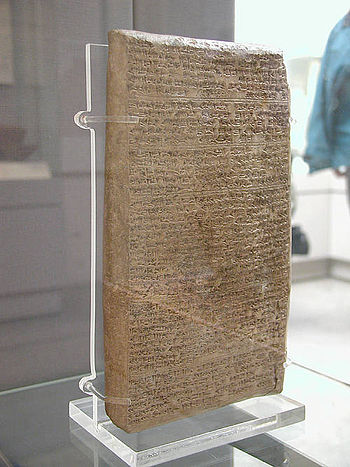
But the indisputable proof comes from Mitanni (MITRA) civilization’s cuneiform inscriptions, Dasaratha letters (Amarna letters in Egypt) and Kikkuli’s Horse manual, all dated around 1400 BCE. The cuneiform inscription shows the Vedic Gods in the same order as we see in one hymn of the Rig Veda. It is found in Bogazkoi in modern Turkey.
Though all these facts are known round 1930s, all the scholars assumed that a group while coming to India might have stayed in Turkey. No body disputed Aryan migration theory proposed by Max Muller gangs at that time. Though it was proposed earlier as well, Max Muller and Marxists wrote voluminous literature to spread this falsehood. All English educated scholars stuck to this line to get name or credit from the British.
Linguistics help us to find out who is older and who is younger in languages and who went from where.
Tamil is the first proof
We see amazing and uniform changes in certain letters.
B=V
R=L
D=L
Persian and Greek have no ‘S’. So they changed everything with S and replaced H. We know the most famous example Sindhu= Hindu and Asva=Asba
Tamils are also banned to use S in the initial position. Like Greeks and Persians, Tamils also changed all ‘S’ words with vowels.
For instance, the Rig Vedic word Sabha is used with vowel A. Sabhai= Avai in 2000 year old Sangam Tamil Literature.
Sa = A
Bha = Vai
Who asked them to change this way?
xxx
There comes another wonder!
The original B in Sabha is changed to V.
Now we know that this V=B change is also universal.
Asva in Rig Veda becomes ASB in Persian
But which is older B or V?
Tamil literature showed us that B is original.
But one may argue against this, because even today Bengalis change all V in to B
‘V’angam is changed to ‘B’enga(l)
‘V’andhyopadhyaya is changed into ‘B’andhyo…….
It shows that the changes can happen either way….
V=B or B=V
But who guided them from Iran to Bangladesh to follow this rule?
Asb for Asva in Iranian Avesta and Bangladesh for Vangadesam in Tamil Nadu
The changes are seen in a vast area even before 2000 years.
xxx
R= L change is also universal.
This is natural; no linguistics is required. If you look at your child’s lisping, prattle you will know.
Potato cRisp is pronounced as cLisp.
xxxx
But we will take the Numerals to find out who is the oldest.
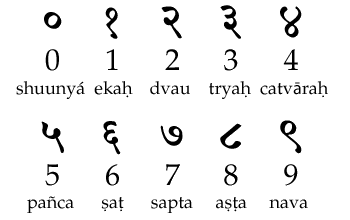
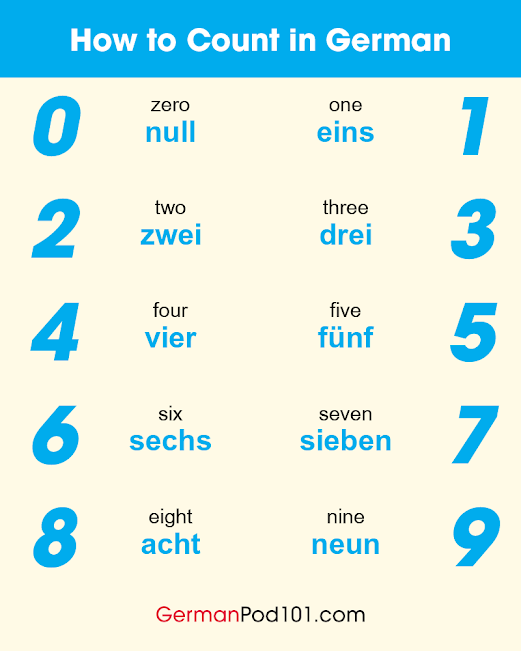
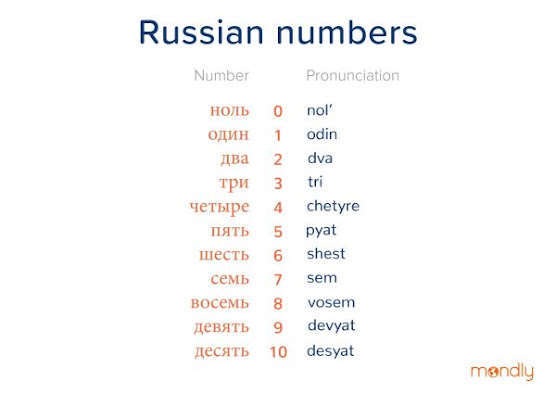
ONE to TEN in different languages.
‘Eka’ is one in Sanskrit and modern Hindi as well. We have continuity from the Rig Veda to this day.
This shows Eka , Ek is original and there was no break for several thousand years in Indus- Gangetic plain.
xxxx
AVESTAN numerals
Avestan is considered one of the world’s oldest languages. Now we have only Zoroastrian scriptures in it. Later it influenced Pahlavi, Persian, Pashto, Darik etc.
Look at the Avestan Numerals
Though Avestan is listed as an extinct language, modern research shows that there are more Sanskrit words, (see my Hindu Gods in Zend Avesta) in it.
Aivas – 1, (eka in Sanskrit)
Duva – 2, (dvau in Sanskrit )
Traayas – 3 , (trayas in Sanskrit)
Catvaaras – 4, (catvaaras in Sanskrit)
Panca – 5, (panca in Sanskrit )
Xivaas – 6, (sat in Sanskrit)
Hapta – 7, (sapta in Sanskrit )
Ashtaa – 8, (astau in Sanskrit )
Nava – 9, (nava in Sanskrit)
Dasa – 10, (dasa in Sanskrit )
Number 1 is ONDRU OR ONNU in Tamil and ONE in English ; EINS in German
We know for sure German, Tamil, English came later. Avestan also has Aivas, similar to Ains in German which slowly changed into ONE in Tamil and English.
But Sanskrit Eka is the oldest. Where is the proof?
It is in the Rig Veda which even Max Muller said older than 1500 BCE. Others dated it up to 6000 BCE.
Let us forget their dating and go to archaeological proof-
Kikkuli’s horse manual in Tukey has the following Sanskrit numerals:-
Kikkuli wrote a manual of horsemanship in HITTITE in which he incorporated technical terms , for the length of a race as measured in ‘turns’ of the race course, that are unmistakably Sanskrit
Eka- vartanna – one lap
Tera vartanna – three lap
Panza vartanna – five lap
Satta vartanna – seven lap
Nava vartanna – nine lap
It is dated around 1400 BCE.
If one looks at this, Vedic Gods in the Mithranni/ Mitanni agreement, Dasaratha’s (Tushrtatta) letters in Egypt (Amarna letters) and the Rig Vedic hymn, no one would have any doubt about the presence of Sanskrit from Iran and Egypt to the Gangetic plains in India before 1400 BCE. Ganga, Sindhu, Yamuna and Sarasvati are listed in the Rig Veda. It covered vast areas in Africa and Asia!!!!
Along with this we must take into consideration of Hindu Gods and Hindu words in the Zend Avesta. Even the rebel, Manu’s son Nabhanethishta, who revolted against his father Manu, is referred to in the Zend Avesta.
Now we know Eka went out of India to become Aisva, Ains (as in Albert Ein Stein = One Stone), One in Tamil and English.
I have already written that the sound “J “existed in only one language ,SANSKRIT, in the world and it slowly migrated to West Asia to give words like Jew, Jesus, Jehovah, Joseph, Jerusalem etc. The original pronunciation is Y and not J. But J as in Jaya existed in India only and the Vedic pronunciation guide (Pratisakhya) says it becomes Y.
Hindus have the oldest Grammar Book- Panini’s Ashtadhyayi.
Hindus have the oldest etymology book- Yaska’s Nirukta
Hindus have the oldest Pronunciation Guide- Vedic Pratisakhya
Hindus have the oldest Index- Vedic Anukramani
Hindus have the oldest Thesaurus- Amara Kosa
Hindus have the oldest Sex Manual- Kama sutra
If one looks with this in background one can easily say who is the first one and who is the last one!
10 Jul 2020 — tamilandvedas.com, swamiindology.blogspot.com. “J” – MYSTERY SOLVED; LINGUISTIC THEORIES SHATTERED! English language had only 23 +1 letters …
Pictures are taken from various sources for spreading knowledge.
this is a non- commercial blog. Thanks for your great pictures.
tamilandvedas.com, swamiindology.blogspot.com
LET US CONTINUE OUR ANALYSIS OF HYMN TO EARTH, THE MOST FAMOUR SECULAR HYMN IN THE ATHARVANA VEDA (AV)
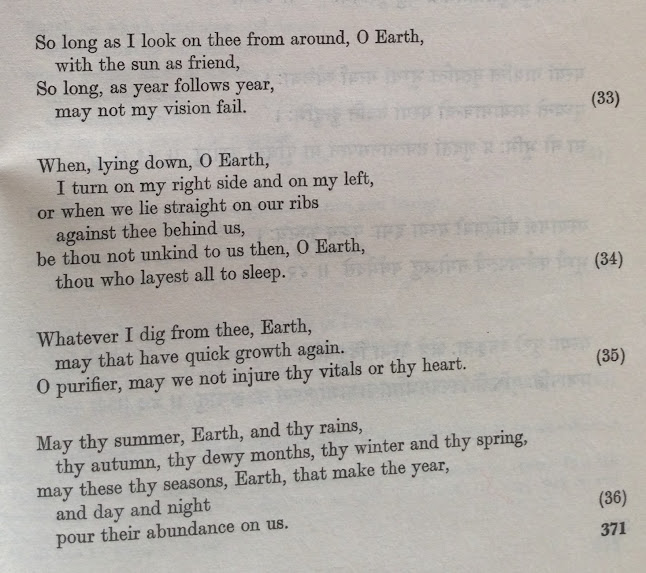
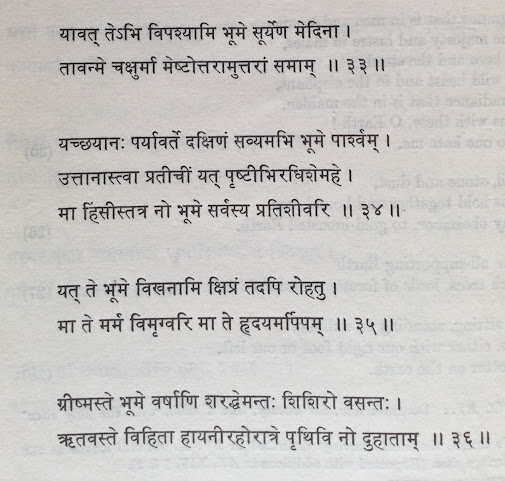
It is amazing to see someone is singing 3000 years ago, ‘Let us not hurt the heart and vital organs of the Earth’. What an amazing thought! Wonderful concern for the health of the earth! It must be made a motto and displayed in all the environmental departments around the world.
AV hymn has 63 mantras or stanzas in the Hymn to Earth, also known as Bhumi Sukta. We have already seen the first 32 verses. Now here is my commentary on the stanzas from 33 to 36.
xxx
Mantra 33
Here the pet calls Sun as ‘friend’. As long as it shines let me have good vision is his prayer. This is a prayer every Brahmin around the world recites in the mid day prayer to Sun .
Pasyema saradas satam (let me enjoy good vision for 100 years)
Jivema saradas satam (healthy life)
Nandaama saradas satam (happy life)
Modaama saradas satam (make others happy with my happy face)
Bhavaama saradas satam ( useful existence)
Srnvaama saradas satam ( hear good things)
Prabravaama saradas satam (speak good things)
Ajeetaasyama saradas satam (Let me live 100 years unconquered, invincible, ever victorious)
The second interesting point in this calling Gods as Friends. Throughout the Rig Veda, the oldest book in the world, Gods are addressed as Friends. Co workers are addressed as Comrades.
Xxx
Mantra 34
I have already explained that Hindus think it is a sin even to put our feet on Holy Mother Earth; so one prays to earth ‘Please pardon me for putting my feet on you (Samudra vasane Devi……… Pata sparsam kshmamsva me). I do it every morning in London before getting up from the bed.
Xxx
Mantra 35
The recycling principle or thought and the idea of reforestation existed even during Vedic period. The poet prays ‘whatever I dig from you, may that grow again’. And the most beautiful line “O Purifier, May We Not Injure Your Vitals or Your Heart” occurs in this mantra. This must be the moto of every environmental movement.
Xxx
Mantra 36
This stanza explodes he myth spread by Max Muller gang, Marxist gang(sters) and Caldwell gangs. Here the poet talks about SIX SEASONS and not four seasons as found in Europe or any other parts of the world. Here is a very clear message, the Vedic culture is typical Indian and Hindu. Moreover Tamil Hindus also sing about this six seasons in their 2000 year old Sangam literature. So there is only one culture from Himayas to Kanyakumari. There is no Dravidian or Aryan. Kalidasa the most famous poet of India, wrote a long poem known as Rtu Samharam describing all the Six Seasons. Here is another answer to a puzzle in that book. Scholars wondered why Kalidasa begin his poem with Summer as the first season instead of beautiful Vasantha/Spring season. May be he was influenced by this AV mantra where the poet puts Summer (Greeshma Rtu) as the first one. And the poet prays for abundance all along the year- during all the six seasons.
The above four stanzas are full of positive thoughts, positive ideas!
Let us thank the Vedic Brahmins for preserving this hymn and passing it to generations to come by word of mouth. They never wrote it, but simply spread it by word of mouth. They learnt it by heart.
xxx
Linguistic titbits
Look at the word Hrudaya for heart in Mantra 35. That HRT gave us the word Heart in all ancient languages including Tamil.
Look at the word Bhumi for earth. That is used as Puvi and Bhumi in 2000 year old Tamil epic literature (Silappadikaram and Manimegalai).
Tamils followed Six Seasons of the year and divided even a day into six small periods (See Tolkappiam- Porul Athikaram; Sutram:- kaarum……)
I have explained in mantra 31 that Tamils, tamilized even Sanskrit words Udeechyai, Prachyai as Uusi ,Pasi etc (Puram verse 229). We come across directions again in mantra 34.
Pictures are taken from various sources for spreading knowledge.
this is a non- commercial blog. Thanks for your great pictures.
tamilandvedas.com, swamiindology.blogspot.com
ஒரே சொல் பல இடங்களில் வந்திருந்தாலும் ஒரு இடம் அல்லது சில இடங்களே இங்கே கொடுக்கப்பட்டுள்ளன. முதல் எண் பகவத் கீதையின் அத்தியாய எண் ; இரண்டாவது எண் ஸ்லோக எண்
XXXXX
அக்ஷய: (அக்ஷயஹ) – 10-33 முடிவற்ற
அக்ஷர ஸமுத்பவம் -3-15 அழிவற்ற பரம்பொருளில் தோன்றியது
Pictures are taken from various sources for spreading knowledge.
this is a non- commercial blog. Thanks for your great pictures.
tamilandvedas.com, swamiindology.blogspot.com
DON’T FORGET TO READ 43 PARTS – “TAMIL WORDS IN ENGLISH” THAT ENDED ON SIXTH DECEMBER 2020;
FOLLOWING SERIES STARTED ON NINTH DECEMBER 2020.
ALL THE NUMBERS BELOW ARE SUTRA NUMBERS FROM 2700 YEAR OLD ‘ASHTADHYAYI’ OF PANINI, WORLD’S FIRST GRAMMAR BOOK.
XXX
2700 ஆண்டுகளுக்கு முன்னர் தமிழ், ஆங்கில சொற்கள் – பகுதி -57
Xxxx
PART 56 POSTED ON 28 JUNE 2021
XXX
PANINI SUTRA 5-4-67
M=B
Though out my posts I have been following the same rules. Here is another example to show B becomes M and vice-versa.
Madra was the word for offering hair to god or in general shaving the hair on head .
Varttika adds Badra for the same. This shows M becomes B in three hundred years time..
I have already given examples:-
Manual -Panual
Mandi -Bandar
Money- Panam
Mare- Pari (horse)
Mare= Vaari, Vaaranam (sea)
Manufacture -Pannu/do/produce
Badra -Madra (happiness)
Xxx
5-4-69
Puja = Pugaz in Tamil
பூஜித்தல் = புகழ்தல்
பூஜ = புக /ழ்
Xxx
5-4-73
Varttika gives Kadga/ knife example
Kadga becomes Kaththi in Tamil
Xxx
5-4-74
Dvipa becomes Theevu in Tamil
P=V
த்வீப = தீவு
Xxx
5-4-75
Bhumi in Sanskrit becomes Puvi
M=V
பூமி = புவி ; புவனம் = புவி
ம=வ
Other examples already given by me:
Maanam -Vaanam
Maari- Vaari
Melaa -Vizaa
Muzi -Vizi
Xxx
5-4-77
Chatura = Square
Xxx
5-4-78
Varchas = Virtues
Xxx
5-4-86
Finger= Angula, inch
அங்குலம்= விரற்கடை ; அங்குலீயம்= மோதிரம்
Xxx
5-4-87
Aha’s becomes Pahal/day time in Tami
Raatri becomes Iravu
அஹஸ் =பஹல் =பகல்
ராத்ரி = ரா = இரா = இரவு
Xxx
5-4-94
Ayas becomes Iron in English
Iron becomes Irumbu/ferrum in Tamil Tamil
உலகில் ஒரே மொழிதான் இருந்தது. அது தமிழ்-ஸம்ஸ்க்ருதத்தின் மூல மொழி என்றும் அதனால்தான் தமிழுக்கு இலக்கணம் எழுத இமய மலை ரிஷியான அகஸ்தியரை சிவன் அனுப்பினார் என்றும் காட்டி வருகிறேன். இதோ மேலும் ஒரு சான்று :
அயஸ் – ஐரன் /அயன் = பெர்ர ம் /லத்தீன் மொழி = இர்ரம் பு /தமிழ்
***
Saras = is stream in English (Saras-vati river)
Xxx
5-4-102
Anjali = iru kai kooppi Vanangu thal
Angel came from this word. ANGELS are depicted on both sides of God or God like person, as if they are worshipping ( In Greek it meant messenger). Greeks borrowed it from the Hindus. Throughout Hindu epics and Hindu puranas we read angels showered Pushpa Anjali . There also it meant God’s messengers.
அஞ்சலி – பரத நாட்டியத்திலும் , கோவிலிலும் இன்றும் பயன்படுகிறது ; புஷ்பாஞ்சலி
Xxx
5-4-129
Jaanu = joint
Xxx
5-4-130
Uurdhva – uyarththiya in Tamil
Uurdhva – uupar – upper in English
ஊர்த்வ = உச்ச= ஊபர் = ஆங்கிலத்தில் அப்பர்
Xxxx
5-4-135
Vaarttika adds
Aapana = shop
In Tamil it becomes Aavana
P=V
ஆபண = ஆங்கிலத்தில் ஷாப்/shop ஆகும்; தமிழில் ஆவணம்/கடை
ப= வ
Xxx
5-4-140
Add ped to denote the number of legs- says PANINI.
In english we have quadraped, millipede, centipede etc
Xxx
5-4-141
Danta = dental; seen already in previous sutras
யானைத் தந்தம் = யானையின் பல்
டென்டிஸ்ட் = பல் மருத்துவர்
Xxx
5-4-150
Suhrut – good hearted
Durhrut – evil minded
Hrut = heart
The expression good hearted s as old as panini’s work
நல்ல மனம் படைத்த , நல்ல இருதயம் உடைய
சம்ஸ்க்ருதத்தில் இது நண்பனுக்கும் பயன்படுகிறது.
Xxx
5-4-154
Commentators add
Bahu – vegu in Tamil ; b= v
Gadva = cot in English
பஹு , பொகு – வெகு
ப =வ
கட்வ= கட்டில் = ஆங்கிலத்தில் காட்
Xxx
5-4-158
Commentators add
Hatha – hit; killed
Xxx
5-4-159
Nadi = naadi = nerve= naar
Like said becomes sari, nadi becomes nar-nerve-naar- naadi
All the parts look like thread in appearance
Panini adds here Tantri – thread
Tamils and sanskritists think in the same way:-
Tantra= book, tantu= thread or sting
In tamil also nuul means thread and book.
Earlier we saw sutra meant book and thread.
This shows the book culture spread from one common source
ட என்பது ர ஆக மாறும்
நாடி= நார்= ஆங்கிலத்தில் நெர்வ்= தமிழில் நரம்பு
****
தமிழும் ஸம்ஸ்க்ருதமும் ஒரே மூலத்திலிருந்து வந்தவை என்பதைக்காட்ட இங்கு மேலும் ஒரு உதாரணம் / சான்று கிடைக்கிறது.
முன்னர் ‘சூத்திரம்’ என்றால் இரு மொழியிலும் நூல்/thread, புஸ்தகம்/book என்ற இரு பொருள் உள்ளதை பாத்தோம்.
இங்கு பாணினி தந்திரி/thread என்பதை நூலுக்கு பயன்படுத்துகிறார்.
இரு மொழியிலும் இது தைக்கும் நூலுக்கும்/thread, படிக்கும் நூலுக்கும்/book பயன்படுகிறது.
தந்து = நூல், தந்திரம் =புஸ்தகம்/ Tantra Shastras
Books are named with suffix Tantra.
Xxx
To be continued……………………………………
TAGS — PANINI ,TAMIL, SANSKRIT, TAMIL IN PANINI 57






 Tamil and Vedas