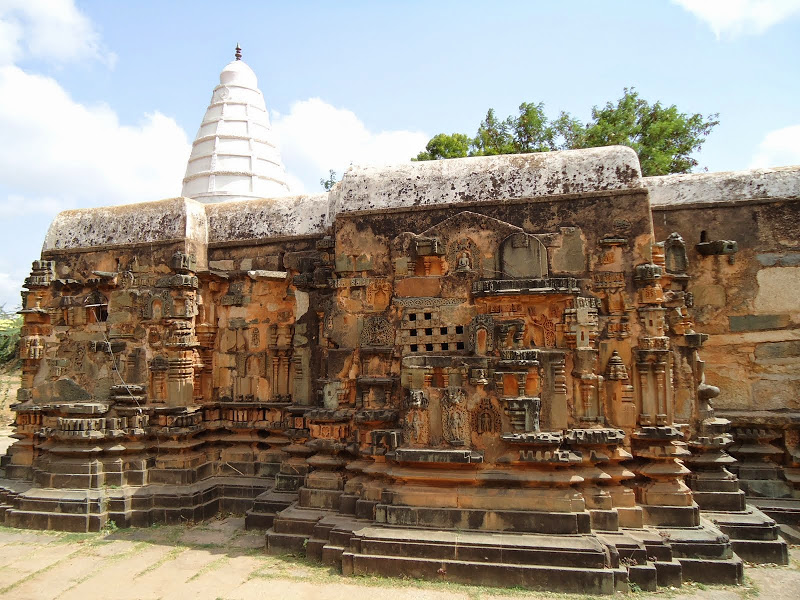
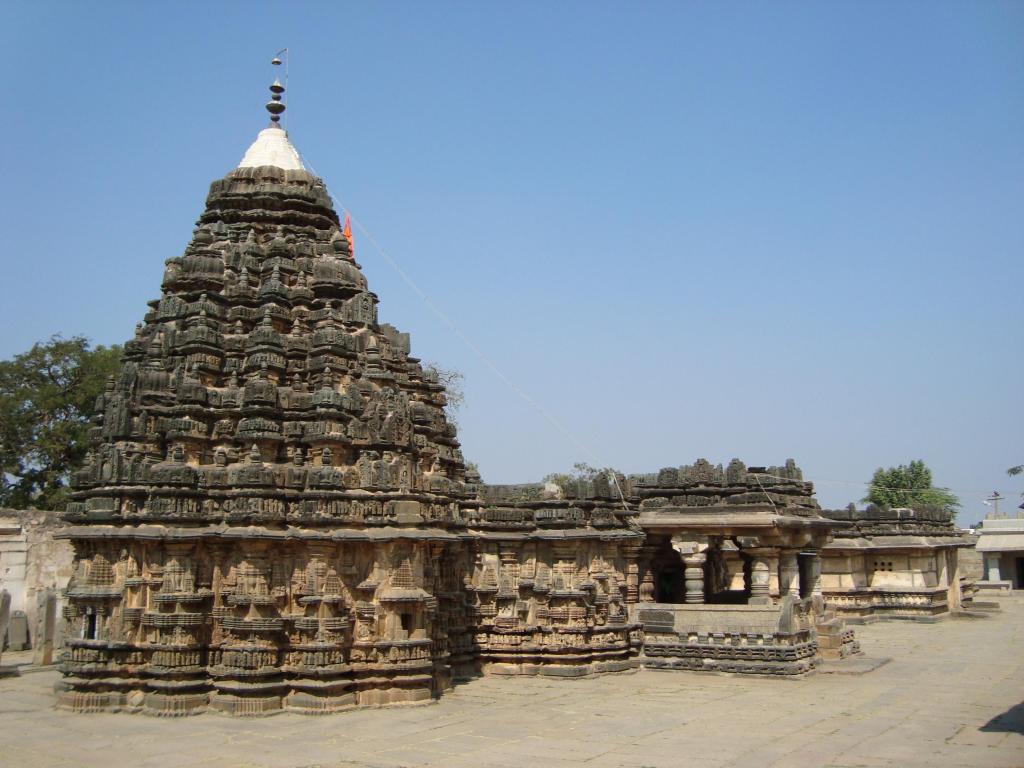
Kunkuma Mahadevi was one of the early temple builders and philanthropists in the Kannada country ruled by the Chalukya Kings. She was the younger sister of Chalukya Vijayaditya (696-733 CE). She constructed a large Jaina temple at Purigere, modern Lakshmeswar, Dharwar district. She asked her brother to donate a village to a Brahmana. She performed Hiranya garba, one of the sixteen danas/ gifts . She gave gold and costly elephants and chariots to Brahmins. She married brave and generous Alupa king Chitravahana
Loka Mahadevi
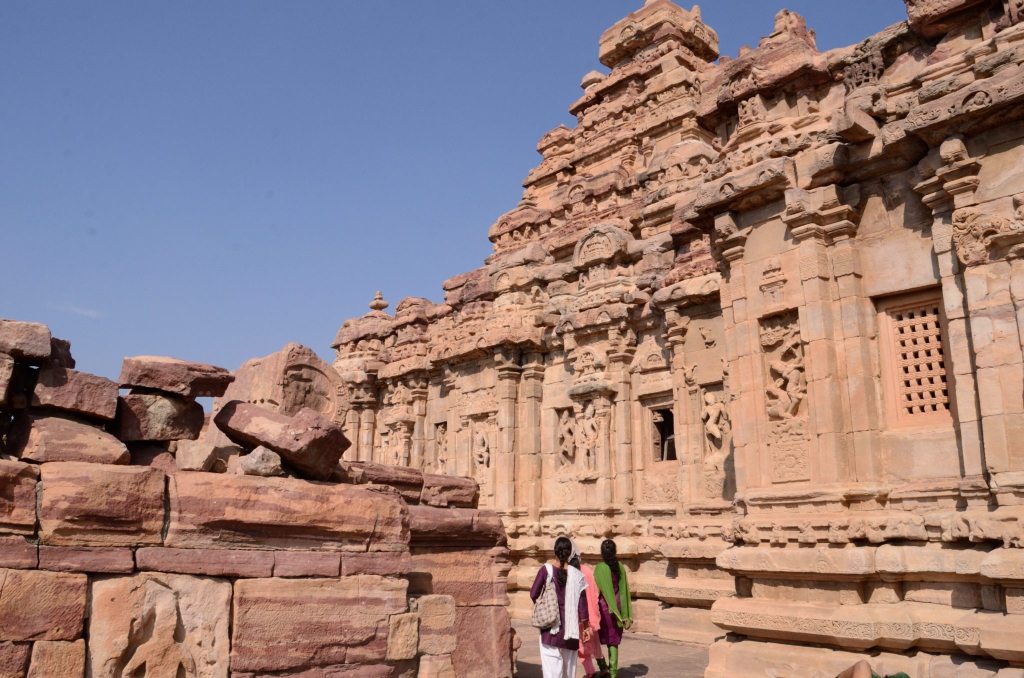
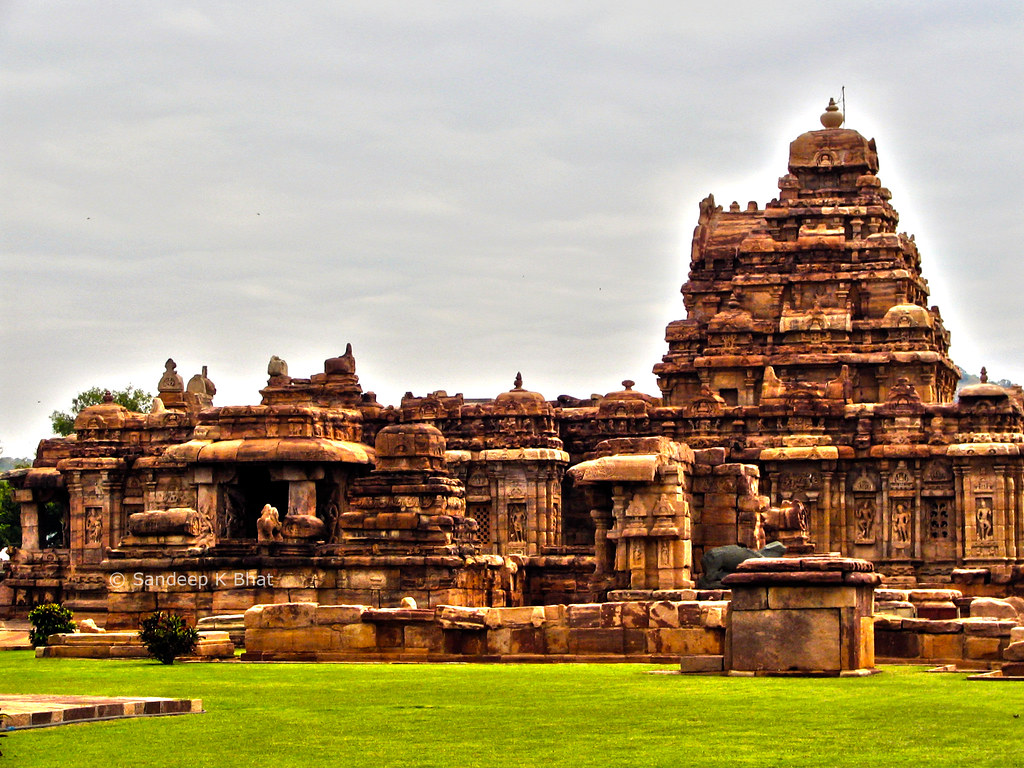
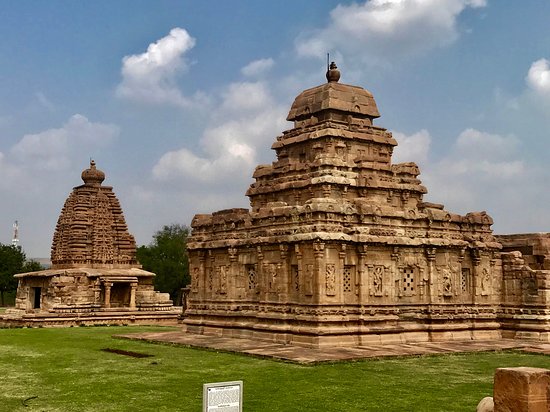
Loka Mahadevi was the chief queen of the Chalukya king Vikramaditya II of Badami. She built the famous Virupaksha temple at Pattadakkal. As a token of appreciation, she exempted the builders of that district from payment of certain taxes.
Ananda K Coomaraswamy, famous art historian, calls this temple as “one of the noblest structures in India”. She also conferred on the musicians and dancers a number of privileges . One of these by name Achala, founded a new school of dancing.
Daanachintamani Attimabbe
In the last quarter of the tenth century when the Chalukyan emperor Taila II was ruling, Daanachintamani became famous. She was born in a family of learned men. He father Mallappayya , a general, was a great scholar, a reputed astrologer, an excellent teacher of archery and a patron of learning. She and her sister Gundamabbe were married to Nagadeva , Commander in chief of Chalukyan army and son of Dhallappa, the prime minister.
In one of his masters campaigns Nagadeva was killed and his second wife performed ‘sati’. Attimabbe was asked not to follow her sister because her son Annigadeva was very young.
She was a devout follower of Jainism ; she got prepared a 1000 copies of Shantinatha Purana, a Jain work written by court poet Ranna. Her help helped the poet to write an important Jain work entitled Ajita Purana. She was held in high esteem by the Chalukyan emperor Taila and the general public.
Lakshmaneswar
Miracles of Daanachintamani
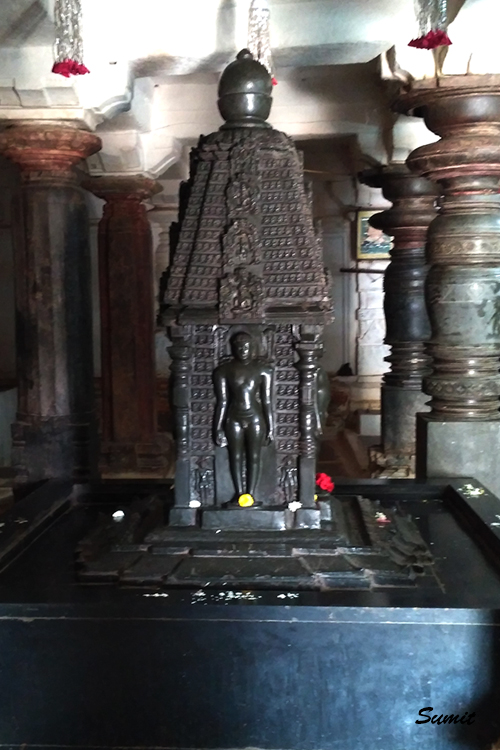
A number of miracles are attributed to her. Her title Daana Chintamani – unstinting donor- was well merited is evident from the fact that she gave way 1500 golden Jina images set with precious gem stones. From two inscriptions dated 1007 CE, found at Lakkundi, we learn that she constructed many Jain temples and donated a village for the maintenance of it.
History syllabus of every state must include these great women. Students must be asked to collect more information from various sources. They may be asked to compare these women with other women of different states.
Pictures are taken from various sources; beware of copyright rules; don’t use them without permission; this is a non- commercial, educational blog; posted in swamiindology.blogspot.com and tamilandvedas.com simultaneously. Average hits per day for both the blogs 12,000
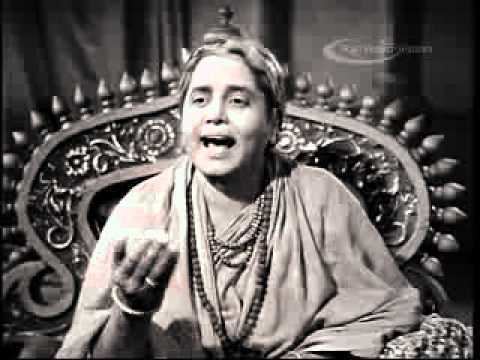
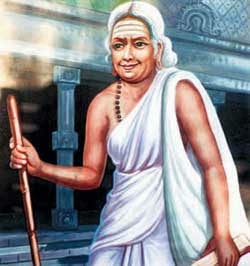
Tamil women are great poetesses, temple builders and social reformers. Andal ,a devotee of Vishnu, and Karaikkal Ammaiyar, a devotee of Shiva are known to many. Avvaiyar is a household name in Tamil Nadu; but many Avvais existed in various ages. Probably the word AVVAI was used for an old woman completely devoted to God; that is a full timer on public service, widowed OR not married . Scholars think that six women known as Avvai lived in Tamil Nadu. But linguistically speaking, we can see at least four Avvais clearly. One belong to Sangam age , another belongs to middle age and the third one is from our times. The language of the poems draws a clear cut line. Fourth one is in between them.
The most famous Avvai existed during Sangam age i.e. 2000 years ago. She was well versed in Tamil and bold enough to challenge and advise the mighty Tamil kings. But she was respected by one and all. The Tamils were fighting among themselves from the very beginning of history. The longest infighting race in the world. Avvai was bold enough to advise them to stop fighting.
A great Chola king Peru Narkilli did a Rajasuya Yagam like Yuthisthiraa of Mahabharata. Chera king and the Pandya king attended the Hindu fire ceremony. Grand old lady of Tamil country Avvaiyar came there and blessed them. She sang that they must be united like this for ever and live longer in years than the number of stars in the sky and the number of drops in the rain. She advised them to give a lot of gold to worthy Brahmins (See Purananuru verse 366).
She went to another inexperienced king and advised him not to fight with his enemy. She used very subtle language and said to him “your weapons are brand new and shining like silver whereas your enemy’s weapons are blunt, rusty and bloody. The message she hinted was ‘Oh, you idiot, you don’t know what a battle is like, where as your enemy is an experienced fighter.”
She was in the court of Neduman Anji, the Adigamaan Chief of Tagadur (Dharmapuri). He held her in high esteem and even gave her the Nelli (amla) with rare medical properties. He entrusted her an embassy to the Chief of Tondaimandalam. She composed many poems on the generosity of Adigaman. For vigour and depth of feeling her odes to Adigaman are second to none in the Purananuru collections.
After the death of Adigaman she visited several places in Tamil Nadu. Avvai took her themes from life in the palace and in the country farm. The simple pleasures and the daily cares of the lowly appealed to her even more than the chivalry of heroes and the magnificence of princes. Her odes which are included in the Sangam collections Akananuru, Purananuu, Natrinai and Kuruntokai, are a true mirror of contemporary Tamil life. With a rare economy of words she creates marvellous pen pictures , and some poetic imagery; she adds choice moral precepts. She is a great exponent of morality.
We see one Avvai as most famous Tamil poet Tiruvalluvar’s sister (probably around fourth or fifth century CE) and another Avvai with Sundarar and Cheraman Perumal (probably ninth century) and another Avvai who composed Athichudi and other poems in simple Tamil during modern times. She is the one devoted to Lord Skanda/Muruga and author of Vinayakar Akaval. So one can easily see four different Avvais. Pithy aphorisms of later Avvai are lisped by Tamil children even today as introduction to Tamil poetry and a guide to a moral life.
Tradition ascribes to Avvai a strange parentage- a Brahmana father and a low caste mother brought up in a Brahmana family. She has six siblings along with Tiru Valluvar. This story is found in all books that were published 75 years ago. This Avvai came after Sangam age. Her poetic talents were first discovered by Buuda, a petty chieftain of Pulveluur on the River Pennaaru.
( Tamils killed each other continuously for 1200 years and then invited Muslim invaders to kill all the Tamils. For 150 years Tamils were ruled by Muslim invaders and then Telugus saved Tamil Nadu, Tamil Culture, Tamil temples and Hinduism. Kumara Kampannan came with his wife Ganga Devi to Madurai and sounded the death knell to Muslim Rule. Tamils are ever grateful to the Telugus. Without them Tamil Pakistan would have emerged 500 years before the actual Pakistan.)
Angavai and Sangavai
One of the great Tamil philanthropists is Chieftain Vel Pari. He had two daughters named Angavai and Sangavai. They were well educated and could compose poems. Paari was ruling a small area called Parampunaadu. Three great Tamil kings of Chera, Chola and Pandya wanted to marry those girls. When Pari refused they laid a siege around his small kingdom. Kabilar, a brahmin poet was his close friend . He helped him to break the siege by training thousands of parrots to bring grains from around the kingdom. But at the end Chieftain Pari was killed . Since Kabilar took care of Pari’s daughters, the three kings could not touch them . Kabilar contributed highest number poems to the Sangam corpus . He was the only poet sung and praised by other poets. He was praised as a Brahmin of spotless character . He was a revolutionary who broke the barriers of caste 2000 years ago. He got them married and then entered fire like several Hindu saints. That place is called Kabilar Rock near Tirukkovalur in Tamil Nadu.
One of the Purananuru collections is sung by these two daughters. An unconquerable hero, he fell a victim to foul treachery and his orphaned girls were exiled from their home . The hymn is an exquisite pen picture of their sufferings in exile, presented in sharp contrast to their past life of affluence and luxury in their palace at Parambu Naadu. See Puram verse 112.
Pictures are taken from various sources; beware of copyright rules; don’t use them without permission; this is a non- commercial, educational blog; posted in swamiindology.blogspot.com and tamilandvedas.com simultaneously. Average hits per day for both the blogs 12,000
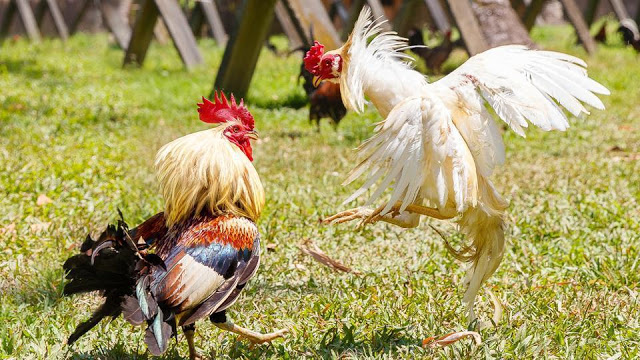
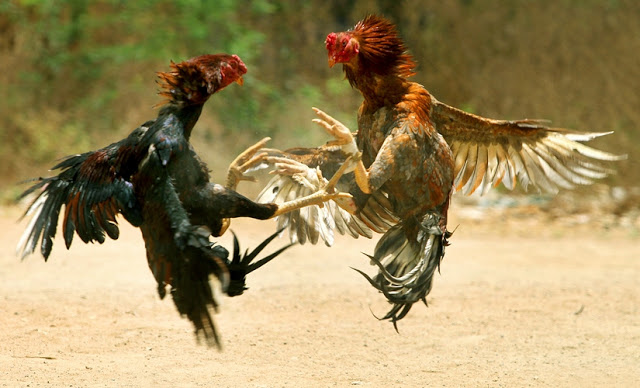
Two Tamil kings used elephant garlanding to win the kingdoms. When elephants garlanded the strangers in the crowd, Karikal Choza and Murthi Nayanar became kings according to legends. In Andhra Pradesh a cock fight was used to decide the Ruler.
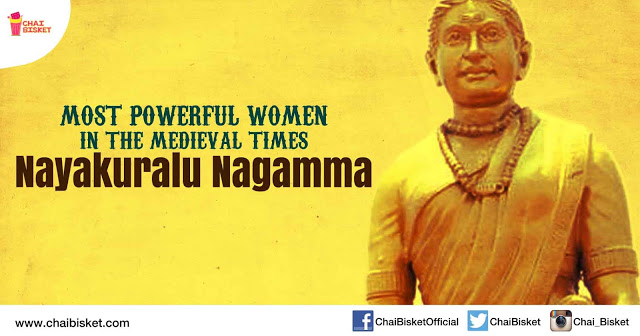
The story of Telugu heroine Naayakuraalu is celebrated in song and legend. As an infant she was abandoned by her parents and was discovered and cared by others. One farmer bought her and named her Naagammaa. She married a rich man and on his death inherited a vast fortune. She succeeded in winning the favour of Anuguraja, a Haihaya prince, who ruled over the small principality of Palnad. He had received that as a wedding present. He ruled in the 12th century.the chief had three wives and several sons.
The growing influence of Nayakuralu in the court was resented by the minister Dodda and he resigned his office in favour of his son Brahma. Brahma soon brough about the assassination of the chief.
Nayakuralus influence continued in the reign of net chief Nalagama and she was practically the ruler the minister Brahma persuaded the chief to partition the country. Mallideva , one of the half brothers of the chief , established his rule at Macherla. Brahma became his minister. Other brothers of the chief also lived with Mallideva.
Nayukarulu did not like the division of the country. She challenged Mallideva and Brahma to a cock fight, the wager being that the defeated party should surrender all territory to the victor and live in the forest for seven years. In the contest Brahma’s cock was killed and he along with his master and his half brother retired to the forests in Nallagonda.
Harassed constantly by the agents of Nayakuralu , their life in exile was miserable. On the expiry of seven years , they returned and demanded the restoration of their territory. But Nayakuralu refused. In the fight that ensued , Nayakuralu donned the armour and fought at the head of her army, but was defeated and captured. The battle was a bloody one and all the half brothers of Nalagama perished. Brahma generously restored the whole kingdom to Nalagama.
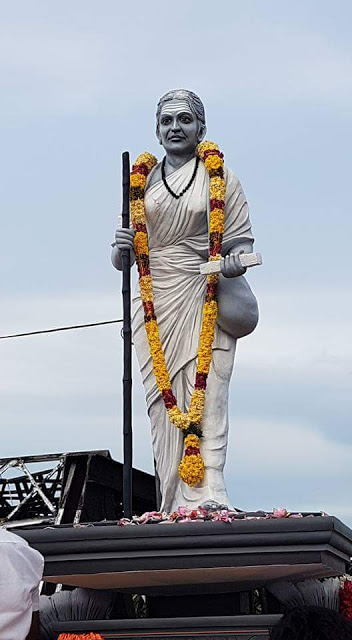
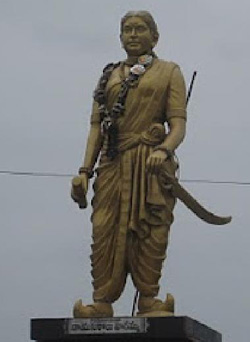
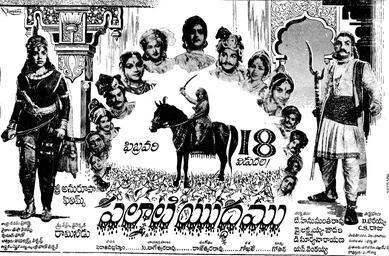
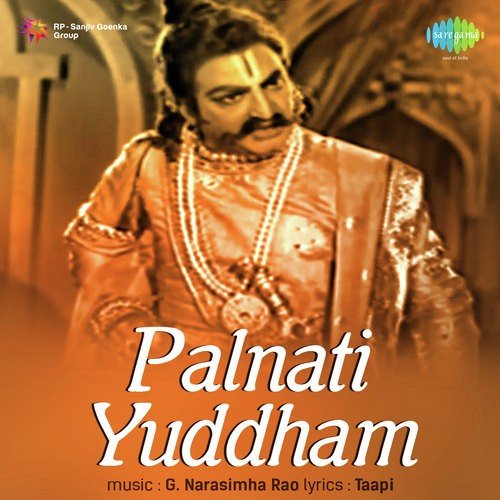
The battle she fought was known as Palnati Yuddham. Two films were taken based on this battle that happened approximately 1000 years ago. Now there is a statue for Nagamma in Dachepal in in Palnadu area of Guntur District.
Nayakuralu had a talent for intrigue and organisation, and her life of adventure was cast in a heroic mould.
Source book – Great Women of India, Advaita Ashrama, Mayavati, Year 1953
Pictures are taken from various sources; beware of copyright rules; don’t use them without permission; this is a non- commercial, educational blog; posted in swamiindology.blogspot.com and tamilandvedas.com simultaneously. Average hits per day for both the blogs 12,000
Dhanadeva is a poet quoted by Sharngadhara Paddhati (1363). His verse mentions eloquent achievements of Shiilaa, Vijjaa, Maarulaa, Morikaa and others as poetesses of distinction.
We have already seen the works of Shila and Vijja.
Vijja alias Vidyavati lived before Rajasekhara’s time. One of her poems is in the Abhidhaa vrtti Maatrikaa of 855 CE . This work is written by Mukula who lived during the period of King Avantivarman of Kashmir (855-883 CE).
Vijja’s most often quoted verse is
Nilotpala dala shyamam Vijjakam mamajanata Vrithaiva Dandinapyuktam Sarma shukla
Mearning “Without knowing me ,Vijjaka , dark like the petal of a blue lotus, vainly has the poet Dandin said that the goddess of learning is all white.”
Some people change the word ‘maam’ in the verse to ‘taam’ and attribute it to a different person.
Of Marula and Morika little is known; but some of their stanzas are quoted in Jalhana’s SUkti Muktavali, 1258 CE
The Kavindra vachana Samuchchaya quotes some stanzas of poetess Bhaavadevi. Another book also gives her stanzas.
Another ancient poetess is Phalguhastini. Some of her stanzas appear in later anthologies. Since Vamana’s Kavylankara Sutra vrtti is quoting her one Stanza ,she must have lived before 800 CE. Vamana was the Minister King Jayapida of Kashmir 779-813 CE.
Chandala vidya! Sadukti karnamrita quotes a verse under the joint authorship of Chandala vidyaa, Kalidasa and Vikramaditya. So she must be from Gupta Period.
Another poetess is Jaghanachapalaa. Her stanza is found in Kavindra Vachana Samuchchaya.
We see two stanzas jointly composed by Bilhana and Rajakanya. Raja Kanya means Princess. Her real name was Shashikala or Chandrakala. Verses of a poetess named Sarasvati hav ebeen quoted in several anthologies beginning with Sadukti Karnamrita. But she lived before eleventh century.
Rajasekhara Charita mentions the following poetesses:- KaAmaliIla Kanakavalli Sunandaa Lalitaangi Madhu Ranga Vimalaanghi
Of these the last three are from Malwa (Madhya Pradesh). We don’t know much about others. We have lost their original works and only quoted stanzas are available now. No where in the world and in no other language we find such a galaxy of poetesses. Sanskrit stands far higher than other ancient languages when it comes to Poets and Poetesses.
Pictures are taken from various sources; beware of copyright rules; don’t use them without permission; this is a non- commercial, educational blog; posted in swamiindology.blogspot.com and tamilandvedas.com simultaneously. Average hits per day for both the blogs 12,000.
One thousand years ago there lived a great scholar by name Avantisundari whom even her husband quoted in his books many times. Like Sarasavani who was moderating the debate between her husband Mandana Mishra and Adi Shankara and Gargi Vachaknaavi of Vedic lore who challenged Yajnavalkya in the All India Philosophical Congress even before Greeks started writing books, we had great women scholars in India.
Rajasekara was the court poet of Mahendrapaala, a king in Gurjara Pratihara vamsa. Avantisundari ws the wife of Rajasekhara. He lived around 880 CE and his wife Avanti Sundari was Chauhan from Maharashtra. Perhaps he is the only ancient poet who has given credit to his wife. He says in his Kaavya Mimmasaa, “Women also can be poets like men. Genius is inherent in persons irrespective of sex differences. It is heard and seen that princesses, daughters of ministers, courtesans and concubines are possessed of extensive knowledge of the ‘shaastraas’ (scriptures) and poetic genius.”
Rajashekara knew about the great Vedic poetesses, Sangam Tamil poetesses and Sataasi (Gatha Sapta Sati= GSS) Prakrit poetesses. Hinduism has the highest number of poetesses. Ancient India is the country with the highest number of poetesses and scholars. Even before Homer began his Iliad and Odyssey, Ms. Gargi was challenging a great seer for an open debate in a conference held in Bihar 3000 years ago.
Though we have the names of hundreds of scholars most of their works are lost. Some poems are in the Rig Veda, Sangam Tamil literature and GSS. Specimens are quoted in other books as well. Very rarely we have got a full book like Mathura Vijayam of Ganga Devi.
Gatha Sapta Sati (GSS), Prakrit anthology was compiled by Satavahana king Halan approximately 2000 years ago. We find the following poetesses in the anthology:-
Anulkshmii
Asuladdhii
Maadhavii
Prahataa
Revaa
Rohaa
Shashiprabhaa
Baddhavahii
But we don’t know from which of their works Halan compiled their poems or where they were living. Satavahana Dynasty covered areas of Andhra and Maharashtra. Their capital was Pratisthaana (Modern Paithaan on the banks of Godavari, near Aurangabad in Maharashtra).
Served three kings
Avanti Sundari’s husband Rajasekhara was the court poet for three kings- Gurjara Prathihara king Mahendrapaala I (885- 908 CE) and his son Mahipaala I (914-945 CE) and the Kaalachuri king Yuvaraaja.
Avanti sundari is credited with Paaiyalachchii, a Prakrit dictionary. Author Sundaraa is identified with Avanti Sundari. She compiled it for her brother Dhanapaala.
Rajasekhara has quoted Avanti sundari’s views thrice in his work on poetics Kaavya Miimaamsaa (Kavya Mimamsa). He also wrote a famous Prakrit Drama Karpuura Manjarii to entertain her.
Hemachandra (1088- 1172), a later poet also quoted three of her stanzas in his book Deshi Naama maalaa to illustrate the meaning of certain Prakrit expressions. These facts show beyond doubt that Avantisundari was recognized as a rhetorician and poetess of outstanding merit. Unfortunately, none of her works has so far been discovered.
QUEEN SHILA BHATTARIKA
Some verses attributed to Rajasekara in Jalhana’s Suukti Muktaavalii( (1258 CE) speak of the following poetesses:-
Shiilaa Bhattaarikaa
Vikata nitaambhaa
Vijayaanka of Karnataka
Prabhu devii of Laata desa(Gujarat) and
Subhadraa.
Of these the Karnataaka poetess Vijayaanka is described as Sarasvati incarnate and as a peer of Vaidharbi style of Kaalidaasa. She is sometimes identified with Vijja, Vijjakaa, Bhijjakaa (Vidhyaa= Vidhyaavatii). Her poems are found in most of the Sanskrit anthologies. She is further identified with Vijaya Bhattaarikaa -Queen of Chalukya Prince Chandraaditya, who flourished around the middle of seventh century.
Shiilaa bhattaarikaa is placed by Rajasehara side by side with Baana as having the merit of writing in a type of the Paanchaali (Paanchaala= Punjab) style of composition. Bhataarikaa is attached to queen’s names. She may be the queen of Bhoja who ruled from Kanauj around 836 CE. Many of her verses are found in anthologies.
Story of Vikatanimbaa
Several of Vikatanimbhaa’s poems are also found in Sanskrit anthologies. Aanandhavardhana’s ‘Dhwanyaaloka’ has a stanza done by her. According to a tradition Vikatanimbaa became a widow and married for the second time. Her husband was a fool who couldn’t even pronounce words properly.
Nothing is known about Prabhudevii; but a stanza of Subhadraa is quoted in Vallabhadeva’s ‘Subhaasitaavalii’.
Rajasekhara’s Karpura Manjari mentions Tribhuvana Sarasvati as the elder sister of Mahiitala Sarasvati. She may be the poetess of that name, two of whose stanzas are quoted in the Sadukti Karna amrita complied by Sidhra daasa in 1206 CE.
A stanza of a poetess named Siitaa, which is found in anthologies, is quoted by Rajasekhara in his ‘Kavya Mimamsa’. The poetesses Sita and Tribhuvana Sarasvati therefore flourished before the middle of the tenth century.
xxx
School syllabus for girls should include all the ancient poetesses and the girls must be given assignments to collect and compare them with the poetesses of other languages.
At least they must know their names and what they wrote one thousand or 2000 years ago.
Long Live Hindu Poetesses!
xxx
Source book- GREAT WOMEN OF INDIA – editors Swami Madhvananda and Ramesh Chandra Majumdhar, Advaita Ashram, Mayavati, Almora, Himalayas, Year 1953.
Pictures are taken from various sources; beware of copyright rules; don’t use them without permission; this is a non- commercial, educational blog; posted in swamiindology.blogspot.com and tamilandvedas.com simultaneously. Average hits per day for both the blogs 12,000
Verse 53 Solar and Lunar eclipse Rahu revenging on a chosen pair at fixed time. He effects eclipse of the luminous Lords of night and day.
Eclipse and Rahu are in Tamil literature as well.
Verse 54 Ornament for the ear is not Kundala, but Vedas Ornament for the hand is not Kankan, but doing charity Ornament for the body is not sandal paste, but good deeds.
Verse 55 Chemistry of a Poet Victorious are the favoured master Poets Skilled in the sentiments alchemy In their body of fame they feel No threat of old age, death and rebirth
Verse 56 There is a Tamil proverb Even if milk runs like a river, a dog will only drink it by licking. B says, Perceive that a jug draws its measure Of water from a well or from the sea
Dog and Elephant- Who commands respect?
Verse 57 Look at the world The dog is obedient, wags its tail and eats and grateful for ever, but people treat it without respect; The elephant is arrogant, eats carelessly, but people praise it and give respect.
Compare this with Bhagavad Gita (5-18) sloka where Krishna says Pandithah samadarsinah. The scholars look at la earned Brahmin, a dog, an elephant, an outcast with an equal eye.
Verse 58 It is about taxation Through out India kings adopted same taxation laws,i.e. one sixth of the income is paid to the king. Here B uses cow and calf simile.
In Sangam Tamil literature, in a Purananuru (184) verse, poet says if an elephant is fed grains in the proper way it will come for a long time. But if the elephant is allowed into the field for food grains, everything will be damaged. In the same way a king must tax his people little by little.
B says King, if you wish to milk your realm like a cow, first nourish the world as you would a calf. When it is nurtured with constant care , a kingdom yields fruits like a wish granting vine , Kalpalatha.
Verse 65 It is about Suryakanta stone, magnifying glass. Several poets including Tirumular in Tamil use this simile.
Verse 67 It is difficult to correct bad people. You can’t straighten the tail of a dog, says Tamils. B says Trying to correct the bad people is like trying to sweeten the ocean with a drop of honey; Trying to tie the elephant with lotus stems; Trying to polish the diamond with a flower.
Verse 68 B says The silence of fools serves to adorn them. We see this maxim in all Indian literature
Verse 90
Through out Tamil and Sanskrit literature we see same descriptions of women’s beauty. The similes are unique to Indian literature.
B says A face to rival the moon, Eyes that make mockery of lotuses Complexion eclipting God’s lustre Thick tresses that shame the black bee Breast s like elephants swelling losses Heavy hips, A voice enchanting and soft The adornments in maidens is natural.
(If I have to give comparisons, I have to quote from 1000 books.)
Homeopathy Principle
Verse 91 Women is compared to poison and ambrosia by B. It is the basis of homeopathy. The germs which gives you the disease is the medicine The amorous looks of a beauty causes mental disturbance, but the medicine is not outside. She is the cure as well. Tamil poet Tiruvalluvar also uses this in Tirukkural 1091, 1102
“Her eyes painted black, has two glances; one pains me; the other heals that pain”-1091
“The medicine for a disease is always something different from it : but for the disease caused by this beautiful maid, she herself is the cure”.1102 of Tirukkural
This Homeopathy principle is in the Achamanam or sipping of water done by Hindus whenever they visit different towns. First, they take in small quantity of water Three times from the temple tank or the village well by repeating God’s names. They won’t get any disease from that particular water. Since they take the germs or poison in minute quantities it would save them from attacks from those germs. Likeness cures lLkeness is the dictum.
Pictures are taken from various sources; beware of copyright rules; don’t use them without permission; this is a non- commercial, educational blog; posted in swamiindology.blogspot.com and tamilandvedas.com simultaneously. Average hits per day for both the blogs 12,000
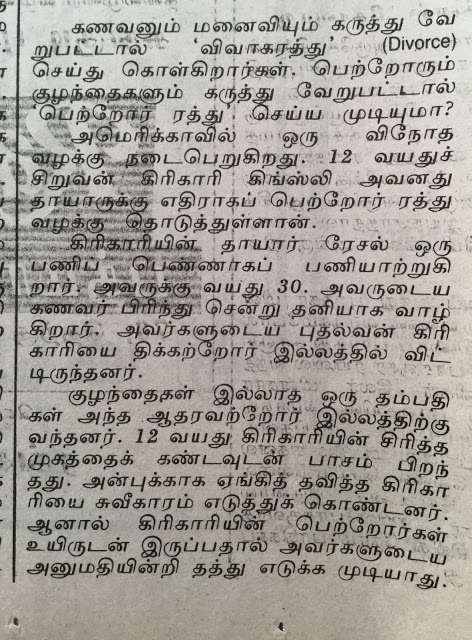
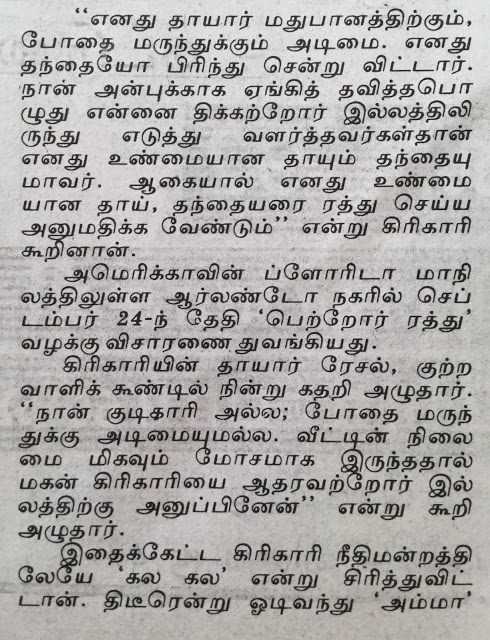
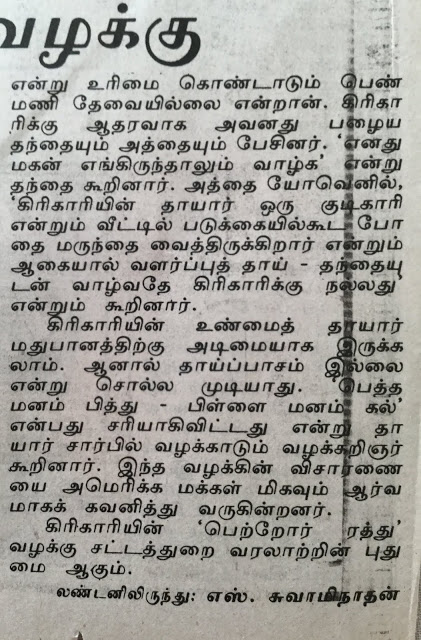
நான் 18-1-1992 தினமணியில் எழுதிய பின்னர் நடந்த கதை–
27 ஆண்டுகளுக்கு முன்னர் பெற்றோர் மீது DIVORCE வழக்கு தொடுத்த
கிங்ஸ்லி அதில் வெற்றி பெற்றான்.அவனைத் தொடர்ந்து வேறு
ஒரு பெண்ணும் பெற்றோரிடமிருந்து டைவர்ஸ் கோரி வழக்கு தொடுத்தாள் .
கிங்ஸ்லியின் வழக்கின் அடிப்படையில் இரண்டு டெலிவிஷன் திரைப்படங்கள் வந்தன .
மற்றோர் வழக்கில் குழந்தைகளைப் பூட்டி வைத்துக் கொடுமைப்படுத்திய
பெற்றோர்களுக்கு 25 ஆண்டு சிறைத் தண்டனை விதித்து அமெரிக்க நீதிமன்றம் தீர்ப்பு வழங்கியது
‘House of horrors’: California couple sentenced to life in prison for torturing their children
Colin Atagi and Shane Newell and Christopher Damien and Joseph Hong Palm Springs Desert Sun
Published 1:49 PM EDT Apr 21, 2019
RIVERSIDE, Calif. – The Southern California couple who pleaded guilty in February to torture, false imprisonment and endangering their children – some for dozens of years – were sentenced Friday to life in prison for charges involving 12 of their 13 children with the possibility of parole only after 25 years.
David and Louise Turpin of Perris, about 70 miles east of Los Angeles, appeared in court Friday morning in Riverside about three months after pleading guilty to 14 felony counts. The charges didn’t apply to their youngest child, who was 2 when investigators found the victims.
Their sentencing caps a saga that publicly played out for nearly 16 months after being concealed for several decades.
Pictures are taken from various sources; beware of copyright
rules; don’t use them without permission; this is a non- commercial,
educational blog; posted in swamiindology.blogspot.com and tamilandvedas.com
simultaneously. Average hits per day for both the blogs 12,000
In 712
CE, the Arab general Muhammad ibn – Qasim defeated Dahir (real name Dadhiraja),
King of Sind, who was killed in the
battle field of Rawar after a valiant fight against the Arab invaders. Dahir’s
queen Rani Bhai (also knowns Ladi or Mai) was then besieged by the Arabs in the
fort of Rawar. The heroic queen continued the struggle with only fifteen
thousand soldiers in the fort. But the Arabs continued the siege vigorously. At
last the queen lost all hopes of defending herself. According to CHACHNAMAH ,
she then assembled the women in the fort and addressed them in the following
words:–
“God
forbid that we should owe our liberty to those out caste cow eaters, our honour
will be lost. Our respite is at an end, and there is nowhere any hope to
escape. Let us collect wood, cotton and oil; for I think we should burn
ourselves and go to meet our husbands. If any wishes to save herself, she may”.
The queen and the ladies then entered into a house, where they burnt themselves
to vindicate their honour. Probably she set an example for Rani Padmini, of 13th
century who did the same several hundred years after Rani Bai. In Tamil Nadu, Queen
of Chenji King Desing Rajan also entered her husband’s funeral pyre to avoid Muslim
invaders.
xxx
Other Queens and Princesses
Following matter is taken from my
Quiz on 100 Hindu Women posted already:-
Freedom fighter Avanti Bhai of
Ramgarh of Madya Pradesh
Jhalkari bhai served in the army of
Rani Lakshmi Bhai
THE WOMAN WHO WAS NAMED AFTER HER
NATIVE PLACE MITHILAPURI – QUEEN SITA DEVI ALIAS MYTHILI
KELADI CHENNAMMA OF KELADI KINGDOM, KARNATAKA -1659 CE
GREAT QUEEN OF KAKADIYA DYNASTY – RUDRAMA
DEVI– 1259 CE
DAUGHTER OF DRUPADA; MOST FAMOUS
WOMAN IN MAHABHARATA- DRAUPADI
MAYA’S DAUGHTER; RESIDENT OF LANKA;
ONE OF FIVE HOLY WOMEN REMEMBERED BY HINDUS EVERYDAY—QUEEN MANDODARI
VALI’S WIFE; PART OF FIVE GREAT
WOMEN – QUEEN TARA DEVI
THIS WOMAN’S ANOTHER NAME IS PRUTHA
IN MAHABHARATA – QUEEN KUNTI DEVI ALIAS PRUTHA
A WOMAN WHO USED SWANS TO SEND LOVE
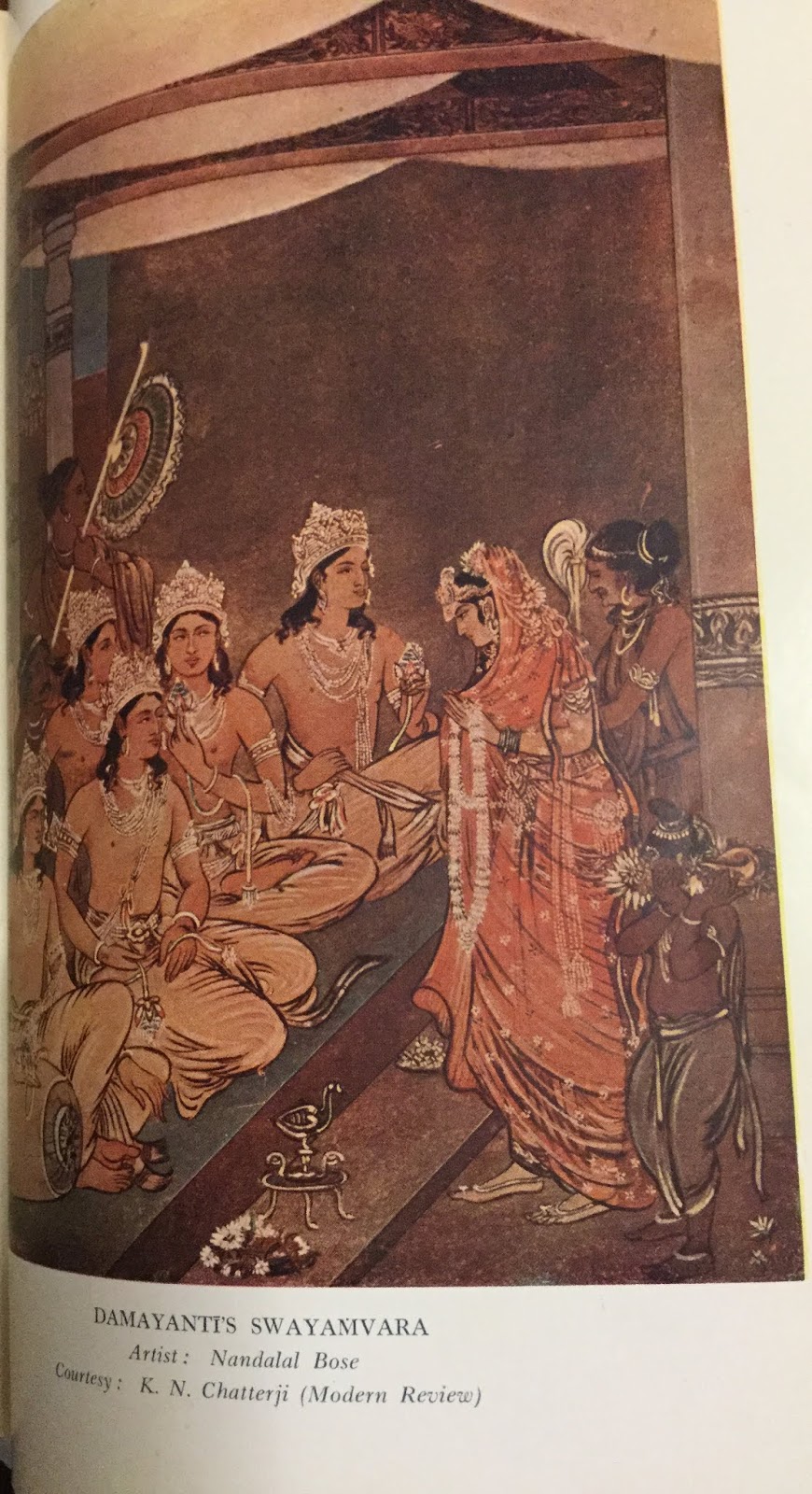
LETTERS—QUEEN DAMAYANTI
A FOREST BEAUTY AND THE HEROINS OF
KALIDASA’S MOST FAMOUS DRAMA- QUEEN SAKUNTALA
LEGENDARY QUEEN OF GREAT KING UDAYANA
OF SIXTH CENTURY BCE, CONTEMPORARY OF BUDDHA – VASAVADATTA
KING HARSHAVARDHANA’S SISTER, WHO HARSHA RESCUED FROM FOREST- RAJYA SHRI
FIRST WAR CORRESPONDENT OF INDIA WHO
ACCOMPANIED HER HUSBAND AND WROTE MATHURA VIJAYAM- LIVE COMMENTARY ON DESTRUCTION
OF MUSLIM RULE IN MADURAI—QUEEN GANGA DEVI
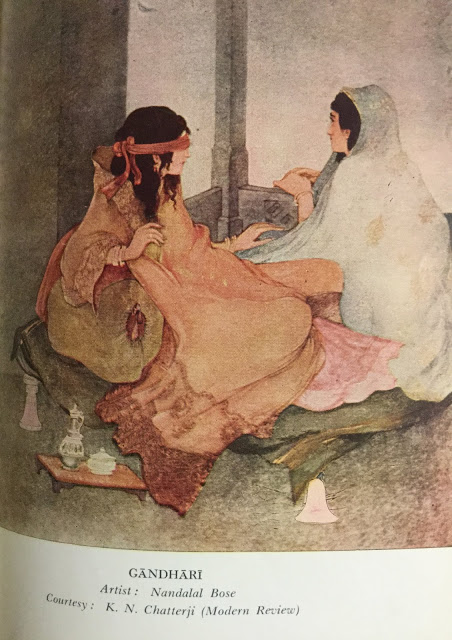
26.GREAT WOMAN FROM KANDAHAR IN
AFGHANISTAN WHO BLINDFOLDED HERSELF BECAUSE HER HUSBAND WAS BLIND—QUEEN GANDHARI
MOTHER OF GAUTAMA BUDDHA, WIFE OF
SUDDHODANA – QUEEN MAYA DEVI
THIS WOMAN WAS VIBBISHANA’S DAUGHTER
AND GAVE POSITIVE THOUGHTS TO SITA DEVI WHENEVER SHE BECAME SUICIDAL– PRINCESS TRIJADA
GREAT MALWA QUEEN WHO LED ARMIES WHEN
HER HUSBAND KAHNDERAO HOLKAR WAS KILLED IN A BATTLE— AHALYABHAI
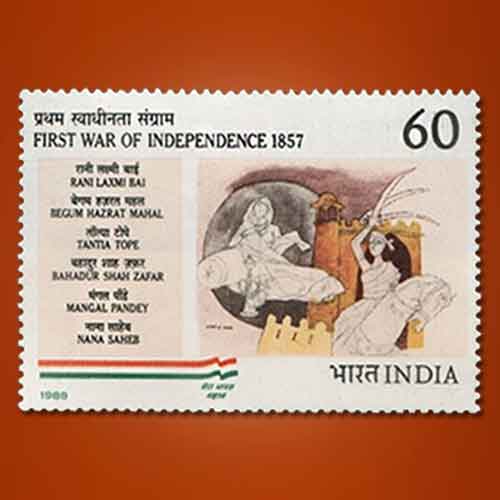
JHANSI KI RANI’ WHO FOUGHT AGAINST
THE BRITISH; HEROINE OF 1857 FIRTST WAR OF INDIAN INDEPENDENCE; WAR
AGAINST THE BRITISH– RANI LAKSHMIBHAI
GREAT QUEEN OF KITTOOR IN
KARNATAKA WHO FOUGHT AGAINST THE BRITISH– CHITTOOR
RANI CHENNAMMA
A GREAT DEVOTEE OF SHIVA AND QUEEN OF
PANDYA KING WHO REVIVED SAIVISM IN PANDYA KINGDOM –– MANGAYARKARASI
FIRST QUEEN TO FIGHT AGAINST THE
BRITISH; RULED IN RAMANATHAPURAM AREA OF TAMIL NADU– RANI VELU NACHIAR
GREAT PRINCESS WHO INSPIRED THE
MIGHTY CHOZA KING RAJARAJA TO BUILD SHIVA TEMPLE IN THANJAVUR; PERSONALLY DONATED
TO VARIOUS TEMPLES- .KUNTAVAI
FAMOUS QUEEN OF MADURAI WHO WAS
KNOWN FOR HER BUILDING WORK IN MADURAI– RANI
MANGAMMAL
A WOMAN WHO INSPIRES MILLIONS OF HINDUS EVEN TODAY BY SACRIFICING HERSELF IN FIRE TO SAVE HER HONOUR FROM ALAUDDINN KHILJI, MUSLIM INVADER.— CHITTOOR RANI PADMINI (PADMAVATI)
28 Dec 2014 – Posts about Indian women written
by Tamil and Vedas. … Eye throbbing: Left is good for women; Right is good for men. Hair
do: If the husband …
7 Aug 2013 – Gargi, a great philosopher,
not only attended the conference, but … Indian women were so
intelligent that they can easily solve knotty problems.
22 Mar 2015 – Stri Rajya- Kingdom
of Women in India! … 56 Countries in Ancient India! … Most of them
took part in the great war, either supporting Kauravas …
Pictures are taken from various sources; beware of copyright rules; don’t use them without permission; this is a non- commercial, educational blog; posted in swamiindology.blogspot.com and tamilandvedas.com simultaneously. Average hits per day for both the blogs 12,000
Date: 9 OCTOBER 2019 British Summer Time uploaded in London – 20-52 Post No. 7077
Pictures are taken from various sources; beware of copyright rules; don’t use them without permission; this is a non- commercial, educational blog; posted in swamiindology.blogspot.com and tamilandvedas.com simultaneously. Average hits per day for both the blogs 12,000.





















 Tamil and Vedas

You must be logged in to post a comment.