Reputation Anecdotes! (Post No. 4271)

Compiled by London Swaminathan


Date: 4 October 2017


Time uploaded in London- 18-08


Post No. 4271

Pictures shown here are taken from various sources such as Facebook friends, Books, Google and newspapers; thanks.


Police Never knew me!

An Irishman was charged with a petty offence. Have you anybody here who can vouch for your charcter?, said the judge.

Yes, Your Honour, the sheriff there can.


(Sheriff= law enforcement officer)

Why, I do not even know this man, exclaimed the sheriff.

Observe, Your Honour!, said the Irishman triumphantly, that I have lived 12 years in this country and the sheriff doesn’t even know me.


xxxx


Enrico Caruso= Robinson Crusoe!

It is humbling, to all men of note to find themselves at sometime outside of the spheres in which their talent and fame are known, and to see themselves as lesser individuals.

(Enrico Caruso= famous Opera singer)

The great Enrico Caruso once stopped at a farm during a drive through the country. He obtained water and something to eat, and while he was talking in a friendly way with the farmer, the latter chanced to inquire his name. He said his name was Caruso. Instantly the farmer was transfixed.

What an honour, he said what an honour to have in my own house that great traveller, Robinson Crusoe.


xxx


Businessman of Doubtful Reputation!

One of the powerful figures in Wall Street fell in love with an actress and for many months danced constant attendance upon her and squired her about in the fashionable circles of town.

Deciding to marry her, he first prudently put a private detective to the job of looking into the antecedents in order to guard himself against any rash mistake. At last he received his agent’s report.

(Squire= nobleman acting like an attendant to someone)


Miss Blank enjoys an excellent reputation. Her past is spotless. Hr associates have been irreproachable. The only breath of scandal is that in recent months, she has been much seen in the company of a businessman of doubtful reputation.

–Subham–


இந்துக்களின் நரபலி யக்ஞம்! 179 பேர் ‘படுகொலை’? (Post No.4270)

Written by London Swaminathan


Date: 4 October 2017


Time uploaded in London- 11-07 am


Post No. 4270

Pictures shown here are taken from various sources such as Facebook friends, Books, Google and newspapers; thanks.


உலகில் ரிக் வேதத்தை அலசி ஆராய்ந்தது போல வேறு எந்த மத நூலையும் எந்த வெள்ளைக்காரர்களும் மார்கஸீய வாந்திகளும் ஆராய வில்லை. ஊருக்கு இளைத்தவன் பிள்ளையார் கோவில் ஆண்டி! இவர்கள் எல்லா சமய நூல்களையும் இப்படி அணுகி இருந்தால் இவர்கள் ‘யோக்கியர்’கள். ஆனால் மற்ற சமய நூல்களில் சொன்னவற்றை நியாயப்படுத்தி எழுதினார்கள் (குத்து, வெட்டு, கொலை செய், கற்பழி) அவைகளைக் குறைகூறவில்லை. சுமார் 50 வெள்ளைத் தோல்களும் , நூற்றுக்  கணக்கான மார்கஸீய வாந்திகளும் இந்திய வரலாறு பற்றி எழுதியதை இன்றுவரை பாட புத்தகத்தில் வைத்துள்ளனர். நான் மதுரை பல்கலைக்கழகத்தில் எம்.ஏ. சரித்திரப் பட்டம் வாங்கியவன். ஆனால் காஞ்சி பரமாசார்ய சுவமிகளின் உபந்யாசங்களில் உள்ள சரித்திரம் எதுவும் அதில் இல்லை. மார்கஸீய, காங்கிரஸ் தில்லுமுல்லுகள் எழுதிய — வெள்ளைக்கார்கள் எழுதிய —-டல்ஹௌசி பிரபுவின் சீர்திருத்தம், ‘ரிப்பன் எங்கள் அப்பன்’ என்று போற்றுவது ஏன்? என்று பல பாடங்களைப் படித்துதான் பட்டம் வாங்கினேன்.

ஆனால் 70 வருடங்களுக்கு முன் காஞ்சி பரமாசார்ய சுவாமிகள் பேசிய உரைதனில் பேசிய போர்னியோவின் அடர்ந்த காட்டுக்குள் மூல வர்மனின் நாலாவது நூற்றாண்டுக் கல்வெட்டு கண்டு  பிடிக்கப்பட்டதும், துருக்கியில் கி.மு 1380 ஆண்டு வேத கால தெய்வக் கல்வெட்டு கண்டு பிடிக்கப்பட்டதும் எந்த சரித்திரப் புத்தகத்திலும் இல்லை. மத் தியப்பிரதேசத்தில் தாரா என்னும் இடத்தில் மசூதிக்குள் சம்ஸ்கிருத இலக்கணக் கல்வெட்டு கண்டுபிடிக்கப்பட்டதெல்லாம் அவர்களுடைய சொற்பொழிவு மூலம் அறிந்ததே!


அயோக்கியர் எழுதிய வரலாற்றை விட்டு விட்டு வெள்ளைத் தோல் எழுதியவற்றுக்கு வருவோம். வேத கால இலக்கியங்களை சுமார் 50 வெள்ளையர்கள்– இல்லை இல்லை கொள்ளையர்கள்—- ஆராய்ந்து பிரெஞ்சு, ஆங்கிலம், ஜெர்மன், லத்தீன் மொழிகளில் ஆயிரக்கணக்கான கட்டுரைகளையும் நூற்றுக் கணக்கான நூல்களையும் எழுதிக் குவித்துள்ளனர். அவைகள் ஆங்கிலத்தில் உள்ளதால் அவை எல்லாம் பெரிய ஆராய்ச்சி நூல்கள் என்று அக்காலத்தவர் கருதினர் (ஆனால் உண்மையைச் சொல்லிவிடுகிறேன்; அவைதான் எனக்கும் பயன்படுகின்றன! அவற்றைப் படித்தபின்னர் அவர்களே அவர்களை முட்டாள் என்று காட்டிவிட்டனர் என்பதாவது எனக்குத் தெரிந்தது)


வேதங்கள் நான்கு: ரிக், யஜூர், சாமம், அதர்வணம்.

அவற்றை அடுத்து வந்தவை பிராமணங்கள் எனப்படும் உரைநடை இலக்கியம். இவை பிரம்மாண்ட அளவில் இருக்கின்றன. அப்போது மோசஸ் பிறக்கவில்லை . இதுவரை மோஸசுக்கு வரலாற்று ஆதாரம் தொல்பொருட்துறை ஆதாரம் கிடைக்கவில்லை ஆனால் அவர்தான் மூன்று மதங்களுக்குத் தலைவர்!!!


வெள்ளைக்கார  “யோக்கியர்” இதை எல்லாம் உங்களுக்குச் சொல்ல மாட்டார்கள். விக்கிபீடியாவைப் படித்து நீங்களே தெரிந்து கொள்ள வேண்டும்.

நம்மூர் திராவிட தத்துப் பித்துகளுக்கும் “கெக்கெப் பிக்கே”க்களுக்கும் இது புரியாது. அவ்வளவு மூளை!!!!

பிராமண்ட பிராமண நூல்களை அடுத்து வந்தவை ஆரண்யகங்கள் ( காட்டு நூல்கள்) அவற்றை அடுத்து வந்தவை உலகப் புகழ் பெற்ற உன்னத உபநிஷத்துகள்.


சம்ஸ்கிருத இலக்கியத்துக்கு வரலாற்று, தொல்பொருட்டுறை ஆதாரங்கள் இருக்கின்றன; கி.மு 1400 முதல்; சரஸ்வதி நதியின் விஞ்ஞானச் செய்திகள், வேதங்களை கி.மு 2000க்கு முந்தியவை என்று காட்டிவிட்டன. சுருங்கச் சொன்னால் வேதங்களோ பிராமணங்களோ தோன்றிய காலத்தே  உலகில் தமிழ் மொழி இல்லை, கிரேக்க மொழி இல்லை, லத்தீன் மொழி இல்லை; கொஞ்சம் சீன மொழியும், ஹீப்ரூ /எபிரேய மொழியும் இருந்தன. மற்ற மொழிகள் இன்று மியூசியங்களில் உள்ளன.


ஆக இவ்வளவு பழமையான பிராமண இலக்கியங்களில் என்சைக்ளோபீடியா போல பல விஷயங்கள் உள்ளன அவற்றின் சப்ஜெட்களை- பொருளடக்கம், இன்டெக்ஸ் போட்டாலே அவர்கள் பிரஸ்தாபிக்கும் விஷயங்களின் பட்டியல் கிடைத்துவிடும்! கணிதம், வான சாத்திரம், அரசனின் பட்டாபிஷேகம் முதலியன குறித்து அவர்கள் சிலாகிக்கும் விஷயங்களைக் கண்டால், வெள்ளைக்காரன் எழுதியது எல்லாம் நல்ல ஜோக் புக்ஸ் JOKE BOOKS என்று நமக்கு உள்ளங்கை நெல்லிக்கனி என விளங்கும்; பசுமரத்தாணி போலப் பதியும்.


179 பேர் படுகொலை! நரபலி!!

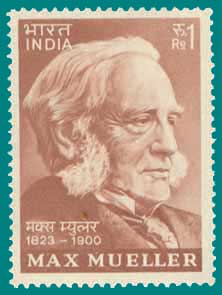
பிராமண நூல்களில் அஸ்வமேத யாகம், ராஜ சூய யாகம், புருஷமேத யாகம் குறித்துப் படித்த வெள்ளைக் காரர் களுக்கு ஒரே குஷி; மாக்ஸ்முல்லர் போன்ற ஜெர்மானிய கூலிகள், இது என்னத் தத்துப் பித்து உளறல் என்று பரிகசித்தனர். இதை வைத்தே இந்துமதத்தை கோழிகளைக் கூடைக்குள் அமுக்குவது போல ஒரே அமுக்காக அமுக்கிவிடுகிறேன் பார் என்று கொக்கரித்தார்கள்; மெக்காலே போன்றோர் இந்த வேகத்தில் ஆங்கில கல்வி பரவினால் இந்தியாவும் இராது; இந்துமதமும் இராது என்று எழுத்தில் வடித்தனர். நம்மூர் திராவிடங்களும் ஜஸ்டிஸ் கட்சிகளும் பலமாக மண்டையை ஆட்டின.பரிதபக் கேஸுகள்!!!


சோழன் பெருநற்கிள்ளி ராஜசூய யக்ஞம் செய்தது புற நானூற்றில் உள்ளது. பாண்டியன் முதுகுடுமிப் பெருவழுதி அஸ்வமேத யாகம் செய்தது புறநானூற்றிலும் காளிதாசனின் ரகுவம்சத்திலும் — குறிப்பால் உணர்த்தப்படுகிறது. சோழப் பேரசன் கரிகால் பெருவளத்தான் பருந்து வடிவ யாக குண்டம் நிறுவி வேள்வி வேட்டதும், ரிக் வேதம் சொல்லுவது போல எல்லோரையும் ஏழு அடி நடந்து வழியனுப்பியதையும் புற நானூறும் ஏனைய சங்க நூல்களும் செப்புகின்றன. வருணனையும், இந்திரனையும், விஷ்ணுவையும் தமிழ்க்கடவுள்கள் என்று ‘ஒல்காப்புகழ் தொல்காப்பிய’னும் செப்பி விட்டான். இந்த 2000 ஆண்டுக்கு முந்தைய விஷயங்கள் வெள்ளைக்காரர்

களுக்குத் தெரியாது!


கால்டுவெல் போன்றோர் உளறிய உளறல்களை மரத் (மறத்) தமிழர்கள் ஆங்காங்கே மறுத்து அடிக்குறிப்பு சேர்த்தனர்.


பிராமண நூல்களில் சதபத, ஐதரேய , தைத்ரீய பிராமணங்கள் யாக யக்ஞ்ங்களை விரிவாக எடுத்துரைக்கின்றன. அதில் தைத்ரீய பிராமணம் யஜூர் வேதத்தைச் சேர்ந்தது. அதில் புருஷமேத யக்ஞம் எனப்படும் நரபலி யக்ஞத்தில் 179 பேர் தீயில் ஆகுதி அளிக்கப்பட்டதாக பட்டியல் உள்ளது அதைப் அடித்த வெள்ளைகளுக்கு ஒரே ஆனந்தம்! இந்துக்களைக் காட்டுமிராண்டிகள் என்று காட்ட இது ஒன்று போதுமே என்று ஆடிப்பாடி மகிழ்ந்தனர். ஆனால் பட்டியலை வெளியிட்டால் அவர்கள் குட்டு வெளிப்பட்டுவிடும்!


மாக்ஸ்முல்லர், கால்டுவெல் போன்ற அரை வேக்காடுகள்– மான் தோல் போர்த்திய புலிகள்  — சாயனர் சொன்ன வியாக்கியானத்தைச் சொல்வதாக சொல்லி — அவர் சொல்லாத விஷயத்தையும் சேர்த்தனர்-


‘ஆரிய’ என்ற சொல்லின் பொருளை ‘ரிஷி முனிவர்கள்’, ‘வடக்கில் இமயத்தின் அடிவாரத்தில் வாழ்பவர்கள்’- ‘சம்ஸ்கிருத மந்திரங்களில் வல்லவர்கள்’- ‘பண்பாடு மிக்கவர்கள்’- ‘நாகரீகம் தெரிந்தவர்கள்’- ‘மாண்புமிகு’– என்ற உண்மைப் பொருளைப் பாரதி பாடல்களிலும் புற நானுற்றிலும் காணலாம்– மாக்ஸ்முலர் வகையறாக்கள் ஆரியர் என்பது ஒரு இனம் என்றும் அதில் தானும் ஒருவன் என்றும்- அவர்கள் ஜெர்மனி முதலிய இடங்களில் வாழ்ந்தனர் என்றும் இந்தியாவுக்குள் கி.மு 1500 வாக்கில் நுழைந்திருக்கலாம் என்றும் கதை கட்டினர். இவை எல்லாமின்று ‘பொய்யாய்ப் பழங்கதையாய்ப்’ போய்விட்டன.


ஏனெனில் சரஸ்வதி நதியின் விஞ்ஞான ஆராய்ச்சியும் நாஸா NASA புகைப்படங்களும் வெள்ளைத் தோலை உரித்துவிட்டன.

பிராமண நூல்களில் புருஷமேத யக்ஞத்தில் பலியிடப்பட்ட, அல்லது பலியிடப்பட வேண்டிய 179 பேரின் பட்டியல் உள்ளது. எனது ஆங்கிலக் கட்டுரையில் — மூன்று கட்டுரைகளில் – 179 பேரின் பட்டியலையும் கொடுத்துவிட்டதால் இங்கே தரப்போவதில்லை..


அதிலிருந்து நமக்குத் தெரியவரும் உண்மைகளை மட்டும் விண்டுரைப்பேன்!


1.தீயில் தூக்கிப் போட வேண்டிய முதல் ஆள் பிராமணன் என்று பட்டியல்  துவங்குகிறது. இதைப் படித்தவுடன் வெள்ளைத்தோல்களுக்கு உப்புச் சப்பில்லாமல் போய்விட்டது. சூத்திரன், ராக்ஷசன், அசுரன் என்று சொல்லி இருந்தால் , பார்த்தீர்களா பிராமணர்களின் அட்டூழியங்களை என்று எழுத முடியும்.

2.இதற்குப் பின்னர் போர் வீரன், வணிகப் பெருமகன், சூத்திரன் ஆகியோர் வருகின்றனர்.


  1. இந்தப் பட்டியல் மறை மொழியில் உள்ளது. அதாவது ஒரு சமுதாயம் என்பது இவர்கள் இல் லாமல் இல்லை என்று உணர்த்த எழுதப்பட்டது போல உளது. காரணம் என்னவெனில் இப்படி ஒரு யாகம் நடந்ததாக எங்குமே தகவல் இல்லை. பல நூறு ராஜாக்களில் ஒருவரான ஹரிசந்திரன் காலத்தில் சுனஸ்சேபனைப் பலிகொடுக்க முயன்றபோது புரட்சித்தலைவர் விசுவாமித்ரர் தடுத்துவிட்டதாத இருக்கிறது. சிறுத்தொண்டர் (பெரிய புராண) ஆதி சங்கர நரபலி முயற்சிகளும் காபாலிகர்களால் முயலப்பட்டதே அன்றி புருஷ மேத யக்ஞத்தின் பகுதியாகாது. மேலும் சங்கரர், சிறுத்தொண்டர் கதைகளும் தமிழ்த் திரைப்படங்கள் போல இனிதே- சுபம் – என்றே முழுமை பெறுகின்றன.


  1. 179 பேர் பட்டியலில் பல சொற்களுக்கு வெள்ளைகளுக்கே அர்த்தம் புரியவில்லை; விளக்கம் இன்றி அப்படியே எழுதிவிட்டனர்.


  1. இந்தப்படியலில் டாக்டர், வான சாத்திர அறிஞன், பொற்கொல்லன் ரதகாரன், கொல்லன், இசை துறை கலைஞர்கள், நாட்டிய சிகாமணிகள், இசைக்கருவி வாசிப்போர், மன்னருக்கு வரிவசூல் செய்வோர், மன்னருக்குப் பட்டாபிஷேகம் செய்வோர் ஆகியோரும் உள்ளது. அதாவது, இவர்கள் ஒவ்வொருவராக தீயில் போடப்பட வேண்டும்


ஆக இந்தப் பட்டியலை இலக்கிய பூர்வமாக, எழுத்துக்கு எழுத்து அர்த்தம் செய்ய முடியாது என்று கண்ட வெள்ளைகளும்  மார்கஸீய வாந்திகளும் பேசாமடந்தை ஆகிவிட்டன. இதைப் பற்றி பிரஸ்தாப்பிபதைவிட இதை தொட்டும் தொடாமலும் பட்டும் படாம லும் சொல்லிவீட்டு அந்தக் காலத்தில் — ஆதிகாலத்தில் — இருந்த நரபலியின் எச்சம் -சொச்சம்- மிச்சம்- மீதி என்று ஒரு வரி எழுதி விட்டு ஓடிப்போய் விட்டார்கள்


வெடிகுண்டு வெடிக்கலாம் என்று வந்த பயங்கரவாதிகளுக்கு புஸ்வாணமே கிடைத்தது!!!!!


  1. இதைவிட இன்னொரு விஷயம் என்னவென்றால் 50 வெள்ளைகளும் 100 மார்கஸீயங்களும் 1000 திராவிடங்களும் ஒரு மந்திரக் கருத்திலும் ஒருமித்த கருத்து கொள்ளவில்லை. ஆரியர் கள் வெளி நாட்டில் இருந்து வந்தவர்கள் என்று மட்டும் சொன்னால் போதும்– காட்டினால் போதும்– 300 வருஷம் நம்மை ஆண்ட வெள் ளையன் தயவும் ரொட்டித் துண்டும் கிடைக்கும் என்று வா லாட்டின.

7. இதைவிடப் பெரிய விசயம் என்ன வென்றால், கி,மு.1200ல் படிப்பறிவற்ற –மாடு மேய்க்கும்—அநாகரீகக் கும்பல் கைபர் கணவாய் வழியாக நுழைந்தது என்று சொல்லிவிட்டு- கிமு. 1000ல் அவர்கள் பிராமணங்களில் சொன்ன விஷயங்களைப் பட்டியல் போடுவது – “சூடான ஐஸ்க்ரீம்” என்று சொல்லுவது போல இருந்தது. உலகில் எந்த நாகரீகமும் இப்படி வளர்ந்ததாக சாட்சியம் இல்லை. நாம் சுமேரிய, எகிப்திய நாகரீகம் பற்றிப் படிப்பதெல்லாம் 5000 ஆண்டு வரலாறு. ஆக அதே அளவுகோலை இந்துக்களுக்கும் வைத்தால் நாம் 10,000 ஆண்டு வரலாறு உடையவர் ஆகி விடுவோம். அது எப்படி?

பிரம்மாண்டமான வேத இலக்கியமும் பிராமணங்களும் உருவான போது உலகில் வேறு எந்த இலக்கியமுமே இல்லை. எகிப்திய, பாபிலோனிய இலக்கியம் எல்லாம் மியூசியங்களுக்குப் போய்விட்டன. ஆனால் ரிக்வேதச் சொற்களை, கொட்டாம் பட்டி காய்கறிக்கூடைக் கிழவி முதல் இமயமலை ரிஷிகேஷ் பண்டிதர்வரை இன்று வரைப் பேசி வருகின்றனர்; போற்றி வருகின்றனர். நமக்குத் தெரிந்த தமிழ், லத்தீன், கிரேக்கம் ஆகியவற்றுக்கு அப்போது இலக்கியமே இல்லை. ஹீப்ருவீல் அதற்குப் பின்னர்தான் மோசஸ் கதைக்கத் துவங்கினார். அவருக்கும் வரலாற்று ஆதாரம் இல்லை. இலக்கிய ஆதாரம் மட்டுமே உளது. சீன மொழிக் கவிதைகள் அங்கொன்றும் இங்கொன்றுமாக உளது. அழிந்து போன எகிப்திய, பாபிலோனிய  கவெட்டுகளும் ஜில்காமேஷ் போன்ற பிதற்றல்களும் உப்பு புளி எண்ணை விற்ற கணக்குகளுமாக உளது. 1,20,000 களிமண் கல்வெட்டுகள் கிடைத்தன. ஆயினும் ரிக்வேதம் போல ஒரு கவிதைத் தொகுப்பு கிடையாது. நாமோ அதை வியாசர் கி.மு 3102-க்கு முன் தொகுத்ததாகப் படிக்கிறோம்.


ஆக, நரபலி யாகம் நடக்கவில்லை. அதில் பிராமணன் முதலான 179 பேரைத் தீக்கிரையாக்கவும் இல்லை. அவர்கள் வேள்வி என்று சொன்ன சொல் பிறகாலத்தில் பகவத் கீதையில் வேள்வி என்ற சொல் பல விஷயங்களுடன் இணைக்கப்பட்டது போலப் பயன்படுத்தப் பட்டிருக்கலாம்.


நானே வெள்ளைக்கரன் மொழிபெயர்ப்பை வைத்துதான் இவ்வளவையும் எழுதுகிறேன். அவன் எத்தனை தப்பு விட்டானோ? திரித்து எழுதினானோ ஆண்டவனுக்கே வெளிச்சம்.

இந்து அறிஞர்கள் மஹா நாடு கூட்டி ரிக் வேதத்தில் உள்ள 10,000 மதிரங்களுக்கும் உண்மைப் பொருளைக் கண்டறிய வேண்டும் அல்லது கான்சி பரமாசார்ய சுவாமிகள் போன்ற பெரியோர்கள் சொல்லுவது போல அவைகளை அர்த்தம் பாராமல் மந்திரங்களாக உச்சரிக்க வேண்டும். எதிர்காலத்தில் வரப்போகும் ஆதிசங்கரர்களும் வியாச மகரிஷிகளும் நமக்கு விளக்கம் தருவர் என்று நம்புவோமாக.


TAGS: இந்து, நரபலி, யக்ஞம், புருஷமேதம், 179 பேர் படுகொலை


-சுபம்—


மாக்ஸ்முல்லர் மர்மம்! – 4 (Post No.4269)

Written by S.NAGARAJAN


Date: 4 October 2017


Time uploaded in London- 6-16 am


Post No. 4269

Pictures shown here are taken from various sources such as Facebook friends, Books, Google and newspapers; thanks.


நண்பரா, கைக்கூலியா!

மாக்ஸ்முல்லர் மர்மம்! – 4

ச.நாகராஜன்

6


லார்ட் மெக்காலேயின் முழுப் பெயர் தாமஸ் ஜேம்ஸ் பாபிங்டன் மெக்காலே.

மெக்காலே பிறந்த தேதி 25-10-1800

மாரடைப்பால் இறந்த தேதி 28-12-1859

1834ஆம் ஆண்டு சுப்ரீம் கவுன்ஸில் ஆஃப் இந்தியாவின் துவக்க உறுப்பினராக அவர் ஆக்கப்பட்டார்.

அடுத்து 1834ஆம் ஆண்டிலிருந்து 1838ஆம் ஆண்டு வரை நான்கு ஆண்டுகள் இந்தியாவில் இருந்தார்.

இநதியாவில் உள்ளவர்கள் நாகரீகமற்ற ஜடங்கள் என்றும். விக்கிரக ஆராதனை செய்பவர்கள் நிச்சயம் திருத்தப்பட வேண்டிய ஜென்மங்கள் – காட்டுமிராண்டிகள்-  என்றும் அவர் தீர்மானமான எண்ணம் கொண்டார்.

இதற்கான ஒரே வழி ஆங்கிலக் கல்வியை இங்கு அறிமுகப்படுத்தி இந்திய இரத்தமாக இருந்தாலும், கறுப்புக் கலருடன் இருந்தாலும் எண்ணத்தில் சுத்தமான ஆங்கில டேஸ்டையும் அறிவையும், பழக்க வழக்கங்களையும் இந்தியர்கள் கொண்டிருக்க வேண்டும் என்றும் தீர்மானித்தார்.

இந்த அறிவீ னமான கொள்கையைத் தான்  மெக்காலே கொள்கை என்கிறோம்.

இதற்குப் பலியாகி இதை ஆமோதித்தோர் பிரிட்டனில் இருந்த ஏராளமானோர்.

மாக்ஸ்முல்லரும் இந்தக் கொள்கையில் விழுந்தவரே!

அனைத்து இந்தியரும் கிறிஸ்துவுக்கு ஒப்புக் கொடுக்கப்பட்டு எப்படியாவது உடனடியாக இந்தியாவை கிறிஸ்தவ நாடாக்கி விட வேண்டும் என்பதே மெக்காலேக்களின் ( மெக்காலே கொள்கையைக் கொண்டோர்) ஒரே எண்ணமாக இருந்தது.

இதற்கான வழி வகைகளை முழு வீ ச்சுடன ஆராய்ந்து அமுல் படுத்தினர் பாதிரிமார்கள்.

இந்த நிலையில் தான் மாக்ஸ்முல்லர் லண்டன் வந்தார்.

7


மிஷனரிகளுக்கு பிரமாதமான வேலை இந்தியாவில் காத்திருந்தது.

முப்பது கோடிப் பேர்கள்.

அவர்கள் 56 தேசங்களாகப் பழைய பாரதத்தில் இருந்து இப்போது ஐநூறுக்கும் மேற்பட்ட சமஸ்தானங்களாக ஆகி இருக்கின்றனர்.

பல்வேறு  மொழிகள்.

ஆகவே

  • ஐநூறுக்கும் மேற்பட்ட சம்ஸ்தானங்களை மேலும் பிளவு படுத்த வேண்டும்.
  • இருக்கின்ற உள்ளூர் மொழிகளை வைத்து எவ்வளவு பிரச்சினையையும் பிரிவினையையும் உருவாக்க முடியுமோ அவ்வளவையும் உருவாக்க வேண்டும்.
  • அனைவரையும் ஒன்று படுத்தும் ஆதார மொழியான சம்ஸ்கிருத்த்தை அழிக்க வேண்டும்; அது ஒன்றுமில்லாத மொழி என்று திட்டமிட்டு “ஆதாரபூர்வமாக அறிஞர்களின் பின்னணியில் ஆய்ந்து” முடிவை வெளியிட்டு சொந்த மக்களே அதை எள்ளி நகையாட வேண்டும்.
  • ஆரியர்கள் படையெடுத்ததால் பல பகுதிகள் பாதிக்கப்பட்டன.திராவிடர்கள் வேறு இனம். அவர்கள் ஆரியர்களால் தெற்கே துரத்தப்பட்டவர்கள் என்று ஓங்கி முழங்கி அதை ஆதரிக்கும் ஒரு கைக்கூலிப் படையை உருவாக்க வேண்டும்.
  • ஆங்கிலத்தைப் புகுத்தி அதைப் பேசுவோருக்கு உயர் பதவி அந்தஸ்து தரப்படல் வேண்டும். அவர்கள் ஆங்கில ஜாதி – அதாவது மேம்பட்ட ஜாதி என்ப்தை கணம் தோறும் வாழ்க்கை முறையில் நிரூபித்துக் காட்ட வேண்டும்.
  • .சொந்த கலாசாரத்தைப் பின்பற்றுவோர் கல் தோன்றிய காலத்தில் இருந்த காட்டுமிராண்டிகள்; அவர்களின் இராமாயணம், மஹாபாரதம், புராணங்கள் உள்ளிட்டவை சுத்த புளுகு மூட்டைகள் என்ற பிரச்சாரம் பலப்படுத்தப்பட வேண்டும்.
  • வேத மந்திரங்கள் அர்த்தம் இல்லாதவை; சிறுபிள்ளைத்தனமானவை என்று அடிக்கடி திருப்பித் திருப்பி “அறிஞர்களால்” சொல்லப்பட வேண்டும்.
  • ஹிந்துக்களை ஜாதி வாரியாகப் பிரித்து சண்டையிடச் செய்ய வேண்டும்.
  • தீண்டாதார் என்று ஒரு கோஷ்டியை இனம் காட்டி ஒட்டு மொத்தமாக அவர்களை ஹிந்து மதத்திலிருந்து பிரிக்க வேண்டும்.

10 ) ஹிந்துக்களுக்கும் முஸ்லீம்களுக்கும் தீராத தொடர் பகையை ஒவ்வொரு நாளும் ஒவ்வொரு இடத்திலும் உருவாக்கி அதை நீடித்து வளரச் செய்ய வேண்டும்.

  • எவ்வளவு விதமாக எத்துணை அளவு நாட்டைப் பிரித்துத் துண்டாட முடியுமோ அத்துணை அளவு அதைச் செய்ய வேண்டும்.
  • இந்த நோக்கங்களுக்கு ஆதரவாக உயர் குடி மக்களையும் படித்தவர்களையும், அறிஞர்களையும் பொன், பெண், பதவி உள்ளிட்ட அனைத்தையும் விலையாகக் கொடுத்து வாங்குதல் வேண்டும். அவர்கள் லண்டனின் மவுத் பீஸாக விளங்கினால் பாமர மக்கள் செய்வதறியாது தானே பின் தொடர்வர். வேலை சுலபமாகும்.
  • மேலை நாட்டு நடை, உடை, பாவனைகளை அதிகமதிகம் பரப்ப வேண்டும். அதை அனைவரும் மதிக்கும் படி செய்ய வேண்டும்.
  • ஓட் போடும் முறை வந்தால் அதை மூலதனமாகக் கொண்டு இன்னும் ஏராளமான பிரிவினைகளைச் செய்யலாம்.
  • இதற்கு ஆகும பணத்தை இந்தியாவிலிருந்து சுரண்டி எடுத்து லண்டனுக்கு அனுப்பி அங்கிருந்து பட்ஜெட் போட்டு மீண்டும் இந்தியாவிற்கு இந்த நோக்கங்களுக்காக அனுப்பல் வேண்டும்.

இதற்காக முழு சேனை மிஷனரிகள் என்ற பெயரில் தயாராக வேண்டும் என்ற நிலைப்பாடு இதை ஒட்டி எழவே மிஷனரிகள் தயாராயினர்.

மேலே கண்ட நோக்கங்களின் அடிப்படையில் இந்திய வரலாற்றைச் சில நிமிடங்கள் ஆராய்ந்து பார்க்கும் அன்பர்கள் இன்று இந்தியத் திருநாட்டில் விளங்கும் அத்தனை பிரச்சினைகளுக்கும் அலங்கோலங்களுக்கும் இவையே காரணம் என்பதை அறிந்து கொள்ள முடியும் – சுலபமாக.


இந்தப் பின்னணியில் மாக்ஸ்முல்லருக்கு வருவோம்.

***

தொடரும்


179 Victims in Hindu Human Sacrifice- Last Part (Post No.4268)

Written by London Swaminathan


Date: 3 October 2017


Time uploaded in London-21-57


Post No. 4268

Pictures shown here are taken from various sources such as Facebook friends, Books, Google and newspapers; thanks.


Purushamedha Yajna-Human Sacrifice


Following is the third and last part of 179 victims as given in the  Taittiriya Brahmana; first two parts and the introduction about Sunashepa episode are given in the past three days. Please read from ‘Sunashepa Episode: Golden carpet and Silver Chariot to Brahmins’—article.


91.To the mentally wrathful, a blacksmith, or one who works at a forge


93, to him who presides over griefs,  a groom who runs before a chariot


94.To the two who preside over gains above or below, one’s expectation (Utkula and Vikula), a cripple who cannot move even with the help of a crutch


95, him who presides over expected profits, one who harnesses a horse to chariot


96, to him who protects gains, one who unharnesses a horse i


97, to the portly.bodied, the son of one who is addicted to her toilet;


98, to him who presides over politeness, one who puts collyrium on his eyes


99, to the divinity of sin, a maker of leather sheaths for swords;


100, to Yama (the destroyer of life), a barren woman.


101, To Yami, a mother of twins

102., to the goddesses woo preside over, the mantras of the Atharva Veda, a woman who had aborted;


  1. to the divinity of the first year of Jupiter’s cycle, woman who is confined long after due time


104.To that of the second year ditto, one who has not conceiveds for the second time;


105, the third year of ditto, one who is able to bring on delivery before due time;


106, to that of the fourth year ditto, one who can delay delivery

  1. to that of the fifth year ditto, one who becomes lean without delivery


108, to one who produces a misleading impression of the world, a woman who appears old in youth

  1. to the divinity of forests, a forest ranger or keeper


110.To the divinity of a side forest, one who protects forests from fire.


  1. To the divinities of the lakes, a fisherman who catches fish both in water and also from the bank

112.To those of ponds, one who catches fishes with hooks.

113.to those of bays, one who earns his livelihood with a net


114, to those female divinities, who presides over waters amidst prairies, one who earns his livelihood with fishing hooks


  1. To the divinity of the further bank, a Kaivarta, or one who hunts fish from the banks


116.to that of the near bank, a Mérgira (or one who catches fish with his hands only)


117, to the divinities of fords, one who catches fish with by putting up stakes in waters


  1. To those who preside over other than fords, one who earns his livelihood by catching fish with nets


  1. to those who preside over sounding waters, one who catches fish by poisoning them with poisoned leavesplaced in the water.


  1. To those of caverns in mountains, a Kirata (hunter)


121, To those of peaks of mountains, a Yambhaka;

122, to those mountains, a Kimpurusha.


  1. To the divinity of echoes, a news-dealer


124.To that of sounds, an incoherent speaker


125, to that of fading sounds, one who speaks much;


126.To that of unending sound, a dumb person


127, to that of loud sound, a player on the Veena


  1. To that of musical sound, a player on the flute


129, to that of all kinds of sounds, a trumpeter than a blower of conch shells


131, to those of who preside over the of seasons, one whose profession is to collect fragments of skins


132.To those of statesmanship (or of time, place and opportunities, for peace negotiations, a preparer of musical instruments with leather.

  1. To the goddess presiding over abhorrence, a (man of the) Paulkasa (caste)


134, to the goddess of affluence, one who is always careful or wakeful,


135, to that of indigence, a careless or sleepy person


  1. To that of scales (or weighing instruments), a purchaser


137.To the god presiding over the radiance of jewels, a goldsmith


  1. to the Visvedevus, a leper


139.To the  divinity of diseases other than leprosy, a naturally lean person


140.To the goddess of motion, a scadal monger


141, to that of prosperity one who is not impudent


142, to the god of decay, one who splits wood

143, To the divinity of mirth, a loose woman


144.To that of song, a player on the Vina or a songster

should be sacrificed


145.To that of aquatic animals a Sabbulya (one whose body is brindled, or has two colours, a piebald woman


  1. To that of congratulatory words, a woman of perfect form


147.To that of dancing, one who plays on flutes, one who leads the octave in a chorus and one who beats time with his hands.


148.To that of manifest delight, one who invites people to a dance, or one who makes a  sound to indicate the cessation of a dance.


149.to that of internal delight, on plays on the talava (a musical instrument, probably the archetype of the modern table) or one who produces music from his mouth.


  1. To the divinity of gambling with dice, a proficient gambler

  1. To that of the Krita age, a keeper of a gambling hall

152, to that of the Treta age,  a marker or reckoner at a gambling table


  1. To that of the Dwapara age, one who is a spectator at a gambling table


  1. To that of the Kali age, one who does not leave a gambling hall even after the play has stopped,


155.To that of difficult enterprises, a teacher of gymnastics on the tip of a bamboo:


156, to that of roads, a brahmachari (bachelor)


157.To the Pisachas,  one who commits robberies on public highways and then hides in mountain:


158, to the goddess of thirst, one who skins cattle:


159, To that of sin, a cattle poisoner


160, To that of hunger, a cow butcher


161, To the goddess of hunger and thirst, one who lives by begging beef from a butcher


162, To the divinity of land, a cripple who moves about on a crutch


163.To that of fire, a chandala


164 to that of the sky, one whose profession is to dance on the top of a bamboo


  1. To that of the celestial region, a bald person

  1. to the presiding divinity of the sun, a green-eyed person

167, To the divinity of the moon, one who twinkles his eyes too frequently.


168.To the presiding divinity of the stars, one affected with white leprous blotches


169, to that of day, an albino with tawny eyes


170, To that of night, a black person with tawny eyes.


171.To the goddess of speech, a fat person


172, to Vayu, the five vital airs- Prana, Apana, Vyana, Udana, samana of that person

173.To Surya should be immolated his eyes


174, to Grandrma, his mind


175.To the regents of the quarters his ears;


176 his life, to Prajipati.

  1. Now to ugly divinities should be immolated very short very tall, very lean, very fat, very white, very dark, very smooth, very hairy, few toothed, numerously toothed, frequently -twinkling-eyed, and very glaring eyed persons.


178, to the goddess for unattainable (and) objects of hope a woman who has passed the age of conception


179.And to the goddess of hope for unattainable (and) objects, a virgin. -Taittiriya-Brahmana


On the above Apastamba remarks “The is a penta- diurnal; a Brahman or a Kshatriya should celebrate it. He thereby acquires strength and vigour; be enjoys all fruition.

My comments:


The list should not be taken literally; as usual the seers speak in mysterious language. Human sacrifice did not happen at any time in Hindu History whereas the aboriginal tribes had practised them till recently.


The list shows that we are talking about a highly skilled and highly organised, high thinking people. They are not nomads or pastoral. The references to doctor, astronomer, musicians, musical instruments, chariots, speech (Vak) etc show that they were city dwellers.


The words and gods they use to describe certain qualities or virtues, show that they were far superior in thinking to Sumerians, Egyptians, Chinese and Mayans even if we take the period of Brahmanas is around 1000 BCE.


But 50 foreign “scholars” who scrutinised Vedas word by word, sentence by sentence never did it for any other religious book. They did it to justify whatever said in those book but not to oppose it. This shows their true colours and motive.


Those “scholars” (in fact idiots or cunning rascals) never agreed even on a single mantra of the 10,000 Rig Vedic mantras. Leave alone the huge Brahmana literature, which came before the unhistorical Moses, Greek Homer and others. Latin and Tamil did not exist at that time.


Foreigners fooled Indians by placing the Vedas in 1200 BCE and Brahmanas in 1000 BCE. A big difference in or a big jump in knowledge or rituals or approach or thinking process. This is impossible to achieve for “pastoral nomads”. Brahmana literature is encyclopaedic. They talk in decimal numbers and they have big mathematical calculations for erecting Fire Altars. They went to Egypt and helped them in erecting pyramids (For proof, please read my article Did Indians build Egyptian Pyramids?)


In short whatever the foreigners said about Vedas or the Vedic Hindus or their age, shouldn’t be believed.


Hindus should convene scholarly conferences and take mantra by mantra and write down all available Hindu interpretations. Even before Sayana we have several interpretations. More over the lost (huge) Vedic literature must be taken into accounts; the fragments are still available in other literature.


Even for this list I have depended only on foreign translations; one would never know whether they have corrupted the texts or translations to suit their needs!


Please read all the connected articles for my views on the subject. They have been posted in the past one week.


Source book: The Vedas and Brahmanas, J Murdoch,Caxton Publications, Published 100 years ago.


–Subham–


.

குழல் அழகர், வாயழகர், கண்ணழகர்: ஆண்டாள் சொல்மாலை! (Post No.4267)

Written by London Swaminathan


Date: 3 October 2017


Time uploaded in London-16-07


Post No. 4267

Pictures shown here are taken from various sources such as Facebook friends, Books, Google and newspapers; thanks.


குழல் அழகர், வாயழகர், கண்ணழகர்: ஆண்டாள் சொல்மாலை! (Post No.4267)

ஆண்டாள் பாடிய திருப்பாவை அதிகமானோருக்குத் தெரிந்திருக்கிறது. ஆனால் அவர் பாடிய நாச்சியார் திருமொழி , தமிழ் வைஷ்ணவர்களிடம் பிரபலமான அளவுக்கு மற்றவர்களிடம் பிரபலமாகவில்லை. ஒவ்வொரு பாடலிலும் உள்ள பக்திச் சுவை ஒரு புறம் இருக்க, சொல்லழகும் இருக்கிறது. ஓரிரு பாடல்களைக் காண்போம்.


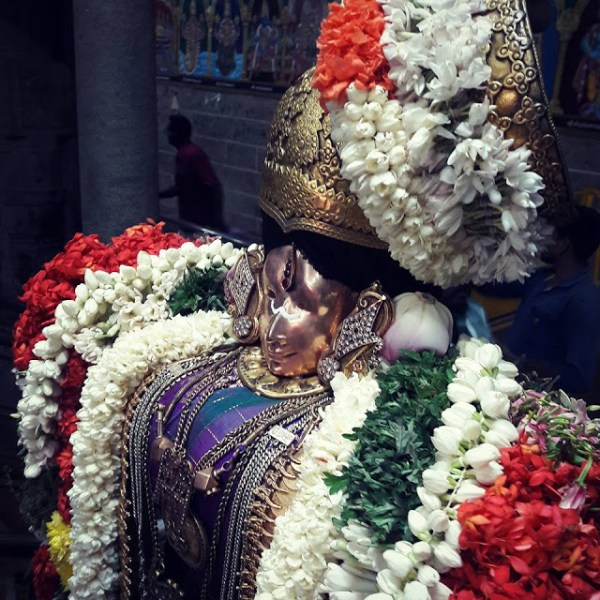
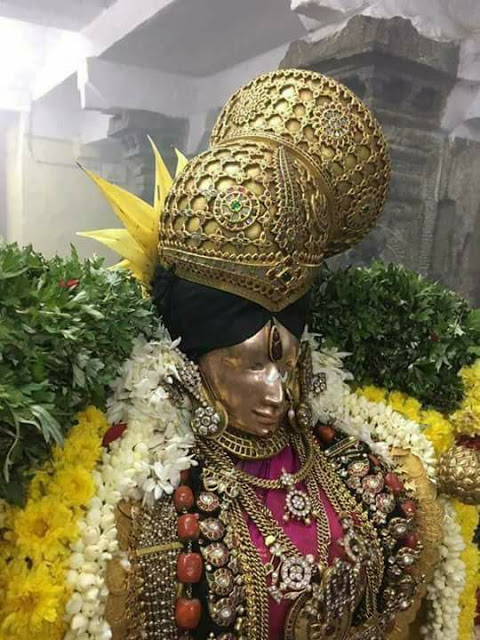
திருவரங்கத்து அழகன்மேல் காதல் கொண்ட ஆண்டாள், அவனைப் பலவகையில் வருணிக்கிறாள். குழல் அழகர், வாயழகர், கண்ணழகர், பூவழகர் என்று புகழ்ந்து தள்ளுகிறாள்.


எழிலுடைய அம்மனைமீர்!

என்னரங்கத் தின்னமுதர்;

குழல் அழகர் வாயழகர்;

கண்ணழகர்; கொப்பூழில்

எழுகமலப் பூவழகர்;

எம்மானார் என்னுடைய

கழல்வளையைத் தாமும்

கழல்வளையே ஆக்கினரே!

—ஆண்டாள் அருளிய நாச்சியார் திருமொழி


பொருள்:-

அழகை உடைய அன்னையீர்! எனக்குரிய திருவரங்கத்தே வீற்றிருக்கும் அரங்கநாதர் இனிமை நல்கும் அமுதம் ஒத்த உருவத்தை உடைய அழகர்; அவர் சுருட்டி முடித்த கூந்தலை உடைய அழகர்; புன்சிரிப்பைக் காட்டும் சிவந்த திருவாயை உடைய அழகர். காண்பாரை ஈர்க்கும் கண்ணழகர்; புதிதாக மலர்ந்தெழும் தாமரை மலரின் மென்மையையும்  அழகையும் பெற்ற உந்திச் சுழிகொண்ட திருவயிற்றைப் பெற்ற அழகர்; என்னை ஆட்கொண்ட அழகுருப் பெற்றவராகிய அத் தலைவர் காதல் பித்தேற்றி என்னை மெலிவித்தார். என்னுடைய கழற்றவும் பின் சேர்க்கவும் இயல்புடைய கை வளைகளை கையைவிட்டே கழன்றோடும்படி செய்து விட்டனரே! பார்த்தீர்களா? என்கிறாள்.

இன்னொரு பாசுரத்தில் கொள்ளைக் கொள்ளிக் குறும்பனை கோவர்த்தனனை என்று வருணிப்பாள்


அதாவது, மென்மையான பெண் உள்ளத்தை அழகால் மயக்கிக் கொள்ளை கொள்ளும் குறும்புச் செயல்புரிபவனும் — என்பதாகும்.


இதை திருஞான சம்பந்தரின் தேவாரத்தின் முதல் பாடல் வரிகளுடன் ஒப்பிட்டு மகிழலாம்:

உள்ளம் கவர்கள்வன் என்று உள்ளத்தைக் கொள்ளை கொண்டவனான சிவ பெருமானை வருணிக்கிறார்.


யஜூர்    வேதத்தில் உள்ள ருத்ரத்திலும் தஸ்கரானாம் பதி= திருடர் தலைவன், அதாவது உள்ளத்தைக் கொள்ளை  கொள்ளும் கள்வர் தலைவனாக சிவனை வருணிக்கிறார்கள் வேத கால ரிஷிகள்.


ஆண்டாளையும், சம்பந்தரையும் வேத கால ரிஷிகளையும் ஒப்பிட்டுப் பார்ப்பதில் ஒரு தனி ஆனந்தம் கிடைக்கும்.

–SUBHAM–

கடனால் நடுக்குற்ற புலவர்! (Post No.4266)

Written by S.NAGARAJAN


Date: 3 October 2017


Time uploaded in London- 6-41 am


Post No. 4266

Pictures shown here are taken from various sources such as Facebook friends, Books, Google and newspapers; thanks.


தமிழ் இன்பம்


கடனால் நடுக்குற்ற புலவர் போட்ட புதிருடன் கூடிய பாடல்!


ச.நாகராஜன்


இராமச்சந்திர கவிராயர் பெரும் புலவர். ஒரு முறை கடன் தொல்லையால் மிகவும் அவதிப்பட்டார்.


அதை எப்படித் தீர்ப்பது?வேறு வழி? வள்ளல் ஒருவரைக் கண்டு தமிழ்ப் பாட்டால் வேண்டுகோள் விடுக்க வேண்டியது தான்!

அப்போது சீதாராமன் என்ற வள்ளல் தமிழின் பால் தீராக் காதல் கொண்டிருந்தார் ஆகவே தமிழ்ப் புலவர்கள் வேதனைப் படுவதைக் கண்டு அவர் சகிக்க மாட்டார்.

அவரிடம் வந்தார் நம் புலவர்.


கடன் என்று நேரடியாகச் சொல்லத் தயக்கம். ஆகவே, பாடினார் இப்படி ஒரு பாடல்.


அத்திரம்வே லாவலமி ராசி யொன்றிற்

கமைந்தபெயர் மூன்றினிடை யக்க ரத்தால்

மெத்தநடுக் குற்றுனைவந் தடைந்தே னிந்த

விதனமகற் றிடுமற்றை யெழுத்தோ ராறில்

பத்துடையா னைத்தடிந்து பெண்ணார் செய்து

பரிவினுகர் வோனிருதாள் பணிந்து போற்றும்

சித்தசனே தெளியசிங்கன் றவத்திற் றோன்றுஞ்

சீதாரா மப்ரபல தியாக வானே.


அத்திரம் – அஸ்திரம் அத்திரம் ஆனது. அதைத் தமிழில் பகழி என்பர்.

வேலாவலம் – கடல்

இராசி ஒன்றிற்கு அமைந்த  பெயர்  – கன்னி இராசி

மூன்றின் – இந்த மூன்று வார்த்தைகளின்

இடை அக்கரத்தால் – நடுவில் உள்ள எழுத்துக்களால்

மெத்த நடுக்குற்று – மிகவும் நடுக்கம் அடைந்து

உன்னை வந்து அடைந்தேன் – உன்னிடம் வந்து சேர்ந்தேன்.

பகழி, கடல், கன்னி ஆகிய மூன்று வார்த்தைகளில் உள்ள நடு எழுத்து க ட ன் – கடன் என்பதாகும்.


கடனால் மெத்த நடுக்கம் அடைந்தாராம் கவிஞர்.

ஆகவே உன்னை வந்து அடைந்தேன் என்கிறார்.


இந்த விதனம் அகற்றிடு – இந்த விசனத்தை – என் கவலையை நீக்கிடு.


மற்றை எழுத்து ஓர் ஆறில் – மற்றைய ஆறு எழுத்துக்களினால்

பத்து உடையானைத் தடிந்து – பத்துத் தலைகளை உடைய இராவணனைக் கொன்று


பெண் ஆக செய்து – பெண்ணுருவாக்கி

பரிவின் நுகர்வோன் – அன்போடு கொடுத்ததை வாங்கி உண்டவனாகிய திருமாலின்

இரு தாள் – இரண்டு பாதங்களை


பரந்து போற்றும் – வணங்கித் துதிக்கின்ற

சித்தசனே – அழகினால் மன்மதனை நிகர்த்தவனே

தெளிய சிங்கன் – தெள்ளிய சிங்கனது

தவத்தின் தோன்றும் – தவப் பேறினால் அவதரித்த

சீதாராம – சீதாராமன் என்னும் பெயருடைய

ப்ரபல தியாகவானே – பிரசித்தமான கொடையாளியே!


பகழி, கடல், கன்னி ஆகிய மூன்று வார்த்தைகளில் நடு எழுத்துக்களான க, ட, ன் ஆகிய மூன்று எழுத்துக்களை நீக்கி விட்டால் மீது வரும் ஆறு எழுத்துக்கள் பழி, கல், கனி ஆகும்.


இவற்றில் முதலில் இருக்கும் பழியினால் பத்துத் தலை உடைய இராவணனைக் கொன்று, இரண்டாவதாகிய் கல்லை அகலிகை என்னும் பெண்ணாக உருவாக்கி, மூன்றாவதாகிய கனியை சவரி சமர்ப்பிக்க அதை ஏற்று உண்டவனாகிய இராமனின் பாதங்களை வணங்கித் துதிக்கும் சீதாராமன் என்ற பெயரைக் கொண்ட கொடையாளியே, என் துன்பத்தைப் போக்கு!

என்ன சாமர்த்தியம்?


கவிஞர் போட்ட புதிர்க் கவிதையை அவிழ்த்து அதன் பொருளைக் கண்டு அவர் கடனைத் தீர்த்தார் சீதாராம வள்ளல்.

கவிஞருக்குக் கடன் தீர்ந்தது.

நமக்கோ நல்ல பாடல் ஒன்று கிடைத்தது.

வாழ்க தமிழ். வளர்க புலவர் கூட்டம்!

***

179 ‘Victims’ in Hindu Human Sacrifice – Purushamedham- Part 2 (Post No.4265)

Written by London Swaminathan


Date: 2 October 2017


Time uploaded in London-16-46


Post No. 4265

Pictures shown here are taken from various sources such as Facebook friends, Books, Google and newspapers; thanks.


First part was posted yesterday. Here is the second part


41.To the Gods of rivers, a fisherman

42.To the regents of lonely place, A Naishada

43.To the god who claims to be the noblest of males, an excessively vain man

44.To the gods of Heroes, an insane man

45.To the Gandharvas and their wives, one who has not been duly purified by the initiatory rites, A Vratya


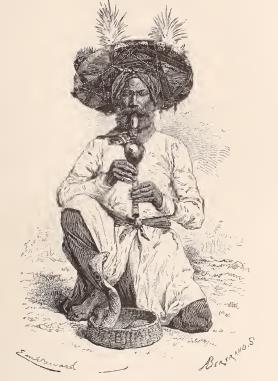
46.To the regents of snakes, and snake charmers, one unfit for the initiatory rites

47.To the guardian gods, a gambler

48.To Iryata, the goddess of food, one who abstains from gambling

49.To the Pichasas, a basket maker

  1. To the Yatudhanas, one who puts up a thorny edge.


51.To those gods who frustrate undertakings, a hunchback

52.To Pramada, divinity of excessive joy, a dwarf

  1. To those goddesses who are guardians of gates, a diseased person.

54.To the presiding divinity of dreams, a blind man

55.To the divinity of sin, a deaf man

56.To the divinity of sense, one who wins her husband’s affection through charms or filters


57.To the divinity of profuse talk, a bore

58.To the goddess who is little conversant with Vedas, a sceptic

59.To her who is conversant with them, one who is proficient in questioning.

60.To her who presides over the purport of the Sastras, one who is able to meet arguments.


  1. To one who prides in killing heroes, a tattler

63.To one who presides on gains, a charioteer

64.To the divinity who protects Royal treasuries, a treasurer or revenue collector

  1. To the mighty, servant

66.To the majestic, an officer or assistant

  1. To the dear one, a sweet speaker

68.To the uninjurious, a cavalier

  1. To the intelligent, or him who is proficient in a knowledge of religious rites, a washer-woman

70.To the most loving, a female dyer

71.To the refulgent, a collector of fuel

72.To the highly refulgent, a fire man or a lighter of fires

73.To him who dwells on the top of heaven, one who officiates at a coronation

74.To the regent of the region of sun, a polisher of metal pots

75.To him who prides himself on being of the Devas, one who causes enmity

76.To him who resides in the region of the mortals, one who foments quarrels among those who are in peace.

77.To whom who belongs to all regions, a peacemaker

  1. To him who presides over death by penance, one who meddles in quarrels

79.To him who prides himself on being of heaven(svarga), one who collects the dues of a king from his subjects

80.To the most aged of heaven, a tableservant.

81.To the wavy mover, an elephant keeper or a mahout

82.To the swift, a groom

83.To the robust, a cowherd

84.To the vigorous, a goatherd

85.To the energetic, a shepherd

  1. To the divinity of food, a ploughman

87.To that of water, a distiller or a vintner

88.To that of welfare, householder

89.To that of prosperity, an owner of wealth

90.To him who is the immediate cause of all things, the servant of a charioteer or an assistant charioteer.


My comments: Another 90 are yet to come. Even the first ninety people are enough to show, the Purushamedham was only symbolic. Even a cursory reading of the list will show that it did not happen anywhere. What they are trying to show is  that the people were all just limbs of one common body.


The list shoos that the Vedic Hindus were highly skilled and talk even about coronation. There was a monarchy to whom people were paying taxes. All these happened around 1000 BCE even according to the jaundice eyed foreign “scholars”!

to be continued………………….


சீதையிடம் அனுமன் கண்ட இரண்டு அதிசயங்கள்! (Post No.4264)

Written by London Swaminathan


Date: 2 October 2017


Time uploaded in London- 6-30 am


Post No. 4264

Pictures shown here are taken from various sources such as Facebook friends, Books, Google and newspapers; thanks.


ராமாயணத்தில் சுந்தர காண்டம் சிறப்பிடம் பெறுகிறது. இதைப் பாராயணம் செய்தால் நிறைய பணம் கிடைக்கும், வீட்டில் சுப காரியங்கள் நடக்கும் என்று நீண்ட காலமாக நம்பிக்கை உளது.

சுந்தரகாண்டம் பாஸிட்டிவ் எண்ணங்களுடன், விரைவில் கிடைக்கப்போகும் வெற்றியை அறிவிக்கும் காண்டமாக இருப்பதே இதற்குக் காரணம். அது மட்டுமல்ல உலகிலுள்ள எல்லா சூப்பர்மேன், ஸ்பைடர்மேன், Fபேண்டம் கார்ட்டூன்களை எல்லாம் விஞ்சும் வீரதீரச் செயல்களை அனுமன் செய்கிறான். இது இளைஞர்களுக்கு படிக்கப் படிக்கத் தெவிட்டாதது. அது மட்டுமல்ல அனுமன் கடலைத் தாண்டுகையில் எதிர்கொண்ட இடையூறுகள் நாம் எல்லோரும் எதிர்நோக்கும் கஷ்டங்களே. (இதை முன்னொரு கட்டுரையில் விளக்கினேன்)


சுந்தர காண்டம் இறுதியில், அனுமன் தன் முகக்குறிகளால், நல்ல செய்தி வ ந்தைக் குறிக்கிறான். பின்னர் நேரடியாகவே,

“கண்டனென் கற்பினுக்கு அணியைக் கண்களால்” என்று தெளிவுபடக் கூறுகிறான்.


சீதை கற்பு நெறி தவறாதவள் என்பதைச் சில பாடல்களால் சொல்கிறான். இறுதியில் ராமனுக்கு மேலும் நம்பிக்கை ஏற்பட அதிசய நிகழ்ச்சிகளை உரைக்கிறான்.


இது நம்புவதற்குக் கடினமான ரசாயன — வேதி இயல் அதிசயங்களாகும். ஆகவே கம்பன் மிகைப்படுத்தும் செய்திகளில் ஒன்றாகவே இதைக் கொள்ளலாம். ராமாயணத்தில் எவ்வளவோ அதிசயங்கள் பற்றி வருகின்றன. அதில் இதுவும் ஒன்று என்றும் கொள்ளலாம். தங்கத்தின் உருகு நிலை எவ்வளவு டிகிரி செல்ஸியஸ் என்று வேதியியல் புத்தகததைப் புரட்ட வேண்டாம்.


அது என்ன இரண்டு அதிசயங்கள்?

அனுமனையும், வேடம் மாறும் ராக்கதர்களில் ஒருவர், என்று எண்ணி சீதை பயந்து விடக்கூடாதே என்று

கருதிய ராமன், தனது மோதிரத்தைக் கொடுத்து அனுப்புகிறான். அதைப் போல அனுமன் விடைபெற்றுச் செல்கையில் ராமனிடம் அளிக்க சீதையும் ஒரு மோதிரத்தை அனுப்புகிறாள்.


ராமன் கொடுத்த மோதிரத்தை (சூடாமணியை) சீதை அன்பின் காரணமாக மார்போடு மார்பாக அனைத்த போது அது உருகிவிட்டதாம். இதை அனுமன், அதிசயத்தோடு பார்க்கிறன். ஆனால் மோதிரத்தைக் கட்டி அணைத்த மாத்திரத்தில் அவளுடைய உளம் குளிர்ந்தது. இப்படி உடல் குளிர்ந்ததால் அந்த மோதிரம் இறுகி பழைய வடிவத்திலேயே நின்றதாம். நல்ல கற்பனை!!!


புலவர்களுக்கு மிகைப் படுத்தும்  உரிமை உண்டு. ஆகையால் மிகைப்படுத்திய கூற்றாகவே கொள்ள வேண்டும். இப்படி ஒரு அதிசயத்தை வால்மீகி ராமாயணத்தில் படித்த நினைவு இல்லை!


இதோ பாடலும் பொருளும்:–


ஒருகணத்து இரண்டு கண்டேன்;

ஒளிமணி ஆழி, ஆன்ற

திருமுலைதத்தடத்து வைத்தாள்;

வைத்தலும், செல்வ! நின்பால்

விரகம் என்பதனின் வந்த

வெங்கொழுந்தீயினால் வெந்து

உருகியது; உடனே ஆறி

வலித்தது; குளிர்ப்பு உள் ஊற


பொருள்:

எல்லாச் செல்வங்களையும் உடைய பெருமானே! ஒரு கணப் பொழுதில் இரண்டு அதிசயங்களைக் கண்டேன். ஒளிவீசும் மணிகள் பதித்த அந்த மோதிரத்தை வாங்கிய சீதாப் பிராட்டி தன் அழகிய கொங்கையில் வைத்துக் கொண்டாள்; அவ்வாறு வைத்தும் உன்னைப் பிரிந்ததனால் உண்டான வெப்பமாகிய நெருப்பினால் மோதிரம் வெந்து உருகியது. மீண்டும் அம்மோதிரம் உடலில் பட்ட மகிழ்ச்சியால், குளிர்ந்த தன்மை உடலில் மிகுதியாகி, உருகிய அந்த மோதிரம்  உடனே இறுகி முன்போல் ஆய்விட்டது.

TAGS:– அனுமன், 2 அதிசயங்கள், சீதை மோதிரம், உருகியது, இறுகியது

–Subham–

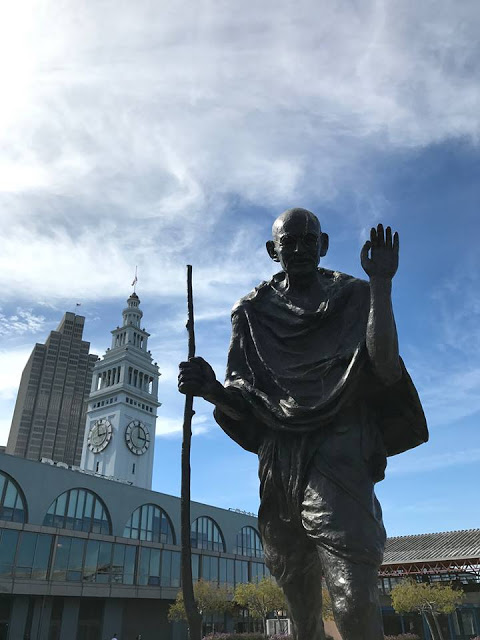
ஹிந்து காந்திஜி! (Post No.4263)

Written by S.NAGARAJAN


Date: 2 October 2017


Time uploaded in London- 4-58 am


Post No. 4263

Pictures shown here are taken from various sources such as Facebook friends, Books, Google and newspapers; thanks.


ஹிந்துத்வம் வாழ வழி காட்டியவர்

ஹிந்து காந்திஜி!

ச.நாகராஜன்

1

புனிதமான தினம் அக்டோபர் இரண்டாம் தேதி.

அண்ணல் அவதரித்த திருநாள்.

அவரைக் கொண்டாடும் விதமாக எழுத முற்படும் போது வந்த தலைப்பு தான் ஹிந்து காந்திஜி!

இந்தத் தலைப்பையே செகுலரிஸ்டுகள் விரும்பமாட்டார்கள்.

மாறாக கிறிஸ்துவ காந்திஜி என்றோ அல்லது இஸ்லாமிய காந்திஜி என்றோ தலைப்புக் கொடுத்திருந்தால் இமயமலை ரேஞ்சுக்கு என்னைப் பாராட்டுவார்கள்.

காந்திஜியின் வழியில் நடக்க விரும்புவதால் பாராட்டுக்கு பக்குவப்படாமல் உண்மையை எழுதத் துணிவேன்.

அதற்கு உகந்த தலைப்பு இது தான். ஹிந்து காந்திஜி!


2

சபர்மதி சிறையில் காந்திஜி இருந்த சமயம்.

ஒரு நாள் தி மான்செஸ்டர் கார்டியன் (The Manchester Guarding)  என்ற பத்திரிகையிலிருந்து அதன் பிரதிநிதி ஒருவர் 1922ஆம் ஆண்டு மார்ச் 18ஆம் தேதிக்கு முன்னால் காந்திஜியைப் பேட்டி காண வந்தார்.

அந்தப் பேட்டியை மதராஸிலிருந்து வெளி வரும் ஆங்கிலப் பத்திரிகையான தி ஹிந்து 1922ஆம் ஆண்டு ஆகஸ்ட் 15ஆம் தேதி வெளியிட்டது.

ஒத்துழையாமை இயக்கம் என்பது கிறிஸ்துவின் உபதேசத்திற்கு முரணானது என்று பத்திரிகையாளர் காந்திஜியிடம் கூறினார். அதற்கு காந்திஜி, “ நான் ஒரு கிறிஸ்தவன் அல்ல; ஆகவே கிறிஸ்தவ கொள்கைகளுக்கு ஏற்றபடி எனது செயல்களை நியாயப்படுத்த வேண்டிய அவசியம் எனக்கு இல்லைஎன்று முகத்தில் அடித்தாற்போல் பதில் கூறினார்

3

தன்னை இந்தியாவின் நீண்ட கால நண்பர் என்று கூறிக் கொண்ட ஒரு அமெரிக்கப் பெண்மணி, “ஹிந்து சமயத்தைப் பற்றி உங்களுடைய விளக்கத்தை நீங்கள் கொடுத்து ஹிந்து சமயத்தையும் ஏசுநாதரின் உப்தேசங்களையும் ஒப்பிட்டுக் கூறுவீர்களா?” என்று வேண்டிக் கொண்டார்.


20-̀10-1927 யங் இந்தியா இதழில் அவரது கடிதத்தையும் தன் பதிலையும் காந்திஜி வெளியிட்டார்.

விரிவான அந்த பதில் ஹிந்துவாக தான் இருப்பதற்கான காரணம் என்ற காந்திஜியின் நிலைப்பாட்டை விளக்கும் அற்புத பதிலாக அமைந்தது.


ஆனால் இன்றைய செகுலரிஸ்டுகள் காந்திஜியைத் தங்களின் கபடப் போர்வைக்குள் சுருட்டப் பார்ப்பதால் அதையெல்லாம் பற்றிப் பேசுவதில்லை;; வெளியிடுவதில்லை.

அவரது பதிலின் ஒரு பகுதி:


“பரம்பரையின் செல்வாக்கில் எனக்கு நம்பிக்கை உண்டு. எனவே, நான் ஓர் ஹிந்து குடும்பத்தில் பிறந்ததால், நான் ஹிந்துவாக இருந்து வருகிறேன்.


எனக்குத் தெரிந்த எல்லா சமயங்களுக்குள்ளும் ஹிநது சமயம் ஒன்று தான் மிகவும் சகிப்புத்தன்மை வாய்ந்தது என்பதை நான் அறிந்து கொண்டிருக்கிறேன்.


அதில் கண்மூடித்தனமான பிடிவாதத்திற்கு இடமில்லை. இது தான் என் மனத்தை மிகவும் கவர்ந்திருக்கிறது.

அதில் தான் அஹிம்சை நடைமுறையிலும் அனுசரிக்கப்படுகிறது. (ஜைன மதம் அல்லது புத்த மதத்தை ஹிந்து சமயத்திலிருந்து வேறானதாக நான் கருதவில்லை)


ஹிந்து சமயம் பசுவை வழிபடுவது, ஜீவ காருண்ய மலர்ச்சிக்கே அடிப்படையாகும். எல்லா உயிர்களும் ஒன்று என்பதையும், எனவே எல்லா உயிர்களும் புனிதமானவை என்பதையும் அது செயலில் காட்டுவதாக இருக்கிறது.

அந்த நம்பிக்கையின் நேரடியான பலனே, மறு ஜன்மத்தில் உள்ள மகத்தான நம்பிக்கையாகும்.


மேலும் சத்தியத்தை இடைவிடாது தேடியதன் அற்புதமான பலனாகவே, வர்ணாசிரம தருமம் கிடைத்தது.

ஹிந்து சமயத்தில் நான் இருந்து வருவதற்கான காரணமான சிறந்த அம்சங்கள் என்று எனக்குத் தோன்றியதையே இங்கே மிகவும் சுருக்கமாகக் குறிப்பிட்டிருக்கிறேன்.


4

1937ஆம் ஆண்டு ஜனவரி மாதம் இரண்டாம் தேதி  போலந்திலிருந்து தத்துவ பேராசிரியரான க்ரென்ஸ்கி காந்திஜியை வந்து சந்தித்தார்.

அனைவரும் படிக்க வேண்டிய பேட்டி இது.

முழுவதையும் தர இடம் இல்லை என்பதால் சில முக்கியப் பகுதிகளை மட்டும் இங்கு காணலாம்:


Krzenski : Catholicism is the only true religion

Gandhiji : Do you therefore say that other religions are untrue?

Krzenski : If others are convinced that their religions are true they are saved.

Gandhiji : Therefore you will say that everyone would be saved even through untruth.

Krzenski: But I have studied all religions and have found that mine is the only true religion.


Gandhiji : But so have others studied other religions. What about them?

Krzenski : I have examined the arguments in favour of other religions.

Gandhiji : But it is an intellectual examination. You require different scales to weigh spiritual truth…. My submission is that your position is arrogant. But I suggest you a better position. Accept all religions as equal, for all have the same root and the same laws of growth.

Professeor switched to a next question.


Gandhiji : It is no use trying to fight these forces without giving up the idea of conversion, which I assure you is the deadliest poison that ever sapped the fountain of truth.


மதமாற்றம் என்பது கொடிய விஷம்


மதமாற்றம் என்பது கொடிய விஷம் என்ற காந்திஜியின் கருத்து  செவிடன் காதில் ஊதிய சங்கு போலத் தான் ஆயிற்று பல கத்தோலிக்க பிஷப்புகளுக்கு.

காந்திஜியை “அறுவடை” செய்தால் ஒட்டு மொத்த இந்தியாவையுமே அறுவடை செய்தது போலத் தானே!

அதை நம்பி இந்த போலந்து புரபஸர் மட்டும் வரவில்லை.

ஸ்டான்லி ஜோன்ஸ் உள்ளிட்ட பிரபல பாதிரிகள் அவரை நோக்கிப் படை எடுத்து வந்தன.

ஆனால் ஏமாந்தே போயின.

அனைத்தையும் அன்பர்கள் விரிவாக முழுவதுமாகப் படிக்க வேண்டும்.


5

போலந்து மாணவன் ஒருவன் காந்திஜியின் போட்டோ ஒன்றை எடுத்து வந்தான். அவரிடம் அதில் கையெழுத்திட வேண்டினான்.

கத்தோலிக்க பாதிரிமார்கள் நடத்தும் பள்ளி ஒன்று இருக்கிறது.

உங்கள் கையெழுத்திட்ட இந்த போட்டோவை விற்று அதில் வரும் பணத்தை அவர்களிடம் கொடுத்து விடுவேன் என்றான அந்த மாணவன்.


“ஆ, அப்படியா சேதி! இதில் கையெழுத்திட்டு பாதிரிகளின் மதமாற்ற வேலைக்கு நான் உதவுவேன் என்று நீ எதிர்பார்க்கிறாயா?” என்று கூறியவாறே போட்டோவை அந்த மாணவனிடமே திருப்பிக் கொடுத்தார் காந்திஜி.

மஹாதேவ தேசாய் தனது டயரிக் குறிப்பில் இந்தச் சம்பவத்தை விரிவாகக் குறிப்பிடுகிறார்.


6

காந்திஜிக்கு பாதிரிகளின் அந்தரங்க எண்ணமும் தெரியும்;ஜிஹாதிகளின் உள் நோக்கமும் புரியும்.

அவர் தெளிவான ஹிந்துவாகவே வாழ விரும்பினார்.

ஏனெனில் ஒரு ஹிந்துவுக்கு யாரும் பகை இல்லை. அவனுக்கு அனைவரும் சமமே.


ஆனால் ஒரு கிறிஸ்துவனுக்கோ அவனுக்கு முன்னால் மற்றவர் சமம் இல்லை. அவன் ஏசுவுக்குத் தன்னை ஒப்புக் கொடுக்க வேண்டும்.


ஒரு இஸ்லாமியருக்கு அடுத்தவர் யாரானாலும் காஃபிர் தான்!

ஹிந்து மதம் வாழ்ந்தால் உலகில் அனைவரும் வாழலாம். ஆனால் இஸ்லாமோ அல்லது கிறிஸ்தவமோ வாழ்ந்தால் ஏனையது இருக்கக் கூடாது.


காந்திஜி அனைவரும் வாழ வேண்டுமென்று விரும்பினார்; அந்த நல்லெண்ண வேள்வியில் தன்னை ஆகுதி ஆக்கினார்.

இன்றைய போலி செகுலரிஸ்டுகளும், மதவாதிகளும் அவரை மறக்கடிக்கவே முயல்வர்.


அதைத் தோற்கடிக்க ஹிந்து காந்திஜியைப் போற்றுவோம். உண்மையான ஹிந்துவாகவே என்றும் இருப்போம்.

ஹிந்து ராஷ்டிரத்தை நிறுவுவோம்.

***


179 ‘VICTIMS’ IN HINDU HUMAN SACRIFICE!- Part 1 (Post No.4262)

Written by London Swaminathan


Date: 1 October 2017


Time uploaded in London- 15-33 pm


Post No. 4262

Pictures shown here are taken from various sources such as Facebook friends, Books, Google and newspapers; thanks.


Please read my articles posted in the past few days on the same topic if you need more background information about Purushamedha and Sunaschepa anecdote


Pursuhamedha Yajnam, Human Sacrifice, never happened in Hindu India. Sunschepa episode in Aitareya Brahmana showed that Hindus never tolerated such barbaric acts. There were always revolutionary leaders like he great Viswamitra to revolt against such acts. Even in the Vedic literature King Harichandra only tried it and failed miserably. We have a long list of kings before Harichndra and longer list of kings after him. No such custom or actual incident is reported.

But the most interesting thing is there is a big chapter detailing this fire sacrifice. This shows that all the yajnas were symbolic and they mean actually different things. The seers themselves repeat the phrase, ‘Gods love the mystic or mysterious”. So they show that all the 179 jobs are necessary to run life successfully. The victims list makes very interesting reading. There is eve astronomer. And the first person thrown into the fire was a Brahmin!


This clearly shows that the message is not burning the people, but making them part of the functional society. Without them the society is not complete. Foreigners who wanted to show Hinduism in bad light tried their best to use this sacrifice, but in vain.


Satapata Brahmna (of Yajur Veda) and the Aitareya Brahmana (of the rig Veda) give a detailed description of the rite.


If you read the full list you would yourself know that it is symbolic.

Here is the list of 179 victims and to which god they were ‘’sacrificed’’ from the Taittiriya Brahmna:–


1.To the divinity of Brahman caste a Brahmin should be sacrificed (‘alabhate)

After this only the God and the victim are mentioned without the verb ‘sacrificed’


  1. To the divinity of Kshatriya caste a kshatriya (king or warrior)


3.To the Maruts, a Vaisya (business man)

  1. To the Tapas (presiding deity of penance), a Shudra
  2. To the Tamas (divinity of darkness) a thief
  3. To naraka (hell), a Virahana, one who blows out sacrificial fire.
  4. To Papman (divinity of sin), a hermaphrodite (a eunuch.
  5. To Akrayi ( divinity of commerce), an Ayogu (one who acts against the ordinances of Satras

9.To Kama (divinity of Love, a courtesan).

  1. To Atikrushtha, a Magadha (the son of a Vaisya by a Kshatria woman)

(Mixed marriages were encouraged!!)

  1. To Gita (divinity of Music), a Suta or a musician.

(Vedic society had great number of music lovers and singers. They were a happy group who enjoyed dance and music)

  1. To Nritta (Divinity of Dancing),one who lends his wife to another ( a cuckold)

13.To Dharma (righteous behaviour), one who frequents assemblies and preaches preaches morality.

  1. To Narma, the Divinity of Humour), a wit


15.To Narishta, a coward.

  1. To Hasa ( the divinity of Laughter), a person of ambling gait.


(So it is not a nomadic, pastoral, uncivilised community; Foreigners contradict themselves)


  1. To Ananda (the divinity of delight), a favourite of  women
  2. To Pramada (the divinity of Joy, the son of an unmarried woman


  1. To Medha, (the Goddess of Intelligence), a coach builder
  2. To Dhairya (the divinity of Patience), a carpenter.

21To Srama (divinity of labour), the son of a  potter

22.To Maya (divinity who delights in Art), a blacksmith

23.To Rupa (the divinity of beauty), a jeweller

24.To the divinity of Prosperity, an agriculturist

25.To Saravyi (divinity of arrows), an arrow-maker

26.To Heti (Goddess of arms), a bow-maker

27.To Karma (divinity of art-work), a bow string maker

28.To Dishta, a maker of ropes

29.To Mrtyu (the divinity of death), a hunter

30.To Antaka (the divinity of murder), aperson delighting in hunting with dogs


31.To Sandha (Divinity of assignation), a person given to adultery

32.To Geha (the divinity of homesteads), one who live in concubinage

33.To Nirriti (the goddess of mis fortune), one who has married before his elder brother

34.To Atri (the goddess of pain), one who wishes to marry before his elder brother

35.To Aradhi (divinity who causes obstruction to enterprise), , one who has married a widow


36.To Pavitra (divinity of purity), a Doctor/physician

37.To Prajnana (divinity of Time), an Astronomer

38.To Niskriti (goddess of success), the wife of a goldsmith

39.To Bala (Divinity of strength), a girl who is forcibly taken and kept as a concubine for food and raiment, but no pay

40.To Vrana (the Divinity of colours), one who works for the sake of another, not for himself.


My comments:–


Max Mullers and Caldwells and Marxists looked like Pukka Idiots before this list. They described this list silly, ridiculous, childish, and from nomads, pastoral, migrants.

But all these items show they were high ranking thinkers, they have doctors, astronomers, engineers and agriculturists in the list. They knew if they publish this list which belongs to 1000 BCE or before they will become the laughing stock. So they did not make the list very popular. Anyone who reads between the lines will know how thoughtful they were about the society, the works and the professionals. There is even a person “one who works for the sake of another, not for himself”, may be a social worker!


to be continued…………..