Silent Prayer is the Best Prayer : Vinoba Bhave (Post No.4100)

Written by S NAGARAJAN


Date: 21 July 2017


Time uploaded in London:- 6-01 am


Post No.4100


Pictures are taken from different sources such as Face book, Wikipedia, Newspapers etc; thanks. 


by S.Nagarjan


All great men gave very much importance to the Prayer.

How to Pray?

This question been answered by great sages. In this article we will see Vinabha Bhave’s views.

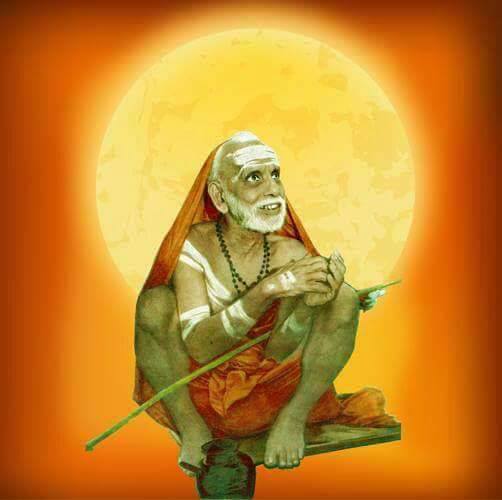
Vinobha Bhave in his Memoirs points out that the silent form of Prayer is the best form of Prayer.

Given below is the extract taken from his Memoirs.


Prayer
It was only after I entered Gandhiji’s Satyagraha Ashram that I had any experience of community prayer. Before that I had never joined with others in prayer, nor had I had any fixed time for individual prayer. It came naturally to me to recite or sing when I was in a devotional mood, but to sit with others, or even to set apart a regular time for private prayer, was not my nature. In my childhood I was taught the Sandhya,  but I did not perform it. I refused to repeat words whose meaning I did not understand. This is not to say that I lacked the spirit of devotion, even then. But with Gandhiji there was regular daily prayer. The experience of sitting together with so many worthy people gradually had its effect on me. This effect, I think, was not so much due to the prayers themselves as to the fellowship of devotion which we shared.


People used to ask Bapu what they should do if they found it difficult to concentrate, or felt sleepy during the prayer. In that case, Bapu suggested, they should stand for prayer instead of sitting. These questioners were honest people, and every day three or four of them would stand during the prayers. But of course concentration cannot be achieved merely by standing ! Bapu began to teach us how to pray, just as one might teach children how to read, using illustrations from his own life. This was a new experience for me, such as I had never had before.

 
In Bapu’s time a number of passages were included in the prayer, many of which I knew. I would never myself have chosen some of these verses, or considered them suitable, but still I joined reverently in the recital, un- attractive though I found them. Later there was a proposal that these verses should be omitted, but after discussion with Bapu they were kept, on the ground that we should not change what was already in use.
When I was imprisoned, I ceased to use these verses in my morning prayer, and recited instead my own prose translation of the Ishavasya Upanishad, which was much in my thoughts at the time; a number of other people used to join me. But I kept unchanged the verses of the Gita which had been chosen for the evening prayer, as I was very fond of them. This change in the morning prayer was made while Bapu was still alive, and after I was released from jail I went on using the Ishavasya in the Paunar Ashram.
I do not like the queer notion that unity can be brought had by accepting a single form of prayer. Unity is some- thing which must spring from within. I do not want to make any particular verses obligatory in the prayer. So when I was working among the Meos we recited verses from the Koran, and used an Urdu translation of the Gita and Urdu hymns. It seems to me to be best to use whatever the people around me can understand most easily.


In Bapu’s time we also used prayers drawn from all religious traditions. That is all right when people of different religions and languages are meeting together, but all the same it is a kind of khichadi, a mixed grill. The main idea therein is not so much to please God as to please our fellows. Still, if we think that a human being is also a mani- festation of God, the practice cannot be called wrong.
Thinking this over I came to the conclusion that for community prayer silent prayer is the best form. It can satisfy all kinds of people, and deeper and deeper meaning may be found in it, as I can testify from my own experience.
During the early days of my bhoodan pilgrimage we included in the evening public prayer the Gita’s verses about ‘the man of steadfast wisdom’. But in Andhra I began to use silent prayer instead. This silent community prayer is of very great value. The idea has been with me for a long time that all should come together to pray in the quietness of mind; this thought is maturing slowly and as my experience increases, so does my confidence and courage.

****
Live Like a Tree: Chaitanya’s Advice! (Post No.4099)

Written by London Swaminathan


Date: 20 July 2017


Time uploaded in London- 19-25


Post No. 4099


Pictures shown here are taken from various sources such as Facebook friends, Books, Google and newspapers; thanks.


“A man must attain the nature of a tree, which lives solely for the benefit of others, before he can become a true worshipper”—Chaitanya Mahaprabhu

Chaitanya was a great devotee of Lord Krishna. His principal place of worship is Nadia in West Bengal. He has a big following in Bengal and adjacent states. Krishna devotees consider him as an incarnation of Lord Krishna himself. They say that amongst the many incarnation of Vishnu four are most important

the White incarnation named Ananta

the Red incarnation named Kapila

the Black incarnation named Krishna

the Yellow incarnation named Chaitanya

Chaitanya was born in CE. 1484 in Nadia and died at Puri in 1527

His father was a Brahmin named Jagannath Misra and his mother’s name was Suchi. Their first son Visvarupa became a religious mendicant. Second son Chaitanya was born when his mother was old. Consequently the child was very weak and did not take milk for three days. They thought that the child would die soon and hung him in a tree in a basket. A Brahmin called Adaitya happened to pass at that time, saw the child and thought that it was a divine child. He wrote Hare Krishna mantra in  the sand below the tree with his toe. Chaitanya’s mother took it as a positive sign and took the child back into the house. The child quickly recovered and took food.


Chaitanya s a youth made good progress in learning. He married twice, first at the age of eleven a girl named Lakshmi, and on her early decease, he married another girl Vishnupriya. They lived together for some time. When Chaitanya was 24, he decided to find a way to solve the distresses of mankind. He took off his sacred thread and became an ascetic. Leaving his home, parents, and wife, he spent six years as a wandering saint (Bairagi), travelling all over India teaching his doctrines, acquiring followers, and extending the worship of Lord Krishna.


Varanasi has been the meeting point of scholars from time immemorial Buddha, Adi Shnkara and other saints went to Varanasi and convertedgreta people to their faiths. Chaitanya also went to Kasi (Varanasi= Benares) and converted the chief pundit Prakashananda to his faith.


Chaitanya was a great reformer; his success may be traced to his extraordinary fervour and his love for men. He preached utterly unselfish love to Vishnu/Krishna.

Worship from interested motives was not worship at all, but shop keeping, barter – he said.

The chief tenets of his faith are:

1.A disregard of caste distinctions

2.Emphasis was laid on mendicant life

  1. All must worship Krishna with a rosary made up of Tulsi beads
  2. He taught his followers to follow Radha, the beloved mistress of Krishna. The best form of devotion was that which Radha, as the beloved mistress of Krishna, felt for him.

5.They must exercise Bhakti (devotion) in Krishnain five ways:

Quite contemplation of the deity- Santi

The devotion of a servant to his master – Dasya

Friendship to him – Sakhya

Love to him resembling h love of children to their parents – Vatsalya

Passionate attachment of a girl to her lover or as the Gopis felt for Krishna -Madhurya.


He allowed widows remarriage and forebode the drinking of intoxicants and the eating of fish and meat.

He preached against animal sacrifices and Tantric practices.


He saw visions of Krishna and his attendant Gopis and terminated his life by walking into the sea in one of these ecstatic moments. Another version says that he entered the sanctum of Lord jagannath and disappeared in a flash of light. We have similar disappearances in the lives of Tamil saints Sambandar, vallalar and Andal.  Chaitanya before his disappearance gained many adherents and honours. The independent King of Orissa became his disciple. As Chaitanya left no issue, Adaitya and Nithyananda, became the leaders of the new faith.

Source book: Wilkin’s Hindu Mythology


கம்பவர்மன் கல்வெட்டில் பாவ புண்ணியம் பற்றிய சுவையான செய்தி (Post No.4098)

கம்பவர்மன் கல்வெட்டில் பாவ புண்ணியம் பற்றிய சுவையான செய்தி (Post No.4098)


Written by London Swaminathan


Date: 20 July 2017


Time uploaded in London- 13-50


Post No. 4098


Pictures shown here are taken from various sources such as Facebook friends, Books, Google and newspapers; thanks.


கம்பவர்மன் சுமார் 1100 ஆண்டுகளுக்கு முன் வாழ்ந்த பல்லவ மன்னன். கி.பி.900 வாக்கில் ஆட்சி செய்தவன். அவனது பல கல்வெட்டுகள், நடுகல் கல்வெட்டுகளாகும். உயிர்த் தியாகம் செய்தவர்களுக்கு நடுகல் நட்டு அதற்கு ஊர் மக்களும் அந்தப் பக்கம் போய்வரும் யாத்ரீகர்களும் வழிபாடு செய்வதை சங்க இலக்கிய நூல்கள் செப்புகின்றன.


போர்க்காலங்களில் தாமாக முன்வந்து களபலி கொடுக்கும் வழக்கம் மஹாபாரத காலம் முதல் இருந்து வருகிறது. இதை நவகண்டம் பற்றிய எனது கட்டுரையில் காண்க. அப்படிப்பட்ட நவகண்டம் ஒன்று நடந்த பின்னர் நட்ட கம்பவர்மன் நடுகல்லில் பல முக்கிய விஷயங்கள் உள்ளன:-


  1. இந்த நாடு கங்கை தோன்றும் கங்கோத்ரி இருக்கும் இமயம் முதல் குமரி வரை ஒன்று!

2.போருக்கு முன், ஒருவன் உயிர்ப்பலி கொடுத்து நாட்டைக் காக்க மக்களுக்கு வீரம் ஊட்டும் வழக்கம் மகாபராத காலம் முதல் — அஸ்தினாபுரம் முதல் — குமரி வரை – இருந்துள்ளது!


  1. கல்வெட்டுகளுக்கு தீங்கிழைப்போருக்கு பாவம் வரும்; அவைகளைக் காப்போருக்கு புண்ணியம் கிடைக்கும்.


கம்பவர்மனின் திருவாமூர்க் கல்வெட்டு

ஸ்ரீ கம்ப பருமற்கு

யாண்டு இருபதாவது

பட்டை பொத்தனுக்கு ஒக்கொண்ட நாகன் ஒக்க

தித்தன் பட்டைபொத்தன் மேதவம் புரிந்ததென்று

படாரிக்கு நவகண்டங் குடுத்து

குன்றகத்தலை அறுத்துப் பிடலிகை மேல்

வைத்தானுக்கு

திருவான்மூர் ஊரார் வைத்த பரிசாவது

எமூர்ப் பறைகொட்டக்

கல்மேடு செய்தராவிக்குக் குடுப்பாரானார்

பொத்தனங் கிழவர்களும் தொறுப்பட்டி நிலம்

குடுத்தார்கள்

இது அன்றென்றார்

கங்கையிடைக் குமரி இடை எழுநூற்றுக் காதமும்

செய்தான் செய்த பாவத்துப் படுவார்

அன்றென்றார் அன்றாள் கோவுக்கு

காற்ப்பொன் றண்டப்படுவார்


உதவிய நூல்; கல்வெட்டு ஓர் அறிமுகம், தமிழ்நாடு தொல்பொருள்துறை ஆய்வுத்துறை வெளியீடு, 1976

ஆயிரம் ஆண்டுகளுக்கு முன் மக்கள் பாவ புண்ணியங்களுக்குப் பயந்ததால்தான் நமக்குப் பல கல்வெட்டுகள் கிடைத்துள்ளன. இன்றோ கோவில் சிலைகளையே திருடி விடுகின்றனர்.


மேலும் கங்கையையும் குமரியையும் குறிப்பிட்டதன் காரணம் இவ்விரண்டும் புனித நீர்த்துறைகளாகும். இதன் பொருள் என்ன வென்றால் சாதாரண இடத்தில் பாவம் செய்வதைவிட புனித இடத்தில் பாவம் செய்வது பல மடங்கு கொடியது என்பது தமிழரின் நம்பிக்கை.


கல்வெட்டின் பொருள்:-

பல்லவ மன்னன் கம்ப வர்மனின் 20-ஆவது ஆட்சி ஆண்டில் இது பொறிக்கப்பட்டது. பட்டை பொத்தன் என்பவனின் வெற்றிக்காக ஒக்கொண்டநாகன் ஒக்கதித்தன் என்பவன் தன்னுடைய தலையை அறுத்து பிடாரியின் பீடத்தில் வைத்தான். அவனுக்கு திருவான்மூர் மக்கள் பறைகொட்டி , கல் நட்டு சிறப்பு செய்தார்கள். நிலமும் கொடையாக அளிக்கப்பட்டது.


இக்கொடைக்கு ஊறு செய்வோர் கங்கைக்கரை முதல் குமரி வரையுள்ள மக்கள் செய்த அனைத்து பாவங்களையும் பெறுவார்கள். மேலும் மன்னனுக்கு கால் பொன் அபராதமும் கட்ட வேண்டும்.


நாகர்கள் பெயர்கள் சங்க இலக்கியப் புலவர் பட்டியலில் இருபது பேர் வரை உள்ளனர். குபதர் கால கல்வெட்டுகளிலும் பலர் நாகன் என்ற பெயர் உடையவர்கள் ஆவர்.

TAGS: கம்பவர்மன், நவகண்டம்,  கங்கை குமரி, பாவம்

–subham–

சத்ரபதி சிவாஜி: சத்ய சாயிபாபா அருளுரை! (Post No.4097)

Written by S NAGARAJAN


Date: 20 July 2017


Time uploaded in London:- 5-51 am


Post No.4097


Pictures are taken from different sources such as Face book, Wikipedia, Newspapers etc; thanks. 


பெரியோரின் ஆசி

சத்ரபதி சிவாஜியின் நமஸ்காரம்!-ஸ்ரீ சத்ய சாயிபாபாவின் அருளுரை!

ச.நாகராஜன்


ஸ்ரீ சத்ய சாயிபாபா 24-7-2002 அன்று நிகழ்த்திய குரு பூர்ணிமா உரை குறிப்பிடத்தகுந்த ஒன்று.


அதில் அணு ரகசியத்தை விளக்கிய கணாதரைப் பற்றிய அனைத்தையும் விவரிக்கிறார்.


அந்த உரையில் சத்ரபதி சிவாஜியின் வாழ்க்கையில் நடந்த ஒரு அருமையான சம்பவத்தை எடுத்துரைக்கிறார்.

ஒருமுறை சத்ரபதி சிவாஜி மஹாராஜாவும் அவரது மந்திரியும் மாலை நேரத்தில் உலா சென்று கொண்டிருந்தனர்.  அப்போது எதிரில் ஒரு புத்த துறவி வந்து கொண்டிருந்தார். சிவாஜி தனது மகுடத்தைக் கழட்டி விட்டு அவரை சாஷ்டாங்க நமஸ்காரம் செய்தார். மந்திரிக்கோ இது பிடிக்கவில்லை.


ஒரு சாதாரண துறவியின் பாதங்களில் மாமன்னனான சாம்ராட் சிவாஜி அடி பணிந்து வணங்குவதா? அவர் மனம் இதை ஏற்கவில்லை.


மந்திரியின் மன ஓட்டத்தை சிவாஜி ஒரு கணத்தில் புரிந்து கொண்டார். மந்திரிக்கு ஒரு பாடம் கற்பிக்க வேண்டும் என்று அவருக்குத் தோன்றியது.


சிவாஜி மனித குலத்திற்கே எடுத்துக்காட்டாக தர்ம வழியில் நின்றவர்; தனது சகலத்தையும் தியாகம் செய்தவர்.


ஒரு நாள் தனது மந்திரியை சிவாஜி அழைத்தார். உடனடியாக ஒரு வெள்ளாட்டின் தலை, ஒரு செம்மறி ஆட்டின் தலை, ஒரு மனிதனின் தலை ஆகிய மூன்றையும் கொண்டு வருமாறு உத்தரவு பிறப்பித்தார்.


மந்திரிக்கு வெள்ளாட்டின் தலையையும் செம்மறி ஆட்டின் தலையையும் கொண்டு வருவதில் பிரச்சினை ஏதும் இருக்கவில்லை.


ஆனால் மனிதனின் தலை?!!!

சுடுகாட்டிற்குச் சென்று அங்கு ஒரு சவமாக இருந்த மனிதனின் தலையை வெட்டி அதைக் கொண்டு வந்தார்.

மந்திரி கொண்டு வந்த மூன்று தலைகளையும் சிவாஜி பார்த்தார். உடனடியாக சந்தைக்குக் கொண்டு சென்று அவற்றை விற்குமாறு மந்திரியிடம் அவர் உத்தரவு பிறப்பித்தார்.


வெள்ளாட்டின் தலை மற்றும் செம்மறி ஆட்டின் தலை ஆகிய இரண்டையும் மந்திரியால் உடனடியாக விற்க முடிந்தது.

ஆனால் மனிதனின் தலை? அதை யாரும் வாங்க முன்வரவில்லை.


இரண்டு நாட்கள் மந்திரி முயன்று பார்த்தார், ஊஹூம், பயனில்லை.


யாரும் அதை வாங்க முன் வராத நிலையில் சத்ரபதியிடம் சென்று தன் இயலாமையை மந்திரி கூறினார்.


உடனே சிவாஜி, “ மந்திரி அவர்களே! பார்த்தீர்களா?  ஒரு துறவியின் பாதங்களில் என் சிரத்தை வைத்து வணங்கிய போது நீங்கள் வெகுவாக வருத்தப்பட்டீர்கள். உடலை விட்டு உயிர் பிரிந்த போது செத்த மனிதனின் தலைக்கு என்ன நேர்கிறது என்பதை நீங்கள் பார்த்து விட்டீர்கள். அதை நிலை தான் ஒவ்வொருவனுக்கும் நேரும். அதற்கு மதிப்பே இருக்காது. ஆகவே உயிருடன் இருக்கும் போது மிகப் பெரும் ஆத்மாக்களின் முன்னர் பணிந்து வணங்கி நம்மை நாம் புனிதப்படுத்திக் கொள்ள வேண்டும். புரிகிறதா?” என்றார்.


தர்ம நெறி வாழ்வும் சத்தியமுமே மனிதனுடன் எப்போதும் கூட வந்து அவனைக் காப்பாற்றும்.


மந்திரி இதைப் புரிந்து கொண்டார்.

தனது உரையின் இறுதியில் மீண்டும் சிவாஜியைக் குறிப்பிட்ட பாபா, துரியோதனனையும் எடுத்துக் காட்டாகக் கூறினார்.

துரியோதனனின் கடைசி விநாடிகளில் அவன் கூறினான்: “ நான் உயிருட்ன இருந்த வரை மிகவும் மரியாதையுடன் மதிக்கப்பட்டேன். நாளை இந்த உடல் காக்கைகளுக்கும் நரிகளுக்கும் தான் விருந்தாக ஆகப் போகிறது”

இதை உணர்ந்து தர்ம நெறியுடன் வாழ வேண்டும் என்றார் பாபா.

அருளாளர்கள் அனைவருமே பெரியோரைப் பணிந்து அவர்கள் ஆசியைப் பெறுதல் வேண்டு என்பதைத் தங்கள் வாழ்வில் வற்புறுத்தி வந்துள்ளனர்.


சத்ரபதி சிவாஜி துகாராம் மஹராஜைப் பார்த்து அவருடனேயே தங்கி விடுவதாகச் சொன்ன போது, “வேண்டாம். ஸ்வராஜ்யமே உனது பணி. அதை அடை” என்று அருளினார்.

சமர்த்த ராமதாஸரோ அவரது குருவாக ஒவ்வொரு விஷயத்திலும் சிவாஜிக்கு அருள் பாலித்தார்.

‘உனக்கு வெற்றி மேல் வெற்றி கிடைக்கும்’ என்று ஆசீர்வதித்த ஸ்ரீ சமர்த்த ராமதாஸர், “நான் உன அருகிலேயே உள்ள பாலிக் கோட்டையில் தான் தங்கியுள்ளேன்” என்று அருளினார்.

அதன் பின் பாலிக் கோட்டைக்கு சஜ்ஜன் கர் – “ஆன்றோர் உறைவிடம்” எனப் பெயர் சூட்டப்பட்டது.

பெரியோரைப் பணிவது எவ்வளவு பயனைத் தரும் என்பதை சத்யசாயி பாபா சத்ரபதி சிவாஜியைச் சுட்டிக் காட்டிக் கூறியது எவ்வளவு பொருள் பொதிந்தது!

***


Hindu Beliefs in Shakespeare: Moon, Eclipse, Ghosts (Post No.4096)

Written by London Swaminathan


Date: 19 July 2017


Time uploaded in London- 17-11


Post No. 4096


Pictures shown here are taken from various sources such as Facebook friends, Books, Google and newspapers; thanks.


It is needless to say that Shakespeare was a great scholar, playwright and a poet. he must have read and heard about India a lot. He lived just 500 years ago and no wonder he knew about India and Hinduism; by that time lot of Europeans were travelling in different directions in search of wealth. We see several references to Hindu beliefs in his plays. Had he been an essayist he would have mentioned the sources; but he was only a playwright and his main aim was to satisfy the English audience.

I have been collecting such references from different sources; I have written about his reference to Nagaratna (Cobra gem) a few years ago. Now look at some more references about Moon, Eclipses and Ghosts.

Mr Crooke, in his book Popular Religion and Folk-Lore of Northern India, has an interesting note on the moon:

“The moon has several special functions in relation to disease. Roots and simples collected by moonlight are more efficacious”. This is quite Shakespearian for Jessica says,


“n such a night Medea gathered the enchanted herbs

That did renew old Aeson “(The Merchant of Venice)

And Laertes speaks of the poison ‘collected from all simples that have virtue under the moon’ (Hamlet) .

Also very common is the belief that any disease contracted by  a man under the waning moon tends to diminish. Patients are often told to look at the moon reflected in butter or milk or water, and the cure will be effected. This is mostly done in the case of leprosy and similar diseases.

“In spite of all these advantages there is very little special worship of the Moon. When an image is erected to him it is usually associated with that of the Sun God. Moon worship is most popular in Bengal and Behar.”


My comments

I have already written about Moon’s effect on mind, why Hindus worship moon, Nagaratna and Vedic hymns linking Plants and Moon. Western biologists have not yet found out what Hindus already knew. Soma is used to denote Moon, Soma herb and moon in astrology.

Eclipses in Shakespeare

Until today Hindus are the only race in the world who take eclipses seriously.  They knew the bad and good effects of the eclipses. Any prayer done during eclipse is 100 times more effective. Any food eaten during or just before the eclipse will have bad effects. Such beliefs and special rituals like propitiating the departed souls do not exist in any other religion. They put Dharba grass in all the cooked foods to save it from the radiation. The reason is that not all the eclipses are bad. But they want the same rules for all eclipses so that people will remember to follow them.

Eclipses are believed to be of evil omen. Gloucester summarises admirably the Hindu belief in passage in King Lear (1-2)

“These late eclipses in the sun and pointed no good to us… love cools, friendship falls off, brothers divide; in cities mutinies; in countries discord; in palaces treason; and the bond cracked ‘twixt son and father”.


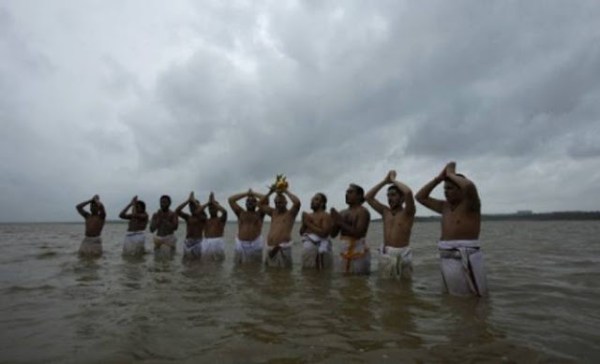
Shakespeare said more than what Hindu scriptures said about the eclipses. Hindus will eat no food which has remained in the house during an eclipse, and all the earthen vessels which are in the house must be broken. During an eclipse, all the household business is suspended and eating and drinking prohibited. Even sleeping is forbidden. They bathe before and after the eclipse; use the time for prayers. Orthodox Hindus stand in the water and recite Gayatri mantra. Bathing during eclipse also cleanses from sin.


People born under particular stars wear special talisman, i.e., a palm leaf written with mantra is worn on forehead.

Though Hindus knew what causes eclipses and they calculated precisely and forecast the date and time, they told the laymen some stories. Ignorant people cant understand  astronomical calculations. They told the laymen that two planets (shadows) Rahu and Ketu are demons or snakes and they devour sun and moon.

Ghosts in Shakespeare

Foreigners have a big confusion about Hindu beliefs in ghosts. All the foreigners described Hindus as devil worshippers. Ignorant people like Dr Caldwell called all the Nadar community members as devil worshippers. Other foreigners described 90 percent Hindus are devil worshippers. This is because of their ignorance; they could not differentiate between the Asuras, Rakshasas, departed souls, Brahmarakshas (Brahmin ghosts), demon planets Rahu and Ketu and the actual ghosts (of people who died unnaturally in murders, suicides, accidents); apart from these some tribal beliefs about forests caves and hills (they are like Bermuda Triangles) and anything that cant be explained were classified as mysterious ghosts. Foreign writers classified all these as devil worships. Such beliefs exists in all parts of the world and in all cultures. Atharva Veda described even bacteria and Viruses as demons because the laymen won’t understand. Eclipsing planets such as Rahu and Ketu were described as demons but not ghosts


In King Lear, Shakespeare says,

:Unsepulchred they roamed and shrieked, each wandering ghost”.

The earliest Shakespeare in which Ghosts appear is Richard III. Richard is visited by the spirits of his victims in sleep.

In Hamlet, Horatio doubts the existence of ghosts that Barnardo and Marcellus claimed to have seen on two previous nights.

Horatio says that before Julius Caesar’s assassination,

“he sheeted dead

Did squeak and gibber in Roman streets”

In Julius Caesar, Shakespeare says, Brutus saw the apparition of murdered Caesar. He wondered whether it was some god or angel or devil.


This is definitely Hindu way of questioning.

In Macbeth Banquo’s ghost plays an important role.

In short all the important plays of Shakespeare have ghosts.

Monier William’s Ignorance:—

Rev, E Osborn Martin adds the epithet “bloody” for all the Hindu gods and goddesses: Shiva, Kali, Avatars of Vishnu and Ganesh! They are described in the chapter ‘Demon and Devil worship in India’ in his book ‘The Gods of India’.

Ignorant Sir Monier Williams writes, “the people worshipping a milkman who was killed by a tiger and he became devil”.

Sangam Tamil literature said that the heroes were worshipped after their death. If a person dies in an attack by a tiger or any animal when he tried to save the general public, Tamils erect Hero Stone for him and worship. Even today all the countries in the world erect memorials for their leaders and the visiting foreign dignitary must lay a wreath there. When some accidents happen people go to the spots and lay wreaths or flower bunches and light candles etc. Poor Monier Williams and his colleagues such as Caldwells would have described them as devil worship!


All the ladies who sacrificed their lives to save their honour or in Satee are worshipped! Ignorant foreigners called those devil worship. But they themselves erect war memorials in every nook and corner and ask Kings and Queens to lay flower wreaths every year. we can call them Devil worshippers!!


Sir Alfred Ryall declared that “every mysterious, gruesome looking dell, cavern, steep pass and wild and desolate hill top or ridge in Central India has its Deo (god), never seen of man, but felt by those who visit the spot – by shepherds and herdsmen camping out far amid the melancholy worlds or by travellers along the lonely tracks…. The whereabouts of the spirits is sometimes marked by a heap of stones, sometimes by rags tied to bush, occasionally by chains suspended mystically from a cliff or a tree; or the spirit wanders around a huge banyan tree or a ruined temple.


Mr Bowtring, in his Eastern Experiences (1871), described the Spirit Houses found in the Mysore Forests – little sheds built over the white ant hills and dedicated to the wood demons.

Captain Forsyth, writing about Berar, mentions that when the Gonds fell the wood on a hill side, they leave a little clump of trees to serve as a refuge for the spirit whom they have dislodged.

Westerners also believed in haunted buildings; every year newspaper articles about haunted places appear during Halloween times.

Sangam  age Tamils also believed that spirits occupy all the hills, water sources and trees. It is in Sangam literature. Those who don’t study both Tamil and Sanskrit literature blabber more than others. Hindus believed in ghosts but they are different from good spirits.

Tags: Shakespeare, Hindu Beliefs, Ghosts, Moon ,Eclipse, devil worship


–Subham–


அரச்சலூர் இசைக் கல்வெட்டில் ஒரு அற்புதம்! (Post No.4095)

Written by London Swaminathan


Date: 19 July 2017


Time uploaded in London-8-50 am


Post No. 4095


Pictures shown here are taken from various sources such as Facebook friends, Books, Google and newspapers; thanks.


என்ன அற்புதம்?

முதல் இரண்டு கல்வெட்டுகளையும் இடமிருந்து வலமாகப் படித்தாலும் மேலிருந்து கீழாகப் படித்தாலும் ஒரே மாதிரி உள்ளதைக் (Palindrome) காணலாம். இவை இசைத் துறையிலும், கூத்துத் துறையிலும் பயன்படுத்தப்படுகின்றன.


சங்க இலக்கியத்திலும் வண்ணக்கன், தேவன் , சாத்தன் முதலிய பெயர்கள் வருகின்றன.


தேவன், சாத்தன் (சாஸ்தா) முதலிய சம்ஸ்கிருதச் சொற்கள் இரண்டாயிரம் ஆண்டுகளுக்கு முன் தமிழ் நாட்டில் புழங்கின. வால்மீகி, கண்ணதாசன், காமாக்ஷி, விஷ்ணுதாசன் (கண்ணந்தாயன், காமக்கண்ணி, விண்ணந்தாயன்) என்ற பெயர்கள் புறநானூற்றில் இருப்பதால் இதில் வியப்பதற்கு எதுவும் இல்லை.

இரண்டாயிரம் ஆண்டுகளுக்கு முன்னரே தமிழர்கள் இசைத் துறையிலும் நாடகத் துறையிலும் நல்ல முன்னேற்றம் கண்டனர் என்பதற்கு இது ஒரு எடுத்துக் காட்டு.


எங்கே உள்ளது?

ஈரோட்டிலிருந்து காங்கேயம் செல்லும் பாதையில் 12 மைல் தொலைவில் அரச்சலூர் இருக்கிறது.

ஊரின் எல்லை ஓரமாகவுள் ள நாக மலையில் ஆண்டிப்பாறையில் பாண்டியர் குழியில் (குகை) உள்ளது. அங்கேதான் இக் கல்வெட்டுகள் உள. சில வரிகள் சிதைந்து உள்ளன.


சிதைந்த எழுத்துக்களை அடைப்புக்குறிக்குள் காணலாம். எளிதில் ஊகிக்க முடியும்.

எந்தக்காலம்?

இக்கல்வெட்டு கி.பி. இரண்டாம் நூற்றாண்டைச் சேர்ந்த (பிராமி) தமிழி எழுத்துக்களில் எழுதப் பட்டுள்ளது


முதல் கல்வெட்டு


த தை தா தை த

தை தா தே தா தை

தா தே தை தே தா

தை தா தே தா தை

த தை தா தை த


இரண்டாம் கல்வெட்டு

தை த தை த தை

த தை (த) தை த

தை த தை த தை

த தை (த) தை த

(தை த தை த தை)

மூன்றாம் கல்வெட்டு

எழுத்துப் புணருத்தான் மணிய்

வண்ணக்கன் தேவன் சாத்தன்

xxxx


புணருத்தான் = தொகுத்தான்


தொல்காப்பியம், சிலப்பதிகாரம் முதலிய பழந்தமிழ் நூல்களில் இசையில் எப்படி எழுத்துக்கள் நீட்டித்தும், தனித்தும் உச்சரிக்கப்படும் என்பது உரை ஆசிரியர்களால் விளக்கப்பட்டுள்ளது. இன்றும் சங்கீதக் கச்சேரிகளில் இப்படிச் சொற்கள் பயன்படுத்தப்படுவதைக் காணலாம்.


கன்யாகுமரியில் என்பதை , கன்னியாக்கு…………… மரியிலே………. என்று முழங்கும் பாடல் என் நினைவுக்கு வருகிறது!


உதவிய நூல்

கல்வெட்டு – ஓர் அறிமுகம்

தமிழ்நாடு அரசு தொல்பொருள் ஆய்வுத்துறை வெளியீடு 1976

TAGS:– அரச்சலூர், இசை, கல்வெட்டு, அற்புதம்

–Subham–

மஹாத்மாவும் மகா கவியும் (Post No.4094)

Written by S NAGARAJAN


Date: 19 July 2017


Time uploaded in London:- 5-56 am


Post No.4094


Pictures are taken from different sources such as Face book, Wikipedia, Newspapers etc; thanks. 


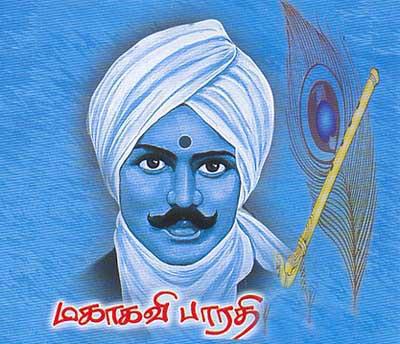
மஹாத்மாவும் மகா கவியும்


பாரதி இயல்  

மஹாகவி பாரதியார் பற்றிய நூல்கள் – 35

மஹாத்மாவும் மகா கவியும்! – கல்கியின் கட்டுரைகள்!


ச.நாகராஜன்


பாரதியாரைப் போற்றி கல்கி ரா.கிருஷ்ணமூர்த்தி ஆற்றிய தொண்டைத் தமிழ்நாடு நன்கு அறியும்.


அவர் சுதந்திரப் போராட்டத்தில் பங்கு கொண்டு காந்தி பக்தராகத் திகழ்ந்ததோடு தனது கல்கி பத்திரிகையில் அவ்வப்பொழுது மஹாத்மாவைப் போற்றி சீரிய கட்டுரைகள் பலவற்றையும் எழுதி வந்தார்.


மஹாத்மாவும் மகாகவியும் என்ற நூல் மஹாத்மாவைப் பற்றி அவர் எழுதிய கட்டுரைகளையும் மகாகவிக்கு எட்டயபுரத்தில் எழுப்பப்பட்ட ஞாபகச் சின்ன விழா பற்றிய கட்டுரைகளையும் தொகுத்து வழங்குகிறது.


தலைப்பைப் பார்த்து மஹாத்மாவும் மகாகவி பாரதியாரும் சந்தித்த விஷயத்தையோ அவர்கள் தொடர்புடனான கட்டுரைகளோ இந்த நூலில் இடம் பெற்றிருக்கும் என்று நினைத்தவர் ஏமாந்தே போவர்.


காந்திஜி பற்றிய பத்து கட்டுரைகளும் பாரதியார் பற்றிய எட்டு கட்டுரைகளும் கொண்ட 103 பக்கங்கள் அடங்கிய இந்தச் சிறு நூல் 1957ஆம் வருடம் ஏப்ரல் மாதம் முதல் பதிப்பாக வெளியிடப்பட்டது.


வெளியிட்டோர் : பாரதி பதிப்பகம், தியாகராய நகர், சென்னை -17.

எட்டயபுரத்தில் நடந்த மாபெரும் விழா பற்றி மனம் நெகிழ்ந்து  வந்தனம் என்ற தலைப்பில் எழுதியுள்ள கட்டுரை பாரதியார் பற்றிய எட்டுக் கட்டுரைகளில் முதலாவதாக அமைகிறது.


அதில் கல்கி கூறுகிறார்: “ என்னுடைய சொந்த அனுபவத்தில், மனிதனுடைய புலன்களுக்கும் அறிவுக்கும் எட்டாத சக்தி ஒன்று இருப்பதாக நான் உணர்ந்திருக்கிறேன். அத்தகைய சக்தியானது வெறும் குருட்டுத்தனமான சக்தியல்ல! ஏதோ ஒரு ஒழுங்கின்படி, ஒரு நியதியின்படி, இந்த உலகத்தையும் இதில் நடைபெறும் சகல காரியங்களையும் நடத்தி வருகிறது என்றும் நான் நம்புகிறேன்.


அந்த சக்தியானது தற்சமயம் தமிழ்நாட்டை ஒரு மகோந்நதமான நிலைக்குக் கொண்டுபோகும் மார்க்கத்தில் நடத்திக் கொண்டு வருகிறது என்று நான் பரிபூரணமாய் நம்புகிறேன். பாரதியார் பாடிப் பரவியுள்ள பராசக்தி அதுதான் போலும்.


அந்த மகாசக்தியின் காரணமாகத்தான் எட்டயபுரத்தில் நாம்  கண்ட அற்புதம் நிகழ்ந்தது என்று எனக்குத் தோன்றுகிறது. மற்றப்படி மனிதப் பிரயத்தனத்தினால்  மட்டும் அவ்வளவு மகத்தான ஒரு வைபவம் நடந்திருக்கக்கூடும் என்று என்னால் நம்ப முடியவில்லை.


கல்கி அவர்கள் தனது சக பத்திரிகாசிரியர்களுடன் தான் நடத்திய விவாதங்களைக் குறிப்பிட்டு அதையெல்லாம் மனதில் கொள்ளாமல் அனைவரும் இந்த மாபெரும் விழாவிற்கு ஒத்துழைப்புக் கொடுதததற்கு நன்றி தெரிவிக்கிறார்.

“ஸி.ஆர்.சீனிவாசன் அவர்களைப் போன்ற பத்திரிகாசிரியர்களும் வ.ரா போன்ற எழுத்தாளர்களும் மற்றும் பல தமிழன்பர்களும் பல காலமாகச் செய்து வந்த இடைவிடாத பாரதி பிரசாரத்தின் பலனாகத்தான் இப்போது எட்டயபுர ஞாபகச்சின்னம் ஏற்படுகின்றது” – கல்கியின் இந்த வார்த்தைகள் தமிழ்நாடே ஒரு மனதாக மகாகவிக்கு ஞாப்கச்சின்னம் அமைப்பதில் ஈடுபட்டிருந்ததை உணர வைக்கிறது.


அடுத்த கட்டுரை புதுச்சேரியில் பாரதி விழாக் கொண்டாட்டம் நடைபெறுவதைக் குறிப்பிடுகிறது.


விண்ணுலகில் இருக்கும் பாரதியாரை வ்.வே.சு ஐயர் புதுவைக்கு அழைத்து வருகிறார். ஒரே கோலாகலம். என்ன என்று கேட்கும் பாரதியாருக்கு வ்.வே.சு.ஐயர்  “பாரதி விழாக் கொண்டாட்டம் நடக்கிற்து” என்று கூற பாரதியார்.”பாண்டியா! ஆச்சரியத்தினால் மூர்ச்சை அடைந்து விடுவேன்” என்கிறார்.


இப்படி ஆரம்பிக்கும் கட்டுரை 1945ஆம் ஆண்டு புதுவையில் நடந்த பாரதியாரின் கோலாகலக் கொண்டாட்ட விழாவை அழகுறச் சித்தரிக்கிறது.


அடுத்த கட்டுரை எட்டயபுரத்தில் என்ற கட்டுரை. பாரதியாரின் ஞாப்கச் சின்னத்திற்கு பிளான் போட்டுக் கொடுத்தவர் எஸ்.எம்.சித்தலே (F.R.I.B.A., F.I.I.A., A.M.T.P.T.) மகாராஷ்டிரா தேசத்தவர்.  இந்தியா தேசத்திலேயே பிரசித்தி பெற்ற நிபுணர்.

இவரைப் பற்றியும் நிதியைப் பற்றியும் விளக்குகிறது கட்டுரை.


அடுத்த கட்டுரை இரண்டு கவர்னர்கள். “ஹெர் எக்ஸலன்ஸி கவர்னர் சரோஜினி தேவியாரும், மேற்கு வங்க கவர்னர் ராஜாஜியும் மணி மண்டபத் திறப்பு விழாவிற்கு அக்டோபர் 12, 13 தேதிகளில் வரவிருப்பதைச் சுட்டிக் காட்டும் கட்டுரை.

இதோ ஒரு அற்புதம் என்ற அடுத்த கட்டுரை காணி நிலம் வேண்டும் என்று கேட்ட மகாகவிக்கு ஞாபகச் சின்ன மண்டபம் எழுப்பி தமிழ் மக்கள் அவரது காணி நில கோரிக்கையை நிறைவேற்றி விட்டன்ர் என்று கூறும் கட்டுரை!

பேசும் பொற்சித்திரம் என்ற கட்டுரை சின்னஞ்சிறு கிளியே – கண்ணம்மா, செல்வக் களஞ்சியமே பாடலின் சிறப்பைப் புகழ்ந்து கூறுகிறது.


கட்டுரையின் கடைசி பாரா:-


“எளிய, கொஞ்சும் தமிழில் பாடப்பட்ட இந்த ஒப்புயர்வற்ற கவிகள் தமிழுக்கு ஒரு பொக்கிஷம்; தமிழ் நாட்டுக் குழந்தைகளுக்கு மகாகவி அளித்த ஈடு இணையில்லாத பரிசு; உண்மையாகவே அட்சரலட்சம் பெறக் கூடிய பாடல்கள்.


அற்புதமான் இந்த கல்கியின் வரிகளே அட்சர லட்சம் பெறும்.


ஆனால் பாரதியாரின் இந்தப் பாடல் அவர் குழந்தைகளுக்கு அளித்த பரிசு மட்டும் அல்ல; உலகிற்கே அளித்த பரிசு. தமிழின் உயர்வுக்கு அளித்த பரிசு.


நீண்ட நீடூழி நெடுங்காலம் இந்தப் பாடலின் புகழ் ஓங்கி நிற்பதைத் தமிழர்கள் மனக்கண்ணால் உணரலாம்.


பாடுவோம் கொண்டாடுவோம் என்ற கட்டுரை பாரதி விழாக் கொண்டாட வேண்டியதன் முக்கியத்துவத்தை விளக்குகிறது.


கடைசிக் கட்டுரையான பாரதியாரின் இலட்சியங்கள் அவரது லட்சியங்களை நிறைவேற்ற அனைவரும் பாடுபட வேண்டும் என்ற நல்லுரையுடன் முடிகிறது.


ஒரு குறிப்பிட்ட கால கட்டத்தில் பாரதியாருக்கு உரிய விதத்தில் ஞாபகச் சின்ன மண்டபம் அமைக்க கல்கி எடுத்த முயற்சிகள் ஒரு பெரிய அரிய காரியம்.


அந்தப் பணியில் பாரத நாடெங்கும் உள்ள இந்தியர்கள், குறிப்பாகத் தமிழர்கள் ஓரணியில் இணைந்தனர். கல்கியின் கனவு நனவாயிற்று.


பாரதி இயலில் பாரதியார் பற்றிய ஒரு பெரும் விழிப்புணர்ச்சி எப்படி ஏற்பட்ட்து என்பதை விளக்கும் ஒரு நூல் இது.

பாரதி அன்பர்களுக்கு கல்கியின் வெல்லமெனத் தித்திக்கும் தமிழ்க் கட்டுரைகள் இதில் உள்ளன.


போனஸாக அண்ணல் காந்தியடிகளைப் பற்றிய கட்டுரைகள் வேறு! படித்து ஆனந்திக்கலாம்!

***
MONKEY WEDDING 100 YEARS AGO! (Post No.4093)

Written by London Swaminathan


Date: 18 July 2017


Time uploaded in London-16-23


Post No. 4093


Pictures shown here are taken from various sources such as Facebook friends, Books, Google and newspapers; thanks.


There are some interesting stories about Hanuman in 100 year old books written by foreigners!


For anyone familiar with the adventures of Hanuman, comic books such as Superman, Spiderman, Phantom are all just imitations. The adventures of hanuman are true stories. Hindus call him the Great Hero – Mahaa Veer! Hanuman was called the Monkey God by foreigners; but for Hindus he is a god like any other god. Westerners could only look at his face and tail whereas Hindus can look at his great qualities! Foreigners couldn’t understand Hinduism even today because they look at it superficially.


Hanuman is described in the Ramayana as a man possessed of great learning. He was a master of grammar. he had the gift of the gab. he was a great orator. “The chief of the monkeys is perfect; no one equals him in the sastras, in learning and in ascertaining the sense of the scriptures. In all sciences, in the rules of austerity, he rivals the preceptor of the Gods.

In North India he is a village god. His image smeared with oil and vermillion, meets one’s gaze in many villages. He is often the guardian deity, and is considered the embodiment of virile strength, the conqueror of evil spirits, while women implore his aid as the giver of off spring.


Hanuman does not often rise to the dignity of a separate temple devoted to his honour (100 years ago), but in Rama’s birth place Ayodhya, the greatest temple is the Hanumangarhi. It is a fortress temple rising solidly from the surrounding plain, and is provided with a regular priesthood f ascetics.


One of the main reasons why this god is so widely worshipped over a large part of India is that he is regarded as the type and model of faithful, unselfish and devoted service.

At the Dasara, one of the most popular Hindu festivals, Hanuman, clothed in gorgeous attire, marches along the stage at the head of his army of monkeys and bears and plays his part valiantly in the assault of Lanka.


Living monkeys too are honoured and worshipped as Hanuman’s representatives, and the feeding of monkeys is part of the regular ritual at some temples, notably at the Durga temple in Varanasi, often called for this reason ‘the Monkey Temple’. There is a king of monkeys there who is treated with much respect. It is remarkable with what impunity monkeys are allowed to steal grain and fruits and sweets from shops on the main roads. Very little resentment is shown, and as for killing them would be a sacrilege, no matter how great the mischief and harm caused.

In fact, General Sleeman tells a story of a Muhammedan Nawab of Oudh (Ayodhya) who died of fever, the result, it was said, of his father killing a monky. “Mumtaz ud daula might have been King of Oudh, said his informant, had his father not shot that monkey” (Ref. Sleeman’s book Journey through Oudh)

Monkey Wedding

W.Ward ( in his book Hindoos) tells a remarkable story of the Raja of Nadiya who spent a lac of rupees (10,000 pounds in those days) in marrying two monkeys. There was a magnificent parade. In the procession were seen elephants, camels, horses, all richly caparisoned; palanquins carried the guests whose path was lit by torches and fairy lamps. The male monkey was fastened in his palanquin with a silver chain. he wore a golden crown on his head and servants stood o either side to fan him with punkahs (fans). There followed numbers of dancing girls in carriages. Every kind of musical instrument was pressed into use to celebrate the occasion, and at the time of marriage no less than twelve learned Brahmins were employed to read the Sastras.

–Subham–


தமிழ்க் கல்வெட்டுகளில் விநோதப் பெயர்கள் (Post No.4092)

Written by London Swaminathan


Date: 18 July 2017


Time uploaded in London-14-06


Post No. 4092


Pictures shown here are taken from various sources such as Facebook friends, Books, Google and newspapers; thanks.


மனிதர்களுடைய பெயர்கள் காலத்துக்கு காலம் மாறுபடும்; சங்கத் தமிழ் நூல்களில் வழங்கும் பல பெயர்கள் இப்பொழுது புழக்கத்தில் இல்லை; இதே போல ஆயிரம் ஆண்டுகளுக்கு முன்னர் இருந்த பல பெயர்களை நாம் இப்பொழுது நமது குழந்தைகளுக்கு சூட்டுவதில்லை. உலகில் மாறாத பொருட்கள் இல்லை. மாற்றம் என்பது தவிர்க்க இயலாதது (Change is inevitable) . உடை, உணவு, மொழி எல்லாமே மாறுபடும் என்பது அனுபவத்தில் கண்ட விஷயம்!

சுமார் ஐந்தாம் நூற்றாண்டிலேயே புனிதவதி, திலகவதி, பரம தத்தன் போன்ற சம்ஸ்கிருதப் பெயர்கள் பயன்படுத்தப்பட்டதை காரைக்கால் அம்மையார் சரித்திரம் அதற்குப்  பின்னர் வந்த அப்பர் சரித்திரம் ஆகியன காட்டும். ஆனால் நப்பசலை, நச்செள்ளை போன்ற பெண்களின் பெயர்களை நாம் இப்போது பயன்படுத்துவதில்லை. ஆயினும் சங்க காலத்தில் கேசவன், தாமோதரன், வால்மீகி, பிரம்மா, கபிலர், பரணர் போன்ற சம்ஸ்கிருதப் பெயர்களை சர்வ சாதாரணமாகப் பயன்படுத்தினர்.

சங்கத் தமிழ்ப் புலவர்களின் பெயர்களில் நிறைய சம்ஸ்கிருதப் பெயர்கள் இருக்கின்றன. இன்னும் சிலர் சம்ஸ்கிருதப் பெயர்களை தமிழில்  மொழி பெயர்த்து வைத்துக் கொண்டனர். காமக்கண்ணி என்ற சங்கப் புலவரின் பெயர் காமாக்ஷி என்ற தெய்வத்தின் பெயராகும். வேத கால இந்திரனின் பெயரை காஷ்மீர் முதல், இலங்கையின் கண்டி வரையுள்ள எல்லோரும் பயன்படுத்துகிறோம். ஜாதி வித்தியாசமின்றி எல்லோரும் ராஜேந்திரன், மஹேந்திரன், உபேந்திரன் என்றெல்லாம் இந்திரன் பெயரை வைத்துக் கொள்கிறோம். இதே போல ஊர் என்பது சங்க காலத்திலேயே உள்ளது. இது புரம், பூர் (Jaipur, Nagpur, Jodhpur) என்ற சம்ஸ்கிருதச் சொல்லுடன் தொடர்புடையது. சங்க காலத்துக்கு முன்னமே சம்ஸ்கிருத நூல்களில் உள்ளது.


(என்னுடைய கொள்கைப்படி தமிழும் சம்ஸ்கிருதமும் ஒரே மூலத்திலிருந்து பிறந்ததால் இப்படி நூற்றுக்கணக்கான ஒற்றுமைகளைக் காணலாம். இவை எல்லாம் ஐரோப்பிய மொழிகளில் இல்லாததால் மாக்ஸ்முல்லர், வில்லியம் ஜோன்ஸ் போன்றவர்கள் சொன்னதெல்லாம் வெறும் ஊகமே — தவறான ஊகங்களே — என்பது உறுதியாகின்றது)


இதோ சில சுவையான கல்வெட்டுப் பெயர்கள்:

கல்வெட்டுகள் அனைத்தும் இந்து முறைப்படிதான் திசைகளைக் குறிக்கும்— பூர்வ, தக்ஷிண, பஸ்சிம, உத்தர = கீழ் பாலெல்லை, தென்பாலெல்லை, மேல் பாலெல்லை, வட பாலெல்லை). இது இந்துக்களின் கண்டுபிடிப்பு. கோவிலை வலம் வருதல், கடிகராத்தில் முள் வலமாகச் சுற்றல் எல்லாம் , உலகிற்கு இந்துக்கள் கற்பித்த நாகரீகம்!


கி.பி. 550

சிம்மவர்மன் (சிம்ஹவர்மர்), வஜ்ர நந்தி, நரபயன் (ஆணத்தி)


கி.பி.675

பரமேச்சுரன், அநந்தசிவ ஆசாரியர்


ஒன்பதாம் நூற்றாண்டு

சதுர்புஜன், சதுர்வக்த்ரன்,, அத்ரி, புரூரன், நஹுஷன், தசவதனன், தார்தராஷ்டிரன், வானரத்வஜன், ஹரிச்சந்திரன், சிரிவல்லன், வரகுணன், சிரிகண்டராசன், வீரநாரணன், ஸ்ரீ பராந்தக மஹாராஜன், பரமேஸ்வரன், காடக ஸோமயாஜி, மாயா நாராயண பட்டர், நாராயணங் கேசவன், கண சுவாமி பட்டர், யோகேசுவர பட்டர், மாதவன், சிரீவல்லன், நக்கன்

11ஆம் நூற்றாண்டு

வீர கேரளன், வீர பாண்ட்யன், வினைய கஞ்சுகன், விசால சீலன், கோவிந்த சுவாமி பட்டச் சோமாசி, வாசுதேவ பீதம்பரப் பட்டன்,

ப்ரஹ்ம ஸ்ரீதுங்க ராஜ, ராஜ சிம்ஹ, மாங்குடிச் சோலைக் கிழவன், இளவளம்புல்லன், அரையன், வேற்சாத்தன், சாத்தன்.


கி.பி.865

கருநந்தடக்கன், விஷ்ணு பட்டாரகன், குமாரசுவாமி பட்டன், இளையான் கண்டன், வெண்ணீர் வெள்ளாளன், சாத்த முருகன், சிங்கங்குன்றப் போழன்.


ராரஜராஜன் லெய்டன் செப்பேடு

கிருஷ்ணன் ராமன், பருத்திக் குடையான் வேளான், மூவேந்த வேளான், ஆரூரன்,  தத்தன் சேந்தன்,  பொற்காரி, , தாமோதர பட்டன், , கற்குடையான் பிசங்கன்,  சங்கர நாராயணரங்கன், , தம்மடி பட்டன், தியம்பக பட்டன், கொற்றன் பொற்காரி, சூற்றியன் தேவடி, தேவன் சாத்தன்,

தளிக்குளவன், குமரன் ரங்கன், சிங்கன் வெண்காடன்,   தம்மடிப் பட்டன், ஸ்ரீதரபட்டன், பற்பநாப பட்டன், வெண்ணைப் பட்டன்,  நந்தீஸ்வர பட்டன், அமுதன் தீர்த்தகரன், அரைசூர் மறியாடி, வேட்கோவன் மாதேவன், காஸ்யபன் ஸூர்யரங்கன், பாரத்வாஜி திரித்தி வைகுந்தன், சதுர்முகனரங்கன், கண்ணன், தேவன் குடையான், பூவத்தபட்டன், நள்ளாறன், கற்பகஞ் சோலை, கணவதி, முண்டனரங்கன், ராஜேந்திர சோழ பட்டன்.

TAGS: கல்வெட்டு, தமிழ்ப் பெயர்கள், லெய்டன், சங்கப்புலவர்


–சுபம்-


உலகின் அதி சிறந்த ரோபோ ஹ்யூபோ! (Post No.4091)

Written by S NAGARAJAN


Date: 18 July 2017


Time uploaded in London:- 7-13 am


Post No.4091


Pictures are taken from different sources such as Face book, Wikipedia, Newspapers etc; thanks. 


அறிவியல் துளிகள் தொடர் கடந்த பல ஆண்டுகளாக பாக்யா வார இதழில் வந்து கொண்டிருக்கிறது. 7-7-17இல் பாக்யா இதழ் 30ஆம் ஆண்டில் அடியெடுத்து வைக்கிறது. புதிய பொலிவுடன் இந்த இதழ் முதல் பாக்யா வெளிவருகிறது.

ஏழாம் ஆண்டின் 20வது கட்டுரையாக வெளியாகியுள்ள கட்டுரை இதோ:-

உலகின் அதி சிறந்த ரோபோ ஹ்யூபோ!

.நாகராஜன்


“கூகிளின் ஆல்ஃபா கோ என்ற புரோகிராம் ஒரு லட்சத்தி அறுபதினாயிரம் பேர் விளையாடும் போர்டு விளையாட்டை அவர்கள் விளையாடும் அதே கணத்தில் நன்கு கவனித்து  மூன்று கோடி பொஸிஷன்களை கணித்துக் கொண்டு சமயத்திற்குத் தகுந்தபடி விளையாடுகிறது “- அறிவியல் தகவ்ல்

உலகின் அதி சிறந்த ரோபோ இருக்குமிடம் கொரியாவின் அட்வான்ஸ்ட் இன்ஸ்டிடியூட் ஆஃப் ஸயின்ஸ் அண்ட் டெக்னாலஜி கட்டிடத்தில்.


அதன் பெயர் ஹ்யூபோ! (Hubo) ரொபாட்டுகள் தோன்ற ஆரம்பித்ததிலிருந்து பார்த்தால் இது ஐந்தாம் தலைமுறை ரோபோவாகும். ஐந்து அடி உயரம் 200 பவுண்டு எடை. இலேசு ரக விமானத்தை உருவாக்கும் அலுமினியத்தால் உருவாக்கப்பட்டு   வெள்ளி போல ஜொலிக்கும் ஹ்யூமனாய்ட் தான் ஹ்யூபோ. அதற்கு இரண்டு கைகள்,இரண்டு கால்கள் உண்டு. தலைக்குப் பதிலாக  அதி நவீன லேஸர் தொழில்நுட்பம் அடங்கிய ஒரு காமராவும் உண்டு.ஒவ்வொரு கணத்திலும் தன்னைச் சுற்றி என்ன நடக்கிறது என்பதை முப்பரிமாணத்தில் அறியும் சக்தி கொண்டது அது


ஹ்யூபோ நடக்கும். தேவையானால் முழங்கால் மண்டியிட்டு அமரும். அதற்கு விசேஷமான சக்கரங்கள் பொருத்தப்பட்டிருக்கிறது.

உலகின் தலை சிறந்த ரொபாட் எது என்பதற்கான போட்டி ஒன்று 2015ஆம் ஆண்டில் நடத்தப்பட்டது. பரிசோ பிரம்மாண்டமான தொகையான இருபது லட்சம் டாலர்கள். (ஒரு டாலரின் இந்திய மதிப்பு சுமார் 64 ரூபாய்கள்)

இந்தப் போட்டியில் உலகின் பிரபல கல்வி நிறுவனமான கார்னீகி மெலான், எம் ஐ டி, ஆகியவற்றோடு அமெரிக்க விண்வெளி ஆய்வு நிறுவனமான நாஸாவின் ஜெட் புரபல்ஷன் லாபரட்டரியும் கலந்து கொண்டன.


போட்டி என்ன தெரியுமா?ஜப்பானில் 2011ஆம் ஆண்டு நடந்த ஒரு அணு உலை உருக ஆரம்பித்த போது நடந்ததைப் போல ஒரு காட்சியை உருவாக்க வேண்டும் என்பது தான். புகுஷிமா என்ற ஜப்பான் நகரில் நேர்ந்த அந்த அணுக்கசிவின் போது அணு உலையை மூடுவதற்கு முன்னர் அங்குள்ள எஞஜினியர்கள் தப்பிக்க வேண்டி இருந்தது. ரொபாட்டுகளே அங்கு நடந்த பேரழிவைப் பற்றியும் கதிரியக்க அளவு பற்றியும் மதிப்பீடு செய்தன.

இது போன்ற பேரழிவுச் சம்பவம் ஒன்று நடக்கும் போது  மனிதனைப் போல உள்ள ரொபாட்டே சரியாகச் செயல்படும் என்று அமெரிக்க தற்காப்பு ஆய்வு நிறுவனமான டர்பா என்று சுருக்கமாக அழைக்கப்படும் டிஃபென்ஸ் அட்வான்ஸ்ட் ரிஸர்ச் ப்ராஜெக்ட்ஸ் ஏஜன்ஸி (The Advanced Research Projects Agency – DARPA) கருதியது. இது போன்ற சூழ்நிலையில் மனிதர்களால் செய்ய முடியாத வேலையை ரொபாட்டே செய்ய முடியும் என்பதால் அப்படிப்பட்ட ஒரு சிறந்த ரொபாட்டை வடிவமைப்போருக்குச் சிறந்த பரிசைத் தர அது கருதியது. அதனால் ஏற்பட்டதே இந்தப் போட்டி.

ரொபாட் இயலில் பெரும் நிபுணரான பேராசிரியர் ‘ஓ’ ரொபாட் எப்படி எதிர்காலத்தில் செயல்பட வேண்டும் என்பதில் எச்சரிக்கையாக இருக்கிறார். இவர் தென்கொரியாவைச் சேர்ந்தவர்.


ஒரு போர்க்களத்தில் அதைச் சுதந்திரமாக சிந்திக்க விட்டு செயல்பட வீடு விட்டால் அது ஒருவேளை நம்மையே கொன்று விடலாம். அதைச் சிந்திக்க விடாமல் வெறும் புரோகிராம் அடிப்படையில் சொன்னதை மட்டும் செய்யச் சொன்னால்,ரொபாட்டின் செயல்பாட்டுச் சுதந்திரத்தை பறித்ததாக ஆகி விடும்.

ஆகவே வலிமை வாய்ந்த ஒரு ரொபாட்டின் சிந்தனைத் திறன் அளவுடன் இருக்க வேண்டும் என்கிறார் ஓ. தென்கொரியாவின் கொடியை பின்னால் ஏந்திக்  கொண்டிருக்கும் ஹ்யூபோ செங்கல் அடுக்குகளால் கட்டப்பட்டுள்ள படிக்கட்டுகளின் மீது சர்வ சாதாரணமாக ஏறுகிறது.


அதன் கேமரா, படியை ஸ்கேன் செய்கிறது. தவழும் சின்னக் குழந்தை போல அது ஒவ்வொரு படியாக ஜாக்கிரதையாக ஏறுகிறது.

மற்ற ரொபாட்டுகள் எல்லாம் கீழே விழுந்த நிலையில்  ஹ்யூபோ மட்டும் அனைத்துத் த்டைகளையும் வென்று முன்னேறியது ஹ்யூபோ ஜாக்கிரதையாக காரை ஓட்டுகிறது.எதிரே உள்ள சாலையை நன்கு ஸ்கேன் செய்கிறது.

கதவைத் திறக்கிறது. வால்வைத் திறந்து மூடுகிறது. இடிபாடுகளின் இடையே எப்படி நடக்க வேண்டும் என்பதைத் தெரிந்து வைத்திருக்கிறது.


காரிலிருந்து வெளியே வருவது மனிதர்களுக்கு சாதாரணமான ஒரு விஷயம். ஆனால் ஹ்யூபோவிற்கோ? அது இந்த விஷயத்தைப் பல கூறுகளாகப் பிரித்து வைத்துக் கொண்டு முதலில் தனது கைகளைத் தூக்குகிறது. காரின் பிரேம்களைக் கண்டு பிடிக்கிறது. அதைப் பிடித்துக் கொண்டு சரியான பிரஷருடன் தன் உடலைத் தூக்கிக் கொள்கிறது. பின்னர் வெளியே விழுந்து விடாமல் ஜாக்கிரதையாக வெளி வருகிறது.


எப்படி தென் கொரியா இப்படி செயற்கை அறிவிலும் ரொபாட் இயலிலும் முன்னேறி இருக்கிறது என்று கேட்டால் அதற்கு ஓ தரும் பதில் :’ நாங்கள் விஞ்ஞானத்தை நல்லதற்காகவே பயன்படுத்த நினைக்கிறோம். அதன் விளைவாகவே முன்னேறுகிறோம்” என்பது தான்.

செயற்கை அறிவிலும் அதன் பயன்பாட்டான ரொபாட் போன்றவற்றிலுல் உலகத் தலைநகராகத் திகழும் தென்கொரியா இன்னும் பல ஆச்சரியங்களைத் தந்து கொண்டே இருக்கும் என்பதில் சந்தேகமே இல்லை!


இயந்திர அமைப்பில் இருக்கும் ரொபோவே நம்மை இப்படி அசத்துகிறது. இனி எதிர்காலத்தில் பேரழகிகளாகவும், பெரும் அழக்ன்களாகவும் வடிவமைப்பிலும் தோற்றத்திலும் உருவாகப் போகும் ரோபோக்கள் உணர்ச்சியையும் கொண்டிருந்தால் அதை உலகம் எப்படி எதிர் கொள்ளப் போகிறது.

மனிதர்களுக்கும் ரோபோக்களுக்கும் மண உறவு ஏற்படுமா அல்லது மன உறவு மட்டும் இருக்குமா? கேள்வி சுவாரசியாமானது தான்! பதிலைக் காலம் தான் சொல்ல வேண்டும்!


அறிவியல் அறிஞர் வாழ்வில் .. ..

பிரபல விஞ்ஞானியான ஐன்ஸ்டீன் புகழேணியில் உச்சத்தில் இருந்ததால் அவரிடம் ஆட்டோகிராப் வாங்க ஏராளமானோர் விரும்பினர். இதனால் அவருக்கு இப்படிப்பட்டோரின் தொந்தரவு மிக அதிகமாக இருந்தது.

அவர் எது சொன்னாலும் அது வேத வாக்காக அனைவராலும் எடுத்துக் கொள்ளப்பட்டது.

ஒரு முறை நடந்து செல்லும் போது பேச்சுவாக்கில் அவர் சொன்ன “God is subtle, but not malicious’ (கடவுள் நுட்பமானவர், தீய நோக்கம் கொண்டவரல்ல) என்ற வாக்கியம் அவரது     கணி தப் பிரிவில் சலவைக் கல்லில் பொறிக்கப்பட்டு வைக்கப்பட்டது.

அவர் தனது அருமையான தரைத் தளத்தில் இருந்த அலுவலகத்தைக் கைவிட்டு மாடியில் உள்ள ஒரு அறைக்குச் செல்ல நேர்ந்தது இதனால் தான்!

போவோர் வருவோர் எல்லாம் அவர அறையின் ஜன்னல் வழியே எட்டிப் பார்ப்பார்கள்.

அகதிகளாக வந்த கலைஞர்களின் நிதி உதவிக்காக அவர் சிலை போல மாடலிங் செய்ய வேண்டியிருந்தது. மணிக்கணக்காக அவர் சிலை போல் இருப்பார்.

ஒரு முறை நியூயார்க்கிலிருந்து பிரின்ஸ்டனுக்கு ரயிலில் அவர் சென்ற போது சக பயணி ஒருவர் அவரிடம் வந்து,”உங்களை எங்கோ பார்த்த மாதிரி இருக்கிறது. ஆனால் யார் என்று தெரியவில்லை. நீங்கள் யார்?”என்று கேட்டார்.

ஐன்ஸ்டீன் உடனே அவரிடம,” நான் ஒரு மாடலிங் ஆர்டிஸ்ட். அதனால் என்னைப் பார்த்திருக்கக் கூடும்” என்றார்.

“அது தானே பார்த்தேன். மாடலிங் ஆர்டிஸ்டா?” என்று கூறிய அவர் மேற்கொண்டு தொந்தரவு செய்யாமல் அவரிடமிருந்து போய் விட்டார்.

ஐன்ஸ்டீனுக்கு ஒரே மகிழ்ச்சி – மாடலிங் ஆர்டிஸ்ட் என்று சொன்னதால் தொந்தரவு இல்லையே என்று!

***