அதிசய புத்த துறவி ஸு யுன்! – Part 30 (Post No.3673)

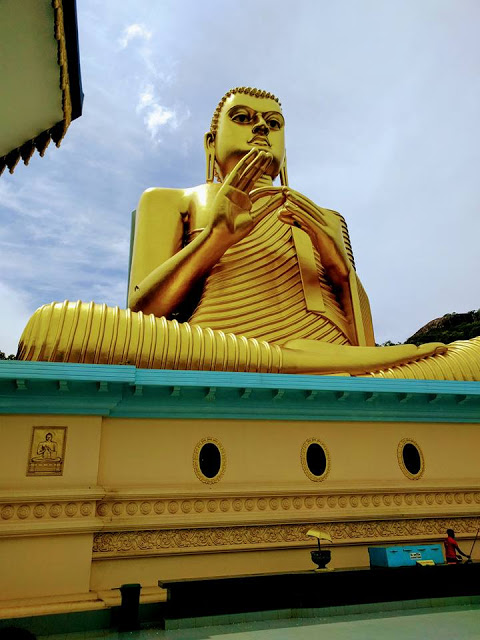
Picture sent by Dr Devaraj: Buddha statue in Dambulla, Sri Lanka

Written by S NAGARAJAN


Date: 27 February 2017


Time uploaded in London:-  4-41 am


Post No.3673


Pictures are taken from different sources; thanks.


contact: swami_48@yahoo.com


100 வயது வாழ்ந்த பெரியோர்


120 வயது வாழ்ந்த அதிசய புத்த துறவி ஸு யுன்! – 30

by ச.நாகராஜன்


104ஆம் வயது (1943-1944)

ஸு யுன்னுக்கு இப்போது வ்யது 104. முதல் மாதத்தில் நாட்டின் நலனுக்காக சடங்குகளை ஸு யுன் ஆரம்பித்தார். அது 26ஆம் நாளன்று முடிவடைந்தது. ஜனாதிபதி லின் ஷென், ஜெனரல் சியாங் கே ஷேக், மந்திரி டால், ஜெனரல் ஹோ மற்றும் முக்கிய அதிகாரிகள் ஒருவர் பின் ஒருவராக ஸு யுன்னை சைவ விருந்துக்கு அழைத்தனர். சியாங் கே ஷேக் தர்மம் பற்றி விரிவாக அறிந்து கொண்டார். பொருளியல் வாதம் என்றால் என்ன, இலட்சிய வாதம் என்றால் என்ன என்பது பற்றியும் கிறிஸ்தவ மதம் பற்றியும் அவர் கேட்டு அறிந்து கொண்டார். அவருக்கு ஒரு கடிதம் மூலமாக விரிவான பதிலை ஸு யுன் அனுப்பினார்.


பிறகு ஸி யுன் மற்றும் ஹுவா யான் ஆலயங்களில் விரிவுரை ஆற்றிய பின்னர் ஸு யுன் நான் ஹூவா மடாலயம் திரும்பினார். இறந்த சீடர்களுக்காக அங்கு ஒரு ஸ்தூபத்தை எழுப்புவதற்காக பூமி தோண்டப்பட்ட போது அங்கு காலியாக இருந்த ச்வப்பெட்டிகள் காணப்பட்டன ஒவ்வொன்றும் 16 அடி நீளம் இருந்தது. எட்டு அங்குல சதுரத்தில் கறுப்பு ஓடுகள் வேறு கிடைத்தன. அதில் பல்வேறு பறவைகள், மிருகங்கள், ஜோதிட அடையாளங்கள் இருந்தன. ஆனால் தேதி ஒன்றும் பொறிக்கபப்டவில்லை.


ஆறாம் மாதம் வினய பள்ளி திறக்கப் பட்டது. அங்கு உள்ளூரில் இருந்த ஏழைகளுக்கு இலவச கல்வி வழங்கப்பட்டது. குளிர்காலத்தில் ஸ்தூபம் கட்டி முடிக்கப்பட்டது.


105ஆம் வயது (1944-1945)


ஸு யுன்னுக்கு இப்போது வ்யது 105. 1940ஆம் ஆண்டில் ஆறாம் வமிச அரசரின் மடாலயம் திருப்பிக் கட்டப்பட்டவுடன் பிக்ஷு ஃபு கோவுடன் க்விஜியாங்கிற்கு ஸு யுன் சென்றார். லிங் ஷு வின புராதன மடாலயத்தை அவர் தேடினார். ஆனால் அது காணப்படவில்லை. மவுண்ட் யுன் மென்னுக்கு வந்த போது அங்கிருந்த அடர்ந்த காட்டில் யுன் மென் பள்ளியை நிறுவிய சிதிலமடைந்து கிடந்த ஆலயத்தை அவ்ர் பார்த்தார்.

அருமையான் அந்தப் புனிதத் தலத்தின் இன்றைய நிலையைக் கண்டு ஸு யுன்னுக்கு கன்ணீஈ ததும்பியது. 1938 ஆம் ஆண்டிலிருந்து மிங் காங் என்ற துறவி தனியே அங்கு வாழ்ந்து வந்தார். அந்தப் பிரிவை நிறுவியவரின் நினைவைப் போற்றும் வ்கையில் பல்வேறு துன்பங்களையும் ஏற்று அவர் அங்கு வாழ்ந்தார். அந்த மடாலயம் உடனடியாகக் கட்டப்படாவிடில் அது முற்றிலுமாக அழிந்து படும்.


நான் ஹூவா மடாலயம் திரும்பினார் ஸு யுன். ஒரு நாள் சேர்மன் லி ஹான் யுன்னும் மார்ஷல் லி ஜி ஷென்னும் அவரைப் பார்க்க வந்த போது தான் பார்த்த காட்சியை ஸு யுன் அவர்களிடம் தெரிவித்தார். அவர்கள் தங்களது பயணத்தின் போது அங்கு சென்று நிலைமையை நேரில் கண்டறிந்தனர். உடனடியாக சங்கத்தைச் சேர்ந்த அனைவரையும் அவர்கள் அழைத்தனர். ஸு யுன்னிடம் அந்த ம்டாலயத்தை புனரமைக்கும் பணி வழங்கபப்ட்டது. நான் ஹுவாவுக்கு யுத்தம் வருவது நிச்ச்யம் என்ற நிலையில் ஸு யுன் ஆறாம் வமிச அரசர் மற்றும் மாஸ்டர் ஹான் ஷான் ஆகியோரின் உடல்களை இரகசியமாக யுன் மென்னுக்கு கொண்டு வந்தார் ஸு யுன்.


யுன் மென்னில் இடிந்து விழும் நிலையில் இருந்த ம்டாலயத்தைப் பார்த்த ஸு யுன் அங்கு ஒரு சிறிய அறையில் தங்கி புனித தலத்தை மீண்டும் அமைக்கும் பணியை ஆரம்பித்தார். குளிர் காலத்தில் நான் ஹுவா திரும்பிய அவர் நீரிலும் நிலத்திலும் இறந்தோரின் ஆன்மா சாந்தியடைய வழிபாடு நடத்தினார்.


106ஆம் வயது (1945-1946)


ஸு யுன்னுக்கு இப்போது வ்யது 106. வசந்த காலத்திற்கும் கோடை காலத்திற்கும் இடையே வடக்கு குவாங் டாங் பகுதியை ஜப்பானிய படைகள் ஆக்கிரமித்தன. ரு யான் பகுதியில் இருந்த அகதிகள் யுன் மென்னிற்கு தப்பியோடினர். அங்கு அவர்களுக்கு அரிசிக் கஞ்சி யாம் மாவு உள்ளிட்டவை தரப்பட்டன. அந்த அகதிகளுள் தச்சர்கள், கொத்தனார்கள் கட்டிடக் கட்டுமானப் பணியார்கள் உள்ளிட்டோர் இருந்தனர். மடாலயத்தைப் புனரமைக்க அவர்கள் கூலி இன்றி தங்கள் உழைப்பைத் தர முன் வந்தனர்.


கோடை காலத்தில் சீனத் துருப்புகள் வேறு ஒரு இடத்திற்கு விரைந்த போது கொள்ளைக்காரர்கள் அதை அவர்கள் பின் வாங்குவதாகப் புரிந்து கொண்டு அவர்களைத் தாக்கிப் பெருமளவில் ரேஷன் பொருள்களைக் கைப்பற்றினர்.

விரைந்து உதவித் துருப்புகள் வரவே நாற்பது கிராமங்களில் உள்ள கொள்ளைக்காரர்களைத் தாக்க துருப்புகள் திட்டமிட்டன.

ஆயிரத்திற்கும் மேற்பட்ட ஆண், பெண் உள்ளிட்ட அனைவரும் ம்டாலயம் வந்து ஸு யுன்னிடம் ஏதேனும் செய்யுமாறு வேண்டிக் கொண்டனர். ஸு யுன் உடனடியாக யுத்த கமாண்டரைச் சந்தித்தார். மூன்று நாட்களுக்குப் பிறகு கொள்ளையடிக்கப்பட்ட் பொருள்கள் திருப்பி ஒப்படைக்கப்பட்டன,

ஒரு ஒப்பந்தமும் செய்யப்பட்டது. ச்கஜ நிலை மீண்டது.

அன்றிலிருந்து அந்தக் கிராமங்களின் மக்கள் ஸு யுன்னை அன்புத் தாயாக உருவகித்து அவரை வணங்கலாயினர். ஜப்பானிய படைகள் நகரை ஆக்ரமித்த போதிலும் கூட அவர்கள் யுன் மென்னுக்கு வரவில்லை.

-தொட்ரும்

***


Eagle in the Rig Veda and Egyptian Civilization (Post No.3672)

Most Imporatnt Vahana of Vishnu Temples


Research Article Written by London swaminathan


Date: 26 FEBRUARY 2017


Time uploaded in London:- 17-21


Post No. 3672


Pictures are taken from various sources; thanks.


contact; swami_48@yahoo.com


In the Rig Veda and the Egyptian literature Eagle or falcon was mentioned. Rig Veda is the oldest book in the world if we go by the dating of Herman Jacobi and BG Tilak.  Both used the astronomical data in the Veda independently and arrived at the same date, around 4500 BCE.

Picture of Eagle shaped Vedic Fire Altar


Hindus and Egyptians identified eagle or falcon with death and immortality. Both identified the bird with divinities and kingship. They praised the eagle or falcon sky-high. The beliefs were same.


In ancient Egypt, the falcon was a royal symbol, because the gaze was said to have paralyze birds as such the countenance of the Pharaoh his enemies. It was the manifestation of Sky God Horus, presumably because the bird flew so high.


Rig Vedic Reference:

Syena (eagle) is described as a strong bird in the Rig Veda (1-32-14; 1-33-2; 1-118-11; 1-163-1; 1-165-2; 2-42-2; 4-38-5 etc In the other Vedas lot of references are there.

Saghan is mentioned in Tattiriya Brahmana; it may be a vulture or an eagle.

Su-parna means well-winged and is mentioned in RV 1-164-20; 2-42-2; 4-26-4;8-100-8;10-48-3 etc

In the RV 4-26, 4-27 falcon is praised. But the full meaning is not explained in the translation. It may be the seed for later stories of Garuda and Amrita and Garuda and death and immortality.

(I am afraid there is no scholar at present to explain the significace of eagle in the Vedas. For example, there is one hymn addressed to The Falcon (4-27). No proper explanation is found in any book. Probably this is the only hymn addressed to falcon in ancient civilizations)

The Satapata Brahmana (12-2-3-7) praises eagle as Maha Suparna, i.e. Great Eagle
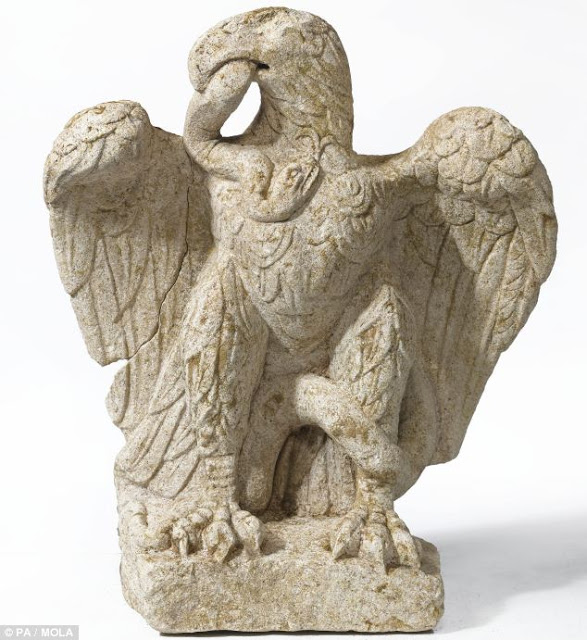
Roman eagle discovered in London Aldgate area.

In Rome

When Roman emperors were cremated ritually, an eagle was released above the funeral pyre to indicate that the soul has gone to dwell among the gods. One old Babylonian text tells us of the ascension of King Etana borne into the heavens by an eagle.


In fact, it is a Hindu belief. Hindus read the Garuda (Eagle) Purana during the 13 day mourning period after the death of a near and dear relative. Of the 18 major Puranas (Hindu Mythology), Garuda Purana is the only one that has got a special funeral liturgy called Pretakanda. Garuda (eagle) was the one who brought Amrita according to a Hindu story and so it symbolised immortality. Bird is always associated with the soul in Hindu literature.


Tamil Veda Tirukkural

Tamil Veda Tirukkural confirms it with a couplet:

The affinity of the body and the soul is like that of the nest and a bird in it. The soul departs from the body even as the chick deserts the nest – Tirukkural 338.

It is in Sangam Literature as well:

Tamil poet Kalladanar says in Akam 113:

“Oh, my friend! I won’t cry if my soul (life) leaves my body and goes to the place where my lover is working, like the bird that deserts its desolate nest and flies away”- said by a woman to her friend.


So, this is a Hindu concept of soul which is seen in many Hindu scriptures including Manu smrti and Bhagavad Gita with different similes.


Eagle is associated with Sun God in several cultures. In Palmyra in Syria, the eagle was associated with the Sun God.

Egyptian God Horus from Wikipedia

Garuda Vahana in Egypt

Horus is Sky god in Egypt recorded from 3000 BCE. Horus symbol is falcon, and he is generally depicted either wholly or in human form with a falcon’s head, exactly like Hindu’s Garuda Vahana.

Other divinities similarly portrayed were the Sun God Rue; Mentu, with adouble crown of feathers; Seker the god of the dead (as a mummified hawk); Hariese with the crown of Upper and Lower Egypt.


Horus is a form of the sun god. The alternative name Harakhti translates Horus of the horizon. He is sometimes depicted as a sun disc mounted between falcon’s wings. Kings are identified with Horus.


Horus as a baby on her mother Isis’ knee is as an amulet against snakes and other animals. In Hindu scriptures Garda mantra is used against snakes.

In many countries, such as Mexico, Thailand, Indonesia, India Garuda emblems are used.

The noticeable marking in the feathers under the hawk’s eyes is called Udjat-eye. This is Horus’ all seeing Udjat eye which became a symbol for visual acuity and imperviousness to injury as well as treasured amulet.


Assyrian Eagle Genie, 883 BCE (May be Garuda carrying amrita)


Christian World

Gothic windows portray the eagle carrying its unfledged young up into the sky to teach them to gaze into the sun. It figures in Norse mythology Odin. In Europe several saints have falcon as their symbol.

In Christian iconography, the eagle appears frequently as a symbol of  john the Evangelist, as an attribute of ascended phrophet Elijah and the resurrected Christ.


Quauhtli (eagle) is the 15th of the 20 days of the Aztec calendar. In ancient China it was the symbol of power and strength.


In Tamil Nadu, King Karikal Choza constructed an eagle shaped fire altar (Yaha Gunda) to perform a yaga according to Purananuru (verse 224). In Kerala even today eagle shaped fire altars are constructed for Atiratra  fire ceremony.

Eagle Vahana (Mount of God in processions) of Hindu temples


Eagle in Mahabharata similes

Bhima and Sikhandin wander about in the battlefield enraged like an eagle (6-78-28).

The Pandavas rush towards Jayadratha’s army as an eagle rushes towards meat (3-253-24)

The Pandavas and Kauravas fight like two  eagles fighting for meat (6-111-42)

I have already given the story of Garuda and Vinata as found in the epic.


Conclusion:

All ancient cultures used eagle, hawk and falcon as symbols of power and might.

But there are more similarities between Vedic and Egyptian cultures in attributing divinity to eagles.

Both identified eagle with Sun and Death and Immortality.


All other civilizations that used falcon and eagle have dies long ago and gone into museums. But the culture is still alive in Hindu India.


There are innumerable towns named after eagle and falcon; there are hundreds of temples where Eagle Vahana is use to carry Lord Vishnu’s idol.


Garuda is worshipped by villagers and sight of it is considered an auspicious sign.

Garuda Hymns and Mantra are used as anti-dotes for poison.

Rig Vedic hymns, the oldest in the world are still used!


(Please see below my previous articles on this subject)


Eagles fed at Tirukkazuku Kundram in Tamil Nadu Temple


Books used:

Rig Veda

Sangam Literature

Dictionary of Symbolism by Hans Biedermann

Encyclopaedia of Gods by Michel Jordan

Elements of Poetry in the Mahabharata


From my old article:


Hindu Eagle Mystery deepens, 16 February 2013


1.Why do Hindus worship eagle (suparna=garuda) from Rig Vedic Days till today?

2.Why do Hindus including the greatest Tamil king Karikal Choza built their Yaga Kundas (Fire altars) in eagle shape?

3.How is that two eagles come to Tirukazuku kundram just to eat rice pudding everyday for over 1300 year period?

4.Why do Hindus call Emeralds as Garuda Ratna (eagle gem), which Sindbad story writer copied it from the Hindus?

5.Why a Saivaite saint sang 1300 years ago about an eagle bringing flowers to Shiva every day?

6.Why do Tamil children shout ‘Drop me  a flower please’ when they see Garudas (falcon/eagle) in the sky? Why do Hindus recite a Sanskrit hymn when they see Garuda?

7.Why does Vishnu use Garuda as his Vahana (Mount of God)?

8.Why did Rama cremate an eagle Jatayu in Ramayana? Was it eagle totem people or real eagle? Why Tamils associate this with Vaitheeswarankoil (eagle town)?

  1. Why did Eagle people and Snake people (Garudas and Nagas) fight all over the world? We have the story here in Puranas, but symbols are in Egypt and Maya civilization?
  2. How come eagle brought Soma plant for the Yagas (Fire ceremonies of Hindus)?
  3. Why did a Greek build an eagle pillar with inscription calling himself as a great devotee of Vishnu?


Falcon symbols in Egypt

12.Tamil Encyclopedia Abithana Chintamani ( year 1899) attributes sixteen acts to Garudas. Many of them actually belong to people with eagle totem. They were against people with snake totem (Nagas). It is the ancient history of India. One must go deeper in to it to reveal the secrets.

  1. Why do women fast on Garuda Panchami day every year?
  2. Why is Garuda Purana is associated with the departed souls? It is read in the 13 day mourning period.
  3. Indus People painted eagle in (funeral ??)  potteries, Why? Has it anything to do with Hindus reading Garuda Purana after the funeral?
  4. Why is it that Amrita (ambrosia) is linked with Garuda/suparna?
  5. In the Assyrian bas-relief in Khorsabad (885 BC) Eagle headed  winged genie is carrying a vessel of lustral water and a pine cone sprinkler. It is one of the benevolent genies that protected men from diseases and evil forces. Is it Garuda with Amrita? (see the images)
  6. Why does Jaiminiya Brahmana (Vedic literature) say that eagle separates water from milk like Krauncha (swan) bird?
  7. Why does Romulus saw an eagle on the Aventine Hill and considered it as a good omen like Hindus and keep it in front of his army? Orthodox Hindus wait for Garuda Darsanam every day.

20.Why do newspapers report sighting of Garuda as a good omen during Kumbhabishekam or any religious event?

  1. Why does Krishna say that he is garuda/eagle among birds in Bhagavad Gita (10-30)(vainatheyascha pakshinam)? Western cultures also consider eagle as ‘King of Brids’.

If I write answers to all these questions it would become a big book. I am going to answer a few of these questions in this article.

(Please read the full article for more information)

…………………………..

I have already written about Vahanas, eagle shaped fire altars of Karikal Choza, Eagle Vs  Naga clans enmity in Mayan civilization, Double headed Eagle, Garuda Sthamaba of Greek Ambassador etc. Please see the titles of the articles given below:-

Double Headed Eagle: Sumerian-Indian Connection, posted on 18 December 2011

Picture of Double Headed Eagle in Turkey (Ganda Beranada Bird of Hindu literature)


Eagle/Garuda in India, Rome and Sri Lanka

25 September 2014

Karikal Choza and Eagle shaped Fire Altar

14 January 2012

A Hindu Story in Sumerian Civilization

11 May 2014

Eagle shaped fire altar at Vedic ceremony

–Subham–
Einstein, Stalin, Mahatma Gandhiji Tested Wolf Messing – More Incidents in Detail! (Post No.3671)

gandhi-us-2

Written by S NAGARAJAN


Date: 26 February 2017


Time uploaded in London:-  5-50 am


Post No.3671


Pictures are taken from different sources; thanks.


contact: swami_48@yahoo.com


by S. Nagarajan


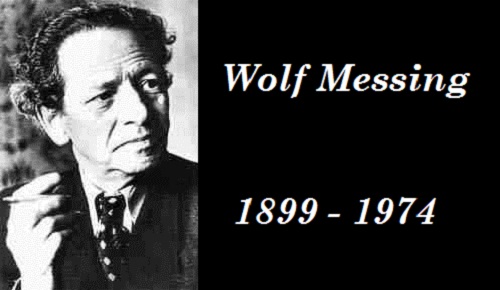
This is one more article on Wolf Messing, the famous psychic.


Actually, Messing’s fame spread through- out Russia. Stalin wanted to test his psychic abilities. So he called him and ordered him to carry out a psychic bank robbery and get one lakh rubles from the Moscow Gosbank. He was unknown to the bank authorities.


So Messing took up the challenge and walked to the bank. He simply handed over a blank piece of paper torn from a school notebook. He handed over the piece of pater to the bank cashier and opened an attache case and put it on the counter.


The cashier carefully checked the paper and opened the safe and handed over one lakh rubles to Messing. The two officials who were with Messing as per Stalin’s order witnessed the scene.

Messing returned the money to the cashier. The cashier checked the paper which was a blank. He fell to the floor with a heart attack.


One more test was carried out by Stalin. He wanted Messing to come to his guarded room at Kremlin.

Messing went to Kremlin and told the securities, “ I am Beria, May I go in?”

They checked him and allowed him to go to Stalin’s room. Beria was the close associate to Stalin at that time.

Stalin opened the door hearing the knock sounds. There was Messing.


Stalin was a keen psychic researcher. He wanted a psychic research department to be opened in Moscow.


Wolf Messing met the famous scientist Einstein and told him that he could think anything which he would be pleased to do.


Einstein invited him in Vienna in 1915. He was sixteen only. Sigmund Freud was acted as inductor.


Freud gave a mental command to him. “Go to the bath room. Take the tweezers. Return to Einstein and take three hairs from his moustache.

Messing carried out the command reluctantly.


It was 1927. Very interesting incident took place in India at Mahatma Gandhiji’s place.  Gandhiji’s mental command to him was: “Take a flute from the table and hand it over to anyone in the room. Accordingly to the surprise of all Messing took the flute and handed it over to a person. That person started playing it. Suddenly a basket kept in the room was trembled and started to move. A snake emerged from the basket and swayed in rhythm to the music.


Throughout his life Messing’s psychic abilities were tested again and again.

Since he predicted the fall of Hitler, he was chased by Gestapo. He escaped to Russia. He was an entertainer showing his mental abilities.

His true story has been written by Tatiana Lungin in the book titled “Wolf Messing: The True Story of Russia’s Greatest Psychic”.


We may come across many psychic personalities. But needless to say, that Wolf Messing will be in the top of the list.

***

பிரமிடுகளை முதலில் கட்டிய வம்சாவளி: எகிப்திய அதிசயங்கள்-10 (Post No.3670)

Written by London swaminathan


Date: 25 FEBRUARY 2017


Time uploaded in London:- 17-36


Post No. 3670


Pictures are taken from various sources; thanks.


contact; swami_48@yahoo.com


கட்டுரை-9ல் முப்பது வம்சங்களின் தோற்றத்தையும் முதல் வம்சாவளியையும் கண்டோம்.

இரண்டாவது வம்சாவளி (2800 BCE)

இரண்டாவது வம்சாவளி பற்றி அதிக விவரங்கள் பதிவு செய்யப்படவில்லை. ஆயினும் எகிப்து ஒரே நாடாக (Unification) உருப்பெற்றது. இந்த சாதனையை உருவாக்கியவர் காசிகெம்வி (Khasehemvy). அவர் மிகவும் பெரிய உருவம் படைத்தவர். அவர் விட்டுச்சென்ற நினைவலைகள் பல நூற்றாண்டுகளுக்கு நீடித்தது. அவருக்கு மகன் கிடையாது. எகிப்திய வழக்கப்படி அவர் தன் மகளையே திருமணம் செய்துகொண்டார் என்று ஊகிக்கப் படுகிறது.. அவர் பெயர் (Nemmathap) நெம்மாதாப்.


துவக்க காலத்தில் பெண்களே ஆட்சிக்கு வந்தனர். அதாவது மன்னனின் மூத்த மகள் அல்லது மஹாராணி,  (Isis) ஐஸிஸ் என்னும் தேவதையின் அம்சமாகக் கருதப்பட்டாள். மன்னன், ஹோரஸ் (Horus) என்னும் கடவுளின் அவதாரமாகக் கருதப்பட்டார். சிம்மாசனத்துக்கான சித்திர எழுத்து மூலம்  ஐஸிஸ் குறிக்கப்பட்டாள். அந்த சிம்மாசனத்தில் உடகார்ந்ததால் மன்னர் கடவுள் அம்சம் பெறுகிறார்.


இந்து அரசர்களும் அரச பதவியை ராஜ்யலெட்சுமி என்று அழைத்தது ஒப்பிடத் தக்கது.


மூன்றாவது வம்சம் (2600 BCE)

நெம்மாதாப் (NemmaathapP மூலம் மூன்றாவது வம்சம் தோன்றியது. அவளுக்கு இரண்டு மகன்கள். முதல் புதல்வனின் பெயர் சனக்தே (Sanakhte) அல்லது Nebka நேப்கா. இரண்டாவது புதல்வன் தஜொசர் நெட்ஜெரிகேட் (Djoser Netjerykhet).


முதல் பிரமிட் (First Pyramid)


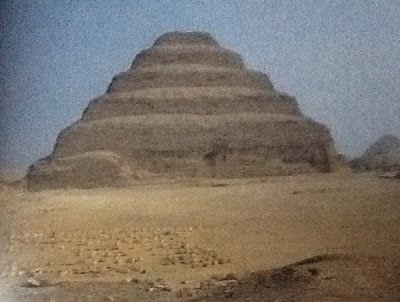
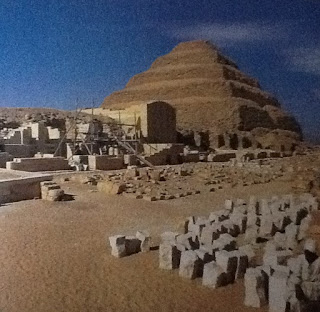
நெட்ஜெரிகேட் (கேது) என்ற மன்னந்தான் முதல் முதல் பிரமிட் கட்டியவர். இது படிக்கட்டுகள் போல அமைந்த (Step Pyramid)  பிரமிட். இது சக்கரா என்னுமிடத்தில் அமைந்துள்ளது. இந்தப் பிரமிடு கட்டிய பெருமை அவருடைய அமைச்சரும், கட்டிடக் கலைஞருமான இமோதேப் (Imhotep)  அவர்களையே சேரும் ஒரு  மில்லியன் டன் (பத்து லட்சம்) கற்களை நன்கு செதுக்கி உருவாக்கப்பட்ட ஒப்பற்ற கட்டிடம் இது. இதற்கு ஈடு இணையாக அக்காலத்தில் ஒரு கட்டிடமும் கிடையாது.


பல பெயர்கள் கேட் என்று முடியும். இது மஹாபாரதத்தில் பல அரசர்களின் பெயர்கள் ‘கேது’ என்பதன் திரிபாக இருக்கலாம். இதே போல அமைச்சரின் பெயர் ‘தேப்’ என்பது ‘தேவ’ என்பதன் திரிபாக இருக்கலாம். எகிப்தில் பல தமிழ், சம்ஸ்கிருதச் சொற்கள் இருப்பதை முன்னரே ஒரு  கட்டுரையில் தந்துள்ளேன்.


படிக்கட்டு வடிவில் அமைந்த முதல் பிரமிடுதான் பிற்கால மன்னர்களைப் பெரிய பிரமிடுகளைக் கட்ட ஊக்குவித்தது. எகி ப்துக்கு வரலாற்றில் அ ழி யாத இடத்தையும் புகழையும் ஈட்டித் தந்தது.


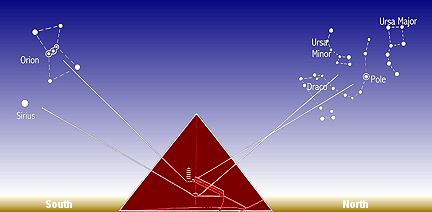
மன்னர் என்பவர் கடவுள் நிலைக்கு உயர்த்தப்பட்டதால் மன்னரின் மதிப்பு உயர்ந்தது. ஹீலியோபோலிஸ் (Heliopolis) எனப்படும் சூர்யபுரி நகரம் பெரும் சிறப்புடன் திகழ்ந்தது. இங்கிருந்து நட்சத்திரங்களைக் கவனித்தனர். நட்சத்திரங்களை வழிபடவும் செய்தனர்.


நட்சத்திர வழிபாடு; அதிசய சிரியஸ் (SIRIUS) நட்சத்திரம்


இது இந்துமத்துக்கு மிக நெருக்கமான விஷயம். இன்றுவரை 27 நட்சத்திரங்கள் அதற்கான அதி தேவதைகள் வணங்கப்படுகின்றன. மேலும் வேதங்களிலேயே நடசத்திரங்களின் முக்கியத்துவம் விளக்கப்பட்டுள்ளது.


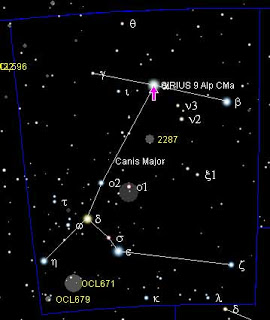
இந்த இடத்தில் சிரியஸ் (Sirius) நட்சத்திரம் பற்றிய சில வியப்பான தகவல்களைக் காண்போம்; எகிப்தியர் வாழ்வில் சிரியஸ் நடசத்திரம் முக்கியப் பங்கு ஆற்றியது.


ஒவ்வொரு ஆண்டும் ஜூலை 19 ஆம் தேதி இது எகிப்து நாட்டின் தலைநகரான கெய்ரோவின் வானத்தில் தோன்றும்போது நைல் நதி வெள்ளப் பெருக்கெடுக்கும். ஆகையால் இதை எகிப்தியர்கள் ஆதிகாலத்திலிருந்தே கவனித்து அது தோன்றும் தேதியைப் பதிவு செய்யத் துவங்கினர். இதை எகிப்தியர்கள் சோதி (Sothi) என்று அழைத்தனர் நாமதை ஜோதி (ஒளி) என்று அர்த்தம் செய்தாலும் பொருந்தும். ஏனெனில்  இதுதான் வானத்திலேயே மிகவும் பிரகசமான நட்சத்திரம். எல்லா பண்பாடுகளும் இதை நாய், ஓநாய் அல்லது அது போன்ற மிருகங்களுடன் சம்பந்தப்படுத்தினர். சம்ஸ்கிருதத்தில் இதை ம்ருக வ்யாத என்று அழைத்தனர். மான் வேட்டை என்று பொருள். எகிப்தில் இது தோன்றும்போது வெள்ளம் வந்தது போலவே கிரேக்க நாட்டில் கோடைக் காலம்  துவங்கும். ஆகவே அவர்களைப் பொருத்தமட்டில கோடை நட்சத்திரம். பாலிநேசியன் எனப்படும் பசிபிக் மஹாசமுத்திர பழங்குடியின ருக்கு இது கப்பல் விட உதவும் நட்சத்திரம்.


இந்த நட்சத்திரம் முதலில் இருந்த நிலைக்குத் திரும்பிவர 1460 ஆண்டுகள் ஆகும்.


எகிப்திய காலண்டர் சிரியஸ் நட்சத்திரம் தோன்றும் நாளன்று துவங்கும். இதை எகிப்தியர் சோப்டு (Sopdu) என்று அழைத்தனர். கிரேக்க நாட்டினர் சோதிக் காலண்டர் (Sothic Calendar) என்று அழைத்தனர். இந்துக்களின் சாந்திர மாதம் போலவே இதுவும் 360 நாட்களைக் கொண்டது. பின்னர் ஐந்து நாட்களைக் கூட்டி 365 நாள் என்று மாற்றினர். அப்படியும் ஒவ்வொரு ஆண்டும் 6 மணி  நேரம் துண்டு விழும். ஆங்கிலக் காலண்டரில் லீப் வருடம் என்று உண்டாக்கி இதை ஈடு செய்தனர். எகிப்தியரும் வேறு சில காலண்டர் முறைகளைப் புகுத்தி குறைகளைப் போக்கினர்.


புதிய ராஜ்யம் (New Kingdom) , நடு (Middle Kingdom) ராஜ்யம் ஆகியவற்றில் சிரியஸ் நட்சத்திர உதயம் பற்றி மூன்று முறை கல்வெட்டுகளில் பதித்துள்ளனர்.


தொடரும்………………..

கங்கர், கொங்கர், கலிங்கர், குலிங்கர்: கம்பன் தரும் நாடுகளின் பட்டியல் (Post No.3669)

Written by London swaminathan


Date: 25 FEBRUARY 2017


Time uploaded in London:- 12-33


Post No. 3669


Pictures are taken from various sources; thanks.


contact; swami_48@yahoo.com


கம்ப  ராமாயணத்திலுள்ள பூகோள (Geographical-நிலவியல்) விஷயங்களை ஆராய்வது ஒரு தனி இன்பம் தரும்; ஆழமாக ஆராய்ந்தால் டாக்டர் பட்டமும் வாங்கலாம். நாடுகளைக் கம்பன் வரிசைப்படுத்தும் அழகே தனி அழகு!

1.கங்கர் கொங்கர் கலிங்கர் குலிங்கர்கள்

சிங்களாதிபர் சேரலர் தென்னவர்

அங்கராசர் குலிந்தர் அவந்திகர்

வங்கர் மாளவர் சோழர் மராடரே


2.மான மாகதர் மச்சர் மிலேச்சர்கள்

ஏனை வீர இலாடர் விதர்ப்பர்கள்

சீனர் தெங்கணர் செஞ் சகர் சோமகர்

சோன சேகர் துருக்கர் குருக்களே


3.ஏதி யாதவர் ஏழ்திறல் கொங்கணர்

சேதிராசர் தெலுங்கர் கருநடர்

ஆதிவானம் கவித்த அவனிவாழ்

சோதி நீள்முடி மன்னரும் துன்னினார்

பால காண்டம், கம்ப ராமாயணம்

உலாவியல் படலத்தில் ராமன்சீதை திருமணத்துக்கு வந்த மன்னர்கள் பட்டியல் இது.


பொருள்:-

1.கங்க நாடு, கொங்கு நாடுகலிங்க நாடு, குலிங்க நாடு, சிங்கள நாடு, சேர நாடு, தென்னாடான பாண்டிய நாடு, அங்க நாடு, குலிந்த நாடு, அவந்தி நாடு, வங்க நாடு, மாளவ நாடு, சோழ நாடு, மராட நாடு ஆகிய நாட்டு அரசர்களும்,


2.பெருமை மிகுந்த மகத நாடு, மச்ச நாடு, மிலேச்ச நாடு, மற்றுமுள்ள வீரம் பொருந்திய இலாடநாடு, விதர்ப்ப நாடு, சீன நாடு, தெங்கண நாடு, செம்மை வாய்ந்த சக நாடு, சோம நாடு, சோனக நாடு, துருக்கி நாடு, குரு நாடு ஆகிய நாட்டு அரசர்களும்,

3.ஆயுதங்கள் நிறைந்த யாதவ நாடு, ஏழு பிரிவு கொண்ட கொங்கண நாடு, சேதி நாடு, தெலுங்கு நாடு, கரு நாடு என்னும் கன்னட நாடு, ஆகிய நாடுகளின் அரசர்களும், பஞ்ச பூதங்களில் முதன்மையானதான ஆகாயத்தின் கீழே ஆழும் — ஒளிவீசும் மணிமுடி அணிந்த பிற அரசர்கள் அனைவரும் அந்த மண்டபத்தை அடைந்தனர்.


முதல் பாட்டில், அங்கராசர் என்பதற்குப் பதிலாக சில பதிப்புகளில் அங்கர் சீனர் என்று காணப்படும்; அப்படியானால் அடுத்த பாட்டில் வரும் சீனர் என்ற சொல்லுக்கு மகா சீனர் என்று பொருள் சொல்லுவர் பெரியோர்.

இதே போல சோனர் சேகர் என்பதை சோன கேசர் என்றும் எழுதுவர். விசுவாமித்திரர் சேனைகளை எதிர்ப்பதற்காக காமதேனு என்னும் தெய்வீகப் பசு மூலம் வசிட்டனால் உண்டாக்கப்பட்ட சேனை என்றும் சொல்லுவர். இது பற்றிய கதை மிதிலைக் காட்சிப் படலத்தில் உள்ளது.


கம்பன் பாட்டில் தெரிய வரும் செய்திகள்:-


கம்பன் காலத்தில், திராவிட நாடு என்று  ஒரு நாடு இல்லை.


கொங்கண நாட்டைக் குறிப்பிடும் போதெல்லாம் ஏழு பிரிவு கொண்ட கொண்க்கண நாடு என்பதை ஏன் அழுத்தம் திருத்தமாகச் சொல்லுகிறார் என்று தெரியவில்லை.

துருக்கி, சீனம், அரேபியா (சோனகம்) என்பவை கம்பன் காலத்தில் நன்கு தெரிந்தவை.


மிலேச்ச நாடு (ரோம்/இதாலி, கிரீஸ் உள்ளிட்ட யவன பூமி)


ஏழு பிரிவுகள் கொண்ட கொங்கண நாட்டை அவன் சுந்தர காண்டத்திலும் குறிப்பிடுவான்.


சுந்தர காண்டத்தில் அவன் சொல்லும் பல பூகோள/நிலவியல் விஷயங்கள் இன்னும் வியப்பானவை.


துருக்கர் கொண்டுவந்த குதிரைகள் பற்றி உன் அமுத உத்தியன ஒண் நகர்……..என்ற பாட்டிலும் கம்பன் பேசுகிறான்.


எனது முந்தைய கட்டுரைகள்

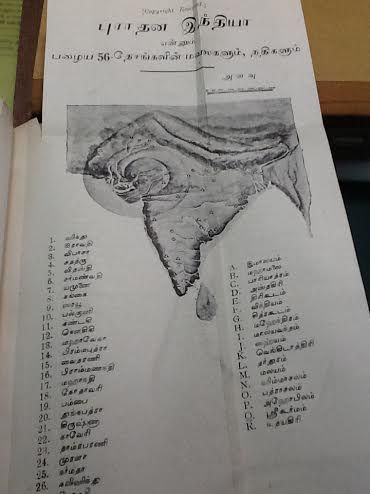
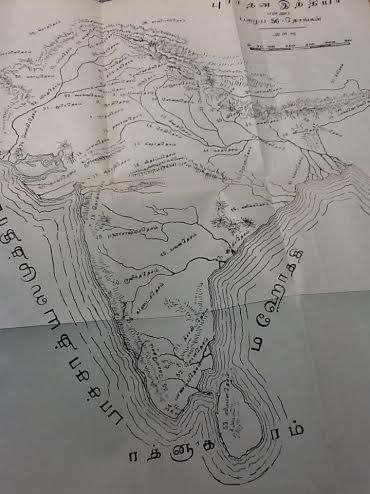
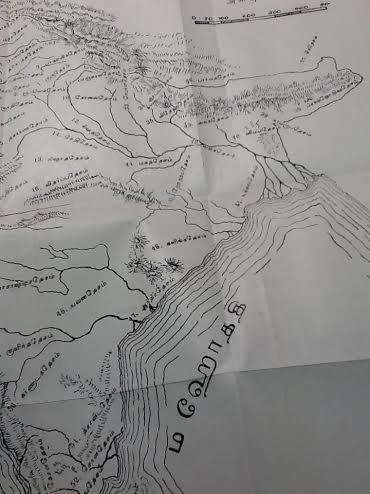
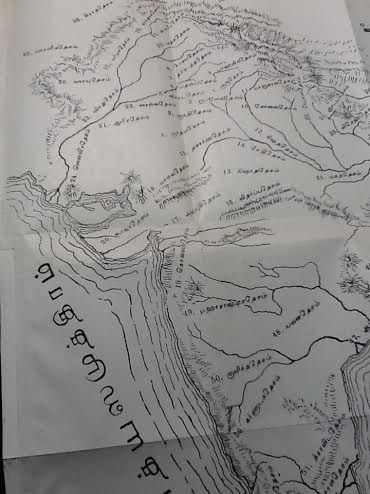
1.புராதன இந்தியாவின் 56 தேசங்கள்! (Post No. 2686) posted on 2 April 2016

2.திராவிடர்கள் யார்? posted on July 17, 2013

3.பெண்கள் மட்டுமே ஆண்ட அதிசய நாடு! Posted on 23 March 2015

4.தமிழ்ப் பெண்கள் வெளிநாடு செல்ல தடை! (Posted on 30 September 2016


5.தமிழ்நாட்டின் எல்லை ‘திருப்பதி’தான்! (Post No.3429) 8 December 2016

6.சங்க இலக்கியத்தில் யவனர் மர்மம்!

1 August 2014

7.மிலேச்சர்களை அழிக்கும் கல்கி அவதாரம் எப்போது? 21 March 2015

PLUS+++


1.முதல் திராவிட ராணி கி.மு 1320, (2).Dravidian Queen (1320 BC) in North India (3).The Biggest Brainwash in the World (4). ஆதிசங்கரர் காலம்: தமிழ் இலக்கியச் சான்றுகள் 5.தமிழன் காதுல பூ!!!! (6).மூன்று தமிழ் சங்கங்கள்: உண்மையா? கட்டுக்கதையா? (7) 3 Tamil Sangams: Myth and Reality 8. தமிழ் இனத்தின் வயது என்ன? 9. தமிழ் ஒரு கடல் 10.தமிழ்-கிரேக்க தொடர்பு

11..Indra festival in the Vedas and Tamil Epics 12.Bull fighting: Indus valley to Spain via Tamil Nadu 13.Karikal Choza and Eagle shaped Fire A tar 14.Why do British judges follow a Tamil king? 15.Flags : Indus Valley- Egypt Similarity 16.தமிழ் முனிவர் அகஸ்தியர் 17.வள்ளுவன் ஒரு சம்ஸ்கிருத அறிஞன் 18.கொடி ஊர்வலம்: சிந்து சமவெளி—எகிப்து அதிசிய ஒற்றுமை 19.வீரத் தாயும் வீர மாதாவும் 20.Veera Matha in the Vedas and Tamil Literature

21.இந்திர விழா: வேதத்திலும் தமிழ் இலக்கியத்திலும் 22.கரிகால் சோழனின் பருந்து வடிவ யாக குண்டம் 23.பருவக்காற்றைக் கண்டுபிடித்தது தமிழனா?  24.பிரிட்டிஷ் நீதிபதிகள் நரை முடி தரிப்பது ஏன்? 25. தொல்காப்பியர் காலம் தவறு ( ஐந்து பகுதிகள் கொண்ட கட்டுரைகள்)+ 3000  கட்டுரைகள்.


–Subahm–

Psychic Wonder Wolf Messing Met Sri Sathya Sai Baba Thrice: Baba’s Revealation! (Post No.3668)

Written by S NAGARAJAN


Date: 25 February 2017


Time uploaded in London:-  5-16 am


Post No.3668


Pictures are taken from different sources; thanks.


contact: swami_48@yahoo.com


by S.Nagarajan


The famous psychic Wolf Messing (Birth 10-9-1899; Death 8-11-1974) was born in a small village Gora Kaiwarida near Warsaw.

Sheila Ostrander and Lynn Schroeder have written about him in their famous book “Psychic Discoveries Behind the Iron Curtain”.

The Divine personality Sri Sathya Sai Baba of Puttaparthi, Andhra Pradesh, India has also mentioned about him in his speech.

Sai Baba was born on 23rd November 1926 and attained Maha Samadhi on 24th April 2011.


I was present in the Prasanthi Nilayam auditorium on 22-11-1980 when the famous incident was revealed by him about Messing.

It was 1937. Baba was at Kamanapur in Cuddappa District of Andhra Pradesh. One day, while he was with his friends near the railway station one person came running towards him. It was Messing. He took Baba in his arms and uttered the words, “I am so happy”.

He waited in front of Baba’s house for three days. And while leaving, He has written, ‘Here lives a Divine Person’, on the door.


The full incident as narrated by Baba could be read in Sathya Sai Speaks Volume 14, chapter 57.

On 31st August 2002 Baba in his speech revealed more about Messing’s visits to him.

Messing visited India again with a Kirlian camera which was capable of taking photographs of the aura around human beings.

On knowing that Baba was in Bangalore he came straight to Bangalore and met the Principal Narendra.

He told him that Baba was a divine person. He is verily God. Seeing his physical form everybody is deluded.


He wanted to see the aura of the divine personality.

He clicked his camera and was able to see the entire place was permeated with light.

Baba’s body was engulfed in white light which symbolizes purity. Narendra also had seen the photo.

He met Baba there. In the evening there was a meeting in which teachers and students were participated. On seeing Baba he said, “You are My everything.” He spoke to the students also.


He stayed there for ten days and Bana taught all that had to be taught.

Messing left Bangalore. Narendra had received a letter from him after a few days. The letter informed him that he was working for God.

One day Narendra expressed some doubts and Baba was clarifying them. Suddenly Messing arrived there. How he came there was a mystery. He came, He met Baba and suddenly disappeared. It was not possible for all to see this.

Baba said that divinity is highly mysterious.


Thus we come to know that the great psychic wonder visited Baba at least three times in his life time and through him we are assured the divinity of Baba.

Full details could be read from Sathya Sai Speaks Volume 35, chapter 16.

The famous incidents of Messing with Gandhi, Stalin, Einstein are all very interesting which is a subject for a separate article.

He has written an auto biography also.

***

எகிப்தில் 30 வம்சங்கள்: அதிசய தகவல்கள்-பகுதி 9 (Post No.3667)

Written by London swaminathan


Date: 24 FEBRUARY 2017


Time uploaded in London:- 21-38


Post No. 3667


Pictures are taken from various sources; thanks.


contact; swami_48@yahoo.com


எகிப்திய வரலாறு மிக குழப்பமானது;புராணங்களில் உள்ள அரசர் வம்சாவளிகளைவிட முன்னுக்குப்பின் முரணானது. ஆயினும் அதை ஒட்டுப்போட்டு ஓரளவுக்குச் சரிக்கட்டிவிட்டனர். உலகிலேயே முதலில் வரலாறு எழுதியது இந்தியர்கள்தான். சுகர் என்பவர்தான் புராணங்களில் இந்திய வரலாற்றை முதல் முதலில் எழுதினார். புராணம் என்பதற்கான ஐந்து லட்சணங்களில் ஒன்று வம்சாவளி. உலகில் இப்படி எந்த நாட்டிலும் கிடையாது. அதுமட்டுமல்ல இப்படி வரலாறு சொல்லுவதை நைமிசாரண்யம் முதலிய காடுகளில் முனிவர்கள் உட்கார்ந்து 12 வருடங்களுக்குக் கேட்டுள்ளனர். இப்பொழுதுதான் இதைக் கொஞ்சம் கொஞ்சமாக உணரத் தொடங்கியுள்ளனர். நமது இதிஹாச புராணங்கள் சொல்லுவதை நம்புவோமானால் எகிப்திய வரலாற்றுக்கு முந்தைய வரலாறு நம்முடையது. ஆனால் மிகப்பெரிய வித்தியாசம்—- மெசபொடோமியாவும் (இராக்), சுமேரியாவும் (தெற்கு இராக்), எகிப்தும் பாலைவனப் பகுதிகள் ஆனதாலும் அவர்கள் கற்களையும் களிமண் பலகைகளையும் பயன்படுத்தியதாலும் அவர்களுக்குப் பழைய ஆதாரங்கள் உள்ளன. நமக்கு நதிப் பிரதேசம் என்பதாலும், பருவமழை காரணமாகவும் நாம் ஓலைச் சுவடி/ மரப்பட்டைகளில் எழுதியதாலும் பழைய ஆதாரங்கள் இல்லை. இது நமது துரதிருஷடமே.


எகிப்தில் கார்பன் – 14 (Carbon Dating) விஞ்ஞான முறை ஆய்வுகளில் பெரும் வித்தியாசம் வந்தபோதும் ஆராய்ச்சியாளர்கள் அதைப் பூசி மெழுகி ஓரளவுக்குத் தட்டிக்கொட்டி ஒரு வரலாற்று தேதிகளைக் கொடுத்துள்ளனர்!

பாலர்மோ ஸ்டோன் (Palermo Stone) (கல்வெட்டு), அபிதோஸ் (Abydos) நகர பட்டியல், டூரின் (Turin) நகர பட்டியல் சக்கரா (Saqqara) நகர பட்டியல் என்று பல்வேறு ஆதாரங்களை ஒட்டுப்போட்டு ஒரு புதிய பட்டியலை உருவாக்கினர். இதற்கெல்லாம் அடிபடையாக அமைந்தது மனிதோ (Manetho) என்பவரின் பட்டியல். எப்படி சுகர் வம்சாவளி பட்டியலை புராணங்களில் கொடுத்தாரோ அதைப் போல மனிதோ ஒரு அடிப்படையை அமைத்துக் கொடுத்தார்.

யார் இந்த மனீதோ?


இரண்டாம் டாலமி பிலடெல்பியாஸ் Ptolemy II Philadelphias (கி.மு.285-246) காலத்தில் ஹீலியோபோலிஸின் (சூரியபுரிHeliopolis) தலைமை குருமார் மானீதோ. (இந்தப் பெயர் விஷ்ணு சஹஸ்ர நாமத்தில் வருவதால் இது சம்ஸ்கிருதப் பெயர் என்றும் சொல்லலாம்) இவர் சொல்லும் விஷயம் விநோதமானது:


முதலில் எகிப்தை (Time of the Gods) தெய்வங்கள் ஆண்டன.

அதன் பின்னர் இறந்தோரின் ஆவிகளும் (The spirits of the dead, the demi gods) தேவர்களும் ஆண்டனர்.

அதன்பின்னர் இறந்து போகக்கூடிய மனிதர்கள் (mortal kings) ஆண்டார்கள்.


நமக்குக் கிடைக்காத பல விஷயங்கள் அவருக்கு 2200 ஆண்டுகளுக்கு முன்னர் கிடைத்திருக்க வேண்டும்! அவர்தான் எகிப்தின் மன்னர் வம்சங்களை 30 வம்சாவளிகளாகப் (Dynasties) பிரித்தார். ஏன் இப்படிப் பிரித்தார்? ஒரு குடும்பத்தினரின் ஆட்சி — ராஜா, அவரது மகன், அவரது பேரன், அவரது கொள்ளுப்பேரன் என்று ஆண்டு வேறு ஒருவர் கைப்பற்றும்வரை —ஒரு வம்சாவளி என்று பிரித்தார். இதைத்தான் இன்றுவரை எல்லோரும் பின்பற்றி வருகின்றனர். இது மேல் எகிப்தும், கீழ் எகிப்தும் ஒரு குடைக்கீழ் (Unification) வந்த பின்னர் துவங்கிய வம்சாவளிகளாகும். ஆனால் அதற்கு முன், பழங்காலம் (Archaic Period), வம்சாவளிக்கு முந்தைய அரசர் காலம் (Pre Dynastic Period),  என்றெல்லாம் இருந்துள்ளன. அதற்கும் முன்னர் படாரியன் (Badarian) காலம் நகாதா (Naquada) காலம்  என்றெல்லாம் சேர்ந்து சுமார் 10,000 ஆண்டு வரலாற்றைக் கொண்டது எகிப்திய வரலாறு. மனீதோ சொன்ன பல அரசர்களுக்கு வரலாற்றுச் சான்றுகளோ, தொல் பொருட் துறை ஆதாரங்களோ கிடையாது!

மேலும் தனித்தனி அரசர் காலமும், வம்சாவளியின் மொத்த ஆட்சிக்காலமும் அவரது பட்டியலில் உள்ளன. ஆனால் இரண்டு கணக்குகளும் ஒத்துப் போவதில்லை. நமது புராணங்களில் உள்ளதைப் போலத்தான்! பெரிய கணக்குப் புலிகளையும் திணற வைக்கிறார் மனீதோ!


முன்னரே எகிப்திய மன்னர் வம்சாவளிகளை பழைய ராஜ்யம் (Old Kingdom) புதிய ராஜ்யம் (New Kingdom), கிரேக்க- ரோமானியர் ஆட்சிக் காலம் என்ற மூன்று பிரிவுகளாகக் கொடுத்துள்ளேன். இடையிடையே குழப்பமான காலம் இருந்ததை இடைப்பட்ட காலம் (First, Second Intermediate Periods)  ஒன்று, இரண்டு என்றெல்லாம் பிரித்துள்ளனர்.


கிறிஸ்தவ ஆட்சியாளர் , எகிப்திய நாகரீகத்தின் மிச்ச மீதிகளைச் சிதைத்தனர். வெளிநாட்டுப் படைகள் பீரங்கிப் பயிற்சிக்கு எகிப்திய சின்னங்களைப் பயன்படுத்தினர். கல்லறைத் திருடர்கள், அவைகளைத் தோண்டி, விலைமதிப்புள்ள பொருட்களை எடுத்துச் சென்றனர். நமது நாட்டில் கோட்டைச் சுவர்களை உடைத்து வீடுகட்ட கற்களைக் கொண்டு சென்றது போல பலர் செய்தனர். மிச்சம் மீதி, பூமிக்கு அடியில் இருந்ததால் பிழைத்தன.


தேள் (Scorpion) , இரிஹோ (Iryhor)ர், கா (Ka) (கா என்றால் சம்ஸ்கிருதத்தில் பிரம்மா), ஆஹா (Aha), மெனெஸ் Menes (மனு), நர்மேர் (Narmer நரமேரு) முதலிய மன்னர்களுக்குப் பின்னர், எகிப்திய வரலாறு துவங்குகிறது. முதல் இரண்டு வம்சாவளிகளை பழங்காலம் என்னும் பிரிவில் வைக்கின்றனர்


இனி ஒவ்வொரு வம்சாவளியின் சுவையான அம்சங்களைக் காண்போம்:

முதல் வம்சாவளி

முதல் வம்சாவளி மன்னர்கள் சுமார் 300 ஆண்டுக் காலம் ஆண்டனர். எகிப்தின் பிற்கால வளர்ச்சிக்கான அஸ்திவாரம் இடப்பட்டது. தெற்கே நைல் நதி உற்பத்தியாகும் இடம் முதல் வடக்கில் கடலில் சங்கமிக்கும் வரை ஒரே நாடாக இன்ணைக்கப்பட்டது. மன்னர்கள் வாழ்ந்த காலத்தில் மதிக்கப்பட்டபோதும், அவர்களுடைய கல்லறைகள் எல்லாம் சேதமாக்கப்பட்டன. மன்னருக்கு அடுத்தபடியாக முத்திரைதாங்கிகள் (SEAL BEARERS) எனப்படும் பிரபுக்கள் இருந்தனர். விரிவான, சிக்கலான அதிகார வர்கம் தோன்றியது. இவர்கள் காலத்தில் பிரமிடுகள் தோன்றவில்லை. வெறும் செங்கல் கல்லறைகளில் மன்னர்கள், அதிகாரிகள் புதைக்கப்பட்டனர். இவை எல்லாம் கி.மு.3150 ஐ ஒட்டிய காலத்தில் — இற்றைக்கு 5000 ஆண்டுகளுக்கு முன்னர் — நடந்தன.

அடுத்த கட்டுரைகளில் ஏனைய 29 வம்சங்களைக் காண்போம்.


–SUBHAM–


அழுதால் அவனைப் பெறலாமே : ராமகிருஷ்ண பரமஹம்சர் (Post No.3666)

Written by London swaminathan


Date: 24 FEBRUARY 2017


Time uploaded in London:- 18-29


Post No. 3666


Pictures are taken from various sources; thanks.


contact; swami_48@yahoo.com


அழுதால் உன்னைப் பெறலாமே என்று மாணிக்கவாசகர், திருவாசகத்தில் சொன்னார். ராமகிருஷ்ண பரமஹம்சரும் பிற்காலத்தில் இதையே சொன்னார். இதற்கு அவர் சில சுவையான எடுத்துக்காட்டுகளையும் தருகிறார்.


ஒரு பக்தர் பரமஹம்சரிடம் கேள்வி கேட்டார்: கடவுள் தரிசனத்தை எப்படிப் பெறுவது?

ராமகிருஷ்ண பரமஹம்சர்:

உருகிய உள்ளத்துடன் உன்னால் அழமுடியுமா? மனைவி, மக்கள், பணம் இவற்றுக்காக மக்கள் குடம் குடமாகக் கண்ணீர் விடுகிறார்கள். ஆனால் கடவுளைக் காணவேண்டும் என்று அழுபவர் யார்? குழந்தை, விளையாட்டுப் பொருட்களோடு விளையாடும் வரை தாயார், சமையல் முதலிய வேலைகளைச் செய்கிறாள். இதர அலுவல்களையும் கவனிக்கிறாள். விளையாட்டு பொம்மைகள், குழந்தையின் பசியைப் போக்குவதில்லை; எனவே அவைகளைத் தூக்கி எறிந்துவிட்டுக் குழந்தை கோவென்று கத்தி அழுகின்றது. உடனே தாய் என்ன வேலை செய்து கொண்டிருந்தாலும், சாதம் பாதி வடித்துக் கொண்டிருந்தாலும் கூட அதை அப்படியே விட்டுவிட்டு ஓடிவந்து குழந்தையை எடுத்து தன் மார்போடு அணைத்துக் கொள்கிறாள்”.

இத்தகைய அன்பு, இறைவனிடத்திலும் இருக்கவேண்டும் என்பார் பரமஹம்சர். அப்படியிருந்தால், அழும் குழந்தையிடம் தாயார் ஓடிவருவதுபோல இறைவனும் ஓடிவருவார் என்கிறார்.


அன்பு இருந்தால் அழுகை வரும் என்று வள்ளுவனும் கூறுவான்:


அன்பிற்கும் உண்டோ அடைக்கும்தாழ் ஆர்வலர்

புன்கண்நீர் பூசல் தரும் (குறள் 71)

பொருள்:

அன்பை பிறர் பார்க்கமுடியாமல் அடைத்து வைக்கும் தாழ்ப்பாள் ஏதேனும் உலகில் உண்டா? அன்புள்ளவரி ன் கண்களிலிருந்து மளமளவென்று பெருகும் கண்ணீர்த் துளிகளே, அந்த அன்பை பிறருக்குப் பறைசாற்றிவிடும்.


ராமகிருஷ்ண பரமஹம்சர் மேலும் சொல்கிறார்:


கண்ணபிரானின் சரித்திரத்தையும் லீலைகளையும் நடித்துக்காட்டும் நாடகசாலைகளில், நாடகம் துவங்கும்போது, மேளத்தைக் கொட்டி, ஏ! கிருஷ்ணா! ஓடிவாடா! என்ற பாட்டை உரத்த குரலில் பாடி ஆரம்பிக்கிறார்கள். கிருஷ்ண வேஷத்தைப் போட்டுக்கொண்ட ஆளோ, இதையெல்லாம் கொஞ்சமும் கவனியாது, திரைக்குப் பின்னே வம்பளந்துகொண்டும், சுருட்டு பிடித்துக்கொண்டும் இருக்கிறான். ஆனால் இந்தச் சப்தம் நின்றுபோய், இனிமையான குரலில், மிருதுவான இசையுடன் நாரதர் , நாடக மேடையில் பிரவேசித்து, பக்திப் பரவசராய், கிருஷ்ணனை அழைக்கும்போது, கிருஷ்ண வேஷதாரி, இனிமேலும் தாமதிக்கக் கூடாது என்று, அவசரமாக நாடக மேடையில் பிரவேசிக்கிறான். ஈஸ்வரா, ஈஸ்வரா! என்று வாயால் மட்டும் கூவும் பக்தர்களிடம் அவன் வருவதில்லை. அவன் வரும்போது, பக்தனுடைய இதயம் திவ்வியப் பிரேமையினால் இளகிப் போகும்; பேச்சு அடங்கிவிடும். மிகுந்த பக்தியோடும் உள்ளன்போடும் அழைக்கும் பக்தர்களிடம் வருவதற்கு ஈஸ்வரன் ஒருபோதும் கால தாமதம் செய்வதில்லை.


இதோ மாணிக்கவாசகரின் கதறல்:–


யானே பொய் என் நெஞ்சும்

பொய் என் அன்பும் பொய்

யானால் வினையேன் அழுதால்

உன்னைப் பெறலாமே

தேனே அமுதே கரும்பின்

தெளிவே தித்திக்கும்

மானே அருளாய் அடியேன்

உனைவந்துறுமாறே


பொருள்:-

தேனும் அமுதமும் கருப்பஞ்சாறும் போலட் தித்திக்கும் பெருமானே! அடியேன் உன்னை வந்து அடையும் உபாயத்தினை அறிவித்து அருள்வாயாக. யானும், என் நெஞ்சும், அன்பும் பொய். ஆனாலும் வினையேனாகிய யான் அழுதால் உன்னை அடையலாமா?”

இந்தப் பாட்டில் கேள்வி கேட்பது போல உரை எழுதப்படிருந்தாலும், அழுதால் உன்னைப் பெறலாம் என்றே பொருள் கொள்ளவேஎண்டும் ஏனெனில் இரண்டு பாடல்களுக்கு முந்தியுள்ள பாட்டில்


அழுதேன் நின்பால் அன்பாய்

மனமாய் அழல் சேர்ந்த

மெழுகேயன்னார்  – என்ற வரிகளில் தான் தனித்து நின்று அழுவதாய்ப் பாடுகின்றார்.


எனது பழைய கட்டுரை

அழுதால் உன்னைப் பெறலாமே – மாணிக்க வாசகர் (Post No.3491)

Posted on 28 December 2016


–subham-


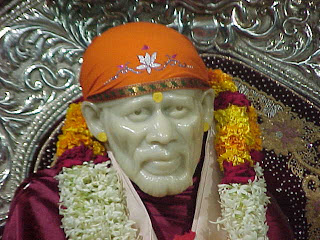
Miracles of Shirdi Sai Baba!(Post No.3665)

Written by S NAGARAJAN


Date: 24 February 2017


Time uploaded in London:-  6-06 am


Post No.3665


Pictures are taken from different sources; thanks.


contact: swami_48@yahoo.com


by S. Nagarajan


India is a country of great sages. From time to time somewhere in India, may it be a very small village, great sages used to take their birth. Even though these sages are not giving importance to the miracles, hundreds of miracles will be performed by them. But they don’t attach importance to them but used to advise all to worship the Lord.

One such great saint was born in Maharastra and now he is famously known as Shirdi Sai Baba.

Sai Baba is believed to be born in 1835. At the age of 16, he arrived at Shirdi, Ahmednagar District of British India. He attained maha Samadhi on a Vijaya Dasami day on 15th October 1918.

B.V.Narasimhaswami has written a book titled “Sri Sai Baba’s Charters and Sayings’ in 1944. This book narrates 608 incidents and sayings of Baba. From the authentic version of Narsimhaswami, we may read hundreds of miracles of Baba.

He was a great devotee of Sai Baba. He has gathered data about Baba and has written his biography.

Hundreds of miracles are described very accurately in this book.

Sai Baba is well known for his straight comments. He is a knower of all. He knows everybody and about devotees past births.

In 1913, Professor Narke has returned from Manchester. He visited Baba. He was introduced by somebody to Him. Immediately Baba remarked: “you introduce him to me! I have known him for past 30 generations.”

The England returned person was shocked. He was in need of a job. An offer from Benaras came to him and at the same time one more offer came from Burma. Narke went to Baba and asked him where to go.

Baba immediately replied, “Go to Burma and Poona.” He went to Burma. There was an announcement that a Professor of Geology was wanted for the Engineering College at Poona. He got that job in 1918. But it was predicted in 1913.

Baba can foresee events before it happens! Hundreds of devotees experienced many miracles of Baba.

Once, in 1886 Baba told his devotee Mahalsapathy that he is going to Allah and would come back in three days. If he did not return, he may inter the body in the nearby open land. Accordingly Baba’s breathing, pulse, circulation all stopped and the body became a corpse. The village officers wanted to bury the body. But Mahalsapathy refused. On the third day consciousness returned to Baba. Breathing began and he opened his eyes. Life was restored.

Baba had and has Hindu and Muslim devotees. Thousands throng to Shirdi to worship him even today.

His advised devotees to worship whole heartedly and patiently wait for the results. This has been well taken by his devotees. His famous assurance is: Why fear When I am Here!

***

மனித முகம்; சிங்க உடல்! ஸ்பிங்ஸ்! எகிப்திய அதிசயங்கள்- பகுதி 8 (Post No.3664)

Written by London swaminathan


Date: 23 FEBRUARY 2017


Time uploaded in London:- 21-10


Post No. 3664


Pictures are taken from various sources; thanks.


contact; swami_48@yahoo.com


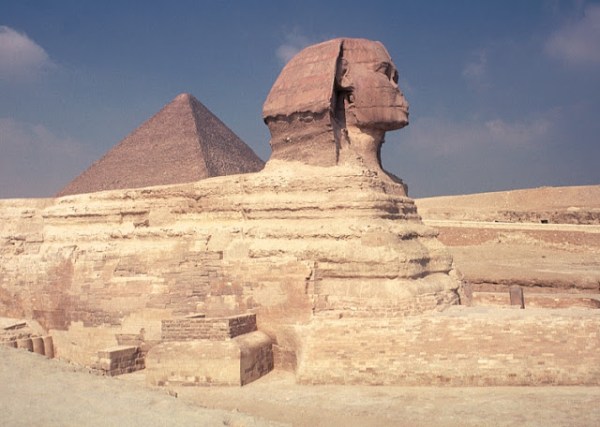
எகிப்தில் பிரமிடுகளுக்கு அடுத்தபடியாக எல்லோருக்கும் தெரிந்தது ஸ்பிங்ஸ் SPHINX என்னும் பிரம்மாண்டமான சிலை ஆகும். இதற்கு மூன்று பெருமைகள் உண்டு:


உலகிலேயே மிகப்பெரிய சிலை!

உலகிலேயே பழமையான சிலை!

உலகிலேயே விநோதமான சிலை!

இந்து மதத்தில் விஷ்ணுவுக்கு முக்கிய அவதாரங்கள் 10. அதில் ஒன்று நரசிம்மாவதாரம்; அங்கே சிங்க முகம் , மனித உடல். ஆனால் எகிப்தில் மனித முகம், சிங்க உடல்: நேர் எதிர் உருவம்.


எகிப்தில் எங்கே உள்ளது (Sphinx) ஸ்பிங்ஸ்?

கீஸா (Giza) என்னும் இடத்தில் இந்தச் சிலை இருக்கிறது. அது எகிப்தின் தலைநகரான கெய்ரோவுக்கு அருகில் உள்ளது.


இந்த சிலையின் பொருள் என்ன? இது என்ன?


இது எகிப்திய மன்னரின் முகத்தையும் படுத்திருக்கும் சிங்கத்தின் உடலையும் கொண்டது.


இதன் உயரம் நீளம் என்ன?

இதன் உயரம் 66 அடி; நீளம் 240 அடி. பெரும்பாலும் ஒரு மலையைச் செதுக்கி உருவாக்கியுள்ளனர். ஆயினும் அத்தோடு கல்வேலைப்பாடு செய்து பொருத்தியுள்ளனர்.. அருகில் நாலாவது அரச வம்சத்தைச் சேர்ந்த காப்ரே என்ற மன்னரின் பிரமிடு இருக்கிறது

இது கொஞ்சம் சேதம் அடைந்துள்ளது. எகிப்துக்குள் வந்த துருக்கி படைகள் துப்பாக்கி– பீரங்கிப் பயிற்சிக்கு இதை குறியிலக்காகப் பயன்படுத்தியது!!


3000 ஆண்டு எகிப்திய வரலாற்றில் பலமுறை இதைப் பாதுக்காக்க மேல்பூச்சு பூசினர். பாலைவனப்பகுதியில் இருந்ததால் பெரும்பகுதியை மணலும் மூடிப் பாதுகாத்தது. முன்காலத்தில் இதில் பல வர்ணங்களைப் பூசி யிருந்தனர். உடலையும் முகத்தையும் சிவப்பு வர்ணத்தாலும் மன்னரின் தலைக் கிரீடத்தை மஞ்சள்-நீல நிறங்களாலும் அலங்கரித்தனர்.


ஸ்பிங்ஸ் சிலை குறித்து இரண்டு புதிர்கள் உள்ளன:

  1. இதன் வயது எதற்காக இப்படி ஒரு விநோதமான உருவத்தை அந்த மன்னன் சமைத்தான்?


இது இருக்கும் பகுதியில் பெரிய பிரமிடு (Great Pyramid)  என அழைக்கப்படும் கூஃபூவின் பிரமிடு, அவனுடைய மகன் காஃப்ரேயின் பிரமிடு, அவனுடைய மகன் மென்கௌரேயின் பிரமிடு (அதாவது கூஃபுவின் பேரன்) ஆகியன இருக்கின்றன. சிலர் இது காப்ரேயின் முகம் என்பர்; மற்றும் சிலர் இது மன்கௌரேயின் முகம் என்பர்; இவர்கள் எல்லோரும் கி.மு 2600 முதல் 2400 வரை ஆண்டவர்கள். ஆனால் வேறு சில ஆராய்ச்சியாளர்கள் இது அவர்களுக்கெல்லாம் 2000 ஆண்டுகளுக்கு முன்னரே உருவாக்கப்பட்டது — அதாவது கி.மு.5000 தான் இதன் உண்மை வயது என்பர். அப்படியானால் 7000 ஆண்டுகளாக இது மழையிலும் வெய்யிலிலும் கஷ்டப்பட்டு வருகிறது!


ராபர்ட் ஸ்சோச் (Robert Schoch) என்ற அறிஞர் காலநிலை மாற்றத்தால் சிலைக்கு ஏற்பட்ட அரிப்பு/ சிதைவை வைத்துக் கணக்கிட்டு 7000 ஆண்டுப் பழமையானது என்பார். ஆனால் தொல்பொருட்துறை அறிஞர்கள் இது காப்ரே மன்னரின் காலத்தை ஒட்டியே உருவாகி இருக்க வேண்டும் என்பர். அப்படியானால் இதன் வயது 5000 ஆண்டுகளுக்கும் குறைவே.


இப்படி ஒரு உருவத்தை ஏன் உருவாக்கினர்?

இது திட்டமிடப்பட்டு உருவாக்கிய சிலை என்பது ஒருசாரார் வாதம்; மற்றொரு கோஷ்டி, இல்லை, பக்கத்தில் உள்ள பிரமிடுகளுக்குக் கல் தோண்டுகையில் கற்களை வெட்ட வெட்ட இப்படி ஒரு உருவம் இயற்கையிலேயே உருவாகியது. அதை வீணடிக்கவேண்டாம் என்று எண்ணி, சிங்க உருவமாகச் செதுக்கிவிட்டார்கள் என்கின்றனர்.


அருகிலேயே ஸ்பிங்ஸ் கோவில் (Sphinx Temple)  இருக்கிறது அது காப்ரே (Khafre) என்ற மன்னருடன் தொடர்புடையது. ஆகையால் காப்ரேதான் இதையும் உருவாக்கினான் என்பது ஊகம்! இது ஒரு சாலையின் முடிவில் இருப்பதாலும் அருகில் மிகப் பழைய பிரமிடுகள் இருப்பதாலும் அவைகளின் காவலனாக — காவல் தெய்வமாக- இதைப் படைத்தனரோ என்றும் எண்ணுவர். இது பற்றி எந்தக் கல்வெட்டும் இல்லா ததால் இப்படிப் பல ஊகங்கள், புதிர்கள் உலவுகின்றன!


எகிப்திலும் கிரேக்க (Greece) நாட்டிலும் பலவகையான ஸ்பிங்ஸ் சிலைகள் உள்ளன. அவைகளைப் பின்னர் காண்போம்.


–Subham–