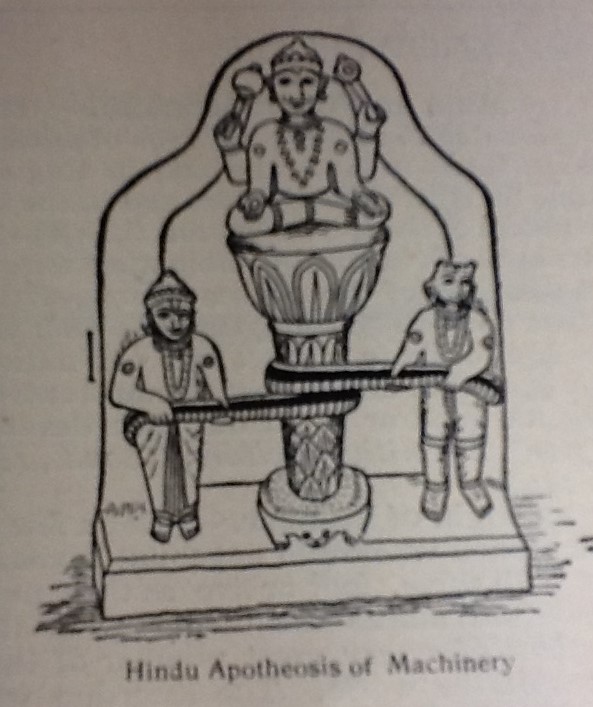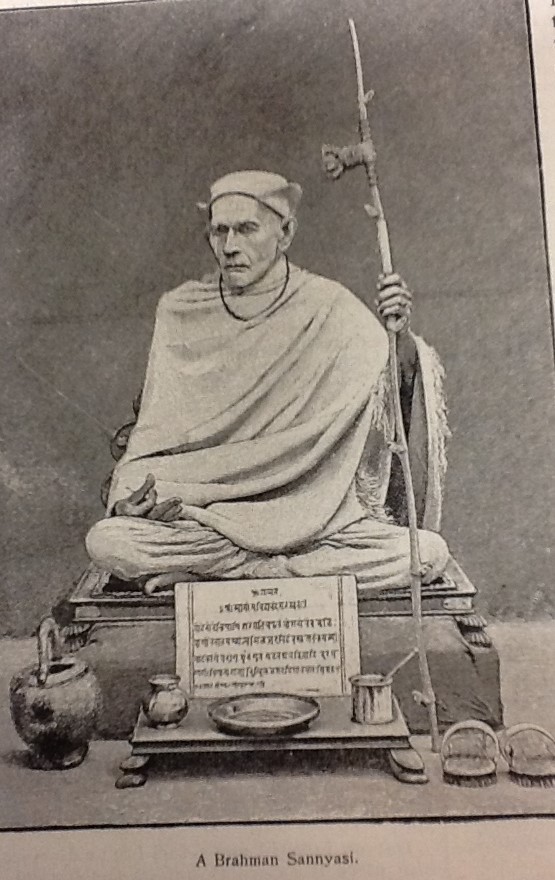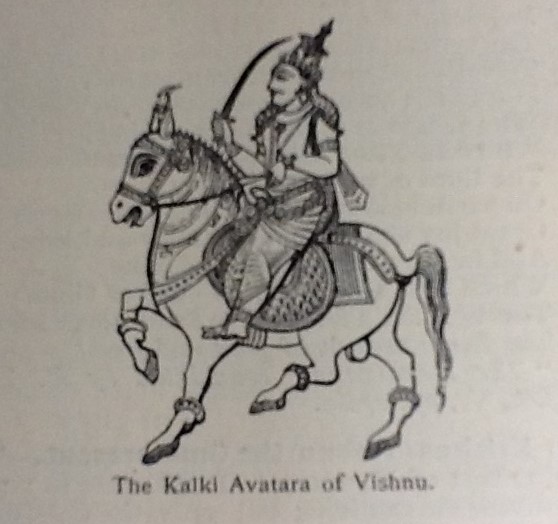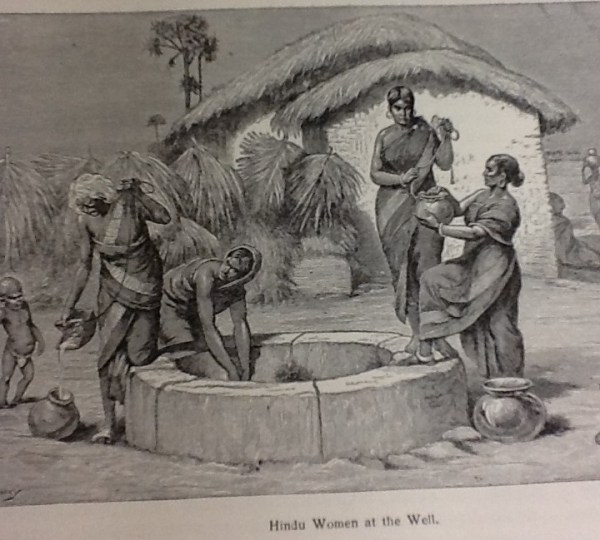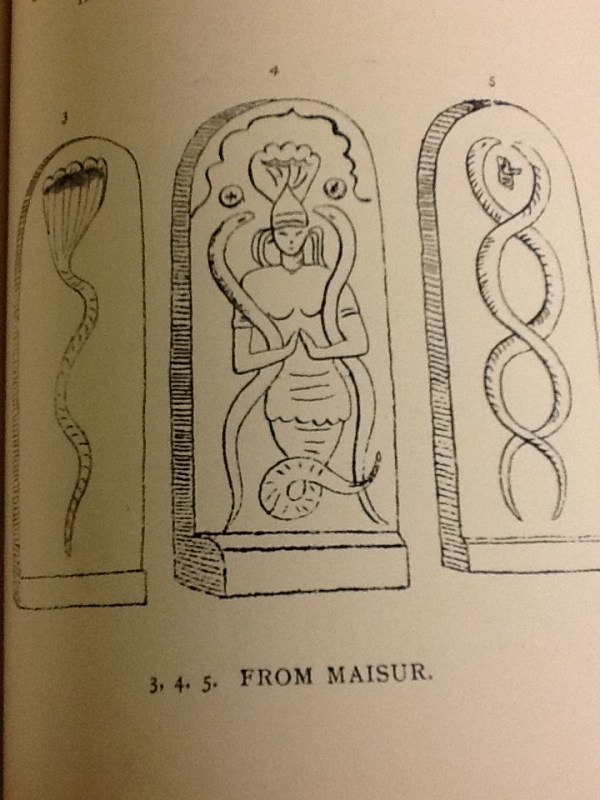
Hindu Yogis and Brahmins’ Drawings from 1900 (year) Books (Post No.3284)

img_8132

Copied  by London Swaminathan


Date: 24 October 2016


Time uploaded in London: 17-23


Post No.3284


Contact swami_48@yahoo.com


img_8181

img_8182

Picture: Churning of the Milky Ocean


img_8187

Picture: Sacred well in Benares/Varanasi/Kasi


img_8188

Picture: South Indian Brahmin Family

img_8190

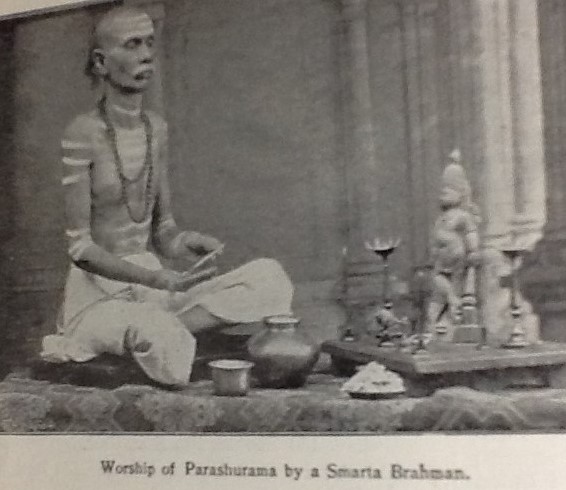
Picture of  Smartha Brahmana


img_8199

Picture of a Hindu Sanyasin

img_8204

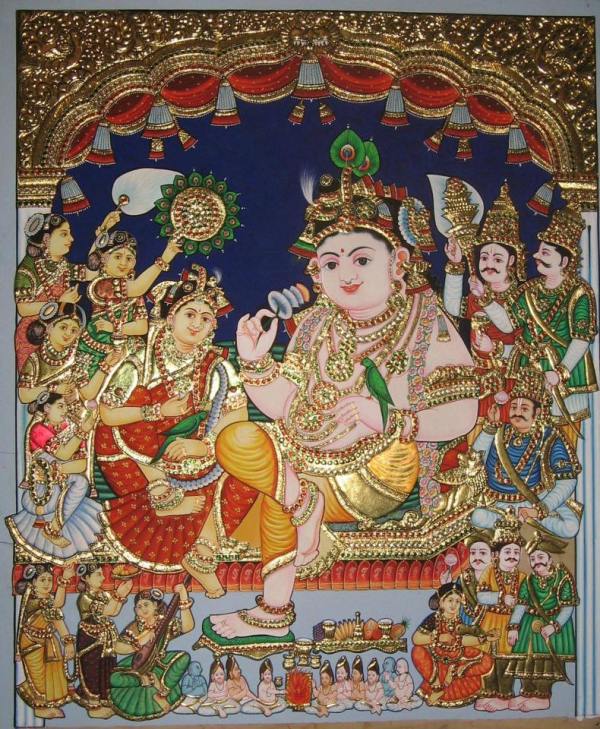
Picture of Kalki Avatar (Tenth Incarnation of Vishnu, yet to come.


img_8186

img_8162

img_8161


There are more pictures of Hindu Gods and Ascetics. I will post them separately.

–Subham–

இந்த ஆண்டு இக்நோபல் பரிசு பெற்ற மேதைகள்! –2 (Post No.3283)

2016ignobelprize-fea-685x349

Written by S. NAGARAJAN

Date: 24 October 2016

Time uploaded in London: 9-34 AM

Post No.3283

Pictures are taken from various sources; thanks.


Contact :– swami_48@yahoo.com


பாக்யா 21-10-2016 இதழில் அறிவியல் துளிகள் தொடரில் 299வது அத்தியாயமாகப் பிரசுரிக்கப்பட்டுள்ள கட்டுரை

இந்த ஆண்டு இக்நோபல் பரிசு பெற்ற மேதைகள்! – 2


கார்களிலிருந்து வெளியேறும் புகையைச் சமாளித்தல்

இரசாயனத்திற்கான இந்த ஆண்டின் இக்நோபல் பரிசு பிரபல கார் உற்பத்தி நிறுவனமான வோல்ஸ்வேகனுக்கு அளிக்கப்படுகிறது. இது  காரிலிருந்து வெளியேறும் புகையைக் குறைத்த விதமே அலாதி தான்! கார்கள் சோதனை செய்யப்படும் போது ஆடோமேடிக்காக குறைந்த புகையே வெளியேறுவது போலக் காட்டும் வண்ணம் அது கார்களை வடிவமைத்தது! இந்த அபாரமான சாதனைக்காகத் தான் அதற்கு இந்தப்  பரிசு. இந்த மோசடியில் வோல்ஸ்வாகன் 14.7 பில்லியன் டாலர்களை (அதாவது 1470 கோடி டாலர்கள்) நஷ்ட ஈட்டுத் தொகையாக இதனால் பாதிக்கப்பட்டவர்களுக்குத் தருவதாக ஒத்துக் கொண்டதால் மனம மகிழ்ந்து இக்நோப்ல பரிசு வழங்கப்படுகிறது! ஒரு மென்பொருளை காரினுள் நிறுவி இந்த மோசடியை வோல்ஸ்வேகன் நிறுவனம் செய்திருந்தது. சட்டம் அனுமதிக்கப்படும் புகை அளவையே அந்த  மென்பொருள் சோதனையின் போது காட்டும். இதை நியூயார்க் டைம்ஸ் பத்திரிகை வெளிச்சம் போட்டுக் காட்டி விட்டது. இதனால் அபராதத் தொகையை வேறு வோல்ஸ்வேகன் கட்ட வேண்டிய நிலைக்குத் தள்ளப்பட்டிருக்கிறது.

 itch

சொறிதலுக்கு ஒரு பரிசு

மருத்துவத்திற்கான இக்நோபல பரிசு ஜெர்மனியில் உள்ள ஐந்து விஞ்ஞானிகளுக்கு அளிக்கப்பட்டுள்ளது. அரிப்பு ஏற்பட்ட போது சொறிதலுக்கான் அதிசய ஆராய்ச்சிக்காக அவர்களுக்கு இந்தப் பரிசு வழங்கப்படுகிறது. PLOS ONE – ப்ளாஸ் ஒன் என்ற பத்திரிகையில் 2013ஆம் ஆண்டு அவர்கள் தங்கள் ஆராய்ச்சி முடிவை வெளியிட்டிருந்தனர். ஒரு மனிதனுக்கு இடது கையில் முன் பக்கம் அரிப்பு ஏற்பட்டால அவர் கண்ணாடி முன்னே நின்று கொண்டு தங்களது வலது கை  முன் பக்கத்தில் அதே இடத்தில் சொறிந்து கொள்ள வேண்டும். இப்படிப்பட்ட “கண்ணாடி பிரதிபலிப்பு சொறிதலானது; சில தோல் வியாதிகள் கொண்டவர்களுக்கு சொறிய வேண்டும் என்ற அரிப்பு உணர்ச்சியை அறவே நீக்குமாம். இது தான் அவர்களது கண்டு பிடிப்பு! இந்த அபாரமான ஆராய்ச்சிக்காக இக்நோபல் பரிசைப் பெற்ற விஞ்ஞானிகள் கிறிஸ்தோப் ஹெல்ம்சென், கரினா பால்மெர், தாமஸ் எஃப் முண்டே, சில்க் ஆண்டர்ஸ் மற்றும் ஆண்ட்ரியாஸ் ஸொரெஞ்சர் ஆவர். (Christoph Helmchen, Carina Palzer, Thomas F.Munte, Silke Anders, Andreas Sprenger)


பொய் சொல்வதில் நிபுணத்வம்

உளவியலுக்கான பரிசு ஐந்து ஆய்வாளர்களுக்கு – எவ்லீன் டெப்பி, மார்டென் டி ஷ்ரிவெர், கார்டன் லோகன், க்ரிஸ்டினா சுஷோட்ஸ்கி மற்றும் ப்ரூனோ வெர்ஷுர் (Evelyne Debey, Maarten De Schryver, Gordon Logan, Kristina Suchotzki, Bruno Verschuere)  ஆகியோருக்கு வழங்கப்பட்டுள்ளது. ஆறிலிருந்து 77 வயதான ஆயிரம் பொய்யர்களை எவ்வளவு அதிகம் அவர்கள் பொய் சொன்னார்கள் என்று இவர்கள் ஆராய்ந்தனர். அவர்களின் பதிலைக் கேட்டறிந்த ஆய்வாளர்கள் இதில் உண்மையைத் தான் அவர்கள் சொல்கிறார்களா என்று முதலில் ஆராய வேண்டியிருந்தது.


எவ்வளவு அடிக்கடி பொய் சொல்கிறார்கள், அதில் அவர்களது நிபுணத்வம் எப்படி இருக்கிறது என்பதை ஆராய்வதே ஆய்வின் நோக்கம். இதிலிருந்து அவர்களின் பொய் சொல்லும் நடத்தையையும் வயது மாற மாற இதில் எற்படும் மாறுபாட்டையும் ஆய்வு செய்ய வேண்டியிருந்தது. குழந்தையாக இருந்த போது ஆரம்பித்த பொய் சொல்லும் பழக்கம் வளர்ச்சி அடைந்து இளவயதில் அபாரமாக முன்னேறிப் பின்னர்  மிகவும் மோசமடைந்தது. அதே போல பொய் சொல்லும் எண்ணிக்கை அளவும் குழந்தையாக இருந்த போது ஆர்ம்பித்து வளர்ச்சி அடைந்து இள வயதில் முன்னேறி பின்னர் சற்று குறைந்தது.

இதை 2015ஆம் ஆண்டில் அவர்கள் ஆக்டா சைகோலாஜிகா (Acta Psychologica) என்ற பத்திரிகையில் வெளியிட்டனர்.

இந்த அரிய ஆராய்ச்சிக்காக அவர்களுக்கு உளவியல் பரிசு வழங்கியது பொருத்தம் தானே!

 ig-nobels-jpg-size-custom-crop-850x546

மிருகங்களாக மாறி ஆராய்ந்தவர்கள்!

 உயிரியலில் இக்நோபல் பரிசைப் பெறுவபர்கள் சார்லஸ் ஃபாஸ்டர் (Charles Foster) மற்றும் தாமஸ் த்வைட்ஸ் (Thomas Thwaites) ஆகிய இரு விஞ்ஞானிகள் ஆவர். இவர்களில் சார்லஸ் காடுகளில் வெவ்வேறு கால கட்டங்களில்  பூமியில் வாழும் பாலூட்டி இனங்களில் ஒன்றான பேட்ஜர், மான், நரி, பறவை போல எல்லாம் தானே மாறி அவைகளுடன் வாழ்ந்து ஆராய்ந்தவர். தாமஸ் ஒரு வெள்ளாடு போல செயற்கை அவயவங்களுடன் வெள்ளாடாக மாறி ஆல்ப்ஸ் மலையில் வெள்ளாட்டுக் கூட்டத்தில் வாழ்ந்து பார்த்தவர். ஆடுகள் எப்படி மலைகளில் மேய்ந்து உணவைத் தின்னுமோ அது போலவே ஒரு செயற்கை வயிறை உருவாக்கிக் கட்டிக் கொண்டு அதில் புல் போன்ற உணவு வகைகளை உண்டு ஆராய்ந்தார். ‘கோட் மேன் – ஹௌ ஐ டுக் எ ஹாலிடே ஃப்ரம் பீயிங் ஹ்யூமன் (Goat Man – How I Took a Holiday from Being Human)  என்ற புத்தகத்தில் தனது அனுபவங்களை இவர் விவரித்துள்ளார்.


சார்லஸும், ‘பீயிங் எ பீஸ்ட் (Being a Beast)  என்ற புத்தகத்தில் தனது அனுபவங்களை விவரித்துள்ளார்.பேட்ஜர் மிருகமாக மாறி வெல்ஷ் மலையில் புழுக்களை உண்டு தான் வாழ்ந்த விதத்தையும்  நீரில் நீந்தி மீன்களை லபக்கென்று வாயால் கவ்வியதையும்  அவர் விவரிக்கும் விதம் ருசிகரமானது.

ஆக வித்தியாசமான இந்த மிருகங்களுக்கு – மன்னிக்கவும் – மிருக ஆராய்ச்சியாளர்களுக்கு பரிசு வழங்கப்பட்டது நியாயம் தானே!


 a-graham-bell

அறிவியல் அறிஞர் வாழ்வில் .. ..

பிரபல விஞ்ஞானியான அலெக்ஸாண்டர் கிரஹாம் பெல் (AlexanderGrahamBell) த்னது 29ஆம்  வயதிலேயே டெலிபோனைக் கண்டு பிடித்தார். அதனால் மிகவும் புகழ பெற்றதோடு பெரிய பணக்காரராகவும் ஆனார். புதுப் புது யோசனைகள் தோன்றவே வாழ்நாள் இறுதி வரை எதையாவது கண்டு பிடித்த வண்ணம் இருந்தார். அவருக்கு வானில் பறக்கும் விமானம் ஒன்றைக் கட்ட வேண்டும் என்ற ஆசை தோன்றவே அயிரத்தி எண்ணூற்று எண்பதுகளில் சிலரின் துணையோடு ஒரு விமானத்தைக் கட்டலானார். பெரிய பட்டம் போன்ற அமைப்பை உடைய அவரது விமானம் ஒரு மோட்டார் மற்றும் ஒரு பைலட்டைத் தாங்கிச் செல்லக் கூடிய வகையில் வடிவமைப்பைக் கொண்டிருந்தது. ஒரு மலை உச்சியில் தன் ‘பட்ட விமானத்தை வைத்துக் கொண்டு நல்ல காற்றுக்காகக் காத்திருப்பது அவர் வழக்கம். பல வாரங்கள் இப்படிக் காத்திருக்க வேண்டியிருக்கும் மலையின் அடிவாரத்தில் ஒரு கோபுரம் ஒன்றை அவர் கட்டினார். அவரது தந்தையார் அதில் அமர்ந்து தனது மகன் விமானத்தில் பறப்பதைப் பார்க்க வசதியாக இருக்கும் படி அது கட்டப்பட்டது.


1907ஆம் ஆண்டு டிசம்பர் மாதம் க்ரஹாம் பெல்லின் பட்டம் போன்ற விமானம் ஒன்று 168 அடி உயரம் பறந்தது. பின்னர் கடலில் விழுந்தது. அதில் இருந்த  பைலட் நீந்தி ஒருவாறு க்ரை சேர்ந்தார். பெல்லினால் விமானத்தை நீடித்துப் பறக்கச் செய்ய முடியவில்லை என்றாலும் அமெரிக்க விமான இயல் துறைக்கு அவரது பங்களிப்பு மகத்தானது. 1922ஆம் ஆண்டு அவர் இறந்த போது அவர் கட்டிய கோபுரத்தின் அடியிலேயே அவர் உடல் புதைக்கப்பட்டது.

*****


பாத்திரம் அறிந்து தானம் செய்! (Post No.3282)

valluvar

Written  by London Swaminathan


Date: 24 October 2016


Time uploaded in London: 6-35 AM


Post No.3282


Pictures are taken from various sources; thanks. They are used for representational purpose. They may not have direct connection to the article below.


Contact swami_48@yahoo.com


தமிழில் ஒரு பழமொழி உண்டு. பாத்திரம் அறிந்து தானம் செய்.

பாத்திரம் என்றால் நாம் உடனே எவர் சில்வர் பாத்திரம், அலுமினிய பாத்திரம், தாமிரப் பாத்திரம் என்று உலோகத்தால் ஆன பொருளை நினைப்போம். இதன் உண்மைப் பொருள் அதுவல்ல.


பாத்திரம் அறிந்து தானம் செய் என்பது பகவத் கீதையில் உள்ளது.


தானம் செய்வதிலுள்ள மூன்று வகைகளை கிருஷ்ணன் விவரிக்கிறான்.

இது புறநானூற்றிலும், திருக்குறளிலும் உள்ளது.

 krishnan-barbeque

நல்ல தானம் (சாத்விகம்) எது?

தகுதியான இடத்தில், தகுதியான காலத்தில், தகுதியுள்ள ஆளுக்கு (பாத்ரம்) கொடுப்பதே உத்தம தானம்; உயர்ந்த தானம் (17-20)


தாதவ்யமிதி யத்தானம் தீயதே அனுபகாரிணே

தேசே காலே ச பாத்ரே ச தத்தானம் சாத்விகம் ஸ்ம்ருதம்


இந்த ஸ்லோகத்தில் இன்னொரு வரியையும் சேர்த்துள்ளார்

நமக்கு உதவி செய்யாத ஒருவருக்கு தானம் செய்ய வேண்டும்.

அதாவது ஏற்கனவே நமக்கு ஏதோஒரு வகையில் உதவி செய்தததால் அந்த நபருக்கு தானம் கொடுத்தால் அது தானம் இல்லை. அது நன்றிக் கடன் ஆகும்.


ராஜச தானம் எது?


யத் து ப்ரத்யுபகாரார்தம் பலமுத்திஸ்ய வாபுன:

தீயதே ச பரிக்லிஷ்டம் தத் தானம் ராஜசம் ஸ்ம்ருதம் —17-20


பின்னொரு காலத்தில் இவன் உதவி செய்வான் என்று கருதியோ பயனைக் கருதியோ செய்யப்படும் தானமும், மனவருத்தத்துடன் செய்யப்படும் தானமும் ராஜசம் என்று கூறப்படும்.


கடைசியாக மூன்றாவது  வகை தானத்தைப் பற்றி கூறுவார் கிருஷ்ணன்:-


அதேசகாலே யத்தானம் அபாத்ரேப்யஸ்ச தீயதே

அசத்க்ருதம் அவக்ஞாதம் தத்தாதமச உதாஹ்ருதம் (17-22)


தகுதியற்ற இடத்திலும் காலத்திலும் தகுதியற்றவர்களுக்கும் (அபாத்ரம்)

மதிப்பின்றி, அவமானப்படுத்தும் வகையிலும் எது கொடுக்கப்படுகிறதோ அது தாமசம் என்று கூறப்படும்.


சிலர் அரசியல் கட்சிகளுக்கும் சிலர் பயங்கரவாத இயக்கங்களுக்கும் மிரட்டிப் பணம் பறிப்பர். குடி போதைக்கும் போதை மருந்துகளுக்கும் அடிமையானோர் பணம் கேட்பர். அவர்களுக்குக் கொடுப்பத எல்லாம் கொடை என்றாலும், கடைத்தரமான நன்கொடையாகும்.


இன்னும் சிலர் நல்ல காரியங்களுக்காக நன்கொடை வசூலிக்கப் போனால் நாக்கில் நரம்பின்றித்  தூற்றுவர். இன்னும் சிலர் “இன்று போய் நாளை வா” என்று தினமும் சொல்லி காலம் கடத்துவர். இறுதியில் நாமே போகாமல் இருப்போம். இவை எல்லாம் கடைத்தர தானம்.

வள்ளுவனும் அழகாகச் சொல்லுகிறான்:

வறியார்க்கொன்று ஈவதே ஈகை மற்றெல்லாம்

குறியெதிர்ப்பை நீரதுரைத்து (குறள் 221)


வறுமையில் வாடுவோருக்குக் கொடுப்பதே தாஅனம். மற்ற தானங்கள் எல்லாம் பலனை எதிர் பார்த்துக் கொடுப்பதே ஆகும்.

cbe-peacocks-mayil

இப்பொழுது ஒருவருக்குக் கொடுத்தால் அது புண்ணியத்தைச் சேர்க்கும். அதுவே போகும் வழிக்குத் துணையாகும் என்று வேதம் சொல்லும். அதியே வள்ளுவனும் சொல்லுவான்:

அற்றார் அழிபசி தீர்த்தல் அஃதொருவன்

பெற்றான் பொருள் வைப்புழி (226)


பிறருடைய பசியைத் தீர்ப்பதே பெரிய தருமம்/அறம். அப்பொருள் பிற்காலத்தில் தனக்குச் சேர்த்து வைக்கும் இடமாகும்.


ஆனால் இப்படிச் செய்வது இரண்டாம் வகை தானம் (தாமசம்).

புறநானூற்றில் தானம்


இம்மைச் செய்தது மறுமைக்கு ஆம் எனும்

அறவிலை வணின்கன் ஆய் அல்லன்;

என்று ஆய் அண்டிரனை முடமோசியார் பாராட்டுகிறார் (பூரம் 184)


அதாவது அடுத்த ஜன்மத்தில் புண்ணியம் கிடைக்கும் என்பதற்காக ஆய் அண்டிரன் தானம் செய்யவில்லை. பிறருடைய வறுமையைக் கண்ட மாத்திரத்தில் இயல்பாகப் பொங்கி எழும் மனிதாபிமான அடிப்படையில் வாரி வழங்குவானாம்! இது முதல் வகைத் தானம். ஆய் அண்டிரன், பேகன், கர்ணன், பாரி வள்ளல் போன்றோர் சாத்வீக (உத்தம) தானம் செய்தோர் ஆவர்.


பேகன் என்னும் குறுநில மன்னனை பரணர் பாடிய பாடலிலும் (புறம் 141) இக்கருத்து எதிரொலிக்கிறது.

எத்துணை ஆயினும் ஈத்தல் நன்று என

மறுமை நோக்கின்றோ அன்றே

பிறர் வறுமை நோக்கின்று அவன் கை வண்மையே


மழை மேகத்தைக் கண்டு தோகை விரித்தாடிய மயில், குளிரால் நடுங்குகிறது என்று எண்ணி, மயிலுக்குக்குப் போர்வை அளித்தவன் பேகன்!


–subham–


Rare pictures of Brahmins from an Old Book, year 1908 (Post No.3281)

img_5721

Compiled  by London Swaminathan


Date: 23 October 2016


Time uploaded in London: 18-27


Post No.3281


Contact swami_48@yahoo.com


The Hindu at Home

By The Rev. J E Padfield


img_5727

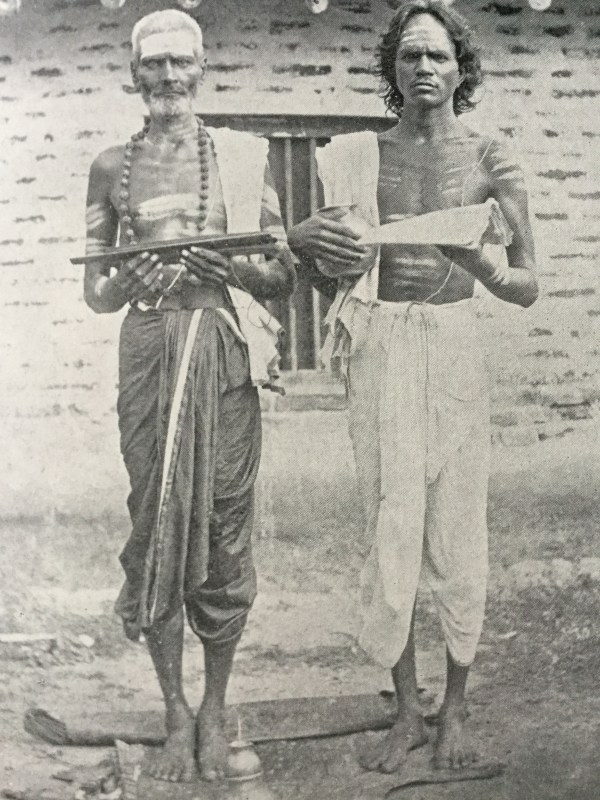
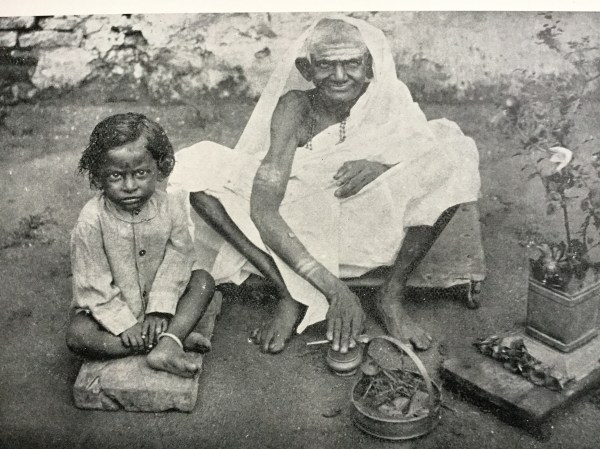
Picture of a Brahmin Mendicant and his Disciple

img_5725

Picture of a Brahmin Widow


img_5721

Picture: Sivite Priest with sacred Marks (Sivite=Saivaite)


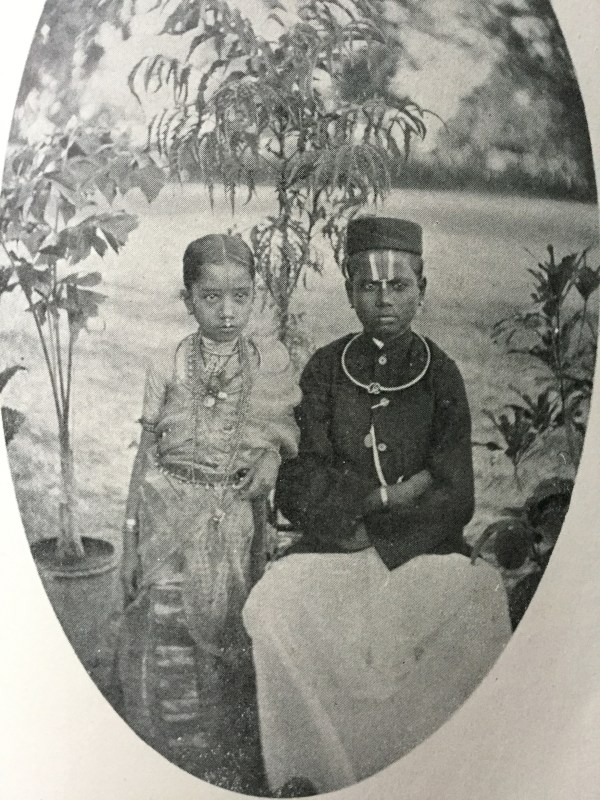
Picture below:Bride and Bridegroom

img_5723

மனைவி பற்றி யஜூர் வேதம் (Post No3280)

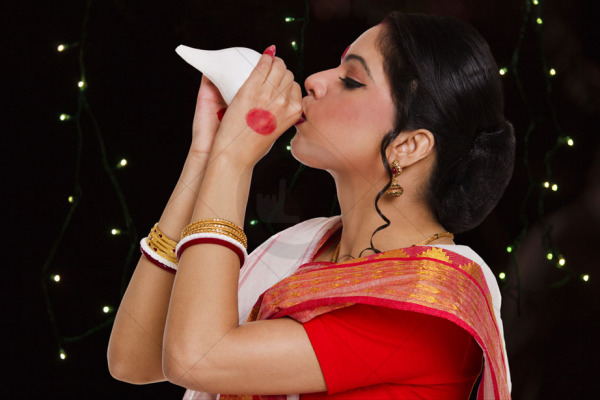
bengali-blow

Written by London Swaminathan


Date: 23 October 2016


Time uploaded in London: 7-07 AM


Post No.3280


Pictures are taken from Facebook and other sources; thanks. (Pictures are used only for representational purpose; no connection with the current article.)


Contact swami_48@yahoo.com


This article is available in English as well

girls-i-daydr-sudha-galavagunta

மனைவி என்பவள் கணவனில் பாதி — என்று யஜூர் வேதம் சொல்கிறது.

அர்த்தோவா ஏஷ ஆத்மேனோய பத்னீ.

This article is available in English as well

இது பற்றி ப்ருஹஸ்பதி எழுதிய வியாக்கியானத்தில் (உரையில்) கூறுவார்:-

கணவனில் பாதி மனைவி என்று கருதப்படுகிறது. இதனால் அவன் செய்யும் பாவ, புண்ணியங்களிலும் அவளுக்கு சரிபாதியைப் பங்கிட்டுக் கொள்வாள்.


மஹாபாரதமும் மனைவி என்பவள் , கணவனில் சரிபாதி என்று சொல்லும் ஸ்லோகத்தை மோனியர் வில்லியம்ஸ் எடுத்துக்காட்டுகிறார்:-


மனைவி, மனிதனில் பாதி; கணவனின் உண்மை நண்பன்

அன்புள்ள மனைவி குணம், இன்பம், ப்செல்வம் – ஆகியவற்றின்

ஊற்று; விசுவாசமான மனைவிசொர்க லோகம் புகவும் துணை புரிவாள்

இனிமையாகப் பேசும் மனைவி தனிமைத் துயரைப் போக்குவாள்;

அறிவுரை வழங்குவதில் அவள் தந்தையைப் போன்றவள்

வாழ்க்கை என்னும் வறண்ட வழியில் அவள் ஒரு ஓய்வுவிடுதி!


பத்மபுராணம் சொல்லுகிறது:-


பதிரேவ ப்ரிய: ஸ்த்ரீணாம், ப்ரஹ்மாதிப்யோபி சர்வச:

ஆத்மானம் ச ஸ்வபர்தார மேக்வபிண்ட மனீஷயா

பர்துராக்ஞாம் வினா நைவ கிஞ்சித் தர்ம சமாசரேத்


பொருள்:-

மனைவியின் அன்புக்குப் பாத்திரமானவன் கணவன்

எல்லாக் கடவுளரையும் விட அவளே நெருக்கமனவள்

அவளும், அவள் கணவனும்

உடல் வேறு; உயிர் ஒன்றே!

கணவனின் அனுமதியின்றி

எந்த வழிபாட்டையும் அவள் செய்யக்கூடாது.

beauty-with-puukkuutai

தெய்வப் புலவர் திருவள்ளுவரும் சொல்லுவார்:-

தெய்வந்தொழாஅள் கொழுநந்தொழுதெழுவாள்

பெய்யெனப் பெய்யும் மழை – குறள் 55


பொருள்:-

வேறு எந்தத் தெய்வத்தையும் தொழாது, தன்னைக் கொண்ட கணவனையும் மட்டும் தொழுது, துயில் நீங்கி எழும் மனைவி, பெய் என்று சொன்னால் உடனே அவள் சொற்படி மழை கொட்டும்.


இந்துமதத்திலுள்ள அர்த்தநாரீஸ்வர தத்துவம் (சிவன் பாதி, உமா பாதி) ஆண்-பெண் சரி நிகர் தத்துவத்தை விளக்க வந்ததே.


அவன் இன்றி ஓர் அணுவும் அசையாது– என்பதை அவள் இன்றி ஓர் அணுவும் அசையாது என்று சொல்லவேண்டும்.


இந்துமதச் சடங்குகளை மனைவி இல்லாதவர் செய்ய முடியாது. மேலும் கணவனுடன் மனைவியும் நிற்கவோ- உட்காரவோ வேண்டும் அல்லது சடங்குகள நிறைவு பெறாது.


பெரும்பாலான இந்துமதப் பெண்கள், குடும்பத்தின் நலன் கருதி ஏதேனும் ஒரு காரணத்துக்காக விரதம் இருக்கிறாள். உப்பில்லாமல், ஒரு நாள் முழுதும் உணவருந்துவாள். சிலசமயம் முழுச் ச்சாப்பாட்டையும் தவிர்ப்பாள்.  இன்னும் சிலர் வேறு சில நேர்த்திக் கடன்களை செலுத்துவர். பண்டிகைகளை முறைப்படி கடைப்பிடிக்க பெண் இனமே உதவுகிறது. குழந்தைகளை மதாசாரப்படி வளர்ப்பவளும் தாய்தான்.

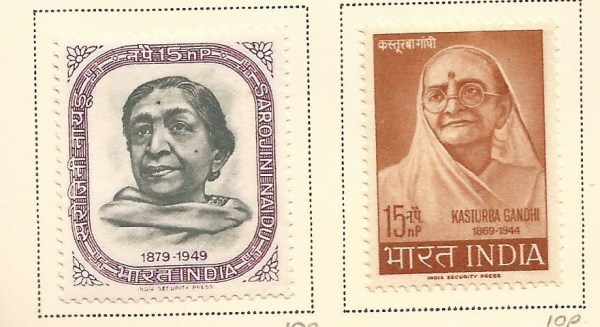
india-anni-sarojini-6

காந்திஜியின் அன்னையும் சிவாஜியின் அன்னையும் சொன்ன கதைகள்ள்தான் அவர்களைப் பெருந்தலைவர்கள் ஆக்கியது.


உபநிஷத (கி.மு.850) காலப் பெண்கள், ஞான முதிர்ச்சியில் ஆண்களையும் மிதமிஞ்சினர். மைத்ரேயி, கார்கி வாசக்னவி, காத்யாயனி போன்ற பெண்கள், ஆன்மீக வரலாற்றில் அழியா இடம் பெற்றுவிட்டனர்.


mdu-girls

–subham–

A WIFE IS HALF THE MAN: STATUS OF WOMEN IN HINDUISM (Post No.3279)

garba-practice

Compiled by London Swaminathan


Date: 23 October 2016


Time uploaded in London: 6-53 AM


Post No.3279


Pictures are taken from Facebook and other sources; thanks. (Pictures are used only for representational purpose; no connection with the current article.)


Contact swami_48@yahoo.com


babay-mother

This article is available in Tamil as well


Sir Moiner Williams gives the following translation of the definition of a wife as found in the Mahabharata :


A wife is half the man, his friend;

A loving wife is a perpetual spring

Of virtue, pleasure, wealth; a faithful wife is his best aid in seeking heavenly bliss;

A sweetly- speaking wife is a companion

In solitude, a father in advice,

A rest in passing through life’s wilderness,”


The woman is part of her husband and so she worships through him; what he does, she does.

The “Yajur Veda says

“The wife is half the self of her husband”.

Ardhova esha atmenoyatpatnii


Upon this there is a comment by Brihaspati, some what as follows:

“It has been said that the wife is half the self of her husband, and in consequence she shares equally with him all the good and evil done by him.”


A Passage on this subject is quoted from the Padma Purana:

The husband is the beloved of the wife

He is more to her than all the gods. Herself and her husband

Be it known are one person.

Without the consent of her husband

Any kind of worship she must not perform.”

Patireva priya striinaam

Brahmaadibyopi sarvasah

Atmaananca svabarataara mekapindamaniisayaa

Bharturaaknjaam vinaa naiva kinchitdharmam samaasaret


With the consent of her husband a wife may go on short pilgrimage without him when he is unable to accompany her, but this is very seldom. Strictly with his consent, she may also perform and keep vows for instance, to do without salt in her food for a stated period or to abstain from milk or various of eatables for a given time. All this is one the object of obtaining for herself or some on to her something desired- wealth, or children, or deliverance from disease.
ammami

Tamil Poet Tiruvalluvar also says,

Even the clouds will obey and pour out rain at the bidding of a wife

Who prefers to worship her husband rather than any other God

-Tirukkural 55


SITA SPEAKS:-

There is also a most touchingly beautiful piece in the Ramayana to be found translated into English by Ward (History of the Literature and Mytholoogy of the Hindus (Vol.II, page 408)


It purports to be the address of Sita to her husband Rama. Rama was banished by the king, his father Dasaratha, at the instigation of his third wife Kaikeyi, who wished the succession for her own son, Bharata. He was doomed to perpetual exile in the forest, and his wife expresses her determination to go with him.


As a beautiful expression of tender affection I cannot refrain from quoting the piece at length. It serves to show that the affectionate nature of a true woman is ever the same, despite its surroundings.


“Son of the venerable parent! hear,

‘Tis Seeta speaks. Say art not thou assur’d

That to each being his allotted time

And portion, as his merit, are assign’d

And that a wife her husband’s portion shares

Therefore with thee this forest lot I claim.

A woman’s bliss is found, not in the smile

of father, mother, friend, nor in herself:

Her husband is her only portion here,

Her heaven hereafter. If thou, indeed,

Depart this day into the forest drear,

I will precede, and smooth the thorny way.

O hero brave, as water we reject

In which our nutriment has been prepared

So anger spurn, and every thought unkind,

Unworthy of thy spouse, and by thy side,

Unblam’d, and unforbidden, let her stay.

O chide me not; for where the husband is,

Within the palace, on the stately car,

Or wandering in the air, in every state

The shadow of his foot is her abode.


My mother and my father having left,

I have no dwelling place distinct from thee.

Forbid me not, for in the wilderness,

Hard of access, renounce’d by men, and fill’d

With animals and birds of various kind,

And savage tigers, I will surely dwell.

This horrid wilderness shall be to me

Sweet as my father’s house and all the noise

Of the three worlds shall never interrupt

My duty to my lord. A gay recluse,

On thee attending, happy shall I feel

Within this honey-scented grove to roam,

For thou e’en here canst nourish and protect

And therefore other friend I cannot need.

To-day most surely with thee I will go,

And thus resolved, I must not be deny’d.


Roots and wild fruit shall be my constant food

Nor will I, near thee, add unto thy cares,

Not lag behind, nor forest-food refuse;

But fearless traverse evr’y hill and dale,

Viewing the winding stream, the craggy rock.

And, stagnant at its base, the pool or lake.

In nature’s deepest myst’ries thou art skill’d

O  hero– and I long with thee to view


Those sheets of water, fill’d with nymphaas

Cover’d with ducks, and swans, and silvan fowl

And studded with each wild and beauteous flow’r

In these secluded pools I’ll often bathe

And share with thee, o Rama, boundless joy

Thus could I sweetly pass a thousand years

But without thee e’en heav’n would lose its charms

A residence in heaven, O Raghuvu,

Without thy presence, would no joy afford.

Therefore, though rough the path, I must, I will

The forest penetrates, the wild abode

Of monkeys, elephants, and playful fawn.

Pleas’d to embrace thy feet, I will reside

In the rough forest as my father’s house.

Void of all other wish, supremely thine

Permit me request-I will not grieve

I will not burden thee refuse me not

But shouldst thou, Raghuvu, this prayer deny,

Know, I resolve on death-if torn from thee.
 

poor-namaste

The main question is whether a woman can have any worship at all apart from her husband; she has a kind of daily worship of her own.


At the time of her marriage, at the marriage of her children, and at certain other periods and at some festivals, the wife must sit with her husband during the time he is engaged in the performance of certain acts of worship, though she seems to be there only as a kind of complement of her husband takes no and active part in the ceremonies. If a man has lost his wife, he cannot perform any sacrifices by fire (oupasana) which shows that the wife has some indirect connection with the ceremony, and also in part accounts for the anxiety of a widower to remarry.


At the midday service when the man per forms the ceremonies before taking food, the wife may attend upon him and hand him the things used by him, but she can take no real part with him. The woman is not a twice-born (dvija) nor does she wear the sacred thread (which is the mark of the second birth (upanayana). She cannot read the Vedas, or even hear them read, nor can she take part in her husband’s sacred services.

onam-cbe

–subham–
தங்கத் தமிழாம் சங்கத் தமிழ் தெய்வத் தமிழே! (Post No.3278)

adi-perukku-sri-rangam

Written by S. NAGARAJAN

Date: 23 October 2016

Time uploaded in London: 5-50 AM

Post No.3278

Pictures are taken from various sources; thanks


Contact :– swami_48@yahoo.com


By ச.நாகராஜன்


தமிழ் இன்றேல் தெய்வம் இல்லை; தெய்வம் இன்றேல் தமிழ் இல்லை. இரண்டும் இரண்டறப் பின்னிப் பிணைந்தவை என்பதை தமிழ் இலக்கியம் காட்டும்; தமிழ்ப் பண்பாடு காட்டும். தமிழ்ச் சமூகம் காட்டும்.


இதை உடைக்க நினைப்பவர் உடைபட்டுப் போவர்.

பிரம்மாண்டமான வரலாறைக் கொண்ட தமிழ் இலக்கியத்தில் தெய்வத்தைப் பிரித்தால் மிஞ்சுவது சவமே.

அதாவது சிவ இலக்கியம் சவ இலக்கியம் ஆகி விடும்!

சங்க இலக்கியம் மிகவும் பழமையானது.

1000-krishnas

அதில் தெய்வம் பற்றிய பாட்லகள் ஏராளம் உள்ளன. அனைத்தையும் தொகுத்து விளக்கினால் அது ஒரு கலைக் களஞ்சியமாக ஆகி விடும்.

ஒவ்வொரு தெய்வத்திற்கும் சங்க இலக்கியத்திலிருந்து எடுத்துக் கொடுக்கப்பட்ட குறிப்புகள் கீழே உள்ளன.

விநாயகரிலிருந்து ஆரம்பிப்போம்


  • விநாயகர் :                                               ஒருகைமுகன் தம்பியே (திருமுருகாற்றுப்படையில் காணப்படும் வெண்பா 7)
  • சிவன் முதுமுதல்வன்  (புறம் 166)                           தொல்முது கடவுள் (மதுரைக் காஞ்சி 42)

பணிவில் சீர்ச் செல்விடைப் பாகன் திரிபுரம் செற்றுழிக்

கல்லுயர் சென்னி இமயவில் நாணாகித்

தொல்புகழ் த்ந்தாரும் தாஅம்

(பரிபாடல் திரட்டு  1: 72-78)

  • உமை கொடிபுரை நுசுப்பினாள் கொண்டசீர் தருவாளோ (கலைத்தொகை கடவுள் வாழ்த்து 7)
  • திருமால் மறு பிறப்பறுக்கும் மாசில் சேவடி மாயோனே    (பரிபாடல் 3)


  • இலக்குமி அகனமர்ந்து செய்யாள் (குறள் 84)

அவ்வித்து செய்யவள்   (குறள் 167)

  • பிரம்மா- நான்முகன் தாமரை பயந்த தாவில் ஊழி நான்முக ஒருவற் சுட்டி   (திருமுருகாற்றுப்படை 164-165)


  • முருகன் முருகமர் மாமலைப் பிர்ந்தெனப் பிரிமே (ஐங்குறுநூறு 308;4)                                               ஒடியா விழவின் நெடியோன் குன்றத்து (அக்நானூறு 149-16)
  • தெய்வயானை மறுவில் கற்பின் வாணுதல் கணவன் (திருமுருகாற்றுப்படை -6)
  • வள்ளி என்னுள் வருதியோ நல்நடை கொடிச்சி                     முருகு புணர்ந்து இயன்ற வள்ளிபோல நின் (நற்றிணை 82 3,4)
  • இராமன் கடுந்தெறல் இராமன் உடன் புணர் சீதையை     வலித்தகை அரக்கன் வௌவிய ஞான்றை    (புறநானூறு 358 :18,19)


  • பலராமன், கண்ணன்


பால்நிற உருவின் பனைக்கொடியோனும்

நீல்நிற  உருவின் நேமியோனும் என்று

இரு பெரும் தெய்வமும் உடன் நின்று ஆஅங்கு

(புறநானூறு 58)   இப்படி ஏராளமான குறிப்புகளைச் சங்க இலக்கியத்த்தில் பரக்கக் காணலாம்.

adi-velli-muslims

இதை யார் படித்து விடப் போகிறார்கள் என்ற நோக்கில் தமிழர் பண்பாடு என்பது தெய்வத்திற்கு அப்பாற்பட்ட ஒரு பண்பாடு என்பது போலவும் தெய்வங்களைப் பற்றிப் பழைய தமிழ் இலக்கியங்கள் குறிப்பிடவில்லை என்றும் தன் சொந்த உள் நோக்கிற்காக வெள்ளையரின் வழியில் கடந்த அறுபது ஆண்டுகளாக நாத்திக பிரச்சாரம் நடைபெறுகிறது.


இவர்கள் தெய்வத்தை நம்பவில்லை என்றால் தமிழையும் நம்பக் கூடாது. தமிழை நம்பினால் அது சுட்டிக்காட்டும் தெய்வீகப் பண்பாட்டையும் மதித்துத் தழுவ வேண்டும்.

இல்லையேல் இவர்கள் அனைவரும் ‘ஜோம்பிகளாகத்’ தான் வாழ வேண்டும். ஜோம்பி என்பது கல்லறையில் புதைக்கப்பட்டு திடீரென்று இருளில் எழுந்து நடமாடும் சவம் என்ப்தை அனைவரும் அறிவர்.


தாங்கள் ஜோம்பிகளாக மாறியதோடு மொத்த தமிழ்ச் சமுதாயத்தையும் ஜோம்பிகளாக மாற்ற முயலும் இவர்களை என்ன்வென்று சொல்வது?


தமிழர்கள் விழிப்புணர்வுடன் சங்க இலக்கியத்தைத் தாமே ஊன்றிப் படிக்க வேண்டும். அது காட்டும் பண்பாட்டை நன்கு புரிந்து கொள்ள வேண்டும்.


குமரி முனையில் ஆரம்பித்து இமயமலை வரை  முடிந்த் இடம் எல்லாம் சென்று நமது பண்பாட்டை ஊன்றிக் கவனிப்பதுடன் தனது ஆன்மீக அனுபவங்களைச் சிலரிடமாவது சொல்லி நல்லனவற்றைப் பரப்ப வேண்டும்.

ahmedabad-visarjan

சங்க இலக்கியம் தங்க இலக்கியம் அது தெய்வ இலக்கியமே!

**********


THE HINDU SACRED THREAD (Post No.3277)

img_4230

Compiled by London Swaminathan


Date: 22 October 2016


Time uploaded in London: 10-16 AM


Post No.3277


Pictures are taken from Facebook and other sources; thanks. (Pictures are used only for representational purpose; no connection with the current article.)


Contact swami_48@yahoo.com


Following is an excerpt from ‘THE HINDU AT HOME’ by the Rev.J.E.Padfield, year 1908, London

img_4225

“In the eighth year from the conception of a Brahman in the eleventh from that of a Kshatriya, and in the twelfth from that of a Vaisya, let the father invest the child with the mark of his class.” (Manu, ii. 36.)


ONE of the many peculiarities that strike a stranger in India is that many Hindus have a cord or twisted thread over the left shoulder, hanging down under the right arm. It is worn as a sash would be.


This article of dress or adornment forms, however, a very important factor in the Hindu cult. The yajnopavitam, as it is called, or the sacred thread of the Hindu, is the outward and visible mark that the wearer is a Dvija, or twice-born. It is a very much prized and a very sacred badge and commands respect and even adoration. If we enquire who are privileged to assume this distinction, we find the matter very clearly defined by the ancient Hindu law-giver. In the quotation at the head of this chapter, it is clear that the Brahmans Kshatriyas, and Vaisyas must be thus invested. In another place it is distinctly stated that none but the three twice born classes are entitled to the distinction (Manu 10-4). But the goldsmiths, the weavers, certain classes of fishermen and others wear it.


In the Orissa state, certain Raja of Sudra caste made himself important by assuming the authority to invest people of his own caste with the thread. Some of investiture and adopted to have submitted to the number of the unlawful wearers of this coveted mark of distinction.

img_4222

Cotton for Brahmins, Woollen for Businessmen!

Originally there appears to have been some difference in the kind of thread worn according to the class in the kind of thread worn, according the class of the wearer. Thus

“The sacrificial thread of a Brahmin must be made of cotton so as to be put on over his head in three strings, that of Kshatriya of hemp thread, only that of a Vaisya of woollen thread.” (Manu, ii. 44.)

But in the present day no such difference is seen. The cord is universally made of cotton. A peculiar kind of fine cotton is ought to be employed, but ordinarily the common cotton is used. The threads are supposed to be prepared by Brahmins.

The threads can generally be obtained in any ordinary bazaar, but the very orthodox in order to maintain their purity, will frequently procure their supply from the house of the Brahmins.


Importance of Number 3

The ‘Yajnopavitam’ consists of several skeins of cotton thread. Each thread consists of three strands, each skein has three threads, and a married man’s cord must consist of not less than three skeins. The number three enters very largely into the structure of the cord itself, and the ceremony of investiture. This is said to represent the three gods, Brahma, Vishnu, and Siva the three sacrificial fires (Ahavaneeyan, Garhapatyam, Dakshinagni) three divisions of time morning, noon and night and the three worlds Bhur, Bhuva, Suvah.


Brahma’s Knot

Each skein is tied with a peculiar knot called Brahma’s knot. It is made by making three turns with the threads and by so tying the knot that the ends do not appear on the outside. In making each knot the following incantation is repeated by the maker


Omkaram uccaran brahma sutram badvatha dharayet

Karmasuddhitvamapnoti sarva devat makatvatah

“Pronouncing the word om, the Brahma sutram must be tied, and afterwards worn. (The wearer will receive purity in all his rites It being the personification of all the gods.”


A youth, if a bachelor, when first invested with the cord, receives only a single skein, and he cannot wear more than a single skein until he is married. The Brahmin youth must be invested with his cord when he is seven or eight years of age. He cannot be married until thus invested, but he may, and in fact often does, marry a day or two after the ceremony. Amongst some of the Banias and Vaisyas it is customary to defer the upanayanam (sacred thread ceremony) until immediately before marriage.


The ceremony of investiture is as follows. On the appointed day a fire is lighted, round which the relattives and friends of the novice are seated. This fire is a very important feature of the upanayanam. The whole ceremony is called the ‘agni karyam’ or fire worship. It is kept alight during the whole four days during which the ceremony lasts, and it is the proper thing to feed it, as far as possible, with the twigs of certain kinds of trees, principally those of the Indian fig (Ficus) tribe. At the repeating of the various mantrams which form part of the ritual, ghee is poured on to the fire as an offering. The father of the youth to be invested takes a thread of nine strands and put it upon his son. This is not the true yajnopavitam, nor has it the Brahma knot, neither are mantrams said over it.


After some time, during which various rites are performed, and the ears of the boy are bored for earrings and then adorned with thin rings of gold, the true cord is produced-a single skein of three threads. To this is attached a bit of the skin of male deer, or, if a long strip of Deer is worn as a sash together with the cord. Deer skin is considered to be very pure, and also to be capable of imparting purity. For this reason, untanned deer skin is much employed for covering the boxes and other receptacles, in which the household gods and things pertaining thereto are kept. It is also much used as a mat to sit upon when performing the daily rites. Mention is made in the Smritis (the teaching of the sages) of the purity acquired by wearing deer skin, and there are several injunctions on the matter in the Laws of Manu. For example:-

img_4227

Importance Deer Skin

Let the students in theology wear for their mantles hides of black antelopes (Krishna mrga), of common deer or goats, with lowers vests of woven hemp, linen, and wool in the descending order of their classes (Manu 2-41)
The piece of deer skin is worn with the thread for several months, when it is taken off, with some short ceremony, at a temple. When the father puts on the true cord, he repeats the yajmopavita mantram, the novice saying it after him. This mantram is as follows:-


Yajnopaviitam paramam pavitram prajaapater yat sahajam purastaat

Aayushyamagryam pratimuncha subram  Yajnopaviitam balamastu tejah


This most hallowed yajmopavitam,

In former times with Brahma born,

Author of longevity; wear it, it is pure,

May this yajnopavitam become my strength and glory.


As the new and true cord is put on, the imitation one which was first used is taken off. This completes the investiture, and the father at once proceeds to teach the novice the Gayatri prayer. This is done with great care and secrecy. A cloth is thrown over the heads of both father and son, and, the sacred words are whispered into the ears, in as low a whisper as possible, so that the holy words may not fall upon ears of any uninitiated person. The upanayanam is now complete. and the lad is now a true Dvija, duly entitled to read the Vedas, and to perform any of the religious rites of his caste.


Immediately following this investiture the youth proceeds to ask alms of those present, beginning with his mother and then his father and the other relatives or friends. This act is supposed to intimate a readiness on the part of the supplicant to provide for himself and his religious preceptor (Guru/Acharya).


All this takes place on the first day, but for three more days the festival is kept up during which the novice instructed in the morning, midday and evening prayers and in other ceremonial observances.

img_4214

Four Day Festival

There is always much feasting and rejoicing upon these occasions. Musicians are hired to enliven the company and friends and relatives are entertained according the ability of the host.


A new cord must be put on every year on the occasion of a certain festival. This festival is called the Upakarma held in the month of Sravana (July/August). Should the cord be broken during the year, a new one must at once be put on. If a man has a cord of many skeins a broken thread or two does not matter; but a bachelor must have his one skein perfect. A married person must have at least three perfect skeins, every thread of which must be perfect. Should the cord become broken, or any defilement contracted, no food can be taken until the old is replaced by a new one.

xxx Subham xxx

நோய்களுக்கு பெரியாழ்வார் கட்டளை! Get Out!! (Post No.3276)

elephant-srirangam-dinm

Written by London Swaminathan


Date: 22 October 2016


Time uploaded in London: 6-19 AM


Post No.3276


Pictures are taken from Facebook and other sources; thanks. (Pictures are used only for representational purpose; no connection with the current article.)


Contact swami_48@yahoo.com

desikar-bahavani2

நோய்களுக்கு, பன்னிரு ஆழ்வார்களில் ஒருவரான பெரியாழ்வார் இடும் கட்டளை மிகவும் அதிகார தோரணையில் அமைந்திருக்கிறது.


‘நாமார்க்கும் குடி அல்லோம் நமனை அஞ்சோம்’ என்று அப்பர் பாடும் பாடலையும் ஞான சம்பந்தர் பாடிய ‘கோளறு திருப்பதிக’த்தையும் நினைவு கூறுவதாக அமைந்துள்ளது இப்பாடல்.


உற்ற உறுபிணி நோய்காள்!

உமக்கு ஒன்று சொல்லுகேன் கேண்மின்

பெற்றங்கள் மேய்க்கும் பிரானார்

பேணும் திருக்கோயில் கண்டீர்

அற்றம் உரைக்கின்றேன் இன்னம்

ஆழ்வினைகாள்! உமக்கு இங்கோர்

பற்றில்லை கண்டீர் நடமின்

பண்டன்று பட்டினம் காப்பே!

பெரியாழ்வார் திருமொழி பாடல் 447


பொருள்:-

என்னைத் தொடர்ந்து வருத்தும் நோய்களே! உங்களுக்கு ஒன்று சொல்லுகிறேன்; கேளுங்கள். பசுக்களை மேய்த்த கண்ணபிரான் என் உடலைக் கோவிலாகக் கொண்டுவிட்டான். காணுங்கள். பிறவிக்கடலில் ஆழ்த்துகின்ற வினைகளே! இன்னும் உறுதியாகச் சொல்லுகிறேன் உங்களுக்கு இங்கு ஒரு வேலையும் கிடையாது. வெளியே போங்கள்.GET OUT! எம்பெருமானுடைய பட்டினமான இவ்வுயிர், அவனால் காக்கப்படுகிறது.

IMG_5160 (2).JPG

‘உள்ளம் பெருங்கோயில், ஊன் உடம்பே ஆலயம்’ – என்று திருமூலர் சொன்னதும் இங்கே நினைவுக்கு வருகிறது.


பண்டன்று, பட்டினம் காப்பே என்ற தலைப்பில் பெரியாழ்வார் பாடிய பத்து பாசுரங்களும் படிக்கப்படிக்கத் தெவிட்டாதது.


நெய்க்குடத்தைப் பற்றி ஏறும்

எறும்புகள் போல் நிரந்து எங்கும்

கைக்கொண்டு நிற்கின்ற நோய்காள்!

காலப் பெற உய்யப் போமின்


என்று பாசுரம் துவங்குகிறது.


அடுத்த பாடலில் எமனுடைய கணக்குப்பிள்ளைகளான சித்திரகுப்தனும் அவனது தூதர்களும் பாவ புண்ணியக் கணக்குப் புத்தகத்தையே கிழித்துப்போடுவிட்டு ஒளிந்துகொண்டனர் என்று ஆணித்தரமாகக் கூறுகிறார்:-

சித்திரகுத்தன் எழுத்தால்

தென்புலக்கோன் பொறி ஒற்றி

வைத்த இலச்சினை மாற்றித்

தூதுவர் ஓடி ஒளித்தார்


–என்கிறார்.

butter-stealing-krish

அதைத் தொடர்ந்து வரும் பாடல்களில் அவர் பயன்படுத்தும் மாணிக்கப்பண்டாரம், வங்கக் கடல் வண்ணன், பீதகவாடைப் பிரானார் என்ற சொற்றொடர்கள் ரசித்துப் படிக்க வேண்டிய சொற்றொடர்கள்.


பெரியாழ்வார் சொல்லும் நோய்கள் ‘பிறவிப்பிணி’ என்னும் “புனரபி மரணம் புனரபி ஜனனம்! புனரபி ஜனனி ஜடரே சயனம்” — ஆகியதாகவும் இருக்கலாம். அல்லது அப்பரைப் பற்றிய குடல் நோய் போன்று உடலை வருத்தும் நோய்களாகவும் இருக்கலாம். அதனாலன்றோ அப்பர் பிரானார் “கூற்றாயினவாறு” என்று பாடத் துவங்கி 4000 பாடல்களுக்கு மேல் பாடித்தீர்த்தார்.

நாள் என் செய்யும் வினைதான் என்செய்யும் என்று அருணகிரிநாதர் பாடினார். அல்லல் என் செய்யும்? அருவினை என் செய்யும்? என்று அப்பர் பிரான் பாடினார். இவற்றையெல்லாம் பெரியாழ்வார் பாசுரங்களுடன் ஒப்பிடுவது இன்பம் பயக்கும்.

krishna-saffron-2

–சுபம்–

அதிசய புத்த துறவி ஸு யுன்! – 14 (Post No.3275)

buddha-lotus

Written by S. NAGARAJAN

Date: 22 October 2016

Time uploaded in London: 5-17 AM

Post No.3275

Pictures are taken from various sources; thanks


Contact :– swami_48@yahoo.com


100 வயது வாழ்ந்த பெரியோர்


120 வயது வாழ்ந்த அதிசய புத்த துறவி ஸு யுன்! – 14

By ச.நாகராஜன்


ஸு யுன்னுக்கு இப்போது வயது 69. வருடம் முழுவதும்  சூத்ரங்களை விளக்குவதிலும் மக்களைச் சந்திப்பதிலும் அநேக இடங்களுக்குச் செல்வதுமாகக் கழிந்தது. சீடர்களாகத் தம்மை ஏற்றுக் கொள்ளுமாறு கேட்டவர்களின் எண்ணிக்கையோ கூடிக் கொண்டே போனது.  புது வருடத்தை மடாலயத்திலேயே அமைதியாகக் கழித்தார் ஸு யுன்.


ஒரு ஆண்டு வேகமாக ஓடி விட்டது. இப்போது ஸு யுன்னுக்கு வயது 70. ரங்கூனுக்கு அவர் வந்த போது உபாசகர் காவ் அவரை வரவேற்றுத் தன் வீட்டிலேயே ஒரு மாதம் தங்க அழைப்பு விடுத்தார். அவர் சாய்ந்த நிலையில் இருக்கும் ஒரு மரகத புத்தரைக் கொண்டு வந்து தந்து அதை ஷூ-ஷெங்

மடாலயத்திற்குக் கொண்டு சேர்ப்பிக்குமாறு வேண்டினார்.


திரிபிடக சூத்ரங்களைக் கொண்டு செல்லும் அரிய பணிக்கு இப்போது ஸு யுன் தயார். திரிபிடகத்துடன் மரகத புத்தரையும் கூட பத்திரமாக காக்ஃபுட் மலைக்குக் கொண்டு சேர்க்க வேண்டும்!


சூத்திரங்களைக் கொண்டு செல்ல நல்ல குதிரைகளாக முந்நூறு குதிரைகள் தேவைப்பட்டன. ஆனால் செய்யப்பட்டிருந்த சிலையோ மிகவும் கனமாக இருந்தது. அதைக் கொண்டு செல்ல நல்ல் வலுவான ஆட்கள் இல்லாததால் அவலோகிதேஸ்வரா ஆலயத்திலேயே அதை விட்டுச் செல்ல தீர்மானிக்கப்பட்டது. இன்னும் சில வருடங்களில் அதை காக்ஃபுட் மலைக்கு ஒரு வேளை கொண்டு செல்ல முடியும்.


நாற்பது நாட்கள் இடைவிடாமல் உழைத்ததோடு அனைத்தையும் மேற்பார்வை பார்த்தார் காவ். ஆயிரம் பேர்களையும் முந்நூறு குதிரைகளையும் கொண்ட பெரும் படை தயாராகி விட்டது. காவ் போன்ற இன்னொருவரைக் காணவே முடியாது.


டெங்குயு மற்றும் ஜியாகுவான் மாகாணங்கள் வழியே சென்ற பெரும் ஊர்வலத்தைப் பார்க்க மக்கள் கூட்டம் திரண்டது. அனைவரும் ஆங்காங்கே ஆரவாரத்துடன் திரிபிடகத்தை வரவேற்றனர். பல நாட்கள் பயணத்தில் கழிந்த போதும் கூட குதிரைகளுக்கும் சரி, மனிதர்களுக்கும் சரி களைப்பே ஏற்படவில்லை!


ஜியாகுவானிலிருந்து தலிக்குச் செல்லும் போது மழை இல்லையென்றாலும் பெருத்த இடியோசை கேட்க ஆரம்பித்தது.மேகங்களினூடே மின்னல் கீற்றுகள்! எர் ஹாய் ஏரியில் அலைகள் ஆர்ப்பரித்து உயர எழும்பின! ஒரு பனி மூட்டம் படர்ந்தது. பார்த்தவர்கள் அனைவரும் பரவசப்பட்டுப் போனார்கள்.


தலியில் மடாலயத்தின் வாசலை அடைந்த போது திரிபிடகத்தை வரவேற்க ஏற்பாடு செய்யப்பட்டிருந்தது. மழையோ மழை. பின்னர் வானம் வெளுத்தது.  எர் ஹாய் ஏரியிலிருந்த பழைய டிராகன் திரிபிடகத்தை வரவேற்கத் தானே வந்ததாக மக்கள் பேசிக் கொண்டனர்.


வைசிராய் திரிபிடகத்தை வரவேற்கத் தலிக்குத் தனது முக்கியமான ஆட்களை அனுப்பினார். அனைவரும் புத்த தர்மரின் எல்லையற்ற கருணையைப் பற்றிப் பேசிப் பேசி ஆனந்தமடைந்தனர்.


தலியில் பத்து நாட்கள் தங்கிய பின் ஷூ செங் மடாலயம் நோக்கி ஊர்வலம் சென்றது.

buddha-1

வழியில் ஒரு வித தடையுமில்லை. திரிபிடகம் மடாலயத்தில் வைக்கப்பட்டது. மாதத்தின் இறுதி நாளில் ஊதுபத்தி ஏற்றி ஆராதனை செய்யப்பட்டது.


மங்கலமான திரிபிடகம் வந்து சேர்ந்ததில் அனைவருக்கும் எல்லையற்ற மகிழ்ச்சி. திரிபிடகம் நிறுவப்பட வேண்டும் என்ற சங்கல்பம் பூர்த்தியாகி விட்டது.


டெங்குயுவில் நடந்த ஒரு குறிப்பிட்ட சம்பவத்தை இங்கு சொல்லத்தான் வேண்டும்.


சாங் ஸ்ன் லின்னினிடம்  மடாலயத்தில் ஸு யுன் பேசிக் கொண்டிருந்த போது ப்சு ஒன்று அங்கே வந்தது. அது அதன் எஜமானரிடமிருந்து தப்பி ஓடி வந்து விட்டதாம்!

அதைத் தொடர்ந்து அதன் எஜமானரான யாங்கும் ஓடி வந்தார்.

யாங் ஒரு கசாப்புக் கடைக்காரர்.


அவர் பசுவை நோக்கி, “நீ (தலை வெட்டுப்படாமல்) தப்பிக்க வேண்டுமென்றால்  மூன்று வைரங்களில் நம்பிக்கை வை. தப்பி ஓடு” என்று சொன்னாராம்.

பசுவும் தலை அசைத்ததாம்!


ஓடிவந்த பசு அங்கு கண்களில் நீர் மல்க மண்டியிட்டது.

உடனடியாக ஸு யுன் மூன்று சரணாகதி சூத்திரங்களை பசுவுக்கு ஓதினார்.அது ஒரு மனிதரைப் போலவே நடந்து கொண்டது.

ஸு யுன் சிறிது பணத்தை எடுத்து பசுவின் சொந்தக்காரரான யாங்கிற்கு அளித்தார். ஆனால் அவரோ அதை ஏற்க மறுத்தார்.

நடந்த நிகழ்ச்சியை நேரில் கண்ட அவர் மிகவும் உணர்ச்சி வசப்பட்டார்.


தனது தொழிலை இனி மாற்றிக் கொள்வதாக சபதம் எடுத்தார். தன்னை தர்மத்தில் சேர்த்துக் கொள்ளுமாறு இறைஞ்சினார்.  அவர் சைவ உணவுக்கு  மாறியவுடன் கமாண்டர் ஜாங் அந்த கசாப்புக்கடைக்காரரின் மனமாற்றத்தைக் கண்டு வியந்தார். அத்துடன் ஒரு கடையில் அவருக்கு வேலையும் வாங்கிக் கொடுத்தார். இந்த அதிசய நிகழ்ச்சி அனைவரையும் பிரமிக்க வைத்தது!

-தொடரும்