சாமுத்ரிகா லட்சணம்: கம்பன் தரும் தகவல் (Post No.3142)

sangu-chakra-reka

Written by London Swaminathan


Date: 11 September 2016


Time uploaded in London: 7-03 AM


Post No.3142


Pictures are taken from various sources; thanks.


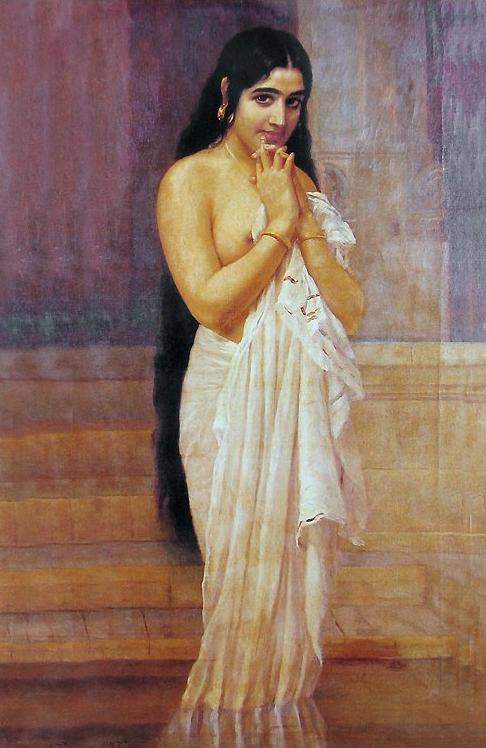
உடலில் ஒவ்வொரு அங்கமும் எப்படி இருந்தால் அதனால் என்ன பலன் என்று கூறும் சாத்திரம் சாமுத்ரிகா லக்ஷண சாத்திரம் ஆகும். இது குறித்து வராஹ மிஹிரர் சொன்ன விஷயங்களை ஏற்கனவே எழுதினேன்.


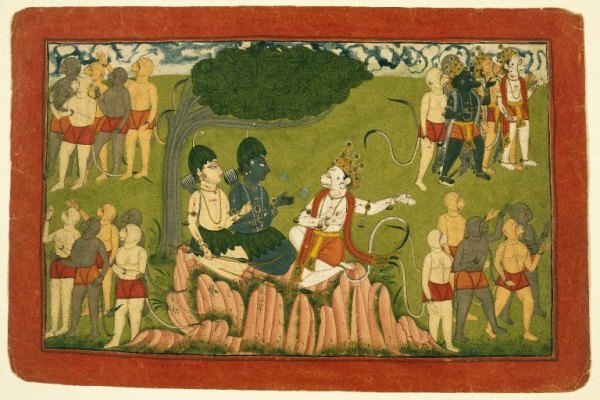
கம்பனும் ராமாயணத்தில் இது பற்றி பல குறிப்புகளைக் கொடுக்கிறான். சம்ஸ்கிருதத்தில் ஆஜானு பாஹு என்பர். அதை அவன் நீண்ட நெடுந்தோள், தாள்தோய் தடக்கை என்றெல்லாம் வருணிப்பான்.

woman

இதோ ஒரு பாடல்:


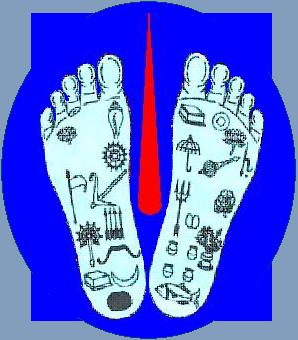
சங்கு சக்கரக்குறி உள தடக்கையில் தாளில்

எங்கும் இத்தனை இலக்கணம் யாவர்க்கும் இல்லை

செங்கண் விற்கரத்து இராமன் அத் திரு நெடுமாலே

இங்கு உதித்தனன் ஈண்டு அறம் நிறுத்துதற்கு இன்னும்.

-நட்பு கோட் படலம், கிஷ்கிந்தா காண்டம், கம்ப ராமாயணம்


பொருள்:–

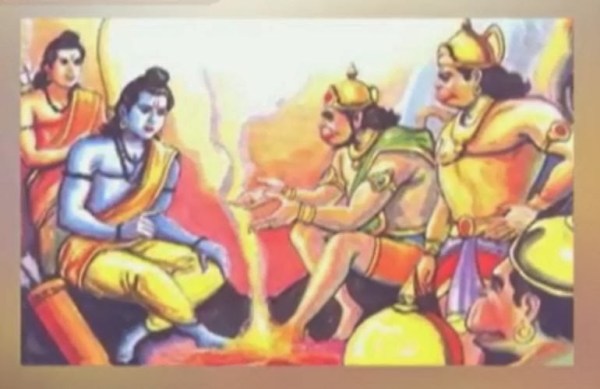
சுக்ரீவனிடம் அனுமன் சொல்லுகிறான்


இராமனுக்கு பெரிய கைகளிலும் கால்களிலும் சங்கு, சக்கர அடையாளங்கள் உள்ளன. இததகைய உயர்ந்த இலக்கணங்கள் எந்த உலகத்திலும் எவர்க்கும் இல்லை. ஆகையால் சிவ ந்த கண்களையும் வில்லை ஏந்திய கைகளையும் உடைய இராமன் இப்போது அறத்தை நிலை நிறுத்துவதற்கா க உலகில் அவதரிக்கும் திருமாலே ஆவான். மேலும்……………..


கைகளில் மட்டும் சங்கு ச்க்கர ரேகை இருப்பதே ஆபூர்வம்; இவனுக்கோ கைகளிலும் கால்களிலும் இப்படி சங்கும் சக்கரமும் காணப்படுகின்றன.


(எனக்கு ஒரு சிந்தனை: இப்படிக் கை, கால்களில் சாமுத்ரிகா லட்சண ரேகைகள் இருந்ததைத் தான் பிற்காலத்தில் உண்மையிலேயே கைகளில் சக்கரமும் சங்கும் இருப்பது போல உருவம் செய்துவிட்டார்களோ? ஆராய்ச்சிக்குரிய விஷயம்!)


ஐந்து உறுப்புகள் நீண்டதாக இருப்பது நல்லது என்று சம்ஸ்கிருத நூல்களும் மொழியும்:


பாஹூ நேத்ரத்வயம் குக்க்ஷிர்த்த்வே து நாசே ததைவ ச

ஸ்தனயோரந்தரம் சைவ பஞ்ச தீர்கம் ப்ரசக்ஷதே


பொருள்:-

நீண்ட கைகள், நீண்ட கண்கள், மூக்கு, வயிறு, முலைகள் இருக்க வேண்டும் என்று சொல்லப்படும்.


My earlier post:

Scientific proof for Samudrika Lakshanam

Posted by Santhanam Swaminathan on 18 Mar 2013


–Subahm–


தீப்போல தகிக்கும் ஐந்து விஷயங்கள் (Post No.3141)

copper-_copper

Written by London Swaminathan


Date: 10 September 2016


Time uploaded in London: 21-45


Post No.3141


Pictures are taken from various sources; thanks.


பார்யா வியோக: சுஜனா அபவாத:

ருணஸ்ய சேஷம் குஜனஸ்ய சேவா

தாரித்ரய காலே ப்ரியதர்சனம் ச

வினாக்னினா பஞ்ச தஹந்தி காயம்


பொருள்:–

தீ இல்லாமலே உடலை தகிக்க வைக்கும் ஐந்து விஷயங்கள்:–

மனைவியின் பிரிவு, நல்லவர்கள் செய்யும் தீய செயல், கடன் மிச்சம், கெட்டவர்களிடம் வேலை செய்தல், வறுமையில் வாடுகையில் விருந்தினர் வருகை ஆகிய ஐந்தும் உடலை தகிக்க வைக்கும் ஐந்து விஷயங்கள்.


Xxxx

cloth

பங்கிடக்கூடாதவை

வஸ்த்ரம் பாத்ரம் அலங்காரம் க்ருதான்னம் உதகம் ஸ்த்ரிய:

யோகக்ஷேமம் ப்ரசாரம் ச ந விபாஜ்யம் பஞ்சக்ஷதே மனு 9- 219


சொற்ப விலையுள்ள துணி

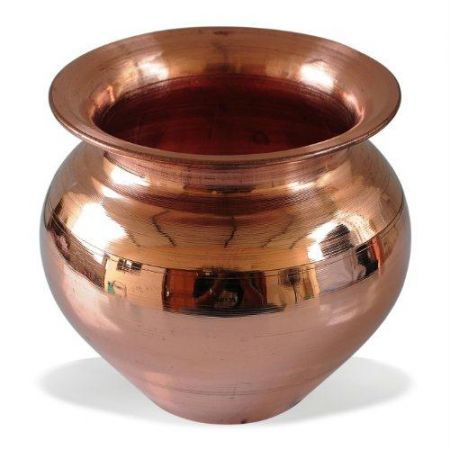
செம்பு (தான் பயன்படுத்தும் பாத்ரம்)

அலங்காரப் பொருட்கள் (தான் உபயோகிப்பவை)

சமைத்த உணவு (சாப்பிடுகையில்)

கிணறு (தன் வீட்டு)

வேலைக்காரிகள்

மந்திரி

புரோகிதன்

தெருக்குறடு

வழிநடை (ரேழி)


இவை அனைத்தும் ஒருவருடைய உபயோகத்தில் இருக்கையில் மற்றவர்களுடன் பகிர்ந்து கொள்வது ஆரோக்கியத்துக்கும் அமைதிக்கும் பங்கம் விளைவிக்கும்.


–Subham–


Hinduism in Bangladesh: from a new book (Post No.3140)

img_7528

Written by London Swaminathan


Date: 10 September 2016


Time uploaded in London: 10-38 AM


Post No.3140


Pictures are taken from various sources; thanks.


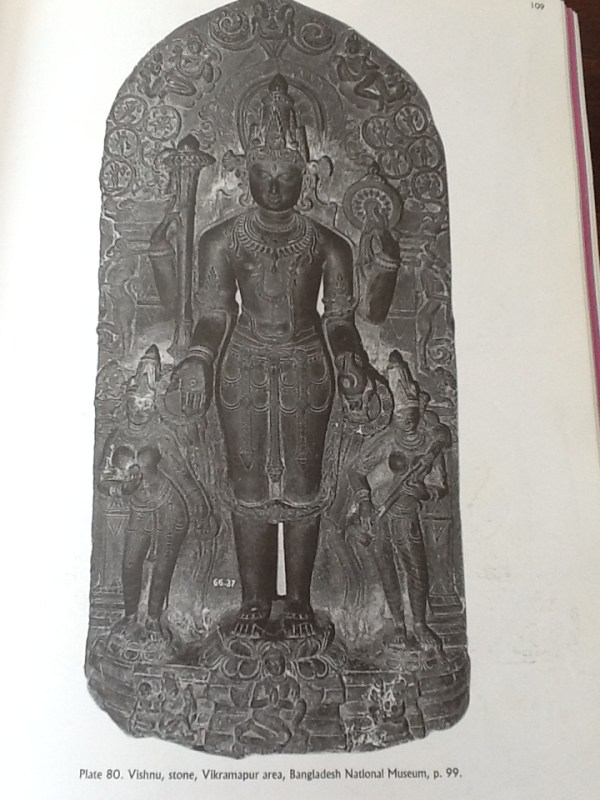
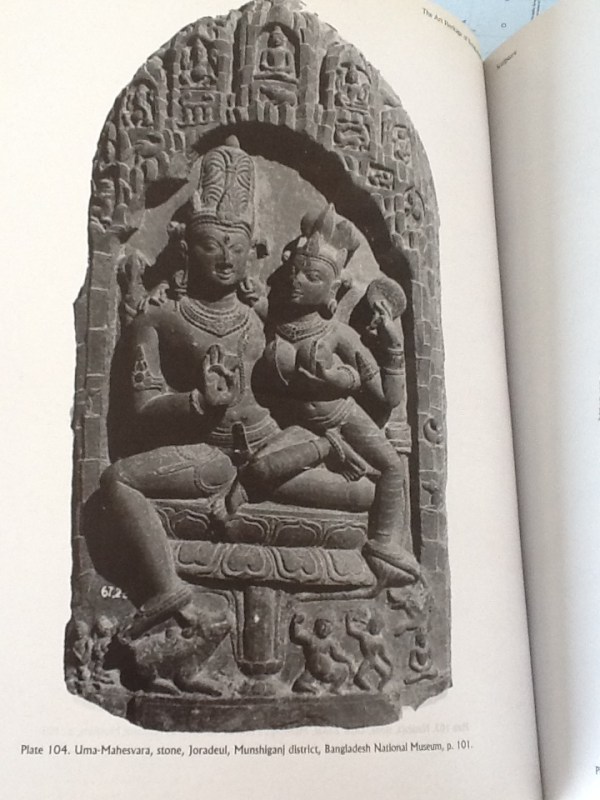
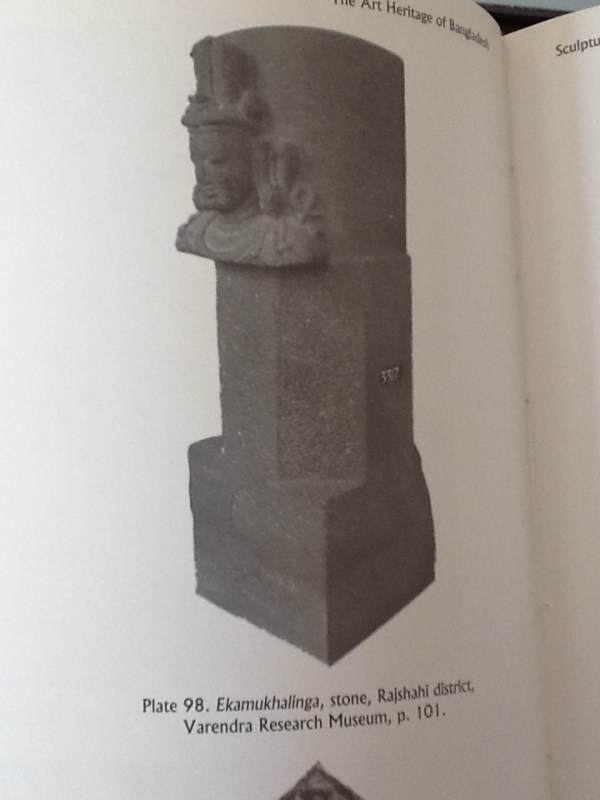
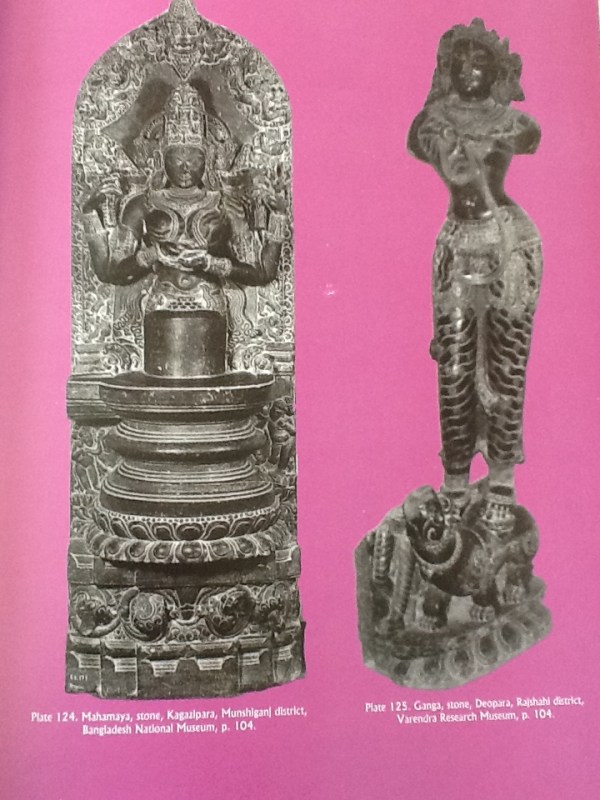
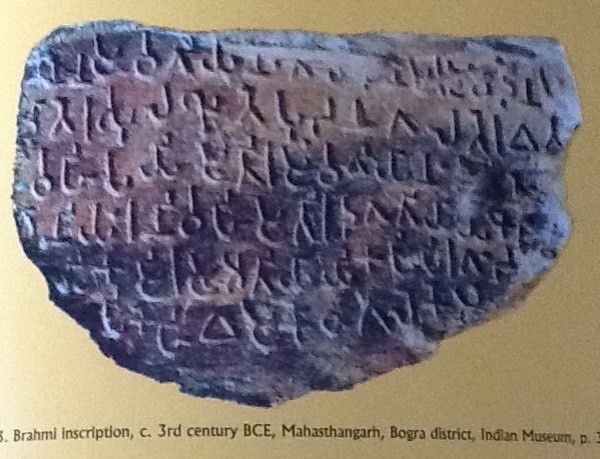
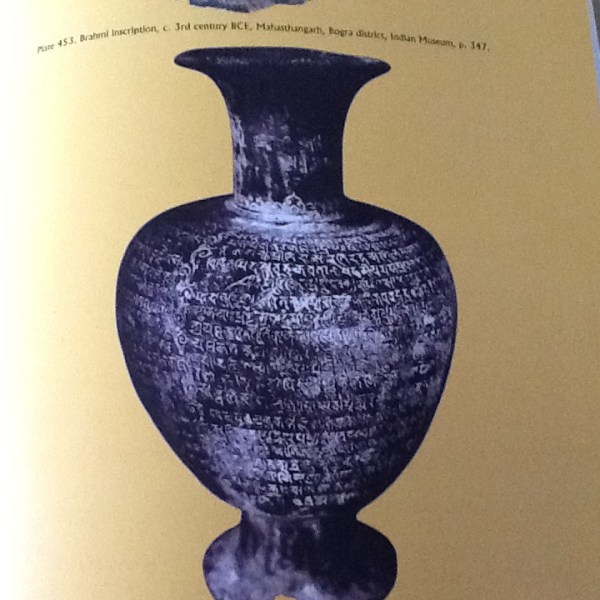
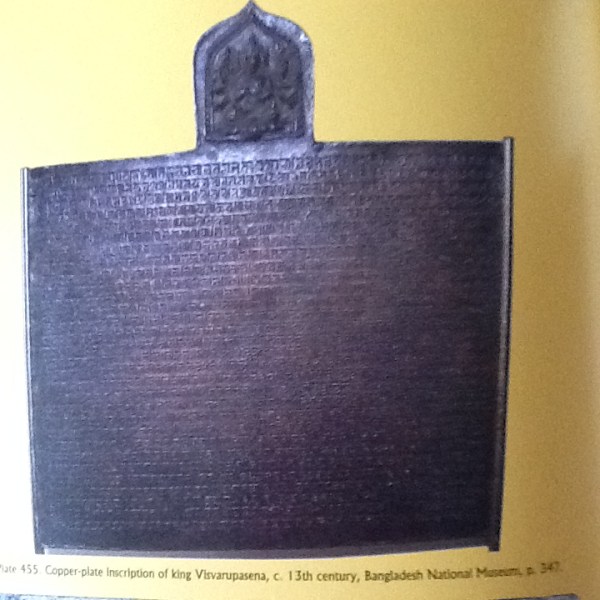
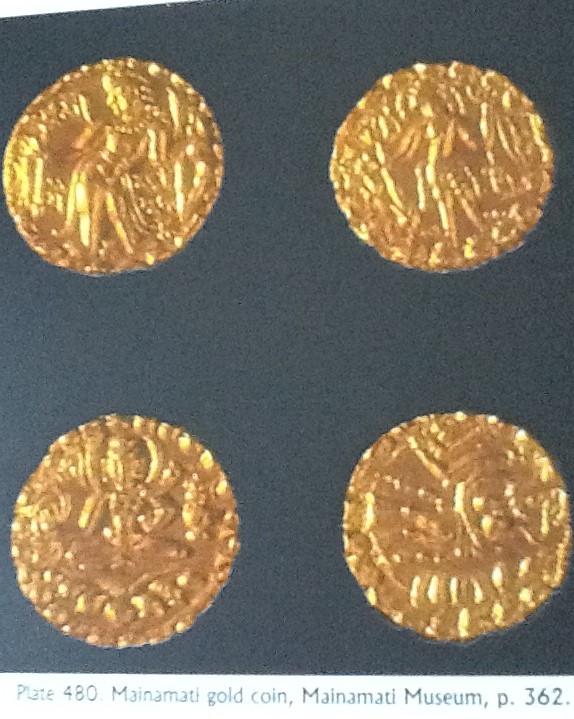
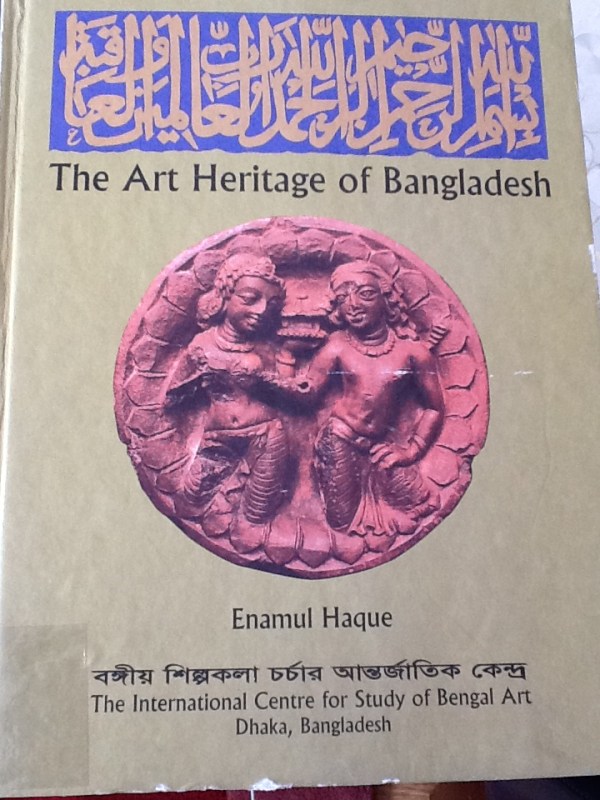
‘The Art Heritage of Bangladesh’ by Enamul Haque (The International Centre for Study of Bengal Art, Dhaka, Bangladesh, Year 2007) has lot of information about Hindu idols, statues and objects discovered in Bangladesh. It includes the latest discoveries. The book is worth buying; it has 536 illustrations.


Following is a brief account:-

Copper plate inscriptions of 5th to 13th centuries state the immigrations of Brahmins to various regions of Bangladesh from Madhyadesha (upper India) and under the patronage of the kings whether Brahmin or Buddhist.

(My Comments: There is no part of India which has not reported Brahmins coming from outside; it is simply transfer of 50 or 100 families to support a temple or a Yaga or Yajna (fire ceremony); people misunderstood it and interpreted as Brahmins migrating! Brahmins lived in every part of India and always on the move. Even when Vijaya went to Sri Lanka there were Brahmins already. Even when Buddha visited various parts of India, there were Brahmins according to their own records. 2000 year old Tamil literature has more poems by Brahmins than any other community. It shows that they were there from Himalayas to Kandy in Sri Lanka even before Buddha and Mahavira started preaching their religion!)

Vaishnavism or the worship of Vishnu seems to have established all over Bangladesh by 5th century. The early deities were Chakraswamin, Govindaswamin, Shveta Vrahasvamin, Kokamukhasvamin, Pradyumneshvara, Ananta Narayana etc. The Krishna legend formed an essential element of  Vaishnavism in Bangladesh in the 6-7th centuries. Jayadeva, the court poet of Lakshmanasena, was the first to give the widely accepted list of ten Avatars (1170 CE).

Other important feature of Bengal Vaishnavism is the large scale adoption of the cult of Radha Krishna.


Shaivism secured royal patronage from Vainyagupta (507 CE), Sasanka (594-637) and a number of Pala and Sena Kings. The popular Shiva representations referred to in the inscriptions were Mahadeva, Shiva, Shambu, Dhurjati, Ardhanarisvara, Sadahiva etc.


Several other Puranic gods and goddesses had votaries in Bangladesh. They were Kartikeya, Ganesha, Brahma, Agni, Kubera, Surya, Revanta,Durga, Lakshmi, Sarasvati, Gauri, Lalita, Chamunda, Manasa, Matrikas etc.


According to Chinese traveller Huen Tsang, that the followers of Brahmanical religion (Hinduism) outnumbered the total strength of Buddhists and Jains in Bangladesh.


Yakshi terracottas are found in West Bengal and Bangladesh


Maharaja Kantideva’s mother was ‘Shivapriya’ and an exponent of Ramayana- Mahabharata- Puranas.


img_7542

1000 TEMPLES!


Narayanapala was devoted to Vasudeva and claimed to have established one thousand temples, and his brother King Nayapala (1027-42 CE) is known for worshipping Shiva and establishing many images in temples.


King Mahipala I donated land to Brahmins after taking his ritual bath on the Visva Sankranti.

King Rampala, in hi capital city Ramavati, erected several temples dedicated to Shiva, Surya, Skanda and Ganapati.


MAHABHARATA RECITATION

King Madanpala’s queen Citramatika, had her husband donate land to Brahmin for recitation of Mahabharata.

Shri Chandra donated land to Brahmins.

King Ladahchandradeva of the same dynasty established a Vishnu image and named it after himself as Sri Ladhamadhava – Bhattaraka

The realization of tolerance and accommodation has been so perfectly depicted in the Mahavihara at Paharpur established by King Dharmapaladeva. In the cruciform temple complex at the centre of the court yard of the Buddhist monastery, on the walls of the lowermost circumambulatory path are fixed 63 stone sculptures, all except one representing Brahminical themes. These sculptures predate the monastery by about more than a century at least. They possibly belonged to an earlier Hindu temple.

The perpetual acceptance of Buddha as an incarnation of Vishnu (By Jayadeva) is perhaps the single major example of interaction between the Hindus and the Buddhists.

img_7538

Pig Vahana for Surya!


The interaction between the Buddhist and Brahminical arts had also other manifestations in Bengal. The Mahayanist answer to the Brahminical Surya was the goddess Marichi. She travels on a chariot drawn by seven pigs matching the seven horses of Surya (Sun).

Jambhala was created against the Hindu god Kubera, almost with identical characteristics.shasti has her parallel in Hariti, Manasa in Janguli.


But side by side these positive elements, there were a few attempts to ridicule some Hindu god like Ganesha. An image of Bhrikuti Tara, from Bhavanipur,Munshiganj District, depicts the eight armed goddess seated in Vajrasana with the representation of Ganesha, crawling on all fours, right below the seat. Similarly, there are two images of three headed six armed Parnashavari, one from Nayananda and other from Vajrayogini, both in Munshiganj district and both are now in Bangladesh National museum. In each case Ganesha is represented at the bottom prostate with a sword and a shield in hands, “evidently vanquished after a fight with the goddess.”

(My comments: Tibetan Buddhism has got very strange and grotesque figures. Buddhism degenerated and went down to the lowest level. Buddha fought against all rituals and meaningless worship; Tibetan Buddhism went against al that Buddha taught them. Even these statues may not be anti-Ganesha; they may mean different things. We have to look at them in the background of hundreds of figures they have.)

img_7551

–Subham–


Dictionary of 10,000 Kings -Part 22: Hindu Rulers of Bangladesh (Post No.3139)

img_7942

Written by London Swaminathan


Date: 9 September 2016


Time uploaded in London: 17-51


Post No.3139


Pictures are taken from various sources; thanks.


img_7941

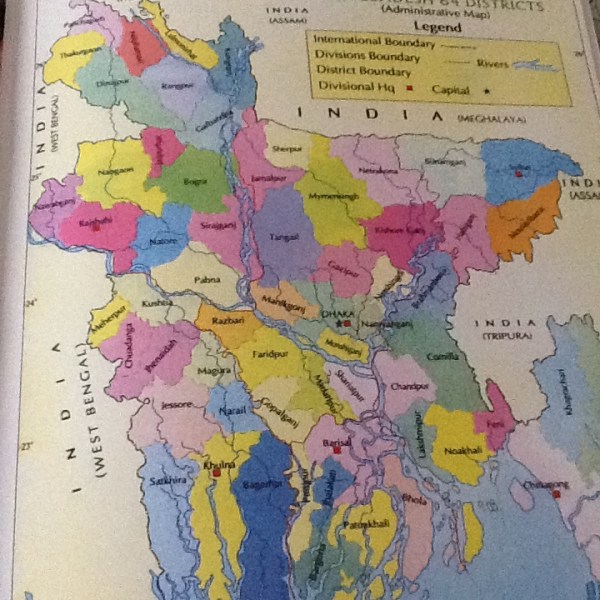
I have already listed the Pala Vamsa (dynasty) kings of Bengal in part 15. Recent discoveries have revealed names of more kings who ruled Bengal area, now called West Bengal state of India and Bangladesh.


So let me add those kings to our 10,000 kings who ruled India from ancient days.


Source book

The Art Heritage of Bangladesh by Enamul Haque,Dhaka, 2007


Archeological materials are available from 450 BCE in Bangladesh

Tha Bodhayana Dharmasutra, Ramayana, Mahabharata and later books mentioned the Vangas and adjacent Lauhitya (Brahmaputra river).

Greek and Latin authors also mentioned these areas as Prasii and Gangaridai. Prasii is identified with Magadha. Market town Gange, Gangaridum are also found in their books. Gange is identified with Chandraketugarh in West Bengal (India).


Scholars think that the Greeks mentioned both Prasii and Gangadirai together because when Alexander invades India, these two empires formed joint command of their armies. Greeks say the two Indian Kingdoms had an army of

20,000 to 80,000 cavalry

200000 to 600 000 soldiers

2000 to 8000 chariots

4000 to 9000 elephants

Since various authors give different numbers approximate numbers are given. Having heard about the mighty Indian army Alexander turned back.

Vijaya, a banished king of Vanga established the first kingdom in Sri Lanka according to Mahavamsa and Dipavamsa.

After Alexander’s departure Magadha kings might have ruled Bengal area. Indirect evidence comes from the 2nd century BCE inscription of Mahasthangarh (also known as Pundranagara).


Samudragupta inscription in Allahabad says that Vanga (Bangladesh) was part of his kingdom.

Probably it came under the Gupta Kings Chadragupta II and Samudra Gupta.

img_7945

New Kings discovered

1.Maharaja Vainyagupta (507 CE) according to Gunaighar copper plate grant (Comilla District)

2.Sasanka (594-637)

At least five copper plate inscriptions discovered in and around Kotalipara revealed three more kings

3.Gopachandra

4.Dharmaditya

5.Samacharadeva

They had Maharajadiraja title and issued god coins

6.Tibetan king Srong-tsan invaded northern Bengal in the end of 7th Century CE

7.Yasovarman, King of Kanauj slayed King of Gaur (Gaur=Gauda=Bengal)

Following feudatory chiefs are also known from Comilla area

8.Samanta Lokanatha

9.Jivadharana Rata

10.Sridharana Rata (Samatatesvara)

11.Shrimad Devatideva Bhattaraka of Chittacong 715 CE

12.Kanti deva, Chittacong, 9th Century

Akara Dynasty kings came to light recently are

13.Lalitakara

14.Ramyakara

15.Pradyumnakara

16.Antakara


17.In 2007 a new copper plate inscription was discovered and a new king’s name Shriman Attakaradeva is found in it.

After this period, the area came under Harshavardhana and then Pala Dynasty began its rule

 img_7940

LOVE STORY

Kashmiri chronicler Kalhana gives an interesting story about Bengal. According to him Kashmiri Prince Jayanta came to Pundra nagar in Bengal and fell in love with a temple dancer named Kamala. Later, one night, when a man eater lion strayed into the city, Jayanta valiantly killed the beast. Soon his identity became known and the local king offered his daughter in marriage to the prince. It is told that the prince left for Kashmir with both the ladies. Two birds in one stone!


Later Pala kings ruled the area. Rajendra Choza from the South defeated one of the Pala kings in 1022.


Ramacharitam of Sandhyakaranandi gives a list of feudatory chiefs.

Before the Pala dynasty established their rule, Kadga, Deva, Chandra and Varman dynasties were ruling certain parts of Bengal. Following kings are known from newly discovered copper plates: –

18.Khadgodyama

19.Jatakhadga

20.Devakhadga (Queen Prabhavati)

21.Rajarajabhata

Excavations at Salban Monastery of Mainamati gave the names of unknown kings:-

22.Shri Santi Deva

23.Shri Vira Deva

24.Shri Ananda Deva

25.Shri Bhava Deva

The discoveries of the last fifty years or so now have clearly established genealogy of the kings of the Chandra Dynasty:-

26.Purnachandra

27.Suvarnachandra

28.Trilokyachandra (900-930)

29.Shri Chandra (930-975)

30.Kalyanachandra (975-1000)

31.Ladahachandra (1000- 1020)

32.Govindachandra (1020-1050)

Varmans supplanted the Pala kings in the last quarter of 11th century. The Varmans probably came from Orissa;

33.Jatavarman (who married Kalachuri King Karna’s daughter Virashri)

34.Harivarman


img_7938

SENA DYNASTY

35.Samanta sena (from Karnataka region)

36.Hemantasena

37.Vijayasena (who ruled for an amazing seventy-three years! From 1095-1168). If it is correct it is a world record!

38.Vallasena (1168-1178)

39.Laksmanasena

40.Vishvarupasena(1206-1220)

41.Keshavasena (1220-1223)


After this period, Muslims conquered large areas in Bengal.

From epigraphic record we get the names of following kings:

42.Purushottama

43.Madhusuthana deva

44.Vasudeva

45.Damodaradeva

46.Dasarathadeva

img_7560

A book worth buying!!!! 536 illustrations! 408 pages!!!

–subham–


Long Live Centenarians! (Post No.3138)

gandhi-2

Written by London Swaminathan


Date: 9 September 2016


Time uploaded in London: 9-14 AM


Post No.3138


Pictures are taken from various sources; thanks.


It is very interesting to note that centenarians get a positive reference in the world’s first law book Manava Dharmasasatra (Manu Smrti). This shows how much respect is given to old people in Hinduism and how much long life span is appreciated. Throughout the Vedas we find reference to man’s hundred-year life span.


Manu gives a list of people who spread positive vibrations in the place where they sit. He says that if one of them is sat in a row the entire row is purified and sanctified; though it is said in the context of twice born people, the respect to one’s age is referred in other slokas as well.


“Those who are pre-eminent in all the Vedas and the explanatory texts, and also those born into a line of priests who knew their Veda by heart, are known as purifiers of the ranks – Manu 3-184


A man who has studied the story of Naciketas (Katha Upanishad), or who keeps five sacrificial fires or has studied the three bird passage, or knows (tri suparna paasage in the Rig Veda 10-114-35), or knows all the six supplementary texts to the Veda, or is born out of a Brahma marriage or who can chant the most excellent chant (Jyeshta Samans or Tandya Brahmana 21-2-3) – Manu 3-185


Or those who know the meaning of the Veda, or can preach from the Veda, a chaste student of the Veda, one who has given away a thousand cows (at a sacrifice) or ONE WHO HAS REACHED THE RIPE AGE OF ONE HUNDRED YEARS are to be known as the people who purify the rows”.

mahatma-gandhi

Aagrayaa: sarveshu vedeshu sarvapravacaneshu sa

Srotriyaanvayajaasaiva vijneyaah panktipaavanaah -Manu 3-184


Vedaarthavit pravaktaa sa brahmachariisahasradah

Sataayussauva vijneyaa braahmanaah pakntipavanaah -Manu 3-186


Following quotations will show that the learned are respected as elders and elders are respected for their learning

1.Mere greying of hair does not make one old; the gods regard as an elder the man who, though young, has learned.–Manu Smrti 2-156

2.An assembly without the aged is not assembly at all

–Hitopadesa 3-61


3.Aged people are to be consulted about the stately path

–Satopadesa prabanda


4.Wisdom dawns with service to the elderly

–subashita ratna bandagaram 3-601


5.A courtesan though aged is sweet sixteen and the monk though young is a centenarian (Sanskrit proverb)


6.The king should adhere to the words of the wizened

—Brhat katha manjari

7.They are not really old who do not bespeak righteousness

Hitopadesam and Kahavatratnakar


happy-valmiki-day08


–Subham–

நடுங்கினர்க்கு அபயம் நல்கும் அதனினும் நல்லது உண்டோ: கம்பன் (Post No.3137)

sugreeva

Written by London Swaminathan


Date: 9 September 2016


Time uploaded in London: 9-04 AM


Post No.3137


Pictures are taken from various sources; thanks.


உலகம் முழுதும் அகதிகள் பிரச்சனை தலை விரித்தாடுகிறது. ஆயிரக் கணக்கானோர் வெளிநாடுகளுக்குச் சென்று அடைக்கலம் கோருகின்றனர். அவர்களுக்குப் பல நாடுகள் அடைக்கலம் தருகின்றன. இவையெல்லாம் சரணாகதி தத்துவத்தின் அடிப்படையில் அமைந்த கோட்பாடு. யாராவது ஒருவர் உன்னைச் சரண் அடைகிறேன் என்று மற்றவர் காலில் விழுந்துவிட்டால் அவரைக் காப்பாற்ற வேண்டும் என்பது இந்து தர்மக் கோட்பாடு. ராமாயணத்தில் மிகப் பெரிய அளவுக்குப் பேசப்படுவது சரணாகதி தத்துவம் ஆகும். இது ராமாயணத்தின் பிற்பகுதியில் விபிஷணன் சரண் அடையும்போது பெருமளவில் விவாதிக்கப்படுகிறது; விவரிக்கப் படுகிறது. அதற்கெல்லாம் பீடிகை போடும்படியாக கிஷ்கிந்தா காண்டத்திலேயே கம்பன் சில பொன்மொழிகளை உதிர்க்கிறான். இதோ இரண்டு பொன் மொழிகள்:–


ஒடுங்கல் இல்  உலகம் யாவும் உவந்தன உதவி வேள்வி

தொடங்கின மற்றும் முற்றத் தொல் அறம் துணிவர் அன்றே

கொடுங்குலப் பகைஞன் ஆகிக் கொல்லிய வந்த கூற்றை

நடுங்கினர்க்கு அபயம் நல்கும் அதனினும் நல்லது உண்டோ


பொருள்:-

பரந்த இந்த உலகத்தில் உயிர்கள் எல்லாம் விரும்பியவற்றை உதவி, வேள்வி, தவம் முதலியவற்றை நிறைவேற்றும்படி மேலோர் செய்வர் அல்லவா? அததகைய அறங்களுள், எமன் போன்ற எதிரிக்குப் பயந்து நம்மிடம் சரண் அடைந்தவர்க்கு அஞ்சாதே என்று அருள் காட்டுவதை விடப் பெரிய அறம்/தர்மம் வேறு ஏதாவது உளதோ?


இது யார் சொன்னது? எங்கே சொன்னது?


ராம லெட்சுமணர்களைச் சந்தித்த அனுமன் சுக்ரீவனுக்கு, வாலியினால் ஏற்பட்ட துனபங்களை விவரித்துவிட்டு சரண் அடைந்தவர்களைக் காப்பாற்ற வேண்டும் என்பது (இந்து) தர்மம் அல்லவா? என்கிறான்.

28_24_kishkinta_vali-fight-ground

சுக்ரீவன் இதைத் தன் வாயாலேயே சொல்லி காலில் விழும்  ஒரு பாடலும் வருகிறது:–


முரணுடைத் தடக்கை ஒச்சி முன்னவன் பின்வந்தேனை

இருள்நிலைப் புறத்தின் காறும் உலகு எங்கும் தொடர இக்குன்று

அரண் அடைத்து ஆகி உய்ந்தேன்  ஆர் உயிர் துறக்கலாற்றேன்

சரண் உனைப் புகுந்தேன் என்னைத் தாங்குதல் தருமம் என்றான்

பொருள்:-

என் அண்ணனான வாலி, தம்பியாகிய என்னை அடிப்பதற்காக ஓங்கிய கைகளுடன் இவ்வுலகத்துக்கு அப்பாலும் எல்லா உலகங்களிலும் என்னைத் துரத்தி வந்தான். இம்மலையே பாதுகாப்பான இடம் என்பதால் இங்கே வந்தேன்; உயிரை விடவும் மனம் இல்லை; உன்னை அடைக்கலம் அடைந்தேன். என்னைக் காப்பாற்றுதல் உனக்குக் கடமையாகும் – என்று சொன்னான் சுக்ரீவன்


என்னைத் தாங்குதல் தருமம் என்றான் என்ற வாக்கியத்தில்தான் இந்து தர்மக் கோட்பாடு பளிச்சிடுகிறது.


இன்று உலகம் முழுதும் அகதிகள் வாழ வழிவகுத்தது இந்து மதம். சுக்ரீவன், வாலி என்பவர்கள் ஓரிரு தனி நபர்கள். ஆயினும் போரில் சரண் அடைந்தவர்களையும் காப்பாற்றுவது நமது இதிஹாச புராணங்களில் உள்ளது. சரியான ஆயுதம் இல்லாதவர்ளையும், ஆயுதமே வைத்திராதவர்களையும் தாக்கக்கூடாது என்பதும் தெளிவாககக்  கூறப்பட்டுள்ளது.


புருஷோத்தமன் (போரஸ்) என்ற மன்னனை அலெக்ஸாண்டர் வென்று விட்டான். உனக்கு என்ன வேண்டும்? உயிர்ப்பிச்சை வேண்டுமா? இவ்வளவு சிறிய மன்னனாலும் என்னையே திணறடித்துவீடாய்! — என்றான். அவனோ சிறிதும் அஞ்சாமல் என்னை மன்னன் போலவே நடத்த வேண்டும் என்றான். அதன்படியே செய்தான் அலெக்ஸாண்டர். இது தர்மம் என்பதால் அப்படிக்கேட்டான் புருஷோத்தமன (போரஸ்). இந்துமதத்தின் பெருமையையும் பாரதத்தின் பெருமையையும் அறிந்து யோகிகளைச் சந்திக்கவே இந்தியாவுக்கு வந்தவன் அலெக்ஸாண்டர் என்பதால் உடனே அவனை மன்னன் போலக் கருதி அவன் ராஜ்யத்தை அவனிடமே ஒப்படைத்தான் என்பதை நாம் அறிவோம்.


வாழ்க சரணாகதி தத்துவம்!! வாழ்க அகதிகள்!!


நூறு வயதானவர்களின் மகிமை! (Post No.3136)

100-yr-old-berry-seller

100 year old lady sells berries on the road!

Written by London Swaminathan


Date: 8 September 2016


Time uploaded in London: 21-34


Post No.3136


Pictures are taken from various sources; thanks.

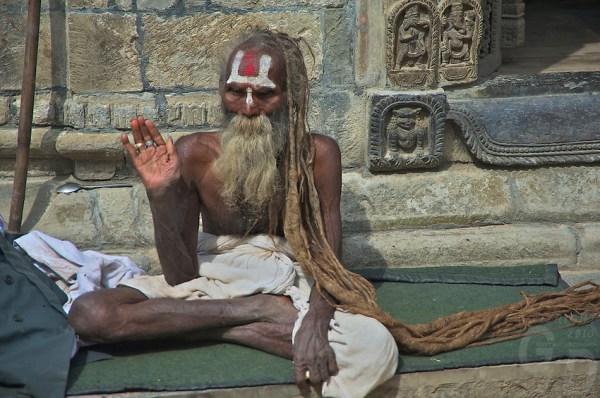
A over 100 year old Sadhu at the Shambhu Nath Hindu Cremation Area, Kathmandu Nepal

A over 100 year old Sadhu with his incredible long hair at the Shambhu Nath Hindu Cremation Area, Kathmandu Nepal

ஒரு பந்தியில் (வரிசையில்) யார் யார் உட்கார்ந்தால் அந்த வரிசையே தூய்மையாகிவிடும், புனிதமாகிவிடும் என்று மனுஸ்மிருதியில், மனு ஒரு பட்டியல் கொடுக்கிறார். அதில் 100 வயதுக் கார்களையும் சேர்த்திருக்கிறார். அவர்கள் அனுப்பும் VIBRATIONS வைப்ரேஷன்ஸ் — எல்லோரையும் உயர்த்திவிடும். அதுவும் அவர்களை யாருடன் சேர்த்து வைத்திருக்கிறார் என்பதைப் பார்க்கையில் 100 வயதானவர்களின் மதிப்பு இன்னும் உயர்கிறது!

அவர்களுக்கு “பங்தி  பாவனாள்” என்று பெயர்


ஆக்ரயா: சர்வேஷு வேதேஷு சர்வ ப்ரவசனேஷு ச

ஸ்ரோத்ரியான் அன்வயஜா: ச ஏவ விக்ஞேயா:  பங்க்திபாவனா:


வேதார்த்தவித்ப்ரவக்தா ச ப்ரஹ்மசாரி சஹஸ்ரத:

சதாயுஸ்சைவ விக்ஞேயா: ப்ராஹ்மணா:  பங்க்திபாவனா:


மனு 3- 184-186


வேதங்களைக் கற்றுத் தேர்ந்த அறிஞர்கள், அதன் ஆறு அங்கங்களையும் (ஷட்+ அங்கம்= ஷடங்கம்=சடங்கு) அறிந்தவர்கள், அவர்கள் வம்சத்தில் பிறந்தவரகள், ஆகியோர் வரிசையைப் புனிதப்படுத்துவர்.


குருவினிடத்தில் வேதப் பொருளை அறிந்தவன்,  அதைச் சொல்லிவைப்பவன், பிரம்மச்சாரி, ஆயிரம் பசுக்களை தானம் செய்தவன், நூறு வயதானவன் ஆகியோரும் எங்கே உட்காருகிறார்களோ அந்த வரிசையே தூய்மை ஆகிவிடும்!


மனு ஸ்மிருதியில் மூன்றாவது அத்தியாயத்தில் மனு இதைச் சொல்லுகிறார்.

0phil

இந்தப் பட்டியலில் உள்ள எல்லோரும் வேதம் கற்றவர்கள், தானம் செய்தவர்கள். ஆனால் இதில் வயதுக்கு மதிப்பு கொடுக்கப்பட்டிருப்பது விஷேஷமானது.  நூறு வயது ஒருவர் வாழ்கிறார் என்றால் அவர் வாழ்வு சுத்தமானதாக, ஆரோக்கியமானதாக இருக்க வேண்டும்; மேலும் வேத மந்திரங்களில்  நிறைய இடங்களில் “நூறாண்டுக் காலம் வாழ்க; நோய் நொடியில்லாமல் வாழ்க” என்ற பிரார்த்தனை வருகிறது.


வேதங்களின்படி ஒருவனுடைய ஆயுள் நூறு வயதுதான். ஆயுர்வேத, சோதிட சாத்திரப்படி ஒருவனின் வயது 120 ஆகும்.


வாழ்க நூற்றாண்டு கண்டோர்!

Riddles in the Vedas (Post No.3135)

dogs-circle

Compiled by London Swaminathan


Date: 8 September 2016


Time uploaded in London: 16-38


Post No.3135


Pictures are taken from various sources; thanks.


Most of the foreign writers who wrote about Vedas, or in general Hindu scriptures, fall under five categories; so one must be careful before reading any foreigner’s book on Hinduism:-

1.Those who came to propagate their religion

2.Those who colonised our territories

3.Those who want to be on headlines by creating controversies

  1. Half-baked researchers; ignoramuses

5.Those who write for international book companies or to anyone who gives money.

So before buying a book use it as the touch stone. Better read books written by Indian authors except Marxists and atheists. There is no need to say anything about the bluffers who are attached to Marxism or Atheism.


Another touch stone is to see whether these trouble makers have written criticizing about any other religion. To my knowledge they did not write anything against other religions. They are cowards! Most of them are morally corrupt and bankrupt. They can’t be the judges of our culture.

Don’t ask questions about anything before you read a scripture in full. You cannot criticise anything before reading and understanding a book.


Hindu Scholar Subash kak has described the symbolism in the Vedic literature. Here is a small excerpt from his book:


Source book:

The Asvamedha, The Rite and its Logic by Subhash Kak, Delhi, 2002
dogs2

“The central idea behind the Vedic system is the notion of ‘bandhu’ (bindings or connections) between the astronomical, the terrestrial, the physiological and the spiritual. These connections are described in terms of number of characteristics, such as the 360 bones of the infant (which later fuse into the 206 bones of the adult) and the 360 days of the year. In a similar vein, the Garbha Upanishad says that the body has 180 sutures, 900 sinews. The Brhadaranyaka Upanishad takes the number of Nadis to be 72,000. All these numbers are related to 360, the nominal day count of the year.

Modern research has shown that all life comes with its inner clocks. Living organisms have rhythms that are matched to the periods of the Sun or the Moon.


It is reasonable to assume that the Vedic thinkers were aware of these connections, as were the ancient people in other cultures. The uniqueness of the Vedic vision was the extension of the bindings to the body to those in the inner landscape of the spirit.


The Vedic rites were meant to help the participant transform themselves this was accomplished through sacrifice. The place of sacrifice represents cosmos. Three fires are used which stands for the three divisions of space. The course of the sacrifice represents the year, and all such rituals forms part of continuing annual performances.


The riddle of the sacrifice is best expressed in the Asya Vamasya Hymn (Rig Veda 1-164):

I ask you about the farthest end of the earth

I ask you about the navel of the universe

I ask you about the seed end of the bursting horse

I ask you about the final abode of the speech


This altar is the farthest end of the earth

This sacrifice is the navel of the universe

The Soma is the seed of the bursting horse

This voice is the final abode of speech


The mystery of the sacrifice, with its suspension between life and death, reality and magic, logic and mystical experience is communicated in a language which is full of paradox. For example, it is stated that that Prajapati is Agni’s father, but he is also Agni’s son (SB6-1-2-26); also the gods sacrificed to the sacrifice with the sacrifice (RV 1-164-50)


The sacrifice is the drama associated with it, but rather the transformation accruing from it. Says Kena Upanishad 2-3:

“He by whom Brahma is not known, knows it.

He by whom it is known, knows it not. It is not

Known by those who know it; it is known by those who do not now it”.

Vedic ritual is also related to ongoing struggle, between the Devas and Asuras, where the Devas represent the higher cognitive centres in man and the Asuras represent the lower centres associated with the body.

dogs-1

WHITE DOG STORY IN UPANISHAD

Unfortunately, to a beginner trying to understand the Vedic system, the asuric position appears most natural and this is responsible for much misunderstanding of Vedic rites and their meaning.


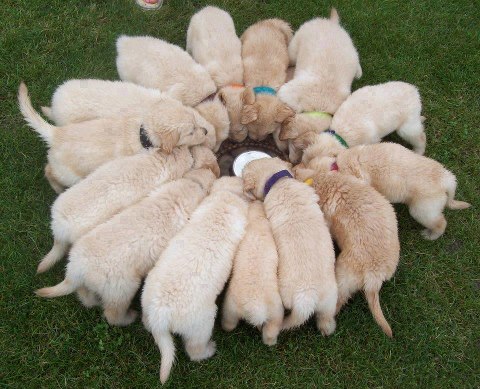
Let me add that the Chandogya Upanishad warns us about those who do not understand that the rite is about paradox and regeneration, and not the actual mechanics of the theatre. It compares the ritual of such people, who look only at the outer performance, to the Udgitha of the dogs. That is what Vaka Dalbya (also called Glava Maitreya) saw of the dog udgita (C.U.1-12)


A white dog appeared and other dogs gathering around him, asked, “Sir, sing and get us food, we are hungry”.


The white dog said to them, “come to me tomorrow morning.”


The dogs came on, holding together, each dog keeping the tail of the preceding dog in his mouth, as the priests do when they are going to sing praises with the Vahispavamana hymn. After they had settled down, they began to say Hin.


Om Let us eat! Om, let us drink!”


The dangers of misreading a highly symbolic language were recognised. The Puranas warn that the asuras copy whatever the devas do and do it on a grander scale.


— Subham–


வேதத்தில் சுவையான குதிரைக் கதை! (Post No.3134)

horsehead

Translated by London swaminathan


Date: 8 September 2016


Time uploaded in London: 9-36 AM


Post No.3134


Pictures are taken from various sources; thanks.


வேதம் என்பதற்கு மறை என்று பொருள்; அதை வெளிநாட்டுக்காரர்கள் -மனம்போன போக்கில் வியாக்கியானம் செய்திருக்கிறரார்கள். இவர்களில் 5 வகை உண்டு:–


1.மதத்தைப் பரப்ப வந்தவர்கள்

  1. நாடு பிடிக்க வந்தவர்கள்

3.குறைகூறுதல் மூலம் பெயர் பெற விரும்புவோர்

  1. அறியாமையில் ஆராய்ச்சி செய்யும் அரை வேக்காடுகள்

5.சர்வதேச நிறுவனங்கள், புத்தகம் வெளியிடும் கம்பெனிகளிடம் பணம் வாங்குவோர்; அதாவது கூலிக்கு மாரடிப்போர்.


ஆகையால் இவர்கள் எழுதிய புத்தகங்களை முதலில் படிக்காதீர்கள். இந்தியர்கள் எழுதிய நூல்களை — திராவிட/மார்கஸீய பேத்தல்  — இல்லாதோர் நூல்களை முதலில் பயிலுங்கள்.


பகவத் கீதையையே படிக்காமல், எடுத்த எடுப்பிலேயே கேள்வி கேட்கத் துவங்காதீர்கள்!


ராமாயணத்தையே படிக்காமல் வாலியை ராமன் கொன்றது சரியா? – என்று பட்டிமன்றம் பேசாதீர்கள்!


சங்கத் தமிழ் இலக்கியத்தையே கற்காமல் தமிழின் பெருமையை, தமிழர்தம் பெருமையைப் பேசாதீர்கள்!


எந்த ஒரு விஷயத்தையும் அதன் முழுப் பொருளில், அது வந்த கால கட்டத்தில், அதே காலத்தில் மற்றவர் இருந்த நிலையில் வைத்து எடை போட வேண்டும்.


polands

இதோ மறை பொருள் உடைய ஒரு வேதக் கதை:–

சுபாஷ் கக் என்பவர் ஆங்கிலத்தில் அஸ்வமேத யக்ஞம் பற்றி எழுதிய புத்தகத்திலிருந்து மொழிபெயர்த்த குதிரைக் கதை:–


அதர்வணனின் மகன் தத்யாங்க் (பிற்கால இலக்கியத்தில் ததீசி). அவரைப் பற்றி ரிக் வேதத்தில் 1-117-22, 1-84 துதிகளில் செய்திகள் உள.

அவருக்கு யாகத்தின் ரஹசியம்- உட்பொருள்– மறை பொருள் தெரியும்.


சதபதப் பிராமன்ணத்தில் (14-1-18/24) இந்தக் கதை வருகிறது:-


“தத்யாங்கனுக்கு ஒரு ரகசியம் தெரியும் யாகத்தின் தலையை எப்படி மீண்டும் வைப்பது, எப்படி அதன் மூலம் யாகம் நிறைவு பெறும் – என்பது தெரியும்’


இந்திரன் சொன்னான்: “இந்த ரஹசியத்தை நீ யாருக்காவது சொன்னால் உன் தலையை வெட்டி விடுவேன்”  என்று


அஸ்வினி தேவர்கள் இதைக் கேட்டுக் கொண்டிருந்தார்கள்


அவர்கள் தத்யாங்கனிடம் சென்று, எங்களை மாணவர்களாக ஏற்றுக்கொள்ளுங்கள் -என்றனர்


அவர் கேட்டார், எதைக் கற்க வந்திருக்கிறீர்கள்?


அஸ்வினி தேவர்கள் இருவரும் சொன்னார்கள்:- அதுதான்; யாகத்தின் தலையை எப்படி மீண்டும் வைப்பது, அதன் மூலம் யாகம் எப்படி நிறைவு பெறும்– என்ற ரஹசியம்.


தத்யாங்கன் சொன்னார்: இதை நீ வேறு யாருக்காவது கற்பித்தால் உன் தலையை வெட்டிவிடுவேன் என்று இந்திரன் சொன்னான் ; எனக்கு பயமாக இருக்கிறது. என் தலை போய்விடும்; ஆகையால உங்களை நான் மாணவர்களாக ஏற்றுக் கொள்ளமுடியாது.


அஸ்வினிதேவர்கள் சொன்னார்கள்: நாங்கள் இருவரும் உங்களைக் காப்பாற்றுவோம்

எப்படிக் காப்பாற்றுவீர்கள்?

எங்களை நீங்கள் மாணவர்களாக ஏற்றுக் கொண்டவுடன் உங்கள் தலையை வெட்டி ஒளித்து வைத்து விடுவோம். ஒரு குதிரையின் தலையைக் கொண்டுவந்து பொருத்துவோம்; ஆதன் மூலம் கற்பியுங்கள்; இந்திரன் வந்து குதிரைத் தலையை வெட்டுவான். பின்னர் உங்களுடைய பழைய தலையை எடுத்து வந்து பொருத்தி விடுவோம்”;அதை ஏற்று தத்யாங்கன் அவர்கள் இருவருக்கும் கற்பித்தார்.

அவரும் கற்பித்தார்; உண்மைத் தலை போய் குதிரைத் தலை வந்தது; இந்திரன் வந்தான்; தலையை வெட்டினான்; பின்னர் நிஜ தலையை தத்யாங்கனுக்கு அஸ்வினி தேவர்கள் பொருத்தினர்.


island-horse

தத்யாங்கன் சொல்கிறார் (சதபத பிராமன்ணம் 6-4-2-3:


யாகத்தின் முக்கிய வாஹனம் “பேச்சு”; சொற்களுக்குதான் மாற்றம் செய்யும் சக்தி உண்டு; அது பேசுபவரையும் மாற்றிவிடும்; ஒருவர் பேசியவுடன் அதே ஆளாக இருப்பதில்லை.; யாகமானது ஒருவரின் தலையை இழக்கச் செய்துவிடும்; குதிரைத்தலை என்பது இந்த அபூர்வ ஞானத்தின் ஆதாரம் ஆகும்.


அதாவது குதிரைத்தலை என்பது அடையாளம்தான். குதிரைத் தலை மாறி உண்மைத் தலை வரும் என்பது பேசுபவர் , மற்றவர்களை மாற்றுவதோடு தானும் மாறிவிடுவார் என்பதாகும். யாகம் என்பது ஒருவர் “தலையை” இழக்கச் செய்துவிடும்.


–சுபம்–

லண்டனில் புதிய இந்திய ஹோட்டல்!(Post No.3133)

london-hotel

Compiled by London swaminathan


Date: 8 September 2016


Time uploaded in London: 6-24 AM


Post No.3133


Pictures are taken from various sources; thanks.


லண்டனில் ஒரு பள்ளிக்கூடம் இருந்த இடத்தில் ஆடம்பர இந்திய ஹோட்டல் வருகிறது. ஒரு நாள் அறை வாடகை 350 பவுன் (35000 ரூபாய்)! இதில் 70 அறைகள் இருக்கும். வருவோருக்கு இந்து முறையில் நமஸ்தே கிடைக்கும்; ஆயுர்வேத சிகிச்சைப் பிரிவும் இருக்கும். யோகாவும் பயிற்றுவிக்கப்படும். ஹோட்டல் முழுதும் இந்தியப் பொருளாலேயே அலங்கரிக்கப்படும்.


இந்திய வந்தனோபசாரத்தை — விருந்தோம்பலை — மக்களுக்குக் காட்டுவது முக்கிய நோக்கமாகும். இது சவுத் பேங்கில் (South Bank)  டவர் பிரிட்ஜ் (Tower Bridge) அருகே இருக்கிறது. ‘நான்’ , ரொட்டி, இந்திய தேநீர், சமோசா முதலியவற்றுடன் பல்வேறு வகை இந்திய உணவு பரிமாறப்படும். இது லலித் ஹோட்டல் குரூப்பைச் சேர்ந்தது. ஹோட்டலின் விலை ஐந்து கோடி பவுன் (500 கோடி ரூபாய்).லலித் சூரியின் மனைவி டாக்டர் ஜ்யோத்ஸ்னா சூரி இதன் மானேஜிங் டைரக்டர்.


கட்டிடத்தின் விலை 15 மில்லியன் பவுன்கள். அதற்குப்பின்னர் அதை ஹோட்டலாக மாற்ற 30 மில்லியன் செலவு!


லண்டனுக்குப் போனால் ஜாக்கிரதை!

chinese-airlines

லண்டனில் இந்தியர்கள், பாகிஸ்தானியர், கறுப்பர்கள் வசிக்கும் பகுதிகளுக்குப் போகாதீர்கள்; உங்கள் பாதுகாப்புக்காக இதைச் சொல்லுகிறோம் — என்று சீன விமான நிறுவனம் எச்சரித்திருக்கிறது. இது இனவெறி விளம்பரம் என்று லண்டனில் கடுமையான எதிர்ப்பு கிளம்பி இருக்கிறது


ஏர் சைனா Air China விமானத்தில் போடப்படும் பத்திரிக்கையில் In flight magazine இந்தக் கட்டுரை வெளியாகி இருக்கிறது. பெண்கள் தனியாக போகக்கூடாது யாரையாவது துணைக்கு அழைத்துச் செல்ல வேண்டும் என்று எழுதியுள்ளனர்.


இது இனச் சிறுபானமையினருக்கு மட்டும் எதிரானதல்ல. லண்டனுக்கே எதிரான அறிவிப்பு என்று எம்.பி.க்களும் பொது மக்களும் கருத்து தெரிவித்துள்ளனர்.


குளவிக்கூடு: ரயில சர்வீஸ் ரத்து!


அதிகாலை எழுந்து அவசரம் அவசரமாக ரயில்வே ஸ்டேஷனுக்கு ஓடி  வந்தால் ஒரு விநோத அறிவிப்பு?


“நார்பிடன் Norbiton  வழியாக லண்டன்  வா ட்டர்லூ London Waterloo ஸ்டேஷனுக்குச் செல்லும் காலை 5-51 ரயில் சர்வீஸ் ரத்து என்பதை வருத்தத்துடன் அறிவிக்கிறோம். ரயில் பெட்டிகளில் இரவோடு இரவாக குளவிகள் கூடு கட்டி இருந்தன என்பதே இதற்குக் காரணம்!”

wasp

இதைக் கேட்ட அதிகாலை பயணிகளுக்கு ஒரே கோபம். குளவி கூடு கட்டினால் அதை விலக்கிவிட்டு ரயிலைக் கொண்டுவரக்கூடாதா? அல்லது குளவிகள் உள்ளே போகாமல் கதவுகளை மூடி வைத்திருக்கக்கூடாதா? என்று மக்கள் கேள்வி மேல் கேள்வி எழுப்புகின்றனர்.


கோடை காலம் வந்துவிட்டால் ரயில்கள்  மெதுவாக வேறு ஓடும்! ரயில் பாதை வெப்பத்தால் விரரிவடைவதால் வேகக் கட்டுப்பாடு அமலுக்கு வரும். குளிர் காலம் வந்துவிட்டாலோ,  பனி  பெய்து ரயிலகள் ரத்தாகும். ஒரு நாள் லண்டன் யுனிவர்சிட்டியில் தமிழ் பாடம் நடத்திவிட்டு, ” பையன்களே  , பெண்களே! வெளியே பனி பெய்வதை ஜன்னல் வழியாகப் பாருங்கள். எல்லோரும் தாமதமின்றி வீடு போய்ச் சேருங்கள் என்று சொல்லிவிட்டு ஓடி வந்து ரயிலில் ஏறினேன். ‘இந்தப் பக்கம் ரயில்கள்’ போகாது’ ‘அந்தப் பக்கம் ரயில்கள் போகாது’ என்று அறிவிப்பு வந்துகொண்டே இருந்தன. பல லைன் Lineகளுக்கு மாறி மாறி பாதி தூரம் வந்தேன். “மிக பயங்கரமாக பனி பெய்வதால் எல்லா பஸ்களும் எல்லா ரயில்களும் ரத்து; ரயிலை விட்டு இறங்குங்கள்” என்று ஒரு ஸ்டேஷனி ல் அறிவித்தார்கள். இரவு முழுவதும் கெண்டகி ப்ரைடு சிக்கன் Kentucky Fried Chicken  கடையில் ஒரு மூலையில் குந்தி இருந்தேன். நானோ வெ ஜிட்டேரியன் Vegetarian . காப்பிகூட வாங்கப் பிடிக்கவில்லை. அதிகாலையில் பக்கத்தில் வசித்த ஒருவரை அழைத்தேன். அவரும் எனக்கும் காரை ஓட்ட பயமாக இருக்கிரது உங்களுக்கு அதிர்ஷ்டம் இருந்தால் என் கார் உங்கள் ஸ்டேஷன் வரை வரும் என்று சொல்லி வந்தார். தப்பித்தேன் பிழைத்தேன் என்று காரில் ஏறிச் சென்றேன் அடுத்த சில மணி நேரத்தில் பஸ்கள் ஓடத் துவங்கின. அதிகாலையில் வீடு வந்து சேர்ந்தேன். உண்மையில் ஒருவருடைய முட்டாள்தனமான முடிவால் போக்குவரத்து நிறுத்தப்பட்டது. பஸ்கள் ஓடக்கூடிய அளவுக்குதான் பனி பெய்திருந்தது.

ஆகையால் குளவி மட்டுமில்லை; கொசுவுக்குக் கூட லண்டன் போக்குவரத்து நின்றாலும் நிற்கும்!

 xxx

லண்டன் திருடன் பலே திருடன்!


சில நாட்களுக்கு முன் லண்டனில் கற்பழிப்புகள் அதிகரிக்கின்றன. மிகவும் பாதுகாப்பாற்ற நகரம் லண்டன் என்று பத்திரிக்கைகள் கொட்டை எழுத்தில் செய்திகள் போட்டன. இன்று மாலையில் உலகம் முழுதும் சுற்றிய ஒருவரின்  மோட்டார் சைக்கிள் லண்டனில் தொலைந்து போயிற்று.


லண்டன் கென்சிங்டனைச் Kensington  சேர்ந்த எலி கூரி Eli Coory  படத் தயாரிப்பாளர்.  அறக்கட்டளைகளுக்கு நிதி திரட்டுவதற்காக மூன்றாண்டுகளாக மோட்டார் சைக்கிளில் உலக வலம் வருகிறார். அவர் சொன்னார்: “அலாஸ்காவில் கரடிகளுக்குப் பயப்படாமல் அதன் நடுவே ஓட்டி வந்தேன். சிலி நாட்டில் எரிமலை பொங்கும் போதும் மலைக் கணவாய்களைக் கடக்கையில் காட்டு நாய்கள் விரட்டும் போதும் ஓட்டி வந்தேன்.  உலகில் பாதுகாப்பற்ற இடங்கள் என்று அறிவிக்கப்பட்ட இடங்களில் எல்லாம் இடையூறின்றி ஓட்டி வந்தேன். இளம் வயது புற்று நோயாளிகளுக்கு நிதி திரட்ட இதைச் செய்தேன். இறுதியில் லண்டனில் ஓட்டல் வாசலில் நிறுத்தியிருந்த வண்டியை யாரோ களவாடிவிட்டார்கள்”.


(அவருடைய பைக்கின் விலை 18,000 பவுன்கள்).


“இதயமில்லாத் திருடர்கள் இப்படிச் செய்துவிட்டார்களே. அதுவும் உலகப் புகழ் பெற்ற லண்டனில் இப்படித் திருட்டு நடந்தது மிகவும் வெட்கக்கேடு” என்றார்.


–subam–