தமிழ் திரைப்படங்களில் ராமர்! -1

rama_sita_lakshman_and_hanuman

Research article written by S Nagarajan

Research Article No. 1626: dated 6th February 2015


by ச.நாகராஜன்

பாரதத்தின் தேசீய வீரனாகவும் தெய்வமாகவும் திகழ்பவர் ஸ்ரீ ராமர்.

தமிழ் திரைப்படங்கள் பாரதப் பாரம்பரியத்தோடு ஒன்றிய ஒன்று என்பதைச் சுட்டிக் காட்டும் வகையில் தமிழ் திரையுலகில் ராமர் சித்தரிக்கப்பட்டிருப்பதை ஏராளமான படங்களும் பாடல்களும் சுட்டிக் காட்டுகின்றன.

வால்மீகி முனிவர் ராமரின் சரித்திரத்தை 24000 ஸ்லோகங்களில் விவரித்து ராமாயணமாகப் படைத்தார். அதை பாரதம் தேசீய நூலாக ஏற்றுக் கொண்டுள்ளது. ராமரின் வரலாறை அன்றாடம் கேட்பதே ஒரு பாக்கியம் என்பது தான் ஒரு சாதாரண இந்தியனின் மனோபாவமாக இருந்து வருகிறது.

‘ஏகைகம் அக்‌ஷரம் ப்ரோக்தம் மஹா பாதக நாசனம்’ – அதில் ஒரு எழுத்தைச் சொன்னாலும் கூட அது மஹா பாதகத்தையும் போக்கி விடும் என்பதே வால்மீகி முநிவரின் வாக்கு. அதுவே நம் அனைவரது நம்பிக்கையும் கூட.

ஒரு ஸ்லோகம் என்பது நான்கு பாதங்களைக் கொண்டிருக்கும். இப்படி அமைக்கப்பட்டுள்ள 24000 ஸ்லோகங்களில் ஒரு  பாதத்தையும் கூட மாற்ற முடியாது, இடைச் செருகல் செய்ய முடியாது என்பதை அதில் ஊறி அனுபவித்த மஹாகவி கம்பன் கூறுகிறான் இப்படி:
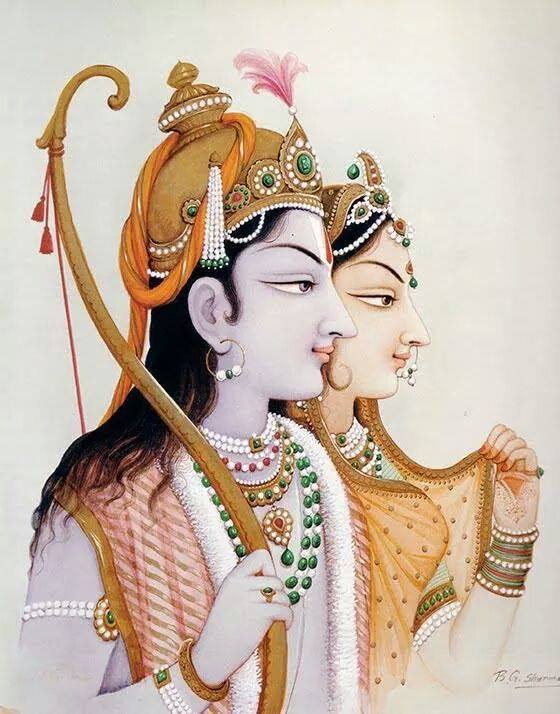

sita rama

“வாங்க அரும் பாதம் நான்கும் வகுத்த வான்மீகி என்பான்

தீங்கவி செவிகள் ஆரத் தேவரும் பருகச் செய்தான்       ஆங்கவன் புகழ்ந்த நாட்டை அன்பெனும் நறவம் மாந்தி மூங்கையான் பேசலுற்றான் என்ன யான் மொழியலுற்றேன்”

மாற்ற முடியாதபடி சொற்கள் உள்ள வால்மீகியின் பாதங்கள் அமைந்த ராமாயணத்தை அவன் இனிய கவிதைகளால் தேவரும் பருகும்படி செய்தான். அப்படிப்பட்ட மஹாமுனி புகழ்ந்த கோசல நாட்டை அன்பெனும் கள்ளைக் குடித்து விட்டு ஊமை உளறுவது போல மொழிய ஆரம்பித்து விட்டேன் என்பது இதன் திரண்ட பொருள்.

எப்படிப்பட்ட உலகின் தலையாய மஹாகவி கம்பன்! அவனது அவையடக்கச் செய்யுள் இது! அவனே வியக்கும் அரும் கவி வால்மீகி.

பாரத மக்கள் அனைவருடைய லட்சிய புருஷராக ஒருவரை வால்மீகி மையப்படுத்திக் காட்டுவது சாதாரண விஷயமல்ல. அந்த ராம சரித்திரம் இன்று வரை மங்காமல் நாளுக்கு நாள் மெருகேறிப் புகழோங்கி வழங்கப்பட்டு வருகிறது.

அதைத் தமிழ் திரையுலகம் தமிழ் மக்களின் மேன்மைக்காகவும் ரசிப்பிற்காகவும் அவ்வப்பொழுது பயன்படுத்திக் கொண்டே வந்திருக்கிறது.

சில எடுத்துக்காட்டுகளைக் காண்போம்.

1968ஆம் ஆண்டு மலர்ந்த படம் லக்ஷ்மி கல்யாணம். ஏ.எல்.சீனிவாசன் தயாரிப்பில் உருவான இந்தப் படத்தில் நட்சத்திரப் பட்டாளமே பங்கு பெற்றது. சிவாஜி கணேசன். எஸ்.வி.ரெங்காராவ், பாலாஜி, சோ, சௌகார் ஜானகி, வெண்ணிற ஆடை நிர்மலா என ஏராளமான நட்சத்திரங்கள். எம்.எஸ். விசுவநாதன் இசை அமைத்த இந்தப் படத்தில் பெண் பார்க்கும் படலம் ஒன்றில் அழகிய வீணையை மீட்டி வெண்ணிற ஆடை நிர்மலா பாட அதை பெண் பார்க்க வந்த பாலாஜி மெய்மறந்து கேட்க அருகில் சிவாஜி கணேசன்,வி.எஸ்.ராகவன். வி.கே.ராமசாமி, பழம் பெரும் காமடி  நடிகர் கருணாநிதி, சோ  உள்ளிட்ட அனைவரும் ரசிக்க பாடல் மலர்கிறது.

பாடலை எழுதியவர் ராம பக்தியில் தோய்ந்த ஒருவர் – கண்ணதாசன். பாடலின் கடைசி வரிகளில் லட்சோப லட்சம் மக்கள் கொண்டுள்ள நம்பிக்கையை வைத்தார். முதல் வரிகளிலோ அற்புத பட்டியல் ஒன்றை சித்தரித்து விட்டார். பாடல் இதோ:
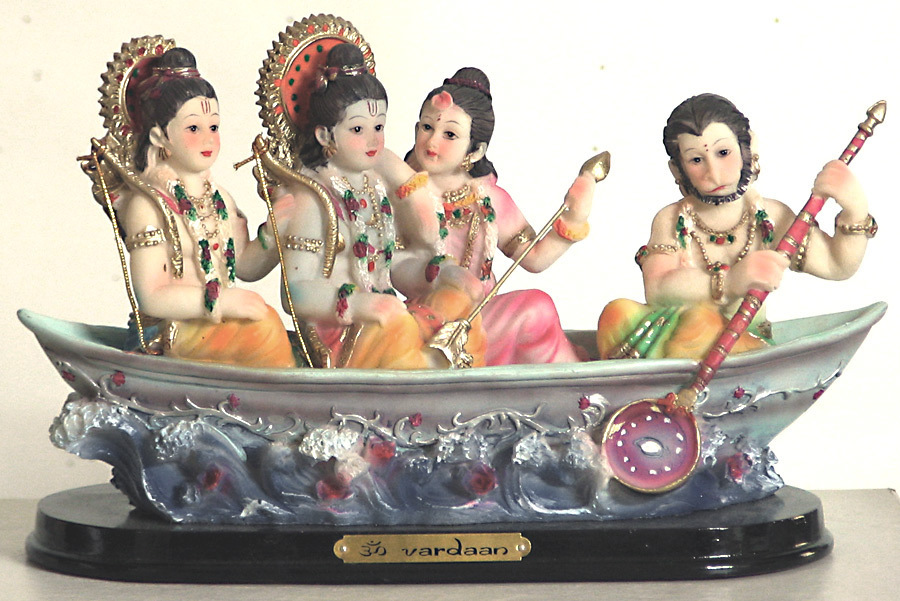
rama-lakshmana-sita-and-hanuman-HF35_l

ராமன் எத்தனை ராமனடி
ராமன் எத்தனை ராமனடிஅவன்
நல்லவர் வணங்கும் தேவனடிதேவன்
(ராமன் எத்தனை ராமனடி)

கல்யாண கோலம் கொண்டகல்யாணராமன்
காதலிக்கு தெய்வம் அந்தசீதாராமன்
அரசாள வந்த மன்னன்ராஜாராமன்
அலங்கார ரூபம் அந்தசுந்தரராமன்
(ராமன் எத்தனை ராமனடி)

தாயே என் தெய்வம் என்றகோசலராமன்
தந்தை மீது பாசம் கொண்டதசரதராமன்
வீரம் என்னும் வில்லை ஏந்தும்கோதண்டராமன்
வெற்றி என்று போர் முடிக்கும்ஸ்ரீஜெயராமன்
(ராமன் எத்தனை ராமனடி)


வம்சத்திற்கொருவன்ரகுராமன்
மதங்களை இணைப்பவன்சிவராமன்
மூர்த்திக்கு ஒருவன்ஸ்ரீராமன்
முடிவில்லாதவன்அனந்தராமன்

ராமஜெயம் ஸ்ரீராமஜெயம்
நம்பிய பேருக்கு ஏது பயம்
ராமஜெயம் ஸ்ரீராமஜெயம்
ராமனின் கைகளில் நான் அபயம்!!!

 
அற்புதமான இந்தப் பாடலின் ஏற்றத்தைச் சொல்லிக் கொண்டே போகலாம். கல்யாணராமன், சீதாராமன், ராஜாராமன்,  சுந்தரராமன்,  கோசலராமன்,தசரதராமன்,கோதண்டராமன்,
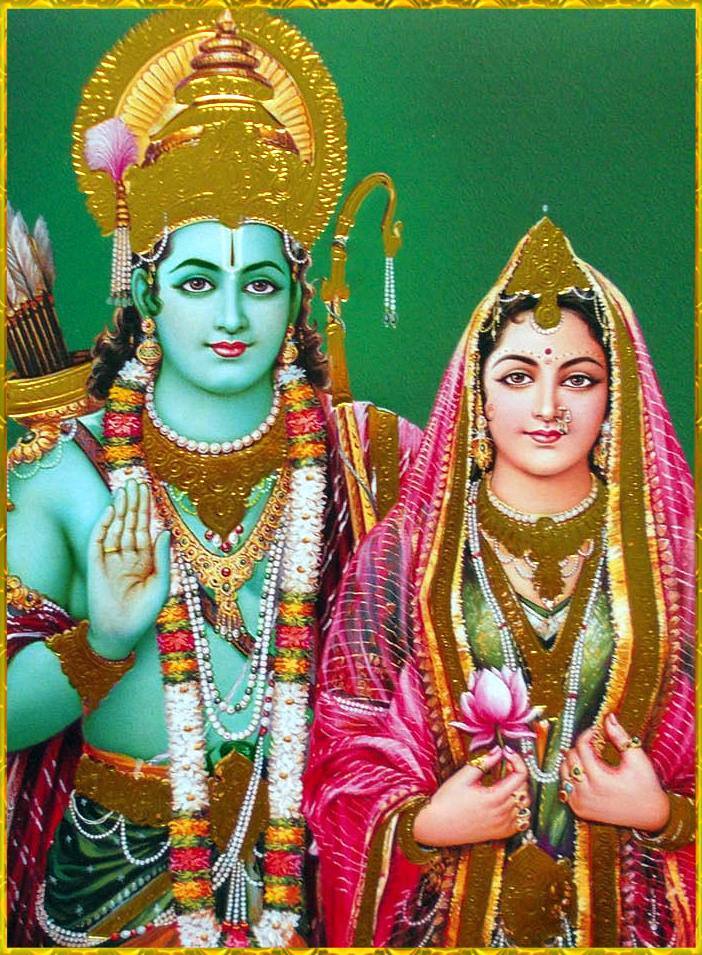

ramasita

ஸ்ரீஜெயராமன்,ரகுராமன்,சிவராமன் என்று அடுக்கிக் கொண்டே போன கவிஞர் எண்ணிக்கையற்ற தன்மையை நினைத்து அனந்தராமன் என ராமன் அனந்தம் என்று முத்தாய்ப்பாகக் கூறுவது நூல்களின் முடிந்த முடிபல்லவா!  ராமஜெயத்தை நம்பியோர்க்கு ஏது பயம் என்றும் கூறி அனைவரும் அவரது அபய்மாக இருக்க வேண்டியதன் அவசியத்தையும் வலியுறுத்துகிறார் கவிஞர். பி.சுசீலா தனக்கே உரித்த மென்மைக் குரலில் உருகிப் பாடும் இந்தப் பாட்டில் 18 முறை ராமர் வருகிறார்!

ஏராளமானோர் பங்கு பெறும் இந்தக் காட்சியில் பெண்பார்க்கும் படலத்திற்கு ஒரு புதிய அர்த்தத்தை சிருஷ்டித்து விட்டனர் கலைக் குடும்பத்தினர்.

இப்படிப்பட்ட ராமர் பாடல்களைப் பாடுவது நமது வாழ்க்கை முறை என்பதைப் படம் சித்தரிக்கிறது!

இந்த ராமனை மனதில் ஏற்றிக் கொண்டு தமிழ் திரைப்படங்களில் ராமரைத் தேடி யாத்திரயைத் தொடங்குவோம்.


            -தொடரும்
 

swami_48@yahoo.com

Jesus Mystery! Did he learn in Hindu Gurukula?

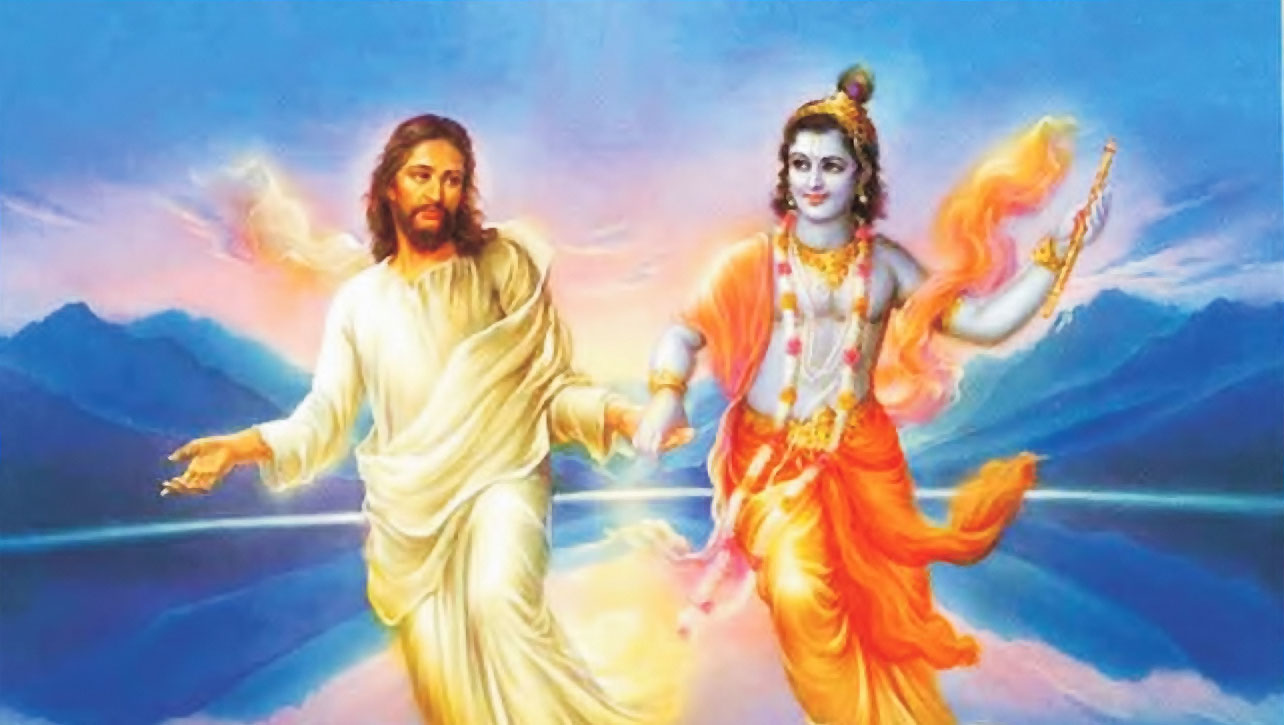
Jesus-Christ-and-Krishna1

Christ and Krishna

Research paper written by London swaminathan

Research article Number 1625; Date 5h February 2015

The greatness of Hinduism is that they believe that messengers of God can appear in any part of the world. Another great thing about Hinduism is that they don’t call anyone Kafir or pagan, but all are called Divine Children (Amrutasya Putraha or Divyatma Swarupalala).  The third great thing about Hinduism is that whatever said in other religions are already found in the vast ocean like Hindu scriptures. Nothing in the world came to them as a surprise or a new thing! So they din’t clash with any one or covert any one.

Bible is silent about the teenage years of Jesus Christ. The New Testament says Jesus went at the age of 12 and came back at the age of 30. Scholars from various fields have discussed this topic for nearly 200 years and have come out with various theories. Teenage years are very important in any human being’s life. Since youths have tremendous energy and turbulent mind, they will go astray very easily if their energy is not properly channelized.

buddha and chirst

Krishna, Christ and the Buddha

Ancient India had a beautiful system to tackle this problem. Children at the age of seven were sent to Teachers (Guru) houses and asked to serve them. While serving at the teachers’ houses they were taught the lessons. When they have mastered the subject by the age of twenty or so they were sent home. Immediately they were married and so there was less opportunities for following bad things. Moreover the military style discipline imparted at Guru’s place made them to fall in a groove. Habits die hard. They followed the good habits they learnt at Guru’s Ashram or Gurukula. Sanskrit scriptures say that certain teachers had hundreds of students and so they were called Kulapatis.

Jesus Christ was a born Yogi and Jnani

Jesus’ life and his teachings point out that he had education at a Hindu Gurukula in the Himalayas. Even before Jesus was born, India had big universities with thousands of students in Takshasheela (Taxila), Nalanda and Kancheepuram. So it was not impossible.

Why should Jesus come to India to learn such things?

Jesus was born in a Jewish sect known as Essenes. Roman writer Pliny the Elder ( 70 CE) gave the details of Essenes’ life. They were ascetics, they took bath every day (like Hindus), they believed in mysticism and they did not marry (Brahmacharys). Readers can find more about Essenes in encyclopaedias. They were like Hindu Yogis. The word Essenes came from Sanskrit word Isa (God). In short they were god men. In India every town has a great soul who we respect as god men.

Though many people have put forward various points to justify that Jesus visited India in his teenage years, they have not given many of the following things:


christ and krishna

Adwaita in the Bible: Jesus’ probably learnt Adwaita-Non Dualism from Hindu saints in the Himalayas. Swami Vivekananda spoke about three stages in the preaching of the Christ. When he went to the masses, who could not conceive anything other than a personal God, he said, Pray to your Father in Heaven and he acted like a Messenger of God. To others who could grasp a higher idea, he said, I am the vine, ye are the branches, but to his disciples, to whom he revealed himself fully, he proclaimed the highest truth, I and my father are one. This is what considered as Maha Vakyas in our Upanishads : Aham Brahmasi, Tat twam asi etc.(I am God, You are That).

When he said,’ The Kingdom of Heaven is within you’ and ‘Blessed are the pure in heart for they shall see God’, Jesus meant only the non-dualist principle, which was made popular by the greatest philosopher Adi Sankara.

Jesus Christ= Thera Buddha

Swami Vivekananda also narrated a strange dream about Jesus Christ to his disciples. Read it in his own words:

“I had a curious dream on my return voyage to England. While our ship was passing through the Mediterranean sea, in my sleep, an old and venerable looking person, Rishi-like in appearance, stood before me and said: I am one of the ancient order of Theraputtas which had its origin in the teaching of the Indian Rishis.
 The truths and ideals preached by us have been given out by Christians as taught by Jesus: but for the matter of that there was no such personality by the name of Jesus ever born. Various evidences testifying to this fact will be brought to light by excavating here. By excavating which place can those proofs and relics you speak of be found? I asked. The hoary-headed one pointing to a locality of Turkey, said, see here.
 Immediately after, I woke up, and at once rushed to the upper deck and asked the captain, ‘what neighbourhood is the ship in just now?’. ’Look yonder’, the captain replied, ’there is Turkey and the island of Crete’.”

jesus bhaktas namskar and namste

Hindu Style: Bhaktas prostrate: Namaskar and Namaste (See at the bottom right)

Bhagavad Gita & The Bible: There are many resemblances between the Gita and the New Testament. As an instance of a resemblance between the two scriptures a quotation or two may be given. Krishna says (9-27) ‘whatever thou do; whatever thou eat; whatever thou sacrifice; whatever thou give away; whatever mortification you may perform; do all as if to me.’ With this compare (I.Cor.x.31)’whether therefore ye eat or drink, Whatever ye do, do all to the glory of God.’ Krishna says again ‘Be not sorrowful; from all thy sins I will deliver thee’. While in Mathew ix.2. We read, Be of good cheer; thy sins be forgiven thee.’

Let me add just one further quotation, in which the resemblance is striking: In describing Heaven Krishna says of it that it is a place ‘in which neither sun nor moon need shine, for all the lustre it possess is mine.’

The Heaven described in Revelation xxi.23 is a city which had no need of the sun, neither of the moon to shine in it, for the glory of god did lighten it.’ Quoting all these in his book Indian Philosophy, the learned author J.F.Kennedy says that the writers of the New Testament borrowed all these from Bhagavad Gita.

King Herod= King Kamsa

Mr.J.F.Kennedy adds one more analogy in the above said book that Kamsa who killed all the children is Indian Herod.( Herod was a Roman king who ordered the slaughter of all the children to make sure that Jesus’ is dead.)


Catholic Church and the Buddhist Monastery: All the customs, from the uniform to the convent is copied from the Buddhists who were sent to the West from the days of Asoka. This was noticed and reported by a lot of Western scholars.

‘The Original Jesus’ written by E R Gruber and G Kersten gives hundreds of examples with proof. Asoka sent preachers to different countries and Jesus also arranged for his disciples travel even before his death. The convent, the system of preachers, the uniform for the priests- all copied from the Buddhists and the Buddhists adopted all these from the Hindus. To give one example, Hindu saints wore saffron cloth and the Buddhists wore yellow cloth. Hindu saints went to different parts of the world including South East Asia where there are many statues of Agastya even today.

most of the pictures Yogic white

Old Jesus pictures are in Hindu Yogi’s white dress!

Jesus and Fish Symbol

Scholars struggled very hard to justify why Jesus was identified with Fish symbol. At last they found out a circuitous route to explain it. They took him all the way to Greece and named him fish in Greek language! No one can see any logic in this strange link! In Greek “Ichtys” means fish and it was the acronym for” Iseous Christos Theou Hyos Soter” (Jesus Christ, Son of God, Saviour). This is a scholarly invention or concoction. It is like giving the meaning for the word ‘WIFE’ as “Worries Invited Fore Ever”! A senseless joke. The fact of the matter is that in the Bhagavad Gita, Hindus’ holy book, Lord Krishna says, “Jasaanaam makaras ca asmi”. The meaning is “Of the fishes I am Makara”. Makara is translated as shark or alligator or even big fish. Here the Sanskrit word for fish is Jasa. In course of time this sound was used for Isa (God), Yasa/s(fame) and names such as Jason etc.

In short, the Sanskrit word for fish and the name of Jesus sounded similar. But scholars struggled very hard to give umpteen interpretations for Jesus’ link with fish.

Vidura Niti= Jesus Niti

Like Sermon on the Mount and the Buddhist Dhammapada, the Hindu scriptures also teach men to return good for evil. This is what said to have uttered by Vidura, the wise man of Mahabharata in the Vidura Neethi.

Thiruvalluvar, the great Tamil saint in his Thirukkural says:

When a man has experienced pain caused by harm done to him, how can he cause pain to others? (Couplet 318)

‘The best way to punish those who harm you is to make them feel ashamed by doing them well and thinking no more of it’ (couplet 314).

Na tath parasya sandhadyath pratikuulam yadatmana: 7-17
“Do not do unto others as you wish others not to do unto you – Vidura Niti

padapuja

Padapuja : Hindu style! Washing the feet!

Mahabharata Santiparva 167-9 also repeats the same message in a positive way:

Tasmaad dharma praaadheenena bhavitavyam yataatmanaa
Tathaa cha sarvabhuutesu vartitavyam yathaatmani

Hence, by self control and by making right conduct (dharma) your main focus, treat others as you treat yourself.

Jesus Christ also said the same in the Bible,

Therefore all things whatsoever ye would that men should do unto you, do ye even so unto them (Matt.7,12)

Blind Leading the Blind: Many of the parables told by Jesus are similar to the parables in the Upanishads. Even the Upanishad and Vedic phrases such as Honey and Milk, Blind leading the Blind are found in Jesus teachings (Mathew 15:13-14, Luke 6:39-40)

Namaste by Jesus Devotees

Several of Catholic Christian customs such as Baptism, Using Bells, Incense, early paintings  showing Namaste (Joining both hands to show respect), Jesus in simple dress like Hindu yogis, Idol worship in the form of Virgin Mary, Cross  etc. show the influence of Hinduism and Buddhism.

When the people noticed that he was teaching at the age of 30, they were wondering, “is not this the carpenter’s son?” (see Mathew). The word used in Greek bible is Tekton (Sanskrit word Taksha, Tamil Thachan). There are hundreds of Sanskrit words in the Bible. Please see my early articles: Sanskrit in the Bible part 1 and Part 2

Oral Tradition in Kashmir


The oral tradition in Kashmir says that the Biblical king Solomon visited Kashmir. Jesus Christ was said to have spent his last days in Kashmir after resurrection The present Bible was redacted in 3rd century AD in Constantinople and lot of different versions were burnt at that time. Like Hindu Puranas they had various versions of the Bible. To avoid confusion they were burnt by the king Constantine. There is a bible called Sinai Bible in the British Library in London which differs widely from the modern Bible. There are 14,800 differences according to the author of “The Bible Fraud”, Tony Bushby.

There is a grave in Kashmir, which is considered Jesus’ grave. The epitaph on the grave says, “The messenger of peace rests here”. Several scholars have pointed out the similarity between the parables of the Upanishads and Christ.

jesus blessing, Hindu gesture

Hindu blessing : jesus does it with right hand like Hindu Yogis!

Forty Day (Mandalam) Fast: Jesus fasted for 40 days in the desert at the beginning of his ministry.

Even today 40 day fasting period leading up to Easter was followed by orthodox Christians. This 40 day period is called a Mandalam in Hindu scriptures. Even today millions of Hindus visiting Sabarimalai in Kerala and Murugan temples in Tamilnadu (Skantha Shasti) follow this custom.

Washing the feet: When Dharma alias Yudhistra performed the Rajasuya Yagna he allocated the tasks to different people. Krishna chose the work of washing the feet of the worthy Brahmins. One but cannot recall to mind an identical incident in the Life of Jesus, who when he ate the Passover meal with his 12 disciples went round washing their feet. This custom of washing the feet existed in Ancient India even today when great men like Sankaracharyas visit any one, it is done.


Unlucky No.13: The Christians think that number 13 unlucky. This is because that Judas, who betrayed Jesus was the thirteenth person at the Last Supper. But this belief about No13 has a different origin. The ‘Brahmanas’, the books that came immediately after Vedic Samahitas, call No13 a dirty number because the thirteenth month is called a dirty (mala) month. When the Vedic society used a lunar calendar unlike our modern solar calendar there was always a few days left as balance at the end of each year. When it accumulated in to a full month they treated as something dirty and avoided all good activities during that period. Amazing coincidence is that the South American Mayan civilization had also the same belief.

Christ-Yogic aura, buddha

Jesus has aura around his head like Hindu Yogis and Buddha!

Krishna Miracles: There are very many similarities between the miracles done by Jesus Christ, Krishna and Moses. The river Jamuna separated to give way to Krishna and Red Sea separated to give way to Moses and his followers. Jesus fed 5000 people with bread from the basket which contained only a few breads. In the same way Draupati fed a lot of people with Akshayapathram by the grace of Lord Krishna.

(Many of the above things are already reported in my posts at various articles. Now I have put them together:swami)

Contact swami_48@yahoo.com

(Pictures are used from various sites;thanks)

தமிழ் திரைப்படங்களில் சம்ஸ்கிருதம்! – 2

Karnan2

by ச.நாகராஜன்

Post No 1624: Date 5th February 2015


திரைப்படங்களில் சுபாஷிதம்

தமிழ் திரைப்படங்களில் சுபாஷிதம் எனப்படும் தனி ஸ்லோகங்களைக் கூட காண முடியும். கமலஹாஸன் நடித்த படத்தில் வரும் ஒரு ஸ்லோகம் இது:
புஸ்தகம் வனிதா வித்தம் பரஹஸ்தம் கதம் கதம் I                           அதவா புநராயேன ஜீரண ப்ரஷ்ட ண்ட II

புஸ்தகம், பெண், பணம் ஆகியவை அடுத்தவன் கைக்கு மாறினால் போனது போனது தான்! திரும்பி வந்தாலும் ஜீரணிக்கப்பட்டு, அவமானப்படுத்தப்பட்டு பின்னமும் துண்டுகளாகவும் உருமாறி வரும் என்பது இதன் திரண்ட பொருள்!
கர்ணனில் கீதை

பகவத் கீதை உலகமெலாம் போற்றப்படும் அற்புத நூல். இதையும் தமிழ்ப் படங்களில் பலவற்றிலும் காண முடியும். குறிப்பாகச் சொல்ல ஒரே ஒரு படத்தை எடுத்துக் காட்டலாம்.

1963ஆம் ஆண்டில் வெளியாகிய படம் கர்ணன். நடிகர் திலகம் சிவாஜி கணேசன் கர்ணனாகவும் என் டி ராமாராவ் கண்ணனாகவும் எஸ்.பி.முத்துராமன் அர்ஜுனனாகவும் நடித்து னைவரின் பாராட்டையும் பெற்ற படம் இது.

அதில் கீதையை என் டி ராமாராவ் சுருக்கமாகவும் அழகாகவும் போர்க்களக் காட்சியில் இப்படிக் கூறுவார்:


மரணத்தை எண்ணிக் கலங்கிடும் விஜயா!

மரணத்தின் தன்மை சொல்வேன்;

மானிடர் ஆன்மா மரணமெய்தாது,

மறுபடிப் பிறந்திருக்கும்;

மேனியைக் கொல்வாய்! மேனியைக் கொல்வாய்!

வீரத்தில் அதுவும் ஒன்று;

நீ விட்டு விட்டாலும் அவர்களின் மேனி,

வெந்து தான் தீரும் ஓர் நாள்.


என்னை அறிந்தாய், எல்லா உயிரும்,

எனதென்றும் அறிந்து கொண்டாய்;

கண்ணன் மனது கல் மனதென்றோ

காண்டீபம் நழுவ விட்டாய்

காண்டீபம் நழுவ விட்டாய்

மன்னரும் நானே, மக்களும் நானே,

மரம் செடி கொடியும் நானே;

சொன்னவன் கண்ணன், சொல்பவன் கண்ணன்;

துணிந்து நில் தர்மம் வாழ.


புண்ணியம் இதுவென்றிவ் வுலகம் சொன்னால்,

அந்தப் புண்ணியம் கண்ணனுக்கே;

போற்றுவார் போற்றலும் தூற்றுவார் தூற்றலும்

போகட்டும் கண்ணனுக்கே.


கண்ணனே காட்டினான், கண்ணனே சாற்றினான்;

கண்ணனே கொலை செய்கின்றான்.

காண்டீபம் எழுக! நின் கை வன்மை எழுக!

இக்களமெலாம் சிவக்க வாழ்க!

karna

கண்ணதாசனின் அற்புத கவிதை வரிகள் கீதையின் சுருக்கத்தைத் தந்து நம் உளத்தை உருக்குகிறது; மகிழ்விக்கிறது. இதைத் தொடர்ந்து கீதையில் நான்காவது அத்தியாயத்தில் வரும் முக்கியமான ஸ்லோகம் அப்படியே சம்ஸ்கிருதத்தில் கம்பீரமாக ஒலிக்கிறது.

நல்லோரைக் காத்தற்கும் தீயோரை அழித்தற்கும் தர்மத்தை நிலைநாட்டுவதற்காகவும் யுகம் தோறும் அவதரிக்கிறேன் என்ற பொருள் உடைய இந்த ஸ்லோகம் கேட்போரைப் பரவசப்படுத்துகிறது:


பரித்ராணாய சாதூனாம்,

விநாசாய துஷ்க்ருதாம்;

தர்ம சம்ஸ்தாபனார்த்தாய,

சம்பவாமி யுகே யுகே.  (கீதை நான்காம் அத்தியாயம் எட்டாவது ஸ்லோகம்)


papanasam

பாபநாசம் சிவனின் அமர கீதங்கள்

இனி தமிழ் திரையுலகின் ஆரம்ப வருடங்களை எடுத்துப் பார்த்தாலோ அங்கும் சம்ஸ்கிருத வார்த்தைகளைப் பரவலாகக் கொண்ட பாடல்களை

நாம் காண முடியும்:

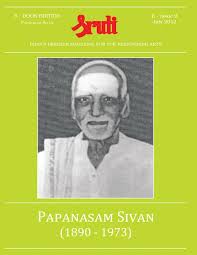
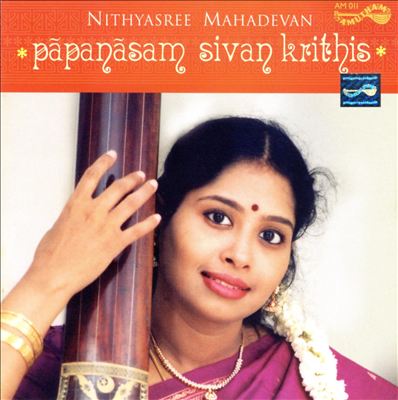
பாபநாசம் சிவன் பெரும் சாஹித்யகர்த்தா. அழகிய இனிமையான பாடல்களை எழுதிய திரைப்படப் பாடலாசிரியர். பெரும் புகழ் பெற்ற கவிஞர். சுமார் 2400 கீதங்களை இயற்றியவர். இவற்றில் திரைப்படப்பாடல்கள் மற்றும் சுமார் 800. இதுவரை முறையாகத் தொகுக்கப்பட்ட கீர்த்தனைகள் 400. அனைத்துப் பாடல்களையும் முறையாகத் தொகுக்கும் முயற்சியை அவரது மகள் இப்போது செய்து வருகிறார்.

என்ன தவம் செய்தனையசோதா என்ன தவம் செய்தனை என்ற இவரது பாடலை இன்றும் மேடை தோறும் வீடு தோறும் கேட்க முடிகிறது. இது போல ஏராளமான உள்ளம் உருக்கும் கீதங்களை யாத்தவர் இவர்.

papanasam2

மன்மத லீலையை வென்றார் உண்டோ?

ராதே உனக்கு கோபம் ஆகாதடி போன்ற நூற்றுக் கணக்கான இவரது பாடல்களுக்கு இன்றும் ஒரு தனிப் பெருமை உண்டு.

1945இல் வெளியாகி சக்கைப் போடு போட்ட படமான சகுந்தலை படத்தில் அனைத்து பாடல்களையும் இயற்றியவர் பாபநாசம் சிவன் தான். இசை அமைத்தவர் எஸ்.வி.வெங்கட்ராமன்.எம்.எஸ். சுப்புலெட்சுமியும் ஜி.என்.பாலசுப்பிரமணியனும் பாடிய ஒரு பாடலின் சில வரிகள் இதோ:

பிரேமையில் யாவும் மறந்தேனே

பிரேமையில் யாவும் மறந்தேனே  .. பிரேமையில் ஜீவனம் உனதன்பே ஜீவனம் உனதன்பேஎன்

அன்பே வானமுதும் விரும்பேனே

பிரேமையில் யாவும் மறந்தோமோ   ..பிரேமையில்

பிரேமை வெண்ணிலா ஜோதி வீசி  . . என் உள்ளம்

பரவசமாக பிரேமை வெண்ணிலா ஜோதி வீசி

என்னை மறந்தேன் மதனமோகனா

என்னை மறந்தேன் மதனமோகனா

இப்படி தமிழும் சம்ஸ்கிருதமும் சரியான விகிதத்தில் கலந்து குழைத்து அமுத கானம் வழங்கியவர் பாபநாசம் சிவன்.


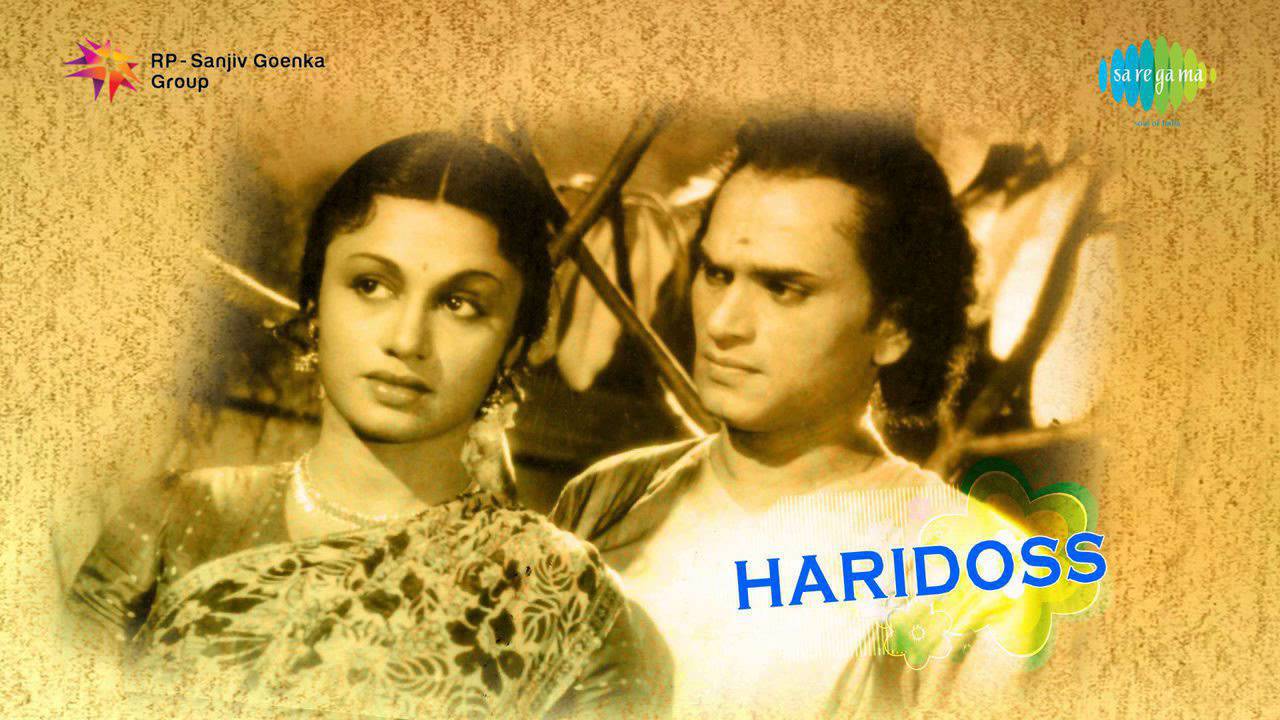
haridas

எம் கே டி பாடிய பாடல்கள்

கிருஷ்ணா முகுந்தா முராரே போன்ற துதிப் பாடல்களில் இவர் சம்ஸ்கிருத சொற்களையே அதிகம் கையாண்டார். இன்றும் பக்தர்கள் தவறாமல் கேட்கும் பாடல் இது.

எம்.கே.தியாகராஜர் நடித்துப் பாடி இவர் எழுதிய பாடல்கள் தமிழும் சம்ஸ்கிருதமும் கலந்த ஒரு அழகிய சங்கமம். காலத்தால் வெல்ல முடியாத இந்தப் பாடல்களின் பட்ட்டியலை எழுதத் தொடங்கினால் அது ஒரு தனி நூலாக விரியும்.


ஆக இப்படி தமிழ் திரைப்படங்கள் ஆரம்பித்த காலத்திலிருந்து இன்று வரை சம்ஸ்கிருதம் உரிய இடத்தை தமிழ் திரைப்படங்களில் பெற்றுக் கொண்டே தான் இருக்கிறது.

நம் கலைஞர்களுக்கு மொழிப் பற்று உணடு; மொழி வெறி இல்லை. இந்த நல்ல போக்கு எதிர்காலத்திலும் தொடரும்; தொடர வேண்டும்.

இதை எதிர்ப்பவர்கள் அரசியலில் தமிழை வணிகமாகப் பயன்படுத்தும் சுயநலமிகள் என்பதை நன்கு அறிந்து கொண்ட தமிழர்கள் அவர்களை காலம் தோறும் உதாசீனப்படுத்தி வருவதையே இது காட்டுகிறது

krishna mkt

தமிழும் சம்ஸ்கிருதமும் நமக்கு இரு கண்கள்

நமது நோக்கம் தெளிவானதாக இருத்தல் வேண்டும். தமிழும் சம்ஸ்கிருதமும் இந்தியராகிய நமக்கு இரு கண்கள்.

தமிழை உலகத்தின் தலையாய அழகிய மொழி என்பதை ஆதாரங்களுடன் தருவோம்; நம் மொழியை இன்னும் அதிக வளம் வாய்ந்த செழுமை மொழியாக ஆக்குவோம். அதே நேரத்தில் சம்ஸ்கிருதத்தைக் கற்று நம் பண்பாட்டை இன்னும் அதிகமாக வேரூன்ற வைப்போம், இதற்கு திரைப்படமும் ஒரு கருவி என்பதால் அதிலும் இதே கொள்கையைக் கடைப் பிடிப்போம்!

********* முற்றும்

contact swami_48@yahoo.com

திருவண்ணாமலை கோவிலில் சில விநோதச் சடங்குகள்

OLYMPUS DIGITAL CAMERA

கட்டுரையாளர் : லண்டன் சுவாமிநாதன்

ஆய்வுக் கட்டுரை எண் -1623; தேதி 5 பிரவரி 2015

இந்துக்களின் கோவில்கள் வெறும் வழிபாட்டுத் தலங்கள் மட்டும் அல்ல. அவை கலா கேந்திரங்கள்; பல்கலைக் கழகங்கள்; காலாகாலமாக இருந்துவரும் பழக்க வழக்கங்கள், நம்பிக்கைகள் அகியவற்றின் மூல ஆதாரங்கள். உள்ளூரில் வசித்த சாது சந்யாசிகளின், புனிதர்களின் வாழ்க்கை வரலாற்றைப் பாதுகாத்து வைக்கும் பெட்டகங்கள்.

தமிழ் நாட்டுக் கோவில்கள் வரலாற்றுப் பதிவேடுகள். அங்கிருக்கும் பல்லாயிரக் கணக்கான கல்வெட்டுகள்தான் தமிழக வரலாற்றின் ஆதாரங்கள். இசை, நடனம், தமிழ் பக்தி இலக்கியங்கள், சிற்பகலைக்கு அஸ்திவாரமாக விளங்குபவை. விழாக்கள் மூலம் மக்களை ஒன்று சேர்க்கும் சமுதாயச் சீர்திருத்தக் கூடங்கள். சுற்றுலாப் பயணிகளையும் யாத்ரீகர்களையும் வெளிநாட்டுப் பயணிகளையும்  ஈர்க்கும் காந்தங்கள் —- என்று இப்படி கோவில்களைப் பற்றி எவ்வளவோ சொல்லலாம்.

ஒவ்வொரு கோவிலிலும் உள்ள விநோதச் சடங்குகள், பழக்க வழக்கங்கள் மக்களுக்கு எவ்வளவோ பாடங்களைப் போதிக்கின்றன. திருவண்ணா மலையிலும் இரண்டு பாடங்களைக் கற்பிக்கும் நிகழ்ச்சிகள் உண்டு.

வீரவல்லாளன் (1291-1343) என்ற மாமன்னன் இந்து மதத்தின் காவலனாக விளங்கினான். அவன் ஒரு ஹோய்சாள மன்னன். அவனுக்கு மூன்றாம் வல்லாளன் (கன்னடத்தில் பல்லாளன்) என்ற பெயரும் உண்டு. அவனுக்குத் திருவண்ணாமலையின் மீது தனி அன்பும் பக்தியும் உண்டு. அடிக்கடி அண்ணாமலைக்கு வந்து சென்றவன் பிற்காலத்தில் அருணசமுத்ர வீர வல்லாளன் பட்டணம் என்று அந்த ஊருக்குப் பெயர் சூட்டி அதை ஹோய்சாள ராஜ்யத்துக்கு இரண்டாம் தலைநகரமாகவும் ஆக்கினான். அருணகிரிநாதர், ரமண மகரிஷி, சேஷாத்ரி சுவாமிகள், யோகி ராம்சுரத் குமார் போன்ற எத்தனையோ மகான்களைக் காந்தமாக இழுத்தது அண்ணாமலை. ஆனால் இவர்களுக்கு எல்லாம் முன்னதாக அங்கு சென்றவன் ஹோய்சாள மாமன்னன் வீர வல்லாளன்.

Hoysala_emblem

ஹோய்சாளர் சின்னம்: சிங்கத்தை வீழ்த்தும் வீரன்

பஞ்சபூதத் தலங்களில் அக்னியின் அம்சமாக விளங்குவது திரு அண்ணாமலை. சிவன் அடியார்களால் பாடல் பெற்ற தலம். அக்கோவிலுக்கு வீர வல்லாளன் எவ்வளவோ திருபணிகளைச் செய்தான். வீர வல்லாளன் திருவாசல் என்று அழைக்கப்படும் பெரும் கோபுரத்தையும், மதில் சுவரையும் பல மண்டபங்கலையும் அவன் கட்டினான. அவனது 9 கல்வெட் கள் கோவிலில் இருக்கின்றன. அவை அவனது நீண்ட விருதுகளையும் பட்டங்களையும் அவனும் ராணியின் அளித்த தான தருமங்களையும் எடுத்துரைக்கின்றன.

வல்லாளன் கன்னட, ஆந்திர, தமிழகப் பகுதிகளை ஆண்ட காலம் மிகவும் கொந்தளிப்பான ஒரு காலம். வடக்கே டில்லியில் இருந்த சுல்தான்களின் படைகள் தொடர்ந்து தாக்குதல் நடத்திய காலம். கோவில்களை அழித்து அதன் செல்வங்களைச் சூறையாடுவது அவர்கள் வழக்கம்.

அலாவுதீன் கில்ஜியின் அடிமைச் சேவகன் — தளபதி மாலிக்காபூர் திடீரென படை எடுத்து வந்த போது வல்லாளன் அவனது தலைநகரில் இல்லை. அவன் மாறவர்மன் குலசேகர பாண்டியன் மகன்கள் இடையே ஏற்பட்ட சண்டையில் பங்கேற்க வந்திருந்தான். தலைவன் இல்லாத் தலை நகரம் சூறையாடப்பட்டது. பீன்னர் ஒருவாறாக சமாதானத்தின் பேரில் அவனுக்கு நாட்டைத் திரும்பித் தந்தான் அலவுதீன் கில்ஜி. பின்னர் முகமது பின் துக்ளக் படையெடுத்தான். இதற்குப் பின்னர் மதுரையை ஆண்ட உடௌஜி என்பவன் போர்தொடுத்தான். ஆனல் அவன் மர்மமாக வந்த ஒரு அம்பினால் மாய்ந்தான். இனி அமைதியான ஆட்சி எண்ணி இருந்த தருவாயில் மதுரையை ஆண்ட சுல்தான் கியாஸ் உதீன் தம்கானி என்பவன் தாக்கினான். ஆறு மாத முற்றுகையின் போது, சமாதானம் செய்வதாகச் சொல்லி முன்வந்து, எதிர்பாரத தாக்குதல் நடத்தினான் சுல்தான். இது கண்ணனூர் குப்பம் என்ற இடத்தில் நடந்தது. இந்தத் தாக்குதலில் வீர வல்லாளன்  சிறைப் பிடிக்கப்பட்டுச் சிரச் சேதம் செய்யப்பட்டான.

வல்லாளனின் தலையை மதுரைக் கோட்டைச் சுவரில் தொங்கவிட்டான். அப்போது மதுரைக்கு யாத்திரை வந்த இபின் பட்டுடா என்னும் அராபியப் பயணி இந்த தலை தொங்குவதைப் பார்த்து குறிப்பேட்டில் எழுதிவைத்தான்.

வல்லாளனின் முடிவு பரிதாபமான முடிவு என்றாலும் அவன் புகழ் திருவண்ணாமலை கோபுரம் அளவுக்கு இன்றும் உயர்ந்து நிற்கிறது. 700 ஆண்டு காலமாக புகழ் பரப்பும் அக்கோபுரம் இன்னும் ஆயிரம் ஆண்டுக்கும் அவன் புகழைப் பரப்பும். அவனுடைய சிலைகள் கோவிலில் பல உருவங்களில் பல இடங்களில் உள்ளன. இன்றும் அந்தச் சிலைக்கும் பூமாலை சாற்றி போற்றி வருகின்றனர்.

vallala

இந்து மதக் காவலன் வீர வல்லாளன்

வல்லாளன் புகழை,  14-ஆம் நூற்றாண்டுப் புலவர் எல்லப்ப நாயனார் பாடிய அருணாசல புரானத்தில் காணலாம். வல்லாளனைத் தீர்த்துக் கட்டீய மதுரை சுலதானை விஜய நகரப் பேரரசனின் படைத்தளபதி குமார கம்பண்ணன் வந்து நிர்மூலம் செய்தான். முஸ்லீகளால் சூறையடப்ப்பட்டு 40 ஆண்டுக்காலத்துக்கு மூடிக்கிடந்த மதுரை மீனாட்சி கோவிலையும் திறந்து வைத்தான். இத்தனையயும் போர்க்கால பத்திரிக்கை நிருபர் போல அவன் மனவி கங்காதேவி மதுரா விஜயம் என்னும் அற்புதமான சம்ஸ்கிருத காவியத்தில் எழுதிவைத்துள்ளாள். உலகின் முதல் நேரடி வருணை செய்த (பத்திரிக்கை நிருபர்) பெண்மணி மகாராணி கங்காதேவி.

தென்னாட்டில் முஸ்லீம் ஆதிக்கத்துக்குச் சாவு மணி அடித்தவன் குமார கம்பண்ணன். அவன், அவர்களை வட நாட்டிற்கு விரட்டினான். அங்கு சுல்தான் ஆட்சி போய், மொகலாய ஆட்சி வந்து அட்டூழியங்களைத் தொடர்ந்தது. சிவாஜி என்னும் மாமன்னன், மலை ஜாதி மக்கள் இடையே தோன்றினான். உலகின் முதல் கெரில்லா யுத்தத்தை நடத்தி மொகலாய ஆட்சிக்கு சாவு மணி அடித்தான்.

வல்லாளனுக்கு குழந்தை இல்லை என்றும் இதுபற்றி அவன் அண்ணாமலையானிடம் முறையிட்டபோது நாமே உமக்குக் குழந்தையாக வருவோம் என்றும் சொன்னதாக ஒரு கதை உண்டு. ஆக ஒரு மாசி மாதத்தில் மன்னன் இப்படிக் கொடூரமாக இறந்த செய்தியை அர்ச்சகர்கள் சிவனிடம் அறிவிக்கவே அவர் நாமே அவனது இறுதிச் சடங்குககளை நடத்துவோம் என்று சிவன் சொன்னதாகவும் உடனே பள்ளிகொண்ட பட்டு என்னும் இடத்தில் அவருடைய இறுதிச் சடங்குகள் நடந்ததாகவும் கோவில் வரலாறு கூறுகிறது.

hoysala king

ஹோய்சாளமன்னன் சிலை

இதை ஒட்டி ஆண்டுதோறும் இப்போதும் அந்த இறுதிச் சடங்கை சிவ பெருமானே செய்துவருகிறார். இது ஒரு புறமிருக்க திருவண்ணா மலையில் ஆண்டுதோறும் நடக்கும் பத்து நாள் உற்சவத்தில் அர்ச்சகர்களும் ஊழியர்களும் சுவாமியை வல்லாளன் திருவாசல் வழியாகக் கொண்டு செல்ல முயன்றபோது அவ்வாயில் வழியாக போக முடியாமல் தடங்கல்கள் வந்தன. உடனே பத்து நாள் உற்சவத்தில் ஒவ்வொரு நாளும் வேறு வழியாக சுவாமியையும் அம்மனையும் திரு உலா எடுத்துச் சென்றனர். வல்லாளன் மாபெரும் கோவில் கோபுரத்தைக் கட்டிவிட்டோம் என்று மமதை கொண்டிருந்ததால் இப்படி நடந்தது.

சுவாமியின் பல்லக்கு இப்படி செல்ல மறுப்பதை அறிந்த வல்லாள மாமன்னன் தாமே அங்கே வந்து இறைவனிடம் கண்ணீருடன் மன்றாட பத்தாம் நாளன்று அந்த சப்பரம் வல்லாளன் திருவாசல் வழியாக தடங்கல் இன்றிச் சென்றது. இதை நினைவு கூறும் விதத்தில் இன்றும் பத்தாம் நாளன்று மட்டும் வல்லாளன் திருவாசல் வழியாக சுவாமி ஊர்வலம் புறப்படும்.

இவ்விரு விநோத நிகழ்ச்ழ்ச்சிகள் நமக்கு உணர்த்தும் இரு விஷயங்கள்: 1)அம்மா அப்பா இல்லாதோருக்கு, தந்தை-தாய் ஆகிய எல்லாம் இறைவனே. மகன் இல்லார்க்கு தானே மகவாக வருபவனும் அவனே. 2)மமதை, அகந்தை (யான் எனது என்னும் செருக்கு) இருந்த எல்லோருக்கும் பாடம் கற்பித்து நல் வழிப்படுத்தி, உய்ய வைப்பதும் இறைவனே.

அண்ணாமலைக்கு அரோஹரா!!

Sinhalese Wonder! A Riddle in Indo-Aryan Languages!

king batiya abhya 19 bce

King Batiya Abhaya inscription, 19 BCE

Compiled by London swaminathan

Article Number 1622; Dated 4th February 2015

Sinhalese language spoken in Sri Lanka is a puzzle for linguists. Vedic Scholar Shrikant G Talageri use this riddle to prove that Indians went out to different parts of the world and spread their language and not vice versa. The original settlers of Sri Lanka came from North West India- the present day Afghanistan, via Gujarat.

Read this interesting write up in Talagheri’s words ( From “THE RIG VEDA – A Historical Analysis” by Shrikant Talageri, Aditya Prakashan, New Delhi)

“The Sinhalese language of Sri Lanka is generally accepted as a regular, if long separated and isolated member of the “Indo Aryan” branch of Indo-European languages; and no linguist studying Sinhalese appears, so far, to have suggested any other status for the language.

“Wilhelm Geiger, in his preface to study of Sinhalese, points out that the phonology of the language is full of intricacies…. We sometimes meet with a long vowel when we expect a short one and vice versa, and further: ‘in morphology there are formations, chiefly in the verbal inflexion, which seem to be peculiar to Sinhalese and to have no parallels in other Indo Aryan dialects…. And I must frankly avow that I am unable to solve all the riddles arising out of the grammar of the Sinhalese language.’

 sri lanka

“The Sinhalese word watura, “water” is not only closely cognate to the Germanic words (which include English water) and Hittite watar, but it represents a form which is impossible to explain on the basis of Sanskrit or Indo Aryan etymologies. Geiger himself, elsewhere, rejects an attempt by an earlier scholar, Wickramasinghe, to derive the word from Sanskrit vartaruka as ‘improbable’; and although he accepts the suggestion of another scholar, B Gunasekara, that the original meaning is ‘spread, extension, flood (M.vithar).. Pk.vitthaara, Sk.vistara, he notes that ‘vocalism a.u. in vatura is irregular cf. vitura.

2M W S de Silva, in his detailed study of Sinhalese, points out that Indo Aryan (or Indic) research began with an effort devoted primarily to classifying the Indian languages and tracing their phonological antecedents historically back to Vedic and Classical Sanskrit… Early Sinhalese studies have followed the same tradition. However Sinhalese presents a  linguistic make up which for various reasons, distinguishes itself from the related languages in North India… there are features in Sinhalese which are not known in any other Indo Aryan language, but these features, which make the  story of Sinhalese all the more exciting, had not received much attention in the earlier studies.

6-Sinhala-ConsonantsS

Oluva, Bella, Kakula, Kalava

He also points out: Another area of uncertainty is the source of the small but high frequency segment of the Sinhalese vocabulary, especially words for parts of the body and the like: eg.Oluva ‘head’, bella ‘neck’, kakula ‘leg’ and ‘kalava’ thigh etc. which are neither Sanskritic nor Tamil in origin. The native grammarians of the past have recognised that three are three categories of words— a) loan words, b) historically derived words and c) indigenous words… No serious enquiry has been made into these so called indigenous words.

ancient inscription

“In his preface, e Silva notes that ‘there is a growing awareness of the significance of Sinhalese as a test case for the prevailing linguistic theories; more than one linguist has commented on the oddities that Sinhalese is unlikely any language I have seen. Further he quotes Geiger: it is extremely difficult, and perhaps impossible, to assign it a definite place among the modern Indo Aryan dialects.”

But, it did not strike to de Silva, any more than Geiger, the reason for all this confusion is among linguists could be their failure to recognise the possibility that Sinhalese is not an Indo Aryan language (in the sense in which the term is used) at all, but a descendant of another branch of  Indo European languages.

De Silva quotes Geiger as well as Paranavitana, and agrees with their view that the band of immigrants who gave their name Sinhala to the composite people, their language and the island, seems to have come from North western India… their original habitat was on the upper reaches of the Indus river … in what is now the borderland between Pakistan and Afghanistan, and quotes Paranavitana’s summary of the evidence, and his conclusion: “All this evidence goes to establish that the original Sinhalese migrated to Gujarat from the lands of the Upper Indus, and were settled in Lata for some time before they colonised Ceylon”.

A thorough examination, with an open mind, of the vocabulary and grammar of Sinhalese, will establish that Sinhalese represents a remnant of an archaic branch of Indo European languages.

pgss_sinhala_image1

The evidence of Bangaani and Sinhalese (the one word watura itself) constitutes a strong case for an Indian homeland since it clashes sharply with any theory of Indo Aryan migrations into India.”


I have shown in bold some sentences to emphasize my point that theold linguistic theories are false and Indians only went out and spread their language and culture and not vice versa: swami

inscription

Contact swami_48@yahoo.com

சிவனை நோக்கி கனவில் நடந்த கிருஷ்ணார்ஜுன பயணம்!

Mbharat7a

ஞான ஆலயம்

மஹாசிவராத்திரி 2015 பிப்ரவரி 17ஆம் தேதி வருகிறது. அதையொட்டிய சிறப்புக் கட்டுரை இது. சிவனைப் போற்றித் துதித்து சகல பேறுகளையும் பெறுவோம்.

சிவனை நோக்கி கனவில் நடந்த கிருஷ்ணார்ஜுன பயணம்!

by ச.நாகராஜன்


Post No 1621; Dated 4th February 2015


சிவபக்தன் அர்ஜுனன்

மஹாபாரதம் விளக்கும் தெளிவான ஒரு உண்மை நர நாராயணர்களே அர்ஜுனனாகவும் கிருஷ்ணனாகவும் அவதரித்தனர் என்பது.

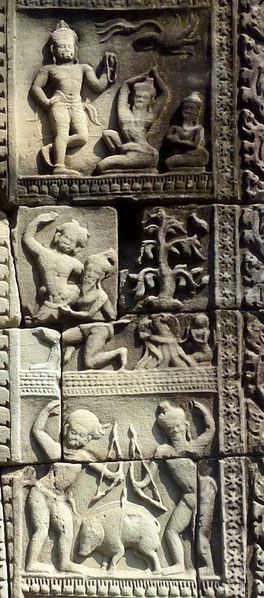
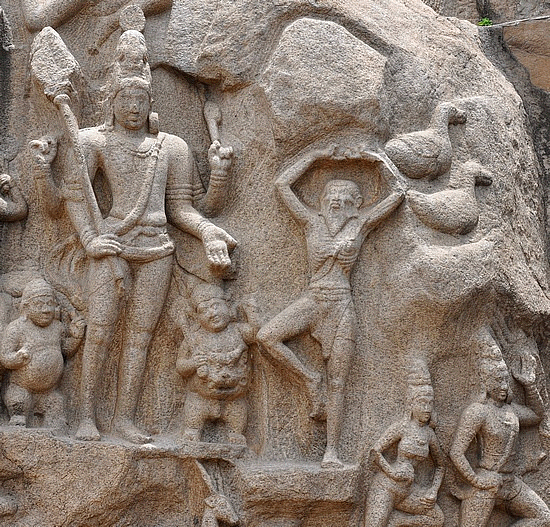
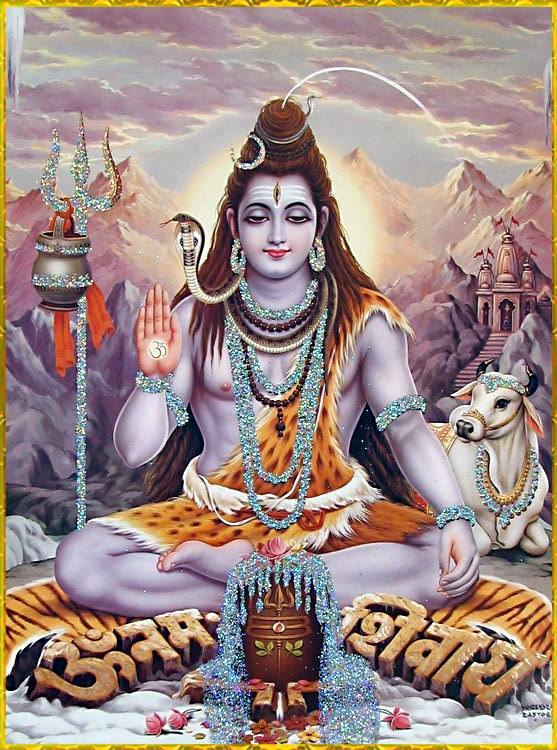
அர்ஜுனன் சிறந்த சிவ பக்தன். அர்ஜுனனின் வில்வித்தையைக் கண்டு மகிழ்வதற்காக வேடனாக வந்த சிவன் பன்றியின் பின் பக்கமாக அம்பு எய்ய அர்ஜுனன் அது செல்லாது என்கிறான். ஆனால் தர்ம சாஸ்திரப்படி அது செல்லும் என்று கூறிய சிவன் அர்ஜுனனைப் பலவிதமாக திக்குமுக்காடச் செய்து அவன் வில்வித்தையைக் கண்டு மகிழ்கிறார். ஒரு கட்டத்தில் வில்லைத் தூக்கி எறிந்த பார்த்தன் மல்யுத்தம் செய்ய முன்வர சிவன் மகிழ்ச்சியோடு அவனை எதிர் கொள்கிறார். யுத்தத்தின் ஒரு அங்கமாக சிவனின் காலை அர்ஜுனன் மடக்கிப் பிடிக்கவே தன் காலில் விழுந்த பக்தனுக்கு அனுக்கிரஹம் செய்வதையே கடமையாகக் கொண்ட சிவன் தன் சுய உருவத்தைக் காண்பித்து அவனை ஆசீர்வதிக்கிறார். பிரமித்து நிற்கும் அர்ஜுனன் தனது பெரும் பேறை எண்ணி மகிழ்கிறான். (இன்னொரு கூற்றின் படி வேடனைத் தாக்குப் பிடிக்க முடியாத நிலையில் அர்ஜுனன் சிவலிங்கத்தைத் தொழ கேட்டதை அனுக்ரஹிக்கும் சிவன் வேட உருவத்தை மாற்றி சிவனாக அவன் முன் தோன்றி ஆசீர்வதிக்கிறார்)


Shiva_gave_bow_arjun

அர்ஜுனனின் சபதமும் கவலையும்

இப்படிப்பட்ட மாபெரும் சிவ பக்தன் ஒரு நாள் பெரும் சோதனைக்கு ஆட்பட்டுக் கவலையில் ஆழ்ந்தான். அபிமன்யுவின் அநியாயமான மரணத்திற்கு சிந்து தேச அரசனான ஜயத்ரதனே காரணம் என்பதை அறிந்து பெரும் கோபம் அடைந்த அர்ஜுனன் மறுநாள் சூரிய அஸ்தமனத்திற்குள் அவனைக் கொல்வதாக சபதம் பூணுகிறான். அன்று இரவு தான் அவனுக்குப் பெரும் கவலை ஏற்பட்டது. தனது சபதத்தை அறிந்த கௌரவ சேனை முழுவதும் மறுநாள் ஜயத்ரதனைக் காக்க வருமே, இந்த சோதனையிலிருந்து எப்படி மீள்வது என்று சிந்தித்தவாறே உறக்கத்தில் ஆழ்ந்தான்.

கனவில் நடந்த அதிசயப் பயணம்

அப்போது அவனுக்கு கனவு ஒன்று தோன்றுகிறது. கிருஷ்ணர் அர்ஜுனனிடம் வந்து கவலைக்குக் காரணம் என்ன என்கிறார். மறுநாள் ஜயத்ரதனைக் கொல்வது சாத்தியமா என்கிறான் அர்ஜுனன்..

உடனே கிருஷ்ணர் அர்ஜுனனை அழைத்துக் கொண்டு கைலாயம் செல்கிறார். இருவரையும் கண்ட சிவன் வந்த விஷயம் என்ன என்று கனிவுடன் கேட்கிறார்.

கிருஷ்ணரும் அர்ஜுனனும் அவரைத் துதித்து மறுநாள் நடக்கவிருக்கும் போருக்காக பாசுபத அஸ்திரத்தைப் பெறுவதோடு அதன் பிரயோகத்தையும்  அறிவதற்காக வந்துள்ளதாகவும் சிவன் அனுக்ரஹம் புரியவேண்டுமெனத் துதிப்பதாகவும் தெரிவிக்கின்றனர்.

உடனே சிவ பெருமான் அருகில் உள்ள தடாகத்தில் உள்ள வில்லையும் அம்பையும் எடுத்து வருமாறு பணிக்கிறார். அருகே உள்ள தடாகத்திற்கு கிருஷ்ணார்ஜுனர்கள் சென்ற போது அங்கே பயங்கரமான இரு ஸர்[ப்பங்களை தடாகத்தில் பார்க்கின்றனர். அர்ஜுனன் சதருத்ரியம் என்னும் வேத மந்திரத்தால் துதிக்க அந்தப் பாம்புகள் இரண்டும் ஒன்று வில்லாகவும் இன்னொன்று அம்பாகவும் மாறவே வியப்படைந்து அவை இரண்டையும் எடுத்துக் கொண்டு சிவபிரானிடம் வருகிறான்.

arjuna

அந்த வில்லையும் அம்பையும் சிவபிரான் பெற்றவுடன் அங்கு ஒரு பிரம்மச்சாரி எழுகிறான். அவன் வில்லிலே அம்பைப் பூட்டிக் காண்பிக்க அர்ஜுனன் அந்த நிலையை நன்கு கற்றுக் கொண்டு ருத்ரன் கொடுத்த மந்திரத்தையும் பெற்றுக் கொள்கிறான்.

இப்படியாக, சிவன் பாசுபாதாஸ்திரத்தை அர்ஜுனனிடம் கொடுத்து ஆசீர்வதிக்கிறார்.. கனவிலேயே நடக்கும் இந்த அதிசயப் பயணமும் பாசுபதாஸ்திரத்தைப் பெறும் நிகழ்ச்சியும் மஹாபாரதம் துரோண பர்வத்தில் வேத வியாஸரால் விவரிக்கப்படுகிறது. படிப்போரைப் புல்லரிக்க வைக்கும் அதிசய நிகழ்வு இது! (துரோண பர்வத்தில் 80, 81 அத்தியாயங்களிலும் 147,148ஆம் அத்தியாயங்களிலும் விவரிக்கப்படுகிறது – 1922ஆம் ஆண்டு பதிப்பிக்கப்பட்ட ம.வீ.ராமானுஜாசாரியார் பதிப்பு).கனவில் இப்படியொரு அற்புத அஸ்திரம் பெறும் நிகழ்வைச் சுட்டிக் காட்டும் ஒரே இலக்கியம் மஹாபாரதமே!

பாசுபதாஸ்திரம்

பாசுபதாஸ்திரம் சாதாரணமாக மனிதர்கள் மேல் பிரயோகிக்கப்படக் கூடாத தெய்வீக அஸ்திரம். மனம் பரிசுத்தமான, பாவமற்ற ஒருவனே அதைப் பெற முடியும். சிவன் அர்ஜுனனை மனிதர்களிலேயே உத்தமமான ஒருவனாக அங்கீகரித்து அதை உலகிற்குக் காட்டிய சம்பவம் இது. கிருஷ்ணரும் அர்ஜுனனை கீதையில் ‘பாவமற்றவனே’ என அழைப்பதையும் காணலாம்.

மந்திரம் கூறி வெறும் கண்களினால் எய்யப்படும் ஆச்சரியமான பாசுபதாஸ்திரத்தை ஜயத்ரதன் மீது கிருஷ்ணரின் ஆணையால் அர்ஜுனன் பதினான்காம் நாள் நடந்த போரில் பிரயோகிக்க அவன் தலை அறுந்து ஆகாயத்தில் பறக்கிறது.

உடனே கிருஷ்ணர், ‘”அர்ஜுனா! அதைக் கீழே விழ விடாதே. அவனது தகப்பன் விருத்தக்ஷத்திரன் அந்தத் தலை யார் மீது விழுகிறதோ அவன் தலை சுக்கு நூறாக வெடிக்க வரம் வாங்கியுள்ளான். இப்போது தவத்தில் ஆழ்ந்துள்ள அவன் மீது தலையை விழச் செய்” என்று கட்டளை இடுகிறான்.


shivaarujuna

Baphuon, Cambodia

அர்ஜுனன் தலையை ஆகாயத்தில் பந்தாடிச் சுழலவிட்டு அதை விருத்தக்ஷத்திரன் மடியில் விழச் செய்யவே அவன் தலை சுக்கு நூறாக வெடிக்கிறது.

ஒரே கல்லில் இரண்டு மாங்காய்! சிவ, கிருஷ்ணரின் அனுக்ரஹம் சேர்ந்து இருக்கும் போது அர்ஜுனனால் எதைத் தான் சாதிக்க முடியாது!

மகாபாரதம் விவரிக்கும் அற்புதமான சிவானுக்ரஹத்தை கதை நெடுகிலும் ஆங்காங்கே காணலாம். சிவ பக்தியின் மஹிமையையும் பயனையும் உணர்ந்து மெய் சிலிர்க்கலாம்.


mahabalipuram

சிவன் வழி நடத்திச் சென்ற மஹாபாரதப் போர்

இன்னொரு மாபெரும் ரகசியத்தையும் துரோண பர்வத்தின் இறுதி அத்தியாயத்தில் (263ஆம் அத்தியாயம்) காணலாம்.துரோண வதம் முடிகிறது. அர்ஜுனன் தற்செயலாக அங்கு வந்து சேர்ந்த மஹரிஷி வியாஸரிடம், “மஹரிஷியே! பகைவர்களைக் கொன்றேன். ஆனால் எனது முன்னால் அக்னி போன்று பிரகாசிக்கும் ஒரு மஹாபுருஷர் சென்று கொண்டிருப்பதைக் காண்கிறேன். அவர் சென்ற வழியே நான் செல்கிறேன். அவர் செல்லும் வழியெல்லாம் பகைவர் அழிகின்றனர். எல்லோரும் நான் தான் பகைவரைக் கொன்று கொண்டிருப்பதாக எண்ணுகின்றனர். அவர் யார்?” என்று விளங்காத மர்மத்தைத் தெரிந்து கொள்ளூம் ஆவலில் கேட்கிறான்.

மஹரிஷி வியாஸர்,” அவரே சங்கரர். பக்தர்களுக்கு அழியாத வரம் கொடுத்து அனுக்ரஹிக்கும் மகாதேவனைச் சரண் அடை” என்று அருளுகிறார்.

மஹாபாரதப் போரில் அர்ஜுனனைக் கருவியாகக் கொண்டு சிவனே யுத்தத்தை முன் நின்று நடத்திய மாபெரும் அதிசயச் செய்தியை அர்ஜுனன் மற்றும் வியாஸ முனிவரின் வார்த்தைகளால் தெரிந்து கொள்ள முடிகிறது.


Rudram-Namakam-Chamkam-800x737

சிவ ரகசியம்:சத ருத்ரியம்

சிவனின் மஹிமைகளை வியாஸர் அர்ஜுனனுக்குத் தெளிவாக விவரிக்கையில் பல ரகசியங்கள் நமக்குப் புலப்பட ஆரம்பிக்கின்றன. அவற்றில் முக்கியமான சில:-

1)ஆயிரம் வருட காலம் இடைவிடாமல் சொன்னாலும் சிவனின் குணங்களின் பெருமையை என்னால் சொல்ல முடியாது – வியாஸர்

2)பக்தர்களை அவரே எல்லா இடுக்கண்களிலிருந்தும் விடுவிக்கிறார். நீண்ட ஆயுளும், ஆரோக்யமும், ஐஸ்வர்யமும், தனமும்,புஷ்களமான அபீஷ்டங்களையும் அவரே பக்தர்களுக்கு அனுக்ரஹிக்கிறார்.

3)அபீஷ்டங்களுக்கு பிரபு ஆதலின் அவர் ஈஸ்வரர் (எனப்படுகிறார்).மஹா பூதங்களுக்கு ஈஸ்வரராக இருப்பதால் அவர் மஹேஸ்வரர்.

4)பிரம்மா, வருணன், இந்திரன், யமன்,  குபேரன் இவர்களைத் தண்டித்து சம்ஹரித்தலால் அவர் ஹரன். பலாத்காரமாக இரண்டு கண்களும் மூடப்பட்டபோது மூன்றாவதாக ஒரு கண்ணை உருவாக்கிக் கொண்டதால் அவர் முக்கண்ணர்.

5) அவரது மங்களரூபமானது  தொடைகள் வரை அக்னி மயமானது. மறு பாதி சந்திரமயமானது. யார் ஒருவர் அவரைத் தொழுகிறாரோ அவர் சகல ஐஸ்வர்ங்களையும் பெறுகிறார்.

இப்படி சத ருத்ரியமாக சிவனின் பெருமைகளை வேத வியாஸர் விவரிப்பது பிரமிக்க வைக்கும் பெரும் வேத ரகசிய விளக்கமாகத் திகழ்கிறது.

rudram

சிவன், சக்தி, விநாயகர், முருகன் விஷ்ணு என அனைவரின் மஹிமைகளையும் விளக்கும் அபூர்வமான இலக்கியமான மஹாபாரதம் உலகின் தலையாய அற நூல். இதைப் பரப்புவதன் மூலம் அறத்தை தலை நிறுத்தி பாரதத்தை உலகின் உன்னத ஸ்தானத்தில் ஏற்ற முடியும் என்பது மட்டும் மறுக்க முடியாத உண்மை!


contact swami_48@yahoo.com

1621 articles are available in English and Tamil. Absolutely Free!!!!

om namashivaya

****************

God performs Funeral Rites: Strange Custom in Tiruvannamalai

Hoysala_emblem

Hoysala means Lion Killer

Research Paper written by London swaminathan

Research article No. 1620; Date: 3rd February 2015

Veera Vallala also known as Ballalan III (1291-1343 CE) ruled the Hoysala kingdom for over half a century. But it was a turbulent period in South India. Sultan Alauddin Khilji from Delhi started attacking the south. His commander Malikafur came with a big force and pillaged all the temples and palaces along his way up to Madurai, the capital of Pandya Kingdom. It happened in 1311. Without knowing Malik Kafur’s invasion, Vallalan tried to take advantage of the infighting between the sons of Maravarman Kulasekara Pandya. When Vallala was not in the capital, Malik Kafur defeated the Hoysala army easily and advanced further south. In fact the Hoysalas were unaware and unprepared for the impending attack.

Hoysala kingdom was returned to Vallalan under some compromising formula. In 1327 CE, next Sultan of Delhi, Muhammed bin Tughluk attacked the Hoysalas. Vallala was a very powerful king at that time. He was assisted by Harihara and Bukka,two efficient commanders, who later established the Vijayanagar Empire. It drove the Muslim invaders back to Delhi and left the task to Veera Shivaji to finish them off.

King Vallalan was a great devotee of Lord Shiva and used to visit Tiruvannamalai, one of the Panchabhuta (five elements) Shrines. Tiruvannamalai represented Fire in the five elements. Vallala faced another attack from Madurai Sultan Alauddin Udauji in 1341. Udauji was killed in the battle field by a mysterious arrow. Then came another attack from Ghiasuddin Damghani. Now Vallala was caught by surprise and taken as a prisoner. He was beheaded and his head was hung from the walls of Madurai fort according to Ibn Batuda. The Arab traveller visited Madurai and saw it with his own eyes.

vallala

King Veera Vallala in Tiruvannamalai Temple

During his life time, King Vallala did a great service to the Tiruvannamalai and even today the main tower is known as Vallala Gopuram (tower built by Vallala). His statues in different styles are found in the temple. Flowers are offered to the great king every day. In addition to the tower, he built many buildings in the temple.  The temple still honours him through a strange ceremony. Vallala died in the month of Masi (February in English calendar). Every year on the king’s death anniversary, the priests gather there to announce the death of King Vallala. When they did it for the first time, when the king actually died, Lord Shiva announced that he would do the funeral rites

(It is said that since the king had no children, Lord Shiva promised him that he would do all his funeral ceremony. Some historians believe that he had sons.)

Every year when the priests announce the death of Veera Vallala, his image is taken in a procession and is taken to Pallikonda Pattu. That is where the king was buried. It is said that Shiva himself ordered to do this ceremony. Shiva performs the funeral rites. Nowadays the priests represent Lord Shiva. Ellappa Nayanar, a fourteenth century poet has written about the great devotion of Veera Vallalan in his Arunachaleswarar Puranam.

Nine inscriptions of Vallala are found in the temple. One interesting fact has come out of these inscriptions – that Tiruvannamalai was his Southern capital with the name of Aruna Samudra Vallala Pattana. Another inscription dated 1317 gives all the titles of the great king. It is written in Tamil and Sanskrit. King and the queen have given lot of gifts to the temple for proper maintenance of the temple. Wages to priests, food offering, repair works, construction of a temple wall were some of the items found in the inscription.

OLYMPUS DIGITAL CAMERA

Temple photo by Lalgudi C Vedanarayanan of London

Part of the inscription runs like this:

“The illustrious king Vallala Deva ruling over the whole earth and possessing physique like the killer of elephants, is victorious. This Vallala Deva possessing all auspicious things was staying at his capital which was distinguished by the name Aruna Samudra belonging to the Hoysala kingdom which was established with love by his father ………

hoysala king

Hoysala king with his queens

Lesson of Modesty

There is another interesting story about King Vallala. After constructing the tower he became very conceited and proud of his achievement. Lord Shiva wanted to teach him a lesson. When the ten day annual festival was held, the procession of statues could not leave through that tower gateway. So they had to take the ornate palanquin of God Shiva through a different gate. This happened every day for nine days during the ten day festival. The procession was using a different route. The king got distressed and prayed to Lord Siva for forgiveness. Immediately the temple workers found it easier to go through the tower gate built by Vallala. This custom is followed even now. Only on the tenth day of the festival, God’s procession use the Veera Vallalan Gate Way (Tiruvasal). God wants to teach us to be modest even after achieving great things in life!

These two strange customs are the special things about this temple. By performing funeral rites God acted as the son of king Vallala. By refusing to leave the temple through king’s tower, he taught him modesty.

Source Book: The Light of Arunachaleswarar written by Iswari Kamalabaskaran of London.

contact swami_48@yahoo.com

தண்ணீர் கொண்டு வா — நியாயம்!

supermoon-may5-2012-x

சம்ஸ்கிருதச் செல்வம் – இரண்டாம் பாகம்

  1. தண்ணீர் கொண்டு வா — நியாயம்!


Post No 1619; Dated 3rd Febraury 2015

by ச.நாகராஜன்


நியாயங்களின் வரிசைத் தொடரில் மேலும் சில நியாயங்களைப் பார்ப்போம்:.

चन्द्रचन्द्रिकान्यायः

candracandrika nyayah

சந்திர சந்திரிகா நியாயம்

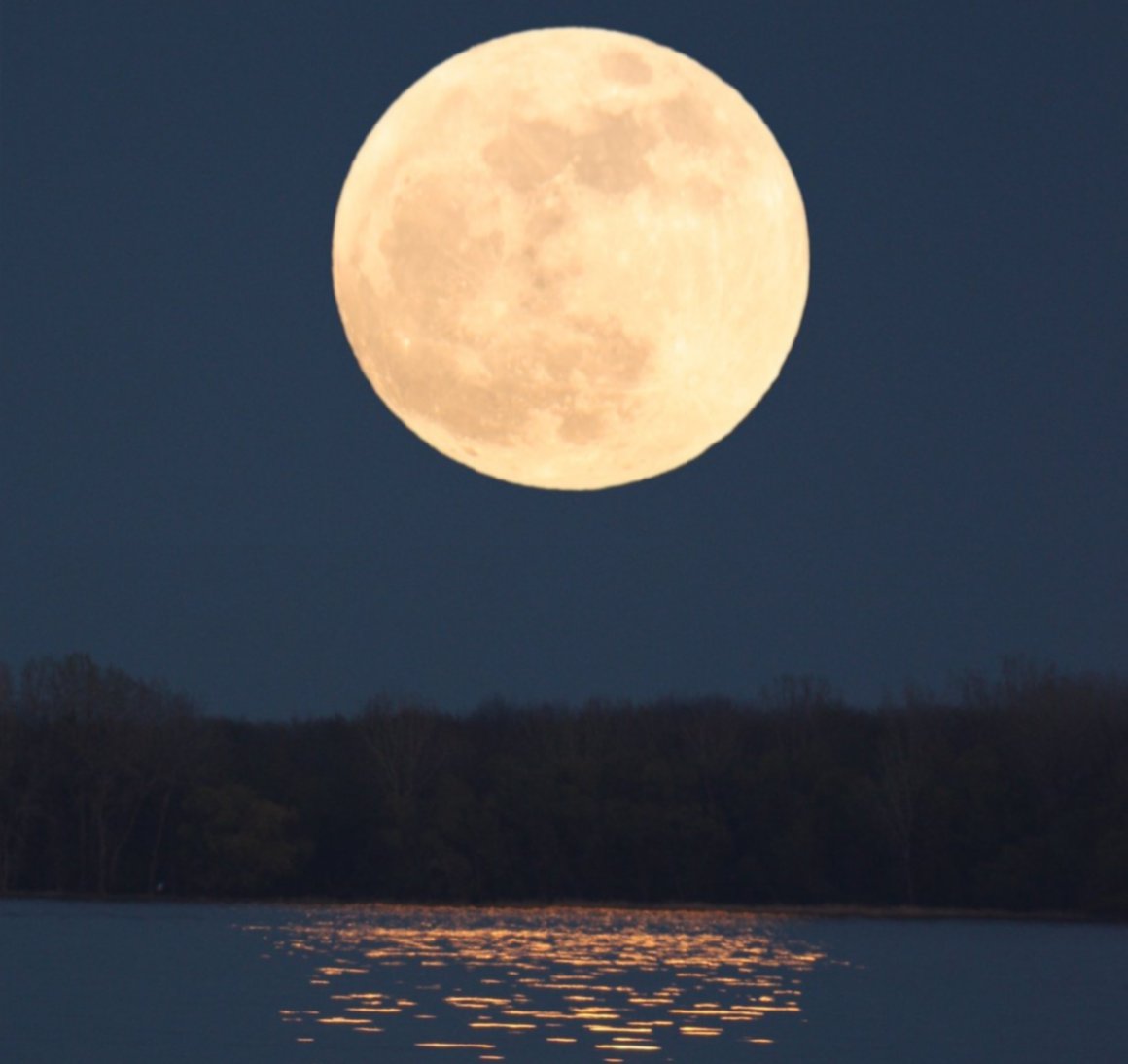
சந்திரனும் அதன் ஒளியும் பற்றிய நியாயம் இது. நிலவின் குளிர்ந்த ஒளியையும் நிலவையும் பிரிக்கவே முடியாது என்பதைச் சொல்லும் இந்த நியாயம் பிரிக்க முடியாதபடி இணைந்து பிணைந்து இருக்கும் இரு பொருள்களைக் குறிக்கப் பயன்படுத்தப்படுகிறது.


water1

जलानयनन्यायः

jalanayana nyayah

ஜலாநயன நியாயம்


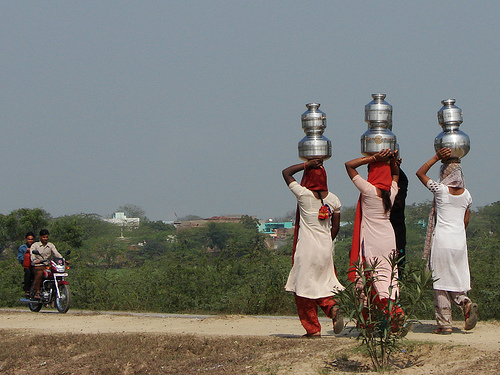
நீரைக் கொண்டு வருதல் பற்றிய நியாயம் இது.


குடிக்கத் தண்ணீர் கொண்டு வா என்று ஒருவரிடம் சொன்னால் அதைக் கொண்டுவரும் போது அதை எடுத்து வருவதற்கான குவளையும் கொண்டு வா என்பதும் அதில் அடங்கும் அல்லவா! பிரிக்க முடியாத ஒன்றுடன் ஒன்று தொடர்பு கொண்ட இரு விஷயங்களைக் குறிப்பிட இந்த நியாயம் பயன்படுத்தப் படுகிறது.

pen painti1

Painting by S. Ilayaraja from Face Book

चित्रांगनान्यायः

citrangana nyayah

சித்ராங்கனா நியாயம்

ஓவியம் ஒன்றில் சித்தரிக்கப்படும் அணங்கு பற்றிய நியாயம் இது. எவ்வளவு தான் த்த்ரூபமாக ஒரு அழகியின் படத்தை வரைந்தாலும் கூட அந்த அழகி நேரில் இருப்பது போல ஆகுமா? ஆகாது. எவ்வளவு அரிய முயற்சி எடுத்து ஓவியத்தை வரைந்தாலும் கூட நிஜத்திற்கு அது நிகராகாது. அதே போல ஒருவன் எவ்வளவு தான் சித்தரித்தாலும் பேசினாலும் ஒரு விஷயத்தின் நிஜ ரூபம் காண்பிக்கப்படும் போது அதற்கு நிகராக எதுவும் ஆகாது என்பதைச் சுட்டிக் காட்ட இந்த நியாயம் பயன்படுத்தப்படுகிறது.

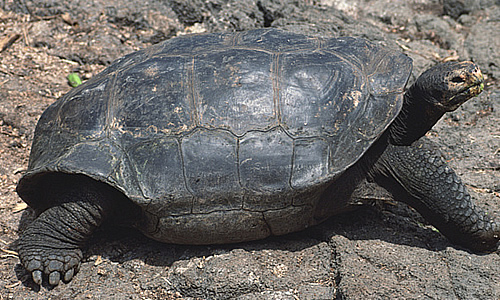
tortoise

कूर्माङ्गन्यायः

kurmanga nyayah.

கூர்மாங்க நியாயம்

கூர்மம் – ஆமை அங்கம் – உறுப்பு

ஆமையின் உறுப்புகள் பற்றிய நியாயம் இது. ஆமை தனது கழுத்து மற்றும் கால்களை தேவைப்படும்போது  மட்டுமே வெளியில் நீட்டும். தேவை இல்லாவிட்டாலோ அல்லது ஒரு ஆபத்து வந்தாலோ அது தன் கழுத்தையும் கால்களையும் இழுத்து தன் ஓட்டிற்குள் அடக்கிக்கொண்டு விடும். அதே போல விஷயம் தெரிந்த ஒருவன் தன் சக்தியை தேவைப்படும் போது மட்டுமே வெளியில் காட்டுவான். சரியான வாய்ப்பு வரும் போது தன் திறனைக் காட்டிப் பயன் பெறுவான். தேவையற்ற காலங்களில் அனாவசியமாக தன் திறமைகளைக் காட்டி சக்தியை விரயம் ஆக்க மாட்டான்; தம்ப்பட்டம் அடிக்க மாட்டான்.


Sugar cane-23

इक्षुविकारन्यायः

iksuvikara nyayah

இக்ஷுவிகார நியாயம்


கரும்பை எப்படியெல்லாம் மாற்றுகிறோம் என்பதைக் குறிக்கும் நியாயம் இது. கரும்பை வெட்டி எடுத்து அதை முதலில் நசுக்கி அதன் சாறு எடுக்கப்படுகிறது. அந்தச் சாறு சூடாக்கப்பட்டுப் பின்னர்  மெதுவாக திட நிலைக்கு கொண்டு  வரப்படுகிறது. பின்னர் அது சுத்திகரிக்கப்பட்டு அழகிய வெல்லக் கட்டிகளாக ஆக்கப்படுகிறது. படிப்படியாக ஒரு விஷயம் பக்குவப்படுத்தப்பட்டு இறுதியில் விரும்புகின்ற ஒரு வடிவமாக ஆவதைச் சுட்டிக்காட்ட இந்த நியாயம் பயன்படுத்தப்படும்.

contact swami_48@yahoo.com
********

Pandya Kings: Second List

Moovendar

Dictionary of 10,000 Indian Kings – Part 13

Compiled by london swaminathan

Post No: 1618: Dated 2 February 2015

160 Kings in Rig Veda published here on 23rd November 2014.

First part of the article –146 kings beginning with letter ‘A’.

Second part– 65 Pandya Kings of Madurai+ Puranic Kings

Third part — 122 kings beginning with letter ‘B’

Fourth Part- 43 Kings of Vijayanagara Empire + 34 Kings under letter C.

Fifth Part – 106 Kashmiri Hindu Kings

Sixth Part – 30 Satavahana  Kings  + 136 Kings underletter D.

Seventh Part –  35 Tamil Pandya Kings of Sangam Age.

Eighth Part – List of Chera (Kerala) 22 kings of Sangam Age+ Kings listed under E (3),G(37) & H(28)=68kings

Ninth Part- 39 Choza Kings of Tamil Nadu

Tenth Part- 104 kings from Cambodia, Champa, Sri Vjaya Kingdom of Indonesia and Pallava

11th part:Under ‘I’  13 kings+ Under ‘J’ 40 kings+ Under ‘K” 147 kings are listed.

12th Part:– 113 kings of various Indonesian kingdoms are listed.

Here in this 13th Part let us look at the list of those kings listed

UNDER ‘L’ 14 + UNDER ‘M’ 72 + PANDYA II LIST 36=122 KINGS

So far 1555 Kings were listed.

king.260153741_std

KINGS UNDER “L”

L1)LAKSHMANA, BROTHER OF RAMA—1060 BCE

L2)LAKSHMANA JALAVASINI –

L3)LALITTHA

L4)LAMBODHARA – 76-58 CE

L5)LAUHAGANDHI GARGYA – 900 BCE

L6)LAUHI KAUSIKA – 1270 BCE

L7)LAUHITYA VISVAMITRA – 1250 BCE

L8)LAVA, SON OF RAMA – 1040 BCE

L9)LAVANA MADHAVA YADAVA –1290 BCE

L10)LESA KSATRAVRDHDHA – 1550 BCE

L11)LOHAGANDHA GARGYA – 900 BCE

L12)LOHITA OR LAUHIA -1270 BCE

L13)LOMAPADA DASARATHA – 1090 BCE

L14)LOMAPADA VAIDHARBA – 1260 BCE

LOPAMUDRA, WIFE OF AGASTYA – 1240 BCE

maharaja

M

M1)MADGU YADAVA – 1170

M2)MADHU VASRA -1310 BCE

M3)MADHU YADAVA PURUDVAHA – 1260 BCE

M4)MADHU RAKSASA –

M5)MADHUCCHANDAS VAISVAMITRA – 1260 BCE

M6)MADIRA, WIFE TO VASUDEVA – 1100 BCE

M7)MADRA, DAUGHTER OF BHADRASVA –

M8)MADRAVATI, WIFE TO PARIKSHIT – 955 BCE

MADRI, WIFE TO VRSNI –1190 BCE

MADRI SUSILA –

M9)MAHABHAUMA AVACINI PAURAVA – 1100BCE

M10)MAHABHISA OF MAHABHARATA – SHANTANU IN HIS PREVIOUS BIRTH

M11)MAHADHRTI VAIDEHA – 1180 BCE

M12)MAHAKOSALA SANJAYA –

M13)MAHAMANAS ANAVA – 1380 BCE

M14)MAHANANDIN OF MAGADHA – 446 BCE

M15)MAHANT PAURAVA DVIMIDHA – 1180 BCE

M16)MAHAROMAN VAIDEHA – 1140 BCE

M17)MAHASALA ANAVA – 1400 BCE

M18)MAHAUJAS VASUDEVA – 1000 BCE

MAHAVIRA JINA – 544 BCE

M19)MAHAVIRA OF AMAHIYU –1160 BCE

M20)MAHIMNARA DRHADHANUS

susani_kingdom.260164055_std

M21)MAHINETRA OF MAGADHA—650 BCE

M22)MAHISMANT YADAVA – 1460 BCE

M23)MALINI SAUCARAVI YADAVI – 880 BCE

MAMATA, MOTHER OF DIRGATAMAS – 1295 BCE

M24)MANASYU PAURAVA – 1700 BCE

M25)MANDAKA YADAVA – 1230 BCE

M26)MANKILA VATSAPRA –

M27)MANDHATR YAUVANASVA –1490 BCE

M28)MANTALAKA ANDHRA – 68-73 BCE

M29)MANU VAIVASVATA –

M30)MANU AIKSVAKAVA – 1200 BCE

MARICA, FATHER OF KASYAPA – 1275 BCE

MARISI, WIFE TO DEVAMILHUS — 1280 BCE

M31)MARU AIKSVAKAVA – 950 BCE

M32)MARUDEVA – 745 BCE

M33)MARU VAIDEHA – 1280 BCE

M34)MARUTASVA BHARADVAJA – 1230 BCE

M35)MARUTTA AVIKSITA -1280 BCE

M36)MARUTTA TURVASU -1290 BCE

M37)MARUTTA SAINEYAVA  YADAVA – 1400 BCE

MARYADA, WIFE TO AVACINA – 1120 BCE

MARYADA DEVATHITHI – 1040 BCE

M38)MATIVAJA OF MITANNI – 1400 BCE

M39)MATSYA VASAVA CAIDYA – 1165 BCE

M40)MAVELLA VASAVA CAIDYA – 1165 BCE

M41)MAYU AYAVA – 1600 BCE

M42)MEDHATITI KANVA – 1310 BCE

queen

M43)MEDHATITI KANVA – 114 BCE

M44)MEDHAVIN VATSA – 620 BCE

M45)MEGHASVATI ANDHRA – 46CE

MENAKA – 1290 BCE

M46)MENAKA VADHRYASVA – 1190 BCE

M47)MENANDER MILINDA – 158

M48)MINARATHA RAMARATHA

M49)MITADHVAJA JANAKA—1000 BCE

M50)MITHI SAPYA NAIMEYA – 1520 BCE

M51)MITRA, SON OF VASUDEVA –

M52)MITRABAHU NAGNAJITEYA –

M53)MITRAJYOTI

M54)MITRASAHA KAMMASHAPADA SAUDASA-1310 BCE

M55)MITRASENA

M56)MITRAVANT MAITRAVINDEYA

M57)MITRAVARCAS

M58)MITRAVARUNA VAISISTHA

MITRAVINDHA, BROTHER OF MITAVANT

M59)MITRAVINDA KALINDI

M60)MITRAYU PANCALA DAIVODASA – 1150 BCE

MOGALLIPUTTA TISSA – 329 BCE (MAUDGALYI PUTRA)

M61)MRDURA  ARIMEJAYA – 1050 BCE

M62)MRGAKETANA ANIRUDHDHA KARSNA – 910 BCE

MRGAVATI, WIFE TO SATANIKA -500 BCE

M63)MUCUKUNDA MANDHATARA – 1460 BCE

patiala maharaja Bhupinder Singh

M64)MUDGALA PANCALA – 1230 BCE

M65)MULAKA ASMAKI NABHAGI – 1270

M66)MUNDA NANDIVARDHANA

M67)MUNI RUCI VAIDEHA

M68)MUNI KURU – 1420 BCE

THE ABOVE LIST AND DATES ARE TAKEM FROM  DATES AND DYNASTIES IN EARLIEST INDIA BY R MORTON SMITH

I AM ADDING A FEW MORE FROM  WHO IS WHO IN THE MAHABHRATA:

M68)MALAYADVAJA PANDYA, FOUTH ON PANDAVA SIDE AND KILLED BY ASHWATTAMA

M69)MANDHATA, SON OF YAVANASHWA

M70)MARUTT – A PIOUS KING OF ANCIENT TIMES

M71)MAVEKALA, SON OF KING UPARICHARA AND QUEEN GIRIKA

M72)MEDHASANDHI- SON OF KING JARASANDHA’S SON SAHADEVA

tamil queen

HISTORICAL PANDYA KINGS OF LATER AGE (First Pandya King List with 35 Sangam age kings is in Part 7).This is Second list of Pandyas.

PAN36)MURTHY NAYANAR (Fifth Century CE)

PAN37)KADUNGON – 560 CE

PAN38)MARAVARMAN AVANI CULAMANI – 590

PAN39)SELZIYAN SENDAN – 620

PAN40)ARIKESARI MARAVARMAN NEDUMARAN – 670

PAN41)KOCHADAIYAN RANADHIRAN – 710

PAN42)ARIKESARI PARANKUSA MARAVARMAN RAJASIMHAN – 735

PAN43)PARANKUSA NEDUNJATAIYAN – 765

PAN44)RAJASIMHAN -790

PAN45)VARAGUNAN – 800

PAN46)SRIMARA SRIVALLABHAN – 830

PAN47)VARAGUNAVARMAN – 862

PAN48)PARANKUSA VIRA NARAYANAN – 80

PAN49)MARAVARMAN RAJASIMHAN – 900-920 CE

raja

AFTER CHOZA’S VICTORY, PADYAS WERE RULING UNDER THEM

PAN50)SUNDARA PANDYA

PAN51)VIRA PANDYA

PAN52VIRA PANDYA

PAN53)AMARABHUJANGA TIVRAKOPA

PAN54)JATAVARMAN SUNDARA CHOZA PANDYA

PAN55)MARAVARMAN VIKRAMACHOZA PANDYA

PAN56)MARAVARMAN PARAKRAMACHOZA PANDYA

PAN57)JATAVARMAN CHOZA PANDYA

PAN58)SRIVALLABHA MANAKULACALA (1101-1124)

PAN59)MARAVARMAN SRIVALLABHA- 1132-1161 CE

PAN60)PARAKRAMABAHU- 1161-62

PAN61)KULASEKARA PANDYA  III –

PAN62)VIRA PANDYA III

PAN63)JATAVARMA SRI VALABHA – 1175

PAN64)JATAVARMAKULASEKARA – 1190

PAN65)PARAKRAMABAHU OF SRI LANKA- 1212

PAN66)MARAVARMA SUNDARAPANDYA – 1216

PAN67)SUNDARAVARMA KULASEKARA – 1238

PAN68)MARAVARMA SUNDARAPANDYA – II – 1238-1251

PAN69)JATAVARMA SUNDARA PANDYA – 1251

PAN70)SUNDARA PANDYA IV – 1209

PAN71)VIRA PANDYA – 1309

THEN MUSLIM INVASION FROM DELHI

Madurai sultanate ruled till Kumara kampanna of Vijayanagara empire routed Muslims.

contact swami_48@yahoo.com

தமிழ் திரைப்படங்களில் சம்ஸ்கிருதம்! – 1

linga-movie-wallpapers

by ச.நாகராஜன்

Written by S Nagarajan

Post No. 1617;  Dated 2nd February 2015


உலகின் ஒப்பற்ற மொழி தமிழ்

தாய் மொழியின் மீது பற்று கொள்ளாதவனை மனிதனாகவே கருத முடியாது. அதே சமயம் இதர மொழிகளின் மீது காழ்ப்புணர்ச்சி கொள்பவனையும் மனிதனாகக் கருத முடியாது.

உலகின் ஒப்பற்ற தனி மொழியான தமிழின் பெருமையைச் சொல்ல வல்லவர்கள் பல மொழியையும் அறிந்திருக்க வேண்டும். குறிப்பாக சம்ஸ்கிருதத்தை அறிந்திருக்க வேண்டும்.

சம்ஸ்கிருதமும் அறிவோம்

பாரதப் பண்பாட்டின் ஆணி வேராக விளங்கும் வேதங்கள், உபநிடதங்கள், புராணங்கள், இராமாயண, மஹாபாரத இதிஹாஸங்கள் ஏராளமான காவியங்கள், மற்றும் கலைகளை விளக்கும் நூல்கள் எனப் பல்லாயிரக்கணக்கில் சம்ஸ்கிருத அறிவுக் களஞ்சியம் விரிந்துள்ளது. ஆகவே காழ்ப்புணர்ச்சி அற்ற சமரஸ நோக்கில் எதையும் கற்று ஏற்றம் பெறுவதே சிறப்பு.

வெகுஜன கவர்ச்சியாக இன்றைய நாட்களில் விளங்கும் திரைப்படங்களில் சம்ஸ்கிருதம் நிறையவே இருக்கிறது. இதில் தப்பு ஏதும் இல்லை. காலம் காலமாக நாம் தமிழகத்தில் அன்றாடம் வழங்கி வரும் சில சொற்களின் ஆணி வேரை சம்ஸ்கிருத மூலத்தில் பார்க்க முடியும்.


lingaa-teaser

நடிகர் திலகம், நடிகையர் திலகம், மக்கள் திலகம்

எடுத்துக் காட்டாக சடங்கு பற்றிய திரைப்படக் காட்சிகளை எடுத்துக் கொள்வோம். எத்தனை பாடல்கள் உள்ளன! இந்த சடங்கை எந்த ஜாதியினராவது விட்டு விடுவார்களா, இன்றும் கூட!

சடங்கு என்ற சொல் ஷட் +அங்கம் = ஷடங்கம் என்ற சம்ஸ்கிருத சொல்லில் இருந்து எழுந்த ஒன்று.


திரைப்படங்களில் அபாரமாக நடிக்கும் நடிக நடிகையரைக் கூட திலகம் என்று தான் சொல்கிறோம். நடிகர் திலகம், நடிகையர் திலகம், மக்கள் திலகம் என நம் மனம் கவர்ந்த சிறப்பு நடிக நடிகையரை யாராலும் மறக்க முடியுமா, என்ன?

உச்ச கட்ட போற்றுதலாக நாம் கொடுக்கும் திலகம் ஒரு சம்ஸ்கிருதச் சொல் தான்!

தமிழ்க் கம்பன் சீதையை வனிதையர் திலகம் என்று தான் வர்ணிக்கிறான்!

சூப்பர்ஸ்டார் பாடும் சிவ தாண்டவ ஸ்தோத்திரம்

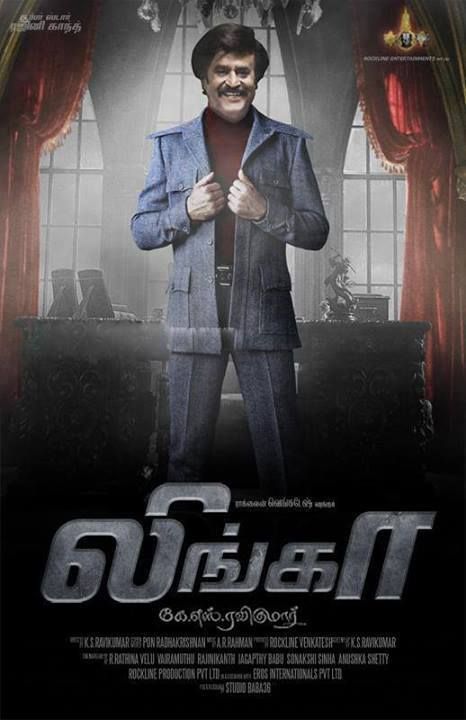
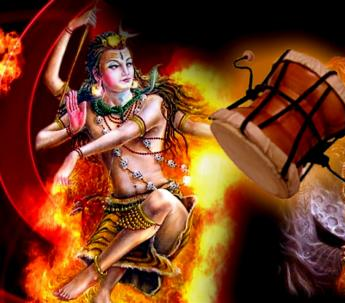
காட்சி அமைப்புகளையும் பாடல்களையும் எடுத்துக் கொள்வோம். இப்போது சமீபத்தில் வந்த சூப்பர்  ஸ்டார் ரஜினிகாந்தின் படமான லிங்காவில் சிவன் கோவில் திறப்பு என்னும் ஒரு அருமையான காட்சி வருகிறது. அதில் அவர் சிவனைத் துதிக்கும் தோத்திரப் பாடல் ராவணனால் செய்யப்பட்ட சிவ தாண்டவ ஸ்தோத்திரம். இது பல தெலுங்குப் படங்களில் இடம் பெற்ற ஒன்று. ஏராளமான பாடகர்களால் பாடப்பட்ட ஒன்று. அருமையான இசை அமைப்பாளர்கள் கம்பீரமான இந்த ஸ்தோத்திரத்திற்கு இசை அமைத்துள்ளனர்.


stotra best

ஜடாடவீகலஜ்ஜலப்ரவாஹபாவிதஸ்தலே

கலேவலம்ப்ய லம்பிதாம் புஜங்கதுங்கமாலிகாம்.

டமட்டமட்டமட்டமன்னிநாதவட்டமர்வயம்

சகார சண்டதாண்டவம் தனோது ந: ஸிவ: ஸிவம்.


ஜடாகடாஹஸம்ப்ரமப்ரமன்னிலிம்பனிர்ஜரீ

விலோலவீசிவல்லரீவிராஜமானமூர்தனி.

தகத்தகத்தகஜ்வலல்லலாடபட்டபாவகே

கிஷோரசந்த்ரசேகரே ரதி: ப்ரதிக்ஷணம் மம.

என்று இப்படி ஆரம்பிக்கும் அற்புதமாக சிவ நடனத்தை விவரிக்கும் பாடலைக் கொண்டுள்ள காட்சி பொருத்தமான  இடத்தில் அமைக்கப்பட்டிருக்கிறது லிங்கா படத்தில்!

இந்த சிவ தாண்டவ ஸ்தோத்திரம் நீளமான ஒன்று அர்த்தம் பொதிந்த ஒன்று. இது முழுவதுமாக படத்தில் இடம் பெறவில்லை.. ஆனால் ரங்காராவ் ராவணனாக நடித்து இந்த ஸ்தோத்திரத்தை கம்பீரமாகப் பாடும் காட்சி தெலுங்கு படத்தில் இடம் பெற்றுள்ளது.

துர்கா மற்றும் காயத்ரி மந்திரம்

தமிழ் படங்களில் வரும் கல்யாணக் காட்சிகளில் தவறாமல் இடம் பெறும் மந்திர ஸ்லோகம்

சர்வ மங்கள மாங்கல்யே சிவே ஸர்வார்த்த சாதிகே

சரண்யே த்ரியம்பகே கௌரி நாராயணி நமோஸ்துதே

இது துர்கா ஸப்த சதியில் மையமாக உள்ள ஸ்லோகம். தாலி அணியும் போது சொல்லப்படும் இந்த ஸ்லோகத்தைப் பல்வேறு படங்களிலும் கேட்டிருக்கிறோம்.

ஓம் பூர்புவஸ்ஸுவ: தத்ஸவிதுர்வரேண்யம் பர்கோ தேவஸ்ய தீமஹி தியோயோன: ப்ரசோதயாத்


stotram 3

என்ற காயத்ரி மந்திரத்துடன் ஆரம்பிக்கும் படங்கள் ஏராளம். மிக முக்கியமான காட்சிகளில் பின்னணியாக (அர்த்தமுடன் பொருந்தி இருக்கிறதோ இல்லையோ, அந்தக் காட்சியின் ‘எபெக்டைக்’ கூட்ட) பயன்படுத்தப்பட்டு வரும் இந்த மந்திரம் அபாரமான சக்தி உடைய மந்திரம்!

லஜ்ஜாவதியே! அசத்துற ரதியே!

இன்னும் பாடல்களில் வரும் வரிகளைப் பார்ப்போம்:

“சிநேகிதனே ரகசிய சிநேகிதனே” (ஸ்நேஹிதன் – நண்பன்)

“லஜ்ஜாவதியே என்னை அசத்துற ரதியே” (லஜ்ஜை – நாணம், வெட்கம்)

இப்படி எழுதிய கவிஞர்கள் தமிழ்ப் பற்று குறைந்த அல்லது இல்லாத கவிஞர்கள் என்று பட்டம் சூட்டி விடலாமா, என்ன? தேர்ந்தெடுத்த வார்த்தைகளை பொருத்தமான காட்சிகளுக்கென பாடல் வரிகளாக யாத்துள்ளனர், அவ்வளவு தான்!

ப்ரியா, ப்ரியமானவளே என்ற தலைப்பு போல எத்தனை தலைப்புகள்!

அன்புள்ளவளே என்று ஏன் தலைப்பு வைக்கவில்லை என்று சண்டை போடலாமா?


சர்வாதிகாரி என்ற வார்த்தையில் உள்ள ஆணவமும் கம்பீரமும் தக்க இடத்தில் திரைப்படத்தில் உபயோகப்படுத்துவதில் என்ன தவறு?

ஆழமுள்ள அர்த்தத்தைத் தரும் சில சொற்களை வசனகர்த்தாக்கள் (அடடா, இங்கு கர்த்தா வந்து விட்டது) பயன்படுத்துவது இயல்பு தான்!


திரைப்படங்களிலும் தொலைக்காட்சி தொடர்களிலும் வரும் சம்பந்தி, த்ரோஹம், விஸ்வாசம் போன்ற வார்த்தைகளைத் தொகுக்க ஆரம்பித்தால் அதற்கு முடிவு தான் ஏது?


krishnadevaraya

யாதும் ஊரே யாவரும் கேளிர்


தமிழர்கள் இயல்பாகவே உள்ள அருமையான பண்பாட்டில் ஊறி வளர்ந்தவர்கள்; வளர்பவர்கள்; இனியும் வளரப் போகிறவர்கள்.

யாதும் ஊரே; யாவரும் கேளிர்

தீதும் நன்றும் பிறர் தர வாரா”

என்ற அருமையான வைர வரிகளை உலகிற்கு அளித்த தமிழ்ப் புலவன் தமிழர் தம் பரந்த மனோபாவத்தை அல்லவா சுட்டிக் காட்டி இருக்கிறான்!

இந்த வழி நல்ல வழி’ நம் தமிழர் வழி. வளரட்டும் இது.


-தொடரும்