Tamil Book Launches in Temples! The Wonder that is Tamil- Part 4

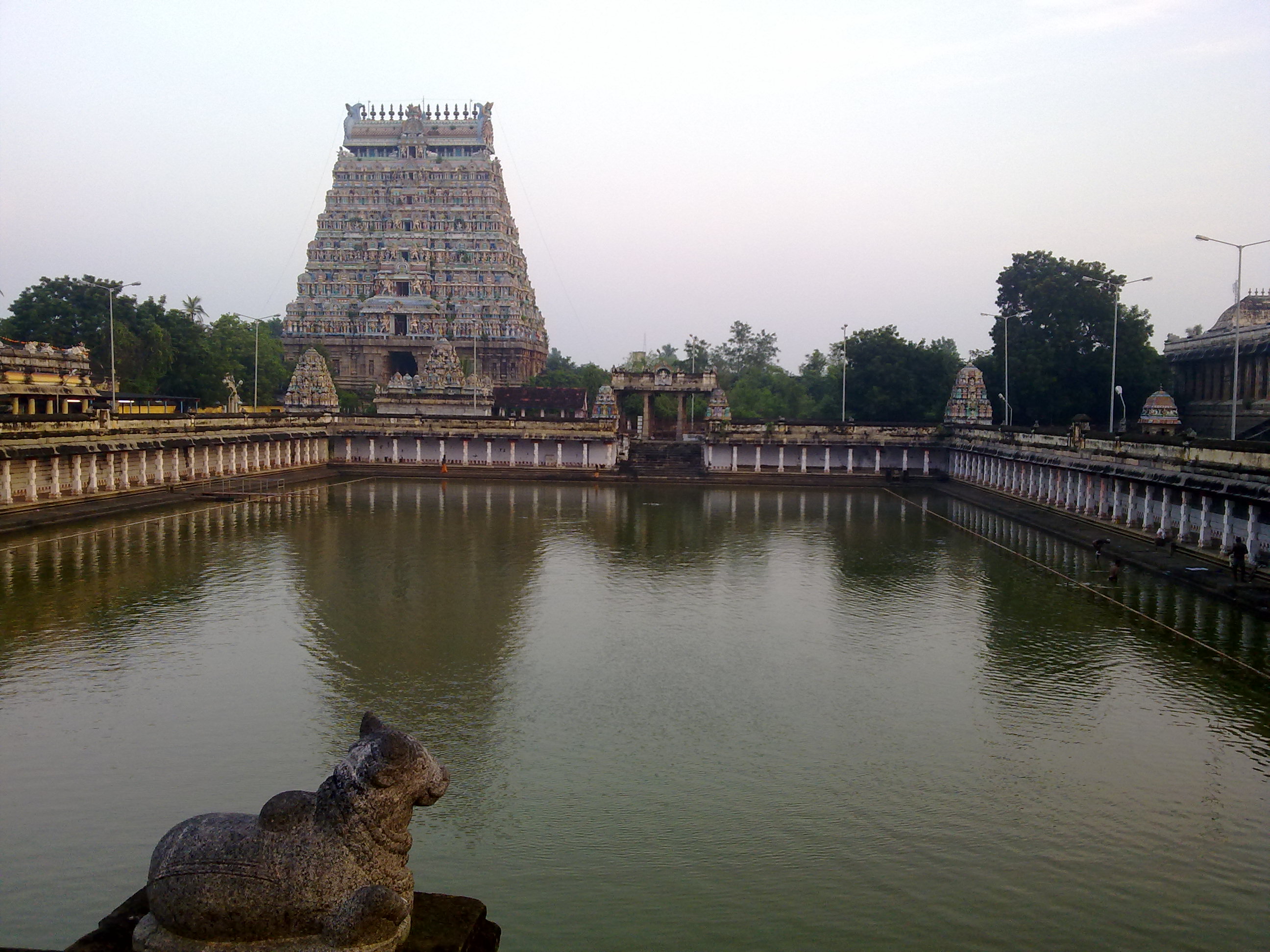
Natraja_Temple

Chidambara Nataraja Temple

Research paper written by London Swaminathan

Research article No.1536; Dated  1 January 2015.

1.Tamil Humour!

A humorous picture of a crab’s encounter with a beetle is found in Natrinai ( A collection of 400 Tamil poems). A beetle wanted to taste a black naval fruit. A crab mistook it for a fruit. The crab thought that there two black fruits lying on the ground and grabbed the unfortunate beetle first leaving the real fruit. The poor beetle made a pitiable cry like the yaz/veena instrument and attracted the attention of a crane standing nearby. The crane rushed to its rescue and relived the beetle from the clutches of the crab (Natrinai verse 35).

2.Love and ‘’Naaval’’ fruit


Akananuru , part of Sangam literature, describes another scene. A male crab noticed a fruit falling down from a naval tree. It seized it with its claws, crushed it out of shape and carried it to its mate (Akam verse 380).


The crab on the sea coast is assigned its own place in the life of the lovers. When the hero seeks the favour of the lady-companion to approach his sweet heart, he notices a crab taking with its pincer like legs a naval fruit and offering it to its loving mate in the burrow among the screw pine roots. He then remarks that the creature is blessed and fortunate to be so loving. He makes this remark in the hearing of the lady-companion who later conveys it to the heroine and convinces of her of his sincerity in his love (Akam 380)-from The Treatment of Nature in Sangam Literature by Prof.M Varadarajan
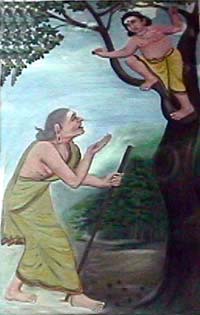
avvaiyar_murugan

Avvaiyar — Murugan; pictre from murugan.org

3.Avvaiyar’s encounter with Lord Skanda

Jambu (Naaval in Tamil) is associated with Lord Ganesh and his brother Lord Skanda (Murugan) in Tamil Nadu. During Ganesh Chathurthi in August/September they buy it and offer it to Lord Ganesh. His brother Skanda/Murugan was teasing the grand old lady of Tamil literature —  poetess Avvaiyar by sitting on a jambu tree.

When Avvaiyar came under the tree and looking for ripe fruits, young Murugan (Skanda) sitting on the tree asked the old lady, Oh, Grand ma! Do you want burnt/hot fruits or not burnt fruits? Avvaiyar was puzzled by this question. She wondered whether fruits are cooked on the tree. When asked for explanation Murgan revealed himself and gave her the explanation. Burnt fruits are the one which you blow with your mouth to remove the sand sticking to the fallen fruits.

4.Kapila’s Achievement!

Kapila was the poet who made the highest contribution to Cankam corpus .His poems form nearly one tenth of the Cankam anthologies. He was praised by other poets as ‘A Brahmin of spotless character’. He was the Sangam poet who was praised by more than anyone else. Kapila composed over 235 poems.

Kapila, though a Brahmin, was the first to throw the caste barriers into wind and took a Tamil Chieftain’s (Paari Vallal) daughters to other kings for marriage alliance. But no Tamil chieftain came forward to marry them, fearing the enmity of the three powerful kingdoms. The three great Tamil Kingdoms Chera,Choza and Pandya were against Paari and eventually killed him. At last the daughters of Paari were put under the trust of Brahmins and Kapila entered fire (self immolated himself).
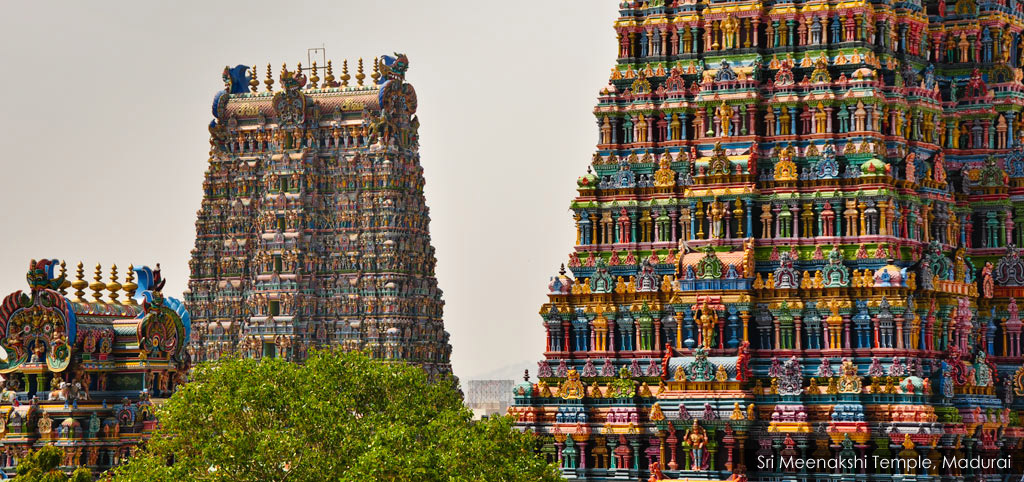
madurai-meenakshi-temple

Madurai Meenakshi temple

5.Auspicious Tamil Words

Tamil grammar says that the books should begin with an auspicious word (Mangala Sol) like the world, sun, Moon, letter ‘a’ etc. Famous poems begin with the world “ Ulakam” in Tamil ‘Lokam’ in Sanskrit. Tamil Tirukkural begins with ‘a’ like the Rig Veda!

6.One of the Four Famous Saivite poets is Manikkavasagar. His Tiruvasagam attracted even Christian preachers like Rev. G U Pope. He learnt Tamil just to study Tiruvasagam. He translated it in to English 100 years ago. But one poet by name Kadavul Mamunivar who wrote the life history of Manikka Vasagar (Tiruvatavurar Puranam) never mentioned Manikkavasagar’s name throughout his book, probably forgot. He simply calls him ‘a man from Vaathavur’ (Vaathavuurar). Vaathavur is the birth place of Manikkavasagar and it is 20 miles from Madurai in South India. We did not know the true name of Manikkavasagar as well.

7.Paranar’s Achievement

Nine similes in one poem: Aka nanuru poem 178 by Paranar has nine similes in just twelve lines. Scholars compared it to a bride loaded with jewellery from head to foot at the wedding time. Though a Vedic hymn has got 27 similes (Please read my post 27 Similes in one Vedic Hymn posted on 18 August 2012) Paranar did it in 12 lines!
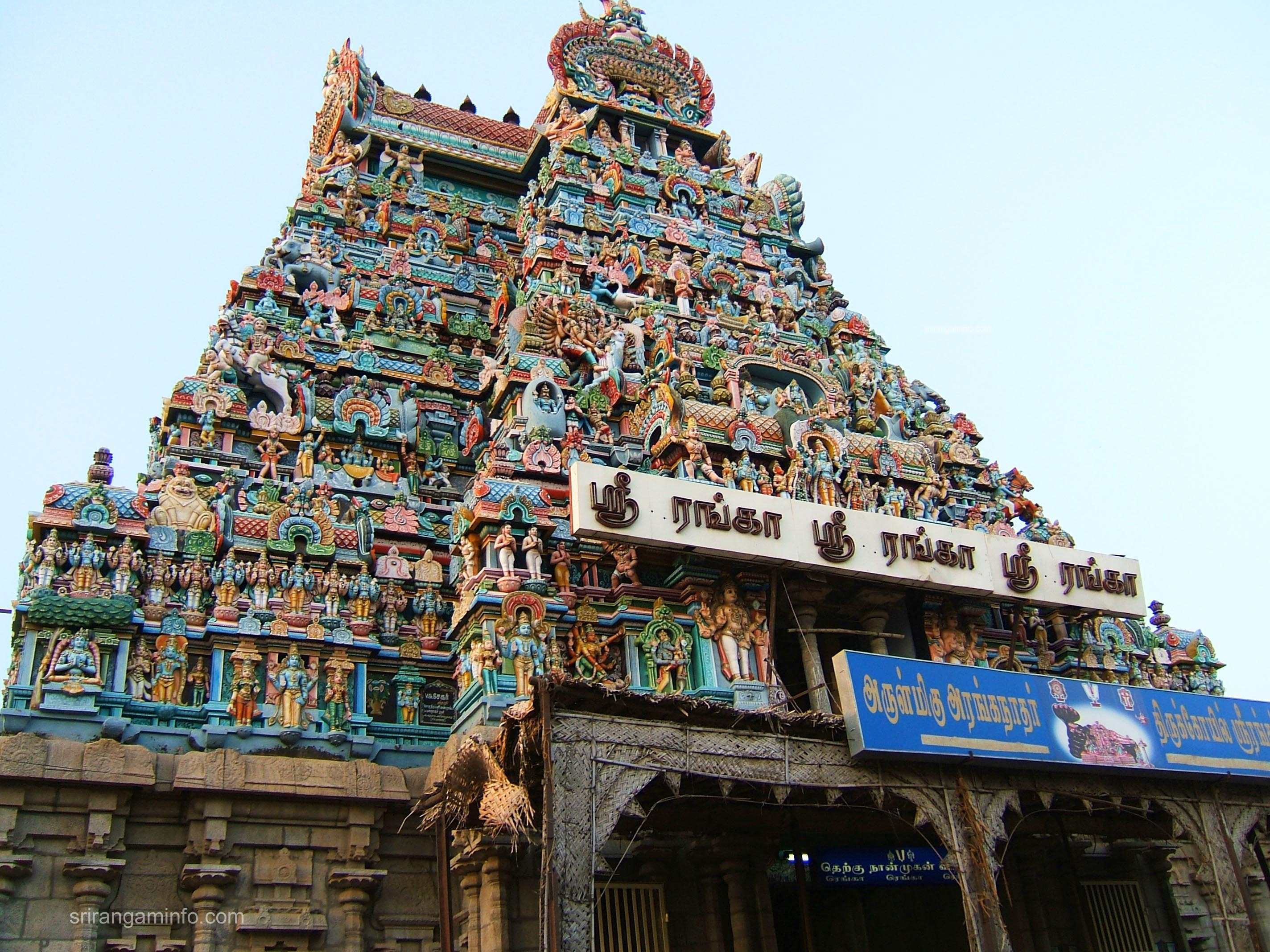
srirangam ranga gopuram

Srirangam Temple

8.Tamil Book Launch

Tamils do the Arangetram (Book Launch Events) of their books mostly in temples:

a)Periya Puranam-  launched  at Chidambaram Temple

b)Kandha Puranam- launched  at Kumara Kottam,Kanchi

c)Kamba Ramayanam- launched  at Srirangam Temple

d)Thiruvilaiyadal Puranam- launched  at Madurai Meenakshi Temple

  1. e) Tirukkural – launched at Madurai Meenakshi temple

f)Meenakshi Pillai Thamiz- launched  at Madurai Meenakshi Temple

g)Narayaneeyam- launched  at Guruvayur Temple (Book is in Sanskrit)

h)Tolkappaiam, oldest Tamil book, was launched in the court of king Nilantharu Thiruvil Pandyan, presided over by a Brahmin well versed in the four Vedas.

(Palm leaf manuscripts of the great Thevaram poems were found in Chidambaram Temple. Annamacharya’s copper plates were found in Tirupati temple).

Contact–  swami_48@yahoo.com
சங்கத் தமிழில் நகைச்சுவை

laughter

கட்டுரையை எழுதியவர் :– London Swaminathan

ஆராய்ச்சிக் கட்டுரை எண்- 1535; தேதி 1 January, 2015.

சங்கத் தமிழ் இலக்கியத்தில் நகைச் சுவை அதிகமில்லை. ஆனால் பிற்கால இலக்கியத்தில் கொஞ்சம் அதிகம். ஆயினும் படித்து ரசிப்பதற்கு ஏராளமான கவிதைகள் உண்டு.

சங்க இலக்கியத்தின் பதினெட்டு (மேல் கணக்கு) நூல்களில் ஒன்றான நற்றிணையில் இருந்து ஒரு பாடல்:

tamil joke2

நற்றிணை

புன்கால் நாவற் பொதிப்புற இருங்கனி

கிளைசெத்து மொய்த்த தும்பி பழஞ்சொத்துப்

பல்கால் அலவன் கொண்டகோள் கூர்ந்து

கொள்ளா நரம்பின் இமிரும் பூசல்

இரை தேர் நாரை எய்தி விடுக்கும் (நற்.35)

இந்தியாவுக்கு நாவலந்தீவு (ஜம்பூத்வீபம்) என்று பெயர். தமிழ் இலக்கியத்திலும் சம்ஸ்கிருத இலக்கியத்திலும் இந்தப் பெயர் வருகிறது. ஆகவே இது ஒரு பொருத்தமான பாடல்.

ஒரு நாவல் பழம் கீழே விழுந்தது. அதைப் பறக்கும் வண்டுகள் தம் இனத்தைச் சேர்ந்தவை என்று எண்ணி அதைச் சூழ்ந்து நின்றன. அந்தப் பக்கமாக வந்த நண்டு இவை எல்லாம் பழங்கள் என்று நினைத்து அவற்றைக் கவ்வின. உடனே வண்டுகள் அனைத்தும் ரீங்காரம் செய்துகொண்டு பறந்தன. அந்தப் பக்கம் பறந்து வந்த நாரை இதைப் பார்த்து, பெரிய சண்டை சச்சரவு போல இருக்கிறது,  நாம் போய் சமரசம் செய்து வைக்கலாம் என்று போய் சமரசம் செய்தது.

இது ஒரு நல்ல காட்சி. இயற்கையில் நடக்கும் சில நகைச் சுவை மிகு கட்சிகளைக் கண்டு வியந்த அம்மூவனார் பாடிய பாடல் இது.

மேம்போக்காகப் பார்த்தால் இது இயற்கைக் காட்சி பற்றிய பாடல் என்று தோன்றும். ஆனால் இந்தக் காட்சி மூலம் ஒரு செய்தியை மறைமுகமாக உணர்த்துவது சங்கப் புலவர்களின் அகத்துறைப் பாடலில் உள்ள சிறப்பு அமசம் ஆகும். இதை உள்ளூறை உவமம் என்பர்.

இதில் புலவர் அம்மூவனார் கொடுக்கும் செய்தி:– நாவற்கனியாகிய தலைவியை, நாரையாகிய தலைவன் வந்து தடைகளை நீக்கி திருமணம் நடைபெறச் செய்தான்.

எட்டுத் தொகை நூலில் உள்ள அகநானூற்றிலும் இதே போல ஒரு நண்டுக் காதல் பாடல் வருகிறது. அதையும் ஒப்பிட்டு மகிழ்வோம். மதுரை மருதன் இளநாகனார் (380) பாடிய பாடல் இது:–

joke2

அகம் 380 நண்டுக் காதல்

அகலிலை நாவல் உண்துறை உதிர்த்த

கனிகவின் சிதைய வாங்கிக் கொண்டுதன்

தாழை வேரளை வீழ்துணைக்கு இடூம்

அலவன் காட்டி நற்பாற்று இதுவென

நினைத்த நெஞ்சமொடு நெடிது பெயர்ந்தோனே

உதுக்காண் தோன்றும் தேரே இன்று

நாமெதிர் கொள்ளா மாயின் தானது

துணிகுவன் போலா நாணுமிக உடையன் (அகம்380)

பொருள்:– உன் ஊர் எது என்று ஒரு பெண்ணை தலைவன் வினவினான். அவன் ஒரு காட்சியைக் காட்டினான் – ஒரு நாவல் பழம் கீழே விழுந்தது. அதை ஒரு ஆண் நண்டு இழுத்துச் சென்று தன் அன்பு மனைவிக்குக் கொடுத்தது. அதை நல்ல நண்டு என்று சொல்லிவிட்டுப் போனான். இதோ பார்! அவனது தேர் மீண்டும் வந்துவிட்டது என்று தலைவியிடம் தோழி கூறினாள்.

humor-6

சுட்ட பழமும் சுடாத பழமும்!

மற்றொரு சுவையான காட்சி பிற்கால இலக்கியத்தில் வருகிறது. தமிழ் மொழி மூலம் ஆன்மீகத்தைப் பரப்பிய அவ்வையார் என்னும் புலவர் முருகன் பால் பேரன்பு கொண்டவர். திரு முருகனோ அவ்வைப் பாட்டியை தமிழ் சொற்கள் மூலமே வெல்ல எண்ணினான். முருகா….. முருகா என்று முக்கி முனகிக் கொண்டு ஒரு நாவல் பழ மரத்துக்கு அடியில் அவ்வையார் உடகார்ந்தார். மேலேயிருந்த முருகன் வேண்டுமென்றே கணைத்து தான் மரத்தின் மீது இருப்பதை உணர்த்தினான். அவனை ஆடு மாடு மேய்க்கும் சிறுவன் என்று எண்ணிய அவ்வையார், சிறுவா கொஞ்சம் நல்ல நாவற் பழங்களைப் போடேன் என்றார்.

முருகனோ , பாட்டி! சுட்ட பழம் வேண்டுமா, சுடாத பழம் வேண்டுமா என்றான். தமிழ் கடலான அவ்வையாரை வியப்புக்குள்ளாக்கியது இந்தக் கேள்வி. மரம் என்ன சமையலா செய்கிறது? அடுப்பா இருக்கிறது? பழத்தைச் ‘’சுட’’ என்று நினைத்தார். அதற்குப் பதில் தெரியாமல், பையா, எனக்குக் கொஞ்சம் விளக்கமாச் சொல்லேன் என்று அவர் கெஞ்சவே முருகன் மரத்தின் கிளைகளை உலுக்கினான். பழுத்த பழங்கள் கீழே விழுந்தன. அவ்வையார் நல்ல பழுத்த பழங்களை எடுத்து மண்ணை ஊதி ஊதித் தின்னார். என்ன பாட்டி! சுட்ட பழங்களை சாப்பிடுகிறீர்கள் என்று சொன்னபோதுதான் அவருக்குப் புரிந்தது. வாயினால் ஊதி வெப்பக் காற்றால் சுடுவதெலாம் ‘’சுட்ட பழங்கள்’’ என்று.

contact swami_48@yahoo.com

The Wonder that is Tamil – Part 3

History_of_Tamil_script

Research paper written by London Swaminathan

Research article No.1534; Dated  31 December 2014.

The Wonder that is Tamil 2 : Tamil’s ban on ca, nja, ra, la, published on23-12-2014; The Wonder that is Tamil 1 : Tamil Talent beyond Belief! Published on 22-12-2014. Following is part-3:

More wonders from ancient Tamil literature:

  1. Agastya was the first man to write a grammar for Tamil. But we lost it. His disciple Tolkappiyar wrote another book which is available today. Sage Agastya’s name is mentioned even in Rig Veda , the oldest religious book that is available today. But it is a clan (gotra) suffix. Any one born in that clan is called Agastya. So, Agastya linked to Tamil was a later one. Scholars believe he lived around 1000 BCE.
  1. “A “ for Apple is the way English teach alphabets! “ A “ for Amma (Mother) is Tamil teaching. A child will start with Amma/mother because Hindus consider mother as the first God. The saying in Tamil and Sanskrit is “Matha, Pitha Guru Deivam”. Two interpretations are available for this golden saying. Mohter, father and the teacher are gods for a child. Second explanation is Mother is number one, Father 2, Teacher 3 and then comes God. You must respect them in this order. God is relegated to fourth position!
  1. All Indian languages begin with “a”. It is not English “A” or Greek Alpha.

It is “ a” as in the English words like “ oven “ or “umbrella”. Most famous Tamil poet Tiruvalluvar knew this and said in his very first couplet “ As all the alphabets have the letter “a” for their first, so has the world the eternal God for its beginning. Tirukkural and the oldest religious scripture in the world The Rig Veda begins with this letter. “Akara muthala Ezuththellam”-Tirukkural. “Agni Meele Prohitham”-Rig Veda.

*No one can “study”, not read, all the poems in Tamil in one’s life time. Please read my article “To master Tamil language———“ in this blog.

  1. Tamil is one of the richest and oldest languages of the world. No one can understand Indian culture fully without studying Tamil and Tamil culture. It is on par with Sanskrit, Greek, Hebrew, Chinese and Latin in its richness.

5.Tamil is a vibrant language that has been producing literature continuously for over two thousand years.

6.Tamil means ‘sweetness’. Indeed it is a sweet language.

SL stamp

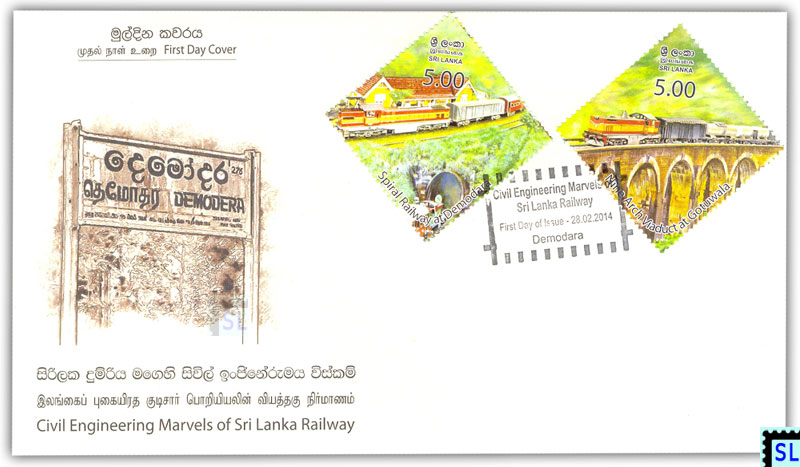
Sri Lanka is the only country in the world which issues stamps with Tamil name on them.

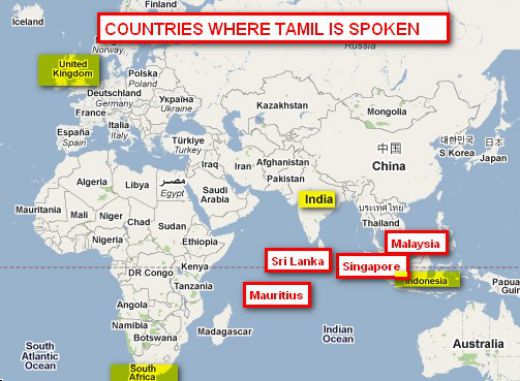
7.Tamil is classified as a Dravidian language and it is spoken by over 100 million people. Most of the Tamil speakers are in India. Other traditional areas are Sri Lanka, Malaysia, Singapore, South Africa, Fiji, Mauritius, Reunion, France and Guyana. Now Tamils are found everywhere from South Pole to North Pole in almost all countries in the world, but in small numbers. Telugu, Tulu, Malayalam and Kannada are sister languages of Tamil.

8.Tamils call their vowels ‘life letters’ and the consonants ‘body letters’. Needless to say it needs to function together. So the vowel consonants are called ‘life body’ letters. This is a unique approach to alphabets.

9.Tamils have a unique letter. We can’t even write it in any other language. So it is transliterated as ‘za’ in English. One has to curve one’s tongue and the tip of the tongue should touch the back of the upper part of the mouth. It is a retroflex letter. Scholars point out that the French rolling “  r ’’ sound and a letter in Chinese language come closer to the Tamil “ za “. E.g.Pazam in Tamil means fruit in English

  1. Some people find it difficult to learn this language because of three ‘ l ’ sounding letters and three ‘n’ sounding letters and two ‘r’ sounds. But practice makes one perfect. Christian missionaries mastered Tamil and Sanskrit to spread their religion. Where there is a will, there is a way!

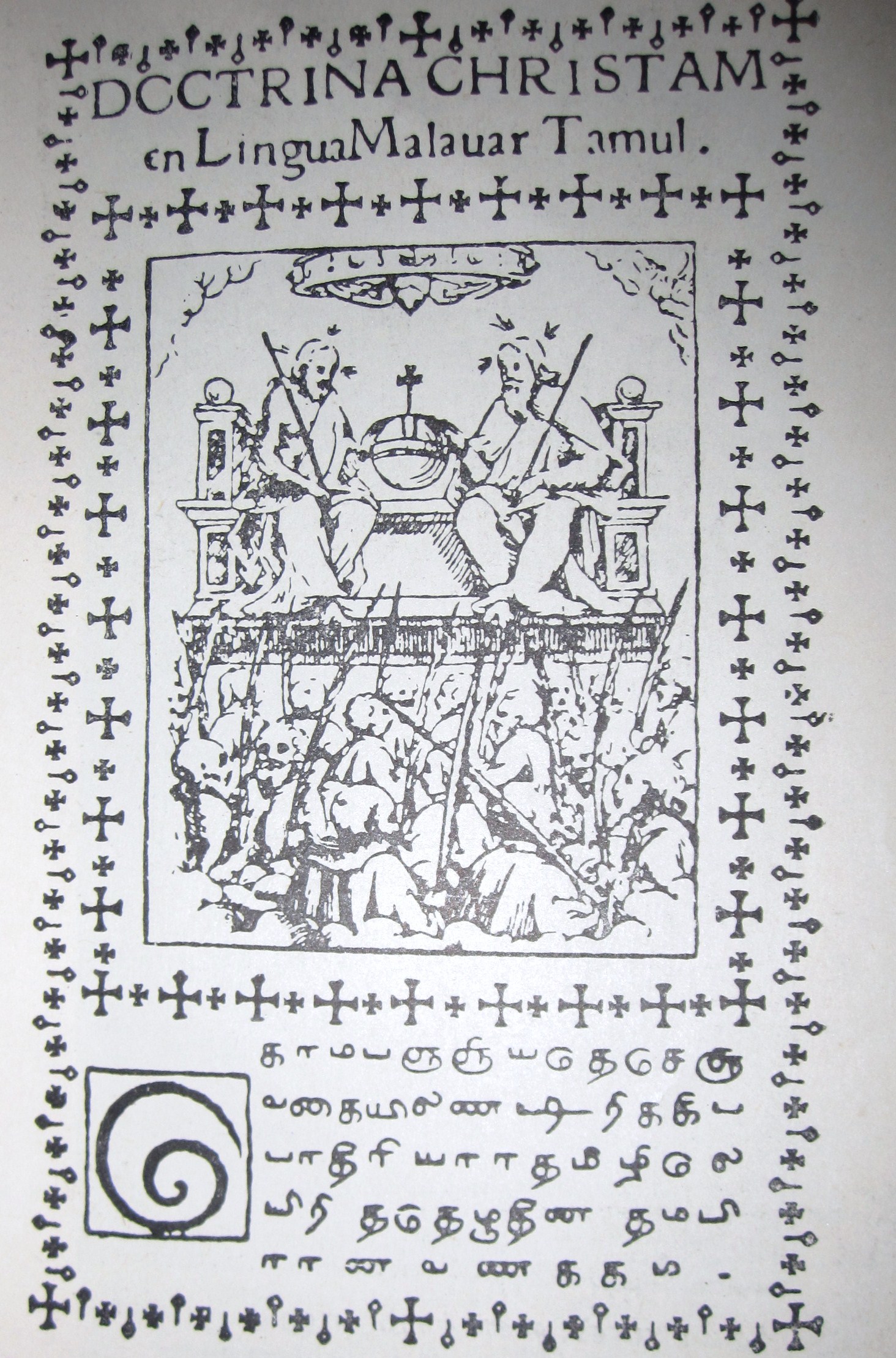
Thambiran_Vanakkam_1578

First printed book in India Thambiran Vanakkam in Tamil 1578

Oldest Printed Book is Tamil Book!

11.Tamil was the first language that went in to print in India. The oldest book was printed in Tamil. Harvard University (USA) museum has the oldest book “Thambiran Vanakkam” on display.

12.Tamil poetry is beautiful. It has got several genres. One of them is called Andhadhi (Sanskrit word meaning Andham+Adhi= End+Beginning. Normally 100 stanzas are in a poem and the second stanza will begin with the last word of the first stanza. Third stanza will begin with the last word of second stanza. This continuity will go up to 100 stanzas. Some poets go beyond this continuity and connect the last word of the last stanza with the first word of the first stanza. It is like a circle or a garland where there is no beginning or end. In Hinduism God is praised as one who has no beginning or end. Most famous Andhathi was on Goddess Abhirami composed by Abhirami Bhattar.

13.Tamils are very passionate about their mother tongue. One of the famous Tamil quotes says “Tamil race existed even before the stones became sand and they came in to existence with  swords’’- In Tamil: “Kal thondri man thondraa kaalathe Valodu mun thondriya mootha kudi’’  (i.e. they are talking about geological ages, when earth was still with hills and rocks).

14.The oldest Tamil book available today is Tolkappiyam written by Tolkappiyar. The book is a grammatical treatise dated first century BC or AD.

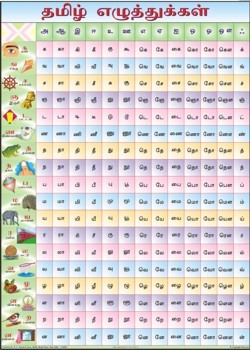
Tamil-Barakhari

247 letters!

15.Tamil alphabet has 247 letters (12 vowels ,18 consonants,216 vowel consonants and one more mysterious letter called Aytha Ezuthu. It is written with three dots and pronounced as ‘AH’. It has become almost obsolete today. The origin and use of this letter are a mystery. Scholars are still debating. Some people consider it may be like Sanskrit Visarga ‘ : ’ sound that brings out various missing sounds in Tamil.

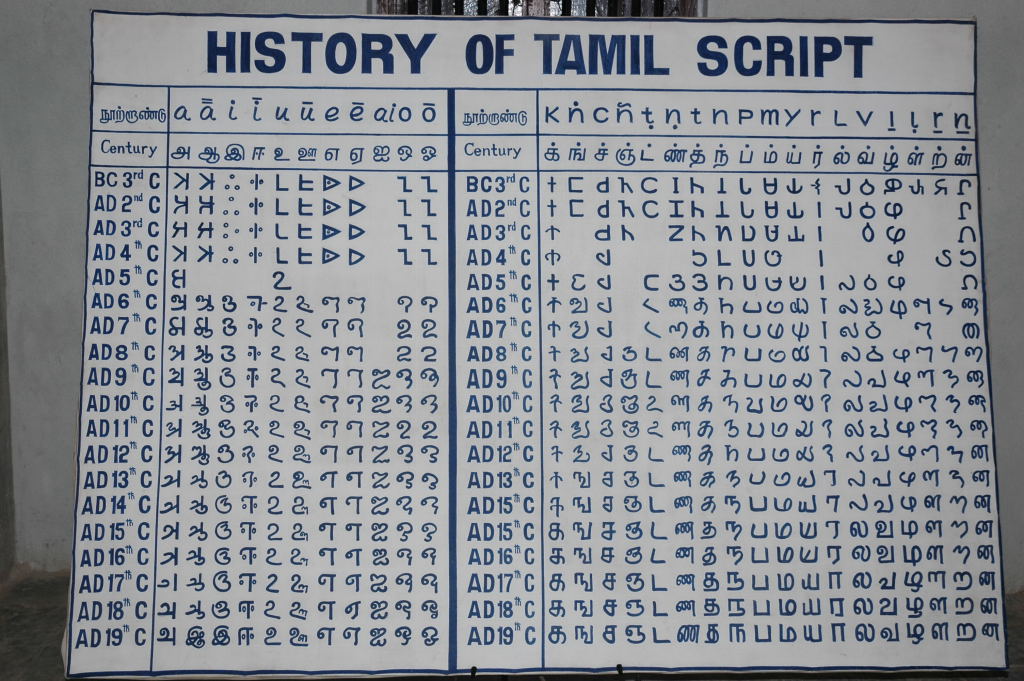
16.The Tamil alphabet used today was evolved from the North Indian Brahmi. If Tamil poets who lived two thousand years ago came alive today they can’t read today’s Tamil alphabet! The Brahmi that was adapted to bring Tamil sounds is called by modern scholars as “ Thamizi”. The oldest inscriptions can be seen around Madurai dated to 3rd century BC.

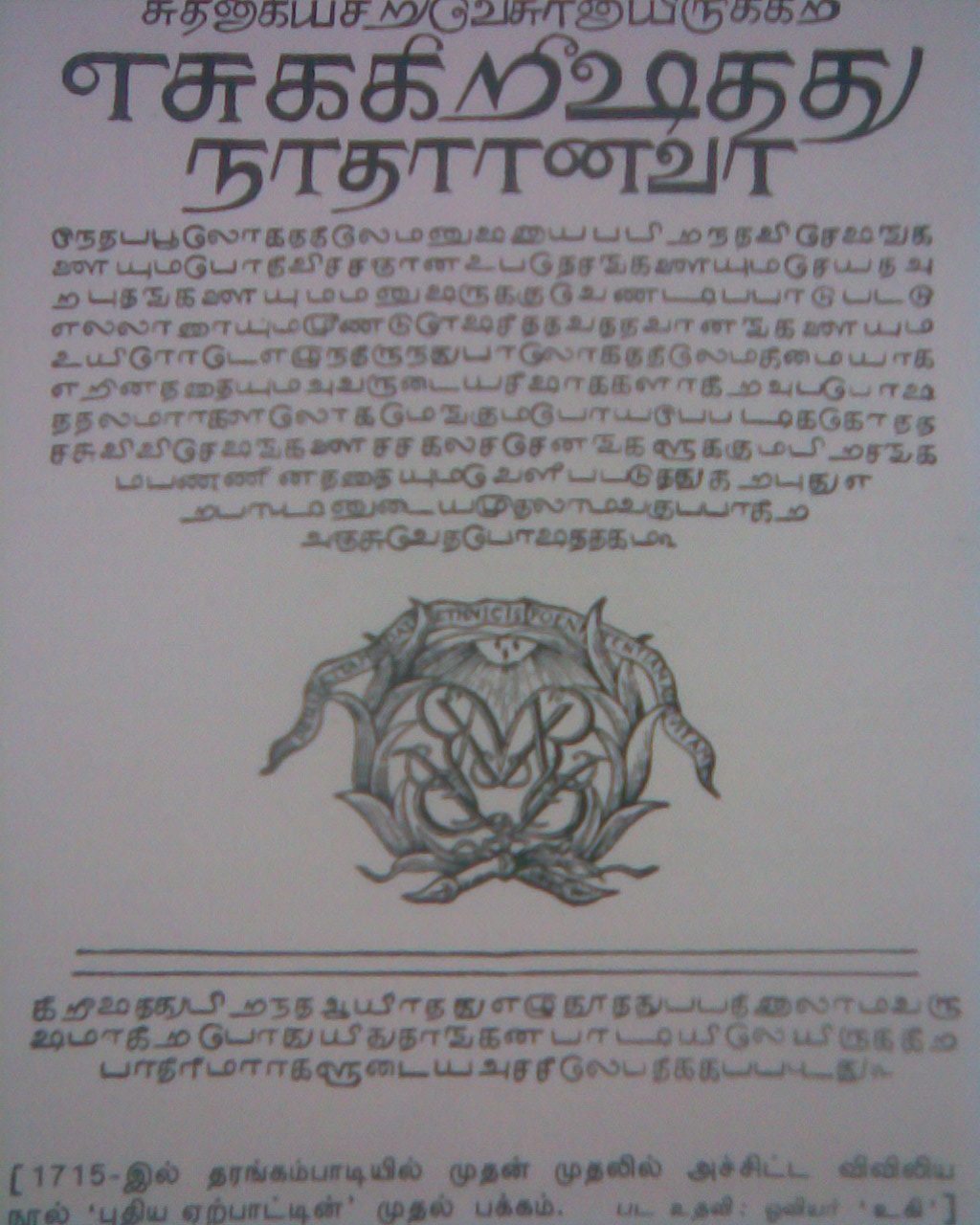
Tamil_bible_Printed_1715

Tamil Bible, published in  1715

Three Tamil Academies

17.Tamils had three academies to sponsor and nourish their language. But two were devoured by the sea. Two tsunami attacks were mentioned in ancient Tamil literature. The cities went in to sea. The Third Tamil Academy (Known as Tamil Sangam or Cankam) had 473 poets. They wrote 2000 + poems running to approximately 30,000 lines. They were based at modern Madurai. This literature is called Cankam or Sangam literature.

18.One of the commentators said that the three Tamil Academies existed over a period of several thousand years which is not possible. But he was using a figurative language and all the three Tamil Academies (Tamil Sangam or Cankam) existed only over a period of a few hundred years. (Please read my research article THREE TAMIL SANGAMS: MYTH AND REALITY, published on 25 February, 2012

tamil countries

19.Sri Lanka is the only country in the world that issues stamps with Tamil name on them!

More Tamil wonders are coming…………………….. (contd.)

Contact swami_48@yahoo.com

நமது உடலுக்கு ஒன்பது வாசல்! நவத்வார புரி!

7_main_chackra.svg

உடலில் உள்ள சக்ரங்கள் (விக்கிபீடியா படம்)

கட்டுரையை எழுதியவர் :– London swaminathan

ஆராய்ச்சிக் கட்டுரை எண்- 1533; தேதி 31 டிசம்பர், 2014.

அதர்வண வேத காலம் முதல் அவ்வையார் காலம் வரை நமது உடலை இந்துக்கள் வருணித்த விதம் ஒரே மாதிரியாக உள்ளது!! இந்த விதமான வருணனைகளை வேறு எந்தப் பண்பாட்டிலும் காண முடியாது. ஆக பாரத நாட்டுப் பழங்குடி மக்கள் “பதி எழு அறியாப் பழங்குடி மக்கள்” – என்பதும் அவர்கள் இதே மண்ணில் தோன்றி இதே மண்ணில் வாழ்ந்தவர்கள் என்பதும் தெரிகிறது.

அவர்கள் வெளி நாட்டு “அறிஞர்கள்” எழுதியது போல வந்தேறு குடிகள் அல்ல, அல்லவே அல்ல என்பது உள்ளங்கை நெல்லிக் கனி என தெள்ளத் தெளிவாகப் பளிச்சிடுகின்றது!

உடலை வளர்த்தேன் உயிர் வளர்த்தேனே (திருமூலர்) – என்று ஆன்றோர்கள் உடலின் முக்கியத்துவத்தை வலியுறுத்திய போதும், அடைய வேண்டியதை அடைந்தவுடன் அந்தப் பழைய உடலை, பழைய சட்டைக்குச் (வாசாம்ஸி ஜீரணானி—பகவத் கீதை)  சமமாக எண்ணி கழற்றி எறியவும் தயங்கவில்லை!

காயமே இது பொய்யடா! வெறும் காற்றடைத்த பையடா!! என்று பாடி மகிழ்ந்தனர்.

இதோ அதர்வண வேத மந்திரம்:

ஒன்பது வாசல் உடைய இந்த உடலை நன்கு அறிந்தால் உனது சக்தியைப் பெருக்கு; அல்லது உனக்குப் பலன் இல்லை (5-16/9)

பகவத் கீதையில் கண்ண பிரானும் இதையே சொல்லுவார்:

இந்திரியங்களை வசப்படுத்திய புருஷன் மனத்தால் எல்லாக் கருமங்களையும் துறந்து, சுகமாக — ஒன்பது வாயிலுடைய நகரில் (நவத்வரே புரி) – ஒன்றும் செய்யாமலும், செய்விக்காமலும் இருக்கின்றான். (பகவத் கீதை – 5-13)

tirumoolar

திருமூலர் படம்

கடோபநிஷத்திலும், ஸ்வேதஸ்வதார உபநிஷத்திலும் இதே கருத்துகள் உள்ளன. அதர்வண வேத மந்திரம் தொடர்ச்சியாக உபநிஷத் வழியாக கீதை (மஹாபாரதத்தில் உள்ளது) மூலம் பாரதம் மூலம் பரவியது. இதையே மாணிக்க வாசகர் அவரது திருவாசகத்திலும், திருமூலர் அவரது திருமந்திரத்திலும், பட்டினத்தார் அவரது பாடல்களிலும் அவ்வையார் அவரது விநாயகர் அகவலிலும் பாடினர். ஆழ்வார்கள், நாயன்மார்களின் திவ்யப் பிரபந்த தேவாரத்திலும் சித்தர் பாடல்களிலும் இக்கருத்துகள் உள.

ஆதிசங்கரர் மட்டும் விவேக சூடமணியில் இவ்வுடலை அஷ்ட புரி (எட்டு நகரம்) என்பார்.

காளிதாசனும் குமார சம்பவ காவியத்தில் (3-50) பகவத் கீதை என்ன சொன்னதோ அதே கருத்தை எதிரொலிக்கிறார்.

kanchi kovanandi

அதிசயம்: காஞ்சி பரமாசார்ய ஸ்வாமிகள்

15-10-1932-ல் சென்னையில் ஆற்றிய உபந்யாசத்தில் காஞ்சி சங்கராசார்யார் (1894-1994) கூறிய அதிசயப் பாடல்:

“ ஒரு பெரியவர் ஒரு பெரிய ஆச்சரியத்தைச் சொல்லுகிறார் நாமெல்லாம் மரணமடைவது ஆச்சரியமன்று; இந்த உடம்பில் இருக்கிற ஒன்பது ஓட்டைகளுக்குள்ளே உயிரானது போகாமல் நிற்கிறதே, அதுதான் பெரிய ஆச்சரியம் என்று அவர் சொல்லியிருக்கிறார்.

நவத்வாரே சரீரே அஸ்மின் ஆயு: வசதி சந்ததம்

ஜீவததீ த்யத்புதம் தத்ர கச்சதீதி கிமத்புதம்


அதைப் போலவே பலவிதமான ஸந்தேஹங்களுக்கும் வித்யாஸங்களுக்கும் இடமான இந்த மதமானது எவ்வளவோ வருஷங்களாக இருக்கிறதே என்பதை நினைத்து ஆச்சரியப்பட வேண்டியிருக்கிறது”.

—பக்கம் 109, ஸ்ரீ ஜகத்குருவின் உபதேசங்கள், முதற் பாகம், ஸ்ரீ காமகோடி கோசஸ்தானம், சென்னை-1, முதல் பதிப்பு ஆண்டு 1933, இரண்டாம் பதிப்பு 1957

yoga_sukhasana

பட்டினத்தார் பாடல்:

ஒன்பது வாய்த் தோற்பைக்கு ஒருநாளைப் போலவே

அன்புவைத்து நெஞ்சே அலைந்தாயே! – வன் கழுக்கள்

தத்தித் தத்திச் செட்டை தட்டிக்கட்டிப்பிட்டுக்

கத்திக்குத்தித் தின்னக் கண்டு …………

Having witnessed the cruel vultures hop and hop,

Adjust the feathers with their beaks

Tug and tear at the flesh, and eat it

In vociferous gaiety,

You have roamed about to foster always with love

The nine holed leathern bag, alas!

(Tamil: onpathu vaay thorpai…………… Translated by Dr T N Ramamachandran)

திருமூலர் சொல்வது……………….

ஒன்பது வாசல் உடையதோர் பிண்டத்துள்

ஒன்பது நாடி உடையதோர் ஓர் இடம்

ஒன்பது நாடி ஒடுங்க வலார்கட்கு

ஒன்பது காட்சி யிலை பலவாமே (திருமந்திரம் 638)

ஒன்பது துளைகளையுடைய இப்பிண்டமாகிய உடம்பகத்து வீங்காற்று ஒழிந்த ஏனைய ஒன்பது காற்றும் புகும் ஒன்பது நாடிகளையும் ஒடுக்கவல்ல யோகப் பயிற்சி உடையார் வல்லாராவர். அவர்கள் இந்த நாடிகள் சேரும் நாற்சந்தி இடத்தை அருளால் காண்பர். இவர்கள் அகத்தே கேட்கப்படுவது பல்வேறு ஓசைகளாகும்.

ஒன்பது வாசல்கள் யாவை?

இரண்டு காதுகள், இரண்டு கண்கள், மூக்கின் இரண்டு துளைகள், வாய், மல ஜலம் கழிக்கும் இரு உறுப்புகள் ஆக ஒன்பது துளைகள்.

திருவாசகம் எனும் தேனில் மாணிக்கவாசகர் சொல்வது,

அறம் பாவம் எனும் அருங்கயிற்றால் கட்டி

புறந்தோல் போர்த்தெங்கும் புழுவழுக்கு மூடி

மலஞ்சோரும் ஒன்பது வாயிற் குடிலை

மலங்கப் புலனைந்தும் வஞ்சனையைச் செய்ய … (சிவபுராணம்)

tamil-poetess-avvaiyar-

சங்க காலம் முதல் ஆறு பேர், — அவ்வையார் —- என்னும் பெயரில் தமிழ் கூறும் நல்லுலகத்துக்கு அறிவுரைகள் பகன்றனர். அவர்களில் 14ஆம் நூற்றாண்டில் வாழ்ந்த ஒரு அவ்வையார் பாடிய விநாயகர் அகவலில்,

தலம் ஒரு நன்கும் தந்து எனக்கருளி

மலம் ஒரு மூன்றின் மயக்கம் அறுத்தே

ஒன்பது வாயில் ஒரு மந்திரத்தால்

ஐம்புலக் கதவை அடைப்பதுங் காட்டி

ஆறாதாரத்து அங்கிசை நிலையும் ……..

இவ்வாறு நூற்றுக் கணக்கான இடங்களில் ஒன்பது வாயில் குடில் பற்றி இமயம் முதல் குமரி வரை நம்மவர் பாடியது, இந்த நாடு ஏக பாரதம் என்பதையும், சொல் செயல் சிந்தனையால் இணைந்த ஒரே இனம் இது என்பதையும், இவர்களே இந்த நாட்டின் பூர்வ குடிகள் என்பதையும் ஐயமற விளக்கும்.

சுபம்- அனைவர்க்கும் 2015 புத்தாண்டு வாழ்த்துக்கள் உரித்தாகுக –

contact swami_48@yahoo.com
தமிழ் விந்தை-20: மாலைமாற்று – 1

malaimatru

தமிழ் என்னும் விந்தை! -20

மாலைமாற்று – 1

கட்டுரையை எழுதியவர் :– S.Nagarajan

ஆராய்ச்சிக் கட்டுரை எண்- 1532; தேதி 31 டிசம்பர், 2014.

By ச.நாகராஜன்


சம்ஸ்கிருத இலக்கியத்தில் காவ்யாதர்சம் மிகச் சிறந்த நூலாகக் கொண்டாடப்படுகிறது. இதை இயற்றியவர் பெரும் புகழ் பெற்ற தண்டி. இதே பெயரைக் கொண்ட தமிழ்க் கவிஞரான தண்டியும் தண்டியலங்காரம் என்னும் அழகிய இலக்கண நூல் ஒன்றை யாத்துள்ளார்.

நுட்பமான பல விஷயங்களை இந்நூலில் காண முடிகிறது. இதை இயற்றிய தண்டி கம்பனின் மகனான அம்பிகாபதியின் புதல்வர் எனக் கருதப்படுகிறார். இவரது காலம் 12ஆம் நூற்றாண்டு. வடமொழியும் தென்மொழியும் நன்கு கற்ற தண்டி தனது அலங்கார நூலில் சுமார் 35 அணிகளின் இலக்கணத்தைச் சிறப்பாகத் தருகிறார். அத்துடன் சுமார் இருபது சித்திர கவிகளையும் சித்தரிக்கிறார்., அதில் கோமூத்திரி, கூடசதுக்கம்,சருப்பதோபத்திரம் ஆகியவற்றை விளக்கும் செய்யுள்களையும் காணலாம்.

ஏற்கனவே இத்தொடரில் பரிதிமால்கலைஞரின் விளக்கமாக நாம் பார்த்துள்ள கோமூத்திரி, கூடசதுக்கம்,சருப்பதோபத்திரம் ஆகியவற்றின் உதாரணச் செய்யுள்கள் தண்டியலங்காரத்தில் மேற்கோள் காட்டப்பட்டவையே!


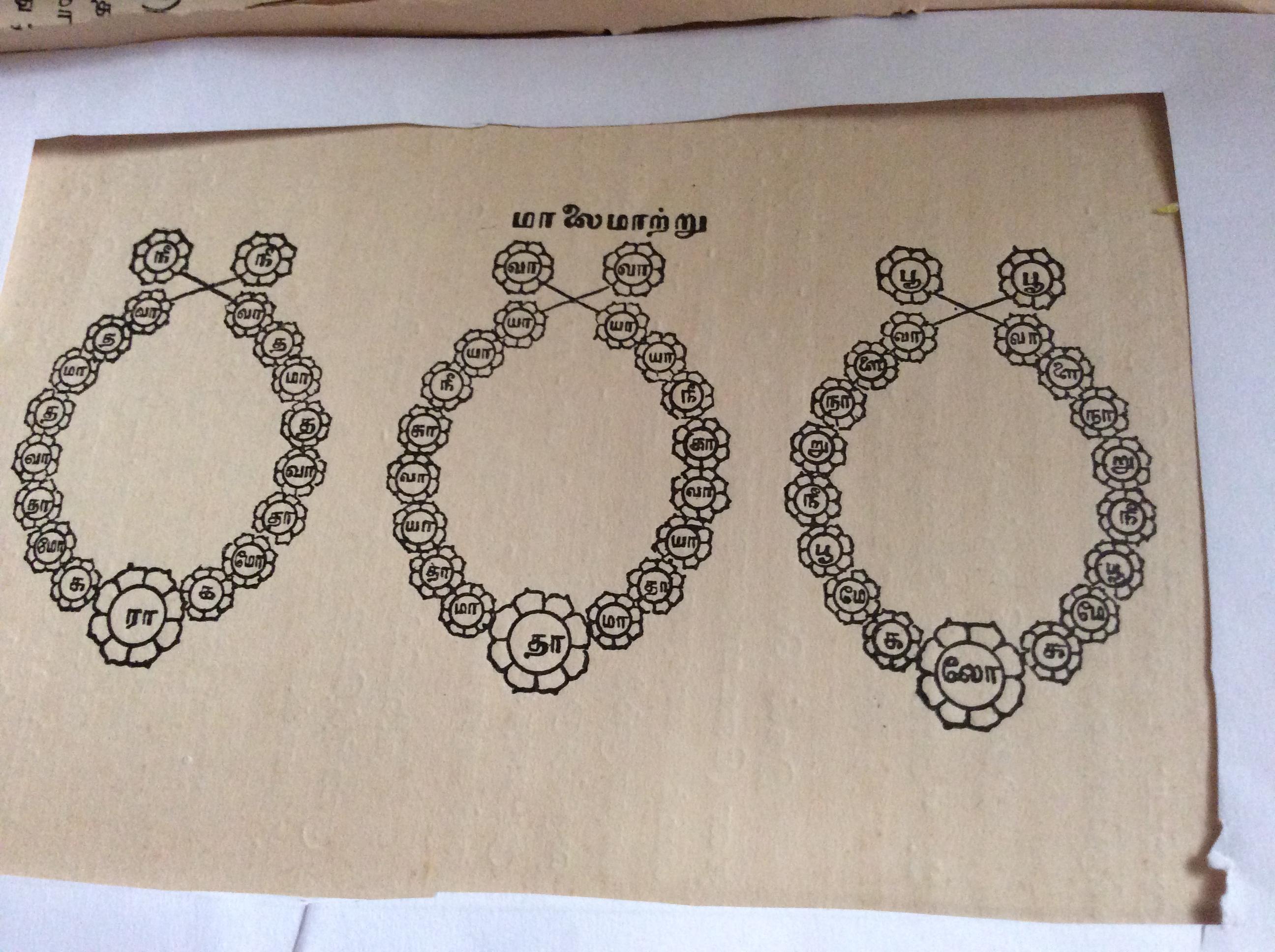
சருப்பதோபத்திரம் (அத்தியாயம் 12-இல் தரப்பட்டுள்ள “மாவா நீதா தாநீ வாமா’ என ஆரம்பிக்கும் உதாரணச் செய்யுள்)


கூடசதுக்கம் (அத்தியாயம் 16இல் தரப்பட்டுள்ள புகைத்தகைச் சொற்படைக் கைக்கத என ஆரம்பிக்கும் உதாரணச் செய்யுள்)


கோமூத்திரி (அத்தியாயம் 18இல் தரப்பட்ட பருவ மாகவி தோகன மாலையே என ஆரம்பிக்கும் உதாரணச் செய்யுள்)

ஆகிய இவை தண்டியலங்காரம் தரும் செய்யுள்கள்.

மாலைமாற்று

ஒரு செய்யுளை கடைசி முதலாகக் கொண்டு படித்தாலும் அதே செய்யுள் வந்தால் அதுவே மாலைமாற்று எனப்படும்.

தண்டியலங்காரம் தரும் மூன்று உதாரணச் செய்யுள்கள் வருமாறு:-

“நீ வாத மாதவா தாமோக ராகமோ                                        தாவாத மாதவா நீ”


இதன் பொருள்: நீ வாத மாதவா – நீங்காத பெரும் தவம் உடையோனே!    தா மோக ராகமோ  தாவாது – வலிய மயக்க வேட்கையோ நீங்காது      அம் மாது அவா நீ – (ஆதலால்) அழகிய பெண்ணினுடைய ஆசையினை நீக்கி அருள்வாயாக! (அவள் விருப்பத்தை நிறைவேற்றுவாயாக)

“வாயாயா நீகாவா யாதாமா தாமாதா                           யாவாகா நீயாயா வா


வாயா யா – எமக்கு வாயாதன (கிடையாதவை) யாவை?

நீ காவாய் – நீ எம்மைக் காத்து அருள் புரிவாய்!

யாதாம்  – (இன்றேல்) யாதாகும்?

மாது ஆம் மா தா – இம்மாது பெரும் வருத்தம் உறுவள்

யா ஆகா – (நீ விரும்பினால்) எவை முடியாதன?

ஆயா நீ வா – யான் கூறியவற்றை நன்கு ஆராய்ந்து நீ வருக

தலைவியின் ஆற்றாமையைப் பாங்கி தலைவனுக்கு உணர்த்தியது.

“பூவாளை நாறுநீ பூமேக லோகமே                                      பூ நீறு நாளைவா பூ”


பூவாளை நாறும் நீ – இயல்பாய் பூப்பு இல்லாதவளை மணந்து புலால் நாற்றம் வீசும் நீ

பூ லோகம் மேகமே – பூவையும் பொன்னையும் மழையாகச் சொரியும் மேகமோ!

பூ நீறு நாளை வா – பூவும் திருநீறும் தரித்து நாளைய தினம் வருவாய்

பூ – இவள் இப்பொழுது பூப்பினளாய் இருக்கின்றாள்

பூ மேகம் , லோக மேகம் என்று தனித் தனியாகக் கூட்டுக. பூவைச் சொரியும் மேகன் ‘புட்கலாவருத்தம்’ என்றும் பொன்னைச் சொரியும் மேகம் ‘சங்காரித்தம்’ என்றும் கூறப்படும்.

மணத்தல் – கலத்தல்

பூப்புனைதல் புலால் நாற்றம் நீங்குதற்கும், திருநீறு புனைதல் குற்றம் நீங்கிப் பரிசுத்தம் அடைவதற்குமாம்.

பரத்தையர் சேரி சென்று மீண்ட தலைவனுக்கு பாங்கி வாயிலாக மறுத்து உரைத்ததாம் இந்தச் செய்யுள்.

பரிதிமால்கலைஞர் தண்டியலங்காரம் தரும் மூன்று செய்யுள்களுக்கும் இப்படி விளக்கம் அளித்துள்ளார்.

மாலைமாற்றைச் சித்திரமாகப் பார்த்தால் வரும் மாலை இது:-

Contact swami_48@yahoo.com
***********************

City of Nine Gates!

7_main_chackra.svg

Chakras in human body (wikipedia picture)

Research paper written by London Swaminathan

Research article No.1531; Dated  30 December 2014.

Hindus view their body as a City of Nine Gates. It is amazing to the see the same description from the days of Atharva Veda to the days of Tamil saint Pattinathar and others. It is in the Bhagavad Gita and the Upanishads. Hindus described the human body as a wind bag. Though they knew the body is important to attain God, they did not hesitate to leave it at any time. They knew that it is like changing one’s shirt or dress and the soul inside the body is eternal. Tamil Siddhas also sang about it.

Adi shankara in his Viveka Chudamani described the body as Ashtapuri (City of Eight). Kalidasa followed the tradition and called it as the City of Nine Gates.

Here are some interesting quotations about the body:

Atharva Veda says,

“O man, if they fully understndest thy body, having nine gates, enhance thy pleasure, otherwise thou art powerless (Book/Kanda 5- Hymn 16-9).

tirumoolar

Lord Krishna says,

“The embodied soul, who has controlled his nature having renounced all actions by mind dwells at ease in the city of nine gates, neither working nor causing work to be done (Bhagavad Gita 5-13)

The nine gates are the two eyes, the two ears, the two nostrils and the mouth and the two organs of excretion and generation.

Katha Upanishad (V-1) and Svetasvatara Upnishad (III-18) described it the same way.

Great poet Kalidasa says,

“And who, having fixed in his heart his mind, with operations through the nine gates entirely suspended and completely  under the influence of concentration, was realizing himself  his own Self, whom the seers call the Eternal” (Kumara Sambhavam 3-50)

Tamil saint Pattinathar sings,

Having witnessed the cruel vultures hop and hop,

Adjust the feathers with their beaks

Tug and tear at the flesh, and eat it

In vociferous gaity,

You have roamed about to foster always with love

The nine holed leathern bag, alas!

(Tamil: onpathu vaay thorpai…………… Translated by Dr T N Ramamachandran)

kanchi kovanandi

Kanchi Sri Shankaracharya (1894-1994)

Kanchi Paramacharya (Sri Chandrasekarendra Saraswati)

Kanchi Shankaracharya in his Madras talk on 15-10-1932 says: A great man has spoken about the wonder in the world. He says the most amazing in the world is the life breath inside one body. Even though there are nine holes to escape still the life is inside the body! Is there a more wonderful thing in the world?

Navadware  sarire asmin ayu: vasathi santhatham

Jeevath adhiadbutham thathra gachathithi kimadbhutham

Great Tamil Siddha Tirumular says

In the body with nine gates ,nine different winds enter. Those who are able to control them are great Yoga masters they have the intuition to see the places where they join. They hear different sounds inside (Tirumanthiram 638)

(Tamil line: Onpathu vaasal utaiyathor pindaththul…………)

Tamil Vaishnavite saints knwns as Alvars and Saivite saints known as Nayanmars also referred to body with nine gates. Manikkavasagar, one of the four great Saivite saints says,

I am imprisoned by the five senses in the body with nine holes which are excreting impurities – Manikkavasagar in Sivapuranam, line 54.

tamil-poetess-avvaiyar-

Tamil poetess Avvaiyar in her Vinayakar Akaval

Tamil scholars believe at least six different Poetesses with the name Avvaiyar lived at different periods. Tamil linguists can easily differentiate at least three people with the name Avvaiyar on the basis of style and language. One of them who lived in the middles ages sang on Lord Ganesh a verse with lot of Yogic information. In her ‘Vinayakar Akaval’, line 33, she prays to Lord Ganesh to help her shut down the doors of five senses and to close the nine gates with one magic spell (mantra). She prayed to Ganesh to teach her to attain wisdom/siddhi by understanding the six chakras (inside the body)  and reach a stage where there is no word, thought and deed.

contact swami_48@yahoo.com
அதர்வ வேத மூலிகை மர்மம்! ஜங்கிடா மூலிகை!

atharva-veda-8

கட்டுரையை எழுதியவர் :– London swaminathan

ஆராய்ச்சிக் கட்டுரை எண்- 1530; தேதி 30 டிசம்பர், 2014.

நான்கு வேதங்களில் மிகவும் மர்மம் நிறைந்தது அதர்வ வேதம். ஏனெனில் ஆதிகால மருத்துவ, விஞ்ஞான உண்மைகள், மாய மந்திர பில்லி சூனியங்கள் நிறைந்தது இந்த வேதம். துரதிருஷ்டவசமாக இதில் குறிப்பிடப்படும் மூலிகைகள், தாயத்துக்கள் ஆகியன வழக்கத்தில் இருந்து போய்விட்டதால் என்ன என்றே தெரியவில்லை. ரிக்வேதத்தில் நூற்றுக் கணக்கான இடங்களில் வரும் சோமக் கொடி பற்றியே நமக்கு தெரியவில்லை. 3000 ஆண்டுகளுக்கு முந்தைய ஜில்காமேஷ் (சுமேரிய/ பாபிலோனிய) காவியத்தைப் படித்துப் புரிந்து கொண்டுவிடலாம். அதற்குப் பல்லாயிரம் ஆண்டுகளுக்கு முந்தைய வேதங்களை அறிவது கடினம். நீண்ட ஆராய்ச்சியின் மூலம் கண்டு பிடிக்க முடியும்.

ரிக்வேதத்தில் 107 மூலிகை பற்றி வரும் பாடல் பற்றி ஏற்கனவே எழுதியுள்ளேன். ஆனால் அதில் 107 மூலிகைகள் பெயர்கள் குறிப்பிடப்படவில்லை. நம் வசமுள்ள சரக, சுஸ்ருத சம்ஹிதைகளையும், தமிழ் சித்த மருத்துவ நூல்களையும் வேதங்களையும் வைத்துக்கொண்டு கற்றறிந்த அறிஞர்களுடன் சேர்ந்து ஆராய வேண்டும்.

சோம பானத்தைப் போதையூட்டும் மருந்து என்று வெளிநாட்டுக்காரர்கள் பிதற்றியுள்ளனர். ஆனால் பாண்டியர் தமிழ் கல்வெட்டோ அதை மனோசுத்த மருந்து என்கிறது. நம்மவர்கள் கீதை, குறள், ராமாயணம், மஹாபாரதம் எதையுமே படிக்காமல், சங்க இலக்கிய 30,000 வரிகளைப் படிக்காமல் ஆராய்ச்சிக் கட்டுரை என்ற பெயரில் பல அபத்தங்களை எழுதி வருவது வருந்ததக்கது. முதலில் எல்லாவற்றையும் படிக்க வேண்டும். வெளி நாட்டுக்காரர் சொல்வதைவிட்டுவிட்டு, நம்மவர் அது பற்றி என்ன சொன்னார்கள் என்று முதலில் அறிய வேண்டும்; நம்ப வேண்டும். அப்படிச் செய்தால் புரியாத புதிர்கள் விடுபடும். மர்மங்கள் துலங்கும்!

atharva__veda__samhita_

இதோ ஜங்கிடா மர்மங்கள்:-

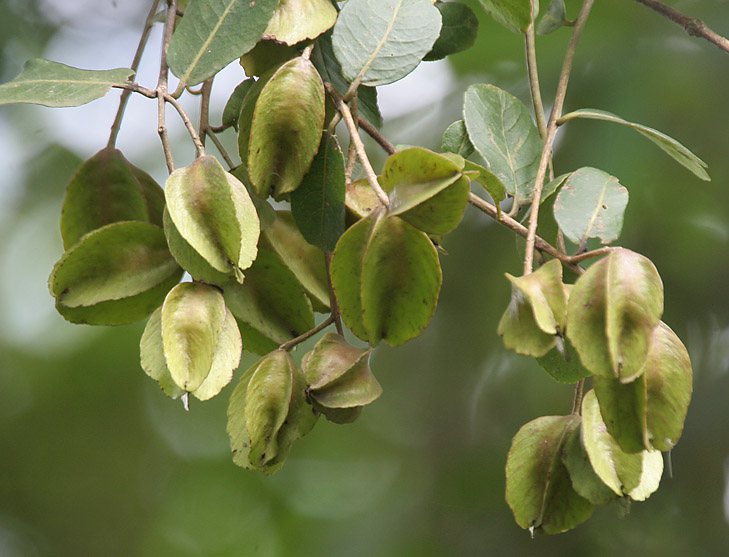
ஜங்கிடா என்பது ஒரு மூலிகை என்றும் பல வியாதிகளுக்குக் கைகண்ட மருந்து என்றும் கீத், மக்டொனல் இருவரும் எழுதிய வேதப் பொருளகராதி (வேதிக் இண்டெக்ஸ்) கூறுகிறது. அவர்களே இது என்ன தாவரம் என்று தெரியவில்லை என்று ஒப்புகொண்டுவிட்டு கௌசிக சூத்திரத்தில் வரும் குறிப்பில் இதை காலண்ட் என்பவர் “டெர்மினாலியா அர்ஜுனா” — என்ற தாவரம் என்று சொல்வதாகவும் குறித்துள்ளனர். டெர்மினாலியா அர்ஜுனா என்பது மருத மரம் ஆக்கும்.

மூன்று மருத மரங்களும் மூன்று மாணிக்கங்களும் என்ற எனது கட்டுரையில், ஸ்ரீசைலம் (மல்லிகார்ஜுனம்), திருவிடை மருதூர் (மத்யார்ஜுனம்), திருப்புடைமருதூர் (புடார்ஜுனம்) ஆகிய தலங்களில் உள்ள மருத மரங்கள் பற்றி ஏற்கனவே எழுதிவிட்டேன்.

ஆனால் தேவி சந்த் என்பவர் எழுதிய அதர்வண வேத புத்தகத்தில் ஒரு இடத்தில் ஜங்கிடா என்பது கடவுளைக் குறிக்கும் என்று எழுதிவிட்டு பிற இடங்களில் மூலிகை என்று மொழி பெயர்க்கிறார். சாயணர் என்ற  பெரிய மகான் தான் 700 வருடங்களுக்கு முன் துணிந்து வேதங்களுக்குப் பொருள் எழுதினார். அவர் இந்த ஜங்கிடா என்பது காசி மாநகரத்தில் உள்ள ஒரு மரம் என்கிறார்.

Terminalia_arjuna-1

மருத மரம் (விக்கிபீடியா படம்)

இது இருதய நோய்கள், நரம்புத் தளர்ச்சி போன்ற பல நோய்களைக் குணப்படுத்தும் என்று தெரிகிறது. மருத மரம் குறித்து வெளியான பல மருத்துவ நிபுணர்களின் கட்டுரைகள் இது இருதய மற்றும் ரத்த நாளம் சம்பந்தமான நோய்களைக் குணப்படுத்தும் என்று எழுதியுள்ளனர். ஆயினும் அவர்களுடைய ஆய்வுகள் முடிவானவை அல்ல. எதிரும் புதிருமாக முடிவுகள் வந்தால் மருத்துவ உலகம் அதை ஏற்காது. வேறு சிலர் ஜங்கிடா என்பதை வேறு சில மூலிகைகளுடன் தொடர்புபடுத்திக் கட்டுரை எழுதியுள்ளனர்.

வேதங்களில் குறிப்பிடப்படும் நூற்றுக்கணக்கான மூலிகைகள், நோய்களின் பெயர்கள் எல்லாம் ஊகத்தின் பெயரிலேயே எழுதப்பட்டுள்ளதால் யார் சொல்வதையும் உண்மை என்றோ தவறு என்றோ சொல்ல முடியவில்லை.

இதில் வேடிக்கை என்னவென்றால் எதையுமே கேள்விக்குறியாக தொக்கி நிற்கும் வகையில் எழுதிவிட்டு சோம பானம் என்பது மட்டும் என்ன என்று “கண்டுபிடித்துவிட்டதாக” சில வெளி நாட்டினரும் அதைக் கிளிப்பிள்ளை போலத் திருப்பிச் சொல்லும் நம்மூர் பகுத்தறிவுகளும் நகைப்புக்குரியவர்கள் என்பது வேதங்களைப் படித்தோர் அறிவர். இனம் இனத்தோடு சேரும். மது, மாது, மாமிசம், போதைப் பொருளில் மூழ்கிக் கிடக்கும் வெளிநாட்டினருக்கு நம் கலாசாரம் எப்படிப் புரியும்? மாக்ஸ்முல்லர் போன்ற பலர் இந்தியாவுக்கு வரமலேயே நம் வேதங்கள் பற்றி எழுதினர்!! நியுயார்க்கிற்குப் போகாமலேயே மேலூர் கொட்டாம்பட்டி முனிசாமி “உலகிலேயே உயரமான கட்டிடங்கள்” என்று புத்தகம் வெளியிட்டால் அதை தமாஷ் இலக்கிய வகையில் சேர்க்கலாம் அல்லவா!!

terminalia arjuna

மருத மரம்

மேலும் இந்தியா வந்த வெளிநாட்டினருக்கும் உதவியோர் அரைகுறை ஆங்கிலம், அரைகுறை வேத சம்ஸ்கிருதம் அறிந்தவர்களே. ஆகையால் அவர்கள் மொழிபெயர்ப்பும் அரைகுறையே. ரமணர், ராம கிருஷ்ணர், காஞ்சி மஹா சுவாமிகள், சிருங்கேரிப் பெரியவர் போன்ற உத்தமோத்தமர்கள் என்ன சொல்கிறார்களோ அதை நம்பினால் போதும்.

இப்படிப்பட்ட சூழ்நிலையில் வேதங்களை உள்ளது உள்ளபடி காப்பது நமது கடமை. மனித இனத்தின் முதல் புத்தகம் அது. சுமேரிய எகிப்திய இலக்கியங்களை எல்லாம் படித்தோர்கூட வேதங்களை ஊகிக்கத்தான் முடிகிறது, பொருள் சொல்ல முடியவில்லை. ஆயினும் வேதங்களால் பலன் இல்லாமல் இல்லை.

டெலிவிஷனும். மொபைல் போனும் எப்படிச் செயல்படுகிறது என்பது நமக்குத் தெரியாது ஆயினும் அவைகளைப் பயன்படுத்திப் பயன் அடைகிறோம். இது போல வேதங்களையும் நம்பிக்கையுடன் ஓதினால் பலன் உண்டு.

Flowers_with_Sykes's_warbler_I_IMG_1880

மருத மரம்

காஞ்சி மஹா ஸ்வாமிகள் சொல்கிறார்: கண் தெரியாதவன் ஒருவன் கையில் விளக்கைக் கொண்டு சென்றான். எல்லோரும் கேட்டார்கள், உனக்கோ கண் தெரியாது, எதற்கப்பா விளக்கு? என்று. அவன் சொன்னான், “உண்மைதான் எனக்குக் கண் தெரியாது. இருட்டில் நீங்கள் என்மீது விழுந்து விடக் கூடாதல்லவா? அதற்காகத்தான். இது போலவே நாமும் அர்த்தம் தெரியாதபோதும் வேதம் என்னும் ஒளி விளக்கை ஏந்திச் செல்வோம். அதன் பொருள் தெரிந்த மகான்கள் யுகந்தோறும் அவதரித்து நம்மை வழிகாட்டிச் செல்வர்” (பெரியவர் சொன்ன சொற்கள் எனக்கு அப்படியே ஞாபகம் இல்லை. நினைவில் இருப்பதை வைத்து எழுதியுள்ளேன்)

நம்பினார் கெடுவதில்லை, இது நான்கு மறை தீர்ப்பு என்பது பாரதியின் மந்திர முழக்கம். அதையே நாமும் முழங்குவோம்.

contact swami_48@yahoo.com

தமிழ் விந்தை! கோமூத்திரி – 2

saraswati

கட்டுரையை எழுதியவர் :– ச.நாகராஜன்

ஆராய்ச்சிக் கட்டுரை எண்- 1529; தேதி 30 டிசம்பர், 2014.


சித்திர கவிகளில், கோமூத்திரியில் மேலும் சில செய்யுள்களைப் பார்க்கலாம்.

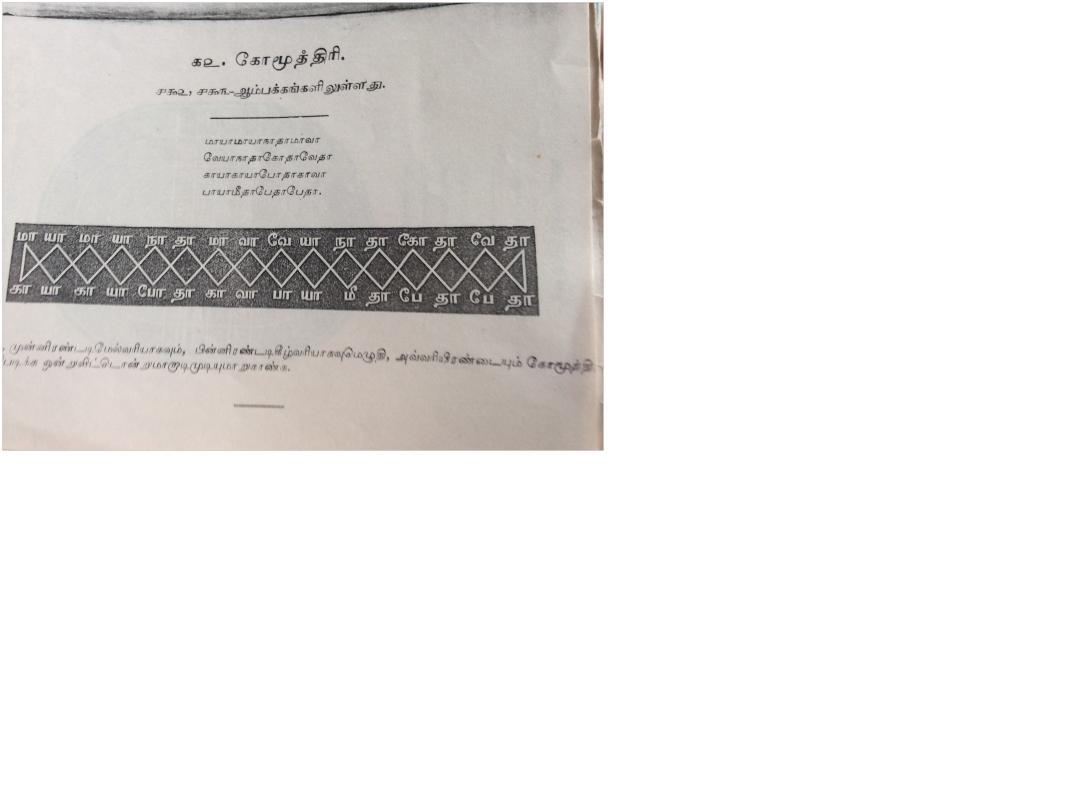
மாறனலங்காரம் தரும் உதாரணச் செய்யுள் இது:-

மாயாமாயாநாதாமாவா

   வேயாநாதாகோதாவேதா

   காயாகாயாபோதாகாவா                                  

   பாயாமீதாபேதாபேதா


இதன் பொருள்:-

மாயாமாயா – அழியாத மாயையை உடையவனே!                      நாதா – சுவாமியே!                                                      மாவா  – திருமகளை உடையவனே!                                   வேயாநாதா – வேய்ங்குழலில் உண்டாக்கும் கானத்தை   உடையவனே    கோதாவேதா  – பசுவைக் காத்தளித்த வேத சொரூபனே!                                    காயாகாயா – காயாம்பூப் போலும் திருமேனியை உடையவனே!            போதா – ஞானத்தை உடையவனே!                                       பேதாபேதா – பேதமும் அபேதமும் ஆனவனே!                       பாயாமீதா – பரந்த பிரளயத்தின் மேலானவனே!                            காவா – என்னைக் காக்க வந்தருள்வாயாக!    

இது கலி விருத்தம். துறை: கடவுள் வாழ்த்து


இது, “முன் இரண்டு அடி மேல் வரியாகவும், பின் இரண்டு அடி கீழ் வரியாகவும் எழுதி, அவ்வரி இரண்டையும் கோமூத்திரி ரேகை வழி படிக்க, ஒன்று விட்டு ஒன்றுமாறா அடி முடியுமாறு காண்க”  என்ற குறிப்புடன்   தரப்பட்ட பாடலின் சித்திரம் இது:-

2 gomuthri

யாப்பருங்கல விருத்தி இரண்டு செய்யுள்களை கோமூத்திரியாகச் சுட்டிக் காட்டுகிறது:


“மேவார் சார்கை சார்வாகா        

    மேவார் சார்கை சார்வாமா             

     காவார் சார்கை சார்வாகா                 

      மேவார் சார்கை சார்வாமா”


“பரவிப் பாரகத்தார் பணியுங்கழ                                         லிரவி யீர்ந்தண் வலம்புரி மாலையே                                     விரவிப் போர்வைத் தார்துணி வெங்கழ                                        லிரவி யீர்ந்தண் வலம்புரி மாலையே” 


நகுலேச்சர விநோத விசித்திர கவிப் பூங்கொத்திலே யாழ்ப்பாணக் கவிஞர் க.மயில்வாகனப்பிள்ளை அமைத்துக் காட்டும் கோமூத்திரி செய்யுள் பின் வருமாறு:-

நகுலை யாதி யடிமல ரோதவே        

   மிகுதி யாநு மவாகழி சாயுமே      

  தொகுதி யாகிய மாமய ரோடவே        

    தகுதி யான மகாகதி சாருமே”


இதன் பொருள்:- நகுலேச்சுரத்துத் தலைவரது திருவடித் தாமரைகளைத் துதிக்க மிகுதியாகிய நுமது அவா பெரிதும் நீங்கும்; கூட்டமாகிய பெருமயல் நீங்கத் தகுதியாகிய மகாகதி (வந்து) சேரும்.

புலவர் மா.முனியமுத்து இயற்றியுள்ள ஒரு கோமூத்திரி பாடல் இது:


தண்டமிழின் வானே எண்டிசையின் வாகை கொண்டலே வருகவே வண்டமிழின் தேனே பண்டிசையின் நாகை  வண்டலே தருகவே!    


கோமூத்திரியை சித்திரமாக அமைப்பது சுலபம். மேலே கண்ட பாடல்களுக்கு நீங்களே சித்திரம் அமைத்து மகிழலாம்!

contact swami_48@yahoo.com 

**********************

Jangida Mystery in Atharva Veda!

society_in_the_atharvaveda_idd105

Research paper written by London Swaminathan

Research article No.1528; Dated  29th  December 2014.

Jangida is mentioned in Atharva Veda as panacea, cure-all, elixir, remedy and a magic bullet for many diseases. But no one knows for sure what it meant. Some scholars identify this with Terminalia Arjuna tree. Termanalia Arjuna is known as  Arjuna tree in North India and Marutha maram in Tamil Nadu. Telugu name- Thella maddi, Malayalam name – Neer Maruthu

Already some research papers on the effect of Arjun tree on cardio vascular diseases (Heart diseases) have been published, but the result is inconclusive. Marutha maram (arjun tree) is the Sthala Vrksa of some temples in Tamil Nadu (Tiruvidaimaruthur/Madhyarjuna; Tiruppudaimaruthur/Budarjuna) and  (Sri sailam/Mallikarjuna) Andhra Pradesh . There are few others who identify the Jandgida with other plants. But no definite evidence is produced. The reason being the name disappeared after the Atharva Veda period.

atharva__veda__samhita_

Vedic Index of Names and Subjects by AA Macdonell and A B Keith says,

“Jangida is the name of a healing plant mentioned in the hymns of the Atharva Veda (ii,4; xix 34,35). It was used as an amulet against the diseases, or symptoms of disease, Takman, Balasa, Asarika, Visarika, Prestyamamaya, fevers and rheumatic pains Viskandha and Samskandha, Jambha and so on (AV xix-34,10, ii-4,1-5)

It is also regarded as a specific against all diseases and as the best of healing powers (AV xix-34,9,7).

It is said to be produced from the juices of (rasa) ploughing (krsi), but this only mean that it grew in cultivated land, not that it was itself cultivated.

What plant the name designates is quite uncertain, for it disappears in the later literature. Caland takes it in the Kausika Sutra to be Terminalia arjuneya”

The above matter is taken from Vedic Index

atharva-veda-8

My comments:

Foreign scholars were quick to identify the Soma plant with narcotic drug and narcotic plants without any evidence, but here they struggle! This shows their attitude. They are from a culture of drug users and so they can see only narcotic drug in it. I have already written in my articles how the ancient Pandya Tamil inscriptions describe Somayajis as Manosudhdha (mind purifying juice). Vedic literature criticises even the use of alcohol. They clearly differentiate Sura Bana and Soma bana. So, one must not depend entirely on the foreign translations of the Vedas. The difference of opinion on each word, name and the phrase even among themselves is enough to estimate their translations!

The Atharva Veda by Devi Chand gives some new information on Jangida plant:

“Sayana interprets Jangida as a tree found near Benaras (Varanasi). This explanation is illogical, as it savours of history, but the Vedas are free from history. The word means God, who devours all sins. Griffith explains the word to mean a plant frequently mentioned in the Atharva Veda as a charm against demon and a specific for various diseases. This interpretation too is irrational. Griffith writes Vishkandha is probably rheumatism, and the name of the fiend to whose malignity the diseases was attributed. This does not appeal to reason. The word means God, who is the averter of obstacles”

The Atharva Veda by Devi Chand, page 30.

Terminalia_arjuna-1

Terminalia arjuna

But later in the book the translation of Anuvalka 5, Hymn XXXIV, says Jangida is a herb!

“O Jangida herb, thou art the consumer of all destructive forces in the form of germs, the secret weapons like mines etc, employed by the enemies. O Jangida, Thou art the protector. Let jangida guard all our men and cattle.

Let this potent herb destroy the women of ill repute, the large group of gamblers and hundreds of secret means of destruction like mine and dynamites employed by the enemy to harm us. Let it set all these at naught by its powerful energy and radiation.”

“The leaned physicians grow thee well by transplanting thee thrice in the well prepared soil. The learned Vedic scholars of yore, well versed in biological science knew thee.”

Flowers_with_Sykes's_warbler_I_IMG_1880

Devi Chand adds in the foot note: “ The superfine properties of Janghida are also worth research. They are meant to be some potent in removing so many fatal diseases. This sukta  (5-35)may also be aptly applied to Jangida, the Arjun tree which is called Indra and Sahasra Chakshu in books of Ayurveda. It is not a charm or an amulet that is meant be jangida.

Devi chand translated it differently from the western scholars.

All these show that the Vedas were very ancient. One can easily translate Gilgamesh and such stuff, but not the Vedas!

terminalia arjuna

Terminalia pictures are taken from Wikipedia;thanks.

contact swami_48@yahoo.com  

தமிழ் விந்தை: கோமூத்திரி-1

gomuthri

படத்தின் மீது ‘க்ளிக்’ செய்தால் படம் பெரிதாகும்

தமிழ் என்னும் விந்தை! -18

தமிழ் விந்தை: கோமூத்திரி-1


கட்டுரையை எழுதியவர் :– ச.நாகராஜன்

ஆராய்ச்சிக் கட்டுரை எண்- 1527; தேதி 29 டிசம்பர், 2014.

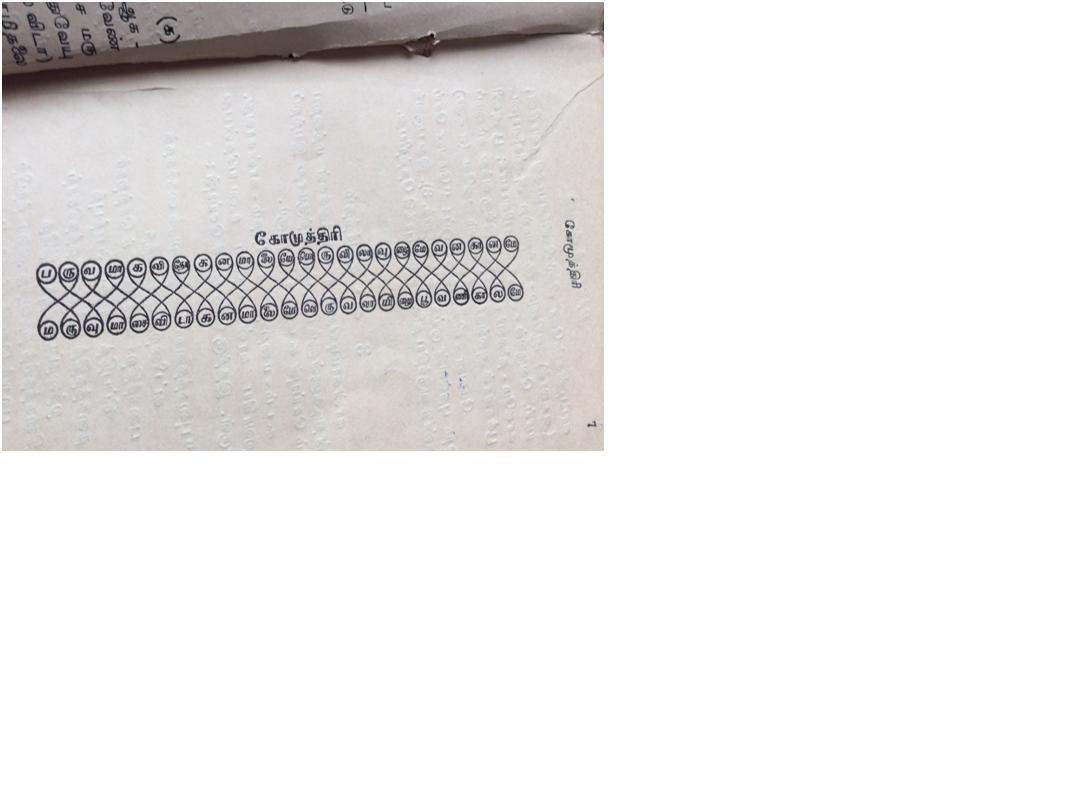
சித்திர கவிகளில் இன்னொரு விதம் கோமூத்திரி ஆகும். இதை பரிதிமால் கலைஞர் விளக்குகிறார் இப்படி:-

பசு மாடு நடந்து கொண்டே மூத்திரம் பெய்ய உண்டாகும் சுவட்டின் வடிவாக அமைக்கப்பட்ட ரேகையிலே எழுத்துக்கள் அமையப் பாடிய பாட்டு கோமூத்திரியாகும்.

கோ – பசு; மூத்திரி- மூத்திர வடிவுடையது

இதற்கு உதாரணச் செய்யுளாக பின் வரும் செய்யுளைத் தந்து அவர் பொருளையும் விளக்குகிறார் :-

பருவ மாகவி தோகன மாலையே                            

பொருவி லாவுழை மேவன கானமே                            

மருவு மாசைவி டாகன மாலையே                                 

 வெருவ லாயிழை பூவணி காலமே


இதன் பொருள்:-

இது ஓ பருவம் ஆக – இதுவோ தலைவர் குறித்த கார்ப்பருவமாதல் வேண்டும்

கனம் மாலை – மேக வரிசைகள்

ஆசை மருவும் – திக்குகளிலே பொருந்தும்; (அதுவேயன்றி)              

  விடா கன மாலையே – (கனம் மாலை விடா) அதிகமாக மாலைப் பொழுதிலே மழை பொழிதலை நீங்கா (எனவே, மிகவும் பொழியும்);

பொருவு இலா உழை – நிகரற்ற மான்கள்,    

 கானமே மேவன – காட்டின் கண்ணே விரும்பி விளையாடுவனவாயின்; (ஆதலால்)                                  ஆயிழை – குற்றமற்ற அணிகளையுடையாய்                       

வெருவல் – அஞ்சாதொழிவாயாக;                 

பூ அணி காலமே – தலைவர் விரைவில் இங்கு வந்து நம்மைப் பூக்களால் அலங்கரிக்கும் காலம் இதுவே

குறிப்பு :- மேவன – விரும்புவன; ஓப்பிடுக: “மேவன செய்யும் புதல்வன் றாய்க்கே (குறுந்தொகை – 8)

இது பருவம் கண்டு வருந்திய தலைவியைப் பாங்கி தேற்றியது. கோமூத்திரியைச் சித்திரமாக கீழே காணலாம்:-

இந்தச் சித்திரத்தில் முதல் இரு அடிகளும் மேலே உள்ளன. அடுத்த இரு அடிகளும் கீழே உள்ளன. அத்தோடு மேலே ஒரு எழுத்தும் கீழே ஒரு எழுத்து விட்டு ஒரு எழுத்துமாக, பின்னர் இப்படியே மேலும் கீழுமாகப் படித்தால் பாடலை முழுவதுமாகப் படிக்கலாம்.

இதை கோமூத்திரி என்று சொல்வது சரி தானே!

swami_48@yahoo.com

*****************