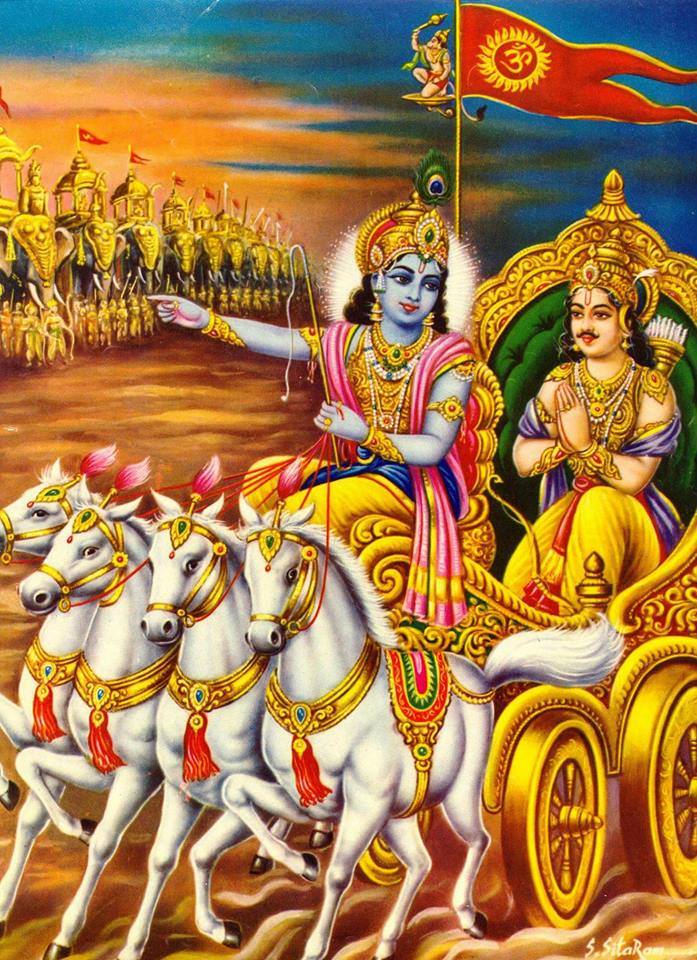
FOUR TIPS FOR SELF IMPROVEMENT- MANU (Post No5856)

Written by London Swaminathan
swami_48@yahoo.com
Date: 30 December 2018
GMT Time uploaded in London –9-35 am
Post No. 5856


Pictures shown here are taken from various sources including google, Wikipedia, Facebook friends and newspapers. This is a non- commercial blog.

Manu’s administrative skill is revealed in chapter seven; the world praised him for his ideas on administration, taxing, spies and ambassadors.

His first four slokas given below are applicable to anyone who wants to succeed in life.

Britain and other western countries follow one sixth taxing– 17.5% until today. This is in all Tamil and Sanskrit books of ancient India. Manu says beautifully about taxing- Tax the people in three ways:-

Like a leech

Like a calf

Like a bee

For highly paid staff, suck like a leech (60% tax)

For middle income groups take tax like calf (20% tax)

For the low income group take (nectar) like a bee! (it helps the plants in pollination and the flowers never lose anything! Actually they are not taxed at all).

Tiru Valluvar, author of Tamil Veda has borrowed all the ideas in this section and repeated them in Tirukkural.

The commentators on this section quote widely from another Sanskrit treatise Nitisara of Kamandaki.

Here are the interesting matter in bullet points

We continue here with the Seventh chapter slokas 99 to 160.

1.Sloka 7-99-102 BEAUTIFUL ADVICE

The advice given to kings is applicable to anyone who wants to succeed in life politically or financially.

2.TIRUKKURAL

All the ideas put forth by Manu here are in Tamil Tiruukral under Royalty (chapters 39-63), State Cabinet (chapters 64 to 73) politics (chapters 74 to 78) and Alliance (Tirukkural chapters 79-95).

Great scholars like V R Ramachandra Dikshitar, Dr Nagaswamy and others have written books on it. Some of the couplets in Tirukkural are verbatim translations of Manu!

About awarding death sentence and using Force, Valluvar follows Manu (Kolaiyir Kodiaaarai Venthoruththal…..).

(About the age of Valluvar and Manu, I have already written; Valluvar came several centuries after Manu)

3.Manu’s slokas 7-110 to 7-120 are about organisation in Administration

4.Animal similes

Tortoise and Heron similes are used by Krishna in Bhagavad Gita, Valluvar in Tirukkural and Bhartruhari, Tirumular etc.

See Manu’s use of Tortoise, Heron, Lion, Wolf, Leech, Calf and Bee in slokas 105, 106,129.

Commentators give lot of information on these similes! Very interesting!

5.Protect Vedic Scholars

Manu says it in sloka 7-135. Tamil Veda author Tiruvalluvar also warns rulers, if the king doesn’t rule properly, “Cows won’t give milk, Brahmins will forget Vedas” (aapayan kundrum, aru thozilor nuul marappar)

6. Hindu scriptures always insist one sixth of one’s income as tax. This is followed by many countries even today

7.Who is a Dasyu?

Manu explains Dasyus as Thieves and Robbers. Kalidasa also followed it in Shakuntala. In addition to sloka 7-143, Manu explains who is a Dasyu in chapter 10 as well. We will see it later. Foreigners deliberately called Dravidians and aborigines as Dasyus. They did it to divide the Hindu society. Every society in the world has goodies and baddies- Devas and Asuras, Angels and Demons. But foreigners deliberately interpreted Dravidians and aborigines as Dasyus. Dasyus are baddies in a society.

8.Warning about women!

Manu’s sloka 7-150 warns about keeping parrots and women in secret political consultations. This is found in all ancient Tamil and Sanskrit books, probably in other cultures as well.

9.Slokas 7-153 ++ talk about Spies and Ambassadors which we see in Ramayana and Mahabharata as well. This shows India was the most advanced civilization in the ancient world.  To achieve such a maturity, India must have existed several thousand years before the Babylonian, Egyptian and Greek civilizations.

10.Sloka 7-125 shows that women were working in those days. Pay structure is also discussed.

xxxx

Now we continue with the Seventh Chapter of Manu Smrti:-

Manu Smrti Chapter 7 contd.

Instructions to a King


FOUR POINT FORMULA


7-99. Let him strive to gain what he has not yet gained;

what he has gained let him carefully preserve;

let him augment what he preserves, and

what he has augmented let him bestow on worthy men.


100. Let him know that these are the four means for securing the aims of human (existence); let him, without ever tiring, properly employ them.


101. What he has not yet gained, let him seek to gain by his army; what he has gained, let him protect by careful attention; what he has protected, let him augment by various modes of increasing it; and what he has augmented, let him liberally bestow on worthy men.

7-102. Let him be ever ready to strike,

his prowess constantly displayed, and

his secrets constantly concealed, and

let him constantly explore the weaknesses of his foe.


103. Of him who is always ready to strike, the whole world stands in awe; let him therefore make all creatures subject to himself even by the employment of force.

104. Let him ever act without guile, and on no account treacherously; carefully guarding himself, let him always fathom the treachery which his foes employ.


TOTOISE  SIMILE


7-105. His enemy must not know his weaknesses, but he must know the weaknesses of his enemy; as the tortoise hides its limbs, even so let him secure the members of his government against treachery, let him protect his own weak points.


HERON SIMILE


7-106. Let him plan his undertakings patiently meditating like a heron; like a lion, let him put forth his strength; like a wolf, let him snatch (his prey); like a hare, let him double in retreat.


107. When he is thus engaged in conquest, let him subdue all the opponents whom he may find, by the (four) expedients, conciliation and the rest.

108. If they cannot be stopped by the three first expedients, then let him, overcoming them by force alone, gradually bring them to subjection.

SAMA, DANA, BEDA, DANDA

109. Among the four expedients, conciliation and the rest, the learned always recommend conciliation and the employment of force for the prosperity of kingdoms.


NIP IT IN THE BUD


7-110. As the weeder plucks up the weeds and preserves the corn, even so let the king protect his kingdom and destroy his opponents.


111. That king who through folly rashly oppresses his kingdom, (will), together with his relatives, ere long be deprived of his life and of his kingdom.

112. As the lives of living creatures are destroyed by tormenting their bodies, even so the lives of kings are destroyed by their oppressing their kingdoms.

113. In governing his kingdom let him always observe the (following) rules; for a king who governs his kingdom well, easily prospers.

114. Let him place a company of soldiers, commanded (by a trusty officer), the midst of two, three, five or hundreds of villages, (to be) a protection of the kingdom.

ORGANISE 10, 20, 100, 1000


7-115. Let him appoint a lord over (each) village, as well as lords of ten villages, lords of twenty, lords of a hundred, and lords of a thousand.

116. The lord of one village himself shall inform the lord of ten villages of the crimes committed in his village, and the ruler of ten (shall make his report) to the ruler of twenty.

117. But the ruler of twenty shall report all such (matters) to the lord of a hundred, and the lord of a hundred shall himself give information to the lord of a thousand.

118. Those (articles) which the villagers ought to furnish daily to the king, such as food, drink, and fuel, the lord of one village shall obtain.

119. The ruler of ten (villages) shall enjoy one kula (as much land as suffices for one family), the ruler of twenty five kulas, the superintendent of a hundred villages (the revenues of) one village, the lord of a thousand (the revenues of) a town.

120. The affairs of these (officials), which are connected with (their) villages and their separate business, another minister of the king shall inspect, (who must be) loyal and never remiss;


TOWN SUPERINTENDENT


7-121. And in each town let him appoint one superintendent of all affairs, elevated in rank, formidable, (resembling) a planet among the stars.

122. Let that (man) always personally visit by turns all those (other officials); let him properly explore their behaviour in their districts through spies (appointed to) each.

123. For the servants of the king, who are appointed to protect (the people), generally become knaves who seize the property of others; let him protect his subjects against such (men).

124. Let the king confiscate the whole property of those (officials) who, evil-minded, may take money from suitors, and banish them.

WOMEN IN EMPLOYMENT ANND WAGE STRUCTURE


7-125. For women employed in the royal service and for menial servants, let him fix a daily maintenance, in proportion to their position and to their work.

126. One pana must be given daily as wages to the lowest, six to the highest, likewise clothing every six months and one drona of grain every month.

127. Having well considered the rates of purchase and of sale, the length of the road, the expense for food and condiments, the charges of securing the goods, let the king make the traders pay duty.

128. After (due) consideration the king shall always fix in his realm the duties and taxes in such a manner that both he himself and the man who does the work receive (their due) reward.


LEECH, CALF,BEE SIMILE


7-129. As the leech, the calf, and the bee take their food little by little, even so must the king draw from his realm moderate annual taxes.


130. A fiftieth part of the increments on cattle and gold may be taken by the king, and the eighth, sixth, or twelfth part of the crops.

131. He may also take the sixth part of trees, meat, honey, clarified butter, perfumes, (medical) herbs, substances used for flavouring food, flowers, roots, and fruit;

132. Of leaves, pot-herbs, grass, objects made of cane, skins, of earthen vessels, and all articles made of stone.


PROTECT VEDIC PUNDITS


7-133. Though dying with want, a king must not levy a tax on Srotriyas/ VEDIC PRIESTS , and no Srotriya, residing in his kingdom, must perish from hunger.

134. The kingdom of that king, in whose dominions a Srotriya pines with hunger, will even, ere long, be afflicted by famine.

135. Having ascertained his learning in the Veda and (the purity of) his conduct, the king shall provide for him means of subsistence in accordance with the sacred law, and shall protect him in every way, as a father protects the lawful son of his body.

136. Whatever meritorious acts such a Brahmana performs under the full protection of the king, thereby the king’s length of life, wealth, and kingdom increase.

137. Let the king make the common inhabitants of his realm who live by traffic, pay annually some trifle, which is called a tax.


138. Mechanics and artisans, as well as Sudras who subsist by manual labour, he may cause to work for himself one day in each month.

TAX WITH DISCRETION


7-139. Let him not cut up his own root by levying no taxes, nor the root of other men by excessive greed; for by cutting up his own root or theirs, he makes himself or them wretched.

140. Let the king, having carefully considered each affair, be both sharp and gentle; for a king who is both sharp and gentle is highly respected.

141. When he is tired with the inspection of the business of men, let him place on that seat of justice his chief minister, who must be acquainted with the law, wise, self-controlled, and descended from a noble family.

142. Having thus arranged all the affairs (of) his (government), he shall zealously and carefully protect his subjects.


REAL MEANING OF DASYU


7-143. That monarch whose subjects are carried off by robbers (Dasyu) from his kingdom, while they loudly call for help, and he and his servants are quietly looking on, is a dead and not a living king.

144. The highest duty of a Kshatriya is to protect his subjects, for the king who enjoys the rewards, just mentioned, is bound to discharge that duty.

145. Having risen in the last watch of the night, having performed the rite of personal purification, having, with a collected mind, offered oblations in the fire, and having worshipped Brahmanas, he shall enter the hall of audience which must possess the marks considered auspicious for a dwelling.


MEET PEOPLE


7-146. Tarrying there, he shall gratify all subjects who come to see him by a kind reception and afterwards dismiss them; having dismissed his subjects, he shall take counsel with his ministers.

147. Ascending the back of a hill or a terrace, and retiring there in a lonely place, or in a solitary forest, let him consult with them unobserved.

148. That king whose secret plans other people, though assembled (for the purpose), do not discover, will enjoy the whole earth, though he be poor in treasure.

149. At the time of consultation let him cause to be removed idiots, the dumb, the blind, and the deaf, animals, very aged men, women, barbarians, the sick, and those deficient in limbs.


WOMEN AND SECRET


7-150. Such despicable persons, likewise animals, and particularly women betray secret council; for that reason he must be careful with respect to them.

151. At midday or at midnight, when his mental and bodily fatigues are over, let him deliberate, either with himself alone or with his ministers, on virtue, pleasure, and wealth,

152. On reconciling the attainment of these aims which are opposed to each other, on bestowing his daughters in marriage, and on keeping his sons from harm,


SPIES AND AMBASSADORS


7-153. On sending ambassadors, on the completion of undertakings (already begun), on the behaviour of (the women in) his harem, and on the doings of his spies.

154. On the whole eightfold business and the five classes of spies, on the goodwill or enmity and the conduct of the circle of neighbours he must carefully reflect.

155. On the conduct of the middlemost prince, on the doings of him who seeks conquest, on the behaviour of the neutral king, and on that of the foe let him sedulously meditate.

72 CONSTITUENT PARTS


7-156. These (four) constituents (prakriti, form), briefly (speaking), the foundation of the circle (of neighbours); besides, eight others are enumerated (in the Institutes of Polity) and (thus) the (total) is declared to be twelve.


157. The minister, the kingdom, the fortress, the treasury, and the army are five other constituent elements of the circle; for, these are mentioned in connexion with each of the first twelve; thus the whole circle consists, briefly speaking, of seventy-two constituent parts.


158. Let (the king) consider as hostile his immediate neighbour and the partisan of (such a) foe, as friendly the immediate neighbour of his foe, and as neutral (the king) beyond those two.


159. Let him overcome all of them by means of the (four) expedients, conciliation and the rest, (employed) either singly or conjointly, (or) by bravery and policy (alone).

160. Let him constantly think of the six measures of royal policy (guna, viz.) alliance, war, marching, halting, dividing the army, and seeking protection.

–subham–

காலன் அழைத்தாலும் காத்து விடும் அதிர்ஷ்டம்! (Post No.5855)

Written by S Nagarajan


Date: 30 DECEMBER 2018


GMT Time uploaded in London – 5-29 am


Post No. 5855

Pictures shown here are taken from various sources including google, Wikipedia, Facebook friends and newspapers. This is a non- commercial blog.

காலன் அழைத்தாலும் காத்து விடும் அதிர்ஷ்டம்!

ச.நாகராஜன்

 வாழ்வில் ஏற்படும் சில விஷயங்கள் நம்மை வியப்பில் ஆழ்த்தி விடும். ஏன் அப்படி நடந்தது என்றால் யாருக்கும் சொல்லத் தெரியாது.

நல்ல விஷயம் என்றால் அதிர்ஷ்டம் என்று சொல்லி விடுவோம். கெட்ட விஷயம் என்றால் என் விதி; எனக்கு மட்டும் ஏன் இப்படி என்று கூறிப் புலம்பி அழுது தீர்ப்போம்.

அடுத்த கணம் என்ன நடக்கும் என்பதைச் சொல்ல முடியாது என்பதை உணர்ந்தாலும் எதிர்காலம் எப்படி இருக்கும் என்பதை அறிய எல்லோருக்குமே ஒரு ஆவல் இருக்கிறது.

ஜோதிடத்தில் மனிதனுக்குத் தீராத ஆசை ஏற்படுவது எதிர்காலத்தை அறியத் துடிக்கும் மனிதனின் இந்த மனப்பான்மை தான்!

 இருபதாம் நூற்றாண்டின் தலை சிறந்த ஆஸ்டிரிய – பிரிட்டிஷ் தத்துவஞானியான சர் கார்ல் ரெய்மண்ட் பொப்பர் ( Sri Karl Raimond Popper – பிறப்பு 28-7-1902 மறைவு 17-9-1994) , ‘தர்க்கரீதியாகப் பார்த்தால் வரலாற்றின் எதிர்காலம் பற்றி  நம்மால் முன்கூட்டி கணிக்கவே முடியாது’ ( for strictly logical reasons, it is impossible for us to predict the future course of history) என்றார்.

அடுத்த விநாடி நடக்கப் போவதை அறியாதவன் ஆயிரம் ஆண்டுக்கு ஜோஸியம் சொன்னானாம் என்று அவர் எள்ளி நகையாடுகிறார்.

பல சம்பவங்களைப் பார்க்கும் போது நமக்கு வியப்புத் தான்  மேலிடுகிறது.

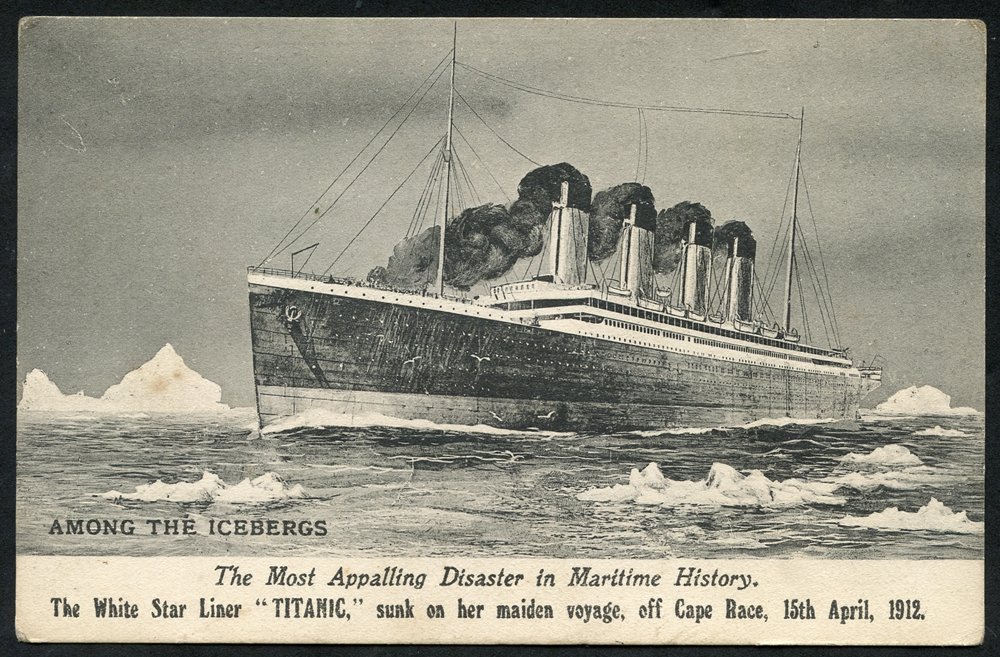
மூழ்கவே மூழ்காத கப்பல் என்று விளம்பரம் செய்யப்பட்ட டைட்டானிக் கப்பல் ஐரோப்பாவிலிருந்து அமெரிக்காவிற்கு 1912 ஏப்ரலில் தனது பயணத்தை ஆரம்பித்தது.

வட அட்லாண்டிக்கில் பனிப்பாறை ஒன்றின் மீது மோதி அது உடைந்தது; அதில் பயணித்த 2224 பயணிகளில் 710 பேர் மட்டுமே உயிர் தப்பினர்.

அது மூழ்கியவுடன் தான் அதில் பயணிக்கத் தவறியவர்கள் யார் யார், ஏன் அவர்கள் அதில் பயணிக்கவில்லை என உலகினரால் விசேஷமாகப் பார்க்கப்பட்டார்கள்.

அவர்கள் ‘Just Missed It’ Club – அதாவது ‘மயிரிழையில் பிழைத்தவர்கள்’ என அழைக்கப்பட்டனர்.

இந்தப் பட்டியலில் ஏராளமானோர் இருந்தனர்.  அவர்களுள் குறிப்பிடத்தகுந்தவர்களுள், தொழிலக முன்னோடிகள் என்று சொல்லக் கூடிய ஹென்றி க்ளே ஃபிரிக் (Henry Clay Frick),  ஜே.பி. மார்கன் (JP Morgan), ஜே. ஹொரேஸ் ஹார்டிங் (J. Horace Harding) ஆகியோரும் அடங்குவர்.

இந்த மூவருமே டைட்டானிக் கப்பலில் பயணப்பட ஏற்பாடுகளைச் செய்தவர்கள்!

ஹென்றி க்ளே ஃபிரிக் அமெரிக்காவின் தலைசிறந்த செல்வந்தர்களுள் ஒருவர். எஃகு, உருக்குத் தயாரிப்பாளர். பிப்ரவரியிலேயே தனக்கும் மனைவிக்குமாகச் சேர்த்து டிக்கட்டை முன்பதிவு செய்திருந்தார் அவர். ஆனால் திடீரென்று அவர் மனைவிக்கு ஒரு சின்ன விபத்து ஏற்பட்டது. கணுக்கால் எலும்பில் முறிவு ஏற்படவே, இத்தாலியில் அவர் மருத்துவ மனை ஒன்றில் சேர்க்கப்பட்டார். ஆகவே அவர்களால் டைட்டானிக்கில் பயணிக்க முடியவில்லை. இவர்களுக்காகப் பதிவு செய்யப்பட்டிருந்த B-52,54,56 ஆகிய மூன்று சூட் ஜேபி மார்கனுக்கு ஒதுக்கப்பட்டது. வங்கித் தொழிலில் கொடி கட்டிப் பறந்த மார்கனும் மிகச் சிறந்த செல்வந்தர் தான். ஆனால் ஐரோப்பாவில் அவரது வணிக சம்பந்தமான திட்டத்திற்காக அவர் கொஞ்சம் அதிக காலம் தங்க வேண்டியதாயிற்று. அவரும் பயணத்தை ஒத்திப் போட்டார். இந்த முறை இவருக்காக ஒதுக்கப்பட்ட அறைகள் ஜே. ஹொரேஸ் ஹார்டிங்கிற்கும் அவரது மனைவிக்கும் ஒதுக்கப்பட்டன. இவரும் வங்கித் தொழிலில் ஈடுபட்டிருந்த பணக்காரர் தான்! ஆனால் இவர்களுக்கு இதற்கு முன்னர் கிளம்பிய கப்பலில் இடம் கிடைத்ததால் இவர்கள் முந்திக் கொண்டு அதில் சென்றனர்; காலன் பிந்திக் கொண்டு விட்டான்!

துரதிர்ஷ்டவசமான அந்த அறைகள் வொய்ட் ஸ்டார் லைன் சேர்மனான ஜே. ப்ரூஸ் இஸ்மேக்குப் போய்ச் செர்ந்தது.

மூன்று தொழிலதிபர்களும் டைட்டானிக் ஆபத்திலிருந்து எப்படி பிழைத்தனர்!

யாராலும் சொல்ல முடியவில்லை. துரதிர்ஷ்டவசமான அந்த அறைகளுக்கு அவர்கள் செல்லவே இல்லை!

இதே போல லண்டனில் உள்ள செயிண்ட் பால் சர்ச்சை சேர்ந்த பாதிரியாரான ஜே. ஸ்டூவர்ட் ஹோல்டனும் (J. Stuart Holden) இதில் செல்ல திட்டமிட்டிருந்தார். அவரது மனைவியின் உடல்நிலை திடீரென்று பாதிக்கப்படவே பயணத்திற்கு ஒருநாள் முன்னர் ஏப்ரல் ஒன்பதாம் தேதியன்று தன் பயணத்தை அவர் தள்ளி வைத்தார்; பிழைத்துக் கொண்டார். இப்படி ஏராளமானோர் துரதிர்ஷ்டவசமாக முடியப் போகும் பயணத்தைத் தவிர்த்தனர்.

இதெல்லாம் யாரால், ஏன் நிர்ணயிக்கப்படுகிறது என்பது யாருக்கும் புரியவில்லை.

இப்படி உயிர் பிழைக்க அதிர்ஷ்டம் காரணமாகும் நிகழ்வுகள் ஒரு புறம் இருக்க,  சில சிறிய நிகழ்வுகள் ஒருவருக்குப் பெரிய வாழ்வைத் தந்து விடுவதையும் பார்க்கிறோம்.

மன்னர் நான்காம் ஜார்ஜுக்கு ஒரு சமயம் திடீரென்று வலிப்பு வந்து விட்டது. தற்செயலாக அங்கு சென்றிருந்த ஒரு கிராம வைத்தியர் அவருக்கு உடனடி சிகிச்சை கொடுத்தார்; மயக்கமடைந்த மன்னருக்கு உணர்வு வரும்படி செய்தார். மன்னரிடம் பேச்சுக் கொடுத்து அவரின் மனநிலையை மாற்றி அவரைச் சிரிக்கவும் வைத்தார். அவரை மன்னருக்கு மிகவும் பிடித்துப் போய்விட்டது. உடனடியாக அவர் அரண்மனை மருத்துவராக நியமிக்கப்பட்டார்.

இப்படி எத்தனையோ பெருக்கு அதிர்ஷ்ட வாய்ப்புகள் வருவதையும் பார்க்கிறோம்; அவர்கள் பிரபலமாவதையும் பார்க்கிறோம்.

விஷம் கொடுத்துச் சாகாமல் இருப்பவர்கள் என்ற விஷயத்தை நம்ப முடியாது என்றாலும் கூட ரஸ்புடீனை எடுத்துக் கொண்டால் சற்று பிரமிப்பு தான் ஏற்படும்.

அவருக்கு கடுமையான விஷம் தரப்பட்டது. ஆனால் விஷம் அவரை ஒன்றும் செய்யவில்லை. பிழைத்துக் கொண்டார்.

இதே போல பதினான்காம் மாடியிலிருந்து கீழே விழுந்த ஒரு குழந்தை புல்தரையில் விழுந்து ஜம்மென்று நடந்த கதையையும் செய்தித் தாளில் பார்க்க நேரிடுகிறது.

என்ன ஆச்சரியம் போங்கள், இந்த மனித வாழ்க்கை!

காலன் அழைத்தாலும் காத்து விடுகிறது அதிர்ஷ்டம்!

சில சமயமோ நல்ல விஷயம் நடப்பதில்லை; எதிர்பார்த்ததற்கு மாறாக  ஏடாகூடமாக ஏதாவதொன்றில் சிக்கிக் கொள்கிறோம்.

வரலாற்றின் எதிர்காலம் இருக்கட்டும்; வரக் கூடிய அடுத்த கணமே நமக்கு எப்படி இருக்கும் என்பது தெரியாது, அது பற்றிச் சொல்லவும் முடியாது என்பது தான் உண்மை போலும்!

***

WATER GIVEN TO COW BECOMES MILK; WATER TO SNAKE -POISON!! (Post No.5854)

Written by London Swaminathan
swami_48@yahoo.com
Date: 29 December 2018
GMT Time uploaded in London –18-08
Post No. 5854


Pictures shown here are taken from various sources including google, Wikipedia, Facebook friends and newspapers. This is a non- commercial blog.

BHARTRUHARI’S NITI SATAKA VERSES 45, 46

45. Cruelty, causeless quarrels, the desire for another’s

wife or money, envy of the good, or of one’s own relatives.

These are the natural characteristics of wicked men– niti sataka

Greatest of the ancient Tamil poets, Tiru valluvar, author of the Tamil Veda Tirukkural, also say the same:-

Envy

He who is envious needs no enemy to ruin him. Envy itself is enough to bring him ruin- Kural/couplet 165

The mean find fault with others even if they eat and dress themselves normally – 1079

Another’s wife

A man who seduces another’s wife because she is easily accessible will suffer the consequence of everlasting sin – Kural/couplet 145

The man who commits adultery can never escape ENMITY, SIN,FEAR AND INFAMY- 148

Covetousness

If a man is so devoid of equality as to covet another’s wealth, not only will  his family be ruined, but many other ills will also betake him – 171

Cruelty

Killing leads to all other sinful acts- 321

xxx

46. An evil man should be avoided though he be

adorned with learning. Is a snake less feared because it

is ornamented with jewels ? – niti sataka 46

A Tamil poets puts it in a better way,

If you see a horned animal stay away at least by five yards; if an animal like horse that can kick you hard, keep the distance to at least ten yards; if it is a made elephant you have to leave at least 1000 yards; but if it s a bad man, don’t even make yourself visible. That means run as far as possible so that he cant see you! This is in Niti Veba by an anonymous author.

Another verse by poet Munaippadiyar in Tamil Ara Neri Charam, says,

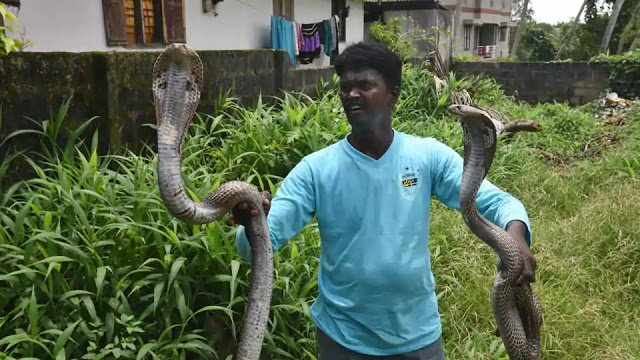
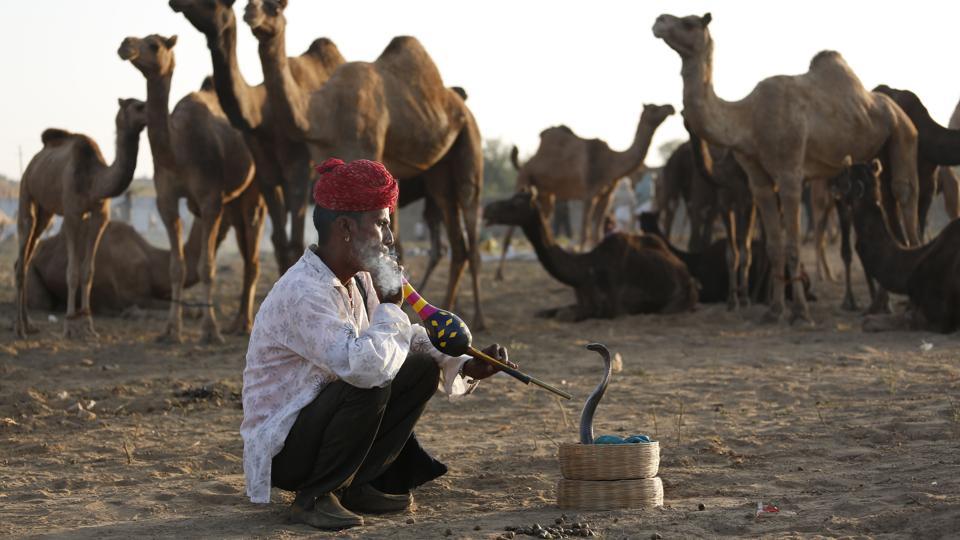
Look, if you give water to cows it gives you back milk; if the same water is given to snake you get only poison. This is the difference between good and bad people; The bad,  even if they read scriptures; they mis quote it; interpret it in the wrong way.

So Bhatruhari is right in comparing bad people to snakes!

अकरुणत्वम् अकारणविग्रहः
परधने परयोषिति च स्पृहा ।
सुजनबन्धुजनेष्वसहिष्णुता
प्रकृतिसिद्धम् इदं हि दुरात्मनाम् ॥ 1.45 ॥

दुर्जनः परिहर्तव्यो
विद्यया‌உलकृतो‌உपि सन् ।
मणिना भूषितः सर्पः
किम् असौ न भयङ्करः ॥ 1.46 ॥

tags- Niti sataka 45, 46,Bhartruhari, snake water, cow , Cobra jewel

–subham-

ENGLISH CROSS WORD 29-12-18 (Post No.5853)


Written by London Swaminathan
swami_48@yahoo.com
Date: 29 December 2018
GMT Time uploaded in London –17-04
Post No. 5853


Pictures shown here are taken from various sources including google, Wikipedia, Facebook friends and newspapers. This is a non- commercial blog.

FIND OUT AT LEAST EIGHT WORDS IN THE SQUARE

ANSWERS ARE GIVEN AT THE END.

ACROSS

1. – Many Hindu gods and goddesses carry this weapon

4. (DO IT RIGHT TO LEFT)- great name Valmiki repeated

6. – land of Kurukshetra war; a state near Delhi

7. – Indumati’s husband in Raghuvamsa of Kalidasa; a great king of solar dynasty

8. First and greatest Hindu Law Giver

DOWN

2. – Greatest of the ancient poets in the Rig Veda; Krishna says he is ….. among the poets

3 – Devas and Asuras churned the Milky ocean to get this product

5. N- a popular name in India, meaning delightful, pleasing; now the name of Chief Justice of India; also a name of actor of yesteryears.

S
ULA


S
MAR


H
R
A
H
ARIANA


N
T
J


AJA
A


MANU

ACROSS


1.SULA- Many Hindu gods and goddesses carry this weapon

4.RAM (DO IT RIGHT TO LEFT)- great name Valmiki repeated

6.HARIANA- land of Kurukshetra war; a state near Delhi

7.AJA- Indumati’s husband in Raghuvamsa of Kalidasa; a great king of solar dynasty

8.MANU- First and greatest Hindu Law Giver

DOWN

2.USHANA- Greatest of the ancient poets in the Rig Veda; Krishna says he is ….. among the poets

3.AMRITAM- Devas and Asuras churned the Milky ocean to get this product

5.RANJAN- a popular name in India, meaning delightful, pleasing; now the name of Chief Justice of India; also a name of actor of yesteryears.

–subham–

புதிய சேனலில் அடுத்த 12 வீடியோக்கள் பற்றிய அறிமுகம் (post No.5851)

Written by S Nagarajan


Date: 29 DECEMBER 2018


GMT Time uploaded in London – 14-49

Post No. 5851

Pictures shown here are taken from various sources including google, Wikipedia, Facebook friends and newspapers. This is a non- commercial blog.

புதிய சேனலில் இன்னும் பல காணொளிக் காட்சிகளைப் பார்க்க அழைப்பு இது!

(அடுத்த 12 வீடியோக்கள் பற்றிய அறிமுகம்)

ச.நாகராஜன்

டிசம்பர் 14, 2019 அன்று www.youtube.com இல்    ‘ASacredSecret’ (ஒரே வார்த்தை, மூன்று காபிடல் லெட்டர்ஸ்- இதை மறக்காமல் பதிவு செய்ய வேண்டும்; சப்ஸ்க்ரிப்ஷன் இலவசம்) என்ற சேனல் துவங்கப்பட்டுள்ளது.

இதில் அறிவியல் அறிவோம், ஆன்மீக அறிவியல் அறிவோம், ஆங்கிலம் அறிவோம், படப் பாடல்களோடு ஒரு பயணம் செய்வோம் உள்ளிட்ட ஏராளமான பகுதிகள் இடம் பெறத் திட்டம் வகுக்கப்பட்டுள்ளது.

22-12-18 முதல் 28-12-18 முடிய இன்னும் 12 காணொளிக் காட்சிகள் இடம் பெற்றுள்ளன.இவற்றில் இரண்டு ஆங்கிலத்திலும் மற்ற பத்து தமிழிலும் உள்ளன.

அவற்றைப் பற்றிய ஒரு சிறு அறிமுகம் இதோ:

www.youtube.com  —- ASacredSecret   –  Episodes

In Tamil

ariviyal aringar vazhvil ep 11

https://www.youtube.com/watch?v=j_OXBfq25U0

பொறியியல் அதிசயம் பனாமா கால்வாய் எப்படி உருவானது. 9500 மைல் பயணத்தைத் தவிர்க்க வைத்த இந்தக் கால்வாயை பிரான்ஸ் கை விட்டது. வில்லியம் கோர்காஸ் 1904இல் அமெரிக்காவின் சார்பில் இதை அமைப்பதில் ஈடுபட்டார்; வெற்றி பெற்றார்! எப்படி? இந்தக் காணொளி காட்சியில் காணலாம்.

நிகழ்ச்சி நேரம் : 2 நிமிடம் 5 வினாடிகள்


***

ariviyal aringar vazhvil ep 12

https://www.youtube.com/watch?v=eZW0z0qJNnU

ஞாபக மறதிப் பேராசிரியர்

டேவிட் ஹில்பர்ட் பெரிய கணித மேதை. ஒரு முறை பார்ட்டிக்கு அனைவரையும் அழைத்திருந்தார். அனைவரும் வந்தனர். அவரைக் காணோம். எங்கே போனார்?இந்தக் காணொளி காட்சியில் காணலாம்.


நிகழ்ச்சி நேரம் : 1 நிமிடம் 16 வினாடிகள்

***

ariviyal aringar vazhvil ep 13

https://www.youtube.com/watch?v=ttwZLcxbpOk

அறிவியல் ஆய்வில் தன் இன்னுயிரை ஈந்த அறிஞர் ப்ளினி

ப்ளினி ஒரு முறை புயல் காற்றில் சிக்கிக் கொண்டார். அவரது ஆராய்ச்சி மனப்பான்மை அவரைத் தொடர்ந்து அதில் ஈடுபடத் தூண்டியது. பிறகு என்ன நடந்தது?இந்தக் காணொளி காட்சியில் காணலாம்.  

நிகழ்ச்சி நேரம் : 1 நிமிடம் 56 வினாடிகள்

***

***

ariviyal aringar vazhvil ep 14

https://www.youtube.com/watch?v=qCq37UlbPcY

தான் மரணமடையப் போகும் நேரத்தைச் சரியாகச் சொன்ன விஞ்ஞானி!

ஆப்ரஹாம் டி மொய்வர் பிரபலமான ̀ விஞ்ஞானி. அவர் தான் இறக்கப்போகும் நேரத்தைத் துல்லியமாகக் கணக்கிட்டுச் சொன்னார். அதன் படியே அதே நேரத்தில் மரணமடைந்தார். எப்படி? என்ன நடந்தது?இந்தக் காணொளி காட்சியில் காணலாம். 

நிகழ்ச்சி நேரம் : 1 நிமிடம் 30 வினாடிகள்

***

ariviyal aringar vazhvil ep 15

https://www.youtube.com/watch?v=IUsQwWDUsCg

பிரபல விஞ்ஞானி ருதர் போர்ட் ஹீலியம் 3ஐக் கண்டு பிடித்தவர். இரவு மூன்று மணிக்கு ஒலிபண்ட் என்ற தனது  உதவியாளரைக் கூப்பிட்டார். ஹீலியம் கண்டுபிடித்ததைச் சொன்னார்! எப்படி அவர் கண்டுபிடித்தார்?

இந்தக் காணொளி காட்சியில் காணலாம். 

நிகழ்ச்சி நேரம் : 2 நிமிடம் 2 வினாடிகள்

***

ariviyal aringar vazhvil ep 16

https://www.youtube.com/watch?v=DGdcb1MMajE

நோபல் பரிசு உருவானது எப்படி?

நோபல் டைனமைட்டைக் கண்டு பிடித்தார். அவர் உயிருடன் இருக்கும் போதே அவர் மரணமடைந்ததாக செய்தி ஒன்றை பிரெஞ்சு பத்திரிகை ஒன்று வெளியிட்டது. மனம் நொந்த நோபல் என்ன செய்தார்? இந்தக் காணொளி காட்சியில் காணலாம். 

நிகழ்ச்சி நேரம் : 1 நிமிடம் 50 வினாடிகள்

***

ariviyal aringar vazhvil ep 17

https://www.youtube.com/watch?v=GPvmFxa9YKI


ஆராய்ச்சி வெறி கொண்ட விஞ்ஞானிகள்

ஆராய்ச்சி வெற்றி ஒன்றே குறியாக இருந்த தன் நண்பர் ஹார்டியைப் பற்றி பெர்ட்ரண்ட் ரஸ்ஸல் கூறியது என்ன? வில்லியம் டொனால்ட் ஹாமில்டன் என்ற விஞ்ஞானி காட்டில் உள்ள பொந்துகளைத் தட்டிப் பார்ப்பார். ஒரு நாள் கில்லர் தேனி அவரை விரட்டியது.ஆப்பிரிக்க காட்டில் ஆய்வுக்காகச் சென்றார். எப்படி அவர் இறந்தார்?

இந்தக் காணொளி காட்சியில் காணலாம். 

நிகழ்ச்சி நேரம் : 1 நிமிடம் 33 வினாடிகள்

***

ariviyal aringar vazhvil ep 18

https://www.youtube.com/watch?v=dpHX2XvJdNg

செயற்கை இனிப்புகள் கண்டுபிடிக்கப்பட்டது எப்படி?

சாக்கரீன் எப்படிக் கண்டுபிடிக்கப்பட்டது. கான்ஸ்டண்டைன் ஃபால்பெர்க் கண்டுபிடித்தது எப்படி? சைக்ளமேட் ஸ்வீட்னர் யாரால் கண்டு பிடிக்கப்பட்டது. அசிசல்பேட் கே எப்படி கண்டுபிடிக்கப்பட்டது.

இந்தக் காணொளி காட்சியில் காணலாம். 

நிகழ்ச்சி நேரம் : 1 நிமிடம் 52 வினாடிகள்

***


ariviyal aringar vazhvil ep 19

 https://www.youtube.com/watch?v=zaXCtaSDTS4

 Isidor Rabi என்ற நோபல் பரிசு பெற்ற மேதை ஐன்ஸ்டீனுடன் ஒரு உரையைப் படித்துக் கொண்டிருந்த போது வந்தார் Schwinger என்ற இளம் வயது மாணவர். அங்கு நடந்தது என்ன? இந்தக் காணொளிக் காட்சியில் காணலாம்.

நிகழ்ச்சி நேரம் : 1 நிமிடம் 48 வினாடிகள்

****

ariviyal aringar vazhvil ep 20

https://www.youtube.com/watch?v=IocvIwu9DKc

அறிவியலிலும் ஆணாதிக்கம் இருப்பதை எண்ணி வருந்திய மேடம் க்யூரி

மேடம் க்யூரி நொபல் பரிசு பெற்ற முதல் பெண்மணி என்ற பெருமைக்குரியவர் அவர். அவர் அறிவியல் அகாடமியில் சேரக் கூடாது என்று தோற்கடிக்கப்பட்டார். அவர் வருந்தினார். நிகழ்ந்தது என்ன?

இந்தக் காணொளிக் காட்சியில் காணலாம். 

நிகழ்ச்சி நேரம் : 1 நிமிடம் 57 வினாடிகள்

***

www.youtube.com  —- ASacredSecret   –  Episodes  In English


POWER OF GAYATRI MANTRA ENG EPISODE 3

ENGLISH

Nadir Sha was defeated in the battle field. How? By the power of Gayatri Mantra. This episode explains the power of Gayatri mantra.

Time 2Min 58 Sec

***

POWER OF 24 SYLLABLES OF GAYATRI MANTRA ENG EPISODE 4

ENGLISH

The power of 24 syllables is explained in this episode. Each syllable and corresponding benefit like wealth, strength, energy etc.

Time 3 Min 19 Sec

***


அன்புடையீர்,

மேலே கண்டுள்ள காட்சிகளைக் கண்டு உங்கள் எண்ணங்களைப் பகிர்ந்து கொள்ள வேண்டுகிறேன்.

ஒவ்வொரு எபிசோடிலும் உள்ள comment -பகுதியிலும் உங்கள் எண்ணங்களைப் பதிவு செய்யலாம்.

அல்லது ariviyalaanmeegam@gmail.com என்ற மின்னஞ்சல் மூலமாகவும் தொடர்பு கொள்ளலாம்.

உங்கள் நண்பர்களுக்கும் இது பற்றிச் சொல்லி அவர்களையும் subscribe செய்யச் சொல்லுங்கள். நன்றி!

**

கவிஞர், புலவர், கவிதை பற்றிய 31 பொன்மொழிகள் (Post No.5850)

2019 ஜனவரி ‘நற்சிந்தனை’ காலண்டர் (Post N.5850)

Written by London Swaminathan
swami_48@yahoo.com
Date: 29 December 2018
GMT Time uploaded in London –10-14 am
Post No. 5850


Pictures shown here are taken from various sources including google, Wikipedia, Facebook friends and newspapers. This is a non- commercial blog.

விளம்பி வருஷம்- மார்கழி- தை மாதம்

அனைவர்க்கும் புத்தாண்டு வாழ்த்துக்கள் உரித்தாகுக!

முஹூர்த்த தினங்கள்—23, 27, 30

அமாவாசை- 5

பௌர்ணமி- 20

ஏகாதஸி விரத நாட்கள்-1/2, 17, 31

பண்டிகை நாட்கள்

ஜனவரி 1- புத்தாண்டு தினம், ஜனவரி 12- சுவாமி விவேகாநந்தர் பிறந்த தினம்- தேசீய இளைஞர் தினம், 14-போகிப் பண்டிகை, 15-மகர சங்கராந்தி- பொங்கல், உத்தராயண புண்ய காலம் , 16- மாட்டுப் பொங்கல், திருவள்ளுவர் தினம், 21- தைப்பூசம், 25- தியாகப் பிரம்ம ஆராதனை, 26- குடியரசு தினம்.

ஜனவரி 1 செவ்வாய்க்கிழமை

கவீனாம் ப்ரதிபா சக்ஷஹு சாஸ்த்ரம் சக்ஷுர் விபஸ்சிதாம்-ராமாயண மஞ்சரி

புலவர்களுக்கு கண்கள்-நெடுநோக்கு ; அறிவாளிக்குக் கண்கள் -அறிவு

ஜனவரி 2 புதன் கிழமை

காவ்யேஷு நாடகம் ரம்யம்,தத்ர சாகுந்தலம் மதம்- பழமொழி

கவிஞர்களின் படைப்புகளில் சிறந்தது நாடகம்தான், அதிலும் சிறந்தது சாகுந்தலமே (காளிதாஸன் எழுதியது).

ஜனவரி 3 வியாழக்கிழமை

கவீஸ்வராணாம் வசஸாம்வினோதைர் நந்தந்தி வித்யாவித்யோ  ந சான்யே- கஹாவத்ரத்னாகரம்

 கவிஞர்களின் சொற் சிலம்பத்தை அறிஞர்கள் மட்டுமே ரஸிக்க முடியும்; மற்றவர்களால் முடியாது

ஜனவரி 4 வெள்ளிக் கிழமை

கத்யம் கவீனாம் நிகாஷம் வதந்தி- பழமொழி

‘உரை நடையே படைப்பாளிகளின் உரைகல்’ என்று பகர்வர்

ஜனவரி 5 சனிக்கிழமை

மதி தர்ப்பணே  கவீனாம் விஸ்வம் ப்ரதிஃபலதி- காவ்ய மீமாம்ஸா

கவிகளின் அறிவுக் கண்ணாடியில் உலகம் பிரதிபலிக்கிறது

(இலக்கியம் என்பது காலம் காட்டும் கண்ணாடி)

ஜனவரி 6 ஞாயிற்றுக் கிழமை

நான்ருஷிஹி குருதே காவ்யம்- சுபாஷித ரத்ன பாண்டாகாரம்

 தொலை நோக்கு இல்லை என்றால் கவிதையும் இல்லை

ஜனவரி 7 திங்கட் கிழமை

கவயஹ கிம் ந பஸ்யந்தி –சுபாஷித ரத்ன பாண்டாகாரம்

கவிகள் கண்களுக்கு புலப்படாததும் உண்டோ!

ஜனவரி 8 செவ்வாய்க்கிழமை

நாடகாந்தம் கவித்வம் – பழமொழி

ஒரு கவிஞனின் திறமை, நாடகத்தில் உச்சத்தைத் தொடுகிறது

ஜனவரி 9 புதன் கிழமை

கஸ்மை ந ரோசதேநவ்யா நவோதேவ கதாசுதா- கஹாவத்ரத்னாகரம்

புதிய சுவையான கதையும் புதுமனைவியும் யாருக்குத்தான் இன்பம் தராது?

ஜனவரி 10 வியாழக்கிழமை

வாதாதிஹா ஹி புருஷாஹா கவயோ பவந்தி – சூக்திமுக்தாவளி

புதிய எண்ண அலைகளே கவிஞனை உருவாக்குகிறது

ஜனவரி 11 வெள்ளிக் கிழமை

வான் கலந்த மாணிக்க வாசக! நின்வாசகத்தை

நான் கலந்து பாடுங்கால் நற்கருப்பஞ்சாற்றினிலே

தேன் கலந்து பால் கலந்து செழுங்கனித்தீஞ்சுவை கலந்து
ஊன் கலந்து உயிர் கலந்து உவட்டாமல் இனிப்பதுவே.-

இராமலிங்க சுவாமிகள்

ஜனவரி 12 சனிக்கிழமை

க வித்யா கவிதாம் விநா- சுபாஷித ரத்ன பாண்டாகாரம்

கவிதை இல்லாமல் அறிவா?

ஜனவரி 13 ஞாயிற்றுக் கிழமை

சப்தாயந்தே ந கலு கவயஹ  ஸன்னிதௌ துர்ஜனானாம்-ஹம்ஸ ஸந்தேச

தீயோர் ஆட்சியில் புலவர்கள் எழுப்பும் குரல் வெற்று வேட்டு அல்ல

ஜனவரி 14 திங்கட் கிழமை

கம்பன் அலை புரண்டு ஓடி வரும் தெள்ளிய கோதாவரி ஆற்றைக் கவிதையுடன் ஒப்பிட்டு இப்படிக் கூறுகிறான்:

“சவியுறத் தெளிந்து தண்ணென்று ஒழுக்கமும் தழுவிச்
சான்றோர் கவியெனக் கிடந்த கோதாவரி”
(ஆரணிய காண்டம் சூர்ப்பணகைப் படலம்,1)

ஒரு கவிதை என்றால் அதில் ஒளி, தெளிவு, குளுமை, ஒழுக்கம் ஆகிய பண்புகள் இருக்க வேண்டும் என்பது கம்பனின் கவிதைக் கொள்கை.

ஜனவரி 15 செவ்வாய்க்கிழமை

சுவை புதிது, பொருள் புதிது, வளம் புதிது
சொற் புதிது, சோதி மிக்க நவகவிதை
எந்நாளும் அழியாத மா கவிதை“-பாரதி

ஜனவரி 16 புதன் கிழமை

யாமறிந்த புலவரிலே கம்பனைப் போல்
வள்ளுவர் போல், இளங்கோவைப் போல்
பூமிதனில் யாங்கனுமெ பிறந்ததில்லை- பாரதி

ஜனவரி 17 வியாழக்கிழமை

உள்ளத்தில் உண்மை ஒளி உண்டாயின்
வாக்கினிலே ஒளி உண்டாகும்- பாரதி

ஜனவரி 18 வெள்ளிக் கிழமை

உவப்பத் தலைக்கூடி உள்ளப் பிரிதல்

அனைத்தே புலவர் தொழில்- குறள் 394

ஓரிடத்தில் சந்தித்து, மனமகிழ்ச்சி தருமாறு உரையாடி, இப்படி மீண்டும் என்று சந்திப்போம் என்று ஏங்குவது புலவரின் செயல் ஆகும் (புலவர்= கற்றோர்)

ஜனவரி 19 சனிக்கிழமை

கவி கொண்டார்க்குக் கீர்த்தி, அதைச் செவி கொள்ளார்க்கு அவகீர்த்தி- தமிழ்ப்பழமொழி

ஜனவரி 20 ஞாயிற்றுக் கிழமை

கம்பன் வீட்டுக் கட்டுத்தறியும் கவிபாடும்– தமிழ்ப்பழமொழி

ஜனவரி 21 திங்கட் கிழமை

கவி கொண்டார்க்கும் கீர்த்தி, கலைப்பார்க்கும் கீர்த்தியா?

ஜனவரி 22 செவ்வாய்க்கிழமை

கவீந்திராணாம் கஜேந்திராணாம்- பழமொழி (கவிகள், வழி நடத்திச் செல்லும் தலைவர்கள்)

ஜனவரி 23 புதன் கிழமை

உள்ளத்துள்ளது கவிதை – இன்பம்

உருவெடுப்பது கவிதை

தெள்ளத் தெளிந்த தமிழில் – உண்மை

தெரிந்துரைப்பது கவிதை.- கவிமணி தேசிக விநாயகம்

ஜனவரி 24 வியாழக்கிழமை

பாட்டுக் கொருபுலவன் பாரதிஅடா! – அவன்

பாட்டைப் பண்ணொடொருவன் பாடினான், அடா!

கேட்டுக் கிறுகிறுத்துப் போனேனேயடா! – அந்தக்

கிறுக்கில் உளறுமொழி பொறுப்பாய், அடா!

சொல்லுக்குச் சொல்லழகும் ஏறுமே, அடா! – கவி

துள்ளும் மறியைப்போலத் துள்ளுமே, அடா !

கல்லும் கனிந்துகனி யாகுமே,அடா ! – பசுங்

கன்றும் பால் உண்டிடாது கேட்குமே, அடா!- கவிமணி தேசிக விநாயகம்

ஜனவரி 25 வெள்ளிக் கிழமை

“வெய்யிற்கேற்ற நிழல் உண்டு வீசும் தென்றல் காற்றுண்டு

கையில் கம்பன் கவி உண்டு கலசம் நிறைய அமுதுண்டு

தெய்வ கீதம் பல உண்டு தெரிந்து பாட நீ உண்டு

வையம் தரும் இவ் வனமன்றி வாழும் சொர்க்கம் வேறுண்டோ”

(உமர் கய்யாம் பாரசீக மொழியில் எழுதிய கவிதையை ((கம்பன் பெயரை இணைத்து)) தமிழில் மொழி பெயர்த்தவர் கவிமணி தேசிக விநாயகம்)

ஜனவரி 26 சனிக்கிழமை

வாங்க அரும்பாதம் நான்கும் வகுத்த வான்மீகி என்பான்

தீம் கவிகள் ஆரத் தேவரும் பருகச் செய்தான் – வால்மீகி பற்றி கம்பன் சொன்னது; பால காண்டம், கம்பராமாயணம்

ஜனவரி 27 ஞாயிற்றுக் கிழமை

புலவர் போற்றிய நாணில் பெருமரம்- அகம்.273 அவ்வையார்

‘புலவர்கள் புகழ்ந்த நாணம்’ இல்லாமற் போயிற்று

ஜனவரி 28 திங்கட் கிழமை

முது மொழி நீரா, புலன் நா உழவர்

புது மொழி கூட்டுண்ணும் புரிசை சூழ் புனல் ஊர- மருதன் இளநாகன், மருதக்கலி, கலித்தொகை பாடல் 68

அறிவுரை வழங்கும் அமைச்சர் போல, செந்தமிழ் என்னும் பழைய மொழியால், நாக்கு என்னும் ஏரால் உழுது உண்ணும் புலவர் சொன்ன சொற்கள்  பாண்டிய மன்னனின் செவி என்னும் நிலத்திற்குப் பாய்ச்சிய நீர் ஆகும்; புலவர்களுடைய புதிய கவிதைகளை கேட்டு உண்ணும் (மகிழும்) நீர் சூழ்ந்த மதுரை நகரத்தை உடையன் அவனே!

ஜனவரி 29 செவ்வாய்க்கிழமை

புலவர் பாடும் புகழுடையோர் விசும்பின்

வலவன் ஏவா வான ஊர்தி

எய்துப, என்ப, தம் செய்வினை முடித்து எனக் கேட்பல்- புறம் 27, முதுகண்ணன் சாத்தனார்

புலவர்கள் படும் அளவுக்கு புகழ்பெற்றவர்கள், பைலட்/விமானி இல்லாமல் தானே இயங்கும் விமானத்தில் செல்லுவர்; அவர்கள் ‘செய்யவேண்டிய செயல்களை எல்லாம் செய்து முடித்தவர்கள்’ என்று சான்றோர் கூறுவர்

ஜனவரி 30 புதன் கிழமை

கவீனாம் உசனா கவிஹி (பகவத் கீதை 10-37)

‘முக்காலமும் உணர்ந்த கவிகளுள் நான் உசனா கவி’ (கண்ணன் கூறியது).

ஜனவரி 31 வியாழக்கிழமை

‘அருஞ்சொல் நுண் தேர்ச்சிப் புலவர் நாவில்’– அவ்வையார், புறம்.235

Tags- ஜனவரி 2019 காலண்டர், கவிஞர், கவிகள், புலவர், கவிதை பற்றிய 31 பொன்மொழிகள்

–SUBHAM–

பாம்பு நீர் குடித்தால் விஷமாகும்; பசு நீர் குடித்தால் பால் ஆகும்! (Post No.5848)

Written by London Swaminathan
swami_48@yahoo.com
Date: 28 December 2018
GMT Time uploaded in London –20-40
Post No. 5848


Pictures shown here are taken from various sources including google, Wikipedia, Facebook friends and newspapers. This is a non- commercial blog.

பர்த்ருஹரியின் நீதி சதகத்திலுள்ள நூறு பாடல்களில் இது வரை 44 பாடல்களைக் கண்டோம். மேலும் சில பாடல்களைத் தமிழ் இலக்கியத்துடன் ஒப்பிட்டு மகிழ்வோம்

இதோ பாடல் 45

கெட்டவனுக்கு இயல்பாகவே கொடுஞ்செயல்கள் வரும்.

காரணம் இல்லாமலேயே சண்டைக்கு வருவான்.

மற்றவர் செல்வத்துக்கும் மனைவியர்க்கும் ஆசைப்படுவான்.

நல்லோரைக் கண்டால் சீறி விழுவான்.

தனது குடும்பத்தினரையே நிந்திப்பான்.

ராவணன் இந்த எல்லா கெட்ட குணங்களையும் உடையவன்.

குபேரனின் புஷ்பக விமானத்தைப் பறித்தான்;

சிவ பெருமானின் கயிலை மலையை அசைத்தான்;

ராமனின் மனைவியைக் கவர்ந்தான்.

தேவர்களைத் துன்புறுத்தினான்.

எல்லா ராக்ஷசர்களும், நல்லோரைத் துன்புறுத்தியதால்தான் விஷ்ணு பல அவதாரங்களை எடுக்க நேரிட்டது.

திருவள்ளுவரும் தமிழ் வேதமான திருக்குறளில் கயவர்களின் குணத்தை வருணிக்கிறார்

உடுப்பதூஉம் உண்பதூஉம் காணின் பிறர்மேல்

வடுக்காண வற்றாகும் கீழ் -குறள் 1079

பிறர் நன்றாக உடுப்பதையோ உண்பதையோ கண்டால்,கயவர்கள், பொறாமை கொண்டு அதற்கும் குற்றம் காண வல்லவர் ஆவார்கள்.

ஈசாப்   கதையில் வரும் ஆடு- ஓநாய் கதை போலத்தான். வலிய சண்டைக்கு இழுத்து ஆட்களைக் கொல்லுவர். ரிஷி முனிவர்கள் காடுகளில்  பழங்களையும் தேனையும் சேகரித்து உண்டு அமைதியான வாழ்க்கை நடத்தியபோதும் அவர்களுடன் வம்புச் சண்டைக்குப் போனவர்கள் அரக்கர்கள்.

பிறன் மனை நோக்காத பேராண்மை

பகைபாவம் அச்சம் பழியென நான்கும்

இகவாவாம் இல்லிறப்பான் கண்- குறள் 146

பிறருடைய மனிவியை நாடிச் செல்பவனுக்கு நான்கு கெடுதிகள் எப்போதும் வரும்/ இருக்கும்:–

பகைமை, பாவம், பயம், உலகமே பழித்துரைக்கும் வசவுகள் இவை நான்கும் நீங்காமல் நிற்கும்.

இதை பர்த்ருஹரி அழகாகஒரே ஸ்லோகத்தில் சொல்லிவிட்டார்.

அகருணத்வமகாரணவிக்ரஹக பரதனே பரயோஷிதி ச ஸ்ப்ருஹா

ஸுஜன பந்துஜனேஸ்ஹ்வஸஹிஷ்ணுதா ப்ரக்ருதி ஸித்தமிதம்  ஹி துராத்மனாம்-45

xxxxxx

பாடல் 46

கற்றவர்களாயினும் தீய குணம் இருந்தால் அவர்களைத் தவிர்க்க வேண்டும். பாம்பின் தலையில் மாணிக்கம் இருந்தாலும் அது ஆபத்தானதல்லவா?

துர்ஜனஹ பரிஹர்தவ்யோ வித்யயாஅலக்ருதோ அபிஸன்

மணினா பூஷிதஹ ஸர்பஹகிம் அஸௌ ந பயங்கரஹ- 1-46

தீயவர்பால் கல்வி சிறந்தாலு மற்றவரைத்

தூயவரென்றெண்ணியே துன்னற்க– சேயிழையே!

தண்ணொளிய மாணிக்க சர்ப்பந் தரித்தாலும்

நண்ணுவரோ மற்றதனை நாடு- நீதிவெண்பா

பொருள்

பாம்பிடம் ஒளிமிக்க மாணிக்கக் கல் இர்ந்தாலும் யாராவது அதை நெருங்குவார்களா? அதே போல கெட்டவர்களிடம் கல்வி அறிவு இருந்தாலும் நாடக் கூடாது.

 பசுவுக்கு நீர்பால்; பாம்புக்கு நீர் – விஷம்

பாம்புண்ட நீரெல்லாம் நஞ்சாம் பசுவுண்ட

தேம்படு ஹெண்ணீர் அமுதமாம் – ஓம்பற்கு

ஒளிஆய்ம் உயர்ந்தார்கண் ஞானம் அதுபோற்

களியாம் கடையாயார் மாட்டு- அறநெறிச்சாரம்

பொருள்

பாம்புகள் குடிக்கும் நீர் எல்லாம் விஷமாக மாறுகிறது;

கயவர்கள் கற்கும் ஞன நூல்கள் அவர் மாட்டு மயக்கத்தையே விளைவிக்கும்;

பசு மாடுகள் குடிக்கும் தண்ணீர் இனிய பாலாக மாறும்;

உயர்ந்தோர் கற்கும் ஞான நூல்கள் அவர்கள் மாட்டு அறிவினை வளர்க்கும்.

தீயோர்கள் கற்றாலும் கற்றதையெல்லாம் தவறாக வியாக்கியானம் செய்வர்.

अकरुणत्वम् अकारणविग्रहः
परधने परयोषिति च स्पृहा ।
सुजनबन्धुजनेष्वसहिष्णुता
प्रकृतिसिद्धम् इदं हि दुरात्मनाम् ॥ 1.45 ॥

दुर्जनः परिहर्तव्यो
विद्यया‌உलकृतो‌உपि सन् ।
मणिना भूषितः सर्पः
किम् असौ न भयङ्करः ॥ 1.46 ॥

tags– நல்லோர்,தீயோர், பாம்பு, பசு, விஷம், பால்

Xxxxxxxxxxxxxx  subham xxxxxxxxxxxxxxxxxxxx

31 Nanneri (Tamil Book) quotations from Sivapragasar (Post No.5847)

WISH YOU ALL A VERY HAPPY NEW YEAR

2019 JANUARY ‘GOOD THOUGHTS’ CALENDAR (Post No.5847)

Compiled by London Swaminathan
swami_48@yahoo.com
Date: 28 December 2018
GMT Time uploaded in London –18-34
Post No. 5847


Pictures shown here are taken from various sources including google, Wikipedia, Facebook friends and newspapers. This is a non- commercial blog.

31 Nanneri (Tamil Book) quotations from Sivapragasar of Thuraimangalam

AUSPICIOUS DAYS- JAN.23, 27, 30

FESTIVALS- JAN.1 NEW YEAR, 14- BOGI PANDIKAI, 15- MAKARA SANKRANTI- PONGAL, ALSO UTTARAYANA PUNYA KALA, 16- PONGAL FOR CATTLE AND TIRUVALLUVAR DAY, 21- THAI PUSAM, 25-THYAGA BRAHMA ARADHANA, 26- INDIAN REPUBLIC DAY.

JAN.12 SWAMI VIVEKANDANA BIRTH DAY-NATIONAL YOUTHS DAY.

AMAVASYAI-NEW MOON DAY- JAN.5

PURNIMA- FULL MOON DAY- JAN.20

HINDU FASTING DAYS/EKADASI- JAN.1/2, 17 AND 31

JANUARY 1 TUESDAY

Harsh language of pure in heart is better than the sweet language of impure heart, Nanneri verse-2

JANUARY 2 WEDNESDAY

Milk of a cow is obtained with the help of her calf. In the same way get help through your friend from his friend-3


JANUARY 3 THURSDAY
Riches from a man who is not ready to help others will go to one who is ready to help like the salt water of the ocean is taken by the clouds for distributing to people as fresh water-4


JANUARY 4 FRIDAY
Both the eyes look at the same objects. In the same way husband and wife should perform their domestic duties without disagreements-6

JANUARY 5 SATURDAY
Don’t boast that you have ocean wide knowledge. Even the ocean of water was drunk by a Rishi-7

JANUARY 6 SUNDAY
Controlling anger is a virtue. It is like controlling the floods with the banks-8

JANUARY 7 MONDAY

The weak will not be afraid of their powerful foe if they secure the friendship of one who is more powerful- Nanneri verse 9

JANUARY 8 TUESDAY


The moon instead of removing its own dark spots tries to remove the darkness of the world. Great people alleviate the calamities befallen on others and care not to satisfy their wants- 10


JANUARY 9 WEDNESDAY
The five senses will have power over fools and lead them to sin, but not over those who have true wisdom -11

JANUARY 10 THURSDAY
It is truly wonderful that how the soul subject to various suffering s is kept in the body with nine holes . It is like a vessel full of holes holding water in it- Nanneri verse12

JANUARY 11 FRIDAY
The great will not be proud, because they possess immense wealth. Even Mount Meru was once bout as a bow- 14


JANUARY 12 SATURDAY

To one who is destitute of love, of what use is it to possess wealth, house and property? To the blind, of what use is light? -15

JANUARY 13 SUNDAY
The people of the vast earth are delighted not with the harsh but pleasant words . The sea is raised not by the burning rays of the sun but by the cool beams of the moon-18

JANUARY 14 MONDAY

The great will rejoice and put on a smiling countenance at the approach of the good; and will grieve at the sight of the wicked-Nanneri verse19

JANUARY 15 TUESDAY
The great will look upon the affliction of others as though it were their own and they will be, in heart, butter on fire-20

JANUARY 16 WEDNESDAY


All the knowledge gained by the illiterate will vanish in the presence of thorough scholars-21

JANUARY 17 THURSDAY
Seek not to be high or low by birth but by knowledge-22


JANUARY 18 FRIDAY
By frequent conversation with women , the strength of the heart, will be shaken-23

JANUARY 19 SATURDAY
In this world although one possesses virtue, the low minded will catch at his defects and speak of them. In the thriving grove of trees the winged insects love the flower bed: but the crow love fruit of the neem tree-24

JANUARY 20 SUNDAY
In the assembly of low people who possess some slight knowledge acquired without study, a thorough scholar will not be appreciated and honoured-25

JANUARY 21 MONDAY

Because of the littleness of their body, the ocean wide knowledge of the poets of bright genius is neither less appreciated nor despised -26


JANUARY 22 TUESDAY
With no expectation of a return for their favour the learned afford aid to their neighbors as much as they could from what they gain by hard labour -27

JANUARY 23 WEDNESDAY


Even in anger the great will afford aid to their neighbors; the mean will not give even in the warmth of their heart. The fruit of the plantain tree is good for food whether it is ripe or not. The fruit of the Etti tree is poison even when it is ripe- Nanneri verse 28


JANUARY 24 THURSDAY


Though it be a crore of bodily evils that cause nigh, those who constantly direct their thoughts to the Supreme Being, will not fear-29

JANUARY 25 FRIDAY


Before the approach of cruel Yama, to take away our lives, let us live in the practice of virtue with matured mind-30

JANUARY 26 SATURDAY
The virtues practiced by those who have no knowledge of the precepts contained in the shastras will not be valid. It is like a house without a bolt-32

JANUARY 27 SUNDAY


Great persons love those who have acquired knowledge; but mean persons regard them not-35


JANUARY 28 MONDAY
Gifts are bestowed not on unworthy but on worthy persons. Hence the noble minded confer their gifts on the worthy. Water is stored in reservoirs only for paddy, not for wild plants- Nanneri  verse 36


JANUARY 29 TUESDAY


The kings that put on gold ornaments are not to be compared to the learned who wear them not. Body parts that bear the ornaments cannot see; eyes wear no ornaments, but can see- Nanneri 40

JANUARY 30 WEDNESDAY

Very close friendship formed by the illiterate though it last long will  be productive of evil; flower with perfume give its fragrance only on the day it blooms- 39

JANUARY 31 THURSDAY

Friendship formed by  the good  will increase daily ; if the green fruit ripens I is good for food-  Nanneri Verse 38

TAGS– JANUARY 2019 CALENDAR, NANNERI QUOTATIONS, SIVAPRAGASAR

–SUBHAM–

BHAGAVATA PURANA – RARE PICTURES-PART 7 (Post No.5846)

Compiled by London Swaminathan
swami_48@yahoo.com
Date: 28 December 2018
GMT Time uploaded in London – 8-21 am
Post No. 5846


Pictures shown here are taken from various sources including google, Wikipedia, Facebook friends and newspapers. This is a non- commercial blog.

பாகவத புராணம் அபூர்வ படங்கள்- பகுதி 7

கடந்த 6 நாட்களில் வெளியான அபூர்வ படங்களையும் கண்டு களிக்கவும்.

பாகவதத்தில் மொத்தம் 12 ஸ்கந்தங்கள் (பிரிவுகள்) உண்டு. இத்துடன் பத்தாவது ஸ்கந்தம் முடிவடைகிறது. மேலும் இரண்டு ஸ்கந்தங்கள் பிரிட்டிஷ் லைப்ரரியில் கிடைத்தால் அவற்றையும் (பொருளடக்கமும் படங்களும் மட்டும்) வெளியிடுகிறேன்.

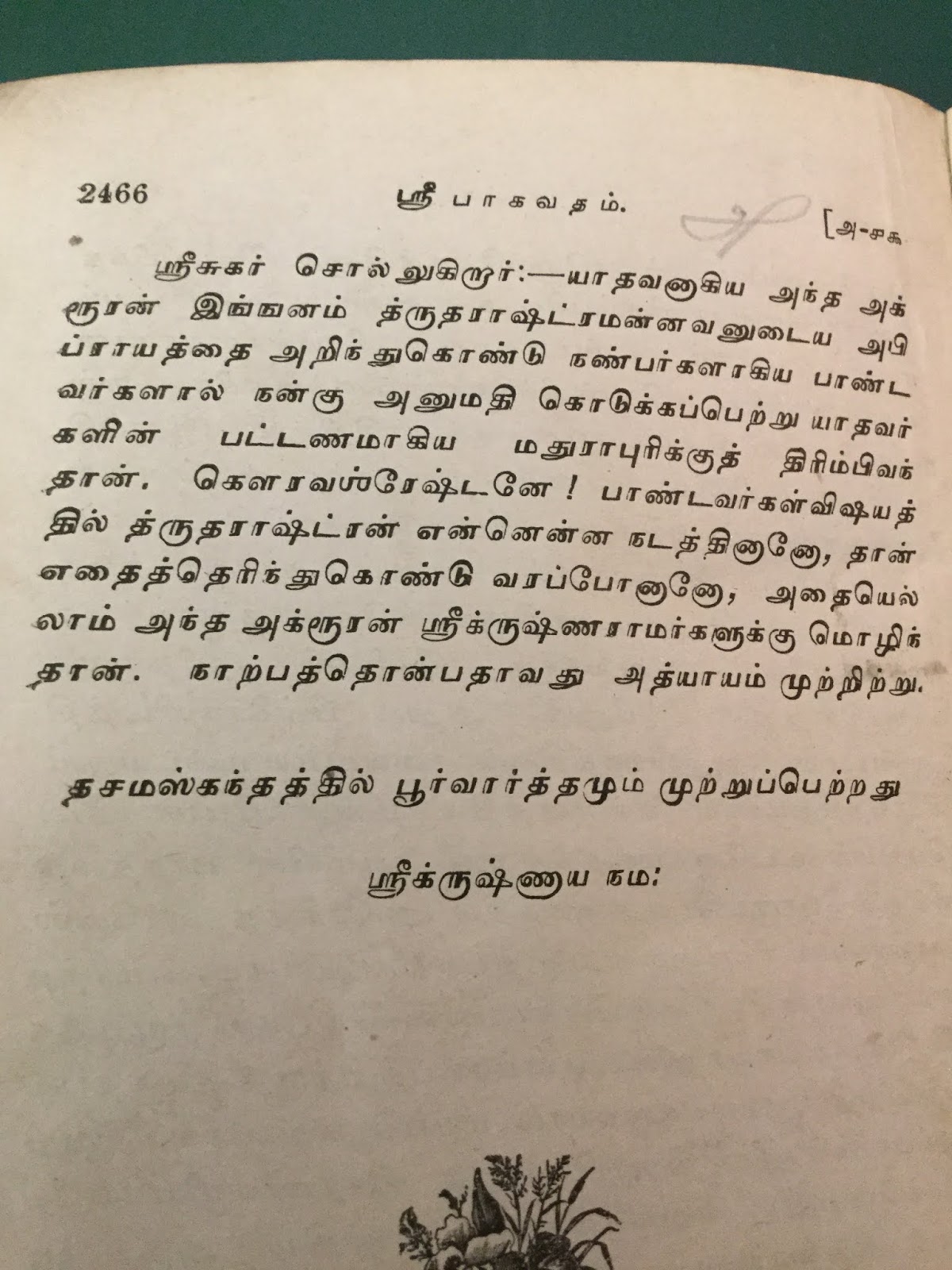
இது வரை மொத்த பக்கங்கள்-2466

PART SEVEN OF  BHAGAVATA PURANA PICTURES ; PLEASE SEE THE PICTURES POSTED IN THE PAST SIX DAYS. THESE ARE FROM A 100 YEAR OLD BOOK, available in the British library in London.

TWO MORE CHAPTERS (SKANAM 11&12) ARE THERE. I WILL POST THEM WHEN I GET THEM FROM THE BRITISH LIBRARY.

I AM PUBLISHING ONLY THE PICTURES AND CONTENTS.

PAGES SO FAR (IN TAMIL)—-2466

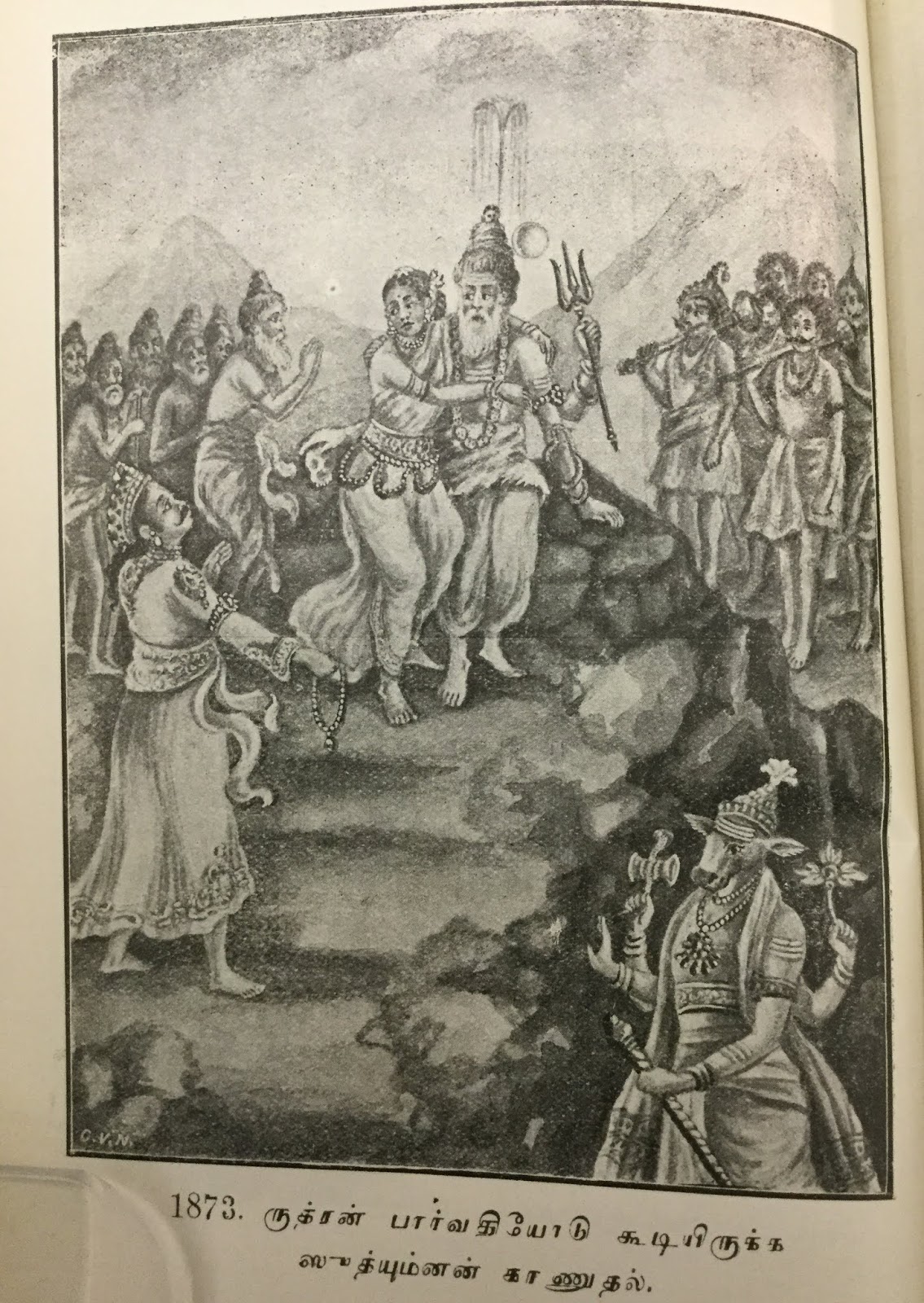
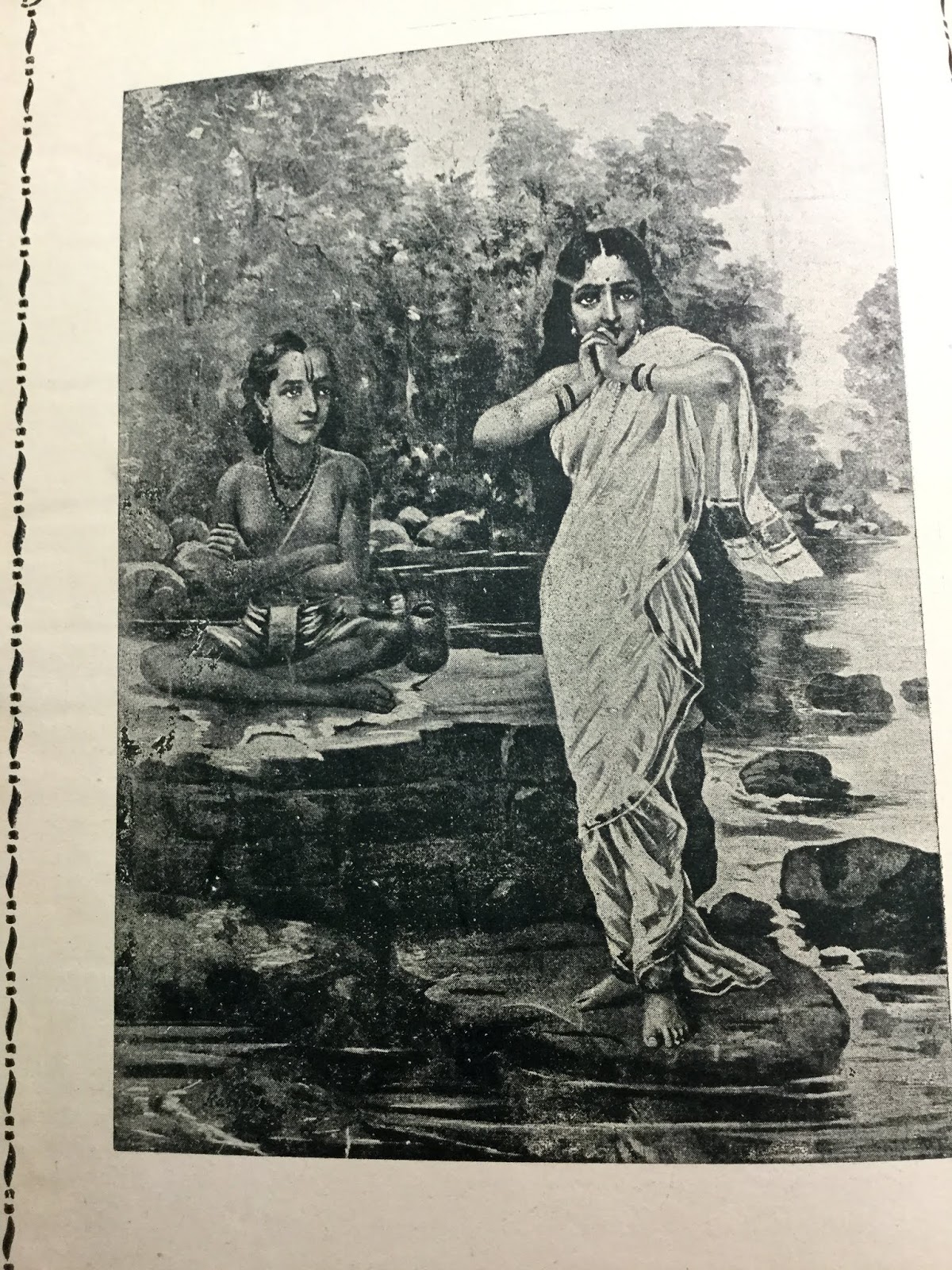
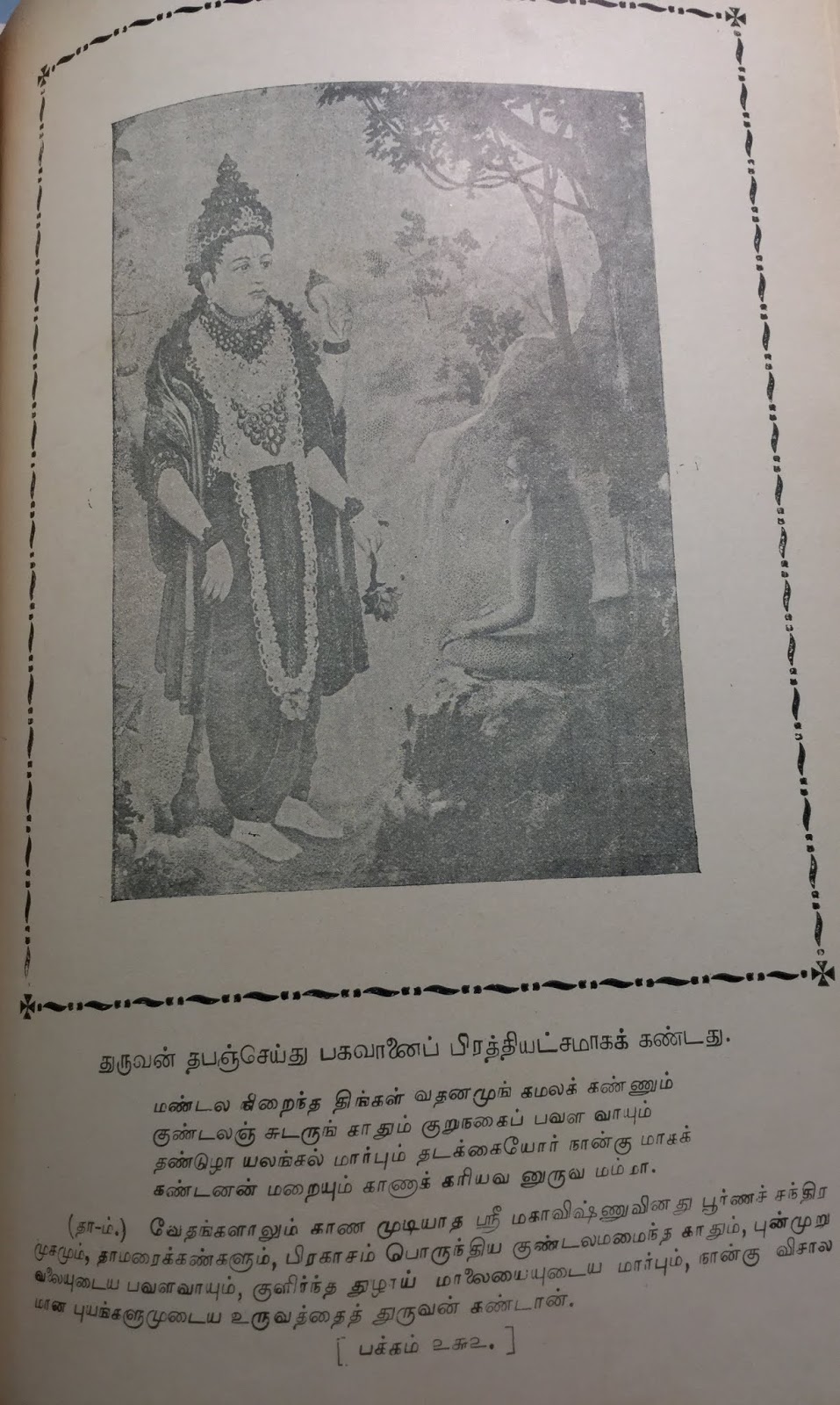
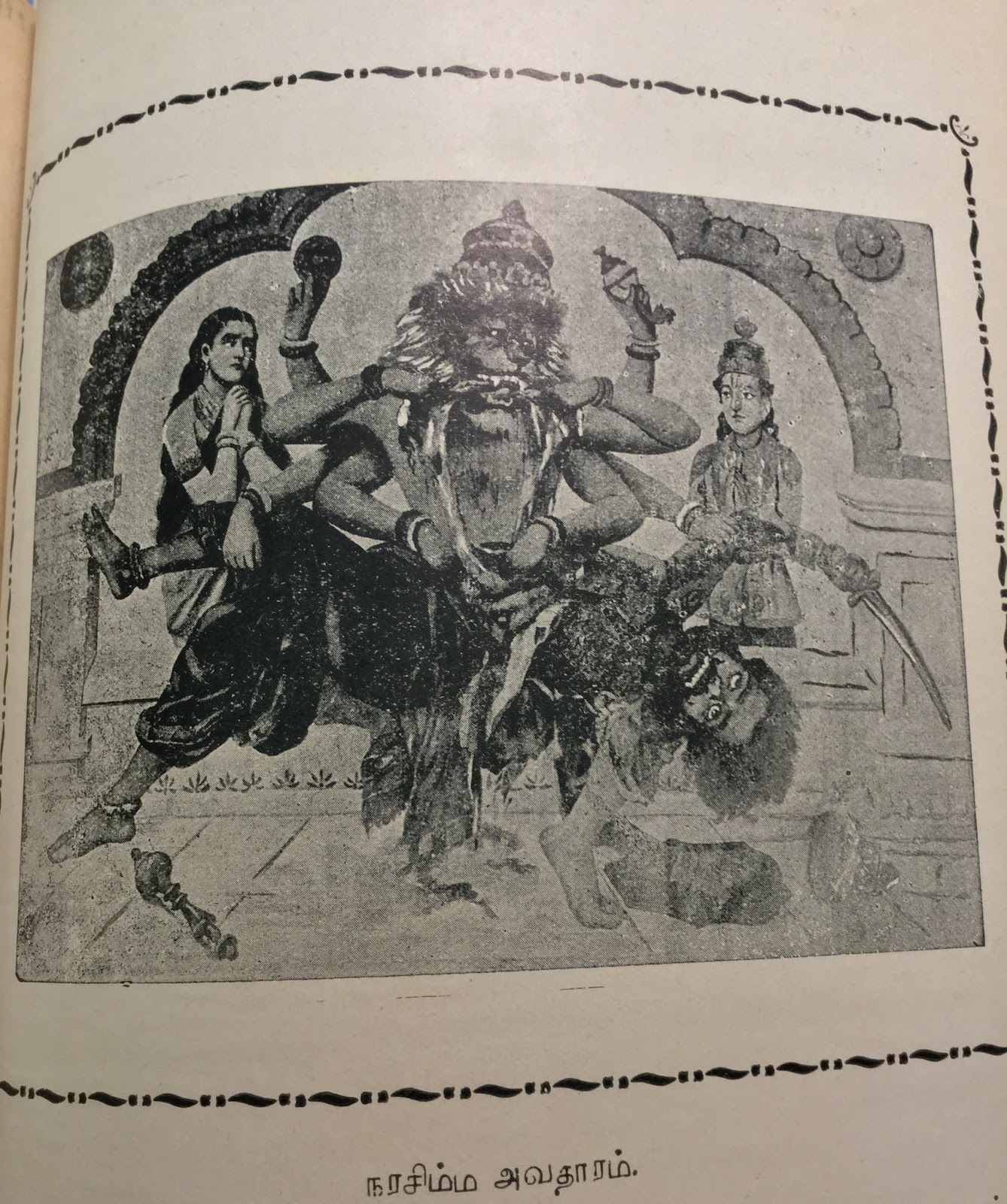
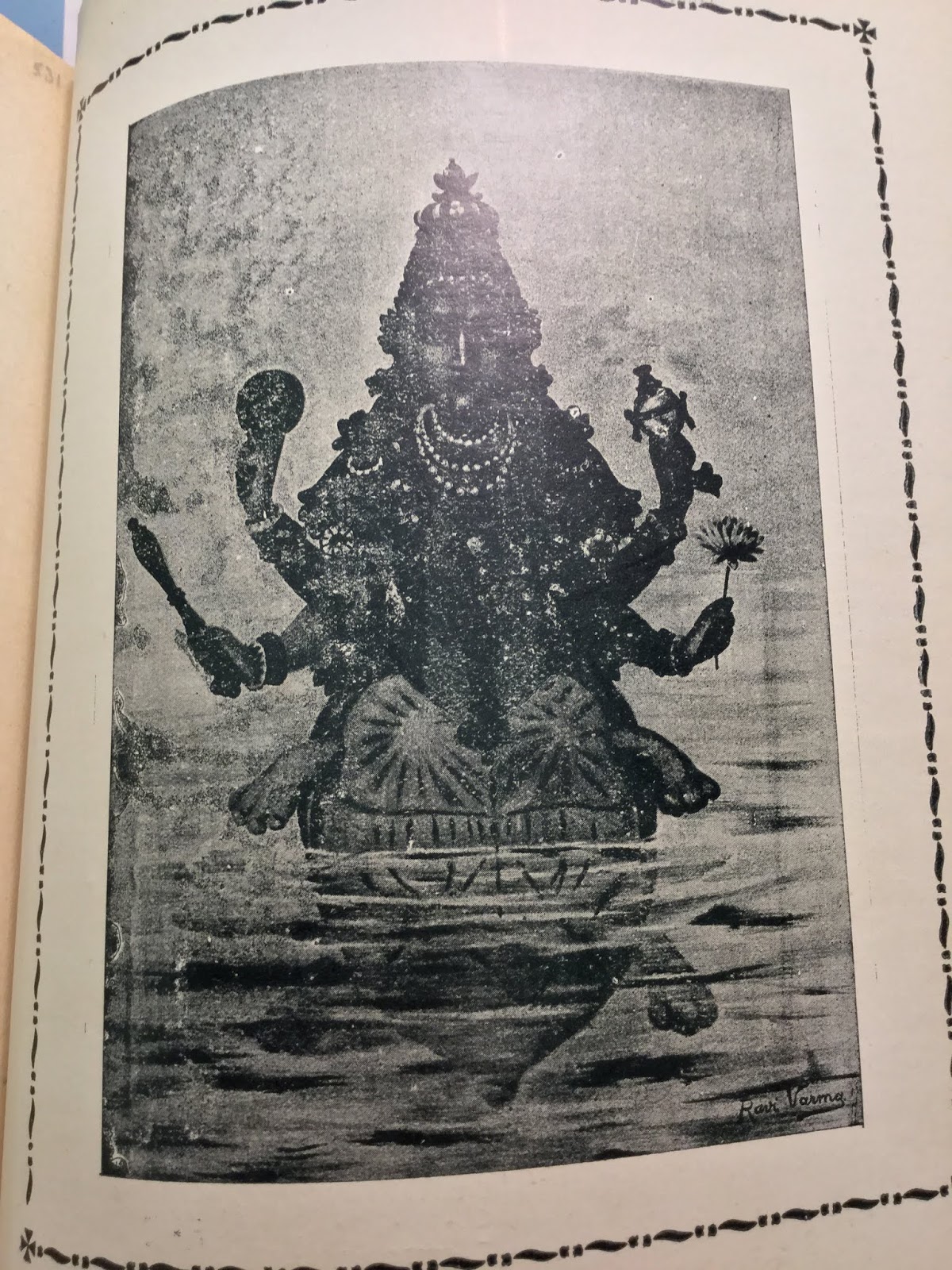
SUDYUMNAN SEES RUDRA AND PARVATI

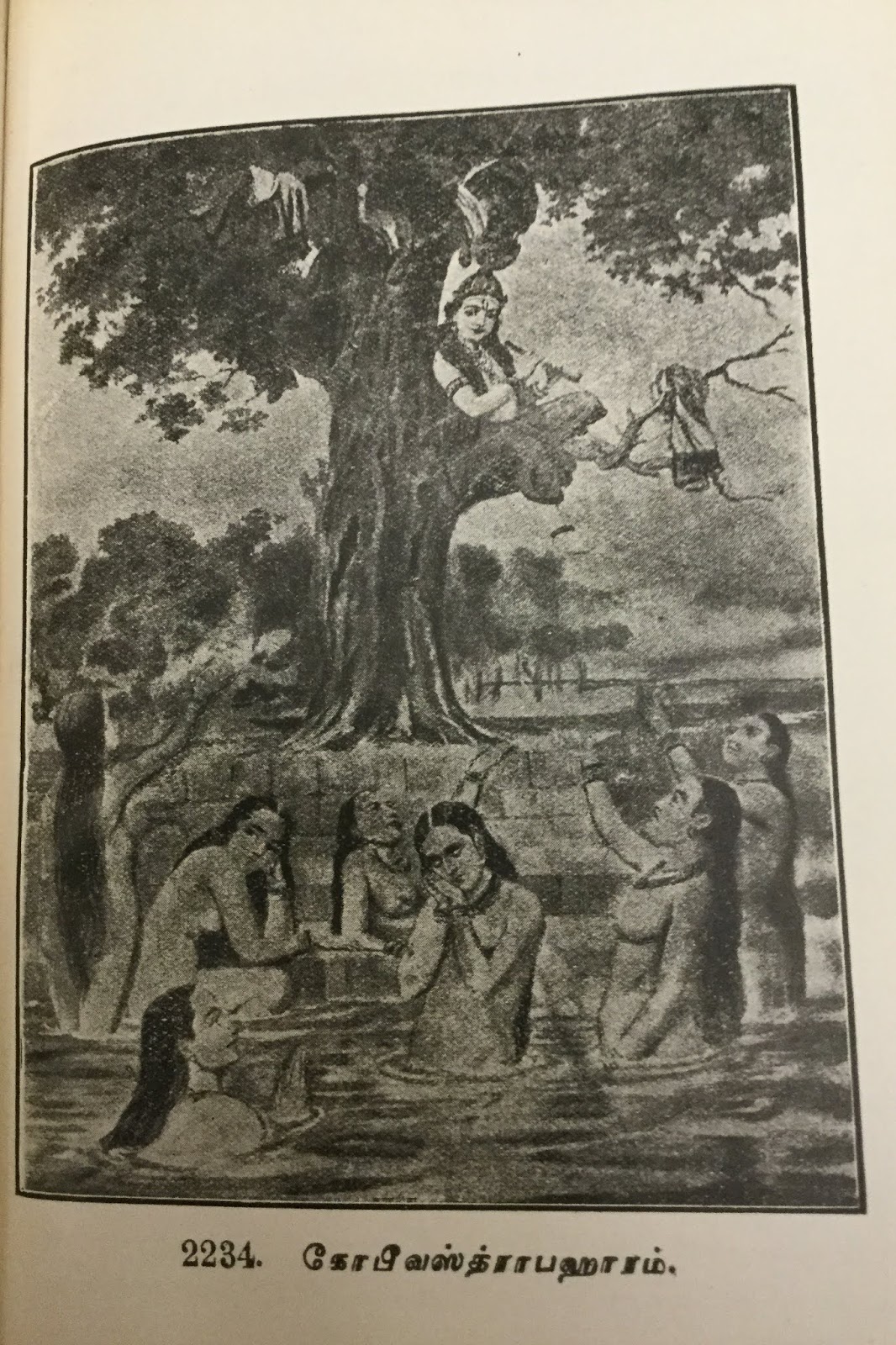
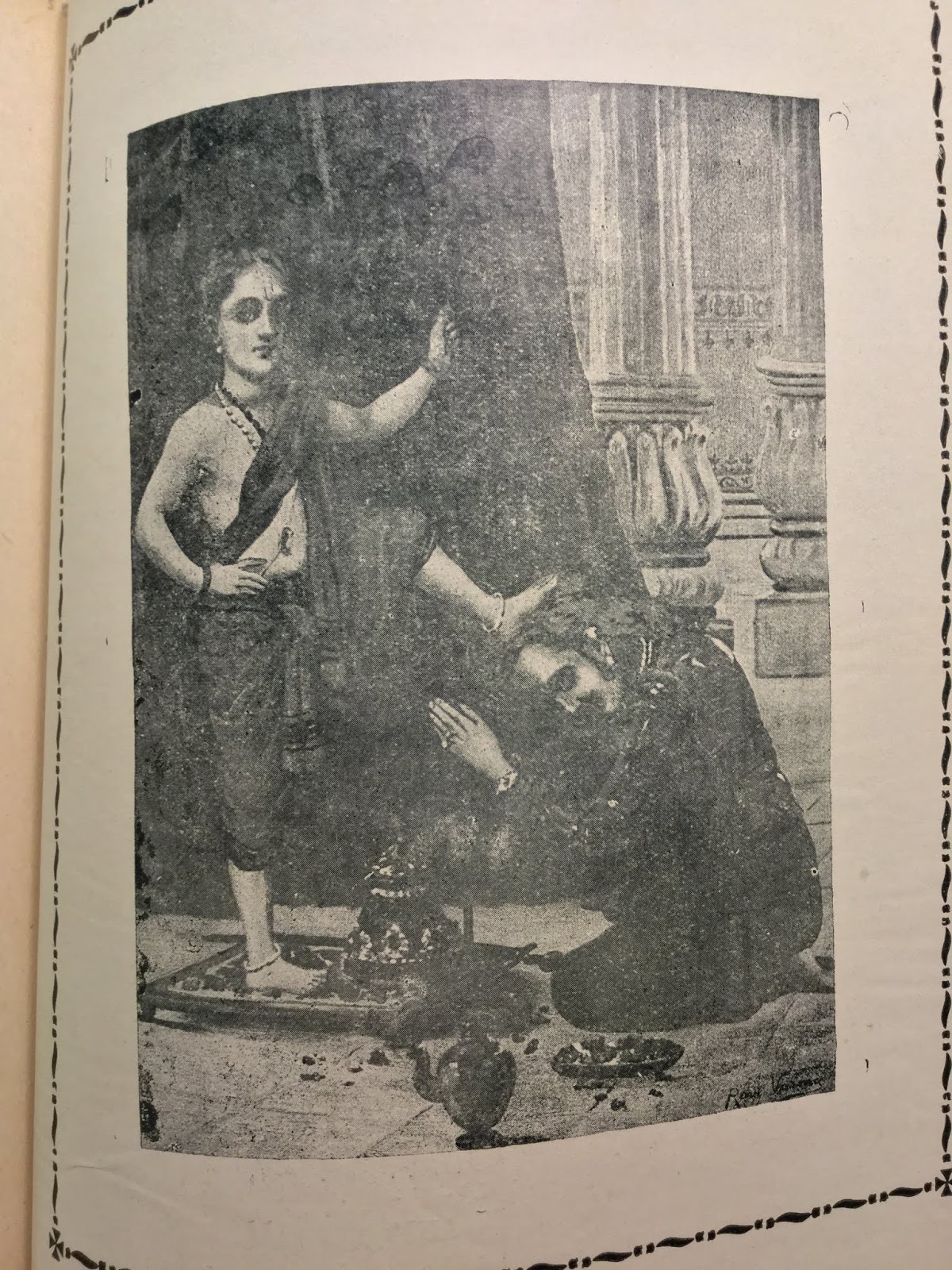
GOPIS BEG TO KRISHNA FOR THEIR CLOTHES

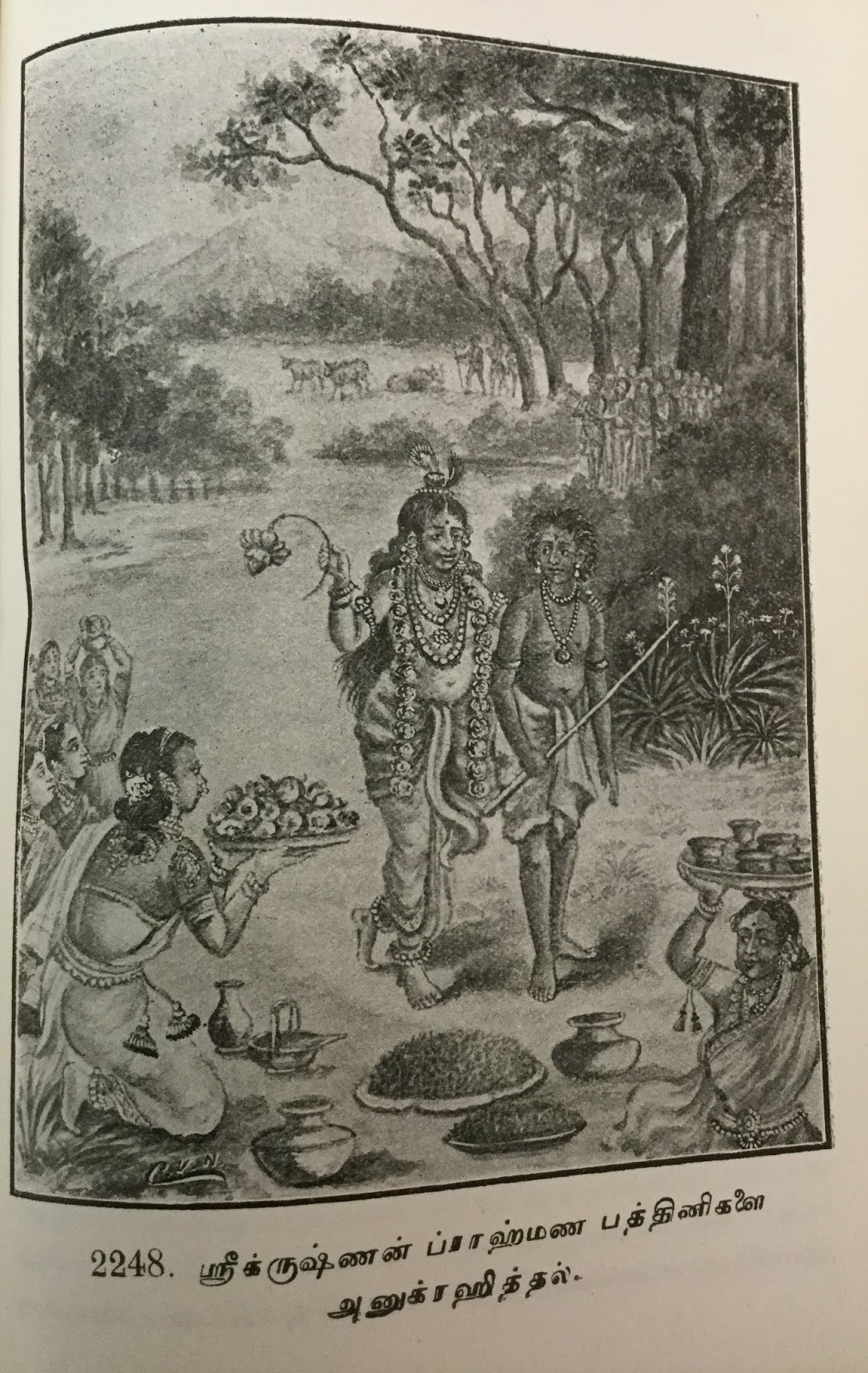
KRISHNA BLESSING THE BRAHMIN WOMEN

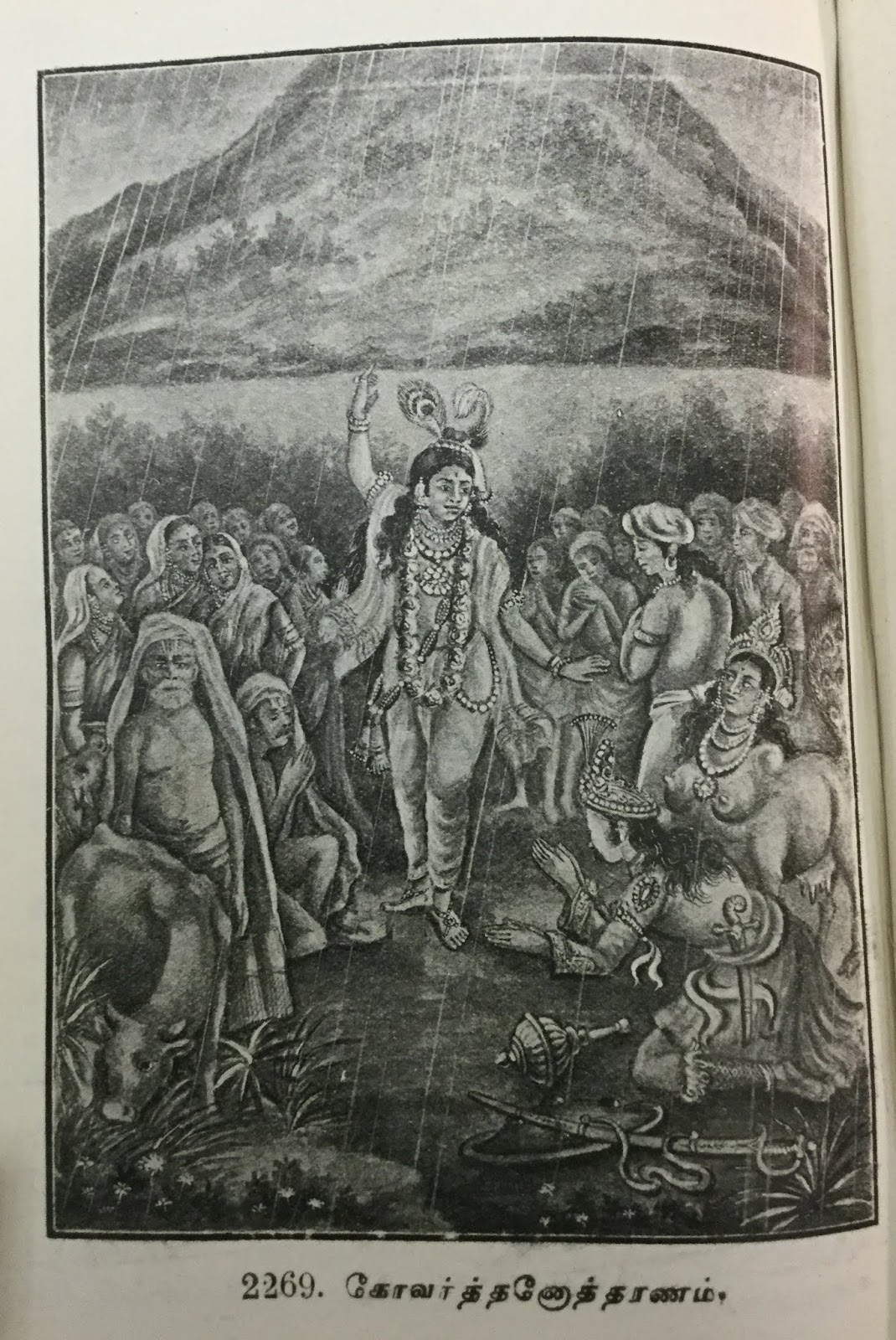
KRISHNA LIFTING THE GOVARDHANA HILLS TO SAVE THE COWHERDS FROM A TORRENTIAL DOWNPOUR

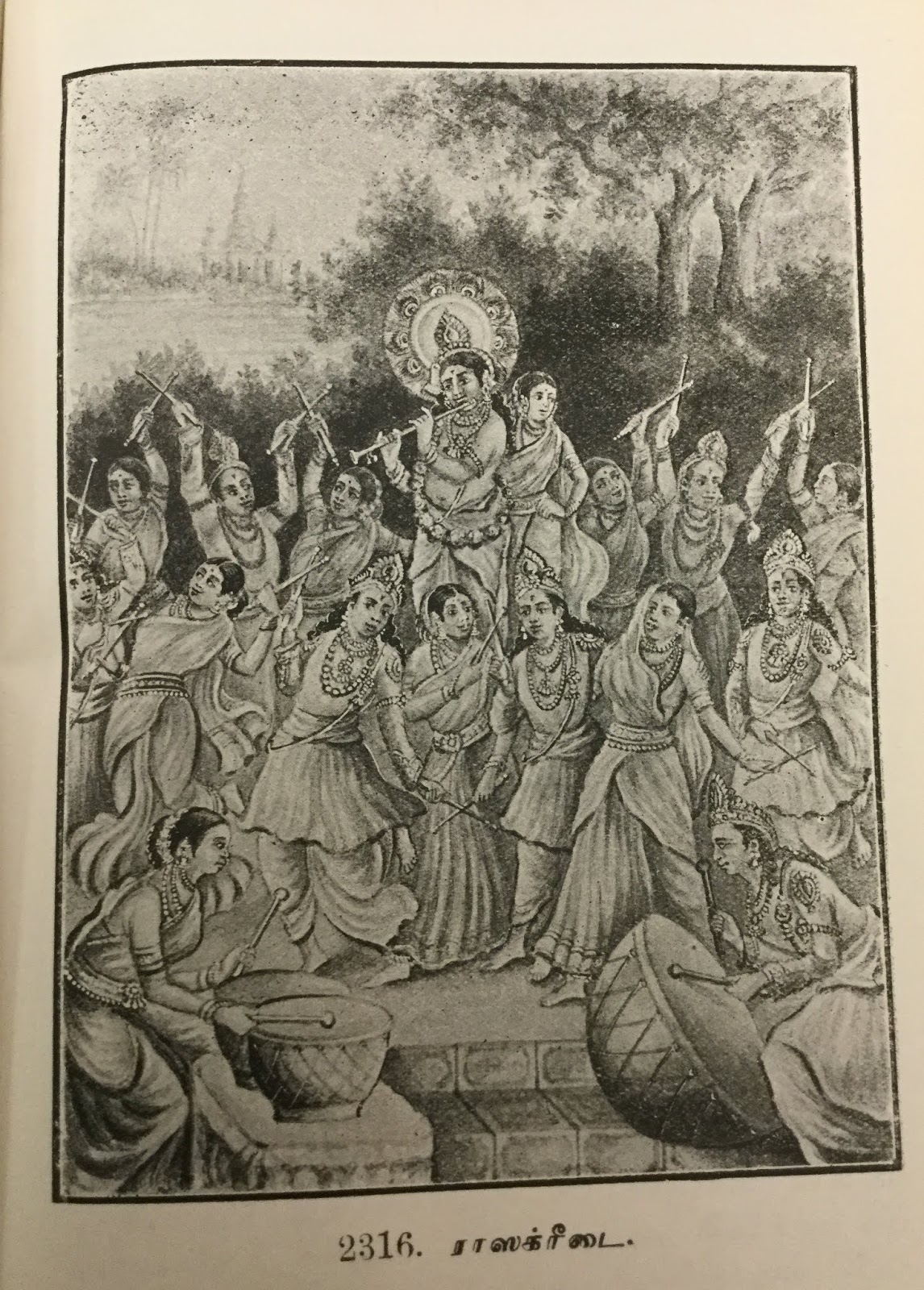
KRISHNA DANCING WITH HIS DEVOTEES

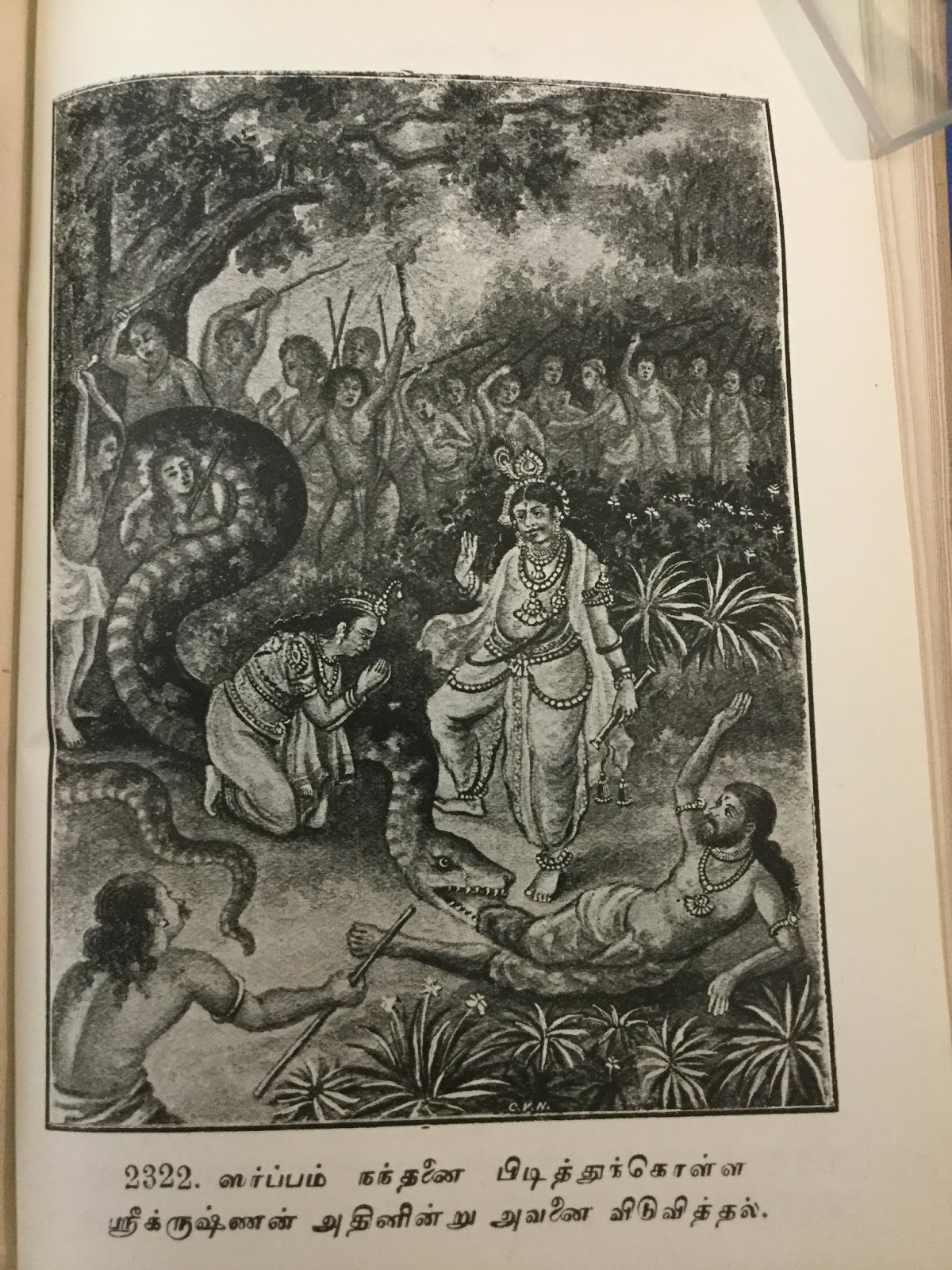
KRISHNA RELEASING NANDA FROM A PYTHON

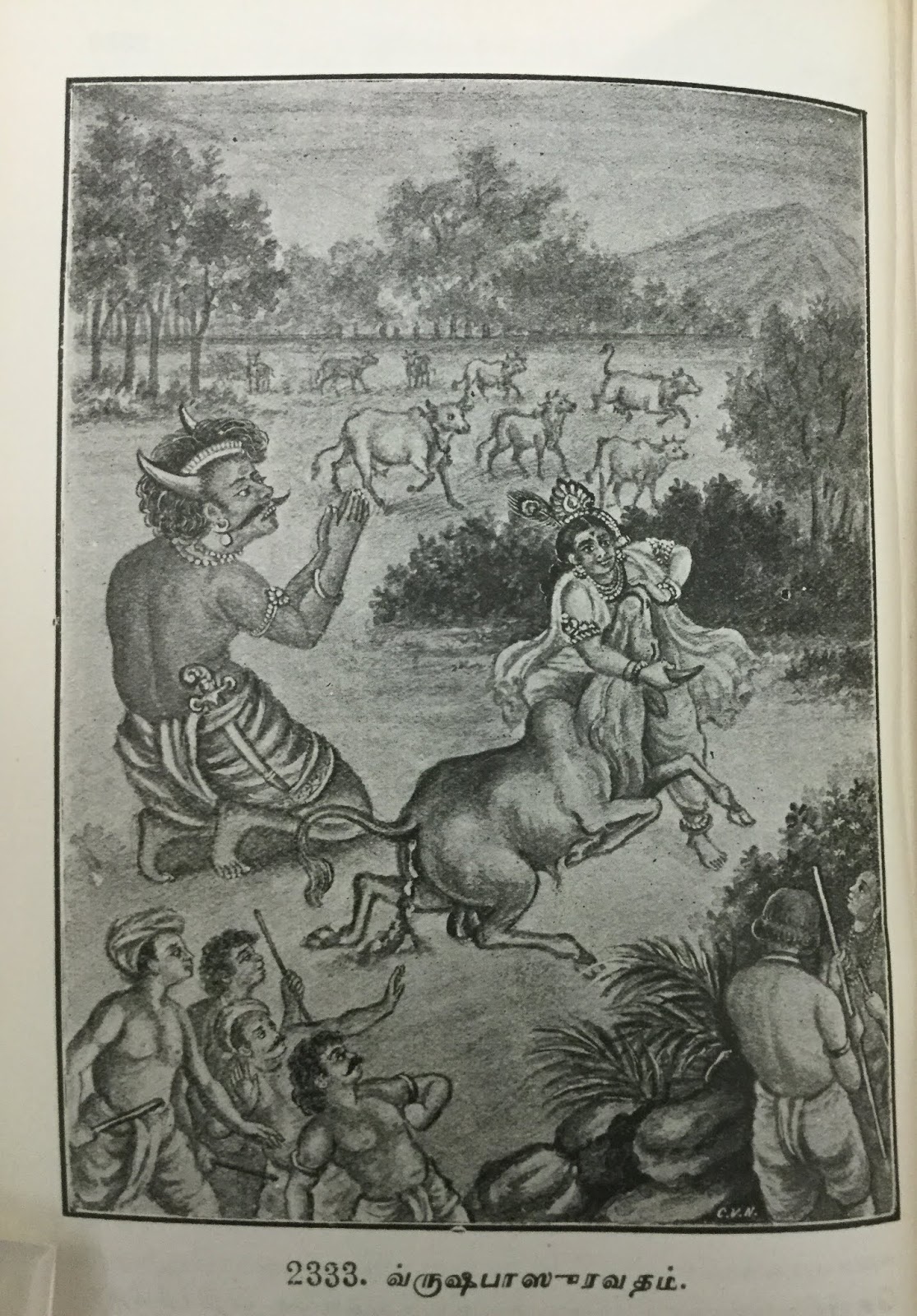
KRISHNA KILLING THE BULL THAT WAS SENT TO KILL HIM

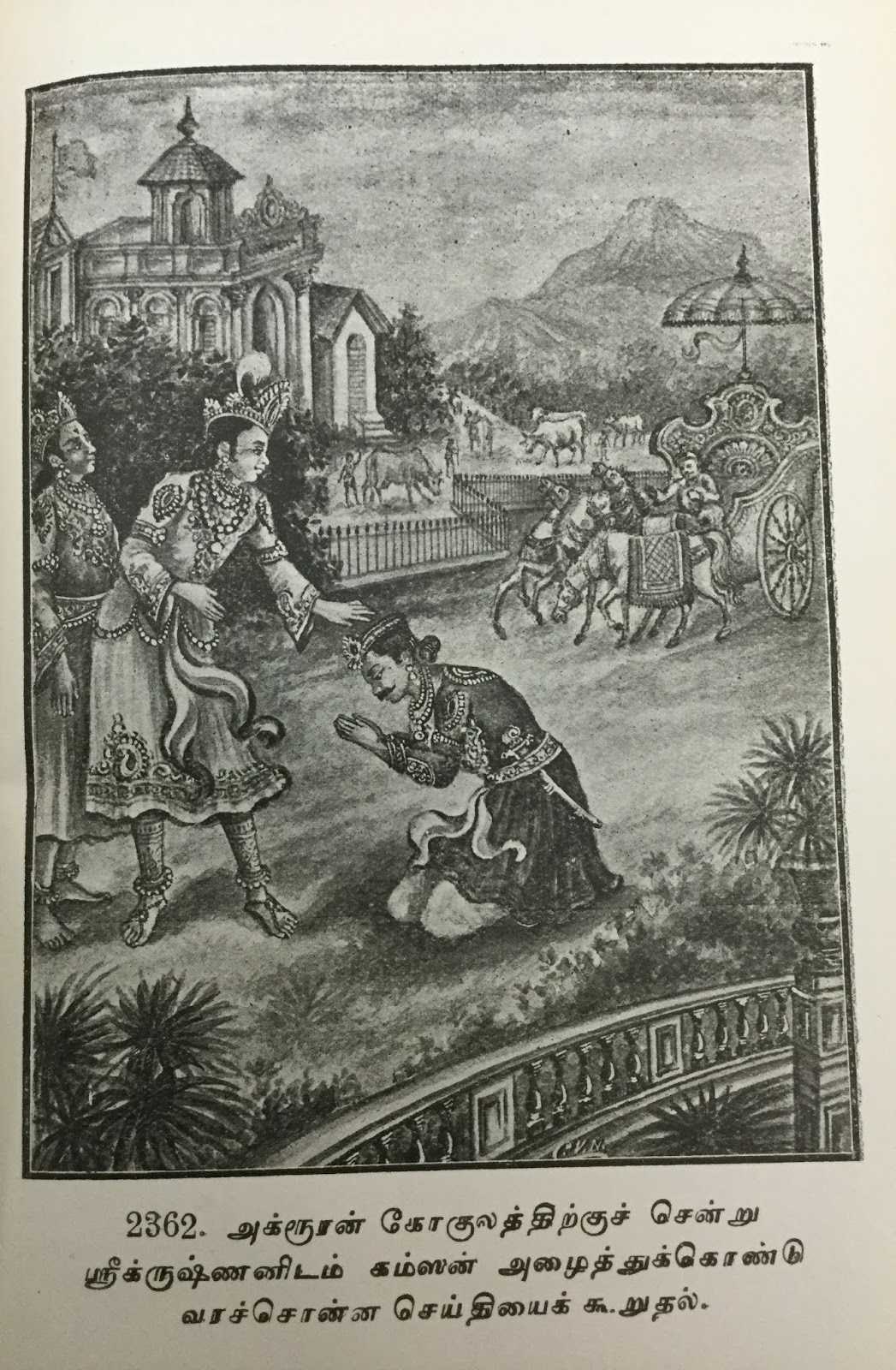
AMBASSADOR AKRURA MEETING KRISHNA AT GOKULAM WITH A MESSAGE FROM KAMSA.

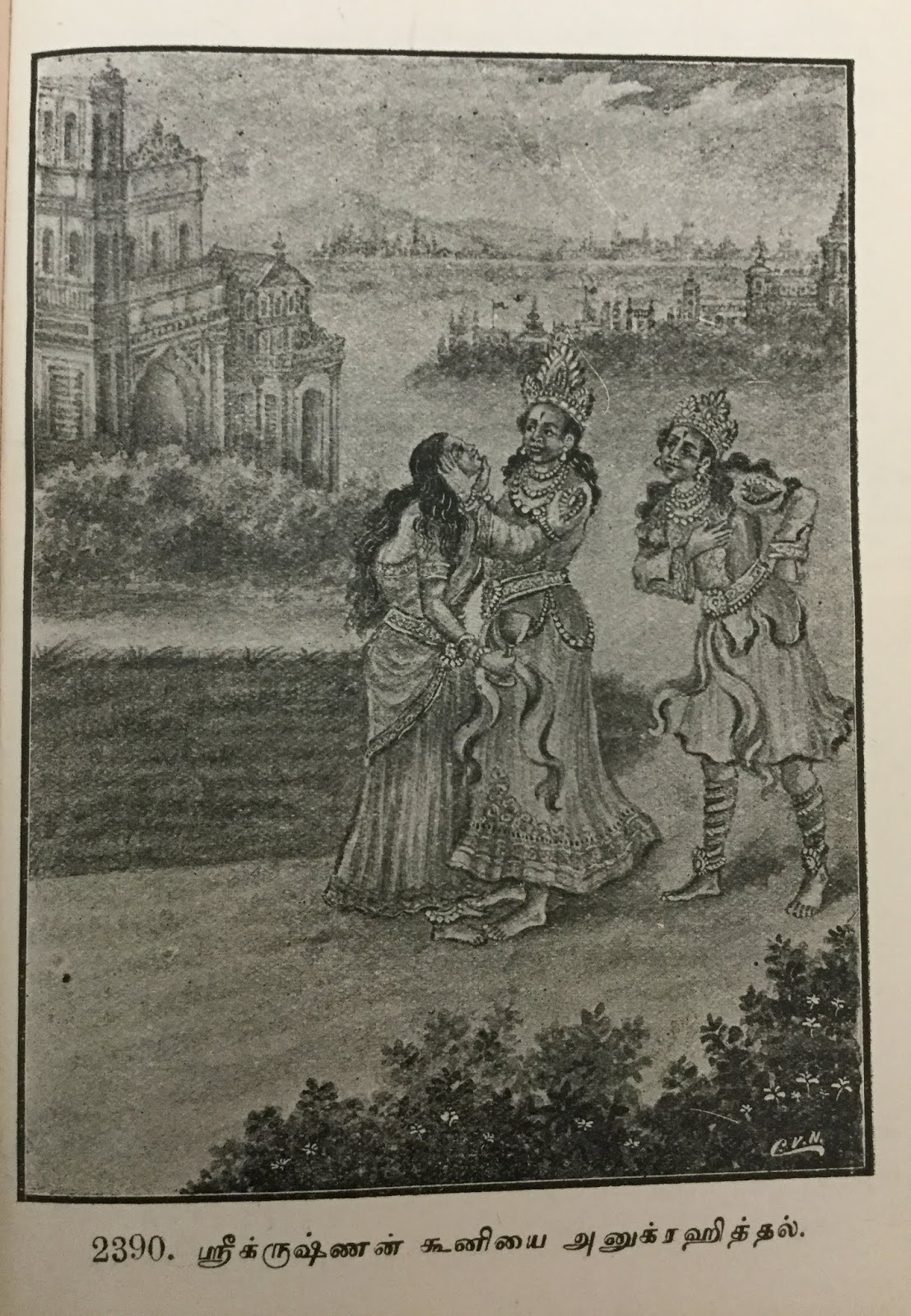
KRISHNA BLESSING A HUMPED WOMAN

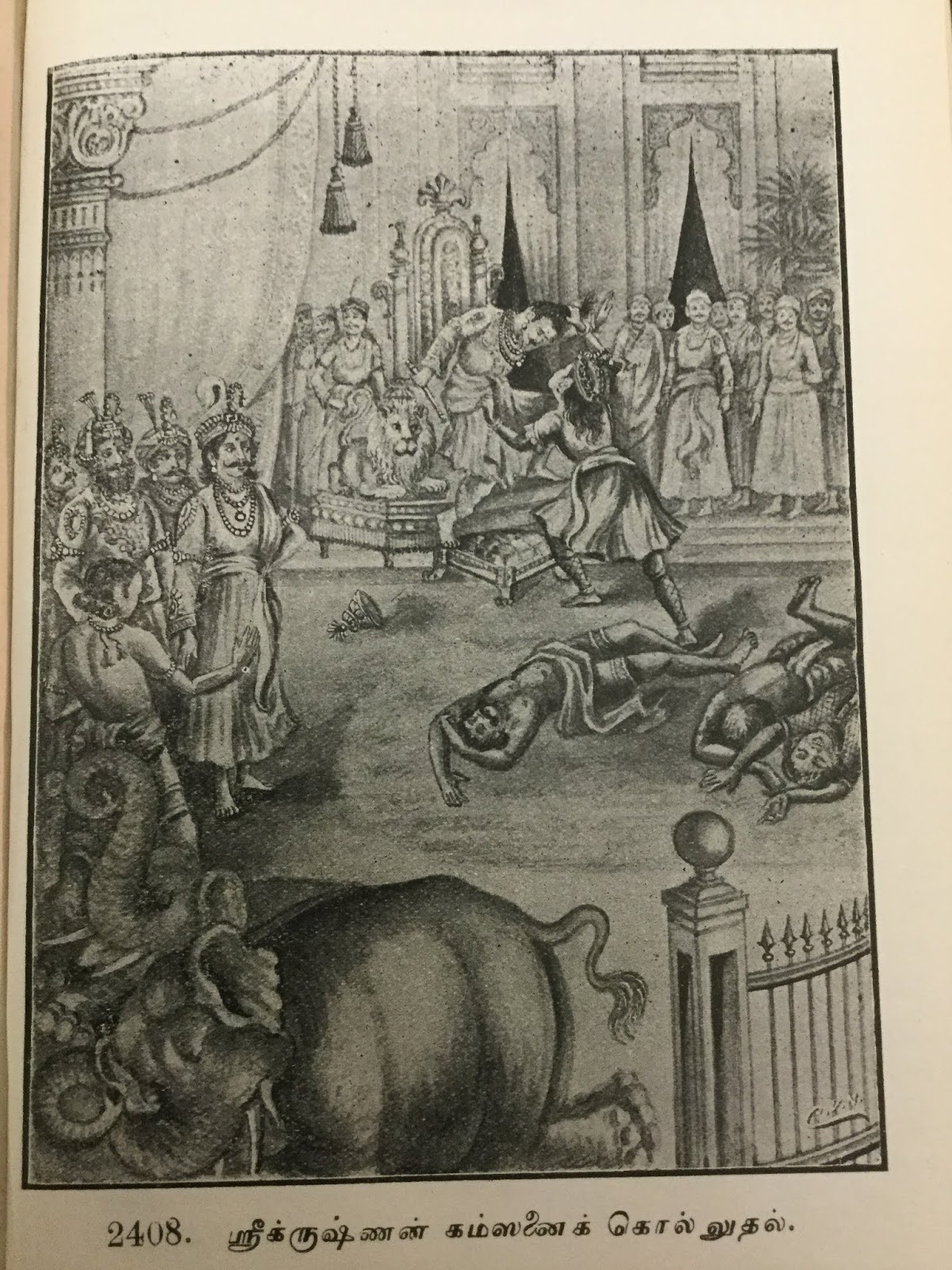
KRISHNA KILLING KAMSA

MORE PICTURES FROM ANOTHER 100 YEAR OLD BOOK

–SUBHAM–

முட்டாள் பார்த்த கீதையின் மறு பக்கம்! (Post no.5845)

Written by S Nagarajan


Date: 28 DECEMBER 2018


GMT Time uploaded in London – 6-45 am


Post No. 5845

Pictures shown here are taken from various sources including google, Wikipedia, Facebook friends and newspapers. This is a non- commercial blog.

நாட்டு நடப்பு – கீதை காட்டும் பாதை

கழுதைக்குத் தெரியுமா கற்பூர வாசனை! முட்டாள் பார்த்த கீதையின் மறு பக்கம்!

ச.நாகராஜன்

கழுதைக்குத் தெரியுமா கற்பூர வாசனை?

ஆற்றில் வெள்ளம் அடித்துக் கொண்டு போனாலும் நாய் நக்கித் தான் குடிக்கும்;

நாயாவது நல்ல தண்ணீரைச் சிறிதாவது வெள்ளத்திலிருந்து எடுத்து நக்கிப் பருகுகிறது!

ஆனால் கழுதை! அதற்கு என்ன தெரியும்? கற்பூர வாசனை தெரியாது; ‘காள் காள்’ என்று தான் கத்தும்.

அதே போலத் தான் முதல் பக்கமே பார்க்கத் தெரியாத முட்டாள் கீதையின் மறுபக்கம் பார்த்தானாம்!

சிரிப்புத் தான் வருகிறது. குருடனுக்கு முதல் பக்கமாக இருந்தால் என்ன, மறுபக்கமாக இருந்தால் என்ன, ஒன்றும் தெரியாது.

ஆனால் இந்த முட்டாளைக் குறை கூறி என்ன பிரயோஜனம்? இவன் வந்த வழி அப்படி!

இவனது தலைவன் உலகம் வணங்கும் லோக மாதா சீதா தேவியைப் பார்த்த பார்வை எப்படித் தெரியுமா?

மற்ற கோடானு கோடி பேர்கள் அன்னையின் பாதங்கள் இரண்டை மட்டும் பார்த்து வணங்குவோம்.

ஆனால் தலைவனோ கழுத்துக்குக் கீழேயும், இடுப்புக்குக் கீழேயும் பார்த்தான்.

கோணல் பார்வை! ராக்ஷஸ பிறப்பு! வம்ச தோஷம்!

அதே போல கீதையின் மறுபக்கத்தை இவன் பார்த்து விட்டானாம்!

சரி, போகட்டும் விடுங்கள். குருடன் ராஜமுழி முழித்தால் தான் நமக்கென்ன?

அவன் யார் என்கிறீர்களா? 1967க்குப் பின் தமிழக நூலகங்களில் படிக்குச் சரி பாதி அதாவது ஐம்பது சதவிகிதம் குப்பை நூல்கள் பெருகி உள்ளன அல்லவா,

அதில் ஒன்று தான் இந்தக் குருடன் பார்வையில் விளைந்த புத்தகம்.

அவனுக்கு என் மூலம் விளம்பரம் வேறு ஒரு கேடா?

நல்லதைப் பற்றிப் பேசுவோம்.

*


கீதையை நன்கு புரிந்து கொள்ள விரும்பினாள் ஒரு மஹாராணி.

எத்தனை ஸ்லோகங்கள் என்று கீதையில் பாண்டித்யமுள்ள ஒரு பண்டிதரை வரவழைத்துக் கேட்டாள்.

எழுநூறு ஸ்லோகங்கள் என்றார் அவர்.

தனாதிகாரியை வரவழைத்த மஹாராணி, “700

பொற்காசுகளைத் தயார் செய்யுங்கள். கீதையின் ஒவ்வொரு ஸ்லோகத்தின் அர்த்தத்தையும் நம் பண்டிதர் சொல்லச் சொல்ல அவருக்கு ஒரு பொற்காசு தர வேண்டும். ஆக எழுநூறு ஸ்லோகங்களுக்கு எழுநூறு பொற்காசுகளைத் தயார் செய்யுங்கள்” என்றார்.

பண்டிதருக்கு மஹா ஆனந்தம். 700 பொற்காசுகளா?

வீடு சென்ற அவர் ஏராளமான நூல்களைப் படித்து குறிப்புகள் எடுத்துக் கொண்டார்.

மஹாராணிக்கு விளக்க வேண்டுமே!

மறுநாள் சபை ஆரம்பமானது.

700 பொற்காசுகள் குவியலாக இருக்க பண்டிதரின் கண்கள் அதை நோட்டம் விட்டன.

‘கடவுளே! மஹாராணிக்கு கீதையைப் புரிந்து கொள்ள அருள் செய்வாயாக! கண்ணபிரானே நீயே துணை.’

கம்பீரமாக முதல் ஸ்லோகத்தை ஆரம்பித்தார்.

‘தர்ம க்ஷேத்ரே குரு க்ஷேத்ரே’

மஹாராணிக்குக் கண்களில் நீர் வழிந்தது.

“நிறுத்துங்கள்!” என்று பண்டிதரை நோக்கிக் கூவினாள்.

பண்டிதர் திடுக்கிட்டார்.

மஹாராணி மந்திரியை அழைத்துப் பல்லக்கைத் தயார் செய்யுங்கள், கிளம்பலாம் என்றார்.

‘அட 700 காசுகளும் போச்சே’ என்று பண்டிதர் வருந்தினார்.

அவருக்கு ஒன்றும் புரியவில்லை. “ராணியாரே! இன்னும் ஆரம்பிக்கக் கூட இல்லையே” என்று இழுத்தார்.

“அட என்ன அற்புதமான விளக்கம்; நான் நன்கு புரிந்து கொண்டு விட்டேன், கீதா தாத்பர்யத்தை. இதோ, இந்தாருங்கள் 700 பொற்காசுகள்; ஒரு கணமும் இனி தாமதிக்க மாட்டேன்; இதோ நீங்கள் கூறியபடியே செய்யப் போகிறேன்.”

மஹாராணி இப்படிச் சொன்னதைக் கேட்டவுடன் அவருக்குத் தலை சுற்றியது.

“நான் என்ன விளக்கினேன்?” அழாக் குறையாக அவர் கேட்டார்.

அது தான் அழகாகச் சொல்லி விட்டீர்களே; கீதா தாத்பர்யத்தை! தர்ம க்ஷேத்ரே குரு க்ஷேத்ரே – அதை எப்படிப் பிரிக்க வேண்டும்? ‘க்ஷேத்ரே க்ஷேத்ரே தர்மம் குரு!’ என்று. க்ஷேத்ரே க்ஷேத்ரே -க்ஷேத்ரம் க்ஷேத்ரமாகச் சென்று அதாவது ஒவ்வொரு திருத்தலமாகச் சென்று- தர்மம் குரு – தர்மத்தைச் செய்- அதாவது தர்மத்தைச் செய்ய வேண்டும். அது தானே கீதை காட்டும் பாதை! கீதையின் போதனை! இதோ தர்மம் செய்யக் கிளம்பி விட்டேன்” என்றாள் ராணி.

பண்டிதர் தன் ஆயுளிலும் அறியாத ஒரு பெரிய உபதேசத்தை கால் ஸ்லோகத்தில் ராணி அறிந்து விட்டாரே என்று மகிழ்ந்தார்.

இத்தனை நாள் படித்தும் தமக்கு கீதா போதனை ஏறவில்லையே என்று வருந்தினார்.

‘மஹாராணியாரே! உங்களிடமிருந்து கீதா பாடம் கற்றுக் கொண்டேன். இந்தப் பொற்காசுகளை என் சார்பாக நீங்களே தர்மத்திற்குச் செலவிடுங்கள்; இதோ உலகைத் துறக்கிறேன். என் வழியில் போகிறேன்’  என்று சொல்லி விட்டுத் தவம் புரியச் சென்றார்;பின்னர் பெரும் மஹான் ஆனார்.

*

ஆக அந்த மஹாராணி எங்கே, இந்த முட்டாள் எங்கே!

கீதையின் மறுபக்கம் பார்க்க வேண்டாம்; முதல் பக்கத்தில் முதல் ஸ்லோகத்தின் கால் ஸ்லோகம் பார்த்தாலும் கூட நாடு முழுவதும் தர்மம் பெருகும்; தழைக்கும்!

கீதை காட்டும் பாதையை முழுவதுமாகப் படித்து அறிவோம்; உயர்வோம்!

***

சென்னை கோடம்பாக்கம் கல்லூரியில் சில வருடங்களுக்கு  முன்னர்  நடந்த ஆன்மீக மாநாட்டில் ராமகிருஷ்ண மடத்தைச் சேர்ந்த துறவி ஒருவர் சொன்ன ராணியின் கதைக்கு இங்கு எனது நன்றியைப் பதிவு செய்கிறேன்.

tags –கீதையின் மறு பக்கம்