Ravana – Pandya Peace Treaty! Kalidasa solves a Tamil Puzzle!

pandya-flags
Flags of the Pandyas

Written by London Swaminathan
Post No. 1128; dated 24th June 2014.

N.B. If you want to reproduce this article, please email me for permission. You must get written permission from me for each and every article separately. swami_48@yahoo.com

A ninth century Pandya copper plate said that Ravana, King of Sri Lanka made a peace agreement with a Pandya king. Most famous Tamil commentator of 13th century also said an interesting story about this treaty in his commentary on Maduraikanchi, part of 2000 year old Sangam Tamil literature. Many people were wondering whether it is just a story or an actual historical treaty. But Kalidasa, the greatest of the Indian poets, solved the problem by referring to the peace treaty in his Raghuvamsam (6-61 and 6-62).

Pathupattu in Tamil (Ten long poems) has ten books and one of them is Maduraikanchi. This very long poem has a reference to Ravana (lines 40-42). Nachinarkiniar, a Tamil commentator, was a prolific writer and well respected by one and all. He gives us an interesting story:-

Agastya
Statues of Agastya are found throughout South East Asian countries (Picture from Wikipedia)

Ravana was giving troubles in the southern part of the country. One day Agastya watched Ravana sitting in a part of Pothya hills (art of Tamil Nadu). Ravana was in deep contemplation. Agastya sensed some trouble from him. Immediately he started playing on his Veena. ((Both Ravana and Agastya were great instrumentalists. Ravana’s flag had Veena emblem)). As soon as Agastya played on the Veena, the rock melted and Ravana was stuck to the melting Rocks. He did not even notice it. Only when Agastya stopped and the rocks became solid again, he realised he was stuck to the rocks. He begged to Agastya to release him. Agastya put a condition that he should never ever do any mischief in the Pandya country. He agreed to the condition and “a peace treaty was signed between India and Sri Lanka”! He was released immediately.
We had this message repeated by Nachinarkiniar in his commentary on the oldest Tamil book Tolkappiam. But there was no secondary confirmation from any other source except Kalidasa. Not many scholars knew about this reference. Kalidasa says,

“Pandya wore pearl garlands and sandal paste. He was soaked in Avabrutha Snanam during Asvamedha yajna. Ravana was so scared that Pandya may attack and capture his Janasthana (in Dandakaranya), so he made a peace treaty with the Pandya king and then went to win Indraloka. Pandya was praised for receiving a weapon (Brahmsiras) from Lord Shiva.

mount_kailash_tibet_465065
Ravana lifting Kailash, Ellora Cave Sculptures

Kalidasa’s details are corroborated by some archaeological finds. A coin with Asvamedha horse was found and it had Peruvazuthi inscribed on it. Pandya king Mudukudumi Peruvazuthi did lot of Yagas and his country was full of Yupa poles, says the oldest part of Sangam literature.

I have written several articles in this blog to establish the date of Kalidasa as first century BCE. Tamil poets used 200 plus similes from Kalidasa’s 1000+ similes. I have followed several Sanskrit scholars and a Tamil scholar GU Pope in supporting this date. As soon as GU Pope (1828- 1920) read Tamil Kurinjipattu of Kabilar, he wrote, 100 years ago, that Kurinipattu, echoed Kalidasa. In fact Kabilar, a Brahmin poet, well versed in Sanskrit, composed Kurinjipattu just to show the greatness of Tamil to a North Indian King who ridiculed the Tamil language. Later that king became a Tamil enthusiast and wrote Tamil poems which were included in the Sangam corpus.

Kalidasa was the first tourist guide and travel writer in the world (better than Ulysseus). His Meghadutam is like a tourist guide. All the important places between the Vindhyas and the Himalayas are described. His knowledge about the geography is also amazing. He described the places and customs in countries from Iran to Indonesia. His remark about the Pandyas in six slokas (verses) in the sixth chapter of Raghuvamsam shows how much he knew about the Tamil history. Kalidasa also described the close relationship between Agastya and the Pandyas. All the Tamil inscriptions praise Agastya as the Kula Guru of Pandyas who play main part in the coronation ceremonies. Probably he met the Pandya king at one time. He even said that he was dark and drenched with the Avabrutha snanam (ritual bathing) during Asvamedha Yagas. Earlier in the fourth chapter of Raghuvamsam also he referred to Pandya and Agastya in consecutive verses.

_coin_of_the_Pandyas_Sri_Lanka_1st_century_CE
Pandy acoin found inSri Lanka, 1st Century CE

Other Tamil books and Tamil inscriptions say that Agastya was sent to the South by Lord Shiva to solve the population problem in the North ( I have already written a post about it describing the first population explosion in the world). Agastya was the one who codified a grammar to Tamil language. It was said that he brought Yadava tribes from Gujarat (Dwaraka).

Conclusion: Kalidasa and Nachinarkniar believed that Pandya kings ruled from time immemorial and the Pandya king who ruled during Ramayana period was a powerful king. Even Ravana was afraid of the mighty Pandya Empire. Pandyas were great Hindus who did Yagas a lot. Oldest section of Tamil Sangam poems corroborated it. Coins also confirmed it.

Pandya_territories
Mighty Pandya Empire.

XXXXXXXX—XXXXXXXXX–XXXXXXXXX

ராவணன் – பாண்டியர் சமாதான உடன்படிக்கை !

pandya-flags

Pandya Flags drawn by me.

தமிழ் இலக்கியத்தில் ஓர் அதிசயத் தகவல்!!

ஆராய்ச்சிக் கட்டுரை எழுதியவர்:– லண்டன் சுவாமிநாதன்
கட்டுரை எண்:- 1127; தேதி:- 24th June 2014.

N.B. If you want to reproduce this article, please email me for permission. Previously I gave blank cheque to some people. They have been uploading all the 1100 posts from my blogs which is not allowed from today. You must get written permission from me for each and every article separately. swami_48@yahoo.com

அகத்திய முனிவருடன் அமர்ந்து பாண்டியர்கள் தமிழ் ஆராய்ந்த செய்தி பாண்டியர் செப்பேடுகளில் வருகிறது. மற்றொரு புதுமையான செய்தியும் பாண்டியர் செப்பேடுகளில் காணப்படுகிறது.

“அகத்தியனோடு தமிழாய்ந்தும் மிகத் திறனுடைய வேந்தழித்து
தசவதனன் சார்பாகச் சந்து செய்துந் தார்தராஷ்ட்ரன்
படை முழுதுங் களத்தவிய பாரதத்து பகடோட்டியும்
……………………………………………….. “
இது பாண்டியன் பராந்தக வீரநாராயணனின் தளவாய்புரச் செப்பேடுகள் (ஒன்பதாம் நூற்றாண்டு) கூறும் செய்தி.
Pandya_territories
Mighty Pandyan Empire praised by Kalidasa

பாண்டியர்களின் குல குரு அகத்தியன் என்றும் அவர் மூலமாகவே பாண்டியர்கள் முடி சூட்டப்பட்டதாகவும் வேறு சில பாண்டியர் கல்வெட்டுகளும் செப்புகின்றன.
ஆயினும் –தசவதனன் சார்பாகச் சந்து செய்வித்தும் — என்பதற்கு இதுவரை சரியான விளக்கம் கிடைக்கவில்லை என்றே அறிஞர்கள் எழுதி வந்துள்ளனர்.

“ஒரு பாண்டியன் இராவணனைச் சமாதானம் செய்துகொள்ளும்படிச் செய்தான் என்று சாசனம் கூறுகிறது. இந்தப் புராணக் கதையின் விவரம் சரியாகத் தெரியவில்லை” – என்று பாண்டியர் செப்பேடுகள் பத்து ( தமிழ் வரலாற்றுக் கழக வெளியீடு, 1967 ) என்ற நூல் கூறும்.

‘உச்சி மேற் புலவர் கொள்’ நச்சினார்க்கினியர் எழுதிய உரையில் ஒரு சுவையான விஷயம் கூறுகிறார். இது உ.வே சாமிநாதைய்யர் பதிப்பித்த பத்துப் பாட்டு உரையில் சுருக்கமாக உள்ளது:–
“தென்னாட்டை ஆண்டு குடிகளைத் துன்புறுத்திவந்த இராவணனை, அகத்தியர் பொதியின் மலை உருகும்படி இசைபாடி இலங்கைக்குப் போக்கினரென்பது பண்டைய வரலாறு” – என்று சாமிநாதையர் குறித்துள்ளார்.
Agastya
Statue of Agastya found all over South East Asia.

“தென்னவற் பெயரிய துன் அரு துப்பின்
தொன்முது கடவுள் பின்னர் மேய
வரைத் தாழ் அருவி பொருப்பின் பொருந
– என்ற மதுரைக் காஞ்சி பாடல் வரிகளுக்கு (வரி 40-42) எழுதப்பட்ட உரை இது.

இதற்குப் பின் வேறு சில நூல்களிலும் மிகவும் அறியப்படாத செய்திகள் வருகின்றன. திருவாசகத்தில் மண்டோதரிக்காக சிவன் கடலில் நடந்த வரலாறு ஒன்றும் வருகிறது. உத்தரகோச மங்கை தல புராணம் இதை விரித்துரைக்கிறது. ஆக பாண்டியர்—அகத்தியர் உறவும், தமிழ்நாடு—இலங்கை தொடர்பும் இலக்கியத்தில் இடம் பெற்றுள்ளன.
mount_kailash_tibet_465065
Ravana lifting Kailash, Ellora Cave sculpture.

காளிதாசன் என்னும் உலக மஹா கவிஞன், அவனது ரகுவம்ச காவியத்தில் தரும் தகவலைக் கொண்டு ஆராய்கையில் பாண்டியன் – ராவணன் புதிருக்கு விடை கிடைக்கிறது.
நான் ஏற்கனவே எழுதிய பல ஆராய்ச்சிக் கட்டுரைகளில் காளிதாசன் காலம் கி.மு. முதல் நூற்றாண்டு என்றும் மாணிக்க வாசகரின் காலம், அப்பர்-சம்பந்தருக்குச் சற்று முந்தியது என்றும் ஆதாரங்களுடன் நிரூபித்துள்ளேன்.

ராவணன் அவ்வப்போது தென் இந்தியாவுக்குள் புகுந்து அட்டூழியம் செய்தது வேறு பல இடங்களிலும் வருகிறது. ராவணனை வென்று அவனை மடியில் கட்டிக் கொண்டு நாற்கடலில் நீராடி, வாலி, சந்தியா வந்தனம் செய்த செய்தி வால்மீகி ராமாயணத்தில் வருகிறது.

இராமாயண முனிவர்கள் என்ற அரிய நூலில் முத்தமிழ் வித்தகர் தி.வே. கோபாலய்யர் சொல்லும் கதை இதோ:–

அகத்திய முனிவர், தமிழிலும் இசையிலும் வல்லவர் என்பது தமிழ் இலக்கியத்தில் எண்ணற்ற இடங்களில் காணக்கிடக்கிறது. “பொதிய மலையின் கண் இருந்து அவர் ராவணனை, ஆங்கு இயங்காதவாறு, கந்தருவத்தால் (இசையால்) பிணித்தார் என்று தொல்காப்பிய பாயிர உரையில் நச்சினார்க்கினியர் சொல்கிறார்.

“ராவணன் ஒரு கால் பொதியமலையில் ஒரு பாறையில் அமர்ந்த வண்ணம் நீண்ட சிந்தனையில் ஈடுபட்டிருந்தான். அவன் அங்கு வந்திருந்ததனை அறிந்த அகத்தியர் அவனால் முனிவர்களுக்குத் தீங்கு நேரலாம் என்ற நினைப்போடு யாழினை இனிமையாக வாசிக்கவே இராவணன் தங்கியிருந்த பாறை உருக, இராவணனுடைய கை, கால்கள் உருகிய பாறைத் திரவத்தில் அமிழ்ந்தன.

இந்நிலையில் அகத்தியனார் தம் யாழ் எழுவுதலை நிறுத்தவே, பாறை மீண்டும் கெட்டிப்படத் தொடங்கியது. சற்று நேரத்தில் பண்டுபோல (முன்னைப் போல) உறுதி உடையதாயிற்று. சுற்றுச் சூழலில் ஏற்பட்ட மாறுதலை உணராது நினைப்பிலேயே நெடிதும் ஆழ்ந்திருந்த இராவணனுடைய கை, கால்கள் மீண்டும் வன்மையை அடைந்த பாறைக்குள் அகப்பட்டுக் கொள்ள அவனால் எழுந்திருக்க முடியவே இல்லை. அவன் அகத்தியரை வேண்ட, அவன் அவனிடம் அப்பொதிய மலைப் பகமே இனி அவன் வருவதில்லை என்ற உறுதி மொழியைப் பெற்ற பின்னரே, அகத்தியர் மீண்டும் யாழ் எழுவிப் பாறையை உருக்கி அவனை விடுதலை செய்தார் என்ற கதை ஒன்று வழங்கி வருகிறது” –

நச்சி. உரையின் பேரில் கோபாலய்யர் சொன்ன கதை இது. வீணைக் கொடியுடைய வேந்தன் ராவணனின் வீணையும் பாறையில் சிக்கியதாகவும், இருவருக்கும் நடந்த இசைப் போட்டியின்போது இச்சம்பவம் நடந்ததாக வேறு சிலரும் கூறுவர்.
ravana-lifting-kailash

இதற்கெல்லாம் ஆதாரம் வேண்டாமா?

காளிதாசன் தரும் அரிய தகவல்
புறநானூற்றின்மிகப் பழைய பாடலிலேயே (பாடல் 2, முரஞ்சியூர் முடிநாகராயர்= நாகபூஷணம்) பொதியம்- இமயம் ஒப்புமை வருவது அகத்தியர், வட இமயத்தில் இருந்து தென் பொதியத்துக்கு வந்ததைக் காட்டும்.

காளிதாசன் ரகுவம்ச காவியத்தில் இந்துமதி சுயம்வரத்தில் ஆறு ஸ்லோகங்களில் பாண்டியன் புகழ் பாடுகிறார். அதில் முக்கியமான செய்தி – அகத்தியர் – பாண்டியர் – இராவணன் தொடர்பு ஆகும். வேறு எங்கும் கிடைக்காத இந்தச் செய்தி காளிதாசன் மூலமே கிடைக்கிறது அதுமட்டுமல்ல யாகத்திற்காக செய்த அவப்ருத ஸ்நானத்தில் ( குளியல்) பாண்டிய மன்னர்கள் எந்நேரமும் இருப்பதையும் சொல்கிறார். புற நானூற்றில் பெரிதும் போற்றப்படும் பலயாகசாலை முது குடுமிப் பெருவழுதி கி.மு. முதல் நூற்றாண்டு என்பது நிரூபணமானால் காளிதாசன் குறிப்பிடும் பாண்டியன் அவன் என்ற வரலாற்றுச் செய்தியும் கிடைக்கும்.

பாண்டியன் புகழ் பாடும் முக்கிய ஸ்லோகம்:–
அஸ்த்ரம் ஹராதாப்தவதா துராபம் யேன இந்த்ரலோகாவ ஜயாய த்ருப்த:
புரா ஜனஸ்தான விமர்த்தசங்கீ சந்த்யாய லங்காதிபதி: ப்ரதஸ்தே (ரகு.6-62)

இதன் பொருள்:– தான் இல்லாத போது ஜனஸ்தானம் என்னும் இடத்தைப் பாண்டியர் அழித்துவிடுவரோ என்று பயந்த ராவணன், பரம சிவனைத் துதிபாடி பிரம்ம சிரஸ் என்ற அஸ்திரத்தைப் பெற்றுள்ள பாண்டியரோடு சமாதானம் செய்துகொண்டு இந்திரலோகத்தை வெற்றி கொள்ளப் புறப்பட்டான் (ரகுவம்சம் 6-62).

ராவணனும் பயப்படும் அளவுக்கு பாண்டியர்களின் பராக்ரமம் இருந்தது!!
_coin_of_the_Pandyas_Sri_Lanka_1st_century_CE
Pandya coin found in Sri Lanka, First Century CE

ரகுவம்சம் நாலாவது சர்க்கத்திலும் பாண்டியர்-அகத்தியர் புகழ் அடுத்தடுத்து வருகிறது. தமிழுக்கும் வெளியே இப்படி ஒரு அரிய சான்று கொடுப்பது காளிதாசனின் வடமொழிக் காப்பியம் ஒன்றே ஆகும்.
ஆக நச்சினார்க்கினியர், காளிதாசன் ஆகியோர் மூலம் பாண்டிய வம்சம் மிகப் பழமை உடையது என்பதும் ராமாயண கலத்திலேயே ராவணனை நடுங்கச் செய்தது பாண்டியர்களின் படைபலம் என்பதும் தெளிவாகிறது.

இனவெறி பரப்பும் ஆரிய—திராவிடக் கொள்கைக்கு காளிதாசனும், நச்சினார்க்கினியரும் கொடுக்கும் அடி இது, என்பதும் கவனத்திற் கொள்ளப்பட வேண்டியது. ராவணன், இலங்கையில் அரசும், தண்டகாரண்யப் பகுதியில் ஒரு ‘காலனி’யும் வைத்திருந்தான் என்பதும், அதைத் தளமாகக் கொண்டே இமயம் வரை சென்று சிவனின் கயிலாயத்தையும் அசைக்க முயற்சித்தான் என்பதும் இதனாற் பெறப்படும்!

–சுபம்–

War against Casteism from Ramayana Days!

chokamela
Choka mela of Maharashtra.

Written by London swaminathan
Post No.1126; Dated 23rd June 2014.

N.B. If you want to reproduce this article, please email me for permission. Previously I gave blank cheque to some people. They have been uploading all the 1100 posts from my blogs which is not allowed from today. You must get written permission from me for each and every article separately. swami_48@yahoo.com

Many of us think that the reformers of 19th and 20th century only fought against the divisive caste system and before that everyone was very caste conscious and strictly followed the rules laid in the Smritis (Hindu Law Books. It is a false notion created by the English educated writers of the 18th century who did not study the religious literature in Tamil, Sanskrit and Marathi. From the days of Lord Rama and Lord Krishna, people gave respect to any one sincere and truthful. Educated were respected irrespective of their castes. There are innumerable anecdotes in the Hindu epics Ramayana and Mahabharata. I would like to narrate a few and compare them with the saints of Tamil literature.

Lord Rama embraced Kugan, who was a tribal leader and chieftain of the hunters (Ayodhya Kanda). He also embraced Jatayu, leader of the vultures (actually vulture tribe). He ate the fruits, half eaten by the tribal woman Sabari (Both in Aranya Kanda). He took into his fold Sugreeva (Kishkindha Kanda), a leader of the monkey clan/tribe and Vibhisana (Yuddha kanda), leader of the Rakshasa tribe. He treated all of them as his own brothers, according to Kamban who adapted Valmiki Ramayana in Tamil.
Nalvar copy
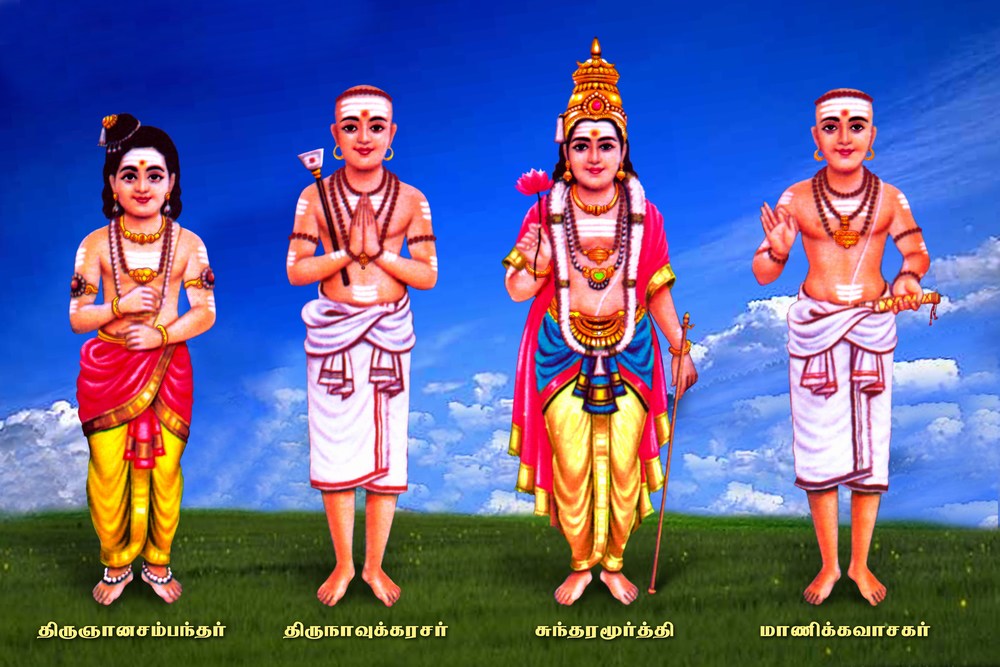
Four Saivite Saints of Tamil Nadu

Kamban puts it beautifully in one of his verses in Yuddha Kandam:-
“We became five brothers with Guha, six when we met Sugreeva, and Vibhisana! Now with you, we are seven brothers”.

Some of the verses in Tamil Kamba Ramayana are not found in Valmiki Ramayana; but he might have taken some verses from the other two Ramayanas : Vashista and Bodhayana Ramayanas. Kamban himself referred to the great three Ramyanas available at his time (12th Century CE).

Above all these, Rama sent Sita to Agni Pareeksha (Fire Walking Test) and to the forest because of a gossip among the washer men (dhobiwalas). He did not reject it because it came from a low caste person.

In the Mahabharata, we have the example of Dharma vyadha, a meat vendor, answering many questions put forward by sage Kausika. Even the Shambu incident in the Uttara Kanda of Valmiki Ramayana looks like an interpolation. Shambu , a Shudra, was killed by Rama just for doing penance! Several parts of Uttara Kanda go against the spirit of Ramayana. Nowhere else in the Ramayana, caste played any significant role.

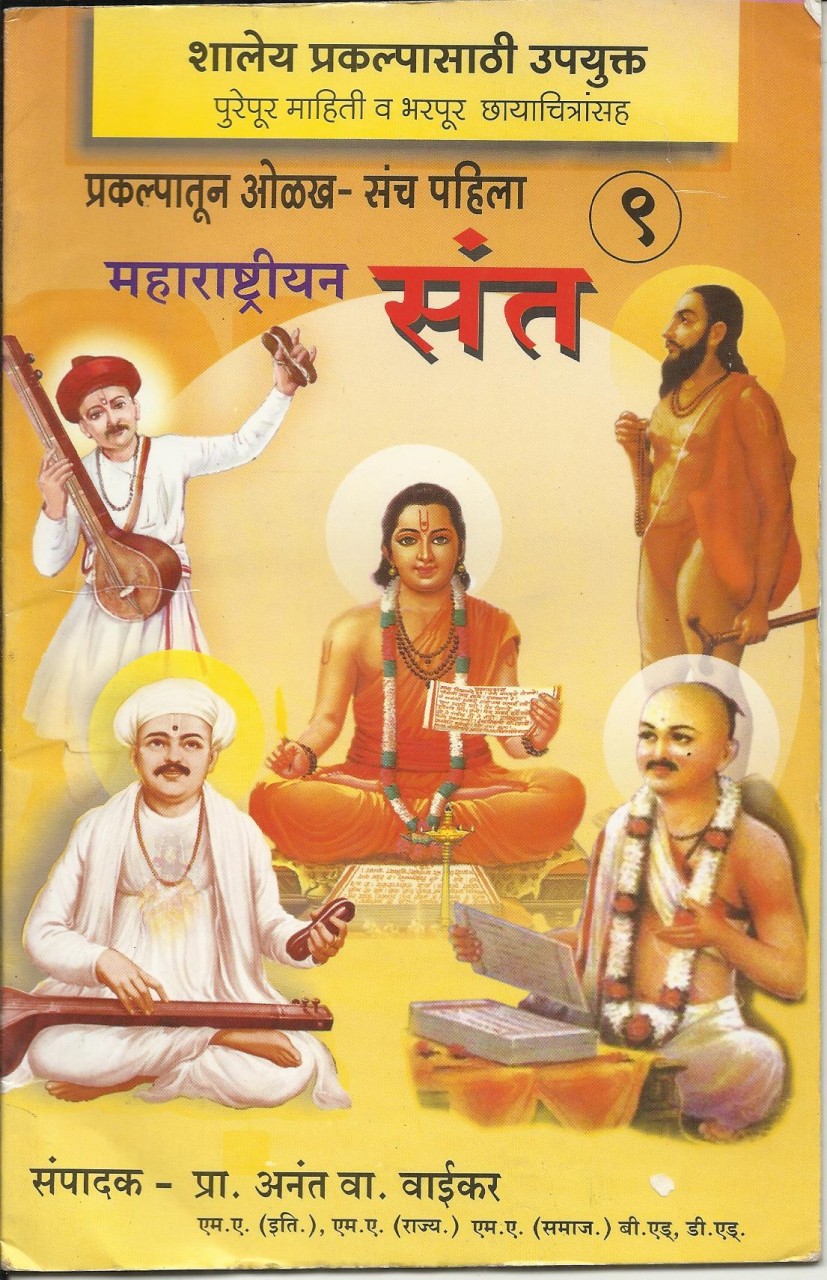
Maharashtriyan_Saint_-_1__24877_zoom
Saints of Maharashtra

Tamil Reformers
2000 year old Sangam Tamil literature has several examples where caste was immaterial in the field of education and social life. Purananauru verse 183 by Pandya king Neduncheziyan says that the educated only will be respected even if he belongs to the lowest of the four castes. Manu also said that a high caste person can go and learn from a person of low caste, where it is necessary.

Kabilan, a Brahmin poet who contributed the highest number of poems in the Sangam literature, was praised by many famous poets. He was a good friend of Pari, a chieftain who attained fame through his philanthropy. Pari was killed by the conspiracy of three powerful kings Chera, Choza, Pandya. Then Kabila took charge of Pari’s two Kshatria daughters Sangavai and Anagavai and went to every chieftain for refuge or marriage. Lot of chieftains refused to accept the girls for the fear of enmity with the three powerful Tamil kingdoms. At last a chieftain in Thirukoilur area was bold enough to accept the girls. Kabilar felt very happy of fulfilling his life time mission and then self immolated himself. An inscription and a memorial were installed at that place. He was the first Tamil known to History who did community service, without bothering about caste.

gorakhumbar
Gorakhumbar, a saint from Maharashtra

Then the Saivite and Vaishnavite saints of the sixth and seventh centuries followed Kabilar who did not care about the caste rules. Though there were some protests from the orthodox sections, all melted away like wax in the fire. Saivite saint Sambandhar walked hand in hand with Neelakanda Yazpanar of lower caste. Appar sang that even a Pulaya (lowest) would be respected if he is a devotee of Lord Shiva. Vaishnavie saints from the lowest castes had the same respect of their counterparts from higher class. We saw similar scenes in Maharashtra with all the saints of low castes, not only respected but also worshiped.

Apputhi adikal, a Brahmin devotee of non Brahmin saint Appar also known as Tirunavukkarasu, named everything in his vicinity after Appar. He named his sons, the Free Water Distribution Pandal (watershed), the weights in the household — everything after Appar. When Appar visited him in disguise and teased him about naming everything after a person who he never met, he became very angry. Then Appar revealed his true identity and Appudi Adikal fell at his feet.

Now we know that it is not the reformers of 19th century who created this awareness and they were not the pioneers. They simply continued what Vyasa and Valmiki advocated in the two epics. The Bhakti movement in Tamil Nadu and Maharashtra had innumerable saints from the lowest castes who are worshipped until today. They were the pioneers of reformation.

மாரி, பாரி, வாரி: காளி.,கம்பன் கபிலன்!!!

06TH_WEATHER2_1937233g
Written by London Swaminathan
Post No.1125 ; Dated :– 23 June 2014.

N.B. If you want to reproduce this article, please email me for permission. Previously I gave blank cheque to some people. They have been uploading all the 1100 posts from my blogs which is not allowed from today. You have to get written permission from me for each and every article separately. swami_48@yahoo.com

மாரி என்றால் மழை;
பாரி என்பவன் கடை எழு வள்ளல்களில் ஒருவன்;
வாரி என்றால் கடல்.

காளிதாசன், கபிலன் என்பவர்கள் 2000 ஆண்டுகளு க்கு முன் வாழ்ந்த புகழ்பெற்ற கவிஞர்கள். அவர்களுக்கு ஆயிரம் ஆண்டுகளுக்குப் பின் உதித்தவன் கம்பன் என்னும் கவிஞன். இம்மூன்று கவிஞர்களும் சொல்லேர் உழவர்கள்; ஒரே விஷயத்தை தமக்கே உரித்தான பாணியில் நயம்பட உரைப்பதைப் படித்து மகிழ்வோம்.

கி.மு முதல் நூற்றாண்டில் வாழ்ந்த உலக மஹா கவிஞன் காளிதாசன். அவனது ஆயிரத்துக்கும் மேலான உவமைகளில் 200—க்கும் மேலான உவமைகளை சங்கப் புலவர்கள் கையாண்டிருப்பதை ஏற்கனவே ஆறு, ஏழு கட்டுரைகளில் ஆதாரத்துடன் எழுதி இருக்கிறேன்.

barcelona mediterranean sea

ரகுவம்சம் (17—72) என்னும் காவியத்தில் வரும் ஸ்லோகம் இது:

வறுமையில் வாடிய புலவரும் ஏழைகளும் அதிதி என்ற அரசனை அடைந்தனர். அவன் அள்ளி அள்ளிக் கொடுத்தான். அந்தப் பொருளை வாங்கி ஊருக்குத் திரும்பி வந்தவுடன் அவர்களும் எல்லோருக்கும் வாரி வழங்கி வள்ளல் என்ற பெயர் எடுத்துவிட்டனர். இதன் உட் பொருள்:–அப்பொருளைப் பெற்றோர், அப்பொருளுக்கு மூல காரணமான அதிதி என்னும் மன்னனையே மறந்துவிட்டனர். மேகங்களும் இப்படித்தான் கடல் நீரை மொண்டு எல்லோருக்கும் மழையாகத் தருகிறது. இதன் உட்பொருள்:–எல்லா கவிஞர்களும் மேகங்களை வள்ளல் என்று புகழ்கின்றனர். ஆனால் அந்த மேகங்களுக்கும் நீர் கொடுத்தது கடல் என்பதை மறந்துவிட்டனரே!!

ரகுவம்சம் 1-18ல் திலீபன் என்னும் மன்னனின் கொடைத் தன்மையை வருணிக்கையில் ‘’சூரியன் கடல் நீரை உறிஞ்சுவது ஆயிரம் மடங்கு திருப்பித் தருவதற்கன்றோ! அதே போல திலீபன் வரி வாங்கியதும் ஆயிரம் மடங்கு மக்களுக்குத் திருப்பித் தருவதற்கன்றோ!!’’ – என்பான்.

ரகுவம்ச அரசர்கள் எப்படிக் கொடுத்துக் கொடுத்து வறியவர் ஆயினரோ அதே போல பாரியும் ஆய் என்ற வள்ளலும் வறியவர் ஆனதை முடமோசியாரும் கபிலரும் பாடுகின்றனர்.

kadal-B_Id_428828_cyclone

புறம் 127 முடமோசியார் பாடிய பாடலில், ‘’ உன் மனைவி கழுத்தில் உள்ள தாலி ( ஈகை அரிய இழையணி மகளிரொடு ) மட்டுமே கொடுக்க இயலாது. மற்ற எல்லாவற்றையும் நீ பரிசிலர்க்கு வழங்கிவிட்டாய் என்பார்.

கபிலன் பாடல்
பாரியினுடைய 300 ஊர்களும் ஏற்கனவே இரவலர்க்கு வழங்கப்பட்டு விட்டது என்பதை முற்றுகையிட்ட மூவேந்தரிடம் கபிலர் கூறினார்.
புறம் 107 கபிலர் பாடிய பாடலில், மேகம் உவமை வருகிறது.:-
பாரி பாரி என்று பல ஏத்தி,
ஒருவர்ப் புகழ்வர் செந்நாப்புலவர்
பாரி ஒருவனும் அல்லன்;
மாரியும் உண்டு ஈங்கு உலகு புரப்பதுவே.

எல்லோரும் பாரியையே புகழ்கின்றனரே. உலகத்தைக் காப்பதற்கு மாரி (மழை/மேகம்) யும் உள்ளனவே. இது பழிப்பது போல பாரியைப் புகழ்வதாகும்.

கம்பன் பாடல்
கம்பனும் ராமாயண பால காண்டத்தில் இதே உத்தியைக் கையாளுகிறான்:
புள்ளி மால் வரை பொம் எனல் நோக்கி, வான்
வெள்ளி வீழ் இடை வீழ்த்தெனத் தாரைகள்,
உள்ளி உள்ள எல்லாம் உவந்து ஈயும் அவ்
வள்ளியோரின் , வழங்கின் மேகமே (ஆற்றுப் படலம், பால காண்டம்).

மற்றவர்களுக்கு தானம் செய்யும்போது ஏற்படும் இன்பத்தைக் கருதி தம்மிடமுள்ள செல்வத்தை எல்லாம் வாரி வழங்கும் வள்ளல்களைப் போல மேகங்களும் கோசல நாட்டில் மழையைக் கொட்டித் தீர்த்தனவாம்! இது கடைசி இரண்டு வரிகளின் பொருள்.

முதல் இரண்டு வரிகளின் பொருள்:– பெருமையுடைய இமயமலை பொலிவுடையதாக இருக்க வேண்டும் என்று கருதி வெள்ளி நிறக்கம்பிகள் போல தாரை தாரையாக மழை இறங்கியது.

kadal blue

ஆக மேகத்தையும் கடலையும், மழையையும் கொண்டு மன்னர்களின் வள்ளல் தன்மையை புலவர்கள் விளக்கும் நயம் மிகு பாடல்கள் படித்துச் சுவைப்பதற் குரியனவே!

உலகில் இப்படி வள்ளன்மைக்கு உவமையாக மழை, மேகம், கடல் ஆகியவற்றைப் பயன்படுத்துவதை பாரதம் முழுதும் வடமொழி, தென்மொழிப் பாடல்களில் மட்டுமே காணமுடியும். இது பாரதீயர்களின் ஒருமுகச் சிந்தனையைக் காட்டுகிறது, ஆரிய—திராவிட இனவெறிக் கொள்கையைப் பரப்புவோருக்கு இதுவும் ஒரு அடி கொடுக்கும்!

–சுபம்–

Five Fire Penance of Goddess Uma

five fire

Written by London Swaminathan
Post No. 1124; Dated :– 22nd June 2014.

N.B. If you want to reproduce this article, please email me for permission. Previously I gave blank cheque to some people. They have been uploading all the 1100 posts from my blogs which is not allowed from now onwards. You must get written permission from me for each and every article separately. swami_48@yahoo.com

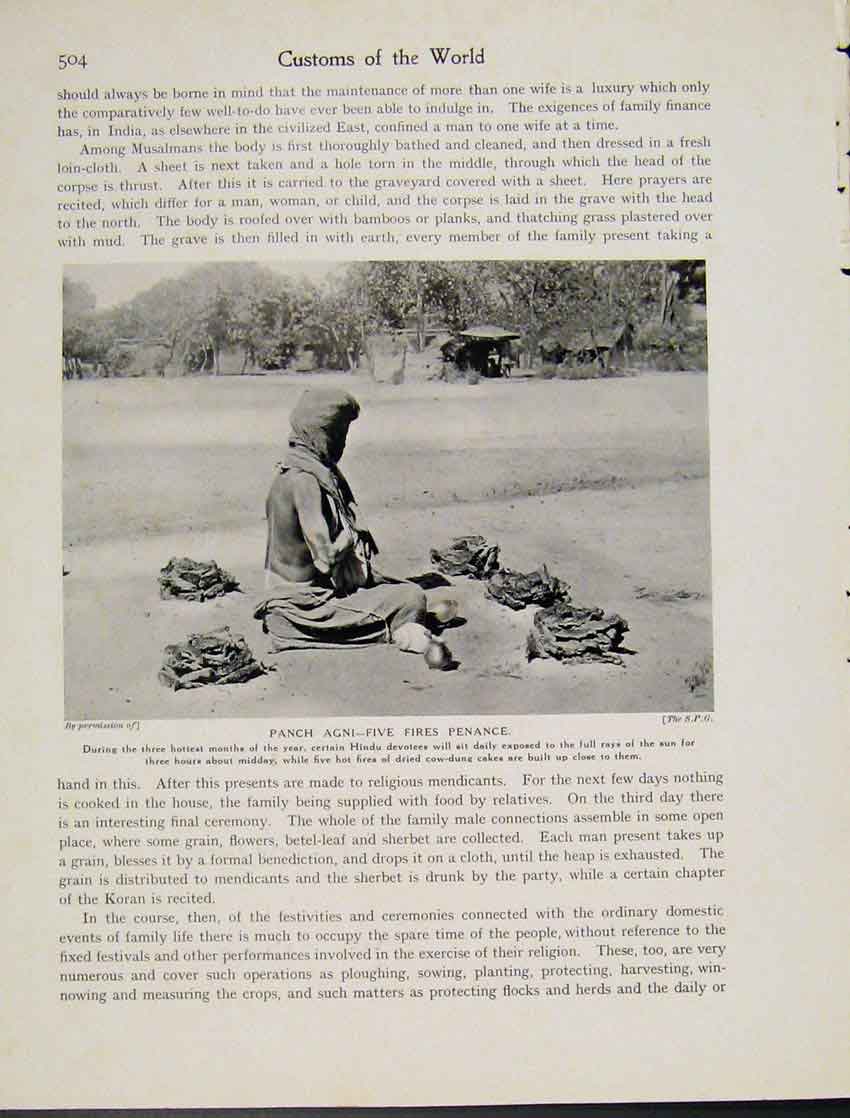
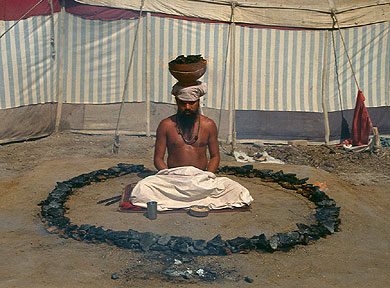
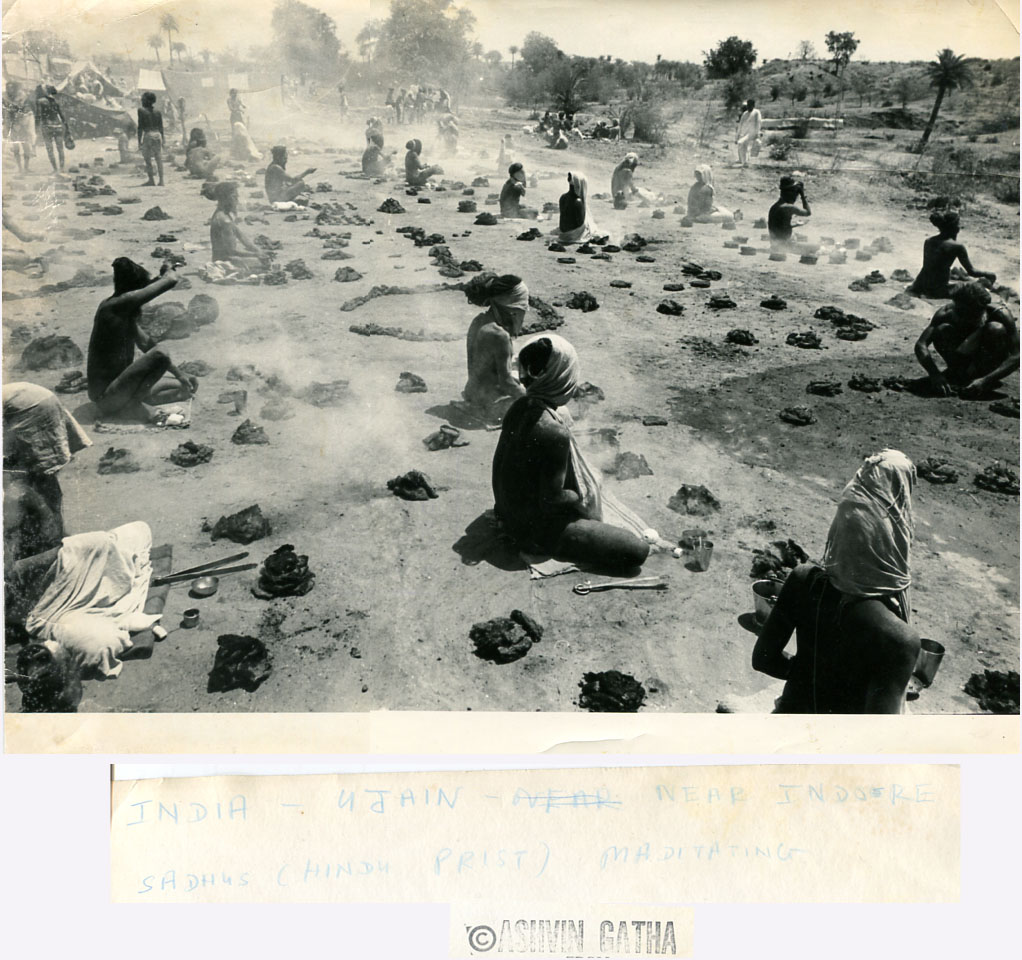
Kalidasa , the greatest of the Indian poets, describes about some strange ancient customs: Five Fire Penance (Panchagni) and Sword in the Bed/Asi dhara Vrata. Kumarila Bhatta, a contemporary of Adi Shankara, burnt himself to death in slow burning paddy husk. Hindu Yogis and saints had a very firm conviction and will power to undergo such an ordeal to achieve higher things in life. None of these hurt them because of their yogic practices.

I already wrote about the great penance undertaken by Bhageeratha and Arjuna standing on one leg to bring down River Ganga to earth and to attain Pasupata Astra from Lord Shiva.
panchagni1

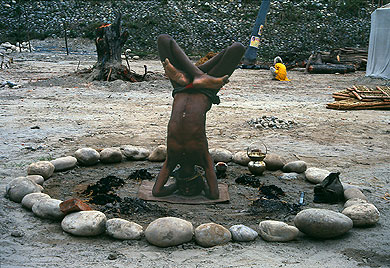
People who want to achieve something great in life lighted fire on four directions and stood amidst the four fires on one leg. Sun, which is the fifth fire, was scorching them from above. Their mind is so focussed into God that they would not feel the burning. It is also a symbolic penance which means they are out of the five bad qualities: Kama (lust), Krodha (anger) Lobha (greed), Matha (Ego) and Mathcharya (attachment).

Kalidasa in ‘Kumarasambhava’ describes Uma’s penance in beautiful verses:
“In summer, she of sweet smiles and a delicate waist, sitting in the midst of four blazing fires, gazed at the sun with her sight not directed to anything else; having got the better of his lustre that dazzles the eye”. (5-20)

“Her face greatly scorched by the rays of the sun in that manner, bore the beauty of a day lotus; but gradually, only round the long corners of her eyes, dark colour made its appearance”. (5-21)

five fire 3
“The sternest severity of austerities lies in subsisting on leaves, fallen free from the trees on their own accord; but that also she spurned; hence that gentle talker was named ‘Aparna’ (leafless) by those conversant with history (5-28)

((I agree with scholars who date Kalidasa to first or second century BCE. I have proved it right on the basis of the use of his 200+similes (out of 1000+ similes) by the Sangam Tamil poets. They are not found in Prakrit Gatha Sapta Sati or any other Sanskrit books)).

5 fire
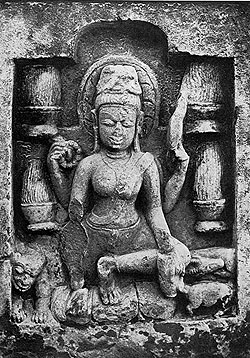
InMadhya Pradesh Temple.

Asi Dhara Vrata (Sharp Sword Edge Vow)
It is like standing on the sharp edge of a sword. The meaning is it is difficult to maintain that balance or it would hurt if slipped. A bachelor can lie in the same bed with a beautiful girl but yet never swerve from the vow of chastity. It is said that a sword will be placed in between them in the bed according to the commentator (Raghuvamsa 13-67).

When Rama returned to Ayodhya after 14 year stay in the forest, he saw Bharata walking towards him. He praised Bharata as practising Asidhara Vratam, without enjoying the Rajyalakshmi (Kingdom or Earth is praised as Lakshmi, Goddess of Wealth in Hindu scriptures).

ujjain1960s5fire
Five Fire Penance in Ujjain.

Tamil Kings Fast unto Death
Tamil Kings Kopperum Choza and Neduncheralatha of Sangam age also followed similar type of vow. They sat facing North on the banks of a river and fast unto death. They were also holding a sword in their hands, probably meaning the same, i.e. sharp edged vow. Verses in Purananuru 65 (by Kazath thalaiyar) and Akananuru 55 (by Mamulanar) are about the Chera King Neduncheralathan who died facing North. When such a great person sacrificed his life, scholars and general public joined them and made it a “mass suicide”. We see it when Lord Rama drowned himself in the Sarayu River and in the Tamil Kings’ deaths. Lot of Tamil poets and scholars joined them in the fast unto death ceremony. In Tamil it is called “Vaal Vatakkiruthal”, meaning Facing North with a Sword.

Brahma,panchaishti
Brahma in Panchaishti village.

KumarilaBhatta’s Sacrifice
Kumarila Bhatta was a great scholar with whom Adi Shankara wanted to debate Advaita philosophy. He directed him to his disciple Mandana Mishra because, Kumarila was dying in burning paddy husk. When people wanted to get rid of sins they must undergo due punishment to ‘spend’ their sins. So they fast unto death facing the Holy direction North or walk towards North till their bodies fall on earth (like the Pandabva brothers) or drown themselves in a holy river (like king Aja and Rama). Kumarila Bhatta chose the method of self immolation. He placed himself in a pile of paddy husk and lighted it on four directions. It would slowly burn him to ashes. It would not hurt anyone who practises Yoga. Yogis would not feel any body pain.
XXXXXXX—–XXXXXXXXXX—XXXXXXXX
Pictures are taken from Divyadarsanam and other websites;thanks.

நின்றுகொண்டே தவம் செய்தது ஏன்? விஞ்ஞான விளக்கம்

bhagiratha
Mahabalipuram: Bhageerathan Penance also called Arjunan Penance.

Written by London Swaminathan
Post No. 1123; Dated 22 June 2014.

N.B. If you want to reproduce this article, please email me for permission. Previously I gave blank cheque to some people. They have been uploading all the 1100 posts from my blogs which is not allowed from now on wards. You must get written permission from me for each and every article separately. swami_48@yahoo.com

பிரிட்டனில் உள்ள லண்டனில் இருந்து வெளியாகும் செய்திப் பத்திரிக்கைகளில் இன்று (21/6/2014) காலையில் ஒரு சுவையான செய்தி வெளியாகி இருக்கிறது. பகீரதனும் பார்வதியும், அர்ஜுனனும் காமாக்ஷியும் நின்றுகொண்டே தவம் செய்ததற்கான விளக்கம் கிடைத்துவிட்டது. லண்டன் ‘’டெய்லி மெயில்’’ வெளியிட்ட செய்தியின் தலைப்பு:

நீண்ட நாள் வாழ ஆசையா? நாள்தோறும் 3 மணி நிற்கவும்!!
“WANT TO LIVE LONGER? STAND UP FOR THREE HOURS A DAY”.

பகீரதன் கங்கை நதியைக் கொண்டுவரவும், அர்ஜுனன் பாசுபதாஸ்திரத்தைப் பெறவும், உமாதேவி சிவ பெருமானை அடையவும் ஒற்றைக் காலில் நின்று தவம் செய்ததை நாம் அறிவோம். கும்ப மேளாவுக்குப் போனால் பல சாது சந்யாசிகள் பலவித கோலங்களில், நிலைகளில் தவம் செய்வதை இன்றும் காண்கிறோம். அசுரர்களும் கூட சிவனிடம் வரம் பெற இப்படித்தான் தவம் செய்தனர்!

((அசுரர்கள், ராக்ஷசர்களை ‘திராவிடர்’ என்று இனம் பிரித்துப் பிரிவினை பேசும் அறிவிலிகளுக்கு குட்டு வைக்குக்கும் ‘பாயிண்ட்’ இது என்பதையும் நிணவு படுத்த விரும்புகிறேன்))
kamakshi 5 fire
kaamakshi penance on one leg.

ஒரு மனிதன் நாள் தோறும் மூன்று மணி நேரம் நின்றால் அவனுடைய ஆயுள் குறைந்ததபட்சம் இரண்டு ஆண்டுகள் அதிகரிக்கும். இவ்வாறு நிற்பது ஆண்டுதோறும் பத்து மராத்தன் ஓட்டம் ஓடுவதற்குச் சமம் என்று டாக்டர் மைக் லூஸ்மோர் கூறுகிறார். விளையாட்டுக் கல்விக் கழகத்தில் பயிற்சி சாதனப் பிரிவு நிபுணர் இவர். சென்ற லண்டன் ஒலிம்பிக் போட்டியில் குத்துச் சண்டைக் குழுவின் தலைமை மருத்துவர் பொறுப்பையும் வகித்தவர்.

மூன்று மணி நேரம் நிற்பதற்கே இவ்வளவு பலன் என்றால், நூற்றாண்டுக் காலம் நின்று தவம் செய்த நம் முனிவர்கள் நீண்ட காலம் வாழ்ந்ததில் வியப்பேதும் இல்லை. அது மட்டுமல்ல. நம் முனிவர்களும் யோகிகளும் வெறுமனே நில்லாமல், பிராணாயாமம் போன்ற மூச்சுப் பயிற்சிகளையும் செய்தனர். காற்றைத் தவிர வேறு எதையும் உண்ணவும் இல்லை. ஆகையால உடலில் வளர்-சிதை மாற்றமும் மிகக் குறைவு. இப்படி இருந்தால் மிக மிக நீண்ட காலம் வாழலாம்!

டாக்டர் மைக் லூஸ்மோர் கூறுகிறார்: நிற்பதால் சர்க்கரை வியாதி, புற்று நோய், இரத்த அழுத்தம் ,கொலஸ்ட்ரால் எதுவுமே வராது தடுக்கலாம்.

2013- ஆம் ஆண்டில் செஸ்டர் பல்கலைக் கழகத்தில் டாக்டர் ஜான் பக்லி தலைமையில் ஒரு ஆய்வு நடந்தது. அவர்கள், சில பேருடைய உடலில் எல்லா நவீன கருவிகளையும் பொருத்தி ஆய்வு செய்ததில் ஒரு நாளைக்கு 750 கலோரி வீதம்– ஆண்டுக்கு 30,000 கலோரி வரை– எரிக்க முடியும் என்றும் இதனால் ஒருவர் எட்டு பவுண்டு வரை எடையைக் குறைக்க முடியும் என்றும் கண்டு பிடித்தனர்.
வின்ஸ்டன் சர்ச்சில், ஏர்னஸ்ட் ஹெமிங்வே, பெஞ்சமின் ப்ராங்லின் போன்ற பல்துறை வல்லுநர்கள் நின்று கொண்டே வேலை செய்வதற்காக உயரமான ‘டெஸ்க்’குகளை விசேஷமாக செய்து உபயோகித்தனர்!!!

4. Arjuna's penance
பஸ் கண்டக்டர்கள், பஸ் டிரைவர்களைவிட குறைவான இருதய நோய்களுடன் வாழ்ந்தது இன்னொரு ஆய்வில் கண்டறியப்பட்டது. சுருக்கமாகச் சொன்னால் நிற்பவர் வாழ்வர்; உட்காருபவர் ஒழிவர். படுக்கையில் எட்டு மணிநேரமும், கம்ப்யூட்டர், டெலிவிஷன் முன் பத்து மணி நேரமும் உடலைக் கிடத்துவது நல்லதல்ல.

நாமும் பகீரதன், அர்ஜுனன் போல கொஞ்சம் நிற்கப் பழகினால் அவர்கள் போல நீடூழி வாழலாம்! ஒற்றைக் காலில் இல்லா விட்டாலும் இரட்டைக் காலிலாவது நிற்கலாம்.. இதன் மூலம் ‘பேஸ்புக்’ வியாதி, ‘இன் டெர்நெட்’ வியாதி, டெலிவிஷன் ‘சீரியல்’ வியாதி ஆகிய தீராத நோய்களையும் தீர்க்கலாம்!!!

Scientific Proof for Indian Yogi’s Long Life!

bhagiratha

Bhagiratha’s penace on one leg in Mahabalipuram; some people think it is Arjuna’s penance for Pasupata Astra.

Written London Swaminathan
Post No. 1122; Dated 21st June 2014.

N.B. If you want to reproduce this article, please email me for permission. Previously I gave blank cheque to some people. They have been uploading all the 1100 posts from my blogs which is not allowed from today. You have to get written permission from me for each and every article separately. swami_48@yahoo.com

London news papers have published a news item this morning (21/6/14) which throws more light on Hindu Yogic practices. They flashed the news item with the title: “WANT TO LIVE LONGER? STAND UP FOR THREE HOURS A DAY”. Indian saints, Yogis, ancient kings and even demons were doing penance for a long period in different postures. We see such Yogis even today during festivals like Kumbhamela. Hindu scriptures always attribute a longer life span for them.

We read about how Arjuna and Bagheeratha and others did penance standing on one foot. Arjuna did penance to get Pasupata Astra and Bhageeratha did penance for bringing down the River Ganges from the heaven. Goddess Parvati did penance to get Shiva as her husband. They stood on one leg and did penance for “thousands of years”. Since Hindus invented the decimal system, they used the phrase ‘60,000 years’ just to mean “for a long period”. In the same way Buddhist scriptures used No. 500 and Semitic scriptures used No 40. They were not taken literally.

Standing on one foot or sitting in a particular posture increases concentration. English phases such as ‘bent upon’, ‘bent on’, ‘inclined to’ may mean Yoga Asana postures. Now the scientific evidence has come in favour of ‘ STANDING’ and doing something which keeps you fit and healthy!

4. Arjuna's penance

“Simply standing up for three hours a day is as good for you as running ten marathons a year and could even extend life by two years, an expert has claimed”- reported London News Papers this morning.
Coupled with Pranayamam (Breath Control techniques) our Yogis lived for a very long period and achieved what they wanted to achieve.
Dr Mike Loosemore, lead consultant in exercise machine at the Institute of Sport, said even small amounts of exercise, such as standing, can have significant health benefits. ‘It is going to improve their health. It is going to reduce their risk of heart disease, diabetes and cancer, It is going to reduce their cholesterol and It is going to make them thinner’, he said.

“If you keep doing small gains, they will improve your health. It is easy to do and you make it part of your life style. If I stood up like this and worked standing up, which I do, three hours a day, five days a week, that would be the equivalent of ten Marathons a year”.

Dr Loosemore was the lead medic for the GB (UK) Boxing team at London 2012 Olympics. A Depart of Health (U.K)spokesman said: ‘Even making small changes are designed to be a manageable way in which people can make these changes’.

kamakshi 5 fire
Kamakshi or Uma on one foot.

An experiment was done with the help of University of Chester team in 2013 and the result they got was encouraging. Dr John Buckley of the team said,

“If you stand for three hours a day for five days that’s around 750 calories burnt. Over the course of a year it would add up to about 30,000 extra calories, or around 8lb of fat. Standing while you are working may seem rather odd, but it is a practice with a long tradition. Winston Churchill wrote while working at a special standing desk, as did Ernest Hemingway and Benjamin Franklin”.

Bus conductors are less prone to heart diseases than bus drivers, a study found out.

If we take into account the breath control (Pranayam) techniques of Hindu Yogis, “eating nothing but air” and with reduced metabolism, we will understand how they lived for longer years.

Let us follow Arjuna and Bhageeratha!

‘கபிலர் கல்’ பற்றி டாக்டர் இரா. நாகசாமி

கட்டுரை எழுதியவர்:– டாக்டர் இரா நாகசாமி
கட்டுரை எண்:–1121; தேதி:– ஜூன் 21, 2014

சங்க காலத் தமிழகத்தில் தலை சிறந்த வள்ளல்களில் ஒருவனாகத் திகழ்ந்தவன் பறம்பு நாட்டின் தலைவன் பாரி. பாரிக்கு அங்கவை, சங்கவை என்று இரண்டு பெண்கள் இருந்தனர்.சங்கப் புலவர்களில் தலையாய புலவர் கபிலர், பாரியின் நெருங்கிய நண்பர். போரில் பாரி இறந்து போனான். ஆதரவற்ற இரு பெண்களையும் கபிலர் திருக்கோயிலூர் மலையமானுக்கு மணம் செய்து கொடுக்கிறார். அத்துடன் தனது வாழ்நாளின் குறிக்கோள் முடிந்துவிட்டது என, பாரியைப் பிரிந்து வாழ விரும்பாமல், திருக்கோயிலூரில், பெண்ணை ஆற்றங்கரையில், ஒரு குன்றன்ன பாறையில் தீப்பாய்ந்து இறந்துவிடுகிறார் கபிலர். அவர் இறந்த பாறை இன்றும் திருக்கோயிலூரில் இருக்கிறது. அதை ‘கபிலக் கல்’ என்று அழைக்கிறார்கள்.

சங்கப் பாடல்களில் தன் நண்பனுக்காக செயற்கரிய செயல் செய்து உயிர்நீத்த கபிலரின் வரலாற்றை நெஞ்சு நெகிழும் வண்ணம் புறநானூற்றில் பல பாடல்கள் கூறுகின்றன. கபிலருக்குப் பின் ஒரு ஆயிரம் ஆண்டுகளுக்குப் பின் வந்த இராஜராஜ சோழன், அக் கபிலக் கல்லை திருக்கோயிலூரில் வந்து காண்கிறான். அக்கல் பாரியையும், அவன் பெண்களையும், ஒப்பறிய புலவன் கபிலனையும் எடுத்துரைக்கிறது. வரலாற்றை எடுத்துரைக்கும் சின்னமாக அது தென்படுகிறது. அப்பெரும் புலவனின் புகழையும், பெயரையும் பாடலாகவே கல்வெட்டில் எழுதிவைத்திருக்கிறான் இராஜராஜ சோழன்.

சங்ககால வரலாற்றையே நம் கண்முன் நிறுத்தும் இராஜராஜனின் கல்வெட்டைப் பாருங்கள்,

‘முத்தமிழ் நான்மை
தெய்வக் கவிதை செஞ்சொல் கபிலன்
மூரிவன் தடக்கை பாரிதன் அடைக்கலப்
பெண்ணை மலையற்கு உதவி பெண்ணை
அலைபுனல் அழுவந்து அந்தரிக்ஷம் செல்ல
மினல்புகும் விசும்பின் வீடுபேறெண்ணி
கனல் புகும் கபிலக் கல் அது’

என்கிறான் இராஜராஜன். இங்கு கல் என்ற சொல் வெறும் பாறை, கருங்கல் என்ற பொருளில் இல்லாமல், கபிலனின் புகழையும், பாரியின் புகழையும் எடுத்துரைக்கும் மாபெரும் நினைவுச் சின்னம் என்னும் பொருளில் இடம்பெறுகிறது. இறந்துபட்ட பெருமக்கள் என்றென்றும் புகழொடு நிலைத்து நிற்கும் சின்னம் என்ற பொருளில் ‘கல்’ என்ற சொல் வரும்.

‘கல்’ என்ற சொல் இறந்துபட்டோரின் நினைவாக எடுக்கப்பட்ட சின்னம் என்ற பொருளில் பல பாடல்களில் வருவதைக் காணலாம்.

(( இது டாக்டர் இரா. நாகசாமி எழுதிய “தமிழ் பாமாலை” என்ற நூலிலிருந்து எடுக்கப்பட்ட கட்டுரை. கல் என்ற சொல் பற்றி மேலும் சில கட்டுரைகள் உள்பட 38 ஆராய்ச்சிக் கட்டுரைகள் அடங்கிய அரிய புத்தகம். அனைவரும் வாங்கிப் படித்துப், பாதுகாக்கவேண்டிய நூல். வெளியிட்டவர்: தமிழ் ஆர்ட்ஸ் அகெடமி, சென்னை- 600 090, ஆண்டு 2004. தொல்பொருத் துறையின் முன்னாள் இயக்குநரும், காஞ்சி பல்கலைக்கழகத்தின் முன்னாள் துணைவேந்தருமான டாக்டர் இரா.நாகசாமி இன்னும் தொடர்ந்து பல புதிய ஆய்வுக்கட்டுரைகளை தமிழ் கூறும் நல்லுலகிற்கு அளித்து வருகிறார். தமிழ் ஆர்ட்ஸ் அகெடெமி http://tamilartsacademy.com என்ற இணையதளத்தில் அவைகளைப் படிக்கலாம்.))

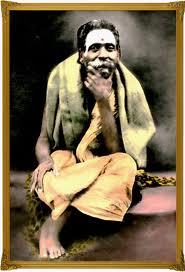
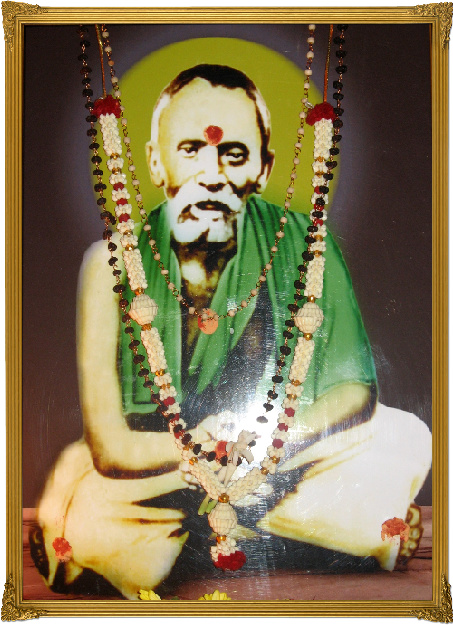
Miracles of Sri Seshadri Swamikal

sesu1

Miracles of Sri Seshadri Swamikal of Tiruvannamalai

Written by London Swaminathan
Post No. 1120; Dated:– 20th June 2014.

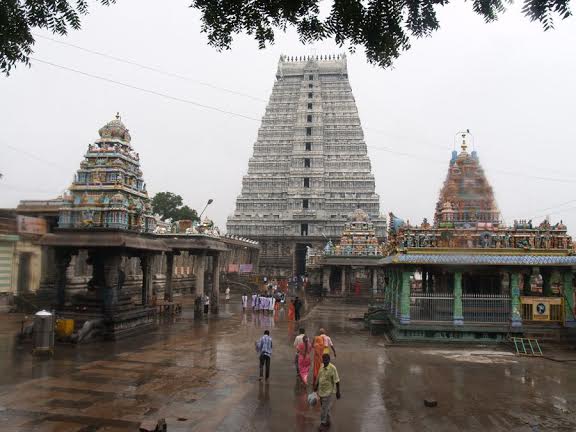
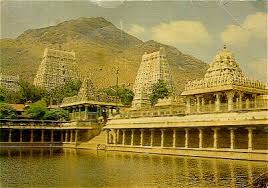
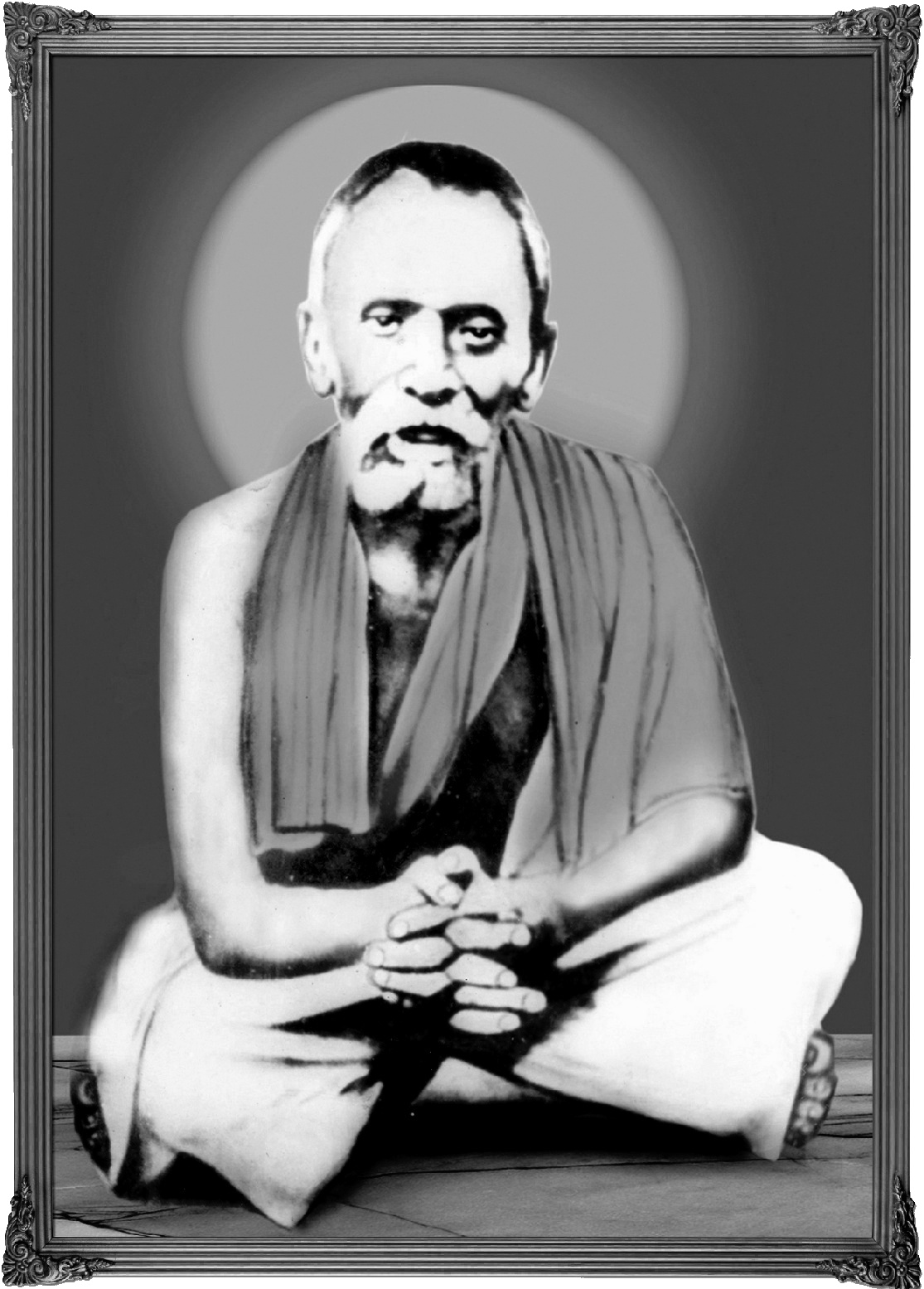
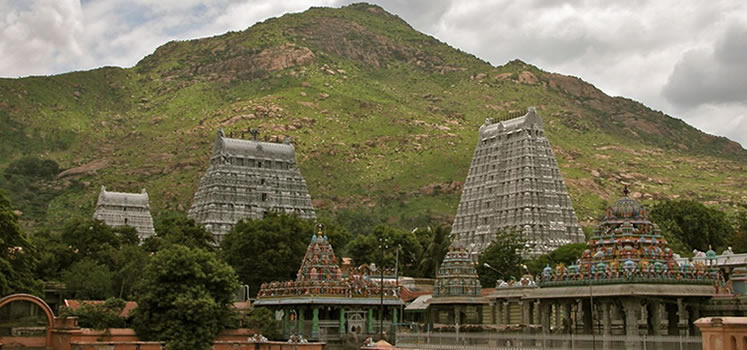
Tiruvannamalai in Tamil Nadu is famous for many things. This is one of the Five Main Shrines (Pancha Bhutha Sthala) of Lord Shiva. Lord Shiva is in the form of Agni (fire) in this shrine. It is also famous for several saints including Arunagiri nathar (author of Tiruppugaz in Tamil), Sri Ramana Maharishi and Sri Seshadri Swamikal. Ramana is known to all spiritual aspirants around the world. But Seshadri Swami is not known to many outside Tamil Nadu. His life was full of miracles. Studying his life shows how the world looks at a budding saint, how the family puts all the hurdles in one’s spiritual path and how one becomes great saint at the end.

old-sesha

Seshadri was born (22 January 1870) in Kancheepuram. The city of Kancheepuram was the capital of Pallava Dynasty for several centuries. Its fame spread throughout India because of its great temples and university. It was the Nalanda of the South. One of the Chalukya kings conquered Kanchi but not to touch a single stone. Because it was so beautiful he ordered his soldiers not to destroy it.

Long ago, Adi Shankara brought 30 families from the North to Kanchi, because of shortage of Shakta practitioners. They were known as Kamakoti family, well versed in Sri Vidya Worship. Seshadri was born in that family to Maragatham and Varadarajan. Seshadri’s mother Maragatham was extremely beautiful and well versed in arts and Sanskrit literature.
vedas t v malai
Tiruvannamalai Temple

Seshadris father Varadarajan died when Seshadri was young. His death came on the appointed day as he correctly predicted before. After a few years his mother Maragatham also died saying the name of Arunachaleswar, God of Tiruvannamalai. Hindus believe that any one dying with the thought of Arunachal (Tiruvannamalai) gets liberated from the cycle of birth and death. His mother’s death with the words of Arunachala Siva made a deep impression in Seshadri’s mind. He used to draw the hill of Tiruvannamalai and offer puja (worship) to it.

Though Seshadri mastered lot of Tamil and Sanskrit scriptures, his mind was only thinking of god. His behaviour was very strange and similar to that of a mad man. For hours doing Puja in a secluded place or behind the closed doors and even at the crematorium was the order of the day. When the elders in the family warned about going to crematorium and getting all the ‘impurities’ it did not bother him. He made every one dumbfound by arguing with a great scholar about it for three hours in Sanskrit! A section of Hindus believe that doing prayer at the crematorium will increase its effect tenfold. But one must have proper maturity to do it. The last warning came that he can’t enter the house once he goes to the crematorium for pujas. He was waiting for those words. From that day he did not enter the house.

tv malai
Temple With the Hill of Tiruvannamalai

Every spiritual aspirant needs a guru for proper initiation. Seshadri was lucky to get one North Indian Guru by name Balaji Swami who came to Kanchi on his way to Rameswaram. Seshadri took Sanyasa (vow to lead an ascetic life) from him and proceeded to Tiruvannamalai where he stayed for next forty years.
When he was a child a few miracles happened which showed that he was going to become great. Once when his mother took him to the temple, a seller was selling Krishna idols. When he asked for one, his mother hesitated. The vendor was ready to give him free of cost. At last mother bought him one. But Seshadri was allowed to choose one from the pile. He put his hands through the pile of mini statues and chose one. As soon as he left all the figures were sold which never happened in the life of the vendor. Next time when his mum took Seshadri to the temple he came running and kissed the hands of Seshadri and touchéd his feet saying that he was a divine child. From that day he was known as Golden Hand Seshadri.

When one of the family friends came to his house asking Seshadri for his daughter, the eldest in the family told him loud and clear that he can’t be married because his horoscope was an ascetic’s horoscope. Though everyone in the family resented it, his statement came true.

What happened in Seshadris younger days never stopped even when he became old. If he went to a shop and touched any eatable with his “unclean” hand, no shop keeper would object to it, because that shop would do a roaring business on that day. He used to throw out articles from the shop. But vendors were waiting for that moment.

old-seshanatha

His control over animal world also was also amazing. I have already written about it in my post “Mysterious Tamil Bird Man” (Posted on 19th April, 2012). He called hundreds of beautiful birds of different varieties at the backyard of a house, just to amuse his devotee!!!

Another time a snake was coming quickly towards him. All his friends ran for life. But Seshadri called the snake and it climbed over him and spread its hood over him like an umbrella. He used to bathe several times every day and he was given a nickname “cormorant” (water crow in Tamil).

His behaviour was like a mad man. He used to laugh for an hour without any rhyme or reason, looking at the sky and “listen to the heavenly music of the Gandharvas (Singers in the heaven)”.

There was another holy man by name Vitobha Swamil at Polur near Tiruvannamalai. He fell sick and told his devotees that he would ‘depart’ within three days. One day Seshadri looked at the sky and was shouting “Vittobha going, Vittobha going”. Within a short time people received the news of Vittobha’s death from the nearby town. As he was a Tri Kala Jnani, he could see the present, past and the future events.

There are scores of anecdotes like this in his life. He never did any miracle for the sake of miracle to attract people. No one could predict what he was going to do next minute. In Tamil there is a proverb meaning Siddhas and beggars have the same style/attitude (Siddham Pokku Sivam Pokku; Andi poku adhe pokku) . Seshadri Swami was a typical example of this saying.

He visited the house of Judge Sundaram Chettiar once. He started playing with him by throwing his upper garment on his neck like a garland. This he did several times. Soon he was promoted as a High Court Judge. Once he sat on the pyol (Thinnai in Tamil) of a poor cart man’s house. The old woman in the house gave him porridge. He asked him to sell the cart and the bull. Next week he got married to a rich woman and he sold his bullock cart and migrated to Madras. So many good things happened to so many people. His look can destroy even the past karma and change the future to good.

Venkatrama Iyer was working as a teacher at Danish Mission High School. Because of jealousy of a few people he was about to be dismissed. One day he saw Swamikal coming and took off his shoes and fell at his feet. But contrary to his expectations of blessings, he was beaten with his own shoe several times. Venkatrama Iyer was shocked. When he went to his school he saw an envelope on the table. He felt very bad and opened the envelope thinking that it was his dismissal order. But he was promoted as the Head Master of the school. Swami can eradicate anyone’s past bad karma.

tv malai2

Sivaprakasa Mudaliyar was a Sub Inspector of police. He was stopped on the road by the Swami and was asked whether he would accept ten rupees more. He told Swami that he would be glad to take it. Swami put his dirty cloth on him and took it. When he saw his superiors on the same day he was given ten rupees increment!

He did penance at the Durga Temple at the foothill. He advised his devotees to follow Rama instead of reading Ramayana. Ramana Maharishi came to Tiruvannamalai after Seshadri. When Ramana was doing severe penance, insects were crawling over him and he was bitten by the insects. Seshadri Swamikal saved Ramana and revealed him to the world as a saint. When Seshadri Swamikal died Ramana took part in the funeral procession.

Seshadri Swamikal also predicted his death and died in 1929 after a serious illness. His Samadhi ( holy grave where his body is buried) is very near Ramanashram (The author was fortunate to visit both the Ashrams). A lot of people were cured of their sicknesses and received advice from him. Even now the very thought of him or a prayer to him would do wonders.

Next time you visit Tamil Nadu, don’t forget to visit the two great Ashrams of Ramana and Seshadri at Tiruvannamalai. Seshadri Swamikal’s full life history is available in Tamil and English.

–Subham–

கல்லுக்குள் தேரை, பெட்டிக்குள் எறும்பு: உணவு கொடுப்பது யார்?

Fire_ants

எழுதியவர்: லண்டன் சுவாமிநாதன்
கட்டுரை எண்:— 1119; தேதி:—- 20 ஜூன் 2014

ஒரு முறை பார்வதிக்கும் பரமசிவனுக்கும் இடையே ஒரு காரசார விவாதம்:
பார்வதி:– என்ன இது? இப்படி எப்போது பார்த்தாலும் ‘டான்ஸ்’ (நடராஜன் ) ஆடியே பொழுதைக் கழிக்கிறீர்களே. கொஞ்சம் பசியால் வாடும் உயிரினங்களுக்கு உணவு அளிக்கக்கூடாதா?
பரமசிவன்:- அன்பே! ஆருயிரே ! அதைத்தான் ‘’இமைப்பொழுதும் சோராமல்’ அல்லும் பகலும், அனுவரதமும் நான் செய்து கொண்டிருக்கிறேன்.

பார்வதி:– அப்படியா! எனக்கு என்னமோ நீங்கள் ‘’நடராஜ’’னாகப் பொழுது போக்குவதே கண்களுக்குத் தெரிகிறது!

Ramdas Shivaji
Picture of Shivaji and Samarth Ramdas.

பரமசிவன்:- நீ ஒரு பெண்; கருணையின் வடிவம்; ‘பால் நினைந்தூட்டும் தாய்’! ஆகையால் பசியில் வாடும் உயிரினங்களின் மேல் எப்போதும் கருணை பொழிகிறாய். எனது நடனம்தான் இந்த உலகையே இயக்கிக் கொண்டிருக்கிறது. உனது கருணை அதை மறைக்கிறது போலும்!

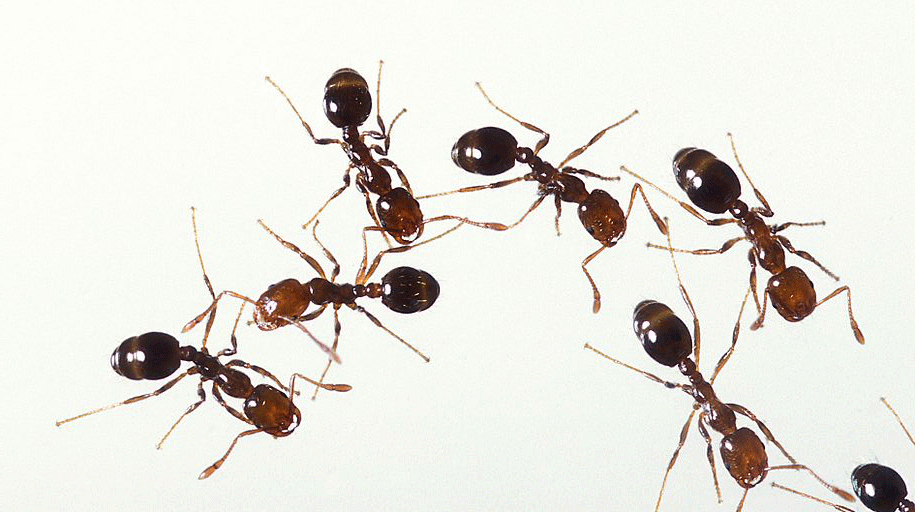
இப்படி சிவன் கொடுத்த தத்துவ விளக்கம் எதுவும் பார்வதிக்கு நம்பிக்கை தரவில்லை. தன் கணவனை ‘’கையும் களவுமாகப்’’ பிடித்து குற்றவாளிக் கூண்டில் ஏற்றுவதற்குத் திட்டம் போட்டாள். விறு விறு என்று வெளியே போய் அங்கே ஓடிக்கொண்டிருந்த சில எறும்புகளைப் பிடித்து ஒரு டப்பாவுக்குள் போட்டு மூடி வைத்தாள்.

மீண்டும் அதே நாளன்று பொழுது சாயும் நேரத்தில் சிவன் ஆடத் தொடங்கினார். பார்வதிக்கோ ஒரே ஆத்திரம். ஆட்டம் முடிந்தவுடன் சிவனை மீண்டும் வம்புக்கு இழுத்தாள்.

பார்வதி:– அன்பரே! இன்று எல்லா உயிரினங்களுக்கும் உணவு படைத்தீரா?
பரமசிவன்:- ஆமாம், தேவி! ஒரு உயிரினத்தையும் விடவில்லை. எல்லோருக்கும் உணவு அளித்துவிட்டேன்.

பார்வதி:– ஓ,அப்படியா? இனி நீர் என்னிடமிருந்து தப்பிக்க முடியாது. காலை முதல் என் முந்தானைக்குள் முடித்துவைத்த இந்தச் சின்னப் பெட்டியில் எறும்புகள் இருக்கின்றன. நீர் இந்தப் பக்கமே வரவில்லையே! இவைகளுக்கு ஏனைய்யா உணவு படைக்கவில்லை?

பரமசிவன்:- தேவி! அவசரப் படாதே, ஆத்திரப் படாதே. பெட்டியைத் திறந்து பார்.
பார்வதி, பெட்டியைத் திறந்தாள். எறும்புகள் இன்பமாக அரிசியை சாப்பிட்டுக் கொண்டிருந்தன. சிவன் வாயில் புன்சிரிப்பு நெளிந்தது. பார்வதி முகத்திலோ அசடு வழிந்தது. “எங்கும் நிறைந்த, எல்லாம் வல்ல, எல்லாம் அறிந்த” இறைவனை வெறும் ஆட்டம் (நடராஜன்) போடுபவன் என்று நினைத்து விட்டோமே, உலகையெல்லாம் ஆட்டிப்படைக்கும் ஆட்டம அல்லவா தம் கணவனுடைய ஆட்டம் என்று எண்ணி எண்ணி மகிழ்ந்தாள்.

shivajipg21

சிவாஜியை மடக்கிய ராமதாசர்

தென்னாட்டில் முஸ்லீம் படை எடுப்பாளர்களை ஒடுக்கியது விஜய நகரப் பேரரசு. அதற்குப் பின்னும் வட நாட்டில் அவுரங்கசீப்பின் அட்டஹாசம் நீடித்துக் கொண்டே இருந்தது. அப்பொழுது மஹாராஷ்டிரத்தில் மலைப் பகுதிகளில் வாழ்ந்த மக்களை ஒன்று திரட்டி உலகின் முதலாவது ‘கெரில்லா’ போரை நடத்தியவர் சிவாஜி. வீர சிவாஜியின் இந்து சாம்ராஜ்ய ஸ்தாபிதம் அவுரங்கசீப்பையும் மொகலாய சாம்ராஜ்யத்தையும் விழுத்தாட்டியது. வீர சிவாஜியின் வெற்றிக்குக் காரணம்—பவானி தேவி கொடுத்த வாளும், சமர்த்த ராமதாஸர் கொடுத்த ஆசியும் என்பது கொஞ்சம் கொஞ்சமாக சிவாஜியின் மனதில் இருந்து அகலத் தொடங்கியது.
அஹங்காரமும், மமகாரமும் ( ‘யான்’, ‘எனது’ என்னும் செருக்கு—குறள்) பெருகவே, சிவாஜிக்கு சமர்த்த ராமதாசர் ஒரு பாடம் கற்பிக்க நினைத்தார். நல்ல தருணமும் வந்தது. ஒரு நாள் மாபெரும் கோட்டை கட்டும் வேலையில் ஆயிரம் தொழிலாளிகள் ஈடுபாடிருந்தனர். சிவாஜி, பெரும் மமதையுடன் அதை மேற்பார்வை இட்டுக் கொண்டிருந்தார். நான் இல்லாவிடில் இந்த மலை ஜாதி மக்களுக்கு சோறும் தண்ணீரும் கிடைத்து இருக்குமா? என்ற எண்ணம் அவரது மனதில் இழை ஓடியது. அப்போது அங்கே ராமதாசரும் வந்து சேர்ந்தார்.

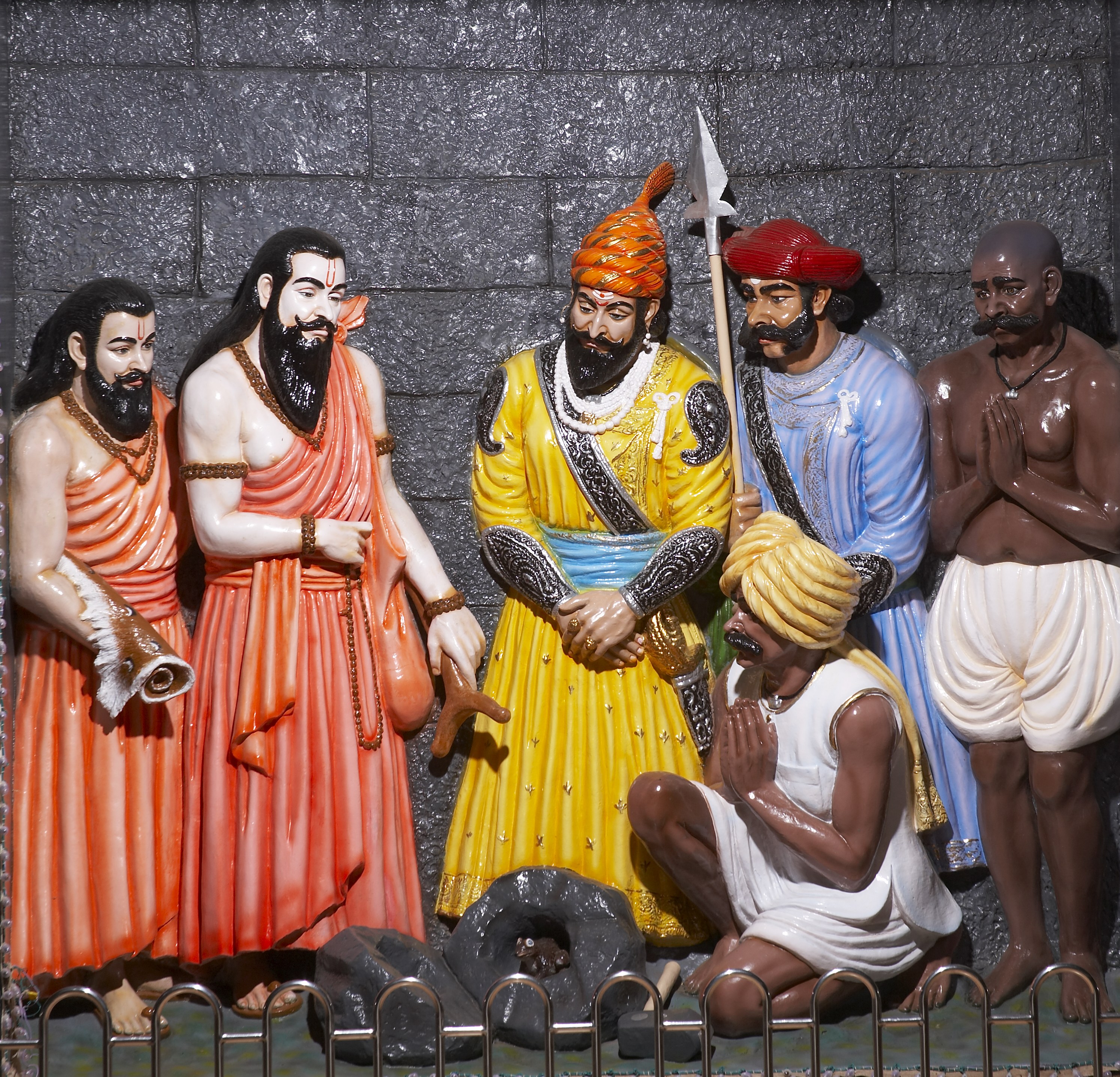
“சிவாஜி! ஒரு பெரிய பாறையை உடைக்க வேண்டும். நாலைந்து தொழிலளிகளைக் கூப்பிடு” என்று குரு ராமதாசர் உத்தரவு இட்டார். குருவின் இந்த விநோத வேண்டுகோள் வியப்புக் குறியை எழுப்பியது. இருந்த போதிலும் குரு விஷயத்தில் கேள்விக் குறியை எழுப்பி அறியாத மாபெரும் பக்தன் வீர சிவாஜி. உடனே உத்தரவு பறந்தது.

வந்தனர் தொழிலாளிகள்– வெட்டி உடைத்தனர் பாறையை– என்ன அதிசயம்!! அதற்குள் சிறிய தூவாரங்களில் தண்ணீர். அதில் சில தேரைகள்! எல்லோரும் வியப்புடன் பார்த்தனர்.
சிவாஜி! இவைகளுக்கும் நீதான் உணவு படைக்கிறாயா? என்றார் குருதேவர்.

சிவாஜிக்குப் புரிந்தது. அகந்தை அகன்றது. குருதேவரின் காலில் விழுந்தார். கண்ணிர் மல்கினார். குருவின் ஆசி பெருகியது. காவிக் கொடிகள், மேலும் பல மொகலாயர் கோட்டைகளை வென்று, அவைகளின் மீது பட்டொளி வீசிப் பறந்தன!

tad in rock

(தவளை வகையைச் சேர்ந்த தேரைகள் மூடிய கல் பாறக்கிகுள் வசிப்பது இயற்கை அதிசயங்களில் ஒன்று. மேலை நாடுகளில் உள்ளோர் இதை நம்புவதில்லை. ஆனால் இந்தியாவில் வசிப்போருக்கு இது நன்கு தெரிந்த உண்மை.)

“அடக்கம் அமரருள் உய்க்கும்”— வள்ளுவன் குறள்.—சுபம்–.