சிந்து சமவெளியில் அரசமரம்

tol van indus cx 2

வ்ருக்ஷ ராஜன்—by London swaminathan

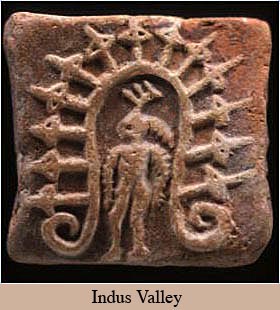
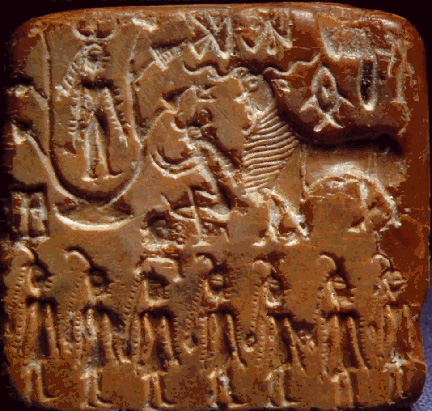
சிந்து சமவெளியில் பல விநோதமான விஷயங்களைப் பார்க்க முடிகிறது. புலிப் பெண் முத்திரை, பேய் முத்திரை, ஆடு, நரபலி முத்திரை, சப்தமாதா முத்திரை, மிருகங்கள் சூழ்ந்து நிற்கும் (பசுபதி) ஒரு கடவுள் முத்திரை, யானை மீது இந்திரன் போல நிற்கும் ஒருவர்/ஒருத்தி முத்திரை , ஆட்டுமுக அசுரன் அல்லது தேவன் முத்திரை, மஹிஷாசுரமர்த்தனி போல எருமையை துவம்சம் செய்யும் ஆண்  முத்திரை எனப் பல முத்திரைகள்.


இவைகளில் பல முத்திரைகளுக்கு ஒரே நூலிலிருந்து விளக்கம் சொல்ல முடியவில்லை. ஆனால் பல சம்ஸ்கிருத நூல்களில் இருந்து விளக்கம் சொல்ல முடிகிறது. யாருக்கும் புரியாத மர்மமான ஒட்டக எலும்புக்கூடு, ஒட்டக முத்திரை ஆகியனவும் கிடைத்தன. இந்த ஒட்டக விஷயம் ஆரிய-திராவிட வாதத்துக்கு எதிராக இருப்பதால் அறிஞர்கள் ஒரே அமுக்காக அமுக்கிவிட்டனர். எந்த அறிஞரும் அது பற்றி பிரஸ்தாபிப்பதே இல்லை.


இதே போல எலும்புக்கூடு விஷயங்களையும் அமுக்கிவிட்டனர். ஏனெனில் இதில் ஆரிய திராவிட எலும்புக் கூடுகள் என்று இனம் காட்ட முடியவில்லை. அப்படியே காட்டப் போனால் எல்லாம் பஞ்சாபியர் எலும்புக் கூடுகள் போலவே தோற்றம் இருக்கின்றன!!!


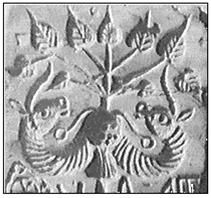
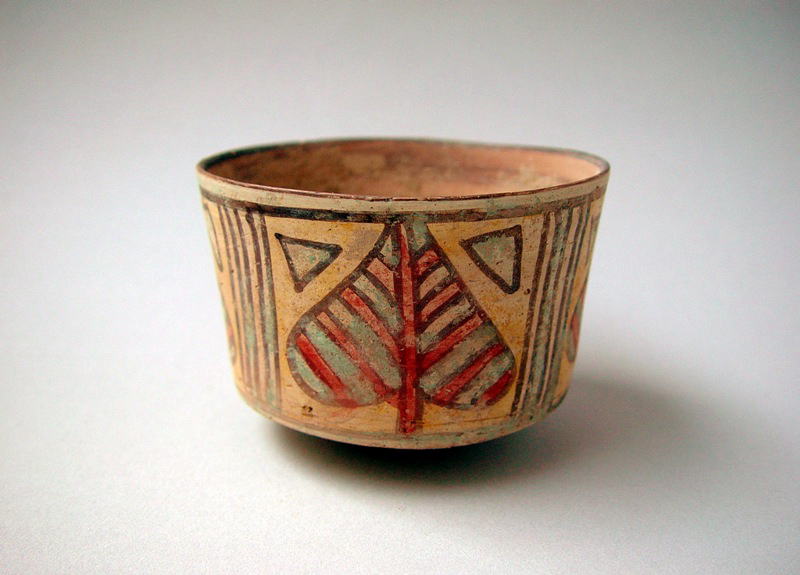
சிந்துவெளி முத்திரையில் பலவிதமான மரங்கள் காணப்பட்டாலும் அரமரம் கொஞ்சம் தூக்கலாகத் தெரிகிறது. இதைப் பார்த்தவுடன் பலருக்கு ஒரே மகிழ்ச்சி. அப்பாடா, திராவிடப் பொன்னாட்டை தொடர்புபடுத்த ஒரு விஷயமாவது கிடைத்ததே என்று. உண்மையில் இதுவும் பிழை. தன்னை ஆரியன் என்று அழைத்துக் கொண்ட புத்த பிரான உட்கார்ந்து ஞானோதயம் பெற்றது அரச மரத்துக்கடியில் தான். அவர் ஏன் அரச மரத்துக்கு அடியில் உட்கார்ந்தார் என்றால் அந்த மரம் வேத காலத்தில் இருந்து புனிதமாக கருதப்பட்டது. பிராமணர்கள் அரச மரக் குச்சிகள் இல்லாமல் தங்கள் யாக யக்ஞங்களைச் செய்ய முடியாது.


மூலதோ ப்ரஹ்மரூபாய மத்யதோ விஷ்ணு ரூபிணே

அக்ரதச் சிவ ரூபாய வ்ருக்ஷ ராஜாய தே நம:


பொருள்: அடியில் பிரம்மனும் நடுவில் விஷ்ணுவும், நுனியில் சிவ பெருமானும், நிலைபெற்ற அரச மரமே உனக்கு நமஸ்காரம். இது ஒரு பழைய ஸ்லோகம். இந்துக்கள் வழிபடும் மரம்–அரச மரம்.
ficus_relief

அரச மரம் மட்டுமின்றி அந்தக் குடும்பத்தைச் சேர்ந்த அத்தி, ஆலம் ஆகியனவும் இந்துக்கள் வழிபாட்டில் இடம் பெற்றன. தாவரவியல் கணக்குப்படி மூன்றும் ‘பைகஸ்’ என்னும் பிரிவைச் சேர்ந்தவை, ஒரே குடும்பத்தைச் சேர்ந்தவை. (இந்திய அதிசயம் ஆலமரம் என்ற எனது கட்டுரையில் மேல் விவரம் காண்க)

அரச மரத்தைக் குறிக்கும் பிப்பலாடன், அச்வத்தன் என்ற மனிதர்களுடைய பெயர்கள் இதிஹாச உபநிஷத்திலும் இருக்கின்றன.


விஷ்ணு சஹஸ்ரநாமம்

விஷ்ணு சஹஸ்ரநாமம் மிகவும் பழமையான ஒரு ஸ்லோகம். அது மஹா பரதத்தில் இருக்கிறது. அதில் பல வேதகாலப் பெயர்கள் இருக்கின்றன. அதில் மூன்று மரங்களின் பெயர்களும் விஷ்ணுவின் பெயர்களாக வருகின்றன. அதற்கு ஆதி சங்கரர் எழுதிய விளக்கங்களையும் கீழே காணலாம்.

822.ந்யக்ரோதாய

823.உதும்பராய

824.அஸ்வத்தாய

822.கீழேயுள்ள பிரபஞ்சத்துக்கெல்லாம் மேலாயிருப்பவர் அல்லது தமது மாயையினால் எல்லாப் பிராணிகளையும் கீழே வைத்து மறைப்பவர்

823.ஆகாயத்திற்கு மேற்பட்டவர்

824.அரசமரம் போலிருப்பவர்.
 

indus goddess

கீதையில் அரசமரம்

புத்தருக்கெல்லாம் மிகவும் முந்தியவர் கிருஷ்ண பரமாத்மா. அவர் சொன்ன பகவத் கீதையில் மரங்களில் தான் அரச மரம் என்றே கூறுகிறார்.

‘’எல்லா மரங்களுள்ளும் நான் அரச மரமாயிருக்கிறேன்’’ (கீதை 10-26)

ஊர்த்வ மூலமத: ஸாகமஸ்வத்தம் ப்ராஹுரவ்யயம் (கீதை 15.1) என்ற இடத்திலும் அரச, ஆல மரங்களின் பெருமை பேசப்படுகிறது.


பிராமணர்கள் தினசரி சமிதாதானத்திலும் ஹோமத்திலும் பயன்படுத்துவது அரச மரக்குச்சிகளே. அர மரக் குச்சிகள் (ஸமித்து) இல்லாமல் அவர்கள் அடிப்படை ஹோமங்களைக் கூட செய்ய முடியாது. அவ்வளவு முக்கியம். புத்தர் அரச (போதி) மரத்துக்கடியில் உட்கார்ந்ததற்கும் இதுவே காரணம்.


இவ்வளவு புகழ் பெற்ற அரசமரத்துக்கும் திராவிட முத்திரை குத்தி சில அரை வேக்காடுகள் மகிழ்கின்றன.மகிழட்டுமே, நமக்கென்ன நஷ்டம்!


அரச மரமும் பிள்ளைப்பேறும்

பிள்ளை பெற தயாராக இருப்பவர்களும் மகப்பேறு கிடைக்காதவர்களும் அரசமரத்தைச் சுற்றினால் குழந்தை பிறக்கும் என்பது தமிழர்களின் நம்பிக்கை. இதனால்தான் பிள்ளையார் சிலைகளை அரச மரத்துக்கு அடியில் வைத்தனர்.

‘’அரச மரத்தைச் சுற்றிவிட்டு அடிவயிற்றில் கை வைத்தாளாம்’’– என்ற பழமொழியும் இதனால்தான் வந்தது. உடனே பிள்ளை பிறந்துவிடும் என்ற நம்பிக்கை!
indus 21

வேதத்தில் அரசமரம்

அரச மரம், ஆலமரம் ஆகியவை பற்றிய குறிப்புகள் வேதத்திலும் சங்க இலக்கியத்திலும் வருகின்றன. உலகிலேயே பழமையான சமய நூல் ரிக் வேதம். அதில் பத்தாவது மண்டலத்தில் பலன் தரும் மூலிகைகள் என்ற பாடலில் (10-97) அரச மரம் பற்றி வருகிறது : ‘’உனது வீடு புனிதமான அரச மரத்தில் உள்ளது. இலைகளுடைய பர்னா (பலாச) மரத்தில் உன் வீடு கட்டப்பட்டுள்ளது. இந்த மனிதனைக் காப்பாற்றினால் உனக்கு ஒரு பசு கிடைக்கும்’’.

யாகத்தில் பயன்படுத்தப்படும் பாத்திரங்கள், கரண்டிகள் ஆகியன இந்த 2 மரங்களினால் செய்யப்படுகின்றன.


ஐயவி புகைத்தல்

பேயை விரட்ட ஐயவி என்னும் வெண் கடுகின் புகையை சாம்பிராணி புகை போல போடுவது சங்க கால வழக்கம். இதுவும் வடக்கிலும் இருப்பதை ஒரு சம்ஸ்கிருத நூல் கூறுகிறது. அமோகவஜ்ரர் என்பவர் எழுதிய வடமொழி நூலில் இது துர்தேவதைகளை விரட்டப் பயன்படும் என்று எழுதப்படிருக்கிறது. ஐயவி பற்றிய குறிப்புகள் சங்க இலக்கியத்தில் பல இடங்களில் வருகிறது (எனத் ‘’தமிழில் பேய், பூத, பிசாசு’’ என்ற கட்டுரையில் விவரங்கள் கிடைக்கும்.
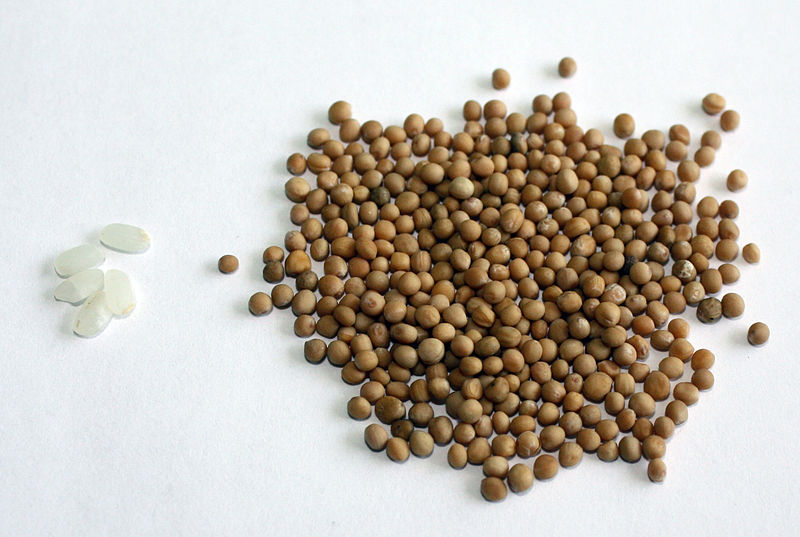
Sinapis_seeds,wikipedia

Please read my earlier articles:

1.Serpent Queen: From Indus Valley to Sabarimalai 2.Sugarcane Mystery: Indus valley and Ikshvaku Dynasty 3. Vishnu seal In Indus Valley 4. Indus Valley –New Approach required 5.Indra in Indus valley seals+ Symbols for Vedic Gods and 6.Ghost in Indus seals 7. Bull Fighting: From Indus Valley to Spain via Tamil Nadu 8.The Great Scorpion Mystery in History 9.  (In Tamil) சிந்து சமவெளியில் புலிப்பெண் 10. சிந்து சமவெளியில் பேய் முத்திரை 11. Ramayana Wonders part 5: Indus Valley Cities in Ramayana 12.Tiger Goddess in Indus seals 13.Aryan Chapatti and Dravidian Dosa 14.Sex Worship in Indus Valley 15.சிந்து சமவெளியில் செக்ஸ் வழிபாடு 16.Indian Wonder: The Banyan Tree + 600 articles on Tamil Sanskrit Literature and Indian Culture.

ficus religiosa

To get the above articles, type any of the article titles and add ‘from tamilandvedas.wordpress.com or from swamiindology.blogspot.com

For further list contact swami_48@yahoo.com

Aryan Chapatti and Dravidian Dosa!

B_Id_406817_kawadiyan,delhi haridwar

March with Kavadi towards Ganges in Haridwar.

Aryan Chapatti, Dravidian Dosa; Aryan Rangoli, Dravidian Kolam; Aryan Halwa, Dravidian Sakkarai Pongal; Aryan Hindustani Music, Dravidian Carnatic Music; Aryan Laddu, Dravidian Puttu; Aryan Sanskrit, Dravidian Tamil ;Aryan Kajal and Dravidian Theru Kuthu—I can go on and on like this for ever. This is how foreigners divided India. If we apply the same theory to Papua New Guinea, then we have to invent more than 700 races, because the islanders speak over 700 different languages!


I have already written how Hitler used Aryan Race Theory and caused the deaths of 60 million people in Second World War. Nazi even printed leaflets saying that pure Aryans will have blue eyes, sharp nose and slim body!!

(For more details, please read Aryan Hitler and Hindu Swastika)


If anyone likes history jokes, one can open any book written by a foreigner and start highlighting wherever he or she uses the words Aryan or Dravidian.  The best example is ‘’A comparative study of Dravidian languages’’ written by Robert Caldwell. After some time you will get confused because no two scholars agree on those points! The knowledge of the so called scholars was so shallow that they did not even know that the customs they mention as exclusively Dravidian or Aryan existed throughout India from ancient times.


In a vast country like India, because of the climatic conditions there will naturally be different clothes, shelter and food. Even in a small place like Tamil Nadu, Kovilpatti is famous for its Kadalai Mitai (peanut cakes), Madurai is famous for its cotton saris, Manpparai is famous for its Murukku ( a snack) and Tirunelveli is famous for its Petti Vellam (squared jiggery pieces); It does not mean they belonged to different races. Tamil kings Chera, Choza and Pandya fought for 1500 years without stopping, killing each other, fighting wars which involved arson, destruction of palaces and massacres. Nobody said that they belonged to different races!

kazaikuthadi

Picture shows an nomadic acrobat using Kavadi

Kavadi Worship from Indus valley to Tamil Nadu

Following few examples will show how shallow was the knowledge of people who study Indus Scripts and Indian History:

Kavadi was dubbed as a Dravidian custom by some scholars. People carry a wooden pole on a shoulder with decorations on top towards a shrine. In some places they carry the wooden pole but water pots or offerings tied on both sides of the pole. This is a balancing technique to carry heavy items for a long distance. Tamil devotees of Lord Skanda (Murugan) do it on festival days. Millions of North Indians also do it in the month of August. They march towards Haridwar or wherever they see holy River Ganges and carry water from it in pots tied to both sides of the pole. It is done by Saivite devotees like Tamil Nadu.


Kavadi has been used in China, West Indies, Italy  and other places to carry water or food. Nomadic acrobats even carried their children this way. Indus scholars suddenly jumped to conclusion that they used this ‘’Dravidian ‘’ symbol in the script! One of the Indus symbols is interpreted as Kavadi symbol.

indus_symbols

Picture shows Indus Kavadi Symbols

First of all those ‘’scholars’’ did not even mention about millions of Shiva devotees march towards Haridwar every year. Millions of Ayyappa devotees in Kerala also use the same technique but with a small pack called ‘’Iru Mudi’’ ( two Pockets or bags). They are supposed to live an austere life during those forty days. They have to climb high hills through thick forest. That is why they carry small bundles. So there is nothing Dravidian or Aryan here. Indus symbol of Kavadi or water carrier was used for convenience and comfort in the days when there was no road transport.


Cousin marriage

Marrying first cousin or second cousin is practised in Tamil Nadu. Some of the Gruhya Sutras written in Sanskrit did not approve it. Immediately it was dubbed as Dravidian! Actually it is practised even in Pakistan and the Middle East by the Muslims! One tenth of the world population follow this custom. Though Queen Victoria and other royals followed it, now the western world do not like it. But it is legal in several counties including India. Arjuna married his cousin Subhadra with Krishna’s blessing. Bodhayana of fifth century BC said it was followed in South. Actually it is followed in Maharashtra, Gujarat and Orissa. American and Australian aborigines also followed this practice. Hindu law books said a lot of things in theory which were not followed by the public. But those who wanted to impose their racist theory never missed an opportunity to interpret X ,Y,Z as Aryan or Dravidian.


Differences exist in nook corner of the world, even among small communities .Foreign scholars do not impose their concocted race theories such as Aryan –Dravidian race theory into it. They knew very well another Hitler will emerge!

kavadiya march

White Mustard Smoke

White mustards are called AIYAVI in Tamil. 2000 year old Sangam Tamil literature says that it was used to drive away the evil spirits and ghosts. When they bring the wounded soldiers home, they produced smoke from white mustards seeds. This custom is also mentioned in Sanskrit texts.

A text ascribed to Amoghavajra mentions this custom. It said that the ritual at the altar with the use of white mustard seeds cause great difficulties for all malevolent Devas and Yakshas. This drives the enemies far away.

I will deal with other customs such as ancient Tamils marrying on Rohini star day, Hare in the Moon belief and Peepal Tree worship in a separate article.

B_Id_406812_kawadiyan-pti

Picture of River Ganges.

Please read my (London Swaminathan) articles posted earlier:

1.Aryan Hitler and Hindu Swastika

2.Sibi Story in Old Tamil Literature

3.Were Moses and Jesus Aryans? (Two Parts)

4.திராவிடக் காகமும் ஆரியக் கொக்கும் (in Tamil)

5.சோழர்கள் தமிழர்களா?? (In Tamil)

6. ஆரிய ஹிட்லரும் ஹிந்து ஸ்வஸ்திகாவும்(in Tamil)

and 600 more articles on Indus Valley Civilization and Hinduism

ஆரிய சப்பாத்தியும் திராவிட தோசையும்

B_Id_406817_kawadiyan,delhi haridwar

Kavadi towards Ganges in Delhi-Haridwar national High way.

எழுதியவர் லண்டன் சுவாமிநாதன்

ஆரிய சப்பாத்தியும் திராவிட தோசையும், ஆரிய ஹல்வாவும் திராவிட சர்க்கரைப் பொங்கலும், ஆரிய லட்டும் திராவிட புட்டும், ஆரிய ரங்கோலியும் திராவிட கோலமும், ஆரிய கஜலும், திராவிட தெருக்கூத்தும், ஆரிய ஹிந்துஸ்தானி சங்கீதமும் திராவிட கர்நாடக இசையும், ஆரிய சம்ஸ்கிருதமும் திராவிட தமிழும்— இப்படி நான் சொல்லிக்கொண்டே போகலாம்.. இப்படிச் சொல்லித்தான் வெளிநாட்டுக் காரன் நம்மைப் பிரித்தான். அவர்களிடம் பணம் வாங்கிக் கொண்டு, கூலிக்கு மாரடிக்கும் ஒரு சிறிய எட்டப்பன் கும்பல் அவர்களுக்கு இன்று வரை ஒத்து ஊதிக் கொண்டிருக்கிறது. உலகில் எல்லா நாட்டிலும் கருத்து வேறுபாடுகள், கலாசார வித்தியாசங்கள், சிறிய மோதல்கள் உண்டு. அங்கெல்லாம் இனம் பற்றியே பேசாத ‘’அறிஞர்கள்’’ இந்தியாவில எதைப்பர்த்தாலும் ஆரிய திராவிட இனச் சாயம் பூசி விஷ(ம) சாம்பிராணி போட்டு வருகிறார்கள். காமாலைக் கண்ணனுக்கு கண்டதெல்லாம் மஞ்சள்!!


இதே கொள்கையை பாப்புவா நியூகினி என்னும் தீவுக்கும் பயன் படுத்தினால், அங்கே 700 இனங்களைக் காட்ட வேண்டியிருக்கும். ஏனெனில் அங்கே 700க்கும் மேலான மொழிகளைப் பேசும் மக்கள் இருக்கிறார்கள்.


ஆரிய இனவெறிக் கொள்கையை ஐரோப்பாவில் பரப்பிய வெள்ளைதோல் அறிஞர்களுக்கு செமை அடி கிடைத்தது. ஹிட்லர் தான் ஒரு தூய ஆரியன் என்று சொல்லிக் கொண்டு சிந்து சமவெளியில் காணப்படும் இந்துமத ஸ்வஸ்திகா முத்திரையை ஜெர்மனியின் கொடியிலும் தபால்தலையிலும் போட்டுக்கொண்டு ஆறு கோடிப் பேர்களைக் கொன்றான். இப்படி செமை அடி வாங்கியதும் வெள்ளைத்தோல் அறிஞர்கள் வாலைச் சுருட்டிக் கொண்டு, ஆரிய இன வெறிக் கொள்கையை குழி தோண்டிப் புதைத்துவிட்டனர். ஆனால் இந்தியாவைத் துண்டாடவும் இந்துமதத்தை அடியோடு ஒழிக்கவும் இது பயன்படும் என்பதால் இந்தியாவில் மட்டும் இதற்கு ‘’சூட தீபாராதனை காட்டி’’ ஜாகிரதையாக ஆராதித்து வருகின்றனர்.


பைபிளிலும் குரானிலும் ஆதிக்கிரந்தத்திலும், செண்டவஸ்தாவிலும் இன வேறுபாடு காணாதவர்கள் ரிக்வேதத்திலும் இந்துமதக் கடவுளரான முருகன், சிவன், கிருஷ்ணன் விஷயத்தில் மட்டும் ஆரிய –திராவிட இன வேற்றுமையைப் புகுத்தியதை இந்துக்கள் உணரத் துவங்கிவிட்டனர்.


யாருக்காவது வரலாறு சம்பந்தமான ஜோக்குகள் தேவைப்பட்டால் வெளிநாட்டுக்காரன் எழுதிய வரலாறு, சமூகவியல், மானுடவியல் புத்தகத்தைக் கையில் எடுத்துக்கொண்டு ஒரு ஹைலைட்ட்ர் பேனாவையும் வைத்துக் கொள்ளுங்கள். எங்கெல்லாம் ஆரிய திராவிட என்ற சொற்கள் வருகிறதோ அதை எல்லாம் ஹைலைட் செய்யுங்கள் அல்லது கலர் பேனாவால் அடிக்கோடு இடுங்கள். பத்துப் புத்தகம் படிப்பதற்குள் உங்களுக்குப் பைத்தியம் பிடித்துவிடும்.


உதாரணத்துக்கு கால்டுவெல் பாதிரியார் எழுதிய புத்தகம் ஒன்று போதும்! தமிழனை மத்தியதரைக் கடல் பகுதியில் இருந்து ஓடிவந்தவனாகவும், நாகரீகம் அடையாதவனாகவும், சிங்களவர்களை விரட்டி அடித்த வனாகவும்— இப்படிப் பல ஜோக்குகள் கிடைக்கும். இது பற்றி தனியாக பல கட்டுரைகள் வரும்.


இந்தியா போன்ற பெருநிலப் பரப்பில் காலநிலை (பருவ நிலை), நிலவியல் மாறுபாடுகள் முதலியவற்றால் இடத்துக்கு இடம் சில விஷயங்கள் மாறுபடும். கோவில் பட்டி கடலை மிட்டாய், திருநெல்வேலி பெட்டி வெல்லம், மதுரை சேலைகள், காஞ்சீபுரம் பட்டு, மணப்பாறை முறுக்கு, –என்று பல சிறப்புகள் இருக்கும் இதனால் ஒருவர் ஆரியர் என்றும் மற்றொருவர் திராவிடர் என்றும் சொன்னால் எவ்வளவு அறியாமையோ அவ்வளவு அறியாமை ஆரிய திராவிட வாதத்திலும் உண்டு.


சேர சோழ பாண்டியர்கள் என்னும் மூவேந்தர்களும் ஆயிரத்து ஐநூறு ஆண்டுகளுக்கு இடைவிடாமல் சண்டைபோட்டு ஆயிரக் கணக்கான மக்களைக் கொன்று குவித்தார்கள். உலகில் வேறு எந்த இனமும் இப்படிச் சண்டை போட்டதில்லை என்பதை சரித்திரம் படித்தோர் அறிவர். ஆயினும் கூட இவர்களை ஆரியர் திராவிடர் என்று இனம் பிரித்துப் பார்க்கவில்லை. ஒரே இனம், ஒரே மொழி, ஒரே பண்பாடு, ஒரே மதம் அப்படியும் 1500 ஆண்டுகளுக்கு அடிதடி! வெள்ளைகாரன் நினைத்தால் இதிலும் ஆரிய திராவிட விஷத்தைத் தூவியிருப்பான்.

B_Id_406812_kawadiyan-pti

Kavadi in Ganges

காவடி, தமிழன் சின்னமா?

ஆரிய திராவிட இனவெறிக்கொள்கைக்குத் தூபம் போடும் நம்மவர்களுக்கும் கொஞ்சம் அறிவு ‘மட்டு’தான். சிந்து சமவெளி பற்றி எழுதும் அறிஞர்களுக்குக் கூட நுனிப்புல் மேயும் சிற்றறிவு தான். காவடி எடுக்கும் வழக்கத்தை நாம் எல்லோரும் அறிவோம். முருகனுக்கு காவடி எடுப்பதைப் பார்க்கிறோம். இதே போல காவடி பட எழுத்து சிந்து சமவெளி முத்திரையிலும் கிடைத்திருகிறது. உடனே இதை தமிழ் வழக்காகவும் ஆகையால் சிந்து சமவெளியினர் திராவிடரே என்றும் இனபேதம் காட்டி கட்டுரை எழுதிவிட்டார்கள். உண்மையில் இது பாரதம் முழுதும் உள்ள வழக்கம். சொல்லப்போனால் காவடி என்பது உலகம் முழுதும் இருக்கிறது.


நம் தமிழர்கள் ஆண்டுதோறும் முருகனுக்குக் காவடி எடுப்பதுபோலவே வடக்கேயுள்ள ஹிந்துக்கள் சிவபெருமானை வழிபட ஹரித்வாருக்கு லட்சக் கணக்கில் காவடி எடுக்கிறார்கள். ஹரித்வாரில் கங்கை நதியை வணங்கிவிட்டு இரு புறமும் தொங்கும் பானைகளில் கங்காஜலம் கொண்டு போகிறார்கள். இப்படி காவடியில் தண்ணீர் கொண்டு போகும் வழக்கம் இதாலி, மேரற்கிந்தியத் தீவுகள், சீனா போன்ற பல நாடுகளில் இருந்திருக்கிறது. சாலைப் போகுவரத்து மற்றும் வாஹன வசதிகள் இல்லாத இடங்களில் காவடி இருப்பது சகஜம். இதில் ஆரியமும் இல்லை திராவிடமும் இல்லை.


ஐயப்ப பக்தர்கள் கொண்டுபோகும் இரு முடியும் கூட காவடி போன்றதே. மலைபாங்கான பகுதிகளில் 40 நாட்களுக்குச் செல்ல வேண்டும் என்பதால் இப்படி சுருக்கமாக இரு முடி என்று வைத்தனர்.

indus_symbols

Indus Kavadi Symbols

அத்தை மகள், மாமன் மகள்—முறைப்பெண்

முறைப் பெண்களை மணப்பது தமிழர்களிடையே காணப்படுகிறது. இதை 2500 ஆண்டுகளுக்கு முன்னர் வாழ்ந்த போதாயனர் என்பவர் எழுதிய தர்ம சாஸ்திரத்தில் இது தென்னாட்டில் காணப்படும் முறை என்று எழுதி இருக்கிறார். உடனே வெள்ளைத்தோல் அறிஞர்களுக்கு— வெறும் வாயை மெண்டவர்களுக்கு அவல் கிடைத்தது போல ஆயிற்று. அடடா, தமிழன் திராவிடன், அதனால்தான் முறைப் பெண்ணைக் கட்டிக் கொண்டான். ஆரியர்களுக்கு இது பிடிக்காத விஷயம் என்று ‘’ஆராய்ச்சிக் கட்டுரைகளை’’ எழுதத் துவங்கி விட்டனர். அவர்களுக்கு எவ்வளவு ஞான சூன்யம் என்பது இப்போது விக்கிபீடியா படிப்பவர்களுக்குக் கூடத் தெரியும்.

அர்ஜுனன் கூட முறைப்பெண் சுபத்திரையைக் கல்யாணம் செய்துகொண்டான். அவன் என்ன திராவிடனா?


‘’கஸின் மேரியேஜ்’’ Cousin Marriage என்று அழைக்கப்படும் இந்த வழக்கம் குஜராத், ஒரிஸ்ஸா, மஹராஷ்டிரத்திலும் , மத்திய தரை கடல் நாட்டு முஸ்லீம்களிடமும், பாகிஸ்தான் முஸ்லீம்களிடமும் ஆஸ்திரேலிய,ப் பழங்குடி மக்களிடமும் கூட உண்டு. இதில் ஆரியமும் இல்லை திராவிடமும் இல்லை.

chapati3

உலகம் முழுதும் உடை உணவு, உறைவிடம், ஆடல்,பாடல் ஆகிய எல்லாவற்றிலும் வேறுபாடு உண்டு எங்களைப் போல ஐரோப்பாவில் வாழ்வோருக்கு பிரிட்டன் என்ற சிறிய நாட்டிலேயே நாலு முக்குகளில் நாலு கலாசாரம், நாலு மொழிகள் இருப்பதைப் பார்க்கமுடிகிறது. இங்கெல்லாம் இனவெறிக் கொள்கைகளைக் காணாதவர்கள் இந்தியாவில் வடக்கிலும் தெற்கிலும் மட்டும் ஏன் இன வெறி போதனை செய்தார்கள் என்பதை தயவு செய்து அமைதியான இடத்தில் உட்கார்ந்து சிந்தித்துப் பாருங்கள். ‘’இளிச்சவாயனை கண்டால் எருதும் மச்சான் முறை கொண்டாடுமாம்’’. இது ஒரு தமிழ் பழமொழி. ‘’ஊருக்கு இளைச்சவன் பிள்ளையார் கோவில் ஆண்டி’’ என்பதும் தமிழ் பழமொழிதான். இந்துக்களுக்கு இவ்வளவு பழமொழிகளும் பொருந்தும் என்று நினைத்தார்கள் அறியாத– ‘’விளங்காத’’— அறிஞர்கள்!! இப்போது இந்தியர்கள் விழித்துக் கொள்ளத் துவங்கிவிட்டார்கள்.


அடுத்த கட்டுரையில் ரோகிணி நட்சத்திரத்தில் சங்கத் தமிழன் ஏன் கல்யாணம் செய்தான்? நிலவில் ஏன் முயலைப் பார்த்தான்? சிந்துவெளியில் இந்துக்கள் ஏன் அரச மரத்தை வைத்தார்கள்?, பேயை விரட்ட ஏன் ஐயவி புகைத்தார்கள்? என்பதையும் இவை ஆரியமா? திராவிடமா? என்பதையும் பார்ப்போம்.

dosa

Please read my (London Swaminathan) articles posted earlier:

1.Aryan Hitler and Hindu Swastika

2.Sibi Story in Old Tamil Literature

3.Were Moses and Jesus Aryans? (Two Parts)

4.திராவிடக் காகமும் ஆரியக் கொக்கும் (in Tamil)

5.சோழர்கள் தமிழர்களா?? (In Tamil)

6. ஆரிய ஹிட்லரும் ஹிந்து ஸ்வஸ்திகாவும்(in Tamil)

and 600 more articles on Indus Valley Civilization and Hinduism.

Great Men Think Alike: about Rebirth

optical 2


1.Death and birth are like sleep and the waking state respectively—Tirukkural in Tamil by Tiruvalluvar couplet 339.


2.The affinity of the body and the soul is like that of the egg and the chick within. The soul departs from the body even as the chick deserts the egg—Tirukkural in Tamil; couplet 338.


3.One should cease to identify oneself with one’s false bodies, like an actor giving up his assumed mask –Adi Shankara in Viveka Chudamani Verse 292 in Sanskrit.

nest and bird

4.‘’For death had illumined the land of sleep

And his lifeless body lay

A worn out fetter, that the soul

Had broken and thrown away’’ (Longfellow in Slave’s Dream)


5.You grieve for those who you should not grieve for, and yet you speak words about wisdom. Wise men do not grieve for the dead or for the living (Lord Krishna in Bhagavad Gita 2-11)


6.Just as a person casts off worn out garments and puts on new clothes, even so does the embodied soul cast off worn out bodies and take on others that are new (Bhagavad Gita 2-22)


7.Weapons do not cleave this self, fire does not burn him; waters do not make him wet; nor does the wind make him dry. He is said to be un manifest, unthinkable and unchanging. Therefore knowing him as such , you should not grieve — (Bhagavad Gita 2-23 & 2-25)


8.He is never born, nor does he die at any time, nor having come to be will he again cease to be. He is unborn, eternal, permanent and primeval. He is not slain when the body is slain (Bhagavad Gita 2-20).

optical 1

9.If the red slayer thinks he slays,

Or if the slain thinks he is slain,

They know not well the subtle ways

I keep and pass and turn again (Emerson in his poem Brahma).


10.When Crito asks, ‘In what way we bury you, Socrates? Socrates answers, ‘ in any way you like, but first you must catch ‘me’, the real ‘me’. Be of good cheer, my dear Crito, and say you are burying my body only, and do with ‘that’ ,whatever is usual and what you think best.


11.Gautam the Buddha consoled the mother who lost her only son while yet a child by asking her to go into town and bring him a little mustard seed from any house where no man has yet died. She went and found there was no family where death has not entered. Buddhist nun Patacara consoled many bereaved mothers in the following words:


12.‘ weep not, for such is here the life of man

Unasked he came, unbidden went he hence

Lo! Ask thyself again whence came thy son

To bide on earth this little breathing space

By one way come and by another gone….

So hither and so hence—why should ye weep? (From Psalms of the Sisters quoted by Sarvapalli Radhakrishnan in his Book on Gita)


13.Repeated birth, repeated death, and repeated lying in mother’s womb—this transmigratory process is extensive and difficult to cross: save me O Destroyer of Mura (Murahari=Krishna), through your grace!—Adi Shankara in Bhaja Govindam, verse 21.


Compiled by London Swaminathan; read earlier post Great men think alike : about Wealth.

Pictures are taken from various websites;thanks. Contact: swami_48@yahoo.com

ykusama_infinity-mirror-room


தமிழில் பூதம்! பேய்!! பிசாசு!!!

ghost


சங்கத் தமிழ் இலக்கியத்தில் பூதம், பேய், பிசாசுகள் பற்றி நிறையவே செய்திகள் உள்ளன. ஆராய்ச்சிக் கட்டுரை எழுதி டாக்டர் பட்டம் வாங்கும் அளவுக்கு இருக்கின்றன. 2000 ஆண்டுகளுக்கு முன் ஒரு சமுதாயம் எப்படி இருக்க முடியுமோ அப்படித்தான் தமிழ் சமுதாயமும் இருந்ததது. கிரேக்க நாட்டு தத்துவ ஞானி சாக்ரடீஸ் கூட, மரண தண்டணை நிறை வேறுவதற்கு முன்னால் மறக்காமல் தனது மதக் காணிக்கையைச் செலுத்தும்படி உயிர்த் தோழனிடம் வேண்டிக்கொண்டார். ஒரு கோழி அடித்துக் கும்பிட அனுப்பினார் ஆருயிர்த் தோழனை!! சாக்ரடீஸ் பெயரில் அதிக அன்பு பூண்ட நமது பகுத்தறிவுகளும் திராவிடங்களும் கவனிக்க வேண்டிய விஷயம் இது!


((இலக்கியத் திருடர்களுக்கு அன்பான வேண்டுகோள். பெருமளவு நேரத்தைச் செலவிட்டு செய்திகளைச் சேகரித்து எனது ஆரய்ச்சியையும் சேர்த்து வெளியிடும் கட்டுரைகளை வேறு இடத்தில் பயன் படுத்துவோர் எனது பெயரையும் சேர்த்துப் போட்டால் தமிழ் மொழி வளரும். தமிழ்த்தாய் உங்களை நெஞ்சார வாழ்த்துவாள்.))


**1.பேய்க்குப் பலியிடுதல்—

’பெருங் களிற்று யானையொடு அருங்கலம் தராஅர்

மெய்பனி கூரா அணங்கெனப் பராவலின்

பலிகொண்டு பெயரும் பாசம் போலத்’’–(பதிற்று.71-23);

பொருள்: தனக்கிடும் பலியினை ஏற்றுக்கொண்டு பலியிட்டவரின் உயிரைக் கவராது செல்லும் பேய் போல, நீயும் நினக்கிடும் திறையைப் பெற்றுக்கொண்டு பகைவரின் உயிரைக் கவராது செல்கிறாய். (பாசம்=பேய்)


**2.சுடுகாட்டில் கண்ணுக்குத் தெரியாத பேய்கள் உலவியதாக நம்பினர்:

வாய்வன் காக்கையும் கூகையும் கூடிப்

பேஎய் ஆயமொடு பெட்டாங்கு வழங்கும் காடு (புறம்.238)

நரிகளும் பேயொடு சேர்ந்து பிணங்களை உண்டன: (புறம்.373)

பிணம் தின்னும் பேய்கள்: (புறம்.369) பதிற்று.67


ghost 2

**3.போர்க்களத்தின் நடுவே சில பேய்கள் ஆட, அதனைக் காணும் பொருட்டுப் பல பேய்கள் ஆங்கே நிறைந்திருக்கும்– பதிற்று.35


**4. பேய் மகள்— (சிறுபாண்.196-197)

எரிமறிந் தன்ன நாவி னிலங்கெயிற்றுக், கருமறிக்காதிற் கவையடிப் பேய்மக, ணிணனுண்டு சிரித்த தோற்றம் போலப், பிணனுகைத்துச் சிவந்த பேருகிர்ப் பணைத்தா, ளண்ணல் யானை

பொருள்: மேல் நோக்கி எரிகின்ற நெருப்புச் சாய்ந்தாலொத்த நாவினையும், வெள்யாட்டுமறிகளை அணிந்த காதினையும், கவைத்த அடியினுமுடைய பேய்மகள்


**5.பேய் மகளிர்— (மதுரை.25-28, 162-163)

பலியை பேய் ஏற்றல்— மதுரை.க்க்காஞ்சி & மணி. 7-84

னிணம்வாய்ப்பெய்த பேய்மளி

ரிணையொலியிமிழ் துணங்கைச்சீர்ப்

பொருள்: பிணங்களையுடைய கொம்புகளையுடையனவாய்ப் பட்ட ஆனையினுடைய திரளின் நிணத்தைத்தின்ற பேய்மகளிருடைய துணங்கை

பொருள் : வரிகள் 161-163: சான்றோர் இருந்த பெரிய அம்பலங்களில் இரட்டையான அடிகளையும் கடிய பார்வைகளையும் உடைய பேயாகிய மகளிர் உலவியாட.


**6. இறந்த வீரரின் குருதியைத் தலையில் தடவித் தலைவாரும் பேய்: புறம்.62

‘’பொருது ஆண்டு ஒழிந்த மைந்தர் புண் தொட்டு,

குருதிச் செங்கைக் கூந்தல் தீட்டி,

நிறம்கிளர் உருவின் பேஎய்ப் பெண்டிர்’’


**7. பேய்கள் சவாரி: பேய் மகள் கழுதூர்தல்— பதிற்று.13-15— கழுது என்னும் வகைப்பேய் மீது இன்னொரு பெண் பேய் சவாரி செய்யும்—பேயின் தலை முடி பிளவு பட்டிருக்கும்—தலை விரித்தாடும் பேய்கள்

கவைத் தலை பேய்மகள் கழுதூர்ந்து இயங்க

ஊரிய நெருஞ்சி நீறாடு பறந்தலை


ghost_council_of_orzhova_by_velinov-d5moyq4

**8.கொல்லன் பட்டறையில்/தெருவில் ஊசி விற்றது போல என்று தமிழில் ஒரு பழமொழி உண்டு (To carry coals to Newcastle). இதற்கு இணையாக பெருங்காட்டுக் கொற்றிக்குப் பேய் நொடித்தாங்கு என்று ஒரு பழமொழியும் உண்டு. அதாவது எல்லாம் தெரிந்த காட்டில் இருக்கும் தெய்வமான கொற்றவைக்கு பேய் என்ன சொல்லிக் கொடுக்க முடியும்? இந்த பேய் பற்றிய பழமொழியை கலித்தொகையில் காணலாம்.

பெருங்காட்டுக் கொற்றிக்குப் பேய் நொடித்தாங்கு (கலி.86-8)

**9. சங்க இலக்கிய கலைக்களஞ்சியம் புறநானூறு. பழந்தமிழர் வாழ்வைப் படம் பிடித்துக் காட்டும் நூல். இதில் பேய் பற்றி 62-4, 238-4, 356-3, 359-4, 369-15, 370-25, 371-26 பாடல்களில் வருகிறது.


**10.சங்க இலக்கிய காலத்துக்குப் பின் வந்த மணிமேகலையில் ஆறு வகை உயிரினங்களில் ஒன்றாக பேயும் கூறப்படுகிறது.


**11. நற்றிணையில் பேய்கள்: போரில் பெரும் புண்ணுற்று இறவாது கிடப்போரை நரி முதலியன தீண்டாவண்ணம் பேய் காத்து நிற்றலாகிய  புறப்பொருட் கருத்தும் நற்றிணை உவமையில் வைதுக் கூறப்பட்டுள்ளது.

நள்ளிரவில் பேய்கள் உலாவும் என்ற தமிழர் நம்பிக்கையை பாடல்கள்  319, 255 ல் படிக்கலாம்:

கழுதுகால் கிளர ஊர்மடிந்தற்றே (255)

அணங்கு கால் கிளறும் (319)

கழுது, அணங்கு=பேய்


**12.நள்ளிரவில் பேய்கூடத் தூங்கும் என்ற கருத்து பிற்காகால இலக்கியமான திருவிளையாடல் புராணத்திலும் நளவெண்பாவில் வருகிறது.

அணங்கு என்பதை பேய் என்பதைவிட மரம், நீர்நிலைகள், மலை ஆகியவற்றில் உறையும் பெண் தேவதை (யக்ஷி) என்றே சொல்லவேண்டும்.


**13.Ghost , Ghoul என்ற ஆங்கிலச் சொற்கள் தமிழ் சொற்களுக்கு மிகவும் நெருங்கியவை. கூளி= ஆங்கிலம் Ghoul , கழுது= ஆங்கிலம் Ghost


**13. ஐயவி என்னும் வெண் கடுகை புகைத்தால் பேய் முதலிய தீய சக்திகள் நெருங்கா என்ற கருத்து நாடு முழுதும் இருந்ததை அறிகிறோம் ( ஐயவி புகைத்தல் புறம் 98-15, 281-4, 296-2,342-9.இந்தக் கருத்து நாட்டின் வடபகுதியிலும் நிலவியது.


**14.என் அம்மா சொன்ன பேய்: சிறு வயதில் என் அம்மா என் எழுத்தைப் பார்த்துவிட்டு, ‘’ இப்படி பேச்சக்காலும் பேச்சக்கையுமா எழுதாத. வாத்தியார் மார்க் போடமாட்டார் என்று சொல்லுவார். இதற்கு எனக்கு அர்த்தம் தெரியாது. காரைக்கால் அம்மையார் (பேயார்) பதிகங்களைப் படித்த பின்னர்தான், அவர் பேய் பற்றி வருணித்தவைகலைப் படித்தபின்னர் தான், இதற்கு அர்த்தம் புரிந்தது.

பேய்ச்சியின் கால் போலும், பேய்ச்சியின் கை போலும், கோரமாக எழுதாதே, அழகாக எழுது என்பதே உதன் பொருள்.


**15.கலிங்கத்துப் பரணி, கந்தசஷ்டிக் கவசத்திலும் பேய்கள் பற்றிய செய்திகள் உள்ளன. அவற்றின் விளக்க உரையில் காண்க.

ghosts1

**16.இறந்த உறவினரின் ஆவிகள் தன்னைப் பின் தொடர்ந்து வந்ததாகவும் ஒரு முறை கோவிலில் கடுமையான பிரார்த்தனை செய்தபின்னர் அவை வரவே இல்லை என்றும் சுவாமி விவேகநந்தர் அவரது சம்பாஷணைகள் புத்தகத்தில் கூறியுள்ளார்.


**17.பரணர் பாடிய பேய்கள்:

பரணர் என்னும் சங்கப் புலவர் பாடிய பாடல்களில், ‘’பேய்கள் பிணம் தின்னும்’’, ‘’நடு இரவில் இயங்கும்’’, ‘’பலி கொடுத்தால் பணி செய்யும்’’, ‘’பேய்மகள் பற்றிய பிணம்’’ ‘,’கழுது வழங்கு யாமம்’’, ‘’ஊட்டரு மரபின் அஞ்சுவரு பேய்’’ என்ற கருத்துக்கள் வருவதையும் காண்க.

பரணர் சொல்லும் மிஞிலி கதையிலும் பேய் வருகிறது. ஆய் எயினனுக்கும் மிஞிலிக்கும் மோதல் மூண்டது. எயினனோடு நடக்கும் போரில் எனக்கு வெற்றி தேடித் தருவையின் நினக்கு பெரும்பலி தருவேன் எனப் பாழி நகர்ப் பேயைப் பரவிப் போர்க்களம் புகுந்தான். மிஞிலி  வென்றான் என்ற செய்தியைப் பரணர் பாடுகிறார்.


திருக்குறளில் பேய்கள்

திருக்குறளிலும் பேய்கள் உண்டு. ஏற்கனவே திருவள்ளுவரும் ராமகிருஷ்ண பரமஹம்சரும் சொன்ன ‘பேய் காத்த செல்வம்’ கதையை எழுதியுள்ளேன்.


அருஞ்செவ்வி இன்னாமுகத்தான் பெருஞ்செல்வம்

பேஎய்கண் டன்னது உடைத்து (565)


உலகத்தார் உண்டென்பது இல்லென்பான் வையத்து

அலகையா வைக்கப்படும் (650)

அலகை=பேய்


Please read the following articles in English or Tamil: நான் முன்னர் எழுதி வெளியிட்ட பேய்க் கட்டுரைகளையும் படிக்கவும்:

1.வள்ளுவர் சொன்ன பேய்க்கதை 2). தமிழ்நாட்டை உலுக்கிய பேய்  3.காரைக்கால் அம்மையாருடன் 60 வினாடி பேட்டி 4.Indus Seals: Gods or Ghosts? 5..சிந்து சமவெளியில் பேய் முத்திரை 6. Tamil Ghost that killed 72 people 7.தமிழ் பூதமும் கிரேக்க பூதமும் 8.டெல்பி ஆரூடமும் குறிசொல்வோரும்


உதவிய நூல்கள்: 1.பரணர்—கா.கோவிந்தன் 2.தமிழர் நாகரீகமும் பண்பாடும் –ஆ.தட்சிணாமூர்த்தி 3.தமிழ் சொற்றொடர் அகராதி —வீ.ஜே.செல்வராசு 4.சங்க இலக்கியம் 5.திருக்குறள்

swami_48@yahoo.com

Great Men Think Alike about Wealth

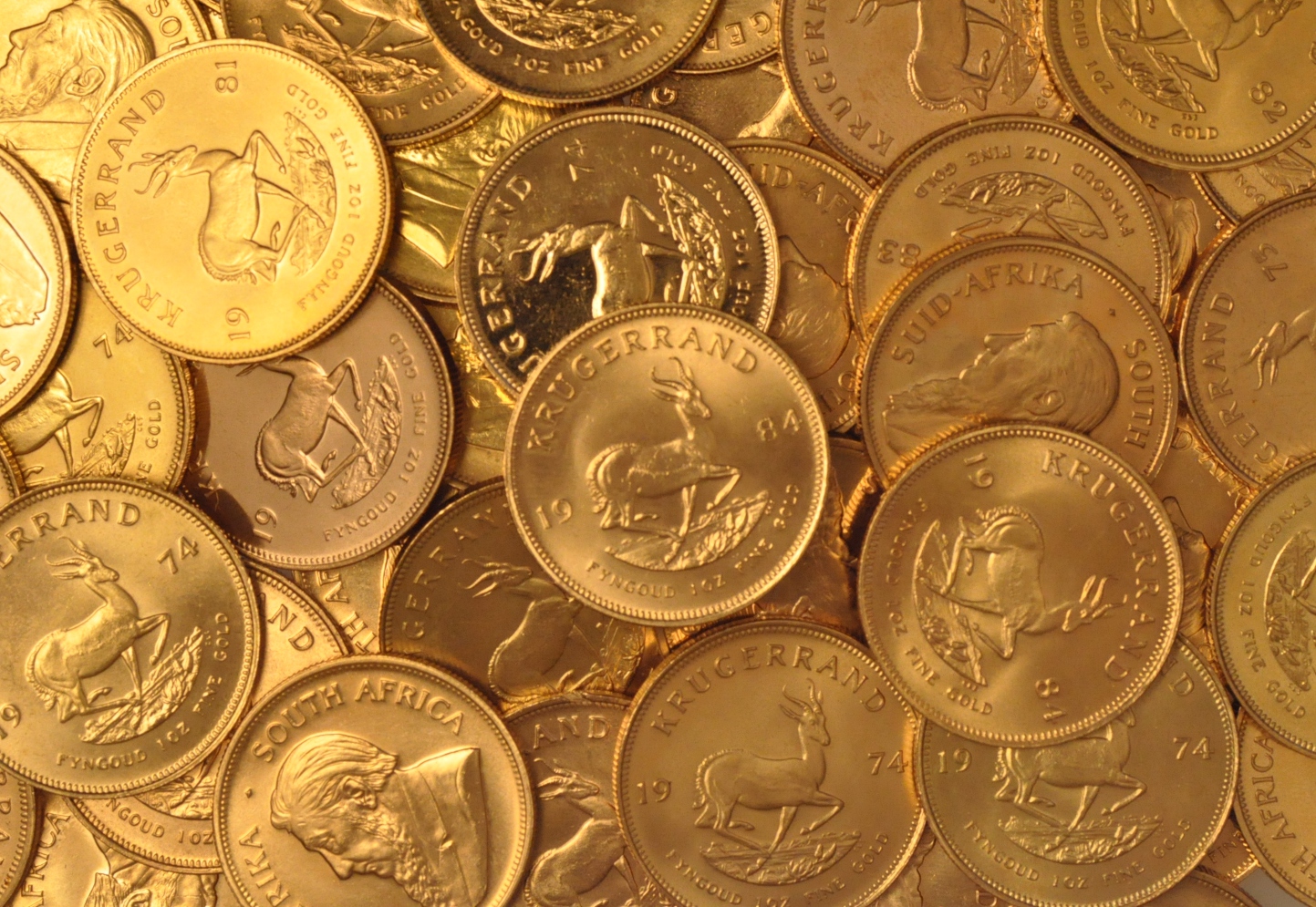
BOE Gold

Queen Elizabeth viewing the Gold in the vault of Bank of England in London.

1.Wealth never remains stable with anyone but changes like the cart wheel—Tamil Book Naladiyar verse 2 about the instability of wealth.

2.Those who readily gave alms will escape the dreary desert path of  Yama- Angel of Death— Naladiyar in Tamil

3.Fortune coming to one and its departure are likened to the assembling of a crowd to witness a drama and its dispersal respectively—Tirukkural by Tiruvalluvar couplet 332

4.This is a world where a  variety of actors come and go; be happy—Uraiyur Mudukannan Sathanar in Tamil Purananuru verse 29

5. If there were no poor seeking charity, this world of beauty and variety,  will be like the stage of a marionette show—Tirukkural 1058


jqb_Krugerrand_1Ounce_Pile

6. Wealth is like sand dunes or sand piles in the river made by floods. They appear and disappear; they are not stable (Nalvazi by Tamil poetess Avvaiyar)

7. Money can fetch you bread alone. Do not consider it as your sole end and aim (Great Hindu Saint Ramakrishna Paramahamsa)

8. Water always flows out under a bridge but never stagnates so money passes through the hands of the free, and is never hoarded by them (Ramakrishna)

9.Brains and wealth don’t go together: A certain man won million dollars on number 14. When asked how he figured it out, he said: ‘I had a dream. One night I saw in my dream a great big 9, and next I saw a 6, so I used my brains and figured that 9 and 6 is 14.’—Chicago multi millionaire Julius Rosenwald

10. The man who is always full of energy,

Who overcomes others easily,

Who in his speech scornful and haughty,

Is what he is, owing to the power born of wealth—Panchatantra by Vishnusarman in Sanskrit; Story of Winning of Friends, sloka 67.

Gold bars ingots in the Gold vault under the Bank of England in Threadneedle Street London England


compiled by london swaminathan; pictures are taken from various sites;thanks.


இசை தரும் நோயற்ற வாழ்வு!– Part 4

music chart

ச.நாகராஜன்


கங்கை கொண்ட சோழபுரத்தில் சோழ மன்னனின் அரண்மனையில் தேவ கானத்தை ஒரு பெண்ணும் மானுட கானத்தை ஒரு பெண்ணும் இசைத்தனர். மன்னன் மானுட கானம் பாடிய பெண்ணைப் போற்றிப் பரிசளித்தான். இதனால் மன வருத்தமுற்ற தேவ கானப் பெண் அரண்மனையிலிருந்து வெளியேறி கோவில் தோறும் தன் தேவ கானத்தை இசைக்கலானாள். ஒரு முறை இதைக் கேட்ட நாதமுனிகள் உள்ளம் பரவசமாகி அதைப் பாராட்டினார். மன்னன் அவரைத் தன் அரண்மனைக்கு அழைத்து தேவ கானமே சிறந்தது என்று கூறிய அவரது இசைத் திறமையை நிரூபிக்க வேண்டினான். நாதமுனிகள் பல்வேறு எடையுள்ள கற்களைச் செய்யப் பணித்தார். அவற்றிலிருந்து ஒசையை எழுப்புமாறு கூறினார். ஒசைகள் ஒவ்வொரு கல்லிலிருந்தும் எழுந்த உடனேயே அந்தக் கல்லின் எடையை நுட்பமாகச் சரியாகக் கூறினார். இதை நேரில் கண்ட மன்னன் பெரிதும் வியந்து நாத முனிகளின் இசை நுகரும் திறமையை வெகுவாகப் போற்றி அவரைப் பணிந்தான். அவர் கூறிய படியே தேவ கானத்தையே உயரிய கானமாக ஒப்புக் கொண்டான்.தேவ கானம் பாடிய  பெண்ணிற்கு உரிய மரியாதையையும் செலுத்தினான்.


அறிவியலின் முக்கிய பிரிவான கணிதத்திற்கும் இசைக்கும் மிக நெருங்கிய தொடர்பு உண்டு. கணிதம் இல்லாமல் இசை இல்லை!

கிரேக்க நாகரிகத்தில் பிதகோரஸ் தான் கணிதத்திற்கும் இசைக்கும் உள்ள தொடர்பை முதலில் கண்டவர். உடனே அவர் இசையையும் கணிதத்தையும் ஒருங்கிணைத்தார்.பிதகோரஸ் கமா (Phythaoral Comma)

பற்றிய அதிசயச் செய்திகளை விரிவாகப் படித்தால் பிரமிப்பே ஏற்படும்.

பிதகோரஸின் பெரும் வருடம் என அழைக்கப்படும் தி பிதகோரியன் க்ரேட் இயர் 25920 வருடங்களைக் கொண்டது. இதற்கும் 25524 நோட்ஸ்

கொண்ட சுழற்சிக்கும் உள்ள தொடர்பை ‘தி காஸ்மிக் ஆக்டேவ்’ என்ற தனது நூலில் குஸ்டோ என்னும் பேரறிஞர் விளக்குகிறார்.


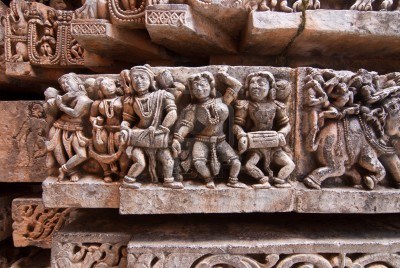
Musicians, Halabedu

Picture shows musicians in Halabedu, Karnataka.

வானில் உள்ள ஒவ்வொரு ராசி வழியாகவும் வெர்னல் ஈக்வினாக்ஸ் (vernal equinox) எனப்படும் இளவேனில் புள்ளி (இராப்பகல் சமநாள் வருவது) பயணிக்க ஆகும் காலம் சராசரியாக 2160 வருடங்கள் ஆகும். 12 ராசிகளின் வழியே பயணிக்க ஆகும் மொத்தக் காலம் 25920  வருடங்கள்.வானில் உள்ள தெய்வீக இசைக்கும் ஒலியை உணரும் மனிதக் காதுகளுக்கும் உள்ள நுட்பமான தொடர்பை கிரேக்கர்கள் தெரிந்து வைத்திருந்ததோடு 25524 நோட்ஸுகளுடன் அவற்றுக்குள்ள தொடர்பையும் அறிந்திருந்தனர். வான இசையையும் மனித இசையையும் லயப்படுத்திய அவர்களின் அற்புத ஆற்றலை  குஸ்டோ விரிவாக விளக்குவதை காஸ்மிக் ஆக்டேவ் நூலில் படித்து மகிழலாம்.


தூங்கிக் கிடந்த  தேசங்களை எழ வைத்தவை கீதங்களே! இந்திய நாட்டை பங்கிம் சந்திரரின் வந்தே மாதரம் கீதம் அசைத்து எழுப்பியது. எங்கு பார்த்தாலும் வந்தே மாதரம் கீதம் இசைக்கப்பட்டு தேசத்திற்கே ஒரு புதுத் தெம்பைத் தந்தது. அதன் வலிமையை உணர்ந்த மகாகவி பாரதியார் அதன் பெருமையை வெளிப்படுத்தும் பல பாடல்களை இயற்றியதோடு வந்தே மாதரம் கீதத்தையே இரு முறை தமிழில் மொழி பெயர்த்தார். சுதந்திரப் போராட்ட வீர்ர்களின் சுதந்திர உணர்வின் கீதமான வந்தேமாதரத்திற்கு பயந்த ஆங்கில அரசு அதை இசைக்கக்  கூடாது என்று தடை போட்டது. இந்தியா சுதந்திரம் அடைந்ததில் இந்த கீதத்திற்குத் தனி இடம் உண்டு.மகாகவி பாரதியாரின் தேசீயப் பாடல்களும் சுதந்திர வேள்வியில் தமிழர்கள் தம்மை ஆகுதியாக அர்ப்பணிக்க வைக்கப் பெரும் காரணமாக அமைந்தவை!


ram in dream

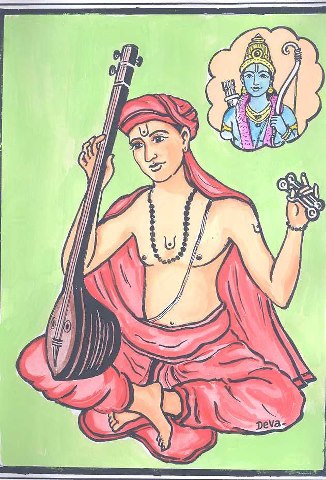
Picture shows great composer Saint Thyagaraja.


பிரிட்டிஷ் காலனி ஆதிக்கத்திற்கு எதிரான அமெரிக்க சுதந்திரப் போரில் இசை கீதங்களே முக்கியப் பங்கு வகித்தன. தி ஃப்ரீடம் சாங் என்ற பாடலை ஜான் டிக்கின்ஸன் 1768ஆம் ஆண்டு இயற்றினார். அதுவே அமெரிக்கர்களின் சுதந்திர எழுச்சிக்குக் காரணமாக அமைந்தது. பின்னர் “யாங்கி டூடில்” என்ற பாடல் அவர்கள் தோல்வியுற்ற போது எழுச்சி பெறச் செய்தது. கடைசியில் இறுதி வெற்றி அடைந்த போது வெற்றி கீதமாகவும் இசைக்கப்பட்டது.


சீனர்களோவெனில் சமுதாயத்தை ஒரு கட்டுக்கோப்பாக லயத்துடன் இயங்க வைக்க வல்லது இசை ஒன்றே தான் என்று மனமார நம்பினர்.இசையின் மீது ஆர்வம் குறைந்தது என்றால் அது பண்பாடு அழிவதற்கான ஆரம்ப அறிகுறி என்பது அவர்கள் கொள்கை!


வென் என்ற  பிரபல இசை அறிஞர் தன் கருவியுடன் அவரது குருவான ஹூசியாங்குடன் மூன்று வருட காலம் தொடர்ந்து பயணித்துக் கொண்டிருந்தார். ஆனால் அவர் கருவியின் நரம்பிலிருந்து ஒரு ஒலியும் எழும்பவில்லை.பொறுமை இழந்த குரு வென்னை நோக்கி”போதும் நீ இசை கற்ற லட்சணம். வீட்டுக்குப் போ” என்று ஆணையிட்டார். பெருமூச்சு விட்ட வென்.”என்னால் கருவியை மீட்ட முடியாது என்பதில்லை. இசை என் இதயத்தின் ஆழத்திலிருந்து வரவேண்டும் என்று நான் எதிர்பார்க்கிறேன்.சிறிது காலம் அவகாசம் தாருங்கள். பிறகு என்னை சோதியுங்கள்” என்று பணிவாகக் கூறினார்.


சிறிது காலம் சென்றது. வென் குருவிடம் வந்தார். “என்ன ஆயிற்று உன் இசை” என்றார் குரு.அது அற்புதமான இளவேனில் காலம்.வேன் தன் கருவியை எடுத்து ஷாங் நரம்பை மீட்டலானார்.என்ன ஆச்சரியம். திடீரென இளவேனில் காலம் முடிந்து இலையுதிர் காலம் தோன்ற ஆரம்பித்தது! இலைகள் அனைத்தும் மரங்களிலிருந்து உதிர்ந்தன.அடுத்து சியோ என்ற நரம்பை இசைத்தார்.அற்புதமான தென்றல் காற்று எழுந்தது. அருகிலிருந்த மரங்கள் ஆடின. செடிகள் பூத்துக் குலுங்கின. மரங்களில்  பழங்கள் தோன்ற ஆரம்பித்தன. என்ன ஆச்சரியம்! கோடைகாலம் ஆரம்பித்தது. வென் அடுத்து யூ நரம்பை மீட்ட ஆரம்பித்தார். குளிர் காலம் தோன்றி பனித்துளிகள் விழ ஆரம்பித்தன.வென் தன் இசையைத் தொடர்ந்தார். சிப் என்ற நரம்பை மீட்டலானார். சூரியன் உதயமாகி பனித்துளிகள் உருக ஆரம்பித்தன.கடைசியாக குங் என்ற நரம்பை இதர நரம்புகளுடன்   ஒருசேர இசைத்தவுடன் வானில் மேகங்கள் குழுமின. இனிய துளிகள் விழுந்து ஜல பிரவாகம் பொங்கியது. அனைத்துப் பருவ காலங்களையும்  மாறி மாறி இசை மூலம் அவர் காட்டியவுடன் குரு ஆச்சரியப்பட்டு அவரை நன்கு ஆசீர்வதித்தார்.


இனி இசையை நுணுக்கமாக அறிவியல் ரீதியில் ஆராய்ச்சி செய்த அறிஞர்களையும் ராகங்களின் வலிமையையும் மெல்லிசைப் பாடல்களில் அவை பெற்றிருக்கும் இடத்தையும் பார்ப்போம்.


பாக்யா 28-9-2012 இதழில் 84ஆம் அத்தியாயமாக வெளியாகிய இசை தரும் நோயற்ற வாழ்வு கட்டுரையின் நான்காம் பகுதியை மகிழ்வுடன் அளிக்கிறோம் – contd in fifth part; written by S Nagarajan


  இதற்கு முன் இதே பிளாக்.கில் வெளியான இசை பற்றிய கட்டுரைகள் written by Santanam Swaminathan

1.இசைத் தமிழ் அதிசயங்கள்

2.சங்கீத ரகசியம்: இளமையில் கல்

3.மழை அற்புதங்கள்

4.தியகராஜருடன் 60 வினாடி பேட்டி

English Phrases from India


nose cut


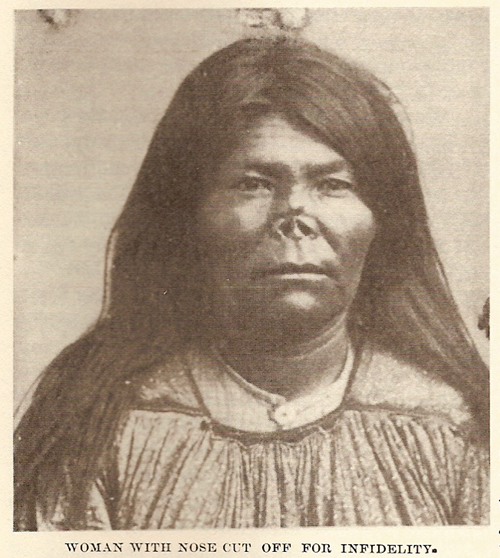
(Picture : Aisha is a victim of Taliban brutality, her nose and ears barbarically hacked off by her own husband in a warped punishment for attempting to flee her cruel in-laws.)

Article written by london swaminathan


Several English phrases including ‘’tie the knot’’ and ‘’cut off one’s nose to spite one’s face’’ have Indian origin. Since the English did not study the Hindu law books in depth they did not know the origin of several phrases. If they find it in Latin or Greek books, immediately they mention the origin in the Oxford Etymological Dictionary. But anything going back to ancient days was beyond their reach. They lost track of many words and phrases and attributed them to unknown things.


The word ‘nose cut’ became popular from Ramayana days. When Ravana’s sister Surpanaka went to Rama and asked him to marry her, he sent her to his younger brother Lakshmana, just to tease her. She took it real and approached him. He was very short tempered, not jovial like Rama. When Surpanaka insisted that he should marry her, Lakshmana lost his temper gave her the ancient punishment- cut her nose off.


Cutting one’s nose for certain wrong doings is prescribed in Hindu Law Books called Smritis. Stories like Ramayana and Panchatantra had several incidents like this. But today’s English phrase has slightly changed in its meaning. Linguists  call it historical change of meaning. Words and phrases change their meaning completely or partially in course of time in all the languages. Linguists knew this very well. Some words have extended meaning.

nose_cut_off


Picture: Amerindians also punished women in the same way.


English phrase ‘cut off one’s nose to spite one’s face’ means ‘disadvantage oneself in the course of trying to disadvantage another’, according to Oxford Concise Dictionary. It is equal to a Tamil saying, Even if I lose one eye, it doesn’t matter; my enemy should lose both the eyes.

The punishment of the cutting off by the husband of the nose of unfaithful wife is very common in ancient Indian literature. For cheating and adultery the minimum punishment was cutting off her nose and the maximum punishment was death sentence like the modern Islamic countries. In Muslim countries they stone the women to death even today.

Panchatantra stories have this punishment in the Weaver’s Wife Story. Kautilya’s Arthshastra  (236-7) prescribes cutting off ear and nose.

With the proof from Ramayana, Arthashatra and Panchatantra stories, we may boldly conclude that this nose cut business has been going on for thousands of years in India.


Tamil proverbs also justify this. We have proverbs and phrases in Tamil on nose cut.


Nosecut War of Madurai Nayaks

Another interesting episode in the history of Tamil Nadu is Nose cut War where both the fighting armies cut off the noses of enemy soldiers. R.Sathyanatha Ayyar in his book The History of the Nayaks had given a detailed description of Nose cut war that happened during the great Nayak King Tirumalai Nayak’s rule. Here we see even men were punished with nose cuts. We hear about ear cuts in the rivalry of poets, but not nose cuts until this war. Mysore ruler invaded Madurai and cut off the noses of Nayak soldiers. Tirumalai Nayak was old and bedridden. So one of his queens sought the help of King Setupati of Ramanathapuram. His army fought and drove back the Mysore army and cut off their soldiers’ noses in revenge. (In Tamil A.K Paranthamanar has written the History of Nayaks).

So disfiguring one’s face is equal to insulting oneself. That was started in Rama’s days and continued until Nayak’s rule in sixteenth century.

mangalsutra-photos-seattle

Tie the knot

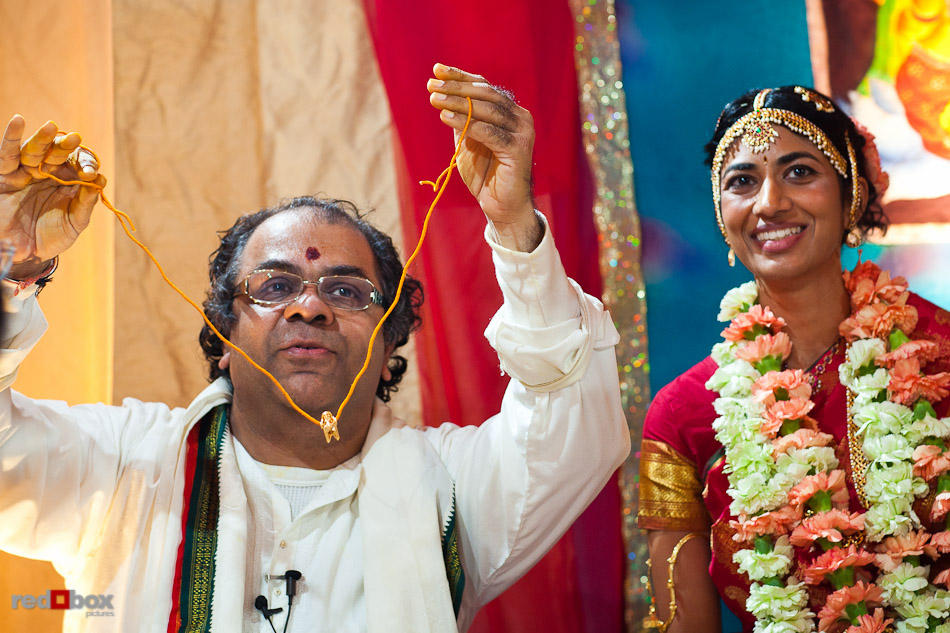
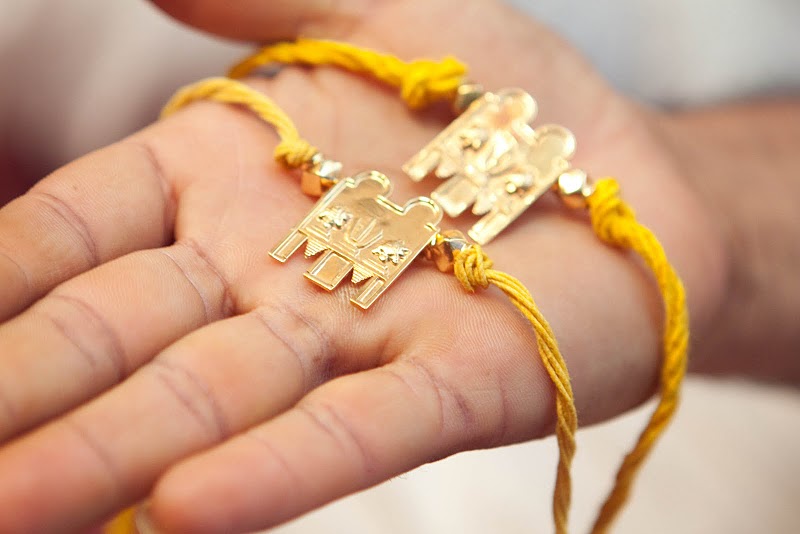
Tying the knot is practised even today by Hindu women throughout India on the wedding day. The yellow thread around a married woman’s neck was symbol of auspiciousness. A Hindu woman will never take it off under any circumstances so long as her husband is alive. This yellow thread with a special pendent, usually made of gold, is known as Mangalasutram in Sanskrit and Thaali in Tamil. The special pendent is called Thiru Maangalyam. Sangam Tamil literature has references to tying the knot that existed 2000 years ago.


After the bridegroom ties the thread around the bride’s neck, husband’s sister will tie three knots and then the bride’s family make sure it is secure. The main ceremony of any wedding is tying the knot. At that the time, the drums and pipes will be played louder. This is to avoid hearing inauspicious words or sneezing (considered bad omen) or swearing. Then the elderly men and women will sprinkle yellow rice and shower flowers on the newlywed and bless them.


mangal-sutra

Tamil References

Purananauru verse 127 by Uraiyur Enicheri Mudamosiyar and Silappadikaram of Ilango (1-47)clearly refer to Thaali or Mangalya Sutra. Ilango says it was brought in a procession accompanied by the musical instruments.Adiyarkku Nallar’s commentary confirmed this. Kural Verse 110 mentioned Sey Izai which can be interpreted as Thaali (Yellow Thread). Tamil proverbs about Thaali also confirm the existence of tying the knot in ancient days. Out of euphemism, they wouldn’t say anything in literature about taking off the sacred Thaali.

Pictures are taken from various websites;thanks.

contact swami_48@yahoo.com

thaali

இந்தியப் பெண்கள் உலக மஹா அறிவாளிகள்- பகுதி 2

026maruthi


எழுதியவர் சந்தானம்/லண்டன் சுவாமிநாதன்

(முதல் பகுதியைப் படித்துவிட்டு இப்பகுதியைப் படிக்க வேண்டுகிறேன்)


பெண்கள் பற்றி மனு எச்சரிக்கை

உலகின் முதல் விரிவான சட்டப் புத்தகத்தை எழுதிய மனு, பெண்களை மதிக்காதவர்கள் அடியோடு அழிந்து போவார்கள் என்று எச்சரிக்கிறார். பெண் பாவம் பொல்லாதது, பெண்களை அவமதிப்பது கடவுளுக்கும் பிடிக்காஉ என்று எச்சரிக்கிறார்.


‘’யார் நலம் பெற விரும்புகின்றனரோ, அவர்கள் எல்லாம் பெண்களை ஆராதிக்கவேண்டும். தந்தையர், சகோதரர், கணவன், மைத்துனர் ஆகியோர் பெண்களை மரியாதையாக நடத்த வேண்டும்’’. (மனு3-.55)


‘’எங்கே பெண்கள் மதிக்கப் படுகிறார்களோ அங்கே கடவுள் ஆனந்தம் அடைகிறார். எங்கே பெண்கள் மதிக்கப் படுவது இல்லையோ, அங்கே செய்யப்படும் புனிதச் சடங்குகள் பலன் இல்லாமல் போகும்’’. (மனு.3-56)


‘’உறவுக்கார பெண்கள் எங்கே கண்ணீர் வடிக்கின்றனரோ அங்கே  அந்தக் குடும்பம் அடியோடு நாசமாகும். எங்கே பெண்கள் மகிழ்ச்சியோடு இருக்கிறார்களோ அந்தக் குடும்பம் செழித்துத் தழைத்து ஓங்கி வளரும்’’(மனு.3-57)


‘’எந்த வீடுகளில் பெண்கள் சரியாக நடத்தப் படவில்லையோ அந்த இடங்களில் பெண்களின் சாபம், மந்திர மாயா ஜாலத்தில் பொருள்கள் மறைவதைப் போல வீடுகளை முற்றிலும் அழித்துவிடும்’’(மனு.3-58)

‘’ஆகையால் யாரெல்லாம் நலம் பெறவும் வளம் அடையவும் விரும்புகிறார்களோ அவர்கள் எல்லாம் பெண்களை விழாக் காலங்களிலும், விடுமுறைக் காலங்களிலும் ஆராதிக்க வேண்டும். எப்படி? துணிமணிகள், நகைகள்,அறுசுவை உணவு படைத்துப் போற்றவேண்டும்’’(மனு.3-59)


மனுவை விட வேறு யார் பெண்களுக்கு இவ்வளவு ஆதரவு தர முடியும்? இருக்கிறார், ஒரு ஆசாமி, அவர் பெயர் வள்ளுவர். அவர் நம்மை மாயாஜால (சிலர் மூட நம்பிக்கை) உலகுக்கே அழைத்துச் செல்லுகிறார். பத்தினிப் பெண்கள் மழையைப் பெய் என்றால் பெய்யுமாம் (குறள் 55).


சதி அநசுயா, சத்தியவான் சாவித்திரி, சீதா தேவி கதைகளைப் படிப்பவர்கள் வள்ளுவனை நம்பியே ஆகவேண்டும். ‘’கொக்கென்று நினைத்தாயோ கொங்கணவா’’? என்று முனிவர்களையே எள்ளி நகையாடும் புள்ளி மான்கள் உலவிய நாடல்லவா இது!

014maruthi

அருந்ததி காட்டல்

ஆரிய திராவிட இனவெறியர்களுக்கு செமையடி கொடுக்கும் சான்றுகள் சங்க இலக்கியத்தில் ஆயிரம் ஆயிரம் உண்டு. அதில் ‘’அருந்ததி காட்டல்’’ என்னும் சடங்கு மிக முக்கியமானது. அருந்ததி கீழ் ஜாதிப் பெண். ஆனால் பத்தினிப் பெண்களுக்கு உலக மஹா உதாரணமாகத் திகழும் உத்தமி. புது மணத் தம்பதிகள் முதல் இரவுக்கு முன் இந்த மஹா உத்தமியை நட்சத்திர வடிவில் தரிசித்துவிட்டுத் தான் படுக்கை அறையில் நுழையவேண்டும். இவளுடைய புகழ், சங்க இலக்கியத்தில் பல இடங்களில் வருகிறது: புறம்.122; ஐங்குறு.442; பதிற்று.31-27; பெரும்பாண் 30;கலி.2-21;சிலப்.1-27


இமயம் முதல் குமரி வரை பின்பற்றப்பட்ட இவ்வழக்கை மனுவும் மறைமுகமாகக் குறிப்பிடுவார்: ‘’கீழ் ஜாதியில் பிறந்து வசிஷ்ட முனியுடன் சேர்ந்த அக்ஷமாலாவும்(அருந்ததி), மந்தபாலாவுடன் சேர்ந்த சாரங்கியும் மதிக்கப்படவேண்டியவர்கள்’’ (4-23)


சீதையின் மகத்தான சக்தி (சீதாதேவி சொன்னாள்; கண்ணகி செய்து காட்டினாள்)

‘’ அல்லல் மாக்கள் இலங்கை அது ஆகுமோ?

எல்லை நீத்த உலகங்கள் யாவும் என்

சொல்லினால் சுடுவேன்; அது தூயவன்

வில்லின் ஆற்றற்கு மாசு என்று வீசினேன் (கம்ப ராமாயணத்தில் சீதை)


பொருள்:- ஈரேழு (14) உலகங்களையும் என் சொல்லினால் (சாபத்தால்) சுடும் சக்தி எனக்கு உண்டு. என் கணவன் வில் ஆற்றலுக்கு பெருமை சேர்ப்பதற்காக காத்திருக்கிறேன். அவன் ஆற்றலுக்கு இழுக்கு வரக்கூடாது-


(தாயே என் தோளில் ஏறிக் கொள்ளுங்கள். ஒரு நிமிடத்தில் ராம பிரானிடம் சேர்த்துவிடுகிறேன் என்று சொன்ன அனுமனிடம் சீதை கூறியது இது)

032maruthi

இதோ வேத கால, சங்க கால புலவர் பட்டியல்:

வேத காலம்: அதிதி, அபலா, தக்ஷிணா, கோஷா, இந்திராணி, ஜுஹு, கத்ரு, லோபாமுத்திரை, ராத்ரி, ரோமச, சசி, சஸ்வதி, சிகண்டினி காஷ்யபி, ஸ்ரத்தா, சரமா,சிக்தா, சுதேவி, சூர்யா, சரஸ்வதி, உஷஸ், ஊர்வசி, விஸ்பலா, விஸ்ருஹா,விஸ்வவாரா, வாகம்பரிணி, வசுக்ரா மனைவி, வாக், யமி

சாம வேதம்: நோதா, அக்னிஷ்ட பாஷா, சிகந்தினி வாவரி, கன்பாயனா


சங்ககாலம்: (இந்தப் பெண் கவிஞர்களின் பெயர்கள் சில வியப்பான உண்மைகளைப் புலப்படுத்துகின்றன. பல ஆண் மற்றும் பெண் புலவர்களின் பெயர்களுக்கு முன்னால் ‘நல்’ என்ற விகுதி/முன்னொட்டு வருகிறது. இது சம்ஸ்கிருத மொழி வழக்கு. சு+கந்தி, சு+மதி, சு+வர்ணா, சு+சேதா என்பது போல நப்+பசலை, நச்+ செள்ளை என்று வருகிறது. இதே போல வெண் என்ற முன்னொட்டும் உண்டு. சிந்து சமவெளி எழுத்துக்கள் இப்படி வராது என்று சொன்ன அறிஞர்கள் இப்போதாவது தவற்றைத் திருத்திக் கொள்ளட்டும். ரிக்வேதத்தில் பெயர் தெரியாத புலவர்களுக்கு அவர்கள் சொன்ன கருத்தை வைத்து செயற்கைப் பெயர்களை அளித்தார் வியாச மகரிஷி. இதே ‘டெக்னிக்’கை சங்க இலக்கியத்தைத் தொகுத்தோரும் பின்பற்றியுள்ளனர். பலருக்கு காரணப் பெயர்களைச் சூட்டியுள்ளனர். ஆகவே கீழ்கண்ட புலவர் பெயர்களில் சில செயற்கைப் பெயர்களாக இருக்கலாம்: எ.கா. காவற்பெண்டு, காக்கை பாடினியார்)


அவ்வையார், அஞ்சில்அஞ்சியார், ஆதிமந்தியார், ஊன் பித்தை, காவற்பெண்டு, காக்கை பாடினியார், கழார்க் கீரனெயிற்றியார், காமக்கணியார் (காமாக்ஷி), வெண்ணிக் குயத்தியார், வெள்ளிவீதியார், வெண்பூதியார், வெண்ணாகையார், வெள்ளெருக்கிலையார், வருமுலையாத்தி, நக்கணையார், நன்னாகையார், நல்வெள்ளையார், நப்பசலையார், நச்செள்ளையார், நன்முல்லையார், நெடும்பல்லியத்தை, பொன்மணியார், மாற்பித்தியார், பேய்மகள் இளவெயினி, மாசாத்தியார், குறமகள் குறியெயினி, பூங்கண் உத்திரையார், பெருங்கோப்பெண்டு.


(சிலர் தமிழன்பு காரணமாக இந்த எண்ணிக்கையைப் பெருக்கியும் காட்டுவர். சிறு ‘ஸ்பெல்லிங்’ மாறுதல் இருந்தாலும் அவரைத் தனிப் புலவராக காட்டுவோரும் உண்டு.)


(இலக்கியத் திருடர்களுக்கு அன்பான வேண்டுகோள். இந்தக் கட்டுரையை வேறு எங்காவது வெளியிடுகையில் லண்டன் சுவாமிநாதன் எழுதியது என்றோ அல்லது பிளாக் பெயரையோ வெளியிட்டு தமிழ் எழுத்தாளர்களை ஊக்குவிக்க வேண்டுகிறேன். தமிழுக்குத் துரோகம் செய்யாதீர்கள். தமிழ்த் தாய் பொறுக்கமாட்டாள்.).


படங்கள் ஆர்ட்டிஸ்ட்மாருதி. பிளாக்ஸ்பாட்.காம். இலிருந்து எடுக்கப்பட்டன.

Pictures are taken from artistmaruthi.blogspot.com; thanks.

swami_48@yahoo.com


Most Intelligent Woman in the Ancient World

tamil penkal

A community’s development can be easily measured by the level of women’s education or status. If we take all the ancient cultures into account, India has a unique place in the world. Lot of countries gave women– education, freedom, right to inherit property, right to attend religious ceremonies and a status —several centuries after ‘India that is Bharat’ gave them.


Vedas and Sangam Tamil literature have the highest number of women poets (poetesses) in the world. It is amazing to see they were able to compose poems and attend assemblies. Gargi Vachaknavi was the only example one can quote for women’s education and freedom from the most ancient days. She was invited to attend an assembly of scholars to discuss philosophical matters. King Janaka of Videha convened the conference. It happened at least 3000 years ago. Even the foreign scholars, who always underestimate and underrate anything Indian, gave the date 800 BC for the Brihad Aranyaka Upanishad, where Gargi appears for the first time. Gargi, a great philosopher, not only attended the conference, but also challenged the most revered philosopher of the day, Yajnavalkya.


Thousand years later, the grand old dame of Sangam Tamil literature Avvaiyar appeared on the scene. She was able to attend the great assembly of the three most powerful kings of the Tamil speaking world– Chera, Choza and Pandya. The occasion was the great Rajasuya Yajnam done by Choza king Peru Nar Killi. She praised them for their unity and wished them long life. She was able to enter any palace without a permit or visit any country without a visa. Poets and ascetics had more rights than the diplomats of the modern world. They can challenge the kings in the assemblies and question their misbehaviour.


We have over 25 Vedic poetesses and over 25 Tamil Sangam poetesses. No culture in the world had so many poetesses 2000 years ago. It was a world dominated by men. Law giver Manu said that a community will be destroyed if women are not respected.

tamil kili

Indian women were so intelligent that they can easily solve knotty problems. A boy wanted to study Vedas. But he knew only his mother Jabala. When he went to the teacher he asked what was his Kulam, Gotra (clan and sub sects), names of parents etc. He replied truthfully that his mum asked him to give the mother’s name only as Jabala. The teacher was so impressed by his honesty, he took him immediately as his student. He gave the boy a new  name– Satyakama (one who seeks truth) Jabala.

Vedic and Sangam Tamil period women did not sing only about Gods and Kings. They sang about everything in the world. Women like Draupadi and Kannaki challenged the most powerful kings of the day. They vowed to destroy injustice and they did it. Women like Damayanti and Savitri fought for their husbands and won the cases. Sita and Mandodari, wives of rivals, were praised for their chastity. They will inspire women for generations to come.


In Vedic days, women were teachers as well. Panini, the first and foremost grammarian in the world, explains the distinction between acaryaa and acaryani, upadhyayaa and updhyayini.


Manu, author of the great law book Manava Dharma Shastra, says,

‘’women must be honoured and adorned by their fathers, brothers, husbands and bothers-in-law, who desire their own welfare. Manu 3-55

‘’Where women are honoured, there the gods are pleased; but where they are not honoured, no sacred rite yields rewards. Manu 3-56

Where the female relations live in grief, the family soon wholly perishes; but that family where they are not unhappy ever prospers. 3—57

The houses,  on which the female relations, not being duly honoured, pronounce a curse, perish completely, as if destroyed by magic’’ Manu 3-58

Hence men, who seek their own welfare, should always honour women on holidays and festivals with gifts of ornaments, clothes and dainty food. 3-59


Sanskrit and Tamil literature even entered the magic or the superstitious world to show that chaste women can do miracles. They can bring fire and rain by their power. But women never abused their powers. Sita says to Hanuman, the first International ambassador, that she can burn the 14 worlds with her power, but she wanted her husband to take the credit of finishing the demon king Ravana of Sri Lanka.


Great poet Valluvar went one step further and says that any chaste woman has the power to make rain at her bidding (Kural 55)


Seeing Arundhati Star

Arundhati: Wife of great ascetic Vashista. Symbol of faithfulness, symbol of Indian womanhood and astral goddess in the Saptarishi Mandalam (Great Bear Constellation in the Northern Sky). Every Hindu must see the star on the First Night in the sky. She was the most praised woman on earth. 5000 year old Vedas and 2000 year old Sangam Tamil literature praised her sky high.

tamil aru

Manu says

‘’Akshamala, a woman of the lowest birth, being united to Vashista and Sarangi (being united) to Mandapala became worthy of honour’’(4-23).Akshamala=Arundhati.


Sangam Tamil literature refers to Arundhati in several places: Ainkuru.442; Puram.122; Kali.2-21;pari 5-44, madu.610.

In the later days we have great women poetesses like Karaikal Ammaiyar,

Andal, Gangadevi , Mirabhai and Lalleswari.


Two thousand years ago Hindus believed in the same values from Kashmir to Kandy in Sri Lanka. This is another blow to the racists who advocated Aryan Dravidian Race Theory.


Here are the Lists of Vedic and Sangam Tamil Poetesses:

Aditi,  Apala, Dakshina, Gosha, Indrani ,Juhu, Kadru, Lopamudra, Ratri, Romasa,  Sasi, Sashvati, Sikandini kashyapi, Sraddha, Sarama, Sikta, Sudevi, Surya, Sarasvati, Ushas, Urvasi,Visvara, Visvruha, Vispala, Vakambhirini, Vachukra’s wife, Vac, Yami


From Sama Veda – Nodha, Agnishta basha, Sikatani vavari, Ganpayana,

Later day great women—

Gargi vachaknavi, Maitreyi, Nalayini, Savitri, Kaikeyi, Sita, Mandodari, Ahalya, Arundhati, Kunti, Draupadi. (Kaikeyi was a great driver. She rode the chariot when Dasaratha went to war with the demons and defeated them)


Tamil Poetesses

(Like Rig Vedic compiler Vyasa, Tamils also followed Vyasa’s technique of naming anonymous poets with abstract expressions. So we don’t know for sure how many poetesses were there in Vedic period or later. But poetesses were there, which is confirmed by later day mythologies. Slight change of spellings or some suffixes to names made enthusiasts to count more number of poetesses!! One surprising thing about Sangam Tamil names is most of them have prefixes like Sanskrit names Su=Nal. Lot of poetess’s names have this Nap or Nal prefix.


This shows ancient Indians followed the same method in naming. I have already written about the Sanskrit names among Sangam Tamil poets such as Valmiki, Damodaran, Markandeyan, Kamakshi, Kesavan, Mahadevan, Nagarajan,Paliyathan,Vishnu dasan, Kannadasan etc.


1.Avvaiyaar  2.Aadimanthiyaar 3.Anjil anjiyaar 4.Uunpiththai

5.Kaamakkanipsalaiyaar 6.Kaavarpendu 7.Kuramakal kuriyeyini

8.Maarpiththiyaar 9.Maasaaththiyaar 10.Nachchellaiyaar  11.Nakkannaiyaar

12.Nedumpalliyathai 13.Nalvellaiyaar 14.Nalveliyaar 15.Nanmullaiyaar  16.Nappasalaiyaar  17.Naagaiyaar 18.Paari makalir 19.Perungkoppendu

20.Peymakal ilaveyini 21.Ponmaniyaar 22.Ponmudiyaar  23.Puunkan uththiraiyaar 24.Pullaankanniyaar 25.Vennik kuyaththiyaar 26.Velli viithiyaar

27.Venpuuthiyaar 28.Kakkaipaadiniyaar.


Pictures are taken from World Tamil Souvenire;thanks.

Contact swami_48@yahoo.com for the list of 615 research articles.