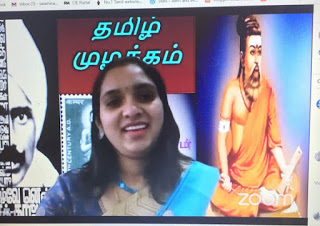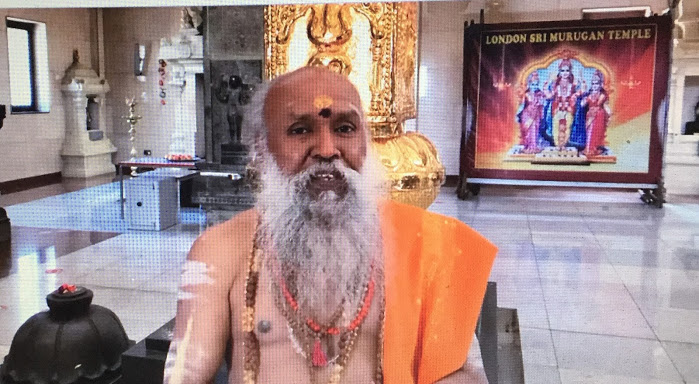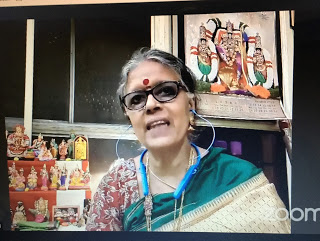
Pictures are taken from various sources for spreading knowledge; this is a non- commercial blog. Thanks for your great pictures.
tamilandvedas.com, swamiindology.blogspot.com
என்னை நீ கிழித்தாய் இன்றைக்கு!
நீ என்ன கிழித்தாய் நேற்றைக்கு?
kattukutty
என்னை நீ கிழித்தாய் இன்றைக்கு!
நீ என்ன கிழித்தாய் நேற்றைக்கு?
தினசரி நாட்காட்டியில் நாம் தேதியையும் நல்ல நேரம் கெட்ட நேரம் மட்டும் படித்துவிட்டு இன்று நல்ல நாளா, கரிநாளா,
நான் சட்டை துணி மணி வாங்கலாமா???கடைக்குப் போகலாமா??.?. என்று மட்டுமே பார்த்து கொள்கிறோம்.
இதற்குமேல் இன்று அஷ்டமி, நவமி ,பிரதமை, இல்லாமல் இருக்கறதா என்றும் சிலர் பார்த்துக் கொள்கிறார்கள்.
ஆனால் தியாஜ் என்று போட்டிருக்கிறதே, அஹஸ் என்று போட்டிருக்கிறதே திரு தினஸ் ப்ருக், அவமா ஏன்
போட்டிருக்கிறதே என்று கவலைப்படுவதில்லை.
(இதையெல்லாம் எனது “பஞ்சாங்க ரகசியங்கள்” (Parts 1, 2, 3, 4, 5 )என்ற கட்டுரையில் பார்த்துக் கொள்ளவும்)
மேலும் நான் செய்யப்போகும் வேலைக்கும் அதற்கும் சம்பந்தமில்லை….. அமிர்த யோகம், சித்த யோகம் என்றெல்லாம் பார்த்து விட்டுத்தான் பால் கார்டு வாங்கவே போகிறோம் அல்லது வேலை செய்கிறோம்.
மரண யோகம், கரி நாள் என்றவுடன் பயந்து நடுநடுங்கி தினசரி செய்ய வேண்டிய
வேலையெல்லாம் செய்யாமல் விட்டு விடுகிறோம்.
ஒன்றே ஒன்றை மட்டும் பார்த்து சந்தோஷப்படுகிறோம். இன்றைய ராசி பலன் மேஷம்- வெற்றி, ரிஷபம்-சந்தோஷம், மிதுனம்-பண வரவு …. அர்த்தம் புரியாமலே அந்த தேதியைக் கிழித்து விடுகிறோம்.
அது கேட்கிறது ஏ மனிதா! நீ என்னைக் கிழித்தாய் இன்றைக்கு ??? ஆனால் நீ என்ன (வேலை செய்து) கிழித்தாய் நேற்றைக்கு??? 24 மணி நேரத்தை வீணடித்து விட்டு, எனக்கு நேரம் சரியில்லை, காலம் சரியில்லை, நாட்காட்டியில் போட்டிருக்கிறதே இன்று மரண யோகம் என்று??? நான் என்ன செய்ய???? என்று புலம்பும் மனிதா,
அவைகள் என்னென்ன எதற்காகப் போட்டிருக்கிறார்கள் என்று நீ நினைத்துப் பார்த்தாயா, தேரிந்து கொண்டாயா??
சரி விஷயத்திற்கு வருவோம். ஒரு நாட்காட்டி பக்கத்தில் என்னன்ன போட்டிருக்கிறது என்றால் ஏராளம் ஏராளம்…… ஒவ்வொன்றாகப் பார்ப்போம் முக்கிய முதல் விஷயம் நல்ல நாள் பார்ப்பது எப்படி??? என்பதை மட்டும் இன்று பார்ப்போம்
1)செவ்வாய், சனி, கிழமைகள் இருக்கக்கூடாது. 2)அஷ்டமி, நவமி பிரதமை திதிகள் ,கரிநாள் கூடாது. 3)சிலர் பரணி, கார்த்திகை நட்சத்திரங்களையும் தவிர்ப்பார்கள் 4)மரண யோகம் என்று இருந்தால் தவிர்க்கவும் (சித்த யோகம், அமிர்த யோகம் மிக நல்லவை) 5)ராகு காலம், யமகண்டம் நேரங்களை அட்டவணையில் பார்த்து ஒதுக்கவும் 6)ஹோரை அட்டவணையைப் பார்க்கவும்
நல்ல ஹோரைகள்—சந்திரன், புதன், குரு, சுக்கிரன் கூடாத ஹோரைகள்—சூரியன், செவ்வாய், சனி 7)நாட்காட்டியில் அன்றைய நட்சத்திரத்தைப் பார்த்து சந்திராஷ்டம நாளை தவிர்க்கவும் (சில நாட்காட்டியில் “சந்திராஷ்டம தினம்” என்றே போட்டிருப்பார்கள்).
நான் குறிப்பிட்ட ஹோரை, ராகு கால, யம கண்ட அட்டவணையும் காலண்டரின் பின்புறமே போட்டிருப்பார்கள் அவ்வளவு தான் நல்ல நாள் குறித்தாகி விட்டாயிற்று!!!
இது பார்ப்பது மிக மிக முக்கிய காரியங்களுக்கே…… உதாரணமாக இடம் வாங்க அட்வான்ஸ் கொடுக்க,புது கட்டில் ,TV,
பணம் துணி, உடைகள் வைக்க பீரோ வாங்க புது வாகனம் வாங்க……….. சும்மா பால் கார்டு வாங்க எலக்ட்ரிக் பில் பணம் கட்ட கை பேசி ரீ சார்ஜ் செய்ய, பேங்க் பாஸ் புக் அப்டேட் செய்ய உபயோகப்படுத்த வேண்டாம்.
வெற்றிகரமான வாழ்க்கை உங்களுக்கே !!!
காலம் கருதி இருப்பர் கலங்காது
ஞாலம் கருது பவர் – திருக்குறள் எண் 485 அதிகாரம் : காலமறிதல்
Pictures are taken from various sources for spreading knowledge; this is a non- commercial blog. Thanks for your great pictures
BOOKS INDIANS SHOULD READ- 20
Chapter 8 Part 1
THE COLLECTED WRITINGS OF DHARAMPAL-3 The Beautiful Tree
Nursed by wrong information
It is the general belief among [English] educated Indians that our educational system is
a gift from the British colonial masters. Most people have been led to believe that Indians
were largely uneducated and illiterate before they came, and that whatever prevailed in the
name of education was monopolised by the Brahmins, and that the other communities
were left out or lagged behind. They believe that especially the Sudras and those
regarded below them ( the present day Dalits) were denied education, and consequently
opportunities of advancement. This has been the main theme of our politicians since
Independence, and this belief lies at all efforts at so called educational reform. Yet how many of them have really studied “history” beyond what is provided in the
text-books controlled by the state, and the political discourse? How many of them have
taken the pain and made the effort to verify facts from original sources?
Gandhiji’s struggle Those who have knowledge of our struggle for Independence and of Gandhiji’s part in it
would be aware that education was an important part of Gandhiji’s constructive
programme. He had his own insights and developed his own approach, culminating
in “Nai Talim”. But as one who knew the roots of India’s life and civilisation, he knew that
India had its own system of education which served it well for centuries. Speaking at
Chatham House in London on 20 October, 1931, Gandhiji said:
“I say without fear of my figures being challenged successfully, that today India
is more illiterate that it was fifty or a hundred years ago, and so is Burma,
because the British administrators, when they came to India, instead of taking
hold of things as they were, began to root them out. They scratched the soil
and began to look at the root and left the root like that, and the beautiful
tree perished.”
Where is the proof?
Gandhiji’s claim ran counter to the popular perception of the day, (and it does to this day )
and was contested by imperial loyalists who demanded “precise references to the printed
documents.” Gandhiji was imprisoned on his return from London, and our freedom
struggle entered a critical phase which denied Gandhiji the time to take up such research
work. Unfortunately, none of his followers did any study or research in the subject.
The British rulers, for their own purposes, had caused some surveys/studies to be made
on the state of education in the areas ruled by them, but not all of this material was printed
and published. Some Indian writers had made use of some of the available material in their
books, but this material seems to have been ignored by the academic community, for
whatever reason. In any case, no one had accessed the original documents and made a
proper case to support Gandhi’s stand.
It was thus left to Dharampal to visit the archives and gather the original material in
mid-1960s. Based on them, he published his book “The Beautiful Tree” in 1971. This title
is derived from Gandhiji’s phrase. Its subtitle ran:
“Indigenous Indian Education in the Eighteenth Century.”
British Surveys of Indigenous Education
Three motives prompted the British to undertake such studies/surveys.
Administrative : to understand the indigenous systems/manners/methods so that they
could entrench themselves the better, and also obtain a veneer of legitimacy
2. Enlightenment: influenced by the Scottish Enlightenment, of men like Adam Ferguson and
A.Maconochie, who were interested in learning about the arts and sciences of the people,
so that the knowledge would not be lost even if the societies declined due to colonial
conquest.
3. Projection and propagation of Christianity so that” Indians would become Christians…
without knowing it”.
Archival material Whatever the motive, the material gathered adds up to a solid testimony to the extent,
effectiveness and practical worth of the system of education that prevailed in India.
The material gathered can be classified as:
Survey of Indigenous Education in Madras Presidency: 1822-1825. The Madras
Presidency then covered a huge area- the entire present Tamil Nadu, parts of Andhra, and beyond up to Ganjam, parts of Karnataka, and Malabar. It thus contained geographical and linguistic variety
Report of Fra Paolina Da Bartolomeo of Austria “On Education of Children in India”
1776 to 1779 (published in Rome,1796)
– Alexander Walker on Indian Education. Literature c.1820
-W.Adam’s Report “State of Education in Bengal: 1835-38.(which then included parts
of Bihar)
-G.W.Leitner’s “History of Education in the Punjab since Annexation and in 1882.
Important Conclusions Dharampal has included all this archival material in his book, in full, or in extracts. The
material covers different parts of the country, with much linguistic variety. Based on this,
he draws conclusions which are striking.
1. Contrary to the popular view, education was not confined to the Brahmins or the
twice born. “It was the groups termed Soodras and the castes considered
below them who predominated in the thousands of the then still-existing
schools in practically each of these areas.”[This is especially so in the Tamil
speaking areas]
2. This educational network was supported and sustained by sophisticated fiscal
arrangements of the pre-British Indian polity. Substantial proportion of the revenues had
long been assigned for public purposes. It is the collapse of this system through
centralisation of revenue that led to the collapse of education, along with social life
and economy.
3. This system of education was more advanced than what prevailed in
England at the relevant time. Indian system covered more children of the
common people than the British at that time. Some of the features of the Indian
system were in fact taken to and applied in Britain!
இறைவன் சிலரை தன் புகழ் பாடவே அனைத்தையும் அருளி அதைத் திரும்பப் பெற்று மகிழ்வான் என்பதை அருணகிரிநாதர் தெளிவாகக் கூறியுள்ளார்:
யாம் ஓதிய கல்வியும் எம் அறிவும்
தாமே பெற வேலவர் தந்ததனால்
பூமேல் மயல் போய்அற மெய்ப்புணர்வீர்
நாமேல் நடவீர் நடவீர் இனியே (கந்தர் அநுபூதி)
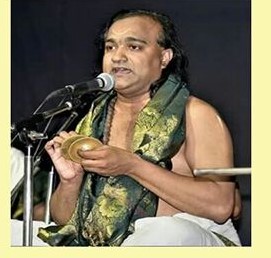
அருணகிரிநாதர் அருளிய திருப்புகழ் வேலவன் தந்தது என்றால் அவர் வழியில் அவர் தந்த திருப்புகழைப் பாடுவது ஒன்றையே தன் பணீயாய்க் கொண்டவர் மதுரையில் வாழ்ந்த திருப்புகழ் தியாகராஜன் அவர்கள்.
எங்கள் குடும்ப நண்பர். எங்கள் தந்தையார் தினமணி திரு வெ;சந்தானம் மதுரையில் தினமணியின் பொறுப்பாசிரியராக ஐம்பதுகளில் மதுரை வந்தது முதலாக நெருங்கிப் பழகிய குடும்பங்களுள் திரு திருப்புகழ் தியாகராஜன் அவர்களின் குடும்பமும் ஒன்று.
பல்லாண்டு கால பழக்கத்தின் அடிப்படையில் அவர் வாழ்க்கை மொத்தத்தையும் ஒரே ஒரு சொல்லில் சுருக்கமாகச் சொல்லி விடலாம்.
முருகன் – இது தான் அந்த வார்த்தை.
காலையில் முருக நாமத்துடன் எழுந்து அனைத்து வேலைகளையும் செய்து இரவில் முருக நாமத்துடன் உறங்கச் செல்லும் உத்தமர் அவர்.
இடையில் உள்ள நேரத்தில் அலுவலகப் பணியை மதுரை கார்ப்பரேஷனில் சிறப்பாக ஆற்றியதோடு மட்டுமின்றி முருகன் புகழையும் பரப்பிக் கொண்டே இருப்பார்.
இதற்கான சரியான கருவியாக, அமைப்பாக இலங்கியது மதுரை மீனாட்சி அம்மன் திருக்கோவிலில் தெற்கு ஆடி வீதியில் அமைந்திருக்கும் திருப்புகழ் சபை.
நூற்றுக்கணக்கான பேர்களுக்கு திருப்புகழைச் சொல்லித் தந்து, பாடுவதற்கு களம் அமைத்து அவர்கள் நலமுடன் வளமாக வழி வகுத்தது திருப்புகழ் சபை. திருப்புகழ் சபையின் மூச்சாக்த் திகழ்ந்தார் அவர்.
வெள்ளிக்கிழமை பஜனை என்றால் எந்த வேலையையும் உதறி விட்டு அங்கு அன்பர்கள் ஓடி வருவது வழக்கம்.
“அறிவால் அறிந்து உன் இருதாள் இறைஞ்சும் அடியார் இடைஞ்சல் களைவோனே” என்றார் அருணகிரிநாதர்.
இரு தாள் இறைஞ்ச திருப்புகழ் சபையை செவ்வனே நடத்தி வந்த அவர் அறிவால் அறிவதற்கும் வழி வகுத்தார்.
தேன் சொட்டும் திருப்புகழை அவர் நா கொட்டும் மளமளவென்று.
அருணகிரிநாதரின் உள்ளக் கருத்தைத் தெள்ளத் தெளிவாக மடை திறந்த வெள்ளம் போல அனைவரின் உள்ளமும் கவரும் வண்ணம் சொற்பொழிவாற்றுவார்.
மதுரையை மையமாகக் கொண்டு அவர் பல ஊர்களிலும் ஆற்றிய திருப்புகழ் சொற்பொழிவுகள் பலரையும் கவர்ந்தன; திருப்புகழ் மர்மத்தை உணர்த்தின.
பலரது வாழ்க்கையையும் மாற்றி முன்னேற்றத்திற்கு வழி வகுத்தன.
கந்த சஷ்டி விழா என்றால் ஆன்மாவிற்கு முருக நாமமும் பௌதிக உடலுக்கு உகந்த அற்புதமான முருகனின் பிரசாதமும் இணைத்து திருப்புகழ் சபை தரும்.
ஆடி வீதியில் திரு முருக கிருபானந்தவாரியாரின் சொற்பொழிவை திரு தியாகராஜன் ஏற்பாடு செய்தார் என்றால் மதுரை மக்களுக்குக் கொண்டாட்டம் தான்!
பல்லாயிரக்கணக்கில் வடக்காடி வீதியும் தெற்காடிவீதியும் நிறைந்து எள் போட்டால் விழ் இடமின்றி நெருக்கமாக மக்கள் அமர்ந்திருப்பர்.
ஆன்மீக பிரச்சாரத்தை அவர் தலை மேல் பொறுப்பாக ஏற்று நடத்திய கால கட்டத்தையும் இங்கு சொல்ல வேண்டும்.
கொளுத்து புராணத்தை; அடி இறை பக்தர்களை என்று தீய சக்திகள் தலைதூக்கி விரித்தாடிய காலம் அது.
எங்கள் தந்தையார் உள்ளிட்டோர் ஆன்மீக காவ்லர்களுக்கு பக்க பலமாக இருந்தனர். தீய சக்திகளை தக்கபடி எதிர் நோக்கி வென்றனர்.
என்று அருணகிரிநாதர் அருளியபடி பழித்தவ்ர் செயலற்றுப் போக இன்றும் திருப்புகழ் சபை மதுரை நகரில் தலைமை பீடமாக நின்று திருப்புகழை ஓதி வருகிறது. இதற்குக் காரணம் திரு திருப்புகழ் தியாகராஜன் என்பதை நினைக்காமல் இருக்க முடியாது.
எளிமையாக வாழ்ந்தவர். பணத்திற்கு மதிப்புக் கொடுத்தவரில்லை.
முருகனையே முதலாகக் கொண்டவர் என்பதோடு மற்றதை எல்லாம் பூஜ்யமாகக் கருதினார்.
அதனால் தான் முருகன் ஒன்றாக தான் முதலில் நின்று அவர் கருதிய பூஜ்யங்களை எல்லாம் , குடும்பம், உறவினர், நண்பர்கள், உலக மக்கள் ஆகிய அனைத்தையும் ஒன்றுக்குப் பக்கத்தில் போடப்பட்ட பூஜ்யமாக ஆக்கி பத்து, நூறு, ஆயிரம், பதினாயிரம். லட்சம் என்று மதிப்பு மிக்கவையாக மாற்றி விட்டான்.
நல்ல நண்பர்கள், திருப்புகழையே உருகிப் பாடும் குடும்பம் என அவர் வாழ்க்கையை அமைத்தது முருகனின் அருளே அன்றி வேறு என்ன?
எங்கள் தந்தையார் எப்படிப்பட்ட முக்கிய வேலையாக இருந்தாலும் சரி, திரு தியாகராஜன் அழைப்பைத் தட்ட மாட்டார். கண்டிப்பாக திருப்புகழ் சபைக் கூட்டங்களில் உரையாற்றுவார். சபைக் கூட்டங்களில் ஆற்றப்பட்ட ஆன்மீக உரைகள் தினமணியில் வெளியாகி லட்சக்கணக்கான வாசகர்களைச் சேர்ந்து விடும்!
வெள்ளிக்கிழமை பஜனை என்றால் அனைவரும் அங்கு செல்வோம்.
குடும்ப சம்பந்தமான எந்த விஷயத்தையும் எங்கள் தந்தையாரிடம் அவர் பகிர்ந்து கொள்ளாமல் இருந்ததே இல்லை.
அதே போல எங்கள் தந்தையார் எங்களையும் அழைத்துக் கொண்டு அவர் வீட்டிற்குச் சென்று உரையாடி இரவு நெடுநேரம் கழித்து வீட்டிற்குத் திரும்பி வரும் அந்த நாட்கள் மிக்க இனிமையானவை!
“பாடும் பணியே பணீயாய் அருள்வாய்”
என்ற வரத்தை வாங்கி வந்தவர் போலும், அவர்!
திருப்புகழ் குடும்பத்தைச் சேர்ந்த தன் மனைவி, மகன் கிருபாசங்கர், மருமகள் உள்ளிட்ட அனைவரையும் இந்தப் பணியில் ஈடுபடுத்தி திருப்புகழின் புகழை வானளாவ இன்றும் ஓங்கி வளர்வதற்கென இறைப்பணியில் ஈடுபடும்படி செய்து விட்டார்.
அன்னாரது நினைனைப் போற்றினாலேயே முருகனின் திருப்புகழ் நமக்கு வந்து சேரும். திருப்புகழ் சேர்வதோடு முருகனின் அருளும் நமக்குக் கிட்டும்.
Pictures are taken from various sources for spreading knowledge; this is a non- commercial blog. Thanks for your great pictures.
tamilandvedas.com, swamiindology.blogspot.com
லண்டன் சுவாமிநாதன் கட்டுரைகள் 2013
FEBRUARY 2013
ரொம்ப நாளாக எனக்கு ஒரு ஆசை பிப்ரவரி 21, 2013
247 எழுத்துக்கள் வேண்டாமே 17/2
உலகத்தை முதலில் வலம் வந்தவர் யார்? கந்தனா? யூரி ககாரினா? 14/2
அருணகிரிநாதர் போடும் 3விடுகதைகள் (திருப்புகழ் ஆராய்ச்சிக் கட்டுரை –9) 14/2
*****
MARCH 2013
கா….கா….கா கா….கா….கா , மார்ச் 26, 2013
ஜனகனுக்கு ஒரு நீதி, நீரோ மன்னனுக்கு வேறொரு நீதி? 24-3
தமிழ்ச் சிறைச்சாலையில் சமூக சேவை 23/3
சொல்லத்தான் நினைக்கிறேன் முடியவில்லை 21/3
காதல் கடிதம் எழுத ரகசிய சங்கேத மொழி 19/3
ஐங்குறு நூற்றில் வேதக் கருத்துக்கள் 17/3
கழுதைக்குத் தெரியுமா கற்பூர வாசனை? 16/3
மாண்டவர் மீண்டு வந்த மூன்று அதிசய நிகழ்ச்சிகள் 14/3
சிவன் இறந்தான்- புலவர் விட்ட க(வி)தை 9/3
கருப்புதான் எனக்கு பிடிச்ச கலரு – மா ர்ச் 1, 2013
*****
FEBRUARY 2013
Tamil Astrology: Rope Tricks for Predictions, 27 February 2013
Miracles by the Blind and Oldest Organ Donation- 25/2
Miracles by the Deaf and Dumb 23/2
False Rape complaint in ‘Ramayana’ 20/2
Two Wonder Boys who controlled Floods 18/2
Hindu Eagle Mystery Deepens 16/2
Orbiting the Earth: Skanda beat Yuri Gagarin 15/2
Hindu god with an I Pad 13/2
Multi Lingual Parrot mimics Arabic, Urdu and English Words 12/2
Miracles in Crematorium 11/2
Knowledge of Biology in Hindu scriptures 10/2
TWO MILLIOM GODS IN INDIA – Mark Twain 9/2
Indian Crow by Mark Twain 9/2
God with a Laser Weapon 7/2
GODS AND BIRDS 3/2
Population Explosion: Oldest reference is in Hindu Scriptures 2 February 2013
Xxxx
MARCH 2013
999 Prisoners + One Poet, MARCH 28, 2013
Hindu God with 1000 Heads 26/3
Tale of Two Cities- Complaint and Compliment 24/3
Prisoners Rehab in Ancient India 23/3
Four Stages of Life and Seven Ages of Man 21/3
Techniques of Secret Writing in India 19/3
Donkeys in Tamil and Sanskrit literature 16/3
Tamil Miracle Cure for Flu 14/3
Miracles by the Departed Souls 12/3
Master of Boons and God of Languages- Lord Shiva 10/3
Lord Shiva is ‘dead ‘9/3
Teleportation Miracles in Hindu scriptures 6/3
Tree Miracle and Statue Miracle of a saivitesaint 4/3
Medical Evidence for Kumbhakarna’s Long Sleep 2/3
Hindus Invented Calling Bell 1/3
xxxxxxxxxxxxxxxxxxx
INTRODUCTION
I started blogging in tamilandvedas.wordpress.com and swamiindology.blogspot.com from June 2011, I am giving above the INDEX for FEBRUARY and MARCH, 2013
I did not give the date of loading or number for the article in the beginning. But all articles are available in both the blogs in the name of
‘London Swaminathan’.
Like you did with S Nagarajan’s articles INDEX, get the articles by googling.
Following is the method:-
Paste the title of the article in the google (space)and add ‘from tamilandedas.com or ‘from swamiindology.blogspot.com’
Here is an example :
Is Brahmastra a Nuclear Weapon? from tamilandvedas.com
Or
Is Brahmastra a Nuclear Weapon? From swamiindology.blogspot.com
Since I am going to give nearly 6000 titles, you may not find time to read all the articles/ posts at once.
So, please take a printout of the Index or note down the titles and dates of your favourite posts.
Thanks for all your support. We are reaching two million hits now.
If you have any difficulty in getting the articles, please let us know.
Be careful about the spelling of the title. Even a small mistake will take you somewhere and waste your precious time.
TAMIL TITLES ARE GIVEN SEPARATELY.
***
Persian Ramayana
IN THE BEGINNING I UPLOADED MY ARTICLES IN
1.THE SPEAKING TREE OF TIMES OFINDIA
2.TAMIL HERITAGE FOUNDATION SITE
3.TAMIL BRAHMINS.COM etc.
So you may find the same articles on different days on different blogs
*****
To be continued…………………….
Tags- சுவாமிநாதன், கட்டுரை இன்டெக்ஸ் 10, INDEX 10, S.SWAMINATHAN, ARTICLES
Pictures are taken from various sources for spreading knowledge; this is a non- commercial blog. Thanks for your great pictures.
tamilandvedas.com, swamiindology.blogspot.com
நம் வாழ்க்கையின் ஒரு முக்கிய அங்கம் பஞ்சாங்கம் !
Kattukutty
பஞ்சாங்கம் நம்வாழ்க்கையின் ஒரு அங்கம் நமது முன்னோர்கள் தினசரி இதைப் பார்த்துத் தான் தங்கள் அன்றாட வாழ்க்கையை வெற்றிகரமாக நடத்தினார்கள்.
விதை விதைப்பதிலிருந்து அறுவடை, மற்றும் உழைத்த மாட்டுக்கு விழா, உழைக்கும் கருவிகளுக்கு விழா என பஞ்சாங்கத்தைப் பார்த்து பார்த்து வாழ்க்கை வாழ்ந்தனர். உயரமாக மரம் வளர மேல்நோக்கு நாள்! பூமிக்குள்ளே நன்றாக வளர கீழ் நோக்கு நாள்! கொடி படர படர் நாள்….. எல்லாம் அந்தப் பஞ்சாங்கத்தில்!!! ஏன் நல்ல நாள் பாரக்கக் கூட ஐயரைத் தேடி ஓட வேண்டாம் இன்று கரி நாள் சுபம் விலக்கவும்.
இன்று நல்ல நாள் கல்வி ஆரம்பிக்க……. இதையெல்லாம் விளக்குமாறு திரு.சாமிநாதன் கேட்டுகொண்டதற்கிணங்க
“பஞ்சாங்க ரகசியங்கள்”
என்ற இந்தத் தொடரை 2 நாளைக்கு முன்பு ஆரம்பித்திருக்கிறேன். இந்த அருமையான சந்தர்ப்பத்தை உங்கள் நணபர்களிடமும்
பகிர்ந்து கொண்டு அவர்களையும் இந்த பிளாக்கில் சேர்த்து
இந்தத் தமிழ் சமுதாயம் பயனடைய வேண்டுகிறேன்.
உங்கள் சந்தேகம் எது வேண்டுமானாலும் கேளுங்கள். பதில் கூறுகிறேன். எனக்குத் தெரியாதவற்றை தெரிந்து கொண்டு உங்களுக்குத் தெரிவிக்கிறேன் நேற்று பஞ்ச அங்கங்களாகிய வாரம், நடசத்திரம், திதி, யோகம் கரணம் எனபதைப் பற்றி விளக்கினேன்.
நமது சமுதாய சாஸ்திரப்படி ஒரு நாள் என்பது, இன்று காலை சூரியோதயம் முதல் நாளை காலை சூர்யோதயம் வரை உள்ள நாளாகும்.
(முஸ்லீம்களுக்கு ஒரு நாள் என்பது சூரியாஸ்தமனத்திலிருந்து
மறு நாள் சூரிய அஸ்தமனம் வரை ஆகும்)
உதாரணமாக 15-08-2020 அன்று காலை 4.30க்கு ஒரு ஆண் குழந்தை பிறப்பதாக வைத்துக் கொள்வோம் ஜாதகம் எழுதும் ஜோதிடர் ‘உயர்திரு ……..அவர்களுக்கும் திருமதி ……….அவர்களுக்கும் 14-08-2020 அன்று இரவு 4.30க்கு ஆண்குழந்தை சுப ஜனனம்’ என்றே எழுதுவார், அந்தக்காலத்தில்.
தற்சமயம் 15-08-2020 அன்று காலை 4.30 க்கு ஆண் குழந்தை சுப ஜனனம் என்று எழுதுவார், இந்தக்காலத்தில். உத்தராயணம் – தை மாதம் முதல் ஆனி முடிய உத்தராயணம் என்று சொல்கிறோம்.
சூரியன் வடக்கு நோக்கிப் போகிறான்.
இது தேவர்களுக்கு பகல் காலம். அன்பர்களுக்கு ஒரு குறிப்பு காலையில் சூரியன் தென்கிழக்கே உதயமாவதைக் காணலாம் நமக்கும் வெய்யில் கொளுத்துகிறது.
தட்சிணாயணம் – ஆடி மாதம் முதல் மார்கழி மாதம் முடிய பஞ்சங்கத்தில் வரும் “ஆடிப் பட்டம் தேடிவிதை”- மழை காலம், குளிர் காலம்……….பயிர் செய்ய, அறுவடைக்குத் தயாராகிறோம். சூரியன் தெற்கு நோக்கி பயணிக்கிறான்.
இது தேவர்களுக்கு இரவுக்காலமாகும். அன்பர்களுக்கு ஒரு குறிப்பு சூரியன் வடகிழக்கே உதயமாவதைக் காணலாம்.
அயனம் என்ற சொல்லுக்கு சலனம் அல்லது இடம் விட்டு இடம் பெயர்தல் எனப் பொருள் இந்த 12 மாதங்களை ஆறு பருவங்களாக பிரித்தனர் தமிழர்.
அகஸ்-பகல் நேரம். இதிலிருந்து இரவு நேரம் கண்டு பிடித்து மாந்தி நேரம் கண்டு பிடிக்க உபயோகப்படுகிறது.
அவமா அல்லது – மூன்று திதியாவது, மூன்று நட்சத்திரமாவது அவமாகம்- மூன்று யோகமாவது ஒரே நாளில் வருவது. உதாரணம்-சார்வரி வருடம் பாம்பு பஞ்சாங்கம் ஆனி மாதம் 12தேதி வெள்ளிக்கிழமை மூன்று திதி ஒரே நாளில் வருகிறது
திரு தினஸ் ப்ருக்- ஒரு நட்சத்திரமாவது ஒரு திதியாவது, ஒரு யோகமாவது மூன்று நாளில் வருவது. உதாரணம்-சார்வரி வருடம் பாம்பு பஞ்சாங்கம் ஆனிமாதம் 1-ம் தேதி தேதியும், ஆனி மாதம் 2 ம்தேதியும் வைகாசி 32ம் தேதியிலும் தசமி திதி வருவது கவனிக்கவும்.
தியாஜ்ஜியம்- ஒவ்வொரு நாளும் விலக்கப்பட்ட நேரம் 3.3/4 நழிகை ஆகும். இது லக்கின தியாஜ்ஜியம்,நட்சத்திர தியாஜ்ஜியம் என இரு வகைப்படும்
அபசவ்யம் – இடது புறம்
நேத்திரம்- ஒரு கண் நாள்- ஞாயிறு, திங்கள் இரு கண் நாள்-புதன்,வியாழன் வெள்ளி மேற்கண்ட நாடகளில் நல்ல காரியங்கள் தொடங்கலாம் குருட்டு நாள்- செவ்வாய், சனி எதையும் செய்ய கூடாது.
ஜீவன்-சூரியன் இருக்கும் நட்சத்திரத்திறகு முன்/ பின் உள்ள நட்சத்திரங்கள் ஜீவன் இல்லாத நட்சத்திரங்கள் சூரியன் இருக்கும் நட்சத்திரத்திற்கு 3,4,5.6.7.8.உள்ள நட்சத்திரங்கள்,1/2 ஜீவன். மத்திமம்- நல்லவை சூரியன் இருக்கும் நட்சத்திரத்திற்கு 9-13 ஒரு ஜீவன் உள்ளவை. மிக நல்லவை.
வைநாசிகம்-அல்லது வைநாசிக பாதம்-ஜன்ம நட்சத்திரத்திற்கு 88 வது பாதம் அதாவது 22 வது நட்சத்திரம். இதில் கண்டிப்பாக திருமணம் செய்யக் கூடாது.
அபிஜித்- உத்ராட நட்சத்திரத்தின் முடிவில் உள்ள 15 நாழிகையும் திருவோண நட்சத்திரத்தின் முதல் நான்கு நாழிகையும் சேர்ந்தது இந்த அபிஜித் என்ற நல்ல நேரம். தற்சமயம் இந்த நாழிகை வைத்து பெருக்கிக் கொண்டிருப்பதில்லை பகல் 11.30 முதல் 12.30 முடிய அபிஜித் வேளை என குறிப்பிட்டு விடுகிறார்கள்.
இது எதற்காக என்றால் எந்த ஒரு முக்கிய நல்ல காரியம்,
அன்று கரிநாள், செவ்வாய் கிழமை, சனிக்கிழமை ஆகாமா, திருதினஸ் ப்ருக் என்று பஞ்சாங்கத்தில் போட்டிருக்கிறது என்றாலும் அந்த நல்ல கார்யத்தை நீங்கள் செய்யலாம் இந்த அபிஜித் வேளையில் !!!
விஞ்ஞானிகள் சொல்கிறார்கள், இப்படி ஒரு நட்சத்திரம் இருந்தது. காலப்போக்கில் அழிந்து விட்டது. கவனிக்க ஒரு காலத்தில் 28 நட்சத்திரம் இருந்தது. தற்சமயம் 27……..
அர்த்தோதயம்-தை மாசி மாதங்களில் அமாவாசை நாள் ஞாயிற்றுக்கிழமை வந்து உதய காலமும் வந்து வியதீ பாதமும் திருவோணமும் கூடினால் அர்த்தோதயம் !!!!
மகோதயம்- இதே மேற்கண்ட காம்பினேஷன் திங்கள் கிழமை வந்தால் மகோதயம் !!! இந்த இரண்டு நாட்களும் மிக மிக முக்கிய நாள் 60 வருடத்திற்கு ஒரு முறையே வரும். இதற்காக முனிவர்கள்,பெரியோர்கள் காத்துக் கொண்டிருப்பார்களாம்… 1000 சமுத்திர ஸ்னானம் கிரகணத்தன்று செய்த புண்ணிய பலனாம்.
Pictures are taken from various sources for spreading knowledge; this is a non- commercial blog. Thanks for your great pictures.
BOOKS INDIANS SHOULD READ – 19
Chapter 7 – Part II
COLLECTED WRITINGS OF DHARAMPAL- 2
R. Nanjappa
Book I, Chapter IX
III. Mercantile companies destroy:
Adam Smith tells us in some detail how a mercantile company, given monopoly, would act against the interests of all concerned, in pursuit of immediate profit. He describes how the Dutch and Portuguese companies have ruined the areas under them and says:
“The English company have not yet had time to establish in Bengal so perfectly destructive a system. The plan of their government, however, has had exactly the same tendency.
“Had they been allowed to go on, it is impossible that they should not at some time or another have attempted to restrain the production of the particular articles of which they had thus usurped the monopoly,…. In the course of a century or two, the policy of the English company would in this manner have probably proved as completely destructive as that of the Dutch”.
Smith distinguishes a true sovereign from a mere merchant. He says that a sovereign derives his revenue from that of his people; so, his natural interest should be to allow the people to increase their revenue! But this is not the case of the merchant with monopoly, where he could maximise his profit by curtailing production. He makes some great observations:
But a company of merchants are, it seems, incapable of considering themselves as sovereigns, even after they have become such.
As sovereigns, their interest is exactly the same with that of the country which they govern. As merchants, their interest is directly opposite to that interest.
But if the genius of such a government….is in this manner essentially and perhaps incurably faulty, that of its administration in India is still more so. That administration is necessarily composed of a council of merchants… which in no country in the world carries along with it that sort of authority which naturally overawes the people, and without force commands their willing obedience. Such a council can command obedience only by the military force with which they are accompanied, and their government is necessarily military and despotical.
They will employ the whole authority of government, and pervert the administration of justice, in order to harass and ruin those who interfere with them….
Such exclusive companies are nuisances in every respect; more or less inconvenient to the countries in which they are established, and destructive to those which have the misfortune to fall under their government.
Book IV, Chapter VII
DHARAMPAL
We can thus see that Adam Smith anticipated, as a mere economist, the likely economic and social outcome when a merchant company plays sovereign. The moral tone of this Professor of Moral Philosophy is also unmistakable. His prescience is stunning in its accuracy. The English in India had two centuries, as Adam Smith assumed, and brought about the ruin and destruction of a prosperous country as he predicted.
There is only one slip on his part. He distinguished between a true sovereign, who has the interests of his subjects at heart, and the mercantile masters who merely run for profit. Here, Dharampal’s records show that in the case of India, the company was merely the executing arm and the real master of destruction was the British sovereign and government. The company had always had the backing of the British army and navy. The company contributed large sums to the British treasury, and advanced money.
It is to this dispensation that we have to trace the origin of India’s economic decline, poverty and distress. Our agriculture was destroyed by company interference, high taxes, shortage of capital, high interest. People left agriculture and sought other occupations. But industries (manufactures) were also declining and could not support the increasing numbers. Famines struck, and people had no means to sustain themselves. Hereditary occupations declined. Our educational systems, science and technology, institutions of governance declined and disappeared. The financial arrangements which had sustained them through centuries collapsed. The whole of Indian society was subjected to great distress.
The writings of Dharampal trace how this happened, on the basis of original documents which he has provided in all the volumes. Dharampal as historian confirms what Adam Smith as economist stated would happen!
Note:
It may appear to some that Adam Smith is quoted repeatedly. This is deliberate and necessary. Adam Smith is considered the father of modern economics and he wrote that the East India company would ruin India. He explained how this would happen. Unfortunately, neither Indian historians, nor Indian economists seem to have read Adam Smith and neither quote him in this context. The Indian government establishment, even after Independence, is continuing the colonial lies and distortions as Indian history, and perpetuating the lies through the education system. When the government is repeating the lies of the colonial government, it is necessary for us to repeat the correct position in different contexts. Hence Adam Smith has to be quoted repeatedly.
Dharampal has shown how Adam Smith’s views proved correct- India was ruined. But Dharampal shows, on the basis of colonial records, how the British government itself was responsible for and beneficiary of this loot.
2.It used to be said in some circles that the British happened to rule India “in a fit of absentmindedness”. Among the historians of an earlier generation, Prof. Sripad Ram Sharma (S.R.Sharma) (Fergusson College, Pune) had countered this argument brilliantly and showed how the British government was actively involved in creating the colony here. This was in his book “The Making of Modern India”. It was published by Orient Longmans more than 60 years ago. Unfortunately it is out of print. It may only be available in some libraries. [I still have my old notebook, where I have extracts from this book] Dharampal actually shows that the British government was behind the East India Company at every stage. India’s ruin was the work of both the Company and the British government.
Pictures are taken from various sources for spreading knowledge; this is a non- commercial blog. Thanks for your great pictures.
அன்னா கரீனா – 4
ச.நாகராஜன்
2 (முகவுரையின் தொடர்ச்சி)
1870-ஆம் வருஷம் பிப்ரவரி மாதம் 24-ஆம் தேதி டால்ஸ்டாயின் மனைவி தன்னுடைய சகோதரிக்கு ஒரு கடிதம் எழுதினாள். அந்தக் கடிதம் இங்கே நோக்கத் தக்கது :
“உயர்ந்த இடத்தில் பிறந்து, உயர்ந்த இடத்தில் வாழ்க்கைப்பட்ட ஒரு பெண் மெய்ந்நெறியிலிருந்து தவறி விடுகிறாள். அப்பெண்ணின் குற்றத்தைச் சித்தரிக்காது, அவளுடைய பரிதாபகரமான நிலையைச் சித்தரிக்க வேண்டும் என்ற எண்ணம் எனக்கு உதயமாயிருக்கிறது” என்று என் கணவர் எனக்குச் சொன்னார். “
ஆனால் 1875-ஆம் வருஷத்திலிருந்து நாவல் சிறிது சிறிதாக வெளி வந்தது. 1877-ஆம் வருஷந்தான் நாவல் முழுவதும் வெளியாயிற்று. எத்தனை வருஷங்களாகக் கதை மனத்தில் ஊறி வந்திருக்கிறது பாருங்கள். முதற்கதை அமைப்பை இரண்டு மாதங்களில் முடித்து விட்டார். ஆனால் புத்தகம் வெளியேற மூன்று வருஷங்கள் கழிந்து விட்டன. கதையை அடித்துத் திருத்தி மறுபடியும் அடித்துத் திருத்தித்தான், மனத்தில் கொண்ட கருத்து உரு அடைகிறவரையில் மாறுதல்களைச் செய்து கொண்டே போனார்.
ஒரு கலைஞனுடைய மனச்சாட்சியைச் சீக்கிரம் திருப்தி செய்து விட முடியாது. அது, ‘ஆம், அது சரியே’ என்று ஆமோதிக்கிற வரையில் அரும்பாடு பட வேண்டும். அத்தகைய சாட்சியைப் புறக்கணித்தால் உள்ளத்தில் அமைதி ஏற்படாது. அன்னா கரீனா சீக்கிரம் வெளி வராததற்கு மற்றொரு காரணமும் உண்டு. ருஷ்ய நாட்டில் பஞ்சம் வந்து விடுகிறது. தம் மக்களின் புற வறுமையையும், அக வறுமையையும் அகற்ற டால்ஸ்டாய் பாடுபட ஆரம்பித்தார். அப்பொழுது அன்னா கரீனாவின் கதைப் போக்குத் தடைப்பட்டு விடுகிறது. அந்நிலையில் டால்ஸ்டாய் எழுதுகிறார்: “உயிரோடு வாழ்கின்ற என் மக்களை விட்டுக் கற்பனை உலகத்தின் கதாபாத்திரங்களின் சுக துக்கங்களை நாடேன்.”
“டால்ஸ்டாய் சாதாரண மனுஷ்யரல்லர். அவர் ஒரு தெய்வக் கலைத்தச்சன்.” என்று தெருவெல்லாம் சொல்லிக் கொண்டே போகின்றார். “இந்நாவலைப் போல முன்பு கிடையாது; யார் டால்ஸ்டாயை வெல்ல முடியும்? ஐரோப்பாக் கண்டத்தில் எந்த ஆசிரியர் இவரை அணுக முடியும்?” என்று புகழ்கின்றார்.
அன்னா கரீனா பல விதங்களில் மிகச் சிறப்புடையதாயிருக்கிறது. காதற் கதை எழுதுவது சாதாரணக் காரியமன்று. அழகு பெறப் பாத்திரங்களை அமைப்பது சுலபமன்று. வேறு ஆசிரியர் அன்னாவைச் சித்தரிப்பாராகில், அருவருப்புத்தான் எழுந்திருக்கும். இங்கே பிழை செய்த அன்னாவைக் கண்டு இரங்குகின்றோம். சூத்திரக் கயிறுகளில் ஆடுகின்ற பொம்மைப் பாத்திரங்களல்ல, டால்ஸ்டாயின் பாத்திரங்கள். வாழ்க்கையில் காணப்படுகிற ஆசாபாசங்கள் நிரம்பிய மக்களை அப்படியே இங்கே காண்கிறோம். அவைகளோடு அழுகிறோம்; புலம்புகிறோம்; சிரிக்கிறோம். நிதம் பழகுகின்ற மனிதர்களே பாத்திரங்களாகக் காட்சி அளிக்கின்றனர். ஏதோ புத்தகம் படிக்கிற உணர்ச்சி வரவில்லை. அந்நாடகத்தில் நாமும் சேர்ந்து நடிக்கின்றோம்.
பால்சாக் ((Balsac), ஜோலா (Zola) ஆகியவர்களைப் போன்ற ஆசிரியர்கள் நுணுக்கமாய் வர்ணித்துக் கொண்டே போவார்கள். நூறு பக்கங்களானாலும் பாத்திரங்களின் உரு ஏற்படுகிறதில்லை. ஆனால் டால்ஸ்டாய் இரண்டு மூன்று கீறல்களினால் பாத்திரங்களை எழுப்பி விடுகிறார்.
அன்னாவின் அழகிய தோள்கள், அடர்ந்த அவள் தலைமயிர், வனப்பு வாய்ந்த அவள் ஒளி வீசும் வதனம், பாதி மூடின கண்கள் – எல்லாம் நம் முன் நின்று விடுகின்றன. ரெயில் அடியில் அவள் மற்ற அவயவங்கள் நசுங்கிக் கிடக்கின்றன. அவள் முகம் மாறவில்லை. புத்தகத்தைப் படித்து மூடினால், அவள் வதனம் நம் கண் முன் சுடர் விட்டு உலாவும். அலிகிஸ்கரினின் அயர்வு காட்டும் முகத்தில் தோன்றும் முறுவல், உயரத் தூக்கிய புருவங்கள், விரிதல் கண்ட இடைவெளிகள், டாலியின் நீர் தோய்ந்த கண்கள், லெவின் குடியானவத் தோற்றம் முதலியவைகளை நாம் மறக்க முடியாது.
டால்ஸ்டாய் பாத்திரங்கலைத் தாமே வர்ணிக்கிறதில்லை. பாத்திரங்களே நடமாடுகின்றன, பேசுகின்றன, சிரிக்கின்றன, அழுகின்றன. இம்முறையை எத்தனையோ நூற்றாண்டுகளுக்கு முன் வால்மீகி அனுஷ்டித்து விட்டார். இது மட்டுமா? – வால்மீகி பகவானின் அகலிகையின் சரித்திரத்தின் விரிவைத் தான் டால்ஸ்டாயின் “புத்துயிரி”ல் (Resurrection) காண்கிறோம். பிழை இழைத்த பெண்ணிற்கு உய்விடம் உண்டா, இல்லையா என்ற கேள்விக்கு வால்மீகி பகவான் ஆணித்தரமான பதில் அளித்திருக்கிறார்.
பாத்திரங்களைக் காகித அட்டை போல ஒட்ட வைத்து அமைக்கவில்லை, அவைகளே டால்ஸ்டாயின் அகக் கண்முன் ஓடுகின்றன.
பாத்திரங்களைப் படைப்பதில் வேறெவரும் டால்ஸ்டாய்க்கு இணை இல்லை என்றே சொல்லி விடலாம். காதல், அதன் சிதைவு – இவைகளைச் சித்தரிப்பது சுலபமான காரியமன்று என்று முன்பு குறிப்பிட்டேன். சார்லஸ் மார்கன் (Charles Morgan) இக் காதற் கீதத்தைத் தன் கற்பனை யாழில் அழகுற மீட்டியிருக்கிறார் என்பதில் சந்தேகமில்லை. அன்னா கரீனாவில் காணப்படும் ஒரு சித்திரம் சார்லஸ் மார்கனில் அழியாதபடி அமைந்திருக்கும் ஒரு சோகக் காட்சியை நினைவூட்டுகின்றது.
அன்னா இறக்கும் தறுவாயிலிருக்கிறாள். சுர வேகத்தில் பேசுகிறாள். அவள் படுக்கைக்கு அருகில் அவள் கணவன் கரினின், அவள் ஆசை நாயகன் விரான்ஸ்கி இவ்விருவரும் நிற்கின்றனர். விரான்ஸ்கி தன் முகத்தை மூடிக் கொண்டிருக்கிறான்.
“உங்கள் முகத்தைத் திறந்து காட்டுங்கள். அவரை நோக்குங்கள். அவர் ஓர் உத்தமமான மனிதர். முகத்தைத் திறப்பீராக” என்று என்று கோபத்தில் மீண்டும் மீண்டும் சொல்லுகிறாள். “அலிக்சிஸ், அவர் முகத்தைத் திறந்து காட்டுவீராக. நான் அவர் முகத்தைக் காண விரும்புகிறேன்.”
“தங்கள் கையை நீட்டி அவரை மன்னிப்பீராக” என்று தன் கணவனை வேண்டுகின்றாள். அலிக்சிஸ் கண்களிலிருந்து நீர் சொரியத் தன்னுடையை கையை நீட்டுகின்றான்.
இச் சோகமான காட்சி, தீய உள்ளத்திலும் பெருந்தன்மை சுடர் இருக்கின்றது என்ற உண்மைய உலகங் கேட்க முரசடிக்கின்றது. கன அந்தகாரத்திலும் ஆத்ம தீபத்தின் ஒளி மழுங்கிப் போகிறதில்லை. இத்தகைய உயர்ந்த சித்திரத்தை மார்கனின் ‘ஊற்றில்’ (Morgan’s Fountain) நோக்குகின்றோம்.
உண்மை ஒளி நிறைந்த இந் நாவல் இன்னொரு முறையிலும் பெருமை வாய்ந்திருக்கிறது. இதை அன்போடு படிப்போமானால் டால்ஸ்டாயின் சுய சரிதத்தை இதில் கண்டு விடலாம். அன்னா கரீனாவை எழுதிக் கொண்டிருக்கும் பொழுதே தன் நாட்டின் தொண்டில் டால்ஸ்டாய் ஈடுபட்டிருந்தார் என்று முன்பு சொன்னேன். அன்னாவில் வருகின்ற லெவின் டால்ஸ்டாய் தான். பள்ளிக்கூடம் வைத்தல், ஆஸ்பத்திரி அமைத்தல், கழனிகளில் குடியானவர்களோடு தானும் ஒரு குடியானவனாகப் பாடுபடுதல் முதலிய செய்திகளை அன்னா கரீனாவில் பார்க்கின்றோம். ‘போரும் அமைதியும்’ (War and Peace) என்ற பெருங் காப்பியத்தில் – பியரி (Pierre) , ஆண்டிரு (Andrew) என்ற கதா பாத்திரங்களைக் காண்கின்றோம். இவர்கள் ஓர் ஆற்றங்கரை மீது அமர்ந்து ஆத்ம விசாரங்கள் செய்கின்றனர். பியரிக்கு அளவற்ற சொத்துண்டு. சிற்றின்பவயத்தனாய்க் காலத்தைக் கழித்தவன்; ஆனால் ஏழைகளின் துயர் துடைக்கப் பாடுபட முயல்கின்றான். ஆனால் சிற்றின்ப வாசனை மறுபடியும் இழுக்கின்றது. இப்படிப் பொல்லாத மனம் இழுக்கின்றதே என்று உள்ளம் நைகின்றான். இத்தகைய போராட்டத்தை டால்ஸ்டாயின் மனத்திலே பார்க்கின்றோம். சொத்தெல்லாம் திடீரென்று விடுகிற மனப்பண்பு டால்ஸ்டாயிக்கு மட்டும் அன்று. அந்நாட்டினருக்கே உண்டு என்று சிலர் கருதுகின்றார்கள். நம் நாட்டிலும் அதே மனப்பண்பு தான். கிப்லிங் (Kipling) புரான் பஹத் என்ற பாத்திர மூலங் காட்டியிருக்கிறார். ருஷ்ய நாட்டிற்கே அது பொருந்துமாயினும், பியரி டால்ஸ்டாய் தான் என்ற விஷயத்தில் யாதொரு சந்தேகமில்லை. தடுமாற்றம், நம்பிக்கை இன்மை, நவீனப் படிப்பினால் எழுந்த தற்பெருமை – அகம்பாவம், குலப்பெருமை – இவைகளை ஆண்டிருவில் பார்க்கின்றோம். இது டால்ஸ்டாயின் மற்றோர் அம்சம். இவ்விரு பாத்திரங்களும் டால்ஸ்டாயின் மனத்தகத்தே போராடுகின்ற ஒலிகள் தாம். லெவின் – பியரி – ஆண்டிரு – இந்தப் பாத்திரங்கள் டால்ஸ்டாயின் சிதறின உருவங்கள் தாம்.
உண்மையான பாத்திரங்களின் சிருஷ்டி, வாழ்க்கையின் காட்சிகள், உலகத்திலேயே தலை சிறந்த ஆசிரியரின் மனப்பண்பு – இவைகளைக் காட்டுகின்ற அன்னா கரீனாவின் முடிவில் டால்ஸ்டாயின் அமைதியின்மையைப் பார்க்கின்றோம்.
‘அன்னா கரீனாவில் முடிவிலே பாலைவனத்தில் எழும் துக்க ஓலந்தான் கேட்கின்றது’ என்கிறார் ஒரு விமர்சனக்காரர். இந்த ஓலம் டால்ஸ்டாயின் ஆத்ம ஓலத்திற்குப் (‘Confession’) பீடிகையாயிருக்குமோ என்று தோன்றுகிறது. அன்னா கரினா நடு நாயகமாயிருக்கின்றது. இதற்குப் பிறகு டால்ஸ்டாயின் இலக்கிய உணர்ச்சி தேய்ந்து கொண்டே வருகிறது.
ஆத்ம விசாரமும் சோதனைகளும் எழுகின்றன; இந்நிலையில் கற்பனை ஊற்றுக்கள் வறண்டு போகத்தான் போகும்.
இப்படிப் பலவிதத்திலும் சிறப்பு வாய்ந்த அன்னா கரீனாவை நினைவூட்டுகின்றது ஒரு தமிழ் நாட்டு நாவல் என்று மெய்ம்மறந்து அபிமான நறவுண்டு கூறுகின்ற விமர்சனக்காரருடைய வெறும் புகழ்ச்சி உரை இனி நம் தமிழ் உலகத்தில் நடமாடாது. இத்தமிழ் மொழிபெயர்ப்பு தடுக்குமென்று கருதுகிறேன். நம் இலக்கிய நந்தவனத்தில் அன்னாவைப் போல ஒரு நாவல் மலர ஓராயிர வருஷமாகும்; அது தான் ஏற்படுமா? அதுவும் சந்தேகந்தான்!
‘போரும் அமைதியும்’ (War andPeace), ‘அன்னா கரீனினா’ (Anna Karenina) இவ்விரு நாவல்களும் வானளாவி நிற்கின்ற இமயமலை போலக் காட்சியளிக்கின்றன. இவைகளுக்கு முன் மற்ற நாவல்கள் எறும்புப் புற்றுகள் தாம்; புற்றீசல் போல நிதம் கிளம்புகின்ற நாவல்கள், வெய்யோன் விரிசோதி போலப் பாய்கின்ற அத் தெய்வத் தச்சனின் கற்பனைச் சுடர் வெள்ளத்தில் இருக்கிற இடந் தெரியாமல் அழிந்து விடும் என்பதில் சந்தேகமில்லை. இது புகழ்ச்சி உரையன்று; உண்மையே.
திருவல்லிக்கேணி
21-3-1947 ரா. ஸ்ரீ . தேசிகன்
TAGS – அன்னா கரீனா – 4, V.SANTANAM PICTURES
3
அற்புதமான இந்த முகவுரையைப் படித்தோருக்கு அன்னா கரீனா நாவலின் பெருமை புரியும்.
வால்மீகியின் பாத்திரப் படைப்பையும் டால்ஸ்டாயின் பாத்திரப் படைப்பையும் ஒப்பீடு செய்தல், டால்ஸ்டாயின் சிதறிய வடிவங்களே அவர் படைத்த லெவின் – பியரி – ஆண்டிரு என்பன போன்ற அருமையான கருத்துக்களை இந்தத் திறனாய்வு முகவுரையில் காண்கிறோம்.
இது போலொரு நாவல் தமிழகத்தில் தொன்ற ஓராயிரம் வருஷமாகும் என்கிறார் திரு ரா. ஸ்ரீ . தேசிகன்.
தமிழ் மொழிபெயர்ப்பை வரவேற்கும் அவர் அதன் பயனாகத் தான் கருதுவதையும் அப்பட்டமாகக் கூறுகிறார் இப்படி :
“இப்படிப் பலவிதத்திலும் சிறப்பு வாய்ந்த அன்னா கரீனாவை நினைவூட்டுகின்றது ஒரு தமிழ் நாட்டு நாவல் என்று மெய்ம்மறந்து அபிமான நறவுண்டு கூறுகின்ற விமர்சனக்காரருடைய வெறும் புகழ்ச்சி உரை இனி நம் தமிழ் உலகத்தில் நடமாடாது. இத்தமிழ் மொழிபெயர்ப்பு தடுக்குமென்று கருதுகிறேன்.”
அன்னா கரீனாவின் தமிழ் மொழிபெயர்ப்பை தமிழ் உலகம் நன்கு வரவேற்றது.
Who can read all 300 Ramayanas? (Ramayana Wonders – Part 4) 12/12
Rama and Sanskrit G’RAMMA’R (Ramayana Wonders- part 3) 5/12
How many miles did Rama Walk? 3/12 (Ramayana Wonders Part 2)
Ramayana Wonders-1 December 1, 2012
Xxxxx
JANUARY 2013
Amazing Andal: Where did she see the Lion? January 30, 2013
Philippines -A Tamil Hindu Colony ? 27/1
Varaha Avatar: New Explanation 21/1
Mothers Love: Gandhari’s First Night 20/1
Vedic Dog and Church Dog 18/1
Pallankuzhi (Mancala) Mystery 13/1
Who is Dhananjayan? 12/1
Haloes are Real: New Scientist 10/1
Mankind originated in Asia 7/1
Om (Aum) in Rome 6/1
Spectacular Comet Show in November 5/1, 2013
***
FOLLOWING REPORT IS ABOUT TAMILANDVEDAS ONLY. SAME POSTS WERE POSTED IN FOUR MORE BLOGS
Crunchy numbers
19,000 people fit into the new Barclays Center to see Jay-Z perform. This blog was viewed about 73,000 times in 2012. If it were a concert at the Barclays Center, it would take about 4 sold-out performances for that many people to see it.
In 2012, there were 352 new posts, growing the total archive of this blog to 416 posts. There were 621 pictures uploaded, taking up a total of 124 MB. That’s about 2 pictures per day.
The busiest day of the year was December 18th with 753 views. The most popular post that day was “உலக அழிவு” பற்றி மகாபாரதம்.
Attractions in 2012
These are the posts that got the most views on Tamil and Vedas in 2012.
Some visitors came searching, mostly for time travel, time, மஹா பாரதம் கதை, ஓம், and jewels and gems.
+
−
That’s 151 countries in all! Most visitors came from India. The United States & United Kingdom were not far behind.
INTRODUCTION
I started blogging in tamilandvedas.wordpress.com and swamiindology.blogspot.com from June 2011, I am giving above the INDEX for DECEMBER 2012 and JANUARY, 2013
I did not give the date of loading or number for the article in the beginning. But all articles are available in both the blogs in the name of
‘London Swaminathan’.
Like you did with S Nagarajan’s articles INDEX, get the articles by googling.
Following is the method:-
Paste the title of the article in the google (space)and add ‘from tamilandedas.com or ‘from swamiindology.blogspot.com’
Here is an example :
Is Brahmastra a Nuclear Weapon? from tamilandvedas.com
Or
Is Brahmastra a Nuclear Weapon? From swamiindology.blogspot.com
Since I am going to give nearly 6000 titles, you may not find time to read all the articles/ posts at once.
So, please take a printout of the Index or note down the titles and dates of your favourite posts.
Thanks for all your support. We are reaching two million hits now.
If you have any difficulty in getting the articles, please let us know.
Be careful about the spelling of the title. Even a small mistake will take you somewhere and waste your precious time.
TAMIL TITLES ARE GIVEN SEPARATELY.
***
IN THE BEGINNING I UPLOADED MY ARTICLES IN
1.THE SPEAKING TREE OF TIMES OFINDIA
2.TAMIL HERITAGE FOUNDATION SITE
3.TAMIL BRAHMINS.COM etc.
So you may find the same articles on different days on different blogs
*****
To be continued…………………….
Tags- சுவாமிநாதன், கட்டுரை இன்டெக்ஸ் 9, INDEX 9, S.SWAMINATHAN, ARTICLES,