FOSSIL SOCIETIES?-1 (part 2) (Post No.8669)

WRITTEN BY R. NANJAPPA                        

Post No. 8669

Date uploaded in London – – – –12 SEPTEMBER 2020   

Contact – swami_48@yahoo.com

Pictures are taken from various sources for spreading knowledge; this is a non- commercial blog. Thanks for your great pictures.

FOSSIL SOCIETIES?-1 (part 2)

R. Nanjappa


FOUR CIVILIZATIONS

One of Toynbee’s basic propositions was that at the end of the 20th century, four civilizations/societies would contend for survival if not supremacy: Western Civilization, Islamic , Hindu  and the Far East. He did not predict the outcome but merely hinted at what might happen. One possibility is that the Western Civilisation might become global!

 Today we know that Islam is aggressive all over the world, and militant in many areas.. But the West is not exactly Christian any more! Most states consider themselves secular, and nearly 30% of the people consider themselves atheistic, while an equal number declare themselves “spiritual but not religious ” i.e. they have no affiliation to any organised church. It is mainly with such secular entities that Islamists are fighting! The major Western countries like the US, UK, Germany, France are not engaging Islamic fundamentalists to defend Christianity (as the Christians did during the Crusades) but merely to survive as secular societies where religion would not dictate public life ! [The basic virtues of decency and elementary morality that  cultured Westerners display is undeniably derived from their religious sources, but religion is not admitted as motivating the State.] We may now realise what tremendous observation Toynbee made ! It is the general Western ideals and model that are getting globalised now.

The Far Eastern civilization is mainly Chinese and smaller Buddhist societies. China has its own religions but today it is irreligious as a State. But it has become a dominant economic and military power, with major ambitions, challenging even the US and it is the virtual master of the Far East, with a vast ethnic Chinese population in many countries..
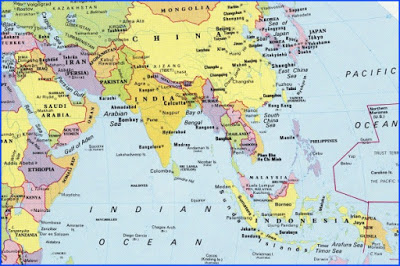
The Far East


In the light of these, one can see how prescient Toynbee  was- he came so close to the reality  that prevails today, writing  over 60 years ago. After him, Samuel Huntington considered the post-cold war world as a clash of civilizations. Though he numbered 7 contestants, the real factors are just 4: the West, Islam, Hinduism and China. 


FOSSIL SOCIETIES – JEWS

There is another important fact which Toynbee pointed out. In the very first volume, writing in 1934, he wrote:

There remains the case where victims of religious discrimination represent an extinct society which only survives as a fossil…. by far the most notable is one of the fossil remnants  of the Syriac Society, the Jews.

When this was written, the modern state of Israel was not yet created and the Jews were living scattered in many lands, their home land having been occupied by Christians and Muslims successively. The Jews were one of the most intelligent and creative communities of the world and they were [and still are] a force, wherever they lived. For this very reason there was wild prejudice against them in most countries where they lived and they had to live in ghettos.

But what about their religion? It had ceased to grow once they were driven out of their homeland. They merely survived, still waiting for their saviour.

Modern Israel was created in 1948 and many Jews of the world went and settled there. But still, more Jews live outside Israel! [The Jewish population of Israel is around 6.3 million; there are about 8 million Jews in other countries of the world!] And Israel as a political entity is surrounded by hostile neighbours [which will not end till the day of Judgement!] and it is  perpetually preoccupied with self preservation. Defence indeed has become their religion. Their religious faith is stagnant! Their genius and creativity are focussed on survival and other areas of human endeavour.
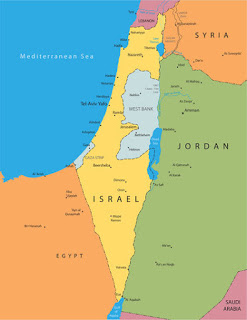
(Look at the number of Jews among Nobel Laureates!) How then can they flourish as a civilization? Judaism is just a remnant- that is the meaning of fossil. Remnant of the past, refusing or failing to grow, in the absence of new creative inputs!

Every living system has to keep growing or it decays! A living religion has to undergo perpetual renewal. Where a religion looks to a golden past and seeks to restore it, it means that it has lost its vitality and become a mere fossil!

We can see this clearly demonstrated in the glorious history of Judaism. It was kept alive by a succession of Prophets. They did differ among themselves, in spite of the core teachings but so long as they flourished in their homeland, they kept growing, reconciling all the differences. That was the sign of living vitality. But they were overtaken by the Christians and the Muslims, and were driven out. Since then, survival as a community became the issue, not growth as a faith. This continues to this day, as they are still waiting for their Prophet to come!

This is the state of the three of the four civilizations that Toynbee wrote about, and the fossil society, the Jews. What about the fourth civilisation that he stated-Hinduism? This has to be dealt with separately.

tags– fossil societies-2

***
மஹாபாரதம் எத்தனை வருடங்களில் இயற்றப்பட்டது?(Post. 8668)

WRITTEN BY S NAGARAJAN                     

Post No. 8668

Date uploaded in London – – –12 SEPTEMBER 2020   

Contact – swami_48@yahoo.com

Pictures are taken from various sources for spreading knowledge; this is a non- commercial blog. Thanks for your great pictures.

மஹாபாரத மலர்!

மஹாபாரதம் எத்தனை வருடங்களில் இயற்றப்பட்டது? மஹாபாரதம் படிப்பதால் என்ன பயன்?

ச.நாகராஜன்

மஹாபாரதம் – பெயர்க் காரணம்!

இது மஹத்தாக இருப்பதனாலும் (பெரிதாக இருப்பதாலும்), பாரமாக இருப்பதனாலும் (கௌரவமுள்ளதாக இருப்பதாலும்) மஹா பாரதம் என்று சொல்லப்படுகிறது.

மஹாபாரதம் இயற்ற எவ்வளவு காலமாயிற்று?

பிரபுவும், பகவானுமான வியாஸ முனிவர் சிறந்ததும், புண்யமுமான இந்த பாரதம் முழுவதையும் மூன்று வருஷங்களில் செய்தார்.

வியாஸரின் பெருமை என்ன?

ஸத்யவாதி. ஸர்வஜ்ஞர். விதியை அறிந்தவர். தர்மத்தைப் பற்றிய ஞானம் உள்ளவர். வித்வான். அதீந்திரியர். (இந்திரியங்களை வசப்படுத்தியவர் என்று பொருள்). பரிசுத்தர். தவத்தால் பரிசுத்தமாகச் செய்யப்பட்ட சித்தத்தைக் கொண்டவர். ஐஸ்வர்யத்தில் நிலை பெற்றவர். ஸாங்கியமும் யோகமும் உள்ளவர். அநேக தந்திரங்களை (ஸித்தாந்தங்களை) நன்கு அறிந்தவர்.

பாண்டவர்களின் பராக்ரமம், செல்வம், கீர்த்தி ஆகியவற்றையும் வாசுதேவ கிருஷ்ணனது விளையாட்டையும் , அனைத்து தேவர்களின் பிறப்பையும் ஸாயுஜ்யத்தையும் உலகில் பிரபலப்படுத்துபவர். திவ்ய திருஷ்டியினால் அனைத்தையும் கண்டு மஹாபாரதத்தை இயற்றியவர்.

இதைக் கேட்பதால் என்ன பயன்?

எவன் ஒருவன் இந்த வேதத்தை (மஹாபாரதத்தை) முழுவதும் மனவடக்கத்துடன் கேட்பானோ அவனுடைய பிரம்மஹத்தியினால் ஏற்பட்ட பாவமும்  அந்தக் கணத்திலேயே அழிகிறது.

மஹாபாரதத்தையும் புராணங்களையும் ஒப்பிட்டால் பாரதத்தின் பெருமை என்ன?

பதினெட்டு புராணங்களும் எல்லா தர்ம சாஸ்திரங்களும் (ஆறு) அங்கங்களுடன் கூடிய வேதங்களும் ஒரு தட்டிலும் மஹாபாரதம் ஒரு தட்டிலும் (சமமாக) இருக்கின்றன!

மஹாபாரதத்தின் ஏனைய பெருமைகள் என்னென்ன?

ஜயம் என்ற பெயரை உடைய இந்த மஹாபாரதத்தை எப்பொழுதும் பக்தியுடன் கேட்டால் அப்படிக் கேட்டவனுக்குச் செல்வமும், புகழும், கல்வியும் எப்போதும் சேர்ந்தே உண்டாகின்றன.

அறம், பொருள், இன்பம், வீடுகளைப் பற்றி இதில் உள்ளது தான் மற்றதிலும் இருக்கின்றது.

இதில் இல்லாதது ஓரிடத்திலும் இல்லை.

ஜயம் என்ற பெயரை உடைய மஹாபாரதமானது எப்பொழுதும் எவ்விடத்தில் படிக்கப்படுகின்றதோ அவ்விடத்தில் ஸ்ரீயும், கீர்த்தியும், வித்தையும் எப்பொழுதும் சந்தோஷமாக இருக்கின்றன.

பாரதத்தைச் சொல்லுகின்றவனையும், கேட்பவர்களையும், எழுதுகின்றவர்களையும், சித்தர்களும், பரம ரிஷிகளும் மிக்க சந்தோஷத்துடன் பூஜிக்கின்றார்கள்.

மஹாபாரத்தைச் சொல்பவனை இவ்வுலகில் எந்த மனிதர்கள் பூஜிக்கவில்லையோ அவர்களுடைய எல்லா நற்கர்மங்களும் நசித்து விடும்.

அவர்களைத் தேவர்களும் சபிப்பர்.

ஜயம் என்ற பெயருள்ள இந்த இதிஹாஸமானது வெற்றியை விரும்புகின்ற அரசனாலும், அரச குமாரர்களாலும், கர்ப்பிணிகளாலும் கேட்கத் தக்கது.

ஸ்வர்க்கத்தை விரும்புகின்றவன் ஸ்வர்க்கத்தை அடைவான்.

ஜயத்தை விரும்புகின்றவன் வெற்றியை அடைவான்.

கர்ப்பிணியானவள் புத்திரனையாவது மிக்க பாக்கியமுள்ள புத்திரியையாவது அடைவாள்.

மஹாபாரதத்தில் எத்தனை ஸ்லோகங்கள் உள்ளன?

வியாஸர் நான்கு வேதங்களையும் அவற்றைக் காட்டிலும் வேறான அறுபது லக்ஷம் சம்ஹிதைகளையும் செய்தார். அவற்றுள் முப்பது லக்ஷம் சம்ஹிதைக்ள் தேவ லோகத்திலும் பித்ரு லோகத்தில் பதினைந்து லக்ஷம் சம்ஹிதைகளும், யக்ஷ லோகத்தில் பதினான்கு லக்ஷம் சம்ஹிதைகளும் வைக்கப்பட்டன. ஒரு லக்ஷம் சம்ஹிதைகள் மானிட லோகத்தில் சொல்லப்பட்டன.

இதை யார் யார் தேவர்களுக்கும், பித்ருக்களுக்கும், யக்ஷர்களுக்கும், மனிதர்களுக்கும் சொன்னார்கள்?

இதை நாரதர் தேவர்களுக்குச் சொன்னார். அஸிதர் என்னும் தேவலர் பித்ருக்களுக்குச் சொன்னார். சுகர் ராக்ஷஸர்களுக்கும் யக்ஷர்களுக்கும் சொன்னார். வைசம்பாயனர் மனிதர்களுக்குச் சொன்னார்.

*

மஹாபாரதத்தின் இப்படிப்பட்ட பெருமையை ஸ்வர்க்காரோஹண பர்வத்தில் இறுதி அத்தியாயமான ஐந்தாம் அத்தியாயத்தில் காணலாம். இக்கட்டுரையில் அந்த அத்தியாயத்தின் சுருக்கமே தரப்பட்டுள்ளது.

 tags —   மஹாபாரதம் ,  பயன், பெருமை

–subham—

BHARATI TREASURE IN ENGLISH (Post No.8667)

Compiled  BY LONDON SWAMINATHAN

Post No. 8667

Date uploaded in London – –11 SEPTEMBER 2020   

Contact – swami_48@yahoo.com

Pictures are taken from various sources for spreading knowledge; this is a non- commercial blog. Thanks for your great pictures.

tamilandvedas.com, swamiindology.blogspot.com

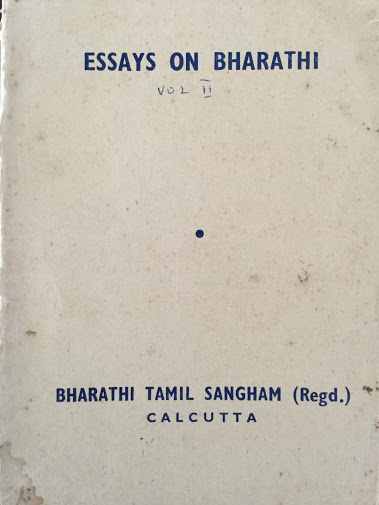
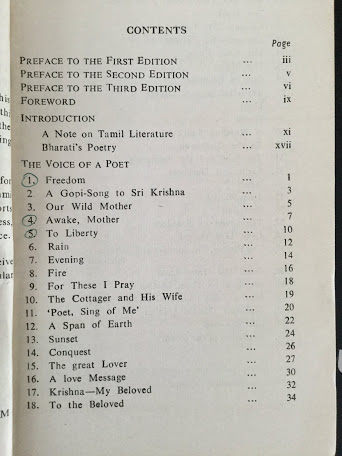
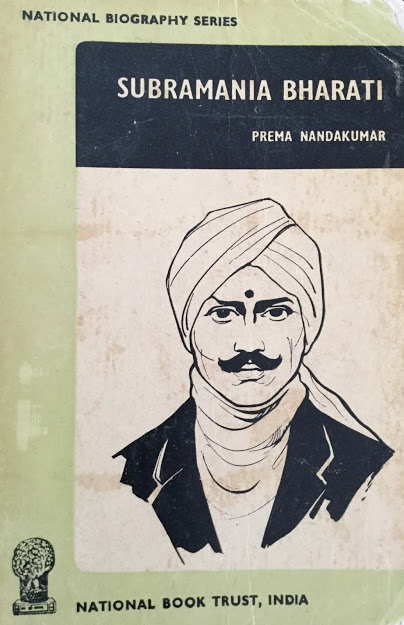
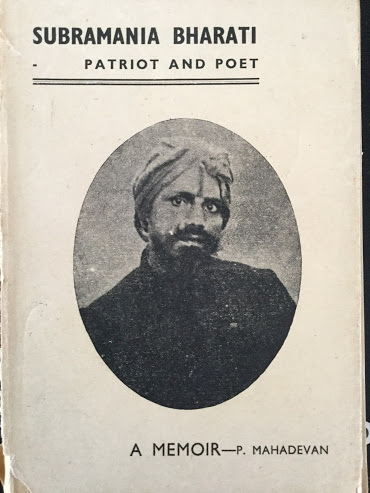
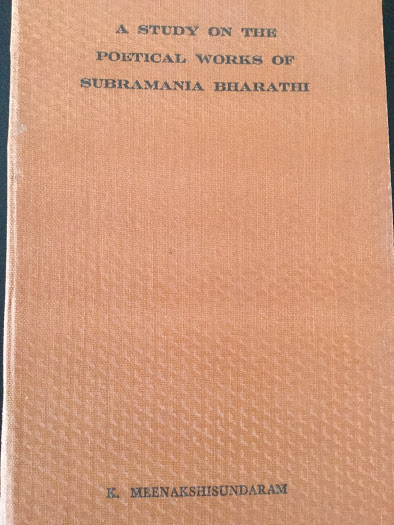
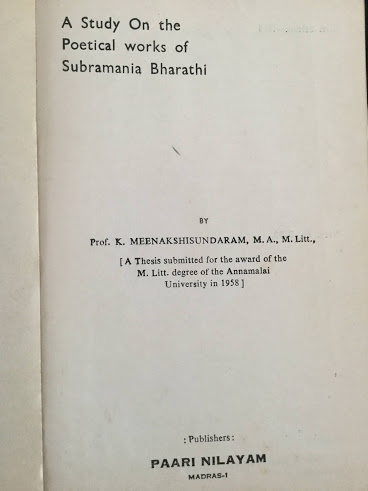
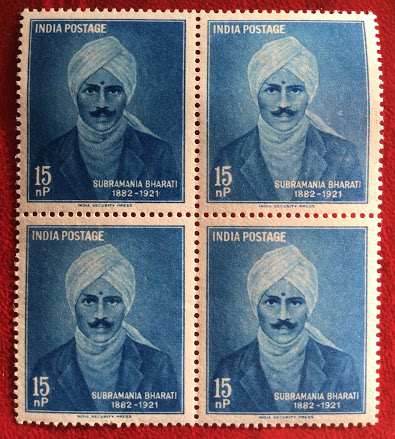
Following English books on Bharati are with me in London. If anyone needs Bharati’s poems in English or English articles about Bharatiyar may approach me. Some of them are not available any more. They are out of print.

TAGS- BHARATI, BOOKS IN ENGLISH, ON BHARATIYAR 

BHARATI’S 260+++ POEMS IN ENGLISH (Post No.8666)

Compiled  BY LONDON SWAMINATHAN

Post No. 8666

Date uploaded in London – –11 SEPTEMBER 2020   

Contact – swami_48@yahoo.com

Pictures are taken from various sources for spreading knowledge; this is a non- commercial blog. Thanks for your great pictures.

tamilandvedas.com, swamiindology.blogspot.com

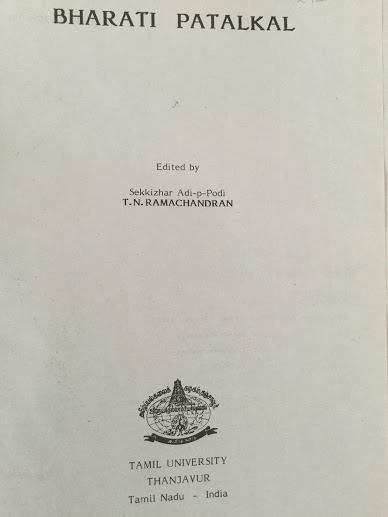
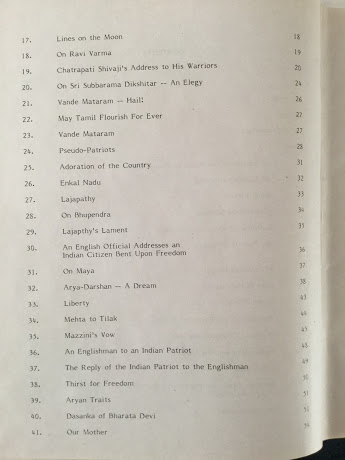
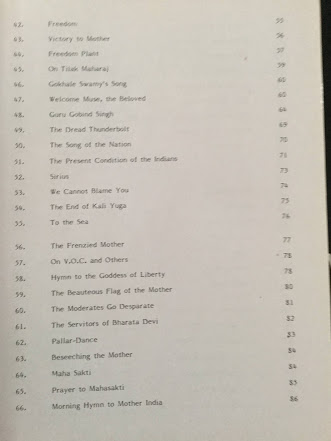
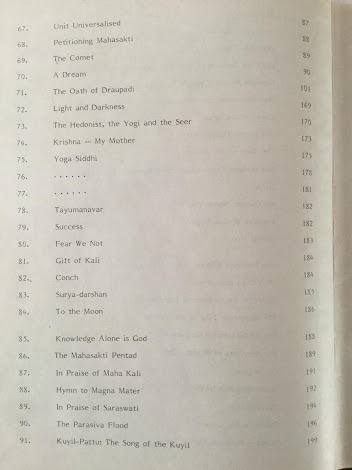
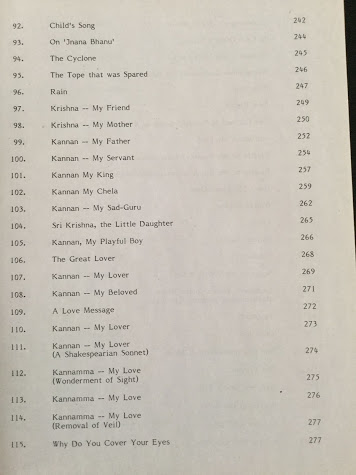
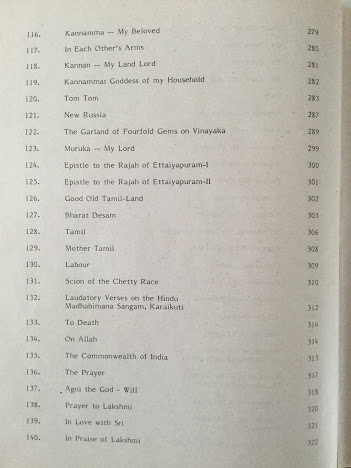
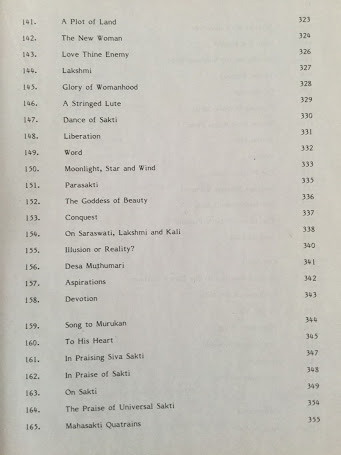
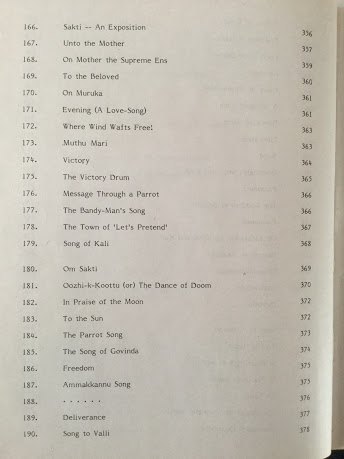
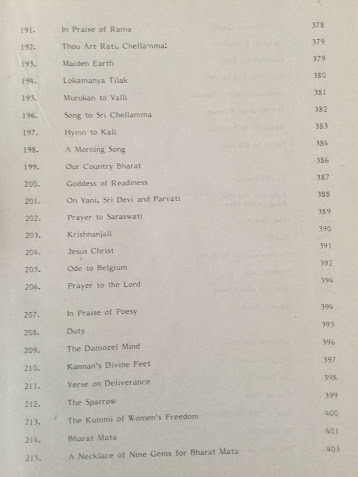
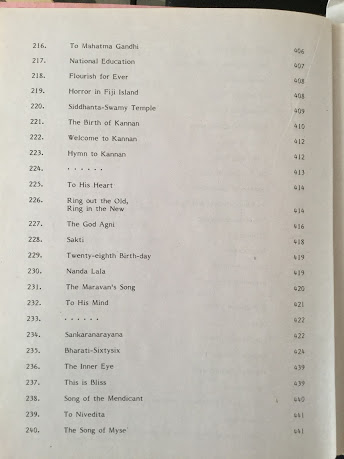
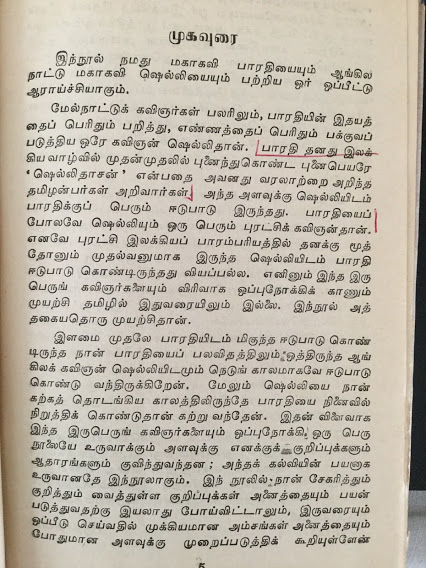
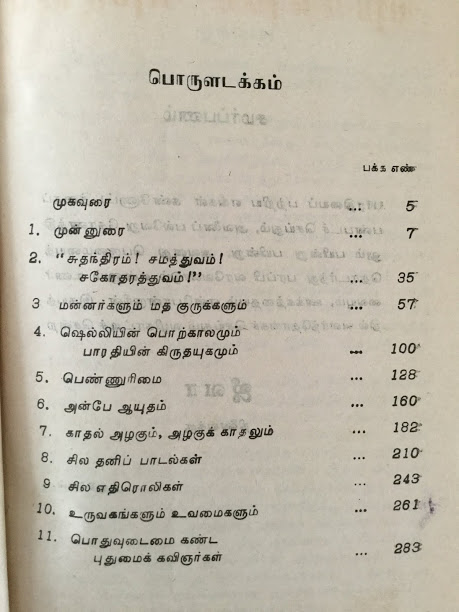
TAMIL UNIVERSITY, THANJAVUR has published a book containing over 260 poems of Tamil poet Bharati in English.

It was edited by Dr T N Ramachandran and was published in 1989.

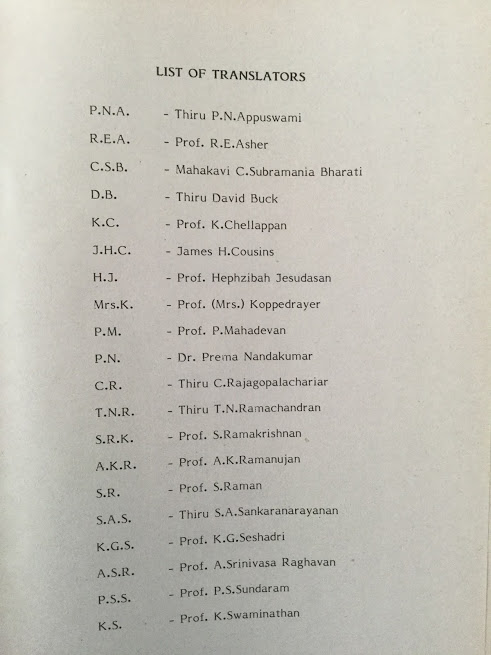
Following are the Tamil poems translated into English by twenty scholars.

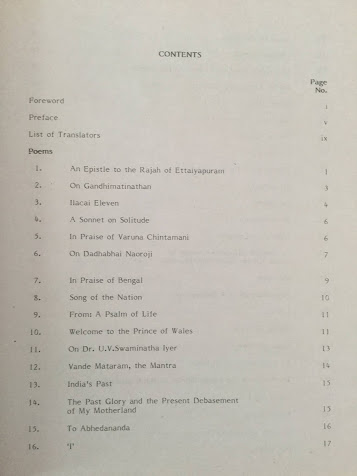
The list of poems and the translators’ names :–

Tamil index of poems is at the back of the book.

tags-  Bharati poems in English, Translation of Bharatiyar poems

பாரதியின் ஜாதகம் (Post No.8665)

Compiled  BY LONDON SWAMINATHAN

Post No. 8665

Date uploaded in London – –11 SEPTEMBER 2020   

Contact – swami_48@yahoo.com

Pictures are taken from various sources for spreading knowledge; this is a non- commercial blog. Thanks for your great pictures.

tamilandvedas.com, swamiindology.blogspot.com

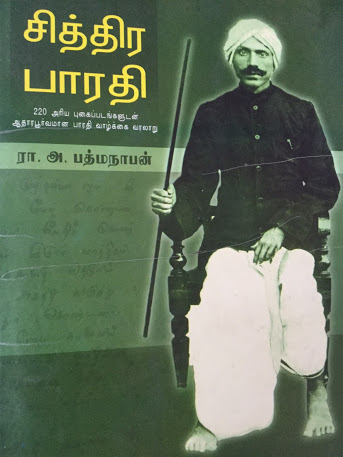
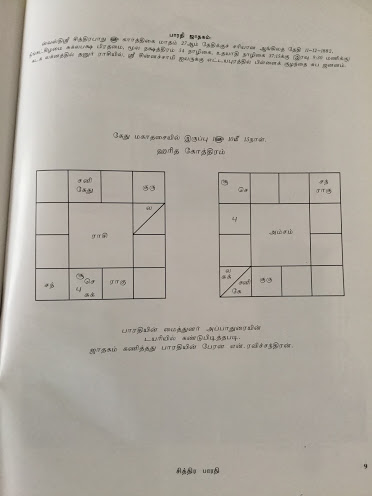
சித்திர பாரதி என்ற நூலில் இருந்து கிடைத்த பாரதியார் ஜாதகம் –

ஹரித கோத்திரம் , மூல நட்சத்திரம், கடக லக்கினம், தனுர் ராசி, 11-12-1882, சித்திரபானு வருஷம், கார்த்திகை மா தம் 27, திங்கட்கிழமை, சுக்ல பக்ஷ பிரதமை

xxxx

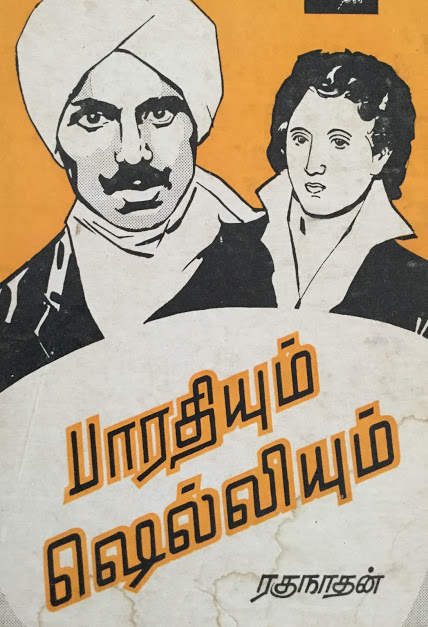
பாரதியி ன் புனைப்பெயர் ஷெல்லிதாசன்!

tags – பாரதியார் ,ஜாதகம், பாரதி,  புனைப்பெயர் , ஷெல்லிதாசன் 

சுகம் பற்றி 5 பழமொழிகள்- கட்டத்தில் கண்டுபிடி (Post No.8664)

WRITTEN BY LONDON SWAMINATHAN

Post No. 8664

Date uploaded in London – –11 SEPTEMBER 2020   

Contact – swami_48@yahoo.com

Pictures are taken from various sources for spreading knowledge; this is a non- commercial blog. Thanks for your great pictures.

tamilandvedas.com, swamiindology.blogspot.com

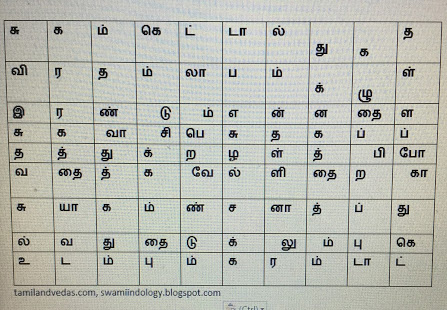
சுகம்  பற்றி 5 பழமொழிகள்- கட்டத்தில் கண்டுபிடி

ஒரே சொல் பல பழமொழிகளில் வந்தால், ஒரு இடத்தில் மட்டுமே கட்டத்தில் காணப்படும் .

விடைகள் கீழே உள்ளன.

விடைகள்:–

1.சுகம் கெட்டால் விரதம் லாபம்,விரதம் கெட்டால் சுகம்   லாபம்; இரண்டும் கெட்டால் என்ன லாபம்

2.சுகவாசி உடம்பு கழுதைப் பிறப்பு

3.சுகத்தையாவது பெறவேண்டும் , தவத்தையாவது பெறவேண்டும்

4.சுகதுக்கம் சுழல் சக்கரம்

5.சுகத்தைத் தள்ளினாலும் துக்கத்தைத் தள்ளப்போகாது.

tags– சுகம்  , பழமொழிகள்

–subham–

பிரும்ம இலை ரகசியம் (Post No.8663)

WRITTEN BY KATTUKKUTY

Post No. 8663

Date uploaded in London – –11 SEPTEMBER 2020    

Contact – swami_48@yahoo.com

Pictures are taken from various sources for spreading knowledge; this is a non- commercial blog. Thanks for your great pictures.

tamilandvedas.com, swamiindology.blogspot.com

பிரும்ம இலை ரகசியம் (Post No.8663)

முப்பெரும் தேவியர் மேல் உலகில் உள்ள நந்த வனத்தில் உலாவுவது வழக்கம்.

ஒருநாள் நந்த வனத்தில் ஒரு அழகான சிறிதளவு வாசனை உள்ள

ஓரு செடியின் இலையை பறித்தாள், லட்சுமி !!!தலையில் சூடிக்கொண்டாள்.

அதற்கு பெயர்தான் துளசி !!!!

சற்று தூரம் சென்றதும் ஓரு செடியில் மூன்று மூன்று இதழ்களாக்க்

கொண்ட ஒரு பெரிய செடியைக் கண்டாள் பார்வதி…….

பார்க்க அழகாக இருக்கவும் அதிலிருந்து ஒரு இலையைப. பறித்து தன் தலையில் சூடிக்கொண்டாள் பார்வதி…..

அதற்குப் பெயர் தான் வில்வம் !!!!

சரஸ்வதிக்கும் ஓர் ஆசை ….தானும் ஓர் இலையை தன்தலையில்

சூடிக்கொள்ள ஆசை…..வனம் மு ழுவதும் தேடிப்பார்த்தும்

தன்மனதிற்கு பிடித்த மாதிரி இலை கிடைக்க வில்லை………

நேராக பிரும்மனிடம் சென்றாள்.தனது ஆசையைதெரிவித்தாள்

அவர்ஓருயாகமே செய்துவிட்டார் மனைவி சரஸ்வதி தேவிக்கு!!!

யாகத்திலிருந்து ஓர் இலை தோன்றியது, இது வரைக்கும்

மனித இனிமே கண்டிராத இலை……..அந்த இலையின் மணமோ

நிறமோ அமைப்போ சரஸ்வதிக்கு சிறிதும் பிடிக்கவில்லை……பிரும்மனிடமே திருப்பித்தந்தாள்சரஸ்!!!

யாகத்தின் மூலமாக வந்த இலையை என்ன செய்வது ???

கடைசியாக பூலோகவாசிகள் அதை அனுபவிக்கட்டும் என நினைத்தார்.தூக்கி எறிந்தார் பூமியில் !!!!

அந்த இலையை மனிதர்கள் மட்டும் உபயோகிக்கலாமோ??

என்று எண்ணிய சரஸ்வதி யார் அந்தஇலையை

உபயோகித்தாலும் அவர்களுக்கு கெடுதலே

உண்டாகட்டும் என சபித்தாள் சரஸ்!!!!

பிறகு பிரம்மனின்

வேண்டுகோளுக்கு இணங்க தொடர்ந்து உபயோகித்தால்

மட்டுமே கெடுதல் ஏற்பட ட்டும் என சாபத்தின் கடுமையை

சற்றே குறைத்தாள் சரஸ்வதி!!!!

அந்த இலைக்குப் பெயர் தான் பிரும்ம பத்திரம் என்னும்

புகையிலை!!!!

மனிதர்களை சிகரட் ,பான் , பான் பராக் , பீடி…………என்று

பல வகையிலும் ஆட்டிப் படைக்கிறது அந்த பிரும்ம பத்திரம்!!!!

tags- பிரும்ம இலை, பிரும்ம பத்திரம், புகையிலை

–subham—

FOSSIL SOCIETIES?-1 ( Post No.8662)

WRITTEN BY R. NANJAPPA                        

Post No. 8662

Date uploaded in London – – – –11 SEPTEMBER 2020   

Contact – swami_48@yahoo.com

Pictures are taken from various sources for spreading knowledge; this is a non- commercial blog. Thanks for your great pictures.

FOSSIL SOCIETIES?-1 (Part 1)

R. Nanjappa

Introduction

India is the base of Hindu civilization. But it has been under threat from1. Muslim invasions and rule 2. British colonial rule 3.Secular Indian govt. after Independence which has completely de-Indianised our education so that the youth of India (those under 35) are almost totally alienated from our roots. Hindus have no leadership on the religious or social or political fronts- leadership that will positively and unapologetically work for Hindus.Our religious leadership is either obscurantist (the orthodox speaking for a simple return to the past) or reformist in various degrees ( eg. new gurus and cults.) On the social side, Hindus are now divided on the basis of communities, with an eye on vote bank politics.. In the circumstances, Hindus are not conscious that they are a civilization or aware of the dangers facing them and the need to defend themselves intelligently.

This and two other essays (part 2 and part 3) are like the general introduction, with a global view.

 ARNOLD TOYNBEE


There are many good writers on any subject. But most of their books get dated. There are some great writers whose books acquire added value as time passes. They stand up and defy time, and rise above the temporary concerns of particular societies and times. Arnold Toynbee is such a great writer. 

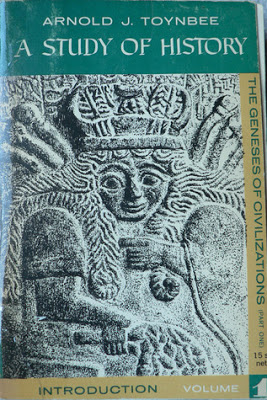
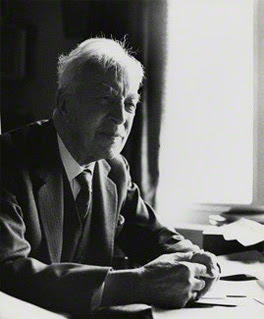
ARNOLD TOYNBEE, (1889-1975) was a great historian of the last century. He studied world history not as the political story of nations and rulers  but as the unfolding of civilisations. He looked at over 25 civilizations for which records were available and inquired into what caused their origin, rise, development, decay and eventual collapse.

 NATION AND CIVILIZATION

He proposed that- 

1.A civilization could flourish only if it could meet the various challenges. 

2. It was a small minority in each civilisation which really contributed to its survival and growth. He called it ” the creative minority “. Eventually, it became a merely “dominant minority ” enjoying the status and demanding the privileges, but making no creative contribution. This was the main reason for downfall. 
3. Societies turned to become mere fossils in the absence of creative renewal.
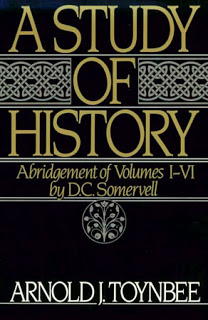
He gave his analysis in a massive study  running into 12 volumes titled ” A Study of History “. It was published between 1934 and 1961.

There is an abridged edition in two volumes- even this is voluminous. Toynbee dealt with issues more fundamental than political or social history of national units as commonly understood; therefore he cannot be considered a narrow academic historian in the conventional sense. He is   a philosopher of history or meta-historian. He is among historians what Einstein is among so-called scientists.

   Other ‘professional’ or conventional academic historians tended to dispute Toynbee’s ideas, holding that he promoted fancy theories and used known facts to sustain them. But this is what every historian does! They take the ‘facts’ or events and explain them in their own way. Are they not weaving their own theories? Toynbee commanded enormous public attention and esteem, but not much academic following. As usual in such cases, the very mass of his writings, with unending streams of details deterred quick mastery of his work.

JUDGING WITHOUT STUDY?

We get a feeling that most people tend to judge him without studying his work thoroughly- as we often do in serious matters! For instance, how many of us have studied enough of the literature on GDP or global warming to come to an informed understanding? We rely on some authority and feel scientists or specialists will take care! Do we board a plane fully knowing how the engine works? Alas! It is the same scientists who first created global warming, then denied it and now are at a loss to understand its full magnitude and implications! The scientists surely do take care of how their bread is buttered !

There are of course areas where we may disagree with Toynbee. For instance, we may not agree with the way he has dealt with Buddhism vis a vis Hinduism. In fact not many Westerners understand or can ever do justice to the connection between Hinduism and Buddhism properly. For that we need someone like Ananda Coomaraswamy, to be born in the West! But there are areas where Toynbee provides us with true insights. These are coming to haunt us now.

CIVILIZATION GREATER THAN NATION

The very fact that the major nations of Europe thought of forming the European Union shows that the idea of civilization is more solid than that  of a nation state! The modern idea of the nation state is hardly two centuries old. The nation states that fought two world wars in the last century were mainly Christian! They fought the wars because they forgot their common bonds! It took two bloody wars to remind them of their common elements! It is the recognition of the common factors or interessts above national identities that prompted statesmen to forge European Union.

Today, the West is not a Christian civilization any more, as the State is separated from the Church-though Christians live there. The State is governed by secular-humanist ideals after the Enlightenment, and the public space for religion is shrinking. But what is forgotten is that even the humanist ideal as developed in the West has appeal only to those nations which were Christian in the first place, and/or were subject to their influence. The Muslims are not guided by the ideal of humanism in matters of government.  

                                        *                   (to be continued)

tags- FOSSIL SOCIETIES?-1

பாரதியாருடன் ஒரு சந்திப்பு (Post No.8661)

WRITTEN BY S NAGARAJAN                     

Post No. 8661

Date uploaded in London – – –11 SEPTEMBER 2020   

Contact – swami_48@yahoo.com

Pictures are taken from various sources for spreading knowledge; this is a non- commercial blog. Thanks for your great pictures.

செப்டம்பர் 11 – மஹாகவிக்கு அஞ்சலி!

மஹாகவி பாரதியாருடன் ஒரு சந்திப்பு:  வழிகாட்டும் பாடல்கள்!

ச.நாகராஜன்

மஹாகவி பாரதியாரை நினைவு தினமான இன்று (செப்டம்பர் 11), சந்திக்கிறோம். அவரது வழி காட்டும் பாடல்களைப் பெற ஆவலுடன் நிற்கிறோம். இதோ மஹாகவி வந்து விட்டார்.

வணக்கம் கூறுகிறோம். ‘பலே பாண்டியா’ வந்து விட்டாயா, கேள்’ என்கிறார்.

இதோ தொடர்கிறது நமது உரையாடல்!

கேள்வி : தேச பக்தி பெருக ஒரு வழி?

பாரதியார் பதில் : “வந்தே மாதரம் என்போம்

                எங்கள் மாநிலத் தாயை வணங்குதும் என்போம்”

கேள்வி: நமது நாட்டின் பெருமை பற்றி..?

பதில்: ஞானத்திலே பர மோனத்திலே – உயர்

     மானத்திலே அன்ன தானத்திலே

   கானத்திலே அமுதாக நிறைந்த

     கவிதையிலே உயர் நாடு

கே: பிரிவினை சக்திகள் தேசத்தைத் துண்டாட நினைக்கின்றனவே..?

ப : நெஞ்சில் உரமுமின்றி   

       நேர்மைத் திறமுமின்றி

   வஞ்சனை செய்வாரடி

      வாய்ச்சொல்லில் வீரரடி

கே: இவர்களை நினைத்தாலே பயமாக இருக்கிறது..?

ப :  தீயோர்க்கு அஞ்சேல்

கே: பிரிவினைவாதிகளின் எதிர்காலம் என்ன”

     “பேயவள் காண் எங்கள் அன்னை

        பெரும் பித்துடையாள் எங்கள் அன்னை!”

     பூமியினும் பொறை மிக்குடையாள் உருப்

       புண்ணியமாம் எங்கள் தாய் – எனில்

     தோமிழைப்பார் முன் நின்றிடுங்கால் கொடும்

        துர்க்கையுமாம் எங்கள் தாய்

     நல்லறம் நாடிய மன்னரை வாழ்த்தி

          நலம் புரிவாள் எங்கள் தாய் – அவர்

     அல்லவராயின் அவரை விழுங்கிப் பின்

         ஆனந்தக் கூத்திடுவாள்.

கே: அனைவரின் குணமும் உயர்ந்திட வழி?

ப: கணபதி ராயன் – அவன் இரு

      காலைப் பிடித்திடுவோம்

   குணம் உயர்ந்திடவே – விடுதலை

      கூடி மகிழ்ந்திடவே ஓம் சக்தி ஓம் சக்தி ஓம்

கே: நாட்டு மக்களுக்கு உங்கள் செய்தி..?

ப :   விடுதலை நாடி

     எய்திடும் செல்வ எழுச்சியிற் களிப்போம்

     மெய்திகழ் ஒற்றுமை மேவுவோம்; உளத்தே

     கட்டின்றி வாழ்வோம்; புறத்தளைக் கட்டினை

     எட்டுணை மதியாதேறுவோம்; பழம்போர்க்

     கொலைத் தொழில் கருவிகள் கொள்ளாதென்றும்

     நிலைத்தன ஆகிய நீதிக் கருவியும்

     அறிவும் கொண்டே அரும் போர் புரிவோம்

கே: தமிழ் என்றும் வாழ வழி?

ப:    பிற நாட்டு நல்லறிஞர் சாத்திரங்கள்

       தமிழ் மொழியிற் பெயர்த்தல் வேண்டும்

    இறவாத புகழுடைய புது நூல்கள்

       தமிழ் மொழியில் இயற்றல் வேண்டும்

     மறைவாக நமக்குள்ளே பழங்கதைகள்

       சொல்வதிலோர் மகிமை இல்லை

     திறமான புலமை எனில் வெளிநாட்டோர்

         அதை வணக்கம் செய்தல் வேண்டும்

கே: இதற்கு வழி என்ன?

ப: யவனர் போல் முயற்சி கொள்

கே: தலைமை இடத்தைப் பிடிக்க வழி?

ப: அமிழ்தம் அமிழ்தம் என்று கூவுவோம் – நித்தம்

   அனலைப் பணிந்து மலர் தூவுவோம்

   தமிழில் பழமறையைப் பாடுவோம் – என்றும்

     தலைமை, பெருமை, புகழ் கூடுவோம்

கே: தலைமை, பெருமை, புகழ் பெற சூத்திரங்கள் வடிவில் மூன்றே மூன்று வரிகள்..?

ப:   நொந்தது சாகும்

     வீரியம் பெருக்கு

     தேசத்தைக் காத்தல் செய்!

கே: மேன்மை பெற வழி?

ப:  கூடித் தொழில் புரிதல் வேண்டும் – நெஞ்சக்

       குடைச்சல் எல்லாம் மெல்லச் சரிப்படுத்தி

    நீடித்த நன்மையினைக் கருதி – நல்ல

       நீதி தவறாதபடி பாகம் இயற்றிப்

    பேடிப் பதர்களைப் பின் விலக்கிப்- பொது

       பெரும்பயன் கருதித் தம் சிறு பயனை

    வேடிக்கை போல் உதறித் தள்ளிப் – பொது

       வெற்றியினை நாடுவர் மேன்மை பெறுவார்

கே: எங்களுக்கு என்ன செய்தி?

ப : நல்ல காலம் வருகுது, நல்ல காலம் வருகுது!

    சாதிகள் சேருது; சண்டைகள் தொலையுது!

    வீரம் வருகுது, மேன்மை கிடைக்குது!

    தர்மம் பெருகுது! தர்மம் பெருகுது!

நல்ல செய்தி பெற்ற மன மகிழ்ச்சியுடன் பாரதியாரை வணங்குகிறோம்.

புன்முறுவலுடன் ஆசி தருகிறார். விடை பெறுகிறோம். தேசமும் தெய்வமும் இரு கண்கள் எனப் புரிந்து கொண்டோம். முன்னேறவும் முதலிடத்தைப் பிடிக்கவும் முயற்சி தேவை என்பதையும் உணர்ந்து கொண்டோம்.

சேர்ந்து செயல்படுவோம்; பாரதம் உலகின் தலைமை பீடத்தை அடைய ஓயாது உழைப்போம்! வாழ்க பாரதி திருநாமம்.

tags– பாரதி, சந்திப்பு

***
HISTORY FLASH NEWS -SATI STONE AND SIVALINGA DISCOVERED (Post 8660)

WRITTEN BY LONDON SWAMINATHAN

Post No. 8660

Date uploaded in London – –10 SEPTEMBER 2020   

Contact – swami_48@yahoo.com

Pictures are taken from various sources for spreading knowledge; this is a non- commercial blog. Thanks for your great pictures.

tamilandvedas.com, swamiindology.blogspot.com

Two interesting news items have appeared in news papers in Tamil Nadu.

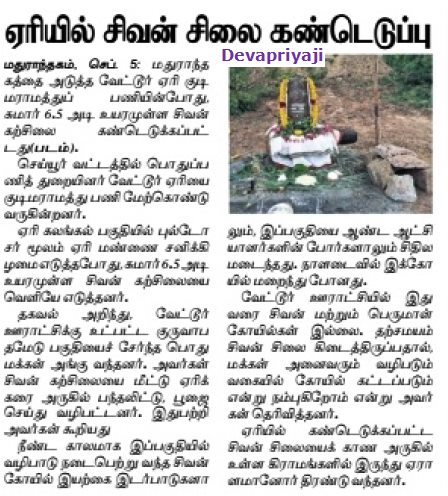
1.A six and a half foot high Siva linga was discovered near Mathuranthakam in Tamil Nadu.

When the PWD carried out repair works in the Vettur Lake, the bulldozer hit a big stone. When it was taken out, people came to know it was a very tall Siva Lingam. Immediately the Tamil devotees erected a Pandal/ thatched shed for the statue and started worshipping  it. The temple that was built around the Siva Linga might have been destroyed by Muslim invasion several centuries ago.

As soon as the news of the discovery of the statue spread to near by villages, people came from different places to have the darshan of  Lord Siva. Seyyur panchayat under which Vettur lake comes has no Siva or Vishnu temple until today. So the villagers consider this as a god sent gift

*****
The stone – named as Kalveeramman – had been worshipped by the locals for decades.

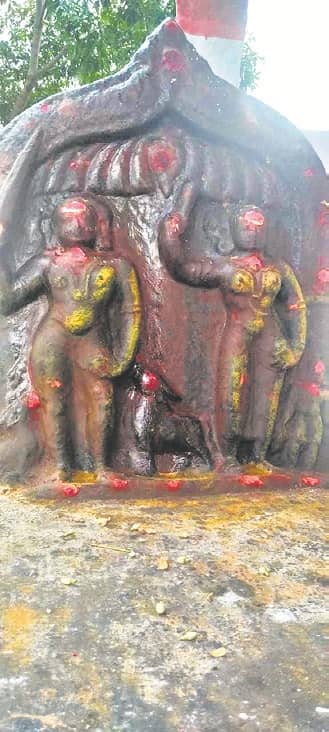
2.The second news item about a SATI stone is in English published in New Indian Express.

Sati or Saha Gamana is an old Hindu custom of a widow ascending the funeral pyre of her husband.

The discovery was a Sati Stone. Though Manu Smrti and Rig Veda did not speak about Sati custom it has been in 2000 year old Sangam Tamil Literature. Six or seven references are found in the Sangam Tamil literature. In one of the poems the Pandya Queen was so adamant that she jumped into her husband’s funeral pyre in spite of requests from the priests and ministers. It is in Pura Nanuru verse 246. The other references are about the wives of Karikal Choza and Ay Andiran

Kanchi Paramacharya Swamikal, Shankaracharya of Kanchi Mutt (1894-1994) gave an excellent talk on Saha gamana alias SATI. Women were not thrown into pyre by people. Th wives did this out of extreme devotion to their husbands.

He narrated the SATI incidents from Periya Puranam and Mahabharata.

Madri did Sati when Pandu died; When Kunti also tried people prevented her.

Appar’s mother Mathiniyar did Sati when Pukazanar died according to Tamil Periya Purana.

When Kalippakaiyar died , Appar’s sister Tilakavati tried Sati, but Appar prevented it, saying that he would also jump into the pyre.

When  Orissa queen tried to  test the devotion of Padmavati, wife of famous Jayadeva (author of Gita Govindam) said that Jayadeva is dead as a joke, immediately Padmavi fell dead.Later Jayadeva revived her with the help of Lord Krishna

When the erred Pandya King died in front of Kannaki, Pandyan queen also falls dead.

In Rajathan many queens including Chitoor Rani Padmini , did immolate themselves when their husbands were killed in the battle.

Tamil Epic Silappadikaram narrated more self immolation cases of devoted women.

SATI originated when Parvati killed herself because her father Daksha insulted her husband Lord Siva. Parvati’s name was Sati in the story.

Here is a news item of couple in New Indian Express:-


By Express News Service
VIRUDHUNAGAR: A sati stone depicting a warrior who died in jallikattu, dating back to 17th century, has been discovered in Ramanujapuram near Aruppukottai by a history professor.
The stone, dating back to 17th century CE, was identified by R Vijayaraghavan, Assistant Professor in the Department of History at SBK College, Aruppukottai.
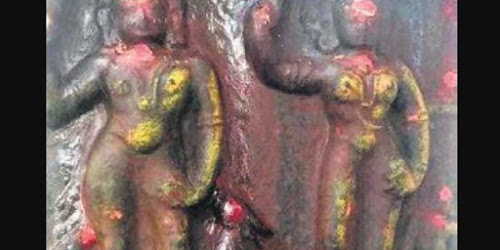
The stone – named as Kalveeramman – had been worshipped by the locals for decades. Speaking to TNIE, Vijayaraghavan said: “The stone must be around 320 years old. Though we find sati stones occasionally, what makes this one special is that the warrior must have died in jallikattu, as two jallikattu bulls are carved near him.
His wife had died soon after by ‘sati’ which can be identified with the L-shaped position of her hand”. He said apsaras (heavenly women spirits) have also been sculpted at the bottom so as to show that the spirits of the couple were happily received.

tags- Sati Stone, Ramanujapuram, Siva Lingam, Vettur Lake