Pictures are taken from various sources for spreading knowledge; this is a non- commercial blog. Thanks for your great pictures.
tamilandvedas.com, swamiindology.blogspot.com
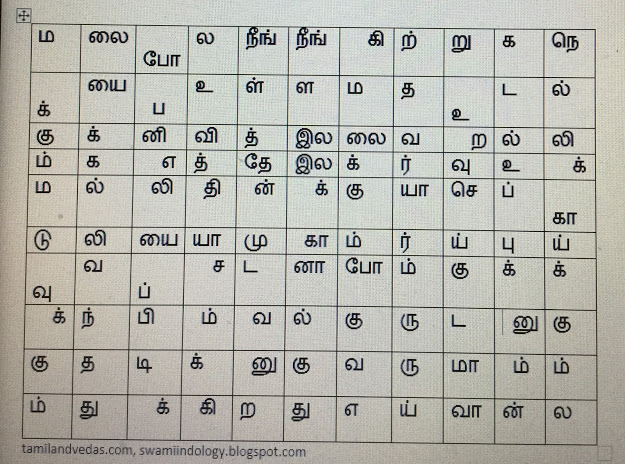
தர்ம ராஜா “ராஜ சூய யாகம்” நடத்தி அரசாண்டு தனது சாம் ராஜ்யத்தை
அபிமன்யுவின் மகனான பரிஷித்தை மன்னனாக்கி துறவரம் பூண்டு சுவர்க்கம் புகுந்தார் தம்பிகளுடன்.
பரிஷித் நியாயம் தவறாமல் அரசாண்டார். காட்டிலிருக்கும் மிருகங்கள் நாட்டிலிருக்கும் மக்களை துன்புறுத்தாமல் இருக்க அக்காலத்து மன்னர்கள் காட்டிற்குச் சென்று வேட்டையாடுவது வழக்கம். படைகளுடன் சென்ற மன்னன் ஒரு மானின் மேல் அம்பு எய்ய அதை துரத்திச் சென்ற மன்னன் வழி தவறினான். தனித்து விடப்பட்டான்.
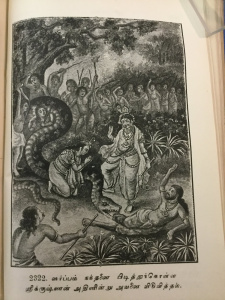
காட்டில் வழிதெரியாமல் அலைந்து திரிந்து கடைசியில் ஒரு முனிவர் தவம் செய்து கொண்டிருப்பதைக் கண்டு ஓய் முனிவரே இங்கு ஒரு அம்பு பட்ட மான் ஓன்று ஓடியதைப் பார்த்தீர்களா??? முனிவர் தவத்தில் இருந்தால் பதிலேதும் கூறவில்லை. பல முறை வினவியும் பதில் வராத்தால் மன்னன் கோபம் கொண்டு அருகில் இருந்த இறந்த பாம்பு ஒன்றைக் கழுத்தில் போட்டுச் சென்றான்.
உணவு சேகரிக்கச் சென்ற மகன் தன தந்தை சமீகர் கழுத்தில் இறந்த பாம்பை கண்டு ரத்தம் கொதித்து சாபம் கொடுக்க முயன்ற போது சமீகர் பொறுமையின் சின்னமாக தன் மகன் கிரீசனை தடுத்தார்.
ஆனால், சமீகரின் மகன் கிரீசன் என் தந்தையின் கழுத்தில்
செத்த பாம்பைப் போட்டனோ அவன் இன்றுலிருந்து
“ஏழு நாட்களுக்குள்” பாம்பு கடித்து இறப்பான்”. தகவல் அறிந்து கதறி மன்னிப்பு கேட்டான் மன்னன்.
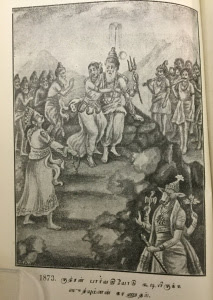
சாபம் கொடுத்தது கொடுத்ததுதான் மன்னிப்பே கிடையாது. அதேபோல் எழே நாட்களில் பரீஷித் மன்னன் பாம்பு கடித்து இறந்தான் என் அப்பா ஒரு நாடாளும் மன்னன். அவரை கடித்த கொன்ற பாம்புகளை விட மாட்டேன் என்றான் மகன் ஜனமேஐயன். பாம்புகளைக் கொல்ல ஒரு பெரிய யாகம் செய்ய பரிஷித் மகன் ஜனமேஜயன் தலைமையில் ஒரு குழு திரண்டது…….
பெரிய பந்தல் போட்டு யாகத்தை ஆரம்பித்தனர் முனிவர்கள்.
பாம்புகள் ஒவ்வொன்றாக வந்து விழுந்தன யாகத்தில்.
அவ்வழியே வந்த ஸ்தபதி ( வீடு கட்டும் ஆலோசகர்)இந்தப் பந்தல் வாஸ்து சாஸ்திரப் பிரகாரம் இல்லை.நாடே அழியும். உடனே நிறுத்துங்கள் யாகத்தை…….ஆ னால் ஜனமேஜயன் நிறுத்த வில்லை.மேலும் மேலும் சர்ப்பங்கள் வந்து விழுந்தன.
அவ்வழியே வந்த ஆஸ்தீகர் என்னும் முனிவர் உடனே யாகத்தை நிறத்தக் கட்டளை இட்டார்.இல்லை யென்றால் நாடே அழியும். முனிவரே சொன்ன காரணத்தினால் யாகம் நிறுத்தபட்டது .
வாஸ்து பிரகாரம் கட்டப்படாத எந்த இடமும் உருப்படாது. துனபத்தையே விளைவிக்கும்.
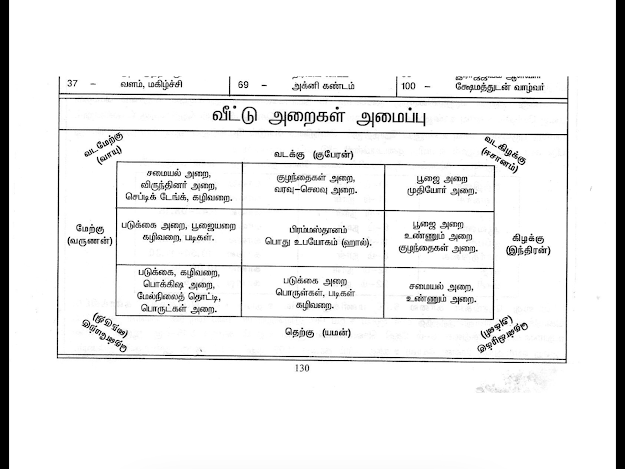
இதோ உங்கள் வீடு எப்படி அமைய வேண்டும் என்பதை சாஸ்திரப் பிரகாரம் வரைந்து காட்டியிருக்கிறோம். இதை “மாதிரியாக “ வைத்துக்கொண்டு புது வீடு கட்டி வளமாக வாழ வாழ்த்துகிறோம்.
Pictures are taken from various sources for spreading knowledge; this is a non- commercial blog. Thanks for your great pictures.
PHILOSOPHY IN PRACTICE – 3
R.Nanjappa
Lifestyle induced problems
Many serious modern health problems are related to lifestyle: heart disease, hypertension, diabetes, obesity, etc. Our economic problems are due to lifestyle: the acquisitive society trying to live beyond its means where everyone tries to emulate the lifestyle of the top 1%, leading to mindless consumerism promoted by senseless advertising and aggressive marketing. Our environmental problems are due to lifestyle choices: high-energy consuming patterns, high waste generating products and processes, obsolescence built into products, etc
Lifestyle is precisely the practical statement of a philosophy!
If these problems are to be solved we have to change our lifestyle! That means we have to adopt a different philosophy! One philosophy solves multiple issues!
Understanding V Action
This is indeed an irony. Issues affecting whole societies can be tackled only on the basis of some broad parameters, a greater vision which only a philosophy can provide. Yet that is what is impossible to arrive at in modern societies. For a philosophy to emerge, you need a vision across narrow academic disciplines- which are arbitrary human divisions. The same person is consumer, voter, patient, priest, neighbour, lover, parent etc. Our academics will treat each as a separate category !
Our economic problems- such as growing poverty and inequality in spite of the nominal growth, the prevalence of hunger etc are precisely due to political causes, decisions. Our environmental problems are due to our economics and lifestyles. Behind both is a lack of philosophical perception- lack of understanding of fundamentals which cut across disciplines.
Return to Larger vision
Lord J.M.Keynes, greatest economist of the last century observed:
The master economist must posses a rare combination of gifts. He must be mathematician, historian, statesman, philosopher…. He must study the present in the light of the past for the purposes of the future. No part of man’s nature or his institutions must be entirely outside his regard.”
[Quoted in ‘Doughnut Economics’.2017 p.288-9]
That is, an economic problem cannot be solved by purely economic means, or within the discipline of economics! Nor does the solution lie within strict economic limits. Yet it is impossible today to have a total approach as the leading Universities like Harvard and London School of Economics do not accept such a philosophy! And they are the ones turning out economists by the truck load! And the economists are too arrogant to listen to others!
Plato is right!
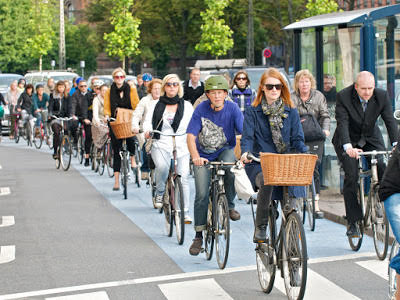
Here we use ‘philosophy’ in the original sense: not as a concept or belief, but as the basis of behaviour, showing different results. This is something modern societies are not prepared for, though the number of individuals convinced of the need for change is increasing. This is a problem we face living in urban conurbations, which are not compact, cohesive communities. For example, in many cities in India one is not even able to walk safely on the road; one cannot use the bicycle either. One has to use the car or other motorised transport. For the vast number of commuters, alternative lifestyle is simply no choice! Here, philosophy is felt as a luxury, or elitist stance, though that is the key to the solution.
Philosophy promotes an integrated approach, broad vision. But we have been trained in the methods of analysis and division in the name of objective science in the last two centuries. It seems the modern generation is incapable of philosophical reflection in the true sense. From being rational beings, we are becoming morons!
We may thus say that problems of modern governance or living are problems of lack of appropriate philosophy! We realise that Plato is right and relevant in an entirely new way!
நுண்ணறிவை எப்படி அடைகிறோம் என்பதை ஒரு சுபாஷிதம் விளக்குகிறது.
இன்னொரு சுபாஷிதமோ சொந்த அறிவு இல்லாதவனுக்கு விஞ்ஞானப் படிப்பும் தத்துவப் படிப்பும் எந்தப் பயனையும் தராது என்பதை விளக்குகிறது.
இரு சுபாஷித ஸ்லோகங்கள் இதோ:-
ஆசார்யாத் பாதமேகம் ஸ்யாத் பாதம் சப்ரஹ்மசாரிபி: |
பாதம் து மேதயா ஞேயம் சேஷம் காலேன பச்யதே ||
ஆசிரியர்களிடமிருந்து கால் பாகம் தான் அறிவு பெறப்படுகிறது. இன்னொரு கால் பாகம் கூடப் படிப்பவர்களிடமிருந்து (அவர்களுடன் உரையாடி) பெறப்படுகிறது. இன்னொரு கால் பாகம் சொந்த அறிவினால் பெறப்படுகிறது. இன்னொரு கால் பாகம் காலம் செல்லச் செல்ல (உலகியல் அனுபவத்தால்) பெறப்படுகிறது.
Only a fraction of one’s knowledge is received from teachers, a second source is discussions with co-students; a third portion sprouts from one’s native intelligence; and the remainder comes with the passage of time (by interaction with the world)
சுயமாக சொந்த அறிவு இல்லாதவனுக்கு விஞ்ஞானமும் தத்துவமும் என்ன பயனைத் தரும்? கண் பார்வை இல்லாதவனுக்கு கண்ணாடியால் என்ன பிரயோஜனம்?
What useful purpose can science and philosopy serve for those lacking innate or native intelligence? Of what practical use is a mirror for one deprived of the gift of eyesight?
Pictures are taken from various sources for spreading knowledge; this is a non- commercial blog. Thanks for your great pictures.
tamilandvedas.com, swamiindology.blogspot.com
HINDUS NEVER NEEDED SAFETY MATCH BOXES IN THE OLDEN DAYS
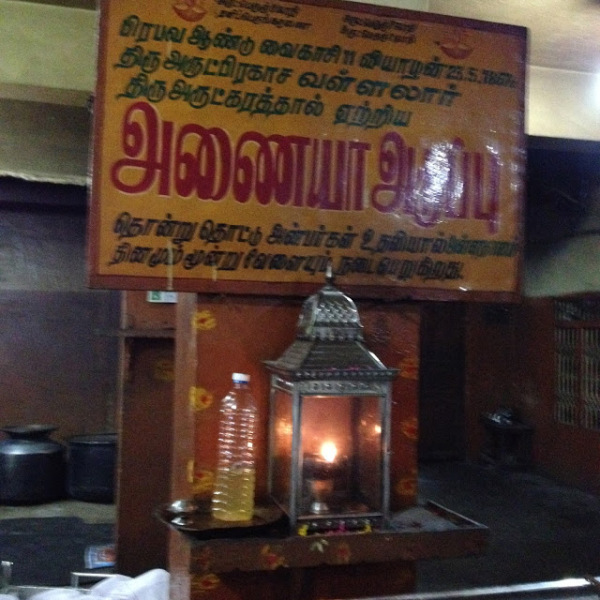
In the Hindu Temples inside the cool Garba Griha (Sanctum sanctorum) a hanging lamp will be burning for ever. It is called Nandha Vilakku ( a lamp never extinguished). You can see in many South Indian Hindu Temples even today. All the fire that is needed for oven, puja is got from it.
In the olden days brahmin houses had Arani Wood. Two woods were used to create fire for Havans, Yagas and Yajnas (fire sacrifice) etc.
A Hindu stars daily fire worship from the day of his marriage. It is called Aupasana, Agni Hotra etc. The fire pot will have burning husk or coal for ever. Even when he dies the fire from that pot was used. Now times have changed. Many big cities have electric crematoriums where you get tha ash of dead body in a few seconds. 10,000 volts burn the body in a few seconds.
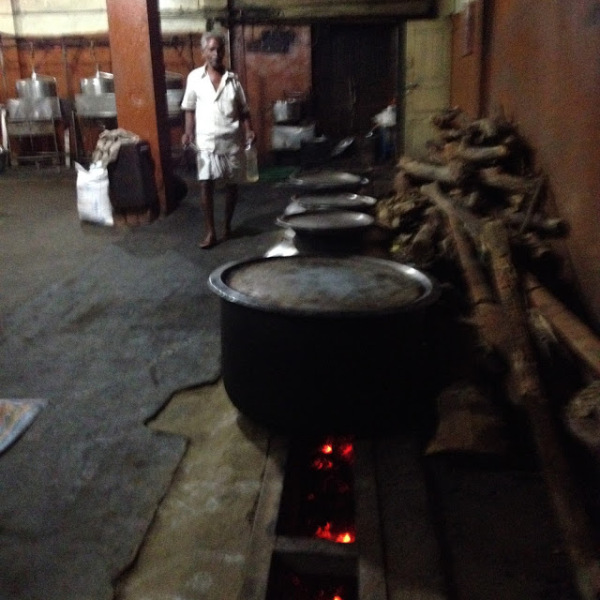
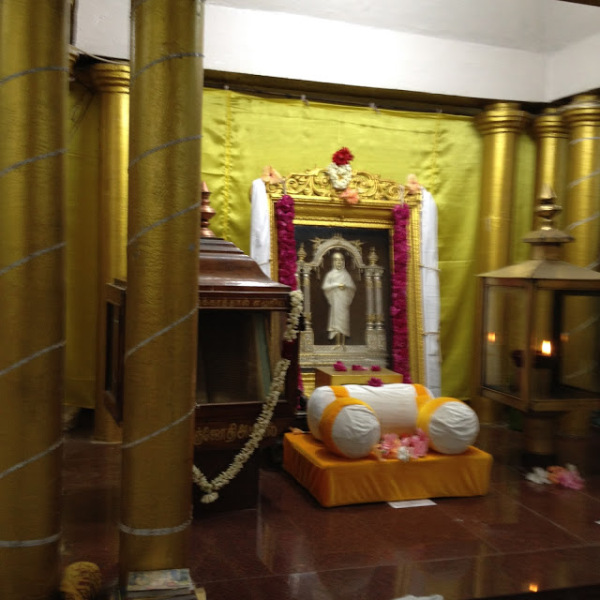
In Vadalur in Tamil Nadu a great Tamil saint by name Ramalinga Swamikal made an oven to feed the poor. Until today it is burning.
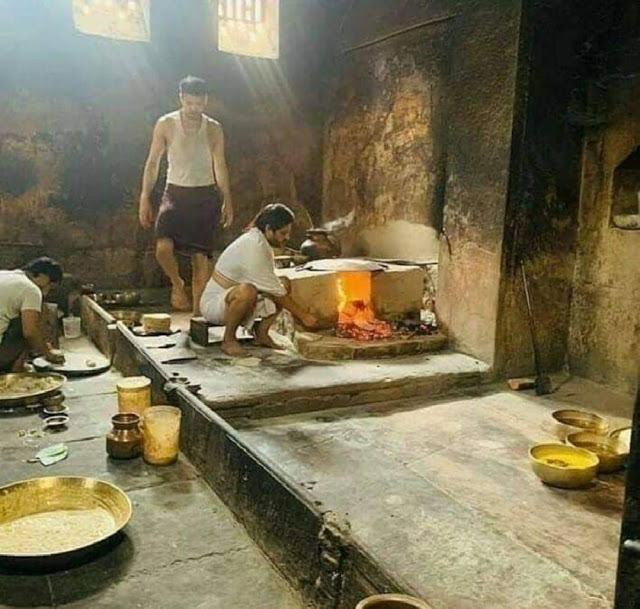
And in Yesterday’s Face book post by Ryas Murali Bhattachar, I read the following interesting information about another temple oven in Vrindavana which has been burning for nearly 500 years. Here is the detail-
“Ever imagined a temple operating without a matchbox since close to 500 yrs?
Yes, this is the furnace at Sri Radha Raman Temple, Vrindavana which was lit 478 years ago. The furnace is used for literally everything from lighting the lamp to cooking the Lord’s Bhoga. Lit by Sri Gopal Bhatta Goswami – one of the 7 Goswamis of Vrindavana with the recitation of appropriate mantras. Hence, this temple operates without a matchbox”.
I have already written about the temple kitchen in Puri Jagannath temple. In Hinduism, from shoe to oven, everything is hoy. Their life is like a kaleidoscope- ever changing with beautiful colours and new designs. The principles behind them are encyclopaedic!
From my Previous Post about Vadalur Oven:–
Free Food 24 Hours! (Posted on 24 March 2018 in this blog)
The Sikh Gurudwaras have Langar where one can have food at any time of the day. There is no bar on caste or creed. In the same way Vallalar Centre at Vadalur serve food to anyone all through the day. The ovens in the kitchen have been burning for about 150 years and they have never been put off. Whether one believes in his miracles or not, this can be seen with our own eyes.(Vallalar’s full name is Ramalinga Swamikal)
When I and my brother Prof.S S Suryanarayanan entered the Ashram, one person with Vibhuti on his forehead came to us voluntarily and started talking about the greatness of Vallalar. We thought he was going to ask for money or donation. But he was very nice and introduced himself as Nama Sudhama. Vallalar was not a Brahmin and this gentleman was also not a Brahmin. I was wondering about his name. He explained his name that was in pure Sanskrit. Sudhama was his name and had added the prefix ‘Nama’ later because he liked Nama Sivaya very much. He took us around the centre, the kitchen and the ever- burning oven. He gave us herbal coffee (sukku Malli Coffee) which is placed in a public place and anyone can drink it. He told us a fact that not all the people taking food there are after Vallalar’s teaching, but some came there just for the food. The oven is never extinguished. It has been burning from 1857.
tags – Hindu wonder Ovens, Vadalur oven, Vrindavan oven
Pictures are taken from various sources for spreading knowledge; this is a non- commercial blog. Thanks for your great pictures.
PHILOSOPHY IN PRACTICE – 2
R.Nanjappa
Philosophy by slow degrees!
Prince Siddhartha noticed old age, disease, death. Inquiring into their nature and origin, he concluded that life itself was suffering (Duhkha). This is a philosophical insight. He could have stopped there, but did not. He thought there should be some cause for this, and therefore a solution. Meditating and inquiring thus, Siddhartha found the cause and the solution, became the Buddha, the Enlightened. He thus gave us a complete philosophy of life.
Often in life, we do not sit and sort out our thoughts to weave them into a coherent philosophy. It just happens that there is some faculty in us that keeps track of these little things as they occur and leave their impressions on us and these form into our philosophy in course of time. This was expressed beautifully by Thomas Hardy:
“Unadjusted impressions have their value, and the road to a true philosophy of life seems to lie in humbly recording diverse readings of its phenomena as they are forced upon us by chance and change.”
From: Preface to ‘Poems of the Past and the Present’, 1901.
In the course of our studies and reading, and interaction with peers in the workplace and others, through our teachers we do acquire many ideas and opinions. But these do not become a philosophy unless they touch something deeper in us than the mind. In this sense true philosophy is a reflection of our inner core, our soul and just not mere intellectual belief.
Viewed thus, modern philosophy is a terrible misnomer. They are all intellectual formulations, often empty words, mere sound and fury signifying nothing. If we know the kind of life many of these people lead, we will lose all respect for philosophy.
Philosophy in modern states
Can philosophy be practised in politics today as Plato meant it? Impossible in modern democracies. Democracies are composite societies, which are often fractured on ideological, ethnic, linguistic, and other lines. Rulers are elected through periodical elections, and it is not possible or practical to adopt a long term perspective, which a consistent philosophy would warrant. Even the same party in power is not consistent in policies.
Mass education has spread literacy, but not promoted true understanding of important issues. It has neither united minds nor hearts. The spread of academic specialisation has meant that even educated people do not understand matters across disciplines.
[The ‘Two Cultures’ syndrome.] A physicist cannot be expected to readily comprehend tight money or economic growth. Educated people even in so called developed countries do not have a clear idea of the most pressing problems . To suggest a solution and build a consensus around it is almost impossible. We saw it in respect of Brexit in Britain recently. Because the margin is narrow, the verdict is not accepted gracefully by the losers. How can a ruler with a philosophy, any philosophy, rule at all? The position of US is still worse. We are witnessing how hopeless the situation is in respect of global warming, nuclear waste etc. Modern education leads to dissent more easily than to unity of purpose. It is so easy to agitate against anything, even when we do not know the clear alternative!
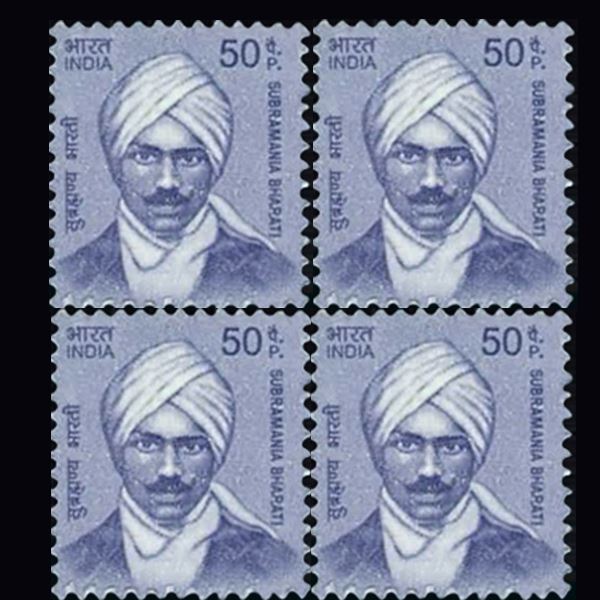
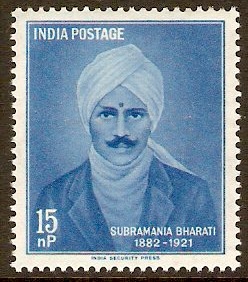
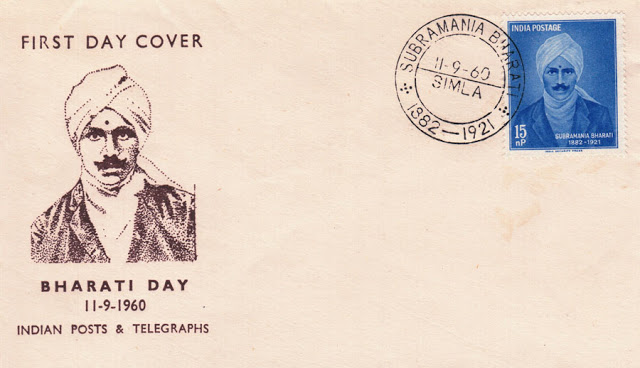
ஒரு சமயம் முட்டாள் ஒருவன், ‘மெல்லத் தமிழ் இனிச் சாகும்’ என்று உரைத்ததைக் கேட்ட பாரதியாருக்கு உள்ளமெலாம் பதறியது.
மெல்லத் தமிழ் இனிச் சாகும் – அந்த மேற்கு மொழிகள் புவிமிசை ஓங்கும் என்றந்தப் பேதை உரைத்தான் – ஆ
இந்த வசை எனக்கு எய்திடலாமோ
சென்றிடுவீர் எட்டுத் திக்கும் கலைச் செல்வங்கள் யாவும் கொணர்ந்திங்கு சேர்ப்பீர் என்று முழங்கினார் அவர்.
இப்படி தமிழ் மொழி பற்றி அவரது கவிதை மற்றும் கட்டுரைகளில் ஏராளமான கருத்துக்கள் உள்ளன. அதில் உண்மையான தமிழ்ப் பற்று கொண்டவன் என்ன செய்ய வேண்டும் என்பதையெல்லாம் அவர் தெளிவாகக் கூறியிருக்கிறார்; தான் கூறியது படியே வாழ்ந்தும் காட்டினார்; தமிழை எப்படி வளர்ப்பது என்பதைச் செயலிலும் காட்டினார் அவர்.
வாழ்க நிரந்தரம் வாழ்க தமிழ்மொழி வாழிய வாழியவே
வானம் அளந்தது அனைத்தும் அளந்திடும் வண்மொழி வாழியவே
என்றார் அவர். ‘வானம் அளந்தது அனைத்தும் அளந்திடும் வண் மொழி’- என்ன அழகான சொற்றொடர். கருத்துச் சுடர்!
வானம் அளந்தது அனைத்தும் அளந்த மொழி தமிழ் மொழியே என்பது அவரது முடிந்த முடிபு.
செந்தமிழ் நாடெனும் போதினிலே – இன்பத் தேன் வந்து பாயுது காதினிலே என்றார் அவர்.
புத்தாண்டு தினத்தையொட்டி அவர் பாடிய பாடலை வாழிய செந்தமிழ், வாழ்க நற்றமிழர் வாழிய பாரத மணித்திருநாடு என்று ஆரம்பிக்கிறார்.
தமிழறிஞர் உ.வே.சாமிநாதையரைப் போற்றும் போது பொதியமலை பிறந்த மொழி வாழ்வறியும் காலமெலாம் புலவோர் வாயிற் துதி அறிவாய் என்று அவர் கூறிய போது ஊழி உள்ளளவும் வாழும் மொழி தமிழ் என்பதை அடிநாதமாக உணர்த்துகிறார். இப்படி ஒரு ஆழ்ந்த தமிழ்ப் பற்றைக் கொண்டவர் பாரதியார்.
தமிழின் சிறப்பைச் சொல்ல வரும் ஒரு புலவர் தமிழ்விடுதூது என்ற நூலில்
“முற்றுணர்ந்த தேவர்களும் முக்குணமே பெற்றார் நீ குற்றமிலாப் பத்துக் குணம் பெற்றாய்” என்று கூறிப் புகழ்கிறார்.
தேவர்கள் சத்வ, ரஜஸ், தாமசம் என மூன்று குணங்களை மட்டுமே பெற்றுள்ளனர். ஆனால் தமிழ் மொழியே, நீயோ செறிவு, தெளிவு, சமநிலை, இன்பம், ஒழுகிசை, உதாரம், உய்த்தலில் பொருண்மை, காந்தம், வலி, சமாதி என்னும் பத்து அரிய குணங்களைப் பெற்றிருக்கிறாய் என்று அந்தப் புலவர் கூறும் போது உலகில் எந்த மொழியும் கொண்டிராத அருங்குணங்களைத் தமிழ் பெற்றிருப்பது தெரிய வருகிறது.
பழம் பெரும் பாடல் ஒன்றோ,
ஓங்கலிடை வந்து உயர்ந்தோர் தொழவிளங்கி ஏங்கொலி நீர் ஞாலத்து இருளகற்றும் – ஆங்கவற்றுள் மின்னேர் தனி ஆழி வெங்கதிர் ஒன்று ஏனையது தன்னேர் இலாத தமிழ்
என்கிறது.
உயர்ந்த மலையிடைத் தோன்றி பெரியோர் தொழ விளங்கி, நீர் சூழ்ந்த இந்த உலகில் இருளை அகற்றுவது இரண்டேயாம். ஒன்று சூரியன். அது புற இருளை அகற்றுகிறது. இன்னொன்று தமிழ். அது அக இருளை அகற்றுகிறது. ஆம் உண்மை தானே! தனக்கு நிகரான இன்னொன்று இல்லாத தமிழ், தன்னேர் இலாத தமிழ். இதை போற்றி வளர்ப்பது தமிழர்களாகிய நமது கடமை. போற்றுவோம் வளர்ப்போம் – தன்னேர் இலாத தமிழை!
இப்படிப்பட்ட அரும் செந்தமிழ் தன் நிலை இழந்து தாழ்வுற்றிருந்த போது அதைப் புத்துயிர் கொடுத்து வளர்த்தவர் பாரதியார் என்பதை நன்றியுடன் நினைவு கூர்வோம்.
செய்யுள் நலம் சீரழிந்து செந்தமிழும் வாடுகையில் உய்யும் நலம் காட்டியவன் ஓர் கவிஞன் – நெய்யுமொரு கூட்டிற்கோ தேன் கூடு கொட்டுதமிழ்ச் சந்த மொழி பாட்டிற்கோ பாரதியே தான் என்று என் வெண்பாவினை தமிழ்த்தாயின் திருவடி கமலங்களில் சமர்ப்பித்து, வாய்ப்பினை வழங்கியோருக்கு நன்றி கூறி இன்னுமொரு கேள்வியில் உங்களைச் சந்திக்கும் வரை வணக்கம் கூறி விடை பெறுவது சந்தானம் நாகராஜன்!