Where is Rama Setu (Rama’s bridge)?

Image

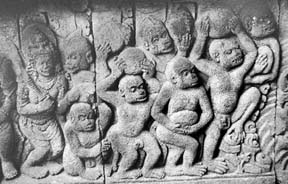
Prambanan, Indonesia

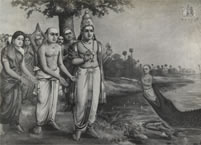
Lord Rama built a bridge to Sri Lanka across the sea to confront Ravana, the king of Lanka. Ravana abducted Rama’s wife Sita and imprisoned her. Rama employed the army of monkeys and built the stone bridge to Lanka and ultimately killed Ravana and brought his wife back to Ayodhya in modern Uttar Pradesh of North India. Rama’s bridge is known as Rama Setu. Most of the Hindus believe it is located near Rameswaram-Dhanushkoti.

Ramayana, the older of the two Hindu epics, covers a large geographical area. When we compare it to any other epic in any other part of the world, they can’t come anywhere near Ramayana. Rama’s step mother Kaikeyi was from Afghanistan and his wife Sita from Bihar –Nepal border area. So we are talking about an area covering the entire sub continent, historically speaking the largest country in the world at that time.

No wonder that we see sculptures depicting monkeys building the bridge in Prambanan (Central Java, Indonesia) even today. No wonder we see Ayodhya as a city name and Rama as a king’s name in Thailand. No wonder Ramayana is depicted in Cambodian Hindu temples. No wonder that the Buddhists stole all Hindu stories (Sibi ,Dasaratha Jataka Tales etc.) and said Buddha appeared as those personalities in  his previous births .

Ramayana and Mahabharata were so popular we see the remnants today in the whole of Asia, the largest land mass on earth. Tamils were so fascinated by these two epics. Two thousand year old Sangam Tamil poets refer to it in several places. The strangest thing about these references is that we did not find them in Valmiki’s Ramayana or Vyasa’s Mahabharata which were written in Sanskrit.

Tamil poets refer to two places as Setu (bridge). One is mentioned as Adi Setu (the original or the first bridge). When someone calls one Setu as “Adi” that itself acknowledges there is another Setu. When we call Tenkasi near Tirunelveli as “South Kasi” we acknowledge the fact that the main Kasi (Benares or Varanasi) is in North India.

The rule for using an anecdote in similes is that it must be popular and understood by everyone, says the oldest Tamil book Tolkappiyam.

Ramayana and Mahabharata were so popular in Tamil Nadu two thousand years ago; the Tamil poets did not hesitate to use it wherever possible. Even the Tamil Jains and Buddhists used them in their Tamil works:

In a Post Sangam Tamil epic called Silappadikaram a Jain saint says that Rama went to forest with his wife just to obey his father’s order. Then he lost his wife and suffered a lot which is well known, adds the saint (Silappadikaram 14-46).

Another Buddhist epic in Tamil called Manimekalai refers to the monkeys building a bridge in the sea. The same epic refers Kanyakumari as Adi Setu (Manimekalai 17-9 and 5-37). The name Adi Setu for Kanyakumari is confirmed by the local Sthala Puranam. The proof is not only in literature but also in the Sankalpam that the priests say in the beginning of any Puja.

While performing a sacred ritual Hindus always say in which place on earth and on which date in the mighty Yuga cycle they do it. Nowhere in the world can we see such an amazing geographical and historical knowledge. In Kanyakumari,  the priests’ Sankalpam ( a vow or intention to do a ritual or Puja) mentions the place as ADI SETU. Local Sthala Purana says that Sri Ram came here to get the blessings of Devi Bagavathy.

Now, how do we reconcile this contradiction? First let us look at the facts:
Image

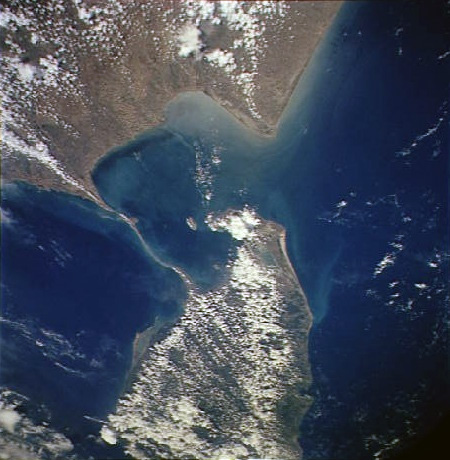
NASA picture of Rama Setu

Rama built the bridge from East coast of peninsular India (Tamil Nadu) to Sri Lanka is sung by later poets called Alwars and Nayanmars. But the confusion is about the place. Rama did consult the local engineers under the leadership of Nala is also in Ramayana. Any engineer with sound local knowledge would recommend the shallowest point in the sea. So naturally Nala would have recommended a place near Rameswaram. Even NASA space image has confirmed that a natural bridge like formation is seen from the space. So Rama would have used this natural formation of rocks and filled in the gaps with the help of the monkey brigade. This story travelled far away up to Indonesia where we see sculptures depicting monkeys building the bridge. This was sculpted 1300 years ago.

Why then Kanyakumari was called ADI SETU, the original bridge?  This may be due to another bridge connecting Sri Lanka existed in the ancient days. Two Tamil Academies situated in the South near the sea were devoured during two Tsunamis. This was confirmed by Tamil literature. Then they moved south and established the third Tamil Academy called Tamil Sangam in Madurai. People knew that the Indian land mass extended far beyond the modern Kanyakumari. Even today the rocks can be seen near the shore line.

Another possibility is that Rama himself might have first constructed one bridge there and later abandoned it knowing the difficulty. One may wonder why then there was no mention about it in Valmiki Ramayana, the main source for all the legends of Rama. Here comes the strangest fact. Tamils knew many more things than Valmiki. After all local Tamils were by the side of Rama when he invaded Sri Lanka. Valmiki was sitting in the forests of Uttar Pradesh. This is confirmed by a few more references.

A Tamil poet brings a lot of jewellery donated to him by a generous king. But his wife and other women folk in the household were so poor they did not even know what to wear where. Which was nose ornament, which was ear ornament, which one was for hand and feet, they couldn’t figure out. They wore them at wrong places. The poet compared it to the monkeys who were trying to wear Sita’s jewellery which she threw on the floor from the airplane in which she was abducted by Ravana (Ref. Puram 378 by Unpothi Pasunkutaiyar).

Tamils were the one who said even squirrels took part in the building of the bridge (Tondar Adippodi Alvar-Tirumalai 17) Please read my article Two Animals that Inspired Indians for more details.

Tamils were the one who mentioned a magic done by Rama. When he was consulting the engineers about construction of a bridge under the shade of a huge banyan tree the birds in the tree were making big noise. When Rama ordered them to keep quiet all fell silent. Two thousand year old Sangam literature uses this simile to compare the noise in a town of Tamil Nadu (Akam 70 by Kaduvan Mallanar).

Even Krishna’s bathing in river Yamuna and hiding the girl’s clothes is mentioned first in Tamil literature and then only in Sanskrit literature. The Bull Fighting practised by Krishna and his Yadava clan is also mentioned in detail in Tamil literature (Please read my article Bull Fighting from Indus Valley to Spain via Tamilnadu).

Ahalya’s story came as a small reference story in Ramayana. Indra who came in the guise of a cat and molested her was painted at Tirupparankundram temple near Madurai, reports Paripatal ( 19-50), another Sangam  period Tamil work.

One must remember all the Rama and Krishna stories were referred to as passing remarks in Tamil literature- as similes. That means all Tamils knew Ramayana and Mahabharata during Sangam period.

REFERENCES in TAMIL:

தாதை ஏவலின் மாதுடன் போகிக்

காதலி நீங்கிக் கடுந்துயர் உழந்தோன்

வேத முதல்வன் பயந்தோன் என்பது

நீ அறிந்திலையோ நெடுமொழி அன்றோ

( சிலப்பதிகாரம் 14:46-49, கவுந்தி அடிகள் கூற்று )


நெடியோன் மயங்கி நிலமிசைத் தோன்றி

அடல் அரு முந்நீர் அடைந்த ஞான்று

குரங்கு கொணர்ந்து எறிந்த நெடுமலை எல்லாம்

அணங்கு உடை அளக்கர் வயிறு புக்காங்கு

( மணிமேகலை 17: 9-12 )

குரங்கு செய் கடல் குமரியம் பெருந்துறை

( மணிமேகலை 5:37, புத்த மத காப்பியம் )

குமரித் தல புராணம் இக்கதையை உறுதி செய்வதாக தமிழ் அறிஞர் மு ராகவ ஐய்யங்காரும் எழுதியுள்ளார் (ஆராய்ச்சித் தொகுதி பக்கம் 30-31)

குரங்குகளுடன் அணில்களும் இம் முயற்சியில் ஈடுபட்டதை தொண்டரடிப்பொடி ஆள்வார் ( திருமாலை 17 ) குறிப்பிட்டுள்ளார்

குரங்குகள் மலைய நூக்கக்

குளித்துத்தாம் புரண்டிட்டு ஓடி

தரங்க நீர் அடைக்கல் உற்ற

சலம் இலா அணிலம் போலேன்

(இது பற்றி நான் எழுதிய ஆங்கிலக் கட்டுரையைக் காண்க)

குமரியில் பெண் தெய்வம் உறைகிறது என்றும் அங்Kஉ நீராட யாத்ரீகர்கள் வருவர் என்றும் கி. பி .முதல் நூற்றாண்டில் உருவான பெரிப்ளூஸ் என்னும் நிலநூலும் கூறும். சிலப்பதிகாரம், மணிமேகலை, ஆள்வார்கள் நாயன்மார்கள் பாடல்களும் இக்கருத்தைப் பல இடங்களில் கூறும்.

2000 ஆண்டுகளுக்கு முன் மதுரைக்கு அருகில் திருப்பறங்குன்றத்தில் அகலிகை கதையையும் அதில் இந்திரன் பூனை உருவத்தில் இருப்பதையும் ஓவியமாக வரைந்திருந்தனர். இதை சங்க இலக்கியமான பரிபாடல் கூறும்:

இந்திரன், பூசை: இவள் அகலிகை;இவன்

சென்ற கவுதமன்; சினம் உறக் கல்லுரு

ஒன்றிய படி இது ( பரிபாடல் 19: 50-52 ) (பூசை=பூனை)

(பழந்தமிழகத்தில் ராமாயண கிளைக் கதை ஓவியங்கள் கூட அந்த அளவுக்குப் பரவி இருந்தன).

கடுன் தெறல் இராமனுடன் புணர் சீதையை

வலித்தகை அரக்கன் வவிய ஞான்றை

நிலம் சேர் மதர் அணி கண்ட குரங்கின்

செமுகப் பெருங்கிளை இழைப் பொலிந்தா அங்கு

அறா அ அருநகை இனிது பெற்றிகுமே

( புறம் 378 ஊண்பொதி பசுங்குடையார் )

வென்வேற் கவுரியர் தொல்முது கோடி

முழங்கு இரும் பௌவம் இரங்கும் முந்துறை,

வெல் போர் இராமன் அருமறைக்கு அவித்த

பல்வீழ் ஆலம் போல,

ஒலி அவிந்தன்று இவ் அழுங்கல் ஊரே

( அகம். 70, கடுவன் மள்ளனார் )


சுந்தரருடன் 60 வினாடி பேட்டி

(கேள்விகள்: சுவாமிநாதன் கற்பனை; பதில்கள்: சுந்தரர் தேவாரத்திலிருந்து. இது போல கம்பன் முதல் கண்ணதாசன் வரை மேலும் 25 பேட்டிகள் உள்ளன. படித்து மகிழ்க)

வாழி திருநாவலூர் வன் தொண்டரே ! இறைவனே உமக்கு அடி எடுத்துக் கொடுக்க, உம் வாயிலிருந்து மலர்ந்த, பொன்னான பாடல் என்னவோ?

பித்தா பிறை சூடி, பெருமானே அருளாளா

எத்தால் மறவாதே நினைக்கின்றேன் மனத்துன்னை

வைத்தாய் பெண்ணைத் தென்பால் வெண்ணெய் நல்லூர் அருட்துறையுள்

அத்தா உனக்காளாய் இனி அல்லேன் எனல் ஆமே

ஆண்டாண்டு தோறும் அழுது புரண்டாலும் மாண்டவர் வருவாரோ என்று அவ்வையாரும் முடிசார்ந்த மன்னரும் பின்னர் பிடிசாம்பராய்ப் போவர் என்று பட்டினத்தாரும் கூறுகின்றனர், உங்கள் கருத்து……?

வாழ்வாவது மாயம் இது மண்ணாவது திண்ணம்

பாழ்போவது பிறவிக் கடல் பசி நோய் செய்தபறிதான்

தாழாது அறம் செய்யின் தடங் கண்ணான் மலரோனும்

கீழ்மேலுற நின்றான் திருக் கேதார மென்னீரே.

ஆதி சைவர் குலத்து உதித்தீர். மன்னர் நரசிங்க முனையரையரால் வளர்க்கப் பெற்றீர். ருத்ர குல கணிகை பரவை, வேளாளர் குலப் பெண் சங்கிலி ஆகியோரையும் மணந்தீர். 1300 ஆண்டுக்கு முன்னரே புரட்சித் திருமணம் செய்தீர். நம்பி ஆரூரரே, சிவனைப் பாடவா இவ்வளவும்……?

பொன்னார் மேனியனே புலித்தோலை அரைக்கசைத்து

மின்னார் செஞ்சடைமேல் மிளிர் கொன்றை அணிந்தவனே

மன்னே மாமணியே மழ பாடியுள் மாணிக்கமே

அன்னே உன்னையல்லால் இனி யாரை நினைக்கேனே


சிறுவரும் புரிந்து கொள்ளும் அருமையான பாடல். ராமா நீ நாமமு ஏமி ருசிரா என்று பத்ராசலம் ராமதாஸ் பாடினார். சிவ நாமத்தின் சுவை பற்றி…

பண்ணிடைத் தமிழொப்பாய் பழத்தினிற் சுவையொப்பாய்

கண்ணிடை மணி ஒப்பாய் கடு இருள் சுடர் ஒப்பாய்

நல்ல சுவையான பாடல். சேக்கிழார் பெருமான் தமிழர்களுக்கு வழங்கிய மாபெரும் கொடை பெரிய புராணம். அதைப் பாடுவதற்கு அச்சாரம் போட்டதே உம்முடைய திருத் தொண்டர் தொகையாமே?

தில்லை வாழ் அந்தணர்தம் அடியார்க்கும் அடியேன்

திரு நீலக் கண்டத்துக் குயவனார்க்கு அடியேன்

இல்லையே என்னாத இயற்பகைக்கும் அடியேன்

இளயான்றன் குடிமாறன் அடியார்க்கும் அடியேன்

வெல்லுமா மிகவல்ல மெய்ப் பொருளுக்கு அடியேன்

விரி பொழில் சூழ் குன்றையார் விறன்மிண்டற்கு அடியேன்

அல்லி மென் முல்லையந்தார் அமர்நீதிக்கு அடியேன்

ஆரூரன் ஆரூரில் அம்மானுக்காளே

நல்ல துவக்கம். இசையும் தமிழும் இணைந்ததோ. நீரே நாளும் இன்னிசையால் தமிழ் பரப்பும் ஞான சம்பந்தன் என்று புகழக் காரணம்?

ஏழிசையாய் இசைப்பயனாய் இன்னமுதாய் என்னுடைய

தோழனுமாய் யான் செய்யும் துரிசுகளுக்குடனாகி

மாழை ஒண்கண் பாவையைத் தந்து ஆண்டானை மதியில்லா

ஏழையேன் பிரிந்திருக்கேன் என் ஆருர் இறைவனையே

குற்றம் செய்தவர்களை எல்லாம் மன்னிப்பவன் என்பதால்தான் சிவ பெருமானைத் தஞ்சம் அடைந்தீரோ?

நற்றமிழ் வல்ல ஞான சம்பந்தன்

நாவினுகரையன் நாளைப்போவானும்

கற்ற சூதன் நற் சாக்கியன் சிலந்தி

கண்ணப்பன் கணம் புல்லன் என்றிவர்கள்

குற்றம் செயினும் குணம் எனக் கருதும்

கொள்கை கண்டு நின் குரை கழல் அடைந்தேன்

பொற்றிரள் மணிக் கமலங்கள் மலரும்

பொய்கை சூழ் திருப்புன்கூர் உளானே

உம்மைச் சிவன் படாத பாடு படுத்திவிட்டாரே. உம்மை அடிமை என்று வழக்காடு மன்றத்தில் ஆவணம் எல்லாம் காட்டி ஆட்கொண்டாரே…..

கற்பகத்தினைக் கனக மால் வரையைக்

காமகோபனைக் கண்ணுதலானைச்

சொற்பதப் பொருள் இருள் அறுத்தருளும்

தூய சோதியை வெண்ணெய் நல்லூரில்

அற்புதப் பழ ஆவணம் காட்டி

அடியனா வென்னை ஆளது கொண்ட

நற்பதத்தனை நள்ளாறனை அமுதை

நாயினேன் மறந்தென் நினைக்கேனே

காஞ்சியில் இழந்த பார்வையைப் பெற்றபின் பாடிய பதிகம்:

ஆலந்தான் உகந்து அமுது செய்தானை ஆதியை அமரர் தொழுது ஏத்தும்

சீலந்தான் பெரிதும் உடையானைச் சிந்திப்பார் அவர் சிந்தையுளானை

ஏலவார் குழலாள் உமை நங்கை என்றும் ஏத்தி வழிபடப் பெற்ற

காலகாலனைக் கம்பன் எம்மானைக் காணக் கண் அடியேன் பெற்றவாரே

“அன்பில் பெருகிய சிறப்பின் மிக்க அர்ச்சனை பாட்டேயாகும்; ஆதலால் மண்மேல் நம்மைச் சொற்றமிழ் பாடு” என்று இறைவனே உம்மைப் பணித்தார். உமக்கும் பசியோடு வந்த பக்தர்களுக்கும் சோறிட்டு சிவன் மறைந்தவுடன் பாடியது—-

இத்தனை யாமாற்றை அறிந்திலேன் எம்பெருமான்

பித்தரே என்றும்மைப் பேசுவார் பிறர் எல்லாம்

முத்தினை மணி தன்னை மாணிக்கம் முளைதெழுந்த

வித்தனே குருகாவூர் வெள்ளடை நீயன்றே


முதலை வாயில் போய் மாண்ட சிறுவனையும் மீட்டுக் கொடுத்தீர்கள். சேரமான் பெருமாள் நாயனார் கொடுத்த பொருளை உம்மிடமிருந்து வேடர் பறித்தவுடன் மீட்கப் பாடிய பாடல்——

கொடுகு வெஞ்சிலை வடுக வேடுவர்

…..

எத்துக்கு இங்கிருந்தீர் எம்பிரான் நீரே

தங்கக் கட்டிகளை ஆற்றில் போட்டுவிட்டு குளத்தில் தேடிய பெருந்தகையே.திருமுதுகுன்றில் ஆற்றில் இட்ட பொன்னைத் திருவாருர்க் குளத்தில் தேடி அதை அள்ளிக் கொண்டு போனபோது பாடிய பதிகம்

பொன் செய்த மேனியினீர் புலித்தோலை அரைக்கசைத்தீர்

முன் செய்த மூவெயிலும் எரித்தீர் முது குன்றமர்ந்தீர்

மின் செய்த நுண்ணிடையாள் பரவை இவள் தன் முகப்பே

என்செய்த வாறடிகேள் அடியேன் இட்டளங்கெடவே..

சுந்தரத் தமிழில் பாடிய சுந்தரரே நன்றி.

Ganges in Kalidasa & Sangam Tamil Literature

(This is the fourth in the series of Kalidasa and Sangam (Cankama) Tamil literature- part of my thesis proving that the Date of Kalidasa was around First Century BC-Pre Sangam period-S swaminathan)

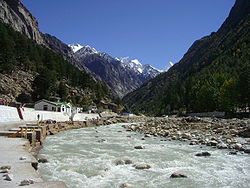
No river on earth commands so much respect and reverence as the Holy Ganga. We see this river in Rig Veda, the oldest religious scripture in the world, the great Hindu epics Ramayana and Mahabharata, Kalidasa’s works and in the ancient Sangam Tamil literature. The Tamils considered it the holiest river. Whenever they want to say something holy they always compared the Ganges. Just to exaggerate they used to say X or Y is holier than Ganga. All the rivers are considered mother in Hindu mythologies. But Ganga Matha( Mother Ganges)  has a very special place in the minds of Indians.

Ganges water was praised as the purest and cleanest water with miraculous properties even by the East India Company 300 years ago. When their ships were loaded with Ganges water for drinking purpose it never became stale (putrefy) even after several months where as other water loaded in different parts of the world went stale within a month. The Hindus knew its properties for thousands of years. The powerful Tamil kings went all the way to Himalayas and embossed their seals on the rocks there. When they came back they brought Ganges water after taking a holy dip. In the middle ages the Vaishnavite Alvars and the Saivite Nayanmars sang its praise in their hymns.

Cheran Senguttuvan of Sangam period brought stones from Himalayas twice for his mother Narchonai and another chaste woman Kannaki. Both the times he washed the stones in the Holy Ganges and made idols from them.

Even today Hindus fill in Ganges water in bottles and pots and bring them home to use it on special occasions. Even before bottling water became a roaring business, Ganges water was sold or distributed free of cost by the Hindu Charities. Everyday Madurai and Rameswaram temples use Ganges water for Abhishekam (bathing the gods). Truck loads of Ganges water come all the way from Himalayan destinations to these temples.

In Haridwar and Varanasi (Kasi), an evening Arthi is performed to Ganga Matha which is watched and worshipped by thousands of people. No river in the world has this type of daily worship. The world’s largest religious festival Kumbhamela attended by  twenty million people takes place every twelve years on the banks of river Ganges.

No wonder this mighty river finds a special place in every literary work of India. Kalidasa, the greatest of the secular Indian poets, even praises the Milky Way in the sky as Akasa Ganga (Ganges in the sky).

Hidden Treasure Under the Ganges

Tamil literature reveals some unknown, secret information about the Ganges. Poet Mamulanar in Akam 265 says that the Nanda Kings have hidden enormous treasure under the Ganges in Pataliputra (modern Patna in Bihar). He compares the mighty Himalayas and the enormous hidden treasure to the wealth the hero went after leaving the heroine all alone. Since there was no supporting information from other historical sources, the commentators also left us skeleton details only.

Kalidasa’s references to Ganges:

Mega 45, 65

Vikra. I -7 ,II 15, III-6, V-22

Kumara I-30, 54; VI 38, 57, 70; VII-41, 42;VIII-16

Ragu. II-26,IV 32, 36, 73,V 48, X 37, 63;XIII 20,54 to 57; XII-66;XIV-3, 52;XVI 33,34, 71;XVII 14

From Kumarasambhavam

“To her, those impressions were permanent, the lore  acquired in the past life, came at the time of instruction, as do the flocks of swans to the Ganges in autumn, or their own lustre to the medicinal herbs at the night” (1-30) I have already given the verse by Paranar (narri.356) where he sang about the Himalayas and the swans.

“O you, the most eminent of the twice born, I consider myself sanctified by these two only, by the fall of Ganges on my head, and water from your washed feet”(6-57)

“Just as Ganga is lauded by the foot of the supreme lord, so is she by you of lofty peaks, who are her second source” (6-70)

Ganga and Yamuna also, assuming visible forms and holding Chauries, served the god (7-42)

Mega. 51

The dark clouds at the top of the mountains look like dark elephants bathing in the Ganges.

The shadow of the dark clouds and the crystal clear Ganges water makes us think that river Yamuna mingles with the Ganges in a different place (Yamuna water is darker than Ganges).

Ragu 13-54 to 57

Kalidasa employs seven similes in this description of White Ganges and Dark Yamuna. The joining of the two rivers looks like a necklace of pearls and blue sapphires. Then it looks like a garland of white and blue flowers. In another place it is like white swans and black swans swimming together. In another place it likes the Rangoli on black agar wood with sandal paste. It also looks like the white moon light peeping through dark tree leaves. In another place it is like dark clouds floating in blue sky. Ganga and Yamuna together look like Shiva smeared with white ash with the snake around his neck (Ganges is Shiva and Yamuna is snake).

Paranar also follows Kalidasa and employs nine similes in Akam 178, but on a different theme.

Ragu 17-72

The clouds are praised for showering water on parched fields. But they are that generous only because of the sea. People forget the sea. King Athithi gave so much to the poets who in turn donated them to others. Though they were praised the original philanthropist Athithi was forgotten like the sea.

Tamil poets and Kalidasa knew that the sea was the source of clouds and rain. Kapilar in Puram 107 sings about it. People praise rain (Mari) when King Pari is more generous.

Tamil poets’ references to Ganges

Patti.190 (articles produced in the valleys of the Ganges and the Kavery)

Narr.369 (Nalvellaiyar);189 (Anonymous)

Puram 161 (Perunchittiranar)

Madu.696 Mankudi Maruthan (1000 branched Ganges)

Perum.429-431

Akam .265 (Mamulan)

Pari. 16-36

Post Sangam works: Silappadikaram mentions Ganges in 15 places; Manimegalai -4 places

Tamil literature uses Ganges as a simile for the generosity and philanthropy of kings and chieftains. They came to know about the river only from Kalidasa and other Sanskrit works.

Katiyalur  Uruttiran Kannanar (Perum. 429-431) says

As men who flee from peril slumber as they wait

For the boat that will ferry them across

The unfordable Ganga, scattering gold as it tears down

The lofty crest of the Himalaya where the gods dwell,

Lighting it up with its silvery billows (Perum. 429-431)

Vikramorvasiyam I-7 refers Ganges breaking its banks which is echoed by Tamil poet Perunchittiranar. He describes the mighty flow of Ganges in Puram. 161: the clouds raise from the sea, gather themselves, appear dark and huge like mountains in the sky, roar with thunder and pour the torrents; when such a rainy season is past and when the summer reigns supreme making the tanks and rivers everywhere dry, the Ganges flows full of water for the benefit of the whole of mankind. The poet compares Ganges to the generosity of Kumanan, a Tamil chieftain. The Ganges descending from the Himalayas is always overflowing its banks, he says.

Narrinai poet Madurai Nalvellaiyar (verse 369) used Ganges in a statement by a heroine. The heroine feels that her love is so powerful and influential that it over comes her self- control like the great floods in the Ganges that overflows the banks and smashes the dams in its course. Another anonymous poet says that the hero might have gone somewhere by a boat in the Ganges. Nal Velliyar just echoed Kumarasambhavam verse VIII-16 and Raguvamsam verse XII-66.

Tamils even knew that the Ganges branches into thousands of smaller streams just before entering into Bay of Bengal . Sangam poet Mankudi Maruthan compares the lively Madurai market to the Ganges. Saivite saint Appar also refers to it as thousand faced Ganges.

Milky Way

Milky Way is the galaxy that contains our Solar System. There are 200 to 400 billion stars. Astronomers estimate that there are ten billion habitable planets in the Milky Way galaxy. If the night sky is clear we can see this galaxy with a lot of stars with a background of white light patch. Kalidasa refers to it in several places. In Tamil we come across it in Paripatal (16-36).

Ka lidasa refers to the Milky Way as Chaya Patham, Vyoma Ganga, Thri Marga, Thri Divasa and Akasa Ganga in Ragu I-78, XII-85, XIII-2, Kuma. I-28, IV-37.

NB: The Ganges has become more polluted in recent years. So readers are warned not to drink water  without boiling it. This is because of the industrial wastes mixing into it along its 1500 mile route. The medicinal qualities are still maintained at the source or very near the source in the Himalayas.

Supporting information from another website

The Ganges is 2525 kilometres long. Along its course, 27 major towns dump 902 million litres of sewage into it each day. Added to this are all those human bodies consigned to this holy river, called the Ganga by the Indians. Despite this heavy burden of pollutants, the Ganges has for millennia been regarded as incorruptible. How can this be?

Several foreigners have recorded the effects of this river’s “magical” cleansing properties:

  1. Ganges water does not putrefy, even after long periods of storage. River water begins to putrefy when lack of oxygen promotes the growth of anaerobic bacteria, which produce the tell-tale smell of stale water.
  2. British physician, C.E. Nelson, observed that Ganga water taken from the Hooghly — one of its dirtiest mouths — by ships returning to England remained fresh throughout the voyage.
  3. In 1896, the British physician E. Hanbury Hankin reported in the French journal Annales de l’Institut Pasteur that cholera microbes died within three hours in Ganga water, but continued to thrive in distilled water even after 48 hours.
  4. A French scientist, Monsieur Herelle, was amazed to find “that only a few feet below the bodies of persons floating in the Ganga who had died of dysentery and cholera, where one would expect millions of germs, there were no germs at all.

More recently, D.S. Bhargava, an Indian environmental engineer measured the Ganges’ remarkable self-cleansing properties:

“Bhargava’s calculations, taken from an exhaustive three-year study of the Ganga, show that it is able to reduce BOD [biochemical oxygen demand] levels much faster than in other rivers.”

Quantitatively, the Ganges seems to clean up suspended wastes 15 to 20 times faster than other rivers.

(Kalshian, Rakesh; “Ganges Has Magical Cleaning Properties,” Geographic, 66:5, April 1994.)

From Science Frontiers #94, JUL-AUG 1994. © 1994-2000 William R. Corliss


Tamil References:

நாள் தர வந்த விழுக் கலம் அனைத்தும்

கங்கை அம் பேர் யாற் கடல் படர்ந்தா அங்கு

அளந்து கடை அறியா வளம் கெழு தாரமொடு

மாங்குடி மருதன் (மதுரைக் காஞ்சி 695-697

*************

இமையவர் உறையும் சிமையச் செவ்வரை

வெண் திரை கிழித்த விளங்கு சுடர் நெடுங்கோட்டுப்

பொன்கொழித்து இழிதரும் போக்கு அரும் கங்கைப்

பெரு நீர்ப் போகும் இரியல் மாக்கள் (பெரும்பா.429-432)

**************

“நீண்டொலி அழுவம் குறைபட முகந்துகொண்டு;

ஈண்டுசெலல் கொண்மூ வேண்டுவயின் குழீஇப்

பெருமலை யன்ன தோன்றல் சூன்முதிர்பு,

உருமுரறு கருவியொடு, பெயல் கடன் இறுத்து,

வளமழை மாறிய என்றூழ்க் காலை,

மன்பதை எல்லாம் சென்றுணக் கங்கைக்

கரைபொரு மலிநீர் நிறைந்து தோன்றியாங்கு,

எமக்கும் பிறர்க்கும் செம்மலை யாகலின்” (புறம் 161)

***************

மலர் மார்பிற் சோர்ந்த மலரிதழ் தா அய்

மீனாரம் பூத்த வியன் கங்கை நந்திய

வானம் பெயர்ந்த மருங்கொத்த லெஞ்ஞான்றும்

(பரிபாடல் 16-35/37 நல்லழிசியார்)

*************

ஞெமையோங்கு உயர்வரை இமயத்து உச்சி

வா அன் இழிதரும் வயங்கு வெள் அருவிக்

கங்கையம் பேர்யாற்றுக் கரையிறந் திழிதரும்

சிறையடு கடும் புனல் அன்னவென்

நிறையடு காமம் நீந்துமாறே (நற்றிணை 369)

***********

Appar :

நேர்ந்தொருத்தி ஒரு பாகத்து அடங்கக் கண்டு

நிலை தளர ஆயிரமா முகத்தினோடு

பாய்ந்தொருத்தி படர் சடை மேற் பயிலக் கண்டு

பட அரவும் பனி மதியும் வைத்த செல்வர் (அப்பர் தேவாரம்)

******************

தியாகராஜருடன் 60 வினாடி பேட்டி

(கேள்விகள்: சுவாமிநாதனின் கற்பனை, பதில்கள்- மஹான் தியாகராஜரின் பாடல்களிலிருந்து)

சுந்தரத் தெலுங்கினில் பாட்டிசைப்போம் என்று எங்கள் சுப்ரமணிய பாரதி சொன்னது உங்கள் கீர்த்தனைகளைக் கேட்டுத்தானோ!  13 வயதில் நீவீர் பாடிய முதல் பாட்டு என்ன?

நமோ நமோ  ராகவாய

சங்கீத மும்மூர்த்திகளில் ஒருவரே, 96 கோடி தடவை  ராம நாமம் ஜபித்தீர், எழுதினீர்.  “ஓ ராம, நீ நாமமு ஏமி ருசிரா ,ஸ்ரீ ராம, நீ நாமமு எந்த ருசிரா”

என்று பத்ராசலம் ராமதாசர் பாடினார். நீங்கள் ராமனை எப்படிப் பாடினீர்கள்?

மேலு மேலு ராம நாம சுகமு ஈதரலோ

நிண்டு தாஹமு கொன்ன மனுஜுலகு நீருத்ராஹின சுகம் புகண்டே

சண்ட தாரித்ர மனுஜுலகு தன பாந்தமு அப்பின——–

( பொருள்: ராம, இந்தப் பூமியில் உன் நாமமே சுகம் தரும். தாகத்தால் தவிக்கும் மனிதனுக்கு தண்ணீர் கிடைத்ததைவிட, ஏழைக்குப் பணம் கிடைத்ததைவிட, வெப்பம் தாங்காதவனுக்கு குளிர்ந்த குளம் கிடைத்ததைவிட, பயத்தால் நடுங்குபவனுக்கு துணிவு கிடைத்ததைவிட, தீராப் பசியுடையவனுக்கு பாயசத்துடன் அறுசுவை விருந்து கிடைத்ததைவிட———– ராமா, உன் நாமமே சுகம் தரும்)

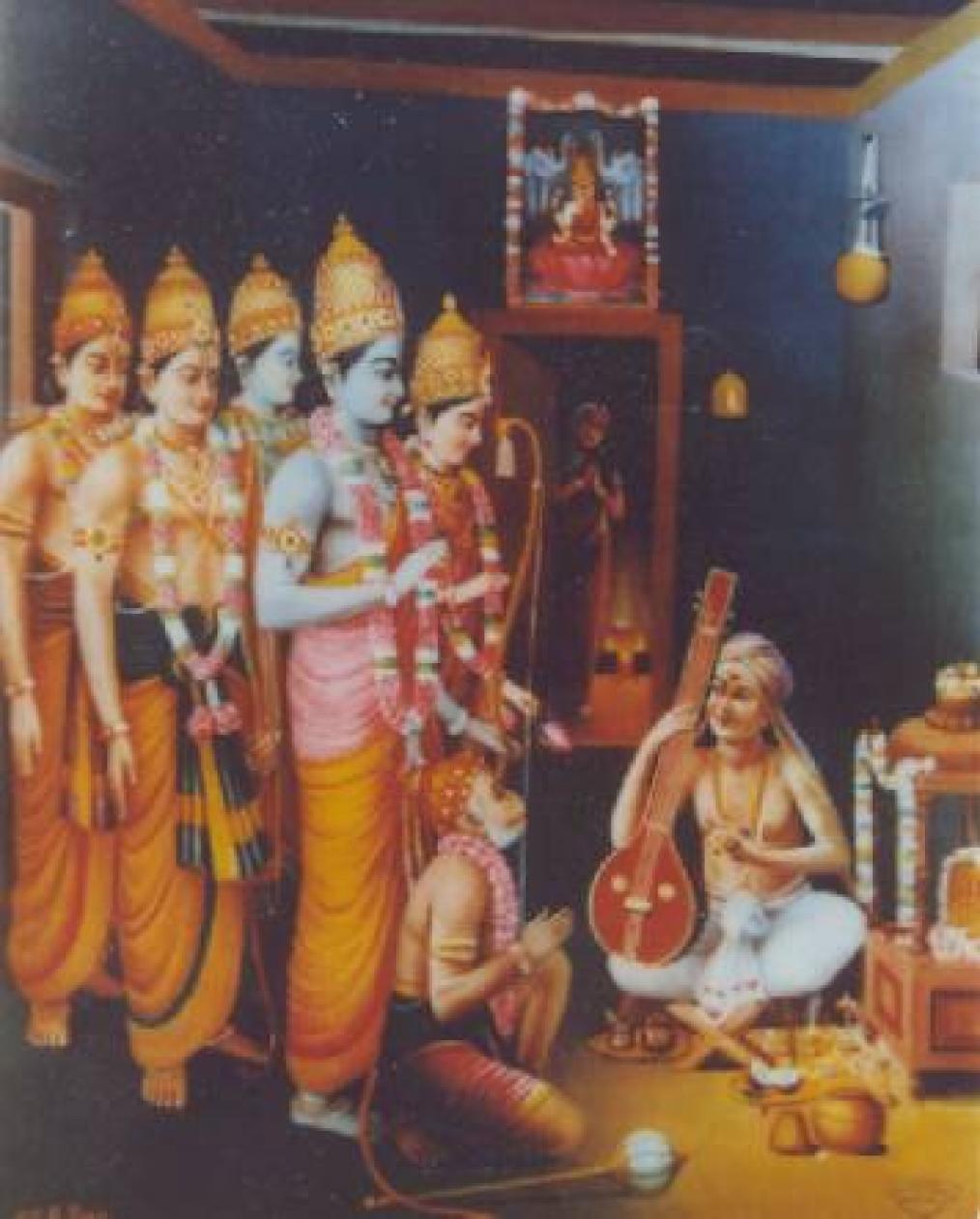
அருமையான பாட்டு. ஆழமான பொருட்சுவை. உங்களைத் திருடர்கள் தாக்கி வழிமறித்த போது ராம லெட்சுமணனே வந்து காப்பாற்றினார்கள். என்ன பாட்டு பாடியவுடன் அவர்கள் வந்தார்கள்?

முந்து வெனுக இரு பக்கல தோடை முரகர ஹர ராரா (தர்பார் ராகத்தில்)

(பொருள்: முர, கரகளை வதம் செய்தோனே, எனக்கு இருபக்கத்திலும் துணையாக வாரும் ஐயா—-)

ஒரு முறை ஒரு கிழ தம்பதியர் வந்து உம் கையில் காசையும் கொடுத்துவிட்டு ராமனும் சீதையுமாய் மறைந்தார்களே.என்ன பாடினீர்?

பவனுத நா ஹ்ருதயமுன (மோகன ராகத்தில்)

திருவாரூரில் அவதரித்த த்யாகப்ரம்மமே, உமது தந்தை ராமப்ரம்மத்தின் ராமாயண கதாகாலச்சேபத்தை கேட்டுத்தான் ராம பக்தி ஏற்பட்டிருக்க வேண்டும்.உமது குரு ராமக்ருஷ்ணானந்தா நாரத மந்திரம் உபதேசித்தார். ராமன் மட்டுமின்றி சிவன் முதலியோர் மீதும் கிருதிகள் பாடினீரா?

சிவ சிவ சிவ யனராதா,  பவ பய பாதலனண சுகோராதா (பந்துவராளி ராகம்) பொருள்: சிவ சிவ சிவ என்று சொல்லக் கூடாதா? உங்கள் பிறவி என்னும் துயரைப் போகக்கூடதா?)

உமது சங்கீத குரு வேங்கடரமணய்யா உமது கிருதிகளை வியந்து அவருடைய பதக்கங்களையே எடுத்து உம் மீது சூட்ட அதை பெருந்தன்மையுடன் அவரது மகள் கல்யாணத்தில் கொடுத்தீர்கள்.

சரபோஜி மன்னன் அழைத்தபோது போக மறுத்து “பணம் சுகம் தருமா, ராமா உன் முன்னிலையில் இருப்பது சுகமா” என்று பாடினீரே, அந்தப் பாட்டைக் கொஞ்சம்………

நிதி சால சுகமா ராமுனி சந்நிதி சேவ சுகமா (கல்யாணி ராகம்)

இதனால் உங்கள் தமையனார் கோபத்தில் நீர் பூஜித்த விக்ரகங்களை ஆற்றில் போட்டார். அதையும் கண்டுபிடித்தீர். 2000க்கும் அதிகமான கிருதிகளை எழுதினீர், 200க்கும் அதிகமான ராகங்களைப் பயன் படுத்தினீர்கள். எங்களுக்குக் கிடைத்ததோ 700 கிருதிகள்தான்.உங்கள் தமையன் செய்த அநியாயங்களை ராமனிடம் முறையிட்டீராமே!

அநியாயமு சேயகுரா ராம நன்னன்யுனிகா……..

(ராமா, எனக்கு அநீதி இழைக்காதே, என்னை வேற்று மனிதனாகப் பார்க்காதே………..என் அண்ணன் தரும் தொல்லைகள் தாங்கவில்லை.)

உங்களுக்குக் கோபம் அதிகமாமே. ஒருமுறை உங்கள் மனைவி இதைச் சுட்டிக் காட்டியவுடன் கோபத்தின் தீமையை உணர்ந்து ஒரு பாடல்…….

சாந்தமுலேக சவுக்கியமுலேது —–(சாந்த குணம் இல்லாவிடில் சௌக்கியமும் இல்லை)

நாதத்தின் தோற்றம், சப்தஸ்நரங்களின் பிறப்பு, ராகங்களின் குணம் பற்றியே 15 கிருதிகள் எழுதினீர். அவைகளில்  சில……

சோபில்லு ஸப்தஸ்வர ஸுந்தரலு பஜிம்பவே

நாபி, ஹ்ருத், கண்ட, ரசன நாச ஆதுலயந்து

சோபில்லு ஸப்தஸ்வர ஸுந்தரலு பஜிம்பவே

(பொருள்: ஏழு ஸ்வரங்கள் எனப்படும் சுந்தரர்களை வழிபடுவாய். கொப்பூழ், இதயம், தொண்டை, நாக்கு, மூக்கு ஆகியவற்றில் திகழும் சுந்தரர்களை வழிபடுவாய். ருக் சாம முதலிய வேதங்களிலும் காயத்ரி மந்திரத்திலும்,வானோர், அந்தணர் உள்ளங்களிலும், தியாகராஜனின் கீர்த்தனைகளிலும் நடமாடும் சப்தஸ்வரங்களை வழிபடு).

வெறும் வாய்ப்பாட்டு மட்டும் இறைவனிடம் அழைத்துச் செல்லுமா?

சங்கீத ஞானமு பக்தி வினா சன்மார்கமு கலதே

ப்ருங்கி, நடேச, சமீரஜ, கடஜ, மதங்க நாரத ஆதுலு உபாசிஞ்சே

சங்கீத ஞானமு பக்தி வினா சன்மார்கமு கலதே

(பொருள்: பக்தி இல்லாமல் பாடும் இசை, சன்மார்க்கத்துக்கு இட்டுச் செல்லாது. ப்ருங்கி முனிவர், நடேசன், வாயு மைந்தன், அகத்தியன், மதங்கர், நாரதர் முதலியோரால் உபாசிக்கப்பட்ட இசை ஞானம் (அவர்களைப் போல பக்தியுடன் பயிலப்பட வேண்டும்) பக்தி இலாவிடில் நல் வழிக்கு கொண்டுசெல்லாது.)

18 வயதில் பார்வதியையும் அவர் 5 ஆண்டுகளில் இறக்கவே அவர் தங்கை கமலாம்பாவையும் கல்யாணம் செய்தீர். ஒரு மகளை ஈன்றெடுத்தீர். நீங்கள் மூன்று நாடகங்கள் எழுதினீர்கள், அவை யாவை?

பிரஹலாத பக்தி விஜயம், நவ்க சரித்திரம், சீதாராம விஜயம்

புத்தூரில் கோவில் கிணற்றில் ஒருநல்ல மனிதர் தவறி விழுந்து இறந்தபோது என்ன பாட்டு பாடி அவரை உயிர்ப்பித்தீர்கள்?

நா ஜீவாதார நாநோமு பலமா

ராஜீவ லோசன ராஜராஜ சிரோமணி

நாஜீபு ப்ரகாசமா, நா நாசிகா பரிமளா

நா ஜப வர்ண ரூபமா, நாது பூஜாஸீமமா (பிலஹரி ராகம்)

(பொருள்: என் ஜீவனுக்கு ஆதாரமே, என் நோன்புகளின் பலனே, தாமரைக் கண்ணனே, ராஜ ராஜனே, என் கண்களின் ஒளியும் நீயே, மூக்கில் நறுமணமும் நீயே, என் ஜபங்களின் வடிவும் நீயே, என் பூஜை மலரும் நீயே)

திருவையாயாற்றில் சமாதி அடையும் முதல் நாளன்று பிரம்மாநந்தாவிடம்  சந்யாசம் பெற்றீர். இறுதி நாள் நெருங்கிவிட்டதை அதற்கு சில நாட்களுக்கு  முன் கனவில் கண்டு பாடிவிட்டீரே, அது என்ன பாட்டு?

கிரிபை நெல (சகானா ராகம்)

திருவையாற்றிலுள்ள உங்கள் சமாதியில் ஆண்டுதோறும் ஜனவரி மாதம் ஆராதனையில் பாடப்படும் (ஐந்து) பஞ்ச ரத்தின கீர்த்தனைகள் எவை?

நாட்டை ராகத்தில்- ஜகதாநந்த காரக

ஆரபி ராகத்தில் – சாதிஞ்செனே, ஓ மனசா

கௌளை ராகத்தில் – துடு குகல நன்னே தொர

வராளி ராகத்தில் – கன கன ருசிரா

ஸ்ரீ ராகத்தில் –எந்தரோ மஹானுபாவுலு அந்தரிக்கு வந்தனமுலு

கர்நாடக சங்கீத பிதாமஹர் புரந்தர தாசர் தனது பாடல்களில் புரந்தர விட்டல என்றும் சியாமா சாஸ்திரிகள் சியாம கிருஷ்ண என்றும் முத்து சுவாமி தீட்சிதர் குரு குஹ என்றும் முத்திரை வைத்து பாட்டு எட்டுக் கட்டினர். உங்கள் முத்திரை என்னவோ?

பவமான சுதுடுபட்டு, பாதார விந்தமுலகு

நீ நாம ரூபமுலகு நித்ய ஜய மங்களம்

ப்ர்ஹ்லாத நரதாதி பத்லு பொகடி ஸண்டு

ராஜீவ நயன தியாகராஜாதி வினுதனமன

(தியாகராஜரின் சுந்தரத் தெலுங்கு வாழ்க, எங்கும் மங்களம் பொங்குக)

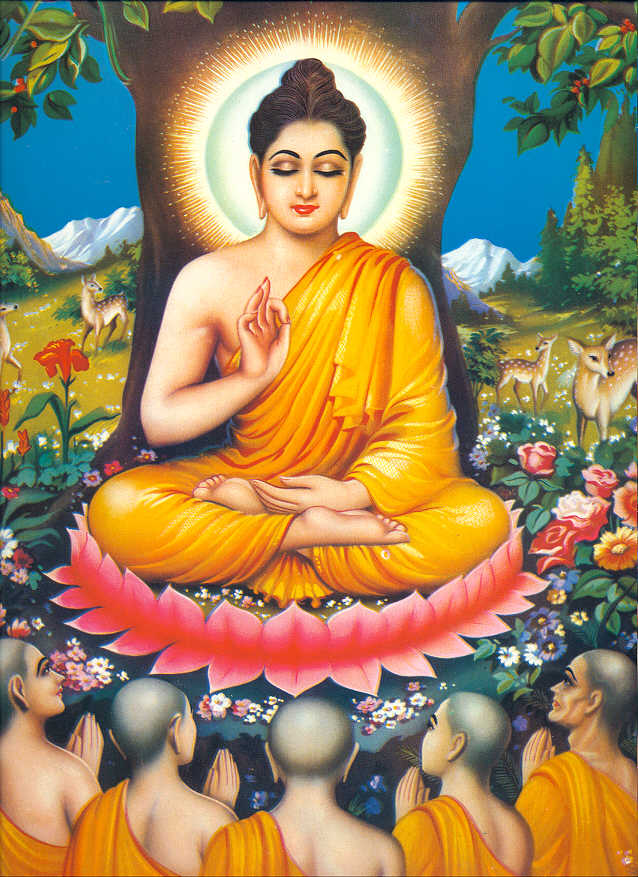
60 second interview with The Buddha


(Questions are imaginary; answers are from The Dhammapada)

Buddha, people say mind is like a monkey, jumping from one thing to another. How can we control it?

The mind is wavering and restless, difficult to guard and restrain: let the wise man straighten his mind as a maker of arrows makes his arrows straight (33).

What is the eternal law?

For hate is not conquered by hate; hate is conquered by love. This is a law eternal (5)

Who is happy?

The man who does good things is happy in both worlds. He is glad, he feels great happiness when he sees the good he has done (16).

Why are thoughts important?

What we are today comes from our thoughts of yesterday, and our present thoughts build our life of tomorrow; our life is the creation of our mind (2).

Can we criticize others when they do something wrong?

Think not of the faults of others, of what they have done or not done. Think rather of your own sins, of the things you have done or not done (50).

Who is a fool?

How long is the night to the watchman; how long is the road to the weary; how long is the wandering of lives (samsara) ending in death for the fool who cannot find the path (60).

Who is wise?

Even as a great rock is not shaken by the wind, the wise man is not shaken by praise or by blame.

What is the source of joy?

Wherever holy men dwell, that is indeed a place of joy- be it in the village, or in a forest, or in a valley or on the hills (98).

 Can we call a person Hero who kills hundreds of people with his AK 47 gun?

If a man should conquer in a battle a thousand and a thousand more, and another man should conquer himself, his would be the greater victory, because the greatest of the victories the victory over oneself (103-105).

Should I postpone doing good things till my old age?

Make haste and do what is good. If a man is slow in doing good, his mind finds pleasure in evil (116).

Lord Krishna (Gita 2-58) compares a tortoise to a self controlled Yogi and you said something similar…

The man whose hands are controlled, whose feet are controlled, whose words are controlled, who is self controlled in all things, who finds the inner joy, whose mind is self possessed, who is one and has found perfect peace-this man I call a monk (362)

Lord Krishna in Gita says Arise! Attain Glory! The Self is the friend and foe of the Self.

Arise! Rouse thyself by thy Self; train thyself by thyself, thy Self. Under the shelter of thy  Self , and ever watchful, thou shall live in supreme joy (379, 380)

Buddha, you have given one full chapter for Brahmins (Chapter 26) in Dhammapada. Who is a Brahmin according to you?

A man becomes not a Brahmin by long hair or family or birth. The man in whom there is truth and holiness, he is in joy and he is a Brahmin (393)

Who is free from anger, faithful to his vows, virtuous, free from lusts, self restrained, whose mortal body is his last- him I call a Brahmin.(400)

One should never hurt a Brahmin; and a Brahmin should never return evil for evil (389)

About misers….

Misers certainly do not go to the heaven of the gods (177)

About Birth……

It is a great event to be born a man (182).

About Love…..

O let us live in joy, in love amongst those who hate! Among men who hate, let us live in love (197).

About Health……

Health is the greatest possession. Contentment is the greatest treasure.  Confidence is the greatest friend. Nirvana is the greatest joy. (204)

Buddha, Thanks a lot. You have enlightened us.


TIME TRAVEL by TWO TAMIL SAINTS


What is Time Travel?

If you want to go from Madras to London you travel by aeroplane. It is covering a vast distance – ie through three-dimensional space. But if you want to travel from 2011 to 1000 AD, the time when Raja Raja Chola built the Big Temple in Thanjavur, you have to travel through time. Or if you want to travel to the future, for example, 2050 then again you have to travel through time.

This concept already exists in the Hindu epic Mahabharata. But it became very popular through the writing of HG Wells and films based on his book, The Time Machine. In recent years we have lots of science fiction TV serials. If we can invent a time machine then we can sit inside and travel back even to the days of Emperor Asoka or the Rig Veda.

One question often asked is whether we would just be observers or whether we could participate in the events that happened 1000 years ago. Suppose I travel back in time with an AK 47 gun and shoot down Raja Raja Chola. What would happen to history as we know it after his death. He had a son by the name of Rajendra Chola. Would he still exist in history after I shot Raja Raja? This paradox is commonly known as the Grandfather Paradox. There are various theories about parallel universes to answer this question.

Two strange miracle stories indicate that our Tamil saints travelled back in time for the sake of their devotees. Not only did they go back in time and but they also interfered with events and changed the course of “history”. There is no such story in anywhere else in Hindu mythology.

I have already mentioned in my article Do Hindus believe in Aliens and ETs?  The story of Revati, the episode of Arjuna’s travel to Indraloka (heaven) and Sambandhar reviving a dead person were dealt with in that article. India is full of mysteries and miracles. Just around Chennai there are more than 50 Siddhar Samadhis. Each Siddhar performed a lot of miracles. But what Sundarar and Tiru Gnana Sambandhar did 1000 years ago is baffling.

Often, we hear of stories where a person that was bitten by a snake is revived by a miracle man. At least here we may interpret that the person was bitten by a non-poisonous snake and may have fainted out of fear rather than died. But in the story of Sambandhar and Sundarar, two of the Four Great Saivite Saints, no such interpretation is possible.

This is what happened: Anecdote 1

Sambandhar visited Madras 1300 years ago. He was welcomed by a rich merchant called Sivanesar. Sivanesar was very sad and cried when Sambandhar met him. When the saint asked the reason for his sadness he narrated what happened to his daughter Poompavai several years ago. When she went to pluck some flowers in the garden, she was bit by a snake and fainted. All the efforts to revive her failed and she died. Sivanesar kept the ashes and bones in an urn after cremating her body. When Sambandhar visited Kapaleeswarar temple in Mylapore, Chennai, Sambandhar asked him to bring the urn containing the ashes and bones. The saint sang a hymn beginning with the Tamil words “Mattitta Punnai”. Even before the saint finished the tenth song, the pot broke open and a beautiful twelve year old girl came out and stood before them. She was none other than the girl Poompavai, Sivanesar’s daughter. When he offered her hand to Sambandhar he politely declined the offer by saying that she was like his own daughter because he revived her. The mystery in the story is that Poompavai  had grown since her death. This means Sambandhar went back in time and revived her at that point of time and brought her back with full growth to compensate the lost years. Another interesting thing about this hymn is all the important festivals of ancient Tamils such as Onam, Karthikai lamp festival, Arudra day, Thai Pusam,  Masi sea  bathing and Panguni Uththiram are mentioned in the decad, providing a unique record of their existence.

Anecdote 2

The second story is about Sundarar reviving a boy who was devoured by a crocodile. There lived a boy called Avinasi Lingam, Son of Gangadharan, in Avinasi, a town in Tamil Nadu. One day Avinasi Lingam went with other boys to a tank to bathe. It was a beautiful lotus tank. Suddenly Avinasi Lingam’s feet were caught by a crocodile and he cried for help. The boy who lived next door to him ran back to town and brought the elders. But Avinasi Lingam disappeared and nobody dared to step in to the tank. The most famous Hindu saint Adi Shankara was also caught by a crocodile, but he came alive after his mother promised him to give him second birth in the way of Sanyasam.

Two years after this incident Sundara visited the Brahmin street where one house was celebrating happily the Punul Kalyanam (Sacred Thread ceremony for the boy), but the opposite house was engulfed in sadness. When he came to know about what happened two years ago, he went straight to the tank and prayed to Lord Siva to return the boy. The crocodile came and spat the boy out. The boy, not only came alive intact but also aged to compensate for the lost two years. This is another instance of Time Travel by a Tamil saint. He went back in time by two years and changed the course of “history”.

The people who wrote about these anecdotes clearly expressed surprise when the boy and the girl were grown to compensate the years they lost in “death”. If it is instant revival we can find many reasonable scientific explanations. Here there is no ambiguity or exaggeration.  Sundarar’s miracle decad begins with the Tamil words “Etraan Marakeen Ezumaikkum”. Avinasi is forty kilometres from Coimbatore.

(Please read my article Do Hindus believe in Aliens? Where in I have explained how Hindus view Time. We believe there is more to it than what Einstein had discovered)

Picture credit: Cedric THUVAL (copy right)
contact swami_48@yahoo.com

GEM STONES IN KALIDASA & TAMIL LITERATURE


(This is the third part of my thesis to prove that the age of Kalidasa is around 1st century B.C. Please read other two parts as well-S .Swaminathan)

A country’s wealth is reflected in its literature. If the poets always sing about poverty and begging bowl we know that the general public suffered and starved. If the poets sing about gold and gems and enormous wealth and donation it means that the country was wealthy. Kalidasa,the greatest of the Indian secular poets, sings about gold and gems though out his seven books. As a matter of fact he himself was considered one of the Nine Gems (Nava Ratnas) in the court of Vikramaditya who started his own era in 56 BC.


Kalidasa’s praise of Himalayan gems is sung by Sangam poets as well. Sangam poets who lived hundred or two hundred years after Kalidasa might have got the information from his works. If this is the only similarity then we can ignore it as coincidence. But I have identified 225 similes between Kalidasa and Tamil Sangam literature which proves that Kalidasa lived around 1st century BC or before the Sangam period.


Tamil kings were very rich. Tamil literature refers to thrones and cots made up of ivory and gold. The chariots were decorated with gold. Even the elephants had big gold plated coverings to its face. Roman ships poured gold in to Tamil Nadu (South India) and took spices in exchange. This was corroborated by Roman writers of first few centuries and discovery of thousands of Roman gold coins though out South India.


Kalidasa uses 16 names for the Himalayas including Kailash and Kubera saila. He is all praise for the Himalayas. He is so excited whenever he describes the mountains.

“There is in the northern quarter, the deity souled Lord of Mountains, by name Himalaya,who stands, like the measuring rod of the earth, spanning the Eatern and Western oceans”. 1-1:Kumarasambhava


“Snow could not be a destroyer of beauty in the case of him who is the source of countless jewels.” 1-3


“Who bears on his peaks, a richness of metals, appearing like an untimely twilight, with its colours reflected upon patches of clouds, and the cause of amorous decking of the heavenly nymphs.” 1-4


In Kumara I-3 and Ragu. II 29, IV 79 he describes the gems available in the Himalayas.


Tamil poets echo it in Puram 218 (Kannakanar) 377 (Ulochanar )Pattina. 190-198 sung by a Brahmin poet Kadiyalur Rudran Kannanar:

“Brought by the cart, gems and gold from the Northern Mountain

Sandal and eagle wood from the hills of Coorg

Pearls from the southern sea, coral from the east

Ganga’s wealth and Kaveri’s produce

Eza’s provisions and Kazhaga’s plenty “(Pattinapalai 193-197)

In addition to these there are hundreds of mention of all types of gem stones and precious metals.


Nagaratna/Cobra Jewel

(Please read my article :How did Shakespeare know Cobra Jewel-the Indian Nagaratna, where in I have explained what is Nagaratna)


We find the following references about the cobra jewel in Tamil and Sanskrit.

Kakaipatini Nachellaiyar ,a poetess of Sangam period says that the the snakes with cobra jewels are dancing in the holy Himalayas like the women possessed by divine spirits in Pathitru Pathu (6-lines 10 to 1)

Hindus believed that the snakes carried luminescent gem stones on their heads. They used them to find their prey. The general theme is that snakes use the light of Nagaratnam (cobra jewel) and if they lose it, snakes become very upset.


Kalidasa in Kumara Sambhavam : 2:38, 5:43, Raghuvamsam 6:49, 10:7, 11:59, 11:68,13:12, 17:63;Rtu Samharam 1:20

Sangam Tamil poets in  Aka Nanuru 72, 92, 138, 192, 372; Pura Nanuru 172, 294, 398; Kurunthokai 239; Natrinai 255; Kurinchipattu Lines 221,239

This is not an exhaustive list. We find such references in innumerable places.


Pearl in the Oyster

If the rain falls on Swati star day the oysters open their mouth to drink the rain drops and the rain drops become pearls-This was the belief of ancient Indians including Tamils.


Malavi.1-6: Kalidasa says , ‘the skill of a teacher imparted to a worthy pupil attains greater excellence, as the water of a cloud is turned in to a pearl in a sea shell.In Puram 380 ,Karuvur Kathapillay says the same about the origin of pearls. Bhartruhari makes it more specific by saying the rain on Swati Nakshatra days become pearls. Biologits also confirm on full moon days lot of sea animals like corals release their eggs or spores. So far as India is concerned it might have happened in that particular (Swati star with Moon) season.

Kalidasa gives more similes about pearls. He describes the river that is running circling a mountain as a garland of pearls( Ragu.13-48 and Mega.-49)

Other references from Kalidasa: sweat drops as pearl:Rtu.6-7; tears as pearls: Mega 46, Ragu VI 28,,Vikra V 15; smile-KumarI-44, water drops on lotus leaf:Kumara VII 89


In Tamil the teeth are compared to the pearls: Ainkur. 185, Akam 27

Since Gulf of Mannar is the main source of pearls in India ,thre are innumerable references to pearls in Tamil literature. Even Kautilya refers to the pearls from Pandya country. Korkai was the harbour city where the pearl fishing was flourishing. Aink 185,188, Akam 27,130 and Natri 23mention pearls from Korkai.


Ivory

The pearl recovered from elephant ivory is referred by Kalidasa and other poets:Kumar I-6,Ragu 9-65.This is referred to by several Sangam Tamil poets:Murugu 304, Malaipadu 517, Kali 40-4, Puram 170 (V M Damodaran),Pathitru.32 (K Kappiyanar), Natri. 202 (P P Katunko), Kurinji 36 (Kapilar), Akam 282 (Thol Kapilar).

Pearl from bamboo trees is also sung by a Tamil poet in Akam 173 (Mulliyur Puthiyar).

Ivory throne : Ragu 17-21

Akam 369 gem shield ;Kali 40- ivory pestle; Puram 35 –diamond needle

விண்வெளி ராக்கெட்டும் விசேஷ பிரார்த்தனையும்


ஆதி சங்கரர் “கனக தாரா ஸ்தோத்திரம்” செய்தால் ஏழை வீட்டில் தங்க மழை பெய்கிறது. முத்துசாமி தீட்சிதர் அமிர்தவர்ஷனி ராகத்தில் அம்பாளைப் பிரார்த்தித்தால் வறண்ட பூமியில் மழை பெய்கிறது. ஞான சம்பந்தர் பதிகம் பாடினால் இறந்துபோன பெண் அஸ்திக் கலச சாம்பல் எலும்பிலிருந்து எழுந்து வருகிறாள். நாமும் அதே ஸ்தோத்திரம் , பதிகம் பாடினால் ஏன் நமது பிரார்த்தனைகள் நிறைவேறுவதில்லை?

இதோ, கீழே இதற்கான விடை உள்ளது.

கிரகண நாட்களில் பிரார்த்தனை செய்தால் ஏன் பலன் பன் மடங்கு அதிகரிக்கிறது? சிவ ராத்திரி, வைகுண்ட ஏகாதசி, பிள்ளையார் சதுர்த்தி, துர்காஷ்டமி, ஜன்மாஷ்டமி, ராமநவமி ஆகிய நாட்களில் பூஜை செய்தால் ஏன் பல மடங்கு பலன் கிடைக்கும் என்று நமது மத நூல்களும் ஆச்சார்யர்களும் கூறுகிறார்கள்?

இதோ கீழே இதற்கான விடை உள்ளது.

இந்திய விண்கலம் சந்திரனுக்குச் சென்றதை எல்லோரும் அறிவர். அமெரிக்க ரஷிய விண்கலங்கள் செவ்வாய், சனி கிரகங்களுக்கு அவ்வப்போது ஏவப் படுகின்றன. பல விண்கலங்களும் பாதியில் கோளாறு ஆகி விழுகின்றன. ஏன் சில போயின, சில வெடித்து விழுந்தன? தவறான நேரம் அல்லது இயந்திரக் கோளாறு காரணமாக இருக்கலாம்.


ஒவ்வொரு விண்கலம் ஏவப்படும் முன்பாக பல ஆண்டுகள் திட்டமிடுவார்கள். என்ன என்ன ஏற்பாடுகள் தேவை தெரியுமா?

ஒரு ஏவுதளம் வேண்டும். இது கடலுக்கருகில் அல்லது மனித நடமாட்டம் இல்லாத பாலவனத்தின் பக்கத்தில் இருக்க வேண்டும். அதுவும் நில நடுக் கோட்டுக்குப் பக்கத்தில் இருக்க வேண்டும். இதற்குப் பின் எந்த கிரகத்துக்கு அனுப்புகிறோமோ அதன் பாதை, வேகத்தைக் கவனித்து, அது பூமிக்கு அருகில் வரும் போது ஏவ வேண்டும். விண்வெளியில் அதிக எரிபொருள் செலவில்லாமல் பயணம் தொடர ஒவ்வொரு கிரகத்தின் ஈர்ப்பு உந்து விசையைப் (Gravitational slingshot) பயன்படுத்த உரிய தருணத்தில் அனுப்ப வேண்டும். இது தவறினால் சில நேரம் ஆண்டுக் கணக்கில் கூட காத்திருக்க வேண்டும்.

இனி ராக்கெட்டையும் விண்கலத்தையும் பார்ப்போம். ஒரு விண்கலம் பூமியின் ஈர்ப்பு விசையத் தாடவேண்டுமானால் ஒரு வினாடிக்கு குறைந்தது 11.2 கிலோமீட்டர் அல்லது எட்டு மைல் வேகத்தில் அந்த ராக்கெட் போக வேண்டும். அப்போதுதான் பூமியின் ஈர்ப்பு விசையை (Escape velocity ) மீறமுடியும். துல்லியமான கம்ப்யூட்டர் கணக்குகளில் ஒரு இம்மி பிசகானாலும் ராக்கெட்டோ விண்கலமோ அதன் இலக்கிலிருந்து பல கோடி மைல்கள் தள்ளிப் போய்விடும் .அல்லது புறப்பட்டவுடனே விழுந்துவிடும். பெரிய விண்கலம் ஆக இருந்தால் கூடுதல் எரிபொருளும் பெரிய ராக்கெட்டும் தேவைப்படும். கால நிலை முதலியவற்றைக் கணக்கில் கொண்டு (Launch window ) ஒரு கால அட்டவணை தயாரிக்க வேண்டும்.

செவ்வாய் கிரகத்தை நோக்கி அனுப்பப்பட்ட பெரும்பாலான விண்கலங்கள் தோல்வியில் முடிந்தன. பல தோல்விகளுக்கு என்ன காரணம் என்று இன்னும் ஆராய்ந்து வருகிறார்கள்.

இப்போது இதையே விசேஷ பிரார்த்தனையுடன் ஒப்பிடுங்கள். எப்படி ஈர்ப்பு விசையைத் தாண்ட வினாடிக்கு எட்டு மைல் வேகம் தேவையோ அப்படி நம்முடைய அகங்காரம், மமகாரம், தீய எண்ணங்கள், கோபம் தாபம் ஆகிவற்றைத் (Gravity) தாண்ட தீவிர பிரார்த்தனை வேண்டும்.

எப்படி சில நாட்களில் ஏவினால் கிரகங்களின் உந்துவிசை பயன்படுகிறதோ(Gravitational slingshot)  அப்படி விசேஷ நாட்களில் பிரார்த்தனை செய்தால் பிரார்த்தனைக்கு உந்து விசை கிடைக்கும். அப்போது நூறு முறை நாம ஜபம் செய்தாலும் அது பல்லாயிரம் மடங்காகும்.

எப்படி குறிப்பிட்ட நாட்களில் (Launch window ) ஏவினால்தான் ராக்கெட்டுகள் எளிதாக இலக்கை அடையுமோ அப்படி பண்டிகை அல்லது கிரகண காலங்களீல் செய்தால் எளிதில் நினைத்ததை அடையலாம்.

எப்படி குறிப்பிட்ட இடத்தில் உள்ள ஏவுதளத்திலிருந்து இலக்கை நோக்கி ஏவுகிறோமோ அப்படி குறிப்பிட்ட நேரத்தில் குறிப்பிட்ட இடத்தில் பிரார்த்தனை செய்தால் பிரார்த்தனையின் முழுப் பலனும் கிடைக்கும்.

எப்படி பெரிய ராக்கெட்டுக்கு நிறைய எரிபொருள் தேவைப் படுகிறதோ அப்படி நம்முடைய பெரிய வேண்டுகோளுக்கு நிறைய பிரார்த்தனை தேவைப்படும். ஆனால் சில நாட்களில் கிரகங்கள் (செவ்வாய், சனி) அருகில் இருந்தால் அதன் ஈர்ப்புவிசை (Gravitational slingshot) பயன்படுவது போல நமக்கு குறைந்த பிரார்த்தனைக்கு நிறைந்த பலன் கிடைக்கும்.

ஆதி சங்கரர், சம்பந்தர் போன்றோருக்கு இந்த கணக்குகள் எல்லாம் ஞானக் கண்களால் தெரியும். ஆதலால் அவர்கள் நினைத்ததை முடிக்கிறார்கள். அவர்கள் கூறியது போல நாமும் பண்டிகை நாட்களில் ஒரே எண்ணத்தோடு ராக்கெட் போல குறி இலக்கு நிர்ணயித்தோமானால் எளிதில் பலன்கள் கிட்டும். நம்முடைய பிரார்த்தனைக்கும் ஒரு “லாஞ்ச் விண்டோ” தேவை.


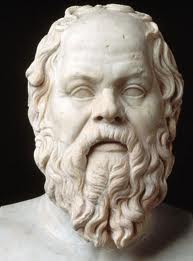
60 second interview with Socrates


(Questions are Imaginary; answers are from Plato’s Dialogues and Xenophon’s writings)

Sir , Who are you?


“I am not an Athenian nor a Greek, but a citizen of the world.”

Socrates, you were accused by the authorities in Athens that you spoiled the youths. The second accusation against you was that you denied the established gods and introduced strange divinities. What did you say in the court?


“Esteemed friend, citizen of Athens, the greatest city in the world, so outstanding in both intelligence and power, aren’t you ashamed to care so much to make all the money you can, and to advance your reputation and prestige–while for truth and wisdom and the improvement of your soul you have no care or worry?”


Did you corrupt the youth by your teachings?

I cannot teach anybody anything. I can only make them think. To find yourself, think for yourself.

The only good is knowledge and the only evil is ignorance.


You are one of the greatest philosophers. The Oracle of Delphi told that you were the wisest.

Did you agree?


I know one thing, that I know nothing.


Did you learn Hindu Upanishads? Your philosophy sounds similar to our philosophy.


Wonder is the beginning of wisdom. Know thyself.

All men’s souls are immortal, but the souls of the righteous are immortal and divine
An honest man is always a child.
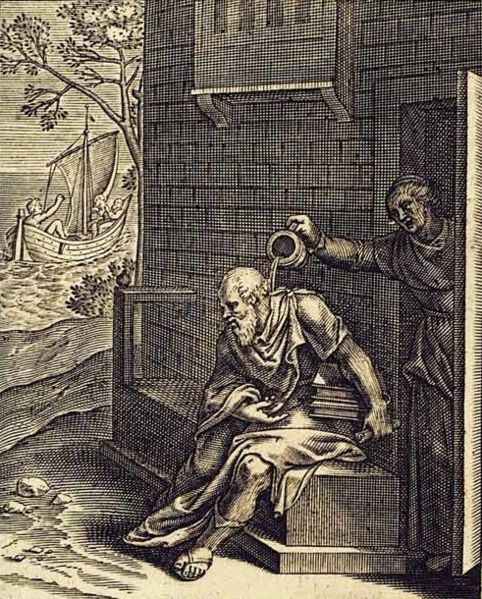
We understand that your wife was very rude to you. One day she scolded you for lecturing. When you did not stop, she poured on you a bucket full of water. Shakespeare in his play “Taming of the Shrew” mentions your wife’s rudeness. What did you say to your friends then?


You heard thunder and now it is raining.


It looks like you wouldn’t advise any youth to get married. Is it correct?


By all means marry; if you get good wife, you will become happy; if you get a bad one, you will become a philosopher.


Socrates, you had a sense of humour. Out of the 501 juries in the court only 281 supported your conviction and death sentence. What did you say about it in your three speeches?


“Death may be the greatest of all human blessings. To fear death, my friends, is only to think ourselves wise, without being wise: for it is to think that we know what we do not know. For anything that men can tell, death may be the greatest good that can happen to them: but they fear it as if they knew quite well that it was the greatest of evils. And what is this but that shameful ignorance of thinking that we know what we do not know?”


“I am surprised that only by a small majority I was convicted and sentenced to death. I knew the outcome already. My conviction was a foregone conclusion. I am old. I have to die soon. I am not scared of death.”


O, philosopher, you have not left us any book written by you. Whatever we know is through the writings of your friends Plato, Crito and Xenophon. What did you think about friendship?


Be slow to fall into friendship, but when you are in, continue firm and constant.

Socrates, you said something about the youths of your time 2500 years ago. That is what we also say today. What did you say?


Our youth now love luxury. They have bad manners, contempt for authority; they show disrespect for their elders and love chatter in place of exercise; they no longer rise when elders enter the room; they contradict their parents, chatter before company; gobble up their food and tyrannise their teachers.


Socrates, you must visit our university campus and see how my colleagues use the mobile phones. You are absolutely right. My teachers will give you a rousing welcome for this statement. What is your view on poverty and suffering?


“If you don’t get what you want, you suffer; if you get what you don’t want, you suffer; even when you get exactly what you want, you still suffer because you can’t hold on to it forever. Your mind is your predicament. It wants to be free of change. Free of pain, free of the obligations of life and death. But change is law and no amount of pretending will alter that reality.”

What is your advice to our people?

“Do not do to others what angers you if done to you by others.”

“Envy is the ulcer of the soul.”

“When the debate is lost, slander becomes the tool of the loser.”

“Thou should eat to live; not live to eat.”

“The secret of happiness, you see, is not found in seeking more, but in developing the capacity to enjoy less. He is richest who is content with the least, for content is the wealth of nature”.

O, You sound like our Gandhi. He also advised us to live with minimum needs. What did you say to Crito before you died?


Crito, I owe a cock to Asclepius; will you remember to pay the debt?


**************


சாக்ரடீஸுடன் 60 வினாடி பேட்டி

(கேள்விகள்-சுவாமிநாதனின் கற்பனை- பதில்கள் பிளாட்டோ நூல்களிலிருந்து)

சாக்ரடீஸ், நீரோ தத்துவ ஞானி, உமது மனைவியோ அடங்காப் பிடாரி. ஒரு முறை நீர் உரையாற்றும்போது அவள், உம்மீது வசை மாரி பொழிந்து ஒரு வாளி தண்ணீரையும் கொட்டினாளே, அப்போது என்ன சொன்னீர்?

இதுவரை இடி இடி இடித்தது. இப்போது மழை பெய்கிறது.


அட, பொறுமையின் இலக்கணமே ! கிரேக்க நாடு பெற்றெடுத்த தவப் புதல்வா! அப்படியானால் நங்கள் எல்லாம் கல்யாணமே கட்டக் கூடாதோ?

வாய்ப்பு கிடைத்தால் விடாதீர்கள். கல்யாணம் செய்துகொள்ளுங்கள். நல்ல மனைவி கிடைத்தால் மகிழ்ச்சியுடன் வாழுங்கள். மோசமான மனைவி கிடைத்தால் தத்துவ ஞானி ஆகிவிடுவீர்கள்.

இப்போது புரிகிறது, நீங்கள் எப்படி தத்துவ வித்தகர் ஆனீர்கள் என்று. எங்கள் உபநிடத்தில் கூறியதை நீரும் கூறினீரா?

உன்னையே நீ அறிவாய்

நல்ல வாசகம், சாக்ரடீஸ், நீவீர் வறுமையில் வாழ்ந்தீர், ஆனால் ஞானச் செல்வத்துக்குக் குறைவில்லை. இளஞர்களில் உள்ளத்தைக் கொள்ளை கொண்டீர். இதுதான் உம் மீதுள்ள பெரும்பழி.

நான் யாருக்கும் எதையும் சொல்லித்தர முடியாது. சிந்தனை செய்யத் தூண்டுவதே என் பணி. உன்னை நீ அறிய சிந்தி, நன்றாகச் சிந்தித்துப் பார்.


தெய்வவாக்கில் உமக்கு நம்பிக்கை அதிகம். டெல்பியில் குறி சொல்லும் தெய்வத்திடம் மிகப் பெரிய அறிவாளி யார் என்று கேட்டதற்கு உம்முடைய பெயரை அது கூறியது.அப்போது என்ன தோன்றியது?

என்னை விடச் சிறந்த அறிவாளி யாரையாவது நான் தேடிக் கண்டுபிடிப்பேன். உடனே தெய்வத்திடம் போய் ஏன் என்னைச் சொன்னாய் என்று கேட்பேன்


அஞ்சாத சிங்கம்,ஆனால் ஒரு ஞானி, எங்கள் ஊர் ஜனக மகாரஜா போல,

அறிவாளி யாரையாவது கண்டுபிடித்தீர்களா?

(பல அரசியல்வாதிகளையும் தத்துவ அறிஞர்களையும் பார்த்தபின்)

அவர்களை விட நான் சிறந்தவனே, தெய்வம் சொன்னது பொய்யன்று.


உமக்கு எப்படி இவ்வளவு துணிவு பிறந்தது?

நல்ல செயலைத் துவங்கும்போது அது நேர்மையானதா என்றுதான் பார்ப்பேன். உயிருக்கு ஆபத்து விளையுமா என்று சிந்திப்பது கோழைத் தனம்.


உமது புகழ்பெற்ற பொன்மொழி எங்கள் சரஸ்வதி தேவி “கற்றது கை மண் அளவு, கல்லாதது உலகளவு” என்பதைப் பிரதிபலிக்கிறதே:

எனக்கு ஒன்று தெரியும் ,அது என்னவென்றால் எனக்கு ஒன்றும் தெரியாது

I know one thing, that I know nothing.


ஆஹா, புரிகிறது. எங்கள் வள்ளுவரும் “ அறிதோறு, அறியாமை கண்டற்றால்” என்றுதான் சொல்வார்.படிக்கப் படிக்கத்தான், அடடா, இவ்வளவு நாள் கிணற்றுத் தவளையாக இருந்தோமே என்று நினைக்கிறோம்

கிரேக்க மக்கள் தொழுதுவந்த தெய்வங்களை நீர் புறக்கனிக்கச் சொன்னதாக உம் மீது பழி சுமத்தப் பட்டுள்ளது, இளைஞர்களை ஒழுக்கத்திலிருந்து தவறச் செய்தீர்களாமே?

புதிய தெய்வங்களை உண்டாக்கியதாகக் குற்றம் சாட்டுகிறீர்கள். மற்றொரு புறம் நான் நாத்தீகம் பேசியதாகச் சொல்கிறீர்கள். இது முரணாக இல்லையா? வெறுப்பும் பொறாமையும் தான் உங்கள் குற்றச் சாட்டுகளுக்குக் காரணம்.


எழுபது வயது, மூன்று பிள்ளைகளுக்கு தந்தை. நீதி மன்றத்தில் மூன்று சொற்பொழிவுகள் செய்தீர்கள்.முதல் சொற்பொழிவில் என்ன சொன்னீர்கள்?

வீண் கர்வத்தாலும், அறியாமையாலும் கஷ்டப்படும் மக்களைத் திருத்துவதே ஆண்டவன் எனக்கு இட்டிருக்கும் பணி. அறம் தவறாது நீதி நிலை நாட்டப்படவேண்டும். இதுவே என் விருப்பம். என்ன தண்டனை கொடுத்தாலும் அதை ஏற்பேன்.


உமக்கு மரண தண்டனை விதித்த நீதி மன்றத்தில் 501 பேர் இருந்தனர்.ஒரு கவிஞனும் தோல் வியாபாரியும் உமக்கு எதிராக நின்றனர். இவர்களில் 220 பேர் உமக்கு ஆதவளித்தபோது இரண்டாவது உரையில் என்ன சொன்னீர்?

உங்கள் தீர்ப்பு எனக்கு வியப்பளிக்கவில்லை. முன்கூட்டியே குற்றவாளி என்று முடிவுகட்டி விட்டீர்கள். ஆனால் இத்தனை குறைந்த வாக்குகள் தான் எனக்கு மரண தண்டனை அளித்தது என்பது ஆச்சரியமாக இருக்கிறது.


நான் குற்றமற்றவன் என்று என் மனச் சாட்சி சொல்லுகிறது எனக்கு நீங்கள் பசியும் பிணியும் ஏற்படாதவாறு மானியம் தந்திருக்க வேண்டும். ஆனால் நான் சிறையில் அடிமாடு போல வாழ விரும்பவில்லை நான் வேறு நாட்டுக்கு சென்று வசிக்கவும் விரும்பவில்லை. நான் ஒரு ஏழை, அல்லது அபராதத் தொகை கொடுத்திருப்பேன். எனக்கு பொருளை இழப்பதில் ஒரு கஷ்டமும் இல்லை.


மேலை நாட்டு வள்ளுவா, நீயோ வள்ளுவனுக்கும் கிட்டதட்ட ஆயிரம் ஆண்டுகளுக்கு முன் வாழ்ந்தாய்,மூன்றாம் சொற்பொழிவு பற்றி…….

ஏதன்ஸ் நகர மக்களே! நீங்கள் எனக்கு மரண தண்டனை விதித்திருக்கிறீர்கள். இதனால் உங்களுக்கு ஒரு லாபமும் கிடைக்கப் போவதில்லை. நான் வயதானவன். இந்தத் தண்டனை இல்லாவிட்டாலும் குறுகிய காலத்துக்குள் நான் இறக்கத்தான் போகிறேன் போர்ககளத்தில் ஒரு வீரன் எப்படி நடந்துகொள்வானோ அப்படியே நீதிமன்றத்திலும் நடக்கவேண்டும். மனிதனுக்கு மரணம் ஆபத்தல்ல. அதர்மமே ஆபத்து தர்ம வழியில் நடப்பவனுக்கு இம்மையிலும் மறுமையிலும் துன்பமில்லை.


எனக்கு ஆதரவாக செயல்பட்டவர்களுக்கு ஒரு வேண்டுகோள், நான் எப்படி செல்வர்களையும் பிறரையும் கேள்விகள் கேட்டு துளைத்தேனோ அப்படியே நீங்களும் செய்ய வேண்டும்.அவர்கள் போக்கில் விட்டு விடாதீர்கள். காலம் அதிகரித்து விட்டது. இன்னும் கொஞ்ச காலம் நீங்கள் உயிரோடு இருப்பீர்கள். நானோ இப்போதே உங்களை விட்டுப் போகிறேன். விடை கொடுங்கள்.


(விஷம் கொடுத்து கொல்வதற்கு முன் சிறைச் சாலையில் நடந்தது: நம் ஊரில் கோவில் திருவிழாவுக்கு கொடி ஏற்றிய பிறகு முக்கிய காரியங்களை நிறுத்திவைப்பது போல, ஏதன்ஸ் நகர மக்கள் அருகிலுள்ள தீவின் விழாவுக்கான கப்பல் புறப்பட்டுவிட்டால் அது திரும்பும் வரை எதையும் செய்ய மாட்டார்கள். இதனால் சாக்ரடீஸின் மரண தண்டனை சிறிது தடைப்பட்டது)

நண்பர் :கெட்ட செய்தி கொண்டுவந்திருக்கிறேன்

சாக்ரடீஸ்: கப்பல் வந்து விட்டதா?

நண்பர்: நாளை வரப்போகிறது. நாளை உமது ஆயுள் முடியும்

சாக்ரடீஸ்: நண்பரே நான் தூங்குவதால் என்னை எழுப்பாமல் காத்திருந்தீர். அப்பொழுது நான் ஒரு கனவு கண்டேன்.மங்கை ஒருத்தி மங்கல உடை தரித்து என் முன் தோன்றினாள். இன்றைக்கு மூன்றாம் நாள் நீர் அழகிய சொர்க்கத்திற்கு வந்து விடுவீர் என்றாள்.


விஷம் அருந்தும் முன் நீர் என்ன சொன்னீர்?

உடல் நமக்கு இறைவன் தந்த சிறைச் சாலை; இதிலிருந்து நாமாகத் தப்பிவிடக்கூடாது. ஆண்டவனே நம்மை விடுதலை செய்யவேண்டும் என்று ஞானிகள் கூறுகிறார்கள்.


விஷ பானம் உடலில் வேலை செய்யத் துவங்கியவுடன் நீர் கடைசியாகச் நண்பரிடம் சொன்ன வார்த்தைகள்…….?

நான் ஒரு கோவிலுக்கு பலிக் கடன் செய்ய வேண்டும். அதை எனக்காக நீர் செலுத்திவிடும்.


(சாக்ரடீஸ் எந்த புத்தகமும் எழுதவில்லை. அவரது சீடர்கள் ,குறிப்பாக பிளாட்டோ எழுதிய நூலிலிருந்தும் சாக்ரடீஸை கிண்டல் செய்து அரிஸ்டபனீஸ் எழுதிய நாடகத்திலிருந்தும் பல விஷயங்களை அறிகிறோம்.)