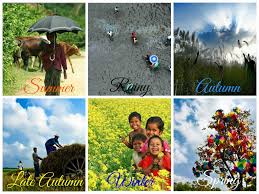
Six Seasons: Same for South & North Indians !

A-Death-of-Seasons

Research paper written by London Swaminathan
Post No.1186; Dated 21st July 2014.

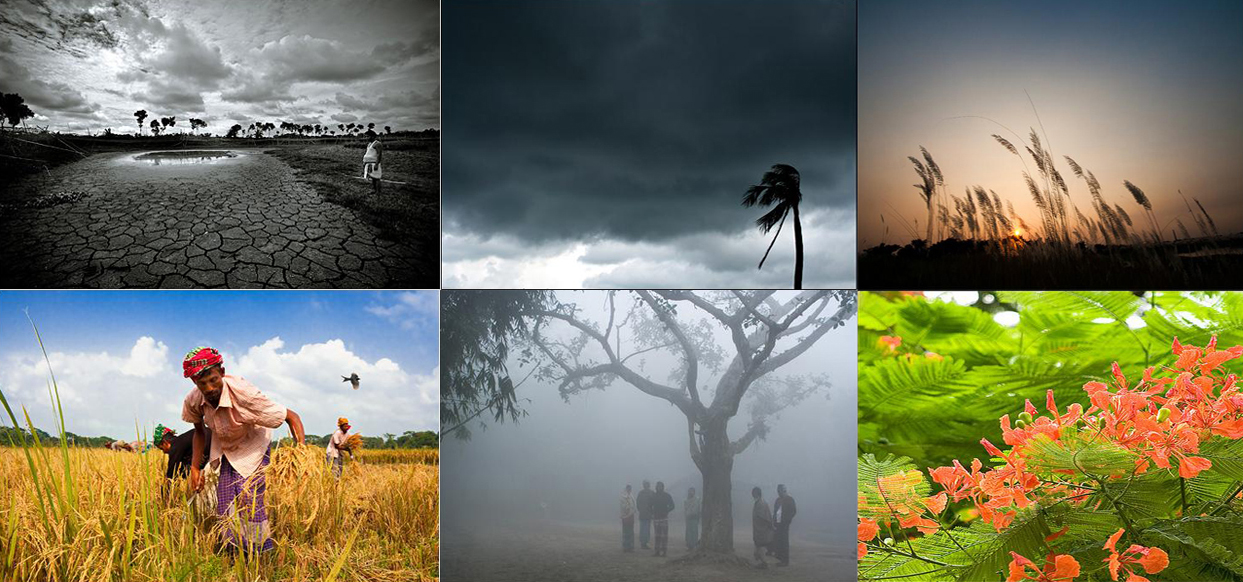
India is one; There is no difference in the basic culture. Hindus have been following the same tradition from Kashmir to Kanyakumari from the Vedic days. They had the same division of six seasons in the north and the south of the vast country. This proves two things:

1.There is no Aryan – Dravidian division in the ancient Hindu culture. One culture was followed by the ancient Hindus in India.

2.Six seasons are found only in India; so the culture is not imported from Central Asia or Europe. In Western countries only four seasons were there; so there is no truth in Indo European stock/culture.

There is only one book in the world about Seasons. That was written by the greatest poet Kalidasa in Sanskrit. Kalidasa wrote ‘Rtu Samharam’. Another amazing thing about the seasons is the modern classification coincides with our six seasons!

Westerners divided the seasons into four: Spring, Summer, Autumn/Fall and Winter.
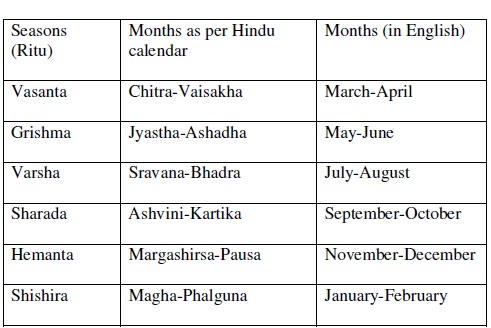
From the Vedic days we have divided the season in to six seasons:

seasons-uu1tu1-trunc

1.Spring Season/Vasanta Rtu/ Ila Venil in Tamil/
Months Chitrai(Chaitra),Vaikasi (Vaishaka)/Mid March to Mid May

2.Summer/Greesma Rtu/Muthu Venil/
Months Ani (Jyeshta), Adi (Ashada)/Mid May to Mid July

3. Monsoon/Rainy/Varsha Rtu/Kar Kalam/
Months Avani (Shravana),Purattasi (Bhadrapada)/Mid July to Mid September

4.Autumn/Sharad Rtu/Kuthir Kalam/
Months Aippasi (Aswin), Karthikai (Kartika)/ Mid September to Mid November

5.Late Autumn/Hemanta/Mun Panikkalam/
Months Markazi (Margashirsha)Thai (Pausa)/ Mid November to Mid January

6.Winter/Shishira/Pin Panikkalam/
Months Masi (Magh),Panguni (Phalguna)/ Mid January to Mid March

6 season

Modern Classification: Pre Vernal, Vernal, Estival, Serotinal, Autumnal, Hibernal
Western Classification: Spring, Summer, Autumn, Winter.

Rtu in the Rig Veda

Rtu /season is mentioned in the Rig Veda. Though seasons are mentioned in it Atharvaveda (6-55-2) and several Samhitas mention “Six Seasons”.

Valmiki in his Ramayana described Hemanta Rtu in Aranya kanda, Vasanta Rtu and Varsha rtu in Kishkinda Kanda.

Manu mentioned seasons in the verses: 1-30, 3-217, 4-26, 9-36 and 3-273.
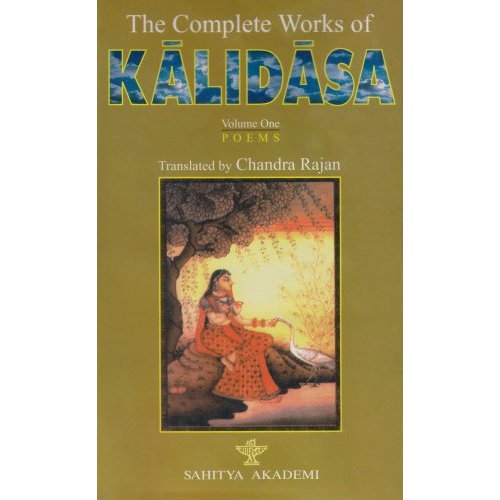
Kalidasa in his famous book on seasons Rtu Samharam (The Gathering of the Seasons) begins with summer season. It has got six sections, one each for a season. It has 144 verses.

According to Taittiriya Samhita Vasanta Rtu is the first one. Krishna also says that he is Vasanta rtu among the seasons (Bhagavd Gita 10–35).
khotanese

But Kalidasa began his book with the summer season so that he could finish it with the spring season. His description of nature is superb in this book. Scholars like Aurobindo had dismissed the doubts about the authorship of this work. Aurobindo had devoted half of his book for Rtusamharam in his book on Kalidasa. He said that we can see his hand in all the similes used in this work.

Tamils have been using the same division from the Sangam period. At the same time we see four divisions of seasons in Rome. In Greece we see a different system. This disproved the Aryan – Dravidian racist theory. Tamils saw eye to eye with their counterparts in North India. Oldest Tamil book Tolkappiam referred to six seasons in the Akattinai Iyal of Porul Adikaram.

Long Live United India!

Contact swami _ 48 @ yahoo.com

ritu

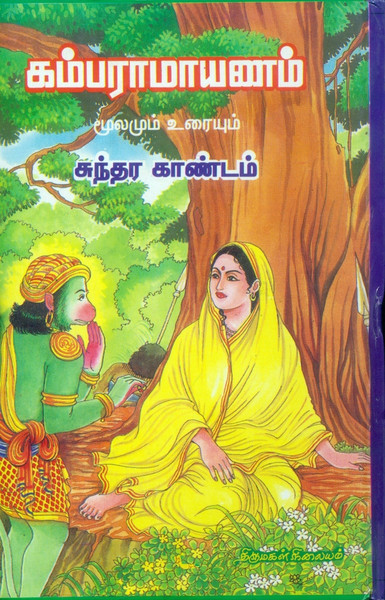
அரசனின் குணநலன்கள்: கம்பனும் காளிதாசனும்

கம்பன்2

கட்டுரை எழுதியவர் லண்டன் சுவாமிநாதன்
கட்டுரை எண்:– 1185: தேதி:— 21 ஜூலை 2014.

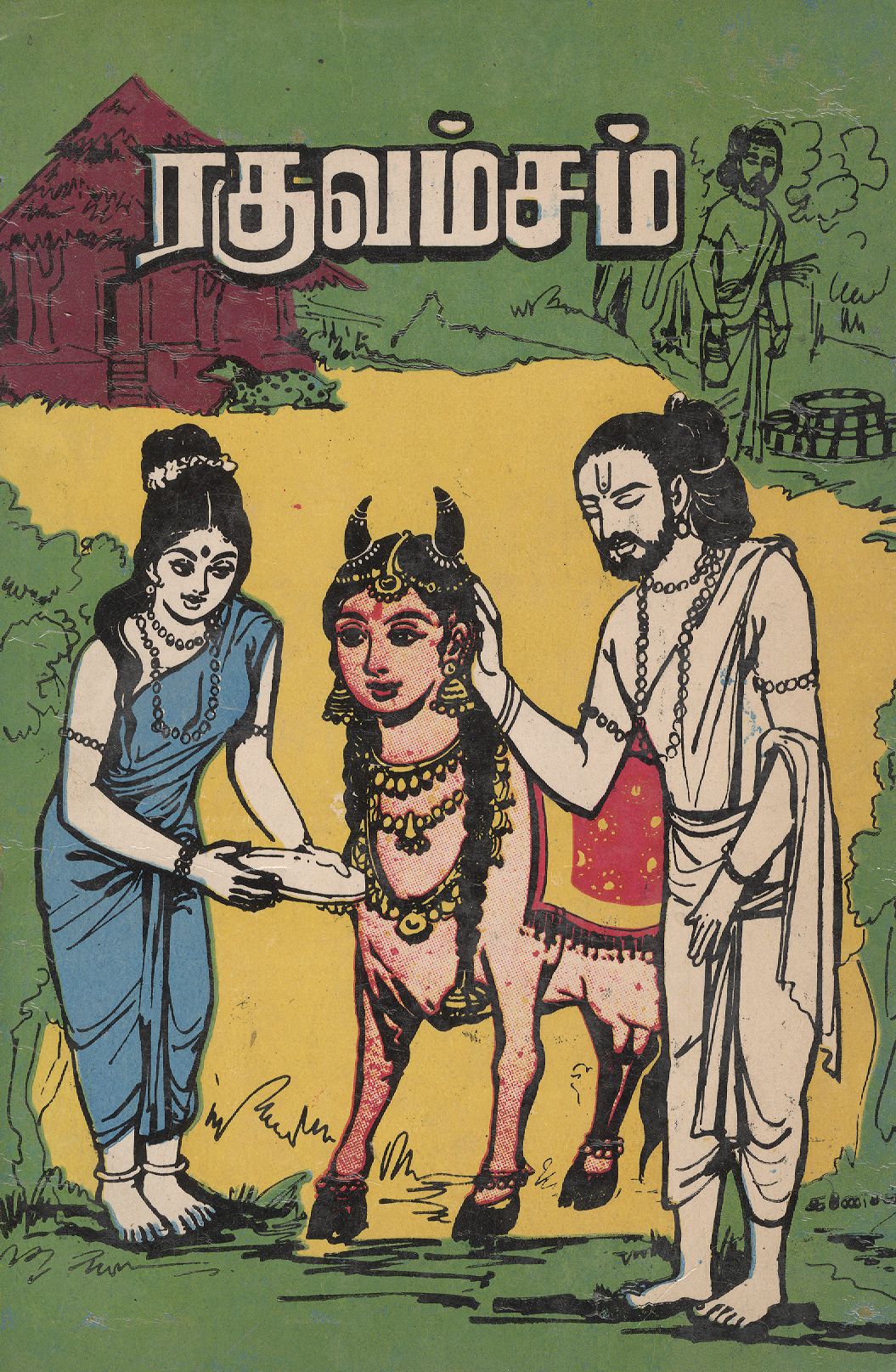
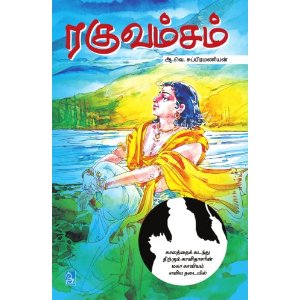
நல்ல அரசர்கள் குணங்கள் என்ன என்று கம்பனும், காளிதாசனும் பட்டியல் இடுகின்றனர். கம்ப ராமாயணத்தையும், ரகு குல மன்னர் புகழ் பாடும் காளிதாசனின் ரகுவம்சத்தையும் நமது மந்திரிகளும், ஆட்சியாளர்களும் படிக்கவேண்டும்; பின்பற்றவும் வேண்டும்.

இதோ கம்பன் கூற்று:–
இனிய சொல்லினன்; ஈகையன்; எண்ணினன்;
வினையன்; தூயன்; விழுமியன்; வென்றியன்;
நினையும் நீதி கடவான் எனின்,
அனைய மன்னர்க்கு அழிவும் உண்டாம் கொலோ?
(அயோத்யா காண்டம், மந்தரை சூழ்ச்சிப் படலம், பாடல் 111)

இவை அத்தனையும் ராமன், அவனது தந்தை தசரதன், அவனது முன்னோன் ஆன ரகு அத்தனை பேருக்கும் பொருந்தும்.

இனிய சொல்லினன்= இனிய சொற்களையே பேசுவான்
ஹிதபாசி என்று ராமனைப் புகஷ்வான் வால்மீகி;

ஈகையன் = வாரி வழங்கும் கொடையாளிகள்;

எண்ணினன் = எண்ணித் துணிக கருமம் என்னும் வள்ளுவன் வாக்கிற்கிணங்க எந்தச் செயலையும் ஆராயாமல் துவங்கமடார்கள்;

வினையன் = தேனீக்கள், எறும்புகள் போல எப்போதும் சுறுசுறுப்பானவர்கள்; சோம்பேறித்தனம் என்பதே அவர்கள் அகராதியில் இல்லை;

தூயன் = கறைபடாத கரங்கள் உடையோர்; மனம், மொழி, மெய்—மனோ,வாக், காயம் என்னும் திரிகரண சுத்தி உடையோர்;

விழுமியன் = சிறப்புமிக்கவர்கள்; ஆயிரத்தோடு ஒன்று ஆயிரத்தொன்று என்று வாழாமல், ஒவ்வொருவரும் ஒரு சிறப்பான செயல் புரிந்து வரலாற்றில் அழியாத இடம் பெறும் “தோன்றின் புகழொடு தோன்றுக” வகையினர்;

வென்றியன் = தோல்வி என்பதே அவர்கள் அகராதியில் இல்லை; “எடுத்த காரியம் யாவினும் வெற்றி: என்ற பாரதி வாக்கிற்கு இலக்கணமாகத் திகழ்பவர்கள்;

நினையும் நீதி கடவான் = எவரும் போற்றும் அரச நீதியில் இருந்து விலகாதவர்கள்.
இது கம்பன் தரும் சித்திரம்.

Ragu_big

ஆஜன்ம சுத்தானாம், ஆ பலோதய கர்மணாம், ஆசமுத்ர க்ஷிதீசானாம், ஆநாக ரத வர்த்மனாம்

ரகு குல மன்னர்கள் பற்றி நான்கு விஷயங்களை முதல் சர்க்கத்திலேயே காளிதாசன் (ஸ்லோகம் எண்:5) சொல்லி விடுகிறான்:

1.பிறவியிலேயே பரிசுத்தமானவர்கள் (( ஆஜன்ம சுத்தானாம்)).
2.பயன் கிடைக்கும் வரை முயற்சியை உடையவர்கள் (( ஆ பலோதய கர்மணாம்)) — (எடுத்த காரியம் யாவினும் வெற்றி)

3. இரு பக்கமும் சமுத்திரத்தின் கரைகள் வரை ஆட்சி புரிபவர்கள் (( ஆசமுத்ர க்ஷிதீசானாம்)). பரந்த சாம்ராஜ்யம்!

4.அவர்களுடைய தேர்கள் சுவர்க்கத்தின் வாசல் வரை செல்லத் தக்கன (( ஆநாக ரத வர்த்மனாம்)) !!

இனி காளிதாசன் ரகு வம்ச காவியத்தில் முதல் சர்க்கத்தில் என்ன சொல்கிறான் என்பதைப் பார்ப்போம்:–

தெய்வ நம்பிக்கை உடையோர்; தேவ பூஜை செய்தனர்
தானம் கேட்டு வந்தவரின் மனம் வருந்தாத அளவுக்கு தானம் கொடுத்தனர்.

குற்றத்திற்கு ஏற்ற தண்டனை வழங்கினர்.

பிறருக்குக் கொடுப்பதற்காக பொருள் ஈட்டினர்.

காலத்திற்கு ஏற்ற அறிவு பெற்றனர்; அதாவது காலத்திற்கு ஏற்ப புதுப்புது விஷயங்களைக் கற்றனர்.

குறைவாகப் பேசினர்; எதற்காக? அதிகம் பேசினால் வாய் தவறி சத்தியம் பிறண்டு விடுமோ என்று பயந்து சத்தியத்தைக் காக்க மிதமாகப் பேசினர்.

புகழிற்காக மற்ற மன்னர்களை வென்றனர். நாடு பிடிக்க அல்ல; மக்களைக் கொன்று குவிக்க அல்ல.

இளமையில் கல்வி கற்றனர்; “இளமையில் கல்” என்ற ஆத்திச்சூடி வசனம் அவர்களுடைய குறிக்கோள்

யௌவனப் பருவத்தில் (வாலிப வயதில்) இன்பம் துய்த்தனர்.

திருமணம் செய்து கொண்டனர்; எதற்காக—வம்ச விருத்திக்காக!! (செக்ஸுக்காக அல்ல)

வயோதிகப் பருவத்தில் காட்டிற்குப் போய் தவம் செய்து யோகத்தினால் உயிரை விட்டனர்.

குசன் மகன் ஆட்சி எப்படி இருந்தது?

big-kalidasa

ரகு வம்ச 17–ஆவது சர்க்கத்தில் ராம பிரானுடைய பேரன் அதிதி — (குசனின் மகன்) — ஆட்சியில் அவன் எப்படி இருந்தான் என்பதைக் கூறும் ஸ்லோகங்கள் மேலும் சில சுவையான தகவல்களைத் தருகின்றன:

நியாய சபையில் தானே அமர்ந்து நீதி வழங்கினான்.

வேலைக்காரர்களுக்கு வேலை முடிந்தவுடன் ஊதியம் அளித்தான்.
மழைக்கால நதிகளில் வரும் வெள்ளம் போல மக்களுக்கு செல்வம் கிடைத்தது.

சொன்ன சொல் தவறவில்லை; கொடுத்ததை ( வரிகள் என்ற பெயரில்) திரும்ப எடுத்துக்கொள்ளவில்லை.

வாலிபப் பருவம், அழகு, செல்வம் இருந்தும், கர்வம் இல்லை.

ஒற்றர்களைக் கொண்டு தன் நாட்டிலும் பிற நாடுகளிலும் நடப்பதை அறிந்தான்.

அவன் நாட்டைச் சுற்றி அரண்கள் அமைத்தான்; எதற்காக? பயத்தினால் அல்ல; ராஜ நீதிப்படி ஒரு நாடு அரணோடு இருக்க வேண்டும் என்பதற்காக.

மக்களுக்கு வருத்தம் தரும் எதையும் செய்யவில்லை.

raguvamsam

2000 ஆண்டுகளுக்கு முன் காளிதாசன் எழுதிய ரகுவம்சத்தைப் சம்ஸ்கிருதத்தில் படிக்கையில் அக்காலத்தில் வாழ மாட்டோமா என்ற எண்ணம் மனதில் எழும். பொன்னியின் செல்வன் நாவலைப் படிக்கும்போது ராஜ ராஜ சோழன் காலத்தில் வாழ நாம் ஆசைப்படுவது போல!—
முற்கால பாரதத்தின் எழுச்சியை வருணிப்பதில் காளிதாசனுக்கு நிகர் காளிதாசனே!!
சாகுந்தலம், மேகதூதம், ரகுவம்சம் முதலான ஏழு நூல்களையும் மல்லிநாதர் முதலியோரின் விரிவுரைகளுடன் பயில வேண்டும். அவைகளை சங்க இலக்கியத்துடன் ஒப்பிட்டு மகிழ வேண்டும்!

-சுபம்-

Hindu’s Amazing Knowledge in Botany!!!

purnakumba
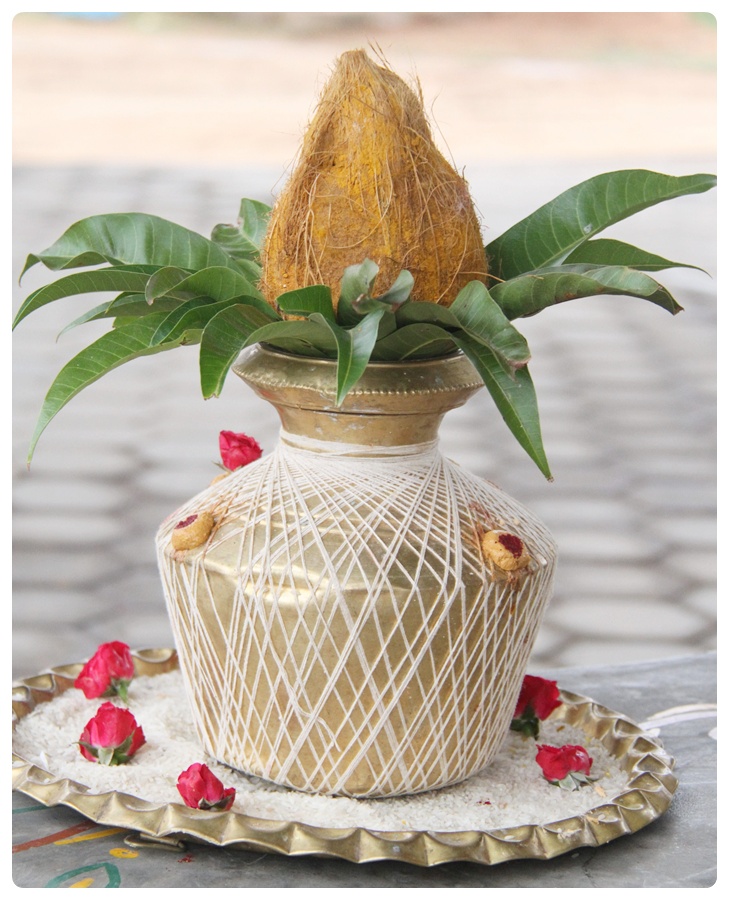
Purna kumba with coconut and mango leaves (auspicious symbol)

Research writer:– London Swaminathan
Post No:–1184; Dated 20th July 2014.

*Vedic Index mentions about 74 different plants.
*Valmiki Ramayana Index gives a list of about 170 plants.

Hindus use a lot plants in their day to day religious rituals in their houses as well as temples. They have got an amazing variety of plants .This article is about the plants used only for “religious rituals”. Hindus will comfortably beat any community or race in the world. I can’t list all the plants here. This is only a sample survey.

If it is a medical treatise like Charaka in Sanskrit or Agastya in Tamil I would not be surprised. In 2000 year old Sangam Tamil Literature a Brahmin poet by name Kabilar gives a long list of 99 plants of the Tamil landscape at one go in Kurinjippattu. But it is not a religious literature. But the same poet sings about offering Patram,Pushpam, water to god in Purananuru verse 106.

Arani Mantha
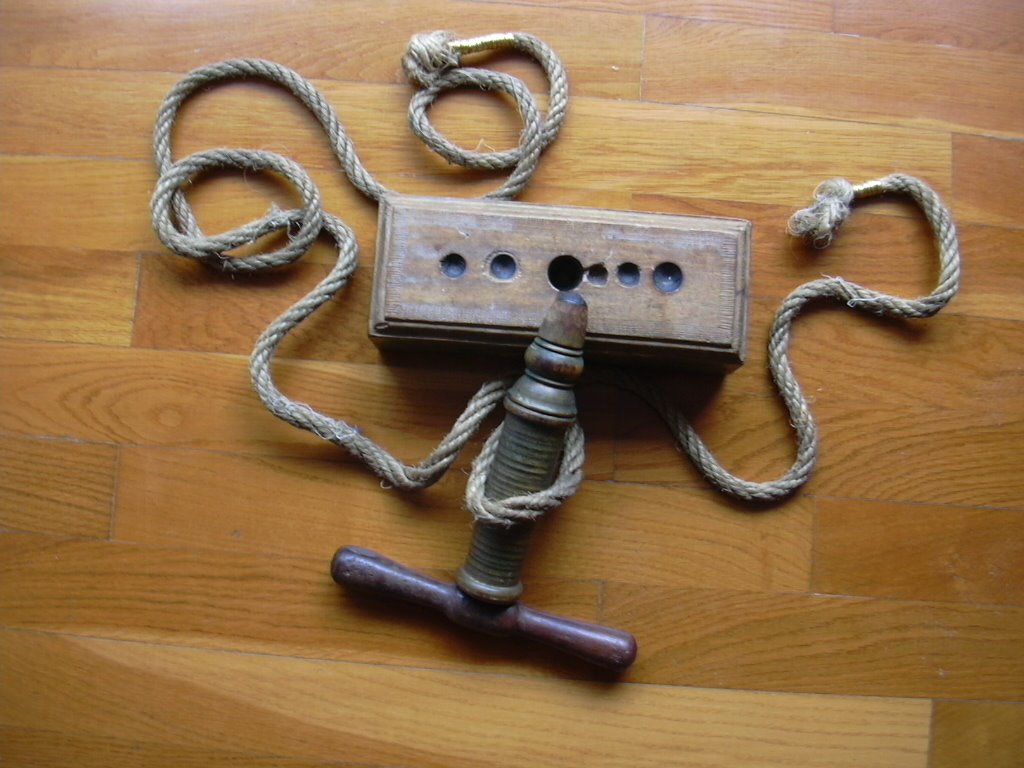
Vedic Equipment to kindle fire (Arani)

Following is the list of some important plants. The numbers within brackets are used for counting:–
Tulsi (1) and Bilva (2) are used in the houses and temples every day.

Peepal (3)tree (Ficus religiosa) and Sami (4)tree(Prosopis cineraria) are used to produce fire. In Vedic days there was no match box. Either they used the fire from the permanent fireplace in the houses or used an Arani wood. It is made up of Peepal and Sami Trees. A churning device made up of strong peepal wood will churn the sami wood to kindle fire. This has been used from the Vedic days.

Banyan (5)tree( Vata Vrksa) and Fig (6)tree (Udumbara) are mentioned in Vishnu Sahasranamam along with the Peepal tree. Neem (7) tree also known as Margosa tree is used in all the village goddess temples in Tamil Nadu. It has got anti viral and anti bacterial properties. South Indians use it on the new year day.

Two plants (8)Mango tree and (9)Plantain Tree (banana tree) are considered very auspicious. No religious function or festival is celebrated without these two. Mango leaves are used as festoons in weddings and Holy Pots are decorated with the leaves. Mango fruits are God’s favourite fruits. All parts of plantain tree are used in temple and home rituals and food. Plantain leaf cups are used (Donnai) in Vedic ceremonies. Coconut (10) is the most important ingredient in the temple offerings. Copra is offered in the homam.
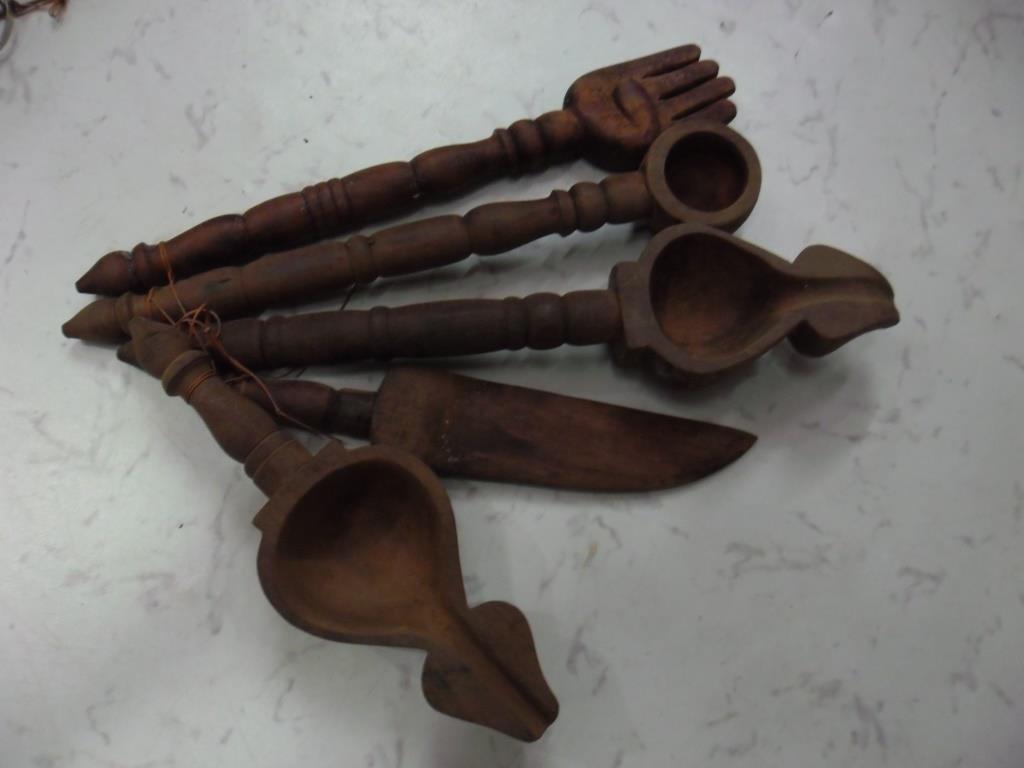
spoons
Yaga Spoons made up of Palasa wood

In the Fire Ceremonies known as Homams, Havans, Yagas and Yajnas in Sanskrit, a lot of special woods or sticks are burnt with butter/ghee. The most important of these plants are Soma plant (11) and the peepal sticks. No one knew the identity of the soma plant yet. But foreign “scholars” have competed with one another in bluffing and fooling the Hindus (See my earlier article). Drug addicts described it as a narcotic and drunkards described it as an intoxicant. This is because they don’t see drinking or using drugs as a sin and they have been using it for long. In short their interpretations reflected their culture.

The wood or sticks used for Navagraha Homam or any Household are Arka/Erukku/ calatropis procera (12)Purasu (13), Karunkali (14), Arasu/Peepal, Aththi/Udumbara/Fig, Vanni/Sami,Nayuruvi (15)and Arukam (Durva) Pul grass (16).

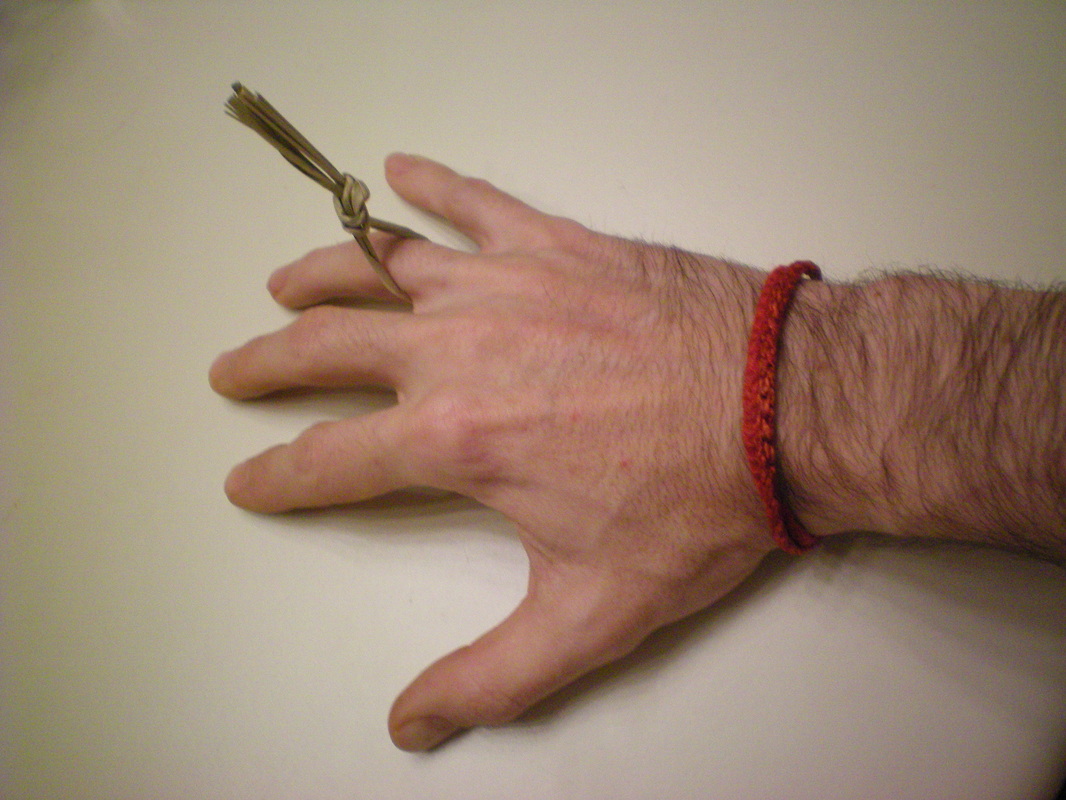
No Hindu priest will walk out of his hose without (17) Dharba grass in his Puja/ceremony pack. Hindus believe that Dharba is the most powerful and the holiest of all the grasses. All the ceremonies must be performed by wearing this as a ring (Pavitram) in the ring finger.

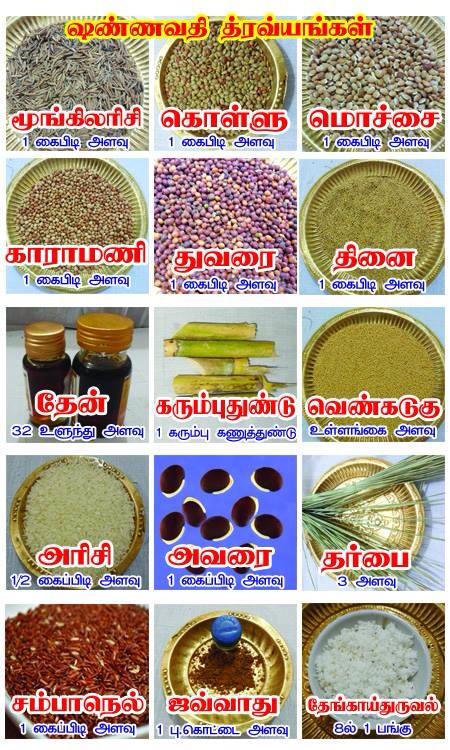
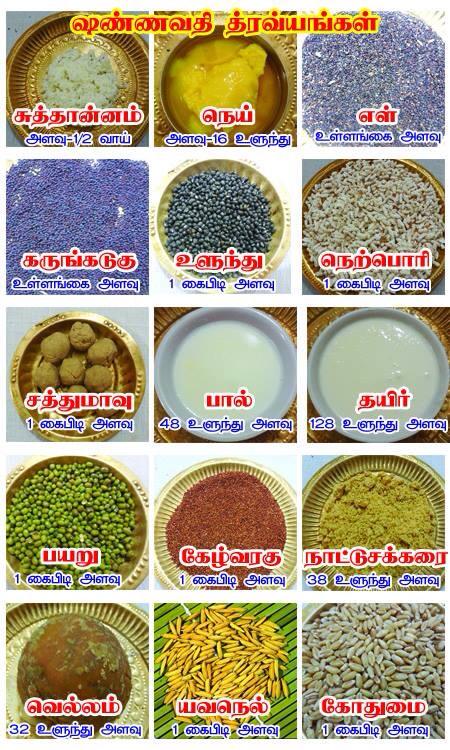
In the Homam to propitiate nine Planets (Nava Grahas), Hindus use nine different pulses or grains. Rice plays the most important part in the funeral rites as well as the wedding rites. If it is a funeral ritual, cooked white rice balls are used. Uncooked yellow coloured rice is used in all the auspicious functions. This shows Hindus did not migrate from any cold countries. They originated in the Indus -Ganges plains where (18) paddy was grown. Other ingredients used: Bamboo rice (19), Black gram (20)Horse gram(21), Lima Bean seeds (22), Millets (23), White Mustards (24),Black mustard (25) Sesame (26), Sugar Cane (27), Wheat (28), Green Gram (29), Karamani pulses/Cow peas(30).

homadravyas5
Homa Dravyas (Pulses and Grains)

I have written an article about use of sesame seeds from Vedas to Indus valley. I have written another article about Sugar cane Dynasty (Ikshwaku Dynasty and Indus Valley)
No funeral ceremony can be conducted without white rice and sesame seeds. This shows Hindus originated in the tropical India. Rice mixed with jaggery (unrefined sugar) is offered to God.

Plant from the Heaven
The one thing which I couldn’t explain scientifically is the Samudra Manthan (Churning of the Milky Ocean with the help of a mountain and a snake) in Hindu mythology. Though some people have given some explanations, they don’t justify all the 14 products that came from the ocean! One of the fourteen is (31) Parijatha tree (Coral Jasmine), the flowers of which are offered to the god. I How come this tropical plant came from the heaven? Or Have we identified it wrongly?

Spices
Hindus use the (32) cloves (33)cardamom and (34) saffron to add fragrance to all their religious drinks. Turmeric (35) is the most auspicious colouring product that Hindus use.

homa dravyas

Garlands
Garlands made up of (36)Rudraksha seeds and Tulsi seeds are worn by devotees. 10 to 15 types of flowers are used in the temple offerings. It differs from region to region. 37.Jasmine, 38.Marigold, 39.Lotus, 40.Hibiscus rosasinensis, 41.Nerium odorum, 42.Champak/Shenpakam and 43.Chrysanthemum dominate. 44.Roses are late arrivals in Hindu offering.

Probably India is the only country in the world named after a tree- (45)Jambu tree (Jambu dweepa). There are other dweepas (islands/continents) named after plants among the Sapta dweepas. But they are not used now. Orthodox Hindus in India do the Sankalpa ( religious vow) everyday in the name of Jambudweepa. Black coloured berries (Syzigium cumini) are offered to Lord Ganesh with (46) wood apple.

Yaga spoons are made up of Palasa (47) wood. Sandal (48) wood is offered in Homa and sandal paste is a must for all religious ceremonies.

((I have a B.Sc. in Botany with Zoology and Chemistry as ancillary subjects. I have two M.A.s in Literature and History. So whenever I study any literature I always look for botanical references. What amazed me was the reference of innumerable plants in religious literature. Of course Bible also has references to many plants and there are some books on this topic. But the big difference between Hindus and other religions is that Hindus are still using innumerable plants in their day today life for religious rituals)).

pavitra
Pavitra ring made up of Dharba grass

List of Plants used by the Hindus:—
1.Tulsi plant 2.Bilva Tree 3.Peepul (Ficus religiosa) 4.Sami tree 5.Banyan tree (Ficus Indica) 6. Fig Tree 7.Neem Tree (Azadirachta Indica) 8.Mango Tree 9.Plantain Tree 10. Coconut Tree 11. Soma creeper (somalatha) 12.Erukku 13.Purasu 14.Karunkali 15.Nayuruvi 16.Arukampul grass 17.Dharba grass 18.Paddy 19.Bamboo rice 20.Black gram 21.Horse gram 22.Country Bean seeds 23.Millets 24.White Mustards 25.Black mustard 26. Sesame 27. Sugar Cane 28. Wheat 29. Green Gram 30. Karamani/Cow peas 31.Parijatham 32.Cloves 33.Cardamom 34.Saffron 35.Turmeric 36.Rudraksha Tree 37.Jasmine 38.Marigold 39.Lotus and its root 40.Hibiscus rosasinensis 41.Nerium odorum 42.Shenpakam /Champak 43.Chrysanthemum dominate. 44.Roses 45.Jambu Tree 46.Wood Apple 47.Plasa wood 48.Sandal wood

contact swami _ 48 @ yahoo.com

ஆசை பற்றி அறையலுற்றேன்…..

கம்பன்1

கட்டுரையாளர் :– லண்டன் சுவாமிநாதன்
கட்டுரை:- 1183; தேதி:–20 July 2014.

கம்பன் பாடிய ராமாயணப் பாடலில் பால காண்டத்தில் மிகவும் பணிவோடு சொல்கிறான்:

ஓசைபெற்று உயர்பாற்கடல் உற்று, ஒரு
பூசை முற்றவும் நக்குபு புக்கென
ஆசை பற்றி அறையலுற்றேன் – மற்று, இக்
காசு இல் கொற்றத்து இராமன் கதை அரோ! (4)

பொருள்:– பெரிய புனிதமான திருப் பாற்கடலை ஒரு பூனை நக்கிக் குடிப்பது போல, குற்றமற்ற, வீரம் மிக்க ராமன் கதையை சொல்லவேண்டும் என்ற ஆசையால் நான் சொல்கிறேன்.

பின்னர் ஒரு பாடலில் மூவர் பாடிய ராமாயணத்தில் முதல்வர் (வால்மீகி) பாடியதை வைத்துப் பாடியதாகக் கூறுகிறான். அந்த முதல்வர் வால்மீகி என்பதை அதற்குப் பின் வரும் பாடலில் பெயரைச் சொல்லியே உறுதிப் படுத்துகிறான். ஆனால் அந்த மூவர் யார் என்பதற்கு உரைகாரர்கள் வசிஷ்டர், போதாயனர், வால்மீகி ஆகியோர் எழுதியவை என்கின்றனர். நமக்குக் கிடைத்திருப்பதோ வால்மீகி ராமாயணம் ஒன்றுதான். காளிதாசன் ரகுவம்சத்தில் எழுதியதைக் கம்பன் திரும்பச் சொன்னானோ என்று எண்ண வேண்டியிருக்கிறது. இதோ கீழ்வரும் பாடலைப் படித்து நீங்களே முடிவு செய்யுங்கள்.

கம்பன்3

முத்தமிழ்த் துறையின் முறை போகிய
உத்தமக் கவிஞர்களுக்கு ஒன்று உணர்த்துவென்
பித்தர் சொன்னவும் பேதையர் சொன்னவும்
பத்தர் சொன்னவும் பன்னப் பெறுபவோ –(பால. 8)

பொருள்:– முத்தமிழ் நூல்களைக் கற்றுத் தேர்ந்த புலவர்களுக்கு எல்லாம் ஒரு பெரிய அறிவிப்பு:– பைத்தியக்காரர்கள் சொன்னதையும், அரைவேக்காடுகள் சொன்னதையும், பக்தர்கள் சொன்னதையும் ஆராயலாமோ!!

தேவ பாடையின் இக்கதை செய்தவர்
மூவர் ஆனவர் தம்முளும் முந்திய
நாவினான் உரையின்படி நான் தமிழ்ப்
பாவினால் இது உணர்த்திய பண்பு அரோ! (10)

பொருள்:– தேவ பாஷையான — (கடவுளரைப் போற்றும் வேதம் உள்ள மொழி) —-சம்ஸ்கிருதத்தில் மூவர் —-(வால்மீகி, வசிட்டர், போதாயனர்) — இராமன் கதையைப் பாடினர். அவர்களுள் முதன்மையான நாவல்லமை மிக்கோனைப் — (வால்மீகி) – பின்பற்றி தமிழில் நான் பாடுகிறேன்.

raghuvamsa_of_kalidasa

காளிதாசன் ரகுவம்சம்

க்வ சூர்யப்ரபவோ வம்ச: க்வ ச அல்பவிஷயோ மதி:
திதீர்ஷு:துஷ்தரம் மோஹாத் உடுபேனாஸ்மி சாகரம்

பொருள்:– சூரியனிடமிருந்து இந்த வம்சம் தோன்றியது. அந்த வம்சத்தின் பெருமையோ சிறந்தது. நானோ மிகக் குறைவான அறிவுடையவன். கடக்க முடியாத சமுத்திரத்தை ஒரு சிறு படகின் மூலம் ஒருவன் கடக்க விரும்புவது போல என் சிறு மதியால் கடல் போன்ற இந்த சரித்திரத்தைக் கூறப் போகிறேன்.

மந்த: கவியச: ப்ரார்த்தி கமிஷ்யாம் உபஹாஸ்யதாம்
ப்ராம்சு லப்யே பலே லோபாத் உத்பாஹுரிவ வாமன:

பொருள்:– குறைந்த அறிவுடைய நான் கவியின் புகழை அடைய விரும்புகிறேன். உயரமான மனிதன் மட்டுமே அடையக்கூடிய பழத்தை குள்ளமான நான் கைகளை நீட்டிப் பறிக்க முயலும்போது பரிகசிக்கப்படும் நிலையை அடைவேன்.

அதவா க்ருதவாக் தூரே வம்சேஸ்மின் பூர்வசூரிபி:
மணௌ வஜ்ர சாமுத்கீர்ணே சூத்ரயேவாஸ்தி மே கதி:

நான் காவியம் இயற்றும் திறமை இல்லாவிடினும் முன்னோர் சென்ற வழியில் சென்று என் விருப்பத்தை நிறைவேற்றிக் கொள்வேன். எப்படி வஜ்ர ஊசியினால் துளைக்கப்பட்ட துவாரத்தில் நூல் எளிதில் செல்லுமோ அப்படி முன்னோர் —- (வால்மீகி) — போட்ட துளை வழியாகச் செல்வேன்.
—ரகுவம்சம் முதல் சர்கம் பாடல் 2, 3, 4

மேலும் இரண்டு ஸ்லோகங்களில் ரகுவம்ச மன்னர்களின் குணங்கள் தன் காதில் விழுந்துவிட்டதால், ஏற்பட்ட உந்துதலால் துணிச்சலாக இந்தக் காவிய முயற்சியில் இறங்கியதாகவும் தனக்கு சொற்செல்வம் குறைவே என்றும் பணிவுடன் கூறுகிறார். தங்கம் சுத்தமானதா இல்லையா என்பதை அக்னியில் (தீயில்) போட்டு பரிசோதிப்பது போல பெரியோர்கள் என் காவியத்தைப் பரிசோதிக்கட்டும் என்கிறார்.

கம்பனையும் காளிதாசனையும் படிக்கும்போது கம்பன் காளிதாசனைப் பின்பற்றினானோ ( அறிமுகப் பாடல்களில் மட்டும்) என்று எண்ண வேண்டி இருக்கிறது. ஆனால் இரு புலவர்களும் எவ்வளவு பணிவோடு துவங்கினர் ! அவை இரண்டும் எப்படி உலகப் பிரசித்தம் அடைந்து விட்டன!!

‘வித்யா விநயன்ன சம்பதே’= பணிவால் கிடைப்பதே கல்வி; கல்விக்கு இலக்கணம் பணிவு!

இந்த நேரத்தில் நினைவுக்கு வரும் மேலும் ஒரு பாடல் ஆதிசங்கரரின் அபூர்வ சௌந்தர்ய லஹரி (அழகின் அலைகள்) துதியில் வரும் ஒரு பாடலாகும்.

lahari

சௌந்தர்ய லஹரி

ஜபோ ஜல்ப: சில்பம் ஸகலமபி முத்ரா விரசனா
கதி: ப்ராதக்ஷிண்ய – க்ரமண – மசனாத்யாஹுதி – விதி:
ப்ரணாம: ஸம்வேச: ஸுகமகில – மாத்மார்ப்பண – த்ருசா
ஸபர்யா – பர்யாயஸ் – தவ பவது யன்மே விலசிதம்
–சௌந்தர்ய லஹரி பாடல் 27

ஆதிசங்கரர் கூறுகிறார்:

தாயே! நான் ஆத்மாவை உனக்கு அர்ப்பணித்துவிட்டேன். நான் என்ன பேசினாலும் அதையெல்லாம் உனது ஜபமாகக் கொள்ளவேண்டும். நான் என் கைகளால் செய்யும் அத்தனையையும் உனது முத்திரைகளின் விளக்கமாகக் கொள்ள வேண்டும். நான் நடப்பதையெல்லாம் உன்னை வலம் வருவதாகக் கொள்ள வேண்டும். நான் சாப்பிடுவதை எல்லாம் உனக்கு வேள்வித் தீயில் ஆகுதி செய்ததாகக் கொள்ள வேண்டும், நான் படுத்துக் கொண்டால் அதைக் கீழே விழுந்து வணங்கியதாகக் கொள்ள வேண்டும். எனது செயல்கள் அனைத்தும் உனது பூஜையாகக் கொள்ள வேண்டுகிறேன்.

இப்படிப்பட்ட ஒரு நிலை வந்துவிட்டால் — எதையும் இறைவனுக்கு அர்ப்பணமாகச் செய்யும் நிலை வந்துவிட்டால் — எல்லோரும் சங்கரர் ஆகிவிடுவர்.

வாழ்க கம்பன், காளிதாசன், ஆதி சங்கரன்!!!

Be a Guest in India!

Mahabharata06ramauoft_0964

Written by London swaminathan
Post No.1182; Dated 19th July 2014.

If you are a guest in India you will receive special treatment. Hospitality is the hallmark of a good householder. It is one of the Panchayajnas. Of the Pancha/five Yajnas/Duties, Manushya Yanja is one. This means feeding the fellow humans. Whether they are poor or rich, if they knock at your door you must not turn them down. In the olden days people used to go out to the street and look for guests at the lunch time. Then they will go for the dinner or lunch.

Ilango, author of Tamil epic Silappadikaram, says that the heroine Kannagi worried that she was not able to welcome the guests. Sita in Kamba Ramayana, also echoed the same feelings.

Great Tamil poet Tiruvalluvar says,

“The only purpose, of a family life of virtue and wealth,
Is to command the means of extending hospitality to the guests – (Kural 81)

“Even the nectar of immortality is not to be consumed
Without sharing with the guests waiting outside — (Kural 82)

“He who daily entertains the guests who go to him will never be ruined by poverty– (Kural 83)

Story from Mahabharata

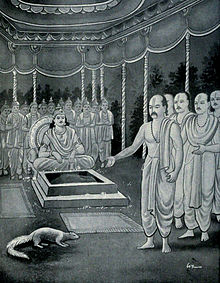
A good story that illustrates the greatness of hospitality is in the Mahabharata. When Yudhistra performed the Rajasuya Yajna, thousands of people were fed. When everyone was satisfied there appeared a mongoose and challenged Yudhistra. Half of its body was in golden colour. It rolled on the leftovers of the guests. When Yudhistra asked the reason for it, the mongoose told him a story.

“A hungry man approached a poor man’s house for food. Though the poor man had prepared full meal after a very long time, he readily offered his food to the guest. When the guest was not satisfied, his wife and son offered their shares. When he left the hose I just rolled on the left over food and half of my body turned gold. From then onwards I had been visiting lot of places where food was donated. But my body never turned gold. I am greatly disappointed that even here my body did not turn into gold. This reduced the ego of Yudhistra.

Guests are welcome in any country. But in ancient India, they were considered Gods. This was true from the land’s southern most end Kanyakumari to northern most Kashmir. If anyone wants to be a guest one should be a guest in India — in ancient India! Tamil and Sanskrit literature have got a lot of proverbs or sayings about Atithih/Guest.

Following are the sayings in Sanskrit on the Guests from ‘’Suktisudha’’ (Chinmaya International Foundation Publication):

“A guest, though he be boorish, deserves to be welcomed by the discerning – Valmiki Ramayana 5-1-119

“Hail the guest as God (Atithi Devo Bhava, Taittiriya Upansishad 1-20)

“Even though it be a foe who has come home, appropriate hospitality to him is a must – Hitopadesha 1-50

“Hospitality bears no fruit in the hereafter, but verily in this life itself – Kathasaritsagara

“It is the duty of a householder to honour the guest according to his capacity — Kathasaritsagara

“It is befitting to receive the visitor with due honour — Pratinja Yaugandharayana of Bhasa

“For all, the guest is of paramount importance “– Canakyaniti 6- 45

–Subham–

லண்டன் புறாவும் கம்பன் புறாவும்

pigeon1

கட்டுரையாளர்: லண்டன் சுவாமிநாதன்
கட்டுரை எண்:– 1181; தேதி:– 19 July 2014.

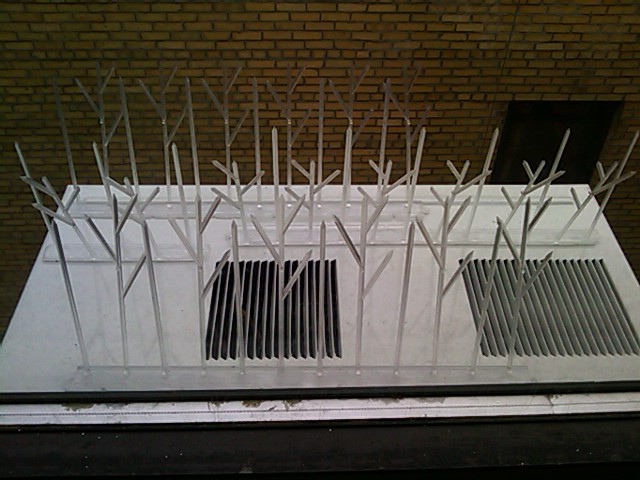
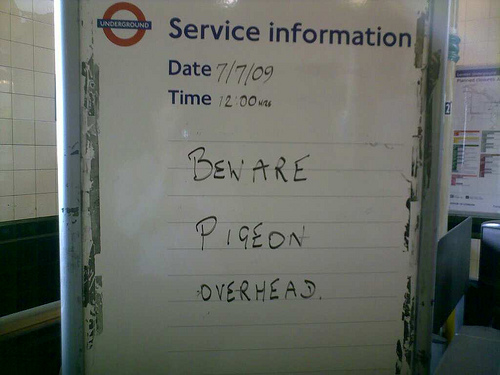
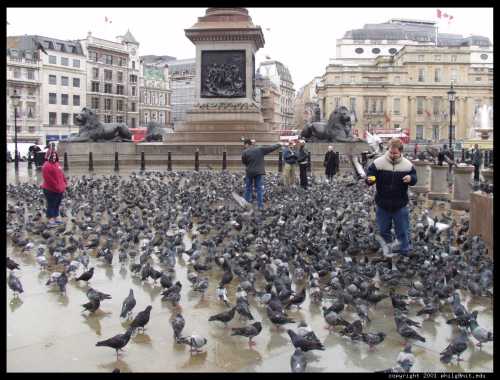
கம்பராமாயணப் பாடலைப் படிதவுடன் லண்டன் காட்சி ஒன்று நினைவுக்கு வந்தது. இங்கெல்லாம் ஒவ்வொரு சுரங்க ரயில் பாதை ஷ்டேஷனிலும் வீடுகளிலும் புறாக்கள் உட்காரக் கூடாது என்பதற்காக மேல் கூரையில் கூரான கம்பிகளைப் பொருத்தி வைத்திருக்கிறார்கள். காலையில் அலுவலகத்துக்குச் செல்லும் ஆட்களின் ‘கோட்டு- சூட்’டுகள் மீது புறாக்கள் எச்சம் போட்டுவிடக்கூடாது என்பதற்காக! லண்டனின் மத்தியப் பகுதியில் உள்ள டிரபால்கர் சதுக்கத்தில் புறாக்களுக்கு பொறி வாங்கிப்போடுவதை யும் தடுத்துவிட்டனர்.

லண்டன் முதலிய மேலைநாடுகளில் ஆடு, மாடு, நாய், பூனை, கோழி, சேவல் எல்லாவற்றையும் வளர்ப்பார்கள்; “மானே, தேனே, முத்தே, மணியே, கரும்பே, கற்கண்டே” என்று கொஞ்சுவார்கள். விருந்தினர் வரும் அன்று எல்லாம் “டைனிங் டேபிளில்” சாப்பாடாக மாறிவிடும். குழந்தைகள் கொஞ்சம் வருத்தப்பட்டால், அடுத்த விருந்து நடக்கும் வரை மரணத்தை ஒத்திப் போடுவார்கள். வெளிநாடு போகும்போது நாய் பூனைகளைக் கொலைக்களத்துக்கு அனுப்பிவிடுவார்கள். இதற்கான அறநிறுவனங்கள் அவற்றை வேறு யாரும் ஏற்காவிடில், ஒருவாரத்தில் எலெக்ட்ரிக் ஷாக் கொடுத்து ‘’கருணையோடு’’ கொன்று விடுவார்கள்.

இதைத் தவிர ஒவ்வொரு நாளும் கொல்லப்படும் ஆடு மாடுகளின் எண்ணிக்கை மில்லியன் கணக்கில்!! லண்டனில் மட்டும்!!

கம்பன் பாடலில் அயோத்தி நகர மாளிகையில் புறவுக்கு மாடம் வைத்திருப்பதை ஒரு அழகு, ஒரு சிறப்பு என்று வருணித்ததைப் படித்தவுடன் இத்தனையும் நினைவுக்கு வந்தது!!!

pigeon2

புள்ளி அம் புறவு இறை பொருந்தும் மாளிகை
தள்ள அருந் தமனியத் தகடு வேய்ந்தன
எள்ள அருங் கதிரவன் இள வெயிற் குழாம்
வெள்ளி வெண் கிரிமிசை விரிந்த போலுமே
-பால காண்டம், பாடல் 121, கம்ப ராமாயணம்.

பொருள்: மாளிகைகளில் தங்கத் தகடுகள் வேயப்பட்டன. அவைகளை எளிதில் அகற்ற முடியாது. புள்ளிகளை உடைய மாடப் புறாக்கள் தங்குவதற்கு உரிய இடங்கள் இருந்தன. வெள்ளியிலான மலையில் காலை இளம் கதிரவனின் கிரணங்கள் பரவினால் எப்படி இருக்குமோ அப்படி அந்த மாளிகைகள் பிரகாசித்தன.

இதில் மாடப்புறாக்கள் தங்குவதற்கு இடம் இருந்தது என்பதைப் பெருமையாகக் கூறுகிறான் கம்பன். அதாவது மாடப் புறாக்கள் தங்குவதும் ஒரு அழகு. மாடங்களில் தங்குவதால்தான் அவைகளுக்கு மாடப்புறாக்கள் என்று பெயர். பறவைகளின் மீதுள்ள அன்புக்கு இதுவும் ஒரு சான்று.

beware pigeon

இந்தியப் புலவர்கள் இயற்கையின் மீது பற்று உடையவர்கள். காளிதாசனின் ரகுவம்சத்தில் இந்துமதி சுயம்வரக் காட்சியில் ஒரு பாடல் வருகிறது. சூரசேன மஹாராஜாவை இளவரசி இந்துமதிக்கு தோழி சுநந்தை அறிமுகப்படுத்துகிறாள் —- ஒவ்வொரு அரசனையும் அறிமுகப்படுத்தும் போதும் ஒவ்வொரு இயற்கைக் காட்சியும் வருகிறது. சூரசேன மன்னனை நீ மணந்துகொண்டால் கோவர்த்தன மலையில் உள்ள பாறைகளில் அமர்ந்துகொண்டு மயில்கள் ஆடுவதைப் பார்த்து ரசிக்கலாம் என்று கூறுகிறான் காளிதாசன்.

மேலை நாட்டு, கீழை நாட்டு அணுகுமுறைக்கு இதுவும் ஒரு எடுத்துக்காட்டு.

trafalgar sq
Trafalgar Square in London. Now feeding pigeons is not allowed.

காக்கை குருவி எங்கள் ஜாதி நீள்
கடலும் மலையும் எங்கள் கூட்டம்-
நோக்கும் திசை எல்லாம் நாமன்றி வேறில்லை
நோக்க நோக்கக் களியாட்டம் — (பாரதி)

புறவுக்காக உயிர் கொடுக்க முன்வந்த சிபிச்சக்ரவர்த்தியின் புகழைப் பாடும் பாடல்கள் புறநானூற்றில் உண்டு. சோழநாட்டுக் கண்ணகியும் இதைக் குறிப்பிட்டு பாண்டிய மன்னனை வசைபாடுகிறாள்.

வாழ்க பறவைகள்!! வளர்க அஹிம்சை!!

-சுபம்-

Nine Planets in Hindu Astronomy

Planets_event_61433

Written by London Swaminathan
Post No.1180; Dated 18th July 2015

Hindus called heavenly bodies Grahas. So Nava Grahas/ Nine Planets include Sun, Moon, Mars, Mercury, Jupiter, Venus, Saturn, Rahu and Ketu. Strictly speaking, sun is a star and moon is earth’s satellite and Rahu and Ketu are north and south lunar nodes. Four of the “nine planets” are not planets. They calculated correctly the time of the eclipses in spite of these naming.

Thesauruses like Amarakosa in Sanskrit and Diwakaram and Pingalandhai in Tamil give several names for the planets. What do we know from these names or epithets for the planets? Navagraha stotras also describe the planets, their colours and their virtues. Now and then we read some “scholarly” articles about Hindus copying Greeks or the Babylonians. Is there any truth in it?

Following are taken from our Hymns or Thesarus:
Statement 1
Mars is the son of Earth (Bhumi putra, Mahisuta)
Statement 2
Mercury is the son of Moon (Induja, Somaja)
Statement 3
Saturn is the son of Sun (Chaya putra)
Statement 4
Venus causes rains (Rain planet in Tamil)
Statement 5
Moon influences Mind; moon is born out of the mind of God
Statement 6
Sun is linked to Eyes; sun is born out of the eyes of God
Statement 7
60,000 Valakilya Rishis, seers of thumb size, travel with the sun.
Statement 8
Guru/Jupiter is the Teacher (guru) of the Devas; Venus is the Teacher of Demons. Both are Brahmins.
Statement 9
Colours of the Planets: Saturn is black, Jupiter is Golden, Mercury is Green, Mars is red and Venus is white.
Statement 10
Saturn is lame or a slow coach; Jupiter measures the years.

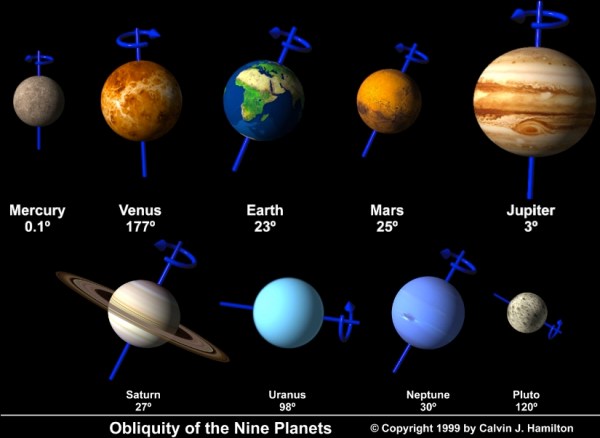
obliquity

What is the meaning?
The above statements are rough translations of the words found in thesaurus or the hymns. What do they mean? Are they scientific?
The short answer is most of them are yet to be proved by science. Let me give some explanations

About Statements 1, 2, 3
When you say that a particular planet is the son of another heavenly body (Graha) it may mean collision between the two heavenly bodies produced X planet. So we call the X planet is the son of so and so. In short it is an astronomical event happened long ago. In astronomical terms billions of years ago.
Another meaning is one looks like another. For instance Mars looks like earth and so we call it the son of the Earth.

The third meaning is that earthly creatures are going to settle in Mars in future. So we call Mars is the son of earth.

The fourth meaning is a hidden meaning which we don’t know now. May be future scientific discoveries may prove us right. If we take soil samples from both the planets and compare it, clearer picture will emerge.
For instance there are several theories about the origin of moon. Nothing is proved beyond doubt. Some say it is a big chunk thrown out of earth because of a collision and it can be easily fit into Pacific Ocean. Some others say it was caught by earth and made a slave (satellite) of earth. These theories can be made as beautiful Puranic stories (Mythology).

planets3

About Statement 4
Venus- Rain connection may be superficial or more than that. It is in Sanskrit books as well as Sangam Tamil books. The amount of rains or the drought is forecast by the position or movement of Venus in the sky according to Tamil commentators. Science hasn’t proved it yet.

About Statements 5,6
Rig Veda says that the sun and moon are born from the eyes and mind of the Supreme God. We know for sure the connection between the moon and the mind. Lot of articles have come out in science journals linking the lunatics and the full moon. Hindus believe that doing Surya Namaskar every day in the morning will brighten one’s eyes. Science has to prove it.
“Chandrama Manaso Jata: Chakshor Suryo Ajayata” (Purushasukta in the Tenth Mandala of Rig Veda).

About Statements 8,9, 10
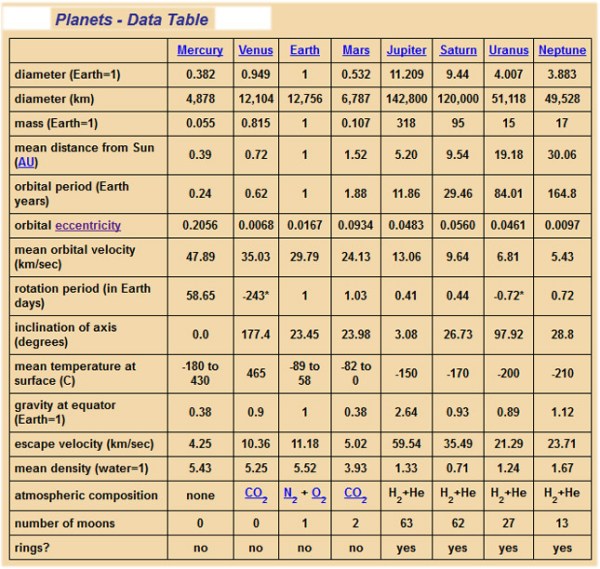
The colours are partly right. When we look at Mars in the sky it is blood red in the night sky.
When we say Saturn is “lame” we know that is the planet that takes longer years than other planets in completing one circle in orbit (30 years). When we say that Jupiter is the planet that measures years we mean it moves from one zodiac sign to another sign every year and completes the 12 zodiacal signs in 12 years which decides Kumba mela, Maha makam and other big festivals.

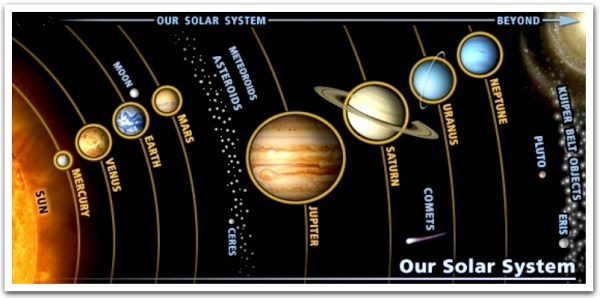
Planets-lots-of-info-Chart1

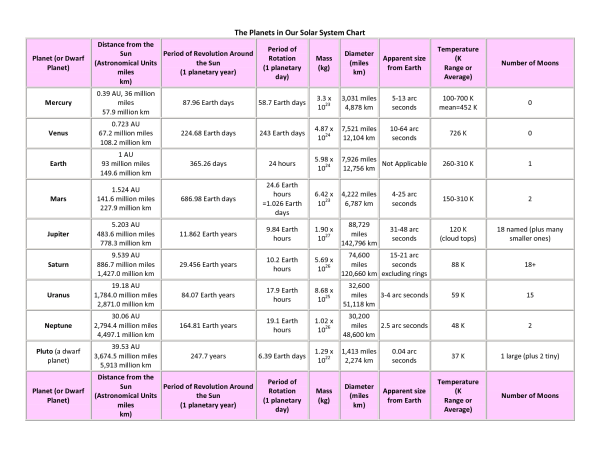
I have already written about the Valakilya Rishis (Lilliputian seers travelling with sun). I have also written about the Heavy planet Guru and its sling shot effect in sending the rockets without fuel. Guru in Sanskrit means Heavy and one who sends up (elevates) others.

My Conclusions:
1.No other language has got so many names for the planets or stars like Tamil and Sanskrit. This shows that astronomy was born here and we have not borrowed it from the Greeks or the Babylonians.

2.Brahmins in their Sandhya Vandhanam every day, worship Navagrahas in the same order like Sunday , Monday, Tuesday …….. They couldn’t have borrowed it from someone and inserted it in their Vedic ceremonies.

3.Tamil saint Sambandhar of seventh century CE sang about the nine planets in the same order. So it is Vedic and not Greek.

4. Moreover these beliefs are listed in 2000 year old scriptures in Tamil and Sanskrit from Kanyakumari to Himalayas covering the vast sub continent. So they couldn’t have borrowed it during Alexander’s time and spread it over the entire country. There were no mobile phones or telephone lines or electronic communication at that time!

distance

5. Foreign beliefs can’t be inserted into Hindu ceremonies that easily. They have a fool proof system.

6. Purusha sukta of Rig Veda linked mind to Moon. It is scientifically proved with lots of research confirming the link between the two.

We can conclude that Hindus spread it to the whole word like their decimal system and Hindu numerals.

தமிழனுக்கு வானவியல் தெரியுமா?

planets3

ஆராய்ச்சிக் கட்டுரையாளர்: லண்டன் சுவாமிநாதன்
கட்டுரை எண்: 1179; தேதி:–18th July 2014.

இந்துக்களுக்கு வான சாஸ்திரம் எனப்படும் வானவியல் தெரியுமா?

ஏன் இந்தக் கேள்வி எழுகிறது?

கிரேக்கர்களிடமிருந்துதான் சில விஷயங்களை நாம் கற்றோம் என்று அங்கொன்றும் இங்கொன்றுமாக சிலர் எழுதியதைப் படித்ததுண்டு. அவர்கள் எழுதியன எல்லாம் தவறு என்பதற்குப் பல சான்றுகள் உண்டு.

முதலாவதாக, தமிழிலும் சம்ஸ்கிருதத்திலும் ஒவ்வொரு கிரகத்துக்கும் பல பெயர்கள் இருக்கின்றன. புகழ்பெற்ற அமரகோஷம் என்ற வடமொழி நிகண்டிலும், தமிழ் நிகண்டுகளிலும் இவ்வாறு பல பெயர்களைக் காணும்போது உலகில் நாம் தான் இத்துறையில் முன்னேற்றம் கண்டோம் என்பது தெளிவாகிறது. உலகின் ஏனைய செம்மொழிகளில் இவ்வளவு பெயர்களை காண முடிவது இல்லை.

இரண்டாவது விஷயம், சம்ஸ்கிருத, தமிழ் நூல்களில் கிரகங்கள் பற்றி ஒரே கருத்து இருப்பதாகும். இமயம் முதல் குமரி வரை இப்படி சங்க காலத்திலேயே இருப்பது வியாழன், வெள்ளி கிரகங்கள் பற்றிய அடை மொழிகளில் (அந்தணர் இருவர்) என்ற குறிப்புகளில் இருந்து தெரிகிறது.
தனித் தமிழ் வெறி இல்லை. சம்ஸ்கிருதச் சொற்கள் தமிழ் நிகண்டுகளில் நிறைய பயன்படுத்தப்படுகின்றன.

மூன்றாவது, கிரகங்களுக்கு இட்ட பெயர்களே அதைப் பயிலுவோருக்குப் பல விஷயங்களைக் கற்பிக்கின்றன. ஒரு சில உதாரணங்களால் இதை விளக்குகிறேன். சனிக் கிரகத்துக்கு மந்தன், முடவன் என்ற வடமொழி, தமிழ் மொழிச் சொற்கள் இருக்கின்றன. சோதிடத்தில் பயன்படுத்தப்படும்— கண்ணுக்குத் தெரியக் கூடிய கிரகங்களில்—- சனிக் கிரகம்தான் சூரியனைச் சுற்ற அதிக காலம் எடுக்கிறது. ஒரு சுற்றுக்கு 30 ஆண்டுகள் ஆகும். இது விஞ்ஞான உண்மை. இதை விளக்கும் வகையில் நாம் பெயரிட்டோம். முடவன்/மந்தி என்ற பெயரால் சிறுவர்களும் இதை நினைவிற்கொள்ள முடியும். உலகின் ஏனைய செம்மொழிகளில் இப்படிப்பட்ட பெயர்களை காண முடிவது இல்லை.

மற்றொரு எடுத்துக் காட்டு, வெள்ளி கிரகத்துக்கு மழைக் கோள் என்று பெயர். புற நானூற்றில் நாலைந்து பாடல்களில் இந்தக் குறிப்பு வருகிறது. இதுவரை விஞ்ஞானிகள் கண்டு பிடிக்காத இந்த விஷயம் தமிழ் மொழி வடமொழி நூல்களில் மட்டுமே கானப்படும் உண்மை. எதிர்காலத்தில் விஞ்ஞானிகள் இதை உறுதிப்படுத்தும்போது நாம் மார்தட்டிக் கொள்ளலாம், —நாங்கள் அன்றே சொன்னோம்— என்று. வியாழன் கிரகத்தை “ஆண்டு அளப்பான்” என்று நிகண்டுகள் கூறும். அதாவது ஒரு ராசிக்கு ஒரு ஆண்டு வீதம் 12 ராசிகலையும் சுற்றிவர 12 ஆண்டுகள் ஆகும். மஹா மகம், கும்பமேளா முதலிய பண்டிகைகள் குரு சஞ்சாரத்தின் அடிப்படையில் அமைந்தவை. கிரகங்களின் பெயர்களில் இருந்தே விஞ்ஞானம்/ வான சாஸ்திரம் கற்கும் முறை நம்மிடம் மட்டுமே உள்ளது.
distance

நாலாவதாக, கிரகங்களுக்கு நாம் இட்ட வர்ணப் பெயர்களும் நம்முடைய வான சாஸ்திர அறிவுக்குச் சான்று பகரும். சங்கத் தமிழில் சனிக் கிரகத்துக்கு மைம்மீன் என்று பெயர். இதையே வட மொழிகளில் “நீலாய” என்ற பதம் குறிக்கும். நீலம் என்பதை கருப்புக்கும் கரு நீலத்துக்கும் பயன்படுத்துவது உண்டு.
பொன் = வியாழன்
வெள்ளி = வெண்மை நிறம் உடைய வீனஸ்
செவ்வாய் = செந்நிறக் கோள்
பச்சை = புதன்

ஆங்கிலத்திலோ கிரேக்கத்திலோ இப்படி கலர் மூலம் எல்லா கிரகங்களையும் அழைப்பதில்லை.
ஐந்தாவதாக, நாம் சில புதிய விஷயங்களைக் கூறுகிறோம். இவை இரு மொழி நூல்களிலும் உள்ள உண்மைகள். இதுவரை விஞ்ஞானம் நிரூபிக்காத உண்மைகள். எதிர்காலத்தில் நாம் சொன்னது சரியே என்று நிரூபணமானால் நமக்கு (இந்துக்களுக்கு) நோபல் பரிசு கிடைக்கும். அவை என்ன? ஆறு மிகப் பெரிய உண்மைகள் என்று கீழே கொடுத்துள்ளேன்.

ஆறாவதாக, பிராமணர்கள் தினமும் முப்பொழுதும் செய்யும் த்ரிகால சந்தியாவந்தனத்தில் நவக்ரஹ வழிபாடு— ஆயிரக் கணக்கான ஆண்டுகளாக—- உள்ளது. இதை கிரேக்கர்கள் சொல்லி நாம் செய்தோம் என்றால் யார் நம்புவார்கள்?

ஏழாவதாக, ஞான சம்பந்தரின் கோளறு பதிகத்தின் முதல் பாடலிலேயே ஞாயிறு முதல் கிரகங்கள் ஒன்பதும் வருகின்றன. ஆக நம்மிடம் இருந்துதான், உலகமே இதைக் கற்றுக் கொண்டன என்பதற்கு அகச் சான்றுகளும், புறச் சான்றுகளும், நூற்றுக் கணக்கான இடங்களில் உள்ளன.
obliquity

ஆறு மிகப் பெரிய உண்மைகள்
இந்துக்கள் உலக மக்களுக்கு ஆறு மிகப் பெரிய உண்மைகளை சொல்கின்றனர்:–

1.செவ்வாய் கிரகம், பூமியின் புதல்வன்
2.புதன் கிரகம் சந்திரனின் புதல்வன்
3.சனிக் கிரகம், சூரியனின் புதல்வன்
4.வெள்ளிக் கோளுக்கும் மழைக்கும் தொடர்பு உண்டு
5.சந்திரனுக்கும் மனதுக்கும் தொடர்பு உண்டு (இது ரிக் வேதத்தில் புருஷ சூக்தத்தில் உள்ளது)
6.சூரியனுக்கும் கண்களுக்கும் தொடர்பு உண்டு (இது ரிக் வேதத்தில் புருஷ சூக்தத்தில் உள்ளது)
இது தவிர ஏழாவது உண்மையும் இருக்கிறது. சூரியனை சுற்றி வாலகீயர்கள் என்னும் 60,000 குள்ளமான முனிவர்கள் இருக்கின்றனர். இது பற்றி ஏற்கனவே ஒரு கட்டுரை எழுதினேன்.

எட்டாவது உண்மை, குரு கிரகம் பற்றியும் அதன் கவன் கண் வீச்சு ஆற்றல் பர்றியும், அது எப்படி ராக்கெட்டுகளை எரிபொருள் இல்லாமல் விண்ணில் பறக்க வைக்கிறது என்பதையும் ஏற்கனவே தனிக் கட்டுரையில் கொடுத்து இருக்கிறேன். குரு என்றாலேயே கனம் என்று பொருள். நவக் கிரகங்களில் பெரியது குரு என்பது விஞ்ஞான உண்மை என்பதையும் ஏற்கனவே ஒரு கட்டுரையில் விளக்கி இருக்கிறேன்.

Planets_event_61433

இவைகளின் பொருள் என்ன?
ஒரு உதாரணத்தை எடுத்துக் கொள்வோம்:
பூமியின் புதல்வன் செவ்வாய் என்று தமிழ் நிகண்டு, சம்ஸ்கிருத ஸ்லோகங்கள் சொல்லும். பூமியும் செவ்வாயும் ஒரே நில அமைப்பை உடையவை என்று ஒரு பொருள் கொள்ளலாம். நமக்கு மிக அருகில் இருப்பதால் அங்குதான் முதல் “காலனி” அமைக்க விஞ்ஞானிகளும் முயற்சி செய்கின்றனர்.

இரண்டாவது அர்த்தம், ஒரு காலத்தில் பூமியின் மீது ஏதோ ஒன்று மோத செவ்வாய் கிரகம் “சுகப் பிரசவம்” ஆனது. அதாவது மோதலில் பிரிந்த/பிறந்த கிரகம் செவ்வாய்!

இதே போல சந்திரனின் மகன் புதன் என்பதற்கும் பொருள் சொல்லலாம். சந்திரனின் ஒரு துண்டுதான் புதன். இரண்டும் ஒரே அமைப்புடையவை. ஆனால் இவைகளை எல்லாம் எதிர்கால சோதனைகள்தான் சரியா தப்பா என்று சொல்ல முடியும். இன்னும் வான சாஸ்திர அறிஞர்கள் உறுதி செய்யாத விஷயங்கள் இவை. லண்டனிலும், அமெரிக்காவிலும் வெளியிடப்படும் வான சாஸ்திர மாத இதழ்களைப் படிப்போருக்கு புதுப் புது செய்திகள் கிடைத்துக் கொண்டே இருக்கின்றன. இதனுடைய சுருக்கச் செய்திகள் இந்தியப் பத்திரிக்கைகளிலும் வெளிவருகின்றன. சுருங்க்சச் சொன்னால் விஞ்ஞானிகளே இன்னும் முடிவுக்கு வராத விஷயங்கள் இவை. ஆனால் ஒரு போக்கு தெளிவாகத் தெரிகிறது—நாம் சொன்னவை சரி என்ற செய்தி விரைவில் வரும் என்ற போக்கு அது!
Planets-lots-of-info-Chart1

என்னுடைய கருத்து:
இது சரியா? தப்பா? என்பதைவிட இப்படி யோசித்த மூளையை எண்ணி எண்ணி வியக்க வேண்டி இருக்கிறது. இப்படி ஒரு கிரகத்துக்கும் இன்னொரு கிரகத்துக்கும் முடிச்சுப் போட்டோமே. இதைச் செய்யக்கூட அதைப் பற்றிய அறிவும், தொடர் சிந்தனையும் தேவை. நாம் இதை எல்லாம் எழுதிய காலத்தில் உலகம் தட்டை என்று எண்ணிக் கொண்டிருந்தனர் மேலை நாட்டினர்!!!

நாமோ பூமியை எப்பொழுதுமே “பூகோளம்” (புவி உருண்டை) என்றுதான் பாடமே நடத்தினோம். கோப்பர் நிகசும், கலீலியோவும் கண்டுபிடித்ததாக மேலை நாட்டுக்காரர்கள் பெருமை பேசிய விஷயங்கள் ஆரியபட்டர், வராஹமிகிரர் எழுதிய நூல்களில் மட்டுமின்றி சங்கத் தமிழ் இலக்கியத்திலும், இதிஹாச புராணங்களிலும் உள்ளது.

கட்டுரைக்கான மேற்கோள்கள்
1.சந்த்ரமா மனஸோ ஜாத: சக்ஷோர் சூர்யோ அஜாயத (புருஷசூக்தம் – ரிக்வேதம்)
இறைவனின் மனதிலிருந்து சந்திரன் உண்டானான்; கண்ணிலிருந்து சூர்யன் உண்டானான்.

2. செவ்வாய் கிரக பெயர்கள்:—அங்காரகன், மங்களன், மங்களப்ரதாயன், மகாபத்ராய, மஹீசுதன், மடிமகன்/படிமகன்,பூமி புத்ரன், பூமகன்

3. புதன் கிரகப் பெயர்கள்:—சௌம்யன், இந்துஜா, சோமஜாய, சந்திரன் மகன், அறிஞன், தேவன், புலவன், வானவன், அனுவழி, சவுமன், கணக்கன், சாமன், சிந்தை, தூதுவன், தேர்ப்பாகன், நற்கோள்,
நிபுணன், பச்சை, பண்டிதன், பாகன், புந்தி, மதிமகன், மாலவன், மால், மேதை, கூரியன்

4. வெள்ளி, சுக்கிரன், பார்கவன், ப்ருகன், ஸ்வேதாம்பரன், அசுர குரு, கௌடதேசஸ்விராய, ரஜதப்ரபாய, மழைக்கோள், புகர், பளிங்கு, உசனன், பிரசுரன்,சல்லியன், ஒள்ளியோன், சிதன்

5.சனி, நீலவர்ணன், நீலாஞ்சனநிபாய, க்ரூரன், சவுரி, கதிர்மகன், மைம்மீன், கெட்டவன், அந்தகன், காரி, கரியவன், கீழ்மகன், சந்தில், சாவகன், தமனியன், நீலன், நோய்முகன், பங்குபாதன், முடவன், மந்தன், முதுமகன், மேற்கோள், சாயாபுத்ர, காரியூர்தி, கருவிளங்கண்ணியன்.
வாழ்க நவக்ரகங்கள்!! வளர்க அவற்றின் அருட் பார்வை!!!

—சுபம்–
How Many People did Indra Kill?

indra big

Written by London Swaminathan
Post No. 1178; Dated 17th July 2014.

Foreign “scholars” have been fooling Indians for nearly 300 years because they know that lot of Hindus never read anything Hindu in original, for instance 20,379 Vedic Verses or 24,000 verses of Valmiki Ramayana or 100,000 verses of Mahabharata 800,000 verses of the Puranas. It is very easy to cheat the Hindus. So anyone can quote any of these verses and write anything they wanted. Whenever they touch anything Hindu their imagination runs riot. They won’t do it in the case of other religions because they know the serious repercussions. Moreover what other religions have got is very little. If Hindu scriptures are Pacific Ocean, theirs is just a small lake. It is no way of belittling their holiness or their importance. It is just a quantitative analysis.

Archaeological evidence for Indra and other Vedic Gods are available from 1400 BCE. Indra is mentioned in the Bogazkoy inscription in 1400 BCE in Turkey (150 kms from Ankara). He was worshipped even before this date in India. He is mentioned a few times in Zend Avesta as well.

indra on elephant

Indra has got more than forty names in the Vedic literature. He is mentioned in 300 hymns in the Rig Veda, the oldest scripture in the world. No hero or God in the world had so much coverage around 1200 BCE, the date given to Rig Veda by most of the scholars. But Hindus believe that Vedas are timeless, ageless with no beginning or no end. It is there forever and seers can catch those hymns like we catch (tune in) radio waves/broadcasts. Great Hindu philosophers Shankara, Ramanuja and Madhwa and commentators like Sayana approached it differently. They never mentioned Arya, Dravida, Munda, Mongoloid, Caucasian etc. Because they are not in the Vedas!

Word Arya occurs 34 times in the Rig Veda. It is not used with racial connotation. Dravida or Munda is not there. If I say educated or uneducated, cultured or not cultured, Hindus or Non Hindus there is no racial meaning. They used Arya to mean cultured, respectful etc. Dasas or Dasyus were criticized. Even Tulsidas and Kalidas called themselves Dasas! So we have to judge after reading the book in its entirety. Last hymn of the Rig Veda summarises beautifully well its purpose (Please see “Vedic Hymn – Better than National Anthems” for more details, posted on April 17, 2014).
airawat

Just to show how foreigners are deceiving Hindus, I have given below some mind boggling numbers concerning Indra and other Gods; In all these originals they insert words like ‘Non Aryan’, ‘Munda’, ‘Dravidian’, ‘Foreign’, ‘Iranian’ according to their whims and fancies or their concocted theories. They will hide facts like Indra’s greatest achievement was killing the “Brahmins” Trisiras and Vritra, Indra’s wife Saci was an “Asura” lady. If they reveal the words Brahmin, Asura, all their racist theories will crumble into dust. So they will tell you only half truths, which are more dangerous than lies.

I would recommend to anyone to take one Vedic hymn and see what each and every foreign, non Hindu “scholar” interprets it. I have been doing it for forty years and enjoying the Best Jokes. I would recommend in particular the book “Minor Vedic Deities”. The author (J R Joshi) has listed beautifully well the interpretations of all the western “scholars” for every minor deity. They will leave you in utter confusion. If their interpretations don’t fit their concocted theories, they will interpret them as natural phenomena!!!

Tamils are the people who fought among themselves for 1500 years without stoppage. Chera, Choza and Pandya, the three Tamil Kings killed each other and destroyed their forts. But nobody inserted any racist theories among the three. Foreigners, particularly, Christian missionaries, thought they could easily fool them because of their dark skin and convert them. But Tamils disappointed them! The lesson is: Not all the fights are racist; not all the wars are racist. They simply fought to show they were “heroic”. Those who read Sangam Tamil literature (Purananuru) will understand this.

indra kudai

Indra, the greatest Hero:

Indra killed Dhuni, Chumuri (RV 6-20).
Indra killed Tugra and Vetasu; He killed 100,000 people; killed Shambara on the mountains (RV 6-26)
Indra killed Chumuri and 60,000 enemies (RV 6-26)
Indra killed Kulitara’s son Shambara and crushed 100,000 varcins (RV 4-30)
Indra killed 10,000 Vritra (RV 1-53)
Indra killed 150 soldiers (RV 1-133)

Indra killed Arna, Chitraratha on the banks of Sarayu (RV 4-30)
Indra broke the mountain to release the captivated water (RV 2-11)
Indra found out Shambara after 40 years in the mountain hide-outs (RV 2-11)
Indra killed Vala, Brahmin Vritra and Demon Ahi who captivated the waters (RV 2-11)
Indra freed the dragon and released Seven Rivers (RV 2-12)
Indra subdued Kings Kutsa, Athigva and Ayu(RV 2-14)
Indra destroyed Shambara’s 100 ancient Puras (forts/castles/cities) (RV 2-14;1-53)
Indra killed Dhribika, Urana, Arbuda, Shushna, Pipru, Namuci, Rudhikra (RV 2-14)

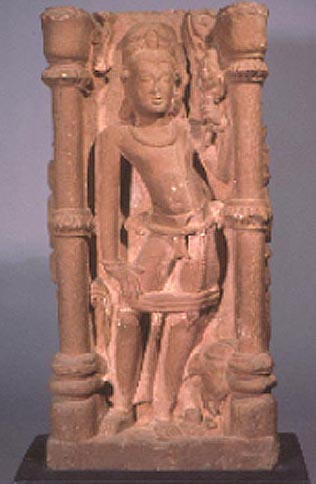
standing indra - sandstone - madhya pradesh - singapore

Indra breaks the cave of Vala, rich in cows. (RV 1-11)
Indra smites Dasa and opens the caves where cows were imprisoned (RV 1-32)
Indra scattered Dasa and Dasyus (RV 1-53;5-3-34)
Indra killed Parnaya, Karanja (RV 1-53)
Indra broke the forts of Sushna, Shambara, Kuyava (RV 1-103)
Indra shattered 90 forts of Puru and brought Shambara from the mountains (RV 1-130; 3-12-6)

Indra’s Wife an Asura woman!

Indra’s wife is Saci devi, the daughter of a Daitya (asura) chief Puloma.
Jains have 64 Indras and 22 Devis.

indra-mathura-sculpture-with airavata (gupta period)

Contact swami_48@yahoo.com

தமிழ் தலைவன் யார்? கம்பன் பதில்

akaththi

கட்டுரை எழுதியவர் லண்டன் சுவாமிநாதன்
கட்டுரை எண்:–1177; தேதி:- 17 ஜூலை 2014.

தமிழ் தலைவன் யார் என்று தமிழ் கூறு நல்லுலகில் ஒரு ‘சர்வே’ நடத்தினால், சிறை சென்ற தியாகிகள் பட்டியல், மறியல் போராட்ட தியாகிகள் பட்டியல், அரசியல் தலைவர்கள் பட்டியல், ஏ.கே. 47 துப்பாக்கி சுழற்றியோர் பட்டியல், ரயில் பாதையில் படுத்துப் போராட்டம் செய்தோர் பட்டியல் என்று ஆயிரம் ஆயிரம் பேர் கொண்ட பட்டியல் வந்து நம்மைத் திக்கு முக்காடச் செய்து விடும்!

கம்பனிடம் போய் ஒருவர் இதே கேள்வியைக் கேட்டார். அவர் நாலே வரிகளில் தெளிவான பதில் கொடுத்து நம் குழப்பத்தை எல்லாம் போக்கிவிட்டார்.

அலை நெடும் புனல் அறக் குடித்தலால் அகம்
நிலை பெற நிலை நெறி நிறுத்தலால் நெடு
மலையினை மண் உற அழுத்தலால் தமிழ்த்
தலைவனை நிகர்த்தது அத் தயங்கு தானையே

-கம்ப ராமாயனம், அயோத்தியா காண்டம், பாடல் 969

பொருள்: அலைகளை உடைய ஆறுகளின் (கடலில் போய்ச்சேரும்) நீரைக் குடித்தலாலும், பூமியைச் சம நிலையில் நிறுத்தியதாலும், போகும் வழியில் நீட்டிக் கொண்டிருந்த மலையை பூமிக்குள் அழுத்தியதாலும் பரதனின் படைகள் தமிழ்த் தலைவனான அகத்தியன் செய்த செயல்களைப் போல இருந்தது. அதாவது அகத்தியர் செய்த செயல்களும் பரதன் படைகள் செய்த செயலும் ஒரே மாதிரியாக இருந்தன.

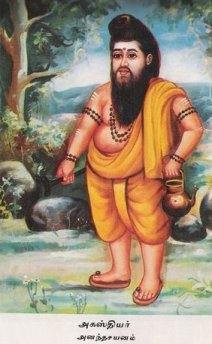
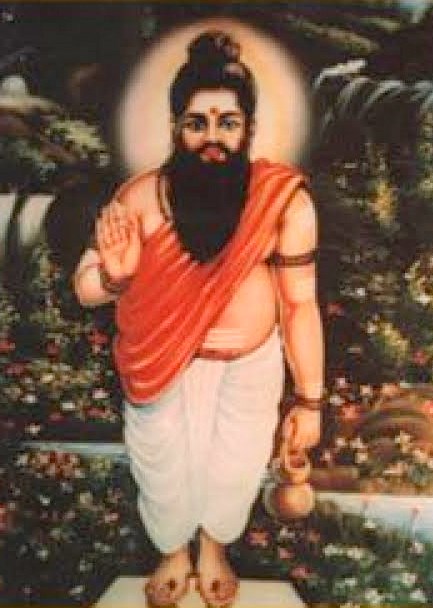
Agasthiar
அகத்தியர் என்ன செய்தார்?

அகத்தியர் கடலைக் குடித்தார்: அதாவது வங்கக் கடல் வழியாக பாண்டியனின் படைகளை வழி நடத்திச் சென்று வியட் நாம், கம்போடியா, லாவோஸ், தாய்லாந்து, இந்தோநேசியா, மலேசியா, சிங்கப்பூர் ஆகிய இடங்களில் இந்துப் பண்பாட்டைப் பரப்பினார். இதைக் “கடலைக் குடித்தார்” என்று அழகாகாகச் சொல்லுவர். அகத்தியர் கடலைக் குடித்தாரா? என்ற ஆங்கிலக் கட்டுரையிலும், பிரம்மாஸ்திரா—ஒரு அணுசக்தி ஆயுதமா? என்ற ஆங்கிலக் கட்டுரையிலும் இதை விரிவாகக் கொடுத்துவிட்டேன்.

அகத்தியர் பூமியை சமநிலைப்படுத்தினார்: இது திருவிளையாடல் புராணத்தில் உள்ள கதை. மக்கட் தொகைப் பெருக்கம் காரணமாக அகத்தியன் தலைமையில் 18 குடிகளை சிவ பெருமான் தெற்கே அனுப்பிவைத்தார். “உலகின் முதல் மக்கட் தொகைப் பெருக்கப் பிரச்னை”– என்ற ஆங்கிலக் கட்டுரையில் இதை விரிவாகக் கொடுத்துவிட்டேன்.

விந்திய மலையை மட்டம் தட்டினார்:- அகத்தியர் தென்னாட்டிற்கு வருவதற்கு முன், மக்கள் அனைவரும் கடலோரமாக நடந்தோ, படகுகளிலோ தென்னாட்டு நகரங்களுக்கு வந்து சென்றனர். காரணம் இல்வலன், வாதாபி போன்ற, நர மாமிசம் சாப்பிடும் பயங்கரக் காட்டுவாசிகளும் காட்டு மிருகங்களும் மக்களை அச்சுறுத்தி வந்தன. அகத்தியர் தவ வலிமை பெற்றதால் தைரியமாக 18 குடி மக்களை, துவாரகை நகரில் இருந்து, விந்திய மலையின் நடுவிலுள்ள அடர்ந்த காடுகள் வழியே அழைத்து வந்தார். அன்றுமுதல் இன்று வரை நாம் அந்தப் பாதையைப் பயன்படுத்தி வருகிறோம். இதையே “மண் உற அழுத்தலால்” என்று குறிப்பிடுகிறார். புராணங்கள் கத்தியர் விந்திய மலையின் கர்வத்தைப் பங்கம் செய்தார் என்று அழகாகக் கூறுகின்றன. “பழங்கால இந்தியாவின் புகழ்மிகு எஞ்சினீயர்கள்”– என்ற கட்டுரையில் இது பற்றி ஏற்கனவே விரிவாக எழுதி விட்டேன்.
Agathiyar_hemanth thiru

இத்தகைய அரிய பெரிய செயல்களைச் செய்து இந்திய பூகோள புத்தகத்தில் அழியா இடம் பெற்ற அகத்தியனை, தமிழ்த் தலைவன் என்று கம்பன் அழைத்ததை எல்லோரும் ஏற்பர் என்பதில் இரு வேறு கருத்துக்கு இடமும் உண்டோ?

இதைத் தொடர்ந்து வரும் இன்னொரு பாடலில்

அறிஞரும் சிறியரும் ஆதி அந்தமா
செறிபெருந் தானையும் திருவும் நீங்கலால்
குறியவன் புனல் எலாம் வயிற்றில் கொண்ட நாள்
மறிகடல் ஒத்தது அவ் அயோத்தி மா நகர்.

பொருள்: அகத்தியன் கடல் நீரை எல்லாம் குடித்து வயிற்றில் அடக்கிக் கொண்ட பின்னர், எப்படிக் கடல் வெறிச்சோடிக் கிடந்ததோ அப்படி இருந்தது அயோத்தி மா நகரம். ஏனெனில் பெரியோர் முதல் சிறியோர் வரை அறிஞர்களும், படைகளும் சீதையும் நீங்கிவிட்டனர்.

இனி தமிழ்த் தலைவன் யார் என்பது எல்லோருக்கும் தெரிந்துவிட்டது. அரசியல்வாதிகள் ஓடி ஒளிந்து கொள்ள வேண்டியதுதான்!!
529_Kambar
contact swami_48@yahoo.com