SAMPURNA RAMAYANA IN PICTURES

yuddha 1

Compiled by London Swaminathan

Research Article No.1895; Dated 28 May 2015.

Uploaded at London time 21-39


With the publication of Yuddha Kanda pictures today, we complete the greatest epic Ramayana in pictures. I have already posted pictures of Bala Kanda, Ayodhya Kanda, Aranya Kanda, Kishkindha Kanda and Sundara Kanda. All the six kandas are in 60 pictures. You can teach your children Ramayana with these sixty pictures in a few hours.


Yuddha Kanda Picture 1 (Ramayana Picture 49)

After Maruti’s departure Vibhishana, Ravana’s brother, advised the council to send Sita back to her husband. But no one could take his advice. Ravana in a rage drove Vibhishana, out of the assembly. So Vibhishana and four of Ravana’s cabinet ministers fled to Rama’s camp and asked him to take them on to his side. Sugriva suspected them. When Rama heard Vibhishana’s full story he promised to protect him and to place him on the throne of Lanka.
yuddha 2

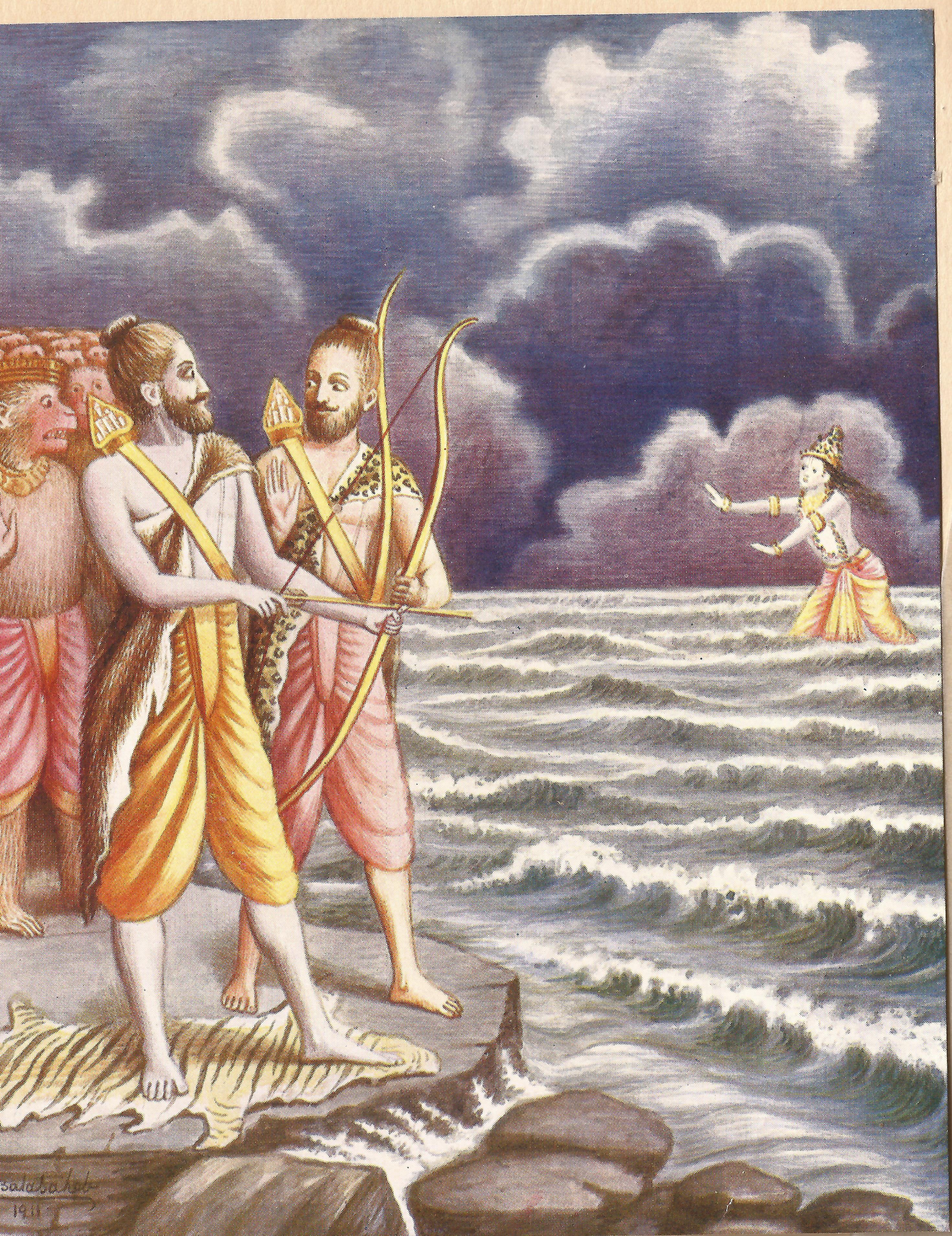
Yuddha Kanda Picture 2 (Ramayana Picture 50)

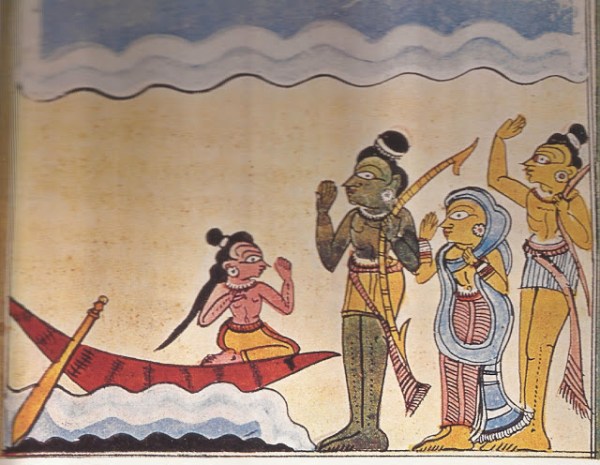
Rama was utterly at a loss to know how to cross the sea with all his monkey battalions. For three days he offered prayers to the God of the Sea (Varuna), but all in vain. At last, losing patience, Rama seized his mighty bow to smite the waters. Lakshmana also took his bow and was about to shoot an arrow. At once, Varuna himself arose from the depth of the ocean and begged to forgive him. Varuna suggested that Nala could build a bridge over him. Nala was a marine engineer of the local area. He knew the terrain of the area and the ins and outs of the sea. Then the sea god Varuna disappeared.(2000 year old Sangam Tamil literature adds that Rama held the consultation and planning meeting under a banyan tree).
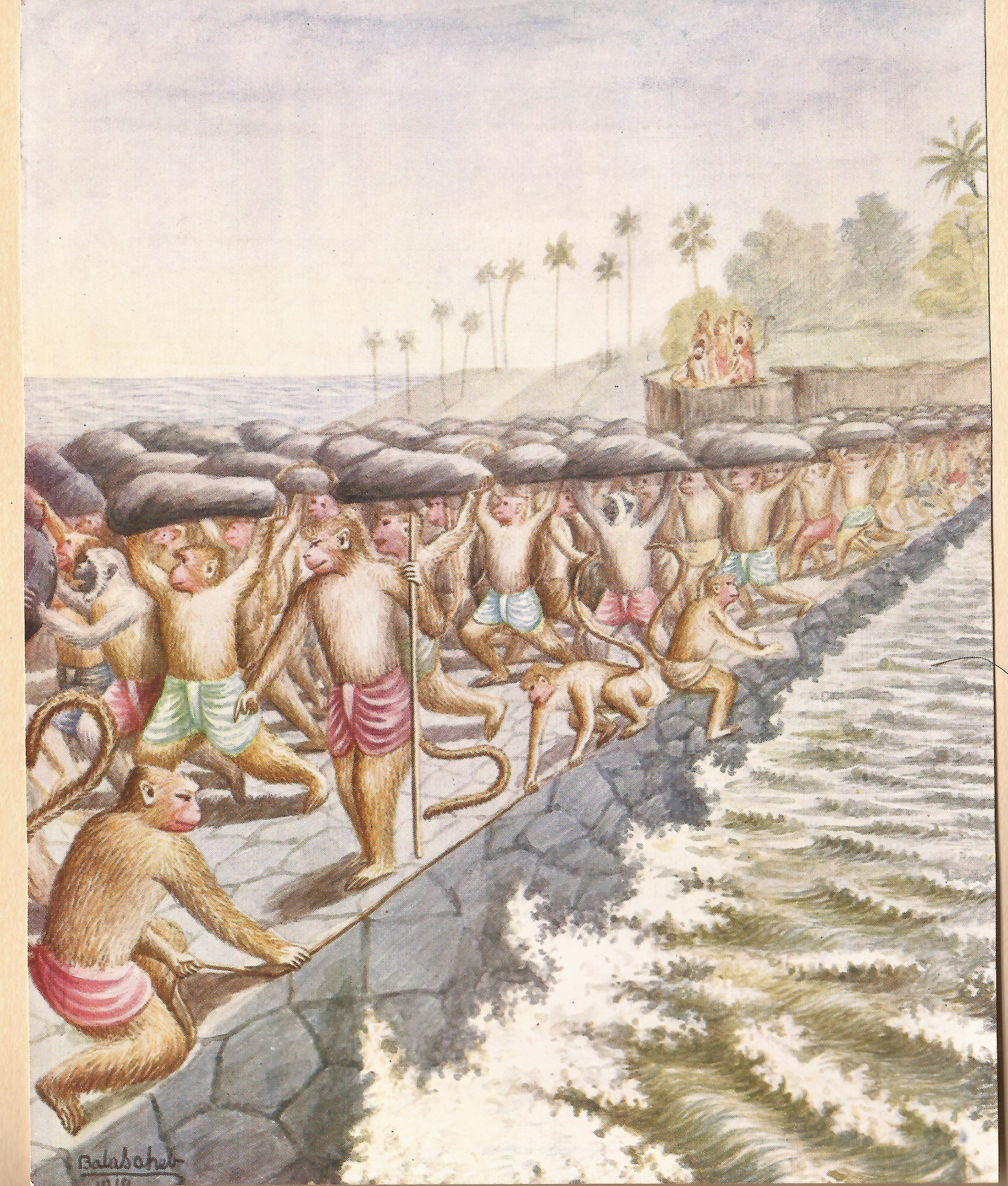
yuddha 3

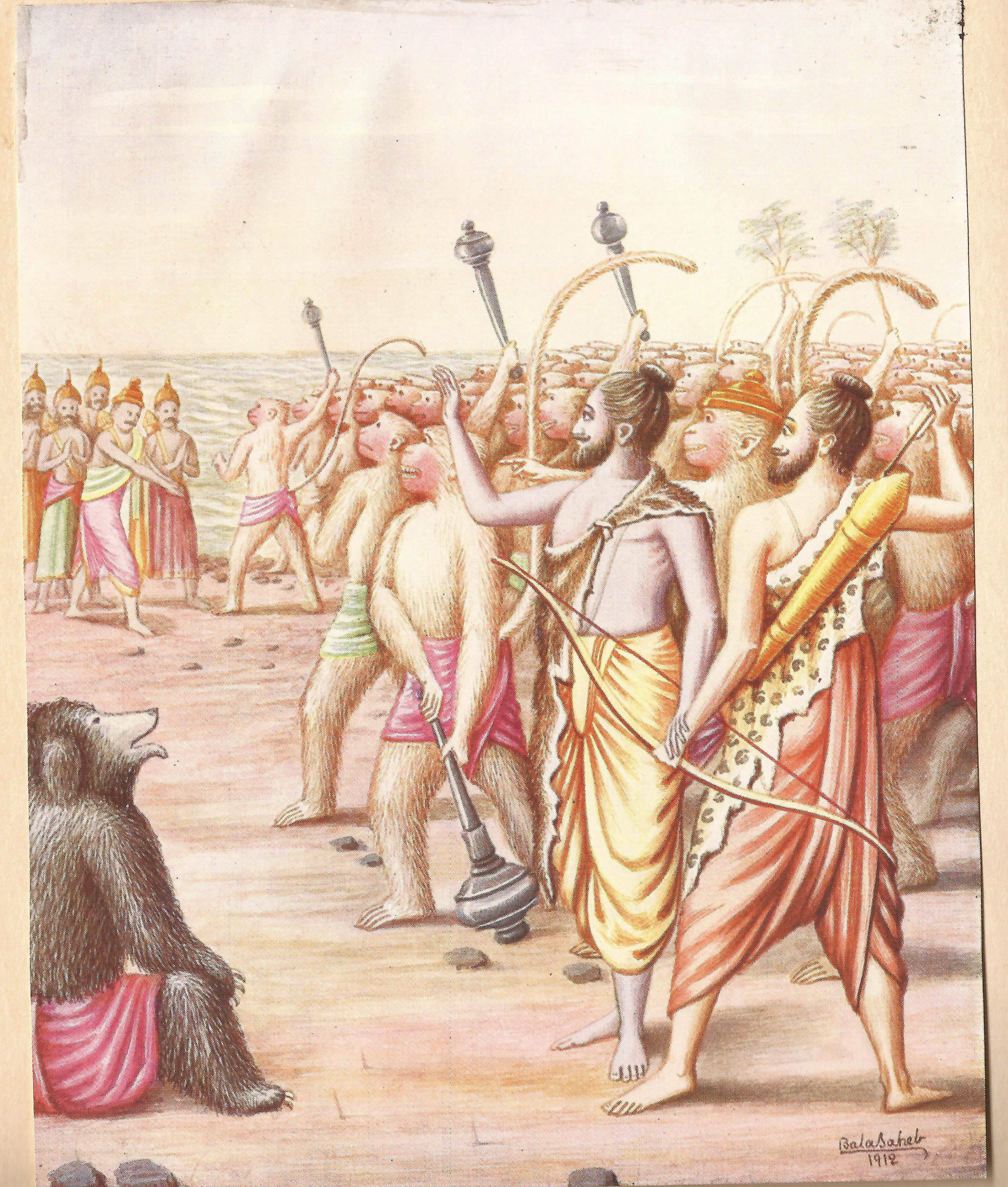
Yuddha Kanda Picture 3 (Ramayana Picture 51)- WORLD’S FIRST ENGINEERING WONDER: Then Rama asked Nala, the engineer in the monkey brigade, to build a mighty bridge across the sea. Obeying his orders, thousands of monkeys brought huge rocks and piled them into the water. Others plied the plumb line and measuring rod. With the help of the monkey army, the sea was quickly bridged, and the army crossed in safety. They pitched their camp on the hill called Suvelachala. Monkeys wrote Ram on the stone and the stones started floating. This type of floating stones are still available in the area. I published the photo here a few weeks ago (Truth behind the bridge: NASA has found the structure of ancient bridge from space. Actually the sea in the area covered the land only for a few months. Then it parted again. This was the condition several thousand years ago. Since local marine engineer Nala knew the terrain, he identified a proper place for the bridge. It was the first Engineering Wonder of the World.)
yuddha4

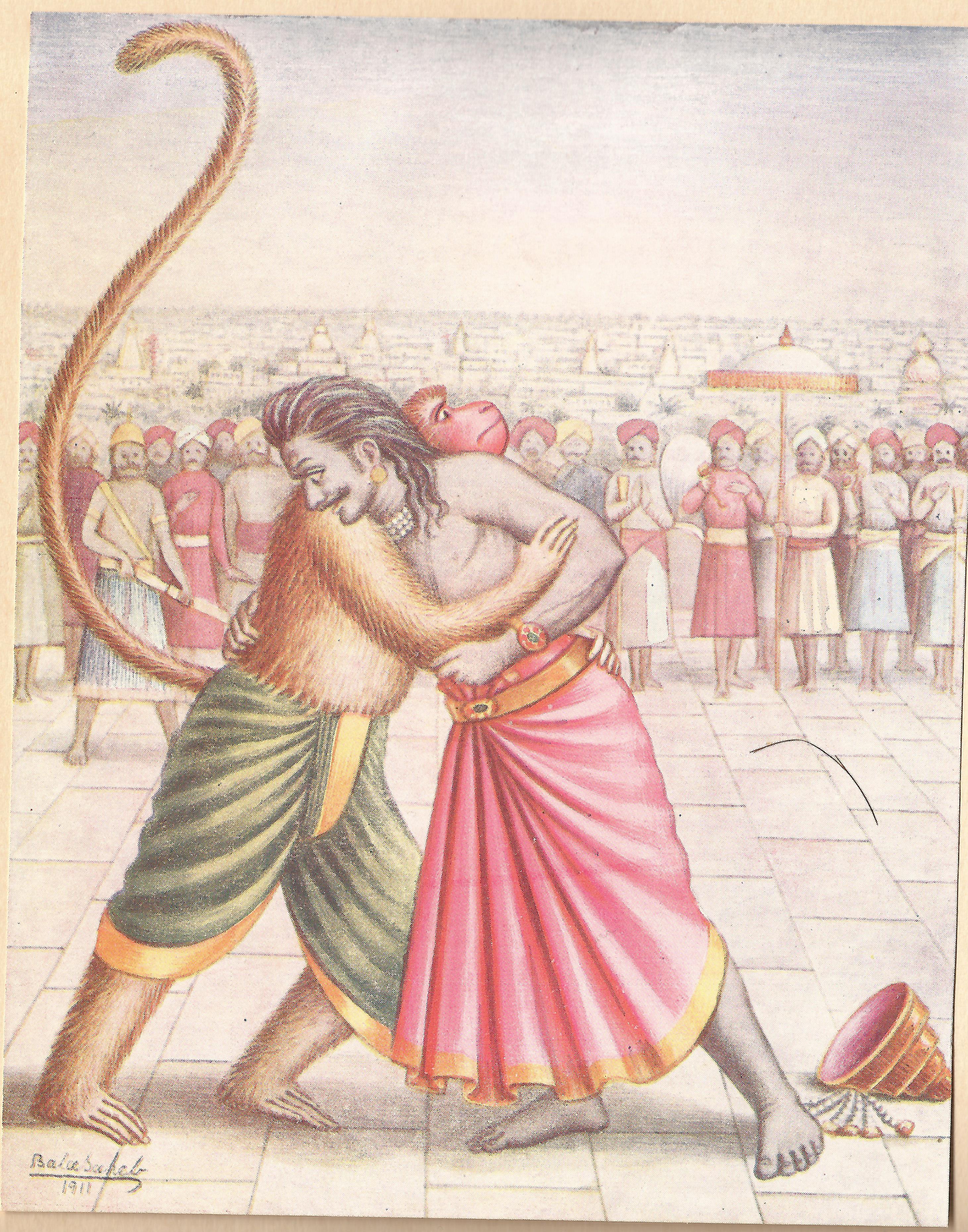
Yuddha Kanda Picture 4 (Ramayana Picture 52)-

Ravana never dreamt Rama would come over so soon after the dismissal of Vibhishana, and was astonished to see that he was already on the soil of Lanka. Climbing the wall of the rampart he began to observe the number of the foe. Rama too was attentive to Ravana’s movements. When Sugriva recognised Ravana standing on the rampart, he jumped over to him and knocked off his crown at a blow. Soon they began to wrestle, and at first Sugriva got the better of his opponent. But at length Ravana exerted his magic powers and Sugriva was forced to relinquish his hold. Both the combatants returned to their respective camps.
yuddha 5

Yuddha Kanda Picture 5 (Ramayana Picture 53)-

The monkey brigades continued their attack. Again and again Ravana sent out his generals against them but one and all returned beaten. At last Ravana in despair awakened his brother Kumbhakarna and explained his plight to him. At first he blamed Ravana for stealing Rama’s wife, but at last consented to go to his assistance. Kumbhakarna was a huge monster, and at his onslaught the monkeys fled in terror. But Rama and Lakshmana shot him dead with their arrows (About Kumbhakarna’s long sleep and the scientific/ biological reason for it is already in my blog)

yuddha 6

Yuddha Kanda Picture 6 (Ramayana Picture 54)-

At the death of Kumbhakarna, Ravana wept bitterly. But his son Indrajit appeased him by assuring him that he would not return unless he had killed Rama and Lakshmana. Vibhishana advised that Lakshmana should be sent against Indrajit. Both Lakshmana and Indrajit fought heroically. When Vibhishana found out that Indrajit was exhausted, he asked Laksmana to kill him. Lakshmana took an invincible arrow given to him by Rama, and dscharging it, cut Indrajit’s head clean off.
 

yuddha 7

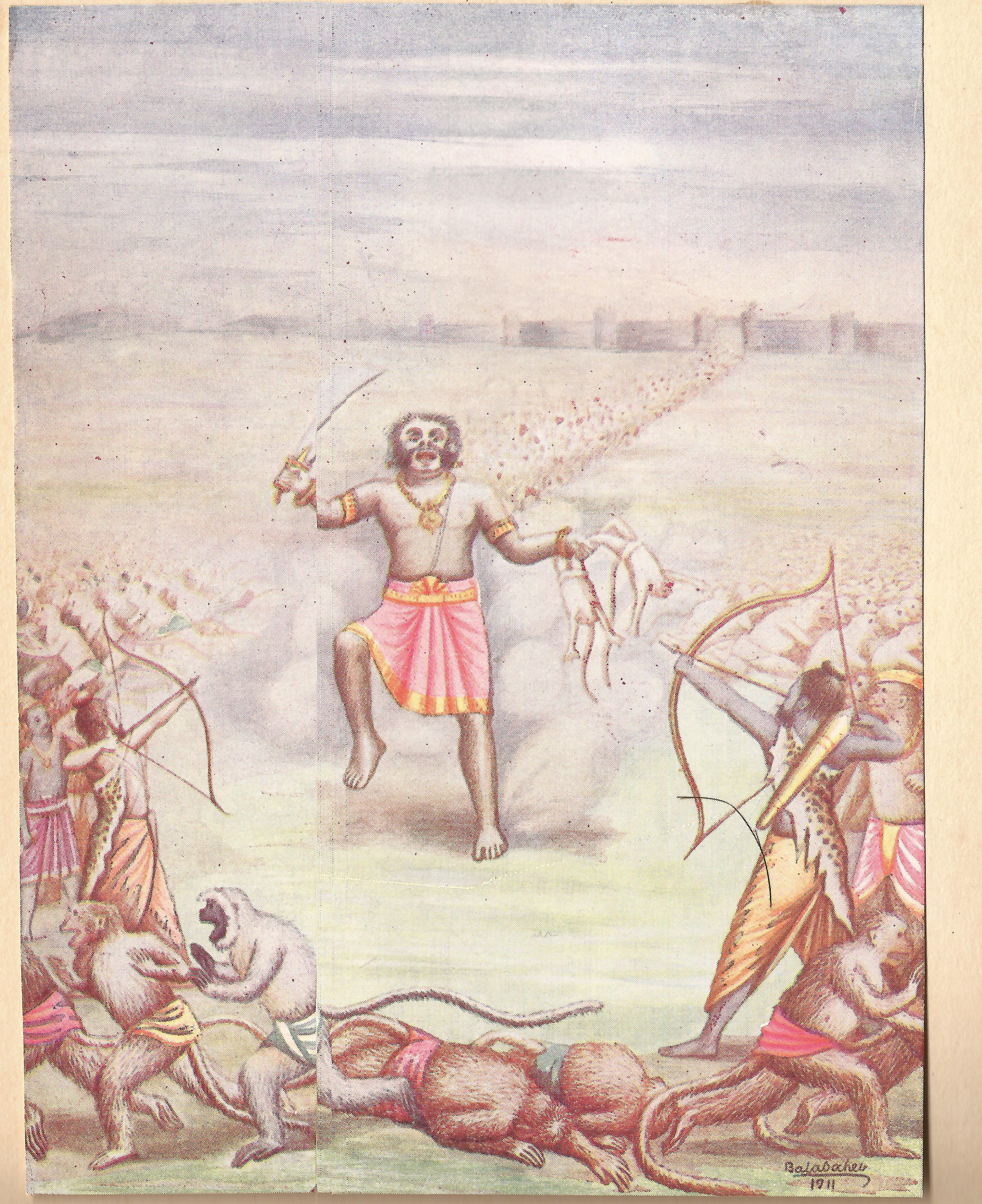
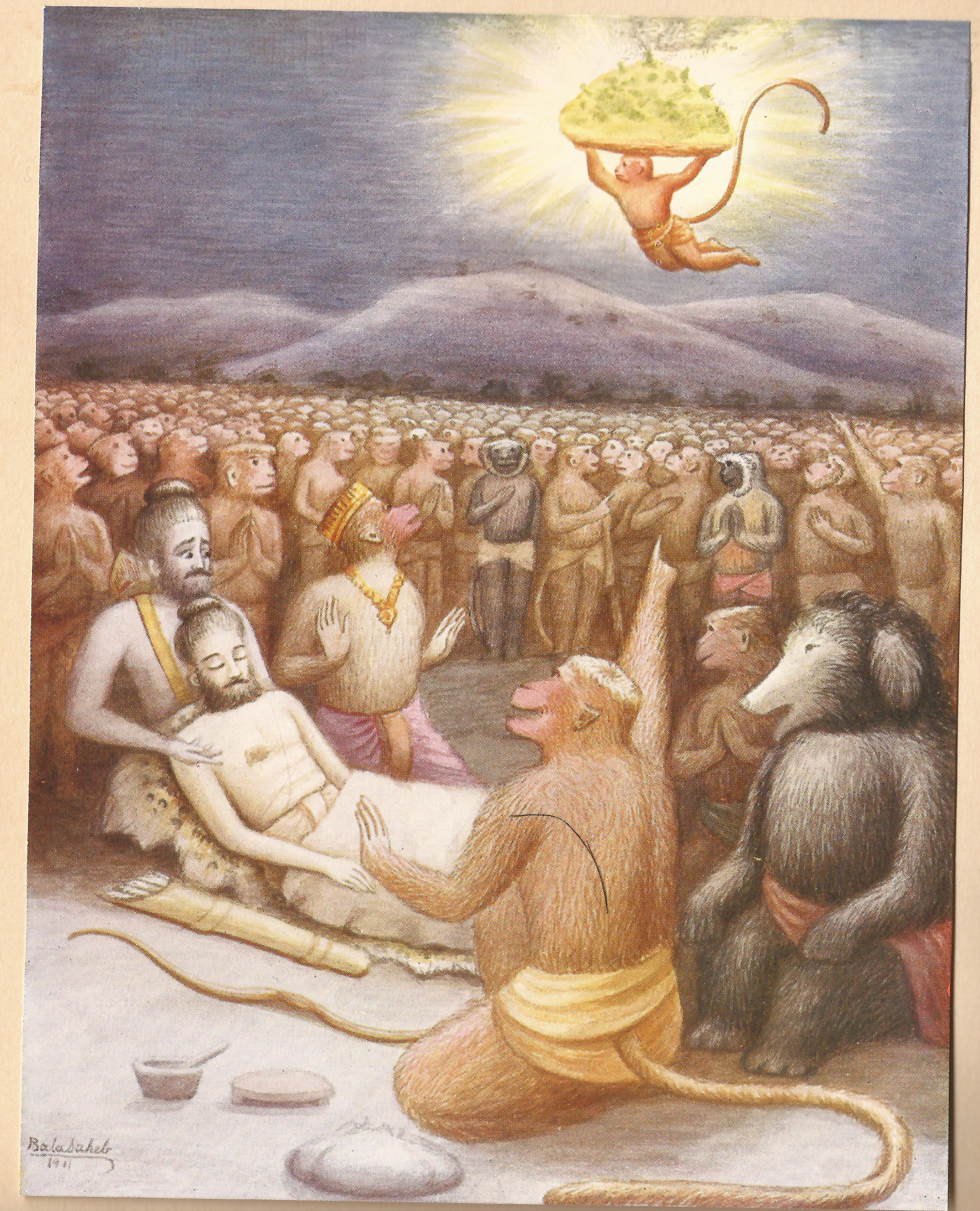
Yuddha Kanda Picture 7 (Ramayana Picture 55)- WORLD’S FIRST HERBAL MEDICINE AND WORLD’S FIRST EMERGENCY MEDICINE. OUR HOSPITALS FOLLOWED HANUMAN AND STARTED A&E IN ALL HOSPITALS.

Ravana, after the death of his son Indrajit, at last went to the battlefield himself to face the enemies. He discharged a powerful missile – biological missile – towards Lakshmana and he fainted at once. Rama came to the forefront and fought with Ravana. Like modern warfare, they had military doctors in the monkey battalion. Dr. Sushena, a monkey, felt Lakshmana’s pulse and said someone must get the herbs Sanjivani, Vishalyakarani and Sandhani from the faraway mountain Dronagiri. Doctor insisted that the medicine must come before daybreak. Jambavana said that it can be done only by Maruti. Immediately Hanuman/Maruti left for Dronagiri and brought the emergency medicine. When Maruti could not identify the herbs, he brought the mountain (rock) itself. Dr.Sushena revived Lakshmana and he got up to the extreme delight of the whole army.
yuddha 8

Yuddha Kanda Picture 8 (Ramayana Picture 56)-

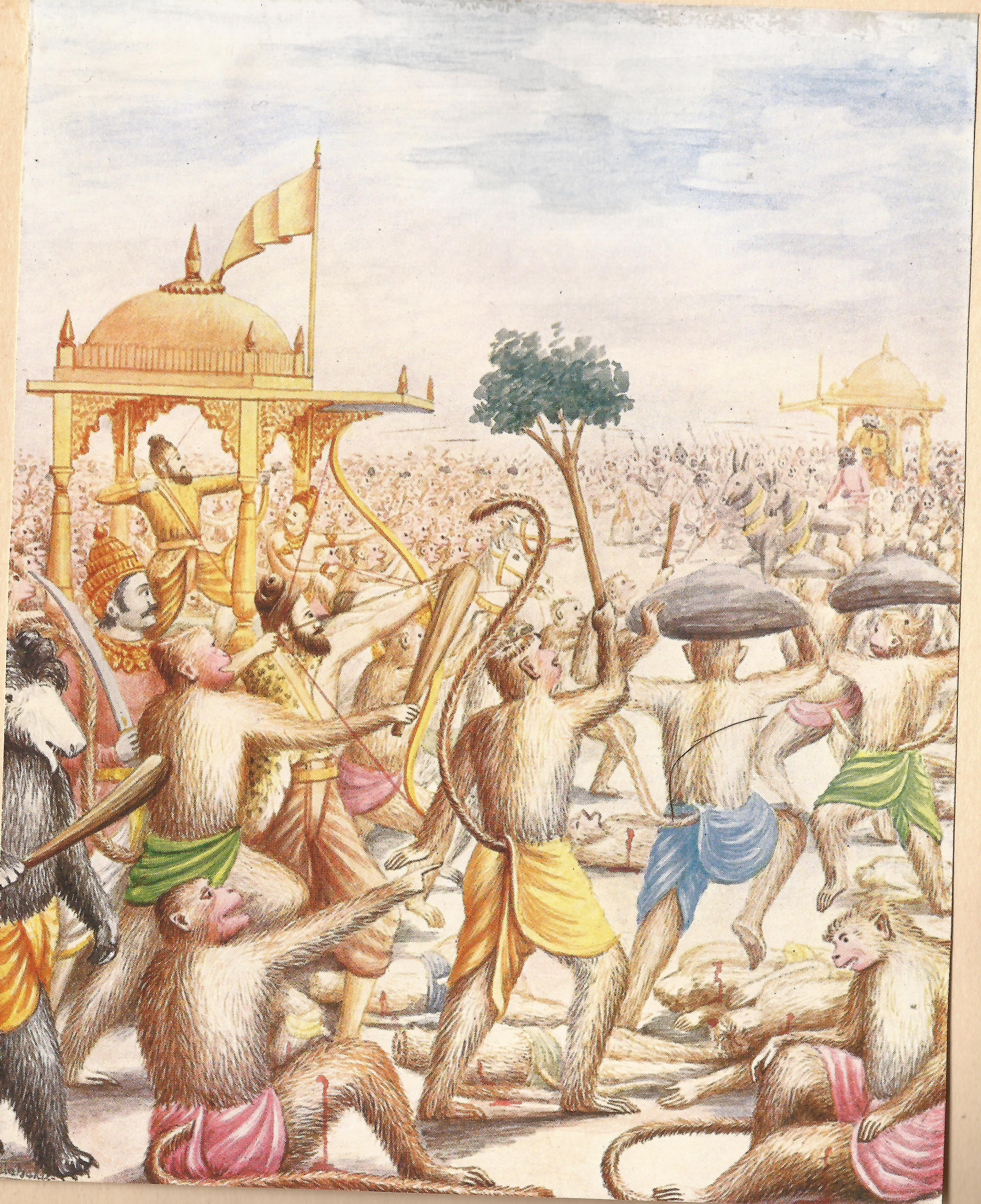
Ravana, collecting all his force, clashed with the monkey army of Rama. Ravana realised that it was a Do or Die mission. Almost impossible it is to find words with which to describe the last battle between Rama and Ravana. Ravana was brave enough, but he was no match for his heroic adversary. At length Rama drew from his quiver the magic arrow which Agastya had given him, and shot his opponent dead. And Ravana perished to the delight of the Devas and the mankind.
yuddha 9

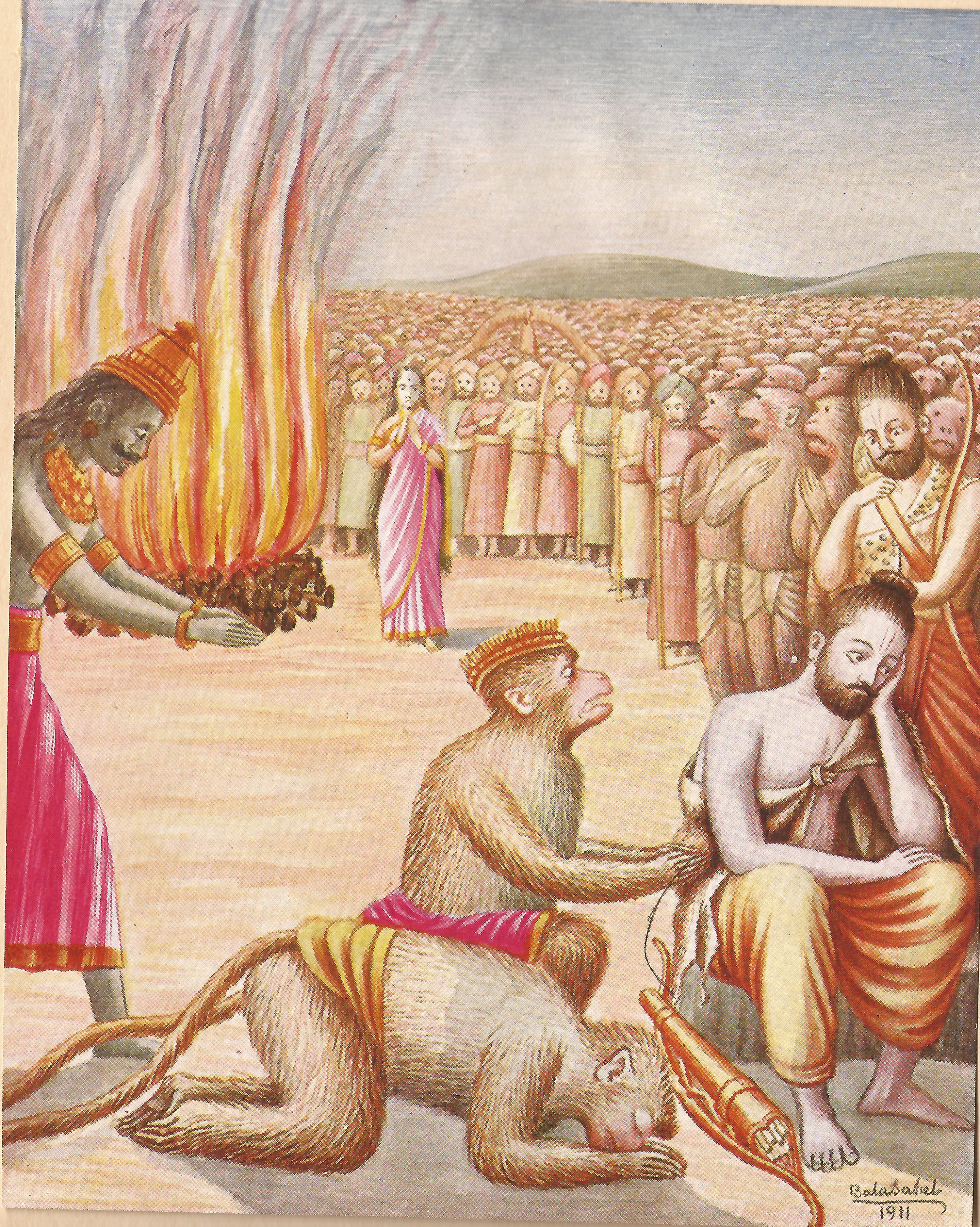
Yuddha Kanda Picture 9 (Ramayana Picture 57)-FIRST FIRE WALKING CEREMONY IN THE WORLD: RAMA then installed Vibhishana on the throne of Lanka. Rama never occupied any country. When Vali was killed Sugriva was installed as king with Vali’s son Angada as deputy. When Ravana was killed his brother was installed. This is unique in the world, quite contrary to Alexander “the Great” and others. Rama sent a palanquin for Sita and Maruti brought her. Rama threw a bombshell by asking Sita to prove her chastity and integrity by entering fire. This was the first fire walking ceremony in the world. Till this day it is practised in Tamil Nadu and other parts of India. Sita was shocked, but did it with tears in her eyes. She came out successfully. Joy reigned everywhere.
yuddha 10 (2)

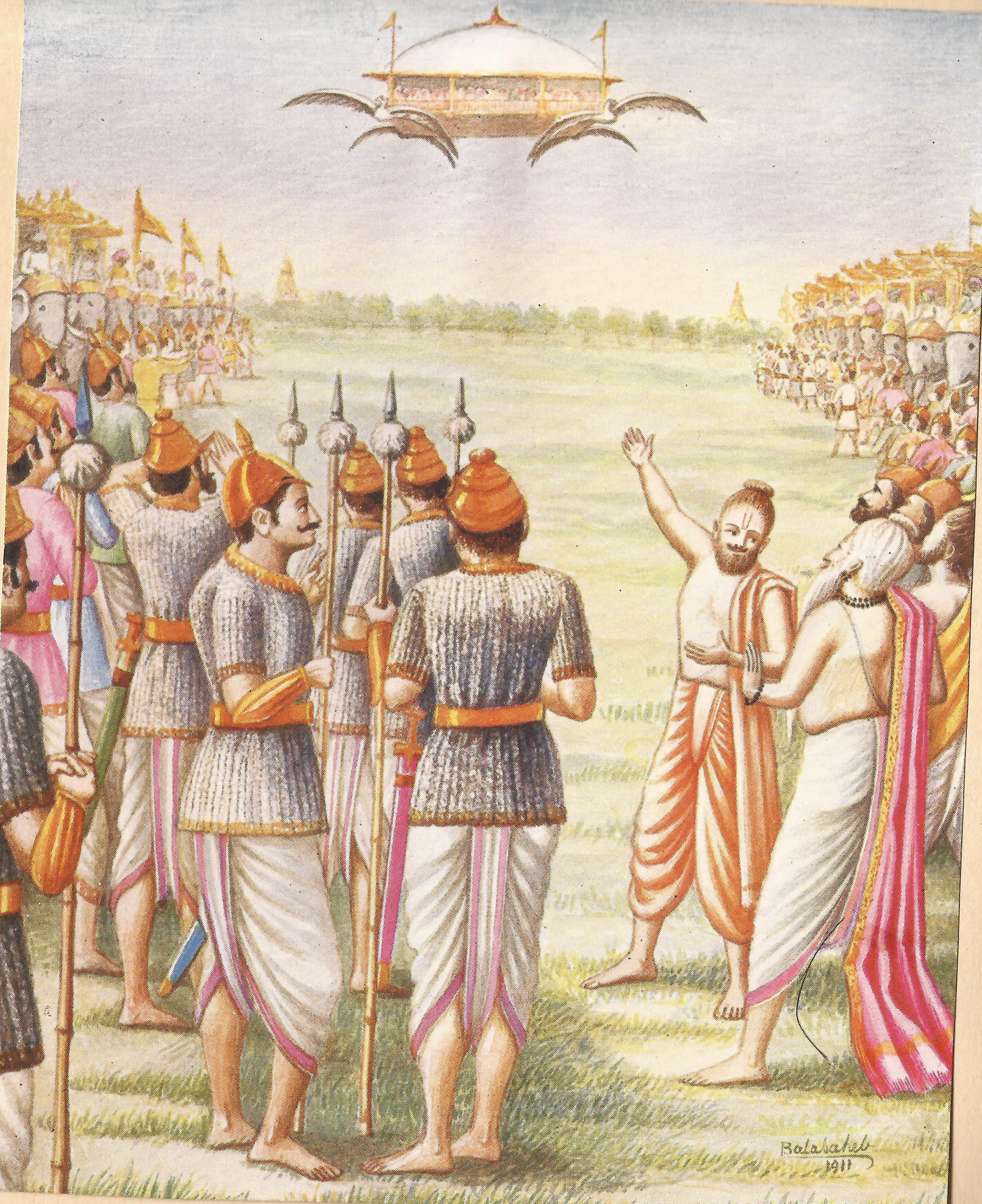
Yuddha Kanda Picture 10 (Ramayana Picture 58):-Then Vibhishana invited Rama to return to Ayodhya in the Pushpaka viman, the air plane of Kubera, which was in Ravana’s possession. Rama, Sita, Lakshmana, Sugriva and other monkeys took their seats in it. And it flew at the will of Rama. (Please read my post HOW DID RAMA FLY HIS PUSHPAKA VIMAN?, posted in my blog on 22nd June 2013. Science behind the plane is explained in a science article).Maruti was sent ahead to give the good news to Bharata and Shatrugna. As the chariot/plane came in sight, all saluted Rama. The air plane descended and all disembarked. Rama saluted his mother first and then other queens. Then he saluted his Kula Guru Vasistha. Rama embraced Bharata.
yuddha 11 (2)

Yuddha Kanda Picture 11 (Ramayana Picture 59):-

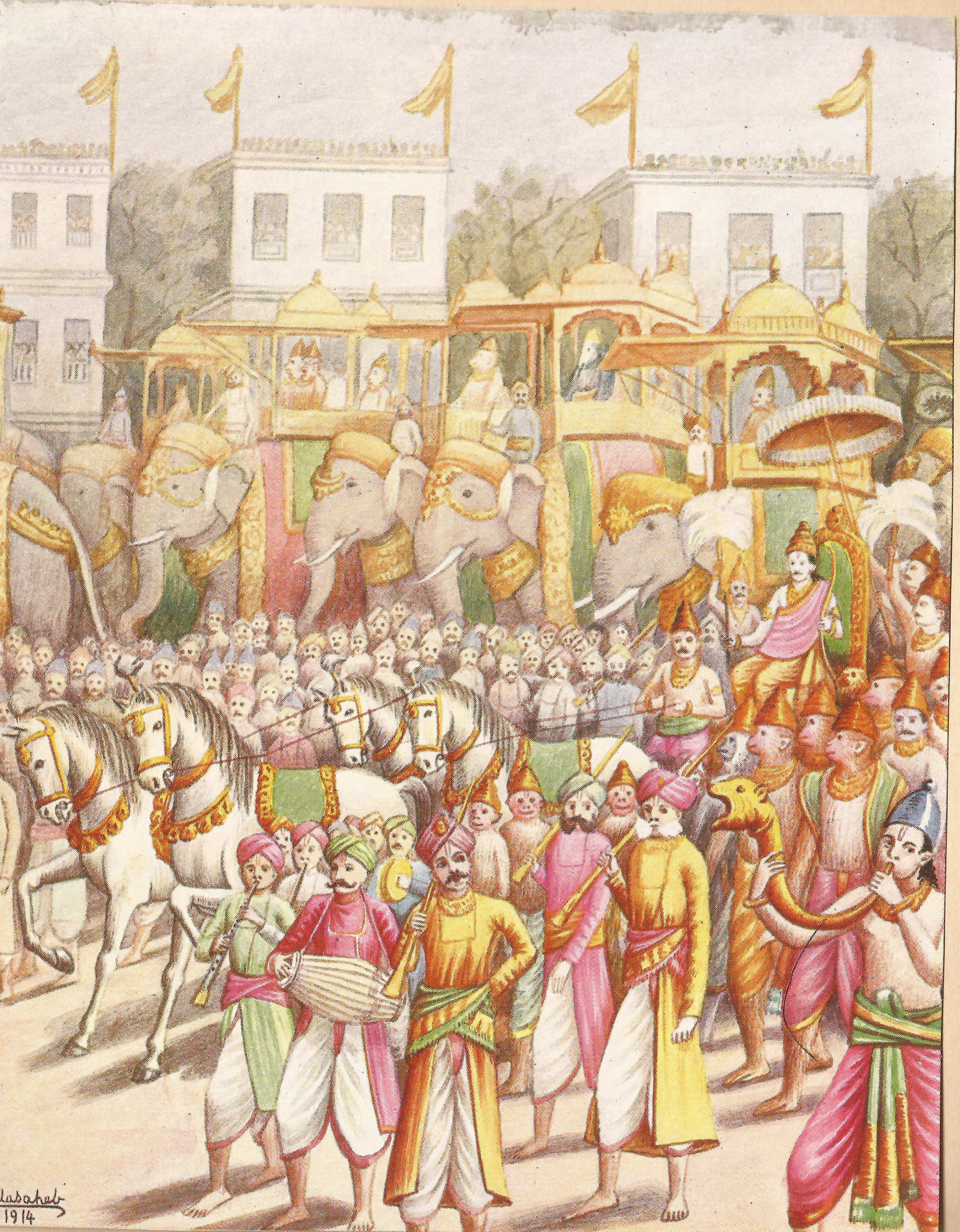
The next day, all took auspicious baths, donned rich dresses and valuable ornaments, and entered the city of Ayodhya in great pomp. Rama was seated in a chariot and the reins of the horses were held by Bharata. Shatrugna carried the Royal umbrella and Vibhishana and Lakshmana the chowries. Many monkeys dressed in human attire rode on elephants, and auspicious drums were beaten. Thus Rama after an absence of fourteen long years in the forests entered the capital of his ancestors. The citizens rejoiced to see Rama entering his palace once more. Whoever reads this will get out of their troubles and difficulties, from which they have been suffering for long.
yuddha 12 (2)

SAMPURNA RAMAYANA:-Yuddha Kanda Picture 12 (Ramayana Picture 60):-

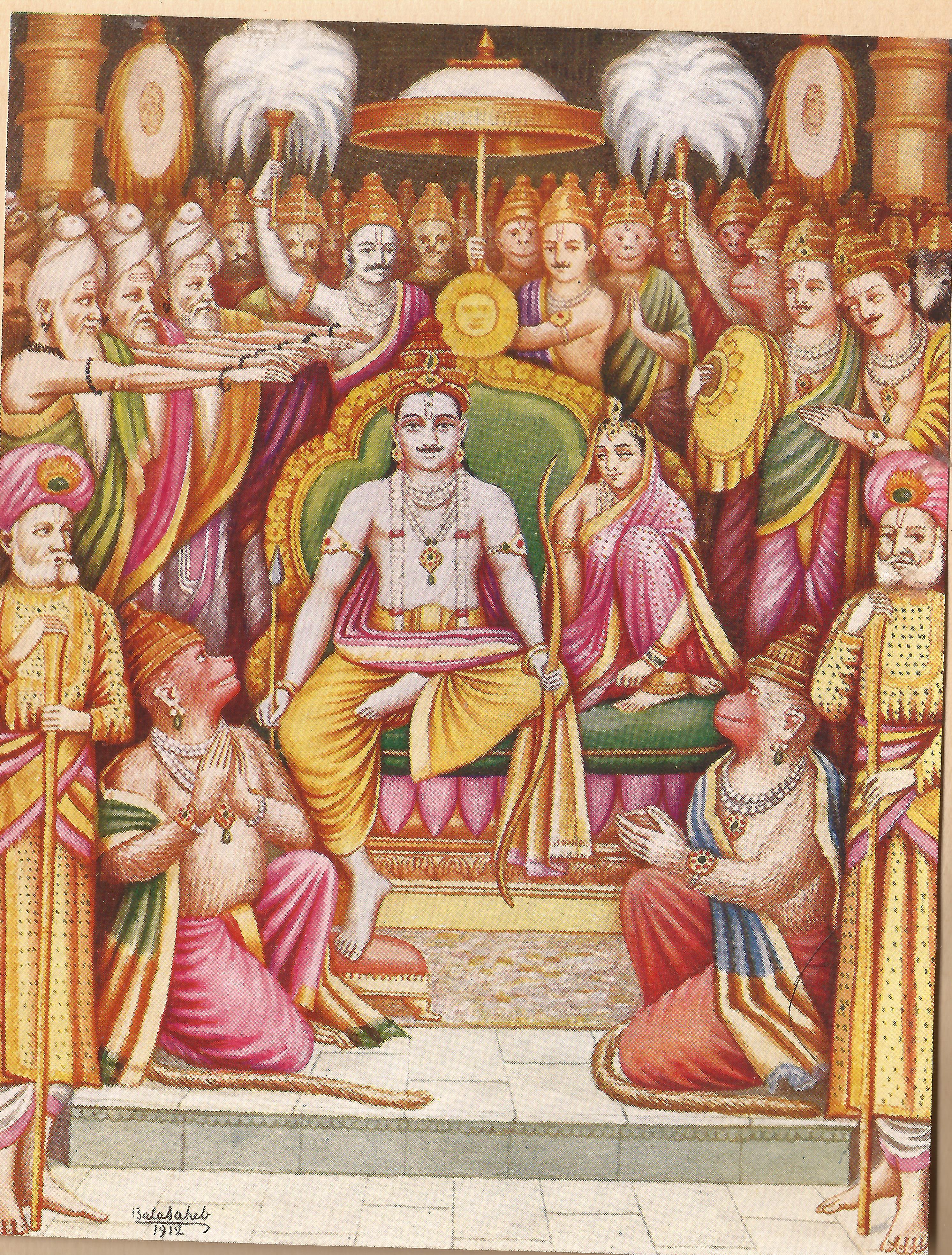
Bharata told Sugriva to fetch water from four oceans for the coronation of Rama. Sugriva sent four monkeys with golden vessels. In the morning Rama and Sita took auspicious bath and saluted the queens, Guru Vasistha  and took their seats on the throne. Then the seers sprinkled the holy water on Rama and Sita. Vasistha placed the Jewelled Crown on Rama’s head. There were loud seers of joy. Rama presented costly jewels to all monkey chiefs. Sita presented Maruti with her pearl necklace and extolled his modesty and bravery. The Golden Age of India had begun. People were extremely happy. There was no fear. They had all the basic needs of life. Everyone had fulfilment.  Later Gandhiji also wanted to establish Rama Rajya in India. Ramayana sloka says that Rama’s story would last till the Sun and Moon shine on this planet. Loka Samastha Sukino Bhavantu!

Source :The Picture Ramayana by Balasaheb Pant and Bhavanrao Shrinivas Rao, Bombay, Year 1916 
அகத்தின் அழகு முகத்தில் தெரியும்

IMG_4075

Compiled by London Swaminathan

Research Article No.1894; Dated 28 May 2015.

Uploaded at London time 20-12

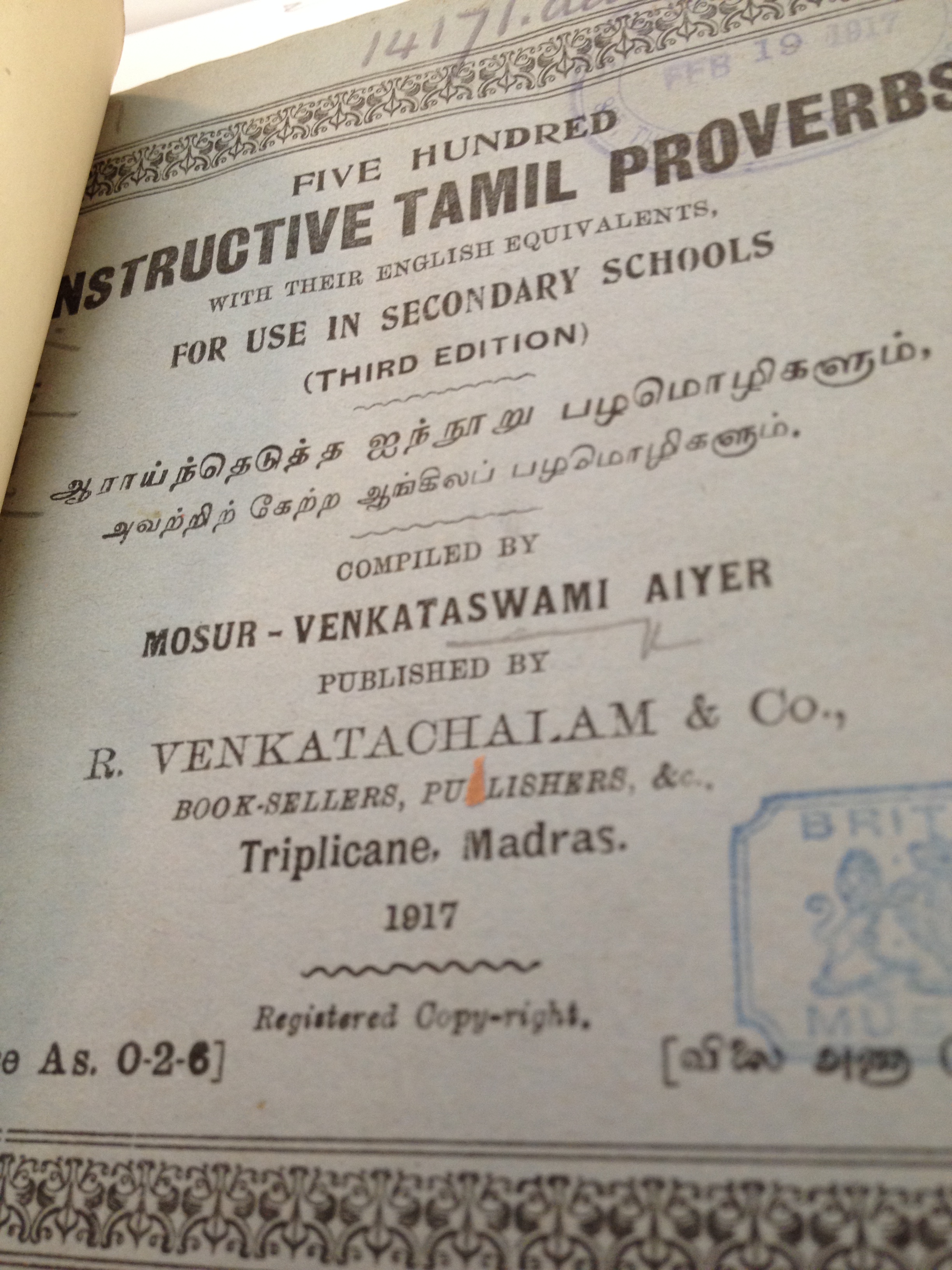
Tamil Proverbs with English Translation

1.அகத்தின் அழகு முகத்தில் தெரியும்

The face is the index of the mind

2.அகோர தபசி, விபரீத சோரன்

All saint without, all devil within

3.அச்சாணி இல்லாத தேர் முச்சாணும் ஓடாது

Great engines turn on small pivots

அச்சாணி

4.அஞ்சனக்காரன் முதுகில் வஞ்சனைக்காரன் ஏறினான்

The fox knows much, but more, he that catcheth him

5.அஞ்சில் வளையாதது ஐம்பதில் வளையுமா?

A young twig is easier twisted than an old tree

6.அஞ்சில் அறியாதவன் ஐம்பதில் அறிவானா?

The child is father to the man

7.அஞ்சும் மூன்றும் உண்டானால் அறியாப் பெண்ணும் கறியாக்கும்

A house well-furnished makes a good house wife

8.அடங்காத மாடுக்கு அரசன் மூங்கில் தடி

அடியாத மாடு படியாது

Restive horses must be roughly dealt with

மாடு

9.அடாது செய்பவர் படாது படுவர்

Do evil and look for like.

10அடி உதவுவது போல் அண்ணன் தம்பி உதவார்கள்

Spare the rod and spoil the child

11.அடிக்கும் பிடிக்கும் சரியாப் போச்சு

ஆனைக்கும் பானைக்கும் சரி

Tit for tat

12.அடி நாக்கில் நஞ்சு, நுனிநாக்கில் அம்ருதம்

A smooth tongue and an evil heart

13.அடி மேல் அடி அடித்தால் அம்மியும் நகரும்

Little strokes fell great oaks

அம்மி

14.ஆண்டவர் எப்படியோ தொண்டரும் அப்படியே

Like God, like worshipper

15.அதிக ஆசை அதிக நஷ்டம் ; பேராசை பெரு நஷ்டம்

Much would have more, and lost all

16.அத்ருஷ்டமும் ஐஸ்வர்யமும் ஒருவர் பங்கல்ல;

லெட்சுமி ஓரிடத்தில் இருக்கமாட்டாள்

Fortune’s wheel is ever revolving

17.அதிவிநயம் துர்த்த லக்ஷணம்

கண்டால் காமாட்சி நாயக்கர் காணாவிட்டால் வடுகப்பயல்

கண்டால் காமாட்சி நாயக்கர் காணாவிட்டால் காமாட்டி நாயக்கர்

கண்டால் முறை சொல்லுகிறது, காணாவிட்டால் பெயர் சொல்லுகிறது

Too much courtesy, too much craft

18.அப்பன் அருமை, அப்பன் செத்தால்தான் தெரியும்

Blessings are not valued till they are gone

19.அப்பா என்றால் உச்சி குளிருமா?

Fair words fill not the belly

20.அப்பியாசம் கூசா வித்தை

சித்திரமும் கைப் பழக்கம் செந்தமிழும் நாப்பழக்கம்

பாடப்பாட ராகம், மூட மூட ரோகம்

Practice makes perfect

சித்திரம்

21.அம்மாவாசை அன்னம் என்றைக்கும் அகப்படுமா?

போனால் வாராது, பொழுது விடிந்தால் கிடைக்காது

Christmas comes but once a year

22.அம்பட்டன் குப்பையைக் கிளறினால் அத்தனையும் மயிரே!

What can you expect of a hog but his bristles?

23.அரசனுக்கு ஒரு சொல், அடிமைக்கு தலைச் சுமை

What is sport to the boy is death to the frog

24.அரசன் அன்றே கொல்வான், தெய்வம் நின்று கொல்லும்

Justice stays long, but strikes at last

25.அரசன் எவ்வழி குடிகள் அவ்வழி

As is the king, so are the subjects

அரசன்

26.அரைக் காசுக்கு போன மானம் ஆயிரம் கொடுத்தாலும் வாராது

One cloud is enough to hide all the sun

27.அறையில் ஆடியல்லவோ அம்பலத்தில் ஆடவேண்டும்?

You must walk before you run

28.அலைகடலுக்கு அணை போட முடியுமா?

Against God’s wrath no castle is proof

29.அல்லல் ஒரு காலம் செல்வம் ஒரு காலம்

பள்ளம் என்று ஒன்று இருந்தால் மேடு என்று ஒன்று இருக்கும்

முப்பது வருஷம் வாழ்ந்தவனும் இல்லை, முப்பது வருஷம் வீழ்ந்தவனும் இல்லை

Sadness and gladness succeed each other

30.அல்லார் அஞ்சலிக்கு நல்லார் உதை மேல்

குட்டுப் பட்டாலும் மோதிரக் கையால் குட்டுப்பட வேண்டும்

A kick from the wise is better than a kiss from a fool

குட்டுப் பட்டாலும் மோதிரக் கையால்

31.அவரவர் அக்கரைக்கு அவரவர் படுவார்

வினை விதைத்தவன் வினை அறுப்பான், தினை விதைத்தவன் தினை அறுப்பான்

Everyone rakes the embers to bake his own cake

32.அவனன்றி ஓர் அணுவும் அசையாது

There is a special providence in the fall of a sparrow

33.அழ அழச் சொல்லுவர் தம்மக்கள், சிரிக்க சிரிக்கச் சொல்லுவர் பிறர்

A friend’s frown is better than a foe’s smile

சிரிக்க சிரிக்கச்

34.அழுத பிள்ளை பால் குடிக்கும்

அரிப்புள்ளவன் சொரிந்து கொள்வான்

கேட்டால்தான் கிடைக்கும்

Ask and it shall be given

35.அளவுக்கு மிஞ்சினால் அமிர்தமும் நஞ்சாகும்

Too much of anything is good for nothing

36.அள்ளாது குறையாது. சொல்லாது பிறவாது

Every why has a wherefore

37.அறிந்தறிந்து செய்கிற பாவத்தை அழுதழுது தொலைக்க வேண்டும்

Sins wilfully committed, must woefully expiated

38.அறிவு மனதை அரிக்கும்

In much knowledge, the is no rest

39.அற்பனுக்கு வாழ்வு வந்தால் அர்த்த ராத்ரியில் குடை பிடிப்பான்

Beggars mounted run their horses to death

40.அன்பற்ற மாமிக்கு கும்பிடும் குற்றமே

வேண்டாப் பெண்டாட்டி கைபட்டால் குற்றம் கால் பட்டால் குற்றம்

மாமியார் உடைத்தால் மண் குடம், மருமகள் உடைத்தால் பொன் குடம்

Where there is no love, all is fault

பொன் குடம்

41.அன்பான சிநேகிதனை ஆபத்தில் அறி

A friend in need is a friend indeed

42.அன்று தின்னும் பலாக்காயினும் இன்று தின்னும் களாக்காய் மேல்

A bird in the hand is worth two in the bush

43.ஆம் காலம் ஆகும், போம் காலம் போகும்

Men rise with Fortune’s smile or fall with Fortune’s frown

44.ஆக்கப் பொறுத்தவன் ஆறப் பொறுக்க வேண்டும்

Let patience have her perfect work

Haste makes waste

45.ஆசானுக்கும் அடைவு தப்பும்

யானைக்கும் கூட அடி சறுக்கும்

Good swimmers are sometimes drowned

46.ஆசை வெட்கம் அறியாது

Love will creep where it cannot walk

Love is blind

47.ஆஸ்தியில்லாதவன் மனிதன் அல்ல.

பணம் பந்தியிலே, குணம் குப்பையிலே

பொருள் இல்லார்க்கு இவ்வுலகம் இல்லை; அருள் அல்லார்க்கு அவ்வுலகம் இல்லை

A man without money is a bow without an arrow

48.ஆடமாட்டாதவள் கூடம் கோணல் என்றாளாம்

ஆடத்தெரியாத –—அடியாள், தெருக் கோணல் என்றாளாம்

A bad workman quarrels with his tool

goat

49.ஆட்டைக் காட்டி வேங்கையைப் பிடிக்க வேண்டும்

சின்ன மீனைப் போட்டாத்தான் பெரிய மீனைப் பிடிக்கலாம்

Venture a small fish to catch a big one

50.ஆடை பாதி, ஆள் பாதி

ஆடை இல்லாதவன் அரை மனிதன்

Dress is half a man

தொடரும்…………………………..

Parachuting and Mountaineering in Ancient Hindu Scriptures!!

para2

Compiled by London Swaminathan

Research Article No.1893;  Dated 27 May 2015.

Uploaded at London time 19-43

We have already seen the frequent trips of Lord Krishna and Balarama between Mathura in Uttarpradesh and Dwaraka in Gujarat. We have also seen Bharata’s urgent trip from Iran-Afghan border to Ayodhya in Uttar Pradesh. We have read about how Ravana used Godavari basin and Himalayan foot hills as his play ground using the monsoon wind to travel from Sri Lanka. The same monsoon wind was used by Asoka’s daughter Sangamitra and his son Mahindra to travel to Sri Lanka in seven days from Patna. Sangam Tamil book Purananuru says Karikal Choza used wind power to sail in the seas I have written separate research article on each one of these adventures. This is all started in the age of the Rig Veda where Bhujyu was saved from a shipwreck in the middle of the sea by Asvins. Rig Veda has at least ten references to Bhujyu incidents. Probably they knew how to use the monsoon and returning monsoon.

Panini who lived around 7th century BCE describes several paths such as Varipatha (Sea Route),Karipatha (elephant/Forest route), ajapatha (Mountain goat route), Sankupatha (Mountain climbing with hooks and rope), Hamsapatha (Air route; using air planes like Ravana, Kubera, Uparichara, Arjuna, Matali and Rama) and Devapatha (space travel like Narada, Matali and Rishis;Tri Loka Sanchari)

The commentary of Katyayana on certain Panini sutra (Devapathathi Gana 5-3-100) gives this information.

para4

But a later work in Pali,  ‘Niddesa’ (circa 250 BCE) describes more routes in a fanciful story according to Aryatarangini written by A.Kalyanaraman. It is an encyclopaedic work on Hindu influence around the world.

Twenty four places, all harbours, visited by a ship captain and ten difficult land routes likely to be traversed by him after reaching his destination are described. This shows that around fourth century BCE Indians were very familiar with all the ports from Alexandria in Egypt to Java and Sumatra in Indonesia.

Brihatkatha gives details of ten routes in another story. Sanudasa joins King Acera, who is on an expedition to the Land of Gold (Suvarnabhumi). The paths they cross are

Vetrapatha:Catching hold of giant climbers and jump from one cliff to another or from one tree to another (like we see in Tarzan movies). Vetra means climber or flexy wood.

Vamsapatha: Bamboo path. They cross a river which turns every tree into stone when it falls into the river (Actually they are fossilised trees).Vamasa means bamboo.

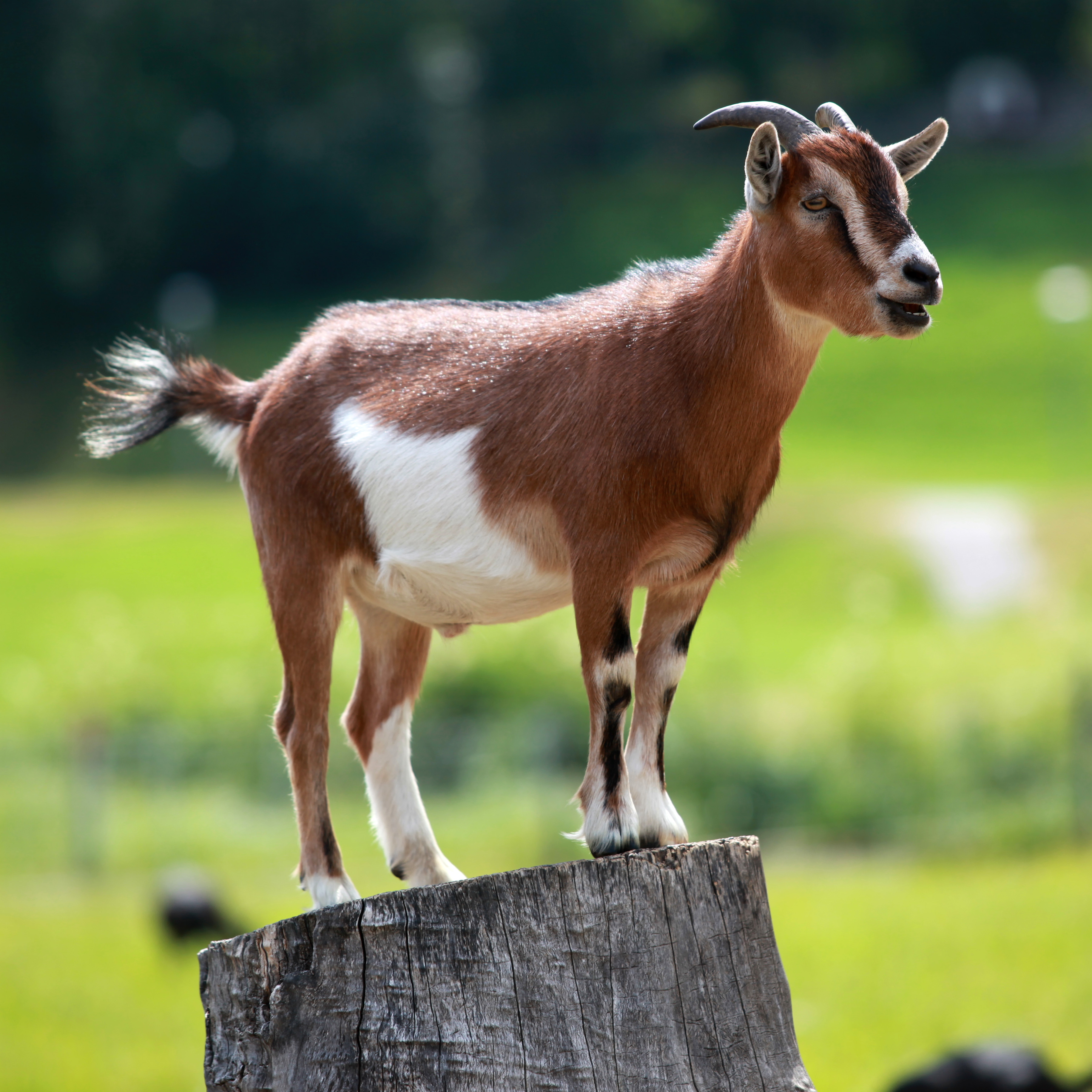
Ajapatha: They buy some goats from the Kiratas (hunter tribe) to cross the mountain terrain. Aja means goat.

Acera who came with his troops asked his soldiers to kill the goats and expose the bloody flesh to attract the birds of prey.

Sakunapatha: Huge birds come and try to take the meat. Sanudasa and Acera cling to the birds so as to reach the gold mines. This gave birth to Stories like Sindbad the sailor. This type of using eagles to bring emeralds, Soma plant are in the Rig Veda and Kalidasa’s works. Sakuna means bird.

para7

Mandhapatha:Ram instead of goat.

Janupatha: Crawling route.

Sankupatha: An iron hook attached to a rope of skin, is thrown up till the hook is fixed up in the mountain. After climbing up to the point, he used a diamond tipped instrument to make big hole and insert a spear. From there he throws up his hook to reach higher and higher. Hindus used monitor lizard or iguana to climb the walls of the fort. But it won’t work in mountain territory.

PARACHUTING

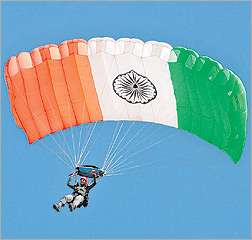
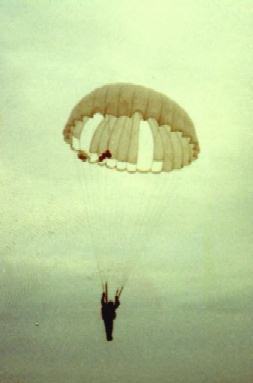
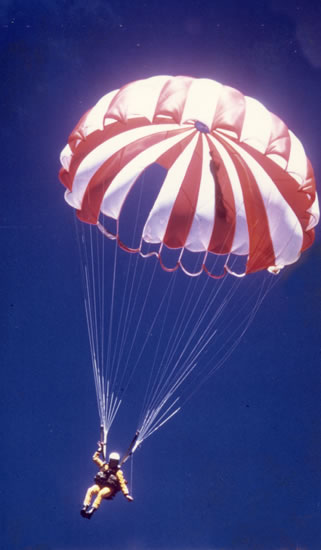
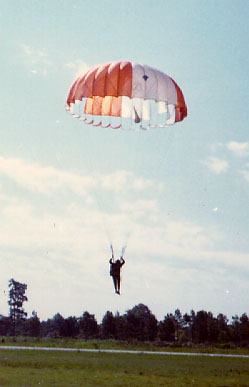
Chatrapatha: Chatra means umbrella. IT IS EXPLAINED IN THE COMMENTARY AS THE WAY WHERE ONE JUMPS DOWN FROM A PRECIPICE WITH AN OPEN PARASOL MADE UP OF THIN SKIN, AND DESCENDS SLOWLY TO HE GROUND. In other words it involved the principle of parachuting.

Mushikapatha: Mushika is mouse or rat. Tunnelling and using the tunnel to cross the path.

Daripatha : Something similar to tunnelling

Danipatha :It is making a cave or cleft in a rock to cross difficult terrain.

Katyayana, writing in fifth century BCE, mentions most of the routes and the Milinda panna agrees with the Vartika of Katyayana.

Paracommander2

Patha=Path

If they can use such pathas in stories like Brihat katha, common men must also be familiar with them. Another interesting thing is that the English word ‘Path’ is derived from the Sanskrit word ‘patha’. This word is in the Rig Veda. Even Tamils use the word ‘Paathai’ in day to day language.

Routes mentioned in the Rig Veda

Vari patha (Sea route) and Vanikpatha (Commercial Route) are mentioned in the Arthasatra of Chanakya (3rd century BCE). Bhagwan Singh in his book “Vedic Harappans” add more interesting details:

Varipatha and Vanik patha are in the Rig Veda. The Vedic Aryans express their gratitude to Indra for digging these routes (4-19-6) and for removing the obstacles from these routes by annihilating robbers and pirates (1-80-3; 4-28-1;10-67-12) and to the gods, ancient seers and manes for discovery or creation of land routes (6-21-12). What was it that bound them so intimately to the rivers that they refer time and again to them as “nadyah, sindhavah, sravantyah, Sapta Sindhavh, trisapta sindhavah and Ganga, Yamuna, Saraswati etc? The answer is not far to seek. The rivers were the trunk routes of the Vedic times as they happened to be in later days as well, but not with as much traffic”.

Manu’s flood story has spread to the whole world. Nova in the Biblical story itself is a Sanskrit word. Nava is ship in Sanskrit. Nava is new in Sanskrit. Both apply to the story.

11_Funerary-boat

Hindu gods are floating on water. Nara+ayana. The very word Nara(yana) and Tamil word Neer for water is derived from Sanskrit word Nara. The proof lies in the Greek ‘Nereids’ (Water nymphs). The word existed even before Tamils started writing. Nara is in the Vedas existed even before Greeks started writing. So we know that is derived from the Vedas. Above all Hindus birth starts with water ceremony and ends with water (funeral) ceremony. Without water Hindu religion or rituals can’t survive.

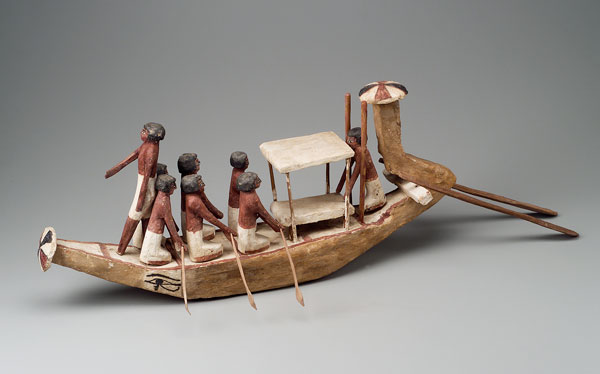
Like Egyptians buried a boat with the Pharaoh to help him to cross the sky, Brahmin funeral ceremony includes boat(Made up of leaves) for the soul to cross the River Vaitarani. All these show that the boat is very familiar with the Hindus. It is even in the Vedic Funeral ceremonies! Indus valley boat and the direction finding bird are also mentioned in the Vedic literature.

விவேகாநந்தரின் 30 அற்புதப் பொன் மொழிகள்!

vive1

Compiled by London Swaminathan

Article No.1892;  Dated 27 மே 2015.

Uploaded at London time 11-55 am 


2015 ஜூன் காலண்டர்

விவேகாநந்தரின் 30 அற்புதப் பொன் மொழிகள்!

இந்த மேற்கோள்கள் எல்லாம் “எழுமின்! விழிமின்!” என்ற விவேகானந்த கேந்திர வெளியீட்டில் இருந்து எடுக்கப்பட்டவை; நன்றி.

சுவாமியின் பொன்மொழி காலண்டர் – மன்மத வருடம்- ஆனி (ஜூன் 2015)

இந்த பிளாக்—கில் இதுவரை தமிழிலும் ஆங்கிலத்திலும் ஆயிரத்துக்கும் மேலான தமிழ், சம்ஸ்கிருத பொன் மொழிகள் வெளியிடப் பட்டுள்ளன! படித்துப் பயன் பெறுக!!

முக்கிய நாட்கள்/ விழாக்கள்:– ஜூன் 1: வைகாசி விசாகம்; 19-ரம்ஜான் மாத துவக்கம், 24- ஆனி உத்தரம் நடராஜர் அபிஷேகம்


ஏகாதசி  : 12 & 28; அமாவாசை- 16;  பவுர்ணமி- 2.

முகூர்த்த நாட்கள்:– 4, 7, 8, 12, 26, 29


 vive2

ஜூன் 1 திங்கட்கிழமை


தன்னம்பிக்கை இலாதவன் தான் நாஸ்தீகன்.. கடோபநிஷதத்தைப் படித்தவர்களுக்கு நினைவிருக்கும். நசிகேதன் சொல்கிறான்,” நான் பலரினும் மேம்பட்டவன்; எவருக்கும் தாழ்ந்தவனல்லன்; எங்குமே நான் கடைசி அல்ல; ஏதாவதொன்றைச் செய்ய முடியும்” – பக்கம் 81


ஜூன் 2 செவ்வாய்க்கிழமை

நசிகேதனின் நம்பிக்கையுடன் 12 சிறுவர்கள் கிடைத்தால்  இந்த நாட்டின் சிந்தனையையும், நாட்டங்களையும், அபிலாஷைகளையும் புதியதொரு பாதையில் என்னால் திருப்பிவிட்டுவிட முடியும் –பக்கம் 206


ஜூன் 3 புதன்கிழமை

படித்த இளஞர்களை ஒன்றுதிரட்டி இணையுங்கள். புல்லைக்கூட கயிறாகத் திரித்துப் பின்னிப் இணைத்தால் அதைகொண்டு மத யானையையும் கட்டிப் போட்டுவிட முடியும் என்பதை நினைவிற் கொள்ளுங்கள் -–பக்கம் 207


ஜூன் 4 வியாழக்கிழமை

பெரிய கோப அலை மனதில் எழுந்தால் அதற்கு எதிரிடையான ஒரு அலையை எழுப்புவதால் கோபத்தைக் கட்டுப் படுத்தலாம்.அப்பொழுது அன்பைப் பற்றி நினைக்க வேண்டும். குடும்பத்தில் கணவன் மனைவி இடையே கடும் கோபம் நிலவும் நேரத்தில் குழந்தை உள்ளே வருகிறது. குழந்தையை அவள் அணைத்து முத்தமிடுகிறாள். அங்கே  பழைய கோப அலை செத்துப் போய் புதிய அன்பு அலை எழுகிறது. –பக்கம் 203


ஜூன் 5 வெள்ளிக்கிழமை

தோல்விகள் வாழ்க்கையை அழகு பண்ணுகின்றன. அவையின்றி வாழ்வு எப்படி இருக்கும்? போராட்டங்கள் இல்லை என்றால் வாழ்க்கையே வாழத் தகுதி அற்றதாகிவிடும். வாழ்க்கையாகிற கவிதை எங்கே இருக்கும்? –பக்கம் 194


vive3

ஜூன் 6 சனிக்கிழமை

சோதிடம், ரகசிய வித்தைகள் இவற்றை எல்லாம் நாடுவது பொதுவாக பலவீனமான மனதின் அறிகுறி. ஆகவே இப்படி எண்ணம் வரும்போது ஒரு டாக்டரிடம் உடம்பைக் காட்டி, நல்ல உணவு சாப்பிட்டுவிட்டு, ஓய்வெடுத்துக் கொள்ள வேண்டும்–பக்கம் 191


ஜூன் 7 ஞாயிற்றுக் கிழமை

ஓவியம் தீட்டுகிறவன், தான் என்ற அஹங்காரத்தை இழந்துவிட்டுத் தனது ஓவியத்தில் மூழ்கி விடுவானாயின், அவனால் உன்னதமான ஓவியங்களைத் தீட்டமுடியும். யோகத்தின் மூலம் இறைவனுடன் ஒன்றிவிட்ட மனிதன் தன்னலம் கருத மாட்டான். எல்லாக் காரியங்களையும் இப்படித்தான் செய்ய வேண்டும் என்று கீதை உபதேசிக்கிறது. –பக்கம் 185


ஜூன் 8 திங்கட்கிழமை

பண ஆசையோ, புகழ் ஆசையோ, வேறெந்த ஆசையோ இன்றி, வேறு எந்த உள் நோக்கமும் இல்லாமல், வேலை செய்கிறவன் தான் மிகச் சிறப்பாக வேலை செய்யமுடியும். அவ்வாறு ஒரு மனிதனால் வேலை செய்ய முடியும்  பொழுது அவன் ஒரு புத்தன்  ஆகி விடுவான். –பக்கம் 182


ஜூன் 9 செவ்வாய்க்கிழமை

நாம் எல்லாம் பிச்சைக்காரர்கள். நாம் எதைச்செய்தாலும் பிரதிபலனை எதிர்பார்க்கிறோம். நாம் எல்லாம் வியாபாரிகள்; வாழ்க்கையை, நல்ல குணங்களை, சமயத்தை நாம் விலை பேசுகிறோம்.அந்தோ! அன்பைக் கூட நாம் வியாபாரம் பண்ணுகிறோமே! பக்கம் 181


ஜூன் 10 புதன்கிழமை

மனிதனுக்குள் புதைந்திருக்கும் பூரணத்தை வெளிப்படுத்துவதே கல்வி எனப்படும். மனிதனுக்குள் புதைந்திருக்கும் தெய்வீகத் தன்மையை வெளிப்படுத்துவதே சமயம் எனப்படும்—பக்கம் 173


vive4

ஜூன் 11 வியாழக்கிழமை

ஒரு தலைவனிடம் ஒழுக்கம் இல்லாவிட்டால் அவனிடம் மக்களுக்குப் பக்தி ஏற்பட முடியாது. அவனிடம் மாசு மறுவற்ற தூய்மை இருக்குமாயின் மக்களுக்கு அவனிடம் நிரந்தரமான பக்தியும் நம்பிக்கையும் நிச்சயமாக இருக்கும் – பக்கம் 168


ஜூன் 12 வெள்ளிக்கிழமை

மகாவீர ஹனுமானின் ஒழுக்கப் பண்பினை உங்களது லட்சியமாக நீங்கள் ஆக்கிக்கொள்ள வேண்டும். ராமச் சந்திரனின் ஆணையால் அவர் எவ்வாறு கடலைக் கடந்தார் என்று பாருங்கள், வாழ்வையோ, சாவையோ பற்றி அவர் ஒரு சிறிதும் அக்கறைப் படவில்லை. புலன்களனைத்தும் அவர் வசப்பட்டிருந்தன. ஆச்சரியமான விவேகி அவர். எப்படித் தொண்டாற்ற வேண்டும் என்பதற்கு பெரும் உதாரணமாக விளங்கிய அவரது வாழ்க்கையை ஒட்டி நீங்கள் உங்கள் வாழ்க்கையை அமைத்துக் கொள்ள வேண்டும் –பக்கம் 176


ஜூன் 13 சனிக்கிழமை

உலகத்தின் பாரங்களை எல்லாம் சுமக்க நீங்கள் ஆயத்தம் என்றால் தாராளமாக அதனை ஏற்றுக்கொள்ளுங்கள்..ஓர் எருதின் கொம்பில் ஒரு கொசு நீண்ட நேரம் உட்கார்ந்து இருந்தது. அதற்கு மனச் சாட்சி உறுத்தவே, மன்னிக்கவும் நான் உங்களைத் தொந்தரவு செய்து விட்டேன்; போய்விடுகிறேன் என்றது. எருதோ, தொந்தரவு எதுவுமில்லை. உங்கள் குடும்ப சகிதமாக வந்து உட்கார்ந்து விட்டுப் போங்கள். நீங்கள் என்னை என்ன செய்துவிட முடியும் என்றது. –பக்கம் 194


ஜூன் 14 ஞாயிற்றுக் கிழமை

யாருக்குக் கீழ்ப்படிதல் தெரியுமோ, அவனுக்குத் த்லைமை தாங்கவும் தெரியும். முதலில் கீழ்ப்படியக் கற்றுக் கொள்ளுங்கள். மேலை நாட்டினரிடையே சுதந்திர உணர்ச்சி தீவிரமானதாக இருந்தாலும், கீழ்ப்படிகிற உணர்ச்சியும் அதே அளவுக்குத் தீவிரமாக உள்ளது – பக்கம் 166


ஜூன் 15 திங்கட்கிழமை

ஒவ்வொரு பணியும் மூன்று நிலைகளைக் கடந்தே செல்ல வேண்டும். முதலில் அதனை இகழ்ச்சியாக நினைப்பார்கள்; இரண்டாவதாக எதிர்ப்பு வரும்; மூன்றாவதாக தனை ஒப்புக் கொள்வார்கள் – பக்கம் 164

vive5

ஜூன் 16 செவ்வாய்க்கிழமை

ஐரோப்பியர்களே! உங்களை நான் ஒன்று கேட்கலாமா? எந்த ஒரு நாட்டையாவது நீங்கள் மேல் நிலைக்கு உயர்த்தி இருக்கிறீர்களா? எங்காவது பல்வீனமான இனத்தினரைக் கண்டால் அவர்களைப் பூண்டோடு வேரறுத்திருக்கிறீர்கள். அவர்கள் நிலங்களில் நீங்கள் குடி ஏறி இருக்கிறீர்கள். உங்களுடைய அமெரிக்கா, ஆஸ்திரேலியா, நியுஜிலாந்து, பசிபிக் தீவுகள், தென் ஆப்பிரிக்கா ஆகிய நாடுகளின் வரலாறு என்ன? தாம் வாழ்வதற்காக மற்ற னைவரையும் அழிப்பது ஐரோப்பிய மக்களின் குறிக்கோள் ஆகும் – பக்கம் 136

 

ஜூன் 17 புதன்கிழமை

பாரத தேசம் முழுவதும் எழுந்து நின்று ஹிந்து மஹா சமுத்திரத்துக்கு அடியிலுள்ள எலா மண்ணையும் வாரியெடுத்து மேற்கத்திய நாடுகளின் மீது வீசினாலும்கூட, நீங்கள் இன்று எங்கள் மீது சேறு வீசுகிற அளவில் தினையளவுகூடப் பதிலுக்குப் பதில் செய்ததாக ஆகாது. — பக்கம் 156


ஜூன் 18 வியாழக்கிழமை

ஆரியர்கள் வெளி நாட்டிலிருந்து படை எடுத்து வந்தார்கள் என்றும் பூர்வீக குடிகளிடமிருந்து அவர்களுடைய நிலங்களைப் பிடுங்கிக் கொண்டார்கள் என்றும், அவர்களை நிர்மூலமாக்கிவிட்டுப் பாரதத்தில் குடி ஏறினார்கள் என்றும் கூறுகிறார்கள். இதெல்லாம் கலப்படமற்ற பொய்; முட்டாள்தனமான பேச்சு ஆகும்; இந்த ராட்சதப் புளுகுகள் எல்லாம் நமது பிள்ளைகளுக்குக் கற்பிக்கப்படு வருகின்றன. இது உண்மையில் மிக மிக மோசமான செயல் ஆகும். – பக்கம் 134


ஜூன் 19 வெள்ளிக்கிழமை

நாம் அச்சமற்ற உயர்ந்த வீராங்கனைகளைத் தோற்றுவிப்போம். சங்க மித்திரை, மீரா, அஹல்யா, லீலா முதலியோர் விட்டுச் சென்ற உயர் பரபம்பரையைப் பின்பறக்கூடிய பெண்மணிகளை உண்டாக்குவோம். தியாகிகளை, திருத் தொண்டர்களை, வீரர்களைப் பெற்றெடுக்கும் தாய்மார்களாக அவர்களை நாம் உருவாக்குவோம் – பக்கம் 128

ஜூன் 20 சனிக்கிழமை

உபநிடதங்கள், பெரும் சக்திச் சுரங்கமாகும். உலகம் முழுவதற்கும் வீரமளிக்கப் போதுமான அளவு சக்தி இதற்கு உண்டு. இதைக் கொண்டு உலகமனைத்தையும் புத்துயிர் பெறச் செய்ய, பலம் பெறச் செய்ய, சக்தித் துடிப்பு பெறச் செய்ய முடியும் – பக்கம் 108


vive6

ஜூன் 21 ஞாயிற்றுக் கிழமை

நான் ஆண்களுக்கு எதைக் கூறுவேனோ அதையே பெண்களுக்கும் கூறுவேன். பாரத நாட்டின் மீது நம்பிக்கை வையுங்கள். பாரத நாட்டின் கோட்பாடுகளின் மீது நம்பிக்கை வையுங்கள்; வலைமை பெற்றிருங்கள்:நம்பிக்கை கொள்ளுங்கள்; வெட்கப்படாதிருங்கள்; பிறரிடமிருந்து வாங்கிக் கொள்வதற்கு ஒரு சிறிது உண்டென்றாலும், பிறருக்குக் கொடுப்பதற்கு ஹிந்து மக்களிடம் உலகில் எந்த மக்களினத்தைக் காட்டிலும் அளவிட முடியாத விஷயங்கள் உள்ளன என்பதை நினைவிற் கொள்ளுங்கள் – பகம் 129


ஜூன் 22 திங்கட்கிழமை

அதர்வ வேத சம்ஹிதையிலிருந்து அற்புதமான ஒரு மந்திரம் என் நினைவுக்கு வருகிறது:-“நீங்கள் அனைவரும் ஒரே மனத்துடன் இருங்கள்; நீங்கள் அனைவரும் ஒரே சிந்தனையுடன் இருங்கள். ஏனெனில் பழங்காலத்தில் தெய்வங்கள் ஒரே மனத்துடன் இருந்ததால் ஆகுதிகளைப் பெற முடிந்தது. கடவுளர் ஒரே மனத்துடன் இருப்பதால்தான் மனிதர்களால் அவர்களை வழிபட முடிகிறது.” – என்று கூறுகிறது. ஒருமனப்பட்டு விளங்குவதே ஒரு இயக்கத்தின் வலிமையின் ரகசியம் – பக்கம் 99


ஜூன் 23 செவ்வாய்க்கிழமை

நான் ஒரு ஆங்கிலேயன், எதையும் என்னால் செய்து முடிக்க முடியும் என்று ஒரு ஆங்கிலச் சிறுவன் கூறுவான்.அமெரிக்கச் சிறுவனும், ஐரோப்பியச் சிறுவனும் கூட அப்படியே கூறுவார்கள். இங்கே நமது சிறுவர்கள் அப்படிச் சொல்லுவார்களா? முடியாது. அவர்களுடைய தந்தையர்கள் கூட அப்படிச் சொல்ல மாட்டார்களே! நாம் அந்த அளவுக்குத் தன்னம்பிக்கையை இழந்து விட்டோம் – பக்கம் 110


ஜூன் 24 புதன்கிழமை

பிறரிடமிருந்து நாம் பல விஷயங்களைக் கற்கத்தான் வேண்டும்; ஆம், கற்க மறுப்பவன் செத்தவன் ஆகிவிட்டான் எனக் கொள்க.”மாணிக்கத்தை நிகர்த்த பெண்மணி தாழ்ந்த ஜாதியில் தோன்றினாலும், அவளை நீ மனைவியாகக் கொள்ளுவாயாக. தாழ் குடிப் பிறந்த ஞானியிடமிருந் தாவது, உயர்ந்த ஞானத்தை, அவர் திருவடிகளில் சேவை செய்து பெறுவாயாக; சண்டாளனிடமிருந்தாவது, அவனுக்குத் தொண்டு செய்து முக்திக்கு மார்க்கத்தைப் பெறுவாயாக – என்று மனு (2-238) கூறியுள்ளார். பிறரிடமிருந்து நல்லன அனைத்தையும் கற்போம் –பக்கம் 89


ஜூன் 25 வியாழக்கிழமை

நண்பர்களே! பலமுள்ளவர்களாகுங்கள். நான் அளிக்கக்கூடிய புத்திமதி இதுதான்; நீங்கள் கீதையைப் படிப்பதைவிடக் கால்பந்து ஆடுவதன் மூலம் சுவர்க்கத்துக்கு அருகில் செல்வீர்கள். நான் தைரியமாகவே இதைச் சொல்கிறேன். உங்களுக்கு இவற்றைச் சொல்லத்தான் வேண்டியிருக்கிறது; ஏனெனில் உங்களை நான் நேசிக்கிறேன் – பக்கம் 96

vive7 

ஜூன் 26 வெள்ளிக்கிழமை

சமூக சீர்திருத்தவாதிகளின் ஆவேச மனோ வேகம் மின்சார அதிர்ச்சி போல ஆகி, தூங்குகிற இந்த பிரம்மாண்டமான சமூகத்தை எழுப்ப அவசியமாகவே இருந்தது. ஆனால் அவர்கள் நிர்மாணிப்பவர்களாக இராமல், தகர்க்கிறவர்களாக இருந்தார்கள். ஆகவே அவர்களே அழிந்து போகும் தன்மையினராதலால் மடிந்தனர். –பக்கம் 55


ஜூன் 27 சனிக்கிழமை

ஸ்ரீ இராமகிருஷ்ணரின் அவதார காலம் முதல் கீழ்த் திசையின் அடிவானத்தில் இளம் சூரியனின் கதிர்களால் அருணோதய ஒளி தோன்றியுள்ளது. காலம் செல்லச் செல்ல அது இந்த நாட்டை மத்தியான கால சூரியனின் வெளிச்சத்தால் ஒளிபெறச் செய்யும் – பக்கம் 72

ஜூன் 28 ஞாயிற்றுக் கிழமை

நாம் ஒருபோதும் புதிதாகப் படைப்பதில்லை; இருப்பனவற்றை இடம் மாற்றி வைக்கிறோம்; புதிதாக எதுவும் நமக்குக் கிடைக்காது. பொருள்களின் அமைப்பு நிலையைத் தான் மாற்ற முடியும், விதையானது பொறுமையாக மெதுவாக மரமாக வளர்கிறது. உண்மைக்காக நமது சக்திகளைச் செலவிட வேண்டும் புதிய உண்மைகளை உற்பத்தி செய்ய முயலக் கூடாது.  பக்கம் 63

ஜூன் 29 திங்கட்கிழமை

வாழும் அளவு நான் கற்கிறேன் – என்று சொல்வார் ஸ்ரீ இராம கிருஷ்ணர்.கற்றுக் கொள்வதற்கு ஒன்றுமில்லை என்று கருதுகிற மனிதனோ, சமூகமோ மரணத்தின் வாய்க்குள் புகுந்துவிட்டதாக அறிந்து கொள்ளுங்கள். ஆம்! மேலை நாட்டினரிடமிருந்து நாம் கட்டாயம் கற்றுக் கொள்ள வேண்டியவை பல உள்ளன. ஆனால் அஞ்ச வேண்டுவனவும் உள்ளன.—பக்கம் 52


ஜூன் 30 செவ்வாய்க்கிழமை

இந்த நாடு தத்துவ ஞானத்துக்குப் புனிதமான இடம்; நீதி நெறி ஒழுக்கத்துக்கும் ஆன்மீகத்துக்கும் புனிதமான இடம்; தனது மிருக சக்திகளுடன் இடையறாது போராடுகிற மனிதனுக்குச் சிறிது ஓய்வு தந்து, சிந்திக்கத் தூண்டுகிற புனிதமான பூமி இது. உலகில் மிகச் சிறந்தவர்களின் திருவடிகள் நடமாடிய பூமி பாரதம்- பக்கம் 23 

 -சுபம்-

ரிக் வேதத்திலிருந்து வந்தது “பணம்”!

dac86-baal012b18002bbce252c2blouvre2bmuseum252c2bparis

குழந்தைகளைப் பலி வாங்கும் பால் (வேதத்தில் வால என்னும்    அசுரன்)

Written by London swaminathan

Research Article No.1891

Date: 26 May 2015; London Time 14-59

ரிக் வேதத்தில் நிறைய ரகசியங்கள் உள்ளன. அதில் சில பாணி, பண(ம்) என்ற சொற்களாகும். இந்தியா முழுவதும்  பணம் (காசு) என்ற சொல் தமிழ் உள்பட எல்லா மொழிகளிலும் புழக்கத்தில் உள்ளது. இதே போல ஆங்கிலத்தில் மணி என்ற சொல் இந்த அர்த்ததில் பயன்படுத்தப்படுகிறது. இவை எல்லாம் ரிக் வேதத்தில் பல இடங்களில் குறிப்பிடப்படும் “பாணி” என்ற இனத்திலிருந்து வந்த சொற்களாகும்.

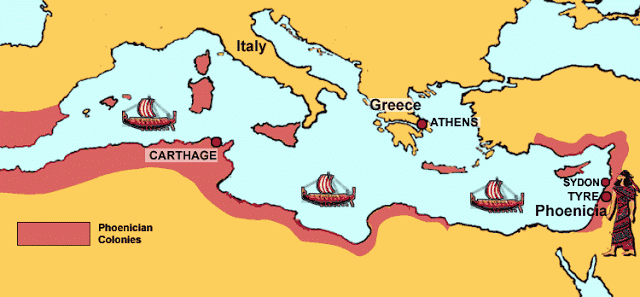
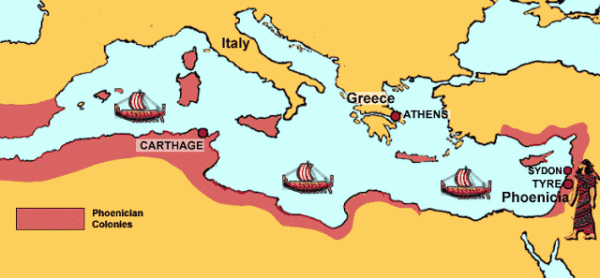
பாணிக்கள், “பீனிஷியர்கள்” என்று அழைக்கப்படுவர். அவர்கள் கி.மு.2000 முதல் கார்த்தேஜ் (இப்பொழுது ஆப்பிரிக்காவில் உள்ள டுனீஷியா) மற்றும் மத்திய தரைக் கடல் நாடுகளான லெபனான், சிரியா போன்ற இடங்களில் காலனி வைத்து ஆதிக்கம் செலுத்தினர். இவர்கள்தான் உலகத்திற்கு அகரவரிசை எழுத்துக்களைக் கற்பித்தவர்கள் என்றும், பணம் என்பதைச் சொல்லிக் கொடுத்தவர்கள் என்றும் அதற்கு முன் பண்ட மாற்று முறையே உலகெங்கிலும் இருந்தது என்றும் என்சைக்ளோபீடியாக்கள் (கலைக் களஞ்சியங்கள்) சொல்லும்.

பீனிஷியர்களின் ஆல்பபெட்/அகரவரிசைதான் பிராமி என்னும் இந்திய எழுத்து முறைக்கு மூலம். நம் மூலமாக தென் கிழக்கு ஆசிய நாடுகள் அனைத்துக்கும் எழுத்து முறை ஏற்றுமதியானது என்று ஆராய்ச்சியாளர்கள் பகர்வர்.

ரிக் வேத பாணிகளுக்கும், வட ஆப்பிரிக்க பீனிஷியர்களுக்கும் சம்பந்தம் இருக்கலாம் என்று கதைத்த வெளிநாட்டு அறிஞர்கள், பின்னர் அதைப் பூசி மெழுகி மழுப்பிவிட்டனர். எது எதெல்லாம் தாங்கள் கூறும் ஆரிய-திராவிட இனவெறிக்  கொள்கைகளுக்கு முரண்படுகிறதோ அதை எல்லாம் சத்தம் போடாமல் அமுக்கிவிடுவது அவர்கள் வழக்கம்.

உண்மையில் பாணீக்கள் பற்றி ரிக்வேதம், அதர்வ வேதம் சொல்லும் பல கருத்துக்கள், அவர்கள் பீனிஷியர்களே என்று காட்டுகின்றன. பாணி என்பது வணிக (வியாபாரிகள்) என்று மாறி இன்று இந்தியாவில் எல்லா மொழிகளிலும் உள்ளது.வணிக என்பதும் ரிக் வேதத்தில் வருகிறது.

ப=வ=ம ஆகிய மூன்று எழுத்துக்களும் ஒன்றுக்கொன்று இடம் மாறும் என்பது மொழி இயல் அறிஞர்களுக்குத் தெரியும். இது பற்றி ஒரு பட்டியலையே எனது மொழி ஆராய்ச்சிக் கட்டுரைகளில் கொடுத்து இருக்கிறேன். நாம் வங்கம் என்று சொன்னால் அந்தப் பகுதி மக்கள் பெங்கால் என்பர். மற்ற சில சொற்கள்—மானம் = வானம், முழித்தான்=விழித்தான்.

85777-map2bof2bphoenicia

வட  ஆப்பிரிக்க கார்த்தேஜ் (டுனீசியா), மத்திய தரைக் கடல் நாடுகள்

ஆக இதே விதியை பாணி, வணிக ஆகியவற்றுக்கும் பயன்படுத்தலாம்:-

பாணி=வாணிக=வணிஜ்= பண= மணி(ஆங்கிலச் சொல்)

இவர்கள் பற்றி உலகின் பழைய நூலான ரிக் வேதம் என்ன சொல்கிறது?

1.பாணீக்கள் பணக்காரர்கள், கஞ்சர்கள்

2.அவர்கள் திருடர்கள்; கொள்ளைக்காரர்கள். வேத கால இந்துக்களின் பசுக்களைத் திருடிச் சென்றனர்.

3.பேராசைக்காரர்கள்; செல்வத்தைக் குவிப்பவர்கள்

4.அவர்கள் வேதமுறைப்படி யாக யக்ஞங்கள் செய்ய மாட்டார்கள்; கடவுளைக் கும்பிட மாட்டார்கள்; ஐயர்களுக்கு தட்சிணை கொடுக்க மாட்டார்கள்.

5.அவர்கள் தஸ்யூக்கள்; தாசர்கள்

6.அவர்கள் க்ராதின் (இதற்கு எந்த அறிஞருக்கும் இது வரையும் பொருள் தெரியவில்லை).

7.இவர்கள் வட மொழி அல்லாத கொடுமையான ஒரு மொழி (ம்ருத்ரவாச) பேசினர். ஆனால் எப்பொழுதுமே வேற்று மொழி பேசுவோரை மற்ற மொழியினர் இப்படி மட்டம் தட்டுவது தெரிந்ததே. கிரேக்கர்கள், மற்ற நாட்டினரை காட்டுமிராண்டிகள் (பார்பாரிக்) என்றும் தமிழர்களைத் தெலுங்கர்கள் அரவா என்றும் பைபிளைப் பின்பற்றாதவர்கள் பேகன் என்றும் குரானைப் பின்பற்றாதாரை காபிர் என்றும் அவரவர் அழைப்பதும் தெரிந்ததே.

  1. அவர்களை வேதங்கள் சில இடங்களில் புராண கதா பாத்திரங்கள் போல வருணிக்கின்றன. அவர்களிடம் தூது செல்ல இந்திரன், சரமா என்ற பெண் நாயை அனுப்பியதாக பல இடங்களில் வேதம் சொல்லும். இந்த சரமா என்பது ,பாரசீகம் வழியாக கிரேக்க நாடு வரை சென்றுவிட்டது. பாரசீக கிரேக்க மொழிகளில் எஸ் என்பது கிடையாது ஆகவே அவர்கள் சரம என்பதை ஹர்ம என்று எழுதினர். இதைப் பற்றி நிறைய ஆராய்ச்சி நடந்திருப்பதால் தனிக் கட்டுரையில் தருவேன். சிந்து நதி என்பதை இந்து என்று மாற்றியவர்களும் அவர்களே!!

ef545-leviticus-20-molech

குழந்தைகளைத் தீயில் வீசுவோர்!!

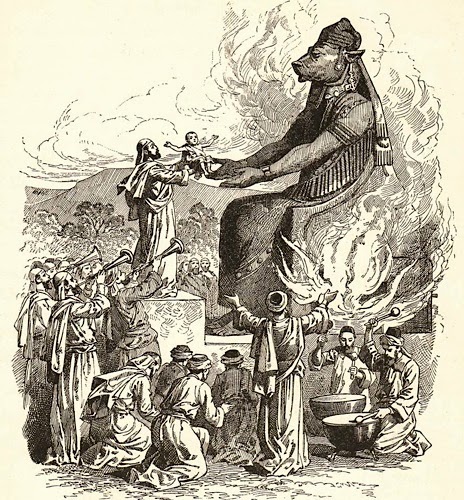
பாணீக்கள் பற்றி ரிக்வேதத்தில் காணப்படாத முக்கிய விஷயம் அவர்கள் குழந்தைகளைத் தீயில் பலி கொடுப்பவர்கள் என்பதாகும். பீனிஷியர்கள் வணங்கி வந்த இரண்டு தெய்வங்கள் பால் மற்றும் மாலிக் (மெலக்) என்பன ஆகும். இவ்விருவர் சிலைகள் முன்னாலும் எப்பொழுதும் தீ எரிந்து கொண்டே இருக்கும். ஜெரூசலத்தில் எரியும் தீயில் இப்படிப் பிள்ளைகளைப் பலி கொடுத்தது பைபிளில் இரண்டு மூன்று இடங்களில் சொல்லப்பட்டுள்ளது.

பாணீக்களின் குழந்தைப் பலி பற்றி ரிவேதத்தில் இல்லாவிட்டாலும் வால என்னும் அசுரனை இந்திரன் கொன்றது பற்றிய பாடல் வேதத்தில் வருகிறது வால என்பதே பால் என்னும் தெய்வத்தின் பெயர் என்று கொள்ள மொழியியல் வழிகாட்டுகிறது.

இப்பொழுது பஹ்ரைன், டுனீஷியா, மத்திய தரைக் கடல் நாடுகளில் பல்லாயிரக் கணக்கான புதைகுழிக்கள் கண்டு பிடிக்கப்பட்டு வருகின்றன. அவை அத்தனையிலும் ஈமப் பானையில் குழந்தைகளின் கருகிய சாம்பலும், மிருகங்களின் சாம்பலும் கிடைத்துவருகின்றன. ஒரு வேளை இவர்களை வேத கால இந்துக்கள் வெறுத்து தஸ்யூ, தாசர் என்று திட்டியதற்கு இதுவும் காரணமாக இருக்கலாம். “மிலேச்ச” என்னும் சொல்லும் இவர்கள் வழிப்பட்ட மாலிக், மொலக், மிளக் என்னும் குழந்தைகளைப் பலி கேட்ட தெய்வத்தின் பெயரில் இருந்து வந்திருக்கும் என்பது நான் கண்ட முடிவு.

பாணீக்களின் மன்னர் பெயர் “ப்ருபு” என்று ரிக் வேதத்தில் இருக்கிறது. பீனிஷியர்களின் முக்கிய நகரான பிப்லோஸ் என்பது இதிலிருந்து வந்ததே.  “ர, ல” ஆகிய இரண்டு எழுத்துக்களும் இடம் மாறுவது பற்றி பாணினி கூட சூத்திரம் எழுதி இருக்கிறார்.

மேலும் விக்கிபீடியாவில் பீனிஷியர் காலனி என்ற பட்டியலில் பல சம்ஸ்கிருதப் பெயர்கள் உள்ளன ( சுந்தர, சூர்ய, சோபன,தாரா முதலியன)

பாணீக்கள் வேற்று மொழி பேசினாலும் எல்லா வணிகர்களையும் போல அவர்களுக்கு வேறு (சம்ஸ்கிருதம் போன்ற)  மொழிகளும் தெரிந்திருக்க நியாயம் உண்டு. பிப்ளோஸ் என்ற நகரம் 7000 ஆண்டு பழமையுடைத்து! வேத மந்திரங்கள் பல காலத்துக்குச் சொந்தமானவை. எல்லா மந்திரங்களும் உருப்பெற குறைந்தது 500 ஆண்டுகள் ஆகியிருக்கலாம். சங்கத் தமிழ் இலக்கியத்தில் 450+ புலவர்கள் பெயர்கள் இருப்பது போலவே ரிக் வேதத்திலும் 450+ புலவர் பெயர்கள் உள. சங்கப் பாடல்கள் உருவாக குறைந்தது 300 ஆண்டுகள் ஆயின. ஆக பாணீக்கள் பற்றிய குறிப்புகளும் ரிக் வேதத்தின் பெரும்பாலான மண்டலங்களில் வருவதால் இவர்களுடன் நீண்ட நெடுங்காலத்தில் சுமுக உறவு நிலவிய காலமும் இருந்திருக்கலாம்.

eb915-byblos

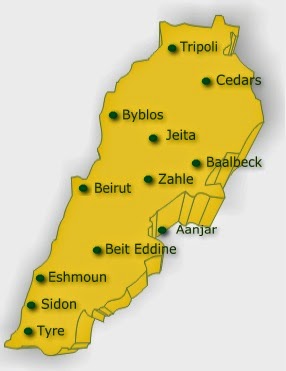
லெபனான் (சம்ஸ்கிருதத்தில் லவண/ வெள்ளை)

இவர்கள் பற்றி “வேத கால ஹரப்பா மக்கள்” என்ற நூலை எழுதிய ஆராய்ச்சியளர் பகவான் சிங் வேறு ஒரு தகவலையும் தருகிறார். சில வேத மந்திரங்கள், “பாறைகளுக்கு அடியே பாணீக்கள் மறைத்து வைத்த செல்வம்” பற்றிப் பாடுகின்றன. அவைகளைப் பெற இந்திரன் சரமாவை தூது அனுப்பிய செய்தியும் வருகிறது. பாறைக்கு அடியில் மறைத்த செல்வம் என்பது சுரங்கக் கனிவளம் என்றும் இவர்கள் உலகமெங்கும் லபிஸ் லசூலி என்ற கற்களை ஏற்றுமதி செய்தனர் என்றும் எழுதுகிறார். லாபிஸ் லசூலி பற்றிய எனது முந்தைய தனியான ஆராய்ச்சிக் கட்டுரையில் நிறைய விசயங்களைத் தந்திருக்கிறேன்.

பிற்காலத்தில் கிரேக்கர்கள் எழுதிய வரலாற்றுக் குறிப்புகளில் ரோமானிய ராஜாக்களுக்கும், கிறிஸ்தவ பாதிரிமார்களுக்கும் தேவைப்பட்ட பிங்க் (இளம் சிவப்பு) சாயத்தை கடலில் கிடைக்கும் ஒரு வகைக் கிழிஞ்சல் பூச்சியில் இருந்து எடுத்து இவர்கள் ஏற்றுமதி செய்ததையும் குறிப்பிட்டுள்ளனர். அந்தச் சாய ஏற்றுமதி இவர்கள் கையில் இருந்ததால் இவர்கள் மிகவும் பணக்காரர் ஆனார்கள்.

பாணீக்கள் என்போர் திசை மாறிப்போன, வழி தவறிய இந்துக்களே (விராத்யர்) என்று ஆர்ய தரங்கிணி என்ற நூலில் ஏ.கல்யாணராமன் எழுதுகிறார்.

கிரேக்க மொழியில் முதல் முதல் நூலை எழுதிய ஹோமரும் முதல் நூலான இலியட்டில் இவர்களைப் புகழ்ந்துவிட்டு, ஆடிஸி என்னும் அடுத்த நூலில் பீனிஷியர்களை அயோக்கியத் திருடர்கள் என்று திட்டுகிறார். ரிக்வேதக் கருத்துக்களை அப்படியே எதிரொலிக்கிறார்!

மேற்கூறிய எல்லாத் தகவல்களையும் ஒட்டுமொத்தமாகப் பார்க்கையில் இவர்கள் பணத்துக்காக எதையும் செய்யத் துணிந்த கிராதகர்கள் என்பது தெரிகிறது. வேதத்தில் இவர்கள் பற்றி இதுவரை பொருள் விளங்காமல் உள்ள “கிராதின்” என்பதற்குக் கிராதகர் என்று பொருள் கொண்டாலும் தவறில்லை!

(வேதங்களில் இவர்கள் பற்றிய குறிப்புகள் எங்கேயுள்ளன என்ற விவரங்களை நேற்று வெளியான எனது ஆங்கிலக் கட்டுரையில் கொடுத்திருக்கிறேன்.)

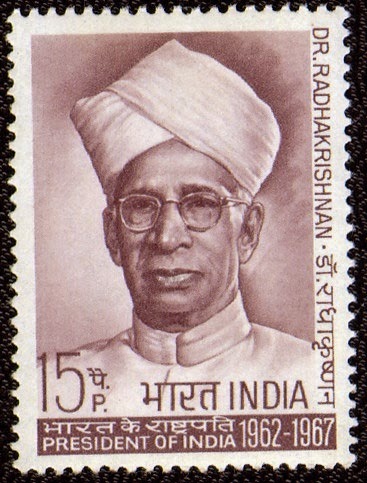
30 Beautiful Quotations from Philosopher Dr Radhakrishnan

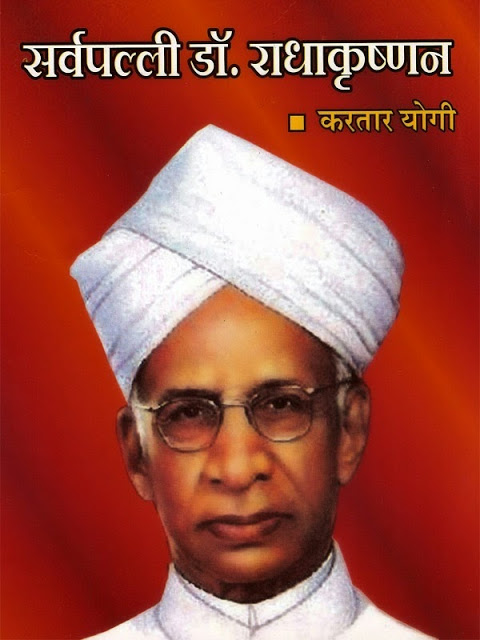
sarvapalli

Compiled by London swaminathan

Post  No.1890

Date: 26 May 2015; London Time 12-23

June 2015 Good Thoughts Calendar

June 1 Monday –Vaikasi Visakam, 19- Ramzan month begins, 24-

Ani Uththaram Natarajar Abhishekam.

Auspicious days – June 4, 7, 8, 12, 26, 29; June 2 Tuesday-Pornami /Full moon day; June 12 and 28 – Ekadasi; June 16 – Amavasya/ New moon day

June 1 Monday

Philosophy is understanding, contemplation, insight, and a philosopher can find no rest until he gains a view or vision of the world of things and persons which will enable him to interpret the manifold experiences as expressive, in some sort, of a purpose.

June 2 Tuesday

If we ask religious leaders on what their claim to be believed is based, we receive three answers – They deserved to be believed, firstly,  because our primal ancestors believed them; secondly, because we possess proofs which have been handed down from this period of antiquity; and thirdly, because it is forbidden to raise the question of their authenticity at all.

June 3 Wednesday

The golden age is in the future vision, not in the fabled past.

June 4 Thursday

Our scientific theories which supersede earlier ones are only links in a long chain of progressive advances. They are temporary resting places in the search for truth and there is nothing absolute about them. Religion on the other hand claims to be absolutistic. Its truths are said to be unalterable and our only duty is to defend them.

June 5 Friday

Science demands induction from facts and not deduction from dogmas. Science insists on the reign of law. If law works everywhere and though all time, there is nothing mysterious or miraculous about the world.

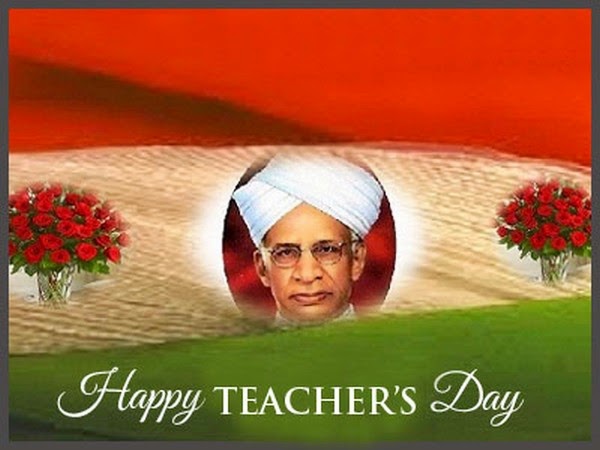
Dr Radhakrishnan’s Birth Day September 5 is celebrated as Teachers day

June 6 Saturday

Reasoning in religion is only a rearrangement of our prejudices. The tendency of religion to mistake desires for facts, to take the world to be what we should like it to be, to reserve a certain part of life as falling outside the scope of ordinary knowledge is the direct opposite of empirical science.

June 7 Sunday

A non-functioning, ornamental deity cannot remain for long a vital force. Deism lapsed into scepticism. If a god is unnecessary for working the world machine, he does not seem to be quite necessary for starting it.

June 8 Monday

We cannot believe that the earth was brought into existence by a divine fiat on a certain Tuesday in the year 4004 BCE.

June 9 Tuesday

Man is nothing more than the latest of a long series of living creatures, and he did not arrive on this planet faultless and finished but is being slowly ground in to shape by the shocks of circumstance. We cannot be certain that man is the last utterance of life. Even if the evolution of life on earth does not proceed higher than the human species, science threatens us with a possibility of its extinction.

June 10 Wednesday

Call it destiny or collective soul, an immutable law governs the rise and fall of races and cultures.

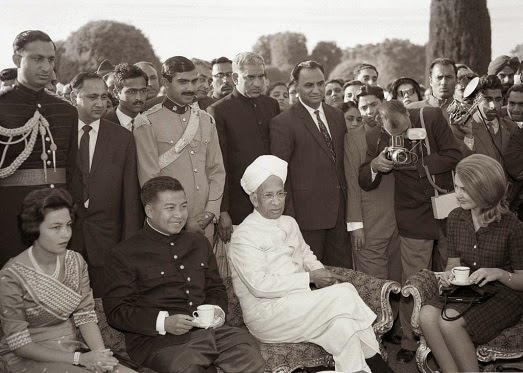
With King of Cambodia

June 11 Thursday

Language is a series of muscle twitchings. Emotions are visceral reactions. Man is an animal among animals. He is the most cunning of the animals.

June 12 Friday

We are grown-up infants and god is a sort of “wet nurse” to humanity.

June 13 Saturday

Psychologists are interested in the discovery of conditions that lead to the acceptance of fancies as facts but not in their truth vale. We do not debate the truth of a detected illusion.

June 14 Sunday

Our mental pictures of god are as varied as we are. If oxen and horses and lions had hands and could produce works of arts as men do, horses would paint the forms of the gods like horses, and oxen like oxen, and make their bodies in the images of their several kinds! Ethiopians make their gods black and snub nosed, the Thracians say theirs have blue eyes and red hair”(Dr Radhakrishnan gave the quote from Xenophanes).

June 15 Monday

The history of religion is the record of the conflicts of contradictory systems, each of them claiming dogmatic finality and absolute truth, a claim made apparently absurd by the plurality of claimants.

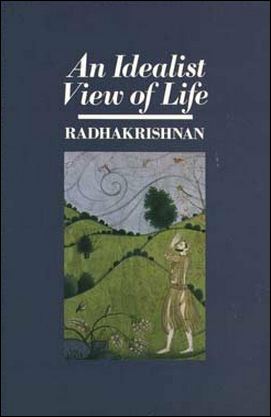
An-Idealist-View-of-Life-Radhakrisnan

June 16 Tuesday

Salvation is interpreted as having a reference to the next world and not he building of kingdom of god on earth. Religion is more world-fleeing than world-seeking or world-penetrating.

June 17 Wednesday

Religion is not doctrinal obedience or ritualistic display, but is self-sacrificing love and redemptive might. Religion believes that all needful truth is given to man and there is no need for further enquiry and search.

June 18 Thursday

Religion engenders a great love for a great hate. Every religion has its Popes and Crusades, idolatry and heresy hunting. The cards and the game are the same, only the names are different. Men are attacked for affirming what men are attacked for denying. Religious piety seems to destroy all moral sanity and sensitive humanism.

June 19 Friday

Greek mind had not a clear perception of the distinction between politics and religion, public duty and individual perfection. To it, Athens and Athena , later Caesar and god ,were identical terms. The individual’s highest good is in the service of the state.

June 20 Saturday

Scepticism does not cost us much. It is faith that requires courage nowadays.

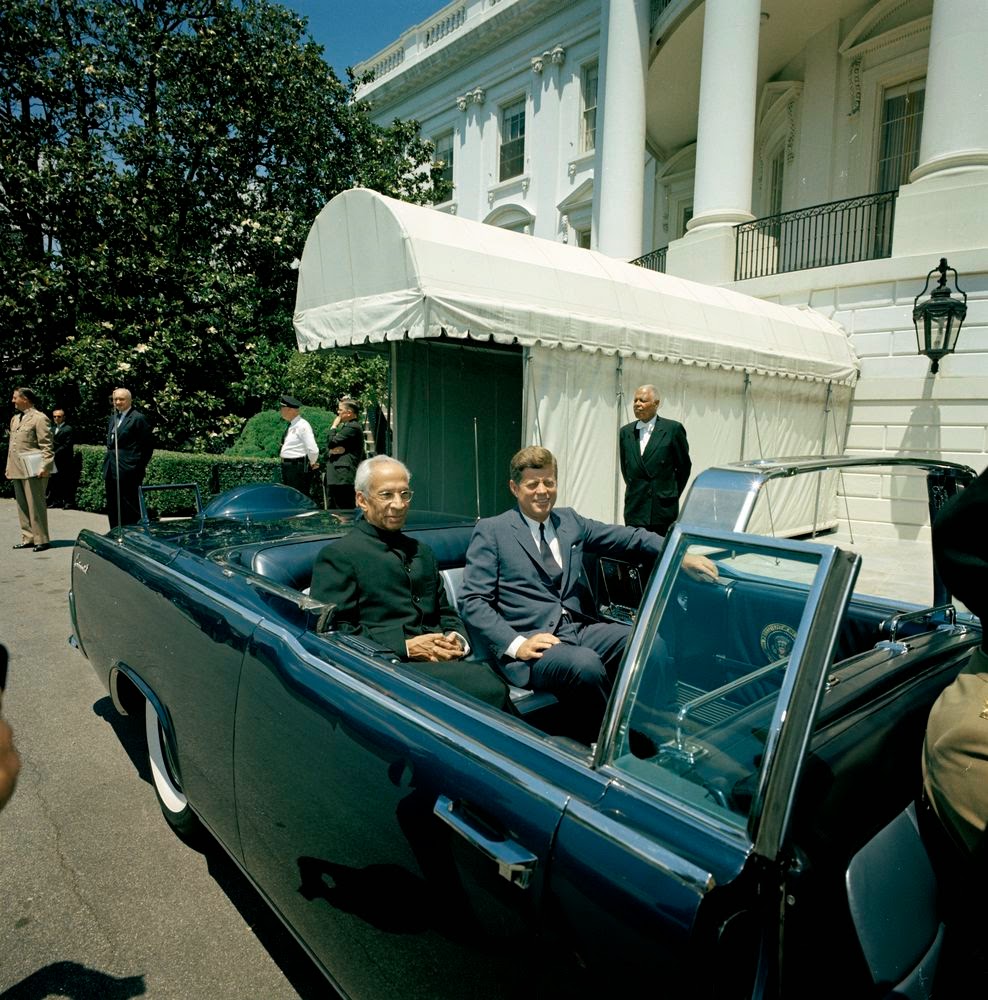
With US President John F Kennedy

June 21 Sunday

We need the assistance of creative minds. The prophet souls and the priest minds, the original men of understanding and not the mechanical imitators of the inherited habits, are needed to help our wandering generation to fashion a goal for itself. Prophesy is insight. It is vision. It is anticipating experience. It is seeing the present so fully as to foresee the future.

June 22 Monday

We cannot live if we do not recover our faith in life and the universe. Rationality is essential, but so is religion if disintegration to be averted. Loyalty to life requires us to know the creative mystery and serve it to the best of our power.

June 23 Tuesday

Happiness is not to be confused with pleasure. It consists in harmony, in unity with oneself, in the consciousness of an affirmative attitude to life, in the peace resident in the soul.

June 24 Wednesday

Agnosticism admits the mystery and holds that we do not know and cannot know. That which transcends us is none of our affair.

June 25 Thursday

There is a story that the visit of an Indian philosopher to Socrates. Aristoxenes reports that Socrates tod the India stranger that his work consisted in enquiries about the life of men, and the Indian smiled and said that none could understand things human who did not understand things divine.

June 26 Friday

Humanism is a protest against naturalism on the one side and religion on the other. Against religion, humanism contends that this world is our chief interest and perfection of humanity is our ideal. We can realise the humanist’s ideal by means of the inner discipline without reference to any supernatural power. Humanism seems to be religion secularised. Life is a great gift, and we have to bring to it a great mood; only humanism does not induce it.

June 27 Saturday

Socialism cannot remove human selfishness. A religion whose centre is man and not god is never a strong one. Religion today has to fight not only unbelief and secularism, but also the subtler rival in the guise of social reform.

June 28 Sunday

God is not what a man wishes to be true for the sake of an easy time, but what he knows to be true, even though it means sacrifice and self-denial.

June 29 Monday

Liberty and reason are no doubt great ideals, but there can be no liberty without discipline and no reason without faith.

June 30 Tuesday

It takes centuries of life to make a little history, and it takes centuries of history to produce a little tradition, and we cannot lightly set it aside. There is a body of accepted knowledge, a deposit of faith on which we can all draw. Though religion in a sense is each individual’s personal affair, it is dependent on past tradition and grows out of it

Quotations are taken from AN IDEALIST VIEW OF LIFE, lectures of Dr Radhakrishnan in the United Kingdom in 1929 and 1930. Later he became President of India.

Vedic Phoenicians; History’s Mystery!

Picture of Baal (Vedic demon Vala), 1800 BCE, Louvre Museum, Paris

Written by London swaminathan

Research Article No.1889

Date: 25 May 2015; London Time 19-22

Every one of us use the word “Pana” for money in India. All of us use the word “Vanik(a)” for the business people or commerce. The entire English speaking world use the word “MONEY”. All these are derived from the Rig Vedic word “Pani”.

Linguists know that P=V=M are interchangeable. If you apply this rule, you get:-

Pani=Vanik= Vanij= Pana= Money

P=V=M interchange is very common in several languages including Tamil.

According to Western encyclopaedias, Phoenicians’ contribution to the world are 1)Alphabet and 2)Money. Even the Indian Brahmi which gave birth to Tamil script and all the South East Asian scripts are developed from the Phoenician alphabet according to them. I would not touch the issue of alphabet in this article. But let us look at other things.

Misers and Robbers

Panis or Phoenicians were very bad people according to the Rig Veda(1-33-3; 5-34-7; AV 20-128-4; VS 3-1). Panis were

1)Robbers or thieves who stole the cows of Vedic Hindus.

2)They were very greedy and rich.

3)They accumulated wealth.

4)They were miserly merchants (RV 1-124-10; 4-51-3; 8-45-14).

5)They were called Dasyus RV 7-6-3 (Thieves)

6)In some places they were called Dasas (RV 5-34-5; AV 5-11-6).

7)They don’t worship Gods.

8)They don’t do Fire Sacrifice.

9)They never give Dakshinas (fees) to the Vedic priests.

10)They were called wolves (RV  6-51-14)

11)They were grathin (nobody knew the meaning)

12)In some passages the Panis are shown as mythological figures, demons who withhold the cows and waters of heaven and to whom Sarama (dog) goes on a mission from Indra (RV 10-108)

(Story of Indra’s ambassador Sarama, the dog, has spread up to Greece via Iran, who was called Hermes. I will give the story separately; in both Persian and Greek S sound is changed to H)

But Rig Veda never mentioned about  their child sacrifice. They killed thousands and thousands of children, actually burnt them alive and buried their ash in pots. Now we have found those graves in Bahrain and other neighbouring countries.  Probably that is the reason Vedic Hindus hated them. They worshipped Baal from 2000 BCE. He had a major sanctuary at BYBLOS.

Another god was Moloch or Molek. Israelite children were sacrificed by burning to Molech , according to the Bible (1 Kings 11-7; 2 Kings 23-10). Vedic Hindus hated the Mlechas; probably the world came from Molek worshippers.

Who were the Phoenicians?

The best proof for identifying them with Panis of Rig Veda come from the word Byblos. This is the corrupted form their King Bibru. Rig Veda mentioned the name Bribu as their king. He constructed the city Byblos which is known to all historians. They controlled areas on the coast of Mediterranean Sea. Carthage (modern Tunisia) in North Africa and Lebanon in the Middle East were their main colonies.

Linguists know R=L are interchangeable. Even Panini has a sutra about it.

BIBRU became BYBLOS.

Byblos has got continuous existence from 5000 BCE. So Rig Vedic Bribu must have corrupted to Byblos. Or later kings might have named it after Bribu. Both are possible.

The second proof comes from the Sanskrit words of Phoenician areas. Following piece is taken from Wikipedia:

Other colonies (Note the Sanskrit Names)

Lebanon = lavana ( salt or salty white)

  • Callista (on modern Santorini)
  • Calpe (modern Gibraltar)
  • Gunugu
  • Thenae
  • Tipassa
  • Sundar (Sanskrit)
  • Surya(Sanskrit)
  • Shobina(Sanskrit)
  • Tara(Sanskrit)
  • My comments: Vedic Hindus might have settled in these Phoenician colonies for business purposes or settled there earlier than the Phoenicians.

Phoenicians spoke a non-Sanskrit language and so they were called Mrdhravach (of hostile speech). Greeks called non-Greeks barbarians; Ancient Tamils called Roman and Greek bodyguards with the same word (People of rude or harsh words); Telugus called Tamils with the same word (Arava=loud mouthed or voiceless or snake people); Bible called non-Christians as Pagans; Quran called Non-Muslims as Kafirs. This type of derogatory coinage was very common in the ancient world.

Miners of Lapis Lazuli

Bhagavan Sing (Author of Vedic Harappans) say that they mined minerals and gem stones such as lapis lazuli and exported them. So the Vedas say they hid the treasure under rocks.

I Come appointed messenger of Indra, asking your ample stores of wealth, O Panis (RV 10-108-2)

Paved with rock is this our treasure chamber; filled full of precious things, of kine, and horses. These Panis who are watchful keepers guard it. In vain hast thou approached this lonely station (RV 10-108-7)

Vedic Mantras cover a vast period of time. So it is possible at one time they had good business contacts with the Vedic Hindus.

Even Homer described them as good and bad people. They exported purple dye for the dress of Roman kings. In Illiad, Homer say that their wares are fit for Gods and kings and in Odyssey he says they are bunch of treacherous thieves. He has reflected the Rig Vedic thoughts.

Like we see in India, there is a big gap between the literary evidence and the archaeological evidence for Phoenicians. This remains a mystery until this day.

A.Kalyanaraman (author of Aryatarangini) argues that they were also Vedic people but who did not follow Vedic religion (vratyas) and migrated westwards.

References to Vanij (Vanikan in Tamil)

RV 1-112-11; 5-45-6; AV 3-15-1

References to Pani

RV1-33-3; RV 4-28-7; 5-34-5; 6-13-3; 8-64-2; 10-60-6;3-58-2;6-51-14. There are over 30 references. I have given only a few.

Child Killers

Vedic Hindus hated them because Phoenicians were ready to do anything for getting money. Bible refers to child sacrifice by Canaanites/Phoenicians in Jerusalem. Modern excavations have revealed thousands of urns containing the cremated remains of infants, small children and animals in Carthage (Tunisia), Motya (Sicily),Sulcis (Sardinea)and other Punic (Phoenician) sites. They spread this disgusting, barbaric practice to other Mediterranean areas. Scholars believe they had their origin in Bahrain. Vedas dub all the cannibals as Asuras/demons.

Phoenician God Baal is called Vala in Rig Veda whom Indra pierced when they plundered the Hindus’ cows.

All these prove that the hated Panis were Phoeniciaans.

பகுதி-2 ராம நாம மஹிமை: மேலும் சுவையான கதைகள்

Compiled by London swaminathan

Post no.1888

Date: 25 May 2015; London Time காலை 8-14


கதை -3

இறைவனின் நாமம் எவ்வளவு சக்தி வாய்ந்தது என்பதை விளக்க நேற்று சுவாமி ராமதாஸ், ஸ்ரீசத்ய சாய் பாபா சொன்ன இரண்டு கதைகளைக் கண்டோம். இன்று ஸ்ரீ இராமகிருஷ்ண பரமஹம்சர் சொன்ன இரண்டு கதைகளைக் காண்போம்


ஒரு மன்னன், ஒரு பிராமணனைக் கொன்றதால் அவரை ‘பிரம்மஹத்தி’ பாவம் பிடித்துக் கொண்டது. ஒரு ரிஷியின் ஆஸ்ரமத்துக்குச் சென்று பரிஹாரம் கேட்க முடிவு செய்தார். அங்கே சென்றபோது ரிஷி  இல்லை. அவருடைய மகனே இருந்தார். அவரிடம் தான் வந்த காரணத்தை மன்னன் கூறினான். அவர் “நானே பரிஹாரம் சொல்கிறேன். பக்தியுடன் மூன்று முறை ராம, ராம, ராம என்று சொல்லுங்கள். அந்தப் பாவம் போய்விடும்” என்றார். இவ்வாறு அவர்கள் உரையாடிக் கொண்டிருந்த தருணத்தில்  ரிஷியும் வந்து விட்டார். என்ன விஷயம் என்பதை அறிந்தார்.

அவருக்கு மகன் மீது கடும் கோபம். “அட மூடனே! ஜன்ம ஜன்மாந்தரங்களில் செய்த பாவங்களும் ராமனின் நாமத்தை ஒரு முறை சொன்னாலேயே போய் விடுமே. உனக்கு எப்படி நம்பிக்கை குறைந்து மூன்று முறை சொல்லச் சொன்னாய்? இந்த நம்பிக்கைக் குறைவினால் அடுத்த ஜன்மத்தில் நீ வேடனாகப் பிறப்பயாக” என்று சபித்தார். அவர்தான் குஹனாக அடுத்த ஜன்மத்தில் பிறந்தார்.

(ராமனுக்குச் சேவகம் செய்வதில் மனம் மகிழ்ந்து ராமனால் ஒரு தம்பியாக ஏற்றுக் கொள்ளப்பட்டார் குகனென்னும் வேடன். இன்றும் கூட முக்கியமான சடங்குகளின் போது (திதி, தர்ப்பணம்) பிராமணர்கள் பழைய பாவங்களிலிருந்து விடுபட்டுத் தூய்மையடைய ராமனின் பெயரை மூன்று முறை சொல்வர். ஒரு முறையாவது தூய்மையான மனத்துடன் சொல்லட்டுமே என்பதற்காக மூன்று முறை போலும்!)

walking on water

கதை 4

ஒருவன் கடலைக் கடக்க விரும்பினான். அவனிடம் படகும் இல்லை, காசும் இல்லை. உடனே விபீஷணன், “அன்பரே! கவலை வேண்டாம். இதோ இதை வைத்துக் கொண்டு நீங்கள் எவ்வளவு தூரம் வரை வேண்டுமானாலும் கடலில் நடந்தே போகலாம். ஆனால் சந்தேகம் வந்துவிட்டால் கடலில் மூழ்கி விடுவீர்கள். ஆகையால் முழு நம்பிக்கையுடன் நடவுங்கள்” — என்று சொல்லி ஒரு இலையை எடுத்து அதில் ராமனின் பெயரை எழுதி அந்த ஆளின் வேட்டியில் ஒரு ஓரத்தில் முடிந்து விட்டார். அந்த ஆளுக்கு இந்த இலை விவரம் தெரியாது.

நம்பிக்கையுடன் கடல் தண்ணீர் மீது காலை வைத்தார். விறு விறு என்று நடந்து சென்றார். அவருக்கே நம்ப முடியவில்லை. ஆச்சர்யம் தாங்கவில்லை. ஆர்வம் கொப்புளிக்கவே இடுப்பில் என்ன மந்திரக் குளிகையை விபீஷணன் முடிந்து விட்டிருக்கிறார் என்று பார்ப்போமே என்று வேட்டியின் முடிச்சை அவிழ்த்தார்.

வேட்டியின் முடிச்சில் இருந்த இலையை எடுத்தார். அதில் ராம என்ற பெயரைக் கண்டார். பூ! இவ்வளவு தானா? வெறும் ராமனின் பெயர்தானா! என்றார். அவ்வளவுதான் கடலில் மூழ்கி விட்டார்!

(நம்பினார் கெடுவதில்லை! இது நான்கு மறைத் தீர்ப்பு– என்கிறார் பாரதி. அந்த நம்பிக்கை போய் சந்தேகம் உள்ளே நுழைந்தாலோ இறைவன் நம்மிடமிருந்து ஓடிப் போய் விடுவான். சம்சயாத்மா விநஸ்யதி = சந்தேகப் பேர்வழிக்கு அழிவு நிச்சயம் – என்கிறான் கண்ணன் பகவத் கீதையில்!)

அடைப்புக் குறிக்குள் இருப்பது என் கருத்து; ஏனையவை ராமகிருஷ்ண பரமஹம்சரின் அருள் மொழிகள்.

ராம நாம மஹிமை: 4 சுவையான கதைகள்

Compiled by London swaminathan

Post no.1887

Date: 24 May 2015; London Time: 17-39

தெய்வத்தின் பெயரில் என்ன இருக்கிறது? என்று எண்ணுவோருக்கு சுவாமி ராமதாஸ், ஸ்ரீ ராம கிருஷ்ண பரமஹம்சர், ஸ்ரீ சத்திய சாய் பாபா ஆகியோர் சொன்ன நான்கு கதைகளைப் படித்தால் தெய்வ நாம மகிமை புரியும்.

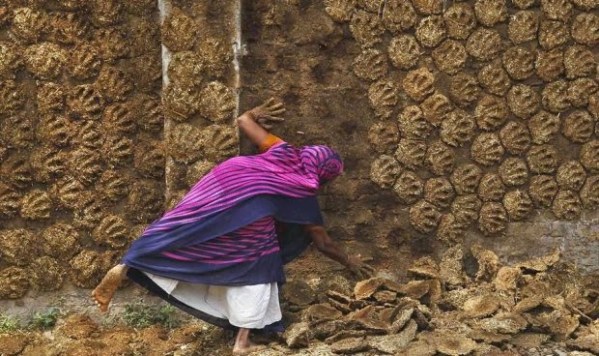
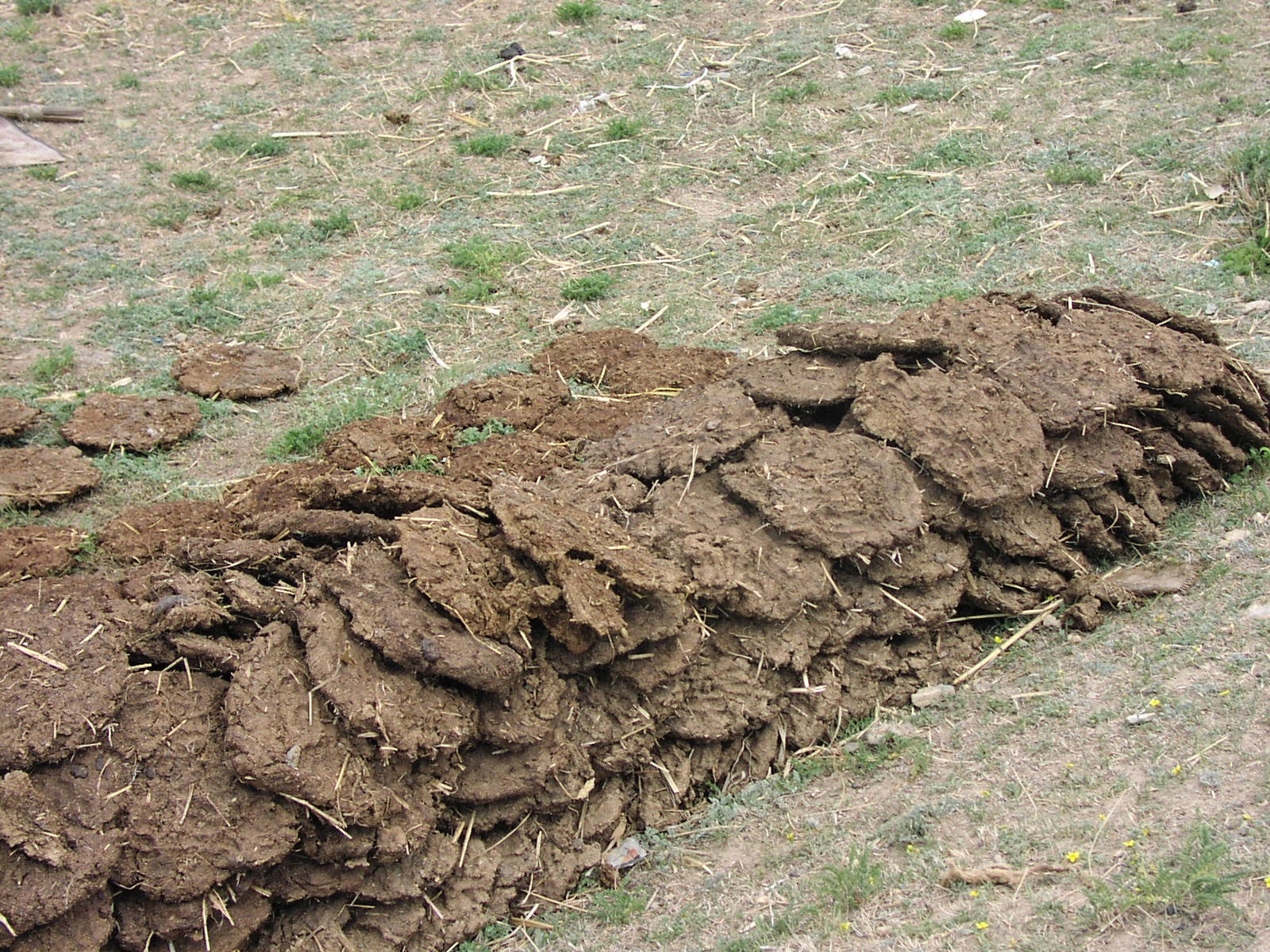
வறட்டியிலும் கடவுள் பெயர்

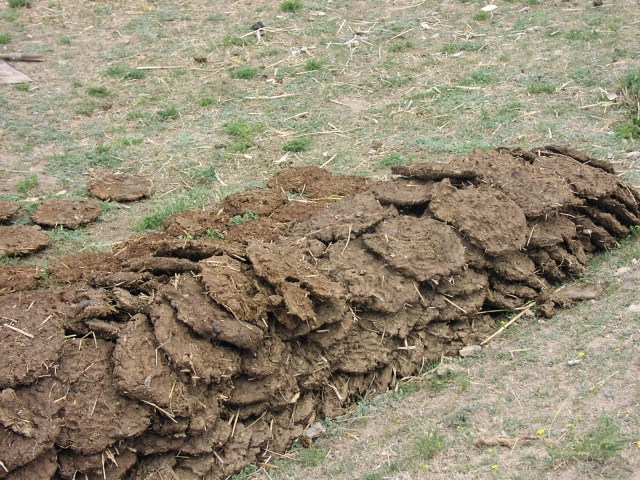
ஒரு ஆஸ்ரமத்தில் ஒரு சாமியார் இருந்தார். அவருக்குப் பணிவிடை செய்துவந்த ஒரு பெண்மணி அந்த ஆசிரமத்தின் கோ சாலையில் (பசுத் தொழுவம்) கிடைக்கும் சாணியை எருவாகத் தட்டி உலர்த்தி எடுப்பது வழக்கம். எப்பொழுதும் இறைவனின் பெயரைச் சொல்லிய வண்ணம் இருப்பார். அந்தக் கட்டிடத்துக்கு அருகேயிருந்த ஒரு வீட்டிலுள்ள ஒரு பெண்ணும் இப்படி எரு வறட்டி செய்வது வழக்கம். ஒரு நாள் நல்ல வெய்யில் அடித்து எல்லாம் காய்ந்த போது கடும் காற்று வீசி இரண்டு பெண்மணிகளின் வறட்டியும் கலந்து விட்டன. ஆசிரமத்துக்கு அடுத்தவீட்டுப் பெண், நிறைய எரு வறட்டிகள் தன்னுடையது என்று உரிமை கோரினாள். அது பொய் என்பது தெரிந்தும் நிரூபிக்க வழி தெரியவில்லை. எது யாருடையது என்பதை எப்படிச் சொல்ல முடியும்?

இந்த வழக்கு விவகாரம் சாமியார் காதில் விழுந்தது. அவர், இரண்டு பெண்மணிகளையும்  அழைத்து “கவலையே வேண்டாம், நானே கண்டு பிடித்துவிடுவேன்” என்றார். எல்லோருக்கும் ஒரே வியப்பு. சாமியாராவது, வறட்டியைக் கண்டு பிடிப்பதாவது! அவருக்கும் இதற்கும் என்ன தொடர்பு என்று வேடிக்கை பார்க்க வந்தனர்.

அவர் ஒவ்வொரு வறட்டியாகத் தன் காதுக்கு அருகே கொண்டு சென்றார். முடிவில் இரண்டு கூறுகள் இருந்தன. ஒரு பகுதியைக் காட்டி அதுவே ஆஸ்ரமத்தைச் சேர்ந்த பெண்ணுடையவை என்று சொல்லி அதற்கான காரணத்தையும் சொன்னார்.

ஆஸ்ரமப் பெண்மணி உலர்த்திய சாணத்தில் தெய்வ நாமம் கேட்டதாகவும் அடுத்த வீட்டுப் பெண்ணின் வறட்டிகளில் அப்படி ஒலி கேட்கவில்லை என்றும் விளக்கினார். ஒருவர் எந்தச் செயலைச் செய்தாலும் அப்பொழுது கடவுளின் பெயரை ஜபித்தால் அந்த சக்தி அவர் தொடும் பொருளில் எல்லாம் ஏறும். சாணியாக இருந்தாலும் அதன் சக்தியைக் காணலாம்!!

–சுவாமி ராமதாஸ் சொன்ன கதைகள்

அனுமனுக்குக் கிடைத்த முத்து மாலை

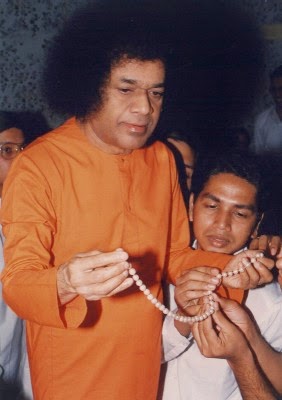
ராமநவமி என்பது ராமனின் அவதார நாள். அது கோடை காலத்தில் வரும். அப்போதெல்லாம், பாபா கொடைக்கானலில் இருப்பது வழக்கம். ஒரு ராம நவமியின்போது ராமர் பட்டாபிஷேக தினத்தில் அனுமனுக்கு சீதை அளித்த முத்து மாலையை, பாபா, தனது அபூர்வ சக்தியால் வரவழைத்து எல்லோருக்கும் காட்டினார். அதன் விவரமாவது:

(இதை சத்திய சாய் பாபா சொன்னபடி தருகிறேன்).

ராமர் முடி சூட்டிக் கொண்ட நாளில், அவர்  எல்லோருக்கும் பரிசுகளை வாரி வழங்கினார். அங்கு வந்த எல்லோரும் பரிசுகளைப் பெற்றனர். ஆனால் அனுமார் பக்கமே ராமர் திரும்பவில்லை. சீதைக்கு ஒரே கவலை. எங்கேயாவது ராமர் மறந்து விடப் போகிறாரே என்று எண்ணி அவர் காதில் கிசுகிசுத்தார், “அனுமனை மறந்து விடாதீர்கள்” என்று. உடனே ராமரும் சீதை காதில் கிசுகிசுத்தார், “எனக்குத் தெரியும்; நான் மாருதியை (அனுமன்) மறக்கவில்லை. அவன் எதைக் கொடுத்தாலும் வாங்க மாட்டான். அவன் எவ்வளவு விலை உயர்ந்த பொருளானாலும் அதைப் பொருட்படுத்தமாட்டான்” என்றார்.

சீதைக்கு அந்த பதில் திருப்தி தரவில்லை. தன் கழுத்தில் இருந்த முத்து மாலையை எடுத்து அனுமனுக்கு அன்பளிப்பாகக் கொடுத்தார். அனுமன் ஒரு சந்தேகப் பார்வையுடன் அதை வாங்கிக் கொண்டார்.

எல்லோர் முன்னிலையிலும் ஒவ்வொரு முத்தாகக் காதில் வைத்துக் கேட்பது, சில முத்துக்களைக் கடித்துச் சுவைப்பது – என்று மாறி மாறி செய்தார். சீதைக்கு ஒன்றும் புரியவில்லை. சரிதான்! குரங்கு புத்தியைக் காட்டிவிட்டது என்று நினைத்து, அனுமனே அது முத்து மாலை என்றாள்.

அனுமன் மிகப் பணிவுடன் சொன்னான்: அன்னையே எனக்குத் தெரியும். எனக்கு முத்து வைரம் எல்லாவற்றையும் விட ராம நாமமே உயர்ந்தது. சில முத்துக்களில் மட்டுமே ராமனின் திரு நாமம் ஒலிக்கக் கண்டேன். அவைகளைப் பத்திரமாக வைத்துவிட்டு, ஏனையவற்றைச் சுவைத்துப் பார்த்தேன்” என்றார்.

இந்த பதிலும் சீதைக்குத் திருப்தி தரவில்லை. சீதையின் முகக் குறிப்பால் எண்ணத்தைக் கண்டு பிடித்த சொல்லின் செல்வன் ஆஞ்சநேயன், அன்னையே, உங்கள் சந்தேகத்தை நீக்குகிறேன். இதோ பாருங்கள்; எனது முடிகளில் ஒன்று (ரோமம்). இதை ராமனுக்கு அர்ப்பணிக்கிறேன் என்று கீழே போட்டார். சீதை அதைத் தன் காதருகே கொண்டு சென்றபோது ராம நாமம் அதிலிருந்து ஒலிக்கக் கண்டு வியந்தாள்.

இந்தக் கதையைச் சொன்ன பிறகே சத்திய சாய் பாபா அந்த முத்து மாலையை வரவழைத்தார். அங்கிருந்த மாணவர்களிடம் அதைக் கொடுத்து பரிசீலிக்க்ச் சொன்னார். அவர்கள் பரிசோதித்ததில் பல முத்துக்களின் மீது அனுமனின் பல்தடம் தெரிந்தது. பின்னர் மாலையை வாங்கி அது வந்த வழியிலேயே மாயமாய் மறையும்படி செய்தார்.

–ரேடியோ சாய் வழங்கிய செய்தி.

இந்த இரண்டு நிகழ்ச்சிகளும் நமக்கு அளிக்கும் செய்தி: சாணியானாலும், முடியானாலும் இறைவன் நாமத்தால் அவைகளும் அந்த சக்தியைப் பெறுகின்றன.

மேலும் இரண்டு கதைகளை நாளை காண்போம்.

How Amazing – The Power of God’s Name! Four Beautiful Stories!

Compiled by London swaminathan

Post no.1886,

Date: 24 May 2015; London Time: 12-12

There was a woman saint who lived with her Guru serving him. Both were votaries of divine name. She used to prepare cow-dung cakes which are used as fuel in India. She had put them up in the sun or drying. A neighbouring woman had also prepared similar cakes and spread them out nearby. When the cakes were dry, the woman saint and her neighbour went to collect the. The cakes had got mixed up somehow. The neighbour wanted to take, besides her own cakes, the cakes of the saints also.

Hearing of it, the Master whom the woman saint serving, said he could easily find out the cakes prepared by his disciple.  He took each cake and placed near his ear. In some of them, he heard the sound of god’s name. Those in which god’s name was being sung, were sorted out from others were sorted out from ohers  – these belonged to his disciple. Thus the dispute was settled.

As the woman saint was always repeating God’s name, even while preparing the cow-dung cakes, the cake absorbed the divine vibrations and her master could hear the God’s name in the.

–p63, Stories as told by Swami Ramdas

Pearl necklace gifted to Hanuman by Sita

Rama Navami is the festival that marks the advent of the Lord as Rama. Many years, the festival occurs when Swami is in Kodai. On such occasions, the festival becomes a truly memorable day for the boys. On one such Rama Navami day, Sri Sathya Sai Baba materialised the pearl necklace that Sita gifted to Hanuman at the time of Rama’s Coronation.

Rama was distributing various gifts to members in the assembly but somehow, He seemed to skip Hanuman. Sita was troubled by this apparent indifference; how could such a loyal one like Hanuman be overlooked on an occasion like this? So, she whispered to Rama that Hanuman should not be forgotten. Rama whispered back that Hanuman was way above material gifts. Sita was not quite satisfied by this reply; so she took out a pearl necklace that she was wearing and offered it to Hanuman.

While receiving the necklace, Hanuman gave it a suspicious look. He then placed the necklace near one of his ears as if to check whether the individual pearls were emitting some sound. He appeared to examine every pearl in the necklace, and once in a while, he would bite a pearl. Sita was shocked by this behaviour. Was Hanuman proving that, after all, he was a monkey? She demanded an explanation from Hanuman for what he was doing.

With great humility Hanuman replied, “Mother, for me the Name of Rama is supreme. An object is worthless if it does not resound with the Name of Rama. Some of these pearls are not emitting the proper sound and so I am chewing them up.” Sita was neither convinced nor amused and tersely remarked, “Pearls do not emit sound.” Hanuman replied, “Everything that is saturated with the Rama Principle will always chant the Name of Rama. Let me demonstrate.” So saying, Hanuman plucked a hair from his body and offered it to Rama. When Sita took it near her ear, she could clearly hear the chant of Rama’s Name! This was the way Hanuman proved to the world how intense true devotion really is.

After narrating the story and materialising the necklace, Swami passed it around and asked the boys to carefully examine it. Sure enough many pearls had teeth marks! After everyone present there had had a look, Swami made the necklace disappear!

Story from Radio Sai

Guha’s Previous Birth!

A king who was guilty of the heinous sin of killing a Brahmana went to the hermitage of a rishi (seer) to learn what penance he must perform in order to be purified. The rishi was absent, but his son was in the hermitage. Hearing the case of the king, he said, “Repeat the ‘name’ of God (Rama) three times, and your sin will be expiated”.

When the rishi came back and heard of the penance prescribed by his son, he remarked indignantly, “Sins committed in myriads of births are purged immediately uttering the name of the Almighty but once. How weak must be your faith, O fool, since you have ordered the holy name to be repeated thrice? For this weakness of your faith, you shall become an outcaste”. And the son became Guhaka of the Ramayana.

p.98, Tales and Parables of Sri Ramakrishna, Ramakrishna Math, Chennai, Year 1947

(My comments: Brahmins even today repeat Rama’s name thrice during several rituals such as Tithi and Tarpana for departed souls, saying “Rama’s name purifies one from all sins, No doubt about it.” Then they repeat the name thrice.)

Just the name of Rama!!

Once a man was about to cross the sea. Vibhishana wrote Rama’s name on a leaf, tied it in a corner of the man’s wearing cloth and said to him, “Don’t be afraid. Have faith and walk on the water. But look here – the moment you lose faith you will be drowned”.

The man was walking easily on the water. Suddenly he had an intense desire to see what was tied in his cloth. He opened it and found only a leaf with the name of Rama written on it. “What is this?”, he thought. “Just the name of Rama!.” As soon as the doubt entered his mind he sank under the water.

p.99, Tales and Parables of Sri Ramakrishna, Ramakrishna Math, Chennai, Year 1947