What is the Distance between You and God?

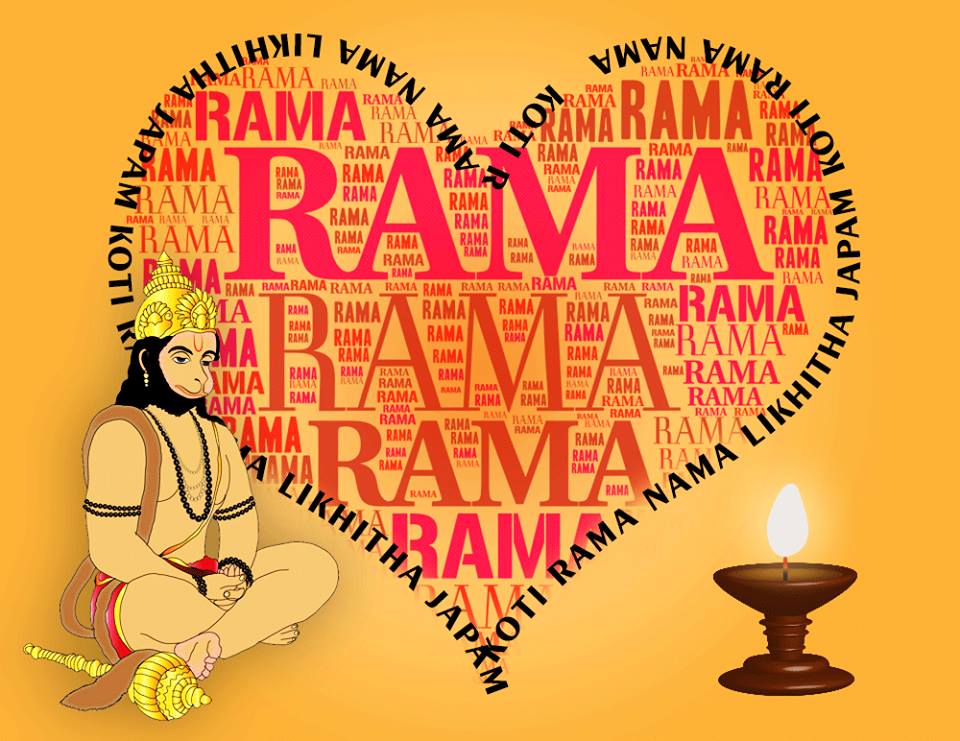
ramais in heart

Article No 1728; Date 18th March 2015

Written by London swaminathan

What is the distance between God and ourselves? There is an interesting story told by Subrahmanya Sivam, famous freedom fighter of Tamil Nadu. I give below a rough translation of his story narrated in his Tamil book Moksha Sadhana Rahasyam.

There was a saintly person in Thanjavur by name Periya Dasar (meaning Great Slave to God).He was very pious and doing all religious rituals 24 hours a day. His name and fame spread far and wide. Local king also wanted to meet him.

One day the king came and met Periyadasar. During the conversation he asked where God was. Immediately Periyadasar replied that God was at “Calling (hailing) Distance”. This phrase calling (hailing) distance is used by Tamils frequently, particularly in village side. The meaning of the phrase is a place or a person is at the distance where your shout or call or cry can be heard. The king was not happy at his reply and thought that the saint was insulting him.

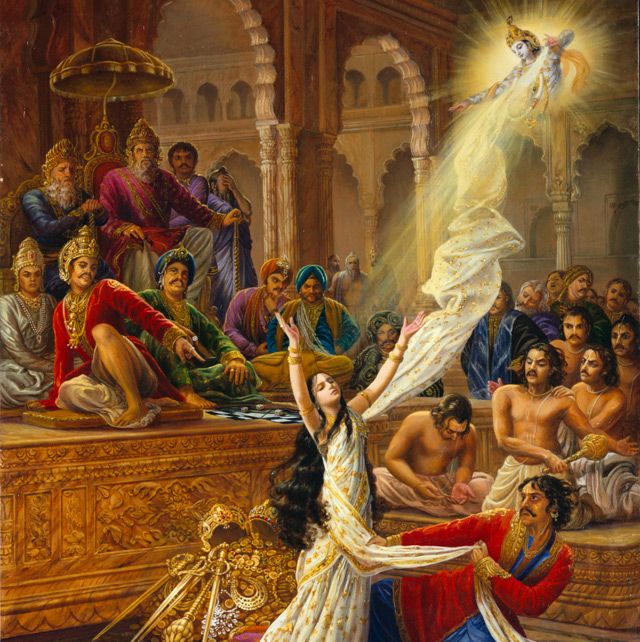
disrobing-of-Draupadi-

Immediately he sent his servants and retinue to find God at “hailing distance”. They came back without finding God. The king warned Periyadasar that insulting a king amounts to treason and may invite harsh punishment. But Periyadasar insisted that God was at a shouting distance. When the king asked for an explanation, Periyadasar explained to the king as follows:

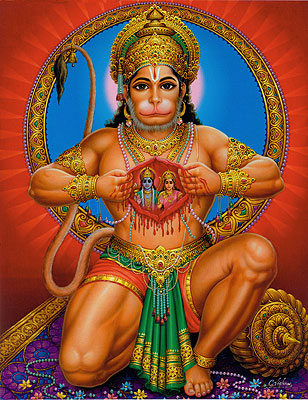
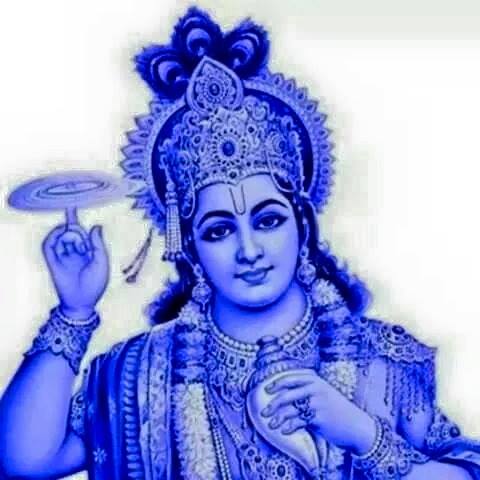
O King! Haven’t you heard the story of Draupadi? She was dragged by Dushasadana to the assembly for disrobing her and she prayed for help from Krishna. First she shouted, “Oh DWARAKApureevasa, please come and help me”, holding her garments tight. Krishna did not bother to come and help her, because she addressed him as Resident of DWARAKA which was far away from Hastinapura. Moreover she was trying to help herself by holding her saree. When she realised that that she was utterly helpless, she cried, “O, HRUDAYA Kamala Vasa (resident of my Lotus shaped heart), please help me”, lifting both her hands over her head. Krishna came to her help the next minute. Krishna supplied her garments endlessly and Dushasana fell down out of exhaustion.

PONRHanumanSacredHeart400

It is up to you to place God at the distance of Dwaraka or just at a hailing distance (inside your heart). King was very happy at his explanation. He thanked him immensely for enlightening him.

Let us keep God in our hearts!

swami_48@yahoo.com

காக்கை உட்காரப் பனம்பழம் விழுந்த கதை!

crow

Article no.  1727; Date- 18th March 2015

Written by S Nagarajan

London Time- 5-10 am

சம்ஸ்கிருதச் செல்வம் – இரண்டாம் பாகம்

23. காக்கை உட்காரப் பனம்பழம் விழுந்த கதை!

.நாகராஜன்

நியாயங்களின் வரிசைத் தொடரில் மேலும் சில நியாயங்களைப் பார்ப்போம்:

काकतालीयन्यायः

kakataliya Nyayah

காக தாலீய நியாயம்

காக்கை உட்காரப் பனம் பழம் விழுந்தது போல என்ற நியாயம் அனைவரும் அறிந்த பிரசித்தி பெற்ற ஒரு நியாயம்.

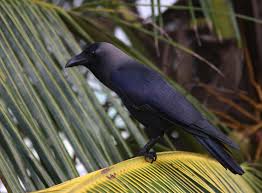
காக்கை ஒன்று பனைமரக் கிளை ஒன்றில் உட்கார, அதே கணம் அதன் தலையில் பனம் பழம் ஒன்று விழுந்து அதைக் கொல்லப் பார்த்த சம்பவத்திலிருந்து இந்த நியாயம் சுட்டிக் காட்டப்படுகிறது. யதேச்சையாக நடந்த ஒரு சம்பவத்தை சுட்டிக் காட்டுகிறது இது.

காசிகாவிருத்தியில் பாணிணி பற்றிச் சொல்லும்போது இது எடுத்துக்காட்டப்படுவதாக டாக்டர் எக்கிலிங் (Dr Eggeling) சுட்டிக்காட்டுவதாக கர்னல் ஜி.ஏ.ஜாகோப் (Colonel G.A.Jacob – A Handful of Popular Maxmims- Current in Sanskrit Literature – Volume 1 page 17) எடுத்துக் காட்டுகிறார்.

நீலகண்ட கோவிந்தர் மஹாபாரதம் சாந்திபர்வத்தில் தனது விளக்கவுரையில் இந்த நியாயத்தைச் சுட்டிக் காட்டுகிறார்.

அவர் கூறுவது: காக்கை உட்காருவதும் பனம் பழம் விழுவதும் இரண்டு தனித் தனிச் செயல்கள். யதேச்சையாக ஒன்றுக்கு ஒன்று தொடர்பு இல்லாமல் நடந்தவை. ஆனால் காக்கை உட்கார்ந்ததால் தான் பனம் பழம் விழுந்ததாக எடுத்துக் கொள்வது போல இந்த நிகழ்வு அமைகிறது.

இந்தத் தொகுப்புகளை கர்னல் ஜாகோப் தொகுத்துக் காட்டுகிறார்.

வழிபாடு

गोमयपायसीयन्यायः

gomayapayasiya nyayah

கோமயபாயசீய நியாயம்

கோமயமும் (பசுஞ்சாணி) பால் பாயசமும் பற்றிய நியாயம் இது.

முட்டாள் ஒருவன் சாணி, பசும்பாலினால் தான் ஆனது; ஏனெனில் அது பசுவிடமிருந்து தானே வருகிறது என்று வாதம் புரிந்தால் அவன் புத்தியை என்னவென்று சொல்வது? முட்டாள்தனமாக வாதம் புரிவதை –  விதண்டா வாதம் புரிவதைஇந்த நியாயம் எடுத்துக் காட்டுகிறது.

யோகசூத்திரத்தில் வியாசபாஷ்யத்தில் இந்த நியாயம் அழகுற எடுத்துக் காட்டப்படுகிறது.நியாயவார்திக தாத்பர்ய டீகாவிலும் இது எடுத்துக் காட்டப்படுகிறது.

புத்தரின் சர்வதர்சன சங்க்ரஹத்தில் இந்த நியாயம் பார்க்கப்படும் பொருள் மற்றும் பார்ப்பவன் பற்றி எடுத்துரைக்கும் போது சுட்டிக் காட்டப்படுகிறது.

இந்த விளக்கங்களை சம்ஸ்கிருத மேற்கோள்களுடன்  கர்னல் ஜி.ஏ.ஜாகோப் நூலில் படிக்கலாம். (Colonel G.A.Jacob – A Handful of Popular Maxmims- Current in Sanskrit Literature – Volume 1 page 25)

குறிப்பு: –

இத்துடன் இந்தத் தொடரில் இத்துடன் நூறு நியாயங்கள் விளக்கப்பட்டுள்ளன. நியாயம் பற்றி அதிகம் அறிந்து கொள்ளப் பலரும் விரும்புவர். ஆங்கில அறிவும் சம்ஸ்கிருத ஞானமும் கொண்டவர்கள் கர்னல் ஜி.ஏ,ஜாகோப் தொகுத்து எழுதியுள்ள A Handful of Popular Maxmims- Current in Sanskrit Literature நூலை இணையதளத்தில் படிக்கலாம்; இலவசமாக தரவிறக்கமும் செய்து கொள்ளலாம்.

vatsalyam

இனி, நூற்றியொன்றாவது நியாயம், தொடர்கிறது:-

कार्यनाशे कारणनाशः

karyanase karananasah

கார்யநாஷே காரண நாஷ நியாயம்

ஒரு காரணத்தினால் தான் ஒரு விளைவு ஏற்படுகிறது. விளைவைத் தடுக்க என்ன செய்வது? காரணத்தை அழித்து விட்டால் காரியம் அதாவது விளைவே ஏற்படாது. காரண நாசத்தினால் காரிய நாசம் ஏற்படும் இந்த நியாயம் பிரபலமான ஒன்று.

the-boiled-sugarcane-

गुडजिह्मिकान्यायः

gudajihmika nyayah

குடஜிஹ்மிகா நியாயம்

சர்க்கரைப் பாகும் வேம்பும் பற்றிய நியாயம் இது.


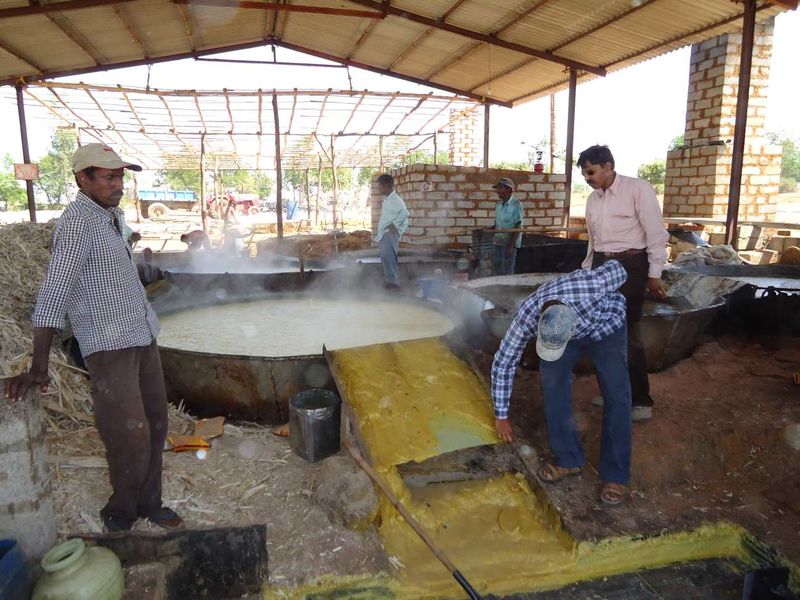
குழந்தையின் உடல் நலத்திற்காக வேப்பம்பழம் தர வேண்டிய அவசியம் ஏற்படுகிறது. கசப்பான வேம்பை குழந்தை எப்படி சாப்பிடும்? அதைச் சாப்பிட வைக்க முதலில் இனிப்பான கருப்பஞ்சாறை முதலில் கொடுத்து கூடவே வேம்பையும் தருவது உலக வழக்கம்.


ஒரு காரியத்தை நிறைவேற்ற முயலும் போது அதில் இருக்கும் கஷ்டங்களை நினைத்து ஒருவன் மலைத்து நிற்கையில் அவனுக்கு சுலபமான சில வேலைகளை முதலில் கொடுத்து விட்டுப் பிறகு அந்த கஷ்டமான வேலையைக் கொடுத்தால் அதைச் செய்வதற்கான மனப் பக்குவமும் திறமையும் அவனுக்கு வந்து சேரும்.


இது போன்ற சந்தர்ப்பங்களில் இந்த வேம்பும் கருப்பஞ்சாறும் பற்றிய நியாயம் சுட்டிக் காட்டப்படும்.

**********

Sorry! No Time for Religious Stories!!

guru_disciple-336x352

Written by London swaminathan

Article no. 1726; dated 17 March 2015

Up loaded at 10-18 am London time

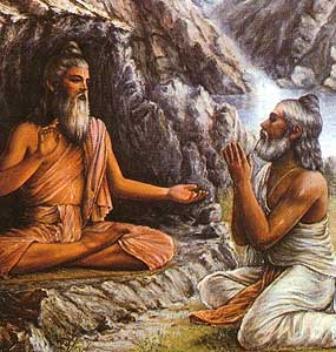
Sage Vaisampayana wanted to tell the full Maha Bharata story to king Janamejaya. He approached the king with great interest and enthusiasm. But the king rejected his proposal outright saying that he was too busy for such stuff. This did not dampen the enthusiasm of Vaisampayana.

“No problem there are 18 Parvas/Sections. I will just narrate to you only one Parva”.

Janamejya gave him a curt reply. “Sorry Vaismpayana. I have no time. I am very  busy”.

Vaisampayana was very persistent. He said to the king, “No Problem. I will just recite only one chapter”.

Janamejaya was very rude now, “how many times do I have to tell you I am very busy”.

guru-shishya (1)

Sage Vaisampayana was the embodiment of patience. He insisted, “No Problem. I will tell you just one couplet (sloka) from the one hundred thousand couplets”.

“OK, Ok. That is fine, just one Sloka. Hope that would not take much of my time. Please go ahead”, said the king.

Vaisampayana did not miss the opportunity. He began, “King Duryodana raided the Pandava territory and took the cows. That was the reason for the great war. At last Duryodhana died in the battle field. Finito!”

I am finished, God Bye, said Vaisampayana.

Hang on. Duryodhana was a great king. Why did he raid for cows? It does not sound correct, said Janamejaya.

Vaisampayana was very happy that he kindled his enthusiasm. Then he gave him the reason for the cattle raid.

Then Janamejaya asked some more sub questions on the same topic. Vaisampayana started narrating the full epic. Janamejaya listened to him with pin drop silence.

Mahabharata, the longest epic in the world with 100,000 couplets, 200,000 lines with approximately one million words, will captivate anyone! Any modern problem can be compared to one of the problems already narrated in the epic. And there is a solution to all the problems of the world too!

No Pain, No Gain!

(Source: Moksha Sadhana Rahasya by Subrahmanya Siva, Year 1925.)

மோட்சம் வேண்டாம் என்று சாமியார் ஓட்டம்!

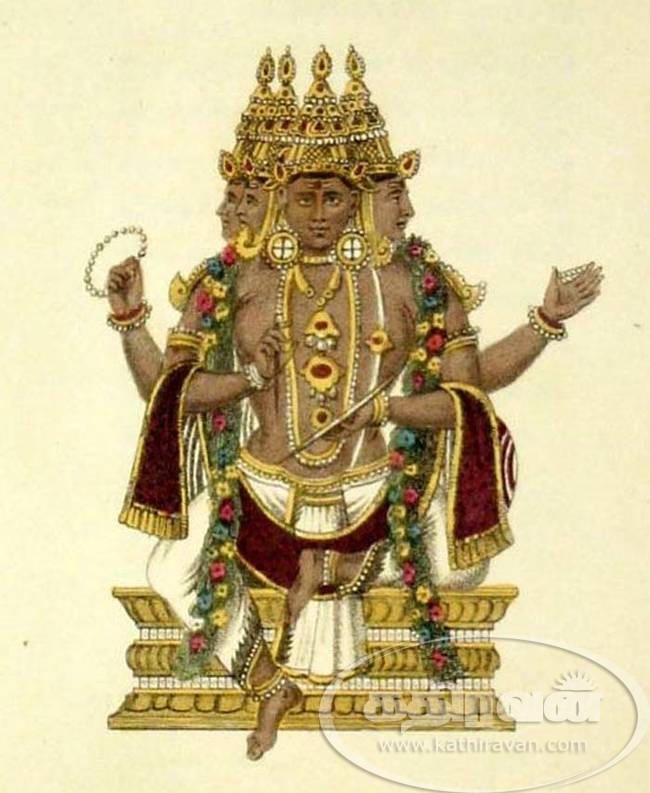
brama2

Written by London swaminathan

Article no. 1725; dated 17 March 2015

Up loaded at 9-12 London time

சுதந்திராநந்தர் என்று தன்னை அடைப்புக்குறிக்குள் பெயர் போட்டுக் கொள்ளும் மாபெரும் சுதந்திரப் போராட்ட வீர்ர் சுபரமண்ய சிவா பல சுவையான கதைகளை அவரது நூலில் தருகிறார். இதோ மேலும் ஒரு கதை (கதையின் கரு அவருடையது. சொற்கள் என்னுடையவை. பிழை இருப்பின் பொறுத்தருள்க)

ஒரு ஊரில் ஒரு போலி சாமியார் இருந்தார். சரியான ஆஷாடபூதி- வேடதாரி. நெற்றியில் பட்டை—கழுத்தில் கொட்டை-தலையில் மொட்டை. அதாவது விபூதி,ருத்திராட்சம், பாத குறடு—சகிதம் துறவி போலக் காட்சி தந்தார்.

கோவிலில் அல்லும் பகலும் குடியிருந்து, இறைவா இன்னும் உன்னிடம் அழைத்துக் கொள்ள மாட்டேன் என்கிறாயே என்று கதறல். கோவிலில் எல்லோரும் போகும்வரை இப்படிப் புலம்பிவிட்டு நள்ளிரவில் வீட்டுக்குச் செல்வார்.

எதற்காக இப்படிச் செய்தார்? இந்த சந்யாசி வேடத்தால் அவருக்கு சென்றவிடமெல்லாம் சிறப்பு,  ராஜ உபசாரம். ஆனால் கோவில் அர்ச்சகர் இந்த சாமியாரிம் போலித்தனத்தை நன்கு அறிவார். ஆயினும் ஊரே புகழும் ஒருவரைக் குறை கூறினால் “ஐயருக்குப் பொறாமை” — என்று முத்திரை குத்திவிடுவார்களோ என்று பயந்தார்.

runner

திடீர் என்று ஒரு ‘ஐடியா’ வந்தது. திட்டம் தீட்டி செயலில் இறங்கினார். ஒரு நாள் கிட்டத்தட்ட நள்ளிரவு நேரம். எல்லோரும் போய்விட்டனர். அர்ச்சகர் ஒவ்வொரு விளக்காக அணைத்துவிட்டு சுவாமியிடம் மட்டும் விளக்கு இருக்கும்படி பார்த்துக் கொண்டார். மற்ற இடமெல்லாம் கும்மிருட்டு. போலி சாமியார் வழக்கம்போல தன் வசனத்தை ஒப்புவித்தார். “இறைவா, இன்னும் உன் கண்கள் திறக்கவில்லையா? என்று எனக்கு முக்தி கிட்டும்? என்னை உன்னிடம் அழைத்துக் கொள்ள மாட்டாயா?”

அர்ச்சகர் சிலைக்குப் பின்னால் ஒளிந்து கொண்டு திடீரெனக் குரல் கொடுத்தார்- “ பக்தா உன் பக்திக்கு மெச்சினோம். உமக்கு முக்தி கிட்டும் — இன்றே கிட்டும் — இப்பொழுதே கிட்டும் என்றார். போலி சாமியார் திடுக்கிட்டுப் போனார்.

அந்த நேரத்தில் சிலைக்கு இரு புறமும் இரு கைகள் நீண்டு, வா, வா! என் அருகே வா! இப்பொழுதே உன்னை மோட்ச லோகத்துக்கு அழைத்துச் செல்கிறேன் என்றார். இதைக் கேட்டதுதான் தாமதம். போலி சாமியாருக்கு ஒரே உதறல். கோவிலில் இருந்து வெளியேறி, வீட்டை நோக்கி ஓடினார். அர்ச்சகரும் விடவில்லை. சுவாமியின் வஸ்திரங்களைத் (உடைகள்) தலையில் போட்டுக் கொண்டு போலி சாமியாரின் பின்னாலேயே ஓடினார். இப்பொழுதே மோட்சத்துக்கு அழைத்துச் செல்வேன், அஞ்சாதே என்று பெரிய குரல்!!

போலி சாமியார் தலை தெறிக்க ஓடி வீட்டுக் கதவை ‘தடால்’ என்று தட்ட அவன் மனைவி அதைப் ‘படால்’ என்று திறந்தார். இவர் ‘மடால்’ என்று உள்ளே விழுந்து சீக்கிரம் கதவைத் தாளிடு என்று கத்தினார். அவர் மனைவி யாரோ திருடன் துரத்தி வந்தான் என்று எண்ணி கதவைத் தாளிட்டார். எனக்கு மோட்சம் தருவதாக – இப்பொழுதே தருவதாகச் — சொல்லி கோவிலில் இருந்த கடவுள் தன்னை விரட்டிக் கொண்டு வந்ததாகவும் இனிமேல் அக்கோவிலின் பக்கம் தலைவைத்துக் கூடப் படுக்க மாட்டேன் என்றும் கொட்டித் தீர்த்தார். அவர் மனைவிக்கு, இவர் ஏதோ காய்ச்சலில் உளறுகிறார் என்று தோன்றியது.

இறைவன் நாளைக்கே மோட்சம் தருவதாகச் சொன்னால் பெரிய ஆன்மீகவாதிகள் கூட ‘வாய்தா’ கேட்பர். உடனே உலகை விட்டுப் பிரிய மனம் வாரா. அப்படி இருக்கையில் போலி சாமியார்கள் – ஆஷாடபூதிகள் – ருத்திராட்சப் பூனைகள் எம்மாத்திரம்?

ஆதாரம்: மோக்ஷ சாதன ரஹஸ்யம், ஆண்டு 1925, புத்தக இருப்பிடம்:– பிரிட்டிஷ் லைப்ரரி, லண்டன்

HOW TO ACQUIRE WEALTH – THE HINDU WAY

devi by akila

Written by S Nagarajan

Article no. 1724; dated 17 March 2015

Up loaded at 8-25 am London time

By SANTHANAM NAGARAJAN

“The Hindu religion is not only a religion, it is also a philosophy not only religion and philosophy, it is a way of life”, so said the well known English writer Somerset Maugham in his book Points of View.

The Hindu religion shows the way to lead the life successfully. Needless to say, for anybody’s success wealth is important.

The Goddess Mahalakshmi is being worshipped as the promoter of prosperity by Hindus.
Mahalakshmi means the great source of the best in life. It also means ‘worshipful’ and ‘engrossed in appearance’.

devi

Lakshmi also means the thinker of the welfare of the devotees.
Sri and Lakshmi are the two manifestations of Mahalakshmi. Though they are two, yet they are one. The word Sri means luminosity, beauty, reputation, glory, magnanimity, splendor, prosperity and consolation.

In order to acquire wealth, the Hindu way of life suggests to worship Lakshmi every morning after taking bath. The Sri Sukta praises Goddess Lakshmi.

This Sukta forms the chapter two, Varga six of the Khilas appended to Rig Veda. The Rig Veda is the oldest known text of the world. There are fifteen mantras in Sri Sukta.
The Sri Sukta can be recited or those who had not learnt the Sukta can hear recorded audio tapes.

Those who would like to have enormous wealth usefully recite the one hundred eight name of Goddess Lakshmi, every day.

bowl

There is one more secret. If you keep water in a small bowl in the north-east corner of your hall in your home it will remove all negative vibration and pave the way to get the wealth you want. Every morning the water in the bowl should be drained and fresh water should be filled up. The bowl should be kept in the same place every day. Amazing results could be observed within forty eight hours.

The presence of Lakshmi, who is firm and steady, bestows gold, cattle, horses and human beings.

She is seated on a Lotus flower. She is implored to bestow fame and prosperity.
Lakshmi resides where the fragrance of sandal and camphor exists! Those who desire that the goddess Sri should always reside in their family should be pure. The purity is required both mentally and physically!

And hence the dwelling place should always be kept clean.

There are certain symbols associated with welfare, glory, prosperity and worship. They are lotus, elephant, conch, swastika, pot, garments, diamond, crocodile, owl, discus, mace, bullock, wish fulfilling tree or Kalpa tree, jack fruit, armour and a pair of fish. Hence using these symbols appropriately will make Lakshmi’s presence.

The Hindu literature gives details of performing Lakshmi puja or Lakshmi worship.
We will learn more about Lakshmi worship in our next article.

ஜோதிடத்தைக் கண்டுபிடித்தது தமிழனா?

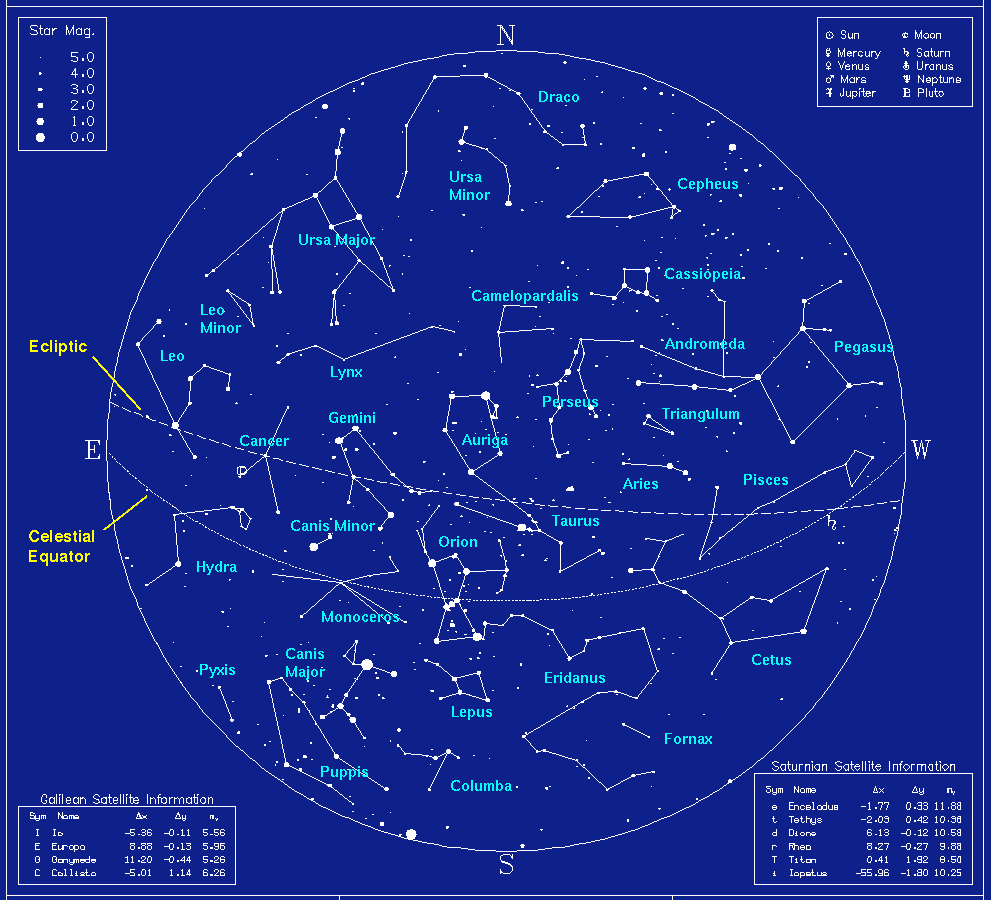
constellation_north

Written by London swaminathan

Research Article no. 1723; dated 16 March 2015

Up loaded at 13-12 London time

சங்கத் தமிழ் நூல்களில் ஜோதிடம் பற்றிய குறிப்புகள் நூற்றுக் கணக்கில் உள்ளன. மிருகங்கள் கூட ஜோதிடம் பார்த்ததாக- சகுனம் பார்த்ததாக சங்கப் புலவர்கள் பாடி வைத்தனர். சம்ஸ்கிருதத்தில் கிரஹங்களுக்கு நிறைய பெயர்கள் உண்டு. ஆனால் தமிழில்தான் 27 நட்சத்திரங்களுக்கும் வெவ்வேறு பெயர்கள் உள்ளன. அதாவது ஒவ்வொரு நட்சத்திரத்துக்கும் நிறைய பெயர்கள் வருகின்றன. என்னிடமுள்ள புகழ் பெற்ற சம்ஸ்கிருத நிகண்டான அமரகோஷத்தில் கூட 27 நட்சத்திரங்களுக்கு இவ்வளவு பெயர்கள் இல்லை!

தமிழ் நிகண்டுகளில் உள்ள தமிழ்ப் பெயர்களைக் காண்கையில் சோதிட இயல் என்பது தமிழ்நாட்டில்தான் உண்டாயிற்றோ என்று வியக்கவேண்டி இருக்கிறது. மேலும் இந்தப் பெயர்களில் சில 2000 ஆண்டுகள் அல்லது அதற்கும்முந்தைய பழமையுடைய புறநானூற்றில் கூட காணப்படுகின்றன. இதுமட்டுமின்றி நாடி ஜோதிடம், கேரளத்தில் உள்ள சோழி சோதிடம் (பிரஸ்னம்) இவைகளும் தென் பகுதியிலேயே பயன்பாட்டில் இருக்கின்றன. இன்றும் தமிழர்களுக்கு ஜோதிடத்தில் அபார நம்பிக்கை உளது.

ஆனால் தமிழ் பெயர்களில் பல வடமொழி நம்பிக்கைகளும், பல தமிழாக்கங்களும் இருக்கின்றன. ஆகையால் சம்ஸ்கிருதம்- தமிழ் மொழி தெரிந்தவர்களே இந்தத் துறையில் ஆராய்ச்சி செய்ய தகுதி பெற்றவர்கள்;

ஒரு எடுத்துக்காட்டு தருகிறேன்:

புறநானூறு பாடல் 229 கூடலூர் கிழார் என்னும் புலவரால் பாடப்பட்டது. ஒரு எரி நட்சத்திரம் (எரி கல்) தோன்றிய வுடன் சேர மன்னன் இறக்கப்போகிறானே என்று பயந்தார் புலவர். அதே போல ஒரே வாரத்தில் சேர மன்னன் யானைக் கட்சேய் மாந்தரஞ்சேரல் இரும்பொறை இறந்து விடுகிறான். உடனே கூடலூர்க் கிழார் பாடுகிறார் (புற.229)

இதில் பயன்படுத்தப்பட்ட வானநூல் சொற்கள்”

ஆடு=மேஷ ராசி

அழல்சேர் குட்டம்= கார்த்திகை நட்சத்திரம்

முடப்பனையம் = அனுஷம்

தலை நாள் மீன் = உத்தரம்

நிலை நாள் மீன் = எட்டாம் மீனாகிய மிருகசீருசம்

பாசி= கிழக்கு திசை

ஊசி= வடக்கு திசை

கயக்குளம்= புனர்பூசம்

பங்குனி = பங்குனி மாதம்

இதில் எல்லாம் தமிழ் சொற்கள் போலக் காணப்படும். ஆனால் ஆடு என்று மேஷ ராசியை வடமொழி சோதிட நுல்களும் குறிப்பிடும். பங்குனி என்ற மாதமும் சம்ஸ்கிருதச் சொல். பாசி என்பது = ப்ரதீச்யை/மேற்கு., ஊசி என்பது= வடக்கு/உதீச்யை; சம்ஸ்கிருதச் சொற்கள்!

பாசி,ஊசி என்பனவற்றை சம்ஸ்கிருத அறிவுடையோரே கண்டுபிடிக்க முடியும்.

இதே போல பரிபாடல் 11-லும் தமிழ்சொற்களும் சம்ஸ்கிருதச் சொற்களும் கலந்து வருகின்றன.

இனி 27 நட்சத்திரங்களுக்கான தமிழ்ப் பெயர்களைக் காண்போம். சில சொற்கள் தூய தமிழ் சொற்கள். அவைகளுக்கு தமிழர்கள் ஏன் அப்படிப் பெயர் வைத்தனர் என்பது பற்றி ஆழமான ஆராய்ச்சி செய்யவேண்டும். இன்னும் சில சொற்கள் சம்ஸ்கிருதத்தில் இருந்து தமிழாக்கம் செய்யப்பட்டவை. மிருகசீர்ஷம் என்பதை தமிழில் மான் – தலை என்பர்.

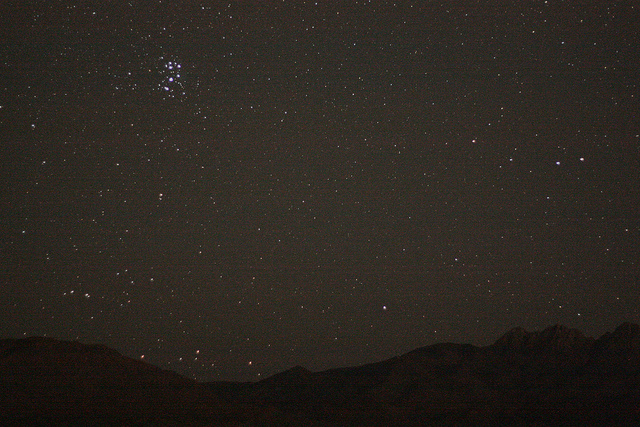
Pleiades-star-cluster

கார்த்திகை நட்சத்திரக் கூட்டம்

இதோ 27 நட்சத்திரங்களின் பெயர்கள் :–

அசுவினி = பரி, புரவி, வாசி, ஐப்பசி, இரலை, புரவி, ஏறு, யாழ், தலை நாள், மருத்து நாள், சென் பூதம், குதிரை

பரணி = காடுகிழவோன், தாழி, அடுப்பு, முக்கூட்டு, வேழம், சோறு, பகடு, பகலவன், தாசி

கார்த்திகை = அறுமீன், அழல், ஆரல், அளக்கர், எரி, அங்கி, ஆல், ஆறாமீன், அறுவாய், நாவிதன், அளகு, இறால், நாடன், வாணன், தழல்

ரோகிணி = பண்டி, மாட்டு வண்டி, உருள், வையம், ஊறல், பிரமநாள், சதி, அயன் நாள், தேர், விமானம், சகடம் (அகம் 86),

(சங்க காலத் தமிழர்கள் சகடம்/ரோகிணி நட்சத்திரம் அன்றுதான் கல்யாணம் செய்வர் என்று அகநானூறு கூறுகிறது. இது பற்றி நான் எழுதிய தனிக் கட்டுரையில் முழு விவரம் காண்க. 27 நட்சத்திரங்களின் ஆங்கிலப் பெயர்கள், அவற்றைப் பற்றிய கதைகள், 27 மீன்களுக்குப் புறம்பான அகஸ்திய நட்சத்திரம் பற்றிய கதைகளை முன்னரே இதே பிளாக்கில் வெளியிட்டுள்ளோம். ஏறத்தாழ 25 கட்டுரைகளில்! எழுதியவர்கள்:- ச.சுவாமிநாதன், ச.நாகராஜன்).

மிருகசீரிடம் = மான் தலை, மாழ்கு, மும்மீன், நரிப்புறம், பாலை வெய்யோன்.

Pleiades Star cluster

தொலைநோக்கி மூலம் கார்த்திகை நட்சத்திரங்கள்

திருவாதிரை = செங்கை, யாழ், சடை, இறைநாள் (வடமொழியில் ஆருத்ரா), மூதிரை,ஈசன் தினம்

27 நட்சத்திரங்களில் இரண்டே நட்சத்திரங்களுக்கு மட்டுமே (திரு+ஆதிரை, திரு + ஓணம்) திரு என்ற சிறப்பு அடைமொழி உண்டு. இது பற்றி காஞ்சி மஹா ஸ்வாமிகள் ஆற்றிய சொற்பொழிவினைப் படிக்க)

புனர்பூசம் = கழை, கரும்பு, ஆவனம், ஏரி, அதிதி நாள், பிண்டி, மூங்கில், பாலை

பூசம் = கொடிறு, வண்டு, காற்குளம், வியாழன் நாள் (புஷ்ய, திஷ்ய என்ற பெயர்கள் உண்டு), அண்டம், குருவின் நாள்

ஆயில்யம் (ஆஸ்லேஷா) = அரவு நாள், கௌவை, பாம்பு

மகம் = வேள்வி, வேட்டுவன், கொடுங்கம், வாய்க்கால், மாசி, முதலில் வரும் சனி, பிதிர் நாள், எழுவாயெழுஞ்சனி (திவாகர நிகண்டு)

பூரம் (பூர்வ பல்குனி) = எலி, கணை, இடை எழும் சனி, துர்க்கை, பகவதி, நாவிதன்

உத்தரம் = மானேறு, கதிர்நாள், கடை எழும் சனி, பாற்குனி, மாரி நாள்

aldebara

ரோகிணி நட்சத்திரம்

அத்தம் (ஹஸ்த) = ஐவிரல், கைம் மீன் , களிறு காமரம், அங்கிநாள், கௌத்துவம், நவ்வி, கயினி

சித்திரை =நெய்ம்மீன், பயறு, அறுவை, நடுநாள், ஆடை, தூசு, சுவை, தச்சன், துவட்டா நாள், நேர்வான்

சுவாதி = விளக்கு, வீழ்க்கை, வெறுநுகம், மரக்கால், காற்றினாள், முத்து, பவள, சோதி, அனில், காற்று

விசாகம் = முறம், முறில், சுளகு, காற்றினாள், வைகாசி, அனில நாள், சேட்டை

அனுஷம் = பனை, புள்தேள், நட்புநாள், புல், தாளி, பெண்ணை, தேள், போந்தை, மித்திர நாள்

கேட்டை(ஜேஷ்டா) = தழல், துளங்கொளி,  வல்லாரை, இந்திரன் நாள், சேட்டை, வேதி, எரி, பின்று

மூலம் = அன்றில், வில், குருகு, கொக்கு, தேட்கடை, சிலை, ஆனி, அசுர நாள்

பூராடம் (பூர்வாஷாட) = உடைகுளம், முற்குளம், நீர்நாள்

உத்திராடம் = ஆடி, கடைக் குளம், ஆனி, விச்சுவ நாள்

spica

சித்திரை (ஸ்பைகா) நட்சத்திரம்

திருவோணம் = முக்கோல், உலக்கை, மாயோன் நாள், முக்கோல், சிரவணம், சோணை, வயிரம்

அவிட்டம் (தனிஷ்டா) = பறவை, காக்கை, வசுக்கள் நாள், புள், ஆவணி

சதயம் (சதபிஷக்) = நீர்நாள், செக்கு, குன்று, போர், சுண்டன், வருணன் நாள்

பூரட்டாதி = நாழி, முக்கொழுங்கோல் (பூர்வ ப்ரோஸ்தபத), புரட்டை

உத்திரட்டாதி = மன்னன், அறிவன் நாள், பிற்கொழுங்கோல் (உத்திரப் ப்ரோஸ்தபத)

ரேவதி = இரவி நாள், கலம், தோணி, நாவாய், தொழு, பஃறி, ஆ நாள், கடை நாள், சூலம், பெரு நாள், பூடா நாள், கடை மீன்

arctoarcturus

சுவாதி நட்சத்திரம் ( ஆர்க்டுரஸ்)

என் கருத்துக்கள்:

ஒவ்வொரு நட்சத்திரத்துக்கும் உரிய வேத கால தெய்வங்களின் பெயர்கள் இப்பட்டியலில் உள.

சில விண்மீன்களின் பெயர்கள் வேறு பல விண்மீன்களுக்கும் வரும்.

பல பெயர்கள் போலக் காணப்பட்டாலும் அவை எல்லாம் ஒருபொருள் குறித்த பல சொற்களே. எடுத்துக்காட்டாக தீ என்பதற்கான — அங்கி, அழல், தழல், எரி போன்ற பல சொற்களால் — கார்த்திகை நட்சத்திரம் குறிக்கப்படுவதைக் காண்க. ஆகவே பட்டியலைச் சுருக்க முடியும்.

மேலும் வட நாட்டில் நீண்ட காலமாக 27 நட்சத்திரங்களுக்கும் போடும் படமும் பல சொற்களும் ஒரே மாதிரி இருக்கின்றன.

பல நட்சத்திரங்கள், சில கிரகங்களுடனும், சில மாதப் பெயர்களுடனும் தொடர்பு படுத்திருப்பதை நோக்குக.

orion-aldebaran-betelgeuse-rigel-pleiades

இதி்ல் திருவாதிரை, ரோகிணி, கார்த்திகை நட்சத்திரங்களளுள்ளன.

27-nakshatras

படத்தைப்  பெரிதாகப் பார்க்ககாதன் மீது க்ளிக் செய்யவும்.

இதோ ஆங்கிலப் பெயர்கள்:–

1) Ashwini –Alpha, Beta –Aries அஸ்வினி
2) Bharani – No 28,29,41 Taurus பரணி
3) Krittika – Pleiades கார்த்திகை
4) Rohini – Aldebaran Hyades, Alpha, Theta, Gama, Delta and Epsilon Taurus ரோஹிணி
5) Mrigashirsha – Lambda, Phi 1, Phi 2, Orion மிருகசீர்ஷம்
6) Aardraa –Betelgeaux – Alpha Orion திரு ஆதிரை
7) Punarvasu – Castor, Pollux with Procyon Alpha, Beta, Gemini-Alpha Canis Minor respectively புனர் பூசம்
8) Pushya – Gama, Delta and Theta of Cancer பூசம்
9) Ashlesha – Delta, Epsilon, Eta, Rho and Zeta Hydra ஆயில்யம்
10) Maagha – Regulus, Alpha, Ela, Gama, Zeta My and Epsilon Leonis மகம்
11) Poorva Phalkuni – Delta and Theta Leo பூரம்
12) Utra Phalkuni – Beta and 93 Leo உத்தரம்
13) Hasta – Delta, Gama, Eta, Virgo ஹஸ்தம்
14) Chitraa – Spica, Alpha Virgo சித்திரை
15) Swaati – Arcturus – Alpha Bootes ஸ்வாதி
16) Vishaakha – Alpha, Beta etc Libra விசாகம்
17) Anuraadha – Beta, Delta, Pi –Scorpia அனுஷம்
18) Jyestha – Antares Alpha, Sigma Tau Scorpio கேட்டை
19) Mula – Scorpio, tail stars மூலம்
20) Poorvaashadaa – Delta and Epsilon Sagittarius பூராடம்
21) Uttaraashaada – Zeta and Omicron Sagittarius உத்திராடம்
22) Shraavanaa – Altair – Alpha Aquila திரு ஓணம்
23) Dhanishtha – Delphinus அவிட்டம்
24) Shatabhisak – Lambda Aquarius சதயம்
25) Poorva Bhaadrapada – Alpha and Beta Pegasus பூரட்டாதி
26) Uttara Bhaadrapada – Gama Pagasus and Alpha Andromeda உத்திரட்டாதி
27) Revathi – Zeta Piscum ரேவதி

orion

ஒரையன் நட்சத்திரத் தொகுதி (சிவப்பாக  இருப்பது  திரு ஆதிரை)

தமிழர்கள் ஜோதிடப் பைத்தியங்கள்!

லண்டன் வெம்பிளி, மற்றும் ஹாரோ பகுதிகளில் ஆந்திரத்தில் இருந்து வரும் போலி ஜோதிடர்கள் அல்லது அரைகுறைகள் நல்ல காசு சம்பாதிக்கின்றனர். இலங்கைத் தமிழர்களுக்கு அதிகப் பிரச்சனைகளும் ஆசைகளும் இருப்பதால் “ஜோதிடர்கள் காட்டில் மழை பெய்கிறது”. எனது இலங்கைத் தமிழ் நண்பர் ஒருவர் சுமார் 500 பவுண்ட்களை (பிரிட்டிஷ் நாணயம்) ஒரு ஜோதிரிடம் ஏமாந்தார். முதலில் ‘கன்சல்டேஷன்’ கட்டணம், பிறகு, பூஜை, பெரிய பரிகாரம் என படிப்படியாக காசு பறிக்கப்பட்டது. உனக்கு என்ன விசரா (பைத்தியமா) என்று கேட்டேன். அன்றைய நாட்களில் நான் விசராகத்தான் இருந்தேன் என்று ஒப்புக்கொண்டார்.

சோதிடம் உண்மையான ஒரு கலை. அதை அறிந்தோர் வெகு சிலரே! அறிந்ததாகச் சொல்லி காசு பறிப்போர் ஆயிரம் ஆயிரம்!!!
Lions and Elephants in Mahabharata!

lion

Written by London swaminathan

Research Article no. 1722; dated 16 March 2015

Up loaded at 9-05 am London time

Strange Animal Stories in Mahabharata! – Part 4

Parts 1,2 and 3 were posted in the past few days.

We have seen snakes, snake bites, crocodiles, and strange frog, fish, tortoise and birds’ stories so far. Now let us look at some more strange animal stories in the Mahabharata.

Lion attack

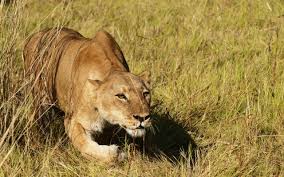
We hear true stories in Mahabharata. Krishna married eight women including Rukmini, Satyabhama and Jhambavati. Sathyabama’s father was Satrajit. He had a beautiful diamond which he gave it to his brother Prasen. When he went for hunting he was killed by a lion. The diamond was taken by tribal people. Even today Krishna’s state (Dwaraka in Gujarat state) is the only place where we can see lions in natural condition.

wolf

Man turning into a wolf

Ram attack

Dhanusaksha was a learned sage. He was insulted by Medhavi, who had a boon to live as long as the mountains stood. But Dhanusaksha created a ram with strong horns. It started digging the earth to bring down the mountain (3-135)

Werewolf

Lot of stories about werewolves are said in Western countries. They were human beings turned into werewolves by curses. In Mahabharata we come across werewolf like people. Ekata (No.1)  Dwita (No.2)  and Trita (No.3)  were brothers. Once Dwita fell into a well and brothers did not come for help. So Dwita cursed them to become wolves- 9-36

Deers-deer-3417187-640-640

Deer Man!

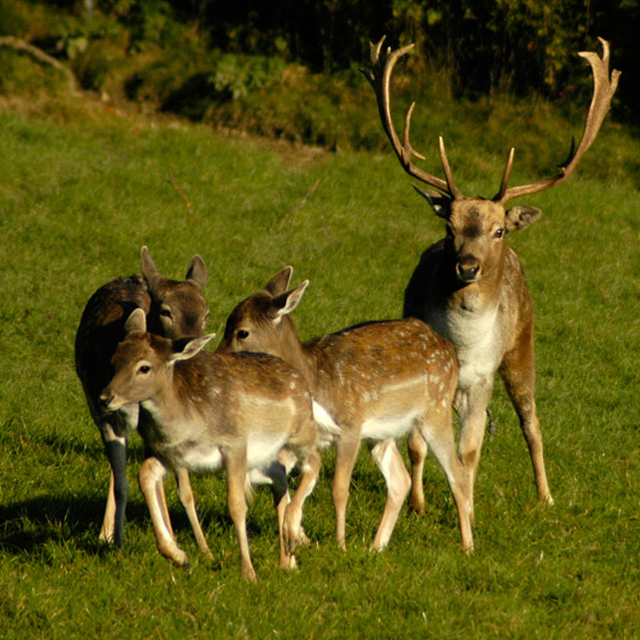
Kindama was a sage who changed himself and his wife into deer. When they were enjoying physical pleasures, king Pandu killed them. Just before dying of wounds Kindama regained his form and cursed Pandu that he would die the moment he tried to make love to his wife. Pandu argued that kings can hunt animals and it was not illegal. Then the sage told him that may be right but he could not kill an animal when it is engaged love making 1-118

My comments: Actually the sage and his wife did not become deer. They were just wearing deer skin to avoid cold or mosquito bite. May be it is a camouflage technique.

There is another deer in the story of Rishyashringa. He was son of Vibhandaka. His mother was a deer and therefore he had one horn in his forehead 3-110

My comments: Biologically it is not possible to get an offspring from a deer and human being. It is immoral as well. But people with horn like projections can be born. Such things are medically recorded. Since Rishyasringa appeared for the first time in Ramayana, lot of time must have elapsed between the time it happened and it was recorded. So we must give some allowance for errors.

viceroy-butterfly-lg

Butterfly Effect

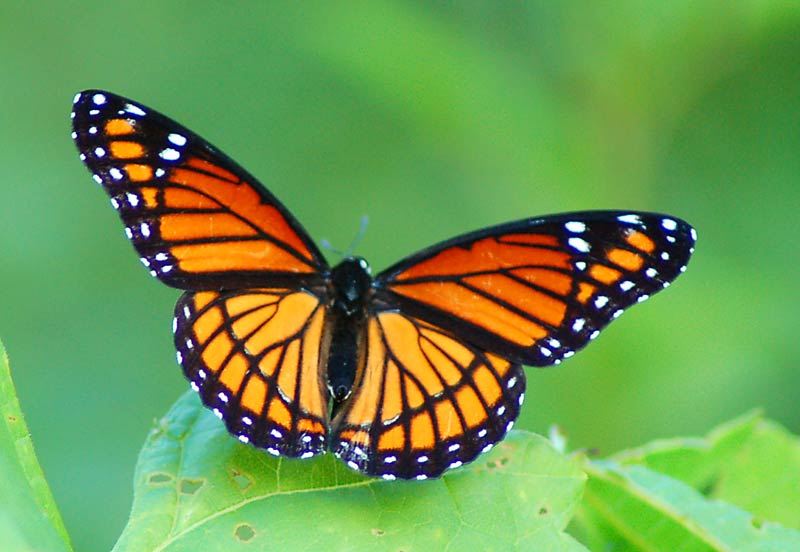
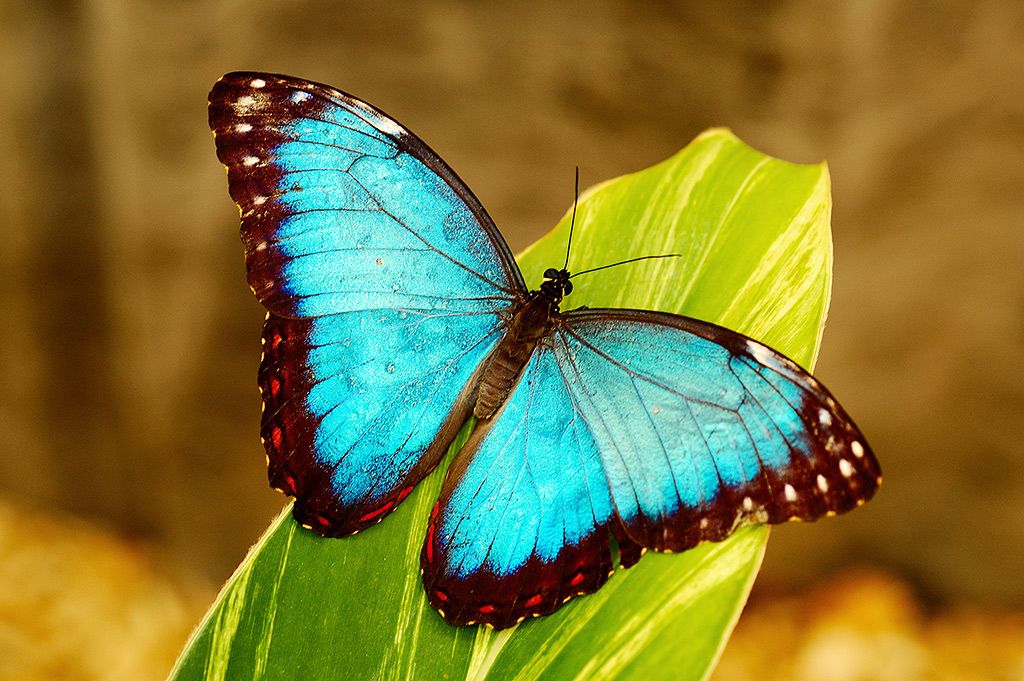
Mandavya was a sage who was observing silence. Thieves came to his house and hid themselves. When King’s soldiers asked him about thieves, he did not answer. The soldiers found the lost goods and the thieves. They took Mandavya along with them thinking that he was an accomplice. King ordered execution by impalement. Mandavya did not die on the stake but was suffering from pain. The king ordered his release when he found out his innocence. When Mandavya asked Dharma (God of righteousness) the reason, dharma told him that he caused pain to a butterfly with a blade of grass when he was a boy. Mandavya was not convinced with his explanation and cursed Dharma to be born as a low caste person in the world. He was Vidura 1-108

blueMorphoZ

My comments: This is an exaggerated story just to illustrate the Karma theory—cause and effect. Even if you cause a small harm that will come back multi fold. It is actually worked out mathematically. For a butterfly the blade of grass, for a man it is impaling stake! Proportionate punishment!

Cow, Dog and Elephant in Mahabharata

These stories are given by me elsewhere in the blogs. Just a short reference:

Cow :Surabhi’s daughter Nandini was with Vasistha. Story of Surabhi is in 3-9

Dog : Sarma, the female dog of Devas, with her sons were in the Yaga conducted by Janamejaya. King’s brother beat the dogs and Janamejaya was cursed 1-3

My comments: Dog Sarama is in the Rig Veda too. It travelled up to Greece and we find it as Hermes in Greek literature.

Another famous dog accompanied Pandava brothers in their final journey 17-3

yanaiiku jippa

Elephants

Indradymana, a Dravidian king was cursed by Agastya to become a dim witted elephant 3-104

Bhagadatta, king of Pragjyotisa, had a powerful elephant named Supratika. This elephant caused great havoc in the Pandava army. Krishna helped Arjuna to kill Bhagadatta 7-26

Damayanti accompanied some pilgrims going through a forest in the kingdom of Chedi. They were attacked by wild elephants and many pilgrims died.

My comments: This is a real life story from Indian forests. Earlier a python tried to devour Damayanti.

My comments: These are all real pictures of the ancient India. I Have already written about pythons devouring elephants in Tamil Nadu Forests. Tamil poets of Sangam age observed these things and recorded it in their poems. Mahabharata recorded all snake bites, crocodile attacks, elephant attacks, lion attacks etc.

yanai vibhuti

Naming animals like Airavata, Uchchaisravas is also typical Indian. We have this custom followed from the Vedic days. Even Alexander named his horse Bucephalos following Indians.

Asvattama’s story is famous. That was the name of an elephant as well as the son of Drona. When Yudhistra was asked to shout “Asvattama killed”,that turned the tide of the war. Yudhistra was forced to tell a lie. Drona thought that was his son who died.

PUN IN SANSKRIT LITERATURE

lang_tree

Picture of language tree

Written by S Nagarajan

Article no. 1721; dated 16  March 2015

Up loaded at 8-25 am London time


PUN IN SANSKRIT LITERATURE

By S.NAGARAJAN


The book under review titled Pun In Sanskrit Literature – A New Approach is a fantastic book.

All Sanskrit lovers and pun lovers should read this book without fail.

The book was first published by Mysore University, India in 1982. The author Gurupad K Hegde is a great scholar and has written this book after intense study of Sanskrit literature for many years.

The book has nine chapters.

sanskrit

The first chapter deals with the pun as alankara in Sanskrit literature.

The origin of pun starts with the first kavya (adi kavya) of the world written by the world’s first poet, sage Valmiki.

The origin of Ramayana is from a sloka of pun! The verse starts with ‘ma nisada’ is a curse on the hunter that he should never attain salvation for he killed the beautiful krauncha bird which was absorbed in love. And wonderfully, the verse also means that the great Lord Vishnu may attain a position for ever as he killed the demon Ravana and Vali.

The author describes in detail the root cause of the concept of fun, the nature of the words in pun and objects of the pun in the second chapter.

The author gives numerous examples to explain the figurative combinations in the great and beautiful language Sanskrit in chapter three.

Chapter four of the book deals with the role of pun in classical Sanskrit literature. The author indicates Shakespeare’s lines in Othello (III-2) The word ‘lies’ in the conversation of Desdemona and Clown is a witty use of pun to mean ‘lodging’ as well as telling a lie!

TREES

The great poets Sri Harsha, Bhavaputi, Asvaghosa, Bharavi, Magha, Dandin have used Slesha or pun in their works.

And it is to be noted that the only language which has kavyas where two or more stories are narrated throughout the full length of a poem is Sanskrit. Thus we have kavyas which describes Ramayana and Mahabharata in the same verse!

Needless to say that the author has dealt the Mahabharata kuta slokas which means the slokas with knots!

While the fifth chapter deals with functional pun and the sixth chapter deals with perceptional pun and the seventh with situational pun! The eighth chapter of the book deals with the impact of pun in iconography.

The author concludes in his concluding chapter that pun is everywhere starting from vedic literature to the modern literature which gives the experiences of day to day business of life.

Over three hundred selected verses are given as examples to understand the pun in Sanskrit literature.

On completing the book we are wonderstruck with the author’s deep reading as well as with the vastness of the wonderful t Sanskrit literature!

Index of subject and index of 300 verses will be useful to the readers.

Finally, we may pray that more such books should come to enlighten us!

*******************

Arjuna got a Surprise Gift! Krishna Angry!!
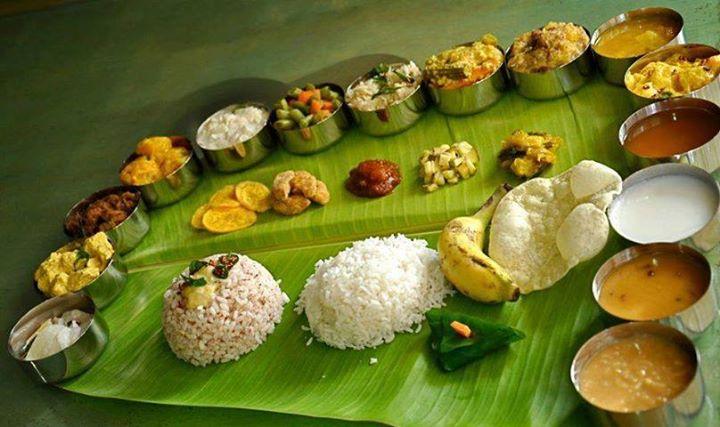
சாப்பாடு

Written by London swaminathan

Article no. 1720; dated 15  March 2015

Up loaded at 14-05 London time

Freedom fighter Subrahmanya Siva gives excellent stories in his Tamil book ‘Moksha Sadhana Rahasya’ (location : British Library, London) to illustrate the great merits of Anna Dhana (Giving food to the needy people).

The advantages of Anna Dhana over other Dhanas are:

a)Helping the poor

b)No harm to others; “no bad side effects”!!
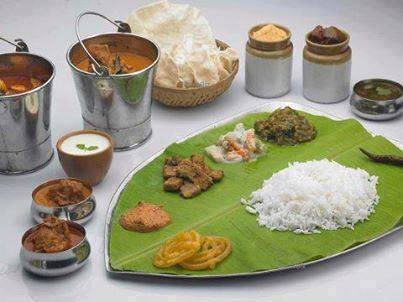
c)Even if there is one good saintly person among the takers that will bring good luck to the whole town. Tamil poem says “even if there is one good person in a town, the town will get copious rains” (nallaar oruvar ularel avar poruttu ellaarkkum peyyum mazai).

d)This is the only gift that everyone will say, “I have had enough; no more please”. For all other gifts they expect more from you.

Even if you serve ambrosia (Amrta), they will beg you to stop it, when their stomach is full. They will thank you whole heartedly, no, ‘whole stomachly’!! There is a saying in Tamil, Even if the mouth does not say Thanks, the stomach will thank him” (Vaay vaazththaavitaalum Vayiru vaazththum)

Now I give a rough translation of Arjuna story from Tamil:

Krishna and Arjuna were discussing future plans for the development of the country.  Suddenly a fisherman came there and submitted a big gold bar at the feet of Arjuna! Arjuna was surprised. Krishna looked suspiciously at Arjuna thinking that he had other “business ventures” without his knowledge. But Arjuna thought that as usual Krishna is playing a game or doing some mischiefs.

Arjuna asked Krishna,

What is this Krishna? Is it your game?

Krishna: I am also puzzled. Let us ask the fisherman.

Fisherman: Arjunji, you gave me one paisa (penny) long time ago. I bought a fishing net with that money. Your hand is a lucky one! From that time onwards I caught more and more fish and I bought more and more nets. Now I am a millionaire. I want to express my gratitude to you. Here is my offering, a few gold bars.

neelavannan

Krishna was furious on hearing this. As soon as the fisherman left, Krishna scolded Arjuna, “Dear friend, you have done a blunder. This fisherman had killed millions of fishes during his long career. Part of that sin would come to you”. Then Krishna gave him some ideas to off load the sins!

Giving this story Subrahmanya Siva, says that Anna Dhana would not have any “bad side effects”. It is always vegetarian food served at Annadhanas. Even at Sikh Gurdwaras in London and other places serve 24 hour Langar food that is vegetarian. But certain Dhanas osuch as giving money may have something bad attached to it. ( In western countries if we give money to beggars, most of them buy cigarettes, alcohol or narcotic drugs)

பந்தி போஜனம்

Anna Dhana (Food Charity) is the best Dhana!

Let us also follow it!!

அர்ஜுனனுக்குப் பரிசு- தங்கம்: கிருஷ்ணனுக்கு கடும் கோபம்!

சாப்பாடு

Written by London swaminathan

Article no. 1719; dated 15  March 2015

Up loaded at 10-26 London time


சுதந்திரப் போராட்ட வீரர் சுப்ரமண்ய சிவா, மத்வர், ராமானுஜர் போன்ற பெரியோர்களைப் பற்றியும் இந்து தர்மத்தின் உயர் நோக்கங்கள் குறித்தும் அருமையான புத்தகங்கள் எழுதியுள்ளார். அவை அத்தனையும் லண்டன் பிரிட்டிஷ் லைப்ரரியில் பாதுகாத்து வைக்கப்பட்டுள்ளன. அவருடைய மோக்ஷ சாதன ரஹஸ்யம் என்ற புத்தகத்தில் தானத்தின் சிறப்பை விளக்க ஐந்தாறு கதைகளை எளிய தமிழில் சொல்லுகிறார். சில கதைகளை கடந்த இரண்டு தினங்களில் கொடுத்தேன். இதோ இன்னும் ( படித்துவிட்டு என் சொற்களில் தருவதால் பிழைகள் இருந்தால் அவை என்னுடையன; மன்னிக்க) ஒரு கதை:

அர்ஜுனனும் கிருஷ்ணனும் நாட்டை வளப்படுத்த ஐந்தாண்டுத் திட்டங்களைத் தீட்டிக் கொண்டிருந்தனர். திடீரென ஒரு செம்படவன் அங்கே வந்தான். அர்ஜுனன் காலடியில் தங்கக் கட்டிகளைச் சமர்ப்பித்தான். அர்ஜுனனுக்கு ஒன்றும் புரியவில்லை. வழக்கம் போலக் கள்ளக் கிருஷ்ணன் திருவிளையாடல் போலும் என்று எண்ணி கண்ணனைப் பார்த்தான். கிருஷ்ணனோ வெனில் அட நமது பால்ய நண்பன் நமக்குத் தெரியாமல் வேறு ஒரு ‘பிஸினஸ்’ செய்கிறான் போலும் என்று சந்தேகக் கண்ணோடு அர்ஜுனனைப் பார்த்தார்.

ஒரு நொடியில் இருவர் மவுனமும் கலைந்தது. என்னப்பா, இதெல்லாம்? என்று இருவரும் செம்படவனைக் கேட்டார்கள்.

அர்ஜுனன் ஐயா! என்னை மறந்து விட்டீர்களா? ஒரு நாள் பண உதவி கேட்டு உங்களிடம் வந்தேன். நீங்கள் ஒரு பைசா கொடுத்தீர்கள். அதை வைத்து மீன் வலை வாங்கி மீன் பிடித்தேன். ஐயா கை, ரொம்ப ராஸியான கை. நிறைய மீன் கிடைத்தது. மேலும் மேலும் வலைகள் வாங்கி மீன் பிடித்து இப்பொழுது ‘மில்லியனர்’ (கோடீஸ்வரன்) ஆகிவிட்டேன்.

‘என் நன்றி கொன்றார்க்கும் உய்வுண்டாம்; செய் நன்றி கொன்ற மகற்கு உய்வில்லை’ என்பதை நீங்கள் அறிவீர்களே. என் நன்றிக் காணிக்கை இது; கையூட்டு அல்ல! என்றான்.

 பரிமாறு

இருவரும் ஒரு வழியாக அவனுக்கு ‘குட் பை’ சொல்லி வழி அனுப்பிவைத்தனர். கிருஷ்ணனுக்கு கோபம் பொங்கி எழுந்தது. பெரிய தப்புச் செய்துவிட்டாயே, அர்ஜுனா! இப்பொழுது இவன் கொன்ற பல்லாயிரக் கணக்கான மீன்களால் அவனுக்கு பாபம் சேர்ந்திரு க்கிறது. அதில்  ஒரு பகுதி உன்னைச் சாரும் என்றார் கிருஷ்ணன்.

இந்தக் கதையைச் சொன்ன சிவா, தானங்களில் சிறந்தது அன்னதானம் என்று சொல்லிவிட்டுக் கீழ்கண்ட காரணங்களைக் கொடுக்கிறார்:

1.அன்னதானத்தில் மேற்சொன்ன கதை போல உயிர்க் கொலைகள் நடக்க வாய்ப்பில்லை (அன்ன தானத்தில் சைவ உணவு மட்டுமே பரிமாறப்படும். சீக்கிய குருத்வாராக்களில் கூட சைவ உணவு மட்டுமே தரப்படுகிறது)

2.அன்னதானம் ஒன்றில் மட்டுமே ‘போதும்’ என்ற எண்ணம் மனதில் வரும். மண், பெண், பொன் ஆகியன எவ்வளவு கிடைத்தாலும் ஆசை அடங்காது. இலையில் அமிர்தமே பரிமாறினாலும் வயிறு நிரம்பிவிட்டால் போதும் போதும் என்று சொல்லி பரிமறுவதைத் தடுப்பார்கள். “வாய் வாழ்த்தாவிட்டாலும் வயிறு வாழ்த்தும்” — என்பது பழமொழி.

3.அன்னதானம் போட்டால் ஊரில் தண்டச் சோறும், வேலையசெய்யாத சோம்பேறிகளும் பெருகுவர் என்று பலர் நினைப்பர். ஆயிரம் உதாவக்கரைகள் சாப்பிட் டாலும் அதிலொரு நல்லவர் இருந்து வாழ்த்தினால் அன்னதானம் செய்த குடும்பம் மட்டுமின்றி ஊரே வாழும். “நல்லார் ஒருவர் உளரேல் அவர் பொருட்டு எல்லார்க்கும் பெய்யும் மழை” — என்பது தமிழர் கண்ட உண்மை.

neelavannan

  1. இதனால்தான் அக்காலத்தில் சாலை வழித் தடங்களில் அன்னதான சத்திரங்களைக் கட்டிவைத்தனர்.

“இட்டார் பெரியோர், இடாதார் இழிகுலத்தார்” — என்று பாடியும் வைத்தனர்.

வாழ்க அன்னதானம்! வளர்க கொடையாளிகள்!!

பந்தி போஜனம்