Pictures are taken from various sources; beware of copyright rules; don’t use them without permission; this is a non- commercial, educational blog; posted in swamiindology.blogspot.com and tamilandvedas.com simultaneously. Average hits per day for both the blogs 12,000
Pictures are taken from various sources; beware of copyright rules; don’t use them without permission; this is a non- commercial, educational blog; posted in swamiindology.blogspot.com and tamilandvedas.com simultaneously. Average hits per day for both the blogs 12,000
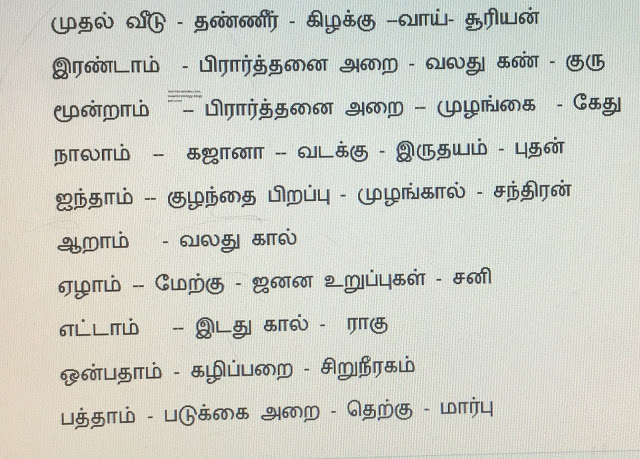
House – Source – Direction – Organ – Lord are given:–
First House – Water – East – Mouth – Sun
Second House – Place of Worship – Right eye – Jupiter
Third House – Place of worship – Arm – Ketu
Fourth House – Treasury – North – Heart – Mercury
Fifth House – Child Delivery – Knee – Moon
Sixth House – Right Foot
Seventh House – West – Genitals, Stomach – Saturn
Eighth House – Left foot – Rahu
Ninth House – Toilet – Kidney, Knee
Tenth House – Bed room – South – Chest
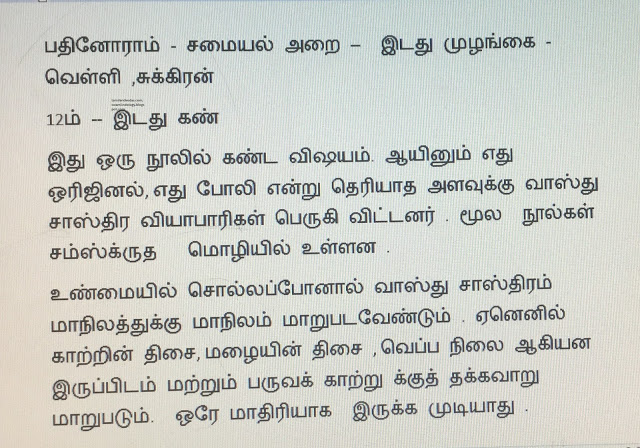
Eleventh House – Kitchen – Left Arm – Venus
Twelfth House – Left eye
Xxx
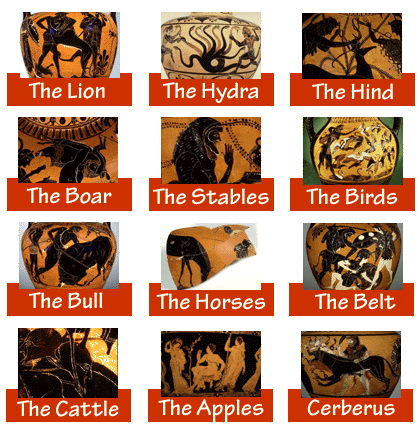
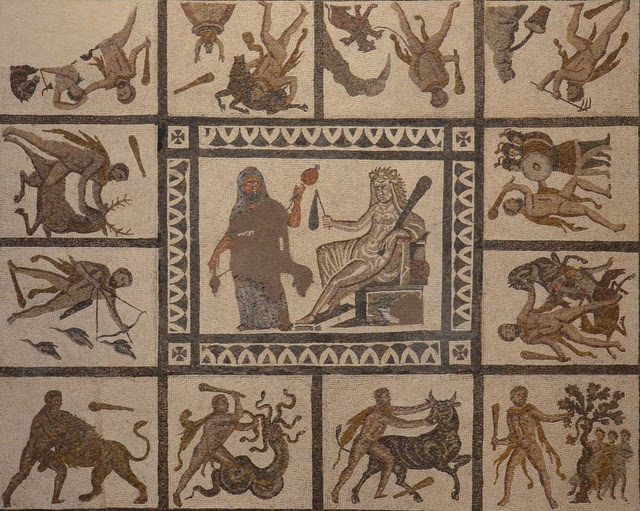
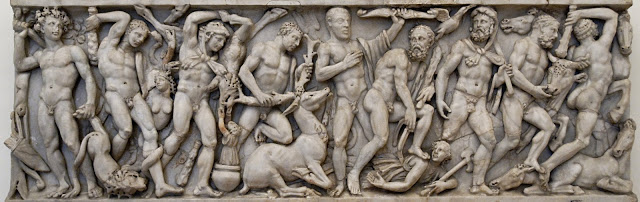
TWELVE LABOURS OF HERAKLES
Greek Hero Hercules ( Herakles) accomplished twelve labours when he was in the service of King Eurystheus of Tiryns; several of these resemble Lord Krishna’s Leelas :-
1.The Nemean Lion
Herakles was ordered to kill a lion which was terrorizing the Land of Nemea. No weapon could penetrate its hide. He used his club and killed it. He then skinned the lion with its own claws and donned the pelt to render himself invulnerable.
2.The Lernean Hydra
He was sent to kill the nine headed snake or dragon Hydra in the swamp near Lerna When he chopped off one head two grew up. His Iolus helped him to kill it. It is similar to Kaliya mardhana of Lord Krishna.
3. The Cerynean Hind
Herakles was asked to capture this beast. It had golden horns and bronze hooves. It was sacred to goddess Artemis. After a yeas chase he caught and injured it. To escape the goddess’ anger, he blamed King Eurystheus for its injury.
4.The Erymanthian Boar
The hero had to bring this monstrous boar back home. He captured it and sent to Tiryns. King Eurystheus was scared to look at it and so hid it in an urn.
5. The Augean Stables
Herakles was asked to clean the stables in one day.. he succeeded in cleaning it by diverting the rivers into stable. It is similar to Krishna lifting the Govardhana Giri.
6. The Stymphalian Birds
Heracles was ordered to get rid of the monstrous man eating birds with iron claws. They were living in Lake Stymphalos; He first scared them and shot one by one with his bow.
7.The Cretan Bull
Eurystheus sent Herakles to Crete island to capture a bull that was terrorizing the island. The hero caught the bull and took it to Greece.
8.The Mare of Diomedes
Diomedes , King of Bitones owned vicious mares and he fed them with the flesh of strangers. Herakles went to Thrace and killed Diomedes and fed the mares with his flesh. He tamed them and took them to his king.
9. The Girdle of Hippolyte
Hippolyte was the queen of Amazons, who wore a beautiful girdle. Herakles was sent to fetch it for Eurytheus’ daughter. He slew Hippolyte and took the girdle from her body
10.The Cattle of Geryon
Herakles borrowed the cu of Helios, the sun and sailed to Gerion beyond Spain. There he killed the three bodied monster.
11.The Apples of the Hesperides
Hesperides was the nymph who raised a tree with golden apples. Herakles killed the dragon called Ladon who guarded the tree. He took the golden apples.
12.The Descent to the Underworld
Cerberus was the three headed dog which guarded the gates of the underworld. Herakles after a great struggle dragged it to his king Eurystheus and then sent it back to the Underworld.
Pictures are taken from various sources; beware of copyright rules; don’t use them without permission; this is a non- commercial, educational blog; posted in swamiindology.blogspot.com and tamilandvedas.com simultaneously. Average hits per day for both the blogs 12,000
Pictures are taken from various sources; beware of copyright rules; don’t use them without permission; this is a non- commercial, educational blog; posted in swamiindology.blogspot.com and tamilandvedas.com simultaneously. Average hits per day for both the blogs 12,000
Pictures are taken from various sources; beware of copyright rules; don’t use them without permission; this is a non- commercial, educational blog; posted in swamiindology.blogspot.com and tamilandvedas.com simultaneously. Average hits per day for both the blogs 12,000.
அத்ரி மஹரிஷி
ச.நாகராஜன்
பாரத நாட்டில் அத்ரி மஹரிஷி, அவரது பத்னி அநசூயை ஆகியோர் பற்றிக் கேள்விப்படாதவரே இருக்க முடியாது.
பிரபஞ்சத்தின் ஆதி மூலத்தை – முதல்வனைப் பற்றி அறிய ஆர்வம் கொண்ட அத்ரி அதற்காகக் கடுந் தவத்தை மேற்கொண்டார்.
நீண்ட நெடுந் தவத்தின் முடிவில் அவர் முன் மூவர் தோன்றினர்.
பிரம்மா, விஷ்ணு, சிவன் ஆகியோரே அவர்கள்.
அவர்களை நோக்கிய அத்ரி, “உங்கள் மூவரில் முதல்வர் யார்? பிரபஞ்சத்தின் ஆதி முதல்வனை அறிவதற்காகவே நான் தவம் புரிந்தேன். அவரிடமிருந்து ஒரு நல்ல புதல்வனைப் பெறுவதற்கான வரத்தைப் பெற விரும்புகிறேன்” என்றார்.
மூவரும் ஆதி காரணனின் அம்சங்களே தாங்கள் மூவரும் என்று பதில் கூறினர்.
அவர்கள் மூவரும் அவருக்கு வரம் அளித்து தாங்கள் மூவருமே அவருக்கு மகனாகப் பிறப்பதாகக் கூறினர்.
அவருக்கு விஷ்ணுவின் அம்சமாக தத்தாத்ரேயர் பிறந்தார்.
சிவனின் அம்சமாக துர்வாஸர் பிறந்தார்.
பிரம்மாவின் அம்சமாக சந்திரன் பிறந்தார்.
அத்ரி மஹரிஷியைப் பற்றிய ஏராளமான அதிசய வரலாறுகள் புராண, இதிஹாஸங்களில் காணப்படுகின்றன.
வால்மீகி ராமாயணத்தில் அயோத்யா காண்டத்தில் வரும் சம்பவம் இது. ராமரும், சீதையும், லக்ஷ்மணனனும் அத்ரி மஹரிஷி ஆசிரமத்திற்குச் சென்று அவரது ஆசியைப் பெற்றனர்.
அத்ரி அநசூயைப் பற்றிக் கூறி அவர் கடும் தவம் புரிந்திருப்பதையும் எடுத்துரைத்தார்.
சீதையும் ராமரும் அநசூயையை வணங்க மிகுந்த பிரியத்துடன் அநசூயை சீதைக்கு நல்ல ரத்ன ஆபரணங்களை ஆசி கூறி அளித்தார்.
அவற்றை அணிந்து கொண்ட சீதை திவ்யாலங்காரபூஷிதையாக ஆகி தேவதை போலத் தோன்றினார்.
ஸ்ரீ ராமர் ராவணனை வதம் செய்து அயோத்தி வந்து மகுடம் சூட்டும் போது அத்ரி அங்கு வந்து ராமரை ஆசீர்வதித்தார்.
மஹாபாரதத்தில் அநுசாஸன பர்வத்தில் 156ஆம் அத்தியாயம் கூறும் செய்தி இது : ஒரு முறை அசுரர்கள் சூரியனையும் சந்திரனையும் தோற்கடிக்கவே அத்ரி தானே சூரியன் மற்றும் சந்திரனாக ஆகி தனது கிரணங்களால் அனைத்து அசுரர்களையும் எரித்தார்.
இன்னொரு சம்பவம் இது:
காமதம் என்ற வனத்தில் அத்ரி – அநசூயை தவம் செய்து கொண்டிருந்த போது கொடிய பஞ்சம் ஒன்று ஏற்பட்டது. அநசூயை கங்கையை வேண்ட கங்காதேவி அவர் முன் தோன்றினார். ‘இதோ இங்கே ஒரு துவாரம் இருக்கிறது. இதன் வழியாக வெள்ளமென நீர் வரும்’ என்று கங்கா தேவி கூற தூய நீர் பெருகி எல்லா இடங்களிலும் பாய்ந்தது. பஞ்சம் பறந்து போனது.
கங்கையை ஒரு மாதம் தங்கி இருக்குமாறு அநசூயை வேண்ட அதற்கு இணங்கிய கங்கா தேவி, இதற்கென அநசூயை அத்ரி மஹரிஷியிடம் வைத்திருக்கும் அன்பிற்கும் சேவைக்கும் உரிய புண்யத்தில் (தபஸ் சக்தியில்) ஒரு வருட புண்யத்தைத் தானமாக அளிக்கக் கோர, அநசூயையையும் அதற்கு இணங்கி அளித்தார். கங்கையின் அருளால் நாடே செழிப்புற்றது.
மஹாபாரதத்தில் சல்லிய பர்வத்தில் 43ஆம் அத்தியாயம் தரும் தகவல் இது.
கௌரவ – பாண்டவர் போரை எப்படியேனும் தவிர்க்க வேண்டும் என்று பல மஹரிஷிகள் விரும்பினர். அவர்களுள் அத்ரி மஹரிஷியும் ஒருவர். துரோணரிடம் சென்ற அவர் போரை நிறுத்துமாறு அறிவுரை கூறினார்.
இன்னொரு சமயம் சோமா என்ற பெயருடைய ஒரு அரசன் ராஜசூய யாகம் ஒன்றைச் செய்தான். அத்ரி மஹரிஷி தான் தலைமைப் புரோகிதராக இருந்து யாகத்தை நடத்தி வைத்தார்.
பரசுராமர் கடும் தவத்தை மேற்கொண்ட போது அவரது தவத்தைப் பார்க்கச் சென்ற மஹரிஷிகளுள் அத்ரியும் ஒருவர். இது பிரம்மாண்ட புராணம் தரும் தகவல். (அத்தியாயம் 64)
அத்ரி மஹரிஷி பற்றி இன்னும் ஏராளமான அதிசயச் செய்திகள் உண்டு. பழம் பெரும் வேதமான ரிக் வேதம் இந்தச் செய்திகளைத் தருகிறது. இன்னும் அக்னி புராணம் உள்ளிட்ட புராணங்களும் பல செய்திகளைத் தருகிறது.
Pictures are taken from various sources; beware of copyright rules; don’t use them without permission; this is a non- commercial, educational blog; posted in swamiindology.blogspot.com and tamilandvedas.com simultaneously. Average hits per day for both the blogs 12,000.
Tamil laymen knew about great Tamil poetesses Avvaiyar, Andal and Karaikkal Ammaiyar. But many people do not know about Sangam age women poets.
Nappashalai was one of the Sangam Age (Sangam age – first three centuries of modern era) Tamil poetesses. Her seven verses are in Purananuru of Sangam Age.
She was a native of Marokkam in south Pandya country. Her odes were admired by all the kings f the day. There is much art in the following ode praising Killi Valavan’s generosity justice and might; she mentions the Sibi Chakravarthy Story from the Puranas. Several poets have pointed out that Cholas belong to Solar Race and Sibi, Mandhata and others of Surya Kula are their forefathers. Here is her poem:-
Descendant of him who to save a dove from grief entered the balance… giving in grace was born with you, and is not your peculiar praise!
And when one ponders how your forefathers of ancient days destroyed the mighty fort suspended in the sky which foes dreaded to approach – to slay your foes is not your peculiar praise!
And since the council of Uraiyur , impregnable city of the valiant Cholas is the home of equity; Justice is not your peculiar praise!
Oh Valavan! Swift horsemen , whose stout arms are like fortress bars , whose wreaths attract every eye, how then shall I sing your praise?”
— Purananuru verse 39
Xxx
Napashalai’s ode on the death of Killi is marked by a quaintness of conceit in her address to Death:-
If in his mind against you he were wroth
Or if in outward act he showed his rage,
Or if he touched you with afflictive hand ,
You could not have escaped, O Death!
You took great Valavan, entreating him,
Like minstrels, bowing low, with suppliant hand
Praising you did bear off his life,
Leader of hosts that crowd the glorious field,
Crowned with gold wreath, Lord of the mighty car.
Purananuru verse 226
Xxx
There is another lyric where she expresses pathos. She expressed grief at the destruction of the fair city of Karur by the impetuous Chola king Killi Valavan.
You scion of the Chola Lord who saved
The dove from woe- chief of the wrathful hosts
Armed with gleaming darts that work havoc
As when a fiery dragon , angry, fierce,
Bearing five heads, with gleaming poisonous tooth,
Has entered the vast mountainous cavern, where
The golden creepers twine, and from the sky
Fire issues forth and loudest thunderbolt
You saw the lordly city old, whose king
Was circled round by girdled elephants
There in deep dark moat alligators congregate
In the wide waters of guarded lake
Are crocodiles that fierce in fight
Dart forth to catch the shadows cast
By gleam of watchman’s torch at midnight hour.
Its walls like burnished copper shone.
This seemed not fair to your eyes; for you did
Work destruction mightily, glorious king!-
Purananuru verse 37
Translations of odes by P T S Aiyangar, G U Pope and Kanakasabhai
Pictures are taken from various sources; beware of copyright rules; don’t use them without permission; this is a non- commercial, educational blog; posted in swamiindology.blogspot.com and tamilandvedas.com simultaneously. Average hits per day for both the blogs 12,000.
Pictures are taken from various sources; beware of copyright rules; don’t use them without permission; this is a non- commercial, educational blog; posted in swamiindology.blogspot.com and tamilandvedas.com simultaneously. Average hits per day for both the blogs 12,000.
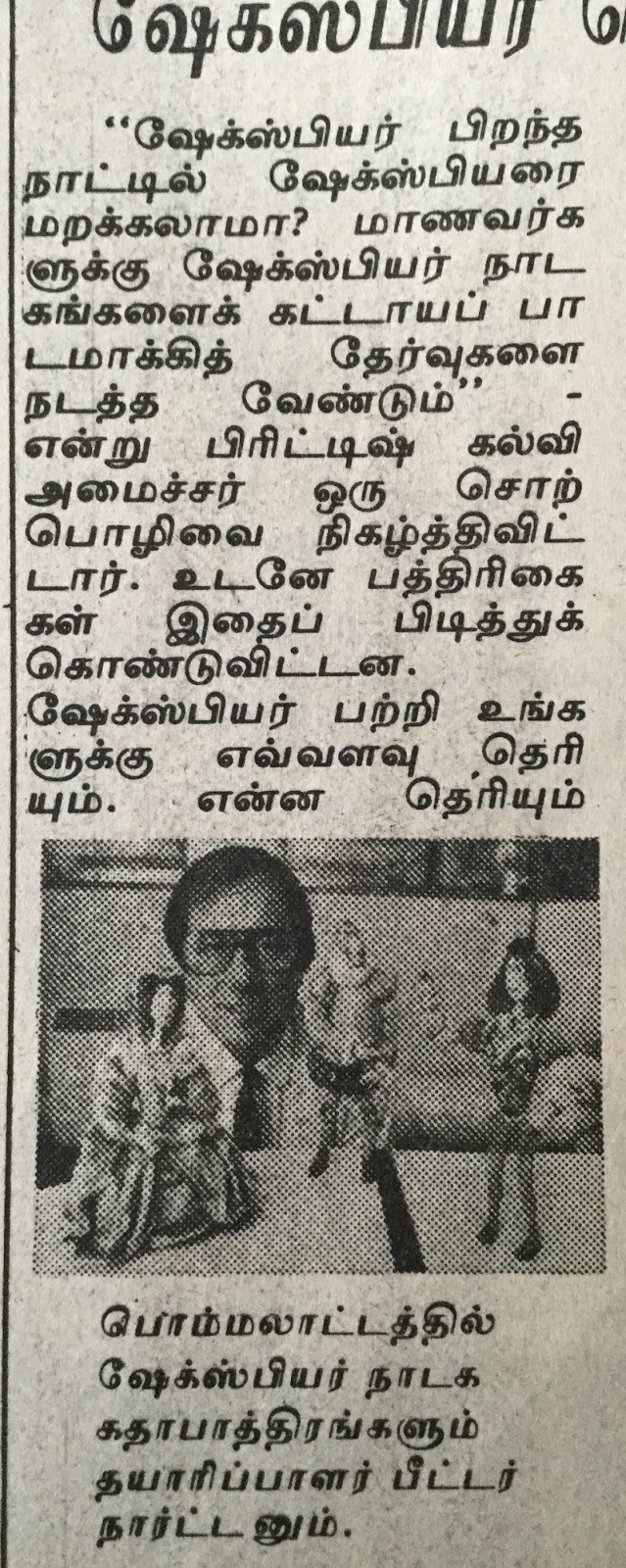
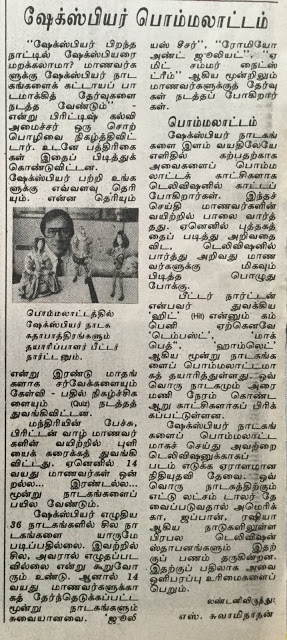
ஷேக்ஸ்பியர் (Shakespeare) மூலமாக பிரிட்டனுக்கு கிடைக்கும் வருவாய் மிகப்பெரிய வருவாய் ஆகும். உலகில் வேறு எந்த நாடாவது ஒரு கவிஞர் பெயரை வைத்து இவ்வளவு சம்பாதிக்க முடியுமா என்பது கேள்விக்குறியே .
எப்போது பார்த்தாலும் ஒருபுறம் நாடகம் நடக்கும். மற்றொரு புறம் ஷேக்ஸ்பியர் பற்றிய புத்தக விற்பனையோ அபரிமிதம் .
ஷேக்ஸ்பியர் பிறந்த ஊரான ஸ்ட்ராட்போர்ட் அபான் ஆவனுக்கு (Stratford Upon Avon) வரும் கூட்டமோ
எக்கச்சக்கம் . அங்கு சேக்ஸ்பியர் கண்காட்சியையும் அவரது வீட்டையும் பார்க்கவோ 25 பவுன் கட்டணம் — அவரது கையெழுத்து பல லட்சம் பவுண் பெறும் ஏல த்தில்! இப்படி சொல்லிக்கொண்டே போகலாம் . நிற்க. நான் தினமணியில் 25-10-1992ல் எழுதிய கட்டுரை
26 Aug 2018 – தமிழில் ஷேக்ஸ்பியர் கவிதைகள் சில! (Post No.5365). COMPILED BY LONDON SWAMINATHAN. Date: 26 August 2018. Time uploaded in London – 14-29 (British Summer Time). Post No. 5365.
17 Sep 2017 – பெண்ணின் மனம்: ரிக் வேதம், ஷேக்ஸ்பியர், தமிழ் பாட்டு ஒப்பீடு (Post No.4220). Written by London Swaminathan. Date: 17 September 2017. Time uploaded in London- 6-56 …
22 Nov 2018 – ஷேக்ஸ்பியர் திரைப்படங்கள் 525 (Post No.5680). Written by S Nagarajan. Date: 20 November 2018. GMT Time uploaded in London –5-28 am. Post No. 5680. Pictures shown here are taken from various …
1 Dec 2017 – ஷேக்ஸ்பியர் நாடகத்தில் இந்துக்கள் போற்றும் துருவ நட்சத்திரம்! (Post No.4450). Written by London Swaminathan. Date: 1 DECEMBER 2017. Time uploaded in London- …
11 Nov 2019 – ஹோமர், உமர் கய்யாம், ஷேக்ஸ்பியர் (Post No.7202). Blind Poet Homer of Greece. Compiled by London swaminathaan. swami_48@yahoo.com. Date: 11 NOVEMBER 2019. Time in London – 7-15 …
நமக்குத் தொழில் கவிதை, நாட்டிற்குழைத்தல்! (Post No.7327)
WRITTEN BY S NAGARAJAN
swami_48@yahoo.com
Date: 11 DECEMBER 2019
Time in London – 5-28 AM
Post No. 7327
Pictures are taken from various sources; beware of copyright rules; don’t use them without permission; this is a non- commercial, educational blog; posted in swamiindology.blogspot.com and tamilandvedas.com simultaneously. Average hits per day for both the blogs 12,000.
STATUE OF BHARATI AT SETUPATI HIGH SCHOOL, MADURAI.
தமிழ் அன்பர் : மஹாகவியே! பார் புகழும் பாரதியாரே! கோடி வணக்கம். போற்றுகிறோம் உம்மை இந்த நன்னாளில். சில கேள்விகளுக்குப் பதில் சொல்ல வேண்டுகிறோம்.
பாரதியார் : சபாஷ்! பாண்டியா! கேள்.
அன்பர் : உமக்குத் தொழில் யாதோ?
பாரதியார் : நமக்குத் தொழில் கவிதை, நாட்டிற்குழைத்தல், இமைப்பொழுதும் சோராதிருத்தல்.
அன்பர்: தொழில் கவிதையா ! … எப்படிப்பட்ட கவிதை?
பாரதியார் : “சுவை புதிது, நயம் புதிது வளம் புதிது
சொற் புதிது ஜோதி கொண்ட
நவ கவிதை எந்நாளும் அழியாத
மஹா கவிதை”
அன்பர் : அடடா! இப்படிப் போற்றிப் புகழ்வது யார்?
பாரதியார் : என்று நன்கு …..
பிரான்ஸென்னும் நாட்டிலுயர்
புலவோரும் பிறரும் ஆங்கே
விராவு புகழ் ஆங்கிலத்தீம் கவியரசர்
தாமும் மிக வியந்து கூறிப்
பராவியென்றன் தமிழ்ப்பாட்டை மொழிபெயர்த்துப்
போற்றுகின்றார்.
அன்பர்: அடடா! எப்படி இப்படிப்பட்ட கவிதை மலர்கிறதோ?
பாரதியார் : செய்யும் கவிதை பராசக்தியாலே செய்யப்படுங் காண்!
அன்பர் : ஆஹா! அருமை!
பாரதியார் : மனத்தினிலே நின்றிதனை எழுதுகின்றாள்
மனோன்மணியென் மாசக்தி வையத் தேவி
அன்பர் : பார் புகழும் தங்கள் எழுத்தும் பாட்டும் எங்களைப் பரவசப்படுத்துகிறது.
பாரதியார் : எழுது கோல் தெய்வம்; இந்த எழுத்தும் தெய்வம்!
அன்பர் : உங்களின் குறிக்கோள் என்ன?
பாரதியார் : சொல் ஒன்று வேண்டும் தேவ சக்திகளை நம்முள்ளே
நிலை பெறச் செய்யும் சொல் வேண்டும்.
அன்பர்: அற்புதமான சொற்களைக் கவிதை வாயிலாக அள்ளிக் கொட்டுகிறீர்கள்.. உங்கள் குறிக்கோள் என்ன?
பாரதியார் : நூலைப் பலபலவாகச் சமைத்து நொடிப் பொழுது
வேலைத் தவறு நிகழாது நல்ல வினைகள் செய்துன்
கோலை மனமெனும் நாட்டின் நிறுத்தல் குறி எனக்கே
அன்பர் : கணபதியின் காலைப் பிடித்து அவன் பதம் கண்ணில் ஒற்றி இப்படி நீவீர் பாடி இருப்பது எம்மைப் புல்லரிக்க வைக்கிறது. கவிப் பெருக்கு நாட்டிற்கு என்ன செய்யும்?
பாரதியார் : வெள்ளத்தின் பெருக்கைப் போல் கலைப் பெருக்கும் கவிப் பெருக்கும் மேவுமாயின்
பள்ளத்தில் வீழ்ந்திருக்கும் குருடரெல்லாம் விழி பெற்றுப் பதவி கொள்வார்
அன்பர் : ஆகவே …. ?
பாரதியார் : பாட்டும் செய்யுளும் கோத்திடுவீரே!
பாரதநாட்டியக் கூத்திடுவீரே!!
அன்பர் : எந்தச் சொல் செய்யுளுக்கு நலம் பயக்கும்?
பாரதியார் : சொல்லில் உயர்வு தமிழ்ச் சொல்லே!
அன்பர் : இதைப் பெற என்ன செய்ய வேண்டும்?
பாரதியார் : வாணி கலைத் தெய்வம் மணி வாக்கு உதவிடுவாள்
ஆணி முத்தைப் போலே அறிவு முத்து மாலையினாள்
காணுகின்ற காட்சியைக் காண்பதெல்லாம் காட்டுவதாய்
மாணுயர்ந்து நிற்பாள் மலரடியே சூழ்வோமே!
அன்பர் : வாணியைக் கூவுங்கால் என்ன ஆகும்?
பாரதியார் : கதைகள் சொல்லிக் கவிதை எழுதென்பார்;
காவியம் பல நீண்டன காட்டென்பார்;
விதவிதப்படு மக்களின் சித்திரம்
மேவு நாடகச் செய்யுளை மேவென்பார்;
இதயமோ எனில் காலையும் மாலையும்
எந்த நேரமும் வாணியைக் கூவுங்கால்
எதையும் வேண்டிலது அன்னை பராசக்தி
இன்பம் ஒன்றினைப் பாடுதல் அன்றியே
நாட்டு மக்கள் பிணியும் வறுமையும்
நையப் பாடென் றொரு தெய்வம் கூறுமே;
கூட்டி மானுடச் சாதியை ஒன்றெனக்
கொண்டு வையம் முழுதும் பயனுறப்
பாட்டிலே அறம் காட்டெனும் ஓர் தெய்வம்;
பண்ணில் இன்பமும் கற்பனை விந்தையும்
ஊட்டி எங்கும் உவகை பெருகிட
ஓங்கும் இன்கவி ஓதெனும் வேறொன்றே
நாட்டு மக்கள் நலமுற்று வாழவும்
நானிலத்தவர் மேல்நிலை எய்தவும்
பண்ணிலே களி கூட்டவும் வேண்டி, நான்
மூட்டும் அன்புக் கனலொடு வாணியை
முன்னுகின்ற பொழுதில் எல்லாம் குரல்
காட்டி அன்னை பராசக்தி ஏழையேன்
கவிதை யாவும் தனக்கெனக் கேட்கின்றாள்.
மழை பொழிந்தியும் வண்ணத்தைக் கண்டு நான்
வான் இருண்டு கரும்புயல் கூடியே
இழையும் மின்னல் சரேலென்று பாயவும்
ஈர வாடை இரைந்தொலி செய்யவும்
உழை எலாம் இடை இன்றி இவ்வான நீர்
ஊற்றும் செய்தி உரைத்திட வேண்டுங்கால்
“மழையும் காற்றும் பராசக்தி செய்கை காண்
வாழ்க தாய்” என்று பாடும் என் வாணியே.
சொல்லினுக்கு எளிதாகவும் நின்றிடாள்
சொல்ல வேறிடம் செல்ல வழி விடாள்
அல்லினுக்குள் பெருஞ்சுடர் காண்பவர்
அன்னை சக்தியின் மேனி நலம் கண்டார்
கல்லினுக்குள் அறிவொளி காணுங்கால்
கால வெள்ளத்திலெ நிலை காணுங்கால்
புல்லினில் வயிரப் படை காணுங்கால்
பூதலத்தில் பராசக்தி தோன்றுமே!
அன்பர் : பராசக்தியை என்ன வேண்டுகிறீர்?
பாரதியார் : சுவை நண்ணும் பாட்டினொடு தாளம் -மிக
நன்றாய் உளத்தழுந்தல் வேண்டும் – பல
பண்ணிற் கோடி வகை இன்பம் – நான்
பாடத் திறனடைதல் வேண்டும்
கல்லை வயிரமணி ஆக்கல் – செம்பைக்
கட்டித் தங்கமெனச் செய்தல் – வெறும்
புல்லை நெல்லெனப் புரிதல் – பன்றிப்
போத்தைச் சிங்க ஏறாக்கல் – மண்ணை
வெல்லத் தினிப்பு வரச் செய்தல் – என
விந்தை தோன்றிட இந் நாட்டை – நான்
தொல்லை தீரத்து உயர்வு கல்வி – வெற்றி
சூழும் வீரம் அறிவு ஆண்மை
கூடுந் திரவியத்தின் குவைகள் – திறல்
கொள்ளுங் கோடிவகைத் தொழில்கள்-இவை
நாடும் படிக்கு வினை செய்து – இந்த
நாட்டோர் கீர்த்தி எங்கும் ஓங்க – கலி
சாடும் திறன் எனக்குத் தருவாய் – அடி
தாயே! உனக்கு அரியதுண்டோ?!
அன்பர் : ஆஹா! உங்கள் கவிதையால் பாரத மக்கள் நாங்கள் எல்லோரும் பராசக்தியைப் பாடுவோம்; ஆசிர்வதியுங்கள் கவிஞரே!
பாரதியார் : நல்லதும் தீயதும் செய்திடும் சக்தி
நலத்தை நமக்கிழைப்பாள்;
“அல்லது நீங்கும்” என்றே உலகேழும்
அறைந்திடுவாய் முரசே!
சொல்லத் தகுந்த பொருள் அன்று காண்! இங்குச்
சொல்லும் அவர் தமையே,
அல்லல் கெடுத்து அமரர்க்கிணை ஆக்கிடும்
ஓம்; சக்தி, ஓம் சக்தி, ஓம்!
அன்பர் பாரதியாரை பக்தியுடன் வணங்கி விடை பெறுகிறார்.
கவிஞர் பிறந்த நாள் டிசம்பர் 11, 1882
அவர் மலரடிக்கு நமது அஞ்சலி உரித்தாகுக!
****
FROM KALAKSHETRA, CHENNAI
பாரதியாரின் பாடல்களே பாரதியாரின் கூற்றாக இக்கட்டுரையில் அமைந்துள்ளது.
கவிதை பற்றி அவர் கூறும் அவரது பாடல்கள் இன்னும் ஏராளம் உள்ளன. அவற்றை அன்பர்கள் படித்து மகிழலாம்.
இந்தக் கட்டுரையில் உள்ள பாரதியாரின் கவிதைகளைப் பற்றிய உதவிக் குறிப்பு இதோ (பாடல் தலைப்புகள் தரப்பட்டுள்ளன) :
நமக்குத் தொழில் : விநாயகர் நான்மணி மாலையில் வெண்பா
சுவை புதிது : ஸ்ரீமான் எட்டயபுரம் மஹாராஜா அவர்கள் மீது சீட்டுக் கவிகள்
என்று நன்கு பிரான்ஸென்னும் : மேலே உள்ள அதே பாடல்
செய்யும் கவிதை : விநாயகர் நான்மணி மாலையில் கலித்துறை
மனத்தினிலே நின்றிதனை : பாரதி அறுபத்தாறு – முதல் பாடல்
எழுது கோல் தெய்வம் : பாரதி அறுபத்தாறு – பாடல் 18
சொல் ஒன்று வேண்டும் : சொல் – வாணி
நூலைப் பலபலவாக : விநாயகர் நான்மணி மாலையில் கலித்துறை
Pictures are taken from various sources; beware of copyright rules; don’t use them without permission; this is a non- commercial, educational blog; posted in swamiindology.blogspot.com and tamilandvedas.com simultaneously. Average hits per day for both the blogs 12,000
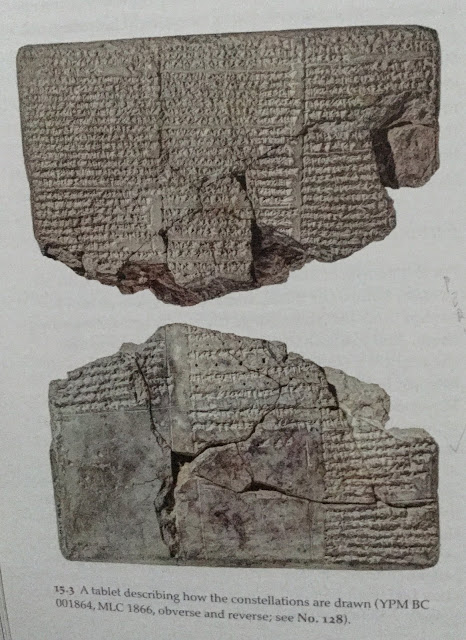
constellation maps
‘Ancient Mesopotamia Speaks’ is a latest book (year 2019) on Babylonia. It is published by Peabody Museum of Natural History, Yale University. The Yale Babylonian collection with more than 40,000 clay tablets and seals is one of the most important repositories of Mesopotamian artefacts in the world.
The Mesopotamian writing system, known as Cuneiform, was invented in southern Iraq around 3500 BCE and remained in use for 3500 years. Scholars in the Western world believe that everything we have today came to us via Greece. Greeks took it from Babylonia and spread it to other parts of the world. Early Indian scholars also wrote that astronomy and astrology came to Hindus from the Greeks. The blunder that they made was that they thought Vedic civilization came after Babylonian. But Hindus strongly believe that Vedas and other texts were from Pre Kaliyuga period. According to them Kaliyuga began in 3102 BCE. And this belief has been there for at least 1500 years according to archaeological evidence. According to Aihole inscription and Parthivasekara pura Tamil inscription Hindu dating of Kaliyuga and Vedas was correct.
Very interesting similarities are seen between the Hindus and Babylonians with regard to Time, Calendar and Almanac. I have found the following similarities in the book:
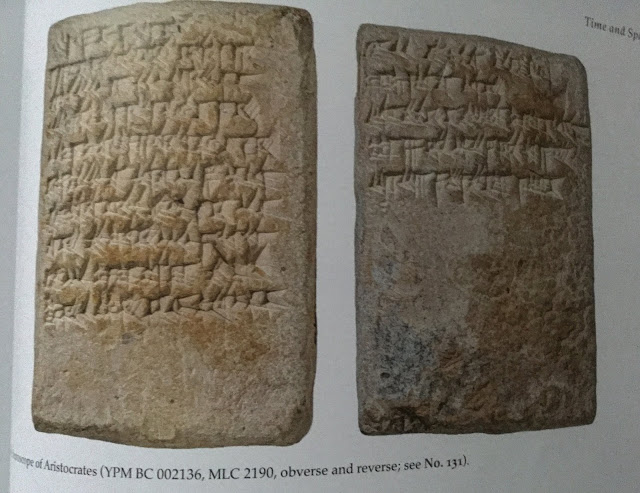
horoscope of Aristocrates
1.Following Luni-Solar calendar for celebrating festivals; for instance Hindus celebrate some festivals on the basis of cycle of moon and others on the cycle of Sun. Babylonians did the same.
2.Because of the 11+ days of difference between the two cycles, an Intercalary Months was inserted every third year as the unlucky 13th month. Vedic scholars also did this and called it impure/dirty month (Mala Maatha). That is why 13 is considered impure, un lucky.
3.Horoscope writing was followed by both the cultures
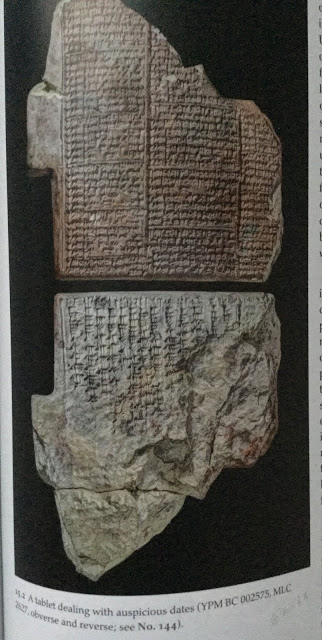
4. Marking favourable and unfavourable days i.e. Auspicious and Inauspicious (Subha and Asubha Dinas)
5.Good days to make medicines and to take medicines. What part of the body is controlled by which zodiac sign. Though we have lots of things about these in Sanskrit scriptures, scholars believe that we borrowed them from the Babylonians through Greeks.
6.Movement of Venus and its effects on us. Hindu astrology linked movement of Venus and Jupiter with drought and harvest.
7.Even 2000 year old Tamil Sangam literature has hundreds of astrological and astronomical remarks in Tamil verses.
Following statements in the book are interesting: –
“Babylonians had astronomical diaries marking the movements of celestial things on day today basis. Akkadian language mentioned them as ‘regular watching’.
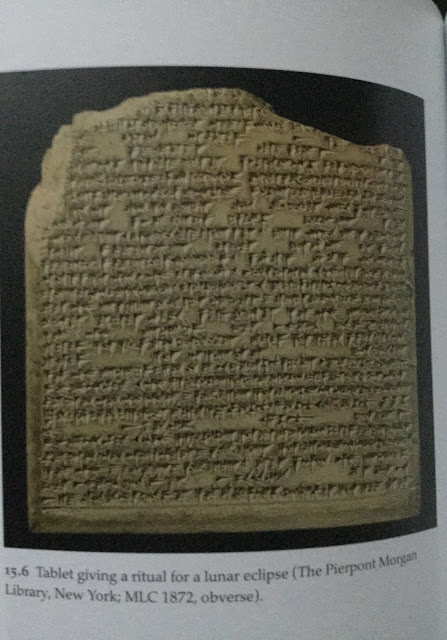
lunar eclipse rituals
Celestial divination is known to have been practised in Mesopotamia already in early second millennium BCE . The late first millennium BCE saw many significant developments in astrology, including schemes linking astronomical phenomena to the rise and fall of business. They applied astrology to medicine including associating signs of the zodiac to a wide range of aspects of life. In particular, we find an increasing interest in applying astrology to medicine , including associating signs of the zodiac with different parts of the body.
The most significant development within astrology, however, was casing the horoscope of a new born child. One of these horoscopes reads-
“Year 77 (of the Seleucid Era), on the fourth of the month of Simanu, in the morning of the fifth, Aristocrates was born. That day the moon was in Leo, the sun was in 12;30Gemini. (..) The place of Jupiter (his life) will be prosperous, at peace; wealth will be long lasting. Venus was in 4 degree Taurus. The place of Venus; he will find favour wherever he goes. He will have sons and daughters.”
Seleucid era began in 312 BCE.
My comments
This is how Hindu astrologers write horoscopes till this day. Seleucus Nicator was a commander in Alexander’s army and he occupied parts of Alexander’s territories after his death. When Selecus invaded India he was defeated by the mighty Hindu army of Mauryas and he made peace with Chandragupta Maurya by giving his daughter in marriage to him. So he might have taken this horoscope writing to Babylonia and not vice versa. Even the 12 zodiac sign system came to Babylonia very late. This also may be the contribution of Hindus. Before that they had some zodiac signs and not all the 12. Greeks spread it to the Western world.





















 Tamil and Vedas