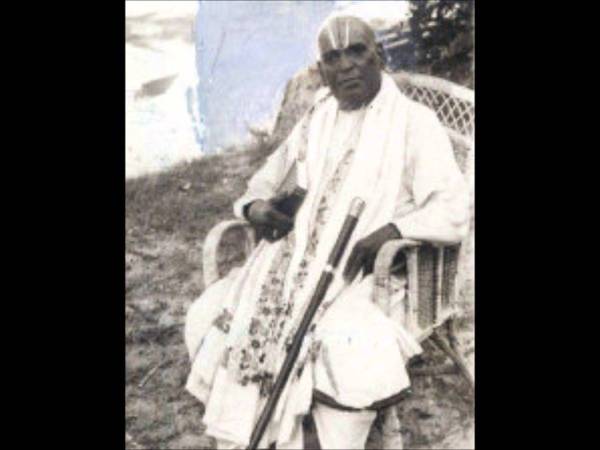
Why did Bharati burn the Harmonium? (Post No 2602)

IMG_9567

Compiled by london swaminathan

Date: 5 March, 2016


Post No. 2602


Time uploaded in London :–  15-17


( Thanks for the Pictures  ) 


DON’T REBLOG IT AT LEAST FOR A WEEK!  DON’T USE THE PICTURES; THEY ARE COPYRIGHTED BY SOMEONE.


(for old articles go to tamilandvedas.com OR swamiindology.blogspot.com; 

IMG_3519

There are very interesting anecdotes in the life of the great Tamil poet Subramanya Bharati. One of them was his fear of leprosy, which made him to consume a harmonium to fire!

Once he was playing on harmonium; actually he was playing with a harmonium like a child. He pressed many keys at the same time which produced a horrible sound. Immediately people in the room criticized him. He gave a beautiful reply. I wanted to show you how horrible it is when you scold a child! The same horrible sound you people produce when you scold a child! (His care and love for children is known through many anecdotes).


Chellamma’s bother has given her this harmonium. When it developed some problems it was sent to a shop for repair work.  Bharatiyar found out that the person who was handling it was a leper. Bharati was so scared of leprosy, he came home and told his wife Chellamma, “Never ever touch that harmonium, when it is returned”. She kept quiet. She loved the harmonium very much. Moreover it was given by her brother.


All this happened when the family was about to shift to far away Kadayam from Pondycheri. Bharati told his friends to pack all the goods and send them as cargo by next train. Chellamma told them to pack the harmonium without fail. After some days the cargo arrived at Kadayam. It so happened that Bharati himself received it and opened the package.


As soon as he saw the harmonium he became very angry. He separated it from rest of the goods and then asked someone to take it to the garden nearby. There he poured kerosene oil over it and set fire to it. Only when he saw the ashes of the harmonium he became peaceful. He came back home and gave treatment to the house with burning torches to kill the leprosy bacteria.

Once a freedom fighter who was afflicted with leprosy came home and touched Bharati’s daughter Sakuntala. She was a child then. As soon as he went out he bathed his child with anti-bacterial lotion. Since he had so much respect to freedom fighters he could not say anything when he was playing with his child.


He used to throw out all the tumblers and other utensils touched by a leper. People who find them on the roads, just outside his house, naturally returned them to Chellamma. When he saw them back in the house, he took them to a garden and buried them saying that it would prevent others getting leprosy. He was so health conscious!


Every one of us has some fear or phobia. Bharati was very much worried about leprosy. This shows that his human side.


Source: Tamil book on Bharatis Life by Akkur Ananthachary, 1936 publication. Rough translation by London swaminathan.

-subham-
Ganges and Coovam Rivers in Carnatic Music!(Post No.2597)

Tiger_new

Compiled by london swaminathan

Date: 4 March,2016


Post No. 2597


Time uploaded in London :–  16-12


( Thanks for the Pictures  ) 


DON’T REBLOG IT AT LEAST FOR A WEEK!  DON’T USE THE PICTURES; THEY ARE COPYRIGHTED BY SOMEONE.


(for old articles go to tamilandvedas.com OR swamiindology.blogspot.com; contact 


swami_48@yahoo.com)

tiger you tube

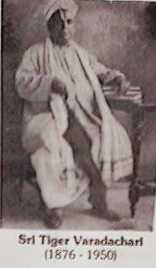
Tiger Varadachary was a famous vocalist. At a Carnatic music concert in which, by a strange turn of circumstances, a senior violin vidwan of high rank had to accompany a beginner,  Tiger Varadachariar was asked to say a few words at the end.  Tiger never uttered a word of disparagement about anyone. He complimented all the party in general terms. Bout the violinist he said: “What shall we say of our senior vidwan? His experience and knowledge are deep like an ocean. He is verily a mighty sea which receives ito its wide bosom such pure and holy rivers like the Ganges as also the gutter water of Coovam”.The implications are obvious.


Cooum/ Coovam was a highly polluted river in Chennai/Madras and known for its bad smell.

Xxx


purandara stamp

Purandaradasa flogged!

Many miracles are attributed to Sri Purandaradasa, Father of Carnatic music. His Ishta devata was Sri Vittalaraya of Pancharpur. Allowing for possible exaggerations, certain incidents may be said to be authentic. In the temple at Pandharpur, there is a Dwajasthamba (Flag Staff) called Dasarasthamba. Pilgrims entering the temple worship this pillar first before entering the holy of holies. There is an anecdote connected with this.


In Pandharpur there was a Devadasi (singer and dancer of the temple) who was also a true devotee of Lord Vittala. One day the Lord himself in the guise of Purandaradasa went to the dancer and desired to see her dance and hear her song. The dancer who was a great admirer of Purandaradasa as a devotee sang and danced, with self-forgetful devotion. Highly pleased with her performance the visitor presented her with a bracelet. Next morning it was found that the bracelet of the image of Lord Vittaa in the temple was missing and it came out that Purandaradasa had given it to the dancer. In spite of his entreaties Purandaradasa was dragged to the temple, tied to the post and flogged.  At that moment a Voice was heard from the inner shrine saying that it was the Lord who disguised as Purandaradasa went to the dancer, because the dasa had some little karma to work out and by that apparent disgrace and flogging Purandaradasa had been completely cleared of all old karma and became a free soul, a ‘Mukta’ . The Lord also indicated his desire that the pillar should thereafter be considered a sanctified post and named Dasarasthamba.

Source: Facets of Indian Culture by R Srinivasan, B V Bhavan Publication 1990)


My previous articles on music:–

Mystic No.7 in Music, Post No.977, 13-4-14

Musician who pledged a Raga, Post no.1074, 30-5-2014
True Art is Never Made to Order, post No.1066, 26-5-14

Acoustic Marvel of Madurai Temple 13-5-13

Superstition in the World of Music 12-4-14 (Post No.975)

Musical Pillars in Hindu Temples

Interesting Anecdotes from the World of Music (29 May 2014;Post No.1072)

Saint who went to Heaven with a Flute in Hand (16 April 14,Post No 983)

How did Rare Indian Animal Asunam become extinct? (15 April 14,Post No 981)

Rain Miracles: Rain by Fire and Music (7 January 2012)


மழை அற்புதங்கள் (7 ஜனவரி 2012)

இசைத் தமிழ் அதிசயங்கள் 31-1-2013

சங்கீதம் தோன்றிய வரலாறு- ஒரு புராணக் கதை 13-4-14 (976)

சப்தம் கேட்டால் இறந்துவிடும் அசுணமா? 15-4-14 (980)

கையில் புல்லாங்குழலுடன் சுவர்க்கத்துக்குப் போன மனிதர் 16-4-14 (982)

ஸ்ரீராமர் மீது முத்துசுவாமி தீட்சிதர் கிருதிகள் 8-4-14 (963)


-subham-

What are Panchangam? Panchmrutam? Panchagavyam? Pancha yajnam? (Post No. 2585)

urine of cow

Date: 29 February 2016


Post No. 2585


Time uploaded in London :– 15-15


( Thanks for the Pictures  ) 


DON’T REBLOG IT AT LEAST FOR A WEEK!  DON’T USE THE PICTURES; THEY ARE COPYRIGHTED BY SOMEONE.


Please go to swamiindology.blogspot.com

OR

tamilandvedas.com

for more articles and pictures.


‘Pancha’ is a Sanskrit word for number ‘five’. Because of Pancha Pandavas, this word is very familiar to the Hindus. But when it comes to words like panchamrtam or panchangam people struggle to list all the five in that category.


In the olden days everything was taught in verses and so it was easy to remember all the five in a particular order. Here are the traditional verses for these categories:-

panchangam

What are the five parts of Panchangam?


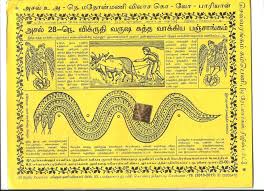
Panchangam is calendar or ephemeris; it is called so because there are five parts to it; they are

Tithi- Day (a month is divided into two parts with 15 tithis each)

Vaara-week

Naksatra- star (moon aligns with a star every day in its orbit)

Yoga- period of conjunction of two stars

Karana – part of lunar day

buy-palani-panchamirtham-online

What is Pancha Amrta?

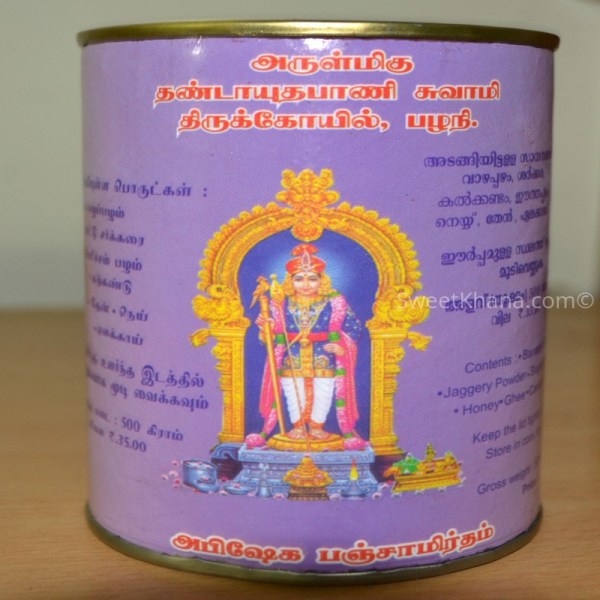
This nectar or jam or mixed fruit is offered to the god during daily Abishek/anointing/bathing. The five ingredients of pachamrta are:

Dugdham – milk

Sarkara – sugar

Ghrtam – ghee or clarified butter

Dadhi – curd

Madhu – honey

(in some places fruits are mixed)


Dugdham sasarkaranchaiva ghrtam dadhi tathaa madhu

Panchaamrtamidam proktam videyam sarvakarmasu

–Saptakalpadruma 3

Cow-Urine-Article

What is Panchagavyam?

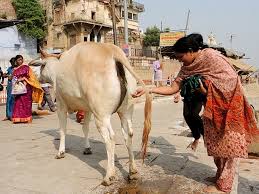
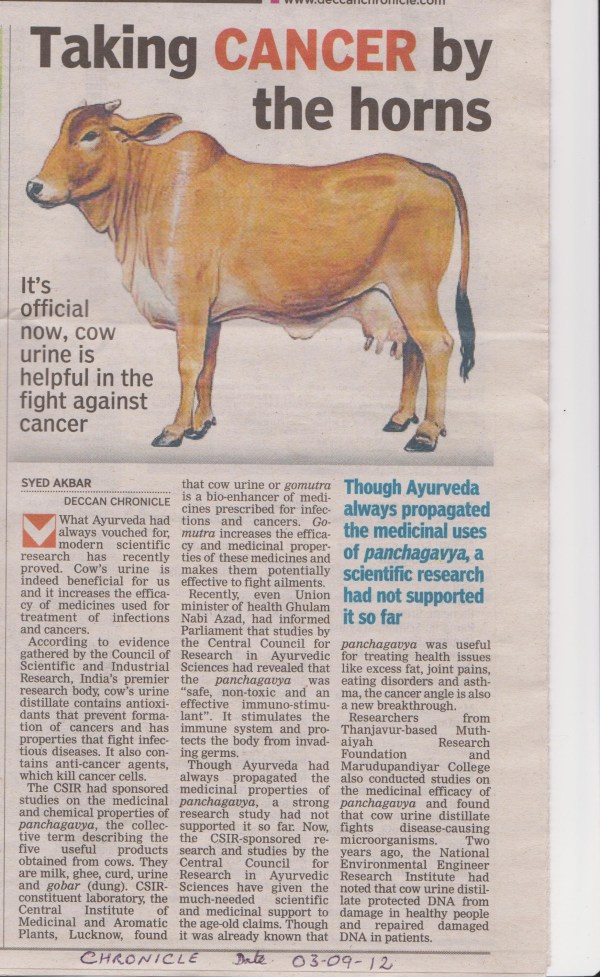
Panchagavyam is five products that are obtained from cow/gau. It is used for purifying a Hindu before any ritual. Brahmins still use this for purification. The five products of cow are:

Gomuutra – cow’s urine

Gomaya – cowdung (fresh)

ksiiram – milk

Dadhi – curd/ yogurt

Sarpi – ghee

Gomuutram gomayam ksiiramdadhisarpisthataiva ca

Gavaam pancha pavitraani punanti sakalam jagat

–Saptakalpadruma 3-7


Another version from Susruta (Uttara) 39-237

Dadhi – curd/yogurt

Muutram – cow’s urine

Ksiiram – milk

Sarpih – ghee

Sardrasa – cowdung

Manu Smrti also prescribes this for redeeming from several sins 11-92,166, 213.

5mahayagna

What is Pancha yajnam?

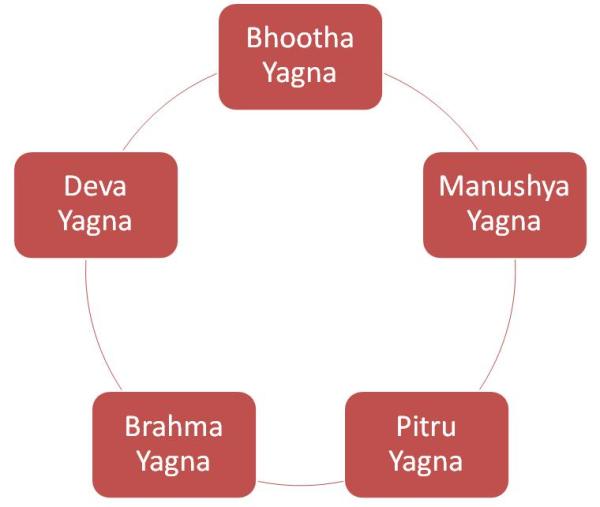
Hindus are expected to do five ‘sacrifices/rituals’ to propitiate five groups every day. They are

Narayyajna – offering food to the poor

Brahmayajna – study of the Vedas

Daivayajna – offering to gods/doing puja

Pitryajna – offering (water and sesame seeds to the departed souls)

Bhutayajna – offering food to animals

Manu also gives this list in 3-68 to 71

Tiruvalluvar has translated these slokas in Tamil in his Tirukkural.


–subham–


Interesting Story of the Greatest and Oldest Poet in the World! (Post No 2582)

hindu poets

Date: 28 February 2016


Post No. 2582


Time uploaded in London :– 16-54


( Thanks for the Pictures  ) 


DON’T REBLOG IT AT LEAST FOR A WEEK!  DON’T USE THE PICTURES; THEY ARE COPYRIGHTED BY SOMEONE.


Please go to swamiindology.blogspot.com

OR

tamilandvedas.com


 homer

Picture: Poet Homer

The following story is in Panchavimsa Brahmana (13-2-24) and the Mahabharata (9-50)


Usanas Kavi was a little boy. He was the son of Angiras. He discovered (not composed) many Vedic verses. He used to address all the aged people “Oh, Little Sons”.


The aged people were not happy. They told him that he acted irreligiously. We are your fathers, they told him. He told them “I am the father, because I make Vedic verses. Then they went to the Gods and complained and asked their view. The gods said, ‘He really is the father who is a maker of Vedic verses. So he triumphed over them.


Poets who have long perception are the fathers of mankind is the message. Even if they are young, they command more respect than other old people. Even today old couple, do Namaskar on the floor (prostration) to young Brahmin priests in India.


Manu Smrti, which is dated 1500 BCE by Buhler, explains it beautifully well:–


“That Brahmana who brings the Vedic birth of an aged person, who teaches him duties becomes his father, even if he is a child- 2-150 Manu


“Young Kavi, the son of Angiras, taught (his relatives who were old enough to be) his fathers and as he excelled them in the sacred knowledge, he called them ‘little sons’ – 151 Manu


“They, moved with resentment, asked the gods concerning the matter, and the gods having assembled answered, ‘the child has addressed you properly’. 2-152 Manu


“For an ignorant man is really a child and the one who gives him the Vedic verses is his father. 2-153 Manu


“Seniority comes not through age or grey hair or wealth or relatives; the sages established this law; the man who has learned the Veda with all its subsidiary texts is great amongst us. 2-154 Manu


“The seniority of Brahmans come by sacred knowledge

Of the Kshatriyas from valour

“Of the Vaishyas from wealth in grains and other goods

But that of Sudras alone by age.


Following is my article written and posted two years ago:–

 dante

Picture: Poet Dante

Who is Usanas Kavi?


Research paper written by London Swaminathan
Research article No.1360; Dated 20th October 2014.


“Of the Vrsnis I am Vasudeva; of the Pandavas I am Dhananjaya (winner of wealth); of the sages I am Vyasa and of the poets I am Usana”.
– Bhagavad Gita 10-37


Why did Krishna say that he was Usana Kavi, an ancient poet whom we did not know much? We know a lot of other Vedic seer poets, but not Usanas.

First of all let me give you some basic information:
1.Until this day we use the word ‘Kavi’ for a poet in all the major Indian languages including Tamil (Pulavar was old and Kavinjar is current). This shows that the Rig Vedic Sanskrit lives in all our hearts. Kavi is a poet and Kavitha is a poem in all Indian languages. ‘Kavi’ is in the Veda and in the Gita!


2.Usanas belonged to Kavya Gotra and in Tamil, the oldest poet Tolkappiyan is believed to be from this Gotra. And there is another poet Kappiyatru Kappiyanar of Patitru Pathu (Ten Decads) from the same Gotra.


  1. This shows the antiquity of the Gita as well. Krishna mentioned one of the oldest poets of the Rig Veda! AA Macdonell and A B Keith say in their Vedic Index of Names and Subjects, “ Usanas Kavya is an ancient seer, already a half mythical figure in the Rig Veda where he is often mentioned, especially as associated with Kutsa and Indra”. Rig Veda itself is old; in fact the oldest book we know of. Usanas had become ancient to the seers of Rig Veda! But Krishna was able to appreciate it.


4.”Later on Usanas becomes the Purohita/Priest of the Asuras in their contests with the Gods. A Variant of his name is Kavi Usanas. He appears in the Brahmanas as a teacher also”, say the authors. This shows that there were more poets with the same name in later days. We know that Shukracharya was the Guru of Asuras. This reveals another fact that both Asuras and Suras had Brahmin teachers. Both Devas and Asuras were sons of the soil. In Tamil also we have famous names of Sangam period, Kapila, Parana, Nakkirar and Avvaiyar at various ages. All these poets have done some works in later ages in Tamil as well. So it is possible that we had other poets with the name of Usanas. But even their works are not available!!


goethe
5.Usana’s name figured as an author of Artha sastras (Books on Economics) earlier than Kautilya alias Chanakya.

References to Usanas in the Rig Veda
His name occurs in seven out of ten Mandalas of the Rig Veda. His name is missing in Mandalas 2,3 and 7. We are unfortunate to lose the poems of such a popular poet. This shows how much of old Sanskrit literature was lost.

The way all the people praise him give the impression that the words Kavi and Kavya (poet and classics)– all originated from Usanas Kavya!


The following references are considered important (from Vedic Index):
Rig Veda 1-51-10, 1-83-5, 1-121-12;
R V 4-16-2, 6-2011, 8-23-17
R V 9-87-3, 9-97-7, 10-40-7
Probably also 1-130-9, 5-31-8, 5-34-2
Also in A V 4-29-6 (A V = Atharva Veda)


Taittriya samhita, Panchavimsa Brahmana, Sakyayana Srauta Sutra mention the Purohit/priest Usanas (Sukracharya).

Kavi Usanas is found in RV 4-26-1.

He appears as a teacher in two of the Brahmanas.
Yajur Veda and Sama Veda also praise him as a great poet.
Usanas’ few compositions are available in the Rig Veda: 9-87 to 89 and 8-84. As usual, the foot notes say that it is difficult to understand certain lines. Ninth Mandala of Rig Veda deals with Soma Pavamana (Soma Plant and Juice).
Usana, the son of Kavi is well known for making Agni the ministrant priest and offerer of the sacrifice for Manu ( RV. 8-23-17)

Gibraltar-Shakespeare-2014

He is referred to as a seer and leader of the people. By his poetic gift he is said to have discovered the secret milk of cows of Indra which was concealed ( RV. 9-87-3)

Usana is said to have increased the vigour of Indra ( RV. 1-51-10) and fashioned the thunderbolt for him for slaying Vritra( RV. 1-121-12; 5-34-2).

He is characteristically wise and soma is compared with him due to his wisdom ( RV. 9-97-7)


Indu, the well -armed god, is flowing onward, who quells the curse and guards from treacherous onslaught,
Father, begetter of the gods, most skilful, the buttress of the heavens and earth’s supporter
Rsi and sage, the champion of the people, deft and sagacious, Usana in wisdom
He had discovered even their hidden nature, the cows concealed and most mysterious title (RV 9-87-2/3)

Source books : Vedic Index of Names and Subjects Volume 1 and Bhrgus – A Syudy by Jayanti Panda, Delhi, 1984; The Rig Veda, Translated by Ralph T H Griffith.


ts eliot

–Subham–

கோமாளி மன்றம் (Post No 2581)

clown

Written by S Nagarajan


Date: 28  February 2016


Post No. 2581


Time uploaded in London :–  6-30 AM


( Thanks for the Pictures  ) 


DON’T REBLOG IT AT LEAST FOR A WEEK!  DON’T USE THE PICTURES; THEY ARE COPYRIGHTED BY SOMEONE.


(for old articles go to tamilandvedas.com OR swamiindology.blogspot.com)


நாட்டு நடப்பு

கோமாளி மன்றம்


ச.நாகராஜன்


clown2

நமது பாராளுமன்றம் மாட்சிமை பொருந்திய மன்றம் என்ற பெயரை மாற்றி ‘கோமாளி மன்றம்’ என்று சொல்ல வைக்கும் அளவு  ஒரு பாரம்பரியமிக்க கட்சி காட்சிகளை அரங்கேற்றுகிறது  என்பதை நினைக்கும் போது ஆச்சரியமாக இருக்கிறது.

ரஷியாவுக்கும் சீனாவுக்கும் பாரம்பரியமாக வால் பிடிக்கும் காம்ரேட்கள் மாஸ்கோவில் மழை பெய்தால் மதுரையில் குடை பிடிப்பார்கள். பீகிங்கில் வெயில் அடித்தால் பேராவூரணியில் ஜீஸ் குடிப்பார்கள். இது அறிந்த விஷயம் தான்.

ஆனால் காங்கிரஸ்? ஆச்சரியம் ஆச்சரியமே.

பாராளுமன்றத்தில் ஸ்மிருதி இரானி ஹைதராபாத்தில் மாணவர்கள் என்ற போர்வையில் மறைந்திருக்கும் பிரிவினை சக்திகள் மஹிஷாசுரனுக்கு விழா எடுத்து துர்க்கையைப் பற்றி இழிவுறப் பேசியதை ஆதாரத்திற்காக அப்படியே வாசித்ததை ஆனந்த சர்மா வாசிக்கக் கூடாது என்று சொன்னது ஒரு பெரிய மாற்றத்தையே காங்கிரஸில் காண்பிக்கிறது.


அதாவது துர்க்கையம்மனை இழிவுபடுத்திப் பேசியவர்களைக் கண்டிக்காமல் அப்படிப் பேசினார்கள் என்று ஆதாரத்துடன் சொல்லி அவர்களைத் தண்டிக்க வேண்டும் என்று சொன்ன பக்தையைக் கண்டிக்கிறார்கள்.


இது என்ன ஒரு கோமாளித்தனம்!


இதையே விரிவாகக் கற்பனை செய்து பார்த்தால் வாழ்க்கை முறையே மாறி விடும்.


காரை ஒருவன் மீது மோதுகிறான் என்று புகார் கொடுத்தால் அதை நீ ஏன் சொன்னாய்! தடுக்க வேண்டியது தானே என்று கூறலாம்.


அவனைக் கத்தியால் வெட்டியதை நான் பார்த்தேன் என்று சாட்சியம் கூற வந்தால், “உன்னை சிறையில் போடுவேன்; நீ அப்போது என்ன செய்து கொண்டிருந்தாய்! தடுக்காதது உன் குற்றம்” என்று நடவடிக்கை எடுக்கலாம்.


தீவிரவாதி ஒரு குற்றம் இழைக்கப்போகிறான் என்பதைத் தெரிந்து சொன்னால் அது எப்படி உனக்குத் தெரியும், நீ அவன் கூட்டாளி என்று சொல்லி நல்ல ஒரு தேசீயவாதிக்கே உலை வைக்கலாம்.

மொத்தத்தில் காங்கிரஸ் மாறுகிறது!


durga idol, kokatta

மஹாத்மாவின் பல அறிவுரைகளைப் புறக்கணித்தோம். அவர் சொன்ன, “ காங்கிரஸைக் கலைத்து விடுங்கள்” என்ற அறிவுரை ஒன்றையாவது கடைப்பிடித்திருக்கலாம்.


இதே கட்சியின் தலைவரை – மாபெரும் ராஜீவ் காந்தியை – மகாபாவிகள் திட்டமிட்டுக் கொலை செய்ததை நீதிமன்றம் பலகாலம் விசாரித்து தண்டனை கொடுக்கப்பட்ட குற்றவாளிகளை விடுதலைச் செய்யச் சொல்லி முழக்கமிடுகிறார்களே, அப்போது காங்கிரஸ்காரர்களுக்கு எவ்வளவு மன உளைச்சல் ஏற்படுகிறது?

நீதியில் பற்றுள்ள நாமும் அவர்களுடன் சேர்ந்து அதை எதிர்க்கிறோம்.


கருத்துரிமை, ஜனநாயகம் என்ற பெயரில் எதை வேண்டுமானாலும் சொல்லி விடலாமா?


ஒரு கொலை நடக்கும் போது அதைத் தடுக்க முடியாத, மனித உரிமை என்ற பேரில் இயங்கும், மகா உத்தமர்கள் கொலை செய்தவரைத் தூக்கில் போடு என்கின்ற போது ஓடி வந்து தடுப்பது எந்த வகையில் நியாயம்?


பாராளுமன்றத்தில் துர்க்கையை இழிவு படுத்தும் வகையில் பேசியிருந்தால் அவர்கள் மீது நாங்களும் நடவடிக்கை எடுக்க சம்மதிக்கிறோம் என்று சொன்னால் அது காங்கிரஸுக்கு அல்லவோ பெருமை?


மதவாத சக்தி பிஜேபி என்று குற்றம் சாட்டுபவர்கள் மிக வெளிப்படையாக முஸ்லீம்களுக்கு மட்டுமென்றே இயங்கும் முஸ்லீம் லீகை மதவாதக் கட்சி என்று சொல்லாமல் அதனுடன் கூட்டு சேர்கிறார்களா? இது என்ன கொடுமை?


பிஜேபியில் ஒரு முஸ்லீமைப் பார்க்கலாம். ஒரு கிறிஸ்துவரைப் பார்க்கலாம் – பொறுப்பில்!


முஸ்லீம் லீகில் ஒரு உறுப்பினராகக் கூட இன்னொரு மதத்தவரை – இந்துவை-  கிறிஸ்தவரை- ஜைனரை- புத்தமதத்தவரைப் பார்க்க முடியுமா?

யார் உண்மையில் மதவாதக் கட்சி!


ஆச்சரியமாக இருக்கிறது – மக்கள் எல்லோருமே சிந்திக்கத் தெரியாத ஜடங்கள் என காங்கிரஸும் காம்ரேட் கட்சியும் எடை போடுகிறதா?


சோவியத் சிதறுண்டது போல கம்யூனிஸ்டுகளும் சிதறி வலிமையை இழப்பது கண்கூடு.


மதிப்பிற்குரிய சீதாராம் எச்சூரி, துர்க்கைக்கு ஆதரவாக ஆனால் இரானிக்கு எதிராகப் பேசியது எவ்வளவு பெரிய கோமாளித்தனம்!

மதம் ஒரு அபின் என்ற மார்க்ஸியவாதி துர்க்கைக்கு வக்காலத்து வாங்குவது எவ்வளவு பெரிய போலித்தனம்!


காங்கிரஸ் மகாத்மாவின் கனவை மெய்ப்பிப்பது போல அதை அழித்து விடுவார்களோ, என்னவோ! காந்திஜியின் கொள்கைகளை ஆட்சியில் இருந்த போது அமுல் படுத்த முடியாமல் போனதற்கு பிராயச்சித்தமாக அவரது கடைசி ஆசையை நிறைவேற்றத் துடிக்கிறார்களோ!


அதற்கு துர்க்கா தேவியின் அருள் வேண்டித் துதிக்கிறார்களோ!

காங்கிரஸின் புதிய பக்தரா, துர்க்கா தேவியின் நிரந்தர பக்தை ஸ்மிருதி இரானியா – யார் உண்மையாக துர்க்கா தேவி அருளுக்குப் பாத்திரமானவர் என்பதை மக்கள் சின்ன துண்டுச் சீட்டின் வழியாக முடிவு செய்து விடுவர்!

****

Win Anger by serenity, wickedness by Virtue (Post No. 2568)

karna-fb-1200x627-3

Compiled  by London swaminathan


Date: 23 February 2016


Post No. 2568


Time uploaded in London :–17-28


( Thanks for the Pictures  ) 


DON’T REBLOG IT AT LEAST FOR A WEEK!  DON’T USE THE PICTURES; THEY ARE COPYRIGHTED BY SOMEONE.


Please go to swamiindology.blogspot.com

OR

tamilandvedas.com


Anger in Tamil and Sanskrit Literature

Yesterday the first part of this was posted under the title Count a Hundred When you are Angry’


durvasa_and_king_ambrish

1.Win Anger by serenity, wickedness by Virtue – Mahabharata 5-15-18; Vidura Niti 7-72

(Akrodhena jayet krodham asaadhum saadhunaa jayet)

xxx

2.Unexpressed anger will never subside- Ramayana manjari

Xxx

3.Duties not performed, invite even the wrath of the good – Valmiki Ramayana 5-1-97


Xxx

4.What else can scorch better than fire? (Sakuntalam about anger)


Xxx

5.Anger is the root cause of all calamities –Hitopadesa


Xxx


6.Anger indeed is the arch rival of man- Subhasita ratna bandagara 3-880


Xxx

7.He who conquers anger, conquers the whole word – Katha sarit sagar

Xxx

8.Men of wisdom rule anger, whereas anger rules the common man – Sisupala vada 16-26

(jitarosarayaa mahaadhiyah sapadi rosajito laghurjanah)

Xxx

9.One who is enraged for a particular cause will surely be pacified once the cause ceases –Panchatantra 1-286

Xxx


10.The anger of the righteous cannot be endured even for a moment

–Tirukkural couplet 29

The same couplet was interpreted in a different way by two old commentators

The anger of a person who has reached the pinnacle of goodness will not last even for a moment.

(This second interpretation is supported by the lives of holy saints).

The anger of the great is not long-lasting and ends on a gentle note – Bharatamanjari 1-26-1141

(Father who was angry with his son or daughter makes it up later by showering them with big gifts or presents)

Xxx

Ram-Navmi2

11.Only the man who controls his temper, where it can hurt, is in fact controlling it,

Where his anger cannot have sway, such an exercise, is futile either way —-Tirukkural 301


12.Even where it cannot hurt others, anger is bad;

But where does it hurt, there is nothing worse –Tirukkural 302


13.As only evil consequences come out of it,

Anger is best avoided in respect of all –Tirukkural 303


14.Anger and wrath, these also abominations and the sinful man will possess them – Sirach 27-30, Bible


15.Can there be any greater enemy to mankind

Than anger, which kills laughter and joy? –Tirukkural 304


16.Wrath is cruel, anger is overwhelming –Proverbs 27-4, Bible


17.If you would protect yourself, guard against your own anger;

For, anger not controlled would lead to self destruction –Tirukkural  305


18.A fool gives full vent to his anger;

But a wise man quietly holds it back -Proverbs 29-11, Bible


19.A true saint is one who has eschewed affection, fear and wrath – Bhagavad Gita 2-56


20.Anger not only destroys those whom it affects, like fire, it will also burn

Those kindred souls, who step in to help as a raft towards salvation –Tirukkural 306


(Here Tirukkural uses the Sanskrit expression ‘Asrayasah’ ( in Tamil Sernthaaraik kolli; the one which destroys by hugging/joining; and it destroys itself as well)


sage-durvasa-curse-to-ambarish-

Shakespeare also echoed it:

21.Men in rage strike those that wish them best – Shakespeare


22.He who sees substance in anger and gives way to it, will suffer evil consequences,

Even as he fools who slaps the ground —Tirukkural 307


23.Even if the memory of a great wrong burns one up like a holocaust

It is best to strain oneself to hold back the anger–Tirukkural couplet 308

24.A soft answer turns away wrath

But a harsh word stirs up anger – Proverbs 15-1, Bible


25.To an ascetic, who does not even think angry thoughts,

Every constructive thought will result in instant success–Tirukkural couplet 309

(This is how the saints get powers to get miracles; if one gives up lust or anger or desire, one develops miraculous powers; even animals wont harm one, in fact obeys one’s orders)

26.Heaven is won by composure – Katha sarit sagar

Xxx


27.Those who have yielded to anger and to consequent evils, are like the dead,

While those who have reined in anger, are like the good ascetics–Tirukkural 310


28.Triple is the gate of hell, destructive of the self: Lust, Anger and Greed, therefore one should forsake these three – Bhagavad Gita 16-21

xxx

29.Anger is the enemy within (antah sapatnah kopoyam)- Jatakamala


–Subham–


Who will shut the door? Husband and Wife Quarrel! (Post No 2562)

Joke - Quarrel Using Husband & Wife Analogy

Compiled  by London swaminathan


Date: 21 February 2016


Post No. 2562


Time uploaded in London :– 12-04


( Thanks for the Pictures  ) 


DON’T REBLOG IT AT LEAST FOR A WEEK!  DON’T USE THE PICTURES; THEY ARE COPYRIGHTED BY SOMEONE.


Please go to swamiindology.blogspot.com

OR

tamilandvedas.com


For 2500 more articles and research papers.


husbad wife quarrel

Once upon a time a poor farmer and his wife, having finished their day’s labour and eaten their frugal supper, were sitting by the fire, when a dispute arose between them as to who should shut the door, which had been blown open by a gust of wind.

‘Wife shut the door!’ said the man.

‘Husband, shut it yourself’ said the woman.

‘I will not shut it, and you shall not shut it’, said the husband, ‘but let the one who speaks the first word shut it.’

This proposal pleased the wife exceedingly, and so the old couple, well satisfied, retired in silence to bed.


In the middle of the night they heard a noise, and, peering out, they perceived a wild dog had entered the room and that he was busy devouring their little store of food. Not a word, however, would either of these silly people utter, and the dog, having sniffed at everything, and having eaten as much as he wanted, went out of the house.


The next morning the woman took out some grain to the house of a neighbour in order to have it ground in to flour. In her absence the barber entered and said to the husband: ‘How is it that you are sitting here al alone?’

The farmer answered never a word.

The barber then shaved his head, but still he did not speak; and then he shaved off half his beard and half his moustache, but even then the man refrained from uttering a syllable. Then the barber covered him all over with a hideous coating of lamp black, but the solid farmer remained as dumb as a mute. ‘The man is bewitched’, cried the barber, and he hastily quitted the house.


He had hardly gone, when the wife returned from the mill. She, seeing her husband in such a ghastly plight, began to tremble, and exclaimed:

‘Ah! Wretch, what have you been doing?’

‘You spoke the first word’, said the farmer, ‘so be gone, woman, and shut the door.’

husband wife bed

–Persian story


லண்டனில் இந்திய மஹாராஜா மோதிரங்களும் காதல்கிளிகளும் (Post No. 2556)

IMG_3427 (2)

Picture: Ring set with Indore Ruby, Mauboussin, Paris, 1930s

Written by London swaminathan


Date: 19  February 2016


Post No. 2556


Time uploaded in London :–  17-23


( Thanks for the Pictures; courtesy Financial Times, London  ) 


DON’T REBLOG IT AT LEAST FOR A WEEK!  DON’T USE THE PICTURES; THEY ARE COPYRIGHTED BY SOMEONE.


(for old articles go to tamilandvedas.com OR swamiindology.blogspot.com; 


லண்டனில் பிரிட்டிஷ் மியூசியமும், விக்டோரியா ஆல்பர்ட் மியூசியமும் (Victoria & Albert Museum) மிகவும் புகழ்பெற்றவை. வி அண்ட் ஏ (V&A) என்று சுருக்கமாக அழைக்கப்படும் விக்டோரியா ஆல்பர்ட் மியூசியத்தில்தான் திப்புசுல்தானின் கவர்ச்சிகரமான புலி பொம்மை இருக்கிறது.இது ஒரு வெள்ளைக்காரனைக் குதறும் பாணியில் உறுமல் ஒலியுடன் இயங்கக்கூடியது.


அங்கு 2016 மார்ச் மாதம் வரை இந்திய மஹாராஜாக்கள் தங்கள் காதலிகளுக்கு வாங்கிக்கொடுத்த மோதிரங்களும், ப்ரோச்சுகளும் (Brooch) (புடவையில் அணியும் ஊசி/கொக்கி) காட்சிக்கு வைக்கப்பட்டுள்ளன. ஒவ்வொன்றின் பின்னாலும் சில சுவையான காதல் கதைகள் உள்ளன.


கபூர்தலா மஹாராஜா ஜகஜித் சிங், 1906-இல், ஸ்பெயின் நாட்டின் தலைநகரான மாட்ரிட்டில் அரச திருமணத்துக்கு வந்திருந்தார். வழியில் பாரீஸில் தங்கி, புகழ்பெற்ற பிரெஞ்ச் நகைக்கடையில் ஒரு தங்க-வைர மயில் வடிவ ப்ரோச் வாங்கினார். அதுவாங்கிய முஹூர்த்தம், மாட்ரிட் நகரில் நடனம் ஆடிய 16 வயதுப் பெண் அனிடா டெல்காடோவின் (Anita Delgado) காதல்வலையில் சிக்கினார். பின்னர், அவளை மணக்கையில் அந்த ப்ரோச்சை பரிசாகக் கொடுத்தார்.


இதுபோன்ற 104 நகைகள் வி அண்ட் ஏ மியூசியத்தில் இந்திய ராஜாக்களின் காதல்கதைகளைச் சொல்லுகின்றன. இவைகளை ஆறு பிரிவுகளாகப் பிரித்து காட்சிக்கு வைத்துள்ளனர். மொகலாயர் கால நகைகள் முதல் தற்கால மும்பை வீரேன் பகத் கடை நகைகள் வரை பல மோதிரங்கள், ப்ரோச்சுகள் காட்சியில் உள்ளன.


அனிடா டெல்காடோ, கபூர்தலா மன்னரின் ஐந்தாவது மனைவியான பின்னர் ஒரு யானையின் மீது அழகிய மரகதக் கல்லைக் கண்டு மோகித்தார். உடனே கணவன் காதில் கிசுகிசுத்தார். அவரும் “அன்பே! ஆருயிரே! அது உனக்குக் கிடைக்கவேண்டுமால் நீ உருது மொழியில் கதைக்க வேண்டும்” என்றார். அந்தக் காதல் கிளியும் உருது மொழியைக் கற்றுக்கொண்டு கொஞ்சவே அந்த மரகதத்தை வாங்கி வைரத்தில் பதித்து 19 ஆவது வயது பிறந்த நாள் கொண்டாடுகையில் பரிசாகக் கொடுத்தார். இதுவும் காட்சிக்குள்ளது.

IMG_3428 (2)

Brooch, 1910, designed by Paul Iribe, Paris, featuring antique Mughal emerald

இந்த மஹாராஜாக்களின் காதல் மோகங்களால் ஐரோப்பிய நகைகள் மீது இந்தியாவின் தாக்கமும், இந்திய நகைகள் மீது ஐரோப்பாவின் தாக்கமும் அதிகரித்தது. ஆனால் இந்தியாவின் செல்வாக்கே மேலோங்கியிருப்பதாக மியூசிய அதிகாரி சூசன் ஸ்ட்ரோஞ் கூறுகிறார். மஹாராஜாக்களின் மனைவியர், இந்திய நகைகள் ஜொலிக்க ஜொலிக்க ஐரோப்பாவில் வலம் வந்ததால் அந்த வகை பாணிகளில் ஆர்வம் பிறந்தது என்கிறார். பிரெஞ்ச் கடிகார/ நகை தயாரிப்பாளரான லூயி கார்டியர் இதில் இகவும் ஆர்வம் காட்டியது. லூயியின் சகோதரர் 1911ஆம் ஆண்டில் ஐந்தாவது ஜார்ஜ் மன்னரின் பட்டமேற்பு வைபவத்துக்காக டில்லிக்கு வந்திருந்தார். அப்போது பல மன்னர்கள், அந்த நிறுவனத்திடம் புதுவகை நகைகளுக்கு ஆர்டர் கொடுத்தனர்.


இந்தூர் மன்னர் யஸ்வந்த்ராவ் ஹோல்கர், நியூயார்க், பாரீஸ் நகைக்கடைகளில் வாங்கிய மோதிரங்களும் காட்சியில் உள்ளன. கதார் நாட்டு ஷேக் ஹமீத் பின்  அப்துல்லா அதானி, தனது சொந்த சேகரிப்பில் வைத்திருந்த அரிய நகைகளையும், மியூசியத்துக்கு இரவல் கொடுத்துள்ளார்.1607ஆம் ஆண்டில் ஜஹாங்கீர் வைத்திருந்த ஒரு பச்சைக்கல்லும் இதில் அடங்கும்.


ஆற்காட்டு நவாப், சார்லோட் மஹாராணிக்கு அனுப்பிய 17-21 காரட் வைரம், படக்க்ஷான் சுரங்கத்திலிருந்து வந்த ஸ்பைனல் (சிவப்புக் கல்) வகை ரத்தினம், 352 காரட் தைமூர் ரூபி (கெம்பு) ஆகியனவற்றையும் மியூசியத்துக்கு வருவோர் கண்டு களிக்கலாம்.

-சுபம்-


The difference between a Sage and an Astrologer (Post No.2547)

kili-2

Compiled  by London swaminathan


Date: 16  February 2016


Post No. 2547


Time uploaded in London :–  12-10


( Thanks for the Pictures  ) 


DON’T REBLOG IT AT LEAST FOR A WEEK!  DON’T USE THE PICTURES; THEY ARE COPYRIGHTED BY SOMEONE.


(for old articles go to tamilandvedas.com OR swamiindology.blogspot.com; contact swami_48@yahoo.com)

kili-7

Someone asked whether a sage could make divination. Yang Hsiung replied that a sage could certainly make divination about Heaven and Earth. If that is so, continued, the questioner, what is the difference between the sage and the astrologer?


Yang Hsiung replied, “The astrologer foretells what the effects of heavenly phenomena will be on man; the sage foretells what the effects of man’s actions will be on the heavens.”

—-Chinese anecdote

Xxx


What is Astrology? Persians’ View

If you become an astrologer, constrain yourself to take great pains over mathematics. The science of judicial astrology is a many-sided one, and perfect justice, without the commission of any error, cannot be done to it, there being nobody so accurate that he never commits an error.  Be that as it may, the fruit of astrology is prognostication, and when you have constructed an almanac the advantage of it lies in its prognostications. Since, therefore, prognostications are essential, endeavour to become well acquainted with their principles and be competent in the art of almanac making. It is only when the star almanac is exact and the ascendant star rightly identified that prognostication is accurate.

kili-51

—-Kai Ka Us Ibn Iskandar

Never Lose Hope! (Post No.2543)

two pillars

Compiled by London swaminathan


Date: 15  February 2016


Post No. 2543


Time uploaded in London :–  9-53 AM


( Thanks for the Pictures  ) 


DON’T REBLOG IT AT LEAST FOR A WEEK!  DON’T USE THE PICTURES; THEY ARE COPYRIGHTED BY SOMEONE.


(for old articles go to tamilandvedas.com OR swamiindology.blogspot.com; contact 


swami_48@yahoo.com)


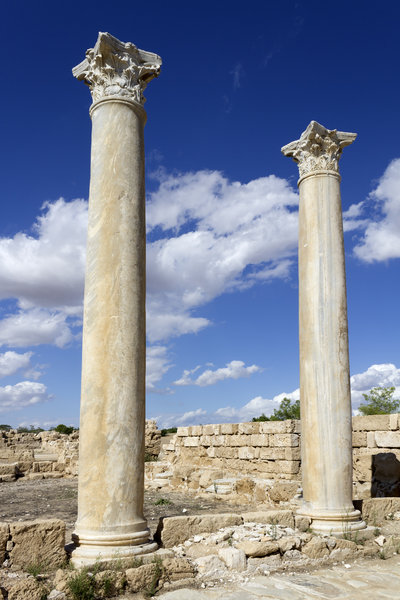
Escape may lie between this pillar and that!


An innocent man was condemned to death by an unjust governor, and when the executioner had bound him to a pillar and was about to cut off his head, the victim begged he might be bound to the next pillar instead.


The executioner laughed at him, saying “what can you hope to gain so brief an interval? You might just as well let me finish my job.”

But eventually he gave way to the man’s entreaties; and while he was engaged in untying him and fastening him to the next pillar, the king chanced to pass by and asked the meaning of the large crowd that had gathered. On being told, he sent for the condemned man, who was able to convince him of his innocence, and so escaped death.


Xxx

cow

May God always bless us with such evil!

A pious man bought a cow in the market and set out for his home. He was followed by a thief who planned to steal his cow. On the way the thief fell in another man who revealed himself as a demon who planned to take the pious man’s life.


As they drew near to the latter’s house, where the cow was now tied up, it occurred to the thief that if the demon killed the pious man first, his family may be aroused, and it would be impossible to steal the cow. At the same time the demon thought that, f the thief stole the cow first, the pious man would be awakened by the bellowing, and so would escape death.


Each began to ask the other to wait and take the second place, and eventually they came to blows. The thief began to shout, ‘O Pious man, here is a demon who has come to take your life!’ while the demon shouted back ‘O Pious man, here is a thief who has come to steal your cow!’


In the end the man and his family were aroused, the thief and the demon took to their heels, and the pious man prayed, “May God always bless us with such evil” for the benefit of his family.

–Subham–