Spies! Disguised as Ascetics!

The Spy Who Loved Me

Spies! Disguised as Ascetics!

Research paper written by London Swaminathan
Post No.1208; Dated 1st August 2014.

Very interesting information about spying is available from Sanskrit and Tamil literature. Most of us know that the Brahmin Kautilya (Chankaya) has dealt with spying in detail in his Arthasastra. But not many people know what Manu Smriti, Tirukkural, Tamil epic Silappadikaram and Sangam Tamil Literature say about spying. There are a few real life stories in Valmiki Ramayana and Sangam literature.

The most interesting detail comes from the great Tamil Poet Thiruvalluvar, whose Tirukkural is praised as Tamil Veda:

“Spies disguise themselves as ascetics to gather secrets; they do not betray secrets under any threat” (Kural 586)

How true it is even today!! Our Ashrams are infested with foreign spies. Religion is the easy way to gather secrets about the government and the general public. If a politician approaches a Sanyasi (ascetic), that means he or she is in big trouble! Ascetic’s devotees boast about what happened in the Ashram. The spies there as Junior ascetics send information to all his enemies and foreign countries. Beware of “Sanyasis” frequenting foreigners or foreign countries!!

In ancient India ascetics can travel anywhere in India without Visa or a permit. They can enter the royal courts at any time without waiting. But they never misused their powers. If any king delays them the king will be cursed!

The second easy route for spying is Universities and Educational institutions. In the guise of a researcher you can fool anyone!! In the guise of a scholar, you can have access to inaccessible places!!! Beware of “visiting scholars”.

The third route is party offices or meetings. We read about spying in the news papers every day.

THE-SPY-WHO-LOVED-ME-POSTER

Story 1 from Sangam Tamil Literature

Purananuru, which is 2000 year old, gives a very interesting story about spying! Ilandattan was a genuine poet. He visited the royal court of the Choza king Nedunkilli. Immediately he was arrested and the king passed death sentence on him! The only crime he committed was that the previous day he was in the court of another Choza named Nalankilli. Both are closely related but had big enmity between themselves like a snake and a mongoose. So Nedunkilli suspected him of spying for Nalankilli and was about to execute him.

In ancient India, poets have very good influence and authority over kings. They were next in rank to the ascetics. There was a wise Tamil poet by name Kovur Kizar who already saved young children from the slaughter house of a king. He came to the rescue of this poet. Earlier two young children were about to be beheaded by the elephant and Kovur Kizar persuaded the Choza king to release them unconditionally (Purananauru verse 46).

Kovur Kizar saved poet Ilam Duttan as well. He went to the king told him,
“Look ! these poor poets are like birds seeking fruit laden trees. They pass very hard routes just to praise philanthropists like you and get something for their stomach. The beauty is that they never save for tomorrow. Whatever they get they give it to their friends and relatives. They never harm anyone. They defeat any scholar by the war of words. People like you must support them and not oppose” (Purananuru verse).
Heeding to the advice of Kovur Kizar he released the poet immediately.

This episode throws some light on spying. They can come in the guise of a poet/scholar, like we have spies in universities today. The second thing is they get death sentence if they are caught. It is same even today. While I am writing this, here in my city London, there is a big case going about poisoning a spy to death. Many spies “die” in simple accidents in western countries.

mata hari executed in 1917
Most Famous Woman spy Mata Hari was executed in 1917 (World War 1)

Story 2 from Tamil epic Silappadikaram

There is another interesting story in the most famous Tamil Epic Silappadikaram. Two minor kings of North India ridiculed the Tamils. So the mighty Senguttuvan, wanted to teach them a lesson. Senguttuvan’s father caught the Yavanas (Greek or Romans or Arabians) and tied their hands at the back and poured oil on their heads. This is an ancient way of insulting enemies. In the Puranas, we read about King Sagara catching the Yavanas and shaving their heads off.

Senguttuvan ordered his commander in chief Alumpilvel to send the sealed letters to all the kings in the north. He made it clear that it was not an invasion, but a mission with a limited purpose, just to get a stone from the holy Himalayas, to bathe it in the holy Ganges, to make a statue for the holy woman Kannaki.

Immediately his commander told the king that there was no need to undergo such a trouble of putting the clay seal of Tiger, Fish and Bow (Cholza, Pandya, Chera emblems) on the letters and send them because his capital city Vanji has all the spies in the world. The minute something is tom-tommed in the capital the message will spread like wild fire though out India (Katchik Katai, Silappadikaram)

This episode reveals the fact that the capital city has spies of all the countries. We have spies in Delhi from all parts of the world!!

We taught the world about spying and ambassadors. No literature in the world has such detailed manuals on Embassies, Ambassadors and Spying like Sanskrit literature!!

220px-Noor_Inayat_Khan
Noor Inayat Khan, Muslim of Indian origin, born in Moscow, worked as a British agent, executed by Hitler (World War 2)

Story 3 from Tamil Epic Silappadikaram
I have given this story already in my earlier post “HOW DID A PANDYA KING GET A GOLDEN HAND?” posted on 22 October 2011.

An old Brahmin by name Keeranthai wanted to go on a pilgrimage. His wife got worried. He assured her nothing would go wrong in the Pandya kingdom. The king was listening to this conversation, who went in disguise to feel the pulse of his people. In other words he was spying on his own people just to ensure their safety and welfare. Later he paid special attention to that particular house and by mistake he knocked at the door one night. When the Brahmin street (Agraharam) reported the complaint next day he cut his hands off saying that he was the ‘’thief’’ who knocked at the door. Medical science had advanced to such an extent in those days that he was immediately operated upon and a new golden hand fixed. The reason for him knocking at the door of the Brahmin lady was that some noise he heard in the house. Actually it was her husband who came back late in the night from the pilgrimage!!

This episode shows that in ancient India, even kings went on spying in disguise.

asceticdog

Story No 4 from Tamil and Sanskrit Ramayanas

Valmiki Ramayana in Sanskrit and Kamba Ramayana in Tamil have a big chapter ( in Yuddha Kanda) on the spies sent by Ravana to estimate the strength of the monkey army of Lord Rama. They wore totem symbols like monkeys and pretended to be part of Rama’s army. But Vibhishana who came from Sri Lanka could easily identify the two spies Suka and Sara. They were caught red handed and presented before Rama. Rama deliberately gave them all the details of his army and pardoned them. Rama knew that they would report it back to Ravana.

Rama might have expected that it would unnerve Ravana and he would surrender and release Sita Devi. Alternately Rama did not bother about the spies because he knew the final result.
There are many more spy stories in Indian literature that would excel all the James Bond films.

spy next door

Manu on Spying
Manu Smrti gives rules on spying in chapters
7-122,153, 154, 223 and 9-256, 261, 298.

Manu says
1.King should appoint one officer for every city who must collect all the information through spies.
2.King should spend some time everyday to find out what is happening in the harem and the movements of his secret agents.
3.After performing Sandhya rituals he must get the reports of secret agents in the inner chamber.
4.Spies are king’s two eyes to find out the open and concealed thieves
5.Spies can be used to incite the criminals to commit crimes so that they can be booked easily.
6.King should use the spies to measure his own strength and his enemies strength.

Tamil Poet’s Sound Advice
Tiruvalluvar in his Tirukkural has got ten couplets on spying. The salient features of this chapter 59.DETECTIVES or ON INTELLIGENCE SERVICES are:

spying-really-help

1.The reports given by one spy must be tested and verified through another spy (couplet 588)
2.The spies must be sent one by one, apart. If three spies agree, the information shall be confirmed. They should not know one another (589).
3.The spy must not be rewarded publicly. That would expose the secret organisation (590).
In Western countries even their original identity is erased and new ID given. Very often they are located in a new area with a new name! They work for “some companies”.
4.Spies disguise themselves as ascetics to gather secrets; they do not betray secrets under any threat” (Kural 586)
5.He is a spy who can assume an unsuspecting disguise, be fearless of gaze, and capable of keeping a secret under all circumstances (585).

Tirvalluvar dealt with the need for spying, qualifications of a spy, his qualities and DOs and DONTs of spying in just 10 couplets! 20 lines!!
Brevity is the soul of wit!

6228-000541

Contact swami_48@yahoo.com

சங்க இலக்கியத்தில் யவனர் மர்மம்!

FR: Paintings

ஆராய்ச்சிக் கட்டுரை வரைபவர்: லண்டன் சுவாமிநாதன்
கட்டுரை எண்.:–1207; தேதி:- ஆகஸ்ட் 1, 2014.

சங்க இலக்கியத்திலும் பிற்காலத்தில் எழுந்த சிலப்பதிகாரத்திலும் யவனர்கள் பற்றிய சில குறிப்புகள் உள்ளன. இவை பெரும் புதிராக உள்ளன. யார் இந்த யவனர்? எப்போது இந்த சம்பவங்கள் நடந்தன என்று இன்று வரை கண்டு பிடிக்கப்படவில்லை!

1.இமயவரம்பன் நெடுஞ்சேரலாதன், யவனர்களைப் பிடித்து, பின்புறமாக கைகளைக் கட்டி தலையில் நெய்யை ஊற்றினாராம். இந்து சங்க இலக்கிய நூலான பதிற்றுப் பத்து தரும் தகவல்.

2.அவருடைய மகன் செங்குட்டுவன் யவனர்களை வென்று அவர் நாட்டை ஆண்டாராம்.இவை இரண்டு பற்றியும் வேறு எங்கும் தகவல் இல்லாததால் மர்மம் நீடிக்கிறது.

3. யவனர்களை வன்சொல் யவனர் என்று இளங்கோவும் பதிற்றுப்பத்து பாடிய பிராமணப் புலவர் குமட்டூர் கண்ணனாரும் கூறுவர்.

4. சோழர்களின் முன்னோனான முசுகுந்தன் , கறுப்பு யவனர்களுடன் சண்டை போட்டு வென்றான்.யார் இந்த கறுப்பு யவனன்?

5.வேதகால இலக்கியத்தில் (சதபத பிராமணம்) மிலேச்சர்களைப் பற்றி என்ன சொல்லி இருக்கிறதோ அதையே தமில் இலக்கியமும் மிலேச்சர் களான யவனர்களைப் பற்றிச் சொல்கின்றன.

சிலப்பதிகாரத்துக்கு உரை எழுதிய அடியார்க்கு நல்லார், யவனர்களை மிலேச்சர்கள் என்றும், துருக்கியர்கள் என்றும் சொல்கிறார்.

தமிழ் இலக்கியத்தில் பல இடங்களில் யவனர்கள் பெயர் அடிபடுகிறது.

அக.149-9; நெடு.101; புற.56-18; முல்லை. 61 + பதிற்றுப் பத்து பதிகம்

yavana in bharhut
Yavana in Barhut sculptures, 2nd Century BCE

சேர மன்னர்களுடன் மோதிய யவனர் யாவர்? அராபியர்களா, ரோமானியர்களா, கிரேக்கர்களா என்று தெரியவில்லை. இப்போது சோமாலியா கடற்கரையில் கடற்கொள்ளையர்கள் அட்டூழியம் செய்வது போலவே கிருஷ்ணர், துவாரகையை ஆண்ட காலத்திலும். சேரர்கள் மேலைக் கரையை ஆண்ட காலத்திலும், திருச்செந்தூர் அருகில் சூரபத்மனும் அட்டூழியம் செய்து வந்தனர். இவர்களை எல்லாம், முருகன், கிருஷ்ணன், செங்குட்டுவன் ஆகியோர் தோற்கடித்து தீர்த்துக்கட்டினர். இது பற்றி இந்துக் கடவுளரின் கடற்படைத் தாக்குதல்கள் என்ற தலைப்பில் இரண்டு ஆண்டுகளுக்கு முன் எழுதி இருக்கிறேன்.

யவனர்கள் யார்?
இமய வரம்பன் வென்ற யவனர்கள் பற்றியோ செங்குட்டுவன் யவனர் நாட்டை வெற்றி கொண்டது பற்றியோ வேறு எங்கும் தகவல் இல்லை. குமட்டூர் கண்ணனார் என்ற பிராமணரும், மாடலன் என்ற பிராமணரும் சொல்வதாக தமிழ் இலக்கியம் பகரும்.

மேற்கே இருந்து வந்த வெளி நாட்டினர் எல்லோரையும் இந்துக்கள் ‘யவனர்’ என்றனர். இந்தியப் பெரு நிலப் பரப்புக்கு வெளியே ஆண்டவர் அனைவரையும் ‘’மிலேச்சர்கள்’’ என்றனர்.

யவனர்களை மிலேச்சர்கள் என்று மஹாபாரதம், சிலப்பதிகார உரை எழுதிய அடியார்க்கு நல்லார் ஆகியோர் கூறுகின்றனர்.

இரண்டு சேர மன்னர் காலத்திலும் இதாலி நாட்டு ரோமானியரோடு நாம் வணிகம் செய்தோம். ஏராளமான ரோமானிய தங்க வெள்ளி நாணயங்கள் தமிழகம், கேரளம் எங்கும் கிடைத்திருக்கின்றன. கரு மிளகை கப்பல் கப்பலாக ஏற்றிக் கொண்டு தங்கக் கட்டிகள் கொடுத்துச் சென்றதை தமிழ் இலக்கியமும், பிளினி என்ற யாத்ரீகரும் எழுதியுள்ளனர். அந்த யவனர்கள் ரோமானியர்கள் என்பது தெளிவாகிறது.

paavaivilakku

கிருஷ்ணர் மற்றும் சோழர்களின் முன்னோனான முசுகுந்தன் ஆகியோர் மோதிய கறுப்பு யவனன் (கால யவனா) அராபியர் அல்லது சுமேரியர்களாக இருக்கலாம். அளிகி, விளிகி, தியாமத் (தேவமாத) என்ற அதர்வண வேதச் சொற்கள் சுமேரியாவில் உள்ளன.

யவனர்களை கிரேக்கர் என்றும் ரோமானியர் என்றும் ஆங்கிலத்தில் சிலப்பதிகாரத்தை மொழிபெயர்த்தோர் எழுதினர். உரைகாரர்களோ மிலேச்சர் என்றும் துருக்கர் என்றும் எழுதினர்.

எனது ஆய்வு உரை:
1.யவனர் என்பது பாரத எல்லைக்கு மேற்கே இருந்த அனைவரையும் குறித்தது. எகிப்தியர், யூதர், அராபியர், ரோமானியர், கிரேக்கர் என்பவர் அவர்கள்.

2.யவனர் என்ற ஸம்ஸ்கிருதச் சொல் ‘ஐயோனியன்’ என்ற கிரேக்க சொல்லில் இருந்து வந்தது. தமிழில் ய, ச என்ற எழுத்துகளோடு எந்த சொல்லும் துவங்கக் கூடாது என்பது தொல்காப்பிய விதி.

3. சேரர்கள் – யவனர் மோதல் மர்மம் நீடிக்கிறது. சேர மன்னர் ஆண்ட யவனர் நாடோ, கைகளைப் பின்னால் கட்டி தலையில் நெய் ஊற்றப்பட்ட யவனர்கள் யார் என்பதோ தெரியவில்லை.இதே போல புராணங்களும் சகர மன்னன், யவனர்களைப் பிடித்து மொட்டை அடிக்கச் செய்தான் என்று சொல்கின்றன!! யார் அந்த சகரர் கால யவனர்கள்?

greekantgrk
Greek Lamp

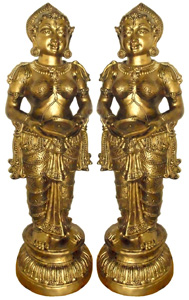
4.வன் சொல் யவனர்களை தமிழர்கள், மெய்க் காப்பாளர்களாகவும், விளக்கு ஏந்தும் காவற் பெண்களாகவும் பயன்படுத்தினர்.

5.இதாலிய யவனர் (ரோம் சாம்ராஜ்யம்) கொணர்ந்த தங்கக் கட்டிகளை வாங்கிக் கொண்டு தமிழர்கள் மிளகு மூட்டைகளை ஏற்றுமதி செய்தனர்.

6. கிருஷ்ணன், முசுகுந்தன் ஆகியோர் மோதிய கறுப்பு யவனர் யூதர்கள், எகிப்தியர்களாக இருக்கலாம்.

7. ரிக் வேதம் (5-29-10), சதபத பிராமணம் ஆகியன கொச்சை மொழி, மிலேச்ச பாஷை பற்றிச் சொன்னதை, சிந்துவெளியில் இருந்த திராவிடர்களைப் பற்றி சொன்னது என்று சில “அறிஞர்கள்’ அழகான கதை எட்டுக் கட்டினர். உண்மையில் வேற்று மொழி பேசும் எல்லோரையும் மற்றவர்கள் ‘’வன்சொல்’’ என்று கேலி செய்வது வழக்கம்.

தமிழர்களை தெலுங்கர்கள் அரவா (சத்தம்) என்று கேலி செய்வர். எபிரேய பைபிளில் அராபியர்களை ‘அரவா’ என்று அழைத்தனர். பார்லிமெண்ட் உறுப்பினர் சேட் கோவிந்த தாஸ், தமிழ் மொழியைக் கிண்டல் செய்யும் போது, ‘’ஒரு தகர டப்பாவில் கற்களைப் போட்டுக் குலுக்குங்கள்—அதுதான் தமிழ் மொழி’’ — என்று கிண்டல் செய்தார். கிரேக்கர்கள், மற்ற எல்லோரையும் காட்டுமிராண்டிகள் (பார்பாரிக்) என்றழைத்தனர். முஸ்லீம்கள் மற்ற எல்லோரையும் ‘’காபிர்கள்’’ என்றும், கிறிஸ்தவர்கள் மற்ற எல்லோரையும் ‘’பேகன்கள்’’ என்றும் மட்டம் தட்டியது போலாகும் இது. ஆகையால் சிந்து சமவெளி ஆய்வாளர்கள் சொன்னதை ஒதுக்கி விடுதல் நலம் பயக்கும்.

greek-lamp-a132411
Greek Lamps

8.அலெக்ஸாண்டருக்குப் பின்னர் வடமேற்கு இந்தியாவை ஆண்ட இந்தோ-கிரேக்க மன்னர் காலத்தில் தொடர்பு கொண்ட யவனர்கள் எல்லோரும், கிரேக்கர்கள்தான் என்பதில் ஐயப்பாடு இல்லை. வடமேற்கு இந்தியாவில் இருந்தவர்களை யவனத் தச்சர் என்றும் சிறந்த கட்டிடக் கலை நிபுணர்கள் என்றும் தமிழ், சம்ஸ்கிருத இலக்கியங்கள் புகழும்.

9. பிராமணர்கள் யாகம் செய்யும்போது எழுப்பிய யூபம் என்னும் நெடுந்தூணில் ரத்னக் கல்லுடன் ஒரு வண்ணப் பறவை அமர்ந்தது யவனர் கப்பலில் உள்ள விளக்கு போல இருந்தது என்று சங்க இலக்கியம் புகழும். தீவிபத்து நிகழ்த்தக் கூடிய அகல் விளக்குகளுக்குப் பதிலாக மூடிய கிரேக்க பாணி விளக்குகளை தமிழர்கள் பயன்படுத்தத் துவங்கிய பின் யவன விளக்கு புகழ் பெற்றது என்று நான் கருதுகிறேன்.

10. யவனர்களை அடியார்க்கு நல்லார், “மிலேச்சர்கள்” என்று சொல்லியது சரியே. தேசியகவி சுப்பிரமணிய பாரதியும் முஸ்லீம் மன்னர்களை ‘’வேத நூல் பழிக்கும் வெளித்திசை மிலேச்சர்’’ —- என்று வசை பாடுவதைக் காண்க. சுதந்திரப் போராட்டத் தலைவர்கள், வெள்ளைக் காரனையும் ‘’மிலேச்சன்’’ என்று இகழ்ந்ததையும் கருத்திற் கொள்க.

குதிரை விற்கும் அராபியர்களை சோனகர், யவனர் என்று பிற்கால இலக்கியங்கள் அழைத்தன.

cheran senguttuvan

Chera King Senguttuvan With Kannaki Statue.

11.பிற்காலப் புராணங்கள் வேத கால துர்வாசு என்ற மன்னனுடன் யவனர்களைத் தொடர்பு படுத்துகின்றன. யயாதியின் ஐந்து புதல்வர்களில் யதுவும் துர்வாசுவும் தேவயானிக்குப் பிறந்தவர்கள். மற்ற மூவரான புரு, த்ருஹ்யூ,அனு என்பவர் சர்மிஷ்டாவுக்குப் பிறந்தவர்கள். துர்வாசுவும், யாதவ குல மூலத்தோன்றலான யதுவும் தொலை தூர நாடுகளை ஆண்டதாக வேத சூக்தங்கள் தெளிவாகப் பகர்கின்றன.

காஞ்சிப் பெரியவர் சொன்னபடி, உலகம் முழுதும் இந்துமதமே இருந்தது என்பதும், யவனர்களும் நம்முடன் பிறந்த ஒரு தாய் வயிற்றுப் புதல்வர்கள் என்பதும் இதன் மூலம் உறுதியாகின்றன (காண்க– தெய்வத்தின் குரல்). மஹா பெரியவரே இன்னொரு இடத்தில் சௌராஷ்டிரர் என்பவர் குஜராத்தின் சௌரஷ்டிரப் பகுதியில் இருந்து ஈரான் தேசத்துக்குப் போய் ‘’ஜொராஸ்தர்’’ ஆன கதையையும் கூறி இருக்கிறார் (காண்க– தெய்வத்தின் குரல்).

12. மனுவும் தனது மனு ஸ்மிருதியில் திராவிடர்கள், யவனர்கள் எல்லோரும் வேத ஒழுக்கங்களில் இருந்து பிறண்ட க்ஷத்ரியர்கள் என்றே கூறுகிறார் (காண்க:– மனு ஸ்மிருதி ஸ்லோகம் 10—44)

13. தமிழ் கலைக்களஞ்சியமான ‘’அபிதான சிந்தாமணி’’ யவனர் பற்றிக் கூறுவது:
அ)அரேபியா நாட்டு மிலேச்சர்
ஆ)யயாதியின் மகனான துர்வாசு மரபினர். ஒழுக்கங் குன்றி இவ்விடம் சேர்ந்து இப்பெயர் பெற்றனர்
இதைத் தொடர்ந்து தமிழ் இலக்கியத்தில் உள்ள குறிப்புகளும் மிகச் சுருக்கமாகக் கொடுக்கப்பட்டு உள்ளன.

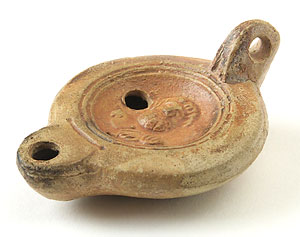
roman_lamp2

Roman lamp

யவனர் பற்றிய தமிழ் இலக்கியக் குறிப்புகள்:

1.இமிழ் கடல் வேலித் தமிழகம் விளங்கத்
தன்கோல் நிறீஇத் தகைசால் சிறப்பொடு
பேரிசை மரபின் ஆரியர் வணக்கி
நயனில் வன்சொல் யவனர்ப் பிணித்து
நெய்தலைப் பெய்து கைபிற்கொளீஇ
(பதிற்றுப் பத்து பதிகம், இரண்டாம் பத்து, குமட்டூர்க் கண்ணனார்)

2.வன்சொல் யவனர் வள நாடு ஆண்டு
பொன்படு நெடுவரை புகுந்தோன் ஆயினும்
(நடுநற்காதையில் மாடலன் சொன்னது, சிலப்பதிகாரம்)

3.கள்ளி அம் பேரியாற்று வெண்ணுரை கலங்க
யவனர் தந்த வினைமான் நன்கலம்
பொன்னொடு வந்து கறியொடு பெயரும்
(அகநானூறு, 149: எருக்காட்டுத் தாயங்கண்ணனார்)

4.யவனர் நன்கலம் தந்த தண்கழ் தேறல்
பொன்செய் புனைகலத்து ஏந்தி நாளும்
ஒண்தொடி மகளிர் மடுப்ப மகிழ் சிறந்து
(யவனர் கொணர்ந்த மதுபானம் பற்றி மதுரைக் கணக்காயனார் மகனார் நக்கீரனார் பாடியது; புற நானூறு பாடல் 56)

5.கேள்வி அந்தணர் அருங்கடன் இறுத்த
வேள்வித் தூணத்து அசைஇ யவனர்
ஓதிம விளக்கின் உயர்மிசைக் கொண்ட
வைகுறுமீனின் பையத் தோன்றும்
(கடியலூர் உருத்திரங் கண்ணனார் பாடிய பெரும் பாணாற்றுப் படை, வரி 316—319)

6.மெய்ப்பை புக்க வெருவரும் தோற்றத்து
வலிபுணர் யாக்கை வன்கண் யவனர்
புலித்தொடர் விட்ட புணை மான் நல் இல்
திருமணி விளக்கம் காட்டி
(நப்பூதனார் பாடிய முல்லைப் பாட்டு, வரி 61-64)

Please read my earlier articles:
MLECHA: Most Misunderstood Word (Posted on 3 September,2012)
AYAS and ASVA : Most Misunderstood Words (Posted on 3 September,2012)
“மிலேச்ச” என்றால் என்ன? (Posted on 6 September,2012)
பொன் (அயஸ்) என்றால் என்ன? (Posted on 6 September,2012)
—சுபம்—

Contact swami_48@yahoo.com

Yavana (Mlecchas) Mystery in Tamil Literature

yavana in bharhut
Yavana sculpture in Barhut, 2nd Century BCE

Research article by London Swaminathan
Post No. 1206; Dated:–31 July 2014.

1.A Tamil King poured oil on the heads of Yavanas and tied their hands at the back! We don’t know whether the Yavanas mentioned here are Greeks or Romans or Arabs! We knew for sure Romans did a roaring business at the time from Italy.
2.Another Tamil king ruled Yavana territory! We don’t know when and where!
3.Yavanas are described as men of harsh words by Ilango and a Brahmin poet Kumattur Kannanar and Mlechchas and Turks by commentator Adiyarkkunallar.
4.Ancestors of Tamil Chozas fought with “Black Yavana” during Lord Krishna’s time!
5.Vedic literature (Satapatha Brahmana) also described some people speaking Mlechcha language! Were they people of Middle East origin? Or Egyptians? Foreign “scholars” who did not know Tamil references made a mountain out of mole in the Indus and Vedic research!!! Those “scholars” conveniently hidden the Atharva Veda words in Sumerian literature ! ( Aligi, Viligi, Tiamat, Sumuka, Sammata etc)

Now let us go into the details:
VRR Dikshitar in his book ‘Cilappatikaram’ (1939) says,
“It would not be out of place to refer here to the Yavana nadu and the Malva region which find mention in the Cilappatikaram. According to the Patikam of the second ten of the Patirruppattu, Imayavarampan put the Yavanas to disgrace by pouring ghee over their heads.

The Yavanas are mentioned frequently in Tamil literature including the Cilappatikaram (Cantos 29, 28)”

While describing the lively Pumpukar, the port city of the Choza kingdom, Poet Ilango says, “The sun shone over the open terraces, over the warehouses near the harbour, and over the turrets with air holes, looking like the eyes of the deer. In different places of Pukar the onlooker’s attention was arrested by the SIGHT OF THE ABODES OF THE YAVANAS, whose prosperity was never on the wane” (Indiraviza Uretutta Katai).
Atiyarkkunallar, the commentator of Silappadikaram, interprets Yavanas as Milechas.

(National poet Subramanya Bharati used the word Milecha for iconoclastic foreign Muslim rulers of India; Freedom Fighters criticized the British Rulers as Mlechas)

roman_lamp2
Roman Lamp (Tamil literature refers to Yavana lamps)

Yavana in Puranas
Mucukunta was an ancient king, who the Chozas claim as their ancestor. Later inscriptions and Tamil literature claim Chozas belong to the solar race. Sibi, who ruled North West India was also an ancestor of the Chozas according to Sangam Tamil literature (Purananuru). Mucukunda was one of the three sons of Mandhata and Bindumati. His brothers are Purukutsa and Amabarisa (Bhagavatham Purana Book 9, Chapter 6, Stanza 38).

Hearing that Kalayavana (Black Yavana) was carrying destruction to the Devas, Mucukunda entered the cave, the residence of the Yavana, and slew him, to the wonder of the Devas. Indra offered him a place of honour in the heaven. But Mucukunda wanted to go on sleeping in that cave undisturbed for an unlimited period. Krishna blessed him and later he undertook penance at Badari Asrama. According to another version, Krishna was chased by a Black Yavana and Krishna tricked Kalayavana to enter the cave. Kalayavana mistook Mucukunda for Krishna and slapped him. Musukunda burnt him alive by his look.

My comments
Kala Yavanas are Arabs or people from the Middle East. Any foreigner that came from the west was a Yavana in Hindu literature. It looks like Krishna had to tackle lot of naval attacks from the sea pirates and Egyptians and the Arabs. I have explained it in my Post “Hindu Gods’ Naval Attacks” (Posted on 25th April 2012). Vedic Hindus had a mighty navy. Rig Veda says that there were 100 oared ships (RV1-116-5; 1-97-7).
Vedic people had contacts with Sumerians and Iranians. See Kanchi Pramacharya’s talk about Zoroaster going from Saurashtra/Gujarat to Iran.

greek-lamp-a132411
Lamps from Greece (Ionian=Yavana)

Yavanas in Madurai
While describing the City of Madurai, capital of Pandya kingdom, poet Ilango says, “Kovalan then went through a street above a narrow passage constructed to admit elephants, leading from the moat with its vast expanse of sparklng waters, encircled by a well guarded defence forest. Unsuspected by the RANKS OF THE BEST OF THE YAVANA SWORDSMEN who guarded it, he next entered the forest gate, where flags waved in the westerly breeze (Urkan Katai, Silappadikaram).

Tamil commentator Adiyarkkunallar described them as Turks. Lot of Roman coins are found throughout Tamil Nadu. So there is definite evidence to show that Romans from Italy had trade relationship with the Tamils. After Alexander’s invasion North West India was ruled by Indo- Greeks. All the people from the West were called Yavanas.

Tamils Ruled Barbarous Yavana Country!
Madalan, the great Brahmin, who dominates in the Tamil epic Silappadikaram speaks about the mighty naval power of the Cheras. Unfortunately Tamils don’t have any details about these attacks. Madalan in ‘Natukar Katai’ of Silappadikaram says,

“With your army of lofty chariots, you fought a fierce battle on the sea pursuing the enemy for a long distance.

“Among your ancestors in this city one king distinguished himself by destroying the Katampu Tree of the seas.

“Another Cera penetrated the golden region of the high mountain in the fertile kingdom of the barbarous Yavanas.

FR: Paintings
(Tamils who used open lamps probably started using closed lamps from the West for safety.

My Comments
Katampu in the sea is a symbolic language. Tamil Lord Muruga (Skanda/ Kartikeya) also did this. Mango tree and Katampa tree were totem symbols of the pirate communities. They meant the destruction of the sea pirates ( I have explained it in my Post two years ago : “Hindu Gods’ Naval Attacks” (Posted on 25th April 2012).
Ramachandra Dikshitar in his translation of Cilappatikaram (1939 publication) says,” The Yavana country must have been somewhere in the Indus region. It is worthy of note that the learned author characterises them as MEN OF BARBAROUS WORDS. According to the Sanskritists they spoke the Mlecha tongue. Their kingdom is mentioned among the northern countries in Brahmanda Purana (chapter 16)

I think Dikshitar is wrong here because Madalan says “golden region of the high mountain in the fertile kingdom of the barbarous Yavanas”. It will remain a mystery till we find a place on the high mountain ruled by Yavanas. We have to consider Arabs, Egyptians, Greeks and Romans as Yavanas.

Alain Danielou in his translation Shilappadikaram (1965 ppublication) translated Yavanas as Greeks.
Ilango and the Brahmin poet Kumattur Kannanar used the epithet “Vansol” Yavana, meaning men of unmelodious, unharmonious, jarring, cruel, barbarous, ear piercing speech.

paavaivilakku
Pavai Vilakku in Tamil culture

It is very interesting that the same description is in the Satapatha Brahmana about men of barbaric speech. Supporters of Aryan – Dravidian Racist theory made a mountain out of a mole. Indus researchers “invented” new meaning! Tamils were also described as men of noisy language by their neighbours Telugus (Arava= noisy land= Tamil country). Hebrew Bible used the word ARAVA for the Arabs. Parliament member Seth Govinda Das criticized Tamil as language of big noise. “Put some stones in a tin and shake it and that is Tamil”, he said. For anyone, another language is a harsh one! So Ilango and Kmattur Kannanar called Yavanas as speakers of harsh words=van sol in Tamil! Grreks called all Non-Greeks as barbarians!!

To cut it short, Tamils are yet to find which Sera king ruled which Yavana territory! Who were the Yavanas punished by the mighty Chera King Imayavarampan Neduncheralathan?

Yavana in Sangam Literature
Yavana is a Sanskrit word. According to Tolkappiam, Tamil Grammar, no Tamil word can begin with the letter “Ya”. Yavana occurs in at least five places in Sangam Tamil literature:

Aka.149-9; Nedu.101; Pura. 56-18; Peru. 316; Mullai.61

The chief Sera port was Musiri, “The flourishing town of Musiri, where the large beautiful ships of the Yavanas which bring gold and take pepper, come disturbing the white foam of River Periyaru of Seras”.
Here Yavanas means Romans, not Greeks. Pepper was called ‘Yavanapriya’ in Sanskrit.
Yavanas also meant good architects, technical men in the later age. Yavana Thaksa (Yavana Thachar in Tamil) meant good architects or builders. Jeevaka Chintamani, one of the five Tamil epics, speaks about the mechanical devices invented by the Yavanas which were installed in the forts.
Sanagam work Perumpanatrupadai described a Yavana boat with a lamp. Tamil kings employed Yavanas as bodyguards and gate keepers according to other Sangam works.
Conclusion: Yavana means anyone from the West. People from the West were giving trouble to India from the Vedic days and they were called Mlechchas speaking a different language of harsh sound. Black Yavana who fought with Krishna may be people from the Middle East. It was easy for them to attack Dwaraka in Gujarat. Sangam literature used the term for the Romans. About Chera kings’ encounters with the Yavanas, we don’t have much information.

Mahabharata says Yavanas were serving in the army of Indian kings (2-50-18). The term Yavana is used by Manu in his Smriti (10-44). Manu says that those Kshatriyas (warrior class) who failed to perform the rituals sunk in the world to the rank of the servants and Dravidas and Yavanas were included in the list.

greekantgrk

Yavanas in Vedic Days

Vedic King Turvasu is linked to the Yavanas in later literature. Vedic literature says that Yadus and Turvasus ruled distant lands. They may be linked to Jews and other peoples of West Asia. There was a king by name Yavanashwa in Mahabharata. But in all the references in the old Hindu literature they were shown as part of Hindu society who fell from their high status. The five Vedic tribes came from king Yayati. Two kings Yadu and Turvasu were born to Devayani and Yayati where as other three Druhyu, Puru and Anu were born to Yayati and Sharmishta.

Mahabharata called several kings who fought on the side of the Kauravas as Mlechas. They may be Yavanas from far off places – that is beyond the borders of holy Bharat.

Please read my earlier articles:
MLECHA: Most Misunderstood Word (Posted on 3 September,2012)
AYAS and ASVA : Most Misunderstood Words (Posted on 3 September,2012)
Both these articles are posted in Tamil as well.

Contact swami_48@yahoo.com

Quotations from Tamil Epic Silappadikaram

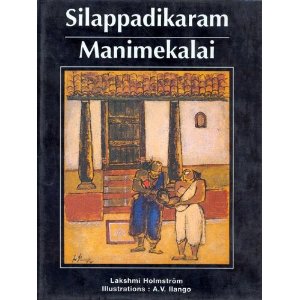
silambu book1

Compiled by London Swaminathan
Post No.1198; dated 27th July 2014.

One of the great classics of Indian culture is Silappadikaram, a Tamil Epic. Silappadikaram means ‘The Story of Anklet’. It was composed by Ilango. The incidents mentioned in the epic took place around second century CE in Tamil Nadu. This is the most popular story of the five Tamil epics. This book gives us a vivid picture of early Indian life in all its aspects.

(Translations by V R Ramachandra Dishitar, Cilappadikaram, 1939; my comments are given within brackets: swami)

1.So we shall write a poem, with songs, illustrating the three truths that
a) Dharma will become the God of Death to kings who swerve from the path of righteousness
b) That it is natural for great men to adore a chaste lady of great fame
c) And that destiny will manifest itself and be fulfilled — (Patikam)

2.Praised be the Moon! Praised be the Moon, for, like the cool white umbrella of the king who wears the pollen spreading garland, He blesses our beautiful world.
Praised be the Sun! Praised be the Sun, for, like the commands of the Lord of the Kaveri lands, He revolves round the Golden peaked Meru — (Mangala Vazthu)

(This prayer in the very beginning of the book shows that Sangam Age Tamils followed the same Hindu culture that was practised in the North. White Umbrella and Meru circled by the Sun are in very ancient Sanskrit works)

3.That was the day on which the Moon moving in the sky approached the star Rohini, when Kovalan who walked round the holy fire in accordance with the scriptural injunctions as directed by the revered Brahmin priest, approached his bride, divinely fair, resembling the Star Arundhati — (Mangala Vazthu)

(Tamils believed in astrology and they got married on the day when moon approached Rohini (Aldebaran). It is in two more verses in Akananuru. This and marrying with circumambulation of Fire God (Agni) are typical Hindu customs followed until today. The same culture existed in the North and the South of India).
Puhar-ILango
Image of Ilango, author of the Epic.

4. The port city Pumpukar resembled Uttarakuru, the residence of great penance performers — (Mangala Vazthu)
(The reference to Uttarakuru, Arundhati, Mount Meru, Fire Worhip in the very first chapter shows that the Tamils were out and out followers of Vedic culture 2000 years ago).

5. Hero of the epic Kovalan praised his wife Kannaki:
O purest gold! O conch white pearl!
O faultless fragrance! O sugar-cane, honey!
Unattainable beauty, life giving nectar!
O noble child of nobly-born merchants! – (Maniyaram patutta Katai)
(Hero Kovalan and heroine Kannaki belonged to the wealthy merchant community of ancient Tamil Nadu. Kovalan is the Tamilized form of Gopala in Sanskrit and Kannaki is the Tamil translation of Meenakshi in Sanskrit. Author Ilango himself called Kannaki in several places ‘lady with fish like eyes’= Meenakshi)

6.They (Kovalan and Kannaki) resembled Kama and Rati – God and Goddess of Love —, enjoyed close embraces like smoke coloured serpents – (Maniyaram patutta Katai)

7.The great sage (Agastya) of the divine Potiyil hill once cursed Indra’s son (along with Urvaci), and the latter obtained redemption by displaying her skill on the stage — (Aranketru Katai)

pumpukar

8. When Kovalan, the hero of the epic fell for a dancing girl, his wife did not do certain things:
Her anklet was no more on her charming feet (Kannaki did no wear the anklet);
The girdle no longer graced her soft waists cloth;
Her breasts were no more painted with vermillion paste;
No jewel other than her sacred Tali – yellow thread – did she wear
No earrings were visible on her ears;
No perspiration adorned her shining moon like face;
Nor was there collyrium on her long fish like eyes;
No more was there tilak on her beaming fore head;
Her milk white teeth were not revealed to Kovalan in a loving smile;
Nor was her dark hair softened by oil (Anti Malai Sirappusey Katai)

(This is the same in Valmiki Ramayana and Megaduta. Wives won’t decorate themselves when their husbands are away; when they are fasting also, they do the same; which is confirmed by Andal a Tamil poetess of Seventh Century CE)

anklets

9.Then the auspicious drum was removed from the temple called Vajra Temple, placed on the nape of the elephant, and conveyed to the temple where the young white (Airavata) elephant stood. After this the auspicious tall flag (bearing the ensign of the white elephant) which stood in the Temple of Kalpaka Tree was hoisted aloft in the sky.

(The epic described Indra Festival in detail in this section. Indra Dwajam that was hoisted for 28 days is referred to in Valmiki Ramayana and other Sanskrit books. Indra Festival is celebrated even today throughout South East Asia as Water Festival. Airavata and Karpaka Tree are used in the flags of South East Asian Countries. Indra statues are found everywhere in South East Asian countries now)

10. Temples in Pumpukar:
Joy prevailed everywhere on account of Indra’s Festival in the
Temple of the Great Lord who was never born (Siva)
In the Temple of Six Faced Red Lord (Subramanya/Muruga)
In the Temple of Valiyon (Baladeva) whose complexion was like white conch shell
In the Temple of Netiyon – Vishnu – of the dark colour
And in the Temple of Indra of the victorious umbrella and the pearl garland.
On one side the Vedic sacrifices as ordained by Brahma, were faultlessly performed, and on another the festivals pertaining to the fur classes of the Devas (Vaus, Adityas,Rudras and Maruts) and the Eighteen Ganas and different gods, were separately and correctly conducted — (Indira Viazvu Etutta Katai)

(Foreign “scholars” divided Indians in to Aryas, Dravidas and Mundas. But Sangam Tamil (Pura Nanuru and Tiru Murukatru Padai) books and Sanskrit literature divided the living beings in to 18 groups. They never knew anything about Aryas, Dravidas and Mundas!!! The Eighteen divisions according to Tamils: Apsaras, Devas/celestials, Nagas, Siddhas, Gandharvas, Vidyadharas, Picasas, Tarakas, Bhogabumiyar, Kimpurusas, Senas, Asuas, Bhutas, Munis, Garudas, Raksasas, Yakshas and Caranas.

Author of the epic, Ilango, gives the list of temples in three more chapters in the epic. He has included the Buddhist Vikaras and Jain Shelters along with Hindu Mutts).
The above quotes are from the first five chapters of the epic. There are thirty chapters (Kaathai) in the epic.
29frSilappadikaram__736602g
Picture of students enacting Silappadikaram.

Silappadikaram is a Tamil Hindu Encyclopaedia with lot of information about the ancient music and dance. I have written about the “11 types of dances performed by Matavi”, the dancing girl, separately. All the dances performed by her at Pumpukar 2000 years ago were from the Puranas!! One full commentary and one incomplete commentary for the epic are available today. Even with those ancient commentaries, we could not understand the terms fully. No wonder we are not able to understand the Vedas which were composed (heard by the seers) several thousand years before the Tamil epic!

Contact swami_48@yahoo.com

Interesting Story about an unknown Tamil King!

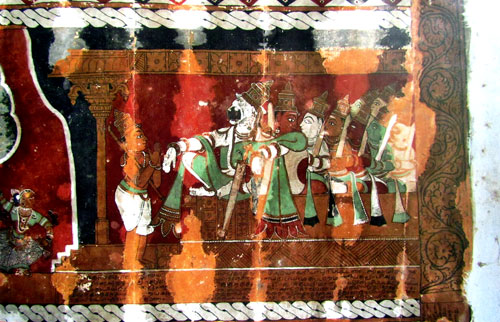
05FR_MURALS-TIRUVAR_742658g

Mucukundan in Tiruvarur Temple, Tamil Nadu

Research paper written by London Swaminathan
Post No.1194; Dated 25th July 2014.

Very interesting stories are woven around a Choza king who was not recorded or documented in history. The Choza king Mucukunda is in the Puranas and Tamil literature. But history does not know him. From Kandhapurana and Silappadikaram commentaries we know the following details about him:

1.He helped Indra in defeating a demon.
2.Indra gave him a goblin (Bhuta) to protect his city. Later Chera took it to Vanji.
3.Mucukunda ruled from Pumpukar, Choza port city or Tiruvarur.
4.Mucukunda was an ardent devotee of Shiva.
5.He received several statues from Indra and installed them in and around Tiruvarur.
6.His face looked like a monkey (Musu = Monkey).
7.Mucukunda celebrated Indra Festival. He was very much into it.
8. A lot of Sthalapuranas have recorded Mucukunda’s role in local temples. He is connected with Tiruvarur, Tirumaraikkadu, Nagappatinam, Tirunallaru, Tirukkarayal, Tiruvaymur and Tirukkuvalai.

Following are the references from the Puranas and Tamil Epic Silappadikaram.
Pumpukar was a port city in the Chola kingdom. The importance of Pukar was not long lived. Now part of it is under the sea– Bay of Bengal. Anticipating the forthcoming devastation of the city, ‘buta’ (goblin) at Butachahukkam, which was brought from Indra’s abode by Mucukunta, was removed to Vanji by the Chera king. Source : –Canto 28 commentary of Silappadikaram

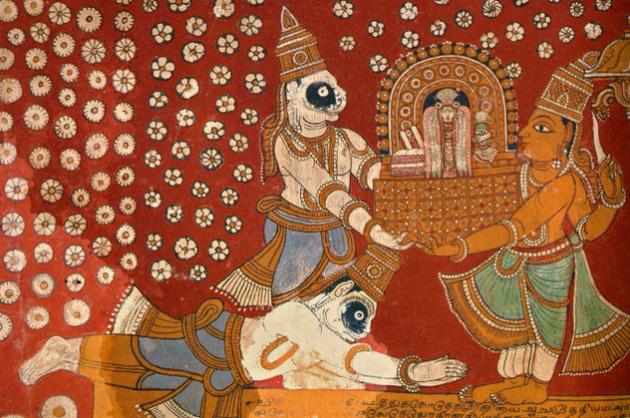
mural tiruvarur

Tiruvarur Temple Murals

Tamil epic Silappadikaram while describing the Indra festival says that the dancers performed Tunankai dance to ward off the evil which might befall the victorious king Mucukuntan. Whole Canto Five of Silappadikaram is devoted to a detailed description of Indra festival. It was an annual festival lasting for 28 days. Lot of men and kings came from the northern parts of India came to watch the festival. It commenced on the full moon day in the month of Chitra and with the preliminary worship of the guardian deity who was sent by Indra to help an ancient king of the Pukar line, Mucukunta. Sanskrit literature has many references to Indra dwajam festival. (For details read my earlier post on Indra Festival)

In Canto Six of Silappadikaram, the story of Mucukundan is narrated through the mouth of a Vidyadara (celestial being). He says to his wife that was the flag hoisting day of Indra Festival in Caampapati (Pumpukar). He said to his wife, “We shall go and witness the place where the great Bhutam (goblin) eats the sacrifice offered to it having carried out Indra’s orders to ward off the evil effects of the arrows aimed by hosts of swift going Asuras against the terror stricken but best of men, the victorious king Mucukunda, while he was keeping watch, tiger like over Indra’s city.

To cut the story short, once Mucukunda helped Indra and he in turn sent his Bhuta to protect the city. He gave him another boon that whoever wakes him from his sleep will be burnt to ashes.

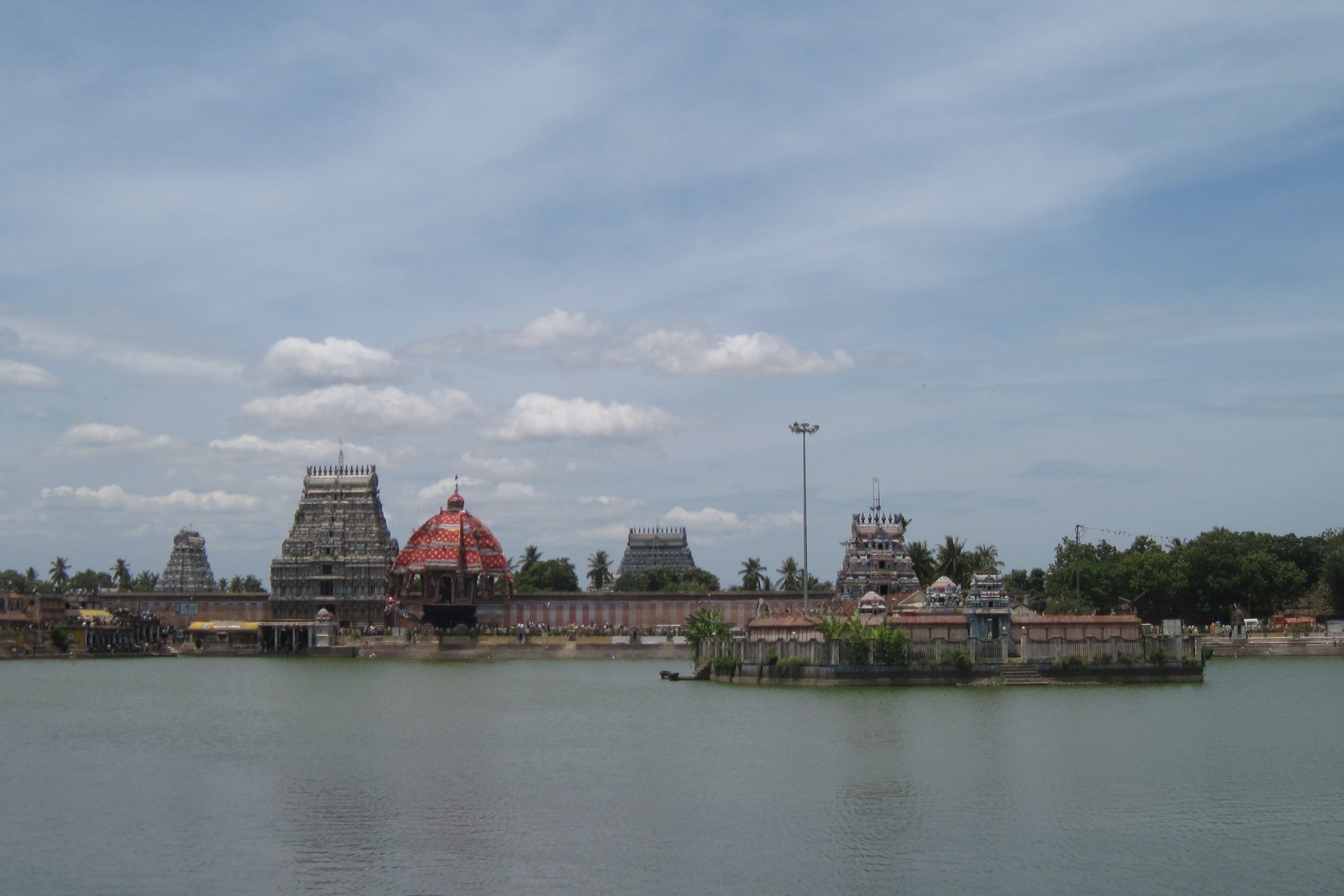
Tiruvarur_temple,_tank,_car
Tiruvarur Temple and Tank

Lord Krishna was chased by a Kala yavana and Krishna entered the cave where Mucukunda was sleeping. When Mucukunda became tired he got a boon from God to sleep undisturbed for a long time in a cave. Kalayavana also entered the cave and slapped on Mucukundan thinking that it was Krishna pretending to sleep. When Mucukunda opened his eyes, Kalayavana was burnt to ashes. Tricky Krishna came out of his hiding and blessed Mucukunda. He advised him to go to Badrinath.

Bhagavatha and Skanda Puranas give a different account about Mucukunta . He is one of the three sons of Mandhata and Bindumati. His brothers are Purukutsa and Ambarisa. Hearing that Kala Yavana was destroying Devas , Mucukunta entered the cave, the residence of the Yavana, and slew him, to the wonder of the Devas. Indra offered him a place of honour in heaven. But Mucukunta wanted to go on sleeping in that cave undisturbed for an unlimited period.

Choza history has not recorded him in the historical line of known Choza kings. So we don’t know when it all happened.

Origin of Cholzas is shrouded in mystery. Pura Nanuru of Sangam literature and Silappadikaram of Post Sangam period praised Sibi Chakravarthy in many places as the forefather of the Chozas. Sibi ruled North West of India, far away from the Choza territory of Tamil Nadu.

Story of Mucukundan is also shrouded in mystery. While story of Sibi happened in North West India, Mucukundan was linked with Tiruvarur and its surrounding temples in Tamil Nadu.

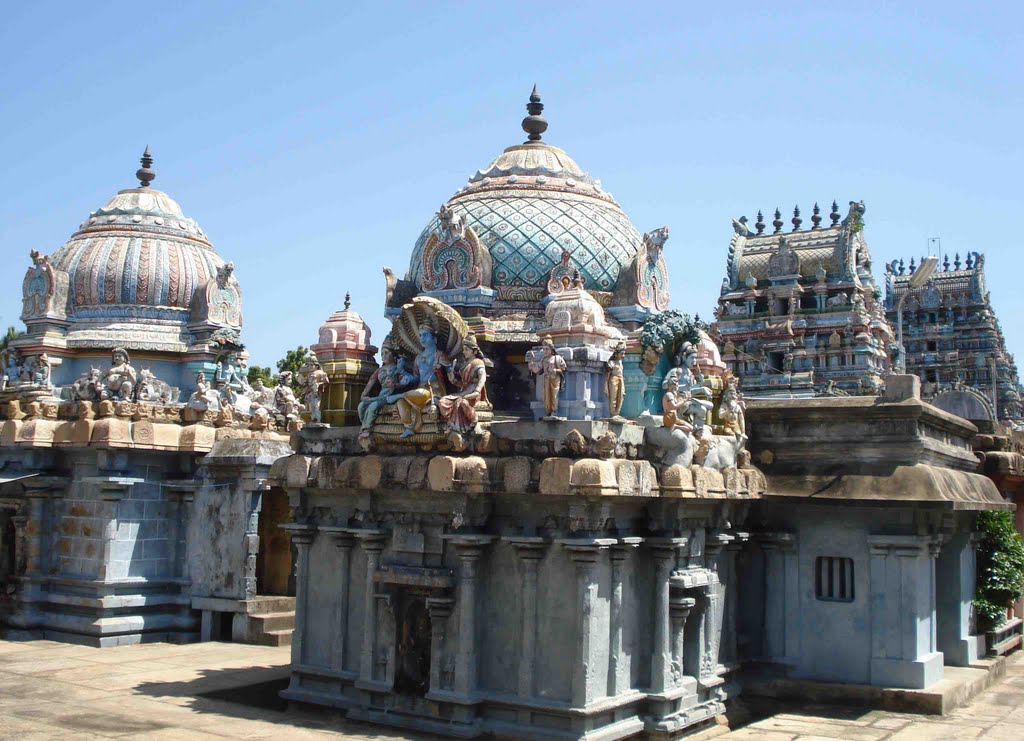
tirukkuvalai
Tirukkuvalai Temple.

Tamil Encyclopeadia Abidana Chintamani adds more interesting stories: Mucu means monkey and when he was born as a monkey in the Himalyas, he did offer Bilva leaves to Shiva. As a result of this Puja he was born as a son of Dilipa and Mangalvathy in the solar race found in Hindu Puranas. Then he married Vichitravathy and helped Indra in his fight against Vala. When Indra told him that he would give him a gift, Mucukundan wanted a particular Shiva idol from Indra. That was given to Indra by Vishnu. But Indra gave him a different idol. This happened six times and at last he got the idol he wanted. He installed all the idols in different temples in Thanjavur district. The main idol was installed in Tiruvarur.
Please read my earlier post

Sibi Story in Old Tamil Literature (Did Tamil Chozas come from the North?) posted on 15 July 2013.

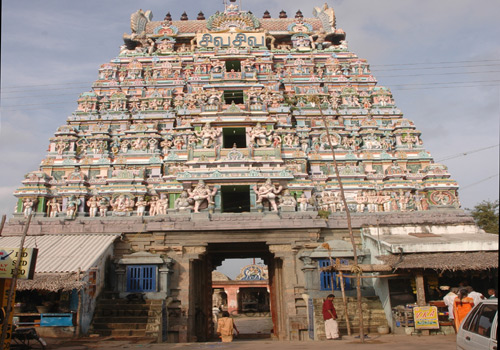
vedaranyam
Tirumaraikkadu (Vedaranyam) Temple

contact swami_48@yahoo.com
Pictures are taken from various sites;thanks.

Why did 102 Dancers accompany a Tamil King during Invasion?

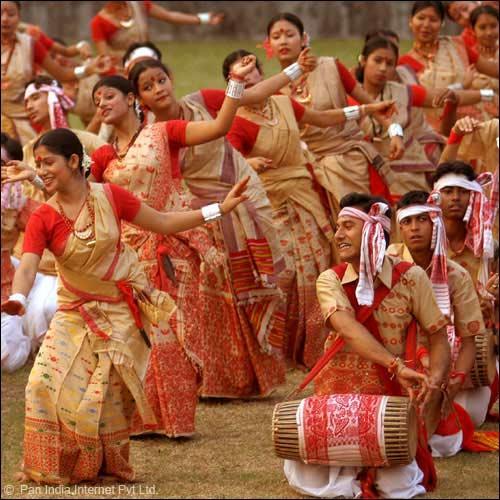
AssamBihu

Research paper written by London Swaminathan
Post No.1190; Dated 23rd July 2014.

Cheran Senguttuvan ( also written as Cenkuttuvan) was a powerful Tamil king who ruled western part of Tamil Nadu 1800 years ago. That part of South India is called Kerala now and Malayalam is spoken in the state. He was so powerful that he destroyed all the sea pirates in the Indian ocean and his father Netuncheralathan captured the Yavanas (Ionians or Arabians) and shaved the heads of Yavanas and poured oil on their heads. It is ancient punishment. He had good friendship with the mighty Brahmin rulers Satavahanas. When he wanted to go to the holy Himalaya to bring a stone for the statue of a Chaste woman (Patni) Kannaki, Satavahanas helped him. He was successful in his expedition. He bathed the stone in Holy River Ganga and sculpted a beautiful statue for Kannaki. He invited kings from all over India and Sri Lanka. Tamil Epic Silappadikaram says that the consecration of Kannaki Temple was attended by Gajabahu of Sri Lanka. So we knew his age for sure. This happened in the second century CE.

thillana1

The interesting detail from the Tamil epic is that Senguttuvan was accompanied by 102 dancers!
Senguttuvan was accompanied by
Chariots — 100
Elephants — 500
Horses — 10,000
Carts and carriages — 20,000
Kancukar (Police) — 1000
Dancing girls — 102
Musicians — 208
Jesters — 100

There is nothing new about dancers in the royal entourage. Raja Raja Choza, a mighty Tamil King whose rule extended up to Indonesia, had donated lands and houses for 400 dancers in Thanjavur. Their beautiful names in Tail and Sanskrit are found in the inscriptions in Thanjavur Big Temple.
The dancers entertained the kings and the general public during festivals and royal events.

group dance

Senguttuvan was an ardent devotee of Lord Shiva. Just before the Himalayan expedition he went round Sri Padmanabha swamy Temple at Trivandrum. At the same time the priests from the nearby Vishnu temple brought him some Prasad which he put on the shoulder and walked to show respect. His head bowed only to the gods, says the Tamil epic.

As soon as he reached the Himalayas he ordered his soldiers:
“Go and courteously assure our support to all those who uphold the Vedas in the northern region and who led holy lives by keeping alive sacrificial fires”.

Source : Tamil Epic Silappadikaram, Canto 26– Lines 128-140

Senguttuvan came back to his capital after spending two and a half year in his Himalayan invasion.

50 kilo+ Gold for a Brahmin

In the chapter 27 — the Nirpatu katai—there is another incident of donating 50 tula (Over 50 kilo) to a Brahmin called Matalan.

The great king and wielder of lance, wearing the Palmyra garland, became mightily pleased, and saying, “O Brahmana Matalan, please accept”,he honoured him with a gift of fifty tulams of pure gold equal to his own weight.

This means Senguttuvan weighed 50 Tulam. Tula bharam is an ancient ritual and considered one of the 16 supreme gifts enjoined on all and on the king particularly. It is clear from the Vijayanagara inscriptions that its kings performed these sixteen gifts.

Pictures are taken from other websites;thanks.

Contact swami _48 @yahoo.com
Six Seasons: Same for South & North Indians !

A-Death-of-Seasons

Research paper written by London Swaminathan
Post No.1186; Dated 21st July 2014.

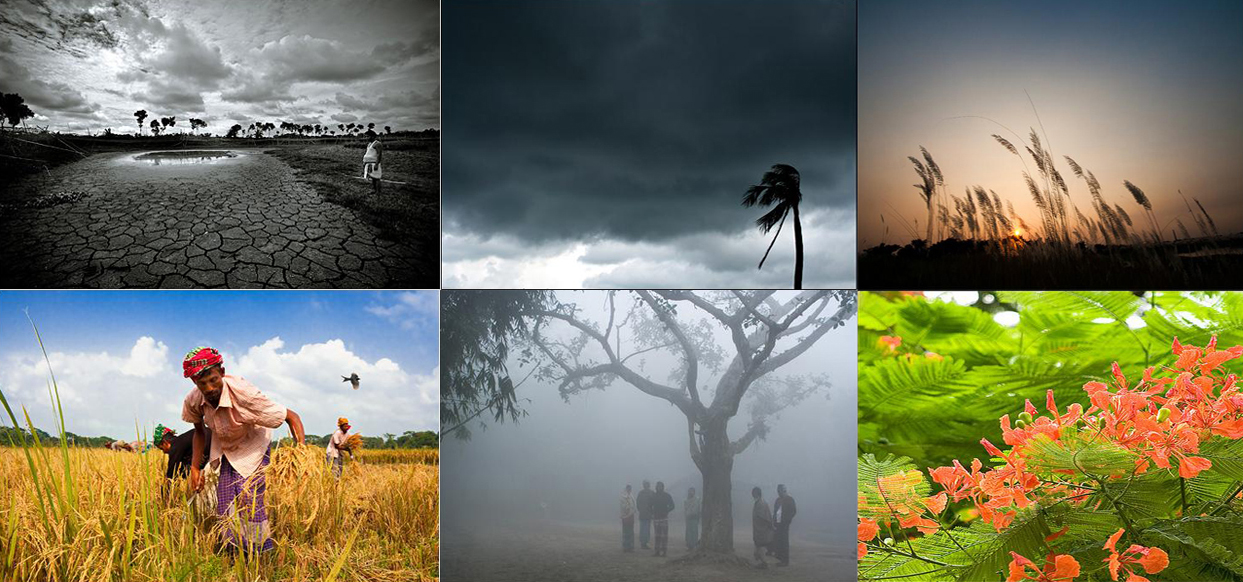
India is one; There is no difference in the basic culture. Hindus have been following the same tradition from Kashmir to Kanyakumari from the Vedic days. They had the same division of six seasons in the north and the south of the vast country. This proves two things:

1.There is no Aryan – Dravidian division in the ancient Hindu culture. One culture was followed by the ancient Hindus in India.

2.Six seasons are found only in India; so the culture is not imported from Central Asia or Europe. In Western countries only four seasons were there; so there is no truth in Indo European stock/culture.

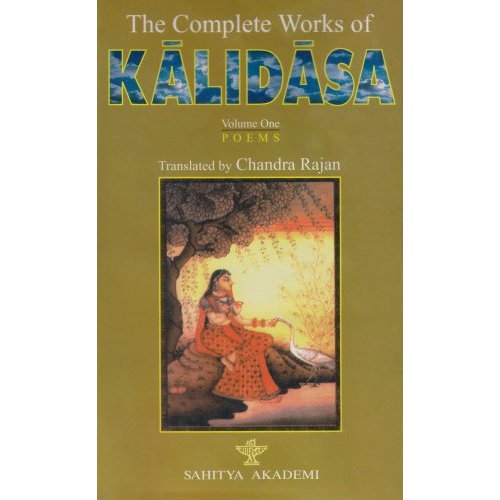
There is only one book in the world about Seasons. That was written by the greatest poet Kalidasa in Sanskrit. Kalidasa wrote ‘Rtu Samharam’. Another amazing thing about the seasons is the modern classification coincides with our six seasons!

Westerners divided the seasons into four: Spring, Summer, Autumn/Fall and Winter.
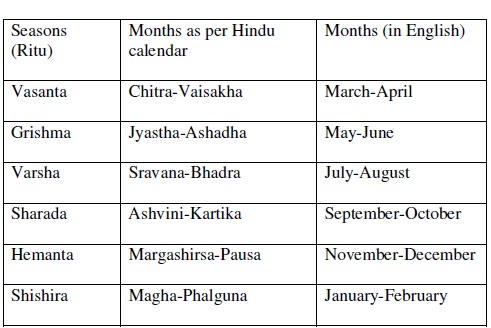
From the Vedic days we have divided the season in to six seasons:

seasons-uu1tu1-trunc

1.Spring Season/Vasanta Rtu/ Ila Venil in Tamil/
Months Chitrai(Chaitra),Vaikasi (Vaishaka)/Mid March to Mid May

2.Summer/Greesma Rtu/Muthu Venil/
Months Ani (Jyeshta), Adi (Ashada)/Mid May to Mid July

3. Monsoon/Rainy/Varsha Rtu/Kar Kalam/
Months Avani (Shravana),Purattasi (Bhadrapada)/Mid July to Mid September

4.Autumn/Sharad Rtu/Kuthir Kalam/
Months Aippasi (Aswin), Karthikai (Kartika)/ Mid September to Mid November

5.Late Autumn/Hemanta/Mun Panikkalam/
Months Markazi (Margashirsha)Thai (Pausa)/ Mid November to Mid January

6.Winter/Shishira/Pin Panikkalam/
Months Masi (Magh),Panguni (Phalguna)/ Mid January to Mid March

6 season

Modern Classification: Pre Vernal, Vernal, Estival, Serotinal, Autumnal, Hibernal
Western Classification: Spring, Summer, Autumn, Winter.

Rtu in the Rig Veda

Rtu /season is mentioned in the Rig Veda. Though seasons are mentioned in it Atharvaveda (6-55-2) and several Samhitas mention “Six Seasons”.

Valmiki in his Ramayana described Hemanta Rtu in Aranya kanda, Vasanta Rtu and Varsha rtu in Kishkinda Kanda.

Manu mentioned seasons in the verses: 1-30, 3-217, 4-26, 9-36 and 3-273.
Kalidasa in his famous book on seasons Rtu Samharam (The Gathering of the Seasons) begins with summer season. It has got six sections, one each for a season. It has 144 verses.

According to Taittiriya Samhita Vasanta Rtu is the first one. Krishna also says that he is Vasanta rtu among the seasons (Bhagavd Gita 10–35).
khotanese

But Kalidasa began his book with the summer season so that he could finish it with the spring season. His description of nature is superb in this book. Scholars like Aurobindo had dismissed the doubts about the authorship of this work. Aurobindo had devoted half of his book for Rtusamharam in his book on Kalidasa. He said that we can see his hand in all the similes used in this work.

Tamils have been using the same division from the Sangam period. At the same time we see four divisions of seasons in Rome. In Greece we see a different system. This disproved the Aryan – Dravidian racist theory. Tamils saw eye to eye with their counterparts in North India. Oldest Tamil book Tolkappiam referred to six seasons in the Akattinai Iyal of Porul Adikaram.

Long Live United India!

Contact swami _ 48 @ yahoo.com
ritu

அரசனின் குணநலன்கள்: கம்பனும் காளிதாசனும்

கம்பன்2

கட்டுரை எழுதியவர் லண்டன் சுவாமிநாதன்
கட்டுரை எண்:– 1185: தேதி:— 21 ஜூலை 2014.

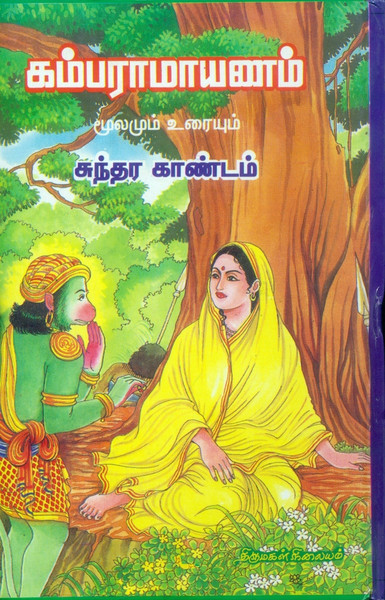
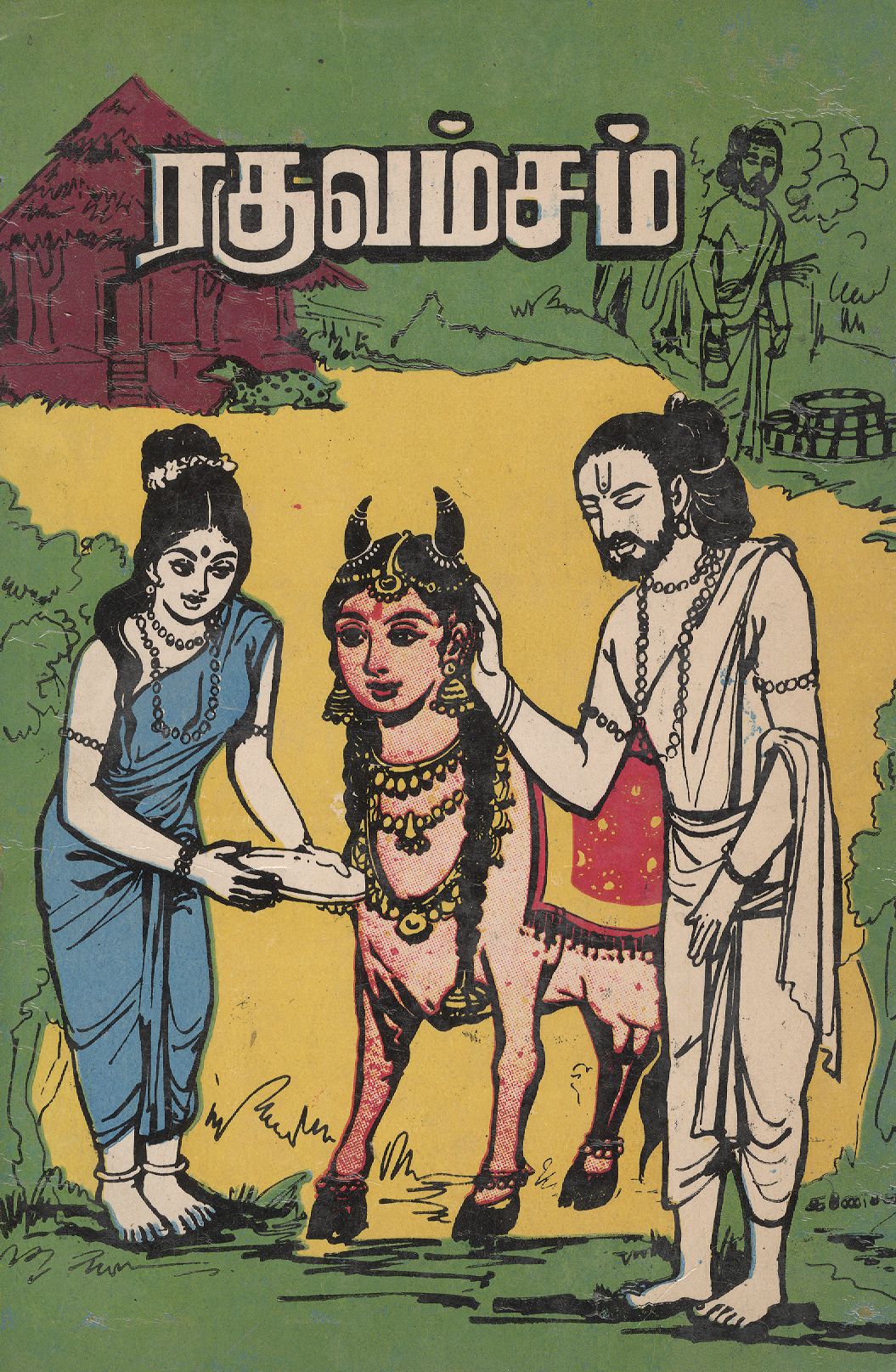
நல்ல அரசர்கள் குணங்கள் என்ன என்று கம்பனும், காளிதாசனும் பட்டியல் இடுகின்றனர். கம்ப ராமாயணத்தையும், ரகு குல மன்னர் புகழ் பாடும் காளிதாசனின் ரகுவம்சத்தையும் நமது மந்திரிகளும், ஆட்சியாளர்களும் படிக்கவேண்டும்; பின்பற்றவும் வேண்டும்.

இதோ கம்பன் கூற்று:–
இனிய சொல்லினன்; ஈகையன்; எண்ணினன்;
வினையன்; தூயன்; விழுமியன்; வென்றியன்;
நினையும் நீதி கடவான் எனின்,
அனைய மன்னர்க்கு அழிவும் உண்டாம் கொலோ?
(அயோத்யா காண்டம், மந்தரை சூழ்ச்சிப் படலம், பாடல் 111)

இவை அத்தனையும் ராமன், அவனது தந்தை தசரதன், அவனது முன்னோன் ஆன ரகு அத்தனை பேருக்கும் பொருந்தும்.

இனிய சொல்லினன்= இனிய சொற்களையே பேசுவான்
ஹிதபாசி என்று ராமனைப் புகஷ்வான் வால்மீகி;

ஈகையன் = வாரி வழங்கும் கொடையாளிகள்;

எண்ணினன் = எண்ணித் துணிக கருமம் என்னும் வள்ளுவன் வாக்கிற்கிணங்க எந்தச் செயலையும் ஆராயாமல் துவங்கமடார்கள்;

வினையன் = தேனீக்கள், எறும்புகள் போல எப்போதும் சுறுசுறுப்பானவர்கள்; சோம்பேறித்தனம் என்பதே அவர்கள் அகராதியில் இல்லை;

தூயன் = கறைபடாத கரங்கள் உடையோர்; மனம், மொழி, மெய்—மனோ,வாக், காயம் என்னும் திரிகரண சுத்தி உடையோர்;

விழுமியன் = சிறப்புமிக்கவர்கள்; ஆயிரத்தோடு ஒன்று ஆயிரத்தொன்று என்று வாழாமல், ஒவ்வொருவரும் ஒரு சிறப்பான செயல் புரிந்து வரலாற்றில் அழியாத இடம் பெறும் “தோன்றின் புகழொடு தோன்றுக” வகையினர்;

வென்றியன் = தோல்வி என்பதே அவர்கள் அகராதியில் இல்லை; “எடுத்த காரியம் யாவினும் வெற்றி: என்ற பாரதி வாக்கிற்கு இலக்கணமாகத் திகழ்பவர்கள்;

நினையும் நீதி கடவான் = எவரும் போற்றும் அரச நீதியில் இருந்து விலகாதவர்கள்.
இது கம்பன் தரும் சித்திரம்.

Ragu_big

ஆஜன்ம சுத்தானாம், ஆ பலோதய கர்மணாம், ஆசமுத்ர க்ஷிதீசானாம், ஆநாக ரத வர்த்மனாம்

ரகு குல மன்னர்கள் பற்றி நான்கு விஷயங்களை முதல் சர்க்கத்திலேயே காளிதாசன் (ஸ்லோகம் எண்:5) சொல்லி விடுகிறான்:

1.பிறவியிலேயே பரிசுத்தமானவர்கள் (( ஆஜன்ம சுத்தானாம்)).
2.பயன் கிடைக்கும் வரை முயற்சியை உடையவர்கள் (( ஆ பலோதய கர்மணாம்)) — (எடுத்த காரியம் யாவினும் வெற்றி)

3. இரு பக்கமும் சமுத்திரத்தின் கரைகள் வரை ஆட்சி புரிபவர்கள் (( ஆசமுத்ர க்ஷிதீசானாம்)). பரந்த சாம்ராஜ்யம்!

4.அவர்களுடைய தேர்கள் சுவர்க்கத்தின் வாசல் வரை செல்லத் தக்கன (( ஆநாக ரத வர்த்மனாம்)) !!

இனி காளிதாசன் ரகு வம்ச காவியத்தில் முதல் சர்க்கத்தில் என்ன சொல்கிறான் என்பதைப் பார்ப்போம்:–

தெய்வ நம்பிக்கை உடையோர்; தேவ பூஜை செய்தனர்
தானம் கேட்டு வந்தவரின் மனம் வருந்தாத அளவுக்கு தானம் கொடுத்தனர்.

குற்றத்திற்கு ஏற்ற தண்டனை வழங்கினர்.

பிறருக்குக் கொடுப்பதற்காக பொருள் ஈட்டினர்.

காலத்திற்கு ஏற்ற அறிவு பெற்றனர்; அதாவது காலத்திற்கு ஏற்ப புதுப்புது விஷயங்களைக் கற்றனர்.

குறைவாகப் பேசினர்; எதற்காக? அதிகம் பேசினால் வாய் தவறி சத்தியம் பிறண்டு விடுமோ என்று பயந்து சத்தியத்தைக் காக்க மிதமாகப் பேசினர்.

புகழிற்காக மற்ற மன்னர்களை வென்றனர். நாடு பிடிக்க அல்ல; மக்களைக் கொன்று குவிக்க அல்ல.

இளமையில் கல்வி கற்றனர்; “இளமையில் கல்” என்ற ஆத்திச்சூடி வசனம் அவர்களுடைய குறிக்கோள்

யௌவனப் பருவத்தில் (வாலிப வயதில்) இன்பம் துய்த்தனர்.

திருமணம் செய்து கொண்டனர்; எதற்காக—வம்ச விருத்திக்காக!! (செக்ஸுக்காக அல்ல)

வயோதிகப் பருவத்தில் காட்டிற்குப் போய் தவம் செய்து யோகத்தினால் உயிரை விட்டனர்.

குசன் மகன் ஆட்சி எப்படி இருந்தது?

big-kalidasa

ரகு வம்ச 17–ஆவது சர்க்கத்தில் ராம பிரானுடைய பேரன் அதிதி — (குசனின் மகன்) — ஆட்சியில் அவன் எப்படி இருந்தான் என்பதைக் கூறும் ஸ்லோகங்கள் மேலும் சில சுவையான தகவல்களைத் தருகின்றன:

நியாய சபையில் தானே அமர்ந்து நீதி வழங்கினான்.

வேலைக்காரர்களுக்கு வேலை முடிந்தவுடன் ஊதியம் அளித்தான்.
மழைக்கால நதிகளில் வரும் வெள்ளம் போல மக்களுக்கு செல்வம் கிடைத்தது.

சொன்ன சொல் தவறவில்லை; கொடுத்ததை ( வரிகள் என்ற பெயரில்) திரும்ப எடுத்துக்கொள்ளவில்லை.

வாலிபப் பருவம், அழகு, செல்வம் இருந்தும், கர்வம் இல்லை.

ஒற்றர்களைக் கொண்டு தன் நாட்டிலும் பிற நாடுகளிலும் நடப்பதை அறிந்தான்.

அவன் நாட்டைச் சுற்றி அரண்கள் அமைத்தான்; எதற்காக? பயத்தினால் அல்ல; ராஜ நீதிப்படி ஒரு நாடு அரணோடு இருக்க வேண்டும் என்பதற்காக.

மக்களுக்கு வருத்தம் தரும் எதையும் செய்யவில்லை.

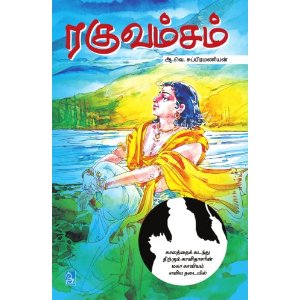
raguvamsam

2000 ஆண்டுகளுக்கு முன் காளிதாசன் எழுதிய ரகுவம்சத்தைப் சம்ஸ்கிருதத்தில் படிக்கையில் அக்காலத்தில் வாழ மாட்டோமா என்ற எண்ணம் மனதில் எழும். பொன்னியின் செல்வன் நாவலைப் படிக்கும்போது ராஜ ராஜ சோழன் காலத்தில் வாழ நாம் ஆசைப்படுவது போல!—
முற்கால பாரதத்தின் எழுச்சியை வருணிப்பதில் காளிதாசனுக்கு நிகர் காளிதாசனே!!
சாகுந்தலம், மேகதூதம், ரகுவம்சம் முதலான ஏழு நூல்களையும் மல்லிநாதர் முதலியோரின் விரிவுரைகளுடன் பயில வேண்டும். அவைகளை சங்க இலக்கியத்துடன் ஒப்பிட்டு மகிழ வேண்டும்!

-சுபம்-

Hindu’s Amazing Knowledge in Botany!!!

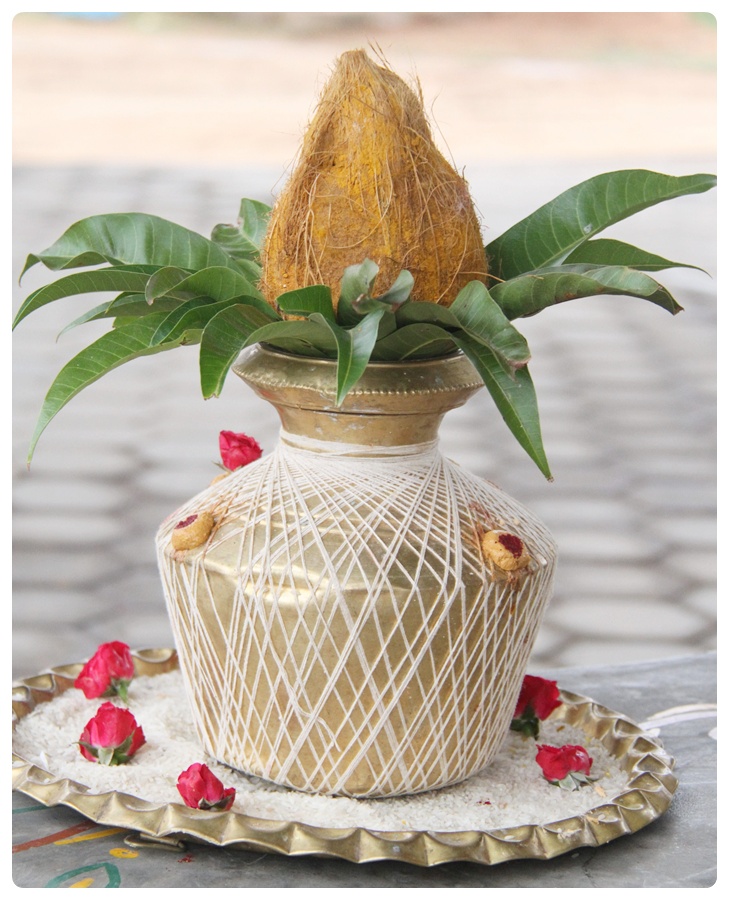
purnakumba
Purna kumba with coconut and mango leaves (auspicious symbol)

Research writer:– London Swaminathan
Post No:–1184; Dated 20th July 2014.

*Vedic Index mentions about 74 different plants.
*Valmiki Ramayana Index gives a list of about 170 plants.

Hindus use a lot plants in their day to day religious rituals in their houses as well as temples. They have got an amazing variety of plants .This article is about the plants used only for “religious rituals”. Hindus will comfortably beat any community or race in the world. I can’t list all the plants here. This is only a sample survey.

If it is a medical treatise like Charaka in Sanskrit or Agastya in Tamil I would not be surprised. In 2000 year old Sangam Tamil Literature a Brahmin poet by name Kabilar gives a long list of 99 plants of the Tamil landscape at one go in Kurinjippattu. But it is not a religious literature. But the same poet sings about offering Patram,Pushpam, water to god in Purananuru verse 106.

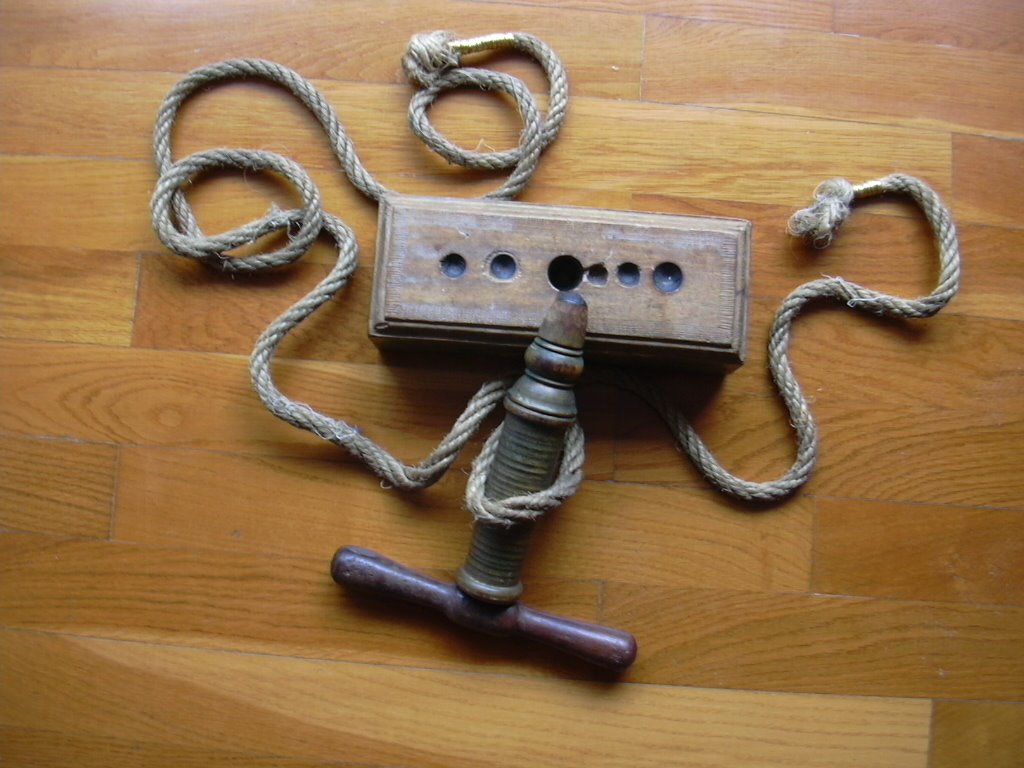
Arani Mantha
Vedic Equipment to kindle fire (Arani)

Following is the list of some important plants. The numbers within brackets are used for counting:–
Tulsi (1) and Bilva (2) are used in the houses and temples every day.

Peepal (3)tree (Ficus religiosa) and Sami (4)tree(Prosopis cineraria) are used to produce fire. In Vedic days there was no match box. Either they used the fire from the permanent fireplace in the houses or used an Arani wood. It is made up of Peepal and Sami Trees. A churning device made up of strong peepal wood will churn the sami wood to kindle fire. This has been used from the Vedic days.

Banyan (5)tree( Vata Vrksa) and Fig (6)tree (Udumbara) are mentioned in Vishnu Sahasranamam along with the Peepal tree. Neem (7) tree also known as Margosa tree is used in all the village goddess temples in Tamil Nadu. It has got anti viral and anti bacterial properties. South Indians use it on the new year day.

Two plants (8)Mango tree and (9)Plantain Tree (banana tree) are considered very auspicious. No religious function or festival is celebrated without these two. Mango leaves are used as festoons in weddings and Holy Pots are decorated with the leaves. Mango fruits are God’s favourite fruits. All parts of plantain tree are used in temple and home rituals and food. Plantain leaf cups are used (Donnai) in Vedic ceremonies. Coconut (10) is the most important ingredient in the temple offerings. Copra is offered in the homam.
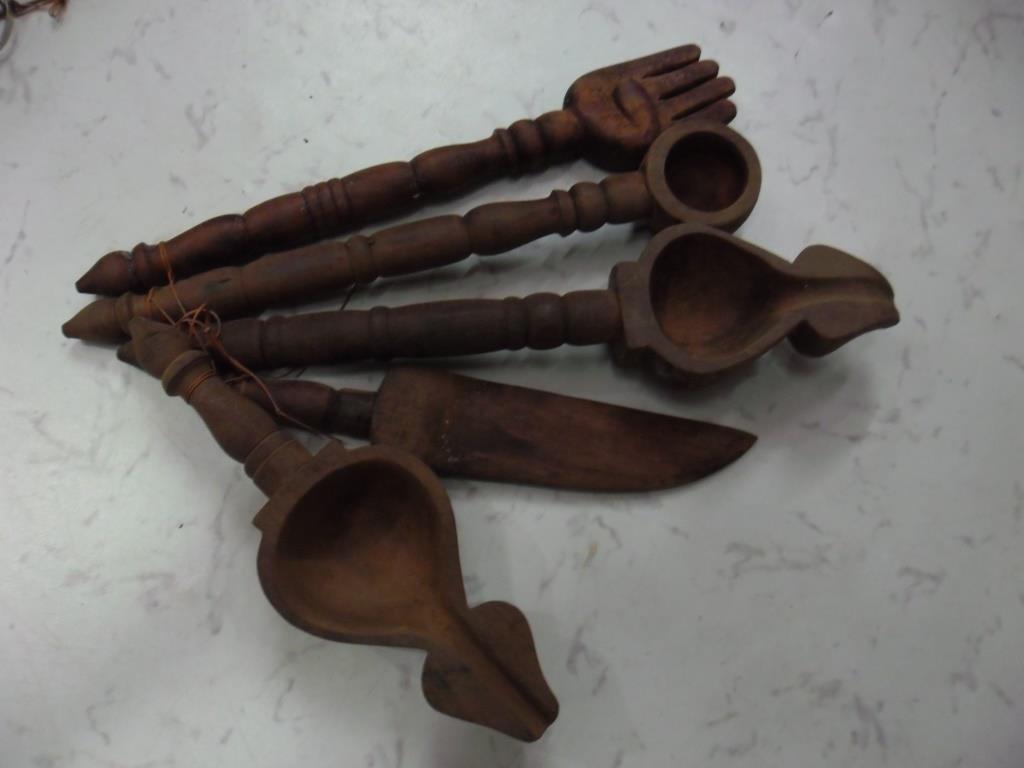
spoons
Yaga Spoons made up of Palasa wood

In the Fire Ceremonies known as Homams, Havans, Yagas and Yajnas in Sanskrit, a lot of special woods or sticks are burnt with butter/ghee. The most important of these plants are Soma plant (11) and the peepal sticks. No one knew the identity of the soma plant yet. But foreign “scholars” have competed with one another in bluffing and fooling the Hindus (See my earlier article). Drug addicts described it as a narcotic and drunkards described it as an intoxicant. This is because they don’t see drinking or using drugs as a sin and they have been using it for long. In short their interpretations reflected their culture.

The wood or sticks used for Navagraha Homam or any Household are Arka/Erukku/ calatropis procera (12)Purasu (13), Karunkali (14), Arasu/Peepal, Aththi/Udumbara/Fig, Vanni/Sami,Nayuruvi (15)and Arukam (Durva) Pul grass (16).

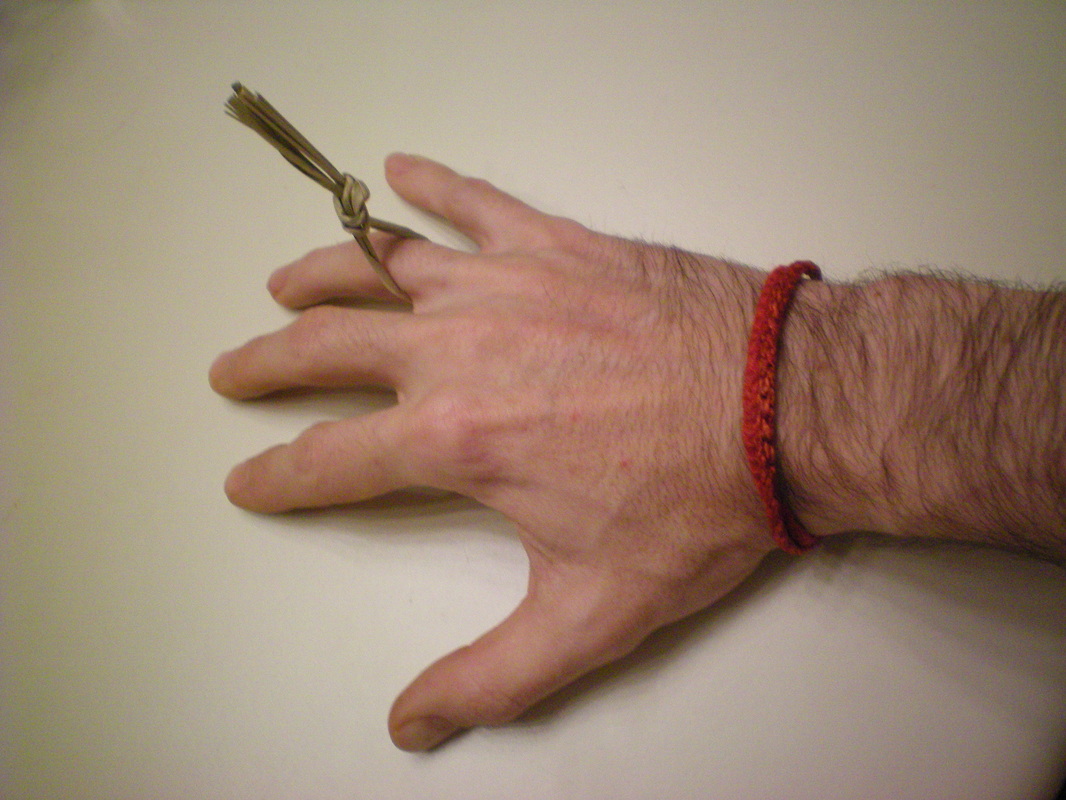
No Hindu priest will walk out of his hose without (17) Dharba grass in his Puja/ceremony pack. Hindus believe that Dharba is the most powerful and the holiest of all the grasses. All the ceremonies must be performed by wearing this as a ring (Pavitram) in the ring finger.

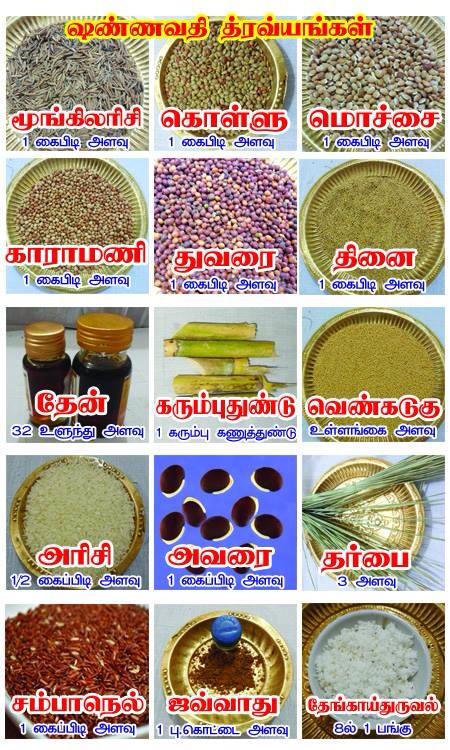
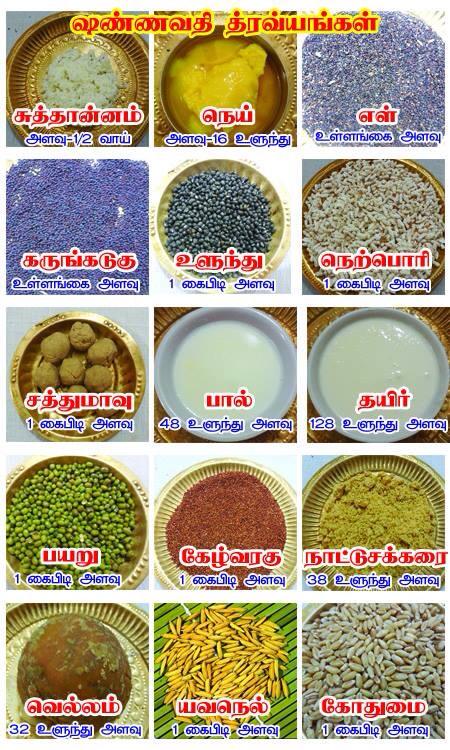
In the Homam to propitiate nine Planets (Nava Grahas), Hindus use nine different pulses or grains. Rice plays the most important part in the funeral rites as well as the wedding rites. If it is a funeral ritual, cooked white rice balls are used. Uncooked yellow coloured rice is used in all the auspicious functions. This shows Hindus did not migrate from any cold countries. They originated in the Indus -Ganges plains where (18) paddy was grown. Other ingredients used: Bamboo rice (19), Black gram (20)Horse gram(21), Lima Bean seeds (22), Millets (23), White Mustards (24),Black mustard (25) Sesame (26), Sugar Cane (27), Wheat (28), Green Gram (29), Karamani pulses/Cow peas(30).

homadravyas5
Homa Dravyas (Pulses and Grains)

I have written an article about use of sesame seeds from Vedas to Indus valley. I have written another article about Sugar cane Dynasty (Ikshwaku Dynasty and Indus Valley)
No funeral ceremony can be conducted without white rice and sesame seeds. This shows Hindus originated in the tropical India. Rice mixed with jaggery (unrefined sugar) is offered to God.

Plant from the Heaven
The one thing which I couldn’t explain scientifically is the Samudra Manthan (Churning of the Milky Ocean with the help of a mountain and a snake) in Hindu mythology. Though some people have given some explanations, they don’t justify all the 14 products that came from the ocean! One of the fourteen is (31) Parijatha tree (Coral Jasmine), the flowers of which are offered to the god. I How come this tropical plant came from the heaven? Or Have we identified it wrongly?

Spices
Hindus use the (32) cloves (33)cardamom and (34) saffron to add fragrance to all their religious drinks. Turmeric (35) is the most auspicious colouring product that Hindus use.

homa dravyas

Garlands
Garlands made up of (36)Rudraksha seeds and Tulsi seeds are worn by devotees. 10 to 15 types of flowers are used in the temple offerings. It differs from region to region. 37.Jasmine, 38.Marigold, 39.Lotus, 40.Hibiscus rosasinensis, 41.Nerium odorum, 42.Champak/Shenpakam and 43.Chrysanthemum dominate. 44.Roses are late arrivals in Hindu offering.

Probably India is the only country in the world named after a tree- (45)Jambu tree (Jambu dweepa). There are other dweepas (islands/continents) named after plants among the Sapta dweepas. But they are not used now. Orthodox Hindus in India do the Sankalpa ( religious vow) everyday in the name of Jambudweepa. Black coloured berries (Syzigium cumini) are offered to Lord Ganesh with (46) wood apple.

Yaga spoons are made up of Palasa (47) wood. Sandal (48) wood is offered in Homa and sandal paste is a must for all religious ceremonies.

((I have a B.Sc. in Botany with Zoology and Chemistry as ancillary subjects. I have two M.A.s in Literature and History. So whenever I study any literature I always look for botanical references. What amazed me was the reference of innumerable plants in religious literature. Of course Bible also has references to many plants and there are some books on this topic. But the big difference between Hindus and other religions is that Hindus are still using innumerable plants in their day today life for religious rituals)).

pavitra
Pavitra ring made up of Dharba grass

List of Plants used by the Hindus:—
1.Tulsi plant 2.Bilva Tree 3.Peepul (Ficus religiosa) 4.Sami tree 5.Banyan tree (Ficus Indica) 6. Fig Tree 7.Neem Tree (Azadirachta Indica) 8.Mango Tree 9.Plantain Tree 10. Coconut Tree 11. Soma creeper (somalatha) 12.Erukku 13.Purasu 14.Karunkali 15.Nayuruvi 16.Arukampul grass 17.Dharba grass 18.Paddy 19.Bamboo rice 20.Black gram 21.Horse gram 22.Country Bean seeds 23.Millets 24.White Mustards 25.Black mustard 26. Sesame 27. Sugar Cane 28. Wheat 29. Green Gram 30. Karamani/Cow peas 31.Parijatham 32.Cloves 33.Cardamom 34.Saffron 35.Turmeric 36.Rudraksha Tree 37.Jasmine 38.Marigold 39.Lotus and its root 40.Hibiscus rosasinensis 41.Nerium odorum 42.Shenpakam /Champak 43.Chrysanthemum dominate. 44.Roses 45.Jambu Tree 46.Wood Apple 47.Plasa wood 48.Sandal wood

contact swami _ 48 @ yahoo.com
How Many People did Indra Kill?

indra big

Written by London Swaminathan
Post No. 1178; Dated 17th July 2014.

Foreign “scholars” have been fooling Indians for nearly 300 years because they know that lot of Hindus never read anything Hindu in original, for instance 20,379 Vedic Verses or 24,000 verses of Valmiki Ramayana or 100,000 verses of Mahabharata 800,000 verses of the Puranas. It is very easy to cheat the Hindus. So anyone can quote any of these verses and write anything they wanted. Whenever they touch anything Hindu their imagination runs riot. They won’t do it in the case of other religions because they know the serious repercussions. Moreover what other religions have got is very little. If Hindu scriptures are Pacific Ocean, theirs is just a small lake. It is no way of belittling their holiness or their importance. It is just a quantitative analysis.

Archaeological evidence for Indra and other Vedic Gods are available from 1400 BCE. Indra is mentioned in the Bogazkoy inscription in 1400 BCE in Turkey (150 kms from Ankara). He was worshipped even before this date in India. He is mentioned a few times in Zend Avesta as well.

indra on elephant

Indra has got more than forty names in the Vedic literature. He is mentioned in 300 hymns in the Rig Veda, the oldest scripture in the world. No hero or God in the world had so much coverage around 1200 BCE, the date given to Rig Veda by most of the scholars. But Hindus believe that Vedas are timeless, ageless with no beginning or no end. It is there forever and seers can catch those hymns like we catch (tune in) radio waves/broadcasts. Great Hindu philosophers Shankara, Ramanuja and Madhwa and commentators like Sayana approached it differently. They never mentioned Arya, Dravida, Munda, Mongoloid, Caucasian etc. Because they are not in the Vedas!

Word Arya occurs 34 times in the Rig Veda. It is not used with racial connotation. Dravida or Munda is not there. If I say educated or uneducated, cultured or not cultured, Hindus or Non Hindus there is no racial meaning. They used Arya to mean cultured, respectful etc. Dasas or Dasyus were criticized. Even Tulsidas and Kalidas called themselves Dasas! So we have to judge after reading the book in its entirety. Last hymn of the Rig Veda summarises beautifully well its purpose (Please see “Vedic Hymn – Better than National Anthems” for more details, posted on April 17, 2014).

airawat

Just to show how foreigners are deceiving Hindus, I have given below some mind boggling numbers concerning Indra and other Gods; In all these originals they insert words like ‘Non Aryan’, ‘Munda’, ‘Dravidian’, ‘Foreign’, ‘Iranian’ according to their whims and fancies or their concocted theories. They will hide facts like Indra’s greatest achievement was killing the “Brahmins” Trisiras and Vritra, Indra’s wife Saci was an “Asura” lady. If they reveal the words Brahmin, Asura, all their racist theories will crumble into dust. So they will tell you only half truths, which are more dangerous than lies.

I would recommend to anyone to take one Vedic hymn and see what each and every foreign, non Hindu “scholar” interprets it. I have been doing it for forty years and enjoying the Best Jokes. I would recommend in particular the book “Minor Vedic Deities”. The author (J R Joshi) has listed beautifully well the interpretations of all the western “scholars” for every minor deity. They will leave you in utter confusion. If their interpretations don’t fit their concocted theories, they will interpret them as natural phenomena!!!

Tamils are the people who fought among themselves for 1500 years without stoppage. Chera, Choza and Pandya, the three Tamil Kings killed each other and destroyed their forts. But nobody inserted any racist theories among the three. Foreigners, particularly, Christian missionaries, thought they could easily fool them because of their dark skin and convert them. But Tamils disappointed them! The lesson is: Not all the fights are racist; not all the wars are racist. They simply fought to show they were “heroic”. Those who read Sangam Tamil literature (Purananuru) will understand this.

indra kudai

Indra, the greatest Hero:

Indra killed Dhuni, Chumuri (RV 6-20).
Indra killed Tugra and Vetasu; He killed 100,000 people; killed Shambara on the mountains (RV 6-26)
Indra killed Chumuri and 60,000 enemies (RV 6-26)
Indra killed Kulitara’s son Shambara and crushed 100,000 varcins (RV 4-30)
Indra killed 10,000 Vritra (RV 1-53)
Indra killed 150 soldiers (RV 1-133)

Indra killed Arna, Chitraratha on the banks of Sarayu (RV 4-30)
Indra broke the mountain to release the captivated water (RV 2-11)
Indra found out Shambara after 40 years in the mountain hide-outs (RV 2-11)
Indra killed Vala, Brahmin Vritra and Demon Ahi who captivated the waters (RV 2-11)
Indra freed the dragon and released Seven Rivers (RV 2-12)
Indra subdued Kings Kutsa, Athigva and Ayu(RV 2-14)
Indra destroyed Shambara’s 100 ancient Puras (forts/castles/cities) (RV 2-14;1-53)
Indra killed Dhribika, Urana, Arbuda, Shushna, Pipru, Namuci, Rudhikra (RV 2-14)

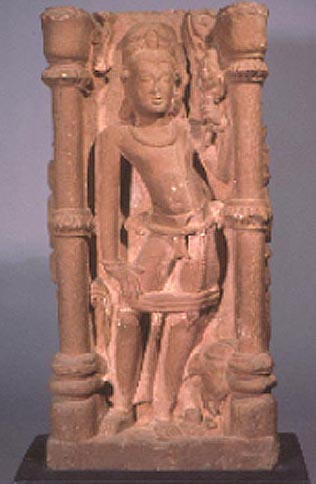
standing indra - sandstone - madhya pradesh - singapore

Indra breaks the cave of Vala, rich in cows. (RV 1-11)
Indra smites Dasa and opens the caves where cows were imprisoned (RV 1-32)
Indra scattered Dasa and Dasyus (RV 1-53;5-3-34)
Indra killed Parnaya, Karanja (RV 1-53)
Indra broke the forts of Sushna, Shambara, Kuyava (RV 1-103)
Indra shattered 90 forts of Puru and brought Shambara from the mountains (RV 1-130; 3-12-6)

Indra’s Wife an Asura woman!

Indra’s wife is Saci devi, the daughter of a Daitya (asura) chief Puloma.
Jains have 64 Indras and 22 Devis.

indra-mathura-sculpture-with airavata (gupta period)

Contact swami_48@yahoo.com