What can a Sparrow Teach You?

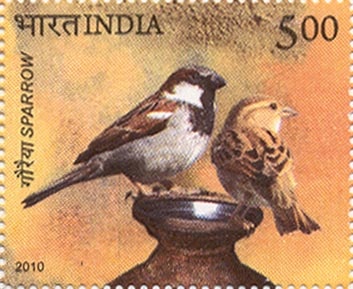
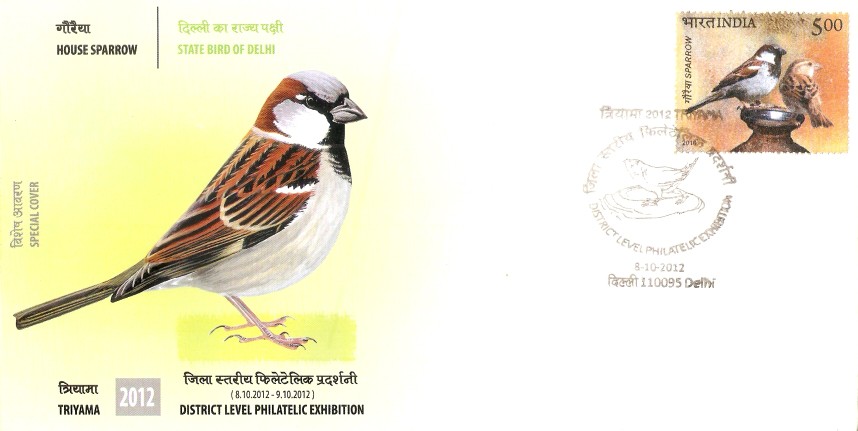
India-Stamp1713-Sparrow

Article No. 2048

Written by London swaminathan

Swami_48@yahoo.com

Date : 6  August  2015

Time uploaded in London : –15-12

Tamil poet Subramanya Bharati is one of the best poets of modern period in India and the greatest of the Tamil poets of our time. Bharati was a great patriot. He loved his language, literature, culture and tradition. Sarojini Naidu declared: “Bharati kindled the souls of men by the  million to a more passionate love of freedom and a richer dedication to the service of the country”

Bharati is well  known for his patriotic songs. But not many people know that he sung a lot about Nature. I was surprised that I could not find Bharati’s famous poem on the house sparrows when I googled for some poems on the sparrows!

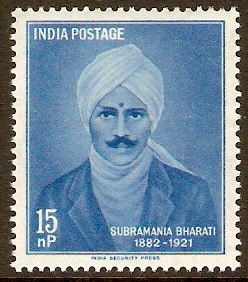
bharati stamp

When he was alive, he lived in poverty. When his wife Chellamma borrowed some grains from her next door neighbour, he got it from her and fed it to the birds that came to the backyard of his house. He felt immense happiness leaving his wife to worry about what to do next.

He used to dance, singing

“The crow and sparrow our kin;

One with us mountain and sea;

Wherever we glance ourselves a – dance

In a whirl of Ecstasy!”

(Tamil: Kaakkai Kuruvi Engal Jaathi, Neel Kadalum Malayum…….)

His poem on sparrow shows his longing for freedom for the country and  freedom for the soul – Moksha- Liberation.

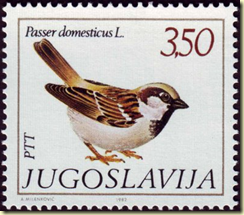
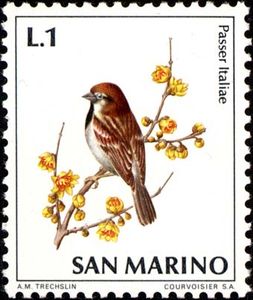
Italian-Sparrow-Passer-italiaekuruvi yugo

Here is his famous poem on sparrows:

The Sparrow


1.“O May you escape all shackles

And revel in Liberty

Like this

Sprightly Sparrow!


2.Roam about in endless space,

Swim across the whirling air,

Drink the measureless wine of the light

That flows for ever from the azure sky!


3.Happily twittering and making love

Building a nest beyond danger’s reach

Guarding the fledgling, hatched from the egg

And giving it feed and a wholesome care”.

(Tamil: Vittu Viduthalaiyaaki Nirpaay Indha Chittukkuruvi pole…………)

(Source: Bharati Patalkal, Tamil University, Thanjavur, Edited by Sekkizar Adippodi Dr T N Ramachandran)

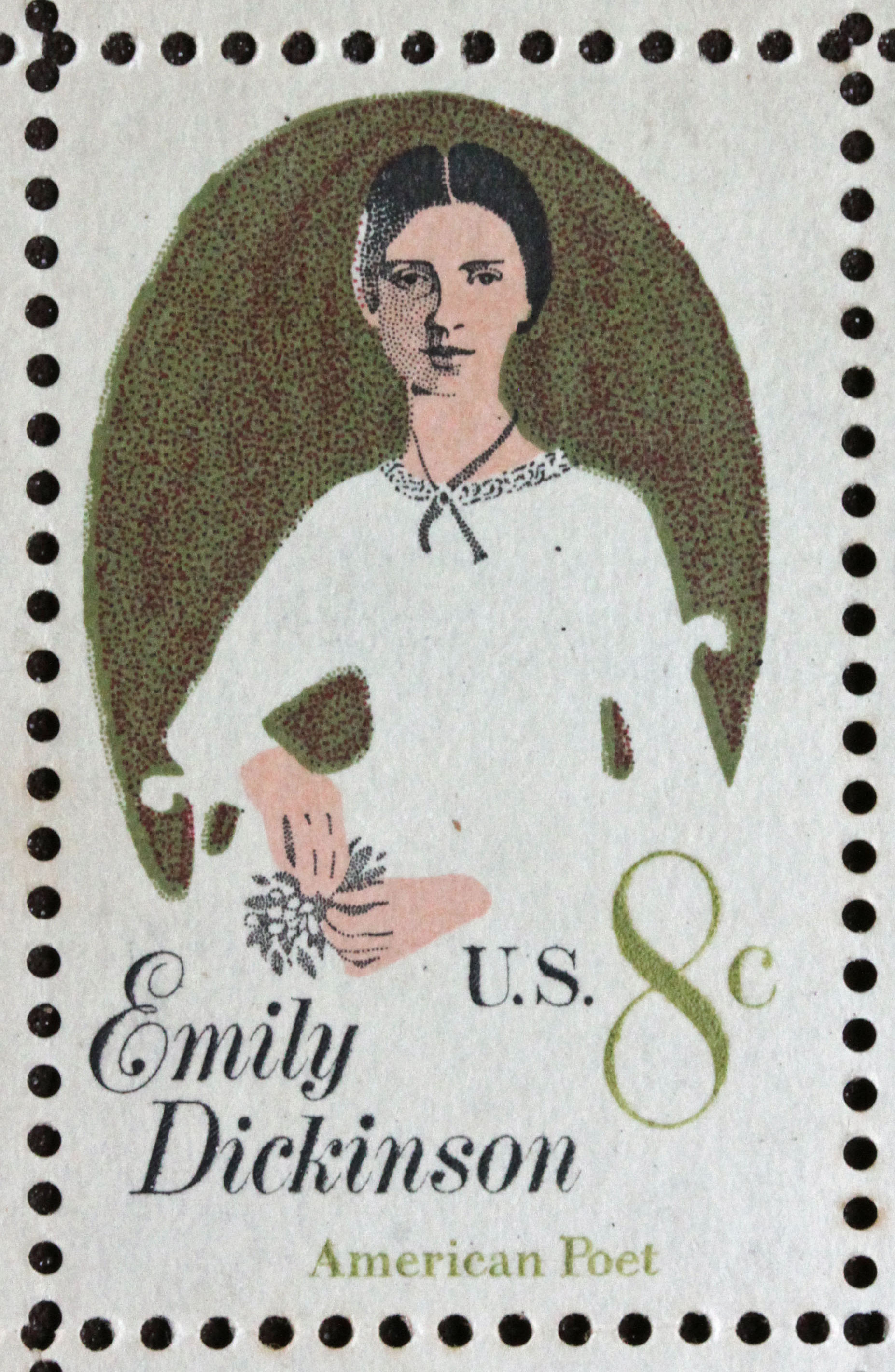
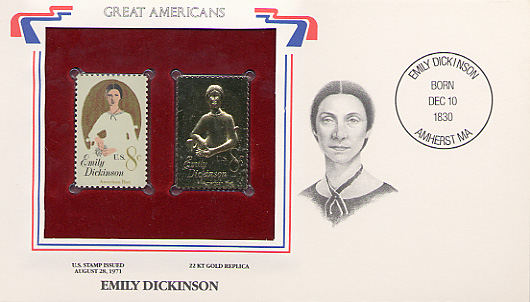
Emily_Dickinson_stamp_8c

American Poetess Emily Dickinson

Emily Dickinson was an American poet who also sang on various Nature poems including birds. The following two poems are worthy of comparing with Bharati’s poems on Nature.

A Sparrow took a Slice of Twig

A Sparrow took a Slice of Twig
And thought it very nice
I think, because his empty Plate
Was handed Nature twice—

Invigorated, waded
In all the deepest Sky
Until his little Figure
Was forfeited away—

Emily26

On Robin

If I can stop one heart from breaking,
I shall not live in vain;
If I can ease one life the aching,
Or cool one pain,
Or help one fainting robin
Unto his nest again,
I shall not live in vain.

Long live the Sparrow and the Freedom it symbolises!

scan0056

What can a Crow Teach You?

காகா காதலோ

Article No. 2046

Written by London swaminathan

Swami_48@yahoo.com

Date : 5  August  2015

Time uploaded in London : – 17-13

So long as a man clinging hard to the transitory objects of life, he can never know true peace and happiness. This is exemplified the story of the crow and the piece of bread.

Once a crow got somehow a piece of bread. With the bread in its peak, it wanted to fly to a tree, and sitting on its branch, make a quiet meal of it. But a number of other crows pursued this crow to wrest the bread out of it. The crow with the bread flew with all its speeds in order to escape from the clutches of the others. It flew and flew hotly pursued by other crows, in all directions to save the bread in its beak. This went on for two or three hours.

The crow with the bread was dead tired as a result of its continuous flying and felt it would be well to drop the drop the piece of bread which was picked by another crow, which in turn was pursued by the other two crows. The first crow, having thrown away the piece of bread, flew to the branch of a tree and sitting under its cool shade, attained perfect rest and tranquillity.

IMG_6319

Peace truly comes when we give up desire for the perishable things of the world.

Moral: Give up desires to gain peace.

Animals in the Bhagavad Gita!

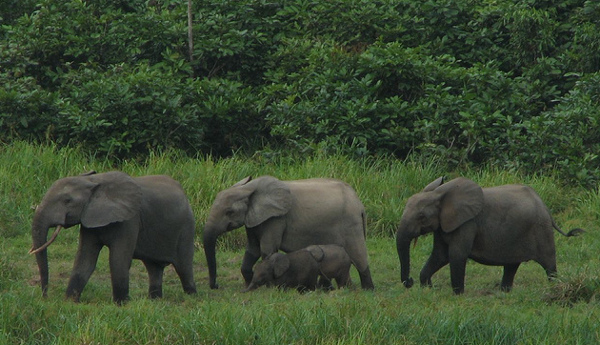
elephants

Research Article No.1982

Written by London swaminathan

Date 8th July 2015

Time uploaded in London: 19-41

Bhagavad Gita is a philosophical work and to look for animals in the holy book may sound a little bit unholy act. It is like looking for recipe for Potato curry in Organic Chemistry book!

But I view it from a different angle. The similes or the few references also reflect their belief in the society. We don’t expect Lord Krishna to talk about a penguin or an albatross or a kangaroo. But we can expect something about a lion or a tiger or an elephant. This shows who the audience he is addressing. We know that Krishna is addressing a person living in a tropical country. Let us straight away go into the references to animals and birds.

I have listed all the things that he mentioned in the Vibhuti Yoga (Chapter 10) two years ago on 3rd June 2013. The birds, the animals and the amphibians  that are mentioned are as follows:

cows and calves kandrus

Of horses I am Uchchaisrvas

Of cows I am Kamaduk (wish fulfilling cow)

Of elephants I am Airavata

Of serpents I am Vasuki

Of birds I am Garuda (eagle)

Of animals I am lion

Of water animals I am Makara (alligator)

—-Chapter-10

But there are many more interesting references:

tortoise

Tortoise

He who draws away the senses from the objects of sense on every side as tortoise draws in his limbs (into the shell), his intelligence is firmly set in wisdom (2-58). This is a very popular simile. Several Sanskrit and Tamil poets have used the simile for emphasizing self-control.

Moths

As moths rush swiftly into a blazing fire to perish there, so do these men rush in to your mouths with great speed to their own destruction (11-29)

moth

Elephant, Cow and Dog

Sages see with an equal eye, a leaned and humble Brahmin, a cow, an elephant or even a dog or an outcaste (5-18).

This is the most interesting verse to find out Hindus’ respect for certain animals and disrespect for others.

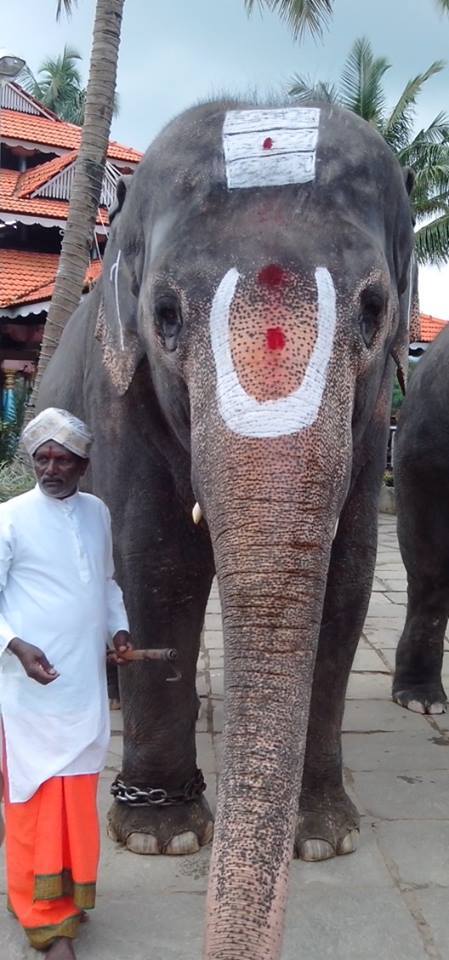
Elephants and cows are respected very much. Go Puja (cow) and Gaja Puja (elephant) are part of many temples and Mutts. They are worshipped every morning. Both are herbivorous. The dog is occupying the lowest rank, because it was considered an unclean animal eating left over food and all non- vegetarian food. But all these are the views of the laymen and the learned men look at them with an equal eye. That is, nothing is high or low. They are equal. This is confirmed by the lines like ‘Sarva Bhuta Hiteratah’ (5-25) and ‘sarvabhutanam suhrutam’ (5-28) in the same chapter.

elephant good

PANDITAH SAMA DARSINAH; SAGES SEE WITH AN EQUAL EYE

Sarvabhuta hiteratah (5-25) = holy men doing good to all creatures

Suhrdam sarvabhutanam (5-28) = the friend to all beings

Samoham sarvabhutesu (9-29) = I am the same in (alike to) all beings

Nirvairah sarvabhutesu (11-55) = free from enmity to all creatures

Sarvabhuta hiteratah (12-4) = rejoicing in the welfare of all creatures

Hindus are friends of all creatures from ants to elephants. Hindu scholars view all the living beings as equal.

eagle2

Earlier articles on Krishna posted by me:

1.ONE MINUTE BHAGHAVAD GITA

2.Krishna’s Diamond in USA?

3.Atom bomb to Zoo (A to Z) of Bhagavad Gita

4.Krishna’s Restaurant in Dwaraka: Hot Satwic Food Sold

5.ஸ்ரீ கிருஷ்ணனுடன் 60 வினாடி பேட்டி (Tamil))

6.கண்ணன் வழி….தனீ…..வழி! (Tamil)

7.கொலவெறி வைரம்

8) 45 Commentaries on Bhagavad Gita

9.Jesus Name in Bhagavad Gita ( Posted on September 10, 2014)

10.Interesting Words in the Bhagavad Gita (Posted on March 20, 2014)

11.Doing Business with God (June 6, 2014)

(Pictures are taken from other websites. Thanks)

Swami_48@yahoo.com

Amazing Geographical Knowledge of the Vedic Hindus!!

Written by London swaminathan

Research Article No.1873; Dated 18 May 2015.

Uploaded in London at 16-51

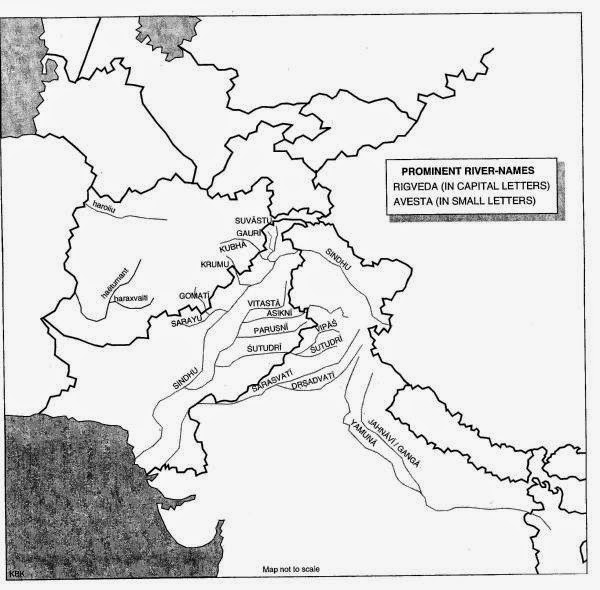
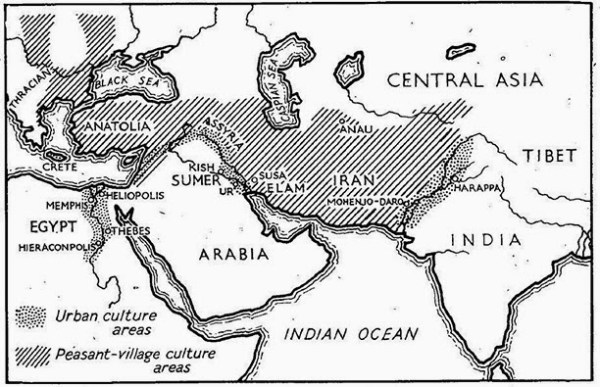
Vedic Hindus’ knowledge of geography is amazing. We know that the Vedas are books of hymns and not a book on history and geography of India. And yet we find names of scores of rivers, mountains and countries. It covers a vast area from Iran to the Vindhyas. They knew the seas on both sides of the Indian subcontinent. They ventured into seas and rescued shipwrecked Bhujyu (mentioned in at least ten places in the RV) and others. They relate the names of 30 plus rivers from EAST of India showing that they were born and brought up on the banks of Ganges. Indra is allocated direction EAST and Varuna the west indicating they marched from the Gangetic plains to the seas in the west spreading the Vedic civilization. We have already archaeological proof of Vedic gods from Turkey –Syria area dated circa 1400 BCE.

Kings of Iran are mentioned in the eighth Mandala of the Rig Veda. Dasaratha (Amarna) letters of Egypt is another archaeological proof to show that the Vedic kings sent their daughters up to Egypt. So the Vedic Hindus knew the areas covering Iran, Turkey, Syria, Iraq in the Middle East and Egypt in Africa. Indisputable archaeological proof is there to support this. The Vedas mention lot of names of kingdoms in India, but the early translators of the Vedas, who believed that the Hindus came from outside India translated the kingdoms names as “tribes”!!

Later Mahabharata mentioned 30 kingdoms! Just to suit their theory of migration into India they translated those Vedic Kingdoms’ names as “tribes”! The Samhitas, Brahmanas, Aranyakas and the Upanishads were all composed even before the Greeks started writing! No primitive civilization can have vast literature like this. They have very clear cut ideas of geography which we knew from their coinage of the word Sapta Sindhava (RV.8-24-27). Names of hundreds of kings are available in the Vedic literature. And we know that they are not tribal leaders because there is a long list of kings who did Aswamedha Yaga. The horse covered several kingdoms and all were taken by the emperor who did the Yaga.

The great war – War of the Ten Kings—Dasarajna Yuddha in the Rig Veda—clearly show that there were at least ten kingdoms by the time. But foreign “Scholars” described them as tribes! The Great War was described in detail in several hymns in the Rig Veda, but not mentioned in the epics which show the lapse of time between the epics and the Vedas. We know that the Vedas were vast which made Vyasa of Mahabharata to compile them and divide them into four Vedas.

Later epics like Ramayana and Mahabharata spoke about Swayamvaras attended by lot of kings from different countries. Krishna’s travel from Mathura in Uttar Pradesh to Dwaraka in Gujarat show how advanced was the road transport in those days. Before Krishna, Bharata travelled all the way from Iran-Afghanistan ( Kekaya) border to Ayodhya in Uttarpradesh quickly. The route is explained clearly in the Ramayana. By around 3rd century BCE, Hindus were using the monsoon wind to travel to Patna from Sri Lanka. It took only seven days. Ravana and his cousins used the Godavari river region as their playground. He travelled all the way to Kailash from Sri Lanka by using the monsoon wind (sea route up to Bengal).

Agastya took 18 groups with him and came to Tamil Nadu by 1000 BCE according to Sangam Tamil Literature. The Purananuru (201) verse very clearly refers to 49 generations before first century CE.

If we look at the Vedic terms with this information in the  background, then we can understand where foreign “Scholars” went wrong!

The Satapatha Brahmana (SB 17-3-8) mentions the Eastern people (Pracyas) and the Bahlikas (people of the Western regions). One must remember these are not geography books and yet hundreds of geographical terms occur! The same book refers to Udichya Brahmanas (SB 11-4-1-1; GB 1-36). Aitareya Brahmana (AB 8-14) refers to Madyamadis (Middle Zone) and Pracya (East), South (Dakshna), the West (Pradichya) and the North (Udichya). Hindus always mention the directions in the same clock wise direction. Until this day people go round the temples in the same way!

They even mention the King Bhoja of the South and the northern most mystical Uttarakuru region. Though South India was full of forests and unoccupied areas they still knew about the South.

Now let us look at the Vedic materials:

Nadi Stuti ( RV.10-75) gives the names of the rivers from East to West. (Westerners translated the names according to their pre conceived notions. If the river names don’t suit their theories they translated differently! In several places they don’t even know whether it is a river or something else! Griffith who said the meaning is ‘obscure’, ‘not clear’ in every page, translated according to his whims and fancies. The main reason for this is all the foreign “scholars” were taught by third rate Sanskrit Pundits in North India. True Vedic scholars refused to teach them the Vedas or Sanskrit. Now thousands of mistakes are being discovered.)

Andhra: People mentioned with the Pundras, Sabaras, Pulindas and Mutibas (AB 7-18)

Alina: They ruled Kafiristan (The current name indicates that it was once ruled by Non-Muslims)

Anga: AV 5-22-14, GB 2-9 as Anga-Magadhas

(This is one of the 16 Big Empires in Buddhist literature)

Bahlika :It is a Western Kingdom mentioned in SB 1-7-3-8 and earlier AV (5-22-5), 5-7-9). The name got corrupted to Bactria in later literature.

Bhalanas (RV 7-18-7) along with Pakthas (Pakhtoonistan), Alinas, Visanins, and Sivas are other kingdoms that took part in the Ten King War (Dasarajna Yuddha) They all had their own kingdoms in and around present Afghanistan. A person would not be called KING without a kingdom! They are mentioned as TEN KINGS throughout the RV!

Bharata: The king who gave the name Bharata for India. They ruled the Sarasvati River Region. Like the later Magadha Samrajya, they were the most powerful empire during the  Rig Vedic Time.

Cedi : Their king Kasu (RV 8-5-37) ruled either Iran or Bugelgund region in India. Later Cedi kingdom was near the Matsya kingdom.

Matsya : They ruled Rajasthan region. RV mentioned them (RV 7-18-6). Their king name Dhvasan Dvaitavana is mentioned as a performer of Aswamedha in SB 13-4-5-9. Only powerful kings who wanted to conquer the neighbouring kingdoms did Aswamedha. This shows that a lot of kingdoms existed at the time of Brahmanas which are dated around 1000 BCE even by a conservative estimate.

Pulindas : They are mentioned along with Andhras in South India in Brahmana literature (AB7-18)

Pundra:They ruled Northern Bengal (AB 7-18)

Purus, Anus, Druhyus, Turvasas and Yadus are the five groups mentioned in several hymns.

The holiest of the holy rivers Sarasvati is mentioned in 80 places in the Vedas.

My list is not a comprehensive list. It is only a sample. Though the foreign “scholars” translated Raja/Ranja as Kings, they made their kingdoms “tribes”!

Since we have got archaeological proof from 1400 BCE with kings names in Sanskrit in inscriptions (Bogazkoy and Amarna letters of Dasaratha in Egypt), we are sure that the tribes are not tribes, but kingdoms or empires. Those who do Aswamedha proclaimed themselves as Maharaja (Emperor).

A proper study of all the mountains, rivers, towns (Hariyupa=Harappa), kings, kingdoms, trees, animals and birds will throw more light on the Vedas and Vedic Hindus. Even during the Vedic days it was the largest country in the world from Iran to Andhra in India!

India in Silappadikaram

Written by London swaminathan

Article No.1844 Date: 4 May 2015

Uploaded at London time: 8-36 am

(This article was sent for publication in the Bharatiya Vidhya Bhavan, Delhi souvenir last year)

(S Swaminathan was a Senior Sub Editor of Dinamani, a Tamil language daily, in Madurai before taking over as the Producer of the BBC Tamil Service in London. Later he started teaching Tamil as a part time tutor at SOAS, University of London)

Tamil epic Silappadikaram (also written as Cilappatikaram) is an encyclopaedia of art and music of the ancient Tamils. Ilango Adikal, author of Silappadikaram, has dealt with almost all the topics under arts and culture of the land. But not many people know that Ilango was equally proficient in the geography and history of India as well. I would like to point out the amazing knowledge of Ilango about the Indian subcontinent. But for his reference to King Gajabahu of Sri Lanka, we wouldn’t have fixed the date of Kovalan and Kannaki. Though the story of Kannaki and Kovalan happened around second century CE, the epic must have been written a few centuries later. The language and style of the poetry in the epic serve as strong pointers in this direction.

The epic runs to 5270 lines and it contains 13,870 words. This is the biggest work closer to the Sangam period. It is worthwhile to compare it with the oldest Tamil work Tolkappiam. Tolkappiam, the Tamil grammar book, runs to nearly 4000 lines with 13,708 words. But again there is some controversy about the dating of Tolkappiam and particularly the third chapter of the grammar book, namely Porul Adhikaram that is considered a later addition by many scholars.

The epic is divided into three Kandams (cantos) on the basis of geographical and political divisions of Tamil country Choza, Pandya and Chera corresponding to Pukar, Madurai and Vanji. These are the capital or major cities of ancient Tamil Nadu. The use of the words Kandam for divisions is copied from Valmiki Ramayana which has seven Kandams(6+1).

We see a very clear shift from the four fold natural divisions of Sangam literature (Kurinji, Mullai, Neithal and Marutham) to a fully fledged city culture in the epic. The graphic description of Pukar(5-6/40) and Madurai streets (Ur Kan Katai) is remarkable. There is no denying the fact cities did exist even during Sangam period. But that was not the main basis of those poems. We see such descriptions in Madurai Kanchi, a Sangam Tamil work. In short we read more about urban culture in the epic than the rural culture of the Sangam literature. The absence of Kurinji, Mullai, Neithal and Marutham in the epic is noteworthy. Ilango mentioned even Ujjain (6-29) and the forests of Vindhya Mountains (6-29) in Madhya Pradesh.

Ilango did not miss the opportunity to describe in detail the two great rivers Kaveri and Vaigai that run through Choza and Pandyan territories. The beautiful descriptions of these rivers are a treat to nature lovers. The River Kaveri has not changed much in the past two thousand years, but Vaigai has lost its beauty. Even in Paripatal, an anthology of Sangam Literature, we see beautiful descriptions of Vaigai.

Ode to River Kaveri (kanalvari)

Hail, Kaveri!

Robed with flowers, swarmed by singing bees, you roam,

Sinuous and fanciful,

Casting dark glances from your swift

And carp like eyes

Your gait and charming looks are the pride

Of your lord, whose virtuous sceptre’s never gone astray

Hail, Kaveri!

(Another two stanzas are there in the epic)

River Vaigai in the background

Vaigai and the city of Madurai are described in the ‘Puranceri Irutha Katai’:-

The Vaigai River, daughter of the sky, wanders ever on the tongues of the poets, who sings the generous gifts she bestows on the land she has blesses. Most cherished possession of the Pandya Kingdom, she resembles a noble and respected maiden. Her dress is woven of all the flowers that fall from the date tree, the Vakulam, the Kino, the white Kadamba, the gamboges, the Tilak, the jasmine, the Myrobalan, the pear tree, the great Champak and the saffron plant. The broad belt she wears low around her hips is adorned with lovely flowers of Kuruku and golden jasmine, mixed with Musundai’s thick lianas, the wild jasmine, he convolvulus, the bamboo, the volubilis, the Pidavam, the Arabian jasmine. The sand banks, edged by trees in blossom, are her youthful breasts. Her red lips are the trees that spread their red petals along the shore her lovely teeth are wild jasmine buds floating in the stream. Her long eyes are the carp, which playing in the water, appear and vanish like a wink. Her tresses are the flowing waters filled with the petals (13-151/174).

Both Kannaki and Kovalan cried out in wonder, “This is not a river but a stream in blossom”.

This beautiful description of River Vaigai is different from River Kavery. This shows his skill and his love of nature.

River Kaveri (Cauvery)

Holy Mountain and Holy River

Tamils were very familiar with the Himalayas and the River Ganges. We have lot of references to these in the oldest part of Sangam literature such as Purananuru. There is no wonder that Ilango also referred to this mountain and the river in several places in the epic. Sangam poets used Himalayas and Pothiyam Hill in pairs (Puram 2-24), probably an indirect reference to sages of the Himalayas and Sage Agastya who had settled in the Pothiyam Hill from the North. The very concept of taking a stone from the holy Himalayas and bathing it in the holiest of the Indian rivers, Ganges, (Vazthu Katai) show that the ancient Tamils considered the big land mass from the southernmost Kanyakumari to the northernmost Himalayas as one entity that belonged to everyone in the country. Chera King Senguttuvan was praised as the ruler of the land between the Himalayas and Kumari.

Reference to holy shrines such as Venkatam where the most famous Balaji temple is located at present, and Srirangam (11-40/41), is also interesting.

Ilango’s reference to Senguttuvan’s sea expedition to destroy the pirates (23-81) and the foreign intruders are examples of his knowledge about the seas surrounding the peninsular. Marine trade with Rome and the West was flourishing during the first few centuries of our era. Though Silappadikaram is a post Sangam work, the Tamils must have felt very proud of their success in the foreign trade. Yavanas are mentioned in four places in the epic 5-10, 14-67, 28-141 and 29-26. The epic says that Chera king ruled the prosperous land of the Yavanas (28-141 and 29-26), may be the North West region of India. It was under the Indo-Greek kings for few centuries.

Ilango’s knowledge of the seas, rivers, mountains, cities and other spots of natural beauty, is amazing. To make the epic more interesting he had added some interesting details about the caves or underground tunnel routes (Katukan Katai)  to Madurai from Alagarkoil, a Vaishnavite shrine near Madurai. As of now we don’t know any such route linking Madurai with Alagarkoil, but in his days probably mountain pass or caves must have existed. Until very recently Alagarkoil hill was very green with thick forests.

In the Venir Katai, he defined the boundaries of Tamil Nadu between Venkatam and the Southern seas. He refers to the semi mythical land Uttarakuru (2-10). Strangely the earliest reference to the River Jamuna and Krishna comes from Sangam Tamil Literature (Aka 59-4) and Ilango refers to it in Aychiyar Kuravai(17-22).

Gajabahu and King of Malava

At the end of the epic he narrates the consecration ceremony attended by Gajabahu, King of Sri Lanka and Kings from Malava (30-157/160). Earlier in the poem he refers to the Satavahanas, who were his friends.

Author’s e mail: swami_48 @ yahoo.com

Books used

The Cilappatikaram, translated by Prof.V R Ramachandra Dikshitar, 1939. Second edition, The South India Saiva Siddhanta Works Publishing Society Tinnelvelly Limited, 1978

Shilappadikaram (The Ankle Bracelet), translated by Alain Danilelou, A New Directions Book, New York, 1965

Lions and Elephants in Mahabharata!

lion

Written by London swaminathan

Research Article no. 1722; dated 16 March 2015

Up loaded at 9-05 am London time

Strange Animal Stories in Mahabharata! – Part 4

Parts 1,2 and 3 were posted in the past few days.

We have seen snakes, snake bites, crocodiles, and strange frog, fish, tortoise and birds’ stories so far. Now let us look at some more strange animal stories in the Mahabharata.

Lion attack

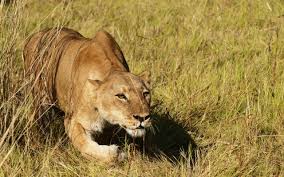
We hear true stories in Mahabharata. Krishna married eight women including Rukmini, Satyabhama and Jhambavati. Sathyabama’s father was Satrajit. He had a beautiful diamond which he gave it to his brother Prasen. When he went for hunting he was killed by a lion. The diamond was taken by tribal people. Even today Krishna’s state (Dwaraka in Gujarat state) is the only place where we can see lions in natural condition.

wolf

Man turning into a wolf

Ram attack

Dhanusaksha was a learned sage. He was insulted by Medhavi, who had a boon to live as long as the mountains stood. But Dhanusaksha created a ram with strong horns. It started digging the earth to bring down the mountain (3-135)

Werewolf

Lot of stories about werewolves are said in Western countries. They were human beings turned into werewolves by curses. In Mahabharata we come across werewolf like people. Ekata (No.1)  Dwita (No.2)  and Trita (No.3)  were brothers. Once Dwita fell into a well and brothers did not come for help. So Dwita cursed them to become wolves- 9-36

Deers-deer-3417187-640-640

Deer Man!

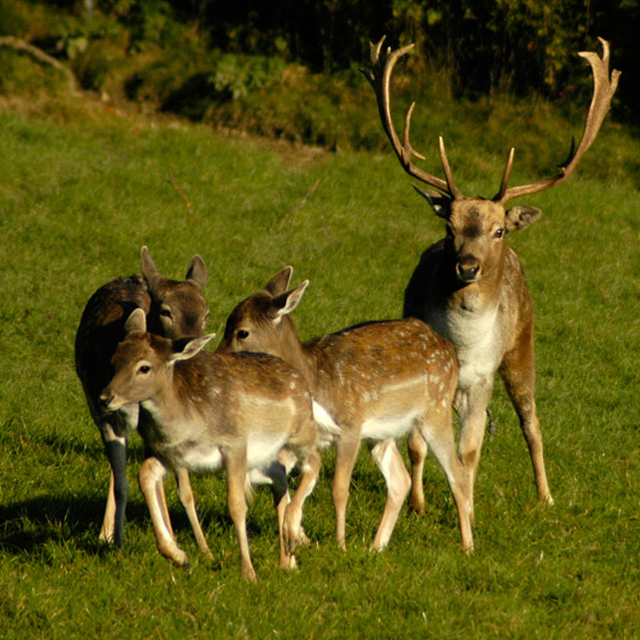
Kindama was a sage who changed himself and his wife into deer. When they were enjoying physical pleasures, king Pandu killed them. Just before dying of wounds Kindama regained his form and cursed Pandu that he would die the moment he tried to make love to his wife. Pandu argued that kings can hunt animals and it was not illegal. Then the sage told him that may be right but he could not kill an animal when it is engaged love making 1-118

My comments: Actually the sage and his wife did not become deer. They were just wearing deer skin to avoid cold or mosquito bite. May be it is a camouflage technique.

There is another deer in the story of Rishyashringa. He was son of Vibhandaka. His mother was a deer and therefore he had one horn in his forehead 3-110

My comments: Biologically it is not possible to get an offspring from a deer and human being. It is immoral as well. But people with horn like projections can be born. Such things are medically recorded. Since Rishyasringa appeared for the first time in Ramayana, lot of time must have elapsed between the time it happened and it was recorded. So we must give some allowance for errors.

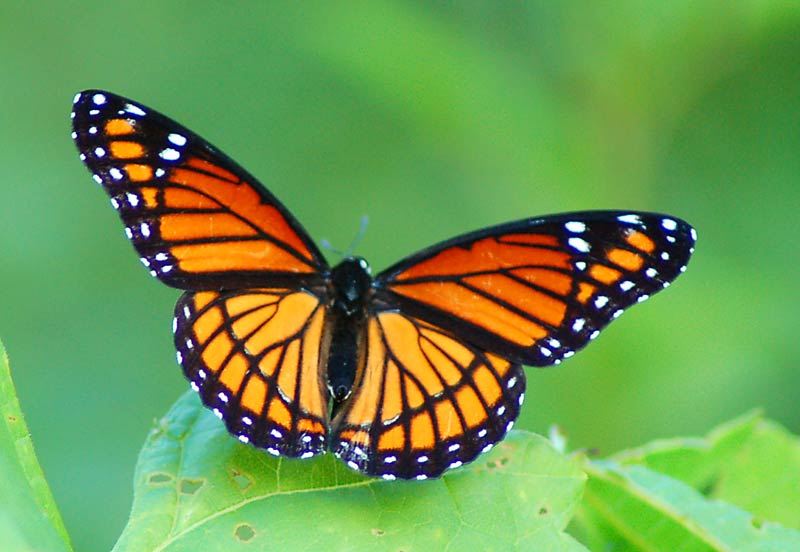
viceroy-butterfly-lg

Butterfly Effect

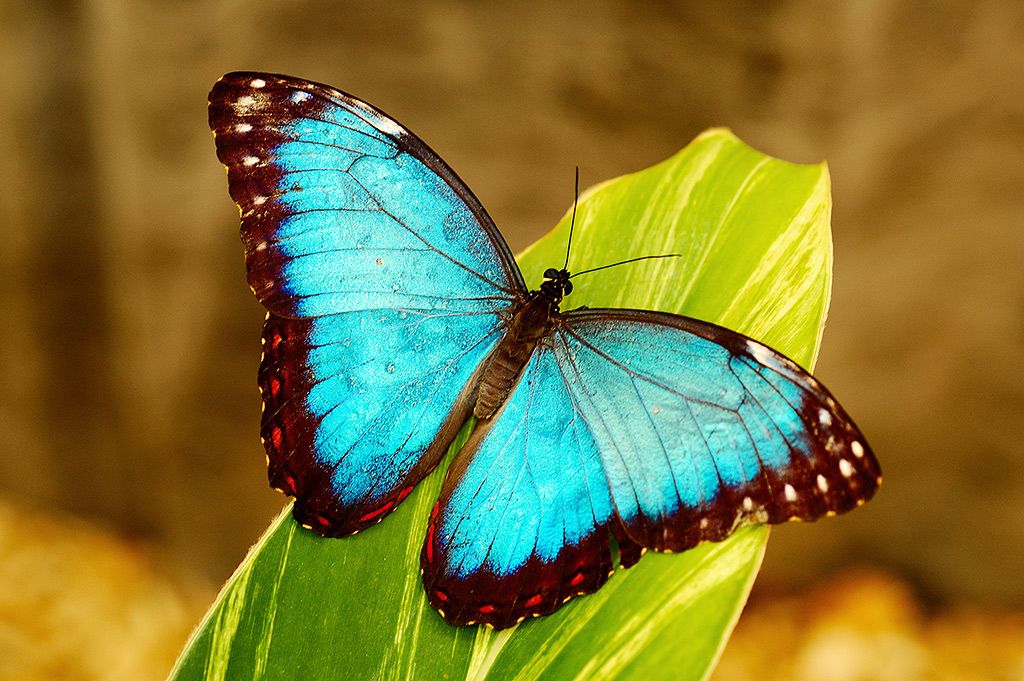
Mandavya was a sage who was observing silence. Thieves came to his house and hid themselves. When King’s soldiers asked him about thieves, he did not answer. The soldiers found the lost goods and the thieves. They took Mandavya along with them thinking that he was an accomplice. King ordered execution by impalement. Mandavya did not die on the stake but was suffering from pain. The king ordered his release when he found out his innocence. When Mandavya asked Dharma (God of righteousness) the reason, dharma told him that he caused pain to a butterfly with a blade of grass when he was a boy. Mandavya was not convinced with his explanation and cursed Dharma to be born as a low caste person in the world. He was Vidura 1-108

blueMorphoZ

My comments: This is an exaggerated story just to illustrate the Karma theory—cause and effect. Even if you cause a small harm that will come back multi fold. It is actually worked out mathematically. For a butterfly the blade of grass, for a man it is impaling stake! Proportionate punishment!

Cow, Dog and Elephant in Mahabharata

These stories are given by me elsewhere in the blogs. Just a short reference:

Cow :Surabhi’s daughter Nandini was with Vasistha. Story of Surabhi is in 3-9

Dog : Sarma, the female dog of Devas, with her sons were in the Yaga conducted by Janamejaya. King’s brother beat the dogs and Janamejaya was cursed 1-3

My comments: Dog Sarama is in the Rig Veda too. It travelled up to Greece and we find it as Hermes in Greek literature.

Another famous dog accompanied Pandava brothers in their final journey 17-3

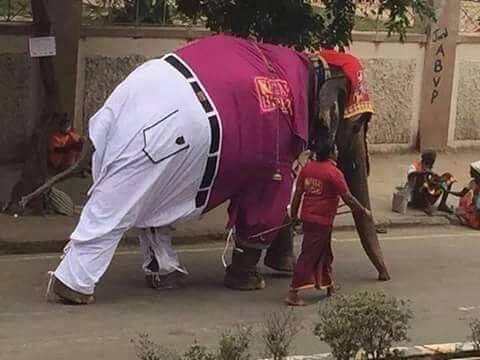
yanaiiku jippa

Elephants

Indradymana, a Dravidian king was cursed by Agastya to become a dim witted elephant 3-104

Bhagadatta, king of Pragjyotisa, had a powerful elephant named Supratika. This elephant caused great havoc in the Pandava army. Krishna helped Arjuna to kill Bhagadatta 7-26

Damayanti accompanied some pilgrims going through a forest in the kingdom of Chedi. They were attacked by wild elephants and many pilgrims died.

My comments: This is a real life story from Indian forests. Earlier a python tried to devour Damayanti.

My comments: These are all real pictures of the ancient India. I Have already written about pythons devouring elephants in Tamil Nadu Forests. Tamil poets of Sangam age observed these things and recorded it in their poems. Mahabharata recorded all snake bites, crocodile attacks, elephant attacks, lion attacks etc.

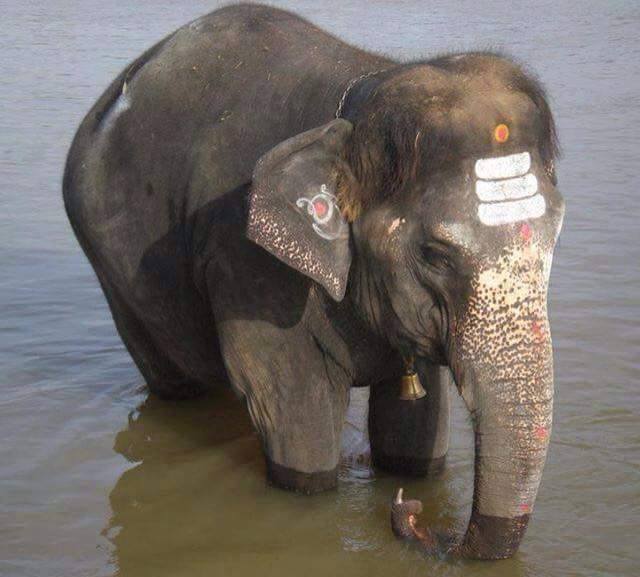
yanai vibhuti

Naming animals like Airavata, Uchchaisravas is also typical Indian. We have this custom followed from the Vedic days. Even Alexander named his horse Bucephalos following Indians.

Asvattama’s story is famous. That was the name of an elephant as well as the son of Drona. When Yudhistra was asked to shout “Asvattama killed”,that turned the tide of the war. Yudhistra was forced to tell a lie. Drona thought that was his son who died.

Strange Belief about Crows in India and Britain!!

kakaka

Bird Omens: Cries of Crows-Part 1

Written by London swaminathan

Research Article No. 1678; Dated 26 February 2015.

After going through hundreds of books about all the ancient civilizations, now I can tell anyone that Sanskrit is the only ancient language that has got all the subjects in its ancient literature. We know for sure there is no book about sex like Kamasutra, grammar like Asthadyayi, index like Vedic Anukramani, no airplane manual like Vaimanika sastra of Bharadwaja, no epic like Mahabharata, no dictionary like Amarakosa, no story book like Katha Sarit Sagara, last but not the least no anthology like the Rig Veda. There are innumerable subjects dealt with in these books from Astronomy to Zoology!

It is no wonder that they hired Kikkuli to teach them about Asvashastra (Horses) around 1400 BCE in Turkey and Syria. And it is no wonder we see Sanskrit in Turkey, Syria and Egyptian inscriptions around 1400 BCE.

Everyone must study Sanskrit and Tamil before talking or writing about Indian culture.

Now back to Varhamihira’s Brhat Samhita, the Sanskrit encyclopaedia ( We have already published several articles from this book):

crow

Cries of Crows (Chapter 95):–

“For the people of Eastern countries the sight of crows to their right and of the Karayika (small kind of crane), to their left is favourable. This is to be reversed in other countries. The demarcation of countries is to be understood duly from convention”

(Varahamikhira has dealt with the geography of India in Chapter 14. So he knew that there were difference of opinion even about the cries of crows in India!)

“If a crow builds its nest in an unspoilt tree in the month of Vaisakha (May), there will be plenty of food and happiness (as well as prosperity); if in a condemned or thorny tree, there will be danger of famine in the country”.

Then he describes the location of crow’s nest and its effect on rains:

Crow’s nest on eastern branch of a tree= Good rain in Autumn

Western branch = rain in rainy season only

South or North branch = Rain between two seasons

Top of the tree= Copious rains for 4 months (Sravana to Kartika, i.e. August to November)

South East = Sporadic rain

South West = Autumnal crops would flourish

Other two corners= Plenty of Food grains

Nest in North Western branch of the tree= Rats would multiply enormously.

(This is a very interesting observation. They have watched the nesting and found out some links. But we would know whether he is right or wrong only after observing it closely and document it).

If the crow builds its nest on reeds, bushes or house or temple the country will be denuded being afflicted with robbers, drought and disease.

raven 2

Raven in Tower of London

Change of Government!

A crow with two, or three or four fledglings confers abundant food; with five, brings about change of rulers; one throwing away the eggs or laying a single egg or no egg at all, is not all auspicious.

If crows congregate without any cause in the middle of the village and caw aloud, there will be danger of famine; if they fly in a circular group, the village will be besieged; if they appear in several groups, there will be disaster.

If the crows attack people fearlessly with their beaks, wings or kicks, there will be increase of enemies; if they fly at night, destruction is indicated.

If crows fly in clockwise fashion, the person concerned will have trouble from his own kinsmen; if in the anti-clockwise manner, from enemies; if in a very disorderly fashion, there will be whirlwind.

When the crow’s beak is filled with sand, corn, wet clay, flower there will be gain of wealth; when it takes away vessels or treasures from a place, there is danger in store.

If the crow strikes a vehicle or weapon, slipper, shade of the umbrella or man himself, the person concerned will face danger. If it ‘’worships’’ with any of these, he will get honour. If it passes excreta on it, he will get food

A person will gain or lose the same article as has been brought or taken away be yellow in colour, it will be gold; if cotton- clothes, if white- silver.

The belief about crows and its relative ravens is worldwide. Ravens are the most favoured birds in the United Kingdom!

raven 1

Ravens in Tower of London

In the Tower of London, which houses the famous Kohinoor diamond and other crown jewels, lives six to eight ravens. Ravens are bigger in size and darker in colour, but they belong to the Crow family (Corvus family). British people believe that “if the ravens leave the tower of London, the monarchy would fall”.

From the days of Charles II, they have appointed one staff – Ravens master – who is in charge of the ravens in the tower. Each one is fed 170 grams of meat and biscuits soaked in blood. All tourists flock to this area when they go into the tower. There is an entrance fee to see the Tower of London which has a 980 year history.

All the ravens are named and they are treated as royal soldiers. During Second World War, Prime Minister Winston Churchill ordered more ravens to be brought in for the survival of Britain!! Now the raven population is eight. There must be at least six birds at any time. Now and then British Newspapers publish news items about the most famous birds of Britain.

In 2013, two birds were eaten by a fox who intruded into the tower in the early morning. Another time a bomb sniffing dog bit one raven and then it died. Since the superstition is so strong no one wanted to take any risk of losing the ravens. Tourists take photographs of the ravens with the raven’s master.

When the fox killed ravens named Grib and Jubilee, security was beefed up at the Norman tower where the birds live.

This is what the British newspapers reported on 28th October, 2013:–

“ A spokesman for Historic Royal Palaces, the charity that cares for the birds, said it had been a ‘lucky escape’ because the hungry fox had almost taken the number of ravens below six.  The dead birds were found by keepers at dusk and tests showed they were killed by a fox.

Grip was named after the raven in Charles Dickens’s Barnaby Rudge that inspired a poem by Edgar Allan Poe, while Jubilee was chosen to honour the Queen. The two new birds brought in as replacements have been given the same names.

Catherine Steventon, of Historic Royal Palaces, said: ‘The ravens are put to bed each evening in secure enclosures to  minimise these risks, however sadly a fox captured two of the ravens before they were put to bed.

‘At dusk we couldn’t find them. Eventually, they were found within the inner walls… Currently we have eight ravens at the Tower. The legend mentions six ravens and we like to have two extra.’

255 Indian Trees, Herbs and Shrubs mentioned in Brhat Samhita- Part-2

alstonia-scholaris-saptaparna

(Sapta parna, Ezilai Palai in Tamil)

Compiled by London swaminathan

Post No.1670; Dated 23 February 2015.

In the first part posted on 21st February I gave the names of 130 trees. Here is the second part:

131.Patra =Laurus cassia, Cinnamomum zeylanicum (Lavanga sake in Kan.. Lavangam in Tamil) லவங்கம்

132.Padma= Nelumbo nucifera (Tamarai in Tamil)தாமரை

133.Padmaka = Prunus cerasoides

134.Pnasa = Artocarpus heterophyllus (Jack fruit; Palaa in Tamil)பலா

135.Parusaka = Grewia asiatica (பலிச in Tamil; Phalsa, Farsa in Urdu, Sindhi)

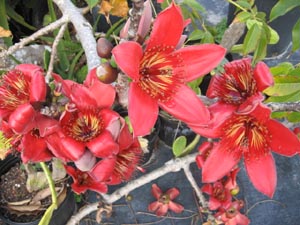
136.Palasa = Butea monosperma ( Flame of the forest; Muttuga in Kan;Kimsuka in Sanskrit, பரசு in Tamil)

137.Paathaa = Cissampalos pareira or Cyclea burmanni (Paadaavali valli)

139.Paanduuka = a corn; Sterculia urens?

flame-of-the-forest-palasa

Flame of the Forest = Mul Murukku in Tamil

  1. Paarijata = Erythrina indica (முள் முருக்கை in Tamil)Indian coral tree; Tiger’s claw

141.Picumanda = See Nimba

142.Pindara =Trewia nudiflora (ஆட்டரசு in Tamil, Eruponaku in Tel)

143.Pippali = Piper longum ( மிளகு in Tamil; Hippali balli in Kan.

144.Pilu = Salvadora oleoides (Varagogu in Tel.)

145.Punnaga = Calophyllum inophyllum (surahonne in Kan)

146.Pughiphala = Areca Catechu (பாக்கு மரம் in Tamil, Adike in Kan.)

147.Purnakosa = ?

148.Priyaka = Anthocephalus indicus

149.Plaksa = Ficus arnottiana (Kada Asvatta in kan)

150.Bakula = Mimusops elengi (Renge in Kan)

ஆடாதோடை

151.Badari= Zizyphus jujube (இலந்தை in tamil; Bugari in Kan)

152.Bandhujiva = Pentapetes phenicca ( நாகலிங்க பூ in Tamil, Naga Champake in Kan.)

153.Bimba = Coccinia indica (Tonde in kan)

154.Bilva = Aegle marmelos ( வில்வம்  in Tamil)

155.Bijapura = Citrus medica (Madala in Kan)

156.Brhati = Solanum xanthocarpum (kirigulla in Kan.)

157.Brahmi = Centella asiatica  ( வல்லாரை  in Tamil)

158.Bhadra = Acorus calamus (Bajegida in Kan., வசம்பு in Tamil)

159.Bhallataka = Semecarpus anacardium (Marking Nut Tree; Gerkayi in Kan.)

160.Bhandira = Indian Fig Tree

161.Bharngi = Clerodendrum indicum  (Ceru Tekku in mala. Gantu barengi in Kan)

162.Bhurja = Betula alnoides

163.Manjistha = Rubia cordifolia = Tamravali in Tel.Istamaduka in Kan)

164.Manivaka=?

165.Madana = Randia dumetorum (Karekayi gida in Kan)

166.Madayantika = Arabian jasmine

167.Madhuka = Cynometra ramiflora = Bassia latifolia (ippemara in Kan)

168.Marica = Piper nigrum (Olle manasina ballai in Kan)

169.Matr Vrksha = Pongamia glabra (Honge in Ka)

170.Maalaa=  Trigonella corniculata = (Pirang in Urdu)

vitex negundo (keuschabam)

Vitex negundo

171.Masa = Phaseolus radiates (uddu in Kan)

172.Masaparni = Teramnus labialis (kattulandu in Mal)

  1. Mudga = Phaseolus mungo (பாசிப் பயறு in Tamil, Moong Dhal, Pacce hesaru in Kan)

174.Musta = Cyperus rotundus = Bhadramusti or tunge hullu in Kan)

175.Mrdvika = Vitis vinifera (Drakshai in Tamil திராட்சை and Kan)

176.Maurvi = Senseieria roxbhurghiana (Maruga in Kan)

177.Yava= Hordeum vulgare (Jave godi in Kan)

178.Rasa=Bola = Commiphora myrrha (சாம்பிராணி மரம்)

179.Rajakosataka = Luffa cylindrical (Sorekayi in Kan; Surai Kay சுரை in Tamil)

180.Renuka = Piper aurantiacum (shambaluka buk in Hindi)

Garcinia morella, Tapincha

Tapincha = Clerodendrum

181.Rohitaka = Aphanamixis polystrachya (Cemmaram in Mal.Rohada in Marat)

182.Lakuca = Artocarpus lakoocha (Vatehuli in Kan)

183.Laksmana= Mandragora officinarum (Kattai jati in Mal.)

184Lavanga = Syzigiumaromaticum

185.Lavali = Cicca asida (Ara nelli அர நெல்லி in Tamil)

186.Lodhra = Symplocos paniculta

187.Vaca= orris root ,Acorus calamus (Vasambu வசம்பு in Tamil)

188.Vanjula = see Vetasa

189.Vata = Ficus benglanesis (ஆலமரம் in Tamil; Nyagrodha in Sanskrit)

190.Vana = Kyllinga mono cephala (Nirbhisi in Hindi; Mustu in Marat)

191.Varuna = Crataeva murwala (Holenekki in Kan)

192.Vanira = See vetasa

193.Vaaraahi = Tacca aspera (Dukarkanda in Marat)

194.Vaarida = Cyperus grass

195.Valaka = Aporosa lindieyana (விட்டில்  in Tam. And Malaya)

196.Vasika = Adatoda vasika (Adathodakam in Mal, Adusoge in Kan ஆடாதோடை)

197.Vasiphala = Gendarussa vulgaris (Vatamkolli in Mal; கருநொச்சி in Tamil)

198.Vikankata = Gymnosporia spinosa= காட்டஞ்சி in Tamil)

199.Vidanga = Embeliaribes = Vayu vilangaa in Kan, Tamil and Te.

200.Vidarika = Solanum verbasifolim (Kallate in Kan)

cordia dichotama

Cordia dichotama

201.Vibhitaka = Terminalia balerica (Santi mara in Kan)தான்றிக்காய்  Tamil

202.Visvesvari = Hibiscus mutabilis (சூர்யகாந்தி Surya Kanti in Tamil and Kan)

203.Visa = Aconitum ferox (Bish in Hindi, Vashanavi in Mala;

204.Virana = See Usira

205.Vetasa = Calamus rotang (பிரம்பு in Tamil;Betta in Kan)

206.Vyagranakha = Euphorbia antiquorum (வச்சிரம் in Tamil, Cadurakali in MalayalamGymnosporia spinosa

207.Vyagrapada = Gymnosporia spinosa (see Vikankata)

208.Vyamaka = costus specious (குரவம் in Tamil; Chengalvagoshu in Tel)

209.Sana = Crotalaria juncea = (Sanabu in Kan.,

210.Satapushpa = Pimpinella anisum (Bade sophu in Kan.

Shami

211.Satavari = Asparagus gonogladus (Halavumakkala thayi babbi

212.Sai= Proposis spicigera (Saami , வன்னி மரம் in Tamil)

213:Sara = Typha elephantine (Jambu hallu in Kan.)

214:Sallaki – Boswelia serrata (Guggula mara in Kan)

215.Sala = Shorea robusta (குங்கிலியம் in Tamil, aasinamara in Kan)

216.Saka = Tectona grandis

217.Sali = Oryza sativa (nellu in Tamil and Kan)

218.Salmali =Bombax malabaricum (Elava in Kan. இலவம்)

bombaxmalabaric

Bombax malabaricum , Silk Cotton Tree, Salmali, Ilavam in Tamil

219.Sirisa = Albizzia lebbeck (Bage mara in Kan, வாகை in Tamil)

220.Siva = Cinnamomum tamala ( malabathrum, tamala patra; Tejput in Hindi; தாலிசபத்திரி

221.Sisumari= ?

222.Simsapa = Dalbergia sisoo – Indian Rosewood; Sheesham wood (irungudi in Kan.)

223.Srngavera = Zingiber officinale ( Sunthi in Kan. இஞ்சி)

224.Sonaka = Groxylum indicum (Anemungu in Kan. Velutta Patiri maram in Mal, சொரிகொன்றை cori-konnai, பாலையுடைச்சி )

225.Sriparni = Gmelia arborea; Kasmari; Beech wood, White teak; Kuli mara in Kan)

226.Syama = Echinochloa frumentacea (samul in Marat. Chamalu in Tel)

227.Srivasa = Turpentine (obtained from tree resins; from Pinus trees)

228.Slesmataka = Cordia dichotama (Cinna nakkeru in Te. Gunda in Hindi; Bhokar in Marat.)

Gmelina-arborea

Gmelina arborea

229.Sastika = A kind of rice growing in 60 days

230.Saptaparna = Alstonia scholaris (Hale mar in Kan. ஏகாளி மரம், ஏழிலைக் கள்ளி மற்றும் ஏழிலம்பாலை)

231.Samanga = Rubia cordifolia (Manjistha in Kan, Manditti in Tamil)

  1. Sarja = Shorea robusta சால மரம்

233.Sarsapa = Brassica integrifolia = (sasive in Kan)

234.Sahadevi = Veronica cinerea (karehindi in Kan., Puvankuruntala in Mal)

235.Sala = Hibiscus salateus  or Sida acutea (Malatanni in Mal; நீர் பருத்தி

236.Sariva = Ichnocarpus frutescens (Pal valli in Mal.

237.Sinduvara = Vitex negundo

238.Sindhuka = Sariva = Ichnocarpus frutescens

239.Suvarnataru = Cassia fistula (Konde mara in Kan)

240.Suvarna Pushpa = Campaka சண்பகம்

Phalsa, Grewia asiatica

Phalsa, Grewia asiatica

241.Susara (Sardru?) = Terminalia tomentosa = Tempavu in Mal. Tamil:கருப்பு மருது

242.Sukaraka = Gironniera reticulate?

243.Sukarapadi = Azima tetracantha?

244.Suryavalli = Indigofera enneaphylla? Or Hibiscus mutabilis

245.Somaraji = Centratherum anthelminticum (Kadu Jirege in Kan. காட்டு ஜீரகம் in Tamil)

246.Somalata = Sarcostemma brevestigma

247.Saugandhika = White water Lily அல்லி

248.Saubhanjana = Moringa oleifera = Drumstick Murungai in Taml; (Nugge mara in Kan.)

  1. Spandana =?

250.Syandana = Rathadru = Tinisa

251.Svarnapuspa = Jasminum humile (செம்மல்லிகை)

252.Haridratara = Coscinium fenestratum = Dodda maradara sina in Kan.; maramanjal in Mal.)

253.Haridra = Cucrcuma longa (Arasina in Kan)

254.Hastikarna = Alocasia macrorhiza (Marasanige or Mundigida in Kan)

255.Haritaki = Terminalia chebula ஹரிதகி / கடுக்காய்

The translator has put question marks against some plants. He could not identify them correctly. Further research is required in this area.

swami_48@yahoo.com

255 Indian Trees, Herbs and Shrubs mentioned in Brhat Samhita- Part-1

acacia catechu_tree

Acacia catechu (used in Pan for red colour)

255 Indian Trees, Herbs and Shrubs mentioned in Brhat Samhita- Part-1

Compiled by London swaminathan

Post No.1665; Dated 21 February 2015.


Varahamihira was a great scholar, mathematician, astronomer, astrologer, biologist and a poet. He has mentioned over 250 plants in his encyclopaedic work Brhat Samhita. Prof. Ramakrishna Bhatt who has translated the work from Sanskrit into English has given the list of plants in the appendix section. I have added the Tamil names wherever possible:

1.Aguru = Aquilaria agallocha (Agil in Tamil)அகில்

2.Agnimantha = Premna spinosca

3.Ankola  = Alangium decapaetalum அழிஞ்சில்

4.Ajakarna = Vateria indica (Raala in Kannada)

5.Ajamoda  = Apium grveolens or Carum copticum (Voma in Kannada)

6.Aja = Ocimum americanum (Ramatulasi-Kannada)துளசி

7.Anjana = Memecylon umbellatum (Vishnukranta?) விஷ்ணுகிரந்தி?

8.Atasi = Linum usitatissimum (Aali Vithai in Tamil)

Linum_usitatissimum_plant

Linum usitatissimum (Ali vithai in Tamil)

9.Ati balaa = Sida rhombifolia

10.Atimuktaka = Chrysanthemum indicum (Sevantige in Kannada)சிவந்தி

11.Apamarga = Achyranthes aspera (Uttarane in Kan.)

12.Amrta = Eulophia campestris or Tenospora cordifolia (amrtaballi in Kan.)

13.Amba = Pongamia glabra (Honge in Kan.)

14.Arani = Breynia rhamnoides/

15.Arista = Xanthium strumarium

16.Arka = calotropis gigantea (Ekke in Kan and Erukku in Tamil)எருக்கு

17.Arjuna = Terminalia arjuna (matti or Bili matti in Kan.)மருத மரம்

18.Asmantaka = Bauhinia tomentosa? (Vanasampige in Kan)

19.Asvakarna= Shorea robusta (Raladamara in Kan.)சால மரம்

azhignchil_in_jaffna

(Alangium= Alinjil in Tamil=Ankola in Sanskrit)

( I have already written about Adi Shankara’s hymn about this rare tree)

20.Asvagandha = Withania somnifera (Sogade beru in Kan.)

21.Asvattha = Ficus religiosa (Arasa Maram in Tamil)அரச மரம்

22.Asana = Bridelia montana = Benga mara in Kan.

23.Amra = Magnifera indica (Mavina mara in Kannada; Ma Maram in Tamil) மா மரம்

24.Amraataka = Spondias magnifera (Ambate mara in Kannada

25.Iksu = Saccharum officinarum = Kabbu. In Kannada)கரும்பு

26.Asoka =  sarasa idica அசோக மரம்

yakshi under asoka

Yakshi under Asoka Tree.

27.Inguda = Balanites aegyptiaca (Ingalika mara in Kan., Nanjunda in Tamil)நஞ்சுண்டா

28.Indra taru or Svetakutaja= Wrightia tinctoria (kirigodesige in Kan)

29.Udumbara + Ficus racemosa அத்தி மரம்

30.Usira = Vetiveria zizanioides (Lavanca in Kan.)

31.Ela = Elettaria cardomonum (Elakkay in Tamil) ஏலக்காய்

32.Kakubha = Lagarstroemia speciose (Cemmaruta in Malayalam)

asoka, saraca indica

Asoka flower (two different species are called Asoka)

33.Kangu = Setaria italic (Navane akki in Kan.)

34.Katambhara = Picorrhiza Kurroa or Helleborus niger (Katukarohini in Tam., Kan.) கடுகரோகிணி

35.Katuka = see above 34 (Kadukkay is different)

36.Kantakari = Solanum xanthocarpus (Nelagulla in Kan.) கண்டங்கத்தரி

37.Kataka = Strychnus potatorum = Clearing nut tree (cilliamara in Kan., Tettaa maram in Mal)

38.Kadamba = Anthocephalus indicus கடம்பமரம்

39.Kadali = Musa paradisiac (Bale in Kan. Vazai maram in Tam.) வாழை

40.Kapikachchu = Colocasia esculenta (Kesavu in Kan., Sembu in Mal., Tamil )சேம்பு

Bo tree

Peepal Tree= Ficus religiosa= Arasa maram in Tamil

41.Kapitha = Feronica elephantum = Wood apple (Vilam pazam in Tam.Belada mara in Kan.)விளாம்பழம்

42.Kamala = Nelumbo nucifera (Tavare hu in Kan., Tamarai in Tamail, mal.) தாமரை

43.Kampillaka = Mallotus philippinensio (Honne mara in Kan)

44.Karanja = Pongamia pinnata (Honge in Kan., Korngu in Telugu)

45.Karavira = Nerium indicum அரளி

46.Karira = Capparis decidua

47.Karnikara = Pterospermum acerifolium (kanaka champaka in Kan) செண்பகம்

48.Karcura = Hedychium spicatum

49.Karpasa = Gossypium herbaceum (hatti in Kan.) பருத்தி

champaca

(Champaka=Michelia)

50.Kalama – Gryza sativa (Rice variety Kalame in Kan.)

51.Kallola = Luffa echinata (Devadangar in Kan.?)

52.Kakodambarika = Ficus hispida (Peyatti in tam. And Mal) பேயத்தி

53.Kasmari = Gmelina arborea (Kulimara in Kan. And Gumuducettu in Telugu)

54.Kutaja = Holarrhena antidysenterica (kodasige in Kan.and Kodisepala in Telugu)

  1. Kunda = Jasmium multiflorum (dundu mallige in Kan and Mogra in Marathi) மல்லிகை

56.Kunduruka = Boswellia serrata or thurifera (madimara in Kan. And Parangi sambrani in Telugu)

57.Kumari = Aloe barbadensis (Lolisara in Kan. Katrazai in Tamil)கற்றாழை

58.Kumuda = Nymphea stellate அல்லி, குமுதம்

59.Kuranta = Striga lutea =

60.Kuravaka = Baleria cristata (Kariculli in Kan.)
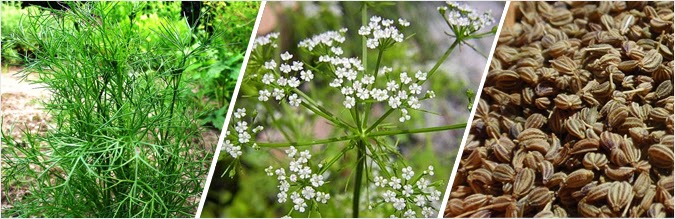
Ajowan

Ajowan = Ajamoda= Omam in Tamil

61.Kula = Solanum xanthocarpum (Kantakari in Kan.)கண்டங்கத்தரி

62.Kulatha = Dolochos biflorus (Huruli in Kan.)

63.Kusa = Desmosstycha bipinnata (Darbhe in Kan; Thrppai in Tam.) தர்ப்பை

64.Kushta = Sassurea lappa (Koshtam in Tam.Sepuddi in Mala) கோஷ்டம்

65.Kusumbha = Crocus sativus = Kunkumakesara in Kan and Kunkuma pu in Tam.) குங்குமப்பூ

66.Kustumburu = Coriandrum sativam (Dhania in Hindi; Kothumalli in Tam)கொத்தமல்லி

67.Kesara (punnaga) = Calophyllum inophyllum (punna in mal.) புன்ன

1024px-புன்னை_காய்களுடன்

Calaphyllum = Punnai in Tamil

68.Kodrava = Paspalum scrobikulatum (Varagu in Tam. And Kiraruga in Tel) வரகு

69.Kovidara = Bauhinia variegate (Kempu mandara in Kan.;Devakanchanamu in Tel)

70.Ksirika = Alstonia venenata (Addasarpa in Kan.; Pazamunipala in Mal.)

71.Ksema = Angelica glauca? or Fagonia cretica (Dhamasa in Mara.Dusparsa in Sanskrit, Cittigara in Tel.?)

72.Khadira = Acacia catechu (Kasu in Kan.);used in Paan for redcolour

73.Kharjuri = Phoenix sylvestris

74.Ghandhamamsi = Nardostachys jatamansi (Sugandhamuste or Ganigalamuste in Kan.Namattam in Tam)

75.Garudavega = Cocculus hirsutus (katterkodi in Tam.)காட்டுகொடி

76.Gangeruka = Canthium parviflorum (Karegida in Kan.Karai in Tam., Balusu in Tam)காரை

77.Girikarnika = Clitoria ternatea (Sankhapuspa in Kan; sangu pushpam or Kakkanam in Tam) காக்கணம் (sangu Pu, Karuvilai in Tamil)

Clearing nut ,strychnos_potatorum_

Cleaning Nut

78.Guggulu = Commiphora roxbhurgili (Gondhu in Tamil)

79.Gunja = Abrus precatorius (Kundumani in Tam.Gulukunji in Kan.) குந்துமணி மரம்

80.Guduci = Tinospora cordifolia (Siindil in Tam.Amrta in Kan.)

81.Gundra = Typha elephantine (Jambhuhullu in Kan.)

82.Goksura = Tibulus terrestris (neggilu Mllu in Kan. Nerunji in Tam) நெருஞ்சி

83.Godhuma = Triticum aestivum (Godhi in Kan, Kothumai in Tam)கோதுமை

84.Canaka = Cicer arietinum (Kadale in Kannada) கொண்டைக்கடலை

shenpakam

Michelia= Shrnpakam in Tamil)

85.Candana (sandana) = Santalum album (Srigandha in Kan.) சந்தன மரம்

86.Campaka = Michelia champaca (Sampige in Kan.) செண்பகம்

87.Cirabilva = Pongamia pinnata or Eleocarpus serrata (Bigadamara in Kan)

88.Coca = Kydia calcina

89.Coraka = Curcumba latifoliya or Angelica glauca

90.Jambu = Syzygium jambos (Jambu nerale in Kan.) நாவல்மரம்

91.Jati = Jasminum officinale ( Jaati mallige in Kan) ஜாதி மல்லிகை

Kutaja, Girimallika, Holorrhea

Kutaja= Giri mallika

92.jaathipalaa = Myristica fragrans (Nutmeg Tree, Jajikay in Kan. ஜாதிக்காய் மரம்)

  1. Jiraka = Cuminum cyminum ( Jirige in Kan ஜீரகம்)

94.Jivaka =Bridelia montana = Pantegi in Te. வேங்கை மரம்

95.Jivanti = Demotrichum fimbriatum or Trema orientalis (Kiruhali in Kan)கடலை, துவரை

96.Jyotismati = Cardiospermum halicacabum (Heart seed(Erumballi or agnipalli in Kan.)

  1. Tagara =Valeriana wallichi (Rishawala in Urdu)

98.Tala = Borassus flabellaformis (Talisepatra in Kannda) Panai in Tamil பனை மரம்

99.Talisapatra = Flacourtia jangomas (Talisapatre inKan.)

100.Tintidi = Tamarindus indica (Hunisemara in Kan. புளிய மரம்)

101.Tinduka =Diospryos paniculata (karunthuvarai in Tamil) கருந்துவரை

பல மரங்கள்

102.Timira = Turmeric?

  1. Tila = Sesamum indicum (Ellu I Kan. El in Tamil)

104.Tilaka = Clerodendrum phlomoides (Takkolamu in Tel.)

105.Turuska = Olibanum tree; Tagetes erecta (Banti in Tel)

106.Trayamana = Ficus heterophylla (kodiyatti in Tami, Datir in Mara) கொடி அத்தி

107.Triphala = Terminalia chebula (kadukkay (Anil kaye in Kannada) கடுக்காய்

  1. Trivrta = Vitis vinifera (Drakshai in Kannada)

109.Tvak = Cassia bark

110.Danti (Nagadanti) = Baliospermum montanum (Niradimuttu in Tamil, Nelajidi in Tel.)

111.Damanaka = Artemisia siversiana(Maru in Tamil) மருக்கொழுந்து

Balanites_aegyptiaca

Balanites aegyptica

112.Darbha = Desmostachya bipinnata (Tharppai in Tamil)

113.Davadagdhaka = (Vyamaka) = Costus specius or Arabicus (Pushkaramula in Kan.)

114.Dadima = Punica granatum (Dalimbe in Kanna) மாதுளம்

115.Durva = Cynodon dactylon  (Garike hullu in Kan)

  1. Devadaru = Cedrus devdara

117.Dhava = Anogeissus latifolia  (cirimanu in Tel.118

118.Dhatri Embilica officinalis (nellikay in Kan. And Tamil)

119.Naktamala = Pongamia pinnata

120.Nandikavarta =  Tabernacemontana coronoria  (Maddarasa in Kan)

121.Nala = Phragmites maxima (Peddarellu in Tel)

  1. Nalika = Hibiscus cannabinus (Gongura in Tel)

123.Navamallika = Jasminium arborescens

124.Nagakesara = Mesua ferrea = (Nagasampige in Kan)

125.Nicula = Vetasa = Calamus rotang = Betta in Kan.

126.Nimba = Azadirachta indica =Kahibevu in Kan. வேப்பமரம்

ராசி மரம்

127.Niragundi = Vitex negundo = (Bile nekki or Karlaki in Kan)

128.Nispava = Dolichos lab lab = Avare in Kan. (Mochai in Tamil)

129.Nipa = Anthocephalus indicus

130.Nyagrodha = Ficus bengalensis ( Ala maram in Tam and Kan) ஆலமரம்

Continued in Part 2………………………………..

(Most of these plants are used in Ayurveda and Siddha medicines)

Compiled by London swaminathan

Post No.1665; Dated 21 February 2015.


Varahamihira was a great scholar, mathematician, astronomer, astrologer, biologist and a poet. He has mentioned over 250 plants in his encyclopaedic work Brhat Samhita. Prof. Ramakrishna Bhatt who has translated the work from Sanskrit into English has given the list of plants in the appendix section. I have added the Tamil names wherever possible:

1.Aguru = Aquilaria agallocha (Agil in Tamil)அகில்

2.Agnimantha = Premna spinosca

3.Ankola  = Alangium decapaetalum அழிஞ்சில்

4.Ajakarna = Vateria indica (Raala in Kannada)

5.Ajamoda  = Apium grveolens or Carum copticum (Voma in Kannada)

6.Aja = Ocimum americanum (Ramatulasi-Kannada)துளசி

7.Anjana = Memecylon umbellatum (Vishnukranta?) விஷ்ணுகிரந்தி?

8.Atasi = Linum usitatissimum (Aali Vithai in Tamil)

9.Ati balaa = Sida rhombifolia

10.Atimuktaka = Chrysanthemum indicum (Sevantige in Kannada)சிவந்தி

11.Apamarga = Achyranthes aspera (Uttarane in Kan.)

12.Amrta = Eulophia campestris or Tenospora cordifolia (amrtaballi in Kan.)

13.Amba = Pongamia glabra (Honge in Kan.)

14.Arani = Breynia rhamnoides/

15.Arista = Xanthium strumarium

16.Arka = calotropis gigantea (Ekke in Kan and Erukku in Tamil)எருக்கு

17.Arjuna = Terminalia arjuna (matti or Bili matti in Kan.)மருத மரம்

18.Asmantaka = Bauhinia tomentosa? (Vanasampige in Kan)

19.Asvakarna= Shorea robusta (Raladamara in Kan.)சால மரம்

20.Asvagandha = Withania somnifera (Sogade beru in Kan.)

21.Asvattha = Ficus religiosa (Arasa Maram in Tamil)அரச மரம்

22.Asana = Bridelia montana = Benga mara in Kan.

23.Amra = Magnifera indica (Mavina mara in Kannada; Ma Maram in Tamil) மா மரம்

24.Amraataka = Spondias magnifera (Ambate mara in Kannada

25.Iksu = Saccharum officinarum = Kabbu. In Kannada)கரும்பு

26.Asoka =  sarasa idica அசோக மரம்

27.Inguda = Balanites aegyptiaca (Ingalika mara in Kan., Nanjunda in Tamil)நஞ்சுண்டா

28.Indra taru or Svetakutaja= Wrightia tinctoria (kirigodesige in Kan)

29.Udumbara + Ficus racemosa அத்தி மரம்

30.Usira = Vetiveria zizanioides (Lavanca in Kan.)

31.Ela = Elettaria cardomonum (Elakkay in Tamil) ஏலக்காய்

32.Kakubha = Lagarstroemia speciose (Cemmaruta in Malayalam)

33.Kangu = Setaria italic (Navane akki in Kan.)

34.Katambhara = Picorrhiza Kurroa or Helleborus niger (Katukarohini in Tam., Kan.) கடுகரோகிணி

35.Katuka = see above 34 (Kadukkay is different)

36.Kantakari = Solanum xanthocarpus (Nelagulla in Kan.) கண்டங்கத்தரி

37.Kataka = Strychnus potatorum = Clearing nut tree (cilliamara in Kan., Tettaa maram in Mal)

38.Kadamba = Anthocephalus indicus கடம்பமரம்

39.Kadali = Musa paradisiac (Bale in Kan. Vazai maram in Tam.) வாழை

40.Kapikachchu = Colocasia esculenta (Kesavu in Kan., Sembu in Mal., Tamil )சேம்பு

41.Kapitha = Feronica elephantum = Wood apple (Vilam pazam in Tam.Belada mara in Kan.)விளாம்பழம்

42.Kamala = Nelumbo nucifera (Tavare hu in Kan., Tamarai in Tamail, mal.) தாமரை

43.Kampillaka = Mallotus philippinensio (Honne mara in Kan)

44.Karanja = Pongamia pinnata (Honge in Kan., Korngu in Telugu)

45.Karavira = Nerium indicum அரளி

46.Karira = Capparis decidua

47.Karnikara = Pterospermum acerifolium (kanaka champaka in Kan) செண்பகம்

48.Karcura = Hedychium spicatum

49.Karpasa = Gossypium herbaceum (hatti in Kan.) பருத்தி

50.Kalama – Gryza sativa (Rice variety Kalame in Kan.)

51.Kallola = Luffa echinata (Devadangar in Kan.?)

52.Kakodambarika = Ficus hispida (Peyatti in tam. And Mal) பேயத்தி

53.Kasmari = Gmelina arborea (Kulimara in Kan. And Gumuducettu in Telugu)

54.Kutaja = Holarrhena antidysenterica (kodasige in Kan.and Kodisepala in Telugu)

  1. Kunda = Jasmium multiflorum (dundu mallige in Kan and Mogra in Marathi) மல்லிகை

56.Kunduruka = Boswellia serrata or thurifera (madimara in Kan. And Parangi sambrani in Telugu)

57.Kumari = Aloe barbadensis (Lolisara in Kan. Katrazai in Tamil)கற்றாழை

58.Kumuda = Nymphea stellate அல்லி, குமுதம்

59.Kuranta = Striga lutea =

60.Kuravaka = Baleria cristata (Kariculli in Kan.)

61.Kula = Solanum xanthocarpum (Kantakari in Kan.)கண்டங்கத்தரி

62.Kulatha = Dolochos biflorus (Huruli in Kan.)

63.Kusa = Desmosstycha bipinnata (Darbhe in Kan; Thrppai in Tam.) தர்ப்பை

64.Kushta = Sassurea lappa (Koshtam in Tam.Sepuddi in Mala) கோஷ்டம்

65.Kusumbha = Crocus sativus = Kunkumakesara in Kan and Kunkuma pu in Tam.) குங்குமப்பூ

66.Kustumburu = Coriandrum sativam (Dhania in Hindi; Kothumalli in Tam)கொத்தமல்லி

67.Kesara (punnaga) = Calophyllum inophyllum (punna in mal.) புன்ன

68.Kodrava = Paspalum scrobikulatum (Varagu in Tam. And Kiraruga in Tel) வரகு

69.Kovidara = Bauhinia variegate (Kempu mandara in Kan.;Devakanchanamu in Tel)

70.Ksirika = Alstonia venenata (Addasarpa in Kan.; Pazamunipala in Mal.)

71.Ksema = Angelica glauca? or Fagonia cretica (Dhamasa in Mara.Dusparsa in Sanskrit, Cittigara in Tel.?)

72.Khadira = Acacia catechu (Kasu in Kan.);used in Paan for redcolour

73.Kharjuri = Phoenix sylvestris

74.Ghandhamamsi = Nardostachys jatamansi (Sugandhamuste or Ganigalamuste in Kan.Namattam in Tam)

75.Garudavega = Cocculus hirsutus (katterkodi in Tam.)காட்டுகொடி

76.Gangeruka = Canthium parviflorum (Karegida in Kan.Karai in Tam., Balusu in Tam)காரை

77.Girikarnika = Clitoria ternatea (Sankhapuspa in Kan; sangu pushpam or Kakkanam in Tam) காக்கணம் (sangu Pu, Karuvilai in Tamil)

78.Guggulu = Commiphora roxbhurgili (Gondhu in Tamil)

79.Gunja = Abrus precatorius (Kundumani in Tam.Gulukunji in Kan.) குந்துமணி மரம்

80.Guduci = Tinospora cordifolia (Siindil in Tam.Amrta in Kan.)

81.Gundra = Typha elephantine (Jambhuhullu in Kan.)

82.Goksura = Tibulus terrestris (neggilu Mllu in Kan. Nerunji in Tam) நெருஞ்சி

83.Godhuma = Triticum aestivum (Godhi in Kan, Kothumai in Tam)கோதுமை

84.Canaka = Cicer arietinum (Kadale in Kannada) கொண்டைக்கடலை

85.Candana (sandana) = Santalum album (Srigandha in Kan.) சந்தன மரம்

86.Campaka = Michelia champaca (Sampige in Kan.) செண்பகம்

87.Cirabilva = Pongamia pinnata or Eleocarpus serrata (Bigadamara in Kan)

88.Coca = Kydia calcina

89.Coraka = Curcumba latifoliya or Angelica glauca

90.Jambu = Syzygium jambos (Jambu nerale in Kan.) நாவல்மரம்

91.Jati = Jasminum officinale ( Jaati mallige in Kan) ஜாதி மல்லிகை

92.jaathipalaa = Myristica fragrans (Nutmeg Tree, Jajikay in Kan. ஜாதிக்காய் மரம்)

  1. Jiraka = Cuminum cyminum ( Jirige in Kan ஜீரகம்)

94.Jivaka =Bridelia montana = Pantegi in Te. வேங்கை மரம்

95.Jivanti = Demotrichum fimbriatum or Trema orientalis (Kiruhali in Kan)கடலை, துவரை

96.Jyotismati = Cardiospermum halicacabum (Heart seed(Erumballi or agnipalli in Kan.)

  1. Tagara =Valeriana wallichi (Rishawala in Urdu)

98.Tala = Borassus flabellaformis (Talisepatra in Kannda) Panai in Tamil பனை மரம்

99.Talisapatra = Flacourtia jangomas (Talisapatre inKan.)

100.Tintidi = Tamarindus indica (Hunisemara in Kan. புளிய மரம்)

101.Tinduka =Diospryos paniculata (karunthuvarai in Tamil) கருந்துவரை

102.Timira = Turmeric?

  1. Tila = Sesamum indicum (Ellu I Kan. El in Tamil)

104.Tilaka = Clerodendrum phlomoides (Takkolamu in Tel.)

105.Turuska = Olibanum tree; Tagetes erecta (Banti in Tel)

106.Trayamana = Ficus heterophylla (kodiyatti in Tami, Datir in Mara) கொடி அத்தி

107.Triphala = Terminalia chebula (kadukkay (Anil kaye in Kannada) கடுக்காய்

  1. Trivrta = Vitis vinifera (Drakshai in Kannada)

109.Tvak = Cassia bark

110.Danti (Nagadanti) = Baliospermum montanum (Niradimuttu in Tamil, Nelajidi in Tel.)

111.Damanaka = Artemisia siversiana(Maru in Tamil) மருக்கொழுந்து

112.Darbha = Desmostachya bipinnata (Tharppai in Tamil)

113.Davadagdhaka = (Vyamaka) = Costus specius or Arabicus (Pushkaramula in Kan.)

114.Dadima = Punica granatum (Dalimbe in Kanna) மாதுளம்

115.Durva = Cynodon dactylon  (Garike hullu in Kan)

  1. Devadaru = Cedrus devdara

117.Dhava = Anogeissus latifolia  (cirimanu in Tel.118

118.Dhatri Embilica officinalis (nellikay in Kan. And Tamil)

119.Naktamala = Pongamia pinnata

120.Nandikavarta =  Tabernacemontana coronoria  (Maddarasa in Kan)

121.Nala = Phragmites maxima (Peddarellu in Tel)

  1. Nalika = Hibiscus cannabinus (Gongura in Tel)

123.Navamallika = Jasminium arborescens

124.Nagakesara = Mesua ferrea = (Nagasampige in Kan)

125.Nicula = Vetasa = Calamus rotang = Betta in Kan.

126.Nimba = Azadirachta indica =Kahibevu in Kan. வேப்பமரம்

127.Niragundi = Vitex negundo = (Bile nekki or Karlaki in Kan)

128.Nispava = Dolichos lab lab = Avare in Kan. (Mochai in Tamil)

129.Nipa = Anthocephalus indicus

130.Nyagrodha = Ficus bengalensis ( Ala maram in Tam and Kan) ஆலமரம்

Continued in Part 2………………………………..

Mesua ferrea, nagakesara, Ironwood

Mesua ferrea= Ironwood = Nagakesara
Hindus’ Respect for Trees and Forests

ooty_0

Forests in Tamil Nadu

Research Paper written by London swaminathan

Research Article No.1659; Dated 18th February 2015.

Hindus do Sankalpam (Intention or Purpose of a Ritual) before every ceremony. If it is a big ceremony they do Maha Sankalpam (extensive ) in which they recite the names of Seven Holy Forests, Seven Holy Cities and All the major Holy Rivers in India and all the Major Temples in the country. They give a lot of respect to the trees and forests.

In the Vedas, Lord Shiva is called the Lord of the Forests (Vanaspathi), Lord of the Trees (Vrkshanaam pathi) and Lord of the Animals (Pasupathi) in several hymns. The most important hymn in the Yajur Veda is Rudram and Chamakam which is recited in all the Hindu temples every day when they do Abhishek to Lord Shiva. The Rudram and Chamakam Hymn (Mantra) refers to Shiva as God of Trees and God of the Forests in five or six places. Shiva is described as a big forest and his hair as green! That is, the trees and leaves are his hair.

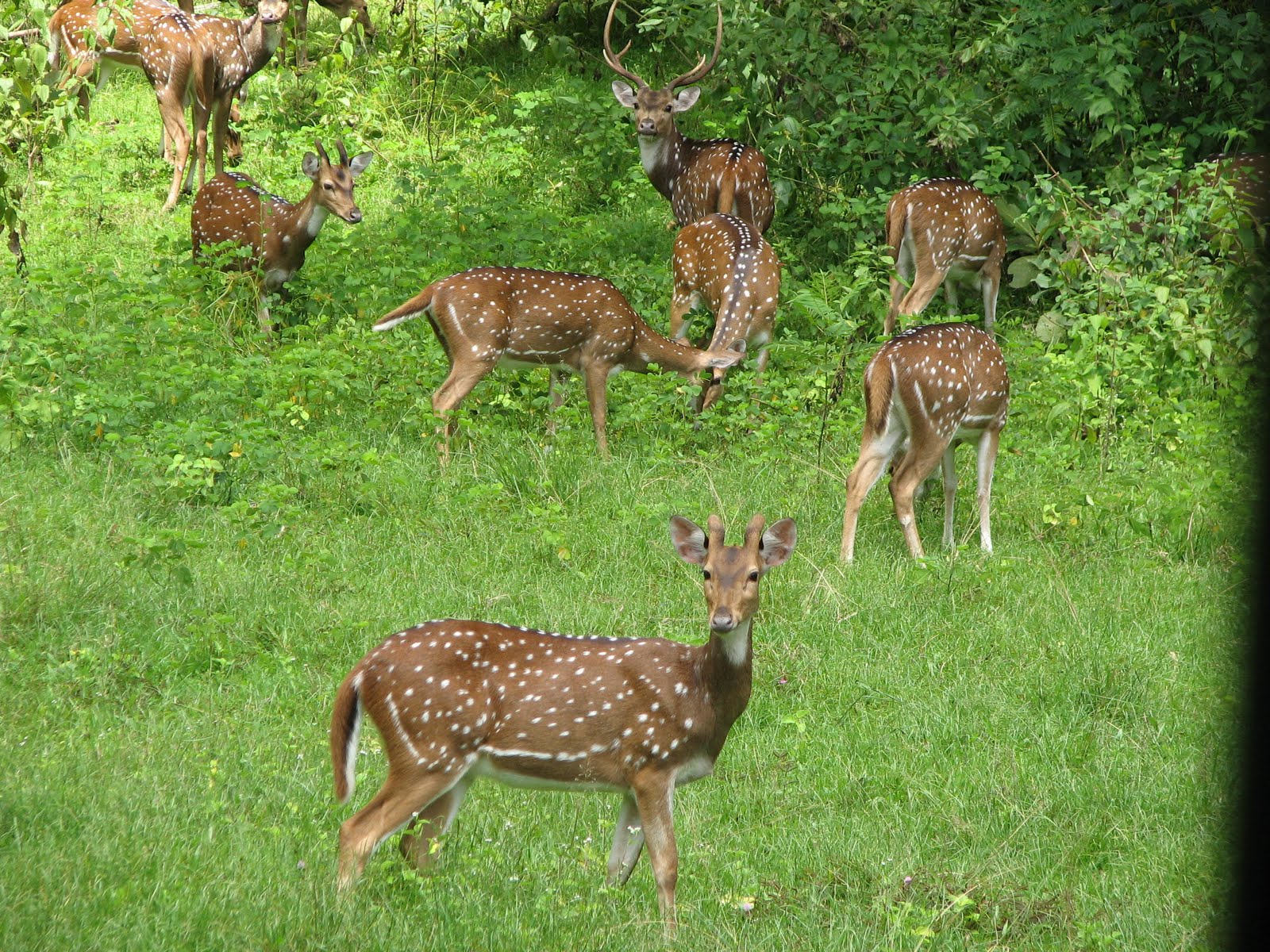
deer-in-india-forest

Indian Deer in the forests

Certain trees belonging to the Ficus group (Family Moraceae) are considered the holiest of the holy trees. They are Banyan Tree, Peepal Tree and Fig Tree (Nyagrodha, Asvatta and Udumbara). Even Vishnu is called by these names in the most famous Visnu Stotra : Vishnu Sahasranama (1000 names of Vishnu).

Yajur Veda References in Rudram and Chamakam:

1.Vrkshebhyo Harikesebhya: Pasunam Pathaye

2.Namo Vrkshebhyo Harikesebhyo

3.Nama Parnyaya Parnasathyaya

4.Namo Vanyaya cha Kakshyaya cha

5.Vrkshanam Pathaye Nama:

6.Aushadeenam Pathaye Nama:

7.Vananam Pathaye Nama:

In addition to these mantras, there are many more places where he is referred to as leaves, herbs, shrubs and trees.

Hindus worship Tulsi (holy basil), Vilva (Bilva), Peepal, Banyan and Vanni (Sami) trees almost every day in the temples.

forest-elephants

Varahamihira in Brhat Samhita:

Varahamihira in his Sanskrit Encyclopaedia – Brhat Samhita deals with the Forests in Chapter 59 — Entering Forests. He recommends certain trees for making images of gods.

There are some interesting couplets / slokas:

1.One should go to the desired/selected tree and offer worship to it with food and flowers.

2.The Deodar/ Deva Taru/Divine Tree (Cedrus deodara), Sami (Prosopis spicigera), Sandalwood (santalum album)  and Madhuca (cynometra ramilflora) are good for images installed by Brahmanas;

Arista (Xantium strumarium), Asvatta (Ficus religiosa), Khadira (Acacia catechu) and Bilva (Aegle marmelos) bestow prosperity to Kshatrias;

Jivaka, Khadira, Sindhuka and Syandana are auspicious for Vaisyas; and

Tindulka, Kesara, Sarja, Arjuna (Marutha maram in Tamil), Mango and Sal are good for Sudras.

This verse shows that all the four castes were installing images of God in Varahamihira’s time and before that as well.

Gaur_UllasKaran

Indian Bison (Gaur) in the jungle

In another sloka he says, “ after worshipping the tree at night with milk, porridge, sweet, rice, curds, semi ground sesame seeds, eatables of various kinds, wine, flowers, incenses and perfumes, Gods, Manes, Demons, Goblins, Serpents, Asuras, Siva’s hosts/ Siva Ganas, Ganesa and others should be worshipped. There after touching the tree, one should recite the following hymn:

 “Oh, Tree! You have been selected for the worship (through an image) of the particular deity. Salutation to you! This worship is offered by me in accordance with the scriptural rules may kindly accepted by you. May all those beings that dwell in the tree accept the offerings made according to rules, and then depart to another tree for residing. May they pardon us now! We bow to them!

In the morning the tree should be watered, and then cut on the north eastern side with an axe whose blade has been smeared with honey and ghee. The remaining parts should be cut in a clock wise manner.


Achartha samukasya tvam devasya parikalpita:

Namste vrksha pujeyam vidhivat sampragruhyatam


Yaaniha bhutaani vasanti taani balim grhitvaa vidhivat prayuktam

Anyatra vaasam parikalpayantu kshamantu taanyadya namostu tebhya:

 forest4

These slokas show their attitude towards nature. Great poet Kalidasa projects Shakuntala as a Friend of the Birds and Deer, Flowers and Trees. The very name Shakuntala means Bird Girl!

Hindus, by paying respect to nature, always remembered its value. They never destroyed their environment. Orthodox Hindus even today begs for pardon, before putting their feet on the ground when they wake up in the morning.

They recite the sloka “Samudra vasane devi ……… Padas sparsam kshmasvame.

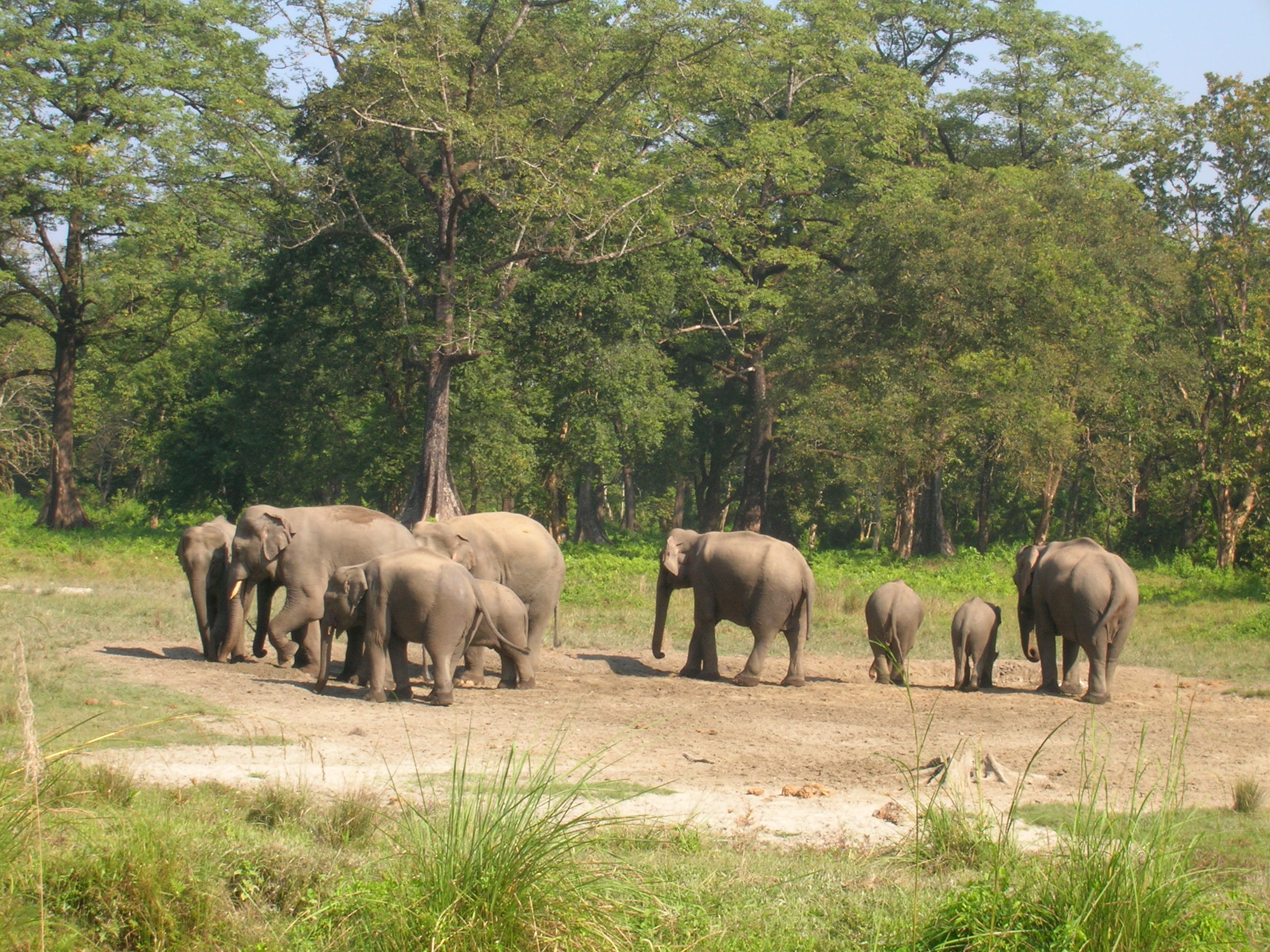
Wild_Elephants_at_Jaldapara

Let us learn to pay respect to nature. Let us preserve ancient Hindu Wisdom.