Creation: Vedic Hymn and Babylonian Hymn

big bang8

Great men think alike? Or Did the Babylonians copy It from us? Look at the striking similarity. The similarity did not stop there. If you read about gods’ king Marduk, you will be reminded of Indra. There also we read about discord among gods, although they were brothers like our Hindu Devas and Asuras. Thank God, the plotting, scheming, conspiring, cunning Western scholars did not pollute it with racist theories like Aryan-Dravidian theory. One can understand their inertia in it; because they were all dead religions, dead cultures in museums. There was no need to harm it like they harmed India and Hinduism.

Scholars have already identified similarities between Atharva Veda and Babylonian myths. Babylonian Tiamat, Aligi, Viligi are in Atharva Veda. Atharva Veda called Sumerian and Babylonian gods ‘’snakes’’. Probably they belonged to Naga race. I have identified some more Sanskrit names like Sumuka, Urdhvaretas etc in Sumerian cultures.

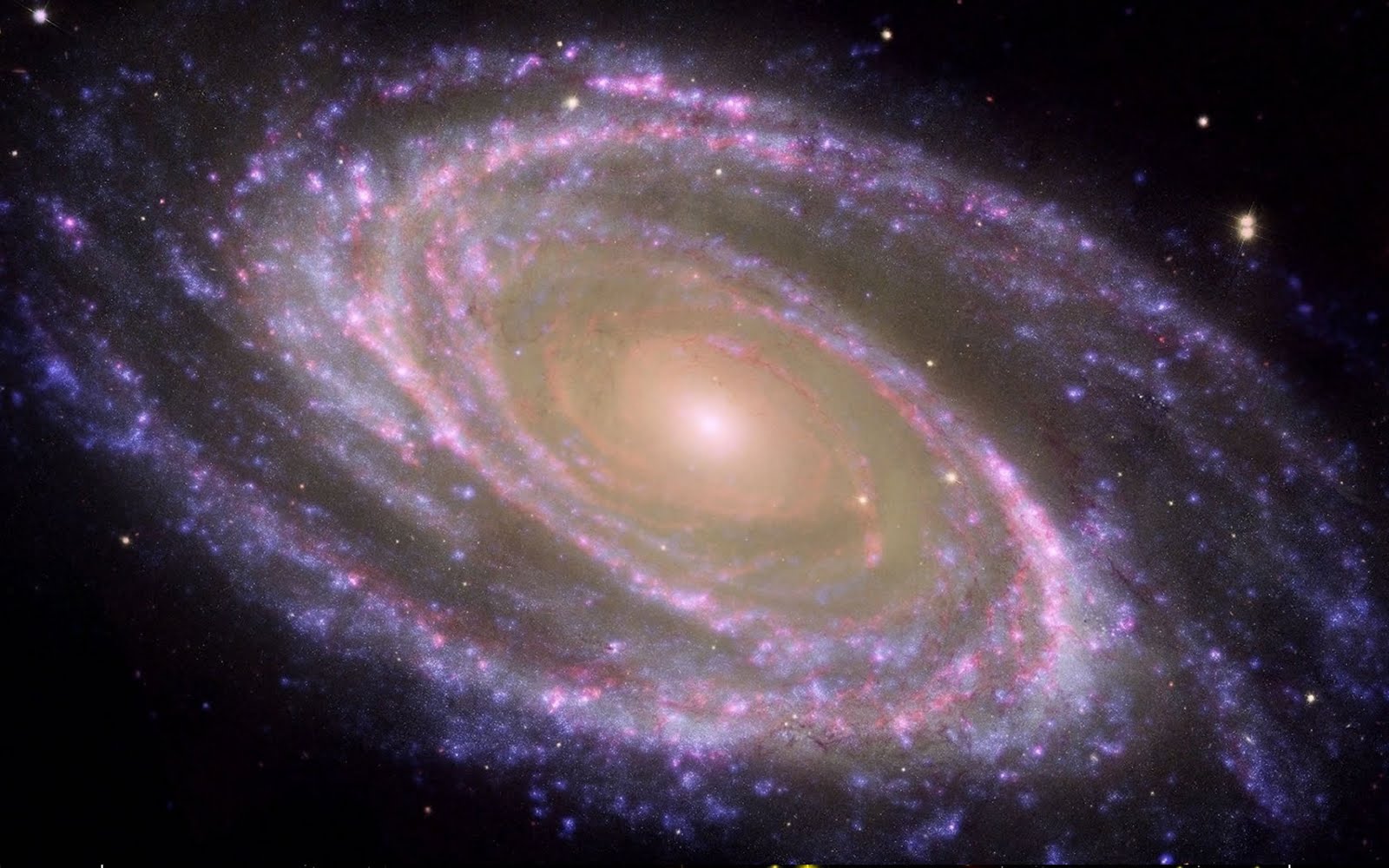
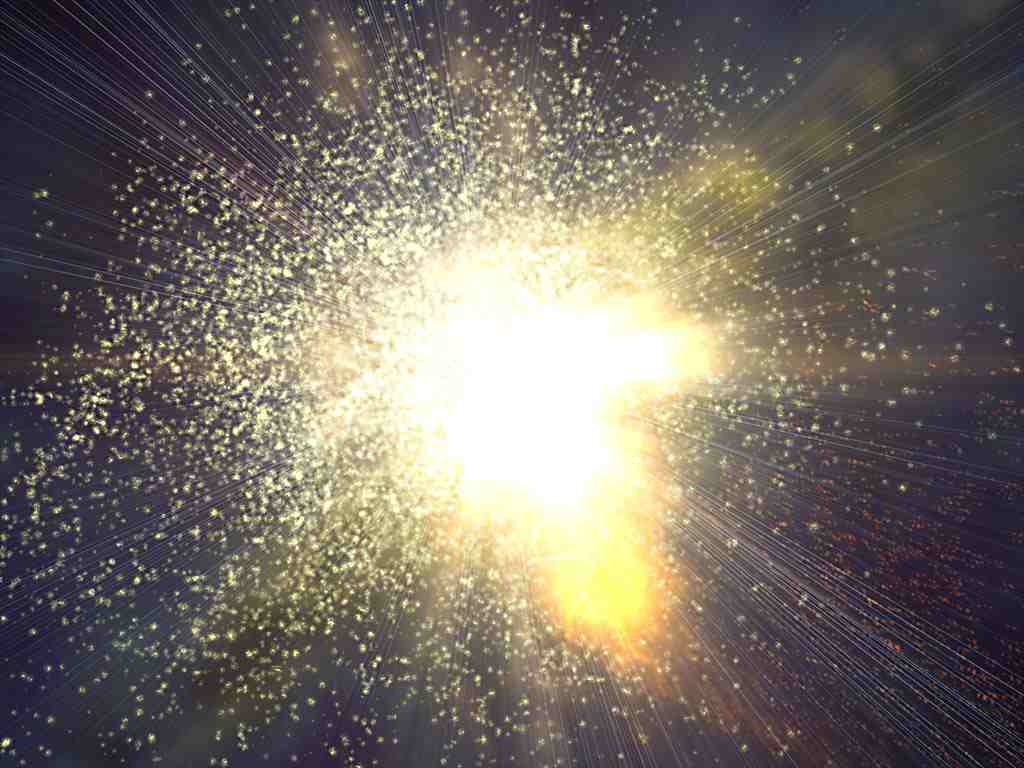
Whatever the similarities or dissimilarities, both the poems on creation are a feast to poetry lovers. We are reminded of Big Bang and Big Crunch theories. There are more hymns following this hymn in Rig Veda and Babylonia.

The big difference is Babylonian poems are in clay tablets in museums around the world. But the Vedas are living traditions in the lips of priests in India. They have been passed by word of mouth from generation to generation. What reverberated on the banks of Mighty Sarasvati and Indus rivers 5000 years ago are still reverberating in the corridors of Hindu temples and orthodox homes.

Nasadiya Hymn -Creation (Rig Veda X-129)

‘’ There was neither non-existence nor existence then.

There was neither the realm of space nor the sky which is beyond.

What stirred?  Where?  In whose protection?

Was there water, bottlemlessly deep?

There was neither death nor immortality then.
There was no distinguishing sign of night nor of day.
That One breathed, windless, by its own impulse.
Other than that there was nothing beyond.

Darkness was hidden by darkness in the beginning,
with no distinguishing sign, all this was water.
The life force that was covered with emptiness,
that One arose through the power of heat.

Desire came upon that One in the beginning,
that was the first seed of mind.
Poets seeking in their heart with wisdom
found the bond of existence and non-existence.

Their cord was extended across.
Was there below?
Was there above?
There were seed-placers, there were powers.
There was impulse beneath, there was giving forth above.
Who really knows?
Who will here proclaim it?
Whence was it produced?
Whence is this creation?
The gods came afterwards, with the creation of this universe.
Who then knows whence it has arisen?

Whence this creation has arisen
– perhaps it formed itself, or perhaps it did not –
the One who looks down on it,
in the highest heaven, only He knows
or perhaps even He does not know.

(Translation by Wendy Doniger O’Flaherty. From the Book “The Rig Veda – Anthology” ). Hundreds of people have translated this hymn and commented on it.
bigbang4


The Babylonian creation poem

1.When there was no heaven,

No earth, no height, no depth, no name,

When Apsu was alone,

The sweet water, the first begetter; and Tiamat

The bitter water, and that

Return to the womb, her Mummu,

Where there were no gods—

2.When sweet and bitter

Mingled together no reed was plaited, no rushes

Muddied the water,

The gods were nameless, natureless, futureless, then

From Apsu and Tiamat

In the waters gods were created, I the waters

Silt precipitated,

3.Lahmu and Lahamu,

Were named; they were not yet old,

Not yet grown tall

When Anshar and Kishar overtook them both,

The lines of sky and earth

Stretched where horizons meet to separate

Cloud from silt

4.Days on days, years

On years passed till Anu, the empty heaven,

Heir and supplanter

First born of his father, in his own nature

Begot Nudimmud-Ea,

Intellect, wisdom, wider than heaven’s horizon,

The stronger of all the kindred.

If we drop the names like Tiamat, Apsu, Anu from the Babylonian poems, they may be mistaken for Vedic hymns!
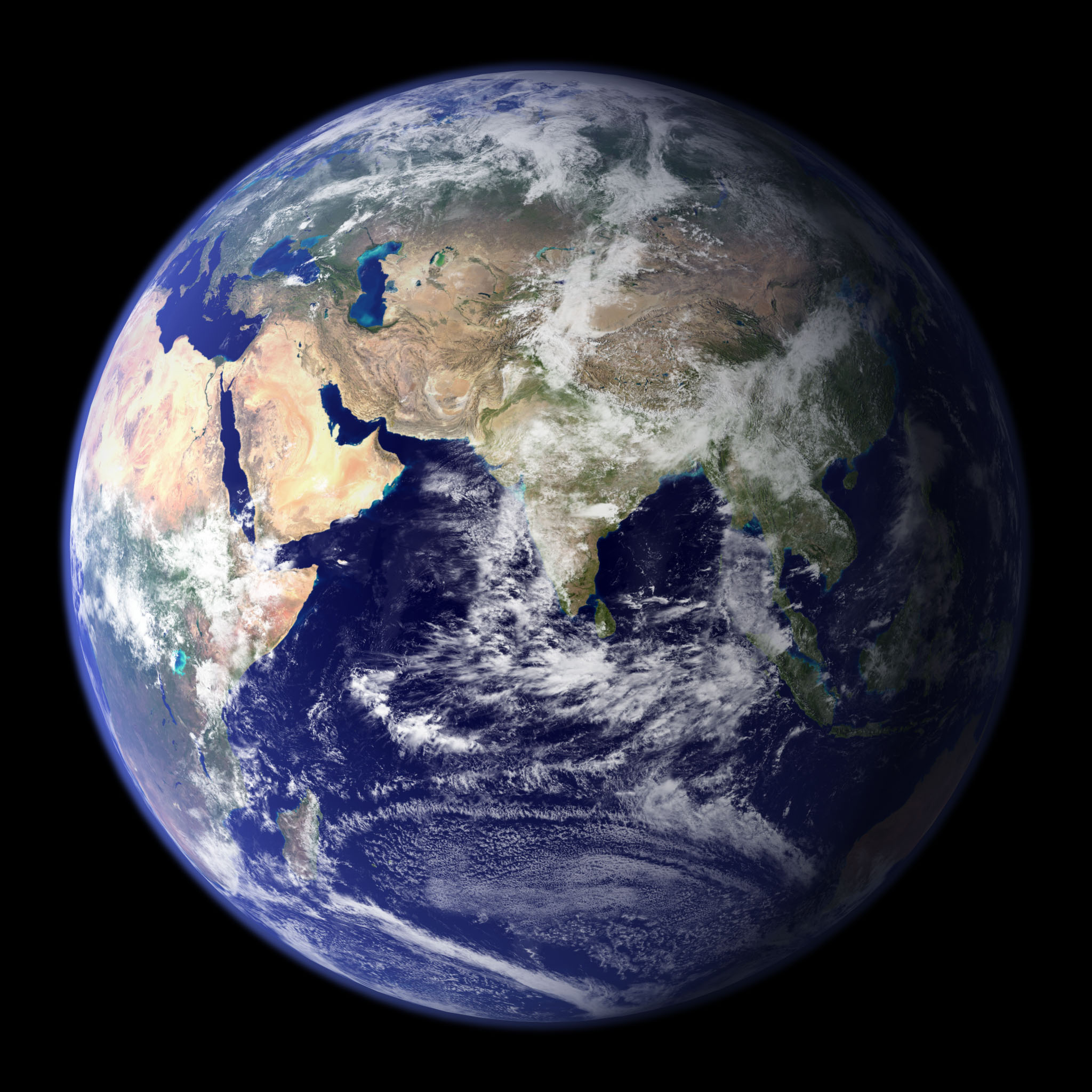
bluemarble1

Manu on Creation

In the beginning, it was water –apah—which was created and it is in this, that the seed or the nucleus of the cosmos was laid. (Manu 1-8)

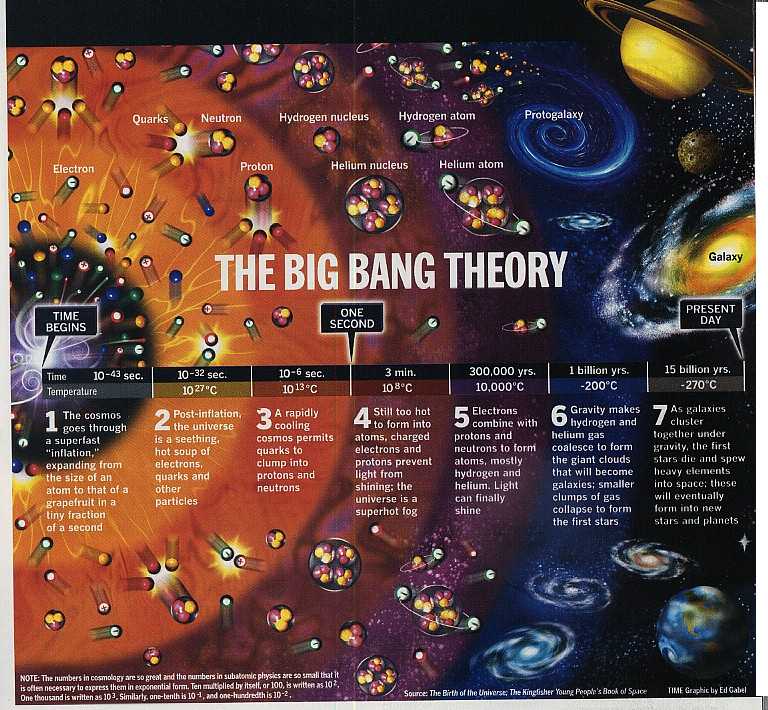
Big Bang and Big Crunch ( Rig Veda 10-121)

‘’In the beginning the Golden Embryo arose. Once he was born, he was the one lord of creation.  He held in place the earth and this sky. Who is the god whom we should worship with the oblation.’’

(KA is Prajapati. Ka is ‘who’ in Sanskrit. In this hymn ‘ka’ is used as a pun. I have only given the first stanza. I have already written in my post ‘Ka is the word for god in Egyptian hieroglyphs. The picture is ‘two raised hands’. The Brahmi ‘Ka’ came from this picture or vice verse.)

In another creation hymn of Rig Veda (10-130) first two stanzas remind us of spider making a web, extruding and intruding silk thread –big bang and big crunch—

The sacrifice drawn out with threads on every side, stretched by a hundred sacred ministers and one,–

This do these Fathers weave who hitherward are come: they sit beside the warp and cry, Weave forth, weave back.

The Man extends it and the Man unbinds it; even to this vault of heaven hath he outspun it.
big bang new

Scholars who translated these hymns found it difficult to understand them. But yet we get a clear picture ofcreation.

Pictures are taken from various websites; thanks. Contact swami_48@yahoo.com. There are 300 English and 300 Tamil articles in this blog, written by London Swaminathan.

தமிழில் யமன்!!

??????????????????????????

எழுதியவர் சந்தானம்/லண்டன் சுவாமிநாதன்

English version of this article is posted already.

இந்துக்கள், குறிப்பாக பிராமணர்கள், தினமும் யமனை வழிபடுகின்றனர். மரண தேவனை பயமில்லாமல் கும்பிடும் ஒரே இனம் இந்துக்களாகத் தான் இருப்பார்கள். பிராமணர்கள் தினமும் காலை, மதியம், மாலையில் சூரியனை நோக்கி சந்தியாவந்தனம் செய்வர். இதில் தெற்கு திசையை நோக்கி யமனைப் பார்த்து சொல்லும் மந்திரமும் வருகிறது. இதில் யமனைக் கருப்பன் என்று கூறுகிறது. காளி, கலி, சனிக் கிரஹம், கிருஷ்ணன், விஷ்ணு, ராமன் போல யமனும் ஒரு கருப்பன். வெள்ளைத் தோல் தெய்வங்கள் ஆரிய தெய்வங்கள் என்றும் கருப்புத்தோல் தெய்வங்கள் திராவிட தெய்வங்கள் என்றும் எழுதி இந்துக்களை பிளவுபடுத்தி இந்தியாவை சீர்குலைக்க எழுதிய வெள்ளைத்தோல் அறிஞர்களுக்கு யமன் சரியான அடி கொடுக்கிறான்.

யமனைப் பற்றி சங்கத் தமிழ் இலக்கியங்களிலும் பல குறிப்புகள் வருகின்றன. ஏற்கனவே இந்திரனையும் வருணனையும் தமிழர் தெய்வங்கள் என்று தொல்காப்பியம் கூறியதைக் கொடுத்தேன். இப்போது சங்கத் தமிழ் இலக்கியம் யமதர்மன் பற்றிக் கூறுவதையும் காண்போம். அதில் ஞமன் என்றும் கூறுவர்.

சங்கத் தமிழில் புறநானூறு மிகவும் பழமையான பகுதி. அதில் பாடல் 4,13,19,22,56,195, 226,294 ஆகியவற்றிலும் பதிற்றுப்பத்தில் பாடல் 13, 14 கலித்தொகையில் பாடல் 105, 120 ஆகியவற்றிலும் காலன் என்ற பெயரில் புறநானூறு பாடல் 23, 41, 240, பதிற்றுப்பத்தில் பாடல் 39 ,கலித்தொகையில் பாடல் 105, 143 ஆகியவற்றிலும் யமதர்மராஜா பவனி வருகிறார்.

ஞமன் என்ற பெயரும் எருமை வாஹனமும் பரிபாடலில் வருகிறது (3, 5, 8 ஆம் பாடல்கள்) மீளி, மறலி, கணிச்சிப்படையோன், மடங்கல், கூற்றம் என்ற பெயரிலும் யமன் பற்றி நிறைய குறிப்புகள் இருக்கின்றன.

ஆரிய திராவிட வாதத்தை நகைப்புள்ளாக்கும் யமனைப் பற்றிய குறிப்புகளை மட்டும் பார்ப்போம்:

கணிச்சிக் கூர்ம்படைக் கடுந்திறல் ஒருவன்

பிணிக்கும் காலை, இரங்குவீர் மாதோ (புறம் 195)

பொருள்: கடுந்திறலோடு மழுப்படையுடன் கூற்றுவன் பாசத்தால் கட்டி இழுத்துச் செல்லும்போது வருத்தப்படுவீர்கள்.

இந்துமதத்தில் இன்றுள்ள நம்பிக்கையை 2000 ஆண்டுகளுக்கு முன் நரிவெரூவுத்தலையாரும் பாடிவிட்டார். எருமை வாஹனம் உடையவன் என்பதும் புராணக் கருத்தாகும்.

சோழன் குளமுற்றத்துத் துஞ்சிய கிள்ளிவளவனை இடைக்காடனார் பாடிய பாடலிலும் (புறம் 42) ‘’கணிச்சி என்னும் படைக் கலத்தை உயிரை வருந்தச் சுழற்றி வரும் கூற்றம்’’ என்று யமன் வருணிக்கப்படுகிறான்.

TIBET15_Yama, 16c

ஒரு மன்னரின் சீற்றத்தை விவரிக்கும் போது, தமிழ், வடமொழி இலக்கியங்கள் மன்னனை யமனுக்கு ஒப்பிடுவது வழக்கம்.

திருக்குறளில் கூற்று/யமன் என்ற சொல் 326, 765, 1050, 1083ல் வரும். கலித்தொகை, பரிபாடல் ஆகிய இரண்டும் யமன் பற்றி மட்டுமின்றி ஏராளமான புராணக் கதைகளையும் உவமைகளையும் கையாளுகின்றன.

பிராமணர்கள் தினமும் மும்முறை சொல்லும் யம வந்தனத்தில் யமன் பற்றி 13 பெயர்கள் வரும். இதை தெற்கு திசை நோக்கி நின்றுகொண்டு சொல்லுவர். இறந்த மனிதர்கள் தென் திசைக்குச் செல்லுவர் என்னும் இந்து மதக் கருத்தை ஆணித் தரமாக, அழுத்தம் திருத்தமாகச் சொல்லி, ஆரிய திராவிட வாதத்துக்கு ஆப்பு வைக்கிறான் வள்ளுவன்:

‘’தென்புலத்தார் தெய்வம் விருந்து ஒக்கல் தான் என்று ஆங்கு

ஐம்புலத்தாறு ஓம்பல் தலை’’ ( குறள் 43)

இந்துக்கள் தினமும் பஞ்ச யக்ஞம் செய்யவேண்டும் என்பதை வள்ளுவன் இரண்டே வரிகளில் சொல்லும் குறள் இது. ஆறாவது பகுதி தானியத்தை மன்னனுக்கு வரியாகச் செலுத்தவேண்டும்.

தென்புலம் வாழ்நர்க்கு அருங்கடன் இறுக்கும்

பொன்போல் புதல்வர் பெறா அதீரும் (புறம்-9)

என்று சொல்லி நெட்டிமையார் என்னும் புலவரும் ஆரிய திராவிட வாதத்துக்கு செமை அடி கொடுப்பார். இறந்தோருக்கு திதி, தர்ப்பணம் செய்வதை அழகாக எடுத்துரைக்கிறார் புறநானூற்றுப் புலவர்.

சித்திரகுப்தன் யார்: யமனுடைய காரியதரிசி ஒரு தனி ஆள் அல்ல. சித்திரகுப்தன் என்றால் ‘’ரகசிய வரைபடம்’’ என்று தமிழில் பொருள். நாம் எண்ணும் ஒவ்வொரு எண்ணமும் செயல் வடிவம் பெரும் முன் சித்திரமாகப் படியும். அப்பொழுதே யமன் நமக்கு மதிப்பெண் போட்டு விடுகிறான். அதன் படியே, புண்ணிய பாபங்கள் ஏற்படும். அதன் அடிப்படையில் நாம் நரகத்துக்கோ, சுவர்க்கத்துக்கோ செல்கிறோம். இதையே சித்திர குப்தன் (ரகசிய=குப்த, வரைபடம்=சித்திர) என்போம். ஒரு கம்ப்யூட்டரும் மூளையும் கோடிக் கோடி கணக்குகளைப் போடும். சித்திரகுப்தன் கணக்கு சூப்பர், சூப்பர் கம்ப்யூட்டருக்கும் மேல்!

yama

இந்துக்கள் ஏன் மரணதேவதையை வழிபடுகிறார்கள்?

மஹாபாரதத்தில் மிகவும் சுவையான கதை ‘’ஒரு பேயின் கேள்விகள்’’ ( யக்ஷப் ப்ரஸ்னம்) என்ற பகுதியாகும். இதில், ‘’உலகிலேயே அதிசயமான விஷயம் என்ன?’’ என்ற கடைசி கேள்விக்குப் பதில் கொடுத்த தருமன் ‘’ உலகில் தினமும் எவ்வளவோ பேர் இறந்து போகிறார்கள். அதைப் பார்த்த பின்னரும் எல்லோரும் தினமும் வாழப் போகிறோம் என்ற எண்ணத்துடன் செயல்படுகிறார்களே’’ என்பதாகும். ஆக நாம் எல்லோரும் எந்தக் கணத்திலும் இறக்கலாம் என்பதை நினைவு படுத்தவே இப்படி தினசரி ய்ம தர்மன் வழிபாடு போலும்.

திருவள்ளுவரும் மஹாபாரத ஸ்லோகத்தை ‘’நெருநல் உளன் ஒருவன் இன்று இல்லை என்னும் பெருமை உடைத்து இவ்வுலகு’’ (குறள் 336) என்ற குறளில் தந்துள்ளார்.

மற்றொரு காரணமும் உண்டு. இது கார்களில், வண்டிகளில் உள்ள ‘’ஷாக் அப்சார்பர்’’ போன்றது. குழந்தைகள் பிறக்கும் போது மகிழும் மனிதன், ஒரு உறவினர் இறக்கும்போது,உலகமே பறிபோய்விட்டது போல மயங்கி பறிதவிக்கிறான். இறப்பும் ஒரு இயற்கை நிகழ்வே என்பதை மறந்து விடுகிறான்.  தினமும் மரண தேவனை நினைத்து வழிபட்டால் அதுவே  ‘’குஷன் மெத்தை’’ போல செயல்படும். மரண பயம் நீங்கும். நமது ஆயுளும் நூறு ஆண்டு நீடிக்கும். ஏனெனில் பிராமணர்களின் மதிய வேளை சந்தியாவந்தனத்தில் ‘’நூறாண்டுக்காலம் வாழ்க, நோய் நொடியில்லாமல் வாழ்க’’ (பஸ்யேமஸ் சரதஸ் சதம், ஜீவேம சரதஸ் சதம், நந்தாம சரதஸ் சதம்  என்ற மந்திரமும் வருகிறது. இதையே கண்ணதாசன் திரைப்படத்தில் பாடி இருக்கிறார்.


யமனைப் பற்றிய சில சுவையான குறிப்புகளையும் காண்போம்:

1.யமன் தென் திசைக்கு அதிபன். யமன் பற்றி உலகிலேயே பழமையான மத நூலான ரிக் வேதத்திலும் வருகிறது. யம என்ற வார்த்தைக்கு இரட்டையர் என்ற பொருளும் உண்டு. அவனுடன் பிறந்தவள் யமி.

2.யமன் தான் உலகில் இறந்த முதல் மனிதன் என இந்துமத நூல்கள் பேசும். யமனுக்கு உதவி செய்ய ஒரு கணக்குப் பிள்ளை உண்டு. அவன் பெயர் சித்திர குப்தன்.

3.யமனிடம் இரண்டு நாய்கள் உண்டு அதன் பெயர் சரமா. அதற்கு ஒவ்வொன்றுக்கும் நான்கு கண்கள்.

4.யமனுடைய மனைவியர்  பெயர்கள் ஹேமமாலா, சுசீலா, விஜயா.

5. யமனுக்குப் பல கோவில்களும் தனி சந்நிதிகளும் இருக்கின்றன.

6.யமன் மிகவும் நியாயமானவன். அவரவர் புண்ணிய பாபத்தால் கிடைப்பதைப் பாரபட்சமின்றி கொடுப்பதால் அவனுக்கு தர்மராஜன் என்று பெயர்.

7.யமனுடைய அப்பா பெயர் விஸ்வவத். இதனால் யமனை வைவஸ்வதன் என்றும் அழைப்பர். அம்மா பெயர் சரண்யு.

8. இவன் கருப்பன் என்பதால் ‘’நீலாய’’ என்றும் அழைப்பர்.

யமனுடைய வாஹனமும் கருப்பு— எருமை!

9.யமன் கையில் உள்ள ஆயுதத்தை கணிச்சி என்று சங்கத் தமிழ் இலக்கியங்கள் பகரும். அவனுடைய கையில் பாசக் கயிறும் இருக்கும்.

10. யமனுடைய ‘பெர்சொனல் அஸ்ஸிஸ்டன்ட்’ சித்திர குப்தனின் கையில் இருக்கும் ரெஜிஸ்டருக்குப் பெயர் ‘’அக்ர சந்தனி’’.

ஆக, ஆரிய யமனும் இல்லை, திராவிட யமனும் இல்லை; ஒரே ஒரு யமன் தான்! அவன் இந்தியாவையும் இந்துமதத்தையும் சீர்குலைக்க எண்ணுவோரின் உயிர்குடிக்கும் இந்திய யமன்!!

(இலக்கியத் திருடர்களுக்கு அன்பான வேண்டுகோள். இந்தக் கட்டுரையை வேறு எங்காவது வெளியிடுகையில் லண்டன் சுவாமிநாதன் எழுதியது என்றோ அல்லது பிளாக் பெயரையோ வெளியிட்டு தமிழ் எழுத்தாளர்களை ஊக்குவிக்க வேண்டுகிறேன். தமிழுக்குத் துரோகம் செய்யாதீர்கள். தமிழ்த் தாய் பொறுக்கமாட்டாள்.)

Pictures are taken from various websites;thanks. contact swami_48@yahoo.com

Is God Omnipresent?

Signpost

Once a saint, to test his disciples to find out if they are conscious of God’s presence everywhere, called a few of them, gave them a mango each and asked them to eat it in a place where nobody could see them. They all went with their mangoes and, except one, returned and reported that none saw them eating the mangoes. But the disciple who was an exception came back with the mango and told the Guru that he could not find a place where he was not watched by God, who is an eternal and all pervading witness. God is omnipresent.

—From Stories as told by Swami Ramdas


Avvaiyar’s Wisdom

Ancient Tamil poetess Avvaiyar dedicated her life to educate the people. She was a preacher of simple yet profound truths. Her teachings have the validity for the whole world for all time. She has a permanent place in Tamil literature and her name is a household name in Tamil speaking parts of the world. Several poetesses had this name Avvaiyar. The most famous one was the Sangam poetess. This Avvaiyar  was said to be the sister Tiruvalluvar, author of Tirukkural, according to an old legend.

Gods-Direction

‘’An interesting story offers an insight into Avvaiyar’s mind. After long wanderings the poetess arrived at a temple and, sitting down to rest, stretched her legs in the direction of the sanctum (Garba Gruham). The temple priest came to her shouting, ‘’how dare you stretch your feet towards god. Get up and get out’’.


Avvaiyar pointedly replied, ‘’Sir I am dead tired and I am urging the ache in my legs to seek relief from god. If you think this is blasphemy, please put my legs in the direction where there is no God. Please, learned priest show me a direction where God is not found ’’.

The priest was nonplussed; soon he acknowledged her wisdom and admitted his ignorance.


Story as told by Sri Suddhananda Bharati from London Sri Murugan Temple Consecration Souvenir, year1984.

compass (2)

Compiled by London Swaminathan ;contact swami_48@yahoo.com


வள்ளுவன் சொன்ன புராண, இதிஹாசக் கதைகள்

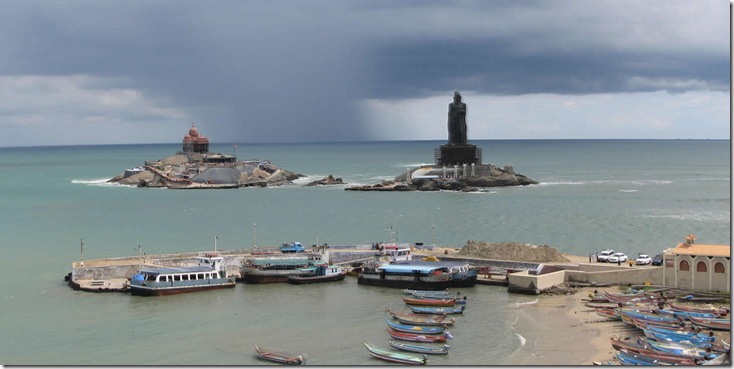
vivekananda rock and valluvar

எழுதியவர் லண்டன் சுவாமிநாதன்

இதைப் படிப்பதற்கு முன் எனது முந்தைய கட்டுரைகளைப் படிக்கும்படி வேண்டுகிறேன்: 1. வள்ளுவர் சொன்ன சுவையான கதைகள் 2.வள்ளுவன் ஒரு சம்ஸ்கிருத அறிஞன் 3. வள்ளுவனும் வன்முறையும் 4.Who was Tiruvalluvar?


புராண, இதிஹாசக் கதைகள்


குறள் 495-ல் மறைமுகமாக கஜேந்திர மோட்சக் கதையைச் சொல்கிறார்:

நெடும்புனலுள் வெல்லும் முதலை அடும்புனலின்

நீங்கின் அதனைப் பிற.


பொருள்:ஆழமான நீர் நிலையில் இருந்தால் முதலை வெற்றிபெறும். அதே முதலை வெளியே வந்தாலோ மற்ற உயிரினங்கள், அதை எளிதில் வென்றுவிடும்.


முதலை வாயில் சிக்கிய கஜேந்திரனை காப்பாற்ற விஷ்ணுவே வரவேண்டி இருந்தது.


கூடா ஒழுக்கம் என்ற அதிகாரம் முழுதும் –271 முதல் 280 வரை– ஒவ்வொரு குறளும் ஒரு புராண, இதிஹாசக் கதையை மனதில் வைத்தே எழுதியது போல இருக்கிறது.


புலித்தோலைப் போர்த்திக் கொண்டு மேய்ந்த பசுவின் கதை ((273), மகாபலிபுரத்தில் சித்தரிக்கப்பட்டுள்ள ருத்திராட்சப் பூனை கதை (please read my earlier post THE STORY OF HYPOCRITICAL CAT) ஆகியனவற்றுக்குப் பொருத்தமான குறள்கள் இவை.


பசு-புலித்தோல் கதை ஈசாப் முதல் பல நாட்டுக் கதைகளில் வருகின்றன. ஆட்டுத் தோல் போர்த்திய ஓநாய் என்றும், சிங்கத் தோல் போர்த்திய கழுதை என்றும் பல கதைகள் உண்டு.

குறள் 269—ல் மார்கண்டேயர், சத்தியவான் சாவித்திரி கதையைக் கூறுகிறார்:


’கூற்றம் குதித்தலும் கைகூடும்’’ (எமனையும் வெல்ல முடியும்) என்பார் வள்ளுவர்

பிறனில்விழையாமை என்னும் அதிகாரத்தில் (141—150), ராவணன், இந்திரன் கதைளைச் சொல்கிறார்.


ததீசி முனிவரின் தியாகம்

அன்பிலார் எல்லாம் தமக்குரியர் அன்புடையார்

என்பும் உரியர் பிறர்க்கு.


பொருள்: அன்பில்லாதவர்கள் எல்லாப் பொருள்களையும் தமக்கே உரிமை ஆக்கிக் கொள்வர். ஆனால் அன்புடையாரோ, தனது எலும்பையும் கூடப் பிறர்க்கு அளிப்பர் (72).


ததீசி என்னும் முனிவர் தனது முதுகு எலும்பையே இந்திரனுக்குக் கொடுத்தார். அசுரர்களைக் கொல்வதற்கு ஆயுதங்கள் தேவைப்பட்டது. அப்போது எலும்பினால் செய்யப்பட்ட வஜ்ராயுதமே அசுரர்களைக் கொல்ல வல்லது என்று அறிந்தான். உடனே ததீசி முனிவரை அணுகினான். மனித குலத்தைக் காக்க தனது முதுகு எலும்பையே கொடுத்தார் ததீசி. அதையே வள்ளுவன் ‘’என்பும் உரியர் பிறர்க்கு’’ என்பான்.


‘’அடி அளந்தான்’’ என்ற சொற்றொடர் மூலம் (610) வாமனாவதாரக் கதையையும், ‘’இந்திரனே சாலுங்கரி’’ என்ற சொற்றொடர் மூலம் இந்திரன்—அகல்யா, இந்திரன்-நகுஷன் போன்ற கதைகளையும் படிக்கலாம்.


குறள் 801ல் கண்ணப்ப நாயனார் கதை, சபரி-ராமன் கதை, சாக்ரடீஸ்-சிவபெருமான் விஷம் அருந்திய கதை ஆகியவற்றைக் காணலாம்.

பழமை எனப்படுவது யாதெனின் யாதும்


கிழமையைக் கீழ்ந்திடா நட்பு (801)

பொருள்: பழகிய நண்பர் உரிமையால் செய்யும் எதையும் ஏற்றுக் கொள்ளவேண்டும்.

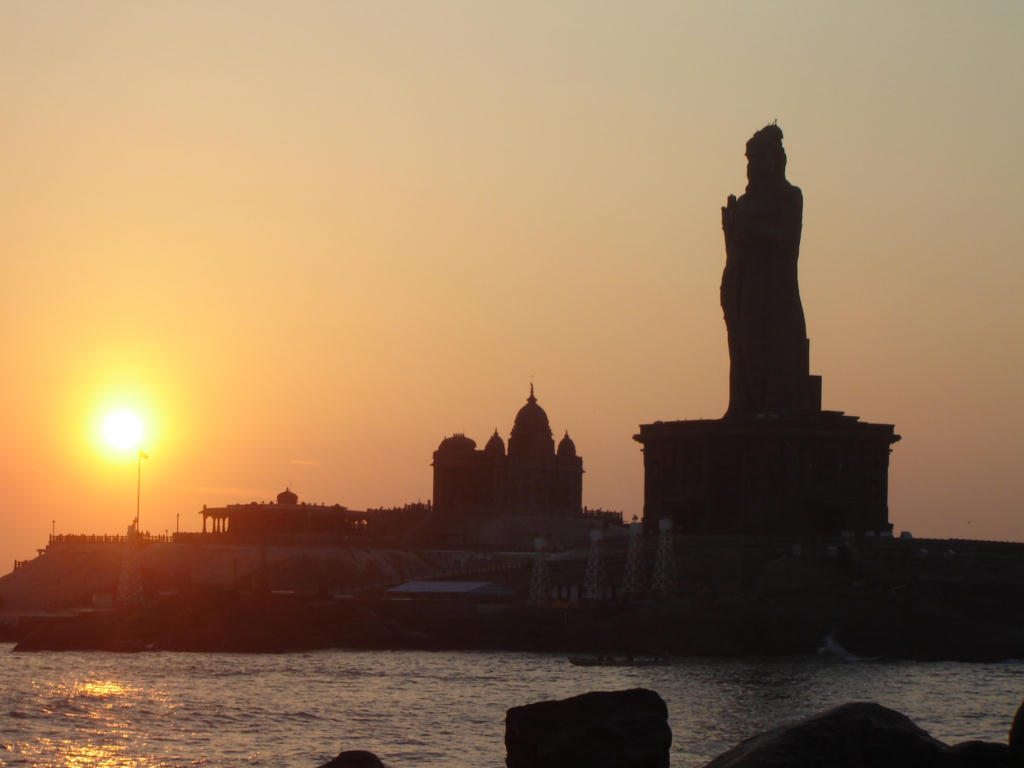
 Sunrise in Kanyakumari (Thiruvallur statue and Vivekananda rock)

கபில முனிவரின் கோபம்

‘’குணம் என்னும் குன்று ஏறி நின்றார் வெகுளி

கணமேயுங் காத்தல் அரிது’’ (குறள் 29)


நல்ல குணவான்கள் சிறு பிழைகளையும் பொறுக்கமாட்டார்கள். இதற்கு முனிவர்களின் கோபம் பற்றிய கதைகள் புராணத்தில் நிறைய இருக்கின்றன. அவைகளில் மிகவும் முக்கியமானது சகரர்கள்—கபில முனிவர் கதையாகும். சகர மன்னன் அஸ்வமேத யாகம் செய்த போது அவனுடைய குதிரை சென்ற இடமெல்லாம் அவனது புதல்வர்கள் 60,000 பேரும் அதைத் தொடர்ந்து சென்றனர். கபிலனின் தவத்தைக் கண்டு அஞ்சிய இந்திரன், அவருக்குக் கெட்ட பெயர் உண்டாக்குவதற்காக சகரனின் குதிரையைத் திருடி கபில முனிவருக்குப் பின்னால் கட்டிவிட்டனன். சகரனின் பிள்ளைகள் கபிலரைத் திருடன் என்று எண்ணி துன்புறுத்தவே அவர் தனது கோபக் கனலால் அந்தப் பிள்ளைகளை எரித்து விடுகிறார். பின்னர் பகீரதன் தவம் செய்து கங்கையைக் கொணர்கிறார். குணம் என்னும் குன்று ஏறி நின்றாரைப் பகைக்கக் கூடாது.

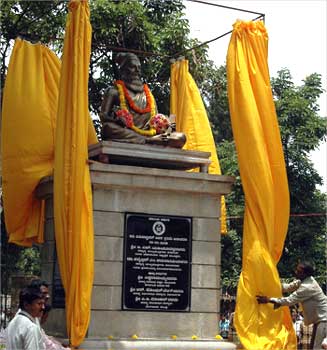
bangalore valluvar

தெய்வந்தொழாஅள் கொழுநன் தொழுது எழுவாள்

பெய்யெனப் பெய்யும் மழை (குறள் 55)


கணவனையே கண்கண்ட தெய்வமாகப் போற்றிய வள்ளுவனின் மனைவி வாசுகி செய்த அற்புதங்கள், கற்புக்கரசிகளின் மாண்பைக் காட்டும். அரைக் கிணற்றில் தண்ணீர் வாளி நின்றதும், ‘’கொக்கென்று நினைத்தாயோ கொங்கணவா’’ என்று முனிவரையே சாடியதும், சாவித்திரி எமனுடன் போராடி கணவன் உயிரை மீட்டதும், கண்ணகி மதுரை மாநகரையே எரித்ததும் இதற்குச் சில உதாரணங்கள்.

வேனன், நகுஷன் போன்ற கொடுங்கோலர் அழிந்த கதையை ‘கொடுங்கோன்மை’ அதிகாரத்தில் காணலாம்


சந்யாசிகள் நினைத்தால் ஒரு பேரரசையே உருவாக்கலாம், அழிக்கலாம் என்பதை தவம் என்ற அதிகாரத்தில் கூறுகிறார்:


ஒன்னார்த் தெறலும் உவந்தாரை ஆக்கலும்

எண்ணின் தவத்தான் வரும் (264)


மொகலாயர்களின் கொடுங்கோலாட்சியை வீழ்த்த சிவாஜிக்கு அருள்புரிந்த சமர்த்த ராமதாசரும், அதற்கு முன் விஜயநகர சாம்ராஜ்யத்தை அமைக்க ஹரிஹரன், புக்கன் என்ற ஆட்டிடையர்களுக்கு அருள்புரிந்த வித்யாரண்யரும், ராமராஜ்யம் நிறுவ சபதம் பூண்ட மஹாத்மா காந்திக்கு உதவிய புராணக் கதைகளும் இதற்கு உதாரணங்கள்.

ஒவ்வொரு குறளுக்கும் உதாரணமான கதை நமது தமிழ்மொழி, வட மொழி நூல்களில் உள்ளன. விரிவஞ்சி இத்தோடு நிறுத்துகிறேன்.


(இலக்கியத் திருடர்களுக்கு அன்பான வேண்டுகோள். இந்தக் கட்டுரையை வேறு எங்காவது வெளியிடுகையில் லண்டன் சுவாமிநாதன் எழுதியது என்றோ அல்லது பிளாக் பெயரையோ வெளியிட்டு தமிழ் எழுத்தாளர்களை ஊக்குவிக்க வேண்டுகிறேன். தமிழுக்குத் துரோகம் செய்யாதீர்கள். தமிழ்த் தாய் பொறுக்கமாட்டாள்.)


கீழ்கண்ட எனது கட்டுரைகளையும் படிக்க வேண்டுகிறேன்:

‘’Strange Link between Lord Shiva, Socrates and Thiruvalluvar’’– posted in this blog September 18, 2011.

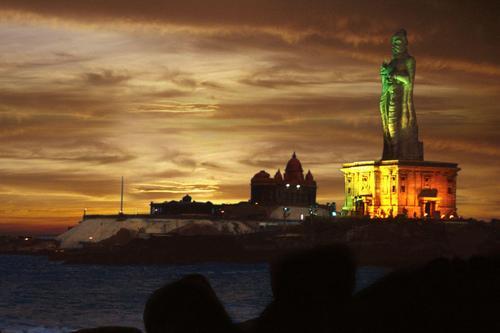
 valluvar_statue_kanyakumari

Why do Hindus Worship God of Death Everyday?

yamaa

By London Swaminathan

As a Brahmin I worship the Vedic God Yama every day along with Agni, Indra, Varuna, Mitra, Vayu, Arka (sun), Vageesa (Brihspati/ Jupiter) and Vishvedeva:. I feel very proud to continue the tradition that was started at least 5000 years ago on the banks of the mighty River Sarasvati.


I turn towards South and recite a mantra for Yama, Lord of Death, in my daily prayers called Sandhya vandanam. Brahmins, and in olden days, all the three castes Brahmin, Kshatriya and Vaisya were performing this ritual known as Sandhyavandhanam (Surya Worship) thrice a day; just before sun rise, mid day and during sun set.


Yama is known as Dharma Raja, Mrtyu, Antaka, Vaivasvata, Kala, Sarva Bhoota Kshayakara, Audumbara, Dathna, Neela, Parameshti, Vrukodara, Chitra, Chitra Gupta (14 names) in the mantra.


One of the names is ‘Black’ (neelaaya). This is another blow to Aryan Dravidian theory. Like Kali, Sanaischara (Saturn), Vishnu, Vyasa, Krishna, Rama, Yama is also black. Black is the colour of death all over the world. Even today Christians and Jews wear only black dress for funeral ceremonies. Without realising this, so called Dravidian political parties of Tamil Nadu also follow this and wear Black badges for funerals!! Yama is always associated with South.

Only known statue of Lord Yama

Why do Hindus, particularly Brahmins, worship Yama every day?

Remembering death every day will make them do good things without any delay. This is because Hindus believe that the merits (Punya) that one earns in this life will help one in the afterlife. Remembering death every day serve as shock absorbers. As births in any family are common, deaths are also common in all our families. But some people find it very difficult to overcome such a big shock. If they recite Yama mantra every day this will give them some solace. Because we know Yama will visit us one day with his accountant/ assistant Chitra Gupta.


Another belief among Hindus is that by reciting certain mantras, you can avoid death until you are hundred years old. Hindus fixed one’s full life span as 100. They were the inventors of decimal system. So all their mantras will have 100, 1000, 100, 000 (Lakh= laksha) or Koti (ten million).

Brahmins recite one other mantra before this Yama mantra. It is recited in the mid day oblations. They ask for good eye sight, good hearing power, good life, healthy and happy life for 100 years ( (The mantra begins with Pashyema Sardas satam……).

For Hindus, death is like throwing away old shirts (old body) and birth is like taking new shirts. Krishna makes it very simple through this simile in His Bhagavad Gita ( Sloka 2-22 begins with Vasamsi Jeernanani…….). Tamil poet Tiru Valluvar compares it to birds leaving the nests (Kural 338, 339).


Tamil and Sanskrit literature is full of hymns and poems on the impermanence of life. They are taught to children from very young age through school text books.


Mahabaharata has a beautiful episode called Questions of a Ghost known as Yaksha Prasna. Yakshas are tree spirits. The last question of the ghost was ‘’What is the most wonderful thing in the world?’’. Dharma, while answering this question, said, ‘’ Every day people are dying, but yet people think that they are going to be here permanently and don’t bother about death at all.’’

yama statue 2

A couple of observations here won’t be out of place:

Yama is called ‘dathnaya’. English word death came from this.

Chitra Gupa is called Yama’s accountant who takes into account the good and bad deeds we do every day and punishes or rewards after death. If the balance is in our favour we go to heaven, if it is not in our favour we go to hell. Hindus believe in this Punya and Papa. In fact Chitra Gupta is an abstract thing. Whatever we think is recorded as mental pictures or impressions. That is known as Chitra Gupta= Secret Drawing/picture.

We may lie to anyone but not to our conscience. We may pretend that we are following the right path. But our inner conscience contradicts it. Chitra Gupta takes in to account all our good and bad thoughts and deeds. Even our thoughts are counted. If our brain and computers can do billions of calculations, can’t Chitragupta do it?


Interesting Facts about Yama :(Source: Yama by Kusum P.Merh)

Yama means twins in general. Yama has a twin sister Yami. Yama was the first man to die. Yama was the son of Vivaswat. His brother was Vaivaswata Manu. Yama is compared to Pluto and Minos in western pantheon. Yama has two dogs with four eyes each. He rides upon a buffalo. In Mahabaharata he was the father of Dharma. Chitra Gupta’s register is called Agra Sandhani. Yama carries a noose. His wives are Hemamala, Susila and Vijaya. Rig Veda has a hymn on Yama (10-14). Yama’s mother was Saranyu.


Yama is compared with Avestan Yema, Lettic jumis, Mir.emuin (all meaning Twins); Latin geminus, gemellus, Greek Didumos according to Guntert.


Following is the prayer to Yama; Brahmins recite it thrice a day:

‘’Yamaaya dharma raajaaya

Mrutyave cha antakaaya cha

Vaivasvataaya kaalaaya

Sarva bhoota kshayaaya cha.


Audumbaraaya dadhnaaya

Neelaaya parameshtine

Vrukodaraaya chitraaya chitraguptaaaya vai namaha

chitraguptaaaya vai nama om namaha  iti’’.

Statue_of_god_at_Takao_yama_by_LeJapon

Statue of Takao Yama, Japan

Meaning in English: Yama vandanam : Salutations to Yama,( Lord of Death ) who controls everything, Lord of Dharma (righteousness), who is death and who is time, who dissolves all ,who terminates everything, who is the son of Vivsvan, who is very strong, who has the name of Dadhna, who is of black complexion, who is worshipped by all, who has a large belly, who preserves all secrets scrupulously and who is a miracle himself. Prostration with On to Chitragupta.


For more on Sandhaya Vandhana, please road my A layman’s Guide to Sandhya Vandhana titled ‘’ Why Do Brahmins Deserve an Entry in to Guinness Book of Records?’’. Also ‘’Why Do Hindus worship Bells?’’ ‘’Why do Hindus worship Shoes?’’ ‘’Why do Hindus practise Homeopathy’’? HEAD TOWARDS NORTH IS WRONG  + 600 articles.

Pictures are taken from other sites;thanks. Contact swami_48@yahoo.com

ஆரிய ஹிட்லரும் ஹிந்து ஸ்வஸ்திகாவும்

Swastik_on_head


Brahmin boy with Swastika on head.

எழுதியவர்: லண்டன் சுவாமிநாதன்


‘’சாதிகள் இல்லையடி பாப்பா!—குலத்

தாழ்ச்சி உயர்ச்சி சொல்லல் பாவம்!’’ (பாரதி)


6 கோடி பேரைக் கொன்ற ஆரிய இனவெறிக் கொள்கை:

இந்து மதத்தினரின் புனிதச் சின்னம் ஸ்வஸ்திகா. ‘’ஸ்வஸ்தி’’ என்றால் மங்களம் உண்டாகட்டும் என்பது பொருள். ஆயிரக் கணக்கான தமிழ் கல்வெட்டுகள் ஸ்வஸ்தி என்ற மங்களச் சொல்லுடன் தான் துவங்கும். சிந்து சமவெளியில் நிறைய ஸ்வஸ்திகா முத்திரைகள் கிடைத்துள்ளன. வட இந்திய பிராமணர்கள் பூணுல் போடுகையில் சிறு பிள்ளைகளின் தலையை மொட்டை அடித்து தலையில் இந்த சின்னத்தை வரைவார்கள். வணிகர்கள் கடையில் லாபம் தரும் இந்த சின்னத்தை வரைவார்கள்.( இந்தியன் எக்ஸ்பிரஸ் உரிமையாளர் ராம்நாத் கோயங்கா, அவருடைய பெண் கல்யாணத்துக்கு அடித்த பத்திரிகையில் பெரிய ஸ்வஸ்திகா சின்னம் இருந்தது. அவர், எனது தந்தைக்கு அனுப்பியதை வெகு காலம் வரை நான் பாதுகாத்து வைத்திருந்தேன்).


ஸ்வஸ்திகாவை ஜெர்மானிய சர்வாதிகாரி ஹிட்லர் தனது கொடியில் பயன்படுத்தும் வரை, மேலை நாட்டிலும் இதற்கு நல்ல பெயரே இருந்தது. ஐரோப்பாவில் 10,000 ஆண்டுப் பழமையான தொல் பொருட் துறை சின்னங்களிலும் இந்த சின்னம் காணப்படுகிறது. இதை சூரியனைக் குறிக்கும் சின்னம் என்று மேல்நாட்டு ஆராய்ச்சியாளர்கள் எழுதியுள்ளனர்.

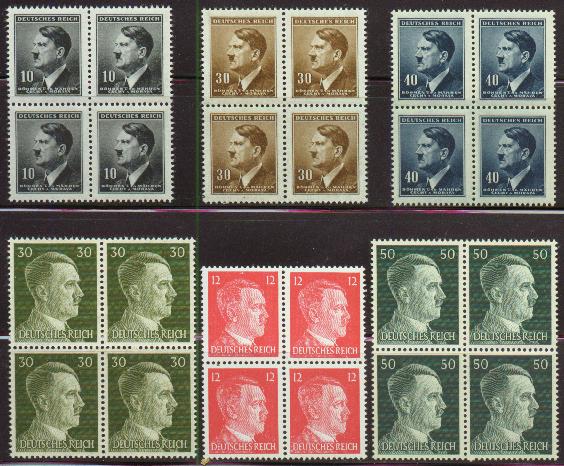
swastika stamps

Swastika stamps issued by Germany under Hitler

ஆரிய திராவிடக் கொள்கை என்னும் விஷப் பாம்பை வளர்த்தவர்கள் வெள்ளைக்காரகள். அந்த விஷப் பாம்புக்கு பால் ஊற்றி வளர்த்தவர்களை அதுவே கொன்றது என்றால் மிகையல்ல. ஆறு கோடிப் பேரை பலிவாங்கிய இரண்டாவது உலகப் போருக்கு ஆரிய இனவாதக் கொள்கைதான் காரணம் என்பதை உலகம் அறியும். ஆறு லட்சம் யூதர்களும், ஐந்து லட்சம் ‘’ஹிந்து ஜிப்சி’’ இனத்தவர்களும், பல்லாயிரகணக்கான இந்திய சிப்பாய்களும் இந்த ஆறு கோடித் தியாகிகளில் அடங்குவர்.


ஹிட்லர் தான் எழுதிய ‘’மெயின் காம்ப்’’ என்னும் சுய சரிதை டயரியில் ஆரிய இன வெறிக் கொள்கையை விளக்கி, உலகில் தூய ஆரியர்கள் மட்டுமே வாழ வேண்டும் என்றும் அவர்கள் மற்றவர்களுடன் கலந்து பிள்ளைகளைப் பெற்றதே ஜெர்மானிய வீழ்ச்சிக்குக் காரணம் என்றும் எழுதியுள்ளார். (ஆங்கிலக் கட்டுரையில் ஹிட்லரின் சொற்களை அப்படியே கொடுத்துள்ளேன்).


அவர் யூத மதத்தினரை வெறுத்ததற்குப் பல காரணங்கள் உண்டு. முதல் உலக யுத்தத்தில் ஜெர்மனியின் வீழ்ச்சிக்கும், பொருளாதாரச் சுரண்டலுக்கும் அவர்களே காரணம் என்றும் நினைத்ததோடு அவர்கள் ஆரியரால்லாத தாழ்ந்த இனத்தினர் என்றும் கருதினார். வெள்ளைக்கார்கள் இந்தியாவில் விதைத்த அதே விஷ வித்தை ஐரோப்பாவிலும் விதைத்தனர். ஆறு கோடிப் பேரை அந்த இன வெறிக் கொள்கை பலி வாங்கிய பின்னர், அந்த கொள்கையைப் புதைத்து அதன் மேல் கல்லறை கட்டி விட்டனர். ஆனால் இந்தியாவில் இதை அரசியல்வாதிகள் இன்னும் பயன்படுத்தி வருகின்றனர். ஒருவேளை இங்கும் ஆறு கோடிப் பேரை இது பலி வாங்கினால்தான் கல்லரை கட்டுவார்களோ என்னவோ!


ஹிட்லரின் தீப்பொறி கக்கும் பேச்சுகளும் ,நாஜி கட்சியினரின் துண்டுப் பிரசுரங்களும் இந்த ஆரிய இனவெறிக் கொகையையும் யூத மத எதிர்ப்புக் கொள்கைகளையும் வரி வரியாக விளக்குகின்றன. ஹிட்லர் எழுதிய ‘’மெயின் காம்ப்’’ புத்தகத்தில் ‘’ஆரிய இனம்’’ என்ற ஒரு தனி அத்தியாயமே இருக்கிறது.


IndusValleySeals_swastikas

Indus Seals with Swastika


தமிழ்ச் சங்க இலக்கியத்திலும் வேத இதிஹாச புராணங்களிலும் இல்லாத, வெள்ளைதோல்—கருப்புத் தோல் இனக் கொள்கை இந்தியாவை மெதுவாகக் கொல்லும் விஷம் என்பது வெள்ளைகாரனுக்குத் தெரியும். நெப்போலியனை தனித் தீவில் வைத்து உணவில் ஆர்சனிக் என்னும் ரசாயனத்தைக் கலந்து, பிரிட்டிஷ்காரகள் கொஞ்சம் கொஞ்சமாகக் கொன்றனர். இப்போது நெப்போலியன் தலைமுடியை ஆராய்ந்ததில் இந்த உண்மை தெரியவந்துள்ளது. அதுபோல ஆரிய திராவிட இனவெறிக் கொள்கை மூலம் கொஞ்சம் கொஞ்சமாக இந்து மதத்தை ஒழித்துகட்டவும் இந்தியாவைத் தகர்த்து அழிக்கவும் அவர்கள் திட்டம் போட்டதை இப்பொது மக்கள் உணரத் துவங்கிவிட்டனர்.


சிந்து சமவெளி நாகரீகம் இந்து மத நாகரீகம் என்பதையும் அது அழிந்ததற்கு சரஸ்வதி நதியின் போக்கே காரணம் என்பதும் விஞ்ஞானிகளால் நிரூபிக்கப் பட்டுவிட்டது. கிருஷ்ணரின் துவாரகை ‘சுனாமி’-யில் அழிந்தது பற்றி மஹா பாரதமும் புராணாங்களும் கூறியது உண்மைதான் என்பதும் கடலடித் தொல் பொருட் துறை அறிஞர்களால் உறுதி செய்யப்பட்டுவிட்டது.


திராவிடர்களை சிந்து சமவெளியிலிருந்து ஓடிவந்த ‘’கோழைகள்’’ என்றும் மத்தியதரைக் கடல் பகுதியில் இருந்து வந்த ‘’வந்தேறு குடியினர்’’ என்றும் வெள்ளைகாரன் எழுதிய சரித்திரம் எல்லாம் பொய்யாய் பழங்கதையாய்ப் போய்விட்டன. சங்க இலக்கியமும் புராணங்களும் கூறும் 18 குடிகளே இந்தியாவின் பூர்வீகக் குடிகள் என்பதும் அது தோலின் நிறத்தின் அடிப்படையிலன்றி மக்களின் வாழ்க்கை முறை, குணங்களின்  அடிப்படையில் அமைந்தது என்றும் எனது 600–க்கும் மேலான ஆய்வுக் கட்டுரைகளில் விளக்கி வந்துள்ளேன். மேலும் வரும்……..


(இலக்கியத் திருடர்களுக்கு அன்பான வேண்டுகோள். இந்தக் கட்டுரையை வேறு எங்காவது வெளியிடுகையில் லண்டன் சுவாமிநாதன் எழுதியது என்றோ அல்லது பிளாக் பெயரையோ வெளியிட்டு தமிழ் எழுத்தாளர்களை ஊக்குவிக்க வேண்டுகிறேன். தமிழுக்குத் துரோகம் செய்யாதீர்கள். தமிழ்த் தாய் பொறுக்கமாட்டாள்.)


Hitler about SWASTIKA

In 1920, Adolf Hitler decided that the Nazi Party needed its own insignia and flag. For Hitler, the new flag had to be “a symbol of our own struggle” as well as “highly effective as a poster.” (Mein Kampf, pg. 495)

On August 7, 1920, at the Salzburg Congress, the red flag with a white circle and black swastika became the official emblem of the Nazi Party.

In Mein Kampf, Hitler described the Nazis’ new flag: “In red we see the social idea of the movement, in white the nationalistic idea, in the swastika the mission of the struggle for the victory of the Aryan man, and, by the same token, the victory of the idea of creative work, which as such always has been and always will be anti-Semitic.” (pg. 496-497)

Because of the Nazis’ flag, the swastika soon became a symbol of hate, anti semitism, violence, death, and murder.

4x4HitlerStamps

The Aryan Race


Extracted from Mein Kampf, volume 1, chapter 11, Race and People


‘’If we divide mankind into three categories – founders of culture, bearers of culture, and destroyers of culture – the Aryan alone can be considered as representing the first category.’’

‘’Every manifestation of human culture, every product of art, science and technical skill, which we see before our eyes to-day, is almost exclusively the product of the Aryan creative power’’.

‘’The readiness to sacrifice one’s personal work and, if necessary, even one’s life for others shows its most highly developed form in the Aryan race. The greatness of the Aryan is not based on his intellectual powers, but rather on his willingness to devote all his faculties to the service of the community.’’

Contact swami_48@yahoo.com

Pictures are taken from Wikipedia and other sites; thanks.

swastika in Berlin May PoleSwastika raised in Berlin during Hitler’s rule.


‘Sex Worship’ in Indus Valley

lingam yoni indus


By London Swaminathan

Religious belief of Indus valley people remains a puzzle until today. John Marshal, Director General of Archaeology made some sweeping statements about certain objects he discovered in Mohenjo-Daro and misled the world. He was very unprofessional and forgot to mention where these objects were discovered. Archaeologists have to record the layers or the areas from where the objects were recovered.


He described some objects as symbols of phallic worship. He said the circular stone objects were representations of female genital organs (Yoni) and lingam shaped objects were male organs. Those were up to two feet in height. Marshal classified these objects into three groups: Lingas, Baetylic Stones and Ring Stones. No information is published to show where they were found. Neither Mackay nor Vats (later excavators) gave any information or new finds in their reports.


Since Marshal and Mortimer Wheeler saw everything through the coloured glasses fitted with Aryan-Dravidian lenses, their vision was distorted.

Later scholars pointed out the linga stones may be gamesmen or weights. Ring Stones might have been used to erect pillars or used for astronomical calculations. Since they did not find anything like this anywhere else in further excavations they even questioned the statement ‘’Phallic worship was an important element of Harappan religion’’.

pasupati

Baetylic stones are roughly shaped stones held sacred or worshipped as of divine origin Marshal’s categorization of some stones as Lingas and some others as baetylic stones was not accepted by other scholars. Indus Valley had no temples where as other ancient civilizations had places of worship. Vedic civilization had no temples. Mortimer Wheeler and others also said that this type of Linga- Yoni worship is Non Aryan. Strange thing about this is all the words such as Linga, Yoni, Pasupati are all Sanskrit words. In Sangam Tamil Literature there was no mention of Shiva, Linga or Yoni. Words such as Shiva, Linga came very late in Tamil literature. Tamil saints addressed Shiva as ARYAN and called him Oh, Reddish one! Going by this no one will call him a Dravidian! Scholars who said that they were practised more in South India left a wrong impression. In fact Tamils followed and translated verbatim whatever said about Shiva in Vedas. Ancient Tamil literature did not use the word Shiva or Pasupati, but used the Vedic expressions such as blue throated, three eyed etc. They also did not fail to say that Shiva lived in Himalayan Kailash! All these things came as slap on the faces of supporters of the racist theory.


More Sex Symbols

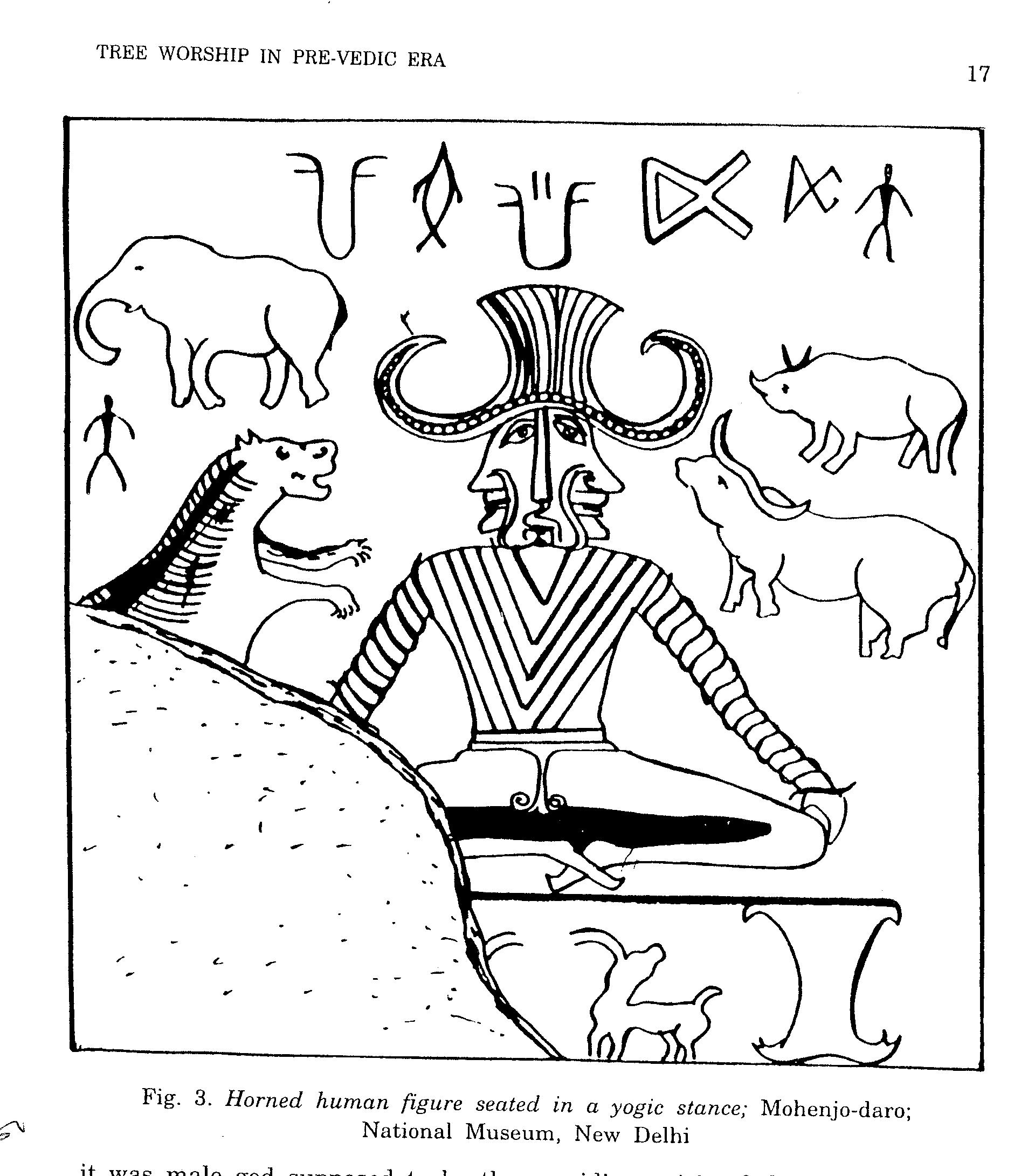
Even the Pasupati seal discovered by the early researchers are found in Bahrain and Gundestrup cauldron found in Denmark. It is not unique to Indus Valley.(See my early posts for details and pictures).Marshal’s hypothesis on Proto Shiva seal was wrong. The figure in the Harappan seal is ithyphallic, sitting cross legged and wide armed in the yogic Padmasana.

A female deity is shown in one of the Harappan seal with a tree issuing out of her womb and two rampant tigers standing as guards on either side. P Jayakar has described this seal in a nice way:

indus lajjagauri

‘’From her womb a plant springs, straight and lithe, with its fine leaves uprising and auspicious. The earth is the great yoni. The woman’s body in the Indus seal is the earth bound root, the fecundating source. The arms of the inverted figure are stretched to touch the knees as in yogasanas. The rampant tigers, guardians of initiation, protect the mysteries and the immense magic creation. The tigers are separated from the Earth Mother by the Indus valley script, a mantra or protection.

Some scholars have identified this deity with Lajja Gauri worshipped in different parts of India. Nude goddess legs apart showing her vulva as an invitation to sexual act is a universal representation in the civilizations of the fertility cult.


Unlike other ancient civilizations, Indus valley had no temples or places of worship. It was like temple less Vedic civilization. Pupul Jayakar in her book ‘The Earth Mother’ interpreted the fish symbol with a dot as Yoni in the seal where a big goat was brought in front of a deity probably for sacrifice.

Marshal jumped to a conclusion that linga –yoni shaped stone objects are sexual symbols. But throughout his report he confused everyone saying ‘’may be they are’’, ‘’may be they are all not sexual objects’’. This is a cunning way of creating doubts in the minds of people—similar to divide and rule policy of the foreigners!

lajja gauri,bhaktapur,nepal


Lajja Gauri from Nepal

Tamils who write about Indus Valley in their blogs do not know much about other seals where lot of rituals are depicted with tiger goddess and others. Sangam Tamil literature mentions Himalayas and Ganges as holy places. They never said anything about Indus River or Punjab. All their expeditions were to the Himalayas. They knew Kailash, abode of Lord Shiva, very well. It is doubtful that the ancient Tamils knew about Indus valley at all. Though we find the word Yavana, it meant only Romans in ancient literature. Later the meaning slightly changed to mention Greeks and Arabs or anyone from the West.

Contact swami_48@yahoo.com


gota bali sealIndus seal of sacrifice


பகவான் ரமணரைச் சந்தித்த பாக்கியவான்கள்!

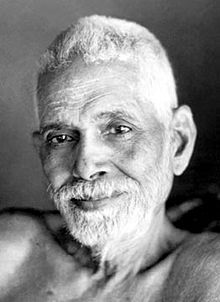
220px-Ramana_3_sw

மே 2013 ஞான ஆலயம் இதழில் பிரசுரிக்கப்பட்ட கட்டுரை

பகவான் ரமணரைச் சந்தித்த பாக்கியவான்கள்!

ச.நாகராஜன்


அபூர்வமான ஏதோ ஒரு சக்தி 

“ஏதோ ஒரு சக்தி ஞானியின் தேகத்தின் மூலமாக வேலை செய்கிறது. அவனது சரீரத்தை உபயோகித்து வேலையை முடிக்கிறது” என்று அணுக்க பக்தர் தேவராஜ  முதலியாரிடம் (5-5-1946 அருளுரை) கூறிய பகவான் ரமண மஹரிஷி ஒரு போதும் ‘தான் தான் அந்த மஹாசக்தி’ என்பதை வெளிப்படையாகக் குறிப்பிட்டதில்லை.

ஏதோ ஒரு சக்தி அனைவரையும் இங்கு இழுக்கிறது என்று அவர் குறிப்பிட்ட போது அந்த சக்தியால் இழுக்கப்பட்ட பாக்கியவான்களில் மஹாராஜாக்கள், மஹாராணிகள், அரசியல் தலைவர்கள், எழுத்தாளர்கள், கவிஞர்கள், யோகிகள், சாமான்யர்கள் ஆண்டிகள் உள்ளிட்டோர் இருப்பதைப் பார்த்து பிரமிக்க முடிகிறது. ஒவ்வொரு வருக்கும் ஒரு அனுபவம்;ஒரு செய்தி!


மைசூர் மஹாராஜா,பரோடா மஹாராணி, மகாகவி பாரதியார், ராஜேந்திர பிரசாத், மஹாதேவ தேசாய், ராஜாஜி, சாமர்செட் மாம்,பரமஹம்ஸ யோகானந்தா, காவ்யகண்ட கணபதி சாஸ்திரிகள், பால் பிரண்டன், சாட்விக் என்று ஆரம்பித்தால் இந்தப் பட்டியல் ஆயிரத்தையும் தாண்டுகிறது. “அந்த சக்தியிடம்” அவர்கள் அனுபவித்தது என்ன? ஒரே வாக்கியத்தில் அதிசயமான, இறைவனின் சந்நிதி பாக்கியம் தான் என்று சொல்லி விடலாம்.


சிவநகர் மஹாராஜாவின் கேள்வி

உத்தரப்பிரதேசத்திலுள்ள சிவநகர் மஹாராஜா பகவானிடம் புகலிடம் அடைந்து தனக்கு ஞானம் அளிக்க வேண்டுமென்று விண்ணப்பித்தார்.

பகவான் நாம மகிமையையும் பிரம்ம ஞானம் பற்றி அஷ்டாவக்ர கீதை உரைப்பதையும் எடுத்துரைத்தார். பிரம்மஞானம் அடைய எவ்வளவு நேரமாகும் என்ற கேள்விக்கு பிரம்மஞானம் உடைய குருவிடம் முழு சரணாகதி அடைந்து ‘நான் –எனது’ என்ற எண்ணங்களை விட்டு விட்டால் குதிரையின் அங்கவடியில் ஒரு காலை வைத்து மறு காலைத் தூக்கி வைப்பதற்கு ஆகும் நேரம் தான் தேவை என்ற அஷ்டாவக்ர கீதைப் பகுதியை விவரித்த பகவான், “ அவ்வளவு நேரம் கூட ஆகாது. அகம்-பாவம் மறைந்த உடனேயே ஆன்ம பாவம் ஒளிரும் என்று தன் அனுபவத்தில் கண்டதை உரைத்தார். அனைவரும் பிரமித்தனர்.


கவிஞரின் கண்ணீரும் மூச்சுத்திணறலும்


ஹரீந்த்ர நாத் சட்டோபாத்யாயா என்ற வங்கக் கவிஞர் அரவிந்தாஸ்ரமத்தில் இரு வருடம் இருந்தவர். அவர் பகவானை தரிசித்துப் பேசுகையில் தான் 4000 பதினான்கு வரிப்பாடல்களையும் 50000 வரிகள் கொண்ட கவிதையையும் மேலும் பல கவிதைகளையும் நாடகங்களையும் இயற்றியதைக் கூறினார். அவரது நாடகம் ஒன்றின் பகுதியை உணர்ச்சியுடன் அவர் நடித்துக் காட்டினார். பின்னர் அவர் கேட்டார்:”அதெப்படி, பகவானே!உங்கள் சந்நிதியில் நாங்கள் கண்ணீரால் மூச்சடைத்துத் திணறுகிறோம்?”  .பகவான் மௌனமாகப் புன்னகை புரிந்தார். பின்னர், “மனதைத் தொடும் விஷயங்களைப் படித்தாலோ கேட்டாலோ கண்ணீர் பொங்கி வழிகிறது” என்றார்.


பிறிதொரு சமயம் இதே பொருள் பற்றிப் பேச்சு வருகையில் ”கதாகாலக்ஷேபம் செய்பவர்கள் கல்நெஞ்சக்காரர்கள் போலும். எப்படி அவர்களால் உணர்ச்சி பொங்க கண்ணீர் வடிக்காமல் தொண்டை கட்டாமல் கதையை சொல்லி கொண்டே போக முடிகிறது” என்று வியந்தார். பகவானுக்கு பக்தர்களின் சரித்திரத்தைப் படிக்கும் போதெல்லாம் உணர்ச்சி கட்டுமீறும்; கண்ணீர் பொங்கும்; படிப்பதை நிறுத்தி விடுவார். பரம ஞானி ஒரு சிறந்த பக்தனாக இருக்க முடியும், ஞான மார்க்கமும், பக்தி மார்க்கமும் இறைவனை அடைய இரு வழிகளே என்பதைத் தன் வாழ்க்கையிலேயே வாழ்ந்து காண்பித்து அந்த உண்மையை நமக்கு உணர்த்தியவர் அவர்.


ramana stamp

பாரதியார் பெற்ற உத்வேகம்

திருவண்ணாமலையில் பிரசங்கம் செய்ய வந்த மஹாகவி பாரதியார் ரமண சந்ந்நிதியில் வந்து அமர்ந்து உத்வேகம் பெற்றார். பின்னால் பகவானிடம் இது பற்றிக் கேட்ட போது, பாரதியார் படத்தைப் பின்னால் பார்த்த போது தான் அவர் தான் வந்திருந்தார் என்று ஊகிக்க முடிகிறது என்று அருளினார். இப்படி தன்னை யாரென்று சொல்லிக் கொள்ளாமல் பகவான் எதிரே அமர்ந்ததனாலேயே உத்வேகம் பெற்ற பெரியோர்கள் ஏராளம்!


பரமஹம்ஸ யோகானந்தரின் கேள்வி

‘ஆடோபயாகிராபி ஆஃப் தி யோகி’– என்ற உலகப் பிரசித்தி பெற்ற நூலை எழுதியவரும் கிரியா யோகத்தை அமெரிக்காவிலிருந்து உலகெங்கும் பரப்பியவருமான பரமஹம்ஸ யோகானந்தர் ரமண மஹரிஷியை (29-11-1935 அன்று) சந்தித்தார்.மக்களிடம் ஆன்மீக முன்னேற்றத்தை எப்படி எழுப்புவது என்ற அவர் சந்தேகத்திற்கு ஒவ்வொருவருடைய ஆன்மீக முனேற்றத்திற்கு தக்கபடி  அவரவருக்கேற்றபடி குறிப்புகளை வழங்க வேண்டும் என்று தெளிவு படுத்தினார் ரமணர். துன்பத்தைப் போக்க யோகம் மதம் ஆகியவை உதவுமா என்ற அவர் கேள்விக்கும் அவை துன்பத்தைப் போக்க உதவும் என்று தெளிவு படுத்தினார்.


சிவனே திருவண்ணாமலை

திருவண்ணாமலை ரகசியத்தைப் பற்றி பால்பிரண்டன்(23-1-1936 அன்று) பல்வேறு கேள்விகளைக் கேட்டு பகவானைக் குடைந்தார்.

மலையில் குகைகள் உள்ளனவா என்ற பிரண்டனின் கேள்விக்கு எனது அகக் காட்சிகளில் குகைகள், நகரங்கள், தெருக்களைக் கண்டுள்ளேன் என்றார் ரமணர். சித்தர்கள் அதனுள் இருக்கிறார்களா என்றார் பிரண்டன். பெரிய சித்தர்கள் உள்ளனர் என்று பதிலளித்தார் பகவான். சித்தர்கள் இமயமலையில் இருப்பதாக அல்லவா சொல்லப்படுகிறது என்று பிரண்டன் விடாமல் கேட்ட போது கைலாஸம் சிவனின் இருப்பிடம் தான்; ஆனால் சிவனே தான் இந்த மலை“ என்று தீர்க்கமாக பதில் அளித்து அனைவரையும் பிரமிக்க வைத்தார் மஹரிஷி.


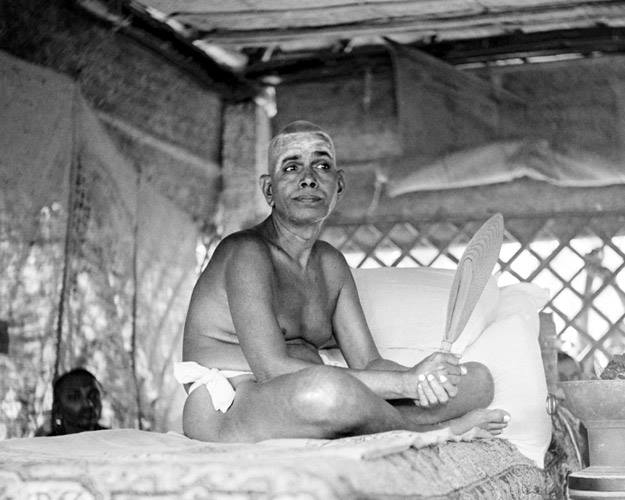
ramana with fan

காலம் வெளி கடந்த மஹரிஷி


போலந்து தேசத்தைச் சேர்ந்த ஒரு பெண்மணி தன் பெயரை உமாதேவி என்று மாற்றி வைத்துக் கொண்டார்.அவர் காஷ்மீரிலிருந்து வந்து  (10-11-1936 அன்று) பகவானை தரிசனம் செய்தார். காஷ்மீரில் எடுத்த காட்சிகளை அவர் அனைவருக்கும் ஆசிரமத்தில் காண்பித்த போது “பயணம் செய்யும் சிரமம் செய்யாமலேயே நாம் அந்த இடங்களைப் பார்த்து விட்டோம்” என்று நகைச்சுவையுடன் கூறினார் பகவான். ஆனால் இதன் ஆழ்ந்த பொருள் உண்மையில் வேறு. காலம், வெளி கடந்த தன்மையில் மஹரிஷி ஏராளமானோருக்குத் தன் எங்கும் நிறைந்திருக்கும் தன்மையைக் காட்டியுள்ளார்.


ஒரே சக்தியே அனைவரையும் இயக்குகிறது

பின்னால் ஜனாதிபதியாக இருந்த பாபு ராஜேந்திர பிரசாத் ரமணாசிரமத்திற்கு வந்து சில நாட்கள் தங்கி இருந்தார். விடைபெறும் நாளில் (18-8-1938 அன்று) பகவானிடம் சென்று,” நான் மஹாத்மா காந்திஜியின் அனுமதியின் பேரில் தான் இங்கு வந்துள்ளேன். அவரிடமே சீக்கிரம் திரும்பிப் போக வேண்டும். அவருக்கு ஏதேனும் செய்தி தருகிறீர்களா” என்று கேட்டார். “அவரிடம் அத்யாத்மீக  சக்தி வேலை செய்கிறது; அதுவே அவரை வழி நடத்துகிறது. அது போதும். வேறென்ன வேண்டும்!” என்று பதிலிறுத்தார் ரமணர்.

எந்த சக்தி இங்கிருந்து வழி நடத்துகிறதோ அதே சக்தி அவரையும் வழி நடத்துகிறது என்று ஒரு முறை மஹாத்மாவைப் பற்றி ரமணர் குறிப்பிட்டு ‘அந்த ஏதோ ஒரு சக்தியைப் பற்றிக்” குறிப்பிட்டுள்ளார்.


ரமண மஹரிஷி ஒரு திறந்த புத்தகம்

சிவனே திருவண்ணாமலை என்ற ரகசியத்தையும், அங்கிருந்து இயக்கும் அபூர்வ சக்தி ரமணரை ஆட்கொண்டதையும் அந்த சக்தி உலகத்தில் உள்ள பாக்கியம் பெற்றோரை அவர் வசம் இழுத்ததையும், உயரிய ஞானியாக இருந்தாலும் காட்சிக்கு எளியராய், பரம பாகவதனாக பக்தி செலுத்தி கண்ணீர் பொங்க இறைவனை அவர் வழி பட்டதையும், பெரும் யோகிகளுக்குக் கூட உத்வேகம் ஊட்டியதையும் கவிஞர் போன்ற யுக புருஷர்களுக்கு ஆன்ம சக்தி அளித்ததையுமே ரமணரைச் சந்தித்த விதவிதமான இறை அன்பர்களிடமிருந்து நாம் தெரிந்து கொள்கிறோம்.


மஹரிஷி ரமணர் ஒரு திறந்த புத்தகம்; அந்த புத்தகத்தைப் படித்தவர்களைப்  பற்றிய குறிப்புகள் அடங்கிய புத்தகங்கள் ஏராளம் உள்ளன! அவற்றை ஊன்றிப் படிக்கும் போது மஹரிஷி ரமணர் குறிப்பிடும் “ஏதோ ஒரு சக்தி” அவரே தான் என்பதை உணர முடியும். பகவானைச் சந்தித்த பாக்கியவான்களின் சந்திப்புகளில் நிகழ்ந்ததைப் படிக்கும் போது அது நமது ஆன்ம ஒளியைத் தான் தூண்டுகிறது! – இன்றும், என்றும்!

This article was written by my brother S Nagarajan of Bangalore: swaminathan

********************

‘Prayers Good for Heart’ says Scientists


Picture of Sathya Sai Bhajans

London newspapers have published an interesting news item yesterday (London Metro, July 9, 2013 and The Mail) about the power of prayers, in particular, group prayers. Read the story below and my comments:

’Hallelujah! Singing in a choir is as good as Yoga’’ is the title given by the newspapers.


‘’Scientists say chanting the Hallelujahs of the No.1 hit can be as good for the heart as a Yoga session. That is because singing helps us to control our breathing and regulate our heart beat and pulse.


And while singing alone is good, singing in a choir is better, research shows. Dr Bjorn Vickhoff of Gothenburg University in Sweden led the research. He said, ‘songs with long phrases achieve the same effect as breathing exercise in yoga. In other words, through song we can exercise a certain control over mental states. Choir singing or chanting foot ball songs impose a calm and regular breathing pattern on participants, giving their hearts a work out.’


Scientists of Gothenburg University made this discovery after asking a group to perform three different choral exercises—monotone humming, singing a hymn and chanting a slow mantra—while their heart rate was monitored. The results revealed the music’s melody and structure was directly linked to the cardiac activity of the choir.

The next task for the researchers is to measure how music affects the body in biological terms, said Dr Vickhoff. He reckons songs could be used to treat people with breathing difficulties.

24 Bhajan groups took part in a marathon session in California (USA)

My comments: Bhajans are good for heart patients

Bhajan singing is popular among Hindus. Swami Sivananda, Ramakrishna Mutt, Chinmaya Mission, Swami Abhedananda, Hare Krishna Movement and last but not the least Sri Sathya Sai Baba made Bhajan a house hold name. Thiruppugaz Bhajan, Thevaram recitation, Divya Prabandha recitation also fall under this category. (I have the personal experience of participating in the above groups)


Bhajan means singing a hymn or reciting God’s name loudly with the accompaniment of musical instruments. In some Bhajans Lamp dance and Stick dance are also included. This type of singing will fall under the category of choir singing and group singing in the churches.


It is good to know that those who do Bhajans or Thevaram recitation are strengthening their hearts physically and spiritually. The researchers  will soon find out that music also has the same effect.

(This article is translated in to Tamil and posted: London Swaminathan).

Vedic God Varuna in Oldest Tamil Book

East European Slavs worshiped Varu as Perun

Oldest Tamil book Tolkappaiam dated to 1st century BC mentions Varuna as one of the four Gods allocated four different land divisions of ancient Tamil country. This raised eye brows of many people because Varuna is not mentioned much in Tamil literature. Indra is mentioned from the oldest to the latest literature which I gave in my last post.


Agni, though not mentioned directly is mentioned in the Vedic rites of Brahmins in Tamil literature. 2000 year old Sangam Tamil literature praised the Brahmins as ‘’worshippers of three fires’’ (Muth Thee). And like I mentioned in my post on Indra, Agni is worshipped by Tamils in the form of Subramanya, who the Tamils called Murugan. The very Tamil word given to him in the oldest Tamil book is Seyon=Reddish. Agnijathar and Agni Bhu are few of Lord Murugan’s popular names. Agnijathar means Fire Born. Lord Skanda was born from the fire of Lord Shiva’s Third Eye.


Now let us look at Varuna. Varuna in the Vedas is a powerful god. He is the guardian of cosmic order (rta=rhythm=ruth=truth). Varuna is in charge of the oceans, water sources and rains. During times of drought Varuna Japa (Prayers to Varuna) is done. His vahana (vehicle) is shark fish or crocodile. Tamils believed his control over rains and worshipped him for rains. Oldest Tamil book Tolkappiam says he is the god of littoral areas/Neithal. Seaward people and fisher men worshipped him.


At lower level Varunan is in charge of the direction West where as Indra controls East. In Persian literature Varuna is the most powerful God. Mitra and Varuna are paired in Vedic hymns. This led to the belief of interpreting them as Day and Night, Sun and Moon, Light and Dark and Positive and Negative energy. Tamil saint Agastya is considered son of Varuna and Urvasi. This brings Varuna closer to Tamils. Agastya was the one who made a grammar for Tamil language.

We have a few references to Varuna in Tamil:

Barathavars are the people of the sea. They would not go to sea for fishing on full moon days. This coincides with the Vedic link of Varuna with the moon and Mitra with the sun. Barathavars may be related to Bharats of Rig Veda. But this requires further research. Varuna is associated with sea in Rig Veda (RV I-25) in many places.

Tamils used to plant the Shark bone in the sand on the sea shore and do Puja with flower garlands. They drink toddy extracted from palm and paddy. This happened on the full moon day. This confirms its Vedic origin: 1.Association with shark/sea monster2.Association of moon/full moon day 3.Association with sea 4. Association of the clan name bharats  and 5.Confirmation of Varuna as Tamil God by Tolkappiam(Porul.1-5). He used the Sanskrit name Varuna.


The Sanskrit word for sea Vaaranam has its origin in Varunan.

Pattinappalai lines 86 to 93 gives us the above information.

Read my earlier post ‘’Indra in Oldest Tamil Literature’’.

Image

Valluvar and Varuna

Tamil’s greatest contribution to the world of literature is a book called Tirukkural. Tirukkural means a book of sacred couplets. There are 1330 couplets divided in to three chapters Dharma/virtue, Artha/wealth and Kama/love (Aram, Porul, Inpam in Tamil). They deal with all aspects of human life. One who reads it today would be surprised at its freshness and relevance to our own problems today. It was written by Valluvar 1500 years ago. He also praised Varuna without naming him. He placed the chapter on RAIN as the second one, next to GOD/Prayer.


Valluvar says in couplet 18:

‘’If rains fail, festivals of the year and the daily worship of the gods will cease’’.

I interpret it as the Sea festival to honour Indra and Varuna. The worship he mentions is the worship of Varuna. It is to be noted that he used the Sanskrit word Puja ( Pusanai in Tamil) in this couplet and in the very next couplet he jumps to the Bhagawad Gita phrase Dhana and Tapas (Dhanam, Thavam in Tamil). He boldly used the Sanskrit words to start his couplet, which was not practised during Sangam period.

Couplet 19:

‘’Charity and devotional practices will not be observed in the world unless rain falls.’’

I have given umpteen examples in my previous 570 + posts that the Aryan Dravidian Race theory is a fraudulent one that was imposed by vested interests. This Varuna worship in the southern most part of India also debunks the race theory.


Swami_48@yahoo.com; Pictures are taken from various sites. Those who use my articles are requested to give full credit to the blog or the author London Swaminathan.Thanks.

Read my earlier articles:

Indra in the Oldest Tamil Book

Date of Tolkappiam