Qualities of a Doctor and a Quack!

doctor3

Compiled  by London swaminathan

Post No.2252

Date: 17 October 2015

Time uploaded in London: 15-35

Thanks for the pictures.

Don’t use pictures. Don’t reblog for at least a week.

1.Vaidya Gunah – Qualities of a Physician

Srute paryavadaatatvam Bahuso drstakarmataa

Daakshyam Saucam iti jneya vaidye Guna chatustayam

–Charaka (sutra) 9-6

Srute paryavadaatatvam =Excellence in Medical Knowledge

Bahuso drstakarmataa = Extensive Practical Experience

Daakshyam = Skill

Saucam = Cleanliness

doctor1

2.Physician’s Approach to Patients

Vaidya Vrtti

Maitri kaarunyamaarteshu sakye pritirupekshanam

Prakrutistheshu butesu vaidyavrttischaturvidhaa

–Charaka (sutra) 9-26

Maitri = Friendship

Kaarunya = compassion

Priti = Pleasure

Upekshanam = Sympathy

doctor4

3.Fake Doctors (not to be honoured)

Apuujya Vaidyaah

Kucela: karkasa: stabhdho graamani svayamaagata:

Pancha vaidyaa na puujyante Dhanvantrisamaa api

Even if he is equal to Dhnavantri, the God of Medicine, don’t honour the following five physicians:

Kucela =Untidily dressed

Karkasa = Rough

Stabdha = Stubborn

Graamani = Pervert

Svayamaagata = One who visits on his own (uninvited)

doctor5

Tamil Wisdom on Doctors and Medicines

Great Tamil poet Tiruvalluvar in his Tirukkural (Chapter 95) says

A).Let a skilful Doctor who knows medicine,

study the patient,

the nature of the disease,

the season,

then treat him

B).Medical treatment implies fourfold elements:

Patient, Doctor, Medicine and the Nurse

C).Let disease be diagnosed and its cause and let remedy be applied comfortably

D).He will be afflicted with diseases who eats immoderately.

doctor2

E).No medicine is needed for him who eats after knowing that what he has already eaten has been digested

F).If a man eats that which will not disagree with him, there will be no suffering for him.

G).As pleasure attends him who eats with studied moderation, so disease attends the glutton who eats ravenously.

-subham-

Five Divine Trees and Five Important Grasses!

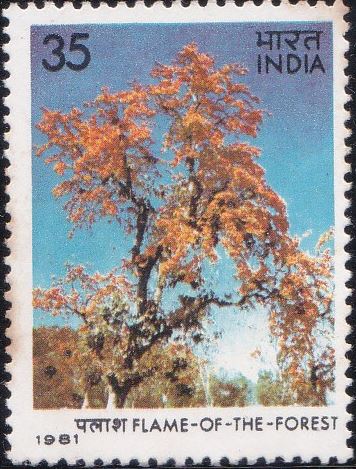
861-Flame-of-the-For

Compiled by London swaminathan

Post No.2241

Date: 13 October 2015

Time uploaded in London: 17-53

Thanks for the pictures.

Don’t use pictures. Don’t reblog for at least a week.

Herbs, Trees, Creepers, Flowers in Sanskrit Literature – Part 1

1.Five Devapaadapa = Five Divine Trees

Trees are called ‘paadapa’ in Sanskrit = eating with/by foot; they take their food through their feet i.e.roots!

Mandaara

Paarijaata

Santaana

Haricandana

Kalpavrksa

Panchaite devataravo mandaara: paarijaataka:

Santaana: kalpavrkshascha pumsi vaa harichandanam

–Amarakosa 1-50

xxx

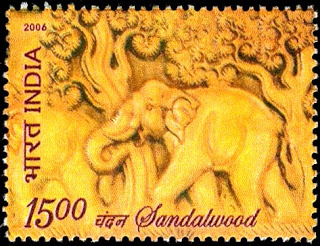
sandalwood

2.Fragrances

Kasturi = musk (animal product; not from plants)

Candana – a variety of sandal wood tree

Karpura = camphor (extracted from plant)

Agaru = aloewood tree

Malayaagaru = Candana from Malaya Hills

Kastuuricandanam chandramagaru dvitiiyam tathaa

Panchagandha samaakyaatam sarvakaaryeshu sobhanam

These five plants add beauty and colour to any event.

Xxx

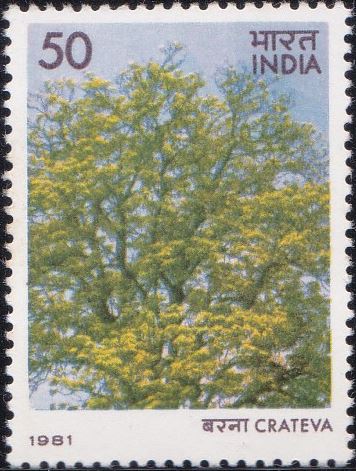
862-Crateva-Indian-Flowering-Tre

3.Guduucii Pancakam

Guduucii

Padmaka

Arista

Dhaanakaa

Rakta candana

Group of these five plants is helpful in the subjugation of fever, vomiting, burning sensation, thirst and improves digestion.

Guduuciipadmakaarishtadhaanakaararaktacandanam

Pittasloshmajvarachardidaahatrushnaadhvamagnikrut

–ashtaanga nighandu -66

xxx

864-Bauhinia-

4.Trnapanchamuula = Five (Important) Grasses

Kusa

Kaasa

Nala

Darbha

Kaandeksu

Kusakaasanaladarbhakaandekshukaa iti trunasamknaka:

–Susruta Sutra 38-75

xxx

5.Aamalapanchaka = Five varieties of Aamala (sour) Fruits

Kola = jujube

Daadima =Pomegranate

Vrsaamla = Tamarind (imli)

Cullikaa

Cukrikaa = wood soorel

Kola dadima vrkshaamlachullikaa chukrikaarasa:

Panchaamlakam samudhdhishtam tacchoktam  cha aamla panchakam — Rasa ratna samuchaya

Xxx

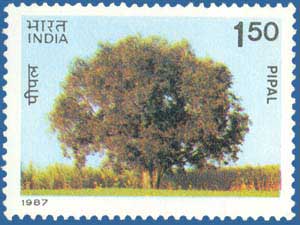
1272_Trees_Pipal

6.Kasaaya = medicinal decoction

Sami

Udumbara

Asvatta

Nyagrodha

Palaasa

Samyudumbara masvattam nyagrodham cha palaasakam

Yajnam yajne vimantreens dadhyaath pancha kashaayikam –Saptakalpadruma

Xxx

1549_Yellow_Silk_Tree

7.Thorny plants

Karamardi;  Trikantaka; Saireyaka; Sataavari; Grdranakhi

–Susruta Sutra 38-73

xxx

Source: compiled from the Encyclopaedia of Numerals –Volume 1; The Kuppuswami research Institute, Chennai; 2011

–Subham–

What is the difference between the Doctor and Yama?

doctor

Compiled by London swaminathan

Post No.2226

Date: 8  October 2015

Time uploaded in London: 19-58

Thanks for the pictures.

Don’t use pictures. Don’t reblog for at least a week.

Yama is the God of Death in the Hindu mythology. There is a funny couplet in the collection of Sanskrit couplets dealing with different subjects, known as Subhasita Ratna Bhandagaram.

Vaidhyaraaja!Namastubhyam Yamaraaja Sahodara!

Yamastu harate praanaan, Vaidhyah Praanaan  dhanaani cha!


Meaning

Hello Doctor! Brother of God of Death (Yamaraja)! I salute You!

God of death takes away our lives! Doctors take away our lives and our money too!

There is another saying in Sanskrit

Hatvaa nrnaam sahasram paschaat  vaidhyo bhavet siddhah

Meaning

It is only after finishing off a thousand (patients)  that a doctor becomes proficient.

Doctors are the butt of many jokes around the world conveying the same feeling. I have already given the following  anecdotes elsewhere:

xxx

cartoon-doctor-8

A lawyer and a doctor having a dispute about precedence, referred it to Diogenes, who gave it in favour of the lawyer in these terms:

“Let the thief go before and the executioner follow.”

Diogenes: Greek Philosopher 412 BCE to 323 BCE

Xxx

Alexander Dumas, the French novelist, being the guest one day of Dr Gistal, an eminent doctor of Marseilles, was asked by his host after dinner to enrich his album with one of his witty improvisations.

“Certainly,” replied Dumas with a smile, and drawing out his pencil he wrote under the eyes of the doctor, the following lines:

“Since Dr.Gistal came to our town,

To cure diseases casual and hereditary,

The hospital has been pulled down” –

“You flatterer!”, exclaimed the doctor, mightily pleased.

But the poet went on —

“And we have made a larger cemetery.”

Xxx

Funny Doctor Cartoons And Jokes2

The patient was lying on the stretcher waiting to be pushed into the operating room. “I am so nervous,” he remarked to a sympathetic young woman standing by.

“This is my first operation.”

“So am I,” said the young lady, “my husband is the doctor and it is first too.”

–Subham–

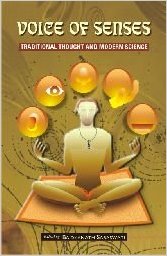
Voice of Senses

voice2

Compiled  by S Nagarajan

Date: 1 October 2015

Post No: 2204

Time uploaded in London :– -9-18 am

(Thanks  for the pictures)

Book Review  By 

Santhanam Nagarajan

Published in www.ezinearticles.com on September 29, 2015

naga

    Platinum Level Expert Author

  • Voice of Senses
  • Santhanam Nagarajan
  • The book under review titled, ‘Voice of senses’ is edited by Baidyanath Saraswati.
  • The entire book is devoted to a thorough understanding of the concept of senses. There are twenty articles in total in two parts.
  • The first part deals with philosophy and religion while the second part deals with Science and Society.
  • Eminent authors from various fields have written the articles and hence it is quite interesting to read and understand hitherto unknown facts.
  • The Five Elements or Five Processes is basic to Chinese tradition. Wood, Fire, Earth, Metal and Water are the five elements.
  • Sitansu Ray has beautifully written about Tagore’s Congregational addresses on Seeing and Hearing
  • Seeing and hearing are consecutive themes of the great poet Rabindranath Tagore who delivered the congregational addressed on two consecutive days in Santiniketan. Vision leads us to realization. The silent music of celestial world is to be studied and our life music is to be synchronized with the magnanimous music of the ever-evolving universe.
  • Function of the Sense- Organs in the Snake- catching Technology is explained by Sanghamitra Pal.
  • In West Bengal, Saure Mal is one of the sub-castes of the caste Mal. The Sapure classify the snakes as poisonous and non-poisaonus. They believe that most of the snakes are harmless. They learn the art of snake-catching since childhood. It is very interesting to read about their knowledge and skill of snake-catching and charming.
  • Somushish Ghosh Dastidar and Manojit Denath analyse Plant Response to External Stimuli. A single stimulus such as hot needle can cause leaves to respond. It is possible for a plant to respond to the vibrations accompanying sounds. The plant ‘Mimosa Pudica’ also known as the ‘sensitive plant’ responds to the sound-induced vibration. In one archid plantation area every morning and evening the sound installed there plays devotional songs, ghazals, religious chants and instrumental music. The vibration in it helps in the growth of buds.
  • N.Sahay explains Human Senses and their purpose citing quotes from many Sanskrit works. One has to use these senses to ‘go upward’. The excellent path of true welfare is to be chosen and adopted by intelligent people.
  • These articles are of benefit to those who interested in learing about the different aspects of Indian religious and philosophical perceptions.
  • The Scientific back ground gives us more authentic information about the voice of senses.
  • Sense of touch, sense of taste, sense of smell, sense of sight, sense of hearing – all these five senses along with mind helps us to achieve empirical knowledge. One who uses these in the right way as stipulated by scriptures attains Shreya.
  • Mr Badiyanath Saraswati , an eminent anthropologist has spent about forty years in unraveling the relationship between traditional thought and modern science.
  • He is no more with us. But his collection of articles will definitely help the readers to know all about senses.
  • The Voice of senses is very sweet and I strongly recommend this book to all book lovers of Indology.
  • The book is neatly printed and published by D.K.Printword (P) ltd., New Delhi.
  • Article Source: http://EzineArticles.com/9182975

Achievements

  1. Nagarajan has written more than 3000 articles in Tamil in 18 magazines and published 19 books. He is revealing Eastern Secret Wisdom through T.V. Programmes, magazine articles, seminars, courses. He has covered various subjects in his wide range of articles which include Mantras,Yantras, Yoga, Meditation, Astrology, Astronomy, Space Science, Science and Spirituality, Hollywood cinema, Womens’ progress, Aura, Significance of Colours, Reincarnation, Divine Geometry, Power of Prayer etc As an ardent seeker of Truth, he has collected scientific experiments on mantras, mind ,Auto suggestion etc He has written many articles on para psychology

So far 100,718 persons have read his ezine articles.

Lucky No.5’s Link to Literature!

kumara

Article No. 2060

Written by London swaminathan

Swami_48@yahoo.com

Date : 10  August  2015

Time uploaded in London :– 19-53

It is a strange co incidence that Sanskrit and Tamil scholars chose number Five to name their best five epics and minor epics.

sisupalavatam

(1) In Sanskrit the Five Great Epics (Pancha Maha Kavyas) are:

1.Raghuvamsam by Kaalidaasa

2.Kumaarasambhavam by Kaalidaasa

3.Kiraataarjuniiyam by Bhaaravi

4.Sisupaalavatham by Maagha

  1. Naisadacaritam by Sriharsa

silambu-book1

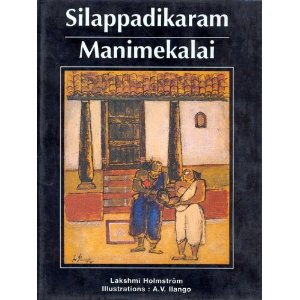
(2) Five Tamil Epics

In the same way Tamils also chose the best five epics and named them ‘Aim Perum Kappiyangal’ meaning Five Great Epics and they are

1.Silapadikaaram by Ilango

2.Manimekalai by Siltalai Saattanaar

3.Siivaka Cintaamani by Tirutakkatevar

4.Valayapati – Anonymous

5.Kundalakesi – Naadakuttanaar

Tamil language has Five Minor Epics as well:

bharavis-poem-kiratarjuniya-

(3) Five Tamil Minor Works

Chulaamani – anonymous

Niilakesi – Tolaamozitevar

Udayanakumaara kaaviyam -anonymous

Nagakumaara kaaviyam- anonymous

Yasodaa kaaviyam- anonymous

(4) Grantha Pancakam

Even the Advaita philosophy chose number five to name their five great works ‘Grantha Panchakam’. They are

1.Brahmasutra

2.Bhasya of Sankara

3.Bhamati of Vacaspati Misra

4.Kalpataru of Amalananda

5.Parimala of Appayya Diksita

brahma_sutra_bhasya_of_shankaracharya_idj504

(5) Restraint from Speaking

Even a medicine man like Charaka instructs us to restraint from speaking

1.Harsh words= Parusam

2.Excessive words = Atimaatra

3.Back biting = Suucaka

4.Untruth =Anruta

5.Untimley utterance = Akaalayukta

Parusasyaatimaatrasya suchakasyaanruthasya cha

Vaakyasyaakaalayuktasya dhaarayetvehamuttitham

-Charaka sutra 7-28

mahabhasya

(6) Five Types of Texts, Commentaries, Explanatory Notes

Sutra

Vrtti

Bhaasya

Vaartika

Tiikaa

-Mahaabhaasya (Prastaavanaa)

(7) Five Blemishes in Writing

Illegible = Akaanti

Contradiction = Vyaaghaata

Repetition = Punarukta

Ungrammatical usage= Apasabda

Misarrangement = Samplava

Akaativyaardhatah punaruktamapasabdah samplavaiti lekadosaah   –Arthasastra 2-10-57

-Subham-

Hindu Classification of Books

IMG_3382

Article No.1984

Compiled by London swaminathan

Date 9th July 2015

Time uploaded in London: 21-25

Ancient Hindus were very clever. They classified not only plants and animals for the first time in human history but also the books. Since they were mathematical geniuses they used the numbers for all their anthologies, poetry, books, verses etc. They had very high numeracy and literacy skills that was not seen in any other part of the world. They have called their scriptures after numbers Chatur (4)Veda, Ashtadyayi (Eight Chapters or Paniniyam), Sahasranamam (1000 names), Satakam (100 verses), Dasakam (10 verses), Ahtakam (8 verses). Most of the popular books were named after numbers! Each chapter of Mahabharata finisheas with the lines “thus ends the XYZ chapter in the book of 100,000 verses!”

But for two reasons they were not given due credit for their achievements:

1.Western Ignorance

Westerners were ignorant of Hindu scriptures. They did not know about Sanskrit before 17th century. Not only that, Greece was one of the countries which was not ruled or subdued by the big colonial powers. So the Greeks commanded some respect.

2.Constant Updating of Hindu scriptures

Hindu scriptures like Puranas, Charka Samhita, Susruta Samhita, Manu Smrti, and Mahabharata were constantly updated with the latest matters. Westerners who came to India as rulers looked at the latest additions and gave the latest date on the basis of new materials. Only Vedic literature was left untouched by those Hindu enthusiasts.

This type of addition is there in Greek, Hebrew and Latin literature but the westerners ignored the additions and gave them the oldest date. They had absolute loyalty to Old and New Testaments of the Bible. Even the original Bible was in Greek language though Jesus used Aramaic language.

In short, they followed double standards. Max Muller’s theory of “a language changing every 200 years” was not applied to any other literature in any other part of the world. He applied it only for Vedic Samhitas (1200 BCE), Brahmanas (1000 BCE) and Aranyakas (800 BCE) and Upanishads (600 BCE). If we apply the same rule for Tamil literature all the dates in the books will fall flat.

IMG_3384

Hindus must start some constructive work like listing all the plants in the Atharva Veda, Saraka Samhita, Susruta Samhita, Vatsyayana’s Sex manual Kama sutra etc. Even Vishnu Sahasranama has three plants belonging to the Ficus family (Asvatta, Banyan and Fig). They were the pioneers of modern classification. In the same way they have grouped Nava Dhanyas, Ten types of Grasses etc. Even the medicines were classified as Tri phala, Tri Katuka, Ashta Churna (all have mostly herbal ingredients). Tamils even named their books after these Sanskrit words Trikatuka, Pancha mula (five roots).

The classification of books show that they had reached the highest intellectual calibre in the whole world. This is supported by the decimal system and highest numbers found in the Vedas.


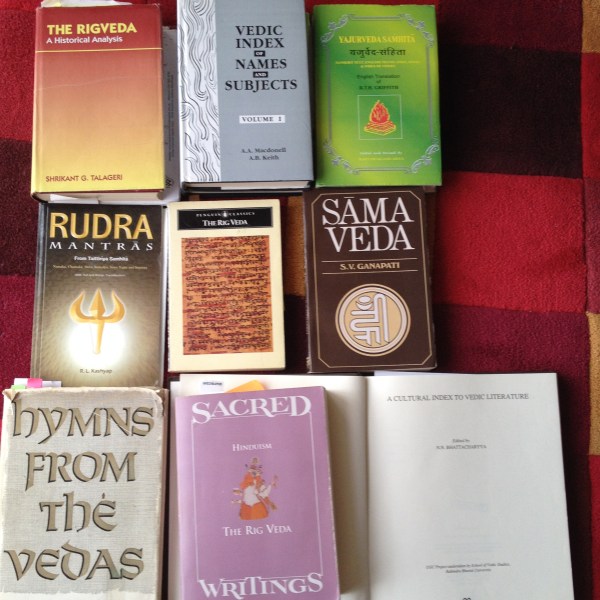
Chatur (4) Veda

The pioneer in classification of books was Veda Vyasa. Traditional dating is around 3150 BCE and modern scholars’ dating is around 1500 BCE. He was the one who classified the Vedas into four and named them Chatur Veda (Four Vedas) and entrusted the responsibility of spreading it to four of his students. A great administrator! But for him we would have lost all the Vedas. Rik, Yajur, Sama and Athrvana Vedas are the four Vedas.
IMG_2789

Prasthanatrayam 3  (Trinity of Books)

Hindus consider three (set of) books as the three pillars of Hinduism: Brahmasutra, Upanishads and the Bhagavad Gita

Dasopanishad 10

Ten Upanishads were grouped together as primary Upanishads (Philosophical treatises):- Aitareya, Brihadaranyaka, Chandogya, Isa, Kena, Katha, Prasna, Mundaka, Mandukya, Taittiriya.

They had over 150 Upanishads! But these are the ten important Upanishads.

18 Puranas were grouped together:

Agni, Bhagavata, Brahma, Brahmanda, Brahmavaivarta, Garuda, Harivamsa, Kurma, Linga, Markandeya, Matsya, Narada, Padma, Siva, Skanda, Vamana, Varaha, (Vayu), Vishnu.

Purana means Pura api Nava (Old story but ever New/fresh); great leaders of India Shivaji and Gandhiji were inspired by the Puranic (mythological) stories.

18 Upa Puranas:

Sanat kumara, Narasimha, Brihna Naradiya, Siva Rahasya, Durvasana, Kapila, (Manava, Ausanasa), Varuna, Kalika, Samba, Nandi, Saura, Parasara, (Aditya), Mahesvara, Bhargava, Vasistha, Devi Bhagavata,Ganesa, Mudgala (and Hamsa).

Upa puranas wthin brackets are found in some versions replacing some from the list.

Ashtadyayi /8 Chapters (750 BCE)

Even the world’s greatest grammarian Panini named his book Eight Chapter (Ashta Adhyaya)

Pancha (5) Maha Kavyas

Raghuvamsa and Kumarasambhava of Kalidasa, Kiratarjuniya of Bharavi, Sisupalavadha of Magha and Naisadha Sarita by Sri Harsha.
தமிழ் புத்தகங்கள்

Tamil Classification

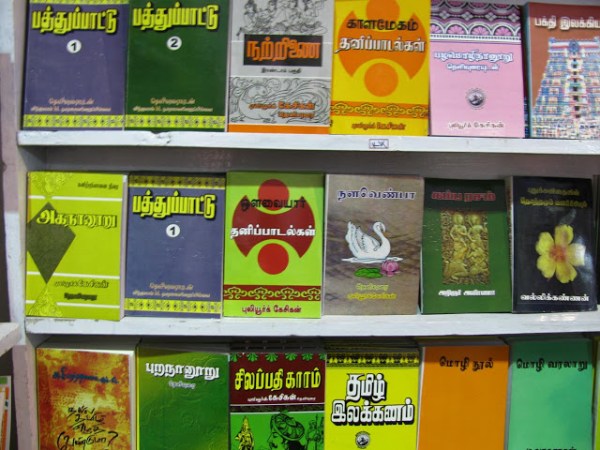
Tamils followed Veda Vyasa and did whatever Vyasa did for Hindu scriptures. They also divided their books into groups and named them after numbers. They also gave some poets some peculiar names after their famous epithets or phrases like Vyasa did in the Rig Veda. They also elevated their poets to divine level like Divine Valluvar. In the North even Panini was called Divine Panini (Bhagavan Panini by Patanjali). All the 450+ poets of the Rig Veda were called sages/seers!

Five (5) Tamil Epics:

Like Pancha Maha Kavyas of Sanskrit literature, Tamils divided their Kavyas into five and used the Sanskrit word Kavya=Kappiyam; they are Silappadikaram, Manimekalai, Seevaka (Jeevaka) Chintamani, Valaiyapathy, Kundalakesi

One can easily notice the Sanskrit words in each of the above five names.

Eight (8) Anthologies:

Part of 2000 year old Sangam Literature; they are Pura nanuru/ 400, Aka nanuru/400, Natrinai/400, Kuruntokai/400, Pathitruppathu (10×10), Kalitokai, Paripatal and Ainkurunuru (5×100)

You can see the numbers in almost all the collections.

Ten (10) Idylls:

Porunar atruppadai,Tirumuruka atruppadai,Perumpana atruppadai,Sirupana atruppadai,Kurinjippattu, Malaipadukatam, Nedunalvatai, Maduraikanchi, Mullaippattu. Pattinappalai
 IMG_3383

18 Didactic Poetry Books/ 18 Minor Poems:

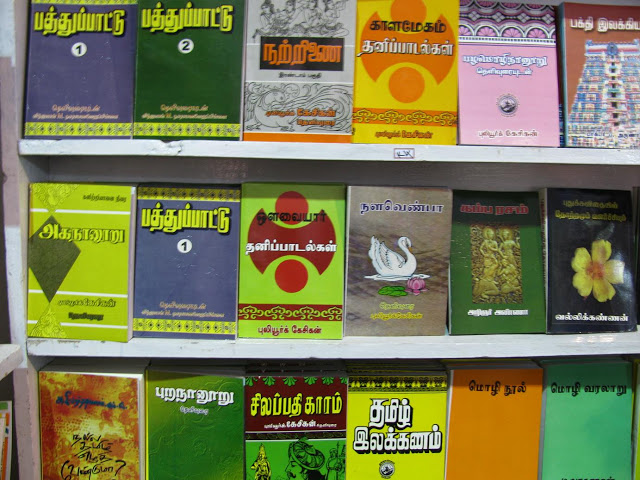
Tirukkural, Naladiyar 400, Pazamozi 400, Nanmanikadikai, Iniyavai Narpathu 40, Inna Narpathu 40, Kar Narpathu 40, Kalavazi Narpathu 40,Ainthinai Aimpathu 50, Ainthinai Ezupathu 70, Thinaimozi aimathu 50, Thinaimalai Nutraimpathu 150, Tirikatukam 3 , Acharakovai, Sirupancha mulam 5, Mudumozikanchi, Innilai, Elathy

I have already written about the Tamil’s obsession with Numbers, 4, 40, 400 etci.in a separate article a few years ago (I have also submitted two articles at the World Tamil Conference held in Thanjavur in 1995:  NUMBERS SANGAM IN TAMIL LITERATURE and COLOURS IN SANGAM TAMIL LITERATURE)

This is the Hindu genius. Most of the books were memorised! Not only the Vedas but also dictionaries! Vedas are themselves world wonders; SPREAD BY WORD OF MOUTH FOR OVER 4000 YEARS! No book with over 1000 hymns is spread like this. I myself knew 200 lines of Amarakosa (Sanskrit Thesaurus) by heart when I was a school student. Later I discontinued studying Sanskrit. Recently I read a professor’s account of memorising a whole book because his Sanskrit teacher never allowed any modern tools in the class room. That book was not available in any library. Later he published it for the use of general public.

Contact swami_48@yahoo.com

Pictures are taken from various sources;thanks.

How many Letters are in Sanskrit Alphabet?

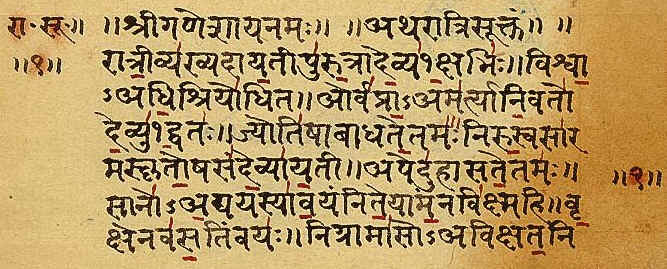
manuscript

Article No.1973

Date: 4  July 2015

Written by London swaminathan

Uploaded from London at 17-15

Sanskrit is a beautiful language and it is scientifically constructed.

Grammatical construction in Sanskrit is more concerned with inner vibration and poetical metre, hence a rigid word order guided by a continuous flow of energy brought about by internal and external Sandhi rules. The following is an example of the multiplicity of constructions from a simple root Budh, “to understand”, “to know”.

Bodhati = he or she or it understands (present tense)

Abodhat = he or she or it understood (imperfect tense)

Bodhate = he or she or it knows, understands for himself (Atmanepada)

What is Atmanepada?

Atmanepada infers an action to himself/herself

What is Parasmaipada?

Parasmaipada infers an action for someone else. Some roots belong to either A or P and some can be used both ways, and are called Ubhayapada.

india.1

Now the same verbal root prefixed with a preposition: note new meanings:

Anu bodhyate = to think of internally

Ava bodhyate = to perceive internally

Ud bodhyate = to awaken internally

Pra bodhyate = to awaken internally (a different inner vibration number)

Prati bodhyate = to observe internally

Vibo dhyate = to learn and understand internally

Sam bodhyate = to recognise internally

Now shown in Noun and Adjectival forms

Bodha, bodhana = knowledge

Buddhi = intellect

Bodhaka = informer

Baudha = wise

Buddhimat = intellectual

Budhyate = it is known by him

Bubhudtsate/ bubhudisate = he wishes to know

Bobhudhyate = he knows well

Bodhidharma = he knows a right action

Bodhisattva = one who feels the duality of truth

Budhah = a sage or planet Mercury

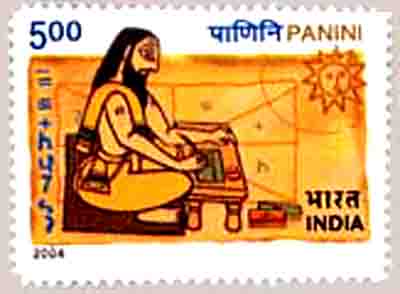
panini_

Yet one more example of verbal root construes, bearing in mind that each incorporates the first, second and third person, singular, dual or plural

Nii = to lead, conjugation I, guna change to radical naya (P and A)

Nayati, present tense = he leads etc (she, it)

Anayat, imperfect tense = he led etc

Nayatu, imperative mood = Let him lead

Nayet, potential mood = may he lead

Ninaaya, perfect tense = he led

Anaisit, aorist tense = he led

Nesyati, future tense = he will lead

Anesyat, conditional mood = he would have lead

Niiyate, passive construction = he is led

Naayayati, causative mood = he causes to lead

Anaayayat, imperfect causative mood = he caused to lead

Nayayatu, imperative causative = let him cause to lead

Nananet, optative causative mood = he may cause to lead

Ninaayayisati, desiderative causative

Niniisu, adjectival form = wanting to lead

Neniiyate, intensive form = he leads forcibly

Now with prefixing root with a preposition

Anunayati = to request

Apanayati = to carry away

Abhinayati = to act on the stage

Aanayati = to fetch or bring

Udnayati = to raise

Upanayati  = to offer

Nirnayati = to decide

Parinayati = to marry

Vinayati = to dispel

Samnayati = to unite

An astounding array of constructions from a simple verbal root!

Tense and Moods

The tense and moods for verbs are grouped together by Panini into ten ‘la’–kaaras. These ten ‘la’–kaaras can be divided into six tenses (kaalaa) and four moods (arthaa):

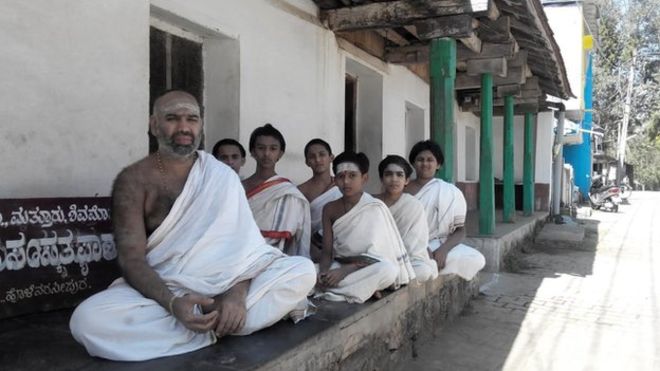
sanskrit village

Sanskrit speakers in a karnataka village

Tense = Name by Panini = English

Varathamaana = lat = Present

Anadyatanabhuta = lan = imperfect

Paroksabhuta = lit= perfect

Bhuta = lun = aorist

Anadyatana = lut = periphrastic future

Bhavisya = lrt = simple future

Mood = Name by Panini = English

Aajnaa = lot = imperative

Vidhi = lin = optative

Aasih = let = subjunctive

Samketa = lrn = conditional

Those verbs ending in ‘t’ use primary endings and are listed alphabetically : lat, lit, lut, lrt, let and lot.

Those verbs ending in ‘n’ use secondary endings: lan, lin, lun and lrn

What a great genius!

Ancient Education

Youth in ancient India, after the Upanayana ceremony, lived in the teacher’s house (Gurukula) for twelve years, to the age of 25. Sanskrit lessons, completely oral, emphasized recitation and memorization. According to the Rik Samhita (7-103) “education is hearing and repeating another’s speech”. The teacher would pronounce the verse with the proper accents, and the students, seated on the ground, repeated.

The Paniniya Siksa lists the alphabet 63 or 64 letters. One letter, the long l, is considered Duhspsta or “difficult”.

The alphabet is listed as containing different numbers of letters in various texts. It is listed as containing 43 letters in the Siva sutras. 63 or 64 in the Paniniya Siksa. 47 in the Rik Pratisakhya, 52 in the Taittiriya Pratisakhya, 65 in the Vajasaneyi Pratisakhya, and 57 in the Rik Tantra.

The Aitareya Aranyaka (2-3-6-14) defines the role of ‘a’:– A is the whole of speech, and manifested as different consonants and sibilants, it becomes many forms” (akaaro vai sarvaa vaak saisaa sparsosmabhir vyajyamaanaa bahvii naanaa ruupaa bhavati

INTRODUCTION TO SANSKRIT- PART 2 BY THOMAS EGENES

UNFOLDING THE PETALS – A NEW SANSKRIT GRAMMAR BY DR DAVID TEPLITZ

Oldest Girls’ Names in the World and No.8 Mystery!

saraswati

Written  by London Swaminathan

Article No. 1962

Dated 29 ஜூன் 2015.

Uploaded at London time : 19-35

There are more wonders in the Rig Veda, the oldest book in the world! Three feminine names are repeated by various Rishis in almost all the Ten Mandalas of the Rig Veda! That too, they always say it in the eighth stanza of those hymns! Mysterious No.8 is linked to the Goddesses!

Those three names are SARASVATI, BHARATI, ILA!

ANOTHER GREAT WONDER IS FROM THE HIMALAYAS TO KANDY IN SOUTHERN MOST SRI LANKA, THEY USE THE NAMES FOR GIRLS TILL TODAY! CONTINUOUSLY FOR AT LEAST 3700 YEARS!

This is a literary wonder in the world! All other Egyptian, Babylonian, Greek, Mayan goddesses have gone into museums or their corrupted names only are used today.

This blasts the theory, put forth by the half-baked foreigners, that Hindus worship male gods only. There is only one religion in the world, that is Hinduism, that worships the same Goddesses from the beginning until today. No other religion worshipped Goddesses like this. I have already given the names of 30 other names of the goddesses and 20+ names of the poetesses in my earlier posts. There also, Hindus scored another first by projecting 20 plus Vedic poetesses, which is unheard in any part of the world. Tamil Hindus presented another galaxy of 20 plus poetesses 2000 years after the Vedas.

Not only that Sarasvati became Sara and her husband Brahma became Abraham in the Bible. That is, since the ancient Yadu kula Hindus migrated to the Middle East, they retained the Hindu names. Like we name our daughters Saraswati today, Sara’s dad named his daughter Sarasvati. We abbreviated the names as Sarasu or Saras and the Jews abbreviated the name as Sara. I will write about the Yadu=Juda (Y=J) connection another day. Now let us look at the oldest names of the girls in the world.

Ila is more popular among Gujaratis. Sarasvati is more popular among Tamils. Bharati is famous in North India. Shankaracharyas take the name Bharati (Sringeri) or Sarasvati (Kanchi) when they take Sanyas until today. This started in the Rig Vedic days!

RigVeda_0

What are the APRI suktas? Where are they?

Names of Goddesses are in the Apri Suktas. Apri Suktas are repeated by everyone as a convention. The Apris are various forms of Agni according to Sayana.  Apris are divine or deified beings and objects to which the proprietary verses are addressed.

Apris are the collective names of gods and deified objects, according to Ralph Griffith.

A typical 8th stanza looks like the following:–

“May Bharati with all his sisters, Ila accordant with the gods, with mortals Agni, Sarasvati with all kindred rivers , come to this grass, three goddess , and seat them”.

Apri Suktas: RV 3-4-8; 7-2-8; 2-3-8, 1-13-8/9; 1-188-8; 5-5-8; 9-5-8; 10-70-8;10-110-8.

These three goddesses are also in the Yajur Veda 28-18; 27-17; 20-43 and several other places.

Rig Veda has more than 450 poets. We have all those beautiful names of the sages/poets in the Anukramani (Index). Hindus were the first in the world to add Contents and Index to a book!

All the important Rishis sung Apri Suktas in which these three goddesses are invoked in the eighth stanza. What is the significance of No.8? Why did they recite the three names in 8th Stanza of those hymns? No one knew the answer! Another mystery in Rig Veda!!

Rig Vedic poets are spread over at least ten generations which means not all the poets lived at the same time. It took 300 to 500 years to “see or hear” these many hymns. Rishis are called Manthra Drshta; they “saw” the mantras like we see the TV. They did NOT compose them.

Sangam Tamil literature also had over 450 poets. For them to compose 30,000 lines it took 300 years according to Tamil scholars. So, who did tell the Rig Vedic Seers to sing about these three goddesses in the eighth stanza? Was there a grammar book to dictate them some rules? Who did they tell them to sing about these three Goddesses in the Apri suktas? Another mystery!

Sarasvati is the goddess of wisdom. Hindus named the largest river Sarasvati. They praised Sarasvati more than the Sindhu and Ganga. Only when it dried and disappeared into desert, Ganga became more prominent. So anything that nourishes your physical body (by water) or your intellect, they named it Sarasvati. They associated the names Bharati and Sarasvati with the languages. In one sukta/hymn, Bharati is replaced by her other name Mahi.

Various names including Manu are occurring in the Apri Suktas

R veda

Controversy about Apri Suktas

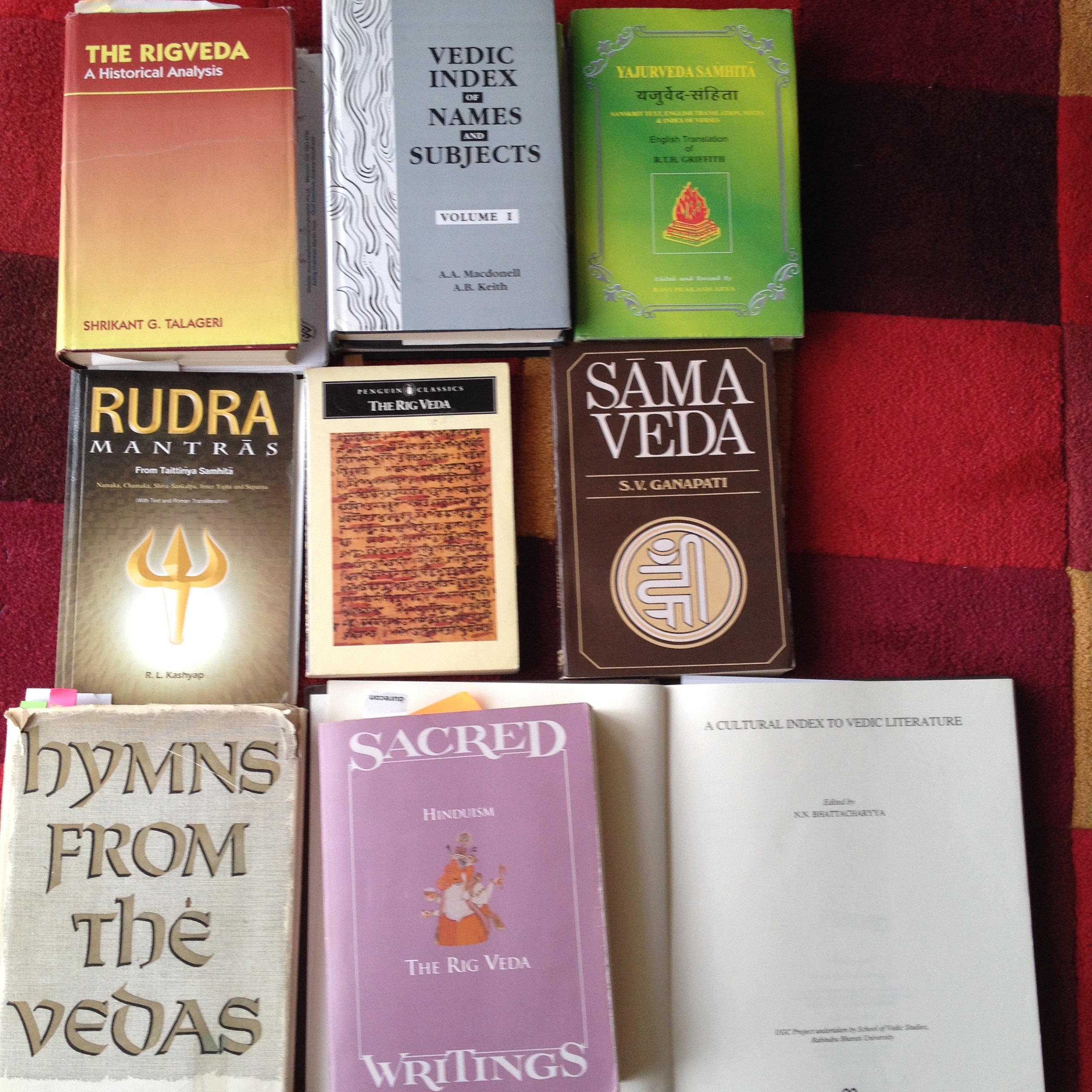
Shrikant G.Talageri, in his book The Rig Veda – A Historical Analysis, gives the following:–

Under the title “Untrustworthiness of Anukramani- statements Shown by the Repetitions”, Bloomfield remarks that the statements of the Sarvanukramani betray dubiousness of their authority … the Anukramani ascribes one and the same verse to two or more authors, or to ascribe it to two or more divinities. The Apri stanzas 3-4-8 = 7-2-8 are ascribed in the third book to Viswamitra gathina, in the seventh book to Vasitha Maitravaruni.”

Talageri refutes this:-

The repetitions do not disprove the authenticity of the Anukramanis; in fact it proves the authority of the Anukramani(index):

a)The repetitions in the Rig Veda are representative of a regular phenomenon in classical and liturgical literature throughout the world. Consider for example what Gilbert Murray says about similar repetitions in Greek literature: “descriptive phrases … are caught up ready made from a store of such things: perpetual epithets, front haves of lines, back halves of lines, whole lines, if need be, and long formulae. The stores of the poets were full and brimming. A bard need only put it his hand and choose out a well-sounding phrase. Even the similes are ready made. Quoting this B K Ghosh notes, “All this may be maintained, mutatis mutandis, also of the Rig Vedic poetry.”

In the case of the Rig Veda it is significant that every single repetition pertains to a literary or liturgical phrase. In fact, the more the literary or liturgical the reference, the more the likelihood of repetitions: the longest repetition of three consecutive verses is in the liturgical apri suktas of the Visvamitras and Vasisthas: 3-4-8/11=7-2-8/11.

The composers of the RV were members of ten priestly families, and each family had its own Apri Sukta. In later times, during performance of any sacrifice, at the point where the Apri sukta was to be recited, the conducting Rishi was required to recite the apri sukta of his own family.

Shrikant Talageri used the Apri suktas to  decide the chronological order of the family mandalas as well.

book05

My comments:

Repetitions in Tamil Literature!

Bloomfield is wrong and Gilbert Murray and Talageri are right. The repetitions are not only in the Vedas and Greek literature, but also in the Sangam Tamil literature. Sangam Tamil literature is not religious, but a collection of 2400 secular poems. The repetition is in the oldest Tamil grammar Tolkappiam as well. In fact Tolkappiar, the author of Tolkappiam, has used it unnecessarily, quite contrary to Panini.(Tolkappiar, while describing the six divisions of living beings repeat the same line six times in one Stanza!!. Another Tamil anthology Ainkurunuru (500 short verses) have got more than 100 repetitions. Oldest of the Sangam literature Purananuru has repetitions of lines, stock phrases and several other clichés. This is the trend in any classical literature.

Vowels = Life, Consonants = Body; Hindu concept of Alphabet from Vedic Days!!

sanskrit_alphabet_small_poster

Research paper No 1958

Written by London swaminathan

Date: 27 June 2015

Uploaded in London at 20-15

I have been arguing in my earlier posts that the Western classification of languages is wrong; I have urged to rewrite linguistic rules; Whatever the Western scholars have been saying about the changes that happened in Tamil and Sanskrit because of two different races/meeting is also wrong. The sound changes are in Tamil itself. Sanskrit is the closest language to Tamil and Tamil is the closest language to Sanskrit. I have also shown that both languages have developed from a common source but branched out into two different languages in course of thousands of years. No one is able to show any link to Tamil from any other language till this day. In spite of several articles in World Tamil Conference Souvenirs linking Tamil with every language in the world, they miserably failed to show any deeper connection. All those articles ran to a few pages showing superficial links. All that Bishop Caldwell said about Scythian –Tamil connection is also thrown in to dustbin by all the Tamil scholars. There is no truth in it.

I have also shown that Tamil and Sanskrit have similar alphabetical system and Sandhi system. Basic words of major languages of the world can be traced back to either Tamil or Sanskrit.  I have given examples in my previous posts. The thought process of both the languages are similar. Here is one more proof:–

For long people thought Tamils had developed an ingenious way of explaining the vowels and consonants. This is not correct.  Actually this concept began in the Vedic literature and developed by the Tamils. There is a gap of thousand years between the Vedic Literature (before 1000 BCE) and the Tamil Grammar (First century CE).

The vowels are named ‘Uyir’ (life) and the consonants ‘Mey’(body). The joining of both in one letter is called Uyir Mey  (Vowelconsonant=Life breath in the body). This is a beautiful concept. Later, it was used to explain Saiva Siddhanta principle. The beginning of this lies in the following books:-

letter

The Aitareya Aranyaka compares the vowels to ‘days’ and the consonants to ‘nights’. It compares the vowels to consciousness, the sibilants to the breath, and the consonants to the body (2-3-4-1). In another passage (3-2-5-2), the vowels are compared to the celestial, sibilants to the atmosphere and the consonants to the earth.

Still another passage of the same book (3-2-2) compares the vowels to marrow, consonants to bones, sibilants to breath, and semi-vowels to flesh and blood. It can be summarised as:–

Vowels: Day, Consciousness, Celestial, Marrow

Consonants: Nights, Body, Earth, Bones

Sibilants: Breath, Atmosphere,

Semi – vowels: Flesh and Blood

According to the Chandogya Upanishad (2-22-3), the vowels are the body of Indra, the sibilants are the body of Prajapati, and the consonants are the body of Yama.

It can be summarised as:–

Vowels: Body of Indra

Consonants: Body of Yama

Sibilants: Body of Prajapati

tamil-barakhari

Same Upanishad (2-22-5) says

All the vowels should be pronounced resonant and strong. All the sibilants should be pronounced open, without being slurred or elided. All the consonants should be pronounced slowly, without merging them together

It is amazing to see so much materials regarding languages and linguistics at such an early age; that is before Moses spoke in proto-Hebrew and Homer wrote in Greek!! This shows the amazing development of Hindu civilization. When others were talking about bread and shelter Hindus have advanced to use linguistic similes. This continued even in Kalidasa days. His very first verse in Raghuvamsa is

“Siva and Parvati are always united like sound and sense. As the relation of Sabda and Artha is eternal and interdependent so is the relation of Siva and Parvati, the eternal parents of the world”.

Verbatim Translation

“So that I might attain right knowledge and understanding of words and their meanings, I worship the parents of the universe, Parvati and Paramesvara (Siva), who are perfectly united just like words and their meanings”.

–subham–

மீன்களுக்குப் பிடிக்காத நீர்நிலை எது? எதனால்? சம்ஸ்கிருத புதிர்

boat, bridge

Written by S NAGARAJAN

Post No.1853; Date: 9 May 2015

Uploaded at London time: 14-29


சம்ஸ்கிருதச் செல்வம்பாகம் 3

கவிதைப் புதிர்களின் தொடர் வரிசையில் இன்னும் ஒரு பஹிர் ஆலாப வகை புதிர்:


கீத்ருக் கிம் ஸ்யான்ன மத்ஸ்யானாம் ஹிதம் ஸ்வேச்சாவிஹாரிணாம் I

குணை: பரேஷாமத்யர்தம் மோததே கீத்ருஷ: புமான் II


தங்கள் இஷடம் போல விளையாட நினைக்கும் மீன்களுக்கு எது, எதனால் பிடிக்காமல் இருக்கும்? இதற்கான விடை விமத்சரா –  இதன் பொருள் ; நீரிலேயே வாழும் பறவைகள்


ஏன் என்று சுலபமாகப் புரிந்து கொள்ளலாம். நீர் நிலைகளையே ஆதாரமாகக் கொண்டு வாழும் பறவைகளுக்கு உணவு அந்த நீர் நிலைகளில் வாழும் மீன்கள் தானே! ஆகவே தான் அப்படிப்பட்ட பறவைகள் வாழும் இடத்தில் வசிக்கவே அவை அஞ்சும்!


மற்ற மனிதர்களின் நல்ல குணங்களினால் எப்படிப்பட்ட மனிதன் சந்தோஷமடைகிறான்?


விடை : விமத்சரா: பொருள் : பொறாமை அற்ற ஒரு மனிதரால்.

விமத்சரா: என்ற ஒரே சொற்றொடரை இரு விதமாகப் பிரித்தால் அது இரு வேறு கேள்விகளுக்கு விடையை அளிக்கிறது.


இன்னொரு புதிர்:

கீத்ருக் தோயம் துஸ்தரம் ஸ்யாத் திதீர்ஷோ:                                                       

கா பூஜ்யாஸ்மின் கட்கமாமந்த்ரயஸ்வ  I                                   

த்ருஷ்ட்வா தூமம் தூரதோ மானவிஞ்ஞா:                                              

கிம் கர்தாஸ்மி ப்ராதரேவாஷ்ரயாஷம்  II


இது சாலினி என்ற சந்தத்தில் அமைந்துள்ள ஒரு புதிர் செய்யுள்.


ஒருவன் கடந்து செல்ல விரும்பும் போது எந்த நீர் நிலை (நதி) கடந்து செல்ல மிகவும் கஷ்டமானது? (தோயம் என்றால் நீர் அல்லது இங்கு நீர்நிலை/நதி)


இதற்கான விடை: நுபடகு இல்லாத போது

 mum and child deepu bhat

மதிக்கப்பட வேண்டியவர் மாதா (தாயார்)

மதிப்பதற்குத் தகுதியானவர் யார்?

இதற்கான விடை : மாதா (தாயார்)


வாளை எப்படி அழைப்பது? –

இதற்கான விடை: ஆஸே!  ( கத்தியே என்று)

மிக்க அறிவார்ந்தவர்களே, தூரத்தில் புகையைக் கண்டால் நான் என்ன செய்வது?

இதற்கான விடை: அனுமாதாஸே (காலையிலேயே தீ இருப்பதை அனுமானத்தால் அறியலாம்)


இப்படி, அனுமாதாஸே என்ற ஒரே சொற்றொடர் நான்கு கேள்விகளுக்குப் பதில் அளிக்கிறது.

 shivaji sword

வீர சிவாஜியின் கத்தி

விடை தெரிந்து புதிர்களைக் கையாள்வது சுலபம். விடை தெரியாமல் இருக்கும் போது சம்ஸ்கிருதத்தில் சொற்விற்பன்னராக இருக்கும் ஒருவர் மட்டுமே விடையைச் சரியாகக் கூற முடியும், இல்லையா!

*************