DROWN MISERS IN THE SEA: MAHABHARATA (Post No 2773)

desrt nd sea

Written  by london swaminathan


Date: 2 May 2016


Post No. 2773


Time uploaded in London :– 9-12 AM


( Thanks for the Pictures)


DON’T REBLOG IT AT LEAST FOR A WEEK!  DON’T USE THE PICTURES; THEY ARE COPYRIGHTED BY SOMEONE.


(for old articles go to tamilandvedas.com OR swamiindology.blogspot.com)


Hindu scriptures are not against violence; they support violence where it is necessary. When it comes to protecting countries and governments, war was part of their life. The biggest job provider in the ancient world was the war and weapon industry. It is true with the modern world as well. At any one time 50 conflicts are going on in different parts of the world. The Western Governments love wars. Their biggest income come from arms sale. They are the mainstay of all the terrorist movements. Big arms fairs are held in London and other parts of the world, where the terrorists and developing countries procure weapons in benami/proxy names. So we can laugh at them when they speak of world peace and non-violence.


Western Governments ‘invent’ human rights violations of other countries if they don’t provide them oil/petrol or don’t do business with them. They have no moral issues in wars. They want their products to be sold. Doctors flourish when there are more diseases; lawyers flourish when there are more criminal activities; Western Governments survive only through their arms sales and conflicts between nations. If there is peace, then they wont have the BIG POWER status! They will justify any violence like Iraq War, Vietnam War, nuclear bombing of Hiroshima and Nagasaki in Japan and killing millions of innocent Buddhists. Their propaganda machinery such as ABC, BBC, CBC etc. will help them to justify all their immoral activities. With the communist governments, they openly support violence unlike the covert activities of Western Governments.


All Hindu gods and goddesses hold weapons; they are there to punish the evil doers. They never attack anyone on their own. If there is violence from the demons and devils, they kill them. It is also symbolic in many cases; there the demons or devils symbolise evil thought in human beings.


So we have to look at any violence in this background; the violence advocated by the Tamil and Sanskrit scriptures is of different kind. They support violence only against the evil people. We can easily see the difference between the actual criminals and the ‘invented’ criminals of the Western countries.

kadala, fb, sea

Ambhasi nivestavya: To be drowned in ocean

Mahabharata says,
Dvaambhasi nivestavyau gale badhwaa drutaam silaam
Dhanavantamadaataaram daridram caatapasvinam
—Udyoga parva 33.60


Drown the following two kinds of people in the ocean:

1.Adaataa Chanukah
Richman who doesn’t give
2.Atapasvi daridra
Poor man who is not devout


From Tamil Literature
Tamil poet Tiruvalluvar also says,

“The mean will not shake off what sticks to their hands to any but those who would break their jaws with their clenched fists!” (Tirukkural 1077)

That is the misers have no heart, no compassion; they will give only when their hands are twisted and jaws are broken with a good punch.

“At a mere word the good melt; but the mean, like the sugarcane, yield only under pressure” (Tirukkural 1078)

That is the misers have to be actually crushed physically to get something out of them.

In another couplet, Valluvar advocated also death penalty for the murderers. He compared the murderers as weeds in the field. Capital punishment for grievous offences is like the weeding of fields, necessary for protecting the food crops.

“The king gives capital punishment to wicked killers like removing weeds from flourishing fields” (Tirukkural 550)

Sanskrit law books such as Manu smrti and Sukra neeti also support capital punishment.

–Subham–
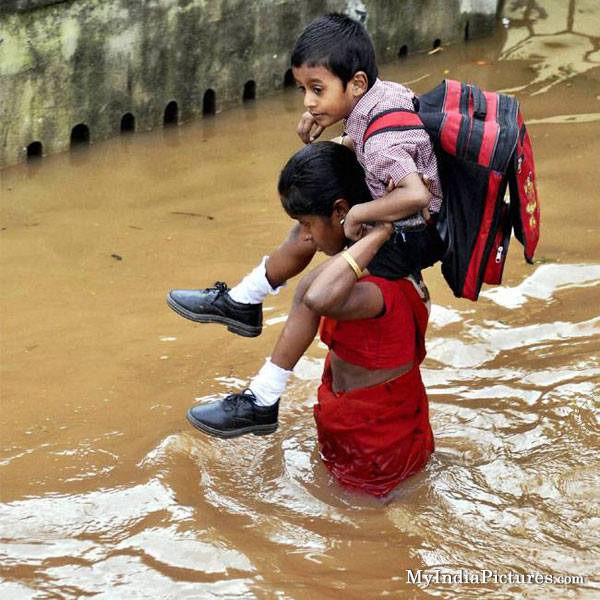


Learn weeping and you shall gain laughing (Post No 2767)

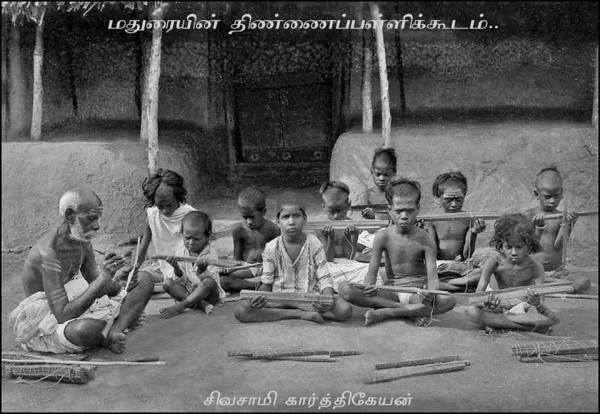
schooling in floods

May, 2016 Good Thoughts Calendar

Compiled by london swaminathan


Date: 29 April 2016


Post No. 2767


Time uploaded in London :– 12-11


( Thanks for the Pictures)


DON’T REBLOG IT AT LEAST FOR A WEEK!  DON’T USE THE PICTURES; THEY ARE COPYRIGHTED BY SOMEONE.


(for old articles go to tamilandvedas.com OR swamiindology.blogspot.com)


31 Proverbs and Sayings on ‘Education’


Festivals in May: 1 May Day, 2 Bank Holiday in England; 9 Akshaya Trutyai; 21 Buddha Purnima, Vaikasi Visakam; 22 Kanchi Mahaswamikal Jayanthi; 31 Dattatreya Jayanti.


Auspicious Days: 2, 4, 9, 11, 12, 19, 26; Full Moon/Purnima- 21; New Moon/Amavasya- 6; Ekadasi Fasting Days: 3, 17


 school day project

May 1 Sunday


Even if a person of the lowest caste among the four castes is educated, the high caste person would salute (pay respects to) him; knowledgeable person is preferred than an aged person for the government job—Purananuru verse 183


May 2 Monday


 “A man who has faith may receive good learning even from a man who is lower, the ultimate law even from a man of the lowest castes, and a jewel of a woman even from a bad family”–2-239


May 3 Tuesday

“Ambrosia may be extracted even from poison,

And good advice even from a child,

Good behaviour even from enemy

And gold even from something impure “– Manu 2-240


May 4 Wednesday

“Women, jewels, learning, law, purification, good advice and various crafts may be acquired from anybody” – Manu 2-241


May 5 Thursday


“Though high born, an unlettered man is deemed lower than a learned man of lower birth. “—Tirukkural 409.

 bhadravati girls, Sai school

May 6 Friday

Property gained by education belongs to one to whom it was given – Manu 9-206


May 7 Saturday

Just a man who digs with a spade discovers wter, even so the obedient people discovers the learning that is in his guru / teacher.


May 8 Sunday

That wells in the sand abound with springs of water as one digs deep,

So with appropriate education, knowledge gets wider and deeper – Tirukkural 396


May 9 Monday

Learning or knowledge cannot be washed away by the floods; fire cannot burn it’ kings cannot take it away as taxes; even if you give it increases; difficult for thieves to steal t; easy to guard; that wealth is called education. When you have that wealth you don’t need to go around the world for money – Tamil Verse


May 10 Tuesday

Learning without practice is toxic – Canakya neeti

 periyakulam3

May 11Wednesday

The learned is not a foreigner anywhere – Panchatantra  2-56


May 12 Thursday

No kin (relations) like knowledge


May 13 Friday

Study well those books which are worth studying. Then, follow the right path  according to what you have learnt — Tirukkural 391


May 14 Saturday

Strength is no strength; knowledge is power supreme


May 15 Sunday

In this world human birth is rare; rarer still knowledge – Agni purana

 ram nam periyakulam.jpg

May 16 Monday

Education polishes good natures, and correcteth bad ones.


May 17 Tuesday

Learn not and know not


May 18 Wednesday

The best horse needs breaking, and the aptest child needs teaching.


May 19 Thursday

Letters and numbers are the two eyes of man – Tirukkural 392


May 20 Friday

Knowledge has bitter roots, but sweet fruits (refers to suffering involved in learning)

 periyakulam2

May 21 Saturday

Learn weeping and you shall gain laughing (refers to suffering involved in learning)


May 22 Sunday

There is no royal road to learning – Euclid 300 BCE (no easy way)


May 23 Monday

The nature of the learned is to cause delight in companionship and regret in separation Tirukkural 394


May 24 Tuesday

Soon learnt, soon forgotten


May 25 Wednesday

What we first learn, we best can

 mdu school

May 26 Thursday

That which is not bent at five, cannot be bent at fifty (Tamil Proverb)


May 27 Friday

Learning in one’s youth is engraving in stone


May 28 Saturday

Whoso learns young, forgets not when he is old.


May 29 Sunday

The learning that one has imbibed in this birth

Will stand him in good stead in the next seven births Tirukkural 398


May 30 Monday

In every art it is good to have a master.

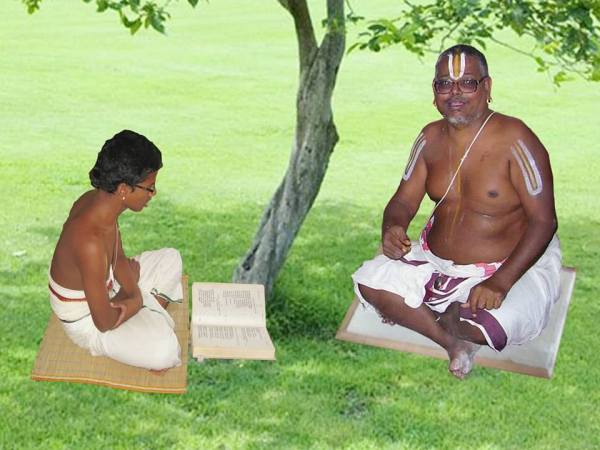
 school tree

May 31 Tuesday

Learning is the lasting joyful wealth; all other material wealth are lost in time -Tirukkural 400


அளவறிந்து வாழ்க! (Post No.2710)

borosilicate-glass-beaker-lf

Written by S NAGARAJAN

Date: 10 April 2016


Post No. 2710


Time uploaded in London :–  7-07  AM


( Thanks for the Pictures)


DON’T REBLOG IT AT LEAST FOR A WEEK!  DON’T USE THE PICTURES; THEY ARE COPYRIGHTED BY SOMEONE.


(for old articles go to tamilandvedas.com OR swamiindology.blogspot.com)


வள்ளுவர் வழி


அளவறிந்து வாழ்க!


ச.நாகராஜன்


அளவறிந்து வாழ்க!

 weights

உலகில் யாரும் சொல்லாத சூத்திரங்களைத் தொகுத்துச் சுருக்கமாக ஆங்காங்கே குறளில் சொல்லியுள்ளார் வள்ளுவர்.

வாழ்க்கை நெறிகளைப் பற்றிச் சொல்லும் போது அளவறிந்து என்ற வார்த்தையை அவர் மூன்று இடங்களில் பயன்படுத்துகிறார்.


அளவறிந்து உண்க!


ஒன்றின் மூலம் பெறுதற்கரிய வாழ்க்கையைப் பெற்ற போது நீண்ட நாள் வாழ வழியைச் சொல்கிறார்.


அற்றால் அளவறிந்து உண்க அஃது உடம்பு                        பெற்றான் நெடிது உய்க்கும் ஆறு     குறள் 943


அளவறிந்து உண்க என்பதன் மூலம் ஆழ்ந்த பொருளை விளக்குகிறார். அதனால் உடம்பு பெற்ற பயனைக் கொண்டு நீண்ட நாள் வாழ முடியும்.


அளவறிந்து கற்க!


அடுத்து அளவறிந்து கற்க என்கிறார் அவர். கற்க வேண்டியதைக் கசடறக் கற்பதோடு அளவறிந்து கற்க வேண்டும் என்பது அவர் அறிவுரை.


ஆற்றின் அளவறிந்து கற்க அவையஞ்சா                 மாற்றம் கொடுத்தற் பொருட்டு         குறள்  725


இதனால் எந்த அவையின் முன்னாலும் பேசலாம். உலகப் பெரும் தலைவர் ஆகலாம் என்பது அவரது வழிகாட்டுதல்!

ounce


அளவறிந்து ஈக!


அடுத்து பெற்ற பொருளைப் பேணிக் காக்க ஒரு வழியையும் கூறுகிறார். அளவறிந்து ஈக என்பது அவரது அறிவுரை.


ஆற்றின் அளவறிந்து ஈக அது பொருள்                         போற்றி வழங்கும் நெறி              குறள் 477


வருவாய்க்குத் தக்கபடி கொடுக்க வேண்டும் என்பது சுருக்கமான சூத்திரம் போன்ற அறிவுரை.

ஒன்றின் மூலம் நீண்ட நாள் வாழ வழி தந்து, இன்னொன்றின் மூலம் அவையஞ்சா தலைமை கொள்ள வழி காட்டி கடைசிக் குறளின் மூலம் சம்பாதித்த பொருளைப் போற்றும் நெறியைக் காட்டுகிறார்.


அளவறிந்து வாழவில்லையேல்?


இப்படி அளவறிந்து வாழவில்லை என்றால் என்ன ஆகும்?

அதற்கும் அவர் பதில் தருகிறார் இப்படி:


அளவறிந்து வாழாதான் வாழ்க்கை உள போல                   இல்லாகித் தோன்றாக் கெடும்                    குறள் 479


தன் வலிமையை அறிந்து வாழ்; தன் வரவை அறிந்து வாழ்; தன் அறிவை அறிந்து வாழ்; தன் உடம்பை அறிந்து வாழ்; அப்படி வாழவில்லையேல் அது வாழ்க்கை நன்றாக இருப்பது போல ஒரு மாயத் தோற்றத்தைக் காட்டி உன்னைக் கெடுத்து விடும் என்கிறார் அவர்.


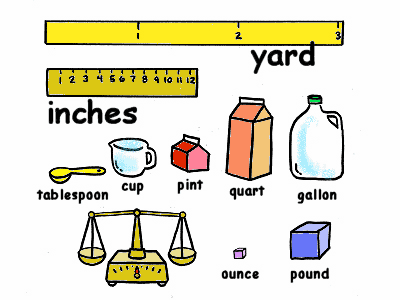
units_of_measure

அறம் நிற்கும் இடம்!


அளவறிந்தார் நெஞ்சத்  தறம் போல் நிற்கும்                 களவறிந்தார் நெஞ்சில் கரவு           குறள் 288


அறம் எங்கே நிற்கும்? உலகின் தர்ம மரபுகளை அறிந்து வாழ்க்கையை அளவோடு வாழ வேண்டும் என்று நினைப்பவரின் மனதில் அறம் நிற்கும். அது எப்படி இருக்கிறது என்றால் பாவச் செயல்களைச் செய்வதிலேயே பழக்கப்பட்டவர்களின் மனதில் வஞ்சனை நீங்காது நிலைத்துக் குடி கொள்வது போல இருக்கும்!

என்ன அழகான விளக்கம்!


அளவறிந்து என்ற சொல்லின் பொருளை அறிய வள்ளுவரின் குறளில் அளவு என்ற வார்த்தையை அவர் பயன்படுத்திய இதர சில குறள்களையும் படித்தால் முழுப் பொருளையும் அறியலாம்.

வாழ்க்கை முழுவதும் கற்க வேண்டிய நூல் வள்ளுவரின் குறள்!

அதைப் பயில்வது தமிழரின் பாக்கியம்!


********

Rare book on 30 Devadasis of Tamil Nadu (Post No.2614)

devadasi1

Research Article written by london swaminathan

Date:  9 March, 2016


Post No. 2614


Time uploaded in London :–  19-21


( Thanks for the Pictures  ) 


DON’T REBLOG IT AT LEAST FOR A WEEK!  DON’T USE THE PICTURES; THEY ARE COPYRIGHTED BY SOMEONE.


(for old articles go to tamilandvedas.com OR swamiindology.blogspot.com)


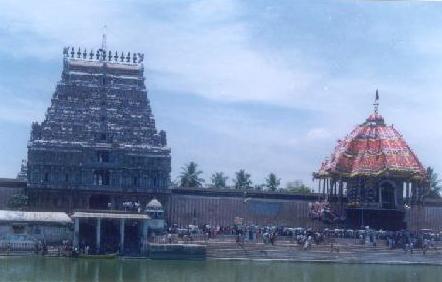
thiyagarajakoil


I came across a very rare TAMIL book on Rudrakanikas or Devadasis of the Tamil Speaking World. It was written by Anjukam of Colombo, capital of Sri Lanka in 1911. I consider this book not only rare but also valuable for future researchers. Devadasis were women dedicated to temples and they devoted their full time to dance and sing at the temple. It is part of daily worship. Dance and music are part of honours offered to God every day. Nowadays devotees do this.


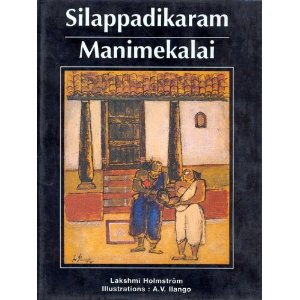
There are no books written by Devadasis available now. Miss Anjukam also belongs to the community of Rudrakanikas alias Devadasis. She collected details from Tamil literature starting from Tamil Epics Silappadikaram and Manimegalai to the modern day. Her mother Kamalambikai was also a Rudrakanika serving a Siva temple in Colombo.


Old women writers are not recognised. They are completely ignored by the male dominated literary world. I come across a new woman writer every week at the British Library who found no place in the later Tamil writings. Tamils knew only KarIkal Ammaiyar, Andal and Avvaiyar and the later writers were not listed.


Rig Veda, the oldest religious book in the world mentioned at least 20 poetesses. Sangam Tamil literature which came 1500 years after the Vedas also had the poems of over 20 poetesses. Several souvenirs released by the popular Tamil magazines and World Tamil Conferences forgot to mention the contribution of 19th and 20th century women writers. Lot of novels and poems were written by them.


Anjukam is one of those forgotten writers. She was bold enough to write about a subject which no one else would dare to touch. She was well versed in Saivite literature and knew very well about the Devadasi system that existed in Shiva temples of ancient Tamil Nadu. Anjukam has consulted Saivite scholars and took references from 45 Tamil works. RAJARAJAN, one of the greatest Choza Kings, inscribed the beautiful names of all the 400 Devadasis employed by him n the Big Temple in Thanjavur.


Anjukam had collected the profile of 30 temple or Royal dancers and had written in a high style. Stories of Madhavi and Manimegalai are known to many Tamils . She had collected more names who were famous in the regions where they lived. She divided them into two groups of good and bad women. Epic woman Madhavi earned a bad name because she lived with a married man Kovalan. Paravai, wife of the Saivite Saint Sundaramurthy Nayanar and others lead a decent life.

aazhi-ther


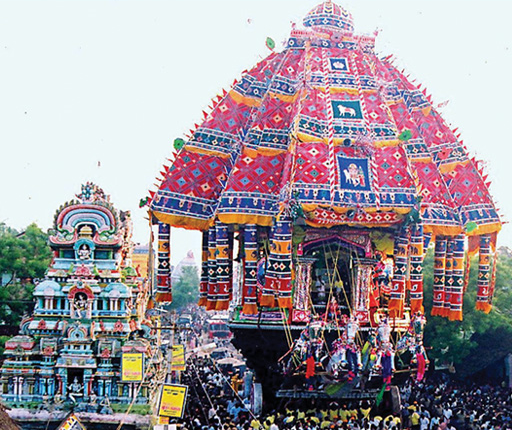
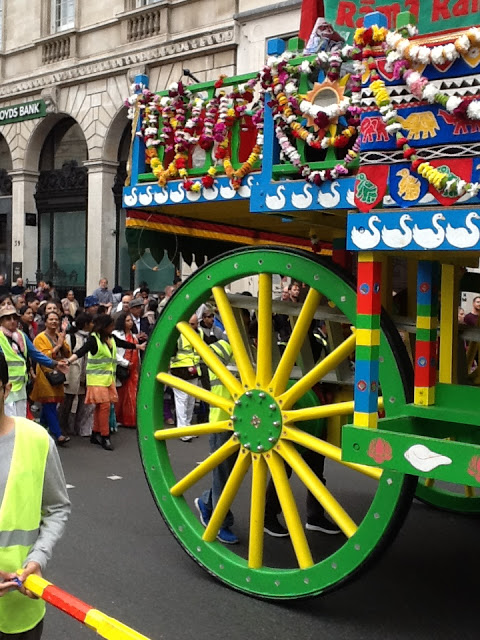
Several Unknown stories or locally known stories in the book are very interesting to read. One of them is the story of Kondiammal of Tiruvarur. She was a devoted dancing girl attached to the famous Shiva temple there. Tiruvarur chariot (Ther) is one of the biggest chariots in Tamil Nadu. During the Panguni Uttaram festival it will be pulled like the chariots of Puri Jagannath. During Chola period the chariot festival day was celebrated on a grand scale. During one year they met with a problem. In spite of the efforts of thousands of devotees assembled there the chariot did not budge even an inch. The king tried all the tricks but it did not work. He went to bed with the worries and he had a strange dream. God told him that If he called the dancer Kondiammal to honour the god with chowries (Whisk, bushy tail of a Yak) then the chariot would move. As soon as he woke up in the morning, he sent for Kondiammal and she was brought to the chariot with all the Royal honours. She willingly came forward to do the job ordered by the king,  but put a few conditions to the King. The conditions were that she should be cremated on the banks of River Kaveri after her death. She also asked the king to erect one Ganesh temple at every mile from her house to the river banks. Choza king not only accepted her conditions, but also executed them faithfully after her death. Thus Devadasi Kondiammal left her memories for posterity.


Short life story the following Devadasis are found in Anjukam’s book:-


Anajanakshi, Abirami, Abishekavalli, Amporsilambi, Arunagirinathar’s mother, Kuththaal, Kondiammal, Shanmukavadivu, Chintamaniratnam, Silambi, Sirkazik Kanikai, Somi, Njanavalli, Tiruvaranai Panneerayiravar, Tiruvarunaik kanikai,Paravaiyar, Punkotai, Ponnanaiyar,Manimegalai,Madanasundari, Madanabishekam,Manonmani, Manikkavalli, Her daughter, Manikka Nachiyar, Madhavi, Mananthai, Mohanangi, Vilasavathy, Vellaiyammal, Kamatchi, Kamalambikai, Santhanavalli and Anjukam.


–Subham-

Tamil Grammar Mistakes in Bharati’s poems!(Post No. 2601)


IMG_3645 (2)

Compiled by london swaminathan

Date: 5 March,2016


Post No. 2601


Time uploaded in London :–  13-35


( Thanks for the Pictures  ) 


DON’T REBLOG IT AT LEAST FOR A WEEK!  DON’T USE THE PICTURES; THEY ARE COPYRIGHTED BY SOMEONE.


(for old articles go to tamilandvedas.com OR swamiindology.blogspot.com; 


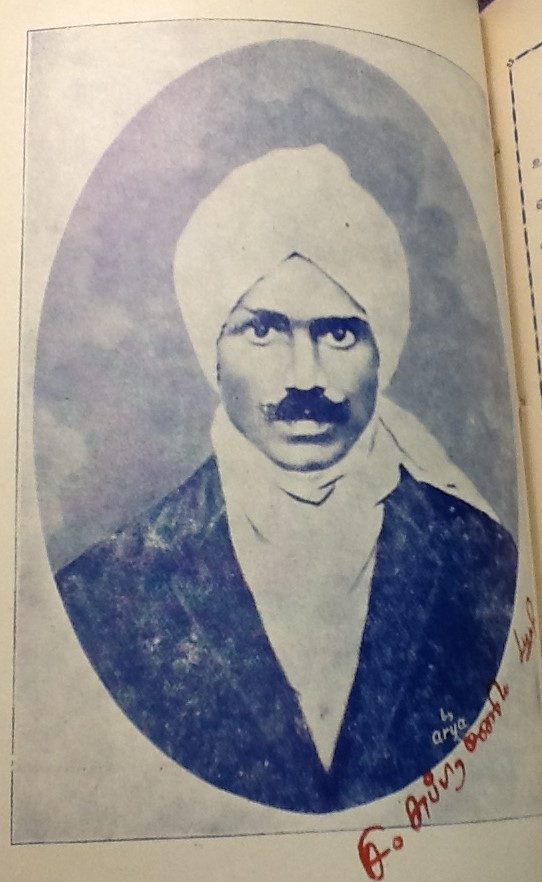
Some of Bharati’s friends were discussing about some mistakes in Bharatis poems and they argued that he did not follow the rules of prosody. Somehow Bharati came to know about this gossip. Immediately he called them and asked which came first Tamil or Grammar. They were unanimous in saying that Tamil came first and then the grammar came.

Bharati said, “Good. That is right. Please allow the Tamil language to go in its own way. Le the grammar follow the langage”. All of them kept quiet and left the place. Grammar is to show the structure of a language and guide it. But it should never devour the language is the view of Bharati according to Akkur Ananthachary who narrate this anecdote in Tamil ( from the 1936 publication of A.A. ‘Bharati’s Life history’).


Following is the view of R Srinivasan, given in his book, Facets of Indian culture):–

Grammar can never produce good literature; rather, it may hamper it. Language is more fundamental, it is a living aspect of human intercourse; grammar is only a code, a record of certain standard forms adopted by great literary geniuses. A poet does not care a straw for our grammar, grammar may stifle a poet, and he rebels and breaks thorough the prison house of grammar into spacious realms of poetic fantasies, untrammelled by any conventional fetters.


Adi Shankara on Sanskrit Grammar

Great philosopher Adi Shankara also mocks at Sanskrit grammarians who involves them in heated discussions wasting their time. In his Bhaja Govindam, he says in the very first verse:-


Adore the Lord, Adore the Lord, Adore the Lord,

O fool! When the appointed time for departure comes, the repetition of grammatical rules will not, indeed, save you.


Bhaja Govindam Bhaja Govindam

Bhaja Govindam Muudhamate

Sampraapte sannihite kale

Na hi na hi raksati dukrn karane


–subham–

வாழிய செந்தமிழ்! வாழ்க நற்றமிழர்! (Post No. 2494)

IMG_9761

பிப்ரவரி 2016 (மன்மத தை-மாசி) காலண்டர்

Compiled by london swaminathan

Date: 31 January 2016


Post No. 2494


Time uploaded in London :–  12-31


( Thanks for the Pictures  ) 


DON’T REBLOG IT AT LEAST FOR A WEEK!  DON’T USE THE PICTURES; THEY ARE COPYRIGHTED BY SOMEONE.


(for old articles go to tamilandvedas.com OR swamiindology.blogspot.com; contact 


swami_48@yahoo.com)


இந்த மாதக் காலண்டரில் தமிழ் பற்றிய 29 மேற்கோள்கள் இடம்பெறுகின்றன.


திருவிழா நாட்கள்: 8-தை அமாவாசை, சீனப்புத்தாண்டு, 14-ரத சப்தமி, காதலர் தினம், 15-பீஷ்மாஷ்டமி, 22-மாசிமகம், கும்பகோணத்தில் மஹாமகம், பல கோவில்களில் தெப்பத் திருவிழா

அமாவாசை:8

பவுர்ணமி- 22

ஏகாதசி: 4, 18

சுபமுஹூர்த்த நாட்கள்- 3,5, 10, 12, 17, 19, 26.

IMG_9765

பிப்ரவரி 1 திங்கட் கிழமை

மாண்ட வரதன் சரண் வணங்க எதிர்வந்தான்

நீண்ட தமிழால் உலகை நேமியில் அளந்தான் (கம்பன்)

பிப்ரவரி 2 செவ்வாய்க் கிழமை

நிழல் பொலி கணிச்சி மணி நெற்றி உமிழ் செங்கண்

தழல் புரை சுடர்க் கடவுள் தந்த தமிழ் தந்தான் (கம்பன்)

பிப்ரவரி 3 புதன் கிழமை

நன்று வரவு என்று பல நல் உரை பகர்ந்தான்

என்றும் உள தென் தமிழ் இயம்பி இசைகொண்டான் (கம்பன்)


பிப்ரவரி 4 வியாழக் கிழமை

வடவேங்கடம் தென் குமரி ஆயிடைத் தமிழ்கூறு நல்லுலகம்- தொல்காப்பிய பாயிரம்-பன்பாரனார்


பிப்ரவரி 5 வெள்ளிக் கிழமை

சாதி இரண்டொழிய வேறில்லை யென்றே

தமிழ்மகள் சொல்லிய சொல் அமிழ்தமென்போம் – பாரதியார்


IMG_9814

பிப்ரவரி 6 சனிக் கிழமை

ஆதிசிவன் பெற்றுவிட்டான் – என்னை

ஆரிய மைந்தன் அகத்தியன் என்றோர் வேதியன் கண்டு மகிழ்ந்தே – நிறை

மேவும் இலக்கணம் செய்து கொடுத்தான்- பாரதியார்


பிப்ரவரி 7 ஞாயிற்றுக் கிழமை

யாமறிந்த மொழிகளிலே தமிழ்மொழிபோல்

இனிதாவது எங்கும் காணோம்- பாரதியார்

பிப்ரவரி 8 திங்கட் கிழமை

சூழ்கலி நீங்கத் தமிழ்மொழி ஓங்கத்

துலங்குக வையகமே — பாரதியார்

பிப்ரவரி 9 செவ்வாய்க் கிழமை

தேமதுரத் தமிழோசை உலகமெலாம்

பரவும்வகை செய்தல் வேண்டும்.

சேமமுற வேண்டுமெனில் தெருவெல்லாம் தமிழ் முழக்கம் செழிக்கச் செய்வீர்- பாரதியார்

பிப்ரவரி 10 புதன் கிழமை

தெள்ளுற்ற தமிழமுதின் சுவை கண்டார்

இங்கமரர் சிறப்புக் கண்டார்


IMG_9816

பிப்ரவரி 11 வியாழக் கிழமை

வாழிய செந்தமிழ்! வாழ்க நற்றமிழர்!

வாழிய பாரத மணித்திருநாடு– பாரதியார்


பிப்ரவரி 12 வெள்ளிக் கிழமை

சொல்லில் உயர்வு தமிழ்ச் சொல்லே- அதைத்

தொழுது படித்திடடி பாப்பா- – பாரதியார்


பிப்ரவரி 13 சனிக் கிழமை

இறவாய் தமிழோடிருப்பாய் நீ (பாரதியார்)


பிப்ரவரி 14 ஞாயிற்றுக் கிழமை

தமிழுக்கும் அமுதென்று பேர்- அந்தத் தமிழ் இன்பதமிழ் எங்கள் உயிருக்கு நேர் –பாரதிதாசன்


பிப்ரவரி 15 திங்கட் கிழமை

சென்றணைந்து மதுரையினில் திருந்திய நூற் சங்கத்துள்

அன்றிருந்து தமிழ் ஆராய்ந்து அருளிய அங்கணர் கோயில் – – பெரியபுராணம்


IMG_9776

பிப்ரவரி 16 செவ்வாய்க் கிழமை

தெள்ளித் தெளிக்கும் தமிழ்க் கடலின் அன்பினைந்திணை என எடுத்த இறைநூல்—மீனாட்சியம்மை பிள்ளைத் தமிழ்

பிப்ரவரி 17 புதன் கிழமை

சந்நிதியில் வீழ்ந்து எழுந்து தமிழறியும் பெருமாளே! தன்னைச் சேர்ந்தோர் நன்னிதியே! திருவாலவாயுடைய நாயகனே!—திருவிளையாடல் புராணம்


பிப்ரவரி 18 வியாழக் கிழமை

அறைகடல் வரைப்பில் பாடை அனைத்தும் வென்று ஆரியத்தொடு

உறழ்தரு தமிழ் தெய்வத்தை உள்நினைந்து ஏத்தல் செய்வாம்- சீகாளத்திப் புராணம்


பிப்ரவரி 19 வெள்ளிக் கிழமை

கடல் அமுது எடுத்துக் கரையில் வைத்ததுபோல்

பரப்பின் தமிழ்ச் சுவை திரட்டி மற்றவர்க்குத்

தெளிதரக் கொடுத்த தெந்தமிழ்க் கடவுள்- கல்லாடம்


பிப்ரவரி 20 சனிக் கிழமை

உலகு அளித்தனை தமிழ் தெளித்தனை

ஒன்றும் ஆயினை, பலவும் ஆயினை – காசிக் கலம்பகம்


IMG_9820

பிப்ரவரி 21 ஞாயிற்றுக் கிழமை

தமிழால் வைதாரையும் வாழவைப்போன் – கந்தரலங்காரம்


பிப்ரவரி 22 திங்கட் கிழமை

பொழிந்து ஒழுகு முதுமறையின் சுவை கண்டும் புத்தமுதம்

வழிந்து ஒழுகும் தீந்தமிழின் மழலை செவி மடுத்தனையே – மதுரைக் கலம்பகம்

பிப்ரவரி 23 செவ்வாய்க் கிழமை

செந்தமிழோடு ஆரியனைச் சீரியானை

முத்தமிழும் நான் மறையும் ஆனான்  — தேவாரம்

பிப்ரவரி 24 புதன் கிழமை

தண்ணார் தமிழ் அளிக்கும் தண்பாண்டி நாட்டானை—திருவாசகம்


பிப்ரவரி 25 வியாழக் கிழமை

சாறு சுவைஎனக் கூறநின்று இட்ட

ஆரியம் தீந்தமிழ் என்மனார் அவையே

ஓரிருமகாரின் பேறுகண்டு அவற்றுள்

கன்னியந்தமிழின் செவ்வியைப் புணர்ந்தோய் – பொய்கையார்


IMG_9764


பிப்ரவரி 26 வெள்ளிக் கிழமை

ஓங்கல் இடைவந்து உயர்ந்தோர் தொழவிளங்கி

ஏங்கொலி நீர் ஞாலத்து இருள் அகற்றும் – ஆங்கவற்றுள்

மின்னேர் தனி ஆழி வெங்கதிர் ஒன்று ஏணையது

தன்னேர் இலாத தமிழ் – தொல்லியல்


பிப்ரவரி 27 சனிக் கிழமை

இனிமையும் நீர்மையும் தமிழ் எனலாகும்- பிங்கலந்தை


பிப்ரவரி 28 ஞாயிற்றுக் கிழமை

தமிழ் தழிய சாயலவர் – சிந்தாமணி


பிப்ரவரி 29 திங்கட் கிழமை

பட்டர் பிரான் கோதை சொன்ன சங்கத் தமிழ் மாலை முப்பதும் தப்பாமே இங்கு பரிசுரைப்பார்…………..திருமாலால் எங்கும் திருவருள் பெற்று இன்புறுவர்—ஆண்டாள்


–சுபம்–

Tamil Genius! 100 tasks done simultaneously! (Post No. 2462)

IMG_0281

WRITTEN BY LONDON SWAMINATHAN


Date: 5 January 2016


Post No. 2462


Time uploaded in London :–  8-20 AM


( Thanks for the Pictures  ) 


DON’T REBLOG IT AT LEAST FOR A WEEK!  DON’T USE THE PICTURES; THEY ARE COPYRIGHTED BY SOMEONE.


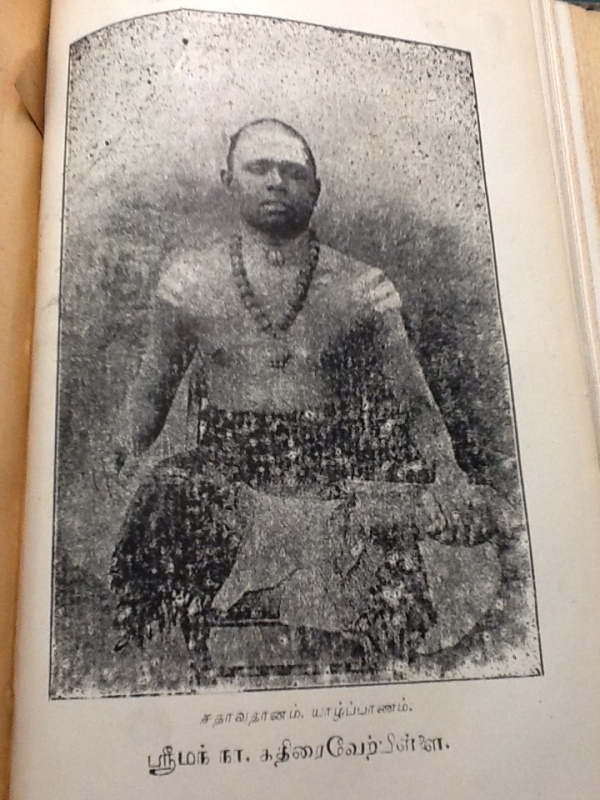
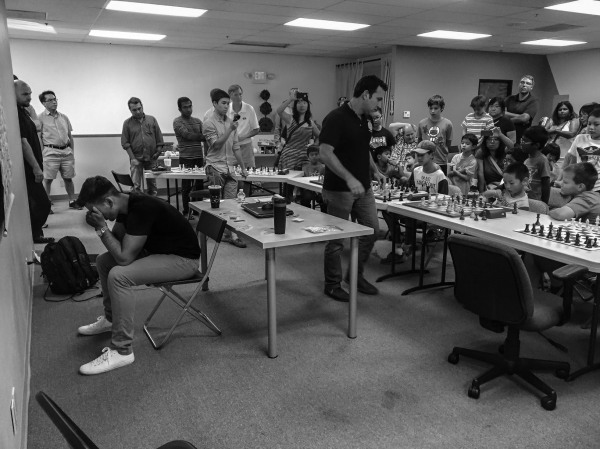
Western world is very familiar with blindfold chess games. German chess player Marc Lang played blindfold chess with 46 people at the same time and set a new record. But Tamils did 100 tasks simultaneously and earned a special place in the literary world. It is called Satavadanam. It is the art of responding to one hundred tasks performed simultaneously. One Tamil Muslim scholar Seykuthambi Pavalar is known for this feat. There was another gentleman born in Jaffna in Sri Lanka and attained the title ‘Satavadani’. His name is N.Kathiraver Pillay (1871-1907).


Born in West Puloli of Jaffna peninsula, he migrated to Chennai in Tamil Nadu hundred years ago. He was a great Tamil scholar who compiled a proper dictionary for Tamil like the English lexicographer Samuel Johnson. Mr Pillay lived just 36 years, but yet carved a special place for him in the field of literature. He composed poems in many genres such as Chitra Kavi (composing poems to fit them in the figures such as lotus, snake, chariot), Seettuk Kvai (Letter is the form of verses), Siledaik Kavi (poems in double entendre or paronomasia). He wrote commentaries for minor Tamil works and also published out of print Tamil works.

IMG_0280

When he was in Sri Lanka he did 18 tasks at the same time. But he practised more and got ready for 100 tasks. This was demonstrated in front of learned men in Chennai. If one is able to do eight tasks at the same time he is known as Ashtavadani and those who could do ten tasks simultaneously are known as Dasavadani. Like blindfold chess, more the number, more difficult it will be.


Ashtavadanam includes tasks such as answering eight people at one time. One will be asking him to compose a verse in Tamil , another will be asking him to do sums like addition, multiplication, subtraction, fifth person may ask him to play with him a board game. Other scholars will be asking him difficult questions in grammar. While he is doing all these things, he has to make an iron chain with difficult links. This is not the end. Someone will be throwing small stones or marbles on his back. When he stops he would ask him how many balls he threw. Another person will ask the meaning of a poem from Tamil Ramayana or Mahabharata.


If ashtavadanam is this complicated, one can imagine how difficult it would be to do 100 tasks simultaneously. N Kathirvel Pillay did 100 tasks in Lakshmi Vilas Theatre in Chennai. All this was done after announcing to the general public and inviting Tamil professors and other scholars. Simple questions such as the day, date, time on a particular point in the calendar will also be asked. Since N Kathirvel Pillay had tremendous memory power he did this without any difficulty.

Rev Clayton who was an officer in the British Government at that time wrote a review in ‘Mail’ newspaper after Kathirvelpillay’s Satavadanam. He mentioned that Mr Pillay did this with effortless ease.

blindfold chess

Blindfold Chess: similar task

The art of doing 8 or 10 or 100 tasks is unique to the Tamil speaking world. Tamil literary history mentioned several Ashtavadanis, Dasavadanis and a few Satavadanis. They symbolised tremendous memory power, focus and concentration.


–subham–


தமிழ்ப் பழமொழிகள்: TAMIL- ENGLISH PROVERB BOOK -2 (First Part)

Compiled by London swaminathan

Post No.2219

Date: 6   October 2015

Time uploaded in London: 15-48

Thanks for the pictures.

Don’t use pictures. Don’t reblog for at least a week.

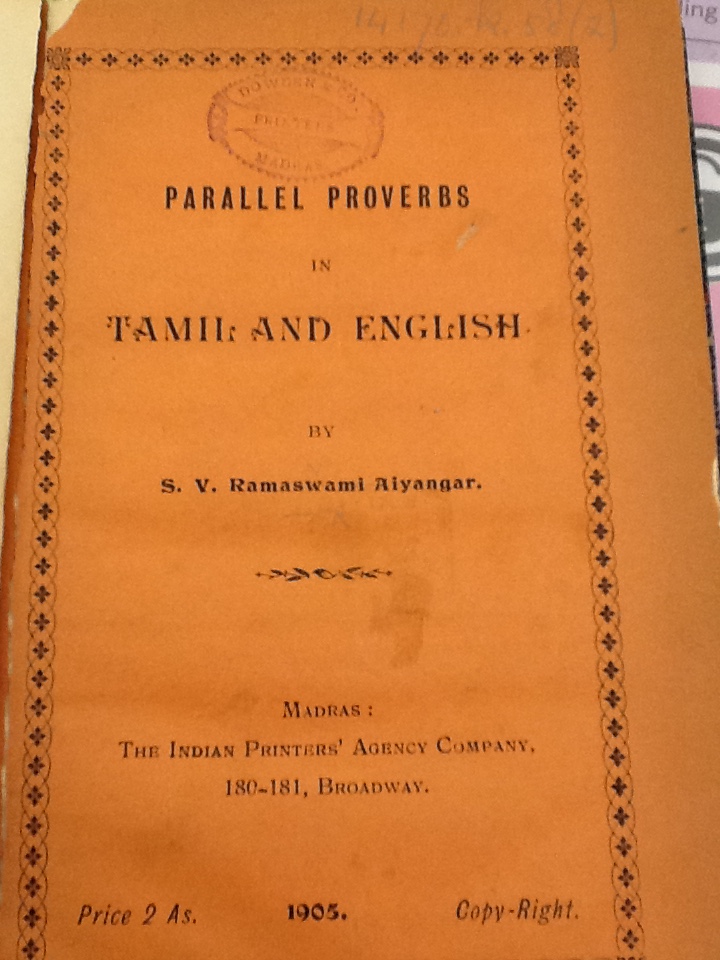
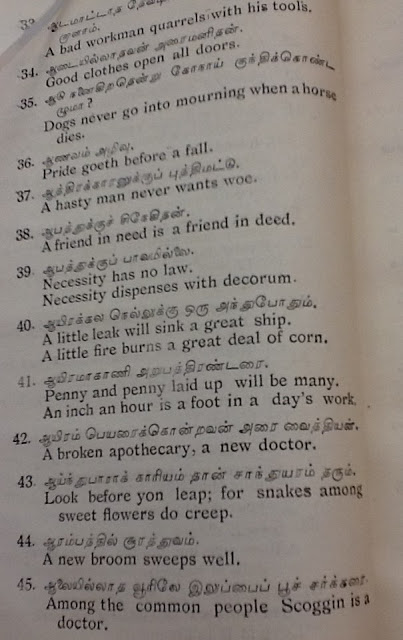
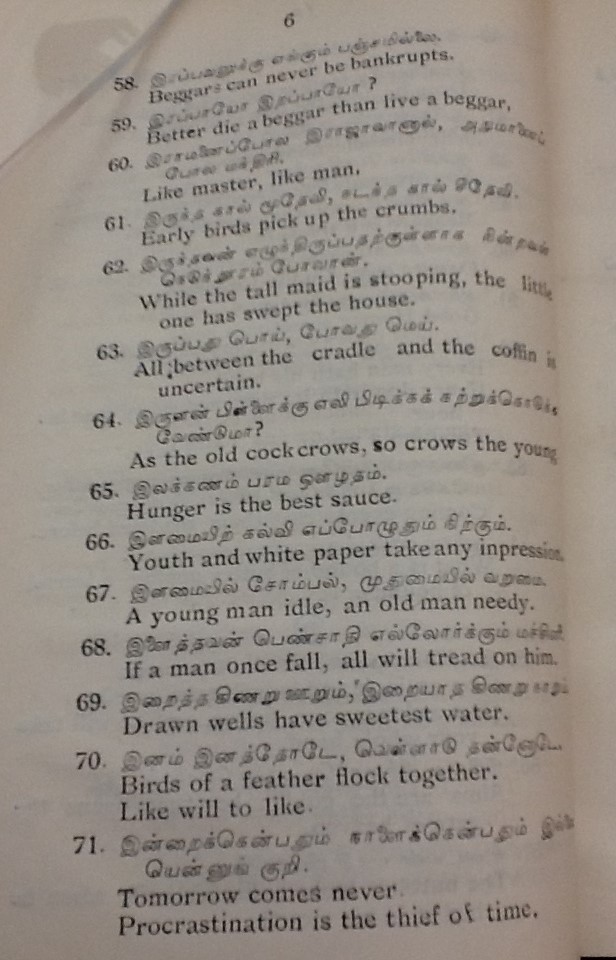
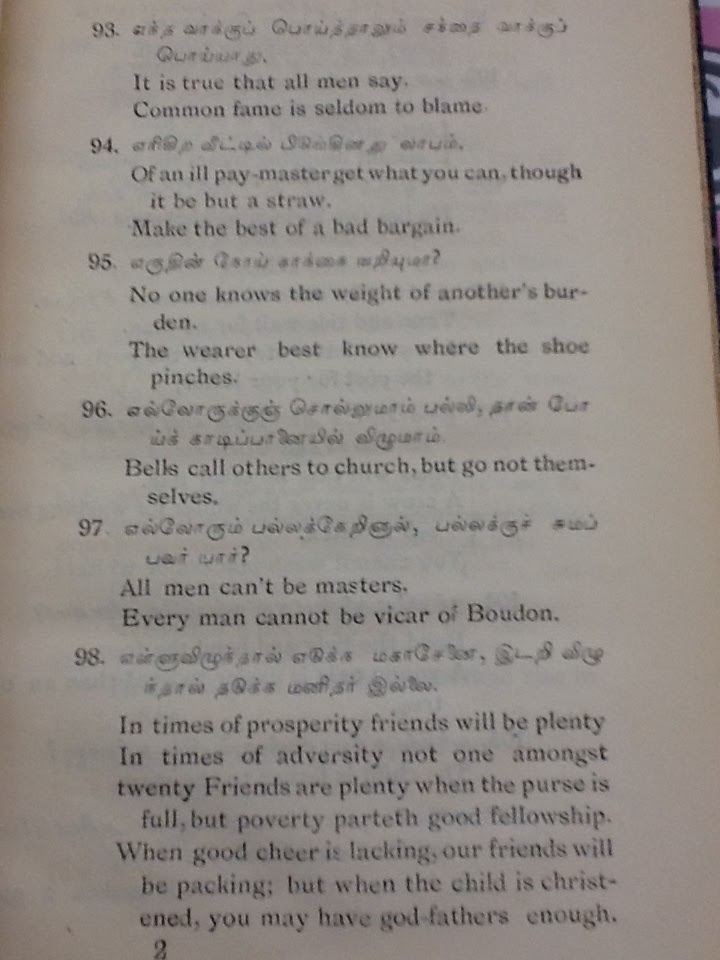
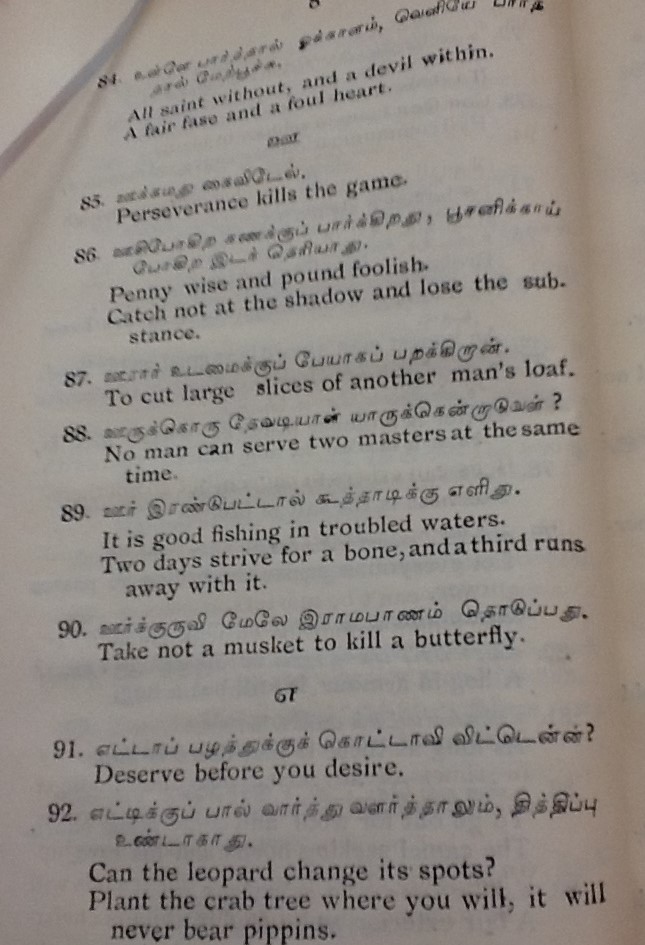
On 17th August I posted (Post No.2078) an old book with 108 Tamil proverbs and its English equivalents in this blog. Today I am posting another old book with 348 Tamil proverbs and their parallel proverbs in English:


Title of the Book: Parallel Proverbs in Tamil and English

Author of the Book: Ramaswami Ayyangar

Year of Publication: 1905

Contents: 348 Tamil Proverbs and 348 English Proverbs or phrases

Source: British Library, London.

Though it is over 100 years old, it is very relevant for today. We can use every proverb even today in our conversation.

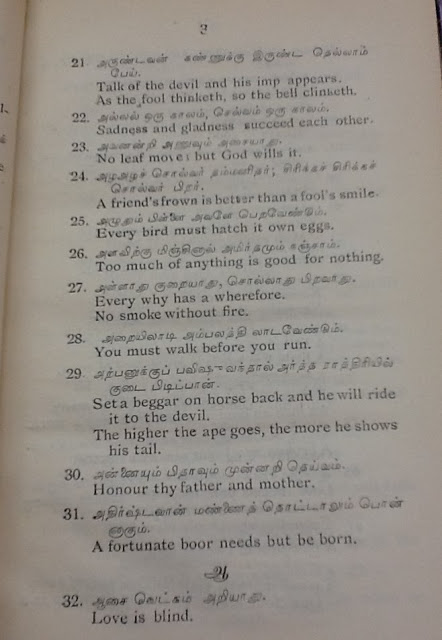
Here are the book pages; please zoom in and enlarge and then read the pages.

In the first part I am posting only 10 பக்கங்கள்

IMG_2731

IMG_2732

பழமொழி: அச்சில்லாமல் தேரோடுமா?

பழமொழி: அரண்டவன் கண்ணுக்கு இருண்டதெல்லாம் பேய்.

பழமொழி: ஆனைவரும் பின்னே, மணி ஒசை வரும் முன்னே

பழமொழி: உயரவுயரப் பறந்தாலும்,  ஊர்க்குருவி  பருந்தாகுமா?

பழமொழி: ஐயர் வரும் வரைக்கும்    அமாவாசை காத்திருக்குமா?

தொடரும்………………………………………

Lucky No.5’s Link to Literature!

kumara

Article No. 2060

Written by London swaminathan

Swami_48@yahoo.com

Date : 10  August  2015

Time uploaded in London :– 19-53
It is a strange co incidence that Sanskrit and Tamil scholars chose number Five to name their best five epics and minor epics.

sisupalavatam

(1) In Sanskrit the Five Great Epics (Pancha Maha Kavyas) are:

1.Raghuvamsam by Kaalidaasa

2.Kumaarasambhavam by Kaalidaasa

3.Kiraataarjuniiyam by Bhaaravi

4.Sisupaalavatham by Maagha

  1. Naisadacaritam by Sriharsa

silambu-book1

(2) Five Tamil Epics

In the same way Tamils also chose the best five epics and named them ‘Aim Perum Kappiyangal’ meaning Five Great Epics and they are

1.Silapadikaaram by Ilango

2.Manimekalai by Siltalai Saattanaar

3.Siivaka Cintaamani by Tirutakkatevar

4.Valayapati – Anonymous

5.Kundalakesi – Naadakuttanaar

Tamil language has Five Minor Epics as well:

bharavis-poem-kiratarjuniya-

(3) Five Tamil Minor Works

Chulaamani – anonymous

Niilakesi – Tolaamozitevar

Udayanakumaara kaaviyam -anonymous

Nagakumaara kaaviyam- anonymous

Yasodaa kaaviyam- anonymous

(4) Grantha Pancakam

Even the Advaita philosophy chose number five to name their five great works ‘Grantha Panchakam’. They are

1.Brahmasutra

2.Bhasya of Sankara

3.Bhamati of Vacaspati Misra

4.Kalpataru of Amalananda

5.Parimala of Appayya Diksita

brahma_sutra_bhasya_of_shankaracharya_idj504

(5) Restraint from Speaking

Even a medicine man like Charaka instructs us to restraint from speaking

1.Harsh words= Parusam

2.Excessive words = Atimaatra

3.Back biting = Suucaka

4.Untruth =Anruta

5.Untimley utterance = Akaalayukta

Parusasyaatimaatrasya suchakasyaanruthasya cha

Vaakyasyaakaalayuktasya dhaarayetvehamuttitham

-Charaka sutra 7-28

mahabhasya

(6) Five Types of Texts, Commentaries, Explanatory Notes

Sutra

Vrtti

Bhaasya

Vaartika

Tiikaa

-Mahaabhaasya (Prastaavanaa)

(7) Five Blemishes in Writing

Illegible = Akaanti

Contradiction = Vyaaghaata

Repetition = Punarukta

Ungrammatical usage= Apasabda

Misarrangement = Samplava

Akaativyaardhatah punaruktamapasabdah samplavaiti lekadosaah   –Arthasastra 2-10-57

-Subham-

What can a Sparrow Teach You?

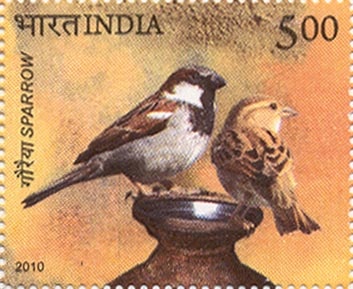
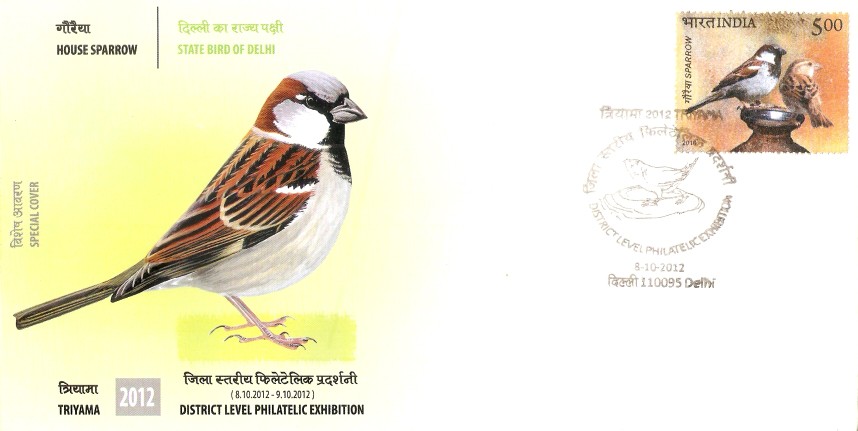
India-Stamp1713-Sparrow

Article No. 2048

Written by London swaminathan

Swami_48@yahoo.com

Date : 6  August  2015

Time uploaded in London : –15-12

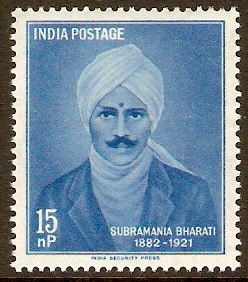
Tamil poet Subramanya Bharati is one of the best poets of modern period in India and the greatest of the Tamil poets of our time. Bharati was a great patriot. He loved his language, literature, culture and tradition. Sarojini Naidu declared: “Bharati kindled the souls of men by the  million to a more passionate love of freedom and a richer dedication to the service of the country”

Bharati is well  known for his patriotic songs. But not many people know that he sung a lot about Nature. I was surprised that I could not find Bharati’s famous poem on the house sparrows when I googled for some poems on the sparrows!

bharati stamp

When he was alive, he lived in poverty. When his wife Chellamma borrowed some grains from her next door neighbour, he got it from her and fed it to the birds that came to the backyard of his house. He felt immense happiness leaving his wife to worry about what to do next.

He used to dance, singing

“The crow and sparrow our kin;

One with us mountain and sea;

Wherever we glance ourselves a – dance

In a whirl of Ecstasy!”

(Tamil: Kaakkai Kuruvi Engal Jaathi, Neel Kadalum Malayum…….)

His poem on sparrow shows his longing for freedom for the country and  freedom for the soul – Moksha- Liberation.

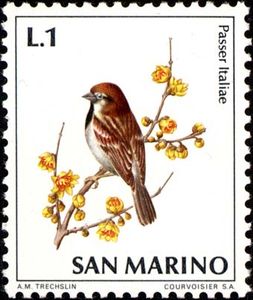
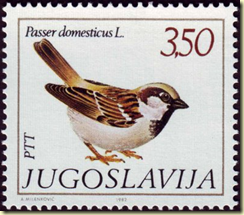
Italian-Sparrow-Passer-italiaekuruvi yugo

Here is his famous poem on sparrows:

The Sparrow


1.“O May you escape all shackles

And revel in Liberty

Like this

Sprightly Sparrow!


2.Roam about in endless space,

Swim across the whirling air,

Drink the measureless wine of the light

That flows for ever from the azure sky!


3.Happily twittering and making love

Building a nest beyond danger’s reach

Guarding the fledgling, hatched from the egg

And giving it feed and a wholesome care”.

(Tamil: Vittu Viduthalaiyaaki Nirpaay Indha Chittukkuruvi pole…………)

(Source: Bharati Patalkal, Tamil University, Thanjavur, Edited by Sekkizar Adippodi Dr T N Ramachandran)

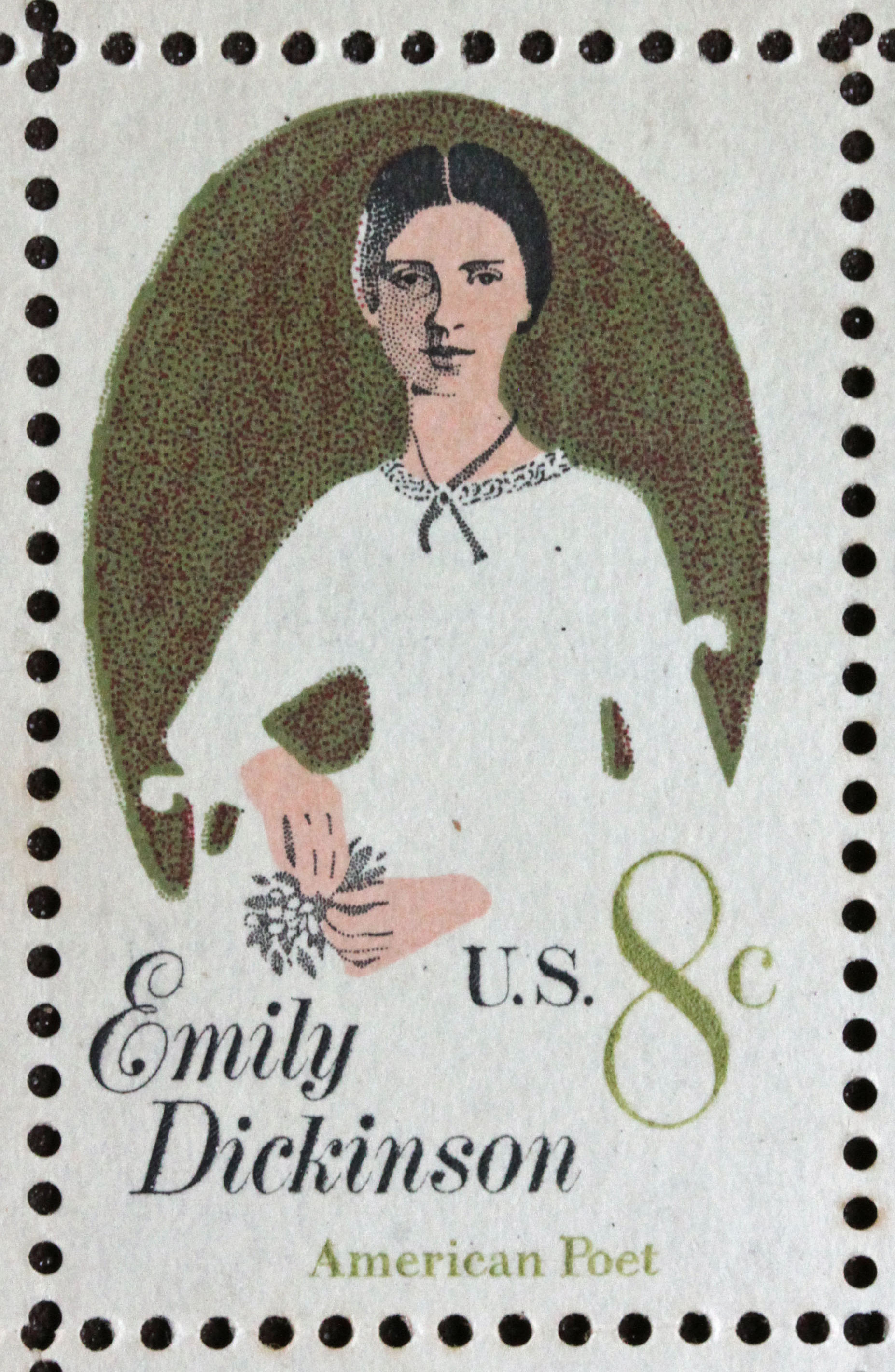
Emily_Dickinson_stamp_8c

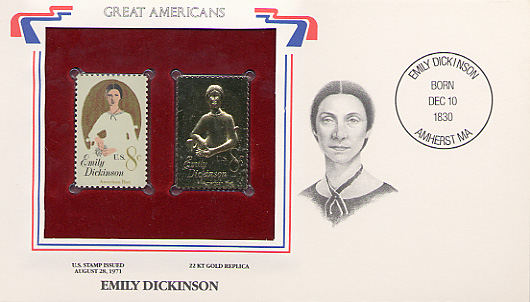
American Poetess Emily Dickinson

Emily Dickinson was an American poet who also sang on various Nature poems including birds. The following two poems are worthy of comparing with Bharati’s poems on Nature.

A Sparrow took a Slice of Twig

A Sparrow took a Slice of Twig
And thought it very nice
I think, because his empty Plate
Was handed Nature twice—

Invigorated, waded
In all the deepest Sky
Until his little Figure
Was forfeited away—

Emily26

On Robin

If I can stop one heart from breaking,
I shall not live in vain;
If I can ease one life the aching,
Or cool one pain,
Or help one fainting robin
Unto his nest again,
I shall not live in vain.

Long live the Sparrow and the Freedom it symbolises!

scan0056