Pictures are taken from various sources for spreading knowledge; this is a non- commercial blog. Thanks for your great pictures.
Chapter -12 Part 2
THE COLLECTED WORKS OF DHARAMPAL-7
R. Nanjappa
PEACEFUL, NON-VIOLENT PROTEST
The people were outraged because a tax on dwelling place or shop acquired by inheritance had never been imposed by the native rulers. This also seems to have been felt cumulatively with other indignities suffered under the company’s rule. Benares residents said that this tax was ‘like salt scattered on a wound’. The protesters were totally peaceful. The authorities noted that,
“Open violence does not seem their aim, they seem rather to vaunt their security in being unarmed in that a military force would not use deadly weapons against such inoffnsive foes.. knowing that civil power cannot disperse them and thinking that the military will not.”
The protesters drafted petitions and representations against the tax and presented them to the authorities but these were dismissed. The authorities used all methods- like dividing people, using influential people to dissuade, using police and military etc. The gathering of people became vulnerable to attacks by the authorities, and they suffered. People refused to cooperate with assessment and engage with the officials. The distress and disaffection spread. The magistrates were asked to use the military but one or two hesitated. Some of them were convinced that there was distress. But the local collectors and the authorities at Calcutta felt that any concession would be seen as a weakness of the government and should not be allowed. However, the public sentiment against the tax was snowballing. Finally, the tax was abolished in terms of Regulation VII of 1812. [Earlier the European residents had refused to pay the tax.]
RULERS-RULED BOND
Such instances of civil disobedience show an important aspect of Polity. There has to be some basic understanding, convergence of values, between the rulers and the ruled. Where the rulers share the feeling that the ruled belong to them, they would not necessarily look upon an occasional show of displeasure as defiance of authority. Likewise where the people feel an affinity for the rulers, they would not seek to dispose of them through show of dissent, nor would they resort to it lightly. The rulers and the ruled thus share a bond, a code of honour, unwritten though it be, which gives legitimacy to the rule and also dissent.
BRITISH LACKED LEGITIMACY
The British rule in India lacked this legitimacy, and they were aware of it. They had somehow acquired power. They did not feel for the people. The people too did not look upon them as one of their own. Robert Clive had understood that their rule was acquired by force, it did not have the consent of the people, they did not seek legitimacy, and so expressed this:
“Our influence and possessions were acquired, so they must be maintained by force; and that the princes of the country are only to be kept in order by fear.”
Men such as Thomas Munro and Charles Metcalfe realised this lack of legitimacy of their government. Metcalfe even said that their rule appeared strong, but its collapse might be ‘short work’. Their power did not rest ” on actual strength, but on appearance”. So they were not prepared to give any concession which might upset that appearance!
WAS GANDHIJI SUCCESSFUL?
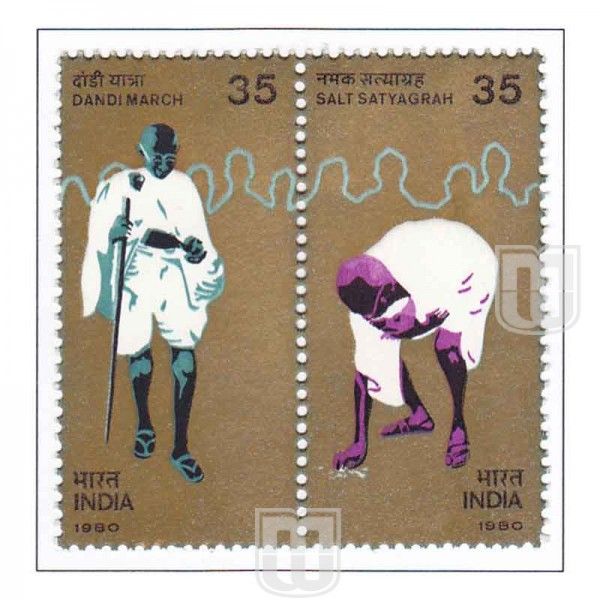
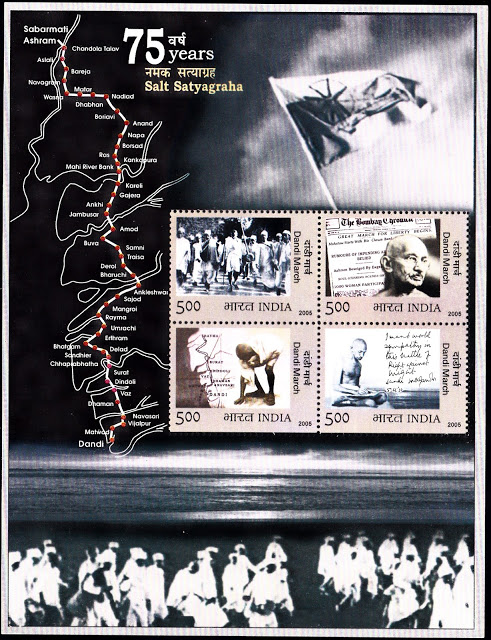
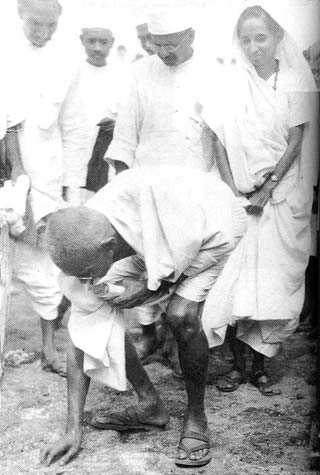
Gandhiji picking salt Against such odds, the victory of the people in their 1811 non-violent, civil disobedient struggle against a new tax imposed by the colonial power appears extraordinary. Compared to this, one wonders what to say of the many struggles of Gandhiji a century later. He did not complete them all, except the Salt Satyagraha. But it was not a success- the salt tax was not withdrawn. [It was abolished only in March, 1947] After that event, the colonial government let loose brutal repression. Quit India programme was a fiasco, and was completely put down within 6 months, with all leaders imprisoned, and thus put out of action. Gandhiji’s movement was not able to wrest anything of substance from the British. On the contrary, they encouraged all the anti-Gandhi and anti-Indian elements. They actively promoted divisive forces.
Pictures are taken from various sources for spreading knowledge; this is a non- commercial blog. Thanks for your great pictures.
by ச.நாகராஜன்
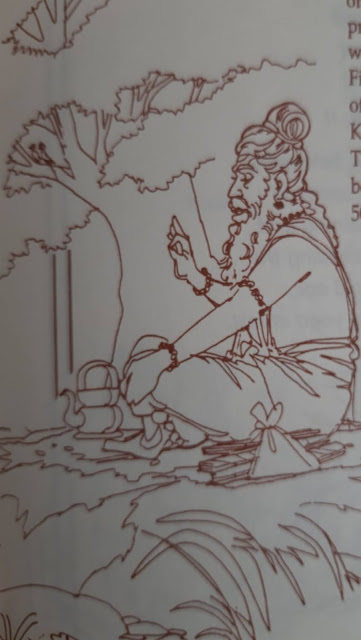
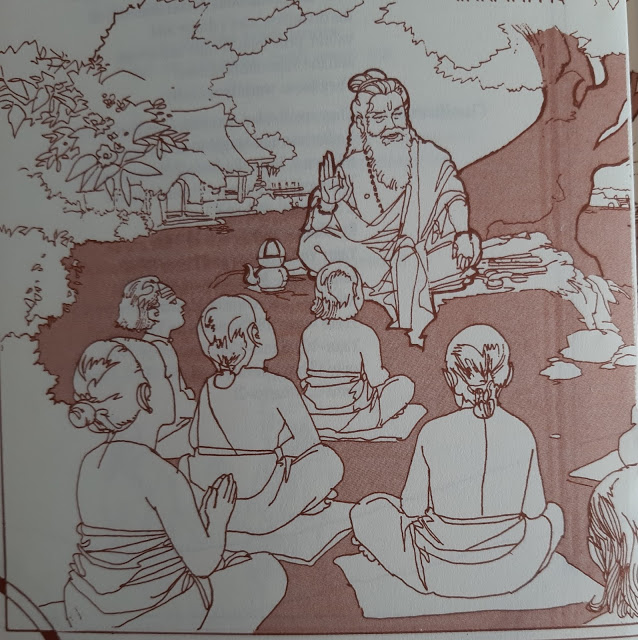
மிகச் சிறந்த தவ வலிமை உடைய அதிசயிக்க வைக்கும் மஹரிஷி -அங்கிரஸ்.
பிரம்மாவின் ஆறு புத்திரர்களில் அங்கிரஸ் ஒருவர். பிரம்மாவின் தவ மஹிமையினால் மரீசி, அங்கிரஸ், அத்திரி, புலஸ்தியர், புலஹர், க்ரது என அவருக்கு ஆறு புத்திரர்கள் பிறந்தனர்.
அங்கிரஸ் பிரம்மாவின் முகத்திலிருந்து உருவானவர். இது ஆதி பிறப்பு.
இன்னொரு வரலாறு உண்டு.
ஸ்வாயம்பு மன்வந்தரத்தில் சிவபிரானின் சாபத்தால் எல்லா ரிஷிகளும் தங்கள் சரீரத்தை இழந்தனர்; மேலுலகம் சேர்ந்தனர். பிறகு வைவஸ்வத மன்வந்தரத்தில் பிரம்மாவின் வீர்யம் கீழே விழக் கண்டு அதை தேவர்களுடைய பத்தினிகளும், தாய்மார்களும் எடுத்து அக்கினியில் ஆகுதி செய்தனர்.
அந்தத் தணலிலிருந்து அங்கிரஸும் உருவானார். அதனால் இவருக்கு ஆங்கிரஸ் என்ற பெயரும் உண்டு.
அங்கிரஸுக்கு, தேவ குருவாகிய பிரஹஸ்பதி, உதத்யர், சம்வர்த்தர் என்று மூன்று புத்திரர்கள் உண்டு.
அங்கிரஸ் அபூர்வமான தவத்தை மேற்கொண்டார். அந்தத் தவத்தின் பலனாக அக்னிக்கு மேலாக தனது தேஜஸினால் ஜொலிக்க ஆரம்பித்தார். உலகம் முழுவதையும் பிரகாசமடையச் செய்தார்.
அதே காலத்தில் அக்னி பகவானும் தவம் செய்து கொண்டிருந்தார். அங்கிரஸின் தேஜஸுக்கு முன்னால் அக்னி தேவனின் ஒளி மங்கியது. அக்னி தேவன் என்ன செய்வது என்று திகைத்தார்.
பிரம்மதேவன் இந்த உலகத்திற்கு இன்னொரு தேவனை சிருஷ்டித்திருக்கிறார் போலும் என்று அவர் எண்ணினார்; பயந்தார்.
நேராக அங்கிரஸ் மஹரிஷியைச் சென்றடைந்தார்.
ஆனால், அங்கிரஸ் அக்னி தேவனுக்குத் தைரியம் கூறினார்.
“நீரே ஆதியில் இருளைப் போக்குவதற்காக பிரம்மாவினால் சிருஷ்டிக்கப்பட்டவர். ஆதலால் எப்போதும் போல அக்னியாக இருந்து உலகில் வியாபித்து அதைப் பிரகாசம் செய்து கொண்டிரும்” என்றார் அவர்.
உடனே அக்னி பகவான், “உலகத்தில் எனது கீர்த்தி மழுங்கி விட்டது! நீரே அக்னிதேவனாக ஆகி விட்டீர். உலகத்தில் அனைத்து ஜனங்களும் உம்மையே அக்னியாக மதிக்கின்றார்கள். ஆகவே அக்னி தேவன் என்ற முதன்மை இடத்தை நான் விட்டு விட்டேன். அந்த ஸ்தானத்தை நீரே வகிப்பீராக. நான் உமக்கு அடுத்த ஸ்தானத்தை வகிக்கின்றேன்” என்றார்.
அதற்கு அங்கிரஸ், “ நீர் முன் போல அக்னி பகவானாக இருந்து உலகத்தில் இருளைப் போக்கியும், மற்ற தேவதைகளுக்கு ஹவிர் பாகங்களைப் பகிர்ந்து கொடுத்தும், ஜனங்களை மோக்ஷ வழியில் சேர்க்கும் படியான பரிசுத்தமான மேன்மையான் தொழிலை அனுஷ்டித்தும் வாரும். என்னை உமது முதல் குழந்தையாகச் செய்து கொள்ளும்” என்று பெருந்தன்மையுடன் கூறினார்.
இந்த வார்த்தையைக் கேட்ட அக்னி பகவான் அவர் கூறிய படியே செய்தார்.
அங்கிரஸ் பற்றிய மேலும் பல செய்திகள் உண்டு.
ஒரு காலத்தில் அங்கிரஸ் மஹரிஷி தம்முடைய அளப்பரிய தவ சக்தியினால் உலகத்திலுள்ள நீரையெல்லாம் குடித்து விட்டார். அதற்குப் பின்னரும் அவர் தாகம் தணியவில்லை. ஆகவே ஒரு பெரிய அலையை உண்டாக்கி, அதன் மூலமாக உலகெங்கும் நீர் நிரம்பி இருக்கும் படி செய்தார்.
ஒரு சமயம் அங்கிரஸ் வாயு பகவான் மீது கோபம் கொண்டு சினந்ததில் அவர் பயந்து உலகத்தை விட்டு ஓடிப் போய் பிராமணர்களுடைய அக்னிஹோத்திரத்தில் வெகுகாலம் மறைந்து வாசம் செய்தார்.
இப்படி அங்கிரஸ் மஹரிஷி அக்னி, வருணன், வாயு ஆகிய தேவர்களைத் தனது சக்தியினால் நடுங்கும் படி செய்யும் அளவு தவ மஹிமை கொண்டவராக விளங்கினார்.
மஹாபாரத யுத்தத்தில் அங்கிரஸ் பற்றிய ஒரு செய்தி உண்டு. யுத்தம் மிகக் கடுமையாகவே துரோணர் நாலா புறங்களிலும் தன் திவ்ய அஸ்திரங்களை ஏவ ஆரம்பித்தார். ஆயிரக்கணக்கானோர் மாண்டனர். உடனே அங்கிரஸ் துரோணர் முன் தோன்றி, “எண்ணற்ற வீரர்களை பிரம்மாஸ்திரத்தை ஏவி நீர் கொன்று விட்டீர். உமது முடிவு நெருங்கி விட்டது. ஆகவே உமது ஆயுதத்தைக் கீழே வையும். சண்டையை நிறுத்துவீர்” என்றார். ஆனால் அதை துரோணர் கேட்கவில்லை. அவரது முடிவு நெருங்கியது.
ஒரு சமயம் அங்கிரஸ் சூரியனையே காப்பாற்றியுள்ளார். (மஹாபாரதம் வனபர்வம், 92ஆம் அத்தியாயம்)
ஒரு சமயம் அக்னி தேவன், அங்கிரஸ் மஹரிஷிக்கு உரிய முறையில் மரியாதை செலுத்தவில்லை . இதனால் வெகுண்ட அங்கிரஸ் அக்னியை சபிக்கவே, அன்றிலிருந்து தான் தீயிலிருந்து புகை எழும்ப ஆரம்பித்தது. (மஹாபாரதம், அனுசாஸன பர்வம், 153ஆம் அத்தியாயம்)
அங்கிரஸ் மஹரிஷி தீர்த்த ஸ்தலங்களைப் பற்றியும் அங்கு செல்வதால் ஏற்படும் பயன்களை விவரித்துள்ளார். (மஹாபாரதம், அனுசாஸன பர்வம், 25ஆம் அத்தியாயம்) உபவாச மேன்மையையும் அவர் விளக்கியுள்ளார்.(மஹாபாரதம், அனுசாஸன பர்வம், 106ஆம் அத்தியாயம்)
இப்படி அங்கிரஸ் மஹரிஷி பற்றி மஹாபாரதம், ஆதி பர்வத்திலும், வன பர்வத்திலும், அநுசாஸன பர்வத்திலும் பல வரலாறுகளைக் காணலாம். மத்ஸ்ய புராணத்திலும் அங்கிரஸ் பற்றிய செய்திகள் உண்டு.
Pictures are taken from various sources for spreading knowledge; this is a non- commercial blog. Thanks for your great pictures.
tamilandvedas.com, swamiindology.blogspot.com
18 என்ற எண்ணின் மஹிமை –1
சித்தர்கள் 18, தர்ம நூல்கள் 18, யாகங்கள் 18, பாஷைகள் 18, புராணங்கள் 18, உப புராணங்கள் 18, தேவாசுரப் போர் 18 ஆண்டுகள், ராம- ராவணன் யுத்தம் 18 மாதங்கள், மஹா பாரதப் போர் 18 நாட்கள், சேரன் செங்குட்டுவன் – க னக விஜயன் போர் 18 நாழிகை,மஹா பாரத பர்வங்கள் 18, கீதையில் அத்தியாயங்கள் 18, இவ்வாறு 18–ன் பெருமை மஹத்தானது . இதோ ஒரு பட்டியல்.
ஒரு எண்ணைக் கூட்டி ஒன்பது வந்தால் அதற்கு அபூர்வ சக்தி உண்டு. 18, 108, 1008, 10,008 போன்ற எண்களின் மஹிமையை முந்திய பல கட்டுரைகளில் கண்டோம் (கீழே இணைப்புகளைக் காண்க). ஸ்ரீ சத்ய சாயிபாபாவும் தனது உரையில் 9 எண்ணின் மஹிமையை விளக்கியுள்ளார். நாம் கோவில்களிலும் வீடுகளிலும் கடவுளின் நாமத்தை 108, அல்லது 1008 முறை சொல்கிறோம். இது வேத காலத்தில் துவங்கியது. யாக குண்டம் அமைக்க 10,008 செங்கற்களைப் பயன்படுத்துவர். முதல் செங்கலுக்குப் பெயர் அஸ்வினி (நக்ஷத்திரம்). சிந்து/ஸரஸ்வதி நதி தீர நாகரீகத்தை செங்கல் கட்டிடங்களால் உருவாக்கியவர்கள் வேத கால இந்துக்களே
தமிழில் உள்ள நிகண்டுக்களில் புகழ் பெற்றது பிங்கல நிகண்டு . 1000 ஆண்டுகளுக்கு முன்னர் திவாகர முனிவரின் சீடரான பிங்கல முனிவர் இயற்றியது . இதில் 18ன் கீழ் ஒரு பெரிய பட்டியல் உள்ளது.
பாரதியாரும் செப்பு மொழி பதினெட்டுடையாள் என்று பாரத மாதாவின் 18 முக்கிய பாஷைகளை நினைத்துப் பாடினார். தேவர்- அசுரர் யுத்தம் முதல் கனக விஜயன் யுத்தம் வரை வரை 18 எப்படிப் புகழ் பெற்றது என்பதை சிலப்பதிகாரத்தில் இளங்கோ அடிகள் இயம்புகிறார்.
முதலில் பிங்கல நிகண்டுவில் வரும் செய்திகளைக் காண்போம் .
***
18 கணங்கள்
இது நிகண்டிலும் உளது. புறநானூற்று உரையிலும் உள்ளது
வெள்ளைக்காரர்களும் மார்கசிய வாதிகளும் வந்து இந்தியர்களை ஆரியர், திராவிடர், முண்டர்கள் என்று மூன்று பிரிவுகளாகப் பிரித்து இந்திய வரலாற்றைத் திருத்தி எழுதுவதற்கு முன்னர் நாம் பிரித்த 18 வகை இது. இவர்களில் ஒவ்வொருவர் பற்றியும் ஆராய்ச்சி செய்தால் இந்தியாவின் உண்மை வரலாறு கிடைத்துவிடும். நாகர்கள்- மாயா நாகரீகம் தொடர்பு பற்றிய கட்டுரைகளில் நாகர் பற்றிய முழு ரகசியங்களையும் கொடுத்துள்ளேன். பல்லவர்களுக்கும் நாகர்களுக்கும் தொடர்பு உண்டு!!
***
18 சித்தர்களும் சமாதி அடைந்த தலங்களும்
பதஞ்சலி – ராமேஸ்வரம்
அகத்தியர் – கும்பகோணம், அல்லது திருவனந்தபுரம்
கமலமுனி – திருவாரூர் ,
திருமூலர் – சிதம்பரம்,
குதம்பைச் சித்தர்- மாயவரம்/மயிலாடுதுறை
கோரக்கர் – பேரரூர்,
தன்வந்திரி – வைதீஸ்வரன்கோவில்,
சுந்தரானந்தர் – மதுரை,
கொங்கணர் – திருப்பதி,
சட்டைமுனி – ஸ்ரீரங்கம்,
வான்மீகர் – எட்டுக்குடி,
ராமதேவர்- அழகர்மலை,
நந்தீ ஸ்வரர் – காசி,
இடைக்காடர் – திருவாண்ணாமலை,
மச்சமுனி – திருப்பரங்குன்றம்
கருவூரார் – கரூர் ,
போகர் – பழனி,அல்லது சிதம்பரம்
பாம்பாட்டிச் சித்தர் – சங்கரன்கோவில்
சித்தர் சமாதிகள் இருப்பதால் இந்த தலங்கள் அனைத்தும் ஜன ஆகர்ஷணம், தன ஆகர்ஷணம் செய்யும் புண்ணிய பூமிகளாகத் திகழ்கின்றன.
சங்க காலத்துக்குப் பின்னர் கி.பி. ஐந்தாம் நூற்றாண்டு முதல் தோன்றிய அற நூல்களை பதினெண் கீழ்க்கணக்கு நூல்கள் என்று வகைப்படுத்தினார் அதற்குப் பின் வாழ்ந்த சான்றோர். அறத்தைத் தவிர பொருள், இன்பம் என்னும் துறைகள் பற்றியும் சில நூல்கள் பாடுகின்றன.
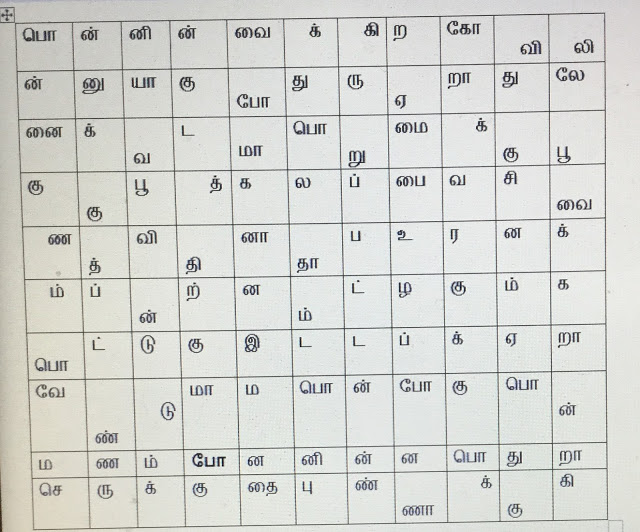
18 நூல்களின் பெயர்கள் —
நாலடியார், நான்மணிக்கடிகை , இனியவை நாற்பது , இன்னா நாற்பது, கார் நாற்பது, களவழி நாற்பது,
ஐந்திணை ஐம்பது, ஐந்திணை எழுபது, திணைமொழி ஐம்பது, திணை மாலை நூற்றைம்பது, திருக்குறள் , திரிகடுகம் , ஆசாரக்கோவை, பழமொழி நானுறு சிறு பஞ்ச மூலம், முதுமொழிக்காஞ்சி, இன்னிலை , ஏலாதி
Mahatma Gandhi is just a vague name to most Indians today. According to 2011 census, 52% of the population is less than 25 years of age. Fully 78% is less than 45. Gandhiji having died 70 years ago, there is very little that most Indians know of Gandhiji. No doubt politicians and newspapers take Gandhi’s name when convenient; his picture is on our currency notes. But these hardly stand for what Gandhiji said or did. And very few read what Gandhiji himself wrote. The memory of real Gandhi was effectively buried in the Nehru era. Nehru did not follow a single idea of Gandhiji, despite his cap.
Those who have learnt a bit of our freedom struggle through the government controlled education system would associate our Independence with Gandhiji. This is not fully correct, and represents great injustice to other leaders, about whose life and work very little is said. This also represents an exaggerated assessment of Gandhiji’s role and its effectiveness. However, there is no denying that Gandhiji played a very important part.
GANDHIJI AND SATYAGRAHA
Gandhiji’s name is essentially associated with Satyagraha, Non-Cooperation , Civil Disobedience or Passive Resistance. These were his chief direct instruments in the struggle. He also worked on an 18 point Constructive Programme which included Khadi, revival of village industries, prohibition, etc. It is remarkable that even while opposing the British, Gandhiji engaged the people in constructive activities. He directed their energies positively towards national reconstruction. In this way, he taught Indians how to recover and exercise their true Independence or Swaraj. After Independence, some of the items have become redundant, while some others have been neglected/discarded by the govt and the public. Jawaharlal Nehru, the first Prime Minister of India, chosen by Gandhiji himself, did not implement even a single programme of Gandhiji. What has finally stuck to Gandhiji is his association with Non-Cooperation or Satyagraha, and Ahimsa.
There are mainly two views about these techniques. One is that they were invented by Gandhiji. The other is that he borrowed them from Thoreau, Ruskin, Tolstoy etc. Both these views are wrong.
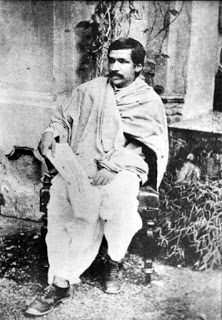
Sri Aurobindo in 1907
Passive Resistance and Boycott were the means devised by Sri Aurobindo during the struggle against Bengal partition of 1905, before Gandhiji came to Indian politics. These were so successful in rousing the Bengalees that the British got afraid of the revolutionary Bengali spirit, and eventually shifted the capital out of Calcutta! Bengali Nationalists were eminently successful in their efforts. The British would not take a Bengali in the Armed Forces for fear of their revolutionary spirit!
Civil Disobedience in Indian Tradition Gandhiji himself was aware that non-cooperation with the rulers had been a standard Indian traditional method of protest. He wrote in his 1909 book ‘Hind Swaraj”:
In India the nation at large has generally used passive resistance in all departments of life. We cease to cooperate with our rulers when they displease us.
It is amazing that Gandhiji had been aware of an ancient Indian tradition. We have some accounts in Puranas of kings having been replaced, but these may be dismissed as mythology. Unfortunately, Indians write even history in mythological terms. The Mahabarata contains an explicit statement:
The people should gird themselves up and kill a cruel king who does not protect his subjects, who extracts taxes and simply robs them of their wealth, who gives no lead. Such a king is Kali (evil and strife) incarnate. The king who after declaring, ‘I shall protect you’, does not protect his subjects should be killed (by the people) after forming a confederacy, like a dog that is afflicted with madness. (Shanti Parva, 92.19)
Indians are generally considered to be meek and docile. But they could show dissent and protest when needed. Curiously, James Mill, Scottish historian and economist, seems to have been aware of this. Giving evidence before a House of Commons Committee (1831-32), he said that in the seventeenth and eighteenth century, “in the ordinary state of things in India, the princes stood in awe of their subjects”. Thus, public expression of dissent and displeasure against the rulers seems to have been a tradition in India. Gandhiji was aware of this.
PROTEST AGAINST HOUSE TAX,1811
Dharampal has been able to dig into the archives and unearth such a show of public dissent and civil disobedience and non-cooperation in the British era. This was in 1811 in certain parts of North India. This was in connection with a tax imposed on houses and shops by the British in terms of a new law.
[Regulation XV of 1810.]
The government in London had started taking direct interest in Indian affairs from 1784, (in order to maximise their gain), using the company as its instrument in India to serve its ends. Thus it directed the company in terms of this regulation to levy a tax on houses and shops in several cities and principal towns of Bengal, Behar, Orissa and Benares. [There had been a tax already in Calcutta.] The purpose was to secure an ‘improvement in public resources’. The collectors were to get 5% commission on the tax collections. The assessments and collections were to commence in 1811. Spontaneous protests erupted in Benares, Sarun, Bhagalpur, Patna, Moorshedabad.
The protests took the form of:
-closing of all shops and activities, so that even dead bodies were not attended -continuous assembly of people in the thousands -close links made by artisans and craftsmen and their guilds and associations -a total close down of boatmen in Benares
– people assembling taking an oath “never to disperse” till they achieved their aim -despatching emissaries to all villages, asking each family to send one person to the assembly – individuals of every class contributing their mite -religious orders exerting their influence – display of protesting posters
– inability of the police to prevent the assemblage of people -walking out of homes and shops, leaving villages -violators were turned out of caste- declared ‘outcastes’.
செரோடோனின் என்பது மூளைக்கு மிகத் தேவையான ஒரு இரசாயனப் பொருள். ஏனெனில் அது தான் மன உறுதியை அதிகரிக்க வைக்கிறது; மன நிறைவு அடைவதை தாமதமாக்குகிறது; கவன சக்தியைக் கூட்டுகிறது.
ஏராளமான மருந்துகளையும் துணைஉணவுப் பொருள்களையும் நீங்கள் எடுத்துக் கொண்ட போதிலும் கூட உங்கள் மூளையானது சுயமாகவே செரோடோனினை உற்பத்தி செய்யும் வல்லமை படைத்தது. ஒருவேளை, ஏதோ ஒரு காரணத்தினால் செரோடோனின் அளவு உங்களுக்கு மிகவும் குறைந்து விட்டால் ஒரு காரியத்தை முடிப்பதில் உங்களுக்குக் கஷ்டம் ஏற்படும்; சுறுசுறுப்பாகச் செயல்பட முடியாது. உங்கள் மனத் துடிப்பை கட்டுப்பாட்டுக்குள் கொண்டு வர முடியாது.
செரோடோனினை கீழ்க்கண்ட மூன்று விதங்களில் உங்கள் மூளை உருவாக்க முடியும்:
சூரிய ஒளி : இது யுவி எனப்படும் அல்ட்ரா வயலட் ஒளியைக் கொண்டுள்ளது. அது தோலினால் கிரகிக்கப்படும் போது விடமின் D ஐ உருவாக்குகிறது. உடனே செரோடோனின் உற்பத்தியாகிறது.
மசாஜ் : கர்ப்பிணிகளைக் கொண்டு நடந்த ஒரு ஆய்வில் வாரத்திற்கு இரு முறை மசாஜை செய்து கொண்ட பெண்மணிகள் செரோடோனின் அளவை 30 சதவிகிதம் அதிகம் கொண்டுள்ளது தெரிய வந்தது.
உடல்பயிற்சி : எண்டார்பின் அளவைக் கூட்ட உடல்பயிற்சி இன்றியமையாதது என்பதோடு செரோடோனினை அது கூட்டுகிறது.
தங்கள் உடல் எடையைக் குறைக்க எவரும் “சிந்திக்கலாம்: எடையைக் குறைக்கலாம்!
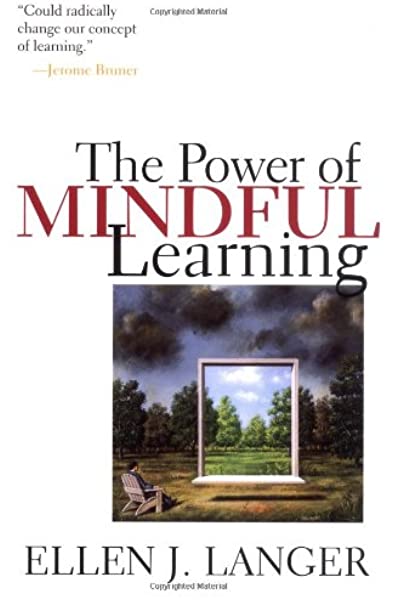
ஹார்வேர்ட் உளவியல்பிரிவில் ஒரு சிறிய சோதனை நடத்தப்பட்டது. ஆய்வாளர்கள் லேங்கர் என்ற உளவியலாளர் தலைமையில் சோதனையைச் செய்தனர். அவர்கள் ஹோட்டலில் பருமனாக இருந்த பல பேரை சோதனை ஆய்வுக்கு அழைத்தனர். உடல்பயிற்சியைச் செய்த போதும் கூட அவர்களில் 67 சதவிகிதத்தினர் தங்களால் சுறுசுறுப்பாக வேலை செய்யமுடியவில்லை என்று ஹோட்டல் பணியாளர்கள் கூறினர்.
லேங்கர் பணியாளர்கள் தங்கள் மனதில் அப்படி ஒரு எண்ணத்தை விதைத்துக் கொண்டதாலேயே அவர்களால் சுறுசுறுப்பாகப் பணியாற்ற முடியவில்லை என்று எடுத்துரைத்தார்.
தான் சொன்னதை நிரூபிக்க அவர் எல்லா பணியாளர்களையும் அழைத்தார். அவர்களை இரு குழுக்களாகப் பிரித்தார்.
முதல் குழுவினரிடம் அவர்களது உடல் அளவை எடுத்தார். அவர்கள் பரிந்துரைக்கப்பட்ட உடல்பயிற்சிகளை விட மிக அதிகமாகச் செய்வதை எடுத்துக் காட்டினார்.
அடுத்த குழுவினரிடம் ஒரு வித தகவலும் தரப்படவில்லை.
ஒரு மாதம் கழிந்தது. லேங்கர் அனைவரையும் மதிப்பீடு செய்ய அழைத்தார். லேங்கர் பேசி தகவல் தந்த முதல் குழுவினர் தங்களது உடல் எடை குறையக் கண்டனர்; இரத்த அழுத்தம் சீராக இருந்தது; வெயிஸ்ட் டு ஹிப் விகிதம் எனப்படும் இடைக்கும் இடுப்பிற்கும் உள்ள விகித அளவு குறைந்திருந்தது!
தகவல் தராத இரண்டாம் குழுவினருக்கு இந்த முன்னேற்றம் ஏற்படவில்லை!
லேங்கர் மனதில் சிந்தனையால் ஏற்பட்ட ஒரு சிறு மாற்றமே முதல் குழுவினரின் முன்னேற்றத்திற்கு காரணம் என்று சுட்டிக் காட்டி – ‘மைண்ட்செட்’ – சீரான மனப் பக்குவம் தேவை என்றார்.
பாஸிடிவ் எண்ணங்களும் தியானமும் வாழ்வில் ஆயுளைக் கூட்டுகிறது!
1989ஆம் ஆண்டு ஸ்டான்போர்டு பல்கலைக் கழகத்தைச் சேர்ந்த டாக்டர் டேவிட் ஸ்பைஜெல் (Dr. David Spiegel) மார்பகப் புற்றுநோய் கொண்ட 86 பெண்மணிகளை ஒரு ஆய்வுக்காக அழைத்தார். அவர்கள் அனைவரும் நோய் முற்றிய நிலையில் இருந்தனர். அவர்களை டேவிட் இரு குழுக்களாகப் பிரித்தார்.
ஒரு குழுவினருக்கு அவர்களுக்கு டாக்டர்களால் பரிந்துரைக்கப்பட்ட மருந்துகள் மட்டும் கொடுக்கப்பட்டது.
இன்னொரு குழுவினருக்கு மருத்துவ சிகிச்சையைத் தவிர அவர்களுக்கு உதவும் வகையில் வாராந்திர கூட்டங்கள் நடத்தப்பட்டன. இந்தக் கூட்டங்களில் நோயாளிகள் தங்கள் உணர்வுகளை வெளிப்படுத்த வாய்ப்புகள் அளிக்கப்பட்டன. அவர்கள் தங்கள் தங்கள் உணர்ச்சிகளைக் கொட்டித் தீர்த்தனர்; அங்கு வந்த இதரர்களோடு நன்கு அளவளாவினர்; ஒரு பாஸிடிவான சூழ்நிலை அங்கு ஏற்பட்டது. அது அவர்களது நோயை நன்கு எதிர்கொள்ள வழியை வகுத்தது.
ஆய்வின் முடிவில் இப்படிக் கூட்டங்களுக்கு வருகை புரிந்தோர் மற்றவர்களை இரு மடங்குக் காலம் கூட நன்கு வாழ்ந்தது தெரிய வந்தது!
இதே போல 1999ஆம் ஆண்டு கான்ஸர் நோயாளிகள் மீது நடத்தப்பட்ட ஒரு ஆய்வு ஒருவிதமான ஆதரவும் இன்றி ஊக்கம் தர யாரும் இல்லாதவர்கள் உயிரோடு இருப்பதற்கான குறைந்த வாய்ப்புகளே இருப்பதை உறுதி செய்தது.
டேவிட் செய்ட்லர் என்பவர் ப்ளாடரில் கான்ஸர் வந்ததால் அவஸ்தைப்பட்ட நோயாளி. இரண்டு வாரங்களில் அறுவைச் சிகிச்சை செய்தே ஆகவேண்டும் என்று அவரிடம் கூறப்பட்டது. செய்ட்லர் அதைத் தவிர்த்து தியானம் செய்ய ஆரம்பித்தார். தியானப் பயிற்சிகளை தீவிரமாக மேற்கொண்டார். குறிப்பாக ஆரோக்கியமான ப்ளாடர் இருப்பதாகத் தொடர்ந்து தியானித்து வந்தார்.
இரண்டு வாரங்கள் கழித்து அறுவைச் சிகிச்சை செய்வதற்கு முன் எடுக்கப்படும் சோதனையில் டாக்டர் கான்ஸருக்கான எந்த விதமான அறிகுறியும் இல்லை என்பதைக் கண்டு ஆச்சரியப்பட்டார். சந்தேகமடைந்த அவர் இன்னும் நான்கு வெவ்வேறு இடங்களில் சோதனைகளை நடத்தச் சொல்லி அவருக்கு கான்ஸர் இல்லை என்பதை உறுதிப் படுத்தினார். செய்ட்லர் ‘தி கிங்ஸ் ஸ்பீச்’ என்ற புத்தகத்தை எழுதிய எழுத்தாளர் ஆவார்.
ப்லசீபோ விளைவு! (The Placebo Effect)
ப்லசீபோ என்பது போலி மாத்திரைகளைக் குறிக்கும் ஒரு சொல். இப்படிப்பட்ட மாத்திரைகளைக் கொடுத்து உளவியல் ரீதியாக நோயாளியின் மனத்தை ஊக்கப்படுத்திப் பயத்தைப் போக்கி நோயைக் குணப்படுத்துவது ஒரு பாரம்பரியமான பழக்கம்.
ஆய்வுகளின் முடிவின் படி இப்படிப்பட்ட மாத்திரைகள் நிஜமான மாத்திரைகளை விட அதிகப் பயன் அளிப்பதைப் பார்த்து மருத்துவர்களே வியந்துள்ளனர் என்பது தெரிய வருகிறது. இதனால் மருந்து தயாரிக்கும் கம்பெனிகளே பயப்பட்டு எங்கே தங்கள் மாத்திரைகளின் விற்பனை பாதிக்கப்படுமோ என்ற அளவிற்கு பயந்து விட்டனராம்.
Prozac என்பது மனத்தளர்ச்சி, ஏமாற்றம், சோர்வு ஆகியவற்றைப் போக்குவதற்காக நோயாளிகளுக்குக் கொடுக்கப்படும் ஒரு மருந்து. ஆனால் போலி மாத்திரைகள் இதை விட நன்றாக செயல்படுவதால் இதைத் தயாரிப்பவர்கள் வியந்து போய் ப்லசிபோவைத் தவிர்ப்பது எப்படி, தங்கள் மார்க்கெட்டைத் தக்க வைப்பது எப்படி என்பது பற்றிய தீவிர ஆய்வை மேற்கொண்டுள்ளனராம்.
இப்படி மனதின் அபூர்வ சக்தியைப் பல ஆய்வுகளும் உறுதிப்படுத்துவதைப் பார்க்கும் போது மனதை ஒருமுகப்படுத்தி அதை நாம் ஆக்கபூர்வமான வழியில் பயன்படுத்திக் கொள்ள வேண்டும் என்பது உறுதியாகிறது அல்லவா!