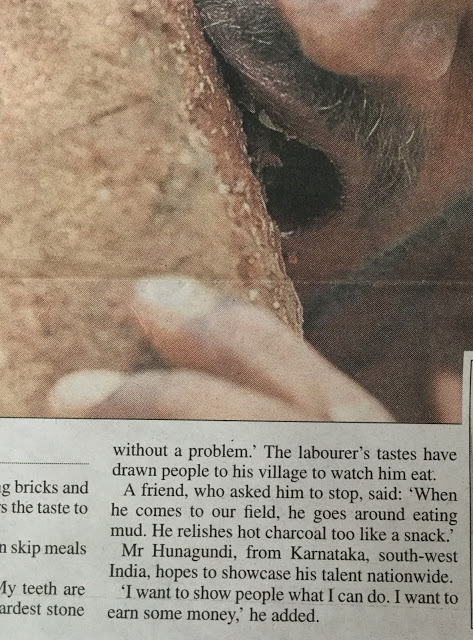
மண்ணுண்ட கண்ண பிரானை நாம் அறிவோம். செங்கல் உண்ணும் பக்கிரப்பா செய்வதைக் கேட்டால் நமக்கு பகீர் என்ற உணர்ச்சி ஏற்படும். ஒரு நாளைக்கு மூன்று கிலோ செங்கல் சாப்பிடுகிறார். அதுவும் 20 வயது முதல். இப்போது வயது 30 என்று 2014ல் வெளியான லண்டன் மெட்ரோ நியூஸ் பேப்பர் எழுதுகிறது . ஆக 2020ல் அவருக்கு 36 வயது என்று சொல்லலாம். இந்த ‘பகீர்’ அப்பா கர்நாடகத்தில் வசிக்கிறார். முழுப் பெயர் ‘பக்கிரப்பா ஹுனகண்டி’ (Pakkirappa hunagundi) .
இது போன்று மயிர், மட்டை, கல், புல் ஆகியவற்றைத் தின்பதை மருத்துவர்கள் ‘பைகா’ (Pica) என்பர். சிறு குழந்தைகள் இதை அதிகம் செய்யும். தாய்மார்கள் தடுத்தவுடன் அந்த வழக்கம் அறுபட்டுப் போகும். சிலருக்கு வயதானபோதும் நீடிக்கும்.
****
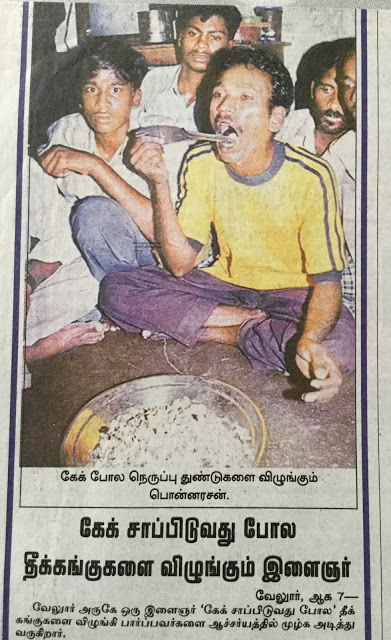
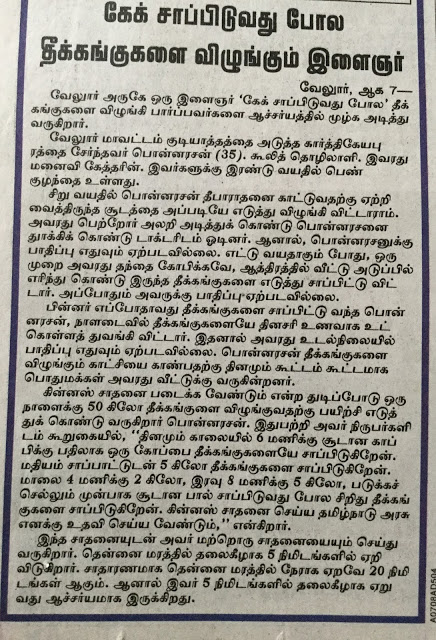
தீ உண்ணும் அக்கினி குமாரன்
அக்கினியை அல்வா போல அள்ளி , அள்ளிச் சாப்பிடும் ஒரு மனிதர்
பற்றி தின மலர் வெளியிட்ட செய்தியையும் இணைத்துள்ளேன் .
பெயர் பொன்னரசன்; தொழில் கூலி வேலை ;
ஊர் – கார்த்திகேயபுரம், குடியாத்தம், வேலூர் மாவட்டம்
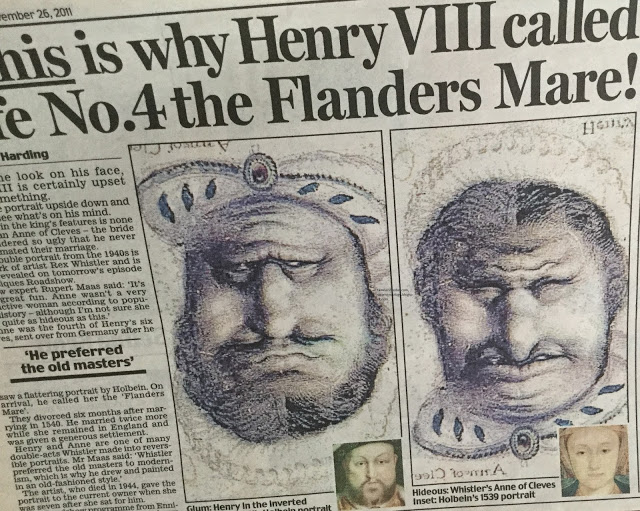
பிரிட்டிஷ் அசுரன்- அரசன் ஹென்றி
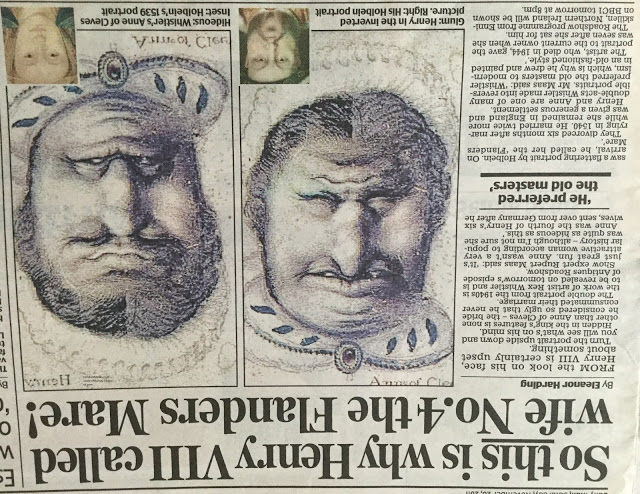
.500 ஆண்டுகளுக்கு முன்னர் இங்கிலாந்தை ஆண்ட Henry VIII எட்டாம் ஹென்றி ஒரு பன்றி. ஆறு பேரைக் கல்யாணம் செய்து 2 பேரைக் கொன்று மற்ற இரண்டு பேரை டைவர்ஸ் Divorce /விவாக ரத்து செய்த அபகீர்த்தி உடையவன் . ஐந்தாம் மனைவி குழந்தை பிறந்தவுடன் செத்தாள் . ஆறாம் மனைவியை விழுத்தா ட்டுவதற்குள் அவரே ( எட்டாம் ஹென்றி) நோயால் செத்தார்.அப்போது அவருக்கு வயது 56. அவரைக் கிண்டல் செய்யும் படம் இது . தலை கீழாகத் திருப்பிப் பார்த்தாலும் அதே குரங்கு மூஞ்சி தெரியும்.
tags — மிஸ்டர் செங்கல்வராயன்,அசுரன்- அரசன் ஹென்றி, தீ உண்ணும், அக்கினி குமாரன்
Pictures are taken from various sources for spreading knowledge; this is a non- commercial blog. Thanks for your great pictures.
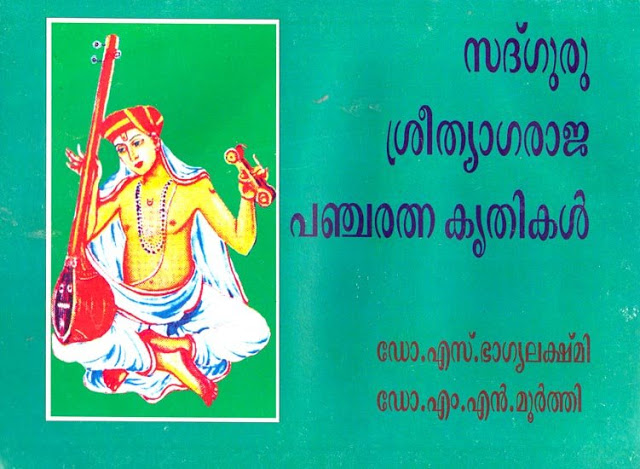
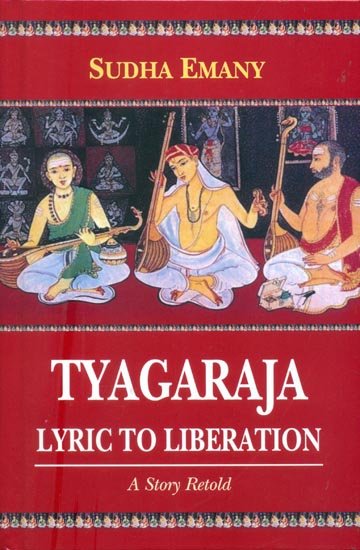
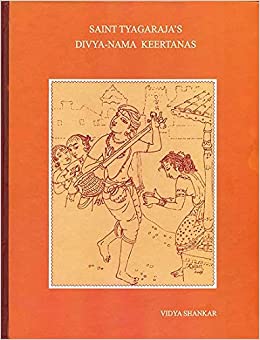
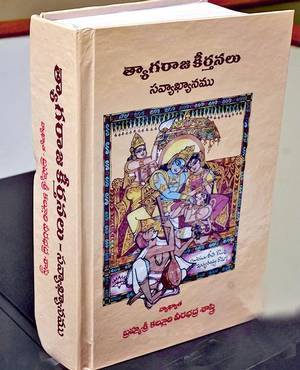
THANKS TO MR NANJAPPA FOR HIS INFORMATIVE ARTICLES ON SRI TYAGARAJA.
MR NANJAPPA CONCLUDES HIS SERIES ON SRI TYAGARAJA TODAY WITH THIS PART 34.
HIS ARTICLES WERE WELL RRECEIVED BY OUR READERS. HERE IS A VRY BRIEF PROFILE OF THIS SCHOLAR
Mr R Nanjappa is a learned man. He could write on various subjects with some authority. When he sent us meaningful and informative comments on our posts, we requested him to contribute to our blog regularly. He wholeheartedly agreed and bombarded us with scholarly articles. Y0u will see more of his contributions in coming days.
Mr R. Nanjappa has passed BA Economics (with history and political science) in 1962 and passed MA Economics in 1964- both from Madras University.
He joined a leading Bank in 1965 and voluntarily retired in 1998.
He worked in New Delhi, Nagpur, Ahmedabad, Bombay, Madras, Bangalore and Hyderabad offices in his career.
He is very much interested in literature, comparative religion and philosophy, sustainable or steady state economics, education and of course in music. In music his main interest is in Sahitya.
Over the years he has thoroughly studied the Collected Works of Mahatma Gandhi, the Complete Works of Vivekananda, complete works of Sri Aurobindo, literature relating to Sri Ramakrishna and Sri Ramana.
He has also read all the available works of Dr. Radhakrishnan.
He has read a fair selection of English poets, Shakespeare and Plato.
He has also read old Tamil literature but discursively.
In Management science, his favourite author is Peter Drucker.
He had studied the works of Arunagirinatha, and the Tevaram of the three and Tiruvachakam, and Kamba Ramayanam
Sanskrit classics and Gita are his favourites.
His favourite English novelists are Dickens and Hardy and of modern writers he likes only A.J.Cronin and Nevil Shute..
He is a collector of books!.
For the last twenty years, he along with his family is residing in Bangalore.
Tamilandvedas.com and swamiindology.blogspot.com thank him for his contribution.
****
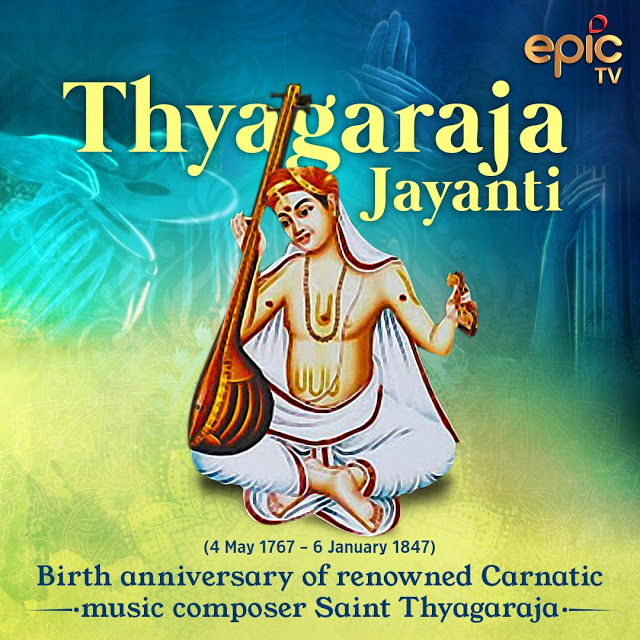
PART 34 OF SRI TYAGARAJA
Constant divine Consciousness
Sri Tyagaraja was in constant communion with his Ishtadevata, who is also the Paramatma, the Parama Purusha through all means prescribed in the scriptures- japa, puja, dhyana, kirtana, sravana, manana,etc. He experienced His presence in various ways, and in many moods., through all the faculties: tan, man ,vak. Though the bliss he enjoyed is incommunicable in words, and has to be felt by the aspirant -devotee by personal experience ( swanubhava vedhyame), yet he conveys it in His kritis. This is the greatness of great souls- they share their fortune with us.
Is Tyagaraja Sadguru?
How does Tyagaraja become the Sadguru?
Tyagaraja shows a clear, straight, uncomplicated path to Truth or Sat, which can be followed by any sincere aspirant in any or all situations, in the conditions of modern life.. There is no mystery or hidden element here. It is the open highway- the Kingsway- Rajamargam! It is the path of pure devotion to our chosen Deity.
Hinduism is like the modern multiplex Mall or departmental store. It contains everything. There are many levels. This variety and profusion of contents may itself be baffling! Many things are attractive and tempting. They are packaged and presented well. We may want or desire many of them. But do we need them all?
This is where a guide or mentor or senior may help us. Why have we entered the store? What do we need? What can we afford?
It is the job of the Guru to clarify matters. The Sadguru is like the specialist doctor. He is there not to please us, by saying the pleasant things, but for doing what is necessary to save us, cure us of our illness.
Tyagarja has diagnosed our illness: we are immersed in Samsara, the dark unfathomed ocean, the thick forest. This is the result of our own past karma.The ocean is deep, the forest is dark. But we have a boat to cross the ocean, we have a light to show us the way. The light is bhakti-devotion, the boat is the divine name. The Sadguru is the boatman.
The Sadguru is not only a verbal teacher- he communicates a subtle power, conveys a ray of supreme consciousness.The Sadguru is the concentrated essence of an entire tradition- giving us what is relevant for the times, what is suitable for us, what works here and now.
Distilled Wisdom
Hinduism abounds in scriptures, abounds in methods of Sadhana. But the scriptures were written at various times, by persons at different stages of realisation, and meant for people of different temperaments. It is like a huge drug store. We cannot simply enter it and take what appeals to us- like the old Wincarnis or Ferradol tonic bottles. All the Sadhanas found in the scriptures are not meant for everyone. It is the function of the Guru to tell us what the individual needs. It is the function of the Sadguru to tell us what suits an age – what works under the given/emerging circumstances.
Tyagaraja as the Sadguru has distilled the wisdom of ageless Hinduism and offers us what works in this part of the Kali Age.
Prescribes What Works
All the traditional methods of Sadhana can be grouped under the three or four broad heads of Yoga: Karma, Jnana/Raja, Bhakti. There is endless variety under each.But at the present state of the Kali Age, most of them do not work- they cannot be practised- the conditions are not propitious. Worship of Murtis at temples is one of the standard expressions of Bhakti. But are our temples so good now ? Are they even physically clean? Are the rituals performed scrupulously to maintain the sanctity of the place? Are the materials used pure? Above all, our temples are controlled by a secular government, whose only intention is to make money. Can we do anything to alter or improve matters?
But we can keep our hearts pure and clean, and make it the altar for the Deity we adore. This is a very personal expression of devotion. This is what Tyagaraja prescribes. Unless one realises Atmarama, he cannot find Ayodhya Rama!
Tyagaraja Upholds Tradition
Tyagaraja does not contradict our hoary tradition in any way. He has drawn from each main strand or element.
– He teaches us the ultimate Truth, effortlessly.. The Truth is that God alone is Real, ie Eternal, Permanent ;all else is transient phenomena.Thus his kritis are like Brahmavidya.
– He takes us near this Truth, by subtle teachings along the way, leading us by the hand, step by step. In this, his Kritis are like the Upanishads.
– He teaches us the definite method to reach the goal- total devotion and surrender to our Ishta Devata , by all that we do through our body, mind and speech. Thus this is the supreme Yoga Shastra that he imparts.
In other words, the Kritis of Tyagaraja are a restatement of the Gita!
In this, he has combined the teachings of our Veda-Upanishads, the Itihasas, the Puranas. He particularly resorts to Ramayana and Bhagavatam repeatedly.
We notice this characteristic in the talks of Sri Ramakrishna ,half a century later. In fact, Tyagaraja anticipates Sri Ramakrishna completely.
If we study the life and teachings of Sri Ramakrishana, , we will find that he said in his talks all that Sri Tyagaraja sang in his Kritis! For both, the practical path to Liberation in this Kali Age is the Royal path of Devotion, as shown by Sri Narada! The way of Vedic karma was not relevant or effective for this age, though it still had elements that could be followed. For them the primary base for practical religion and spirituual practice is the Itihasa-Purana.
Thus Sri Tyagaraja is the Forerunner of Sri Ramakrishna.
[ Sri Aurobindo has shown how every facet of Indian religion, including the Itihasa-Purana, Avatara vada, the bhakti cult has its origin and source in the Veda.]
Test the Guru!
How can we identify a Sadguru? How can we know whether he is our Guru?
We have to test him, we have to examine his life, not merely his words. Sri Ramakrishana used to say that one should test the guru ,by day and by night, as the jewellers test the coins. So testing, we find that Tyagaraja did not teach anything which he himself did not practise. At all times there was complete concordance between his thoughts , words and action.
How do we know whether he is our Guru?
There are two tests.
One is whether we derive Shanti by following his teaching. Does it give peace of mind? Does it enable us to face life’s problems? Sri Ramana Maharshi used to say that he is our Guru in whose presence we feel Shanti. Sri Arunagirinatha says: மனது துயரற, வினைகள் சிதறிட, மனது பதமுற = the teaching should remove or mitigate our mental anguish, enable us to deal with our karmic situation, and so mould our mental frame that we are reconciled to life. Apply this rule to Tyagraja’s teachings and see how they fare.
Second, does invoking his Grace help us in times of need, when we face difficulties? Most of us visit temples or holy men when we are particularly vexed by a problem, and desperately need a solution. A true Saint or Sage does help us. “Saints will aid if men will call, for the blue sky bends over all” sang Coleridge. A genuine saint is connected to the power of the Cosmos, and that power flows through him, even unconsciously. Fire cannot help burn; a true Saint cannot help helping! Sri Ramana Maharshi called it “Automatic Divine Activity”. True Saints/Sadguru is a channel for such power and blessing.
Contemporaries may not know!
We do not know how his contemporaries looked at Tyagaraja. That he was a devotee was recognised; that he was a musician was well known. But was he known as a Saint or a Guru?
This question does not really concern us. It is said that only twelve Rishis knew that Rama was an avatar in his time. Krishna says in the Gita that people take him to be a mere mortal and ridicule him. So it is no wonder if people of the time did not recognise Tyagaraja as guru. Even today, most people view Tyagaraja as a musical master..
But we have his whole life before us- revealed to us through his kritis. If we are not distracted by the admirable musical mode in which they are conveyed , but look at the message they contain, we cannot but marvel at the way they reflect the whole Hindu spiritual heritage down the ages .
Krishna did such a synthesis five thousand years ago: summarised the whole Vedic tradition and conveyed the message relevant for the times, in a non-partisan way! He said surrender to Bhagavan completely unreservedly by all means- He will save you! This is the same message conveyed by Tyagaraja in his kritis , five thousand years later. Both Gita and Tyagaraja kritis are not philosophical treatises but practical spiritual manuals. If this is clearly understood, there can be no doubt that Tyagaraja is a Guru and Sadguru of our times. Has anyone turned to Tyagaraja in distress, with faith and failed to find relief?
Tyagaraja-for musicians and non-musicians
Those who are musically gifted, can sing his kritis and soak themselves in their musical essence, and the rasa.. Those who cannot sing can study the kritis as sacred literature and soak themselves in their religious spread and spiritual depth. They can enjoy how effortlessly he connects us to our great past and the pastimes of Rama and Krishna and the galaxy of our great spiritual luminaries! In both cases it is amrut!
Sri Tyagaraja was not a mere musical phenomenon. He is not wholly for the musicians. Sri Tyagaraja is a spiritual light for the modern age, the most complete and non-partisan statement of practical Hindu wisdom for all earnest spiritual seekers, cutting across sectarian divisions and prejudices, bridging theological differences and philosophical divides. Sri Tyagaraja is the complete Sadguru for all spiritual aspirants in these confusing times, coming in the parampara of Narada and Vyasa, who merge the three hoary Hindu traditions of holy music, (Nada vidya) Adhyatmic wisdom (Veda vidya) and devotion distilled into the Divine Name ( Nama vidya)!
Tyagaraja’s music is but the medium- his message is devotion as the basic discipline of a truly spiritual life. We should not obscure the message in the medium! Tyagaraja himself sang:
Sangita jnanamu bhakti vina
Sanmargamu galade. manasa
Bhringi natesa samiraj ghataja
matanga naradalu upaasinche
Nyaya anyamu delusunu jagamulu
mayamayamane delusunu durguna
kayajati sahtripula jayinche
karyamu delusu tyakarajanike
Knowledge of Sangita bereft of devotion is valueless and cannot secure salvation.
The music practised by bhaktas like Bhringi, Natesa, Anjaneya, Agastya, Matanga and Narada
can alone secure it.
Tyagaraja who is able to distinguish between Nyaya and Anyaya, who knows that the world is Maya and who knows
also how to conquer the six inward enemies of man, Kama etc, knows this matter well.
[Translation by C.Ramanujachari]
Let us not forget the message in our love of the medium!
Vande Guru Paramparam!
Vande Sadgurum Sri Tyagarajam!
Nee Nama Rupa mulaku Nitya Jaya Mangalam
Om Tat Sat.
Acknowlegements:
:
By the grace of God, and the blessings of Sadguru Sri Tyagaraja, I had this great pleasure and fortune of sharing some thoughts on some Tyagaraja kritis and the light they throw on Tyagaraja as the Sadguru. I am not a scholar or musician.
Sri Tyagaraja is considered a composer, the foremost among the Carnatic Trinity. I always felt that Tyagaraja’s musical expression was the result of his spiritual experience and accomplishments. I kept studying his kritis as literature and found them to be the essence of our Vedanta, Itihasa, Puranas. The kritis are very deep in import and have extensive allusions to our scriptures. Not being a scholar or musician, I cannot do justice to either aspect. I have shared some ideas in his kritis that have given me both light and delight. I am happy to have been able to share them , in the thought that it may inspire others. Surely, there are other aspects of his Kritis which need exploring.
Tyagaraja is certainly a musical genius, but he is not primarily a musician, though this view may sound unusual. Tyagaraja was commissioned by God to show the confused people of the Kali Age, at a particularly difficult phase, the path of bhakti as the sure way to Liberation. He did this by the way he lived. He used his music as the means to convey this message, as a doctor gives sweetened medicines to fearful children. As he himself declares, his kritis, taught by Rama Himself, remove the fear of samsara- the greatest fear we have- Mahato bhayat, as the Gita describes it. For is not Rama Nama the Taraka Mantra?
The ant is not the elephant, obviously, but it too can carry a mouthful of sugar- its own mouth! It may be but a tiny bit by world’s standards, but it is the best it can deliver! ! I hope you enjoyed the bits here!
In the early 70s, I listened to Sri T.S.Balakrishna Sastrigal in Ahmedabad on the life and music of Tyagaraja ; I also attended some lectures of T.S.Parthasarathy, B.Madhavan and Dr.Krishnaswamy, all ardent devotees and scholars of Tyagaraja, in Madras in the late 80s. I was also fortunate to listen to one lecture by Sri Nookala Chinna Satyanarayana at Music Academy in 1987 or 88, on how the pancharatna kriti ‘Jagadanandakaraka’ contains 108 names of Rama!I have had the benefit of reading the books of Prof.P. Sambamoorthy, S.Y.Krishnaswamy, Rangaramanuja Iyengar, Dr.V.Raghavan, and William J.Jackson. I gratefully acknowledge the light I have derived from them all. Any faults here are entirely mine.
Pictures are taken from various sources for spreading knowledge; this is a non- commercial blog. Thanks for your great pictures.
tamilandvedas.com, swamiindology.blogspot.com
பறவை அதிசயம்
மெக்சிகோவில் யோகத்தான் பகுதியில் ஒரு அதிசயக் காட்சி கிடைத்தது பறவைகளே பறவை உருவத்தில் சற்று நேரம் நின்றன. நாம் வானத்தை அண்ணாந்து பார்க்கிறோம். சில நேரங்களில் மேகங்கள் யானை போல், சிங்கம் போல், அரசியல் தலைவர்கள் போல், சன்யாசிகள் போல் காட்சி தருகின்றன. நம்முடைய நண்பர்களைக் கூப்பிட்டுக் காட்டுவதற்குள் அவை கலை ந்து விடுகின்றன. . இந்தப் பறவைக் காட்சி நவம்பர் 23, 2010 மெட்ரோ பத்திரிகையில் வந்தது . இவை ப்ளமிங்கோ (Flamingo) எனப்படும் செங்கால் வண்ண நாரைகள் ஆகும்.
XXXX
ஒரு கிலோ புதையல் விலை 75 000 பவுன்; சாப்பிடலாம் !!
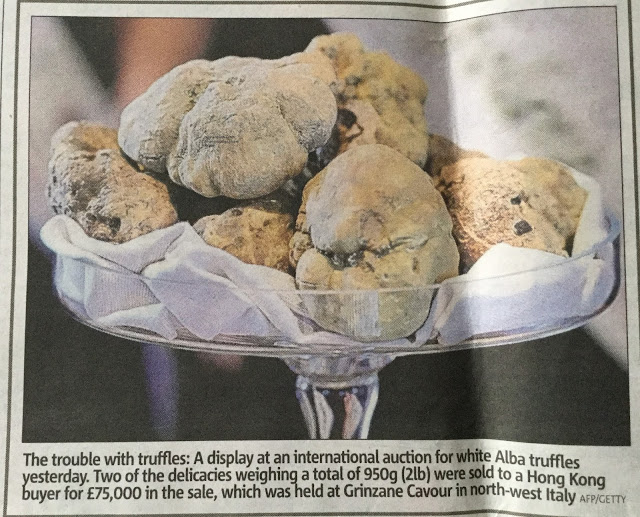
பிரிட்டனிலும் ஐரோப்பாவிலும் பலர் காடு மேடுகளில் புதையல் தேடி அலைகின்றனர் . அவை நிலத்துக்கு அடியில் விளைகின்றன. அவைகளை எடுத்து சாப்பிடலாம் ; மற்ற புதையல் போல பீரோவுக்குள் அல்லது பொருட்ககாட்சியில் வைக்கப்படுவதல்ல இவை.
இவைகளை ட்ரபிள்ஸ் (Truffles) என்று அழைப்பர்.இவை நிலத்துக்கு அடியில் வளரும் காளான் (Fungus) வகைத் தாவரங்கள். இவற்றுக்கு தனி மனமும் குணமும் உண்டு. இதன் அபூர்வத்தன்மையும் இதன் விலையை ஏற்றிவிடுகின்றன. சிறு கிழங்குகள் போல இருக்கும் ; இவைகளைப் பல வகைகளில் சமைத்து உண்பர். சமையல் அறை வைரங்கள் (Diamonds of Kitchen) என்றும் பெயர். ஐரோப்பாவில் அதிகமாகவும், அமெரிக்கா , ஆஸ்திரேலியாவில் குறைவாகவும் பயன்படுகிறது. நூற்றுக் கணக்கான வகைகள் இருந்தாலும் சிலவற்றுக்கு அதிக விலை மதிப்பு.
இதன் விலை சுமார் ஒரு கிலோ (950 கிராம்) 75,000 பவுன் (சுமார் 75,000 X நூறு ரூ பாய் = 7,50,0000). ஆல்பா (White Alba Truffles) வகை ட்ரபிள்களை ஹாங்காங் மனிதர் ஒருவர் இந்த விலைக்கு வாங்கினார் என்று 11-11-2013 மெட்ரோ நியூஸ் பேப்பர் செய்தி கூறுகிறது.
பன்றி நாய் முதலியன இவற்றை முகர்ந்து கண்டுபிடித்து நிலத்தைத் தோ ண்டி எடுத்து உண்கின்றன. இதனால் இவைகளை பழக்கி புதையல் வேட்டை நடத்துகின்றனர். தற்போது இந்த நிலத்தடி காளான் வகைகளை பயிர் செய்யும் உத்திகளையும் கண்டு பிடித்துவிட்டனர்
மரங்களின் வேர்களுக்கு அருகில் பூமிக்குள் வளரும் இந்த காளான் வகை, மரத்திலிருந்து கார்போ ஹை ட்ரேட்டைப் பெற்றுக்கொண்டு சிலவகை சத்துக்களை மரங்களுக்கு அளிக்கின்றன ; இது ஒரு வினோதமான கூட்டுறவு. நாய்களும் பன்றிகளும் தோண்டி எடுக்கும் காளான் வகைகளில் டை மெத்தைல் ஸல்பைட் (Dimethyl Sulphide) இருப்பது கண்டுபிடிக்கப்பட்டுள்ளது. நீங்களும் நிலத்தைப் பிறாண்டுங்கள் ; புதையல் கிடைத்தாலும் கிடைக்கலாம் .
tags –புதையல், ட்ரபிள்ஸ் (Truffles) , பறவை அதிசயம்
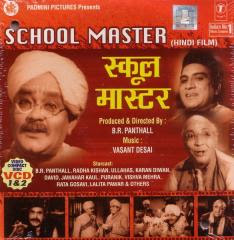
வஸந்த் தேசாய் [1912-1975] நமது பொற்கால இசைஞர்களில் ஒருவர். பண்புள்ள எளிய மனிதர். துறையில் மிக்க மதிக்கப்பட்டாலும் வியாபார-விளம்பர உத்திகளை நாடாதவர். சாஸ்திரீய இசை, நாட்டுபுறப் பாடல் என்று பலவகையிலும் தேர்ந்தவர். இவர் 1951ல் “அமர் பூபாலி” என்ற மராத்திப் படத்தில் இசையமைத்த “கனஷ்யாம சுந்தரா ஸ்ரீதரா” என்ற பாட்டு தமிழ் நாட்டிலும் அன்று பிரசித்தமாயிருந்தது!. இவர் இசையமைத்த தோ ஆன்கே(ன்) பாரஹ் ஹாத், ஜனக் ஜனக் பாயல் பாஜே , கூஞ்ச் உடீ ஷஹனாய் போன்ற படங்கள் மிகப் பிரசித்தி பெற்றவை.. இவருக்கு சாஸ்திரீய இசையில் பிடிப்பு இருந்தாலும், நவீன மெட்டிலும் இசை அமைப்பதில் வல்லவர். இவர் இசையமைத்த இரு டூயட் பாடல்களைப் பார்க்கலாம்.
டிம் டிம் டிம் தாரோ(ன்) கே தீப் ஜலே टिम टिम टिम तारों के दीप जले नीले आकाश तले हम दोनों की प्रीत पले टिम टिम टिम तारों…
झिलमिलाती हैं शबनम की परछाईयाँ दूर परियाँ बजाती हैं शहनाइयाँ चाँद किरनों की जाली पहन झूमता चाँदनी ले रही देखो अँगड़ाईयाँ टिम टिम टिम तारों…
आज कलियों के मन में नया गीत है आज लहरों में जादू का संगीत है गूँजती हर दिशा में नयी रागिनी आज मन है मगन झूम्थी प्रीत है टिम टिम टिम तारों..
#டிம் டிம் டிம் தாரோ(ன்) கே தீப் ஜலேநீலே ஆகாஷ் தலேஹம் தோனோ கீ ப்ரீத் பலேடிம் டிம் டிம்…தாரகைகளாகிய விளக்குகள் ஒளிர்கின்றன.நீல வானத்தின் கீழே நம் இருவரின் அன்பு வளர்கிறதுதாரகைகள் பளீர் என்று ஒளிர்கின்றன!ஃஜில்மிலாதீ ஹை ஷப்னம் கீ பர்சாயியா(ன்)தூர் பரியா(ன்) பஜாதீ ஹை ஷெஹனாயியா(ன்). சாந்த் கிரனோ(ன்) கீ ஜாலீ பஹன் ஜூம்தாசாந்த்னீ லே ரஹீ தேகோ அங்க்டாயியா(ன்) டிம் டிம் டிம்பனித் துளிகளில் ஒளி புகுந்து ஜொலிக்கின்றனஎங்கோ தூரத்தில் ஷஹனாயி இசை எழுகிறது!நிலவொளியும் சந்திரனின் கதிர்களை அணிந்து மயங்கிநாணத்தால் ஆடுகிறது!ஆஜ் கலியோ(ன்) கே மன் மே நயா கீத் ஹைஆஜ் லஹரோ மே ஜாதூ கா ஸங்கீத் ஹைகூஞ்ச் தீ ஹர் திஶா மே நயீ ராகினிஆஜ் மன் ஹை மகன் ஜூம்தீ ப்ரீத் ஹைடிம் டிம் டிம்…இன்று மொட்டுக்களின் மனதிலும் புதிய கீதம் பிறந்திருக்கிறது!அலைகளிலும் இன்று இசை மாயவித்தை காட்டுகிறது!ஒவ்வொரு திசையிலும் இன்று புதிய ராகம் எதிரொலிக்கிறது!இன்று மனமும் அன்பில் பொங்கிக் களிக்கிறது
Song: Tim Tim tim Taron ke deep jale Film: Mausi 1958 Lyrics: Bharat Vyas Music :Vasant Desai Singers: Talat Mehmood & Lata Mangeshkar YouTube link: https://www.youtube.com/watch?v=11YaREmCXzM (pure audio) video: https://www.youtube.com/watch?v=g97CFq4GkU0 One good version song: https://www.youtube.com/watch?v=L_qt9LoK9Z4 What a lilting tremendous melody! Simple but sublime romatic poetry by Bharat Vyas! The silken voice of Talat and sweetness of Lata’s voice blend so well and create magic chemistry! ஷெஹனாயி வாத்யம் நம் நாதஸ்வரம் போல மங்கள வாத்யம், பாட்டில் அதைப்பற்றிய குறிப்பு வந்தது. மங்களத்தின் அறிகுறி.
ஓ தில் தார்O Dildaar Bolo Ik BaarKya Mera Pyar Pasand Hai TumheinO Gori Sukumaar Hamaari SarkaarBada Tera Pyar Pasand Hai Hamein Ye Uljhe Uljhe BaalYe Masti Bhari Chaal O HoKya Khayal Hai? – 2Teri Har Chaal-Dhaal Gori Jaadu Rahi DaalO Kamaal Hai O Kamaal HaiPiya Dekh LoPiya Dekh Lo Jawaani Ka Suhaanaa Ye SingaarO Dildaar Bolo Ek Baar Karoge Ji Kab Mere Dil Mein Ghar Bolo JaadugarHum To Kabhi Ke Huye Tere Dilbar Ab Kaahe Ki FikrTo Phir Aao JiTo Phir Aao Ji Mera Dil Bada Hai BeqaraarO Dildaar Bolo Ek Baar
இது மிகச் சாதாரணமாக எழுதப்பட்ட பாட்டு, for a different class of characters in the film. இது கவிதை அளவுக்கு உயரவில்லை இதில் எந்த நயமும் இல்லை. படமாக்கிய விதமும் அவ்வளவு சரியில்லை. ஆனால் இதன் மெட்டு அருமையானது. . இங்கும் தலத்-லதா குரல்கள் நன்கு இழைகின்றன. இது நமது டூயட் பாடல்களில் மட்டுமே காணும் சிறப்பு அம்சம். மெட்டுக்காகவே இதை இங்கே தந்திருக்கிறேன்.. ஒரு சிறந்த பாட்டை படத்தில் வீணடித்து விட்டார்கள். அதனால் தான் பல சமயங்களில் பாட்டை மட்டுமே கேட்பது நல்லது. இது தமிழில் வந்த ‘எங்கள் குடும்பம் பெரிசு’ என்ற படத்தின் ஹிந்தி வடிவம். வஸந்த் தேசாய் இசையில் லதா மங்கேஷ்கர் பல பிரபல பாடல்களைப் பாடி புகழ் அடைந்திருக்கிறார். ஆனாலும் தனது சிறந்த பாடல்கள் எனத் தேர்ந்தெடுத்த 20 பாடல்களில் வசந்த் தேசாயின் ஒரு பாடலைக் கூடச் சேர்க்கவில்லை. காரணம்? அவர் வாணி ஜெயராமை அறிமுகப் படுத்தி ஊக்குவித்தார் என்பது தான்! இப்படி நன்றி பாராட்டாத குணம் லதாவுக்கே உரியது! அவர் தனக்கு ஆரம்பக் காலத்தில் உதவிய எந்தப் பழைய இசைஞரையும் அவர்கள் வாழ் நாளில் போற்றிப் பேசியதில்லை, அவர்கள் செய்த உதவியை வெளிப்படையாகச் சொன்னதில்லை! இசை அமைப்பாளர்கள் இல்லாமல் எந்தப் பாடகர் ஜொலிக்கமுடியும்?
Pictures are taken from various sources for spreading knowledge; this is a non- commercial blog. Thanks for your great pictures.
tamilandvedas.com, swamiindology.blogspot.com
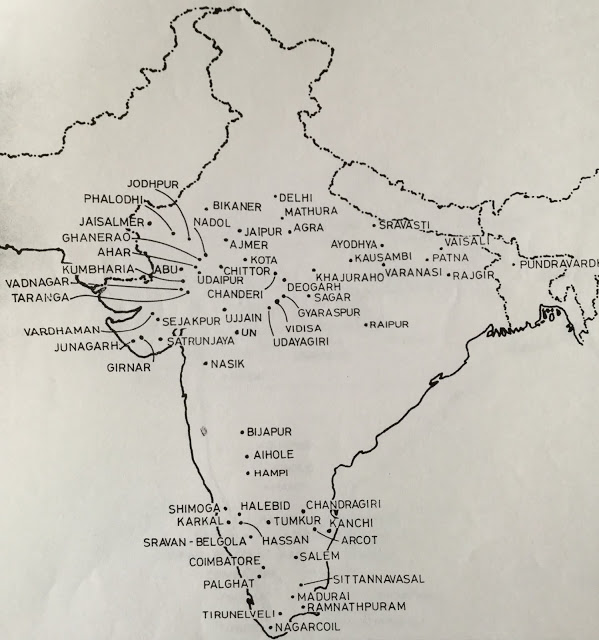
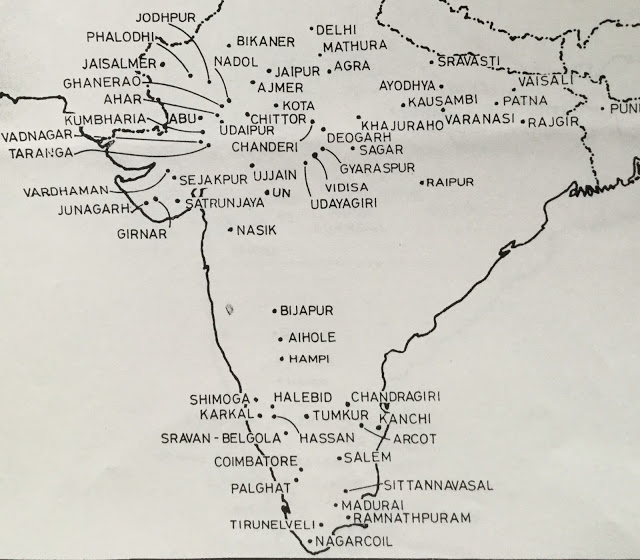
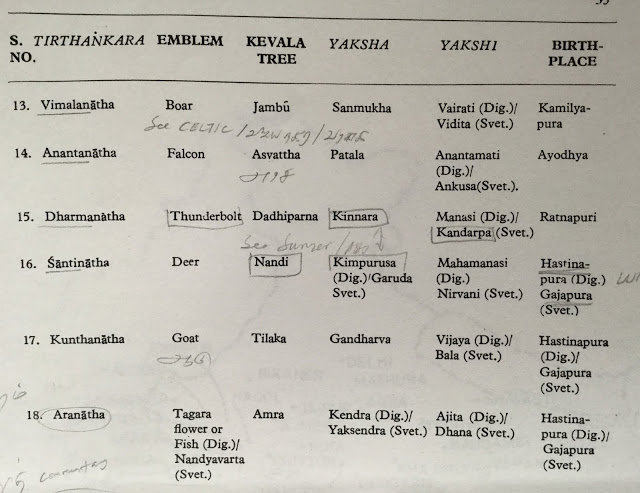
JAIN MAP OF INDIA AND ITS HISTORICAL IMPORTANCE
FROM
JAINA SHRINES IN INDIA , O. P. TANDON,
MY MARGINAL NOTES MADE ON 20-11-1996
PLEASE NOTE THAT THE NORTHERN MOST CENTRE WAS DELHI AND THE SOUTHERN MOST IS KANYAKUMARI/NAGERKOIL AND IN THE WEST GUJARAT, MAHARASHTRA, RAJASTHAN AND IN THE EAST BANGLADESH
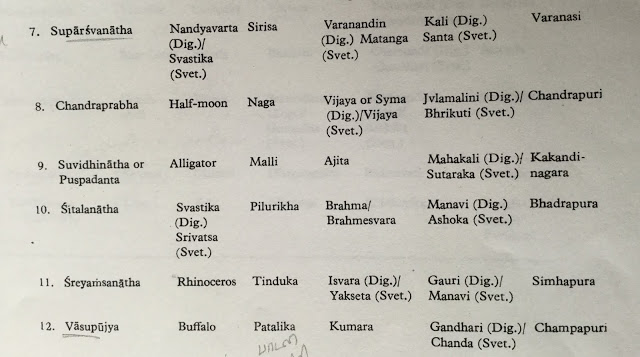
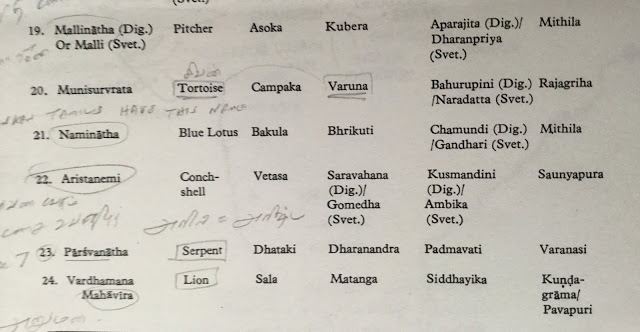
ALSO NOTE MANY TIRTHANKARAS HAVE NATHA AS SUFFIX
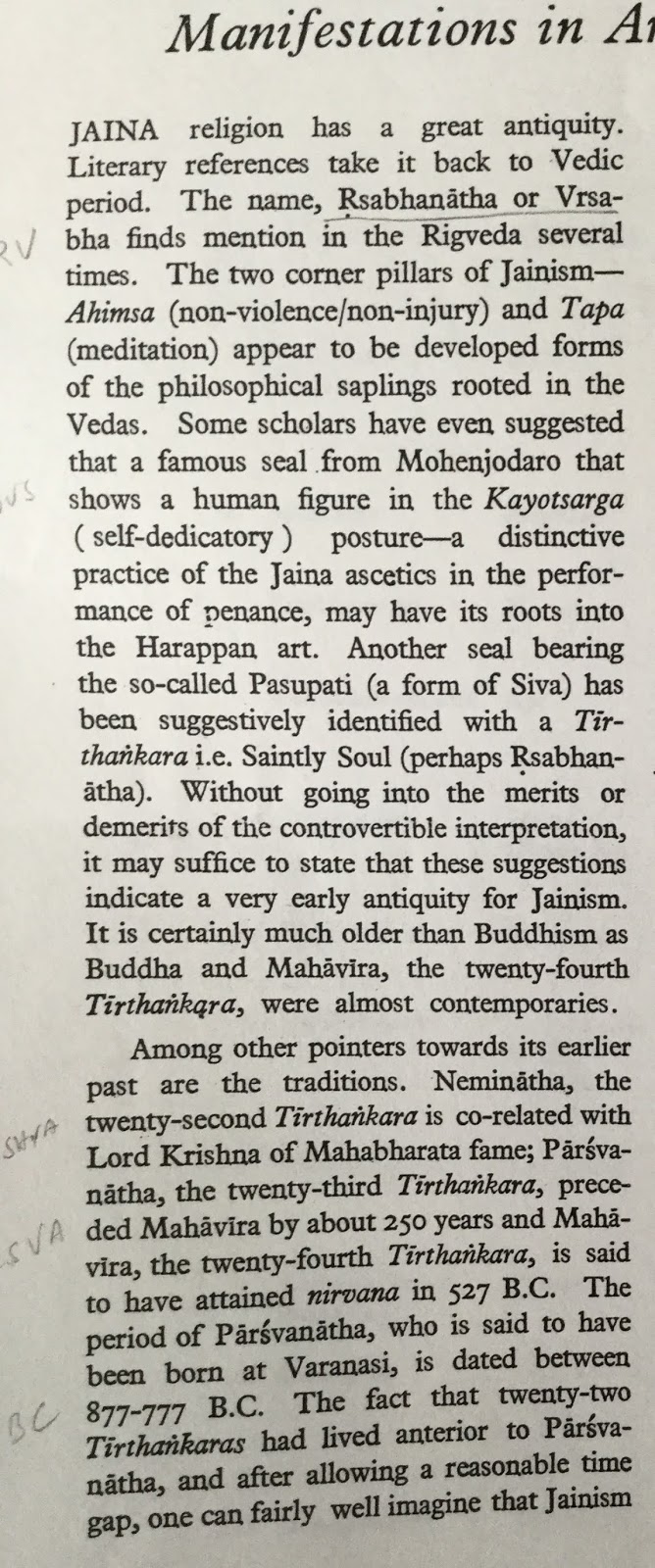
ENTIRE GANGES PLAIN IS COVERED. AND HISTORY OF JAINISM BEGINS IN RIG VEDA WITH RISHABA DEVA’S NAME THIS PROVES TWO THINGS VEDIC CULTURE WAS THROUGHOUT THE PLAINS OF GANGES DURING RIG VEDA.
ALSO NOTE ALMOST ALL THE TIRTHANKARAS ARE FROM GANGES REGION.
FIRST TIRTHANKARA BECOMES HISTORICALLY IMPORTANT FOR TWO REASONS. HIS EMBLEM IS BULL, WHICH IS MORE PREDOMINANT IN INDUS-SARASVATI CIVILISATON. THAT MEANS JAIN BUSINESS MEN WERE MORE IN INDUS VALLEY.
FIRST TIRTHANKARA HAS BULL FACED GOMUKHA YAKSHA AS HIS YAKSHA, PERHAPS VAHANA. WE HAVE SUCH SEALS IN THE COLLECTION OF INDUS SEALS .
VERY INTERESTING IS THE ATTRIBUTION OF 24 TREES AND PLANTS TO TIRTHANKARAS . THIS SHOWS THE GREAT IMPORTANCE SHOWN BY JAINS TO OUR ENVIRONMENT
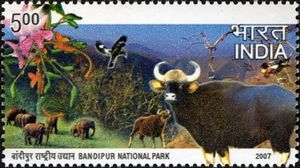
SYMBOLS OF BULL, ELEPHANT, ALLIGATOR, SWASTIKA , RHINOCEROS, BUFFALO , FALCON, SERPENT TC ARE ON INDUS-SARASVATI SEALS.
ACCORDING TO SVETAMBARA SECT , FIRST THIRTHANKARA WAS BORN IN KAILASA. THIS IS VERY INTERSTING. LIKE SAIVITES THEY ALSO BELIVED IN THE HOLINESS OF THE HIMALAYAS.
JAINS, BUDDHISTS, AND HINDUS MUST SIT TOGETHER AND COMPILE ALL THE SIMILARITIES IN THE AREAS OF GEOGRAPHY, HISTORY, FAITH, FLORA, FAUNA AND SYMBOLS. THIS WILL HELP US TO REWRITE OUR HISTORY. NAMES LIKE ARISHTA NEMI ARE IN VEDAS AS WELL.
PLEASE SEE THE ATTACHED MAP AND LIST OF 24 TIRTHANKARAS
is one of the oldest religions.
tags — Jain Religion, Indus valley, Tirthankaras, Jain Map
Pictures are taken from various sources for spreading knowledge; this is a non- commercial blog. Thanks for your great pictures.
tamilandvedas.com, swamiindology.blogspot.com
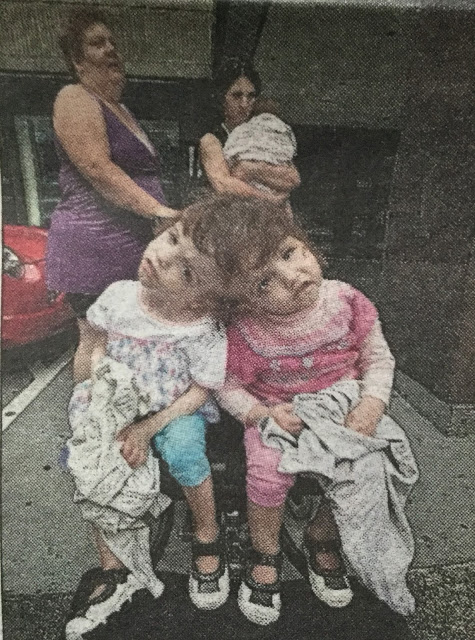
உடல் ஓட்டிப் பிறக்கும் இரட்டைக் குழந்தைகளில் (Siamese Twins) பல வகை உண்டு. உடலின் எந்தப் பகுதிகள் எந்த அளவுக்கு ஒட்டி இருக்கின்றன என்பதை ப் பொறுத்து வகைப்படுத்தப்படுகின்றனர் ; சில குழந்தைகளை மருத்துவர்கள் அறுவைச் சிகிச்சை மூலம் பிரிக்க முடிகிறது; மற்றவர்கள் அப்படியே வாழ்கின்றனர். இவர்களுடைய நடை, உடை, பாவனை, பழக்க வழக்கங்கள் , செக்ஸ் SEX வாழ்க்கை பற்றி நிறைய ஆராய்ச்சிக் கட்டுரைகள் இருக்கின்றன .
50 லட்சம் குழந்தை பிறந்தால் , ஒரு குழந்தை இப்படிப் பிறக்கிறது. கனடாவில் பிரிட்டிஷ் கொலம்பியா மாகாணத்தில் தலை இரண்டும் ஒட்டிப்பிறந்த இரண்டு சகோதரிகள் பற்றி 2014 வரை டெலிவிஷனில் செய்திகள் வந்தன. கிறிஸ்டா (Christa) , டாட்டியானா (Tatiana) ஹோகன் என்ற இரண்டு பெண் குழந்தைகளின் தலைகளும் ஓட்டிப் பிறந்தன.இவர்கள் பற்றிய சுவையான செய்திகள் –
ஒருவர் பார்த்தால் மற்றவளுக்கும் அது தெரியும். ஒரு பெண்ணின் கண்களை மூடிவிட்டு மற்றொரு பெண்ணை ஒரு பொருளை பார்க்கச் சொன்னால் பொருளைப் பார்க்காதவளும் சொல்லிவிடுவாள் . ஒரு பொம்மையைப் பார்க்காத பெண்ணும் அந்த பொம்மையை சரியான விதத்தில் எடுக்கும் அற்புதத்தைக் காணலாம்.
இருவரின் (feelings) உணர்ச்சியும் ஒன்றே. ஒரு பெண்ணைக் கண்டித்தால் மற்றொரு பெண்ணும் அழுவாள் . இந்தச் செய்தி பத்திரிகையில் வந்த பொழுது அவர்களுக்கு வயது 4. இப்போது 14 வயது இருக்கும். மூளையின் செயல்பாடு குறித்து ஆராயும் மருத்துவர்கள் இவர்களுடைய செயல்பாட்டை ஆராய்கின்றனர்.
தாயின் பெயர் பெலிசியா சிம்ஸ். தந்தையின் பெயர் பிரெண்டன் ஹோகன். அவருக்கு 22 வயதில் இரட்டைக் குழந்தை பிறந்தது. இவர்களைக் கவனித்துவரும் குடும்ப டாக்டர் சொன்னார்- “ஒரு பெண்ணின் கண்ணில் உள்ள ரெடினா Retina திரையில் விழும் உருவத்தை மற்றொரு பெண் அறிவாள் .உடலில் உணர்வுகளை அறியும் மூளையின் தலாமஸ் (Thalamus) பகுதி ஒட்டியிருப்பதே இதற்கு காரணம் என்கிறார்.
தாயின் கர்ப்பத்தில் 5 மாதத்தில்தான் குழந்தையின் தலை ஒட்டியிருப்பது தெரியவந்தது . சிசேரியன் (Caesarean Section) அறுவைச் சிகிச்சை மூலம் குழந்தைகளைப் பிறப்பித்தனர். இதுவரை இந்த வகையில் பிறந்த குழந்தைகள் எட்டு. அவற்றில் மூன்று மட்டுமே உயிர் பிழைத்தன .
Pictures are taken from various sources for spreading knowledge; this is a non- commercial blog. Thanks for your great pictures.
tamilandvedas.com, swamiindology.blogspot.com
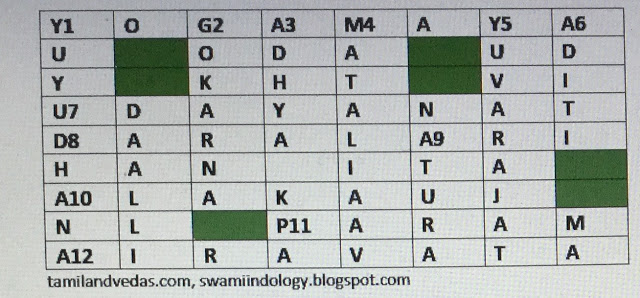
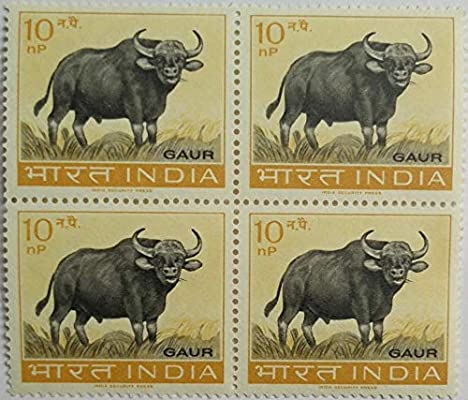
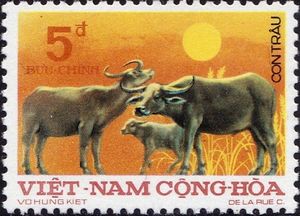
எருமை பற்றிய 4 பழமொழிகள் – கண்டுபிடியுங்கள்
ஒரே சொல் மீண்டும் மீண்டும் வந்தால் ஓரிரு இடங்களில் மட்டுமே கட்டத்தில் இருக்கும். கொண்டு கூட்டி பொருள் கொள்க . விடை கீழே உள்ளது . சில நேரங்களில் படங்களைப் பார்த்தாலும் விடை காண உதவலாம்.
விடை
1.எருமைச் சாணி ஓமத்திற்கு ஆகுமா?
2.எருமை முட்டைப் புராணம் வாசிக்கிறான்
3.எருமை மாட்டின் மேல் மழை பெய்தது போல
4.எருமை வாங்கும் முன் ஏன் நெய் விலை கூறுகிறாய்?
Source book :–
பயன்படுத்திய நூல்- கழகப் பழமொழி அகர வரிசை, கழக வெளியீடு.
Pictures are taken from various sources for spreading knowledge; this is a non- commercial blog. Thanks for your great pictures.
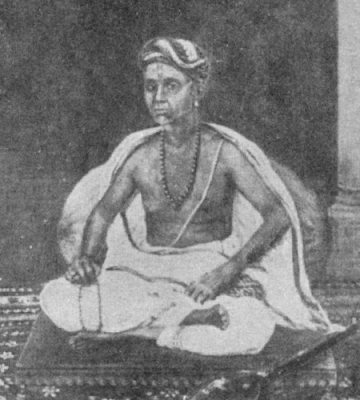
SRI TYAGARAJA-33, Tyagaraja Reveals a Secret
Is Tyagaraja pessimistic? He lived at a time (1767-1847) when Indian social life and religious traditions were beginning to fall apart. European powers were controlling various pockets and competing among themselves, finally resulting in the triumph of the British.Nominal Mughal rule ended in Delhi, many native rulers were subjugated by the British.They were confined to the forts with a pension, while the British collected the revenue and controlled the affairs. The South was divided among the remnants of Vijaynagar, Mahratta and Mysore kingdoms, with pockets of Muslim domination. Social life was in a flux, religious life in decline, political rule was unstable and economic life miserable for large segments of people, and uncertain on the whole.
Even among such circumstances, Tanjore offered a ray of hope. Remarkable saintly personalities had risen there and shown people how to lead a life of devotion, even when they were not able to follow the traditional Hindu way. Everything was not lost, as yet.
Tyagaraja’s maternal grandfather was a man of some religious merit and literary accomplishments due to which he was well regarded in Tanjore court circles. Tyagaraja might have had exposure to the atmosphere of religious and literary activities there- he could observe both the bright and the darker sides, as reflected in his kritis. Tyagaraja’s kritis contain his observations on life and society as prevailing then. If one does not get a uniformly good picture, it is not because Tyagaraja was pessimistic, but society was such. Tyagaraja did not write a treatise on society, but his observations come incidentally in his exposition of the Bhakti path, using the medium of music for which he had a natural gift.
Far from being a pessimist, Tyagaraja celebrates the very fact of human birth!
Manava tanuvu durlabha manusu nenchi
paramananda monda ( dudukugala)
One should feel supremely happy that one obtained the rare human birth.
It is only through the human birth that it is possible to transcend the cycle of birth and death. Hence it represents an extremely rare opportunity to obtain the imperishable, immortal state using this mortal frame! It is only when people forget this and look upon the body as an instrument of worldly pleasure that they get subject to worldly afflictions. Those who look upon the body as an instrument of dharma- sarira madhyam khalu dharma sadhanam- can take up the path of bhakti and derive ananda!
Santa janula kolla sammati yunte gaani
Inta kannananda memi O Rama Rama!
O Rama! If the mind gets immersed in the company of those devotees who are engaged in singing God’s names and praises, can there be greater happiness?
Geethathamu sangitanandamu
Nee tavuna judara O manasa
O mind! Enjoy the meaning of the Gita and the pleasure of good sangita within yourself!
What he means is that happiness cannot be obtained from external sources but from a mind at peace. The mind will be at peace if one thinks of God in the heart. This is what Hanuman did and it is Hanuman’s example that Tyagaraja gives here. Hanuman is the greatest devotee of Rama.
Haridasulu vedale muchchata koni
Haridasulu vedale muchchata koni
Anandamaye dayalo
O the generous one! The sight of the devotees of God coming out on the street ( singing God’s names with sweet music) gives such great pleasure!
Modakara sarira metti
mukti margamu teliyani
vada tarkamela
Bhajana seyava manasa (Bhajanaseyave)
Oh mind! Having got this human body which enables you to attain happiness, learn to seek the way for liberation.
Why engage in arguments and counter-arguments which block such knowledge? Engage in bhajana of Rama.
So, Tyagaraja is quite appreciative of the fortune of having a human body, the possibility of attaining liberation through it and is also aware of the means- viz devotion to God. This also confers Ananda-delight. Indeed, our Sages have held that happiness or ananda is quite natural; it is not wrong for man to seek it, but his mistake is that he is seeking it in the wrong places!
Tyagaraja shows us the right place and path.
It is true the world is full of problems and troubles. But why should we worry if we have devotion?
Samsarulaite nemayya siki
pincha vatamsu deduta nundaka
If people have always before their minds’ eye Krishna with the beautiful peacock feather in his crown, what if they are samsaris?
Himsadulella rosi hamsadula goodi
prasamsa jeyuchune proddu
kamsarini nammuvaru …..samsaurlaite
Giving up himsa completely, keeping company with holy people, engaged in singing/reciting the praises of the Lord, always having faith in Krishna who disposed of Kamsa- what if they are samsaris?
Jnana vairagyamulu heenamai natti
bhava kananamuna dirgu manavulu sada
dhyanayoga yutulai nee namamu balguchu
nana karma phalamu daanamuseyuvaru…..samsaru
People who wander in the forest of samsara that is without substance-lacking in jnana and vairagya,if they take the path of dhyana, engage in nama sankirtan, and dedicate the fruits of their work to Bhagavan- what if they are samsaris?
Removing all cruel ideas from their mind, engaging their wives and children too in the service of the Lord, to engage heartily in always worshipping the lotus feet of the Lord, which are the essence of everything- what if such people are samsaris?
Gathering the company of fellow devotees, offering all the pleasures they have obtained to the Lord, engaged in praising the Lord in the Sriraga to the accompaniment of sweet music of veena, placing full faith in the Lord worshipped by Tyagaraja- what if such people are samsaris?
Sri Tyagaraja is fantastic. Here he is giving us the essence of Gita’s teaching on devotion including the one in 9.30: even if a wicked person decides to worship God with undivided devotion, he should be regarded as good! He does turn righteous soon! And samsaris are not all or necessarily wicked- they may just not know the way- till they adopt devotion! Yes, life is full of distractions, diversions and troubles- but there is Bhagavan to look after us, if we turn to Him. We must have such faith to be saved. For this we need association with saintly people. God should bless us with good buddhi.. Enduku peddala vale bhuddheeyavu Endu podunayya Ramayya
O Rama! Why have you not blessed me with the kind of wisdom you have given to great holy people?
Though I have learnt the inner meaning of Veda sastras, I have understood the Vedanta , beyond all the differences, I have known the secrets of Nada upasana- still Lord, why have you not blessed me with the kind of wisdom that great men have? Here Tyagaraja makes it clear that whatever one may have learned, the saving wisdom comes from God, as a blessing! This links us directly with Gita,10.10&11: Teshaam satata yuktaanaam Bhajataam preeti purvakam Dadaami buddhi yogam tam
Yena Mam upayayanti te
To them, ever steadfast and serving Me with affection,I GIVE THAT BUDDHI YOGA by which they come to Me.
Teshaamevanukampartham Ahamajnanajam tama: Naasayaam atma bhavasto Jnanadeepena bhasvata Out of mere compassion for them, abiding in their hearts, I destroy the darkness born of ignorance by the luminous lamp of knowledge. If such is the case, why should one worry?
Maakelara vicharamu maruganna Sri Ramachandra
What worry do I have? O Ramachandra, the father of Manmatha!
Jada goorchi naataka sutramunu jagamella mechchaga karamuna nidi gati tappakaadinchevu summee
You are keeping in your hands the strings connecting all the people as in a drama show with dolls, making them dance without faltering , drawing praise all round. What worry do I have ( when I understand you are there, behind everything?) In fact there is another entity who is really worried! Chintistunnade Yamudu Santatamu sujanulella Sad bhajana jeyuda joochi Lord Yama is immersed in thought, worried.
All the good people in the world are engaged in bhajan of the Lord. So Yama is thinking, worried.
Soolapaasa dharabhata jaalamula joochi mari mee kolahalamu ludige kaalamaayene yanuchu chintistunnade Addressing his messengers, with the sula and pasa string, he says: “the time has come for your celebrations to stop”, and is immersed in worried thoughts. Vaaridhi soshimpa jeyu krura kumbhajuni reeti Ghora narakadu lanase Taraka namamunu dalachi….chintis
Just as Sage Agastya drank up the oceans, people have taken to Tarakanama which will destroy all the terrible hells. So Yama has become worried and thoughtful Daari teliyaleka tirige- vaaralaina chalunante Saaramani Tyagaraju Sankirtanamu baaderanuchu ….chintistunnade
If it is thought that it is enough for Yamaloka to have those people who are wandering without knowing the proper way, they too are singing the meritorious Kirtans composed by Tyagaraja! So Yama is worried!
This is a splendid, magnificent , glorious crown to the fantastic kirtans of Sri Tyagaraja. This is one of the rare moments when Tyagaraja has revealed a supreme secret without any self-consciousness.That his Kirtanas- Saaramani Sankirtanamu: the sankirtans which contain the essence!- can keep Yama away and thus ward of the fear of the people! As we saw in an earlier posting, Tyagaraja claimed no credit for his kirtanas. He said that they were taught to him by Sri Rama Himself. And in that context, he stated that they confer the prosperity of this world and also Liberation:
“Bhukti mukti kalgu nani kirtanamula bodhinchina….Dasarati nee runamu deerpa na tarama (Dasarti-Todi) O son of Dasarata! Is it possible for me to repay my debt to you, who taught me (bodinchina) the excellent kirtanas (nani kirtanamu) which give both worldly prosperity (bhukti) and Liberation (Mukti)?
Tyagaraja stated there the reason why Rama gave these kirtanas to Tyagaraja:
Thinking that the poets, who merely excel in composing poetry (kavi jaala varenyulu) do not know the inner meaning or true import (bhaavamerugaloni) because they lack bhakti (bhaktileni)
See how carefully Tyagaraja is using his words. He is not indulging in superlatives or hyperbole. He says plainly that Rama taught him the kirtanas, that they give us bhukti and mukti. When they can give mukti, does it not mean that they can ward of the fear of Yama? Such is the benefit Sadguru Sri Tyagaraja Swami has conferred on us, totally undeserving people. We now see why he is Sadguru. Nee Nama Rupamulaku nitya jaya Mangalam.