Pictures are taken from various sources for spreading knowledge; this is a non- commercial blog. Thanks for your great pictures.
tamilandvedas.com, swamiindology.blogspot.com
போர்ச்சுகல் நாட்டின் கோ மாதா கோவிலை
கிறிஸ்தவர்கள் உடைத்த கொடுமை (Post No.8155)
கிருஷ்ண பரமாத்மா 7 காளைகளை அடக்கி நப்பின்னையை மணந்ததை நா ம் அறிவோம். சங்க இலக்கிய நூலான ‘கலித்தொகை’யும் கண்ணன் செய்த லீலைகளை வருணித்து ஜல்லிக்கட்டு விளையாட்டின் தோற்றத்தைக் காட்டுவதை நாம் அறிவோம்.
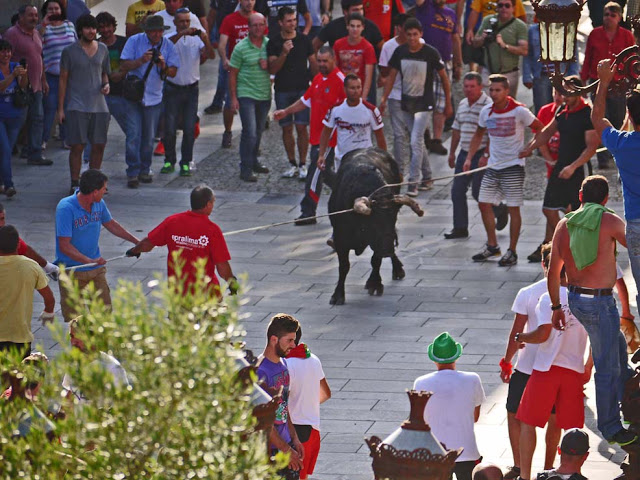
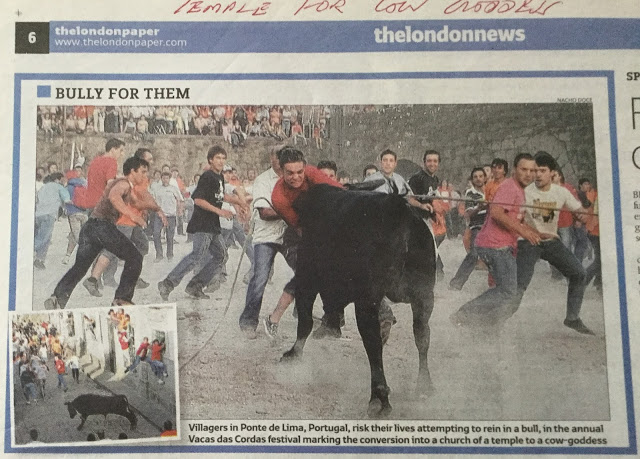
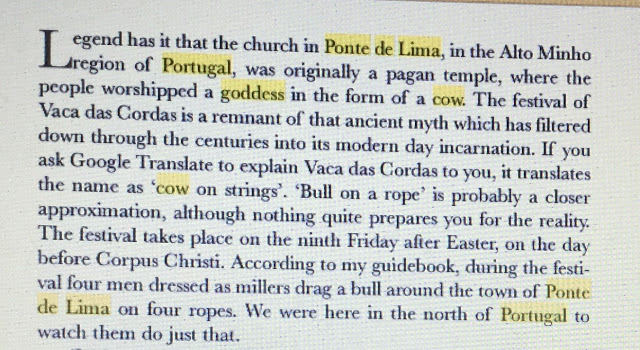
கிருஷ்ண பரமாத்மா துவக்கி வைத்த இந்த மஞசு விரட்டு இன்று தமிழ் நாட்டிலும் ஸ்பெயின் (Spain) மற்றும் ஸ்பானிய கலாசாரம் பரவிய இடங்களிலும் நடைபெறுகிறது. ஆனால் நாம் இப்போது காளைகளைக் கொல்வதில்லை ; மற்ற கலாசாரங்களில் கொன்று விடுவார்கள் . இத்துடன் இணைத்துள்ள படத்தில் (Portugal) போர்ச்சுக்கல் நாட்டில் கோ மாதா (Cow Goddess) கோவிலை கிறிஸ்தவர்கள் இடித்த தினத்தைக் கொண்டாடுவதை அப்படியே ஆங்கிலத்தில் எழுதியும் உள்ளனர்.
ஊரின் பெயர் – பாண்டி டி லிமா (Ponte de Lima) ; ஆண்டு தோறும் நடக்கும் திருவிழாவின் பெயர் – வாசஸ் டாஸ் கார்டோஸ் (Vacha das Cordos) .அவ்வளவும் ஸம்ஸ்கிருத சொற்கள்; வாசஸ் என்பது பசு. கோ மாதா ; நாம் இந்தியாவில் வங்கம் என்பதை வடக்கே பெங்கால் என்பர் ; அதாவது உலகம் முழுதும் ‘வ’ என்னும் எழுத்தும் ‘ப’ என்னும் எழுத்தும் இடம் மாறும் ; வாசஸ் என்பது பசுஸ் ; கார்டோ என்பது சரடு, அதாவது கயிறு.; ‘க’ என்னும் எழுத்தும் ‘ச’ என்னும் எழுத்தும் இடம் மாறும்; கார்ட் என்பது சரடு. போர்ச்சுகிசிய மொழியிலும் இந்த விழாவின் பெயர் பசுவைக் கயிற்றால் இழுப்பது (Cow by Ropes or Strings) என்று சொல்லுவர் ; என்சைக்ளோபீடியாவுக்குள் புகுந்தால் பசுவுக்குப் பதிலாக இப்போது காளை மாட்டைப் பயன்படுத்துவதையும் காணலாம். முதலில் அந்த ஊர் கிராமக் கோவிலில் எகிப்து நாட்டின் ஐசிஸ் (Isis) எனப்படும் கோ மாதா — பசு தெய்வம் – கோவில் இருந்ததாகவும் அதை கிறிஸ்தவர்கள் கிறிஸ்தவக் கோவிலாக மாற்றிய நாளை ஆண்டுதோறும் ஜூன்மாதம் கொண்டாடுவதாகவும் எழுதி இருப்பர்.
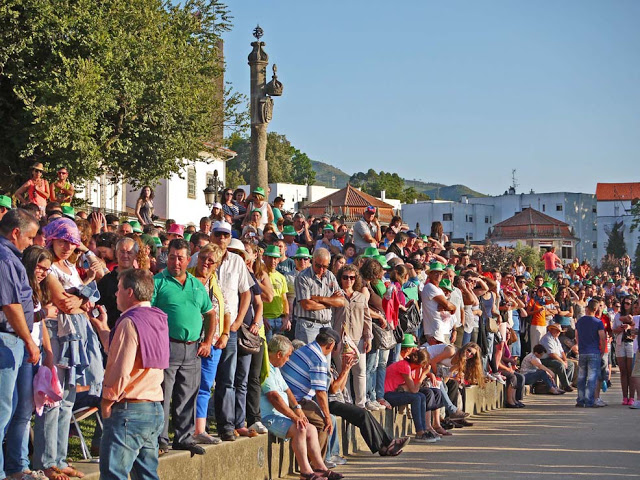
அன்று பல்லாயிரக்கணக்கான சுற்றுலாப் பயணிகள் குழுமி இருப்பார்கள். காளை மாட்டை ‘சர்ச்’சுக்குக் கொண்டு சென்று அதை போதையூட்டும் இரண்டு விஷ அம்புகளால் தாக்குவர். பின்னர் அதை நகர தெருக்களில் அவிழ்த்து விடுவார்கள் ; அதை வீரர்கள் அடக்கி விடுவார்கள்.
என்சைக்ளோபீடியாவில் மேலும் சில தகவல் உளது ; கிறிஸ்தவ பாதிரிகள் பசு தெய்வத்தின் சிலையை நகரத்தில் கயிறு கட்டி இழுத்து வந்து, சுக்கு நூறாக உடைத்து இந்த விழாவை ஏற்படுத்தியதாவும் (Cow Goddess Statue Broken into pieces) இந்த தெய்வத்தை கிறிஸ்தவ மதம் உலகில் தோன்றுவதற்கு 500 ஆண்டுகளுக்கு முன்னர் பினீஷியர்கள் (Phoenicians) இந்த நாட்டுக்குக் கொண்டு வந்ததாகவும் எழுதி வைத்துக்குள்ளனர் . இன்றும் கூட காளை மாட்டை அம்புகளால் தாக்கிவிட்டு அதை மூன்று முறை ‘சர்ச்’சை வலம் வரச் செய்து தெருவுக்கு இழுத்துப் போகிறார்கள். இப்படி ‘மூன்று முறை’ வலம் வருவது இன்றும் இந்துக்கள் கடைப்பிடிக்கும் வழக்கம்.
புனிதமான ‘கோ மாதா’ கோவிலை மதம் மாற்றியதோடு இல்லாமல் பசுவுக்குப் பதில் காளைக்கு போதை ஏற்றிக் கொடுமைப் படுத்துவதை எல்லா புஸ்தகங்களிலும் டூரிஸ்ட் பிரசுரங்களில் பெருமையாக எழுதியும் வைத்துள்ளனர்.
உலகில் பிராணி வதையைத் தடுப்பதாகக் கூறி இந்தியாவில் அவ்வப்போது அயோக்கியத்தனங்களில் ஈடுபடும் சர்வதேச அயோக்கியர்கள் இதைக் கண்டுகொள்வதுமில்லை. ஆண்டுதோறும் பக்ரீத் பண்டிகையின் போது கொல்லப்படும் ஒட்டகங்களுக்கு முதலைக்கு கண்ணீர் விடுவதுமில்லை..
****
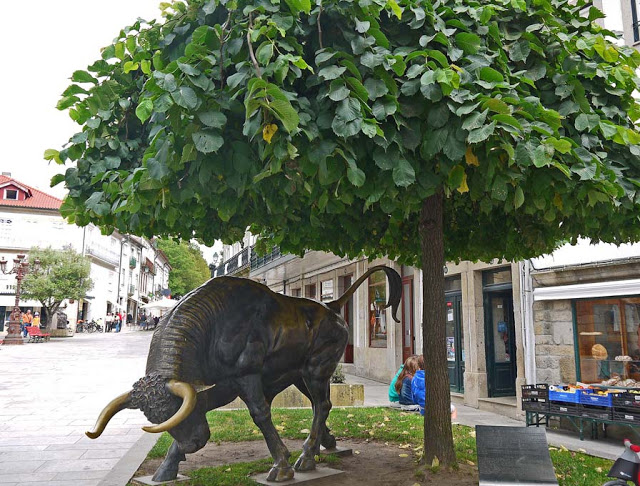
கிரேக்க நாட்டில் மினோவன் (Minoan) நாகரீகத்திலும் காளை அடக்கும் காட்சி உளது; சிந்து-சரஸ்வதி நதி தீர நாகரீ கத்தில் (Indus-Sarasvati River Civilization) எருமை மீது ஈட்டியுடன் பாயும் காட்சி உளது . கோ மாதா வழிபாடு, காமதேனு வழிபாடு வெவ்வேறு கதைகளுடன் உலகெங்கிலும் இருக்கிறது. நம்மூர் ஸ்தல புராணங்களைப் போல அதே கடவுளுக்கு வெவ்வேறு ஊர்களில் வேறு வேறு கதைகள் இருக்கும்.
நமது படங்களில் பாட்டுகள் அனேகமாக நாயக-நாயகிரைச் சுற்றியே அமையும். பல முத்திரைப் பாடல்கள் அவர்கள் மீதே படமாக்கப்படும். 50-60களில் இருந்த ஒவ்வொரு ஹீரோ நடிகரும் பாட்டினாலேயே பிரபலமானார்கள். சில பாடகர்கள், சில பாட்டுக்கள் என்று இப்படித்தான் அவர்களுடைய ‘இமேஜ்’ உருவாயிற்று.சிறந்த நடிகர்கள் என்று சொல்லமுடியாது-ஆனால் “ஸ்டார்”! இப்படி பாட்டினாலேயே ஸ்டார் ஆனவர்களில் ஒருவர் பிரதீப் குமார். இவருக்கு நல்ல இசை ராசி! அனேகமாக ஒவ்வொரு படத்திலும் நல்ல இசை! எந்த இசைஞரானாலும், எந்தப் பாடகரானாலும் நல்ல பாட்டு அமைந்துவிடும்! இசைப் பிரியர்களுக்கு நல்ல விருந்து! இவர்மீது படமாக்கப்பட்ட இரு பாடல்களைப் பார்க்கலாம்
ஆன்கோ(ன்) பே பரோஸா மத் கர்.
आँखों पे भरोसा मत कर, दुनिया जादू का खेल है हर चीज़ यहाँ एक धोखा, हर बात यहाँ बेमेल हैओ मतवाले, हँस ले गा ले, ले जीने का मज़ा इस दुनिया की भीड़ में तू, मेरी तरह नन्हा बन जा आँखों पे भरोसा मत कर, दुनिया जादू का खेल है हर चीज़ यहाँ एक धोखा, हर बात यहाँ बेमेल हैकहने को तो सब कहते हैं, इस बात में क्या रखा है पर ये तो कोई बतलाए, क्या झूठा है क्या सच्चा है हम दीवाने बस ये जाने, जो कुछ है सो अच्छा है आँखों पे भरोसा मत कर …इस राह के हम सब राही, पहचान है ये पलभर की कल तो जुदा कर देगी हमको, लहर इस जीवन की जीनेवाले जी बहला ले, कल सोचेंगे हम कल कीआँखों पे भरोसा मत कर ..
ஆன்கோ(ன்) பே பரோஸா மத் கர், துனியா ஜாதூ கா கேல் ஹைஹர் சீஃஜ் யஹ(ன்) ஏக் தோகா, ஹர் பாத் யஹா(ன்) பேமேல் ஹை,உன் கண்களை நம்பாதே! இந்த உலகம் மாயாஜாலம் நிறைந்த விளையாட்டு!இங்கு ஒவ்வொரு பொருளிலும் ஏமாற்றுதல், ஒவ்வொன்றும் தொடர்பேதும் இல்லாதது!ஓ மத்வாலே, ஹ(ன்)லே காலே, லே ஜீனே கா மஃஜாஇஸ் துனியா கே பீட் மே தூ, மேரீ தரஹ் நன்ஹா பன் ஜாஅன்பனே! சிரித்துப் பாடி வாழ்க்கையை ரசிக்கக் கற்றுக்கொள்!இந்த உலகத்தின் கும்பலிலிருந்து விலகி, நீ என் போல குழந்தையாகிவிடு!ஆன்கோ பே பரோஸா மத் கர் உன் கண்கள் மீது நம்பிக்கை வைக்காதே!. கஹனே கோ தோ ஸப் கஹதே ஹை, இஸ் பாத் மே க்யா ரக்கா ஹைபர் யே தோ கோயீ பத்லாயே., க்யா ஜூடா ஹை க்யா ஸச்சா ஹைபேசுவதென்றால் எல்லோரும் தான் ஏதோ பேசுகிறார்கள்! இது என்ன பெரிய விஷயம்!ஆனால் இதில் எது உண்மை, எது பொய்–என்று இதை யாராவது சொல்வார்களா?
ஹம் தீவானே, பஸ் யே ஜானே ஜோ குச் ஹை ஓ அச்சா ஹை!.ஆன்கோ(ன்) பே பரோஸா மத் கர்நாங்கள் பைத்தியம்! எங்களுக்கென்ன!இருப்பதெல்லாம் நல்லதே என்று நாங்கள் நினைக்கிறோம்!உன் கண்கள் மேல் நம்பிக்கை வைக்காதே! . இஸ் ராஹ கே ஹம் ஸப் ராஹீ,, பஹசான் ஹை யே பல்பர் கிகல் தோ ஜுதா கர் தேகீ ஹம்கோ, லஹர் இஸ் ஜீவன் கீ
இந்த உலகத்தில் நாம் எல்லோரும் வழிப்போக்கர்கள்ஒருவரை ஒருவர் க்ஷண நேரம் தான் அறிவோம்!இந்த சம்ஸாரம் என்னும் அலை நாளை நம்மைப் பிரித்துவிடும்!ஜீனே வாலே ஜீ பஹலாலே, கல் ஸோசேங்கே ஹம் கல் கீஇன்று இருப்பதை சந்தோஷமாக அனுபவி!நாளை பற்றிய சமாசாரத்தை நாம் நாளை பார்த்துக் கொள்ளலாம்!ஆன்கோ(ன்) மே பரோஸா மத் கர்உன் கண்கள் மீது நம்பிக்கை வைக்காதே!
A lighthearted song, but see the beautiful lyrics and the lilting tune, that makes you dance! ஹம் சல் ரஹே தே Hum Chal rahe the, wo chal rahe the Magar duiyawalon ke dil jal rehe the Wohi hai Fizaayein, wohi hai hawaayein Magar pyar ki ab nahi wo adayein Bulayein hum unko, magar wo na aaye Hum chal rahe the, wo chla rahe the Magar duniya walon ke dil jalrahe the Khafa mujh se kyun hain khafa hone waale
Judaa mujh se kyun hain juda hone waale Kahaan hain wo waade wafaa hone waale Hum chal rahe thhe Unhe bhulakar bhi, bhula na sakuunga Jo dil maei laghi hai, bhuja na sakunga Main sapno(n) ki duniya sajaa naa sakunga
நான் என் வழியில் சென்றுகொண்டிருந்தேன்அவள் தன் வழியில் சென்றுகொண்டிருந்தாள்ஆனால் உலகத்தவர் நெஞ்சு பொறாமையால் எரிந்தது!அதே சூழல் தான், அதே காற்று தான்ஆனால் அன்பின் அந்த அறிகுறி எதுவும் இப்போது இல்லை!நான் அவளை அழைத்தேன், அவள் வரவில்லை
என்னிடம் கோபம் கொள்ள என்ன காரணம் இருக்கிறது?என்னைவிட்டுப் பிரிய என்ன காரணம் இருக்கிறது?கோபம் கொள்வதற்கு முன், அந்த வாக்கு என்ன ஆயிற்று என்று நினைக்கவேண்டும்.அவளை என்னால் மறக்க இயலாதுமனதில் பட்டது அணையாதுஎன் கனவு உலகம் இனி நிறைவேறாது!உலகத்தவர் நெஞ்சு பொறாமையால் எரிந்தது!
இது முந்தைய பாட்டிற்கு முற்றிலும் மாறான மன நிலையில் பாடப்பட்டது. ராஜேந்த்ர க்ருஷ்ணாவின் எளிய கவிதை- மதன் மோஹன் எளிய மெட்டில் முகேஷின் குரல்- அதில் இழையோடும் சோகம் இப்பாட்டை மறக்கமுடியாமல் செய்துவிட்டது! பின்னணி இசை ஆரவாரமில்லாமல் எப்படி இனிமையாக இருக்கிறது பாருங்கள்! இது முகேஷ் பாடிய சிறந்த பாடல்களில் ஒன்றாக மதிக்கப்படுகிறது.
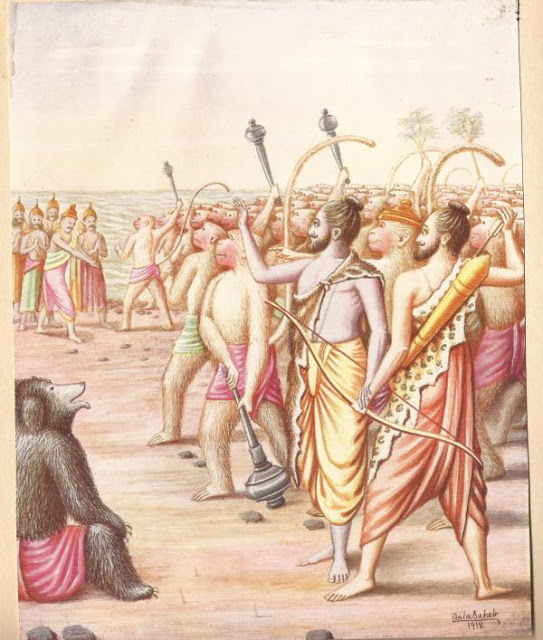
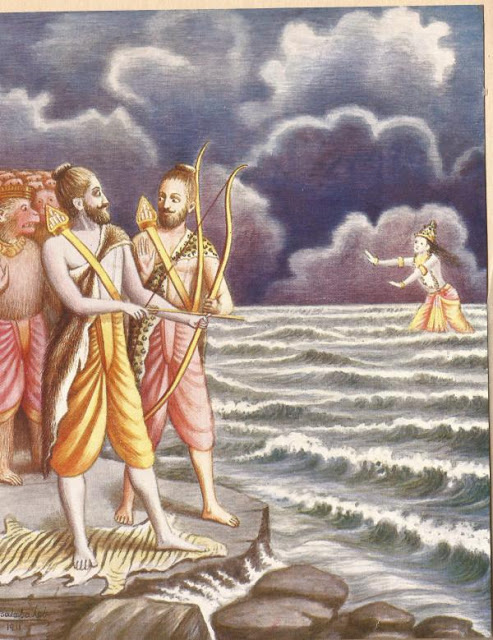
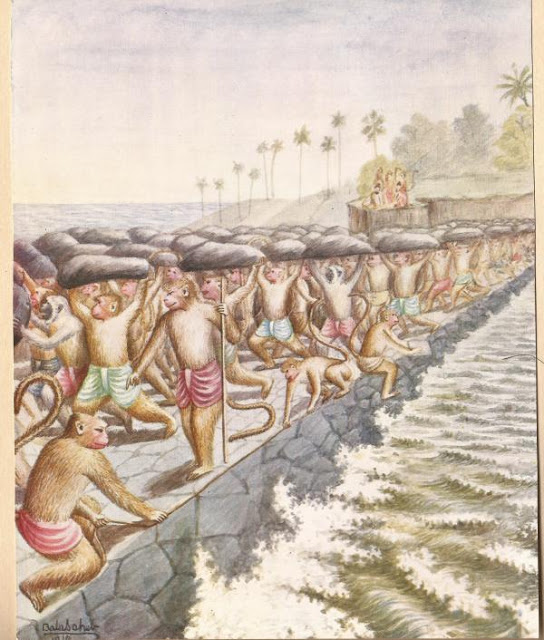
சீதா பிராட்டியைத் தேடி ஸ்ரீ ராமர் சமுத்திரக் கரையை வானர சேனையோடு அடைந்த போது நடந்த சம்பவம் இது.
சமுத்திரக் கரையை அடைந்த அவர் மூன்று இரவுகள் தர்ப்பைபுல்லின் மீது படுத்து சமுத்திரராஜனை நோக்கி நோன்பிருந்து அவன் வருகையை எதிர்நோக்கி இருந்தார். ஆனால் அவன் வரவில்லை. இதனால் கோபம் கொண்ட அவர் தன் வில்லை எடுத்து பிரம்மாஸ்திரத்தைத் தொடுத்தார். இதனால் பயந்து போன சமுத்திரராஜன் அவர் முன் தோன்றி, “தான் இயற்கையில் படைக்கப்பட்டதால் இயல்பாகவே தாண்டமுடியாதவன் என்றும் ஆனால் வானரர்களுடைய கடக்கும் விஷயத்தில் ஒரு வழியை ஏற்படச் செய்வேன் என்றும்” கூறினான்.
இப்படி தன் முன் தோன்றி கை கூப்பி நிற்கும் சமுத்திரராஜனைக் கண்டு ராமரின் கருணை உள்ளம் அவனை மன்னித்தது. ஆனால் அவர், “ஓ! சமுத்திரராஜனே! எனது வில்லில் தொடுத்த அம்பு வீணாகக் கூடாதே! அதற்கு இலக்கு ஒன்று வேண்டுமே” என்றார்.
“இதை வடக்கு நோக்கி விடுங்கள். அங்கு எனக்கு துருமகுல்பம் எனப் பெயர் பூண்ட பிரசித்தி பெற்ற புண்யஸ்தலம் ஒன்று இருக்கிறது. அங்கு சில பாவிகள் ஆபிரர்கள் என்பவர்களைத் தலைமையாய்க் கொண்டு எனது ஜலத்தைக் குடிக்கிறார்கள். அவர்கள் மீது உமது உத்தம பாணத்தை செலுத்துங்கள்” என்று சமுத்திர ராஜன் விண்ணப்பித்தான்.
(“This spell is ne’er invoked in vain
Where shall the magic shaft, to spend
The fury of its might, descend?’
‘Shoot,’ Ocean cried, ‘thine arrow forth
With all its fury to the north’)
ராமரும் சமுத்திரராஜன் வேண்டுகோளின் படி வடக்கே பாணம் செலுத்த ஆபிரர்கள் அழிந்தனர். அத்தோடு மருகாந்தாரம் எனப் பெயர் பெற்ற அப்பகுதிக்கு எப்போதும் வற்றாத பாலை பசுக்களுக்கு ஏற்படுமாறும் ஏராளமான ஓஷதிகளையும் அப்பகுதி உடையதாக ஆகட்டும் எனவும் வரமளித்தார்.
(வால்மீகி ராமாயணம்,யுத்த காண்டம் 22ஆம் ஸர்க்கத்தில் முழு விவரத்தையும் காணலாம்)
இது எதைக் காட்டுகிறது? எப்படிப்பட்ட பாவம் செய்தவனும் கூட இறைவனைச் சரணாகதி அடைந்தவுடன் அவன் தண்டனையை அந்தப் பாவியினுடைய எதிரிகளின் மீது செலுத்தி அவனுக்கு அனுக்ரஹமே செய்கிறான் என்பதை அல்லவா காட்டுகிறது? இது தான் கடவுளின் சட்டம். அவனது தண்டனையும் நிறைவெற்றப்படுகிறது!
இதை நன்கு விளக்குவதற்காக பட்டார்ர்யா ஒரு வேடிக்கையான கதையைச் சொல்கிறார்.
ஒரு பெரிய பண்ணையார் இருந்தார். அவருக்குத் தலை வழுக்கை. ஒரு நாள் அறுவடை முடிந்து வந்து குவிந்திருந்த நெல்மணிகளை அளப்பதில் அவர் மிகவும் சுறுசுறுப்பாக ஈடுபட்டிருந்தார்.
அப்போது ஒரு பிச்சைக்காரன் அவர் அருகே வந்து சொன்னான் இப்படி:- “எவ்வளவு வேலை உங்களுக்கு? உங்கள் தலைமுடியைச் சீவி விடக் கூட உங்களுக்கு நேரமில்லையே!”
பண்ணையாருக்கு ஒரே குஷி! தனக்கு அவ்வளவு தலைமுடியா?!
பண்ணையார் : “உன்னை இங்கே அனுப்பியது யார்? உனக்கு என்ன வேண்டும்?”
பிச்சைக்காரன் : “யாருமில்லை. உங்களை சும்மா பார்த்துவிட்டுப் போகலாம் என்று தான் வந்தேன்!”
பண்ணையார் : அப்படியா? உனக்கு ஒரு சாக்கு நிறைய நெல் வேண்டுமா?”
ஒரு சாக்கை எடுத்து அதை நெல்மணிகளால் நிரப்பினார் பண்ணையார். அவனுக்குக் கொடுத்தார். அவன் தலையில் அதை அவரே தூக்கிக் கூட வைத்தார்.
பிச்சைக்காரன் தன் வழியே நடந்தான். வழியில் அவனைப் பார்த்த ஒருவன் “எங்கேயிருந்து உனக்கு ஒரு சாக்கு நெல் கிடைத்தது?” என்று வியப்புடன் கேட்டான்.
பிச்சைக்காரன் : “அது தான், அந்த வழுக்கைத் தலை பண்ணையார் கொடுத்தது”
அந்த வழிப்போக்கன் நேராகப் பண்ணையாரிடம் சென்றான். அந்தப் பிச்சைக்காரன் பண்ணையாரைக் குறித்து ஏளனமாகப் பேசி அவரை வழுக்கைத் தலையர் என்று கூறியதைக் கூறினான்.
வந்தது கோபம் பண்ணையாருக்கு. நேராக பிச்சைக்காரன் போன வழியில் ஓடிச் சென்று அவனை நெருங்கினார்.
பிச்சைக்காரன் அவர் ஓடி வருவதைப் பார்த்தவுடன் தூரத்திலிருந்தே கத்தினான்: :ஐயா! இப்படி ஓடி வரலாமா? தங்கள் தலை முடி இப்படி அலங்காரமாக நடனம் ஆடுகிறதே!”
பண்ணையாருக்கு கோபம் போன இடம் தெரியவில்லை.
“அப்பனே! நான் ஏன் ஓடி வருகிறேன் தெரியுமா? உன்னால் சுமக்க முடிந்தால் இன்னொரு மூட்டை நெல் தரலாம் என்று நினைத்தேன். அதைச் சொல்லத்தான் ஓடி வந்தேன்.”
புகழ் மொழிகளால் கோபம் நட்பாக மாறும் போது மனிதனுக்கு மனிதனே இப்படி மாறுகிறான் என்றால் இன்னும் எவ்வளவு அதிகம் கடவுள் மீது ஸ்தோத்திரம் செய்யும் போது மனிதனுக்கு அது நல்லனவற்றைக் கொடுக்கும்! சற்று எண்ணிப் பாருங்கள்!!
சமுத்திரராஜன் தன் மேல் இறைவன் கொண்ட கோபத்தை நட்பாக மாற்றியது சரணாகதியால் தானே!
உணர்வோம், உய்வோம்!
குறிப்பு : இது பகவத் விஷயம் மூன்றாம் பாகம் பக்கம் 1171 வேங்கடம் III 3-6 விரிவுரையிலிருந்து தரப்பட்டிருக்கிறது. தலைப்பு எண் 41.
ஆங்கிலத்தில் இப்படிப் பல அபூர்வமான வைணவக் கருத்துக்களும் விரிவுரைகளும் உள்ள புத்தகத்தின் பெயர் : The Divine Wisdom of the Dravida Saints எழுதியவர் : அல்கொண்டவில்லி கோவிந்தாசார்யா (Alkondavilli Govindacharya). இது 1902ஆம் ஆண்டு வெளியிடப்பட்ட புத்தகம்.
262 பக்கங்கள் கொண்ட இந்த ஆங்கிலப் புத்தகத்தைப் படிக்க விரும்பும் அன்பர்கள் நமது தளத்தைத் தொடர்பு கொண்டு மின்னஞ்சல் மூலமாகப் பெறலாம்.
Pictures are taken from various sources for spreading knowledge; this is a non- commercial blog. Thanks for your great pictures.
tamilandvedas.com, swamiindology.blogspot.com
எச்சரிக்கை –
இது போன்ற செய்திகளைப் படித்துவிட்டு பெரியோர் advice ‘அட்வைஸ்’ இல்லாமல் சிறுவர்கள் எதையும் செய்ய வேண்டாம். பெரியவர்கள் செய்தாலும் கூட கண்களையும், ஆடைகளையும் நாசம் ஆக்காமல் பாதுகாப்பது மிகவும் அவசியமானது. சுற்றுப்புற சூழல் பாதுகாப்பையும் மனதிற் கொள்க
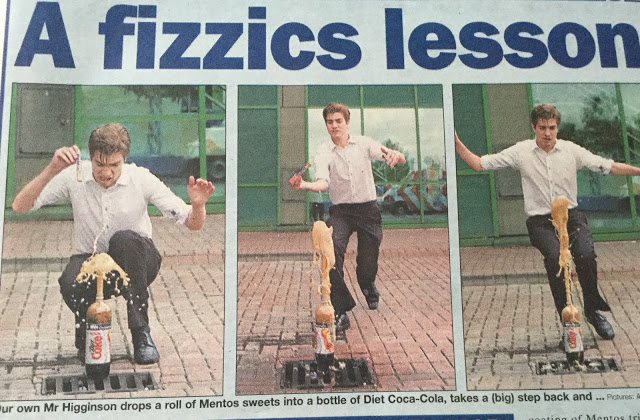
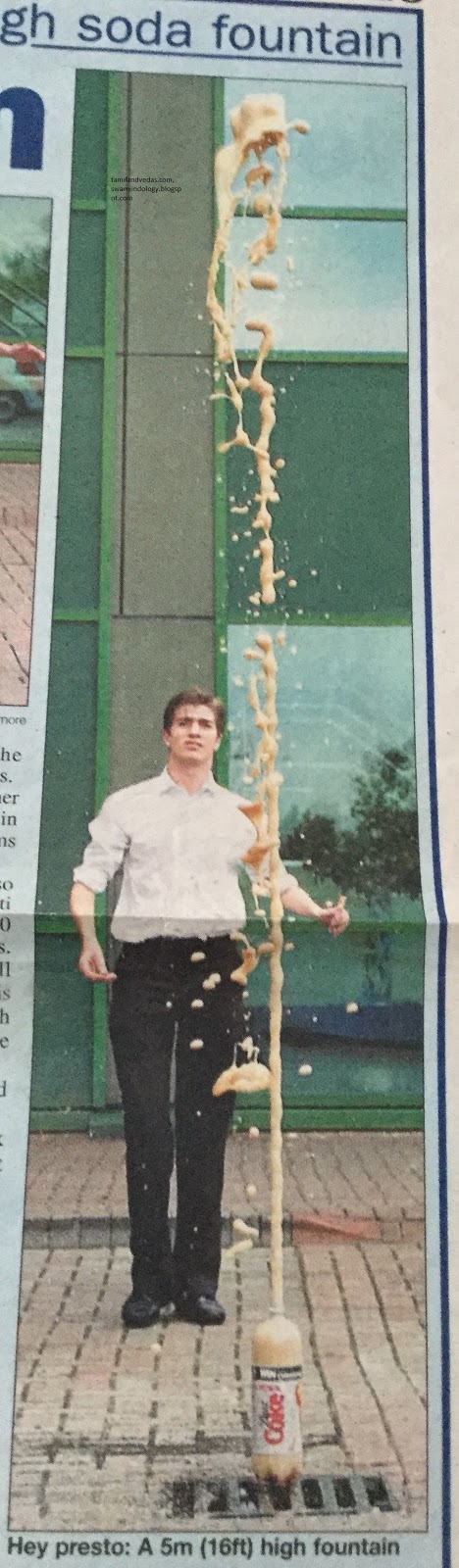
டயட் கோக்கில் (Diet Coke) மிட்டாய்க்களைப் போட்டால் என்ன கிடைக்கும் ?
பட்டாசு, வாண வேடிக்கை கிடைக்கும்.
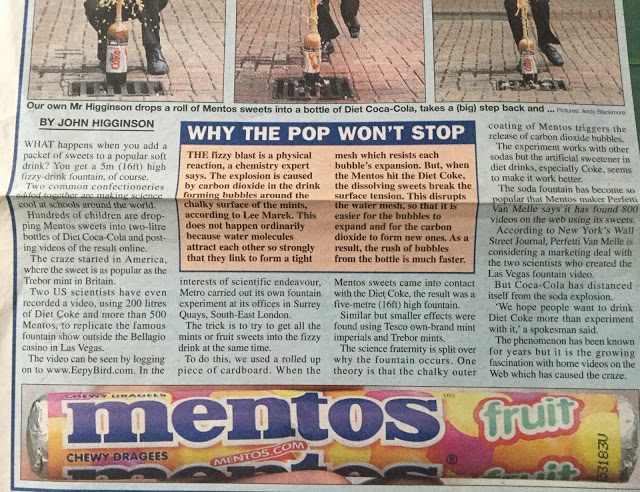
இரண்டு லிட்டர் கோக் பாட்டிலில் குறிப்பிட்ட வகை மிட்டாய்/ ஸ்விட்டுகளைப் போட்டால் 16 அடி உயரத்துக்குப் பீச்சி அடிக்கும் கோக் .
அமெரிக்காவிலும் பிரிட்டனிலும் 15 ஆண்டுகளுக்கு முன்னர் இது ஒரு பெரிய விளையாட்டு, பொழுது போக்கு.
இதன் விஞ்ஞான பின்னணி என்ன?
நாம் சூட (Mint) மிட்டாய் என்று சாப்பிடுவதை அமெரிக்காவில் மென்டோஸ் (Mentos) என்றும் பிரிட்டனில் ட்ரெபோர் (Trebor) என்றும் விற்கின்றனர். இந்த இரண்டு வகை மிட்டாய்களும் கோக்கிலுள்ள கார்பன் டை ஆக்சைட் / கரியமில வாயுவுடன் கலக்கையில் மிட்டாயைச் சுற்றி காற்றுக் குமிழ்கள் உண்டாகின்றன. அவை வெளியேறும் போது 16 அடி உயரத்துக்கு மேலே எழும்புகின்றன. இதுவே நமது வயிற்றுக்குள் நடந்தால் வயிறு கலங்கும். ஆகையால்தான் ‘கன்னா பின்னா’ விஷயங்களைச் (கானா +பீனா = சாப்பிடுதல், குடித்தல்) சாப்பிடாதே என்று பெற்றோர்கள் கூறுவர்.
லாஸ்வேகாஸ் (அமெரிக்கா ) நகரிலுள்ள பெல்லாஜியோ நீர் ஊற்று (Fountain) போல ஒரு கோக் ஊற்றை உருவாக்கினர் இரண்டு அமெரிக்க விஞ்ஞானிகள் . 200 லிட்டர் கோக்கில் 500 மெண்டொஸ் (சூட மிட்டாய்)களைக் கலந்தனர். பிரமாதமான வாண வேடிக்கைதான்.
கோகோ கோலா கம்பெனி இது பற்றி வாயே திறக்கவில்லை. வயிற்றுக்குள்ளும் இதுதான் நடக்கும் என்று சிலர் பிரசாரம் செய்தால் பிஸினஸ் படுத்துவிடுமல்லவா?
இது பற்றி நிறைய You Tube யூ ட்யூப் வீடியோக்களும் உள .
Pictures are taken from various sources for spreading knowledge; this is a non- commercial blog. Thanks for your great pictures.
tamilandvedas.com, swamiindology.blogspot.com
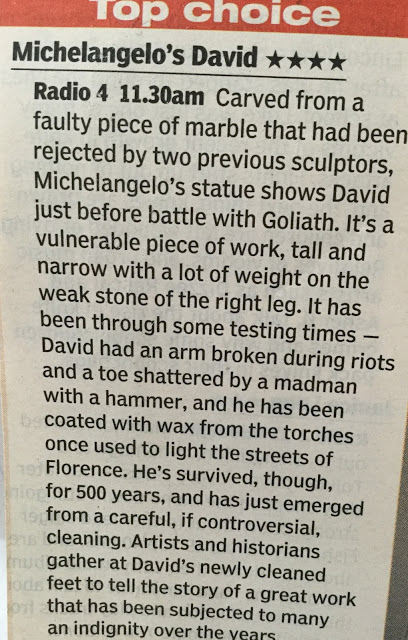
2004 year paper cutting
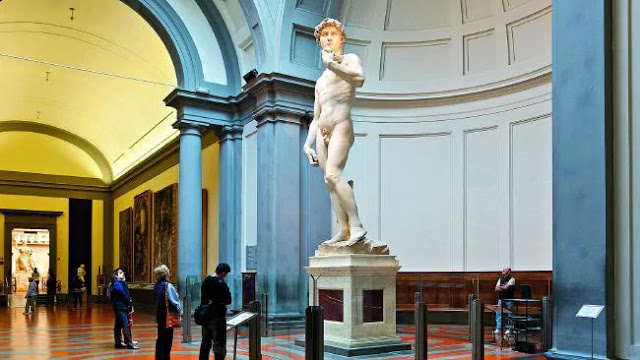
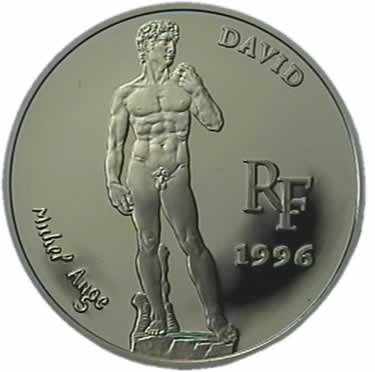
உலகப் புகழ்பெற்ற ஓவியரும், சிற்பிபியுமான மைக்கேல் ஏஞ்சலோ செதுக்கிய டேவிட் (David in Florence, Italy) சிலை இத்தாலியின் பிளாரென்ஸ் நகரில் உள்ளது (நான் சில ஆண்டுகளுக்கு முன்னர் இத்தாலி சென்ற போது பிளாரென்ஸ் சென்று புகைப்படமும் எடுத்தேன். தேடிக் கண்டுபிடிக்க நேரமில்லை. ஆகவே பி.பி.ஸி . ரேடியோ 4 வெளியிட்ட படத்தை அப்படியே தருகிறேன். இதன் சிறப்பு என்ன வென்றால் இரண்டு பிரபல ஓவியர்களை அழைத்து பைபிளில் வரும் டேவிட் சிலையை வடியுங்கள் என்று கேட்டனர். ‘சீ , சீ ! இது மோசமான சலவைக் கல் (marble) இதில் சிலை செதுக்க முடியாது என்று சொல்லி, வீட்டுக்குப் போய் விட்டார்கள்.
‘ஆடத் தெரியாத *****யாளுக்கு தெருக்கோணல்’ என்பது பழமொழி. ‘என்னடி இது !கத்தரிக்காய் ஊ த்தையாக இருக்கிறது என்றானாம் கணவன்; நான் என்ன செய்யறது ? அருவாமணை கோணல் என்றாளாம் மனைவி’. இதுவும் தமிழ் பழமொழி புஸ்தகத்தில் உளது.
இப்படியெல்லாம் சாக்குப் போக்கு சொல்லாமல் சலவைக் கல்லை எடுத்துச் செதுக்கினான் மைக்கேல். இன்று இதை பார்ப்பதற்காக மட்டுமே மக்கள் கூட்டம் வருகிறது . 500 ஆண்டுகளாக நிற்கும் இந்தச் சிலை ஒருகாலத்தில் பிளாரன்ஸ் நகர தெரு விளக்குகளின் புகை மண்டிக் கிடந்தது; ஒரு பைத்திக்காரன் இதன் கால் விரல்களை சுத்தியல் வைத்து உடைத்தான், டேவிட்டின் கைகள் ஒரு கலகத்தின் போது உடைந்தன. எல்லாவற்றையும் சரி செய்து புதிதாக காட்சிக்கு வைத்தனர் 2004ம் ஆண்டில்; அப்போது பி பி சி (Radio 4) ஓலி பரப்பிய செய்தி அடங்கிய பேப்பர் கட்டிங் (Paper Cutting) கை 16 வருஷம் கட்டிக்க காத்தேன் ; இன்று அந்தக் காகிதத்தைக் குப்பைத் தொட்டிக்குள் எறிவதற்கு முன்னர் இங்கு செய்தியாக போ ஏற்றியதில் கொஞ்சம் திருப்தி.
இதன் உயரம் 17 அடி; செதுக்கிய ஆண்டு 1501-1504; இற்றைக்கு சுமார் 515 ஆண்டுகளுக்கு முன்.
As Sadguru, Tyagaraja is not interested in theories or merely cursing the darkness. He lights a candle and shows the way.
People experience the world in varied ways. This is because each one comes with his unique load of karma, and set of vasanas acquired through many births. The world offers each one appropriate experiences- usually as a mixture of pain and pleasure, success and failure, fulfilment and frustration,etc. No matter whether one is rich or poor, educated or uneducated, urban or rural, in a primitive or highly advanced society, these are the ways life is experienced by every one.
Transience of the world
Behind this , and common to all, there is only one fact- the fact of birth and death. What we call life is like a river between these two banks. It is said that we do not step into the same river twice- for water keeps flowing out, and it is not into the same water that we step into every time! Life too is like that- each day looks like another , but one after another the seconds, minutes, hours, days roll away, snatching away our life in tiny installments. We are not even aware. Sankara sang:
Dinaya minyau sayam prata: Sisira vasantau punaraayata: Kala: kreedati gachchat aayu: Day and night, evening and morning, winter and spring keep coming. Time thus plays with us. Life is vanishing. Dana jana yauvan- Harti nimeshaat kaalas sarvam. Wealth, retinue, youth- Time snatches away everything as if in a trice.
It does not take a philosopher like Sankara to point out these basic facts. Sometimes, even our celluloid poets hit on this truth, and bring it out in their own effective and popular way:
Subah aati hai, sham jaati hai Subah aati hai, sham jaati hai, yuhin Waqt chaltahi rehtahai rukhta nahin Ek phal mein ye aage nikal jaata hai Aadmi theek se dekh paate nahin Aur parde pe manzar badal jaate hain Ek baar chale jaate hain jo din-raat,subah-sham Woh phir nahi aate, woh phir nahi aate Zindagi ke safar mein guzar jaata hai jo makam Woh phir nahi aate, woh phir nahin aate. ( Anand Bakshi)
Morning comes, evening fades away Morning comes, evening fades away Time keeps moving, doesn’t ever stop In a second time moves forward Man is not able to perceive things correctly This veil- it changes one’s vision The day-night, the morning-evening that once goes away It never comes back, it never comes back.
Life is a journey. On it, whatever destination is once passed by- it never comes back, it never comes back.
Let us not dismiss this as a mere film song, but ponder on the facts stated- and enjoy the way it has been conveyed in superb poetry. Life passes by in seconds, we are not even aware. Generally,we never stop to introspect unless we face a problem or reverse; even then we do not examine the quality of our life(style), but blame other things and only seek relief,remedies and instant solutions. Often we find that we get into problems with the best of intentions and decisions, as Louise Hay pointed out. Children get out of control; even the CEO is not able to force his way; health fails; investments lose value. We do not realise these are universal- happened to everyone, everywhere, at all times- for this is the nature of the world. The old Latin saying had it: Sic transit gloria mundi: thus passes away the glory of the world. Thomas Gray wrote in his elegy: “Paths of glory lead but to the grave”. These are not words of useless people in sour-grape situations, but reflections of thoughtful people in very sober, enlightened moments. Which empire has lasted for ever? Which dynasty has lasted really long and stuck to its old roots? Rama was the very embodiment of Dharma, but descendants of his dynasty are supposed to have fought on the side of Kauravas in the Mahabharata war! Bahadur Shah Zafar, the last Mughal Emperor was imprisoned at Mandalay and bemoaned:
Umr-e daraaz se maang ke laye char din
Do arzoo mein gaye, do intezar mein
Hai kitna badnasib Zafar dafn ke liye
Do gaz zamin bhi na mili koo-e-yaar mein.
I had requested for a long life of four days.
Two passed by in pining, two in waiting.
How unlucky is Zafar! for burial
Even two yards of land were not to be had
In the land of his beloved.
Thus ended the great Mughal empire. Vijaynagar and Mahratta rules, glorious for a time, also faded away . Time plays with and snatches away everything. So, Sankara said: Ma kuru dana jana yauvana karvam: don’t get puffed up about wealth, retinue, youth.
Two weapons: Viveka & Vairagya
All this is not to make us depressed, but realistic. Nothing is permanent here. Everything is like a shadow or puppet show or dream. It is the job of the Sages and Saints to remind us of this fact at all times.
Sri Ramakrishna used to talk of smearing the hands with oil before cutting the jack fruit. Likewise, to deal with the world, we have to adopt two essentials: viveka and vairagya- discrimination and detachment. The first is to realise the distinction between the permanent and the impermanent, the real and the unreal; the second is to stop getting attached to the impermanent.
World is Real!
Care: True Vedantins hold the world to be ‘unreal’ only in the very technical sense that it is not permanent. They do not mean that it does not exist. Unfortunately the word maya has been used indiscriminately, senselessly and translated atrociously as illusion. This has resulted in many people treating the world as if it did not exist and matter, leading to an all-round deterioration in the quality of life and society.
Just imagine what would happen if all honest people shunned trade and commerce or even politics, thinking that there is lot of dishonesty and corruption there. Then, they will all become the exclusive preserve of totally dishonest people- as politics has already become. On the other hand, is there any field in the modern day which is totally free of dishonesty and corruption- be it judiciary, medical profession, education, police, even religious institutions and temple administration?
Likewise, if good people think the world is illusion and behave as if it is evil or did not matter, the whole society would suffer. This is how India fell,from the days of Buddha, treating the world as maya! This is not the meaning of viveka and vairagya. It is to exercise an element of caution in dealing with things of the world, not to deny them.
Tyagaraja’s position
Sri Tyagaraja advocates viveka and vairagya. There is something in life we cannot fathom, cannot control. We have to accept and reconcile. Raanidi raadu surasurulakaina Ponidhi podu bhusurulakaina Devendruniki sudehamu purva Devulla kamruta mabhaavame gaani Aa vanachara baadhalaa munulake gaani…Sri Rama
O Rama! Even for the Devas and Asuras, what is not to come will never come. Even for the Brahmins, what is not to go will not go. Devendra will never get back his (old) good body. The Asuras will never get back the Amruta (which they once missed).
The Rishis/Munis living in the forests will never be free of the troubles from the Rakshasas.
This should make us ponder. Things did change as the puranas describe, but the old position was not totally restored.. Rama came and cleared the Dandaka forest of the menace of the rakshasas, but the rakshasas were not totally annihilated. Those doing tapas or penance in its modern variants still face obstruction! Certain features of the world are just part of the world- the way it is. No wonder it is called ‘misra lokam’- the mixed place.
Prapanchamuna gala sukhamu manchuvale nanuchu mati nenchitini (Nadupai)
I thought that all the pleasures of the world are like the dew(will clear away soon, ie not permanent) The transience of wealth, youth, the body- this is the most basic theme in all serious Hindu religious instruction .Tyagaraja deals with it in an exclusive kriti. Enduko baaga teliyadu Andagaada Sri Rama eetanu-
vasthiramani ee kali maanavula…enduko
Sri Rama! How is it that these people of the Kali Age do not know for certain that this body is not permanent?
They build strong houses with stone and keep countless servants and are surrounded by a large number of relatives and guests; (but) they do not like to feed them all well, but only fill their bellies well; they fill double bags with money and fill them in boxes. But they leave all this here when they die. Our people see all this but still they do not realise that the body is transient. Alas!
Just to fill the pit that is their belly, they resort to lies and take away others’ money; they follow behind young women, like dogs; they are troubled by many an illness and the accumulated money disappears slowly; people speak ill of them; possibility of better worlds hereafter fully gone, they die and are reborn again. Our people know all this, but still they do not realise that the body is not permanent. Alas!
People associate themselves with cheats, bring troubles upon themselves and are unable to bear them; why do they not realise that it is all due to their accumulated old karma- as wise people do?
Why (still) they do not learn to worship the Lord of the Universe, whom Tyagaraja adores, giving up desires for material possessions, treating them like dew, which is impermanent?
Once we realise that the world is transient, (Viveka) our scale of values will change. We will focus on the real/permanent aspects (vairagya).
With viveka and vairagya, devotion to God is the way to cross the ocean of samsara. This is the firm message of Tyagaraja, the Sadguru.. He does not hide behind fancy theories or subtleties of philosophy. Leave them to the idlers.
Pictures are taken from various sources for spreading knowledge; this is a non- commercial blog. Thanks for your great pictures.
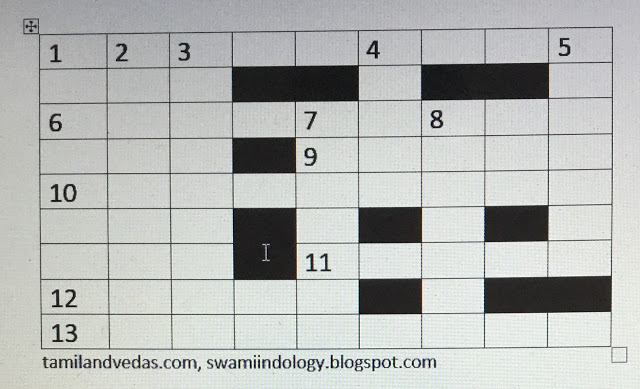
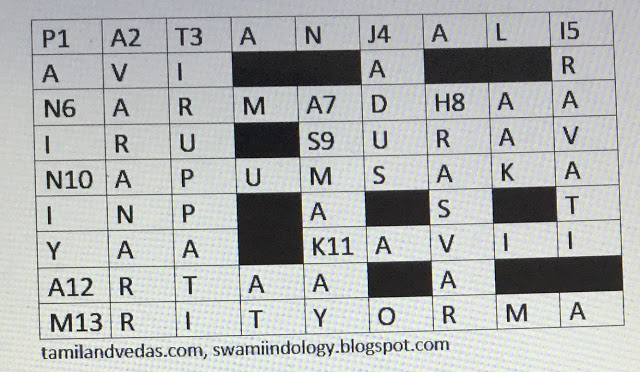
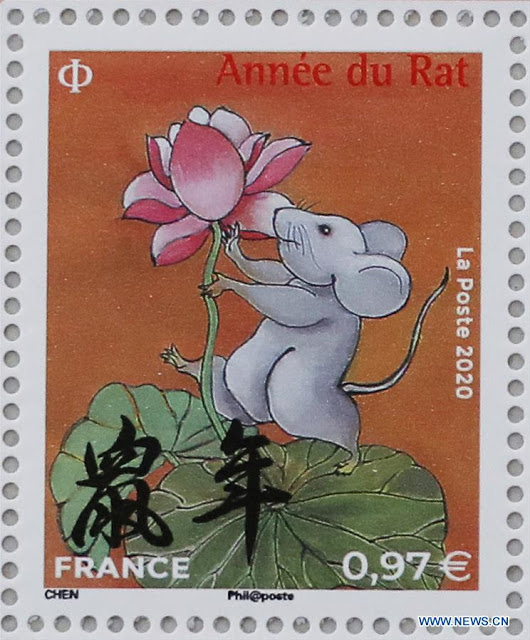
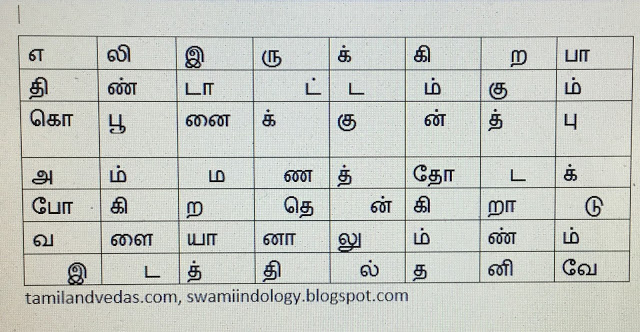
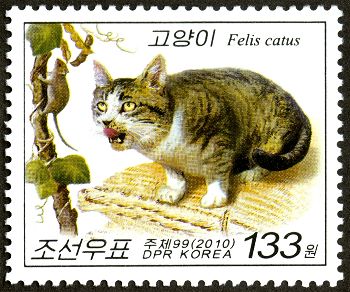
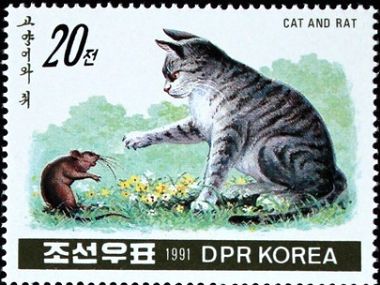
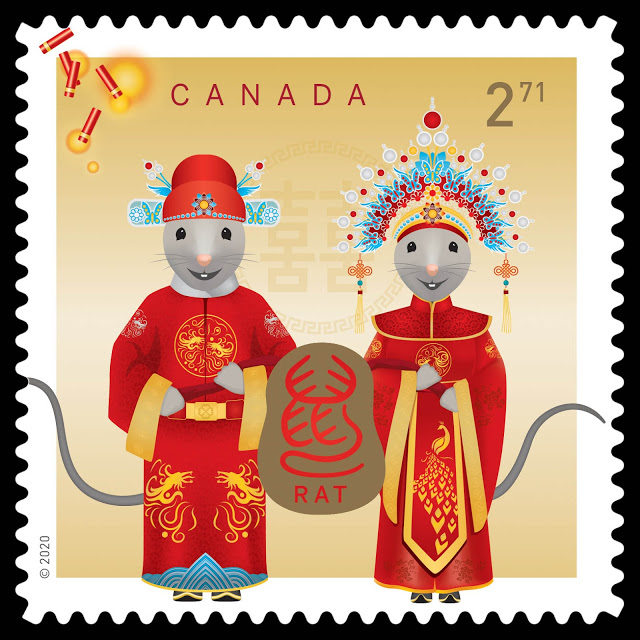
ஒரே சொல் மீண்டும் மீண்டும் வந்தால் ஓரிரு இடங்களில் மட்டுமே கட்டத்தில் இருக்கும். கொண்டு கூட்டி பொருள் கொள்க . விடை கீழே உள்ளது . சில நேரங்களில் படங்களைப் பார்த்தாலும் விடை காண உதவலாம்.
விடை
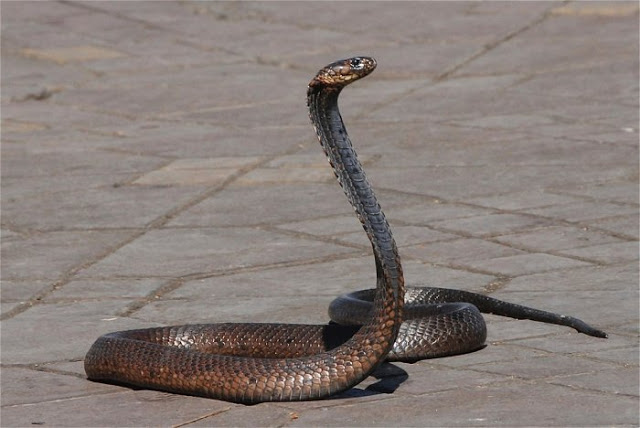
1.எலி இருக்கிற இடத்தில் பாம்பு இருக்கும்
2.எலிக்குத் திண்டாட்டம் , பூ னைக்குக கொண்டாட்டம்
3.எலி அம்மணத்தோட போகிறதென்கிறான்
4.எலி வளையா னா லும் தனி வளை வேண்டும்
Source book :–
பயன்படுத்திய நூல்- கழகப் பழமொழி அகர வரிசை, கழக வெளியீடு
Post No. 8147Date uploaded in London – – – 11 June 2020
Contact – swami_48@yahoo.com Pictures are taken from various sources for spreading knowledge; this is a non- commercial blog. Thanks for your great pictures.
ஹிந்தி படப் பாடல்கள் – 64 – இரு மணிகள் – அஜீத்! R. Nanjappa
சினிமா உலகம் விசித்திரங்கள் நிறைந்தது! அதில் ஒன்று நடிகர் அஜீத் சம்பந்தப்பட்டது. 70களில் அவரை வில்லனாக அறிந்தோம். ஒருவிதமான குரல், சில பொறுக்கியெடுத்த டயலாக்- Mona Daaling, Raabart என்றெல்லாம் அவருக்கே உரிய உச்சரிப்பு என்று வெளுத்துக்கட்டியவர். ஆனால் 50-60களில் அவர் ஹீரோவாக நடித்தார் என்பது பலருக்கும் தெரியாது. அவர் படங்கள் முக்காலும் B Grade தான் (நயா தௌர், ஆன் இரண்டும் பெரிய பேனர் படங்கள்). அவர் படங்களில் நல்ல இசை இருந்தது, அவர் மீதும் பல நல்ல பாடல்கள் படமாக்கப்பட்டன. அப்படி வந்த இரு பாடல்களைப் பார்ப்போம். தும் ஸே குச் கஹனா ஹை Tumse Kuch Kahna Hai, Agar Tum Kuch Kahne DoAjee Bole Bina Hum Jane, Rahne Do Ji Rahne Do உன்னிடம் சிலது சொல்லவேண்டும், சரி என்றால் சொல்வேன் நீர் சொல்லாமலேயே எனக்குத் தெரியும், சொல்ல வேண்டாம்!
In Aankhon Mein Rahna Hai, Agar Pyar Se Rahne Do இந்தக் கண்களில் இருக்கவேண்டும், நீ அன்புடன் இருக்கவிட்டால்! Pahle Dil Ko Najaroge, Kuch Tir To Sahane Do முதலில் இந்தக் கண்கள் நல்ல பார்வையை பரிமாறிக்கொள்ளட்டும்! Hans Hansake Seh Lenge, Bade Shokh Se Tir Chalao நீ தீவிரமாக உன் பார்வையைச் செலுத்து, நான் சந்தோஷமாகத் தாங்கிக் கொள்வேன்! Ye Phasana Hai Purana, Koyi Baat Nayi Farmao இது பழைய கதைதான், புதிதாக ஏதாவது சொல்! Chalo Jhooth Sahee, Per Baat Meree, Ek Baar Bhi To Sun LoTumse Kuch Kahna Hai, Agar Tum Kuch Kahne Do சரி அப்படியே பொய்யாகவே இருக்கட்டும், ஒருமுறை தான் நான் சொல்வதைக் கேளேன்! உன்னிடம் சிலது சொல்லவேண்டும், உனக்குச் சம்மதமென்றால்! Ajee Bole Bina Hum Jane, Rahne Do Ji Rahne Do அன்பரே, நீர் சொல்லாமலேயே எனக்குத் தெரியும், எதுவும் சொல்லவேண்டாம்! Dil Dole Kuch Bole, Bhala Kaun Ye Samaje Ishaare மனது நடனமிடுகிறது! ஏதோ சொல்கிறது! இந்த சங்கேதமெல்லாம் யாருக்குப் புரிகிறது! Woh Ishaara Jo Tumhara, To Main Tod Ke La Doon Sitare அந்த உன்னுடைய சங்கேதங்கள்- நான் தாரகையைக் கொண்டுவந்து விடுவேன்!
Ajee Tumse Yakin Kuch Hamko Nahee, Zara Honsh Ki Baat Karo அன்பரே, உம்மை நான் நம்பவில்லை! சரியான புத்தியுடன் பேசவும்! Tumse Kuch Kahna Hai, Agar Tum Kuch Kahne Do உன்னிடம் சிலது சொல்லவேண்டும், நீ சரி என்று சொன்னால்! Ajee Bole Bina Hum Jane, Rahne Do Ji Rahne Do நீர் சொல்லாமலேயே எனக்குத் தெரியும், எதுவும் சொல்லவேண்டாம்! Kuch Dinse Mere Dil Mein Inn, Koyi Ban Ke Khayal Aata Hai சில நாட்களாக என் மனதில் ஒரு எண்ணம் வருகிறது! Baaton Se Bahlana, Tumko Ye Kamal Aata Hai பேசிப் பேசியே ஆளை மயக்குவது உமக்கு கைவந்த கலை! Sach Kahte Hai Hum நான் உண்மை தான் சொல்கிறேன் Chalo Khaao Kasam, சரி, அப்படியெனில் சத்தியம் செய்யவும் Chaahe Apni Kasam Le Lo சரி, நான் சத்தியமாகச் சொல்கிறேன்
Tumse Kuch Kahna Hai, Agar Tum Kuch Kahne DoAjee Bole Bina Hum Jane, Rahne Do Ji Rahne Do Song: Tum se kuch kehna hai film: Guest House, 1959 Lyrics: Prem Dhawan Music: Chitragupta Singers: Mukesh & Lata Mangeshkar. YouTube links: https://www.youtube.com/watch?v=F__xdNl8L2Mhttps://www.youtube.com/watch?v=O6zm27m7ZXY What a lilting melody! How nice the lyrics are!
The tune runs smoothly, and the voices of Mukesh and Lata blend so well!. This again proves my point that there is some magic in the old duets, where the calculation 1+1 is NOT 2, BUT a whole new world of sound and song, melody and rhythm! This is something special to India, Hollywood cannot come near it! 58-59-60 were very good years for Mukesh. His voice was fresh and good, and he sang very good songs in many films. கேள்வி – பதில் வடிவில் அமைந்த பாடல்.
மை குஷ் நஸீப் ஹூ(ன்)
main kushnaseeb hoon mujh ko kisi ka pyar mila bada haseen mere dil ka raazdaar mila main kushnaseeb hoon நான் அதிருஷ்டசாலி- ஒருவருடைய அன்பிற்குகந்தவனாகி விட்டேன்! என் மனதிற்கு உகந்த ஒருவரை ஆடைந்துவிட்டேன்! நான் அதிருஷ்ட சாலிதான்! hai dil mein pyaar zubaan chup jhuki jhuki nazaren ajab ada se koi aaj pahali baar mila
main kushnaseeb hoon மனதில் அன்பு மலர்ந்து விட்டது பேச்சு எழாமல், குனிந்த பார்வையுடன் ஒரு தனிச் சிறப்புடன் ஒருவள் என்னை இன்று முதல் முறையாக சந்தித்தாள்! நான் அதிருஷ்ட சாலிதான்! kisi ko paake mere dil ka haal mat poochho ki jaise saare zamane pe iktiyaar mila main kushnaseeb hoon ஒருவரை சந்தித்தேன்- என் மனதின் நிலைபற்றிக் கேட்கவேண்டாம்! உலகமே என் பிடிக்குள் வந்துவிட்டது போல் உணர்கிரேன்! நான் அதிருஷ்ட சாலிதான்! kisi ne poore kiye aaj pyaar ke vaade meri wafa ka sila mujh ko shaandaar mila
main kushnaseeb hoon அவள் தன் சொல்லை மெய்யாக்கினாள் என் விசுவாசத்திற்கு உரிய நல்ல வெகுமதி கிடைத்தது! நான் அதிருஷ்டசாலிதான்! mere chaman ka har ek phool muskuraane laga vo kya mile mujhe mausam-e-bahaar mila main kushnaseeb hoon
என் சோலையில் ஒவ்வொரு மலரும் மலர்ந்து முறுவலிக்கிறது! அவரைச் சந்தித்ததும் என் வாழ்கையில் வசந்தம் வந்துவிட்டது! நான் அதிருஷ்டசாலி தான்! அன்பிற்குகந்த ஒருவர் கிடைத்துவிட்டார்!
இனிய பியானோ இசையுடன் கூடிய அருமையான பாட்டு! ரவியின் மேஜிக்! எளிய கவிதைதான்-அசத் போபாலி எழுதியது. இதிலும் முகேஷ்-லதாவின் குரல்கள் இணைந்து இனிமை கூட்டுகின்ற்ன. நடிகர்கள் சுமார் தான். அஜீத்திற்கு பியானோவில் விரலைக்கூட சரியாக அசைக்கத் தெரியவில்லை! ஒரே அபத்தம்- டைரக்டர் இதைக்கூட கவனிக்கவில்லை! அதனால் தான் பல சமயங்களில் படத்தைப் பார்க்காமல் பாட்டை மட்டும் கேட்பது நல்லது! என்ன செய்வது- பல நல்ல பாட்டுக்கள் இத்தகைய படங்களில் புதைந்து கிடக்கின்றன. ரவி பல படங்களில் நல்ல இசையமைத்திருக்கிறார்-அவருடைய பல பாடல்கள் பெரிய ஹிட் ஆனவை-இருந்தும் அவரை முதல் வரிசையில் வைத்து எண்ணுவதில்லை! [இந்த இரண்டு பாடல்களுக்கும் சரியான ஹிந்தி வடிவம் கிடைக்கவில்லை.]
Pictures are taken from various sources for spreading knowledge; this is a non- commercial blog. Thanks for your great pictures.
உயர்ந்தவர்களின் உள்ளம்!
ச.நாகராஜன்
உபகாரம் பெற்றால் துன்பம் அடைவர்!
உபகாரேண தூயந்தே ந சஹந்தேனுகம்பிதாம் |
ஆபத்ஸ்வபி துராராவ்யா நித்யதுக்கா மனஸ்வின: ||
உதவி மற்றவர்களால் தமக்குச் செய்யப்படும் போது அவர்கள் வேதனைப்படுகிறார்கள்; ஏனெனில் மற்றவர்களின் இரக்கத்தை அவர்களால் பொறுக்க முடிவதில்லை; கஷ்டகாலத்தில் கூட மற்றவர்கள் உதவி செய்ய அவர்கள் அனுமதிப்பதில்லை. அந்த உயர்ந்த உள்ளங்கள் (மற்றவர்களின் நலனுக்காக நித்ய துக்கத்தை (தினசரி கவலைப்படுவதை) கொண்டிருக்கின்றனர்.
When help Is rendered to them they are pained, they do not tolerate others sympathy, they do not allow themselves to be served even during calamities; Thus high-minded men are ever worried (for the sake of others)
(Translation by A.A.R.)
*
பாம்புக்கு பால் வார்ப்பது போல நீசருக்குச் செய்யும் உதவி!
உபகாரேண நீசானாம் அபஹாரோ ஹி ஜாயதே |
பய: பானம் புஜங்கானாம் கேவலம் விஷவர்தனம் ||
நீசர்களுக்குச் செய்யும் உதவி (உபகாரம்) அபகாரமாகவே (கெடுதலாகவே) அமைகிறது. பாலை அருந்தும் பாம்புகள், அவற்றின் விஷத்தையே கூட்டுகிறது.
Service rendered to a low person brings only disadvantage; enjoyment of milk increases only the poison of snakes.
*
வீரன் செய்நன்றி மறப்பதில்லை!
உபகாரேண வீரஸ்து ப்ரதிகாரேண யுஜ்யதே |
அக்ருதக்ஞோ ப்ரதிக்ரதோ ஹந்தி சத்தவவதாம் மன: ||
ஒரு வீரனானவன் மற்றவர்களிடமிருந்து பெரும் உதவியை நன்றியுடன் நினைத்து பதிலுக்கு நல்லதையே செய்கிறான். ஆனால் நன்றி கெட்ட ஒருவனோ அனைவராலும் நிந்திக்கப்படுகிறான்.
A chivalrous man feels grateful for the help he gets from others and does them good deed in return; but an ungrateful wretch is disdained by all.
(Translation by T.S.Raghavacharya)
*
தூரத்தில் இருக்கும் சூரிய, சந்திரர் போல உதவி புரிதல் வேண்டும்!
உபகார்யோபகாரித்வம் தூரே சேத் தா ஹி மித்ரதா |
புஷ்பவந்தௌ கிமாசன்னௌ பஷ்ய கைரவப்த்யயோ ||
தூரத்தில் இருந்தாலும் கூட உதவியைப் பெறுவதும் திருப்பிச் செய்வதுமே உண்மையான நட்பாகும்; (உண்மையைத் தான்) பாருங்களேன், சூரியனும் சந்திரனும் தாமரை மலருக்கும் அல்லி மலருக்கும் மிக அருகிலா இருக்கின்றன!
If the process of receiving and rendering help is done from afar that indeed is (true) friendship; see (the truth) are the sun and the moon quite near to the lotus and the lily ? (Translation by A.A.R.)
*
தீயதைச் செய்பவனுக்கும் நல்லதைச் செய்பவரே மகான்!
உபகாரிஷு ய: சாது: சாதுத்வே தஸ்ய கோ குண: |
அபகாரிஷு ய: சாது: ஸ சாது: சந்திருச்யதே ||
நல்லதைச் செய்யும் ஒருவனுக்கு நல்லதைச் செய்வதில் என்ன மகத்தான குணம் இருக்கிறது?! தீயதைச் செய்தாலும் நல்லதை திருப்பிச் செய்வதையே மகான்கள் குணமாகக் கொண்டுள்ளனர்.