Pictures are taken from various sources for spreading knowledge; this is a non- commercial blog.
மஹரிஷி சரபங்கர்!
ச.நாகராஜன்
இராமபிரான் வாழ்ந்த காலத்தில் தண்டக வனத்தில் வாழ்ந்த பெரும் மஹரிஷி சரபங்கர்.
அரிய தவத்தை பல கல்ப காலம் செய்து வந்த அவர் இராமபிரானின் வருகைக்காகவே காத்திருந்தார்.
அவரை தரிசித்த பின் தன் உடலை அக்கினிக்கு ஆகுதியாக அளித்து பெறுதற்கரிய பெரும் மோக்ஷத்தை அடைந்தார்.
சரபங்க மஹரிஷி இராமபிரானை தரிசித்த விவரம் பற்றி வால்மீகி ராமாயணத்தில் ஆரண்யகாண்டத்தில் ஐந்தாவது அத்தியாயம் விவரமாகக் கூறுகிறது. இதில் 40 ஸ்லோகங்கள் உள்ளன.
கம்ப ராமாயணத்தில் ஆரண்ய காண்டத்தில் இரண்டாவது படலமாகத் திகழ்வது சரபங்கன் பிறப்பு நீங்கு படலம். இதில் அருமையான 44 கவிகள் உள்ளன.
சரபங்கன் என்பதற்கு (மன்மத) பாணங்களைப் பங்கப்படுத்தினவன் (அதாவது வென்றவன்) என்று பொருள்.
முக்குற்றங்களில் முதலாவதாகத் திகழும் காமத்தை வென்ற மாமுனிவன் என்பதால் மற்ற வெகுளி, மயக்கத்தையும் இவன் வென்றது தானே புலப்படும்.
சரபங்கரின் பெருந்தவத்தை நெடுந்தவம் என கம்பன் வர்ணிக்கிறான். இந்தத் தவத்தைக் கண்டு வியந்த பிரம்மதேவன் இந்திரனை அனுப்பி அவனை தனது லோகமான சத்தியலோகத்திற்கு அழைத்து வருமாறு கூற இந்திரனும் ஐராவதத்தில் ஏறி சரபங்கரின் ஆசிரமத்திற்கு வந்தான்.
அவனை வரவேற்று உபசரித்த சரபங்கர் பிரம்மதேவனின் சத்தியலோக அழைப்பை இந்திரன் கூறக் கேட்டார்.
வால் அறிவான் எனக் கம்பன் புகழும் பெரும் தத்துவ ஞானியான சரபங்கர்
‘அல்லேன்’ – ‘இதற்கு உடன்பட்டு வரமாட்டேன்’ என்று கூறுகிறார்!
காரணம்?
‘என் அரும் தவமோ கற்பம் பல சென்றது; அற்பம் கருதேன்’ – பல கல்பங்கள் கழியப் பெற்ற பெரும் தவம் என்னுடையது. ஆகவே அற்பமான பதவியை மனதாலும் நினைக்க மாட்டேன் என்றார் சரபங்கர்.
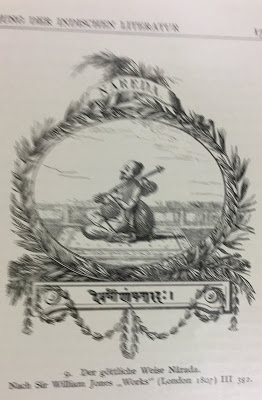
DEVA RISHI NARADA
சத்தியலோகம் என்றாலும் கூட அதுவும் ஒரு காலத்தில் அழியக் கூடியது தானே!
ஆகவே அழியா வைகுந்த பதத்தை அடைவதே எனது நோக்கம் என்றார் அவர்.
இந்திரன் அப்போது ராமபிரான் அங்கு வந்ததைக் கண்டு சரபங்கரிடம் விடை பெற்றான்.
பெரும் காரியமாக வந்துள்ள ராமனை இப்போது தரிசிக்க மாட்டேன். இராவணனை வதம் செய்யும் காரியம் முடிந்த பிறகு சந்திப்பேன் என்று கூறி விடை பெறுகிறான்.
இது வால்மீகி அளிக்கும் சித்திரம்.
கம்பனோ இந்திரன் இராமபிரானைக் கண்டதையும் இராமனைத் துதிப்பதையும் கூறுகிறார்; இங்கு வால்மீகியிடமிருது அவர் மாறுபடுகிறார்.
இங்கு கம்பன் ஆறு கவிகளில் இந்திரன் துதியைக் கூறுகிறார்.
இதில் ஒரு அதிசயம் கம்பன் கவிதையில் இருப்பதால் அதைத் தனியே (அடுத்த கட்டுரையில்) காணலாம்!
உள்ளே வந்த இராமபிரானை அன்புடன் வரவேற்ற சரபங்கர் தாங்க முடியாத மகிழ்ச்சியால் அழுதார்.
(‘ஆனவன் அடி தொழ அருள் வர அழுதான்’ – கம்பர்)
ஒரிரவு இராமன் சீதையுடனும் லக்ஷ்மணனுடனும் சரபங்கர் ஆசிரமத்தில் தங்கினார். பின்னர் வனத்தில் வசிக்க இடம் கேட்க, சரபங்கர் ‘சூசௌ தபஸ்வினம் சுதீஷ்ணம் அபிகச்ச’ – பரிசுத்தமான பிரதேசத்தில் தவம் புரியும் சுதீஷ்ண ரிஷியை சென்று காண் – எனக் கூறுகிறார்.’
பின்னர் அக்னியை வளர்த்து நெய்யினால் ஹோமம் செய்து தனது மனைவியுடன் அக்கினியில் புகுந்தார்.
இதை ஆச்சரியத்துடன் ராமர், சீதையுடனும் லக்ஷ்மணருடனும் பார்த்தார்.
பல உலகங்களைக் கடந்து பிரம்மலோகத்தை சரபங்கர் அடைய பிரம்ம தேவன் ‘சுஸ்வாகதம்’ – நல்வரவாகட்டும் – என்று கூறி அவரை வரவேற்றான்.
‘தீயிடை நுழைவது ஓர் தெளிவினை உடையான், ‘நீ விடை தருக என நிறுவினன்’” – கம்பர்.
சரபங்கர் அது வரை தான் ஈட்டிய நல்வினைகளை எல்லாம் இராமபிரானின் திருவடிகளில் சமர்ப்பித்து அதன் பயனாக யாரும் பெறுதற்கு அரிய பெரும் பதத்தைப் பெற்றான்.
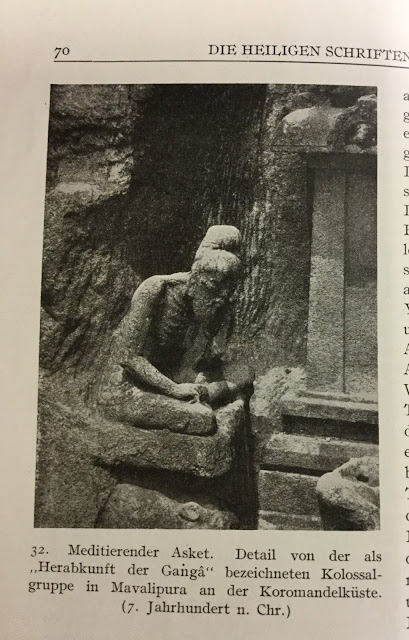
RISHI IN MAHABALIPURAM, TAMIL NADU
சரபங்க மஹரிஷியின் வரலாறு ஆச்சரியமான ஒரு வரலாறு.
வால்மீகி முனிவர் விவரிக்கும் ஸ்லோகங்களையும், கம்பனது கவிகளையும் படிப்போர் உளம் மகிழ்ந்து பக்தியால் நெகிழ்வர்!
***
அடுத்த கட்டுரை கம்பன் தரும் ஒரு ஆச்சரியம் சரபங்கன் பிறப்பு நீங்கு படலத்தில் உள்ளது. அது என்ன என்பது பற்றித் தான்!.
Pictures are taken from various sources for spreading knowledge; this is a non- commercial blog.
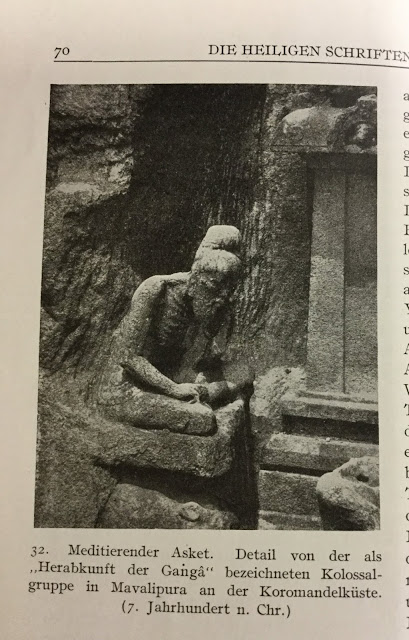
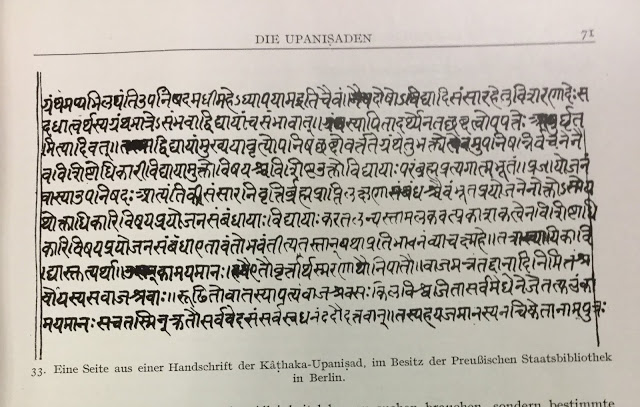
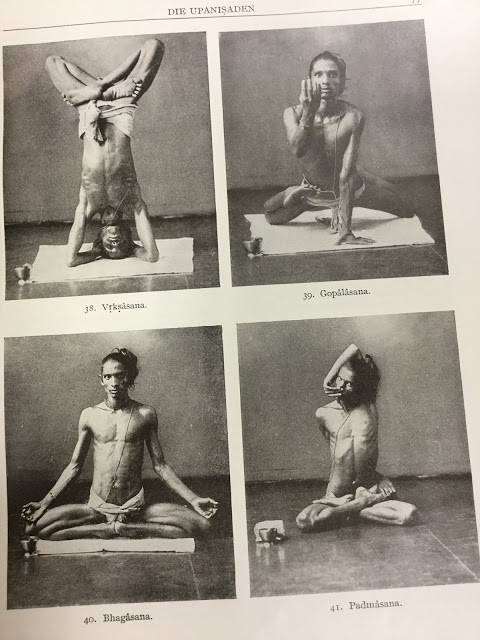
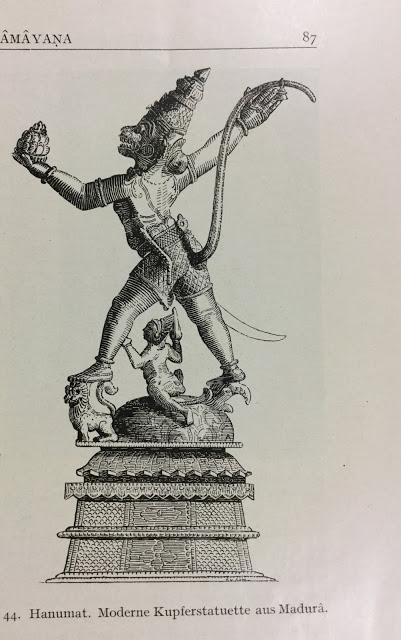
FOLLOWING IS THE PART TWO OF RARE PICTURES FROM AN OLD GERMAN BOOK ON INDIA. I PUBLISHED THE FIRST PART YESTERDAY.
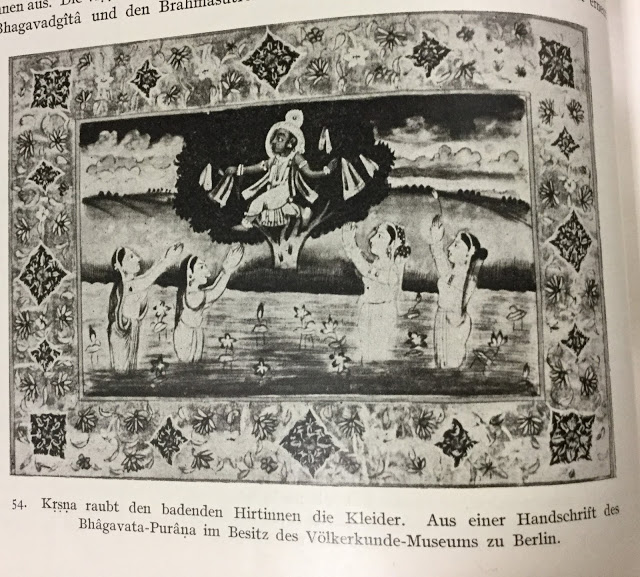
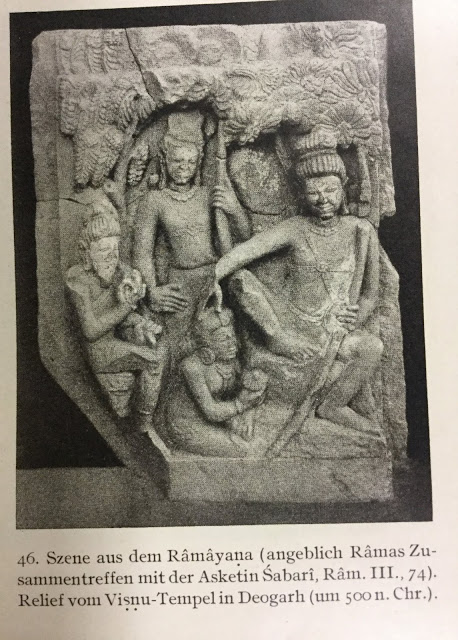
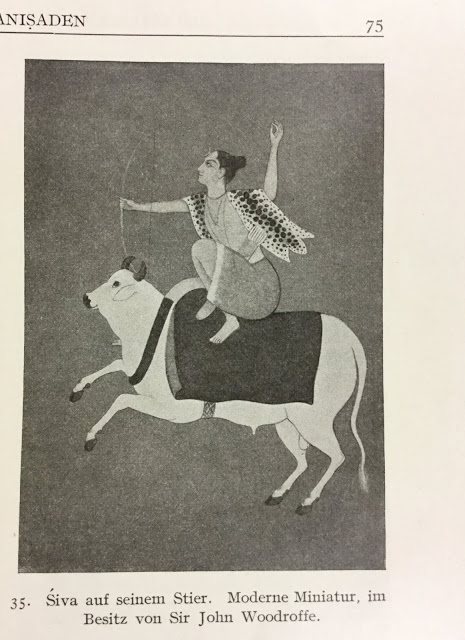
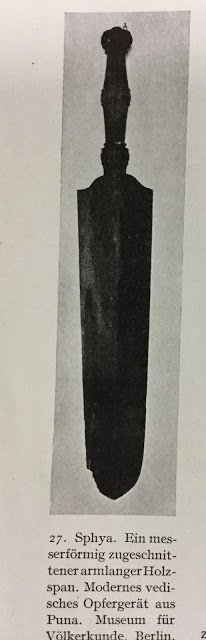
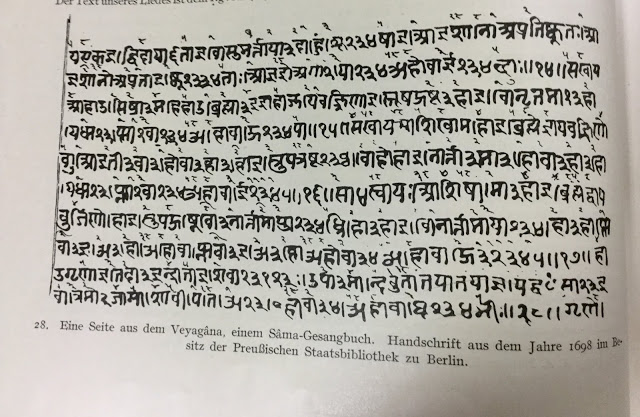
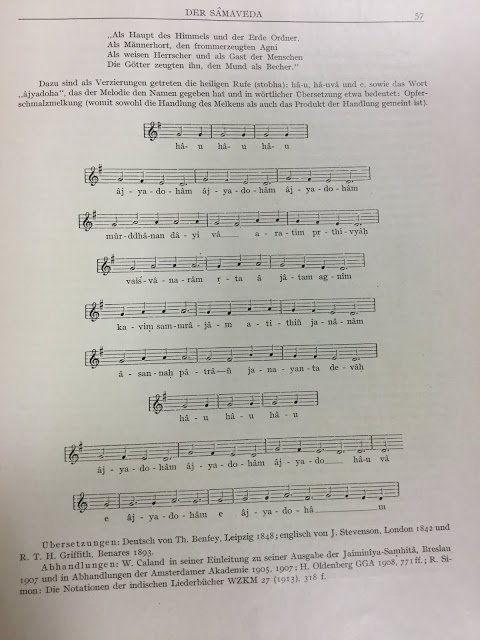
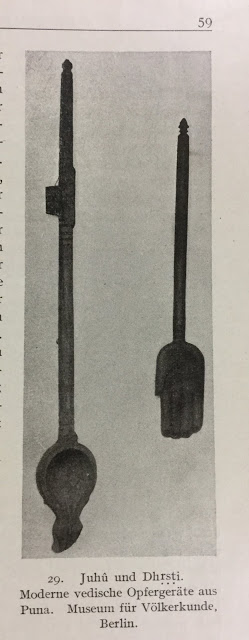
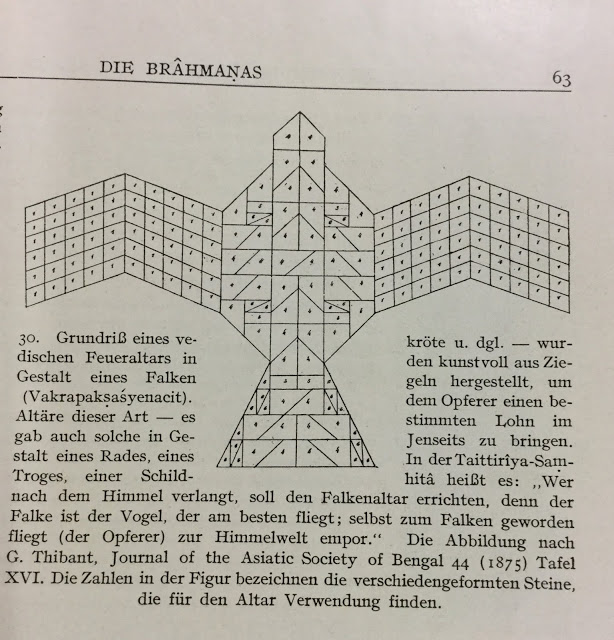
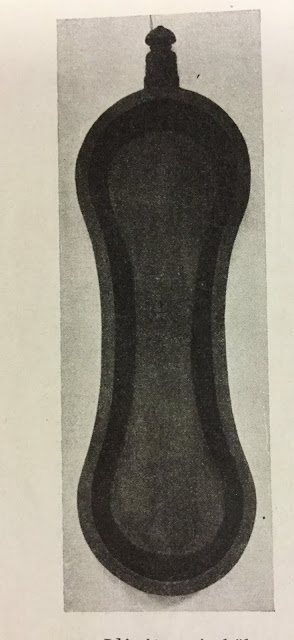
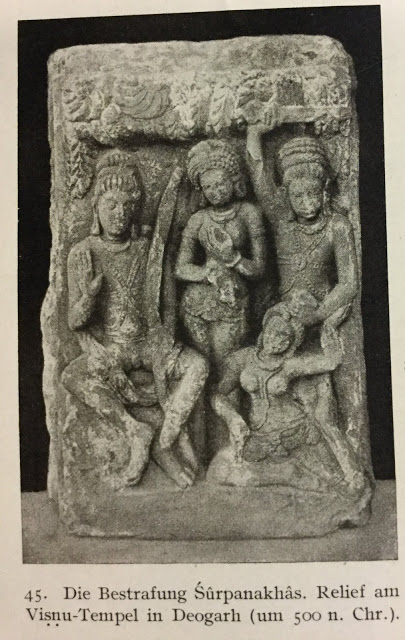
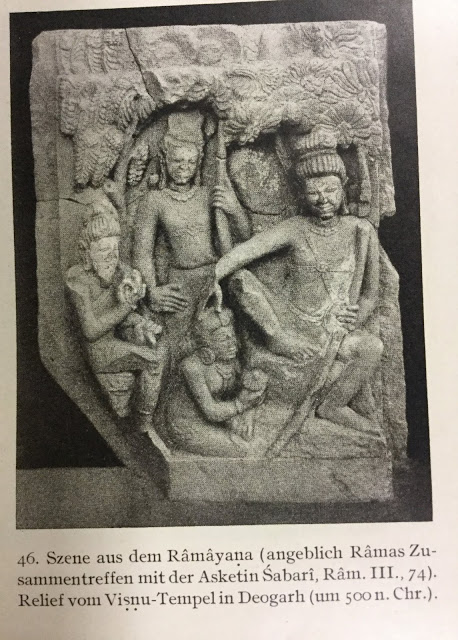
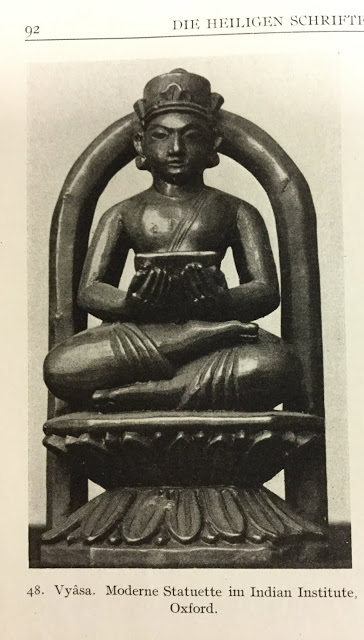
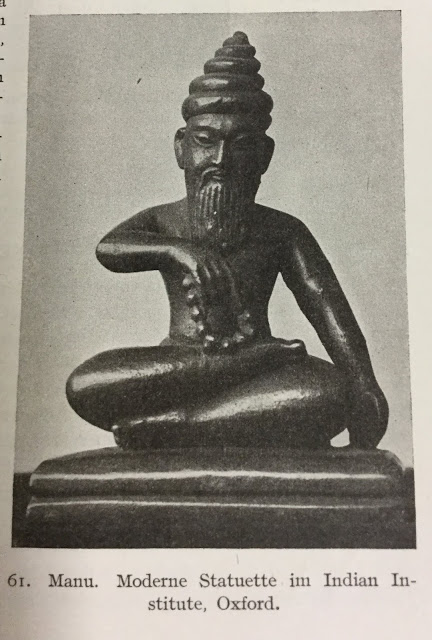
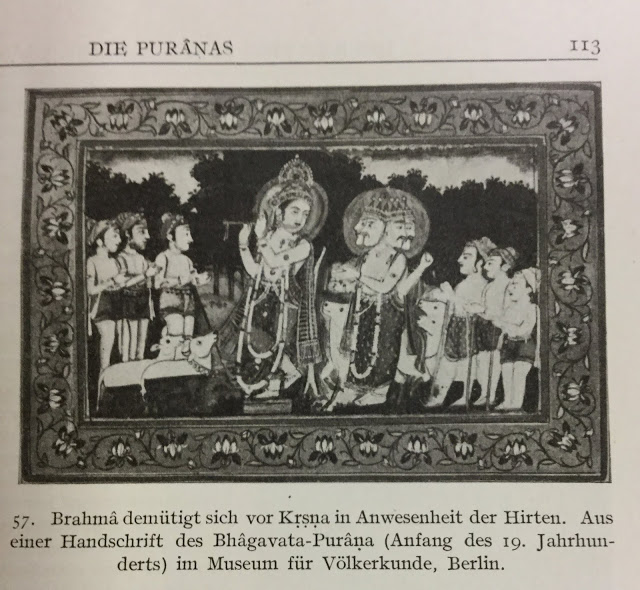
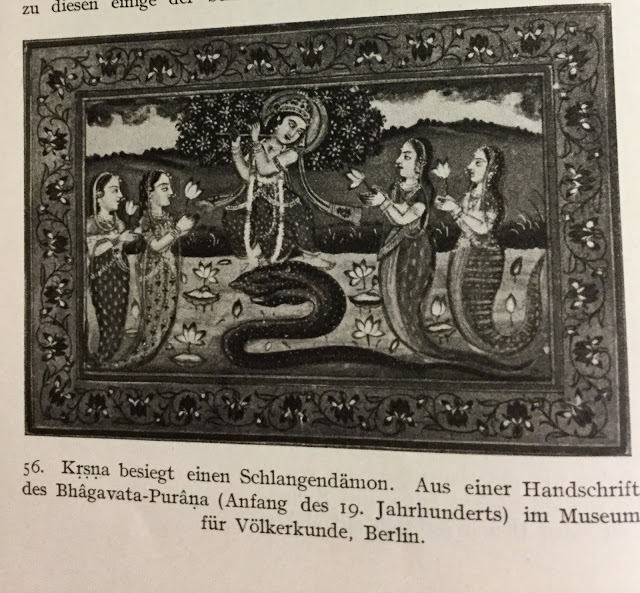
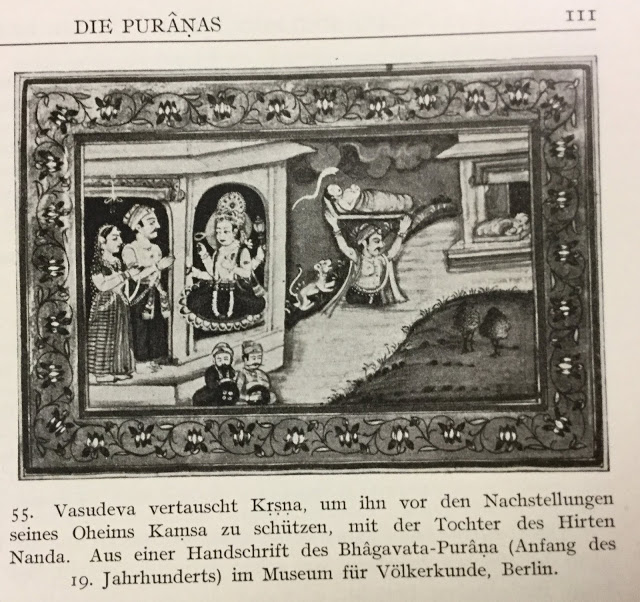
Yaga SpoonsSama Veda script in Berlin, GermanySama Veda set to musicLadles used in Fire CeremoniesVedic Fire altar in Eagle shapefigure from Mahabalipuram, Tamil nadu, IndiaUpansishad script in BerlinHindu Yoga AsanasAnjaneya in MaduraRamayana Sculptures, Deogarh; Surpanakha imageSabari Veda Vyasa, OxfordManuLord Krishna’s Life Story
MANU, VEDA VYASA STATUES and VEDIC SCRIPTS IN BERLIN MUSEUM ARE POSTED HERE.
Pictures are taken from various sources for spreading knowledge; this is a non- commercial blog.
Kanchi Shankaracharya Sri Chandrasekara Indra Sarasvati (1894-1994) was a great scholar in Sanskrit and Tamil. He spoke other languages too. The way he explains things is very interesting. He gives lot of information while explaining something. We may even forget the context. But he will bring us back to the original thread.
While he explained the six subjects studied along with the Vedas, he described the matters allied to grammar. It is one of the six subjects studied by the Vedic students.
Here is the story of Panini in his own words:-
Nataraja has a drum in one hand, called the dhakka or damaruka. When Nataraja dances, Sanaka and his brother sages Patanjali and Vyaghrapada and so on stand around him. Nataraja’s dance can be seen only by those who has inner vision of Jnana. Sanaka and others saw the dance with their real eyes. Vishnu played the drum and Brahma kept the time. At the close of the dance the concluding beats produced fourteen sounds. Branches of Vedic learning are also the same number — Caturdasa Vidyaa.
The fourteen sounds produced by Nataraja’s drum are the means by which the reality of Siva is to be known and experienced within us in all its plenitude. Nandikesvara has commented upon the fourteen sounds in his Shivabhakti Sutra.
Among those present at Nataraja’s dance was Panini. His story is told in the Brhatkatha which was written by Gunadhya in the Prakrit called Paisaci. Ksemendra produced a summary of it in Sanskrit , and based on it, Somadeva Bhatta wrote the Katha Sarit Sagara. It is the source of some of the stories of The Arabian Nights, Pancatantra and Aesop’s fables. Perunkatai is a Tamil version.
The story of Panini is told in the Katha Sarit Sagara – (ocean of stories). In Pataliputra in Magadha, modern Patna (in Bihar), there were two men called Varsopadhyaya and Upa varsopadhyaya, the second was the younger of the two. Upaa kosalaa was the daughter of Upavarsopadhyaya. Panini and Vararuchi were Varsopadhyaya’s students. Panini made little progress in his lessons. So his teacher asked him to go to the Himalayas and practise austerities. The student did so and through the grace of Iswara (Shiva) received the power to see the Tandava dance of Nataraja. With this divine gift of the Lord, Panini indeed saw the Tandava and heard the fourteen sounds at its conclusion. For him these fourteen sounds meant the fourteen cardinal Sutras of grammar and on them he based his Ashtadhyayi. As its very name suggests, this work which is the source of Sanskrit grammar, has eight chapters (Ashta+ Adhyaya).
The fourteen sounds are recited at the Upakarma (Sacred Thread) ceremony. Since they emanated from the drum of Maheswara, they are called Maheswara sutras.
How did panini make use of the fourteen sounds? He created an index from the sutras to vocalise the letters or syllables together. According to the arrangement made by him, the first letter or the syllable of a Sutra voiced with the last letter or syllable of another Sutra will indicate the syllables or letters in between. For example, the first syllable of the Hayavarat, the first letter ‘ha’ and the last letter of Hal’ I’ together make ‘Hal’. This embraces all the consonants in between. Similarly, the first letter of the first Sutra ‘a’ and the last letter of the fourth Sutra together form ‘ac’. — that includes all the vowels. The first letter of the first Sutra and the last letter of the fourteenth Sutra together form al— it includes all letters.
Fourteen Maheswara Sutras are
1.a i u ṇ
2. Ṛḷ k 3. e o ṅ 4. ai au c 5. ha ya va ra ṭ 6. la ṇ 7. ña ma ṅa ṇa na m 8. jha bha ñ 9. gha ḍha dha ṣ 10. ja ba ga ḍa da ś 11. kha pha cha ṭha tha ca ṭa ta v 12. ka pa y 13. śa ṣa sa r 14. ha l
Pictures are taken from various sources for spreading knowledge; this is a non- commercial blog.
Some days ago, I published a news item in this blog about sun light entering the Madurai Muktheeswar Tempe of Lord Shiva. Hindus were great engineers, even 1500 years ago, who could construct temples in such a way to allow sunlight into the Garba Griha- the sanctum sanctorum. Now my friend Devapriyaji has posted one more news item of such sun light wonders in Facebook.
Here is the matter in English
Chengam Rishabeswar Temple is in Tiruvannamalai District. It is a shiva temple which is at least 600 year old. (All Shiva temples have Nandhi/bull installed in front of the main shrine) .Ever year sun light falls on this Bull and changes it into golden colour. That is, the bull appears to be made of gold in the sun light. It lasts for a few minutes. Since it is an annual event large number of devotees gathered there to see the natural wonder on 16th March 2020 .
Hindus are nature lovers. From the days of 6000 year old Rig Veda (date according to Herman Jacobi and Freedom Fighter B G Tilak), Hindu scriptures are full of descriptions of nature. Since the SUN is the biggest source of energy for all the living beings on earth, they showed it to every one and asked to see Gayatri Devi in it.
In short, they saw God through Sun Light. Several Hindu temples in South India are very big. And yet the temple builders found out ways to get the sun light into the inner most part of temple what is called Garbha Griha in Sanskrit.
Chengam Temple is one of the temples where you can see sun light playing with the statues inside the temple
Chengam is approximately 230 kilometres from Chennai in Tamil Nadu.
Pictures are taken from various sources for spreading knowledge; this is a non- commercial blog.
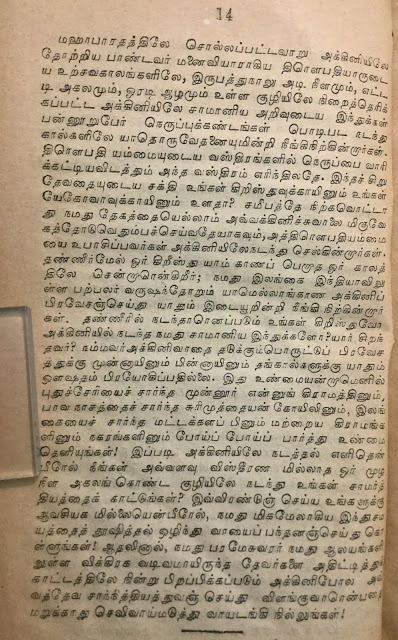
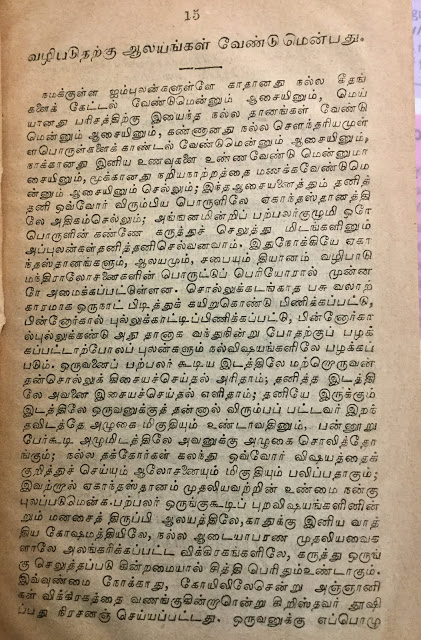
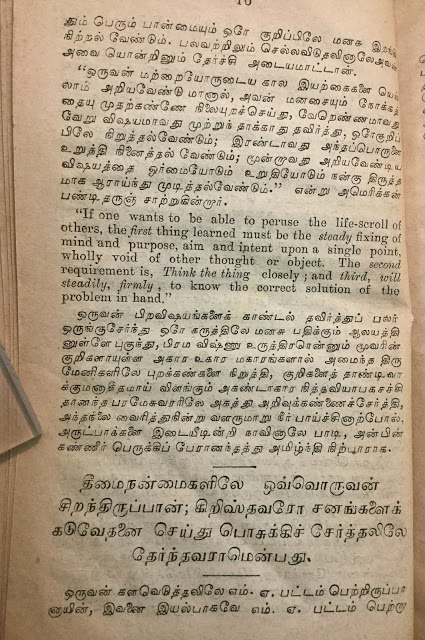
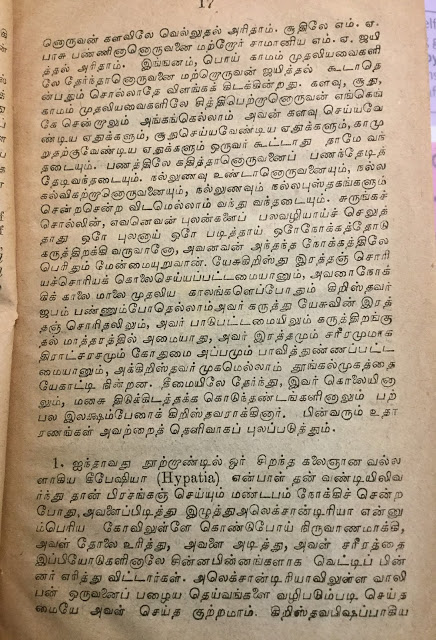
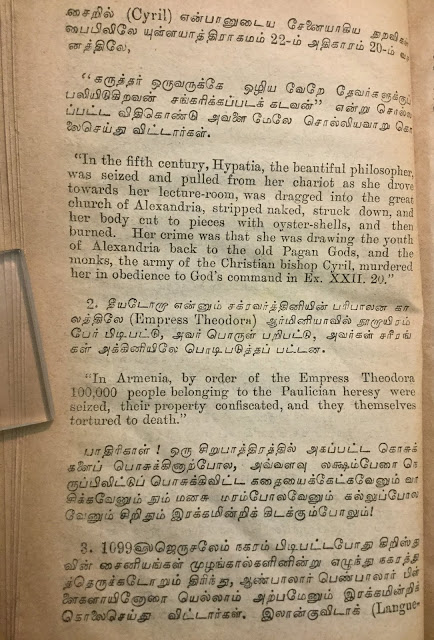
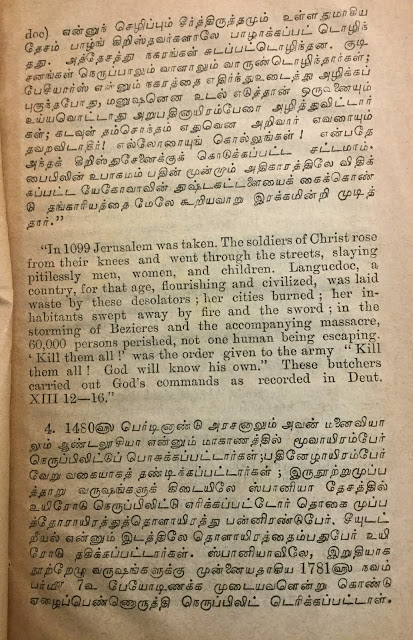
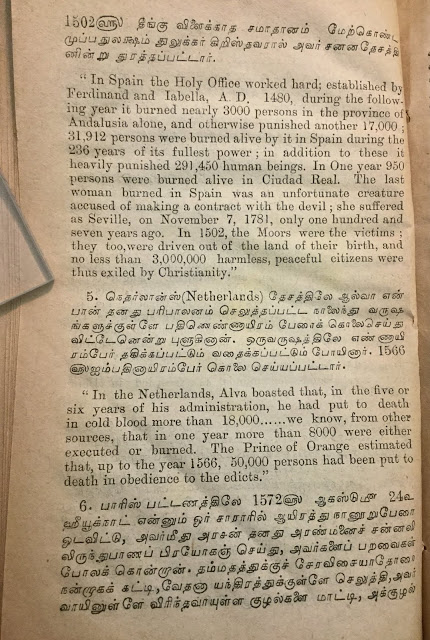
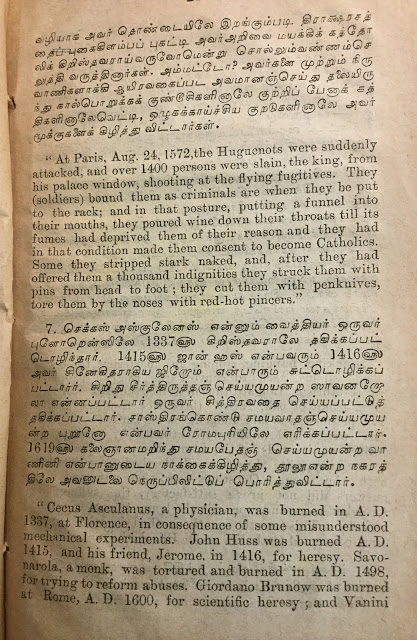
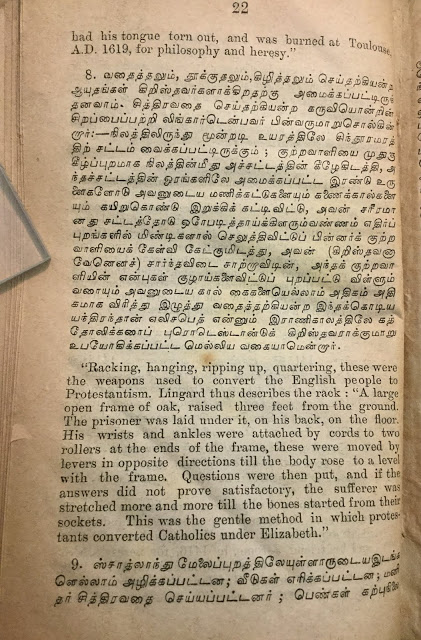
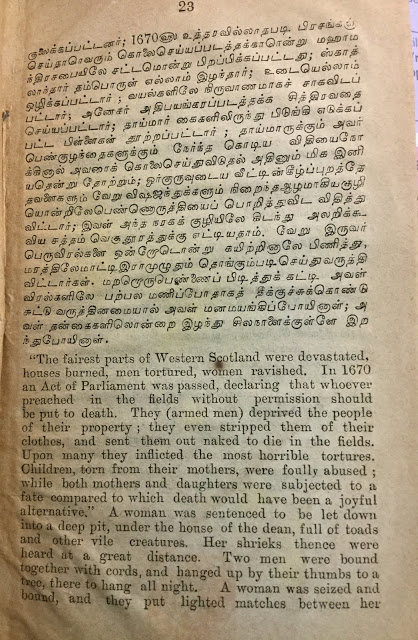
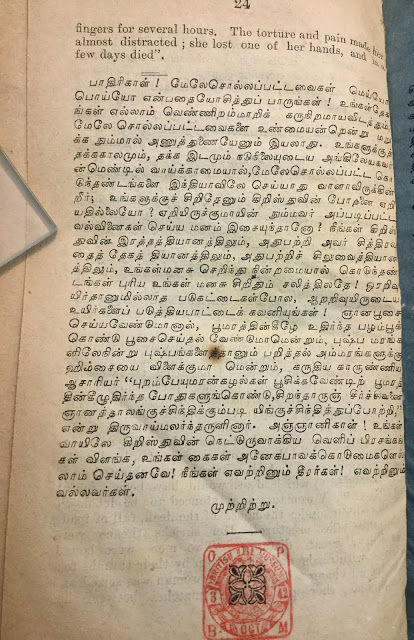
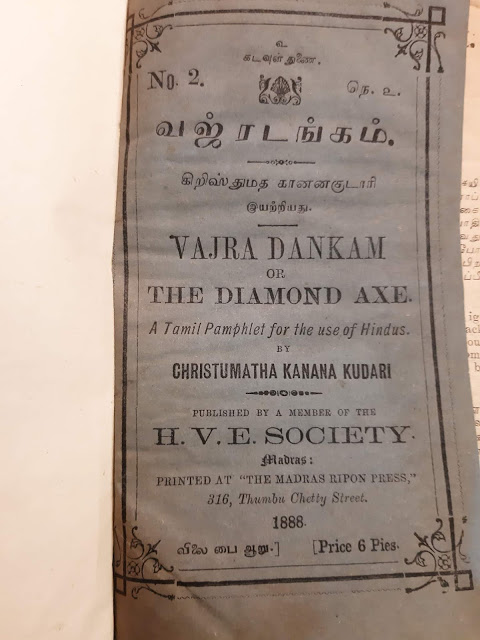
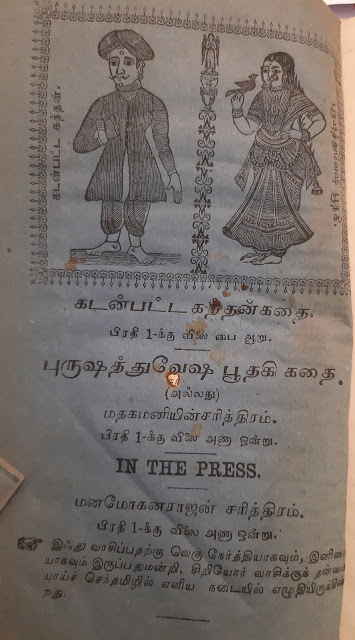
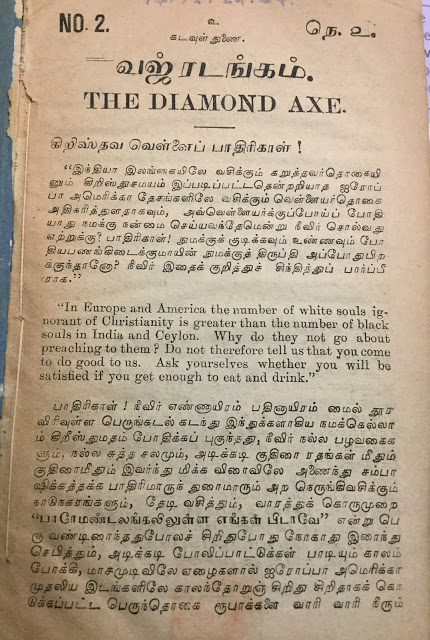
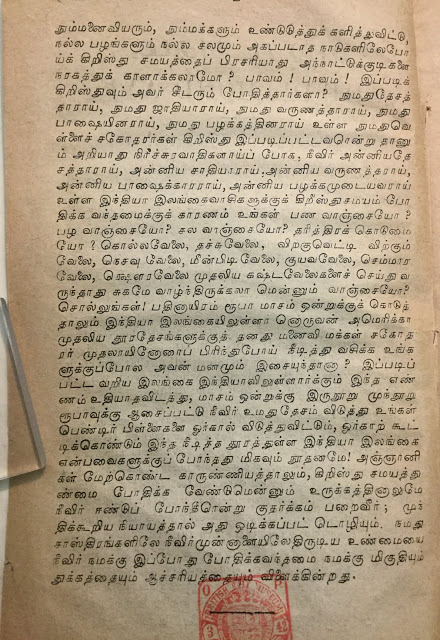
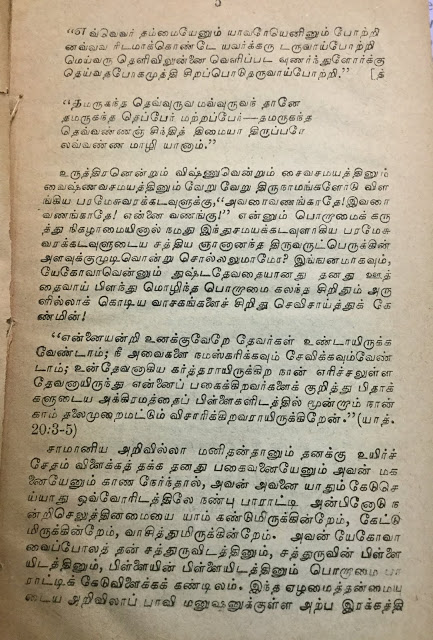
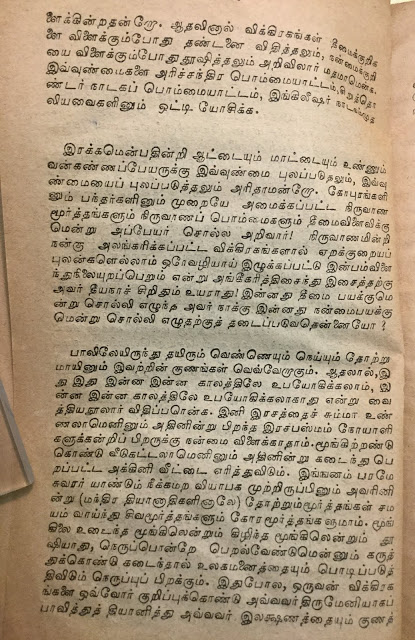
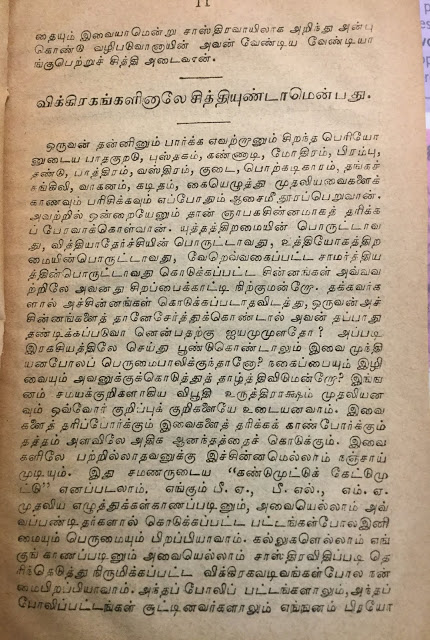
Part two- Diamond Axe- Hindus’ Reply to Christian Attacks கிறிஸ்தவர் புகார்களுக்கு ஆப்பு 1888 நூலில்!-1(Post No.7705)
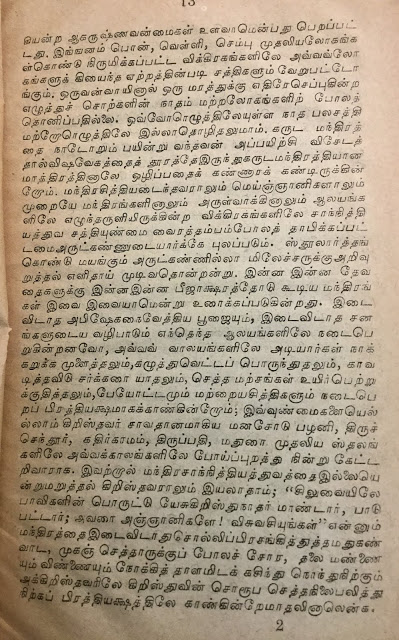
Following book contains Hindus’ reply to Christian criticism in English and Tamil. Book is available in the British Library in London.
This is the second and last part
நாடார்கள் பேய்களை வழிபடும் கீழ்ஜாதிகள் என்றும் கிருஷ்ண பரமாத்மா பெண் பித்தன் என்றும் பிஷப் கால்டு வெல் (Bishop Caldwell 1814-1891) போன்ற விஷமிகள் விஷ(ம)ப் பிரசாரம் செய்து வந்ததை எதிர்த்து இந்துக்கள் தமிழிலும் ஆங்கிலத்திலும் பதில் கொடுத்து புஸ்தகம் வெளியிட்டனர். 1888-ம் ஆண்டிலேயே இவ்வளவு ஹிந்து விழிப்புணர்ச்சி இருந்தது வியப்பூட்டுகிறது. அதுமட்டுமல்ல “கல்வி கற்ற இந்துக்களுக்கு” என்ற தலைப்பில் 4 பகுதி கொண்ட ஆங்கிலப்புஸ்தகத்தில் கிருஷ்ணனையும் மகாபாரதத்தையும் குறைகூறி பிஷப் கால்டு வெல் எழுதியதற்குப் பதிலாக இந்தப் புஸ்தகம் உள்ளது. ஐந்தாம் நூற்றாண்டில் கணிதம் கற்பித்த பேரழகியை தர தர என்று தெருவுக்கு இழுத்து வந்து அவளை உயிருடன் கொளுத்திய சம்பவம் முதல் தென் அமெரிக்க நாகரீகங்களை கிறிஸ்தவப் பாதிரியார்கள் தீக்கிரை ஆக்கிய சம்பவம் வரை எல்லாவாற்றையும் சுருக்கமாகக் கொடுத்துள்ளனர். இதில் ஒரு சம்பவம் கூட மிகைப் படுத்தப்பட்டதல்ல என்பதை இன்று வரலாறு படிப்போர் அறிவர். எல்லா என்சைக்ளோபீடியாக்களிலும் உலகமே ஒப்புக்கொண்ட உண்மைச் சம்பவங்கள் இவை.
புஸ்தகத்தின் பெயர் – வஜ்ரக் கோடாலி/கோடரி (சம்ஸ்க்ருதத்தில் வஜ்ர டங்கம் )
கிடைக்குமிடம்- பிரிட்டிஷ் லைப்ரரி, லண்டன்
நான் இதை பிரிட்டிஷ் லைப்ரரியில் படித்தவுடன் “யான் பெற்ற இன்பம் பெறுக இவ்வையகம்” என்ற திருமூலர் வாக்கு நினைவுக்கு வந்தது . உடனே இதை பேஸ் (Facebook) புக்கில் போட்டேன் . இப்பொழுது எனது இரண்டு ‘பிளாக்’குகளிலும் பதிவு செய்கிறேன்.
Tags — வஜ்ர டங்கம் , கிறிஸ்தவ மதம், ஆப்பு , பிரசாரம் , பிஷப் கால்டுவெல், கோடரி, PART TWO
Pictures are taken from various sources for spreading knowledge; this is a non- commercial blog.
உதவிக் குறிப்புகள்! – 8 – HELPFUL HINTS – 8
Be Busy!
ச.நாகராஜன்
எனது பழைய நோட்புக்கில் எழுதி வைத்துள்ள, நான் படித்து வந்த, பல நல்ல புத்தகங்களின் சில முக்கிய பகுதிகளின் தொடர்ச்சி இதோ:
HELPFUL HINTS
குறிப்பு எண் 53 : From the book : How to stop worrying and start living by Dale Carnegie
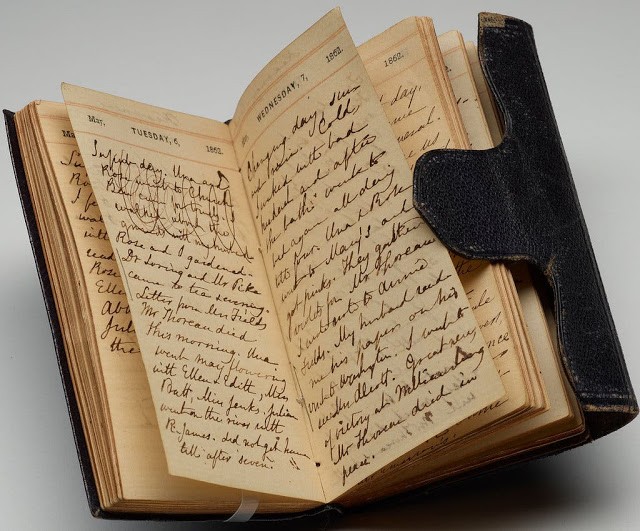
Keep a Diary!
Keep a Diary! You record your triumphs in the application of these principles
குறிப்பு எண் 54 : From the book : How to stop worrying and start living by Dale Carnegie
BE BUSY!
Worrying person must lose himself in actions lest he wither in despair – BE BUSY!
குறிப்பு எண் 55 : From the book : How to stop worrying and start living by Dale Carnegie
Dont get upset!
Disraeli said – “Life is too short to be little.” Let us not allow ourselves to be upset by small things we should despise and forget
குறிப்பு எண் 56 : From the book : How to stop worrying and start living by Dale Carnegie
Examine!
Let us examine the record – Let us ask ourselves : “What are the chances according to law of averages, that this event I am worrying about will occur.”
குறிப்பு எண் 57 : From the book : How to stop worrying and start living by Dale Carnegie
Co-operate with the inevitable!
Co-operate with the inevitable: Accept the things which you can not change.
குறிப்பு எண் 58 : From the book : How to stop worrying and start living by Dale Carnegie
Don’t worry over the past!
Dont try to saw sawdust i.e., Do not woory over Past – “Don’t Cry over split milk”
குறிப்பு எண் 59 : From the book : How to make your Daydreams come true! By Elmer Wheeler
Birds of success flock together
Birds of success flock together. Go where success breeds. Try to get as near as you can to people successful in the way you want to be successful!
குறிப்பு எண் 60 : From the book : How to make your Daydreams come true! By Elmer Wheeler
Give your mind a chance to work with the body.
குறிப்பு எண் 61 : From the book : How to make your Daydreams come true! By Elmer Wheeler
First, do only the things you ought to do, and second, don’t do the things you know you ought not to do!
குறிப்பு எண் 62 : From the book : How to make your Daydreams come true! By Elmer Wheeler
Always try to do a little : ”Something Special” for the people you work with and success will take care of itself.
குறிப்பு எண் 63 : From the book : How to make your Daydreams come true! By Elmer Wheeler
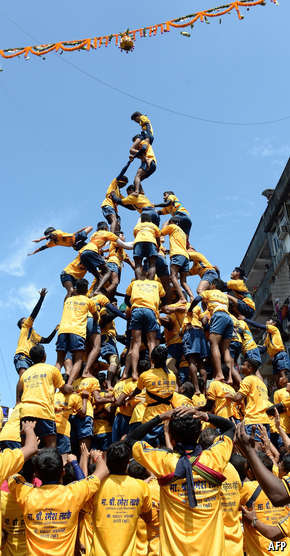
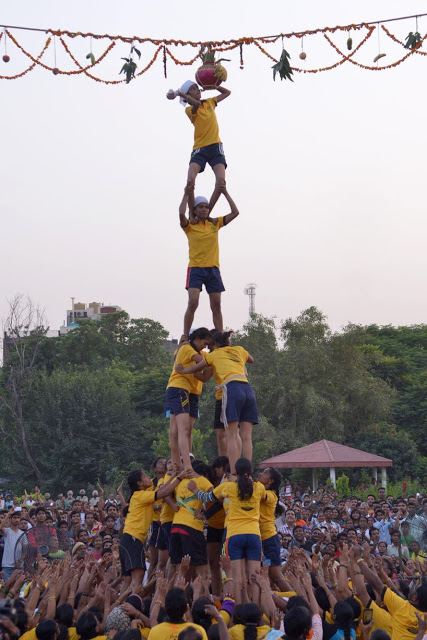
Hindu Festival Janmashtami encourages Team work
Teamwork
One of the success secrets is – TEAMWORK!
குறிப்பு எண் 64 : From the book : How to get whatever you want! by M.R. Kopmeyar
First job you have to do is to sell you on yourself. Write a commercial about you and read it many times every day!
குறிப்பு எண் 65 : From the book : How to get whatever you want! by M.R. Kopmeyar
Alwaya walk and act as though you had jut closed a Million dollar deal. This will change your whole attitude!
குறிப்பு எண் 66 : From the book : How to get whatever you want! by M.R. Kopmeyar
Get in front of a mirror and give yourslef a peptalk. Some of the world’s most successful people do that everyday!
குறிப்பு எண் 67 : From the book : How to get whatever you want! by M.R. Kopmeyar
Look like a Success …. Talk like a Success … Act like a Success… Think like a Success… And you will be a Success.
குறிப்பு எண் 68 : From the book : Pushing to the front by Orison Swett Marden
Promptness!
“Promptness is a contagious inspiration.” It is one of the practival virtues of civilisation.
குறிப்பு எண் 69 : From the book : Here is Help by M.R. Kopmeyar
Do not emotionalise trouble; you can not fix a damaged watch with a hammer!
குறிப்பு எண் 70 : From the book : Here is Help by M.R. Kopmeyar
Do not be oversensitive to imperfection; Do not over react in disapproval. . Keep a quiet mind!
Most of the Hindu Festivals are based on team work; this is Janmashtami- Lord Krishna’s Birth Day
Pictures are taken from various sources for spreading knowledge; this is a non- commercial blog.
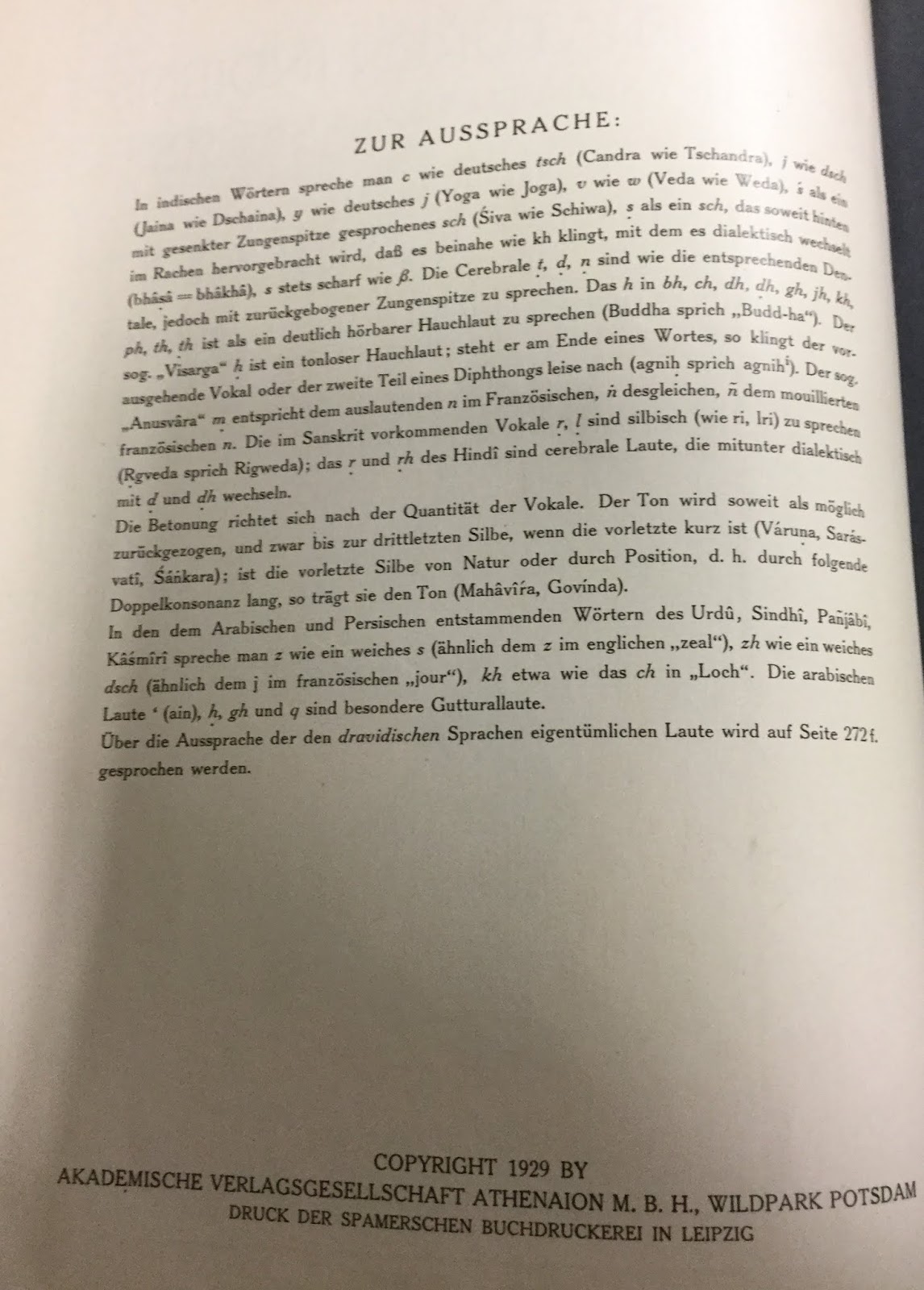
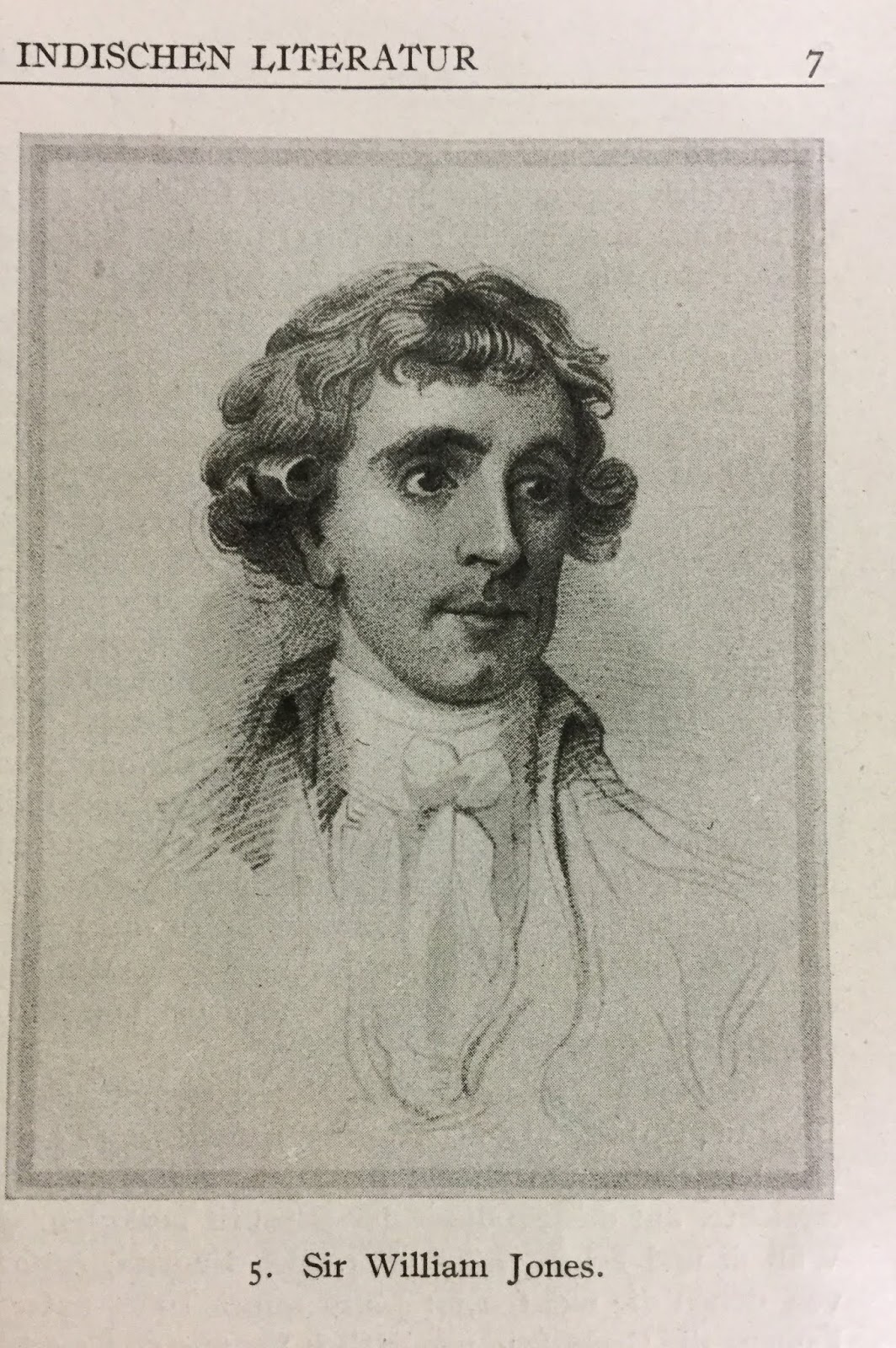
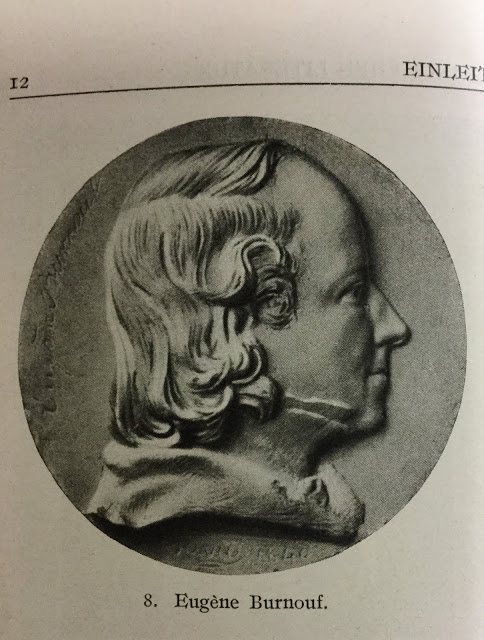
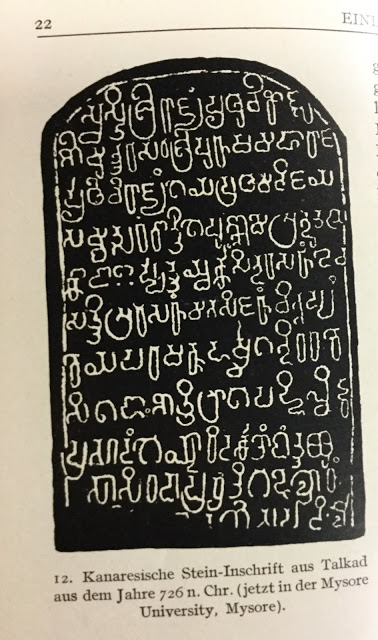
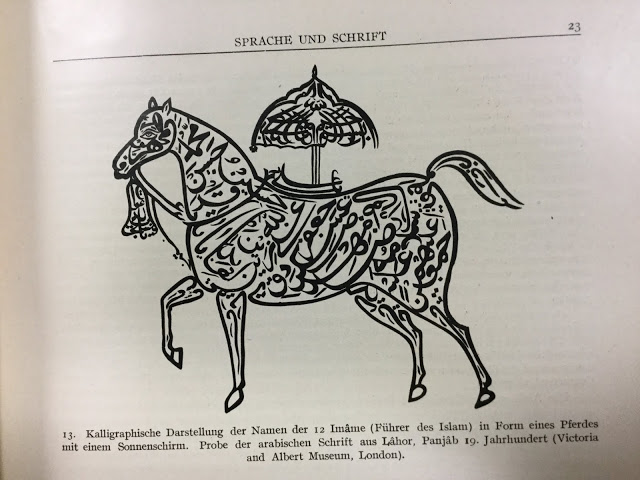
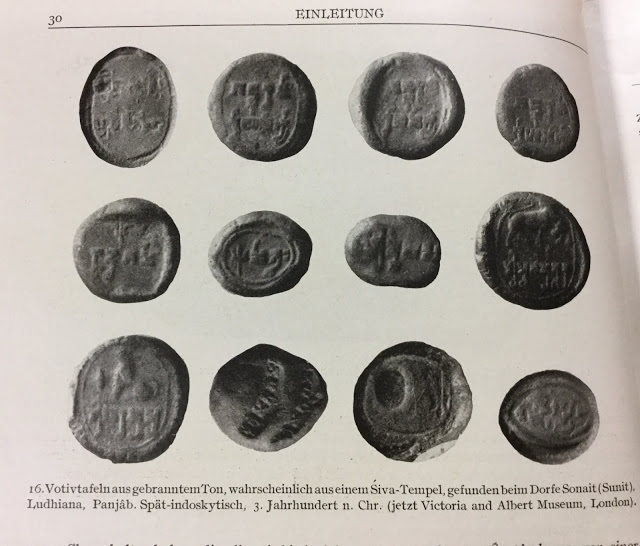
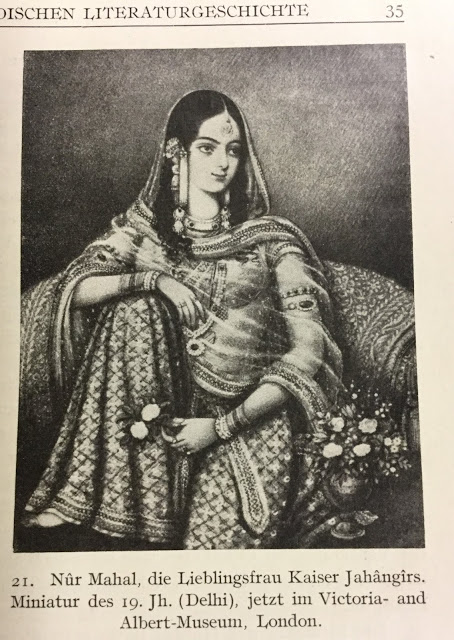
FOLLOWING ARE SOME RARE PICTURES ABOUT INDIA IN AN OLD GERMAN BOOK. PICTURES ARE TAKEN AT BERLIN AND LONDON MUSEUMS. SOME ARE FROM INDIA. THE BOOK WAS PUBLISHED IN 1929.
Three Famous Indologists from England and France
NAGARI ALPHABET IN YEAR 1667 IN AMSTERDAMTALKADU KANNADA INSCRIPTIONHORSE IN CALLIGRAPHY , V&A MUSEUM, LONDONvotive offerings in Siva Temple in Ludhiana, Punjab GARUDA IN GANDHARA STYLE, V & A MUSEUM, LONDONGAJALAKSHMI LAMP IN MADRAS MUSEUMSIVA AND PARVATI IN ELEPHANTA CAVES, INDIANUR MAHAL, V & A MUSEUM, LONDONNaga Deepa/lamp
Pictures are taken from various sources for spreading knowledge; this is a non- commercial blog.
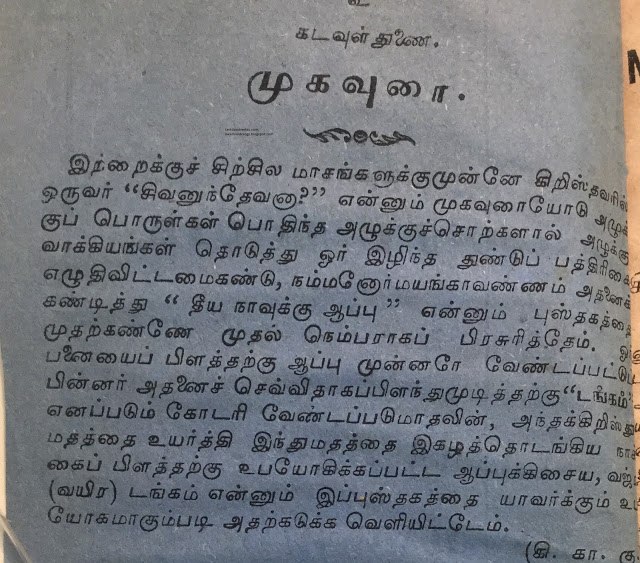
Diamond Axe- Hindus’ Reply to Christian Attacks கிறிஸ்தவர் புகார்களுக்கு ஆப்பு 1888 நூலில்!-1(Post No.7705)
I am posting it in two parts ;இரண்டு பகுதிகளாக வெளியிடுகிறேன்
Following book contains Hindus’ reply to Christian criticism in English and Tamil. Book is available in the British Library in London.
நாடார்கள் பேய்களை வழிபடும் கீழ்ஜாதிகள் என்றும் கிருஷ்ண பரமாத்மா பெண் பித்தன் என்றும் பிஷப் கால்டு வெல் (Bishop Caldwell 1814-1891) போன்ற விஷமிகள் விஷ(ம)ப் பிரசாரம் செய்து வந்ததை எதிர்த்து இந்துக்கள் தமிழிலும் ஆங்கிலத்திலும் பதில் கொடுத்து புஸ்தகம் வெளியிட்டனர். 1888-ம் ஆண்டிலேயே இவ்வளவு ஹிந்து விழிப்புணர்ச்சி இருந்தது வியப்பூட்டுகிறது. அதுமட்டுமல்ல “கல்வி கற்ற இந்துக்களுக்கு” என்ற தலைப்பில் 4 பகுதி கொண்ட ஆங்கிலப்புஸ்தகத்தில் கிருஷ்ணனையும் மகாபாரதத்தையும் குறைகூறி பிஷப் கால்டு வெல் எழுதியதற்குப் பதிலாக இந்தப் புஸ்தகம் உள்ளது. ஐந்தாம் நூற்றாண்டில் கணிதம் கற்பித்த பேரழகியை தர தர என்று தெருவுக்கு இழுத்து வந்து அவளை உயிருடன் கொளுத்திய சம்பவம் முதல் தென் அமெரிக்க நாகரீகங்களை கிறிஸ்தவப் பாதிரியார்கள் தீக்கிரை ஆக்கிய சம்பவம் வரை எல்லாவாற்றையும் சுருக்கமாகக் கொடுத்துள்ளனர். இதில் ஒரு சம்பவம் கூட மிகைப் படுத்தப்பட்டதல்ல என்பதை இன்று வரலாறு படிப்போர் அறிவர். எல்லா என்சைக்ளோபீடியாக்களிலும் உலகமே ஒப்புக்கொண்ட உண்மைச் சம்பவங்கள் இவை.
புஸ்தகத்தின் பெயர் – வஜ்ரக் கோடாலி (சம்ஸ்க்ருதத்தில் வஜ்ர டங்கம் )
கிடைக்குமிடம்- பிரிட்டிஷ் லைப்ரரி, லண்டன்
நான் இதை பிரிட்டிஷ் லைப்ரரியில் படித்தவுடன் “யான் பெற்ற இன்பம் பெறுக இவ்வையகம்” என்ற திருமூலர் வாக்கு நினைவுக்கு வந்தது . உடனே இதை பேஸ் (Facebook) புக்கில் போட்டேன் . இப்பொழுது எனது இரண்டு ‘பிளாக்’குகளிலும் பதிவு செய்கிறேன்.