Wonderful and Strange Facts in Manu Smrti (Post No.3041)

manusmriti

Written by london swaminathan

Date: 6th    August 2016

Post No. 3041

Time uploaded in London :–17-15

( Thanks for the Pictures)


DON’T REBLOG IT AT LEAST FOR A WEEK!  DON’T USE THE PICTURES; THEY ARE COPYRIGHTED BY SOMEONE.


(for old articles go to tamilandvedas.com OR swamiindology.blogspot.com)


Manu Smrti or Manava Dharma Sastra has 2685 slokas or couplets.

Manu Smrti (MS) is the oldest law book in the world according to the internal evidence (Please see below about Soma Herb and Saraswati River).

There is no book in the world that deals with so many topics as MS.

It is older than the Hammurabi code according to the evidence in it and other scriptures like Bhagavad Gita.

It has got many strange references about women, Saraswati River, Age of man and sale of Soma etc. In this first part I will refer to some slokas with my comments.


1.Woman’s Mouth is always Pure:-

A woman’s mouth is always unpolluted, as is a bird that knocks down a fruit; a calf is unpolluted while the milk is flowing and the dog is unpolluted when it catches a wild animal (3-150)


2.Man lived for 400 years!

In the Krta Yuga (First of the Four Yugas), people are free from sickness, achieved all their goals, and have a life span of 400 years; but in the ages that began with the age of Treta yuga, their life span grows smaller foot by foot ( in other places he mentions 100 year life span during the modern era).


3.Origin of life in Water:-

He (God) thought deeply, for he wished to emit various sorts of creatures from his own body; first he emitted the waters, and then he emitted his semen in them; that became a golden egg, as bright as the sun with his thousand rays; Brahma himself, the grand father of all people, was born in that egg. “The waters are born of man”, so it is said, indeed the waters are the children of the primordial man (1-8 to 10).


4.Sumuka mystery

Manu gives a list of kings in which Sumuka is one; there is no mention of Sumuka in our scriptures, but it is in Sumerian king list (Please read my article:Sanskrit words in Sumerian Culture: Sumukan Mystery, posted on 12 May 2014)

manu2

5.Strangest treatment!

Foreigners criticised every Hindu scripture as corrupted and interpolated; they even criticised the purest and oldest scripture Rig Veda as interpolated with Khila (appendix added later) portions. But they maintain dead silence about Manu Smrti. They never talk about any interpolations, because they want to use all the interpolations as originals and bash them as hard as possible. It is the strangest fact.

My comments:

Manu Smrti has many interpolations (I will call them ‘udating’) which were added during the Brahmin rule of Sunga Vamsa around Second century BCE. Harsh slokas about Shudras were added during this period. What is the proof for interpolations? The proof comes in the form of contradictions in the book. It advocates marrying any woman if she is good, getting education from the lowest class, praising women sky-high which is not seen in any book until today. But in some other places we have contradictory statements.

In several places Manu is used in third person:- Manu said….. This shows it was compiled by someone at a later date.


6.Manu’s Age 1500 or 5000 BCE!

Lord Krishna mentioned Manu in fourth chapter of Bhagavad Gita. He says he was the predecessor of Ikshvaku (Sugarcane King); please read my articles about Manu and Sugarcane:-

Mystery of Manu: Rig Veda Mystery No.8, posted on 19 January 2015

The Sugarcane Mystery: Indus Valley and Ikshvaku Dynasty, posted on 19 November 2011


The internal evidence in Manu Smrti is amazing:-

The Saraswati River is mentioned by him in at least three places:-8-105, 2-17, 11-78

He says a person who killed a Brahmin may eat food fit for the oblation and walk the length of the Sarasvati river; earlier he mentioned a walk for 1000 miles reciting the Vedas to get rid of the sin.

My comments:

This means Manu lived in the period when Sarasvati river was running for 1000s of miles. Even the Mahabharata and Brahmana literature mentioned the dried Sarasvati river. That means Manu lived before the Mahabharata period. DR Mankad dated him around 5700 BCE.


7.Sale of Soma!

Soma plant was very rare even during late Vedic age. They were talking about alternates to Soma. Manu mentioned about Soma sale and forbidden sale etc. That means he lived in the early Vedic age.

All the dates given by western scholars are ridiculous. It is like giving a date of latest amendment to Indian constitution as the original date of the constitution. All Hindu Puranas, Smrtis and Scriptures were subjected to constant updating.

Soma plant and Soma sacrifices were mentioned in several places:-

3-87, 211, 257

4-26, 52

9-129, 11-7 to 12, 255

Sale of Soma – 3-158, 180, 10-80


To be continued………..


—Subham–


Village Well is Ladies Club in India! (Post No. 3032)

gossip well

Compiled by london swaminathan

Date: 3RD   August 2016

Post No. 3032

Time uploaded in London :–  20.346

( Thanks for the Pictures)


DON’T REBLOG IT AT LEAST FOR A WEEK!  DON’T USE THE PICTURES; THEY ARE COPYRIGHTED BY SOMEONE.


(for old articles go to tamilandvedas.com OR swamiindology.blogspot.com)


From the book, “Life and Labour of The People of India” by Abdullah Yusuf-Ali, Barrister at Law, Year 1907, London)


India Water_Siva

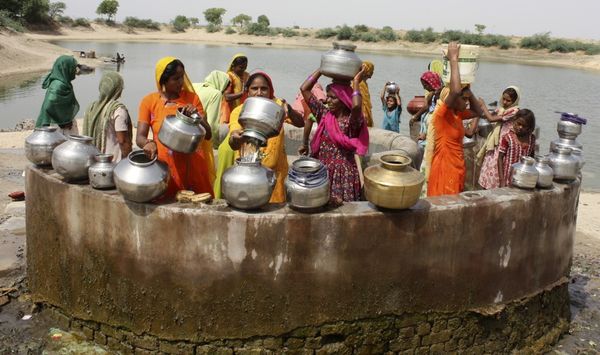
“As the social life of the men centres round the Lambardar’s (Village headman) reception room, so the social life of the women centres round the village well, to which they go to draw water. The graceful figure of the village maiden, with two or three pots of different sizes–the smallest on the top poised on her head, going to the river to fetch water, has been so familiarised in Daniell’s pictures that it is scarcely necessary to describe it in words, but the social chatter which takes place at the well claims a little of our attention.


In the first place it must be realised that the water supply of a village which is some distance from a stream or river (a description that would apply to a vast number of villages) is not derived from any water-works, but from deep holes dug und to a depth of 15 to 30 feet, according to the spring level. The vertical hole thus made in the soil is lined with masonry. When the masonry tube is well sunk in, a ceremony is performed which is analogous to that of the going of a bride to the husband’s house. The well is supposed to be a living being, and she is married to the god of the locality. No one is allowed to drink water out of it until the installation has taken place in due form. It is attended with some picturesque ceremonies, and forms quite an event in village history.


The exterior of the well is built up in the form of a round platform with an opening into the well in the centre. On this platform are fixed two or three poles, or a framework with a pulley and ropes, to help people to draw water. The mouth of the well is sometimes covered with a wooden grating to prevent accidents, as men and women have been known to lose their balance and fall into the water. The favourite mode of suicide, by the way when an Indian woman finds herself unhappy in her married life on account of differences, not with her husband, but with her mother-in-law is by jumping down a well.

village well, google

The usual gossip of the women, morning and evening, is around the village well. It is the ladies’ club, as exclusive as the aristocratic clubs of London. The higher castes have wells of their own, to which no lower class people are allowed to go to draw water.


The conversation which usually takes place among the elder women when they are present is about the enormities or failings of the younger women who are their daughters-in-law. If they are absent when they are gone, then comes the turn of the young wives to compare notes about their respective mothers-in-law and sisters-in-law, not often to the advantage of these relatives of the husband. Thus you will see the village well looms very large in the social history of the Indian women; but it would require a whole volume to enlarge upon the romance of the well.


It will be remembered that even so in England, in the age of chivalry and romance, great many legends gathered around wells. These still linger around the holy wells in Cornwall and Ireland. Southey wrote a famous ballad on the well of St Keyne, and the scene of one of Sir Walter Scott’s novels is laid in the midst of the motley society that come to “take the cure” at St Roman’s well.


The men also come to the well, but the morning and evening hours are sacred to the women. These hours are usually avoided by the men out of respect to the fair sex. The most perfect decorum and even privacy is observed these matters in the village. Though the village women go about freely, there is never any molestation of them, and the men, in their own rough and ready way, show a chivalrous not noticed by those who only look at life from a superficial point of view.

well, bargarh Dt., new IE

All crimes, social or legal, against women in a village, are committed by strangers, but they are not many. Of course, the lot of the Indian women requires improvement in many ways but so does that of the Indian man, and, taking them altogether, we ought to be very cautious in judging either sex. Their lives are as possible under the circumstances. The social evils of the joint family system are responsible for much friction between mothers-in-law and daughters-in-law, and for many attempted suicides on the part of the latter; but that is a large question, and need not detain us here.


It may be asked: If the men do not come to the well to draw water, and if they have their own meeting places in the village, why should they come to the well at all? The answer is that the water which the women draw is mostly for drinking and cooking purposes. The bathing is all done at the well. Ablutions form a great feature in Oriental life. Every Hindu of the better classes is supposed to bathe before every meal, and he does bathe at home, but comes not to the well, divests himself of all his clothes except his loin cloth, and pours water over his head and shoulders. This is all done quite publicly in the open air. It is generally done on platform round the mouth of the well the and sometimes the dirty water finds its way in. One of the problems of public sanitation in the administration of the villages is to make the platforms in such a way that the dirty water cannot possibly find its way in, but must all flow out. The best way is to have separate bathing platforms round about the well. But, even so, the water that flows out is apt to stagnate round the well, percolating through the soil, and eventually affecting the purity of the water in the well. There is no systematic drainage of the village streets, and all sanitary reforms in the villages have first to deal with this particular evil.

–Subham–


Woman is an Adjective; Man is a Noun! (Post No.2982)


IMG_3686

Compiled by London swaminathan

Date:18 July 2016

Post No. 2982

Time uploaded in London :– 14-05

( Thanks for the Pictures)


DON’T REBLOG IT AT LEAST FOR A WEEK!  DON’T USE THE PICTURES; THEY ARE COPYRIGHTED BY SOMEONE.


(for old articles go to tamilandvedas.com OR swamiindology.blogspot.com)


Following piece is an interesting excerpt from a 100-year-old book written by a Muslim scholar: –


Source: Life and Labour of the People of India by Abdullah Yusuf Ali, Barrister at Law, London, 1907


 IMG_3681


‘Woman, said Keshub Chunder Sen, has been defined as an adjective agreeing with the noun man.  I should rather say that man is a noun in the objective case, governed by the verb woman. This humorous simile may be read with the simile of the poet of the Veda when he compares the brightness of the God of fire to the shining of a woman in her home.


Sita, in a celebrated passage of Valmiki’s Ramayana, says to her husband,


“The world shall wake no care in me;

My only care be truth to thee”


If we apply this noble saying in a reciprocal sense, and base the solidarity of human society on the truth of man to woman, and of woman to man, many of life’s riddles would be solved –many of life’s difficulties would disappear.


I may be something of a dreamer, but I hope and trust that society in India, — as elsewhere — will recognise the place that is woman’s , not as a result of conflict and strife– not as a victory after the dust of battle– but as the natural symbol of Peace, Harmony, Union, Devotion, and Love.”


Xxxx


IMG_3685

American, French English Women


“The Americans have a saying that a woman is independent before marriage in England, after marriage in France, and at all times in America. From an Indian point of view, it would probably be expressed thus; that a woman in her husband in England, and in her brother in France, while in America, she has to fight for her own hand against all the world.


The Indian woman is always protected — by the father in childhood, by the husband in youth, and by the sons in old age. A woman, says Manu, should never left unprotected. Whatever degree of freedom and initiative she had in her mother’s house is lost to her in her new home. There she is the daughter in law. The mother in law is with us the chief butt of satire and comic poetry in what country she is not? But in India the mother in law is the husbands mother, not the wife’s; and the amenities between her and her son’s wife are accentuated by the fact that he former is so much older than the latter and the two have to live together, with scarcely any influence on the part of the boy husband”.


Xxx

IMG_3682

Woman is not made for work!


“The fact that the woman is not supposed, according to our social ideas, to earn her daily bread.


For the legal profession a very energetic and all but success full attempt was made by one of the most brilliant of India’s women, Miss Cornelian Sorabjee. After a distinguished college career in India she went to Oxford and studied law. She passed rats all her legal examination s, but unfortunately the High Courts in India did not see their way permit her to practise as an advocate on account of her sex. The loss of the legal profession was the gain of literature, for she has since published two charming books containing sketches of India n life. But her legal knowledge was not acquired in vain; how services have been requisitioned by the Bengal Government. She is acting as the legal adviser to the women under Courts of Wards. Her position is one of great authority and exceptional difficulty, for she is the interpreter between two languages, vulgarly held to be incompatible with one another — the language of a woman’s wish, and the language of the law but the wit of a refined woman may be trusted to translate from the one to the other, with a full combination of grace, tact, and business acumen”.


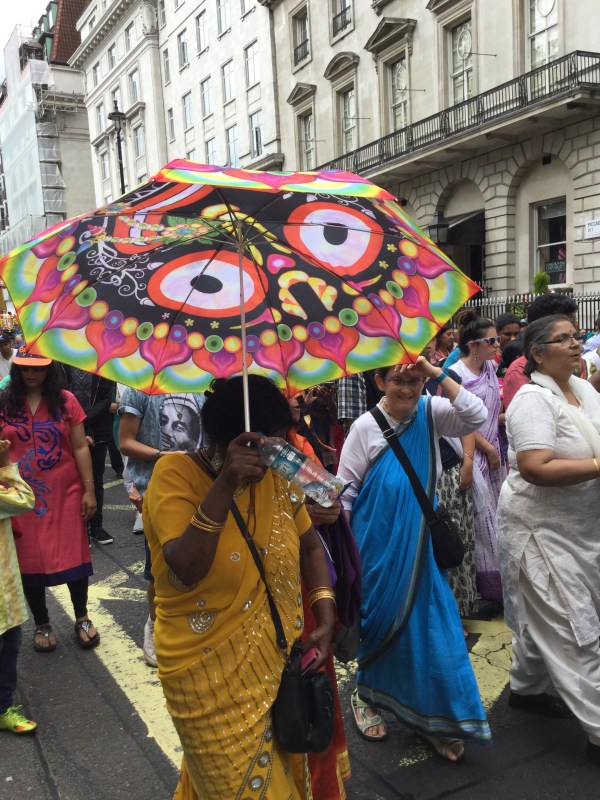
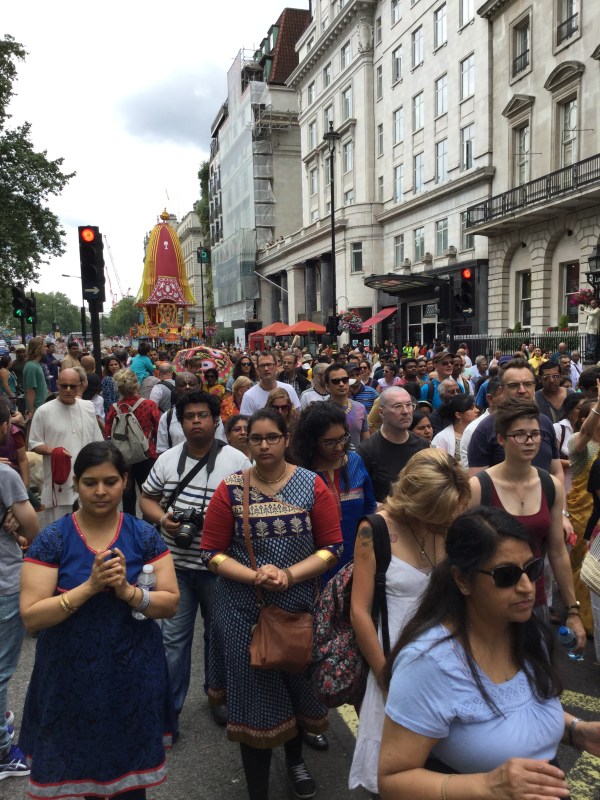
Written over 100 years ago by a Muslim Scholar; pictures re from Hare Krishna Rath Yatra in London held on 17th July 2016; taken by london swaminathan.


–Subham–

மனைவி சொத்தில் வாழலாமா? (Post No. 2965)

kalai3

Written by London swaminathan

Date:12 July 2016

Post No. 2965

Time uploaded in London :– 14-19

( Thanks for the Pictures)


DON’T REBLOG IT AT LEAST FOR A WEEK!  DON’T USE THE PICTURES; THEY ARE COPYRIGHTED BY SOMEONE.


(for old articles go to tamilandvedas.com OR swamiindology.blogspot.com)


மனைவி சொத்தில் வாழலாமா? மனைவி மூலம் கிடைத்த பணத்தில் வாழவே கூடாது. அது மிக மிக கடைத்தரமானது. அப்படியே கிடைத்தாலும், அதை விஞ்சும் அளவு ஒரு ஆண்மகன் சம்பாதித்துக் காட்டவேண்டும். செய்யும் தொழிலே தெய்வம்; உழைப்பே செல்வம்.


குந்தித் தின்றால் குன்றும் கரையும்; ஒருவன் வீட்டில் உட்கார்ந்து சாப்பிடுவானால், அந்தச் செல்வம் மலை போல இருந்தாலும் கரைந்து போகும் என்பது சான்றோர் வாக்கு.


உத்தமம் ஸ்வ ஆர்ஜிதம் வித்தம் மத்யமம் பிதுரார்ஜிதம்

அதமம் சேவகாவித்தம் ஸ்த்ரீ வித்தம் அதமாதமம்


ஸ்வ ஆர்ஜிதம்உத்தமம் – சுயமாக சம்பாதிப்பது மிகச் சிறந்தது


பிதுரார்ஜிதம் மத்யமம் – அப்பா விட்டுச் சென்ற சொத்தைப் பெறுவது மத்தியமம் – இடைநிலைப்பட்டது.


சேவகாவித்தம் அதமம் – பிறரிடம் உழைத்துச் சம்பாதிப்பது கடைநிலைப்பட்டது ( அதமம்)


ஸ்த்ரீ வித்தம் அதமாதமம் – பெண்கள் (மனைவி) மூலம் கிடைத்த சொத்து மிகவும் கீழ்த்தரமானது. அதமத்திலும் அதமம்!


பெண்கள் வருமானத்தில் பெற்றோர்கள் வாழ்வதும் கூட பல பிரச்சினைகளை உண்டாக்குவதைக் காண்கிறோம்.


பெண்கள், திருமணமாகிப் போனால், தங்களுக்கு வருமானம் நின்று, வாழ்வு இருண்டுவிடுமே என்று கருதி, தி ருமணத்தைப் பல சாக்குகள் சொல்லி தள்ளிப்போட்டு,  சொந்தப் பெண்களின் வாழ்க்கையையே பாழாக்கிவிடுகிறார்கள்.

kalai23

மற்றொரு புறம் பெண்கள் சுயமாகச் சம்பாதிக்கத் துவங்கிவிட்டால், அவர்கள் ஆட்டம்போடுவது அதிகரிப்பதையும் காண்கிறோம். இஷடப் பட்ட இடத்துக்கு இஷ்டப்பட்ட ஆட்களோடு போய்விட்டு,  இஷட்ப்பட்ட நேரத்துக்கு நள்ளிரவில் வீட்டுக்கு வருவதையும் அதனால் ஏற்படும் சீர்கேடுகளையும் காண்கிறோம்.


மனு ஸ்ம்ருதி சொல்வது போல பெண்களுக்கு அவர்களது சகோதரர்கள் எல்லாவற்றையும் வாங்கிக் கொடுத்த முந்தைய சமுதாயம் ஒழுங்குக் கட்டுப்பாடுகளுடன் இருந்தது. பெண்களை மனமகிழ்ச்சியோடு வைக்காத வீடு அடியோடு அழிந்துவிடும், பெண்கள் மகிழ்ச்சியாக உள்ள இடத்தில் மட்டுமே தெய்வங்கள் மகிழ்ச்சியோடு இருக்கும் என்றும் மனு ஸ்மருதி சொல்லுகிறது. அப்படி அவர்களை மகிழ்ச்சியாக வைத்துவிட்டால் பின்னர், அவர்களுக்க் சம்பாதிக்கும் தேவையும் இல்லையே.


இன்ன பிற காரணங்களால்தான் மேற் சொன்ன சம்ஸ்கிருத ஸ்லோகம் பெண்களின் பணத்தில் வாழ்வது அதமாதமம் என்று சொன்னதுபோலும்!!!


–Subham–


Don’t go to the Temples empty handed! (Post No. 2950)

கோவிலுக்குச் செல்

Article Written by London swaminathan

Date: 7 July 2016

Post No. 2950

Time uploaded in London :– 13-41

( Thanks for the Pictures)

DON’T REBLOG IT AT LEAST FOR A WEEK!  DON’T USE THE PICTURES; THEY ARE COPYRIGHTED BY SOMEONE.


(for old articles go to tamilandvedas.com OR swamiindology.blogspot.com)


pegnant


There is a beautiful Sanskrit couplet which summarises the ancient Hindu customs and wisdom. Hindus shouldn’t go to the following places without taking something to give:-

Agnihtram grham kshetram garbiniim vrddha balakau

Rikta hastena noppeyaat raajaanam daivatam gurum

Don’t go to or visit empty handed (rikta hastena) a place where Agnihotri, a pregnant woman, elderly people, children, king, God and Guru/teacher live.


One who does Agnihotram every day is an Agnihotri. Agnihotram is a rite of offering cow’s milk into the fire, performed daily in the early morning and in the evening. In the olden days Brahmins maintained three types of fires at home: Gaarhapatya, Aahavaniiya and Dakshinaagniya. So those who visit the house of an agnihotri will take some materials required for the daily ritual. Or as a mark of respect flowers and fruits.

Agnihotram fire ritual became popular after the notorious Bhopal Gas disaster (Union Carbide company in Madhya Pradesh, India) which killed over 3000 people. One agnihotiri’s house was the least affected place in the entire area.


Pregnant women’s cravings are understood and recognised in all the cultures around the world. Hindu women in the neighbourhood cook special dishes liked by the pregnant women and give it to them.


Children always look for toys and toffees. So it is important to take something for the children. When the children are happy, parents also feel happy and shower all the favours on you.


Temples, Gurus or ascetics and elderly people are respected and honoured in Hinduism. So one takes fruits or flowers or the materials required for Puja when they visit such places or people.


Kings or the rulers were considered gods in the olden days because they upheld the rule of law. It was important to take something to them. Sudhama (Kuchela), the poorest of the poor, who had 27 children, took pounded rice in rags and gave it to Krishna. Before he went back home his hut was turned into a palace by the cowherd king Krishna.

children

Hindus always buy flowers, fruits, coconuts and incense sticks before entering the temple. The reason is nothing should be brought home from the temples, because it is god’s property. And yet when the priests give flowers, fruits or Vibhuti/holy ash or Kunkum (vermillion colour powder prepared with turmeric) to the devotees they cant refuse it. To reciprocate their gesture one gives them some money or put some money in the temple Money Box (Hundi) or offer the materials required for the Puja.


–subham–


Manu Smrti on Low Caste Women (Post No.2946)

kalai23

Written by London swaminathan

Date: 5 July 2016

Post No. 2946

Time uploaded in London :– 19-15

( Thanks for the Pictures)

DON’T REBLOG IT AT LEAST FOR A WEEK!  DON’T USE THE PICTURES; THEY ARE COPYRIGHTED BY SOMEONE.


(for old articles go to tamilandvedas.com OR swamiindology.blogspot.com)

klai add2

The oldest law book in the world ‘Manu Smrti’ has very interesting couplets on women who were born in low caste.


A man who has faith may receive good learning even from a man who is lower, the ultimate law even from a man of lowest caste, and a jewel of a woman even from a bad family.

Manu 2-238


Ambrosia may be extracted even from poison;

And good advice even from a child;

Good conduct even from an enemy;

And gold even from impure ore.

Manu 2-239

Women, jewels, learning, law, purity, good advice and various crafts may be acquired from anybody


Manu 2-240

In extremity, one is permitted to learn even the vedas from someone who is not a Brahmin and to walk behind him and obey him like a guru as long as the instruction lasts

Manu 2-241

It is interesting that Tamil king Nedunchezian who lived 2000 years ago also said the same about education in verse 183 of Purananuru. Tamil poet Tiruvalluvar who lived 1500 years ago also said the same:-

Though high born, an unlettered man is lower than a learned man of lower birth. Kural – 409

kalai3

Low Caste Woman Arundhati

When a woman is joined with a husband in accordance with the rules, she takes on the very same qualities that he has, just like a river flowing down into the ocean (River=wife, Ocean = husband).

Manu 9-22

When Akshamala (Arundhati), who was born of the lowest, united with Vasishta, and Sarangi, the hunter woman with Mandapala, they became worthy of honour.

Manu 9-23

Six acts banned for women

Drinking

Associating with bad people

Being separated from their husbands

Wandering about

Sleeping alone in other places

And living in other peoples’ houses

Are the six things that corrupt women.

Manu 10-13

kalai4

Respect Women! Or else you will be destroyed!!


Manu’s severe warning:–


Fathers, brothers, husbands, and brothers-in-laws who wish for great good fortune should revere women and adorn them Manu 3-55

The gods delight in places where women are respected, but where women are not honoured all rites are fruitless

Manu 3-56


Where the women of the family feel miserable, that family is soon destroyed, but the family where the women are happy thrives well

Manu 3-57

Homes that are cursed by the women who have not treated with reverence are completely destroyed, as if struck down by magic

Manu-3-58


Therefore, men who wish to prosper should always revere those women with ornaments, clothes and food at celebrations and festivals

Manu 3-59

There is unwavering good fortune in a family where the husband is always satisfied by the wife, and the wife by the husband

Manu – 3-60

Nowhere else in the world we can see such support for women. Manu was the greatest supporter of women’s rights.

assorted-coloured-gemstones-1

—Subham–


மன்மதன்,காம தேவன்: சங்கத் தமிழ் இலக்கியத்தில் காதல் தெய்வம்!(Post No.2862)

rathi.meenakshi13

Research Article written by London swaminathan


Date: 2 June 2016


Post No. 2862


Time uploaded in London :–  6-33 AM


( Thanks for the Pictures)


DON’T REBLOG IT AT LEAST FOR A WEEK!  DON’T USE THE PICTURES; THEY ARE COPYRIGHTED BY SOMEONE.


(for old articles go to tamilandvedas.com OR swamiindology.blogspot.com)


Contact swami_48@yahoo.com


(English version of this article was published here yesterday)

ஈராயிரம் ஆண்டுகளுக்கு முன்பே பாரதத்தின் தென்கோடி முதல் வடகோடி வரை ஒரே பண்பாடு நிலவிவந்தது. தொல்காப்பியத்திலேயே வேதத்தில் போற்றப்படும் இந்திரன், வருணன், துர்கை ஆகியோரை தமிழர் தெய்வங்களாகப் போற்றுவதையும், தொல்காப்பியரும் மனுதர்ம சாத்திரத்திலுள்ள எண்வகை மணத்தைப் போற்றுவதையும் அவரும் தர்மார்த்த காம மோக்ஷம் ஆகிய வாழ்க்கை மூல்யங்களை பெரும் பண்புகளாகப் (அறம் பொருள் இன்பத்தைப்) போற்றுவதையும் சில கட்டுரைகளில் தந்தேன். மன்மதன் பற்றிய நம்பிக்கையும் அவ்வாறே இருந்துள்ளது!


மன்மதனுடைய கொடி மகரக் கொடி. மகரம் என்னும்  சொல் மீன், டால்பின் மற்றும் முதலையைக் குறிக்கப் பயன்பட்ட சொல். மன்மதனின் மகரக் கொடி பற்றிய குறிப்பு 2000 ஆண்டுகளுக்கு முந்தைய அக நானூற்றிலேயே வந்துவிடுகிறது. மேலும் இதைப் பாடிய பார்ப்பனப் புலவன் பரணன், அதே பாட்டில் மன்மதனை எரித்த சிவபெருமானையும் பாடியிருக்கிறார். பட்டினப்பாலையில் மன்மதன் கோவில் குறிப்பிடப்படுகிறது.


காளிதாசனின் காலம் பல சம்ஸ்கிருத அறிஞர்கள் கூறியது போல கி.மு. இரண்டாம் அல்லது முதலாம் நூற்றாண்டு என்று ஒரு ஆராய்ச்சிக் கட்டுரையில் சங்க இலக்கியம் வாயிலாக நிரூபித்தேன். மன்மதன் பற்றி காளிதாசன் சொன்னதை நம்மவர்களும் சொல்வதிலிருந்து எனது வாதம் மேலும் உறுதிப்படுகிறது.


rathi 1

1.அகநானூறு (பாடல் 181)

நான்மறை முதுநூல் முக்கட்செல்வன்

ஆலமுற்றம் கவின்பெறத் தைஇய

பொய்கைசூழ்ந்த பொழில்மனைமகளிர்

கைசெய்பாவைத் துறைக்கண் இறுக்கும்

மகரநெற்றி வாந்தோய் புரிசைச்

சிகரம் தோன்றா சேணுயர் நல் இல்

பொருள்:-

பழமையான நான்கு வேதங்களை அருளிய முக்கண்ணனின் ஆலமுற்றம் என்னும் இடத்திலே, அழகாக அமைந்த பொய்கைகள் சூழ்ந்த பூங்காவில், சிறு வீடுகட்டி விளையாடும் சிறுமியர் செய்த மண்பாவைகள் (பொம்மைகள்) இருக்கும் துறையில் மகரக்கொடியை மதில் உச்சியில் கொண்ட மிக உயர்ந்த மாடங்களை உடைய அரண்மனைகளையுடைய புகார் நகரம்…..


காமன் விழா நடபெறுகையில் கட்டப்படும் மகர தோரணத்தை இது குறிக்கும் என்று  பழைய உரைகள் விளக்கும்.

இந்தக் காமன் பண்டிகை குறித்து வடமொழி பிருஹத் கதாவிலும், அதன் மொழிபெயர்ப்பான பெருங்கதையிலும் உண்டு.

நாடு முழுதும் காமன் பண்டிகை கொண்டாடப்பட்டதை இது உறுதி செய்யும்.


2.கலித்தொகை, பரிபாடல்

மன்மதன், மகரக் கொடி ஆகியன பற்றி கலித்தொகை, பரிபாடல் ஆகிய இரண்டு சங்க இலக்கியங்களிலும் நிறைய குறிப்புகள் கிடைக்கின்றன. ஒரு சில குறிப்புகளைக் காண்போம்:-

காமற்கு வேனில் விருந்தெதிர்கொண்டு (கலி. 92-67/68)


கலித்தொகையில் வரும் மற்ற குறிப்புகள்: கலி. 108-4; 109-19/20; 147-59/60; பரிபாடல்11-123

மேற்கூறிய எல்லாவற்றிலும் சம்ஸ்கிருதச் சொல்லான காமன் வருகிறது. கலி.94-33ல் காமர் என்று இருக்கிறது.

காமவேள்- கலி.27-24, பரி.18-28

மன்மதனின் மற்றொரு சம்ஸ்கிருதப் பெயர் மாரன். இச்சொல் பரிபாடலில் (8-119) கையாளப்படுகிறது.

rathi3

3.ரதியும் காமனும்

உலகிலேயே மிகவும் அழகான பெண் ரதி. அவள் மன்மதனின் மனைவி. இரதிகாமன் என்ற சொல் பரிபாடலில் 19-48/49) பயன்படுத்தப்படுகிறது.

மன்மதன் என்பவன் விஷ்ணுவின் மனதில் பிறந்தவன் என்று சம்ஸ்கிருத புராணங்கள் கூறும். இதை நெடியோன் மகன் என்று கலித்தொகை இயம்பும் (140-89)


4.ஐந்து மலர் அம்பு

மன்மதனின் கரும்புவில்லிலிருந்து மலர் அம்புகளை விடுவான் என்று காளிதாசனும் பிற கவிஞர்களும் பாடுவர். இதை ‘அரிபடு ஐவிரை என்றும் (பரி.10-97), விரைமலர் அம்பினோன்’ என்றும் (பரி.22-26) பரிபாடலில் காணலாம்.

காமனின் அம்புப் புட்டில் பரி.18-30ல் வருகிறது.

ஓவியக்கூடம் காமனின் சிலம்பக்கூடம் போன்றது என்ற உவமை ‘எழுது எழில் அம்பலம் காமவேள் தொழில் வீற்றிருந்த நகர்’- என்ற வரிகளில் பளிச்சிடும் (பரி 18-27)

ஐந்து மலர்கள்:

மன்மதனின் அம்பிலுள்ள ஐந்து மலர்கள்:-தாமரை, அசோகம், மாம் பூ, முல்லை, நீலோத்பலம்.


5.மீன்கொடி

உலகில் கொடிகளையும், வாகனங்களையும்,சின்னங்களையும் பயன்படுத்திய முதல் நாடு பாரதம் என்று கொடிகள், வாகனங்கள் பற்றிய கட்டுரைகளில் சொன்னேன். இங்கே மீன் கொடி பற்றி கலித்தொகை புலவர்கள், மீனேற்றுக் கொடியோன் (கலி.26-3), காமன் கொடியெழுதி (கலி.84-24) என்ற வரிகளில் விளக்குவர்.


6.காமனின் தம்பி சாமன்

காமனின் தம்பி சாமன் பற்றி சம்ஸ்கிருதத்தில் பல குறிப்புகள் உண்டு. அதையும் தமிழ்ப் புலவர்கள் குறிப்பிடத் தவறவில்லை( கலி. 26-4; 94-33/34)

இதுதவிர இன்னும் சில குறிப்புகளும் உண்டு.


தமிழ் என்சைக்ளோபீடியாவான அபிதான சிந்தாமணியில் மன்மதன் வருணனையை, சிங்காரவேலு முதலியார் தந்துள்ளார்.

(சில புத்தகங்களில் கலித்தொகை பாடல் எண்களில் சிறிய மாற்றம் இருக்கும் ஆகையால் சங்கம் வோர்ட் இண்டெக்ஸ் புத்தகத்திலுள்ள வரிகளையும் தருகிறேன்:- மாரன் பரி. 8-119, காம வேள் கலி.27-24, பரி.18-28;காமற்கு கலி.92-67; காமன் கலி 84-24, 108-4, 109-19, 147-59, பரி. 11-123, 19-48; காமனது கலி.139-22;)

rthi2

7.திருக்குறளில்

பருவரலும் பைதலும் காணான்கொல் காமன்

ஒருவர்கண் நின்றொழுகுவான் (1197)

பொருள்:-

காமதேவன், காதலர் இருவர் இடையேயும் இருந்து இயங்காது, ஒருவர் பக்கத்திலேயே இருந்து செயல்படுவதால், அவன் என்னுடைய வருத்தத்தையும் தடுமாற்றத்தையும், உணரமாட்டான் போலும்!


8.மன்மதனுக்கு 19 பெயர்கள்!!!

உலகின் முதல் நிகண்டான (திசாரஸ்) அமர கோசத்தில், மன்மதனின் 19 சம்ஸ்கிருதப் பெயர்கள் பட்டியலிடப் பட்டுள்ளன. அவையாவன:-

மதன:, மன்மத: (மனதைக் கடைபவன்), மாரன், ப்ரத்யும்னன், மீனகேதன: (மீன் கொடியோன்), கந்தர்ப:, தர்பகன், அனங்க: (உடல் அற்றவன்), காமன், பஞ்சசர: (ஐந்து அம்புடையோன்), ஸ்மர:, சம்பராரி: (அலிகளுக்கு எதிரி), மனசிஜ: (மனதில் பிறந்தோன்), குசுமேஷு (மலர் அம்பன்), அனன்யஜ:, புஷ்ப தன்வா (மலர் வில்லன்), ரதிபதி (ரதியின் கணவன்), மகரத்வஜ; (மீன் கொடியோன்), ஆத்மபூ: (மனதில் தோற்றுவிக்கப்பட்டவன்).

சம்ஸ்கிருத நூல்களில் காமனுக்குப் பல அடைமொழிகள் கொடுக்கப்பட்டுள்ளன (எனது ஆங்கிலக் கட்டுரையில் நிறைய பெயர்கள் கொடுத்துள்ளேன்; இங்கே அந்தப் பட்டியலை எழுதினால் காமதேவன் அஷ்டோத்திரம் போல ஆகிவிடும்!)


  1. கற்பனைக் கதா பாத்திரம்

அனங்கன் என்ற சம்ஸ்கிருத்ச் சொல்லுக்கு அங்கம்/ உடல் அற்றவன் எனப் பொருள்; சிவன் மனதில் காம உணர்வை ஏற்படுத்த மன்மதன் முயன்றபோது அவர் நெற்றிக் கண்ணைத் திறக்கவே மன்மதன் எரிந்து சாம்பலானான். அவன் மனைவி ரதி தேவி அழுது புலம்பவே உன் கண்ணுக்கு மட்டும் தெரிவான் என்று சிவன் வரம் கொடுத்ததாக வரலாறு. இது ஒரு தத்துவார்த்த கதை. உடல் ரீதியான கீழ்த்தரக் காமத்தை ஒழித்தால் முகநக நட்பு போய், மனைவியரிடதே அகநக நட்பு மலரும் என்பதே இதில் அடங்கிய தத்துவம்; சுருக்கமாக சிவன் எரித்தது காம வெறியைத் தான். உள்ளன்பு பூர்வமான காமத்தை அன்று.

இதே போல திருமாலின் மனதில் பிறந்தவன் என்ற பெயரும் அடையாள பூர்வ கதையே; எல்லோருக்கும் மனதில் பிறக்கும் காதலே/ காமமே கல்யாணத்திலும், இனப் பெருக்கத்திலும் முடிகிறது.

மன்மதன்= மனதைக் கடைபவன் என்பதும் காரணப் பெயரே. ஒருவருக்கு காதல் வியாதி வந்துவிட்டால், அதௌ மனதைக் கடைந்து படாதபாடு படுத்தும்!

மொத்தத்தில் மன்மதன் என்பது ஒரு எண்ணத்துக்கு (அப்ஸ்ட்ராக்ட் ஐடியா), ஒரு உருவம் கொடுத்த (கான்க்ரீட் ஷேப்) கற்பனைக் கதையே.

rati or who

10.காளிதாசனில்

காளிதாசன் காவியங்களில் வரும் மன்மதன் பற்றிய குறிப்புகள்:–

சாகுந்தலம்:– காமன் வழிபாடு(6-3), மதன பாண/அம்பு (3), மகரகேது/மீன் கொடி (3-5).

இது தவிர குசுமாயுத (பூ ஆயுதம்), குசுமாஸ்திர (பூ ஆயுதம்).

விக்ரமோர்வசீயம்:–மகர கேது 2-2;

குமாரசம்பவம்:– 1-41 மகர கேது

ரகுவம்சம்:– மகர கேது 9-39

ஐந்து மலர் அம்பு பற்றிய குறிப்புகள்:– குமாரசம்பவம் 7-92; விக்ரம 2-6,11; மாளவிகாக்னிமித்ரம் 4-12 (பஞ்சசார);

குசுமசர, குசுமாயுத என்ற மலர் அம்பு பற்றிய சொற்கள் காளிதாசனின் எல்லா நூல்களிலும் (மேகதூதம் 104, ரகு 9-39, 11-45, குமார சம்பவம் 3-10, 4-40, 45) முதலிய இடங்களில் வருகின்றன.


காளிதாசன் நூல்களில் வரும் உவமைகள் சங்க இலக்கியத்தில் 200க்கும் மேலான இடங்களில் வருவதால், சங்ககாலத்தின் அவன் நூல்கள் கற்ற புலவரிடத்தே பரவியிருந்ததை அறியமுடிகிறது. ரெவரெண்ட் ஜி.யூ.போப்பும் இந்தக் கருத்தைக் கூறியிருப்பது குறிப்பிடத்தக்கது.


11.வேதங்களில்

மன்மதன் அல்லது காமதேவனின் மூலம், உலகின் மிகப் பழைய நூலான ரிக்வேதத்தில் இருக்கிறது. ஆசையே (காமம்) பிரபஞ்சத்தின் வித்து என்னும் அற்புதமான பாடல் ரிக் வேதத்தின் பத்தாவது மண்டலத்தில் இருக்கிறது. அதன் பிறகு அதர்வ வேதம், காமனை கடவுள் நிலைக்கு உயர்த்துகிறது. இறைவனின் லீலா விநோதம்தான் இந்த உலகின், மனித இனத்தின் படைப்பு. அவர் மனதில் எழுந்த ஆசையே, விருப்பமே பிரபஞ்சமாக உருவானது. அறிவியலோ மாபெரும் வெடிப்பு – BIG BANG பிக் பாங்- ஏற்பட்டு பிரபஞ்சம் தோன்றியது என்று விளம்பும். ஆனால் அதற்கு முன் என்ன இருந்தது, ஏன் பெர்ம் வெடிப்பு ஏற்பட்டது என்பதற்கு விஞ்ஞானத்தால் விடைகூற முடியவில்லை. பிரஜாபதி பரமேஷ்டின் என்ற ரிஷி உலகின் முதல் விஞ்ஞானி ஆவார். அவர் ரிக்வேதத்தில் சொல்லும் மந்திரத்தில் பிரபஞ்சத்தின் தோற்றம் பற்றிப் பாடி வியக்கிறார். பல்லாயிரம் ஆண்டுகளுக்கு முன்னரே இப்படி ஒரு ரிஷி பாடியது உலகின் முதல் நாகரீகம், பாரதத்தில் தோன்றியதை மெய்ப்பிக்கிறது.


“ஆரம்பத்தில் காமம் (ஆசை) இருந்தது

மனதின் மூல வித்து அதுவே;

ரிஷிகள் உள்ளத்தில் எழுந்த ஞானத்தால் தேடி,

இல்லாத ஒன்றில் இருப்பதைக் கண்டுபிடித்தனர்”

–ரிக் வேதம் 10-129


Haridass_1944_film_2

12.திரைப்படத்தில்

12.இறுதியாக முந்தைய தலைமுறையிரிடையே பிரபலமான திரைப்படப் பாடல்:–

பாடலாசிரியர் : பாபநாசம் சிவன்
பாடியவர் : எம்.கே. தியாகராஜ பாகவதர்
திரைப்படம் : ஹரிதாஸ்

மன்மத லீலையை வென்றார் உண்டோ?
என் மேல் உனக்கேனோ பாராமுகம்?

நின்மதி வதனமும் நீள் விழியும் கண்டு
என்மதி மயங்கினேன் நான்
என்மதி மயங்கினேன் மூன்று உலகிலும்

என்னுடனே நீ பேசினால் வாய்முத்துதிர்ந்து விடுமோ? – உனை
எந்நேரமும் நினைந்துருகும் என்னிடம் வந்தால் மெனக்கெடுமோ? – உனை
எந்நேரமும் நினைந்துருகும் என்னிடம் வந்தால் மெனக்கெடுமோ?

உன்னை நயந்து நான் வேண்டிய ஓர் முத்தம் தந்தால் குறைந்திடுமோ?
ஒருபிழை அறியா என்மனம் மலர்க்கணை பாய்ந்து அல்லல் படுமோ?
ஒருபிழை அறியா என்மனம் மலர்க்கணை பாய்ந்து அல்லல் படுமோ? –  மனம் கவர்

மன்மத லீலையை வென்றார் உண்டோ?
என் மேல் உனக்கேனோ பாராமுகம்?


தற்காலத்தில் வந்த மன்மத லீலை என்ற திரைப்படத்தை அனைவரும் அறிவர்.


–சுபம்–


என் கணவர்: ராஜலக்ஷ்மி சந்தானம் (Post No 2819)


Damma i pad pictureate: 17 May 2016

Post No. 2818

Time uploaded in London :–5-36 AM

( Thanks for the Pictures)

DON’T REBLOG IT AT LEAST FOR A WEEK!  DON’T USE THE PICTURES; THEY ARE COPYRIGHTED BY SOMEONE.

(for old articles go to tamilandvedas.com OR swamiindology.blogspot.com)

Both my parents Sri Venkataraman Santanam and Srimati Rajalakshmi Santanam are no more; my brother S Nagarajan sent this old article, today being my mother’s thithi (death anniversary) day —London swaminathan.


திரு திருப்பூர் கிருஷ்ணன் அவர்களுக்காக


சுதந்திரப் போராட்ட வீரரும், சிறந்த தமிழ் பத்திரிக்கையாளரும். ஆன்மீகவாதியுமான தினமணி மதுரைப் பதிப்பின் பொறுப்பாசிரியராகப் பணியாற்றிய திரு வெ.சந்தானம் அவர்களின் துணைவியார் தனது கணவரைப் பற்றிய எண்ணங்களை நம்முடன் பகிர்ந்து கொள்கிறார்.


வெ.சந்தானம் தோற்றம்:4-9-1911 மறைவு:15-8-1998


என் கணவர்

—————–

ராஜலக்ஷ்மி சந்தானம்


சுதந்திரப் போர்

சுதந்திரப் போராட்ட காலம் ஒரு தனி சகாப்தம் என்றால் அது மிகையல்ல. சாதாரண குடும்பங்களைச் சேர்ந்தவர்களும் மிகப் பெரிய அந்தஸ்தில் இருந்தவர்களும் ஒருங்கிணைந்து காந்திஜியின் தலைமையில் ஓரணியில் இணைந்து தங்களிடம் இருந்தவற்றையெல்லாம் தேசத்திற்காக அர்ப்பணித்த உன்னதமான காலம் அது. அந்தக் காலத்தில் தான் பெருங்கடலில் சிறு துளிகள் போல மணிக்கொடி இலக்கியகர்த்தாக்கள் ஓரணியில் சேர்ந்தனர். திருவாளர்கள் வ.ரா, பி.எஸ்.ராமையா, ஸ்டாலின் சீனிவாசன், ஏ.என்.சிவராமன் போன்ற இலக்கிய ஜாம்பவான்களின் குழுவில் என் கணவர் திரு வெ.சந்தானமும் ஒருவர். ஆனால் அவர் தன்னைப் பற்றி எந்தக் காலத்திலும் விளம்பரப்படுத்திக் கொண்டதே இல்லை. அதனால் என் குடும்பத்தைச் சேர்ந்தவர்களுக்கே அவர் ஆற்றிய இலக்கியப் பணி. தேசப் பணி, ஆன்மீகப் பணி முழுவதுமாகத் தெரியாது.


திருமணம்

தஞ்சாவூரில் நான் பத்தாவது படித்து முடித்திருந்தேன். 1935ம் வருடம் அது. எனது அண்ணனின் நண்பர் ஒருவர் எனது கணவரிடம் தஞ்சாவூரில் ஒரு படித்த பெண் இருப்பதாகவும் சென்று பார்க்குமாறும் தூண்டினார். என்னைப் பெண் பார்க்க அவர் மட்டுமே தனியாக வந்தார்.


என் தந்தையார் கல்யாணராமையர் ஒரு ரெவின்யூ இன்ஸ்பெக்டர். தஞ்சாவூரைச் சுற்றி உள்ள எல்லா இடங்களுக்கும் பயணம் செய்வது அவரது பணியின் ஒரு பகுதி. பட்டுக்கோட்டை. சேண்டாகோட்டை, கீவளூர் என பல இடங்களுக்கும் அவர் சென்றாலும் குடும்பத்தினராகிய நாங்கள் தஞ்சாவூரிலேயே இருந்தோம்.


நான் வயலின் லோயர், ஹையர் மற்றும் அதற்கு அடுத்து இருந்த வித்வான் ஆகிய அனைத்திலும் பாஸ் செய்ததைக் கேட்டதும் அவருக்கு மிகுந்த சந்தோஷம்.


எனது குரு திரு கே.ஸி. தியாகராஜன் மிகுந்த பிரபலமான சங்கீத மேதை. எனது கல்யாணம் நிச்சயிக்கப்பட்டு பட்டுக்கோட்டையில் நடந்தது. ரிஸப்ஷன் சென்னையில். ராஜாஜி நேரில் வந்து வாழ்த்துக் கூறினார். இப்படி மிகப் பெரிய தேசீயத் தலைவர்களைப் பார்ப்பது ஒரு புது அனுபவமாக இருந்தது.

இலக்கியப் பணியும் தேச சேவையும்

தினமும் உற்சாகமாக நண்பர்கள் குழு கூடும்.


இலக்கியம் சங்கீதம் பாரதி பாடல்கள் என ஏக அமர்க்களமாக விவாதங்கள் சுவையுடனும் நட்புடனும் நடைபெறும். அனைவரும் ஒவ்வொரு முறை ஒவ்வொருவர் வீட்டில் சாப்பிடுவது வழக்கமாக இருந்தது.


சென்னையில் நாங்கள் ஜாகை இருந்த இடம் திருவல்லிக்கேணி. கடற்கரையில் தினமும் நண்பர்கள் கூடுவது வழக்கமானது.

பாரதி உலகக் கவிஞர் தான் என்பதை நிலை நாட்ட  அங்கு தான் முடிவு எடுக்கப்பட்டது. ஆளுக்கு ஒரு கோணத்தில் பாரதியை அலசி ஆராய்ந்து கட்டுரைகளை எழுத முடிவும் அங்கே தான் எடுக்கப்பட்டது.


என் கணவர் முதலில் சுதந்திரச் சங்கு போன்ற சிறிய பத்திரிக்கையிலும் பணி ஆற்றியிருக்கிறார். மணிக்கொடியில் அவரது இலக்கியப் பணி சிறந்து விளங்கியது.பி.எஸ்.ராமையா மிக நெருங்கிய நண்பர். மணிக்கொடியை போஸ்ட் செய்வது ஈறாக அனைத்துப் பணிகளையும் இந்த இலக்கியக் குழாமே செய்தது.


இடையில் சைமன் கமிஷன் பகிஷ்காரத்தை ஒட்டி நாடெங்கும் கிளர்ச்சி எழுந்தது. அதில் வெள்ளையரை நாட்டை விட்டு விரட்டுமாறு கூறும் தீவிரமான ஒரு பிரசுரம் ஆயிரக்கணக்கில் அடிக்கப்பட்டு  எங்கள் வீட்டில் வைக்கப்பட்டிருந்தது. துண்டுபிரசுரங்களை கடற்கரையில் சென்று அனைவரிடமும் விநியோகம் செய்யும் பணி என் கணவருடையது.


இந்த பிரசுரங்களை என் வீட்டில் பார்த்த ஒரு நபர் போலீசிடம் இதைச் சொல்ல அவர்கள் எங்கள் வீட்டிற்கு வந்து விட்டனர். ஆனால் நல்ல வேளையாக உரிய நேரத்தில் பிரசுரங்கள் அகற்றப்பட்டன.என்றாலும் போலீசார் கடற்கரைக்குச் சென்று பிரசுரங்களைக் கட்டுக் கட்டாக வைத்து விநியோகம் செய்த என் கணவரை கைது செய்தனர். அவர் வேலூர் சிறையில் ஆறு மாத காலம் இருந்தார்.அங்கே காமராஜர் முதலான அனைவருடனும் நல்ல சினேகம் ஏற்பட்டது.

விடுதலையானவுடன் பத்திரிகைப் பணி தொடர்ந்தது.. மணிக்கொடி நின்றவுடன் தினமணியில் சேர்ந்தார்.

அப்போது லியோ டால்ஸ்டாயின் அன்னா கரீனாவை தமிழில் மொழி பெயர்த்தார்.பல கதை கட்டுரைகளை எழுதினார்.


மதுரையில் பணி


தினமணியின் மதுரைப் பதிப்பு 1950ல் தொடங்கியவுடன் இவரை மதுரைப் பதிப்புக்கு பொறுப்பாக நியமித்தனர். மதுரை வந்தோம். மீனாட்சி பட்டணம் இவருக்கு மிகவும் பிடித்து விட்டது. ஆன்மீகத்தில் மிகவும் ஈடுபாடு ஏற்பட்டது. காஞ்சி காமகோடி பெரியவாள், சிருங்கேரி பெரியவாள் ஆகியோரிடம் அளவற்ற ஈடுபாட்டினால் அடிக்கடி அவர்களை தரிசனம் செய்வது வழக்கமானது, அவர்களது அருளுரைகளை எல்லாம் தினமணி அப்படியே வெளியிடும். அந்த ஞான பொக்கிஷமே இன்று நமக்கு நூல்களுக்கு அடிப்படையாக அமைந்துள்ளன. திருமுருக கிருபானந்தவாரியார், சேங்காலிபுரம் ஸ்ரீ அனந்தரம தீக்ஷ¢தர்,திரு முத்துராமலிங்க தேவர் என ஆன்மீகவாதிகள் நூற்றுக் கணக்கானோரின் பழக்கம் இந்த கால கட்டத்தில் ஏற்பட்டது. இவர்கள் அனைவரது ஆன்மீகச் சொற்பொழிவுகள் அனைத்தையும் முழுவதுமாக தினமணி பிரசுரிக்கும்.

அத்தோடு அனைத்து ஆன்மீக இலக்கிய சங்கங்களும் தலைமை வகிக்க இவரை அழைக்கவே இவற்றை ஊக்குவிக்க தனது வேலைப்பளுவிற்கு இடையேயும் செல்வார்.


தென் தமிழகமெங்கும் இவர் பங்கேற்காத இலக்கிய ஆன்மீக சங்கங்களே இல்லை எனலாம். திரு ஏ.கே.செட்டியார், திரு சா.கணேசன் திரு ஏ.சீனிவாசராகவன் உள்ளிட்டோர் வீட்டிற்கு வருவர்.வானொலியில் பத்திரிக்கையாளர் பணி பற்றி அடிக்கடி உரையாற்றியதும் உண்டு.


சுவாமிஜி கிருஷ்ணா


சுவாமிஜி கிருஷ்ணா அச்சன்கோவிலில் பரசுராமர் ஸ்தாபித்த ஐயப்பன் சிலையை நிறுவிய பெரிய மகான். அவர் கணபதி ஹோமத்தை தனது சிறுவயதிலிருந்தே தினமும் நடத்தி கணபதியை பிரத்யக்ஷமாகக் கண்டவர். அவருடன் ஈடுபாடு ஏற்பட்டு அவர் குருவாக மந்த்ரோபதேசம் செய்தார்.கணபதி ஹோமத்தைத் தொடங்கி வைத்தார். எனது இல்லத்திற்கு பிரவசனகர்த்தாக்கள் வந்து தங்கி ராமாயண மஹாபாரத உபந்யாஸத்தை கிருஷ்ணாராயர் கோவில் தெருவிலுள்ள ஹனுமார் கோவிலில் நடத்துவார்கள்.


புதுக்கோட்டை ஸ்ரீ சாந்தானந்த சுவாமிகளுக்கு அடிக்கடி பி¨க்ஷயிட்ட பாக்கியமும் எனக்கு உண்டு.


இந்து முன்னணி தலைவரான கோபால்ஜி உள்ளிட்டோர் அடிக்கடி எங்கள் இல்லத்திற்கு வருவர்.


இப்படி கடந்த ஐம்பது ஆண்டு கால ஆன்மீக தேசீய இலக்கிய வரலாறை எடுத்துக் கொண்டால் நல்லனவற்றைப் பரப்புவதையே தன் குறிக்கோளாகக் கொண்டு அவர் வாழ்ந்தார்.


சுதந்திர நாளன்று பேசிய இறுதிப் பேச்சு

1998 ஆகஸ்ட் 15ம் தேதி சுதந்திர தினத்தன்று கொடி ஏற்றி ஆயிற்றா என்பதே அவர் பேசிய கடைசி பேச்சு. கொடி ஏற்றி ஆகி விட்டது என்ற பதிலைக் கேட்டு அவர் ஆவி அமைதியாகப் பிரிந்தது.


ஒரு பெரிய இயக்கம் வளர அடிக்கல்லாக இருப்பவர் பலர். அவர்கள் தங்களை விளம்பரப்படுத்திக் கொள்வதே இல்லை. அதில் புகழ் பணம் எதையும் எதிர்பார்ப்பதும் இல்லை.இந்த வகையில் என் கணவரை முதல் வரிசையில் கூறலாம். எனது ஐந்து புத்திரர்களும் ஒரு பெண்ணும் இன்று நல்ல நிலைமையில் உள்ளனர்.நானும் தேக திடத்துடன் இறைவன் நாமத்தை உச்சரித்து வருகிறேன்.

ஆயிரக்கணக்கான சுதந்திரப் போராட்ட வீரர்களின் வாழ்க்கையை உற்றுக் கவனித்து இன்றைய இளைஞர்கள் தங்கள் வாழ்க்கையை தேசத்திற்காகவும் ஆன்மீக வளர்ச்சிக்காகவும் அர்ப்பணிக்க வேண்டும் என்பதே என் ஆசை. தேசமும் தெய்வீகமும் செழிக்கட்டும்.


**********************


Mahabharata–about Women! (Post No.2813)

IMG_4875 (2)

Compiled by london swaminathan


Date: 15 May 2016


Post No. 2813

Time uploaded in London :–  14-55


( Thanks for the Pictures)


DON’T REBLOG IT AT LEAST FOR A WEEK!  DON’T USE THE PICTURES; THEY ARE COPYRIGHTED BY SOMEONE.


(for old articles go to tamilandvedas.com OR swamiindology.blogspot.com)


Women! Women !! Women !!!

IMG_4412

She is the true wife who is a good house wife. She is a true wife whose heart is devoted to her husband. She is a true wife who is faithful to her husband.

A man’s half is his wife. The wife is her husband’s best of friends…. The wife is the source of salvation.


Those who have wives can perform religious acts. Those that have wives lead domestic lives. Those that have wives can be happy; and those that have wives can achieve good fortune.


The sweet –speeched wives are their husband’s friends on the occasion of joy; they are as fathers on occasions of religious acts;they are as mothers in the hours of illness and woe.


Even in the deep forest, the wife is the refreshment and solace of her roaming husband. He who has a wife, is trusted by all. The wife, therefore, is man’s great means of salvation.

–Mahabharata

(Taken from the book Asia through Asian Eyes, Thames and Hudson, London, page176)


“Let this heart of yours be mine, and let this heart of mine be yours”- Mahabharata (1.3.9)

Xxx

IMG_4384

Manu on Wife

The production of children, the nurture of those born, and the daily life of men (of these matters) woman is visibly the cause.

Offspring, (the due performance of) religious rites, faithful service, highest conjugal happiness, and heavenly bliss for the ancestors and oneself, depend on one’s wife alone.

“ Yatra naryast pujyante ramante tatra devatah

Yatraitastu na pujyante sarvastatraphalah kriyah”

Manu smriti 3-56, Mahabharata 13-45-5


‘Where women are worshipped, there the gods are delighted; but where they are not worshipped, all religious ceremonies become futile’—Manu Smriti.


“Her father protects her in childhood, her husband protects her in youth, and her sons protect her in old age; a woman is never independent”. Manu IX-9 (The meaning is that she is always protected and not left alone without support).


Durga Saptasati

In Saptashati, Durga says, “He who conquers me in battle, he who humbles my pride, he who is my equal in this world, he shall be my husband”.

India was the only country in the world where women were free to choose their husbands. Eight types of marriages were offered to men and women. Men and women met and mixed freely at festivals like ‘Samanas’. Nowhere in the ancient world have we seen such a freedom.

IMG_4880 (2)

Selling of Daughters

Whoever sells his daughter in emergency or merely for the sake of filthy lucre, goes to the Hell…. Where he is bitten by crows and vultures.

Whoever sells his daughter for gain dwells in the pit of flesh, and eats I for as many years as there are hairs on the skin of the body of his daughter.

–brahma-Vaivarta, Prakrit Khanda


Old Posts on Women

One mother is greater than 1000 fathers (posted on 7 June 2013)

‘Women in state affairs are like Monkeys in Glass Shops’ (Post No 2625)

Posted on 12 March 2016

An Ounce of Mother is worth a Ton of Priest! (Post No.2793);posed 8 May 2016

Most Intelligent Woman in the Ancient World; Posted 7 August 2013

Women’s freedom by Bharatiyar; posted on 19 April 2014

Wonderful Syllabus for Women! Posted by 4 May 2014
இந்தியப் பெண்கள் உலக மஹா அறிவாளிகள்! – பகுதி-1


இந்தியப் பெண்கள் உலக மஹா அறிவாளிகள்- பகுதி 2

–subham


இளம் பெண்களும், கிழட்டு கணவன்மார்களும்! (Post No.2752)

women9

Translated  by London swaminathan

Date: 24 April 2016


Post No. 2752


Time uploaded in London :– 12-15


( Thanks for the Pictures)


DON’T REBLOG IT AT LEAST FOR A WEEK!  DON’T USE THE PICTURES; THEY ARE COPYRIGHTED BY SOMEONE.


(for old articles go to tamilandvedas.com OR swamiindology.blogspot.com)


woman mirror2
பெண்கள் பற்றிய 150 சம்ஸ்கிருதப் பழமொழிகள்- பகுதி 6

87.உயர்குலப் பெண்களின் மனது பூப்போல மென்மையானது

புரந்த்ரீணாம் சித்தம் குசும சுகுமார ஹி பவதி –உத்தம ராம சரிதம்

Xxx

88.காதல் வயப்பட்ட, உயர்குலப் பெண்களின் மனது, புரிந்து கொள்ளமுடியாதது.

புரந்த்ரீணாம் ப்ரேம  க்ரஹிலம் அவிசாரம் கலு மம: –கௌமுதீ மித்ரானந்த

Xxx

89.ஒரு பெண்ணுக்கு கணவனின் மரணம்தான் முதல் அடி.

ப்ரதமம் மரணம் நார்யா  பர்துர் வைகுண்யம் உச்யதே- வால்மீகி ராமாயணம்

Xxx

90.அடாவடியான பெண்களுக்கும் கூட, கணவன் மீது கோபம் கொள்ள சரியான காரணம் தேவைப்படுகிறது.

ப்ரபவந்த்யோபி ஹி பர்த்ருஷு காரண கோபா: குடும்பின்ய: — மாளவிகாக்னிமித்ரம் 1-18, காளிதாசன்

Xxx

91.மனைவியர் , கணவன்களைப் பின்பற்றுவதை முட்டாள்களும், அறிவர்.

ப்ரதமா: பதிவர்த்மகா இதி ப்ரதிபன்னம் ஹி விசேதனைரபி – குமார சம்பவம் 4-33, காளிதாசன்

Xxx

92.கணவனின் அன்பு குறையும்போது, பெண்கள் பெருமூச்சு விடுகிறார்கள்.

ப்ராணாஸ்தூர்ணம் ஹி நாரீணாம் ப்ரியப்ரணயதானவே – ப்ருஹத் கதா மஞ்சரி

Xxx


women23

93.வயதான கணவர்களை, அழகான இளம் பெண்கள், திறமையாக சமாளிக்கின்றனர்.

ப்ராய: ப்ராகல்ப்யம் ஆயாந்து தருண்ய: ஸ்தவிரே வரே- ராமாயண மஞ்சரி

Xxx

94.புதல்வியரின் விஷயங்களை மனைவியின் கண்கள் ஊடாகவே கணவர்கள் காண்கின்றனர்.

ப்ராயேண க்ருஹிணீ நேத்ரா: கன்யார்தேஷு குடும்பின: -– குமார சம்பவம், 6-85, காளிதாசன்

Xxx


95.காதல் வயப்பட்ட கணவனுக்கு, மனைவியின் கெட்டபுத்தியும் கண்ணுக்குத் தெரிவதில்லை.

ப்ராயேண பார்யாத் ஔசீல்யம்  ஸ்நேஹாந்தோ நேக்ஷதே ஜன: – கதாசரித் சாகரம்

Xxx

96.உயிரையும் விட மேலானவள் மனைவி.

பார்யா ப்ராணேப்யோ அபி அதிகப்ரியா– கதாசரித் சாகரம்

Xxxx

97.பார்யா ரூபவதீ சத்ரு: – சாணக்யநீதி 9-12

அழகான மனைவி – ஒரு எதிரி

Xxx

98.துன்பப்படும் அனவருக்கும் மூத்த சகோதரரின் மனைவி, தாயாராகி விடுகிறார்.

ப்ராத்ருஜாயா ஹி சர்வேஷாம்  தீனானாம்  வாமலோசனா – கஹாவத்ரத்னாகர்

Xxx

99.உங்கள் மனைவியைக் காப்பாற்றுவதுபோல, மாற்றார் மனைவியருக்கும் பாதுகாப்பு அவசியம்.

யதா தவ ததா அன்யேஷாம் தாரா ரக்ஷ்யா – வால்மீகீ ராமாயணம் 5-21-8

Xxx

100.மனைவியர் இருக்கும் வரை, வேலைகளும் இருக்கத்தான் செய்யும்

யாவத் க்ருஹிணீ, தாவத் கார்யம்- கஹாவத்ரத்னாகர்

Xxx

IMG_3350

101.சக்களத்தி என்பவள், துன்பத்தின் ஊற்று

சபத்னீ சர்வதா சிந்த்யா — கதாசரித் சாகரம்.

Xxx

102.காதல் நோய்க்கு அருமருந்து, காதலியின் – அமுதம் போன்ற அணைப்புதான்.

ஸ்மர ஜ்வர சிகித்சா ஹி தயித ஆலிங்கன அம்ருதை: – ப்ருஹத் கதா மஞ்சரி

Xxx

103.வெண்சாமரம் போன்ற ப்ரகாசமான, புன்னகை மிளிரும் அன்புள்ள மனைவியை யார்தான் போற்றமாட்டார்?

ஸ்மேர சாமர  ஹசின்ய: வல்லபா: கஸ்ய ந ப்ரியா:? – பாரத மஞ்சரி

–சுபம்–