ஸங்கீதப் பேய்; பிராமணப் பேய்! (Post No.4613)

Written by London Swaminathan 


Date: 13 JANUARY 2018


Time uploaded in London  6-54 AM


Post No. 4613

Pictures shown here are taken from various sources such as Facebook friends, Books, Google and newspapers; thanks.


WARNING: DON’T SHARE IT WITHOUT AUTHOR’S NAME AND  BLOG NAME. BE HONEST; OTHERS WILL BE HONEST WITH YOU.


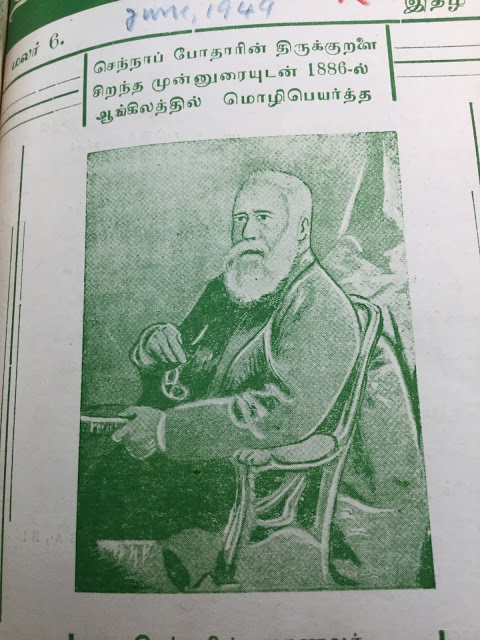
திராவிடப் பூர்வகாலக் கதைகள் என்ற புத்தகததை 1886 ஆம் ஆண்டில் நடேச சாஸ்திரி என்பவர் வெளியிட்டார். அதில் 49 கதைகளை வெளியிட்டார். தான் கேட்ட கதைகளை தனது நினைவிலுள்ளபடி எழுதுவதாக வெளியிட்டார். அதில் சில கதைகளை நானும் சிறுவயதில் எங்கள் வீட்டில் சமையல் வேலை செய்துவந்த சுப்புலெட்சுமி அம்மாள் என்பவர் சொல்லக் கேட்டிருக்கிறேன். அந்தக் கதைகளை எனது சொற்களில் சுருக்கமாக வடிப்பேன்.


ஒரு ஊரில் ஒரு ப்ராஹ்மணன் இருந்தான். அவன் மிகவும் வறியவன்; வறுமையின் சின்னம்; வயிறு காய்ந்தது. ஏதேதோ செய்து பார்த்தும் காசு பணம் கிடைக்கவில்லை. சரி, போ! நாம் பூர்வஜன்மத்தில் செய்த பாபம் போலும்; நம் கர்மத்தைக் காசிக்குச் சென்று தொலைப்போம் என்று புறப்பட்டான. கட்டுச் சோறு கட்டிக் கொண்டான்; வழி நடந்தான்.


பாதி தூரத்தில் களைப்பு வந்தது; கண்டான் ஒரு தோப்பை; கொண்டான் ஆனந்தம்! அருகில் குளம்; தென்றல் வீசியது. கால் கை கழுவி விட்டு உண்போம் என்று குளத்தில் இறங்கினான். ‘கால் கை கழுவாதே’ என்று ஒரு குரல். ஓஹோ, களைப்பால் வந்த அலுப்பு! என்று சொல்லிவிட்டு கால், கைகளை அலம்பிவிட்டு சாப்பிட அமர்ந்தான். மீண்டும் ஒரு குரல்; ‘சாப்பிடாதே’ என்று;


இது ஏதெடா சிவ பூஜையில் கரடி புகுந்த கதை என்று சொல்லிவிட்டுச் சாப்பிட்டான். பின்னர் காசிக்குப் புறப்பட்டான். ‘போகாதே’ என்று ஒரு சப்தம்; இப்போது அவனுக்குக் கோபம் வந்தது. ஏய், யார் நீ? எங்கிருந்து குரல் கொடுக்கிறாய்? என்று கேட்டான்.

ஒரு பிரம்ம ராக்ஷஸன் அவன் முன் குதித்தான்; தன் பூர்வ ஜன்மக் கதைதனை உரைத்தான்.


பிரம்ம ராக்ஷஸ் என்றால் ‘ப்ராஹ்மணப் பேய்’ என்று பொருள்; தவறு செய்யும் ப்ராஹ்மணர்கள் அகால மரணம் அடைந்தால் பேய்—பிரம்ம ராக்ஷஸன் ஆகிவிடுவர்.


“நான் பூர்வ ஜன்மத்தில் நல்ல ஸங்கீத ஞானம் உள்ளவன்– என் இசை ஞானத்தை எவருக்கும் சொல்லிக் கொடுக்காமல் ஒளித்தேன்; மறைத்தேன்; ஆகையால்தான் இந்த கதி என்று சொல்லிவிட்டு எனக்கு ஒரு உபகாரம் செய்யேன் என்றது.


இந்த காட்டுக்கு வெளியே உள்ள ஒரு கோவிலில் ஒரு நாகஸ்வர வித்வான் இருக்கிறான். அவன் காலை, மதியம், மாலையில் அபஸ்வரத்துடன் வாசிக்கும் நாகஸ்வர இசை என் காதுகளில் ஈயத்தைப் பாய்ச்சியது போல இருக்கிறது; ஆகையால் என்னை இந்த நாகஸ்வர த்வனி கேட்காத தூரத்தில் கொண்டு போய் விடு; அது எனக்கு நீ செய்யும் பெரிய உதவி ஆகும் என்று பேய் சொன்னது.


அந்தப் ப்ராஹ்மணப் பேய் மீது கருணை கொண்ட இந்த ஏழைப் ப்ராஹ்மணன், அதற்கென்ன பேஷாய் உதவி செய்கிறேன். நீ எனக்கு எனக்கு என்ன பிரத்யுபகாரம் (பதில் உதவி) செய்வாய் என்று கேட்டான்.


அது சொன்னது: நீ காசிக்குப் போ. உன் கர்மத்தைத் தொலைத்துவிட்டு வா; அதற்குள் நான் மைசூர் மஹாராஜவின் மகளைப் போய் பிடித்துக் கொள்கிறேன் யார் வந்து பேய் ஓட்டினாலும் நான் அகல மாட்டேன். நீ வந்தவுடன் ஓடி விடுகிறேன்; மைசூர் மஹாராஜா உனக்கு பரிசு மழை பொழிவார் என்றது.


அந்தப் ப்ராஹ்மணனும் நல்ல ஐடியா  (IDEA) என்றான். ஆனால் ஒரு கண்டிஷன் (CONDITION) என்றது பிராஹ்மணப் பேய்.

அது என்ன நிபந்தனையோ என்று ப்ராஹ்மணன் வினவ, பேய் சொன்னது; நீ ஒரு முறை என்னை இப்படி விரட்டலாம் இரண்டாவது முறை எங்காவது என்னை விரட்ட வந்தால் உன் கதி ‘சகதி’ என்று எச்சரித்தது.

பிராஹ்மணன் காசிக்குச் சென்றுவிட்டுத் திரும்பினான். மைசூருக்கு வந்தான்; ஒரு கிழவி வீட்டில் தங்கினான்.

((தமிழ்த் திருடர்களுக்கு எச்சரிக்கை: உங்கள் குலம் வாழ வேண்டுமானால்தமிழ் வாழ வேண்டுமானால்இந்து மதம் வாழ வேண்டுமானால்எனது பிளாக் (blog)கில் உள்ள கட்டுரைகளப் பகிர்வோர்ப் எழுதியவர் பெயரையும் பிளாக்கின் பெயரையும் நீக்காமல் வெளியிடுக.

பாட்டி ஊரில் என்ன விசேஷம்? என்ன பார்க்கலாம்? என்றான்.

கிழவி சொன்னாள்: மகனே மஹாராஜாவின் மகளுக்குப் பேய் பிடித்துவிட்டது. அது பொல்லாத பிசாசு! யார் வந்தாலும் விரட்ட முடியவில்லை யாராவது விரட்டினால் பெரும்  தொகை கிடைக்கும் என்று மன்னன் அறிவித்துள்ளான் என்றாள்.


ப்ராஹ்மணன் மறு நாளைக்கு அரண்மனைக்குச் சென்று மஹாராஜாவிடம் பேய் ஓட்ட வந்ததாச் சொன்னான். முதலில் மன்னனுக்கு நம்பிக்கை இல்லை. பின்னர் முயன்று பார்ப்போமே என்று ப்ராஹ்மணனை  மகள் இருக்கும் அறைக்குள் அனுப்பினான்.

அவன் உள்ளே நுழைந்தவுடன், பிரம்ம ராக்ஷசஸ், அவனை அடையாளம் கண்டு ‘குட் பை’  (GOOD BYE) சொல்லிவிட்டுப் போனது போகும்போதே அது போட்ட ‘கண்டிஷனையும்’ நினைவுபடுத்தியது. இதற்கு மேல் என்னைத் தொடர்ந்து வந்தால் உன் கதி அதோகதி என்று சொல்லிவிட்டுப் போனது.


ப்ராஹ்மணன் பேய் ஓட்டிய செய்தி, மன்னனுக்குக் கிடைத்தது; அவனுக்கு அளவற்ற மகிழ்ச்சி; ப்ராஹ்மணனுக்கு ஏராளமான பரிசு; நிலபுலன்கள் கிடைத்தன.


சுகமாக ஊருக்குத் திரும்பி வாழ்ந்து வந்தான்; கல்யாணம் முடித்து குழந்தை குட்டிகளுடன் காலம் உருண்டோடியது.


ராமேஸ்வரம் போனாலும் சனீஸ்வரன் (சனைச் சரன்) விடாது என்பது பழமொழியல்லவா?


மைசூர் மஹாராஜாவிடம் இருந்து ஓடிய பேய் – ப்ரஹ்மராக்ஷஸ் – திருவனந் தபுரம் மஹாராஜாவின் மகளைப் போய் பீடித்தது. அவன் பெரிய பெரிய மலையாள மாந்த்ரீகர்களை எல்லாம் அழைத்துப் பேயை ஓட்ட முயன்றான்; பலிக்க வில்லை. அவனது ஒற்றர்கள் மூலம் மைசுர் மஹா ராஜா மகள் விஷயத்தை அறிந்து அந்த மந்திரவாதியைத் தமக்கும் அனுப்பிவைக்குமாறு ஓலை அனுப்பினான்.


திருவநந்தபுரம் மஹா ராஜா மீது  கருணை கொண்ட மைசூர் மன்னன், ‘நான் பெற்ற இன்பம் வையகமும் பெறுகவே’ என்று ப்ராஹ்மணனுக்குச் செய்தி அனுப்பினான். உடனே திருவனந்தபுரம் சென்று உதவக் கட்டளை இட்டான்.


ப்ராஹ்மணனுக்கு உதறல் எடுத்தது; இரண்டாம் தடவை அதே ப்ரஹ்மராக்ஷஸைச்  சந்தித்தால் தன் கதை முடிந்துவிடும் என்று தெரியும். இருந்தாலும் மன்னர் உத்தரவு என்பதால் திருவனந்தபுரத்துக்கு ஏகினான். பல்வேறு சாக்குப் போக்குகள்; நாள் நட்சத்திரங்களைச் சொல்லி பேய் ஓட்டுவதை ஆனமட்டிலும் தாமதித்தான்.

இந்தச் சாக்குப் போக்குகள் நீண்ட காலம் தாக்குப் பிடிக்கவில்லை. தனது சொத்து சுகங்களைப் பகிர்ந்து விட்டு சாகத் தயாராக அரனண்மனைக்குள் சென்றான்; மஹாராஜவின் மகளைப் பார்த்தான். அவளைப் பிடித்த பிரம்ம ராக்ஷஸும் ப்ராஹ்மனனைப் பார்த்தது. ஆத்திரம் கொண்டது; பெரிய உலக்கையைத் தூங்கிக் கொண்டு அவனை அடிக்க ஓடிவந்தது.


இதற்குள் பிராஹ்மனனின் அத்புத மூளை வேலை செய்தது. அந்தப் பேய் அருகில் வந்தவுடன் திருப்ம்பி ஓடுகிறாயா? அல்லது அபஸ்வர நாகஸ்வர வித்வானை உள்ளே வரச் சொல்லவா? இதோ அரண்மனை வாயிலின் அந்தப் பக்கத்தில் கோவில் நாகஸ்வர வித்வான் உன்னைப் பார்க்க காத்திருக்கிறான் என்று கத்தினான்.


இதை கேட்டவுடன் அந்த ஸங்கீதப் பேய் — ப்ராஹ்ம ராக்ஷஸ் — ஓட்டம் பிடித்தது.


தவறான ஸங்கீத ஒலிக்குப் பேயும் பயப்படும்!!!!!!!!!!!!!!!

((தமிழ்த் திருடர்களுக்கு எச்சரிக்கை: உங்கள் குலம் வாழ வேண்டுமானால்தமிழ் வாழ வேண்டுமானால்இந்து மதம் வாழ வேண்டுமானால்எனது பிளாக் (blog)கில் உள்ள கட்டுரைகளப் பகிர்வோர்ப் எழுதியவர் பெயரையும் பிளாக்கின் பெயரையும் நீக்காமல் வெளியிடுக. அல்லது சொல்ல நாக்கு கூசுகிறது…………………………. கடவுளே! என் நாவினால் ……………… சாபம் இட வேண்டாம்நீயே கவனித்துக்கொள்!))

–SUBHAM–

IS SILAPPADIKARAM A BRAHMANA KAVYA? (Post No.4612)- Part 2

KANNAKI COOKING, WORLD TAMIL CONFERENCE SOUVENIR PICTURE


Research Paper Written by London Swaminathan 


Date: 13 JANUARY 2018


Time uploaded in London  6-16 AM


Post No. 4612

Pictures shown here are taken from various sources such as Facebook friends, Books, Google and newspapers; thanks.


WARNING: DON’T SHARE IT WITHOUT AUTHOR’S NAME AND  BLOG NAME. BE HONEST; OTHERS WILL BE HONEST WITH YOU.


PART 2 (PART 1 WAS PUBLISHED YESTERDAY)

6.Parasaran- Dakshinamurthy Anecdote in the Katturai Katai is equally interesting:


“An able Brahmana, Parasara, who belonged to the good and fertile Kingdom of the Lord of the highly reputed Pukar wielding a righteous sceptre and a triumphant sword – one of whose kings weighed (his flesh) to save a dove (Story of Sibi) and another awarded justice to a cow (story of Manu Niti Cholan) who had heard the peerless munificence of the Cera of the curved lance, by offering the heavens to a Tamil Brahmana poet, said to himself, “I shall see the Cera of great valour and long lance”. He then passed through jungles and country places and towns leaving behind him the tall Malaya Hills. There by the force of his dialectical skill which he had acquired in the traditional manner, from the twice born Brahmana—who with the thought of achieving oneness with the Infinite, kindled the three fires as ordained in the four Vedas and performed the five great sacrifices (Pancha Maha Yajna) and the six great duties- he defeated his rivals and earned the title of Parpana Vakai.

(A typical Brahmin’s profile!)

As he was returning home with great and valuable gifts, he reached the village of Tankal (Tirutankal near Sivakasi) of the righteous Pandyan and of Dharmic Brahmanas. In this village, on a platform beneath the Bodi tree, luxuriant with green leaves, the tired man stayed awhile with his staff, water bowl, white umbrella, fire stick, a small bundle of articles and slippers (the impedimenta of an orthodox Brahmana; white umbrellas can be used only by the Kings and Brahmins who did Soma yaga) and said,

“Long live the victor whose protecting white umbrella assures his certain success. Long live the protector who uprooted the Katampu from the sea (Marine attack on sea pirates)! Long live the king who engraved his bow on the Himalayas! Long live the Poraiyan, possessor of the cool and beautiful Porunai! Long live King Mantaran Ceral! (contemporary king of Ceran Senkuttuvan)


Surrounded by a group of playful youths, some with curly hair and some with tufts and some with lisping mouths and coral lips, toddling some distance from their homes, he addressed them,

“Young Brahmana boys, if you can recite the Veda after me you may go away taking this little bundle of jewels.” Then the son of famous Brahmana Vartikan, by name Aalamar Selvan (Dakshinamurthy) whose rose lisps still retained the fragrance of his mother’s milk, in the presence of his playmates, with prattling tongue and great inward pleasure, recited the Veda, faultlessly observing the correct rhythm. The elderly man was exceedingly pleased with young Dakshinan and presented him with a sacred thread of pearls and bright jewels, as well as with bangles and earrings before departed for his native place”.

7.VEDIC  TAMIL NADU

Here Ilango was so poetic that we are captivated by every word he said here. This gave the beautiful description of Vedic education in the second century Tamil Nadu. Every word of Ilango praised the Brahmins and Brahmin boys. A little boy could recite Vedas with a learned Pundit. He described the appearance of Vedic Brahmins in minute details


The translator adds a beautiful note here:

The Brahman’s love for the Veda and his magnanimity in giving away the valuable jewels to a child reciting Vedas according to established practice show how unselfish were the learned Brahmins of those golden days.


Through Matalan  and Parasaran and a little boy we know that Vedas were recited in nook and corner of Tamil Nadu.


8.A MIRACLE HAPPENED!

“When Vartikan’s child departed with the little bundle of jewels, Vartikan was accused of misappropriating treasure trove which belongs to the king. So Vartikan was imprisoned. His wife Kartikai grew frantic. She wept in grief. She threw herself on to the ground rolling and fulminating. Seeing this the Goddess Durga of untarnished glory refused to open the door of her temple for the conduct of daily worship. When the king of the mighty spear heard that the massive door remained shut and would not open, he was confounded, and inquired, “Has any injustice been done? Come and tell me if you have heard of any failure in the discharge of our duties to the Goddess of Victory”.


“Then his young messengers made obeisance to the protecting king and informed him the case of Vartikan. “This is not fair, burst forth the king in anger and addressed Vartikan, It is your duty to forgive me. My righteous rule still has life, though owing to the ignorance of my men, it has deviated from the ordained path”.


“The king granted him Tankal with its paddy fields watered by tanks and Vayalur of immeasurable yield and prostrated himself on the ground before Vartikan, the husband of Kartikai. Then the door of the Goddess who rode upon the stag, opened so loudly as to be heard throughout the long and broad streets of mountain like mansions of the ancient city.

Then he issued a proclamation to release all the prisoners and allowed everyone to enjoy the treasures they find!”


Such is the power of Brahmins. Even mighty kings fell at their feet!


9.In this chapter (Katturai Katai) , Brahmins are praised as Vandamil Maraiyor i.e people who speak chaste Tamil. This answered the question whether Brahmins are sons of the soil!


10.Matalan Again!

Matala Maraiyon, the influential Brahmin, appears again in the last three sections:

Nirppataik Katai

Natukar Katai

Varantaru katai


Matalan giving Important News!

Ilango uses Matalan to fill the gaps in the epic. Mighty Cera King Senkuttuvan brought the stone from the holy Himalayas and bathed it in the Holy Ganges and carved the stone into the Goddess Pattini.

Following is in the Nirppataik Katai

“While Senkuttuvan was sitting on his throne ( in North India), the Brahmana Matalan appeared before him and said, Long live our king! The seashore song of the lady Matavi made the crowns of Kanaka and Vijaya bear a weight (the implied meaning is that Kovalan left Matavi’s house and other events followed resulting in Kannaki becoming a goddess; Kanaka and Vijaya who challenged Senkuttuvan made to carry the stone on their heads).


The Brahmana Matalan then continued: “The maid Matavi, whilst sporting on the cool beach, had a lover’s quarrel with Kovalan. Then governed by fate she sang the seashore song appropriate to her dance. This not resulted in their reunion but in their separation, and necessitated his entry with his virtuous wife into the ancient towered city of Madura, whose reigning king with his wreath of leaves attained blissful heaven as a result of the murder of Kovalan, whose wife, O Lord of the Kutavar, entered your country. And now she is being borne upon the crowned heads of the northern kings”.


11.Matari commits suicide!

“Be good enough to listen also to the reason for my coming here, O king of kings holding the illustrious spear! After going round the Potiyil Hills sacred to the great sage (Agastya) and bathing in the famous ghat of Kumari, I was returning, when as if impelled by fate, I went into Madura belonging to far famed Tennavan of the sharp sword. There when Matari heard that the beautiful Kannaki had defeated the Pandyan king of the mighty army with her anklet, she proclaimed in the Taateru manrdram (common meeting point of the Yadava community), ‘O People of the cowherd community! Kovalan has done no wrong; it is the king who has erred; I have lost her to whom I gave refuge. Have the king’s umbrella and the sceptre fallen from the righteous path? With these words she threw herself into the burning flames in the dead of night!

12.Kavunti died of Starvation!

Kavunti, distinguished for her holy penance, waxed wroth; but when she heard of the death of the great king renowned for his righteous sceptre, her ire was appeased and she burst out: Was this the fate of those who joined my company? She took a vow to die of starvation and thus gave up her life.


13.Kovalan’s mother died of Depression!

I heard in full detail all this and also of the devastation that overtook the great city of Madura ruled by the Pandyan of the golden car. Overcome by great I went back to my native place, the ancient capital of the Colas, and informed the chief men there of this. Kovalan’s father heard what happened to his son and daughter in law and also to the righteous monarch of Madura and became deeply afflicted. He distributed all his wealth in charity, and entered Seven Indra Viharas (The Buddhist Temple) and began to practise self -denial like the three hundred monks who roam the sky, having renounced the world to obtain release from the cycle of births. The wife of him who thus renounced, unable to endure the sorrowful news of the death of her son under such tragic circumstances, died of pity.


Kannaki’s father also gave away his wealth in religious gifts and adopted Dharma in the presence of Ajivakas like sages engaged in penance of a high order. The noble wife of him who made these gifts gave up her good life within a few days.


TO BE CONTINUED……………………………………….


காரிய வெற்றிக்கு சகுனங்கள்! (Post No.4611)

Date: 13 JANUARY 2018


Time uploaded in London- 5-51 am


Written  by S NAGARAJAN


Post No. 4611

Pictures shown here are taken from various sources such as Facebook friends, Books, Google and newspapers; thanks. Pictures may not be related to the story. They are only representational.


ஞான ஆலயம் குழுமத்திலிருந்து மாதந்தோறும் வெளியாகும் ஜோதிட இதழான ஸ்ரீ  ஜோஸியம் பத்திரிகை ஜனவரி 2018 இதழில் வெளியாகியுள்ள கட்டுரை

காரிய வெற்றிக்கு சகுனங்கள்!


ச.நாகராஜன்


நமது முன்னோர்கள் இயற்கைப் படைப்பைக் கூர்ந்து கவனித்து ஒரு காரியம் கை கூடுமா, தொடங்கும் பணியில் வெற்றி உண்டா இல்லையா என்பதை முன்கூட்டியே நிர்ணயிக்க சகுன பலனைச் சொல்லி உள்ளனர்.


இராமாயணத்தில் சீதைக்கு ஏற்படும் நல்ல சகுனங்கள், மஹா பாரதத்தில் துரியோதனனுக்கு ஏற்படும் தீய சகுனங்கள் ஆகியவற்றைப் படிக்கும் போது வியப்பு ஏற்படும்.

அப்படி சகுன பலன்களை விவரமாக விவரித்துள்ளனர் முன்னோர்.


கிராமங்களில் சர்வ சாதாரணமாகச் சொல்லி, கடைப்பிடிக்கப்படும் இந்த சகுனக் குறிகள் இன்றைய நகர வாழ்க்கையில் சில சமயம் பொருத்தமில்லாமல் போகிறது; அல்லது அதைத் தெரிந்து கொள்ளாமல் நகரங்களில் வாழ்வோர் காரியங்களைத் தொடங்குகின்றனர்.


சம்ஸ்கிருதத்தில் சகுனம் பற்றிப் பல நூல்கள் உண்டு. நூற்றுக்கணக்கான ஸ்லோகங்கள் உள்ளன.

தமிழிலும் பல நூல்கள் உண்டு. எடுத்துக் காட்டாக ஒரு நூலை மட்டும் இங்கு பார்க்கலாம்.


அம்பலவாணப் புலவர் எழுதிய அறப்பளீசுர சதகம் நூறு பாடல்களைக் கொண்ட அருமையான நூல்.

அதில் சகுனங்களைப் பற்றி மூன்று செய்யுள்கள் உள்ளன. (செய்யுள்கள் 62,63,64)


அவை வருமாறு:-

சொல்லரிய கருடன் வானரம் அரவம் மூஞ்சூறு குகரம் கீரி கலைமான்

துய்யபாரத்வாசம் அட்டை எலி புன் கூகை சொற்பெருக மருவும் ஆந்தை

வெல்லரிய கரடி காட்டான்பூனை புலி மேல் விளங்கும் இரு நா உடும்பு


மிகவுரை செய் இவையெலாம் வலம் இருந்திடமாகில் வெற்றியுண்டதிக நலம் ஆம்;

ஒல்லையின் வழிப்பயணம் ஆகுமவர் தலை தாக்கல்

ஒருதுடையிருத்தல்,பற்றல்,

ஒரு தும்மல், ஆணையிடல், இருமல், போகேலென்ன

உபசுருதி சொல் இவையெலாம்


அல்லல் தரும் நல்ல அல என்பர்;முதியோர் பரவும்

அமலனே! அருமை  மதவேள்

அனுதினமும் மனதில் நினை தரு சதுரகிரிவளர்

அறப்பளீசுரதேவனே!

பொருள்: பெரியோர்கள் வாழ்த்துகின்ற தூயவனே! மதவேள் தினமும் மனதில் வழிபடுகின்ற சதுரகிரியில் குடி கொண்டிருக்கும் அறப்பளீசுர தேவனே!


சொல்வதற்கு அரிய கருடனும், குரங்கும், பாம்பும், மூஞ்சூறும், பன்றியும், கீரியும், கலைமானும்,தூய கரிக்குருவியும், அட்டையும், எலியும், இழிந்த கோட்டானும், மிகுதியாகப் பேசப்படும் ஆந்தையும், வெல்ல முடியாத கரடியும், காட்டுப் பசுவும், பூனையும், புலியும், மேலாக விளங்கும் இரு நாக்குகளை உடைய உடும்பும் ஆகிய இவை எல்லாம் வலத்தில் இருந்து இடப்பக்கம் போனால் வெற்றி உண்டாகும். மிகுதியான நலமும் உண்டாகும்.


வழிப்பயணம் மேற்கொள்வோரின் தலையில் இடித்தல், ஒரு காலில் நிற்றல், வலது கையைப் பிடித்தல், ஒற்றைத் தும்மல், ஆணையிடுதல், இருமுதல், போக வேண்டாம் என்று காதில் விழும்படியாகக் கூறுதல் இவை யாவும் துன்பம் தரும். நல்லன அல்ல என்பர்.


நரிமயில் பசுங்கிள்ளை கோழி கொக்கொடு காக்கை

நாவிசிச்சிலியோந்தி தான்

கரையான் கடுத்தவாய்ச் செம்போத்துடன் மேதி

நாடரிய சுரபி மறையோர்


வரியுழுவை முயலிவையனைத்தும் வலம் ஆயிடின்

வழிப்பயணம் ஆகை நன்றாம்;

மற்றும் இவை அன்றியே குதிரை அனுமானித்தல்

வாய்ச்சொல் வா வா வென்றிடல்,

தருவளை தொனித்திடுதல், கொம்புகிடு முடியரசி

தப்பட்டை ஒலி வல்வேட்டு


தனி மணி முழக்கெழுதல் இவையெலாம் ஊர்வழி

தனக்கேக நன்மை என்பர்!

அருணகிரனோதயத் தருணபானுவையனைய

அண்ணலே! அருமை மதவேள்

அனுதினமும் மனதில் நினை தருசதுரகிரி வளர்

அறப்பளீசுரதேவனே!


பொருள் :  சிவந்த கதிர்களை உடைய ஞாயிறு போன்ற அண்ணலே! சதுரகிரியில் எழுந்தருளியுள்ள அறப்பளீசுர தேவனே!

நரியும், மயிலும், பச்சைக் கிளியும், கோழியும், கொக்கும், காக்கையும், கஸ்தூரி மிருகமும்., சிச்சிலிப் பறவையும், ஓணானும், வல்லூறும், விரைந்து கத்தும் செம்போத்தும், எருமையும் சிந்தித்தற்கு அரிதான பசுவும், அந்தணரும், வரிப்புலியும், முயலும் ஆகிய இவை யாவும் வலமாக வந்தால் வழிப் பயணம் நன்மை தரும். மேலும், குதிரை கனைத்தலும், வா வா என்று வாய்ச்சொல்லாக காதில் படும்படி கூறுதலும்,சங்கு ஒலித்தலும், கொம்பும்,கிடுமுடியும், முரசும், தப்பட்டையும் ஆகிய இவற்றின் ஒலியும், ஒப்பற்ற மங்கல வாத்தியம் முழங்குதலும் ஊரிலிருந்து பயணம் மேற்கொள்ள நல்லது என்று அறிஞர் கூறுவர்.


தலைவிரித்தெதிர் வருதல், ஒற்றைப் பிராமணன்,

தவசி, சந்நாசி, தட்டான்,

தன்மிலா வெறுமார்பி, மூக்கறை, புல், விறகுதலை,

தட்டைமுடி, மொட்டைத்தலை,

கலன் கழி மடந்தையர், குசக்கலம், செக்கான்,

கதித்த தைலம், இவைகள்

காணவெதிர் வரவொணா: நீர்க்குடம், எருக்கூடை,

கனி, புலால் உபய மறையோர்

நலம் மிகு சுமங்கலை, கிழங்கு, சூதக மங்கை

நாளும் வண்ணான் அழுக்கு

நசை பெருகு பாற்கலசம், மணி, வளையல், மலர் இவைகள்

நாடி யெதிர் வர நன்மையாம்;

அலை கொண்ட கங்கைபுனை வேணியாய்! பரசணியும்

அண்ணலே! அருமை மதவேள்

அனுதினமும் மனதில் நினை தரு சதுரகிரி வளர்

அறப்பளீசுர தேவனே!


பொருள்: அலை கொண்ட கங்கையை அணி ந்த சடையானே!

மழு ஏந்திய அண்ணலே! சதுரகிரியில் எழுந்தருளியிருக்கும் அறப்பளீசுர தேவனே!


தலைவிரி கோலமாக ஒருவர் எதிரில் வருதலும், ஒற்றைப் பிராமணனும், தவம் புரிவோனும், துறவியும், தட்டானும், தனம் இல்லாத மார்பினளும்,மூக்கில்லாதவனும், புல் தலையனும், விறகு தலையனும், சப்பைத் தலையும், மொட்டைத் தலையும், அணிகலன் இல்லாத பெண்களும்,குசவன் பாண்டமும், வாணியன் மிகுந்த எண்ணெயும் ஆகிய இவைகள் கண் காண எதிரில் வருதல் தகாது.


நீர்க்குடமும், எருக்கூடையும்,பழமும், மாமிசமும், இரட்டை பிராம்மணரும்,நலம் மிகு சுமங்கலி, கிழங்கு,  பூப்புப் பெண்ணும், நாளும் எடுக்கும் வண்ணான் அழுக்கும்,  விருப்பம் ஊட்டும் பாற்குடமும், மணியும், வளையலும், மலரும், ஆகிய இவைகள் தேடி எதிரே வந்தால் நலம் ஆகும்.

மேற்கூறிய சகுன பலன்கள் சரியா, இல்லையா?

இதை எப்படி சரி பார்ப்பது. மிகவும் சுலபம். சகுனத்தை தினமும் கவனித்து குறிப்புகளை எடுத்துக் கொண்டால் போதும், ஒரு சில வாரங்களில் நாம் நிபுணராகி விடுவோம்.


சோதனை செய்து அறிவதே ஆனந்தம். இதையே இயற்கையை அனுசரித்த முன்னோர் செய்தனர். சகுனத் தடை என்றால் சற்று நேரம் கழித்துக் காரியத்தைத் தொடங்கலாம்,இல்லையா!

முயன்று பார்ப்பதில் நஷ்டம் ஒன்றுமில்லை; லாபம் தான்!

முயல்வோம்; சரி பார்ப்போம்; கடைப் பிடிப்போம்!

***


பனங்காட்டு நரியும், பணம் காட்டும் நாயும் (Post No.4610)

Pictures are from newspapers

Written by London Swaminathan 


Date: 12 JANUARY 2018


Time uploaded in London  19-33


Post No. 4610

Pictures shown here are taken from various sources such as Facebook friends, Books, Google and newspapers; thanks.


WARNING: DON’T SHARE IT WITHOUT AUTHOR’S NAME AND  BLOG NAME. BE HONEST; OTHERS WILL BE HONEST WITH YOU.


நரி முகத்தில் முழித்தால் அதிர்ஷ்டம் என்று ஒரு நம்பிக்கை உண்டு. அட! பனங்காட்டு நரி பணம் தருகிறதோ இல்லையோ நாய் பணம் தரும்; அதுவும் லண்டன் நாய் பணம் தரும்!


உலகிலேயே மிகவும் சுறுசுறுப்பான விமான நிலையங்களில் ஒன்று லண்டன் ஹீத்ரோ விமான நிலையம். அங்கு ஜெஸ்ஸி என்ற பெயருள்ள ஒரு நாயை கள்ளப் பணத்தைக் கண்டு பிடிக்கப் பயன்படுத்துகிறார்கள்; அதாவது பணம் அடிக்கப் பயன்படுத்தும் மையை (INK) முகர்ந்து பார்க்கும் சக்தி இதற்கு உண்டு. இதனால் யார் பணம் கடத்தி வந்தாலும் இது கண்டு பிடித்து வாலாட்டும். கடத்தல்காரர்களின் வாலை ஒட்ட நறுக்கிவிடும்.


ஹீத்ரோ விமான நிலையத்தில் ஐந்தே மாதங்களுக்குள் இது பத்து லட்சம் ஸ்டெர்லிங் பவுண்டு (Sterling Pounds) மதிப்புள்ள கரன்ஸி நோட்டுகளைக் கண்டு பிடித்துவிட்டது. இந்த நாயின் வயது — குட்டி நாயின்- வயது இரண்டுதான்!


ஒருமுறை சரக்குப் பிரிவில் அனுப்பப்பட்ட மூன்றரை லட்சம் பவுன்களைக் கண்டுபிடித்தது. யாரேனும் கைப் பைகளில் அதிகம் பணம் வைத்திருந்தால் கண்டு பிடித்துவிடும். அதற்கு நியாயமான விளக்கம் கிடைக்கவில்லை என்றால் அந்தப் பணம் பறிமுதல் செய்யப்படும்.

இது தவிர வேறு வழிகளிலும் கள்ளக் கடத்தல் பணம் கண்டு பிடிக்கப்படுவதால் கடந்த ஓராண்டில் மட்டும் 80 லட்சம் பவுன்களை பார்டர் ஸெக்யூரிட்டி ஃபோர்ஸ் (Border Security Force) கண்டுபிடித்துள்ளது. ஒருவர் பெருந்தொகையைக் கைப் பையில் கொண்டு சென்றார்; ஜெஸ்ஸி பார்த்து விட்டது; அந்தப் பயணியிடம் விளக்கம் கேட்டபோது லாட்டரிப் பரிசு விழுந்தது என்றார். அது பொய் என்று தெரிந்தவுடன் பணம் பறிமுதல் செய்யப்பட்டது.


ஜெஸ்ஸியின் புகழ் பரவத் துவங்கிவிட்டது; லண்டன் பத்திரிக் கைகளின் முதல் பக்கத்தில் ஜெஸ்ஸிக்கு பிரதான இடம்;

நாய்க்கு அடித்தது யோகம்!


–சுபம்–

IS SILAPPADIKARAM A BRAHMANA KAVYA? (Post No.4609)- Part 1

Cheran Senkuttuvan picture from World Tamil Conference Souvenir


Research Paper Written by London Swaminathan 


Date: 12 JANUARY 2018


Time uploaded in London  6-57 AM


Post No. 4609

Pictures shown here are taken from various sources such as Facebook friends, Books, Google and newspapers; thanks.


WARNING: DON’T SHARE IT WITHOUT AUTHOR’S NAME AND  BLOG NAME. BE HONEST; OTHERS WILL BE HONEST WITH YOU.


ROLE OF BRAHMINS IN SILAPPADIKARAM


Abstract

Introduction and Background Premise

Issues Addressed in Paper

CONTENT ( the 3 docs can be combined appropriately)

Conclusion

References


(This research article was submitted to Swadeshi Conference held in December 2017 in Chennai)


Abstract:

A Brahmin by name Matala Maraiyon plays an important role in the Tamil epic Silappadikaram. It is amazing to see that Ilango Adikal, considered to be a Jain by some scholars, has not only introduced Matala Maraiyon, but gives him a commanding role. He commands the mighty Chera King Senkuttuvan to do good things such as Vedic rituals and the king readily obeys him. The Brahmin is amply rewarded by the king. Matala Maraiyon is the one who fills in the gaps in the epic by telling the king what happened to Madhavi and others. He is the main link in the story. Another Brahmin Alamar Selvan (Dakshinamurthy) is introduced by the author Ilango to show the state of Vedic education in those days. Apart from this, Brahmins play the role of ambassador and actor. This shows the respect Brahmins commanded in the second century CE Tamil Nadu. This paper goes into the details with supporting information from the epic.


Introduction

it is very interesting to see that Ilango, author of most famous Tamil epic Silappadikaram, has introduced several Brahmin characters from the very first chapter to the last chapter.


Matala Maraiyon is the most interesting character in the epic. He commands a great influence over the mighty Chera Emperor Cheran Senkuttuvan. The king gave him gold weighing his body weight. He listened to the advice and performed Vedic Yajnas according to the instructions of the Brahmin.


Silappadikaram praised the Brahmins as chaste Tamil speakers (Vandamiz Maraiyor). That proved that Brahmins were sons of the soil.


The Parasaran- Dakshinamurthy (Aalamar selvan) episode is another Brahmin episode which  showed that the Vedic education among the Brahmins of second century CE was of very high standard.


Tollkappiam says that one of the roles of Brahmins is the job of an ambassador. Ilango introduced a Brahmin (Kosikan= Kausikan) ambassador.

(English translation of prof. V R Ramachandra  Dikshitar in his book The Cilappatikaram , 1978 is used in this article with some spelling changes)


Contents:


1.Wedding with the help of a Brahmin Priest

Silappadikarm is the first ancient book to show that marriages were conducted by Brahmin priests in the Second century CE Tamil Nadu.


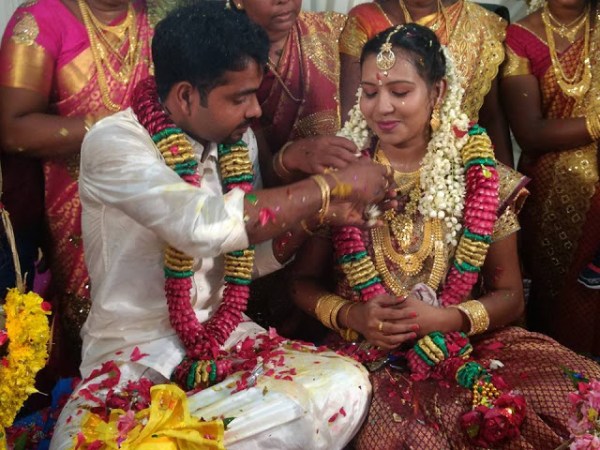
“That was the day on which the moon moving in the sky approached the Star Rohini, when Kovalan who walked  around the holy fire in accordance with the scriptural injunctions as directed by the revered Brahmin priest, approached his bride, divinely fair resembling the star Aruntati. How fortunate were those who enjoyed such a splendid sight!

–Mankala valtup patal

Akananuru verses 86,136 and Vedic literature say that the Hindus conducted marriages under the Rohini asterism. But Akananuru verses did not mention the Brahmin priests or the sacred fire.

Picture by Maniam Selvan


2.Here comes Matala Maraiyon!

Ilango introduced the Brahmin Matala Maraiyon in the Ataikkala Katai, in the following words:


“Kovalan went outside the gates of the Madurai fortress, into the grove wherein dwelt monks engaged in in imparting of Dharma.

And while he was narrating to the sage Kavunti the undiminishing prosperity of Madura and the prowess of the Pantyan king, MATALAN OF TALAICCENKANAM, THE FIRST AMONGST BRAHMANAS, WELL VERSED IN THE FOUR VEDAS, APPEARED AT THEIR RESIDENCE IN THE GROVE SORROUNDED BY A SHALLOW MOAT. He had come there to obtain relief from the fatigue of his journey while returning to his own family, after circumambulating the hill (Potiyil, sacred to the sage Agastya).

To him Kovalan prostrated himself, while the Brahmana skilled in speech, on being addressed, replied as follows.


Ilango deliberately puts some incidents into the mouth of Matalan, praising the Brahmins:


3.Kovalan Saves a Brahmin

The first incident was about a shipwreck and the person saved by the deity of the sea, Manimekalai, whose name was given to courtesan Matavi’s daughter. So Matalan gives some new information about what happened to Matavi after Kovalan left her.

Matalan continues: “On that day when you sat with that happy lady Matavi, and showered gifts of gold with your beautiful hands, a Brahmana, with bent body, having attained the very limits of knowledge and good conduct, came feebly along with the aid of a stick in order to receive the gifts. Seeing him in the clutches of a fast and furious elephant which had thrown its mahout and was rushing in all directions to the loud noise of the drum, O merciful hero, you stepped forth instantly with a cry, after rescuing the man of high birth, you released yourself from its curved hollow trunk and remaining between the white tusks, stood on its nape like a Vidhyadhara on a dark hill, and curbed the still furious elephant

One should note the high sounding respectful epithets given to the Brahmana.

4.Kovalan Helps a Brahmin Lady

Matalan continues: “on another occasion, a Brahmana left for the north abandoning his wife who had caused the death of a young mongoose. When she followed him, the Brahmana said “it is not proper for me to eat food served by your hands. You give this note containing a Sanskrit verse to people leading a virtuous life”. With this the Brahmana lady went through the bazars where the tall mansions of the wealthy merchants were, and showed the note from house to house proclaiming, “ O will no one relieve me of my sins and enjoy the fruits of s doing? At once you called to her and asked “What is your trouble and what is this note? The lady narrated to you the great distress she was in, and said “take this leaf on which has been written the verse, and by giving me money absolve me from my great sin.” You replied to her, “ Do not fret. Do not be afraid. I shall relieve you of your difficulty” and in order that her sinful deed might be atoned for, you made gifts in accordance with the instituted rules and relieved the lady of her worry. O wealthy man of imperishable riches! Then you made her husband, who had left for the forest come back and live with her in the right path by giving them copious wealth of out of your limitless riches.


5.Bhutam Devours a bad man!

The last incident is about a Bhutam (goblin or ghost) devouring a man who gave false evidence and Kovalan supporting the chaste lady and her family for several years.

Then Matalan continues: I know all the good things you have done in this birth, but owing to your deeds in the past birth, O Gopala (Kovalan is the Tamil version of Gopala) of ripe knowledge, you have fallen into incredible suffering along with your gem like young wife who is like Lakshmi herself.”


Then Kovalan narrated a nightmare he had in the previous night portending the bad events.


Ilango cleverly used Matalan to show that Gopalan’s help to Brahmins and his knowledge in Sanskrit etc.

to be continued……………………………

–Subham–


காப்பிகுடித்தால் 100 ஆண்டுகள் வாழலாம்! (Post No.4608)

Einstein image in Coffee!


Written by London Swaminathan 


Date: 12 JANUARY 2018


Time uploaded in London  6-32 AM


Post No. 4608

Pictures shown here are taken from various sources such as Facebook friends, Books, Google and newspapers; thanks.


WARNING: DON’T SHARE IT WITHOUT AUTHOR’S NAME AND  BLOG NAME. BE HONEST; OTHERS WILL BE HONEST WITH YOU.


பிரான்ஸ் நாட்டின் கல்வி நிபுணர், நூல் ஆசிரியர் பாண்டநெல் (Fontenelle) என்பவர் ஆவார். அவருடைய முழுப் பெயர் பெர்னார்ட் லெ பொவியர் தெ பாண்டநெல் என்பதாகும். அவர் 1657 முதல் 1757 வரை வாழ்ந்தார்.


பாண்டநெல் மிகவும் காப்பி குடித்ததால் டாக்டர்களுக்கு மிகவும் கவலை. அவருக்கு 80 வயதானபோது டாக்டர்கள் அவரைச் சந்தித்தனர். அவருக்குப் புரியும்  வகையில், மெதுவாக, அழகாக டாக்டர்கள் பேசினர்.


“அன்பரே, இந்தக் காப்பி இருக்கிறதே. அது ஒரு விஷம்– உமது உடலை மிகவும் பாதிக்கும்; விஷம் என்று சொன்னால் போதாது. அது ‘மெதுவாக’க் கொல்லும் விஷம்– என்றெல்லாம் விளக்கினர்.


அவர் இதைப் புரிந்து கொண்டாரா, இதைப் பற்றி அவர் என்ன நினைக்கிறார் என்று அறிய டாக்டர்கள் அவருடைய முகத்தை உற்று நோக்கிப் பார்த்துக் கொண்டு இருந்தனர்.


அவர் மெதுவாக வாய் திறந்தார்– சரியாகச் சொன்னீர்கள்; மெதுவாகக் கொல்லும் விஷம் என்று; கொஞ்சம் தப்பு விட்டு விட்டீர்கள். அது மெதுவாகக் கொல்லும் விஷம் இல்லை; ‘மிக மிக மிக மெதுவாகக் கொல்லும்’ விஷம்! பாருங்கள்! தினமும் எவ்வளவு காப்பி குடிக்கிறேன்;  80 வயது வரை நன்றாக இருக்கிறேனே! என்றார்.

டாக்டர்களுக்கு உப்புச் சப்பில்லாமல் போய்விட்டது. ஈதென்னடா, செவிடன் காதில் சங்கு ஊதிய கதை ஆகி விட்டதே என்று எண்ணி வெளியேறினர்.


டாக்டர்கள் சொன்னது பிழை ஆகிவிட்டது. அதற்குப் பின்னரும் பாண்டநெல் 20 ஆண்டுகள் வாழ்ந்தார். நூறு வயதை நெருங்க ஒரு மாதம் இருக்கையில் உயிர் நீத்தார்.


காப்பி குடிப்போருக்கு எவ்வளவு மகிழ்ச்சியான செய்தி!


காப்பி  குடியுங்கள்! நன்றாகக் காப்பி குடியுங்கள்! குடித்துக் கொண்டே 100 ஆண்டுக் காலம் வாழுங்கள்! நோய் நொடி இல்லாமல் வாழ்க!!

((தமிழ் திருடர்களின் குலம் வேருடன் அழியாமல் இருக்க அன்பான வேண்டுகோள்!! உங்கள் குலம் வாழ வேண்டுமானால், தமிழ் வாழ வேண்டுமானால், இந்து மதம் வாழ வேண்டுமானால், எனது பிளாக் (blog)கில் உள்ள கட்டுரைகளப் பகிர்வோர்ப் எழுதியவர் பெயரையும் பிளாக்கின் பெயரையும் நீக்காமல் வெளியிடுக.))

xxxx

நீண்ட காலம் வாழ சுருட்டு குடியுங்கள்!


பிரிட்டனில் பிரதமராக இருந்தவர் ஜோசப் சாம்பர்லைன் (Joseph Chamberlain): 70 வயதிலும் இளமை ததும்பும் எழில் மிகு தோற்றம்! அவர் மேனி அழகின் ரஹசியத்தை அறிய பலருக்கும் ஆசை. அவரை நெருங்கினர்; தைரியமாகக் கேட்டனர்.


“ஐயன் மீர்! உங்கள் மேனி அழகின் ரஹசியம் என்னவோ?”


இந்தக் கால நடிகைகளாக இருந்திருந்தால் அவர் என் மேனி அழகிற்கு நான் பாவிப்பது  xyz –  சோப்புதான் என்று சொல்லி இருப்பர்.


ஆனால் சாம்பர்லைனோ சற்றும் தயக்கம் இன்றி பதில் கொடுத்தார்.


இளமைத் துடிப்புடன் வாழ வேண்டுமா?


அதிகம் நடக்காதீர்கள்; எங்கெங்கெல்லாம்  காரில் செல்ல முடியுமோ அங்கெல்லாம் காரிலேயே செல்லுங்கள் நடந்து தொலையாதீர்கள்!!!

சுருட்டு குடிக்கும் வழக்கம் இருந்தால் இரண்டு சுருட்டுகளில் எது சக்தி வாய்ந்ததோ, எது நீளமானதோ அதைக் குடியுங்கள்; அது மட்டுமல்ல அனாவசியமாக நடக்காதீர்கள்; எங்கெங்கெல்லாம் காரில் போக முடியுமோ அங்கெல்லாம் காரில் செல்லுங்கள்– என்றார்.

கேட்க வந்தவர்களுக்கு ஏனடா கேட்க வந்தோம் என்பது போல ஆயிற்று!


xxx

மாக்ஸிம் கார்க்கி

சோவியத் ரஷ்யாவின் புகழ் பெற்ற  எழுத்தாளர் (Maxim Gorky) மாக்ஸிம் கார்க்கி. அவர் சோஷலிஸ அறிஞர். அவரை அமெரிக்காவுக்கு அழைத்த நண்பர்கள் அவரை (Coney Island) கோனி தீவிலுள்ள ஒரு கேளிக்கைப் பூங்காவுக்கு அழைத்துச் சென்றனர். அங்கே வீர தீர சாஹசச் செயல்கள் நடந்தன. இவருக்கு எல்லாவற்றையும் நன்கு காட்டிவிட வேண்டும் என்று எண்ணி பாதாள அறை, நிலத்தின் மேலுள்ள மண்டபம் ஆகியவற்றுக்கு எல்லாம் அவரது நண்பர்கள் அழைத்துச் சென்றனர்.


அவர் பார்க்காத சர்கஸ் காட்சிகளே இல்லை; அந்தர் பல்டி, குட்டிக்கரணம், வேகப் பாய்ச்சல், மேலிருந்து கீழே குதித்தல் தாவுதல் எல்லா வற்றையும் நண்பர்கள் காட்டினர். கார்க்கியின் நண்பர்களுக்குப் பரம த்ருப்தி.

கார்க்கிக்கு????????


எல்லோரும் ஓய்வெடுக்கும் நேரம் நெருங்கியது. மாக்ஸிம் கார்க்கியிடம் அவருடைய நண்பர்கள் வினவினர்.

அன்புடையீர், எங்களுக்கு எல்லாம் இன்று உங்களுடன் இருந்தது மிகவும் பிடித்து இருந்தது; உங்களுக்கும் மகிழ்ச்சிதானே?


அவர் உடனே பதில் தராமல் சற்று நேரம் யோசித்தார்; பின்னர் சொன்னார்.


அட தோழர்களே; நீங்கள் எல்லோரும் எவ்வளவு துயரத்துடன் வாழ்கிறீர்கள்!!

((தமிழ் திருடர்களின் குலம் வேருடன் அழியாமல் இருக்க அன்பான வேண்டுகோள்!! உங்கள் குலம் வாழ வேண்டுமானால், தமிழ் வாழ வேண்டுமானால், இந்து மதம் வாழ வேண்டுமானால், எனது பிளாக் (blog)கில் உள்ள கட்டுரைகளப் பகிர்வோர்ப் எழுதியவர் பெயரையும் பிளாக்கின் பெயரையும் நீக்காமல் வெளியிடுக.))

சுபம் —–

ஹிந்து விவேகானந்தர்! (Post No.4607)

Picture from Facebook by Anila Gupta

((எச்சரிக்கை: உங்கள் குலம் வாழ வேண்டுமானால்தமிழ் வாழ வேண்டுமானால்இந்து மதம் வாழ வேண்டுமானால்எனது பிளாக் (blog)கில் உள்ள கட்டுரைகளப் பகிர்வோர்ப் எழுதியவர் பெயரையும் பிளாக்கின் பெயரையும் நீக்காமல் வெளியிடுக. ))


Date: 12 JANUARY 2018


Time uploaded in London- 5-59 am


Written  by S NAGARAJAN


Post No. 4607

Pictures shown here are taken from various sources such as Facebook friends, Books, Google and newspapers; thanks. Pictures may not be related to the story. They are only representational.


ஹிந்து மதத்தைப் பற்றி, இந்தியாவைப் பற்றித் தெரிந்து கொள்ள வேண்டுமென்றால் ஸ்வாமி விவேகானந்தரைப் படிக்க வேண்டும்.

அவரது பிறந்த நாள் : 12-1-1863 சமாதி தினம் : 4-7-1902

ஸ்வாமிஜியின் ஜெயந்தி தினத்தை ஒட்டிய சிறப்புக் கட்டுரை!


ஹிந்து விவேகானந்தர்!


ச.நாகராஜன்


1

ஸ்வாமி விவேகானந்தர் ஹிந்து மதத்திற்கு ஆற்றிய தொண்டு பிரமிக்க வைக்கும் ஒன்று.

ஹிந்து மக்களைச் சொந்த நாட்டிலே எழுச்சியுறச் செய்ததோடு அதன் பெருமையை உலகளாவிய விதத்தில் அறியச் செய்தார்.

உலக அறிஞர்களையே வியக்க வைத்தார்.

‘ஹிந்து சைக்ளோன்’ – ஹிந்து சூறாவளி என்று அமெரிக்கப் பத்திரிகைகள் புகழாரம் சூட்டி அவரைக் கொண்டாடின.

வியப்பு கலந்த திகைப்பில் அவரைப் பற்றிய செய்திகளை வெளியிட்ட வந்த வண்ணம் இருந்தன.

அவர் நியூயார்க்கில் இருந்த போது கூறியது இது தான்:

New York, 6 May 1895 :

I did not come to seek name and fame; it was forced upon me. I am the one man who dared defend his country, and I have given them such ideas as they never expected from a Hindu. There are many who are against me, but I will never be a coward..

(Complete Works of Swami Vivekananda Volume 5, pages 81-81)


2

ஸ்வாமிஜி நல்லவர்க்கு நல்லவர். வல்லவர்க்கு வல்லவர்.

அவருடன் வாதாட வந்தவர்கள் வாயடைத்துப் போயினர்.

அவருக்குத் தீங்கு செய்ய முனைந்த பாதிரிகள் அதன் மூலம் தமக்குத் தீங்கையே தேடிக் கொண்டனர்.

ஸ்வாமிஜியின் வாழ்க்கையில் கிறிஸ்தவ பாதிரிகளுடன் அவருக்கு நேரிட்ட ‘நேருக்கு நேர்’ மோதல் பல.

அவரைப் பொறுக்கமாட்டாதவர்களைப் பற்றி அவர் கூறினார் இப்படி:

It struck me more than once that I should have to leave my bones on foreign shores owing to the prevalence of religious intolerance.

(Complete Works of Swami Vivekananda Volume 3, page 187)


ஒரு கன்னத்தில் அடித்தால் மறு கன்னத்தைக் காட்டத் தயாராக அங்கு உள்ள பாதிரிகள் தயாராக இல்லை. மாறாக அவருக்கு எதிரான சதித் திட்டங்கள் தீட்டி அவரது எலும்பை அங்கேயே புதைக்க அவர்கள் ஏற்பாடுகளை மேற்கொண்டனர்!

ஆனாலும் அவர் சளைக்கவில்லை; மலைக்கவில்லை.

அவர்களை எதிர்கொண்டு நின்று சவால்களை ஏற்று வென்றார்.

பிரபல நாத்திகரான ராபர்ட் கிரீன் இங்கர்ஸாலுடனான அவரது சந்திப்பு குறிப்பிடத் தகுந்த ஒன்று!

(இது பற்றி கலைமகள் மாத இதழில் ஏற்கனவே எனது கட்டுரை வெளியாகியுள்ளது; ஆகவே அந்த விவரங்களை மீண்டும் இங்கு தரவில்லை.)

அந்தச் சந்திப்பின் போது இங்கர்ஸால் கூறினார்:

“50 ஆண்டுகளுக்கு  முன்னர் இப்படி போதனை செய்ய நீங்கள் வந்திருந்தால் உங்களைத் தூக்கிலே தொங்க விட்டிருப்பார்கள். உயிரோடு உங்களை எரித்திருப்பார்கள். அல்லது கிராமங்களிலிருந்து கல்லை விட்டு அடித்து உங்களைத் துரத்தி இருப்பார்கள்”

இதை ஸ்வாமிஜியே கூறியுள்ளார். அவரது சொற்கள் இதோ:-

“Fifty years ago,” said Ingersoll to me, “ you would have been hanged in this country if you had come to preach. You would have been burnt alive or you would have been stoned out of the villages.”

(Complete Works of Swami Vivekananda Volume 2, page 27)

3

“மனத்திலே கறுப்பு வைத்து” உலவிய கெட்ட பாதிரிகளுடனான அவரது மோதல்கள் திகிலூட்டுபவை. அதை அவர் எதிர்கொண்ட விதமும் பிரமிப்பூட்டும்.

அந்தப் பாதிரிகள் பத்திரிகைகள் மூலம் தூஷணைப் பிரச்சாரங்களை மேற்கொண்டு பார்த்துத் தோற்றனர்.பின்னர் பல கேள்விகளை கூட்டங்களில் கேட்டு, அதற்கு வந்த உடனடி பதில்களால் வாயடைத்துப் போயினர்.பின்னர் பெருந்தொகை தருவதாகக் கூறி பெண்களை அவரிடம் அனுப்பிப் பார்த்தனர். அந்த வேசிகளோ அருள் அலை மேலே ததும்ப திரும்பி ஓடி வந்தனர். பாதிரிகள் திகைத்துப் பயந்தனர். இறுதி வழியாக அவரைத் தொலைத்துக் கட்டுவதே ஒரே வழி என்று தீர்மானத்திற்கு வந்தனர். அதில்

ஒரே ஒரு சம்பவத்தை மட்டும் இங்கு பார்க்கலாம்.

சுவாமி ஆசுதோஷானந்தர் எழுதிய, “சுவாமி விவேகானந்தர் – விரிவான வாழ்க்கை வரலாறு, முதல் பாகம், 26 ஆம் அத்தியாயம் எதிர்ப்பு அலைகள் – என்ற அத்தியாயத்திலிருந்து தரப்படும் வரிகள் இவை:

“டெட்ராய்ட்டில் சுவாமிஜியை ஒரு விருந்திற்கு அழைத்தனர். சிற்றுண்டி அளித்தனர். அங்கு அளிக்கப்பட்ட காப்பியைக் குடிப்பதற்காக சுவாமிஜி வாயருகே கொண்டு சென்றார். எப்போதும் உடன் நின்று காக்கும் ஸ்ரீ ராமகிருஷ்ணர் அப்போது அங்கே தோன்றினார்; “அந்தக் காப்பியைக் குடிக்காதே.அதில் விஷம் கலந்துள்ளது” என்றார். சுவாமிஜி சுதாரித்துக் கொண்டார்.பாதிரிகளின் கடைசி முயற்சியும் தோல்வி கண்டது.”

4

சுவாமிஜி  ஹிந்துக்களை எல்லாம் கடவுள் பார்த்துக் கொள்வார் என்று வெறுமனே வெற்று வேதாந்தம் பேசி செய்ய வேண்டிய செயலைச் செய்யாது விட்டுவிடச் சொல்லவில்லை.

உனது கடமையைச் செய்; ஆனால் அதில் பலனை எதிர்பாராதே என்ற கீதையின் வாக்கை வலியுறுத்திய அவர், ஹிந்து என்றாலே ஒரு சக்தி மின்னலை உன் உடம்பில் பாய வேண்டும் என்றார்.

உத்வேகம் ஊட்டும் உணர்ச்சி மிக்க அவரது சொற்கள் வலிமை வாய்ந்தவை; ஹிந்துக்களை வாழ வைப்பவை; செயலூக்கம் பெற்றுச் செய்ய வேண்டுவனவற்றை உடனடியாகச் செய்யத் தூண்டுபவை.

அந்த மகோன்னதமான விழிப்புணர்ச்சிக்கான குரலை – தெய்வ வாணியை – அப்படியே கீழே தருகிறோம்.

படிப்போம்; அதன் படி நடப்போம்; ஹிந்து மதத்தின் பெருமை உலகின் உச்சியை அடைந்து அனைத்து உலக மக்களும் நலமுடன் வாழ வழியைக் கற்பிப்போம்.


Mark me, then and then alone you are a Hindu when the very name sends through you a galvanic shock of strength.


Then and then alone you are a Hindu when every man who bears the name, from any country, speaking our language or any other language, becomes at once the nearest and the dearest to you.


Then and then alone you are a Hindu when the distress of anyone bearing that name comes to your heart and makes you feel as if your own son were in distress.


Then and then alone you are a Hindu when you will be ready to bear everything for them, like the great example I have quoted at the beginning of this lecture, of your great Guru Govind Singh.

Driven out from this country, fighting against its oppressors, after having shed his own blood for the defence of the Hindu religion, after having seen his children killed on the battlefield — ay, this example of the great Guru, left even by those for whose sake he was shedding his blood and the blood of his own nearest and dearest — he, the wounded lion, retired from the field calmly to die in the South, but not a word of curse escaped his lips against those who had ungratefully forsaken him!


Mark me, every one of you will have to be a Govind Singh, if you want to do good to your country.


You may see thousands of defects in your countrymen, but mark their Hindu blood. They are the first Gods you will have to worship even if they do everything to hurt you, even if everyone of them send out a curse to you, you send out to them words of love.


If they drive you out, retire to die in silence like that mighty lion, Govind Singh. Such a man is worthy of the name of Hindu; such an ideal ought to be before us always. All our hatchets let us bury; send out this grand current of love all round.

5

ஸ்வாமிஜியின் ஜெயந்தி தினத்தில் அவரது நினைவைப் போற்றிக் கொண்டாடி தூய்மையான, உறுதியான ஹிந்துவாக வாழ சூளுரை எடுப்போம்; ஹிந்து  மதத்தின் ஏற்றத்தை அறவழியில் உலகில் அனைவரும் உணரும் வகை செய்வோம்.

***


GHOST AND MUSIC STORY (Post No.4606)

Written by London Swaminathan 


Date: 11 JANUARY 2018


Time uploaded in London  8-31 AM


Post No. 4606

Pictures shown here are taken from various sources such as Facebook friends, Books, Google and newspapers; thanks.


WARNING: DON’T SHARE IT WITHOUT AUTHOR’S NAME AND  BLOG NAME. BE HONEST; OTHERS WILL BE HONEST WITH YOU.


India is a paradise for lovers of folk tales; all the Indian languages have hundreds of folk tales. Several people have collected them and published them for the benefit of the future generations. Natesa Sastri of Tamil Nadu has published some folk tales in Tamil and English. I am giving below my own translation of a folk tale about ghosts.

A poor Brahmin lived in a town in Tamil Nadu. He tried all the tricks in his bag to earn his livelihood but failed. So, he thought that it was his bad Karma (evil things he did) of the previous birth and it should be spent by going to Kasi—that is Varanasi, the holiest city for the Hindus. He started on his journey with some pack lunch.


In those days, people who go on pilgrimage or long journeys used to take packed lunch that will last at least for a few days. On his way he saw a shady tree and a tank. So he decided to take rest and have his lunch there. First he went to wash his hands and feet in the tank. But he heard a voice, “Don’t wash your hands and feet”. He ignored the warning and went ahead with his plans. When he was about to eat he heard the voice again warning him not to eat. But his hunger did not wait for anything and so he consumed his food. While he was about to leave the place, the third warning came saying not to proceed any further and to stop.


The poor Brahmin stopped and asked who the person was issuing such warnings. A Brahma Rakshas appeared before him and told him his story. Brahma Rakshas means a Brahmin Ghost. If a Brahmin does not do his duty and he meets with some untimely death, then that person will become a Brahmin ghost.

This Brahmin was very greedy and possessive and so he did not teach his music to anyone in the Purva janma/ previous birth and so he became a Brahmarakshas/ ghost. He continued his story saying that he was now tormented by the bad music of a Nagaswara Vidwan in a temple just outside the forest. The ghost requested the poor Brahmin to take it to another place where he cant hear music with any bad or discordant notes (Abaswara).


Nagaswara= traditional music pipes in Tamil Temples

Vidwan = a musician or a scholar


The poor Brahmin readily agreed and asked what he would get in turn. The ghost told him that it would enter the daughter of Mysore Maharaja, King of Mysore, and wait for the Brahmin to return from Kasi/Benares. As soon as he comes into the room of King’s daughter he would run away and the king would give him a big prize. The verbal agreement was done and executed. The ghost put one condition. The Brahmin should do the ghostbusting only once and if at all he tried for the second time he would be finished.


After a few months, the Brahmin returned from Kasi via Mysore. He stayed there in an old woman’s house. When he asked the lady the latest news in that part of the country, the lady told the Brahmin that the king’s daughter was possessed by a ghost and not even the biggest magician or sorcerer of the land could drive it away. And the king had announced a big reward for any one driving the ghost out.  Immediately the Brahmin planned his next move.

When he went to the king the next day, the king did not have much faith in him but allowed him to try ghost busting. As soon as the poor Brahmin entered the room of king’s daughter, the Brahmarakshas recognised the Brahmin and ran away reminding him the condition (that he should not try sorcery for the second time). When the king’s daughter became a normal woman, the king was very happy and gave the Brahmin several villages and a bag of gold coins.


The Brahmin went home and settled happily in life. As the time went by the Brahmarakshas went to the palace of king of Thiruvananthapuram (Kerala) and now his daughter was possessed with this Brahmarakshas. That king also tried all the sorcerers to drive it away. When all the attempts failed, he came to know that Mysore Maharaja tried one magician and succeeded. Somehow They found out the address of this Brahmin and contacted him through Mysore Maharaja. It gave him jitters.


The Brahmin had to go to Thiruvananthapuram under the orders of Mysore Maharaja. He went and dragged the matter for many months without visiting the palace citing bad omens. One day he made up his mind and arranged everything for the future of the family and boldly went into the palace. He thought that it was his last day on earth.


He entered the room where the possessed girl was sitting. As soon as he entered the room the Brahmarakshas- Brahmin ghost- recognised him and reminded its condition. It took a big iron rod and came running to attack the Brahmin. His body was shivering but his brain worked. He shouted

“If you come near me I will call the Nagaswara Vidwan’ (of discordant note) to come here. He is waiting just outside”. The minute the ghost heard the name of the Abaswara (discordant note, out of tune) Nagaswara musician it ran away from the palace itself! The daughter of the king became normal. The king was extremely happy and gave the Brahmin a big pot of gold coins and lot of villages.


Even ghosts hate music with discordant notes!

Sing well or Don’t sing at all!


–Subham–


ரொம்பவும் நல்லவனாக இருக்காதே! சாணக்கியன் ‘அட்வைஸ்’!!! (Post No.4605)

ரொம்பவும் நல்லவனாக (இளிச்சவாயனாக, அப்பாவியாக) இருக்காதே! சாணக்கியன் ‘அட்வைஸ்’!!! (Post No.4605)

Written by London Swaminathan 


Date: 11 JANUARY 2018


Time uploaded in London  7-39 AM


Post No. 4605

Pictures shown here are taken from various sources such as Facebook friends, Books, Google and newspapers; thanks.


சாணக்கியன் சொல்லுகிறான்:


மிகவும் நேர்மையாக நிமிர்ந்து நிற்காதே! காட்டுக்குப் போய் மரங்களைப் பார்; நேராக நிமிர்ந்து சென்ற மரங்களை எல்லாம் வெட்டி எடுதுக் கொண்டு போய் விட்டார்கள்; கூனிக் குறுகிய மரங்களை யாரும் தொடவில்லை. அப்படியே நிற்கின்றன.

நாத்யந்தம் ஸரலைர்பாவ்யம் கத்வா பஸ்ய வனஸ்தலீம்

ச்சித்யந்தே ஸரலாஸ்தத்ர குப்ஜாஸ்திஷ்டந்தி பாதபாஹா

–சாணக்கிய நீதி, அத்யாயம் 7, ஸ்லோகம் 12


இதைப் படித்தவுடன் சாணக்கியனைத் தப்பாக எடை போட்டுவிடதீர்கள்; அவன் மஹா மேதாவி; மகதப் பேரரசை உருவாக்கிய பின்னரும் குடிசையில் வாழ்ந்த ஏழைப் ப்ராஹ்மணன் அவன். இங்கே சொல்ல வந்தது எல்லாம் அரசியலுக்கு மட்டுமே பொருந்தும்; மேலும் அசத்தியத்தை, அதர்மத்தை அழிக்க கிருஷ்ணன் போல சாம, தான, பேத, தண்டத்தைப் பின்பற்றலாம் என்பதே அவன் சொல்ல வந்த விஷயம்.


‘தூங்கும் புலியைத் தட்டி எழுப்பாதே’,

‘தூங்கும் புலியை சீண்டாதே’, என்றும் ‘தூங்குகின்ற புலியை இடறிய சிதடன்’ என்றும் தமிழில் சொல்லுவர்.


எந்த ஏழு பேர் தூங்கிக் கொண்டிருந்தால் எழுப்பலாம் , யாரை எழுப்பக்கூடாது என்று பட்டியல் தருகிறான் சாணக்கியன்


((தமிழ்த் திருடர்களுக்கு எச்சரிக்கை: உங்கள் குலம் வாழ வேண்டுமானால்தமிழ் வாழ வேண்டுமானால்இந்து மதம் வாழ வேண்டுமானால்எனது பிளாக் (blog)கில் உள்ள கட்டுரைகளப் பகிர்வோர்ப் எழுதியவர் பெயரையும் பிளாக்கின் பெயரையும் நீக்காமல் வெளியிடுக. அல்லது சொல்ல நாக்கு கூசுகிறது…………………………. கடவுளே! என் நாவினால் ……………… சாபம் இட வேண்டாம்நீயே கவனித்துக்கொள்!))


எழுப்பு! எழுப்பு! ஏழு பேரை எழுப்பு!!!


கீழ்கண்ட ஏழு பேர் தூங்கினால் உடனே எழுப்பிவிடு

வித்யார்த்தி சேவகஹ பாந்தகஹ க்ஷுதார்த்தோ பயகாதரஹ

பண்டாரீ ச ப்ரதிஹாரீ ஸப்த ஸுப்தான் ப்ரபோதயேத்

——சாணக்கிய நீதி, அத்தியாயம் 9, ஸ்லோகம் 6


கீழ்கண்ட ஏழு பேரை எழுப்பு:

மாணவன், வழிப்போக்கன், வேலைக்காரன், பசியால் வாடுபவன், பயத்தால் நடுங்குபவன்,  பண்டகசாலை பொறுப்பாளர், வேலைக்காரன்


எழுப்பாதே, எழுப்பாதே, ஏழு பேரை எழுப்பாதே!

அஹிர் ந்ருபம் ச சார்தூலம் கிடிம் ச பாலகம் ததா

பரஸ்வானம் ச மூர்க்கம் ச ஸப்த ஸுப்தான் ந போதயேத்

—சாணக்கிய நீதி, அத்தியாயம் 9, ஸ்லோகம் 7


கீழ்கண்ட ஏழு பேரைத் தூங்கும் போது எழுப்பாதே:

பாம்பு, அரசன், புலி, காட்டுப்பன்றி, குழந்தை, வேறு ஒருவரின் நாய், முட்டாள்.


அருமையான புத்திமதிகள்; நன்றாக யோசித்துப் பார்த்தால் ஒவ்வொன்றைப் பற்றியும் ஒரு வியாஸமே எழுதலாம்.

வாழ்க சாணக்கியன்!


சுபம், சுபம்–


‘பாரதியார் – வரலாறும் கவிதையும்’ -பாரதி நூல்கள் – Part 46 (Post 4604)

((எச்சரிக்கை: உங்கள் குலம் வாழ வேண்டுமானால்தமிழ் வாழ வேண்டுமானால்இந்து மதம் வாழ வேண்டுமானால்எனது பிளாக் (blog)கில் உள்ள கட்டுரைகளப் பகிர்வோர்ப் எழுதியவர் பெயரையும் பிளாக்கின் பெயரையும் நீக்காமல் வெளியிடுக. அல்லது சொல்ல நாக் கூசுகிறது…………………………. கடவுளே! என் நாவினால் ……………… சாபம் இட வேண்டாம்நீயே கவனித்துக்கொள்!))


Date: 11 JANUARY 2018


Time uploaded in London- 6-32 am


Written  by S NAGARAJAN


Post No. 4604

Pictures shown here are taken from various sources such as Facebook friends, Books, Google and newspapers; thanks. Pictures may not be related to the story. They are only representational.


பாரதி இயல்

மஹாகவி பாரதியார் பற்றிய நூல்கள் – 46

ப.மீ.சுந்தரம் எழுதியுள்ள ‘பாரதியார் – வரலாறும் கவிதையும்


ச.நாகராஜன்

1

1952ஆம் ஆண்டு டிசம்பர் மாதம் 14ஆம் நாள் சிகந்திராபாத்தில் தென்னிந்திய கழகத்தின் சார்பில் பாரதித் திருவிழா, முதல் மந்திரியின் தலைமையில் சிறப்பாக நடைபெற்றது. அவ்விழாவில் உஸ்மானியா சர்வகலாசாலையின் தமிழ்த்துறை தலைவராகப் பணியாற்றிய பேராசிரியர் .மீ.சுந்தரம் கலந்து கொண்டார்.

அவரைச் சந்தித்த பல பாரதி அன்பர்கள் அவரிடம் பாரதியின் பாடல்களைப் பற்றிய ஆய்வு நூல் ஒன்றை எழுதுமாறு வேண்டினர். அதன் விளைவாக எழுந்தது இந்த நூல். முதற்பதிப்பு 1954ஆம் ஆண்டில் வெளியிடப்பட்டது. 133 பக்கங்கள் கொண்ட இந்த நூலில் பாரதியாரின் வரலாறு சுருக்கமாகச் சொல்லப்படுகிறது.

அவரது கவிதைகள் பற்றிய ஆய்வு திறம்படச்  செய்யப்பட்டுள்ளது.

நூலின் சில பகுதிகளைப் பார்த்தால் அதன் சிறப்பு விளங்கும்.

சில நல்ல பகுதிகளை இங்கு காணலாம்.


2

பாரதியார் நிவேதிதா தேவியைச் சந்தித்த சம்பவத்தை நூலாசிரியர் தருவதில் ஒரு பகுதி:-

1906ஆம் ஆண்டில் காசிமாநகரில் நடந்த அகில இந்திய காங்கிரஸ் சபைக்குச் சென்றிருந்த பாரதியார் புத்துணர்ச்சி பெற்று மீண்டார் என்றே கூறல் வேண்டும்….

கூட்டங் கலைந்து திரும்புங்கால் கல்கத்தாவிற்குச் சென்று அம்மாநகரின் காட்சிகளைக் கண்ட பாரதியார் டம்டம் என்ற ஊரில் வசித்து வந்த ஸ்ரீமத் விவேகானந்தரின் சிஷ்யையான ஸ்ரீமதி நிவேதா தேவியைக் காணச் சென்றார்தன் மனைவியை வெளியூர்களுக்கு அழைத்து வராத குற்றத்திற்குத் தன் குலவொழுக்கமே காரணம் எனக் கூற, ஸ்ரீமதி நிவேதா தேவி கோபங் கொண்டு பெண்மை பெருமையுடையதென்றும், பெண்களே நாட்டிற்கும் சமூகத்திற்கும் மணி விளக்காகத் திகழக் கூடியவர்களென்றும், பரஞான முத்தி இயல்புகளுக்கும் அப்பெண்களே துணையாவார்கள் என்றும் சொல்லி நிகழ்த்திய சொற்பொழிவானது பாரதியார் உள்ளத்தில் பசுமரத்தாணி போல் பதிந்தது.


3

பாரதியார் முத்தையா பாகவதர் சந்தித்த ஒரு அரிய சம்பவத்தைப் பற்றி நூலாசிரியர் விளக்குவது:

ஓர் தினம் காயக சிகாமணி முத்தையா பாகவதர் ஸ்ரீ ராம நவமியின் காரணமாக அரி கதை செய்தார். அன்னார் கதையைத் தமிழகத்திலே அனுபவியாதவர் இல்லை என்றே சொல்லலாம். கதை முடிந்த பிறகு பாரதியாரும் அவரைச் சந்தித்துப் பேசினார். தான் பாடியஜெயபேரிகை கொட்டடா! கொட்டடா! என்ற பாடலைத் தான் பாகவதரிடம் பாடிக் காட்டினாராம். முத்தையா பாகவதர் பாரதியாரின் அருமை பெருமைகளை அறிந்தவராதலின் அப்பாடலை நன்கு சுவைத்ததோடு பாரதியாரையும் பலபடப் புகழ்ந்தார். செத்தாரைப் போல திரிகின்ற ஜீவன் முக்தர் நிலை, உலக மக்களில் பலருக்குத் தெரியாதாகையால் பாரதியாரைப் பைத்தியக்காரன் என்று நினைத்து அங்கு வந்தவர்கள் யாவரும் அன்றைய தினம் பாரதியார் யார் என்பதை உணர்ந்து வெட்கித்தனர்.

4

பாரதியாரின் கவிதா நயத்தை நூலாசிரியர் பல்வேறு தலைப்புகளில் ஆராய்ந்து விளக்குகிறார்.

பாரதியார் கடவுட் பண்பு, பாரதியார் பெண்மை, பாரதியார் தேசீயம், பாரதியார் உயிர்நேயம், பாரதியார் பெரியார் வழிபாடு, பாரதியார் நூன்மரபு, பாரதியார் பிரபந்தங்கள், பாரதியார் வாழ்த்தும் சீட்டும், பாரதியார் கவிதாசக்தி உள்ளிட்ட பல்வேறு தலைப்புகளில் பாரதியாரின் கவிதை அருமையை நூலாசிரியர் சிறப்பாக விளக்குகிறார்.

நூலாசிரியரின் திறனாய்வு தரும் முடிவுகள் இவை:-


  • நன்னூலாசிரியர் “பல்வகைத் தாதுவின் என்பதற்கிணங்க, பாரதியாரின் பல பாடல்கள் யாப்பிலக்கண முறைக்குள் அடக்க முடியாத நிலையிலிருப்பினும் அறவே தள்ளுமாறு இல்லை. புறனடைச் சூத்திரத்தில் உதவியால் அவைகளைக் கொள்ளுதலே மேன்மையுடத்து. கால தேச மாறுதல்களால் இலக்கண அமைப்புகள் மாறுதலடைதலே மொழி முன்னேற்றத்திற்கும் செய்யுளிலக்கிய முன்னேற்றத்திற்கும் துணை புரியுமாறு காண்க.
  • இரண்டாவதாக, பாரதியார் பாடல்களில் முதன்மையாகக் காணப்பெறும் அழகுசுருங்கச் சொல்லல் விளங்க வைத்தல் என்பது.
  • மூன்றாவதாக, பாடல்களைப் படிக்கின்ற காலத்துப் படிப்போர் உள்ளக் கிளர்ச்சியுடனும், முகமலர்ச்சியுடனும் தோன்றுவரல்லாது கூம்பும் தன்மை பெறுமாறில்லை.
  • நான்காவதாக, பாரதியார் செய்யுள் நடை தனித்தன்மை வாய்ந்தது.
  • ஐந்தாவதாக கம்பன் கூறியஅவ்வியத் துறைகள் தாங்கி என்பதைப் பார்க்குமிடத்து, பாரதியார் பாடல்களாகியதிருத்தசாங்கம், ‘விநாயகர் நான்மணி மாலை, ‘திருப்பள்ளியெழுச்சி, ‘பெண்கள் விடுதலைக் கும்மி, ‘நவராத்திரிப் பாட்டு முதலானவைகளில் பாக்களும், பாவினங்களும் நன்கு கையாளப்பட்டுள்ளன.
  • ஆறாவதாக, “ஐந்திணை நெறியளாவி என்று கூறுமிடத்து திணையை ஒழுக்கமாக கொள்ளின், அகப்பொருளும் ஒழுக்கத்திற்கே திணை பொருந்துவதன்னியில் புறவொழுக்கங்களுக்கும் பொருந்துவதாகும். .. பாரதியார் பாடல்களை அகவொழுக்கம் ஐந்திற்கும், புறவொழுக்கம் ஐந்திற்கும் நல்ல முறையில் அமைத்துக் கொள்ளலாம்.
  • ஏழாவதாக, “செவியுறத் தெளிந்து என்னுமிடத்து தெளிவே பாரதியின் பாடல்களில் தெளிந்து நிற்பது என்பதாம்.
  • எட்டாவதாக, எடுத்துச் சொல்லப்படுவதுதண்ணென்றொழுக்கம் தழுவி என்பது. தண்ணிய ஒழுக்கமும், செப்பமாகச் செல்லும் நடையொழுக்கமும், மரபு ஒழுக்கமும், சொல்லொழுக்கமும், கருத்தொழுக்கமும் மூதுரைகளை எடுத்தாளும் எளிய ஒழுக்கமும், உணர்வும் போற்றத் தக்கன.
  • ஒன்பதாவதாகக் கூறப்படுவதுசான்றோர் கவி கிடந்தவாறு கிடத்தல்: என்பதினால் பாரதியாரின் கவிதைகள் கிடந்த முறையிலேயே உள்ளன.

5

பாரதியாரின் கவிதா சக்தியைப் பற்றி நூலின் இறுதியில் ப.மீ.சுந்தரம் விளக்கும் பான்மை அற்புதமாக அமைந்துள்ளது.

நூலின் கடைசி இரு பாராக்களில் பாரதியாரின் கவிதா சக்தியை அவர் இப்படிக் கூறுகிறார்:-

வரகவி பாரதியாரின் கவிதாசக்தியைத் தொகுத்துக் கூற வேண்டுமாயின் பின்வருமாறு கூறலாம்: ‘ஆன்ம இயல்புகள், என்பதைப் ‘பாரத சமுதாயம், ‘சுதந்திரப் பெருமை, ‘தாயின் மணிக்கொடி பாரீர் என்ற பாடல்களிலும், எழுவகைத் தாதுக்களால் “உயிர்க்குடல் போல் என்பதைப் பாடல்கள் எல்லாவற்றிலும், “ஆன்ற பொருள் தந்து என்பதை வேதாந்தப் பாடல்களிலும், “புலத்திற்றாகி என்பதைப் ‘பாஞ்சாலி சபதத்திலும், “துறைகள் தாங்கி என்பதைக் ‘கண்ணன், ‘கண்ணம்மா, பாடல்களிலும், “தெளிந்த என்பதைச் சிறப்பாகப் ‘பாரதி – அறுபத்தாறு, ‘தமிழ் மொழி, ‘பாரத நாடு என்ற பாடல்களிலும், “ஒழுக்கம் என்பதைப் ‘பரசிவ வெள்ளம் என்ற பாடலிலும் காணப்பெருவது தமிழ் அன்னையின் தவப் புதல்வனாம் பாரதநாட்டுக் கவிஞன் பாரதியாரின் கவிதாசக்தியைத் தெற்றென விளக்குமன்றோ!

ஆகவே, நம் பாரதியார், உயரிய ஒழுக்கத்தினாலும், அரிய சேவையினாலும், ஆன்ம ஜெயத்தினாலும், தவமிக்கத் தண்ணளியினாலும், கவிதைப் பெருக்கின் கண்ணியத்தினாலும், இறவாப் புகழ் பெற்றதுமன்றி, இந்திய நாட்டுக் கவிஞர்கள் கொலுவீற்றிருக்கும் மணிமண்டபத்தில் தானும் வீற்றிருந்து நம்மனோர்க்கு இனிய காட்சியளிக்கும் பெற்றியைப் பெற்றார் என்று கூறுவதே இந்நூலின் முடிவுரையாகும்.


அருமையான இந்த நூலை பாரதி அன்பர்கள் படித்து இன்புற வேண்டும்; பாரதியாரின் கவிதா சக்தியை அறிந்து கொள்ள இந்த நூல் உற்ற துணை!

***