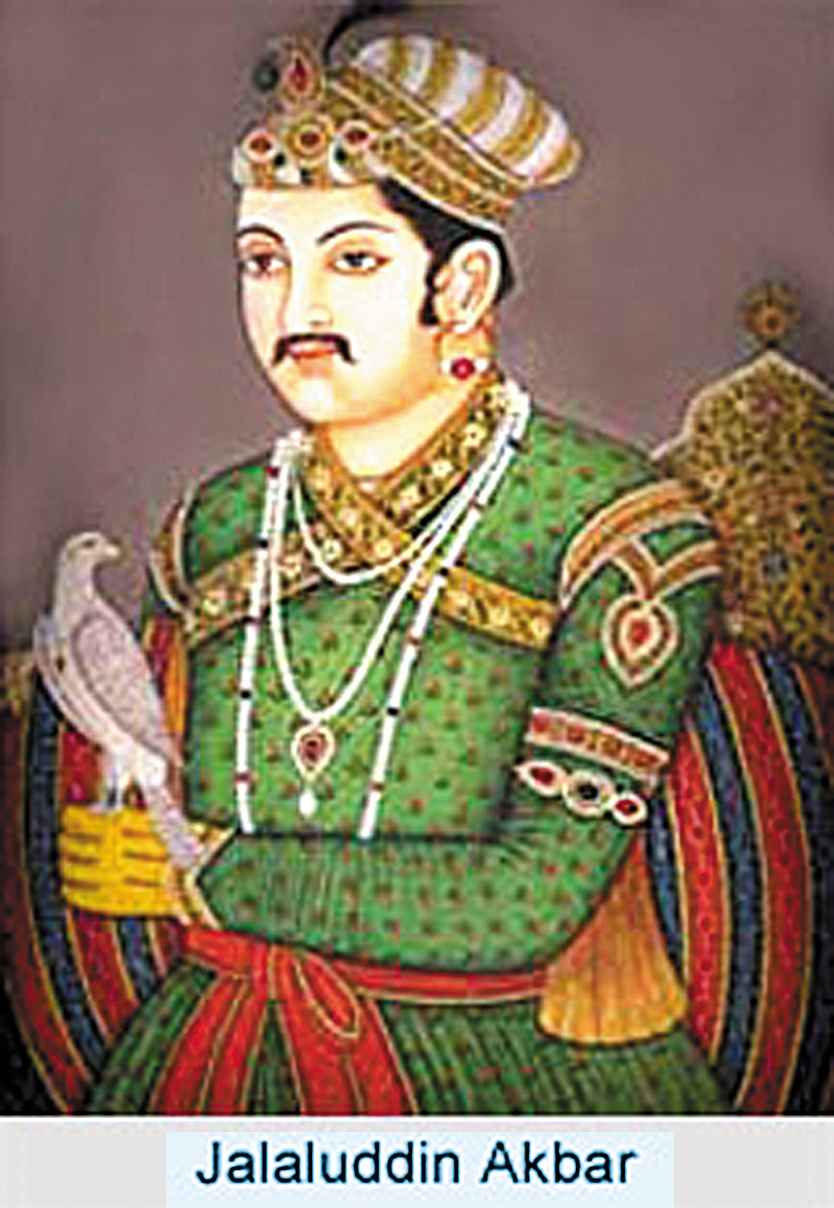
அக்பர் பற்றிய 3 சுவையான சம்பவங்கள் (Post No.3989)

Translated by London Swaminathan

Date: 10 June 2017

Time uploaded in London- 14-58

Post No. 3989

Pictures are taken from various sources such as Face book, Wikipedia and newspapers; thanks.

contact: swami_48@yahoo.com

ரெவரெண்ட் ஆஸ்பார்ன் மார்டின் என்பவர் 1914 ஆண்டில் ‘இந்தியாவின் கடவுள்கள்’ என்று ஒரு புத்தகம் எழுதி வெளியிட்டார். அதில் ஆங்கிலத்தில் தந்துள்ள மூன்று சம்பவங்களைத் தமிழில் தருகிறேன்.

All the three stories are summarised from ‘The Gods of India’ by Rev E Osborn Martin, London, year 1914.


அக்பர் பூர்வ ஜன்மத்தில் இந்து சந்யாசி!

ஆக்ரா கோட்டையில் முகுந்தா என்பவரின் சிலை உள்ளது. இந்த முகுந்தனின் கதை என்ன வென்றால் அவர் முன் ஜன்மத்தில் ஒரு இந்து சந்யாசி. ஒரு நாள் அவர் பசும்பால் குடிக்கையில் பசுவின் ஒரு முடி (ரோமம்) அவர் வயிற்றுக்குள் சென்றுவிட்டது; பாலை வடிகட்டாமல் குடித்ததால் நேரிட்ட தவறு இது. ஆகவே பிராயச்சித்தமாக ஆக்ரா கோட்டையினை ஒட்டி ஓடும் யமுனை நதியில் குதித்து தற்கொலை செய்துகொள்ளத் தீர்மானித்தார். எவ்வளவோ பெயர்கள் தடுத்தும் தனது தவறுக்கு தனக்குத் தானே தண்டனையும் கொடுத்துக்கொண்டார்.


இவர் எவ்வளவுதான் தண்டனை கொடுத்துக் கொண்டாலும், யமனின் கணக்குப்படி, அது போதவில்லை. ஆனாலும் இவர் தவம் செய்த நல்ல சந்யாசி. ஆகவே இவரை அடுத்த ஜன்மத்தில் மொகலாயப் பேரரசின் சக்ரவர்த்தியாக– அக்பர் சக்ரவர்த்தியாகப் பிறக்கச் செய்தார்.

அக்பரிடம் வந்த இந்துப் பேய்!

காலரா, அம்மை முதலிய நோய்கள்  தெய்வக் குற்றங்களால்தான்   வருகின்றன என்பது இந்துக்களின் நம்பிக்கை. ஆகவே நோய் வரும் பருவத்தில், அதைத் தடுக்க பிரார்த்தனை, விழாக்கள் ஆகியன செய்வர். ஆனால், சாதாரண மனிதனை கும்பிடும் வழக்கம் அபூர்வமே; அப்படிப்பட்ட ஒரு சம்பவம் இது.


பண்டல்கண்ட் பகுதியில் ஒரு ராஜா இருந்தார். அவர் பெயர் வீர சிம்ம தேவன். அவருக்கு இரண்டு புதல்வர்கள்; அவர்களுடைய பெயர்கள் ஹரதர், ஜாஜர். அகபரின் மகன் ஜஹாங்கீர்,  ஹரகரரைக் கொண்டு அபுல் பாசல் என்ற பெரிய இலக்கிய கர்த்தாவைக் கொலை செய்யச் செய்தார். அபுல் பாசல் அக்பரின் அரசவையை அலங்கரித்த எழுத்தாளர். அயினி அக்பரி என்ற பெயரில் அக்பரின் வாழ்க்கைச் சரிதத்தை எழுதியவர்.


காலம் உருண்டோடியது; வீர சிம்மன் இறந்தான்; உடனே இரு புதல்வரில் ஒருவரான ஜாஜர் பதவிக்கு வந்தான். தனது சகோதரன் தன் மனைவியுடன் கள்ளத் தொடர்பு வைத்திருப்பதாக சந்தேகித்தான். உடனே தன் மனைவியைக் கட்டாயப்படுத்தி ஹரதருக்கும் அவனது தோழர்களுக்கும் ஒரு விருந்து வைத்து அதில் விஷத்தைக் கலக்கச் செய்து கொன்று விட்டான். இது நடந்தது கி.பி.1627ல்.

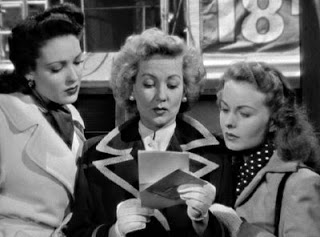
இதற்குச் சில காலத்துக்குப் பின்னர் ஜாஜரின் சகோதரி, இளவரசி கம்சவதிக்குத் திருமணம் நிச்சயமாகியது. அவரது தாய் எல்லோருக்கும் பத்திரிக்கை அனுப்பிக் கொண்டிருந்தாள்;

“அட! செத்துப் போன சகோதரனுக்கும் ஒரு பத்திரிக்கை வைக்க மறந்துவிடாதே”– என்று கிண்டல் தொனியில் சொன்னான் ஜாஜர்.

ஆனால் கம்சவதி உண்மையிலேயே ஒரு பத்திரிக்கையை எடுத்துக் கொண்டு ஹரதரின் சமாதிக்குப் போய் புலம்பினாள்

திடீரென்று கல்லறைக்குள்ளிருந்து ஒரு கை நீட்டி அந்தத் திருமணப்  பத்திரிக்கையை வாங்கிக் கொண்டு கல்யாணத்துக்கு வருவதாக உறுதியும் கூறியது.

திருமண நாளில் ஹரதர் (பேய்) வந்த அடையாளங்களும் தெரிந்தன. தக்க மரியாதைகளுடன் ஹரதர் வரவேற்கப்பாட்டார். அன்று இரவு அந்தப் பேய் அக்பரின் படுக்கை அறைக்குச் சென்று “எனக்கு ஊர் தோறும் சின்னம் ஏற்படுத்து. உனது நாட்டில் இயற்கை சேதம் ஏதும் வராமல் காப்பேன்” என்று ((பேய்)) உறுதி கூறியது. அதன்படி அக்பர் சாம்ராஜ்யத்தில் பல இடங்களிலும் ஹரதர் ( பேய்க்கு) நினைவுச் சின்னங்கள் எழுப்பபட்டன. இன்றும் கிராம மக்கள் பலரும் அந்த சின்னங்களை வழிபட்டு வருகின்றனர்.

இந்தக் கதையில் கொஞ்சம் உதைப்பது கால வழுவமைதி ஆகும். அதாவது ஹரதர் இறந்தது 1627 ஆம் ஆண்டில். ஆனால் அக்பரோ அவருக்கு முன்னதாக 1605 ஆண்டில் இறந்தார். ஆகவே பேய் வந்தது அக்பரின் படுக்கை அறையாக இருக்க முடியாது. ஒரு வேளை  ஜஹாங்கீரின் படுக்கை அறையாக இருக்கலாம்.

சூர்ய நமஸ்காரப் பிரியன்!

அக்பரின் மனைவியரில் பலர் இந்துக்கள்; அவருக்கு சர்வ சமய ஒற்றுமையில் ஆர்வம் ஏற்பட இதுவும் ஒரு காரணம். அவருக்கு சூரிய நமஸ்காரத்தில் ஆர்வம் ஏற்படவே சூரியனின் 1001 பெயர்களை எழுதி தினமும் படித்து வந்தார் (சூர்ய சஹஸ்ரநாமம்)


காலை, நன்பகல், மாலை நள்ளிரவு ஆகியவற்றில் சூரிய தேவனை வழிபட்டார். மக்களும் கும்பிடுவதற்கு வசதியாக 4 காலங்களில் பாண்டு வாத்ய இசையை முழங்கச் செய்தார். அவர் எப்படி தலையில் குட்டிக் கொண்டார், காதைப் பிடித்துக் கொண்டார் என்ற விவரங்களையும் சேர்த்து அபுல்பாசல், தனது அயினி அக்பரி புத்தகத்தில் எழுதியுள்ளார். அக்பர் 1605ஆம் ஆண்டில் இறந்தார்.


-சுபம்–
Akbar was a Hindu Saint in his Former Life! (Post No.3988)

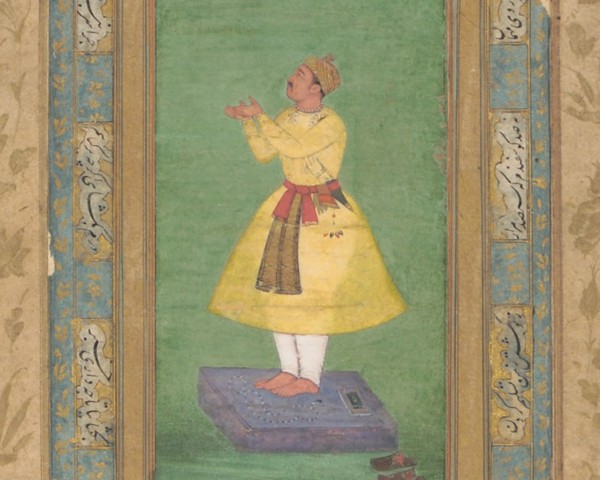
Akbar worshipping sun, Asian Civilisations Museum, Singapore


Compiled by London Swaminathan

Date: 10 June 2017

Time uploaded in London- 7-15 am

Post No. 3988

Pictures are taken from various sources such as Face book, Wikipedia and newspapers; thanks.

contact: swami_48@yahoo.com


There are two interesting stories about the Moghul emperor Akbar (1556-1605) and there is a true anecdote as well.

1.Akbar’s previous birth

2.Akbar and a Hindu ghost

3.Akbar and Surya Namaskar


In the Agra Fort there is an image of a man named Mukunda. He was a celebrated saint who decided to end his life by throwing himself in the river Jamuna, which flows by the fort. The reason for his decision was that he accidentally swallowed the hair of a cow by drinking milk without straining it. Though he punished himself by committing suicide, that was not thought a sufficient punishment. So, he was condemned to be born as a Mohammedan in his next birth, but in view of his sanctity, the harshness of the sentence was partially mitigated and he was born again as Emperor Akbar.

Akbar and the Hindu Ghost!

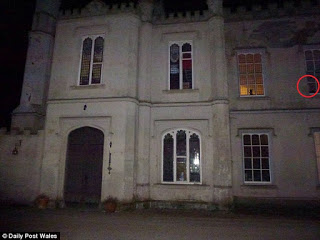
Hindu villagers attribute diseases like cholera and small pox to village goddesses. But there is a strange story about a historical personage. Hardaur Lala, son of Bir Sinha Deva (Veera Simha Deva), the miscreant Raja of Orcha in Bundelkhand, who at the instigation of Jahangir, assassinated the accomplished Abul Fazl, the literature of the court of Akbar. His brother, Jahjhar, succeeded to the throne on the death of his father, and after sometime, suspecting Hardaur of undue intimacy with his wife, he compelled her to poison her lover, with all his companions, at a feast in 1627 CE.


After this tragedy, the Princess Kanjavati, sister of Jahjhar, was about to be married. When the mother issued wedding invitations, Raja Jhajar mockingly suggested that one invitation should be sent to Hardaur.


Thereupon she in despair went to the tomb of Hardaur and lamented his wretched end. To her surprise Hardaur from below the earth answered her and promised to attend the wedding.


The ghost kept his promise and attended the marriage ceremony. Subsequently he went to the bedside of emperor Akbar at midnight and asked him to erect platforms in his name. If the king did so there would not be any damage by storm or drought in any part of the country. Akbar also did so. Since then the ghost of Hardaur was worshipped in every village in Northern India. But one unsolved problem in this story is a chronological error. Akbar died in 1605. Hardaur was murdered in 1627. (So it may not be Akbar, may be his son)

Akbar and Surya Namaskaram

“Emperor Akbar endeavoured to introduce a special form of Sun Worship into his dominions. He ordered his subjects to adore the sun four times a day; morning, noon, evening and midnight.  His Majesty had one thousand and one Sanskrit names of the Sun collected and read them daily, devoutly turning to the sun. He then caught hold of his both ears by their upper parts and turning himself quickly round used to strike the lower ends with his fists. He ordered his band to play at midnight and was weighed against gold at his solar anniversary (birth day)  — from Blockman’s translation of Ain-i-Akbari.

The Ain-i-Akbari or the “Constitution of Akbar”, is a 16th-century, detailed document recording the administration of emperor Akbar’s empire, written by his vizier, Abu’l-Fazl ibn Mubarak.

All the three stories are summarised from ‘The Gods of India’ by Rev E Osborn Martin, London, year 1914.


–subam–

ஆங்கிலத்தில் நகைச்சுவை கவிதைகள்! (Post No.3987)

Written by S NAGARAJAN


Date: 10 June 2017


Time uploaded in London:-  6-44  am


Post No.3987


Pictures are taken from different sources such as Face book, Wikipedia, Newspapers etc; thanks.


contact: swami_48@yahoo.com


இலக்கிய இன்பம்

ஆங்கிலத்தில் நகைச்சுவை கவிதைகள்!

ச.நாகராஜன்


       தமிழில் தனிப்பாடல் திரட்டு என்று ஒரு திரட்டு நூல் இருக்கிறது. பல கவிஞர்கள் பல்வேறு சந்தர்ப்பங்களில் சந்தர்ப்பங்களுக்குத் தகுந்தவாறு உடனுக்குடன் பாடிய பாடல்கள் அவை. அத்துடன் உதிரிப் பாடல்களும் அந்த நூலில் அடக்கம்.


நகைச்சுவையுடன் இருக்கும் பல பாடல்கள் நமக்குப் பல பாடங்களையும் போதிக்கும், சிந்திக்கவும் வைக்கும், தமிழின் கவிதை நயத்தை ரசிக்கவும் வைக்கும்.


இது போல ஆங்கிலத்தில் தனிப்பாடல் திரட்டு உண்டா என்று தேட ஆரம்பித்தேன்.


குறைந்த பட்சம் நகைச்சுவையுடன் கூடிய கவிதையோ அல்லது தனிப்பாடல் ரகத்தில் இருக்கும் கவிதையோ ஏதாவது கிடைக்குமா என்று கூகிள் செர்ச் (Google Search) ஆரம்பித்தேன்.

நிறைய இருக்கின்றன. இரண்டை மட்டும் இங்கு பார்க்கலாம்.


மூன்று மனைவிகள்


பயமுறுத்தும் சொல்லாக இந்த மனைவி என்ற சொல் இருக்கிறது என்று சிலர் சொன்னால் அவர்கள் சாக்ரடீஸ், போன்றோரை நினைவில் கொண்டிருக்கிறார்களோ, என்னவோ!


ஆனால், ‘மனைவி அமைவதெல்லாம் இறைவன் கொடுத்த வரம் என்று இருக்க வேண்டும் என்று சொல்லாமல் சொல்கிறார் ஒரு கவிஞர்- ராபர்ட் வில்லையம் சர்வீஸ்.

அவரது மூன்று மனைவிகள் கவிதையை ரசிக்கலாம், வாருங்கள்!


Three Wives


by Robert William Service


Said Jones: “I’m glad my wife’s not clever; Her intellect is second-rate.
If she was witty she would never Give me a chance to scintillate; But cap my humorous endeavour And make me seem as addle-pate.
“Said Smith: “I’m glad my wife’s no beauty, For if a siren’s charm she had, And stinted her domestic duty, I fear that she would drive me mad: For I am one of those sad fellows Who are unreasonably jealous.
” Said Brown: “”I know my wife’s not witty, Nor is she very long on looks; She’s neither humorous nor pretty, But oh how she divinely cooks! You guys must come some night to dinner – You’ll see my little girl’s a winner.
”  So it’s important in our lives, (Exaggerating more or less), To be content with our wives, And prize the virtues they possess; And with dispraise to turn one’s back On all the qualities they lack.  ஆக வாழ்க்கையில் முக்கியமான  விஷயம் நமது மனைவிமார்களது அரும் குணங்களைப் போற்றி இல்லாததைப் பற்றி எல்லாம் கவலைப்படாதீர்கள் என்கிறார் ராபர்ட் வில்லியம் சர்வீஸ். நல்ல சர்வீஸ் தான் இவர் கொடுக்கும் புத்திமதி.


****

திருப்பித் திருப்பித் திருப்பி..!!!


அடுத்த கவிதை, அடுத்த கவிதை, அடுத்த கவிதை, திருப்பித் திருப்பித் திருப்பித் திருப்பி – அட தடுமாறி விட்டேன், கவிதையைப் பற்றி சொல்லப் போய்…. ஒன்றுமில்லை, திருப்பித் திருப்பிச் சொல்பவர் ஒருவரைப் பற்றிச் சொல்லப் போய்.. சொல்லப் போய், அட, வாருங்கள் கவிதையைப் பார்ப்போம்!

.

இந்தக் கவிதைக்குரிய கவிஞர் ஜாக் ப்ரெலுட்ஸ்கி. இவர் கவிதைகளில் நகைச்சுவை ததும்புகிறது.

ஒரே ஒரு கவிதையைக் கீழே காண்போம்:-

“I often repeat repeat myself,
I often repeat repeat.
I don’t don’t know why know why,
I simply know that I I I
am am inclined to say to say
a lot a lot this way this way-
I often repeat repeat myself,
I often repeat repeat.

I often repeat repeat myself,
I often repeat repeat.
My mom my mom gets mad gets mad,
it irritates my dad my dad,
it drives them up a tree a tree,
that’s what they tell they tell me me-
I often repeat repeat myself,
I often repeat repeat.

I often repeat repeat myself,
I often repeat repeat.
It gets me in a jam a jam,
but that’s the way I am I am,
in fact I think it’s neat it’s neat
to to to to repeat repeat-
I often repeat repeat myself,
I often repeat repeat.”

     – Jack Prelutsky, A Pizza the Size of the Sun

அம்மாவும் அப்பாவும் கூட எரிச்சல் படுகின்றனர்; என்றாலும் எனக்கு இது இயல்பு தான் என்கிறார் கவிஞர்!

நகைச்சுவை இழையோடச் சொல்லப்படும் விஷயம் திக்கு வாயினால் தானா, அல்லது திடமான பழக்க தோஷத்தினாலா?

சிரிப்போம், சிந்திப்போம்.

****

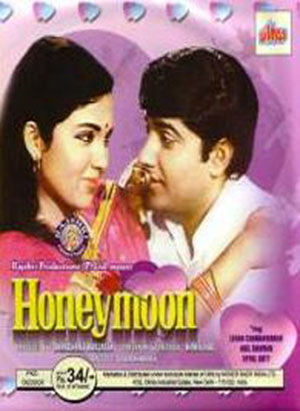
தேன் நிலவு- சுவையான Honeymoon ஹனீமூன் சம்பவங்கள் (Post No.3986)

Written by London Swaminathan


Date: 9 June 2017


Time uploaded in London- 15-45


Post No. 3986


Pictures are taken from various sources such as Face book, Wikipedia and newspapers; thanks.


contact: swami_48@yahoo.com


ஹனீமூன் — தேன் நிலவு — பற்றிய உண்மைச் சம்பவங்கள்; எட்டுக்கட்டியதல்ல– மொழி பெயர்த்தவர் சுவாமி நாதன்.


காரி க்ராண்ட் (Cary Grant) என்பவர் பார்பரா ஹுட்டன் (Barbara Hutton) என்ற பெண்மணியை மணந்துகொண்டார். தேன் நிலவுக்குப் போக முடியவில்லை. காரணம்–

முன் ஒரு காலத்தில் தேன் நிலவு (Once upon a Honeymoon) – என்ற படத்துக்காக அவர் அதே இடத்தில் இருக்க வேண்டியதாயிற்று; என்ன விந்தை? ஹனீமூனே ஹனீமூனை கெடுத்துவிட்டது!

xxxx


ஸ்நேக் சார்மர்! Snake Charmer

திடீர்க் காதல் — இருவரிடையே! நீண்ட நாள் கல்யாணம் தாமதமாகியது; பிறகு ஓடிப்போய்தான் திருமணம் செய்ய நேரிட்டது. இதெல்லாம் முடிந்து ஹனீமூனுக்குப் போனபோது தனது காதலி ஒர் பாம்பாட்டி (Snake Charmer) என்பது தெரிய வந்தது.

அடிக் கள்ளீ! இவ்வளவு காலமாகக் காதலித்தோம்; ஒரு நாளும் நீ பாம்புப் பிடாரி என்பதைச் சொல்லவில்லையே என்று கோபமும் கொஞ்சலும் கலந்த தொனியில் கணவன் கேட்டான்.

அட, நீங்க ஒண்ணு; நீங்களாவது நான் பாம்பாட்டியா என்று கேட்டிருக்கக் கூடாதா? என்றாள் அந்த மேதாவி!


XXX

ஹனீ, ஓ, ஹனீ! கதவைத் திற;


புது மணத் தம்பதியர் புதிய நாட்டில் புதிய நகரத்தைச் சுற்றிப் பார்க்க ஒரு ஹோட்டலில் தங்கினர். சில நாட்களில் நல்ல பழகிப் போனவுடம் அந்த இளம் பெண் மதிய வேளையில் சாமான்கள் வாங்க கடைத் தெருவுக்குப் போனாள்; கணவன், அவள் எப்படித் திரும்பி வரவேண்டும், எப்படி லிப்டி(Lift)லிருந்து இறங்கி எந்தப் பக்கம் திரும்பி எத்தனையாவது அறைக்கு வரவேண்டும் என்றெல்லாம் தெளிவாகச் சொல்லிக் கொடுத்தான்.

அப்பெண்ணும் “அத்தான்! கவலையை விடுங்கள் அரை மணி நேரத்தில் அறைக்குத் திரும்புவேன்” என்று பகர்ந்து வெளியே போனாள்.

ஹோட்டலுக்கு அரை மணி நேரத்தில் சாமான்களுடன் திரும்பியும் வந்தாள். லிப்டில் பலர், பல மாடிகளில் இறங்க வெவ்வேறு பட்டன்களை அமுக்கினர். இந்தப் பெண தவறான மாடியில் தனது மாடி என்று நினைத்து வெளியே வந்து விட்டாள். கணவன் சொன்ன கட்டளைகளை  அப்படியே பின்பற்றி தனது அறை என்று அவள் தப்புக் கணக்குப் போட்ட அறையின் கதவுக்கு வந்தாள்.

புது மணப் பெண் அல்லவா?

குனிந்த தலை நிமிரவில்லை!

கொஞ்சும் குரலில், “அத்தான்! அத்தான்!! கதவைத் திறங்கள்; நான் தான்!”– என்றாள். கதவு திறக்கவில்லை!


சில நிமிடங்கள் காத்திருந்துவிட்டு மீண்டும் “அத்தான்! அத்தான்!! கதவைத் திறங்கள்; நான் தான்!”– என்று உரத்த குரலில் கூவினாள்.

உள்ளே இருந்து கோப த்வனியில் கர்ண கடூரமாக ஒரு குரல் ஒலித்தது:


“அத்தானும் இல்லை; குழம்புத் தானும் இல்லை! இது சமையல் அறையும் இல்லை; இது பாத் ரூம் (குளியல் அறை)”.


அந்தப் பெண் அலறிப் புடைத்துக்கொண்டு ஓடிப் போய் தனது சரியான   அறையைக் கண்டுபிடித்தாள்

XXX

டிக்கெட்டை எடுத்துக்கிட்டீங்களா?

கல்யாணம் என்றாலே மப்பிள்ளைகளுக்குப் பெண்களை விடக் கொஞ்சம்   கூடுதல் உதறல்தான்; ஏனெனில் பெண்ணுக்குத் தோழிகளும், அம்மா  மார்களும் மற்ற உறவுப் பெண்களும் எல்லாவற்றையும்   செய்து கொடுத்துவிடுவர்.

அப்பாவி ஆண்மகனுக்கோ எவரும் உதவவும் மாட்டார்; அந்தப் பிள்ளையாண்டானுக்கு சகோதரனிடம் கேட்கக்கூட வெட்கம். இந்த சூழ் நிலையில் ஒரு இளம் தம்பதியினரின் கல்யாணம் வெற்றிகரமாக நடந்து முடிந்தது.

மறு நாள், காரில் ஏற்றி ஸ்டேஷனில் இறக்கிவிட எல்லோரும் வந்தனர். ஸ்டேஷனில் ரயில் வரப்போகும் அறிவிப்பும் வந்தது.


புதுமணப் பெண் வெட்கத்தோடு, என்னங்க, என்னங்க, அத்தான்; உங்களைத்தான், டிக்கெட்டெல்லாம் எடுத்து வச்சீங்களா பைக்குள்ள?


மாப்பிள்ளைக்கு ‘பகீர்’ என்றது. வேக மாக கால் சட்டைப்பைக்குள் கையை விட்டான்; ஒரு டிக்கெட் (Only one Ticket) மட்டும் வெளியே எட்டிப் பார்த்தது.

அதை “அவளும் நோக்கினாள்; அண்ணலும் நோக்கினான்  ”

என்ன பதில்சொல்ல என்று திணறிப் போனான் மாப்பிள்ளைப் பையன்.


நல்ல வேளை! நிறைய தமிழ் சினிமா பார்த்து இருந்ததால் தக்க வசனம் வாயில் வந்தது!


“தேனே! மானே! கண்ணே! கற்கண்டே!

உன்னைப் பார்த்த நாள் முதல், நான் என்னையே மறந்து விட்டேன்; இதோ உன் டிக்கெட்” என்று கையில் கொடுத்தான்”.


சினிமா வசனம் பேசினாலும் முகத்தில் அசடு வழிந்தது!

“போன மச்சான் திரும்பி வந்தான் பூ மணத்தோட” என்று வீட்டுக்குத் திரும்பி வந்தனர்!


–சுபம்–

Mysterious PURUSA in the Hindu Vedas!(Post No.3985)

Research article Written by London Swaminathan


Date: 9 June 2017


Time uploaded in London- 11-37 am


Post No. 3985


Pictures are taken from various sources such as Face book, Wikipedia and newspapers; thanks.


contact: swami_48@yahoo.com


English word PERSON is derived from the Sanskrit word PURUSA. It is used in grammar, relationships and philosophy. If one studies the ways this word is used in the Hindu scriptures, one would realise how difficult it would be to understand Vedic symbolism.


In Tamil families, they use the word ‘purusa’ to mean one’s husband. In Sanskrit and English grammar, we use it for First person, second person and third person. In the Vedas, they use it to denote MAN. Lot of number symbolism come with it.

1.Purusa is the generic term for Man in the Rig Veda and later in the Atharva Veda (7-104-15; 10-97-4 etc; AV 3-21-1;5-21-4 etc.


  1. Man (Purusa) is composed of five parts (AV 12-3-10)
  2. Man (Purusa) is composed of 16 parts (Aitareya Brahmana
  3. Man (Purusa) is composed of 20 parts (Pancavimsa Brahmana)
  4. Man (Purusa) is composed of 21 parts (Taittiriya Samhita and four more books
  5. Man (Purusa) is composed of 24 parts (Satapata Brahmana 6-2-1-23)
  6. Man (Purusa) is composed of 25 parts (Sankalayana Srauta Sutra 16-12)


One has to get proper explanation from his Guru to understand all these. No translation will help. Vedic language has hidden meaning.


Tamil poets – Alwars and Nayanmars- used this type of number symbolism around 8th century CE. But Vedic poets used it thousands of years before them. This shows how advanced they were in thinking. Foreigners couldn’t understand all these symbolisms and branded them as primitive. Modern research show that the foreign authors were primitive!

Man is the Master of Animals


Man is the first of animals (Satapata Brahmana 6-2-1-18)

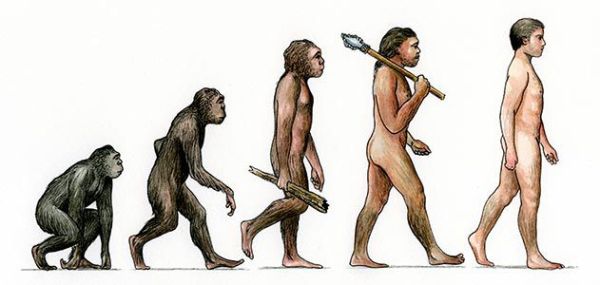
(This goes very well with the theory of evolution and psychologists’ belief)

“Man is a rational animal — so at least I have been told. Throughout a long life I have been looked diligently for evidence in favour of this statement, but so far I have not had the good fortune to come across it.”[— Betrand Russel

“Man is by nature a social animal; an individual who is unsocial naturally and not accidentally is either beneath our notice or more than human. Society is something that precedes the individual. Anyone who either cannot lead the common life or is so self-sufficient as not to need to, and therefore does not partake of society, is either a beast or a god. ”–Aristotle


Man is the Master of Animals (which is shown in Indus Valley Seal, Bahrain/Dilmun seal Celtic seal; pleasesee my earlier research article on Pasupati seal of Indus valley)—Kathaka Samhita 20-10


Height of a Man

Tamil literature says a man’s height is eight times of his hand/Saan (though the modern meaning of Saan is the length of one hand’s extended fingers, the old meaning must be different)


The height of a man is four Aratnis (cubits) accordint to Katyayana Srauta Sutra (here again Aratni means length of an extended arm; it may vary between 18 and 21 inches). Wherever such human limbs used one has to use his own foot or hand or arm for the measurement.)

Purusa itself is used as a measure of length (satapata Brahmana and Taittiriya Samhita). This is also interesting. Even today Indian villages use this measurement. When they want to say how seep is a tank or a lake they will says Four men depth or three men depth. So, Purusa is used to mention the length.


Since Vedas say a man’s life is 100 years, the term is used to denote the length of one’s life and generation as well , a generation (Taittiriya Samhita 2-1-5-5; dvi purusa= two generations- Aitareya Brahmana 8-7).


Strangely purusa is used for the pupil of the eye as well (Satapata Brahmana and Brhad Aranyaka Upanishad)

Purusa also meant Cosmic man, Brahman in the Vedas. Purusa Sukta (10-90) in the Rig Veda sings the glory of cosmic man with thousand heads and thousand feet.

Mysterious PURUSA MRGA!

The ‘man wild beast’ (Purusa Mrga) occurs in the list of Asvamedha Sacrifice list in the Yajur Veda (Taittiriya Samhita 5-5-15-1)

Zimmer thinks it MAY be an ape; according to him it meant an ape in Atharva Veda(6-38-4; 19-39-4)

But Bloomfield and Whitney don’t agree with him.

The mystery continues! were there apes in India those days in North India? Mrga also mean deer; was it a particular type of deer or a male deer?


More Mysterious PURUSA HASTIN!

Purusa Hastin means A Man with a Hand! It is also found in the list of Asvamedha Yaga list of Yajur Veda (Vajasaneyi Samhita 24-29; Maitrayani Sahita 3-14-8)


Hastin – an animal with a hand is used for elephant in later literature. But Purusa Hastin and Purusa Mrga are strange words which have not been used in the sense of ape.

Bhima’s encounter with Purushamiruga is a later story.

Books used: Book of Quotations

Vedic Index by A A Macdonell and A B Keith

–Subham–

பாரதியார் பற்றிய நூல்கள் – 33-2 (Post No.3984)

Written by S NAGARAJAN


Date: 9 June 2017


Time uploaded in London:-  6-57  am


Post No.3984


Pictures are taken from different sources such as Face book, Wikipedia, Newspapers etc; thanks.


contact: swami_48@yahoo.com


மஹாகவி பாரதியார் பற்றிய நூல்கள் – 33-2


புதுவை வாழ்க்கை – 2 ( பிரிட்டிஷார் ஆண்ட போது இந்திய அரசாங்கத்தின் உள்துறை அரசியல் பிரிவில் இருந்த சில ஆவணங்கள்)


மஹாகவி பாரதியார், அரவிந்தர், .வே.சு ஐயர் உள்ளிட்டோர்  புதுவையில் வாழ்ந்த காலத்தில் ஆங்கில அரசு அவர்களைத் தொடர்ந்ர்து கண்காணித்து வந்தது. பல தொல்லைகளையும் கொடுத்தது. கீழே ஆங்கிலத்தில் அப்படியே அரசு ஆவணங்கள் தரப்பட்டுள்ளன


முதல் ஆவணம் பிப்ரவரி 1911, மற்றும் செப்டம்பர் 1912 ஆகிய கால கட்டத்துடன் சம்பந்தப்பட்டவை. இதில் பாரதியாரின் மைத்துனரான நாகஸ்வாமி ஐயருக்கு  சவர்க்கார் எழுதிய Mutiny புத்தகத்தின் ஐந்து பிரதிகள் வந்தது குறிப்பிடப்படுகிறது.


http://www.sriaurobindoashram.org/research/show.php?set=doclife&id=26

Documents in the Life of Sri Aurobindo

LIFE IN PONDICHERRY 1910 AND AFTER


LIFE IN PONDICHERRY – 3

Extracts from Government of India, Home Political-B Proceedings, February 1911, Nos. 1-5, and September 1912, Nos. 21-24. [National Archives of India]

MADRAS.

  1. Pondicherry.— It has been ascertained that amongst the companions of Arabindo Ghose is A.B. Kolhatkar, B.A., of Nagpur, who was convicted of sedition as editor of the Desha Sewak. He has been in communication with Madame Cama with a view to leaving India, and the latter has sent him Rs. 300 to pay for his passage to England or to a place in the West Indies where there is said to be a colony of two or three thousand Indians working as factory hands.

Seditious literature is still coming in large quantities: five copies of Savarkar’s book on the Mutiny addressed to Nagaswami Aiyer, brother-in-law of Subramania Bharati, were recently intercepted, in addition to copies of the Free Hindustan, Talwar and Bande Mataram. In spite of these interceptions S. Srinivasa Chari recently had a considerable amount of this kind of literature in his house.

Weekly reports of the Director of Criminal Intelligence on the political situation during January 1911, p. 5.

****

இரண்டாம் ஆவணம் புதுவை 9 என்ற தேதி குறிப்பிடப்பட்டிருக்கும் அரசு ஆவணம்.

அடுத்த ஆவணம் அரவிந்தரின் பிறந்த தேதியான ஆகஸ்டு 15ஆம் தேதி அவரது 40வது பிறந்த தின விழா நடைபெற்றதைக் குறிப்பிடுகிறது.

இதில் பாரதியார் மீது ஆஷ் கொலை வழக்கு சம்பந்தமான வாரண்டு பிறப்பிக்கப்பட்டிருப்பதையும் அவர் பிரிவினை குற்றச்சாட்டிற்கு உட்பட்டவர் என்றும் குறிப்பிடப்படுகிறது. பாரதியார்,.வே.சு. ஐயர் ஆகியோர் இந்த பிறந்த தின விழாவில் கலந்து கொண்டதைக் குறிப்பிடுகிறது ஆவணம். காளி, பாரத மாத, திலகர், குதிராம் போஸ் பிரபுல்ல சகி ஆகிய ஐவரின் படங்களுக்கு மாலை அணிவித்ததையும் இந்த ஆவணம் குறிப்பிடுகிறது.

அதை அப்படியே ஆங்கிலத்தில்  கீழே காண்போம்.


MADRAS.

  1. Pondicherry. — On 15th August a meeting was held at the house of Arabindo Ghose, in celebration, it is believed, of his 40th birthday. The meeting was attended by V.V.S. Aiyar, who was V.D. Savarkar’s right-hand man in the anarchist conspiracy in London and Paris, C. Subramania Bharati, a well-known writer of sedition against whom a warrant is out for complicity in the murder of Mr. Ashe, and a few other well-known revolutionaries. During the proceedings five pictures were garlanded with flowers, namely those of (1) the goddess Kali,the patron saint of the Bengali revolutionary movement, (2) Bharat Mata,the personification of Mother India, (3) Tilak, and (4) and (5) Khudiram Bose and Profulla Chaki, the two young Bengalis who threw the bomb which killed Mrs. and Miss Kennedy at Muzaffarpur in April 1908. Arabindo Ghose, who at first kept to himself a great deal in Pondicherry, is now in much closer touch with V.V.S. Aiyar and his dangerous gang.

Ibid., August 1912, p. 13.


1

இந்த நூலை முழுதுமாகப் படிக்க விரும்பும் அன்பர்கள் கட்டுரையின் ஆரம்பத்தில் குறிப்பிடப்பட்டிருக்கும் இணையதளத் தொடுப்பிற்குச் செல்லவும்.

நன்றி: அருமையான ஆவணங்களை அப்படியே பாதுகாத்து உலகிற்கு வழங்கி அரிய சேவையைச் செய்து வரும் அரவிந்த ஆசிரமத்திற்கு நெஞ்சார்ந்த நன்றி.

***********

-தொடரும்

‘தஸ்யூ’ என்றால் திருடன்: காளிதாசன் (Post No.3983)

Research article Written by London Swaminathan


Date: 8 June 2017


Time uploaded in London- 21-14


Post No. 3983


Pictures are taken from various sources such as Face book, Wikipedia and newspapers; thanks.


contact: swami_48@yahoo.com


ரிக் வேதத்தில் ‘தஸ்யூ’ (Dasyu) என்ற சொல் பல இடங்களில் வருகிறது; அதன் பொருள் குற்றம் இழைத்தவன், திருடன் , கொள்ளையன் என்பதாகும். ஆனால் இந்து மதத்தை அழித்து, இந்தியாவைப் பிளக்க வேண்டும் என்று எண்ணிய வெள்ளையர்கள் அந்தச் சொல்லுக்கு பழங்குடி மக்களாக ‘இருக்கலாம்’ அல்லது திராவிடர்களாக ‘இருக்கலாம்’ அல்லது ஆப்கனிஸ்தான்/பாகிஸ்தான் பகுதியில் வாழும் பிரஹுயி மொழி பேசுவோராக ‘இருக்கலாம்’ என்றெல்லாம் கதை கட்டிவிட்டனர். இவற்றில் எந்த உண்மையும் இல்லை என்பதை ரிக் வேதத்துக்குப் பின் எழுந்த ஐதரேய பிராமணம் என்னும் நூலும், நமக்கு இரண்டாயிரம் ஆண்டுக்கு முன் வாழ்ந்த உலகப் புகழ் கவிஞன் காளிதாசனும் பறை அறிவித்துள்ளனர்.


உலகிலேயே அதிகம் சண்டை போட்டவர்கள் தமிழர்கள்தான். உலக வரலாற்றைப் படித்தோருக்குத் தெரியும் 1500 ஆண்டுகளுக்கும் மேலாக இடைவிடாமல் போரிட்ட இனம் உலகில் தமிழ் இனம் மட்டுமே. சங்க இலக்கியப் பாடல்களில் இப்படி சண்டை போட்ட சேர, சோழ, பாண்டிய மன்னர்களை வீரர்கள் என்றும் புலவர்கள் போற்றியுள்ளனர். ஆனால் அந்த மூன்று வேந்தர்களையும் யாரும் ஆரியர், திராவிடர், முண்டா இன மக்கள் என்று சொல்லுவதில்லை. இவ்வளவுக்கும் அவர்களிடையே ஜன்மப் பகை! ‘சூ’ என்றால் சண்டைக்கு வருவர். எதிரி மன்னர்களின் மனைவியரின் கூந்தலைக் கத்தரித்து கயிறு திரித்து வெற்றிபெற்ற மன்னரின் ரதத்தை இழுத்துவந்ததாகவும், அவனது அரண்மனைகளைத் தரைமட்டமாக்கி கழுதை பூட்டிய ஏர் கொண்டு உழுது அவமானப் படுத்தியதாகவும் புறநானூற்றுப் புலவர் பாடுவர். அப்படிப் பாடிய போதும் அவர்களை

எவரும் வேற்றினமாகப் பார்க்கவில்லை.


ஆனால் இந்துமதத்தில் விஷ விதைகளை ஊன்ற வந்த மாக்ஸ்முல்லர்களும் கால்டுவெல்களும் சாதாரண ஒரு சொல்லுக்குப் பயங்கரப் பொருள் கற்பித்தனர்.

உலகிலுள்ள எல்லா சமய நூல்களிலும் பழைய இலக்கியங்களிலும் அதே இனத்தைச் சேர்ந்த அல்லது மாற்று இனத்தைச் சேர்ந்த எதிரிகள் வருணிக்கப்படுகின்றனர். இது தவிர திருடர், கொள்ளையர், குற்றவாளிகள் ஆகீயோரும் வருணிக்கப்படுகின்றனர். அர்ஜுனனைப் பார்த்து கிருஷ்ணன் பல இடங்களில் ‘பரந்தப:’ (எதிரிகளை தஹிக்கவைப்பவனே) என்பார் பகவத் கீதையில்; இது போல தமிழ் இலக்கியத்தில் பாலைநில மறவர்கள் எல்லோரையும் கொள் ளையடித்து கொன்ற செய்தியும் உள்ளது ஒன்றுமில்லாத ஒரு பிராமணனைக் கொன்றுவிட்டு ஐயோ இவனைக் கொன்றுவிட்டோமே என்று கையை நொடித்துக் கொண்ட பாடலும் சங்க இலக்கியத்தில் உள்ளது; ஆனால் அவர்களை

வேறு இனமாக நாம் பார்க்கவில்லை. இது போலவே ரிக்வேத காலத்தில் குற்றமிழைத்தவர்களை தஸ்யூக்கள் என்றனர்


காளிதாசனில் ஒரு காட்சி

காளிதாசன் எழுதிய சாகுந்தலம் நாடகம் உலகம் முழுதும் பிரசித்தம்; பல ஐரோப்பிய மொழிகளில் நீண்ட காலத்துக்கு முன்னரே மொழி பெயர்க்கப்பட்ட நூல்; 2000 ஆண்டுப் பழமை வாய்ந்தது; அதில் ஒரு காட்சி.


ஐந்தாம் காட்சி 21ஆவது ஸ்லோகம்


கண்வ மகரிஷியின் வளர்ப்பு மகள் சகுந்தலை; அவள் உலகப் பேரழகி; கானக ரோஜா; கண்வர், ஆஸ்ரம்த்தில் இல்லாத போது துஷ்யந்தன் என்ற மன்னன் அவளை ரஹசியமாகக் கல்யாணம் செய்துகொண்டு கர்ப்பவதி ஆக்கிவிடுகிறான்; அதுமட்டுமல்ல அவளைக் கானகத்திலேயே விட்டு விடுகிறான்; செய்தி அறிந்த கண்வ மஹரிஷி, உரிய காலத்தில் ஒரு சிஷ்யன் மூலமாக துஷ்யந்தனிடம் அனுப்புகிறார். மன்னனோ ஒன்றும் அறியாத அப்பாவி போல நடிக்கிறான். அப்போது கோபமுற்ற கண்வரின் சீடன, ‘ஐயன்மீர்; திருடன் (தஸ்யூ) கொள்ளையிட்ட சொத்தை அவனிடமே திருப்பித் தரவந்துள்ளேன்’ என்று கடிந்துரைக்கிறான். இங்கே திருடனுக்கு காளிதாசன் பயன்படுத்திய சொல் தஸ்யூ. துஷ்யந்தன் திருட்டுத்தனமாக அவளை அனுபவித்து விட்டுப் போனதால் திருடன் கொள்ளையிட்ட சொத்து என்று சகுந்தலா வருணிக்கப் படுகிறாள்; ஆகவே தஸ்யூ என்பதன் உண்மைப் பொருள் திருடன்.


ரிக்வேதத்தில் தஸ்யூ

ரிக் வேதத்தில் தஸ்யூவைக் குறிப்பிடும் இடங்களில், அநாஸ (மூக்கு அற்றவர்), அவிரத (உரிய கருமங்களைச் செய்யாதோர்),அதேவ (கடவுளை வணங்காதோர்), அயஜ்ய ( யாகம் செய்யாதோர்) ம்ருதவாக் (கடுஞ் சொல்லுடையோர்) என்றெல்லாம் வருணிக்கப்பட்டுள்ளனர்.


திராவிடர்களை மூக்கு இல்லாதவர்கள் என்று எவரும் சொல்லமாட்டார்கள்; மஞ்சள் நிறத் தோலுடைய மங்கோலாய்ட் (Mongoloid) இனத்தினர் (ஜப்பான், சீனா) சப்பை மூக்குடையோர். ஜப்பானியர்களுக்கு மூக்கு இருப்பதே  தெரியாது; மேலும் திராவிடர்களுக்கு போண்டா மூக்கு, சுருட்டை முடி, முட்டைக் கண்கள் என்றெல்லாம் வெள்ளையர்களே எழுதி வைத்துள்ளனர். ஆகவே எதிரிகளைத் திட்டும்போது இப்படிப்பட்ட சொற்கள் வருவது இயல்பே.


உண்மையில் தமிழ் அரசர்களை காவல் காத்த யவனர்களைக்கூட ‘கடுஞ்ச் சொல்லுடையோர்’ என்று தமிழ் இலக்கியம் செப்பும்; அது போல இடையர்களைக் கல்லா இடையர் என்று தமிழ்ப் புலவர்கள் பாடுகின்றனர்.


ஒரு நல்ல சொல்லும் காலப் போக்கில் அவப் பெயர் பெறுவதும் , ஒரு கெட்ட சொல் காலப் போக்கில் நல்ல பொருள் பெறுவதும் மொழி அறிஞர்களுக்குத் தெரிந்த விஷயமே.


பறை அறிவிக்கும் அரசு அதிகாரி= பறையன். ஆனால் காலப் போக்கில் தீண்டத்தகாதவன் என்று பொருள் பெற்றது. இன்றும் அதே அர்தத்தில் உலகம் முழுதும் ஆங்கிலப் பத்திரிக்கைகளிலும், டெலிவிஷன் ஸ்டேஷன்களிலும் பயன்படுத்துகின்றனர். வேண்டாத நாடுகளையும் தலைவர்களையும் இன்டெர்நேஷனல் பறையா (International Pariah) என்று ஓலமிடுகின்றனர். ஆக ஆங்கில அகராதியில் இடம்பெற்ற தமிழ் சொல்லுக்கு இவ்வளவு துஷ்பிரயோகம்!


பழைய காலத்தில் கழகம் என்றால் சூதாடும் இடம்; இன்று பல அரசியல் கட்சிகள் கழகம் என்று பெயர் வைதுக்கொண்டுள்ளன. மேலே குறிப்பிட்ட தஸ்யூவும் இப்படி பொருள் மாறி வந்து திருடன் என்று மென்மைப் பொருள் பெற்று இருக்கலாம். பூர்வ காலத்தில் அது எதிரி, குற்றவாளி, கெட்டவன் என்ற பொருளுடன் இருந்திருக்கலாம்.


இந்திரனை வருணிக்கும் ரிக் வேதப் பாடலும் அவனை தஸ்யூவைக் கொல்பவன் என்று சொல்கிறதே தவிர தாசர்களைக் கொல்பவன் என்று சொல்லவில்லை. ஆக தஸ்யூ என்பது கடுமையான குற்றம் இழைத்தோர் ஆவர்.  அதில் இனம் ஏதும் இல்லை. இந்திரன் கொன்ற 30 அரக்கர்களில் மூன்றே பேருக்குத்தான் தஸ்யூ என்ற சொல் சேர்க்கப் பட்டுள்ளது. ஆகவே எல்லோரும்  இப்படி அழைக்கப்படவில்லை. மேலும் வேதங்களில் தென்னகம் குறிப்பிடப்படவில்லை.; வடக்கில் திராவிடர்கள் இருந்ததும் ஊகமே.


–Subham–


Who is a Dasyu? Kalidasa and Rig Veda explain! (Post No.3982)

Research article Written by London Swaminathan


Date: 8 June 2017


Time uploaded in London- 11-00 am


Post No. 3982


Pictures are taken from various sources such as Face book, Wikipedia and newspapers; thanks.


contact: swami_48@yahoo.com


Dasyu means a thief; but foreign ‘thieves’ who translated the Hindu Vedas wrote that Dasyu mean an aborigine- a deliberate distortion. In every community, there are thieves and we can find them even in all the scriptures. We have poems about robbers and thieves in Sangam Tamil literature. Some words gain wrong meaning in course of time. We have several caste names (Pariahs and Kallars) in Tamil literature which have earned wrong connotation in course of time. But nobody bothered about them.

English newspapers around the world use the Tamil word ‘PARIAH’ everyday with wrong connotation, which originally meant a drummer or an announcer. Countries and leaders are described as International Pariah in English newspapers and TV stations every day. The new meaning the English dictionaries give is AN UNTOUCHABLE!


Tamils were the only race in the world who fought among themselves for at least 1500 years according to Tamil literature and Tamil inscriptions. But nobody divided them on racial lines. The Chera, Choza, Pandya kings fought with each other for 1500 years continuously, killed one another, detained their women and made ropes out of their hair to pull their Victorious Chariots. The Tamil poets praised the kings as great heroes. The poets also say that they burnt the palaces of other Tamil kings and razed it to ground and ploughed it with donkeys just to insult the defeated Tamil king. The Sangam Tamil poets sang about rivers of blood as well. Even though the Tamil kings claimed different origins the foreigners never attributed any race into it.


But foreigners who wanted to divide the Hindus, deliberately divided the Hindu community into two : Aryan and Dravidian which are not found in Tamil or Sanskrit literature. Though we have the word Aryan in Sangam Tamil literature  and Arya in the Rig Veda, the meaning is ‘cultured’, ‘civilized’ or ‘saints in the Himalayas’. There is no racial division or connotation. But from the days of Max Mullers and Caldwells, they coloured the word with racial paint.

Dasyu in Kalidasa

In the Sakuntala drama, Sarngarava in his anger accused the king Dusyanta as a thief. It is because the king married Sakuntala secretly and abandoned her. When she was sent back to the king, the simile Kalidasa used was that sending the stolen property to a thief himself! The word Kalidasa used is DASYU for thief (Act 5-21)


Dasyu in Rigveda

In the Vedic Index, Keith and Macdonell say,

“Dasyu, a word of somewhat of doubtful origin, is in many passages of the Rig Veda, clearly applied to superhuman enemies. On the other hand, there are several passages in which human foes, probably the aborigines, are thus designated.

Dasyus are described as

God Hating (a-devayu) 8-70-11

Not sacrificing (a-yajvan) 4-16-9

Devoid of rites ( a karman); RV 10-22-8

Lawless (a vrata)

Addicted to strange vows (anya vrata) 8-70-11

Reviling the Gods (deva piyuu) AV 12-1-37

It is impossible in all cases to be certain that people are meant.

No clans of dasyus are mentioned;

Indra is Dasyu-hatya (killer of dasyus); but never mentioned as Dasa hatya. This means Indra was against criminals, thieves, robbers etc but not against people.

It is like later inscriptions describing Hindu kings as ‘parantapa’ scorcher of the enemies (Bhagavd Gita)


In one passage of the Rig Veda they were described as A-nas(RV 5-29-10); some wrongly translated this as nose less and attributed to Dravidians; Dravidians have big noses! As far as we know only the Japanese have small noses; some foreigners translated it as faceless, broken nose.

When the Rig Veda described them in one place as ‘Mrdhra vac’, they translated it as ‘stammering, unintelligible speech!’

Actually Sangam Tamil literature describe the Yavanas (Romans, Greeks and Arabs) as people of harsh speech; Tamil literature describe the shepherds as Kallaa Idaiyar ( rude, uneducated, uncultured etc). No one attributed any race or aborigine element into it.


Every scripture or every literature has such words to describe the enemies from their own clan or from the opposite sides.


In Iran there is a province with the name Dasyu!. What they meant was it was an enemy country. We can call Pakistan and China as Dasyus today. England which fought 1000 year war with France would have called them Dasyu!.

When Cumuri, Sambara and Susna fought Indra they were described as Dasyu, meaning ‘a brutal enemy’.


In the Aitareya Brahmana it meant uncivilized people.

In short Dasyu meant hostile, uneducated, uncultured thieves and robbers. These types of people are found in every scripture and  every ancient book. But only in Hindu scriptures they were coloured by foreigners as aborigines or Dravidians. A deliberate distortion with an ulterior motive. Marxists and Dravidian politicians spread the distorted version to laymen for their own political gains.

It is Hindus’ primary duty to translate the Vedas  properly and rewrite Indian History.

–subham–

Positive Thinking and Negative Thinking! (Post No.3981)


Compiled by S NAGARAJAN


Date: 8 June 2017


Time uploaded in London:-  5-54  am


Post No.3981


Pictures are taken from different sources such as Face book, Wikipedia, Newspapers etc; thanks.


contact: swami_48@yahoo.com


MANAGEMENT STORIES WHICH YOU MUST DEFINITELY READ! – 2

It is my hobby to collect Management stories/ anecdotes for the past 30 years.

They not only give you guidelines but also make you think deeply.

We have seen three stories in my last article. Now three more…

Happy Reading!

Positive Thinking and Negative Thinking!

What is the difference between positive thinking and negative thinking:

Many years ago two salesmen were sent by a British shoe manufacturer to Africa to investigate and report back on market potential.

The first salesman reported back, “There is no potential here – nobody wears shoes.”

The second salesman reported back, “There is massive potential here – nobody wears shoes.”

Morals of the story:

A single situation may be viewed in two quite different ways – negatively or positively.

A  situation’s problems and disadvantages may be really your opportunities and benefits.


Sharing critical info!                        

A man is getting into the shower just as his wife is finishing up her shower, when the doorbell rings.
The wife quickly wraps herself in a towel and runs downstairs.
When she opens the door, there stands Smith, the next-door neighbor.
Before she says a word, Smith says, ‘I’ll give you $800 to drop that towel.’
After thinking that she has a chance earning $800 within a minute, the woman drops her towel and stands naked in front of Smith, after a few seconds, Smith hands her $800 and leaves.
The woman wraps back up in the towel and goes back upstairs.
When she gets to the bathroom, her husband asks, ‘Who was that?’
‘It was Smith the next door neighbor,’ she replies.
‘Great,’ the husband says, ‘Did he give the $800 he owes me? He promised me that he would give it today!’
Moral of the story:
Do not share any critical information unless you understand the need of opposite person. It may or may not help him but surely won’t help you. 

Never ever share your secret with a stranger without consulting your husband/elders!

Not everyone is your enemy!


A little bird was flying south for the winter. It was so cold the bird froze and she fell to the ground into a large field.
While she was lying there, a cow came by and dropped some dung on her.
As the frozen bird laid there in the pile of cow dung, she began to realize how warm it was.
The dung was actually thawing her out!
She lays there all warm and happy, and soon began to sing for joy.
A passing cat hears the bird singing and comes to investigate.
Following the sound, the cat discovered the bird under the pile of cow dung, and promptly dug her out and ate her.
Morals of the story:
[1] Not everyone who shits on you is your enemy.
[2] Not everyone who gets you out of shit is your friend.
[3] And when you’re in deep shit, keep your mouth shut! 


***

Honeymoon Anecdotes (Post No.3980)

Compiled by London Swaminathan


Date: 7 June 2017


Time uploaded in London- 19-o8


Post No. 3980


Pictures are taken from various sources such as Face book, Wikipedia and newspapers; thanks.


contact: swami_48@yahoo.com


When Cary Grant, the film actor, recently married Barbara Hutton, the couple did not depart for a wedding trip because it was necessary for Grant to report on the lot for the filming of “Once Upon a Honeymoon ”


Xxxx


Snake Charmer!

After a whirlwind court ship, the loving couple had eloped and married. After a few days of the honeymoon, the fact came out that the wife was a snake charmer. Slightly appalled, the husband said in a reproachful astonishment,

“How is that you never told me you were a snake charmer?”

Said his wife, “You never asked me”.


Xxx


Honey! Oh Honey!!!


While on her honeymoon, the young bride had gone out alone one afternoon to make a few purchases. Coming back to the hotel where she had been accustomed to trustfully following her husband’s guidance, she got off the elevator at the wrong floor. She went down the corridor until she reached what she supposed to be the door of her room. Finding it locked and having no key with her she knocked upon it and called out softly,

“Honey, oh Honey”.

There was no response. After a while she knocked again calling somewhat more loudly,

“Honey, oh Honey”.

When this had occurred a number of times, a blatant male voice roared out from within, saying,

“Madame, this is not a beehive, it’s a bath room”.


xxx

Honey! Have you got the tickets?

Bridegrooms are known for their nervousness; but here is one who managed to retain his diplomacy in the midst of all the hurry and tension of the ceremony and the departure for the honeymoon trip.

Finally, seated in the car which was to take them to the railroad station, the bride asked if he had remembered the tickets,  he reached into his pockets and pulled out — one ticket. Hurriedly gathering his thoughts, remembering his flustered feelings when he had gone to purchase the tickets, he said,

“Dear me. Look only one ticket. You see, darling. I forgot all about myself.”


–Subham–