தான் மட்டும் உண்பவன் பாவி- ரிக் வேத மந்திரம் (Post No..3926)

Written by London Swaminathan


Date: 20 May 2017


Time uploaded in London: 17-20


Post No. 3926


Pictures are taken from various sources such as Face book, google and Wikipedia; thanks.


contact: swami_48@yahoo.com


வள்ளுவர் திருக்குறளில் சொல்வது என்ன?


பகுத்துண்டு பல்லுயிர் ஓம்புதல் நூலோர்

தொகுத்தவற்றுள் எல்லாம் தலை (குறள் 322)


பொருள்

தம்மிடமுள்ள உணவை எல்லோருக்கும் பகுத்துக் கொடுத்து தானும் உண்ண வேண்டும்; பிற உயிரினங்களையும் பாதுகாக்க வேண்டும்; நல்லோர் கூறிய எல்லா அறங்களிலும் இதுவே சிறந்த தர்மம்.

கடலுள் மாய்ந்த இளம்பெருவழுதி என்ற பாண்டிய மன்னனும் புற நானூற்றில் இதையே பாடினான்; அமிர்தமே கிடைத்தாலும் தான் மட்டும் உண்பவர் இந்தியாவில் கிடையாது; புகழ் என்றால் உயிரையும் கொடுப்பர்; பழி வருமானால் உலகமே கிடைத்தாலும் வேண்டாம் என்பர்

அமிழ்தம் இயைவது ஆயினும், இனிது எனத்

தமியர் உண்டலும் இலரே; முனிவு இலர்;

துஞ்சலும் இலர்; பிறர் அஞ்சுவது அஞ்சி,

புகழ் எனின் ,உயிரும் கொடுக்குவர்; பழி எனின்,

உலகுடன் பெறினும், கொள்ளலர்

–புறம் 182, க.மா. இளம்பெருவழுதி


பகவத் கீதை 3-13-ல் கண்ணனும் மொழிந்தது அதுவே:


யஜ்ஞசிஷ்டாசினஹ சந்தோ முச்யந்தே சர்வகில்பிஷைஹி

புஞ்சதே தே த்வகம் பாபா யே பசந்த்யாத்மாமகாரணாத்

(பகவத் கீதை 3-13)


பொருள்

யக்ஞம் செய்து மிஞ்சியதை உண்ணும் சாதுக்கள் எல்லாப் பாவங்களிலிருந்தும் விடுபடுகின்றனர். ஆனால் எவர்கள் தமக்கெனவே சமைக்கின்றார்களோ அந்த பாபிகள் பாவத்தையே உண்கிறார்கள்.


அதாவது பஞ்ச யக்ஞம் எனப்படும் ஐந்து வேள்விகளை தினமும் செய்ய வேண்டும்; இதில் மனிதர்கள், தேவர்கள், பிற உயிர்கள், விருந்தாளிகள், இறந்து போனோர் ஆகியோருக்கு படைப்புகள் கொடுப்பது ஐந்து வித வேள்வி – பஞ்ச யக்ஞம் — எனப்படும்.


இப்படி கண்ணன், வள்ளுவன், இளம்பெருவழுதி என்று பலரும் சொல்லக் காரணம் ரிக்வேத மந்திரமாகும். பத்தாவது மண்டலத்தில் உள்ள இந்த மந்திரம் மிகவும் அருமையான மந்திரம். ஒரு கவிஞர் பொழிந்து தள்ளி விட்டார். இதிலுள்ள ஒவ்வொரு வரிக்கும் ஒரு கட்டுரை எழுதலாம். அவ்வளவு ஆழமான பொருளுடைத்து. இப்போது ஒரு மந்திரச் செய்யுளை மட்டும் காண்போம்..


“உணவு கேட்டு வந்த நண்பனுக்கு இல்லையென்று கைவிரிப்பவன் நண்பனே இல்லை.

ஏழைகளை பணக்காரர்கள் திருப்தி செய்ய வேண்டும். அதுதான் போகும் வழிக்குத் துணை (அதாவது மறுமையில் பலன் தரும். இறந்த பின்னர் ஒருவன் புண்ணியம் மட்டுமே அவனுடன் கூட வரும்)


செல்வம் என்பது இன்று வரும்; நாளை வேறு ஒருவரிடம் போய்விடும். இது வண்டிச் சக்கரம் போல் சுழலக் கூடியது.


யார் ஒருவன் உழைக்காமலே உணவு பெறுகிறானோ அவன் முட்டாள்; அது அவனைப் பாழாக்கி விடும்

(‘ஐயமிட்டு உண்’ என்று சொன்ன அவ்வைப் பாட்டியே ‘ஏ ற்பது இகழ் ச்சி’ என்றும் சொன்னது போல)


யார் ஒருவன் பகுத்துக் கொடுக்காமல் சாப்பிடுகிறானோ அவன் குற்றம் புரிந்தவனே. அவன் தோழர்களுக்கு உணவு அளிக்காவிடில் அவனை நேசிப்போர் யாரும் இரார்– இது ரிக் வேத மந்திரத்தின் ஒரு பகுதி (10-117-4/6)


திரு மூலரும் இதையே செப்புவார்:


யாவர்க்குமாம் இறைவர்க்கு ஒரு பச்சிலை

யாவர்க்குமாம் பசுவிற்கொரு வாயுறை

யாவர்க்குமாம் உண்ணும் போதொரு கைப்பிடி

யாவர்க்குமாம் பிறர்க்கு இன்னுரை தானே.


– திருமந்திரம்


காலையில் இறைவனுக்கு பச்சிலை இட்டு வணங்கியும், பசு, நாய், காகம் போன்ற பிராணிகட்கு சிறிது உணவளித்தும், வறியார்க்கு சோறிட்டும், மற்றவர்கட்கு இன்சொல் கூறியும், நாம் வாழ்வோமாக.


கிருஷ்ண பரமாத்மாவும், வள்ளுவனும் இளம்பெருவழுதியும், திருமூலரும் பிற்காலத்தில் சொன்ன கருத்தை, அதற்குப் பல ஆயிரம் ஆண்டுகளுக்கு முன் பகன்ற ரிக் வேத ரிஷியைப் போற்றுவோம்.


தமிழில் பழ மறையைப் பாடுவோம்—பாரதி


–SUBHAM–


Desire and Hatred: Buddha and Valluvar Think Alike -Part 4 (Post No.3925)

Research article written by London Swaminathan


Date: 20 May 2017


Time uploaded in London: 15-50


Post No. 3925


Pictures are taken from various sources such as Face book, google and Wikipedia; thanks.


contact: swami_48@yahoo.com


DESIRE

Thiruvalluvar said,

If desire, the greatest of afflictions, would become extinct there would be perpetual happiness even in this world (Kural 369)

There are ten couplets on desire– 361 to 370 in the chapter 37 — in Thirukkural written by Thiruvallavar


And Buddha said,

Since a shower of golden coins cloud not satisfy craving desires and the end of all pleasure is pain, how could a wise man find satisfaction even in the pleasures of gods? When desires go, joy comes; the follower of Buddha finds this truth (Dhammapada 186, 187)


xxx

HATRED

Valluvar said,

What is called hatred is a disease that spreads the bitterness of discord among all beings (Kural 851)

Nip in the bud the feeling of hostility and you prosper well. For one is fast ruined by fomenting hatred (Kural 859)

Out of hatred arise evils; out of love comes the glory that is called discreteness (860)

There are ten couplets on hatred – 851 to 860in the chapter 86 — in Tirukkural

And Buddha said,

If a man speaks or acts with an impure mind, suffering follows him as the wheel of the cart follows the beast that draws the cart (Dhamma 1)

He insulted me, he hurt me, he defeated me, he robbed me- Those who think such thoughts will not be free from hate (Dhammapada-2)

xxx

CONSCIENCE & KARMA

Valluvar said,

Just as one’s shadow follows one wherever one goes, destruction follows the path of evil doer (Kural 208)


And Buddha said,


What we are today comes from our thoughts of yesterday, and our present thoughts build our life of tomorrow; our life is the creation of our mind.

If a man speaks or acts with pure mind, joy follows him as his own shadow (Dhamma-2)


xxx

NO TIT FOR TAT

Valluvar said,


The best way to punish those who harm you is to make them feel abashed by doing them good and thinking no more of it (Kural 314)

Tamil poet Bharati also echoed this advice

And Buddha said,

For  hate is not conquered by hate; hate is conquered by love. This is a law eternal (Dhamma. 5)


xxx

WEALTH

Valluvar said,

What is achieved by a man that has wealth is like witnessing a fight between elephants having climbed to the top of a hill (Kural 758)

And Buddha said,

The Wiseman who by watchfulness conquers thoughtlessness is as one who free from sorrows ascends the palace of wisdom and there, from its high terrace, sees those in sorrow below; even as a wise strong man  on the holy mountain might behold the many unwise far down below on the plain (Dhamma.28)


xxx

SAINT and INDRA

Valluvar said,

Indra the King of Devas himself , will bear testimony to the will power of those who curbed

the desires of the five senses (Kural 25).

And Buddha said,

It was by watchfulness that Indra became the chief of the Gods and thus the gods praise the watchful, and thoughtlessness is ever despised (Dhamma 30)


Also in Atharva Veda 11-5-19

xxx

SLANDER

Valluvar said,

If a man can look upon others faults as his own what evil can befall him? (Kural 190)

Valluvar said the same in his couplets-250, 318, 436 as well.

And Buddha said,

Think not the faults of others, of what they have done or not done. Think rather of your own sins, of the things you have done or not done (Dhamma.50)

xxx

ELOQUENCE

Valluvar said,

Those who are unable to elucidate their learning are like a cluster of blossoms without fragrance (650).

Also in Rig Veda 10-71-5

And Buddha said,

Just as flower which seems beautiful and has colour but no perfume, so are the fruitless words of  the man who speaks them  but does them not (Dhamma.50)


xxxx

PATIENCE

Valluvar said,


Those who perform penance by fasting are certainly great but even they are not equal to those that forebear the harsh words spoken by others (Kural 160)

And Buddha said,

Watch for anger of words; let your words be self-controlled. Hurt not with words, but use your words well (Dhamma.232)

There are men steady and wise whose body, words and mind are self-controlled. They are the men of supreme self-control (Dhamma 234)


–SUBHAM–

ஸ்ரீ அரவிந்த தரிசனம் – அமுதன் நினைவு அஞ்சலி – 1 (Post No.3924)

Written by S NAGARAJAN


Date: 20 May 2017


Time uploaded in London:-  6-34 am


Post No.3924


Pictures are taken from different sources; thanks.


contact: swami_48@yahoo.com


பாரதி இயல் 

பாரதி அன்பர்கள் நிச்சயம் படிக்க வேண்டிய நூல்!


மஹாகவி பாரதியார் பற்றிய நூல்கள் – 31 -1


ஸ்ரீ அரவிந்த தரிசனம் – அமுதன் நினைவு அஞ்சலி – 1


 மஹாகவி பாரதியாரைப் பற்றி நன்கு அறிய விரும்பும் அன்பர்கள் நிச்சயம் படிக்க வேண்டிய ஒரு நூல் அரவிந்த ஆசிரமத்தைச் சேர்ந்த அமுதன் எனப்படும் ஸ்ரீ அமிர்தா எழுதிய நூலான ஸ்ரீ அரவிந்த தரிசனம் – அமுதன் நினைவு அஞ்சலி.

இந்த நூல் கிடைக்குமிடம்

ஸ்ரீ அரவிந்த ஆசிரமம், புதுச்சேரி – 605002

இதன் முதல் பதிப்பு 1985ஆம் ஆண்டிலும் இரண்டாம் பதிப்பு 1998ஆம் ஆண்டிலும் வெளியிடப்பட்டது. நூலின் விலை பற்றியும், அது இப்போது கிடைக்கப் பெறுமா என்பதையும் அன்பர்கள் முதலில் விசாரித்து விட்டுப் பின்னர் ஸ்ரீ அரவிந்த ஆசிரமத்திலிருந்து இந்த நூலைப் பெறுதல் நலம்.

நூலின் பக்கங்கள் 122.


மஹாகவி பாரதியாருடன் மிகவும் நெருங்கிப் பழகியவர் அமுதன்.

பாரதியாரின் புதுச்சேரி வாழ்க்கையைப் பற்றியும் சென்னையில் அவர் மஹாத்மா காந்திஜியைச் சந்தித்தது உள்ளிட்ட  முக்கியமான நிகழ்வுகளையும் தன் நினைவிலிருந்து அவர் தொகுத்துத் தந்திருக்கிறார். இந்த நூலை திருத்தம் செய்ய அவருக்கு நேரம் கிடைக்கவில்லை போலும். அவரது குறிப்புகள் அப்படியே பிரசுரிக்கப்பட்டிருக்கிறது.


அற்புதமான இந்த புத்தகத்தைப் படிக்கும் போது ஸ்ரீ அரவிந்தருடன் பாரதியாரின் நட்பு எத்தகைய உயர்ந்த அளவில் தெய்வீக நட்பாகவும் ஆத்மார்த்த நட்பாகவும் அமைந்திருந்தது என்பதை நன்கு அறிய முடிகிறது.


இந்த நூலில் 23 அத்தியாயங்கள் உள்ளன. 1) ஸ்ரீ அரவிந்தர் வருகை 2) ஸ்ரீ அரவிந்தர் வீடு 3) ஸ்ரீ அரவிந்தரும் பாரதியாரும் 4) பாரதியாரும் நானும் 5) கொடியாலம் இரங்கசாமி ஐயங்கார் 6) வ்.ரா.வும் நானும் 7) ஆகஸ்ட் 15, 1913-19 8) புது வீடு 9) வ்.ரா போகிறார் 10) விஜயகாந்தன் உதவி 11) நான் கண்ட காட்சி 12) சாமீப்யம் 13) மெட்ரிகுலேஷன் பரிட்சை 14) ஸ்ரீ அன்னை 15) ஆர்யா 16) சென்னை வாசம் 17) சென்னை நண்பர்கள் 18) பாரதியார், இராஜாஜி, மஹாத்மா காந்தி 19) வ.ரா.வின் மாற்றம் 20) மகாத்மா காந்தி 21) குடுமி பறி போன கதை 22) ரொட்டிக்கார பையன் கதை 23) பாரதியார் பிறந்த நாள்


அத்தியாய தலைப்புகளிலிருந்தே எத்தைகைய வரலாற்றுச் சிறப்பு வாய்ந்த சம்பவங்களை இந்த நூல் அதிகாரபூர்வமாக வழங்குகிறது என்பதை அறியலாம்.

***


நூலின் பதிப்புரையில் அமுதனைப் பற்றிய சில குறிப்புகள் மிகவும் சுருக்கமாக வழங்கப்பட்டுள்ளது.

அமரர் அமுதன் ஸ்ரீ அரவிந்தர் மற்றும் ஸ்ரீ அன்னையின் பிரதம் சீடர்களுள் ஒருவர். அரவிந்தரால் இடப்பட்ட பெயரான அமிர்தா என்ற பெயருக்கேற்ப இனிமையான சுபாவம் படைத்தவர். 50 ஆண்டுகளுக்கும் மேலாக அரவிந்த ஆசிரம நிர்வாகியாகப் பணியாற்றியவர்.

இந்த நூலை அவர் தொடர்ந்து விரிவாக எழுதியிருந்தால் ஒரு அற்புதமான பொக்கிஷத்தை முழுமையாகப் பெற்றிருப்போம்.

இருந்தாலும் இப்போது கிடைத்ததை வைத்து திருப்திப் பட வேண்டியது தான்.

இந்த நூலை முழுமையாகப் படித்து இன்புறுவதே சரி. அதை வாங்கி நம் வீட்டு நூலகத்தில் இடம் பெறச் செய்து படிக்க வேண்டியது தான். என்றாலும் இந்தத் தொடரின் நோக்கம் கருதி சில முக்கிய பகுதிகளை மட்டும் அவர் சொற்களிலேயே பார்ப்போம்.

***

மஹாகவி பாரதியார் பற்றி அவர் குறிப்பிடுபவை:


1920-1924

ஸ்ரீ அரவிந்தரைத் தஞ்சம் அடைவதற்கும்,  உள்ளத்தில் நான் விரிவைப் பெறவும் பழைய சம்ஸ்காரங்களாகிய என் தளைகளை அவிழ்க்கவும், என் எண்ணங்களுக்கு ஒரு தூய்மையையும் புத்துணர்ச்சியையும் தரவும் பாரதியார் மிகவும் உதவியவர். தம்முடைய சொல்லாலும், செயலாலும், வாழும் வாழ்க்கையாலும், பாரதியார் ஸ்ரீ அரவிந்தரிடத்து மிக நெருங்கிய பழக்கம் கொண்டிருந்தவராகையாலும் அவர் ஸ்ரீ அரவிந்தரிடத்து அளவு கடந்த மதிப்பும் பக்தியும் வைத்திருந்ததனாலும்  எனக்கு பாரதியாரிடத்து இன்னதெனச் சொல்லி எனக்கு விளக்கிக் கொள்ள முடியாத ஓர் பெருங் கவர்ச்சி ஏற்பட்டு விட்டது.


பாரதியார் ஒவ்வொரு நாளும் மாலையில் இருட்டிய பிறகே ஸ்ரீ அரவிந்தர் இல்லம் செலவது வழக்கம். இருட்டுவதற்காக பாரதியார் காத்திருந்தது யாரும் தான் ஸ்ரீ அரவிந்தர் கிருகத்துக்குப் போவதைப் பார்க்கக் கூடாது என்ற கருத்தால் அல்ல. ஸ்ரீ அரவிந்தர் மாலை சுமார் ஏழு  மணிக்குப் பிறகே தன் அறையை விட்டு வெளியே வந்து நண்பர்களை வரவேற்பது வழக்கம். அத்தியாவசியமான காலங்களில் பாரதியார், ஸ்ரீனிவாஸாச்சாரியார் போன்ற ஆப்த நண்பர்கள் எந்த வேளையிலும் அவரைப் போய்ப் பார்க்கலாம் என்ற விதி விலக்கும் இருந்தது.

**


பாரதி முதலானோர் இரவு எட்டரை ஒன்பது மணிக்கு வீடு திரும்பும் போது ஏதோ திவ்ய சம்பத்தின் ஓர் அம்சத்தை அவரவர் தகுதிக்கேற்றவாறு தத்தம் உள்ளத்தில் கனிவோடு ஏந்திச் சென்றதாகக் கேட்டிருக்கிறேன்.

***


மாலையில் பாரதியார் ஸ்ரீ அரவிந்தரைப் பார்க்காதிருந்த நாளே கிடையாதெனலாம். தினசரி பத்திரிகைகளில் படித்த விஷயங்கள், செய்திகள் அக்கம் பக்கத்து சமாசாரங்கள் முதலிய எல்லாவற்றைப் பற்றியும் அரவிந்தரிடத்தில் சொல்லி விடுவதில் பாரதியாருக்கு ஒரு திருப்தி. மேலும் தான் கேட்ட விஷயங்களில் ஏதாவது ஒன்றிரண்டிற்கு ஸ்ரீ அரவிந்தர் விளக்கம் தந்து விட்டாலோ பாரதியாருக்கு அளவு கடந்த மகிழ்ச்சி.

***                                                                   

இந்த நூலின் முக்கியத்துவத்தைக் கருதி இன்னும் சில பகுதிகளை மேலே பார்ப்போம்.  

                                            – தொடரும்


Comments on Vedic Women Poets (Post No.3923)

Compiled by London Swaminathan


Date: 19 May 2017


Time uploaded in London: 22-15


Post No. 3923


Pictures are taken from various sources such as Face book, google and Wikipedia; thanks.


contact: swami_48@yahoo.com


VEDA SAMHITAS have at least twenty women poets (rsikas).  Prof. Rahurkar has shown, the names and contents of hymns, i.e .the nature of their prayers reveal the social background of their composers who thus become fairly representative of their society.


Ghosa was a maiden anxious to get married while Suryaa was the newly wedded wife. In Sasvati we have an affectionate and faithful wife. Indrani is a jealous wife while Romasa and Lopamudra are voluptuous women. Apala’s plea is moving, she is sick and abandoned by her husband. Visvavara is a happy and contented matron, while Aditi is a proud mother. Poor Godha was a modest and righteous woman. The nymph Urvasi, as her lover says has the heart of a hyena and Yami is eager to seduce her twin brother Yama. Thus no two women are exactly alike and together they offer glimpse into the feminine world in Vedic society.

RIG VEDIC REFERENCES:


Lopamudrs was the author of I- 179;

Apala Maitreyi of VIII-91

Yami of X -10

Vasukra’s wife X :28

Kaksivat Gbosa X 39-40;

Surya -X 85;

Urvasi of X 95

Vac, daughter of Ambhrna  X 125;

Brahma Jaya X 139;

Yami, daughter of Vivasvat X 145;

Indrani X: 145;

Sraddha Kamayani X: 151:

Paulomi Saci X 159.

From V G Rahurkar, “The Rsikas of flie Baveda” in Dandekar felicitation Volume


Also, Pouruchlila, Zarathustra’s daughter was a woman seer, the author of Gatha 53.


–Subham–


யார் உபந்யாசம் செய்யலாம்? யார் செய்யக்கூடாது? (Post No.3922)

Written by London Swaminathan


Date: 19 May 2017


Time uploaded in London: 21-30


Post No. 3922


Pictures are taken from various sources such as Face book, google and Wikipedia; thanks.


contact: swami_48@yahoo.com


‘ஊருக்குத்தாண்டி உபதேசம்,உனக்கல்ல’ என்ற கதையை எல்லோரும் கேட்டிருப்பீர்கள். அறநெறிச் சாரம் என்ற நூல் யார் உபதேசமோ, உபந்யாசமோ செய்யத் தகுதி உடையவர், யார் அந்த தகுதி இல்லாதவர்கள், யார் உபதேசம் கேட்கலாம், கேட்கக்கூடாது என்றெல்லாம் மிக அழகாகக் கூறுகிறது. முனைப்பாடியார் என்ற புலவர் இயற்றிய  இந்த நூலில் 226 வெண்பாக்கள் உள.


1.அறம் உரைப்பவன் இயல்பு


அற கேட்டு அருள் புரிந்து ஐம்புலன்கள் மாட்டும்

இறங்காது இருசார் பொருளும் – துறந்து அடங்கி

மன்னுயிர்க்கு உய்ந்து போம் வாயில் உரைப்பானேற்

பன்னுதற்குப் பாற்பட்டவன்


பொருள்:

அற நூல்கள் பல கேட்டவன், அருள் உடையவன், ஐம்புல இன்பங்களை நுகர ஆசைப்படாதவன், பற்றுதல்களை விட்டவன், அடக்கம் உடையவன், நிலைபெற்ற வீடுபேற்றை அடைய உயிர்களுக்கு உதவுபவன் என்று ஒருவன் இருப்பானேயாகில் அவனே அறம் உரைத்தற்கு உரியவன் ஆவான்.


இதிருந்து பேச்சாளர் எல்லாம் புனிதர்கள் அல்ல; காஞ்சி பரமாசார்ய சுவாமிகள் போன்றோர் கூறியதே ‘தெய்வத்தின்’ குரல் என்பது தெளிவாகும்.


2.யார் உபந்யாசம் செய்யக்கூடாது?


பிள்ளை பேய் பித்தன் பிணியாளன் பின்னோக்கி

வெள்ளை களிவிடம்பன், வேட்கையான் – தெள்ளிப்புரைக்க பொருளுறுணர்வான்  என்றிவரே நூலை

உரைத்தற்குரிமை இலாதார்

பாலகன்,பேய் பிடித்தவன், பைத்தியம், நோயாளி, நெடு நோக்கில்லாதவன், முட்டாள், கள் குடிப்பவன், விஷமக்காரன், பேராசை பிடித்தவன், குற்றங்களை மட்டும் பேசுபவன் – ஆகிய இவர்கள் நூற்பொருளை மற்றவர்களுக்கு உபதேசம் செய்யத் தகுதி அற்றவர்களாவர்.


3.யார் அற நூல்களைக் கேட்கலாம்?


தடுமாற்றம் அஞ்சுவான் தன்னை உவர்ப்பான்

வடுமாற்றம் அஞ்சி தற்காப்பான் – படுமாற்றால்

ஒப்புரவு செய்தாண் டுறுதிச் சொல் சேர்பவன்

தக்கான் தரும உரைக்கு

பொருள்:

சோர்வுபட விரும்பாதவன், பிறர் தன்னைப் புகழும்போது அதை வெறுப்பவன்,  பழி வராதபடி தற்காத்துக் கொள்பவன், தன்னால் முடிந்த அளவுக்கு பிறருக்கு உதவி செய்து, பெரியோரிடம் நல்ல மொழிகளைக் கேட்டு அதைப் பின்பற்றுபவன் தரும உரை கேட்பதற்குத் தகுதி உடையவன்.


4.உபந்யாசம்,  சொற்பொழிவுகள் கேட்கக்கூடாதவர் யார்?


தன்சொல்லே மேற்படுப்பான் தண்டி தடி பிணக்கன்

புன்சொல்லே போதரவு பார்த்திருப்பான் இன்சொல்லை

என்றிருந்தும் கேளாத ஏழை என இவர்கட்கு

ஆன்றவர்கள் கூறார் அறம்


பொருள்:

தான் கூறியதே சிறந்தது என்று வாதாடுபவன், மானமுள்ளவன், மிக்க கருத்து வே,றுபாடு உடையவன்,  பிறர் சொல்லும் இழிசொற்களுக்காக காத்திருப்பவன்,  நல்ல விஷயங்களைக் கேட்பதற்கு காலமும் இடமும் வாய்ப்புக் கொடுத்தும் அதைக் கேளாத மூடன ஆகிய இவர்களுக்குப் பெரியோர்கள் தர்ம உபதேசம் செய்ய மாட்டார்கள்.


அறநெறிச் சாரத்தில் கண்ட இந்த நான்கு உபதேசங்களையும் நீங்கள் படிக்கத் தடை ஏதுமில்லை. அனைவருக்கும் பரப்புங்கள்.


–சுபம்–


உடல் ஆரோக்கியத்திற்கு மசாஜ்! (Post No.3921)


Written by S NAGARAJAN


Date: 19 May 2017


Time uploaded in London:-  5-51 am


Post No.3921


Pictures are taken from different sources; thanks.


contact: swami_48@yahoo.com


திருநெல்வேலியிலிருந்து வெளிவரு ஹெல்த்கேர் மாத பத்திரிகையில் மே 2017 இதழில் வெளியாகியுள்ள கட்டுரை


உடல் ஆரோக்கியத்திற்கு மசாஜ்!


தமிழாக்கம் ச.நாகராஜன்


மசாஜ் ஏன் உங்களின் ஆரோக்கியத்திற்கு நல்லது?

உடலின் ஒவ்வொரு இயக்க அமைப்பும் மசாஜினால் நேரடியாகவோ அல்லது மறைமுகமாகவோ நல்ல விதத்தில் பாதிப்புக்கு உள்ளாகிறது.  மசாஜினால் உங்கள் உடலில் என்னென்ன நன்மைகள் ஏற்படும் என்பதற்கான வழிகாட்டி இதோ:-


எலும்பு மண்டலம் :-


மசாஜினால் எலும்புகள் மறைமுகமாக நலமடைகிறது. இரத்த ஓட்டத்தில் ஏற்படும் மேம்பாடானது ஆக்ஸிஜனையும் ஊட்டச்சத்துக்களையும் எலும்புகளுக்குத் தருகிறது. மூட்டுகளின் இறுக்கமும் வலியும் குறையும். தசைகள் மிகவும் நெகிழ்வுத் தனமையை அடைவதால் மூட்டின் இயக்கம் அதிகரிக்கப்படுகிறது.

தசை மண்டலம்:-


சில மசாஜ் இயக்கங்கள் தசைகளுக்கு ஓய்வையும் நீட்சியையும் தருகின்றன. இதனால் தசையின் இறுக்கமும் தசைப்பிடிப்பும் குறைகிறது.மசாஜ் த்சை உரத்தைக் (muscle tone) குறைத்து தசைகளின் நெகிழ்வுத் தன்மையை அதிகரிக்கிறது. தசைகள் ஓய்வு எடுப்பதன் மூலம் சோர்விலிருந்து மீள்வ்தை விட உடல்ப்யிற்சியின் மூலம் வெகு சீக்கிரம் சோர்விலிருந்து மீள்கிறது.


நரம்பு மண்டலம் :-


இதமாகத் தரப்படும் மசாஜ் நரம்பு எரிச்சலிலிருந்தும் இன்சோம்னியா மற்றும் தலைவலி போன்ற இறுக்கத்தினால் ஏற்படும் நிலைகளிலிருந்தும் நிவாரணத்தை அளிக்கிறது. ஊக்க்த்தை ஏற்படுத்தும் வண்ணம் மசாஜ் செய்யப்பட்டால், அது சோம்பேறித்தனத்தையும் களைப்பையும் போக்கி விடுகிறது.


இரத்த ஓட்ட அமைப்பு :-


மசாஜ் இரத்த ஓட்டத்தை மேம்படுத்துகிறது. இதனால் மந்தமான இரத்த ஓட்டம் நீங்கும். நடமாட சக்தியின்றி இருந்த இடத்திலேயே இருப்பவர்களுக்கு இது ஒரு வரபிரசாதமாக பெரிதும் பயனளிக்கும்.


நிணநீர் மண்டலம் (Lymphatic System)


மிருதுவான மசாஜ் நிணநீர் மண்டலத்தை ஊக்குவிக்கிறது. உடலில் சேர்ந்திருக்கும் கழிவுகளை வெளியே அகற்ற இது உதவுகிறது. மசாஜினால் ஏற்படும் ஓய்வு இறுக்கத்தை நீக்க உதவும். இது நோய் எதிர்ப்புத் தன்மையையும் அதிகரிக்கும்.


சுவாச அமைப்பு:


மசாஜின் போது மிக அதிகமான ஓய்வைப் பெறுவதால், சுவாசம் விடுவது மெதுவாக ஆகி விடுவதோடு ஆழ்ந்த சுவாசமும் ஏற்படும். உங்கள் உதரவிதானத்தை சுவாசத்திற்காக சுவாசிக்கவும் பெருக்கவும் தேவையான சக்தி இதனால் குறைவாகவே தேவைப்படும். பிஸியோதெராபிஸ்டுகள் மார்பில் ஏற்படும் இறுக்கத்தை (செஸ்ட் Chest Congestion) நுரையீரலின் அடியில் கப் இயக்கம் (Cupping movements) எனப்படும் இயக்கத்தைச் செய்வதன் மூலம் அதை அகற்றி விடுவர்.


ஜீரண மண்டலம்:


மசாஜ் ஓய்வை அதிகரிப்பதால் உணவு மற்றும் கழிவுகளின் இயக்கத்தை ஜீரண மண்டலத்தில் அதிகரிக்க உதவுகிறது. இந்த ஓய்வானது ஜீரண மண்டலத்தில் ஒரு சமச்சீர் தன்மையை உருவாக்குகிறது.


சிறுநீரக மண்டலம் :


மசாஜ் செய்யப்படும் போது கழிவுப் பொருள்கள் இரத்தத்தின் மூலமாக சிறுநீரகங்களுக்குச் செல்லும் வழியைக் காண்கிறது. அங்கு இவை வடிகட்டப்பட்டு வெளியேற்றப்படுகிறது.


பெண்களின் இனப்பெருக்க மண்டலம்:

மாதவிலக்கு வரும் போது உருவாகும் பிரச்சினைகளான வ்லி மற்றும் பிஎம்ஸ் (Premenstural Syndrome)  போன்றவை மசாஸ் செய்வதால் அது ஓய்வை ஏற்படுத்துவதன் காரணமாக மிகவும் தணியும். மாதவிலக்கு அறிகுறிகளில் மசாஜ் ஒரு நல்ல நிலைமையை ஏற்படுத்தும்


நன்றி டைய்லி மெயில் மார்ச் 4, 2017.

*****

‘For the Many, Not the Few’-Who said it? (Post No.3920)

Written by London Swaminathan


Date: 18 May 2017


Time uploaded in London: 17-56


Post No. 3920


Pictures are taken from various sources such as Face book, google and Wikipedia; thanks.


contact: swami_48@yahoo.com

Britain is holding a snap election on 8th June 2017. Ruling Conservative party and the opposition Labour party are launching their election manifestoes with attractive new slogans. The Labour party’s slogan “For the Many and not the Few” have hit the headlines in newspapers.


There is a very lively discussion to find out who uttered these words for the first time. They have traced it to Greek historian Thucydides (460-400 BCE). Some argue that English poet P B Shelley is the one who popularised it. Here is the news item from Evening Standard newspaper.


“We’ve found Labour Party Leader Jeremy Corbyn’s inspiration: Romantic poet Percy Bysshe Shelley. Corbyn launched his manifesto in Bradford yesterday with the stirring slogan “For the many, not the few.” 

The Times’s Philip Collins says the phrase comes from Greek historian Thucydides, from around 400 BC. “Its origin is the Funeral Oration of Pericles [by Thucydides]”, he writes, talking about the foundations of democracy.

But UCL English professor John Sutherland says no. “‘For the many not the few’ actually comes from Shelley’s poem The Masque of Anarchy,” he told The Londoner when we called yesterday.

Over to Corbyn’s election guru James Schneider. Was it, in fact, Shelley? Schneider was thrilled to be asked and show his fine education at Winchester College and Oxford. He recited the poem word perfectly down the phone.


“Rise, like lions after slumber 

In unvanquishable number!

Shake your chains to earth like dew

Which in sleep had fallen on you

Ye are many — they are few.”


He said, cheerfully. On the competing theories, Schneider went on to say: “Thucydides is interesting,” he said. “I didn’t know it , so I doubt it comes from there. Shelley is more well-known. It would be a stretch to say that it is directly taken from Shelley [though] Jeremy does know Shelley.

“The slogan very simply sums up our programme to change Britain.”

Romantic poet Shelley wrote his poem following the Peterloo Massacre of 1819 in Manchester, in which around 15 protesters, fighting for democracy and against poverty, were killed by cavalry. The work is read as an early modern statement of nonviolent resistance, and is popular with JC’s supporters: in Corbyn’s second Labour leadership campaign last year, former Labour MP Chris Williamson suggested it as a slogan. “Let’s use that as our battle cry,” he said at a public meeting.


Picture of Labour Party leader Jeremy Corbyn


Corbyn is known to be well-read, saying he has finished James Joyce’s Ulysses four times.

Does the phrase make Jeremy a Romantic, we asked Sutherland? “Yep. Romantic not Modernist,” he said. “The poets are with Jeremy but who ever paid any notice to them.”

–Subham–


வேதங்களில் எண் 17 ஒரு ரஹசிய எண்! (Post No.3919)

Research article Written by London Swaminathan


Date: 18 May 2017


Time uploaded in London: 16-43


Post No. 3919


Pictures are taken from various sources such as Face book, google and Wikipedia; thanks.


contact: swami_48@yahoo.com


(I have already posted the English version of this article yesterday)


வேதங்களை சங்க காலத் தமிழர்கள் மறை என்று அழகாக மொழி பெயர்த்தனர். ஏனெனில் நிறைய ரஹசியங்கள் நிறைந்தவை. மறை என்றால் மறைவான பொருளுடைத்து. அதனால்தான் காஞ்சி பரமாசார்ய சுவாமிகள் போன்றோர் வேதத்தின் அர்த்ததைப் பற்றிக் கவலைப்படாமல் அதை சொல்லி வாருங்கள்; அந்த மந்திர சப்தமே பலன் தரும் என்பர்; அது மட்டுமல்ல ஒரு அழகான கதையும் சொல்லுவார்.


ஒரு கண் தெரியாத குருடன் விளக்கை எடுத்துச் சென்றதைப் பார்த்து எதிரே வந்தவர்கள் பரிகசித்தனராம். அவன் அவர்களைப் பார்த்து,எனக்கு கண் தெரியாதது உண்மையே; உங்களைப் போன்றோர் இருட்டு நேரத்தில் என் மீது மோதி விடக் கூடாதல்லவா? என்றானாம்.


இதே போல நாம் வேதத்தின் பொருள் விளங்காத, அந்தகர்களாக இருந்தாலும், வேதம் என்னும் விளக்கை- ஞான தீபத்தைக் கையில் ஏந்திச் சென்றால் — எதிர்காலத்தில் ஆதி சங்கரர் போன்ற ஒரு தீர்க்கதரிசி தோன்றி உலக மக்களை உய்விப்பர் என்னும் கருத்து வரும்படி காஞ்சி சங்கராசார்ய சுவாமிகள் 91894-1994) அருள்மொழி வழங்கியுள்ளார்.


வேதத்தின் பொருளை விளக்க முற்பட்ட, மொழிபெயர்க்க முன்வந்த வெளிநாட்டுக்காரகள் வரிக்கு வரி இந்துக்களைக் குறை கூறுவர். அந்தப் புத்தகங்களைப் படிக்கும் போது ஒரே சிரிப்பாக வரும். அவர்களுடைய மொழிபெயர்ப்புகளை உளறுவாயன் உளறல் என்று சொல்லுவதா அல்லது தமாஷ் என்று சொல்லுவதா என்று தெரியவில்லை. இதை நீங்களே கண்டு பிடிக்கலாம்.


ஒரு குறிப்பிட்ட மந்திரத்துக்கு ஒவ்வொரு ஐரோப்பியரும் என்ன பொருள் சொல்லுகின்றனர் என்று அருகருகே வைத்துப் பார்த்தால் குபீரென்று சிரித்து விடுவீர்கள். புத்தரும் ஆரிய என்ற பதத்தைப் பிரயோகித்தார்; சங்க இலக்கியப் புலவர்களும் ஆரிய என்ற சொல்லைப் பயன்படுத்தினர். பாரதியாரும் ஆரிய என்ற சொல்லைப் பயன்படுத்தியுள்ளார். இவர்கள் அனவரும் கனவான்கள், பண்பாடுடையோர், முனிவர்கள், இமயமலை வாழ் மக்கள் என்ற பொருளில் பயன்படுத்தினர். ஆனால் வெள்ளைக்கார்கள் மொழி பெயர்ப்பு முழுவதிலும் ஆரியர் என்பது ஒரு இனம் என்று மொழிபெயர்த்து அதற்கு அடுத்தவரியில் இது திராவிடர்களுக்கு எதிரானது என்று சேர்த்து இருப்பர். இந்தப் பொருள் எந்த இந்திய இலக்கியத்திலும் இல்லாதது.

எங்கெல்லாம் அவர்களுக்குப் பொருள் தெரியவில்லையோ அங்கெல்லாம் இது ஆரியர்களின் உளறல் (gibberish) என்றும் ஒரு வரி சேர்ப்பர்; சில இடங்களில் இது யாருக்கும் பொருள் விளங்காத விஷயம் (obscure) என்பர். உண்மையில் வேதம் முழுதும் அடையாள பூர்வமாக, சங்கேத (symbolism) மொழியில் பல விஷயங்களைச் சொல்ல வந்த நூல். பிற்காலத்தில் தமிழில் அப்பர், திருமூலர், சிவ வாக்கியர் போன்ற பெரியோரின் பாடல்களில் இப்படி எண்களைப் பயன்படுத்துவதைக் காண லாம். அறிஞர் பெருமக்களின் வியாக்கியானத்தால்தான் அவைகளின் உட்பொருளை நாம் அறிய முடியும்..

வேதத்தில் உள்ள எவ்வளவோ ரஹசியங்கள் பற்றி பல கட்டுரைகள் எழுதிவிட்டேன். இன்று 17 என்ற மாய எண்ணின் குறிப்புகளைக் காண்போம்.


யஜூர் வேதத்தில் ருத்ரம் சமகம் என்ற பகுதியில் சமகத்தில் இப்படி எண்களை அடுக்கிக் கொண்டே போவர். உலகின் மிகப் பெரிய எண்கள் பிராமண நூல்களில் உள்ளன. அதற்குப் பின்னர் அதை சமண பௌத்த நூல்கள் செப்பின. தசாம்ச (Decimal, Binary) முறையை உலகிற்குக் கற்பித்து பூஜ்யம் என்ற எண்ணை உருவாக்கி உலகில் கம்யூட்டர் மொழியை உருவாக்க உதவினர். ஆனால் எண் 17 என்று எதற்காக ஒரு விநோத எண்ணைத் திரும்பத் திரும்ப குறிப்பிடுகின்றனர் என்று தெரியவில்லை. இதுபற்றி யஜூர் வேத தைத்ரீய சம்ஹிதையில் குறைந்தது ஆறு ஏழு இடங்களில் வருகிறது


பிரஜாபதியின் எண் 17 என்று ஒரு இடத்தில் சொல்லுவர்.


ஆறு, குளம், ஏரி, கடல், மழை நீர் முதலிய இடங்களில் இருந்து யாகத்துக்கு நீர் கொண்டு வரவேண்டும் என்ற பட்டியலில் 17 நீர்நிலைகள் என்று முடிப்பர்.


யாகங்களுடன் இணைந்தது குதிரை பூட்டிய தேர் பந்தயம் ஆகும் . இதில் ஒரு வீரன் 17 அம்புகள் எய்தி இடத்தைக் குறிப்பான் என்று வருகிறது

அப்பொழுது 17 டமாரங்கள் முழங்க வேண்டுமாம்.


இன்னும் ஒரு மந்திரம்:


ஒரு அசைச் சொல்லுடன் அக்னி வாக் (பேச்சு)கை வென்றான்

இரு அசைச் சொற்களுடன் அஸ்வினி தேவர்கள் உற்சாகத்தை வென்றனர்

விஷ்ணு மூன்று அசைச் சொற்களுடன் மூவுலகத்தை வென்றார்

சோமா நான்கு அசைச் சொற்களுடன் காலநடைகளை வென்றார்

பூசன் ஐந்து பங்க்தியை வென்றார்

பிரஜாபதி 17  சொற்களுடன் 17 மடங்கு ஸ்தோமாவை வென்றார்.


இப்படிப் பல மந்திரங்கள்!


யாகத்தில் 4 முக்கிய புரோகிதர்கள், அவர்களுக்கு உறுதுணையானோர் நால்வர், அவர்களுக்குப் பல வகைகளில் எடுபிடி வேலை செய்வோர்– என்று 17 பேரைச் சொல்லுவர்.

17 என்பது ஒரு மர்மமான எண்!


“தமிழில் பழ மறையைப் பாடுவோம்” என்று பாரதி முரசு கொட்டினான். “வேதம் என்று வாழ்க வென்று கொட்டு முரசே” என்றான் பாரதி.


நாமும் முடிந்தவரை வேதத்தை வாழ்த்துவோம். அது நம்மை வாழ்த்தும்; வாழ்விக்கும்.

-சுபம்-


நட்சத்திர விளக்கத்தில் ராகுவும் கேதுவும் – விதி விளக்கம் – 5 (Post No.3918)

Written by S NAGARAJAN


Date: 18 May 2017


Time uploaded in London:-  5-53 am


Post No.3918


Pictures are taken from different sources; thanks.


contact: swami_48@yahoo.com


ஜோதிடமே துணையாகும்

மிட்டா முனிசாமி செட்டி (1897)யின் விதி விளக்கம் நூலிலிருந்து சில பகுதிகள் தொகுக்கப்பட்டு தரப்படுகிறது. நூலின் பகுதிகள் படிப்பதற்கு ஏதுவாக மாற்றி அமைக்கப்பட்டுள்ளன.

முதல் 4 அத்தியாயங்களைப் படித்து விட்டு இதைத் தொடரவும் 

1934ஆம் ஆண்டு பிரசுரிக்கப்பட்டுள்ள் இந்த நூலை எனக்கு அனுப்பி உதவிய எனது சம்பந்தி திரு ஆர்.சேஷாத்திரிநாதன் அவர்களுக்கு எனது நன்றி உரித்தாகுக.

நட்சத்திர விளக்கத்தில் ராகுவும் கேதுவும் – விதி விளக்கம் – 5

ச.நாகராஜன்


  1. ராகுவும் கேதுவும்


      சந்திரன் மற்ற கிரகங்களை விட பூமிக்கு வெகு அருகில் உள்ளது. ஆகவே முன்னோர்கள் விதி விளக்கத்திற்குச் சந்திரனை முக்கிய காரணமாக அங்கீகரித்திருக்கின்றனர். சந்திரன் பூமியைச் சுற்றி வரும் பாதையில் கும்ப மாதத்திலிருந்து கடக மாதம் வரை – அதாவது மாசியிலிருந்து ஆடி மாதம் வரை அருக்கன் வீதி அல்லது சூரியன் பாதைக்கு வடக்கிலோ அல்லது மேற்கிலோ சந்திரனின் வீதி இருக்கும்.

சிங்க மாதம் முதல் மகர மாத ஆரம்பம் வரை – அதாவது ஆவணி முதல் தை மாதம் வரை – சூரியன் பாதைக்குத் தெற்காக அல்லது கீழ்புறமாக சந்திர வீதி அமையும்.

ஆவணி முதல் தை வரை சந்திரனுக்கு வலிமை கிடையாது.

ஆகவே தான் ஆவணிக்குப் பிறகு ஹிந்துக்கள் சாதாரணமாக விவாகம் செய்வதில்லை.


மேலே கூறிய சூரியன் பாதையும் சந்திரன் பாதையும் சந்திக்கும் நிலைகள் இரண்டு. அவையாவன வடக்கு சந்திப்பு ஒன்று; மற்றொன்று தெற்கு சந்திப்பு.

வடக்கு சந்திப்புக்கு ராகு நிலை என்றும் தெற்கு சந்திப்புக் கேது நிலை என்றும் பெயர்கள் நம் முன்னோரால் கொடுக்கப்பட்டிருக்கின்றன.

ராகுவும், கேதுவும் கிரகங்களாக அங்கீகரிக்கப்பட்டிருக்கின்றன.

ஆகவே தான் கிரகங்கள் ஒன்பதென்று ஏற்பட்டிருக்கின்றன.

பூமியானது மேற்கிலிருந்து கிழக்குப் பக்கமாக வானியல் சாஸ்திரப் படி சுழன்று வருவதினாலும் சூரியனைச் சுற்றி வருவதினாலும் மேற்காட்டிய சந்திப்புகளின் இடம் ராசிக்கு ராசி மாறிக் கொண்டே இருக்கிறது.

இப்படி மாறுவதால் ஒரு குறிப்பிட்ட ராசியிலிருந்து மறுபடி அந்த ராசிக்கு ராகு வருவதற்கு சுமார் 18 வருடம் 7 மாதம் ஆகிறது.

  • சந்திரன் ஒவ்வொரு ராசியிலும் சஞ்சரிக்கும் போதும்,
  • ஒவ்வொரு நட்சத்திரத்தில் சஞ்சரிக்கும் போதும்
  • அந்தந்த நட்சத்திரத்தின் இயற்கை அமைப்பின் இயல்பினாலும்
  • தற்கால நிலைமையினாலும்

மானிடரின் விதி விளக்கமாகிறது.

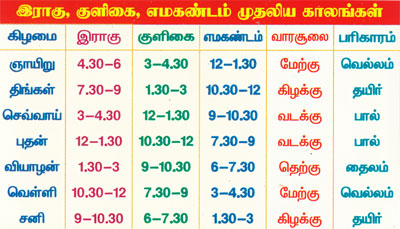
எந்த கிரகத்தின் அதிகாரம் நடக்கிறதென்று அறிந்து அந்தந்த நட்சத்திரங்களுக்கு  அந்த கிரகத்தின் திசை நடப்பு என்று அனுஷ்டானத்தில் வைத்துக் கொண்டு தற்கால விதியை விளக்கலாமென்று கொண்டு கீழ் வருமாறு திசையை நிர்ணயித்திருக்கின்றனர்:


அசுவதி  மகம்  மூலம்                      கேது 7 வருடம்

பரணி  பூரம் பூராடம்                    சுக்கிரன் 20 வருடம்

கார்த்திகை  உத்திரம் உத்திராடம்         சூரியன்  6 வருடம்

ரோகிணி  ஹஸ்தம் திருவோணம்        சந்திரன் 10 வருடம்

மிருகசீரிஷம் சித்திரை  அவிட்டம்       செவ்வாய் 7 வருடம்

திருவாதிரை ஸ்வாதி சதயம்              ராகு    18 வருடம்

புனர்பூசம் விசாகம் பூரட்டாதி              குரு    16 வருடம்

பூசம் அனுஷம் உத்திரட்டாதி               சனி   19 வருடம்

ஆயில்யம் கேட்டை ரேவதி               புதன்   17 வருடம்

                                              ————-
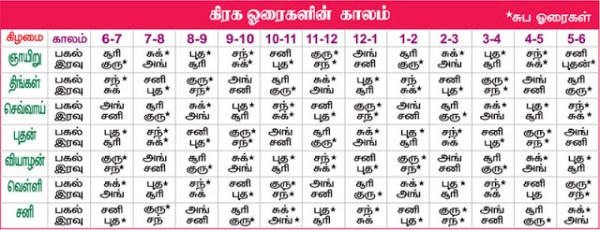
        மொத்த வருடங்கள்                     120

                                              ————-

மேலே காட்டிய திசை பலன் விதி விளக்கத்திற்கு மூலாதாரமாக அமைகிறது.

ஜோதிட சாஸ்திரத்தில் சகல அனுஷ்டானத்திற்கும், அனுபவத்திற்கும் சரிவர வருவது சந்திரன் இருக்கும் நட்சத்திரத்தினால் ஏற்படும் திசை தான்.

ஒரு எடுத்துக்காட்டைப் பார்ப்போம்:

அதாவது, அசுவதியில் பிறந்தவனுக்கு கேது திசை. அந்த திசைக்கு 7 வருட அதிகாரம் உண்டென்றாலும், பிறந்த காலத்தில் அசுவதியில் அன்றைய ஆதி அந்த வியாபகம் முழுவதும் கேது திசை என்பதால், ஜனன கால மணி நேரத்தில் ஜெனன காலத்தில் சென்ற நாழிகை போக இனி செல்ல வேண்டிய இருப்பு நாழிகை வீதமாகக் கேது திசை பாக்கி இருக்கும்.

இவற்றுடன் திதி பற்றிய விதிகளையும் நன்கு அறிந்து கொண்ட பின்னரே பலன்களைச் சொல்ல வேண்டும்.


****

Who is right? Ramana or Kanchi Paramacharya? (Post No.3917)

Reply from London Swaminathan


Date: 17 May 2017


Time uploaded in London: 20-14


Post No. 3917


Pictures are taken from various sources such as Face book, google and Wikipedia; thanks.


contact: swami_48@yahoo.com


Who was DRAVIDA SISU? 16 may 2017


With reference to your blog with the above title, you state that Dravida Sisu refers to Sankara Himself.

According to Bhagavan Sri Ramana Maharshi, the term refers to Sambandhar.  Since Ramana was an acknowledged jnani and jeevanmukta, His devotees would take that to be the correct interpretation.  Here is the extract from Suri Nagamma’s “Letters from Ramanasramam”:


85. DRAVIDA SISU:

Yesterday, Sri Bhagavan said that Sankara sang about Sambandha in Soundarya Lahari, referring to him as ‘dravida sisu’ didn’t he?  Last night I took out Soundarya Lahari with a Telugu commentary and saw the sloka written by Sankara about Sambandha which is  as follows:

O Daughter of the Mountain, I fancy that the ocean of the milk of poesy rising out of Thy heart verily caused the milk of Thy breasts to flow. On swallowing this milk given by Thy Grace, the Dravidian child became a poet among great poets.

The Telugu commentary stated that the words ‘dravida sisu’ in the sloka meant Sankara himself. On the next day, I mentioned this to Bhagavan. Sri Bhagavan replied, ‘The Telugu commentators must have stated it wrongly. The Tamizh Soundarya Lahari stated that the words ‘dravida sisu’  meant Sambandha and not Sankara. And He sent for the Tamizh book and red out all that was written in it about the reason for Sambandha receiving the title dravida sisu and explained to us as follows:

Sambandha was born in an orthodox brahmin family in the town of Sirkazhi. The parents were Sivapada Hridayar and Bhagavatiyar.  The parents named the child ALudaya Pillaiyar. When the child was three years old, one early morning, the father took him to Tiruttoni Appar Kovil. There in the tank, when he was taking bath, he immersed into the tank for repeating the aghamarshana mantram. When the child on the steps, could not see his father, he cried, Father, Father! Parvati and Lord Siva appeared in the sky, seated on the sacred bull and gave darsan to the child. Siva directed Parvati to give the boy a golden cupful of her breast milk, the milk containing Siva Jnana. She did accordingly. The boy drank the milk and became free from sorrow and the divine couple disappeared.

Having drunk the milk of Jnana, and feeling quite satisfied and happy, Sambandha sat on the tank steps with milk dribbling from the corners of his mouth. When the father came out of the tank after his bath, he saw the boy’s condition and angrily asked, flourishing a cane, ‘Who gave you milk? Can you drink milk given by strangers? Tell me who that person is or I will beat you.

Sambandha immediately replied by singing, ten Tamizh verses. The gist of the first verse is: ‘The Man with kundalas (sacred ear rings), the Man who rides the sacred bull, the Man who has white moon on His head, the Man whose body is smeared with the ashes of the burning ghats, the thief who has stolen my heart, He who came to bless Brahma the creator, when the latter did penance, and He who occupies the sacred seat of Brahmapuri, He, My Father is there, and She, my Mother who gave me milk is there!’ So saying he described the forms of Siva and Parvati as he witnessed with his eyes and who gave him milk to drink and also pointed towards the temple tower.

It was clear from the verses, that the people who gave milk to the child were no other than Parvati and Lord Siva. People gathered round. From that day onwards the boy’s  poetic flow began to run unimpeded. That is why Sankara sang, Thava Stanyam Manye… The commentators therefore decided that the word dravida sisu referred to Sambandha alone. Nayana also wrote of him as dravida sisu in Sri Ramana Gita.

regards,

vanamali

MY REPLY:


Thanks. No doubt Ramana was one of the greatest saints of modern era.  Kanchi Paramacharya also acknowledged his greatness and sent Paul Brunton to him. Paramacharya says Shankara lived before first century BCE  I believe Paramacharya.
Link for my old research article

Adi Shankara & Mysterious Sundara Pandya ! | Swami’s Indology Blog

swamiindology.blogspot.com/2014/08/adi-shankara-mysterious-sundara-pandya.html

2 Aug 2014 – Age of Adi Shankara is shrouded in mystery. Most of the scholars …. Swami’s Indology Blog. Flipcard … Recent; Date; Label; Author. Loading.


Dravida Sisu | Tamil and Vedas

https://tamilandvedas.com/tag/dravida-sisu/

There is no positive proof to support this date. The confusion in datinghappened because of another Shankara who was a copy of Adi Shankarain all aspects.


–Subham–