Warning! Your Xerox may also be reading this article right now in Parallel Universe! (Post No.3613)

Written by S NAGARAJAN


Date: 7 February 2017


Time uploaded in London:-  6-50 am


Post No.3613


Pictures are taken from different sources; thanks.


contact: swami_48@yahoo.com


  1. Nagarajan


Warning! When you are reading this article, your Xerox may also be reading this article in Parallel Universe. It is not a joke. The great scientist Max Tegmark exactly starts his article in Scientific

 
American May 2003 issue with these words only.

“Is there a copy of you reading this article? A person who is not you but who lives on a planet called Earth with misty mountains, fertile fields and sprawling cities, in a Solar system with eight other planets? The life of this person has been identical to yours in every respect” – These are his exact words.


Is there a Parallel Universe? The theory ‘Nothing Dies’ has been proposed long back.


Take the Hindu Scriptures. Krishna studied as per the age old system staying in his Guru Sandeepany’s hut along with other students. Once the stipulated period was over, the parting day arrived. Krishna wanted to offer ‘Guru Dakshina’ meaning offerings to the Master. But the great saint told him no such thing is required. But the saint’s wife who stood by the side of him was looking sad. Krishna asked the reason. She told Him that her only son was met with untimely death at the age of five and whether Krishna could bring him back. Krishna was pleased very much. He had an opportunity to pay his debt back to the great guru. He immediately went out and after some time brought back the saint’s son. The child was exactly the same boy when died.


Sandeepany and his wife praised Krishna for achieving this impossible task.

Now let us think for a moment, Lord Krishna’s extraordinary feat. How could He bring a dead boy? Where was the boy with flesh and blood? The answer which was not possible hitherto  is possible now with ‘Parallel Universe’ theory.
 

Yes, He went to a parallel Universe and brought the identical person from there.

Same explanation could be given when Saint Gnanasambandar brought back the young girl named Poombavai in Mylapore, Chennai India. When asked by him, where was Poombavai, the girl’s father wept and told him that she was dead. Gnanasamandar immediately brought and spread the remainings of the girl and sung ten verses. On completing the last verse, Poombavai came alive. Everybody was wonderstruck. They danced with immense joy.


Where was the dead Poombavai all along and how was she brought back?

The answer lies in the new scientific finding – Parallel universe!

The ten verses are inscribed in the outer wall of the Kapaleeswarar Temple in Mylapore, Chennai, India. Even today all the devotees are reciting these ten verses with great devotion.


This new theory explains the impossible happenings recorded in the Hindu history.

What is parallel universe and who first proposed this theory? Hugh Everett was the first scientist who proposed this theory of multiple universe.

In the next article we may study this great theory in detail!

***

கைதிகள் விடுதலை: காளிதாசன் சொன்னதை ஒபாமா செய்தார்! (Post No.3612)

Written by London swaminathan


Date: 6 FEBRUARY 2017


Time uploaded in London:-  21-14


Post No. 3612


Pictures are taken from different sources; thanks.


contact; swami_48@yahoo.com


இரண்டாராயிரம் ஆண்டுகளுக்கு முன்னர் காளிதாசன் சொன்னதை அமெரிக்க ஜனாதிபதி ஒபாமாவும் செய்தது வியப்பூட்டும் ஒற்றுமையாகும்.


சிறைக் கைதிகளைச் சந்தித்து உணவளித்து ஆறுதல் கூறிய மணிமேகலை பற்றி சீழ்த்தலைச் சாத்தனார் பாடியதை முன்னரே ஒரு கட்டுரையில் கொடுத்தேன். சிறைச் சாலைகளில் சமூக சேவை செய்த முதல் பெண், உலகில் மணிமேகலைதான்! இதுபோல கைதிகள் விடுதலையிலும் முதன்மை வகித்தது இந்தியாதான்!


இந்தியாவில் மன்னர்களுக்கு குழந்தை பிறந்தாலோ இளவரசன் இளவரசிக்கு கல்யாணம் நடந்தாலோ, இளவரசன் பட்டம் ஏற்றாலோ அன்று நாடே கொண்டாடும். இதில் வியப்பல்ல. ஆனால் கைதிகள் அனைவரும் விடுதலை செய்யப்படுவர். இதுகூட உலகில் சில நாடுகளில் இருக்கலாம். ஆனால் இந்து இந்தியாவில் பறவைகளைக்கூட கூட்டிலிருந்து திறந்து  விட்டுவிடுவார்கள். குதிரை, வண்டி மாடு ஆகியவற் றை அன்றொரு நாள் வேலை வாங்காமல் சுதந்திரமாக விட்டுவிடுவார்கள் காக்கை குருவி எங்கள் ஜாதி என்பதையும் யான் பெற்ற இன்பம் பெறுக இவ்வையகம் என்பதையும் இந்து இந்தியாவில் மட்டுமே காணமுடியும்.


அமெரிக்க ஜானதிபதி பராக் ஒபாமா, பதவியிலிருந்து ஓய்வுபெறுவதற்கு முன்னர் சுமார் 1000 கைதிகளை விடுதலை செய்தார் அல்லது பலருடைய தண்டனையப் பாதியாகக் குறைத்தார். இதிலும் இந்தியாவை யாரும் மிஞ்ச முடியாது. மரணதண்டனை கூட ரத்து செய்ப்பட்டதாக காளிதாசனின் ரகு வம்ச காவியம் கூறுகிறது.


இதோ ரகுவம்ச ஸ்லோகங்கள்:


அதிதி, தான் பட்டபிஷேகம் செய்துகொண்ட நாளில் சிறைக் கைதிகளுக்கு விடுதலை அளித்தான். மரண தண்டனையை ரத்து செய்தான். பாரம் சுமக்கும் பிராணிகளுக்கு பாரம் சுமப்பதிலிருந்து விடுவித்தான். பசுக்களிடம் அன்று பால் கறக் காமல் சுதந்திரமாக விடும்படி ஆணையிட்டான். (17-19)


கூண்டுகளில் அடைக்கப்பட்ட வளர்ப்புப் பறவைகளான கிளி முதலியவற்றை விடுதலை செய்ய உத்தரவிட்டான். கூண்டுக் கிளிகளுக்கே இவ்வளவு உபசரிப்பு என்றால் மற்றதை விளம்பவும் வேண்டுமோ! (17-20)


கைதிகள் பற்றி மனு


உலகின் பழமையான சட்டப் புத்தகம் மனுதர்ம சாத்திரம். மனுவின் பெயர் ரிக் வேதத்திலேயே வருகிறது. மனுவும் கைதிகள் பற்றி மூன்று ஸ்லோககங்கள் எழுதியுள்ளார்..

கைதிகள் அடைக்கப்படும் சிறைச் சாலைகள எல்லோரும் காணும்பாடியாக ராஜ பாட்டையில் வைக்கவேண்டும் என்பது மனுவின் சிபாரிசு. அவர்களுக்குக் கிடைக்கும் தண்டனைய எல்லோரும் கண்டால் குற்றங்கள் குறையும் அல்லவா? (9-288)


சிரார்த்தம் முதலிய நீத்தார் கடன்களுக்கு கைதிகளை அழைக்கக்கூடாது என்பார்.(3-158)

கைகளில் விலங்கு பூட்டப்பட்ட ஆள் பரிமாறும் உணவையும், அவனுக்காக சமைக்கப்பட்ட உணவையும் பிராமணர்கள் சாப்பிடக்கூடாது (4-210)


உலகின் முதல் பொருளாதார நூல் எழுதிய கௌடில்யரும் சிறைக் கைதிகள் விடுதலை செய்ய்ப்பட வேண்டிய முக்கிய நாட்களைச் சுட்டிக்காட்டியுள்ளார். மன்னருக்கு குழந்தை பிறந்தாலோ, பட்டாபிஷேகம் நடந்தாலோ  சிறைக்  கைதிகள் விடுதலை செய்யப்படவேண்டும் என்பார்.


 முந்தைய கட்டுரை
தமிழ் சிறைச்சாலையில் சமூக சேவை
(Posted on March 23, 2013)


முல்லை, நெய்தல், குறிஞ்சி, மருதம், பாலை பாட்டு (Post No.3611)

Written by London swaminathan


Date: 6 FEBRUARY 2017


Time uploaded in London:-  19-56


Post No. 3611


Pictures are taken from different sources; thanks.


contact; swami_48@yahoo.com


தமிழர்களின் நானிலத்துக்கும் யார் யார் தெய்வம், என்ன விளக்கம், எந்தெந்த தொழில் செய்வோர் அங்கு வசிப்பர் என்பதை நாலே வரிகளில் சொல்லும் ஒரு பழைய பாடல் உவமான சங்ரக- இரத்தினச் சுருக்கம் என்னும் நூலில் உள்ளது. எளிதில் நினைவு வைத்துக்கொள்ள இது பேருதவி புரியும்.


காடாகு முல்லை கழிநெய்தலாகுங் கல்லாம்குறிஞ்சி

நாடா மருத நடலை வெம்பாலையிந் நாட்டிற் றெய்வங்

கோடார் கான் வருணன் குகனிந்திரன் கூறுதுர்க்கை

மாடாயர் மீன்புல்லர் குன்றவர் கானவர் மன்னருமே


காடும் காடுசார்ந்த இடமும் = முல்லை

உப்பங்கழியும் கடற்பிரதேசமும் = நெய்தல்

கல்/மலையும் மலை சார்ந்த இடமும் =குறிஞ்சி

நாடு, அதைச் சுற்றிய நெல்வயல் = மருதம்

நடலை வெம் = துன்பம்தரும் வெம்மைமிக்க இடம் = பாலை


தெய்வங்கள் யார்?


முல்லை = கோடு ஆர் கரன்= சங்கு கையில் ஏந்திய விஷ்ணு

நெய்தல் = வருணன்

குறிஞ்சி= குகம்/முருகன்

மருதம் = இந்திரன்

பாலை = எல்லோரும் புகழும் துர்கை


ஒவ்வொரு நிலத்திலும் தொழில் செய்வோர் எவர்?


மாடு மேய்க்கும் ஆயர்/இடையர்

மீன் புல்லர் – வலைஞர், மீனவர்

குன்றவர்- குறவரும்

கானவர்- வேடரும்

மள்ளர் – உழவர்


இதையே தொல்காப்பியம் வேறு  வரிசைக் கிரமத்தில் கூறும்:


தொல்காப்பிய பொருள் அதிகாரம் (1-5)

‘’ மாயோன் மேய காடுறை உலகமும்

சேயோன் மேய மைவரை உலகமும்

வேந்தன் மேய தீம்புனல் உலகமும்

வருணன் மேய பெருமணல் உலகமும்

முல்லை குறிஞ்சி மருதம் நெய்தலெனச்

சொல்லிய முறையால் சொல்லவும் படுமே’’


–SUBHAM–


Prisoners: Barack Obama, Manu and Kalidas (Post No.3610)

Statue of Kalidasa in China


Written by London swaminathan


Date: 6 FEBRUARY 2017


Time uploaded in London:-  9-17 am


Post No. 3610


Pictures are taken from different sources; thanks.


contact; swami_48@yahoo.com


Kalidasa refers to the release of prisoners on the eve of the coronation of a king (Raghuvamsa 17-19). Barack Obama, outgoing US President also did the same just before leaving the office. This custom was started in Hindu India thousands of years ago. But India was one step ahead of all the countries. They even gave freedom to birds and animals! Caged birds were released! Domestic animals were unharnessed according to Kalidasa.

बन्धच्छेदन् स बद्धानान् वधार्हाणामवध्यताम्।
धुर्याणान् च धुरो मोक्षमदोहन् चादिशद्गवाम्॥ १७-१९

bandhacchedan sa baddhānān vadhārhāṇāmavadhyatām |
dhuryāṇān ca dhuro mokṣamadohan cādiśadgavām|| 17-19


On coronation Atithi ordered the release of prisoners; cancelled death sentences of those who are condemned to it; released the beasts of burden from burden, and interdicted the milking of cows. [17-19]


क्रीडापतत्रिणोप्यस्य पञ्जरस्थाः शुकादयः।
लब्धमोक्षास्तदादेशाद्यथेष्टगतयोऽभवन्॥ १७-२०

krīḍāpatatriṇopyasya pañjarasthāḥ śukādayaḥ |
labdhamokṣāstadādeśādyatheṣṭagatayo’bhavan|| 17-20


Even the caged birds of amusement such as parrots and others having gained their freedom through his order and became free birds to go as they wished. [17-20]


(Raghuvamsa translation from sanskritdocuments.org)

Kautilya also says that the king releases all the prisoners in the newly captured country. They are released when there is a coronation or a new child is born to the king. The joy is shared by everyone. Death sentence is commuted or cancelled.


The king should have all the prisons built on the royal highway, where the suffering mutilated evil doers can be seen 9-288


Manu says a prisoner should be excluded from the ceremony for the dead (Manu 3-158)


A priest (Brahmin) should not eat the food of a man bound in chains prisoner) 4-210


Prisoners Release in America


President Obama granted commutations Tuesday to 79 federal drug offenders who were imprisoned under harsh and outdated sentencing laws, pushing to more than 1,000 the number of inmates who have received clemency from him.

Obama’s historic number of commutations — more than the previous 11 presidents combined — was announced as administration officials are moving quickly to rule on all the pending clemency applications before the end of the president’s term. The Trump administration is not expected to keep in place Obama’s initiative to provide relief to nonviolent drug offenders.

About a third of the 1,023 inmates who have been granted clemency, 342 prisoners, were serving life sentences for their ­offenses.

“The President’s gracious act of mercy today with his latest round of commutations is encouraging,” said Brittany Byrd, a Texas attorney who has represented several inmates who have received clemency since Obama’s initiative began in 2014.

“He is taking historic steps under his ground-breaking clemency initiative to show the power of mercy and belief in redemption. Three hundred and forty-two men and women were set to die in prison. The president literally saved their lives.”

Eighteen of the inmates granted clemency Tuesday were serving life sentences.


My old article:

Prisoners Rehab in Ancient India! (Posted on 23 March 2013)

–SUBHAM–


The Mysterious Parallel Universe!(Post No.3609)

Written by S NAGARAJAN


Date: 6 February 2017


Time uploaded in London:-  5-58 am


Post No.3609


Pictures are taken from different sources; thanks.


contact: swami_48@yahoo.com


by Santhanam Nagarajan


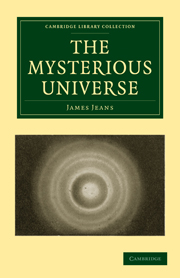
Sir James Jeans has written a book titled ‘The Mysterious Universe’ in 1930. In this wonderful book he has described the mysteries of the universe and wondered that the total number of stars in the universe is probably something like the total number of grains of sand on all the sea-shores of the world. In the last chapter he just declared that the stream of knowledge is heading towards a non-mechanical reality; the universe begins to look more like a great thought than like a great machine.


He also in his concluding remarks said that at least we are conjecture to-day, and yet who knows how many more times the stream of knowledge may turn on itself?

He is right. The stream of knowledge turned many times in the last eighty-six years and the last turn makes us to wonder as to what is the limit of wonder regarding the universe.


A paper published on October 13, 2016 in the Astrophysical Journal gives the astonishing figure regarding galaxies leave alone stars! It says there are at least 2 trillion galaxies out there – 10 times greater than astronomer’s previous estimates.

One trillion is one followed by 12 zeros!

Examining the data we got from The Hubble Space Telescopes and other observatories worldwide, the scientists believe that ninety percent of the galaxies in the universe are “too faint and too far away to be seen.”

This statement simply shows that we are dealing with a mysterious universe with an infinite dimension!


A galaxy contains hundreds of billions of stars and each star system contains dozens of planets! (Please note one billion means hundred crores!)

Astronomers concluded earth like planets alone in the universe may be around one billion!

To put it in layman terms for each human on Earth there are 200 galaxies.


As Sir James Jeans predicted the stream of knowledge has taken a swift turn now.

One more turn regarding the universe is that we are not living in one Universe; according to Hugh Everett, we are in multiverse.

With Huge Everett’s findings we have to start to think very seriously. His theory is being analyzed by the Scientist Max Tegmark. The multiverses are stacked one over the other and the distances hitherto thought unreachable also takes a turn. Because the distance between one universe to the other is just one millimeter only!


The physicist Max Tegmark asks us to view Everett’s theory sympathetically. He says that Everett’s only mistake was to be born ahead of his time!

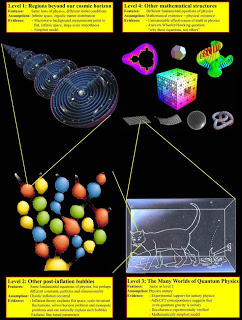
According to Max there are four levels of multiverse. Level I – Regions beyond our cosmic horizon. Level II – Other post Inflation Bubbles. Level III – The Many Worlds of Quantum Physics. Level IV – Other Mathematical Structures.


I invite all readers who are interested to know more about the mysteries of Parallel Universe to go through his essays about all these four levels.

To put it simply, we are all living in multiverse.

With this I just take leave of you in this Universe.

***

Drama, Puppet Show, Folk Theatre in Tamil and Sanskrit Literature (Post No.3608)

43187-krishna2bsandhana2bdrama2bmysuru2bnew2bie

Research article written by London swaminathan


Date: 5 FEBRUARY 2017


Time uploaded in London:-  15-52


Post No. 3608


Pictures are taken from different sources; thanks.


contact; swami_48@yahoo.com


Literary references in ancient Tamil and Sanskrit literature show that the people of India had wonderful entertainment for at least 3000 years continuously. We have references to drama, folk theatre and puppet show from Bhagavad Gita to Tamil saint Manikkavasagar’s Tiruvasagam. Though Bharata’s Natyasastra is about dance and drama, it is interesting to see similes of dance and drama from the olden days.


Following are the references: –

iisvarah sarvabhuutaanaam hrddase’rjuna tisthati

bhraamayan  sarvabhuutaani yantraaruudhaani maayayaa _Bhagavad Gita 18-61)

Arjuna, God abides in the hearts of all creatures, causing them to revolve according to their karma by His illusive power as if they were mounted on a machine.


I think this is a reference to Puppet show. Puppeteers mount the puppets on a wheel or a circular disc and show them dance. In Indian puppet show the operator sits behind a white curtain on which the shadow of the puppets are projected from behind the screen.

Ramakrishna Paramahamsa used to say Ami Yantram and You are Yantri (I am a machine, You (god) are the operator.


5fa4c-siva2buma2bdance252c2bfb

Adi Sankara in his Viveka Chudamani, says

yatsatyabhutam nijarupamadhyam

chiddhayanandamaruupamakriyam

tadetya mithyaavapurutsrujeta

sailuushavadveshamupssttamaatmanah (292)


That which is real and one’s own primeval Essence, that Knowledge and Bliss Absolute, the One without a second, which is beyond form and activity – attaining That, one should cease to identify with one’s false bodies like an actor giving up his assumed mask.


When the actor has played his part, he is simply a man. So the man of realization is one with Brahman, his real Essence.

false bodies: The gross, subtle and casual bodies, which are super impositions upon the Atman.

(Translation of Vevekachudamani by Swami Madhvananda, Advaita Ashrama, Calcutta)


Sangam Tamil Literature

In Purananuru verse 29, Mudukannan Sattanar says, “Oh King, our life is like dance drama where the actors come and dance and go. (The life is so impermanent)”


Tiruvalluvar, author of the Tamil Veda Tirukkural refers to the drama in three couplets:-


“Fortune coming to one and its departure are likened to the assembling of a crowd to witness a drama and its dispersal respectively” (332)


“The men who do not possess sensitiveness to shame in their hearts are like the wooden dolls operated by strings (puppets)” (`1020)


“The great cool world will be  moving like a lifeless puppet show if none asks for help” (1058)

In later Tamil and Sanskrit literature, we have lots of similes for puppets shows.

049bf-dace2blike2bsiva2buma

Manikkavasagar’s Tiruvasagam

Tamil saint Manikkavasagar who lived 1500 years ago also used the Sanskrit word Nataka (drama) in three places:

In the Tirusatakam song of Tiruvasagam, he refers to drama in three places (verses 11, 15 and 99)

In verse 11, he sings about the dance of Siva n the crematorium with the ghosts.


Amidst your devotees, I acted like one of them

to gain entrance (to get leberated) –15


and in 99

Thou Whom the lords of heaven themselves know not!

Thy source and end the Vedas cannot trae!

Thou Whom in every land men fail to know

As Thou hast sweetly made me Thine hast called

This flesh to dance on stage of earth

me to enjoy Thyself with melting soul

in mystic drama , too, hast caused to move

pining on earth, Thou Lord of Magic power.


Of virtue void, of penitential grace

devoid, undisciplined, untaught

As leathern puppet danced about, giddy,

I whirling fell, lay prostrate there!

-643

(Souce: The Tiruvacagam by Rev. G U pope, Oxford, 1900)


Dhammapada

Buddha says in Dhammapada (147), “Consider this body! A painter puppet with jointed limbs, sometimes suffering and covered with ulcers,full of imaginings, never permanent, forever changing.(147)


513e7-dance2bvaranasi252c2bvasanta2bpanchami

Last but not the least is Shakespeare whose quotation on world as a drama theatre has become a very popular quote:-


All the world’s a stage,
And all the men and women merely players;
They have their exits and their entrances,
And one man in his time plays many parts,
His acts being seven ages. At first, the infant,
Mewling and puking in the nurse’s arms.
Then the whining schoolboy, with his satchel
And shining morning face, creeping like snail
Unwillingly to school. And then the lover,
Sighing like furnace, with a woeful ballad
Made to his mistress’ eyebrow. Then a soldier,
Full of strange oaths and bearded like the pard,
Jealous in honor, sudden and quick in quarrel,
Seeking the bubble reputation
Even in the cannon’s mouth. And then the justice,
In fair round belly with good capon lined,
With eyes severe and beard of formal cut,
Full of wise saws and modern instances;
And so he plays his part. The sixth age shifts
Into the lean and slippered pantaloon,
With spectacles on nose and pouch on side;
His youthful hose, well saved, a world too wide
For his shrunk shank, and his big manly voice,
Turning again toward childish treble, pipes
And whistles in his sound. Last scene of all,
That ends this strange eventful history,
Is second childishness and mere oblivion,
Sans teeth, sans eyes, sans taste, sans everything.

–As You Like It

 770d1-dance2bof2bsix

Conclusion

Drama and Puppet show were so popular that even Krishna and Buddha used them as similes.

Every town had a drama or puppet show on Hindu religious them during the local temple festival. It continued until recent days.

Most of the drama quotations are from religious sources which show the nature of the puppet shows and dramas.

Even before Shakespeare made this theme popular, Hindus used it to show the instability and impermanence of life and its pleasures.

World is a drama theatre and we all players!


–Subham–


நாடகமே உலகம்: அமீ யந்த்ரம், துமீ யந்த்ரீ (Post No.3607)

Research article written by London swaminathan


Date: 5 FEBRUARY 2017


Time uploaded in London:-  9-09 am


Post No. 3607


Pictures are taken from different sources; thanks.


contact; swami_48@yahoo.com


உலகம் நிலையற்றது; நம் வாழ்வும் நிலையற்றது. நமக்கு வரும் சுக போகங்களும் நிலையற்றன. இவை அனைத்தும் நாம் நாடகத்தில் பல வேடங்களைப் போட்டுவிட்டு வேடம் கலைந்தபின் உண்மை நிலையை உணருவதற்குச் சமம் என்பதைப் பல்வேறு கவிஞர்களும் பாடி வைத்துள்ளனர்.


கீதையில் கண்ணன்


கீதையில் கண்ணன் கூறுகிறான் (18-61):இயந்திரத்தில் ஏற்றிவைக்கப்பட்ட பொம்மைகள் போல எல்லாப் பிராணிகளையும் கடவுள் ஆட்டிவைக்கிறான்.


ஈச்வர: ஸர்வ பூதானாம் ஹ்ருத்தேசேஅர்ஜுன திஷ்டதி

ப்ராமயன் ஸர்வபூதானி யந்த்ராரூடானி மாயயா (18-61)


பொருள்:-

அர்ஜுனா! தேகமாகிய இயந்திரத்தில் ஏற்றிவைக்கப்பட்ட பொம்மைகள் போன்ற எல்லாப் பிராணிகளையும் மாயையயினால் ஆட்டிவைத்துக்கொண்டு ஈச்வரன் எல்லாப் பிராணிகளின் இருதயத்துள்ளும் நிற்கின்றான்.


இங்கே இயந்திர பொம்மைகள் என்பது நாடகத்தில் அல்லது பொம்ம லாட்டத்தில் பயன்படுத்தும் பொம்மைகள் ஆகும்

ராமகிருஷ்ண பரமஹம்சர் தம் உடலைச் சுட்டிக்காட்டி, வங்காளி மொழியில்,

அமீ யந்த்ரம், துமீ யந்த்ரீ என்பார். இதன் அர்த்தம் நான் யந்திரம்,  நீ/கடவுள் யந்த்ரீ.


புறநானூற்றில் நாடகம்


இதையே முதுகண்ணன் சாத்தனாரும் கூறுகிறார்: விழாவிலே ஆடும் கூத்தரைப் போல வகை வகையாக ஆடிக் கழிவதுதான் இவ்வுலக வாழ்வு.


.

கோடியர் நீர்மை போல முறை முறை

ஆடுநர் கழியும் இவ்வுலகத்து, கூடிய

நகைப்புறன் ஆக நின் சுற்றம்!

–(புறம் 29, முதுகண்ணன் சாத்தனார்)


திருவள்ளுவர்


திருவள்ளுவர் குறள்களிலும் இக்கருத்தை எடுத்தாளுகிறார்:-

கூத்தாட்டு அவைக்களத்தற்றே பெருஞ்செல்வம்

போக்கும் அது விளிந்தற்று (332)


பொருள்:- கூத்தாடும் அரங்கில் (நாடக அரங்கில்) மக்கள் சிறிது சிறிதாக வருவது போல செல்வம் சிறுகச் சிறுக சேரும். நாடகம் முடிந்த பின்னர் எல்லோரும் ஒரே நேரத்தில் வெளியே போவது போல செல்வமும் போய்விடும்.

காமத்துப் பாலிலும் திருவள்ளுவர் பொம்மலாட்டத்தைக் குறிப்பிடுகிறார்.

நாண் அகத்தில்லார் இயக்கம் மரப்பாவை

நாணால் உயிர்மருட்டி யற்று (1020)


நாணம் மனத்திலே இல்லாதவர், உலகத்தில் செயல்படுவது, மரத்தாலான பொம்மைகளை கயிற்றினால் கட்டி இயக்கி உயிருள்ளது போலக் காட்டி மக்களை மயக்குவதற்கு சமம்.


இரப்பாரை இல்லாயின் ஈர்ங்கண்மா ஞாலம்

மரப்பாவை சென்றுவந்தற்று (1058)


குளிர்ந்த நீரால் சூழப்பட்ட இந்தப் பெரிய உலகில், பிச்சை எடுப்போர் இல்லாமற் போனால், உலகம் பொம்மலாட்டப் பொம்மைகள் வந்து போவதைப் போல, உணர்ச்சியற்ற மக்களைக் கொண்டதாக இருந்திருக்கும்.


திருவாசகம்


திருவாசகம், திருக்கோவையார் நூல்களைத் தந்த மாணிக்க வாசகரும் நாடக நடிப்பு பற்றிப் பாடுகிறார்.

திருவாசகம், ஆனந்த மாலையில்,


சீலமின்றி நோன்பின்றிச்

செறிவேயின்றி அறிவின்றித்

தோலின் பாவைக்கூத்தாட்டாய்ச்

சுழன்று விழுந்து கிடப்பேனை

மாலும் காட்டி வழிகாட்டி

—–

-பாடல் 643


தோல் பாவை கூத்தாடுவதைப்போல இன்ப துன்பங்களில் சுழன்று மயங்கி விழுந்து கிடப்பதைப்போல உள்ளேன்- என்கிறார்.


திருச்சதகத்தில் (பாடல் 11)

நாடகத்தால் உன்னடியார்

போல் நடித்து நானடுவே

வீடகத்தே புகுந்திடுவான்

—–


உன் மெய்யடியார்களைப் போலவே நடித்து நானும், முக்தி உலகில் புக விரைகின்றேன் என்பார்.


திருவாசகம், திருச்சதகம் பாடல் 11-ல்


கழுதொடு காட்டிடை நாடக

மாடிக் கதியிலியாய்


என்ற இடத்தில் சிவபெருமான், சுடுகாட்டில் பேயோடு ஆடும் நாடகக் கூத்தை வருணிக்கிறார்.


அக்காலத்தில் தோல் பாவைக்கூத்து, பொம்மலாட்டம், நாடகம் முதலியன எல்லாம் ஊர்தோறும் விழாக்கள் தோறும் நடந்துவந்தன.


ஆதிசங்கரர்


ஆதிசங்கரர், விவேக சூடாமணியிலும் இந்த உவமையைப் பயன்படுத்துகிறார்:


யத் சத்யபூதம் நிஜரூபமாத்யம்

சித்தத்வயானந்த ரூபமக்ரியம்

ததேத்ய மித்யாவபுருத்ஸ்ருஜேத

சைலூஷவத்வேஷமுபாத்தமாத்மன: (292)


பொருள்:-  ஒரு நடிகன் எப்படி தனது வேஷத்தைக் கலைத்தபின்னர், தன் உண்மை சொரூபத்தை உணர்கிறானோ, அது போல நாமும் நம்முடைய உண்மை சொரூபத்தை உணர வேண்டும்; உடல் என்பது நாமல்ல என்பதை உணர வேண்டும். எது தனக்குவமை இல்லாததோ, எது ரூபம், செயல்களுக்கு அப்பாற்பட்டதோ, சத்யமோ, ஞானமோ ஆனந்தமோ அதை அடைய வேண்டும்..

கீதை முதல் திருக்குறள் வரை கூத்து, பொம்மலாட்டம், நாடகம் முதலிய எடுத்துகாட்டுகள் வருவது அக்காலத்தில் இக்கலைகள் எவ்வளவு உன்னத நிலையில் இருந்தன என்பதை அறிய உதவுகிறது.


அது மட்டுமல்ல. இமயம் முதல் குமரி வரை ஒரே பண்பாடு, ஒரே உவமை 3000 ஆண்டுகளுக்கும் மேலான கால எல்லைக்குள் வழங்கிவந்ததையும் நிரூபிக்கிறது.


தம்மபதம்

தம்மபதம் (147) என்னும் நூலில் புத்தர் கூறுகிறார்:

இந்த உடலைப் பாருங்கள். பொம்மலாட்டப் பொம்மை உறுப்பு, உறுப்பாக சேர்த்துக் கட்டப்பட்டு, வர்ணம் பூசப்பட்டது போல இருக்கிறது. சில நேரங்களில் நோய்வாய்ப்படுகிறது. நிலையாக இல்லாமல் மாறிக்கொண்டே இருக்கும்.


Shakespeare

சுமார் 400 ஆண்டுகளுக்கு முன்னர் ஆங்கில நாடகாசிரியன் ஷேக்ஸ்பியரும் இதைப் பயன்படுத்தியுள்ளார்.

நாடகமே உலகம் என்பதை As You Like It நாடகத்தில் கூறுகிறார்:–


All the world’s a stage,
And all the men and women merely players;
They have their exits and their entrances,
And one man in his time plays many parts,
His acts being seven ages. At first, the infant,
Mewling and puking in the nurse’s arms.
Then the whining schoolboy, with his satchel
And shining morning face, creeping like snail
Unwillingly to school. And then the lover,
Sighing like furnace, with a woeful ballad
Made to his mistress’ eyebrow. Then a soldier,
Full of strange oaths and bearded like the pard,
Jealous in honor, sudden and quick in quarrel,
Seeking the bubble reputation
Even in the cannon’s mouth. And then the justice,
In fair round belly with good capon lined,
With eyes severe and beard of formal cut,
Full of wise saws and modern instances;
And so he plays his part. The sixth age shifts
Into the lean and slippered pantaloon,
With spectacles on nose and pouch on side;
His youthful hose, well saved, a world too wide
For his shrunk shank, and his big manly voice,
Turning again toward childish treble, pipes
And whistles in his sound. Last scene of all,
That ends this strange eventful history,
Is second childishness and mere oblivion,
Sans teeth, sans eyes, sans taste, sans everything.

நாடகமே உலகம் (also Posted on March 30, 2012 in brief)


–subham–


Let Us Salute the Great American, Sanskrit Scholar Ludwik Sternbach!

Written by S NAGARAJAN


Date: 5 February 2017


Time uploaded in London:-  6-24 am


Post No.3606


Pictures are taken from different sources; thanks.


contact: swami_48@yahoo.com


Santhanam Nagarajan

Sanskrit literature is vast, all comprising, varied and ancient. It is impossible to master all the Sanskrit works as it would take very many years whereas the human life is very short.


There are hundreds of scholars who willingly jumped into this vast sea of Sanskrit literature to explore the gems available.


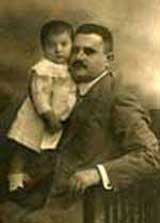
Among the great scholars L.Sternbach stands tall by his wonderful and dedicated work. He was very much attracted by the Sanskrit Subhasita verses and dedicated his entire life in collecting them.  The entire Sanskrit world admired him and he was awarded the title ‘Subhasitavidwan’.

His life aim was to publish all the Subhasitas with English translation with detailed notes. So he was in search of a suitable scholar and found Mr Bhaskaran Nair, Director-Professor of the Vishveshvaranand Vedic Research Institute, Hoshiapur, India. So he requested in 1966 Head of the Sanskrit department Jagannath Agarwal to persuade Acharya Vishwa Bandhu to spare the scholar for this valuable cause. It is to be mentioned here that Acharya Vishwa Bandhu, during the days of partition, in 1947, came from Lahore, with huge Sanskrit literature, to conceal it in big gunny bags, taking a big risk. He founded the great Vishweshvaranand Vedic Research Institure at Hoshiapur.


Six years passed. In 1972 he wrote to the Acharya that the work Maha-Subhasita Samgraha was for him like a child and he intended to bequeath the whole of his fortune after his and his mother’s death to the Institute which will take up the publication of this work.

As promised he has given his all for this great cause leaving a small amount to take care of his aged mother. Perhaps this is a unique event of a foreign scholar to sacrifice his entire life and wealth for Subhasita verse publication.


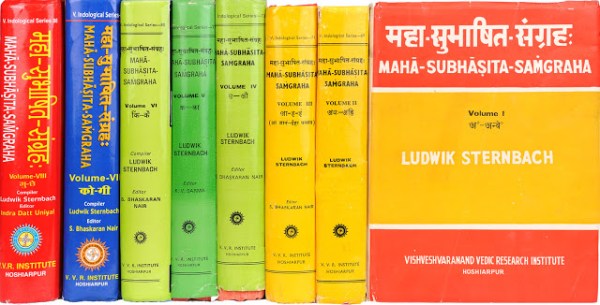
Accordingly the team headed by Bhaskaran Nair has brought out eight volumes of the great work containing about 14000 verses.

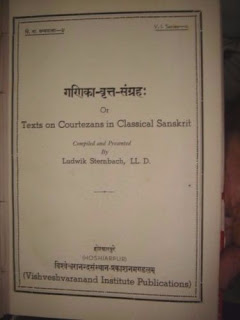
Sternbach has written many books. One among them is, ‘Aphorisms and Proverbs in the Katha-Sarit-Sagara’. From Katha-Sarit Sagara, the Ocean of Streams of Stories, which contains nearly thousand such aphorisms and proverbs, he has selected about 697 wise sayings.


His English translation is always superb. He is also famous for his foot-notes and his friends would comment that his work contain often more footnotes than text!

For a sample, we may quote the following:

No one is able, even by doing the utmost.., to overcome the incalculable freaks of marvellously working Destiny.

No one can calculate the caprices of Fate or the waves of the sea.

Good and evil done by a man is made to return upon himself.


Think for a moment, an American by birth has given his everything for the sake of Sanskrit. At the same time he did not forget his duty towards his mother.

Sanskrit Lovers worldwide and Indians in particular will ever remember this great soul.

Let Us Salute the Great American, Sanskrit Scholar Ludwik Sternbach!

***

This article first appeared in www.ezinearticles.com on 26-1-2017

Please follow the link       http://ezinearticles.com/?Let-Us-Salute-the-Great-American,-Sanskrit-Scholar-Ludwik-Sternbach&id=9629427


கங்கை ஆடிலென்? காவிரி ஆடிலென்? அப்பர் கேள்வி; பட்டினத்தார் முத்திரை (Post No.3605)

Written by London swaminathan


Date: 4 FEBRUARY 2017


Time uploaded in London:-  15-41


Post No. 3605


Pictures are taken from different sources; thanks.


contact; swami_48@yahoo.com


ராமகிருஷ்ண பரமஹம்சர் உபதேச மஞ்சரியில் ஒரு அழகான பொன்மொழி உள்ளது.


“கங்கை நதி புனிதமானதே. ஆனால்க ங்கையில் நீந்தும் மீன்கள் எல்லாம் சுவர்க்கத்துக்குப் போவதில்லை”


ஏன்? என்று சிந்திப்போம்.


இறந்த சடலத்தை கங்கையில்  வீசி எறிந்தாலும், காசியில் சடலத்தை எரித்தாலும் சுவர்கத்துக்குப் போய்விடலாம் என்று குறுக்கு வழியில் சிந்திப்போர் உண்டு. இது உண்மையானால் கங்கையில் வாழும் நண்டு, முதலை, தவளை, மீன்கள் எல்லாம் சுவர்கத்துப் போகவேண்டுமே! போகாது ஏனெனில் அவற்றின் மனதோ லட்சியமோ அதுவல்ல. இது போலவே எத்தனை புனித நீர்த்தலங்களுக்குச் சென்று நீராடினாலும் மனம், மொழி, மெய் மூன்றிலும் கடவுளை அடையும் நாட்டம் இருந்தால்தான் சுவர்கத்தின் கதவுகள் திறந்து இருக்கும்.


தமிழ் சங்க இலக்கியத்திலும், சிலப்பதிகாரத்திலும், அதற்கெல்லாம் முந்தைய சம்ஸ்கிருத இலக்கியஙகளிலும் ராமாயண மஹாபாரத இதிஹாசங்களிலும் 18 புராணங்களிலும் தீர்த்த யாத்திரை பற்றிய குறிப்புகளும் மகிமையும் உள்ளது. உண்மைதான். ஆனால் அதன் உட்பொருளை உனர்ந்து செயல்படுவோருக்கே கை மேல் பலன்.


இதை யார் சொல்கிறாரர்கள்? ஏராளமான தலங்களுக்குச் சென்று தரிசித்த ஆழ்வார்களும் நாயன்மார்களும் ஏனைய அடியார்களும் சொல்கிறார்கள்.

புனித யாத்திரை செய்தவர்களே சொல்லும்போது அதை நம்பாமல் இருக்க முடியுமா?


இதோ அப்பர் வாக்கு:-

கங்கை யாடிலென் காவிடி யாடிலென்

கொங்கு தண்குமரித்துறை யாடிலென்

ஓங்கு மாகடல் ஓத நீராடிலென்

எங்கும் ஈசனெனா தவர்க்கில்லையே

–ஐந்தாம் திருமுற


இதில் வேறு ஒரு விஷயத்தையும் அறிய முடிகிறது. ஆயிரத்து நானூறு ஆண்டுகளுக்கு முன்னரே தமிழர்கள் கங்கை, காவிரி முதலிய நதிகளிலும் கடலிலும் நீராடியதும், கொங்கு, கன்யாகுமரி முதலிய இடங்களுக்குப் போனதும் தெரிகிறது. மாஹாபாரதப் போரில் ஈடுபடாத பலராமன் நாடு முழுதும் வலம் வந்ததையும் ஆதிசங்கர, மத்வர், ராமனுஜர், குரு நானக் முதலியோர் நாடு முழுதும் சுற்றி பல இடங்களைத் தரிசித்ததையும் நாம் அறிவோம். இந்துக்களில் புனித நீராடாத மஹான்கள் வெகு சிலரே! ஆயினும் அதன் உட்பொருளை அறியா,மல்– சுற்றுலா போவது போல –செல்பவருக்கு பலன் ஒன்றும் இல்லை.


இதைப் பட்டினத்தாரும் அழகாகச் சொல்லி, அப்பர் சொன்னது சரியே என்று முத்திரை குத்துகிறார்.


பட்டினத்தார் திருவாரூருக்குத் தரிசிக்கச் சென்றார். இவர் திருவாரூரை நோக்கி நடக்கையில் மக்கள் எல்லோரும் அரோஹரா அரோஹரா என்று கோஷமிட்டுக் கொண்டு  எதிர் திசையில் சென்றனர். எதற்காக?  வேறு ஊரில் உள்ள இறைவனுக்கு நடக்கும் திருவிழாக்களில் கலந்து கொள்வதற்காக!!


பட்டினத்தாருக்கு அழுவதா சிரிப்பதா என்றே தெரியவில்லை. அடக் கடவுளே! திருவாரூரில் பெரிய இறைவன் குடி இருக்கையில் இவர்கள் வேறு ஊருக்கு செல்வது ஏனோ என்று வியக்கிறார். மக்களில் பெரும்பாலோர் யாத்திரை போவது, சுற்றுலா போவதாகும். தங்களிடம் உள்ள நகை நட்டு, புடவைகளை மற்றவர்களிடம் காட்டுவதற்காகவும் அல்லது புதிய இடங்களில் புதிய பொருட்களை விலைக்கு வாங்கி வீண் பெருமையும் பகட்டும் பாராட்டுவதற்காகவும் — என்பது பட்டினத்தாருக்குத் தெரியாமல் இல்லை. இதோ அவரது பாடல்:-


ஆரூரர் இங்கிருக்க

அவ்வூர்த் திருநாளென்

றூர்கள்தோறும்

உழலுவீர்; — நேரே

உளக்குறிப்பை நாடாத

ஊமர்காள்! நீவீர்

விளக்கிருக்கத் தீத்தேடுவீர்


கையில் வெண்ணையை வைத்துக் கொண்டு நெய்க்கு அலைந்தானாம் என்பது ஒரு தமிழ்ப் பழமொழி. இதே போல விளக்கு எரிந்து கொண்டிருக்கையில் அடுத்த வீட்டுக்குச் சென்று நெருப்பு கேட்பவரும், தீப்பெட்டி கேட்போரும் உண்டு!


திருவாரூர் தியாகேசனை விட்டுவிட்டு வேறு இடத்திற்குச் செல்வோர் ஏன் செல்கிறார்கள் என்பது நம் எல்லோருக்கும் தெரிந்ததே. அவர்கள் அனைவரும் விளக்கிருக்கத் தீத்தேடுவோரே!


–Subham–


Poverty due to Charity in Kalidasa and Sangam Tamil Literature (Post No.3604)

Written by London swaminathan


Date: 4 FEBRUARY 2017


Time uploaded in London:-  9-03 am

Post No. 3604


Pictures are taken from different sources; thanks.


contact; swami_48@yahoo.com


Charity begins at home is a popular saying. We have an equivalent proverb (Thanakkum minjitnthaan daana darmam) in Tamil . But it can be interpreted in two ways

Dharma / Charity is what you do beyond your means/ capacity

Dharma is what you do after spending for your family


Though the Tamil construction allows both the explanations, the fact of the matter is that those do charity always do it till they become poor. We have supporting evidence in Sanskrit and Tamil literature.  This shows that the culture is same from Kanyakumari to Kashmir.


When Kalidasa listed the special qualities of the Raghu Dynasty, he said that the Kings levied a tax, only to return them to the people, thorugh a beautiful simile in Raghuvamsa.

“That king DilIpa takes only one sixth part of peoples income as tax, that too for the sake of a welfare state, indeed, like the sun taking earthly water-drops only to indemnify her with multiples of raindrops thereof. [1-18]”

King left with earthen Pots!


“Then that celebrated king Raghu who possessed of an inestimable career and of a hospitable nature has kept all the guest-worshipping material like water, sacred grass, flowers etc in an earthen vessel, because all the golden vessels of Raghu have been donated in the Vedic ritual, and then welcomingly gone forward with that earthen pot to receive that enlightened soul in Veda-s, namely the young guest Kausta, (RV5-2).

–o)0(o–


In another couplet (Raghuvamsa 5-15),

“Oh, king of men, thou who hast given away all thy wealth to the deserving appearest with only thy body left to thee like a stalk of niivaara-wild-rice plant in the buff after foresters have gleaned away its grain… [Rv.5-15]


There is a pathetic picture of the greatest of kings who reduced himself to poverty by unparalleled charity. The poet imagines this state of the King as a Nivara plant, with a single stalk left to it , being shorn of all its corns by the foresters.


Kalidasa says Poor became Philanthropists

“Extremely poor righteous men, who themselves were expectants at one time reached the status of donors by approaching that king for munificence as are the clouds by their coming in contact with the ocean as supplicants of water, in turn become the donors of water. [Rv.17-72]”


Sangam Tamil Poets


We have similar images in Tamil as well. Uraiyur Enicheri Mudamosi is one of the few famous poetesses of Sangam period. She says in Purananuru (127)

“There are few people who don’t provide good food to others. They live for themselves. They are infamous and compassionless kings But you are so great that you gave all the elephants you had. What is left with you now is just the Mangalasutra of your wife. The bards took all of your property as gifts. Oh, generous Ay, let your name and fame spread ahead of others’ fame and name”


In scores of verses Tamil poets emphasize that the Tamil kings donate only to eradicate poverty and not expecting anything in the ‘other world’ (heaven).


Tamil poet Tiru Valluvar also emphasizes the need for charity:

“Wealth is of a transitory nature. Therefore, one should seize the opportunity to do charity when one gets it. (Tirukkural 333)


Before the pangs of death approach and one loses the power of speech and gasps for breath one should hasten to do charity”.  (Tirukkural 335)


source: Raghuvamsa translation from sanskritdocuments.org;thanks

–subham–