Vedic References to Hair Styles – Part 3 (Post No.3213)

indus-valley-priest

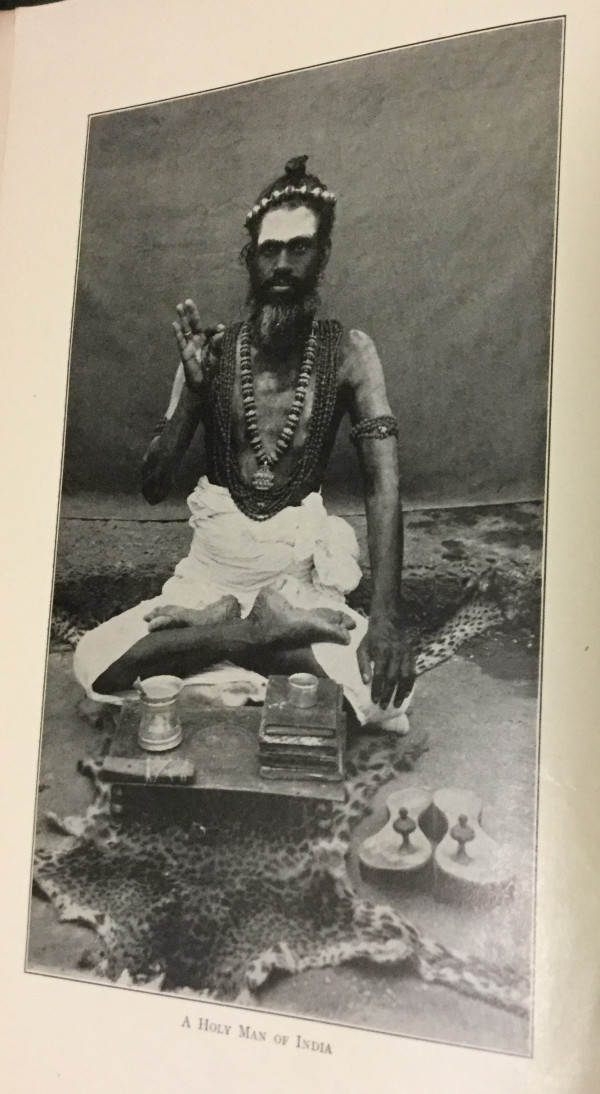
Picture of Indus Yogi with beard

Research article written by London Swaminathan


Date: 2 October 2016


Time uploaded in London: 16-32


Post No.3213


Pictures are taken from various sources; thanks.


Contact swami_48@yahoo.com


siva-ravi-varma

Lord Siva with moutache; Vishnu is clean shaven!

Pulasti – wearing the hair plain


Pulasti or pulastin  in the Yajurveda samhitas denotes wearing the hair plain, as opposed kapardin, wearing the hair in braids


Pulasti is found in vajasaneyi, taiittiriya,kathaka samhitas.


Sikhanda –


Sikhanda denotes a tuft or lock, as mode of wearing the hair, in the later Samhitas and the Brahmanas.


Sikhaa – top knot


Sikhaa denotes in tha satapata Brahmana , the knot of hair worn on the top of the head. Wearing the top knot unloosened was the sign of mourning in the case of women and men like.


My comments

Sikhaa is a very interesting word because it has been in vogue for over three thousand years from Kanyakumari to Kashmir.


Sikai kaay podi (colloquial: Seeyakkaay podi= soap nut powder) is known to everyone in Tamil Nadu; before the synthetic shampoos flooded the market, soapnut powder was used after oil bath. Even today it is in use and the word Sikha is used to denote the tuft on the Brahmin’s head.


There are two interesting names Sikha and Anusikha in the Pancavimsa Brahmana (25-15-3); they are the names of two priests! They served as Nestr and Potr at the Snake festival.


Potr is the name found in the Rigveda(1-94-6; 2-5-2; 7-16-5). It may mean the priest who did purification of Soma pavamana.


So it is interesting to have some name like top-knot and Sub top-knot!

persian-2

Even Kalidasa sings about the honey comb beard of Persians!


Smasru -beard –


Smasru means beard or moustache and it is found in the Rig veda (2-11-17; 8-33-6 etc). it is sometimes contrasted with Kesa/hair of the head. Shaving was known in the Vedic times. Wearing a beard was a sign of manhood according to taiittiriya Samhita with which agrees the  notice of Meghasthanes that the Indians carefully  tended their beards upto the day of their death.

My comments


Beard is a very interesting word because some Hindu gods are shown with beard and others or not. In the famous paintings of Ravi Varma and others Siva is shown with moustache, but Vishnu is shown with a clean shaven face. South East Asian images of Hindu Gods are with prominent moustche. Indra is shown with beard in images. This calls for further research.


Kalidasa also did not miss the beard of the Persians. He mentioned their honey comb beard.

persian-beard

Siman – parting


Siiman denotes the parting of the hair in the Atharva Veda (4-57-8; 10-101-3/4)


The importance of parting the hair for a Hindu woman is explained in Part 1 and Part 2 of this series. Further enquiries show that using a porcupine’s quill to apply acupressure or to do acupuncture is practised in Tamil and Konkani areas of South India. It is done to pregnant ladies during the Pumsavana Seemnatha ceremonies.


Above information istaken from the Vedic Index of names and Subjects by A B Keith and AA Macdonell; comments are mine.


Xxx

How to identify a married tribal woman?


Hair style have different purposes and uses. Parting of hair and the vermilliom/ Kunkum in that parting means she is a married Hindu woman.


The Khamti tribal woman use the hair style to show whether she is married or not. The elevation of the hair on the crown of the head indicates that she is married. Unmarried girls wear it in a low down the occiput (back of the head).


vv-aani-4

vv-anni-5

Todamen and woman of Nilgris, Tamil Nadu (Tribals)


–SUBHAM–


மஹாத்மா காந்தி வாழி! (Post No.3211)

ganghi-india

Written by S. NAGARAJAN


Date: 2 October 2016

Time uploaded in London:11-08 AM

Post No.3211

Pictures are taken from various sources; thanks


By .நாகராஜன்


காந்திஜி நினைவைப் போற்றுவோம்


அக்டோபர் 2 – காந்தி ஜெயந்தி!

ச.நாகராஜன்


அஹிம்ஸையை நாட்டில் நாட்டி

     ஆங்கிலேயரையே விரட்டி

மஹிமையை வாழ்வில் காட்டி

    மனதிலே பாரதம் ஏற்றி

துகிலிலே கதரைக் காட்டி

    தூயவன் வாழ்ந்த வாழ்க்கை

பகிர்தலுக்கு ஓர் நாள் இதுவே

    மஹாத்மா காந்தி வாழி!

**********


பாண்டிய மஹாராணி தீயில் குதித்ததற்கு தொல்காப்பியமே காரணம்? (Post No.3210)

balinese_rite_of_suttee_in_houtman_1597_-1

Written by London Swaminathan


Date: 2 October 2016


Time uploaded in London: 7-07AM


Post No.3210


Pictures are taken from various sources; thanks.


Contact swami_48@yahoo.com


sati-3

புறநானூற்றில் ஒரு அழகான பாடல் வருகிறது; இது பாண்டிய மன்னன் இறந்தவுடன் அவனது மனைவி பூதப்பாண்டியன் தேவி, கணவனுடைய சிதைத்தீயில் பாய்ந்து உயிர்விட்ட சம்பவம் பற்றிய பாடலாகும். பார்ப்பனர்கள், அமைச்சர்கள் அனைவரும் தடுத்தும் “போங்கடா, போங்க! போக்கத்த பயல்களே” என்று சொல்லி அவள் தீயில் பாய்ந்தாள்.

புறநானூறு பாடல் 246:–
பல் சான்றீரே! பல் சான்றீரே!
செல்க’ எனச் செல்லாது, ‘ஒழிக’ என விலக்கும்,
பொல்லாச் சூழ்ச்சிப் பல் சான்றீரே!
அணில்வரிக் கொடுங்காய் வாள் போழ்ந்திட்ட
காழ் போல் நல் விளர் நறு நெய் தீண்டாது
அடை இடைக் கிடந்த கை பிழி பிண்டம்,
வெள் எள் சாந்தொடு, புளிப்பெய்து அட்ட
வேளை வெந்தை, வல்சி ஆக,
பரற்பெய் பள்ளிப்பாயின்று வதியும்
உயவற் பெண்டிரேம் அல்லேம் மாதோ;
பெருங்காட்டுப் பண்ணிய கருங்கோட்டு ஈமம்
நுமக்கு அரிதாகுக தில்ல; எமக்கு எம்
பெருந்தோட் கணவன் மாய்ந்தென, அரும்பு அற
வள் இதழ் அவிழ்த்த தாமரை
நள் இரும் பொய்கையும் தீயும் ஓரற்றே!


–பூதப்பாண்டியன் தேவி பெருங்கோப்பெண்டு தீப்பாய்வாள் சொல்லியது

பொருள்: ‘’கணவனுடன் நீயும் போ என்று சொல்லாமல் பொல்லாத செயல் புரியும் பெரியோர்களே! கணவன் இல்லாத பெண்கள் வெள்ளரிக்காய் விதை போல, நெய் இல்லாத சோறு, எள்ளுத் துவையல், புளி கூட்டி சமைத்த வேள இலை ஆகியவற்றை உண்ண வேண்டும். பாய் இல்லாமல் வெறும் கல் தரையில் படுக்க வேண்டும். அது போன்ற பெண் என்று என்னை நினைத்து விட்டீர்களா? நான் அப்படிப்பட்டவள் அல்ல. உங்களுக்கு வேண்டுமானால் மரணப் படுக்கை கஷ்டமாக இருக்கலாம். என் கணவன் இறந்துவிட்டான். அந்த சிதைத் தீயே எனக்கு தாமரைக்குளம் போல குளிர்ச்சிதரும். இதைப் புரிந்துகொள்ளுங்கள்.’’

ஒரு மஹாராணி பாடிய பாடல் இது. கணவனின் சிதைத் தீ, தாமரைக் குளம் போல குளிர்ச்சி பொருந்தியது என்று பாடுகிறாள். அப்பர் பெருமானை மஹேந்திர பல்லவன் சுண்ணாம்புக் காளவாயில் போட்ட போது அவர் ‘’மாசில் வீணையும்’’ பாடல் பாடியது நினைவுக்கு வருகிறது!


இதற்குத் தொல்காப்பிய சூத்திரமே காரணம் என்று தோன்றுகிறது. தொல்காப்பியர் என்பவர் த்ருண தூமாக்கினி என்ற பெயர் கொண்ட பார்ப்பான் என்று மதுரை பரத்வாஜ கோத்திரப் பார்ப்பான் உச்சிமேற் புலவர்கொள் நச்சினார்க்கினியர் கூறுவார். தொல்காப்பியர் சதி என்னும் உடன் கட்டை ஏறும் வழக்கததை தமிழ் வழக்கமாக காட்டியுள்ளார்.

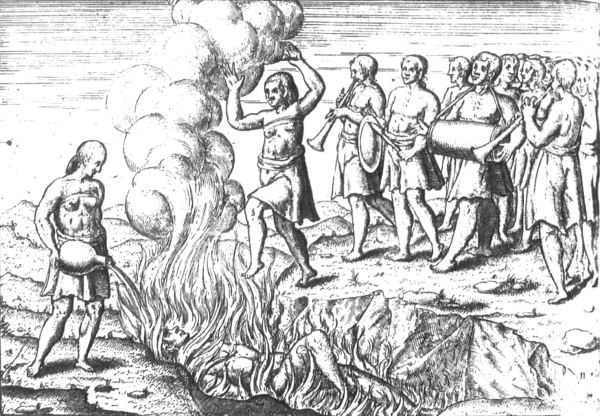
Sati : wife mounting funeral pyre of husband


காதலி இழந்த தபுதார நிலையும்

காதலன் இழந்த தாபத நிலையும்

நல்லோள் கணவனொடு நனியழல் புகீஇச்

சொல்லிடைஇட்ட பாலை நிலையும்

 தொல்காப்பியம், சூத்திரம் –1025


பூதப் பாண்டியன் பெருந்தேவி போலவே போல, ஆய் அண்டிரன் மனைவியரும் தீப்பாய்ந்தனர்.

இந்த உடன்கட்டை ஏறும் வழக்கத்தை “சதி” (sati) என்பர்.

((Reference:-சங்கத் தமிழ் நூல்களில் “சதி” (உடன்கட்டை ஏறுதல்)–கட்டுரையாளர்:– லண்டன் சுவாமிநாதன்–கட்டுரை எண்:–1108; தேதி 15 ஜூன் 2014.))


கர்நாடகத்தில் இப்படி உடன்கட்டை ஏறிய கற்புக்கரசிகளின் கைச் சின்னங்கள் இன்னும் இருக்கின்றன.

sati3

பாண்டியன் நெடுஞ்செழியன், கோவலனைக் கொன்றது தப்பு என்று தெரிந்தவுடன், மாரடைப்பால் – Heart Attack ஹார்ட் அட்டாக்கால் — இறந்தார். உடனே அவன் அருகில் இருந்த அவன் மனைவியும் ஹார்ட் அட்டாக்கால் இறந்தாள் என்பதை சிலப்பதிகாரம் மூலம் அறிவோம்.


உலகப் பேரழகி சித்தூர் ராணி பத்மினி மீது எப்படியாவது கை வைக்க வேண்டும் என்று படை எடுத்துவந்த அலாவுதீன் கில்ஜியின் கண்,,,,,,,,ல் மண்ணைத்தூவி விட்டு சித்தூர் ராணி பத்மினி, தனது நூற்றுக் கணக்கான ழியருடன் தீப்பாய்ந்து வரலாறு படைத்தாள் ரஜபுதனப் பெண்கள் வீராங்கனைகள். தன் மானத்துக்கும் கற்புக்கும் மதிப்பு கொடுத்த கற்புக்கரசிகள்!


ஆனால் உடன் கட்டை ஏறுவது COMPULSORY கம்பல்ஸரி/ கட்டாயம் அல்ல. தசரதன் இறந்தவுடன் அவன் மனைவியர் நால்வரும் உயிருடன் இருந்ததை வால்மீகி ராமாயணம் மூலம் அறிவோம். அதே போல பாண்,,,,, மஹாராஜன் இறந்தும் குந்தி உயிர் வாழ்ந்ததை மஹா பாரதம் மூலம் அறிவோம்.


மதத்தைப் பரப்ப வந்தவர்களும், நாடுபிடிக்க வந்தவர்களும் அந்தக் காலத்தில் எழுதிய புத்தகத்தில், —- எல்லா இந்தியப் பெண்களையும் கணவன் சிதைத்தீயில் தள்ளுவது போலப் படம் போட்டு — புத்தகங்களை எழுதினர்! ஆனால் அவர்கள் பிரசாரம் எல்லாம் விழலுக்கு இரை த்த நீர் போல ஆகிவிட்டது.

வேதங்களில் வரும் இந்திரனையும் வருணனையும் தமிழர்கள் தெய்வங்களாகத் தொல்காப்பியர் குறித்ததும், பலராமனின் பனைக்கொடியைப் பற்றி அவர் சூத்திரம் சொல்லுவதும், மனு தர்ம சாத்திரத்திலுள்ள எட்டு வகைத் திருமணத்தை தொல்காப்பியம் விதந்துதுரைப்பதும், கார்த்திகைத் திருவிழாவை அவர் குறிப்பால் உணர்த்துவதும், பாரதம் ஒன்றே என்ற கொளகையுடையோருக்கு வியப்பளிக்காது. ஆனால் அவர் “சதி” என்னுமுடன்கட்டை ஏறும் வழக்கத்தையும் (இறந்த கணவனுடன் சிதைத்தீயில் எரிவதும்) தமிழர் வழக்கமாகக் கூறுவது பலருக்கும் தெரியாது.


திராவிட “அறிஞர்கள்”, இது பற்றி மவுனம் சாதிப்பதும் ஒருவர் இதை ‘இடைச் செருகல்’ என்பதும் மற்றொருவர் 30, 40 பக்கம் எழுதி சப்பைக் கட்டு கட்டுவதும் தொல்காப்பியத்தை நன்கு படித்தவர்கள் அறிந்ததே. சிலர் இது “ஆரிய வழக்கம் கொஞ்சம் கொஞ்சமாகப் புகுந்தது” என்பதைக் காட்டுவதாகச் சொல்லுவதும் “கீழே விழுந்தும் மீசையில் மண் ஒட்டவில்லை பார்” என்ற பழமொழியை நினைவுபடுத்தும்.


இன்னும் பலர் உலகப் புகழ் பெற்ற, தமிழில் அதிகமாக உரைகளை எழுதிக் குவித்த மதுரை நகர பாரத்துவாஜ கோத்ரப் பார்ப்பனன் உச்சிமேற் புலவர்கொள் நச்சினார்க்கினியன் எழுதிய உரை எல்லாம் சரிதான், ஆனால் அவர் தொல்காப்பியனை “த்ருணதூமாக்கினி” என்னும் ரிஷி என்று சொல்லுவது மட்டும் ‘பொய்’ என்று பிதற்றுவதெல்லாம் நல்ல நகைச்சுவையாக அமையும். நிற்க.

sati2

சதி என்னும் உடன் கட்டை ஏறும் வழக்கம், சுயம்வரம் என்னும் கணவனைத் தேடும் பெண்களின் சுதந்திரம், அஸ்வமேத யக்ஞம, ராஜ சூய யக்ஞம் மற்றும் பார்ப்பனர் அன்றாடம் செய்யும் சந்தியாவந்தனம், தென்பக்கத்தில் யமன் உள்ளான் என்ற நம்பிக்கை இவை எல்லாம் இமயம் முதல் குமரி வரை உளதே! ஏனடா இவை எல்லாம் ஆரியரின் சொந்த பூமி என்று நீங்கள் கூறும் மத்திய ஆசியாவிலோ, ஐரோப்பாவிலோ இல்லை என்று வெள்ளைத் தோல் “அறிஞ ர்களை” கேள்வி கேட்டால் முழி பிதுங்க பேதைகளாக நிற்பர். உண்மையில் இந்துக்கள் உலகம்     எங்கும் சென்று நாகரீகத்தை நிலை நாட்டியது ரிக் வேதத்திலேயே உளது “ச்ருன்வந்தோ விஸ்வம் ஆர்யம்= உலகம் முழுதும் சென்று பண்பாட்டைப் பரப்புக” என்ற வாக்கியம் வேதத்தில் உள்ளது. உலக மக்கள் அனனைவரும் ஒரு தாய் வயிற்றுப் பிள்ளைகள்— மாதா பூமி, புத்ரோஹம்— (பூமி நமது அன்னை, நாம் அதன் புதல்வர்; யாதும் ஊரே யாவரும் கேளிர்) என்பது அதர்வண வேதத்தில் உள்ளது.


ஆக உலகம் முழுதும் நாம் மொழிகளையும் கலாசாரத்தையும் பரப்பினோம் என்பதை ஒப்புக்கொண்டால் ஏன் சில வழக்கங்களை மட்டும் அவர்கள் எடுத்துக் கொண்டனர், ஏன் தமிழ்ச் சொற்களும் சம்ஸ்கிருதச் சொற்களும் உலக மொழிகள் அனைத்திலும் ஆயிரக்கணக்கில் காணப்படுகின்றன என்பது விளங்கும்.


வாழ்க தமிழ் மொழி! வளர்க தொல்காப்பியன் புகழ்!!


தீவிரவாதிகளின் புகலிடம் பாகிஸ்தான்! (Post No.3209)

akhand-baharat-2

Written by S. NAGARAJAN

Date: 2 October 2016

Time uploaded in London:5-34 AM

Post No.3209

Pictures are taken from various sources; thanks


By ச.நாகராஜன்


தீவிரவாதிகளின் புகலிடம் பாகிஸ்தான் என்பதை சமீபத்தில் நடந்த ஊரி சம்பவத்தால் உலகமே அறிந்து கொண்டது.

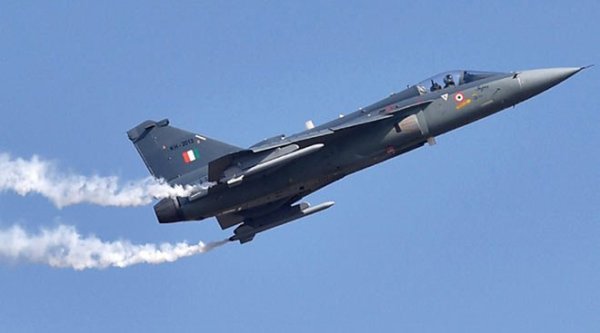
தக்க பதிலடியாக உலகத்திலேயே சிறப்பு வாய்ந்த ராணுவங்களுள் ஒன்றானதும் மிகப் பெரிய ராணுவமுமான இந்திய ராணுவம் எடுத்த நடவடிக்கையால் பாகிஸ்தான் அதிர்ந்து போயுள்ளது. இந்தியர்கள் பெருமிதப்படுகின்றனர் ஏனைய நாடுகள் ஆச்சரியத்தின் உச்சியில் அதிசயித்து நிற்கின்றன.

எல்லைக் கோட்டின் அப்பால் உள்ள தீவிரவாதிகளை அதிரடியாகத் தாக்கி ஒழித்த இந்திய ராணுவத்திற்குப் பணிவான வணக்கங்கள். கூடவே மனம் நிறைந்த பாராட்டுக்கள்.


மூன்றாம் உலக மகாயுத்தம் பற்றிய கட்டுரைத் தொடரில் குறிப்பிடப்பட்டுள்ள விஷயங்கள் மிகப்படுத்தப்பட்ட ஒன்றா என்ற சந்தேகம் சிலருக்கு எழக்கூடும்.

ஆனால் அதை ‘டெம்ப்ளேட்டாக’ வைத்துக் கொண்டு சிரியாவோ, ஜெர்மனியோ, ஸ்விட்சர்லாந்தோ, பிரான்ஸோ, பிரிட்டனோ, அமெரிக்காவோ எந்த நாட்டை வேண்டுமானாலும் அதன் மீது வைத்துப் பார்க்கலாம்.

விஷயங்களை எந்த ஒரு தனி நபரும் தானே தொகுக்கலாம்; உண்மையைக் கண்டறியலாம்.


பாகிஸ்தானின் மதவெறியைச் சற்று பார்க்கலாம்.

ஆயிரத்திதொள்ளாயிரத்து எழுபதுகளிலிருந்தே பாகிஸ்தானில் உள்ள பள்ளிகளின் பாட புத்தகங்களில் இந்தியா ஒரு எதிரி எனச் சித்தரிக்கப்பட்டு வருகிறது.


பாகிஸ்தான் என்ற நாடு ஹிந்துக்களுக்கு எதிரானது என்பதைச் சித்தரிக்க வேண்டியிருப்பதால் ஹிந்துக்கள் அனைவரும் இயல்பான எதிரிகள் என்று அங்கு சித்தரிக்கப்படுகிறது.

National Commission for Justice and Peace  என்ற லாப நோக்கமற்ற நிறுவனம் பாகிஸ்தானில் உள்ளது. அது பாகிஸ்தானின் பள்ளிப் பாட புத்தகங்கள் வேண்டுமென்றே ஹிந்துக்கள் மீது வெறுப்புணர்ச்சியைத் தூண்டுகின்ற விஷமத்தனமான பாடங்களைக் கொண்டிருக்கிறது என்று தன் அறிக்கையில் சுட்டிக் காட்டியுள்ளது.


aeroindia1-660

அரசின் சார்பில் வெளியிடப்படும் இந்த அரசின் பாட புத்தகங்கள் ஹிந்துக்கள்  மூட நம்பிக்கைக்காரர்கள் என்றும் ஹிந்து இனம் பின் தங்கிய இனம் என்றும் கூறுகின்றன.

இஸ்லாமின் தொன்று தொட்டு இருந்து வரும் பகைவர்கள் ஹிந்துக்கள் என்றும் அவர்கள் கொள்கைப்பிடிப்புள்ளவர்கள் என்றும் அவை சித்தரிக்கின்றன.


விக்கிபீடியா இந்த அறிக்கையைத் தருகையில், “Textbooks reflect intentional obfuscation. Today’ students, citizens of Pakistan and its future leaders are the victims of these blatant lies” என்று கூறுகிறது.


1947ஆம் ஆண்டு பிரிவினை கேட்டுப் பிரிந்த் பாகிஸ்தானில் ஹிந்துக்களின் ஜனத்தொகை 15 சதவிகிதமாக இருந்தது.இப்போதோ அது வெறும் 1.7 சதவிகிதமாகி விட்டது.

2014இல் ஒரு சட்ட நிபுணர் நேஷனல் அசெம்பிளியில், “ஒவ்வொரு வருடமும் 5000 ஹிந்துக்கள் அங்குள்ள கொடுமைக்குப் பயந்து பாகிஸ்தானை விட்டு வெளியேறுகின்றனர்” என்றார். ஹிந்துப் பெண்களை வலுக்கட்டாயமாக மதமாற்றம் செய்வது தொடர்ந்து அங்கு நடைபெற்று வருகிறது.


சிந்தில் உள்ள மதர்ஸாவான Dargah Alia Qadria Bharchundi Shariff  வெளிப்படையாக 2000 ஹிந்துப் பெண்களை இஸ்லாமுக்கு மாற்றுவதே தங்கள் நோக்கம் என்று கூறியிருக்கிறது.

பாகிஸ்தானில் உள்ள ஹிந்துக்கள் அனைவரும் இந்தியப் பாதுகாப்புப் படையின் ஏஜண்டுகள் என்று கூறி அவர்கள் மீது தீங்கு தொடர்ந்து இழைக்கப்படுகிறது.


மைனாரிடி ஹிந்துக்கள் மீது தீவிரவாதிகளின் தாக்குதலுக்கு ஒரு அளவே இல்லை.ஸ்வாத்தில் உள்ள தாலிபான்கள் ஹிந்துக்களை வலுக்கட்டாயமாக சிவப்பு டர்பன்களை தலையைச் சுற்றி அணியச் செய்கின்றனர்.\2010ஆம் ஆண்டு ஜூலை மாதம் ஒரு ஹிந்து இளைஞன் கராச்சியில் ஒரு மசூதிக்கு அருகில் இருந்த குழாயிலிருந்து நீரைக் குடித்தான் என்பதற்காக பெரிய கலவரம் ஒன்று நடத்தப்பட்டது. ஹிந்துக்கள் படுகொலை செய்யப்பட்டனர்.

பாகிஸ்தானில் உள்ள மனித உரிமைகள் கழகம் தனது 2010ஆம் ஆண்டிற்கான அறிக்கையில் குறைந்தப்ட்சமாக மாதம் ஒன்றுக்கு இருபது ஹிந்துப் பெண்கள் கடத்தப்படுகின்றனர் என்று குறிப்பிட்டுள்ளது.


-அடுத்த கட்டுரையுடன் முடியும்


Hair Styles of the Tribes and Castes of India (Post No.3208)

nayars-of-kerala-wiki

Nayars of Kerala

Compiled by London Swaminathan


Date: 1 October 2016


Time uploaded in London: 21-20


Post No.3208


Pictures are taken from various sources; thanks.


Contact swami_48@yahoo.com


From Arthur Miles book , “The Land of the Lingam” , Year 1933


Kondhs Hair Style

Both men and women among Kondhs paid much attention to their hair,decorating it with flowers and huge pins made of deer horn. Young girls wear pieces of broom in their ears until they are married, but once married they adorn themselves with as many  earrings as their husbands can afford.


Xxxx


Hair Style of Nayar women (Kerala) 


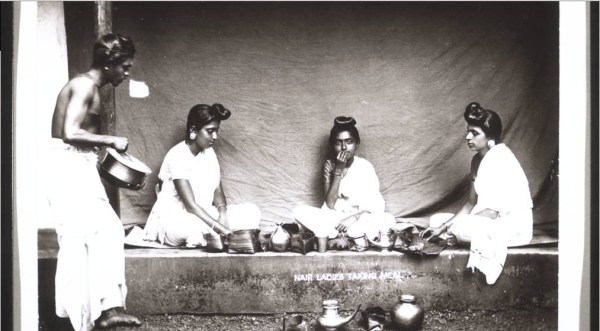
The Nair women are the most beautiful women in India. Their bodies, with very few exceptions, would cause a sculptor to take out his sketch book and sharpen his pencil. They wear very little clothing, but what they do wear is frequently washed and changed. Their hair never looks greasy as other Indian hair, and they wash it frequently with the pods of saponaceous plants. Their skin is their great pride, and any eruption on it considered a disgrace. They wear no head dress, but often decorate their hair with flowers. They mutilate their beauty in but one way –the lobes of their ears are dilated with pieces of metal. Contrary to the usual custom, they have their nose ring in the left nostril and they wear many gold bracelets and finger rings. A favourite talisman consists of the hair from an elephant’s tail, plaited and worn on the wrist.


Xxxx

img_2170

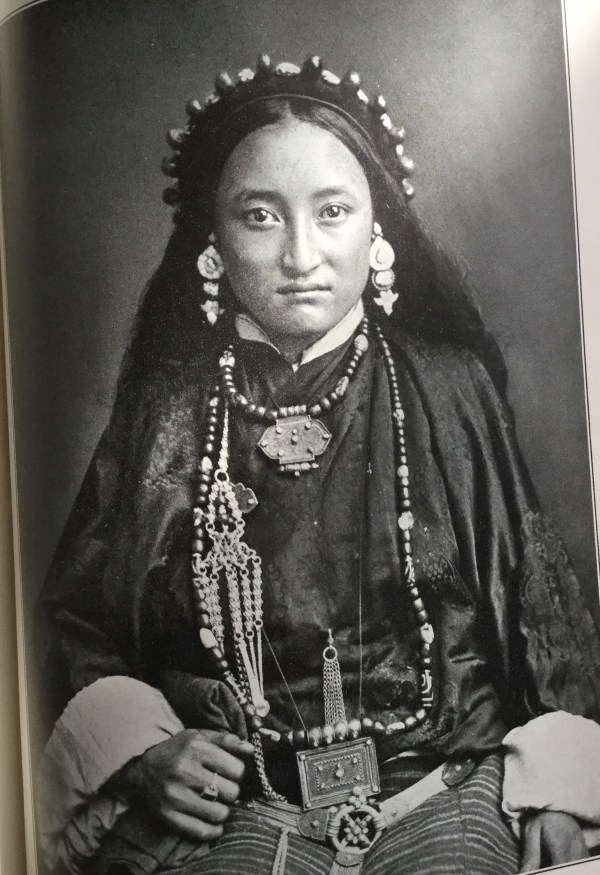
Lama woman

Maali’s (Gardners) Hair Offering


Once the Maali returned without hair on his head or face and looking like a plucked chicken. A few days later, while planting a bed of dahlias he told us the why and wherefore of his denuded condition. A poor family, who have little to give to the gods, will promise the hair of their child. The child is then brought up with this promise in mind, and the sacrifice is made. It is, however, a sacrifice where the poor feel that they can at least offer as much as the rich, and give prodigally of the hirsute offering.


This sacrifice is especially meritorious when made by a woman, who has to face her friends and relations shorn off the beauty she has nurtured and trained with so much care. What becomes of the hair is the secret of the Brahman priests but in the temple of Palani near Madura and in the temple at Tirupati , one can always see sufficient quantities to keep the European markets busy for years. Sleeping on a hair mattress in England, one cannot help casting one’s mind back to the temples of India.


Xxxx


Parting of Woman’s Hair and Sakti Principle 


To illustrate the far fetched meaning dragged into every act of daily life, I quote the following by an Indian writer, because it bears on the Sakti


Written in 1926………


The Hindu ladies in southern India wear their hair parted by a furrow on their crown of head. What is this custom due to?


Ladies in different countries wear their hair arranged in different ways. Some wear it in a single pig tail while others are in two or more pigtails and so on. A large quantity of curl paper is made use of in the countries of the West to give the hair an artificial curl in place of one denied by Dame Nnature. But the Hindu ladies wear their hair parted on the crown a line running from front to back. In the case of grownup and aged dames , the hair is simply gathered in a knot,

Whereas young girls and women wear it in a single pig tail. But everyone wears it parted on either side leaving furrow like streak of skin exposed on the crown of the head…,

Like every other Hindu custom this also followed with a particular significance attached to it. A woman symbolises Sakti or Power. There is also a myth emphasising this statement. Siva, one of the Hindu Trinity, was once conceited and thought he was the all in all. His wife, Uma , wanted to teach him that without her help , he would be able to achieve nothing. With this object in view She, who was always with Him and in Him, left him for a while. Siva all on a sudden felt himself deprived of all his strength and energy to activity! He was lying in a precarious condition, unable even to stir when his wife there. He prayed to her to lift him up. She told him that he might try to stand up without her help, as he could not do so he had to acknowledge her position as Sakti.


After a lot more of the same, the author says, this is the reason why Sakti is assigned a very important place in every form of worship and in temples “……….


When once this fact is grasped the custom of leaving a furrow on the crown of woman’s head parting the hair into the right half and the left half will be intelligible. It symbolises the radiation of the positive and the negative energies from a central place…..,”


The furrow…represents in a masterly manner this completion of the circuit between two mighty positive and negative centres, resulting in the mental plane in the formation of the universe in the beginning, to be later on crystallised and materialised into the coarser world we see ………”


The writer of the above evidently became a little involved. But let us hope that when a woman has got away from the pigtail stage and furrows her hair properly, she will understand the completion of the circuit between two mighty positive and negative centres.


two-women-1

Xxxx


Widows hair style

Brahmin widows shave their head and cover it with her saree. A particular colour saree, like ascetic s saffron robe, is worn them ;but this is not practised anymore.Among the Tamil Vaishnavites, Tenkalai Vaishnavites are forbidden to cut their hairs.


–Subham–


இந்திய நூல்களில் சிகை அலங்காரம் -Part 2 (Post No.3207)

chidambaram-1

Picture: சிதம்பரம் தீட்சிதர்

Written by London Swaminathan


Date: 1 October 2016


Time uploaded in London: 10-12 AM


Post No.3207


Pictures are taken from various sources; thanks.


Contact swami_48@yahoo.com


கட்டுரையின் முதல் பகுதியைப் படித்து விட்டு இரண்டாம் பகுதியைப் படித்தால் பொருள் நன்கு விளங்கும்.

dikshitar-priests-festival-ceremony

Picture: சிதம்பரம் தீட்சிதர்கள்

கேசம்=முடி


கேச என்னும் சொல் மயிர் என்பதைக் குறிக்க அதர்வண வேத காலத்திலிருந்து பயன்படுத்தப்படுகிறது. அநேகமாக கேசம் என்றால் என்ன என்பது எல்லா இந்தியருக்கும் தெரியும். முடி வளர் தைலங்கள் அனைத்தும் ‘கேச’ என்ற பெயருடனேயே துவங்கும். நீண்ட முடி வளர்த்தால் பெண்போல இருப்பான் என்று வேதம் கூறுகிறது. ஆனால் அடர்த்தியான முடிக்கான பிரார்த்தனை  அதர்வண வேதத்தில் உள்ளது. சில ஆயிரம் ஆண்டுகளுக்கு முன்னர் பயிலப்பட்ட சொல் இன்றும் அதே பொருளில் நம்மிடையே புழங்குவது — தமிழ் நட்டிலும் — புழங்குவது குறிப்பிடத்தக்கது.


க்ஷுரா= Razor


சவரம் செய்தல் என்பது பிளேட் என்று பொருள்படும் க்ஷுரா’ (சவரக் கத்தி) என்ற சொல்லிலிருந்தே வந்தது. இது ரிக் வேதத்தில் மூன்று இடங்களில் வருகிறது. ஆனால் முயல் விழுங்கிய ‘க்சுரா’ என்று ஒரு மந்திரத்தில் வருவதால் அந்த இடத்தில் சவரக் கத்தி என்பது பொருத்தமாக இல்லை.


வேதத்துக்கு சங்க கால தமிழர்கள் “மறை” என்ற அழகான சொல்லை தெரிவு செய்துள்ளனர். வேத காலப் புலவர்கள் எதையும் நேரடியாகச் சொல்லாமல் மறை பொருளில் சொல்லுவதால் தமிழன் இச்சொல்லைக் கண்டுபிடித்து வைத்தான். ஆக முயல் விழுங்கிய பிளேடு என்பது ஏதோ ரகசியப் பொருளுடைத்து என்றே நான் கருதுகிறேன்.


சங்கத் தமிழ் இலக்கியம் மயிர்குறை கருவி (Scisors or Shaving Razor) என்ற சொல்லைப் பயிலுகிறது (பொரு.29, பலைக் கலி.31,35)


தட்சிண கபர்தா Rig Veda (7-33-1) (வலது பக்க குடுமி)

மலையாள தேசத்தில் நம்பூதிரி பிராமணர்களும், சோழ தேசத்தில் முன் குடுமிச் சோழியர், சிதம்பரம் தீட்சிதர்களும் தலை முடி வைத்திருக்கும் தனிப் பாணியை (Style) இன்றும் காணலாம். இது வேத காலத்திலேயே துவங்கியதற்கு தட்சிணதாஸ் கபர்தா என்ற சொல் சான்று தரும். ஒரு வழக்கம் பல்லாயிரம் ஆண்டுகளாக இருப்பது மிகவும் அதிசயமானது. இது தென்னாட்டு பார்ப்பனர்களின் பழமையையும் காட்டும்.


nampudiri

படம்: நம்பூதிரி பிராமணர்

பலித (நரைமுடி)

ரிக்வேத (1-144-4, 1-164-1, 3-55.9) காலம் முதல் இச்சொல் பயிலப்படுகிறது. ஜமதக்னி முனிவரின் வழிவந்தோர் நரை அடைவதில்லை என்றும் பாரத்வாஜர் தனது கிழப்பருவத்தில் ஒல்லியாக ஒடிந்து, நரை முடியுடன் காணப்பட்டதாகவும்  வேதங்கள் வருணிக்கின்றன.


சதபத பிராமனணம் முதலில் தலிலையில் தோன்றும் நரை முடி பிறகு உடலிலும் கைகளிலும் பரவுவதை பேசும்


இந்த நரை முடி பற்றிய விஷயம் புறநானூற்றிலுள்ள (பாடல் 191) புகழ்பெற்ற பிசிராந்தையாரின் பாடலை நினைவு படுத்தும்.


ஐயா, தொண்டுக் கிழமாகிவிட்டீரே; முடி மட்டும் கருக்கவில்லையே; ஏதேனும் கூந்தல் வளர் தைலம் தடவுகிறீரோ என்று எல்லோரும் வியப்புடன் பார்க்கின்றனர். அவர் சொல்லுகிறார்:- ஐயன்மீர் என் வீட்டிலும் ஓம் சாந்தி, நாட்டிலும் ஓம் சாந்தி, என் மனதிலும் ஓம் சாந்தி; இப்படி சாந்தி நிலவுகையில் முடி எப்படி நரைக்கும்? என்று பாடுகிறாரார்:–


யாண்டு பலவாக நரையில வாகுதல்

யாங்கா கியரென வினவுதிராயின்

மாண்டவென் மனைவியொடு மக்களும் நிரம்பினர்;

யான்கண் டனையர் என் இளையரும்: வேந்தனும்

அல்லவை செய்யான், காக்கும்; அதன் தலை

ஆன்றவிந்து அடங்கிய கொள்கைச்

சான்றோர் பலர் யான் வாழும் ஊரே

——(புறநானூறு ,பாடல் எண். 191)


பொருள்:-

நுமக்குச் சென்ற ஆண்டுகளோ  பலவாயின; இருந்தும் நரைமுடி காணவில்லை. இது எப்படி? என்று கேட்கிறீர்களா?

என் மனைவி நல்லவள்; என் பிள்ளைகள் கெட்டிக்காரர்கள்; என்னிடம் பணிபுரியும் ஏவலரோ நான் ‘எள் என்றால் எண்ணை யாக’ நிற்பர்; குறிப்பறிந்து ஒழுகும்  தன்மையர். என் அரசன், எந்த தவற்றையும் செய்யான்; இதற்கெல்லாம் மேலாக என் ஊரிலுள்ள அறிஞர்கள் புலன்களை வென்று, உயர்ந்த குறிக்கோள் உடையவர்கள். (எனக்கு கலையே இல்லை; கவலை இல்லாதோருக்கு நரை முடி வராதே!)

holy-man-of-india

–subham–


மூன்றாம் உலக மகாயுத்தம்! -4 (Post No.3206)

b-17g_formation

Written by S. NAGARAJAN

Date: 1 October 2016

Time uploaded in London:6-45 AM

Post No.3206

Pictures are taken from various sources; thanks (Pictures are from WW II)


மூன்றாம் உலக மகா யுத்தம் ஏற்படப்போவதற்கான காரணம் : ஒரு ஆராய்ச்சி

சிறிய கட்டுரைத் தொடர் – Before It’s News இணையதளத்தில் வெளியாகியுள்ள கட்டுரைச் சுருக்கத்தின் கடைசிப் பகுதி


இஸ்லாமியருக்கும் கிறிஸ்தவர்களுக்கும் இடையே நடக்கப்போகும் கோரமான மூன்றாம் உலக மகாயுத்தம்! – 4


By ச.நாகராஜன்


இஸ்லாமியர்கள் மேற்கொள்ளும் பல வித வழிகளை ஒவ்வொன்றாகப் பார்த்து வருகிறோம். அவற்றில் இறுதியான வழி முழு இஸ்லாமிய அமைப்பை நிறுவுவதாகும்.


இஸ்லாமிய அமைப்பை நிறுவுதல்

புகுந்த நாட்டில் இஸ்லாம் ஒன்றே ஒரே மதமாக ஆகிறது. அதுவே அரசியல் கட்சியைச் செல்வாக்குடன் ஆளுகிறது. அதுவே நீதிமன்றம். அதுவே பண்பாடு.

ஷரியத் நாட்டின் பொது விதியாக ஆகிறது

இஸ்லாம் அல்லாத அனைத்து மனித உரிமைகளும் நிராகரிக்கப்படுகின்றன.

இஸ்லாம் அல்லாதவர்கள் அடிமைகளாக்கப்படுகின்றனர் அல்லது அடியோடு ஒழிக்கப்படுகின்றனர்.

பேச்சு சுதந்திரம் தடை செய்யப்படுகிறது. பத்திரிகைகள் நிறுத்தப்படுகின்றன.

இஸ்லாம் அல்லாத இதர மதங்கள் தடை செய்யப்படுகின்றன அல்லது ஒழிக்கப்படுகின்றன.

இஸ்லாம் அல்லாத இதர மதங்களின் அடையாளச் சின்னங்கள் அழிக்கப்படுகின்றன.இஸ்லாம் அல்லாதவர்களே இல்லை. (புத்த மடாலயங்கள், சர்ச்சுகள், ஹிந்துக் கோவில்கள் தரைமட்டமாக்கப்படுகின்றன)

தாருல்-இஸ்லாம் (இஸ்லாமிய பூமி) இஸ்லாமிய வழி மட்டுமே கடைப்பிடிக்கப்படும் தேசங்களைக் குறிக்கும். அங்கு ஆன்மா நசுக்கப்படும். சுதந்திரம் அழிக்கப்படும். ஷரியத் மட்டுமே ஆளும்.


இதர உலக நாடுகள் தாருல்-ஹார்ப் – போருக்குரிய தேசங்கள் ஆகும். ஏனெனில் அவை ஷரியத்தை ஏற்கவில்லை.

இன்ஷா அல்லா – அல்லாவின் விருப்பப்படி அவைகளின் மீது போர் பிரகடனம் செய்யப்படும்.

இஸ்லாம் அல்லாத எந்த தேசத்தின் மக்களும் குற்றமற்றவர்கள் இல்லை. அல்லாவை நம்பாத குற்றத்திற்கு உள்ளானவர்கள் அவர்கள்.

கிறிஸ்தவர்கள், யூதர்கள், ஹிந்துக்கள், ஜொராஷ்டிர மதத்தவர் இந்தக் குற்றத்திற்காக பல நூற்றாண்டுகளாக சொல்லொணாத் துன்பத்தை அனுபவிக்க வைக்கப்பட்டுள்ளனர்.

அவர்கள் தங்கள் ஆலயங்களுக்கு கும்பாபிஷேகம், புனருத்தாரணம் செய்ய அனுமதிக்கப்படவில்லை. ஜெஸியா வரி போடப்பட்டு இருக்கும் செல்வத்தை இழந்து ஏழைகளாக்கப்பட்டனர்.


சமூக அவமானம், கிரிமினல் வழக்குகள் உள்ளிட்டவற்றால் இடைய்றாத பயத்துடன் வாழ வைக்கப்பட்டனர்.

எகிப்தில் நடந்த கட்டாய மதமாற்றங்கள், சூடானில் நடந்த அடிமைப்படுத்தல் ஆகியவை இன்றும் எந்தப் புத்தகத்திலும் படிக்கக்கூடியவையே!

ஈரானில் ஓரினச் சேர்க்கை செய்தவர்கள் பொதுச் சதுக்கத்தில் தூக்கில் தொங்கவிடப்பட்டனர்.

இளம் வயதுக் கன்னிகள் வயதானவர்களுக்குக் கட்டாயக் கல்யாணம் செய்து வைக்கப்பட்டனர்.

இஸ்லாம் மார்க்கத்திற்கு எதிரான ‘துரோகிகள்’ மரண தண்டனை விதிக்கப்படும் என்று  பயமுறுத்தப்பட்டனர்.


second-world-war


கருணைக் கொலைகள் சர்வ சாதாரணமாக அரங்கேற்றப்பட்டன.

புகுந்த நாட்டில் இஸ்லாமிய ஆண்கள் அங்குள்ளவ்ர்களுக்குச் சமமாக நடத்தப்பட வேண்டும் என்று வலியுறுத்தப்பட்ட போதிலும் ஷரியத் அமுலில் இருக்கும் நாடுகளில் வாழும் பெண்கள் இரண்டாம் தரத்தவராகவே நடத்தப்படுவர்.

அங்கு விஞ்ஞானத்திற்கு இடமில்லை.

எழுதுவதற்கு முடியாது.

கலையும் இசையும் காணாமல் போகும்.

இளம் மங்கையரும், பெண்களும் பாலியல் ரீதியாக கொடுமைக்கு உள்ளாவர்.

தனிப்பட்ட ஒரு நபரின் தனிப்பட்ட சந்தோஷம், திருப்தி என்பதெல்லாம் பேச்சுக்குக் கூட இருக்காது.


இதற்கான ஏராளமான எடுத்துக்காட்டுச் சம்பவங்களை யார் வேண்டுமானாலும் தானாகவே தொகுத்துக் கொள்ளலாம்.


இந்தக் கட்டுரையைப் படிக்கவும் மற்றும் இது பற்றி மேல் அதிக விவரங்களைத் தெரிந்து கொள்ளவும் கீழ்க்கண்ட தொடுப்பை நாடலாம்.

https://civilusdefendus.wordpress.com/civil-defense/4-stages-of-islamic-conquest/

More great articles here: http://civilusdefendus.wordpress.com


கட்டுரையின் சுருக்கத்தை மேலே படித்தீர்கள். இனி தலைப்பிற்கு வருவோம்.

இஸ்லாமின் அசுர ஆதிக்க வெறி கிறிஸ்தவத்தைத் தழுவியுள்ள மேலை நாடுகளை உசுப்பி விட்டுள்ளது.

பழைய காலத்தில் சுதந்திரம் சமத்துவம் சகோதரத்துவத்தை முழங்கிய மேலை நாடுகள் கம்யூனிஸத்தை எதிர்த்தன.

ஆனால் பிறந்த நாட்டிலேயே கம்யூனிஸம் தற்கொலை செய்து கொண்டு செத்தொழிந்தது.

ரஷியா சிதறுண்டது. ஆகவே நிம்மதி கொண்டன அமெரிக்கா உள்ளிட்ட நாடுகள். ஆனால் இப்போது தீவிரவாதத்தை அமெரிக்காவிலேயே இரட்டைக் கோபுரத் தாக்குதல் மூலமாக அரங்கேற்றினான் ஒஸாமா பின் லேடன்.

அவனைத் தாமதமாகத் தான் என்றாலும் கூட பிடித்துக் கொன்று க்டலில் தூக்கிப் போட்டது அமெரிக்கா.

பிரான்ஸ், ஜெர்மனி. ஸ்விட்சர்லாந்து, பிரிட்டன், அமெரிக்கா உள்ளிட்ட நாடுகளில் தீவிரவாதத் தாக்குதல் வெவ்வேறு வகையில் அரங்கேற்றப்பட்டுள்ளன.

இஸ்லாமியரின் தீவிரவாதம் உடனடியாக உலக யுத்தத்தில் கொண்டு விடும் என்பதை ஏராளமான இணைய தளங்கள் சுட்டிக் காட்டுகின்றன.

இப்போது இறுதிப் போருக்கு இஸ்லாமியரும் கிறிஸ்தவர்களும் தயார்.

இந்தப் போரில் அழியப் போவது யார்? வெல்லப் போவது யார்?

தர்மம் வெல்லும்; பாவம் தோற்கும்.


மூளப் போகும் இந்த  மூன்றாம் உலக மகா யுத்தம் பற்றிய செய்திகளை கீழ்க்கண்ட தொடுப்புகளில் படிக்கலாம்:


http://www.catholic.org/news/international/middle…/story.php?id…

http://www.speroforum.com/…/76705-ThirdWorldWar-when-Mu

freedomoutpost.com/worldwar-iii-happening-now-  .


                          -இந்தக் கட்டுரைத் தொடர் முற்றும்

உங்கள் கருத்துக்களைத் தெரிவிக்கலாம்!

Vedic References to Hair Styles – Part 2 (Post No.3205)

chidambaram-1

Hair style of Chidambaram Dikshitas

Research article written by London Swaminathan


Date: 30 September 2016


Time uploaded in London: 21-45


Post No.3205


Pictures are taken from various sources; thanks.


Contact swami_48@yahoo.com


Please read First part and then continue here:-


Source book Vedic Index of Names and Subjects by Keith and Macdonell:–

Kesa , hair

This is a word used until today in almost all the Indian languages to denote hair. Atharva veda and later Vedic literature repeatedly use this word for hair of the head. The hair was a matter of great concern to vedic Hindus and several hymns of the Atharva Veda (AV 6-136-137) are directed to securing its plentiful growth. Cutting or shaving the hair is often referred to (AV8-2-17;  for a man to wear a long hair was considered effeminate (Satapata Brahmana 5-5-3-1). As to the modes of dressing the hair, it is given under the words OPASA and KAPARDA.

holy-man-of-india


Ksura, razor (mayir kurai karuvi in Sangam Tamil Literature)

Ksura occurs three times in the Rig Veda. The word appears to have the general sense of ‘blade’ in one passage, possibly also in another where it is said that the hare swallowed a Ksura and where the sense blade  is adequate.  In the third passage there seems to be a reference to the sharpening of a razor on a grind stone (Bhurijos), but Muir, following another view of Roth, adopts the sense, ‘the edge of the scissors’ which hardly suits the other passage , one in the Atharva Veda, where a Ksura is described as moving about on the bhurijos as the tongue on the lip. The meaning razor is perfectly clear in the Atharva veda  where shaving by means of it is mentioned; in many otherpassages either sense is adequate.

A ksuro bhrjvan occurs in the Yajur Veda; it seems to denote, as Bloomsfield suggests, a razor with a strop. Ksura dhaaraa denotes the dge of the razor. In the Upanishads (Kausitaki Upanishad) a razor case (Ksura dhaana) is mentioned .


My comments

As  usual, no two ‘scholars’ agree; as usual seems to be appears to be etc indicate they don’t know what they are talking about.

Hare swallowing a razor may be an idiom meaning something else. Tamils translated Vedas as Marai (Secret) because nothing is said openly.


dikshitar-priests-festival-ceremony

Daksinataskaparda

This is a term used as an epithet of the Vasisthas in the Rig Veda (7-33-1) referring to their mode of wearing the hair in a braid on the right side.

My comments:-

As I mentioned under KAPARDA, even today Nampoodiri Brahmins of Kerala, Tamil Dikshitars of Chidambaram have different hair styles. It is very interesting to note that such hair styles are follwd by certain sects started in the Vedic period. This must be the oldest hair style followed in the world!


Palita ,grey haired

Palita occurs frequently from the Rig Veda (1-144-4; 1-164-1) onwards. It is the distinctive style of old age. Those who, like the descendants of Jamadagni, do not grow old, are said not to become grey haired, while Bharadwaja is described as having in his old age become thin and grey haired. The Satapata Brahmana in one passage observes that grey hairs first appears on the head and elsewhere alludes to the hair on the arms having become grey.


My comments

Sangam Tamil Literature which came  approximately 2000 years after the Rig Veda, has an interesting verse in Puranaanuru 191. A very old poet had jet black hair. Everyone was wondering how come the poet Pisiraanthaiyaar still maintain the hair in such a good condition. He revealed a great truth:-

If you ask me how it is

That I am so full of years

And yet my hair is not grey,

It is because

My wife is virtuous,

My children are mature;

Younger men wish

What I wish,

And the king only protects,

Doesn’t do what shouldn’t be done.


Moreover, my town

Has several noble men, wise and self possessed

–Purananuru 191

nampudiri

Nampoodiri of Kerala

If everyone in a  family is at the same wave length, there is no worry; and no greying of hair.

Probably Jamagdagni also had such an understanding family!


To be continued………………..


“Politics and Propaganda cannot overthrow Hinduism” (Post No.3204)

gkc-puram-clouds

Compiled by London Swaminathan


Date: 30 September 2016


Time uploaded in London:12-52


Post No.3204


Pictures are taken from various sources; thanks.


Contact swami_48@yahoo.com


Arthur Miles begins his anti-Hindu tirade, in his book THE LAND OF THE LINGAM (Year 1933), with these words: –


“Ask any Hindu to explain his religion, and he will wander off into a labyrinth of words from which nothing will extricate him but the end of your endurance. If you comment on his belief, he will tell you that you do not understand. “You do not understand” is always the last word of the Hindu”.


He contradicts himself at the end of the book with these words:

“The Hindu religion is as much alive today as ever it was. A thousand years of Muslim domination, and hundreds of years of Christian persuasion, have failed to make the slightest impression on their religion. Yet the religions of Egypt, Persia, Greece and Pagan Rome are nothing but memories which proves that politics and propaganda cannot overthrow Hinduism.

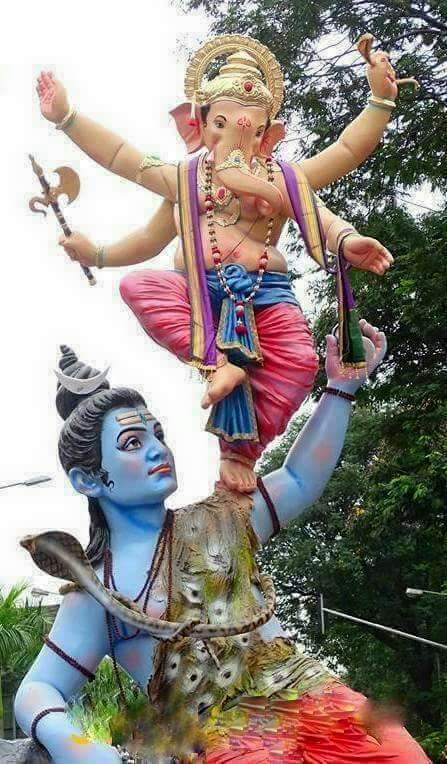
shiva-ganesh

At the base of this pertinacity lies, I believe, the importance of self, which Hinduism teaches before everything. Even the gods can be bought up and bargained with, and every Hindu has it in the back of his mind to retire sometime to the forest and concentrate on his own salvation. The idea of future happiness, where he is again an individual, has so gripped his imagination nothing can dislodge it.


Family, the dearly beloved sons, sacrifice, caste are simply stepping stones to personal salvation, and sacrifice s a bargain made with the gods for personal gain. The sacrifice of Hindu women, which we hear so much about, is based on tradition and fear. The women sacrifice themselves for the good of their husbands, because they must. Everything in Hinduism stands for the importance of self, and that self is male self. Mohammedans and Christians say that theirs are the highest gods, and the Hindu quietly accepts them and gives them a place in the Hindu pantheon. These Gods, the Hindu knows, can do nothing to overcome the belief in self; they are no more to the Hindu than his own gods.


All gods, then, are pegs to hold self-love. Siva can sleep in his snow clad paradise; Brahma may remain in his Satya loka; and Vishnu with his wife Lakshmi, can contemplate art in his heaven. When the Hindu wants them, he will use them for the salvation of self.


Character is based on man’s ideals, which are not necessarily the ideals of religion. Character of men and nations must be able to stand the strain of temptation and self-acquisition, when the latter means the disregard of human society. The Indian people have never been conquered in thought, and considering that this has been tried many times, it goes to prove that such conquest is not possible. The Indian must change himself, must want to change.


Once the Indian arouses himself, he will accomplish what no outsider can accomplish for him. Once he uses his great talents in a new direction, he will win the acclaim of a watching world.”


–Subham–


தமிழ்ப் பெண்கள் வெளிநாடு செல்ல தடை! (Post No.3203)

ammami

Written by London Swaminathan


Date: 30 September 2016


Time uploaded in London:10- 39 AM


Post No.3203


Pictures are taken from various sources; thanks.


Contact swami_48@yahoo.com


தொல்காப்பியர்—  தமிழ்ப் பெண்கள் கடல் கடந்து  வெளிநாடு செல்லக்கூடாது என்கிறார். மனுவோ,  பிராமணர்கள் வெளிநாட்டிற்குச் செல்லாக் கூடாதென்கிறார்.


முந்நீர் வழக்கம் மகடூ உ வோடு இல்லை – 980

—-பொருளதிகாரம், அகத்திணையியல், தொல்காப்பியம்


கடல் வழிப்பயணம் செல்லும்போது பெண்டிரை அழைத்துச் செல்வதில்லை– 980


“காலில் பிரிவு, கலத்தில் பிரிவு இரண்டனுள் கலத்திற் பிரிவு தலை மகளுடன் இல்லை.

முந்நீர் = கடல், கலம் = கப்பல்

beauty-long-hair-baack

கப்பல் ஏறிக் கடல் பயணம் செய்ய மகளிர் உரிமை பெறார். எனவே தலைவன், தலைமகளை உடன் கொண்டு கால்களால் நடந்து செல்லும் பிரிவு மட்டுமே மகளிர்க்கு உண்டு.

முந்நீர் வழக்கம் = ஓதலும் தூதும் பொருளும் ஆகிய மூன்று நீர்மையால் செல்லும் செலவு என்பார் நச்சினார்க்கினியர் (ம்துரை பாரத்வாஜ கோத்ரப் பார்ப்பனன் உச்சிமேற் புலவர் கொள் நச்சினார்க்கினியன்)

.


காளிதாசனும் மற்ற சம்ஸ்கிருதப் புலவர்களும் கூட இப்படித்தான் எழுதுகின்றனர். வியாபாரம், போர், அரசியல், தூது ஆகியவற்றுக்காக வெளி நாட்டிற்குச் சென்றவர்கள் திரும்பிவரும் வரை பெண்கள் சிகை அலங்காரம் செய்யக்கூடாதென்று எழுதி வைத்துள்ளனர். பிரிவு குறித்து ஏங்குவது பற்றியும் பருவ காலம் மாறுவதால் கணவன் வரும் அறிகுறிகள் தென்படுவதாகவும் எழுதி வைத்துள்ளனர்.


தொல்காப்பியர் மிகத் தெளிவாகவே சொல்லுகிறார்:–

பெண்கள் கடல் கடந்து போகக்கூடாது என்று.


சீதை போன்றவர்கள் ‘கடத்தப்பட்டதால்’, கடல் கடக்க வேண்டி இருந்தது. அதற்கும் கூட ஒரு வண்ணா ன் சொன்னான் என்பதற்காக தீப்புகுந்து தன் தூய்மையையும் நாணயத்தையும் நிரூபிக்க வேண்டி இருந்தது.


ஆண்கள் வெளி நாடு சென்றாலேயே கலாசாரச் சீரழிவுகள் ஏற்படுவதைக் கண்கூடாகப் பார்க்கிறோம். பெண்களும் போய், அவர்களும் தன் பண்பாட்டை விட்டு விட்டால், இப்பொழுது அமெரிக்கா, பிரிட்டனில் பிறந்த குழந்தைகள் போல ஆற்றில் ஒரு கால், சேற்றில் ஒரு கால் என்று வாழ்க்கை நடத்துவர். அவர்களுக்குப் பிறக்கும் குழந்தைகளுக்கோ “மம்மி, டாடி” –யயைத் தவிர அம்மா, அப்பா என்பதும் தெரியாது. அம்மா, அப்பாவின் பாசமும் பற்றும் புரியாது.


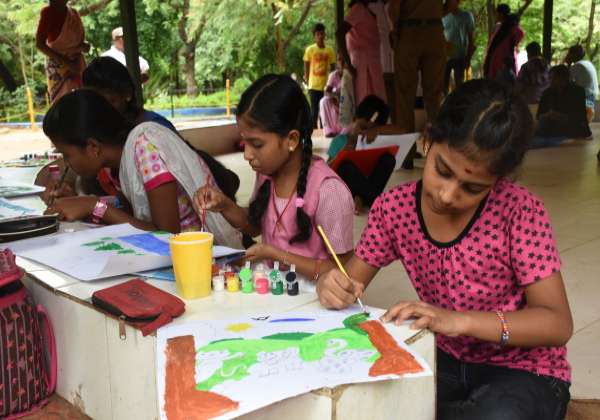
girls-painting

பிராமணர் மீது மனு விதித்த தடை மிகப் பொருத்தமானதே. தருமத்தை காக்கவேண்டிய அவனே தர்மத்தைப் பின்பற்ற முடியாத ஓரிடத்தில் சென்றால், வசித்தால் அமாவாசையும் கிடையாது பவுர்ணமியும் கிடையாது. தீபாவளி, பொங்கல் எல்லாம் காலண்டரில் மட்டுமே. அல்லது சங்கங்கள் நடத்தும் கலை நிகழ்ச்சிகளில் மட்டுமே.


ஆக தொல் காப்பியர் சொன்னது, மனு சொன்னது முதலியவற்றை அந்தக்காலத்தில் வைத்து அதன் பின்னணியில் பார்க்க வேண்டும்.


தொல்காப்பியர் பெண்களுக்கு வேண்டிய குணநலன்கள் பற்றிச் சொல்லுவதையும் கூட இன்று பெண்கள் ஏற்பார்களா என்பது ஐயப்பாடே!சந்தேகமே!


இதோ பெண்கள் பற்றி அவர் சொன்னது:–


கற்பும் காமமும் நற்பால் ஒழுக்கமும்

மெல்லியற் பொறையும்நிறையும் வல்லிதின்

விருந்து புறந்தருதலும்சுற்றம் ஓம்பலும்

பிறவும் அன்ன கிழவோள் மாண்புகள்

முகம் புகல்  முகைமையின் கிழவோற்கு உரைத்தல்

அகம் புகல் மரபின் வாயில்கட்கு உரிய – தொல்காப்பியம் 1098


பொருள்:-

உயிரினும் மேலாகக் கற்பு நெறியைப் போற்றலும், தலைவன் மீது மிகுந்த அன்பு காட்டுதலும், சான்றோர் கூறிய நல்லொழுக்கம் பேணலும், மென்மையான தன்மையுடைய சொற்களால் பிறர் கூறும் கடுஞ் சொற்களைப் பொறுத்தலும், ரகசியம் வெளிப்படாத வாறு மனதில் வைத்துக் கொள்ளலும், விருந்தினரை வரவேற்று உணவு படைத்தலும், சுற்றத்தாரைக் காத்தலும் — இவை போன்ற பிற பண்புகளும்  தலைவியிடம் அமைந்துள்ள நல்ல குணங்களாம்  . அவளுடைய செயல்களை முகம் மகிழ்ந்து  கேட்கும் நிலையில்  தலைவனிடம் உரைத்தல், மனைக்கண் பழகும் பாணர் , பாங்கர் போன்றோர் கூற்றுகளாக அமையும்.


azaki-with-metal-pot

எத்திணை மருங்கினும் மகடூஉ மடல்மேல்

பொற்புடை நெறிமை இன்மையான – 981


எந்த நிலத்திலும் பெண்கள் மடல் ஏறுதல் இல்லை அது சிறப்புடைய ஒழுக்கம் இல்லாததால்.


(ஆண்கள் மட்டும் பனை மர மடலால் செய்யப்பட்ட குதிரையில் ஏறி ஊரறிய, காதலை வெளிப்படுத் துவது தமிழரின் தனி வழக்கம்)


–subham–