நீங்களும் அதிர்ஷ்டத்தை அழைக்கலாமே! (Post No.3361)

WRITTEN BY S NAGARAJAN


Date: 17 November 2016


Time uploaded in London:5-11 AM


Post No.3361


Pictures are taken from various sources; they are representational only; thanks.


contact; swami_48@yahoo.com


பாக்யா 18-11-16 இதழில் வெளிவந்துள்ள கட்டுரை


நீங்களும் அதிர்ஷ்டத்தை அழைக்கலாமே!

ச.நாகராஜன்

“சிலர் அல்லும் பகலும் தெருக் கல்லாயிருந்து விட்டு அதிர்ஷ்டம் இல்லை என்று அலட்டிக் கொண்டார்” –

நாடோடி மன்னன் படத்தில் கவிஞர் பட்டுக்கோட்டை கல்யாணசுந்தரம அவர்களின் பாடல்


அதிர்ஷ்டமே இல்லை என்று அலட்டிக் கொள்பவர்களில் ஒருவரா நீங்கள்? இனி கவலையை விடுங்கள். அதிர்ஷ்டத்தை நீங்கள் அழைக்கலாம். அறிவியல் அதிர்ஷ்டத்தை அலசி ஆராய்ந்து துணை புரிய வருகிறது.

இப்போது உலகெங்கும் பரபரப்பாகப் படிக்கப்படும் புத்தகங்கள் சான்ஸ் எனப்படும் அதிர்ஷ்டத்தைத் தரும் வாய்ப்பைப் பற்றி புத்தகங்களே!


கேய்ட் சுகெல் (Kayt Sukel)என்ற பெண்மணி தன் குழந்தையை இடுப்பில் கட்டிக் கொண்டு ஆப்பிரிக்காவையும் மத்திய கிழக்கையும் அடி அடியாக அளந்தவர். ரிஸ்க் எனப்படும் அபாயம் என்றால் அவருக்கு வெல்லக்கட்டி. துணிந்து ரிஸ்க் எடுத்து வாழ்ந்து பழகிய இவர் ‘தி ஆர்ட் ஆஃப் ரிஸ்க்’ (The Art of Risk) என்ற புத்தகத்தை எழுதியுள்ளார். இது அதிர்ஷ்ட விரும்பிகளின் கவனத்தை ஈர்த்துள்ளது.


கவனமுடன் தேர்ந்தெடுக்கப்பட்ட ரிஸ்கை – அபாய முடிவுகளை – எடுங்கள் என்பதே இவரது அறிவுரை.

மனிதர்களிடம் ஒவ்வொருவரிடமும் ஒரு ரிஸ்க் கால்குலேடர் இயல்பாகவே இருக்கிறது என்கிறார் அவர். சூழ்நிலை, அனுபவம், அவசியம் ஆகியவற்றோடு நிலைமையை சரியாகக் கணிக்கும் மூளைத் திறனும் உள்ளவர்கள் ஜெயிப்பது நிஜம் என்கிறார் இவர். அதிக ரிஸ்கை இயல்பாக எடுக்கும் பலருக்கு ஜீன்கள் எனப்படும் மரபணுவும் ஒரு காரணம். DRD4 GENE இன் மாற்றுரு (Variant) ஒன்றைக் கொண்ட கல்லூரி மாணவ மாணவியர் லாபரட்டரி சோதனைகளில் மிகவும் துணிச்சலுடன் புதிய சோதனைகளைச் செய்து பார்ப்பது ஆய்வுகளிலிருந்து தெரிய வருகிறது.


அபாயகரமான முடிவுகளை அதிகம் எடுப்பவர்கள் நல்ல திறம்படத் திட்டமிடும் திறன் உடையவர்கள் என்பது இவர் தரும் சுவையான செய்திகளுள் ஒன்று.

புத்தகத்தை முடிக்கும் போது, “ஒவ்வொரு நாளும் நாம் எடுக்கின்ற முடிவுகளில் அது பெரிதோ சிறிதோ, வாழ்க்கையை மாற்றுவதோ அல்லது சாதாரணமானதோ, அதில் ஒரு ரிஸ்க் – அபாயம் இருக்கிறது என்பதை ஒத்துக் கொள்ளுங்கள்” என்கிறார். ஆக அதிர்ஷ்டத்தை அழைக்க அடிப்படைத் தகுதி கவனமுடன் ரிஸ்கைத் தேர்ந்தெடுத்துச் செயல்படும் திறனே!


    அடுத்து அதிரடியாக வாய்ப்பைப் பற்றிச் சொல்லும் இன்னொரு கலக்கல் புத்தகம் ‘தி பெர்ஃபெக்ட் பெட்’ (The Perfect Bet)  இதை எழுதியவர் பிரபல கணித மேதையான ஆடம் குர்சார்ஸ்கி (Adam Kucharski) .   லாட்டரி, சூதாட்டம் போன்றவற்றில் மறைந்திருக்கும் தகவல்களை அலசி ஆராய்ந்து, என்ன நடக்கப்போகிறது என்று தெரியாத நிச்சயமற்ற தன்மையுடன் நாம் புத்திசாலித்தனமாக பேரம் பேசினால் வெற்றி தான் என்கிறார்.


அடுத்து பிரிட்டனைச் சேர்ந்த விஞ்ஞானியும் எழுத்தாளருமான ராபர்ட் மாத்யூஸ் எழுதிய ‘சான்ஸிங் இட்’ என்ற புத்தகம் (Chancing It by Robert Mathhews)  அனைவராலும் விரும்பி வாங்கப்படுகிறது.           


இவர் தெள்ளத் தெளிவாக வெற்றிக்கான வழிகளை அடுக்குகிறார்.  சூதாட்டத்தையும் லாட்டரியையும் நடத்துவோர் கணிதத்தின் ப்ராபபலிடி (Probability) எனப்படும் இயலும் நிலை பற்றி நன்கு அறிந்தவர்கள். அவர்கள் தங்கள் வணிகத்தில் தோற்கவே மாட்டார்கள். அவர்கள் நம்புவது சூதாட வருவோரின் தொடர்ந்து ஆட வேண்டும் என்ற வெறி கொண்ட மன நிலையையே. ஆகவே ஓரிரு முறை வெற்றி பெற்றவுடன் சூதாட்ட களத்தை விட்டுக் கடையைக் கட்ட வேண்டும் என்கிறார் ராபர்ட்.


அடுத்து குறிப்பிட்டுச் சொல்லப்பட வேண்டியவர் ரிச்சர்ட் வைஸ்மேன் (Richard அதிர்ஷ்டம் பற்றி முறைப்படி பல ஆண்டுகள் ஆராய்ந்தவர் ஹெர்ட்போர்ட்ஷைர் பல்கலைக்கழகத்தில் உளவியல் பேராசிரியராகப் பணியாற்றுபவர்.  


   இவர் அதிர்ஷ்டசாலிகளைத் தேடிப் பிடித்து ஆராய்ந்தார். 400 தன்னார்வத் தொண்டர்களைத் தன் ஆய்வுக்காக அழைத்தார். இதில் 18 முதல் 84 வயது வரை உள்ளவர்கள் அடக்கம்! இவர் ஆய்வின் முடிவில் கண்டு பிடித்தது அதிர்ஷ்டசாலிகளுக்கும் ஏனையோருக்கும் அடிப்படையிலேயே அணுகு முறையில் வித்தியாசம் இருக்கிறது என்பதைத் தான். யார் வேண்டுமானாலும் அதிர்ஷ்டசாலியாகலாம் என்று கூறும் இவர் நான்கு பயனுள்ள குறிப்புகளைத் (டிப்ஸ்) தருகிறார்.


  • அதிர்ஷ்டசாலிகள் தங்களது நல்ல காலத்தைத் தாங்களே உருவாக்குகிறார்கள் அவர்கள் நல்ல வாய்ப்புகள் வரும் போது நழுவ விடுவதே இல்லை. நல்ல வாய்ப்புகள் வரும் போது அதை அவர்கள் சிறப்புடன் இனம் காணுகிறார்கள்.
  • தங்கள் உள்ளுணர்வு அல்லது அந்தரங்க குரலை அவர்கள் கேட்கிறார்கள். மதிக்கிறார்கள். அதன் படி முடிவெடுக்கிறார்கள். பகுத்தறிவுடன் எடுக்கும் முடிவுக்கு அவர்கள் அவ்வளவாக மதிப்புக் கொடுப்பதில்லை!
  • தங்களது வெற்றிக்கான இலக்கை நிர்ணயிப்பதோடு அதை அடைந்து விட்டதாக கணிப்பையும் செய்து விடுகிறார்கள் அந்த அதிர்ஷ்டசாலிகள். வரப்போகும் வெற்றியை பாஸிடிவாக எதிர்பார்த்துக் காத்திருக்கிறார்கள் அவர்கள்.
  • தங்கள் பயணத்தில் தடைகள் வந்தால் அவர்கள் தளர்வதில்லை. மோசமான தோல்விகளை அல்லது துரதிர்ஷ்டங்களை அல்லது சவால்களை அவர்கள் கடுமையாக எதிர்கொண்டு நிற்பதோடு அவற்றை நல்லதிர்ஷ்டமாக மாற்றவும் செய்கிறார்கள்.


இந்த நான்கு விதிகளைக் கடைப்பிடிப்பவர்கள் நாளடைவில் தோல்விகளைச் சந்திப்பதே இல்லை. அவர்களுக்கு அதிர்ஷ்டம் என்பது இயல்பான வாழ்க்கைப் பழக்கமாக ஆகி விடுகிறது என்கிறார் வைஸ்மேன்.


இதற்கான ஏராளமான உதாரணங்களை அவர் அடுக்கிக் கொண்டே போகிறார். ஆகவே அவர் சொல்வதைக் கேட்டுக் கடைப்பிடித்தால் அதிர்ஷ்டசாலி ஆவது நிச்சயமே!

எளிதில் கடைப்பிடிக்கக் கூடிய இந்த டிப்ஸ்களைப் பயன்படுத்தி நீங்களும் அதிர்ஷ்டத்தை அழைக்கலாமே!


–Subham–


கத்திச் சண்டை போட்ட கணித மேதை! (Post No.3360)

WRITTEN BY S NAGARAJAN


Date: 16 November 2016


Time uploaded in London:9-09 AM


Post No.3360


Pictures are taken from various sources; they are representational only; thanks.


contact; swami_48@yahoo.com


ச.நாகராஜன்


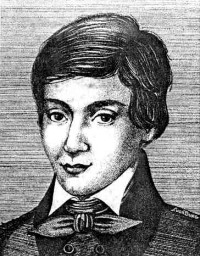
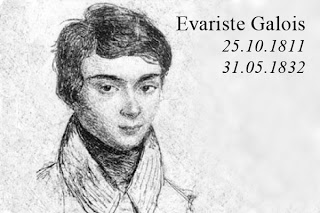
பிரான்ஸ் நாட்டைச் சேர்நத இவாரிஸ் கலோயிஸ் (Evariste Galois) ஒரு இளவயதுக் கணித மேதை. (தோற்றம் 25-10-1811; மறைவு : 31-5-1832) அருமையான குடும்பத்தில் பிறந்த அவர் இளமையிலிருந்தே இரண்டு விஷயங்களில் அதீத ஈடுபாட்டுடன் இருந்தார். ஒன்று புரட்சி அரசியல் மீது ஈடுபாடு இன்னொன்று கணிதத்தில் ஈடுபாடு. 12 வயதிலேயே அவரது கணிதத் திறமை நன்கு புலப்பட்டது.


அவரது தந்தை திடீரென்று இறக்கவே மேல் படிப்பு படிக்கக் கையில் பணமில்லாது போனது. கணித டியூஷனுக்கு வருமாறு ஒரு நோட்டீஸை மளிகைக் கடை வாசலில் தொங்க விட்டார். மாணவர்கள் வந்தனர். ஆனால் அவர்களுக்கு கலோயிஸின் உயர் அறிவு புரியவே இல்லை. ஓடி விட்டனர்.

பிரான்ஸோ புரட்சிவாதிகளால் இரண்டாகப் பிரிந்து சண்டையில்  அல்லோலகல்லோலப் பட்டுக் கொண்டிருந்தது..

அந்தக் காலத்தில் எந்த ஒரு விஷயத்தையும் முடிவு கட்ட டியூயல் எனப்படும்  சண்டை நடைபெற்று வந்தது. நிர்ணயிக்கப்பட்ட விதிகளின் படி பெரும்பாலும் கத்திச் சண்டையில் போட்டியாளர்கள் ஈடுபடுவர். ஒருவர் சாகும் வரை சண்டை தொடரும்!


கோழி காணாமல் போயிற்று என்றாலும் சரி, அரசியல் கொள்கை பற்றிய முடிவு எடுக்க வேண்டுமென்றாலும் சரி, பிரான்ஸில் டியூயல் தான். முதல் உலக மகாயுத்தம் வரை இந்த டியூயல் பிரான்ஸில் பிரபலமாக இருந்தது.

துரதிர்ஷ்டவசமாக கலோயிஸும் இந்த டியூயலில் ஈடுபட வேண்டி வந்தது. சிலர் இதை காதலுக்காக என்கின்றனர். சிலரோ அரசியல் புரட்சி காரணங்களுக்காக என்கின்றனர்.

இறப்பதற்கு முதல் நாள் முடிக்காத தனது கணித ஆய்வுப் பேப்பர்களை எடுத்து வைத்துக்  கொண்டு இரவு முழுவதும் அவர் எழுதிக் கொண்டே இருந்தார். பல  இடங்களில் பலவற்றை விளக்காமல் மார்ஜினில் நேரம் இல்லை, நேரம் இல்லை என்று எழுதி விடைகளை மட்டும் எழுதிக் கொண்டே போனார்.


     மறு நாள் இறந்து விடுவோம் என்பதைத் தெரிந்து கொண்டவர் போல இரு கடிதங்களை எழுதி, “நான் நாட்டுக்காக உயிர் விடுகிறேன் என்பதை நினைவில் கொள்ளுங்கள்’ என்று உருக்கமாக அறிவித்தார். மறுநாள் நிர்ணயித்த படி சண்டை நடைபெற்றது. அதில் அவர் உயிரிழந்தார். அப்போது அவருக்கு வயது  21 தான். க்ரூப் தியரியைக் (Group Theory) கண்டுபிடித்த இந்த இள வயது மேதையின் அகால மரணம் விஞ்ஞான வரலாற்றில் சோகமான ஒன்று!


******


Single is each man born; Single he dies: Manu (Post No.3359)

Compiled  by London Swaminathan


Date: 16 November 2016


Time uploaded in London: 5-14 am


Post No.3359


Pictures are taken from various sources; they are representational only; thanks.


contact; swami_48@yahoo.com


13 Day Hindu Funeral Rites- Part 1


Recorded by The Rev. J E Padfield B.D., year 1908, in his book The Hindu at Home.


(Uttara Kriya)


Manava Dharmasastra, the greatest and first comprehensive Law book in the world describes the death of a Hindu in the following couplets:-


“Single is each man born; single he dies: single he receives the reward of his good, and single the punishment of his evil deeds.


When he leaves his corpse, like a log or a lump of clay, on the ground, his kindred retire with averted faces; but his virtue accompanies his soul.” (Manu, iv, 240-1.)


“A mansion with bones for its rafters and beams; with nerves and tendons for cords; with muscles and blood for mortar with skin for its outward covering.


A mansion infested by age and by sorrow, the seat of malady, and harassed by pains, haunted with the quality of darkness, and incapable of standing long; such a mansion of the vital soul let its occupier always cheerfully quit.


As a tree leaves the bank of a river, when it falls in, or as a bird leaves the branch of a tree at his pleasure, thus he, who leaves his body by necessity or by legal choice, is delivered from the ravening shark, or crocodile, of the world.” (Manu vi, 76- 8.)

Why do good people die?


There is a curious passage in Manu where the question seems to be raised as to how death can have any power over such holy beings as Brahmins, especially those learned in the Vedas and who undeviating perform the duties laid down for their guidance. A reason is given for the mortality of a twice-born who may have been remiss performing religious or has offended in the matter of diet.


The fifth chapter of “Manava Dharma Sastra,” which opens with the passage referred to, is largely composed of the most minute rules and regulations as to diet. It is difficult to conceive the possibility of a mortal man’s avoiding some offence named and thus rendering himself amenable to death. The passage is as follows:


“The sages, having heard those laws delivered for the conduct of house-keepers, thus addressed the high-minded Bhrigu, who proceeded in a former birth from the genius of fire.


How, Lord, can death prevail over Brahmins, who know the scriptural ordinances and perform their duties as they have been declared?

Then he, whose disposition was perfect virtue, even Bhrigu, the son of Manu, thus answered the great Rishis (seers):-


‘Hear, from what sin proceeds the inclination of death to destroy the chief of the twice-born’


“Through a neglect of reading the Véda, through a desertion of approved usages, through supine remissness in performing holy rites and through various offences in diet, the genius death becomes eager to destroy them. (Manu, v.1-4)

Panchagavyam, Just before dying!


When amongst the Hindus of all castes and of both sexes est a person the point of death, the family priest is summoned to administer the last sacrament (Jivanamaskaram) which is administered in the following manner:–


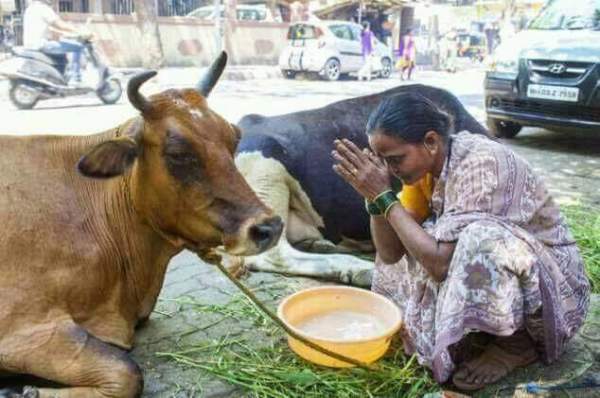
The sick person is lifted from the couch upon which he may be lying, and is made to recline upon the ground, supported by a low stool. A couch is not considered a pure place (madi) and the friends of a sick person will not even feed him whilst lying on it, unless he is too ill to be moved. The priest then approaches with the Panchagavyam. This is a mixture of five products of the cow: milk, curd, butter, urine and dung.


The dying person is first asked to recite after the priest certain Mantras, and if he is too weak to articulate, he is desired to recite them to himself.

Afterwards the vessel containing the Panchagavyam mixture is placed to his lips and some of it poured into the mouth. This whole is called Prayachittam or the ceremony expiation. Of the various texts recited, two are given below as specimens:–


“I take this sacrament of panchagavyam for the absolution of my sins, both those committed voluntarily and involuntarily”

Jnana ajnana krta dosha prayachittartham panchagavyasamskaram karishye


“Whatever sins adhere to the skin and bone now present in this body,

May the partaking of this panchagavyam

Destroy them as fire destroys fuel.”


Yatvagastigatam papam  dehe tishtati mamake

Prasanam panchagav dahatyagnirivendhanam


Must die on the Ground!

The sick person is then replaced upon the couch to await the end though sometimes he may recover. If from sudden death or any other cause, this ceremony cannot be performed, the death is not considered a happy one.


When it is evident that death is very near, the dying person is laid on the ground, which has been previously prepared by smearing it with cow dung and by placing some of the sacred grass (darbha). It is very important that a person should breathe his last on the earth. Indeed, it is a common way of cursing to say, “When you come to die may there be no one to place you on the ground”


Not allowed to die inside the house!


There are certain phases of the moon during which would be considered a serious calamity for anyone to die inside the house. Should death draw near at such a period, the patient is carefully taken outside to die in some outer verandah. If, through a misfortune, he should die inside the house during a period, the whole dwelling is considered polluted. It must be entirely vacated for some time, after which a ceremony called “punyachavachanam” is performed in the place to purify it before it can be re-occupied. Sometimes when such a calamity does befall a house hold, in order to avoid the trouble and cost of moving out entirely, a hole is made in the sidewall of the house, near the room where the death took place, and the body is passed outside through the hole. In such a case, only that side of the house will be impure and need purification; the other part can be inhabited usual. This mode of action, however, is not considered proper or respectable and it is thought to reflect dishonour upon the dead.


When an orthodox Hindu is at the point of death, a Brahmin brings a cow, marks its forehead with vermillion (kunkum) and salutes it. A little Ganges water is poured into the mouth of the dying man. Alms are given to Brahmins and to beggars; and just at the moment of dissolution he is removed into the open air or conveyed to the river bank.


To be continued………………..


இடி ஓசையை மிஞ்சும் புகழ் ஓசை! (Post No.3358)

Written by London Swaminathan


Date: 16 November 2016


Time uploaded in London: 4-51 am


Post No.3358


Pictures are taken from various sources; they are representational only; thanks.


contact; swami_48@yahoo.com


நாலடியாரில் ஒரு நல்ல பாடல்.


முரசொலி பெரிதா, இடி ஓசை பெரிதா, புகழோசை பெரிதா என்று ஒப்பிடுகிறார் ஒருபுலவர்.


நாலடியார் என்பது 18 கீழ்க்கணக்கு நூல்களில் ஒன்று. சமண முனிவர்களால் பாடப்பட்ட பாடல்கள் இதில் அடக்கம். திருக்குறள் போலவே நீதிநெறியை இயம்பும் பாடல்கள்.


கடிப்பிடு கண்முரசங்  காதத்தோர் கேட்பர்

இடித்து முழங்கியதோர் யோசனையோர் கேட்பர்

அடுக்கிய மூவுலகுங் கேட்குமே சான்றோர்

கொடுத்தாரெனப்படுஞ் சொல்


பொருள்:-

குறுந்தடியால் அடிக்கப்படும் முரசின் ஒலியை ஒரு காத தூரம் வரை கேட்கலாம். மேகம் இடித்து எழுப்பும் இடி ஓசையை ஒரு யோசனை தூரம் வரை கேட்கலாம். இவர் ஏழைகளுக்குக் கொடுத்து உதவினார் என்று சான்றோர் சொல்லும் சொல் பூலோகம், புவர் லோகம், சுவர் லோகம் ஆகிய மூன்று உலகக்ங்களிலும் கேட்கும்.


(காதம் என்பது ஏழரை மைல், யோசனை என்பது 30 மைல் என்று ஒரு கணக்கு உண்டு. யோசனை என்பது எட்டு மைல் என்று சொல்வோரும் உண்டு.)


ஈரேழு பதினான்கு உலகங்களையும் சுருக்கமாக மூவுலகம் என்றும் சொ ல்லுவர். மேலுலகம் நடு உலகம் கீழ் உலகம் என்ற பொருளில் இப்படிக் கூறுவதும் அல்லது கிருதகம், அகிருதகம், கிருதகாகிருதகம் என்ற மூன்று வகை என்போரும் உளர்.


கிருதகம் என்றால் செய்யப்பட்ட உலகங்கள் அதாவது பூமி, பாதாளம் முதலியவை. அகிருதகம் என்றால் செய்யப்படாதவை. அவை தபோலோகம் சத்தியலோகம் முதலானவை. கிருதகாகிருதகம் என்றால் செய்யப்பட்டதும் செய்யப்பபடாததுமாயுள்ள உலகங்கள். அதவது சொர்கம் முதலியவை.


இந்திரன் கோவில் முரசொலி


முரசொலி என்றவுடன் புறநானூற்றூப் பாடல் ஒன்றும் நினைவுக்கு வருகிறது. ஆய் அண்டிரன் இறந்தவுடன் அவன் கொடைத் தன்மையைக் கருதி அவனை,  இந்திரன் முரசு அறைந்து வரவேற்றானாம். இதைச் சொல்லுபவர் உறையூர் ஏணிச்சேரி முடமோசியார் ஆவார்.


திண்தேர் இரவலர்க்கு ஈத்த, தண்தார்,

அண்டிரன் வரூஉம் என்ன ஒண்தொடி

வச்சிரத்தடக்கை நெடியோன் கோயிலுள்

போர்ப்புறு முரசம் கறங்க

ஆர்ப்பு எழுந்தன்றால், விசும்பினானே (புறம் 241)


வச்சிரத்தடக்கை நெடியோன் = இந்திரன்.


பொருள்:-

பெரிய, வலிய தேர்களை வறியவர்களுக்கு வழங்கியவன்; குளிர்ந்த மாலையை உடையவன்; ஆய் வள்ளல் வருகின்றான் என, இந்திரன் கோவிலில் முரசம் முழங்குவதால், வானத்திலும் இடியொலியாகிய பேரொலியும் எழுகின்றதே.


-subham–


தானத்தால் பெருகிய நீரும், துக்கத்தால் பெருகிய நீரும்! (Post No.3357)

WRITTEN BY S NAGARAJAN


Date: 15 November 2016


Time uploaded in London:13-57


Post No.3357


Pictures are taken from various sources; they are representational only; thanks.


contact; swami_48@yahoo.com


by ச.நாகராஜன்


கடல்.

அதைப் பார்த்து வியக்காத மனிதர் உண்டா, என்ன?

அதைப் பாடாத கவிஞர் உண்டா என்ன?

ஒவ்வொரு கவிஞரும் கடலை ஒவ்வொரு பார்வையில் பார்க்கும் விதமே சுவையானது.


திருவள்ளுவர், வால்மீகி, கம்பன், திருத்தக்க தேவர், சிறுவெண்தேரையார், பாரதியார், ரவீந்திரநாத் தாகூர் உள்ளிட்ட நம் நாட்டுக் கவிஞர்களும் மேலை நாட்டுக் கவிஞர்களும் கடலை பல்வேறு பார்வைகளில் பார்த்துத் தங்கள் கருத்துக்களைப் பதிவு செய்திருக்கிறார்கள்.


அனைத்துமே அருமை தான்!

இரு பாடல்களை இங்கு பார்ப்போம்.

சிறுவெண்தேரையார் என்ற சங்க காலப் புலவர் பாடிய பாடல் புறநானூற்றில் 362ஆம் பாடலாக மலர்கிறது.


ஞாயிற்று அன்ன ஆய் மணி மிடைந்த
மதி உறழ் ஆரம் மார்பில் புரளப்
பலி பெறு முரசம் பாசறைச் சிலைப்பப்
பொழிலகம் பரந்த பெருஞ்செய் ஆடவர்
செருப்புகன்று எடுக்கும் விசய வெண் கொடி
அணங்கு உருத்தன்ன கணங்கொள் தானை
கூற்றத்து அன்ன மாற்றரு முன்பின்
தாக்குரல் காண்பின் அந்தணாளர்
நான்மறை குறித்தன்று அருளாகாமையின்
அறம் குறித்தன்று பொருளாகுதலின்
மருள் தீர்ந்து மயக்கு ஒரீஇக்
கை பெய்த நீர் கடற்பரப்ப
ஆம் இருந்த அடை நல்கிச்
சோறு கொடுத்து மிகப் பெரிதும்
வீறு சான் நன் கலம் வீசி நன்றும்
சிறு வெள் என்பின் நெடு வெண் களரின்
வாய் வன் காக்கை கூகையொடு கூடிப்
பகலும் கூவும் அகலுள் ஆங்கண்
காடு கண் மறைத்த கல்லென் சுற்றமொடு
இல் என்று இல் வயின் பெயர மெல்ல
இடஞ் சிறிது ஒதுங்கல் அஞ்சி
உடம்பொடும் சென்மார் உயர்ந்தோர் நாட்டே.


    பாட்டுடைத் தலைவன் சாதாரணமானவன் அல்லன். அவனைப் புகழ வந்த புலவர் சூரியனையும் சந்திரனையும் இணைக்கிறார். ஞாயிறு அன்ன ஆய மணி மிடைந்தவன்.மதி உறழ ஆரம்  மார்பில் கொண்டவன். பலி பெற்ற முரசுகள் போர்க்களப் பாசறையில் முழங்குகின்றன. விஜய வெண்கொடியை ஏந்தி பெரும் செயலைச் செய்யும் வீரர்கள் நாடெங்கும் பரந்துள்ளனர். அவர்களைப் பார்க்கவே கூற்றுவன் போல உள்ளது.


ஓ, பிராமணர்களே! தாக்குகின்ற குரல்களைக் (தாக்கி வரும் பகைவர்களின் ஒலிகளைக்) கேளுங்கள்! இது நான்கு வேதங்களிலும் குறிப்பிடப்பட்ட ஒன்று அல்ல! இது அருள் இல்லாதது என்பதால் இது அறம் சார்ந்த ஒன்று அல்ல. இது பொருள் குறித்தது. அறத்திற்கும் அருளுக்கும் சம்பந்தமில்லாத (மெடீரியலிஸம் குறித்த) ஒன்று. மருளும் தீர்ந்தது. மயக்கமும் ஒழிந்தது.

தலைவன் அந்தணர்களின் கையில் நீர் பெய்து வாரி வழங்குகிறான்.

அவன் இப்படிக் கொடுத்து கீழே விழும் நீர் எவ்வளவு தெரியுமா?

“கை பெய்த நீர் கடற் பரப்ப”


அவன் கையிலிருந்து வழிந்த நீர் கடலாக ஆயிற்று.

அவன் வளம் கொழிக்கும் நிலங்களைக் கொடுத்தான். சோறு கொடுத்தான். விலையே மதிக்க முடியாத நல் பரிசுகளை அளித்தான். வெள்ளை எலும்புகள் சிதறிக் கிடக்க, வன் வாய் உள்ள காக்கை மற்றும் ஆந்தைகள் ஆகியவை இருக்கும் பகலிலும் நிரம்பியுள்ள காட்டில் உள்ள அவனது வீடு பேச்சுச் சத்தம் நிறைந்த சுற்றத்தாரால் நிரம்பி உள்ளது. ஆகவே இடம் சிறிது தான் இருக்கிறது என்று பயந்து அங்கிருந்து தன் உடலுடன் கிளம்பி பெரும் வீரர்கள் உள்ள நாட்டை நோக்கிச் சண்டையிட அவன் விரும்பிக் கிளம்புகிறான்.


   இந்தப் பாடலில் கடலை உவமையாகச் சொல்ல வருகிறார் கவிஞர். தலைவன் கையினால் நீர் சொரிந்து தானம் வழங்க அந்த நீர் கடல் எனப் பெருகிற்றாம்!


கடலைத் தானத்தால் கொடுத்த நீர் பெருக்கிற்கு சங்கப் புலவர் இப்படி ஒப்பிட்டார் என்றால் இன்னொரு புலவர் துக்கத்தால் பெருகிய நீருக்கு கடலை ஒப்பிடுகிறார்.


இரு வேறு பார்வைகள்; ஆனால் கடல் ஒன்று தான்!


திருத்தக்க தேவர் இயற்றிய சீவக் சிந்தாமணியில் வரும் பாடலைப் பார்ப்போம். பதுமையார் இலம்பகத்தில் அழகியான பதுமைக்கு அவளது தோழி கூறுவதாக அமைந்துள்ள பாடல் இது:


“பிரிந்தவர்க்கு இரங்கிப் பேதுற்று அழுத நம் கண்ணின் நீர்கள்

சொரிந்தவை தொகுத்து நோக்கில் தொடுகடல் வெள்ளம் ஆற்றா

முரிந்த நல் பிறவி மேனாள் முற்றிழை இன்னும் நோக்காய்

பரிந்து அழுவதற்குப் பாவாய் அடியிட்டவாறு கண்டாய்!”

                          (சீவக சிந்தாமணி பாடல் எண் 1391)


பேதுற்று – வருத்தமடைந்து

தொடுகடல் – தோண்டப்பட்ட கடல்

ஆற்றா – அள்விடமுடியாது

முரிந்த –  கெட்ட


பாடலின் பொருள் :


பிரிந்து சென்ற கணவர்களை நினைத்து வருந்தி அழுதவர்கள் விட்ட கண்ணீரைக் கணக்கெடுத்துப் பார்த்தால் விண்ணைத் தொடவிருந்த கடல் நீரும் அதற்கு உவமை சொல்லப் பொருந்தாது. இழைமணி அணிந்தவளே! இன்னும் கேட்பாய்! முற்பிறவியில் அப்படி நாம் அழுது சிந்திய கண்ணீர்ரே, இப்பிறவியில் நாம் அப்படி வருந்தி அழுவதற்கு அடிக்கல் இட்டது போல அமைகிறது என்பதை அறிவாயாக!


   ஒவ்வொரு பிறவியிலும் பிரிந்த கணவனை எண்ணி அழுத கண்ணீர் வெள்ளம் கடலை விடப் பெரியது எனச் சொல்லி திருத்தக்க தேவர் கடல் நீரை கண்ணீர் வெள்ளத்திற்கு ஒப்பிடுகிறார்.


   அத்தனை பிறவிகள்! அத்தனை கணவர்கள்! அத்தனை பிரிவுகள்! அத்தனை ஆற்ற ஓண்ணா அழுகை ஓலம்!


    கடலைக் கண்டவுடன் பிறவிகளின் எண்ண முடியாத் தொடர்ச்சியும் அதில் பிரிவின் வேதனையும் அதனால் விளைந்த கண்ணீரும் கவிஞருக்கு நினைவில் வருகிறது; கவிதை மலர்கிறது.


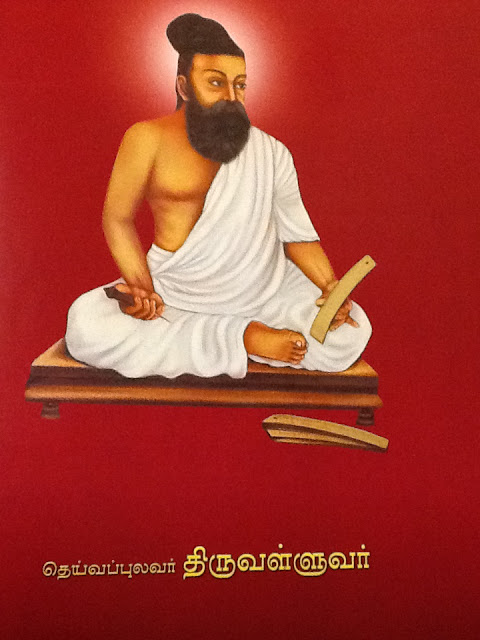
பிறவிப் பெருங்கடல் என்றார் வள்ளுவரும்.

பிற ஆழி நீந்தல் அரிது என்ற அவர் யாருக்குப் பிற ஆழி நீந்த முடியாத ஒன்று என்பதையும் விளக்கமுறச் சொல்கிறார்.

அற ஆழி அந்தணன் தாள் சேர்ந்தாருக்கு அல்லால் — பிற ஆழி நீந்தல் அரிது.


அற ஆழி என்பதை தர்ம சக்கரம் என்று விளக்குகிறார் பரிமேலழகர்.

தர்ம சக்கரம் ஏந்திய அறமுடைய இறைவனின் அடி சேர்ந்தவர்க்கு அல்லால் பிற ஆழி நீந்தல் முடியாது..


கடலை மட்டும் எடுத்துக் கொண்டு உலக இலக்கியங்களை அலச ஆரம்பித்தால் நாம் தெரிந்து கொள்ளும் உண்மைகள் ஏராளம். நூற்றுக் கணக்கான சுவையான பாடல்கள் உள்ளன.

********


Hindus’ belief in Gem Stones (Post No.3356)

Compiled  by London Swaminathan


Date: 15 November 2016


Time uploaded in London: 9-12 am


Post No.3356


Pictures are taken from various sources; they are representational only; thanks.


contact; swami_48@yahoo.com


Recorded by The Rev. J E Padfield B.D. year 1908 in his book The Hindu at Home.


It is an old world notion that magic properties are attached to certain gems, and this idea has been systematized by the Hindus. It is called “The Test of Precious Stones” (Ratna Pareeksha). But the testing is largely confined, to the luckiness or otherwise of the particular gem and has nothing to do with its intrinsic value, nine kinds of precious stones are enumerated and mention is made of the  deity, or planet with which each is connected.


It is stated that the wearer of a particular gem receives the blessing of the patron deity. Thus rubies are the favoured gems of the sun; diamonds of Venus; pearls the moon; emeralds of Budha, the son of the moon. sapphires of Saturn; cat’s eye of the dragon’s tail, or descending node of the moon (Rahu); topaz of Jupiter; coral of the ascending node of the moon (Ketu) and the agate of Mars.


Faulty Gems!

Six kinds of rubies with flaws are enumerated, each of which is said to bring misfortune to the wearer. A ruby, with milky layers enveloping it, is said to bring poverty to the wearer; one with a broken ray in it will cause quarrels and disputes; one chipped will make enmity between relatives; one full of cracks will plunge the wearer into sorrows for ever; one with many flaws will endanger the life of the wearer one rough and dark in colour will be sure to cause evils. It is advisable to avoid either of these six kinds. It is also said that rubies containing two or three round spots are not lucky. It is not advisable to cast one’s eyes upon such a stone on awaking in the morning. It is most lucky to wear good and pure rubies; the sun, their patron, will bless the wearer with wealth and prosperity castes.

diamond

Diamonds are divided into four classes or castes. Those that are pure white are said to be of Brahmin caste, and bestow great benefits upon of wearer. Those that are red, are of the Kshatriya caste, and bestow upon the wearer the power. Those that are yellow are of the Banya caste, and bestow prosperity generally. Those that are black, are of the Sudra caste, and mean ruin to the wearer.


When a diamond contains shining streaks, resembling the feet of a crow, it will cause death of the wearer. If a pure diamond is worn, Venus, its patron, will bless the wearer with the comforts of life.


There are said to be nine places in which pearls are found. In the clouds; this kind said to be oval in shape, and to be worn by the gods. In the of a serpent; these are said to be like small seed, and to have the quality of relieving the wearers from all troubles. In the hollow of a bamboo; these are said to be black in colour, and give the wearer certain attractions. In a fish; these are white in colour, and protect the wearer from danger by fire. In the head of an elephant ; these are yellowish green and should be worn by king. In a sugarcane, this kind is of reddish colour and is said to have the power of causing all , even and queens, to be subjected to be subjected to the will of the wearer. In a conch shell; these are said to be like a dove’s egg, but they cannot be obtained by ordinary men. it requires a knowledge of mantrams, or of magic, to get them. In the tusk of a wild boar; this kind is red in colour, and is in size like the regu fruit (ziziphus jujuba); it will bring fame to the wearer.

pearl

In the pearl oyster; of these there are said to be three kinds, of a reddish, a golden, or a white colour. The moon, the patron of pearls, will bless a wearer of pure pearls with fame and the pleasures of life.

emerald

Emeralds are said to be of eight classes according to their colour. Poisons have no power over those persons who wear a good emerald. It gives protection against the power of the evil eye and develops the mental faculties. Emeralds also have the power of protecting the wearer of one from the designs foes, from sorrows, madness, internal pains, swoon and various diseases of the liver. A sure access to heaven is promised to that one who freely gives emerald to a Brahmin.


sapphire

Sapphires are divided into three classes according to the depth of their colour. There are also six kinds (with flaws) that are said to bring evil to the wearer; such evils as quarrels with relatives, loss of children, hazard to life, certain death within a year. A sapphire is purest when, if placed in milk it gives to the milk a bluish tinge. It is then a true sapphire. A sapphire is said to be electric, when a blade of grass will adhere to it though blown upon. Such a stone is said to bring lustre to the wearer. The Saturn, the patron of sapphires, will bless the wear of a true sapphire with prosperity and immunity from death.


The topaz is described as having a colour like a drop of dew on a flower, and its patron deity, Jupiter will bless the wearer with immense wealth.


Four kinds of coral (with flaws) are enumerated that will cause evil to the wearer, troubles, grief, disease, and death. There are six kinds of good coral mentioned, according to the colour, and the wearer of such is promised the pleasures of life and the accomplishment of his designs.

agate


The blessing of Mars is promised to the wearer of an agate, which blessing ensures wealth and prosperity.


The details given in this chapter, have, I think, served to show how strong the passion for jewels amongst the Hindus.

(My comments: Being a Christian preacher, Rev. Padfield had criticized the Hindus for their beliefs at the end of each chapter; that is why he gave more information about flawed (bad) gems than good gems. I have already written about the good gems mentioned by Kalidasa and Varahamihira (Brhat Samhita). Manu also advise that gems should be worn by the kings (7-218)


–Subham–

உலகம் எப்படி அழியும்? எப்போது அழியும்? வள்ளுவன் தகவல் (Post No.3355)

Written by London Swaminathan


Date: 15 November 2016


Time uploaded in London: 6-26 AM


Post No.3355


Pictures are taken from various sources; they are representational only; thanks.


contact; swami_48@yahoo.com


உலகம் எப்படி அழியும்?

பூகம்பத்தால் அழியும்.

எப்போது அழியும்?

பண்புடையவர்கள் இல்லாவிடில் அழியும்.


இப்படிக்கூறியது திருவள்ளுவர். பொய்யாமொழிப் புலவன் சொல்லுவது பொய்யாகுமா?

பண்புடையார்ப் பட்டுண்டு உலகம் அது இன்றேல்

மண்புக்கு மாய்வது மன் (குறள் 996)


பொருள்:-

நல்ல பண்புகள் (குணங்கள்) உடையோர் வாழ்வதால்தான் இந்த உலகம் அழியாமல் இருக்கிறது. சான்றோர் இல்லாவிடில் நிலநடுக்கம் (பூகம்பம்) உண்டாகி எல்லாம் மண்ணுக்குள் புதைந்துவிடும்.


அதாவது கலியுகம் முற்றிப்போய், நல்லவர்கள் குறைந்துவிட்டால், உலகம் அழிந்துவிடும். புராணங்களும், மஹாபாரதமும் சொன்ன அதே கருத்தை வள்ளுவனும் இயம்புவதில் வியப்பொன்றுமில்லை.


இதற்கு ஆறு குறள்களுக்கு முன், வள்ளுவன் அபாயச் சங்கு ஊதுகிறான்:-


சான்றவர் சான்றாண்மை குன்றின் இருநிலந்தான்

தாங்காது மன்னோ பொறை (குறள் 990)


பொருள்:-

வேலியே பயிரை மேய்ந்தால் பூமாதேவி பொறுக்கமாட்டாள். சான்றோரின் குணங்கள் நீங்குமானால் இந்தப் பெரிய நிலம் பாரத்தைத் நிச்சயமாகத் தாங்காது.


இதையே அவ்வையார் வேறுவிதமாக விளம்புவார்:-

நல்லவர் ஒருவர் இருந்தால் போதும். அவர் பொருட்டு எல்லோர்க்கும் பெய்யும் மழை என்று.


நல்லவர் இல்லாவிடில் மழை பெய்யாது.


அந்தக் காலத்தில் வறட்சி நிலவினால் உடனே ஊருக்குள் முனிவர்களையும், சாது சன்யாசிகளையும் அழைத்து வருவர் என்பதை ராமாயணம் மூலம் அறிவோம். ரிஷ்யசிருங்கர் என்னும் கலைக் கோட்டு முனிவர் வந்தபின்னர் மழை பெய்தது.


நெல்லுக்கு இறைத்த நீர் வாய்க்கால் வழி ஓடிப்

புல்லுக்கும் ஆங்கே பொசியுமாம் – தொல் உலகில்

நல்லார் ஒருவர் உளரேல் அவர் பொருட்டு

எல்லார்க்கும் பெய்யும் மழை – வாக்குண்டாம்


ஆயினும் வள்ளுவன் உறுதியாக் கூறுவது என்னவென்றால், எப்போதும் கொஞ்சம் நல்லவர்கள் மிச்சம் இருப்பார்கள்; உலகமே தலைகீழாகப் போனாலும் அவர்கள் நிலைபெயர மாட்டார்கள்!


ஊழி பெயரினும் தாம் பெயரார் சான்றாண்மைக்கு

ஆழி எனப்படுவார் – குறள் 989


உலகம் அழியும் காலத்தில் பெரும் சுனாமி தாக்குதலில் கடல், கரை கடந்து நாட்டிற்குள் புகுந்தாலும், மேன்மக்கள், பாதை மாற மாட்டார்கள்.


வாழ்க வள்ளுவன்! வளர்க சான்றோர்!!


–subham–


COURT TRIAL ANECDOTES (Post No3354)

Compiled  by London Swaminathan


Date: 14 November 2016


Time uploaded in London: 12-35


Post No.3354


Pictures are taken from various sources; they are representational only; thanks.


contact; swami_48@yahoo.com

‘Back’ to the Bench!

Knowing  his client to be innocent, the defence lawyer rested his case in the assurance that all would be well. Great was his astonishment when the justice of the court pronounced the man guilty, and imposed a fine of fifty dollars and a jail sentence.

The lawyer deliberately turned his chair so that his back was to the bench.

“Fine me too”, he said in a loud voice.

Why?, asked the justice.

For contempt

Bewildered, the justice said, Contempt? But you haven’t said a word.

Exactly, My contempt is silent”.


Xxx


DOG MURDER!

A sentry near one of the army camps on Long Island was bitten by a valuable dog from one of the neighboring estates, and in self-defence drove his bayonet into the animal. The owner brought charges against him to retrieve its value and the evidence showed that the sentry had not been badly bitten.

“Why did you not knock the dog with the butt end of your rifle asked the judge. The sentry clinched his case by replying, “Why didn’t he bite me with his tail?”

xxx


Wife desertion!


“I feel very strongly on this subject and must deal severely with you,” began the Judge, in his address to Sam, who was in court on a charge of wife desertion.


“But, Boss, you don’t understand,” protested the Negro.

“You don’t know my old woman. I ain’t no deserter. I’se a refugee!”


xxxx


Deaf men Case

A deaf man went to law with another deaf man, and the judge was much deafer than either. One of them asserted that the other owed him five months’ rent, and the other said that his opponent had been grinding corn at night to avoid the tax.


The judge looked at them and said, “Why are you quarrelling; She is your mother; you must both support her.

Xxxx SUBHAM xxxxx

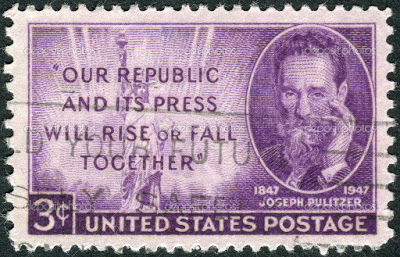
புலி நிகர் புலிட்ஸர்! (Post No.3353)

Written by S NAGARAJAN


Date: 14 November 2016


Time uploaded in London: 9-08 AM


Post No.3353


Pictures are taken from various sources; they are representational only; thanks.


contact; swami_48@yahoo.com


இந்த வார பாக்யா இதழில் வெளி வந்துள்ள கட்டுரை

புலிட்ஸர் பரிசுகள் அளிக்கப்பட ஆரம்பித்து நூறு ஆண்டுகள் நிறைவடைவதை ஒட்டிய சிறப்புக் கட்டுரை!


புலி நிகர் புலிட்ஸர்!

ச.நாகராஜன்

அமெரிக்க பத்திரிகையாளர்களுக்கு புலிட்ஸர் பரிசு என்றால் ஒரே ஆனந்தம். தங்கள் பணிக்கான உயரிய அங்கீகாரம் புலிட்ஸர் பரிசு என அவர்கள் கருதுகின்றனர்.


பத்தாயிரம் டாலர் பரிசுத் தொகை, தங்க மெடல் இவற்றிற்கெல்லாம் மேலாக அவர்கள் பெறும் பெரும் அங்கீகாரம் உலகிலேயே பத்திரிகைத் தொழிலின் மிகச் சிறந்த பரிசாகும்.

இந்த புலிட்ஸர் பரிசு 1917ஆம் ஆண்டில் நிறுவப்பட்டது.  சரியாக நூறு ஆண்டுகள் நிறைவடைகின்றன!


பத்திரிகைத் துறையில் மிகப் பெரும் சாதனையாளரான புலிட்ஸரை ஒரே வரியில் விவரித்து விடலாம். புலிக்கு நிகராகப் பாய்ந்து செய்திகளைப் பிடித்தவர் புலிட்ஸர்.

அவரது வாழ்க்கையே உத்வேகமூட்டும் ஒன்று.

புலிட்ஸர் ஹங்கேரியில் உள்ள புடாபெஸ்ட் நகருக்கு அருகில் உள்ல  மகோ என்ற இடத்தில்  பிறந்த யூதர். (தோற்றம் 10-4-1847 மறைவு: 29-10-1911).


அமெரிக்க ராணுவம் ஆள் எடுக்கிறது என்று கேள்விப் பட்டு ராணுவத்தில் சேர அமெரிக்கா வந்தார். ராணுவத்தில் பணியாற்றினார். போர் முடிந்த பின்னர் நியூயார்க் திரும்பினார்.

அவர் இள வயதில் செய்யாத வேலை இல்லை. அவருக்குக் கண் பார்வை வேறு மங்கல். அமெரிக்கா வந்த போது அவருக்கு ஆங்கிலமும் தெரியாது. 17 வயது இளம் வாலிபர்!

வெய்ட்டராகப் பணிபுரிந்தார். மூட்டைகளைத் தூக்கினார். கல்லறையில் சவப்பெட்டியை வைப்பதற்காகக் குழிகளைக் கூட வெட்டினார்.


ஜெர்மானிய பத்திரிகை ஒன்றிற்கு நிருபர் தேவைப் படுகிறார் என்று கேள்விப்பட்டு அதில் சேர்ந்தார். பத்திரிகைத் தொழிலில் ஈடுபட்டவுடன் தனக்கு எது உகந்தது என்பதை நொடி நேரத்தில் முடிவெடுத்தார்


பத்திரிகை. ஆம், பத்திரிகைத் தொழில் தான் தனது சுவாசம் என்பதை அவர் புரிந்து கொண்டார்.

செய்தி என்றால் அவருக்கு வெல்லக் கட்டி. ஒரு செய்தியை எப்படித் தேடிக் கண்டு பிடிக்க வேண்டும், அதில் எது முக்கியம், மக்கள் எதை விரும்புவர், அதை அவர்களுக்கு என்ன சொற்களில் எப்படித் தர வேண்டும் என்பதெல்லாம் அவருக்கு அத்துபடியானது.


36ஆம் வயதில் சொல்லும்படியாகச் சற்றுப் பணம் சேர்ந்தது.

அப்போது 1883ஆம் ஆண்டில் நியூயார்க் வோர்ல்ட் என்ற பத்திரிகை விற்பனைக்கு வந்தது. அது வருடத்திற்கு இமாலய நஷ்டம் என்று சொல்லக் கூடிய நாற்பதினாயிரம் டாலர் நஷ்டத்தில் இயங்கிக் கொண்டிருந்தது.

தைரியமாக அதை வாங்கினார் அவர்.


அவர் கைக்குப் பத்திரிகை வந்தவுடன் பத்திரிகை செய்தியே ஒரு புது வடிவம் கொண்டது.

சம்பிரதாயம் தூக்கி எறியப்பட்டது.சின்னச் சின்ன எழுத்துக்களில் சுவாரசியமின்றி தரப்பட்ட செய்திகள் புது வடிவம் கொண்டன! முதன் முதலாக முதல் பக்கத்தில் தலைப்புச் செய்தி என்று ஒன்றை பெரிய கொட்டை எழுத்துக்களில் பிரசுரித்தார்.

என்ன விஷயம் என்பதைப் பளிச்செனப் பார்த்த மக்கள் மிக்க ஆவலுடன் பத்திரிகையை வாங்கிப் படித்தனர். நாளுக்கு நாள் சர்குலேஷன் கூடியது.


பளீர் தலைப்புகள், விறுவிறுப்பான செய்திகள், வேகமான எழுத்தோட்டம், உடனடிச் செய்தி என ஏராளமான அம்சங்களைத் தாங்கிய பத்திரிகை 15000 பிரதிகள் விற்பனை என்பதிலிருந்து ஒரு லட்சத்திஐம்பதினாயிரம் என்ற அளவுக்குத் தாவியது.. 1883இல் பிரதிகள் ஆறு லட்சம் என்ற அளவுக்கு உயர்ந்தது.

சக போட்டியாளர்கள் அரண்டு போயினர்.

பத்திரிகை தர்மத்தை அவர் மீறுகிறார் என வயிற்றெரிச்சலுடன் கூவிப் பார்த்தனர்.


எல்லோ ஜர்னலிஸம் (மஞ்சள் பத்திரிகை) என்ற புது வார்த்தையே புலிட்ஸரால் தான் உருவானது.

மக்கள் புலிட்ஸரின் ஸ்டைலுக்கு மகத்தான ஆதரவு தரவே எதிர்ப்புகள் அமுங்கிப் போயின.


பத்திரிகைத் துறையில் நேர்மையான சுதந்திரம் வேண்டும் என்று அவர் முழங்கினார். வெறும் செய்திகளை மட்டும் தருவது பத்திரிகையாளரின் வேலை இல்லை, செய்திகளின் ஆதாரத்தைத் தூண்டித் துருவிக் காண வேண்டும், அத்தோடு துப்பறிந்து ஆராய்ந்து என்ன நடக்கிறது என்பதை நாட்டு மக்களுக்குச் சொல்ல வேண்டும் என்ற முனைப்பில் இன்வெஸ்டிகேடிவ் ரிபோர்டிங் என்பதைத் தொடங்கினார்.

இதனால்  அரசியல்வாதிகள் உட்பட்ட பலருக்கும் சங்கடம் ஏற்பட்டது. எதிர்ப்புகள் கிளம்பின. ஆனாலும் அவர் விடவில்லை.

43ஆம் வயதில் அவரது பார்வை முற்றிலுமாகப் போனது. தனது நியூயார்க் மாளிகையிலிருந்தே அவர் பத்திரிகை நிர்வாகத்தை நடத்தலானார்.


அவர் நியமித்த காப் என்ற  எடிட்டருக்கும் அவருக்கும்  தலையங்கம் சம்பந்தமாக அவ்வப்பொழுது கருத்து வேறுபாடு ஏற்பட்டுக்கொண்டே இருந்தது. கடைசியில் அவருக்கு சுதந்திரத்தைத் தந்து தன் கருத்துக்களையும் அவருக்குத் தெரிவிக்கலானார்.


தனது தகவல் தொடர்புக்கு ஒரு ரகசிய கோடிங் முறையை அவர் தயாரித்தார். அந்த குறிப்பிட்ட இரக்சிய கோடிங் அமைப்பிற்காக 20000 வார்த்தைகள் அடங்கிய ஒரு பெரிய புத்தகமே உருவானது.

64ஆம் வயதில் கான்ஸர் நோயினால் அவர் இறந்தார்.

அவரது உயிலில் எழுதப்பட்ட விருப்பத்தின் படி  அவர் பெயரால் 1917இல் இன்வெஸ்டிகேடிவ் ரிபோர்டிங் உள்ளிட்ட பத்திரிகைத் துறைகளுக்கு பரிசுகள் அளிக்கப்படலாயின..


சுவையான சம்பவங்கள் நிரம்பிய வாழ்க்கை அவருடையது.

ஒருமுறை புரபஸர் தாமஸ் டேவிட்ஸன் என்பவர்,” மிஸ்டர் புலிட்ஸர், நீங்கள் நிருபர்களிடம் மிகவும் மிருதுவாகப் பேசி நடந்து கொள்கிறீர்கள். ஆனால் எடிட்டர்களிடமோ மிகவும் கடுமையாக இருக்கிறீர்கள், இது சரியா என்று கேட்டார்.அதற்கு உட்னே புலிட்ஸர்,”நல்லது, அது ஏனென்றால் ஒரு நிருபர் என்பவர் எனது நம்பிக்கையாக இருக்கிறார். ஆனால் எடிட்டரோ எனக்கு ஏமாற்றம் அளிக்கிறார்” என்று பதில் அளித்தார். அவரது

இந்த பதில் முத்திரை பதிலாக பத்திரிகை உலகில் பேசப்படுகிறது.


புலிட்ஸர் அமெரிக்க ஜனாதிபதியை விட உலகம் அதிக சக்தி வாய்ந்ததாக இருக்க வேண்டும் என்று விரும்பினார். இந்த மக்களின் சக்தியும் அவர்களின் கருத்துச் சுதந்திரமும் என்பது வேற்று கிரகங்களில் வசிப்பவர்களிடம் கூட செல்வாக்கைச் செலுத்தும் என்று எண்ணினார். இது சம்பந்த்மாக பிரம்மாண்டமான ஒரு விளம்பர போர்டைக் கூட நியூ ஜெர்ஸியில் நிறுவ அவர் விரும்பினார். அந்த விளம்பரத்தை செவ்வாய் கிரகத்தில் இருப்பவர் கூடப் பார்க்கும் படி பெரிதாக அமைக்க வேண்டும் என்பது அவர் எண்ணம்.


தன் எண்ணத்தை அவர் அனைவரிடமும் சொன்ன போது இதை எப்படி மறுப்பது என்று யாருக்கும் புரியவில்லை. ஒரே ஒருவர் மட்டும் மெதுவாகக் கேட்டார் இப்படி: “சரி சார்! அதை எந்த மொழியில் எழுதுவது, அதைச் சொல்லுங்கள்!”

அவ்வளவு தான், புலிட்ஸரால் பதில் சொல்ல முடியவில்லை. செவ்வாய் கிரக வாசிகளின் மொழி யாருக்குத் தான் தெரியும்?!


அமெரிக்க பத்திரிகை வரலாற்றில் புலிட்ஸரின் பெயர் பொன் எழுத்துக்களில் பொறிக்கப்பட்டதற்கான காரணம் : “பொது ஜன சேவையில் ஈடுபடுபவர்களை ஊக்குவிக்க வேண்டும் என்பதற்காகவும், பொதுஜனங்களின் ஒழுக்க நெறிகளை உயர்த்துவதை ஊக்குவிப்பதற்காகவும், அமெரிக்க இலக்கியத்தை மேம்படுத்தவும், கல்வியை மேம்படுத்தவும் அவர் புலிட்ஸர் பரிசுகளை நிறுவியது தான்!


*********.


கம்ப ராமாயணத்தில் பரத நூலும், சுரத நூலும்! (Post No.3352)

Written by London Swaminathan


Date: 14 November 2016


Time uploaded in London: 6-48 AM


Post No.3352


Pictures are taken from various sources; they are representational only; thanks.


contact; swami_48@yahoo.com


நாட்டியம் பற்றித் தெரிந்த எல்லோரும் அறிந்த நூல் பரத நூல். பரத முனிவரால் 2000 ஆண்டுகளுக்கு முன் எழுதப்பட்ட நாட்டிய சாத்திர நூல் பரதம் எனப்படும். அதிலிருந்து வந்ததுதான் பரத நாட்டியம் என்ற சொல். அந்த நூலில் நாடகம் பற்றியுமுளது. அந்தக்காலத்தில் நாட்டியம் மூலம் நாடகங்கள் நடித்துக் காண்பிக்கப்பட்டன. ஆனால் சுரத நூல் பற்றிப் பலரும் கேள்விப்பட்டிருக்க மாட்டார்கள். சுரத நூல் என்பது காம சாத்திரம். இதை எழுதியவர் வாத்ஸ்யாயனர் என்பவராவார். அவருக்கு முன்னரும் பல நூல்கள் இருந்தன.


கம்பனும் சில இடங்களில் காளிதாசன் போல கொஞ்சம் செக்ஸி (SEXY)யாக எழுதி இருக்கிறார். இது போன்ற பாடல்களாகப் பொறுக்கி எடுத்து கம்பரசம் என்னும் நூலை எழுதினார் முன்னாள் முதலமைச்சர் சி.என். அண்ணாதுரை. கம்பனோ அறிவுக்கடல். அவரைப் புரிந்துகொள்ள அரசியல்வாதிகளுக்கு இயலாத காரியம். ஒரு சில பாடல்களை மட்டும் வைத்து கம்பனை மட்டம்தட்ட நினைத்தவர்கள் எல்லாம் தோற்றுப் போனார்கள்.


இதோ பாடல்:-

சரத நாள் மலர் யாவையும் குடைந்தன தடவிச்

சுரத நூல் தெரிவிடர் எனத் தேன் கொண்டு தொகுப்ப

பரத நூல் முறை நாடகம் பயன் உறப் பகுப்பான்

இரதம் ஈட்டுறும் கவிஞரைப் பொருவின தேனீ


பொருள்:-

சிற்றின்பம் பற்றிக் கூறும் நூலைக் கற்ற காமுகர்கள், பல மகளிரிடம் சென்று இன்பம் துய்ப்பதுபோல தேனீக்களும் அனறலர்ந்த பல பூக்களுக்குச் சென்று தேனை உறிஞ்சி அமகிழ்கின்றன. இந்த தேனீக்கள்ப பரதரத நூலில் கூறியபடி நவரசம் மிக்க நாடகங்களைப்ண்போ படைப்போர்ரு போல இருந்தன.


தேனீக்கள்= காமுகர்கள்=கவிஞர்கள்


ஒரு பக்கம் தேனீக்களைக்  காமுகர்களுக்கும் மற்றொரு பக்கம் கவிஞர்களுக்கும் ஒப்பிடுவது கம்பனின் தனித் திறமையைக் காட்டும்.


தேனீக்கள் பல வகையான மலர்களைக் குடைந்து தேனை எடுக்கின்றன. காமுகர்கள் பல பெண்களை அணுகி இன்பம் அடைகின்றனர். கவிஞர்கள் பரத நூலில் கண்ட நவரசங்களையும் சேர்த்து நாடகம் படைக்கின்றனர்.


பல மலர்த் தேன்= பல பெண்கள்  தரும் காம சுகம்= கவிஞர் தரும் நவரச நாடகச் சுவை.

From Tamil Dictionary:-

சுரத நூல் = காம நூல்; சுரத தாது= இந்திரிய நீர்; சுரத மங்கை= வேசி; சுரத வித்தை= புணர்ச்சி விற்பன்னம்


–SUBHAM–