ஹிந்து முஸ்லீம் ஒற்றுமை (Post No. 2440)

KRISHNA MUSLIM

WRITTEN BY S NAGARAJAN


Date: 30  December 2015


Post No. 2440


Time uploaded in London :– 6-20 AM


( Thanks for the Pictures  ) 


DON’T REBLOG IT AT LEAST FOR A WEEK!  DON’T USE THE PICTURES; THEY ARE COPYRIGHTED BY SOMEONE.


உலகப்போக்கு


ஹிந்து முஸ்லீம் ஒற்றுமையைக் குலைக்கச் சதி செய்யும் முஸ்லீம் தீவிரவாதிகள்!


ச.நாகராஜன்


ஹிந்து முஸ்லீம் ஒற்றுமையைக் குலைக்கச் சதி செய்யும் முஸ்லீம் தீவிரவாதிகள் இப்போது அகலக்கால் வைத்துள்ளனர். கிறிஸ்தவ மதம் சார்ந்த மேலை நாடுகளையும் தீவிரவாதத்தால் நடுநடுங்கச் செய்ய வேண்டும் என்ற ‘பரந்த நோக்கத்தை’ இப்போது அவர்கள் கொண்டுள்ளதால் அவர்கள் அடையப் போவது என்ன?


இஸ்லாமே அழிந்து போக அல்லது செல்வாக்கு இழந்து போக வழிவகை செய்தவர்கள் ஆகப்போகின்றனர்.

இந்தியாவின் சகிப்புத்தன்மை எல்லையற்றது. உலக சரித்திரத்தில் இதற்கு உவமையாக இன்னொரு நாட்டைக் காண்பிக்க முடியாது.


ஹிந்து மதத்தின் பரந்த நோக்கம் ஒப்பற்ற தனி இலக்கணம் கொண்ட ஒன்று. இதற்கு ஒப்பான சர்வமத சமரஸம் என்னும் பரந்த நோக்கத்தைக் கொண்ட இன்னொரு மதம் இல்லை என்பதே உண்மை.


இதை ஆர்னால்ட் டாய்ன்பி போன்ற உலக சர்த்திர வல்லுநர்கள் முத்தாய்ப்பாக தங்கள் நூலின் இறுதி உரையில் எழுதி வைத்துள்ளனர்.


பிரிட்டிஷாரின் பிரித்தாளும் சூழ்ச்சி, தாங்கள் நாட்டை விட்டு வெளியேறப் போகிறோம் என்று தெரிந்தவுடன் முழு முனைப்பு கொண்ட ஒன்றாக் ஆனது. இதன் விளைவே பாகிஸ்தான்.

அந்த பாகிஸ்தானில் வாழும் முஸ்லீம்களும் கூட   இஸ்லாம் கூறும் சுவர்க்கத்தைக் காணவில்லை. மாறாக தீராத வறுமையையும் ஓயாத சண்டையையும் எப்போதும் திகில கலந்த வாழ்க்கையையுமே கொண்டிருக்கின்றனர்.

இந்தியாவில் ஹிந்துக்களுடன் வாழ்ந்த முஸ்லீம்களின் நல்ல போக்கிற்கு ஏராளமான உதாரணங்கள் உள்ளன. அந்த நல்லை போக்கை பிரிட்டிஷார் கெடுத்தது உண்மை. அதைத் தீவிரப்படுத்தியது முஸ்லீம் தீவிரவாதிகள்.
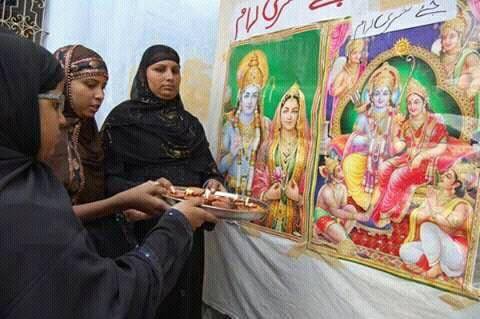
 

diparadana muslims

சரித்திரத்தைப் புரட்டிப் பார்ப்போம்.


கல்கத்தாவிலிருந்து வெளிவரும் ஆங்கில வார இதழான ட்ரூத் (TRUTH) அதன் பத்தாம் தொகுதியில் 11-12-1942 தேதியிட்ட இதழில் தரும் செய்தி இது:


ஒரு முஸ்லீம் டெபுடி மாஜிஸ்ட்ரேட் இஸ்லாமை தீவிரமாக பின்பற்றும் நல்லவர். மாமிசத்தை அவர் தொட்டதே இல்லை. கல்கத்தாவில் நடந்த துர்கா பூஜைக்கு அவரும் மற்றவர்க்ளுடன் அழைக்கப்பட்டார்.


“நீங்கள் அனைவரும் துர்க்கையின் அருளை வேண்டுகிறீர்கள். அதற்காக இந்த பூஜையை நடத்தி அதற்குத் தங்களால் இயன்ற அளவு உதவி செய்கிறீர்கள். என்னையும் இதில் சேர்த்துக் கொள்ளுங்கள். நானும் துர்க்காதேவியின் அருளைப் பெறுகிறேன்” என்று கூறிய அவர் பத்து ரூபாயை நன்கொடையாக அளித்தார்.

(1942இல் பத்து ரூபாய் என்பது பெரிய தொகை!)


கிருஷ்ணர் பிறந்த ஜன்மாஷ்டமி அன்று அழைப்பு ஏதுமின்றி விழாவிற்குச் சென்ற அவர் கீர்த்தனையில் கலந்து கொண்டார். கடைசியில் கரமயோகம் பற்றி கீதை உபநிடதங்களை மேற்கோள் காட்டி அரிய சொற்பொழிவு ஒன்றையும் நிகழ்த்தினார்.

இப்படிப்பட்ட சம்பவங்கள் தனித்த ஒன்றாக அந்தக் காலத்தில் அமையவில்லை.ஊருக்கு ஒன்றிரண்டு இது போன்ற எடுத்துக்காட்டுகளைக் காணலாம்.


பிரிட்டிஷாரின் திட்டமிட்ட சதி வேலையே தீவிரவாதத்தை விதைத்தது. அது இப்போது வளர்ந்து அவர்களையே தாக்குகிறது.

வளர்த்த கடா மார்பில் பாய்ந்த கதையாக!


ஹிந்துக்களும் முஸ்லீம்களுடன் ஒற்றுமையாக வாழ்ந்ததை ‘தி இல்லஸ்ட்ரேடட் வீக்லி’ என்ற பிரபல ஆங்கில வாரப் பத்திரிகை ஒரு கட்டுரையாக வெளியிட்டது. இதை  மேலே கூறிய கல்கத்தாவிலிருந்து வெளிவரும் ஆங்கில வார இதழான ட்ரூத் (TRUTH) அதன் ஆறாம் தொகுதியில் 16-12-1938 தேதியிட்ட இதழில் வெளியிட்டது


அந்தக் கட்டுரை தரும் செய்தி இது:-


மைசூர் மாநிலத்தில் சித்ரதுர்க் மாவட்டத்தில் தவளப்பன குட்டா மலை என்ற செங்குத்தான மலை ஒன்று உள்ளது. இது ஹிந்துக்களாலும் முஸ்லீம்களாலும் போற்றி வணங்கப்படும் ஒரு இடம். தவளப்பா என்ற சிவ பக்தர் கடைசியில் இங்கு வாழ்ந்த இடம் என்பதாலும் அவர் தவளப்ப லிங்கத்தை வழி பட்டு வந்ததாலும் இந்த இடம் ஹிந்துக்களுக்குப் புனித இடமானது. முஸ்லீம்களுக்கோ சியாதுல்லா என்ற முஸ்லீம் சாதுவின் இடமாக அமைந்ததால் வழிபடும் இடமானது.

அடுத்து அனந்தப்பூர் மாவட்டத்தில் ஹிந்துக்களும் முஸ்லீம்களும் இணக்கமாக உள்ள ஒரு ஹிந்துக் கோவிலும் மசூதியும் உள்ளது. மொஹரம் மாதத்தில் ஹிந்துக் கோவிலிலிருந்து அதிகாரிகள் சுண்ணாமபுடன் பிரஷ்களை எடுத்துக் கொண்டு கொஞ்சம் பணத்துடன் மசூதிக்குச் சென்று அதை வெள்ளை அடித்துக் கொடுப்பது வழக்கம். மசூதியில் உள்ளோர் அனைவரும் அன்புடன் அவர்களை வரவேற்று உபசரிப்பதும் வழக்கமானது.


அதே அனந்தப்பூர் மாவட்டத்தில் சந்த்ரவதன மொஹியார் என்பவரது சமாதி உள்ளது. அதை ஹிந்துக்களும் முஸ்லீம்களும் வழிபடுகின்றனர்.


மதுரையின் அருகில் உள்ள முருகனின் ஆறுபடை வீடுகளில்    ஒன்றான திருப்பரங்குன்றத்தில் மலை மீது காசி விஸ்வநாதர் ஆலயம் உள்ளது. அதன் அருகிலேயே சிக்கந்தர் என்ற முஸ்லீம் பெரியாரின் சமாதியும் உள்ளது. இங்கும் ஹிந்துக்களும் முஸ்லீம்களும் இணைந்து வழிபடுகின்றனர்.


பெனுகொண்டா மாவட்டத்தில் ஒரு குறிப்பிட்ட வகுப்பாருக்கு இரு குருமார்கள் உள்ளனர்., ஒரு குரு ஹிந்து மதத்தைச் சேர்ந்தவர். இன்னொருவர் இஸ்லாம் மதத்தைச் சேர்ந்தவர். இந்த வகுப்பினர் “ஹொன்னூர் ஃபகீர்கள்’ என்று அழைக்கப்படுகின்றனர்.

இப்படி ஏராளமான உதாரணங்களைச் சொல்லிக் கொண்டே போகலாம்.


இந்த இணக்கத்தை மாற்றியது பிரிட்டிஷாரின் சூழ்ச்சி. அதனால் ஏற்பட்டது பாகிஸ்தான்!


தவறான வழிகாட்டுதலால் முஸ்லீம் இளைஞர்கள் தங்களின் ஒற்றுமை வழியை மறந்தனர். தீவிரவாதிகளோ அவர்களை மூளைச் சலவை செய்து தங்க்ள் வலையில் “அகப்பட்டவர்களை” இழுத்து நாசகார வேலைகளில் ஈடுபடுத்துகின்றனர்.

அனைத்து ஹிந்துக்களும் எளிய முஸ்லீம்களும் பெரும்பாலும் ஒற்றுமையுடனேயே இந்தியாவில் வாழ்ந்து வருகின்றனர். இதை எந்த கிராமத்திலும் நகரத்திலும் நேரடியாகச் சென்று எவரும் காணலாம்.


இவர்களைப் பிளவுபடுத்துவது இஸ்லாம் கொள்கைகளைத் தவறாகச் சித்தரிக்கும் கெடுமதியாளர்களே!


இவர்களால் இஸ்லாம் தன் பெருமையை இழப்பது தான் வருத்தப்பட வேண்டிய விஷயம்.


இழந்து வரும் இந்தப் பெருமையை மீட்பது யார் கையில் உள்ளது?


நல்ல இஸ்லாமியர்களின் கையிலேயே உள்ளது.

இழந்த பெருமையை மீட்பார்களா? அல்லது இருப்பதையும்  இழப்பார்களா?


காலம் பதில் சொல்லும்!

*****



2015 in review

THANKS FOR  560,000 VISITS.

The WordPress.com stats helper monkeys prepared a 2015 annual report for this blog.

Here’s an excerpt:

The Louvre Museum has 8.5 million visitors per year. This blog was viewed about 560,000 times in 2015. If it were an exhibit at the Louvre Museum, it would take about 24 days for that many people to see it.

Click here to see the complete report.

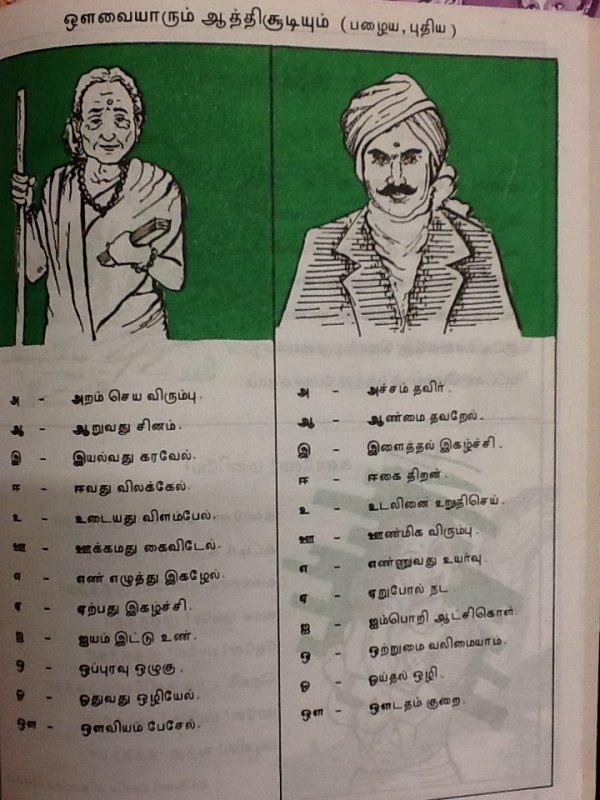
ஆத்திச்சூடி படித்த அதிகப் பிரசங்கி! (Post No. 2439)

IMG_9826

Compiled  by London swaminathan

Date: 29 December 2015


Post No. 2439


Time uploaded in London :– 13-39

( Thanks for the Pictures  ) 


DON’T REBLOG IT AT LEAST FOR A WEEK!  DON’T USE THE PICTURES; THEY ARE COPYRIGHTED BY SOMEONE.


விநோத விகட சிந்தாமணி- என்ற பழைய நூலிலிருந்து; (நூல் கொடுத்துதவியர்- ச.சீனிவாசன்,சென்னை).


ஒரு வைத்தியர் மருந்து கொடுக்க ஒரு வீட்டுக்குச் சென்றார். அதுசமயம் நோயாளி வாசல் நிலை (படி)யில் உட்கார்ந்தான். அப்போது…………………….

வைத்தியர்:– அப்பா! படியிலுட்காராதே; தோஷம்.

பையன்:என்னங்காணும்! “நிலையிற் பிரியேல்” என்று அவ்வை கூறியிருக்க நீர் அதிலிருக்கபடாதென்கிறீர்?

வைத்தியர்: சரி, எதற்காக உன் அம்மா கூப்பிட்டார். உடம்பின் நிலை என்ன? உள்ளதைச் சொல்.

பையன்: என்னய்யா? “உடையது விளம்பேல்” என்று அவ்வை கூறியிருப்பதை உணராமல் உள்ளது கூறென்கிறீர்?

வைத்தியர்: சரி, கையையாவது நீட்டு பார்ப்போம்.

பையன்: அட போமையா! நீர் ஆத்திச்சூடி படியாமல் என்ன வைத்தியர்காணும்? “ஏற்பது இகழ்ச்சி: என்று அவ்வை கூறியிருப்பதையறிந்தும் யாசகன் போல கையை நீட்டச் சொல்கிறீர். நான் என்ன பைத்தியமா?

வைத்தியர்: சரி, அது போகட்டும்;இந்த மருந்தையாவது சாப்பிடு


பையன்: ஐயா, இதில் பாதி நீர் சாப்பிடும்

வைத்தியர்: பையா, நான் எதற்காக………………….?

பையன்:ஐயமிட்டுண் – என்று அவ்வைப்பாட்டி கூறியிருப்பதால் உமக்குப் பாதி கொடுத்துவிட்டு, மீதியை நான் உண்ணுவேன்.

வைத்தியர்: பையா, இன்று மருந்து சாப்பிடாவிடினும், ராத்திரி கொள்ளைக் கஷாயம் போட்டு அதிலிந்த பஸ்பத்தைக் கலந்து சாப்பிடு.

பையன்: ஐயா, கொள்ளை விரும்பேல் –என்று ஆத்திச் சூடி சொல்கிறது. நீர் கொள்ளைக் கஷாயம் போடச் சொல்கிறீர். ஆத்திச் சூடியை அடியோடு மறந்துவிட்டீர் போலும்?


வைத்தியர்: சரி, சரி, நாளைக்கு நோன்பு என்பதால், கண்டதைக் கடியதைத் தின்னாமலாவது இரு; எல்லாம் சரியாகப் போகும்

பையன்: சீ, சீ, நீர் போங்காணும்; ஆத்திச் சூடி சுத்தமாகத் தெரியவில்லையே. “நோன்பென்பது கொன்று தின்னாமை”  (கொன்று+ தின்னு+ ஆமை) என்பதை அறியீரோ?

நோன்பென்பது- விரதமாவது

ஆ- பசுவையும்

மை-ஆட்டுக் கடாவையும்

கொன்று- வதைத்து

தின்னு- சாப்பிடு

என்று அர்த்தமாகிறது. இன்னொரு அர்த்தம் ஆமையைக் கொன்று தின்னு (கொன்று+தின்னு+ ஆமை)! உமது வைத்தியமும் பைத்தியமும் எனக்கு வேண்டாங்காணும்.

வைத்தியர்: தம்பி, உனக்கு ஆத்திச்சூடி நல்ல பாடமென்று தெரிகிறது. இனி இந்த நோய் அதிகப்படும் முன்னால், தயவு செய்து கொன்றை வேந்தனையும் பாடம் பண்ணிவிடு!!நான் வருகிறேன்!!

–சுபம்–


Preach what you Practise! Practise what you Preach!! (Post No. 2438)

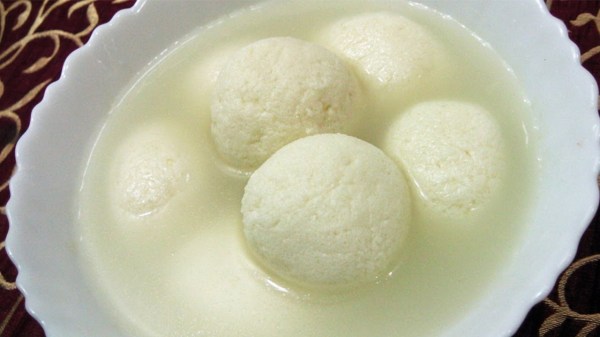
bengali rasgulla

Picture of Bengali Rasgullas


Compiled  by London swaminathan

Date: 29 December 2015


Post No. 2438


Time uploaded in London :– 9-35 AM

( Thanks for the Pictures  ) 


DON’T REBLOG IT AT LEAST FOR A WEEK!  DON’T USE THE PICTURES; THEY ARE COPYRIGHTED BY SOMEONE.


pig-350px

The wife of Tseng Tze was going to the market with her infant son, who cried on the way. Hoping to stop him crying, she told him that on reaching home she would kill a pig for dinner. When they reached home, Tseng Tze, who heard of this, proceeded to seize the pig. The wife stopped him, saying she had only joked with the child.


To this he replied: you cannot joke with a child in this way. A child has no knowledge of his own, but depends for it on his parents and follows their instructions. If you deceive him, you will be teaching him to practise deceptions. This will not do. Accordingly they had the pig killed for dinner.

—Anecdote from China

xxx


rk paramahamsa

Following is the anecdote I posted here, five years ago, on 5th November 2011


Ramakrishna Paramahamsa and Rasgulla

Practise what you preach and preach what you practise. Then you develop magical powers. One day a lady came to see Sri Ramakrishna Paramahamsa. Having heard many stories about Ramakrishna’s greatness she came for a very simple thing- just to stop her son eating Rasgulla – the milk sweet! She begged and prayed to Paramahamsa to stop his son eating them. Bengalis are very fond of these sweets. Her son was eating them uncontrollably. Wherever she hides them he can find and gobble them up at an amazing speed. When she became frustrated she brought him to Paramahamsa. He smiled at them and asked them to come another day.


She came back after a week or so and the same old story happened. After listening to all her complaints he asked them to come after some time. Again when they went to Paramahamsa, it was the same old story. The woman was very angry but she wanted to give Paramahamsa one last chance. When she went for the last time she determined in her mind to shout at him if he sent them home without a solution. But to her surprise Paramahamsa asked them to wait. He told the boy firmly,” Hey little boy, don’t eat sweets any more”. The boy nodded his head to say yes. The woman thought that Paramahamsa just dodged them. When she went home, the boy did not show any interest in the sweets. She wanted to test her son. Now she put them openly so that he can easily see them. He didn’t even care.


Wonder struck woman went to Paramahamsa with her son and paid her respects. With a lot of hesitation she asked Paramahamsa, “Swamiji ! you asked us to go back home and come back here several times. At the end of the session you just told him a few words and it worked miracles. Till this day he never touched the sweets again. What is the secret?”


Ramakrishna Paramahamsa smiled and said to her, “Madam, when you came for the first time I was also very fond of the same Rasgullas like your son. With very great difficulty I consumed them little by little. When I completely stopped eating Rasgullas and got full control over my tongue, I told your son not to eat it. I am very glad to know that he completely stopped it.”


This anecdote has a very big lesson for us. If you preach what you practise then your words get magical powers and can do wonders.


–Subham–


சிவ பக்தன் அர்ஜுனன் (Post No. 2437)

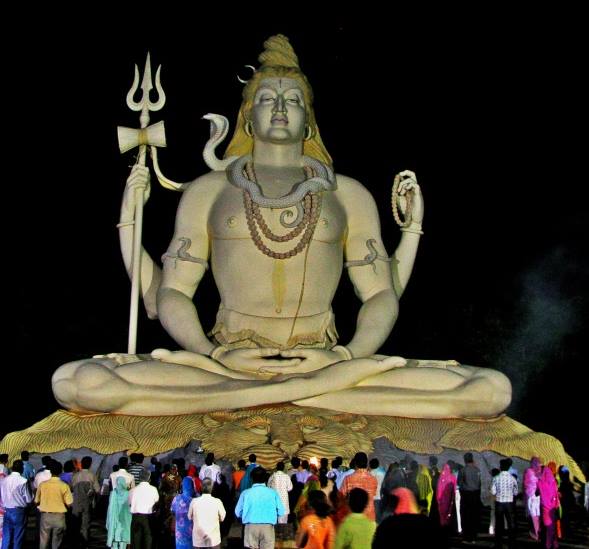
siva, jabalpur

WRITTEN BY S NAGARAJAN

Date: 29 December 2015


Post No. 2437


Time uploaded in London :– 5-34 AM


( Thanks for the Pictures  ) 


DON’T REBLOG IT AT LEAST FOR A WEEK!  DON’T USE THE PICTURES; THEY ARE COPYRIGHTED BY SOMEONE.


வில்லிபாரதம்

சிவ பக்தன் அர்ஜுனன்

ச.நாகராஜன்


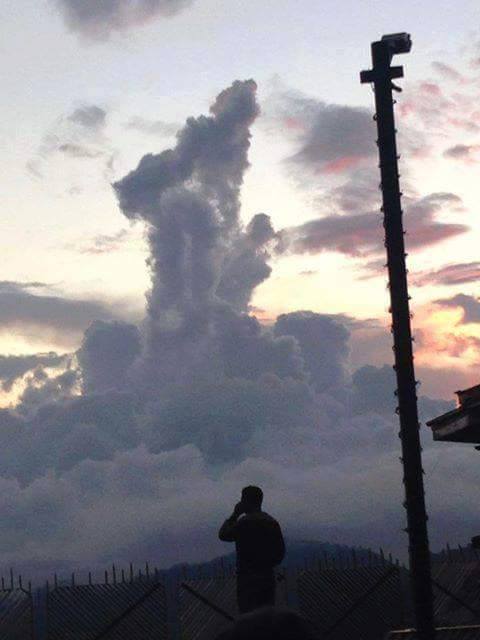
 shiva cloud

Shiva seen in cloud (from face book friends)


அற்புதக் கவிஞர் வில்லிப்புத்தூரார்


வில்லிப்புத்தூரார் வைஷ்ணவத்தையும் சைவத்தையும் எப்படி சரிநிகர் சமானமாகப் போற்றி வந்துள்ளார் என்பதை வில்லி பாரதத்தைப் படிப்பவர் எளிதில் உணர்வர்.

சிவனைப் பற்றிச் சொல்லும் போதெல்லாம் பரவசமடைகிறார் வில்லிப்புத்தூரார்.


சிவபூஜைக்குப் பின்னரே உணவு


சிறந்த சிவ பக்தனான அர்ஜுனன் சிவ பூஜை செய்யாமல் உணவருந்த மாட்டான்.

இதை பதின்மூன்றாம் போர்ச் சருக்கத்தில் ஒரு அருமையான பாடலில் காணலாம்.


அபிமன்யுவைச் சூழ்ந்து நின்று கௌரவர்கள் அனைவரும் வஞ்சகமாக அவனைக் கொல்ல, அதை அறிந்த அர்ஜுனன் புலம்பித் தவிக்கிறான்.


“வா, என்னுடன் கைலாயம் சென்று காலைக்குள் திரும்பி விடலாம் என்று கண்ணன் அவனை அழைத்துச் செல்கிறான்.

அங்கே செல்லும் வழியில் பசி தாகத்தினால் அர்ஜுனன் வருத்தமுற, கண்ணன், மாம்பழம் உள்ளிட்ட கனிகள், கரும்புச் சாறை உண்ணுமாறு அன்புடன் கூறுகிறான் இப்படி:-


“மாங்கனி, வாதையின் கனி, வருக்கையின்                  

தீம் கனி, கன்னலின் செய்ய நீர், உள;                 

வேம் கனல் பசியும், நின் விடாயும் ஆறவே             

ஈங்கு இனிது அருந்துதி, ஏந்தல்!


இதைக் கேட்ட அர்ஜுனன் சிவ பூஜை இன்னும் செய்யவில்லையே என்கிறான்.


சரிந்தவர் சரிவு அறத் தாங்கும் நாயகன்               

பரிந்து, இவை உரைத்தலும் ‘பாவை புங்கன் மேல்        

புரிந்திலன், இன்னமும் பூஜை! என்றனன்,                    

வரிந்த வெஞ்சிலைக்கு மண் மதிக்கும் வீரனே


(பாவை பங்கன் – சிவ பெருமான்)


சரிந்தவர்களின் மெலிவு நீங்குமாறு காப்பாற்றும் கண்ணன், அன்போடு இப்படிக் கூற, “ சிவபூஜை இன்னும் செய்யவில்லையே என்கிறான் அர்ஜுனன்.


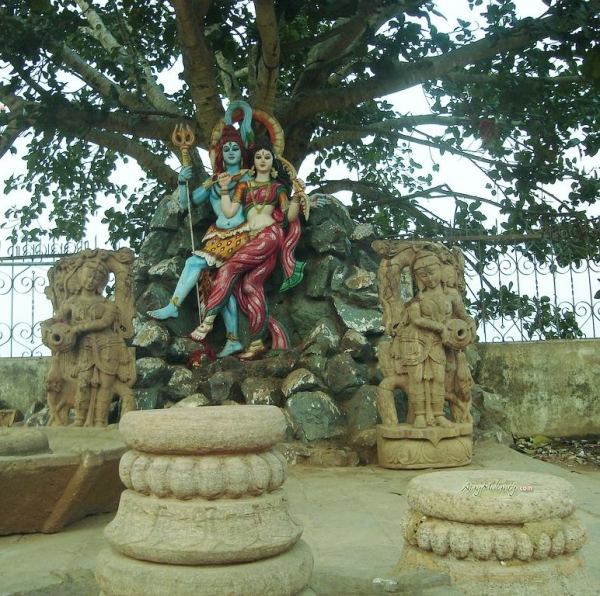
 shiva uma on kailas


கண்ணனே சிவன்


இப்போது அடுத்த பாடலில் மாபெரும் உண்மையை விளக்குகிறார் வில்லிப் புத்தூரார்.

கண்ணன் உடனே அர்ஜுனனை நோக்கி, “என்னை பூஜை செய்! நானும் சிவனும் ஒருவரேஎன்கிறான்.

அற்புதமான இந்தப் பாடல் இதோ:-


மரு வரு கானக மலரினால் எமைப்                   

பொரு அரு பூசனை புரிதி, ஐய நீ.                       

இருவரும் ஒருவரே என்பது இன்று போய்                 

அருவரை அவன் அடி அடைந்து காண்டியே


அரியும் சிவனும் ஒண்ணு                             

அறியாதவன் வாயிலே மண்ணு                             

என்று பாமரனும் அறியும் பெரிய உண்மையை பண்டிதர்களும் கூடச் சில சமயம் அறிவதில்லை.

அந்த மாபெரும் உண்மையைக் கண்ணனே பிரகடனம் செய்கிறான்.


அர்ஜுனனின் சிவ துதி


இதற்கு முன்னர் ஆரணிய பர்வத்தில், அர்ஜுனன் கைலை சென்று சிவ தியானத்துடன் தவ விரதம் பூண்டு சிவனை நோக்கித் தவம் செய்யும் சிறப்பை அருச்சுனன் தவநிலைச் சருக்கத்தில் வில்லிப்புத்தூரார் அற்புதமாக அழகுற விளக்குகிறார்.


தன்னைச் சுற்றி நான்கு புறங்களிலும் அக்கினியை மூட்டித் தவம் செய்யும் போது அக்நி தேவன் அவனைச் சுடவில்லை. சிவ தியானத்தால் அவன் உடல் எங்கும் புளகம் கொள்கிறது.

பின்னர் வேடனாக வந்த சிவபிரானுடன் அவன் போர் செய்ய, இறுதியில் சிவ தரிசனம் கிடைக்கிறது.


அப்போது அவன் சிவனைத் துதிக்கும் பாடல்கள் அருமையான பாடல்கள். அவற்றில் ஒன்று:-


ஆதியே அண்டமும் அனைத்துமாய் ஒளிர்                   சோதியே கொன்றை அம் தொங்கல் மௌலியாய்             வாதியே மரகதவல்லியாள் ஒரு                        

பாதியே பவளம் ஆம் பரம ரூபியே


இதன் பொருள் எளிதில் விளங்கக் கூடியதே.

அனைத்திற்கும் முதன்மை ஆனவனே!


உலக உருண்டைகள் அனைத்துமாய் விளங்கி ஒளிர்கின்ற ஜோதியே!

கொன்றை மலர் அணிந்த முடியை உடையவனே

பேச வல்லவனே

மரகதவல்லியான உமையை இட பாகத்தில் கொண்டுள்ளவனே

வலப்பாகம் பவழ மயமான சிறந்த வடிவுடையவனே


இப்படி சிவனைப் போற்றித் துதித்து அர்ஜுனன் கூறுவதாக அமையும் ஐந்து பாடல்களும் வில்லிப்புத்தூராரை சிறந்த சிவ பக்தராகவே காட்டுவதைக் கண்டு பிரமிப்பை அடைகிறோம்.

ஒவ்வொரு சருக்கத்திலும் கடவுள் வாழ்த்து பாடுவது அவர் வழக்கம். (சில சருக்கங்களில் மட்டும் இல்லை; மானசீகமாக வாழ்த்தினாரா அல்லது ஏடு எழுதியவர்கள் விட்டு விட்டார்களா, தெரியவில்லை)


கடவுள் வாழ்த்தில் திருமாலை வணங்கும் அவர் பல இடங்களில் சிவபிரானைப் போற்றுவது அரியும் சிவனும் ஒண்ணு என்பதை அவர் அனுபவபூர்வமாக உணர்ந்ததினால் என்பதை விளங்கிக் கொள்கிறோம்.


உண்மை ஒன்றே!


இராமாயணமும் மஹாபாரதமும் விளக்கும் பல உண்மைகளில் முக்கியமான ஒன்று : பல்வேறு தோற்றங்களில் வருவது ஒரே பரம்பொருளே என்பது தான்!

ஏகம் ஸத்; விப்ரா: பஹுதா வதந்தி


(உண்மை ஒன்றே; அதை அறிஞர்கள் பலவாறாகக் கூறுகின்றனர்)


வில்லியை ஆழ்ந்து கற்போம்; உண்மைகளை நன்கு உணர்வோம்!

********


Interesting Story of Snub-nose! (Post No. 2436)

SNUB

Compiled  by London swaminathan

Date: 28 December 2015


Post No. 2436


Time uploaded in London :– 13-27

( Thanks for the Pictures  ) 


DON’T REBLOG IT AT LEAST FOR A WEEK!  DON’T USE THE PICTURES; THEY ARE COPYRIGHTED BY SOMEONE.


There once lived in a small town in China a husband noted for his stupidity and a wife remarkable for her cunningness. ‘Always remember, she used to say to her husband when he went out, ‘that all people with long beaked noses are good-for-nothings, beggars, cheats, bad payers, coiners of false money, false-swearers, and will go to hell; while people with small turned up noses are good, and will go straight to heaven. Therefore, that you may not lose, sell only to these last; for, I repeat, the others are bad’.


Every day the husband went out, and passed from street to street, examining the passers-by, but never addressing any but those who had their heads raised to look at something, so that he very seldom sold anything.

nose types

One day, when he was observing noses as usual, he saw a man reading a placard which was placed very high. ‘That man will go staright to heaven’, thought he; his nose is so much turned up. Will you buy some clothes, good man?, he asked.

Clothes! You see I have some.

But you appear to me the most honest man that I have ever saw ( I never saw such a nose, he added to himself), ‘and I should like to sell you a whole suit; my wife makes them herself’.

Well, what is the price?’

Of my wife?

No, of the clothes.

Two koou.

But why do you come to this retired place to sell your clothes, when there are so many people elsewhere?

Oh! I have been there; but all the people have had long beaky noses, you see! And I only sell to snub nosed people.

I do not understand; why will you not sell to people with long noses?

My wife, who is a very clever woman, tells me that people with long beaked noses are knaves’.


Really, your wife is very sharp, and I understand you now. Well, my friend, I will buy your clothes; but as I have no money with me, I will pay you tomorrow. You have only to come to my house; I live near here. You will see a hurdle covered with eggs, a flag at the end of a mast, and a little plantation of betel.

nosesmain_316

Very well; that will do.

The merchant went home to his wife and told her that he had sold a suit of clothes to a man with a snub nose.

Where is the money, she asked.

I have not got it yet, but I shall be sure to get it tomorrow. I am to go to a place where there are a hurdle covered with eggs, a flag on a mast, and a little betel plantation.

The next day, the wife said: ‘Go for your money”


The man went off, but could not find the house, and after a long search he came home again.

Did you get the money? Asked his wife.

No, I could not find the house

Well, I will go and look for it myself. If I am not back in an hour,  you will know that I am drowned.

After an hour, his wife did not return, the man set off to the river with the sieve with which he sifted rice, and with this he began to empty the water out.  A passer-by asked what he was doing.

I am emptying the river, replied he, for my wife is drowned, and she had on her best yellow bonnet.

‘Nonsense’, said the other, “I met her just now running away with a man with a snub-nose’.


Following Tamil Story is from my earlier blog “MORE PROVERBS, MORE STORIES”, POSTED ON 12 JUNE 2015


4.He speaks like the nose less man in the story!

மூக்கறையன் கதை போல பேசுகிறான்!

A certain man who had no nose was always ridiculed in the village. To make the other people as badly off as himself, he began at certain times to praise god and to thank him that he had enabled him to see him. When he thus burst out loud praise, people gathered around him, and asked what they should do to see god. His advice was that they should cut off their noses. This they did one after another. And though they could not see god, they pretended that they could out of very shame. Thus wicked people will try to draw good people over to their own wicked ways.

“A hog that is bemired, endeavours to bemire others”


–SUBHAM–

The Efficacy of Mantras (Post No. 2435)

om flag

Written by S NAGARAJAN

Date: 28 December 2015


Post No. 2435


Time uploaded in London :– 9-19 AM

( Thanks for the Pictures  ) 


DON’T REBLOG IT AT LEAST FOR A WEEK!  DON’T USE THE PICTURES; THEY ARE COPYRIGHTED BY SOMEONE.


By S.Nagarajan


Vedas are the genesis of the Hindu religion. Vedas are eternal sounds. The source of sound is in the atoms of air and the quality of the sound follows the exit of the air propelled by the attempt of the speaker through particular anatomical parts of the mouth and its precincts.


Each and every sound has its own meaning and corresponding effect.

The Sanskrit word mantra means potent sounds or words.

Mantras are ‘heard’ or ‘seen’ by the great sages and hence unwritten. Vedic Mantras are innumerable and the correct mantra is to be used as per the correct intonation to achieve a desired result.


Indra satru


One interesting incident is described in Hindu Scriptures. Where the object of a sacrifice was ‘to generate such a person as is capable of killing Indra (God of devas or Angels), and for that purpose, the invocation should be ‘svahendrasatrurvadhasva’ the chanting of this invocation with a wrong intonation on the first syllable ‘Indra’ produced the contrary result, for a person was generated, but he was killed by Indra. The compound Indra-satru means either ‘destroyer of Indra’ or ‘one that can be destroyed by Indra’ according to the intonation used on the syllables.


That is why it is recommended that the mantras are to be initiated properly by a genuine Guru.


In the 18th century Ernest Chladni, a German physicist found that when a violin bow was drawn vertically across the rim of a metal plate the sound waves produced created patterns in sand sprinkled on the plate. The vibration produced by the bow throws the sand particles into violent commotion and when these particles settle down beautiful patterns are formed depending upon the nature of the vibration. These are called Chladni Figures.


Different musical notes would cause the sand particles to move into geometric patterns.

It is interesting to note that the Indian music swaras, seven in number, sa, ri, ga, ma, pa, da, ni produce and maintain basic emotions also.

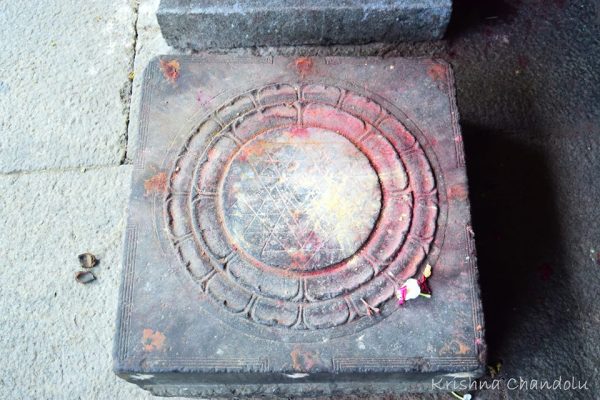
 sri yantram,ekambareswar

OM and Sri Yantra


In the 1960s Hans Jenny, a Swiss Scientist, spent over ten years conducting experiments to discover the effects of sound waves on materials placed on metal plates vibrated with sound. Materials such as glycerin, mercury, gel, powder and iron fillings were used. He photographed the patterns created.

He found that low frequency sounds produced simple geometric shapes in the materials. As the sound frequency was increased, these simple frames would break up and more complex patterns would appear. The sound ‘OH’ would produce a perfect circle.  The sound ‘OM’ produced a pattern that resembles the Shri Yantra; the ancient mandala for ‘OM’ used in India for thousands of years!


Alexey  Kulaichev, a Russian Scientist has concluded that Shri Chakra could not be analysed even by the present day computers!


He says, “I wish to note, however, that the present day level of scientific and technical knowledge is insufficient to analyse the structure of  Sri Yantra .


“The analysis involves a complex system of algebraic equations and complicated computations which are beyond the capability of the present generations of computers.


“How such an object could have appeared in antiquity? How did people there come to know that nine triangles arranged in such a way can intercept each other, their numerous crossing points coinciding? There are many more other questions that I can not answer”


Every Mantra has six aspects: a rishi or Seer, a raga or melody, the Devatha or the presiding Deity, a Bija or seed sound, the Sakthi or power and a kilaka or pillar.


The Mantras were transmitted from generation to generation from Guru to disciple. The successful use of mantras was and is simply a common part of Indian mentality.


OM is a powerful, simple mantra that could be recited by anybody. Mantra Sastra or Mantra Scripture says that OM could be chanted in 170 different ways. Madam Blavatsky has quoted some ancient Indian text that it can be chanted in 250 different intonations and that the siddhis or results attained by each method is different and good.

 gayatri

Gayatri Mantra


The power of Gayatri Mantra is indescribable and beyond words. The definition of Gayatri itself indicates the tremendous power of this prayer: Gayantam traete iti Gayatri or that which saves on chanting. The mantra protects the chanter of Gayatri. It is glorified as ‘Mantra Rajam’


The Gayatri mantra was discovered by the great sage Viswamitra.

The mantra is given below:


Om

Bhur Bhuva Svaha

Tat Savitur Varenyam

Bhargo Devasya Dheemahi

Dhiyo yonah Prachodayat

The mantra may be translated as follows:


Om. We meditate upon the spiritual effulgence of THAT Adorable supreme Divine Reality the Source of the physical, the Astral and the Heavenly Spheres of Existence.

May THAT supreme Divine Being enlighten which our Intellect.

The mantra consists of 24 syllables.


24 rishis or sages are associated with each syllable. Similarly each syllable is associated with 24 special powers and 24 flowers.


Automatically the chanter will get all the benefits and all round success. Each syllable bestows a particular ‘Siddhi’ or power.


The twenty four powers are: Strength, Energy, Attraction, Suggestion, Motion, Awe, Discrimination, Activity, Courage, Memory, Determination, Desire, Affection, Aversion, Union, Disunion, Analytic capacity, Synthetic capacity, Hearing, Touch, Sight, Taste, Smell and Knowledge.

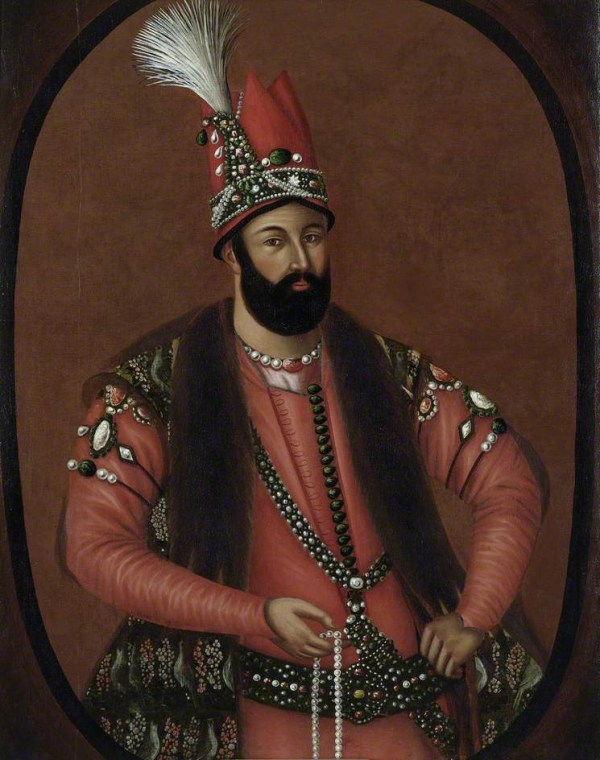
(c) British Library; Supplied by The Public Catalogue Foundation

(c) British Library; Supplied by The Public Catalogue Foundation


Nadir Shah and Guru Charndas


Nadir Shah, the King of Iran heard about the golden treasures of India and suddenly he decided to invade India. He attacked Delhi with all his might. Mohemmed Shah, the then ruler of Delhi gave a fitting reply in the battle field. Nadir Shah was defeated. He returned to Iran with disappointment. Mohemmed Shah had written a letter to Nadir Shah stating that he was informed by a sage about Nadir Shah’s invasion and was advised to prepare himself for the fight. Hence he was able to defeat him easily. Nadir shah waswonderstruck. He wanted to see the sage. Mohemmed shah obliged. Nadir shah prostrated before the sage Guru Charandas and asked him how he knew that he would attack Delhi, for he himself did not conceive the very idea six months back. Charandas replied that through Gayatri Mantra everything is possible.


Even today in the village of Sukradal, Uttarpradesh, India, he is being remembered every year during the festival of ‘Gayatri Jayanthi’ or ‘Birthday festival of Gayatri’.

It is worth mentioning about the Agnihotra  which saved two families in Bhopal.


All of us very well know the tragic incident that occurred on the night of December 3, 1984 when the poisonous MIC gas leaked from Union Carbide factory at Bhopal. Hundreds of people died and thousands were hospitalized but there were two families – those of Shri Sohan Lal S Khushwaha and Shri M.L. Rathore, living about one mile away from the plant who came out unscathed. These families were regularly performing agnihotra (havan). In these families nobody died, nobody was even hospitalized despite being present in the area worst affected by the leakage of the toxic gas. This observation implies that agnihotra is a proven antidote to pollution.


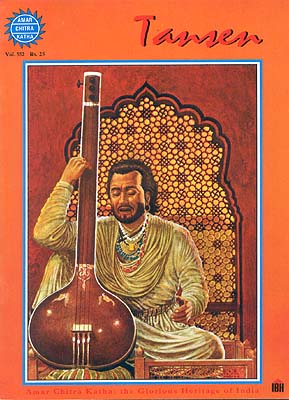
tansen_acl76

Akbar and Tansen


The power of sound can better be explained from the following incident!


The great Emperor Akbar heard about the talents of famous musician Tansen (1492-1589 A.D) and invited him to his court. Tansen was given a place of honour among the nine jewels like Birbal, Abdul Fazal,Todarmal and Rahim in Akbar’s court.


Tansen symbolized the best in Hindusthani Music. Tansen with his enchanting music made ‘ the trees swing and the rocks sway’! Once Akbar wanted Tansen to sing a special music known as ‘Deepak Rag’ which produced lightning effect.


Deepak in Sanskrit means ‘Light’. Tansen requested Akbar to erect a special platform near a lake for his performance. Akbar ordered immediately to erect the platform wondering why it should be constructed, near a lake! Tansen started singing the special music ‘Deepak Rag’. Suddenly his body temperature went up! He had to jump into the lake to save himself from being burned and suffering from electric shock. The lightning  effect was caused by the vibrations of the music or sound!


The scientific studies on the effect of Mantras and Sound reveal that the ancient seers are themselves perfect spiritual scientists. They have shown the perfect way for the betterment of the mankind.


Let us  recite the mantras as instructed by the great seers for the betterment of the world!


Sarve Jana Sukino bhavanthu!

–subham–


தஞ்சாவூர் தமாஷ்! சுங்கிடிசேலை வெங்கடசுப்பி கதை!

kali

Compiled  by London swaminathan

Date: 28 December 2015


Post No. 2434


Time uploaded in London :– 5–34 AM

( Thanks for the Pictures  ) 


DON’T REBLOG IT AT LEAST FOR A WEEK!  DON’T USE THE PICTURES; THEY ARE COPYRIGHTED BY SOMEONE.


விநோத விகட சிந்தாமணி என்ற பழைய நகைச்சுவை புத்தகத்திலிருந்து; கொடுத்துதவியவர்: சென்னை எஸ். சீனிவாசன்


எங்கள் பக்கத்து வீட்டில் வெங்கடசுப்பி என்றொரு பெண் புருடன்கூடி இல்லறம் நடத்தி வந்தாள். புருடன் மண்டூதரன். மனைவிக்குப் பயந்த மரியாதை ராமன். பெண்சாதியோ “மூக்குப் பிடிக்க யாரடா சோற்றின் மறைவிலே! என்றால் நான் தான் நோயாளி பத்தியம் பண்ணுகிறேன்” என்றவனையும் ஜெயிக்கப்பட்ட பேர்வழி. பண்டுபலாதிகளை வேண்டியமட்டும் தண்டிக்கொள்பவளும் “உண்டி சுருங்குதல் பெண்டிர்க்கழகு” என்ற வாக்கியத்தை அபத்தம் செய்யக்கூடியவளுமாகையால் சதாகாலமும் மொக்குவதிலேயே முழுப் ப்ரீதி


ஒருநாள் சுங்கிடிசேலையுடுத்தும் வெங்கடசுப்பம்மாளுக்கு வயிர்வீங்கத் தின்று தெறிக்க எண்ணமுண்டாச்சுது. ஆகையால் ஏழையாகிய தன் கணவனை நோக்கி, “நாளைய தினம் புரட்டாசி சனிக்கிழமை, மலையப்பனுக்கு, அதாவது வெங்கடாசலபதிக்கு சமாராதனை செய்ய வேண்டும். சென்ற வருஷத்தைக்காட்டிலும் இவ்வருஷம் திறமாயிருக்கவேண்டும்” என்றாள். அதற்குக் கணவன், “அடியே! கையிலொரு காசுமில்லை; கடன் கொடுப்பாருமிலை. ஆகையாலினி வருஷத்துக்கு நான்கு புரட்டாசி சனிக்கிழமைகளையும் விட்டுவிட எண்ணியிருக்கிறேன்” என்றான்.


மனைவியோ எப்போதும் திண்டிப்போத்தாதலால் ஆவேசம் வந்தவள் போல் நடித்து உதட்டை மடித்துக் கண்விழி பிதுங்குமாறு உற்றுநோக்கி, “ அட பயலே! என்னை யாரென்று நினைத்தாய்? நான் தான் மலையப்பன். வருடா வருடம் செய்துவந்ததை மறந்து இவ்வருடம் அபராதம் செய்யாதே”- என்றாள். கண்வன் மனைவியின் சூழ்ச்சியை நிஜமென நம்பி, “அம்மா, தாயே! அடியேனைக் காவாய்” என்று பயந்து வேண்டிக்கொண்டு வீட்டிலுள்ள தட்டுமுட்டு சாமான்களை அடகுவைத்துச் சம்பிரமமாய் மலையப்பனுக்கு பூஜை நடந்தேறியது. அங்கு வந்திருந்த பேர்க்குக் கொஞ்சம் போட்டுவிட்டு மனைவியாள் தன் குக்ஷி நிறைய பக்ஷித்துவிட்டு மீதியை அடுக்குப் பானையிலிட்டாள். அடுத்த சனிக்கிழமையன்று கணவன் கையில் பணமில்லாததால், இந்தச் சனிக்கிழமை பூஜையை கணவன் விட்டுவிடுவானோ என்று எண்ணி, ஆ, ஊ, என்று ஆர்ப்பாட்டம் செய்ய ஆரம்பித்தாள்.


இதையெல்லாம் பார்த்துக்கொண்டிருந்த அடுத்தவீட்டு ஆம்பிளை, இவள் கொட்டத்தை அடக்க வேண்டுமென்று எண்ணி, அந்த வீட்டுக்குள் நுழைந்தார். அப்போது கணவன், மனைவியின் பாதத்தைப் பிடித்துக்கொண்டு, “ஸ்வாமி! நான் அபராதம் செய்யவில்லை. மலையேற வேண்டும்” என்று கெஞ்சிக் கொண்டிருந்தான். அடுத்தவீட்டுக்காரர் ஆவேசம் வந்தாற்போல தலையை விரித்துக்கொண்டு, “தாட் பூட், தெற்காலே வடக்காலே என்று ஆர்ப்பரித்து நின்றான். புருடன் பயந்துபோய் “நீங்கள் யார்?” என்றான்.


“என் பேர் அலர்மேல் மங்கை. பொழுதுவிடிந்தால் என் புருஷன் மலையப்பன் உன் வீட்டுக்கு வந்துவிடுகிறார். அழைத்துப்போக வந்தேன்”என்று அடுத்த வீட்டுக்காரர் சொன்னார். அத்தோடு மனைவியைப் பரபரவென அடுத்தவீட்டுக்கு இழுத்துப் போய் அவள் கொட்டமடங்குமட்டும் நையப் புடைத்தனுப்பினான். அந்த அம்மாளுக்கு நாக்கு நீளமென ஏற்கனவே சொல்லியிருப்பதால் மற்றொரு சனிக்கிழமையும் ஆர்ப்பாட்டம் செய்ய ஆரம்பித்தாள். புருஷனுக்குக் கொஞ்சம் தைரியம் வந்திருந்தது.


“சுவாமீ! மரியாதையாய் மலையேறுகிறீரா? இல்லாவிட்டால் அடுத்தவீட்டு அலர்மேல் மங்கையைக் கூப்பிடட்டுமா?” என்றான். உடனே அவள், “வேண்டாம், வேண்டாம். நானே போய் விடுகிறேன்” என்று அன்றுமுதல் தன் கொட்டத்தை அடக்கிக்கொண்டாள்.

–சுபம்–

சிலைகளைக் கும்பிடுவது சரியா? ரமணரின் பதில்!

amman

Written by S NAGARAJAN

Date: 27 December 2015


Post No. 2433


Time uploaded in London :– 16-17

( Thanks for the Pictures  ) 


DON’T REBLOG IT AT LEAST FOR A WEEK!  DON’T USE THE PICTURES; THEY ARE COPYRIGHTED BY SOMEONE.


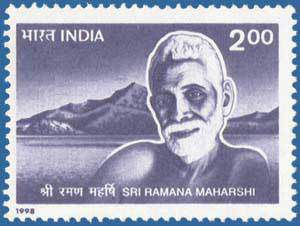
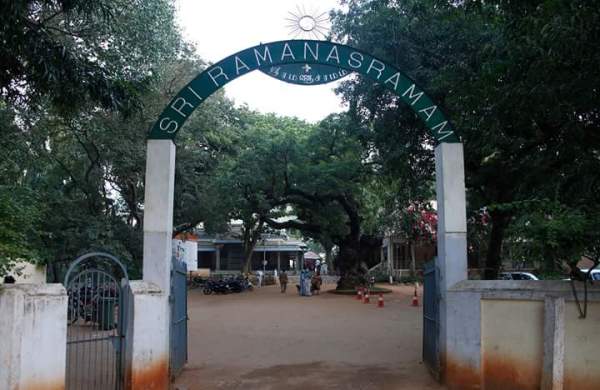
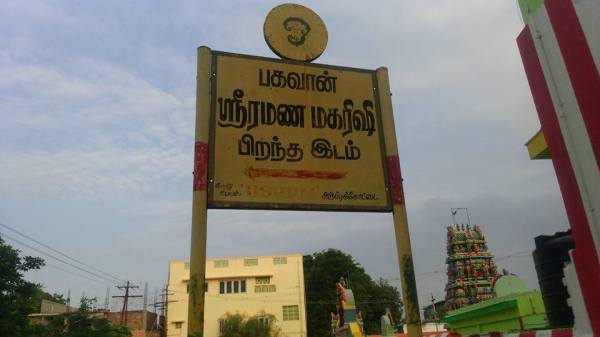
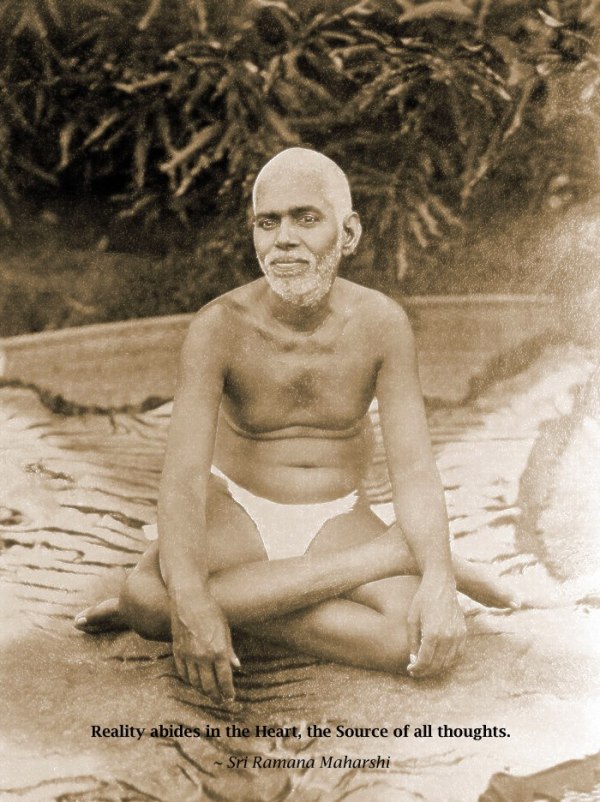
ரமண மஹரிஷியின் ஜயந்தி தினம். அதையொட்டிய சிறப்புக் கட்டுரை.

ஞான ஆலயம் டிசம்பர் 2015 இதழில் வெளிவந்துள்ள கட்டுரை


சிலைகளைக் கும்பிடுவது சரியா? மஹரிஷி ரமணரின் பதில்!

.நாகராஜன்


 ramana

முஸ்லீம் அன்பரின் சந்தேகம்

திருவண்ணாமலையில் அருளாட்சி செய்து கொண்டிருந்த ரமண மஹரிஷியை அணுகி தங்கள் சந்தேகங்களைப் போக்கிக் கொண்ட அன்பர்கள் ஏராளம். பெரும்பாலும் மௌனத்தையே பாஷையாகக் கொண்டு வந்திருந்தோரின் மனதில் சந்தேக விளக்கம் தானாகவே கிடைக்கும் படி அருள் பாலிப்பது அவர் வழக்கம். சில சமயம் வந்திருந்திருப்பவரின் பக்குவத்திற்கேற்ப பதிலை அருள்வதும் உண்டு.

ஒரு நாள் இரண்டு முஸ்லீம் அன்பர்கள் அவரை நாடி வந்தனர். அவர்களுக்கு உருவ வழிபாடு பற்றி சந்தேகம் இருந்தது.

பக்தர்: கடவுளுக்கு உருவம் உண்டா?

மஹரிஷி: அப்படி என்று யார் சொன்னது?

பக்தர்: அப்படி என்றால், கடவுளுக்கு உருவம் இல்லை என்றால், சிலைகளைக் கும்பிடுவது சரியா?

மஹரிஷி: கடவுளை விட்டு விடுவோம். ஏனென்றால் அவர் யாருக்கும் பிடிபடாதவர். உங்களை எடுத்துக் கொள்வோம். உங்களுக்கு உருவம் உண்டா?

பக்தர்: ஆம், எனக்கு உருவம் உண்டு; பெயர் உண்டு.

மஹரிஷி: அப்படி என்றால் உடல் அங்கங்களைக் கொண்ட ஒரு மனிதர் நீங்கள். ஆறடி உயரம், தாடி கொண்டவர். சரி தானே!

பக்தர்: நிச்சயமாக அப்படித்தான்!

மஹரிஷி: சரி, அப்படியானால் தூங்கும் போது உங்களை நீங்கள் காண்கிறீர்களா?

பக்தர்: விழித்து எழுந்தவுடன் நான் தூங்கிக் கொண்டிருந்திருக்கிறேன் என்பது தெரிகிறது. ஆகவே, அநுமானத்தின் மூலமாக நான் இப்படி ஆழ்ந்த உறக்கத்தில் இருந்திருக்கிறேன் என்பது தெரிய வருகிறது.

மஹரிஷி: நீங்கள் உடல் தான் என்றால் இறந்த பிறகு சவத்தை ஏன் புதைக்க வேண்டும்? உடல் தன்னைப் புதைப்பதை எதிர்க்க அல்லவா வேண்டும்?


ramana2

பக்தர்: இல்லை, நான் பரு உடலில் உள்ளே இருக்கின்ற உள்ளுறை ஜீவன்.

மஹரிஷி: ஓ! அப்படி என்றால் உண்மையிலேயே நீங்கள் உருவம் இல்லாதவர் என்றாகிறது. ஆனால் இப்போது  உடல் மூலமாக உங்களை அடையாளம் கண்டு சொல்கிறீர்கள். இப்படி உடலுடன் இருக்கும் போது அடையாளம் காணும் நீங்கள், உருவம் இல்லாத கடவுளை உருவமாகக் காண்பதில் என்ன தவறு இருக்கிறது?

கேள்வி கேட்டவர் திகைத்து விட்டார்.

ஓர் நாமம் ஒருருவம் இல்லார்க்கு ஆயிரம் திருநாமம் பாடித் தெள்ளேணம் கொட்டோமோ என்பது அருளாளர் வாக்கு.

உருவமுமாகி அருவமுமாகி அதையும் கடந்தவனாகி இருப்பவன் இறைவன்.

மஹரிஷியின் அருள்வாக்கின் மூலமாக அனைவரும் உருவ வழிபாடு பற்றிய உண்மையை அறிந்தனர்.


ramanashram gate

சையத் உணர்ந்த சமத்துவம்

டாக்டர் முஹம்மத் ஹபிஸ் சையத் என்பவர் பெர்ஸிய மொழியிலும் உருது மொழியிலும் பேராசிரியராக அலஹாபாத் பல்கலைக் கழகத்தில் பணியாற்றி வந்தார். அவர் திருவண்ணாமலை வந்து மஹரிஷியை தரிசித்தார். ஏராளமான கேள்விகள் அவரைக் குடைந்தன. ஒவ்வொன்றாகக் கேட்டுத் தெளிவு பெற்றார்.

சையத்: உண்மையை எப்படி உணர்வது? அதை எப்படி அனுபவிப்பது?

மஹரிஷி: புதிதாக எதையும் பெற வேண்டியதே இல்லை! ஆன்மாவைப் பற்றிய அறியாமையை விட்டு விட்டாலே போதும்! ஆன்மாவை ஆன்மா அல்லாதவற்றுடன் அடையாளம் காண்பது தான் அறியாமை. அதை விட வேண்டும்.

சையத்: சரி. எனக்கு இன்னும் புரிந்தபாடில்லை. உங்கள்  உதவி வேண்டும். இங்குள்ள ஒவ்வொருவரும் உங்களின் அருளுக்காகக் காத்துக் கொண்டிருக்கின்றனர். நீங்களே ஒரு குரு அல்லது கடவுளின் உதவியை நாடி இருக்க வேண்டும். அந்த அருளை இப்போது எல்லோருக்கும் அருளுங்கள். என்னைக் காப்பாற்றுங்கள்.

இங்கு வருவதற்கு முன்னர் உங்களைக் காண்பதற்கு மிகவும் ஆவலுடன் இருந்தேன். ஆனால் அதற்கான வாய்ப்பு ஏனோ எனக்குக் கிடைக்கவில்லை. பெங்களூர் வந்த போது எப்படியும் உங்களை தரிசிப்பது என்று திடமாகத் தீர்மானித்தேன். மிஸ்டர் ஃப்ரைட்மேனையும் இன்னும் பலரையும் சந்தித்தேன். அவர்கள் என்னை இங்கே அனுப்பினர். என்னை நீங்கள் இழுத்திருக்கிறீர்கள். பால் பிரண்டன் பம்பாயில் இருந்த போது அவரது பயணத்தை ரத்து செய்ய வைத்து இங்கே அவரை இழுத்தீர்கள். அது போலத் தான் எனது கேஸும் இருக்கிறது.

அருப்புகொட்டை ரமணர்

ரமணர் தமிழ்


இங்கு வந்த போது ஒரே தயக்கம். என்னை உங்களின் அருகே வர அனுமதிப்பார்களா, பேச விடுவார்களா என்றெல்லாம் சந்தேகப்பட்டேன். ஆனால் எனது சந்தேகம் எல்லாம் நீங்கி விட்டன. இங்கு அனைவரும் சமம் என்பதை உணர்ந்து கொண்டேன். இங்கு சமத்துவத்தை நீங்கள் உருவாக்கியிருக்கிறீர்கள். உங்களுடன் சேர்ந்து மற்றவர்களைப் போலவே சாப்பிட்டேன். இங்கு நடந்ததை உத்தர பிரதேசத்தில் சொன்னால் நம்பவே மாட்டார்கள். அங்குள்ள அந்தணர்கள் என்னுடன் சமபந்தியில் சாப்பிடமாட்டார்கள்; வெற்றிலை கூடப் போட மாட்டார்கள். ஆனால் இங்கோ நீங்கள் என்னை உங்களுடன் ஒருவனாக ஏற்றுக் கொண்டிருக்கிறீர்கள். காந்திஜி இதைச் செய்ய முயன்று கொண்டிருந்தாலும் கூட தேசத்தில் அப்படிப்பட்ட நிலையை உருவாக்க இன்னும் முடியவில்லை. உங்கள் முன்னால் இருப்பதே எனக்கு ஆனந்தமாக இருக்கிறது.

உங்களை தெய்வமாக மதிக்கிறேன். ‘யார் வழிபட்டாலும் சரி, அப்படி வழிபடுபவர் என்னையே வழிபடுகிறார். அவரை நான் காப்பாற்றுவேன்” என்று ஶ்ரீ கிருஷ்ணர் அருளியுள்ளார். ஆனால் மற்றவர்களோ, என் மூலமாகத் தான் முக்தி என்று சொல்லி இருக்கின்றனர். ஶ்ரீ கிருஷ்ணர் ஒருவரே இப்படி பரந்த மனப்பான்மையுடன் கடவுளே பேசுவது போல அருளியுள்ளார். அதே சமத்துவத்தை நீங்களும் கடைப் பிடிக்கிறீர்கள்”

சையத் மனமுருக இப்படிப் பேசி விட்டு மஹரிஷியை வணங்கினார்.

இதிலிருந்து பல முறை அவர் மஹரிஷியைப் பார்க்க வருவது வழக்கமானது.


ramana sitting

என் வாழ்க்கையே என் உபதேசம்

கஷ்டமான கேள்விகளுக்கு தான் வாழும் வாழ்க்கை மூலமாகவே எளிய விடையை காண்பித்தவர் மஹரிஷி.

ஹிந்துக்கள், கிறிஸ்தவர்கள், முஸ்லீம்கள், பார்ஸிகள், புத்த மதத்தினர், சீக்கியர், ஜைனர்கள் என அனைத்து மதத்தினரும் அவர் முன் சமமாக அணி வகுத்து நின்றனர்; சம உரிமையைப் பெற்றனர். தங்கள் தங்கள் சந்தேகங்களைத் தீர்த்துக் கொண்டு திருப்தியுடன் அவர் அருளைப் பெற்றனர்.

மஹரிஷியின் அருளுரைகள் ஆன்மீகச் சுரங்கம்; அதைத் தோண்டத் தோண்ட அற்புதமான இதமான விஷயங்கள் கிடைக்கும்; இறைவனை வெளிப்படுத்தும்!

***************


January 2016 Good Thoughts Calendar( Post No. 2432)

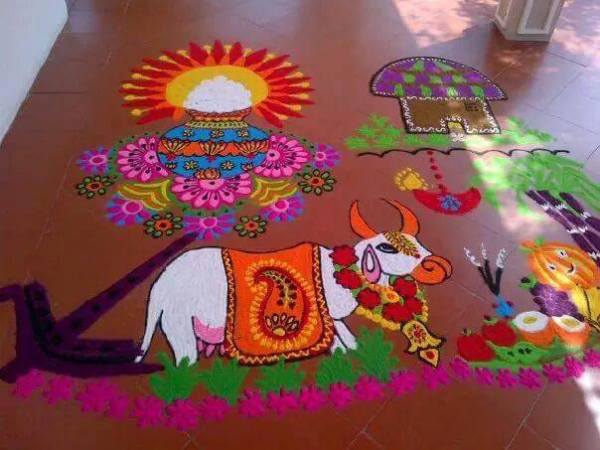
pongal,fb

(Pongal/Sankaranti 15th January 2016 in Tamil Nadu)

Written by London swaminathan

Date: 27 December 2015


Post No. 2432


Time uploaded in London :– 7-30 AM

( Thanks for the Pictures  ) 


DON’T REBLOG IT AT LEAST FOR A WEEK!  DON’T USE THE PICTURES; THEY ARE COPYRIGHTED BY SOMEONE.


Festivals in January: 1 New Year; 14 Bogi; 15 Pongal; 16 Kanu Pongal/Tiruvalluvar Day; 26 Republic Day; 31 Vivekananda Jayanti

Auspicious Days: 20, 29

Full Moon 24 and New Moon 9

Ekadasi Fasting Days: 6, 20


31 Golden Sayings on Reality, Fact and Factuality from Sanskrit literature.

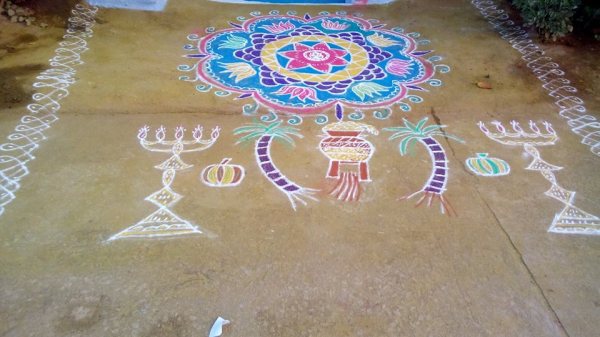
kolam pongal

Pongal/Sankaranti Kolam/Rangoli


January 1 Friday

Big or small, the basil leaf is holy – Kahavatratnakar

Ksudram vaatha visaalam vaa paavanam tulasiidalam


January 2 Saturday

Necessity indeed negates ‘dos’ and ‘donts’

Aavasyakataa hi vidhinisedhayoh baadhikaa


January 3 Sunday

Nothing in this world is absolutely distasteful for ever– Katha sarit sagar

Kin tadasti hi samsaare paryantavirasanna


January 4 Monday

Fire that falls in a place devoid of dry grass dies down on its own – Canakya Cataka


January 5 Tuesday

Surely, a half filled pot makes more noise –Subhasita Ratna Bhandaagaara (SRB)

Ardho ghato ghosamupaiti nuunam

IMG_0635

January 6 Wednesday

Only he who mounts a horse, is likely to fall – Kahavatratnakar

Asvamaarohate yastu sa kadaacit patat yapi


January 7 Thursday

An entire forest is burnt to ashes by a single park of fire – Kahavatratnakar

Ekenaiva sphulingena dahyate sakalam vanam


January 8 Friday

Hail that one sentiment – compassion

Eko rasah karuna eva – Uttama Rama Carita 3-47


January 9 Saturday

No effect without a cause – Yoga vasishata 7-57-13

Kaaranena vinaa kaaryam na ca naamopapadyate


January 10 Sunday

Even the bitterness of saffron is quite enjoyable – Bhaaminivilaasa

Kaasmirajasya katutaapi nitaantaramyaa


Iair2

Indian Republic Day 26th January 2016


January 11 Monday

Repeated blows beat the bruise – Panchatantra 2-186

Ksate prahaaraa nipatantya


January 12 Tuesday

Who can arrogate to himself the creation of the Ganges?

Gangaa kena vinimitaaa – – Kahavatratnakar


January 13 Wednesday

Only a walker is likely to trip, if careless.

Gacchatah skhalanam kvaapi bhavatyeva pramaadyatah


January 14 Thursday

The crest-jewel, though on one’s own head, cannot be seen by one’s own eye.

Cuudaamanih sirahsthopi drsyate na svacaksusaa – Ramayana manjari 4-12-478


January 15 Friday

Water, drop by drop, fills the pot.

Jalabindu nipaatena kramasah puuryate ghatah – Hitopadesa 2-11, Canakya Niti 12-19

saint7

Swami Vivekananda Birth Day falls in  January .


January 16 Saturday

Trees prosper with water, not stones – – Kahavatratnakar

Jalasekena vardhante taravo naasmasancayah


January 17 Sunday

Speed is the best ornament of the horse – Vaanarasstaka

Javo hi sapiteh paramam vibhuusanam


January 18 Monday

Darkness dwells beneath the lamp! – Kahavatratnakar

Tamo dhastaat pradipasya


January 19 Tuesday

Certainly, the man with the stick is the owner of the buffalo.

Dandam yasya kare tasya mahisii naatra samsayah


January 20 Wednesday

Is a mirror necessary to see your bangle?- – Kahavatratnakar

Darpanam kim apeksante kankanasya niriiksante

IMG_4432

Thyagaraja Aradhana at Tiruvaiyaru 29 January 2016


January 21 Thursday

Mountains are enchanting from a distance – Subhasita ratna manjusa

Duuratah parvataa ramyaaj


January 22 Friday

A self-willed person cares not for censure –Kumara sambhava 5-82

Na kaama vrttir vacaniiyam iiksate


January 23 Saturday

All situations are not identical – – Kahavatratnakar

Na samaanaakhilaavasthaa


January 24 Sunday

All of milk does not become milk.

Na hi gavyamasesena navaniitam bhavati

Thiruvarupa_cover

Thai Pusam (Full Moon Day) Festival at Vadalur, Madurai etc on 24th January 2016


January 25 Monday

The crawling crocodile does not turn into a snake by merely slithering.

Na hi godhaa visarpanti sarpanaadahirbhavati – Mahaabhaasya 5- 1-1-22


January 26 Tuesday

A surreptitious act is beset with obstacles at every step.- Vikramacaritam 3-61

Nityam pracchannakaaryasya syurvighnaani pade pade


January 27 Wednesday

Without fuel, fire dies out

Nirindhano vahnirupaiti saantim


January 28 Thursday

When the sun has set does the moon dilly-dally in rising?

Nenduh ksipati kim kaalam pariksinerkamandale – Kathasarit sagar


January 29 Friday

It is very difficult to recognise men in disguise – Kahavatratnakar

Parivarthitavesaanaam ruupajnaanam sudurlabham.

100 tada sarkarai pongal

Sweet Pongal; Tamil festival on 15th January 2016


January 30 Saturday

A person afflicted with jaundice sees even the moon-white conch, as yellow.

Pasyati piitopahatah sasisubhram sankhamapi piitam – Kaavyaprakaasa


January 31 Sunday

The blazing fire in the mountain is seen, while the thing beneath our feet is missed.


–Subham–