மலைப் பாம்பாகப் பிறந்த கோவில் பூஜாரி!

python malay

Article No. 2080

Written by London swaminathan

Date : 18 August  2015

Time uploaded in London :–  காலை 6-18

ஒரு நாள் ஸ்ரீ வல்லபாசாரியார் தம் சிஷ்யர் தாமோதரதாசர் பின்தொடரக் காட்டுப் பிரதேசத்தில் சென்று கொண்டிருந்தார். வழியில் தென்பட்ட ஒரு கோரக் காட்சி அவரை மேலே செல்லவிடவில்லை. இறக்கும் தருவாயில் ஒரு மலைப் பாம்பு செயலற்றுக் கிடந்தது. அதன் உடலை ஏராளமான எறும்புகள் மொய்த்துக் கொண்டு கடித்தன.கொடிய சித்திர வதை! மலைப் பாம்பு வேதனை தாளாமல் உடலை நெளித்து நெளித்துத் துன்புறுவது கண்ணராவியாக இருந்தது. இரு மனிதர் கண்களிலும் நீர் ததும்பியது.

ஸ்ரீ வல்லபாசார்யார் பெருமூச்சுடன், கையிலிருந்த கமண்டலத்திலிருந்து கொஞ்சம் தண்ணீர் எடுத்து, அந்தப் பாம்பின் மேல் தெளித்தார். அதற்கு நற்கதி கிடைக்கட்டும் என்று பரமனைப் பிரார்த்தித்தார். எறும்புகள் உடனே விலகிவிட்டன. மலைப் பாம்பும் நிம்மதியாக மரணத்தை வரவேற்றது. இருவரும் மேலே வழிநடந்தார்கள்.

720-Mahaprabhu-Vallabhacharya

ஸ்ரீ ஆச்சார்யரின் மனக் கலக்கம் நீங்காததைக் கண்ட சிஷ்யர் பணிவோடு காரணத்தை வினவவே, குரு பதில் சொன்னார்: “இந்த மலைப் பாம்பு போன பிறவியில் பிருந்தாவனத்தில் கண்ண பிரானின் திருக்கோயில் ‘மஹந்த்’ (தலைமை அர்ச்சகர்). இவனை நம்பி ஏராளமான சிஷ்யர்கள் அறப்பணிக்காக நிறைய பொருளுதவி செய்தார்கள். அவ்வளவையும் இந்த மனிதன் சுய சுக போகத்துக்கென்றே செலவு செய்துவிட்டு மடிந்தான். இந்தப் பிறவியில் அந்த சிஷ்யர்கள் எறும்புகளாக வந்து பழிதீர்த்துக் கொள்கிறார்கள். நிலைதவறிய குருவை எண்ணிப் பார்க்கிறேன். மனக் கலக்கம் மாறவில்லை.”

சிஷ்யரின் கோரிக்கைப் படி சிறந்த குரு யார் என்பதை விளக்கினார் வல்லபர்: “சிரத்தையோடு தினமும் தெய்வத்துக்கு எவர் திருத் தொண்டு புரிகிறாரோ, செருக்கு, சினம், வேட்கை ஆகியவை சிறிதும் இல்லாமல் எவர் வாழ்கிறாரோ, பகவானின் சொரூபத்தை உணர்ந்தவர் எவரோ, அத்தகைய அறிவாளியை மெய்யறிவு பெற விரும்பும் எவரும் குருவாகக் கொள்ளலாம்.”

(தமிழ்:எஸ். ராஜன், ஜூலை, 1964 மஞ்சரி)

Three Popular Anecdotes on Patience

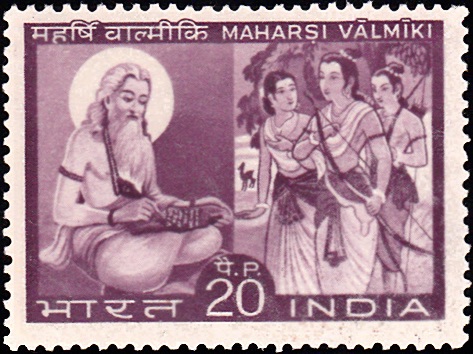
519-Maharshi-Valmiki-India-Stamp-1970

Article No. 2079
Written by London swaminathan
Date : 17  August  2015
Time uploaded in London :–  19-59

“Forbearance is the best ornament for men and women”, says sage Valmiki.

“Alankaaro hi naariinaam ksamaa to purusasya vaa” – Valmiki Ramayana


Patience is a virtue extolled in every scripture and preached by all the saints. There are popular anecdotes in the life of famous people. Tamil saint Tiruvalluvar has devoted one full chapter for it. Mahabharata and Ramayana have plenty of references to patience, forbearance and forgiving.

Retaliation gives but a day’s joy;

Forbearance brings glory for all time – Tirukkural 156

There are three anecdotes to illustrate the greatness of this virtue:

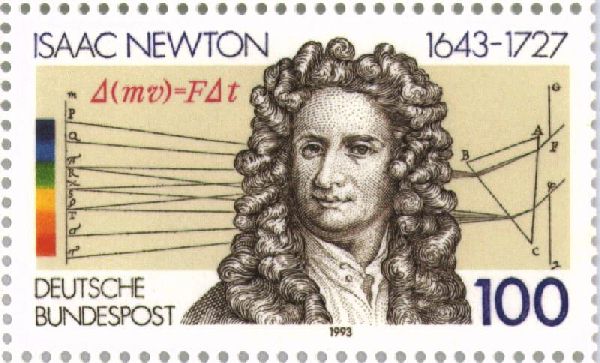
 stamp_newton

Isaac Newton and his dog Diamond

Isaac Newton’s favourite dog is Diamond which was so famous even Carlyle has mentioned it in his book on the French Revolution. One day Newton went for a walk leaving the dog at home. He had his research work on his table where there was a lighted candle. The dog had jumped on it and set fire to the papers. It was the product of his twenty year work. When Newton returned from the walk he saw the charred papers and got a shock. But he never became angry or threw the dog out of the house. He patted on its back and said, “O Diamond, You don’t know what you have done to my work.” He started writing all his work again.

Dictionary Destroyed

There is a similar story about Dr Thomas Cooper who edited a dictionary during the reign of Queen Elizabeth. He edited a learned dictionary with the addition of thirty three thousand words, and many other improvements. He had already been eight years in collecting materials for his edition, when his wife, who was a worthless and malignant woman, going one day into his library, burnt every note he had prepared under the pretence of fearing that he would kill himself with study.

The doctor shortly after came in, and seeing the destruction, inquired who the author of it was. His wife boldly avowed that it was the work of her mischievous hands. The patient man heaved a sigh and said, “Oh, Dinah, thou hast given me a world of trouble!”

Then he quietly sat down to another eight years of hard labour, to replace the notes which she had destroyed.

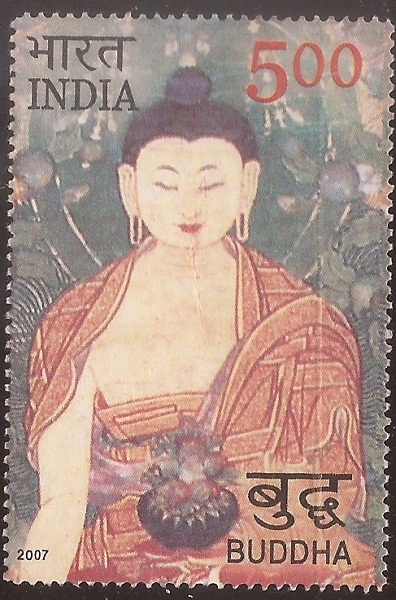
buddha

Buddha and Purna

Purna was one of Buddha’s disciples. He decided to preach in the region of Sudana, which was an uncivilised region.

Buddha asked, “Purna, Where are you going to preach?”

In the region of Sudana, said Purna.

What if they refuse to accept your teachings and criticise you?

That does not matter. I am happy that they did not physically hurt me.

What if they attack you?, asked the Buddha.

It does not matter. I am happy that they did not attack me with weapons.

What if they stab you or cut you with a knife?

I will be still feeling happy thinking that they did not kill me.

What if they kill you?

It does not matter. I will be happy that they helped me to get liberated

Buddha was very happy when he heard this and allowed him to go to the chosen area saying that he reached the highest stage.

valluvar

Tiruvalluvar, author of Tirukkural

Plato and Aristotle

Dr S M Diaz in his commentary on Tirukkural points out neither Plato nor Aristotle said anything about patience:

“It is surprising that these higher level virtues like forbearance, which before Christ, were not referred to by Plato and Aristotle in any of their treatises. But Sangam Tamil literature (Kalitokai 113-14; Natrinai 116)) and the Kural mention it. Obviously the Tamil society of those days, through national channels, had reached a high plateau of norms of virtue, as regards individual and social conduct.”

Some English Quotes on Patience, Forbearance and Forgiving

To err is human, to forgive is divine – Alexander Pope

Good to forgive, best to forget – Robert Browning.

Only a great soul can be superior to the injury – Cato

The best revenge is not to copy him

That was wronged you – Marcus Aurelius, Book VI-6

Unkindness must be treated with kindness – Seneca, Book 27-III

Father, forgive them; they know not what they do – Luke 23-34

The rarer action is in virtue than in vengeance – Francis Bacon

— End —

TAMIL – ENGLISH PROVERB BOOK -1

IMG_3522 (2)

Article No. 2078

Written by London swaminathan

Date : 17  August  2015

Time uploaded in London :–  13-26


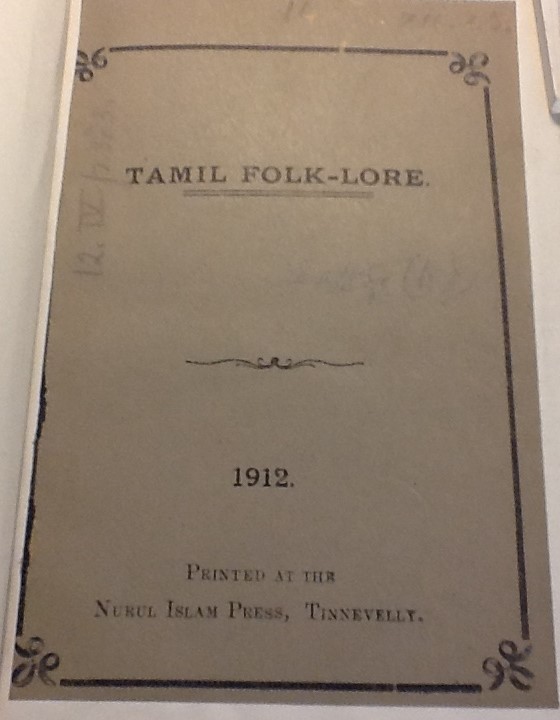
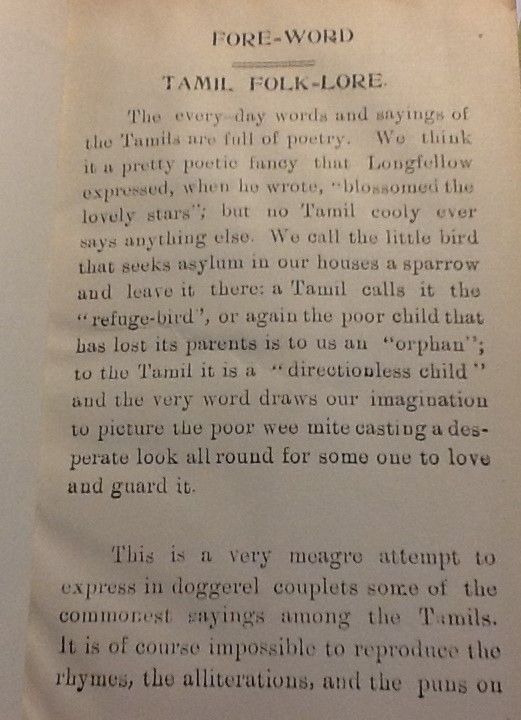
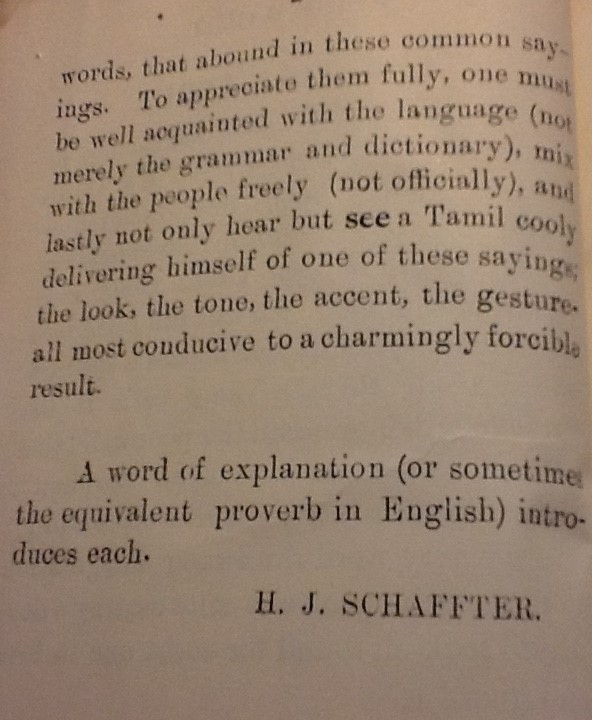
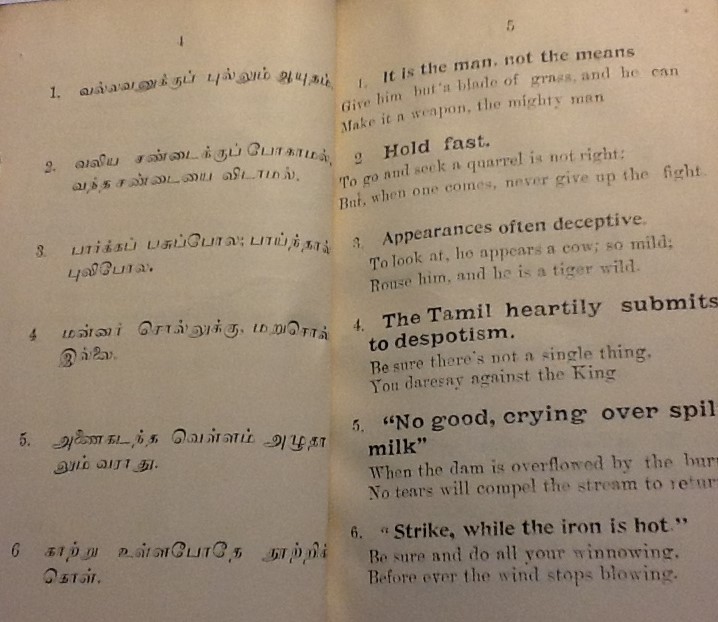
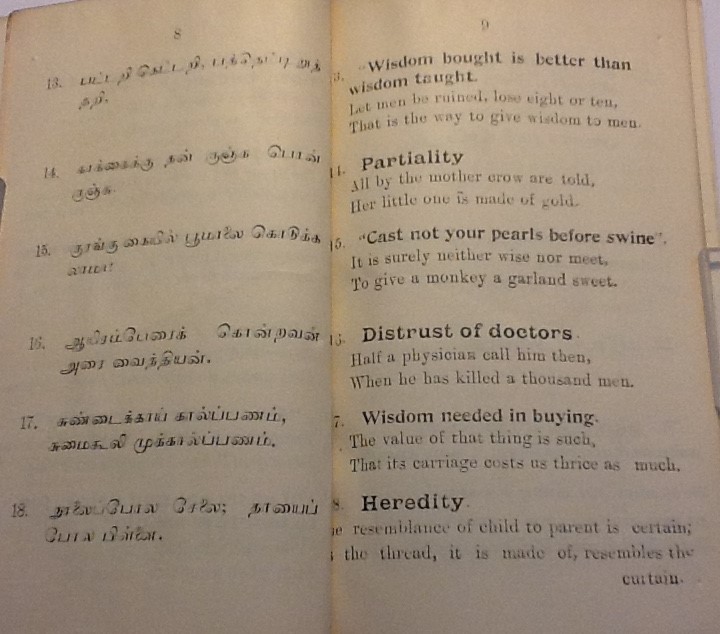
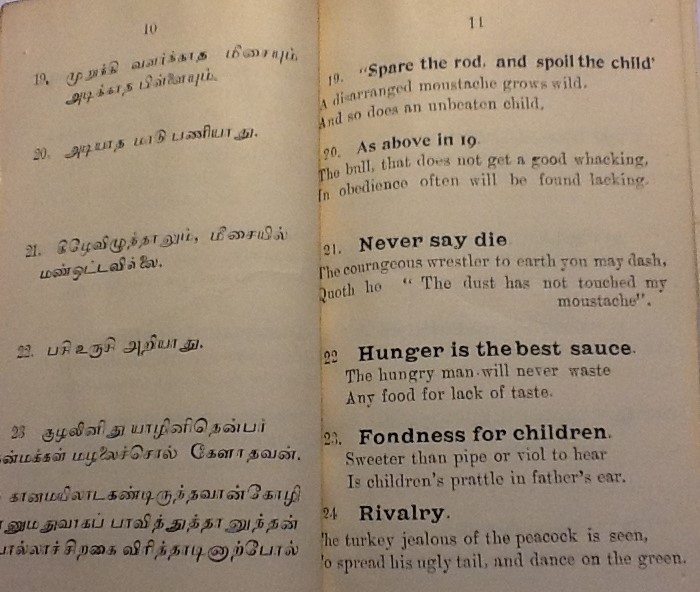
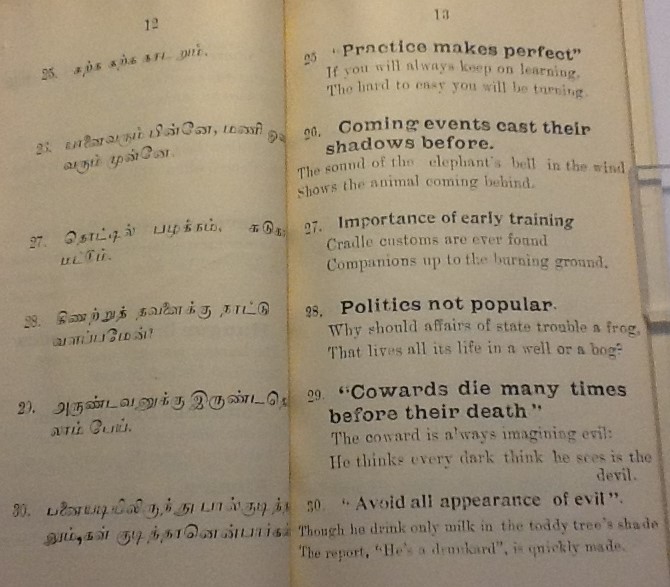
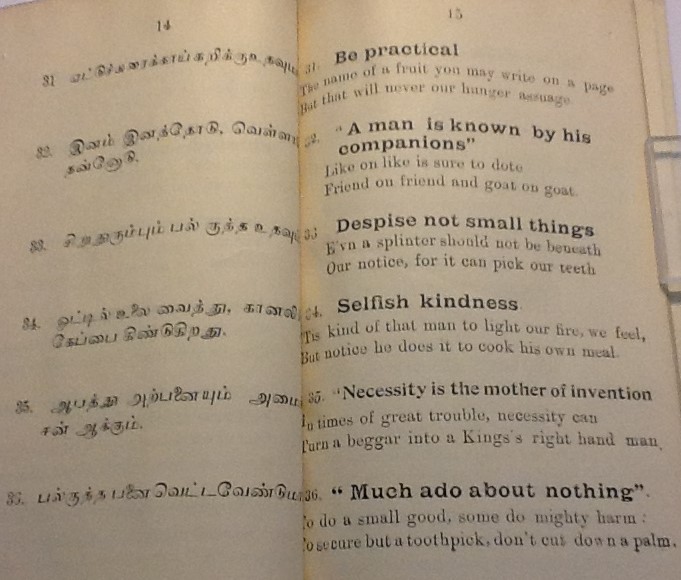
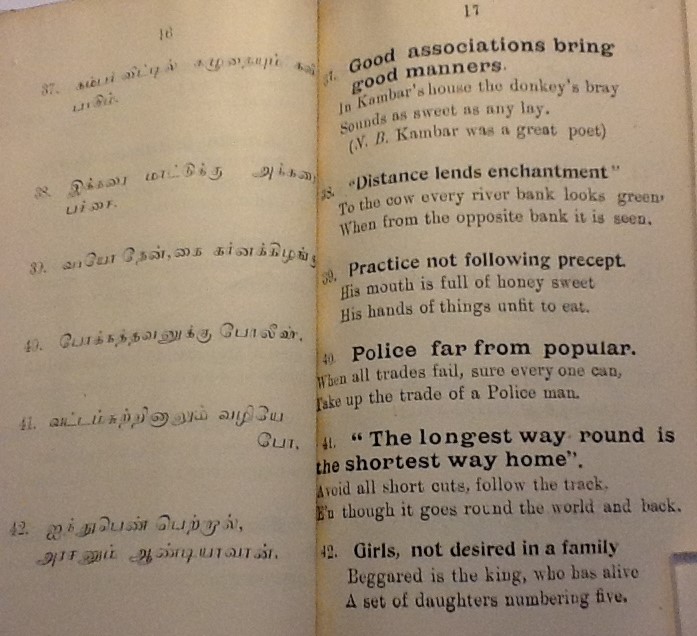
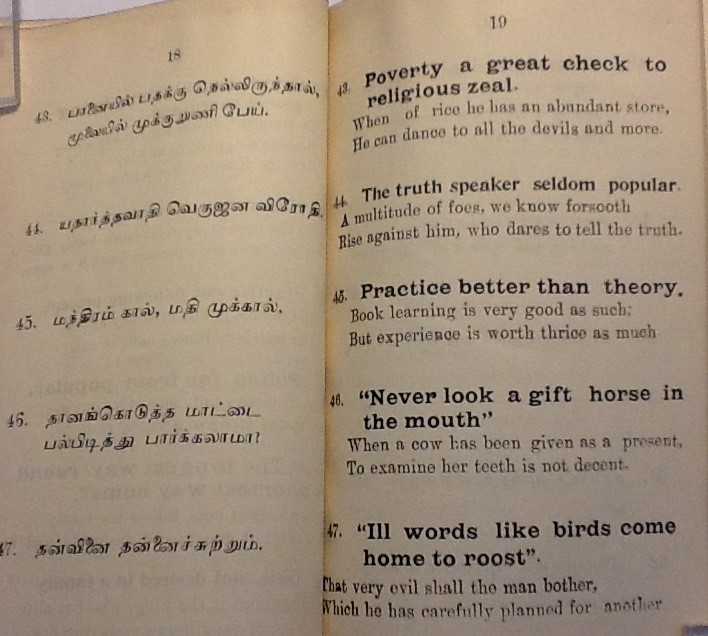
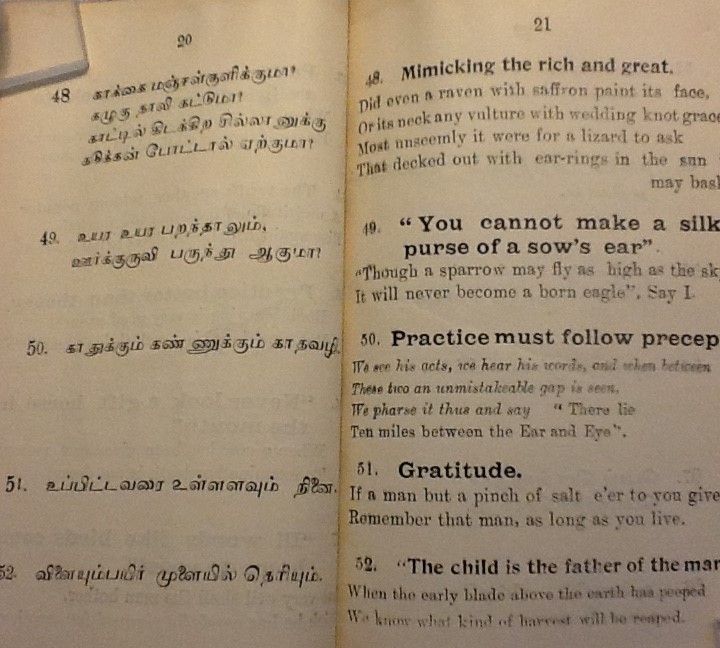
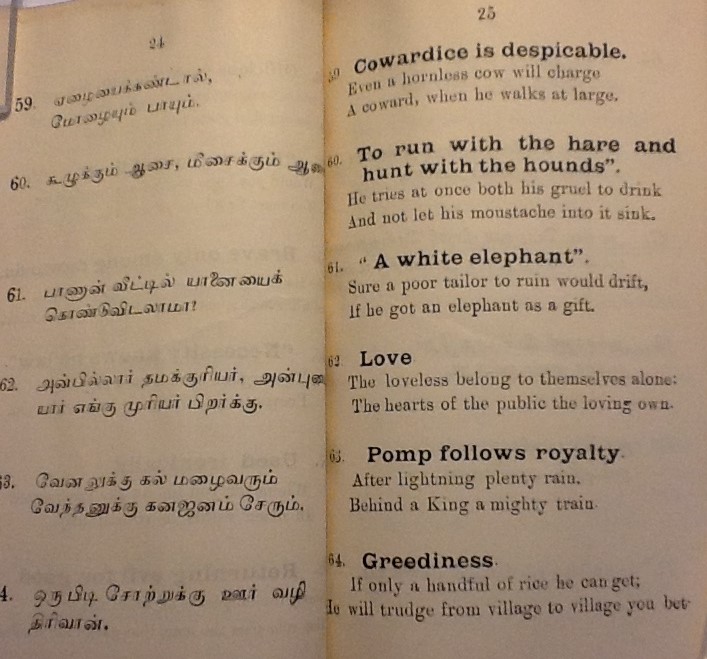
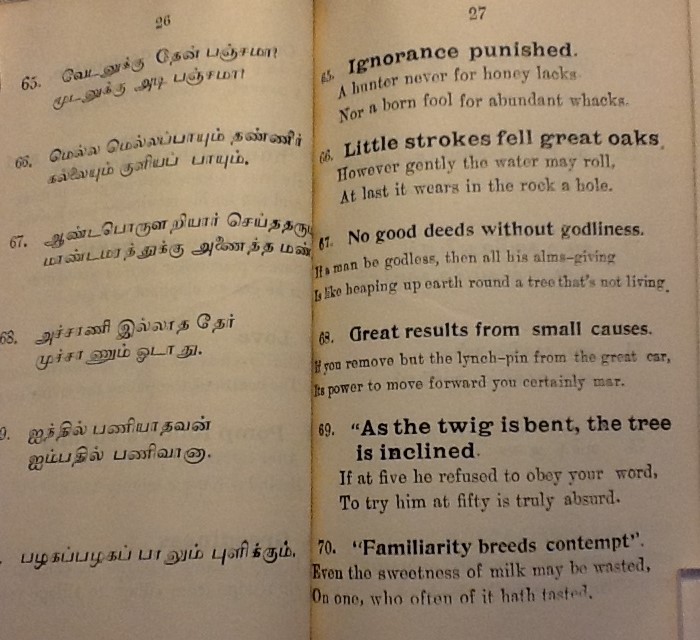
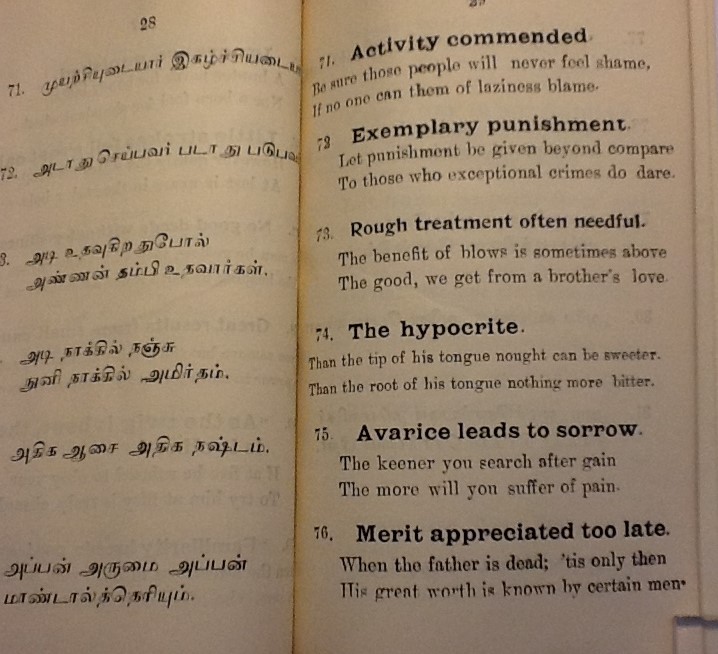
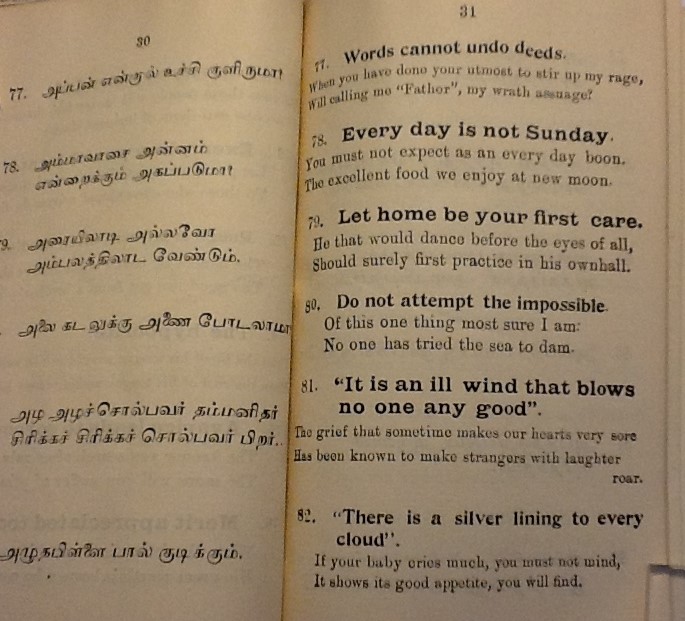
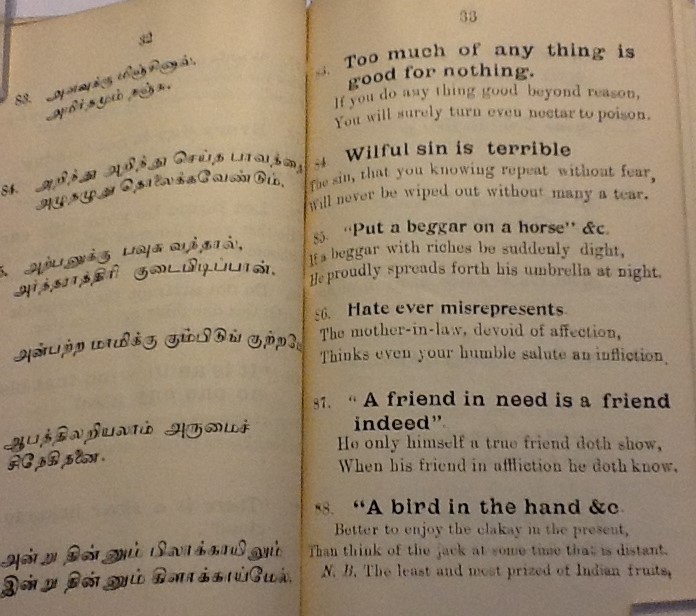
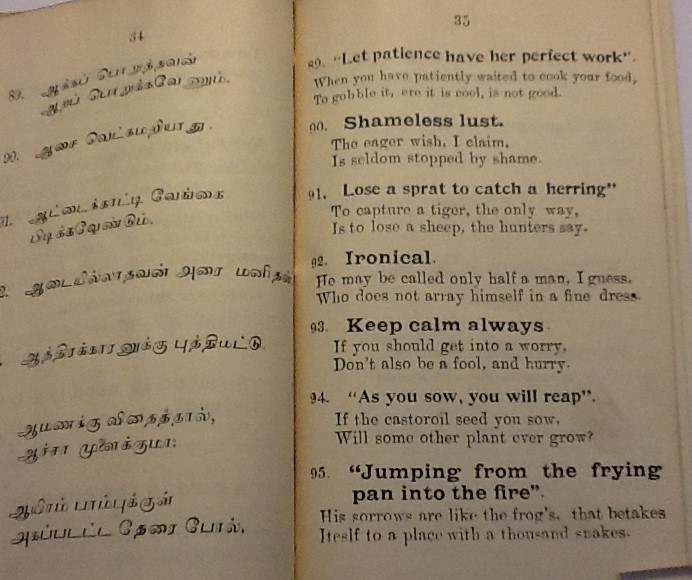
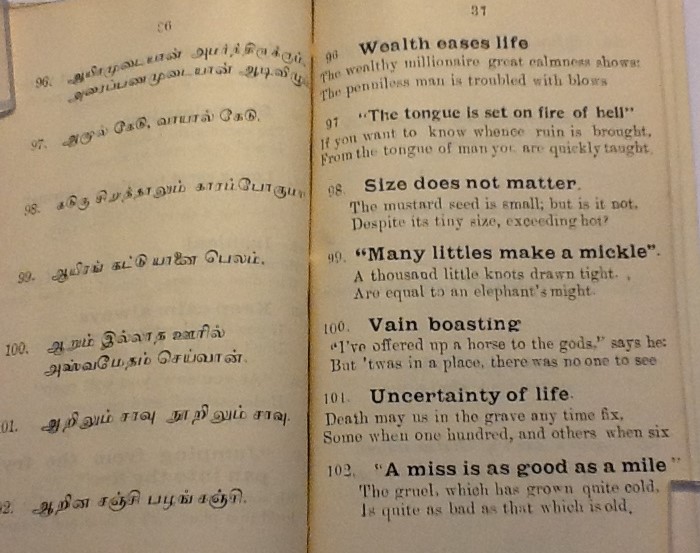
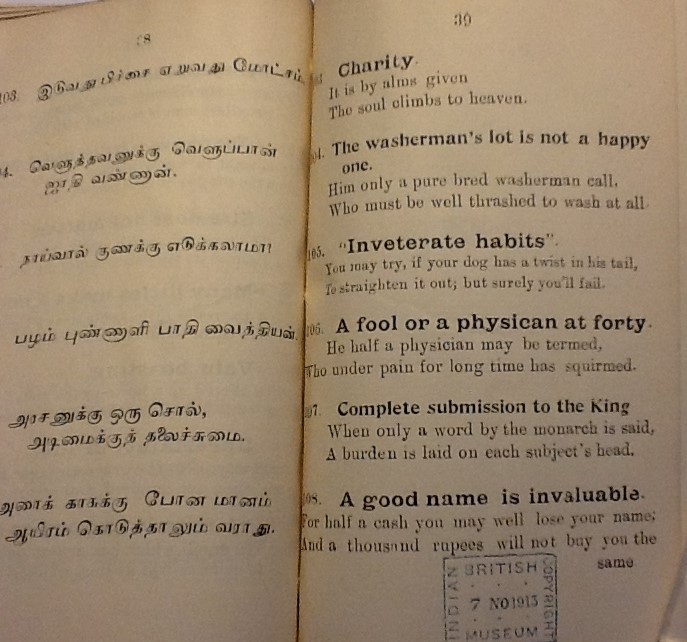
I have got three Tamil Proverb books from the British Library. They are more than 100 years old. This book was published in 1912 and it contains 108 Tamil proverbs and it’s equivalents in English.

IMG_3523 (2)

IMG_3524 (2)

IMG_3525 (2) - Copy - Copy - Copy

IMG_3526 (2) - Copy - Copy - Copy

IMG_3527 (2) - Copy - Copy

IMG_3528 (2) - Copy - Copy

IMG_3529 (2) - Copy - Copy

IMG_3530 (2) - Copy - Copy - Copy

IMG_3531 (2) - Copy - Copy - Copy

IMG_3532 (3) - Copy - Copy

IMG_3533 (2) - Copy - Copy

IMG_3534 (2) - Copy - Copy - Copy

IMG_3535 (2) - Copy

IMG_3536 (2) - Copy - Copy

IMG_3537 (2) - Copy

IMG_3538 (2) - Copy - Copy

IMG_3539 (2) - Copy - Copy

IMG_3540 (2) - Copy - Copy

IMG_3541 (2)

IMG_3542 (2) - Copy - Copy

—-End—-

Vallabhacharya and Python!

720-Mahaprabhu-Vallabhacharya

Article No. 2077

Written by London swaminathan

Date : 16  August  2015

Time uploaded in London :–  19-05


One day Sri Vallabhacarya was going through a forest with his disciple Damodara dasar. When he saw a cruel scene, he stopped there suddenly. There was a dying python unable to move. Thousands of ants were biting it and the python was wriggling in pain. Valabha and Damodara shed tears for the dying creature.

Vallabha breathed heavily and then took some water from his pot and sprinkled it on the python. It died immediately. He prayed for its liberation and then the ants left the body of the python. Both Vallabha and Damodara continued their journey through the jungle.

Still Vallabha looked deeply worried and then Damodara asked him humbly, “Guruji, still you look upset. Has anything gone wrong?”

python malay

Vallabha said to him, “This python was a Mahant (Chief priest) in the temple at Brindhavan in its previous birth. A lot of his devotees donated money for several good causes. But this priest swindled all the money and spent for himself and died. In this birth he was reborn as a python and the ants were the devotees who gave money to him. Now they took revenge upon him. I was thinking about the Mahant who went astray. The thoughts are still in my mind. That is why I am upset.”

Immediately his disciple Damodara asked, “Guruji, how must a perfect Guru should act in such circumstances? Vallabha replied that a Guru should worship God every day without ego, anger and desire. One who has realised God is a perfect Guru.”

ஹிந்து யோகிகளின் அபூர்வ நினைவாற்றல்!

Deenadayal

தீனதயாள்  உபாத்யாயா

Article No. 2076

Written by London swaminathan

Date : 16  August  2015

Time uploaded in London :–  8-47 am

ஹிந்து மத சாது, சந்யாசிகள் அபூர்வ நினைவாற்றலை உடையவர்கள். அவர்களுடைய அபார நினைவாற்றலுக்கு முக்கிய காரணம் பிரம்மசர்ய விரதமே!

இளம் வயதில் யார் ஒருவன் மனம், மொழி, மெய் ஆகிய மூன்றின் (திரி கரண சுத்தி) வாயிலாக பெண்களை நினையாமல் இருக்கிறானோ அவனுக்கு மூளையில் மேதா நாடி என்ற ஒரு விஷேச குணம் வளரும். இதைப் பெற்றவர்கள் அபார நினைவாற்றலைப் பெறுவர். சிலர் இந்த ஞாபக சக்தியைப் பெரிதாக்கிக் கொள்வர். சிலர் அதைப் பொருட்படுத்தாது வேறு சில சித்திகளைப் பெறுவர். மேதா நாடி பற்றி சுவாமி விவேகாநந்தர் எழுதியுள்ளார்.

நமது காலத்திலும் நமது தந்தையர் காலத்திலும் வாழ்ந்த இரண்டு பெரியோர்கள் சுவாமி விவேகாநந்தரும், காஞ்சி பரமாச்சார்ய சுவாமிகளும் ஆவர். காஞ்சி காமகோடிபீடச் சங்கராசார்யராகத் திகழ்ந்த சந்திர சேகர இந்திர சரஸ்வதி (1894-1994) அவர்களுக்கு இருந்த நினைவாற்றலை ஒவ்வொரு பக்தரும் தனது அனுபவத்தில் விளக்கியு ள்ளனர். ஒருவரை ஒரு முறை பார்த்துவிட்டால், பேசிவிட்டால் அது 50 ஆண்டுகளுக்குப் பின்னரும் அவர் மனதில் அப்படியே இருக்கும். ஒவ்வொரு நாளும் தனிப்பட்ட முறையில் நூற்றுக்கணக்கான முக்கியஸ்தர்களை (வி.ஐ.பி.க்களை)ச் சந்தித்து ஆசிர்வதிக்கும் அவர், யாரோ ஒரு கிராமத்தான் போனாலும் அவன், குலம், கோத்திரம், குடும்பம், ஊர் பற்றி அன்பாக விசாரிப்பார். என்னைப் போன்ற ஏழை, எளியேனைக் கூட எப்போதோ சந்தித்ததை அப்படியே கூறி அன்பாக விசாரிக்கிறாரே என்று எல்லோரும் உருகிப் போவர். இதை ஆங்கிலத்தில் “போட்டோகிராபிக் மெமரி” என்பர்.

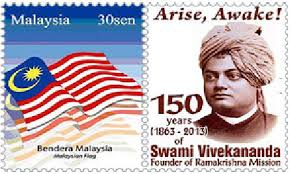
viveka  viveka lanka vivekaa maly

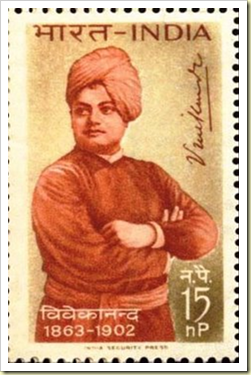
விவேகாநந்தா தபால்தலைகள்

சுவாமி விவேகாநந்தர் வாழ்விலும் அவரது நினைவாற்றலை விளக்கும் அரிய சம்பவங்கள் உண்டு. அவர் ஒரு புத்தகத்தைப் படித்துவிட்டால், பக்கம் பக்கமாக அப்படியே மனதில் பதிந்துவிடும். அவர் அடிக்கடி நூலகத்துக்குப் போவார். நூலகரிடம் அந்தப் புத்தகம், எங்கே, இந்தப் புத்தகம் எங்கே என்று கேட்டு நச்சரித்து வாங்குவார். ஒரு முறை நூலகருக்குக் கோபமே வந்துவிட்டது. புத்தகத்தைப் பார்க்க மட்டும் வாங்குகிறீர்கள? படிக்க வாங்குகிறீர்களா? என்று கேட்டுவிட்டார். சுவாமி விவேகாநந்தரோ, பொறுமையாக, நான் படித்துவிட்டேனே! எந்தப் பக்கத்தில் என்ன உள்ளது? என்று கேட்டால் நான் சொல்லத் தயார் என்றார். நூலகரும் விடவில்லை. அவரைக் கேள்வி கேட்டுச் சோதித்தார். விவேகாநந்தரின் அபூர்வ நினைவாற்றலக் கண்டு வியந்தார்.

ஜனசங்கக் கட்சியின் (இப்போது பாரதீய ஜனதா என்று பெயர்) தலைவராக இருந்த, காலஞ் சென்ற தீனதயாள் உபாத்யாயாவும் இப்படி நல்ல நினைவாற்றல் உடையவர். பார்லிமெண்டின் இருசபைகளிலும் உள்ள சுமார் 800 உறுப்பினர்களின் பெயர்களும் தோற்றமும் அவருக்கு அத்துபடி. யாரைபார்த்தாலும், இன்முகத்துடன் பெயரைச் சொல்லி மரியாதை செலுத்துவார். இதனால் அரசியல் எதிரிகளுமவரை நண்பர் போல் கருதினர்.

பிரம்மசர்ய விரதம் கடைபிடித்த வேத கால இந்துக்கள், இந்த அபூர்வ விஷயங்களைச் சர்வ சாதாரணமாகச் செய்தனர். உலகில் மிகப்பெரிய அதிசயம் வேதங்களை எழுதாமலேயே, அப்படியே 4000 ஆண்டுகளாக வாய் மொழியாகப் பரப்பி வருவதாகும். இது போன்ற இலக்கிய அதிசயம் உலகில் எங்கும் இல்லை, இனி வரப்போவதுமில்லை. அளவில் மிகப் பெரிய வேதத்தின் ஒரு சாகையை (கிளை) மனப்பாடம் செய்வதோடு அதன் ஆறு அங்கங்களில் ஏதாவது ஒன்றையும், அமர கோஷம் போன்ற நிகண்டுகளையும் அப்படியே ஒப்பிப்பர். இதற்கு குருகுல வாசத்தில் அவர்கள் கடைப் பிடித்த பிரம்மசர்ய விரதமே காரணம்

ஆனால் ஒருவரின் நினைவாற்றலுக்கு வேறு பல காரணிகளும் உண்டு. பயிற்சி மூலம் இதைப் பெறலாம். வெளிநாட்டுக்கார்கள் சங்கீதக் குறிப்புகள் (நொடேஷன்) இல்லாமல் பாட மாட்டார்கள். ஆனால் நம் நாட்டு இசைக் கலைஞர்களோ நூற்றுக் கணக்கான பாடல்களை எழுதி வைக்காமலே ஒவ்வொரு கச்சேரியிலும் பாடுவர்.

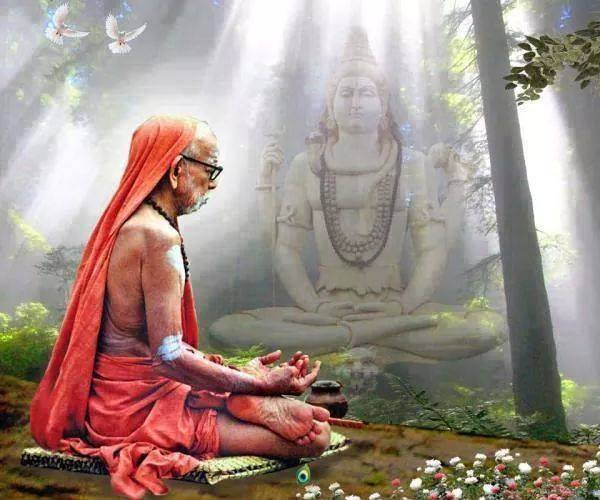
காஞ்சி, சிவனந்தவம்

தவ சீலர் காஞ்சி சங்கராச்சார்ய சுவாமிகள்

ஆர்வம் காரணமாகவும் பெறலாம். சிலர் சினிமா வசனங்களையும், நூற்றுக்கணகான பாடல்களையும் நினைவு வைத்திருப்பது ஆர்வம் காரணமாகப் பிறந்த சக்தி. சகுந்தலாதேவி போன்ற இளம் வயது மேதைகளிடமும் இதைக் கண்டோம். வெளிநாடுகளிலும் இப்படி நினைவாற்றல் மேதைகள் நூற்றுக் கணக்கில் உண்டு. அவை அபூர்வமாக நிகழ்பவை. ஆனால் இந்துக்களோ இதை எல்லோரும் பெறும் முறையை உலகிற்குக் கற்பித்தனர்!

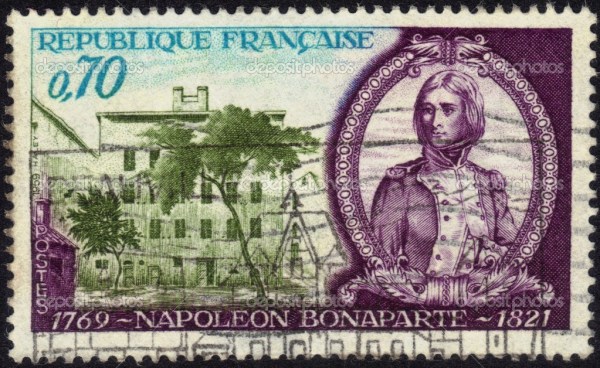
நெப்போலியன் தந்திரம்: உள்ளத்தைக் கொள்ளை கொள்ளுவது எப்படி?

napo6

Article No. 2075

Written by London swaminathan

Date : 16  August  2015

Time uploaded in London :–  7-31 am

நெப்போலியன் பிரான்ஸ் நாட்டின் மாபெரும் வீரன். இறுதியில் ஆங்கிலேயர்களிடம் தோற்று, சிறையில் வஞ்சனையாகக் கொல்லப்பட்டார். அதாவது ரத்தத்தில் மெதுவாகக் கலக்கும் விஷத்தை உணவில் சேர்த்துக் கொடுத்து அவரை ஆங்கிலேயர்கள் கொன்றதை, பிற்காலத்தில் அவரது சடலத்திலுள்ள தலை முடிகளை ஆராய்ந்ததில் தெரிய வந்தது. நிற்க.

நெபோலியன், தனது படை வீரர்களுக்கு உற்சாகம் ஊட்ட பல தந்திரங்களைக் கையாள்வார். அவர் வழி … தனி வழி! படை வீரர்களைச் சந்திக்கும் முன்பு தனது மெய்க் காப்பாளர்களைக் கூப்பிட்டு, இந்தப் பட்டாளத்தில் உள்ள முக்கிய வீரர்களின் முழு விவரங்களையும் அறிந்து வா என்று சொல்லி அனுப்புவார். அவரிடம் கேட்ட விஷயங்களை அப்படியே நினைவில் வைத்துக் கொண்டு பட்டாள அணிவகுப்பு மரியாதையை ஏற்கச் செல்வார்.

stamp napoleon bonaparte

stamp napoleon bonaparte

திடீரென்று ஒரு குறிப்பிட்ட படை வீரர் முன்பு நின்று, அவனது பெயரைச் சொல்லி அன்புடனும், அதிகாரத்துடனும் அழைத்து, “ ஆஹா, நீ இந்தப் பட்டாளத்தில் இருக்கிறாயா? நீ அந்த xxxxx போரில் போரிட்ட முறையை நான் மறக்கவே இல்லை. நீ பெரிய வீரன்தான். அது சரி, ஊருக்குப் போய் வந்தாயா? உனது தந்தை எப்படி இருக்கிறார்? —– இப்படி அன்பு மழை பொழிவார்.

திடீரென்று என்ன இது? உனக்கு இதுவரை ஒரு மெடல், விருது கூட கிடைக்கவில்லையா? இதோ இப்போதே உத்தரவு போடுகிறேன் – என்று சொல்லி அவருக்கு ஒரு விருதும் கொடுப்பார் (ராணுவ வீரர்கள் சிறப்பாகப் போர் புரிந்தால், அவர்களுக்குக் கிடைக்கும் அந்தஸ்து முதலியன அவர்கள் உடையிலேயே குத்தப் பட்டிருக்கும்/ பொருத்தப்பட்டிருக்கும்)

இப்படிச் சொல்லிவிட்டு அந்தப் படை வீரனுக்கு ஒரு பட்டம் கொடுக்கப்பட்டவுடன் பட்டாளம் முழுதும் ஒரே பரபரப்பு ஏற்பட்டு விடும். எல்லோரும், “ கடவுளே! நம் தலைவருக்குத் தெரியாத விஷயமே உலகில் இல்லை போலும்!! நம்முடைய ஊர், குடும்பம், நாம் போரிட்ட முறை எல்லாவற்றையும் தலைவர் அறிந்திருக்கிறார். நமக்கும் விரைவில் பட்டங்கள், விருதுகள், மெடல்கள் ஏதேனும் கிடைக்கலாம்” என்று பேசிக் கொள்வர். அது மட்டுமல்ல. இது மற்ற பட்டாளங்களுக்கும் காட்டுத் தீ போல பரவிவிடும். படை வீரர்கள் முன்னைவிட பன் மடங்கு உற்சாகமாகப் போரிடுவர்.

ஒரு தலைவனுக்குரிய அததனை குணநலன்களையும் பெற்றவர் நெப்போலியன்!

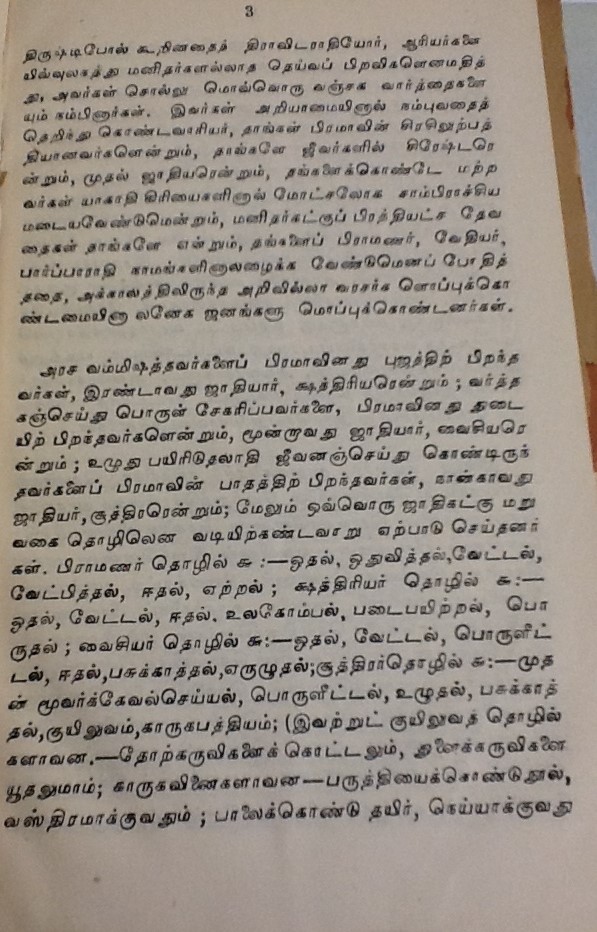
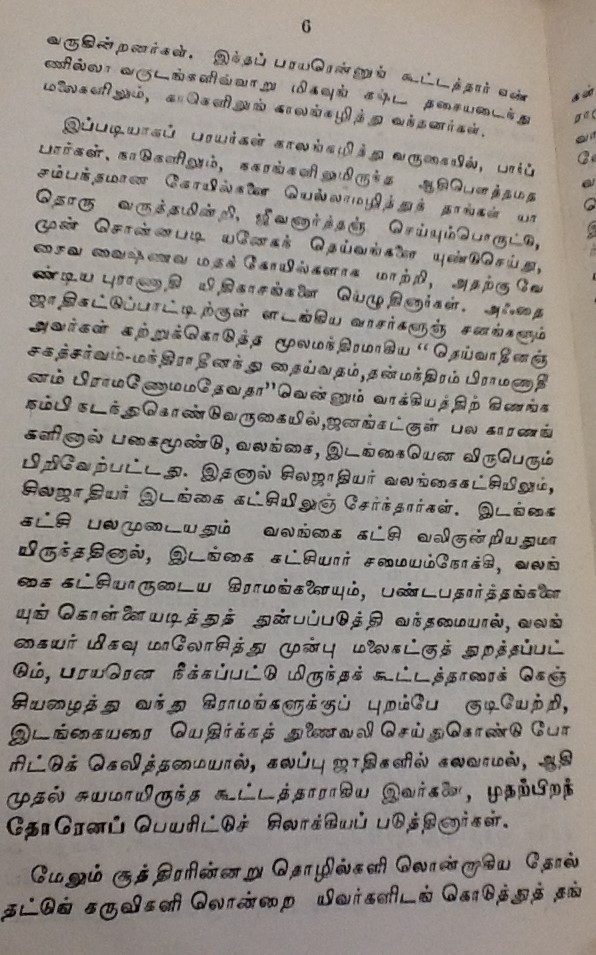
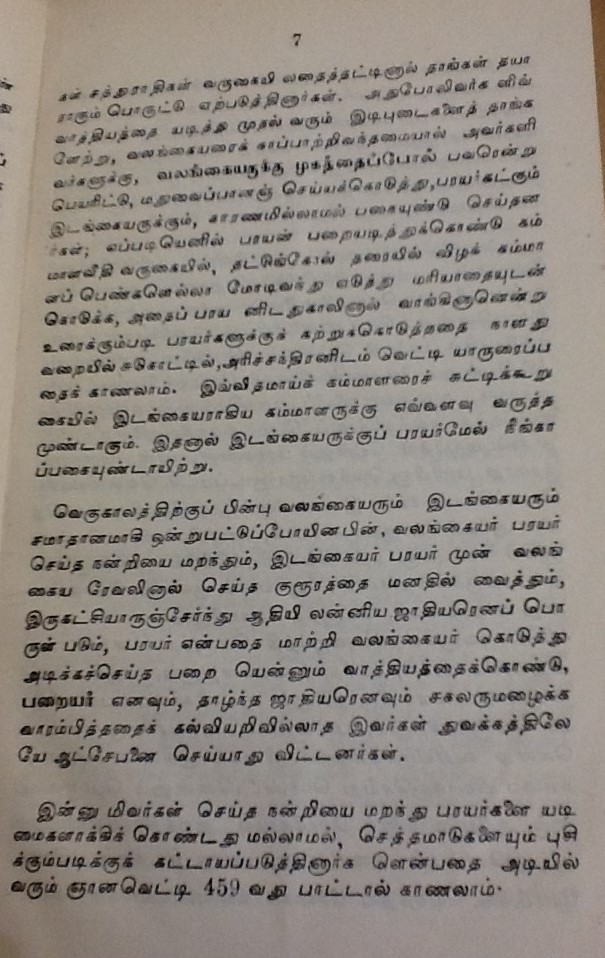
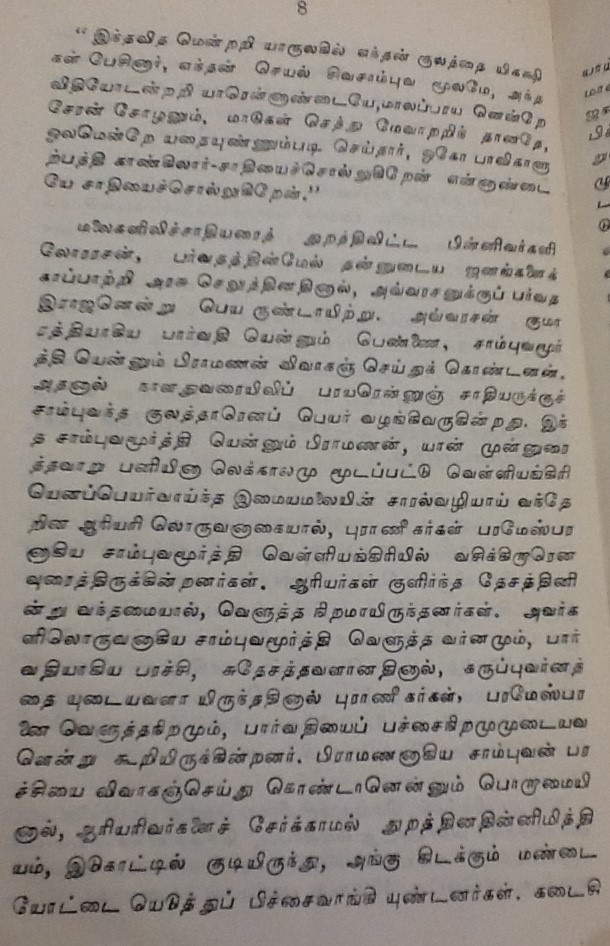
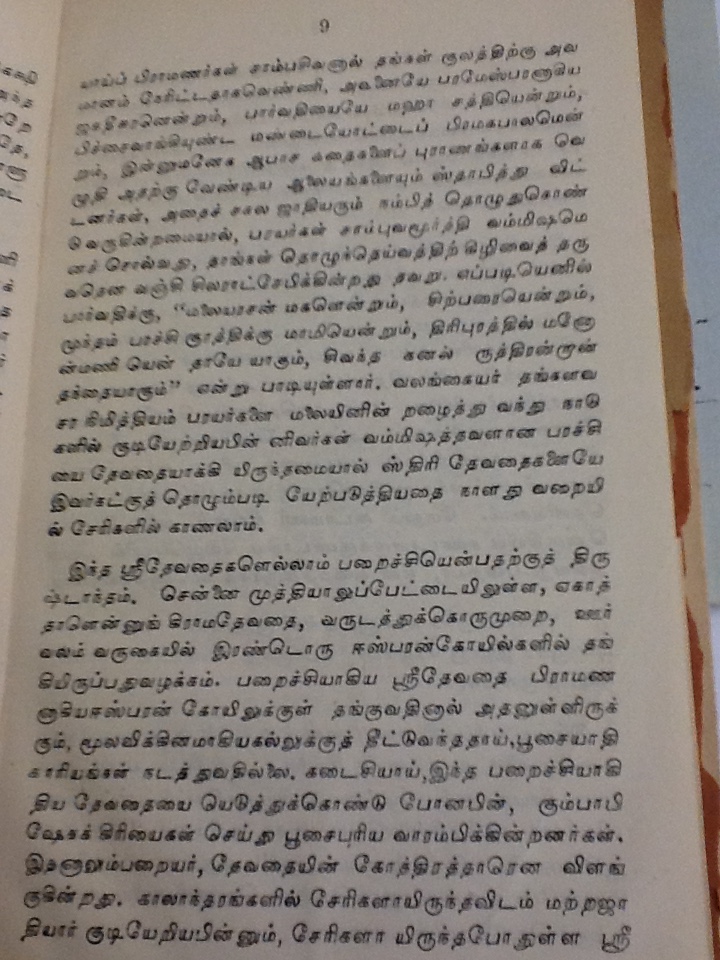
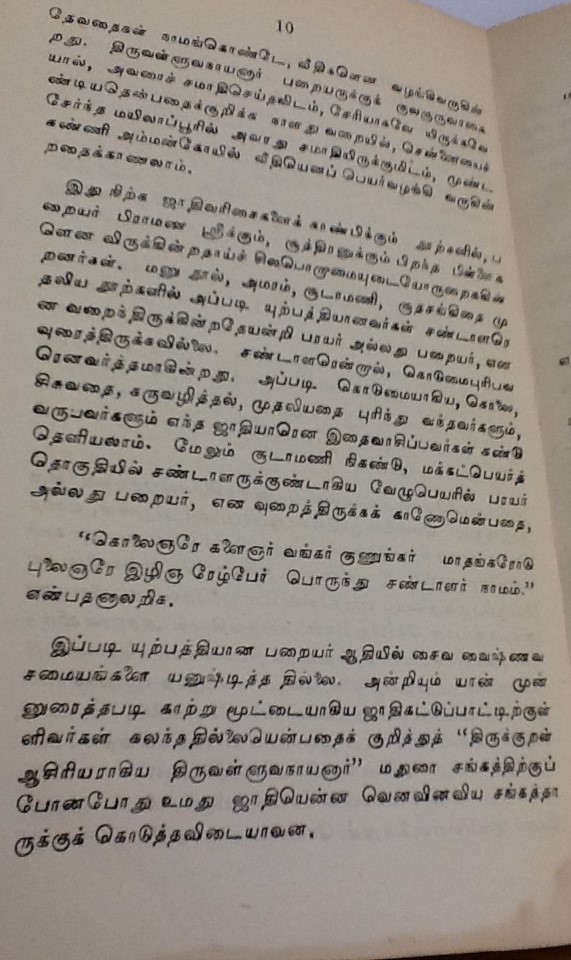
ORIGIN OF PARIAHS (TAMIL Book from British Library, Year 1894)

IMG_6657 (2)

Article No. 2074

Written by London swaminathan

Date : 16  August  2015

Time uploaded in London :–  6-37 am

I have been publishing booklets that are over 100 years old in this blog for the benefit of future researchers. They are from the British Library, London. I have got one on Pariah caste and two booklets on Saurashtras (of Tamil Nadu). Here is the booklet on Origin of Pariahs in Tamil:–

IMG_3230 (2)

IMG_3231 (2)

IMG_3233 (2)

IMG_3234 (2)

IMG_3235 (2)

IMG_3236 (2)

IMG_3237 (2)

IMG_3238 (2)

IMG_3239

IMG_3241 (2)

IMG_3240 (3)

IMG_3244 (2)

IMG_3243

Published in 1894

Leadership Qualities of Napoleon the Great!

stamp napoleon bonaparte

stamp napoleon bonaparte

Article No. 2073

Written by London swaminathan

Date : 15  August  2015

Time uploaded in London :–  18-51

(Pictures are used from various sources)

napo 5

1.How did Napoleon win the Hearts of his Soldiers?

Napoleon used many tricks to boost the morale of his troops. He would say to one of hi aides-de-camp, “Ascertain from the colonel of a regiment, whether he has in his corps a man, who has served in the campaigns of Italy, or the campaigns of Egypt. Ascertain his name, where he was born, the particulars of his family, and what he has done. Learn his number in the ranks, and to what company he belongs, and furnish me the information.”

On the day of the review, Napoleon, at a single glance, could spot the man who had been described to him. He would go up to him as if he recognised him, address him by his name and say – “Oh, so you are here! You are a brave fellow – I saw you at Aboukir – How is your old father! What! Have you not got the cross? Stay, I will give it to you.”

Then the delighted soldiers would say to each other, “You see the Emperor knows us all; he knows our families; he knows where we have served.”

What a stimulus this was to the soldiers whom he succeeded in persuading that they would all, sooner or later, become marshals of the Empire.

Xxx

napo1

2.Aversion to Commerce

Napoleon openly expressed his aversion to commerce and those engaged in it. When a deputation of businessmen came out from Antwerp to welcome him on his approach to the city, he met them with the words: “I don’t like merchants! A merchant is a man who would sell his country for a shilling.”

“England is a country of shop keepers” – said Napoleon according to French Newspapers.

xxx

napo4

3.Procrastination

Napoleon instructed his secretary, Bourrienne, to leave all his letters unopened for three weeks, and then observed with satisfaction how large a part of correspondence thus disposed of itself and no longer required an answer.

Xxx

4.On George Washington  

On the reception of the news of the death of Washington, Napoleon addressed the following letter to the consular guard and the army:

“Washington is dead! That great man who fought against tyranny, and consolidated his country’s freedom. His memeory will be always dear to Frenchmen, and to all freemen in both the worlds – but especially to the French soldiers, who like him, and the American soldiers, have struggled for liberty and equality. The First Consul, therefore, orders that for ten days black crepe shall be suspended from all the flags and standards of the Republic.”

Xxx

napo6

5.Mussolini and Napoleon

According to story circulating in Rome, Mussolini dies and goes to Paradise, where he is greeted warmly by Napoleon. “God will be here in a few minutes,” says Napoleon “Since you are new here, you should probably warned that we rise when he enters.”

“What! I get up? Don’t forget I am the Duce.” (Duce=Duke)

“I am Caesar,” states a voice. “Yet I have the manners to rise.”

“Not I”, says Mussolini. The argument is becoming warm when Machiavelli approaches.

“Peace, friends” he exclaims. “I will arrange everything”

Three solemn knock announce the coming of God.

“Attention!” thunders Machiavelli “Here come the photographer!”

Whereupon Mussolini hops to his feet, folds his arms, sticks out his chin and chest.

Peace reigns.

Xxx

napo7

6.Great Butcher!

When Napoleon, after a series of victories, came to visit annexed Belgium, he found, on entering, Ghent, a triumphal arch erected by the Guild of Butchers. It was inscribed:

“The little butchers of Ghent to Napoleon the Great (butcher).”

Xxx


7.Shortness

Napoleon was one day searching for a book in his library, and at last discovered it on a shelf somewhat above his reach. Marshall Moncey, one of the tallest men in the army, stepped forward, saying:

“Permit me, Sire, I am higher than your Majesty”

“You are longer, Marshal,” said the emperor with a frown.

Xxx

napo8

8.Hair will Grow!

When General Leclerc, unloved husband of Pauline Bonaparte, died in Haiti, she had him placed in a costly coffin and cut off her beautiful hair and buried it with him.

“What a touching tribute to her dead husband!” said someone to her brother Napoleon.

The emperor smiled cynically:

“Hm! Of course she knows that her hair will come in longer and thicker for being cropped.”

Xxx

france_Motto

9.Knowledge of Latin

One time when Louise Napoleon was racking his brains over a pile of Latin dictionaries and grammars, Napoleon the Third entered the room. He looked at him with sympathy and said, “It is a grind, translating Latin. I never could.

The tutor spoke up in astonishment, “But your Majesty’s translation of Caesar’s ‘commentaries’?”

“It was not mine,” said the Emperor and went off.

Xxx

napo9

10.First among Women

Mme. De Stael (to  Napoleon ): General who is the woman you would love the most?

Napoleon : My own

Mme. De Stael: But what would woman would you admire the most?

Napoleon: The best housekeeper.

Mme. De Stael: But with you, who would be the first among women?

Napoleon: She who has had the most babies.

Xxx

napoleon3 (1)

11.Persuasion

The leading nobles of Poland addressed a petition to Marie Walewska to accept Napoleon as her lover. They quoted scripture to reinforce their argument:

“Did Esther, do you think, give herself to Ahasueros out of the fullness of her love for him? So great was the terror with which he inspired her that she fainted at the sight of him.  We may therefore conclude that affection had but little to do with her resolve. She sacrificed her own inclinations to the salvation of her country and that salvation it was her glory to achieve. May we be enabled to say the same to you, to your glory and our own happiness!”

–End—

எகிப்திய, சுமேரிய கனவுகளும் இந்துமத கனவுகளும்

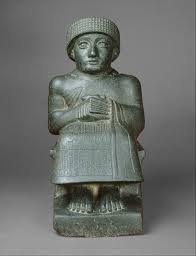
gudea

குடியா, சுமேரியன்

Article No. 2072

Written by London swaminathan

Date : 15  August  2015

Time uploaded in London :–  13-17

(Pictures are used from various sources)

இந்து மதத்தில் உள்ளது போலவே, கிரேக்க, சுமேரிய, எகிப்திய நாகரீகங்களிலும் கனவுகள் பற்றி நம்பிக்கைகள் உள. இவைகளையும், நான் முன்னரே பல ஆராய்ச்சிக் கட்டுரைகளில் குறிப்பிட்ட பல்வேறு துறை விஷயங்களையும் கருத்திற் கொண்டால், நம்முடைய கலாசாரத்தின் தாக்கம் நன்கு புலப்படும். ரிக் வேத காலத்தில், கங்கை, சிந்து, சரஸ்வதி நதி தீரங்களிலிருந்து இந்துக்கள் உலகின் பல்வேறு பகுதிகளுக்குச் சென்றபோது இக்கருத்துகள் பரவியிருக்க வேண்டும். ஆனால் காஞ்சி பரமாசார்ய சுவாமிகள் (1894-1994), உலகம் முழுதும் ஒரு காலத்தில் சநாதன தர்மமே இருந்தது அதன் எச்ச சொச்சங்களும், மிச்ச மீதிகளும் இன்று உலகம் முழுதும் காணக் கிடக்கின்றன என்று கூறுகிறார். அதுவும் சரியென்றே தோன்றுகிறது.

சில ஒப்பீடுகளை மட்டும் காண்போம்:

1.கனவுகளுக்குப் பொருள் கூறும் ஒரு நூல் 1800 ஆண்டுகளுக்கு முன் கிரேக்க நாட்டில் ஆர்டிமிடோரஸ் என்பவரால் (Five books of the Oneirocriticon by Artemidorous of Daldis , 2nd century CE) எழுதப்பட்டது. அதில் கனவுகளை எதிர்காலம் உரைக்கும் நேரடிக் கனவுகள், விளக்கம் தேவைப்படும் உருவகக் கனவுகள் என்று இரண்டு வகைகளாகப் பிரிக்கிறார். இரண்டாவது வகைக் கனவுகளுக்கு விளக்கம் தேட இப்புத்தகங்கள் உதவும். நாமும் வியாழ பகவான் இயற்றியதாக ஒரு புத்தகம் வைத்துள்ளோம். முன்னரே இதன் விவரங்களைக் கொடுத்துள்ளேன்.

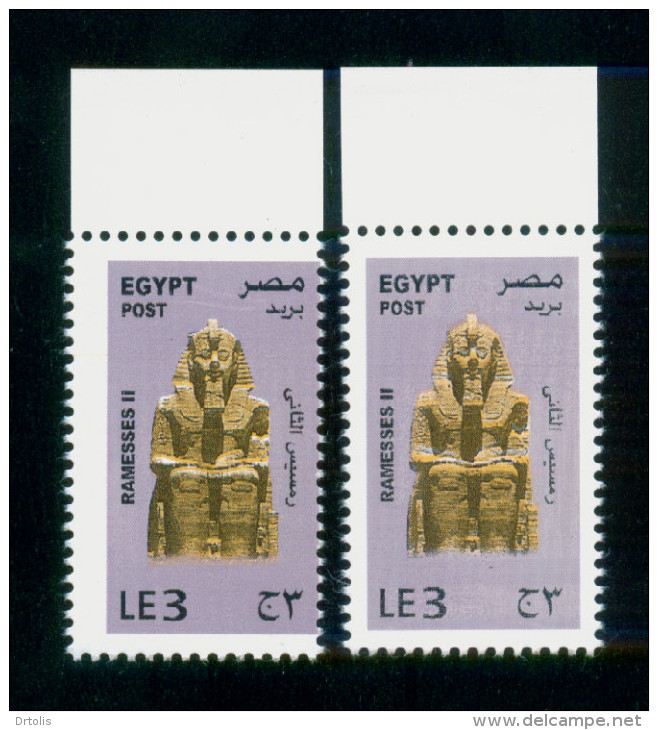
ramesses

ராம்செஸ், எகிப்து

எகிப்திய நம்பிக்கைகள்

எகிப்து நாட்டில் ராம்செஸ் (ராமசேஷன்) என்ற பெயரில் 13 மன்னர்கள் ஆண்டனர். அவரது கால பபைரஸ் காகிதத்தில் (Ramesses Period ,1292- 1075 BCE) எழுதப்பட்ட கனவு பற்றிய விஷயங்கள் பின்வருமாறு:

1.ஒரு மனிதன் தன் கையாலேயே ஒரு எருதை அடித்துக் கொல்வதாகக் கனவு கண்டால் நல்லது. அவனுடைய எதிரி அழிவான் என்பது இதன் பொருள்.

2.முதலை மாமிசத்தை உண்பதாகக் கனவு காண்பதும் நல்லதே. அதாவது நீங்கள் அதிகாரி போல செயல்படுவீர்கள் என்பது இதன் பொருள்.

3.ஒரு நதியில் மூழ்குவது போலக் கனவு கண்டால் உங்கள் தீமைகள் அழிந்தன என்று பொருள். (நதிகளில் குளித்தால் பாவங்கள் அழியும் என்ற இந்துக்களின் நம்பிக்கையின் தாக்கம் இது).

4.வயதான ஒருவரைப் புதைக்கும் கனவு, வளம் கொழிக்கும், செழிக்கும் என்பதைக் குறிக்கும்

5.உங்கள் முகத்தையே கண்ணாடியில் பார்த்தால் வேறொரு மனைவி வரப்போகிறாள் என்று அர்த்தம்

6.வெள்ளை நிறச் செருப்புகள் அணிவதாகக் கனவு கண்டால் நீங்கள் உலகம் சுற்றும் வாலிபராகப் போகிறீர்கள்.

7.ஒரு பெண்ணுடன் உடலுறவு கொள்வதாகக் கனவு கண்டால் துக்கச் செதி வரும் என்று பொருள்.

8.நாய் கடிப்பதாகக் கனவு கண்டால் நல்லதல்ல. உங்கள் மீது யாரோ ஏவல் பில்லி சூனியம் வைப்பர்.

9.படுக்கை எரிவதாகக் கனவு கண்டால், உங்கள் மனைவியை விரட்டியடிப்பீர்கள் என்று அர்த்தம்.

இவ்வாறு பல விஷயங்களை 3200 ஆண்டுகளுக்கு முன் எகிப்தியர் எழுதி வைத்தனர். பெரும்பாலான கனவு விளக்கங்கள் கணவன்-மனைவி பற்றியே உள்ளன!!

கனவுகளை, “கடவுள் அனுப்பும் செய்திகள்” – என்று எகிப்தியர் நம்பினர். நம்மைத் தொடர்புகொள்ள கடவுள் – கனவுகளைப் பயன்படுத்துவதாக எண்ணினர். மதுரை ஆதீன கர்த்தர் எழுதிய புத்தகத்தில் (இறந்தவர்கள் வாழும் நிலையும் அவர்களுடன் தொடர்புகொள்ளும் முறையும்), வீட்டில் நடக்கப்போகும் விபத்துகள், திருட்டுகள் குறித்து இறந்த ஆவிகள் கனவில் வந்து சொல்லிய செய்திகள் உள்ளன. அவற்றை எகிப்திய நம்பிக்கைகளுடன் ஒப்பிடுவது பொருத்தம்

கோவிலில் தூங்கினால் கடவுள் அனுப்பும் செய்திகள் கிடைக்கும் என்று எகிப்தியர்களும் சுமேரியர்களும் நம்பினர். நமது நாட்டில் தேவார மூவர் கண்ட பல கனவுகள் சிவன் கோவிலில் தூங்குகையில் வந்தன என்பது குறிப்பிடத்தக்கது.

இந்துமத அடியார்கள் எல்லோர் கதைகளிலும் கடவுள் பற்றிய கனவுகள் வருவதையும், புத்தர், மஹாவீரர் பிறப்பதற்கு முன்னர் அவர்களுடைய தாயார்கள் கண்ட கனவுகளையும் முன்னரே தந்துள்ளேன்.

சீனர்கள் மட்டும் கனவுகளுக்கு எதிர்மறைப் பொருள் கண்டார்கள். அதவது நீங்கள் இறப்பதாகக் கனவு கண்டால், உங்களுக்கு வாழ்நாள் மிக அதிகம் என்று பொருள்!

கிறிஸ்தவ மத நூலான பைபிளிலும் கனவுகள் பற்றிய பல குறிப்புகள் உண்டு. சாலமன் என்னும் மன்னனுக்கு கனவு மூலம் கடவுள் செய்தி அனுப்புகிறார். எகிப்திய மன்னனுக்கு தீய கனவுகளைக் கடவுள் உண்டாக்குகிறார். நிறைவேறாத ஆசைகள் கனவுகளாக வரும் என்ற பொருளும் உள்ளது (Genesis 41, Psalm 73:20,  1King 3:5).

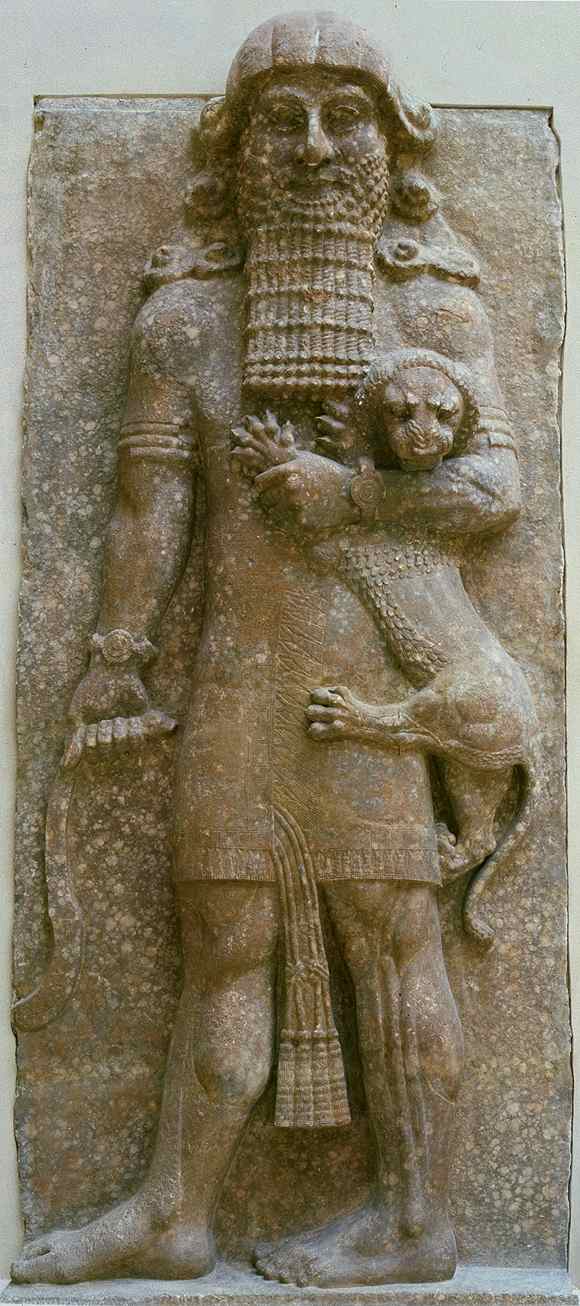
gilgalouvre

ஜில்காமேஷ், சுமேரியா

சுமேரிய நம்பிக்கைகள்

சுமேரியர்களும் கடவுள் அனுப்பும் செய்திகளே கனவுகள் என்று நம்பினர். லகாஷ் நகர மன்னன் குடியா (குரு தேவ), கடவுளுக்கு ஒரு கோவில் எழுப்பு என்று தனக்குக் கனவில் உத்தரவு வந்ததாக 4000 ஆண்டுகளுக்கு முன் களிமண் பலகையில் எழுதி வைத்துள்ளார். இந்து மத அடியார்கள் எண்ணற்றவர்களின் கனவில் இப்படி உத்தரவு வந்ததை நாம் அறிவோம். குடியாவுக்கு உத்தரவு கொடுத்த கடவுளும் சிவபெருமானே! அந்தக் கடவுள் பெயர் கிரீசன். சுமேரிய மொழியில் நிங்கிரிசு என்பர். நின் என்றால் திரு என்று பொருள் (நின்+கிரிச).

உலகின் மிகப் பழைய காவியம் என்று மேலை நாட்டினர் நம்பும் ஜில்காமேஷ் காவியத்தில் அவருக்கு வந்த கனவுகள் பற்றி உள்ளன.

நினவே நகரில் அஷுர் (அசுர) பனிபால் வைத்திருந்த நூலகத்தில் கனவுகள் பற்றிய பல களிமண் பலகைத் துண்டுகள் கிடைத்தன. அதில் மன்னர் தான் கண்ட இஷ்டார் என்னும் தேவதையின் கனவு பற்றி எழுதி இருக்கிறார். கனவுகளுக்குப் பொறுப்பான மாமு என்னும் தேவதைக்கு அவர்கள் கோவிலும் கட்டிவைத்தனர்.

வேத, சுமேரிய, எகிப்திய, கிரேக்க, பைபிள் கனவுகளில் ஒரே அணுகுமுறை இருப்பது ஆய்வுக்குரியது.


My previous Research Articles on Dreams:

Role of Dreams in Tamil Saivite Literature (posted on July 4, 2013)

Do our Dreams have Meaning? (Posted on December 29, 2011)

God’s Note Book (posted on March 16, 2014)

Strange Dreams, posted on 27 July 2015Inauspicious Dreams: Dreams in Vedas and Upanishads, Posted on 28th July 2015

Vedic Echo in Sumerian and Egyptian Concept of Dreams, Posted 31 July 2015

விநோதக் கனவுகள், ஆகஸ்ட் 4, 2015

சிவனை நோக்கி கனவில் நடந்த கிருஷ்ணார்ஜுனப் பயணம் (பிப்ரவரி 4, 2015) – (எஸ். நாகராஜன் எழுதியது)

வித்தியாசமான விஞ்ஞானி யுங் (எஸ். நாகராஜன் எழுதியது)

வேத உபநிஷத்துகளில் கனவுகள், ஆகஸ்ட் 6, 2015

Phenomenal Memory Power of Hindu Ascetics!

vivek with rock, kumari

Article No. 2071

Written by London swaminathan

Date : 14  August  2015

Time uploaded in London :– 21-41

(Pictures are used from various sources)

Hindu ascetics are endowed with a phenomenal memory. Swami Vivekananda could read any book and remember it verbatim. He was blessed with a prodigious memory and could memorise a book by reading it once. Once a librarian was annoyed when Swamiji asked for one book after another book. Librarian asked him whether he just looks at the book and return them or read the books. Swamiji quietly told him to ask him any information from any chapter. When the librarian tested Swamiji he was wonderstruck with his memory power.

Swami Vivekananda attributed the memory power to the Medha nadi. Anyone who follows the rule of chastity for twelve years grows this Medha nadi in the body and that gives one this amazing power of memory. In the olden days Brahmin boys went to Gurukula and stayed with the Guru for twelve years and memorised the Vedas and Vedangas. This was possible only because of their Brahmacharya/ chastity. Now the Vedas are considered “Literary Wonders of the World”, which have been passed from generation to generation for thousands of years.

brain

Another Swamiji who lived in our own time was Sri Chandrasekara Indra Saraswati (1894—1994), Shankaracharya of Kanchi Kamakoti Peedam. He could remember all the faces, places, anecdotes, dates etc. There are umpteen anecdotes every devotee narrates about his or her experience regarding  Shankaracharya’ s  memory power. Even though all the Brhmacharis/chaste students have this faculty, unless they don’t develop it or use it practically, it would not reach its peak.

Some are born with photographic memories. Many mathematical prodigies have this gift. We saw Sakuntala Devi in our own times who even defeated the computers. Nobel Prize winning scientist Nikola Telsa was exceptionally gifted with photographic memory.

U S President Theodore Roosevelt could recite entire newspaper pages from memory, and was also a speed reader, often devouring three books a day.

Fillippino dictator Ferdinand Marcos could memorise complicated texts in a single glance and passed his bar examination to practise law in 1939 with a 98 per cent pass. The unusually high score drew suspicion and Marcos was retested; second time he achieved 100 per cent!

Deenadayal

Deenadayal Upadhyaya, President of Jana Sang (now B J P), could remember the names of all the MPs in both the houses of Indian Parliament. He was famous for his memory. My friend Dr Dandapani, who is no more, appeared on Channel 4 in London and amazed the listeners with his memory about Indian Railways. He was the agent of Indian railways in the UK. He remembered all the pages in Indian Railway Time Tables!

So it is not just the Brahmacharya (chastity) alone. There are other factors like practice and some mnemonic techniques.

Interesting Anecdotes

1.Archbishop Ryan was once accosted on the streets of Baltimore by a man who knew the Archbishop’s face, but could not quite place it.

“Now where in the hell have I seen you?” he asked perplexedly.

“From where in hell do you come, sir?” he retorted

2.In order to play in “Rosemary”, John Drew shave off his moustache, thereby greatly changing his appearance. Shortly afterwards he met Max Beerbohm in the lobby of a London Theatre, but could not just then recall  who the latter was. Mr.Beerbohm’s memory was better.

“Oh, Mr Drew,” he said, “I am afraid you don’t recognise me without your moustache.”

3.The woman’s club was listening, entranced, to the lecture being given by a world famous traveller. He concluded his remarks with, “And there are some spectacles that one never forgets….”

At this point a timid old lady in the audience spoke up shyly, “Pardon me, sir, would you tell me where I could get a pair? I am always forgetting mine.”

4.Memory training by association became a fad in a certain school. “For instance”, the English teacher was explaining, “if you want to remember the name of a poet, Bobbie Burns, you might conjure up in your eye a picture of a London policeman in flames. You see, ‘Bobbie Burns’.

“I see,” said one of his pupils, “but how one is to be sure that it doesn’t represent ‘Robert Browning?”.

Source: Swami Vivekananda’s Life History

Thesaurus of Anecdotes

London Metro News Paper

–End—