Prayer Anecdotes from America

ORANGES

Compiled by London swaminathan

Article No.1930

Date :13th June 2015

Time uploaded in London: 22-27

TWO ORANGES

Chateauneuf, the keeper of the seals of Louis XIII, when a boy of only nine years old, was asked many questions by a bishop, and gave very prompt answers to them all. At leanth the prelate said, “I will give you an orange if you will tell me where God is”.

“My Lord”, replied the boy, “I will give you two oranges if you will tell me where He is not”.

FOUR GENTLEMEN

Four gentlemen – a Baptist, Presbyterian, Methodist and Roman Catholic – met by agreement to dine on fish. Soon as grace (prayer before meal) was said, the Catholic rose, armed with a knife and fork, and taking about one third of the fish, including the head, removed it to his plate, saying with great satisfaction: The Pope is the head of the church”.

Immediately the Methodist minister arose, and helping himself with to about one third, embracing the tail, said: “The end crowns the work”.

The Presbyterian now thought it was time for him to move, and taking the remainder of the fish to his plate, exclaimed, “Truth lies between the two extremes”.

Our Baptist brother had nothing before him but an empty plate, and the prospect of a slim dinner, so seizing a bowl of melted butter, he dashed it over them, exclaiming: “ I baptize you all”.

THOREAU

NO QUARREL

Shortly before the death of Henry Thoreau, a pious aunt visited him and asked, “Have you made your peace with god, Henry?”

“I don’t know that we ever quarrelled”, he replied.

EDISON

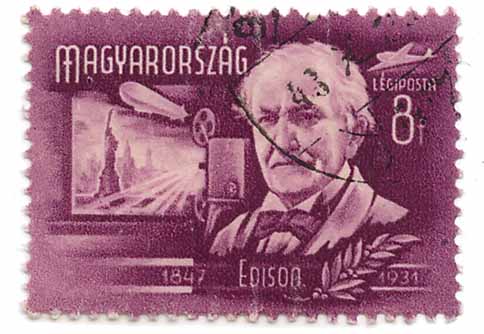
Henry M.Stanley, the famous deliverer of Dr Livingston from darkest Africa, one time came to Edison’s laboratory to see the great inventor demonstrate his new invention, phonograph.

Having heard the machine, and been tremendously impressed by it, he asked,, “Mr Edison, if it were possible for you to hear the voice of any ma whose fame is known in the history of the world, whose voice would you prefer to hear?”

“Napoleon”, Edison answered without any hesitation.

“No, No”, said Stanley with an overtone of disapproval, “ I should like to hear the voice of Our Saviour”.

“Oh, Well”, replied Edison slightly embarrassed by his guest’s religious feeling, “You know I like a hustler”.

(hustler= someone who knows how to get money from others; aggressive salesman”

EDISON 2

LINCOLN’S RELIGION

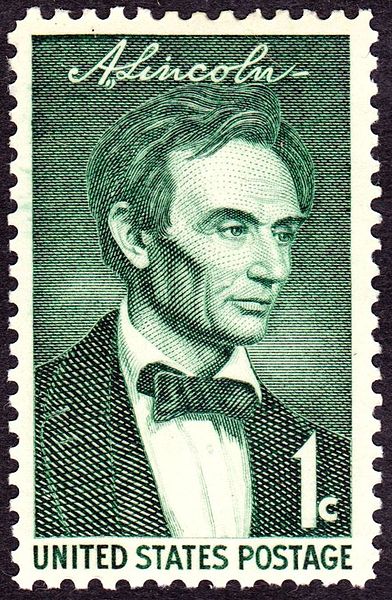
Abraham Lincoln, once remarked to a friend that his religion was like the religion of Glenn in Indiana, whom he heard speak at a church meeting and who said: “When I do good I feel good; when I do bad, I feel bad; that is my religion”

XXXXX

To a clergyman during the early (American Civil) war Abraham Lincoln made a significant remark.

“Let us have faith, Mr President”, the minister said with solemnity, “that the Lord is on our side in this great struggle”

To which Lincoln quietly retorted, “I am not at all concerned about that, for I know that the Lord is always on the side of the right; but it is my constant anxiety and prayer, that I and this nation may be on the Lord’s side”.

392px-Young_Lincoln-1c

PIOUS LADY

A pious lady had prayed to St Raboni for the conversion of her husband – a few days after, he died  — whereupon the widow exclaimed, “What a gracious saint is Raboni, he even gives us more than we pray for.”

OLIVER CROMWELL

It was said that Oliver Cromwell, the English statesman and soldier, usually said the following grace (prayer) before meals: “Some people have food but no appetite others have appetite, but no food. I have both. The Lord be praised”.

BENJAMIN FRANKLIN

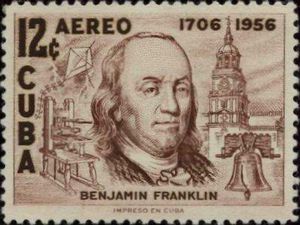
Dr Franklin, when a child, found the long graces (prayer before meal) used by his father before and after meals very tedious. One day after the winter’s provisions has been salted: “I think, father, said Benjamin, “If you were to say grace over the whole cask (barrel storing alcohol), once for all, it would be a vast saving of time”.

Benjamin-Franklin

PREACHER’S LIST

The new preacher had finished his sermon in which he had listed all the human wants that he thought the Lord should gratify.

The deacon asked the old janitor, who had listened patiently throughout this sermon, if he did not think the minister had offered a good prayer.

“Ah, most certainly does, boss. Why that man asked the Lord for the things the other preacher didn’t even know He had”

பிரார்த்தனையின் சிறப்பு

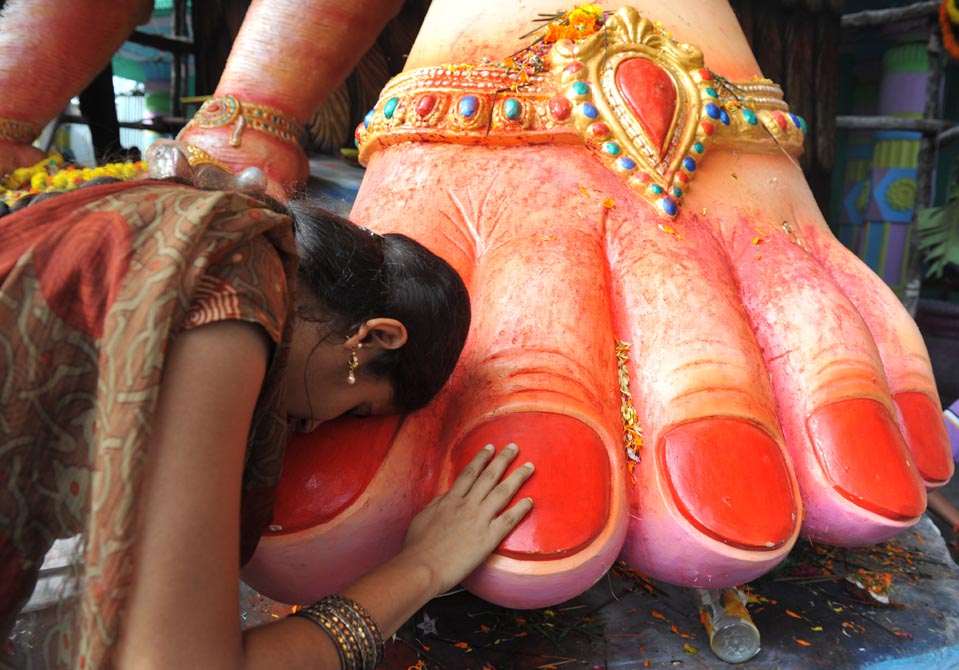
Indian devotees touches the foot while praying and seek blessings at a 52 foot tall idol of the elephant-headed Hindu god Lord Ganesh during the 'Ganesh Chaturthi' Hindu festival in Hyderabad on September 2, 2011. Hindu devotees bring home idols of Lord Ganesha during the 'Ganesh Chaturthi' in order to invoke his blessings for wisdom and prosperity, during the eleven day long festival which culminates with the immersion of the idols in the Arabian Sea.   AFP PHOTO / Noah SEELAM (Photo credit should read NOAH SEELAM/AFP/Getty Images)

 AFP PHOTO / Noah SEELAM (Photo credit should read NOAH SEELAM/AFP/Getty Images)

Compiled by S NAGARAJAN

Article No.1929

Date :13th June 2015

Time uploaded in London: 20-34


By ச.நாகராஜன்

பிரார்த்தனையின் சிறப்பு

பிரார்த்தனை மனிதனுக்கே உள்ள தனி உரிமை. தனிச் சிறப்பு. ஈ, எறும்பு, சிலந்தி, யானை போன்றவை இறைவனை அழைத்து உயர்ந்ததை புராண வாயிலாகப் படிக்கிறோம். என்றாலும் நூலறிவாலும் பட்டறிவாலும் இறைவனின் பெருமையை அறிந்து அவனைத் துதித்துப் போற்றுவது மனிதனுக்கே உரியதாகும்.

ஆகவே தான் அரிதரிது மானிடராய்ப் பிறத்தல் அரிது என ஔவையாரும் ஜந்தூனாம் நர ஜன்ம துர்லபம் என ஆதி சங்கரரும் மனிதப் பிறப்பைச் சிறப்பித்தனர்.

மனிதர்களில் நாத்திகரைத் தவிர அனைவரும் பிரார்த்தனை புரிகின்றனர். பல்வேறு காரணங்களுக்காக. சி.ல பலிக்கின்றன. சில பலிப்பதில்லை.

அரவிந்தரின் அருளுரை

மஹரிஷி அரவிந்தர் இது பற்றிக் கூறியுள்ளதைப் பார்ப்போம். அவரது சீடராக இருந்தவர் இசை விற்பன்னர் திலிப் குமார் ராய்

“Sri Aurobindo came to me” என்ற நூலில் அரவிந்தருடனான தனது அனுபவங்களைச் சுவைபடத் தெரிவித்துள்ளார். அதில் ஒரு இடத்தில் பிரார்த்தனையின் பலிதம் பற்றி அரவிந்தரின் கருத்து தெரிவிக்கப்படுகிறது.

அரவிந்தரின் தாய்வழி மாமன் ஶ்ரீ கிருஷ்ண குமார் மித்ராவின் மூத்த பெண் டாக்டர்களால் கை விடப்பட்டு விட்ட நிலை. அவர் தந்தை கூறினார்: “கடவுள் ஒருவர் தான் இனி துணை; பிரார்த்தனை செய்வோம்” அவர் பிரார்த்தனை செய்ய ஆரம்பித்தவுடன் குணம் தெரிய ஆரம்பித்தது. டைபாய்ட் ஜூரம் போயே போனது. நோயாளி பிழைத்தார். சில பிரார்த்தனை பலிக்கும். சில பலிக்காது. அனைத்து பிரார்த்தனைகளையும் ஏற்று பலிக்க வைத்தால் கடவுள் மிக மோசமான நிலையில் தள்ளப்படுவார்.

அரவிந்தரின் எழுத்துக்களில் இவை சொல்லப்படுகிறது இப்படி:-

“As for prayer, no hard and fast rule can be laid down. Some prayers are answered, all are not. The eldest daughter of my maternal uncle, Sri Krishna Kumar Mitra (the editor of Sanjivani – not by any means a romantic, occult, supra-physical or even an imaginative person) was abandoned by the doctors after using every resource, all medicines stopped as useless. The father said: ‘There is only God now, let us pray.’

He did and from that moment the girl began to recover, the typhoid fever and all symptoms fled, death also.

I know any number of cases like that. Well? You may ask why should not then all prayers be answered. But why should they? It is not a machinery; put a prayer in the slot and get your asking. Besides, considering all the contradictory things mankind is praying for at the same moment, God would be in a rather awkward hole if he had to grant all of them; it would not do.”


மிகத் தெளிவாக விளக்கப்படுகிறது. ஒரே சமயத்தில் இருவர் இரு வேறான நிலைகளில் எதிரும் புதிருமாக பிரார்த்தித்தால் கடவுள் யாருக்கு அருள்வார்?

இறைவனின் வழிகள் தனி. விளக்கத்திற்கு அப்பாற்பட்டவை. (ஏடிஎம் மெஷினில் கார்டை செருகி வேண்டியதை எடுப்பது போல அல்ல பிரார்த்தனை!)

THF_Memorial02

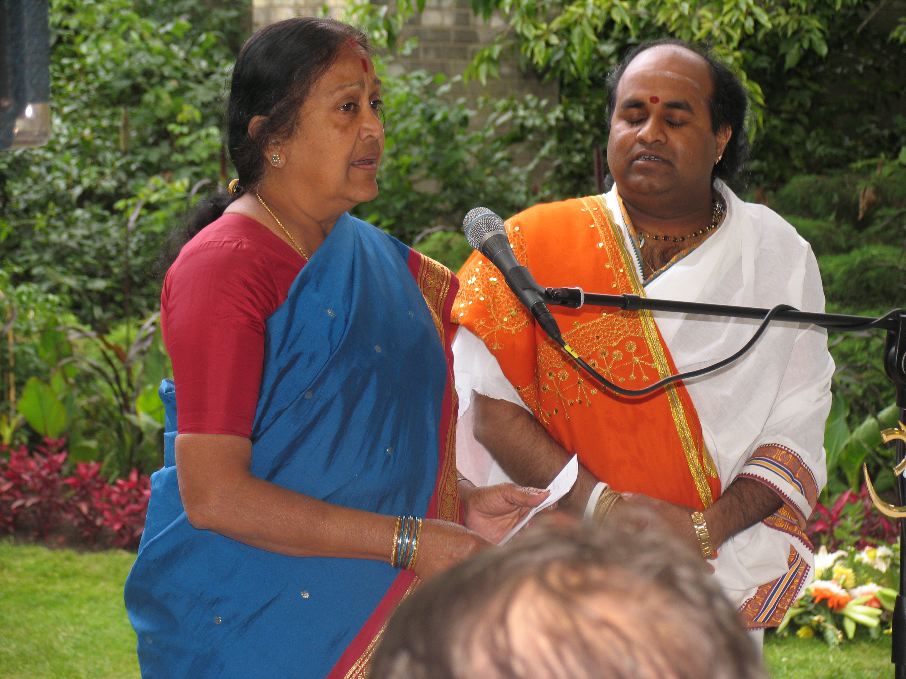
லண்டனிலொரு நிகழ்ச்சியில் திருமதி சீதா வெங்கட்ராமன், திரு.கல்யாண குருக்கள் பிரார்த்தனை

வள்ளுவர், மணிவாசகர், தாயுமானவர் ஆகியோரின் அருளுரைகள்

“வேண்டுதல் வேண்டாமை இலான் அடி சேர்ந்தார்க்கு யாண்டும் இடும்பை இல” என்ற வள்ளுவர் குறளில் (குறள் 4) இறைவன் இரண்டு நிலைகளுக்கும் அப்பாற்பட்டவன் என்பது தெரிகிறது.

வேண்டத்தக்கது அறிவோய் நீ;

வேண்ட முழுதும் தருவோய் நீ

வேண்டும் அயன் மாற்கு அரியோய்

வேண்டி என்னைப் பணி கொண்டாய்

வேண்டி நீ யாது அருள் செய்தாய்

யானும் அதுவே வேண்டின் அல்லால்

வேண்டும் பரிசொன்று உண்டென்னில்

அதுவும் உன்தன் விருப்பன்றே” என்கிறார் மாணிக்கவாசகர்.

எனக்கு நல்லது எது என்பது உனக்கே தெரியும்; அதை அருள்வது உனது பொறுப்பு என்ற அவரது அருளுரை மனித குலத்திற்கே ஒரு வழி காட்டுதலாக அமைகிறது.

தாயமானவரின்,

எனக்கெனச் செயல் வேறிலை யாவும் இங்கு ஒரு நின்                          தனக்கெனத் தகும் உடல் பொருள் ஆவியும் தந்தேன்                         மனத்தகத்து உள அழுக்கெலாம் மாற்றி                                     எம்பிரான் நீ நினைத்தது எப்படி அப்படி அருளுதல் நீதம்

(நீதம் – முறை)

என்ற பிரார்த்தனை அருமையான பிரார்த்தனை. என் மன அழுக்கை மாற்றி, நீ நினைத்ததை எனக்கு அருள் என்று இறைவனிடம் பொறுப்பை அவர் ஒப்படைக்கிறார்.

பிரார்த்தனை பற்றிய தெளிவு மகான்களின் வாக்கால் பிறக்கிறது.

***************

MORE PROVERBS, MORE STORIES!

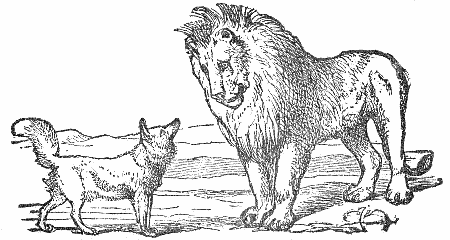
lion and fox

Compiled by London swaminathan

Article No.1928

Date :12th June 2015

Time uploaded in London: 15-42

Please read earlier posts for Stories behind Tamil Proverbs:

Queen who bolted the door doubly, posted on 5th June (Post No 1913) and

Stories behind five Tamil Proverbs, posted on 3rd June (Post No 1908)

1.It has come to this that grass is sold in the flower market, that a cat lives in the forest where a tiger lived, a jackal occupies the den where the lion lived, and that who he used to ride on an elephant now herds sheep.

பூ விற்ற கடையிலே புல் விற்கவும், புலி இருந்த காட்டிலே பூனை இருக்கவும், சிங்கம் இருந்த குகையிலே நரி இருக்கவும், ஆனை ஏறினவன் ஆடு மேய்க்கவுமாச்சுதே!

This is about the story of King Nala in Hindu scriptures. He lost all his property and wandered in the forest with his queen Damayanti. After sometime he lost his wife as well. Now quoted about losses of property and fortune.

2.There has been enough of your help in my confinement, and of your embracing my husband!

பிள்ளைப்பேறு பார்த்ததும் போதும், என் ஆம்புடையானைக் கட்டி அணைத்ததும் போதும்

One woman went to help another woman who was pregnant. She went to her house every day under the excuse of helping her, but she had developed intimacy with the husband of pregnant woman. Her real intention was to get access to her husband with whom she was in love. The pregnant lady realised it only after some time. But she could not do anything about it because the delivery day approached.

When she became pregnant for the second time, the next door neighbour went and offered her help. She rebuked her with the above statement.

This proverb is used when someone offered some help with bad intention or a motive.

glass-cosmetic-crystal-perfume-bottle-purple

3.When I entered the home, the smell disappeared!

நானும் வந்தேன், நாற்றமும் போச்சுது!

A young merchant whose father sold salt fish, married the daughter of a dealer in perfumes, and after the wedding the girl came to her father-in-law’s home to live with her husband. At first she could not bear the smell of the fish, but after a while she became used to the odour and ceased to perceive it. She was conceited enough to suppose that her presence her driven it away.

The meaning of the proverb is, that those who live in an atmosphere of sin become blind to the disgrace of sin.

Even if you bathe a dog and leave it in the kitchen of your house it will run out for the leftover food in the streets.

4.He speaks like the nose less man in the story!

மூக்கறையன் கதை போல பேசுகிறான்!

A certain man who had no nose was always ridiculed in the village. To make the other people as badly off as himself, he began at certain times to praise god and to thank him that he had enabled him to see him. When he thus burst out loud praise, people gathered around him, and asked what they should do to see god. His advice was that they should cut off their noses. This they did one after another. And though they could not see god, they pretended that they could out of very shame. Thus wicked people will try to draw good people over to their own wicked ways.

“A hog that is bemired, endeavours to bemire others”

5.Ponnan has become old Ponnan, the vessel has become an old vessel

பழைய பொன்னனே பொன்னன், பழைய கப்பரையே கப்பரை!

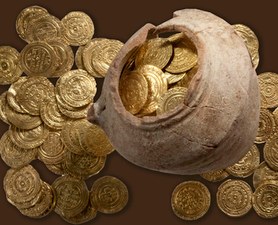
There was once a servant, who found a vessel full of gold buried in the earth. He did not remove it, but went daily to look at it. At the same time he became proud and unruly. His master watched him closely and found out about the treasure, which he took secretly. When the servant found out that his treasure was gone, he resumed his usual docility and when asked for the reason of the change in his bearing, he replied as above.

This is said of one who suddenly becomes rich, but as suddenly loses his wealth.

gold-coin-israel-found-

6.If the dancing girl be alive, and her mother dies, there will be beating of drums; but if the dancing girl dies there will be no such display.

தேவடியாள் இருந்து ஆத்தாள் செத்தால் கொட்டு முழக்கம், தேவடியாள் செத்தால் ஒன்றுமில்லை.

To get the favour of the dancing girl, many men will attend her mother’s funeral; but if the dancing girl herself dies, there is nothing to be gained by attending the funeral.

A famous dancing girl’s mother died in a town; there was a big crowd attending the funeral. Each one went to the front row to show his face to the girl, just to register his presence. When the dancing girl died after a few months’ time there were only her close relatives in the funeral.

In like manner:– if somebody die in a rich man’s house, all people will attend the funeral that they may gain his favour; but if the rich man die, no one will care as nothing more is to be had from him in future.

கீதை, வேதம் பற்றிய பழமொழிகள்

சாந்தம்

Compiled by London swaminathan

Article No.1927

Date :12th June 2015

Time uploaded in London: 9-25 am

கீதா கங்கோதகம் பீத்வா புனர்ஜன்ம ந வித்யதே

பகவத் கீதையையும், கங்கை நீரையும் அருந்தியவருக்கு மறு பிறப்பு என்பதே இல்லை

கீதா சுகீதா கர்தவ்யா கிமந்யை: சாஸ்த்ர விஸ்தரை:

கீதையை நன்றாகப் படிக்க வேண்டும். மற்ற சாஸ்திரங்களால் என்ன பயன்? – மஹாபாரதம்

ஒப்பிடுக:

பகவத் கீதா கிஞ்சித் அதீதா

கங்கா ஜல லவ கணிகா பீதா

சத்க்ருதபி யேன முராரி சமர்ச்சா

க்ரியதே தஸ்ய யமேன ந சர்ச்சா – பஜகோவிந்தம்,20

பொருள்:கீதையைக் கொஞ்சமேனும் படித்தவர்களுக்கு, கங்கை ஜலத்தை ஒரு துளியாவது பருகியவருக்கு முரஹரியை (கண்ணன்) ஒரு முறையாவது வனங்கியவருக்கு யமனுடன் சண்டை போட வேண்டியது வராது (பீஷ்மர் போல நீங்கள் நினைத்த நேரத்தில் அமைதியாக, ஆனந்தமாக, சுற்றம் புடைசூழ நிற்க, உயிர் துறக்கலாம்)

இதிஹாச புராணாப்யாம் வேதம் சம உப ப்ரும்மயேத் – மஹாபாரதம்

வேத மந்திரங்களை இதிஹாச புராணங்கள் வாயிலாக விளங்கிக் கொள்ள வேண்டும்

ருஷயோ மந்த்ர த்ருஷ்டார:

ரிஷிகள் மந்திரத்தைக் கண்டவர்கள் (இயற்றியவர்கள் அல்ல; ஐன்ஸ்டைன், நியூட்டன் சொன்ன விதிகள் போல அவை முன்னமே உள்ளன; என்றும் இருப்பன)

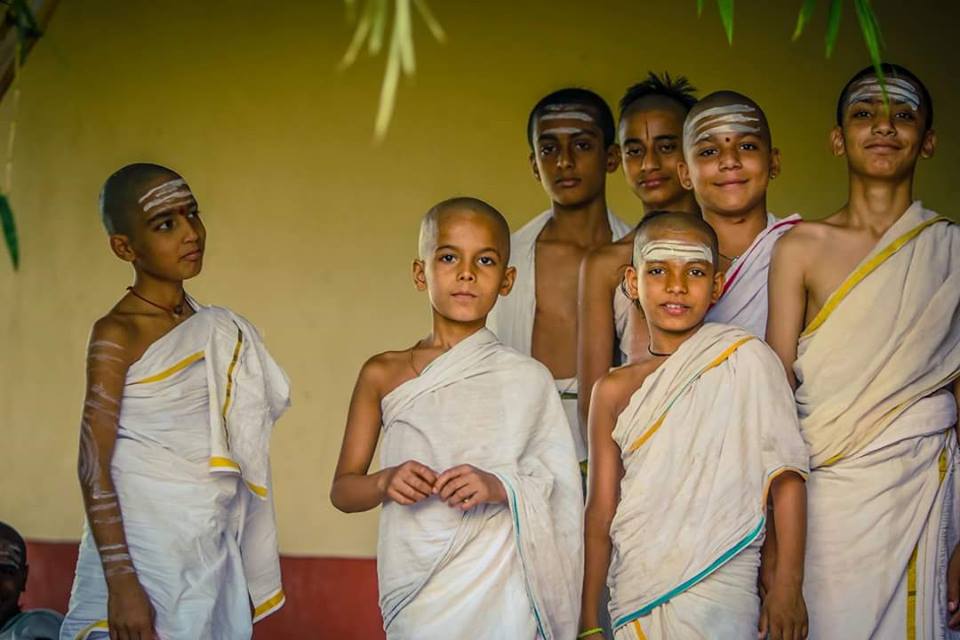
சின்ன பையன்கள்

வேதோகில தர்மமூலம் (மனு 2-6)

எல்லா  தர்மங்களுக்கும் வேதங்களே வேர் போன்றவை

பாரதே பாது பாரதி

பாரத தேசத்தில் பாரதி (சம்ஸ்கிருதம்) பிரகாசிக்கட்டும் (வாழ்க சம்ஸ்கிருதம் என்று பொருள்)

வேதானாம் சாமவேதோஸ்மி – பகவத் கீதை

வேதங்களில் நான் சாம வேதமாக இருக்கிறேன்

ஸ்ரவணசுகசீமா ஹரிகதா – ப்ரசங்காபரணம்

கேட்பதில் கிடைக்கும் சுகங்களில் உயர்ந்தது ஹரிகதை கேட்கும் சுகமாகும்.

ஸ்ருதிர்விபன்னா ச்ம்ருதயஸ்ச பின்னா: – சுபாஷித ரத்ன பாண்டாகாரம்

வேதங்கள் வேறு; ஸ்மிருதிகள் வேறு (வேதங்கள் சொல்வதை திருத்தவே முடியாது. ஸ்மிருதிகளை பெரியோர்கள் ஒவ்வொரு காலத்திலும் திருத்துவர் அல்லது புதிதாக எழுதுவர்)

ஸம்ஸ்க்ருதி: ஸம்ஸ்க்ருதாஸ்ரிதா

பண்பாடு, சம்ஸ்கிருதத்தை அண்டி வாழ்கிறது.

சர்வஞானமயோ ஹி ச:

வேத இலக்கியமே அனைத்து அறிவும் அடங்கிய களஞ்சியம்.

சர்வம் வேதாத் ப்ரசித்யதி

வேதத்திலிருந்தே எல்லாம் கிடைக்கிறது

சர்வத சம்ஸ்க்ருதீ பூய சுகின: சர்வ சந்து சர்வதச

எல்லாவிதத்திலும் பண்பட்டு எப்போதும் சௌக்கியமாக வாழுங்கள்!

ஸ்துதா மயா வரதா வேத மாதா – அதர்வ வேதம்

வரங்களை அளிக்கும்  வேத மாதா என்னால் தொழப்பட்டாள்.

Pictures are from Face book friends; probably from Art of Living Centre.

–SUBHAM-

அன்றும் இன்றும் – கொள்ளையோ கொள்ளை!

kamaraj 2

Compiled by S NAGARAJAN

Article No.1926

Date :12th June 2015

Time uploaded in London: 8-22 am

By ச.நாகராஜன்

‘பறந்து போன பக்கங்கள்’ என்ற நூலை கோமல் சுவாமிநாதன் என்ற நாடகாசிரியர் (தோற்றம் 27-1-1935 மறைவு 1995) எழுதியுள்ளார்.1997இல் நூலாக அவரது கட்டுரைகள் வந்த போது அவர் அமரராகி விட்டார்.

தனது வாழ்வில் நிகழ்ந்த சுவையான சம்பவங்களை அருமையான நடையில் எழுதியுள்ளார். தமிழக நாடகக் கலையின் வரலாறை இதன் மூலம் அறிய முடியும்.

காங்கிரஸ் பேச்சாளராக அவர் இருந்த இளம் வயதில் காமராஜரைப் பற்றி அறியும் வாய்ப்பு அவருக்கு ஏற்பட்டது.

விருதுநகரில் ஒரு உபதேர்தல். பொதுப்பணித்துறை பங்களாவில் தங்கியிருந்தார். அப்போது கோமல் சுவாமிநாதன் உள்ளிட்ட சிலர் காமராஜரின் தாயாரைப் பார்க்கச் சென்றனர். “என் வீடு இருக்கும் போது அங்ஙனே போய் ஏன் தங்குறான்?” என்று அந்த மூதாட்டி கேட்டபோது தான் காமராஜர் அவரைப் பார்க்க வரவே இல்லை என்பது அனைவருக்கும் தெரிந்தது. அவனை ஒரு கல்யாணம் பண்ணிக்கச் சொல்லி சொல்லுங்கப்பா” – தாய்க்கே உரித்தான ஆதங்கத்துடன் அவர் இருபது வயது கூட நிரம்பாத ஒரு ‘பையனிடம்’ சொல்ல, அந்தப் பையனான கோமல் சுவாமிநாதன் அதை காமராஜரிடம் சொன்ன போது,”கிறுக்கச்சி! அது ஏதாவது சொல்லிக்கிட்டு இருக்கும்” என்று சிரித்துக் கொண்டே சொன்னாராம் காமராஜர்.

ஆனந்த் தியேட்டர் உரிமையாளர் ஜி.உமாபதி கூறிய ஒரு விஷயம் இது. அவர் காமராஜருக்கு வரும் கடிதங்களுக்கு பதில் எழுதி அனுப்பும் பொறுப்பில் இருந்த போது நிகழ்ந்தது இது.

காமராஜரின் தாயாரிடமிருந்து ஒரு கடிதம் வந்திருந்தது. அதில்,”நீ மாசம் அனுப்பற ஐம்பது ரூபாய் பத்தலை. விலைவாசி ஏறிக் கிடக்கு. கூட பத்து ரூபா அனுப்பு” என்று அவர் எழுதியிருந்தார்.

அதற்கு காமராஜரின் பதில் ;”உனக்கு பத்து ரூபாய் அதிகம் அனுப்ப வேண்டுமென்றால் பாலமந்திர் ஏழைக் குழந்தைகளுக்கு நான் அனுப்பும் பணத்திலிருந்து பத்து ரூபாய் குறைத்து அதை உனக்கு அனுப்ப வேண்டும். அந்த பிள்ளைகளுக்கு குறைத்து அனுப்பக் கூடாது. அதனால் இந்தப் பணத்திலேயே சமாளித்துக் கொள்”

எப்படிப்பட்ட தலைவர்கள் சமீப காலத்தில் வாழ்ந்திருக்கிறார்கள்! அவரைப் பற்றி அந்தக் காலத்தில், தீய சக்திகள் அடுக்கு மொழியில், கொள்ளை அடித்து சுவிட்சர்லாந்தில் கோடி கோடியாக பணம் சேர்த்து வைத்திருக்கிறார் அவர் என்று மேடை தோறும் முழங்கும். அதை நம்பி ஏமாந்த அப்பாவிகள் ஏராளம்.

இன்று எத்தனை சைபர்கள் அந்த எண்ணுக்கு என்றே தெரியாதபடி கோடி கோடியாக கொள்ளை. கொள்ளை அடித்தவர் பெரிய ஹீரோவாக மொபைல் போனுடன் காரில் வலம் வருவதை வேறு தொலைக்காட்சியில் அடிக்கடி ஒளிபரப்புகிறார்கள். அவ்வளவு தைரியம்!

இடம் ரேஷம் கார்டு விநியோகிக்கும் மையம். இட மாற்றத்திற்கான விண்ணப்பத்தை நீட்ட, அதை வாங்கிய இளம் பெண்மணி முன்னும் பின்னுமாக ஐந்து நிமிடம் திருப்புகிறார். கொடுத்தவருக்கு தன் ‘இங்கிலீஷில்’ சந்தேகம் வந்து விட்டது. “ஏதேனும் தப்பா இருக்கா!”

“பேப்பர் சரியில்லை. கீழே போய் எழுதி வாங்கிட்டு வாங்க!”

kamarajar_stamp.

அரை மணி நேரம் மண்டையைப் பிய்த்துக் கொண்டு அங்கும் இங்கும் அலைகிறார் அவர். கீழே இருந்த ஒருவர் மாடியிலிருந்து வரும் அவரைக் கூப்பிட்டு விஷயத்தை விசாரிக்கிறார்.

தன்னிடமுள்ள பேப்பரை எடுத்து பழைய கால ரெஜிஸ்ட்ரார் அலுவலக தமிழில் தமிழ் கூட்டெழுத்தில் மனு ஒன்றை எழுதி, ஒரு பேப்பரைக் கொடுத்து, “இதை கொடுங்க” என்கிறார்.

ஐந்து ரூபாய் கட்டணம்.

மேலே போய் பேப்பரைக் கொடுத்தவுடன் அந்த எழுத்தைப் பார்த்தவுடன் இளம் பெண்மணி புன்முறுவல் பூக்க இடமாற்றத்துடன் ரேஷன் கார்டை அடுத்த வாரம் வாங்கிக்கலாம் என்று பச்சைக் கொடி காட்டுகிறார்.

சிறுதொகையில் கூட கேவலமான லஞ்சப் பங்கு. இதே நிலை தான் – (பழைய கால பிறப்பிதழில் பெயர் இருக்காது. அதை எழுத) கார்பரேஷனிலும் லஞ்சத் தொகை.

ஆர்டிஓ ஆபீஸிலும் இதே நிலை தான். சார்பதிவாளர் அலுவலகத்திலோ கேட்கவே வேண்டாம்.

எங்கும் லஞ்சம்; எதிலும் லஞ்சம். ஸயின்டிபிக்காக ஊழல் முறைப்படுத்தப் பட்டுள்ளது.

ஆங்காங்கு ஒவ்வொரு அலுவலகத்திலும் ஏஜெண்டுகள். அவரை மீறிச் சென்றால் ஆயிரம் நொள்ளைகள் சொல்லி திருப்பி அனுப்பி விடுவார்கள்.

காமராஜர் போல ஊழலின்றி தியாகம் செய்த தலைவர் எங்கே! ஊழலை முறைப்படுத்தி ஒன்றரைத் தலைமுறையை அழித்து விட்டவர்கள் எங்கே!

தமிழகம் இறைவனின் சாபத்தை வாங்கி விட்டதோ!

அவன் அருளின்றி சாப விமோசனம் கிடைக்காது.

சாப விமோசனத்திற்கு பிரார்த்திப்பது ஒன்றே நமது வழி.

ஆனால் அப்போதும் தீய சக்திகளின் ஒலி

“சீரங்கநாதரையும் தில்லை நடராஜரையும்;…..”

என்று ஓங்கி ஒலிக்கத் தான் செய்யும்.

ஒரு மனதாக அனைவரின் நலத்திற்காகவும் செய்யப்படும் பிரார்த்தனையில் தீயினில் தூசாகும் மாசுகள்; லஞ்சம் ஒழியும்.தர்மம் வெல்லும்.

*******

Science and Religion in Upanishads

atom

Compiled by London swaminathan

Article No.1925

Date :11th June 2015

Time uploaded in London: 21-24

I have read an interesting book titled “Vedic World View and Modern Science”, edited by Radhavallabh Tripathi. I wanted to share with you some of the points raised by the authors of various articles in the book. After reading it, I felt that there is a need to rewrite our science books as well. Along with the world view, we must give the Vedic seers’ views as well. Let the students decide who is right and who is wrong.

The second thing that we should do is to convene a conference on Futurology where the scientists and the Vedic scholars may predict what will happen in the next 50 years in the field of science, environment, medicine etc. Let the future generations tell the world who is right and who is wrong.

Youths with scientific bent of mind may ridicule us if we always talk about the past. We must be able to tell them what will happen in future on the basis of our scriptures. I have already written two articles about Hindus’ Future Predictions.

 TV1-05-QuantumMechanics

Atman is Motionless, yet it runs Faster!

In one of the articles S C Goswami says,

To say that a thing is stationary and yet it moves faster than mind sounds totally illogical. But logic proves to be a very poor instrument while dealing with the depths of truth.

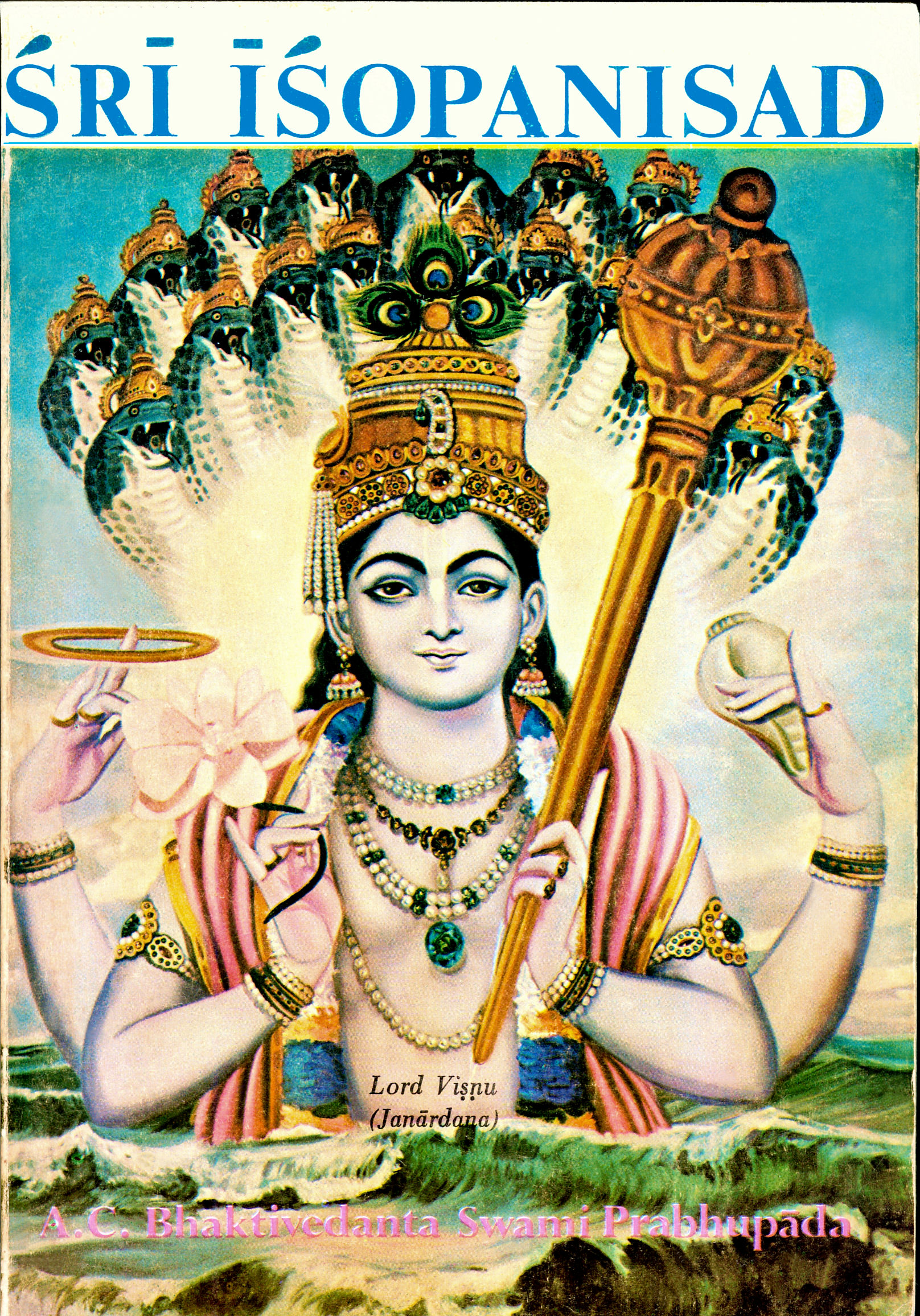
The Atman (soul) is motionless, yet it runs faster than mind, thus asserts the Isopanishad.

The self is one, unmoving, and faster than mind. It moves, moves not (verse 4 and 5)

Being infinite and all-pervasive, the Atman does not move, but it appears to move because of its association with the moving mind and the senses.

Subtlest and Biggest

How can a thing be smaller than the smallest and bigger than the biggest? But the Kathopanishad says

Anoraniyam mahato mahiyanatmasya jantornihito guhayam

(1-2-20)

Subtler than the subtle, huger than the huge, the self is lodged in the secret heart of every creature.

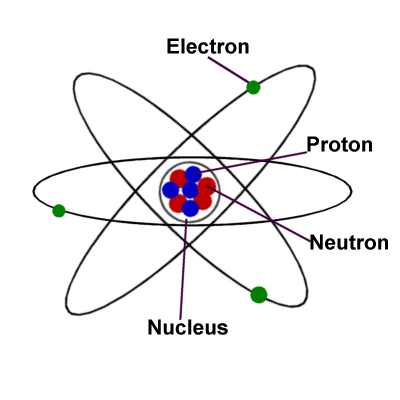
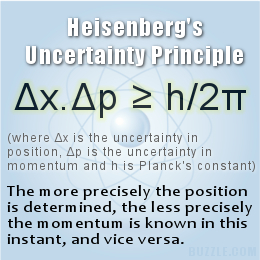
Big and small are physical concepts which arise from spatial determination. An object in the gross, physical world is big or small in the relative sense. In the quantum world, however an object is small in the absolute sense if the effect of the disturbance caused by the act of observation is not negligible. On the other hand if the disturbance has negligible effect on the state of the object, the object is termed big in the absolute sense.

The moon is a big object because looking at it, observing its motion has no effect in the motion of the moon. An electron or an atom is a small object in the absolute sense, because the unavoidable disturbance (inherent in an act of observation) drastically alters the state under observation.

The small objects exhibit another unique characteristic, viz, wave-particle duality. An electron is a particle that is an object confined to a small volume (anoraniyan). It is also a wave, a probability wave extending to infinity (mahatomahiyan). Incidentally, the core of an atom, that is, the nucleus, occupies a very small space inside the atom (nihito guhayam). By describing Truth as the tiniest of tiny and also the biggest of the big, the Upanishadic Rishi (seer) conveys that even the minutest space conceivable s permeated by the All-pervasive.

strange-albert-einstein          bohr

Localized and Delocalized

Atman permeates all objects which have shape and form itself remaining formless and changeless in the phenomenal world, asserts kathopanishad,

Bodiless in the embodied, changeless in changeful entities; Swami Vivekanada has beautifully described the relation between man. i.e. localized Self and God i.e.delocalized self. Man, according to him, is a circle whose circumference is at infinity but the centre is located in the body. And god is like a circle whose circumference is at infinity but the centre is located everywhere. This idea is again echoed in the Kathopanishad

What indeed is here is there, what is there is here likewise

Self, which associates itself with limiting adjuncts, viz, body and senses, becomes localized in the individual and appears as being possessed of physical or worldly attributes to the ignorant. That very self, devoid of all physical attributes, a mass of pure consciousness, established in its casual condition as Brahman, is present here, there, everywhere.

Being and Becoming

Being and Becoming and One and Many are both the same thing. One is Brahman and Many is manifest in nature. The immense diversity exhibited by Nature is , in fact, the manifestation of the underlying Unity. All that exists in Nature, animate and inanimate, is the Becoming of the one Self. We must experience the One Being but at no point of time should we cease to see the many Becoming. How is it possible? Through ignorance we identify ourselves with ego, which as Buddha said, does not exist. This false identification leads to a sense of separateness and contradiction. Once we get rid of it we immediately experience our oneness with all beings, we expand to infinite dimension as it were.

The Upanishads are unique in their approach towards seemingly opposite concepts, some of them described above, because they assert simultaneous validity of such opposites. Life in the world, according to them, and life in the Spirit, are not incompatible. Work or action is not contrary, is rather means to knowledge of God. By renunciation it meant the renunciation of the ego, not of life.

heisenberg

Neil Bohr Quotation

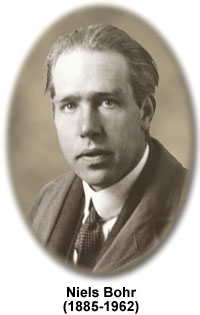
Bohr dedicated thirty years of his life in spreading, the message of complementarity in fields outside of physics. One of his favourite maxims was, as told by his son Hans, the distinction between two sorts of truth: trivialities where opposites are obviously absurd, and profound truths, recognised by the fact that the opposite is also profound truth.

The Upanishads do not deal with trivialities. They deal with profound truths.

Who discovered Gravity? Newton or Aryabhatta?

Radhavallabh Tripathi says,

The Vedic seers could visualise many things through their observation or by their intuition, which the latter

Scientists discovered. For example Aitareya Brahmana (III-4) says that the Sun neither rises nor sets, it is the earth which rotates around it.

Yajur Veda further mentions (20-23) that the whole cosmos is rotating, it also suggests that the moon does not have its own science, it reflects the light from the Sun (ibid18-40 and Nirukta 2-6). Authors of Vedic Samhitas were clearly aware of seven colours in sun rays. The gravitational force is hinted upon.

Aryabhatta clearly propounded the theory of gravity eight hundred years before Newton.

quantum_enterprise

Pythagoras Theorem or Vedic Seer Theorem?

Vedic altars were constructed in different shapes and sizes for the performance of Yajna. Strictly set measurements were prescribed for construction of different types of altars for different rituals. This lead to the discovery of a geometrical theorem around 1500 BCE, which after quite a centuries was discovered by a philosopher and mathematician Pythagorus in Greece. The theorem along with several other principles of geometry has been explained in detail in Sulvasutras, the Vedic texts on rituals. They were composed around 1000 BCE.

Cosmology and Carl Sagan

Cosmology is one of the areas in which the ancient seers were particularly interested. Carl Sagan, one of the most brilliant cosmologists said that Indian cosmology gave for the first time a time scale for the earth and for the universe a time scale which is consonant with that of modern scientific cosmology. The Hindu tradition has a day and night of Brahma is 8-4 billion years.

The Vedas are the oldest literary records of ancient Hindu wisdom. Atharva Veda records brilliant thoughts on Time in two of its hymns, both entitled as Kalasuktas (Hymns on Time)

The Upanishads provide in depth analysis of the concepts of time and space.  The terms dik and akasa have been used for space in the Upanishads. Even present, past and future percolate akasa/space and at the same time, are imbued in akasa.

katho        iso1969a

Potter’s Wheel and the Universe

The circuitous movement of this cosmos has been compared by the author of Sri Bhagavata to a potter’s wheel. The potter’s wheel is rotating and hundreds of ants are going on the wheel just as the potter’s wheel rotates, along with it rotate the lump of clay placed by the potter on it and along with rotate the ants. But the ants moving on the wheel also move by own speed and at the same time also rotate with the circuitous movement of the wheel. In the same way the cosmic wheel of time and space is rotating, along with it are rotating infinite number of stars and planets and each of these ants or planets is moving by its own momentum also – Srimad Bhagavatam V-22-2

Einstein Quotation

Physists like Fritzof Capra find the image of Cosmic Dance of Siva a very suitable metaphor to describe atomic reality.

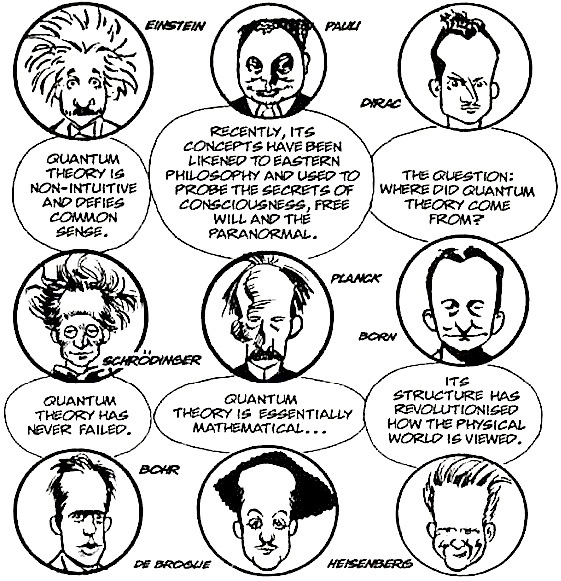
Ken Wilbur, himself a scientist, says that every one of the greatest physicists of 20th century, Einstein, Schrodinger, Heisenberg etc. were spiritual mystics  of one sort or another. “The most beautiful emotion we can experience is mystical” says Einstein.

Source: VEDIC WORLD VIEW AND MODERN SCIENCE, Edited by Radhavallabh Tripahi, Pratibha Prakashan, Delhi, Year 2006

துருக்கியை ஆண்ட ஹிட்டைட்ஸ்கள் இந்துக்களா?

lion gate

அரண்மனையின் சிங்க வாசல்

Written by London swaminathan

Research article No.1924

Date :11th June 2015

Time uploaded in London: 11-07

ஹிட்டைட்ஸ்கள் பற்றி நான் ஆங்கிலத்தில் எழுதிய நீண்ட ஆராய்ச்சிக் கட்டுரையின் சுருக்கத்தை மட்டும் தமிழில் தருகிறேன். முழு விவரம் வேண்டுவோர் நேற்று வெளியான எனது ஆங்கில கட்டுரையைப் படிக்கவும்.

1.ஹிட்டைட்ஸ் எங்கிருந்து வந்தனர் என்பது ஆராய்ச்சியளர்களுக்குத் தெரியவில்லை. அவர்கள் கி.மு.1800 முதல் கி.மு1200 வரை இருந்துவிட்டு திடீரென்று காணாமற் போய்விட்டனர்.

2.அவர்கள் துருக்கியையும், வடக்கு சிரியாவையும் ஆண்டது பைபிள் குறிப்புகள், எகிப்திய கல்வெட்டுகள், 10,000 களிமண் பலகை கியூனிபார்ம் எழுத்துக் கல்வெட்டுகள் மூலம் தெரியவந்தது.

3.துருக்கியிலுள்ள பொகஸ்கோய் என்னும் இடத்திற்கு பழங் காலத்தில் ஹட்டுசா என்று பெயர். அங்குதான் இவர்கள் அரண்மனை, நூலகம், கல்வெட்டுகள், கோவில்கள் கண்டுபிடிக்கப் பட்டன. இதே நகரில்தான் மிடன்னிய வம்சம் பற்றிய தகவல்களும் கிடைத்தன. கி.மு.1400 ஆம் ஆண்டிலேயே வேத கால தெய்வங்கள், தசரதன், பிரதர்தனன் முதலிய மன்னர்கள் பெயர்கள் எல்லாம் அங்கே கிடைத்ததால் வேதமும் சம்ஸ்கிருதமும் கி.மு.1400 ஆம் ஆண்டிலேயே துருக்கியிலும் சிரியாவிலும் முழங்கிய அசைக்க முடியாத சான்றுகள் கிடைத்தன.

4.ஆனால் ஹிட்டைட்ஸ் பற்றி இவ்வளவுத் தெளிவாக எதுவும் கிடைக்கவில்லை. ஆயினும் அவர்கள் பேச்சிய மொழி இந்தோ-ஐரோப்பிய குடும்பத்தைச் சேர்ந்தது — அதாவது சம்ஸ்கிருத மொழிக் குடும்பத்தைச் சேர்ந்தது என்பது எல்லோருக்கும் தெரியும்.

5.தென் கிழக்காசிய நாடுகள் முழுவதும் ராமாயணத்திலுள்ள பெயர்களை எல்லாம் அவர்கள் எப்படி உருத் தெரியாமல் மாற்றினரோ அப்படி இவர்களும் பெயரை மாற்றியிருக்கலாம். இனி இந்துக்களுடன் இவர்களைத் தொடர்புபடுத்தும் அம்சங்களை மட்டும் பார்க்கலாம்

yazilikaya

சம்ஸ்கிருத மொழிக் குடும்பம்

6.இவர்கள் சம்ஸ்கிருத மொழிக் குடும்பத்தைச் சேர்ந்த மொழியை பேசினர்.

7.ஒரு ஹிட்டைட் மன்னரும் எகிப்திய மன்னரும் செய்த உடன்படிக்கையில் ஆயிரம் தெய்வங்கள் சாட்சியாக செய்தனர். இந்த ஆயிரம் என்பதை இந்து மத நூல்களில் மட்டுமே காணமுடியும். தசாம்ஸ முறையைக் கண்டுபிடித்ததும் நம்மவர்கள்தான். சஹஸ்ர நாமம், சஹஸ்ர கண்கள், கைகள் என்றெல்லாம் வேதங்கள் துதிபாடும். இந்திரனை ஆயிரத்துடன் தொடர்பு படுத்தும் பெயர்கள் சிலவும் உண்டு

8.இறந்தவர்களை எரிக்கும் வழக்கம் இவர்களிடம் இருந்தது. இறந்தவுடன் மன்னன் கடவுள் ஆகிவிடுகிறான் என்பதும் அவர்கள் கொள்கை. இது எல்லாம் இந்து மத நம்பிக்கைகள். ஆய் அண்டிரன் என்ற மன்னன் இறந்தவுடன் சொர்க்கத்தில் அவனுக்கு இந்திரன் வரவேற்பு கொடுக்க நிற்பது பற்றி புற நானூறு பாடுகிறது. இது போன்று நிறைய உதாரணங்களைக் காட்டமுடியும்.

9.இந்த மன்னர்கள் மற்றவர்களுடன் சமாதான உடன்படிக்கை செய்தது, பெண் கொடுத்து மற்ற நாட்டுடன் உறவைப் பல்ப்படுத்தியது ஆகியனவும் இந்து மத வழக்கங்களே. ராவணன் — பாண்டிய மன்னன் உடன்படிக்கை, மிடன்னிய தசரதன் – எகிப்திய மன்னன் உடன்படிக்கை ஆகியன பற்றி ஏற்கனவே கட்டுரைகள் எழுதிவிட்டேன். காந்தாரத்தில் இருந்து வந்த காந்தாரி, கேகயத்தில் இருந்து வந்த கைகேயி, விதேக நாட்டில் இருந்து வந்த வைதேகி ஆகியோரை நம் இதிஹாசங்களில் காண்கிறோம்.

 hariti

65 கடவுள் உருவங்கள்

10.இவர்களுடைய 65 கடவுள் உருவங்கள் எழிஜிகாய என்னும் இடத்தில் சுவற்றில் வரையப்பட்டுள்ளன. அவர்கள் ஒவ்வொருவரும் இந்து தெய்வங்களைப் போல வாகனங்கள் மீது பவனி வருகின்றனர். சிலப்பதிகாரமும் , தேவரமும் துர்க்கையை மான் வாகன தேவி (கலையதூர்தி) என்று வருணிக்கின்றன. தமிழ் நாட்டிலோ இந்தியாவின் இதர பகுதிகளிலோ அததகைய கலயதுர்தியை இப்போது காணமுடிவதில்லை. ஆனால் துருக்கியில் காணலாம்.

11.ஹிட்டைட்ஸ்களும் வேத காலம் போல இடி மின்னல் கடவுளையும் (இந்திரன்) , சூரியனையும் வணங்கினர்.

12.ஹிட்டைட்ஸ் அரண்மனையின் முன்னால் இரண்டு பெரிய சிங்கங்கள் நிற்பதைக் காணலாம். வேதத்தில் சிங்கம், சிம்மாசனம் இருப்பது பற்றி ஏற்கனவே எழுதிவிட்டேன்.

13.இதே போல இருதலைக் கழுகு அவர்கள் சின்னமாகக் காட்டப் பட்டுள்ளது. இது விஜய நகர அரசர் காலம் வரை நம் சின்னமாகப் பயன்படுத்தப்பட்டுள்ளது. அது பற்றிய ஆராய்ச்சிக் கட்டுரையையும் முன்னரே எழுதிவிட்டேன். இவை எல்லாம் இந்து மத தாக்கத்தைக் காட்டுகின்றன.

14.ஒரு கல்வெட்டில் கடவுளருக்கு வெள்ளியில் விக்ரகம் செய்தது பற்றியும், காளைகள் ரதத்தை இழுத்துச் செல்வது பற்றியும், காளையே கடவுள் என்றும் படிக்கிறோம். இவை எல்லாம் இந்து மத தாக்கமே. இந்திரனை காளை என்று வேதங்கள் புகழ்கின்றன.

15.ஹரிதி என்ற குழந்தைகளைக் காக்கும் தெய்வம் புத்த மதக் கடவுள் என்றும் நேபாளம், சீனா, ஜப்பான் ஆகிய நாடுகளில் ஹரிதி வழிபடப்படுவதாகவும் கலைக் களஞ்சியங்கள் கூறும். இந்தக் கடவுள் இந்து மதக் கடவுளே. ஏனெனில் புத்தர் கடவுள் வழிபாடு பற்றி எதுவுமே சொல்லவில்லை. இந்த ஹரிதி போன்ற தேவி சிலை துருக்கியில் கிடைத்து இருக்கிறது.

vahanas

16.அதர்வண வேத மந்திரங்களைப் போல பல வழிபாட்டுத் துதிகள் உள்ளன. பில்லி சூனியம் போக்கல், பேய்களை உண்டாக்கி பாதுகாப்பு பெறல், குடும்பச் சண்டையைத் தீர்த்துவைத்தல், மலடித் தன்மையை நீக்கல் போன்ற பல வழிபாடுகள் ஹிட்டைட்ஸ் இடமும் உண்டு. தந்தை செய்த பாவம் மகனுக்கு வருமென்று எண்ணி ஒருவர் உருக்கமாக வழிபடும் துதியும் உளது.

17.இவர்களுடைய பெயர்கள் சம்ஸ்கிருத மொழியின் திரிபே என்று ஆரியதரங்கிணி நூலில் விரிவான ஆரய்ச்சிக்கட்டுரை எழுதியுள்ளார் கல்யாணராமன் என்ற அறிஞர்.

18.வாய்மொழிக் கோசர், அதியமான் போல இவர்கள் பெயர்களிலும் சத்திய என்பது நிறைய வரும். ராம்செஸ் (ராம சேஷன்) என்ற எகிப்திய மன்னனுடன் சமாதான உடன்பாடு செய்தவன் பெயர் ஹட்டுசீலி. இது சத்தியசீல என்பதன் திரிபு. அவர்களது தலைநகர் ஹட்டுசா. இது சத்தியவாச என்பதன் திரிபு. இப்படி நிறைய பெயர்கள் கல்யாணராமன் கொடுத்த பட்டியலில் உள்ளது. (சத்திய வான் என்பதன் திரிபு அதியமான்; இவர்களை சத்யபுத்ரர்கள் என்று அசோகர் கல்வெட்டு கூறும்)

19.ஹிட்டைட்ஸ்களுடைய மோதிரங்கள், முத்திரைகள் ஆகியனவும் இந்து மத தாக்கத்தைக் காட்டும். ராமன் பட்டமேற்பு விழாவுக்கு தசரதன் அனுப்பிய அழைப்பிதழில் கழுகு முத்திரை வைத்து அனுப்பியதாக கம்பன் பாடியதையும் அதே கழுகு முத்திரை சிந்து சமவெளியில் கிடைத்திருப்பதையும் தனியொரு கட்டுரையில் தந்துள்ளேன். இது போல பலவகை முத்திரைகள் துருக்கியில் கிடைத்திருக்கின்றன. சாகுந்தலம், முத்ராராக்ஷசம் போன்ற வடமொழி நாடகங்களில் மோதிர-முத்திரைகள் கதையின் அடித்தளமாக விளங்குகின்றன.

20.கல்யாணராமன் தரும் பட்டியல்:

ஹிட்டைட் – ஹட்டி-க்ஷத்ரிய- கேட்டா (பைபிள்)

ஹட்டுசா= சத்வாச

அனிட்டா = அநீத

ஹட்டுசீலி= சத்வ சீல

முரஸீலீஸ்= முர சீல

துதாலியா= துக்தாலயா

அர்ணவாண்டா= அருணபந்த.

ஹட்டுசீலிஸ் மனைவி புதுகீபா= பத்மசிவா

double headed

புதுஹீபா, ஹூரியன் வம்சத்தைச் சேர்ந்தவள். இது சூரியன் என்பதன் திரிபாகும். ப=வ, ஹ=ச, ஜ=ய, ர=ல ஆக மாறுவது பற்றி எனது முந்தைய ஆராய்ச்சிக் கட்டுரைகளில் ஏராளமான சான்றுகள் கொடுத்துள்ளேன்.

Hittite Mystery! Were they Hindus?

lion gate

Huge lions guard the gate at Hattusa (later it became Lion Throne/Simhasana)

Written by London swaminathan

Research article No.1923

Date :10th June 2015

Time uploaded in London: 21-10

Who are Hittites?

Scholars say that no one knew who were they and where from they came. Their monuments have been found in Bogazkoy (previously known as Hattusa; now called Bogazkale) in Turkey.

Where were they?

They ruled Turkey (Anatolia) and Northern Syria.

When did they rule?

We knew that they existed between 1800 BCE and 1200 BCE.

What language did they speak?

They spoke an Indo –European language to which Sanskrit, Greek, Latin and most of the European languages belong.

Were they Hindus?

Other than the Sanskrit connection there are lot of similarities between Hindus and Hittites.

I have listed them below.

Why did their rule come to an end 1200 BCE?

Hattusa (Bogazkoy) , their capital was razed to ground about 1200 BCE. The end was sudden and this has been largely attributed to “sea people” from the Mediterranean. Some disagree.

Hittites are known from Old Testament and clay tablets discovered in Turkey ( area ruled by Hittites). In 1906, Dr Hugo Winckler began excavation in Bogazkoy and found a Royal archive of 10,000 tablets. The tablets give a good picture of Hittite politics and society. Czech scholar B.Hrozny deciphered the script and wrote about it.  Hittite called their language NESILI.
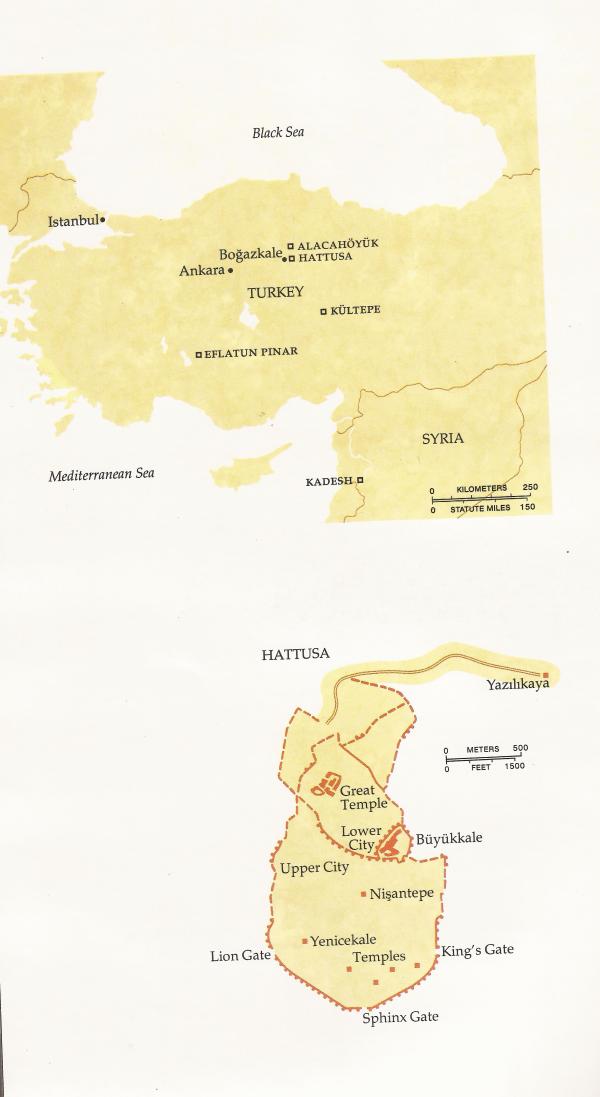
bogazkoy

Bogazkoy = Hattusa in Turkey

Similarities with the Hindus

1)They spoke a language related to Sanskrit. All scholars agree on it. And so they did not belong to Anatolia (Turkey).

2)They use the phrase 1000 Gods in their peace treaty and this is very common in Hindu scriptures. Decimal system was invented by the Hindus. Vedic god Indra is decribed as a man with 1000 testicles (so potent!) and his Vahra Aydha is 1000 pointed! Thousand here means “a lot”.

3.They signed a peace treaty with the Egyptians 3000 years ago. The signing of peace treaty is also a typical Hindu custom. We hear about the Peace Treaty between Ravana and a Pandya king in Tamil literature (Please read my earlier article on it) We knew about another peace treaty between Mitanni king Dasaratha and Egyptian king around 1400 BCE.

4.Hittite Treaty:–Treaty of Rea-masesha mai Amana, the great king, the king of the Land of Egypt, the valiant, with Hattusili, the great king of the Land of Hatti, his brother, for establishing good peace and good brotherhood worthy of great kingship between them for ever.

The treaty goes on to define the relationship between the two nations; to renounce aggression; to establish a defensive alliance; to guarantee, upon the death of either party, he succession of legitimate heir; and to provide for the extradition of fugitives. The treaty was carved on the wall of a great temple of Karnak and at the Ramesseum of Thebes (Egypt). One of the final passages calls upon the gods as witnesses to the good faith of the signatories (this is also typical Hindu custom):

“As for these words —— as for him who shall not keep them, a thousand gods of the land of Hatti together with a thousand gods of the land of Egypt, shall destroy his house, his land and his servants”

Rea- masesha mai Amana was the Egyptian Pharaoh Ramses II. (Again this name is Sanskrit Ramasesha) .The Hittite king’s name was Hattusili (in Sanskrit it is Sathyaseela; s=h in many languages)

5)Royal Marriages :Hittites survived by Royal marriages, diplomacy and heroic fights. They were superb fighters. Royal marriages mean marrying girls from neighbouring countries which is also typical Hindu custom: Dasaratha married a woman from Kekaya, Dhritarashtra married a woman from Gandhara/Kandahar, Rama married a woman from Videha etc (Kaikeyi, Gandhari, Vaidehi)

6)Hattusa was full of temples. They were worshipping Storm God (similar to Indra) and Sun Goddess (similar to Gayatri)

7)Buyukkale (Turkish word for Great Castle) occupies a rocky place in Eastern Hattusa, where the king resided. It had its own temple and two libraries, where thousands of cuneiform clay tablets have been found.

8)A tablet from one of the temple archives says, “The deity  has now been made as a statue in silver covered with gold in the shape of a bull standing on all fours”. The storm god sometimes was represented a s a bull and at other times was shown accompanied by two bulls that pulled his chariot. Indra is also represented as bull in the Vedas.

9)Hattusili III, who signed a peace treaty with Ramses II,gave his daughter to Ramses II in marriage. Hattusili’s (Sathyaseela) wife was Pudushepa (may be Padmashiva in Sanskrit). She was a Hurrian (Suryan; belongs to Surya Kula of Hindus)
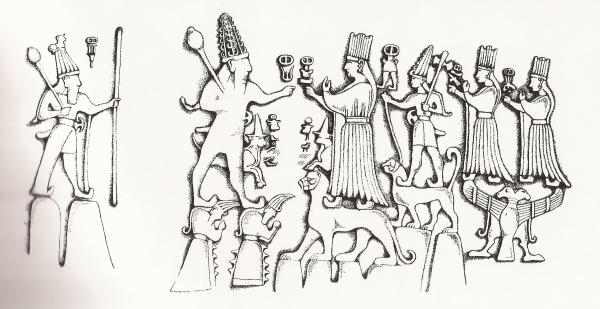
vahanas

Hindu Vahanas in Yazilikaya, Turkey

65 deities and Vahanas

10)Hindu Gods and goddesses have Vahanas (mounts or vehicles) until today. Hittites’ gods always ride vahanas. North west of Hattusa is  Yazilikaya which is described as the most impressive of all Hittite religious structures. Here on the wall, storm god and his consort Hepatu were shown. There are 65 deities on the walls of the rocks. There were big festivals and ceremonial processions with the King and the Queen along with festival sports such as races, wrestling, stone throwing contests and boxing.

Hindu Goddess Durga is described as riding a deer in Tamil epic Silappadikaram and Thevaram of Saivite saints (Kalaiyathurthi in Tamil). We could not see such statues nowadays in India. But in the Hittite world we see deer riding gods!

11)Like Hindus Hittites cremated the bodies. Scholars believe that one of the galleries in Yazilikaya contained the urn with the ash of Tudhaliya, son of Hattusili and Pudushepa. They have identified two figures by hieroglyphs. The larger is the God Sharruma, the smaller is Tudhaliya IV. The relief depicts Sharruma, son of Storm God of Heaven and the goddess Hepatu.

12)Among the Hittites, when a king died it was said that he became God, and the relief may represent a celebration of of Tudhaliya’s entrance in to the Hittite pantheon. Hindus believed that their king was god and in the heaven they were waiting to receive them. Sangam Tamil verse says that Indra was waiting to welcome Tamil chieftain Ay Andiran. Sanskrit literature has such references too.

13)Manu’s Law Code: Hittites had very strict law like Hindu Law book Manu Smriti. Disobedience to the king was one of the few offences punishable by death – not just the offender but of his family as well. A Tamil king who was praised as Manu Neeti (smrti) Choza crushed his own sun under the wheels of his chariot because he crushed to death a calf. And the cow itself came to his palace and rang the Calling/enquiry Bell.
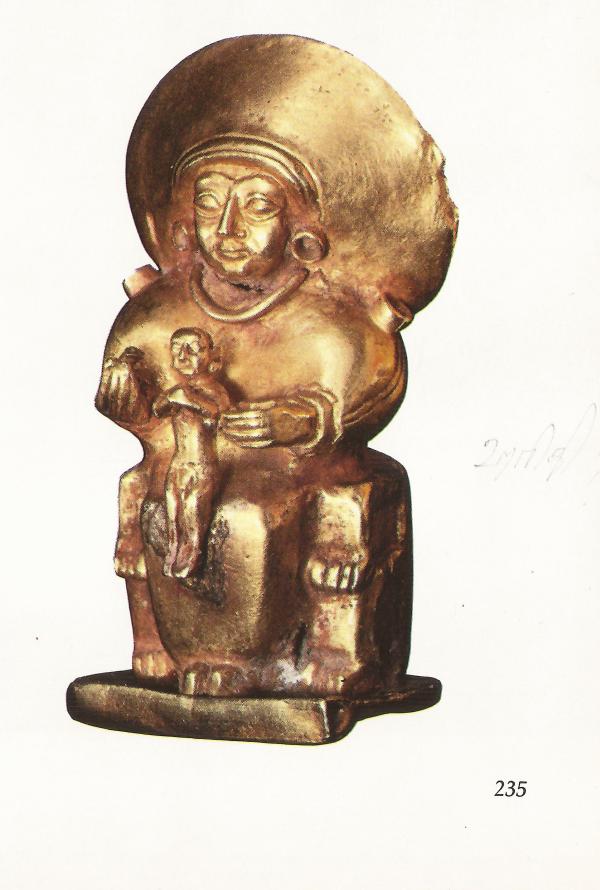
hariti


Vedic Prayer

14)What we read in Hindu Atharva Veda is also in the Hittites: From the tablets we have precise descriptions of various rituals: to counteract sorcery, to end pestilence, to engage the help of protective demons, to patch family quarrels, even to cure impotence. One tablet contains words of Muwatalli, the king who fought at Kadesh, concerning what must be said to the gods “when things get too much for a man”.

15)Their prayer was similar to Vedic paryers; one of the Hittite prayer runs like this, “Hattian Storm God, my lord, ye gods, my lords! It is only too true that man is sinful. My father sinned and transgressed against the word of the Hattian Storm god, my lord. But I have not sinned in any respect. It is only too true, however the father’s sin falls upon the son. So my father’s sin has fallen upon me…. Take pity on me and drive the plague out of the Hatti land”. This echoes the Hindu prayers. This is the prayer of Mursili II, a king who ruled near the end of 14th Century BCE. On the annual sacred thread changing day (Upakarma) of the Hindu Brahmins, the priest recites a long list of sins (in fact an amazing list of sins done in seven generations) and begs for pardon.

16).Lion and Double Headed Eagle

Hittites monuments have huge lions carved at the entrance of the Place gate. They depict double headed eagle. Both of them figure in Hindu scriptures. Please see my articles Double headed Eagle: India –Sumeria connection (posted on 18 December 2011) and Vedic Lion around the world (posted on 9 November 2014) . I have dealt with them in detail.

17)Rings with emblems and seals: Ramayana says Dasaratha sent the coronation invitations to all kings of the land with eagle emblem engraved on the invitation. Sanskrit dramas like Sakuntalam, Mudra Rakshasam are based on rings with emblems. We have such rings and seals in Hittite world. Hittite craftsmen fashioned elaborate seals for stamping official and commercial documents and correspondence.  The five sided stone seal depicted religious scenes. The seal was hanging around the neck of the king. Hieroglyphs on the gold signet ring identify it as that of the son of a king. In India all such ancient rings were melted and made into new ornaments.

18).A goddess with disc shaped headdress sits on a throne holding an infant on her lap. We have such goddess in Hindu pantheon. Her name is Hariti. Hariti ma is worshiped in Swayambunath temple in Nepal. Neplaese Newars worship her Ajima. She is praised as the protector of children. A Hindu deity later taken by Buddhists went up to Japan. Chinese worship her as Kishimojin and Japanese worship her as Kariteimo (=Hariti Ma). She was said to be a child devouring demon and later converted by Buddha. Since Buddhism had no duties and Buddha never spoke about deity worship, all these must have gone from Hinduism.

19)Scholars have found several similarities between Greek mythology and Hittite mythology. This brings them closer to the Hindus because Greek mythology is nothing but the corrupted form Hindu mythology according to Max Muller and Edward pocoke.

20)Hittites were often attacked by Kaska people from the North. During the reign of Muwatalli, in the late 14th century BCE, Kaska ttacked Hattusa and set it ablaze. Muwatalli fled, taking his court and the Hittite cult gods with him. His son Uri-Teshub, returned to Hattusa and restored the city as Imperial capital.

21)Huge storage jars were discovered in the Great Temple complex, probably stored oil or grains. One of them had the capacity to store 3000 litres!
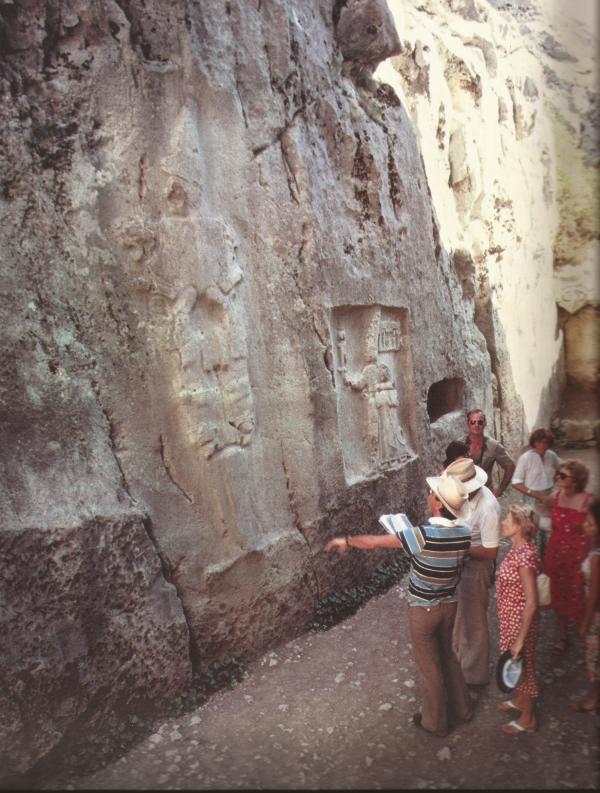
yazilikaya

Yazilikaya sculptures on huge rocks

A.Kalyanaraman’s Research

22.A Kalyanaraman in his book Aryatarangini has done a very detailed research into West Asian Hindu Civilizations and found out all Sanskrit names behind the corrupted West Asian names. He was very reasonable in arriving at the names. I am very much convinced because even in London, Sri Lankan Tamils corrupt all Indian Sanskrit names. Kanaga Durga Temple is called Kanaka Turka and Ganesh is called Kanesh, Damayanti is called Tamayanti. We see such corruptions in Mauritius Hindu community because of French influence. In South East Asian countries all the Ramayana names are corrupted beyond recognition.Ravana became Rab and Dhanajaya became Tenemjya, Nara Uttama became Nordom Sihanuk. So Kalyana Raman is right in identifying the names with Sanskrit equivalents. Here is the list:

Hittite =Hatti= Kshatriya=Kheta (in Bible)

Hattusas =Sathwasa = My reading is Sathya vacha

(In Tamil we have Vay Mozi Kosar=Truthful Kosar and Athiyaman=Sathyavan=Sathyaputra in Asoka’s inscription)

Anittas = Anitha = son of Pitkhana

Hattusilis = Sathva sila = my reading is Sathyasila

Mursilis = murasila

Telepinus= Dilipa

Tudhaliya – Dugdalaya

Suppiluloma = he of the golden hair

Tusratha = Dasaratha

Aranawanda= Arna Bandha
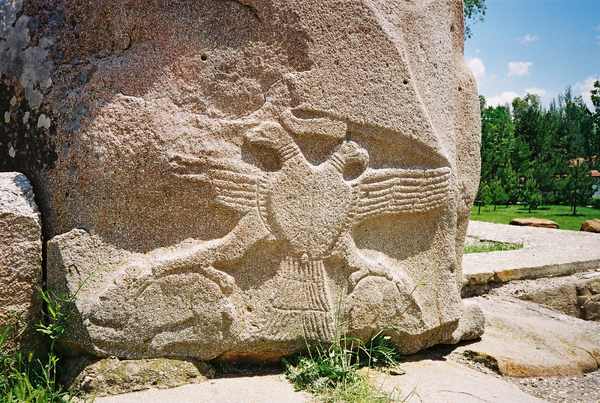
double headed

Now that lot of Hittite tablets are translated and books published, we can compare these and find some supporting documents.

So far as Mitannis are concerned the Sanskrit names are crystal clear. So we have archaeological proof from 1400 BCE for kings with Sanskrit names and Sanskrit numbers in the Horse Training manual of Kikkuli in Turkey/Syria area.

Let us continue our research with Kassites in another article.

Pictures are used from Splendors of the Past, Published by National Geographic Society;thanks.
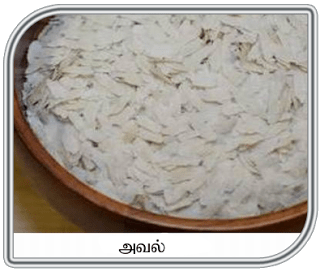
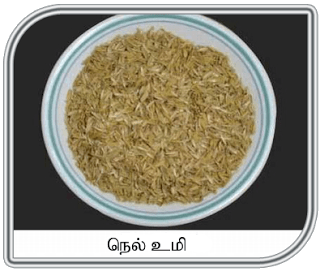
நீ அவல் கொண்டு வா, நான் உமி கொண்டு வருகிறேன்……

Compiled by London swaminathan

Article No.1922; Dated 10 June 2015.

Uploaded at London time: 10-56 am


சுய நலம் பற்றி தமிழ், சம்ஸ்கிருதம், ஆங்கிலத்தில் உள்ள பழமொழிகளைப் பாருங்கள். வயிற்றுக்காக சாமியார் வேஷம் போடுவோரை ஆதிசங்கரர் எப்படித் தாக்கித் தகர்க்கிறார் என்றும் படியுங்கள். இதோ 16 பொன்மொழிகள்:–


1.கோ ஹி  ஸ்வாதர்த்துமுபேக்ஷதே

யார்தான் தன்னலத்தில் அக்கறை இல்லாதிருப்பர்?

2.அவரவர் அக்கரைக்கு அவரவர் பாடுபடுவார்

Each one will exert himself for his own interest

3.ஊரார் வீட்டைச் சோற்றைப் பார், ஒசுபாடி வயிற்றைப்பார்

Look at the villager’s rice; look at this shameless man’s stomach

4.எங்கள் வீட்டுக்கு வந்தால் என்ன கொண்டு வருகிறாய்? உங்கள் வீட்டுக்கு வந்தால் என்ன தருகிறாய்?

If you come to my house what will you bring me? If I come to your house what will you give me?

What is yours is mine, what is mine, is my own


5.நீ அவல் கொண்டு வா; நான் உமி கொண்டு வருகிறேன்; அதை எங்கள் வீட்டுத் திண்ணையில் ஊதி ஊதித் திண்ணலாம். (அதாவது கொண்டுபோன உமியும் திரும்பக் கிடைக்கும்)

6.எது எப்படி போனாலும் தன் காரியம் தமக்கு

7.தன் காரியம் என்றால் தன் சீலை பதைபதைக்கும்

If it concerns her own affair, even her cloth will be restless

Everyman wishes water to his own mill – English proverb

8.பார்த்திருக்க தின்று, முழித்திருக்க கை கழுவுவான்

Though I saw him, he went on eating; and though I watched him, he washed his hands

(He finished his meal without giving me a share said of one who enjoys himself selfishly.)

9.குக்ருத்யே கோ ந பண்டித: – சுபாஷித ரத்ன பாண்டாகாரம்

கெட்ட செயல்களில் யாருக்குத்தான் கெட்டிக்காரத்தனம் இல்லை?

10.அரைக்கிரவன் ஒன்று நினைத்து அரைக்கிறான், குடிக்கிறவன் ஒன்று நினைத்துக் குடிக்கிறான்

He who grinds the ingredients thinks one thing and grinds, he who drinks the medicine thinks of something else, and drinks

(A doctor only thinks of the profit he will get by medicine he is preparing, the sick person only wonders whether it will cure him or not. Each thinks of his own interests.)


11.உதரநிமித்தம் பஹுக்ருதவேஸ:

வயிற்றுப்பாட்டுக்காக பல வேஷம் போடுகிறான்

12.வெட்கம் கெட்டாலும் கெடட்டும், தொப்பை இட்டால் போதும்

Let me lose my respect (if necessary); I am satisfied, if I get fat (said of one who seeks profit at any cost

Kashmiri proverb: A fat man has no religion.

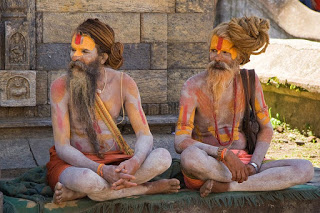
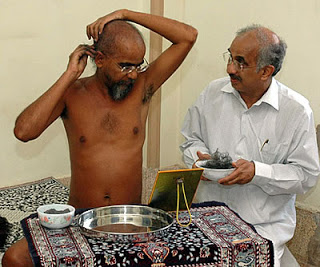
These pictures are shown only  as examples. Shankara made the statement only in general.

13.BHAJA GOVINDAM

“Matted locks, the shaven heads, and the plucked hair,

Diverse, the guises in saffron robe,

The fool sees it, but perceives not

All guises are, indeed devices to fill the belly big”- verse 14, Bhaja Govindam

jaûilo muïãi luòchitakeùaç
káúayámbarabahukøtaveúaç
paùyannapi ca na paùyati müãho
hyundaranimittam bahukøtaveúaç.(14)

The ascetic with matted lock, the one with his head shaven, the one with hairs pulled out one by one, the one who disguises himself variously with the ochre-coloured robes – such a one is a fool who, though seeing, does not see. Indeed, this varied disguise is for the sake of the belly.

ஜடிலோ முண்டி, லுஞ்சித கேச:

காஷாயாம்பர பஹுக்ருத வேஷ:

பஸ்யன்னபி ச ந பஸ்யதி மூடோ

ஹி உதர நிமித்தம் பஹுக்ருத வேஷ:

—–(பாடல் 14, ஆதி சங்கரரின் பஜ கோவிந்தம்)

14.ஆத்மார்தே கோ ந ஜீவதி – ஹிதோபதேசம்

தனக்காக வாழாதவர் யார்?

தனக்கு என்றால் பிள்ளையும் களை வெட்டும்

தன் காரியத்தில் புலி (சுய கார்யப் புலி)

15.ஆத்மார்தே கோ ந பண்டித:

தன் விஷயத்தில் யார்தான் அறிவாளி இல்லை?

16.சுய காரிய துரந்தரன், சுவாமி காரியம் வழ வழ

He is smart about his own business, but let God’s things slip.

Kalidasa’s Famous Quotations

kali1

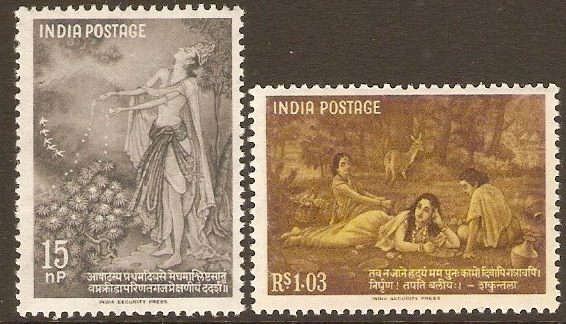
Indian Postal Stamps on Kalidasa’s works

Compiled by London swaminathan

Article No.1921; Dated 9 June 2015.

Uploaded at London time: 20-51

I give power and knowledge to him I love;

In invest him with Holy Power;

I make him a sage, a seer— Rig Veda 10-125-5

Kalidasa is one of the greatest poets of India. He is the most famous poet of ancient India. He has used over 1000 apt similes in his seven works. And there are quotations in his works which are used by the Sanskrit knowing general public in their every day conversations; his seven works are
POEMS

1)Meghadutam (MES)

2)Rtusamharam (RTS)

3)Kumarasambhavam (KS)

PLAYS

4)Malavikagnimitram (MA)

5)Vikramorvasiyam (VU)

6)Abhijnana sakuntalam (AS)

EPIC

7)Raghuvamsam (RV)

He is a dramatist, a writer of epic and a lyric poet of extraordinary scope. In his hands the language attained a remarkable flexibility, becoming an instrument capable sounding any moods and nuances of feeling – says Chandra Rajan in her book Kalidasa- The Loom of Time.

Here are twenty five of his quotations (source Suktisudha published by Chinmaya International Foundation):

kalidas-encyclopedia

Excess Affection

Deep affection often hits upon the specific remedy (VU)

Ati snehah khalu kaaryadarsi

Excessive affection suspects that evil will happen (to loved ones)

Ati snehah paapasanki (AS 4)

Authority / Power

The office of the government knows no rest (AS.5)

Avisramoyam lokatantraadhikaarah

Thoughtlessness

Which heartless soul will sprinkle scalding water on the tender Navamallika creeper? (AS.4)

Ka idaaniimsnodakena Navamaalikaam sincati

Misfortune

Misfortune enters through a miniscule loophole in an uncompromising truth (AS.6)

Randhropanipaatinonarthaa iti yaducyate tadavyabhicaari

kalidas-cinema-song-book

Hope

Hope makes bearable even the intense sorrow of separation (AS.4)

Gurvapi virahaduhkhamaasaabandhah saahayati

Senses

The senses toe the line of fate (VU3)

Bhavitavyataanuvidhaayin indriyaani

God

None has understood the real nature of Lord Siva (KS 5-77)

Na santi yathaarthyavidah pinaakinah

Nectar turns into poison, and poison into nectar, if the Lord so choses (RV 8-46)

Visamapyamrtam kvacid bhavedamrtam vaa visamiisvarecchayaa

Daughter/ unmarried girl

A daughter is another’s wealth (AS 4-22)

Artho hi kanyaa parakiiya eva

The daughter wedded to a virtuous groom will never be a source of grief to her father (KS 6-79)

The girl should be given to a virtuous man (AS 4)

Gunavate kanyakaa pratipaadaniiyaa

Action/ work/ deed

Will not he who undertakes a futile task become a butt of ridicule? (MES 1-54)

Ke vaa na syuh paribhavapadam nisphalaarambhayatnaah

Efforts, when directed towards a meaningful end, bear fruit (RV 3-29)

Kriyaa hi vastupahitaa prasiidati

A spirit tired by toil gets refreshed by reward (KS 5-86)

Klesah phalena hi punarnavataam vidhatte

kali2

Russian stamp to honour Kalidasa

Love/ desire

The desirous are self-centred (AS 2-2)

Kami svataam pasyati

Time

Requests submitted to bosses by the proficient at the opportune time will surely be granted (KS 7-93)

Kaalaprayuktaa khalu kaarya vidbhir vijnaapanaa bhartrsu siddhimeti

Anger

What else can scorch better than fire? (AS 4)

Ko nyo hutavhaaddagdhum prabavati

Warrior caste

All the exertion of warriors is to safeguard dharma (RV 15-4)

Dharmasamraksanaayaiva pravrttirbhuvi saarnginah

Virtue

Virtues are set foot everywhere (RV 3-62)

Padam hi sarvatra gunairnidhiiyate

The creator is averse to bringing together a totality of positives in a single soul – (KS 3-28)

Praayena saamagryavidhau gunaanaam paraanmukhi visvasrjah pravrttih

Guru /spiritual teacher

Question not the preceptor’s precepts (RV 14-46)

Aajnaa guruunaam hyavicaaraniiyaa


Senseless

The numb at heart do not recognise virtue (AS 6-13)

Acetanam naama gunam na laksayet

Factual knowledge

Fie on the transience of the lives of men (RV 8-51)

Dhigimaam dehabhrtaamasaarataam

Fear

Place a wreath on a blind man’s brows and he tears it off, fearing it to be a snake (AS 7-24).