தஞ்சாவூர் பெரிய கோவில் அதிசயங்கள்

Thanjavur_Big_Temple

தொகுத்து வழங்குபவர்- லண்டன் சுவாமிநாதன்

கட்டுரை எண் 1920

கட்டுரை தேதி- 9 ஜூன் 2015

லண்டனில் பதிவு ஏற்றப்பட்ட நேரம்—காலை 11-00

உங்கள் எல்லோருக்கும் தெரிந்த விஷயம்தான்; தஞ்சைப் பெரிய கோவில் ஒரு உலக அதிசயம் என்று; பலமுறை படித்திருப்பிர்கள்.. ஆயினும் இதில்,  பல நூல்களில் உள்ள சுவையான புள்ளி விவரங்களைத் தொகுத்துக் கொடுக்கிறேன்.

தஞ்சாவூர் பெரியகோவிலில் ஐந்து அதிசயங்கள் உள்ளன:

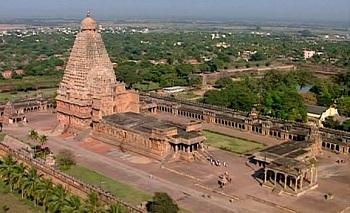
1.வானளாவிய கோபுரம்; 216 அடி உயரம்; எல்லா ஊர்களிலும் கர்ப்பக்கிரகத்துக்கு மேல் சின்ன கோபுரம்/விமானம் இருக்கும். வெளியே பெரிய கோபுரங்கள் இருக்கும். தஞ்சையிலோ கர்ப்பக்கிரகத்துக்கு மேல் 216 அடி கோபுரம்!

2.பெரிய சிவலிங்கம்; சிவலிங்கம் என்பதன் பொருள் கடவுள் உருவமற்றவர் என்பதாகும். 13 அடி உயரம்!

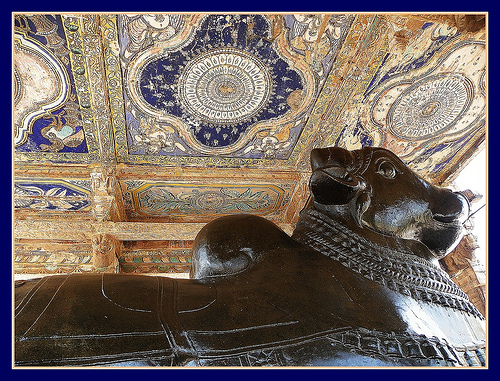
3.கர்ப்பகிரகத்துக்கு நேராக மிகப் பெரிய நந்தி; சிவபெருமானின் வாஹனம்; 12 அடி உயரம். எடை 12 டன்!

4.கோபுரத்தின் உச்சியில் வட்டவடிவ சிகரம். அங்குள்ள கல்லின் எடை 81 டன்!

5.இறுதியாக ஆயிரம் ஆண்டு பழமையான அற்புத ஓவியங்கள்

lord-shiva-linga-

பெரிய கோபுரம், பெரிய லிங்கம், பெரிய நந்தி – இவை அனைத்தும் இக்கோவிலைக் கட்டிய சோழ மாமன்னன் ராஜ ராஜ சோழனின் (கி.பி. 985-1014) பெரிய/ உயர்ந்த சிந்தனையைக் காட்டுகின்றன. நாமும்தான் எதைப் பற்றி எல்லாமோ பெரிய கற்பனை செய்கிறோம்; நடக்கிறதா? இல்லையே! எண்ணிய எண்ணியாங்கு எய்துவர் பெரியோர். அதனால்தான் ராஜ ராஜனை இன்றும் உலகம் போற்றுகிறது.

இந்தக் கோவிலை ராஜ ராஜன் தட்சிண மேரு என்றும் அழைத்தான. அதாவது வடதிசையில் மேரு மலை என்பது உயரத்துக்கும்,, புனிதத்துக்கும் பெயர் பெற்ற மலை. அது போல தென் திசையில் அளவிலும், புகழிலும், புனிதத்திலும் பெயர் பெற்றது இக்கோவில்.

இதற்கெல்லாம் அவனுக்கு உறுதுணையாக நின்றவர்கள் யார் தெரியுமா?

6.அவனது சகோதரி குந்தவை

  1. ராஜ ராஜனது குரு – கருவூர் சித்தர்

8.ராஜ ராஜனின் படைத் தளபதி கிருஷ்ணன் ராமன்

அது சரி, நாம் எண்ணதான் நினைத்தாலும் கட்டிடத்துக்கு அழகாக திட்டம் போட்டுக் கட்ட வேண்டுமே; அப்பேற்பட்ட கட்டிடக் கலை நிபுணர்கள் யார்? அவர்கள் பெயரையும் பொறித்து வைத்துள்ளான் ராஜ ராஜன். யார் அவர்கள்?

thanjavur plan

9.குஞ்சர மல்லன், ராஜராஜப் பெருந்தச்சன் என்ற இருவர்.

இந்தக் கோவிலில் வேறு என அதிசயங்கள்?

10.முழுக்க முழுக்க கருங்கற்களால் ஆனது. ஒரு இடத்திலும் காரை பயன்படுத்தவில்லை! (பிற்காலத்தில் நாயக்கர், மராத்தா ஆட்சியில் புதிய சிலைகள், கட்டிடங்கள் சேர்க்கப்பட்டன. அவைகளில் காரை முதலிய பொருட்கள் உண்டு)

  1. குறைந்தது எண்பைத்தைந்து கல்வெட்டுகள் இருக்கின்றன. இவை நமக்கு பல அரிய விஷயங்களைத் தருகின்றன. 400 ஆடல் அழகிகளின் பெயர்களும் அவர்கள் வசித்த வீட்டு இலக்கமும் இருக்கின்றன!

12.ஐம்பதுக்கும் மேலான இசைக்கலைஞர்கள் கோவிலில் இருந்தனர். அவர்கள் பெயர்களும் பதிவு செய்யப்பட்டுள்ளன.

KONICA MINOLTA DIGITAL CAMERA

KONICA MINOLTA DIGITAL CAMERA

  1. மொத்தம் கோவில் பணியில் ஈடுபட்ட சுமார் 600 ஊழியர்களின் பெயர்கள், அவர்களுடைய வேலை, அவர்களுடைய ஊதியம் எல்லாம் கல்வெட்டுகளில் உள்ளன. இதையெல்லாம் நுணுக்கமாக கல்லில் பொறித்துவைத்த அவனது நிர்வாகம் எவ்வளவு சீரும் சிறப்புடனும் நடந்திருக்க வேண்டும்!

14.டாக்டர் நாகசாமி, தமிழ்நாடு தொல்பொருட்த் துறை இயக்குநராக இருந்த காலத்தில் இக் கல்வெட்டுகள் பிரசுரமாகியுள்ளன. அவைகளில் இருந்து சில ஆடல் அழகிகளின் பெயர்கள்: சேர மங்கை, எடுத்தபாதம், சோழகுலசுந்தரி, தில்லை அழகி, மதுரவாசகி, மாதேவடிகள், இரவிகுல மாணிக்கம், மா தேவி, சீருடையாள், ஆரா அமுது, மழலைச் சிலம்பு, திகைச் சுடர், காமக்கோடி, பொற்கேசி, ஆறாயிரம், தில்லைக் கூத்தி, செம்பொன், இன்னிளவஞ்சி, கயிலாயம், ஆடவல்லாள், இளங்கோயில், அறிவாட்டி, கல்லறை, சோமநாதி, சுந்தர சோழி, இராமி, சற்பதேவி, ஊதாரி, அரநெறி, குந்தவை, பொற்கேசி, கன்னரதேவி, அருள்மொழி.

15.கர்ப்பக்கிரகத்துக்குள் போவதற்கு முன் 12 அடி உயர துவரபாலகர் சிலைகளைக் காணலாம். இதில் சிற்பி ஒரு அழகிய கற்பனையைப் புகுத்தியுள்ளார். ஒரு யானையை ஒரு பாம்பு விழுங்குகிறது. அந்தப் பாம்பு, துவாரபாலகன் கையிலுள்ள கதையைச் சுற்றி ஒரு புழுப் போல காண்பிக்கப்பட்டுள்ளது. இப்பொழுது நாம் காற்பனை செய்ய வேண்டும். யானயின் அளவு நமக்குத் தெரியும். யானையும் பாம்பும் சிறிய அளவுக்கு இருக்குமானால் அந்த துவாரபாலகனின் கதை உருவம் எல்லாம் எவ்வளவு பெரியவை என்று நாம் கற்பனை செய்ய வேண்டும்! அந்தக் கதையைக் கையில் வைத்திருக்கும் துவார பாலகரின் உயரம் என்ன என்பதைக் கற்பனை செய்யவேண்டும். வாயிலைக் காக்கும் துவார பாலகரே இவ்வளவு பெரியவர் என்றால் அவரால் காக்கப்படும் பிருஹதீஸ்வரர் என்னும் பெருவுடையார் எவ்வளவு பெரியவர் என்று கற்பனை செய்யவேண்டும். துவார பாலகரோ பணிவின் சின்னமான விஸ்மய முத்திரையைக் காட்டிய வண்ணம் நிற்கின்றனர்.

Big_Temple-Lingam_Painting

  1. மற்றொரு அதிசயம். 81 டன் எடையுள்ள கல்லை 216 அடி உயரத்துக்கு எப்படி ஏற்றினர் என்பதாகும். தஞ்சைக்கு 9 மைல் தொலைவிலுள்ள சாரப்பள்ளம் என்ற கிராமத்திலிருந்து சரிவாக சாரம் கட்டி கற்களை ஏற்றினர் என்பது ஒரு கருத்து. கோபுரத்தைச் சுற்றி மலைப்பாதை போல சுழல் வட்டப் பாதை அமைத்து அதில் கற்களை இழுத்துச் சென்றிருக்கலாம் என்பது இன்னும் ஒரு கருத்து.

17.கண்ணுக்கெட்டிய தூரம் வரை பச்சைப் பசேல் என்று காட்சிதரும் வயல் பிரதேசங்களை எல்லாம் கடந்து எங்கோ ஒரு மலையிலிருந்து கற்களைக் கொணர்ந்து சோழ நாடு முழுதும் கோவில்களைக் கட்டியது அதிசயத்திலும் அதிசயம். இது சோழ மாமன்னர்களின் பக்திக்கு எடுத்துக்காட்டு. அதே நேரத்தில் நிர்வாகம், படையெடுப்புகள் ஆகியவற்றிலும் அவர்கள் பின் தங்கவில்லை.

18.இறுதியாக இங்கு ராஜராஜனுடன் அழகிய உருவத்துடன் கருவூர்த்தேவர் என்னும் சித்தரும் காட்சியளிக்கும் ஓவியம் உள்பட பல ஓவியங்களும் உள்ளன. இவை அஜந்தா குகை ஓவியங்களுக்கு இணையான சிறப்பு வாய்ந்தவை.

ஆயிரம் ஆண்டுக்கு முன்னிருந்த சோழ சாம்ராஜ்யத்தில் நாமும் வாழ்ந்திருந்தால் இன்னும் இதன் பெருமைகள் தெரிந்திருக்கும். ஏனெனில் ராஜராஜன் அளித்த பெரும்பாலான நகைகள் இன்று அங்கே இல்லை!

Rajaraja_mural-2

வெளிநாட்டுப் படை எடுப்பாளர்களாலும் தகர்க்கமுடியாத கருங்கல் கோவிலைக் கட்டிய அவன் புகழ் என்றும் நிடித்து, நிலைத்து நிற்கும்.

-சுபம்-
Dakshina Meru! 216 ft. Tall Brihadeeswarar Temple !!

Thanjavur_Big_Temple

Compiled by London swaminathan

Article No.1919; Dated 8 June 2015.

Uploaded at London time: 19-22

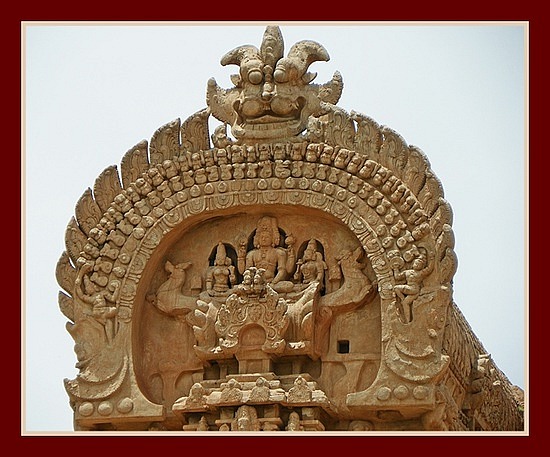
The Shiva temple in Thanjavur, Tamil Nadu (South India) is full of wonders. It was built 1000 years ago by Raja Raja (985-1014 CE), one of the great Choza kings.

The name of god in the temple is Brihadeeswarar meaning Great Lord or Lord of the World. Raja Raja rightly named it as Dakshina Meru—the Meru Mountain of the South. It is also known as Big Temple.

The Brihadeeswara temple represents the climax of south Indian temple architecture. The pyramidal tower that rises above have 13 storeys that steadily diminish in size. The temple is built entirely with granite blocks, laid one upon another without any mortar!  The temple stands in the middle of a vast rectangular walled courtyard lined by colonnades accommodating smaller shrines.

Rajaraja_mural-2

Painting of Raja Raja and his spiritual Guru Karuvur Thevar

There are five wonders in the temple:

a)The tall tower

b)The colossal Shiva Lingam which is 13 foot tall  (Lingam means formless shape)

c)Colossal Bull (Nandi, Shiva’s Vehicle) 12 feet  tall

d)Top most stone weighing over 80 tonnes

e)Thousand year old paintings

Scholars have speculated about how the blocks were lifted to the upper storeys of the sanctuary tower. Some 9 miles North West of Thanjavur is a village called Sarapallam. Here they began a ramp supported on bamboo scaffolding that led to the summit of the sanctuary tower. Another theory postulates a spiral earthen ramp winding upwards around the tower, along which blocks were hauled.

The plaster work that ornaments the granite tower elements was added in 18th-19th centuries under the Maratha rule. Nayaks of the 17th century added the outer wall, Subrahmanya shrine, goddess shrine and some mandapas. But the greatest achievement rests with Raja Raja and his master architect.

lord-shiva-linga-

Colossal Shiva Linga

The sculptures of men guarding the door to the main sanctum – the Dwarapalakas  – demonstrate the Choza sculptor’s versatility in creating masterpieces regardless of size. To emphasize their scale, the sculptor has used an innovative imagery, a serpent swallowing an elephant. The serpent, which then must have been of monstrous proportions, is curled around the mace of the Dwarapalaka/gatekeeper, like a small worm. For all this incredible size, the guardian is holding his hand in Vismaya Mudra, which suggests that still he is not the tallest amongst all that is within the temple. The sculpture is 12 feet high, but he indicates that the taller being was the deity in the sanctum of the temple!

There are some beautiful paintings from the Choza period.

Names of some of the dancers, found in inscriptions, who lived around the temple 1000 years ago: Cheran Mangai, Chozakula Sundari, Thillai Azaki, Ravikula Manikkam, Thennan Mahadevi, Thilaka Chudar, Aaraa Amuthu, Kamakoti, Mazalai Silambu, Chithira Valli, Sundara Chozi, Uttama Sundari, Kunjara Malli

top

Top of the temple

Factfile

1)Height of the Tower – 216 feet tall

2)Unique feature – unlike other temples, tower is just over the sanctum sanctorum

3)Over 85 inscriptions starting from Raja Raja period are in the temple

4)Inscriptions give us the names of 600 staff with their salary details!

5)Four hundred of them are dancers! We have all the 400 names!

6)Over 50 singers were employed by the temple

7)Sanctuary tower 25 m sq. 60 m hig

nandi2

8)Hemispherical roof 7 m diameter, 7 m high

9)Walled courtyard 241X 121 m

10)Materials – dry stone masonry of granite blocks

11)Decoration – carved granite covered with polychrome plaster work

12)Plinth of the central shrine – 45-72 sq.mts

13)Shikara – the top most circular stone weighs 81-284 tonnes!

14)Shivalinga – 4 mtrs high and 4-5 mts diameter (13 feet tall)

15)The Nandi/Bull is 3-66 mts tall (12 feet high), weight 12 tonnes!

Big_Temple-Lingam_Painting

Big temple paintings

16)Total volume of masonry work – 49000 m3

17)No mortar was used in the construction!

18)Sculptors – Kunjaramallan and Raja Raja Perunthchan

19)Spiritual force behind the temple – A saint by name Karuvur Thevar

20)Family inspiration for the temple – Kundavai, Raja Raja’s sister

21)Military force behind the Temple – Chief Commander Krishnan Raman

22)Renovations – 17th and 19th centuries.

birdseye view

Source:

The Seventy Architectural Wonders of Our World

Thanjavur – A Cultural History by Pradeep Charavarthy with phtos by Vikram sathynathan

Thanjavur Inscriptions by Dr R Nagasamy

Tamil Nadu, Madura welcome

ரோம், கிரீஸில் வாஸ்து கடவுள்

vestatemple_nero

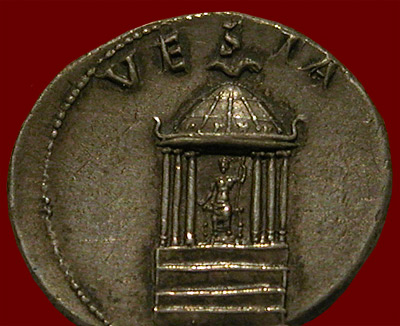
ரோம் நகர வெஸ்டா (வாஸ்து) தேவதை கோவில் (நாணயத்தில்)

Research article by London swaminathan

Article No.1918; Dated 8 June 2015.

Uploaded at London time: காலை 6-09 மணி

வீட்டிலும், கோவில் போன்ற கட்டிடங்களிலும் வாஸ்து புருஷனைப் பூஜிப்பது, வாஸ்து அடிப்படையில் கட்டிடங்களை நிர்மாணிப்பது எல்லாம் ரிக் வேத காலத்திலேயே துவங்கிவிட்டது. அது மட்டுமல்ல அதே பெயரில், அதே நோக்கத்தில் இத்தாலிநாட்டின் தலைநகரான ரோமிலும், கிரேக்க நாட்டிலும் வழிபாடுகள் நடத்தப்பட் டூள்ளன. ஆயினும் அங்கே நிறைய புதிய கதைகளும் எட்டுக்கட்டப் பட்டுள்ளன. எப்படி நம் நாட்டில் ஒரே சிவ பெருமானும், ஒரே மஹாவிஷ்ணுவும் ஊருக்கு ஊருள்ள கோவில்களில் பல ஸ்தல புராணக் கதைகளுடன் விளங்குகின்றனரோ அதைப் போல ரோம், கிரிஸில் வேறுபாடுகள் உண்டு. ஏதோ ஒரு காலத்தில் அங்கு குடியேறிய இந்துக்கள், காலப் போக்கில் பாரதத்துடன் தொடர்பை இழந்தவுடன் அந்த ஊர்க் கடவுளுடன் இணைத்து புதிய கதைகளை உருவாக்கினர் என்று சொல்லலாம்.

ரோம் நகரில் வெஸ்டா என்ற பெயரிலும் கிரேக்க நாட்டில் ஹெஸ்தியா என்ற பெயரிலும் வீட்டிலுள்ள அக்னிமூலையில் இந்த தெய்வங்கள் வழிபட்டன. ஒவ்வொரு வீட்டிலும் குளிர்காலத்தில் சூடு ஏற்றுவதற்காக நெருப்பு எரிந்து கொண்டிருக்கும் அக்னி மூலை இருக்கும்.

vesta_coin4

முதலில் ரிக்வேதத்தில் உள்ள விஷயங்களைக் காண்போம். உலகின் மிகப் பழைய மத நூலான் ரிக்வேதம் குறைந்து 3700 ஆண்டுப் பழமையுடையது. இதில் வசிஷ்டர் கோத்ர ரிஷிகள் பாடிய பாடல்கள் ஏழாவது மண்டலத்தில் இருக்கின்றன. அதில் ஒரு பாடலில் (7-54-1) வாஸ்தோஸ்பதி வணங்கப்படுகிறார். வாஸ்தோஸ்பதி என்றால் வீட்டின் கடவுள் எனப்பொருள். மனிதர்களுக்கும் மிருகங்களுக்கும் நன்மை செய்யவேண்டும்; கால்நடைகளும் குதிரைகளும் பெருகவேண்டும்;நோய்கள் அழிய வேண்டும்; பாதுகாப்பு கிடைக்கவேண்டும் என்று முனிவர்கள் வாஸ்துக் கடவுளை வேண்டுகின்றனர்.

இன்னொரு துதியில் சோமன், த்வஸ்டா ஆகியோராக வழிபடப்படுகிறார். இந்திரனுடன் ஒப்பிடப்படுகிறார்.

பத்தாவது மண்டலத்தில் வரும் ஒரு பாடலில் (10-61-7) அவர் சட்ட நியதிகளை பராமரிப்பவராகவும் கடவுளால் உருவாக்கப்பட்டவராகவும் சித்தரிக்கப்படுகிறார். பிற்காலத்தில் எழுதப்பட்ட கிருஹ்ய சூத்திரங்களில் கிரகப்பிரவேசத்தின் போது அவருக்கு படைப்புகள், காணிக்கைகள் செலுத்தவேண்டும் என்று உள்ளது. அவர் ருத்ரன் போல ஒரு துதியில் போற்றப்பாடாலும் இல்லுறை தெய்வம் அவரே என்று துதிபாடுகின்றனர்.

vesta 3

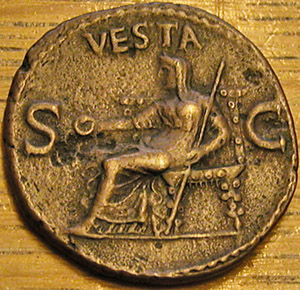
வெஸ்டா—ஹெஸ்தியா

ரோம் நகர தேவதையாக வெஸ்டா வழிபடப்படுகிறார். ஒவ்வொரு வீட்டிலும் அவர் நெருப்பு மூட்டப்படும் இடத்தில் அவள் உறைவாள். அவளுக்கு நாள் தோறும் படைப்புகள்/காணிக்கைகள் செலுத்த வேண்டும். ரோம் நகரில் ‘போரம்’ என்னும் இடத்தில் அவளுடைய பிரதான கோவில் உள்ளது. அங்கு மார்ச், ஜூன் மாதங்களில் வெஸ்டாலியா என்னும் விழா நடை பெறும். ரோம் நகரிலேயே சிறந்த பெண்கள் அந்தக் கோவிலுக்கு அர்ப்பணிக்கப்படுவர். அவர்கள் அங்கேயே வாழ்ந்து குறைந்தது 30 ஆண்டுகள் ப்ரம்மசாரிணியாக இருந்து விட்டு வெளியே வரலாம். இடையில் கற்புநிலை தவறினால் அவருக்கு கசையடி கொடுக்கப்படும் பின்னர் இந்தக் கசையடிக்குப் பதிலாக அவரைச் சுற்றி சுவர் எழுப்பும் விதிகள் வந்தன. எல்லா பணிகளுக்கும் அந்தக் கோவிலில் எரியும் நந்தாவிளக்கின் ஒளியிலிருந்து தீயை எடுத்துச் செல்ல வேண்டும். விழாக் காலங்களில் பெண்கள் வெறும் கால்களுடன் நடந்து வந்து ரொட்டிகள், அப்பங்களைச் சுட்டுப் படைக்கவேண்டும். வருடம் முழுதும் அங்கு தீ அணையாமல் பாதுகாக்கப்பட்டது. ரோம் நகரில் வெஸ்டாவின் தீ வட்டவடிவான குண்டத்தில் ஏற்றப்பட்டது.

இந்துமத வழக்கங்கள்

இப்பொழுது இவைகளை இந்து மதக் கடவுளருடன் ஒப்பிட்டுப் பார்ப்போம்:-

1.வாஸ்து என்பதே வெஸ்டா என்றும், கிரேக்க மொழியில் ஹெஸ்தியா என்றும் மருவியது

2.எல்லா இடங்களிலும் அக்னியாக, வீட்டுக்கு ஒளியூட்டும் கடவுளாக வழிபடப்பட்டது.

3.பிராமணர் வீடுகளில் தினமும் அக்னிஹோத்ரம், அவுபாசனம், சமிதாதானம் முதலிய ஹோமங்களைச் செய்வர். இதற்காக அணையாத தீ எப்பொழுதும் ஒரு சட்டியில் (உமி) வைக்கப்பட்டிருக்கும். பிறப்பு முதல் இறக்கும்போது தகனக் கிரியை வரை இதிலிருந்தே அக்னியை எடுப்பர்.

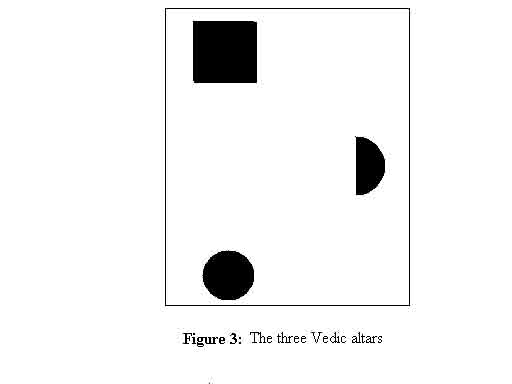
4.ஒவ்வொரு பிராமணர் வீட்டிலும் மூன்று வடிவங்களில் தட்சிணாக்கினீயம் (அரை வட்ட ஹோம குண்டம்), கார்கபத்யம் (வட்ட வடிவம்), ஆஹவனீயம் (சதுர வடிவ ஹோம் குண்டம்) ஹோம குண்டங்கள் இருந்தன. இதில் ரோம் நகரில் எப்பொழுதும் வட்டவடிவத்தில் இருக்கவேண்டும் என்று விதித்தனர்.

5.இந்துக்கள் ஆண் தெய்வமாக வஸ்தோஸ்பதியை வழிபட்டனர். ரோமானியர்கள் பெண் தெய்வமாக வழிபட்டனர். ஆனால் நாமும் கிருஹ லெட்சுமி என்றே சொல்லுவோம்

6.இந்துக்கள் கோவில்களில் நந்தாவிளக்கு என்று அனையாத தீபம் வைத்திருப்பர். அதே போல ரோமிலும் வெஸ்டா கோவிலில் தீயை அணையாமல் பாதுகாத்தனர்.இந்துப் பெண்கள் வெறும் கால்களுடன் கோவிலுக்குச் சென்று நைவேத்யம் செய்தது போல ரோமானியர்களும் செய்தனர்.

kalibanganfirealtars.

சிந்து சமவெளியில் யாக குண்டங்கள் (காளிபங்கன்)

  1. பால்டிக், ஸ்லாவ் இனமக்கள் வாழும் நாடுகளில் பெண்கள் திருமணமாகி மறுவீடு செல்லுகையில் அம்மா வீட்டிலுள்ள அக்னி மூலையிலிருந்து அக்னியை (விளக்கு) எடுத்துச் செல்லும் வழக்கம் உண்டு. பிராமணர் வீடுகளிலும் ஆண்கள் பரம்பரை பரம்பரையாக அணையாத தீ வைத்திருப்பர். அந்தக் காலத்தில் மூன்று வடிவங்களில் இருந்த ஹோம இடங்கள் இப்பொழுது ஒரு சட்டியில் எரியும் உமிக்கரியாகச் சுருங்கிவிட்டது. எனது நண்பர்கள் சிலர் இன்றும் இதே முறையில் அக்னிஹோத்ரம் செய்துவருகின்றனர்.
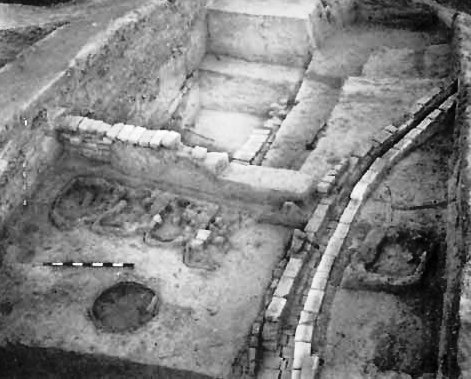
  2. இந்த மூன்று வடிவ யாக குண்டங்கள் சிந்து சமவெளி நாகரீக நகரான காளிபங்கனில் கண்டுபிடிக்கபட்டுள்ளன. இவைகளுக்கு சில அளவுகள், சட்டதிட்டங்கள் உண்டு. அந்தக் கணக்குகள் மிகவும் சிக்கலானவை. அவைகளை விளக்கும் சூல்வ சூத்திரங்கள் 3000 ஆண்டுகளுக்கு முன்னரே எழுதப்பட்டன. அதிலிருந்துதான் ஜியோமிதி என்னும் கணித சாத்திரம் உலகிற்கு கிடைத்தது. இது எகிப்து நாட்டில் பிரமிடுகள் கட்டவும் உதவியது. இந்து மத எஞ்ஜினீயர்கள் அங்கு சென்றதால் பிரமிடு கட்டுவோருக்கும் நூல் பிடிப்போர் (சூல்வ சாத்திர நிபுணர்கள்) என்ற பெயர் ஏற்பட்டது. ‘பை’ முதலிய கணித எண்களை அறிந்தோரே வேத கால யாக குண்டங்களை அமைக்கமுடியும்.

9.வெஸ்டா கோவிலில் கன்னிப் பெண்கள் இருந்தது போல இந்துக் கோவில்களிலும் தேவதாசிகள் இருந்தனர்.

10.இந்தியாவில் எப்படி ஒவ்வொரு நகரத்துக்கும் ஒரு தேவதை உண்டோ அப்படியே ரோம் நகர தேவதையாக வெஸ்டா வணக்கப்பட்டாள்.

temple3

ஆதி காலத்தில் பிராமணர் வீடுகளில், இருந்த மூன்று வடிவ யாக குண்டங்கள்

நான்கு நூல்களில் கிடைத்த விஷயங்களைத் தொகுத்து நான் இவைகளை ஒப்பிட்டு ஆராய்ந்தேன். அதன் விளைவே இக்கட்டுரை.

சங்கத் தமிழ் இலக்கியங்களில் உள்ள வாஸ்து சாஸ்திர விஷயங்களைத் தனி கட்டுரையாகத் தருவேன்.

Hindu Vastu God in Rome and Greece!

vestatemple_nero

Research article by London swaminathan

Article No.1917; Dated 7 June 2015.

Uploaded at London time: 17-49

Vastu god was worshipped as Vesta in Rome and Hestia in Greece. Since they lost touch with India for thousands of years after they left the Indian landmass on their migratory routes they developed the stories in their own way. We see such trends in our Puranas and Sthala (local) Puranas of every town in Tamil Nadu. Same Siva or Vishnu will have a different story in each town with interesting turns and twists. This happened with the Vedic God Vaastospati who is invoked in one short hymn in the oldest religious book in the world, the Rig Veda (7-54-1/3). Vaastospati means Lord of the House. He is invoked to bless man and beast, to remove diseases, to make cattle and horses prosper, to afford protection and to grant a favourable entry.

He is elsewhere described as the destroyer of diseases, is identified with Soma, brought into close connection with Tvastr, an artificer, and he is likened to Indra in connection with Soma pressers.

Origin of Grhapravesa (Entering New House) Ceremony

In the Tenth book of Rig Veda (10-61-7) he appears as an observer of ordinances, who was fashioned by the gods. His character is made clearer by the fact that the Grhyasutras prescribed that offerings are to be made to him upon entering new house. In later literature (TS 3-4-10-3) Rudra bears the style in one passage. The god is clearly the god of the house, who when a new house is built, comes and abides in it. Later in the Sutras, we hear more generally of deities in the house.

vesta_coin4

Goddess in Rome Vesta

Vesta was the Goddess of Rome. Vesta sounds like Vastu. She was the goddess of the hearth/fireplace, regarded as the centre of the home, so that in effect she had an altar in every house besides the great sanctuary in the Forum attended by the Vestal Virgins. In contrast to other temples, it was circular in shape. It was served only by virgins who had been selected in their childhood from among the most perfect girls of the city. They were placed under the authority of the great pontiff and received many honours. If they failed to remain chaste, they were whipped or walled up alive at the Collins Gate in Rome.

vesta 3

Now here is the comparison with Vedic deities:

Vasstospati is a male deity but Vesa is a female deity. But the fire place is part of every Brahmin’s house in ancient India. Every Brahmin had three different fire places in his house and one of them is circular like Vesta’s. Another point is the girls were given to temples in India also who remained chaste till their death. But they were not punished for violating the rules of celibacy. Romans thought Vesta was the guardian of the city. In India every city has a guardian goddess like Vesta of Rome.

In Rome, the fire was kept lit all year long and its flame was solemnly stirred up during the festival in March – Vestalia. This flame had to be obtained solely by rubbing two pieces of wood together. This is also a Vedic custom. For all the Vedic fire ceremonies they produce fire by rubbing two woods and there is special mantras for it. Moreover from birth to death, the same fire in the Brahmin’s house is used. So it was never allowed to stop burning. In the temples the flame was kept alive in Nunda Vilakku (Eternal Flame), special type of lamps which will burn for years continuously. Only thing is oil has to be filled now and then in the pot like bottom of the lamp.

kalibanganfirealtars.

Vedic Fire Altars in Indus valley Site in Kalibangan

Her name derives – like the name of Hestia — from a Sanskrit root, vas, which expresses the idea of shining. The Romans made Vesta a goddess who personified earth and fire – the fire required for domestic use or in religious ceremonies. As goddess of fire she received both a private and public cult. Hindu’s Fire god is also treated the same way in the Vedas. Vesta received daily offerings from each family, at the hearth/fire place. In Brahmin families everyday offerings were given to fire god. It was called Aupasanam or Agni Hotram. On 9th of June every year was the Vestalia when barefoot Roman matrons offered food baked on their hearths. In Indian temples women give offerings on barefoot on certain days in a year.

As with the Balts and Slavs, a woman had to bring fire from her mother’s house when she married. The goddess of fire celestial and earthly naturally suggests Agni, the god of fire, lightning and the sun: all forms of fire. The rounded temple echoed the form of the sun: the hearth as the earthly counterpart of the heavenly fire.

In the Rig Veda, every male head of a family was obliged to perform, every day, Purvas. For this purpose he had to set up in his house three kinds of fire, protecting his house and the fires by placing  altars of special design. The fires were known as Dakshinagniyam (Semi Circular altar), Garhapatyam (Circular altar) and Ahavaneeyam (Square altar). The altars, intended to shield the fires, had to be built to design plans which related them to each other in the shape and area. To calculate the correct dimensions, sound knowledge of geometry was required. This is quite a complex calculation, requiring an accurate value of pi and a knowledge of the formula for the areas of a circle and rectangle. In such ways as this, the religious concerns of Hindu heads of families had the effect of raising the arithmetical standards of everyone involved. Advanced Geometry originated in India during the Vedic period.

temple3

Source

The Sun Goddess, Myth, Legend and History by Sheena Mc Grath

New Larousse Encyclopaedia of Mythology

The Rig Veda, Translation by Griifith

கணித மேதை, அழகி, உயிரிழந்த சோகக் கதை

HypatiaQuote

Compiled by London swaminathan

Article No.1916; Dated 7 June 2015.

Uploaded at London time: காலை 6-32

பழங்கால உலகில் இந்தியாவில் மட்டுமே பெண்கள் கல்வி கற்றனர். உயர் நிலையில் இருந்தனர்.சுமேரிய, எகிப்திய,கிரேக்க நாட்டு வரலாற்றைப் படித்த்வர்களுக்கு நன்கு தெரிந்த உண்மை இது. எதை எழுதினாலும் அதற்கு சான்று தருவது அறிவுடைமை; மேலும் அது நம் கடமை.

உலகின் மிகப் பழைய நூலான ரிக் வேதத்தில் இருபதுக்கும் மேலான பெண் கவிஞர்களின் பாடல்கள் உள. அதற்கு 1700 ஆண்டுகளுக்குப் பின் தோன்றிய சங்கத் தமிழ் இலக்கியத்தில் இருபதுக்கும் மேலான பெண் கவிஞர்கள் பாடல்கள் இடம்பெற்றுள்ளன. சங்க இலக்கியம் தோன்றுவதற்கு முன்னர் பீஹாரிலுள்ள பாட்னா நகரில் (பாடலிபுத்ரம்) இருந்து அசோகனின் மகள் சங்க மித்திரை கப்பலில் இலங்கைக்குச் சென்று புத்தமதப் பிரசாரம் செய்தாள். அவள் ஒரு அறிவாளி. புத்த மதத்தில் மேலும் பல தலைவிகளும் இருந்தனர். இதற்கெல்லாம் மிக முன்னதாக, அதாவது கி.மு 850-ல், இற்றைக்கு 2850 ஆண்டுகளுக்கு முன், ஜனக மாமன்னன் கூட்டிய அகில இந்திய தத்துவ மஹாநாட்டில் பல மாநில த்தினர் கலந்து கொண்டனர். அந்த அறிஞர்களின் பெயர்ப் பட்டியல் பிருஹத் ஆரண்யக (பெருங் காட்டு) உபநிஷத்தில்  உள்ளது. அதில் கலந்துகொண்ட மகளிர் அணியில் கார்கி வாசக்னவி என்ற பேரறிவாளி, கூட்டத்தில் எழுந்து பேசினாள். அப்போதைய பேரறிஞர் யாக்ஞவல்கியர் மீது கேள்விக் கணைகளைத் தொடுத்தாள்.

ஆதிசங்கரருக்கும் மண்டன மிஸ்ரருக்கும் நடந்த வாதத்தில் மண்டன மிஸ்ரரின் மனைவி சரஸவாணிதான் ஜட்ஜ்/ நடுவர். அவ்வளவு பெரிய அறிவாளி அவள். ஆயினும் தன் கணவர் பங்கு பெறுவதால் அவள் ஒரு தந்திரம் செய்தாள். அவள் அறிவாளி மட்டும் அல்ல; ஒரு விஞ்ஞானி! ஒரு விஞ்ஞானி மட்டும் அல்ல; பெரிய சைகாலஜிஸ்ட் – அதாவது உளவியல் மாமேதை. அவளுக்குத் தெரியும் யார் உணர்ச்சி வசப்பட்டு வாதாடுகிறார்களோ அவர்கள் உடம்பில் சூடு ஏறும்; குறைகுடம் கூத்தாடும், ஆனால் நிறைகுடம் தழும்பாது என்று. ஆகையால் இருவர் கழுத்திலும் மலர் மாலையைப் போட்டுக் கொள்ளவைத்து, முதலில் யார் மாலை வாடுகிறதோ அவரே தோற்றவர் என்று அறிவித்துவிட்டாள். அவர் கணவரின் மாலை முதலில் வாடவே, அவரே தோற்றவர் என்று அறிவித்துவிட்டு, தன்னுடன் வாதத்துக்கு வரும்படி அழைத்து, பிரம்மச்சாரி சங்கரரிடம் ‘செக்ஸ்’ பற்றிய கேள்விகளைக்கேட்டு அவரைத் திணறடித்தாள். இறுதியில் அவளும் தோற்றுப்போனாள். அப்பேற்பட்ட மாமேதையான பெண்மணிகளை உடையது நம் நாடு.

மேலை உலகத்திலோ பெண்களை மட்டம் தட்டி வைத்திருந்தனர். ஷீபா மஹாராணி, கிளியோபாட்ரா ஆகியோர் பெயர்கள் அடிபட்டாலும் அவர்களின் ‘அழகே’ அதிகம் பாராட்டப்பட்டுள்ளது. அவர்களின் ‘அறிவு’க்குச் சான்று பகரும் கவிகள் ஏதுமில! நமக்கோ இலக்கியச் சான்றுகள் உள!!

அலெக்ஸாண்டர் படை எடுத்தபோது உலகில் பல நகரங்களை ஏற்படுத்தினார். அதில் ஒன்று எகிப்து நாட்டில் நைல் நதிக் கரையில் அமைந்த அலெக்ஸாண்டிரியா. அதில் 2000 ஆண்டுகளுக்கு முன்னரே பத்து லட்சம் மக்கள் வாழத் துவங்கினர். இந்திய அறிஞர்களும், வணிகர்களும் அங்கு வசித்த வரலாற்றுச் சான்றுகளும் உண்டு. அந்த நகரில் மியூசியம், பல்கலைக் கழகம் எல்லாம் ஒன்றாக இணைந்திருந்த இடத்தில் கிரேக்க அறிஞர் தேயன் (தேவன்) பாடம் சொல்லிக் கொடுத்தார். அவரது மகளின் பெயர் ஹைபேசியா. அவள் நன்கு படித்து கணித மேதை ஆனாள். அவள் பேரழகி. தன்னிடம் பாடம் கற்கும் மாணவர்கள் தன் அழகில் மயங்கி புத்தி பேதலித்து விடக்கூடாது என்று எண்ணி, திரைக்குப் பின்னால் நின்றுதான் பாடம் சொல்லிக் கொடுப்பாள். அவள் பிறந்தது கி.பி 350க்கும் 370 க்கும் இடையில் என்பது ஆராய்ச்சியாளரின் கணிப்பு.அப்போது ரோமானிய ஆட்சி எகிப்து வரை பரவி இருந்தது.

hypatia 2

ஹைபேசியா மற்றும் அவரது தந்தை ஆகியோர் கிறிஸ்தவ மதத்தை ஏற்கவில்லை. ஆகையால் கிறிஸ்தவ மதத்தினருக்கு அவளைப் பிடிக்கவில்லை. இந்து மத தத்துவத்துக்கு இணையான (மறுபிறப்பு) கொள்கைகளைப் பரப்பிய சாக்ரடீஸ்-பிளாட்டோ ஆகியோரின் கொள்கைகளை ஹைபேசியா குடும்பம் பின்பற்றியது.

இதற்கிடையில் அலெக்சாண்டிரியாவில் அரசியல் கொந்தளிப்பு ஏற்பட்டு யூதர்களூம் கிறிஸ்தவர்களும் வன்முறையில் இறங்கினர். இருதரப்பிலும் மதத்தலைவர்கள் படுகொலையுண்டனர்.

கான்ஸ்டாண்டி நோபிள் நகரிலிருந்து வந்த வெறிபிடித்த பாதிரியார் சிரில் என்பவருக்கும், ஹைபசியாவின் மாணவரும் ரோமானிய கவர்னருமான ஆரிஸ்டஸ் என்பவருக்கும் மோதல் அதிகரித்தது. கி.பி 415ல் பெரிய ரோமானிய எதிர்ப்பு ஆர்ப்பாட்டம் நடந்தது. ஹைபேசியா, கணிதம் மற்றும் தத்துவ பாடத்தைப் போதித்ததோடு பலரை வாதுக்கு அழைத்து வெற்றியும் பெற்றுவந்தாள். இந்தியாவில் காசி மநகரத்தில் தெரு மூலைகளில் அறிஞர்கள் நின்று கொண்டு எல்லோரையும் வாதுக்கு அழைப்பர். பெரிய பட்டிமன்றங்கள் நடக்கும். இதுபோல ஹைபேசியாவும் செய்து வந்ததால் ரோமானிய எதிர்ப்புக் கிளர்ச்சி நடந்த அன்று அவருடைய வீட்டில் ஒரு கிறிஸ்தவ கும்பல் புகுந்து அவரை நிர்வாணமாக்கி தெருவில் இழுத்து வந்தனர். பின்னர் அவளை உயிருடன் எரித்துக் கொன்றனர். இதுபற்றி சாக்ரடீஸ் ஸ்காலஸ்டிகஸ் என்ற வரலாற்று அறிஞர் அந்தக் காலத்திலேயே எழுதி வைத்தது இப்பொழுது விக்கிபீடியா முதலிய கலைக்களஞ்சியங்களில் உள்ளது.

இந்தப் படுகொலைக்குப் பின்னர் ஆயிரம் ஆண்டுகளுக்கு ஐரோப்பாவில் விஞ்ஞானம் என்பது இருளில் மூழ்கியது. கத்தோலிக்க கிறிஸ்தவர்கள் கலிலியோ, கோபர்நிகஸ் ஆகியோரையும் கொடுமைப் படுத்தினர். இதற்குப் பெரிய எதிர்ப்பு கிளம்பியவுடன் கி.பி.1500 வாக்கில் மறுமலர்ச்சி உதயமானது.

ஹைபேசியா பல நூல்களை எழுதினார். நீரை அளக்கும் பல கருவிகளைக் கண்டுபிடித்தார், ஆனால் ஒன்றுகூட இன்று மிஞ்சவில்லை. இதற்குக் காரணம், முஸ்லீம்கள் நாலந்தா பலகலைக்கழக நூல்நிலையத்தை எரித்து நம்முடைய நூல்களை எப்படி சாம்பலாக்கினரோ அப்படியே கி.பி 640ல் ஒரு அராபிய முஸ்லீம் கும்பல் அலெக்ஸாண்டிரியா நூலகத்தையும் எரித்துச் சாம்பலாக்கியது. இதன் விவரங்களும் கலைக் களஞ்சியங்களில் உள்ளது. பல்லாயிரக்கணக்கான சம்ஸ்கிருத நூல்களின் பெயர்களை மட்டுமே நாம் அறிவோம். அவை அனைத்தும் இன்றும் சாம்பல் ரூபத்தில் பீஹாரில் நாலந்தா பலகலைக் கழகத்தின் அடியில் உள்ளன. இதே கதை அலெக்ஸாண்டிரியாவிலும் நடந்தது.

நாம் இவர்களை மன்னித்துவிடலாம். ஆனால் வரலாறு இவர்களை மன்னிக்கவே மன்னிக்காது.

Murder of a Beautiful Mathematician

HypatiaQuote

Compiled by London swaminathan

Article No.1915; Dated 6 June 2015.

Uploaded at London time: 18-52

India was the only country in the ancient world where women were well educated. Very rarely we see educated women in other parts of the ancient world. 3700 year old Rig Veda has names of scores of poetesses. 2000 year old Sangam Tamil literature has scores of poetesses. As proofs of their existence we have their verses today. Gargi Vachaknavi attended the All India Philosophical Conference convened by the King Janaka 2850 years ago. Asoka’s daughter Sangamitra travelled to Sri Lanka by ship and spread Buddhism 2350 years ago. Draupadi argued her case like a lawyer before she was dragged into Duryodhana’s court. We have at least 100 reputed names of women who lived 2000 years ago. In the other parts of the world, we read lot about Queen of Sheba and Cleopatra but we haven’t got their writings to prove or estimate their intelligence.

There was one woman who was beautiful and intelligent in Alexandria (Egypt), but was brutally murdered by a fanatical gang. Her name was Hypatia. She was so beautiful that she had to teach from behind a curtain so that her students won’t be distracted. She was born between 350 and 370 CE and was murdered in in 415 CE by a Christian mob.

When alexander invaded Egypt in 332 BCE, he founded the city of Alexandria at the mouth of River Nile in Egypt. Within a century it had one million residents including Indian scholars and businessmen. Among the professors who taught at the famous Museum cum University was Theon, a Greek scholar. He was a Pythagorean and educated his daughter Hypatia at a time, when it was comparatively rare for women to receive any sort of intellectual education at all.

Hypatia was appointed Professor of Mathematics and Philosophy in the same prestigious institute as her father.

In India, apart from the women named in the Rig Veda, Upanishads and Sangam Tamil literature, we had a beauty Sarasawani who was asked to be the judge in the debate between Adi Shankara and Mandanamishra. There was intellectual freedom. Women could be the judge where two intellectual giants of the day clashed. Whoever was defeated accepted the opponents teaching and followed him. But the Christian church crippled discussion of intellectual matters, substituting faith for reason as the criterion of truth. Expectation of the imminent Second Coming of Christ, as promised to his disciples, made people intellectually lazy; what was the point or need of further intellectual inquiry?

Hypatia, a neo Platonist, had no truck with such attitudes. She also had the habit of engaging casual passers-by in dialectical explanations or philosophical questions. Hindu philosophers also stood in street corners in Benares and challenged the intellectuals to come for a debate.

hypatia 2

Hypatia was caught in a feud between Cyril the fanatical patriarch of Constantinople and her ex pupil and friend Orestes, the Roman Governor of Alexandria. According to the historian Socrates Scholasticus, a mob of ‘cock brains’, supporters of the fanatical patriarch, came across Hypatia during an anti- Roman demonstration in Alexandria. They were against the pagan philosophy. They dragged her into a church, stripped and murdered her and then burned her corpse.

Hypatia wrote a number of books, intended as texts for students. Unfortunately, none of her works have survived. She is credited with several inventions like Hygrometer and a water level instrument.

Her murder by a Christian mob was taken as symbolic by generations of European free thinkers, scientists and anti-Catholics. She was the last of the pagan scientists. Her death coincided with the last days of Roman Empire and the beginning of the Dark Ages. For 1000 years or so there were no significant advances in Christian Europe.

In 640 CE, the city was Alexandria was attacked by Muslim invaders and they destroyed the great library in Alexandria like they set fire to Nalanda University library in India. In both places most of the ancient works were destroyed and lost for ever. Some were rescued by scholars and later the Arab scholars translated them. Intellectuals suffered a lot at the hands of religious fanatics!

Source for Hypatia story: Number by John McLeish, Bloomsbury, 1991.

காற்றைப் போற்றி ஒரு கவிதை

in praise of aair

சென்னை வானொலி நிலயம் A (அலைவரிசை 720 Hz))யில் 21-5-2015 முதல் 30-5-2015 முடிய தினமும் காலை 6.55 மணிக்கு காலைமலர் நிகழ்ச்சியில் ஒலிபரப்பப்பட்ட சுற்றுப்புறச் சூழல் சிந்தனைகள். உரைகளில் ஒன்று

Compiled by S NAGARAJAN

Article No.1914; Dated 6 June 2015.

Uploaded at London time: 5-16 am

 காற்றைப் போற்றி ஒரு கவிதை

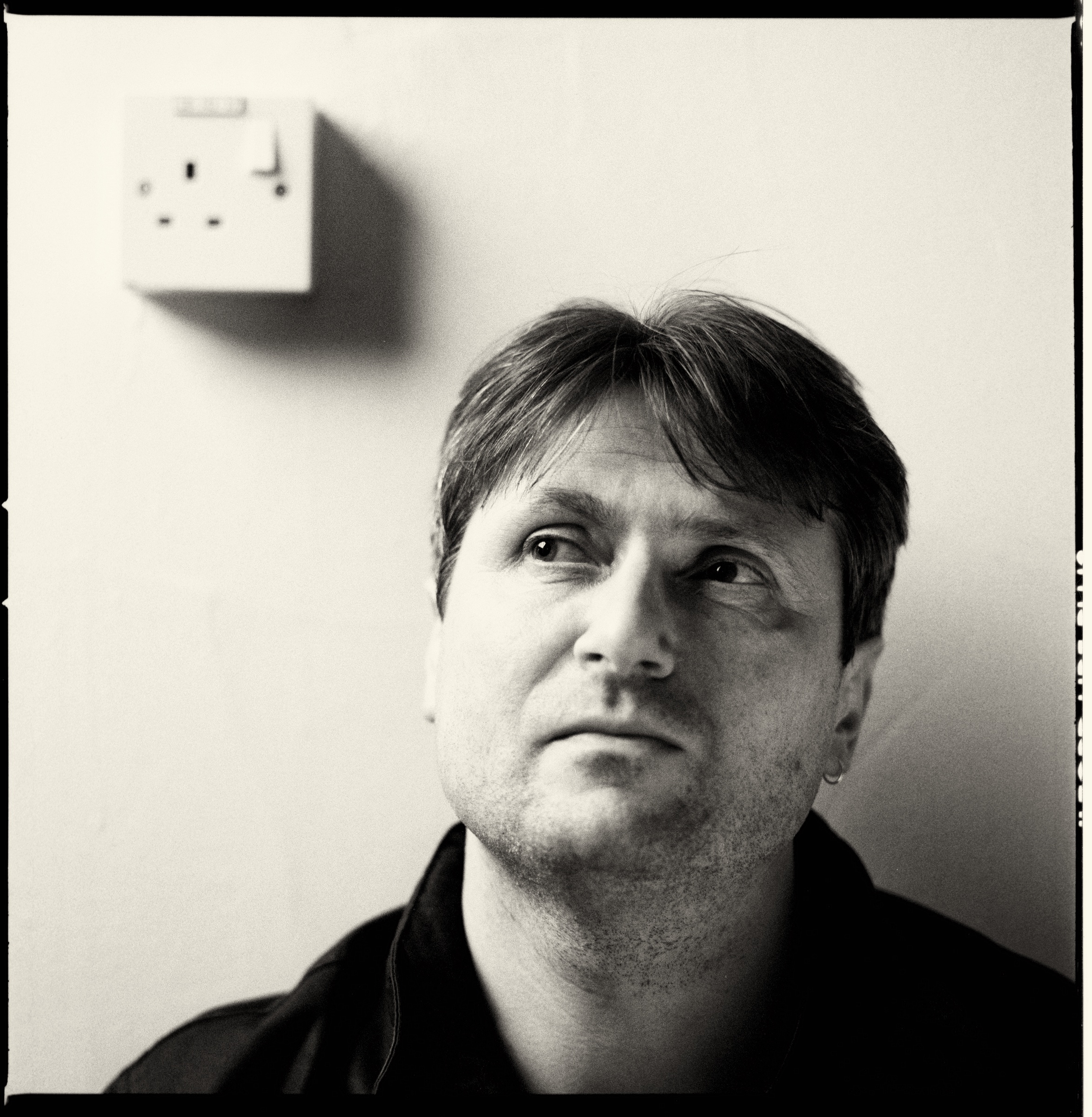
SCRIPT BY: ச.நாகராஜன்

உலகப் புகழ் பெற்ற கவிஞரான சைமன் ஆர்மிடேஜ்  (Simon Armitage) காற்றைப் போற்றி ஒரு கவிதை எழுதி உலகின் கவனத்தை ஈர்த்துள்ளார். இந்தக் கவிதை சாதாரணமான பொருள் சார்ந்த சொல்லடுக்கு கவிதை மட்டுமல்ல, சுற்றுப்புறச் சூழலை மேம்படுத்தும் அறிவியல் உத்தியுடன் கூடிய கவிதையாகவும் அமைகிறது என்பதே இதன் சிறப்பு.


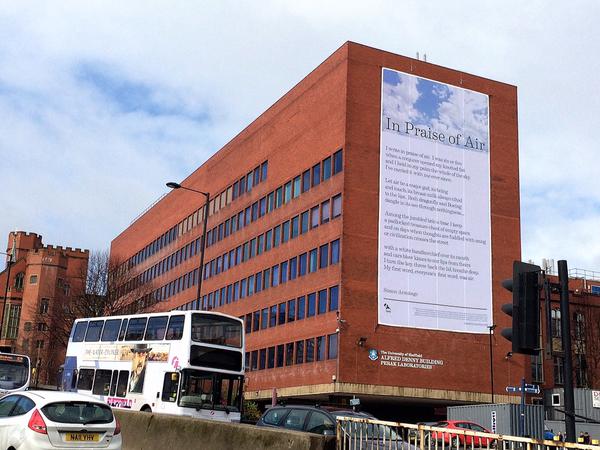
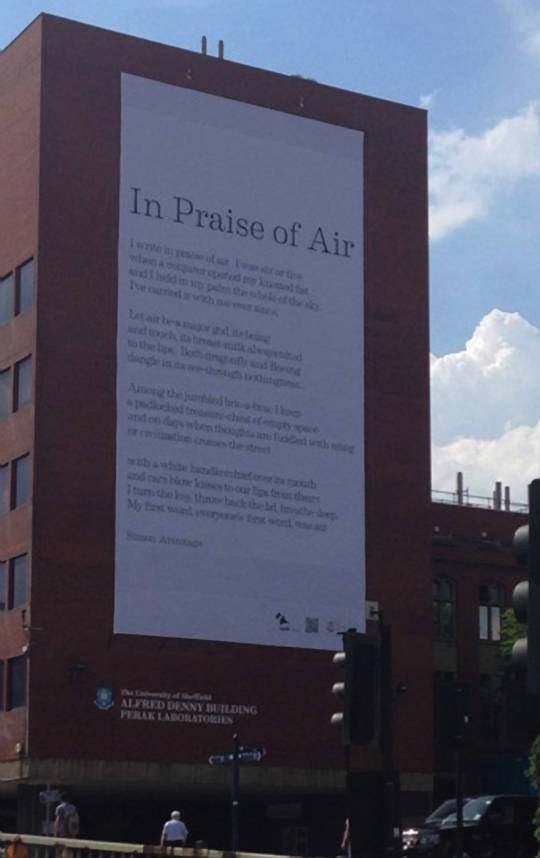
 இந்தக் கவிதை 10 மீட்டர் நீளம் 20 மீட்டர் உயரமுள்ள ஒரு விசேஷப் பொருளில் சித்தரிக்கப்பட்டு நுண்ணிய மாசு நீக்கும் துகள்களினால் ஆன டைட்டானியம் ஆக்ஸைடால் பூசப்பட்டுள்ளது. டைட்டானியம் ஆக்ஸைடால் ஆன இந்த நுண்ணிய துகள்கள் சூரிய ஒளியையும் ஆக்ஸிஜனையும் பயன்படுத்தி நைட்ரஜன் ஆக்ஸைடு மாசுகளுக்கு எதிராகச் செயல்பட்டு காற்றைச் சுத்தப்படுத்துகிறது. இந்த விசேஷமான அமைப்பை ஷெபீல்டு பல்கலைக்கழகம் (SHEFFIELD UNIVERSITY) அமைத்துள்ளது. ஒவ்வொரு நாளும் 20 கார்களிலிருந்து வெளியாகும் மாசை இது நீக்க வல்லது.


 praise-of-air-copy

2014ஆம் ஆண்டு மே மாதம் பல்கலைக் கழகத்திற்கு அருகே  இந்தக் கவிதை காட்சிப்படுத்தப்பட்டது. இதற்குக் கிடைத்த பெரும் வரவேற்பைத் தொடர்ந்து இதன் அடுத்த பதிப்பு 2015ஆம் ஆண்டு மார்ச் மாதம் காட்சிக்கு வைக்கப்பட்டது.

நான் காற்றின் புகழைப் போற்றி எழுதுகிறேன்என ஆரம்பிக்கும் இந்தக் கவிதை, ‘காற்று ஒரு பெரும் கடவுள் ஆகட்டும்என்று கூறுவதோடு, ‘எனது முதல் வார்த்தையும் ஒவ்வொருவருடைய முதல் வார்த்தையும் காற்று தான்என்று   காற்றைப் போற்றி முடிகிறது.


இந்த அறிவியல் ரீதியிலான அமைப்பை விஞ்ஞானிகள் பலரும் இணைந்து செய்து முடித்தனர். உலகம் முழுவதற்கும் அற்புதமான செய்தியைத் தரும் இந்தக் கவிதையை படிக்கும் யாருக்கும் சுற்றுப் புறச் சூழல் கேட்டைப் பற்றியும் அதை நீக்க வேண்டிய அவசியம் பற்றியும் ஆழ்ந்த சிந்தனை எழும்அதையே தான் இதை எழுதிய கவிஞரும் விரும்புகிறார்.


மாசான நைட்ரஜன் ஆக்ஸைடை நீக்கும் இந்தக் கவிதை அமைப்பைப் பற்றி ஷெபீல்டு பல்கலைக்கழக அறிவியல் பேராசிரியர் டோனி ரையான் கூறுகையில், “அறிவியலும் கலையும் இணைந்த வேடிக்கையான இணைப்பு இது. நமது நகர்களின் சூழ்நிலையில் இருக்கும் மிக மோசமான காற்றின் தரத்தை உலகிற்கு   இது எடுத்துக் காட்டும்என்று கூறியுள்ளார்.

 simon-armitage-   simon poems

கவிஞரோடு சேர்ந்து நம்மில் ஒவ்வொருவரும் தூய்மையான காற்றின் புகழைப் பாடுவோம்! காற்றின் மாசை நீக்குவோம்!

*****************

Queen who bolted the Door Doubly against a Tamil Poet’s Song!

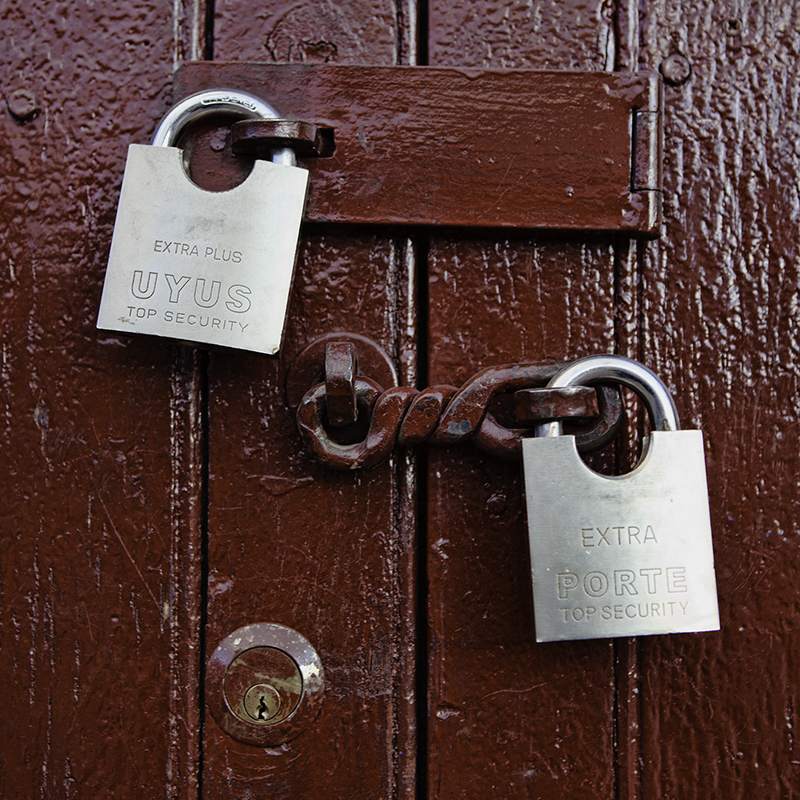
Two-Locks-on-Cusco-Door

Compiled by London swaminathan

Article No.1913; Dated 5 June 2015.

Uploaded at London time: 18-33

On the other day I gave you five stories based on Tamil proverbs. Here are six more interesting stories:

1.She bolted the door doubly against Ottakuthan’s song

(Ottakuthan Paattukku Irattaith thaazppal)

The story that illustrates this proverb is found in Vinotharasa manjari. A Choza king had a favourite poet and his name was Ottakuthan. But his queen had another poet as her favourite. The king’s poet was envious of the queen’s poet, and had him imprisoned. The queen hearing this, went into her bed room and bolted the door. At night, the king came to see his queen, she said she would not let him in till her favourite poet had been released from prison.

On hearing this, the king sent his own poet to sing outside the queen’s room, so that the queen might think that her request had been complied with. But the queen knew at once that the song did not come from her favourite and became angrier with the king and bolted the door with another bolt. Thus the king’s stratagem only made matters worse.

The proverb is used when a person is displeased with, or sorry for something that has happened, and somebody tries to sooth him, but only succeeds in irritating him still more.

“As water in a Smith’s forge, that serves rather to kindle than quench”.

ஓட்டக்கூத்தன் பாட்டுக்கு இரட்டைத் தாழ்ப்பாள்

XXXXXXXXX

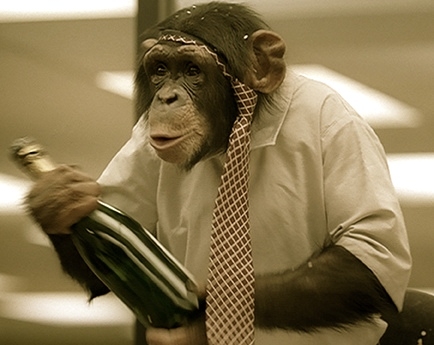
monkey-drinking

2.If a monkey drinks toddy, is possessed by a devil and stung by a scorpion, what will be its fate?

Kurangu kallum Kudithu, Peyum pidithu, Thelum Kottinal, enna Kathi Akum?

Monkey’s mischiefs are well known. If by chance the monkey drinks liquor and at the same time stung by a scorpion and possessed by a ghost then there is no limit for its destructive actions. No one can control it.

In the same way, If a person gives room for one moral evil after another, how will he end? The three evils referred to are the three evil principles Kama, Krodha Lopa (Lust, Anger and Greediness) or three ‘malas’ – self-will, delusion, and lust often mentioned in Hindu philosophy.

குரங்கு கள்ளும் குடித்து, பேயும் பிடித்து, தேளும் கொட்டினால் என்ன கதி  ஆகும்?

XXXXXXX

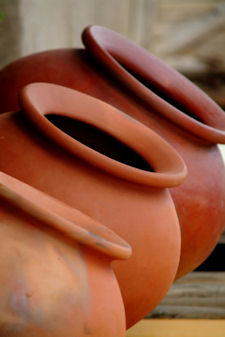
pots

3.Plenty of pots are uselessly broken, but I never saw a pot put as an ornament round my head. That would be something fresh

(Venaay Udaitha satti Vendiyathu Undu, Punaaram En Thalaiyil Poonda Pudumaiyai Naan Kandathillai)

The story behind this saying is as follows:

A shrewd woman used to break a pot on her husband’s head for every tenth sin he committed. The husband got tired of this and went away to a friend’s house, but here he found the wife breaking a pot on her husband’s head for every fault he did; and she did it so, that the mouth of the pot jumped over and fell down round the visitor’s neck and stuck there like a necklace.

“Home is homely, and too homely sometime, where wives’ footstools to their husbands’ head climb”

வீணாய் உடைத்த சட்டி வேண்டியது உண்டு; பூணாரம் என் தலியில் பூண்ட புதுமையை நான் கண்டதில்லை

XXXXXXXXXX

ghee00

4.The ghee belonged to the village, but my wife’s hand distributed it

(UUraar Veettu Neyye, En Pensaathi Kaiye)

A husband and his wife went to a village feast. She was asked to help in distributing the food; as the ghee was not her own, she gave her much more than she would give him at home.

This is used about liberality with others’ goods.

“‘tis good feasting in other men’s houses”

ஊரார் வீட்டு நெய்யே , என் பெண்சாதி கையே

There is another proverb that gives the same message

“A friend in court makes a process short”

If she who serves out the food to the guests be one’s own friend or relation, what matters it whether one has the first seat or last seat.

(Idukiraval Thannavalaanaal Adip panthiyil irunthaal enna ? Kadaip panthiyil irunthaal enna?

இடுகிறவள் தன்னவளானால் அடிப் பந்தியில் இருந்தால் என்ன? கடைசிப் பந்தியில் இருந்தால் என்ன?

XXXXXXXXX

05Varadharaja400X600

5.If the one says, O Kanji Varathappa, the other replies:- where is the gruel?

A certain Vaishnavite at Kancheepuram was praying to the God, Kanchi Varathappa; a beggar who stood nearby asking for alms, heard the name of the God imperfectly and thought that the Vaishnavite said that Kanji Vraukirathappaa i.e. some gruel is coming. Not seeing it, he asked Engkee Varathappa i.e. where is the gruel?

This proverb is really a pun on the two Tamil words Kanji and Varathappa and is used when one appropriates remarks to himself that were uttered with no reference to him.

(Gruel is Kanji in Tamil; Kanchi is the name of the town where the god name is Varathappa; Varathappa also means “is coming” in colloquial Tamil)

கஞ்சி வரதப்பா என்றால் எங்கே வரதப்பா என்கிறான்

I have already given the story in Tamil about another saying:– காஞ்சிக்குப் போனால் காலாட்டிப் பிழைக்கலாம்

XXXXXXXXXXXXXXXXX

cat-of-mahabalipuram   mamallapuramtomandjerry

Following is from my  2012 post THE HYPOCRITICAL CAT

6.Like a cat putting on a rosary and teaching religion

(Rudraksha Punai Upadesam Panninathu Pola)

Said of a religious teacher who makes his religion a cloak for sin

“Beads about the neck and all the devil in the heart”

“They are not all saints that use holy water”

This is a famous story in the folk tales and literature.

It is a phrase in Indian languages to ridicule the hypocritical saints.

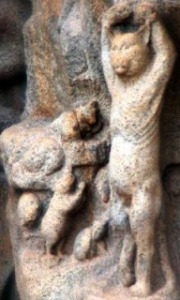
The story of hypocritical cat is in Mahabharata (V-160). Tamil Didactic work Sirupanchamulam (stanza 95) also refers to this ascetic cat on the banks of Ganges. This is a folk tale known in different parts of India. The Mahabalipuram panel of rock cut sculptures show this cat with uplifted arms. The story of the cat is as follows:

With uplifted arms the cat performed severe austerities on the banks of the Ganges; and he was so pious and good that not only the birds worshipped it, but even the mice entrusted themselves to his protection. He declared himself willing to protect them, but said in consequence of his asceticism he was so weak that he couldn’t move. Therefore the mice must carry him to the river—where he devoured them and grew fatter and fatter. A wise mouse by name Killika followed the cat to the Ganges and let the secret out to other mice. They all kept away from the cat from that day and the cat had to move to another place.

There are even two or three Tamil proverbs regarding this hypocritical Rudraksha cat. It was named Rudraksha cat because the cat pretend to do prayer by rolling the Rudraksha beads. It must be a familiar painting in the ancient Tamilnadu. The Pallava architecture of Mahabalipuram belongs to seventh century CE.

One of the Sangam works, Paripatal (19-50), refers to the beautiful paintings in Tirupparankundram near Madurai. It was a painting that existed 2000 years ago. The painting shows Indra running in the guise of a cat after molesting Ahalya. May be this episode was the origin of the Rudraksha cat story.

ருத்ராட்ச பூனை உபதேசம் பண்ணினது போல

–end–

தமிழ்க் கவிதை வடிவில் ரிக் வேதம்! ஒரு அரிய நூல்!!

IMG_4092

Compiled by London swaminathan

Article No.1912; Dated 5 June 2015.

Uploaded at London time: காலை 11-26

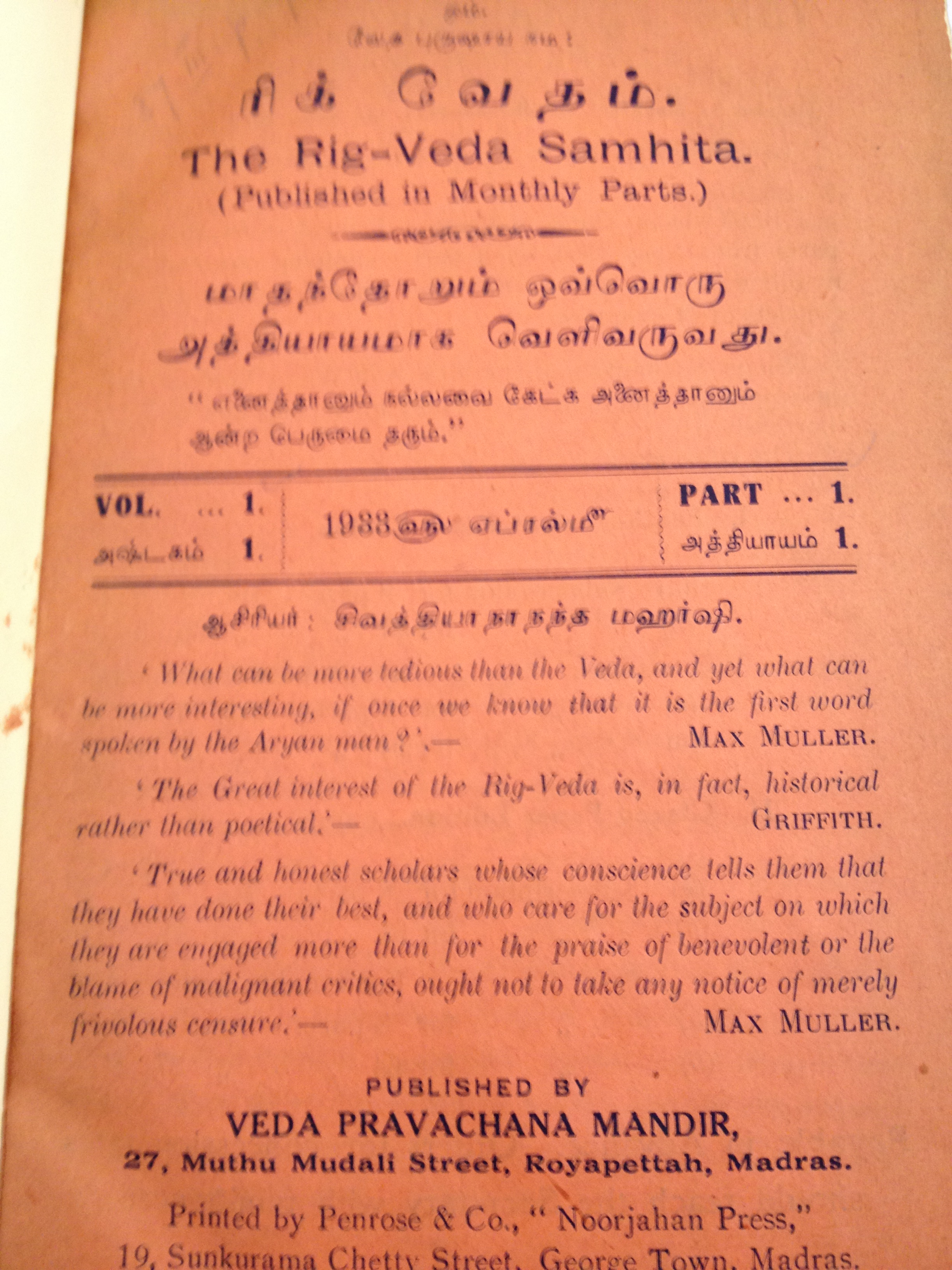
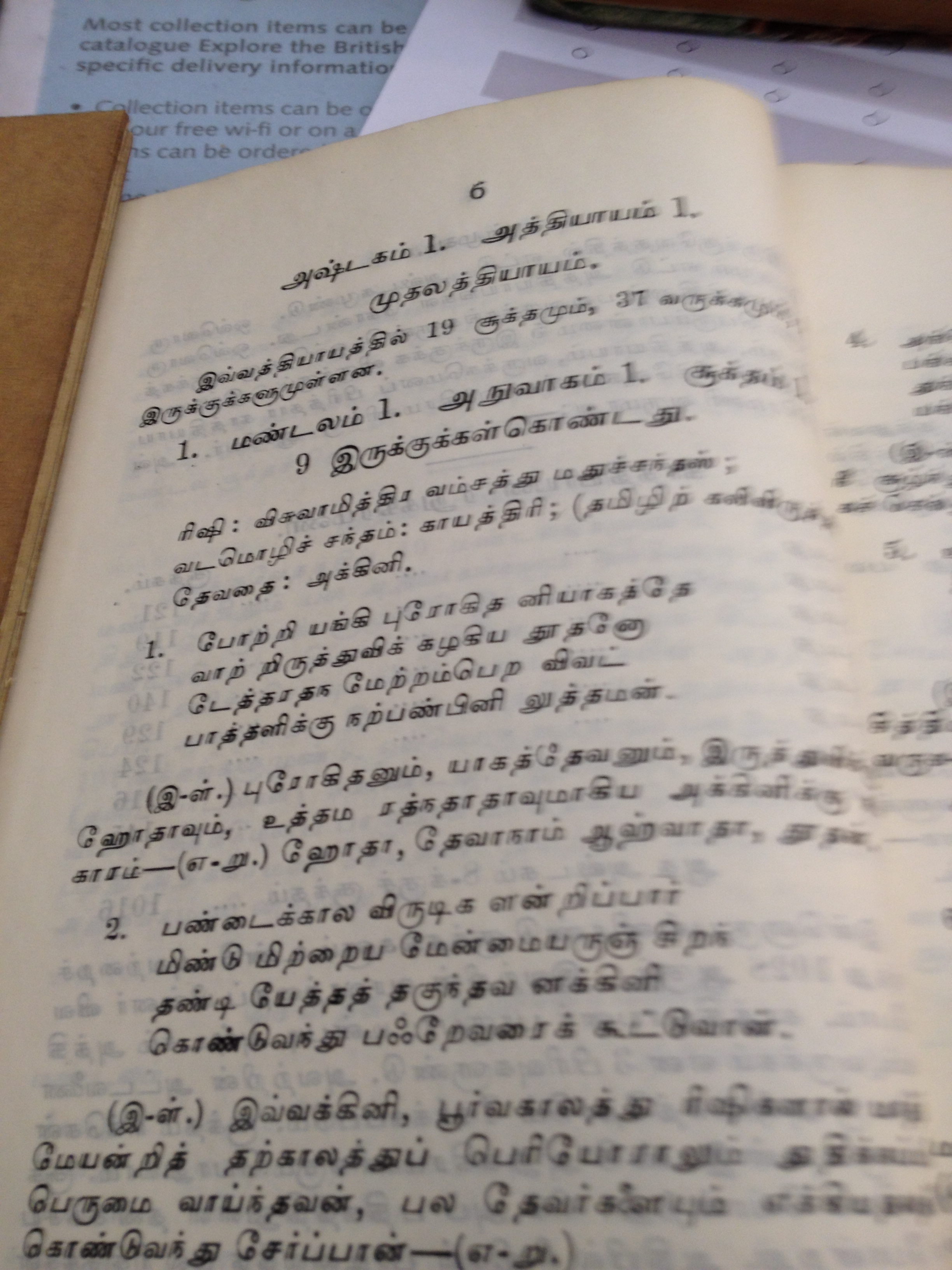
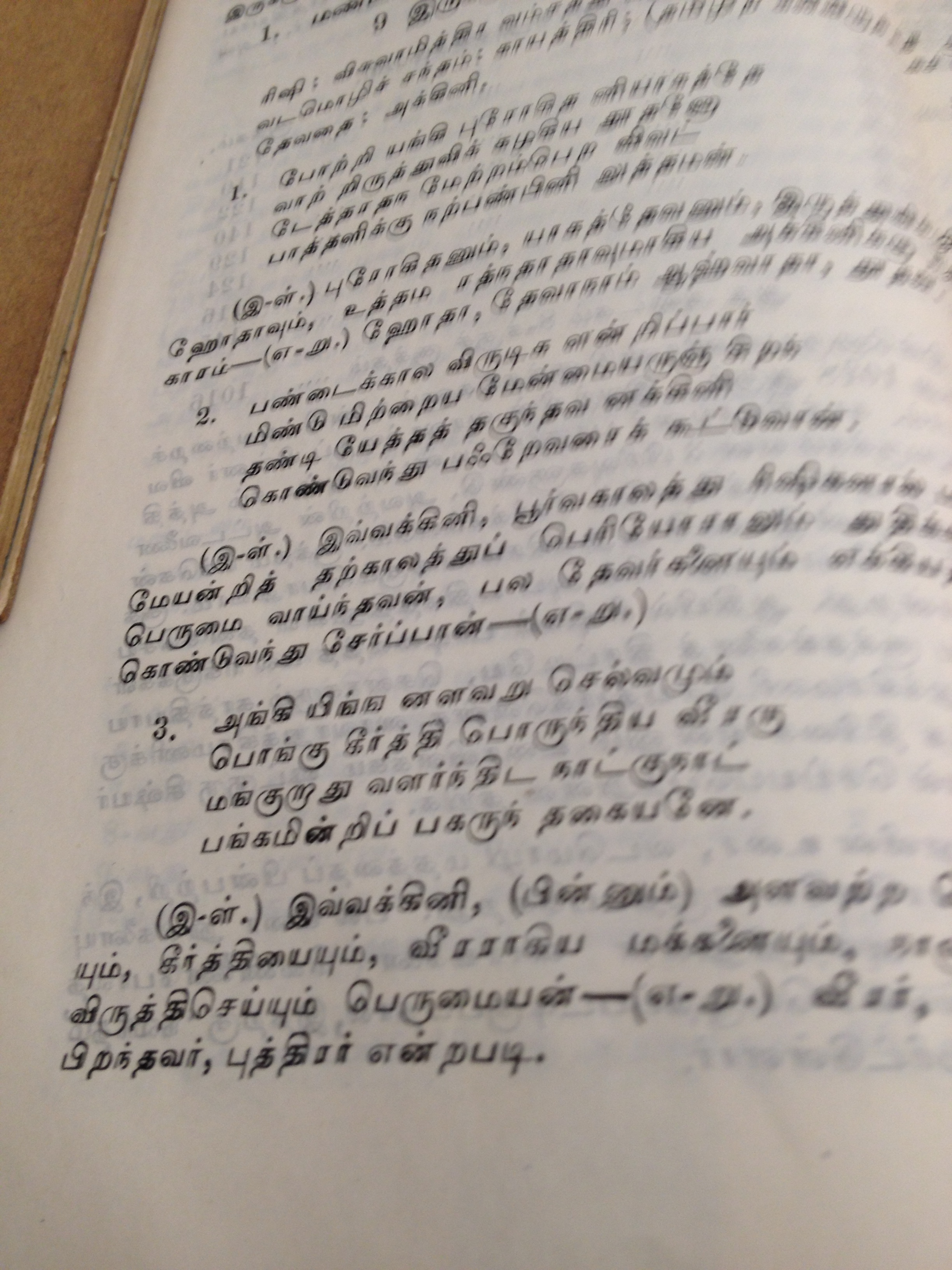
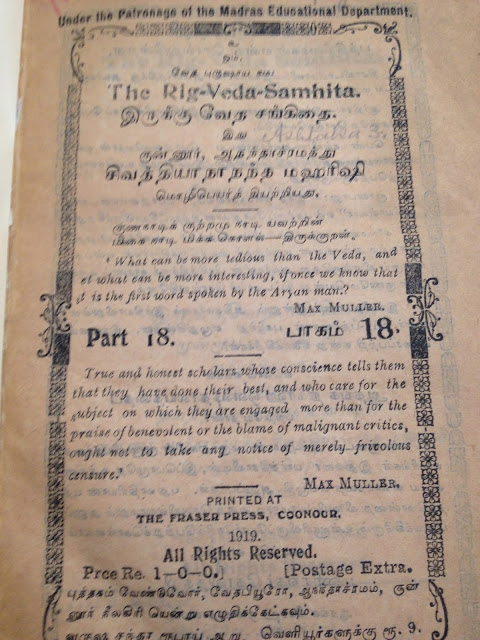
தமிழில் வேதங்கள் என்று சொன்னவுடன் எல்லோருக்கும் உடனே நினைவுக்கு வருவது மணக்கால் ஆர். ஜம்புநாதன் பெயர்தான். நான்கு வேதங்களை மொழிபெயர்த்த மஹத்தான சாதனை புரிந்தவர். தமிழ்நாட்டின் சாயணர் அவர். தமிழ் கூறு நல்லுலகம் அவருக்கு என்றும் கடமைப் பட்டுள்ளது. ஆனால் மிக வியப்பான விஷயம் அவருக்கு மிகவும் முன்னதாக நீலகிரி குன்னூரில் இருந்து சிவத்தியாநாநந்த மகரிஷி தமிழில் ரிக் வேதத்தை வெளியிட்டிருக்கிறார். அதுவும் மிக, மிக வியப்பான விஷயம் கவிதை வடிவில் அதை வெளிட்டிருக்கிறார்!!

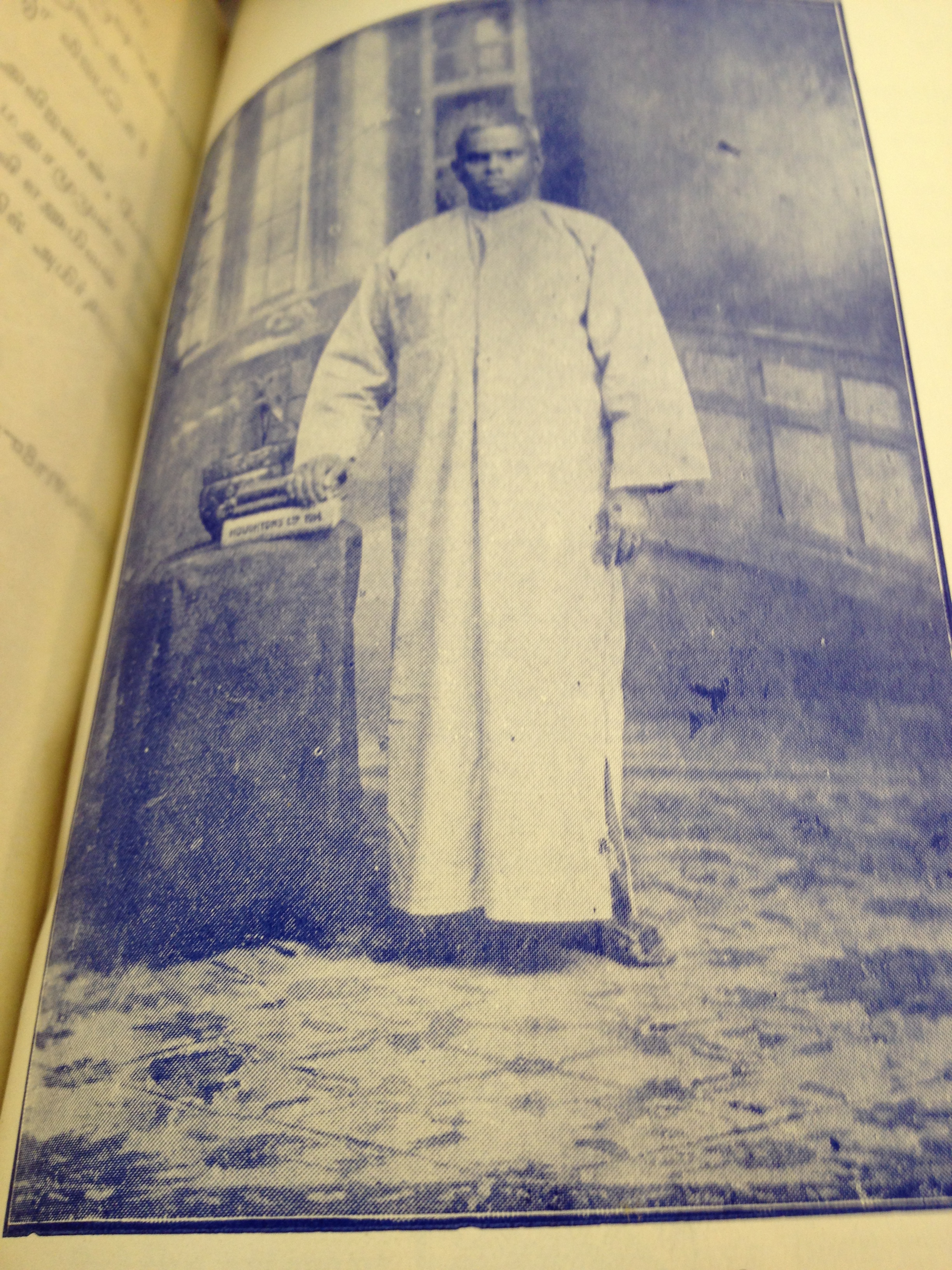
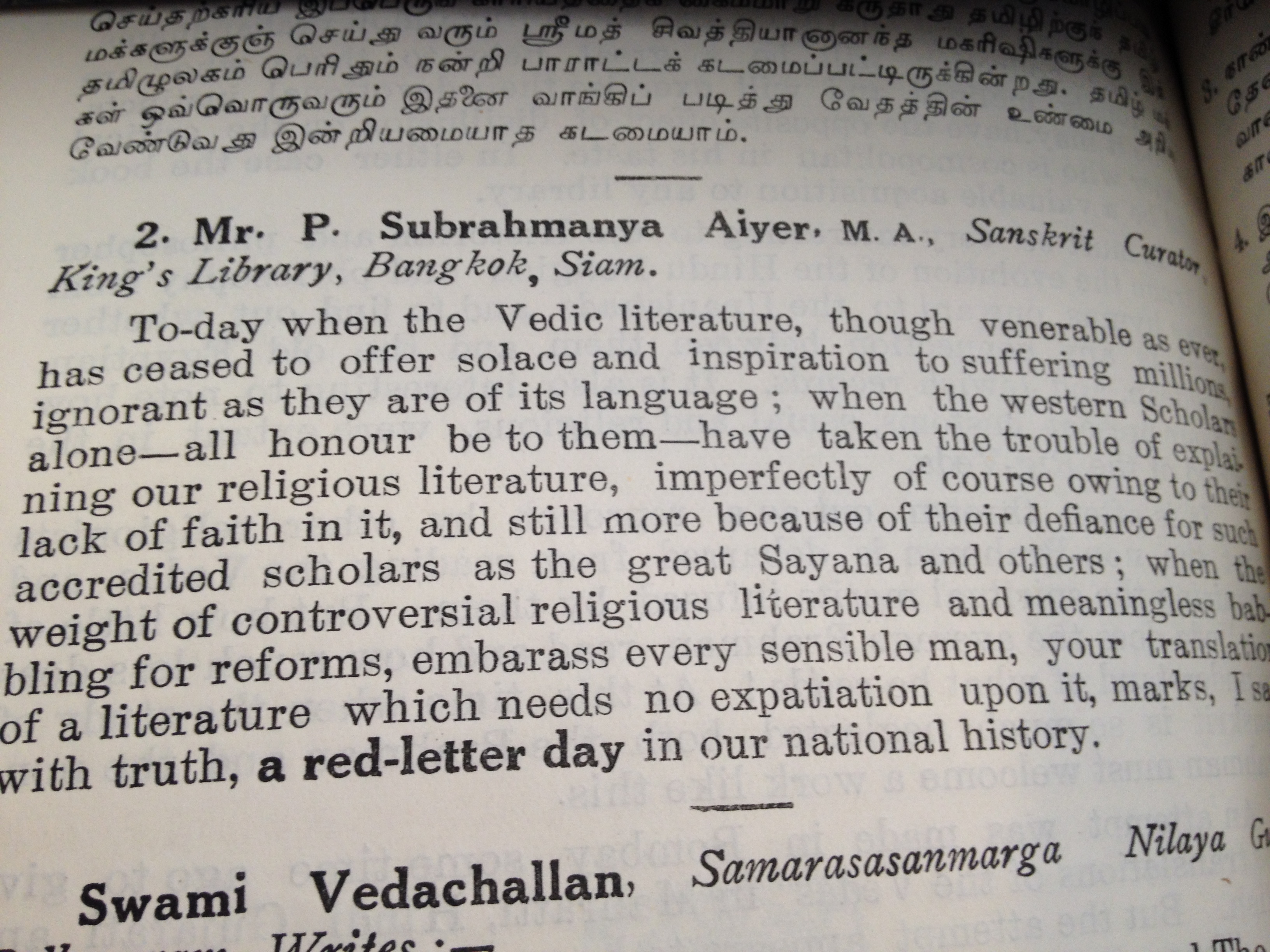
லண்டனில் பிரிட்டிஷ் லைப்ரரியில் உள்ள அரிய புத்தகங்களைப் புரட்டுகையில் முதல் ஐந்து மண்டலங்கள் கிடைத்தன. ரிக் வேதத்தில் பத்து மண்டலங்கள் உண்டு. அவை சம்ஸ்கிருதத்தில் கவிதை வடிவில் உள்ளன. இப்பொழுது அனைவரும் ரிக் வேத காலம் கி.மு.1700 என்று ஒப்புக்கொள்ளத் துவங்கியுள்ளனர். 3700 ஆண்டுகளுக்கு முன்னர் இப்படி ஒரு நூல் உண்டானதும் அதை வாய்மொழியாகவே ஒரு சொல் மாறாமல் இன்றுவரை ஓதி வருவதும் உலக மஹா அதிசயம்! இதை “அ” என்னும் எழுத்தில் துவக்கி “அ” என்னும் மந்திரத்தில் முடிப்பதும். எல்லோரும் நன்றாக இருக்கவேண்டும் என்று கடைசி மந்திரத்தில் பிரார்த்திப்பதும் இலக்கிய உலகின் முதல் அதிசயம். வேதங்களைத் தொகுத்த வியாசர் அதை கடைசி செய்யுளாக வைத்தது பாரதீய சிந்தனைப் போக்கின் வழியை உணர்த்துவதாக உள்ளது. ஒவ்வொரு இந்தியனும் இதை எண்ணி எண்ணி இறும்பூது எய்தலாம்

IMG_4127

யார் இந்த சிவத்தியாநாநந்த மகரிஷி?

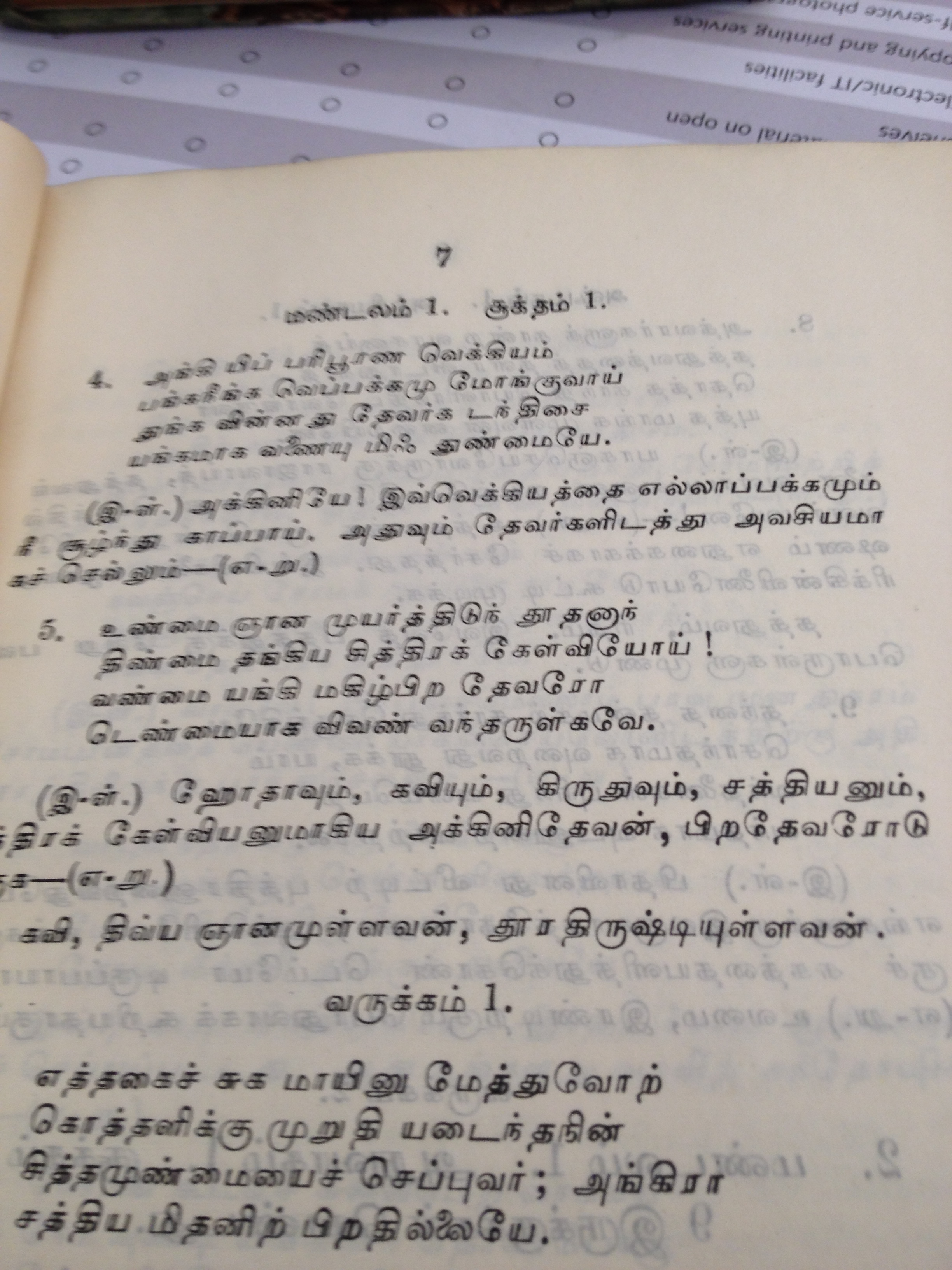
இவர் 1918 முதல் ரிக் வேதத்தைத் தமிழில் மொழிபெயர்த்து பொழிப்புரையாக எழுதி அதே நேரத்தில் கவிதையாகவும் கொடுத்துள்ளார். பிற்காலத்தில் சென்னையில் இதை வால்யூம்களாக வெளியிட்டுள்ளார். அதில் முன்னுரையில் மூன்று பேருக்கு நன்றி கூறுகிறார்.” “தமிழில் இதை என்னை மொழிபெயர்க்கத் தூண்டிய திருக்கோணமலை திருவாளர் கனகசுந்தரம் பிள்ளை அவர்களுக்கும், அந்நூல் ரிக் வேதமாக இருக்க என்னைக் கட்டாயப் படுத்திய எனது மனையாள் ஸௌ.ஜானகியம்மா ளுக்கும், ஸாயண பாஷ்யம் வாங்கி உதவிய ஸ்ரீமான்.கிருஷ்ணஸ்வாமி நாயக்கரவர்களுக்கும் இத்தமிழுகம் நன்றிக்கடப்பாடு உடையதென்பதை அறிவித்துக் கொள்ளுகின்றேன்” – என்று எழுதியுள்ளார்.

இவர் தமிழ், ஆங்கிலம், சம்ஸ்கிருதம் மூன்றிலும் புலமை உடையவர் என்பது இந்த மொழி பெயர்ப்பிலிருந்து தெரிகிறது. 1918 ல் குன்னூர் ஆநந்தாஸ்ரத்தில் துவங்கிய பணி 1937ல் சென்னையில் நீடித்ததுவரை புத்தகங்கள் மூலம் அறிய முடிகிறது. 1919-20 வாக்கில் அவருடன் ஆர்.ராமசந்திர சாஸ்திரியும் சேர்ந்து கொண்டு கிருஷ்ண யஜூர் வேதத்தை மொழி பெயர்த்து இருக்கிறார். அதுவும் 1919 முதல் வந்திருக்கிறது.

IMG_4129

தமிழ்க் கவிதை வடிவிலான இந்த ரிக் வேத மொழிபெயர்ப்பு தமிழ் நூல் வெளியீட்டில் ஒரு மைல் கல் என்றே சொல்வேன். இது சென்னை கன்னிமரா நூல்நிலயம் போன்ற இடங்களில் கிடைத்தால் மறு பதிப்பு செய்ய வேண்டியது தமிழர்தம் கடமையாகும். அதுவே அவருக்கும் அவரை இப்பணியில் தூண்டியோருக்கும் நாம் செலுத்தும் நன்றியாகும்.

இத்துடன் மொழிபெயர்ப்பு மாதிரிகளையும் இணைத்துள்ளேன். இதைப் படித்து  அனுபவிக்க அக்னிமீளே புரோகிதம் யக்ஞஸ்ய தேவம்ருத்விஜம். ஹோதாரம் ரத்ன தாதமம்—என்று துவங்கும் ரிக்வேததை நாம் ஓரளவாவது அறிந்திருக்க வேண்டும்.

IMG_4106

துரதிருஷ்ட வசமாக, வேதம் அத்தியயனம் செய்த பிராமணர்களைத்தவிர வேறு யாருக்கும் இது தெரியாது. வேதங்களைப் பற்றி வெளிநாட்டு வெள்ளையர்களும், உள்நாட்டுத் திராவிடங்களும், மார்கஸீயவா(ந்)திகளும் சொன்ன எதிர்க்கருத்தை மட்டுமே சுவைத்த தமிழர்களுக்கு இது விளங்கக் கொஞ்ச காலம் பிடிக்கும்.

IMG_4107

வாழ்க சிவத்தியாநாநந்த மஹர்ஷி. வளர்க அவர் புகழ்.

IMG_4108

மின்னணுக் கருவிகள் கழிவுகளால் ஏற்படும் அபாயம்

world_environment_day_

Written by S NAGARAJAN

Article No.1911; Dated 5 June 2015.

Uploaded at London time: 6-06 am

சென்னை வானொலி நிலயம் A (அலைவரிசை 720 Hz))யில் 29-5-2015 அன்று காலை 6.55 மணிக்கு காலைமலர் நிகழ்ச்சியில் ஒலிபரப்பப்பட்ட சுற்றுப்புறச் சூழல் சிந்தனைகள்

மின்னணுக் கருவிகள் கழிவுகளால் ஏற்படும் அபாயம்

SCRIPT BY : .நாகராஜன்

நாளுக்கு நாள் உலகெங்கும் மின்னணுக் கருவிகளின் பயன்பாடுகள் அதிகரித்துக் கொண்டே வருகிறது. கூடவே இந்தக் கருவிகளின் கழிவுகளை முறையாக அப்புறப்படுத்தாததால் ஏற்படும் அபாயமும் அதிகரித்துக் கொண்டே வருகிறது.

நம் நாட்டில் தகவல் தொழில்நுட்பத்தில் அதிக அளவு மின்னணுக் கருவிகளைப் பயன்படுத்தும் பங்களூரு நகரத்தில் மட்டும் 57000 டன் என்ற மாபெரும் அளவில் மின்னணுக் கழிவு 2014ஆம் ஆண்டில் ஏற்பட இருப்பதை முன்னமேயே நிபுணர்கள் சுட்டிக் காட்டி எச்சரித்தனர். ஆகவே நாளுக்கு நாள் அதிகரித்துக் கொண்டே போகும் இவற்றை முறைப்படி அகற்றுதல் இன்றியமையாதது. ஏனெனில் இவற்றில் வெளிப்படும் நச்சுக்கள் சுற்றுப்புறச் சூழலை மாடுபடுத்துபவை. இவற்றை அகற்றுவோர் உரிய முறையில் தங்களையும் காத்துக் கொள்ளல் வேண்டும். ஆனால் முறைப்படி கழிவை அகற்றாமல் இருப்பின் இதை அகற்றுவோருக்கு பல்வேறு ஆரோக்கியக் கேடுகள் ஏற்படும்.

சான்பிரான்ஸிஸ்கோ, சியோல் போன்ற நகரங்களில் இவற்றை அகற்றுவதற்கான தனிச் சட்டங்கள் உள்ளன. மறு சுழற்சிக்கு உள்ளாகும் பொருள்களைத் திரும்பிப் பெறும் வசதிகளும் இந்தச் சட்டங்களில் உள்ளடங்கும். மின்னணுப் பொருள்களை உற்பத்தி செய்வோருக்கு அதன் மூலம் ஏற்படும் கழிவுகளை அகற்றுவதிலும் பெரும் பொறுப்பு உண்டு. E-waste disposal எனப்படும் மின்னணுப் பொருள் கழிவை நீக்குவதில் உரிய முறையில் செய்ய வழிகளை இவற்றை உற்பத்தி செய்வோர் அறிவுறுத்துவதோடு அவற்றைத் திரும்பப் பெற்றுத் தாமே அகற்றவும் முற்படுதல் இன்றியமையாதது.

பொருள்களின் பயன்பாடு முடிந்தவுடன் குப்பைக் கூளங்களுடன் இவற்றைச் சேர்த்துப் போட்டு விடக் கூடாது என்பதைப் பயனீட்டாளர்களும் உணர்தல் வேண்டும். கழிவுகளை அப்புறப்படுத்துவதை அதற்கான அங்கீகாரம் பெறப்பட்டவர்களே செய்தல் வேண்டும். கணினி உள்ளிட்ட சாதனங்களைப் பயன்படுத்துவோரும் மின்னணுக் கழிவை அதை அகற்றும் முறை தெரிந்தவர்களிடமே மட்டுமே தருதல் வேண்டும்.

இப்போதுள்ள கழிவே மலைக்க வைக்கும் அளவு ஒவ்வொரு நகரத்திலும் உள்ளது. இது 2020ஆம் ஆண்டில் 500 சதவிகிதம் அதிகரிக்கும் என்ற செய்தி திகைக்க வைக்கும் ஒன்று. ஆகவே கணினிகளும் இதர மின்னணுப் பொருள்களும் ஏராளமாகஉற்பத்தி செய்யப்பட்டு சந்தைகளில் விற்கப்படும் இந்த நாட்களில் அதன் கழிவுகளைப் பற்றிப் பொறுப்புடனும் அக்கறையுடனும் அனைவரும் சிந்தித்துச் செயல்படுதல் வேண்டும்.    மின்னணுக் கழிளவ உரிய முறையில் அகற்றுவோம். சுற்றுப்புறச் சூழலை மாசின்றிக் காப்போம்.

****************************