WRITTEN BY S NAGARAJAN Post No. 10,461 Date uploaded in London – – 19 DECEMBER 2021
Contact – swami_48@yahoo.com Pictures are taken from various sources for spreading knowledge; this is a non- commercial blog. Thanks for your great pictures. tamilandvedas.com, swamiindology.blogspot.com
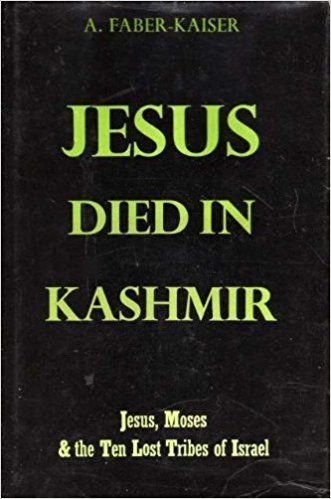
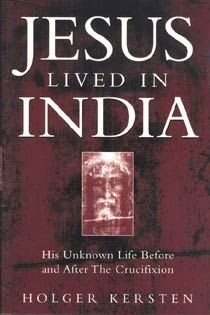
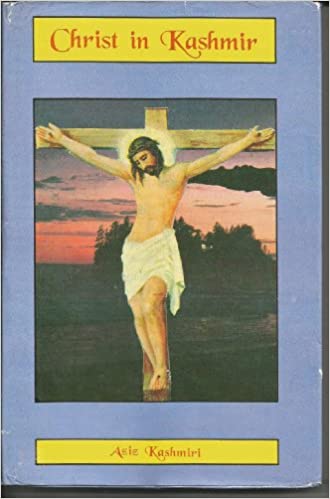
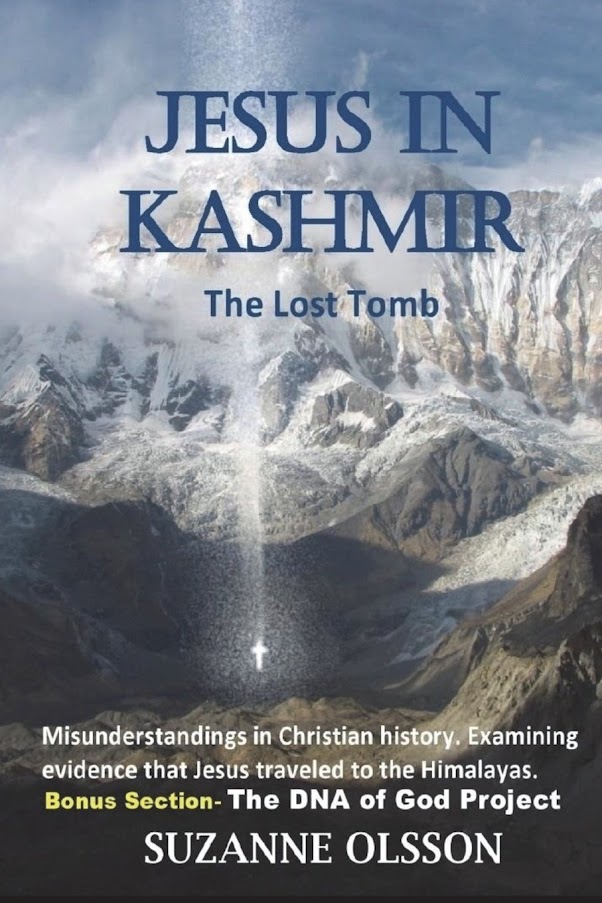
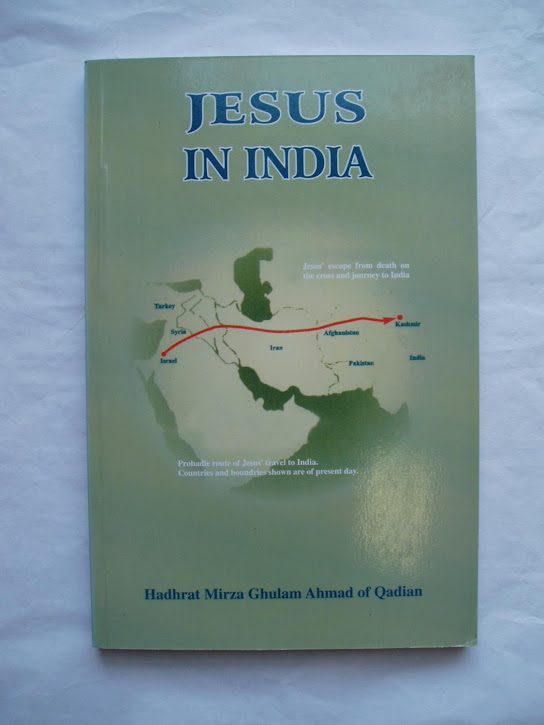
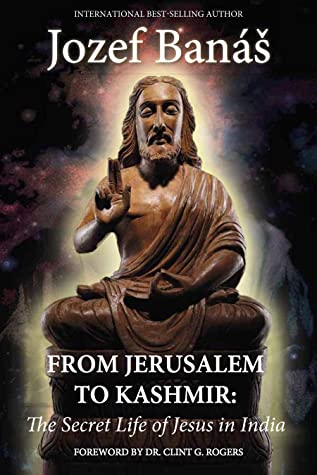
I have come across many articles on this subject. Jesus Christ visited in India and actually he died in India.
I was wonderstruck with this new revelation. I started collecting all the points. Here are some of the points, I have collected. First there is a book titled ‘ Naked They Pray’ by Pearce Gervis. In that book he has given :
“I know that there was a belief, now among many peoples, that Jesus Christ, between the age of twelve and twenty-nine was in India, his years there being recorded in Hindu and Buddhist Shastras as well as in certain Yoga manuscripts; that he went to Puri, to South India, and Banares to study the Vedas and Laws of Manu, to the Himalayas where it is said that he studied in the solitary places the different paths of liberation, the art of contemplation and meditated there until found the perfect realization of this oneness with GOD.”
Madam Annie Besant also has revealed this fact in one her books. Nicolai Notovich a Russian research scholar has also started his research on this. He visited India many times for his research work about India. While he was in India in 1887 he stayed as a guest in a Buddhist monastery at Zoji la pass. A lama described about Jesus Christ teachings and explained how all these sayings are in concurrence with Hindu Scriptures. Niclolai Notovich was astonished on getting these details.
The Persian Scholar, F.Mohammed in his book Jami-ut-tuwarik says that Jesus travelled with Mary to Nisibiss which is now called as Nusaybin, in Turkey.
The same point is being stressed by Imam Abu Jaffar Mohammed in his book ‘Tafsi-Ibn_i-Jamir-at-tubri’.
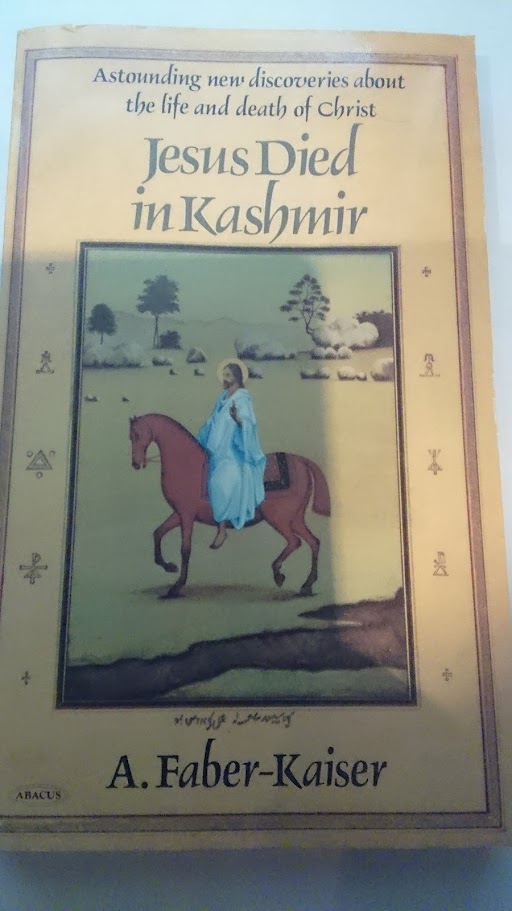
Holger Kersten, a German author has also agreed with both of these scholars in his book. Kersten also says that Jesus stayed at Kashmir and died there.
Many interested scholars started visiting Kashmir to find out the Tomb of Jesus. And they found the tomb of Jesus in Srinagar, Kashmir, India.
A writer by name John Noel corroborates the discovery of the tomb of Jesus in Srinagar, Kashmir. He has written an article entitled, ‘The Heavenly High Snow Peak of Kashmir’ in which he says as follows:
“ Immensely strong are those picturesque, brod-shouldered Kashmiri peasants, and yet docile and meek in temperament. One thing about them strikes you with enormous force. They seem more perfectly Jewish than the purest Jews you have ever seen.” He also continues, “ Of recent years certain explorers have also come upon traces of this story of the sojourn of Jesus in these regions. In one version of the story he is said to have come to confer and agree with Buddhist monks on the doctrine of reincarnation during the years of his young manhood, the period of which there is no Biblical record in regard to his whereabouts.”
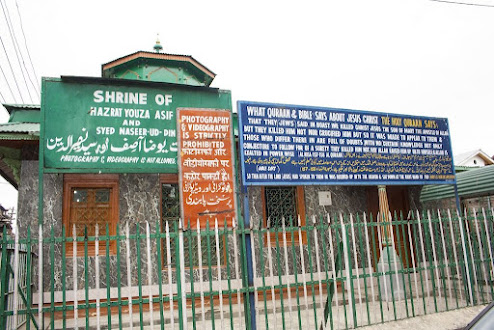
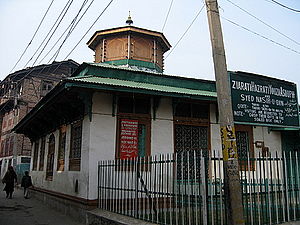
The tomb of Jesus has been found ultimately in Srinagar with the inscription ’Yus Asaf’. Yus Asaf could be none other than Jesus says the studies. It is quite interesting to note the above findings from renowned scholars. But one thing is certain. This, in no way affects the teachings of the great Jesus nor defame him in any respect.
.
Key words Jesus Christ visit to India, Died in Srinagar, Kahmir, Tomb was found
WRITTEN BY LONDON SWAMINATHAN Post No. 10,460 Date uploaded in London – – 18 DECEMBER 2021
Contact – swami_48@yahoo.com Pictures are taken from various sources for spreading knowledge. this is a non- commercial blog. Thanks for your great pictures. tamilandvedas.com, swamiindology.blogspot.com
பகவத்கீதை சொற்கள் INDEX-30; கீதை மூலம் சம்ஸ்க்ருதம் -30 ga உச்சரிப்பு
கதீ 8-26 மார்கம் கத்வா 14-15 அடைந்து கதினம் 11-17 கதாயுதம் ஏந்திய கந்தவ்யம் 4-24 அடையப்படும் பொருள் கந்தாசி 2-52. அடைவாய் ………………………..5
க்ருஹீத்வா 15-8 கவர்ந்துகொண்டு க்ருஹ்யதே 6-35 அடக்க முடியும் கேஹே 6-41 வீட்டில் கோவிந்த 1-32 கிருஷ்ணனின் பெயர், ………………………… 4 59 words added in this part 30
WRITTEN BY LONDON SWAMINATHAN Post No. 10,459 Date uploaded in London – – 18 DECEMBER 2021
Contact – swami_48@yahoo.com Pictures are taken from various sources for spreading knowledge. this is a non- commercial blog. Thanks for your great pictures. tamilandvedas.com, swamiindology.blogspot.com
Rig Veda, the oldest book in the world, dated between 4000 BCE and 2000 BCE is the source of Ayur veda (Life Science). Ayur Veda is the oldest medical system. I wrote about 107 herbs in Rig Veda (RV) in 2013 (please see the link below); Rig Veda did not provide us the names of 107 herbs. But after studying Atharvana Veda (AV) now, I come to the conclusion that all the names are there in the AV. One has to compile all the names first and then identify them properly with the later works of Susruta and Charaka, dated around 600 BCE.
If you are a student of History and Archaeology, you can draw a very clear line in 850 BCE. Neither Greek nor Tamil had anything written in that period. Hebrew, Chinese, Persian had some materials in writing around that period, but not about medicines. Museum languages or Dead languages such as Babylonian, Sumerian have not much to give us in the filed of medicine. The amazing thing about the Hindus is that they list over 30 body parts in one hymn. They list a number of diseases in one hymn. All these are dated before 1000 BCE. Not even Bible (old testament) appeared at that time. Hutchinson Encyclopedia date the oldest part of Old Testament around 980 BCE. Quantitativesly and qualitatively, voluminous Vedic lietrature occupy a unique place. Atharvana Veda mentioned scores of herbs. Yajur Veda has lot of unidentified plant names! Around 200 things are ‘sacrificed’ in the Asvamedha Yagna (Horse Sacrifice). Many of the names in the list are not identified. So called scholars of Western world give fanciful meanings for many names. It is the duty of all practising Hindus and believers to sit together and categorise everything. King of Herbs is Soma; Dharba grass and Soma are mentioned throughout the Four Vedas. All orthodox Brahmins use Dharbha grass in all rituals. In South India every brahmin house has it. So do Asvatta (Pipal or Peepul or Bodhi Tree; Ficus Religiosa); We find this name from Rig Veda to Atharva Veda. Brahmins use it as fire stick/ Samithu in daily fire rituals. xxx Dr Gauri Mahulikar has given a short list of herbs in his article Medicinal Herbs in Atharvaveda (page 277, Facets of Vedic Studies, Kaveri Books, New Delhi, Year 2000) Here is the list (botanical names are not given) 1.Apaamaarga 2.Arundhati (also known as Silaaci, Rohini, Laksa)- AV. VI-59-2 3.Karira – AV V.23 4.Kustha – AV XIX-39 5.Guggulu – AV XIX -38 (see my research article on Guggulu; even Panini mentioned it in grammatical rules!) 6.Paathaa – AV II-27 7.Prsniparni – AV II-25, 7 (also VI-85) 8.Bhrngaraaja – AV VI-136 9.Sankhapuapi – AV VI-129, VI-139; VII-38 10.Sarsapa – AV. VIII-6 Though a lot of books have come out about Indian Medicinal Herbs, there are some drawbacks; Some mention only vernacular or Sanskrit names and not botanical names. Some mentioned only botanical/ latin names but not Sanskrit names; Same herb having several local names also add to confusion; a conference of scholars could solve most of these problems. xxx
My Comments I would like to draw the attention of scholars on the following points:- RV 1-112 -10 and 1-116- 15 tell us that Asvins cured a lady named Vispalaa, who was injured in a battle. She lost her leg and Asvins fixed her an Iron leg. This anecdote is repeated in many more hymns. Thousands of years later we come across a Pandya getting a Golden hand (see my article on Por Kai Pandya- golden hand Pandya); Susruta lists lot of surgicaal instruments and fixing plastic nose. xxx Power of Kustha Plant (Costus root of Kashmir) AV- Book 6- Hymn XCV/95- Sukta 268 HYMN XCV Scroll Up A charm to remove disease 1.In the third heaven above us stands the Asvattha tree, the seat of Gods. There the Gods gained the Kushtha plant, embodiment of endless life. 2 There moved through heaven a golden ship, a ship with cordage wrought of gold. There Gods obtained the Kushtha plant, the flower of immortality.
Thou art the infant of the plants, the infant of the Snowy Hills: The germ of every thing that is: free this my friend from his disease. This hymn praised both Asvatta Tree annd Kustha plant it is grown in snowy hills. The Golden ship is not explained by the commentators; but yet we see a positive, wealthy picture of Vedic period; third heaven is Svarga. xxx About this plant Kustha, Dr Gauri Mahulikar adds this information:- This is born of mountain; it effaces takman/fever. This is Flower of Immortality, reliever of head ache, eye diseases; it gives divine virility (equal to modern Viagra??) It is regarded as the highest of herbs, as the tiger of beasts of prey. It is an ‘all healing medicine’ (Visvabesaja). It stands along with Soma (see AV-XIX. 39-5-8) It is generally identified with Costus root of Kashmir; an imporatnt export in the spice trade. It is considred equal to Soma of RV and Arndhati herb of AV. This is used in other medical systems too. Later medical works give this plant to several diseases. Word Kushta means leprosy; so it is considered a treatment for leprosy as well. Ointment of Kustha is recommended to women. it is used as incense in the houses of new born babies. The aromatic smoke is believed to drive away all the evils. (Tamils used Aiyavi- white mustard smoke in the rooms of new mothers)
xxxxxxxxxx
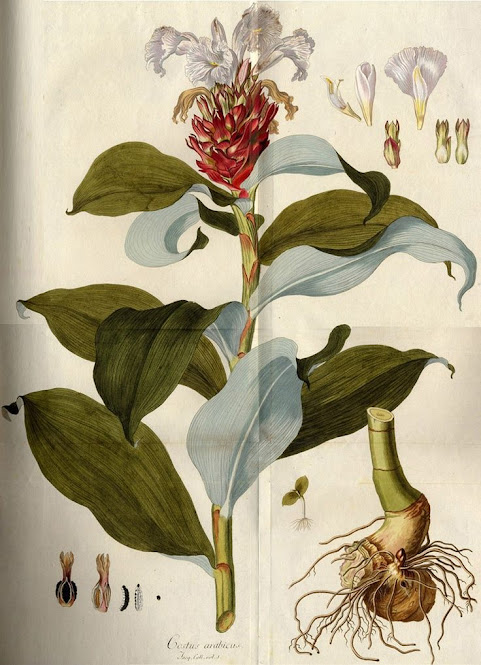
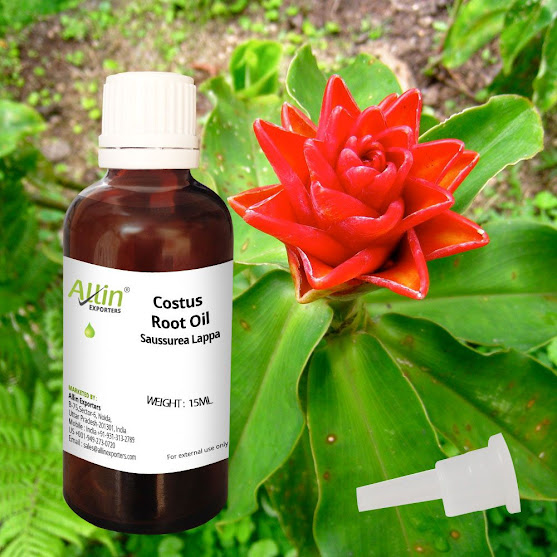
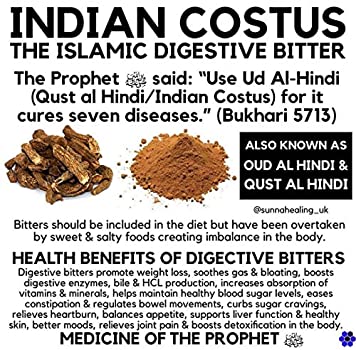
What is Costus? Dolomiaea costus From Wikipedia, the free encyclopedia Family: Asteraceae Genus: Dolomiaea Species: D. costus
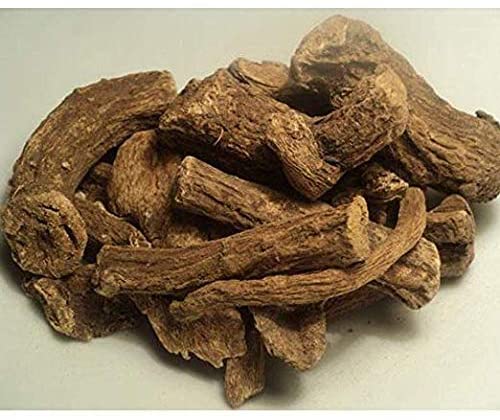
Dolomiaea costus Dolomiaea costus,[3] formerly known as Saussurea costus, commonly known as costus, Indian costus, kuth, or putchuk,[4] is a species of thistle in the genus Dolomiaea native to South Asia and China. Rishi (Hindu) mystics of Kashmir especially ate this plant. Essential oils extracted from the root have been used in traditional medicine and in perfumes since ancient times.[5][6]
Costus is the root of this plant. The root of the plant is the key part used for medicinal or homeopathic purposes.[7] The root is also called by its Latin name radix aucklandiae (root of aucklandia).[8]
It has a large number of names in other languages, including kuṣṭha in Sanskrit; kust or qust in Arabic and Persian; kut, kur, and pachak in Hindi and Bengali, kostum, gostham, and potchuk in Tamil; upaleta and kur in Gujarati; kot or kust in Punjabi; changala in Telugu; sepuddy in Malayalam; kostha in Kannada; kuth or postkhai in Kashmiri; and kosht (קשט) in Hebrew; koto in Swahili; mu xiang in Chinese (if you google COSTUS, you get lot of commercial brands of medicines. One must be careful in using them. All medicines should be taken under the supervision of a medicine man/doctor.) xxxx MY OLD ARTICLES
WRITTEN BY S NAGARAJAN Post No. 10,458 Date uploaded in London – – 18 DECEMBER 2021
Contact – swami_48@yahoo.com Pictures are taken from various sources for spreading knowledge; this is a non- commercial blog. Thanks for your great pictures. tamilandvedas.com, swamiindology.blogspot.com
ஆரோக்கியம் பெற அருமையான வழி! ச.நாகராஜன்
ஆரோக்கியம் இல்லாத வாழ்க்கை அவலமான வாழ்க்கை. பணம், நண்பர்கள், குடும்பம் என்ன இருந்தும் பயன் என்ன – ஆரோக்கியம் இல்லாவிடில்! ஆரோக்கியத்திற்கும் வாழ்க்கையில் வெற்றி பெறுவதற்கும், உலக இயல்பையும் அதன் ரகசியத்தையும் உணர்வதற்கு ஒரு உண்மையை அம்ருத பிந்து உபநிடதம் கூறுகிறது.
“மன ஏவ மனுஷ்யானாம்; காரணம் பந்த மோக்ஷயோ:” மனதே மனிதர்களின் பந்தத்திற்கும் மோக்ஷத்திற்கும் காரணம் என்பது இதன் பொருள்.
மனிதன் என்பவன் மனமே தான். அதனால் தான் கட்டுப்படுத்தப்படுகிறான்; விடுவிக்கப்படுகிறான்.
இந்த உண்மையின் விளக்கத்தை அருமையான நூலான யோக வாசிஷ்டம் இன்னும் நன்றாகச் சுவைபட விளக்குகிறது.
இது உண்மையா? சில எடுத்துக் காட்டுச் சம்பவங்களைப் பார்ப்போம்.
அந்தோணி ராபின்ஸ் (Anthony Robbins) உலகப் புகழ் பெற்ற ட்ரெயினர். வெற்றிக்கான வழிகளை NLP ( Neuro Linguistic Programme) என். எல்.பி. என்னும் உத்தி மூலம் உலகெங்கும் பரப்பியவர். அவர் தனது ‘அன்லிமிடெட் பவர்’ (Unlimited Power) என்ற நூலில் ஒரு அற்புதமான உண்மைச் சம்பவத்தைக் கூறியுள்ளார். ஒரு பெண்மணி. அவருக்கு இரட்டை ஆளுமை இருந்தது. எப்போதெல்லாம் அவருக்குத் தனது உடல் மீது கட்டுப்பாடு இருந்ததோ அப்போதெல்லாம் அவரை சோதனை செய்து பார்த்தால் அவருக்கு டயபடீஸ் இருக்கவே இருக்காது. ஆனால் அவர் தனது கட்டுப்பாட்டை இழந்த மறுகணம் இன்னொரு ஆளாக – இன்னொரு ஆளுமைக்கு உட்பட்டு மாறும் போது,- அவரைச் சோதனை செய்து பார்த்தால் அவருக்கு டயபடீஸ் அபாயகரமான அளவில் இருப்பது தெரியவரும். ப்ளட் ஷுகர் அளவு அபரிமிதமாக இருக்கும். ஆனால் தனது கட்டுப்பாடான ஆளுமைக்கு வரும் போது எல்லா அளவுகளும் சாதாரண நார்மல் நிலையில் இருக்கும்.
இது ஒரு சின்ன உதாரணம் – மனதை நமது கட்டுப்பாட்டில் கொண்டு வரும் போது அனைத்தும் நமக்கு சாதகமாகவே இருக்கும் என்பதை நிரூபிப்பதற்கு. இன்னொரு எடுத்துக்காட்டு:-
நம்மிடையே வாழ்ந்து மறைந்த பிரபல விஞ்ஞானியான ஸ்டீபன் ஹாகிங் இளமையில் 21ஆம் வயதிலேயே முதலாவது திருமணத்திற்கு முன்னர் Motor Neuron Disorder என்னும் மிகக் கொடிய இயக்கு
நரம்பணு நோயால் தாக்கப்பட்டார். உடல் இயக்கங்கள் படிப்படியாகக் குறைந்தன. பேச்சும் போனது. வீல் சேரிலேயே முடங்கிக் கிடந்தார். டாக்டர்களை கையை விரித்தனர். இன்னும் குறைந்த காலமே உயிர் வாழ முடியும் என்று கெடுவும் குறித்துச் சொன்னார்கள். ஆனால் தளராத மனத்துடன் தன் நோயுடன் போராடினார்.
கணினி மூலமாகவும் வாய்ஸ் சிந்தஸைஸர் மூலமாகவும் உலகுடன் தொடர்பு கொள்ள ஆரம்பித்தார். இயற்பியல் ஆராய்ச்சிகளில் பெரும் கொள்கைகளை உருவாக்கினார். கருந்துளை (Black Hole) பற்றிய தனது கருத்துக்களை வெளியிட்டுப் பரபரப்பை ஏற்படுத்தினார். டாக்டர்களின் கணிப்பைப் பொய்யாக்கி 76 வயது வரை உயிர் வாழ்ந்தார்.
(பிறந்த தேதி 8-1-1942 மறைந்த தேதி : 14-3-2018). அவர் தனது சுய சரிதத்தை ‘மை ப்ரீஃப் ஹிஸ்டரி’ (My Brief History) என்ற நூலில் விவரித்துள்ளார். 13 அத்தியாயம் கொண்டுள்ள இந்த 126 பக்க நூலில் வாழ்வில் மரணத்தை எதிர் நோக்கி இருந்த தான் உத்வேகம் பெற்றது எப்படி என்று கூறுகிறார். “எனக்கு நரம்புக் கோளாறு இருப்பதைக் கண்டுபிடித்து மருத்துவர்கள் என்னைக் கைவிட்ட நிலையில் வாழ்நாள் சீக்கிரம் முடிந்து சாகப் போகிறென் என்ற நிலையில் வாழ்க்கை வாழ்வதற்கு உகந்த ஒன்று. அதில் ஏராளமான விஷயங்கள் செய்வதற்கு இருக்கிறது என்பதை உணர்ந்து கொண்டே” என்று அவர் அந்த நூலில் உருக்கமாகக் கூறுகிறார்.
மனத்தின் மாண்பு மூலம் செயற்கரிய செயல்களைச் செய்த சாதனையாளர்களுள் ஸ்டீவன் ஹாக்கிங்கின் பெயர் தனி இடத்தைப் பெறும்.
ஸ்டாமடிஸ் மொரைடிஸ் (Stamatis Moraitis) என்பவர் கிரேக்கப் போரில் கலந்து கொண்ட ஒரு போர்வீரர். அவர் அமெரிக்கா சென்று அங்கு வாழலானார். திடீரென்று ஒரு நாள் அவருக்கு நுரையீரலில் புற்று நோய் இருப்பதாக மருத்துவ பரிசோதனையில் தெரிய வந்தது. டாக்டர்கள் அவர் இன்னும் ஒன்பது மாத காலமே உயிர் வாழ்வார் என்று கூறி விட்டனர். தீவிர சிகிச்சை அளிக்கப்பட்டாலும் கூட பணம் தான் அதிகம் விரயமாகும் என்றும் அவர் உயிர் காப்பாற்றப் பட முடியாது என்றும் அவர்கள் கூறி விட்டனர்.
ஸ்டாமடிஸ் அனாவசியமாகப் பணத்தைச் செலவழிக்காமல் கிரேக்கத் தீவில் இகாரியா (Ikaria) என்ற தனது சொந்த ஊருக்குத் தனது மனைவியுடன் சென்றார். இறந்தாலும் தனது முன்னோர் கல்லறையில் புதைக்கப்பட வேண்டும் என்பது அவரது எண்ணம். தனது பெற்றோருடன் ஒரு சிறு வீட்டில் குடி புகுந்தார் ஸ்டாமடிஸ். ஒவ்வொரு நாளும் இது தான் தனது கடைசி நாள் என்ற உணர்வுடன் அவர் வாழ ஆரம்பித்தார். சர்ச்சுக்குப் போவது, தனது நண்பர்களைச் சந்தித்து அரட்டை அடிப்பது, தோட்டத்தில் கறிகாய்களைப் பயிரிடுவது, சூரிய ஒளியில் நடப்பது, குடும்ப உறுப்பினர்களிடம் அன்பு பாராட்டி வாழ்வது என்று இப்படி அவர் வாழ்க்கை மெல்லப் போனது. என்ன ஆச்சரியம், டாக்டர்கள் கூறியபடி அவர் ஒன்பது மாதங்களில் இறக்கவில்லை.
ஆனால் உடல் ஆரோக்கியம் நாளுக்கு நாள் மேம்பட்டு வந்தது. ஒரு நாள் அமெரிக்கா செல்ல நிச்சயித்து அங்கு சென்றார். டாக்டர்களிடம் தனது அனுபவங்களைச் சொல்லித் தான் இன்னும் உயிர் வாழ்வதைக் கூற வேண்டும் என்று அவருக்கு ஆசை. ஆனால், அந்தோ, அவரைப் பரிசோதித்த டாக்டர்கள் அனைவரும் இறந்திருந்தனர். அவர் 102 வயது வரை உயிர் வாழ்ந்தார்.
எல்லாவற்றிற்கும் மனமே தான் காரணம்!
வனிஸா லோடர் என்ற பெண்மணி நிதி நிர்வாகத்தில் அபாரமான திறமைசாலி. ஆனால் அவருக்கு எதிலும் திருப்தி இல்லை. மகிழ்ச்சி இன்றி இருந்தார். தனது கம்பெனி வேலையை விட்டு விட்டுத் தனியாக ஒரு நிறுவனம் தொடங்க அவருக்கு ஆசை. ஆனால் அது சரிப்படுமா, தான் வெற்றி பெற முடியுமா என்று அவருக்குத் தன் மேலேயே ஒரு சந்தேகம். ஒரு நாள் ஹிப்னோதெராபி சிகிச்சை அளிப்பவரிடம் லோடர் சென்றார். தன் பிரச்சினையைச் சொன்னார். பல அமர்வுகள் நடந்தன. அவருக்குத் தன்னம்பிக்கை பிறந்தது. தன்னால் சாதிக்க முடியும் என்ற உணர்வு ஏற்பட்டவுடன் அவர் ஒரு பெரிய எழுத்தாளராக மாறினார். அனைவருக்கும் உத்வேகமூட்டும் பேச்சாளராக – ட்ரெயினராக மாறினார். அவரது பழைய நிறுவனமே அவரை மற்றவருக்குப் பயிற்சி தர நியமித்தது.
அனைவருக்குமே தன்னைப் பற்றிய ஒரு சந்தேகம் எப்போதுமே எழுவது இயல்பு. உடனே அடுத்தவருடன் தன்னை ஒப்பிட்டுப் பார்த்து எதில் எதிலெல்லாம் தன்னை விட மற்றவர் உயர் நிலையில் இருக்கிறார்கள் என்று எண்ணி மனச்சோர்வு அடைவது வழக்கம். பருமனாக இருக்கிறோம், முகம் அழகாக இல்லை, பேச்சு சரளமாக வரவில்லை, இப்படி தன் உடலைப் பற்றி ஆயிரம் மோசமான எண்ணங்கள்! இந்த நிலையை உதறித் தள்ளி விட்டு ‘பாடி பாஸிடிவிடி’ (Body Positivity) என்ற ‘எனது உடலும் சூப்பர் தான்’ என்ற உடன் மறை எண்ணத்தைக் கொள்ள வேண்டும். இறைவனின் படைப்பில் ஒவ்வொன்றும் ஒவ்வொரு விதத்தில் அழகு! ஒவ்வொரு பெண்ணும் ஒவ்வொரு ஆணும் ஒரு விதத்தில் அழகு தான்!! இதற்காக நாம் ஏன் சோர்வு அடைய வேண்டும்?!
எப்போது இந்த பாடி பாஸிடிவிடி உணர்வு நமக்குத் தோன்றி விட்டதோ அப்போதே நமது வாழ்க்கையின் வெற்றிப் பாதையில் ஒரு அடி எடுத்து வைத்து விட்டோம் என்பது உண்மை.
மனதை ஒரு நிலைப் படுத்தி யோகா பயிற்சி செய்யலாம்; அப்போது நம்மைப் பற்றிய நல்ல உணர்வு விதைகளை விதைக்கலாம். அது உடனே பயன் அளிக்க ஆரம்பிக்கும்.
ஆரோக்கியத்திற்கும் அதுவே தான் முதல் படி. உபநிடதம் கூறுவது ஸத்தியமே! மன ஏவ மனுஷ்யானாம்! மனமே தான் மனிதனை அமைக்கிறது!
மனமது செம்மையானால் மார்க்கமும் செம்மையாகும் என்பது முதுமொழி அல்லவா!
WRITTEN BY LONDON SWAMINATHAN Post No. 10,457 Date uploaded in London – – 17 DECEMBER 2021
Contact – swami_48@yahoo.com Pictures are taken from various sources for spreading knowledge. this is a non- commercial blog. Thanks for your great pictures. tamilandvedas.com, swamiindology.blogspot.com
Tamil epic Silappadikaram mentioned Soma Yaga for the first time in Tmil literature. Though earlier Purananuru of Sangam period mentioned Rajasuya Yagam, there is no mention of Soma juice; but it is known that Soma juice is used in Rajasuyam as well. Cholza king Perunarkilli performed Rajasuyam and invited Pandya king and Chera king as guests. Great woman poet of Tamil literature Avvaiyar also was there as a guest. She parised the Tamil unity (Purananuru verse 367), which is rare; Tamils were the only community in the world who fought among themselves continuously for at least 1400 years.It is in Sangam literature and later Tamil Inscriptions. Matala Maraiyon, the Brahmin pilgrim, was a good friend of Cheran Senkuttuvan. He advised him to perform Raja suya according to Prof V R Ramachandra Dikshitar ( see page 378, The Cilappatikaram , Kazakam publishing, 1939 and 1978) In Natukar Katai of Vanjik Kandam in the book, the achivements of king’s forefathers are listed. One of his ancestors brought the Catukkaputam unto Vanchi (the capital of Cera country) from Indra’s capital city Amaravati and performed Soma Yaga. Sanskrit word ‘Madhu’ is used by Ilanko, author of Silappadikaram (Cilappatikaram),which is used in Vedas for honey and sweet Soma juice as well. Commentators are very clear in interpreting the world ‘Madhu’ as Soma juice. xxx
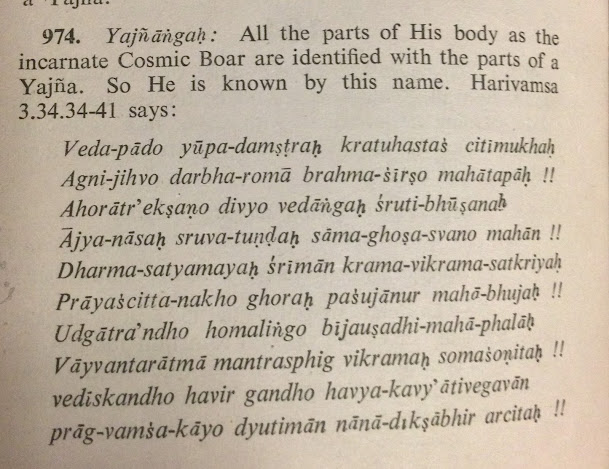
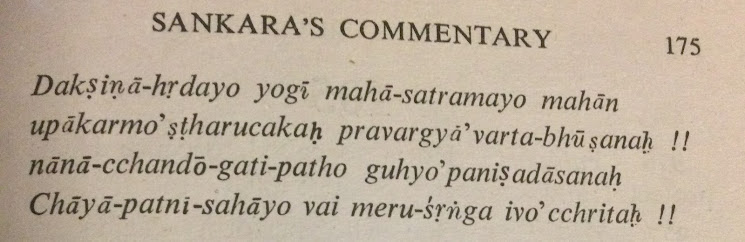
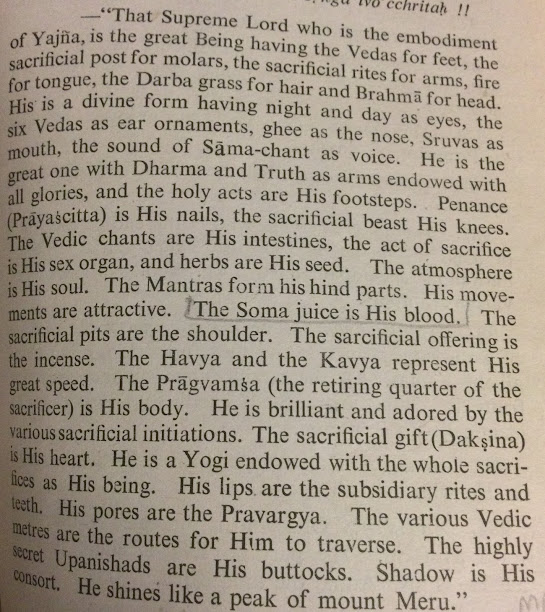
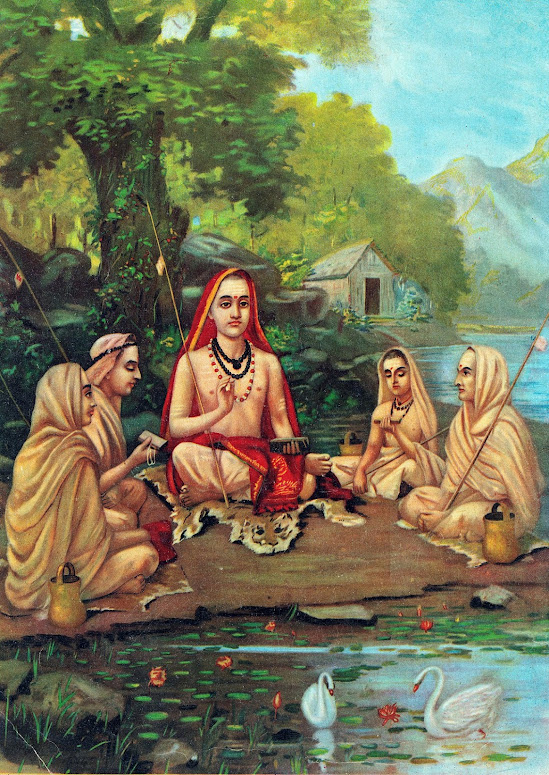
Adi Shankara quotes Hari Vamsa (an apendix of Mahabharata) Adi Shankara wrote a commentary on Vishnu Sahasranama, the oldest and the most famous Sahasranama. Sahsranama is written for all Hindu Gods, giving 1000/Sahasra great attributes of God. For the 974th name of Vishnu , ‘Yajnanga’, Adi Shankara gives the following comment:– “All the parts of His body as the Incarnate Cosmic Boar (Varaha Avatar) are identified with the parts of a Yajna (Fire Sacrifice). So He is known by this name. Hari vamsa 3-34-34 to 41 says:- Supreme Lord is Yajna (sacrifice) Vedas = Feet Sacrificial Post/Yupa= Molar Sacrificial Rites= Arms Fire = Tongue Darbha grass= Hair Brahma = Head Day and Night (Sun, Moon) – Two Eyes Six Veda Angas = Ear ornaments Ghee = Nose Sruvas/laddle= Mouth Sama Veda= His Voice Dharma and Truth = Two arms/hands His activities = Foot steps Penance= Nails Vedic Chants= Intestines Sacrificial Act = Sex Organ (two woods are used in churning out fire) Herbs= His Seed Atmosphere= His soul Mantras= His Hind Parts SOMA JUICE = HIS BLOOD Sacrificial Pits= Shouder Sacrificial Beast= Knees Sacrificial Offering = incense Havya, Kavya = His great Speed Pragvamsa = His Body (Praagvamsa= Retiring quarter of the sacrificer) Sacrificial Gift/Dakshina= Heart He is a Yogi endowed with the wholesacrifice as His Being Subsidiary Rites= His lips and teeth Pravargya= Pores Vedic Metres = His Routes/paths Secret Upanishads= His Buttocks His Shadow= His wife He shines like a peak of Mount Meru.
These verses give the ful picture of a Vedic Sacrifice. The importance of Soma is emphasized by comparing it with God’s blood. One can easily see that it is a holy substance and not a narcotic drug as projected by Marxists and Max Muller Gangs. My Comments: One may be suprised to see the comparison between buttocks and Upanishads. Vedic Yajnas are done in sitting posture and one is prohibited in showing his buttocks, so secretive are Upanishads. Even when we go to see God in the temple or a saint in an Ashram, we step backwards slowly and turn when we are out of sight of god or saint. One is not allowed to show his backside. Only practising Hindus know this. It is very important that we read the interpretation of great saints and not the beef eating foreigners.
-subham–
tags- Soma juice, God’s blood, Adi Shankara, Hari vamsa, Vishnu sahsranama, Soma in Tamil
WRITTEN BY LONDON SWAMINATHAN Post No. 10,456 Date uploaded in London – – 17 DECEMBER 2021
Contact – swami_48@yahoo.com Pictures are taken from various sources for spreading knowledge. this is a non- commercial blog. Thanks for your great pictures. tamilandvedas.com, swamiindology.blogspot.com
வேத கால முனிவர்கள் எப்படி மூலிகைகள் பற்றி அறிந்தனர்? சில விஷயங்களை உள்ளுணர்வினால், மந்திர சக்தியால் அறிந்திருக்கலாம்; இன்னும் சில வகைகளின் சக்தியை சோதனை முறையில் அறிந்திருக்கலாம். மேலும் சில மூலிகைகைகளை பிராணிகளின் செயல்பாட்டைப் பார்த்து அறிந்தனர். இந்த அதிசய விஷயத்தை அதர்வண வேத மந்திரத்தில் காண முடிகிறது.
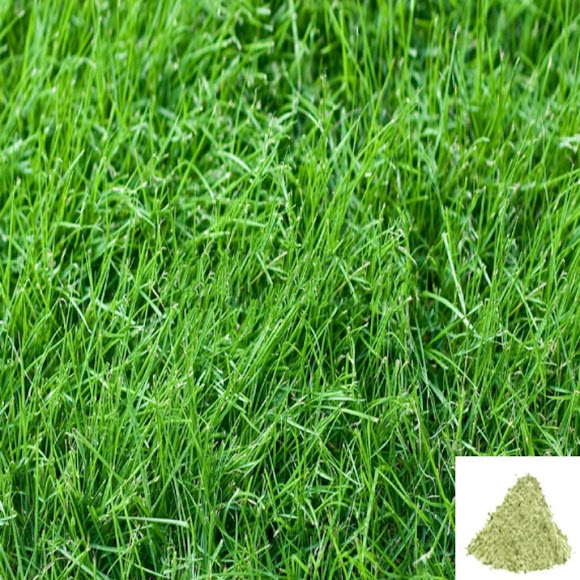
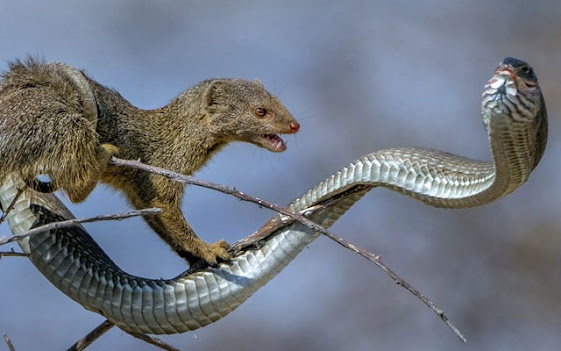
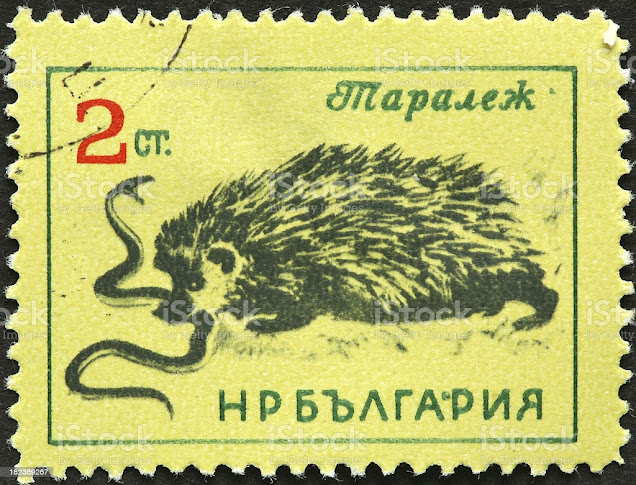
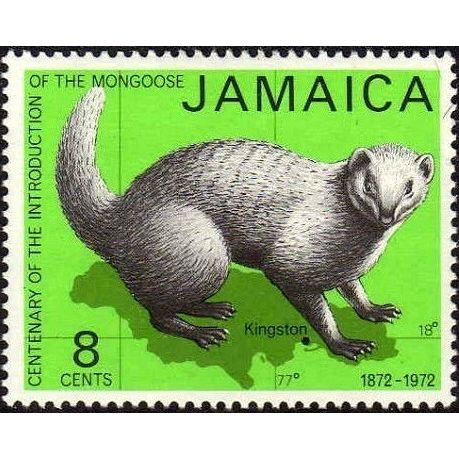
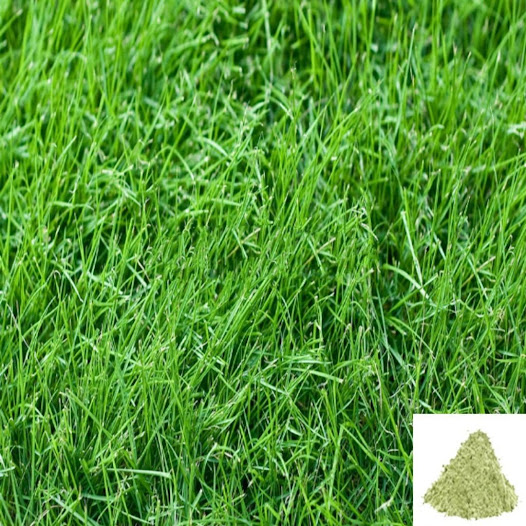
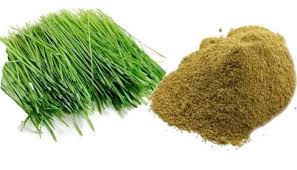
தமிழில் ஒரு பழமொழி உண்டு . ‘ஆயிரம் பேரைக் கண்டவனே வைத்தியன்’; அதாவது அனுபவம் மூலம் அறிவது. இதை ஆங்கிலத்தில் TRIAL AND ERROR METHOD என்பர். இன்றும் கூட உலகப் புகழ் பெற்ற மருந்துக் கம்பெனிகள் முதலில் எலி களுக்கும் பின்னர் குரங்குகளுக்கும் புதிய மருந்துகளைக் கொடுத்துப் பார்த்துவிட்டுபி பின்னர் மனிதர்களுக்கு, அவர்கள் அனுமதியுடன் சோ தனை முறையில் கொடுத்துப் பரீட்சித்துப் பார்கின்றனர். வெற்றி பெற்றால்தான் பின்னர் மருந்துக்கு கடைகளில் விற்கிறார்கள். இதற்கு அனுமதி தருவதற்கு பெரிய மருத்துவ ஆராய்ச்சி நிலையங்கள் உள்ளன . அந்தக் காலத்தில் இப்படி வசதிகள் இல்லாவிடினும் நம் முனிவர்களும் சித்தர்களும் பறவைகளையும் மிருகங்களையும் பார்த்தனர். மயில், கருடன், கீரி ஆகியன விஷப் பாம்பைக் கடித்துக் குதறிய பின்னரும் எப்படி உயிர் வாழ்கின்றன என்று கண்டனர்; அவை விசேஷ மூலிகைகளை உண்ணுவதைக் கண்டுபிடித்தனர். அதை நமக்கும் எழுதிவிட்டுப் பாடிவிட்டுச் சென்றனர். ரிக் வேத சூக்தம் ஒன்று 107 மூலிகைகள் என்று ஒரு எண்ணைக் குறிப்பிடுகிறது. துரதிருஷ்டவசமாக அந்த மூலிகைகளின் பட்டியலைக் கொடுக்கவில்லை. ஆனால் அதர்வண வேதத்தில் நிறைய மூலிகைகளின் பெயர்கள் வருகின்றன. அவற்றைத் தொகுத்துப் பிற்கால சரகர், சுஸ்ருதர் போன்றோரின் நூல்களுடன் ஒப்பிட்டு ஆராய்ச்சி செய்தல் அவசியம் . பாம்பு- கீரி சண்டையில் , கீரி வெற்றி பெற அருகம்புல் எப்படி உதவுகிறது என்று ஏற்கனவே எழுதியுள்ளேன் (கீழேயுள்ள இணைப்புகளைக் காண்க)
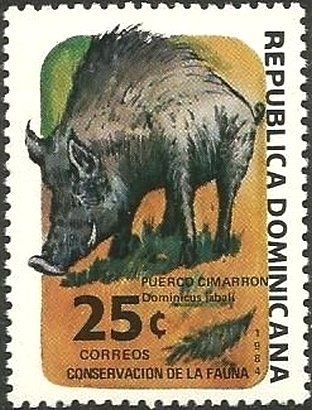
அதர்வண வேத சூக்தம் ஒன்று பாம்பு, கீரி , காட்டுப் பன்றி ஆகியன எப்படி மூலிகைகளை கண்டு பிடிக்கின்றன என்று பாடியுள்ளார். இயற்கையை நன்கு கவனித்த அவர்கள் பல மூலிகைகளுக்கு கருட கிழங்கு போன்ற பெயர்களையும் சூட்டியுள்ளனர். xxx
அதர்வண எட்டாம் காண்டம் சூக்தம் 440 ல் உள்ள அதிசய விஷ்யங்களைக் காண்போம்
இந்த சூக்தத்தின் தலைப்பே ஒளஷதங்கள் ! இந்த துதியில் 28 மந்திரங்கள் உள்ளன. 28 மந்திர துதியில் ,23ஆவது மந்திரம்
“வராஹம் (பன்றி) செடியை அறியும் ; கீரி சிகிச்சைச் செடியை அறியும் ; கந்தர்வர்களும், சர்ப்பங்களும் அறியும் மூலிகைகளை நான், இப்புருஷனின் துணைக்காக அழைக்கிறேன்”
24 ஆவது மந்திரம் “கருடன் அறியும் ஆங்கிரஸ ஒளஷதிகளையும் , சுபர்ணன் அறியும் தேவ சிகிச்சைகளையும் பறவைகள், ஹம்ஸங்கள் (அன்னம்), வன விலங்குகள் அறியும் அனைத்தையும் இப்புருஷனின் துணைக்காக அழைக்கிறேன்” . 25 ஆவது மந்திரம் , “ஆடு மாடுகள் புசிக்கும் மூலிகைகளை துணைக்கு அழைக்கிறேன்” — என்று சொல்வதிலிருந்து ரிஷி முனிவர் எந்த அளவுக்கு பறவைகள், மிருக்கங்களைக் கவனித்து இருக்கிறார்கள் என்பது புலப்படும். இது நோய்வாய்ப்பட்ட ஒருவரைக் காப்பதற்காக பாடப்பட்டது போலத் தோன்றினாலும் மூலிகைகைகளின் பெருமையையே அதிகமாகப் பேசுகிறது! xxx
முதல் மந்திரத்தில் ரிஷி, பல வண்ண மூலிகைகளைச் செப்புகிறார்- பழுப்பு, சிவப்பு, பிங்களம் , அழகான , பிரகாசமான மூலிகைகள் – நல்ல பாசிட்டிவ் சொற்கள் Positive Words! இரண்டாவது மந்திரம், வானத்தை மூலிகையின் தந்தை யாகவும் பூமியைத் தாயாகவும் கடலை (Samudra= Ocean) வேர் ROOT ஆகவும் பாடுகிறது
கடல் என்று வரும் இடம் எல்லாம் அதே நீல நிறம் கொண்ட ஆகாயம் என்று விமர்சகர்கள் சொல்லுகிறார்கள் ; ஆனால் உண்மையான கடல் ஆகவும் இருக்கலாம். ஆராய்வது அவசியம் . சமுத்ரோ மூலம் = கடல் வேர் மூன்றாவது மந்திரம், நீரே மருந்து (Water is Medicine) என்று புகழ்கிறது. தினமும் தண்ணீரைப் புகழ்ந்து மூன்று வேளைகளிலும் பிராமணர்கள சந்தியா வந்தனம் செய்கின்றனர். இன்று வரை நீரை அமிர்தம் என்று சொல்லி குடித்து காலை, மதியம் மலையில் கிரியை செய்கிறார்கள். சாப்பட்டைச் சுற்றி மந்திரம் சொல்லி இது அமிர்தமாகட்டும் என்று சாப்பிடுகிறார்கள். திருவள்ளுவரும் இதை அப்படியே அமிர்தம் என்ற ஸம்ஸ்க்ருத்ச் சொல்லைச் சொல்லிப் போற்றுகிறார் . நாலாவது மந்திரம், மூலிகைகளின் தோற்றம் குணத்தைச் சொல்லி புகழ்கிறது ஐந்தாவது மந்திரம், உங்கள் சக்தியால் நான் இவனைக் குணப்படுத்தப் போகிறேன் என்று அறிவிக்கிறது ; இன்றும் கூட டாக்டர்கள் கொடுக்கும் மருந்தைவிட அவர் சொல்லும் வாசகங்களையே நாம் நம்புகிறோம்; அவை நமக்கு நம்பிக்கை அளிக்கிறது அது போல இங்கும் டாக்டர் பாடுகிறார். ஆறாவது மந்திரம், தேன் மிகுந்த மலர்களை உடைய ‘அருந்ததி’ என்ற மூலிகையைக் குறிப்பிடுகிறது; இதன் அடிக்குறிப்பு இதை சிலாசி SILACHI என்ற பெயர் கொண்டபடரும் கொ டி வகைத் தாவரம் என்று சொல்லுகிறது. முந்திய துதிகளிலும் இது ப ற்றி வந் துள்ளது முதல் முதலில் நாலாவது காண்டத்தில் ‘அருந்ததி’ பற்றி வருகிறது; இது உடைந்த எலும்பைக் குணப்படுத்த உதவக்கூடியது. இது கொடி வகைத் தாவரம் .ஆனால் என்ன தாவரம் என்று தெரியவில்லை என்று எழுதியுள்ளனர்
மந்திரம் 9-ல், அவகா AVAKAA என்ற தாவரம் பற்றிய குறிப்பு வருகிறது . இது சதுப்பு நிலத்தில் வளரும் புல் வகை. தாவரவியல் பெயர் ப்ளிக்ஸ்சா ஆக்டன்ட்ரா BLYXA OCTANDRA. மந்திரம் 12, ஒரு தாவரத்தின் எல்லாப் பகுதிகளும் தேன் மயமானது என்று வருணிக்கிறது ;
மந்திரம் 13ல் ஆயிரம் இலைகளுள்ள தாவரம் என்னைக் காக்கட்டும் என்று சொல்லுவது பலவகை மூலிகைகள் பயன்பாட்டில் இருந்ததைக் காட்டுகிறது . TIGER AMULET மந்திரம் 14, புலி தாயத்து பற்றியது (PLEASE READ MY ARTICLE POSTED EARLIER TODAY) மந்திரம் 15, சிங்கத்தின் கர்ஜனையால் நோய்கள் நடுங்கும் என்பது ஒரு உவமை ஆகும். அடுத்த வரியே நோய்கள் மெழுகு போல கரையும் என்கிறது.
மந்திரம் 20, தர்ப்பைப் புல் , அஸ்வத்தம் என்னும் அரச மரம், தாவர அரசன் ஆன சோமம் ஆகியன பற்றிப் பாடுகிறது ; அரச மரக் குச்சிகளையும், தர்ப்பை புல்லையும் இன்று வரை பிராமணர்கள் பயன்படுத்தி வருகின்றனர். 28ஆவது மந்திரத்தை கற்பனை எண்கள் என்று வெளிநாட்டார் ஒதுக்கிவிட்டனர். அவர்களுக்கு அர்த்தம் தெரியாத எல்லா எண்களுக்கும் இப்படி கற்பனை எண்கள் (FANCIFUL NUMBERS) என்று முத்திரை குத்திவிட்டனர். 28ஆவது மந்திரம் , “பஞ்ச சரம், பத்து சரத்தினின்றும் நான் உன்னை விடுதலை செய்துள்ளேன். யமனது பாசத்தினின்றும், தேவர்களின் எல்லாக் குற்றத்தினின்றும் உன்னை நீக்கியுள்ளேன்” என்று முடிகிறது. ஏதோ ஒரு ஜுரத்தை இப்படி பத்து அம்பு, ஐந்து அம்பு என்று அழைக்கிறார்கள் என்று வியாக்கியானம் செய்வது சரியில்லை என்றே தோன்றுகிறது. சரக , சுஸ்ருத சம்ஹிதைகளில் வல்லோர் அமர்ந்து ஆராய வேண்டிய விஷயம் இது. 90 நதிகள், 99 நதிகள் என்று வந்த இடங்களுக்கும் இப்படி கற்பனை எண்கள் என்று வெள்ளைக்காரர்கள் சொல்லுவார்கள். 101 என்ற எண்ணை மட்டும், வேதங்கள் துரதிருஷ்ட எண் என்று சொல்லுவதாக எழுதியுளளனர். அங்கு கற்பனை என்ற பதம் வரவில்லை !!!
WRITTEN BY LONDON SWAMINATHAN Post No. 10,455 Date uploaded in London – – 17 DECEMBER 2021
Contact – swami_48@yahoo.com Pictures are taken from various sources for spreading knowledge. this is a non- commercial blog. Thanks for your great pictures. tamilandvedas.com, swamiindology.blogspot.com
தமிழ் இலக்கியத்தில், அதர்வண வேதத்தில் புலிப்பல் தாலி
TIGER CLAW NECLACES IN MUSEUMS AROUND THE WORLD
புலியை வீரத்தின் சின்னமாக இந்துக்கள் போற்றி வருகின்றனர். நாடு முழுதும் புலித் தோல், புலி நகம், புலிப் பல் பாரிய கதைகள் உள்ளன. மன்னர்களின் சீற்றத்தை புலியின் சீற்றத்துக்கு தமிழ்ப் புலவர்கள் ஒப்பிடுகின்றனர். அதர்வண வேதத்தில் ‘வையாக்ரோ மணி’ என்ற பெயரில் புலிப் பல் அல்லது புலி நகத் தாலி குறிப்பிடப்பட்டுள்ளதை சிலப்பதிகார, பெரிய புராணக் குறிப்புகளுடன் ஒப்பிடுவோம் .
பல லட்சம் மக்கள் வழிபடும் ஐயப்பன் புலிப் பால் (Tiger Milk) கொண்டு வந்தார். துர்க்கைகைக்கும் காளிக்கும் புலி வாகனம் ஆகும். ராமாயணத்தில் இராமபிரானை (நர சார்தூல’) மனிதர்களில் புலி’ என்று போற்றும் வால்மீகி மகரிஷியின் வரிகளை நாம் தினமும் வேங்கடேஸ்வ்ர சுப்ரபாதத்தில் பாடி வருகிறோம் (உத்திஷ்ட நர சார்தூல). பதஞ்சலி , வியாக்ரபாதர் பெயரில் புலி நகம் வருவதை நாம் அறிவோம். அப்சல்கானை வீர சிவாஜி புலி நகத்தால் கீறிக் கொன்றதை நாம் அறிவோம் .
சிலப்பதிகாரத்திலும், அதர்வண வேதத்திலும் பெரிய புராணத்திலும் புலிப் பல் செய்தி உளது பலருக்கும் தெரியாது !! தமிழில் பழமையான ‘புலிப்பல் தாலி’ குறிப்பு சிலப்பதிகாரத்தில் உளது. கண்ணகி- கோவலன் கதை கி.பி. இரண்டாம் நூற்றாண்டில் .நடந்ததை ‘கடல் சூழ் இலங்கைக் கயவாகு வேந்தன்’ குறிப்பாலும் ஏனைய குறிப்புகளாலும் நாம் அறிகிறோம் . அதற்கு ஆயிரத்து இரு நூறு ஆண்டுகளுக்கு முன்னரே அதர்வண வேதம் ‘வையாக்ர மணி’ பற்றிப் பேசுகிறது!
தள்ளிப்போன, கொள்ளைக்கார வெள்ளைக்காரனும் கூட அதர்வண வேதத்துக்கு கி.மு 1000 என்று முத்திரை குத்தியுள்ளான். மேலும் அதர்வண வேதத்தில் உள்ள பெரும்பாலான மந்திரங்களில் ரிக் வேதத்தின் தாக்கத்தைக் காண்கிறோம்.
டைகர் TIGER என்ற ஆங்கிலச் சொல் வையாக்ர் VAIYAGR என்ற சொல்லில் இருந்து பிறந்ததும் மொழி இயல் வல்லுனர்களுக்குத் தெரிந்ததே .
(எனது தந்தை வெ .சந்தானம் V .SANTANAM, NEWS EDITOR, DINAMANI, MADURAI) ஒரு மான் தோலும். ஒரு புலித் தோலும் TIGER SKIN/HIDE ஜபம் , தியானம் செய்யப் பயன்படுத்தி வந்தார். கோபம் வந்தால் புலி போலச் சீறுவார் . பின்னர், சிலர் புலித் தோலைப் பயன்படுத்தக் கூடாது; அது சன்யாசிகள் போன்றோர் உக்கிரமான தவம் செய்வதற்கானது என்று சொன்னதன் பேரில் மான் தோலை மட்டும் பயன்படுத்தினார்.).
புலி பற்றிய வேதக் குறிப்பைக் காண்போம் . அதர்வண வேதத்தில் இருபதுக்கும் மேலான அதிசய தாயத்துக்கள் உள்ளன . அதன் பட்டியல் ஆங்கிலக் (Please see my old English article) கட்டுரையில் உள்ளது . தாயத்துக்களை ‘மணி’ என்று வேத கால முனிவர்கள் அழைத்தனர்.
மந்திரம் 14 ‘ஒளஷதங்களின் புலி மணியானது பாதுகாக்கட்டும் ; அதை அணிவோனை சாபத்திலிருந்து விடுவிக்கட்டும்; நீசர்களையும் நோய்களையும் வெகு தூரத்துக்கு துரத்தட்டும்’
இந்த மந்திரம் வையாக்ர மணியின் சக்தியைக் காட்டுகிறது xxx
தமிழ் இலக்கியத்தில் புலிப்பல் தாலி
சிலப்பதிகாரம், மதுரைக்காண்டம், வேட்டுவ வரி, 27-28 “மறம் கொள் வயப்புலி வாய்பிளந்து பெற்ற மாலை வெண் பல் தாலி நிரை பூட்டி”
பொருள் வீரம் உடைய புலியின் வாயைப்பிளந்து பிடுங்கிய வெள்ளிய பற்களை மாலையாகக் கோர்த்து கழுத்தில் தாலியாக அணிவித்தனர் .
பாட்டின் பிற்பகுதியில் குமரியாக வேடம் சூட்டி கொற்றவையாக வணங்கிய குமரிப் பெண்ணுக்கு புலித் தோலை மேகலையாக அறிவித்த செய்தியும் வருகிறது !
கொற்றவைக்கு புலி வாகனம் என்பதை இன்றும் நாம் படங்களில் காண்கிறோம் ! xxx பெரிய புராணத்தில் பெரிய புராணத்தில் கண்ணப்ப நாயனார் சரிதத்தில் கானக மக்கள் செய்த சடங்குகளின் விவரம் உள்ளது; வேட்டுவர் குல மக்கள் ஒரு குழந்தைக்கு என்ன என்ன செய்தனர் என்ற அரிய செய்திகளை சேக்கிழார் பெருமான் நமக்கு தொகுத்து அளிக்கிறார் :- ஆண்டெதிர் அணைந்து செல்லவிடும் அடித்தளர்வு நீங்கிப் பூண்டிதழ் சிறு புன்குஞ்சிப் புலியுதிர்ச் சுட்டி சாத்தி மூண்டெழு சினத்துச் செங்கண் முளவு முள் அரிந்து கோத்த நாண்டரும் எயிற்றுத் தாலி நலங்கினர் மார்பில் தூங்க –பெரிய 10-20
பன்றியின் முள், புலியின் பல் ஆகியவற்றை கோத்து செய்த மாலையை கண்ணப்பன் சிறு குழந்தையாக இருந்த பொழுது மார்பில் தொங்க விட்டனர் என்று சேக்கிழார் பெருமான் செப்புகிறார்
குழந்தைகள் மட்டுமின்றி பெரியோர்களும் புலிப் பல் தாலி அணிந்ததையும் பெரிய புராணம் பேசுகிறது —
அரும்பெறல் மறவர் தாயத்தான்ற தொல்குடியில் வந்தாள் இரும் புலி எயிற்றுத் தாலி இடையிடை மனைவி கோத்து பெரும்புறம் அலையப் பூண்டாள் பீலியும் குழை யும் தட்டச் சுரும் புறு புடலை மூச்சுக்குர் அரிப் பிளவு போல்வாள் – — பெரிய 10-9
கண்ணப்பனின் தாய் பெயர் தத்தை ; அவள் புலிப் பல்லுடன் , சங்கு மணி கோத்து செய்யப்பட்ட மாலையை அணிந்திருந்தாள் என்பது சேக்கிழார் காட்டும் சித்திரம் ஆகும். xxx
தமிழ் இலக்கியத்தில் தாயத்து!! வேதத்தில் தாயத்து …https://tamilandvedas.com › தமிழ…· Translate this page 18 Jun 2014 — குறிஞ்சி நிலக் குறவர்கள் மற்றும் காடுகளில் வாழ்வோர் புலிப் பல், புலி நகம் …
வேங்கை | Tamil and Vedashttps://tamilandvedas.com › tag › வ…· Translate this page 7 May 2017 — சங்க இலக்கியத்தில் வேங்கை மரம் … கவிஞன் காளிதாசனும் புலி என்றும் மரம் … Tiger | Tamil and Vedashttps://tamilandvedas.com › tag › tiger 6 May 2017 — The word ‘Venkai; means a Venaki tree and a tiger in Tamil. … We have got lot of this images in Sangam Literature.
Talismans in Atharva Veda & Ancient Tamil Literaturehttps://tamilandvedas.com › 2014/06/17 › talismans-in-… 17 Jun 2014 — Ancient Tamils used talismans from young age. Tamil children were given talismans made up of tiger nails or tiger tooth. –subham– tags– வையாக்ரோ மணி, புலிப் பல், புலி நகத் தாலி, சிலப்பதிகாரம், பெரிய புராணம் ,அதர்வண வேதம்
WRITTEN BY S NAGARAJAN Post No. 10,454 Date uploaded in London – – 17 DECEMBER 2021
Contact – swami_48@yahoo.com Pictures are taken from various sources for spreading knowledge; this is a non- commercial blog. Thanks for your great pictures. tamilandvedas.com, swamiindology.blogspot.com
இலக்கிய இன்பம் இலக்கியப் படகில் ஒரு இனிய பயணம்! ச.நாகராஜன்
நல்ல நூல்களைப் படிப்பது என்பது அற்புதமாக அமைந்து விட்ட ஒரு விமானப் பயணம் போல அல்லது ஒரு ஆனந்தமான ரயில் பயணம் போல அல்லது அருமையான இயற்கை காட்சிகளின் ஊடே ஒரு படகில் பயணம் செய்வது போல!
தேக்கடியில் படகு சவாரி – கோடைக்கானலில் படகில் பயணம் – அடடா, என்ன ஒரு ஆனந்தம்!
அதே அனுபவத்தை, இலக்கியத்தில் பொருத்த மட்டில், சமகால எழுத்தாளர்களிடம் பெறுவது ஒரு அபூர்வமான விஷயம் தான்! அப்படிப்பட்ட அனுபவத்தைத் தருகிறது, திருலோக சீதாராம் அவர்களின் இலக்கியப் படகு என்னும் நூல்.
சின்னச் சின்னக் கட்டுரைகள்! சுவையான அனுபவங்கள்! அவை தரும் ஏராளமான பாடங்கள்! அதைப் பெறுவதில் ஏக ஆனந்தம் தான். திருலோக சீதாராம் யார் என்று கேட்டால், அவர் அருமை அறிந்து காலத்தால், பெரிதாகக் கொண்டாடப்பட வேண்டியவர் என்று ஒரு வரியில் சொல்லி விடலாம்.
ஆனால் வழக்கமாகத் தமிழர்களின் பழக்க வழக்கம் போல தமிழர்கள் தங்கள் கடமையில் இவரைப் பொருத்த மட்டில் தவறி விட்டார்கள் என்பது நிச்சயம்.
திருச்சி மாவட்டம் பெரம்பலூருக்கு அருகில் உள்ள தொண்டைமான்துறை என்ற ஊரில் திருவையாறு லோகநாத ஐயருக்கும் மீனாட்சி சுந்தரம்மாளுக்கும் 1917ஆம் ஆண்டு ஏப்ரல் மாதம் முதல் தேதியன்று திருலோக சீதாராம் பிறந்தார்.
தெலுங்கைத் தாய்மொழியாகக் கொண்டிருந்தாலும் தமிழுக்கே தன்னை தாரை வார்த்துக் கொடுத்து விட்டார்.
மூன்று வயது என்ற மிக இளம் வயதிலேயே தந்தையை இழந்தார். மாமா வீட்டிற்கு இடம் பெயர்ந்து தாயின் அரவணைப்பில் வளர ஆரம்பித்தார். லலிதா என்று ஒரு தங்கை. பஞ்சாபகேசன் என்று ஒரு தம்பி.
1936ஆம் ஆண்டு தனது 19ஆம் வயதில் அந்தக் கால வழக்கப்படி மிக சிறு பருவத்தில் இருந்த 10 வயதான ராஜாமணியைத் திருமணம் செய்து கொண்டார். இந்தத் தம்பதியினருக்கு 3 பெண் குழந்தைகளும் நான்கு ஆண் குழந்தைகள் பிறந்தன. பெண்கள் – மதுரம், வஸந்தா, இந்திரா. ஆண்கள் பசுபதி, சுப்பிரமணியன், முரளிதரன், ராமகிருஷ்ணன்.
இயல்பாகவே தமிழின் பால் அபார ஈடுபாடு கொண்ட திருலோக சீதாராம் கவிதைகளை ரசிக்க ஆரம்பித்தார். தானே அற்புதமாக கவிதைகளையும் இயற்றலானார். உரை நடையில் தனிப் பாணியில் தன் நடையை அமைத்துக் கொண்டு உரை நடை மன்னனாகத் திகழ்ந்தார்.
தமிழ் ஆர்வம் இவரை உந்தியது. ஆகவே 18ஆம் வயதிலேயே ‘இந்திய வாலிபன்’ என்ற பத்திரிகையைத் தொடங்கினார் 1934ஆம் ஆண்டு சிவாஜி என்ற சொந்தப் பத்திரிகையைத் தொடங்கினார். அதன் மூலம் தமிழ் உலகம் முழுவதுடனும் தொடர்பு கொண்டார்.
இவரது கட்டுரைகளின் தொகுப்பாக இலக்கியப் படகு அமைந்துள்ளது. மொத்தம் 60 கட்டுரைகள். சில கட்டுரைகள் தங்கம். சில வெள்ளி. சில வைரம். சில மாணிக்கம். சில முத்து. சில கோமேதகம்.
ஆமாம், விலையே சொல்ல முடியாத அபூர்வ உயர் ரத்தினங்களையும் தங்கம் வெள்ளி உள்ளிட்டவற்றையும் தன் தமிழ்க் கட்டுரைகள் மூலமாக இவர் தமிழ் மக்களுக்குப் பரிசாக அளித்து விட்டார்.
ராஜம் ஐயர் விழா பற்றி ஒரு கட்டுரை. 26 வயதே வாழ்ந்த தத்துவ, இலக்கிய மன்னனைப் பற்றி அறிகிறோம். புட்டபர்த்தி சத்யசாயி பாபா பற்றி ஒரு கட்டுரை. வானத்துத் தாரகை வந்த விவரத்தை அறிகிறோம். சின்மயானந்தரின் ஆங்கிலம் பற்றி ஒரு கட்டுரை. அற்புதமான ஆங்கிலத்தில் கடினமான தத்துவங்களை எளிதாகத் தந்த அவரின் பெருமையைக் காண்கிறோம்.
15-5-1961 அன்று எழுதிய கட்டுரை : தேடும் பொருள். இருபது ஆண்டுகளுக்கு முன்னர் கும்பகோணத்தில் ஒரு கடையில் தாம்பூலத்தை வாங்குகிறார் கவிஞர். வீட்டிற்கு வந்து பார்த்தால் ஒரு ஐந்து ரூபாயைக் காணோம். உடனே அதே கடைக்குச் செல்கிறார், பார்க்கிறார், ஊஹூம், அதைக் காணோம். சரி, போகட்டும் என்று விட்டுவிடவில்லை. இருபது ஆண்டுகளாக அங்கு போகும் போதெல்லாம் அந்தக் கடைக்குப் போகாமல் இருப்பதில்லை. தனது ஐந்து ரூபாய் “ஒருவேளை, அங்கு இருக்குமோ” என்று பார்க்கத் தவறியதுமில்லை. “அட, அது அங்கு இன்னும் இருக்குமா?” புத்திக்கு இது தெரியாதா? மனதின் மர்மத்தை யாரால் அறிய முடியும்?
இதில் தனது அறிவையும் கவனத்தையும் யாதொன்றும் தப்பிச் செல்லகூடாது என்ற மமகாரத்தை இனம் காண்கிறார் கவிஞர். இப்படி ஆரம்பிக்கும் கட்டுரை மனித வரம்பின் பல பரிமாணங்களைக் காண்பித்து வினோபா, காந்தியடிகளைச் சுட்டிக் காட்டி பாரதசக்தி புதிய செய்தியை விளக்கப் போவதைச் சொல்லி முடிகிறது.
வாழ்க்கையும் இலக்கியமும் என்னிடம் இப்போதைக்கு இருக்கின்றன என்று கூறும் கவிஞர் தனது இலக்கியப் படகு பற்றி அற்புதமாக விவரிக்கிறார்.
“இருந்த இடத்திலேயே இருந்து கொண்டு எங்கெங்கும் எல்லாக் காலத்தும் இயங்கத்தானே இலக்கியப் படகு! அமர லோகத்துக்குப் போய் அடுப்பு மூட்ட வேண்டிய அவசியமென்ன?”
கேள்வி, சரியான கேள்வி தான்! அவருடன் அவர் படகில் “நைஸாக” ஒட்டிக் கொண்டு பயணம் போவது என்பது எவ்வளவு சுகமான ஒரு அனுபவம்!
“படகு அசையும் போதெல்லாம் ஒவ்வோர் அசைவும் ஓர் இன்ப அனுபவம். எத்துணைத் தோழர்களைப் பார்க்கிறேன். எத்துணைப் படகுகள்! எத்துணை எத்துணை வியப்புகள்! சற்றே படகு செலுத்தி விளையாட உடன் வருவோர் உண்டு. எனது படகில் கூட வருவோருடன் இருக்கலாம்.”
ஆஹா, கவிஞரே இப்படி அனுமதி தந்து விட்டார் இல்லையா? பிறகு என்ன தயக்கம்!
எல்லா அன்பர்களும் உல்லாசமாக கவிஞரின் இலக்கியப் படகில் ஒரு இனிய பயணத்தை ஆரம்பிக்கலாமே!
பாரதியாருடனான இவரது ஆத்மார்த்தமான ஆன்மீகத் தொடர்பு பவித்திரமானது. அதைப் பற்றித் தனியே தான் ஒரு கட்டுரை எழுத வேண்டும். அவ்வளவு பெரிய விஷயம் அது.
பெரிய சாதனைகளை விளம்பரம் இல்லாமல் செய்த திருலோக சீதாராம் தனது ஐம்பத்தி ஆறாம் வயதில் 23-8-1973 அன்று மறைந்தார். என்றபோதிலும் அவர் பூதவுடல் மறைந்தாலும் புகழ் உடம்பு மறையாது. அவர் நினைவை என்றும் போற்றுவோம்! ** இலக்கியப் படகு 198 பக்கங்கள் கொண்ட அருமையான நூல். விலை ரூபாய் 200/ உயர்ந்த தாளில் நேர்த்தியாக அச்சடிக்கப்பட்டுள்ளது. நூலைப் பெற, ஜி.ஆர். பிரகாஷ் 9488185920/9940985920 அவர்களைத் தொடர்பு கொள்ளலாம்.
வெளியிட்டோர் : பவித்ரா பதிப்பகம், 24-5, சின்னம்மாள் வீதி, கே.கே.புதூர், (Post), கோவை – 38, தமிழ்நாடு, இந்தியா
WRITTEN BY LONDON SWAMINATHAN Post No. 10,453 Date uploaded in London – – 16 DECEMBER 2021
Contact – swami_48@yahoo.com Pictures are taken from various sources for spreading knowledge. this is a non- commercial blog. Thanks for your great pictures. tamilandvedas.com, swamiindology.blogspot.com
How did Vedic seers find magical herbs?. There are lots of names of herbs in the Vedas, particularly Atharvana Veda. Vedic seers might have found the herbs by intuition or trial and error methods. But a few Suktas/hymns clearly show that they found the magical herbs by watching animals like mongoose, boar and snakes. Tamils used Tiger nail and tiger tooth as amulets. Veera Shivaji of Maharashtra used tiger claws to kill his enemy Afzal Khan. But thousands of years before the Tamils, this Vedic hymn refers to Tiger Amulet. All amulets are referred to as ‘Mani’ in Vedas. There is a belief among the the Tamil Siddhas (medicine men cum miracle men) that the the mongoose gained its anti dote to poison from the Arukam Pul . They have watched mogoose going back to the field where there is more Arukam pul and come back to fight the snake; eventually the snake is killed; mongoose survived. This grass has magical powers. Cynodon Dactylon = Arukam Pul in Tamil; Duurvaa, Dhoob in Sanskrit Vedic seers, who lived long ago, also wondered how the mongose survives after biting highly venomous cobra and other snakes. Then they found out that the secret lies in the medicinal grass.
They have been observing eagles bringing the magical Soma herb. Throughout the Vedas, they have been singing about eagles bringing Soma herb. Now in this hymn Vedci seers praise the animals for brinhg herbs. xxxx
My Comments First let me draw your attention to the important messages inthe 28 mantra hymn. Mantra 14 Tiger amulet : Tamil epic Silappadikaram, dated 2nd century CE, refers to Tiger Tooth Amulet in Tamil Nadu. Later Peria Puranam also refers to it in the Kannappa Nayanar episode. Atharvana Veda called it ‘Vaiyagro Mani’. (Vyaagra becomes Tiger in English) Rama is praised as Tiger among Men by Valmiki. That sloka of Valmiki is used in Tirupati Venkateswara Subrapatha as the first sloka. xxx Mantra 23 Wild boars find the roots just by smelling. They are very quick in identifying the edible roots. Mongoose- Also referred in VI-139-5
Mantra 23 says, ” Well doth the wild boar know a Plant, the mongoose knows the Healing Herb. I call , to aid this man, the Plants which the serpents and Gandharvas know. This mantra and other mantras proove that the Vedic seers observed the animals and learnt many herbal secrets. xxx Mantra 2 It says the Father of the herb- Heaven, Mother – Earth and the Root- Sea. Wherver the word ‘sea’ comes, interpreters say it is ‘Sky’ or water in the sky, in the form of clouds. But there may be other meanings. We need to look for a better interprtation. Mantra 16 It priases the mysterious Soma plant. Mantra 21 Addressed the herbs as HEALING PLANTS. They are called Children of Prisini/earth. xxx Mantra 20 It praises Asvaththa (Ficus religiosa which he Buddha used to attain wisdom), Darba, King of Herbs Soma, barley and rice. Asvaththa or Peepul is praised through out the Vedas. Dharba grass is used in every Brahmin house even today without which they cant do any ritual. Sticks of Asvaththa are used as fuel in Havan or Yaga or Yagna xxx Mantra 6 A plant called Arundhati is also mentioned in many hymns. It is identified as Silachi. It is also in IV-12-1; V-5; VI-I-59-1 Mantra 9 The herb AVAKA is identified as Blyxa octandra; it is also mentioned in IV-37-8 xxx Mantra 28 Foreigners culd not explain this and rejected it as FANCIFUL EPITHETS. No body knows the exact meaning of Five Arrows and Ten Arrows; We have to do more research. All numbers such 99 rivers, 9+90 rivers, 3, 330, 3330 Gods are all ignored by foreigners. xxx Theme of the Mantra according to commentators:- The hymn, which extols the excellence of Medicinal Herbs, is an incantation designed to restore a sick man to health. This verse can be compared with the Rig Vedic hymn 10-97, Praise of Herbs. xxxx FULL HYMN:–
Hymns of the Atharva Veda, by Ralph T.H. Griffith, [1895], at sacred-texts.com
HYMN VII; ATHARVANA VEDA; BOOK 8; SUKTA 440 ; MEDICINES A charm to restore a sick man to health 1.The tawny-coloured, and the pale, the variegated and the red, The dusky-tinted, and the black,—all Plants we summon hither- ward. 2..This man let them deliver from Consumption which the Gods have sent. The father of these Herbs was Heaven, their mother Earth, the Sea their root. 3.The Waters are the best, and heavenly Plants. From every limb of thine have they removed Consumption caused by sin. 4.I speak to Healing Herbs spreading, and bushy, to creepers, and to those whose sheath is single, I call for thee the fibrous and the reed-like, and branching. Plants, dear to the Visve Devas, powerful, giving life to men. 5.The conquering strength, the power and might which ye, victo- rious Plants, possess, Therewith deliver this man here from this Consumption, O ye Plants: so I prepare the remedy. 6.The living Plant that giveth life, that driveth malady away, Arundhatr, the rescuer, strengthening, rich a sweets I call, to free this man from scath and harm. 7.Hitherward let the sapient come, the friendly sharers o f my speech. p. a341 That we may give this man relief and raise him from his evil plight. 8.Germ of the Waters, Agni’s food, Plants ever growing fresh and new, Sure, healing, bearing thousand names, let them be all collected here. 9.Let Plants whose soul is water, girt with Avakās, piercing with their sharp horns expel the malady. 10.Strong, antidotes of poison, those releasers, free from Varuna, And those that drive away Catarrh, and those that frustrate magic arts, let all those Plants come hitherward. 11.Let purchased Plants of mightier power, Plants that are praised for excellence. Here in this village safely keep cattle and horses, man and beast. 12.Sweet is their root, sweet are these Plants’ top branches, sweet also is their intermediate portion; Sweet is their foliage, and sweet their blossom, combined with sweetness is their taste of Amrit: food, fatness let them yield, with kine preceding. 13.These Plants that grow upon the earth, whate’er their number and their size, Let these with all their thousand leaves free me from Death and misery. 14.May the Plants’ Tiger-amulet, protective, guardian from the curse, Beat off the brood of demons, drive all maladies afar from us. 15.Before the gathered Plants they fly and scatter, as though a lion’s roar or fire dismayed them. Expelled by Plants, let men’s and kine’s Consumption pass from us to the navigable rivers. 16Emancipated from the sway of Agni, of Vaisvānara, go, covering the earth, ye Plants whose ruler is Vanaspati. 17.May these be pleasant to our heart, auspicious, rich in store of milk, These Plants of the Angirases which grow on mountains and on plains. 18.The Plants I know myself, the plants that with mine eye I look upon, Plants yet unknown, and those we know, wherein we find that power is stored, p. a342 19.Let all the congregated Plants attend and mark mine utterance, That we may rescue this man here and save him from severe distress. 20.Asvattha, Darbha, King of Plants, is Soma, deathless sacrifice Barley and Rice are healing balms, the sons of Heaven who never die. 21.Lift yourselves up, ye Healing Plants, loud is the thunder’s crash and roar. When with full flow Parjanya, ye Children of Prisni! blesseth; you. 22.We give the essence of that stream of nectar of this man to drink: So I prepare a remedy that he may live a hundred years. 23.Well doth the wild boar know a Plant, the mungoose knows the Healing Herb. I call, to aid this man, the Plants which Serpents and Gandhar- vas know. 24.Plants of Angirases which hawks, celestial Plants which eagles. know; Plants known to swans and lesser fowl, Plants known to all the birds that fly. Plants that are known to sylvan beasts,—I call them all to aid this man. 25.The multitude of herbs whereon the Cows whom none may slaughter feed, all that are food for goats and sheep, So many Plants, brought hitherward, give shelter and defence to thee! 26.Hitherward unto thee I bring the Plants that cure all maladies, All Plants wherein physicians have discovered health-bestowing power. 27.Let Plants with flower and Plants with bud, the fruitful and the fruitless, all, Like children of one mother, yield their stores for this man’s perfeet health. 28.From the Five-arrowed, from the Ten-arrowed have I delivered thee, Freed thee from Yama’s fetter and from all offence against the Gods, —- Subham–












 Tamil and Vedas