BUDDHA- ANTI WOMAN, ANTI DISABLED AND ANTI VEGAN! (Post No.7621)

WRITTEN BY LONDON SWAMINATHAN

Post No.7621

Date uploaded in London – 26 February 2020

Contact – swami_48@yahoo.com

Pictures are taken from various sources for spreading knowledge; this is a non- commercial blog.

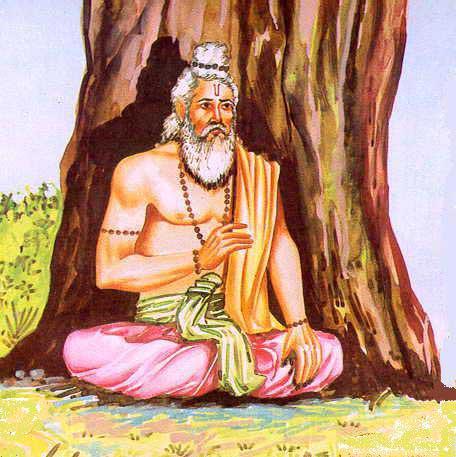
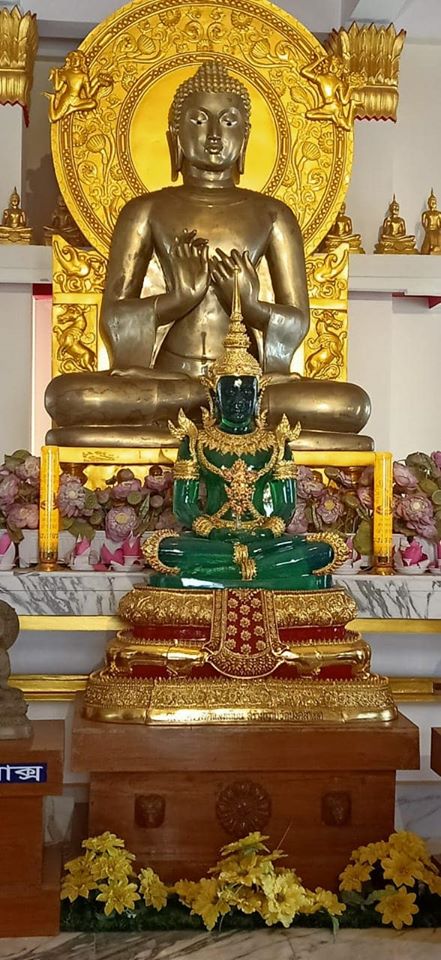
Vegan concept did not exist in ancient India. Hindu saints gave reception to everyone including saints and kings  with honey and milk. Sanskrit literature and Bible used the phrase ‘country was so prosperous that honey and milk flowed like river’. Buddha also allowed all dairy projects in the Buddhist monasteries. Buddha banned recruiting lame, dumb, blind, dwarf people as monks. Any one with six fingers and joined fingers were also banned. If anyone recruits these people it is considered ‘Dukkata’, i.e. a fault. If a senior attended such a recruiting ceremony it was considered ‘Double Fault’.

Buddha was against women becoming monks. His chief disciple Ananda begged him several times and at last Buddha yielded to his request. But predicted that his religion would die halfway through its expected full life. We saw Buddhism wiped out from its land of birth like he predicted. Great philosopher and former President of India Sarvapalli Radhakrishnan gave a detailed report in his translation of Dhammapada about this.
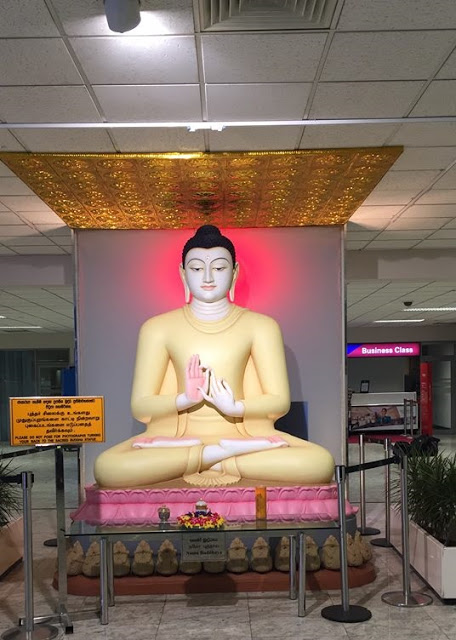
Buddha allowed eight types of fruit juices. He also allowed meat if it is already killed, but not for the monk. Since Buddha allowed Tom, Dick and Harry and Juli, Samantha and Mary  to become monks, there were lot of conflicts about What to eat, What to wear, What to say and how to behave. As long as he lived, he sorted out all the problems in day to day meetings. After his death each group claimed that they were right and framed their own rules. Three times the Buddhist councils met after his death and decided the ‘Constitution’ for the religion. Each time lot of amendments were passed. Emperor Asoka finalised everything 2300 years ago. And then came the Vinaya Pitaka. In one of the council meetings, entrants to the council hall were interviewed by a group of scholars. All the yellow clad fakes were thrown out of the place if they could not answer the basic questions.

Here are some interesting bits from a Pali language  Dictionary:-

EAT MUD

‘Gharadinna kaabaadho’ means sickness arising out of taking something unpalatable to one’s system given by some house wife to seduce him/monk. Its antidote as prescribed by the Buddha was to drink Siitaaloli, i.e. a drink made out of the mud adhering to the plough.

Sita means plough. Rama’s wife also came from plough. When Emperor Janaka ploughed the land with a golden plough (it is a Vedic ceremony) , a baby girl was discovered and she was named SITA.

The Hindu wonder is about 50 names are found in Vedic literature with the names of plants or animals. They were nature lovers and environmentally conscious!

Sakuntala meant bird woman.

Bharatwaja meant Crow, Kausika meant Owl , Vedic Sarama meant Dog and Kasyapa meant Tortoise. We have over 50 names like this.

GORASA

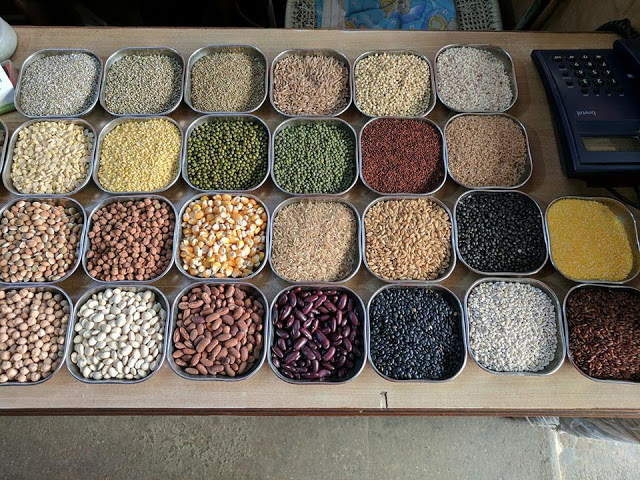
Milk and milk products, such as curd/yogurt , sour-milk, butter, ghee are allowed for monks by the Buddha.
KHAADANIIYA

All kinds of eatables – five kinds of Bhojanas – odana/rice, sattu/nutrient flour, kummasa/junket, macha/fish, mamsa/meat

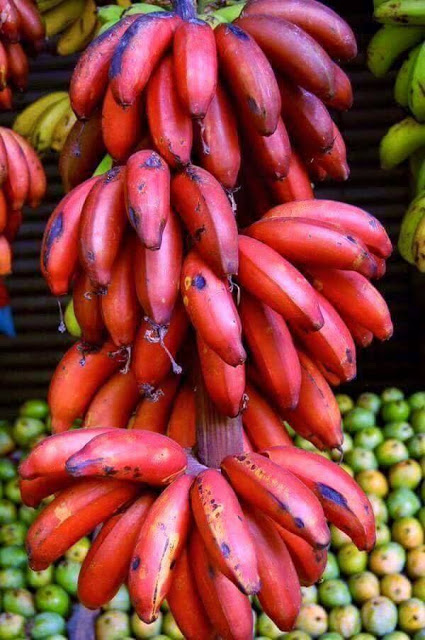
All kinds of yaamakaalika , i.e. eight kinds of fruit juices of madhu, muddika, saaluka, coca, moca, amba, jambhu and pharusaka.

All kinds of sattaahakaalika , i.e. ghee, butter, oil, honey and phaanita/molasses and All kinds of medicines (are allowed).

ANTOVUTTAKAM, ANTO PAKKAM

Any food or food material, which is not formally allowed by the Sanga stored inside the vihara should not be used by the monks. Food cooked inside the vihara can’t be eaten by monks. (They must beg and get food from the public).

AARAAMA

Aaraamas are pleasure parks. There were 7707 pleasure gardens in the city of Vaisali in Bihar. Bhikkunis/ women monks were not allowed to go there.

Indian State of ‘Bihar’ is derived from Vihara (of Buddhists)

AAVASATHA PINDA

Food prepared out of five kinds of cereals kept ready at a public place/aavasatha by a meritorious person. A monk can eat it only once. (Like Hindu Annadana)

PHALA- TAMIL OR SANSKRIT?

Word ‘Phala’ for fruit is found in 2700 year old Panini’s Ashtadhyayi and 2300 year old Buddhist Pali works and the meaning is fruit or seed. Tamils used this word with special letter ‘Za’. Though it is not a retroflex ‘La’ in Sanskrit and Pali it occurs in later but not Vedic literature. Pali works mentioned 8 types of phala rasa- fruit juices.

It is strange that Vedic literature did not use this ‘phala’. Rig Veda mentioned ‘pippala’ with the general meaning ‘berries’. Pippala became apple in English .

PHALA KHAADANIIYA

Buddha allowed all kinds of fruits for the monks to use as food. Some fruits are named – jack fruit/panasa, bread fruit/ labuja, palmyra fruit/ taala, coconut/ naalikera, mango/amba, rose apple/jambhu, ambaataka, tamarind/tintinika, maatulunga/kind of citrus, wood apple/kapiththa, gourd/alaabu, kumbhanda, timbaruutaka, tipusa/cucumber, vaitingana /aubergine, coca/ kind of banana, honey tree fruit/madhuka

PHALA BHESAJA

Medicinal fruits allowed- vilanga, pippali, marica/pepper, haritika, vibhitaka , aamalaka, gottaphala

PHALARASA

All kinds of fruit juices including sugarcane juice are allowed.

Many other restrictions about dress are found in the DICTIONARY OF EARLY BUDDHIST MONASTIC TERMS compiled from Pali literature by Prof C S Upasik of Nava Nalanda Mahavihara, Bihar. 1975.
–SUBHAM–
நல்லவர்கள் யார்? அம்பலவாணர் தரும் பட்டியல் (Post. 7620)

WRITTEN BY LONDON SWAMINATHAN

Post No.7620

Date uploaded in London – 26 February 2020

Contact – swami_48@yahoo.com

Pictures are taken from various sources for spreading knowledge; this is a non- commercial blog.

அம்பலவாணக் கவிராயர் சுமார் 200 ஆண்டுகளுக்கு முன்பு, கொல்லிமலையில் இருக்கும் சிவபெருமானைத் துதித்து பாடிய அறப்பளிச்சுர சதகத்தில் இரண்டு பாடல்களில், நல்லவர்கள் யார்? உத்தமர்கள் யார்? தியாகி யார்? என்று நீண்ட பட்டியலைத் தருகிறார். இதோ அவர் சொல்லும் சுவையான விஷயங்கள்—

செய்நன்றி மறவாதவர்கள், ஒருவர் செய்த தீமையை மறந்து, ‘மறப்போம், மன்னிப்போம்’ என்ற ‘பாலிசி’யைப் பின்பற்றுவோர் உத்தமர்கள்.  tamilandvedas.com, swamiindology.blogspot.com

பணமே கொடுத்தாலும் மாற்றானின் மனைவியின் மீது ஆசை வைக்காதவனும், பிறர் பொருளைக் கீழே கண்டு எடுத்தாலும் அதன் உரிமையாளரைத் தேடிக்கண்டு பிடித்து கொடுப்பவரும்,  கோவிலுக்கும் அறப்பணிகளுக்கும், பிராமணர்களுக்கும் கல்வெட்டுக்களில், உயில்களில் எழுதி வைத்த தர்மத்தைக் காப்பவர்களும்  உத்தமர்கள். tamilandvedas.com, swamiindology.blogspot.com

எவ்வளவு பணம் கொடுத்தாலும் வழக்கில் பொய் பேசாமல், நடுவு நிலைமை தவறாறாதவர்களும் , அதாவது கோடிக்கணாக்காக பணத்தை அள்ளிவீசினாலும் பணத்துக்காக பொய்ச் சாட்சி, பொய்த் தீர்ப்பு சொல்லாதவர்களும்  உயிரே போகும் நிலைமை வந்தாலும் கனவிலும் கூட பொய் மட்டும் சொல்ல மாட்டேன் என்போரும் சத் புருஷர்கள்/ நல்லவர்கள் என்று உலகமே போற்றும்.

அடைக்கலம் நாடி வந்தவர்களைக் காப்போரும் , என்ன நேரிட்டாலும், என்ன கஷ்டம் வந்தாலும், மனம் கலங் காதவர்களும் மகா தீரர்கள் ஆவர். tamilandvedas.com, swamiindology.blogspot.com

ஒரு விஷயத்தை ஆரம்பித்தபின்னர் அதன்படியே, சொன்ன சொல் தவறாமல் நடப்பவனே மகாராஜா என்று உலகோரால் போற்றப்படுவான். அதாவது முதலில் சொன்னதைச் செய்யாமல் தப்பிக்க சாக்குப்போக்கு தேடாமல் சத்தியத்தைக் கடைபிடிப்பவனை ‘ராஜா’வே என்று உலகம் பாராட்டும்.

பிறர் பேச்சைக் கேட்டு தவறு செய்யாதவர்கள் மேரு மலை போன்று உயர்ந்தோர் ஆவர் . குன்றிலிட்ட விளக்கு போல பிரகாசிப்பர்.

தன்னை அடுத்து வாழ்பவர்கள் , தனக்குத் தெரிந்தவர்கள் ஆகியோர் கஷ்டப்படுகையில் வலியச் சென்று உதவி செய்து அவர்களைக் காப்பாற்றுபவன் தியாகி ஆவான் .

ஒவ்வொருவருடைய தகுதி, தரம் ஆகியவற்றை கருத்திற் கொண்டு அவர்களுக்குரிய மரியாதை செய்பவன் எல்லோருக்கும் நண்பன் ஆவான். tamilandvedas.com, swamiindology.blogspot.com

திரிசூல தாரி , சதுர கிரி வாசா , உன்னை அனுதினமும் மனதில் நினைந்து வாழ்த்துகிறேன்.

–subham-

மஹரிஷி காமண்டகர்! (Post 7619)

WRITTEN BY S NAGARAJAN

Post No.7619

Date uploaded in London – 26 February 2020

Contact – swami_48@yahoo.com

Pictures are taken from various sources for spreading knowledge; this is a non- commercial blog.

ச.நாகராஜன்

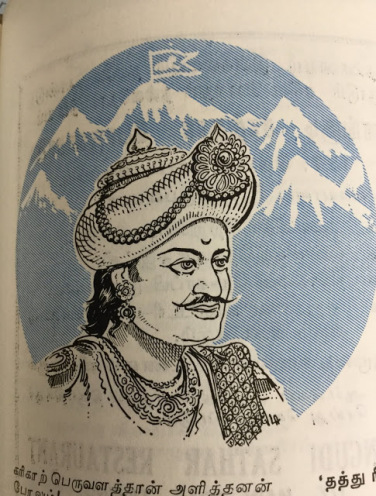
காமண்டகர் என்ற மஹரிஷி மிகுந்த தவவலிமை உடையவர். ஒரு நாள் ஆங்கரிஷ்டன் என்ற அரசன் அவர் ஓய்வாய் சுகமாய் அமர்ந்திருந்த சமயத்தில் அவர் அருகே வந்து அவரை வணங்கினான்.

பின்னர் அவரிடம் அந்த அரசன் இரு கேள்விகளைக் கேட்டு அதற்குத் தக்க விடை தந்து அருளுமாறு வேண்டினான்.

கேள்விகள் இவை தாம் :

  1. ஒரு அரசன மூடத்தனத்தினாலும் காமத்தினாலும் பீடிக்கப்பட்டு ஒரு பாவத்தைச் செய்த பிறகு, தான் செய்த பாவங்களை நினைத்து பச்சாதாபப் பட்டு, அவன் என்ன செய்தால் அந்தப் பாவங்களிலிருந்து விடுபடுவான்?
  2. ஒருவன் அறியாமையினால் பாவமான ஒரு காரியத்தைத் தான் சரியாகத் தான் நடப்பதாக நினைத்துச் செய்து விட்டால், அது மனிதர்களுக்குள் வழக்கமாக ஏற்பட்டுவிடாதபடி எப்படி அரசன் அதைத் தடுக்க வேண்டும்?

காமண்டக மஹரிஷி அரசன் இப்படி கேள்விகளைக் கேட்டதைக் கண்டு மகிழ்ந்து தன் பதிலைப் பின்வருமாறு உரைத்தார் :

“ ஒரு  மனிதன் தர்மம், செல்வம் ஆகியவற்றை அடைவதை ஒழித்துவிட்டு இந்திரிய சுகத்திலேயே கவனமுள்ளவனாக இருந்தால்  அந்த நடத்தையின் காரணமாகத் தன் அறிவை இழக்கிறான். எப்போது அறிவை இழக்கிறானோ உடனே அவனுடைய தர்மத்திற்கும் செல்வத்திற்கும் நாசத்தைச் செய்யும் கவனமற்ற மந்தத் தன்மையை அடைகின்றான். அதிலிருந்து தெய்வத்தில் நம்பிக்கை இல்லாத நாஸ்திக எண்ணத்தை அடைந்து கொடுந்தொழிலையே செய்து வரும் அப்பியாசமும் மேலிடுகின்றன.

     இப்படிப்பட்ட பாவிகளாகிய துஷ்டர்களை அரசன் தண்டிக்காவிடில், சாதுக்களாய் இருப்பவர்கள் அனைவரும் ஒரே அறையில் பாம்புடன் இருப்பவனைப் போல அந்தக் கொடியவனைக் கண்டு எப்போதும் பயப்படுகிறார்கள்.

    அப்படிப்பட்ட அரசனுக்குக் குடிமக்களும் கீழ்ப்படிவதில்லை. பிராமணர்களும், இதர சாதுக்களும் அப்படியே நடக்க ஆரம்பிக்கின்றனர். அதுவே அவனது நாசத்திற்கும் காரணமாக அமைகிறது. இவ்வாறு அபகீர்த்திக்கும் நிந்தனைக்கும் ஆளாகி அவன் மிகுந்த துக்கத்துடன் காலம் கழிக்க வேண்டியவனாகிறான்.

    புகழ் இல்லாத ஒரு பிறவி இறந்ததற்குச் சமானம்.

பாவத்தை வரவொட்டாமல் தடுப்பதற்காக வேத சாஸ்திரங்களைக் கற்றறிந்த பெரியோர்கள் கீழ்க்கண்டவைகளை எடுத்துக் காட்டியிருக்கின்றனர்.

  1. அவன் எப்பொழுதும் மூன்று வேதங்களை ஓதுவதிலேயே கவனம் உள்ளவனாக இருத்தல் வேண்டும்.
  2. அவன் பிராமணர்களை வழிபட்டு அவர்களுக்குரிய நன்மைகளைச் செய்து வர வேண்டும்.
  3. அவன் தர்ம வழியிலேயே பக்தியுடன் நடத்தல் வேண்டும்.
  4. உயர்ந்த க்ஷமா (மன்னித்தல்) என்கிற உத்தம குணத்தைக் கொண்டிருக்கும் பிராமணர்களுடன் அடுத்துப் பழக வேண்டும்.
  5. நித்ய கர்மானுஷ்டானங்களைச் செய்து புண்ய மந்திரங்களை ஜபித்து சந்தோஷமாகக் காலத்தைக் கழிக்க வேண்டும்.
  6. துஷ்ட பிரஜைகளை தன்னிடத்திலிருந்தும் தன் ராஜ்யத்திலிருந்தும் அகற்றி நல்லோருடன் சகவாசம் செய்ய வேண்டும்.
  7. இனிய மொழிகளாலும், நல்ல செய்கைகளாலும் தன்னுடைய குடிமக்களை மகிழ்ச்சியுறச் செய்ய வேண்டும்.
  8. அவன் அனைவரிடமும், ‘நான் உனக்கு வேண்டியவன்’ என்று சொல்வது தவிர, தன்னுடைய விரோதிகளாக இருப்பினும் கூட அவர்களுடைய நற்குணங்களை எடுத்துரைத்தல் வேண்டும்.

இது போல அவன் நடந்து வந்தால் அவன் பாவங்களிலிருந்து நீங்கப் பெற்று பரிசுத்தமானவனாகி யாவராலும் மதிக்கப்படுகின்றான்.

உன்னுடைய பெரியோர்களும், ஆசாரியர்களும் சொல்லுகின்ற உத்தமமான கடமைகளை நீ நிறைவேற்ற வேண்டும்.

அவர்களுடைய கிருபையால் நீ எல்லா மங்களங்களையும் நிச்சயம் அடைவாய்.”

இவ்வாறு காமண்டகர் அரச தர்மத்தை உபதேசித்து அவனது கேள்விகளுக்கு பதிலை அளித்தார். அதைக் கேட்ட மன்னன் ஆங்கரிஷ்டன் பெரு மகிழ்ச்சி அடைந்தான். அவற்றைக் கடைப்பிடிக்க உறுதி பூண்டான்.

****

குறிப்பு :-

மஹாபாரதத்தில் வன பர்வத்தில் காமண்டக மஹரிஷி பற்றி விவரமாகக் கூறப்பட்டுள்ளது.

SWAMI CROSS WORD 2522020 (Post.7618)

WRITTEN BY LONDON SWAMINATHAN

Post No.7618

Date uploaded in London – 25 February 2020

Contact – swami_48@yahoo.com

Pictures are taken from various sources for spreading knowledge; this is a non- commercial blog.

ACROSS

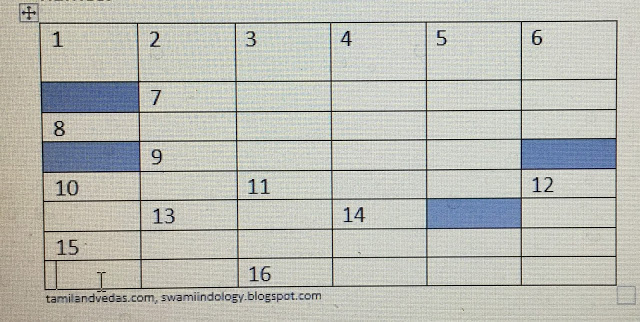
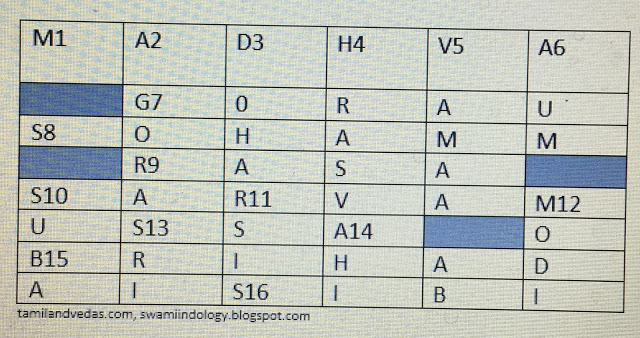
1- (6 letters) Saint who propagated Dwaita (dualist) philosophy

7. – (4) terrible

8. – (5) I am He (Philosophical statement I am That; identifying with god; mirror image of Ham sa)

9. – (4)  Juice, in dance or drama One of the Nine moods

10.- 6) All

15. – (6) Big; oldest Upanishad’s name has this word in the beginning.

16. –(4) one of the kings of North West India who sacrificed his flesh to save a dove from an eagle.

DOWN

2. – (6)one of the five aspects of Lord Siva having two meanings Terrifying and Non terrifying

3. – (4) granting, milking, yielding ; capital of a country in the Middle East.

4. – (6) short letter, dwarf, verse with for feet

5. – (4) left side; part of a name

6. – (3) pranava mantra

10. – (4) auspicious; feminine name

11. – (3) sage, saint; mirror image of SEER

12. – (4) Prime Minister of India’s caste name; general meaning –pleased, cheerful

13. – (3) Holy, Sacred, Wealthy ; a prefix before Saints and Gods

14. – (3) Enemy of Indra; snake demon killed by Indra

—Subham–

வண்ணாத்தி அழுதது ஏன்? பாடகர் ஓடியது என்? (Post.7617)

WRITTEN BY LONDON SWAMINATHAN

Post No.7617

Date uploaded in London – 25 February 2020

Contact – swami_48@yahoo.com

Pictures are taken from various sources for spreading knowledge; this is a non- commercial blog.

கான மயிலாடக் கண்டிருந்த வான்கோழி

தானு மதுவாகப் பாவித்துத் — தானுந்தன்

பொல்லாச் சிறகைவிரித்  தாடினாற் போலுமே

கல்லாதான் கற்ற கவி –  மூதுரை / வாக்குண்டாம்

ஒரு ஊரில் ஒரு கற்றுக்குட்டி பாடகர் இருந்தார். அவர் அறிந்ததோ குறைவு. அறியாததோ மலை அளவு. இருந்தபோதிலும் ‘குறை குடம் கூத்தாடும் நிறை குடம் தளும்பாது’ என்பதற்கு ஏற்ப ஆட்ட பாட்டம் அதிகமாக இருந்தது. நாட்டின் தலை நகருக்குச் சென்று ராஜாவுக்கு முன்னர் பாடி சன்மானம் பெற வேண்டும் என்று ஆசைப்பட்டு தலை நகருக்குப் போனார். tamilandvedas.com, swamiindology.blogspot.com

தினமும் சங்கீத சாஹித்யம் செய்வதற்காக அரண்மனையிலிருந்து தொலை தூரத்தில் ஒரு வீட்டை வாடகைக்கு எடுத்தார். தினமும் பாடிப்பாடி பார்த்தார். ஆனால் இவர் ஒவ்வொரு முறை பாடும் போதும் அடுத்தவீட்டில் இருந்து அழும் குரல் ஒலித்தது. இவர் உச்ச ஸ்தாயியில் பாடினால் அழுகுரலும் உச்ச ஸ்தாயிக்குப் போனது . ஒருவாரம் இப்படியே ஓடியது.

பொறுமைக்கும் எல்லை உண்டல்லவா? அடுத்த வீட்டில் வசிக்கும் வண்ணான் மனைவிதான் இப்படி பிலாக்கணம் வைக்கிறாள் என்று தெரிந்தவுடன் அவளை அழைத்துவருமாறு வீட்டுச் சொந்தக்காரனிடம் சொன்னார்.

அவளும் வந்தாள் . ஏ ! மூ ளை கெட்ட மூதேவி ! நான் பாடத் துவங்கியவுடன் ஏன் இப்படி அழுது தொலைக்கிறாய்?

உனக்கு என்ன ஆயிற்று? என்று சத்தம் போட்டார்; திட்டித் தீர்த்தார் .

அவள் சொன்னாள் , tamilandvedas.com, swamiindology.blogspot.com

“சாமி! மன்னிச்சுக்கங்க ! ஒரு மாதத்துக்கு முன்னர் நான் வளர்த்த அழகான கழுத்தை செத்துப் போச்சுங்க ! நீங்க பாட ஆரம்பிச்ச உடனே அதன் ஞாபகம் வந்துடுங்க; அதான் ஓ வென்று கதறி அழுதேன் என்றாள் .

பாடகருக்கு வெட்கம் நாக்கைப் பிடுங்கித் தின்றது . அவளை மரியாதையுடன் வெளியே அனுப்பி விட்டு ஊரைப் பார்த்து ஓடி வந்தார்.

xxx

ஆஸ்திரிய நாட்டு இசை மேதையும் சாஹித்ய கர்த்தாவுமான மோசார்ட் (Mozart) திருஞான சம்பந்தர் போல இளம் வயதிலேயே பாடல்களை எழுதியவர்; பாடியவர். அவரிடம் ஒரு பையன் வந்தான்.

“ஐயா, எப்படி ஸிம்பனி (symphony ) ஸ்வரத் தொகுப்பு) எழுதுவது என்று எனக்குச் சொல்லுங்கள் – என்றான்

“அட, நீ ரொம்பச் சின்னவன். முதலில் நாட்டுப் பாடல், கதை, பாட்டு (ballads) ஆகியவற்றை எழுதிப் பழகு” – என்றார்.

“என்ன இப்படிச் சொல்கிறீர்கள்? நீங்கள் மட்டும் பத்து வயதிலேயே ஸ்வரங்களை எழுதினீர்களே!”

“அது உண்மைதான். ஆனால் ஸிம்பனி எப்படி எழுதுவது என்று நான் யாரிடமும் போய்க் கேட்கவில்லையே” – என்றார்.

கான மயிலாடக் கண்டு தானும் அதுவாகப் பாவித்த வான் கோழியின் கதை போல உள்ளது அந்தப் பையன் கதை!

Xxxx

YATHA RAJA, THATHA PRAJA ! (Post.7616)

Be honest, your Subordinates will be Honest too!

WRITTEN BY LONDON SWAMINATHAN

Post No.7616

Date uploaded in London – 25 February 2020

Contact – swami_48@yahoo.com

Pictures are taken from various sources for spreading knowledge; this is a non- commercial blog.

Yatha Raja, thatha Praja is a Sanskrit proverb.

Common man follows the king.

If he is honest and strict about it, people will also follow him.

In Baghavad Gita, Lord Krishna also says,

Whatver action a great man performs, common man follows 3-21

Tamil grammarian Tolkappiar also says,

Customs are based on the people at higher level.

Valakkenappatuvathu uyarnthor mere (In Tamil)

In Purananuru verse 187 poetess Avvaiyar also echoes the same,

A land is considered good depending upon the good people living there.

“Evvali nallavar aadavar avvazi” (in Tamil)

There is a Tamil folktale illustrating this point-

A surveyor called  a village watch man and asked him to bring two measures of green rice, raw paddy, from the field without the land owner knowing. He told him that his son liked it very much. Accordingly, he went to the field at the dead of night and brought two measures of raw rice.

The watch man used this as a pretext and from that time he went to the field every week and took two measures of grains for his own use. He continued it for long.

When harvest time came the surveyor went to see the quantity of grain. When he saw two or three sections in the field empty, plants without grains, he called the watch man and said,

Hey fellow, what is this?

Who stole the grains?

The watch man secretly told him,

Sir, this is what you yourself one day ordered.

When he saw all the paddy in this condition, as often as he asked, the watch man came and said the same thing.

The moral of the story is…..

If the head of the country is corrupt people will also be corrupt.

If you are not honest you can’t find fault with others.

Xxx

Potter and the King’s Servants

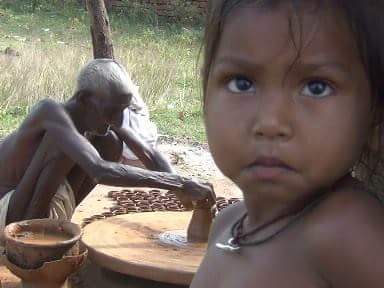
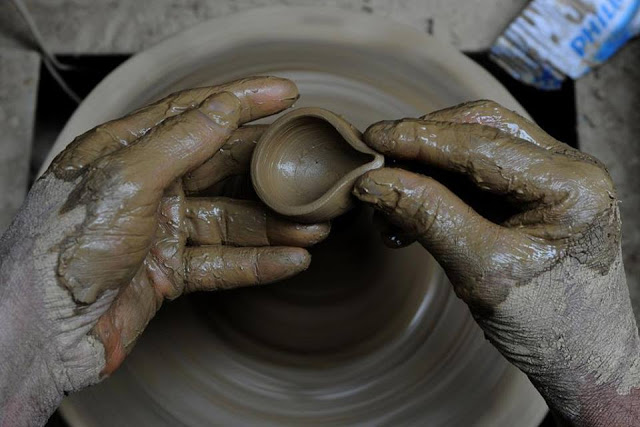
In a village a potter got his livelihood by making pots and pans and baking and selling them. The servants of the king’s palace often came to him ordering him to give them pots. They paid him nothing.

Whilst the matters were so, one day the potter saw the servants coming. He ran away from his hut and hid himself in the nearby palmyra grove.

The servants went into the house and saw only his children. So they went out without taking any pots.

They said ‘we will come tomorrow’.

While they were going home, they went through the palmyra grove.

As soon as the potter saw them, he rose up and stood out of respect.

But he showed them his back and pretended as if he was looking at the top of a tree.

The servants without looking at his face and without recognising asked him, Hey fellow, why are you looking at?

What is happening?

Oh , I am looking at the palmyra tree to find out whether I can make a plough out of it.

One of the servants said,

What? Will a palmyra tree do for a plough? You are ‘ a fool like a potter’. You don’t know anything.

As soon as he used the word ‘potter’, he got scared.

He showed his face and told them,

Who told you that I was here?

Then they identifying him said, ‘is it you potter?’

They seized him and took him to his hut.

They took as many pots as they wanted and put them on his head, one over the other, made him carry the pots all the way to their houses.

Like westerners say ‘bird’s brain’, in the olden days Tamils used to say ‘potter’s brain’.

Xxx Subham xxx

பேரூர் நந்தியின் முகம் வெட்டப்பட்டு பின் மீண்டும் வளர்ந்தது ஏன்?(Post.7615)

Perur Temple, WIKIPEDIA

WRITTEN BY S NAGARAJAN                     

Post No.7615

Date uploaded in London – – 25 February 2020

Contact – swami_48@yahoo.com

Pictures are taken from various sources for spreading knowledge; this is a non- commercial blog.

கொங்குமண்டல சதகம் பாடல் 19

பேரூர் நந்தியின் முகம் வெட்டப்பட்டு பின் மீண்டும் வளர்ந்தது ஏன்?

ச.நாகராஜன்

கோயமுத்தூரை அடுத்துள்ள பேரூர் பழைய காலத்தில் கொங்கு மண்டலத்தில் உள்ள ஆறை நாடு என்று அழைக்கப்பட்டது.

சுந்தர மூர்த்தி நாயனார் ஊர் ஊராகச் சென்று சிவனை வழிபட்டு வரும் நாளில் ஒரு நாள் பேரூர் சென்றார்.

அப்போது அங்கு எழுந்தருளியுள்ள பட்டீசுரர் பள்ள வேடம் கொண்டு வயலுக்குச் செல்வாராயினர். செல்லும் போது நந்தியிடம் , “நான் எங்கு செல்கிறேன் என்பதை யாருக்கும் தெரிவிக்காதே” என்று கட்டளையிட்டு விட்டுச் சென்றார்

tamilandvedas.com, swamiindology.blogspot.com.

சுந்தரர் அங்கு வந்து இறைவனைக் காணாத நிலையில் நந்தியிடம் எம்பெருமான் எங்கே என்று கேட்டார்.

நந்திக்குத் தர்ம சங்கடமான நிலை ஏற்பட்டது. சிவபிரான் தான் செல்லும் இடத்தை யாருக்கும் சொல்லக் கூடாது என்று கட்டளையிட்டிருக்கிறார். ஆனால் சிவனடியாரோ சிவன் இருக்கும் இடத்தைக் கேட்கிறார். சிவனடியாரிடம் பொய் சொல்லக் கூடாது, அதுவும் தவறு தான்.

ஆகவே கண் ஜாடையால் சுவாமி சென்ற இடத்தைக் காட்டினார்.

விஷயத்தைப் புரிந்து கொண்ட சுந்தரர் நேராக வயலுக்குச் சென்று சிவ தரிசனம் பெற்றார்.

சுந்தரருடன் கரை ஏறிய பட்டிப் பெருமான் ஆலயத்திற்குச் சென்றார். கோபம் கொண்ட அவர், அங்கு மண்வெட்டி கொண்டு இடபதேவர் முகத்தை வெட்டினார்.tamilandvedas.com, swamiindology.blogspot.com

நந்திகேசுரர் சிவபெருமானை வணங்கி அருள் வேண்டி இறைஞ்ச அவர் முகம் மீண்டும் பழையபடி வளர்ந்தது.

இந்த வரலாற்றை கொங்கு மண்டல சதகம் 19ஆம் பாடலில் விளக்குகிறது இப்படி:-

நறைவயல் வாய்ச்சுந் தரர்க்கொளித் தாரதை நந்திசொலப்

பிறைமுடி மேனியர் பட்டீச் சுரர்பெரு மண்வெட்டியாற்

குறைபட வெட்டி விழுமுக நந்திசெய் கொள்கையினால்

மறுமுக மீண்டு வளர்ந்தது வுங்கொங்கு மண்டலமே

பொருள் : சுந்தரமூர்த்தி நாயனார் வருவதைத் தெரிந்து கொண்ட பட்டீச்சுரப் பெருமான் (பள்ள வடிவாக) வயலில் ஒளிந்திருந்ததை நந்திகேசுரர் (கண் ஜாடையால்) காட்ட, கோபம் கொண்ட சிவபிரான் திருக்கையி ற் கொண்ட மண்வெட்டியால் நந்தி முகத்தை வெட்ட, அந்த முகம் மீண்டும் வளர்ந்த பேருர் கொங்குமண்டலத்தைச் சேர்ந்ததேயாம். tamilandvedas.com, swamiindology.blogspot.com

இந்த வரலாற்றைப் பேரூர்ப் புராணம் இப்படி விவரிக்கிறது:-

பண்ணையி லேரிற் பூட்டிப் பகட்டொடு முழாது வைத்தால்

நண்ணிய தொண்டர்க் குண்மை நவிற்றுறா திருப்பை கொல்லென்

றண்ணல்வெள் விடையைச் சீறி  யானனஞ் சரிந்து வீழ

மண்ணகல் கருவி தன்னால் வள்ளலார் துணித்திட் டாரால்  (பேரூர்ப் புராணம்) tamilandvedas.com, swamiindology.blogspot.com

சுந்தரர் வரலாற்றிலும் இந்தச் சம்பவம் இடம் பெறுகிறது.

****

STORY OF WOMAN PHILOSOPHER CHUDALA (Post 7614)

COMPILED BY LONDON SWAMINATHAN

Post No.7614

Date uploaded in London – 24 February 2020

Contact – swami_48@yahoo.com

Pictures are taken from various sources for spreading knowledge; this is a non- commercial blog.

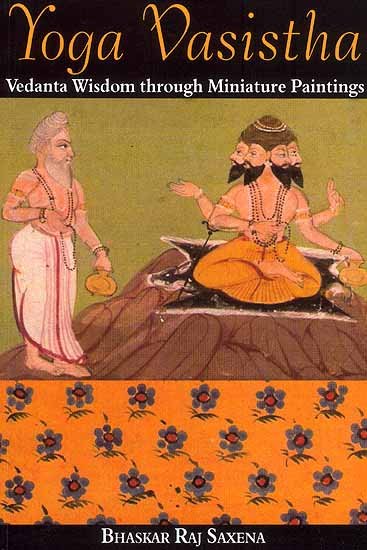
While examples are rare in literature where women damps and crushes such an interest in her beloved, we have an outstanding example of woman striving for such a contingency, triumphing over temptations of the flesh, instructing him in self- knowledge and winning him over to her ways. This is Chuudaalaa of the Yoga Vasishta.

Daughter of Saurashtra Prince, beautiful and pious, she was while in her teens wedded to Shikidwaja, a valiant prince of Ujjaini. It was a happy match, and life passed on smoothly with them, since both were accomplished in arts and sciences and were of kindred tastes. But with the advent of age and with her personal charms diminishing, she realised the necessity of true knowledge and the hollowness of material pleasure. With her mind trained by instructions Chudala asks herself the questions,

Can it be that I shall know my own self, the substratum of reality in me, what I am in thinking and feeling and willing?

Upon her dawns the knowledge that the world of sense is imaginary. With this she feels the touch of unparalleled comeliness overspreading her appearance. The king is surprised and interrogates,

Have you tasted the nectar and turned imaging?

Me seems you have acquired a priceless treasure.

She replies, I have come to know of things in their proper perspective — their emergence from and their merging in finality. I pray for nothing and I am self -contained. That is why I have turned so lovely.

The king laughs at the Idea and takes her to be mad, and entreats her not to sever her connection with the world of senses. But that was not to be, Chudala takes to solitude and yogic regimen, acquires supernatural powers, but does not leave the palace. In course of a time, knowledge dawns upon the king too. He turns religiously minded and leaves the kingdom and goes to the forest abruptly despite Chuldala’s repeated entreaties.

Chudala invisible through yogic efficacy seeks him out after he had been absent for eighteen years. By this time, with his previous desire for enjoyment exhausted, he becomes a true ascetic. Chudala implores the king to be thorough going in his renunciation, to eschew everything including the inborn impressions of his previous birth. This done, the king becomes really enlightened; and this is the marvel that Chudala achieves.

The sublimation of the intellect as in Arundhati, of feeling as in

Radha , and of spirit as in Chudala are three important landmarks in the process

of womanly enlightenment as depicted in classical Sanskrit. Women as martyrs rarely appear in Buddhist doctrinaire accounts, but women as nuns wedded to service of humanity are more frequent. The one noble example of affection through service is Patralekha in the Kaadambari. She is the best e example of championship unfeigned and undaunted by the dawn and of return of love.

Woman may be a poet or a philosopher or a scholar, and even a brahmachariny

like Maitreyi or Chudala. But her claim to recognition lies through her service of her lord and through her being the mother of a great son, wise or valiant like Rama, Shankara, Chaitanya or the heroic Bharata, as the case may be. This is the attitude of even romantic love stories. Vadavadatta is great because of her being the mother of Naravahana datta.

Source – Great Women of India, AdvaIta Ashrama, Mayavati, Almora,1953

Also read
Wife’s three Tests to her Husband! Story from Yoga Vasishta …tamilandvedas.com › 2014/05/31 › wifes-three-tests-to-her-husband-st…

31 May 2014 – His queen was Chudala from Saurashtra country in ancient India (now part of Gujarat state). She was very beautiful and extremely intelligent.

தமிழ் குறுக்கெழுத்துப் போட்டி 2422020 (Post 7613)

WRITTEN BY LONDON SWAMINATHAN

Post No.7613

Date uploaded in London – 24 February 2020

Contact – swami_48@yahoo.com

Pictures are taken from various sources for spreading knowledge; this is a non- commercial blog.#

ACROSS

1.- (நாலு எழுத்துக்கள் ) 27 நட்சத்திரங்களில் முதலாவது.

4 – (5) கிரகங்களின் ‘ரிவர்ஸ் கியர்’

5- (2) மலேரியாவின் நண்பன் / வலமிருந்து இடம் செல்க

6.- (3) வாசலில் தொங்கும்; வரவேற்கும்;சுப சகுனம்

8- (5) ரயில் வண்டிப் பூச்சி ; கடித்தால் தடிப்பு

10- (3)இரவின் மறுபக்கம் / வலமிருந்து இடம் செல்க

DOWN

1. (6)ஆந்தை வீட்டுக்கு காகம் தீ வைத்ததைப் பார்த்து தன எதிரிகளுக்கு தீ வைத்தவன்

2. (4)கௌரவர் சபையில் உள்ள நீதிமான்; கண்ணனின் நண்பன்

3.- (7) சுண்டலுக்கு ஏற்றது ;பீன்ஸ், அவரை குடும்ப தாவரம்

7.- (3)கையில் பத்து, காலில் பத்து

– (3) ஆயுள், ஆரோக்கியம், தானம், தான்யம் குறைந்தால் வருவது / கீழிருந்து மேலே செல்க

10 (4)- தீ பாவளி  வந்தால் ‘டாம் டும் டம்’ சத்தம் போடும்./ கீழிருந்து மேலே செல்க

ANSWERS

1.அசுவினி , 4.வக்ரதிசை, 5.கொசு, 6.மாவிலை, 8.மரவட்டை , 10.பகல்

1.அசுவத்தாமா, 2.விதுரர், 3.மொச்சைக் கொட்டை, 7.விரல், 9.கவலை,10.பட்டாசு

–SUBHAM–
‘யோகா’ ஒரு சமுத்திரம் – 5 லட்சம் சுவடிகள் ! (Post No.7612)

Tevaram manuscript in British library

WRITTEN BY LONDON SWAMINATHAN

Post No.7612

Date uploaded in London – 24 February 2020

Contact – swami_48@yahoo.com

Pictures are taken from various sources for spreading knowledge; this is a non- commercial blog.

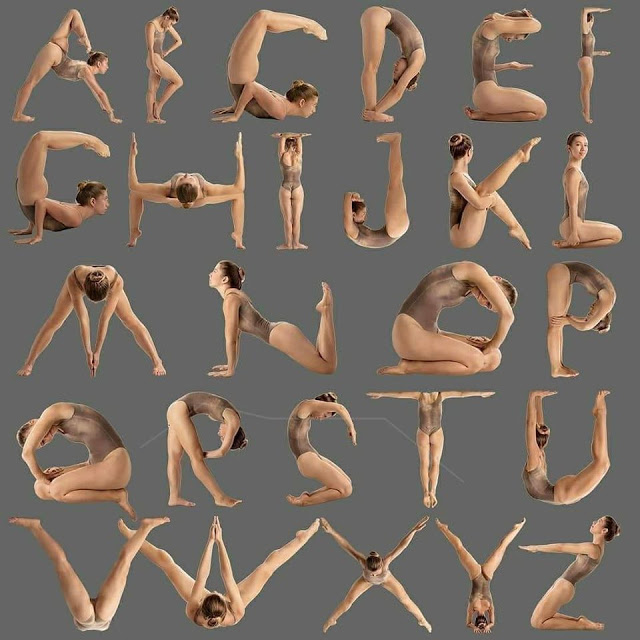
yoga in alphabet

ஞானஸ்ய காரணம் கர்ம, ஞானம் கர்ம விநாசகம்

பலஸ்ய கரணம் புஷ்பம், பலம் புஷ்ப விநாசகம்

ஞான மார்க ப்ரபோதினி

பழத்தை உண்டாக்கியது பூ ; அந்தப் பழமே பூவின் முடிவுக்குக் காரணம் ஆகிவிடுகிறது.

ஞானத்தை  உண்டாக்கியது கர்மவினையே ; அந்த ஞானமே  கர்மவினைக்கு முடிவுகட்டி விடுகிறது .

எளிய நடை ; அதி அற்புதமான தத்துவம் . இந்த நூல் வெளியாகவில்லை!! tamilandvedas.com, swamiindology.blogspot.com

இந்தியா தங்கத்துக்கும் வைரத்துக்கும் பெயர்பெற்ற இடங்கள். இதைக் கொள்ளையடிக்க கஜினி முகமது முதல் கொலம்பஸ் வரை புறப்பட்டதையும் கொலம்பஸ் மேற்கிந்தியத் தீவுகளில் இறங்கி அதுதான் இந்தியா  என்று பெயரிட்டதையும் இன்று வரை அந்த கரீபியன் கடல்  தீவுகளுக்கு மேற்கு இந்தியா (West Indies) என்று பெயர் இருப்பதும் நீங்கள் அறிந்ததே ; அதற்குப் பின்னர் 700 ஆண்டுகளுக்கு துலுக்கர்களும் 300 ஆண்டுகளுக்கு வெள்ளையர்களும் இந்தியாவைக் கொள்ளையடித்ததும் உங்களுக்கு நன்றாகவே தெரியும். tamilandvedas.com, swamiindology.blogspot.com

எனக்கும் உங்களுக்கும் தெரியாத விஷயம் ஒன்று இருக்கிறது . அதாவது இந்தியாவின் மஹத்தான பொக்கிஷம் ஒன்று உலக லைப்ரரிகளில் ஒளிந்துகொண்டிருக்கிறது . அது என்ன?

ஐந்து லட்சம் சம்ஸ்கிருத , பிராகிருத, பாலி மொழி சுவடிகள் ஆகும்.! ( இதில் தமிழ் சுவடிகளின் எண்ணிக்கை சேர்க்கப்படவில்லை.. ஏனெனில் இதை பெங்களூரைச் சேர்ந்த பாண்டுரங்கி எழுதிய கட்டுரையிலிருந்து தருகிறேன்.).

உலகிலுள்ள 215 கல்வி நிறுவனங்கள் ,  நூலகங்களில் ஐந்து லட்சம் சுவடிகள் இருப்பதாகவும் இதில் ஒரு லட்சம் சுவடிகள் ஜெர்மனி,பிரான்ஸ், பிரிட்டன், இலங்கை, நேபாளம் முதலிய நாடுகளில் உள்ள 40 ஸ்தாபனங்களில் இருப்பதாகவும் பாண்டுரங்கி புள்ளி விவரம் வெளியிட்டுள்ளார். (K T Pandurangi, The Wealth of Sanskrit Manuscripts in India and Abroad, Bangalore 1997 ) tamilandvedas.com, swamiindology.blogspot.com

தமிழ், தெலுங்கு, மலையாளம், கன்னடம், உருது, பாரசீக மொழிகளில் உள்ள சுவடிகளை அவர் கணக்கில் சேர்க்கவில்லை. இதற்கு முன்னர் தியோடர் ஓப்ரக்ட்(Theodor Aufrecht)  , பிரான்ஸ் கீல்ஹான் (Franz Kielhorn) , ஜார்ஜ் பியூலர் (George Buhler) , செஸில் பென்டெல் (Cecil Bendell) , ஏ ஸி பர்னல் ( A C Burnell) , ஹர பிரசாத் சாஸ்திரி (Hara Prasad Shstri)  , ஆர்.ஜி.பண்டார்க்கர் (R G Bhandarkar)  , குப்புசுவாமி  சாஸ்திரி Mm Kuppuswami  Sastri) ,டாக்டர் வி.ராகவன் (Dr V Raghavan) , பி.கே. கோடே ( P K Gode)   முதலிய பல அறிஞர்கள் எடுத்த நன் முயற்சியால் சம்ஸ்கிருத, பாலி , பிராகிருத மொழி சுவடிகள் பற்றி தெரிய வந்தது. சென்னை பல்கலைக் கழகம் வெளியிட்ட புதிய கேட்டலாகஸ் கேட்டலகோரம் ( The New Catalogus Catalogorum, Department of Sanskrit, Madras University) ‘அட்டவணைகளின்  அட்டவணை’ ) புஸ்தகம் நமக்கு சுவடிப் பட்டியலைத் தருகிறது. tamilandvedas.com, swamiindology.blogspot.com

அது ஒரு கலைக்களஞ்சியம் . அதில் வெறும் சுவடிப்பட்டியல் மட்டும் இல்லாமல் அதிலடங்கிய விஷயம் , அதை எழுதியோர்,தொ குத்தோர் , பாஷ்யம் செய்தோர் முதலிய பல விஷயங்கள் உள .

இதற்கு அடுத்தாற்போல யோகா சம்பந்தப்பட்ட சுவடிகள் மட்டும் எவ்வளவு என்று ஆராயாப் புகுந்த கே.எஸ். பாலசுப்ரமணியன் ஒரு கட்டுரை (ஆங்கிலத்தில்) எழுதினார். அதில் கண்ட சுவையான விஷயங்களை மட்டும் புல்லட் பாயிண்டு (Bullet Points) களில் தருகிறேன்.

ராஜ யோகம், ஹட யோகம் லய யோகம், மந்த்ர யோகம் என பல பிரிவுகள் உண்டு. யோகம் பற்றிய புஸ்தங்களைத் தவிர ஆகம, பவுத்த, ஜைன நுல்களுக்கிடையேயும் யோக விஷயங்கள் வருகின்றன. ஆகையால் அவ்வளவையும் சேகரிப்பதே ஒரு பெரிய கடினமான பணி . tamilandvedas.com, swamiindology.blogspot.com

ஆனால் யோகா என்பது மனிதனின் ஆன்மீக , உடல் ஆரோக்கிய , மன ஆரோக்கிய விஷயங்களுக்கு உதவுவதாலும் , இன்று உலகம் முழுதும் அதில் ஆர்வம் காட்டுவதாலும் கடினமான பணியைச் செய்துதான் ஆகவேண்டும் .

அடையாறு நூலகம் , தஞ்சை சரஸ்வதி மகால் நூலகம் முதலிய இடங்களில் இன்னும் பல யோகா சுவடிகள் அச்சேறாமல் உள்ளன.

யோகா சுவடிகளில்  சுந்தரதேவ எழுதிய ‘ஹட சங்கேத சந்திரிகா’ முக்கியமானது . வேறு பல ஹடயோக நூல்களில் இல்லாத அரிய பல விஷயங்களை சுந்தரதேவ எழுதி இருக்கிறார் . இந்த சுவடியின் பிரதிகள் வேறு பல நகரங்களிலும் கிடைக்கின்றன; சுந்தர தேவ 1650-1750 இடையே வாழ்ந்தவர். அவர் பல்கலை வித்தகர்; காவ்ய, யோக, ஆயுர்வேத , வேதாந்த விஷயங்களில் வல்லவர். நூலின் அடிக்குறிப்பிலிருந்து அவர் காஸ்யப கோத்ரத்தைச் சேர்ந்த தென்னிந்திய பிராமணர் என்பதும் காசி மா நகரில் குடியேறியவர் என்றும் தெரிகிறது. tamilandvedas.com, swamiindology.blogspot.com

அவர் 90 வேதாந்த, வைத்ய, யோக ஆசிரியர்களின் நுல்களைக் குறிப்பிடுவதால் அவருடைய மேதா விலாசம் விளங்கும்; கே. எஸ் பாலசுப்ரமணியன் இதை ஆராய்ந்து டாக்டர் பட்டம் பெற்றார்.

சுந்தரதேவ குறிப்பிடும் பல யோக நூல்கள் இன்று காணக்கிடக்கில. அவை யாவை ?

விரூபாக்ஷ எழுதிய அம்ருத சித்தி யோக;

கோரக்சனாத எழுதிய அமருக ப்ரபோத;

யோக சம்க்ரஹ , எழுதியர் பெயர் இல்லை

பாதஞ்சல யோக சம்க்ரஹ – இது பதஞ்சலியின் யோக சூத்ரம் அல்ல ; இது வேறு. tamilandvedas.com, swamiindology.blogspot.com

சாயா  புருஷ யோக ;

சாயா  புருஷ லட்சண;

ஞான யோக ப்ரபோதினி ;

குண்டலினி பஞ்சகாதி நிரூபணம்;

ராஜ யோக சார;

சித்தாந்தசார ;

யோக ரஹஸ்யம்;

ஸ்வர சாஸ்த்ர சம்க்ரஹ.

இவை அனைத்துக்கும் எழுதியோர் பெயர் கிடைக்கவில்லை

பரமேஸ்வர யோகி எழுதிய பரமேஸ்வர யோகின் , சுவடி வடிவில் அடையாறு நுலகத்தில் உள்ளது.

தஞ்சாவூர்  சரஸ்வதி மஹாலில் இன்னும் வெளியிடப்படாத யோக நூல்கள் சுவடிகளாக உள்ளன . tamilandvedas.com, swamiindology.blogspot.com

யோகத்தைப் பயில்வோம்! சுக போகத்தை அடைவோம்!!

–subham–